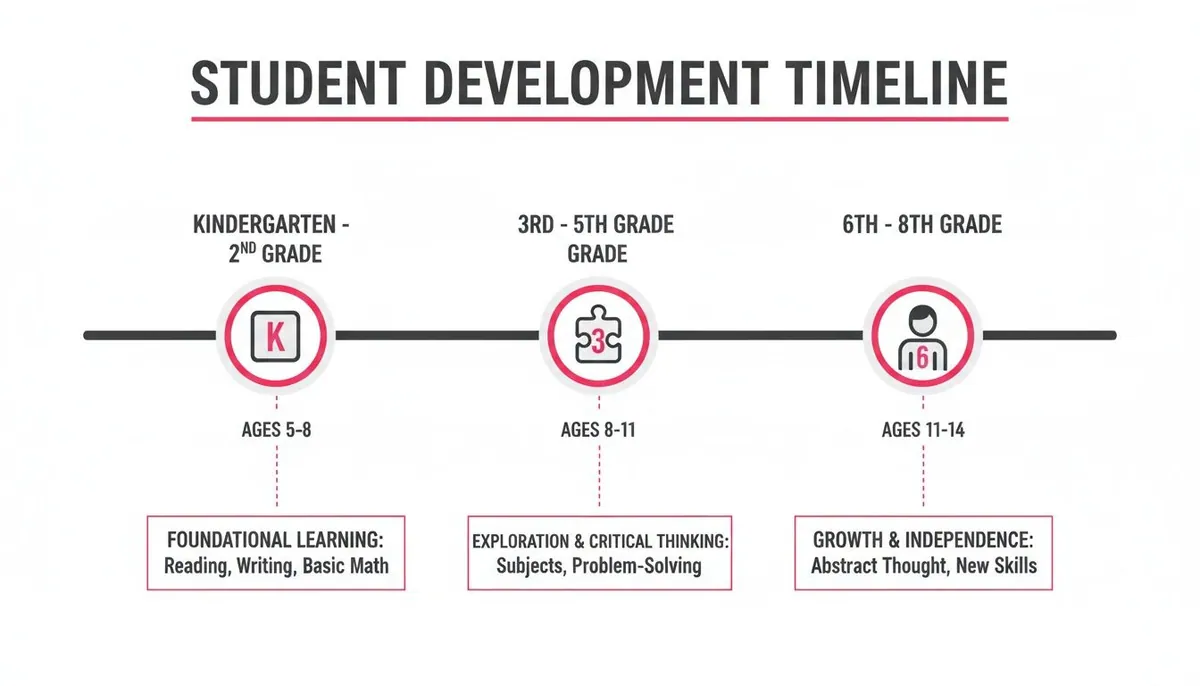
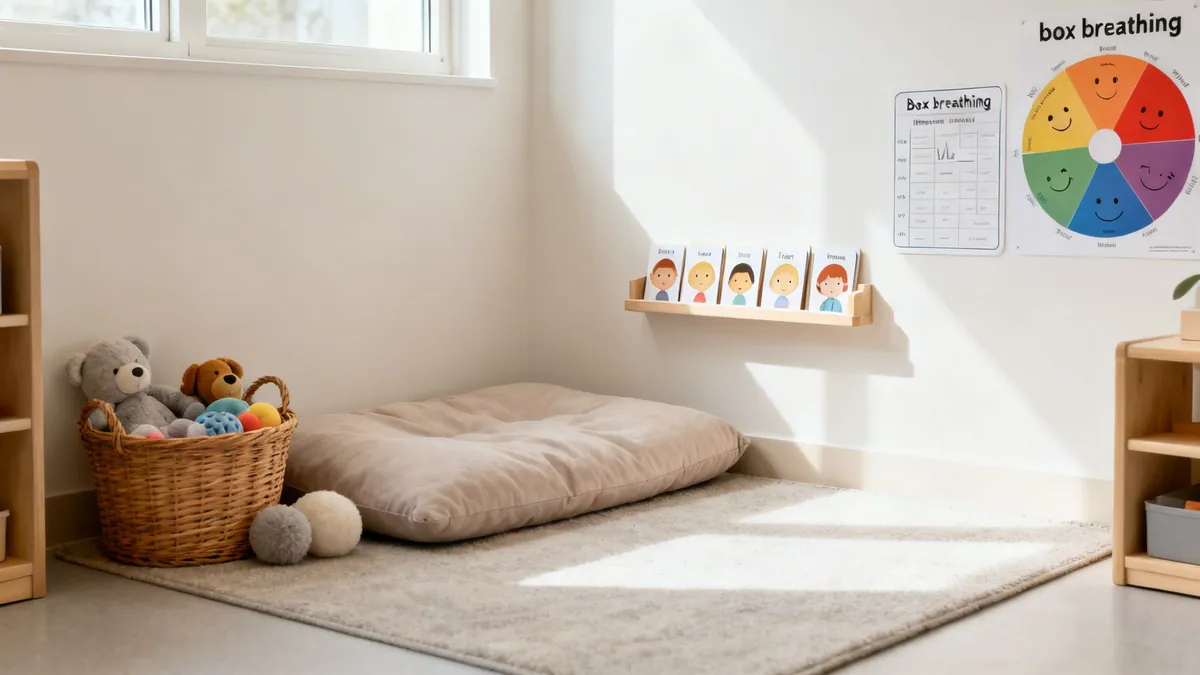
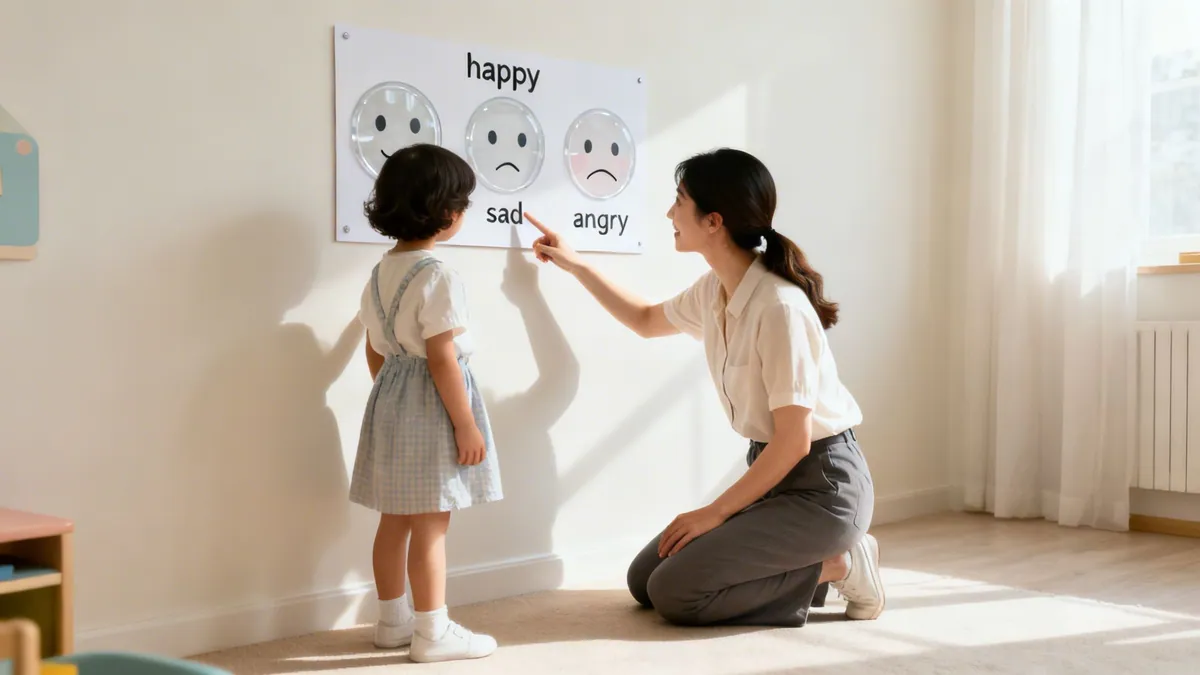
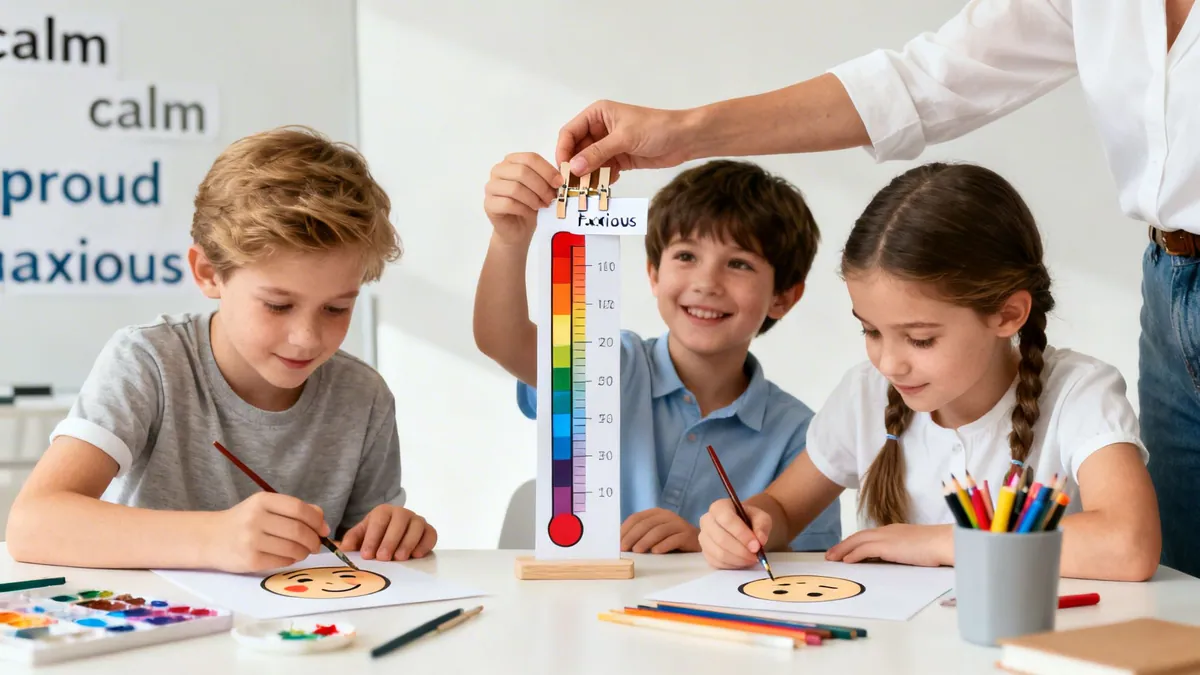
Soul Shoppe‘s work is made possible by donors and partners who care deeply about the young people in their communities! We can’t do this work without you. Support our work in classrooms and on playgrounds across the nation by donating here.
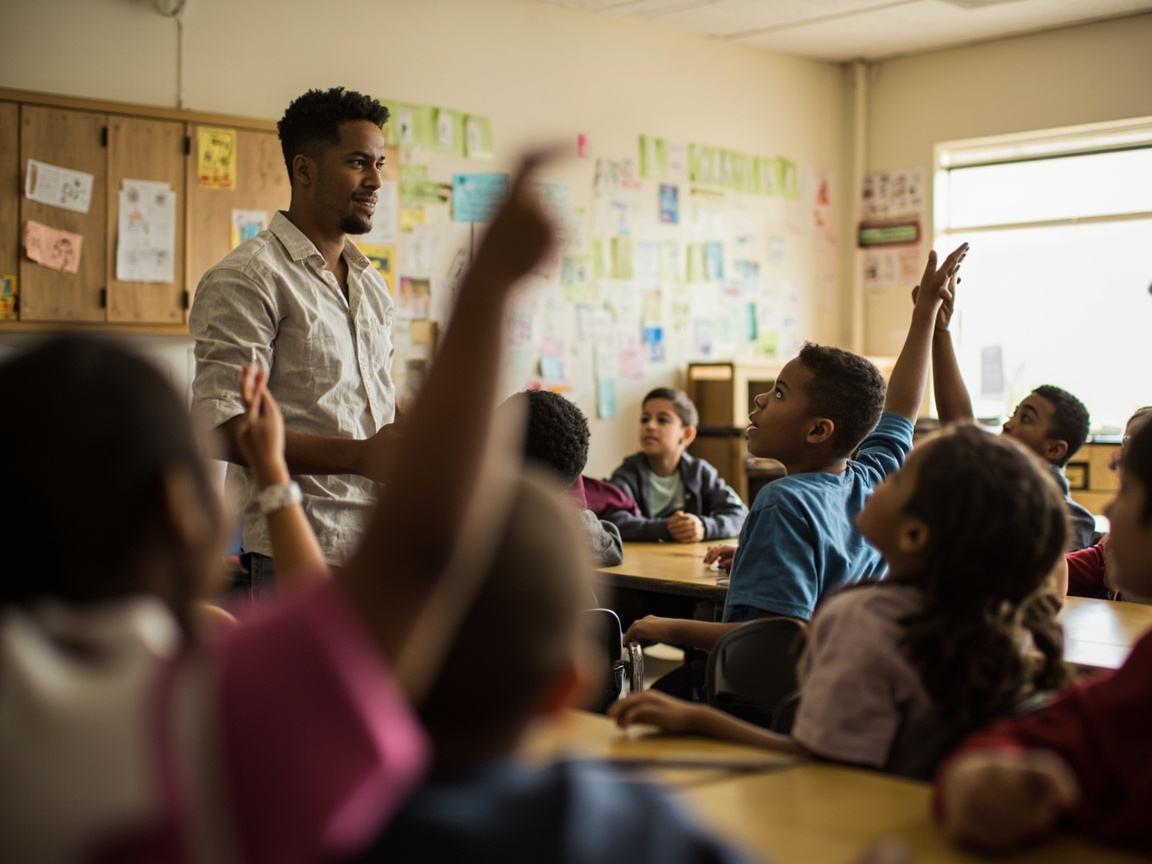
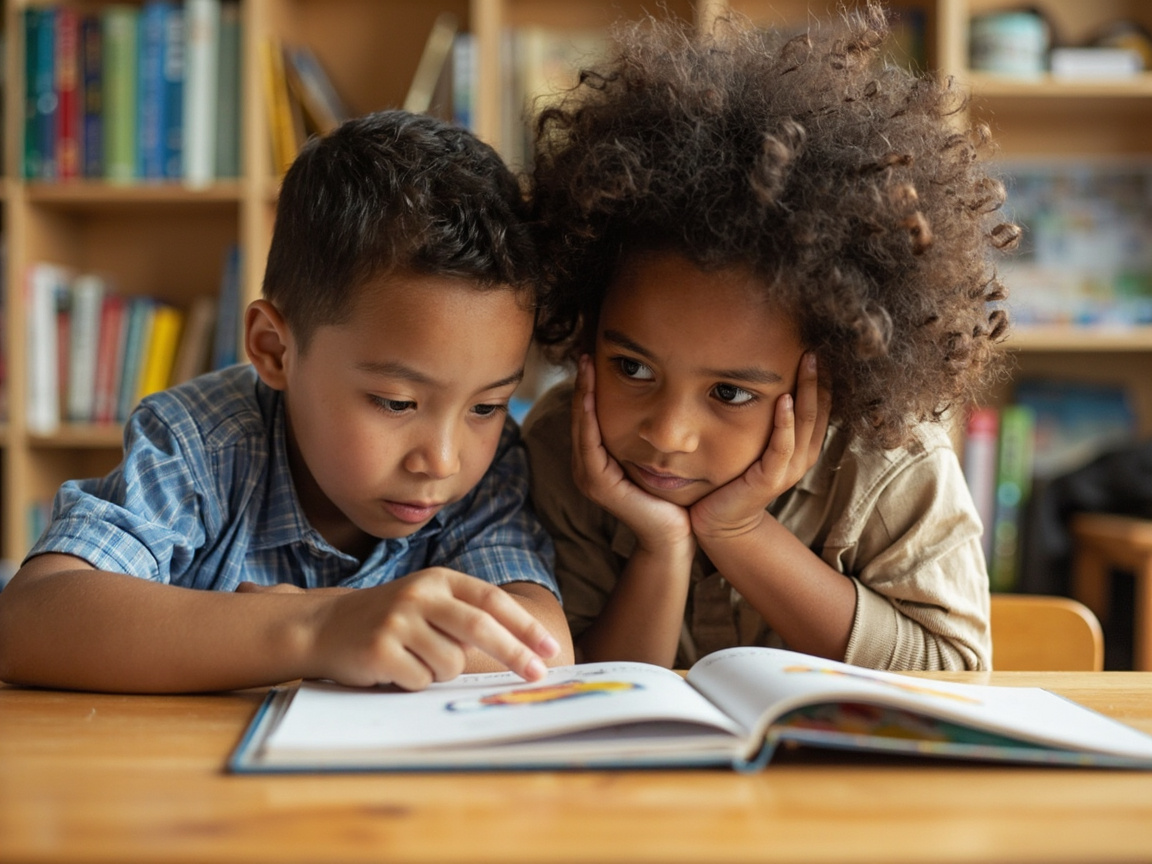
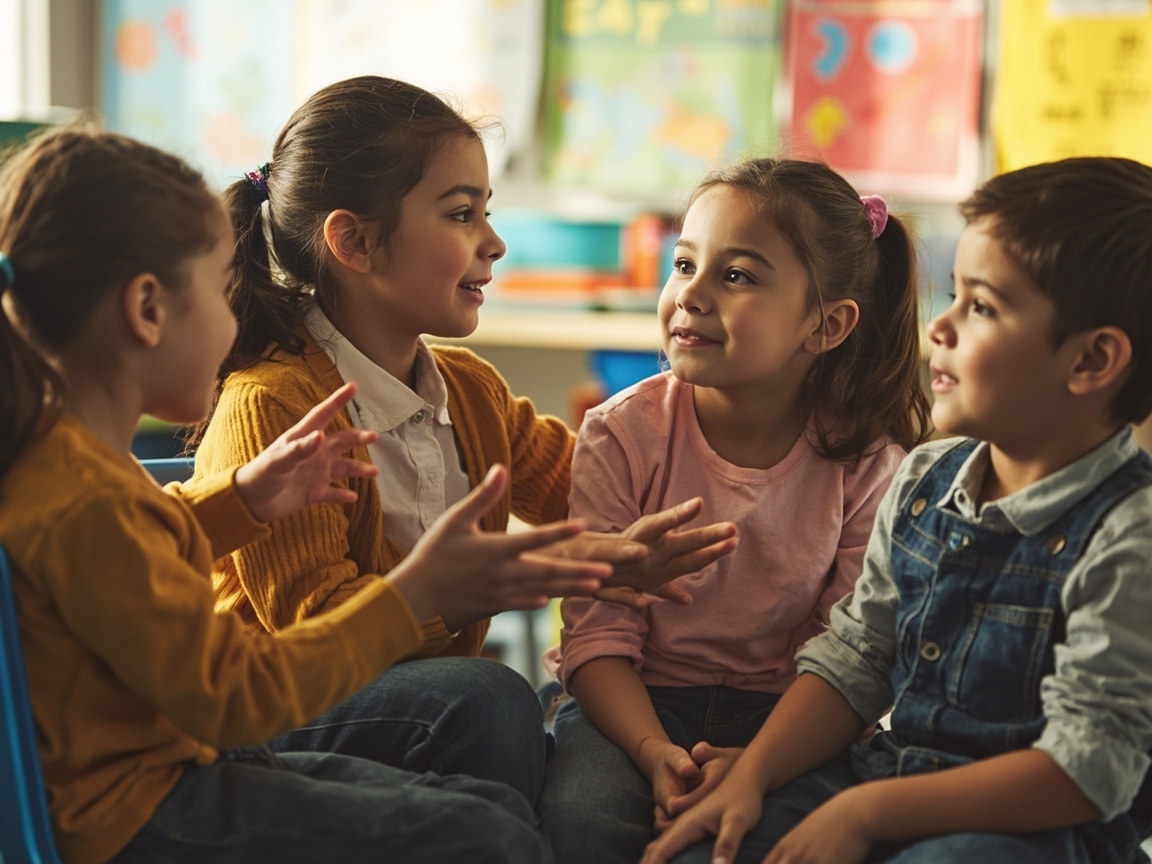
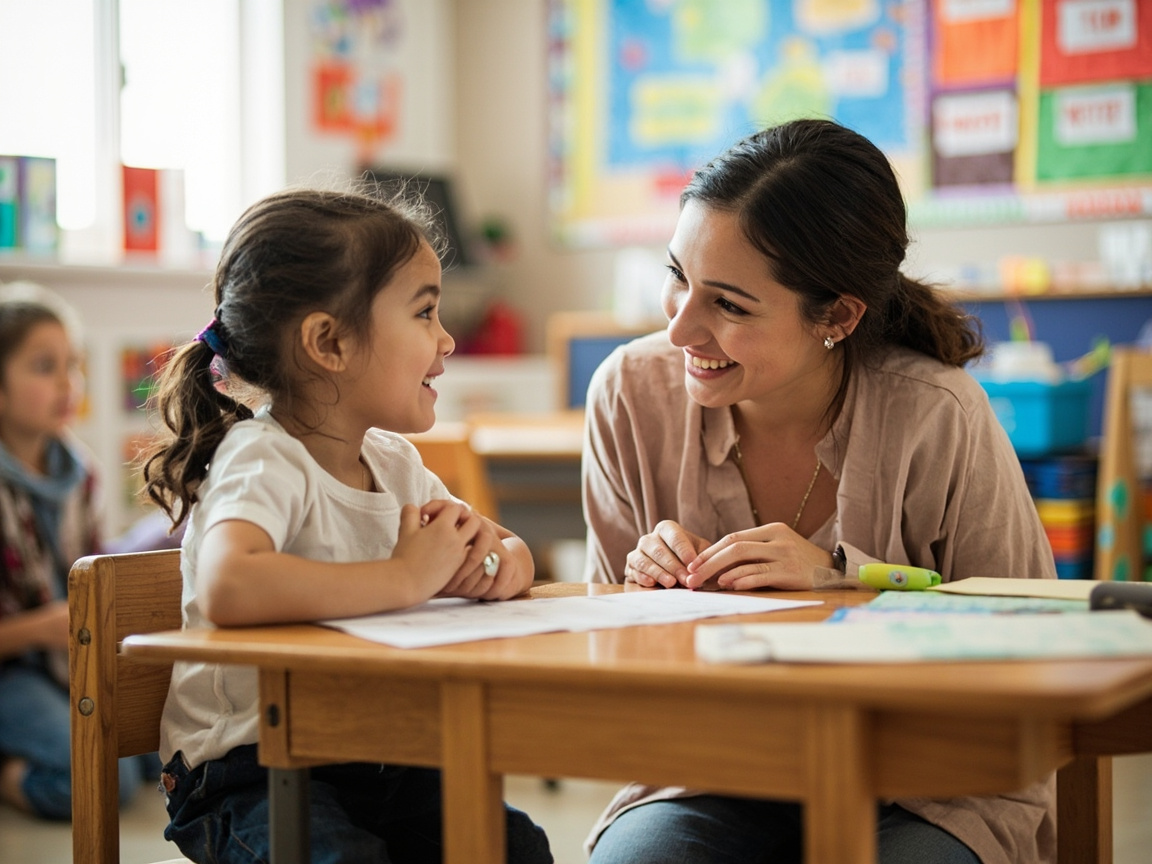
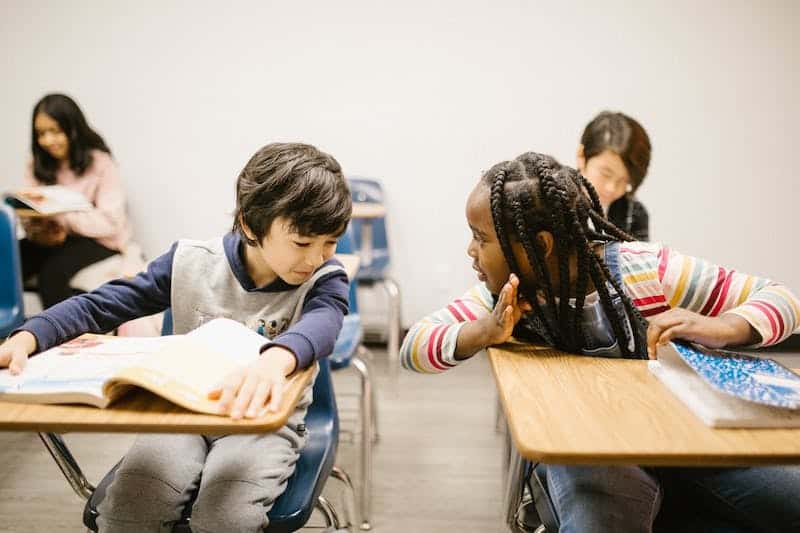
Every classroom is a microcosm of the wider world—a place where students with different backgrounds, experiences, and identities come together to learn and grow. When educators are intentional about teaching diversity in the classroom, they help create spaces where all students feel seen, valued, and safe to be themselves.
At Soul Shoppe, we believe inclusion begins with compassion, understanding, and a willingness to see each student’s unique brilliance. It’s not just about acknowledging what is diversity—it’s about celebrating it in action.
What is diversity?
When we define diversity in the classroom, we’re talking about more than race, ethnicity, or language—though it does include those differentiators. Types of diversity in the classroom also include:
Learning styles and abilities
Socioeconomic backgrounds
Family structures
Gender identities and expressions
Neurodiversity
Religious beliefs
Life experiences
Cognitive diversity in the classroom—how students think, solve problems, and view the world—enriches discussion and opens up multiple pathways to learning.
Why is diversity in the classroom important?
The importance of diversity in the classroom goes beyond representation. Students who feel accepted are more likely to:
Engage in class
Feel confident expressing themselves
Show empathy and collaboration
Develop leadership and social skills
Studies also show that classrooms rich in diversity and education improve critical thinking and reduce bias. When children grow up learning in diverse environments, they carry those lessons into the world, building more inclusive communities as adults.
Simple, everyday ways to celebrate differences
You don’t need grand gestures to create a diverse classroom. It’s often the small, consistent actions that make the biggest impact. Here are practical ways to weave inclusion into daily routines:
1. Use inclusive language
From morning greetings to classroom directions, language matters. Celebrate students’ names and identities with care. This reinforces that everyone belongs.
2. Highlight diverse voices and stories
Representation in books, posters, and lessons helps students see themselves—and others—as part of the narrative. Use diversity in the classroom examples through literature, history, and media.
3. Encourage curiosity, not assumptions
Create a classroom where students feel safe asking respectful questions and exploring differences. Teach them to say, “Tell me more” instead of assuming they understand someone else’s experience.
4. Acknowledge holidays and traditions
From Lunar New Year to Juneteenth to Día de los Muertos, recognize and honor a wide range of cultural celebrations. Let students share how they and their families observe meaningful traditions.
Inclusion in the classroom through SEL
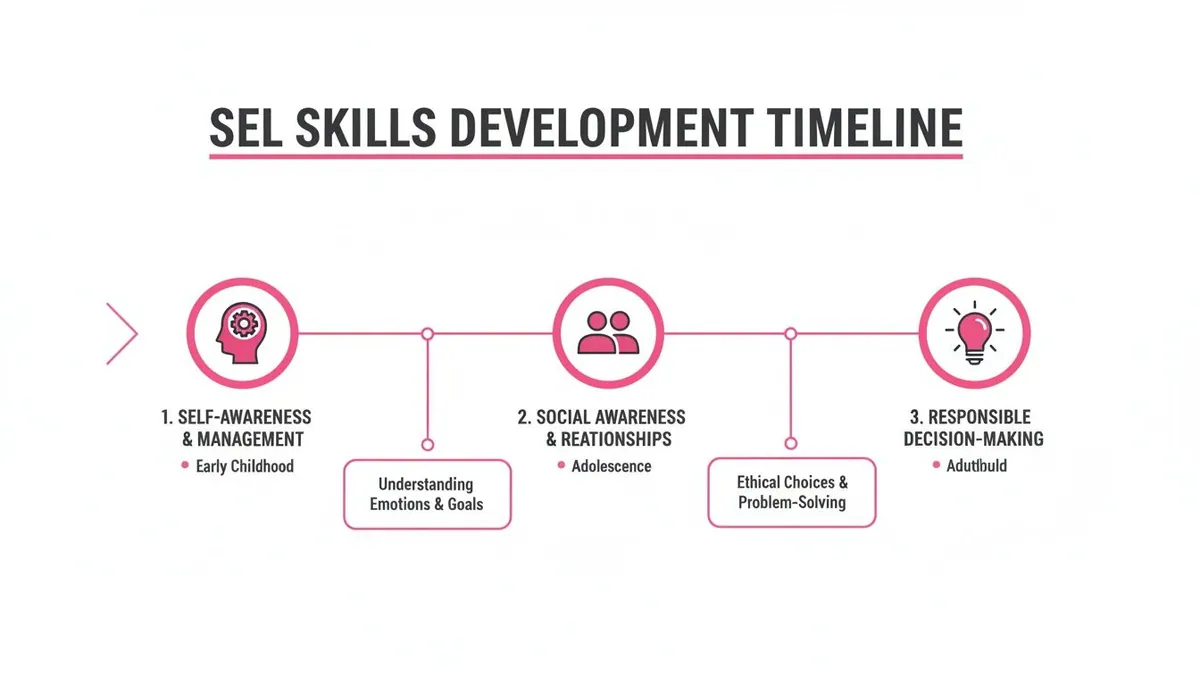
Social emotional learning (SEL) gives students the tools to practice empathy, resolve conflict, and build positive relationships—foundations of an inclusive learning environment.
Soul Shoppe’sRespect Differences program directly supports teaching diversity in the classroom. It encourages:
Acceptance of others
Curiosity over judgment
A culture of shared responsibility
Likewise, our Elementary SEL curriculumTools of the Heart integrates emotional intelligence, active listening, and perspective-taking into the everyday classroom experience. These lessons help nurture inclusive spaces where kindness and community thrive.
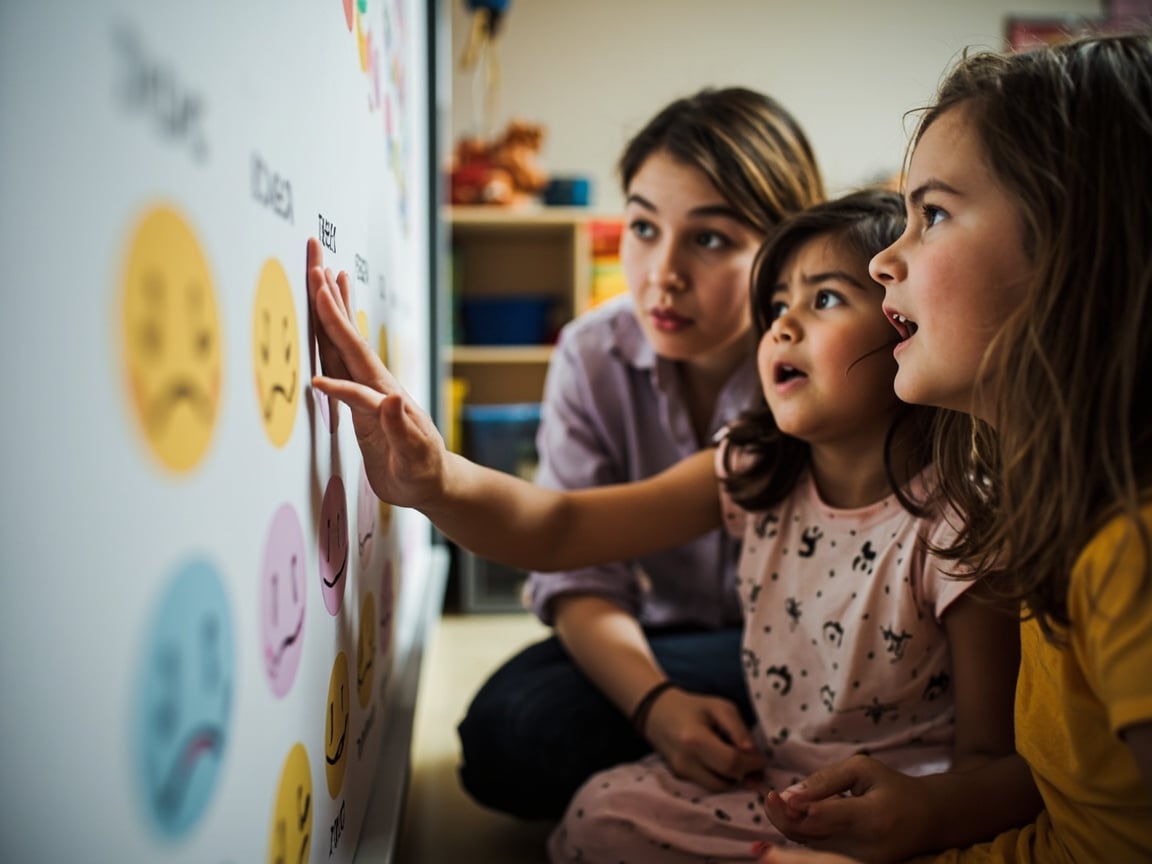
Let students explore their identities, and the identities of others, through engaging, thoughtful activities.
Identity Shields
Have students create a personal “identity shield” showing the things that make them who they are—family, interests, heritage, and more. Discuss what makes each shield unique and special.
Story Circles
Encourage students to share stories about a time they felt different, or a time they learned something new about someone else. This activity builds empathy and understanding.
“I See You” Affirmations
End each week with students giving one another kind affirmations that reflect appreciation for differences. For example: “I noticed how you shared your culture during our project. That was brave and cool!”
Teaching diversity in a way that feels real
Sometimes, conversations about diversity in schools can feel abstract. What makes the biggest difference is when inclusion in the classroom becomes part of the culture, not just a topic for special months or lessons.
That means:
Making space for every student’s voice
Responding to exclusion with curiosity and learning, not blame
Reflecting and adjusting when something isn’t working
Involving families and community perspectives
The long-term impact of diversity in the classroom
A positive classroom climate grounded in diversity helps students thrive—not just academically, but emotionally and socially. They become:
More self-aware
Better communicators
More capable of working with others from different walks of life
This is the impact of diversity in the classroom: a ripple effect that shapes how children see themselves, each other, and the world around them.
Final thoughts: A place where everyone belongs
Teaching diversity in the classroom isn’t about perfection. It’s about presence, awareness, and the willingness to learn alongside your students.
At Soul Shoppe, we believe every child deserves to feel known and respected. Through programs likeRespect Differences and Tools of the Heart, we help educators build classrooms where everyone belongs—and where every student grows into their full, unique self.
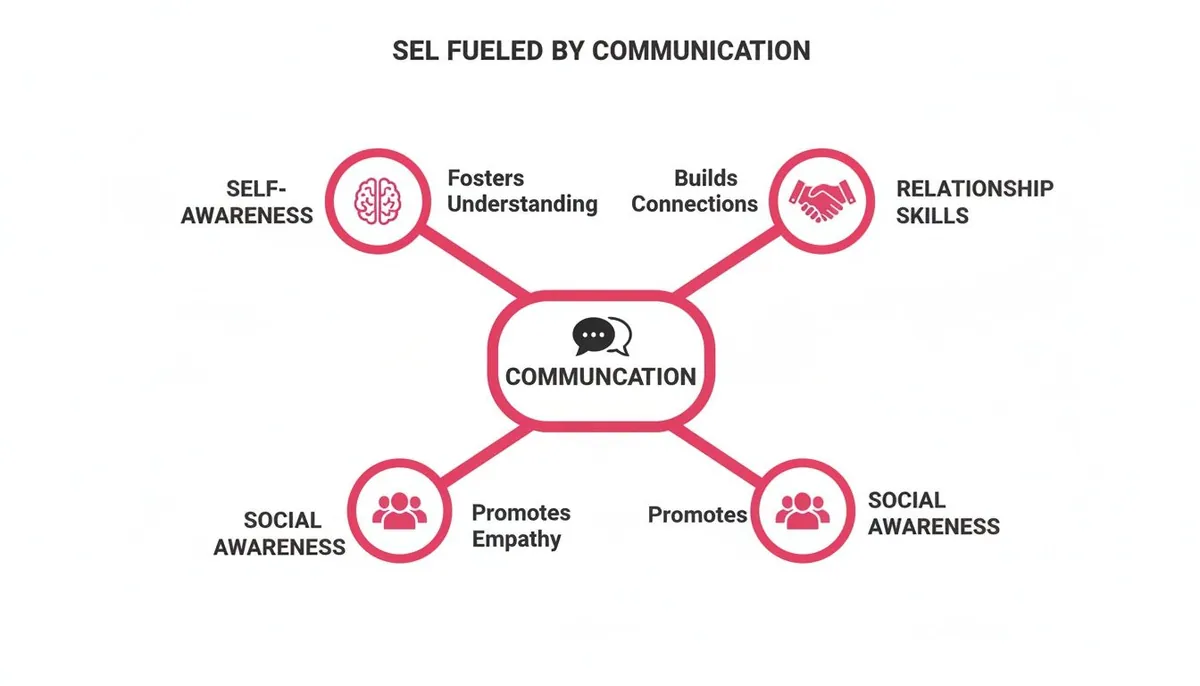
Effective communication is the cornerstone of social-emotional learning (SEL), academic success, and positive relationships. When students can express their thoughts clearly, listen actively, and understand different perspectives, they are better equipped to navigate their social worlds, collaborate with peers, and advocate for themselves. Developing these abilities requires more than just instruction; it demands consistent, hands-on practice. This resource provides a comprehensive roundup of research-based activities for communication skills designed to meet the diverse needs of students from kindergarten through eighth grade.
This is not a list of abstract theories. Instead, you will find ten actionable, SEL-centered activities that educators, counselors, and parents can implement immediately. Each entry is structured for practical application, offering a complete toolkit that includes:
Clear Objectives: What students will learn and practice.
Step-by-Step Instructions: A guide for facilitating the activity from start to finish.
Practical Examples: Specific scenarios and scripts to use with students.
Differentiation Strategies: Adaptations for various grade levels and learning needs.
Assessment Guidance: Methods for observing and measuring skill development.
From structured role-playing scenarios that build empathy to interactive games that make active listening engaging, these activities provide a framework for fostering confident and compassionate communicators. Whether you are a principal aiming to integrate SEL school-wide, a teacher seeking dynamic classroom tools, or a parent supporting skill-building at home, this guide offers the specific details you need to get started. The goal is to move beyond simply telling students how to communicate and instead give them structured opportunities to practice and refine these essential life skills.
1. Role-Playing and Perspective-Taking Scenarios
Role-playing and perspective-taking scenarios are interactive exercises where participants act out real-world communication situations. This method moves beyond theoretical discussion, allowing individuals to practice expressing themselves, actively listening, and understanding different viewpoints in a controlled environment. By taking on various roles, participants can experience conflicts, conversations, and social interactions from multiple sides, building crucial empathy and emotional intelligence.
These experiential learning techniques, popularized by methodologies like Augusto Boal’s Theatre of the Oppressed, are exceptionally effective because they simulate the emotional and cognitive pressures of actual social challenges. This makes them one of the most powerful activities for communication skills development.
Implementation Examples
Conflict Resolution: Two students who had a disagreement on the playground can role-play the situation, but this time they switch roles. For example, a teacher might say, “Okay, Sam, you’ll be playing Alex’s part, and Alex, you’ll be Sam. Sam, your goal is to explain why you felt left out. Alex, your goal is to explain why you needed space. Let’s start from when the argument began.” This helps each student articulate the other’s point of view before expressing their own.
Family Communication: A parent and child can act out a common point of contention, like screen time limits. The parent plays the child, arguing for more time, while the child plays the parent, explaining the rules and reasoning. For instance, the child (playing the parent) might say, “I understand you want more screen time, but our rule is one hour on school nights because we need to prioritize homework and sleep.”
Bullying Intervention: Soul Shoppe’s interactive workshops often use role-plays where students practice being an “upstander.” They act out scenarios where they witness bullying and test different strategies to safely intervene or support the person being targeted. A practical example involves one student playing the bully, another the target, and a third the upstander. The upstander might practice saying, “Hey, that’s not cool. Let’s not talk to people that way,” or “Do you want to come play with us instead?”
Actionable Tips for Success
To maximize the benefit of role-playing, it’s essential to create a supportive structure.
Establish Psychological Safety: Begin by setting clear ground rules. Emphasize that this is a “no-shame” zone for practice, and all efforts are valued.
Start Small: Begin with low-stakes scenarios, such as asking a friend to share a toy or joining a new group at recess, before moving to more emotionally charged topics.
Mandatory Debrief: Always conclude with a reflection period. Use prompts like, “How did it feel to be in that person’s shoes?” or “What communication strategy worked well?”
Offer Opt-Outs: Allow students to pass or participate as an observer. Forcing participation can create anxiety and hinder learning.
6. Peer Feedback and Fishbowl Coaching
Peer feedback and fishbowl coaching are structured exercises where participants give and receive feedback using specific, kind, and constructive protocols. This approach teaches individuals how to deliver actionable, respectful critiques and how to receive input with openness and a growth mindset. It transforms feedback from a source of anxiety into a valuable tool for improvement.
This method, supported by the principles of growth mindset pedagogy from Carol Dweck and formative assessment research, reframes communication as a skill that can be developed through practice and reflection. By making the feedback process transparent and collaborative, it becomes one of the most effective activities for communication skills for building self-awareness and interpersonal trust.
Implementation Examples
Fishbowl Discussion: A small group of students sits in an inner circle (the “fishbowl”) to practice a communication skill, such as active listening or debating a topic. The outer circle observes and prepares to give structured feedback on what they saw and heard.
Peer Coaching for Presentations: After students give a short presentation, they meet with a designated “peer coach” who uses a simple framework (e.g., “One thing that was really clear was…” and “One thing you could try next time is…”) to provide feedback. For example, a coach might say, “Your voice was really strong and confident. Next time, maybe you could try to make more eye contact with everyone in the audience.”
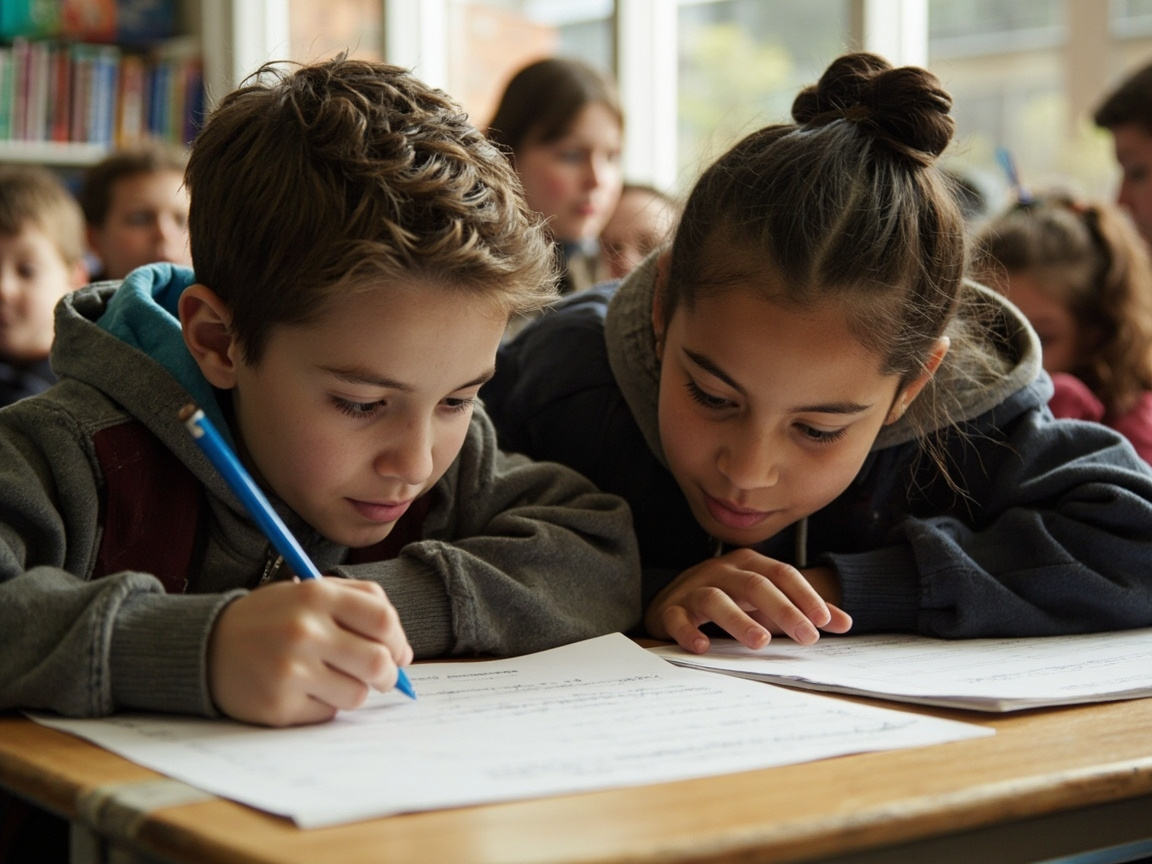
“Two Stars and a Wish” Writing Review: In a writing workshop, students exchange papers. They are instructed to leave two positive comments (“stars”) and one suggestion for improvement (“a wish”) for their partner. A practical example of feedback could be: “Star 1: I love your descriptive words! Star 2: Your opening sentence is very engaging. Wish: I wish I knew more about how the character felt.”
Actionable Tips for Success
To ensure peer feedback is productive and positive, a clear framework is crucial.
Teach Feedback Frameworks: Explicitly teach and model simple structures like “I notice…” and “I wonder…” to guide students. Provide sentence starters to help them formulate their thoughts constructively.
Start with Positives: Always begin feedback rounds by focusing on strengths. This builds trust and makes participants more receptive to suggestions for growth.
Frame Feedback as a Gift: Teach students to view feedback not as criticism, but as a gift that helps someone improve. This mindset shift is key to creating a supportive environment.
Allow for Reflection: Give the recipient a moment to process the feedback and ask clarifying questions. The goal is dialogue, not a one-way critique.
10. Mindfulness-Based Communication and Emotional Awareness Practices
Mindfulness-based communication integrates present-moment awareness with the act of speaking and listening. Instead of focusing solely on external actions, this approach builds the internal foundation necessary for healthy interaction. Participants learn to notice their own thoughts, feelings, and bodily sensations before and during conversations, which helps them respond thoughtfully rather than react impulsively.
This method, rooted in practices popularized by Jon Kabat-Zinn and adapted for Social-Emotional Learning, empowers individuals to manage their internal state first. By cultivating self-awareness, participants can engage in dialogue with greater empathy, clarity, and control, making this one of the most transformative activities for communication skills. As part of developing mindful communication, understanding and enhancing your connection to your emotional regulation skills is incredibly beneficial.
Implementation Examples
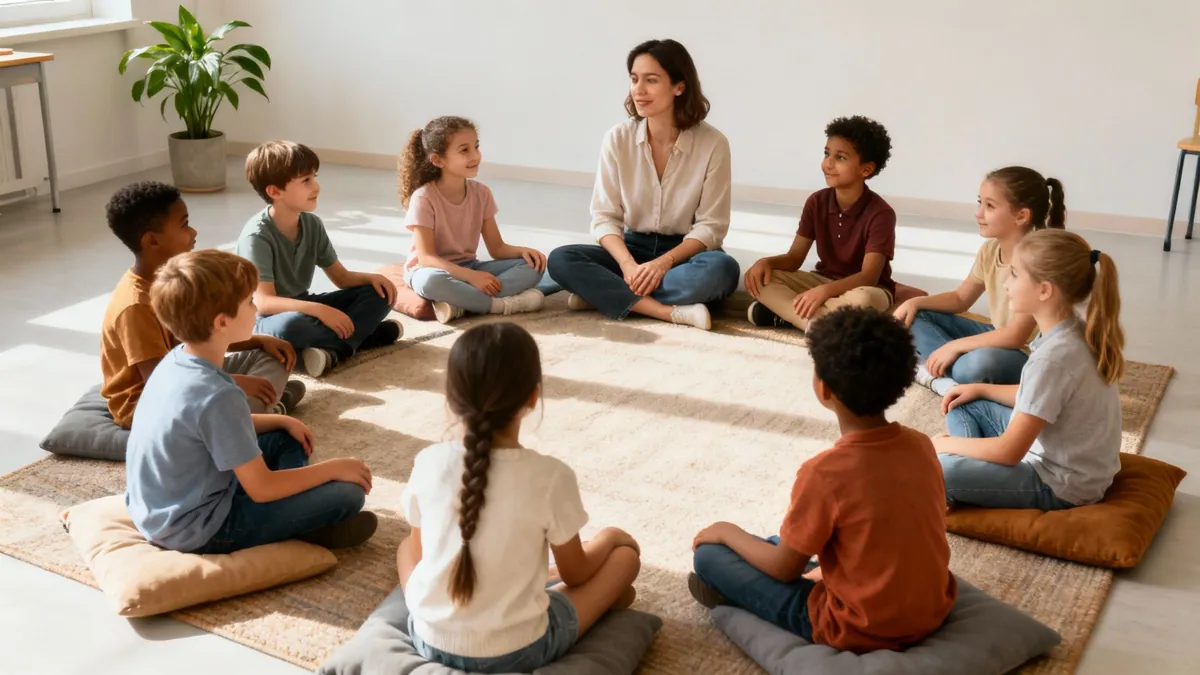
Mindful Listening Circles: Students sit in a circle and pass a “talking piece.” Only the person holding the object may speak, while others practice listening fully without planning their response. The focus is on receiving the speaker’s words and energy.
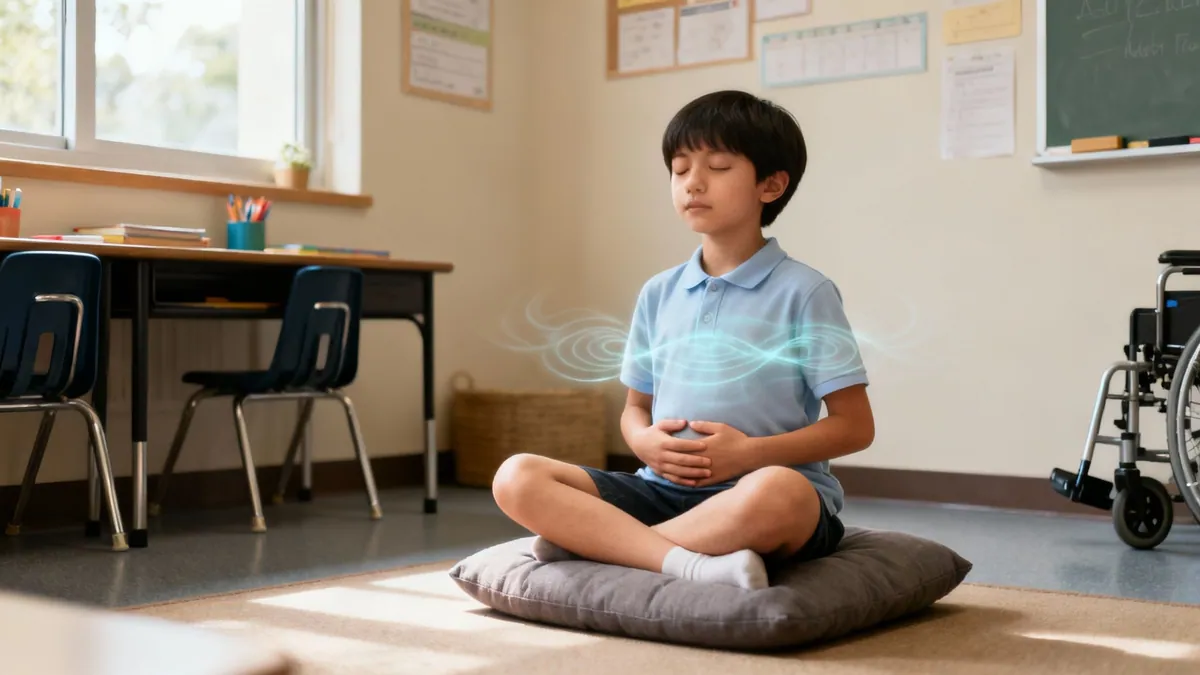
Pause-and-Respond Practice: Before a potentially difficult conversation (like giving peer feedback), students are guided through a one-minute breathing exercise. A teacher could say: “Before we start, let’s all take a ‘tummy breath.’ Put your hand on your belly, breathe in and feel it rise, then breathe out slowly. This helps us speak from a calm place.”
Family “Weather Report”: At home, family members can start a conversation by sharing their internal “weather.” For example, “I’m feeling sunny and calm today,” or “My mind feels a bit stormy and distracted.” This practice normalizes emotional awareness as part of communication.
Actionable Tips for Success
To effectively integrate mindfulness into communication practice, focus on consistency and accessibility.
Start Small: Begin with very short practices, such as three conscious breaths before circle time or a one-minute body scan. Build duration as students become more comfortable.
Normalize the Wandering Mind: Remind participants that it’s natural for their minds to wander. The goal isn’t an empty mind, but gently returning focus to the present moment without judgment.
Frame it as a Tool: Connect mindfulness directly to communication goals. Explain, “We’re doing this breathing exercise to help our brains get ready for respectful listening.”
Offer Multiple Entry Points: Not everyone connects with sitting still. Provide options like mindful walking, listening to a bell, or gentle stretching. You can find more calming activities for the classroom that support these practices.
8. Consistent Classroom Routines and Clear Expectations
One of the most foundational classroom management best practices involves creating a highly predictable environment. When students know exactly what to do and how to do it for every part of the school day, from sharpening a pencil to transitioning to lunch, their cognitive load decreases. This predictability frees up mental energy for learning and reduces the anxiety that often fuels disruptive behavior.
Consistent routines and clear expectations are not about rigid control; they are about creating psychological safety. Students feel confident and secure when their environment is logical and consistent. Research supports this, showing classrooms with well-established routines can have up to 50% fewer behavioral referrals.
How to Implement Routines and Expectations
Successful implementation moves beyond simply stating rules. It involves actively teaching procedures as you would any academic subject: with modeling, practice, and reinforcement.
Start Small and Build: Don’t overwhelm students (or yourself) by teaching 20 routines on day one. Focus on the 2-3 most critical procedures first, such as your morning entry routine, how to get the teacher’s attention, and the dismissal process. Once those are mastered, gradually introduce others. For example, a kindergarten teacher might focus only on the routine for hanging up coats and backpacks for the entire first week.
Model, Practice, Role-Play: Use the “I Do, We Do, You Do” model. First, demonstrate the routine yourself. For example, physically walk through the steps of turning in homework. Then, have the class practice it together, perhaps lining up for lunch as a group. Finally, have individual students role-play the procedure, like demonstrating how to ask for help. Repeat this process daily for the first two weeks of school and reteach as needed after breaks or when issues arise.
Create Visual Supports: Words are fleeting, but visuals are constant reminders. Post a daily visual schedule with pictures for younger students. Create anchor charts for multi-step procedures (like “Group Work Expectations”). Place laminated procedure cards at relevant classroom stations, such as a small sign at the pencil sharpener that says, “1. Wait for a quiet time. 2. Sharpen quickly. 3. Return to your seat.”
Classroom-Ready Example: Morning Entry Routine Instead of letting students trickle in with unstructured time, establish a clear three-step entry procedure posted on the door:
Unpack your backpack and hang it on your hook.
Turn in your homework to the red basket.
Begin your morning warm-up work silently.
Practice this sequence every morning, offering specific verbal praise like, “I see Leo has already started his warm-up. Excellent focus!” This small routine prevents morning chaos and sets a productive tone for the entire day.
9. Authentic Relationships, Belonging, and Family Engagement
Building genuine relationships where students feel known, valued, and psychologically safe is a cornerstone of effective classroom management best practices. When this sense of belonging is extended to include proactive, two-way family engagement, it creates a powerful support system that nurtures positive behavior and encourages academic risk-taking. This approach shifts the focus from managing behavior to fostering connection.
This is not just a feel-good strategy; it is a research-backed imperative. Schools that prioritize belonging report higher attendance, improved academic achievement, and a greater sense of safety. Research from organizations like Soul Shoppe shows that students who feel cared for by their teachers are significantly more likely to persist through challenges. When you add strong family partnerships into the mix, schools can see up to 30% fewer behavioral problems.
How to Implement Relationships and Engagement
Cultivating authentic connections requires intentional, consistent effort. It involves showing genuine interest in students as individuals and viewing families as essential partners in their child’s education.
Make Personal Connections Daily: Greet every student by name at the door with a high-five, handshake, or smile. Use interest inventories at the start of the year and then ask specific follow-up questions like, “How did your soccer game go on Saturday?” or “Did you finish that amazing drawing you were telling me about?”
Proactive Positive Communication: Don’t let your only communication with families be about problems. A practical example is to send a “Good News” postcard home when a student shows kindness or masters a new skill. Or, use a communication app to send a quick photo of a student engaged in a positive activity with a caption like, “Jasmine was a fantastic leader in her group today!”
Partner with Families for Problem-Solving: When an issue arises, approach the family as a teammate. Start the conversation with, “I’d love to partner with you to help Marco succeed. Can you tell me what strategies work best at home when he gets frustrated?” This shows respect and positions the parent as an expert on their child.
Classroom-Ready Example: The “Two-by-Ten” Strategy For a student you’re struggling to connect with, commit to the “Two-by-Ten” strategy. Spend two minutes a day for ten consecutive school days having a non-academic, non-disciplinary conversation with them.
You might ask about their favorite video game, their pet, or their weekend plans. The goal is simply to build rapport and show you see them as a person beyond their behavior or grades. This focused effort can dramatically repair and strengthen a relationship, often leading to a significant decrease in disruptive behavior because the student feels seen and valued.
10. Student Leadership and Voice in Classroom Management
One of the most transformative classroom management best practices involves shifting from a teacher-centric model to a community-based one where students have authentic agency. Giving students meaningful roles in classroom decision-making, from setting expectations to solving problems, builds a profound sense of ownership and responsibility. When students have a voice, they become invested partners in creating a positive and productive classroom culture.
This approach is about co-creating the classroom environment rather than imposing it. Students who feel seen, heard, and valued are far more likely to be engaged and motivated, and less likely to exhibit oppositional behaviors. Research shows that schools prioritizing student voice see stronger student-teacher relationships, increased academic engagement, and more equitable outcomes.
How to Implement Student Leadership and Voice
Cultivating student voice requires intentionally creating structures where their input is not just heard but acted upon. It involves teaching the skills needed to participate constructively in a democratic community.
Hold Regular Class Meetings: Dedicate time each week for a structured class meeting. Use an agenda that students can add to throughout the week. For example, a student might add “The pencils are always missing from the writing center” to the agenda, allowing the class to solve the problem together.
Create Meaningful Classroom Jobs: Go beyond simple line leader or paper passer roles. Establish leadership positions that have real responsibility. For example, a “Tech Expert” could be trained to help peers with login issues, or a “Class Ambassador” could be responsible for giving a short tour to any classroom visitors.
Co-create Expectations and Consequences: In the first week of school, ask, “What does a respectful classroom look, sound, and feel like?” Chart their answers. Then, guide them to turn these ideas into 3-5 positively-phrased class rules. When a rule is broken, ask the student, “We agreed to be respectful. What would be a good way to repair the harm done and make a better choice next time?”
Classroom-Ready Example: Problem-Solving Class Meeting Instead of the teacher unilaterally banning a popular but distracting item (e.g., trading cards), bring the issue to a class meeting.
State the Problem: “I’ve noticed that trading cards are becoming a big distraction during math time. What have you all noticed?”
Brainstorm Solutions: Ask students to brainstorm fair solutions. Ideas might include “cards are only for recess,” “a designated 10-minute trading time on Fridays,” or “cards stay in backpacks until dismissal.”
Vote and Commit: Have the class vote on the best solution and agree to try it for one week before revisiting the decision.
This process teaches problem-solving skills, respects students’ interests, and generates far greater buy-in for the final solution.
Classroom Management: 10-Strategy Comparison
Practice
Implementation complexity
Resource requirements
Expected outcomes
Ideal use cases
Key advantages
Restorative Practices and Circles
High — requires trained facilitators and school buy-in
Moderate–High — staff training, scheduled circle time, facilitator support
Class governance, restorative processes, student-centered classrooms
Empowers students, increases buy-in and peer accountability
Putting It All Together: Creating Your Proactive Classroom Ecosystem
Navigating the landscape of classroom management best practices can feel like trying to assemble a complex puzzle. We’ve explored ten powerful, interconnected strategies, from establishing consistent routines and integrating Social-Emotional Learning to fostering student voice and implementing restorative justice. The crucial takeaway is not to view these as a checklist of isolated tactics, but as threads to be woven together into a resilient and supportive classroom ecosystem. Effective management isn’t about control; it’s about connection, co-creation, and community.
The journey begins not with a complete overhaul, but with a single, intentional step. The most impactful changes are often small, consistent actions that build trust and predictability over time. By focusing on creating a foundation of psychological safety and authentic relationships, you establish the fertile ground where all other practices can take root and flourish.
Synthesizing the Core Principles
At their heart, these ten classroom management best practices share a common philosophy: they are proactive, not reactive. They shift the focus from correcting misbehavior to cultivating an environment where students feel seen, valued, and equipped with the skills to navigate social and emotional challenges.
Proactive vs. Reactive: Instead of waiting for conflict to arise, we build community through restorative circles, teach self-regulation with mindfulness exercises, and pre-empt confusion with crystal-clear routines. This preemptive approach minimizes disruptions and maximizes learning time.
Skills over Sanctions: Rather than relying solely on consequences, we actively teach empathy, perspective-taking, and collaboration. This empowers students with the social-emotional competencies they need to succeed both in school and in life.
Connection as the Catalyst: The thread connecting all these strategies is the power of human connection. Authentic relationships with students and strong family engagement are not “soft skills”; they are the very bedrock of a well-managed, thriving classroom.
Your Actionable Next Steps
Embarking on this journey requires commitment, not perfection. The goal is progress. Here is a practical, step-by-step approach to begin integrating these principles into your daily practice:
Start with a Self-Assessment: Reflect on the ten practices discussed. Which one resonates most deeply with your teaching philosophy? Where do you see the most immediate need in your classroom? Perhaps it’s strengthening relationships (#9) or clarifying routines (#8).
Choose One and Go Deep: Select a single practice to focus on for the next four to six weeks. For example, if you choose Mindfulness and Self-Regulation (#3), you could commit to leading a two-minute “belly breathing” exercise after every transition from recess or lunch.
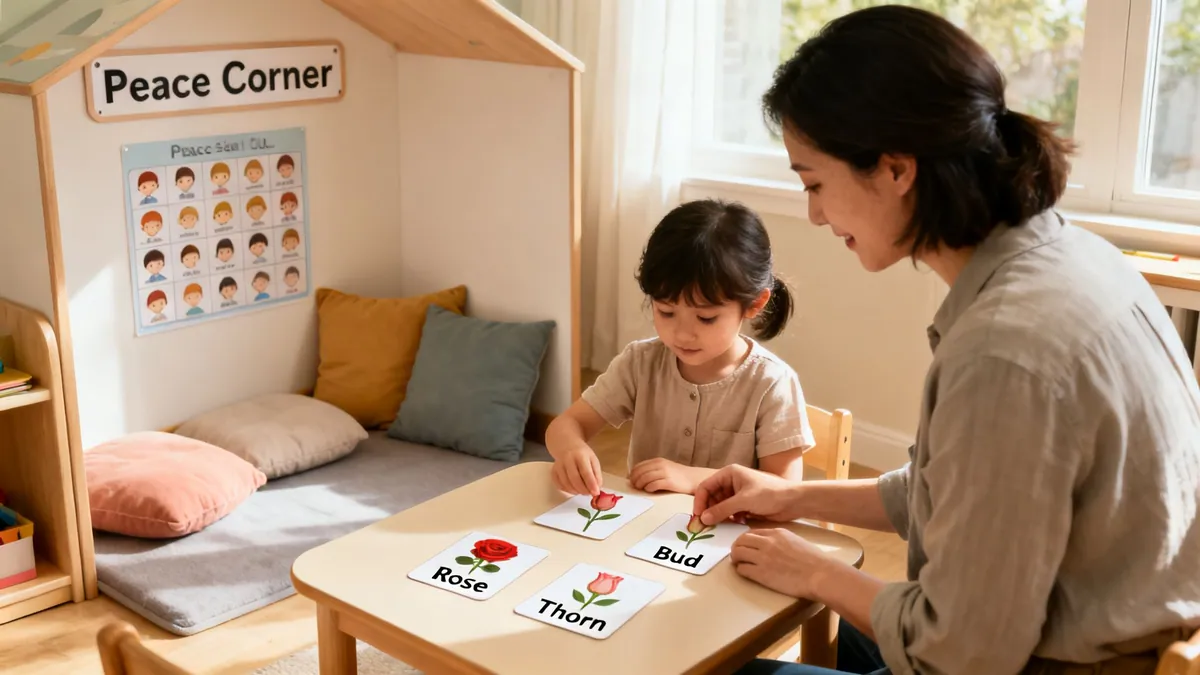
Practical Example: A third-grade teacher might introduce a “Peace Corner” with a breathing ball and emotion flashcards. The initial goal isn’t for every student to use it perfectly, but simply to introduce it as a shared tool for co-regulation.
Involve Your Students: Frame this as a collaborative effort. Announce your new focus to the class. Say, “Team, we’re going to work on getting better at listening to each other’s ideas. One way we’ll do this is by practicing restorative sentence stems when we disagree.” This fosters buy-in and positions students as partners.
Track and Reflect: Keep a simple journal. What’s working? What challenges are arising? How are students responding? This reflection is crucial for making small adjustments and recognizing progress, which fuels motivation. After a month, you can either deepen your implementation of that practice or layer on a second, complementary one.
Mastering these classroom management best practices is an ongoing process of learning, adapting, and growing alongside your students. It is a profound investment that pays dividends far beyond a quiet and orderly room. It is the work of building a compassionate, equitable, and empowering community where every child has the opportunity to bring their whole self to the learning process, ready to engage, take academic risks, and ultimately, thrive.
Ready to bring this transformative, community-centered approach to your entire school? Soul Shoppe provides research-based programs, professional development, and practical SEL tools that directly align with the classroom management best practices in this guide. Discover how our on-site and virtual programs can help you build a safer, more connected school culture at Soul Shoppe.
A disagreement over a shared toy. Hurt feelings after a comment at recess. A group project that falls apart because no one feels heard. If you work with kids, you’ve seen how fast small moments can turn into tears, silence, blame, or pushing.
Conflict is part of school life. That won’t change. What can change is how students move through it. With practice, a tense moment can become a lesson in listening, problem-solving, empathy, and repair. That’s why conflict resolution activities for students matter so much. They don’t just calm a classroom in the moment. They help children build habits they’ll use in friendships, family life, and future work.
The good news is that you don’t need to wait for a big behavior issue to start. You can teach these skills in morning meeting, partner work, read-aloud discussions, recess support, advisory, and family conversations at home. Many educators also build on essential conflict resolution techniques to create shared language across classrooms.
At Soul Shoppe, we’ve spent more than 20 years helping schools build connected, safe communities through experiential social-emotional learning. One thing we’ve seen again and again is simple: kids rise when adults give them tools, scripts, and steady practice. The ten strategies below aren’t just one-off activities. They’re practical mini-systems you can use from kindergarten through middle school to help students handle conflict with more confidence and care.
1. Peer Mediation Programs
Two students storm in from recess, each talking over the other, each sure they were wronged. The teacher has twenty other children waiting, a lesson to start, and about thirty seconds to decide what happens next. Peer mediation gives schools a middle path between ignoring the conflict and turning every disagreement into an adult-run event.
At its best, peer mediation works like a student version of a good traffic signal. It slows the moment down, creates turns, and helps everyone move more safely. Trained student mediators do not hand out punishments or decide who is telling the truth. They guide a process so classmates can listen, name what happened, and agree on a repair step they can both carry out.
This approach is especially useful for recurring peer conflicts such as exclusion at recess, arguments over shared materials, teasing, friendship strain, and misunderstandings that grow because no one pauses to check the facts. In Soul Shoppe’s 20-plus years of working with schools, we’ve seen that students often accept peer support more readily when the process is clear, supervised, and practiced. It sends a powerful message. Problem-solving belongs to the whole community.
How it looks in practice
A fourth grader and a fifth grader are stuck in a kickball argument. Both want an adult to declare a winner. A trained mediator brings them to a quiet spot and starts with one simple norm:
“One person talks at a time. First, tell what happened from your point of view. Then your classmate gets a turn.”
From there, the mediator might ask, “What part felt unfair?” “What did you want to happen instead?” and “What is one step that would help fix this today?” Those questions shift the conversation from proving a case to solving a problem. For many students, that is the moment the temperature drops.
Peer mediation works best as part of a larger school system. Students need to know which conflicts fit mediation, how to request it, when an adult steps in, and what happens after an agreement is made. Schools often pair mediation with class agreements and follow-up reflection. If you want the repair side of this work to feel stronger, Soul Shoppe shares related practices in its guide to restorative circles in schools and in its guide to conflict resolution for schools.
K-8 differentiation
K-2: Keep it short and adult-supported. Use picture cards for feelings, sentence frames such as “I felt ___ when ___,” and one concrete repair choice.
3-5: Train student mediators to paraphrase, check for understanding, and help peers agree on one next step they can do the same day.
6-8: Add confidentiality guidelines, note-taking, and practice with more layered conflicts such as rumors, shifting friend groups, and online issues that spill into school.
A simple SEL script for training mediators
Start with language students can remember:
“Tell me what happened from your side.”
“What were you feeling at the time?”
“What did you need or want?”
“Now let’s hear the other person.”
“What is one fair step you both agree to next?”
For younger students, shorten it even more. For older students, add, “Can you repeat what you heard before you respond?” That one move often prevents the conversation from sliding back into debate.
Reflection prompts for staff and student mediators
Which conflicts should go to mediation, and which need immediate adult support?
Do students see mediation as fair, private, and helpful?
Are agreements specific enough to follow through on?
What support do mediators need after a tough case?
Peer mediation is one strategy in this larger toolkit. It builds student voice, shared responsibility, and everyday repair skills that support a more peaceful school culture.
2. Restorative Practices, Circles, Community Conferences, and Classroom Practices
It is 10:15 on a Tuesday. Two students are glaring at each other after a recess argument, the rest of the class is watching, and instruction has stalled. In that moment, a consequence alone rarely repairs the room. Students also need a process that helps them name impact, hear one another, and make a clear plan to put things right.
That is the role of restorative practices. They give schools a repeatable way to handle conflict before it grows, during the hard moment, and after harm has happened. A weekly circle, a short partner check-in, and a formal community conference are all part of the same system. The goal is not only to respond to problems. The goal is to teach students how a healthy community repairs strain.
Restorative work shifts the questions adults ask. Instead of focusing only on rule-breaking, teachers guide students to consider who was affected, what each person experienced, and what repair now looks like. That change matters because accountability becomes concrete. Students are not just receiving a consequence. They are practicing responsibility.
A classroom circle works like a homeroom meeting with more structure and more intention. The format is simple, but the routine does a lot of heavy lifting over time. It builds listening stamina, emotional vocabulary, and trust before students need those skills in a tense conversation. Soul Shoppe shares practical examples of restorative circles in schools that teachers can adapt across grade levels.
A simple classroom circle
Try this in a grade 2 classroom after repeated line-cutting conflicts:
Opening prompt: “What helps you feel respected in a line?”
Middle prompt: “What happens in your body when someone cuts in front of you?”
Repair prompt: “What can our class agree to do next time?”
For older students, the structure can widen into a community conference. That might include the student who caused harm, the student affected, a staff member, and a caregiver. The adult’s job is to keep the conversation steady and specific so it stays on impact, responsibility, and repair rather than blame or debate.
Start with low-stakes circles first. Students need practice with turn-taking and honest sharing before they can use circles well during conflict.
A helpful way to picture the progression is this: circles build the classroom soil, and conferences address the specific damage. If the soil is dry, the repair conversation has very little to grow in. That is why schools with strong restorative practice do not treat circles as a one-time activity. They use them as a routine that supports safety, belonging, and honest problem-solving.
Research and practice summaries from the International Institute for Restorative Practices describe stronger relationships and healthier school climate as common outcomes of well-implemented restorative approaches. In Soul Shoppe’s work with schools over more than 20 years, the pattern is familiar. Students are more willing to repair harm when adults have already taught the structure, modeled calm language, and protected everyone’s dignity during the process.
3. Role-Playing and Perspective-Taking Scenarios
Students need rehearsal before real-life conflict shows up. Role-play gives them that rehearsal. It lets them try language, make mistakes, and build confidence while the stakes are low.
A useful role-play isn’t dramatic for drama’s sake. It’s familiar. Two students want the same marker set. One student feels left out of a game. A lab partner takes over the whole assignment. Those are the conflicts kids recognize.
A role-play format that works
Use three roles:
Student A
Student B
Coach or observer
Give the observer a job. They listen for one thing, such as interrupting, blaming language, or whether each student offered a solution. That makes the debrief much sharper.
Try these sentence starters:
“When that happened, I felt…”
“What I needed was…”
“Next time, could we…?”
“Let me say back what I heard.”
In primary grades, use puppets, stuffed animals, or character cards. In upper elementary and middle school, ask students to switch roles halfway through so they must argue the other person’s side. That’s where empathy often clicks.
Here’s a classroom video you can use as a discussion starter before students practice.
2. Mindfulness-Based Conflict De-escalation
Mindfulness-Based Conflict De-escalation teaches students to use awareness techniques, such as focused breathing and body scans, to manage intense emotions during a conflict. This approach helps students pause before reacting impulsively, giving their prefrontal cortex time to engage in thoughtful problem-solving instead of a fight-or-flight response. It creates the internal space needed for constructive dialogue and is a foundational conflict resolution strategy for students.
By learning to recognize their physiological stress signals, students can self-regulate and approach disagreements with a calmer, clearer mind. Instead of escalating a situation, they learn to de-escalate their own emotional state first. This shift from reactionary behavior to a mindful response empowers students to handle friction more effectively and independently.
Practical Example: Two second-graders, Alex and Ben, both grab for the last red marker. Alex starts to cry, and Ben clenches his fists. Their teacher, noticing the rising tension, says, “Let’s both try ‘square breathing’.” She guides them: “Breathe in for four counts, hold for four, breathe out for four, hold for four.” After a few rounds, they are visibly calmer. The teacher can then ask, “Okay, what is the problem we need to solve with this one red marker?”
Why It Works
Mindfulness directly addresses the neurobiology of conflict by calming the amygdala, the brain’s emotional center. This strategy is highly effective for students who struggle with impulsivity, anger, or anxiety. For instance, San Francisco schools implementing mindfulness programs reported an 18% decrease in suspensions. By practicing mindfulness during calm moments, students build the “muscle memory” needed to access these skills under stress. This approach is best for de-escalating emotionally charged situations before a more structured resolution process, like a restorative circle, can begin.
How to Implement It
Start small and be consistent: Introduce short, 2-3 minute mindfulness practices during calm parts of the day. Consistency is more important than duration.
Use child-friendly language: Frame techniques with accessible terms. For example, use “belly breathing” (placing a hand on the stomach to feel it rise and fall) or describe a “calm body” (noticing stillness from toes to head).
Model the behavior: Demonstrate mindfulness yourself when you feel stressed. Saying, “I’m feeling frustrated, so I’m going to take three deep breaths,” builds credibility and normalizes the practice.
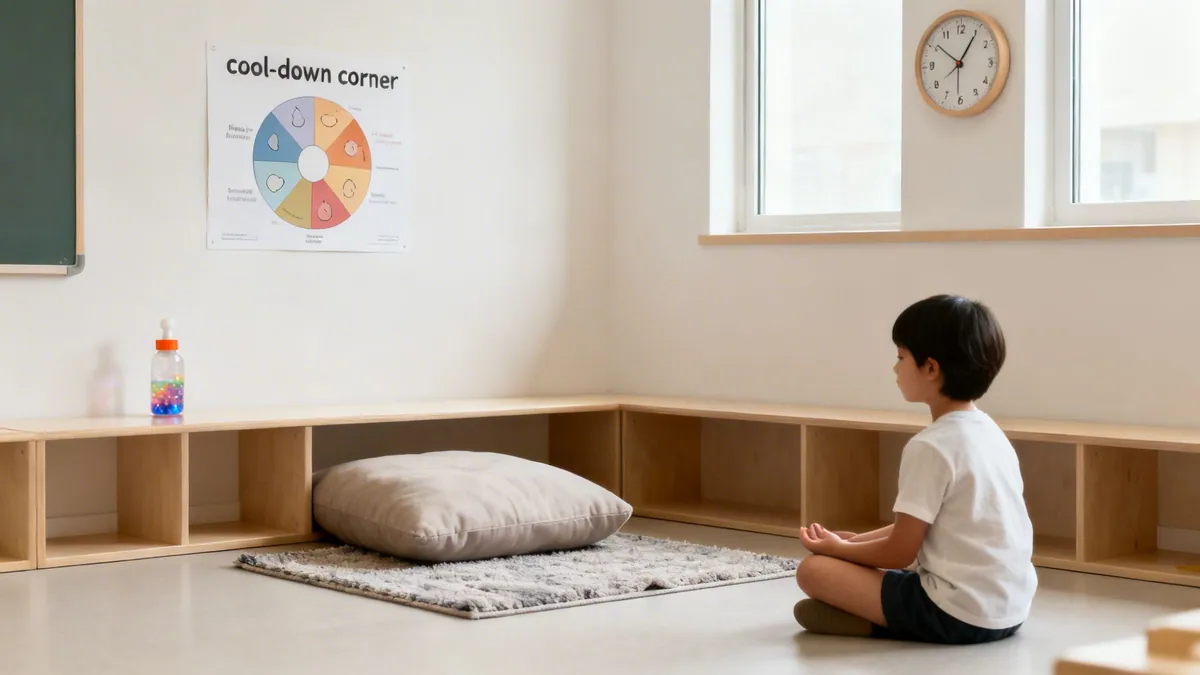
Create visual cues: Use posters of breathing techniques or a designated “calm-down corner” as reminders. You can find a variety of calming activities for the classroom to get started.
4. Peer Mediation and Student Leaders
Peer mediation is a conflict resolution strategy that trains designated student leaders to facilitate productive conversations between their peers. Instead of relying on adult intervention, trained student mediators guide conflicting parties through a structured process to express their concerns, understand each other’s perspectives, and collaboratively develop a solution. This approach empowers students to resolve their own disputes constructively.
This strategy leverages positive peer influence and builds a school culture where students take responsibility for their community. It reduces the burden on teachers and administrators while fostering essential life skills like leadership, empathy, and active listening in the student mediators and their peers. Peer mediation is one of the most effective conflict resolution strategies students can learn because it places them at the center of the solution-building process.
Practical Example: During a kickball game, two students argue over whether a player was out. Instead of a teacher intervening, they go to the “Peace Corner” where two trained fifth-grade peer mediators are on duty. The mediators ask each student to state their side of the story without interruption. They then help the students brainstorm solutions, like a “re-do” of the play or agreeing on a student umpire for the rest of the game. The students agree on a re-do and shake hands.
Why It Works
Peer mediation is highly effective for interpersonal conflicts, such as rumors, social exclusion, or disagreements over shared resources. Because mediators are students themselves, they often have a deeper understanding of the social dynamics at play. Programs in schools frequently report resolution rates of 50-60%, demonstrating that students can successfully manage playground disputes and relationship conflicts when given the proper tools. This approach is most effective when both parties are willing to participate and seek a mutually agreeable outcome.
How to Implement It
Recruit and train diverse mediators: Select a group of student leaders who represent the school’s diverse demographics. Provide them with at least 20 hours of foundational training in active listening, impartiality, and the mediation process.
Establish a clear referral system: Create a simple process for students to request mediation. This could involve a referral box in the counselor’s office or a simple online form.
Define ethical guidelines: Ensure mediators and participants understand and agree to confidentiality rules to build trust in the process. Mediators should only break confidentiality if there is a risk of harm.
Provide ongoing support: Schedule regular debrief sessions for mediators to discuss challenges and share successes. Offer ongoing coaching and celebrate their valuable contributions to the school community. For more guidance, you can learn how to empower students to find solutions with dedicated programs.
Social-Emotional Learning (SEL) is the process of developing the self-awareness, self-control, and interpersonal skills vital for school, work, and life success. Integrating an SEL curriculum directly into classroom instruction provides students with the foundational tools to navigate their emotions and relationships. It teaches core competencies like self-management, social awareness, and responsible decision-making, which are the building blocks of effective conflict resolution.
This approach treats conflict resolution not as an isolated skill but as an outcome of holistic emotional intelligence. Instead of only reacting to problems, SEL proactively equips students with the empathy, communication skills, and emotional regulation needed to prevent many conflicts from starting. When disputes do arise, students are better prepared to handle them constructively. This is one of the most foundational conflict resolution strategies students can develop, as it underpins all other techniques.
Practical Example: A third-grade class begins each day with a “morning meeting.” Today’s topic is responsible decision-making. The teacher presents a scenario: “You see a classmate take a pencil from the teacher’s desk. What are your options? What are the consequences of each option?” Students discuss the dilemma in small groups, practicing how to think through a problem before acting. This proactive lesson gives them a mental script for a real-life ethical conflict.
Why It Works
SEL integration creates a school-wide culture of respect and understanding. By embedding these skills into daily academic life, students learn to apply them in real-time. Research from CASEL shows that students receiving quality SEL instruction have better academic outcomes and improved behavior. For instance, schools using the Second Step curriculum have reported a 25% reduction in physical aggression. SEL is most effective when it is a consistent, school-wide initiative, not just a one-off lesson, creating a common language for students and staff to discuss feelings and solve problems.
How to Implement It
Select an evidence-based curriculum: Choose a program like those from CASEL or Positive Action that aligns with your school’s values and has a proven track record.
Provide comprehensive training: Equip all staff, not just teachers, with the skills and language to model and reinforce SEL competencies consistently.
Integrate, don’t isolate: Weave SEL concepts into core subjects like literature, history, and science. A character’s dilemma in a story, for example, can become a lesson in empathy and perspective-taking.
Engage families: Offer resources and workshops to help parents and caregivers reinforce SEL skills at home. Integrating social-emotional learning into the curriculum is crucial for developing students’ conflict resolution skills, and exploring social-emotional learning platforms like saucial.app can significantly enhance student development.
6. Empathy-Building and Perspective-Taking Exercises
Empathy-building and perspective-taking exercises are structured activities designed to help students understand the viewpoints, feelings, and experiences of others. Instead of reacting defensively, students learn to step into someone else’s shoes through role-plays, storytelling, and empathy interviews. This foundational skill builds compassion and shifts conflicts from competitive battles to cooperative problem-solving.
This approach transforms conflict resolution strategies for students by moving beyond simple behavioral rules and nurturing the emotional intelligence needed to truly understand a situation. By practicing empathy, students develop a crucial life skill that allows them to see the humanity in others, even during a disagreement.
Practical Example: A teacher reads a story where a character feels left out. Afterward, she asks the class, “Has anyone ever felt like that character? What does it feel like in your body when you are left out?” Students share experiences, building a shared understanding of that emotion. Later, when a student is excluded on the playground, the supervising adult can say, “Remember how we talked about feeling left out? How do you think Sarah is feeling right now?” This connects the abstract lesson to a real-life situation.
Why It Works
Empathy is the antidote to judgment and anger. When students can accurately imagine what another person is feeling, they are less likely to escalate conflicts and more willing to find mutually agreeable solutions. These exercises are particularly effective for addressing bullying, social exclusion, and misunderstandings rooted in different cultural or personal backgrounds. For instance, a middle school might use “empathy interviews,” where conflicting students ask each other structured questions to understand their differing perspectives on a shared problem. This process, popularized by thinkers like Marshall Rosenberg and researchers like Brené Brown, validates feelings and opens the door to genuine resolution.
How to Implement It
Start with fictional scenarios: Before tackling real conflicts, use stories or hypothetical situations. Ask, “How do you think the character felt when that happened?”
Use props for younger students: Puppets or stuffed animals can help K-2 students act out different perspectives without feeling self-conscious. A simple puppet show can powerfully demonstrate how two characters can see the same event differently.
Incorporate role-playing: Have students switch roles in a conflict scenario. Debrief afterward by asking reflective questions like, “What was it like to be in their shoes?” and “What did you learn about their point of view?”
Connect to literature: Use books and stories featuring diverse characters to spark discussions about different life experiences and feelings. Ask students to write a diary entry from a character’s perspective.
Teach “I-statements” with feeling words: Combine perspective-taking with clear communication. Instead of “You made me mad,” encourage “I felt hurt when…” to foster understanding rather than blame.
7. Nonviolent Communication (NVC) Framework
Nonviolent Communication (NVC) provides students with a powerful structure for expressing themselves and understanding others without blame or criticism. This compassionate communication model, developed by Marshall Rosenberg, breaks down dialogue into four clear components: observations (stating facts without judgment), feelings (identifying emotional responses), needs (recognizing underlying values), and requests (making specific, actionable asks).
This framework transforms confrontational language into productive conversation. Instead of saying, “You’re always hogging the ball,” a student learns to say, “I noticed I haven’t had a turn with the ball for ten minutes (observation), and I feel left out (feeling). I need to be included in the game (need). Can I have a turn next? (request).” This shift is a core element in many successful conflict resolution strategies for students, as it promotes self-awareness and empathy.
Practical Example: A middle schooler is upset because their friend shared a secret.
Instead of: “I can’t believe you told everyone! You’re a terrible friend.”
Using NVC: “When I heard you told Jessica what I said about my parents (observation), I felt really hurt and embarrassed (feeling). I need to be able to trust my friends with my private thoughts (need). Would you be willing to agree not to share my secrets in the future? (request).”
Why It Works
NVC works by de-escalating conflict and focusing on the universal human needs behind actions. It separates the person from the behavior, allowing students to address issues without attacking each other’s character. Successful NVC heavily relies on active listening and participation, moving beyond passive reception to truly engage with and understand others’ perspectives. It’s especially effective for interpersonal disputes, disagreements over resources, and situations where strong emotions are involved, as it provides a clear, repeatable script for navigating difficult feelings.
How to Implement It
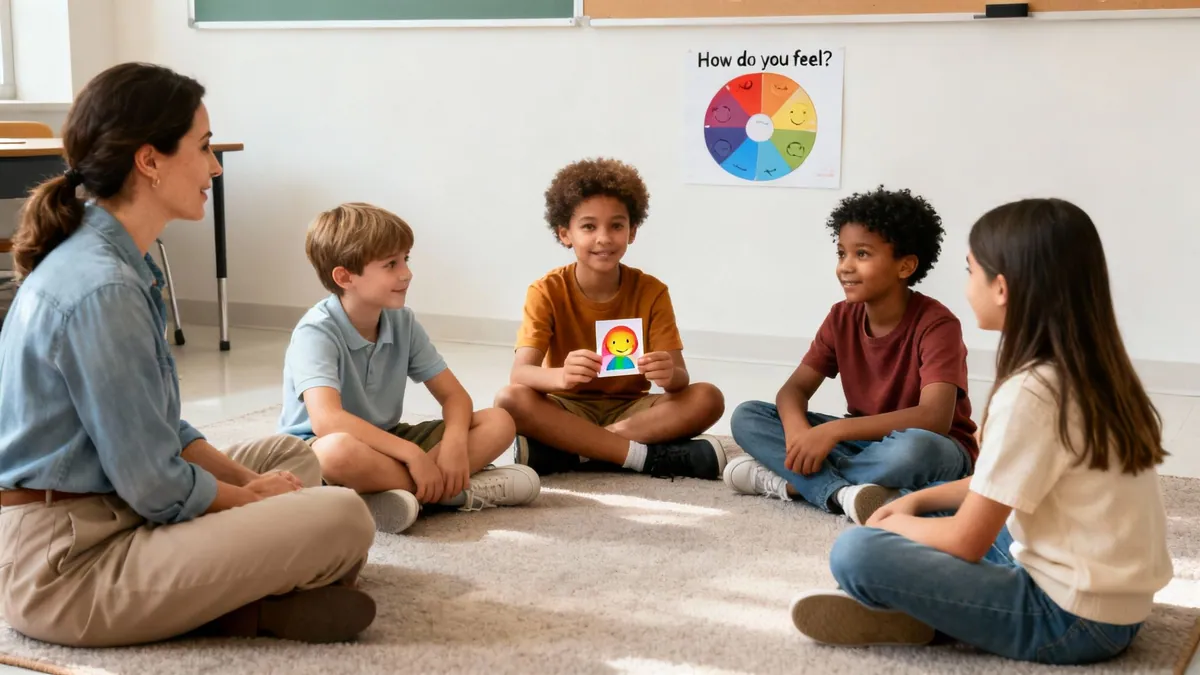
Build vocabulary: Begin by explicitly teaching students a wide range of words for feelings and needs. Create “Feelings Wheels” or “Needs Inventories” and post them in the classroom for reference.
Use a simple script: Introduce a youth-friendly sentence frame like, “I noticed…, and I feel… because I need… Would you be willing to…?”
Practice with low-stakes scenarios: Use role-play cards with everyday situations (e.g., someone cutting in line, a friend not sharing a toy) to help students build muscle memory before tackling real conflicts.
Model consistently: Adults in the school should model NVC in their interactions with students and each other. This authenticity shows students that it is a valued communication tool for everyone. The Center for Nonviolent Communication offers a wealth of resources for educators.
10. Conflict Resolution Coaching and Adult Modeling
This strategy recognizes that the most powerful teachers of conflict resolution are the adults in a student’s life. Conflict Resolution Coaching and Adult Modeling focuses on training educators and staff to demonstrate healthy, constructive ways of handling disagreements. When adults consistently model self-regulation, respectful communication, and collaborative problem-solving, students internalize these behaviors as the norm.
The approach shifts the learning from a purely theoretical exercise to a lived reality. By seeing adults openly apologize, take deep breaths when frustrated, and listen actively to opposing views, students learn that conflict is a normal part of relationships that can be navigated successfully. This creates the emotional safety and credibility for students to practice these same conflict resolution strategies students themselves.
Practical Example: A parent gets frustrated trying to help their child with a difficult math problem. Instead of snapping, the parent says, “I’m feeling my frustration rise because this is tricky. Let me take a few deep breaths. Okay, let’s try looking at the example in the book one more time together.” This models self-regulation and problem-solving instead of blame. In the classroom, a teacher whose projector isn’t working could say aloud, “This is very frustrating, but getting angry won’t fix it. I’m going to ask Mr. Davis for help, since he’s good with technology.”
Why It Works
Students learn more from what they see than what they are told. When adults model vulnerability and repair, it dismantles the perception that authority figures are perfect and makes conflict resolution feel achievable. This approach is highly effective for establishing a school-wide culture of respect and trust. It works best for creating a foundational, preventative environment where other conflict resolution strategies can flourish. Schools that emphasize adult culture change often see significant improvements in climate surveys and reductions in disciplinary incidents.
How to Implement It
Provide comprehensive staff training: Equip all staff, including administrators, teachers, and support personnel, with the same conflict resolution language and tools that students are learning, such as Nonviolent Communication (NVC) or Collaborative & Proactive Solutions (CPS).
Narrate your process: When a conflict arises, model self-awareness aloud. For example, a teacher might say, “I’m feeling frustrated right now, so I’m going to take a moment to breathe before we continue this conversation.”
Apologize and repair openly: If you make a mistake or speak harshly, model accountability. An adult could say to a student, “I was wrong to raise my voice earlier. I’m sorry. Can we try that conversation again?”
Celebrate colleague collaboration: When students witness staff members resolving a disagreement respectfully, point it out. You might mention in a class meeting, “Mr. Smith and I had different ideas for the field trip, so we sat down, listened to each other, and found a solution that worked for everyone.” This is a powerful, real-world example of conflict resolution strategies students can emulate.
Low–Medium — facilitation to create and maintain meaningful agreements
Low — class time, visual displays, periodic review
Greater student ownership; clearer expectations; fewer power struggles
Classroom-level behavior management and democratic engagement
Student-created rules increase compliance and shared responsibility
Conflict Resolution Coaching & Adult Modeling
High — culture change requiring ongoing PD and vulnerability
High — coaching, time, system-wide commitment and consistency
Improved school climate; students learn implicitly from adults; increased trust
Whole-school reform, staff culture shifts, modeling for students
Powerful implicit teaching; aligns adult behavior with student learning
Building a Culture of Peace, One Skill at a Time
Equipping students with effective conflict resolution skills is one of the most profound investments an educational community can make. Moving beyond simple behavior management, the strategies detailed in this article-from the structured dialogue of Restorative Circles to the empathetic framework of Nonviolent Communication-represent a fundamental shift in how we view interpersonal challenges. They transform conflict from a disruptive event into a valuable learning opportunity. By systematically teaching these techniques, we are not just quieting classrooms; we are nurturing a generation of thoughtful, resilient, and compassionate leaders.
The journey to a peaceful school culture is not built on a single initiative but on a layered, integrated approach. The true power of these conflict resolution strategies for students is realized when they become part of the school’s DNA, woven into daily interactions, curriculum, and community norms.
From Theory to Daily Practice
The ultimate goal is to move these concepts off the page and into the lived experiences of students. This requires consistent reinforcement and a commitment from all adults in the community.
Consistency is Key: A one-time assembly on bullying or a single lesson on “I-Statements” is not enough. For these skills to stick, they must be practiced regularly, whether through weekly classroom meetings, daily mindfulness moments, or consistent use of shared language by all staff.
Adult Modeling is Non-Negotiable: Students learn more from what we do than what we say. When a teacher models Collaborative Problem-Solving with a frustrated student or a principal uses restorative questions to address a hallway dispute, it sends a powerful message. Every adult interaction becomes a lesson in respectful conflict resolution.
Empowerment Over Punishment: Shifting from a punitive to a restorative mindset is crucial. Instead of asking “Who is to blame and what is the punishment?”, we start asking “What happened, who was affected, and what needs to be done to make things right?”. This empowers students to take ownership of their actions and repair harm, fostering accountability and empathy.
The Lasting Impact of Conflict Competence
The benefits of mastering these skills extend far beyond the school gates. Students who learn to navigate disagreements constructively are better prepared for the complexities of higher education, the collaborative demands of the modern workplace, and the inevitable challenges of personal relationships. They develop stronger self-awareness, greater empathy for others, and the confidence to advocate for their needs peacefully.
By investing in these foundational skills, we are providing students with a toolkit for life. We are teaching them that their voice matters, that understanding others is a strength, and that problems can be solved together. This is the core of social-emotional learning and the bedrock of a healthy, functioning society.
Ultimately, building a culture of peace is an ongoing process, not a destination. It requires patience, dedication, and a shared belief that every student has the capacity to learn, grow, and contribute to a more harmonious world. The tools and strategies outlined here provide a clear roadmap for that journey. By committing to this work, we are not just creating better schools-we are actively building a better future, one peaceful resolution at a time.
Ready to bring a dynamic, experiential approach to social-emotional learning and conflict resolution to your school? The experts at Soul Shoppe provide powerful assemblies, in-class workshops, and professional development that transform school culture by giving students the tools they need to solve problems peacefully. Discover how Soul Shoppe can help you build a community of empowered, empathetic, and resilient learners.
Teacher turnover has reached a critical point, costing schools more than just money; it costs them stability, expertise, and the heart of their communities. The revolving door of educators is a complex issue fueled by burnout, a lack of support, and a feeling of being undervalued. The solutions, however, are within reach for proactive school leaders.
This article moves beyond generic advice and another pizza party. It offers a roundup of 10 evidence-based, actionable teacher retention strategies designed for K-8 administrators, school leaders, and veteran educators committed to building environments where teachers don't just stay, but thrive. Many of the principles discussed here align with broader workplace success; for a comprehensive look at effective strategies that apply across various professions, explore these proven ways to reduce employee turnover.
We will explore how Social-Emotional Learning (SEL) principles are not just for students but are foundational to creating psychologically safe and supportive workplaces for adults. This guide provides practical examples, templates, and fresh perspectives that shift the focus from merely understanding the problem to actively solving it. You will learn how to implement concrete changes in areas like mentorship, school culture, workload design, and career pathways. The goal is to create a sustainable, positive school culture that values every educator, ensuring our best teachers feel seen, supported, and inspired to continue their vital work.
1. Social-Emotional Learning (SEL) Integration and Professional Development
A powerful, yet often overlooked, component of teacher retention strategies involves investing deeply in Social-Emotional Learning (SEL) for the adults in the building. This approach moves beyond student-focused curriculum to equip educators with the skills to manage their own emotional well-being, reduce burnout, and build authentic connections. When teachers feel emotionally supported and competent in their own SEL skills, they are better able to manage classroom dynamics and cultivate a positive learning environment, which directly increases job satisfaction and their desire to stay in the profession.
This strategy is grounded in the idea that teachers cannot pour from an empty cup. Before they can effectively teach SEL to students, they must first experience its benefits themselves.
How to Implement SEL for Staff Retention
Successful implementation starts with a "staff first" mentality. Instead of simply handing teachers a new curriculum to teach, administrators should create opportunities for them to develop their own social and emotional skills. This builds a foundation of trust and demonstrates a genuine commitment to their well-being.
Start with Adult Wellness: Introduce mindfulness programs like Calm or Headspace for staff use. Dedicate the first few minutes of staff meetings to a guided breathing exercise or a short reflective activity. For example, a teacher could then use that same breathing exercise with a student who is feeling anxious before a test.
Provide Dedicated Time: Allocate specific time during professional development days or planning periods for teachers to collaborate on SEL. This prevents it from feeling like another "add-on" to their already packed schedules.
Model and Practice in Meetings: Use staff meetings to practice SEL skills. For example, use a "check-in" wheel to open a meeting, allowing staff to share their emotional state. This normalizes emotional expression and gives teachers a tool they can adapt for morning meetings with their own students to gauge their classroom's emotional climate.
Implement Peer Coaching: Establish an SEL peer coaching model where teachers can observe each other, offer supportive feedback, and share effective strategies. For instance, one teacher might share how they use "I-statements" to resolve a conflict, a technique their peer coach can then try with their own students.
Key Insight: The most effective SEL initiatives treat educators as the primary learners first. This investment in adult SEL creates a positive feedback loop, where supported teachers create supportive classrooms, leading to better outcomes for everyone and higher retention rates.
This video from Soul Shoppe demonstrates the power of creating a school culture where everyone feels safe, respected, and connected.
How to Implement This Strategy
Model Your Own Regulation: When you feel frustrated, narrate your process out loud. For example: “The projector isn’t working, and I’m feeling a little flustered. I’m going to take three deep ‘balloon breaths’ to calm down before we try again.” This makes internal processes visible and provides a concrete model for students to follow.
Teach Explicit Techniques: Teach self-regulation strategies during calm moments, not in the middle of a crisis. Practice “box breathing” (inhale for four, hold for four, exhale for four, hold for four) or “5-4-3-2-1 grounding” where students name five things they can see, four they can feel, three they can hear, two they can smell, and one they can taste.
Offer Proactive Regulation Breaks: Integrate short movement or sensory breaks into your daily schedule before students show signs of dysregulation. For example, before a math lesson, say, “Let’s get our brains ready! Everyone stand up and do 10 wall pushes.”
Validate and Support: When a student is upset, get down on their level and validate their emotion first. Say, “I can see you are very upset that your block tower fell down. That is so frustrating. I’m going to sit here with you until your body feels safe again.” This co-regulation builds trust and reduces shame. Explore additional self-regulation strategies for students to expand your toolkit.
This strategy is most effective when regulation skills are practiced daily, becoming as routine as academic drills. It is particularly crucial for students who exhibit big emotional responses, as it shifts the focus from punishment to skill-building, empowering them to manage their own nervous systems.
3. Strengths-Based and Asset-Focused Approaches
A strengths-based approach fundamentally shifts the educational focus from what students are lacking to what they possess. Instead of viewing behaviors through a deficit lens, this trauma-informed teaching strategy prioritizes identifying and cultivating each student’s unique talents, resilience, and interests. For children who have experienced trauma and may have internalized negative self-perceptions, this intentional focus on their assets is profoundly healing and empowering. It reframes their identity around capabilities rather than challenges, fostering a positive self-concept and a stronger connection to the school community.
This asset-focused mindset directly counters the sense of helplessness that trauma can create, showing students that they have inherent value and the capacity to succeed. By building instruction around student strengths, educators create more engaging and relevant learning experiences. This approach is closely linked to developing a growth mindset in the classroom, as it teaches students to view their abilities as skills that can be developed through effort and perseverance.
How to Implement This Strategy
Create Strength Profiles: At the beginning of the year, use interest inventories or “get to know you” activities to document 2-3 specific strengths for each student (e.g., “creative problem-solver,” “empathetic friend,” “persistent artist”). Refer to these profiles when planning lessons or assigning roles. For example, during group work, you might say, “Maria, since you are such a creative problem-solver, would you be in charge of brainstorming for your team?”
Use Strengths-Based Language: Instead of generic praise like “Good job,” be specific and connect it to a strength. For example, say, “David, I noticed how you asked Sam if he was okay after he fell. That showed what an empathetic friend you are.”
Assign Purposeful Classroom Jobs: Design roles that align with student talents. A student who is a natural organizer could be the “Materials Manager,” while a compassionate student could be the “Welcome Ambassador” for new classmates. A student who loves to draw could be the “Class Illustrator,” creating pictures for anchor charts.
Highlight Growth Over Grades: Shift recognition systems to celebrate progress, effort, and resilience. During parent conferences, start by sharing an anecdote of a child’s persistence: “I want to show you this first draft of Liam’s story and then his final version. The effort he put into revising it shows incredible growth in his perseverance.”
This approach is most powerful when used consistently across all interactions, from academic feedback to behavior management. It is especially important when a student is struggling, as it provides an opportunity to remind them of their past successes and inherent capabilities, reinforcing their ability to overcome current challenges.
4. Collaborative Problem-Solving and Student Voice
Trauma-informed teaching recognizes that students, particularly those who have experienced trauma, often feel a profound sense of powerlessness. Collaborative problem-solving directly counteracts this by inviting students into decision-making processes, valuing their perspectives, and building solutions together. This approach shifts the classroom dynamic from top-down, punitive discipline to one of dialogue and shared ownership, which builds student autonomy and reinforces that their voice matters in creating a functional, supportive community.
Popularized by Dr. Ross Greene, this strategy is built on the idea that “kids do well if they can.” When students face challenges, it is not due to a lack of will but a lack of skills. By working together to identify lagging skills and unsolved problems, teachers and students can find mutually agreeable solutions that address the root cause of the behavior, fostering both skill development and a stronger relationship.
How to Implement This Strategy
Hold Class Meetings: Dedicate regular time for students to discuss classroom concerns and co-create solutions. For example, if students are struggling with noisy transitions, a meeting could start with, “I’ve noticed our clean-up time has been really loud and it’s hard for us to get to the next activity. What are your ideas to make it smoother?”
Use Restorative Circles: After a conflict, gather involved students in a circle to share their perspectives. For instance, if two students argued over a shared toy, each would get a chance to answer, “What happened?” “How did it make you feel?” and “What do you need to feel better?” This teaches empathy and repairs harm rather than simply assigning blame.
Implement Student-Led Conferences: Empower students to present their learning progress, challenges, and goals to their parents or caregivers. This gives them agency over their academic journey and develops self-advocacy skills.
Start with Low-Stakes Decisions: Build student comfort by first asking for input on smaller issues. You could say, “Class, we have 15 minutes at the end of the day. Would you prefer a read-aloud or a quick drawing activity? Let’s take a vote.”
This strategy is most effective when used proactively to build community and consistently to address challenges as they arise. It is particularly crucial when behavioral issues surface, as it provides a non-punitive framework for understanding the student’s struggle and finding a path forward together.
5. Mindfulness and Present-Moment Awareness Practices
Mindfulness, the practice of paying attention to the present moment without judgment, is a powerful self-regulation tool. For students impacted by trauma, whose nervous systems can be stuck in a state of high alert, mindfulness helps anchor them in the safety of the here and now. This practice counters the effects of trauma, such as intrusive thoughts or anxiety about the future, by training the brain to focus, calm itself, and create a crucial pause between an emotional trigger and a reaction. Integrating mindfulness is one of the most direct trauma informed teaching strategies for building internal coping skills.
This strategy empowers students with the awareness and skills to manage their internal states. By teaching them to notice their breath, body sensations, and thoughts, we give them an invaluable resource for navigating stress both inside and outside the classroom.
How to Implement This Strategy
Start with Short, Guided Practices: Begin with simple one-minute breathing exercises. Guide students to “Put one hand on your belly. As you breathe in, feel your belly get big like a balloon. As you breathe out, feel it get smaller.” Gradually extend the time as students become more comfortable.
Use Sensory Anchors: Ring a mindfulness bell or chime to signal the start of a quiet transition. Ask students to simply listen until they can no longer hear the sound. This auditory focus brings everyone into the present moment before you give the next instruction.
Integrate Mindful Movement: Incorporate simple yoga stretches or “body scans.” For example, lead students in a “Mindful Walk” around the classroom, asking them to notice the feeling of their feet on the floor with each step. This helps reconnect mind and body. For resources, organizations like the Center for Healthy Minds offer science-backed practices for educators.
Model the Practice: Share your own experiences with mindfulness. You might say, “I’m feeling a little rushed, so I’m going to take three deep breaths to calm my body before we begin our lesson.” This normalizes the practice and shows its practical application.
This approach is most effective when introduced gently and practiced consistently, such as after recess or before an assessment, to help students settle their bodies and minds. It is crucial to always make participation optional, allowing students to opt out or modify the practice to ensure they feel in control and safe.
6. Relationship-Building and Authentic Connection
For students impacted by trauma, the presence of a stable, caring, and predictable adult can be a powerful healing force. Authentic connection is a core component of trauma-informed teaching strategies because it directly counteracts the relational harm and instability that often accompany adverse experiences. When a teacher invests in knowing a child as an individual, they create a secure attachment that allows the student’s brain to feel safe, valued, and ready to learn. This relationship becomes the secure base from which students feel empowered to explore, make mistakes, and engage with their peers and academic material.
Building these connections is not about being a student’s best friend; it is about providing unwavering positive regard and demonstrating genuine care. This consistent emotional support helps regulate the nervous system and builds the trust necessary for a student to feel comfortable being vulnerable in the classroom. Understanding the power of a positive teacher-student relationship is essential for creating a classroom culture where every child feels seen and supported.
How to Implement This Strategy
Schedule Intentional Connection Time: Dedicate a few minutes each day or week for non-academic check-ins. This could be greeting each student at the door with a personal question, such as “How was your brother’s soccer game last night?” or having a “lunch bunch” with a small group of students.
Discover and Reference Student Interests: Keep a simple log of students’ hobbies, favorite foods, or family members. If a student loves dinosaurs, you could leave a dinosaur book on their desk or say, “I saw this cool documentary about T-Rexes and it made me think of you!” This shows you listen and care about their lives outside of school.
Share Positive News with Families: Make it a habit to send a quick, positive note or email home. For example: “Hi Mrs. Davis, I wanted to let you know that Maria was an excellent helper to a new student today. You should be very proud of her kindness.” This builds a supportive relationship with caregivers and reinforces the child’s sense of value.
Practice the “Two-by-Ten” Strategy: For two minutes each day for ten consecutive days, have a personal, non-academic conversation with a specific student. Ask them about their favorite video game, their pet, or what they did over the weekend. This focused effort can significantly improve the dynamic with students who may be struggling to connect.
This strategy is foundational and should be applied consistently throughout the school year for all students. It is particularly crucial for students who exhibit withdrawn behaviors or externalize stress through challenging actions, as these are often signs that they need connection the most.
7. Trauma-Sensitive Discipline and Restorative Practices
Traditional, punitive discipline can often re-traumatize students by activating their fear responses, escalating conflict, and damaging the crucial teacher-student relationship. A trauma-informed approach recognizes that all behavior is a form of communication, often signaling an unmet need or a state of distress. Trauma-sensitive discipline shifts the focus from punishment to problem-solving, and from exclusion to restoration. This strategy aims to repair harm, teach accountability, and rebuild community trust while maintaining high behavioral expectations.
This pivot toward restorative practices, championed by organizations like the International Institute for Restorative Practices (IIRP), helps students develop essential social-emotional skills such as empathy, responsibility, and conflict resolution. Instead of isolating students, it brings them back into the community, reinforcing their sense of belonging and preserving their dignity. This approach addresses the root causes of misbehavior rather than just the symptoms, creating a more sustainable and supportive learning environment.
How to Implement This Strategy
Shift Your Language: Instead of asking a dysregulated student “Why did you do that?” which can provoke defensiveness, get curious. Try asking “I noticed you threw the pencil. Can you tell me what happened right before that?” This opens a non-judgmental dialogue focused on understanding the situation from the student’s perspective.
Focus on Repair and Restoration: When a conflict occurs, guide students with restorative questions. If a student knocks over another’s project, the restorative consequence might be helping them rebuild it. You could facilitate by asking, “What was the harm done?” and “What do you think you can do to make things right?”
Teach Replacement Behaviors: When a student doesn’t meet an expectation, explicitly model and teach the desired behavior. For instance, if a student yells out, you might say later in private, “I see you get really excited and have a hard time waiting to share. Let’s practice raising a quiet hand. Can you show me what that looks like?”
Conduct Private Conversations: Address misbehavior in a private, one-on-one conversation rather than publicly shaming a student. This preserves their dignity and strengthens your relationship. Start the conversation by reaffirming the connection: “You are an important part of our class, and I care about you. We need to talk about what happened at recess so we can solve it together.”
This strategy is most effective when used consistently by all staff to create a predictable and fair school culture. It is particularly crucial for addressing repeated behaviors, as these patterns often indicate an underlying need that punitive measures will not resolve. By prioritizing restoration over punishment, schools can transform discipline into a powerful opportunity for learning and healing.
8. Sensory Integration and Regulation Accommodations
Trauma can significantly impact a student’s nervous system, leading to dysregulation where they become either hypersensitive (overly responsive) or hyposensitive (under-responsive) to sensory input. A loud noise, bright light, or unexpected touch can trigger a fight, flight, or freeze response. Sensory integration and regulation accommodations are essential trauma informed teaching strategies that modify the environment and provide tools to help students manage sensory input, stay calm, and remain available for learning. By addressing sensory needs, educators help soothe a child’s nervous system, making the classroom feel safe and predictable.
This approach, rooted in the work of occupational therapists like Dr. A. Jean Ayres, recognizes that a regulated body is a prerequisite for a focused mind. Providing sensory support isn’t about rewarding behavior; it’s about providing the necessary tools for a child to achieve the optimal state of alertness for academic engagement.
How to Implement This Strategy
Offer Flexible Seating Options: Move beyond traditional desks. Provide wobble cushions, standing desks, yoga ball chairs, or floor cushions that allow for subtle movement, which helps with focus. A student who constantly tips their chair back might benefit from a wiggle seat to get that movement input safely.
Create Proactive Movement Breaks: Integrate short, structured movement activities throughout the day. For example, before a long reading block, say, “Let’s do 10 ‘chair push-ups’ to get our bodies ready to focus.” This provides heavy work that can be very calming for the nervous system.
Provide Sensory Tools: Make a toolkit of fidgets, stress balls, textured items, or weighted lap pads accessible to all students. You might create a “fidget pass” that students can quietly place on their desk when they need a tool, reducing disruption and empowering them to self-advocate for their needs.
Modify the Environment: Be mindful of sensory triggers. Dim harsh fluorescent lights with fabric covers, reduce visual clutter on walls, and provide noise-reducing headphones for students who are sensitive to sound during independent work. For a student easily overwhelmed by noise, offering headphones can be a game-changer.
This strategy is most effective when sensory supports are offered proactively before a student becomes visibly dysregulated. It’s particularly useful during periods requiring quiet focus or following high-energy activities like recess, helping students transition their bodies and minds back to a calm, learning-ready state.
9. Clear Communication and Predictable Expectations
Students who have experienced trauma often exist in a state of hypervigilance, constantly scanning their environment for potential threats. This heightened state of alert makes ambiguous instructions, sudden changes, and unclear expectations feel threatening, often triggering anxiety or defensive behaviors. One of the most stabilizing trauma informed teaching strategies is to establish and maintain clear communication and predictable expectations, which helps a child’s nervous system feel safe enough to lower its defenses and engage in learning.
This strategy is about making the implicit explicit. By clearly communicating what is happening now, what will happen next, and how to succeed, educators remove the guesswork that can be deeply dysregulating for vulnerable students. This predictability builds trust and creates an environment where cognitive resources can be dedicated to academics rather than to anticipating danger.
How to Implement This Strategy
Make Routines Visual and Explicit: Post a visual daily schedule with pictures and words. For multi-step tasks like morning arrival, create a small chart at the student’s desk: 1. Unpack backpack. 2. Turn in homework. 3. Start morning work. This removes reliance on auditory processing, which can be difficult for a stressed brain.
Provide Advance Warnings for Transitions: Use both verbal cues and a visual timer to signal upcoming changes. For example, say, “In five minutes, we will be cleaning up our writing journals,” while setting a visible countdown timer. For a student who struggles greatly, a personal 2-minute warning can be even more helpful.
Teach and Practice Expectations: Do not assume students know what “be respectful” looks like. Create an anchor chart that defines it in concrete terms. For example: “Being respectful in the hallway means: 1. Voices off. 2. Hands to ourselves. 3. Walking feet.” Then, practice it like a fire drill.
Use Consistent, Positive Language: Frame expectations in terms of what students should do. Instead of “Stop running,” try a calm “Please use your walking feet.” Reinforce positive behavior by noticing it: “I see you have your book open to the right page; that shows you are ready.” This approach builds self-efficacy without shaming.
This strategy is most effective when implemented consistently across all classroom activities and, ideally, throughout the entire school. It is particularly crucial at the beginning of the school year, after breaks, or when a substitute teacher is present to maintain a stable and secure learning environment.
10. Cultural Responsiveness and Anti-Bias Teaching
Trauma is not experienced in a vacuum; it intersects with a student’s race, culture, socioeconomic status, and other identities. For this reason, a core component of trauma informed teaching strategies must be a commitment to cultural responsiveness and anti-bias education. This approach recognizes that systemic issues like racism and discrimination are sources of ongoing collective trauma and create significant barriers to learning. It requires educators to honor students’ full identities and histories as a fundamental part of creating a safe and healing-centered environment.
This strategy moves beyond mere tolerance to actively affirming and sustaining students’ cultural backgrounds. It acknowledges that validating a child’s identity is crucial for their psychological well-being and academic success. As Dr. Zaretta Hammond outlines in Culturally Responsive Teaching and The Brain, building on students’ cultural frames of reference can actually foster deeper cognitive processing and engagement.
How to Implement This Strategy
Audit Your Curriculum and Classroom: Examine your books, lesson plans, and classroom visuals. For example, when studying communities, ensure you include examples from the diverse neighborhoods your students live in, not just generic suburban ones. Actively seek and incorporate materials that reflect your students’ identities.
Integrate Culturally Sustaining Practices: Go beyond celebrating specific heritage months. Learn about your students’ home cultures and find authentic ways to integrate their knowledge. For instance, if you have a large Spanish-speaking population, label classroom items in both English and Spanish, or use folktales from their home countries in a literacy unit.
Examine Personal Biases: Engage in professional development and personal reflection to understand your own implicit biases. Acknowledging how your own background shapes your worldview is the first step toward preventing those biases from negatively impacting your students.
Address Microaggressions and Bias Promptly: When a biased comment occurs, such as a student making fun of another’s name, address it directly and educatively. You could say, “In our classroom, we respect everyone’s name. Names are an important part of our identity.” Ignoring these incidents can re-traumatize students who are targeted.
This approach is essential for all students but is especially critical for those from marginalized communities who may experience identity-based harm both inside and outside of school. Implementing these practices consistently helps dismantle systems of inequity and ensures that the classroom is a place where every child feels seen, valued, and safe to learn.
10-Point Trauma-Informed Teaching Comparison
Strategy
Implementation Complexity
Resource Requirements
Expected Outcomes
Ideal Use Cases
Key Advantages
Creating Psychologically Safe Classrooms
Moderate — requires planning and consistent routines
Moderate — staff time, classroom setup, coordination
Addresses systemic causes of trauma; honors student identities
Putting It All Together: Your Next Steps in Trauma-Informed Practice
Embarking on the path of trauma-informed teaching is a commitment to fostering a fundamentally more humane and effective learning environment. Throughout this article, we’ve explored a comprehensive toolkit of trauma informed teaching strategies, moving from the foundational need for psychological safety to the nuanced application of restorative practices and culturally responsive pedagogy. Each strategy, whether it’s establishing predictable routines, co-regulating with a student in distress, or amplifying student voice, serves a singular, powerful purpose: to create a classroom where every child feels safe, seen, and supported enough to learn and thrive.
The core takeaway is that this work is not an add-on or a special initiative; it is the very bedrock of good teaching. It recognizes that a student’s nervous system must be calm and regulated before their prefrontal cortex can engage in higher-order thinking. Strategies like mindfulness exercises and sensory integration are not rewards or distractions; they are essential tools for learning readiness. Similarly, shifting from a punitive to a restorative mindset isn’t about excusing behavior but about teaching the critical social-emotional skills that prevent it from recurring.
Your Actionable Path Forward
Integrating these practices can feel overwhelming, but the journey starts with small, intentional steps. The goal is not to implement all ten strategies overnight but to build a sustainable, authentic practice over time.
Here is a practical roadmap to get you started:
Choose Your Starting Point: Select one or two strategies from this list that resonate most with you or address an immediate need in your classroom. Perhaps you’ll start with Strategy #6: Relationship-Building by committing to the “2×10” method, spending two minutes a day for ten consecutive days talking with a specific student about anything but schoolwork.
Build a Coalition: You are not alone in this work. Share an interesting strategy with a trusted colleague or bring up the concept of Strategy #7: Trauma-Sensitive Discipline at a team meeting. Building a shared language and support system with fellow educators is a powerful catalyst for school-wide change.
Seek Additional Support and Funding: Implementing new approaches, such as building a sensory corner (Strategy #8) or acquiring new SEL curriculum materials, often requires resources. As you plan your next steps, consider exploring resources such as special education grants for teachers to fund these vital strategies. These grants can provide the necessary financial backing to bring your trauma-informed vision to life.
Practice Self-Compassion: Remember that you, too, are human. There will be days when your own regulation is challenged. The principles of trauma-informed care apply to educators as much as they do to students. Acknowledge your efforts, give yourself grace, and focus on progress, not perfection.
This journey is a marathon, not a sprint. By consistently applying these trauma informed teaching strategies, you cultivate a classroom culture that ripples outward. You are not just managing behavior; you are nurturing resilience, fostering deep connection, and empowering students with the skills they need to navigate a complex world. Each time you greet a student by name, validate their feelings, or offer a choice, you are actively rewiring their brain for safety, trust, and academic success. Your commitment to this work transforms your classroom into a sanctuary of learning and a beacon of hope for every child who walks through your door.
For more than 20 years, Soul Shoppe has helped schools build these foundational skills through dynamic, experiential programs. Our on-site and digital workshops equip your entire school community with a shared language and practical tools to cultivate connection, empathy, and resilience. Discover how Soul Shoppe can help you create a thriving, trauma-informed learning environment.
A second grader bursts into tears because a classmate cut in line. A fifth grader goes blank before a quiz and says their stomach hurts. A middle schooler slams a Chromebook shut after one confusing assignment and decides they are “just bad at school.” At home, the same stress can look different. A child melts down over homework, snaps at a sibling, or goes quiet after a hard day.
None of those moments are rare. They are the daily practice field for coping.
Children will feel frustrated, embarrassed, worried, disappointed, and left out. The next step is how they respond. Coping skills help them pause, name what is happening, and choose a response that fits the situation. A good coping skill works like a toolbox. Deep breathing will not solve every problem, and problem-solving will not calm every flooded nervous system. Children need more than one tool, and adults need to know when to offer which one.
Researchers often group coping into four broad categories: skills that address the problem, skills that regulate emotion, skills that help children make meaning, and skills that involve support from other people. That big picture is useful, but many adults need something more concrete in the moment. A teacher needs a phrase to use during math frustration. A caregiver needs a plan for bedtime anxiety. A school team may also want clear ways to teach these skills to families, including short videos or staff explainers, which is why practical resources for AI video production can fit naturally into parent communication and training systems.
This guide breaks coping down into 10 clear types and turns each one into action for K-8 settings. For every type, you will see what it is, why it helps, what it can sound like, and how to use it in both classrooms and homes. You will also find age-appropriate examples, simple adult scripts, guided deep breathing practices, and child-friendly supports such as belly breathing activities for kids.
The goal is not constant happiness. The goal is a flexible set of habits children can carry into real conflicts, real mistakes, and real disappointment.
A kindergarten teacher might lead a two-minute breathing circle before morning meeting. A fourth grader might use starfish breathing before a spelling test. A parent might say, “Let's do three bubble breaths before we talk about what happened.”
What it looks like in practice
In the classroom, keep it short and visible. Put a breathing card on the wall, pair breathing with a hand signal, or build a predictable reset into transitions. At home, practice during calm moments so the child already knows the routine when emotions rise.
A few concrete examples work well:
Morning reset: “Hands on belly. Breathe in slowly. Feel your stomach rise. Breathe out like you're cooling soup.”
Before a challenge: “Your body looks tight. Try one slow breath before you start.”
After conflict: “We're not ignoring the problem. We're calming first so we can solve it.”
Many kids act out a feeling before they can name it. Emotional labeling slows that process down. Instead of “bad” or “fine,” children learn words like frustrated, left out, embarrassed, disappointed, worried, and overwhelmed.
That matters because language creates space between feeling and behavior. A child who can say, “I'm nervous,” is easier to support than a child who only knows how to refuse, yell, or shut down.
Build emotional vocabulary on purpose
In a classroom, use a feeling check-in during morning meeting or after recess. In counseling groups, let students point to an emotion wheel if speaking feels hard. At home, parents can ask with curiosity, “Was that anger, or was it more like disappointment?”
Try scripts like these:
Teacher script: “I can see something big is happening. Put a name on it if you can.”
Parent script: “You don't seem just mad. Are you hurt, worried, or frustrated?”
Student script: “I feel left out when no one saves me a spot.”
Books also help. Ask, “What is this character feeling right now? What clues do you notice?” Children often identify emotions in others before they can identify them in themselves.
That sentence helps adults stay compassionate and clear at the same time.
3. Physical Movement and Exercise
Some stress lives in the body. Kids bounce, fidget, slump, pace, or clench because their nervous systems are trying to manage load. Movement gives that energy somewhere to go.
Scottish Centre for Conflict Resolution groups physical exercise with emotional coping strategies in practical school-friendly categories, as summarized in the verified background above. That makes sense in K-8 settings, where a quick movement break can prevent a bigger blowup later.
A teacher might pause for a stretch between subjects. A counselor might invite a student to walk a lap before a repair conversation. A parent might suggest a scooter ride, dance break, or dog walk after school instead of launching straight into homework.
Here's one simple principle. Movement should be support, not punishment.
Classroom and home ideas
Low-pressure options: Offer chair stretches, wall pushes, hallway walks, or quiet yoga for students who don't enjoy competitive sports.
Routine movement: Add brain breaks before challenging tasks, not only after behavior problems.
Home reset: Say, “Let's move first, then talk,” after a long school day.
A quick visual can help adults think beyond traditional PE:
How to Implement It
Successful dance breaks are about channeling energy constructively. For example, a third-grade teacher might start the day with a two-minute dance party to an upbeat song, noticing improved moods and fewer conflicts. At home, a parent could use a quick game of "freeze dance" after school to help their child transition from a long day to homework time with renewed focus.
For an effective session, consider these tips:
Use Guided Videos: Use resources like GoNoodle or Just Dance Kids to provide structured, easy-to-follow routines.
Create a Playlist: Build a class-approved playlist of upbeat, age-appropriate songs that students can request.
Manage Space: If space is limited, have some students dance freely while others march or jog in place. Example: "Group A, you can do jumping jacks at your desk. Group B, you can jog in place. Let's switch in 30 seconds!"
Practice Impulse Control: Incorporate freeze dance, where students stop moving when the music pauses, to build listening skills and self-regulation.
Plan a Calm-Down Transition: Follow a high-energy dance break with a minute of deep breathing or stretching to help students settle back into their work.
4. Breathing Exercises & Belly Breathing
This powerful category of fun brain breaks uses guided breathing to activate the body’s natural relaxation response. Simple techniques like belly breathing calm the nervous system, helping students shift from a state of stress or high energy to one of calm focus. By learning to control their breath, students gain a practical tool for managing emotions, reducing anxiety, and preparing their minds for learning.
How to Implement It
Implementation can be adapted for any age. For instance, a kindergarten teacher might use the "smell the flower, blow out the candle" cue before circle time. A parent could guide their child through "balloon breathing," imagining their belly inflating and deflating, to soothe homework frustration.
To get started, try these simple tips:
Use Concrete Imagery: Younger students connect well with visuals like flowers, candles, or waves. Example: "Pretend you are holding a cup of hot chocolate. Breathe in deeply to smell the chocolatey scent for four counts. Now, slowly blow out for four counts to cool it down."
Model Visibly: Exaggerate the movement of your own belly so students have a clear visual to imitate.
Provide Tactile Feedback: Ask students to place a hand on their belly to feel the rise and fall.
Practice Proactively: Introduce these techniques during calm moments so they become familiar and accessible during stressful times. You can explore a detailed guide on the belly breathing technique to build confidence.
5. Partner Connection Games & Pair Bonding
This type of fun brain break focuses on interactive activities designed for two students, building social connection, communication, and peer relationships. Rather than individual or large-group activities, these games require direct engagement with a partner. Activities like mirroring movements or hand-clapping games help students practice collaboration and attunement, which strengthens classroom community and provides a much-needed mental reset.
How to Implement It
Success with partner games comes from clear instructions and thoughtful pairing. A fourth-grade teacher could introduce a "Mirroring" activity where one student leads with slow movements and their partner copies them exactly, building focus and empathy. A parent at home can play "Partner Simon Says" with their child to foster connection and joyful interaction after a long school day.
For an effective session, consider these tips:
Model First: Demonstrate the activity with a student so everyone understands the expectations.
Pair Strategically: Mix up partners regularly so students connect with different classmates.
Start Simple: Begin with low-pressure games before moving to more complex or physical ones. Example: A game of "Thumb Wrestling" or a simple hand-clapping sequence like "Miss Mary Mack."
Facilitate Reflection: Ask questions like, "What did you learn about your partner today?" to deepen the social-emotional learning aspect. For more ideas, explore other relationship-building activities that build community.
6. Guided Imagery & Visualization
This type of fun brain break transports students to calm mental landscapes, using the power of imagination to achieve deep relaxation and focus. The facilitator guides students through a sensory-rich story or scene, such as a peaceful beach or a magical forest. By engaging their minds in a positive, tranquil scenario, students can quiet distracting thoughts, reduce anxiety, and return to their tasks with a renewed sense of clarity and emotional balance.
How to Implement It
Successful guided imagery depends on creating a safe, comfortable environment with a slow, soothing voice. For example, a fourth-grade teacher might lead a "Floating on a Cloud" visualization after a lively recess to help the class settle down. A parent could use a "Safe Place" visualization to help their child manage worries before a big test.
For an effective session, consider these tips:
Use a Soothing Tone: Speak slowly and softly, pausing frequently to allow students to build the images in their minds.
Include Sensory Details: Describe what students might see, hear, smell, and feel. Example Script: "Imagine you are walking on a warm, sandy beach. You can feel the soft sand between your toes. Hear the gentle sound of the waves crashing on the shore. Can you smell the salty air?"
Offer Choices: Allow students to participate in a way that feels comfortable. Say, "You can close your eyes or just look down at your desk."
Keep it Brief: Start with short, 3- to 5-minute sessions and gradually increase the time as students become more familiar with the practice.
This category of fun brain breaks shifts mental gears from logical processing to creative, intuitive thinking. Activities like free drawing, doodling, or coloring provide a low-pressure outlet for emotional expression and mental rest. By engaging the artistic side of the brain, students can quietly process feelings, reduce stress, and return to academic tasks with a refreshed and calmer mindset. It is a meditative break that values process over a perfect finished product.
How to Implement It
Successful creative breaks depend on accessibility and an emphasis on freedom. For instance, a second-grade teacher might start the day with "feelings doodles," where students draw whatever represents their current mood. A parent could use "worry drawing" after school, inviting their child to doodle their anxieties before discussing them.
For an effective session, consider these tips:
Emphasize Process: Remind students, "There is no right or wrong way to create." The goal is expression, not a masterpiece.
Offer Simple Prompts: Suggest ideas like "draw your happy place" or "doodle your favorite sound," but allow students to create freely. Example: "Let's all draw a 'scribble monster.' Just scribble on the page for 10 seconds, then turn your scribble into a monster by adding eyes and legs!"
Keep Materials Ready: Have paper, crayons, and pre-printed patterns like mandalas easily accessible for quick transitions. Exploring tools like anxiety coloring pages can provide structured yet calming options.
Create a Calm Atmosphere: Play soft, instrumental music to help students settle into a creative flow.
8. Kindness & Gratitude Circles
This category of fun brain breaks shifts the focus from physical movement to social-emotional connection. These structured group activities guide students to practice giving and receiving compliments, sharing appreciations, or identifying things they are grateful for. By creating a dedicated time for positive expression, these circles build empathy, strengthen peer relationships, and actively rewire focus toward pro-social thinking. It's an ideal reset for improving classroom climate and fostering a sense of belonging.
How to Implement It
Successful integration depends on creating a safe, predictable routine. For example, a third-grade teacher could hold a weekly “Compliment Circle” where each student receives two genuine compliments from peers, helping to reduce classroom conflicts. A parent might start a “Gratitude Dinner” where each family member shares something they appreciated about another person that day, building stronger family bonds.
For an effective session, consider these tips:
Model First: Demonstrate how to give a specific, genuine compliment to a student before asking the class to try. Example: Instead of "You're nice," model saying, "I appreciated how you helped Leo pick up his crayons when he dropped them. That was very kind."
Use Sentence Starters: Provide prompts like, “I appreciated when you…” or “I am grateful for…” to guide students.
Establish Clear Rules: Create a “no criticism” zone where only positive appreciations are shared.
Allow Passing: Normalize allowing students to pass if they don’t feel ready to share, which builds psychological safety.
9. Nature & Outdoor Observation Breaks
This category of fun brain breaks connects students with the natural world to provide a genuine sensory reset. By stepping outside or simply observing through a window, children shift their focus from academic pressures to the details of their environment-clouds, plants, weather, and wildlife. This practice reduces stress, grounds students in the present moment, and cultivates an appreciation for the world around them, making it an excellent way to calm a restless class.
How to Implement It
Successful nature breaks are built on simple, repeatable routines. For instance, a third-grade class could take a three-minute "sensory walk" around the playground, focusing on what they can hear and smell. At home, a parent might ask their child to spend a few minutes at a window on a rainy day and describe the patterns the raindrops make, helping them transition calmly from screen time to homework.
For an effective session, consider these tips:
Use Guided Prompts: Ask simple questions to direct focus, such as, "What are three different colors you can see?" or "What sounds are the loudest and quietest?" Example: "Everyone look at that tree. How many different shades of green can you find in its leaves? What direction is the wind blowing the branches?"
Create a Nature Journal: Encourage students to sketch or write down one thing they notice each time.
Visit the Same Spot: Returning to the same tree or garden area regularly helps students observe seasonal changes over time.
Engage All Senses: Prompt students to touch tree bark, smell damp earth after rain, or listen for bird calls to create a full sensory experience.
10. Sound & Music-Based Brain Resets
This category of fun brain breaks uses audio cues to shift mental states, offering a powerful tool for emotional regulation and focus. Activities range from actively singing or tapping rhythms to passively listening to calming music. Sound and music directly influence mood and energy levels, making them an efficient way to reset the classroom atmosphere, energize a sluggish group, or soothe overstimulated minds before a transition.
How to Implement It
Successful integration depends on being intentional with your audio choices. For instance, a fourth-grade teacher could play five minutes of instrumental focus music during independent writing time to help students concentrate. A parent might teach their child a simple, calming song to sing softly when they feel overwhelmed by big emotions.
For an effective session, consider these tips:
Curate Playlists: Create separate playlists for different needs: calming instrumentals for tests, upbeat tunes for energy boosts, and focus music for work periods.
Teach Simple Songs: Use repetitive, simple songs or chants that students can easily learn and sing together to signal transitions. Example: A simple call-and-response chant like, "Teacher: Macaroni and cheese! Students: Everybody freeze!"
Incorporate Rhythm: Use body percussion like clapping or desk tapping, or simple instruments like shakers, to create a shared rhythm that builds community and releases energy.
Consider Volume: Be mindful that some students are sensitive to loud sounds. Keep background music at a low, non-distracting volume.
Quick Comparison: 10 Fun Brain Breaks
Activity
Implementation complexity
Resource requirements
Expected outcomes
Ideal use cases
Key advantages
Mindful Movement & Stretching
Low–Moderate — teacher models simple sequences
Minimal space, optional soft music
Reduced tension, improved attention, body awareness
Transitions, before focused work, anxiety reduction
Inclusive, minimal setup, teaches self‑regulation
The 5-4-3-2-1 Sensory Grounding Technique
Low — scripted prompts, quick to run
None
Rapid anxiety reduction, present‑moment focus
Acute stress moments, pre‑test, quick resets
Portable, fast, works individually or whole group
Dance & Movement Breaks
Low–Moderate — manage music and timing
Music/audio and open space
Energy release, improved mood, increased focus
High‑energy periods, morning routines, before recess
Transitions, calming during work, energizing before activity
Neurologically impactful, versatile, enjoyable
Putting Fun Brain Breaks into Action
We've explored a wide range of engaging, research-backed activities designed to refresh young minds, from Mindful Movement and the 5-4-3-2-1 Sensory Grounding technique to Creative Expression and Kindness Circles. The common thread connecting them all is the power of intentional pausing. These are not just fun distractions; they are vital tools for building focus, managing emotions, and creating a positive, supportive learning environment. The true value of Fun Brain Breaks emerges when they become a consistent, predictable part of the daily rhythm.
Building a Sustainable Routine
The key is to start small and build momentum. Don't try to introduce all ten activities at once. Instead, choose one that aligns with your students' current needs. If post-recess energy is high, a guided Belly Breathing exercise might be perfect. If you notice students struggling with a complex math problem, a quick Dance & Movement Break could be the reset they need to find a new perspective.
Remember to model the activities enthusiastically and participate alongside your students. Your engagement signals that these moments are just as important as academic instruction. After each break, take thirty seconds to debrief. Ask simple questions like, "How does your body feel now?" or "What did you notice during that quiet moment?" This reflective practice connects the physical action to the internal benefit, deepening their social-emotional awareness.
From Breaks to Breakthroughs
Integrating Fun Brain Breaks consistently does more than just improve attention spans. It communicates a powerful message to students: their well-being matters. When they learn to identify their need for a break and use strategies like guided imagery or a gratitude share to reset, they are building foundational self-regulation and self-advocacy skills that will support them for a lifetime. These short, intentional pauses create the space needed for academic and emotional breakthroughs to happen, transforming your classroom into a place where students feel seen, supported, and ready to learn.
Ready to take your classroom's social-emotional learning to the next level? The strategies in this article are a great start, and Soul Shoppe provides the programs and curriculum to build a truly peaceful school culture. Explore our offerings at Soul Shoppe to discover how to integrate these practices into a comprehensive, school-wide system.
True self-esteem isn’t just about feeling good; it’s the foundation for resilience, academic risk-taking, and healthy peer relationships. In an increasingly complex world, students in kindergarten through eighth grade need more than just academic knowledge. They need a strong sense of self-worth to navigate challenges and thrive both in and out of the classroom. This article moves beyond generic praise to provide a comprehensive roundup of 10 practical, research-informed building self esteem activities that parents and teachers can implement immediately.
Drawing from key social-emotional learning (SEL) principles, we’ll explore structured exercises designed for school and home. Each item includes step-by-step instructions, materials lists, differentiation tips, and alignment to SEL competencies. This isn’t just a list; it’s a toolkit for creating environments where every child can build the confidence to succeed. For students embarking on new journeys, engaging in rewarding activities like choosing martial arts for beginners can significantly boost fitness, confidence, and self-defense skills, proving invaluable to their personal development.
From mindfulness practices and strengths identification to peer connection exercises and goal-setting frameworks, you will find actionable strategies tailored for K-8 students. Our goal is to equip educators and families with the tools to foster genuine confidence, one activity at a time. Let’s get started.
1. Mindfulness and Self-Regulation Practice
Structured mindfulness exercises offer a direct pathway to improved self-esteem by teaching students to observe their thoughts and emotions without judgment. This practice helps children and adolescents understand that feelings are temporary and do not define their worth. Through guided breathing, body scans, and focused attention, students learn to quiet external and internal noise, creating a sense of calm and control. This foundational ability to self-regulate is a critical component of building self esteem activities, as it gives students confidence in their capacity to handle stress and navigate challenges.
Implementation Examples
School-Wide: A school assembly run by a group like Soul Shoppe can introduce core mindfulness concepts to the entire student body, creating a shared language and experience.
Classroom Routine: A second-grade teacher can start each day with a 3-minute “breathing buddy” activity, where students place a small stuffed animal on their belly and watch it rise and fall with each breath. Before a test, a teacher can lead a 1-minute “squeeze and release” exercise, where students tense and relax their hands and feet to release anxiety.
Small-Group Support: A school counselor can lead weekly sessions for students with anxiety, using body scan meditations to help them identify and release physical tension. For example, guiding them to notice the feeling of their feet on the floor, the chair supporting their back, and the air on their skin.
Home Connection: A parent can create a “calm-down corner” with a comfy pillow and a jar of glitter. When a child feels overwhelmed, they can shake the glitter jar and watch the sparkles settle, mimicking how their busy thoughts can settle.
Actionable Tips for Success
To make mindfulness effective, consistency and a supportive environment are key. Start with very short sessions, especially for younger students (3-5 minutes is ideal), and gradually increase the duration. It is important for adults to model the practice themselves; teachers and parents who practice mindfulness can more authentically guide students. Create a designated calm space with minimal distractions and use consistent verbal cues.
For more detailed guidance, discover our complete guide to teaching mindfulness to children and its benefits. This practice directly supports the Self-Awareness and Self-Management competencies of Social-Emotional Learning (SEL).
4. Peer Interview Pairs
Peer Interview Pairs is a structured, one-on-one communication skills activity where students interview each other using prepared questions. Afterward, each student introduces their partner to a larger group, highlighting what they learned. This exercise builds essential social skills by teaching students how to formulate questions, listen for understanding, and find common ground with their classmates.
This activity is exceptionally effective as a back-to-school icebreaker, helping to build a positive classroom community from day one. It can also be adapted for specific team-building goals, such as a “Find someone who…” interview variant where students seek out classmates with specific experiences. For a practical example, a teacher could give students the prompt, “Ask your partner about a time they felt proud.” Afterward, one student might share, “This is Maria. I learned that she felt really proud when she finally learned to ride her bike without training wheels last summer.” This simple act fosters connection and validates personal achievements.
Facilitation Tips & Implementation
To maximize the impact of Peer Interview Pairs, facilitators should provide clear structure and actively model effective conversational techniques.
Provide Specific Questions: Offer 4-5 open-ended questions to guide the conversation, such as “What is something you are proud of?” or “If you could have any superpower, what would it be and why?”
Model Interviewing Skills: Before students begin, demonstrate a positive interview. Model how to ask a question, listen actively, and use follow-up prompts like, “Tell me more about that,” to encourage deeper sharing.
Vary Partners Regularly: Repeat this communication skills activity throughout the year with new partners and questions. This helps expand social circles and allows relationships to deepen over time.
Encourage Follow-Up Prompts: Teach students to go beyond the script by asking their own questions based on what they hear, such as “Why is that important to you?”
Accept Diverse Responses: Allow for non-verbal students to participate by accepting written or drawn responses. Their partner can then share the drawing or read the written answer when introducing them.
By creating a structured and supportive framework, this activity gives students the confidence to initiate conversations and practice the art of getting to know someone new. Explore more resources for building student connections at casel.org.
5. Fishbowl Discussions
Fishbowl Discussions are a powerful and dynamic communication skills activity designed for focused conversation and active observation. In this exercise, a small inner circle of participants discusses a specific topic, while a larger outer circle observes the conversation silently. This structure allows the outer group to analyze communication patterns, body language, and the flow of dialogue without the pressure of participating directly.
This method is exceptionally effective for managing large groups and modeling healthy dialogue. It can be used to have a student-led panel discuss a class novel’s complex themes, or for staff to model conflict resolution strategies for students to observe. For example, after reading a chapter on a controversial historical event, five students could sit in the “fishbowl” to discuss its impact while the rest of the class takes notes on how often speakers build on each other’s ideas versus interrupting. This makes the communication process itself a key part of the lesson.
Facilitation Tips & Implementation
To maximize the learning potential of a Fishbowl Discussion, the facilitator must provide clear roles and structure for both the inner and outer circles.
Assign Observation Tasks: Give the outer circle specific things to look for. For example, “Track how many times participants build on someone else’s idea,” or “Note examples of respectful disagreement.” This turns passive listening into active analysis.
Provide Sentence Starters: Equip the inner circle with sentence starters like, “I’d like to add to what [Name] said…” or “I see that differently because…” This helps scaffold the conversation, especially for younger students or sensitive topics.
Plan for Rotation: Systematically rotate members from the outer circle into the inner circle every 5-10 minutes. This allows more students to practice their speaking skills while ensuring everyone gets a chance to be an active observer.
Debrief After Each Round: Before switching roles, facilitate a brief discussion where the outer circle shares their observations. This provides immediate, peer-driven feedback to the inner circle speakers.
Establish Clear Protocols: Set up a clear, non-disruptive signal for an outer circle member who has a crucial point to add, such as a designated “hot seat” they can temporarily occupy.
By creating distinct roles for speaking and observing, this communication skills activity helps participants develop a deeper awareness of the components of effective dialogue. For more ideas on structuring Socratic seminars, which often use a fishbowl format, visit the Harvard Graduate School of Education.
6. Emotion Identification and Expression Games
Emotion Identification and Expression Games are interactive activities designed to teach students how to recognize, name, and appropriately express their feelings. These exercises build emotional literacy, the crucial ability to understand and communicate about one’s inner world. By using games, charades, and storytelling, students learn that all emotions are valid and develop a vocabulary to describe complex feelings, which is the foundation for self-regulation and empathetic communication.
This type of communication skills activity goes beyond simply labeling “happy” or “sad.” It involves connecting emotions to physical sensations, understanding what triggers certain feelings, and learning healthy ways to respond. A practical example is “Feelings Bingo,” where the teacher calls out a scenario like “Your friend shares their favorite toy with you,” and students place a marker on the “happy” or “grateful” square. This directly links life events to specific emotional responses in a fun, low-stakes format.
Facilitation Tips & Implementation
To successfully integrate these games, focus on creating a safe environment where students feel comfortable sharing their emotional experiences without judgment.
Expand the Vocabulary: Move beyond basic emotions. Introduce nuanced feelings like “disappointed,” “anxious,” “proud,” and “relieved.” Use a feelings wheel or anchor charts with diverse representations to make these concepts visible.
Connect to Body Sensations: Guide students through body scan activities. Ask questions like, “Where do you feel excitement in your body?” or “What does worry feel like?” This helps them recognize emotional cues before they become overwhelming.
Model Emotional Expression: Regularly name your own emotions in a constructive way. Saying, “I’m feeling a little frustrated because the projector isn’t working, so I’m going to take a deep breath,” models healthy coping for students.
Use Visual Frameworks: Implement tools like the Zones of Regulation, which uses colors to help students identify their level of alertness and emotional state. This provides a simple, shared language for self-check-ins.
Normalize All Feelings: Emphasize that it’s okay to feel angry, sad, or scared. The goal is not to eliminate these emotions but to learn how to manage them in a way that is safe and respectful to everyone.
By making emotional exploration a regular, playful part of the classroom routine, this communication skills activity equips students with the tools they need for self-awareness and empathy. You can learn more about building emotional intelligence from resources inspired by Daniel Goleman’s work.
7. Feedback Sandwich and Peer Feedback Protocols
Feedback Sandwich and Peer Feedback Protocols are structured methods designed to help students give and receive feedback effectively. This communication skills activity teaches a balanced approach, like the “sandwich” method (praise-critique-praise), or uses clear frameworks like “I like, I wish, I wonder” to ensure comments are kind, specific, and constructive, fostering a growth mindset and maintaining psychological safety.
These protocols transform feedback from a potentially daunting experience into a supportive and helpful exchange. Whether used for peer-editing essays in a language arts class or offering suggestions after a group presentation, these techniques provide students with the language to express themselves clearly and respectfully. For a practical example, after a student shares a drawing, a peer could say, “I really like the bright colors you used for the sun (praise). One part was a little confusing; maybe the house could be a little bigger so I can see the door (critique). But I love the happy feeling of the whole picture (praise).”
Facilitation Tips & Implementation
To build a strong feedback culture, facilitators must teach, model, and practice the process consistently. This ensures that feedback remains a positive tool for growth.
Model Receiving Feedback: Demonstrate how to receive feedback gracefully and without defensiveness. Thank the person giving the feedback and ask clarifying questions if needed.
Provide Sentence Starters: Post visible sentence stems to guide students. Examples include: “One thing that worked well was…” “I was confused when…” or “Have you considered…”
Insist on Specificity: Teach students to move beyond generic comments like “good job.” Model specific praise like, “Your introduction clearly stated your main argument, which made your essay easy to follow.”
Start with Low-Stakes Topics: Practice giving feedback on something simple and fun, like a drawing or a short story, before applying the protocol to graded assignments.
Emphasize Feedback as Care: Frame feedback as an act of kindness and a way to help a classmate succeed. Establish clear agreements about maintaining a respectful and supportive tone.
8. “I” Statements and Assertive Communication Practice
“I” Statements are a cornerstone communication skills activity that teaches students to express feelings and needs without blaming others. This technique shifts the focus from accusatory “you” statements (e.g., “You always take my crayons”) to assertive and non-confrontational “I” statements (e.g., “I feel frustrated when my crayons are taken without asking”). This simple but powerful framework empowers students to advocate for themselves respectfully and de-escalate potential conflicts.
This foundational skill is crucial for conflict resolution and building healthy relationships. It helps children connect their emotions to specific actions, fostering self-awareness and personal responsibility. For example, instead of a student yelling, “You never include me!” they can learn to say, “I feel left out when I see everyone playing a game and I’m not invited.” This phrasing opens the door to conversation rather than defensiveness.
Facilitation Tips & Implementation
To effectively teach and embed the use of “I” statements, consistent modeling and practice are key.
Introduce a Simple Formula: Use an anchor chart to display the formula: I feel [emotion] when [specific action happens] because [reason]. This visual aid helps students structure their thoughts.
Start with Simplified Language: For younger students (1st-2nd grade), begin with a basic “I feel ______ when you ______” structure. Focus on identifying the feeling and the action that caused it.
Role-Play Extensively: Create scenario cards with common classroom conflicts (e.g., someone cuts in line, a friend shares a secret). Have students practice responding with “I” statements in a low-stakes, supportive environment before a real conflict arises. A practical scenario: One student pretends to grab a toy from another. The second student practices saying, “I feel angry when the toy is snatched from my hands because I was in the middle of playing with it.”
Acknowledge and Celebrate Use: When you hear a student use an “I” statement, praise their effort, even if it’s not perfectly executed. This positive reinforcement encourages continued practice.
Connect to Listening Skills: Remind students that after sharing an “I” statement, it’s just as important to listen to the other person’s perspective. This prevents the tool from being used to simply make demands.
By making this a regular part of classroom dialogue, you provide students with a lifelong tool for assertive and empathetic communication. You can discover more about the transformative power of this tool by exploring The Magic of ‘I Feel’ Statements for Kids.
9. Community Agreements and Restorative Circles
Community Agreements and Restorative Circles represent a powerful, collaborative communication skills activity where students co-create behavioral norms and use structured dialogue to address conflict. Instead of relying on punitive measures, this process focuses on repairing harm, restoring relationships, and fostering accountability. By giving every member a voice, circles build a strong sense of community and teach essential communication skills.
This approach is highly adaptable for various school situations. It can be used proactively at the beginning of the year to establish shared classroom expectations or reactively to address issues like bullying or exclusion. For example, if a group project fails because some students didn’t contribute, a teacher could facilitate a restorative circle. Instead of assigning blame, the teacher asks, “What happened during the project?” and “What do we need to do differently next time to make sure everyone feels supported?” This focuses on fixing the process, not punishing the people.
Facilitation Tips & Implementation
Effective restorative circles depend on thoughtful preparation and a commitment to the process from all participants.
Co-Create Agreements: Begin the school year by facilitating a circle where students brainstorm and agree upon their own classroom rules or norms. This creates shared ownership and accountability.
Use a Talking Piece: Just like in listening circles, a talking piece ensures that one person speaks at a time and that everyone is heard without interruption.
Ask Powerful Questions: Guide the conversation with restorative questions like, “What happened?” “Who has been affected, and how?” and “What needs to be done to make things right?”
Ensure Voluntary Participation: True restoration cannot be forced. It’s crucial, especially for those who were harmed, that participation is voluntary.
Start with Low-Stakes Circles: Build the group’s capacity and trust by holding circles on simple, positive topics before attempting to resolve a serious conflict. This establishes the circle as a safe space.
Build in Follow-Up: After a circle, check in with participants to ensure the agreed-upon resolutions are being honored and to offer further support if needed.
By shifting the focus from punishment to repair, this communication skills activity teaches empathy, responsibility, and problem-solving. You can explore more conflict resolution strategies for students to support this practice.
10. Mindful Listening and Meditation Practices
Mindful Listening and Meditation Practices are a powerful communication skills activity focused on building the internal foundation for effective dialogue. These structured exercises teach students to quiet their minds, pay attention to the present moment, and listen to themselves and others without judgment. This practice cultivates the self-awareness and emotional regulation essential for clear communication and conflict resolution.
This approach integrates mindfulness directly into the social-emotional fabric of the classroom. It can look like a two-minute breathing exercise before a difficult test, a “body scan” to help students identify where they feel anxiety, or a loving-kindness meditation to build empathy for peers. A practical example is a “mindful minute” before class discussions. The teacher can ask students to close their eyes and listen for all the sounds they can hear inside and outside the classroom for one minute. This simple act trains their brains to focus and be present, preparing them to listen better to their peers.
Facilitation Tips & Implementation
To successfully integrate mindfulness, it’s crucial to create a safe, optional, and consistent routine.
Start Small and Build: Begin with very brief sessions (1-2 minutes) and gradually increase the duration as students become more comfortable. A short daily practice is more effective than a long weekly one.
Normalize Distractions: Teach students that it is normal for their minds to wander. Use gentle cues like, “If you notice your mind has drifted, just gently guide it back to your breath.”
Offer Variety: Provide different types of practices. Some students may prefer guided breathing exercises, while others might connect more with mindful movement or listening to a calming sound.
Use Gentle Language: Employ a calm, soothing tone. Always make closing eyes an option, never a requirement, as some students may feel unsafe doing so.
Connect to Communication: Explicitly link the practice to social skills. Say, “Practicing this quiet focus helps us become better listeners when our friends are talking.”
Provide an Opt-Out: Allow students to opt out without shame. They can sit quietly or read a book, which respects their comfort level and builds trust in the process.
By fostering present-moment awareness, this communication skills activity helps students manage their internal state, which is the first step toward engaging in respectful and empathetic conversations with others. Find more resources for classroom mindfulness at Mindful.org.
Daily check-ins, transitions, regulation before discussions
Portable, improves listening quality, foundational for SEL skills
From Activity to Culture: Weaving Communication into Your Community’s Fabric
The journey through this curated collection of activities, from Active Listening Circles to Mindful Meditation Practices, provides a powerful toolkit for nurturing essential life skills. We’ve explored how a single communication skills activity can open doors to deeper understanding, empathy, and connection. Yet, the true potential of these exercises is unlocked when they move beyond isolated lesson plans and become the very heartbeat of your classroom, school, or home environment.
The goal isn’t just to do an activity; it’s to cultivate a culture where the principles of effective communication are lived out daily. It’s about transforming a classroom from a place where students simply coexist into a community where they actively support and uplift one another.
Synthesizing the Core Lessons
The activities shared in this guide are more than just games; they are practical, hands-on labs for social-emotional learning. Each one targets a crucial component of the communication puzzle:
Listening to Understand, Not Just to Reply: Activities like Active Listening Circles and Fishbowl Discussions shift the focus from formulating a response to truly absorbing what another person is saying and feeling.
Speaking with Intention and Compassion: Tools like Non-Violent Communication (NVC) and “I” Statements give students a concrete framework for expressing their needs and feelings without blame or accusation.
Embracing Diverse Perspectives: Perspective-Taking Through Role-Play and Peer Interview Pairs build the cognitive and emotional muscle of empathy, helping students see the world through others’ eyes.
Building and Repairing Relationships: Community Agreements and Restorative Circles provide proactive and reactive strategies for establishing a foundation of respect and mending relationships when harm occurs.
The common thread woven through every communication skills activity is the development of self-awareness and social awareness. Students learn to recognize their own emotional triggers and, in turn, become more attuned to the emotional states of their peers. This dual awareness is the foundation of a psychologically safe and supportive learning environment.
Actionable Next Steps: From Implementation to Integration
Moving from a single activity to an embedded cultural practice requires intention and consistency. Here’s how you can begin that process, whether you are a teacher, administrator, or parent:
Start Small and Build Momentum: Don’t feel pressured to implement everything at once. Choose one communication skills activity that addresses a current need in your community. For example, if you notice frequent misunderstandings on the playground, start with “I” Statements. Master it, celebrate the small wins, and then introduce another.
Model the Behavior Consistently: Children learn more from what you do than what you say. Model active listening when a student is upset. Use “I” statements when you need to set a boundary. Acknowledge your own mistakes and apologize. Your actions give these skills life and legitimacy.
Create Rituals and Routines: Integrate these practices into your daily schedule. Start the day with a quick Active Listening Circle check-in. Use the Feedback Sandwich protocol during peer-editing sessions. Make Restorative Circles the default process for addressing conflict. Consistency turns a novel activity into a natural habit.
A teacher in a 4th-grade classroom noticed students were quick to tattle. Instead of punishing, she introduced a weekly “Problem-Solving Circle” using NVC principles. Students learned to frame their issues as unmet needs (“I feel frustrated when I can’t find the red marker because I need it to finish my project”). This simple ritual transformed tattling into a collaborative, solution-focused process.
Ultimately, the power of a communication skills activity lies in its ripple effect. When a child learns to truly listen, they become a better friend. When they learn to express their needs assertively, they are less likely to resort to aggression. When they can see another’s perspective, they become a force for compassion and inclusion. You are not just teaching communication; you are nurturing the empathetic, resilient, and collaborative leaders our world so desperately needs.
Ready to take the next step in building a culture of empathy and respect in your school? Soul Shoppe provides dynamic, in-school programs and assemblies that bring these communication skills to life, empowering students and staff with the tools to prevent bullying and build a kinder community. Explore our programs at Soul Shoppe to see how we can help you turn these activities into a transformative school-wide movement.
A lot of adults want students to journal, but the moment they try to make it happen, the same problems show up. A blank page feels too open-ended. Some students write one sentence and stop. Others turn the notebook into a play-by-play of their day without doing much reflection. And when a prompt gets too personal, participation drops fast.
That's why journal prompts for students work best when they're structured, brief, and tied to a clear purpose. Prompts have a long classroom history as a structured writing tool, including documented use in statistics education, where a 1998 study discussed in the Association for Psychological Science's article on incorporating writing into an introductory statistics course links periodic journal writing about fears and anxieties with reduced statistics anxiety. In schools today, that same core idea still holds up. Give students a low-stakes way to put thoughts into words, then connect that reflection to learning, relationships, and self-regulation.
For K-8 educators and families, journaling is more than a diary. It can support emotional regulation, problem solving, identity development, and classroom belonging. If you also want literacy support alongside SEL, these practical reading comprehension methods pair well with reflective writing.
The prompt types below are organized by SEL theme and grade band, with examples you can use this week. Keep what fits. Skip what doesn't. A good journaling routine should feel doable, not idealized.
1. Gratitude and Appreciation Journaling
Gratitude prompts are often the easiest place to start, especially with younger students. They're concrete, emotionally safe for most children, and simple to repeat without feeling stale. A student who can't yet write a full paragraph can still answer, “Who helped me today?” or “What made me smile at recess?”
For K-2, keep it highly specific. “I'm thankful for my family” is fine, but “I'm thankful Maya saved me a seat at lunch” builds stronger emotional awareness because the child is naming a real interaction. In grades 3-5, students can expand to weekly reflections such as “What's something hard that turned out better than I expected?” In middle school, appreciation journals work well when they include peers, teachers, routines, and small moments, not just big life blessings.
Prompts that work in real settings
K-2 classroom prompt: “Draw one thing that felt good today and write one sentence about it.”
Grades 3-5 prompt: “Who made your day easier this week, and what did they do?”
Middle school prompt: “What's one part of your life you usually overlook but appreciate more now?”
Home routine prompt: “What is one thing from today you want to remember because it felt kind, calm, or fun?”
A gratitude journal doesn't need to become performative. Students shouldn't feel pressure to sound cheerful or deep.
Practical rule: Start with one honest thing. Forced gratitude usually produces flat writing and eye-rolls.
If you want to tie this theme to concrete community habits, Soul Shoppe's ideas for ways to show gratitude can help students move from reflection into action. That shift matters. Writing “I appreciate my bus driver” is useful. Writing it, then making a thank-you note, is even better.
What doesn't work is overloading the practice. “List ten things you're grateful for” can feel repetitive fast. One or two meaningful responses is usually stronger than a long list of filler.
2. Self-Regulation and Emotional Check-In Journaling
Some students don't need another open-ended question. They need a format. Emotional check-in journaling works because it gives structure to feelings that otherwise come out sideways through shutdowns, blurting, conflict, or tears.
Start with a simple tracking method. Younger students often do best with colors, faces, or a traffic-light system. Older students can handle a short written reflection: “I felt frustrated in math because I didn't know what to do next. I asked for help after sitting in silence for too long.” That kind of sentence builds self-awareness and gives adults insight without turning the journal into therapy.
A quick visual can help launch the habit.
Why It Works and When to Use It
This affirmation directly supports the Social-Emotional Learning (SEL) competency of self-management. Trauma-informed practitioners and mindfulness educators promote this approach because it builds a child’s internal locus of control. Organizations like Soul Shoppe incorporate this principle into their self-regulation workshops, recognizing that the ability to self-soothe is a teachable skill.
Use “I Can Calm Myself Down” during moments of escalating emotion or as a preventative practice:
During Transitions: Help students manage the stress of switching from one activity to another. For example, before cleanup time, a teacher could say, “It’s almost time to clean up. Let’s practice our calming breaths and remember, ‘I can calm myself down.'”
Before Difficult Tasks: Use it to reduce anxiety before a test or a challenging assignment. A parent could say, “I see you’re worried about the spelling test. Let’s take a deep breath and tell ourselves, ‘I can calm myself down and do my best.'”
In Calm-Down Corners: Post the phrase as a visual cue alongside sensory tools and breathing guides. A practical script for a student using the corner could be: “I feel frustrated. I will go to the calm-down corner and tell myself ‘I can calm myself down’ while I squeeze this stress ball.”
By repeating “I Can Calm Myself Down,” a child practices metacognition, actively thinking about their emotional state and choosing a strategy to manage it. This internal script is the first step toward independent emotional regulation.
Practical Tips for Implementation
Teach Specific Strategies: Before introducing the affirmation, teach 3-5 concrete calming methods like box breathing, squeezing a stress ball, or taking a short walk. Then, pair them directly: “I can calm myself down by taking three deep breaths.”
Practice Proactively: Don’t wait for a moment of crisis. Practice the affirmation and associated strategies during calm times, like a morning meeting, to build muscle memory. For more ideas, explore these calming activities for the classroom.
Use Visual and Kinesthetic Cues: Create charts showing calming strategies or use a consistent hand gesture (like placing a hand over the heart) when saying the affirmation. This helps anchor the concept for all learners.
8. I Am Worthy and Enough
The affirmation “I Am Worthy and Enough” is a profound statement that addresses a child’s core sense of self-worth. It directly counters feelings of inadequacy, perfectionism, and comparison-based thinking that can be so damaging to self-esteem. This message helps children understand that their value is inherent and not dependent on achievements, mistakes, or external validation.
For a child, feeling “enough” means accepting themselves just as they are. This affirmation helps build psychological safety and resilience, which is especially important in diverse school communities where children may receive societal messages that question their worth. Reciting “I Am Worthy and Enough” helps dismantle the internalized shame that can lead to peer conflict, anxiety, and bullying behaviors. These are among the most crucial positive affirmations for kids because they build a foundation of self-acceptance that supports mental and emotional well-being.
Why It Works and When to Use It
This affirmation, rooted in the work of researchers like Brené Brown and psychologists like Carl Rogers, is powerful because it promotes unconditional positive regard. It helps children develop a strong internal locus of control over their self-esteem, making them less vulnerable to peer pressure and criticism. Programs like Soul Shoppe emphasize creating a sense of belonging, which is directly tied to a child’s feeling of worthiness.
Use “I Am Worthy and Enough” to foster self-compassion and emotional security:
During Morning Meetings: Start the day by having the class recite it to cultivate an inclusive and accepting classroom climate. For example, looking in a small hand mirror and saying, “I am worthy and enough.”
After a Mistake or Setback: Remind a child of this affirmation to separate their actions from their inherent value. A parent could say, “You lost the soccer game, and it’s okay to be sad. But the score doesn’t change who you are. You are worthy and enough.”
In Anti-Bullying Lessons: Discuss how feeling unworthy can sometimes lead people to bully others, and how self-acceptance can stop that cycle.
By internalizing “I Am Worthy and Enough,” children learn that their value doesn’t need to be earned. This mindset frees them from the constant pressure to prove themselves and allows them to engage with learning and relationships more authentically.
Practical Tips for Implementation
Model Self-Compassion: Adults should openly model self-acceptance. For example, a teacher might say, “I made a mistake on that worksheet, and that’s okay. I am still a good teacher.”
Connect to Identity and Diversity: Pair this affirmation with lessons that celebrate diverse backgrounds, abilities, and identities. Ensure classroom books and materials represent all children, reinforcing that everyone is worthy.
Use in One-on-One Support: When a student is struggling academically or socially, quietly remind them, “You are trying your best, and you are worthy and enough right now, in this moment.”
9. I Can Use My Words
The affirmation “I Can Use My Words” is a critical tool for teaching children effective communication and conflict resolution. It encourages them to turn to verbal expression instead of physical reactions or internalizing their feelings. This phrase empowers kids to articulate their needs, feelings, and boundaries, which is fundamental for building healthy relationships and navigating social challenges.
For a child, using their words can mean asking for a turn, expressing hurt feelings, or disagreeing respectfully. This affirmation serves as an internal prompt, reminding them that their voice is a powerful tool for solving problems and connecting with others. As one of the most practical positive affirmations for kids, it directly supports the development of essential life skills like emotional expression and peer negotiation, which are central to bullying prevention.
Why It Works and When to Use It
This affirmation directly supports the Social-Emotional Learning (SEL) competency of relationship skills. It’s a cornerstone of programs that teach nonviolent communication and peer mediation, including the work done by Soul Shoppe in its skill-building workshops. By repeating “I Can Use My Words,” children build the confidence to engage in dialogue, a skill that is crucial for their social and emotional well-being.
Use “I Can Use My Words” during moments of conflict or high emotion:
During Disagreements: Encourage children to pause and use this phrase before reacting in a conflict with a sibling or peer. A practical example is a teacher coaching two students: “Instead of grabbing, let’s stop. Remember, ‘I can use my words.’ Now, can you tell Liam what you need?”
When Feeling Overwhelmed: It helps a child identify and name their feelings instead of acting out. For instance, a parent might say, “It looks like you’re very upset. You can use your words to tell me what’s wrong.”
In Restorative Circles: It is a foundational concept in practices that focus on repairing harm through communication.
By internalizing “I Can Use My Words,” children learn that communication is not just about talking, but about advocating for themselves and understanding others. This shifts their approach from reactive behavior to proactive problem-solving.
Practical Tips for Implementation
Teach ‘I’ Statements: Provide children with a clear formula for expressing themselves, such as “I feel… when you… because… I need…” For example: “I feel sad when you take the ball because I wasn’t finished. I need you to ask first.” This gives them a concrete tool to use.
Use Sentence Starters: Post visible charts with helpful phrases like, “Can I have a turn please?” or “I don’t like it when…” to support children who struggle to find the right words.
Role-Play Scenarios: Practice common conflicts through role-playing. This allows kids to rehearse using their words in a low-stakes environment, building muscle memory for real-life situations.
Model Healthy Communication: Adults should consciously model how to express feelings and resolve disagreements respectfully. Children learn powerful lessons by observing the adults around them.
10. I Can Handle Hard Things
The affirmation “I Can Handle Hard Things” is a powerful tool for building resilience and a growth mindset. It shifts a child’s focus from the overwhelming nature of a challenge to their own internal capacity to manage it. This phrase teaches them that difficulty is a part of life, but they possess the strength to navigate it, fostering stress tolerance and emotional regulation.
Instead of avoiding difficult situations, children learn to face them with a sense of capability. Whether it’s a tough math problem, a disagreement with a friend, or a big transition like moving to a new school, this affirmation acts as a steadying internal voice. It is one of the most effective positive affirmations for kids because it directly builds the psychological strength needed to bounce back from setbacks and persevere through adversity.
Why It Works and When to Use It
This affirmation is rooted in principles championed by resilience researchers like Angela Duckworth. It promotes the idea that effort and strategy, not just innate ability, lead to success. Programs like those at Soul Shoppe use this concept to build core strength in students, helping them see challenges not as threats, but as opportunities for growth.
Use “I Can Handle Hard Things” to support children through difficult moments:
Before Difficult Tasks: Students can say this before starting a challenging academic assignment or a test. For example, a teacher could lead the class in saying, “This test might be tough, but remember, ‘I can handle hard things.'”
During Transitions: It’s helpful during changes like starting a new grade or dealing with family shifts. A parent might tell their child, “Starting middle school feels scary, but you’ve handled hard things before, and you can handle this too.”
After Mistakes: Use it to reframe failure as a learning experience rather than a final outcome. For instance, after a student gets a poor grade, a teacher can say, “This grade is disappointing, but I know you can handle hard things. What can we learn from this for next time?”
By affirming their ability to handle difficulty, children internalize a message of self-efficacy. This belief empowers them to approach, rather than retreat from, the inevitable challenges of learning and life.
Practical Tips for Implementation
Pair with Coping Strategies: Connect the affirmation to a concrete action. For example, “I can handle this hard test by taking three deep breaths first” or “I can handle this disagreement by asking for help from a teacher.”
Model the Behavior: When you face a challenge, verbalize your own process. You might say, “This is a hard problem to solve. I know I can handle it if I break it into smaller steps.”
Reinforce After Success: Once a child has overcome a challenge, connect their success back to their strength. Say, “See? That was a hard thing, and you handled it!” This solidifies the connection between their effort and the positive outcome.
Comparison of 10 Positive Affirmations for Kids
Affirmation
Implementation complexity
Resource requirements
Expected outcomes
Ideal use cases
Key advantages
I Am Brave
Low — easy to introduce; needs practice opportunities
Low — posters, routines, role‑plays
Increased assertiveness, reduced social anxiety
Morning meetings, anti‑bullying workshops, small‑group practice
Boosts confidence and willingness to take social risks
I Can Learn and Grow
Medium — requires culture shift and teacher modeling
Medium — teacher training, reflection tools, classroom supports
Greater persistence, reduced fear of failure, improved academic risk‑taking
Builds stress tolerance, problem‑solving, and adaptive coping
Putting Affirmations into Action: Creating a Culture of Confidence
We have explored a powerful collection of affirmations, from “I Am Brave” to “I Can Handle Hard Things,” each designed to plant a seed of self-belief in a child’s mind. But the true impact of these phrases isn’t just in the saying; it’s in the doing. The journey from reciting a positive affirmation to internalizing its message requires a consistent, supportive, and intentional environment, both in the classroom and at home.
The ultimate goal is to move beyond a simple checklist of phrases and build a genuine culture of confidence. This is where the ideas, scripts, and activities provided in this article come to life. You are not just giving children words to say; you are providing them with a new internal script that can guide their actions, shape their self-perception, and build resilience in the face of challenges.
From Words to Lived Experience
The most significant takeaway is that affirmations are a tool, not a magic wand. Their power is unlocked when they are connected to tangible experiences and reinforced by the adults in a child’s life.
When a student is nervous about a presentation and you practice “I am brave” together, you link the words to the action of facing a fear.
When you notice a child sharing their crayons and praise them by saying, “That was so kind. You are showing everyone that you are kind and caring,” you are validating the affirmation with real-world evidence.
When a student is frustrated with a math problem and you guide them through the “I can learn and grow” mindset, you are actively teaching them to associate struggle with progress, not failure.
This consistent connection between language and action is what builds a child’s belief system. It shows them that these aren’t just empty words but truths they can see and feel in their own lives.
Key Strategies for Building an Affirmation-Rich Culture
To make these practices stick, focus on integration rather than addition. Weaving positive affirmations for kids into your existing routines ensures they become a natural part of the day.
Model Authentically: Children are keen observers. When they hear you say, “This is tricky, but I can handle hard things,” or, “I made a mistake, and that’s okay because I can learn and grow,” you model self-compassion and resilience. Your actions give the affirmations credibility.
Create Visible Reminders: The reproducible prompts and printable posters mentioned earlier serve as constant, passive reinforcement. Placing “I Can Calm Myself Down” in a calming corner or “I Belong Here” near the classroom door makes these concepts an ambient part of the learning space.
Establish Predictable Routines: Incorporating an affirmation into your morning meeting, as a journal prompt after lunch, or as a closing circle activity at the end of the day creates a reliable touchpoint. This predictability helps children internalize the messages through repetition and reflection.
A Note for Educators and Parents: Start small. Choose one or two affirmations that align with a current need or goal. If your classroom is struggling with social conflicts, focus on “I can use my words” and “I am kind.” If your child is experiencing anxiety, make “I can calm myself down” a daily practice. Mastery and consistency with a few affirmations will always be more effective than a superficial approach with many.
Ultimately, by embedding these powerful statements into daily life, you are doing more than just boosting a child’s mood. You are equipping them with essential social-emotional learning (SEL) skills. You are teaching them self-advocacy, emotional regulation, and a growth mindset. You are building a foundation of self-worth that will support them through academic challenges, social hurdles, and all the complexities of growing up. The culture you create today is the inner voice they will carry with them tomorrow.
Ready to take the next step and build a comprehensive, school-wide culture of respect and emotional safety? Soul Shoppe offers dynamic programs that teach students the skills to stop bullying, resolve conflicts, and build empathy, using tools that perfectly complement the power of positive affirmations. Discover how Soul Shoppe can help bring these concepts to life in your entire school community.
In the fast-paced world of education, pausing for reflection can feel like a luxury. Yet, it’s one of the most powerful practices for building social-emotional learning (SEL) skills that last a lifetime. Intentional student reflection questions transform everyday moments—a tough math problem, a playground disagreement, a successful group project—into profound learning opportunities.
This guide moves beyond generic prompts, offering a curated collection of questions designed to build specific SEL competencies like self-awareness, empathy, and resilience. For teachers, administrators, and parents, these questions are not just conversation starters. They are practical tools to help children connect with their inner world, understand their impact on others, and navigate challenges with confidence. To help embed reflection into daily life, exploring tools like the power of journaling can create a consistent and private space for students to process their thoughts and feelings.
Drawing on principles that animate programs which champion connection and psychological safety, we’ll explore how the right questions at the right time can help students and entire school communities thrive. This list is your roadmap to fostering deeper self-understanding and stronger relationships, one thoughtful question at a time. Inside, you’ll find categorized questions for different grade levels, SEL skills, and specific situations, along with practical tips for putting them into action immediately in the classroom or at home.
1. What am I feeling right now, and where do I feel it in my body?
This foundational question bridges the gap between abstract emotions and concrete physical experiences. It guides students to develop interoception, the skill of sensing and interpreting internal body signals. By connecting an emotion like “nervous” to a physical sensation like a “tight chest,” students gain a powerful tool for self-awareness and regulation. This approach is a cornerstone of somatic awareness, recognizing that our bodies often register emotions before our minds fully process them.
Why It Works
This student reflection question moves beyond a simple “How are you?” to encourage deeper self-inquiry. It helps students understand that emotions are not just thoughts; they are physical events. For many children, identifying a “buzzy feeling in my stomach” is more accessible than finding the word for anxiety. Over time, this practice builds a student’s emotional vocabulary and their capacity to manage overwhelming feelings before they escalate.
This practice shifts emotional literacy from an intellectual exercise to a lived, felt experience, making self-regulation more intuitive and effective.
How to Implement This in Your Classroom
Start by incorporating this question into low-stakes, calm moments, such as a morning meeting or after recess. The goal is to build the skill when students are regulated so they can access it during times of stress.
Model First: Share your own experience. “I’m feeling excited about our science experiment today, and I notice my shoulders feel light and my breathing is easy.”
Use Visuals: Provide younger students (K-2) with a body outline diagram. They can draw or color where they feel sensations like happiness, sadness, or frustration.
Create a No-Judgment Zone: Emphasize that all feelings and physical sensations are valid and okay. There are no “bad” emotions, only signals that give us information.
Practical Example: A parent notices their child is quiet after school. Instead of asking “What’s wrong?”, they could say, “Let’s check in with our bodies for a second. I’m noticing my legs feel tired from the day. What are you feeling in your body right now?” The child might say, “My head feels tight.” This opens a door to talk about a potential headache or the stress of a long day without pressure.
Pro-Tip: Increase relevance by using anonymous, real-life scenarios submitted by students. This ensures the practice is directly applicable to their daily challenges and empowers them by showing their concerns are being addressed.
Role-playing is a cornerstone of many social-emotional learning programs, like those seen in the Second Step curriculum, because it transforms abstract concepts like empathy into tangible, memorable skills.
3. Nonviolent Communication (NVC) Practice
Nonviolent Communication (NVC) is a powerful framework that teaches individuals to express themselves honestly and listen with empathy. Developed by Marshall B. Rosenberg, this approach centers on four components: observations, feelings, needs, and requests. By separating objective facts from subjective feelings and connecting them to universal human needs, NVC transforms confrontational “you” statements into collaborative “I” statements. It is one of the most transformative communication skill activities for de-escalating conflict and fostering mutual understanding.
This structured method helps reduce defensiveness, validates emotions, and paves the way for collaborative problem-solving. In a school setting, it equips students and staff with the tools to navigate disagreements constructively, moving from blame to connection. Programs like Soul Shoppe’s self-regulation workshops often integrate these principles to build a more positive school culture.
When to Use This Activity
NVC is invaluable for peer conflict resolution, classroom management, and staff communication. Use it to mediate playground disputes by helping students articulate their unmet needs (like inclusion or respect) instead of just blaming others. It’s also effective in parent-teacher conferences to address concerns without creating defensiveness. At home, families can use the NVC framework to discuss chores, screen time, or sibling rivalries in a way that makes everyone feel heard and respected.
Step-by-Step Implementation
Introduce the Four Components: Teach the four steps sequentially: Observation (state what you see without judgment), Feeling (name the emotion you are experiencing), Need (identify the universal need that is not being met), and Request (make a clear, positive, and actionable request).
Create Vocabulary Charts: Post charts in the classroom with extensive lists of “feeling” words (e.g., frustrated, lonely, excited) and “need” words (e.g., respect, safety, belonging, fun). This gives students the language to express themselves accurately.
Model with Scenarios: As a facilitator, model NVC in response to common conflicts. A parent could model: “When I see your wet towel on the floor (observation), I feel annoyed (feeling) because I need our home to be tidy and respected (need). Would you be willing to hang it up now? (request).”
Role-Play Low-Stakes Situations: Have students practice converting “blaming” statements into NVC statements. For example, turn “You always grab the ball from me!” into “When the ball was taken from my hands (observation), I felt angry (feeling) because I need to be included in the game (need). Can we take turns? (request).”
Facilitate Peer Mediation: Guide students through the four steps when a real conflict arises, acting as a coach rather than a judge.
Celebrate Success: Acknowledge and praise students when you see them using NVC language independently to solve their problems.
Pro-Tip: Start small. Practicing the four steps can feel mechanical at first. Encourage students to focus on just one part, like accurately naming their feelings, before trying to put all four components together in a high-stress moment.
The Center for Nonviolent Communication provides extensive resources for educators and parents looking to deepen their understanding and practice of this compassionate communication model.
4. Empathy Building Through Storytelling and Sharing
Empathy Building Through Storytelling and Sharing involves structured activities where individuals share personal stories about their challenges, emotions, identities, or values. This process creates authentic connection and mutual understanding. Storytelling activates mirror neurons in the brain, deepening our ability to take on others’ perspectives and humanizing their experiences, which is a powerful tool for reducing bullying and developing emotional intelligence.
These narrative-based communication skill activities build a strong sense of belonging by transforming abstract concepts like resilience and respect into lived, relatable experiences. When a student shares a story of overcoming a fear, or a teacher shares a moment of vulnerability, it builds a foundation of trust and emotional safety for everyone.
When to Use This Activity
This approach is highly effective for building classroom community at the beginning of the school year or repairing relationships after a conflict. Use it during advisory periods to explore themes of identity and belonging, or as part of a staff professional development session to foster empathy among colleagues. At home, families can use storytelling during dedicated family nights to share stories of resilience or family history, strengthening bonds across generations. It’s also a core component of assemblies like Soul Shoppe’s Peaceful Warriors Summit, which uses personal narratives to inspire large groups.
Step-by-Step Implementation
Set Supportive Ground Rules: Co-create norms focused on safety and respect. Include rules like “Listen with your heart,” “Honor each other’s stories,” and “What’s shared here stays here” to establish confidentiality.
Model Vulnerability: As the facilitator, share a brief, relevant personal story first. A parent could start with, “A time I felt really nervous was my first day at a new job, just like some of you might feel on the first day of school.”
Provide a Clear Prompt: Offer a focused prompt or sentence starter to guide the sharing. A great prompt for teachers is, “Share about a time you received help from someone and how it made you feel.” This focuses on positive social behavior.
Offer Multiple Formats: Acknowledge that not everyone is comfortable with verbal sharing. Allow participants to write, draw, or create a short digital story as an alternative. For example, students could draw a comic strip of a time they felt brave.
Manage Time: Keep stories to a 3-5 minute limit to ensure everyone who wants to share has a chance. Use a gentle timer if needed.
Connect and Reflect: After sharing, guide a brief discussion to connect the stories to broader themes like courage, growth, or community. Ask, “What common feelings or experiences did you notice in our stories today?”
Pro-Tip: The goal is connection, not performance. Emphasize that there is no “right” way to tell a story. Dignity is key, so always allow participants to pass or simply listen if they are not ready to share.
This activity is a cornerstone for anyone looking to foster deeper connections, as learning how to teach empathy often begins with the simple, profound act of sharing and receiving stories.
5. Peer Mediation and Conflict Resolution Training
Peer Mediation and Conflict Resolution Training is a structured program that empowers selected students to act as a neutral third-party mediators, helping their peers resolve disputes constructively. Mediators are trained in essential communication skills, including active listening, identifying underlying needs (interest-based negotiation), and facilitating respectful dialogue. This initiative not only addresses conflicts but also builds student leadership and fosters a more empathetic and responsible school culture.
By teaching students to manage their own conflicts, this approach reduces reliance on adult intervention and equips them with lifelong problem-solving abilities. Programs like school-wide peer mediation centers or student-led restorative circles transform the school environment, making it a place where disagreements are seen as opportunities for growth.
When to Use This Activity
This program is ideal for schools looking to proactively address common conflicts that arise during recess, in hallways, or online. It is particularly effective for low-level disputes such as rumors, social exclusion, or disagreements over property before they escalate. It serves as a Tier 1 or Tier 2 intervention, providing a structured, supportive process for students to find their own solutions. Peer mediation is also a powerful tool for building a positive school climate and reinforcing social-emotional learning competencies.
Step-by-Step Implementation
Select and Train Mediators: Choose a diverse group of students who reflect the school population and possess qualities like empathy and discretion. Provide comprehensive training using clear, repeatable protocols and role-playing scenarios.
Establish the Process: Create a clear, confidential referral and intake process. For example, a student can fill out a “conflict slip” and put it in a box in the counselor’s office. Designate a quiet, neutral space for mediation sessions.
Define the Ground Rules: Mediators begin each session by establishing rules with the participants, such as taking turns speaking, listening respectfully, and working toward a solution.
Facilitate a Structured Dialogue: The mediator guides the conversation, allowing each person to share their perspective without interruption. For example, the mediator would say, “First, Maria will share her side. Juan, your job is to listen. Then you will have a turn.” They help identify the core issues and brainstorm mutually agreeable solutions.
Formalize the Agreement: Once a solution is reached, the mediator helps the students write it down in a simple agreement that both parties sign. For a conflict over a ball, the agreement might be, “We agree to take 10-minute turns with the soccer ball at recess.”
Provide Ongoing Support: Regularly meet with peer mediators to debrief, provide guidance, and celebrate their contributions. Train staff on how and when to refer students to mediation.
Pro-Tip: The success of a peer mediation program hinges on its structure and the mediator’s ability to remain neutral. Focus training on asking open-ended questions and avoiding taking sides, which empowers students to create their own resolutions.
This program is a prime example of a proactive communication skill activity that builds a more peaceful community. Exploring various conflict resolution strategies for kids can further enhance the tools available to both mediators and the wider student body.
6. Mindful Communication and Pause Practices
Mindful Communication and Pause Practices teach students how to intentionally stop, breathe, and choose a thoughtful response instead of making an impulsive reaction. This approach integrates mindfulness with communication, helping students manage their emotions during conversations and conflicts. By creating a deliberate pause, children develop greater self-awareness and self-regulation, which are essential for navigating difficult social situations with compassion and clarity.
These practices build the foundation for more empathetic and effective exchanges, reducing emotional reactivity and fostering healthier relationships. They empower students to feel in control of their words and actions, a cornerstone of social-emotional wellness and a key element in effective communication skill activities.
When to Use This Activity
This strategy is powerful for both preemptive skill-building and in-the-moment conflict resolution. Use it to start the day, helping students arrive centered and ready to learn. It is also highly effective before transitioning to potentially challenging group work or right after recess to help students reset. For families, practicing a “pause and breathe” moment before discussing a chore disagreement or a difficult report card can transform a potential argument into a productive conversation.
Step-by-Step Implementation
Introduce Core Concepts: Explain the difference between a “reaction” (quick, emotional) and a “response” (thoughtful, chosen). Use a simple analogy, like shaking a snow globe and waiting for the glitter to settle before you can see clearly.
Teach Breathing Techniques: Explicitly teach 2-3 simple breathing exercises. A teacher could lead “Take 5 Breathing,” where students trace their hand, breathing in as they trace up a finger and out as they trace down. Belly Breathing is great for home: have the child lie down with a stuffed animal on their belly and watch it rise and fall.
Establish a Cue: Create a shared verbal or non-verbal cue to signal a pause, such as saying “Let’s pause,” raising a specific hand signal, or ringing a small chime. A parent might say, “My feelings are getting big. I need a pause.”
Practice During Calm Times: Integrate these pause practices into low-stakes, calm moments in the daily routine. For example, do three deep breaths together before starting homework each day.
Model and Guide: As the adult, model using the pause practice yourself. If a student is upset, calmly say, “I see you’re frustrated. Let’s take three deep breaths together before we talk about it.”
Debrief the Experience: After a conflict is resolved using a pause, reflect with the student(s). Ask, “How did taking that pause change how you felt?” or “What did you choose to do differently after you took a breath?”
Pro-Tip: Connect the pause to self-awareness by encouraging students to ask themselves, “What do I need right now?” This question helps them identify their underlying feelings and needs, which is a critical step toward effective self-advocacy and problem-solving.
This strategy is fundamental to programs like Soul Shoppe’s self-regulation workshops, which focus on giving students tangible tools to manage their emotions and communicate peacefully.
7. Feedback and Appreciation Circles
Feedback and Appreciation Circles are structured group activities where participants practice giving and receiving specific, constructive feedback and expressions of gratitude. Using protocols like “glow and grow,” these exercises build trust, vulnerability, and a growth mindset by creating a safe space to share observations. This process reinforces positive peer relationships and strengthens psychological safety within a classroom or family.
By teaching students how to formulate and accept feedback gracefully, this communication skill activity moves beyond simple praise to foster genuine personal and academic development. It shifts the culture from one of judgment to one of mutual support and continuous improvement.
When to Use This Activity
This activity is powerful for building a collaborative environment. Use it for weekly “appreciation shares” to boost morale, at the end of a unit for “glow and grow” feedback, or during group projects to help peers refine their work. It is also an excellent tool for students to show appreciation for teachers. At home, families can use it to create a weekly ritual of acknowledging each other’s efforts and positive actions, strengthening family bonds.
Step-by-Step Implementation
Establish a Safe Space: Co-create norms focused on respect and kindness. Emphasize that feedback is about a specific behavior or action, not a person’s character.
Introduce Sentence Starters: Provide clear sentence frames to guide participants. For appreciation, a parent could use: “I really appreciated it when you cleaned up your toys without being asked.” For teacher feedback, use “One thing that went well (a glow) was how you explained fractions using pizza.” and “Next time, you could try (a grow) adding more examples.”
Start with Appreciation Only: In the beginning, focus solely on appreciation circles. This builds comfort and trust before introducing constructive feedback. A fun home activity is an “appreciation jar” where family members write notes to each other all week.
Model the Process: As the facilitator, go first. Give a specific example of appreciation, like, “I appreciate when Maya helped a classmate who dropped their books without being asked.” Then, model receiving feedback gracefully by saying, “Thank you for that feedback.”
Facilitate the Circle: Go around the circle, giving each person a chance to share one piece of appreciation or feedback for another member. Keep comments brief and focused.
Debrief and Reflect: Conclude by asking, “How did it feel to give appreciation?” or “How can we use this feedback to help us grow?”
Pro-Tip: Teach students the difference between vague praise (“Good job!”) and specific, observable feedback (“I noticed you used three strong verbs in your opening sentence, which made it very engaging.”). Specificity makes the feedback more meaningful and actionable.
This practice is essential for developing a growth mindset and is a key component of many effective social-emotional learning programs that prioritize building positive peer relationships.
8. Communication Skills Games and Cooperative Activities
Communication Skills Games and Cooperative Activities use play-based learning to teach teamwork, collaboration, and mutual respect. These engaging activities transform abstract concepts like clarity, perspective-taking, and interdependence into tangible, memorable experiences. By embedding communication lessons within fun challenges, students learn to listen, express themselves clearly, and work together in a low-pressure, supportive environment.
This approach is powerful because it makes skill-building enjoyable and organic. Games like a silent scavenger hunt or a blindfolded partner walk require participants to rely entirely on nonverbal cues and trust, naturally strengthening their communication abilities without feeling like a formal lesson.
When to Use This Activity
These activities are perfect as classroom energizers, to kick off a new group project, or as a core part of a team-building day. Use them to break the ice at the beginning of the school year or to mend group dynamics after a conflict. At home, cooperative games can be a fantastic way for siblings to practice collaboration and problem-solving during family game night, turning potential arguments into opportunities for teamwork.
Step-by-Step Implementation
Select an Appropriate Game: Choose an activity that matches your group’s age and goals. A great classroom game is “Minefield,” where one student is blindfolded and their partner must give them verbal directions to navigate an “obstacle course” of pillows or cones. For home, try “Team Story,” where each family member adds one sentence to a story.
Explain the Rules Clearly: Before starting, clearly state the objective and rules. Emphasize that the goal is cooperation, not competition. For a blindfolded walk, for example, stress the importance of clear, calm directions.
Facilitate the Activity: Observe the group as they play. Take note of communication patterns, both effective and ineffective, to discuss during the debrief.
Lead a Debrief Session: After the game, guide a reflection. Ask questions like, “What kind of directions were most helpful in Minefield? Short ones or long ones?” “What was challenging about working together?” or “What would you do differently next time?”
Connect to Real-Life Situations: Help students connect the lessons from the game to real-world scenarios, such as working on a group project or solving a disagreement with a friend.
Pro-Tip: To maximize learning, adapt traditionally competitive games into cooperative ones. For instance, instead of having teams race to build the tallest tower, challenge the entire group to build one stable tower together. This shifts the focus from winning to collective success.
Organizations like Soul Shoppe have perfected the use of interactive games in their workshops to build these essential skills, demonstrating how play is a powerful pathway to better communication.
9. Assertive Communication and Boundary-Setting Practice
Assertive Communication and Boundary-Setting Practice is a structured training activity that teaches students how to express their needs, opinions, and boundaries clearly and respectfully. Unlike aggressive communication (hostile) or passive communication (compliant), assertiveness is about confident self-expression while respecting others. Through role-playing, scripting, and guided practice, students learn the verbal and non-verbal skills needed to stand up for themselves and others, which is foundational for building healthy relationships and preventing bullying.
This activity directly equips students with tools to navigate peer pressure, ask for help, and address conflict constructively. By normalizing and practicing boundary-setting, it cultivates a classroom culture where respect and self-advocacy are core values.
When to Use This Activity
This is an essential activity for social-emotional learning (SEL) lessons, bullying prevention programs, and health classes. Use it to address specific classroom dynamics where students struggle to speak up or resolve conflicts. It is also highly effective in one-on-one counseling sessions to help a student who is either overly passive or aggressive. At home, families can use these techniques to practice respectful disagreement and establish clear personal boundaries. For guidance on specific techniques, a helpful resource is ‘A Parent’s Guide to teaching kids how to be assertive’.
Step-by-Step Implementation
Define Communication Styles: Begin by clearly defining and providing examples of passive, aggressive, and assertive communication. For example, a teacher could act out three ways to ask for a pencil: passively (whispering, looking down), aggressively (snatching it), and assertively (making eye contact and asking calmly).
Introduce an ‘I-Statement’ Formula: Teach students a simple script for assertive expression, such as: “I feel ___ when you ___ because ___. I need ___.” For example, a child could practice saying to a sibling: “I feel upset when you take my toys without asking because they might get lost. I need you to ask me first.”
Model and Role-Play Scenarios: Present common scenarios like a friend asking to copy homework, someone cutting in line, or receiving an unwanted comment. First, model an assertive response. Then, have students practice in pairs, taking turns playing different roles.
Practice Body Language: Coach students on assertive non-verbal cues: maintaining steady eye contact, standing tall with relaxed shoulders, and using a calm, firm tone of voice. Practice this in front of a mirror.
Provide Feedback: As students practice, offer specific, constructive feedback. Praise their efforts and celebrate brave attempts to set boundaries, even if imperfect.
Debrief the Experience: After role-playing, discuss how it felt to be assertive versus how it might feel to be passive or aggressive in that situation. Ask, “What was challenging? What felt powerful?”
Pro-Tip: Introduce the “broken record” technique for handling persistent pressure. This involves calmly repeating a short, clear “no” statement without getting drawn into an argument. For example, “No, I can’t share my answers,” repeated as needed.
Understanding the nuances between these communication styles is key. You can explore a deeper dive into teaching assertiveness versus aggressiveness to provide students with clearer distinctions.
10. Digital Communication and Social Media Literacy
Digital Communication and Social Media Literacy involves direct instruction and practice in the norms of healthy online interaction. As students’ social lives increasingly extend into digital spaces, this essential training teaches them to apply empathy, emotional intelligence, and clear communication principles to email, social media, and messaging platforms. The goal is to equip them with the tools to navigate online environments safely, positively, and responsibly.
These lessons build a foundation for strong digital citizenship, helping prevent miscommunication, cyberbullying, and other online risks. By making these conversations a normal part of their education, we empower students to build and maintain healthy relationships both on and off-screen, making it one of the most relevant communication skill activities for today’s youth.
When to Use This Activity
Integrate these activities throughout the school year in technology classes, health lessons, or advisory periods. It’s crucial to introduce these concepts before students receive their own devices or social media accounts. Use specific events, like Safer Internet Day, as a launchpad for school-wide campaigns. At home, families should establish digital communication guidelines when a child first gets a phone or tablet, creating an open dialogue about online behavior from the start.
Step-by-Step Implementation
Establish a Baseline: Start with a discussion or anonymous survey to understand students’ current digital habits, challenges, and knowledge.
Teach Netiquette: Explicitly teach the “rules” of online communication. For example, create a T-chart comparing a formal email to a teacher (clear subject, greeting, closing) with a casual text to a friend. Discuss how ALL CAPS can feel like yelling.
Introduce the “Pause Before You Post” Rule: Guide students to ask themselves three questions before sending or posting: Is it True? Is it Helpful? Is it Kind? This simple filter prevents impulsive and potentially harmful communication.
Role-Play Scenarios: Present students with realistic digital dilemmas. A teacher could ask, “Your friend posts a photo you don’t like of yourself. What do you do?” Discuss options like private messaging them to ask them to take it down versus leaving an angry public comment.
Analyze Real-World Examples: (With privacy in mind) use anonymized or public examples to discuss how digital communication can be misinterpreted. Show how the text “Fine, whatever” can be interpreted as angry, dismissive, or neutral.
Create a Digital Citizenship Agreement: Collaboratively create a classroom or family pledge that outlines expectations for respectful, safe, and responsible online behavior. A parent and child could co-sign an agreement about screen time limits and not sharing personal information.
Pro-Tip: Treat cyberbullying with the same gravity as in-person bullying. Ensure students know the clear steps to take if they witness or experience it, including telling a trusted adult, saving evidence, and blocking the user. A structured response plan is critical.
Building these skills prepares students for a lifetime of digital interaction, reinforcing that the core principles of respect and kindness are just as important online as they are in person.
Comparison of 10 Communication Skill Activities
Technique
Implementation complexity
Resource requirements
Expected outcomes
Ideal use cases
Key advantages
Active Listening Circles
Low–Medium — simple structure but needs skilled facilitation
Minimal materials (talking piece), trained facilitator, time for circles
Safer online behavior, reduced cyberbullying, stronger digital citizenship
Cyberbullying prevention, middle/high school, family workshops
Addresses modern communication realities; highly relevant and preventive
From Practice to Progress: Weaving Communication into Your School’s Culture
Moving from isolated lessons to a deeply ingrained culture of effective communication is the ultimate goal. The collection of communication skill activities detailed in this guide, from Active Listening Circles to Digital Communication Literacy, provides a comprehensive toolkit. However, their true power is unlocked not through a single session, but through consistent, intentional integration into the daily rhythm of your classroom, school, and home. The journey isn’t about perfection; it’s about persistent practice and creating an environment where students feel safe to learn, make mistakes, and grow.
Think of these activities as the individual threads. By weaving them together, you create a strong, supportive fabric that reinforces empathy, respect, and understanding across all interactions. A one-time role-playing scenario is helpful, but a culture that encourages daily perspective-taking transforms how students approach disagreements in the hallway or on the playground.
Synthesizing the Core Principles
The ten activities presented share a common foundation built on several key principles. Mastering these concepts is what elevates a simple exercise into a transformative learning experience.
Presence Over Performance: Activities like Mindful Communication and Pause Practices teach students that the most powerful tool they have is their ability to be present. It’s about listening to understand, not just to respond.
Empathy as a Learnable Skill: Through storytelling, role-playing, and peer mediation, students learn that empathy isn’t an innate trait but a skill that can be developed. They practice stepping into others’ shoes, which is fundamental to resolving conflict and building community.
Clarity and Kindness in Expression: Nonviolent Communication and Assertive Communication practices give students the language to express their needs and feelings without blame or aggression. This empowers them to set boundaries respectfully and advocate for themselves effectively.
Conflict as an Opportunity: The goal is not to eliminate conflict but to transform it. Peer Mediation and Conflict Resolution training reframes disagreements as opportunities for growth, understanding, and strengthening relationships.
By focusing on these underlying principles, you ensure that the skills learned in one activity are transferable to countless other situations, both in and out of the classroom.
Actionable Next Steps: Making It Stick
To avoid the “one-and-done” lesson trap, it’s crucial to build a sustainable plan. Lasting change comes from small, consistent actions repeated over time.
Start Small and Build Momentum: Don’t try to implement all ten activities at once. Choose one or two that address a specific need in your community. If lunchtime conflicts are a major issue, start with Peer Mediation training for a small group of student leaders. If classroom discussions feel one-sided, begin each day with a brief Active Listening Circle.
Model the Behavior: The most effective way to teach communication is to model it. As an educator, administrator, or parent, consciously use “I” statements, practice active listening in staff meetings or parent-teacher conferences, and openly acknowledge when you make a communication misstep. When students see adults practicing these skills, they understand their true value.
Create a Shared Language: Integrate the vocabulary from these activities into everyday conversations. For example, you might ask, “Are you listening with your whole body right now?” or “Let’s try to rephrase that as an ‘I feel’ statement.” This shared language creates cognitive shortcuts that help students apply their learning in real-time.
Key Takeaway: The goal is not to “do” communication activities but to “become” a community that communicates with intention, empathy, and respect. Consistency is the engine that drives this cultural transformation.
Ultimately, championing these communication skill activities is about more than improving classroom management or reducing bullying incidents. It is about equipping children with the essential tools they need to build meaningful relationships, collaborate effectively, and navigate an increasingly complex world. You are nurturing not just better students, but more compassionate, confident, and connected human beings who will carry these skills with them for a lifetime.
Ready to take the next step and bring a comprehensive, expert-led approach to your school’s culture? Soul Shoppe specializes in transforming school communities by providing dynamic assemblies, in-class workshops, and parent education focused on the very communication skill activities discussed here. Explore how Soul Shoppe can help you build a safer, more connected, and empathetic environment for every student.
Effective communication is a cornerstone of social-emotional learning (SEL), academic achievement, and lifelong success. While the phrase “use your words” is a common refrain in classrooms and homes, teaching children how to use their words constructively requires more than just a simple reminder. It demands intentional practice through engaging, hands-on communication skills activities that build a sophisticated toolkit for expressing thoughts, understanding others, and navigating complex social situations.
This comprehensive guide moves beyond basic instruction to provide a curated collection of practical, grade-tiered activities designed for K-8 students. Educators, administrators, and parents will find detailed, step-by-step instructions for implementing powerful exercises that foster essential competencies. We will cover a broad spectrum of skills, from active listening and interpreting nonverbal cues to resolving conflicts and practicing empathy.
Instead of abstract theories, you will find actionable strategies you can implement immediately. Each activity is structured to be both educational and engaging, helping students develop the confidence and ability to communicate clearly and respectfully. These exercises are not just about preventing misunderstandings; they are about building stronger relationships, fostering a positive school climate, and equipping students with the tools they need to thrive in all aspects of their lives. Whether you’re a teacher looking for a new lesson plan or a parent hoping to support your child’s social growth, this resource provides the concrete activities needed to turn communication theory into a practiced, everyday skill.
1. Active Listening Circles
Active Listening Circles are structured conversations designed to teach students how to listen with the intent to understand, not just to reply. In this activity, students sit in a circle and take turns speaking on a specific prompt while the others practice focused, respectful listening. This simple yet powerful exercise builds empathy and creates a safe space for sharing.
This practice is fundamental among communication skills activities because it directly addresses the often-overlooked listening component of dialogue. It helps students learn to honor others’ perspectives, reduce interruptions, and appreciate the value of each person’s voice.
How It Works
Purpose: To develop active listening skills, promote empathy, and build a sense of community and psychological safety.
Time: 15–20 minutes
Materials: A talking piece (e.g., a small ball, decorated stone, or stuffed animal) and a discussion prompt.
Step-by-Step Directions:
Arrange the Circle: Have students sit in a circle where everyone can see each other.
Introduce the Prompt: Present a simple, open-ended prompt.
Practical Example (K-2): “Share your favorite part of the day so far.”
Practical Example (3-5): “Talk about a skill you’d like to learn.”
Practical Example (6-8): “Describe a time you showed kindness to someone.”
Explain the Rules: The person holding the talking piece is the only one who can speak. Everyone else’s job is to listen quietly and attentively, without planning their response.
Begin the Circle: Hand the talking piece to a starting student. After they share, they pass it to the next person.
Closing: Once everyone who wishes to share has spoken, briefly thank the group for their respectful listening.
Tips for Implementation
For Younger Students (K-3): Keep prompts concrete and focused on recent experiences. Use a visually engaging talking piece. Model active listening by nodding and making eye contact with the speaker.
For Older Students (4-8): Introduce more complex prompts related to feelings, challenges, or goals. After the circle, you can lead a brief reflection on what it felt like to be truly listened to.
Differentiation: Offer students the “right to pass” if they don’t feel comfortable sharing. This ensures the circle remains a low-pressure, safe environment.
This structured approach is a cornerstone of building a positive classroom culture. To see how these principles are integrated into a broader curriculum, you can explore the tools and strategies in Soul Shoppe’s comprehensive Peace Path® conflict resolution program.
2. Role-Playing and Perspective-Taking Scenarios
Role-Playing Scenarios are interactive exercises where students act out realistic social situations to practice communication strategies and understand different viewpoints. By stepping into another person’s shoes, students can safely explore complex emotions, practice conflict resolution, and build empathy. This hands-on method bridges the gap between knowing what to do and actually doing it in a real-life situation.
This technique is a core component of effective communication skills activities because it moves beyond theoretical discussion into practical application. It helps students develop emotional intelligence and flexible thinking, preparing them to navigate friendship challenges, peer pressure, and other social hurdles with confidence and compassion.
How It Works
Purpose: To build empathy, practice problem-solving, develop conflict resolution skills, and learn to communicate effectively in challenging situations.
Time: 20–30 minutes (including debrief)
Materials: Scenario cards (pre-written situations), optional props to set the scene.
Step-by-Step Directions:
Introduce the Scenario: Present a relatable conflict or situation.
Practical Example (K-3): “Two friends both want to be the line leader.”
Practical Example (4-8): “A student overhears their friends making fun of another classmate’s new haircut.”
Assign Roles: Assign students roles within the scenario (e.g., the friends, a bystander). It is often powerful to have students play roles that are different from their typical experience.
Act It Out: Give students a few minutes to act out the scene. Encourage them to use “I” statements and express the feelings of their character.
Pause and Discuss: Stop the role-play at a key moment and ask observers: “What did you notice about their body language?” or “What is another way this could be handled?”
Debrief: After the role-play, have students step out of their roles. Discuss how it felt to be each character and what they learned about the situation and themselves.
Tips for Implementation
For Younger Students (K-3): Use simple, concrete scenarios like sharing a toy or asking to join a game. Use puppets or props to help them feel more comfortable acting.
For Older Students (4-8): Introduce more complex social dynamics, such as navigating gossip, handling peer pressure online, or disagreeing respectfully with a friend’s opinion.
Differentiation: Provide sentence starters like “I feel ___ when you ___” or “I need ___” to support students who struggle with expressing themselves. Allow students to participate as active observers if they are not ready to act.
Role-playing is a dynamic tool for building a proactive and empathetic school culture. To learn how to integrate these scenarios into a structured conflict resolution framework, explore Soul Shoppe’s acclaimed student leadership and peer mediation programs.
3. Nonverbal Communication and Body Language Activities
Nonverbal Communication and Body Language Activities teach students to recognize and interpret the powerful messages sent through facial expressions, gestures, posture, and personal space. These exercises help participants understand that a significant portion of communication is conveyed without words, making body awareness essential for effective social interaction.
These practices are vital among communication skills activities because they equip students with the ability to “read the room” and align their own nonverbal cues with their intended message. This focus on conscious communication builds self-awareness and empathy, which are core components of Soul Shoppe’s approach to creating respectful school environments.
How It Works
Purpose: To build awareness of nonverbal cues, improve the ability to interpret body language, and practice expressing emotions and intentions without words.
Time: 15–25 minutes
Materials: Varies by activity; may include emotion flashcards, masking tape for personal space bubbles, or a video recording device.
Step-by-Step Directions:
Introduce the Concept: Explain that we communicate with our bodies, not just our words. Use a simple example: “What does it look like when someone is excited versus when they are sad?”
Choose an Activity: Select an age-appropriate exercise. A great starting point is Emotion Charades.
Explain the Rules: For Emotion Charades, a student draws a card with an emotion (e.g., happy, frustrated, surprised) and must act it out using only their face and body. The other students guess the emotion. Practical Example: A student acting out “frustrated” might cross their arms, furrow their brow, and sigh loudly without making any noise.
Facilitate and Model: Demonstrate an emotion yourself to start. Encourage students to be bold in their expressions and observant in their guessing.
Debrief: After the game, discuss what specific cues helped students guess the emotion. Ask, “What did their shoulders do? What about their eyebrows or mouth?”
By centering on dialogue and mutual understanding, these practices transform conflict into an opportunity for growth. This is one of the most powerful examples of prosocial behavior because it equips students with the tools to manage disagreements constructively, fostering a school culture rooted in empathy, respect, and community repair rather than retribution.
Practical Applications and Tips
To implement restorative practices, schools and parents can start with small, manageable conflicts and build capacity over time.
Start with Peer Mediation: Train a group of students as peer mediators to handle low-stakes conflicts. For example, two students arguing over a game could meet with a trained mediator who guides them to explain their perspectives and agree on new rules for sharing the game.
Establish Restorative Circles: Use restorative circles to address classroom-wide issues. If a student's property was damaged, the teacher could facilitate a circle where everyone, including the person responsible, discusses how it affected the class and what can be done to make things right. At home, a family meeting can resolve a sibling dispute over a shared toy.
Provide Comprehensive Training: Ensure teachers, administrators, and student mediators receive thorough training. A practical example is teaching them to use "I-statements" ("I felt hurt when…") instead of "you-statements" ("You were mean…") to de-escalate tension and create a safe environment for all participants. Learn more about the foundations of what restorative practices are in education.
6. Inclusive Friendship, Leadership, and Accessibility Advocacy
This advanced form of prosocial behavior moves beyond simple kindness to actively dismantling social and environmental barriers. It involves intentionally creating social opportunities, such as "lunch bunch" groups or shared-interest clubs, where students can develop friendship skills in a supported setting. More importantly, it empowers students, particularly those with disabilities or from marginalized groups, to become leaders who advocate for accessibility and inclusion, ensuring the school community is welcoming for everyone.
These initiatives combine direct social skill instruction with real-world advocacy. For example, a student accessibility committee might evaluate whether school events are sensory-friendly or a neurodiversity-affirming buddy system might pair students to navigate social situations together. This is one of the most impactful examples of prosocial behavior because it fosters both individual friendships and systemic change, creating a culture of genuine belonging.
Practical Applications and Tips
To cultivate this deep level of inclusion, educators must create structured opportunities that empower student voice and leadership.
Form Interest-Based Groups: Instead of labeling a group "social skills," a teacher can create a "Gaming Club" or "Art Crew." This recruits students based on genuine shared interests, reducing stigma and naturally fostering connection while a teacher provides social coaching on turn-taking and positive communication.
Empower Student Leadership: Create a student-led accessibility committee. Task them with conducting a "school walkthrough" to identify physical barriers (like a blocked ramp) or with creating a guide for inclusive recess games that kids in wheelchairs can play. This positions students as expert problem-solvers.
Teach and Model Advocacy: Provide students with sentence starters for advocating for themselves and others. A student can learn to say, "Could we try playing it this way so everyone can join?" or "I need a quiet space for a few minutes." A teacher models this by asking, "Is the music too loud for everyone?"
7. Gratitude and Appreciation Practices
Gratitude practices involve creating structured routines for students to notice and express appreciation for others' actions, character, or presence. From simple thank-you notes to daily gratitude circles, these habits shift focus toward recognizing the good in a community. This regular acknowledgment of others' contributions strengthens relationships, improves school climate, and helps students develop a more positive outlook.
These routines are powerful examples of prosocial behavior because they move beyond passive feelings of thankfulness and turn gratitude into an active, shared experience. When students consistently see and name the positive actions of peers and adults, it reinforces those behaviors and builds a culture of mutual respect and kindness.
Practical Applications and Tips
To cultivate gratitude, educators and parents can integrate simple, consistent practices into daily and weekly schedules.
Model Specific Thanks: Adults should model expressing genuine, specific gratitude. Instead of a generic "thanks," a parent could say: "Thank you, Sarah, for helping me carry in the groceries. That was really helpful and kind."
Create Gratitude Rituals: Establish a regular time for sharing. A teacher could create a "Harvest of Thanks" wall where students post gratitudes on paper leaves. At home, a family can start each dinner by having everyone share one good thing that happened that day.
Teach Meaningful Appreciation: Guide students to understand the difference between a general compliment and specific appreciation. A practical exercise is to have students write thank-you notes to a school custodian or lunch staff member, mentioning one specific thing they appreciate. For more ideas on how to foster this skill, explore these practical ways to show gratitude.
8. Peer Tutoring and Academic Support
Peer tutoring involves students providing academic help to their classmates, a process that merges teaching with relationship-building. This prosocial behavior not only boosts academic achievement for both the tutor and the tutee but also cultivates patience, empathy, and clear communication skills. Tutors often find they can explain concepts in a more relatable way, while also experiencing the personal reward of helping a peer succeed.
This practice is one of the most effective examples of prosocial behavior because it creates a supportive learning environment where students see each other as resources, not just competitors. When students teach students, they reinforce their own knowledge and build a stronger, more collaborative school culture.
Practical Applications and Tips
Educators and parents can create structured opportunities for peer tutoring to flourish, ensuring it's a positive experience for everyone involved.
Provide Tutor Training: Before starting, train tutors on more than just the subject matter. Teach them how to explain concepts in multiple ways, offer positive encouragement ("You're so close! Try it this way."), and practice patience. A simple role-play activity can help them practice.
Establish Clear Structures: Create formal programs like a "Homework Help Club" during lunch or after school. A great practical example is implementing "Buddy Reading," where a fourth-grade class partners with a first-grade class weekly to read books together and support literacy.
Recognize the Effort: Celebrate the contributions of tutors publicly. A teacher can acknowledge their hard work in a school assembly, a classroom newsletter, or with a "Tutor of the Month" certificate. This recognition validates their effort and encourages others to participate.
9. Community Service and Service-Learning Projects
Community service and service-learning projects involve student-led initiatives where young people address real community needs. These efforts go beyond simple volunteering by integrating meaningful service with structured reflection, directly connecting the prosocial action to specific learning outcomes. This approach helps students develop empathy for those they serve and a sense of personal agency in solving problems larger than themselves.
When students participate in a school-wide food drive or a neighborhood beautification project, they are not just helping; they are learning about social responsibility firsthand. These initiatives are powerful examples of prosocial behavior because they bridge the gap between abstract concepts like compassion and tangible, real-world action, building a foundation for lifelong civic engagement.
Practical Applications and Tips
To successfully implement service-learning, educators should focus on authentic needs and student ownership of the process.
Partner with Community Organizations: Connect with local groups to identify genuine needs. For instance, a class could partner with a local animal shelter to make chew toys for dogs or hold a blanket drive in the winter. This ensures the project has a real impact.
Encourage Student Leadership: Empower students to help identify the problem and design the solution. If students are concerned about litter on the playground, a teacher can help them research the issue, create posters, and organize a cleanup day.
Integrate Structured Reflection: Create consistent opportunities for students to discuss their experiences. Use journal prompts or classroom discussions after the activity. A teacher can ask, "How did it feel to help?" or "What did you learn about our community from this project?"
10. Mindfulness and Perspective-Taking Exercises
Mindfulness and perspective-taking exercises are structured practices that guide students to mentally place themselves in another person's situation. By using tools like guided visualization, literature discussions, and role-play, students can explore different viewpoints, feelings, and experiences. These activities help build the neural pathways necessary for empathy, allowing children to see beyond their own lens and reducing personal bias.
These skills are vital for developing a compassionate and inclusive mindset. When students regularly practice seeing the world from multiple viewpoints, they become more thoughtful and understanding peers. This makes it one of the most important examples of prosocial behavior because it directly cultivates the cognitive side of empathy, which is crucial for genuine connection.
Practical Applications and Tips
Educators and parents can integrate these exercises into daily routines to make perspective-taking a natural habit for children.
Model the Behavior: When a conflict arises, model curiosity about others' feelings. A parent can say, "I wonder what your brother was experiencing that made him get so upset," instead of assigning blame.
Use Literature and History: When reading a book, a parent or teacher can pause and ask, "What do you think that character is feeling right now? Why?" or "How would the story be different if it were told from the villain's point of view?"
Practice with Scenarios: Use social-emotional scenarios and ask probing questions. A teacher can present a situation like, "A new student is sitting alone at lunch." Then ask, "What might they be feeling?" and "What's one small thing you could do to help?" For more ideas, explore these powerful perspective-taking activities.
SEL lessons, literature/historical analysis, bias reduction work
Builds durable perspective-taking skills adaptable across contexts
Putting It All Together: Building a Culture of Prosocial Behavior
Throughout this article, we have explored a wide range of practical examples of prosocial behavior, from active listening in the classroom to community service projects that extend learning beyond the school walls. We've seen how simple acts, when intentionally taught and consistently reinforced, can build a foundation of empathy, cooperation, and respect. The journey from understanding these concepts to seeing them flourish in children is not about a single, grand gesture; it's about the cumulative power of small, consistent actions.
The examples provided, whether it's a second grader sharing their crayons without being asked or a seventh grader organizing a peer tutoring session, all point to a core truth: prosocial skills are not innate for everyone. They must be modeled, taught, and practiced. For educators and parents, this means creating an environment where these behaviors are the norm, not the exception.
Key Takeaways for Sustainable Change
Moving forward, the goal is to weave these threads into the fabric of your daily interactions. The most impactful strategies are those that become routine.
Consistency is Crucial: A one-off kindness assembly is a good start, but a daily gratitude circle at the beginning of class creates a lasting habit. When children see and experience prosocial actions every day, these behaviors become internalized.
Intentionality Drives Results: Don't just hope for kindness; plan for it. Structure a collaborative project with clear roles to teach cooperation. Explicitly teach conflict resolution steps instead of just intervening. Intentional teaching turns abstract virtues into concrete skills.
Modeling is Your Most Powerful Tool: Children are keen observers. When they see adults actively listening, admitting mistakes, and showing appreciation, they learn that this is how members of a community treat one another. Your actions provide the most compelling and memorable examples.
Start by selecting one or two strategies that feel manageable and relevant to your setting. Perhaps it's introducing a "buddy bench" on the playground or starting each family dinner by sharing one thing you are grateful for. As these small practices take root, they build momentum.
Strategic Insight: The most effective approach is creating a positive feedback loop. An act of kindness strengthens a relationship, which builds trust. A trusting environment makes children feel safe enough to take social risks, like offering help or standing up for a peer, which in turn generates more positive interactions. This cycle is the engine of a truly prosocial culture.
Ultimately, by providing children with a shared language for empathy and a toolbox of practical social skills, we do more than just improve classroom management or reduce bullying. We are equipping them with the essential tools for a connected, compassionate, and fulfilling life. These examples of prosocial behavior are not just items on a checklist; they are the building blocks of a better community and a more hopeful future.
Ready to bring a structured, engaging, and powerful social-emotional learning framework to your school? Soul Shoppe provides dynamic programs and practical tools designed to help students master the very skills discussed in this article, creating safer and more connected school communities.
In today's complex world, equipping students with tools for emotional resilience is as crucial as teaching reading and math. The growing need for supportive environments at school and home has made intentional mental health support a priority. This guide moves beyond theory, offering a practical collection of 10 evidence-informed mental health activities designed specifically for K-8 students.
Each activity provides a clear, actionable framework that teachers, administrators, and parents can implement immediately. From building emotional vocabulary with feelings identification exercises to fostering peaceful conflict resolution, these tools are designed for real-world application. For example, a teacher might use a restorative circle to address a classroom disagreement over playground rules, while a parent could introduce a simple gratitude practice at the dinner table to shift the family's focus toward positivity.
The goal is to provide tangible ways to nurture social-emotional well-being. This includes structured programs and also enriching personal pursuits. For instance, consider the profound benefits of learning to play an instrument, which can boost brain function, mood, and overall skills, contributing significantly to a child's foundation of well-being.
Whether you're an educator seeking to create a calmer, more connected classroom or a caregiver wanting to strengthen communication at home, this listicle offers the specific steps, materials, and adaptations you need. These are not just ideas; they are ready-to-use strategies from trusted sources like Soul Shoppe, which has spent over two decades helping school communities cultivate safety and connection.
1. Mindfulness and Breathing Exercises
Mindfulness and breathing exercises are structured practices that teach students to focus their attention on the present moment. These mental health activities guide children to notice their breath, bodily sensations, and thoughts without judgment. The core purpose is to help regulate the nervous system, which can reduce feelings of anxiety and improve emotional awareness, creating a calmer, more focused learning environment.
These foundational social-emotional learning (SEL) skills are already seeing success in schools. For example, some elementary classrooms start the day with a "mindful minute," where students listen to a chime until the sound fades completely. Others use "breathing buddies," placing a small stuffed animal on a student's belly to visually guide deep, calming breaths. These simple but effective practices are core to programs from organizations like Mindful Schools, which have been implemented in hundreds of schools.
Quick Guide for Implementation
Age Range: K-8
Time: 3-10 minutes
Materials: Optional: chime or bell, comfortable cushions, small objects (e.g., stuffed animals, smooth stones).
How to Get Started
Introduce the Concept: Explain mindfulness as "noticing what's happening right now." For breathing, you can use the analogy of a balloon slowly inflating and deflating. Example: For younger kids, say, "Let's pretend our bellies are balloons. When we breathe in, the balloon gets big. When we breathe out, all the air comes out slowly."
Start Small: Begin with short, 1- to 3-minute guided sessions. Use consistent cues like a specific time of day (e.g., after recess) or a gentle sound to signal the start of the practice.
Practice Together: Model engagement by participating alongside your students. This shows that it's a shared activity and not a task to be completed. Example: A teacher can say, "I'm going to do my 'balloon breaths' with you. Let's all take one big breath in… and let it out."
Normalize Wandering Minds: Remind students that it is natural for their minds to wander. The practice is gently bringing their attention back to their breath, not achieving a perfectly empty mind. For a great foundational technique, you can learn more about the belly breathing technique and teach it to your students.
Facilitator Tip: Create a dedicated "Peace Corner" or "Mindfulness Corner" in your classroom or home. Stock it with soft pillows, calming visuals, and maybe a few fidget tools to create an inviting space for self-regulation.
2. Emotional Check-In and Feelings Identification
Emotional check-ins are structured activities where students learn to identify, name, and talk about their emotions. These mental health activities build emotional literacy, the foundation of emotional intelligence, by using tools like feeling charts and regular check-in conversations. The core purpose is to give students a shared, non-judgmental language for their feelings, which helps create a more empathetic and supportive classroom community.
This practice is central to many social-emotional learning (SEL) programs and is easily adapted across different age groups. For example, K-2 classrooms often start the day with a "feelings share" during their morning meeting, where each child points to a face on a chart that matches their current emotion. In middle school, teachers might use an "emotional exit ticket," asking students to anonymously write down a word or two describing how they feel after a lesson. These consistent routines normalize talking about feelings and help educators identify students who might need extra support.
Introduce the Vocabulary: Start with a basic set of emotion words (e.g., happy, sad, angry, scared) for younger students and expand to more complex words (e.g., frustrated, anxious, proud, content) for older ones.
Establish a Routine: Make emotional check-ins a predictable part of the day, such as at the beginning of class or after lunch. Example: A parent can ask at dinner, "What was your 'high point' and 'low point' today?" to open a discussion about feelings. A teacher can have students place a clothespin with their name on it next to an emotion word on a chart as they enter the room.
Model Vulnerability: Share your own feelings in an age-appropriate way. Saying, "I'm feeling a little frustrated because the projector isn't working, so I'm going to take a deep breath," shows students how to manage emotions constructively.
Use Visual Aids: Visuals are key, especially for younger students or visual learners. You can find great examples of a feelings chart for kids to use as a starting point in your classroom or home.
Facilitator Tip: Emphasize that all emotions are valid; there are no "good" or "bad" feelings. The focus is on recognizing the emotion and choosing a helpful response, not on judging the feeling itself. Always respect a student's choice not to share and never force participation.
3. Conflict Resolution and Peer Mediation Programs
Conflict resolution and peer mediation programs are structured systems that teach students practical communication and problem-solving skills to resolve disagreements. These mental health activities empower children to act as neutral third-party mediators, guiding their peers through a process of negotiation and mutual understanding. The purpose is to build a school culture where conflict is seen as an opportunity for growth, reducing social isolation and giving students ownership over their community's well-being.
These programs are a powerful tool for developing advanced social-emotional skills. For instance, many middle schools implement peer mediation where trained students use "I-statements" to help classmates discuss issues like rumors or social exclusion without blaming each other. Similarly, restorative justice circles, used in districts like Oakland USD, bring students together to talk through the impact of their actions and collaboratively decide how to repair harm. These initiatives, inspired by models from The Community Boards Program, create safer, more connected school environments.
Quick Guide for Implementation
Age Range: 3-8 (Formal mediation programs are typically grades 3-8)
Time: 15-30 minutes per session
Materials: A designated quiet space, "peace table" or neutral meeting area, talking piece (optional), script or flowchart for mediators.
How to Get Started
Recruit and Train Mediators: Select a diverse group of student volunteers who represent different social circles. Provide them with foundational training on listening, impartiality, and the steps of mediation.
Establish Clear Procedures: Create a simple referral process so students and teachers know how and when to request mediation. Define what issues are appropriate for peer mediation (e.g., arguments over a game, misunderstandings) versus those needing adult intervention (e.g., bullying, safety concerns).
Structure the Session: Teach mediators to follow a script. Example Script: 1) Welcome and set rules. 2) Person A tells their side. 3) Person B tells their side. 4) Clarify feelings and needs. 5) Brainstorm solutions. 6) Agree on a plan.
Coach, Don't Solve: Train teachers to guide students toward using mediation rather than immediately solving their problems for them. For excellent foundational skills, you can learn more about conflict resolution strategies for kids to support this process.
Facilitator Tip: Publicly acknowledge your peer mediators' contributions, perhaps through school announcements or certificates. This validates their important work, reinforces the program's value to the school community, and motivates continued participation.
4. Social-Emotional Learning (SEL) Curricula and Workshops
Social-emotional learning (SEL) curricula and workshops are structured educational programs that systematically teach core life skills. These mental health activities move beyond single exercises to provide a comprehensive framework for developing self-awareness, self-management, social awareness, relationship skills, and responsible decision-making. The goal is to embed these competencies into the school's culture, giving students a shared language and consistent tools to navigate their emotions and social interactions.
These programs are already a cornerstone of effective school mental health strategies. For instance, the Second Step program is used in thousands of schools, providing weekly lessons on topics like empathy and problem-solving. Other schools adopt the Responsive Classroom approach, which integrates SEL into daily academic instruction. Experiential programs like those from Soul Shoppe offer interactive assemblies and workshops, such as the Peaceful Warriors Summit, that allow students to practice conflict resolution and empathy in real-time, dynamic scenarios. This makes abstract concepts tangible and memorable.
Quick Guide for Implementation
Age Range: K-8
Time: Varies; 20-45 minute lessons weekly, or half/full-day workshops.
Materials: Dependent on the specific curriculum; may include lesson plans, student workbooks, posters, videos, and facilitator guides.
How to Get Started
Form a Team: Create an SEL committee with teachers, administrators, counselors, and parents to evaluate and select a program that fits your school's unique needs and culture.
Start with a Pilot: Introduce a new curriculum or workshop series in one or two grade levels first. This allows you to gather feedback and work out implementation challenges before a school-wide rollout.
Invest in Training: Ensure all staff involved receive robust professional development with ongoing coaching. Teacher confidence and buy-in are critical for the program's success.
Communicate and Involve Families: Host an informational night or send home resources explaining the program and its benefits. Example: Send home a one-page summary of the month's SEL theme (e.g., "Empathy") with a conversation starter for the dinner table. For more ideas, you can explore different SEL programs for schools to find the right fit.
Facilitator Tip: Integrate SEL concepts across subjects. Connect a lesson on empathy to a character in a novel, or discuss responsible decision-making during a history lesson about a major event. This shows students that SEL skills are relevant everywhere, not just during a specific "SEL time."
5. Gratitude and Positive Psychology Practices
Gratitude and positive psychology practices are mental health activities designed to shift a student’s focus toward positive experiences, personal strengths, and appreciation for others. These exercises guide children to intentionally notice the good in their lives, which can counteract the brain's natural tendency to focus on negative events. The main goal is to build resilience, boost optimism, and improve overall well-being by rewiring thought patterns toward positivity and thankfulness.
These concepts, popularized by researchers like Martin Seligman and Brené Brown, are being successfully integrated into school cultures. For instance, many classrooms now host a weekly "Appreciation Circle" where students share something they are grateful for about a classmate. Others implement "Strength Spotting," where students identify and acknowledge a peer's positive character trait, like perseverance or kindness. These practices help foster a supportive community, reduce symptoms of anxiety and depression, and build lasting emotional skills.
Quick Guide for Implementation
Age Range: K-8
Time: 5-15 minutes
Materials: Optional: journal or notebook, jar, sticky notes, "appreciation" board.
How to Get Started
Introduce the Concept: Explain gratitude as "noticing the good things" and positive psychology as "focusing on our strengths." Use a simple analogy like a "gratitude lens" that helps you see the bright spots in your day.
Start with Simple Rituals: Begin with a small, consistent practice, such as "Thankful Thursday," where each student writes one thing they are grateful for on a sticky note and adds it to a classroom display. Parent Example: At bedtime, ask your child to name "three good things" that happened that day, no matter how small.
Model Authenticity: Participate yourself by sharing genuine and specific examples of gratitude. Instead of saying, "I'm thankful for our class," try, "I'm grateful for how quietly you all worked during reading time; it helped us create a peaceful room."
Make It Visual and Tangible: Create a "Gratitude Jar" where students can drop notes of thanks throughout the week. To incorporate gratitude into daily life, exploring these 8 gratitude journal prompts can be a great starting point for enhancing positive psychology practices.
Facilitator Tip: When practicing strength-spotting, be specific. Instead of saying "You're smart," praise the action: "I noticed you didn't give up on that hard math problem. That showed real perseverance." This makes the feedback more meaningful and helps students recognize their own character strengths.
6. Social Skills and Cooperative Learning Activities
Social skills and cooperative learning activities are structured methods for explicitly teaching and practicing key social competencies. These mental health activities guide students through teamwork, perspective-taking, active listening, and conflict resolution in a supportive setting. The main goal is to build strong relationship skills, which are foundational for emotional well-being, academic success, and creating a positive school climate where all students feel they belong.
These collaborative approaches are central to frameworks like Kagan Cooperative Learning and educational philosophies that prioritize equity. For example, a teacher might use a "Think-Pair-Share" structure where students first consider a question individually, then discuss it with a partner before sharing with the whole class. Another powerful application is the "Jigsaw" method, where each student in a group becomes an "expert" on one piece of a topic and then teaches it to their peers. These techniques are cornerstones of programs like the Junior Giants, which uses teamwork in sports to promote character development and inclusion.
Quick Guide for Implementation
Age Range: K-8
Time: 15-45 minutes (can be integrated into any lesson)
Materials: Dependent on the academic task; chart paper for group roles, sentence starters, or discussion prompts.
How to Get Started
Teach Skills Directly: Before starting a group task, explicitly teach the social skill you want students to practice, such as "using encouraging words" or "making sure everyone has a turn to speak." Example: A teacher could model this by saying, "An encouraging word sounds like, 'Great idea!' or 'Let's try that.'"
Assign Structured Roles: Give each group member a specific job, like a Recorder (writes down ideas), a Speaker (shares with the class), a Materials Manager (gathers supplies), or a Timekeeper. This ensures everyone participates.
Use Randomized Groups: Intentionally mix up student groups frequently. This helps break down social cliques and encourages students to build relationships with a wider range of peers.
Debrief the Process: After the activity, lead a brief discussion about how the teamwork went. Ask questions like, "What went well in your group today?" and "What is one thing we could do better next time?"
Facilitator Tip: Create and post visual aids with sentence starters for respectful disagreement (e.g., "I see your point, but have you considered…") or collaboration (e.g., "Building on that idea…"). This provides students with the language they need to navigate social interactions successfully.
7. Mindful Movement and Yoga for Children
Mindful movement and yoga are physical mental health activities that integrate body-based awareness with intentional motion. These practices, which include yoga, creative dance, and guided stretching, teach children to notice how their bodies feel as they move. The core purpose is to build the mind-body connection, offering a healthy outlet for stored-up energy and emotions while improving physical coordination and self-awareness.
These kinesthetic practices are increasingly common as brain breaks and structured physical education. For instance, many classrooms use short, guided movement videos between academic lessons to help students reset and refocus. Some schools offer kids' yoga as an after-school program, using animal-themed poses to make it engaging. These activities, championed by organizations like the Kids' Yoga Alliance, are excellent for kinesthetic learners who process information and emotion through physical action.
Set the Stage: Create a safe space where students have room to move without bumping into others. Explain that the goal is to notice how their bodies feel, not to achieve a perfect pose.
Use Accessible Language: Frame poses with kid-friendly names like "Cat-Cow," "Downward-Facing Dog," or "Tree Pose." Instead of complex terms, use simple cues like "stretch your arms to the sky."
Start with Short Sequences: Begin with brief 5-minute routines. You can follow a guided video together or lead a simple series of three to four poses, like a morning stretch routine to wake up the body. Example sequence: Start in "Mountain Pose" (standing tall), reach up for "Volcano Pose," fold forward, then finish in "Child's Pose."
Connect Movement to Emotion: Ask reflective questions like, "What does a strong mountain pose feel like in your body?" or "How does it feel to stretch like a cat waking up from a nap?" This builds emotional vocabulary. For a fun and accessible introduction, try this "Zen Den" guided yoga session with your students:
This approach powerfully demonstrates the mind-body connection in a way that is engaging and accessible. By linking breath to movement, children learn to use their bodies as a tool for grounding and self-regulation, making it a cornerstone of many school-based SEL programs.
How to Implement Mindful Movement
The goal is to guide children through simple sequences of poses, encouraging them to notice how each shape feels in their body. Focus on the experience of movement rather than perfect form.
For Younger Kids (K-2): Use animal and nature themes to spark imagination. Guide them through a “jungle adventure” where they become a stretching “snake” (cobra pose), a tall “tree” (tree pose), or a strong “lion” (lion’s breath). Keep it playful and story-driven.
For Older Kids (3-8): Introduce basic “flow” sequences, linking a few poses together with breath. For example, move from Mountain Pose to Warrior I, focusing on the feeling of strength and stability. Introduce partner poses to build collaboration and trust.
Practical Classroom and Home Examples
Mindful Movement can be used as a brain break, a transition activity, or a dedicated practice to start or end the day.
Classroom Scenario: A fourth-grade teacher notices post-lunch wiggles. She leads a five-minute “Chair Yoga” sequence. Students stretch their arms high like a “reaching giraffe” and twist gently in their seats like an “observant owl.” This short, structured movement helps them reset their focus for the afternoon lessons without disrupting the classroom setup.
Home Scenario: A parent wants a calming bedtime routine for their energetic 7-year-old. Together, they do a few simple floor poses like Child’s Pose (“mouse pose”) and Cat-Cow stretches. They end by lying in Savasana (“starlight pose”) with soft music, helping the child’s body and mind wind down for sleep.
By incorporating movement, this practice helps children develop both physical literacy and emotional intelligence, giving them an active way to manage their energy and emotions.
10. Gratitude Practice/Thankfulness Exercises
Gratitude Practice is a powerful mindfulness activity for kids that involves intentionally focusing on and appreciating the positive aspects of life. By regularly identifying things they are thankful for, children actively rewire their brains to notice goodness, which builds resilience, enhances empathy, and fosters a more optimistic outlook. This practice shifts their perspective from what is lacking to what is abundant.
This exercise is incredibly versatile and can be adapted for any age group, making it a cornerstone of Social-Emotional Learning. Its strength lies in its ability to cultivate a lasting positive mindset, strengthening relationships and a sense of connection to the world around them.
How to Implement Gratitude Practice
The fundamental goal is to create a consistent routine for reflection. Guide children to think beyond material items and appreciate people, experiences, personal strengths, and even challenges that lead to growth.
For Younger Kids (K-2): Keep it tangible and visual. Create a “Gratitude Jar” where they can add a pom-pom or a drawing of something they’re thankful for each day. During a morning meeting, go around in a circle and have each child share one “happy thing” from their day before.
For Older Kids (3-8): Encourage deeper reflection through journaling or specific prompts. A “Three Good Things” journal, where they write down three specific positive things that happened and why, is highly effective. Prompts like, “Who helped you today and how?” make gratitude more specific and meaningful.
Practical Classroom and Home Examples
Gratitude exercises can be woven into daily life to build a consistent habit of thankfulness.
Classroom Scenario: A fifth-grade teacher creates a “Wall of Awesome” bulletin board. Each Friday, students write on a sticky note something they are grateful for that happened at school that week, such as a friend helping them with a math problem or learning a new skill in PE. This creates a powerful visual reminder of the positive community they are building together.
Home Scenario: A family starts a dinnertime ritual where each person shares one thing they are grateful for. One evening, a child shares that they are thankful for their sibling helping them find a lost toy. This simple act not only fosters individual gratitude but also strengthens family bonds by highlighting acts of kindness.
By making gratitude a regular practice, we teach children to actively scan their world for goodness, a skill that supports lifelong mental and emotional well-being. For more ways to cultivate thankfulness, explore these gratitude activities for kids.
Scalable, low-cost, builds classroom culture of appreciation
Putting It All Together: Building a Mindful Community
We’ve journeyed through a powerful collection of ten distinct mindfulness activities for kids, from the grounding calm of Belly Breathing to the expansive compassion of Loving-Kindness Meditation. Each practice, whether it’s the sensory focus of Mindful Eating or the creative release of Mindful Coloring, offers a unique pathway for children to connect with themselves and the world around them. But the true power of these tools isn’t found in a single, isolated session; it lies in their consistent and intentional integration into the fabric of a child’s daily life.
These aren’t just activities to quiet a noisy classroom or settle a restless child at home. They are fundamental building blocks for social-emotional intelligence. When a student uses the Five Senses technique to manage pre-test anxiety, they aren’t just calming down; they are learning self-regulation. When a group of children participates in a Mindful Walk, they aren’t just exercising; they are sharpening their focus and awareness. These practices are the very foundation of empathy, resilience, and self-awareness.
From Individual Practice to Community Culture
The ultimate goal is to move from isolated “mindfulness moments” to a sustained “mindful culture.” This shift happens when the principles behind the activities are woven into everyday interactions and routines, both at school and at home.
At Home: Imagine a family dinner that begins with one minute of Mindful Eating, where everyone silently appreciates the colors and smells on their plate before digging in. Picture a bedtime routine that includes a short Gratitude Practice, where each family member shares one thing they were thankful for that day. These small, consistent rituals transform abstract concepts into lived experiences.
In the Classroom: Consider a teacher who starts the day not with a bell, but with three rounds of Belly Breathing to help students transition into a learning mindset. Think of a guidance counselor who uses the Body Scan meditation to help a child identify where they feel frustration or sadness in their body. These aren’t just classroom management tricks; they are intentional strategies for building a safe, supportive, and emotionally literate learning environment.
Key Takeaway: The most effective approach is not about doing all the activities, but about choosing a few that resonate and practicing them consistently. The aim is integration, not just implementation.
Your Actionable Next Steps
Mastering these concepts begins with small, deliberate steps. The journey of building a mindful community is a marathon, not a sprint, and every step forward creates a positive ripple effect.
Start Small and Be Patient: Don’t try to introduce all ten activities at once. Pick one that feels accessible and appealing. Maybe it’s a 30-second Mindful Movement stretch break for your second graders or a simple Gratitude Jar on the kitchen counter for your family. Success builds on small, consistent wins.
Model the Behavior: Children are incredibly perceptive. They learn more from what we do than what we say. Let them see you taking a deep breath when you feel stressed. Talk about the five things you can see and hear when you’re feeling overwhelmed. Your personal practice is the most powerful teaching tool you have.
Adapt and Be Playful: Remember, mindfulness for kids should be engaging, not a chore. Frame it as a “superpower” for focus or a “calm-down” tool. Adapt the language and duration to fit the age and energy level of the children you are with. A Body Scan for a kindergartener might be a playful “wiggle and freeze” game, while for a middle schooler, it can be a more traditional, guided meditation.
By embracing this toolkit of mindfulness activities for kids, you are giving the children in your life an invaluable gift. You are equipping them with the internal resources to navigate the complexities of life with greater awareness, compassion, and resilience. You are planting the seeds for a future where they can not only succeed academically but also thrive as balanced, empathetic, and self-aware human beings.
Ready to move beyond individual activities and build a comprehensive, school-wide culture of empathy and emotional safety? Soul Shoppe provides research-based social-emotional learning programs that equip K-8 schools with the tools and training to reduce bullying and create thriving communities. Explore our programs and see how we can help you embed these essential skills into your school’s DNA at Soul Shoppe.
In today’s fast-paced world, children navigate a landscape of constant stimulation and high expectations. The ability to pause, breathe, and connect with the present moment isn’t just a nice-to-have; it’s a foundational skill for emotional regulation, focus, and resilience. This article moves beyond theory, offering a practical, evidence-informed toolkit of 10 mindfulness exercises for kids.
Designed for parents, teachers, and caregivers, each activity is broken down into simple, actionable steps, complete with age-appropriate adaptations and real-world examples. From calming anxious minds before a test to building empathy in the classroom, these exercises are more than just activities. They are building blocks for social-emotional learning (SEL) that equip children to thrive both academically and personally.
This comprehensive guide provides everything you need to introduce these powerful practices into your home or classroom. You will find step-by-step instructions, time guidance, and specific tips for adapting each exercise for different age groups and settings. For those looking to deepen their understanding and supplement these activities, exploring curated lists of books about social emotional learning can provide valuable narratives and frameworks to reinforce these concepts.
We will explore a variety of techniques, including:
Belly Breathing to manage stress.
Mindful Listening to improve focus.
Gratitude Practices to foster a positive outlook.
Body Scan Meditations to build self-awareness.
Each section is structured for quick reference and immediate implementation, helping you cultivate a more peaceful and attentive environment for the children in your care. By integrating these mindfulness exercises, you are giving kids a superpower: the ability to understand and manage their inner world with confidence.
1. Belly Breathing (Diaphragmatic Breathing)
Belly breathing, also known as diaphragmatic breathing, is a cornerstone of mindfulness exercises for kids. This foundational practice teaches children to take slow, deep breaths that originate from the diaphragm, causing the belly to rise and fall. This simple action directly engages the parasympathetic nervous system, our body’s natural relaxation response, helping to lower heart rate and reduce feelings of anxiety or stress.
Unlike shallow chest breathing, which is common during stressful moments, belly breathing provides an immediate and tangible tool for self-regulation. It is one of the most accessible self-regulation strategies for students and can be used anywhere, anytime.
How to Guide Belly Breathing
To introduce this technique, have children lie down comfortably or sit with a straight spine. Instruct them to place one hand on their chest and the other on their belly. Cue them to breathe in slowly through their nose, feeling the hand on their belly rise like a balloon filling with air, while the hand on their chest stays relatively still. Then, they should exhale slowly through their mouth, feeling their belly deflate.
Key Cue: “Imagine you have a small balloon in your belly. When you breathe in, you are slowly filling it up with air. When you breathe out, the balloon gently deflates.”
Practical Implementation and Tips
Make it Visual: Place a small stuffed animal or a “breathing buddy” on the child’s belly while they lie down. Their goal is to make the buddy gently rise and fall with each breath. For example, a child upset about a scraped knee can lie down with their favorite teddy bear on their tummy and focus on giving it a slow ride up and down.
Use Counting: Guide children through a simple counting pattern, such as breathing in for four counts, holding for four counts, and exhaling for four counts. This adds a focal point for their attention.
Integrate into Routines: A teacher might lead a two-minute belly breathing session after recess to help the class transition calmly to the next lesson. A parent can use it as part of a bedtime routine to promote restful sleep.
Normalize the Practice: Introduce belly breathing when children are calm and regulated. For example, practice for one minute during a morning meeting at school. This ensures they build muscle memory for the skill, making it easier to access during moments of frustration, anger, or nervousness before a big game.
2. Body Scan Meditation
The Body Scan Meditation is a guided exercise that encourages children to bring gentle, nonjudgmental attention to different parts of their body, one at a time. This practice helps kids develop a stronger mind-body connection, teaching them to notice physical sensations like warmth, tingling, or tension without feeling the need to react to them. It is a powerful tool for building body awareness and helping children recognize how emotions can manifest physically.
Pioneered in modern mindfulness by Jon Kabat-Zinn, this technique is not about changing or fixing sensations, but simply noticing them. For children, this fosters an ability to sit with discomfort and understand the transient nature of physical feelings, which is a key component of emotional resilience. It’s one of the most effective mindfulness exercises for kids to connect with their inner world.
How to Guide a Body Scan Meditation
Have children lie down comfortably on their backs with their eyes closed or with a soft, downward gaze. In a calm voice, guide their attention sequentially through the body, starting from the toes and moving slowly up to the head. Invite them to notice any sensations in each part without judgment.
Key Cue: “Bring your attention to your toes. You don’t have to move them, just notice how they feel. Are they warm or cool? Tingly or still? Whatever you feel is perfectly okay.”
Practical Implementation and Tips
Keep it Brief and Playful: For younger children, start with a 3-5 minute scan. You can call it a “Tingle Tour” or “Flashlight Focus,” imagining a gentle beam of light scanning their body. For example, a kindergarten teacher could say, “Let’s shine our magic flashlight onto our feet. What do you notice?”
Allow for Movement: It’s natural for kids to fidget. Offer “wiggle breaks” between body parts. You might say, “Now let your feet have a little wiggle before we move our attention to our legs.”
Use Inclusive Language: Frame invitations gently. For instance, “Notice your left hand… or if you prefer, just think about that space.” This is especially important for children with diverse physical abilities or sensitivities.
Integrate into Daily Transitions: A guidance counselor might use a short body scan with an anxious student to help them ground themselves before returning to class. A parent can lead a calming scan as part of a bedtime routine to release the day’s tension and promote sleep. For example, a parent could say, “Let’s notice if our legs feel tired from all that running today. Now let’s see how our tummy feels.”
3. Mindful Movement & Brain Breaks (Yoga, Short Movement Breaks)
Mindful movement combines gentle physical activity with present-moment awareness, making it one of the most engaging mindfulness exercises for kids. Practices like children’s yoga or short, structured “brain breaks” bridge the mind-body connection, helping children release physical tension, improve focus, and regulate their energy levels. This approach is especially effective for kinesthetic learners who thrive when they can move their bodies.
Unlike traditional exercise, the goal is not performance but awareness. Children learn to notice how their bodies feel during movement, connecting with their breath and physical sensations. These embodiment practices for kids empower them with tools to reset their attention and manage restlessness, both in the classroom and at home.
How to Guide Mindful Movement
Begin by creating a safe, non-competitive space. For yoga, use storytelling to guide poses, like becoming a tall, strong tree or a stretching cat. For a brain break, simply ask children to stand up and “shake out the wiggles” or “stretch toward the sky.” The key is guiding them to pay attention to the physical sensations as they move.
Key Cue: “As you stretch your arms up high, notice how your sides feel. Can you feel your muscles waking up? Now, as you shake your hands out, imagine you are shaking off any wiggly or tired feelings.”
Practical Implementation and Tips
Use Storytelling: Frame movements within a narrative. For example, a librarian leading a yoga session could guide children through an imaginary journey to the jungle, having them become a hissing snake (Cobra Pose) or a roaring lion (Lion’s Breath).
Schedule Brain Breaks: Integrate short (2-5 minute) movement breaks between academic subjects. A teacher might use a GoNoodle video or lead a quick “animal walks” session—like crab walking or frog hopping—to transition from math to reading.
Focus on Feeling, Not Form: Emphasize that every child’s pose will look different. The goal is to notice what their own body feels like, not to achieve a perfect posture.
Pair with Breathing: Connect breath to movement. For example, in a “Balloon Breath” break, a teacher can instruct students to breathe in while raising their arms overhead (filling the balloon) and breathe out while lowering them (letting the air out).
How to Guide Mindful Movement
Create Space: Ensure students have enough room to stretch their arms and legs without bumping into others.
Start with Breath: Begin by guiding students to notice their breath, linking it to a simple movement like raising arms on an inhale and lowering them on an exhale.
Introduce Simple Poses: Guide them through a few accessible poses like Mountain Pose (standing tall), Cat-Cow (arching and rounding the back on all fours), or Tree Pose (balancing on one leg).
Use Accessible Language: Use simple, inviting cues like, “Reach for the sky like a tall tree,” or “Arch your back like a happy cat.” Avoid complex Sanskrit terms unless it’s part of a specific lesson.
Focus on Sensation: Encourage students to notice the feelings in their muscles as they stretch. Ask, “Where do you feel the stretch in your body?” to guide their awareness inward.
Classroom and Home Implementation
Age Adaptations: For K-2 students, use animal poses and storytelling (e.g., “let’s be a stretching cat”). For middle schoolers, introduce flowing sequences and partner poses to build connection and focus. A 5-minute yoga sequence can be a great brain break.
When to Use It: Use mindful movement to energize students in the morning, reset focus after lunch, or as a calming transition before quiet work. At home, it’s a great way to break up homework sessions or wind down before bed.
Behavioral Outcomes: This practice directly supports self-regulation and body awareness. A student who learns to use stretching to release frustration is better equipped to manage their energy and emotions in a positive way, reducing disruptive behavior.
Practical Example: After a long period of seated work, a teacher announces a “stretch break.” She leads the class in a “Mountain Pose,” having them stand tall and feel their feet on the ground. Then they do a “Volcano Breath,” reaching their arms up high as they inhale and letting them fall to their sides with an audible “haaaa” sound as they exhale. This 60-second activity releases pent-up energy and refocuses the class.
10. Mindfulness Bells, Pause Practices, and Gratitude
This practice integrates brief, intentional pauses into the daily school routine, often signaled by a bell or chime. These moments are combined with gratitude reflections to normalize present-moment awareness and cultivate a positive school culture. The goal is to embed mindfulness into the fabric of the day, creating consistent habits that reset classroom energy and build a community of appreciation. This is one of the most effective mindfulness exercises for students as it builds school-wide consistency.
By making these pauses a predictable part of the schedule, schools help students develop automatic self-regulation skills. The practice shifts from a special activity to a natural, expected part of learning, which supports social-emotional growth. For more strategies on embedding these habits, you can explore further ideas about bringing mindfulness into the classroom.
How to Guide a Pause and Gratitude Practice
Establish a Signal: Choose a specific, calming sound like a chime, a singing bowl, or a gentle bell. Train students to recognize this as the signal to pause.
Model the Pause: When the bell rings, the teacher should immediately stop, take a visible deep breath, and become still. This provides a clear model for students to follow.
Introduce a Brief Focus: Guide students with a simple prompt. It could be, “Notice one breath in and out,” or “Feel your feet on the floor.” Keep it under 30 seconds.
Add a Gratitude Prompt: After the pause, pose a simple gratitude question. For example, “Silently think of one person who helped you today,” or “What is one small thing that made you smile?”
Share (Optional): Invite one or two students to share their gratitude aloud or have them write it on a sticky note for a “Thankful Tree” display in the classroom.
Classroom and Home Implementation
Age Adaptations: For K-2 students, the gratitude prompt can be very concrete, like “What is your favorite toy you played with today?” For middle schoolers, prompts can be more abstract, such as, “Think of a challenge you overcame this week and what you’re grateful for about that experience.”
When to Use It: Use a mindfulness bell to start each class period, to signal a transition between subjects, or as a whole-school pause at a set time (e.g., 11:00 AM). At home, families can use this before dinner or as part of a bedtime routine.
Behavioral Outcomes: This practice directly supports relationship skills and responsible decision-making. Regularly reflecting on gratitude builds empathy and positive peer connections, while the pause itself interrupts impulsive behavior and allows for a moment of thoughtful response.
Practical Example: A teacher rings a small chime to signal the end of group work and the transition to independent reading. As soon as the chime sounds, everyone in the room—including the teacher—freezes for one deep breath. Then, the teacher says, “Before we move on, quietly think of one helpful idea you heard from your group members.” This brief pause and reflection make the transition smoother and more purposeful.
10-Point Comparison: Mindfulness Exercises for Students
Practice
Implementation complexity
Resource requirements
Expected outcomes
Ideal use cases
Key advantages
Body Scan Meditation
Low–Moderate (needs guided scripts, age adaptation)
Minimal (quiet space, script)
Increased body awareness, reduced tension, improved focus
Pre-tests, transitions, calm-down routines
Easy integration, no equipment, supports self-regulation
Mindful Breathing Exercises
Low (simple techniques, quick teaching)
None (portable)
Rapid nervous-system calming, improved attention
Acute stress, test anxiety, quick classroom breaks
Brief, scalable, normalizes mindfulness across community
Empowering Students with Tools for Life: Your Next Steps
We’ve explored a powerful collection of ten mindfulness exercises for students, each designed to plant a seed of awareness, calm, and self-compassion. From the grounding stillness of the Body Scan Meditation to the shared connection of Mindful Listening Circles, these practices are more than just activities. They are foundational life skills that equip young people to navigate the complexities of their inner and outer worlds with greater grace and resilience.
The journey from learning about these techniques to integrating them into a bustling classroom or a busy home can feel daunting. The key is to remember that the goal is not to achieve a state of perfect, silent tranquility. Instead, it is about creating consistent, small moments of intentional presence. It’s about showing students, through practice and modeling, that they have the power to pause, breathe, and choose their response.
Making Mindfulness Stick: The Path from Practice to Habit
The true impact of these mindfulness exercises for students is realized through consistency. A single mindful breathing session can soothe a student’s anxiety before a test, but a daily habit of mindful breathing can fundamentally change their relationship with stress itself. To transform these exercises from isolated interventions into ingrained habits, consider these practical starting points:
Start Small and Build Momentum: Don’t try to implement all ten exercises at once. Choose one or two that resonate most with your students’ needs. Perhaps you start with a two-minute Mindful Breathing exercise every morning after the bell rings or introduce the 5-4-3-2-1 Sensory Grounding technique as a go-to tool during moments of high energy.
Link to Existing Routines (Habit Stacking): Anchor a new mindfulness practice to an established part of the day. For example, practice Mindful Eating during the first five minutes of snack time or transition from recess with a brief Mindful Walking exercise back to the classroom. This “habit stacking” makes the new practice feel less like an interruption and more like a natural part of the daily flow.
Model and Share Your Own Experience: Students are incredibly perceptive. When they see you, their teacher or parent, taking a deep breath when you feel overwhelmed, they learn that self-regulation is a tool for everyone. Be open and authentic. You might say, “I’m feeling a little scattered today, so I’m going to take three mindful breaths to recenter myself before we start our math lesson. Would anyone like to join me?” This vulnerability builds trust and normalizes the practice.
The Ripple Effect: Beyond Calm to Connection and Compassion
While the immediate benefits of mindfulness, like improved focus and reduced anxiety, are significant, the long-term impact is even more profound. These simple practices cultivate the core competencies of social-emotional learning (SEL).
A student who regularly practices Loving-Kindness Meditation is not just learning to be kind to others; they are wiring their brain for empathy and self-compassion, which are critical for building healthy relationships and navigating social challenges. Similarly, Mindful Listening Circles do more than teach active listening. They create a classroom culture where every voice is valued, fostering a sense of psychological safety and belonging that is essential for academic and personal growth.
The ultimate value of introducing mindfulness exercises for students is not just in creating calmer classrooms, but in nurturing more compassionate, self-aware, and resilient human beings. You are giving them a toolkit they can carry with them long after they leave your classroom, empowering them to face life’s challenges with a steady mind and an open heart.
This journey is a marathon, not a sprint. There will be days when a guided meditation is met with giggles, and days when students are too restless for a Body Scan. That is all part of the process. Meet your students where they are, celebrate small victories, and trust that with every mindful breath and every moment of shared presence, you are making a lasting and meaningful difference.
Ready to build a comprehensive, campus-wide culture of connection and emotional intelligence? Soul Shoppe provides the tools, training, and experiential programs that bring these mindfulness principles to life, creating safer and more connected learning environments for every child. Explore our Soul Shoppe programs to see how we can partner with your school community.
In today's classrooms and communities, the ability for students to connect, empathize, and collaborate is more than a 'nice-to-have'—it's foundational to academic success and emotional well-being. Strong peer relationships create the psychological safety necessary for students to take risks, ask for help, and engage fully in their learning. When students feel a sense of belonging, they are more likely to participate, cooperate, and support one another.
For parents and teachers, fostering these connections isn't about forcing friendships; it's about intentionally creating opportunities for positive interaction. This guide moves beyond generic advice to provide a curated roundup of 10 powerful, research-based relationship building activities. Each entry is designed for practical implementation, complete with age-differentiated examples, clear instructions, and alignment with core Social-Emotional Learning (SEL) competencies.
Whether you are a teacher building a supportive classroom culture, a school counselor leading a small group, or a parent helping your child navigate social dynamics, these activities offer concrete tools to help every student feel seen, valued, and connected. From Cooperative Games that teach teamwork to Empathy Mapping that encourages perspective-taking, this list provides specific, actionable strategies to strengthen the bonds that underpin a thriving learning environment. You will find practical examples for various age groups, helping you adapt each exercise for your specific needs.
1. Two Truths and a Lie
This classic icebreaker is one of the most effective and adaptable relationship building activities for any age group. It fosters a climate of psychological safety and shared discovery with minimal setup. Participants share three statements about themselves: two that are true and one that is false. The group then guesses which statement is the lie, leading to surprising revelations and genuine connections.
The activity’s strength lies in its participant-led nature. Each person controls the level of personal information they disclose, making it a low-stakes way to practice vulnerability. For example, a student might share, "I have a pet tarantula," "I have been to Hawaii," and "My favorite food is broccoli." This simple format sparks curiosity and helps peers find common ground in a playful, non-threatening manner.
How to Implement "Two Truths and a Lie"
Objective: To build rapport, foster active listening, and create a safe space for sharing.
Best For: All ages (K-8+), opening new groups, warm-ups before deeper discussions.
Time: 10-20 minutes.
Materials: None required (optional: whiteboards, index cards, or paper for writing).
Step-by-Step Instructions:
Model First: The facilitator (teacher, counselor, or parent) should always go first to set a clear example. Share three interesting but not overly obvious statements about yourself.
Give Thinking Time: Allow students 1-2 minutes to silently prepare their three statements. For younger students (K-2), provide sentence starters like, "My favorite animal is…" or "I have visited…" to guide them.
Share in Small Groups: Have students share in pairs or small groups of 3-4. This increases participation and reduces the pressure of presenting to a large audience.
Guess Respectfully: Instruct students to listen carefully to each person's three statements before discussing and making a group guess.
Reveal and Elaborate: After the group guesses, the sharer reveals the lie and can briefly elaborate on one of the true statements, adding context and personality.
Key Insight: The debrief is as important as the activity itself. After a round, ask questions like, "What did we learn about our classmates today?" or "What made a lie believable?" This reflection reinforces the goal of getting to know one another beyond surface-level assumptions. Soul Shoppe, a social-emotional learning organization, frequently uses this activity to establish a safe, playful tone at the beginning of their classroom workshops.
2. Circle of Trust / Talking Circles
This intentional gathering is one of the most powerful relationship building activities for establishing equity and deepening connections. Rooted in indigenous wisdom and restorative practices, Talking Circles create a space where participants sit in a circle and take turns speaking and listening without interruption. This structured format promotes authentic dialogue and ensures every person has an equal voice and visibility.
The circle's strength is its ability to build empathy and understanding of diverse perspectives. By using a "talking piece" (an object that grants the holder the right to speak), the dynamic shifts from a free-for-all debate to focused, respectful listening. It is used effectively in restorative justice circles to address peer conflict, as well as in daily morning meetings to build a positive classroom community from the start.
How to Implement "Circle of Trust / Talking Circles"
Objective: To build empathy, cultivate respect for diverse perspectives, and create a brave space for authentic sharing.
Best For: All ages (K-8+), community building, conflict resolution, daily check-ins.
Time: 15-30 minutes (adaptable).
Materials: A designated "talking piece" (e.g., a decorated stone, a small stuffed animal, a special stick).
Step-by-Step Instructions:
Establish Circle Agreements: Before the first circle, collaboratively create agreements with the group. These often include principles like "Listen with respect," "Speak from the heart," "What is said in the circle stays in the circle," and "It's okay to pass."
Introduce the Talking Piece: Explain that only the person holding the object may speak. This simple rule is key to ensuring everyone is heard and interruptions are eliminated.
Pose an Open-Ended Prompt: The facilitator starts by asking a question that invites reflection, not a simple "yes" or "no" answer.
Practical Example (K-2): "Share one thing that makes you smile."
Practical Example (3-5): "Talk about a time you showed kindness to someone."
Practical Example (6-8): "Describe a challenge you are proud of overcoming."
Model and Pass: The facilitator answers the prompt first, then passes the talking piece to the next person in the circle. Remind participants they can pass if they do not wish to share.
Allow for Silence: Do not rush to fill pauses. Silence gives participants time to think and shows respect for the person who just spoke.
Close with Intention: End the circle with a closing ritual. This could be a shared quote, a moment of silent reflection, or a collective thank you to honor what was shared.
Key Insight: The structure itself teaches social-emotional skills. The act of waiting for the talking piece builds impulse control, while listening to every peer's perspective cultivates empathy. As a core component of restorative practices, circles shift the focus from punishment to understanding, helping communities repair harm and strengthen bonds after a conflict.
3. Cooperative Games and Team Challenges
Cooperative games shift the focus from individual competition to shared success, making them powerful relationship building activities. In these exercises, groups work together toward a common goal, requiring communication, problem-solving, and mutual support. This approach builds group cohesion while teaching practical collaboration skills that are essential in both academic and social settings.
The value of cooperative play is evident in its application across various youth settings. An elementary PE class might use the "Human Knot" to encourage physical problem-solving, while a middle school advisory period could feature a digital escape room to foster strategic thinking. Furthermore, a variety of energising indoor team building activities can effectively boost cooperation and communication among students, particularly in diverse learning environments. The shared struggle and eventual success create strong bonds and positive memories.
How to Implement Cooperative Games and Team Challenges
Objective: To improve communication, build trust, and develop group problem-solving skills.
Best For: All ages (K-8+), breaking down cliques, building team identity, applying SEL skills.
Time: 15-30 minutes.
Materials: Varies by activity (e.g., rope for Human Knot, building blocks for a tower challenge, or just open space).
Step-by-Step Instructions:
Select an Appropriate Challenge: Choose a game that fits the group's developmental level.
Practical Example (K-2): "Keep the Balloon Up." Students work together to keep one or more balloons from touching the floor.
Practical Example (3-5): "Group Juggle." Students stand in a circle and toss a soft ball to one another, aiming to establish a pattern and see how quickly they can complete it without dropping the ball.
Practical Example (6-8): "Spaghetti Tower." Groups get 20 sticks of spaghetti, a yard of tape, and a marshmallow. The goal is to build the tallest freestanding tower with the marshmallow on top.
Clearly State the Cooperative Goal: Before starting, explicitly state that the goal is to succeed as a team. For example, "The goal is for everyone in your group to untangle the knot, not to see which group finishes first."
Facilitate, Don't Direct: Your role is to monitor group dynamics. Watch for students who may be excluded or for individuals who dominate the conversation. Gently intervene with questions like, "Let's hear what Maria thinks," or "How can we make sure everyone has a chance to help?"
Allow for Productive Struggle: Don't be too quick to offer solutions. Let students experience the challenge of working together. This is where the most significant learning and bonding occurs.
Debrief with Reflection: After the game, lead a discussion. Ask questions like, "What was the hardest part?" "What did someone do that helped the group succeed?" and "How can we use this teamwork in our classroom?" Soul Shoppe provides many excellent ideas for cooperative games that build community.
Key Insight: The primary goal is the process, not the outcome. Whether a team "wins" or "loses" the challenge is less important than how they communicated, supported each other, and managed frustration. Emphasize that these skills are the same ones needed to be a good friend, a helpful classmate, and a supportive teammate in any situation.
4. Guided Reflection and Journaling Prompts
Structured writing or drawing exercises provide a quiet, introspective path toward stronger relationships, starting with the one we have with ourselves. By using guided prompts, individuals reflect on their experiences, emotions, and interactions, creating a powerful foundation for empathy and connection. This method is especially valuable for introverted students who may process their thoughts more effectively internally before sharing with others.
Journaling’s effectiveness comes from the safe, private space it creates for honest self-expression. A student can explore complex feelings about a peer conflict or celebrate a moment of kindness without the pressure of an immediate audience. For instance, a prompt like, "Describe a time you felt proud of how you treated a friend," allows a child to connect positive actions to their own emotions, building both self-awareness and social-emotional skills.
How to Implement "Guided Reflection and Journaling Prompts"
Objective: To develop self-awareness, practice self-regulation, and create a safe outlet for emotional processing before sharing with others.
Best For: All ages (K-8+), introverted learners, after-conflict resolution, morning meetings, or individual check-ins.
Time: 10-15 minutes.
Materials: Journals or notebooks, paper, writing/drawing tools (optional: digital tools like the Soul Shoppe app).
Step-by-Step Instructions:
Introduce the Prompt Clearly: Present a single, open-ended prompt.
Practical Example (K-2): "Draw a picture of a time you felt happy with a friend. What were you doing?"
Practical Example (3-5): "Write about a time it was hard to be a good friend. What happened and what did you learn?"
Practical Example (6-8): "Reflect on a time you disagreed with a friend. How did you handle it, and what might you do differently next time?"
Offer Multiple Formats: Emphasize that there is no "right" way to respond. Students can write sentences, use bullet points, draw a picture, or create a mind map. This accommodates different learning styles and expressive preferences.
Create Quiet Reflection Time: Build in 5-10 minutes of uninterrupted, quiet time for students to work in their journals. The focus is on reflection, not production. Ensure the space feels calm and free of pressure.
Make Sharing Voluntary: If sharing is part of the activity, make it optional and low-stakes. Use partner sharing or a "talking circle" where students can pass if they choose. Never force a student to read their private reflections aloud.
Connect to a Theme: Use themed journals (e.g., Gratitude, Friendship, Managing Big Feelings) to give the practice structure over time and track growth in specific areas.
Key Insight: The primary goal is honest reflection, not writing quality. To build trust, keep initial journal entries private. As a facilitator, your role is to create the conditions for safety and underscore that journaling is a tool for understanding ourselves, not an assignment to be graded. Programs like Soul Shoppe integrate journaling to help students master self-regulation, turning internal reflection into a cornerstone of healthy peer relationships.
5. Peer Mentoring and Buddy Systems
Pairing experienced students with younger or socially isolated peers is a powerful strategy for building an inclusive school climate. These structured buddy systems create authentic opportunities for support, modeling, and friendship. By creating a formal program, schools can nurture prosocial behaviors, reduce bullying, and give students a profound sense of belonging.
The effectiveness of this approach comes from its peer-led foundation. A mentor relationship feels more natural and less intimidating than adult intervention. For instance, a school might pair a confident 5th grader with a shy kindergartener to help them navigate the lunchroom, or train a group of 8th graders to act as peer allies for new students. These connections build genuine peer bonds that increase feelings of safety and community.
How to Implement "Peer Mentoring and Buddy Systems"
Objective: To build empathy, foster leadership skills, reduce social isolation, and create a supportive peer culture.
Best For: All ages (K-8+), school-wide initiatives, supporting new students, and bullying prevention.
Time: Ongoing throughout the school year or a semester.
Materials: Training materials, mentor applications, and a clear role description.
Step-by-Step Instructions:
Define the Program's Goal: Be clear about the purpose. Is it to help new students adjust, support academic skills, or improve social dynamics at recess? This will guide your mentor selection and training.
Train Your Mentors: Explicitly teach mentors key skills. Provide training on active listening, confidentiality, problem-solving, and knowing when to get an adult involved. Use frameworks like Soul Shoppe’s communication tools to give mentors specific language to use.
Match Pairs Intentionally: Thoughtfully pair students based on personality, shared interests, and specific goals. Avoid random pairings. A quiet, artistic 6th grader might be a great match for a new 4th grader who loves to draw.
Structure Low-Pressure Activities: Start the relationships with fun, informal activities.
Practical Example (K-5): "Reading Buddies." Older students read picture books to their younger buddies once a week.
Practical Example (6-8): "Lunch Buddies." Mentors meet their mentees for lunch once a month to chat and help them connect with other peers.
Provide Ongoing Support and Check-Ins: Schedule regular check-ins with the mentors. Give them a safe space to share their experiences, ask for advice, and discuss any concerns. This prevents mentor burnout and ensures the program's health.
Key Insight: A mentor’s role is to be a supportive friend, not to fix another student’s problems. Clarify this boundary from the start with a role description that states, “Your job is to be a friendly peer support and a positive role model.” This empowers mentors to act within their capacity and helps them understand that their primary contribution is building a trusting relationship.
6. Empathy Mapping and Perspective-Taking Exercises
These structured relationship building activities guide students to analyze another person's experience by considering what they might see, hear, think, and feel. By mapping out another's perspective, whether it's a fictional character, a peer, or a public figure, students practice the foundational SEL skill of empathy. This process builds a deeper understanding of others, reduces conflict, and encourages supportive behaviors in the community.
The power of empathy mapping lies in its structured approach to a complex emotional skill. It moves students beyond simple sympathy toward genuine perspective-taking. For instance, after reading a story, a first-grade class might map out how a character felt when they were left out. In middle school, students could use an empathy map to analyze the perspective of someone who engaged in bullying, exploring the potential needs or pressures that led to their actions. This helps dismantle assumptions and fosters a more compassionate school climate.
How to Implement "Empathy Mapping"
Objective: To develop empathy, improve social awareness, and promote pro-social problem-solving.
Best For: All ages (K-8+), conflict resolution, literature analysis, anti-bullying initiatives.
Time: 15-30 minutes.
Materials: Whiteboard, chart paper, or individual worksheets with an empathy map template (sections for See, Hear, Think, Feel, Needs/Wants).
Step-by-Step Instructions:
Introduce the Subject: Select a subject for the empathy map. This could be a character from a book, a historical figure, a student in a hypothetical scenario, or even a real but anonymized situation from the school community.
Explain the Map: Draw or distribute the empathy map. Guide students through each quadrant: What does this person See in their environment? What do they Hear from others? What might they Think to themselves? How do they Feel?
Brainstorm Collaboratively: As a class or in small groups, have students brainstorm ideas for each quadrant.
Practical Example (K-2): After reading The Recess Queen, create a class empathy map for the character "Mean Jean." What did she see (kids running away)? What did she feel (lonely, angry)?
Practical Example (3-5): Use a map to explore the perspective of a new student on their first day of school. What might they be thinking and feeling?
Identify Needs and Pains: After filling out the main quadrants, discuss the person’s underlying needs, wants, or pains. What is their core challenge or desire in this situation?
Connect to Action: Ask students, "Now that we understand this perspective, how could we support this person?" or "What is one kind thing we could do?" This step turns empathy into compassionate action. More perspective-taking activities can help build this skill.
Key Insight: The goal is understanding, not necessarily agreement or forcing a conclusion that "we are all the same." After mapping, focus reflection on how this new perspective might change future interactions. In its conflict resolution curriculum, Soul Shoppe uses role-play and perspective-taking to help students understand the impact of their actions, a crucial step in restorative practices after harm has occurred.
7. Social-Emotional Learning (SEL) Skill-Building Workshops and Assemblies
Moving beyond brief icebreakers, structured SEL skill-building workshops and assemblies are powerful relationship building activities that directly teach core competencies. These are not one-off events but intentional, interactive presentations designed to equip students with practical tools for self-awareness, conflict resolution, and social awareness. By focusing on experiential learning, these programs make abstract concepts like empathy concrete and memorable.
The effectiveness of this approach comes from its direct instruction model. Instead of hoping students absorb skills implicitly, organizations like Soul Shoppe create signature assemblies that explicitly teach students how to use "I-statements" to resolve conflicts or how to recognize and regulate their emotions. These skills become a shared language for the entire school community, fostering a culture of mutual respect and understanding that reduces bullying and improves classroom dynamics.
How to Implement SEL Skill-Building Workshops
Objective: To explicitly teach, model, and practice specific SEL skills (e.g., conflict resolution, emotional regulation) in a structured, school-wide format.
Best For: All ages (K-8+), whole-school culture initiatives, targeted interventions for specific grade levels or behavioral challenges.
Time: 45-60 minutes for an assembly or workshop; can be a series or a single event.
Materials: Varies by program; often includes props, visuals, take-home resources, and follow-up lesson plans for teachers.
Step-by-Step Instructions:
Identify a Specific Need: Before booking a program, use school climate data or teacher feedback to pinpoint a precise skill gap. Are students struggling with managing frustration or resolving playground disputes? Choose a workshop that addresses that exact need.
Select a Reputable Provider: Partner with an organization that specializes in experiential SEL, such as Soul Shoppe, which has a 20-year track record. Ensure their approach is interactive and aligns with your school’s values.
Prepare Students and Staff: Frame the assembly as an exciting, practical learning opportunity, not a lecture on behavior. Brief teachers beforehand on the key skills that will be introduced so they can help reinforce them.
Engage During the Event: Encourage active participation. Effective programs use student volunteers to model skills, role-play real-world scenarios, and lead call-and-response chants that make learning sticky.
Plan for Reinforcement: A one-time assembly is a starting point. Use the provider's follow-up materials, such as posters and classroom activities, to integrate the new skills into daily routines and school-wide language.
Practical Example: A teacher can reference a "Peace Path" poster taught in the assembly when two students have a disagreement. They can walk the students through the steps on the poster: 1. Cool down. 2. Use "I-statements." 3. Brainstorm solutions.
Key Insight: To get leadership buy-in, frame SEL workshops as a direct investment in academic achievement. Explain that when students learn to manage their emotions and relationships, they are more available for learning, leading to improved attendance, focus, and test scores. Presenting SEL as a cornerstone of a successful academic environment, not just a "nice-to-have" program, is critical for securing resources and support.
8. Restorative Practices and Repair Circles
When conflict causes harm, restorative practices shift the focus from punishment to accountability, healing, and community repair. Unlike punitive measures that isolate individuals, these practices bring together those affected to understand the impact of actions and collaboratively find a path forward. This process is one of the most profound relationship building activities because it rebuilds trust after it has been broken.
The core of this approach is the repair circle, a facilitated meeting that includes the person who caused harm, the person harmed, and supporters for each. For instance, after a bullying incident, a restorative circle allows the student who was targeted to explain the emotional impact, and the student who did the bullying to understand the consequences beyond a simple disciplinary action. This structured dialogue helps rebuild the social fabric and prevents future harm by addressing root causes.
How to Implement "Restorative Practices and Repair Circles"
Objective: To repair harm, rebuild trust, and teach accountability and empathy after a conflict.
Best For: All ages (K-8+), responding to peer conflict, bullying, or community disruptions.
Time: 30-60 minutes, depending on the complexity of the situation.
Materials: A talking piece (an object to signify whose turn it is to speak), a quiet and private space.
Step-by-Step Instructions:
Invest in Training: Facilitating a repair circle requires skill. Seek professional development from organizations like Soul Shoppe to learn how to manage difficult conversations and guide participants toward resolution.
Conduct Pre-Meetings: Meet with the person who caused harm and the person who was harmed separately. Prepare them for the process, listen to their perspectives, and ensure they are willing to participate.
Set the Stage: Begin the circle by clearly stating its purpose: "Our goal today is to understand what happened and work together to make things right." Establish ground rules, such as using the talking piece and listening without interrupting.
Use Restorative Questions: Guide the conversation with specific, non-blaming questions:
What happened?
What were you thinking at the time?
Who has been affected by what you did, and how?
What do you think you need to do to make things right?
Create a Repair Agreement: Collaboratively develop a concrete plan of action.
Practical Example: After a student repeatedly interrupted a classmate's presentation, a repair agreement might include: 1) A sincere, specific apology to the presenter. 2) The student practices active listening skills with a counselor. 3) The student writes a short reflection on why respecting others' work is important.
Key Insight: Restorative practices are most effective when they are also used proactively to build community from the start, not just reactively after harm. Soul Shoppe coaches teachers to use circle formats for daily check-ins, creating a foundation of trust that makes repair conversations more successful when conflicts arise. To learn more, see this detailed overview of what restorative practices in education are and how they can be implemented.
9. Gratitude and Strength-Based Recognition Activities
These structured activities create a culture where students regularly acknowledge peer strengths, express gratitude, and celebrate positive contributions. This practice combats isolation by ensuring every student feels seen and valued for their unique qualities. By making recognition a daily habit, schools build an environment of belonging and mutual respect.
The power of these relationship building activities comes from their consistency. When students are taught how to spot and name specific strengths in others, it shifts their focus from deficits to assets. For instance, instead of a generic "good job," a student might learn to say, "I appreciated how you included Sarah in our game at recess; that was really kind." This level of specificity makes the recognition more meaningful and helps students see positive behaviors in concrete terms.
How to Implement "Gratitude and Strength-Based Recognition"
Objective: To build a culture of appreciation, improve self-esteem, and help students recognize positive qualities in themselves and others.
Best For: All ages (K-8+), morning meetings, classroom community building, restorative practices.
Time: 5-15 minutes, depending on the activity.
Materials: Sticky notes, index cards, a "gratitude jar," or a designated bulletin board.
Step-by-Step Instructions:
Teach Genuine Recognition: Model how to give specific and sincere appreciation. Explain the "what and why" format: "I noticed you (specific action), and it mattered because (specific impact)."
Integrate Into Routines: Make recognition a predictable part of the day or week. Use a "Gratitude Circle" during morning meetings, asking, "Who did you see being a good friend yesterday and what did they do?"
Offer Multiple Formats: Accommodate different comfort levels.
Practical Example: Create a "Shout-Out" bulletin board where students can write positive notes about classmates on sticky notes and post them publicly.
Practical Example: Use a "Gratitude Jar" where students drop in private notes of thanks for others. The teacher can read a few aloud (with permission) at the end of the week.
Celebrate Diverse Strengths: Ensure a wide range of contributions are celebrated, including academic, social, creative, and athletic skills. Highlight qualities like kindness, perseverance, and leadership.
Model Receiving Gratitude: Teach students how to accept a compliment gracefully. Practice simple responses like, "Thank you, that means a lot to me," to avoid deflecting positive feedback.
Key Insight: To ensure every student is seen, facilitators should discreetly track who receives recognition. If certain students are consistently overlooked, find opportunities to "spotlight" their strengths publicly or prompt peers to notice their contributions. This intentional approach ensures that recognition activities are truly inclusive and reinforce the value of every single member of the community.
10. Social Skills and Conversation Coaching
This targeted approach moves beyond general activities to provide direct instruction in specific social skills that are foundational to forming relationships. It involves modeling, role-playing, and guided practice in areas like initiating conversations, reading social cues, or managing disagreements. This coaching is especially helpful for socially isolated students, those with social anxiety, or anyone needing explicit support to build peer connections.
The power of this method is in its precision. Instead of hoping social skills develop on their own, coaching breaks them down into small, achievable steps. For instance, a counselor might role-play with a student how to join a group at recess, starting with observing the group, finding a natural opening, and using a simple phrase like, "Hi, what are you playing?" This makes the abstract goal of "making friends" a concrete, repeatable process.
For Older Students (4-8):
Classroom Yoga: Lead a 5-minute yoga flow with simple poses like Mountain, Warrior II, and Downward-Facing Dog. Focus on connecting breath with movement. Example: In the middle of a long class block, say, “Alright everyone, let’s stand up and do a 3-minute stretch. Reach for the sky in Mountain Pose, and let’s flow through two rounds of Warrior poses to reset our bodies.”
Cross-Body Exercises: Guide students through activities that cross the body’s midline, like touching their right hand to their left knee and vice versa. These movements help integrate the brain’s hemispheres. Example: If focus is waning, announce, “Time for a brain wake-up! Stand up. We’re going to do 20 cross-crawls. Right elbow to left knee, left elbow to right knee. Let’s go!”
Pro Tip: Create a “movement menu” with pictures or short descriptions of 5-6 quick activities students can choose from when they feel antsy. Offering choices empowers them to recognize their needs and take ownership of their self-regulation.
5. Social Problem-Solving and Perspective-Taking
Social problem-solving is a structured approach that moves students beyond reactive, emotional responses to conflict. It teaches them to analyze challenges systematically by identifying the problem, brainstorming solutions, considering consequences, and making a thoughtful choice. This skill is paired with perspective-taking, the ability to understand a situation from another person’s point of view, which is fundamental to building empathy and connection within a school community.
This strategy works by externalizing the conflict and turning it into a manageable puzzle rather than a personal attack. When students feel wronged or frustrated, their first impulse might be to blame or retaliate. By introducing a clear, step-by-step process, educators help them engage their rational brain, slow down their emotional reactions, and see the situation more clearly. This is one of the most practical self-regulation strategies because it gives students a concrete plan for navigating the complex social world, reducing anxiety and impulsive behavior.
How to Implement Social Problem-Solving
For Younger Students (K-3):
“Problem-Solving Wheel”: Create a visual wheel with simple solutions like “Ask for a turn,” “Say please,” “Walk away,” or “Get a teacher.” When a conflict arises over a toy, guide students to the wheel to choose a strategy. Example: “I see two friends who both want the blue truck. Let’s go to the problem-solving wheel. Which idea could you try first? Ah, ‘Ask for a turn.’ Let’s try that.”
“How Would They Feel?”: During read-alouds, pause and ask questions about the characters’ feelings. For example, “How do you think the wolf felt when the little pig wouldn’t let him in? Why?” Example: After reading about a character who shares, ask, “How did it make the other character feel when she shared her snack? How did it make her feel to be kind?”
For Older Students (4-8):
Structured Protocol: Teach and post a formal problem-solving process: 1. Define the problem (without blame). 2. Brainstorm at least three solutions. 3. Evaluate the pros and cons of each. 4. Choose one and try it. 5. Reflect on the outcome. Example: Two students are arguing about their group project. You say, “Okay, let’s use the protocol. Step 1: What’s the problem, stated without blame? ‘We disagree on the topic for our presentation.’ Good. Step 2: Let’s brainstorm three possible solutions right now.”
Role-Playing Scenarios: Use common classroom conflicts (e.g., being left out at recess, disagreeing on a group project) as practice scenarios for role-playing the protocol. Explore more ideas with these perspective-taking activities.
Pro Tip: Frame problem-solving as a skill everyone is learning, including adults. When you make a mistake, model the process out loud: “I was frustrated and spoke too quickly. I should have taken a moment to think about a better solution.” This normalizes the learning process and encourages students to try without fear of failure.
6. Positive Self-Talk and Cognitive Reframing
Positive self-talk and cognitive reframing are powerful self-regulation strategies that teach students to become aware of their internal dialogue and intentionally shift unhelpful thoughts. This approach helps children move from rigid, negative thinking to more flexible and encouraging perspectives. Instead of automatically assuming the worst, students learn to speak to themselves with the same kindness they would offer a friend, building resilience by changing the narrative around challenges and mistakes.
This strategy works by intercepting and challenging automatic negative thoughts before they escalate into overwhelming emotions. When a student thinks, “I’m terrible at math,” it can lead to feelings of frustration and avoidance. Cognitive reframing encourages them to pause and replace that thought with a more constructive one, such as, “This math problem is tricky, but I can try a different strategy.” This shift empowers students to view setbacks as temporary and solvable, which is a core component of developing a growth mindset. To learn more about fostering this mindset, explore these ways to build resilience and perseverance in students.
How to Implement Self-Talk and Reframing
For Younger Students (K-3):
“Thought Swapping”: Create a T-chart with “Helpful Thoughts” on one side and “Unhelpful Thoughts” on the other. When a student says, “No one will play with me,” guide them to find a “helpful thought” swap, like, “I can ask someone to play.” Example: “I hear you saying, ‘This is too hard.’ That sounds like an unhelpful thought. Let’s look at our chart. What’s a helpful thought we could swap it with? How about, ‘I can try my best’?”
“Turn-Around Phrases”: Introduce simple, powerful phrases like adding the word “yet” to statements. “I can’t read this” becomes “I can’t read this yet.” Example: A student says, “I don’t know how to tie my shoes.” You can gently respond, “You don’t know how to tie them yet. Let’s practice together.”
For Older Students (4-8):
“Catch It, Check It, Change It”: Teach students a three-step process: First, catch the negative thought. Second, check if it’s 100% true and helpful. Third, change it to a more realistic or supportive statement. Example: A student mutters, “I’m going to fail this test.” You can guide them: “Okay, catch that thought. Now, let’s check it. Is it 100% true that you will fail? You studied. So, let’s change it. What’s more accurate? Maybe, ‘I’m nervous about the test, but I’m prepared’.”
“What Would You Tell a Friend?”: When a student is self-critical, ask them what they would say to a friend in the same situation. This helps them access a more compassionate inner voice. Example: “You just called yourself ‘stupid’ for making that mistake. If your best friend made the same mistake, would you call them stupid? No? What would you say to them? Okay, now try saying that to yourself.”
Pro Tip: Model your own cognitive reframing out loud. Saying something like, “Oops, I forgot to bring the papers. It’s frustrating, but I can solve this by emailing them later,” shows students that everyone makes mistakes and that the response is what matters most.
7. Sensory Tools and Regulation Stations
Sensory tools and regulation stations offer tangible, physical support for students learning to manage their internal states. Tools like fidgets, weighted lap pads, and noise-canceling headphones provide direct sensory input that can calm an overstimulated nervous system or provide the necessary stimulation for a student to focus. A regulation station, often called a “calm corner” or “peace corner,” is a designated space where students can access a curated collection of these tools to independently practice self-regulation.
This approach honors neurodiversity by acknowledging that different brains process sensory information differently. For some students, the hum of fluorescent lights can be overwhelming, while for others, sitting still is a significant challenge. Sensory-based self-regulation strategies work by giving the nervous system the input it needs to find a “just right” state of arousal for learning and engagement. To understand the foundational science behind these tools, delving into this guide on what is sensory integration can provide invaluable insight into how children process and respond to sensory input.
How to Implement Sensory Tools and Stations
For Younger Students (K-3):
“Calm-Down Corner”: Create a cozy corner with soft pillows, a weighted blanket, and a small box of sensory items like squishy balls, textured fabrics, and scented playdough. Example: When a student is starting to get upset, you can say, “It looks like your body needs a break. Would you like to spend five minutes in the calm-down corner with the blue squishy ball to help your body feel better?”
Individual Sensory Bags: For students who need consistent support, a small pouch with two or three approved fidgets can be kept at their desk for quiet use during lessons. Example: “David, remember if your hands start feeling busy during story time, you can quietly use the stretchy noodle from your sensory bag to help you listen.”
For Older Students (4-8):
Regulation Station: Design a space that is less about “calm” and more about “reset.” Include options like resistance bands for stretching, noise-canceling headphones, and more discreet fidgets like spinner rings or putty. Example: You notice a student tapping their pen loudly and shaking their leg. You can say, “Hey Alex, it looks like you have a lot of energy right now. Feel free to use a resistance band at the regulation station for a few minutes to get that energy out.”
Sensory Choice Board: Offer a menu of options students can choose from when feeling dysregulated, such as: “Listen to music for 5 minutes,” “Use the weighted lap pad,” or “Squeeze the stress ball 10 times.” Example: “Sarah, I see you’re feeling overwhelmed. Please point to one choice on the sensory board that you think would help your brain reset right now.”
Pro Tip: Explicitly teach the purpose and procedures for using sensory tools and regulation stations. Frame them as “brain tools,” not toys. Emphasize that these are available to everyone to help their brains get ready to learn, which destigmatizes their use and promotes a supportive classroom culture.
8. Journaling and Reflective Writing
Journaling and reflective writing offer a quiet, personal space for students to process their emotions, clarify their thoughts, and track their personal growth. This strategy involves putting feelings and experiences onto paper, which engages the brain differently than verbalizing them. Whether through unstructured free-writing or guided prompts, journaling supports emotional release, cognitive integration, and is one of the most effective self regulation strategies for building introspection.
The act of writing down thoughts and feelings externalizes them, making them feel more manageable. Research by psychologists like James Pennebaker shows that this form of expressive writing can decrease stress and improve well-being. By giving abstract emotions a concrete form, students can examine their experiences from a distance, identify patterns, and develop a stronger sense of self-awareness and control. It serves as a personal record of their resilience and progress.
How to Implement Journaling and Reflective Writing
For Younger Students (K-3):
Draw and Write Journals: Students can draw a picture of a feeling or event and then write (or dictate) a single sentence about it. For example, “I felt happy when I played on the swings.” Example: “Today in your journal, I want you to draw a picture of something that happened at recess. Then you can write one sentence about how it made you feel.”
“Rose and Thorn”: Each day, students share or draw one positive thing (a rose) and one small challenge (a thorn). This simple structure builds a habit of reflection. Example: At the end of the day, say, “Let’s think about our day. What was your rose—something that made you smile? What was your thorn—something that was a little tricky? Draw them in your journal.”
For Older Students (4-8):
Guided Prompts: Offer weekly prompts aligned with social-emotional learning goals. Examples include: “Describe a time you felt proud and what you did,” or “What was a challenge this week and how did you approach it?” Example: “This week’s journal prompt is on the board: ‘Write about a time you disagreed with a friend. What happened, and what did you learn from it?'”
Gratitude Journaling: Start or end the day by having students write down three specific things they are grateful for. This practice is proven to shift focus toward positive experiences. Example: As a bell-ringer activity, instruct students, “Open your journals and for the next three minutes, list three things, big or small, that you’re thankful for today. It could be your breakfast, a sunny day, or a friend.”
Pro Tip: Clearly establish that journals are private spaces. State that you will never read them unless a student explicitly asks you to. This trust is essential for honest self-expression and makes journaling a safe tool for emotional exploration.
9. Social Support and Strategic Breaks (Connection-Building + Time-Out)
Social support and strategic breaks are two intertwined self-regulation strategies that center on safety and connection. When students feel a strong sense of belonging and know they have trusted adults and peers to turn to, their capacity for managing emotions increases. This foundation of social safety makes strategic breaks, or non-punitive time-outs, far more effective. These breaks are not punishments but restorative opportunities for students to step away, decompress, and practice regulating themselves in a calm space.
This combination works by addressing a core human need for connection, as highlighted by researchers like Brené Brown. A regulated, caring adult can help a child co-regulate, modeling calmness and providing the security needed for the child’s nervous system to settle. Strategic breaks give students the time and space to apply other self-regulation strategies without the pressure of an audience. This builds autonomy and internal skills, showing students they are capable of managing big feelings. For a deeper dive into creating this environment, explore Soul Shoppe’s relationship-centered SEL programming.
How to Implement Connection and Breaks
For Younger Students (K-3):
Morning Meetings: Start each day with a brief, structured check-in circle where every child has a chance to share. This builds community and a sense of being seen. Example: “Good morning, everyone! Our greeting today is a high-five. After you greet your neighbor, please share one thing you’re looking forward to today.”
“Cool-Down Corner”: Create a designated, cozy space with soft pillows, sensory tools (like squishy balls or textured fabrics), and picture books about feelings. Students can choose to go there when they feel overwhelmed. Example: “Jason, it looks like you’re feeling frustrated. You can choose to take a 5-minute break in our cool-down corner to help your body calm down.”
For Older Students (4-8):
Peer Buddy Systems: Pair students to support each other academically and socially. Train them in active listening and how to offer help respectfully. Example: “Remember, if you’re feeling stuck on the assignment, you can use the ‘Ask 3 Before Me’ rule, and your peer buddy is one of those people you can check in with first.”
Restorative Circles: Use circles to discuss classroom issues or repair harm after a conflict. This process gives everyone a voice and focuses on mending relationships rather than assigning blame. Example: After a disagreement at lunch, you might say, “Let’s have a restorative circle to talk about what happened. We’ll use the talking piece, and everyone who wants to will get a chance to share how they were impacted.”
Pro Tip: Frame breaks as a tool for everyone. Say, “This space helps your brain get back on track so you can learn and solve problems.” Practice using the break area when everyone is calm, so students understand its purpose before they are in a moment of crisis. Always follow up with a brief, quiet conversation to reflect and welcome the student back.
10. Goal-Setting, Progress Monitoring, and Growth Celebration
Engaging students in setting meaningful goals, tracking their own progress, and celebrating growth is a powerful self-regulation strategy that builds agency and motivation. This approach shifts the focus from external control to internal drive, teaching students how to identify a desired outcome, create a plan, and persist through challenges. By framing effort and setbacks as part of a journey, it reinforces a growth mindset and develops crucial executive functioning skills.
This process works by making abstract concepts like “being respectful” or “staying calm” concrete and measurable. When a student helps create a goal, they take ownership of it. Regularly monitoring progress provides tangible evidence of their effort, which builds self-efficacy and the belief that they can influence their own outcomes. This metacognitive practice is a cornerstone of developing mature self-regulation.
How to Implement Goal-Setting and Celebration
For Younger Students (K-3):
Behavioral Goals: Frame goals in simple, positive language. For instance, “I will use my walking feet in the hallway” or “I will raise my hand before speaking.” Example: You might create a goal with a child: “Your goal for this week is to use kind words when you feel frustrated. Let’s practice what that sounds like.”
Visual Progress Trackers: Use a sticker chart, a coloring path, or a jar to fill with pom-poms. The visual feedback is immediate and motivating for this age group. A student might add a sticker to their chart each time they remember to use kind words with a friend. Example: “Wow, Michael! I saw you ask for a turn instead of grabbing. That was you using kind words! Go put a pom-pom in our class goal jar!”
For Older Students (4-8):
SMART Goals: Introduce the concept of SMART (Specific, Measurable, Achievable, Relevant, Time-bound) goals. A goal could be: “For the next two weeks (Time-bound), I will use my 4-7-8 breathing strategy (Specific) at least once a day when I feel frustrated (Measurable, Achievable) so I can stay focused in class (Relevant).” Example: A student wants to be more organized. You help them set a goal: “My goal is to write down all my homework in my planner (Specific) every day for the rest of the month (Time-bound).”
Student Portfolios & Check-ins: Have students keep a simple journal or portfolio to document their progress. Conduct weekly check-ins where they reflect on what worked, what was hard, and if the goal needs to be adjusted. Example: During a check-in, you could ask, “Let’s look at your goal of starting your homework before 7 PM. How did it go this week? What made it easy? What made it hard?”
Pro Tip: Celebrate the effort and the process, not just the final achievement. Acknowledge persistence when a student tries a calming strategy, even if they still get upset. This reinforces that the act of trying is what builds the skill, making them more likely to stick with these self-regulation strategies long-term.
10-Strategy Self-Regulation Comparison
Strategy
Implementation complexity
Resource requirements
Expected outcomes
Ideal use cases
Key advantages
Mindfulness and Deep Breathing
Low — simple to teach but needs regular practice
Minimal — none required; visual cues helpful
Immediate physiological calming, improved attention and emotional awareness
Makes progress visible, reinforces persistence and agency
Putting It All Together: Building a Culture of Self-Regulation
We’ve explored ten powerful self regulation strategies, from the immediate calm of deep breathing to the long-term resilience built through cognitive reframing. Each tool offers a unique pathway for children to understand and manage their internal worlds. Yet, the true power of these strategies emerges not from isolated lessons, but from their consistent integration into the rhythm of daily life. The ultimate goal isn’t just to teach a child what to do when they feel overwhelmed; it’s to cultivate an environment where emotional awareness and thoughtful response become second nature.
This journey is about building a culture, not just checking off a list. It’s the difference between a teacher occasionally saying, “Use your words,” and a classroom where emotional labeling is a daily practice, supported by visual charts and celebrated during morning meetings. It’s the shift from a punitive time-out to a restorative “strategic break” in a designated regulation station, where a child learns to connect their physical sensations with a need for sensory input or quiet reflection.
From Individual Skills to a Shared Language
The most profound impact comes when these self regulation strategies become a shared language between adults and children, and among peers. When an entire school community adopts the STOP technique, a student in crisis knows that any adult they approach will understand their need for a moment to pause and breathe. Similarly, when a family embraces positive self-talk, a child struggling with homework can be guided with a gentle reminder: “I hear that ‘I can’t do this’ thought. What’s a stronger, kinder thought we can try instead?”
This shared understanding turns abstract concepts into concrete, collaborative actions. It creates a predictable and supportive safety net, reassuring children that their big feelings are valid and that they are equipped with the tools, and the support system, to navigate them constructively.
Key Takeaway: Self-regulation is not a solitary skill learned in a vacuum. It flourishes in an ecosystem of co-regulation, where trusted adults model, guide, and reinforce these strategies with patience and consistency.
Actionable Next Steps for Educators and Parents
Building this culture can feel like a monumental task, but it begins with small, intentional steps. Here is a practical roadmap to get you started:
Start Small and Model Consistently: Don’t try to implement all ten strategies at once. Choose one or two that feel most accessible for your students or children. Perhaps you begin by introducing “Belly Breathing” during transitions or morning meetings. As the adult, you must model it authentically. When you feel your own frustration rising, say out loud, “I’m feeling a little overwhelmed, so I’m going to take three deep breaths to calm my body.” This modeling is more powerful than any worksheet.
Make it Visual and Accessible: Create tangible reminders. Post visuals of the STOP technique in the classroom. Designate a “Peace Corner” or “Regulation Station” with a few sensory tools. For older students, co-create posters with positive self-talk affirmations. These physical cues serve as environmental prompts, reminding students to use their skills before emotions escalate.
Integrate, Don’t Isolate: Weave these strategies into your existing routines. During literature discussions, ask questions like, “How do you think that character was feeling? What problem-solving strategy could they have used?” When a conflict arises on the playground, guide students through perspective-taking. Connect goal-setting to academic projects and personal conduct, celebrating the effort and progress along the way.
Embrace Progress Over Perfection: There will be setbacks. A child who has successfully used their breathing techniques for weeks might have a difficult day and forget. This is normal. The goal is not to eliminate emotional outbursts but to shorten their duration, reduce their intensity, and build the child’s capacity to recover more quickly. Respond to these moments with empathy, not judgment, and treat them as opportunities for reteaching.
By patiently and persistently weaving these self regulation strategies into the fabric of your classroom or home, you are giving children a gift that extends far beyond academic success. You are equipping them with the emotional intelligence, resilience, and confidence to build healthy relationships, overcome obstacles, and navigate the complexities of life with grace and strength. You are not just managing behavior; you are nurturing a foundation for lifelong well-being.
Ready to build a comprehensive, campus-wide culture of safety and connection? Soul Shoppe provides expert training and programs that empower both students and educators with a shared language and practical tools for thriving together. Learn more about bringing these powerful strategies to your entire school community at Soul Shoppe.
In a busy classroom or a bustling home, the ability to manage emotions, thoughts, and behaviors is more than just a skill-it’s a superpower. Self-regulation is the internal rudder that helps students navigate challenges, from a frustrating math problem to a disagreement with a friend. It’s the foundation upon which academic success, healthy relationships, and lifelong well-being are built. But this crucial ability doesn’t always develop on its own. Students need explicit guidance, consistent practice, and a toolbox filled with effective self regulation strategies for students to handle the ups and downs of school and life.
This article moves beyond generic advice to provide a comprehensive roundup of 10 evidence-informed strategies designed for K-8 learners. For each technique, we will provide practical, actionable steps that educators and parents can implement immediately. You’ll find age-appropriate examples, clear implementation guides for both classroom and home settings, and even sample language to use when introducing these concepts. We will also touch on the rationale behind each strategy and suggest ways to measure its impact, ensuring you can see the positive changes in action. For a holistic approach to student development, personalized executive function coaching can significantly strengthen organization, focus, and time management, fostering lifelong self-regulation habits. Let’s equip our students with the tools they need not just to learn, but to thrive.
1. Mindfulness and Breathing Techniques
Mindfulness is the practice of paying attention to the present moment on purpose, without judgment. When paired with intentional breathing, it becomes one of the most powerful and accessible self regulation strategies for students. These techniques activate the body’s parasympathetic nervous system, the “rest and digest” system, which counteracts the fight-or-flight stress response.
This foundational practice helps students create a crucial pause between a trigger and their reaction, allowing them to observe their feelings and choose a more thoughtful response. Research consistently shows that even brief mindfulness exercises can reduce student anxiety, improve focus, and build essential emotional regulation skills.
How to Implement It
For Younger Students (K-3): Make it tangible and playful.
Practical Example: Use a pinwheel and ask them to “spin the wheel slowly with your breath” to see how slow and steady their exhale can be.
Practical Example: Have them lie down with a stuffed animal on their belly and “rock the animal to sleep” with slow, deep belly breaths.
For Older Students (4-8): Introduce structured techniques like Box Breathing.
Practical Example: Guide them to trace a square on their desk with their finger: trace up for a 4-second inhale, trace across for a 4-second hold, trace down for a 4-second exhale, and trace back for a 4-second hold.
Tips for Success
Start Small: Begin with just one to two minutes of focused breathing. Consistency is more important than duration.
Teach During Calm: Introduce these skills when students are relaxed and regulated. This ensures they can access the strategy more easily when they are feeling stressed or overwhelmed.
Use Cues: Link the practice to a specific time, like after recess or before a test. A simple chime or “mindfulness bell” can serve as a consistent auditory cue to begin.
Why It Works: These practices directly interrupt the physiological stress cycle. Slow, deep breathing sends a signal to the brain that the environment is safe, lowering heart rate and blood pressure, which allows the prefrontal cortex (the thinking part of the brain) to come back online. For more ideas on integrating this into your daily routine, explore these calming activities for the classroom on soulshoppe.org.
2. Self-Talk and Positive Affirmations
Self-talk is the internal dialogue students use to make sense of their world and manage their emotions. By intentionally guiding this inner voice, students can use positive affirmations to reframe challenges, build confidence, and counteract negative thinking spirals. This cognitive strategy is foundational to developing a growth mindset, which is crucial for academic and social resilience.
When students learn to replace self-critical thoughts like “I can’t do this” with encouraging statements like “I can try a different way,” they are actively building the mental pathways for self-regulation. This practice empowers them to take control of their emotional responses rather than being controlled by them, turning moments of frustration into opportunities for growth.
How to Implement It
For Younger Students (K-3): Create “I am” or “I can” jars.
Practical Example: Have students write or draw simple affirmations on slips of paper (e.g., “I am a good friend,” “I can ask for help”) and pull one out each morning to read aloud. Link affirmations to characters in stories who overcame challenges.
For Older Students (4-8): Introduce the concept of a “thought swap.”
Practical Example: A student thinks, “I’m going to fail this test.” A parent or teacher can help them swap it to, “I studied for this test and I will do my best.” Have them write these affirmations on sticky notes for their binders, desks, or bathroom mirror at home.
Tips for Success
Co-Create Statements: Work with students to develop affirmations that feel authentic to them. Imposed statements are less likely to be adopted.
Keep it Present Tense: Encourage powerful, present-tense language like “I am capable” instead of future-oriented phrases like “I will be capable.”
Normalize the Process: Acknowledge that changing internal dialogue feels awkward at first. Model your own positive self-talk out loud when you face a minor challenge in the classroom.
Why It Works: This strategy is rooted in Cognitive-Behavioral Therapy (CBT) principles, which show that our thoughts directly influence our feelings and behaviors. By consciously changing their cognitive patterns, students can interrupt the cycle of negative emotion and choose a more regulated, productive response. This builds internal agency and is a core component of many self regulation strategies for students.
3. Goal-Setting and Action Planning
Goal-setting involves identifying specific objectives and creating a clear roadmap to achieve them. This powerful strategy transforms overwhelming challenges into manageable steps, teaching students vital executive functions like planning, organization, and persistence. By setting and working toward their own goals, students develop a strong sense of agency and self-efficacy, boosting intrinsic motivation.
This process helps students understand the direct link between their actions and outcomes. When they see tangible progress toward a personally meaningful objective, they learn to regulate their impulses and focus their energy productively, making it one of the most effective self regulation strategies for students who struggle with long-term projects or motivation.
How to Implement It
For Younger Students (K-3): Keep goals short-term and highly visual.
Practical Example: A student might set a goal to “read for 10 minutes every night this week.” Create a simple sticker chart where they add a sticker for each night they complete their reading, providing an immediate sense of accomplishment.
For Older Students (4-8): Introduce the S.M.A.R.T. (Specific, Measurable, Achievable, Relevant, Time-bound) goal framework.
Practical Example: A vague goal is “get better at math.” A S.M.A.R.T. goal is: “I will improve my math test score from a 75% to an 85% on the next unit test by completing all homework and attending after-school tutoring once a week for the next four weeks.”
Tips for Success
Model the Process: Share a simple personal or classroom goal you are working on. Talk through your plan, the obstacles you face, and how you adjust your strategy.
Use Visual Trackers: Employ goal ladders, progress bars on a whiteboard, or digital dashboards to make progress visible and motivating.
Celebrate the Effort: Acknowledge and praise the process, not just the final outcome. Celebrate milestones and the resilience shown when overcoming setbacks.
Connect to Interests: Help students create goals tied to their passions, such as mastering a new drawing technique or learning three new songs on an instrument.
Why It Works: Goal-setting activates the brain’s reward system. Each small success on the path to a larger goal releases dopamine, reinforcing the behavior and building momentum. This practice shifts a student’s focus from a reactive, short-term mindset to a proactive, forward-thinking one, which is the very foundation of self-regulation. The CASEL framework highlights goal-setting as a core competency for responsible decision-making.
4. Emotion Identification and Labeling (Emotional Vocabulary)
This strategy involves teaching students to recognize, name, and understand their emotions with greater precision. Moving beyond basic terms like ‘happy,’ ‘sad,’ or ‘mad,’ students build a richer emotional vocabulary to distinguish between related feelings, such as feeling annoyed versus furious, or nervous versus terrified. This skill, often called emotional granularity, is a cornerstone of effective self-regulation.
When students can accurately label what they are feeling, they create a cognitive space between the emotional trigger and their reaction. This pause allows the thinking part of their brain to engage, transforming a powerful, overwhelming feeling into a manageable problem to be solved. As pioneered by researchers like Marc Brackett, developing this vocabulary is a fundamental step toward building emotional intelligence.
How to Implement It
For Younger Students (K-3): Use highly visual and concrete tools.
Practical Example: Use an “Emotion Wheel” with expressive faces for daily check-ins. Ask, “Point to the face that shows how you’re feeling this morning.” Read stories like The Color Monster by Anna Llenas that link feelings to colors, and ask students, “What color are you feeling today?”
For Older Students (4-8): Introduce more nuanced vocabulary and feeling scales.
Practical Example: Instead of just “angry,” offer words like “frustrated,” “irritated,” “annoyed,” or “enraged.” Ask students to rate their frustration on a scale of 1-10 to help them understand emotional intensity.
Tips for Success
Connect to Body Sensations: Help students link feelings to physical sensations. Ask, “Where do you feel that worry in your body? Is it a knot in your stomach or tight shoulders?”
Model It Consistently: Adults should narrate their own feelings in a regulated way. For example, “I’m feeling a little frustrated that the projector isn’t working, so I’m going to take a deep breath before I try again.”
Validate All Feelings: Emphasize that all emotions are valid and okay to feel. The focus is on choosing helpful behaviors in response to those emotions, not on suppressing the feelings themselves.
Why It Works: Naming an emotion activates the prefrontal cortex, which helps to calm the amygdala (the brain’s emotional alarm system). This “name it to tame it” approach reduces the intensity of the emotional response, giving students greater control. Understanding how to manage emotions is a critical life skill. You can learn more about how to manage emotions in a positive way on soulshoppe.org.
5. Physical Activity and Movement Breaks
Structured physical activity and strategic movement breaks are powerful self regulation tools that reduce stress hormones, increase endorphins, and improve focus. Movement helps students process emotions physically, expend excess energy, and return to learning with better concentration and mood. This strategy recognizes the essential mind-body connection in development, providing an outlet for built-up tension or fatigue that can lead to dysregulation.
This approach is one of the most effective self regulation strategies for students because it directly addresses physiological needs. By engaging the body, students can reset their brains, making it easier to re-engage with academic tasks. Educational neuroscience research confirms that exercise boosts blood flow to the brain, enhancing cognitive functions like memory and attention.
How to Implement It
For Younger Students (K-3): Use guided “brain break” videos from platforms like GoNoodle for short, energetic bursts of activity.
Practical Example: Integrate movement into transitions by having students hop like frogs to the rug, walk like a T-Rex to line up, or stretch like cats before starting a new lesson.
For Older Students (4-8): Introduce more complex movement sequences like chair yoga or structured fitness circuits.
Practical Example: Before a test, lead a 3-minute session of desk stretches: neck rolls, shoulder shrugs, and reaching for the sky. Or, offer a “movement menu” where students can choose from a list of approved activities like stretching, walking a lap in the hallway, or doing desk push-ups.
Tips for Success
Schedule Proactively: Don’t wait for dysregulation to happen. Schedule movement breaks before challenging subjects, after long periods of sitting, or during transition times.
Vary Activities: Offer both calming movements (slow stretching, yoga) and energizing activities (dancing, jumping jacks) to match the classroom’s energy level and needs.
Make it Inclusive: Ensure all activities can be modified for students with different physical abilities so that everyone can participate successfully.
Use Music: Pair movement with upbeat or calming music to signal the start and end of the break and influence the mood.
These programs move beyond simple "don't be a bully" messages by focusing on the 85% of students who witness bullying. Evidence-based curricula like the Olweus Bullying Prevention Program and Steps to Respect, along with community partnerships like the Junior Giants Strike Out Bullying, provide structured lessons to build these crucial skills.
How to Implement Bystander Intervention Training
Define Roles Clearly: Teach students the difference between a bully, a target, a bystander (someone who sees it and does nothing), and an upstander (someone who sees it and does something to help). Use simple graphics and stories to illustrate these roles.
Practical Example: Use four corners of the classroom, each labeled with a role. Read a short scenario and have students walk to the corner that represents each character's role in the story. Discuss their choices.
Role-Play Scenarios: Practice is essential for building confidence. Guide students through role-playing common situations. Give them specific, safe phrases to use.
For K-2: Scenario: A student grabs a toy from another. Upstander response: "Let's play together." (Inviting the targeted student away). "That's not a kind thing to say."
For 3-5: Scenario: A student is teased on the playground. Upstander response: "Hey, stop that." (Direct intervention). "Let's go tell a teacher." (Getting help).
For 6-8: Scenario: A mean comment is posted in a group chat. Upstander response: "I'm not going to be part of this group chat if you're making fun of people." "Are you okay? What I saw/read wasn't right." (Supporting the target afterward).
Teach the "Four Ds" of Intervention: Give students a memorable framework for action: Direct (speak up), Distract (create a diversion), Delegate (get an adult), and Delay (check in with the person afterward).
Practical Example: For Distract, role-play a scenario where one student is being left out. Another student can walk up and say, "Hey, want to come help me with this puzzle?" or "Did you see that funny bird outside?" to change the subject and de-escalate the situation.
Connect to School-Wide Norms: Regularly celebrate instances of upstander behavior in class meetings or school announcements. This reinforces that standing up for others is a valued part of the school's culture.
Practical Example: Create an "Upstander Shout-Out" board where students or teachers can write a brief note recognizing a student who helped someone else. Read them aloud each Friday.
Bystander intervention training shifts the focus from punishment to prevention. It equips the silent majority with the tools to actively create a culture of respect and safety, making it one of the most effective social awareness activities for students.
By empowering peers to support one another, these programs build a foundation of collective responsibility and empathy. To discover more about selecting the right approach, you can explore different bullying prevention programs for schools.
5. Student-Led Mindfulness and Self-Regulation Clubs
Student-Led Mindfulness and Self-Regulation Clubs are peer-organized groups where students teach and practice techniques like focused breathing and emotional regulation. This approach is powerful because it shifts the ownership of social-emotional learning directly to the students. When peers lead these practices, it normalizes conversations around mental health, reduces stigma, and boosts engagement in a way adult-led instruction sometimes cannot.
This model fosters social awareness by creating a safe, student-driven space for emotional exploration and practice. As student facilitators guide their peers, they develop leadership, empathy, and a deeper understanding of group dynamics. Organizations like Soul Shoppe have championed similar peer-led programs, and the Calm Schools initiative provides resources that can be adapted for student leadership.
How to Implement a Student-Led Mindfulness Club
Provide Facilitator Training: Before launching, equip student leaders with the necessary skills. Train them in basic mindfulness principles, group facilitation techniques, and how to create a safe and inclusive environment.
Practical Example: The school counselor can run a 4-session training for student leaders, teaching them three different breathing exercises and one guided meditation script. They can practice leading each other before the club starts.
Start Small and Be Consistent: Begin with short, manageable sessions. A 10-minute club meeting during lunch or before school is more sustainable than an hour-long commitment. Consistency is key to building a routine and seeing benefits.
Practical Example: A "Mindful Monday" club could meet for 10 minutes at the start of lunch recess. Student leaders can ring a chime, lead a 3-minute breathing exercise, and end with a positive affirmation for the week.
Use Simple, Guided Prompts: Student leaders can start with basic exercises.
For K-2: "Let's practice 'balloon breathing.' We'll breathe in to fill our bellies like a balloon and breathe out slowly to let the air out."
For 3-5: "Today, we'll do a 'mindful minute.' Let's close our eyes and just listen. What is the farthest sound you can hear? What is the closest?"
For 6-8: "Let's try a 'body scan.' Starting with your toes, notice how each part of your body feels without trying to change anything."
Offer Multiple Access Points: To ensure all students can join, consider offering the club at various times, such as during different lunch periods, before school, or as part of an after-school program. This makes participation more equitable.
Practical Example: Have the club meet on Tuesdays for 6th-grade lunch and on Thursdays for 7th-grade lunch. This allows more students to access the club without overcrowding the space.
When students teach self-regulation, they are not just sharing a skill; they are modeling vulnerability and courage. This peer-to-peer demonstration makes mindfulness feel authentic and accessible, not like another top-down requirement.
Placing students at the center of their own emotional learning makes these clubs one of the most effective social awareness activities for students, building a culture of well-being from the ground up.
6. Diversity and Inclusion Awareness Campaigns
Diversity and Inclusion Awareness Campaigns are student-led initiatives designed to celebrate differences, promote a sense of belonging, and directly address harmful stereotypes and biases within the school community. These campaigns move beyond passive learning, empowering students to use posters, assemblies, social media, and peer-led discussions to raise awareness about diverse cultures, identities, and perspectives. This approach is a powerful way to build social awareness by challenging assumptions and making space for authentic representation.
These campaigns give students ownership over the school's culture. For example, a middle school diversity club might organize a "Cultural Heritage Week" where students share food, music, and stories from their backgrounds. In another school, students could create a poster campaign with messages like "Kindness is our language" or "All are welcome here." Such projects are central to the work of organizations like Learning for Justice, which provides resources for creating inclusive school environments.
How to Implement Awareness Campaigns
Form a Student Leadership Team: Invite students from a wide range of backgrounds to form a planning committee. Ensure their voices are central to every decision, from the campaign's theme to its execution. This authentic leadership is key.
Practical Example: A teacher sponsor can put out a call for volunteers for a new "Belonging Committee" and ensure the group includes students from different grades, social circles, and backgrounds.
Choose a Focus and a Goal: Decide on a specific, achievable goal. Is the campaign meant to celebrate a heritage month, address a specific type of bias seen in the school, or promote inclusive language?
Practical Example: The committee notices that new students often feel lonely. Their campaign goal becomes: "Help every new student make at least one friend in their first month." The campaign could be called "The Friendship Project."
Plan Actionable Steps: Brainstorm concrete activities.
For K-2: Create a "Friendship Quilt" where each square, decorated by a student, represents their unique family or identity.
For 3-5: Organize a "Living Library" where students or community volunteers act as "books" and share their personal stories about their culture or identity with small groups.
For 6-8: Develop a student-led assembly on microaggressions, using skits to show their impact and discuss respectful alternatives.
Connect to the Curriculum: Integrate the campaign's themes into regular lessons.
Practical Example: If a student campaign focuses on celebrating different family structures, a first-grade teacher can read books like And Tango Makes Three and The Family Book during story time. A middle school health class could discuss the different ways families provide support.
The real power of student-led campaigns is that they shift the focus from adults telling students to be inclusive to students creating a culture of inclusion themselves. They learn social awareness by actively practicing it.
By giving students the tools to advocate for a more equitable school, these campaigns become some of the most meaningful social awareness activities for students. They build empathy, critical thinking, and leadership skills that last a lifetime. For more ideas on fostering these conversations, programs from Facing History and Ourselves offer excellent frameworks.
7. Peer Mentoring and Buddy Systems
Peer Mentoring and Buddy Systems are structured programs that pair older or more experienced students with younger or new students to provide guidance and support. These relationships focus on everything from academic help to navigating social situations, creating a strong sense of belonging for the mentee. This approach serves as one of the most practical social awareness activities for students, as it builds leadership, responsibility, and empathy in mentors while reducing isolation for mentees.
These programs formalize the positive influence that peers can have on one another. Organizations like Big Brothers Big Sisters have demonstrated the power of mentoring for decades, and schools can adapt this model to foster a supportive community. Whether it's a high schooler guiding a middle schooler through their first year or a fifth grader acting as a "reading buddy" to a first grader, these systems create a powerful network of peer support.
How to Implement a Peer Mentoring Program
Define the Program's Goal: Be clear about the purpose. Is it to help new students acclimate, support academic skills, or ease the transition between grade levels? A clear goal helps with mentor matching and activity planning.
Practical Example: The goal for a "Reading Buddies" program is "to increase reading confidence and fluency in first-graders." The goal for a "Middle School Transition" program is "to reduce anxiety and answer questions for incoming 6th graders."
Train Your Mentors: Mentoring is a skill. Provide mentors with training on active listening, giving constructive feedback, and maintaining confidentiality. You can even incorporate communication skills training from programs like Soul Shoppe.
Practical Example: During training, have mentors role-play scenarios like "What do you do if your buddy is sad?" or "How can you give a compliment about their reading even if they make mistakes?"
Establish a Structure: Create a consistent schedule and designated space for meetings. Provide structured agendas or conversation starters to guide their time together.
For K-2 (Buddy System): Pair a second grader with a kindergartener to be "playground pals" or "reading buddies" who meet every Friday for 20 minutes.
For 3-5 (Academic Buddies): Match fifth graders with third graders for 20 minutes twice a week to practice math facts or edit writing assignments.
For 6-8 (Transition Mentors): Pair eighth graders with sixth graders to meet monthly. The eighth grader can answer questions about middle school, share organization tips, and serve as a friendly face in the hallway.
Provide Adult Oversight: An adult facilitator should be available to check in with both mentors and mentees, offer guidance, and help troubleshoot any challenges that arise. Regular reflection sessions for mentors are crucial for their growth.
Practical Example: The adult coordinator can give mentors a short reflection sheet to fill out after each meeting with prompts like, "One thing that went well today was…" and "One thing I need help with is…"
A well-structured buddy system does more than just help the younger student. It gives older students a profound sense of purpose and responsibility, reinforcing the idea that their actions can positively impact someone else's life.
By creating these deliberate connections, schools empower students to support one another, building a culture of empathy and mutual respect. For more resources on setting up a program, the National Mentoring Resource Center offers valuable guides and research.
8. Social-Emotional Learning (SEL) Integration in Classroom Curriculum
Social-Emotional Learning (SEL) Integration is an approach where core emotional competencies are woven directly into the fabric of daily school life, rather than being taught as a separate, isolated subject. It infuses academic instruction, classroom routines, and school-wide culture with practices that build self-awareness, social awareness, and responsible decision-making. This method treats emotional intelligence as a critical component of academic success and overall student well-being.
Instead of a once-a-week lesson, SEL becomes part of the school's DNA. Prominent frameworks from organizations like CASEL (Collaborative for Academic, Social, and Emotional Learning) provide a foundation, while programs like Second Step and Responsive Classroom offer practical applications. Soul Shoppe has been a leader in this area for over two decades, using research-based, experiential methods to embed SEL into school culture, significantly improving school climate and belonging.
How to Implement SEL Integration
Secure Teacher Buy-In and Training: Effective integration begins with professional development. When educators understand the 'why' behind SEL and feel equipped with the right tools, they become its biggest champions. Ongoing support, such as coaching from Soul Shoppe, helps teachers refine their practice.
Practical Example: A school could dedicate one professional development day to SEL, where teachers from the same grade level work together to map out where SEL concepts can fit into their existing lesson plans for the next month.
Establish a Common Language: Create a shared vocabulary for emotions and social skills across all grade levels. When words like "empathy," "perspective-taking," and "self-regulation" are used consistently in every classroom, students develop a deeper and more fluent understanding of these concepts.
Practical Example: The school could choose a "Word of the Month," such as "respect." In every classroom, teachers would explicitly define the word, discuss examples, and recognize students who demonstrate it.
Embed SEL into Daily Routines: Look for natural points of integration.
Morning Meetings: Start the day with a check-in question like, "What is one goal you have for yourself today?" or "How can you show kindness to someone this morning?"
Academic Subjects: During a literature lesson, ask, "How do you think the character felt in this situation? Why?" In history, discuss the different perspectives of groups involved in a historical event.
Practical Example (Math): When students are working on a challenging word problem in pairs, the teacher can say, "I see you're getting frustrated. Let's take three deep breaths together before we try a new strategy. It's okay to feel stuck; we can work through it."
Model and Reinforce: Teachers and staff must consistently model the desired social and emotional behaviors. Acknowledge and praise students when they demonstrate empathy, cooperation, or responsible decision-making to reinforce these skills.
Practical Example: A teacher might say, "John, I noticed you invited the new student to join your group. That was a very empathetic and inclusive choice. Thank you for making our classroom a welcoming place."
Integrating SEL is not about adding more to a teacher's plate; it's about changing the plate itself. When SEL is part of how we teach math, how we manage transitions, and how we speak to one another, it becomes a powerful lever for both academic and personal growth.
This systemic approach makes social awareness a lived experience, not just a lesson. For more ideas on weaving these skills into your day, you can discover other social-emotional learning activities.
9. Student-Led Assembly and Performance Events
Student-Led Assembly and Performance Events are large-scale school gatherings where students take the lead in planning, organizing, and delivering performances centered on social-emotional themes. Topics often include kindness, empathy, belonging, and anti-bullying messages. This approach shifts the focus from adult-led lectures to authentic student voices, making the social awareness lessons more resonant and impactful for the entire student body.
These events transform traditional assemblies into powerful platforms for community building and peer-to-peer education. By taking ownership, students develop leadership and organizational skills while reinforcing key SEL concepts. Programs like Soul Shoppe's Peaceful Warriors Summit have shown how student-led events can normalize conversations about mental health and create a positive school climate.
How to Implement Student-Led Assemblies
Form a Planning Committee: Create a diverse student committee early in the school year. This group will brainstorm themes, organize logistics, and recruit participants, ensuring the event reflects genuine student interests and concerns.
Practical Example: The committee can conduct a simple survey (e.g., via Google Forms) asking students, "What is one topic you'd like to see an assembly about?" This ensures the theme is relevant.
Offer Diverse Participation Roles: Not every student wants to be on stage. Provide multiple ways to contribute, such as scriptwriting, creating scenery, managing sound and lighting, designing promotional posters, or serving as ushers. This makes the project inclusive.
Practical Example: A student who loves art but not public speaking can be in charge of creating a large banner with the assembly's theme to hang in the auditorium. A tech-savvy student can run the slideshow presentation.
Choose a Central Theme: Select a relevant and focused topic for the assembly.
For K-2: A "Kindness Campaign" assembly where students perform short skits about helping a friend or sharing.
For 3-5: An "Anti-Bullying Awareness" event featuring student-written poems and songs about standing up for others.
For 6-8: A "Belonging" summit with student speeches or short films about celebrating diversity and reducing social isolation.
Connect to Classroom Learning: Use the assembly as a catalyst for deeper conversations. Follow up with classroom activities or discussions that explore the themes presented, reinforcing the messages and making them part of the school's culture.
Practical Example: After an assembly on digital citizenship, advisory classes can spend 15 minutes discussing their own rules for positive online communication in their class group chat.
When students are the ones delivering the message, their peers listen differently. It’s not just an adult talking about a rule; it’s a friend sharing an experience. This peer-to-peer connection is the key to making social awareness stick.
This method is one of the most visible and community-oriented social awareness activities for students, celebrating student leadership and making SEL principles a shared school-wide value. Learn more about character education programs to see how student involvement drives success.
10. Student Mental Health Advocacy and Wellness Committees
Student Mental Health Advocacy and Wellness Committees are student-led groups that actively promote a culture of well-being and advocate for mental health resources within the school. These committees empower students to identify needs, design solutions, and lead initiatives that address psychological safety and reduce stigma. By taking ownership of their school's environment, students develop a profound sense of social awareness, learning to recognize systemic issues and advocate for the collective good.
This approach gives students a genuine voice in shaping their school climate. Organizations like the National Alliance on Mental Illness (NAMI) support youth-led mental health movements, recognizing that student input is critical for creating effective support systems. When students lead wellness fairs or peer support networks, they aren't just participating; they are building a responsive and caring community from the inside out.
How to Implement a Student Wellness Committee
Establish a Clear Structure: Create a formal charter with defined roles (e.g., chairperson, secretary, outreach coordinator) and responsibilities. Work with students to outline the committee's mission, goals, and decision-making processes. This provides a framework for productive action.
Practical Example: The committee could create a mission statement together, such as: "The Wellness Committee's mission is to make sure every student at Northwood Middle School feels supported and knows where to go for help."
Provide Foundational Training: Equip student leaders with knowledge. Partner with the school counselor or a community mental health organization to offer workshops on topics like active listening, recognizing signs of distress, leadership skills, and confidentiality.
Practical Example: A training session could focus on the difference between being a supportive friend (listening, showing empathy) and trying to be a therapist (giving advice, trying to solve the problem). This helps set safe boundaries.
Start with Achievable Initiatives: Guide the committee to identify and execute tangible projects.
For 3-5: Organize a "Kindness Week" where students create posters promoting positive self-talk and empathy.
For 6-8: Develop a "Stress-Less" campaign before exams, creating and sharing resources like breathing exercise guides, study break tips, and links to calming music playlists.
Practical Example: The committee could create "Calm Down Kits" for classrooms, which are small boxes containing items like stress balls, fidget toys, and cards with breathing exercises.
Create Multiple Participation Levels: Not every student wants a leadership role. Offer various ways to contribute, such as volunteering at a wellness fair, designing a social media post, or simply providing feedback through a survey. This makes involvement accessible to all.
Practical Example: Before planning an event, the committee could set up a "suggestion box" in the library where any student can anonymously submit ideas for improving school wellness.
Empowering students to lead mental health initiatives shifts the dynamic from adults solving student problems to a collaborative partnership. It shows students that their observations are valid and their voices can create meaningful change.
This model is one of the most impactful social awareness activities for students because it moves beyond individual feelings into community-level action. It teaches them to identify needs, organize, and advocate for others, building skills they will use throughout their lives. To learn more about youth advocacy, you can explore NAMI's resources for students and young adults.
Comparison of 10 Student Social Awareness Activities
Initiative
Implementation complexity
Resource requirements
Expected outcomes
Ideal use cases
Key advantages
Peer Mediation and Conflict Resolution Programs
Moderate — structured training and protocols
Trainer time, student training, designated space, coordination with discipline systems
Empowers students, surfaces real needs, can drive systemic change with support
Putting Social Awareness into Practice: Your Next Steps
The journey to cultivate a socially aware school community is built one intentional step at a time. The ten detailed social awareness activities for students outlined in this article are not just isolated exercises; they are foundational blocks for creating an environment where empathy, respect, and understanding are the norm. From the collaborative problem-solving of Peer Mediation to the quiet introspection of Student-Led Mindfulness Clubs, each strategy provides a unique pathway to help students look beyond themselves and connect with the world around them.
The power of these activities lies in their consistent and authentic application. Simply completing a single community service project or holding one anti-bullying assembly will not create lasting change. True social awareness is fostered when these concepts are woven into the very fabric of the school day, becoming a part of the shared language and culture of the entire community.
Key Takeaways for Immediate Action
To move from inspiration to implementation, consider these core principles drawn from the activities we've explored:
Student Agency is Paramount: Activities like Student-Led Wellness Committees and peer mentoring programs succeed because they empower students to take ownership. When young people lead, they are more invested in the outcomes, and their peers are more receptive to the message.
Empathy is a Teachable Skill: Empathy Circles and conflict resolution training provide structured, safe spaces for students to practice perspective-taking. These are not abstract concepts but practical skills that can be developed with guidance, repetition, and real-world application.
Integration Beats Isolation: The most impactful approach is embedding social-emotional learning directly into your core curriculum. Instead of treating SEL as a separate subject, find opportunities to discuss character motivations in literature, ethical considerations in science, and diverse perspectives in history.
Your First Steps: Making Social Awareness a Reality
Feeling overwhelmed by the options is natural. The key is to start small and build momentum. Choose one or two initiatives that align with your school's current needs and resources.
For a classroom teacher: You might begin with weekly Empathy-Building Circle Discussions. This requires minimal materials and can be adapted to fit a 20-minute slot in your schedule. A simple starting point could be a prompt like, "Share a time someone helped you when you were feeling down. How did it make you feel?"
For a school administrator: Consider launching a Peer Buddy System. This structured program can have an immediate, positive impact on school climate, especially for new students or those who feel isolated. Pairing older students with younger ones for reading sessions or recess activities creates a visible culture of support and kindness.
A Practical Insight: The goal is not perfection but progress. An imperfectly run student-led assembly that gets students talking about inclusion is more valuable than a perfectly planned initiative that never gets off the ground. Celebrate the effort and the small victories along the way.
Ultimately, these social awareness activities for students do more than just improve classroom dynamics or reduce bullying incidents. They equip young people with the essential life skills needed to become compassionate leaders, responsible citizens, and resilient individuals. By investing in social awareness, you are giving students the tools to build healthier relationships, navigate complex social situations, and contribute positively to their communities for years to come. The work you do today to plant these seeds of empathy and understanding will create a kinder, more connected world tomorrow.
Every activity above uses the same shared language we teach in our K–6 programs. If you want that language running across a whole school rather than one classroom, see our SEL programs for elementary schools. Teachers who want to start smaller often begin with our Tool Cards or the Feelings & Needs Poster.
In a world demanding more than just academic knowledge, social and emotional intelligence is no longer a 'nice-to-have'—it's a fundamental pillar of a child's success and well-being. The term 'social emotional learning strategies' can feel abstract, but at its core, it's about giving students tangible tools to navigate their inner worlds and build healthy relationships with others. For parents and educators, this means moving beyond generic advice and implementing practical, evidence-based practices that create environments where children feel safe, seen, and supported.
This comprehensive guide breaks down 10 powerful social emotional learning (SEL) strategies, offering a roundup of actionable steps, real-world examples, and age-appropriate modifications for K–8 students. Understanding the broader scope of social emotional learning, it’s crucial to recognize the importance of life skills education in fostering a child's complete development. From restorative circles in the classroom to emotion-naming exercises at home, each strategy is designed for immediate application.
Whether you're a teacher building a positive classroom culture, an administrator aiming to reduce behavioral issues, or a parent supporting your child's growth, this list provides a clear roadmap. We will explore specific, actionable techniques such as:
Mindfulness practices to improve self-regulation.
Collaborative group work to build social skills.
Conflict resolution frameworks to solve problems peacefully.
These strategies provide the "how" behind the "what," equipping you to nurture resilient, compassionate, and emotionally intelligent young people ready to thrive.
1. Mindfulness and Self-Regulation Practices
Mindfulness practices are structured exercises that guide students to pause, observe their thoughts and emotions without judgment, and build self-awareness. This foundational social emotional learning strategy involves simple techniques like focused breathing, body scans, and guided meditations. The goal is to help students move from a state of automatic reaction to one of thoughtful response, especially when facing emotional triggers like frustration or anxiety.
Research consistently shows that regular mindfulness practice reduces anxiety, improves focus, and builds emotional regulation skills. By incorporating these tools into the daily routine, educators and parents provide students with an internal toolkit for managing stress and navigating social challenges effectively. These are core competencies for thriving in school and life.
How to Implement Mindfulness
Successfully integrating mindfulness requires consistency and a supportive environment. Here are practical ways to bring these practices into your classroom or home:
During Transitions: Use a 2-minute "belly breathing" exercise when students return from recess to help them settle. Have them place a hand on their stomach and feel it rise and fall. Practical example: Tell students, "Let's all be balloon breathers. Breathe in slowly through your nose to fill your belly like a big balloon, then breathe out slowly through your mouth to let all the air out."
Morning Meetings: Start the day with a 'Mindful Monday' session. Play a short guided meditation from an app or lead a simple breathing exercise with a chime. Practical example: A teacher can say, "Let's start with three 'dragon breaths.' Breathe in deep, and on the exhale, stick out your tongue and let out a silent 'haaa' sound to breathe out all your morning worries."
Dedicated Calm Space: Create a "peace corner" or "calm-down spot" with soft pillows, calming visuals, and a few sensory items. Encourage students to use it when they feel overwhelmed. Practical example: A parent can set up a cozy chair at home and say, "This is your 'reset seat.' If you feel your frustration building, you can go there and squeeze this stress ball for a few minutes until you feel ready to talk."
Tips for Success
Start Small: Begin with very short practices (1-3 minutes) and gradually increase the duration as students become more comfortable.
Model the Behavior: Practice alongside your students and share your own experiences. Saying, "My mind was really busy today, but I noticed my breathing helped me feel a little calmer," normalizes the process.
Use Sensory Cues: A consistent sound like a bell, a visual anchor like a "breathing ball," or a simple verbal cue ("It's time for our mindful moment") can signal the start of the practice.
Offer Variety: To help students manage overwhelming emotions in the moment, teaching effective grounding techniques can provide immediate relief. Also, try different modalities, such as listening to calming music or focusing on a single object.
Restorative circles are facilitated conversations where students sit together to address conflicts, build community, and develop solutions collaboratively. This social emotional learning strategy shifts the focus from punitive consequences to repairing harm and strengthening relationships. Through peer conferencing and community-building circles, students learn to listen actively, express their needs, and practice perspective-taking in a safe, structured environment.
The core goal is to foster accountability, empathy, and community well-being. By giving students a voice in resolving issues, these practices build essential skills for communication and conflict resolution. Schools using restorative approaches often report fewer suspensions, reduced bullying, and a stronger sense of belonging among students.
How to Implement Restorative Circles
Effective implementation depends on creating a foundation of trust and consistency. Here are practical ways to introduce restorative practices:
Proactive Community Building: Begin with 'community circles' that are not tied to conflict. Use a talking piece and a simple prompt like, "Share one good thing that happened this weekend," to build trust and normalize the circle format. Practical example: At the start of class, a teacher can pass a small, smooth stone and say, "Whoever is holding the stone can share their favorite part of yesterday."
Response to Conflict: When a behavior incident occurs, a restorative conference can replace a traditional punishment. The facilitator guides students involved to answer questions like: "What happened?", "Who was affected?", and "What needs to be done to make things right?". Practical example: After two students argue over a game at recess, a teacher facilitates a circle where one student says, "When you took the ball, I felt angry because I was in the middle of a turn." The other student listens and then shares their side.
Daily Check-ins: Use morning circles in elementary classrooms for a quick connection. This provides a routine opportunity for students to share feelings and feel heard before the day’s lessons begin. Practical example: A second-grade class starts each day by going around the circle and sharing a "weather report" for their feelings (e.g., "sunny," "cloudy," "a little stormy").
A simple problem-solving path
Children need a short sequence they can remember under stress. Long scripts fall apart in real moments.
Say the problem: “We both want the truck.”
Listen: Use a talking object so each child gets a turn.
Pick a solution: Trade, take turns, use a timer, or find another similar item.
Check back: “Did that work?”
Soul Shoppe shares helpful examples in these conflict resolution activities for kids, and the key is the same in preschool as in older grades. Children need repeated rehearsal before a real disagreement.
What doesn’t work is forcing apologies on demand. A child can say “sorry” and still have no idea what to do next time. What works is helping children name the problem, hear another person, and try a concrete next step.
“Use your words” is too vague for most preschoolers. Give them the actual words.
For inclusive practice, use picture cards showing options like wait, trade, ask, or help. For children who struggle with transitions, keep the same conflict routine every day and post it at child height.
Assessment: Notice whether a child can state the problem, wait for a turn to speak, or choose from two possible solutions.
Home extension: Share the same classroom script with families so children hear the same language at home.
5. Belonging and Classroom Community Building
If children don’t feel they belong, every other lesson gets harder. They’re less willing to speak, take risks, ask for help, or recover from mistakes. Community building isn’t extra. It’s part of classroom management, family engagement, and learning readiness all at once.
A strong belonging lesson can be as simple as a daily greeting choice board. Children choose a wave, fist bump, dance move, or verbal hello. Then they see their photo moved from “home” to “school” on an attendance board. That small ritual tells a child, “You’re seen. You matter here.”
Routines that help children feel included
The strongest routines are predictable and visible. They don’t depend on which adult is leading that day.
Name practice: Use every child’s name often and learn the correct pronunciation from family members.
Shared jobs: Give every child a real classroom role, not just the most confident children.
Cooperative play: Choose activities where children build or create together instead of competing.
Family presence: Display family photos at eye level and refer to them naturally during the day.
For a simple movement option, cooperative games for team building can be adapted for preschool with shorter turns and clear visual expectations.
One useful classroom project is a “We Belong Here” mural. Each child adds a handprint, photo, or drawing of something important to them. During circle, children introduce one piece of their section. That works better than generic “all about me” pages that end up on a wall without shared discussion.
Assessment: Watch who enters easily, who hangs back, who knows classmates’ names, and who joins group tasks with support.
Differentiation: Offer nonverbal greeting choices, visual job cards, and a quiet participation option for children who warm up slowly.
Home extension: Ask families to send a photo, favorite song, or short note about what helps their child feel safe.
6. Social Stories and Friendship Skills Curriculum
Some social skills have to be taught directly. “Be nice” doesn’t tell a child how to join a game, ask for a turn, or respond when someone says no. Social stories help because they break a social moment into clear, repeatable steps.
Pick one friendship skill and stay with it for several days. Joining play is a good starting point. Read a short homemade social story with photos of your classroom: “I see children playing. I can watch first. I can say, ‘Can I play?’ I can join gently.” Using real photos from your room makes the story easier to transfer into daily play.
One skill at a time works best
Children learn social routines through repetition and consistency. When adults switch language constantly, children don’t know what to hold onto.
Try a mini-cycle like this over one week:
Day one: Read the social story and model the skill.
Day two: Practice with puppets.
Day three: Rehearse in centers with adult support.
Day four: Notice and narrate real examples.
Day five: Review with photos of children using the skill.
This is especially helpful for neurodiverse learners and children who need more predictability around social expectations. Existing preschool planning resources often leave that adaptation gap wide open, even though inclusive classrooms need concrete modifications for sensory needs, transitions, and social communication support, as discussed in this overview of inclusive preschool education gaps.
What works is using the same short language across adults. “Watch, ask, join gently” is easier than a long lecture in the block area.
Assessment: Track whether a child can use one step independently, such as watching first or asking to join.
Differentiation: Use picture cue cards, peer models, and shorter practice bursts in low-stress settings.
Home extension: Send the social story home so families can rehearse the same script before playdates or sibling play.
7. Self-Awareness and Personal Strengths Discovery
Preschoolers benefit from hearing what they’re good at, but broad praise isn’t enough. “Good job” fades quickly. Specific reflection helps children build a more stable sense of self.
Create a weekly “strength spotlight” for one child. Use photos, a quote, and one or two teacher observations. “You kept trying to fit the puzzle piece even when it was tricky.” “You noticed Maya was sad and brought her a tissue.” That kind of feedback teaches children to connect actions with identity.
Make strengths visible and specific
This lesson works best when strengths include both academic and social qualities. Otherwise, children start to think only fast finishers or strong talkers have value.
Use a small display or binder page with prompts like:
I enjoy
I’m learning
My friends know me for
One thing I’m proud of
Children can dictate responses while you write. Revisit those statements later so they don’t become a one-time poster and disappear into wall décor.
A nice extension is a “teacher noticing board” near sign-in. Families can read one sentence about what their child did well that day. Keep it concrete and effort-based.
Children believe the stories adults repeat about them. Make those stories accurate, generous, and specific.
For differentiation, let children respond through pointing, drawing, choosing photos, or moving objects instead of speaking. For children who struggle with self-expression, start with preference language: “I like,” “I don’t like,” “I want,” and “I need.”
Assessment: Listen for whether children can name a preference, a strength, or a task they’re still learning.
Home extension: Invite families to share one strength they see at home so school and home language align.
What works: Documentation, photos, and child dictation.
What doesn’t: Empty praise that gives no usable information.
8. Listening and Respectful Communication Lessons
Listening has to be taught as a physical and social skill. Preschoolers don’t automatically know how to wait, track a speaker, or respond respectfully, especially in a busy room with noise, movement, and competing interests.
Begin with a game, not a lecture. Sound scavenger hunts work well. Ask children to close their eyes for a few seconds and identify what they hear: a bell, footsteps, a zipper, water running. Then connect that same body posture to listening to a friend.
Teach what listening looks like
A visual checklist helps because “listen” is invisible unless you make it concrete. Draw simple icons for eyes watching, body still, mouth quiet, and ears listening.
The progression can look like this:
Model: Teacher and assistant show good and poor listening in a playful way.
Practice: Children use a talking object during partner share.
Reflect: Ask, “What did listening help us do?”
For early childhood classrooms, this kind of communication practice belongs alongside academics. Preschoolers naturally gather and organize information through hand-raising counts, tallying, and classroom voting, and teachers can help them see those moments as real data work, according to Stanford’s DREME guidance on data in the preschool classroom. A simple example is voting on which song to sing, then listening while classmates explain their choice.
What doesn’t work is expecting long carpet discussions without scaffolds. What works is short turns, visible supports, and specific praise such as, “You waited until Ana finished.”
Assessment: Watch whether a child can wait for a turn, repeat back one idea, or face the speaker during a short exchange.
Differentiation: Use visual timers, partner talk before whole group, and movement breaks between speaking turns.
Home extension: Encourage families to use one listening game during car rides or meals.
9. Celebrating Diversity and Inclusive Community Practices
Children notice differences early. They notice skin tones, languages, family structures, mobility devices, hairstyles, food, and names. If the classroom stays silent, children still form ideas. Inclusive teaching means guiding those observations with respect instead of pretending everyone is the same.
Start by looking at the room itself. Do the books, dolls, puzzles, dramatic play items, and posters reflect the children you teach and the wider world? If not, the lesson begins with changing the environment.
Small classroom choices send big messages
Use books and materials that include many kinds of families, cultures, and abilities in everyday situations, not only in holiday units. Normalize difference through routine conversation. “Ayaan says hello to grandma in Arabic.” “Lena has two homes.” “Mateo uses headphones when the room feels loud.”
This area is often underdeveloped in common preschool planning resources. Much of the available content still centers academic themes while offering limited guidance for directly embedding social-emotional learning into daily instruction, including empathy, emotional regulation, and peer connection, as noted in this discussion of a social-emotional integration gap in preschool planning.
One practical activity is a family story share. Invite each family to contribute a photo, object, song, greeting, or favorite food tradition. Keep it simple so participation is realistic. A family doesn’t need to come in person to be included.
When bias shows up, respond calmly and clearly. Children need correction without shame and guidance without silence.
For differentiation, preview new cultural materials for children who need routine, and provide sensory alternatives during music, food, or celebration activities. Inclusion isn’t only representation. It’s also access.
Assessment: Notice whether children show curiosity respectfully, use classmates’ names correctly, and include peers whose backgrounds differ from their own.
Home extension: Ask families to share one word, ritual, or tradition they’d like honored in the classroom.
10. Teaching Resilience and Growth Mindset Through Challenge Activities
A good challenge activity is hard enough to require effort and manageable enough that children can still succeed with support. That balance matters. If the task is too easy, children don’t practice persistence. If it’s too hard, you get shutdown, avoidance, or frantic behavior.
Try a building challenge with recycled materials, blocks, tape, and clothespins. Ask children to make a bridge for a toy animal or a house that won’t fall when the table is gently tapped. Then pause halfway through and ask, “What are you trying now?” That question shifts attention from outcome to strategy.
How to teach persistence without pressure
Use growth-minded language all through the lesson. “You’re still figuring it out.” “That didn’t work yet.” “What else could you try?” Keep your tone matter-of-fact. If adults become overly excited or evaluative, children start performing for approval instead of staying with the task.
Children also benefit from early exposure to data and investigation through play. Researchers and teacher supports connected to early childhood data science describe a need for practical tools that help teachers bridge abstract ideas through concrete experiences like sorting, observing, and representing information in play-based ways, as explained in Adding Data Science to Preschool Math. In a resilience lesson, children can compare which building designs stood longer or sort strategies that helped.
A reflection circle after the challenge is where much of the learning lands. Ask, “What was tricky?” “What did you do when it got frustrating?” “Who changed their plan?”
Assessment: Notice whether a child stays with a task, asks for help, tries a second strategy, or recovers after a mistake.
Differentiation: Offer graduated materials, visual step cards, and a break option for children who become overwhelmed.
Home extension: Send home one challenge prompt using common household materials and encourage families to praise effort and strategy, not speed or perfection.
These preschool lesson plan ideas work because they treat social-emotional learning as daily instruction, not an add-on. Children don’t build empathy from one kindness poster. They build it by hearing feelings named, watching adults model repair, practicing scripts in real moments, and revisiting the same skills across the year. That repetition is what turns a lesson into a habit.
If you’re trying to improve your planning, start smaller than you think you should. Pick one routine and make it consistent. An emotion check-in at arrival. A breathing station after recess. A friendship script in the block area. A class kindness replay before dismissal. Most classrooms improve through steady practice, not through a giant reset.
That matters in modern early childhood settings because the academic side of preschool has gotten more complex. Preschool enrollment reached 58% of 3 to 5-year-olds in the United States by 2023, according to the measurement lesson plans overview citing NCES data. At the same time, teachers are being asked to support early math, language, behavior, inclusion, and family partnership. The most workable response isn’t to carve the day into disconnected programs. It’s to teach whole-child skills through what you’re already doing.
For example, graphing can become a feelings lesson when children sort how they feel at morning meeting. That connects naturally to early standards for organizing and interpreting category data. A collaborative art project can become a belonging lesson when each child contributes something personal and the class practices noticing one another’s ideas. Story time can become empathy practice when children pause to read facial expressions and suggest caring responses. The strongest preschool lesson plan ideas do double duty.
Teachers also need permission to notice trade-offs. Whole-group discussions build shared language, but some children will participate better with puppets, picture cards, or partner talk first. Open-ended activities encourage voice and creativity, but many children need clear visuals and repeated scripts before they can succeed in them. Calm corners help when they’re taught proactively. They don’t help much when they’re introduced only after a child is already dysregulated and feels sent away.
Inclusion has to stay at the center of this work. If a lesson depends on long verbal responses, children with language delays or social communication differences may get left out. If it depends on noisy sensory materials, some children will spend the lesson coping rather than learning. If it assumes all families can attend daytime events or send supplies, belonging becomes uneven. Good planning anticipates those barriers and offers more than one path into participation.
Keep assessment simple and useful. In preschool, the best assessment often looks like a clipboard note, a photo, or one sentence recorded after an interaction. Can the child name a feeling with support? Ask to join play? Recover after frustration? Wait for a turn? Use a calming strategy? Those observations tell you more than a polished final product.
There’s also real value in shared language across school and home. Children do better when teachers, counselors, administrators, and caregivers use the same short phrases for breathing, listening, problem-solving, and repair. That’s one reason many schools look for SEL partners that support adults as well as children. Soul Shoppe’s work is built around connection, safety, empathy, and practical tools that school communities can use, including research-based experiential programs delivered over more than 20 years.
The goal isn’t a perfect classroom with no conflict, no tears, and no noise. Preschool shouldn’t look like that. The goal is a room where children learn what to do with big feelings, mistakes, and differences. When SEL sits at the heart of your planning, the classroom becomes calmer, clearer, and more humane. Children don’t just learn letters, numbers, and routines. They learn how to live and learn alongside other people.
If you want support turning these ideas into shared schoolwide practice, Soul Shoppe offers practical SEL programs, workshops, and tools that help children and adults build empathy, communication, conflict resolution, and belonging in everyday classroom life.
In today’s complex world, the ability to navigate challenges, understand different perspectives, and collaborate on solutions is more critical than ever. For educators and parents, fostering these skills goes beyond academic instruction; it requires equipping students with practical social-emotional learning (SEL) tools. To move beyond worksheets and focus on building resilient young problem-solvers, educators can leverage strategies like Problem Based Learning, which challenges students to solve real-world problems. This approach sets the stage for deeper, more meaningful engagement.
This article provides a curated collection of ten powerful, classroom-ready problem-solving activity models designed for K–8 students. Each entry is a deep dive, offering not just a concept but a comprehensive guide. You will find step-by-step instructions, practical examples for teachers and parents, differentiation tips, and clear connections to core SEL competencies.
We will explore a range of powerful techniques, from the analytical Five Whys and Fishbone Diagrams to the empathetic practices of Restorative Circles and Empathy Mapping. You’ll discover how to implement structured dialogue with protocols like Brave Space Conversations and Collaborative Problem-Solving. The goal is to provide actionable frameworks you can use immediately to build a more connected, empathetic, and resilient school community. These aren’t just activities; they are frameworks for transforming your classroom or home into a dynamic space for growth, aligning with Soul Shoppe’s mission to help every child thrive. Let’s explore how these proven strategies can empower your students.
1. The Five Whys Technique
The Five Whys technique is a powerful root-cause analysis tool that helps students and educators move past surface-level issues to understand the deeper, underlying reasons for a problem. By repeatedly asking “Why?” (typically five times), you can peel back layers of a situation to uncover the core issue, which is often emotional or social. This problem solving activity is excellent for addressing conflicts, behavioral challenges, and social dynamics in a way that fosters empathy and genuine understanding.
This method transforms how we approach discipline, shifting the focus from punishment to support. Instead of simply addressing a behavior, we seek to understand the unmet need driving it.
How It Works: A Classroom Example
Imagine a student, Alex, consistently fails to turn in his math homework. A surface-level response might be detention, but using the Five Whys reveals a more complex issue.
Why didn’t you turn in your homework? “I didn’t do it.” (The initial problem)
Why didn’t you do it? “I didn’t understand how.” (Reveals a skill gap, not defiance)
Why didn’t you ask for help? “I was afraid to look dumb in front of everyone.” (Uncovers social anxiety)
Why were you afraid of looking dumb? “Last time I asked a question, some kids laughed at me.” (Identifies a past negative social experience)
Why do you think they laughed? “Maybe they don’t like me or think I’m not smart.” (Pinpoints the root cause: a feeling of social isolation and a need for belonging)
This process reveals that the homework issue is not about laziness but about a need for a safe and inclusive classroom environment. The solution is no longer punitive but focuses on building community and providing discreet academic support.
Key Insight: The Five Whys helps us see that behavior is a form of communication. By digging deeper, we can address the actual need instead of just reacting to the symptom.
Tips for Implementation
Create a Safe Space: This technique requires trust. Ensure the conversation is private and framed with genuine curiosity, not interrogation. Start by saying, “I want to understand what’s happening. Can we talk about it?”
Model the Process: Teach students the Five Whys method directly. Use it to solve classroom-wide problems, like a messy coatroom, so they learn how to apply it themselves. Practical Example: A teacher might say, “Our coatroom is always a mess. Why? Because coats are on the floor. Why? Because the hooks are full. Why? Because some people have multiple items on one hook. Why? Because there aren’t enough hooks for our class. Why? Because our class size is larger this year.” The root cause is a lack of resources, not student carelessness.
Be Flexible: Sometimes you may need more or fewer than five “whys” to get to the root cause. The goal is understanding, not adhering strictly to the number.
For more tools on building a supportive classroom culture where this problem solving activity can thrive, explore our Peace Corner resources.
2. Fishbone Diagram (Ishikawa Diagram)
The Fishbone Diagram, also known as an Ishikawa or Cause and Effect Diagram, is a visual tool that helps groups brainstorm and map out the potential causes of a specific problem. Its structure resembles a fish skeleton, with the “head” representing the problem and the “bones” branching out into categories of potential causes. This problem solving activity is ideal for unpacking complex, multi-faceted issues like bullying, student disengagement, or chronic classroom disruptions.
It encourages collaborative thinking and prevents teams from jumping to a single, simplistic conclusion. Instead, it systematically organizes potential factors into logical groups, making it easier to see how different elements contribute to the central issue.
How It Works: A School-Wide Example
Imagine a school is struggling with low student engagement during Social-Emotional Learning (SEL) blocks. The problem statement at the “head” of the fish is: “Students are disengaged during SEL time.” The team then brainstorms causes under key categories.
Instruction (Methods): Lessons are not culturally relevant; activities are repetitive; delivery is lecture-based rather than interactive.
Environment (Setting): Classroom setup doesn’t support group work; SEL is scheduled right before lunch when students are restless.
People (Students/Staff): Staff lack confidence in teaching SEL topics; students don’t see the value or feel it’s “not cool.”
Resources (Materials): The curriculum is outdated; there are not enough materials for hands-on activities.
By mapping these factors, the school can see that the issue is not just one thing. The solution must address curriculum updates, teacher training, and scheduling changes. To help visualize potential causes for a problem, explore more detailed examples of Cause and Effect Diagrams.
Key Insight: Complex problems rarely have a single cause. The Fishbone Diagram helps teams see the interconnectedness of issues and develop more comprehensive, effective solutions.
Tips for Implementation
Be Specific: Start with a clear and concise problem statement. “Why do 4th graders have frequent conflicts during recess?” is much more effective than a vague statement like “Students are fighting.”
Involve Diverse Voices: Include teachers, students, counselors, and support staff in the brainstorming process to gain a 360-degree view of the problem.
Customize Your Categories: While traditional categories exist (like People, Process, etc.), adapt them to fit your school’s context. You might use categories like Policies, Peer Culture, Physical Space, and Family Engagement. Practical Example: For the problem “Students are frequently late to school,” a parent-teacher group might use categories like: Home Factors (alarms, morning routines), Transportation (bus delays, traffic), School Factors (boring first period, long entry lines), and Student Factors (anxiety, lack of motivation).
Focus on Action: After completing the diagram, have the group vote on the one or two root causes they believe have the biggest impact. This helps prioritize where to direct your energy and resources.
3. Design Thinking Workshops
Design Thinking is a human-centered problem-solving framework that fosters innovation through empathy, collaboration, and experimentation. This problem solving activity guides students and educators to develop creative solutions for complex school challenges, from social dynamics to classroom logistics, by focusing on the needs of the people involved. It builds skills in critical thinking, communication, and resilience.
This approach shifts the focus from finding a single “right” answer to exploring multiple possibilities through an iterative process of understanding, ideating, prototyping, and testing. It empowers students to become active agents of positive change in their own community.
How It Works: A School Example
Imagine a group of students is tasked with improving the cafeteria experience, which many find chaotic and isolating. Instead of administrators imposing new rules, students use design thinking to create their own solutions.
Empathize: Students conduct interviews and observations. They talk to peers who feel lonely, kitchen staff who feel rushed, and supervisors who feel stressed. They discover the long lines and lack of assigned seating are key pain points.
Define: The group synthesizes their research into a clear problem statement: “How might we create a more welcoming and efficient lunch environment so that all students feel a sense of belonging?”
Ideate: The team brainstorms dozens of ideas without judgment. Suggestions range from a “talk-to-someone-new” table and a pre-order lunch app to music playlists and better line management systems.
Prototype: They decide to test the “conversation starter” table idea. They create a simple sign, a few icebreaker question cards, and ask for volunteers to try it out for a week.
Test: The team observes the prototype in action, gathers feedback from participants, and learns what works and what doesn’t. They discover students love the idea but want more structured activities. They iterate on their design for the next phase.
This process results in a student-led solution that directly addresses the community’s needs, building both empathy and practical problem-solving skills.
Key Insight: Design Thinking teaches that the best solutions come from deeply understanding the experiences of others. Failure is reframed as a valuable learning opportunity within the iterative process.
Tips for Implementation
Start with Curiosity: Frame the problem as a question, not a foregone conclusion. Begin with genuine interest in understanding the experiences of those affected without having a solution in mind.
Encourage ‘Yes, And…’ Thinking: During the ideation phase, build on ideas instead of shutting them down. This fosters a creative and psychologically safe environment where all contributions are valued.
Prototype with Low-Cost Materials: Prototypes don’t need to be perfect. Use cardboard, sticky notes, role-playing, and sketches to make ideas tangible and testable quickly and cheaply. Practical Example: To improve hallway traffic flow, students could create a small-scale model of the hallways using cardboard and use figurines to test different solutions like one-way paths or designated “fast” and “slow” lanes before proposing a change to the school.
For structured programs that help build the collaborative skills needed for design thinking, explore our Peacekeeper Program.
4. Restorative Practices and Peer Mediation
Restorative Practices and Peer Mediation offer a powerful framework for resolving conflict by focusing on repairing harm rather than assigning blame. This approach shifts the goal from punishment to accountability, healing, and reintegration. As a problem solving activity, it teaches students to take responsibility for their actions, understand their impact on others, and work collaboratively to make things right. It is especially effective for addressing complex issues like bullying and significant peer disagreements.
This method builds a stronger, more empathetic community by involving all affected parties in the solution. It empowers students to mend relationships and rebuild trust on their own terms.
How It Works: A Classroom Example
Imagine a conflict where a student, Maria, spread a hurtful rumor about another student, Sam. Instead of just sending Maria to the principal’s office, a peer mediation session is arranged. A trained student mediator facilitates the conversation.
Setting the Stage: The mediator establishes ground rules for respectful communication. Each student agrees to listen without interrupting and speak from their own experience.
Sharing Perspectives: The mediator first asks Sam to share how the rumor affected him. He explains that he felt embarrassed and isolated. Then, Maria is given a chance to explain her side.
Identifying Needs: The mediator helps both students identify what they need to move forward. Sam needs an apology and for the rumor to be corrected. Maria needs to understand why her actions were so hurtful and wants to be forgiven.
Creating an Agreement: Together, they create a plan. Maria agrees to privately tell the friends she told that the rumor was untrue and to apologize directly to Sam. Sam agrees to accept her apology and move on.
This process resolves the immediate conflict and equips both students with skills to handle future disagreements constructively.
Practical Tips and Variations
For Younger Children (K-2): Use imaginative movement. Pretend to be different animals: stretch tall like a giraffe, crouch low like a frog, or stand strong like a tree (tree pose).
For Older Children (3-8): Introduce structured yoga flows or tai chi movements. Use guided body scan meditations from apps or scripts that encourage them to mindfully scan from head to toe.
At Home: Schedule “movement breaks” during homework time. A 5-minute dance party or a series of simple stretches can reset focus and reduce frustration.
In the Classroom: Integrate short, 2-3 minute movement breaks between subjects. Use resources like GoNoodle for guided dances or lead simple chair yoga stretches. Soul Shoppe workshops often show teachers how to weave these body-awareness strategies into the daily classroom routine.
Key Insight: Movement gives anxiety a place to go. By teaching children to listen to their bodies and respond with mindful motion, you equip them with a somatic tool for emotional regulation that addresses the physical root of their anxious feelings.
To explore this further, you can discover more about embodiment practices for kids in school and at home.
7. Journaling and Writing Reflection
Journaling and writing reflection are powerful anxiety activities for kids that help them externalize and process their emotions. This cognitive-emotional technique involves documenting thoughts, feelings, and worries, which helps children develop emotional literacy, identify patterns in their anxiety, and challenge unhelpful thought cycles. By putting their feelings on paper, kids create distance from overwhelming emotions, allowing for clearer thinking and problem-solving.
This method is effective because it transforms abstract worries into concrete words that can be examined and understood. It provides a private, non-judgmental space for children to express themselves honestly, creating a tangible record of their emotional journey and coping strategies. This process reinforces their ability to manage anxiety by turning reflection into a proactive skill.
How to Implement It
Goal: To help children process complex emotions, identify anxiety triggers, and develop self-awareness by externalizing their thoughts and feelings through writing.
Best For: Daily emotional check-ins, processing specific worrying events, building emotional vocabulary, and cognitive restructuring.
Time: 5-15 minutes.
Step-by-Step Guide:
Introduce the Journal: Frame the journal as a safe and private space. For younger kids, call it a “Worry Book” or “Feelings Diary.” For older kids, explain it as a tool for “clearing their head” and organizing thoughts.
Provide a Starting Point: Begin with guided prompts to ease them into the practice. For example, a teacher could put a prompt on the board: “Write or draw about one thing you’re excited for and one thing you’re nervous about today.” Or a parent could ask, “What is one thing that felt tricky today? Let’s write it down.”
Establish a Routine: Make journaling a consistent practice, such as during morning arrival in a classroom or before bed at home. Repetition makes it a reliable coping mechanism that children will turn to independently over time.
Practical Tips and Variations
For Younger Children (K-2): Since writing skills are still developing, use a “draw and dictate” method. Let them draw their feeling or worry, and then an adult can write down their spoken words to describe it.
For Older Children (3-8): Introduce more complex journaling formats like a “Thought Record” from Cognitive Behavioral Therapy (CBT). They can list a situation, the automatic thought, the feeling, and then a more balanced, alternative thought.
At Home: Create a “Worry Box” where children can write down a worry on a slip of paper and “post” it into the box to be discussed with a parent later. This physically contains the anxiety.
In the Classroom: Use daily journal prompts for morning work to serve as an emotional check-in. Establish clear rules about privacy, ensuring students know their journal is their personal space unless they choose to share.
Key Insight: Journaling teaches children that they are separate from their anxious thoughts. By writing them down, they learn they can observe their worries without letting those worries define them, a foundational skill for lifelong emotional regulation.
8. Social Connection and Peer Support
Social connection is one of the most powerful anxiety activities for kids because it directly counters the isolation where worried thoughts often grow. This relational approach helps children build a sense of belonging and psychological safety, reminding them they are not alone. Secure relationships with peers and trusted adults act as a buffer against stress and provide a network for co-regulation.
This method is effective because it shifts the focus from an internal struggle to a shared, supportive experience. When children feel seen, heard, and valued within a community, their nervous systems can more easily shift from a state of threat to one of safety. Organizations like Soul Shoppe have long emphasized that building school-wide connection is fundamental to reducing anxiety and fostering resilience.
How to Implement It
Goal: To reduce feelings of isolation and build a supportive community where children feel safe to share their experiences and seek help.
Best For: Children who withdraw when anxious, building a positive classroom or school climate, and developing long-term resilience.
Time: Varies; can be brief daily check-ins or ongoing structured programs.
Step-by-Step Guide:
Create Structured Opportunities: Don’t leave connection to chance. A practical example is implementing a “Lunch Buddy” system where a teacher pairs an anxious child with a friendly, trained peer for a low-pressure social meal once a week.
Teach Key Social Skills: Explicitly teach skills like active listening, empathy, and conflict resolution. Role-playing scenarios where students practice offering support or asking for help can build confidence and competence.
Establish Peer Support Systems: Formalize peer-to-peer help. This could be a peer mentoring program where older students support younger ones, or a student-led support group for specific concerns like anxiety or family changes, facilitated by a school counselor.
Promote Whole-School Community: Use assemblies and classroom meetings to build a shared identity and collective responsibility for one another’s well-being. This creates a culture where seeking and offering support is normalized and celebrated.
Practical Tips and Variations
For Younger Children (K-2): Use “Partner-Up” activities where students are paired for a task. Implement a “Kindness Catcher” jar where students write down acts of kindness they witness, reinforcing a supportive classroom environment.
For Older Children (3-8): Launch student support groups or a peer mentoring program. Provide training for peer mentors on anxiety awareness, active listening, and knowing when to get an adult involved.
At Home: Encourage participation in group activities or clubs based on your child’s interests. Arrange one-on-one playdates with a trusted friend to practice social skills in a comfortable setting.
In the Classroom: Start the day with a “Connection Circle” where each student shares a brief update. Proactively address any signs of exclusion or bullying to maintain a foundation of safety for all students.
Key Insight: Anxiety shrinks when connection grows. By intentionally building a web of supportive relationships, you give children a powerful, living resource that fosters resilience far more effectively than isolated coping skills alone.
To build the foundational skills for this approach, you can find more ideas in these kids’ social skills activities.
9. Cognitive Reframing and Thought Challenging
Cognitive reframing is a powerful anxiety activity for kids that teaches them to identify, question, and change the negative thought patterns that fuel anxiety. This technique is rooted in Cognitive-Behavioral Therapy (CBT) and empowers children by showing them that thoughts are not always facts. By learning to challenge their anxious thoughts, they develop the critical skill of separating feelings from reality, which is fundamental for building long-term resilience.
This approach is highly effective because it gives children a concrete strategy for managing their internal world. Instead of being swept away by worry, they learn to become “thought detectives,” actively investigating their thoughts for evidence. This process interrupts the cycle of anxious rumination and catastrophizing, helping them develop more balanced and realistic perspectives.
How to Implement It
Goal: To help children recognize anxious thought patterns and replace them with more helpful, evidence-based ones.
Best For: Repetitive worries, catastrophic thinking (e.g., “I’m going to fail my test”), and building long-term emotional regulation skills.
Time: 5-10 minutes.
Step-by-Step Guide:
Introduce the Concept: Explain that our brains sometimes send us “worry thoughts” that aren’t 100% true. Use a simple analogy like a thought being a “guess” about what might happen, not a fact.
Identify the Thought: Help the child pinpoint the specific anxious thought. For example: “Everyone will laugh at me during my presentation.” Write it down so it feels more manageable.
Gather Evidence (Be a Detective): Guide them to challenge the thought. A practical script could be: “Okay, let’s be detectives. What evidence do you have that everyone will laugh? Has that happened before? What’s a more likely thing to happen? What would you tell a friend who had this same worry?”
Create a New Thought: Help them formulate a more balanced, realistic thought. Instead of “Everyone will laugh,” it could be, “I’m prepared for my presentation, and even if I’m nervous, my friends will support me.”
Practical Tips and Variations
For Younger Children (K-2): Use “Thought Bubbles.” Draw the worry thought in one bubble and then draw a more helpful “brave thought” in another. Personify the worry thought as a “Worry Monster” whose tricks they can learn to spot.
For Older Children (3-8): Introduce a “Thought Record” worksheet with columns for the situation, the anxious thought, the evidence against it, and a new balanced thought. This structured approach helps them internalize the process.
At Home: When a child expresses a major worry, compassionately validate their feeling (“It sounds like you’re really scared”) before gently moving into detective work (“Let’s look at the evidence for that thought”).
In the Classroom: During morning meetings, discuss the idea of “thinking traps” like jumping to conclusions. A school counselor can run small groups on “thought challenging” for students with high anxiety.
Key Insight: This technique teaches children that they have agency over their thoughts. By systematically questioning their worries, they learn that anxiety is a manageable emotion, not an uncontrollable force.
Connecting with nature is a powerful anxiety activity for kids because it taps into our innate biological affinity for the natural world. Structured and unstructured time outdoors engages multiple senses, encourages physical activity, and provides a broader perspective that can make worries feel smaller. This approach leverages the inherent calming properties of natural environments to reduce stress, lower cortisol levels, and improve overall mood.
This method is effective because it simultaneously addresses cognitive, physical, and sensory aspects of anxiety. Research increasingly demonstrates that spending time outdoors can significantly reduce stress and improve mood, highlighting the healing power of green spaces for mental well-being. By immersing a child in a natural setting, you provide an environment that naturally calms the nervous system and encourages mindful observation.
How to Implement It
Goal: To use the calming and restorative effects of nature to reduce anxiety, promote physical activity, and build emotional resilience.
Best For: Proactive emotional regulation, sensory breaks for overwhelmed children, and building a long-term coping strategy.
Time: 15-30 minutes.
Step-by-Step Guide:
Schedule Predictable Nature Time: Integrate outdoor time into the daily or weekly routine. This could be a 20-minute walk after school, a designated “outdoor classroom” period, or a weekend family hike. Predictability makes it a reliable coping tool.
Engage the Senses: Guide the child to actively notice their surroundings. For example, a teacher could take the class outside and say, “For the next three minutes, let’s do a ‘listening walk.’ I want you to walk silently and notice all the different sounds you can hear. We’ll share what we heard when we get back.”
Encourage Gentle Movement: Activities like walking, gardening, or simply exploring a park combine the benefits of physical activity with nature exposure. This helps release anxious energy and boosts mood-enhancing endorphins.
Practical Tips and Variations
For Younger Children (K-2): Go on a “nature scavenger hunt” to find specific items (a smooth rock, a yellow leaf). Plant a small windowsill garden to care for, connecting them to the life cycle of plants.
For Older Children (3-8): Introduce nature journaling, where they can draw or write about what they observe. Involve them in larger projects like a school or community garden, giving them a sense of purpose and accomplishment.
At Home: Establish a family ritual like a post-dinner walk or a weekly visit to a local park. Even having lunch in the backyard can be an effective way to break up the day and get fresh air.
In the Classroom: If access to large green spaces is limited, bring nature indoors with classroom plants. Use a “nature window” to observe weather patterns or bird feeders. A short walk around the school grounds can serve as an effective anxiety break.
Key Insight: Nature provides a free, accessible, and highly effective therapeutic environment. By making outdoor time a regular part of a child’s routine, you equip them with a powerful tool for self-regulation that addresses anxiety on both a psychological and physiological level.
10 Anxiety-Reducing Activities for Kids: Side-by-Side Comparison
Technique
Implementation complexity
Resource requirements
Expected outcomes
Ideal use cases
Key advantages
Mindfulness and Deep Breathing Exercises
Low — simple to teach; needs repeated practice
Minimal — no equipment
Immediate calming; improved interoception and self-regulation over time
Acute anxiety, classroom transitions, anywhere
Portable, evidence-based, builds agency
Progressive Muscle Relaxation (PMR)
Moderate — guided sequence and time needed
Low — script/audio and space to lie/sit
Reduced somatic tension; improved sleep and body awareness
Somatic anxiety, bedtime routines, small-group work
Building a Culture of Support: Integrating Anxiety Tools into Daily Routines
Navigating the landscape of childhood anxiety can feel overwhelming, but as we’ve explored, a robust toolkit of practical strategies can make all the difference. This collection of ten distinct anxiety activities for kids offers more than just temporary relief; it provides the foundational building blocks for lifelong emotional resilience. From the immediate calm of Deep Breathing Exercises to the creative release of Art Therapy and the grounding power of Nature Connection, each activity equips children with the ability to understand, manage, and ultimately befriend their anxious feelings.
The true power of these tools is unlocked not through occasional use, but through consistent integration into the rhythm of daily life. The goal is to transform these interventions from reactive measures into proactive habits, creating an environment where emotional well-being is as prioritized as academic learning or physical health.
Weaving Wellness into Daily Life
Consistency is the cornerstone of building emotional muscle memory. When a child practices Progressive Muscle Relaxation during a calm story time, they are banking that skill for a moment of future stress. When a classroom begins the day with a collective ‘Peace Breath’ or uses the 5-4-3-2-1 Grounding technique as a standard transition between subjects, it normalizes self-regulation and makes it a shared, accessible practice for everyone.
Think of it this way: a teacher might model Cognitive Reframing out loud when a lesson plan goes awry. “My first plan for our science experiment didn’t work, and that’s frustrating. Instead of thinking ‘I failed,’ I’m going to think, ‘This is a great chance to be a scientist and try a different hypothesis.’ Who has an idea?” This small act demonstrates that it’s okay for things to go wrong and provides a concrete script for managing disappointment.
Creating a Culture of Psychological Safety
The most effective anxiety activities for kids flourish in an atmosphere of psychological safety. This means creating spaces at home and in school where children feel secure enough to express vulnerability without fear of judgment. It’s about shifting the narrative from “What’s wrong with you?” to “What’s happening, and how can we help?”
When a student is encouraged to take a five-minute break for Mindful Movement or to use a journaling corner to process their feelings, the message is clear: your emotional health matters here. This culture is reinforced through activities focused on Social Connection and Peer Support, where empathy and active listening are taught as essential skills. By fostering this supportive ecosystem, we empower children not only to use these tools for themselves but also to become compassionate allies for their peers.
From Activities to Empowerment
The journey from learning these activities to mastering them is a gradual process that requires patience, practice, and adult co-regulation. The ultimate objective is not to eradicate anxiety, which is a normal human emotion, but to demystify it. We aim to replace feelings of helplessness with a sense of competence and confidence.
By consistently offering and modeling these diverse strategies, you give children a rich vocabulary to manage their inner world. You empower them with the profound understanding that while they cannot always control the waves of anxiety, they can learn to surf. They learn that a racing heart can be slowed with breath, scattered thoughts can be grounded in the senses, and overwhelming feelings can be channeled into a beautiful piece of art. This is the heart of emotional intelligence, a gift that will serve them far beyond the classroom and throughout their entire lives.
Ready to take the next step in building a positive and supportive school climate? Soul Shoppe provides dynamic, evidence-based programs and assemblies that teach students essential social-emotional skills, empowering them to resolve conflicts, practice empathy, and navigate complex feelings like anxiety. Explore our offerings to bring these transformative tools to your entire school community at Soul Shoppe.
By 8:10 a.m., a principal may already be juggling three safety concerns at once. A student is crying in the hallway after a peer conflict, a teacher needs help with a child who arrived too upset to join class, and the front office is sorting out a parent concern while trying to keep the entry process calm and orderly. That is school safety in real life. It is physical readiness, emotional regulation, and adult judgment happening at the same time.
Schools need locked doors, visitor procedures, and clear emergency plans. They also need students who can name a problem early, adults who can spot escalation before it turns into a crisis, and families who trust the school to respond with care and consistency. Safety systems tend to hold up better when students feel connected enough to use them.
Recent reporting on school safety trends found that staff alerts overwhelmingly involve everyday situations rather than the worst-case scenarios that tend to dominate public conversation. That matches what many educators see every day. The bulk of school safety work is prevention, response, and recovery during ordinary school hours.
SEL fits directly into that work. A student who can regulate frustration is less likely to escalate a conflict. A class that has practiced empathy and repair is easier to settle after a hard moment. A teacher using trauma-informed teaching strategies can protect emotional safety while still holding clear expectations.
The ten activities below treat safety and belonging as part of the same system. They combine preparedness with relationship skills, communication routines, and emotional support so schools can build a culture that feels safe, not just one that looks prepared.
1. Active Shooter/Lockdown Drills with Trauma-Informed Debrief
The announcement comes over the intercom at 10:17. A first grader starts to cry. A middle school student goes silent and stares at the floor. The teacher locks the door, checks the corner by the bookshelf, and tries to keep her own voice steady. That moment shows what lockdown drills really measure. Procedure matters, and so does emotional regulation.
Schools do need to practice for low-frequency, high-impact emergencies. They also need to make sure the practice itself does not become a source of harm. Active shooter incidents remain rare, but the fear attached to them shapes how students, staff, and families experience any lockdown drill. A trauma-informed debrief helps schools teach safety skills while protecting trust, connection, and a sense of control.
What effective drills look like
The strongest drills are brief, calm, and clearly explained ahead of time. Staff use the same language across classrooms. Students know the routine. Adults know exactly what they are expected to do, whether that means locking doors, moving students out of sight, taking attendance, or waiting for the next direction. Younger children need simple, concrete wording. Older students can handle more context, but they still do not need graphic details.
Schools tend to get better results when they teach one message consistently. We practice so everyone knows what to do. We also check how people are feeling after the practice. That second step is where SEL belongs in a safety plan, not as an extra, but as part of the protocol.
Practical rule: End every lockdown drill with a short, structured debrief and a clear path to adult support.
That debrief can be simple. A teacher might say, “We practiced a safety routine today. If your body still feels tense or worried, you can talk with me, the counselor, or another trusted adult.” Students can take a few slow breaths, notice how their body feels, and name one adult they would go to for help. Those are safety skills too.
What often goes wrong
Problems usually start before the drill begins. Adults skip preparation, use dramatic scripts, or treat realism as the main goal. That choice has a cost. Students may leave frightened instead of prepared, and staff may miss signs that a child has been pushed past their coping capacity.
Families should hear about the drill in advance. Teachers should know which students may need a quiet check-in afterward. Office staff and counselors should have a follow-up plan for students with trauma histories, recent losses, anxiety, or behavior changes. For many schools, that is the difference between a drill that builds confidence and one that creates lingering distress.
A workable staff plan includes:
Notify families early: Use plain language so caregivers can prepare children without raising alarm.
Watch for signs of distress: Look for shutdown, tears, irritability, laughter that covers fear, or refusal to return to classwork.
Address the social piece: If students are replaying rumors, dares, or panic online, schools should teach how to handle negative peer pressure before and after safety exercises.
Include digital safety in family communication: Caregivers often need help deciding how closely to monitor children's online activity after a drill, especially when group chats start spreading fear.
One practical K-5 approach is to close with a grounding routine, a quick feelings check, and a return-to-learning task that feels predictable. Older students may do better with a brief advisory discussion about stress responses, rumor control, and where to get support. The trade-off is time. Debriefing takes minutes away from instruction. Those minutes are usually well spent, because a class that feels settled returns to learning faster and trusts the adults running the plan.
2. Bully Prevention and Peer Support Programs
A student gets through math, lunch, and dismissal without a single office referral, yet goes home feeling unsafe. That is often what bullying looks like at school. The problem shows up in exclusion, group chat pile-ons, whispered jokes, and the student who starts asking to stay inside during recess.
Bullying rates remain high among students ages 12 to 18, and K-8 staff usually see the pattern long before a formal report is filed. Safety planning should treat relational aggression as both a behavior issue and an SEL issue. If students cannot read social cues, manage status pressure, or speak up for a peer, the school will keep reacting after harm has already spread.
Clear consequences still matter. They just do not carry the whole load.
Schools make more progress when they teach the skills that prevent cruelty from gaining social traction. That means direct instruction in empathy, bystander action, emotional regulation, and repair after harm. It also means giving students safe ways to ask for help and training adults to respond consistently across classrooms, hallways, buses, and recess.
A practical model often includes:
a small, trained peer support group
simple reporting options for students and families
adult follow-through within a predictable time frame
classroom practice with scripts for interrupting teasing, exclusion, and rumor-spreading
restorative follow-up when students are ready to take responsibility and repair harm
One elementary example is a recess support crew. These students are not junior disciplinarians. They learn how to notice isolation, invite someone into play, use brief inclusive language, and get an adult quickly when a situation is turning mean. For students who struggle with impulsive reactions in these moments, schools can pair peer support with self-regulation strategies for students so intervention is not left to willpower alone.
Family involvement matters because bullying rarely stays on campus. It moves through texts, gaming platforms, shared photos, and private group chats. Schools should give caregivers realistic guidance on how to monitor children's online activity and how to respond when a child is excluded, pressured to forward a screenshot, or pulled into a rumor cycle.
For upper elementary and middle grades, lessons about negative peer pressure fit naturally here. Students need language they can use, such as, “I'm not adding to that,” “Leave me out of this chat,” or “We need an adult before this gets worse.”
The trade-off is staffing and time. Peer programs need training, supervision, and regular refreshers or they become symbolic. In practice, schools get the best results when bully prevention is revisited all year and built into advisory, class meetings, recess routines, and family communication, because a safer school culture depends on social skills students can use under pressure, not posters they stop seeing by October.
3. Mindfulness and Self-Regulation Workshops
Many safety incidents begin as regulation failures. A child gets overwhelmed, a conflict spikes, a hallway interaction turns physical, or a student can't recover after frustration. That's why mindfulness belongs on the safety plan, not off to the side as an enrichment extra.
This doesn't require a silent classroom and perfect posture. In schools, mindfulness is usually much simpler. It's a short breathing routine before transitions, a grounding exercise after recess, or a repeatable calming sequence before students try to solve a problem.
Keep it practical and brief
The mistake many schools make is overcomplicating it. Students don't need long lectures about mindfulness. They need routines they can remember when upset.
Effective workshop examples include:
Breathing choices: Balloon breath, square breathing, or hand tracing for younger students.
Sensory grounding: Name five things you see, four you feel, three you hear.
Reset corners: A calm space with visuals, a timer, and one or two regulation tools.
A teacher might pause after lunch and say, “Before we start science, feet on the floor, one hand on your belly, three slow breaths.” In a counseling group, students might practice identifying body signals that show anger is rising before words come out sharp.
Tie the skill to real school moments
The strongest school safety activities connect skills directly to stress points. Use regulation routines before assemblies, after fire drills, during testing weeks, and after recess conflicts. Staff should practice them too. Students notice immediately when adults ask for calm without modeling it.
One middle school team I'd recommend modeling after in spirit uses the same regulation script in every room: pause, breathe, name the feeling, choose the next step. That consistency matters more than the specific program name. Safety improves when children hear the same calming language from every adult on campus.
4. Social-Emotional Learning Assemblies and School-Wide Events
Assemblies can be forgettable, or they can reset the tone of a campus. The difference is whether the event gives students shared language they'll hear again in classrooms, hallways, lunch spaces, and on the playground.
A strong assembly doesn't try to solve every safety issue in one sitting. It introduces a few core behaviors clearly: how to include someone, how to interrupt meanness, how to ask for help, how to calm down before a conflict spreads. It also signals that these aren't counselor-only topics. They belong to the whole school.
Use assemblies to launch a shared language
The biggest advantage of a school-wide event is alignment. Everyone hears the same vocabulary at the same time. That matters because inconsistency weakens follow-through.
Good assembly themes include:
belonging and inclusion
conflict repair
safe bystander behavior
empathy in high-stress moments
speaking up when a peer needs help
The follow-up matters as much as the event. Teachers should get discussion prompts, short reflection activities, and visible phrases to reuse during the week.
Students don't remember every assembly message. They do remember the one phrase adults keep using afterward.
A K-8 example is an assembly on “pause, breathe, speak respectfully,” followed by classroom role-plays in which students practice the phrase during line disputes, lunch conflicts, and partner work frustration.
Don't confuse energy with impact
A loud, entertaining assembly can still fail if it stands alone. Schools get better results when they use these events as the kickoff to a larger SEL and safety effort. Family communication helps too. Send home the core phrases students heard so caregivers can reinforce them.
If your team wants language for that bridge, the benefits of social-emotional learning provide a practical frame for why these events belong inside a safety strategy, not outside it.
5. Crisis Communication and Family Notification Drills
Families can handle hard news better than confusing silence. When a school communicates quickly, clearly, and consistently, trust holds up under stress. When communication is slow or fragmented, even a manageable situation can feel chaotic.
That's why communication drills belong on the list of serious school safety activities. Schools should practice not only what they'll do in a crisis, but what they'll say, who will say it, and how families will receive updates.
Test the message chain before you need it
A family notification drill should answer basic questions fast. Which system sends the first alert? Who approves the wording? Who updates the website? Who handles phones at the front office? Who communicates with district leadership or first responders?
Many schools use platforms such as Everbridge or Blackboard Connect, but the specific tool matters less than the clarity of the protocol. Every message should identify the communication as a drill, use plain language, and tell families what action is or isn't needed.
Try a scenario like this: a medical emergency near dismissal causes a temporary hold. During the drill, the school sends a text, email, and app alert marked “DRILL,” then checks whether contact records are current and whether staff know how to answer common parent questions.
Debrief with families, not just staff
Schools often stop after testing the system. Don't. Ask families what they received, what felt clear, and what caused confusion. A parent who gets the message but can't tell whether to come to campus still doesn't have the information they need.
A simple drill review should cover:
Channel coverage: Which families received text, email, phone, or app notices.
Message clarity: Whether the wording answered the first three parent questions.
Backup procedures: What happens if the primary system is delayed or unavailable.
This kind of practice also supports multilingual communities. If your school communicates with families in more than one language, message templates need to be translated ahead of time, not in the middle of an emergency.
6. Threat Assessment and Violence Prevention Teams
A student turns in a writing assignment that includes violent imagery. Another student reports a troubling social media post. By lunch, rumors are spreading, teachers are worried, and the front office is fielding calls. In that moment, schools need a clear process that slows panic, gathers facts, and gets the right adults to the table.
That is the job of a threat assessment and violence prevention team.
The strongest teams are multidisciplinary and intervention-focused. An administrator may lead the process, but the best decisions usually come from a group that includes a counselor or school psychologist, a nurse when health factors matter, and staff who know the student's daily behavior. Some schools also consult school resource staff or community providers when the situation calls for it.
This work is about safety, and it is also about SEL. A student who is escalating often shows warning signs through relationships, emotional regulation, communication, or repeated conflict long before a crisis point. Teams that look only for punishment miss the chance to address the underlying need. Teams that look only for distress can miss real risk. Good practice holds both.
Build a process staff can trust
A threat assessment team should never run on hunches or hallway impressions. Staff need to know what to report, how quickly to report it, and what details help. “He was acting weird” is not enough. Specific observations are useful. Exact statements, changes in behavior, named targets, access concerns, recent stressors, and peer reports give the team something concrete to assess.
Documentation matters. So does role clarity.
One person gathers initial facts. One contacts caregivers. One manages follow-up supports. One tracks whether the safety plan is happening in class, on the bus, and during transitions. Without that coordination, schools tend to overreact in one case and underreact in the next.
Use intervention early
Some cases require immediate protective action. Others call for fast support before behavior hardens into grievance or retaliation.
A practical example: a middle school student posts a message that classmates read as threatening. The team reviews the exact post, who saw it, whether a target was named, what happened earlier that week, and whether the student has shown signs of isolation, dysregulation, or conflict with peers. The response might include parent contact, a same-day mental health check-in, increased supervision, a reentry meeting, or an emergency referral. The facts drive the plan.
Schools tend to get better results when the team asks two questions at the same time: “What is the current safety risk?” and “What SEL skill or support is missing here?” That shift keeps the process from becoming purely reactive. It also helps staff choose supports that teach replacement skills, not just impose restrictions.
Concern should trigger a process, not panic.
Schools should also train all staff to report concerns early, especially quieter indicators such as fixation, withdrawal, hopeless language, sudden social conflict, or repeated comments about revenge. Those signs do not mean violence is inevitable. They do mean a student may need adult attention now, not after a major incident.
For schools that want a clearer prevention framework across campus events and off-site activities, this guide on how AnySchool simplifies excursion safety is a useful companion to team-based planning.
7. Classroom-Based Conflict Resolution and Restorative Practices
Two students walk into class angry from recess. One is still replaying the insult. The other is already recruiting friends to take sides. If the only school response is “stop arguing,” that conflict usually resurfaces in the hallway, on the bus, or online after school.
Classroom-based conflict resolution gives students a safer path early. It treats safety and SEL as part of the same job. Students learn how to name harm, manage strong feelings, listen with accuracy, and repair relationships before a minor conflict turns into intimidation, exclusion, or a fight.
Teach repair as a routine
Restorative practice works best in ordinary moments, not only after a major incident. A short morning circle, a partner reset after group work, or a five-minute reflection after a disagreement gives students practice with the exact skills they need under stress.
The goal is not perfect harmony. The goal is predictability.
Students do better when they know the script for conflict before emotions spike. Useful prompts include:
What happened from your point of view?
Who was affected?
What were you feeling at the time?
What do you need now to move forward safely?
What will repair look like?
In elementary classrooms, this may look like a brief teacher-led conversation with clear sentence stems and a concrete next step for tomorrow. In middle school, it often means slowing down a social conflict, separating the audience from the issue, and helping students distinguish intent from impact. That SEL piece matters. Many students are not refusing to repair. They do not yet have the language or regulation skills to do it well.
Keep accountability clear
Restorative practice needs structure. Students still need firm boundaries, adult leadership, and consequences when harm is repeated, targeted, or serious. A restorative conversation is not a free pass, and it should never replace a safety response that is already warranted.
I have found that teachers get better results when they decide one thing before the conversation starts. What must be addressed right now: emotional regulation, relationship repair, or immediate safety? That keeps the meeting focused and prevents a vague discussion that leaves everyone frustrated.
A practical example: after a group chat argument spills into first period, the teacher does not ask students to “work it out” in front of peers. The students cool down first. Then the teacher or counselor facilitates a brief process that names the harm, sets limits on future contact if needed, and creates a specific repair plan. That might include an apology, changed seating, adult check-ins, or a temporary pause on collaborative work.
Many safety problems play out in shared spaces where adults have less control and students rely more on habits. For that reason, schools should pair classroom repair routines with clear supervision plans for recess, transitions, dismissal, and extracurriculars. Schools also need practical systems for movement beyond the classroom, including trip and activity planning. For off-campus supervision, it can help to see how AnySchool simplifies excursion safety.
8. Mental Health First Aid and Crisis Intervention Training for Staff
A student in distress usually encounters a teacher, aide, bus driver, office staff member, or recess supervisor before they ever reach a counselor. That's why staff training matters so much. Adults need more than goodwill. They need a response script.
Mental Health First Aid and crisis intervention training give staff a way to notice warning signs, stay calm, and connect a student to the next level of support. For K-8 schools, the practical value is immediate. The adult in front of the student stops making the moment worse.
Here's one example of the kind of staff learning schools often use:
A few trade-offs are worth naming. Body scans can help some students slow down, but they can also increase distress for students who do not feel safe focusing inward. Younger students usually do better with concrete body maps, colors, and simple sentence stems. Older students often want privacy, shorter prompts, and the option to keep their writing unread.
If body-focused reflection increases stress, switch the prompt immediately. Safety comes first.
7. Identity and Belonging Exploration
Students do better when they feel seen. They also do better when they can see themselves clearly. Identity journaling helps with both. It gives students language for their values, interests, communities, traditions, and strengths, and it creates room for complexity.
This prompt is especially helpful for students who feel flattened by labels. The child who’s “the quiet one,” “the math kid,” or “the one who gets in trouble” often has much more to say when the prompt opens wider.
Prompts that invite belonging
K-2: “Draw yourself in the middle of the page. Around you, draw and label the people, places, and things that are important to you.”
3-5: “Create an identity web. Put ‘Me’ in the center, then add family traditions, hobbies, favorite foods, languages you speak, and other important parts of who you are.”
6-8: “Where do you feel most like your true self? Describe that group or place. What makes it feel safe and real for you?”
Practical use in classrooms and homes
Literature helps here. After reading a story with themes of identity, culture, friendship, or belonging, students can compare the character’s experience with their own. That gives them some distance, which often leads to more honest reflection.
A gallery walk can also work if sharing is optional. Some students love displaying an identity web. Others don’t. Belonging grows when students have choice, not when disclosure is expected.
This is also a strong family prompt. Caregivers can ask about family values, traditions, and the communities a child feels part of. Those conversations help students connect private identity with public belonging.
8. Peer Support and Social Connection Reflection
A student has a hard morning, walks into class quiet, and says they are fine. By the end of the day, one classmate has shared supplies, another has invited them into a group, and a teacher has checked in twice. Many children miss those moments unless we teach them how to notice support, name it, and use it.
Peer support journaling helps students map relationships, practice help-seeking, and recognize that they also matter to other people. That shift matters in SEL work. Students who can identify safe people and small connection points are often better prepared to join groups, repair hurt feelings, and ask for help before a problem grows.
Prompts that build social awareness and support-seeking
K-2: “Draw a picture of a time someone helped you at school. What did they do? How did it make you feel?”
3-5: “Make a support map with three circles: friends, family, and school adults. Write one way each person can help you.”
6-8: “Write about a recent moment when you felt supported, included, or checked on. What made that moment feel real? What could you do to offer that kind of support to someone else?”
How to use this prompt well
This prompt works best when students get concrete categories. “Who supports you?” is too broad for many children. “Who helps you when you are confused, left out, upset, or stuck?” gives them a way in.
It also helps to treat social connection as teachable behavior, not personality. A student does not need to be outgoing to build connection. They need practice with specific moves such as asking to join, thanking a peer, checking on someone, or naming one trusted adult.
For classroom use, this can become a quick exit ticket, a partner share, or a private journal entry. In K-2, students can draw and dictate. In grades 3-5, a support map usually works better than a full paragraph. In grades 6-8, I would add one planning question: “What is one small social step you could take this week?” That turns reflection into action without forcing public sharing.
A sample response from an upper elementary student might sound like this: “I wrote my counselor because I was nervous about a friendship problem. She helped me think of what to say first. I also realized my friend Maya helped by saving me a seat at lunch.”
A middle school response might be more understated: “My friend asked why I was quiet in science. It was only one sentence, but it helped because it showed someone noticed.”
At home, caregivers can keep this simple. Ask, “Who helped you today?” and “Who did you help?” Those two questions build reciprocity, which is different from popularity.
Some students cannot name a support person yet. Start with possibility instead: “Who might be safe to ask next time?” That response still gives you useful information and can guide follow-up support.
9. Values and Purpose Reflection
Students make better choices when they have words for what matters to them. Values journaling helps children and adolescents connect behavior to identity. Instead of only asking, “What did you do?” the prompt asks, “What kind of person do you want to be?”
That shift is powerful for motivation. It also makes SEL more durable. Rules can be followed when adults are present. Values travel with the student.
Prompt examples
K-2: “What are our class rules, like be kind or be safe? Draw a picture of you following one. Why is it important?”
3-5: “What are three words you want people to use to describe you, like kind, honest, or creative? Write about one thing you did today that shows one of those words.”
6-8: “If you could make one positive change at our school, what would it be and why? What value, like fairness, community, or fun, does that change connect to?”
Useful structures
A values sort works well before writing. Students can choose a few value words from a larger list, then explain why those words matter right now. That’s often easier than asking them to generate values from scratch.
Another option is to connect values to current events, stories, or media. Ask, “What value did this character act on?” Then invite students to compare. The journal becomes a place for thinking, not just reporting.
In classrooms, a values word wall helps students find language they might not use on their own. At home, families can connect the prompt to everyday moments: honesty after a mistake, courage before a tryout, fairness during a disagreement, generosity during sharing.
10. Feedback Integration and Growth Planning
A student gets a paper back, sees three correction marks, and decides, “I’m bad at this.” That reaction is common. A good journal prompt slows the moment down and teaches a different habit. Students learn to name the feedback, sort their feelings, and choose one next step they can try.
This prompt works best after graded work, conferences, peer review, performances, or behavior coaching. The goal is not to make feedback feel pleasant. The goal is to make it usable.
Prompt examples
K-2: “Your teacher said, ‘Try to make your letters sit on the line.’ Practice three letters on this page. Circle the one that matches the line best. What helped you do that one well?”
3-5: “What did I do well? What is one part I need to improve? What is one step I will try on my next assignment?”
6-8: “Look at feedback from your last project, discussion, or behavior reflection. Which comment was hardest to accept? Which comment can help you improve most? Write two specific actions you will take next time.”
What makes this work
Students often need help separating identity from performance. “You need stronger evidence” is about the draft, not the student. “Wait to speak until your classmate finishes” is about a skill, not character. Writing gives enough distance for students to respond with more thought and less defensiveness.
Specificity matters here. “Try harder” rarely changes anything. “Add one example from the text before turning in my paragraph” gives the student something visible and measurable. For younger children, that may mean practicing one letter, one transition, or one breathing strategy. For older students, it may mean setting a process goal, such as checking the rubric before submission or asking one clarifying question during revision time.
I have found that this prompt is strongest when the journal entry ends with a plan the student can revisit within a few days. Keep the plan small. If the next step is too big, students avoid it. If it is concrete and close in time, they are more likely to follow through and notice progress.
Useful structures
A simple template helps students who freeze after receiving criticism:
What feedback did I get?
How did I feel when I heard it?
What part do I agree with?
What will I do next?
You can also vary the format so it fits the setting. Use it as an exit ticket after a writing conference. Turn it into a pair-share where students practice restating feedback in neutral language. At home, caregivers can ask, “What is one thing you want to keep doing, and what is one thing you want to change next time?” That keeps the conversation focused on growth instead of shame.
Sample student responses
K-2 sample: “My best letter is m because it sits on the line. I went slow.”
3-5 sample: “I explained my idea clearly. I need to use more details from the text. Next time I will highlight two details before I start writing.”
6-8 sample: “The hardest feedback was that I interrupted during group work because I did not notice I was doing it. The most helpful part was the suggestion to write my idea down first. Next time I will jot notes while others talk and wait until one person finishes before I speak.”
Over time, these entries show students a pattern. Feedback stops being a one-time reaction and becomes part of an ongoing learning plan. That shift matters in academics, behavior, and relationships.
Upper elementary/middle grades, advisory, leadership work
Anchors behavior in values and boosts engagement
Feedback Integration and Growth Planning
Medium–High, requires skillful feedback practices and follow-up
Teacher feedback training, time for goal setting, tracking tools
Better receptivity to critique, actionable growth steps, tracked progress
After assessments, peer review, conferences, goal-setting periods
Turns feedback into concrete plans and accountability
Putting Prompts into Practice Your Next Step
It is 2:10 p.m. The class just came back from recess. Two students are upset, one is withdrawn, and the group is louder than usual. That is not the moment for a long, open-ended writing task. It is the moment for one prompt, a clear routine, and a response format students already know.
Start there. Choose one prompt type that fits the need in front of you, then use it long enough to see patterns. In classrooms and at home, results are usually stronger when adults stay with one category for two to four weeks instead of rotating constantly. Emotion identification works well during dysregulated stretches. Growth mindset prompts help after frustration or academic setbacks. Kindness, conflict resolution, and peer support prompts fit periods of social friction. The goal is not to cover all ten categories. It is to build a reflection habit students can use.
This article is built to support that kind of implementation. Each prompt type can function as a mini-lesson, not just a writing question. Teachers and caregivers can adjust the same core prompt for K-2, grades 3-5, and grades 6-8, then shift the format based on time and energy. A prompt can become an exit ticket, a pair-share, a morning meeting opener, a restorative follow-up, or a private journal entry. That flexibility matters because SEL works best when it fits real routines, not ideal ones.
Keep the structure predictable. Use the same notebook, half-sheet, or digital form each time. Tell students whether the response is private, optional to share, or expected to be discussed with a partner. Offer more than one response path. Drawing, sentence stems, checkboxes, dictation, and bullet points all count if they help students notice what happened, name what they felt, and decide what to do next.
Consistency matters more than length.
Research on expressive writing has long suggested that repeated reflection can support emotional processing and stress reduction. School journaling usually looks different from formal expressive writing studies. It is shorter, more scaffolded, and often tied to community routines. The practical takeaway still holds. Students get more from a steady practice than from a one-time “big reflection” activity.
Digital tools can help adults plan, but they should stay in a supporting role. That may help with drafting prompt banks, sorting themes, or organizing teacher notes. It does not replace adult judgment about developmental fit, cultural responsiveness, privacy, or signs that a student needs a conversation instead of another written response.
That trade-off is easy to miss. Efficient planning is useful. Over-automated SEL is not.
Younger students, multilingual learners, and students with trauma histories often need more adaptation than generic journaling resources provide. A first grader may need a picture prompt and one sentence stem. A fourth grader may do better with a feelings scale and a partner share before writing. A middle school student may need the option to pass, write privately, or respond to an outward-facing prompt such as, “What helps our class feel respectful during group work?” Flexibility is part of strong implementation, not a watered-down version of it.
It also helps to decide ahead of time what adults will do with what students write. If students disclose conflict, fear, or isolation, someone needs a follow-up plan. If entries are never revisited, students quickly learn that the routine is performative. Strong practice includes simple response systems: brief teacher check-ins, a note home when appropriate, a reteach for the whole group, or a small goal-setting conference. Reflection should lead to support, not just documentation.
You can also place prompts where they solve real problems. Use them after recess, after peer conflict, before tests, after read-alouds, during advisory, or at the close of the school day. Families can use the same prompt at dinner or bedtime with oral responses instead of writing. For older students and adults who want broader reflection ideas, meaningful self-discovery journaling prompts may offer additional inspiration. For schools and families seeking SEL support that includes practical tools for self-regulation, empathy, communication, and conflict resolution, Soul Shoppe is one relevant option to explore.
Start with one prompt type. Teach the routine clearly. Watch how students respond, then adjust the scaffolds, format, and follow-up. That is how journal prompts become a usable SEL practice instead of one more good idea that never sticks.
If you want support turning journal entry prompts into a consistent SEL practice, explore Soul Shoppe for programs, courses, and tools designed to help school communities and families build connection, empathy, safety, and practical self-regulation skills.
A teen slouches in their chair and stares at the desk when it’s time to share. Another shrugs off a compliment, then whispers to a classmate, “It’s probably dumb anyway.” In schools and at home, those moments add up. They tell you something important is happening beneath the surface.
Teens are managing academic pressure, social changes, identity questions, and constant comparison. According to the National Health Statistics Survey summary discussed by Total Life Counseling, 58.5% of teens feel somewhat undervalued and need social support. That’s exactly why self esteem worksheets for teens still matter. They give adults a concrete starting point when a teen doesn’t yet have the words.
The catch is that a worksheet by itself rarely changes much. A good worksheet helps a teen notice a pattern, name a strength, question a harsh belief, or practice a response. A significant shift happens when a teacher, counselor, or parent uses that page to create safety, reflection, and follow-through.
Some tools work best for one-on-one counseling. Others fit an advisory period, a lunch group, or a home routine. The strongest options also make it easier to connect self-esteem work to broader SEL goals like empathy, communication, peer support, and emotional regulation.
Below are 10 strong options, with the trade-offs that matter when you’re choosing something teens will use.
1. Tools Of The Heart Online Course
Tools Of The Heart Online Course isn’t a worksheet library in the narrow sense. It’s the option I’d put first when the problem isn’t only one teen’s negative self-talk, but the climate around them. If students are shutting down, excluding one another, or struggling to repair conflict, isolated worksheets won’t carry the whole load.
Soul Shoppe built this as a flexible digital SEL course for educators, staff, and families. The practical advantage is the shared language it creates around self-regulation, mindfulness, communication, conflict resolution, and peer support. That matters because self-esteem improves faster when teens don’t feel alone in the work.
Where it stands out
A lot of self esteem worksheets for teens focus on internal reflection only. That’s useful, but incomplete. The strongest self-esteem growth often happens when adults pair reflection with belonging, safe discussion, and repeated practice in real relationships.
This course supports that wider approach. It helps adults model what calm repair sounds like, how to name feelings without shame, and how to give students structured ways to support one another.
Practical rule: Use a worksheet to surface a thought. Use an SEL routine to change what happens next.
A middle school example looks like this. A student completes a self-talk page and writes, “Nobody wants me in their group.” Instead of stopping there, the adult can connect that reflection to class norms, partner structures, and repair language. The teen doesn’t just identify a belief. They experience a different social pattern.
Best fit and real trade-offs
This is the best fit for schools, youth programs, and families that want more than print-and-go pages. It works especially well when you want self-esteem tools to connect with bullying prevention, peer inclusion, and emotional safety. Soul Shoppe also offers a helpful read on self-esteem for kids that supports this broader mindset.
What works well:
Shared language across adults: Teachers, counselors, and caregivers can reinforce the same SEL skills.
Better group transfer: Teens practice confidence through communication and connection, not just solo reflection.
Flexible delivery: It can support classroom use, staff development, after-school settings, and home follow-up.
What doesn’t work as well:
Self-study has limits: If adults move through it without discussion or planning time, implementation can get thin.
Schoolwide use takes coordination: The impact is stronger when multiple adults buy in, which isn’t always easy in a busy district.
If you need a few quick pages for tomorrow, this isn’t the fastest pick. If you want a system that helps worksheets stick, it’s one of the strongest options on the list.
2. Therapist Aid
Therapist Aid fits the moment when a teen will give you ten workable minutes, but not forty. In a counseling office, that often matters more than having the most detailed worksheet on the internet.
The materials are clean, familiar, and easy to put in front of adolescents without a long setup. For school counselors, social workers, and parents who want a structured starting point, that practicality is the main advantage. A teen can complete a strengths inventory, reflection page, or journal prompt without feeling like they were handed a textbook.
Why it works in real settings
Therapist Aid is strongest when the goal is to start a useful conversation fast. The instructions are usually clear, the design feels age-neutral, and the pages work across several formats, including individual sessions, small groups, and take-home follow-up.
Look for three things before handing a teen any self-esteem worksheet:
Quick entry: The student can begin with little explanation.
Credible tone: The page does not feel childish, preachy, or too clinical for the setting.
Discussion value: The worksheet gives the adult something concrete to ask about next.
Therapist Aid usually delivers on those points.
A simple traits page often gets more honest responses than a broad identity exercise, especially with a teen who is guarded, sarcastic, or emotionally tired.
How to choose the right worksheet here
This resource is a better match for targeted support than for a full sequence of lessons. If the need is classroom-wide SEL instruction, these pages usually need extra framing and partner discussion to keep them from becoming isolated seatwork. If the need is counseling, check-in support, or a short skills group, they are much easier to use well.
A few practical pairings help:
For individual counseling: Use a positive traits or self-talk worksheet, then ask, “Which answer felt true today, and which one felt hardest to write?”
For a small group: Start with a strengths page, then invite each teen to name one strength they use at school and one they hide.
For home use: Send one short reflection page with a caregiver prompt such as, “Tell me about one answer you want me to understand, not fix.”
Those prompts matter. The worksheet should open the door, not carry the whole intervention.
Best use cases and limitations
This is a strong option for school counseling offices, brief intervention groups, and students who need structure without too much emotional intensity at the start. It also works well for adults who want printable materials they can use tomorrow.
The trade-off is straightforward. Therapist Aid gives you solid standalone tools, not a built-out SEL progression. Many helpful resources are member-only, and even the free pages work best when an adult adds context, discussion, and repetition over time.
If you need a full semester plan, this will not do that by itself. If you need clear, usable worksheets that help a teen name strengths, challenge self-criticism, and start talking, it is one of the more dependable picks on the list.
3. Psychology Tools
Psychology Tools is the most clinical option on this list, and that’s both its strength and its limitation. If you’re working with a teen who gets stuck in harsh self-criticism, distorted thinking, or repetitive shame narratives, the structure here can be extremely useful.
The worksheets are typically one concept per page, with formats like fillable PDFs and editable files. That makes them easier to tailor for school groups, counseling sessions, or telehealth support.
When the extra depth helps
Some teens need more than “write three good things about yourself.” They need help tracking when self-critical thoughts show up, what triggers them, and how to answer them with something more balanced. That’s where this library stands out.
The design also works for adults who want a more explicit cognitive-behavioral frame. You can move from event, to thought, to feeling, to response in a way that’s easy to teach.
A useful school example: a student writes, “I got one question wrong, so I’m stupid.” On a Psychology Tools-style page, you can help them identify the thought, test the evidence, and build a replacement thought such as, “I missed one part, and I can still learn this.”
The trade-off in classrooms
This isn’t usually my first recommendation for a quick homeroom activity. The materials can feel too clinical for a broad classroom audience, especially if students are already resistant to SEL. In those settings, the pages work better when the adult simplifies the language and uses only one slice of the exercise.
Best for: Counselors, psychologists, targeted small groups, and older teens who can tolerate reflection.
Less ideal for: Fast classroom warm-ups or reluctant students who shut down when something feels like therapy.
Helpful feature: Editable formats make it easier to adapt wording to your students.
If your setting allows depth, this is a strong library. If you need instant engagement, you’ll probably want a more visual or youth-forward tool.
4. PositivePsychology.com
PositivePsychology.com is a strong middle-ground option. It offers free self-esteem worksheets, practical prompts, and enough background explanation for adults who want to understand why an activity works before they use it.
That’s useful for teachers and parents who don’t want a heavily clinical tone but also don’t want fluff. The materials often center strengths, growth, reflection, and positive self-talk.
Where it fits best
This is the kind of resource I’d use when I need something for advisory, a short SEL block, or homework after a counseling session. The pages are usually straightforward enough to use quickly, and the broader articles help adults frame the conversation.
A practical classroom example: use a strengths worksheet at the end of the week, then ask students to write one example of when that strength showed up in class, at home, or with a friend. That extra step matters because teens often dismiss abstract strengths until they connect them to real behavior.
According to the same Mental Health Center Kids analysis, PositivePsychology.com benchmarks structured worksheets such as strengths and inner-critic activities against evidence-based protocols and notes self-esteem gains in short teen interventions. I’d still treat that as support for structured practice, not as a promise that any single printable will create a big change on its own.
Don’t ask teens to “be positive.” Ask them to get specific.
What to watch for
The free materials are a plus. The downside is that not every resource is clearly labeled for teens, so you’ll need to review tone and language before handing it out. Some pages work beautifully for adolescents, while others feel more adult-oriented.
This one is best for adults who are comfortable curating and adapting. If you want one platform that spoon-feeds a full teen sequence, another option may be easier.
5. Mylemarks
Mylemarks feels built by someone who understands the day-to-day rhythm of school counseling. The resources are practical, visually approachable, and easy to use in small groups, one-on-one sessions, or telehealth.
Its self-esteem materials, including journaling formats for teens, are useful when you want reflection that feels guided rather than rigid. That makes a difference for students who won’t engage with a dense workbook page.
Why it works with real students
Some self esteem worksheets for teens fail because they look too formal. Others fail because they’re so simplified that older students feel talked down to. Mylemarks usually lands in a better middle space.
A good example is how you might use a self-esteem journal prompt in a lunch group. Ask students to respond to one page privately, then invite them to share only one line they’re comfortable reading aloud. That lowers pressure while still creating connection.
Short activities also make follow-through easier. You can assign one page after a rough peer interaction, after a conflict with a teacher, or before a student-led conference where confidence matters.
Main strengths and weak spots
Student-friendly visuals: Helpful for teens who shut down around text-heavy pages.
Flexible delivery: Works in print, telehealth, and brief school-based sessions.
Broad SEL catalog: Easier to build continuity if you also need tools for anxiety, coping, or friendships.
The trade-off is that many resources are sold individually, so you may end up piecing together your own sequence. Stock rotation can also be frustrating if you planned around a specific item and it’s temporarily unavailable.
For counselors who don’t mind curating, it’s a practical and usable library.
6. Centervention
Centervention is a smart choice if you want a mix of free printables and a broader SEL platform. It’s especially useful in schools that need to support both universal classroom instruction and targeted interventions.
The printables cover common self-esteem themes such as strengths, self-awareness, and perfectionism versus self-improvement. The platform side adds more structure for schools that want progress monitoring and a wider SEL framework.
Best school use
I’d consider this most useful for middle grades and early teens, especially when your staff wants something easy to launch. The pages are accessible, and they pair well with practical mini-lessons.
A classroom example: use a perfectionism worksheet after a student says, “If I can’t do it right, I’m not doing it.” Then run a quick board activity where students sort statements into “high standards” versus “all-or-nothing thinking.” That turns the worksheet into a shared learning moment.
What to know before choosing it
The free materials are helpful, but some may skew younger than a high school audience wants. If you work mostly with older teens, you’ll want to preview design and tone carefully.
This platform is strongest when you need scalability.
Good fit: Tier 1 and Tier 2 school supports, middle school groups, advisory lessons.
Less ideal: Older teens who want more mature design and language.
Added value: Schools can move from a printable to a fuller SEL system without changing vendors.
If your school is trying to bridge classroom SEL and intervention support, Centervention deserves a look.
7. Between Sessions Resources
Between Sessions Resources does one thing well. It gives counselors directive, assignable worksheets that are easy to use between meetings. If you’re the kind of practitioner who wants a teen to leave with one concrete task, this style works.
The self-esteem content sits inside a broader therapy resource library, which helps when low self-esteem is tangled up with anxiety, anger, social stress, or family conflict.
Practical value for counseling rhythm
A lot of teen growth happens between sessions, not during them. This library leans into that. The worksheets are often direct enough that a counselor can say, “Do page two this week, circle the hardest prompt, and bring it back next time.”
That’s useful for school-based work where your actual face time may be short. A student might complete a self-belief worksheet at home, then use your next meeting to unpack one sentence they wrote rather than starting from scratch.
If a teen never finishes homework, assign fewer prompts and ask for one honest answer, not a full page.
The downside
The site can take patience to find one's way around because it mixes public and premium materials. The visual style also leans more clinical than trendy, which means some teens will connect with the substance but not the presentation.
Still, for counselors who care more about function than polish, it’s a solid option. It’s especially strong when self-esteem work needs to continue across multiple sessions in small, manageable steps.
8. Whole Person Associates The Teen Self-Esteem Workbook
The resource described by Whole Person Associates uses a step-by-step progression and includes five separate sections that guide participants toward learning more about themselves and understanding how self-esteem affects them. The sections include the Teen Self-Esteem Scale, Teen Self-Worth Scale, and Teen Self-Understanding Scale.
Why the structure matters
This is a good fit for small groups, pull-out support, or counseling programs that want a beginning, middle, and end. Teens often do better when they can see a progression instead of feeling like each week is a totally unrelated activity.
A practical school example: run a six-week group where week one focuses on self-assessment, week two on self-worth, week three on assertiveness, and later sessions on self-responsibility and daily application. That gives students a sense of movement.
The workbook approach also helps adults stay organized. You’re not scrambling each week for another printable that sort of matches the theme.
Real trade-offs
The downside is tone. Traditional workbook design can feel formal, and some teens prefer shorter, more visual pages. It also isn’t a free resource, so access may depend on your counseling budget.
This is one of the better choices when you need reproducibility and order. It’s less ideal if your students only tolerate short, highly visual activities.
9. Mental Health Center Kids
Mental Health Center Kids self-esteem bundle is a practical print-and-go choice for adults who want variety fast. The pages cover strengths, positive self-talk, coping trackers, accomplishments, and self-forgiveness in a format that feels approachable.
This is not the place I’d go for deep implementation guidance. It is a place I’d go when I need visually engaging materials I can sort through and use right away.
Strong for variety, weaker for sequencing
The big benefit is range. If you’re planning a short advisory series or building a counseling folder for a teen, it’s useful to have different page types available. Some students respond to trackers. Others respond to reflection prompts. Others need something creative and low-pressure.
A home example: a parent can choose one accomplishments page for Sunday evening and one positive self-talk page before a stressful school day. That kind of light routine often gets more cooperation than a thick packet.
The market overview connected to this brand also notes substantial demand for self-esteem themed educator resources and digital formats, but I’d still judge this specific bundle mainly on usability rather than on market claims. In practice, its value is that adults can quickly find pages that feel less dry than traditional worksheets.
Best fit
Best for: Advisory, counseling homework, family check-ins, short-term SEL support.
Watch for: Some bundles span wide age ranges, so older teen users may need a careful page selection.
Bottom line: Great as a grab-and-go bank. Less strong as a full developmental sequence.
10. GoZen!
GoZen! printable packs are among the most visually engaging options for confidence, self-talk, perfectionism, and body confidence. If your students reject anything that looks like a standard worksheet, the comic-style design and youth-forward tone can help.
That design matters more than adults sometimes think. A teen who refuses a plain black-and-white handout may willingly complete a page that feels more like an activity pack.
Engagement first
GoZen! works well for targeted themes. If a small group is focused on body image, perfectionism, or negative inner talk, the deeper thematic packs can support a multi-session sequence without becoming repetitive.
A practical group example: use a self-talk page, then ask students to rewrite one inner-critic statement as if they were talking to a close friend. Follow that with a pair-share where each student offers one supportive phrase another student could use this week.
That move from page to spoken practice is important. Self-esteem work sticks better when teens hear and use language out loud.
Sometimes the “best” worksheet is simply the one a teen will actually touch, read, and finish.
Where it can be too much
The packs are large, which is helpful if you want depth but inefficient if you need only three pages. You’ll need to curate carefully so students don’t get overwhelmed and staff don’t lose the thread.
This is a strong choice when engagement is your first hurdle. It’s less efficient when you want a minimal, tightly focused handout.
10-Resource Comparison: Teen Self-Esteem Worksheets
Product
Target audience
Key features
Unique selling points / value
Price & access
Tools Of The Heart Online Course (Soul Shoppe)
Educators, school staff, families, whole campuses
Research-based SEL modules; experiential, application-focused; self‑regulation, mindfulness, communication
20+ years of school‑wide implementation; shared language; pairs with workshops, coaching & app for sustained change
Paid course / school licensing, contact Soul Shoppe for pricing
Therapist Aid (Self‑Esteem Worksheets)
School counselors, clinicians, small groups
Adolescent-specific worksheets; clear instructions; some fillable/customizable files
Clinician-created, easy to search by topic; trusted by professionals
Mostly free samples; many downloads require paid membership
Putting Tools into Practice From Worksheet to Well-Being
A teacher passes out a self-esteem worksheet during advisory. One student finishes in two minutes and stares at the desk. Another jokes through every prompt. A third writes a page and then refuses to discuss it. The worksheet did not fail. The match, timing, or follow-up probably did.
Self esteem worksheets for teens work best when adults choose them for a specific purpose and plan what happens after the page is complete. In practice, that means deciding three things first. Where will this happen: classroom, counseling office, or home? What is the immediate goal: awareness, language, reframing, or connection? How much emotional risk can this teen handle today?
That last question matters. Adults often assign a highly personal reflection sheet before a teen trusts the setting. A guarded student usually does better with low-exposure tasks first: rating statements, identifying one believable strength, matching self-talk examples, or choosing a coping response from a list. Deeper writing fits better after the teen has some safety and success.
A simple selection framework helps.
For classrooms, choose short, concrete worksheets that lead to discussion without pressuring disclosure. Strength spotting, self-talk sorting, and quick confidence check-ins tend to work well because students can participate at different levels. For counseling, use worksheets that examine triggers, core beliefs, and replacement thoughts, since privacy and follow-up are built in. For home use, pick low-pressure formats that can fit into routines, such as one-page journals, trackers, or prompts a caregiver can revisit later in the week.
The follow-up questions matter as much as the worksheet itself. Use prompts that help teens get specific:
After a strengths worksheet: “Which strength feels true on a good day? Which one is hardest to claim?”
After a negative self-talk page: “What was the exact sentence in your head?”
After a social conflict reflection: “What meaning did you attach to what happened?”
After a journaling prompt: “What part would feel okay to say out loud?”
After a praise or affirmation activity: “What makes that compliment hard to accept?”
Specific language helps teens separate events from identity. “I froze during the presentation” can be examined and improved. “I am awkward” sticks unless someone helps challenge it.
Implementation also needs a realistic view of trade-offs. A classroom worksheet should protect time, privacy, and group momentum, but that usually means less depth. A counseling worksheet can go further, but it reaches fewer students at once. Home activities can strengthen transfer and consistency, yet they depend on caregiver capacity and the teen’s willingness to engage outside school. The right choice is the one the adult can support well, not the one with the most impressive prompt.
Here is what that can look like in practice.
In advisory, a teacher might use a self-talk worksheet with two sentence stems on the board: “The thought I hear when I mess up is…” and “A more accurate thought is…” Students can write privately, share in pairs, or submit anonymous examples. That preserves choice while still building shared language.
In a counseling group, an individual reflection page can be paired with structured peer feedback. A prompt such as “One thing I assume other people notice about me is…” often opens the door to corrective experiences, especially when peers are coached to respond with concrete, respectful observations instead of vague reassurance.
At home, a caregiver can turn a strengths worksheet into a weekly habit. Ask the teen to name one strength they used that day and add a short example. Keep the bar low. “You kept going when homework got frustrating” is enough. Self-esteem grows faster when teens see evidence linked to real behavior.
Worksheets also work better when they sit inside a broader SEL routine. If a school uses common language for self-talk, emotional regulation, repair, and belonging, students hear the same message in more than one place. A teacher can reinforce it before a presentation. A counselor can revisit it during check-in. A caregiver can use similar wording after a rough evening. Soul Shoppe is one example of a broader SEL framework schools may use to build those consistent routines and conversations over time.
For adults deciding where to start, keep the plan narrow. Pick one concern, such as perfectionism, social withdrawal, harsh self-talk, or trouble accepting praise. Choose one worksheet that fits the setting. Then decide the follow-up before handing it out: What will the teen discuss, practice, or notice next?
That sequence turns a printable into actual skill-building. Over time, the worksheet becomes less important than the pattern around it: reflection, conversation, practice, and repetition.
You can usually tell when a child needs social support before they say it out loud. A student hangs back during partner work. A child melts down when a game doesn't go their way. Siblings can't get through dinner without interrupting each other. At school, the problem shows up as conflict, exclusion, and constant reteaching. At home, it can look like clinginess, avoidance, or “nobody wants to play with me.”
Social skills matter because kids use them everywhere. They need them to join a group, repair a mistake, read a room, manage frustration, and stay connected when things feel hard. That's why social skills activities for kids work best when they're practical, repeatable, and tied to real situations children experience.
This isn't a matter of “just be kind.” Kids need direct teaching, guided practice, and a lot of low-stakes repetition. That need is still very real. In a 2025 Gallup survey of U.S. parents of school-age children, 45% said the COVID-19 pandemic negatively affected their child's social skills development, and 22% said those social difficulties were still ongoing.
The good news is that social growth responds to intentional practice. A 2025 meta-analysis in Frontiers in Psychology reviewed 14 studies on designed physical activities for preschoolers, screened 7,074 articles, and found a significant positive effect on social skills with a standardized mean difference of 0.63 and p < 0.0001. The same review found that interventions lasting 12 weeks showed a significant benefit. That lines up with what practitioners see every day. Structured, play-based practice works.
If you're also thinking about teamwork and belonging through movement, this piece on developing young athletes through sports connects well with the activities below.
1. Circle Discussions and Community Meetings
Circle time works because every child can see every other child. That sounds simple, but it changes behavior. Kids listen better, wait more intentionally, and start noticing that their classmates have different reactions, worries, and ideas.
A strong circle isn't a free-for-all. It's structured, predictable, and short enough that kids can succeed. If you want more ways to build that routine, these classroom community building activities pair well with circle practice.
Mini-lesson plan
Objective: Build listening, turn-taking, empathy, and perspective-taking.
Materials: Chairs or floor spots in a circle, one talking piece, one prompt card.
How to run it:
Set agreements: Review simple norms like “one person talks at a time,” “pass if needed,” and “listen to understand.”
Use a low-risk opener: Try “What's one thing that made you laugh this week?” before asking deeper questions.
Pass the talking piece: Only the student holding it speaks. That physical cue helps younger children especially.
Close with reflection: Ask, “What did you hear that helped you understand someone else better?”
Adaptations that actually help
Kindergarten students usually do better with quick prompts, visual supports, and movement built in. Middle school students often respond better when circles feel purposeful, such as discussing group conflict after a project or checking in after a tense week.
Practical rule: Start shallow, then go deeper. If adults rush kids into vulnerable sharing, the circle gets quieter, not stronger.
For assessment, don't overcomplicate it. Watch for who can wait, who responds to another child's idea, and who begins to use respectful language without being prompted.
2. Role-Playing and Scenario-Based Learning
When kids freeze in a hard moment, it's often not because they don't care. It's because they haven't rehearsed what to say. Role-play gives them a script, a safe reset, and another chance.
A common mistake is choosing scenarios that are too loaded too soon. Start with manageable moments. Joining a game. Handling an interruption. Disagreeing about the rules. Save more intense conflict for later, once the group trusts the process.
Mini-lesson plan
Objective: Practice communication, problem-solving, and perspective-taking in realistic situations.
Joining play: “Can I join?” followed by different possible peer responses.
Handling exclusion: “There's no room for you” and how to respond without escalating.
Fixing a mistake: Bumping into someone's project or saying something hurtful.
How to run it:
Model first: Adults demonstrate both an unhelpful version and a helpful version.
Assign roles: Speaker, listener, observer.
Replay with coaching: Pause and let students try a stronger response.
Reflect: Ask observers what words, tone, and body language made the interaction work better.
Later in the lesson, a short video can reinforce the same skill set.
5. Student Voice and Youth Leadership in Program Design
Students aren't just recipients of SEL. They understand the social dynamics of their classrooms, hallways, buses, lunchrooms, and online spaces in ways adults can't fully observe. Giving them genuine influence makes the work more relevant and helps schools identify barriers earlier.
Create roles with real responsibility. A Student SEL Leadership Team might include diverse fourth- and fifth-grade students who review lessons, suggest adjustments, and lead peer presentations. Older elementary or middle school students can model brief mindfulness or conflict-resolution practices for younger classes during morning meetings or lunch.
Selection matters. Teacher nominations alone may favor students who are already visible and confident. Invite applications, use student recommendations, and consider representation across grades, cultures, learning needs, and social groups. Provide coaching before asking students to facilitate, and establish psychological safety so they can criticize a program without worrying that adults will dismiss them.
A sixth-grade bullying-prevention group could create short videos about conflict and share them with peers as part of a Junior Giants experience. A student leader might tell a teacher, “The lesson makes sense, but students won't use it on the playground unless we practice with situations that happen there.” That feedback should influence the next activity.
Use a clear message when inviting students:
“You're not here to approve a finished program. You're here to help us make the program useful, fair, and safe for students.”
Celebrate leadership through announcements, family letters, displays, or student-led assemblies, while protecting privacy and avoiding public recognition that a student hasn't chosen. Schools can track the diversity of leadership participation, the decisions students influenced, and whether peers report greater familiarity with the shared tools. Practical ideas for strengthening these roles appear in student leadership activities.
6. Building Administrator and Teacher Leadership Capacity
External workshops can start momentum, but school leaders and teachers carry SEL into daily decisions. If adults don't share the practices, students receive inconsistent messages about emotions, accountability, repair, and belonging.
Leadership development should include coaching, observation, reflection, and protected time. A district might work with a Soul Shoppe coach throughout the school year, pairing principal coaching with classroom visits. The principal can then support teachers using evidence from actual implementation rather than generic reminders. A teacher learning community could meet every two weeks to review workshop videos, rehearse strategies, and solve classroom challenges together.
A train-the-trainer pathway can build internal ownership. A principal or counselor who completes Soul Shoppe's training can facilitate professional learning for staff, while still using outside support when specialized guidance is needed. The trade-off is clear. Internal capacity takes time to develop, but relying entirely on external facilitators can leave schools without enough confidence or continuity when staff needs change.
Use coaching questions that keep the conversation specific:
Notice: Which student behaviors did you observe?
Interpret: What might those behaviors communicate?
Try: Which SEL response will you test next?
Review: What changed, and what still needs attention?
Match coaches thoughtfully, considering communication style and school context. Use video review or observation notes when appropriate, and connect leadership goals to school improvement priorities. Don't add learning to an already full schedule without removing competing demands.
Measure teacher confidence, coaching participation, consistency of shared language, and evidence that leaders are using SEL practices in staff meetings and student support decisions. Guidance on strengthening instructional support is available through these teacher coaching strategies.
7. Inclusive Representation and Culturally Responsive Engagement
A stakeholder map can look complete while still missing the people most affected by a decision. Families who are not organized, vocal, or easy to reach may be absent from school committees. Standard mapping often over-focuses on visible, already-connected actors, which is why recent research on EU mission cities recommends revisiting maps with participants and identifying communities facing barriers (research on inclusive stakeholder mapping).
Reach families through trusted relationships. Partner with community organizations, cultural leaders, youth programs, and family advocates. Offer interpretation, translated materials, childcare, meals, accessible locations, and meeting times that work for caregivers with different schedules. Explain why participation matters and how the school will use the input.
A school might work with Black, Latinx, and immigrant community organizations to co-design how Junior Giants bullying prevention addresses students' experiences with discrimination. A district could hold listening groups in community locations instead of requiring every family to come to the school. A facilitator might ask, “Which examples in this workshop feel familiar to your family, and which need to change?”
Cultural responsiveness isn't achieved by adding a few diverse examples to a worksheet. It requires examining who makes decisions, whose knowledge counts, and which communication norms the school treats as standard. Soul Shoppe workshops can include scenarios that reflect different cultural traditions and family structures, but the school community should help determine whether those scenarios feel authentic and respectful.
Track representation across planning groups, participation formats, languages supported, and changes made because of underrepresented perspectives. Follow-through matters most. If a school invites input and then offers no explanation for what happened, it can deepen mistrust rather than build belonging.
8. Cross-Sector Partnerships and Community Collaboration
Children experience wellbeing across systems. A school may teach conflict resolution, while a parks program manages peer disputes, a health center supports family stress management, and a youth organization creates after-school belonging. If those adults use unrelated language and pursue disconnected priorities, students must translate the system themselves.
Begin with trusted partners that already know the community. A district SEL Collaborative could bring together Parks and Recreation, mental health nonprofits, youth-serving organizations, and school staff. Together, they can identify shared goals, agree on common language, and create a community SEL calendar so families aren't asked to attend overlapping or repetitive events.
A school might partner with a community health center to offer family workshops on stress management, using Soul Shoppe curriculum as a foundation. Another could host a Peaceful Warriors Summit that brings families, youth program leaders, educators, and local organizations together to practice skills and strengthen relationships.
Keep the agreement simple. Clarify who leads each activity, how partners communicate, what information can be shared, and when the group will review progress. Formal agreements can protect accountability, but informal relationship-building matters too. Invite partners to observe one another's work and explain what their programs offer.
A useful partnership invitation might say:
“Our students move between school, home, and community programs. Can we agree on two shared SEL phrases, one referral process, and a calendar that helps families experience continuity?”
The strongest partnerships are reciprocal. Schools shouldn't treat community organizations as vendors or audiences. Ask what partners need, what expertise they bring, and what success would look like for their participants. Schools exploring broader community engagement best practices can use the same principle: align expectations before launching joint activity.
9. Peer Support and Accountability Structures
Teachers and administrators often sustain SEL more effectively when colleagues help them solve real problems. Top-down monitoring can confirm whether a lesson happened, but peer support explores whether students understood the practice, whether adults used it consistently, and what should change next.
Create a small implementation team with a clear remit. Four or five teachers might meet monthly to discuss classroom evidence, troubleshoot difficult situations, and select one practice to test. Pair teachers as peer coaches, not necessarily by seniority, but according to complementary strengths. One teacher may excel at restorative conversations, while another has strong routines for helping students regulate during transitions.
Peer coaching needs structure. Before an observation, agree on one focus, such as wait time, emotional vocabulary, or the teacher's response to conflict. Afterward, the observer should describe what happened, ask reflective questions, and avoid turning the conversation into a rating exercise.
A school might hold a monthly SEL Success Share. One teacher could explain, “I used the conflict-resolution process when two students had a friendship problem. They still disagreed, but they listened to each other and chose a next step.” Celebrating specific practice helps colleagues see what implementation looks like beyond slogans.
Use a balanced agenda:
Evidence: What did students say or do?
Problem-solving: Where did the routine break down?
Commitment: What will each person try?
Celebration: Which effort deserves recognition?
Accountability should connect to defined goals and a small set of measures, but it shouldn't feel punitive. Track participation in peer learning, completion of agreed practice trials, teacher reflections, and student feedback about consistency. Supportive accountability makes improvement a shared responsibility rather than an inspection imposed from above.
10. Data-Driven Dialogue and Evidence-Based Decision-Making
Data can build trust when stakeholders can understand it and influence its interpretation. It can also damage trust when leaders present a polished success story that ignores student experience, family concerns, or uneven implementation.
Choose measures that answer practical questions. A school might review office referrals, positive peer interactions, student sense of safety, belonging, attendance at family sessions, teacher confidence, and student self-regulation reflections. Keep the set manageable. More data doesn't automatically produce better decisions.
Share data in simple charts, then invite dialogue. A principal could present classroom conflict patterns at a family meeting and ask, “What do you see in these results? Which experiences aren't represented?” A teacher might review self-regulation observations with a peer and identify students who need a quieter practice or more adult modeling. A district could combine school climate findings with student and family stories before discussing priorities with the school board.
Gallup reported that 31% of U.S. employees were actively engaged in 2025, and its global survey used a 19,043-person sample with a ±1.1-point margin of error (Gallup employee engagement data). Although employees aren't the same population as K–8 students, the findings offer a practical measurement lesson. Even established systems can experience low participation, so schools should use credible sampling, short-cycle listening, and targeted follow-up rather than treating silence as satisfaction.
Use an outcome-measurement process that combines numbers with context, as described in Soul Shoppe's outcome measurement guidance. Report positive and difficult findings together. If a measure improves in one grade but not another, ask teachers, students, and families why before choosing an intervention.
A useful data conversation ends with an action, an owner, and a review date. Evidence should guide humility, not certainty.
Stakeholder Engagement: 10-Point Comparison
Approach
Implementation complexity
Resource requirements
Expected outcomes
Ideal use cases
Key advantages
Collaborative Needs Assessment and Joint Planning
High, time-intensive coordination and skilled facilitation
Moderate–High, staff time, facilitation, mixed-method data collection
Shared priorities, tailored SEL plans, stronger stakeholder buy‑in
New program adoption, district or school planning, community-informed design
Builds trust, ownership, and context-specific solutions
Regular Transparent Communication and Progress Sharing
Low–Moderate, routine content production and distribution
Moderate, communications time, translation, platforms
Strong stakeholder engagement isn't created by adding more newsletters, meetings, or surveys. It grows through repeated, visible actions. Schools ask before deciding. They communicate what is happening. They show how feedback changed the work. They remove barriers that keep families and students out. They use evidence while staying humble about what the evidence doesn't explain.
The connected SEL system matters because students experience adult behavior as part of the curriculum. When a teacher listens before correcting, a parent names a feeling before giving advice, a principal acknowledges a concern without becoming defensive, and a community partner follows through on a promise, students see self-regulation, empathy, accountability, and conflict resolution in action.
Family-school engagement is strongest when it connects directly to learning. Recommended practices include class meetings, one-on-one conversations, sharing information about student skill levels, modeling activities families can repeat at home, and using family feedback to differentiate instruction and enrich the curriculum (NYU and Brookings family and community engagement guidance). That means a family event shouldn't stand apart from classroom learning. It should help caregivers understand what students are practicing and give them a realistic way to continue it at home.
Equity also requires operational choices, not only good intentions. Federal guidance emphasizes relationships between staff and families, meaningful involvement of families and trusted community advocates, and participation in program decisions (federal family engagement guidance). An AIR guide further recommends senior-level family-engagement roles, integrating family engagement into equity agendas, and maintaining communication with families who aren't currently engaged. Those structures help schools keep responsibility for engagement instead of placing the burden entirely on caregivers.
Start small, but make the first step concrete:
Select one immediate strategy: Choose a listening circle, family practice session, student leadership role, or teacher peer-coaching cycle.
Name the stakeholders: Identify which students, families, educators, administrators, and partners need to participate.
Write the invitation: Explain why their perspective matters, what decision is open, and how much time participation will require.
Choose a few measures: Track participation, implementation, student experience, and one outcome that matters to the community.
Schedule the review: Put a date on the calendar to examine feedback, share what changed, and decide the next action.
Parents and teachers can model the same habits they want students to learn. Listen without rushing to fix. Reflect before reacting. Use shared language for feelings and needs. Repair conflict openly. Soul Shoppe is one relevant support for helping school communities build that shared language through workshops, coaching, family resources, and community partnerships.
Soul Shoppe offers experiential SEL workshops, assemblies, coaching, family resources, courses, and an app that support self-regulation, mindfulness, communication, conflict resolution, and whole-community engagement. Visit Soul Shoppe to explore tools that can help parents, teachers, students, and community partners practice connected SEL across school and home.
You can see the need for student leadership every day. A disagreement starts on the playground and no one knows how to step in well. A new student sits alone at lunch. A class has strong ideas about improving school culture, but the only adults making decisions are already stretched thin.
That's where student leadership activities matter. In K-8 schools, leadership isn't about creating a few polished speakers or handing out badges and titles. It's about helping students practice confidence, communication, honesty, responsibility, listening, respect, integrity, empathy, teamwork, and compassion. A major 2023 survey of almost 7,000 student leaders found those were the top qualities young people themselves associated with effective leadership, and the same review noted that students place leadership in a democratic framework focused on influence, contribution, and relationships, not control or status (student leadership research summarized by SSAT).
That matches what works in schools. Students grow when they get real responsibility, adult coaching, and structures that protect belonging. They don't grow from token jobs, popularity contests, or vague encouragement to “be leaders” without tools.
The 10 ideas below are practical student leadership activities you can run in a K-8 setting. Each one includes what it builds, how to launch it, where it tends to go wrong, and how to adapt it so more students can lead.
1. Student Leadership Councils
A student leadership council works when it solves real problems. It falls flat when it becomes a school photo opportunity or a place where the same confident students talk while everyone else watches.
For elementary schools, this might look like rotating classroom ambassadors who gather input from classmates and bring it to a weekly meeting. In middle school, it can be a formal council that helps shape spirit events, welcome routines, service projects, or anti-bullying campaigns.
How to set it up well
Start with representation before elections. If you only elect students by popularity, you'll often miss thoughtful leaders, multilingual students, quieter students, and children who care a great deal but don't campaign well.
A stronger model is mixed entry. Use some elected seats, some teacher-nominated seats, and some rotating classroom roles. Then train everyone in meeting norms, listening, and how to gather peer input before making recommendations.
Give them one real lane: Let the council own something visible, like recess equipment ideas, school welcome routines, or a kindness week.
Use a simple agenda: Opening check-in, issue review, student feedback, decision, next steps.
Require class feedback loops: Council members shouldn't just share their opinions. They should bring back questions, collect peer ideas, and report out.
Practical rule: If adults can override every decision without explanation, students will stop treating the council seriously.
For younger students, use sentence frames such as “Students in our class noticed…” and “Our suggestion is….” For older students, add subcommittees for climate, events, and peer support.
The best councils build democratic habits. Students learn that leadership means listening across differences, not winning the room.
2. Peer Mentoring and Buddy Programs
Peer mentoring is one of the most reliable student leadership activities because it helps both sides. Younger students get connection and orientation. Older students practice patience, responsibility, and emotional awareness.
A simple example is a 5th grade and kindergarten buddy system. Older students read together, walk to assemblies together, and model classroom routines. In middle school, 8th graders can support incoming 6th graders during the first months of transition.
What to teach mentors first
Don't choose mentors only by grades or teacher pleasing behavior. Pick students who can listen, stay calm, and follow through. Then train them before they ever meet with younger peers.
Use role-play for common moments. A kindergartener clings at drop-off. A new student says nothing. A younger buddy gets frustrated during a game. Mentors need scripts, not just encouragement.
A strong starter routine includes:
Opening ritual: Greeting, name check, and one easy question.
Shared activity: Read, draw, play a structured game, or complete a collaborative task.
Closing reflection: “What went well today?” and “What should we do next time?”
If you want mentors to build stronger connections, pair the program with intentional relationship-building activities. That gives students more than a buddy title. It gives them ways to connect.
Common mistakes
Schools often make buddy programs too loose. If students just “go hang out,” some pairs click and others drift. Structure creates safety.
Another mistake is leaving mentors unsupported. Check in with them regularly. Ask what feels easy, what feels awkward, and where they need adult backup. Leadership grows through coaching, not silent observation.
A good buddy program is especially helpful for new students, multilingual learners, and children who need a friend before they need advice.
3. Student-Led Conflict Resolution Programs
Some of the strongest student leadership activities teach students how to handle tension directly. Peer mediation, peacemaker teams, and student-led restorative circles all give children a structured way to respond when conflict shows up.
Conflict is constant in school life. Exclusion, teasing, line-cutting, game disputes, and group work friction don't disappear because adults post expectations on the wall.
Build the structure before you launch
Student mediators need clear boundaries. They are not mini-therapists, investigators, or disciplinarians. Their role is to help peers slow down, name what happened, hear each other, and work toward a fair next step.
Teach a protocol they can repeat. For example: each student speaks without interruption, each student says how they were affected, both identify what they need now, and both agree on a repair plan. Keep the process short enough for school use and simple enough that students can remember it under stress.
Soul Shoppe's approach is especially relevant here because schools can train adults to launch Student Peacemakers in grades 3 through 5 through its certification pathway, using the Peace Path as a structured peer conflict tool.
Here's a useful example of what student-facing conflict support can look like in practice:
After the demo, ask the teacher, “Which move felt most doable tomorrow?” That question usually leads to transfer.
7. Action Research and Inquiry Coaching
Action research gives teachers permission to be curious instead of discouraged. When a classroom challenge keeps repeating, inquiry coaching helps the teacher turn frustration into a question they can study.
A teacher might notice that a few students avoid peer interaction during group work. Instead of labeling them as shy or oppositional, the teacher asks, “What helps anxious students enter peer conversation with more confidence?” With a coach, she collects observation notes, reviews student reflections, and tests supports like assigned partners, visual sentence stems, and low-risk opening prompts.
This kind of inquiry works especially well for SEL because so many relational problems are complex. A class may not need a bigger consequence system. It may need clearer co-regulation, more predictable repair routines, or stronger student voice.
Keep the question small and teachable
A useful inquiry question is focused enough to change practice quickly. “How can I improve classroom culture?” is too broad. “What happens to student participation when I give quiet think time before circle sharing?” is much more workable.
One middle school teacher might study student choice during conflict resolution lessons. He offers two response options, writing or speaking, and watches how different students engage. Over a few weeks, he may notice that some students open up more when they can first write privately, then choose whether to share publicly.
Small inquiry cycles often lead to better implementation than giant schoolwide initiatives.
For schools, action research can become a healthy habit. A team of teachers might investigate what increases belonging in their grade band. They can test simple practices such as greeting students at the door, using partner structures that rotate access, or ending the day with student appreciations.
The coach's role is to keep the inquiry manageable. Help the teacher choose one question, one or two forms of evidence, and one short time frame. That's enough to generate learning without creating a second job. For parents, the same inquiry stance can help at home. If homework always ends in tears, a caregiver can test whether starting with a regulation routine changes the tone of the evening.
8. Feedback and Observation Coaching
A teacher finishes a community circle and feels unsure. The lesson stayed calm, but only a few students spoke, one student shut down, and the teacher walks away wondering, Was that connection or compliance? Feedback and observation coaching helps answer that question with evidence the teacher can use right away.
In SEL-centered coaching, observation is less like inspection and more like a mirror. The coach watches for the small teaching moves that shape safety, trust, and participation, then reflects those moves back clearly. That matters because many of the most important classroom shifts are easy to miss while you are teaching in real time.
A coach might observe a perspective-taking lesson and script exact moments: “When you asked students how the character might feel, several said ‘sad.’ Then you asked, ‘What else might they be feeling?’ and paused for five seconds. More hands went up, and students added frustrated, confused, and angry.” Feedback like that helps a teacher connect one concrete move, wait time plus a follow-up prompt, to a richer emotional vocabulary and broader student participation.
The same pattern shows up in classroom climate. A teacher may redirect a student quickly and assume the moment went fine. The coach may notice something more specific. “After you said, ‘I want to hear you, and I need you to wait until Maya finishes,’ the student leaned back, stopped interrupting, and rejoined the discussion two minutes later.” That kind of feedback shows how tone, sequencing, and respect can protect both structure and belonging.
A simple feedback structure
The feedback cycle works best when it is short, clear, and repeated often enough to build trust.
Start with a precise strength: Name one move that supported learning or connection.
Share evidence, not labels: Describe teacher actions and student responses without scoring the lesson.
Ask a reflection question: Invite the teacher to make meaning from the moment.
Choose one next step: Keep the adjustment narrow enough to try in the next lesson.
For example, after a conflict resolution lesson, a coach might say, “When Marco interrupted, you acknowledged him, asked him to hold his thought, and returned to him after Jasmine finished. Both students stayed engaged.” Then the coach can ask, “What do you think that communicated about fairness to the group?”
That question matters. Feedback should help the teacher study impact, not just hear praise or correction.
A good observation cycle also pays attention to students who are quieter, more guarded, or still learning how to trust adults. The coach might track who volunteers first, who only speaks in pairs, who disengages during emotionally loaded moments, or when the room settles after a regulation prompt. Those details help teachers adjust with care. They also connect coaching to the broader work of implementing social-emotional learning in the classroom in ways students can feel.
If you're coaching around behavior support, strong observation feedback pairs well with practical classroom management strategies for teachers that center regulation and relationships, not just compliance.
Speed helps here. Feedback is usually more useful when it happens soon after the lesson, while the teacher can still picture the faces, the pauses, and the turning points.
9. Collaborative Planning and Co-Teaching
Collaborative planning and co-teaching bring coaching into the actual work of teaching. Instead of talking about a lesson from a distance, the coach and teacher build it together and share responsibility in the room.
This is especially useful when a teacher is trying a socially complex lesson. For example, a teacher may want students to interview a community member and practice empathy through listening, but worry that the conversation could stay shallow or become awkward. The coach helps plan scaffolds, such as question stems, reflection pauses, and norms for respectful listening.
During the lesson, the coach might facilitate one portion while the teacher watches student thinking. Then they switch. The teacher leads the next round while the coach notes which prompts drew out deeper perspective-taking and which ones fell flat.
Co-teaching helps when risk is high
A teacher who feels nervous about facilitating a restorative conversation after a student conflict often benefits from shared presence. The coach can sit within the circle, support transitions, and help the teacher stay grounded. Students usually feel that support too.
Another example comes from small-group dialogue. If a class struggles with peer discussion, the coach and teacher can split the room. One models how to prompt quieter students and keep dominant voices from taking over. The other practices with a second group, then gets immediate feedback.
A content-specific angle matters here as well. Content-specific instructional coaching is more impactful than general support when coach and teacher identify a precise goal tied to standards and student learning data, then model and reflect on a targeted strategy together, as described in this content-specific coaching overview.
Schools doing strong SEL implementation often use this model to move from theory into practice. If you're building lessons around belonging, empathy, or conflict repair, collaborative planning can help turn those values into real classroom moves. This is one place where how to implement social-emotional learning in the classroom becomes much more practical when paired with shoulder-to-shoulder coaching.
10. Book Studies and Study Groups
Book studies can be energizing or lifeless. They work when the reading gives teachers language for what they're seeing in classrooms and when the discussion turns quickly toward practice.
A useful SEL-focused study group might choose a book on student voice, belonging, restorative practice, or brave conversations. At the meeting, teachers shouldn't just summarize chapters. They should bring classroom examples. One teacher might share that students open up during written reflection but freeze in circle discussion. Another may realize that her class rules are clear, but students haven't had enough chances to co-create norms.
Make the reading visible in classrooms
The coach can help the group choose one small practice to try between meetings. For example, after reading about student agency, every teacher agrees to add one routine that increases student voice. A first-grade teacher lets students choose from two regulation tools during reset time. A seventh-grade teacher invites students to help generate discussion norms for hard topics.
The best study groups also make room for emotion. Staff may need to talk openly about where they feel stuck, skeptical, or tired. That conversation matters because trust shapes implementation. One underserved challenge in coaching is resistance and distrust. ASCD highlighted that “how to effectively coach teachers who are resistant or distrustful of coaching” remains a frequently asked question with limited nuanced guidance, and some teachers express greater trust when coaches stay grounded in classroom reality, including teaching regularly, as discussed in this ASCD reflection on resistant teachers.
A practical way to keep study groups focused is to narrow annual growth targets. Marzano Resources recommends that teachers select exactly three growth goals per school year, ideally across different lesson segments and verified through joint video analysis. That structure can help study groups move from “interesting ideas” to “the next three things I'll practice.”
For families, a lighter version works at home too. Parents can read or listen to one short piece on emotional regulation, then try a single phrase or routine with their child during the week and reflect on what happened.
Moderate, consistent protocols and skilled observers needed
Moderate, frequent short observations, trained feedback providers
Faster improvement cycles, clearer link between teaching and student outcomes
Focused skill refinement, formative adjustments to SEL instruction
Provides concrete, timely evidence-based feedback for rapid adjustment
Collaborative Planning & Co-Teaching
High, intensive coordination and role clarity required
High, shared planning time, in-class co-teaching, skilled coach-teachers
Rapid skill development, real-time problem solving; risk of dependence if not faded
Intensive support for complex lessons, new teachers, gradual release of responsibility
Real-time modeling and support, deep planning collaboration, immediate coaching
Book Studies & Study Groups
Low, planning and facilitation of discussions
Low, books/resources, scheduled meeting time, facilitator
Shared knowledge base and language; translation to practice depends on follow-up
Building common SEL understanding, introducing research, team professional learning
Low-cost, broad engagement, connects research to classroom practice
Building a Culture of Coaching and Connection
Implementing any one of these teacher coaching strategies can improve practice. Building a true coaching culture does something bigger. It changes how adults experience growth inside the school. Instead of waiting for evaluation, teachers expect support. Instead of hiding hard moments, they bring them into reflective conversation. Instead of treating SEL as a separate program, they weave it into instruction, transitions, conflict repair, and everyday relationships.
That shift matters because students don't experience school in separate boxes. A child doesn't stop needing belonging when math begins. A teacher doesn't stop needing emotional support because the lesson plan is ready. When coaching takes SEL seriously, it helps adults respond to the whole reality of school life. Coaches and leaders can then support not only what teachers teach, but how they regulate themselves, build trust, and create safety when things get messy.
Schools often ask which coaching model is best. The better question is which model fits the challenge in front of you. Cognitive coaching is useful when a teacher needs reflection. Demonstration lessons work when a teacher needs to see a move in action. Peer coaching helps when a team wants reciprocal learning. Co-teaching helps when the stakes feel high and real-time support matters. Data-driven coaching helps when people need a shared picture of what students are experiencing.
Across all of them, the same conditions keep showing up. Coaching works better when it is sustained over time. It works better when trust is clear. It works better when goals are focused enough to practice and revisit. And it works better when teachers feel that the process is done with them, not to them.
For principals and district leaders, this means protecting time for coaching cycles, not just announcing them. It means training coaches to use descriptive evidence, reflective questions, and affirmation before correction. It means making room for confidentiality, so teachers don't experience every coaching conversation as a hidden evaluation. It also means paying attention to the emotional load teachers carry. A staff member who feels judged, isolated, or overwhelmed will struggle to take instructional risks, no matter how strong the strategy sounds on paper.
For teachers, a coaching culture offers relief. You don't have to solve every classroom challenge alone. You can ask for a model lesson, a planning partner, or a second set of eyes on student participation. You can say, “I'm not sure my class feels safe during discussion,” and trust that someone will help you study it without turning it into a deficit story.
For parents and caregivers, the ripple effect is real. When schools coach teachers to build calm routines, repair conflict well, and strengthen belonging, children carry those skills home. Families often notice the difference in the language students use, the way they name feelings, and the confidence they show in solving peer problems.
The long-term goal isn't perfect teaching. It's a community where adults keep learning and kids keep feeling known. That's what makes coaching worth the effort. If your school is ready to deepen that work, support from organizations that center connection and practical SEL can help. Soul Shoppe's on-site and digital coaching models are one example of the kind of partnership that can help schools move from isolated strategies to a consistent culture of belonging. The same principles that strengthen schools also apply in other settings. This guide to improving company culture offers a useful reminder that trust, clarity, and shared values shape how people grow together.
Soul Shoppe helps schools turn SEL from a good intention into daily practice. Through workshops, assemblies, coaching, and digital tools, Soul Shoppe supports educators, students, and families in building safer, more connected communities where empathy, regulation, and healthy relationships can grow.
You can feel when a group of young people isn't really a group yet. A few students carry every discussion. A few stay silent. Someone gets left out during partner work. A small disagreement at recess or practice somehow follows everyone back indoors. Adults often respond by adding a quick icebreaker and hoping the energy shifts.
Sometimes it helps. Often it doesn't.
The missing piece usually isn't effort. It's skill-building. Young people need repeated practice with listening, turn-taking, self-regulation, problem-solving, repair after conflict, and shared responsibility. That's why the best team building activities for youth do more than fill time. They teach social-emotional skills in a form kids can use with classmates, teammates, siblings, and friends.
That matters even more now. A peer-reviewed meta-analysis found team-building interventions in sports significantly improve team cohesion, with the strongest effects on task cohesion, and the benefits were most pronounced for participants aged 15 to 20 and for collegiate teams. In practice, that points facilitators toward shared goals, role interdependence, and repeated problem-solving instead of random novelty games (peer-reviewed meta-analysis on team-building and cohesion).
The list below is built from that lens. Each activity connects directly to SEL, includes facilitation moves that work in real settings, and offers ways to adapt for K-8 students, including virtual formats. If you're planning a field trip or off-campus bonding day, this Perth school outing planning guide can also help with logistics.
1. Circle Discussions and Talking Circles
A talking circle works because it slows the room down. Instead of rewarding the loudest student or the fastest answer, it gives each child a clear turn and a reason to listen. That builds self-awareness, respectful communication, and the sense that everyone belongs in the space.
This is one of the most reliable team building activities for youth when a class feels fragmented. It's especially useful after transitions, after conflict, or at the start of a new term when students need structure more than hype.
How to lead it well
Seat everyone in a real circle if possible. Use a visible talking piece such as a small ball, smooth stone, or classroom mascot. Only the person holding it speaks, and passing is always allowed.
Start with low-risk prompts:
K-2: “What's one thing that helps you feel ready to learn?”
3-5: “What's one way a classmate can show kindness during group work?”
6-8: “What helps you feel included in a group, and what shuts you down?”
Keep the first rounds short. In elementary settings, I'd rather end a circle while students still feel successful than stretch it until they get restless.
Practical rule: Don't begin with “share a vulnerable moment.” Begin with “share a preference, a strength, or a hope.” Safety grows before honesty deepens.
Real examples and adaptations
A morning meeting circle in a second-grade classroom might use sentence stems like “Today I can help my class by…” A middle school advisory can use circles to repair tension after group project drama. In after-school programs, circles work well before a cooperative challenge, because they create the listening culture the challenge will require.
For virtual groups, keep the circle shape symbolically. Put students in gallery view, use a digital speaking order, and invite responses with sentence stems in chat for students who aren't ready to speak out loud.
2. Cooperative Games and Low-Ropes Courses
Not every physical challenge builds teamwork. Some just expose who is fastest, strongest, or most comfortable taking over. Cooperative games work when the task requires everyone, and when the facilitator treats reflection as part of the activity, not an optional extra.
The strongest youth team-building work usually comes from structured, facilitation-led experiences rather than one-off games. That broader demand is showing up beyond schools too. The global team building service market is estimated at USD 6.99 billion in 2026 and projected to reach USD 40.35 billion by 2035, implying a 21.52% CAGR, according to Business Research Insights on the team building service market.
What builds skill instead of just excitement
A low-ropes style challenge, cup-stacking relay, group balance task, or “cross the river” game teaches planning under pressure. Students have to assign roles, notice who hasn't spoken, and adjust when the first plan fails.
Good facilitation sounds like this:
Before: “How will you make sure everyone has a job?”
During: “Pause. Who has an idea we haven't heard yet?”
After: “What did your team do when the first strategy stopped working?”
That sequence is where the SEL learning lives. Without it, students just remember whether they won.
For indoor options, cooperative board games can do similar work with lower physical demand. Families looking for calmer formats can find teamwork board games that reward planning and shared decision-making.
A short video can help staff picture the setup before running a challenge:
How to Implement Restorative Practices
Successfully integrating restorative practices requires a foundational shift in how conflict is viewed, not as a disruption to be punished but as an opportunity for learning and connection. This approach aligns directly with Soul Shoppe’s mission to equip students with essential conflict resolution tools.
Build the Foundation First: Start with proactive community-building circles (like the Talking Circles mentioned earlier) to establish trust and shared norms. This makes it easier to use circles for responsive situations when conflict arises.
Use Restorative Language: Consistently use restorative questions throughout the day. Instead of “Why did you do that?”, ask “What happened?” and “Who has been affected by what you did?” This shifts the focus from blame to impact.
Facilitate, Don’t Judge: In a responsive peace circle, the teacher’s role is to facilitate dialogue, not to impose a solution. Guide students through a structured conversation to understand each other’s perspectives and collectively decide on a path forward. For example, after a dispute over a game at recess, a circle could help students express their feelings and co-create new rules for the game that everyone agrees on.
Invest in Training: Effective facilitation is a skill. Seek out comprehensive training in restorative principles to ensure you can hold a safe and productive space for students, especially when discussing sensitive incidents.
Key Insight: Restorative practices are not just for when things go wrong; they are most effective when woven into the daily fabric of the classroom to proactively build empathy, accountability, and mutual respect.
As one of the most transformative classroom community building activities, restorative circles teach invaluable life skills. They provide a structured process for repairing relationships and fostering a culture where every member feels seen, heard, and responsible for the well-being of the group. Explore these conflict resolution strategies for students to further support this work.
6. Mindfulness and Self-Regulation Practices
Mindfulness and Self-Regulation Practices are structured activities that teach students to become aware of their thoughts, emotions, and bodily sensations without judgment. Integrating these practices into the daily routine helps students develop crucial self-regulation skills, emotional resilience, and the ability to focus. By creating moments of intentional calm, you build the psychological safety necessary for learning and connection, which are core competencies Soul Shoppe teaches to help kids and adults thrive.
How to Implement It:
These practices are not about emptying the mind but about paying attention to the present moment. Effective implementation involves making these exercises a predictable and supportive part of the classroom culture rather than a reactive tool used only during moments of chaos.
For example, a teacher might start each day with a “Mindful Minute,” guiding students to notice the feeling of their feet on the floor and the air entering and leaving their lungs. Another powerful practice is using a “Body Scan” after recess, asking students to mentally scan from their toes to their head, noticing and releasing any physical tension they are holding. These brief, consistent activities help students build their “attention muscle” over time.
Practical Tips for Success:
To make mindfulness accessible and effective, it’s important to introduce it in a way that feels safe and engaging for all students. The goal is progress, not perfection.
Start Small: Begin with very short practices, just 2-3 minutes long, and gradually extend the duration as students become more comfortable. This prevents overwhelm and builds confidence.
Frame it as ‘Brain Training’: For older students, use sports or fitness metaphors. Explain that mindfulness is like a workout for the brain, helping them strengthen their focus and manage stress.
Offer Multiple Modalities: Recognize that students have different needs. Offer options like mindful breathing, mindful walking, or mindful listening to sounds in the room.
Practice with Them: Your authentic participation is key. When you practice mindfulness alongside your students, you model its importance and create a shared experience of calm.
Key Insight: Teaching students to notice their internal state is a profound act of empowerment. It gives them the tools to respond to challenges thoughtfully instead of reacting impulsively, which is a cornerstone of a safe and respectful community.
Mindfulness is one of the most impactful classroom community building activities because it equips each student with the internal resources to manage stress and engage with others from a place of centeredness. When individuals feel more in control of their emotions, the entire community benefits from a more peaceful and productive learning environment. Dive deeper into the benefits of mindfulness in the classroom and discover more strategies.
7. Identity and Belonging Activities (All About Me Projects, Identity Exploration)
Identity and Belonging Activities are structured exercises where students explore and share their unique backgrounds, cultures, interests, and values. These practices help students feel seen, understood, and valued for who they are, which directly fosters a sense of belonging. By celebrating the diverse identities within the room, these activities build empathy, reduce stereotypes, and create a classroom where every student’s story matters. This approach acknowledges the whole child, a core component of creating the safe and connected learning environments that Soul Shoppe champions.
How to Implement This in Your Classroom
Activities that center student identity can be woven into the curriculum throughout the year. For instance, an “Identity Web” activity allows students to map different aspects of their identity, such as family roles (“oldest sister”), cultural heritage (“Mexican-American”), hobbies (“soccer player”), and personal strengths (“good at math”). Another powerful practice is creating “All About Me” books or posters that students share during a morning meeting, giving them a platform to be the expert on their own life. These projects validate individual experiences and build bridges of understanding between classmates.
Tips for Success
Establish Safety and Respect: Before any sharing, co-create agreements about respectful listening and asking thoughtful questions. This ensures the classroom is a safe space for vulnerability.
Provide Structure and Choice: Offer structured templates or prompts (e.g., “My favorite family tradition is…”) to guide students, but also allow for creative expression through art, writing, or technology. This reduces pressure and empowers student voice.
Model First: As the teacher, share your own identity web or “All About Me” project first. Your authenticity and willingness to be open will set a positive and trusting tone for the entire class.
Display Student Identities: Make student identities a visible and celebrated part of the classroom environment. Proudly display their posters, webs, and cultural artifacts to reinforce that every student belongs.
Key Insight: When students see their own identities and cultures reflected and respected in the classroom, they develop a stronger sense of ownership and belonging. This validation is a critical prerequisite for both social and academic engagement.
Identity exploration is one of the most impactful classroom community building activities for developing a truly inclusive culture. It moves beyond surface-level introductions to foster genuine connections rooted in mutual respect and appreciation for diversity. By making space for students to share their stories, you affirm their worth and build a cohesive community where every member feels they truly fit in.
8. Community Service and Cooperative Problem-Solving Projects
Community Service and Cooperative Problem-Solving Projects shift the focus of community building from internal classroom dynamics to external, shared goals. This approach involves students working together to address authentic challenges within their classroom, school, or local community. By uniting around a common purpose, students develop a profound sense of agency, empathy, and interconnectedness. They learn that their collective actions can create meaningful, positive change, reinforcing the idea that they are a capable and impactful team. This method is a cornerstone of service learning and project-based learning frameworks.
How to Implement This Activity
The power of this activity lies in student ownership. Begin by facilitating a discussion to identify genuine needs or problems that students care about. This could be anything from a messy classroom library to a lack of recycling bins in the cafeteria or the need for a “buddy bench” on the playground. Once a project is chosen, guide students through planning, collaboration, execution, and reflection. For example, a classroom garden project requires students to research plants, design the layout, delegate watering duties, and decide how to share the harvest. A school-wide kindness campaign might involve students creating posters, writing announcements, and tracking acts of kindness.
Practical Tips for Success
Start Small and Local: Begin with a manageable, classroom-level project, like organizing supplies or creating a welcoming bulletin board for a new student. Success here builds the confidence and skills needed for larger, school-wide initiatives.
Give Students a Voice: Involve students in every step, from identifying the problem to brainstorming solutions. When they feel a sense of ownership, their engagement and commitment skyrocket.
Break It Down: Deconstruct large projects into smaller, achievable milestones with clear roles. This prevents students from feeling overwhelmed and helps maintain momentum.
Focus on Reflection: Regularly schedule time for students to reflect on their progress, challenges, and the collaborative skills they are using. Ask questions like, “What was one way our team worked well together today?”
Key Insight: When students collaborate to serve a purpose greater than themselves, they build community not just by talking about values like kindness and responsibility, but by actively practicing them in a real-world context.
These collaborative efforts are among the most powerful classroom community building activities because they transform students from passive recipients of instruction into active citizens. This directly supports Soul Shoppe’s vision of empowering students to support their peers and work together to create a better environment for everyone. By solving real problems, students forge strong bonds built on shared accomplishment and mutual respect.
9. Structured Social-Emotional Check-ins and Mood Tracking
Structured Social-Emotional Check-ins are brief, consistent routines where students identify and share their emotional state. This practice normalizes emotional expression, builds self-awareness, and provides teachers with valuable insight into their students’ well-being. By creating a predictable and safe way for students to report how they feel, these check-ins signal that emotions are a valid and important part of the classroom experience, which is a key component of building a supportive community.
This method can be implemented in various ways. For instance, a teacher might have a “mood meter” chart near the classroom entrance with different color zones representing emotions (e.g., blue for sad/tired, green for calm/ready to learn, yellow for excited/silly, red for angry/upset), where students place a clothespin with their name on the color that matches their feeling. Other options include brief journal prompts like, “What’s one feeling you’re bringing to school today?” or using a simple digital form with emojis for students to fill out during morning homeroom.
Tips for Effective Implementation
To make these check-ins a successful part of your routine, consider these strategies:
Keep it Quick and Consistent: To ensure sustainability, keep the check-in process under five minutes. Making it a predictable part of the daily schedule, like right after the morning bell, helps it become a habit.
Offer Privacy: While group sharing can be powerful, always provide a private or anonymous option for students to indicate they are struggling. This could be a private form, a sticky note placed in a designated “I need a check-in” box, or a specific hand signal.
Act on the Data: The information gathered is only useful if it’s acted upon. When a student consistently reports feeling sad or angry, follow up with a quiet, private conversation to offer support. This shows students you are listening and that their feelings matter.
Use a Simple Scale: Use a clear and easy-to-understand scale that is developmentally appropriate. For younger students, colors or simple emojis work well. Older students might use a 1-5 number scale or a more nuanced set of feeling words. For more detailed strategies, you can explore how to boost student confidence with mood meters and reflection tools.
Key Insight: Daily emotional check-ins transform the abstract concept of “emotional awareness” into a concrete, daily practice. This routine gives students the language and permission to understand their inner world and communicates to them that the teacher is a safe and available resource for support.
As one of the most direct classroom community building activities, emotional check-ins create a climate of care and responsiveness. This practice directly aligns with Soul Shoppe’s mission to equip students with the tools for emotional intelligence, creating a foundation where every child feels seen, heard, and ready to learn. By integrating this simple yet powerful habit, you build a more empathetic and connected classroom.
10. Interactive Games, Energizers, and Team-Building Activities
Interactive games and energizers are structured, play-based activities that harness the power of fun and movement to build trust, communication, and positive peer relationships. These activities intentionally break down social barriers and create shared positive experiences, transforming the classroom dynamic from a group of individuals into a collaborative team. By engaging students in low-pressure, high-energy challenges, you can foster teamwork and energize the room during transitions or lulls in the day. This aligns directly with Soul Shoppe’s experiential, play-based approach to building connection.
How to Implement This Strategy
These activities are highly adaptable and can be used as quick brain breaks, dedicated team-building lessons, or to kickstart a day. For example, a game of “Silent Sequencing” where students must line up in order of their birthdays without speaking teaches nonverbal communication and problem-solving. A quick round of “Four Corners” can re-energize students after a long lesson while also serving as an informal poll or opinion gauge (e.g., “Go to the corner that represents your favorite season”).
Tips for Success
Explain the “Why”: Before starting a game, briefly explain its purpose. After the activity, lead a short debrief to discuss what students learned about communication, trust, or teamwork. This reflection turns fun into meaningful SEL learning.
Scaffold Trust Gradually: Begin with low-risk activities that don’t require physical contact or high levels of vulnerability. As students build comfort and rapport, you can introduce more complex challenges like a carefully supervised and scaffolded trust walk.
Prioritize Safety and Choice: Establish clear rules and boundaries to ensure physical and emotional safety. Always provide an “opt-out” option where students can choose to observe or take on a different role, like timekeeper, without judgment.
Observe and Intervene: Pay close attention to group dynamics. Use these games as an opportunity to observe social interactions, and be prepared to gently address any signs of exclusion or discomfort to reinforce a culture of inclusivity.
Key Insight: Structured play provides a unique context where students can practice essential social skills like negotiation, cooperation, and empathy in a low-stakes environment. The fun of the game makes the learning feel effortless and memorable.
Using classroom community building activities like these energizers and games is a powerful way to inject joy and movement into your routine. They provide a valuable medium for students to connect with their peers on a different level, strengthening the social fabric of the classroom one game at a time.
Classroom Community Activities: 10-Point Comparison
Practice
Implementation complexity
Resource needs
Expected outcomes
Ideal use cases
Key advantages
Circle Time / Talking Circles
Low–Moderate — requires facilitation skill
Minimal: time, talking piece, facilitator training
Increased belonging, active listening, normalized emotional expression
Daily routines, morning meetings, advisory periods (K-8)
Increased trust, engagement, improved communication
Transitions, team-building days, energizers between lessons
Fun engagement, lowers barriers, supports kinesthetic learners
Putting It All Together: Your Next Steps for Community Building
We’ve explored a comprehensive toolkit of ten powerful strategies, from the foundational practice of Talking Circles to the dynamic energy of collaborative projects. Each of these classroom community building activities serves as a vital thread in weaving a tapestry of connection, respect, and belonging. The true impact, however, lies not in completing a single activity, but in the consistent, intentional integration of these practices into the daily rhythm of your school environment.
This is not a checklist to be completed by the end of September. It is a continuous journey of listening, adapting, and co-creating a space where every individual feels seen, valued, and safe. The goal is to move beyond mere classroom management and into the realm of genuine community cultivation.
Key Takeaways for Lasting Impact
As you move forward, keep these core principles at the forefront of your planning and practice:
Consistency Over Intensity: A brief, daily Social-Emotional Check-in will build more trust and psychological safety over time than a single, elaborate team-building day. The routine nature of these interactions signals to students that their emotional well-being is a constant priority.
Student Agency is Paramount: The most vibrant communities are not built for students, but with them. Involve students in establishing norms for Restorative Circles, let them lead Gratitude and Appreciation Practices, and empower them to choose Community Service Projects that resonate with their passions.
Modeling is Your Most Powerful Tool: Your own vulnerability, empathy, and willingness to participate authentically in these activities set the tone for the entire community. When you share a personal story in a Talking Circle or model how to give specific, meaningful appreciation, you grant students permission to do the same.
Your Actionable Next Steps
Feeling inspired but not sure where to begin? Don’t try to implement everything at once. Sustainable change starts with small, deliberate steps.
Assess Your Current Needs: Take a moment to reflect on your specific classroom or school environment. Is there a need for more proactive conflict resolution? Perhaps students would benefit from enhanced self-regulation skills. Use this assessment to choose one or two activities from our list that directly address your most pressing needs. For example, if you notice frequent minor conflicts during recess, introducing Restorative Practices might be your most impactful starting point.
Schedule It In: The adage “what gets scheduled gets done” is especially true for community building. Block out 10-15 minutes on your daily or weekly calendar specifically for these practices. Treat this time as non-negotiable, just like you would for core academic subjects. A consistent “Mindful Monday” or “Feedback Friday” can quickly become a cherished and grounding routine for students.
Gather Feedback and Iterate: After trying an activity for a few weeks, check in with your students. Ask them directly: What did you enjoy about our Peer Buddy system? How could we make our Collaborative Learning Projects more effective? Use their insights to adapt and refine your approach, reinforcing the message that their voice and experience matter.
Ultimately, investing in these classroom community building activities is an investment in academic success, emotional well-being, and the development of compassionate, engaged citizens. You are not just teaching curriculum; you are creating a nurturing ecosystem where every student has the foundation they need to learn, grow, and thrive. The positive ripples from a strong, supportive classroom community extend far beyond your four walls, shaping how students interact with their families, their peers, and the world at large.
Community-building lands hardest when it is school-wide rather than one teacher’s effort. Our K–6 programs give every adult in the building the same tools and shared language. The Welcome — You Belong Banner is a simple place to start.
Middle school is a period of immense change, both socially and emotionally. Students are navigating complex peer dynamics, forming their identities, and facing new academic pressures. This makes it a critical time to intentionally build social-emotional learning (SEL) skills. Effective SEL is not just another item on a long to-do list; it is the foundation for a positive school culture, improved academic outcomes, and lifelong well-being.
By equipping students with practical tools for self-awareness, empathy, and conflict resolution, we empower them to thrive during these pivotal years and beyond. The right sel activities for middle school can transform a classroom environment, reduce bullying, and help adolescents manage the intense emotions that define this stage of development. This is about giving them a vocabulary for their feelings and strategies for their challenges.
This article moves beyond theory to provide a curated roundup of 10 practical, classroom-ready SEL activities. Each entry is designed for immediate implementation by teachers, counselors, and even parents. You will find:
Step-by-step instructions for easy facilitation.
Clear objectives and time estimates for planning.
Practical examples and differentiation tips to meet diverse needs.
Adaptations for virtual or at-home settings.
This guide provides the actionable strategies needed to integrate meaningful social-emotional learning into daily routines, helping students build the resilience and interpersonal skills necessary for success in school and in life.
1. Emotion Check-In Circles
Emotion Check-In Circles are a structured, routine practice where students gather to share their current emotional state. This powerful yet simple activity helps build emotional awareness, fosters psychological safety, and gives educators a real-time understanding of the classroom’s emotional climate. By creating a dedicated space for feelings, these circles validate students’ experiences and normalize conversations around mental well-being, making it one of the most foundational sel activities for middle school.
This practice involves students indicating their mood using a consistent framework, such as a color-coded “mood meter,” a set of emoji cards, or a shared emotional vocabulary. For example, a student might hold up a blue card to signify feeling calm, a yellow card for feeling energetic, or a red card for feeling angry or overwhelmed. This shared language removes the pressure of finding the “right” words and creates an accessible entry point for all learners.
How to Implement Emotion Check-In Circles
Implementing this activity is straightforward. At the beginning of class or during a transition, gather students in a circle. The facilitator (teacher) should model the process first by sharing their own emotional state: “Today, I’m feeling green, which for me means I’m calm and ready to learn. How is everyone else feeling?” Students then take turns sharing, with the explicit option to “pass” if they don’t feel comfortable. A practical example could be a student saying, “I’m in the yellow zone today because I’m excited about the basketball game after school,” or “I’m a little blue because I didn’t get much sleep.”
Practical Tips for Success
Start Simple: Begin with non-verbal cues like thumbs up/down/sideways or holding up a colored card before moving to verbal sharing.
Establish a Routine: Conduct circles at the same time each day (e.g., first five minutes of first period) to build the habit.
Honor Privacy: Always provide an option to pass without requiring an explanation. This builds trust and respects student autonomy.
Use Consistent Language: Adopt a school-wide emotional vocabulary, like the frameworks from Soul Shoppe, to ensure clarity and reinforcement across classes. For more ideas on how to implement this, you can explore various daily check-in tools that boost student confidence.
2. Mindfulness Breathing Breaks
Mindfulness Breathing Breaks are short, structured exercises integrated throughout the school day to help students self-regulate and improve focus. These brief, guided practices (typically 2-5 minutes) teach tangible techniques like box breathing or belly breathing that students can use independently to manage stress, anxiety, and overwhelming emotions. By equipping students with these tools, educators can proactively support their well-being and create a more centered learning environment, making this one of the most practical sel activities for middle school.
This practice involves leading students through a specific breathing pattern, often with visual or auditory cues. For instance, a teacher might guide students through “box breathing” by instructing them to inhale for four counts, hold for four, exhale for four, and hold again for four, tracing a square in the air or on a worksheet. A practical example for parents is to use this before homework time: “Let’s do our ‘pizza breath’ before we start math. Breathe in like you’re smelling a hot pizza, then blow out slowly to cool it down.” This simple, repetitive action gives students a concrete anchor, helping them calm their nervous system.
How to Implement Mindfulness Breathing Breaks
Integrating these breaks is simple and requires no special equipment. Start during a calm moment, like the beginning of class or after lunch, to introduce the concept. Model the technique yourself: “We’re going to try a 3-minute ‘belly breath’ to help our minds settle. Place one hand on your belly. As you breathe in, feel your belly expand like a balloon. As you breathe out, feel it gently deflate.” Consistency is key to making these practices automatic for students when they feel anxious before a test or overwhelmed by a social situation.
Practical Tips for Success
Introduce During Calm Times: Teach and practice breathing techniques when students are regulated, not just during a crisis. This builds muscle memory for when they actually need the skill.
Use Visual Anchors: Provide visual aids like a “breathing ball” that expands and contracts, a feather to blow gently, or an animated GIF of a pulsing shape to make the abstract concept of breath more concrete.
Practice for Automaticity: Stick with one or two techniques until students have mastered them. Repetition helps the skill become an automatic response to stress.
Connect to Their Goals: Frame the practice around things middle schoolers care about, like improving focus for a big game, staying calm during a presentation, or managing test anxiety.
Offer Alternatives: Be sensitive to trauma-informed practices. For some students, closing their eyes or focusing on breath can be triggering. Offer alternatives like focusing on a visual object or noticing the feeling of their feet on the floor.
3. Peer Compliment and Gratitude Exchanges
Peer Compliment and Gratitude Exchanges are structured activities where students intentionally give and receive specific, genuine affirmations. This practice moves beyond generic praise to focus on character, effort, and specific actions, helping to build authentic connections and combat the social isolation common in middle school. By creating a routine for expressing appreciation, these exchanges strengthen peer relationships and foster a positive classroom culture, making them one of the most impactful sel activities for middle school.
These exchanges can take many forms, from written gratitude notes passed between classmates to verbal “appreciation circles” held weekly. For instance, a student might write, “I appreciate that you included me in your group when you saw I was working alone.” Another practical example is a “Shout-Out Wall” where anyone can post a sticky note praising a peer, like, “Shout-out to Jamal for helping me pick up my books when I dropped them.” This specificity teaches students to observe and value the positive behaviors of others, building empathy and social awareness in a tangible way.
How to Implement Peer Compliment and Gratitude Exchanges
To begin, dedicate a specific time for the activity, such as during morning meetings or at the end of the week. The teacher should model how to give a meaningful compliment first: “I’d like to thank Sarah for helping a new student find their way to the library. That was a very kind and welcoming action.” Students can then share compliments verbally in a circle or write them on pre-made cards. A “compliment box” can also be used for students who prefer to share anonymously.
Practical Tips for Success
Model Specificity: Always model behavior-focused compliments, not appearance-based ones. Instead of “I like your shirt,” model, “I admire your patience when you were explaining that math problem to me.”
Provide Sentence Starters: Offer prompts like “I appreciate you because…” or “I noticed you were a good friend when you…” to help students formulate their thoughts.
Ensure Equity: Use a structured system, like pulling names from a jar, to ensure every student has a chance to be recognized over time.
Make it a Routine: Consistency is key. A weekly “Gratitude Friday” makes the practice a predictable and valued part of the classroom culture. To find more ways to incorporate this practice, explore these gratitude activities for kids.
Celebrate Both Roles: Acknowledge the courage it takes to give a compliment and the grace required to receive one. This reinforces the value of both giving and receiving kindness.
4. Conflict Resolution and Restorative Practices Circles
Conflict Resolution Circles are a structured dialogue process rooted in restorative practices where students involved in a dispute come together to understand, take accountability, and repair harm. This approach shifts the focus from punishment to healing and relationship-building, providing a safe space for each person’s perspective to be heard. Unlike punitive measures that can isolate students, these circles rebuild community and address the root causes of conflict, making them one of the most transformative sel activities for middle school.
The practice involves a trained facilitator guiding participants through a series of questions designed to foster empathy and generate a collective solution. A practical example: after a disagreement in the hallway where one student pushed another, the students involved might be asked, “What happened?”, “Who has been affected by what you did and how?”, and “What do you need to do to make things right?”. The student who pushed might realize their action embarrassed the other student in front of friends, and the group could decide that a genuine apology and a plan for giving each other space is the best way to move forward. This framework moves beyond blame to focus on impact and restoration.
How to Implement Conflict Resolution Circles
To implement a circle, a facilitator (a trained teacher, counselor, or administrator) gathers the affected students in a private, neutral space. The facilitator sets ground rules for respectful communication, often using a talking piece to ensure only one person speaks at a time. They guide the dialogue through the restorative questions, ensuring each participant has a chance to share their experience and perspective without interruption. The ultimate goal is for the students to co-create a mutually agreeable plan to repair the harm and move forward.
Practical Tips for Success
Invest in Training: Before implementing, ensure staff receive comprehensive training from organizations like the International Institute for Restorative Practices (IIRP) to facilitate effectively.
Start with Low Stakes: Build skill and comfort by using circles for minor disagreements, like a dispute over a seat at the lunch table, before addressing more significant conflicts.
Establish Clear Protocols: Use a consistent script and guidelines for every circle to create predictability and safety for all participants.
Follow Up on Agreements: Check in with students after the circle to ensure they are upholding their agreed-upon solutions, which reinforces accountability.
5. Empathy and Perspective-Taking Role Plays
Empathy and Perspective-Taking Role Plays are structured, interactive scenarios where students step into another person’s shoes to understand different viewpoints and emotional experiences. This activity moves beyond simply talking about empathy and allows students to feel and react from a new perspective, making it one of the most impactful sel activities for middle school. By enacting real-world conflicts or diverse experiences, students build crucial social awareness and relationship skills in a controlled, supportive environment.
These dramatic activities involve presenting students with a scenario, such as a misunderstanding between friends, witnessing someone being excluded, or navigating a group project with conflicting ideas. For a practical example, the teacher could set up this scenario: “Student A saw a mean comment about them online posted by Student B, who is their friend.” One student plays A, another plays B, and a third plays a bystander. The true learning happens during the post-activity debrief, where they reflect on the thoughts and feelings of their assigned character and connect the experience back to their own lives.
How to Implement Empathy Role Plays
Begin by establishing clear ground rules to ensure the space feels safe and respectful, emphasizing that this is for learning, not entertainment. Present a simple, low-stakes scenario, for example: “One student wants to play basketball at recess, but their friend wants to sit and talk. How do they resolve this?” Assign roles and give students a few minutes to act out the scene. Afterward, facilitate a discussion with questions like, “How did it feel to be in your character’s position?” and “What might your character have done differently?”
Practical Tips for Success
Assign Roles: Instead of letting students choose, assign roles to gently push them out of their comfort zones and challenge them to consider unfamiliar perspectives.
Start with Low Stakes: Begin with common, everyday scenarios before moving on to more complex topics like bullying or social exclusion.
Establish Opt-Outs: Always provide a way for a student to opt-out or take on a non-acting role, like an observer or time-keeper, to respect their comfort level.
Make Debrief Meaningful: The reflection is the most critical part. Connect the role-play back to school values and SEL competencies, ensuring students understand the purpose of the activity. Programs like Soul Shoppe excel at using experiential activities to make these connections clear.
Process Emotions: Acknowledge and validate any genuine emotions that arise during the role play, reinforcing that it is a safe space to explore difficult feelings.
6. Personal Strengths and Growth Mindset Exploration Activities
Personal Strengths and Growth Mindset Exploration Activities are structured exercises that guide students in identifying their unique talents, passions, and learning styles. These powerful sel activities for middle school help shift their perspective from a “fixed mindset” (believing abilities are static) to a “growth mindset,” where they see challenges as opportunities to learn and develop. This process empowers students by focusing on what they do well and reframing areas for development as possibilities for growth, not failures.
This approach involves using tools like strength inventories or learning style assessments to give students concrete language for their abilities. Instead of a student thinking, “I’m bad at math,” they learn to say, “I’m working on building my math skills, and I can use my strength in creativity to find new ways to solve problems.” A practical example is the “Famous Failures” activity, where students research successful people like Michael Jordan or J.K. Rowling who overcame major setbacks, reinforcing that failure is a part of growth.
How to Implement Personal Strengths and Growth Mindset Activities
To implement this, begin by introducing the concept of a growth mindset, popularized by Carol Dweck’s research. Use a simple activity like having students complete a “Strengths Inventory” worksheet to identify their top five academic, social, or creative strengths. The teacher can model this by sharing their own strengths and a skill they are currently working on: “One of my strengths is organization, but I am still learning how to be a better public speaker. I practice by…” This creates a classroom culture where effort is celebrated.
Practical Tips for Success
Use Consistent Language: Regularly use phrases like “not yet,” “effort grows your brain,” and “let’s learn from that mistake” to reinforce growth mindset principles.
Create Strength Profiles: Have students create a visual “Strength Profile” that they can refer to when facing academic or social challenges.
Practice “Strength Spotting”: Encourage students to identify and acknowledge strengths in their peers. For example, “I noticed you used your strength of perseverance on that tough assignment.”
Model Your Own Growth: Share your own learning journey, including mistakes and areas where you are still growing. For a deeper dive, you can explore strategies for building resilience and perseverance in students.
7. Social-Emotional Literacy Through Literature and Story Circles
Social-Emotional Literacy Through Literature and Story Circles uses narratives as a powerful tool for exploring complex emotions and social dynamics. This approach leverages books, graphic novels, and personal stories as mirrors for students to see themselves and as windows to understand others. By discussing characters who navigate challenges like peer conflict, identity, and resilience, students develop empathy, emotional vocabulary, and problem-solving skills in a relatable context.
This method transforms reading from a passive activity into an interactive exploration of the human experience. A practical example: a class might read a graphic novel like New Kid by Jerry Craft and discuss a specific scene where the main character, Jordan, feels torn between two different groups of friends. The teacher could ask, “What emotions do you think Jordan is feeling? Have you ever been in a situation where you felt like you had to choose between friends? What did you do?” These discussions make abstract SEL concepts tangible and are a highly effective addition to any collection of sel activities for middle school.
How to Implement Literature and Story Circles
Begin by selecting a text that features relatable characters and relevant social-emotional themes. After reading a chapter or section, gather students in a “story circle” for a facilitated discussion. The teacher can start with open-ended questions like, “How do you think the main character was feeling in this chapter?” or “Have you ever felt like a character in this story?” The goal is to connect the narrative to students’ own lives, fostering self-awareness and social understanding.
Practical Tips for Success
Select Diverse Texts: Choose books with a wide range of characters and experiences. Graphic novels like Smile by Raina Telgemeier or novels like Wonder by R.J. Palacio are excellent for middle schoolers.
Prepare Thoughtful Questions: Develop discussion prompts that link character choices and emotions directly to SEL competencies like responsible decision-making and relationship skills.
Offer Multiple Response Options: Allow students to process the story through writing, drawing, or drama. A student might create a comic strip showing an alternate ending or write a journal entry from a character’s perspective.
Model Vulnerability: Share your own connections to the story’s themes. This helps create a safe environment where students feel comfortable sharing their own perspectives and experiences.
Involve Students in Selection: Ask students to recommend books or stories that resonate with them. This empowers them and ensures the material is relevant to their lives.
8. Service Learning and Community Contribution Projects
Service Learning and Community Contribution Projects are structured initiatives where students identify real-world community needs and engage in meaningful, sustained service to address them. More than just a one-time volunteer event, these projects empower students to develop empathy, agency, and a strong sense of civic responsibility. By connecting classroom learning to community action, this approach makes social-emotional development tangible and impactful, solidifying its place among the most powerful sel activities for middle school.
This practice involves a complete cycle of investigation, planning, action, and reflection. For example, a group of students might notice that younger students at a neighboring elementary school have trouble reading. Their service learning project could involve partnering with a first-grade class to become “reading buddies,” meeting weekly to read stories aloud and help the younger students practice their literacy skills. The focus is on genuine partnership and ensuring student voice is central to creating solutions.
How to Implement Service Learning Projects
Begin by facilitating a brainstorming session where students identify issues they care about in their school or local community. Once a need is chosen, guide them through researching the issue, connecting with community partners, and creating an actionable project plan. For example, a project to support a local animal shelter could involve students organizing a supply drive, creating informational posters about pet adoption, and volunteering to walk dogs. The teacher’s role is to facilitate, connect students with resources, and structure consistent reflection.
Practical Tips for Success
Start with Student Voice: Use interest surveys and community mapping activities to help students identify issues that genuinely resonate with them.
Forge Real Partnerships: Collaborate with established community organizations to ensure the project addresses a genuine need identified by the community itself.
Integrate Reflection: Schedule time for students to reflect before, during, and after the project to process their experiences, challenges, and growth.
Connect to Curriculum: Link the project to academic subjects like science (environmental projects), language arts (advocacy campaigns), or math (budgeting for a supply drive).
Define Meaningful Roles: Ensure every student has a significant role beyond simple tasks. Designate project managers, communication leaders, or research specialists. When designing service learning projects, consider various transformative ways to give back to the community that align with student interests and needs.
9. Mindful Movement and Yoga Practices
Mindful Movement and Yoga Practices are structured physical activities designed to help middle schoolers build body awareness, self-regulation, and stress management skills. Moving beyond traditional yoga, this approach uses stretching, strength-building poses, and breathwork to connect physical sensations with emotional states. It offers a tangible way for students to release tension, improve focus, and develop a positive relationship with their bodies, making it one of the most effective sel activities for middle school for holistic well-being.
This method is powerful because it reframes conflict as an opportunity for growth rather than a purely negative event. By creating space for mutual appreciation, it helps students see the humanity in others, which is essential for genuine reconciliation. This practice moves beyond a simple apology to actively repair the social fabric, making it one of the most profound ways to show gratitude and rebuild community after harm has occurred.
How to Implement Gratitude-Based Conflict Resolution
Establish Safety First: Acknowledge the harm and validate feelings before introducing gratitude. The goal is not to dismiss the incident but to build a bridge toward repair. For example, a facilitator might start by saying, "We all agree that what happened was not okay. Now, let's talk about how we can move forward together."
Use Structured Prompts: In a restorative circle, after the harm has been discussed, guide students with specific prompts. For younger students (K-3), try: "Even though we are upset, what is one good thing you know about [person's name]?" For older students (4-8), a prompt could be: "What is a strength you see in this person that could help them make a better choice next time?"
End Peer Mediations with Appreciation: Conclude peer mediation sessions by having each student share one thing they appreciate about the other. This could be related to the process itself, like, "I appreciate that you listened to my side of the story," which reinforces positive communication and ends the session on a constructive note.
Practical Example: A middle school used gratitude in a restorative circle after a conflict involving social exclusion. After discussing the hurt caused, the facilitator asked each student to share something they secretly admired about the others using the prompt, "Even when we disagree, I appreciate that you…" One student admitted, "I appreciate that you always make people laugh, even when I felt left out." This moment opened the door for genuine apologies and a plan to be more inclusive.
This approach directly builds SEL competencies like social awareness and relationship management by teaching students to hold two truths at once: that someone can make a mistake and still possess admirable qualities. By practicing this, students learn that conflict does not have to be the end of a relationship. You can explore how this fits into a wider strategy by learning more about what restorative practices in education entail.
9. Gratitude Mentorship and Buddy Systems
Gratitude mentorship and buddy systems are structured pairing programs where one student or adult is intentionally matched with another to provide guidance, support, and a sense of belonging. The core of this practice is training mentors to actively notice, name, and appreciate their mentees' strengths, efforts, and growth. These relationships create a powerful, ongoing feedback loop of gratitude and positive connection, which is especially important for students who may feel disconnected or overlooked.
This approach is one of the most impactful ways to show gratitude because it moves appreciation from a one-time event to a sustained, relational practice. By design, it provides students with a dedicated person who is focused on seeing the good in them. This consistent validation helps build self-worth, improves social skills, and creates a safety net of support within the school community.
How to Implement Gratitude Mentorship
Train Mentors in Appreciation: Before pairing them, explicitly train mentors on how to give specific, meaningful praise. Instead of saying "good job," teach them to say, "I really appreciate how you kept trying on that math problem, even when it got frustrating." Provide sentence stems like, "I noticed you…" or "I was grateful when you…".
Structure the Relationship: Create a predictable schedule for meetings, whether it's a weekly lunch with a "Kindness Buddy" or a check-in before school with a teacher-mentor. Provide reflection prompts for mentors to consider between meetings, such as, "What is one strength my mentee showed this week?" or "What am I grateful for about our connection?".
Match with Purpose: Whenever possible, match mentors and mentees based on shared experiences or interests. A high school student who successfully navigated middle school social challenges can be an effective mentor for a current middle schooler. Pairing students in affinity groups, such as for students of color or LGBTQ+ youth, can also foster a deep sense of understanding and validation.
Practical Example: A middle school paired eighth-graders with sixth-graders for a "Kindness Buddies" program. Mentors were tasked with leaving one anonymous note of appreciation for their buddy each week. An eighth-grader, who was a mentor, wrote, "I'm grateful you're my buddy because you always say hi to me in the hall. It makes me feel seen as a leader." The simple, reciprocal act transformed the school's climate, reducing hallway anonymity and building cross-grade friendships.
These programs directly support SEL competencies like social awareness and relationship skills. The mentor learns empathy and leadership, while the mentee experiences a consistent source of encouragement, reinforcing their value within the community.
10. Gratitude-Infused School Assemblies and Ceremonies
Gratitude-infused assemblies are large-scale school events intentionally designed to celebrate appreciation and community. These high-visibility gatherings shift the focus from individual achievement to collective recognition, creating powerful, shared moments that reinforce a positive school culture. By embedding gratitude into ceremonies, schools make appreciation a public value and a cornerstone of the community's identity.
This approach is one of the most impactful ways to show gratitude because it models appreciation on a grand scale. When students see staff, peers, and community members publicly recognized for their contributions and character, it validates the importance of kindness and effort. These events serve as cultural touchstones, influencing how the entire school community relates to one another and celebrating the diverse ways people contribute to a positive environment.
How to Implement Gratitude-Infused Assemblies
Center on Inclusive Recognition: Ensure equity by celebrating a wide range of students and staff, not just those with perfect grades or attendance. Track recognition to include students from diverse backgrounds and those who demonstrate growth, resilience, or kindness. For example, a monthly "Peaceful Warrior" assembly can highlight students who resolved a conflict or supported a friend.
Involve Student Leadership: Empower students to help plan and facilitate the event. Student leaders can suggest themes, introduce speakers, or create segments that feel authentic to their peers. This co-creation gives students ownership and makes the message of gratitude more resonant.
Incorporate Peer-to-Peer Appreciation: Move beyond adult-led recognition. Create moments where students can thank each other, such as a "shout-out" segment where peers can publicly acknowledge a classmate's help or a "gratitude chain" where students write notes of thanks that are read aloud.
Practical Example: A middle school principal replaced a traditional awards ceremony with a "Community Celebration" assembly. Instead of just honoring academic achievements, they used student-made videos to showcase "unsung heroes" like the cafeteria staff who know students' names, the custodian who always says hello, and a bus driver who decorates the bus for holidays. This simple shift taught students that everyone's contribution is valuable and worthy of gratitude.
These events directly support social awareness and relationship skills by making gratitude a visible, communal practice. By consistently celebrating acts of kindness and contribution, schools build a culture where appreciation becomes second nature.
10 Gratitude Practices: Quick Comparison
Practice
Implementation complexity
Resource requirements
Expected outcomes
Ideal use cases
Key advantages
Gratitude Journaling in the Classroom
Low–Medium — regular routines and teacher facilitation
Minimal — journals/paper, prompts, brief class time
Improved mood, resilience, self-reflection, focus
K–8 morning meetings, daily SEL blocks, whole-class routines
Low-cost, scalable, creates tangible record of growth
Peer-to-Peer Gratitude Circles
Medium–High — needs facilitation and norms
Trained facilitator or peer leader, small-group time/space
Stronger belonging, empathy, peer trust
Advisory, restorative groups, targeted social skills work
Deep relational impact; elevates marginalized voices
Teacher-to-Student Gratitude Notes
Low–Medium — simple practice needing systemization
Teacher time, stationery or digital messaging, tracking system
High-visibility community moments; memorable culture-setting
Start Small, Build a Culture: Your Next Step Toward Gratitude
We’ve explored a wide range of practical ways to show gratitude, from the quiet introspection of Gratitude Journaling to the communal celebration of Gratitude-Infused School Assemblies. Each strategy, whether it's a Peer-to-Peer Gratitude Circle or a simple Teacher-to-Student Gratitude Note, offers a unique entry point for building a more connected and appreciative environment for children. The power isn't in adopting all ten methods at once; it's in recognizing that a profound cultural shift begins with a single, consistent action.
The journey toward a gratitude-rich community is a marathon, not a sprint. It’s built through small, repeatable moments that accumulate over time. Think of it like this: a single Strength-Based Feedback conversation might make one student’s day, but a school-wide commitment to this practice changes the very nature of student-teacher interactions. Similarly, a one-time Service-Based Gratitude project is valuable, but integrating regular acts of kindness into the curriculum builds a lasting foundation of empathy and community responsibility.
From Ideas to Action: Your Starting Point
The key takeaway is to avoid feeling overwhelmed by the possibilities. Instead, choose one strategy that feels both manageable and meaningful for your specific context.
For the busy classroom teacher: You might start with a Visual Gratitude Display. This requires minimal daily time but offers a constant, physical reminder of thankfulness. It can be as simple as a "Gratitude Graffiti Wall" where students can add a quick note with a sticky pad whenever they feel thankful.
For the engaged parent or caregiver: Consider implementing a Family Gratitude Ritual. This doesn't need to be complex. It could be a simple "Rose, Bud, Thorn" sharing at dinner, where each person names a highlight (rose), something they're looking forward to (bud), and a challenge (thorn) from their day, always ending by sharing one thing they are grateful for.
For the school administrator or counselor: Championing a Gratitude Mentorship program can create powerful cross-grade connections. Pairing older students with younger ones to work on gratitude activities gives both parties a sense of purpose and belonging, reinforcing positive behaviors across the school.
The goal is to select one of these ways to show gratitude and commit to it. Try it for four weeks. Observe the small shifts in attitude, language, and interaction. Notice if students using Gratitude-Based Conflict Resolution are quicker to find common ground or if a Community Gratitude Board encourages more positive hallway conversations. These small victories are the building blocks of a true culture of appreciation. For continuous inspiration and practical advice on integrating gratitude into daily life and educational settings, consider exploring the gleetime blog.
By weaving these intentional practices into the daily fabric of school and home, we do more than just teach children to say "thank you." We equip them with the emotional tools to see the good in their lives, to value the contributions of others, and to build resilience in the face of challenges. We are actively shaping a generation of individuals who are not only academically prepared but also emotionally intelligent, compassionate, and genuinely grateful. This is the ultimate goal, and it starts with your next small, courageous step.
Ready to bring a structured, expert-led approach to social-emotional learning to your school? Soul Shoppe provides proven programs that give students the tools to stop bullying, build empathy, and practice gratitude. Explore our workshops and resources to see how we can help you build a safer, more connected school community. Soul Shoppe
A child comes home quiet after school. They shrug at dinner, snap at a sibling over a small comment, then melt into tears when a backpack zipper sticks. Most adults see “a bad mood,” but children usually need something simpler and kinder, a name for what they feel, plus a clue about what to do next.
Words for emotions help children connect body signals, experiences, needs, and choices without treating feelings as good or bad. That matters because emotion language is learnable, and research shows it can be measured at scale, compared across ages, and linked with well-being and distress. It also matters because the words people use for feelings have changed over time, which means children are not just memorizing labels, they're learning a social language for inner life, as historical work on English emotion words shows (historical overview of emotion words, emotion vocabulary and well-being study).
For K–8 learners, the best path starts with broad feeling words, then adds more precise labels, body cues, and context. Younger children usually need direct teaching and repeated practice, because emotion-specific vocabulary grows quickly in early childhood and then becomes more nuanced later, and instruction that targets specific feelings in context works better than just handing kids a list (children's emotion vocabulary development, emotion-specific vocabulary and comprehension). Keep that in mind as you move through these core words. Each one can become part of a calm classroom routine, a family check-in, or a printable chart children can use.
1. Happy
Happy is the easiest place to begin because children already recognize it in faces, voices, and movement. A happy child may smile, laugh, bounce, clap, or talk more freely, but happiness also shows up as quiet contentment, like settling comfortably into a favorite book. Adults can help children notice that happiness is not only “big joy,” it's also a steady sense that something feels right.
What happiness looks like in everyday life
A child might bounce when they hear they earned extra recess. A class might cheer when a peer finally masters a hard concept. At home, a child might grin through dinner after hearing good news from a grandparent. In each case, the feeling is visible, but the reason matters too.
Use simple prompts that connect body and meaning. You might say, “Your smile tells me you're feeling happy,” or, “I can see your shoulders got lighter when that happened.” In a classroom chart, a happy face or thumbs up gives younger children a quick visual match for the word. At the family table, ask, “What made you feel happy today?” and let the child answer in their own words.
Practical rule: Notice happiness without overexplaining it. When adults name it calmly, children learn that positive emotion can be recognized, shared, and remembered.
For a teacher-friendly extension, positive thinking exercises can pair well with a short gratitude moment, a celebration circle, or a “good news” share. how to tell happiness from joy can also help adults think more carefully about related words, especially when older students start asking why two positive feelings do not always feel the same.
2. Sad
Sad names sorrow, disappointment, or grief, and it deserves just as much teaching time as happy. Children need to know that sadness is normal, not a problem to hide. When adults treat sadness as welcome information, kids learn that difficult feelings can be handled without shame.
A student might tear up after losing a game. A child may feel heavy after a pet dies or a friend moves away. Another student might go quiet after critical feedback on schoolwork. Sadness often shows up as a slower body, lower voice, less eye contact, or pulling away from noise and conversation.
How to respond without rushing
Start by making room for the feeling. Say, “It's okay to feel sad when something didn't go the way you hoped.” Then pause. Many adults try to fix sadness too quickly, but children often need a calm witness before they need advice.
A few helpful supports fit naturally at school or home.
Name the cause: Ask, “What are you feeling sad about?” so the child can separate the feeling from the event.
Offer quiet support: Sit nearby, draw together, or let the child cry if needed.
Give choices for expression: Journaling, sketching, talking, or a trusted adult check-in can all help.
Make space for recovery: A feelings corner, a cozy chair, or a quiet hallway reset can help children return when they're ready.
Sadness becomes easier to carry when adults don't treat it as a behavior to stop. It's a feeling to understand, and often a sign that something mattered significantly.
3. Angry
Angry is a powerful word, and children usually learn it early because the feeling is easy to spot. Anger can show up when a child feels threatened, disrespected, blocked, or unheard. It also often covers other feelings, like hurt, fear, or frustration, so the word opens the door to deeper understanding rather than ending the conversation.
Helping children catch anger early
A child might slam a pencil after making a mistake. Another might yell when a peer cuts in line. Some children throw materials, clench fists, or speak in a sharp voice when they've hit their limit. The goal is not to shame the feeling, it's to teach children to notice it before it takes over.
An anger thermometer works well for that. You can teach levels early, before the feeling reaches a breaking point. A child at level 2 or 3 might still be able to breathe, move, or ask for help. At higher levels, the body is flooded, and learning pauses.
Try phrases that separate feeling from behavior.
I see you're angry, and we don't hit.
That sentence keeps the limit clear while still naming the emotion. During calm moments, build an anger action plan together. It can include a signal, a breathing reset, a water break, or a short walk to cool down. For more classroom-ready guidance, anger management for kids can support consistent language between school and home.
What anger may be hiding
Sometimes the underlying question is not “Why are you angry?” but “What got hurt underneath?” A child may be angry because they felt left out, embarrassed, or frightened. When adults ask gently, “Are you angry because you felt left out?” they help children move from reaction to reflection. That shift is a major step in self-regulation.
Jill and some adorable friends share the benefits of DROPPING YOUR STORY, to help people (and puppets!) get back to peace and fun at home.
Before you watch the next video, grab some paper and things to draw and color with! Dara shows how to make your very own PEACEMAKER CELEBRATION CERTIFICATE, plus how to set up a Peacemaking Station or Peace Corner for the whole family to use and enjoy.
Whatever grade you are in, whatever peacemaking you have done, and whatever peace you continue to bring into the world, we are so proud of each and every one of you. You have worked so hard, with so much courage, dedication and love. You make this world a more beautiful, happy and peace-filled place for everyone.
Thank you, Peacemakers!!!!!
😄💟🕊 Dara, Arek, Jill and the entire team at Soul Shoppe
We want to send you gratitude for being part of our community.
At our celebration, we heard the voices of our AMAZING student peacemakers. We listened as our educators spoke to the deep transformation that happens in a school’s community over years of working with Soul Shoppe. And… we had a ton of fun dancing and winning fantastic prizes!
Just this week, a parent sent a donation with a note about Soul Shoppe’s positive impact on their family and home:
“Our 7yr-old matured in just a few sessions more than he did through most of virtual learning and has taught the methods in our household. Inspiring!”
Yes, we are INSPIRED!
We crunched some numbers… over these 20 years, we’ve supported 7,500 parents and 18,000 teachers to be empathetic adult role models for our next generation.
We have delivered over 48,000 workshops to schools… which for those of you who have seen our work means we have hit the play button on Aretha Franklin’s “Respect” 48,000 times 🙂
We have worked directly with over 560,000 individual kids, some of whom are now grown up… paying taxes, voting, and beginning their careers.
Of course it is our community (you!) who enables us to continue our work. You. Are. Amazing!
We’ve listed a few incredible ways you can take action to help Soul Shoppe launch into the NEXT 20 YEARS of big-hearted school programs.
Donate! We’ve raised $14,750 towards our June 30 goal of $20,000! We are SO close to our goal. If you’d like to help us close the gap with a donation, please click here to support.
Record a short video! Please let us know why you love Soul Shoppe! Record a 30-60 second video about our impact on your life! Click here to record your video!
Connect us to more schools! Maybe your friends’ kid is starting at a new elementary school and you suggest they look into Soul Shoppe. Or… maybe you are at a barbecue and someone mentions they work in the local school district? This is a GREAT opportunity to tell them about Soul Shoppe, and maybe connect us all over email.
Share our content online. We put a lot of work into our newsletter and social media efforts. Please spread the Soul Shoppe love by sending to friends and family! Good goes around when we all pitch in and engage when we are able.
Thank you again for what YOU have done to make our 20 years a success, and the next 20 years a reality!
Key adult figures in any child’s development include their parents, guardians, and teachers. Sometimes those are the same people if the children are homeschooled.
It’s valuable for every adult involved in the development and preparation of children to approach that responsibility seriously. It’s good to grow more familiar with the tools currently in use and to learn more about the other ways of doing things with proven value.
According to the National Library of Medicine, there are four different parenting styles (NIH). Parents will tend to default to one parenting style depending on their personality, but they will also use tools from the other parenting styles depending on the demands of a given situation. A balanced approach to parenting overall may prove most effective in the long run. So, it’s important to understand all four styles of parenting and the impact of parenting styles on child development.
4 Different Parenting Styles
What are the Four Basic Parenting Styles?
Let’s break down what the four basic parenting styles are and then take a look at their impact on the development of children.
These four different parenting styles were identified by the psychologists, Baumrind, Maccoby, and Martin (MDPI).
Authoritarian parenting is rules-based parenting. It’s a parenting style based on structure and the understanding of consequences if rules are not followed. Authoritarian parenting tends to set high expectations and limits flexibility.
When children develop in an authoritarian environment, they are usually well-behaved, because they tend to grow up used to associating misbehavior with negative consequences. Children who grow up in an authoritarian parenting environment are generally good at following rules, since they develop a sense that things go well when they follow rules.
Children who grow up in an authoritarian parenting environment may also develop tendencies toward aggression. Or, they may develop shyness and social ineptness. It is possible that children developing in mainly authoritarian environments will develop poor self-esteem without the situation getting tempered with other parenting styles.
Authoritative Parenting
A communication-heavy style of parenting, authoritative parenting is based on guidelines and clear statements of expectations by both parents and children. In an authoritative parenting style, while parents retain their role as provider and primary decision-maker, children are encouraged to participate in decisions around setting goals and expectations.
Authoritative parenting strategies create a developmental environment where children gain confidence, responsibility, and a sense of self-regulation. Children who grow up in an authoritative parenting environment tend to develop a sense of their own value. As a result, they are more likely to aim for and achieve high performance in whatever endeavor they set their minds to.
Permissive Parenting
While the context of permissive parenting might create a warm and nurturing environment, it can also create an environment where children develop a sense that their actions have no consequences. Parents with tendencies towards permissive parenting styles often act more like friends than parents.
Growing up with few rules can encourage children to develop habits of indulgence with potential negative consequences. For example, poor self-regulation around snacks. Children who grow up in a permissive parenting environment may also develop lax habits about homework and excessive habits about entertainment. A lack of significant moderation in parenting can lead to an absence of sense of urgency in a child’s development.
Uninvolved Parenting
An uninvolved parenting environment is an environment with little to no structure or involvement between parents and children. Uninvolved parenting environments still provide for a child’s basic needs, but do not create much structure for the child.
Without any particular discipline or encouragement structure, children who develop in an uninvolved parenting environment often grow to possess a high sense of self-sufficiency and resilience. On the other hand, these children might also have trouble controlling and expressing emotions. Or, they might develop ineffective or relatively non-existent coping strategies. They may also have trouble academically and socially due to an untethered sense of accomplishment and consequence. Children who develop in an uninvolved parenting environment may also have trouble building strong relationships with their peers.
Impact of Parenting Styles on Child Development
It is fair to say that a child will develop in profoundly different ways depending on the most prevalent style of parenting.
Different children and different situations need different kinds of nurturing. Everyone with the responsibility of nurturing children should develop their own parenting skills in order to foster the best possible developmental environments for the children in their charge.
Soul Shoppe provides social emotional learning programs for children. For more than twenty years we’ve created tools and empowered educators to incorporate emotional intelligence into curriculum. Soul Shoppe strategies encourage empathy and emotional awareness in children. Whether helping in the classroom or assisting parents at home, Soul Shoppe brings social skills to the forefront of the discussion. Click for our parent support programs.
Here at Soul Shoppe, we believe that good goes around. That’s why we wanted to keep the good times rolling with more exciting events and innovative programs especially designed to help kids and adults navigate these challenging times.
November’s event was 5 Days of Fun!, a virtual recess series that brought together hundreds of kids every day. We want to express our deepest gratitude to the kids and adults who joined us to throw down some fresh beats, laugh it up, dance out our affirmations, and take an inside look at our emotions. Thank you for helping us spread joy and infuse the school day with more fun!
Recess gives kids the chance to flex their imaginations, develop complex social relationships, and consolidate the lessons they’re learning – not to mention get their wiggles out! But with distance learning, it can be hard to find the time to design activities that will genuinely engage your students.
Our facilitators will drew on kids’ real world skills to ground them in their physical environment and foster genuine connection with their classmates so they can continue to thrive whether they’re in the classroom or at home.
As countless studies show, that 15 minute midday break can mean the difference between academic breakthroughs and mid-lesson meltdowns. Kids aren’t designed to sit still, let alone stare at a computer screen for five hours a day. That’s why recess is more important now than ever! ⠀
Stay tuned for the highlights reel and read on to learn more about how Soul Shoppe is adapting to these uncertain times to help your kids thrive.
Engaging a child's five senses is more than just a fun classroom activity; it's a powerful gateway to social-emotional learning (SEL). When we guide students to intentionally see, hear, touch, taste, and smell, we help them build the foundational skills for self-awareness, self-regulation, and empathy. A well-designed 5 senses activity isn't just about sensory input. It's about processing that input to understand ourselves and our connections to others better.
For parents and educators, these activities are practical tools for creating moments of calm and deep learning. To fully grasp how sensory play can foster these skills, it's beneficial to first understand What Is Emotional Intelligence and its significance. This article moves beyond generic ideas to provide a curated roundup of five powerful, research-backed sensory experiences.
Each activity is designed for K-8 settings and homes, complete with step-by-step instructions, specific SEL connections, and practical tips for implementation. We'll explore how to turn simple sensory exploration into profound lessons in emotional intelligence, creating the kind of safe, connected environments where every child can thrive. You'll find actionable strategies to help students connect colors to feelings, sounds to gratitude, and textures to empathy.
1. Color Emotion Mapping (Sight)
Color Emotion Mapping is a visual sensory activity that helps individuals connect colors to their feelings. Participants choose colors that represent their current emotional state, creating a visual map of their internal world. This simple yet profound exercise makes it easier to talk about complex feelings, especially for those who struggle to find the right words. By focusing on the sense of sight, this 5 senses activity provides a concrete way to explore abstract emotions.
Popularized by social-emotional learning (SEL) programs like the Zones of Regulation curriculum, the activity is grounded in color psychology. It gives students and adults a shared, non-verbal language for expressing how they feel, fostering greater self-awareness and empathy within a group.
How to Implement Color Emotion Mapping
This activity requires minimal materials and can be adapted for various ages and settings.
Suggested Time: 15-25 minutes
Appropriate Ages: Kindergarten through 8th Grade (and beyond)
Materials: Colored paper, markers, crayons, colored pencils, or even digital color palettes. A blank sheet of paper or a pre-drawn body outline for each participant.
Step-by-Step Directions:
Introduce the Concept: Explain that colors can be connected to feelings. For example, a teacher could ask a K-2 class, "If your happiness was a color, what color would it be? What about feeling grumpy?" For older students (grades 6-8), you might ask, "What color represents feeling stressed? What color feels like calm?"
Provide Materials: Give each participant a blank paper and access to a wide range of colors.
Prompt for Reflection: Ask participants to quietly think about how they are feeling right now. They can think about their body, their thoughts, and their overall mood.
Create the Map: Instruct them to choose colors that match their current feelings and draw or color on their paper. They can fill the whole page, draw abstract shapes, or color inside a body outline to show where they feel sensations. For example, a student might color their stomach red to show anxiety or their head blue to show sadness.
Facilitate Sharing (Optional): Invite volunteers to share their color map. Use gentle, open-ended questions like, "Can you tell me about the colors you chose?" or "What does blue mean for you today?"
Key Insight: The goal is not to interpret the colors for the student but to create a safe space for them to assign their own meaning. Emphasize that there are no "wrong" colors for any emotion.
Actionable Tips for Educators and Parents
You can integrate Color Emotion Mapping into daily routines to build emotional literacy.
Classroom Check-In: Use it during morning meetings. A second-grade teacher could have a "Color of the Day" chart where students place a colored sticky note next to their name to show how they are starting their day. This gives the teacher a quick visual of the classroom's emotional climate.
Conflict Resolution: When students have a disagreement, a school counselor can use this activity to help them identify the feelings underneath the conflict. For example, two middle school friends in an argument might both use gray to represent feeling misunderstood, which can be a starting point for finding common ground.
Journaling Prompt: After creating a color map, provide a follow-up journal prompt: "Write about a time you felt this color before." or "What could help you move from this color to a different one?"
At-Home Temperature Check: A parent can keep a set of colored markers on the fridge. During a busy evening, they can ask their child, "Can you draw me a quick shape showing the color of your day?" This opens a low-pressure conversation about their experiences.
For a deeper look at how colors and feelings are discussed with children, this video offers a simple, engaging explanation.
Strategic Breakdown and Implementation
Why It Works: Mindful movement and body scanning activate the mind-body connection, a key pathway for regulating the nervous system. As noted by trauma experts like Bessel van der Kolk, movement can help process and release stress that is held in the body. Progressive Muscle Relaxation (PMR), for example, involves intentionally tensing and then releasing muscle groups, teaching the brain the difference between tension and calm.
When to Use It:
Proactively: As a morning routine to start the day grounded or before transitions between subjects in a classroom. For example, a teacher could lead a two-minute "chair yoga" stretch between math and reading.
Reactively: When a child shows signs of restlessness, fidgeting, or emotional escalation. For example, a parent could say, "You have a lot of energy in your body right now. Let's do 10 wall pushes to help it settle."
Routinely: To build body awareness and provide a healthy outlet for physical energy, especially in settings with limited movement. For example, scheduling a "dance party" break during a long homework session.
Key Insight: The goal is not perfect poses or complex movements, but mindful attention. Encourage students to notice how their body feels, for example, "Notice the stretch in your arms," or "Feel your feet on the floor," without pressure to perform.
Actionable Examples and Prompts
For the Classroom (Ages 5-8): Use "Animal Yoga." Say, "Let's be stretchy cats! Get on your hands and knees and arch your back up to the ceiling. Now let's be floppy dogs, reaching our hands forward and wagging our tails." Use guided video platforms like GoNoodle for structured brain breaks.
For Home (Ages 9-12): Introduce a simple body scan at bedtime. Prompt: "Lie down and close your eyes. Let's send our attention to our toes. Can you wiggle them and then let them get heavy and relaxed? Now let's move up to your legs. Notice how they feel against the bed."
For Teens: Frame Progressive Muscle Relaxation as a tool for sports recovery or test-anxiety relief. Prompt: "Let's try a technique to release tension. Squeeze your hands into fists as tight as you can for five seconds… Now, release and feel the difference. Let’s do that with our shoulders next, raising them to our ears."
3. Emotional Labeling and Feelings Vocabulary
The practice of putting feelings into words, known as emotional labeling, is a powerful example of self-regulation that builds emotional intelligence from the inside out. Championed by experts like Dr. Daniel Siegel as "name it to tame it," this strategy involves using a rich feelings vocabulary to accurately identify what one is experiencing. The act of labeling an emotion activates the prefrontal cortex, the brain's regulatory center, which in turn calms the amygdala, the emotional alarm system. This reduces the intensity of feelings like anger, sadness, or frustration, making them more manageable.
This practice moves a child from a vague state of distress ("I feel bad") to a more specific understanding ("I feel disappointed and left out"). This clarity is the first step toward problem-solving and choosing a healthy response instead of reacting impulsively. By developing a broad emotional vocabulary, children and adults gain the precision needed to communicate their needs effectively, build empathy for others, and gain control over their internal world.
Strategic Breakdown and Implementation
Why It Works: Naming an emotion externalizes it, creating mental distance between the person and the feeling itself. This prevents emotional flooding and allows for more rational thought. It validates the person's experience, sending the message that feelings are normal and survivable. For individuals struggling with intense emotions, specialized approaches like Dialectical Behavior Therapy (DBT) can significantly enhance emotional labeling and regulation skills.
When to Use It:
Proactively: During calm moments, use emotion charts or read books to build vocabulary before a crisis hits. For example, a teacher might read "The Color Monster" and discuss each feeling.
Reactively: When a child is upset, gently prompt them to name their feeling. For example, a parent could say, "It looks like you're feeling frustrated. Is that right?"
Routinely: Incorporate feeling words into daily check-ins. For example, at the dinner table, each person shares a feeling they had that day and why.
Key Insight: The goal is not just to name basic emotions like "sad" or "mad," but to build emotional granularity. Introduce more nuanced words like "irate," "annoyed," "disappointed," or "lonely" to help children identify the specific flavor of their feelings.
Actionable Examples and Prompts
For the Classroom (Ages 5-8): Create a "Feelings Wall" with pictures of faces showing different emotions and simple labels. During morning circle, ask: "Point to the feeling that's most like yours today. I'll start-I'm feeling cheerful because the sun is out."
For Home (Ages 9-12): Use characters in movies or books to practice. Pause and ask, "How do you think that character is feeling right now? What clues tell you that?" This builds a bridge to discussing their own feelings. For more activities, you can find helpful resources for teaching emotional vocabulary using games and charts.
For Teens: Introduce an "Emotion Wheel" with tiers of feelings, from general to specific. Prompt: "You said you're stressed. Let's look at the wheel. Is it more like feeling overwhelmed, pressured, or anxious?" This encourages deeper self-reflection.
4. Cognitive Reframing and Thought Shifting
Cognitive reframing involves recognizing and challenging unhelpful thought patterns to develop more balanced, realistic perspectives. Our automatic thoughts directly influence our feelings and actions, and this technique teaches us to become detectives of our own minds. This is a powerful example of self-regulation because it addresses the root cause of many emotional reactions, empowering individuals to move from rigid, catastrophic thinking to flexible problem-solving.
This process, rooted in cognitive-behavioral therapy (CBT), helps both children and adults understand that their initial interpretation of an event isn't always the only one. By learning to identify "thinking traps" like all-or-nothing thinking or jumping to conclusions, they gain the ability to pause, question their assumptions, and choose a more constructive viewpoint. This practice builds mental agility and emotional resilience, preventing small setbacks from spiraling into major emotional crises.
Strategic Breakdown and Implementation
Why It Works: Our brains are wired for efficiency, often relying on mental shortcuts that can lead to biased or negative conclusions. Cognitive reframing creates a conscious "check-in" point, interrupting this automatic process. For children, this skill helps them understand that feelings like anxiety or anger are often fueled by their thoughts, and that they have the power to change those thoughts. As pioneered by researchers like Carol Dweck with the growth mindset, reframing mistakes as learning opportunities is a fundamental shift that supports academic and personal growth.
When to Use It:
Proactively: When discussing goal-setting or preparing for a new challenge, framing potential obstacles as part of the learning process. For example, saying, "When we learn to ride a bike, we will probably fall. Falling is how our body learns to balance."
Reactively: After a student experiences a setback, feels anxious about a social situation, or expresses self-critical thoughts. For example, if a child says, "I'm bad at drawing," a parent can respond, "You're feeling disappointed in this drawing. Let's look at it like a scientist. What part do you want to improve?"
Routinely: During morning meetings or advisory periods to practice identifying thinking traps using hypothetical scenarios. For example, "Scenario: Your friend didn't sit with you at lunch. What's a 'Jumping to Conclusions' thought? What's a more balanced thought?"
Key Insight: The goal is not to force "positive thinking" or ignore negative feelings. Instead, it's about finding a more accurate and helpful way to see a situation, which naturally leads to more manageable emotions. Acknowledge the initial feeling first before guiding a reframe.
Actionable Examples and Prompts
For the Classroom (Ages 5-8): Introduce "Thought Buddies." Use two puppets: a "Worry Worm" that says things like, "No one will play with me," and a "Wise Owl" that reframes it: "I feel worried, but maybe I can ask to join their game." Ask students, "What would the Wise Owl say to the Worry Worm right now?"
For Home (Ages 9-12): Teach the concept of "thinking traps." When your child says, "I'm terrible at math," identify it as all-or-nothing thinking. Prompt them with a reframe: "That test was really hard, and you're disappointed with the score. What's one part of the test you did understand? What can we practice for the next one?"
For Teens: Use guided worksheets that help them process a specific event. The sheet can have columns for: 1) The Situation, 2) My Automatic Thought, 3) The Feeling, 4) Evidence That Supports My Thought, 5) Evidence That Doesn't, and 6) My New, Balanced Thought. Prompt: "Let's walk through this worksheet to see if there's another way to look at what happened."
5. Peer Support and Social Connection Strategies
Humans are social beings, and our ability to regulate our emotions is deeply connected to our relationships with others. Peer support strategies formalize this connection, turning social interaction into a powerful tool for emotional stability. This approach is an excellent example of self-regulation because it moves beyond individual coping skills and builds a supportive environment where co-regulation can happen naturally. By creating structures like buddy systems and peer mediation, we teach children that seeking help and offering support are both signs of strength.
Social connection acts as a buffer against stress and isolation, which are major triggers for emotional dysregulation. When students feel seen, heard, and valued by their peers, their sense of safety and belonging increases, making it easier to manage difficult feelings. These strategies shift the focus from solely individual responsibility to a shared community effort, fostering empathy and collective well-being.
Strategic Breakdown and Implementation
Why It Works: Based on the concept of co-regulation, these strategies recognize that one person's calm, regulated nervous system can help soothe another's. For children, learning from a peer can be less intimidating than learning from an adult. It creates a culture where students are empowered to help each other, reducing the burden on teachers and building essential leadership and social skills. For a deeper look into building these foundational abilities, you can review some effective kids' social skills activities.
When to Use It:
Proactively: To build a positive school climate from the start of the year and prevent conflicts before they escalate. For example, a teacher could assign "reading buddies" from different grade levels.
Reactively: When a student is struggling with social isolation, low-level conflict, or needs a friendly face during a tough time. For example, asking a responsible student to be a "lunch buddy" for a new student.
Routinely: Integrated into daily or weekly school life through classroom jobs, group projects, and circle practices. For example, starting class with a "greeting circle" where each student makes eye contact and greets another by name.
Key Insight: The success of peer support isn't accidental; it requires clear structure and training. Both the supporter and the supported student need to understand their roles, boundaries, and when to get an adult involved.
Actionable Examples and Prompts
For the Classroom (Ages 5-8): Implement a "Peace Corner Buddy" system. When a child uses the calm-down corner, a designated buddy can quietly join them after a minute to offer a book or just sit nearby. Prompt: "It looks like our friend needs some space. Maya, you're our Peace Corner Buddy today. In a moment, would you like to see if they want to look at a book with you?"
For Home (Ages 9-12): Encourage collaborative problem-solving with siblings or friends. If a conflict arises over a game, guide them through it. Prompt: "It sounds like you both have different ideas. Let's take a break. Can you each come up with one solution that might work for both of you? Let's share them in five minutes."
For Teens: Support student-led clubs or peer mediation programs. Programs like the Junior Giants' Strike Out Bullying model teach bystander intervention skills that empower teens to support each other safely. Prompt to students: "We're starting a peer support group to help students navigate social challenges. What issues do you think are most important for us to address?"
6. Sensory Regulation and Environmental Design
Sensory regulation involves deliberately adjusting one's environment and using specific sensory inputs to manage arousal levels, focus, and emotional states. This approach, rooted in sensory integration theory, recognizes that our ability to process sensory information directly impacts our capacity for self-control. This method is a powerful example of self-regulation because it helps individuals, especially children, proactively manage their internal state by modifying their external world, rather than waiting for dysregulation to occur.
Creating a sensory-supportive environment acknowledges that each person processes sound, sight, touch, and movement differently. For some, a bustling classroom is overstimulating and anxiety-provoking; for others, the same environment may not be stimulating enough to maintain focus. By intentionally designing spaces and providing tools like fidgets or weighted lap pads, we give children tangible ways to meet their unique sensory needs, which is a foundational skill for managing emotions and behavior.
Strategic Breakdown and Implementation
Why It Works: Our nervous system is constantly taking in sensory information. For children with sensory processing differences, this input can quickly become overwhelming, triggering a "fight or flight" response. Environmental and sensory-based tools provide predictable, calming, or alerting input that helps the nervous system feel organized and safe. This allows cognitive resources to be freed up for learning and emotional control.
When to Use It:
Proactively: Before transitions, high-focus tasks, or social situations that may be overstimulating. For example, a teacher can dim the lights and play soft music after a loud recess period.
Reactively: When a child appears fidgety, distracted, withdrawn, or emotionally escalated. For example, a parent can offer a child a crunchy snack or a cold drink to help them "reset" their nervous system.
Routinely: By incorporating sensory-friendly elements into daily spaces (classrooms, bedrooms) to support baseline regulation. For example, placing a stretchy resistance band on the front legs of a student's chair for them to push against.
Key Insight: Sensory regulation is not about rewards or punishments; it's about meeting a biological need. The goal is to teach children to recognize their own sensory signals (e.g., "My body feels wiggly and I can't focus") and empower them to use a tool or space that helps them feel "just right."
Actionable Examples and Prompts
For the Classroom (Ages 5-8): Establish a "Calm Corner" or "Peace Place" with soft pillows, a weighted blanket, and a small bin of quiet fidgets. Introduce it by saying, "This is our room's cozy corner. If you ever feel too wiggly, sad, or overwhelmed, you can choose to take a 5-minute break here to help your body feel calm and ready to learn again."
For Home (Ages 9-12): Create a "Sensory Toolkit" for homework time. Include items like noise-reducing headphones, scented putty, a textured seat cushion, and a stress ball. Prompt your child by asking, "What does your body need to focus on this math worksheet? Let's pick a tool from our kit to help."
For Teens: Support their need for sensory input in a discreet, age-appropriate way. Suggest listening to ambient music or white noise with headphones while studying or using a subtle fidget like a spinner ring or textured pencil grip. Frame it as a performance tool: "Sometimes a little background sound can help the brain lock in. Let's see if that works for you."
7. Problem-Solving and Executive Function Strategies
Teaching structured approaches to problem-solving is a powerful method for building self-regulation. By breaking down challenges into manageable steps, children learn to activate their executive functions-planning, organizing, and inhibiting impulses-instead of reacting with immediate frustration or shutdown. This strategy is an excellent example of self-regulation because it shifts the focus from the emotional weight of a problem to a clear, actionable process for addressing it.
This method equips children and teens with a mental toolkit for navigating conflicts, academic hurdles, and social dilemmas. Rather than being overwhelmed by a large issue, they learn to dissect it, brainstorm solutions, and consider consequences before acting. This deliberate process builds cognitive control and emotional resilience, reducing the likelihood of impulsive or emotionally driven responses.
Strategic Breakdown and Implementation
Why It Works: Executive functions are the brain's "air traffic control" system, but they are still developing in children and teens. Explicitly teaching a problem-solving framework provides the external structure needed to build these internal skills. When a child has a clear plan, their cognitive load is reduced, freeing up mental resources to manage their emotions. Understanding how different environments and activities can aid in self-regulation, for example, exploring the benefits and a practical example of self-regulation through the importance of sensory play, is also crucial for a well-rounded approach.
When to Use It:
Proactively: Practice with low-stakes, hypothetical scenarios during calm moments. For example, using a social story about sharing and asking, "What are three things the character could do?"
Reactively: Guide a child through the steps when a real problem arises, acting as a coach rather than a rescuer. For example, if a child forgot their homework, you can say, "Okay, that's a problem. What's step one to solving it?"
Routinely: Integrate problem-solving language into daily conversations about homework, chores, or disagreements with friends. For example, using a visual planner to break a book report into smaller steps.
Key Insight: The goal is to make thinking visible. Use flowcharts, checklists, or simple "STOP & THINK" posters to externalize the process. Celebrate the effort and the process, not just a successful outcome, to encourage repeated attempts.
Actionable Examples and Prompts
For the Classroom (Ages 5-8): Use a simple three-step visual chart: 1. What is my problem? 2. What are some solutions? 3. Which solution will I try? Role-play common scenarios like someone cutting in line. Prompt: "It looks like there's a problem. Let's be detectives and figure out some solutions together."
For Home (Ages 9-12): Introduce a "Collaborative Problem-Solving" conversation for bigger issues. Sit down together and say, "I've noticed it's been hard getting homework done before screen time. I want to solve this with you. What's your perspective on what's getting in the way?"
For Teens: Use goal-setting worksheets for long-term projects or personal goals. Guide them to break a big project into mini-steps, set deadlines, and identify potential obstacles. Prompt: "This research paper feels huge. Let's map it out and create a plan of attack so it doesn't feel so overwhelming." For more ideas, explore this engaging problem-solving activity.
7 Self-Regulation Strategies Compared
Approach
Implementation complexity
Resource requirements
Expected outcomes
Ideal use cases
Key advantages
Breathwork and Mindfulness (Deep Breathing, Box Breathing, Present-Moment Awareness)
Low–moderate; easy to teach but needs regular practice
Minimal (time, occasional visual aids or apps, facilitator training)
Immediate physiological calming; long‑term attention and emotion regulation gains
Acute stress moments (tests, transitions) and daily classroom routines
Rapid downregulation of stress, portable, low cost
Mindful Movement and Body Scanning
Moderate; needs routines, space, and facilitator guidance
Mats/space, guided videos or instructors, scheduling
Reduced physical tension, improved focus and interoception
Movement breaks, PE integration, trauma‑informed classrooms
Engages body and mind; suits kinesthetic learners
Emotional Labeling and Feelings Vocabulary
Low–moderate; consistent modeling and reinforcement required
Visual charts, books, teacher modeling time
Greater emotional awareness, improved communication and reduced outbursts
Morning check‑ins, literature discussions, SEL lessons
Builds shared language for regulation and empathy
Cognitive Reframing and Thought Shifting
Moderate–high; requires explicit instruction and practice
Trained facilitators/resources (worksheets), time for repetition
Reduced anxiety and rumination; increased cognitive flexibility
Upper elementary and older students; targeted anxiety or maladaptive thinking
Empowers adaptive thinking and problem‑solving
Peer Support and Social Connection Strategies
Moderate–high; needs program design, training, and oversight
Training for peers/adults, coordination, adult supervision
Increased belonging, sustained co‑regulation, improved school climate
Leverages relationships for resilience and scalability
Sensory Regulation and Environmental Design
Moderate; planning and individualized understanding needed
Calm spaces, sensory tools, possible budget for environment changes
Lower arousal, better focus—especially for neurodiverse learners
Calm corners, sensory breaks, classrooms for diverse sensory needs
Nonverbal regulation options; inclusive for varied sensory profiles
Problem-Solving and Executive Function Strategies
Moderate; explicit teaching and repeated scaffolding
Visual aids, lesson time, adult coaching
Improved planning, reduced overwhelm, stronger impulse control
Goal‑setting, collaborative problem solving, academic tasks
Concrete frameworks that build agency and executive skills
Putting It All Together: Building a Culture of Self-Regulation
Throughout this article, we have explored a detailed collection of strategies, moving from the foundational calm of breathwork to the complex social reasoning of peer support. The journey through each example of self-regulation reveals a central truth: emotional management is not an innate trait but a learned skill. It is a toolkit of practical actions that children, and even adults, can build over time. The power lies not in mastering one single technique, but in developing a flexible, go-to menu of options that can be applied to different situations.
From mindful movement that reconnects a child to their body to cognitive reframing that empowers them to change their own narrative, these tools are interconnected. A child who can label their frustration (emotional vocabulary) is better equipped to choose a calming strategy (like box breathing) instead of reacting impulsively. This process is about creating space between a feeling and a reaction.
From Examples to Everyday Practice
The most important takeaway for parents, educators, and administrators is that building this capacity in children starts with us. Our role is to model these behaviors consistently and create environments where practicing them is safe, encouraged, and normalized. This doesn't require grand, time-consuming programs. It starts with small, intentional actions integrated into daily life.
Actionable Takeaway: Instead of asking "How was your day?", try a more specific feelings check-in: "What was a 'rose' (a good moment) and a 'thorn' (a challenging moment) from your day?" This directly uses emotional labeling.
Actionable Takeaway: When a child is overwhelmed, resist the urge to immediately solve their problem. First, co-regulate with them. Say, "This feels big. Let's take three deep breaths together, and then we can think about what to do next." This models a clear self-regulation sequence.
By weaving this language and these practices into our interactions, we shift the culture from one of pure reaction to one of mindful response. We show children that feelings are not emergencies but are simply information. Every example of self-regulation we’ve covered offers a pathway to this understanding.
The ultimate value of teaching these skills extends far beyond preventing a single meltdown in the classroom or at home. We are giving children the internal architecture to face academic challenges, navigate complex social dynamics, and build resilience for a lifetime. When a school community or a family adopts a shared language of emotional awareness, it fosters a profound sense of psychological safety and connection. Children feel seen, heard, and capable, creating the ideal conditions for learning, growth, and authentic self-expression. The final goal is to build communities of care where both children and adults feel supported, competent, and ready to engage with the world.
Ready to bring a structured, campus-wide approach to emotional intelligence to your school? The programs from Soul Shoppe are designed to equip entire communities with the shared language and practical tools discussed here, fostering empathy and creating peaceful learning environments. Discover how Soul Shoppe can help you build a culture of self-regulation from the ground up.
Step into any kindergarten classroom and you'll see the same pattern by 9:15 a.m. Someone is beaming because they got the red marker. Someone else is in tears because a friend sat in “their” spot. Another child is trying hard to join a game but doesn't yet have the words. The day is full of reading, counting, lining up, cleaning up, waiting, sharing, losing, trying again, and all of the feelings that come with it.
That's why social emotional learning activities for kindergarten matter so much. They aren't extras for the end of the day if there's time left. They're part of how young children learn to be in school with other people. When children can name feelings, notice body signals, solve small conflicts, and reconnect after hard moments, the rest of the classroom runs better too.
The long view matters. A longitudinal study of over 9,000 elementary students in Baltimore City Public Schools found that kindergarteners rated “Not Ready” in social-emotional readiness were up to 80% more likely to be retained by fourth grade, up to 80% more likely to require special education services, and up to seven times more likely to face suspension or expulsion at least once, according to New America's summary of the research.
You don't need a complicated system to start. You need routines children can use. The seven activities below are built like a lesson plan in a box, with materials, directions, differentiation, and simple ways to tell whether they're working.
1. Emotion Recognition and Connection Circles
A good circle routine does two jobs at once. It builds emotional vocabulary, and it gives children a reliable place to belong. In kindergarten, that predictability matters as much as the feelings lesson itself.
This one works best when you keep it short and repeat it daily. Fifteen to twenty minutes is usually enough. Long circles lose children fast, especially if too much talking comes from adults.
Lesson plan in a box
Learning focus: Naming feelings, listening to peers, and making simple connections between emotions and experiences.
Materials: Feelings cards with clear faces, a talking piece, chart paper, and a class feelings chart for kids.
Directions:
Open with a ritual: Sit in a circle and pass the talking piece. Each child says their name and points to a feeling card or color.
Model a real check-in: The teacher goes first. “I feel disappointed because it's raining and we can't go outside yet. I know that feeling will pass.”
Add one connection question: Ask, “What helps when you feel frustrated?” or “What does your face look like when you feel proud?”
Build a class anchor chart: Record children's words and draw simple icons beside them for pre-readers.
What works and what doesn't
What works is structure. Children do better when the order stays the same, the visuals are concrete, and everyone knows the listening rules. A talking piece helps because it makes turn-taking visible.
What doesn't work is pushing children to disclose more than they want to share. Some children will point to a card, whisper, or say “pass.” That still counts as participation.
Practical rule: Don't correct a child's feeling. If a child says, “I'm mad and sad,” accept both and help them add words.
Differentiate it this way:
For emerging speakers: Let them point, hold up a card, or copy a sentence stem.
For children with big energy: Give them a fidget or assign a circle job like card helper.
For home use: Parents can do the same routine at dinner with three feeling choices instead of a full chart.
Simple assessment: Notice whether children move from generic words like “good” and “bad” toward more precise words like “nervous,” “lonely,” or “excited.” Also watch whether they begin responding to peers with comments such as “me too” or “that happened to me.”
2. Mindfulness and Breathing Practice Activities
Breathing practice gets dismissed when adults make it too abstract. Kindergarteners don't need a lecture on the nervous system. They need something they can see, feel, and copy.
Bubble breath, balloon belly, and smell-the-flower breathing all work because they are physical and playful. The best time to teach them is when children are calm, not in the middle of a meltdown.
Lesson plan in a box
Learning focus: Self-regulation, body awareness, and calming during transitions or rising frustration.
Materials: Bubbles, a stuffed animal for belly breathing, visual cue cards, and a child-friendly guide to belly breathing technique.
Directions:
Teach one breath first: Place a stuffed animal on a child's belly while they lie down or sit back. Breathe in slowly to “lift” the animal, then breathe out to lower it.
Practice with movement: Have children make their arms wide like a balloon while inhaling, then slowly hug themselves while exhaling.
Use it in real moments: Before lining up, after recess, or after a conflict, invite the class to choose one breath together.
Keep it brief: Two or three minutes is enough for the first few weeks.
A universal kindergarten study of the Fun FRIENDS program in Japan found significant reductions in problem behaviors, and the program used developmentally appropriate SEL practices such as emotional regulation, social skills, parent reinforcement, and play-based activities, according to the PMC article on Fun FRIENDS.
Common mistakes
The biggest mistake is treating breathing as compliance. If a child hears “go calm down” every time they're upset, the strategy starts to feel like punishment. Offer it as support, not a command.
The second mistake is offering only one way to regulate. Some children breathe better while standing, swaying, or pressing their hands together. Choice helps.
Breathing practice should feel like rehearsal, not correction.
Differentiate it this way:
For sensory-seeking children: Pair breathing with wall pushes or stretching.
For children who resist closing eyes: Keep eyes open and focus on a bubble wand, pinwheel, or teacher's hand signal.
For home use: Try one breathing cue before bed, before homework, or before leaving the house.
Simple assessment: Track whether children begin using breathing language on their own. You'll hear it in phrases like “I need balloon breaths” or see it when they pause before reacting during transitions.
3. Kindness and Empathy Building Activities
Kindness activities work best when they move beyond “be nice.” Kindergarteners need to see, hear, and practice what kindness looks like in real situations. Help, waiting, inviting, checking in, and noticing someone's feelings are all more teachable than the word nice.
A simple empathy routine can grow out of storytime, play, or a classroom problem. If one child is left out at blocks, that's your lesson right there.
Lesson plan in a box
Learning focus: Perspective-taking, caring actions, and inclusive language.
Materials: Read-aloud book about friendship, chart paper, sentence stems, and a short family resource on how to teach empathy.
Directions:
Read and stop often: Ask, “How does this character feel?” and “What might help?”
Role-play two versions: Act out an unkind response, then replay the same moment with a kinder choice.
Make it concrete: Build a “kindness looks like” chart with examples such as sharing tape, scooting over, asking “want to play?” and helping clean up.
Close with one action: Each child chooses one kind act to try during center time.
Make praise specific
General praise fades quickly. Descriptive feedback teaches. “You noticed Maya looked sad and offered her a seat” is more useful than “good job being nice.”
One practical trade-off is visibility. Public kindness chains and class shout-outs can motivate some children, but others start performing for praise. Keep some recognition quiet and direct.
Differentiate it this way:
For shy children: Let them draw a kind act rather than perform it.
For children who act before thinking: Use puppets first so they can rehearse at a safe distance.
For families: Send home one weekly prompt such as “Ask someone in your home what kind act helped them today.”
Simple assessment: Watch for transfer during play. Are children beginning to invite peers in, offer help, or use feeling language when someone is upset? That's the true test.
4. Conflict Resolution and Problem-Solving Role-Plays
Most kindergarten conflict is predictable. Someone grabs. Someone cuts in line. Someone says, “You can't come.” Because the conflicts repeat, the language should repeat too. Children need short phrases they can remember when upset.
Start with puppets. Puppets lower the pressure, slow down the scene, and make it easier for children to notice what happened without feeling blamed.
Lesson plan in a box
Learning focus: Using words in conflict, listening to another person, and choosing a simple next step.
Materials: Two puppets, picture cards showing common school conflicts, visual prompts with phrases, and a classroom guide to conflict resolution activities for kids.
Directions:
Act out a familiar problem: A puppet grabs a block tower piece without asking.
Pause the scene: Ask children what each puppet might be feeling.
Teach two sentence frames: “I don't like when…” and “Can we solve this?”
Practice a few endings: Take turns, find another block, rebuild together, or ask for help.
This short video can support your modeling:
Tips for Success
Practice When Calm: The most critical tip is to introduce and practice these exercises when children are happy and relaxed. It's a skill that must be learned before it can be used in a moment of anger.
Use Visual Cues: Use your hands to "hold" the imaginary hot chocolate or flower. For "Bubble Breaths," you can use a real bubble wand to show how a slow, steady exhale creates the best bubbles.
Name the Feeling: When a child is upset, calmly say, "You look so frustrated. Your body is tight. Let's try our Hot Chocolate Breaths together to help your body feel calm again." This connects the technique directly to the feeling. For instance, if a child is crying because their block tower fell, you can get down to their level and say, "That is so sad and frustrating. I see your fists are clenched. Let's blow out some imaginary birthday candles to help those feelings move."
By making breathing exercises a playful and consistent part of their day, you are giving preschoolers a foundational life skill for emotional regulation. To explore a core technique in more detail, you can get practical tips from our guide on the belly breathing technique.
Creating a designated calm corner or sensory station gives preschoolers a safe, independent space to go when they feel overwhelmed by anger. This physical area, stocked with carefully chosen sensory tools, is one of the most effective anger management activities for preschoolers because it honors their individual sensory needs and empowers them to self-regulate. It moves the focus from punishment for big feelings to providing support for them.
These spaces, often called 'peace corners' in Montessori schools, offer a multisensory approach that addresses diverse regulatory styles. One child may need to squeeze a stress ball (proprioceptive input), while another may need to watch a glitter jar settle (visual input). Providing these options gives children agency and teaches them a critical life skill: how to recognize what their body needs and take action to feel better.
How It Works
A calm corner is not a "time-out" spot; it is a "time-in" space for self-regulation. It is a quiet, comfortable area in the classroom or home filled with tools that help a child's nervous system return to a state of calm. The items provide tactile, visual, auditory, and proprioceptive input that can de-escalate feelings of frustration, overstimulation, and anger.
The goal is for children to learn to recognize their rising anger and voluntarily use the space to manage their emotions before they become explosive. For example, a child who feels themselves getting "hot" might choose to go to the corner and knead play-doh, redirecting their physical energy in a safe way.
Key Insight: This activity teaches children that their big feelings are acceptable and that they have the power to manage them. The corner is a tool, not a punishment, which builds internal motivation for self-regulation.
Implementation Guide
Objective: To provide a safe, accessible space with sensory tools that help preschoolers self-soothe and manage feelings of anger independently.
Materials: A soft rug or cushion, a small tent or canopy for privacy, and a variety of sensory items like: squishy balls, play-doh, sensory bins (with rice or beans), glitter jars, headphones with calming music, soft blankets, and textured books.
Step-by-Step:
Co-Create the Space: Involve the children in designing the corner. Let them help pick the spot and decorate it. Ask, "What things help you feel calm? What colors feel peaceful?" This builds ownership and makes the space more inviting.
Introduce During Calm Times: Present the calm corner as a special, wonderful place. During a circle time, say, "This is our new Calm Corner! It's a place we can go when our bodies feel too busy or our hearts feel upset." Let them explore the items freely when they are relaxed.
Model and Role-Play: Demonstrate how to use the space. You might say, "I'm feeling a little frustrated because my blocks fell over. I think I'll go to the calm corner and look at the glitter jar to help my body feel better." Role-play a scenario: "Let's pretend Leo is feeling angry because it's time to clean up. What could Leo do in the calm corner to help his body feel ready?"
Guide, Don't Force: When you see a child struggling, gently suggest the corner. "You seem upset. Would you like to go to the calm corner and squeeze the squishy ball for a few minutes?"
Tips for Success
Rotate the Items: Keep the station engaging by rotating the sensory tools every few weeks. Novelty prevents boredom and encourages exploration.
Label with Pictures: For pre-readers, use picture labels on bins and shelves. This helps them find what they need independently and builds pre-literacy skills.
Observe and Adapt: Pay attention to which items children use most. If everyone loves the play-doh but ignores the textured books, swap the books for something else.
Home Adaptation: A calm corner at home can be as simple as a basket of sensory toys in a quiet part of a room. Parents can say, "Let's take a break with your calm basket," when they notice frustration building during playtime. For example, before a tantrum over screen time ending, a parent could say, "I know you're sad the show is over. Let's go to your calm corner and build with the magnetic tiles for five minutes."
Sensory stations are powerful because they directly address how a child’s brain and body experience stress. To explore this connection further, see how you can apply these principles with a simple 5 senses activity that helps ground children in the present moment.
4. Angry Feelings Picture Books and Bibliotherapy
Using picture books to explore big emotions, a practice known as bibliotherapy, is a gentle yet powerful anger management activity for preschoolers. Stories provide a safe distance for children to observe characters who are feeling angry, which normalizes the emotion and models a variety of coping strategies. This approach builds emotional vocabulary, empathy, and problem-solving skills in a low-pressure, engaging way.
When a child sees a beloved character like Sophie from When Sophie Gets Angry feel overwhelmed, it validates their own feelings. Discussing the story afterward helps them connect the character's experience to their own life, giving them language for their emotions and ideas for what to do when they feel that "roaring, red-hot" anger.
How It Works
Bibliotherapy for young children involves reading a story that features a specific emotional challenge and then facilitating a discussion that helps them process it. The narrative acts as a mirror, reflecting the child's own potential feelings, and as a window, showing them how others might handle similar situations. This process turns a simple storytime into a meaningful social-emotional learning opportunity.
By asking thoughtful questions, you guide children to think critically about emotions and behavior. This is not about finding the "right" answer but about exploring possibilities. For instance, you can discuss what a character did, what else they could have tried, and how their actions affected others.
Key Insight: Stories create a "third space" where children can talk about a character's anger without feeling the shame or pressure of talking directly about their own. This makes it a perfect entry point for discussing difficult emotions.
Implementation Guide
Objective: To use children's literature to normalize anger, teach emotional vocabulary, and model healthy coping strategies.
Materials: A curated selection of age-appropriate books about anger, such as When Sophie Gets Angry by Molly Bang, The Color Monster by Anna Llenas, or In My Heart: A Book of Feelings by Jo Witek.
Step-by-Step:
Select a Relevant Book: Choose a book that depicts anger in a relatable way. Ensure the illustrations and story are clear and not overly frightening.
Read with Intention: Read the story once through for enjoyment. On a second or third reading, pause at key moments. Use your tone of voice to match the character's feelings to make the emotion more tangible. For example, when reading about a character getting angry, you might speed up your words and speak a little louder, then slow down and soften your voice as they calm down.
Ask Open-Ended Questions: After reading, start a conversation. Ask questions like, "How do you think the little bear was feeling on this page? What made him so angry?" and "What did he do to calm down? Have you ever tried that?"
Connect to Their World: Bridge the story to their own lives. Say, "I remember you felt frustrated yesterday when the blocks fell over. The rabbit in our story also got frustrated. What could we do next time that happens?"
Act It Out: Use dramatic play to re-enact scenes. Let children take on the role of the angry character and practice the coping strategy from the book, like taking a deep breath or finding a quiet corner.
Tips for Success
Repeat and Revisit: Preschoolers thrive on repetition. Reading the same book multiple times allows for deeper understanding and new conversations as they become more familiar with the story.
Choose Diverse Books: Select books that show a range of characters from different backgrounds and feature various coping strategies, from physical actions like stomping feet to quiet activities like drawing.
Create a "Cozy Corner Library": Designate a small, comfortable area in the classroom or home with a basket of "feelings books" that children can access independently when they need a moment.
Home Adaptation: Send books home on a rotating basis with a simple activity sheet. A prompt like, "Talk about a time you felt like the grumpy squirrel. Draw what helped you feel better," can involve families in the learning process.
5. Movement and Physical Activity for Anger Release
When a preschooler feels angry, their body often fills with a surge of physical energy. Structured movement is one of the most effective anger management activities for preschoolers because it provides a safe, constructive way to release this energy. Instead of suppressing the physical sensations of anger, activities like dancing, jumping, or stomping help children channel them into productive motion.
This approach teaches children that the physical feelings of anger are normal and manageable. By giving them a designated way to "get the wiggles out," we help them process stress hormones and connect with their bodies without resorting to hitting, kicking, or other aggressive behaviors.
How It Works
Structured physical activity gives anger a job to do. When a child feels overwhelmed, their fight-or-flight response is activated. Vigorous movement helps complete this stress cycle, allowing their nervous system to return to a calmer state. Activities like a designated "angry dance," stomping walks, or squeezing a foam ball provide immediate physical and sensory feedback.
Following these high-energy moments with a calming cool-down, such as stretching or deep breathing, teaches a crucial self-regulation skill: how to shift from a state of high arousal to one of rest and recovery. This helps build the mind-body connection.
Key Insight: Movement doesn't just burn off energy; it helps a child's brain and body process the physiological experience of anger, turning a potentially destructive impulse into a constructive action.
Implementation Guide
Objective: To provide a safe and acceptable physical outlet for the energy that accompanies anger, and to teach children how to transition from high energy back to a calm state.
Introduce the Concept: During a calm moment, explain the idea. Say, "Sometimes our bodies feel full of angry energy, like a shaken-up soda bottle. It’s okay to feel that way! We can do a 'Stomping Walk' or an 'Angry Dance' to let that energy out safely."
Designate a Safe Space: Identify an area where vigorous movement is okay, like a corner with soft mats, an outdoor space, or a clear area in a room. This boundary is crucial for safety.
Model the Movements: Demonstrate specific, acceptable actions. Show them how to stomp their feet like a dinosaur, punch a pillow, or jump up and down. Frame it positively: "Let’s help our bodies get the mad feelings out!"
Practice and Cool Down: Turn on some upbeat music for a short "energy release" session. After a minute or two of vigorous activity, transition to slower, calmer music and lead them through cool-down stretches or breathing exercises. For example, after an "angry dance," say, "Great dancing! Now let's pretend we are melting ice cream. Slowly, slowly, let's melt all the way to the floor."
Tips for Success
Frame as Healthy, Not Punitive: Never present movement as a punishment (e.g., "Go run until you calm down"). Instead, use inviting language like, "Your body has a lot of energy right now. Let's go to the movement spot and let it out together."
Integrate into Routines: Use short movement breaks during transitions, which can be challenging times for preschoolers. A quick session of jumping jacks can preempt frustration.
Home Adaptation: Parents can create an "energy release kit" with a soft foam ball to squeeze and a special playlist for "dance it out" moments. For example, engaging in various motor skills activities for preschoolers can provide a healthy outlet for pent-up energy and help improve coordination, which can indirectly aid in self-regulation.
6. Creative Art Expression and Anger Artwork
Creative art expression provides a powerful nonverbal outlet for preschoolers to process anger. Open-ended art activities like painting, drawing, or sculpting allow children to externalize big feelings in a safe, tangible way. This makes it one of the most effective anger management activities for preschoolers, as it validates their emotions without needing complex vocabulary and produces a concrete artifact they can reflect on later.
This method helps children channel their physical energy and emotional intensity into a creative act. Instead of suppressing anger or acting it out destructively, they learn to transform it. The focus is on the process of creation, not the final product, giving them a healthy and constructive way to explore what they are feeling.
How It Works
This activity works by connecting physical action to emotional release. The vigorous brush strokes of painting, the forceful squeezing of clay, or the quick, sharp lines of a crayon drawing can mirror the physical sensations of anger. This tactile and visual process helps externalize the emotion, making it feel less overwhelming and more manageable.
Creating "anger artwork" allows a child to give their feeling a shape, color, and form. Afterward, the artwork can serve as a talking point. A teacher or parent can ask gentle, open-ended questions about the piece, helping the child build a narrative around their experience and connect their feelings to the events that caused them.
Key Insight: The value of anger artwork is not in its aesthetic quality but in its function as a bridge between a nonverbal emotional experience and verbal processing. It gives a child something concrete to point to and say, "This is what my anger looks like."
Implementation Guide
Objective: To provide a nonverbal, physical, and creative outlet for preschoolers to express and process feelings of anger.
Materials: Washable tempera paints, large sheets of paper, thick brushes, modeling clay or play-doh, chunky crayons or markers, collage materials (scrap paper, fabric scraps, glue sticks).
Step-by-Step:
Set Up an Invitation: Create an inviting art station, perhaps in a calm-down corner or a designated art area. Lay out the materials on an easel or a covered table.
Offer Minimal Direction: When a child is feeling angry or frustrated, guide them to the art station. Say something simple like, "It looks like you have some big feelings. Would you like to paint your anger?" or "Here is some clay you can squeeze and pound."
Allow for Free Expression: Let the child lead the way. Avoid giving instructions like "Use this color" or "Draw a picture of what happened." The goal is pure, unfiltered expression. Vigorous, messy, and bold actions are welcome and part of the process.
Engage After Creation: Once the child seems calmer and has finished their artwork, open a gentle dialogue. Ask, "Can you tell me about your art?" or "What's happening in this picture?" For example, if they used a lot of red, you might say, "I see a lot of powerful red here. That looks like a very strong feeling."
Tips for Success
Embrace Boldness: Use large paper and provide thick paints and brushes to encourage big, physical movements. Don't worry about the mess; focus on the expression.
Offer Texture Variety: Different textures appeal to different children. Some may find squeezing clay more satisfying, while others prefer the smooth glide of paint. When encouraging preschoolers to express their anger through art, consider incorporating structured yet flexible creative art projects for preschoolers.
Home Adaptation: Designate an "angry art" box at home with special crayons or a specific notepad. When a child is upset, they can go to their box. Families can also keep a portfolio of this artwork to look back on, noticing patterns or progress over time.
7. Positive Discipline and Restorative Practices Conversations
Shifting the focus from punishment to learning, restorative conversations are a cornerstone of positive discipline. This approach guides preschoolers through their big feelings after an outburst, helping them understand the situation, their emotions, and the impact of their actions on others. It is one of the most meaningful anger management activities for preschoolers because it teaches accountability, empathy, and problem-solving skills instead of simply punishing a behavior.
These conversations are not about blame but about repair. By creating a safe space for reflection, adults help children connect their feelings to their actions and discover more constructive ways to handle anger in the future. This method builds a child's internal moral compass and strengthens the parent-child or teacher-child relationship.
How It Works
Positive discipline and restorative practices use guided, curious questioning to help a child process an anger-driven incident after they have calmed down. Instead of asking "Why did you do that?", which can feel accusatory, the focus is on understanding and healing. The conversation moves from what happened to how everyone felt, what was needed, and how to make things right.
This method transforms conflict into a teachable moment. For example, after a conflict over a toy, a restorative conversation helps both children express their feelings and work together on a solution, such as taking turns or finding another toy.
Key Insight: The goal is connection before correction. By validating the child's anger ("It's okay to feel mad") while setting a boundary on the action ("but it's not okay to hit"), you teach that all feelings are acceptable, but not all behaviors are.
Implementation Guide
Objective: To help preschoolers reflect on their anger, understand its impact on others, and learn how to repair relationships and solve problems constructively.
Materials: A quiet, private space; a calm and regulated adult.
Step-by-Step:
Wait for Calm: Never initiate a restorative conversation in the heat of the moment. Wait until the child is completely calm and regulated. This might be 10 minutes or an hour later.
Find a Private Space: Choose a neutral, comfortable setting where you won't be interrupted. Sit at the child's level to create a feeling of safety and respect.
Start with Curiosity: Begin with an open, non-judgmental tone. Say something like, "I saw what happened earlier and wanted to check in. Can you tell me about it?"
Use Guided Questions: Gently guide the child through reflection with key restorative questions:
"What happened?" (Let them tell their story.)
"What were you feeling right before that happened?" (Helps connect feeling to action.)
"How do you think [the other person] felt when that happened?" (Builds empathy.)
"What can we do to make things better?" (Promotes accountability and repair.)
Brainstorm and Co-create Solutions: Help the child think of a way to make amends. This could be a hug, a drawing, helping to fix a broken toy, or simply saying, "I'm sorry I pushed you. Can we play?"
Tips for Success
Validate the Emotion: Always start by acknowledging the feeling. "I can see you were very angry when your block tower fell down." This shows the child they are understood.
Focus on Repair, Not Punishment: The outcome should be about fixing the harm done, not about a punitive consequence. The natural consequence is having to repair the relationship. For example, if a child scribbled on their sibling's drawing out of anger, the repair isn't a time-out; it's helping their sibling make a new drawing.
Model the Process: When you, as the adult, make a mistake, model a restorative apology. "I'm sorry I raised my voice. I was feeling frustrated. Next time, I will take a deep breath."
This approach helps children build essential life skills. To see how these principles are applied in group settings, you can learn more about how to implement restorative circles in schools.
8. Family Engagement and Home-School Consistency Strategies
Creating a united front between home and school is a powerful strategy for reinforcing emotional learning. When parents and caregivers use the same anger management language and tools as educators, it provides a consistent, predictable environment for preschoolers. This approach validates a child's learning by showing that these skills are important everywhere, not just in the classroom.
This alignment transforms isolated lessons into a shared culture of emotional awareness. It empowers families to become active partners in their child's social-emotional development, extending the benefits of anger management activities for preschoolers far beyond school hours and building a stronger community around the child.
How It Works
Home-school consistency involves equipping parents with the same knowledge, vocabulary, and strategies used in the classroom. This is achieved through a variety of resources, such as parent workshops, take-home toolkits with printable breathing cards, and regular communication that shares specific techniques.
When a child learns to use a "calm-down corner" at school, a similar space at home reinforces the strategy. If a teacher uses the phrase "I see you're in the red zone, let's take a dragon breath," and a parent uses the same phrase later that day, the child's brain makes a stronger connection, making the skill easier to access during a moment of anger.
Key Insight: Consistency is the bridge that turns a classroom activity into a life skill. When a child hears the same emotional language at home and school, the concepts become deeply ingrained and more accessible during moments of high emotion.
Implementation Guide
Objective: To create a consistent emotional support system for preschoolers by aligning the strategies used at home and school, reinforcing emotional regulation skills.
Materials: Printable resources (e.g., feeling thermometers, breathing exercise cards), parent newsletters, digital communication apps, workshop presentation materials.
Step-by-Step:
Host Family Workshops: Offer workshops that teach parents the core anger management strategies you use. Cover topics like co-regulation, validating feelings, and setting up a "peace corner" at home. Offer them at various times (mornings, evenings) to accommodate different schedules.
Create 'Take-Home Toolkits': Assemble simple kits for families. Include a laminated feelings chart, a few illustrated breathing technique cards, and a one-page guide explaining how to use them.
Establish a Communication Rhythm: Send a weekly or monthly newsletter. Each edition can highlight one specific strategy, such as "This week, we are practicing 'smelling the flower, blowing out the candle' breaths when we feel frustrated."
Use a Home-School Log: For children needing extra support, a simple communication log can be very effective. A teacher might note, "Sam used the glitter jar to calm down today," giving the parent a specific success to build on at home. The parent could write back, "We practiced our hot chocolate breathing at bedtime, and it worked well!"
Tips for Success
Keep it Simple: Parents are busy. Provide tools that are easy to understand and can be used immediately without much preparation. One-page guides are more likely to be used than lengthy handbooks.
Celebrate Parent Efforts: Acknowledge and praise parents for their partnership. Create a parent support group or a section in the newsletter where families can share what's working for them.
Provide Accessible Materials: Offer all resources in multiple languages and consider different literacy levels. Use visuals and videos to convey concepts whenever possible. For an example of how to build a comprehensive program, see how Soul Shoppe's family engagement model supports schools.
Preschool Anger Management: 8-Strategy Comparison
Intervention
Implementation complexity
Resource requirements
Expected outcomes
Ideal use cases
Key advantages
Feelings Thermometer Activity & Check-In Circles
Moderate — needs routine and skilled facilitation
Low–Moderate — visual tools, regular time block
Better emotional identification, early intervention, stronger classroom community
Daily morning meetings, preschool classrooms, family check-ins
Concrete visual scale; builds shared language and belonging
Breathing and Mindfulness Exercises (Calm Down Breathing)
Low–Moderate — requires modeling and practice
Minimal — time, optional audio/video
Immediate calming, improved self-regulation, increased body awareness
Transitions, individual practice, group calming moments
Evidence-based, immediately accessible without props
Promotes repair over punishment; builds empathy and responsibility
Family Engagement and Home-School Consistency Strategies
High — coordination, outreach, sustained follow-through
High — staff time, workshops, materials, translation
Greater consistency of strategies, extended learning, stronger partnerships
Whole-school SEL initiatives, vulnerable families, scaling programs
Amplifies impact across environments; empowers caregivers to reinforce skills
Building a Community of Calm and Connection
Guiding preschoolers through the powerful emotion of anger is one of the most fundamental tasks we undertake as educators, administrators, and caregivers. The collection of anger management activities for preschoolers detailed in this article-from building a Feelings Thermometer to engaging in restorative conversations-is not about suppressing a "bad" emotion. Instead, it’s about building a robust emotional vocabulary and a toolkit of healthy coping mechanisms that will serve children throughout their entire lives.
The journey to emotional regulation is a marathon, not a sprint. Consistency and patience are your most important allies. A single breathing exercise or one session in a Calm Corner will not instantly resolve every outburst. True progress comes from embedding these practices into the daily rhythm of the classroom and home, creating a predictable and safe environment where all feelings are acknowledged and validated.
From Individual Skills to a Shared Culture
The real power of these strategies is unlocked when they move beyond isolated activities and become part of a shared culture. When a teacher uses the same "Calm Down Breathing" technique that a parent reinforces at home, the child receives a unified message of support. This consistency is critical for preschoolers, who thrive on predictability.
Consider the ripple effect:
A child who learns to identify their anger level on a Feelings Thermometer can ask for help before an explosive moment, preventing disruption and building self-awareness.
A classroom that regularly uses bibliotherapy with stories about anger normalizes the feeling, reducing shame and encouraging open discussion among peers.
A school that adopts restorative practices shifts the focus from punishment to understanding, teaching children that their actions have an impact and giving them a chance to make things right.
This collective approach transforms a set of individual anger management activities for preschoolers into a community-wide commitment to emotional well-being. It sends a clear message to children: "Your big feelings are welcome here, and we will help you learn how to handle them."
The Long-Term Impact of Early Intervention
The skills children develop through these activities extend far beyond managing tantrums. They are laying the foundation for critical life competencies. A preschooler who can take a deep breath instead of hitting is learning impulse control. A child who uses "I feel…" statements is practicing assertive communication. A student who participates in a restorative circle is developing empathy and problem-solving skills.
Key Takeaway: The goal is not to raise children who never get angry. The goal is to raise children who know what to do with their anger. We are equipping them to face future challenges-disagreements with friends, academic frustrations, and personal disappointments-with resilience and emotional intelligence.
By intentionally teaching these skills, we are proactively building a more compassionate and connected school community. Children who feel understood and have the tools to manage their emotions are better learners, kinder friends, and more engaged citizens of the classroom. This work is the bedrock of creating a positive school climate, reducing behavioral issues, and fostering an environment where every child can thrive academically and socially. The investment you make today in teaching these foundational skills will pay dividends for years to come, shaping more empathetic and self-aware adults.
Ready to bring a structured, school-wide approach to social-emotional learning into your community? Soul Shoppe provides the programs, training, and resources that turn these powerful anger management activities for preschoolers into a cohesive and sustainable culture of peace. Explore our evidence-based programs and see how we can help you build a safer, more connected school at Soul Shoppe.
Have you ever heard yourself say, “Do it now because I said so,” then noticed your child go quiet, tense, or instantly defensive? Or maybe you work in a school and can tell when a student follows directions, but only because they're scared of getting in trouble. That pattern often comes from an authoritarian approach to discipline, where adults focus heavily on control and obedience while leaving very little room for warmth, explanation, or discussion.
Psychologist Diana Baumrind's work in the 1960s helped define authoritarian parenting as a strict, one-way style marked by high demandingness and low responsiveness, and that framework is still widely used in child development, family services, and school-based SEL work today in descriptions such as the NCBI overview of parenting styles. In practice, that means the issue isn't “being strict” alone. It's being consistently high-control and low-dialogue.
That distinction matters for families and schools. Some firmness is appropriate, especially in safety situations. But when a child regularly experiences punishment without explanation, fear-based compliance, or emotional shutdown, adults often see later problems with confidence, decision-making, peer relationships, or behavior.
Below are 8 authoritarian parenting examples, what children often feel in those moments, and what to do instead if you want more cooperation, better self-regulation, and a stronger relationship.
1. Strict Rule Enforcement Without Explanation
A common authoritarian parenting example sounds simple: “You have to do it because I'm the parent.” The rule may be reasonable. Homework before screens, be home by curfew, no dessert before dinner. The problem is that the child gets no explanation, no chance to ask questions, and no help understanding the purpose behind the rule.
In schools, this can look similar. A student asks why a routine changed, and the adult treats the question itself like disrespect. The child learns that authority is not to be understood, only obeyed.
What the child often feels
Children in this dynamic may comply outwardly while feeling confused, resentful, or powerless. Over time, they may stop asking thoughtful questions, not because they understand the rule, but because they've learned that curiosity is risky.
That matters because authoritarian parenting is associated with high control and low responsiveness, not just strictness alone. The pattern can suppress independent decision-making rather than build it.
Practical rule: If a child is old enough to follow a rule, they're usually old enough to hear a short explanation for it.
A parent might say, “Homework first. No discussion.” A more connected version sounds like, “Homework comes first because your brain is fresher now, and finishing it early lowers stress later.”
What to do instead
You don't need to turn every household rule into a debate. You do want to make expectations understandable.
State the reason briefly: “Curfew is 8:30 because I need to know you're home safely and rested for school.”
Invite one question: “You can ask about the rule, but the rule still stands tonight.”
Use collaborative language: “Let's figure out what will help you remember this tomorrow.”
For educators, try: “This is the class routine because it helps everyone transition faster. If something isn't working for you, tell me after directions.”
For parents, try: “I'm not changing the boundary, but I do want you to understand why it's there.”
That shift builds buy-in. It also teaches a child that limits and respect can exist together.
2. Punishment-Based Discipline Without Restorative Practices
Your child shoves a sibling, and the room gets quiet. You send them to their room, take away screen time, and expect the lesson to sink in. An hour later, the behavior may stop for the moment, but the underlying problem is still sitting there untouched. The child has felt the consequence without learning the missing skill.
This is one of the clearest authoritarian parenting examples because the adult focuses on control first and repair last, or never. The message becomes, “Suffer for the mistake,” rather than, “Understand what happened, take responsibility, and make it right.” Punishment can interrupt behavior quickly. It does not automatically teach empathy, self-control, or problem-solving.
What the child often feels
A child on the receiving end of punishment-only discipline often feels cornered. If the consequence includes yelling, public embarrassment, or isolation, the nervous system shifts into defense. At that point, learning gets much harder.
That is why shame and accountability lead to different outcomes. Shame sounds like, “Something is wrong with me.” Accountability sounds like, “I made a poor choice, and I have a path to repair it.”
A student scolded in front of classmates for missing homework may focus on humiliation, not responsibility. A child punished for hitting may stop the behavior briefly but still have no plan for handling anger, frustration, or jealousy the next time it rises. It is a lot like punishing a child for not swimming well without ever teaching them how to float.
Parenting Science describes research trends linking harsh discipline and psychological control with worsening behavior over time, including more aggression and defiance, and it notes social costs for children raised with authoritarian patterns in this review of authoritarian parenting outcomes over time.
A compassionate, SEL-based alternative
The healthier question is not only, “What consequence fits?” It is also, “What skill is missing, who was affected, and how can this child repair the harm?”
That shift matters. Social and emotional learning treats behavior as communication plus skill-building. A child may need help with impulse control, emotional regulation, perspective-taking, or language for repair.
A restorative response can still include a firm boundary. If a child throws a toy, you stop the behavior and move the toy. Then you guide the next part.
Authoritarian scenario: A child grabs a marker from a classmate, and the adult snaps, “Give it back. You've lost art time.”
Emotional impact: The child may feel angry, embarrassed, or unfairly singled out. The classmate may still feel upset and unsafe.
SEL-based alternative: “You grabbed the marker from his hand. He looks upset. Let's fix this. Hand it back, take a breath, and ask, ‘Can I use it when you're done?’”
You can use the same roadmap at home or at school.
Name what happened: “You hit your brother when you were frustrated.”
Name the impact: “That hurt his body and scared him.”
Coach repair: “Check if he's okay. Then say, ‘I was mad, and I should not have hit you.’”
Practice the missing skill: “Next time, say, ‘I need space,’ or come get me before your body takes over.”
Make a plan: “What will you do first if this happens again?”
Schools using this mindset often draw from restorative practices in education. Parents can use the same structure at home in a simpler, everyday form.
Helpful scripts make this easier in the moment.
For parents: “You are responsible for what happened, and I'm going to help you repair it.”
For educators: “The rule still stands. Now let's work on the part that helps you do better next time.”
That is the goal. Less fear, more responsibility, and a clear path from harm to repair.
3. Conditional Love and Approval Based on Achievement
Some of the most painful authoritarian parenting examples don't sound harsh on the surface. They sound polished. “I'm proud of you when you perform.” “I only want what's best for you.” “Why did you get this grade when you're capable of more?”
The child quickly learns the pattern. Attention comes after the test score. Warmth returns after the trophy. Approval depends on performance.
What the child often feels
When affection and praise are tied too tightly to outcomes, children can start to believe their worth is conditional. They may become anxious, perfectionistic, or highly avoidant. Some work nonstop. Others stop trying because failure feels unbearable.
In one case study discussion, Sammy was described as having little open dialogue with parents, limited opportunity to express feelings, and reduced motivation and learning attitudes. The authors connect authoritarian parenting to poorer cognitive performance and lower grades, and they cite evidence from adolescents in the San Francisco Bay Area showing an association with lower grades across ethnic groups. The same review also describes broader costs such as higher anxiety, lower self-rated health, decreased cognitive functioning, increased depressive symptoms, school maladjustment, aggression, resentment, withdrawal, and conflict with parents and peers in this case study and review of authoritarian parenting effects.
What to do instead
Children need standards. They also need to know they belong before they achieve, during the struggle, and after mistakes.
Try shifting praise away from identity-by-outcome and toward process, character, and reflection.
Instead of grade-first questions: “How did that assignment feel for you?”
Instead of outcome-only praise: “You stayed with that even when it got frustrating.”
Instead of withdrawal after disappointment: “I love you. We can talk about what support you need.”
For teachers, this can sound like: “Your test score matters less to me than the habits you're building. Let's look at what worked and what didn't.”
Children do better when they feel safe enough to be imperfect. That safety supports both learning and resilience.
4. Excessive Control and Micromanagement of Child's Choices
Your child reaches for the green shirt. You hand them the blue one. They want to try art. You steer them toward piano. They start to solve a homework problem their way. You step in before they can finish. By the end of the day, the child has followed many directions and made very few real choices.
That pattern is excessive control.
It often grows out of care. Adults may want to prevent mistakes, save time, or keep life orderly. The problem is that children build decision-making the same way they build reading fluency or balance on a bike. They need practice. If an adult does all the choosing, the child may learn compliance, but not judgment.
What the child often feels
Micromanagement can leave a child feeling small, tense, or unsure of their own thinking. Some children become highly dependent and wait to be told what to do next. Others push back hard, not because they are irresponsible, but because autonomy is a normal developmental need.
The longer this pattern continues, the harder everyday decisions can feel. A child who rarely gets to choose may struggle to weigh options, tolerate uncertainty, or recover from a manageable mistake. That is part of why high control can backfire. It may produce short-term obedience while weakening the very skills the adult wants the child to develop.
A healthier alternative: structured choice
Children do best with freedom that has a frame. Structured choice works like training wheels. The adult sets the safety boundary, and the child gets meaningful room to practice agency inside it.
That can sound like this:
Authoritarian scenario: “Wear this. I already picked it.”
Emotional impact: “My preferences do not matter.”
SEL-based alternative: “It's cold today, so you need a warm top. Do you want the red sweater or the blue hoodie?”
Authoritarian scenario: “You are signing up for soccer. End of discussion.”
Emotional impact: “My interests are not mine to explore.”
SEL-based alternative: “You need one active activity this season. Which feels like a better fit, soccer, dance, or swimming?”
Authoritarian scenario: “Do the assignment exactly my way.”
Emotional impact: “Trying my own strategy is risky.”
SEL-based alternative for educators: “You need to show your thinking clearly. Do you want to start with the diagram or the written response?”
This approach teaches two skills at once. Children learn that limits exist, and they learn that their voice still has a place within those limits.
A useful parent script is: “I'm responsible for safety and the big boundaries. Inside those boundaries, I want you to practice making choices.”
For children who freeze when offered choice, start smaller. Too many options can feel like being dropped into deep water before learning to float. Offer two acceptable choices, keep the stakes low, and stay calm if the child picks differently than you would.
For parents and educators, it also helps to name feelings without giving up the limit. If a child protests, you might say, “You sound frustrated because you wanted more control here.” Then hold the boundary and offer the choice again. Resources on using I feel statements to reduce conflict and build communication can support that shift.
Children gain confidence by making decisions, seeing the outcome, and trying again. That is how self-trust grows.
5. Verbal Aggression, Criticism, and Shame-Based Language
A child spills juice, freezes, and hears, “What is wrong with you?” A student misses a direction and gets mocked in front of classmates. In both settings, the adult may believe they are correcting behavior. What the child often hears is something much larger: “You are the problem.”
Verbal aggression includes yelling, sarcasm, name-calling, contempt, and comments meant to sting. Shame-based language goes a step further. It targets identity instead of naming the behavior that needs to change. That difference matters. A child can repair a behavior. A child cannot productively repair being told they are “lazy,” “disrespectful,” or “impossible.”
The authoritarian scenario
This pattern often sounds like:
“You never listen.”
“You're embarrassing.”
“Only a baby would cry about that.”
“Can you do anything right?”
Adults usually reach for these lines when they are flooded, angry, or desperate for quick control. The words may stop a behavior for the moment, the same way slamming on the brakes stops a car. But it does not teach good driving. It teaches fear, self-protection, and sometimes counterattack.
What the child often feels
Many children do not sort the message into neat categories. They do not hear, “My parent disliked that choice.” They hear, “Something is wrong with me.”
That can lead to shame, anxiety, and defensiveness. Some children shrink and comply on the outside while feeling small inside. Others get louder, more oppositional, or more shut down. In classrooms, public criticism also adds an audience, which can intensify humiliation and make learning much harder in that moment.
Children also learn from tone. If an adult uses blame and contempt to handle stress, the child absorbs that as a model for conflict. The lesson becomes, “The more power you have, the harsher you get.”
A compassionate SEL-based alternative
The healthier goal is clear correction without character attack. Adults can stay firm and still protect the child's dignity.
A useful formula is simple: name what happened, name the limit, then coach the next step.
Shaming: “You're so rude.” SEL alternative: “You interrupted me. Pause, listen, then say your point again.”
Shaming: “You're impossible.” SEL alternative: “We are both upset. Let's reset and try this conversation again.”
Shaming: “You embarrassed me.” SEL alternative: “That choice was not okay in public. We'll talk privately about what to do differently next time.”
This approach works like a coach correcting form instead of insulting the player. The standard stays high. The relationship stays intact.
Scripts for parents and educators
Try language like this:
For parents: “I love you. I am upset about what happened, and we are going to fix it.”
For parents: “Spilling the juice was a mistake. Yelling will not help. Get a towel and I'll help you clean it up.”
For educators: “I'm not going to correct you in front of everyone. Step with me for a quick reset.”
For educators: “That comment was hurtful. Try again with respectful words.”
For either setting: “You're having a hard time. You still may not hurt people or speak cruelly.”
Children can also learn direct communication through I feel statements for kids, which gives adults and students a shared script for conflict.
If you want a quick model for calmer communication, this short video is a useful discussion starter for families and staff teams.
These activities directly support self-regulation and focus, making them an effective way to start the school day. Many teachers find success using guided video resources like GoNoodle for energetic brain breaks or Cosmic Kids Yoga for storytelling-based movement. These tools help students embody the mind-body connection essential to social-emotional learning, teaching them that movement can be a powerful tool for managing feelings and preparing to learn.
How to Implement Mindful Movement
Choose a Few Go-To Activities: Start with two or three simple, repeatable activities. Rotating between familiar options like “Cosmic Kids Yoga,” a specific GoNoodle dance, or a simple stretching sequence helps students engage quickly without needing lengthy instructions. A practical example is a “Weather Report” stretch: reach high for the sun, wiggle fingers for rain, sway side-to-side for the wind.
Model and Connect to Feelings: Participate enthusiastically alongside your students. Use language that connects the physical movement to an emotional or mental state. For example, “As we do our tree pose, feel how strong and steady your body is. This can help us feel strong inside, too.”
Use Consistent Verbal Cues: Simple, predictable phrases create a routine. Cues like, “Breathe in the calm, breathe out the wiggles,” or, “Notice your feet firmly on the ground,” help ground students and reinforce the mindful aspect of the movement.
Offer Differentiated Options: Ensure every student can participate. Provide seated variations for yoga poses or suggest hand and arm movements for students with physical limitations. For example, during a standing stretch, you could say, “If you’re sitting, reach your arms up high from your chair!” The goal is participation and body awareness, not perfect form. When students feel overwhelmed, you can remind them, “Remember how we stretched this morning? Let’s try that now to help our bodies feel calm.”
2nd Grade Morning Work: 8-Activity Comparison
Activity
Implementation complexity
Resource requirements
Expected outcomes
Ideal use cases
Key advantages
Mindfulness & Breathing Check-In Circle
Low–Moderate — needs consistent teacher modeling
Minimal — no materials required; optional apps or visual timer
Weekly rituals, celebrations, reinforcement of positive behavior
Strengthens culture; highlights strengths; easy to implement
Mindful Movement & Brain Break Activities
Low–Moderate — needs space and energy management
Moderate — physical space, videos/music, adaptations for accessibility
Regulation of energy, improved focus, embodied awareness
Transitions, before challenging tasks, for kinesthetic learners
Releases energy while teaching body-awareness; supports attention and regulation
Putting It All Together: Your First Week of Meaningful Morning Work
Moving from a list of ideas to a functional classroom routine is the most critical step. A successful 2nd grade morning work plan isn’t about implementing thirty new activities at once. It’s about building a consistent, sustainable rhythm that sets a positive tone for the day. The SEL-focused activities we’ve explored, from breathing check-ins to gratitude journaling, are powerful tools for creating a classroom where students feel seen, safe, and ready to learn. By prioritizing connection before content, you invest in a more peaceful and productive learning environment for the entire year.
Remember, the goal is progress, not perfection. Start small, stay consistent, and observe how your classroom community begins to shift. Your initial efforts lay the groundwork for a year of deeper engagement and stronger student relationships.
Your Sample SEL-Focused Morning Work Week
To help you get started, here is a practical, sample weekly plan that balances different SEL skills. This structure can be adapted to fit your students’ needs and your own classroom schedule.
Mindful Monday: Begin the week with a calming activity.
Activity:Mindfulness & Breathing Check-In Circle. Lead students in a simple 3-minute box breathing exercise (inhale for 4, hold for 4, exhale for 4, hold for 4). Afterwards, ask students to share one word describing how they feel.
Teamwork Tuesday: Focus on connection and collaboration.
Activity:Partner or Peer Share Activity. Pose a simple, low-stakes question like, “What is one thing you are looking forward to this week?” Give partners two minutes each to share and practice active listening.
Wisdom Wednesday: Dedicate mid-week to problem-solving skills.
Activity:Conflict Resolution & Problem-Solving Role-Play. Present a common scenario: “Two students both want to use the same blue crayon during art.” Brainstorm a few peaceful solutions together as a class.
Thoughtful Thursday: Cultivate gratitude and positive thinking.
Activity:Gratitude & Appreciation Activity. Have students write or draw one thing they are grateful for in their morning work journal. This could be a person, a favorite toy, or a sunny day.
Feelings Friday: End the week with emotional reflection.
Activity:Emotion Recognition & Feelings Check-In. Display a few emotion flashcards (happy, sad, frustrated, excited). Ask students to privately point to the one that best matches their feeling and then draw a picture of that emotion in their journal.
Final Takeaways for Lasting Success
As you build out your 2nd grade morning work routine, keep these core principles in mind. They are the keys to turning a good morning routine into a great one.
Consistency Over Complexity: A simple, predictable routine done every day is far more effective than a complicated one that is difficult to maintain. Students thrive on structure; it helps them feel secure.
Model Everything: Never assume students know how to participate. Model how to breathe deeply, how to listen to a partner, and how to write a gratitude statement. Your vulnerability and participation give them permission to do the same.
Connection is the Goal: The primary purpose of this morning time is not academic rigor, but human connection. By filling your students’ emotional cups first, you make them more available for learning throughout the day. This simple shift in priority can significantly reduce classroom disruptions and boost academic focus.
Ready to bring even more powerful, structured social-emotional learning into your classroom? The activities discussed in this article are foundational to the work we do at Soul Shoppe. Explore our programs at Soul Shoppe to find comprehensive, school-wide solutions that empower students with the tools to build empathy, resolve conflicts, and create a culture of kindness.
Two students reach for the same box of markers, voices rise, and one child pulls the materials away. At home, siblings argue over who gets the tablet first, each certain the other is being unfair. These moments don't mean children are failing. They mean children are still learning how to manage strong feelings, explain needs, listen, solve problems, and repair trust.
Conflict resolution activities turn those everyday disagreements into guided practice. The sequence matters: help children regulate first, identify feelings and needs, communicate clearly, generate solutions, negotiate interests, and follow through with repair. Introduce each activity during calm moments, then refer back to the shared language when a real conflict occurs. Children are more likely to use a tool under pressure when they've rehearsed it without pressure.
This pathway supports self-awareness, self-management, social awareness, relationship skills, and responsible decision-making. Soul Shoppe's experiential programs and shared language can complement consistent practice across classrooms, school communities, and families. The evidence also supports treating conflict resolution as a teachable school practice. Conflict resolution education emerged in American schools in the early 1970s, and a widely cited estimate identified more than 6,000 U.S. school programs in the survey-era literature. A review of school mediation history describes how the approach grew from peace education into classroom, counseling, and peer-led structures.
1. Restorative Circles and Apology and Repair Rituals
A restorative circle gives children a safe structure for hearing what happened, understanding impact, taking responsibility, and deciding what needs to happen next. Participants sit together, use a talking piece, and speak without interruption. The purpose isn't to force instant agreement. It's to make room for perspective, accountability, and a plan that helps the relationship move forward.
After students exclude a classmate from a group project, a teacher might ask each child to describe what happened, how the experience felt, and what would help future collaboration. The students could create a group agreement, and the excluding student might offer an apology that acknowledges the impact, expresses remorse, and names a concrete repair action, such as including the classmate in the next project.
At home, siblings can use a family talking piece after a fight. An older sibling might apologize for shutting the younger child out, then work together with them to create a “ways we work well” list.
Make repair concrete
Begin with low-stakes disagreements before using circles for serious harm. Establish agreements about respect, confidentiality, listening, and the right to pause. Choose a meaningful talking piece with student or family input, prepare guiding questions, and allow the conversation to develop naturally.
Timing: Use a brief circle during class meeting time, or schedule a longer conversation when everyone is calm.
Materials: Provide a talking piece, question cards, paper for agreements, and a visible place to record next steps.
Adaptations: K-2 children can draw feelings or use sentence starters. Older students can examine impact, accountability, and changed behavior.
Cautions: Never demand an apology before a child understands the harm. Don't use a circle when someone feels unsafe or when a trained adult response is needed.
Assessment: Look for specific acknowledgment, accurate reflection of impact, a realistic repair action, and follow-through.
SEL skills: This activity strengthens empathy, accountability, perspective-taking, relationship repair, and responsible decision-making.
For a classroom-ready explanation of the process, explore restorative circles in schools. Restorative practices work best when they're sustained across the school, not used only after a crisis. A randomized evaluation in New York City found that increased restorative-practice use during the transition from fifth to sixth grade improved standardized English language arts and mathematics performance, lowered the probability of suspension in a year, and reduced days suspended. The evaluation report also describes district findings linking schoolwide adoption with fewer suspensions, less absenteeism, and better attendance, particularly where implementation was thorough.
2. Conflict Resolution Role-Playing and Scenarios
Role-playing lets students practice difficult conversations before they have to manage one in the hallway, cafeteria, playground, or group chat. The teacher presents a familiar situation, students act out different responses, and the class studies the result. Because the scenario is fictional, children can experiment with active listening, I-statements, perspective-taking, and problem-solving without carrying the full emotional weight of a real dispute.
Start with a lunch transition. One student wants to join a group, but the group is already talking about a game. Students can try asking directly, waiting for an opening, or offering a way to contribute. After each round, ask, “What helped the conversation?” and “What made the other person more likely to listen?” Rotate roles so students experience being the person asking, the person deciding, and the observer.
At home, a parent can role-play with a child who wants to invite a friend over. Switch roles so the child also plays the parent, then discuss how safety, timing, responsibilities, and the child's wish for connection can all matter.
Keep practice safe and short
Use scenarios drawn from students' experiences, but don't assign roles that expose a child's private conflict. Keep each round brief, usually 2 to 5 minutes, then spend more time debriefing than performing. Recordings can help older students review tone, interruptions, and body language, but participation should never depend on being recorded.
Timing: Use a short practice during morning meeting, advisory, or after introducing a communication tool.
Materials: Prepare scenario cards, role cards, reflection sheets, and optional recording equipment.
Adaptations: K-2 students can use puppets or picture prompts. Grades 3-5 can practice sentence stems. Grades 6-8 can work with digital communication, exclusion, and group-work dilemmas.
Cautions: Remind students that roles aren't personal. Stop the activity if it becomes mocking, threatening, or emotionally overwhelming.
Assessment: Track whether students identify the problem, use a non-blaming statement, listen without interrupting, and suggest a next step.
SEL skills: Role-play develops communication, empathy, self-management, social awareness, and flexible thinking.
For a related communication practice, see this communication skill activity. Teachers can also connect role-play to games for language learning, especially when students need repeated practice with vocabulary, turn-taking, and conversational repair.
Practical rule: Practice the response you want children to use, not only the conflict you want them to avoid.
Use the video after students understand the scenario, giving them a specific feature to watch for, such as reflective listening or a calm request.
How to keep it family-friendly
The biggest risk in Pandemic isn't the board. It's the strongest player taking over every turn. That can turn a cooperative game into a lecture.
Practical rule: Give every player a short “thinking turn” before anyone offers advice. Ask, “What do you see?” before saying, “Here's what you should do.”
A few small adjustments help:
Start easy: Use the easiest setup first so younger players learn the rhythm before the pressure ramps up.
Assign manageable roles: Give younger players roles with clearer tasks so they can contribute without tracking too many moving parts.
Debrief after play: Ask, “What helped us work together?” and “When did we stop listening?”
A school counselor or after-school leader could use Pandemic with a small group and pause twice during the game to ask students how they're making decisions. At home, parents can do the same thing in a lighter way. “Who noticed the next problem?” is often a better question than “Who had the best move?”
2. Hoot Owl Hoot Board Game
For younger children, Hoot Owl Hoot is one of the easiest ways to introduce cooperative games for families. Players help owls get back to the nest before sunrise by playing color cards and moving the owls together. There's no reading load, the turns are short, and the shared goal is easy for a five-year-old to understand.
That simplicity is a strength, not a limitation. In a mixed-age family, a preschooler can match colors, an older sibling can help plan the order of moves, and an adult can model calm teamwork language. Nobody has to “go easy” on the youngest player because everyone is already on the same team.
Why it works with early learners
Children ages four to six are especially relevant here. In a study of 65 children ages four to six, researchers found that children enjoyed cooperative games more than competitive ones, and the paper also cites experimental findings showing cooperative play increased cooperative behavior and decreased aggressive behavior during play and later free play. It also reports a statistically significant condition effect for competitive behavior after competitive games, with F ∼ 4.91 and p = 0.028, as described in the open-access child development study on cooperative and competitive board games.
That doesn't mean every co-op game automatically creates harmony. It does mean the structure supports the kind of behavior most adults want to practice with young children.
Try these classroom or home moves:
Celebrate progress: Say, “We moved two owls closer,” instead of waiting only for the final win.
Model useful language: Use phrases like, “Let's help this owl first,” or “What do we need together?”
Add a reflection: After the game, ask, “How did we help each other?”
A kindergarten teacher can use Hoot Owl Hoot in a morning meeting center. At home, it works well when one sibling is still learning how to lose and another gets bored by very simple games. The older child can become a helper without becoming the boss.
3. Forbidden Island Cooperative Game
Forbidden Island is a strong next step when children are ready for more planning and more tension. Players work together to collect treasures and escape before the island sinks. The game asks the group to prioritize, share resources, and decide which danger matters most right now.
That makes it useful for upper elementary and middle school families, especially when siblings are learning how to disagree without melting down. In this game, disagreement is normal. The group often has several reasonable choices, which creates room to practice respectful talk instead of rushing to the loudest answer.
A better way to manage group decisions
One of the biggest gaps in advice about cooperative games is mixed-age fairness. Many family roundups talk about teamwork, but they don't explain how to keep the oldest or most verbal player from dominating. That practical challenge is highlighted in this discussion of choosing Peaceable Kingdom cooperative family board games for mixed ages, which points to the need for low-reading games, open-hand play, and adjustable difficulty when age ranges are wide.
That idea matters in Forbidden Island. If one player always dictates the plan, younger players stop participating meaningfully.
When a child says, “I disagree because we'll lose that tile,” that's social-emotional learning in real time.
Try a simple family protocol:
One idea each: Every player offers one suggestion before the group chooses.
Use reasoning stems: Encourage phrases such as, “I suggest this because…” and “Let's consider another option.”
Match roles thoughtfully: Give a cautious child a role that rewards planning. Give an impulsive child a role that encourages patience.
For school use, Forbidden Island fits nicely into small counseling groups or advisory periods focused on collaborative problem solving. A counselor can watch how students negotiate and which voices get heard. At home, parents can borrow the same lens and notice whether the group is solving the problem together or just following one leader.
4. Outfoxed! Cooperative Deduction Game
If your family likes mysteries, Outfoxed! is often an easy win. Players act as detectives, gather clues, and rule out suspects before the fox escapes. The deduction is simple enough for early elementary children, but the game still feels clever because each clue changes the group's thinking.
This one works especially well for children who don't love direct competition. There's still urgency, but no one has to outplay a sibling. The tension stays on the puzzle.
What children practice while playing
The best moments in Outfoxed! usually sound like this: “Wait, we know the fox doesn't have boots,” or “That clue means we should remove these suspects.” Those are clear acts of information sharing and collective reasoning.
A parent or teacher can make that thinking more visible with a few small moves:
Think aloud: Model statements like, “This clue tells me we can cross out anyone with that feature.”
Keep clues visible: Make a simple “evidence board” with the cards where everyone can see them.
Praise specific behaviors: Say, “You listened carefully to that clue,” instead of giving general praise.
A child who struggles to speak up in free play will often contribute more easily when the evidence is right in front of them.
In a library program, Outfoxed! can follow a read-aloud mystery story. In a K to 2 classroom, it can support listening and speaking goals. At home, it's especially useful when one child likes to solve everything quickly and another needs more processing time. The visible clues slow the pace down in a helpful way and give quieter players something concrete to point to.
5. Splendor Cooperative Variant Rules
Splendor is usually a competitive game, but many families create a cooperative house version after everyone learns the base rules. In that version, players work toward a shared market goal, discuss purchases together, and treat resources as part of a group plan instead of individual progress.
This kind of adaptation works best with older elementary and middle school players who enjoy strategy but need practice with fairness and negotiation. Because the original game wasn't designed as a children's SEL tool, adults should be ready to scaffold the conversation more intentionally.
How to make the variant work
Start by teaching the standard rules so everyone understands card costs, gem collection, and long-term planning. Then shift one piece at a time. For example, the family can decide that all players are building one shared engine and must agree on priority buys.
That setup gives you a natural way to talk about economic cooperation. One child might want a card that helps them immediately. Another might notice that a different card helps the group more.
Use a few guardrails:
Set negotiation norms: Everyone gets to propose a move before the group decides.
Track shared goals visually: A simple notepad can help younger players follow the plan.
Debrief fairness: Ask, “Did everyone get heard?” and “Did we choose what helped the group most?”
A social studies teacher could adapt this style of play when discussing trade, resource sharing, or group priorities. At home, this is a strong option for academically engaged kids who enjoy systems and patterns but need support learning that being right isn't the same as being collaborative.
6. Race to the Treasure Cooperative Game
Race to the Treasure is one of the clearest examples of a game that teaches “we win together.” Players build a path, collect keys, and try to reach the treasure before the ogre does. The rules are straightforward, the visual goal is obvious, and younger children can understand success almost immediately.
For families with preschoolers and early elementary children, that clarity matters. The youngest player can still participate in the plan, even if an older sibling notices strategy first. Everyone sees the same path growing on the table.
Good for short, repeatable practice
Some games are best because they're deep. Race to the Treasure is good because you can play it, talk about it, and play again without much setup. That makes it especially useful in classrooms, therapy waiting rooms, and busy homes.
Try these simple teaching moves:
Repeat the core message: Use phrases like, “We all made the path,” and “We all beat the ogre.”
Keep the reflection short: Ask, “What helped us today?” or “How did we build it together?”
Use it during transitions: It fits well before dinner, after school, or at the end of a preschool center block.
A kindergarten class could use this with new students during the first weeks of school. A family with a three-year-old and a seven-year-old could use it to build the habit of shared success before trying heavier strategy games. If your goal is belonging rather than challenge, this is a very practical place to start.
7. Cascadia Board Game
Cascadia is often known as a thoughtful tile-laying game, and families who enjoy nature themes can adapt it into a cooperative experience by building toward shared habitat goals together. Instead of focusing on individual scoring, players talk through placements and try to create balanced habitats for animals such as salmon, bears, elk, and owls.
That shift makes the game especially useful for older kids who like strategy but also benefit from a broader discussion about systems. Habitat placement becomes more than a puzzle. It becomes a conversation about how parts of an environment connect.
Strong fit for family learning
This kind of cooperative adaptation also lines up with broader market movement. The global board games market is projected to grow from USD 17.22 billion in 2025 to USD 30.06 billion by 2031, and cooperative or legacy titles are forecast to be the fastest-growing game format at a 10.74 percent CAGR through 2031.
For families and schools, the practical point is simple. More games are being designed or adapted for shared, social play.
Try using Cascadia like this:
Post a shared habitat goal: “Let's create connected spaces for these animals.”
Ask systems questions: “Where would salmon fit best?” and “What happens if we crowd this habitat?”
This is a good choice for a family that wants game night to feel calm, thoughtful, and discussion-based instead of loud and fast.
8. Magical Peaceable Kingdom Cooperative Games Collection
Sometimes the best choice isn't one game. It's a small shelf of age-matched options. Peaceable Kingdom's cooperative line is useful for that because families and schools can choose different titles based on reading level, attention span, and social goals. A preschooler might be ready for a simple shared-path game, while an older child can handle more memory, planning, or deduction.
That matters because cooperative games for families aren't automatically fair just because they are cooperative. The fit has to be right. A game that works beautifully for two six-year-olds may fall apart when a ten-year-old starts optimizing every move.
Build a collection with purpose
That shift suggests designers and publishers are putting more attention on shared problem-solving formats.
For parents, teachers, and counselors, the practical takeaway is to choose by developmental fit rather than popularity alone.
A useful collection might include:
A low-reading game: Best for younger children or mixed-age siblings.
An open-information game: Useful when adults want to coach openly and model language.
A variable-difficulty game: Helpful when older children need challenge without leaving younger players behind.
The educational value of a cooperative game depends on whether every player can participate meaningfully, not just whether everyone is sitting at the same table.
A school counselor might keep two or three Peaceable Kingdom games in a calm corner for lunch groups. A family might add one title a year and rotate them based on the season, the children's ages, or the skill they want to practice most.
Family Cooperative Games: 8-Game Comparison
Game
Implementation complexity
Resource requirements
Expected outcomes
Ideal use cases
Key advantages
Pandemic Board Game
Medium–High, multi-rule cooperative play and role management
Board, role cards, 45–60 min sessions, 2–4 players, initial facilitation
Systems thinking, spatial reasoning, environmental awareness
Science classes, environmental clubs, family nights
Combines ecology education with cooperative planning; visually engaging
Magical Peaceable Kingdom Collection
High, multiple systems and progressive selection
Multiple titles, budget for collection, varying play times, teacher training
Developmental progression in cooperation, consistent SEL scaffolding
K–8 districts, classroom game libraries, SEL program integration
Age-pathway approach; publisher expertise; versatile for many grades
Final Thoughts
Cooperative games for families work best when adults treat them as both play and practice. The play matters because children learn more when the activity feels enjoyable and low-pressure. The practice matters because these games create repeated chances to share ideas, wait, compromise, recover from mistakes, and solve a problem with other people instead of against them.
The strongest game for your family depends less on popularity and more on fit. If you have preschoolers, simple shared-goal games often work better than games with deep strategy. If you have a wide age spread, look for low-reading rules, visible information, and ways to adjust difficulty. If you have older kids, games with planning and respectful disagreement can be especially useful. In every case, the main question is the same: can each person contribute in a real way?
That's also why the adult role matters. Parents and educators don't need to control the whole experience. They do need to protect space for every voice. Sometimes that means pausing before giving advice. Sometimes it means asking a quieter child what they notice. Sometimes it means choosing a simpler game so the group can cooperate rather than just watch the most confident player lead.
The broader trend supports this direction. Cooperative games have moved from a relatively narrow format into a more visible part of family and educational play, and product development continues to reflect that growth. But the value at home is still very practical. A good co-op game gives children a safe place to practice the same skills adults want during homework, sibling conflict, classroom teamwork, and everyday routines.
If you use these games in a school or family setting, keep the reflection short and concrete. Ask what helped, what got in the way, and who made room for others. Over time, those conversations matter as much as the wins.
For families and schools that want more social-emotional learning support around communication, conflict resolution, and connection, Soul Shoppe offers programs and resources designed for those goals.
If you want more practical SEL tools that support connection at school and at home, explore Soul Shoppe for workshops, family-friendly resources, and ideas you can use alongside cooperative play.
A child storms off after recess because a friend wouldn’t share. Another freezes before a math test and says their stomach hurts. A middle schooler shrugs and mutters, “I don’t care,” when you can tell they absolutely do. In those moments, adults often reach for the same phrase: calm down.
The problem is that “calm down” isn’t a tool. It’s a request.
Children need actual strategies they can use when frustration, worry, embarrassment, grief, or disappointment rush in faster than their thinking brain can catch up. That’s where emotion focused coping comes in. These strategies help kids work with the feelings created by a hard situation, especially when they can’t fix the situation right away. A student can’t undo a conflict, erase a mistake, or control a family change in the moment. They can learn how to notice, express, soothe, and move through the emotions that come with it.
That matters. A 2015 meta-analysis on emotion-focused coping found that people who actively processed and expressed emotions, rather than avoiding them, showed measurable improvements in resilience and well-being. That’s an important distinction for adults in schools and homes. Not all emotion-focused coping helps. Suppressing feelings tends to backfire, while healthy emotional processing can support stronger coping.
These emotion focused coping examples are designed for real classrooms, real homes, and real kids. They’ll also strengthen the emotional intelligence that children need to handle relationships, stress, and setbacks with more confidence.
1. Mindfulness and Present-Moment Awareness
Mindfulness gives a child something concrete to do when feelings start to spike. Instead of getting pulled deeper into panic, anger, or shame, they practice noticing what’s happening right now. Breath. Feet on the floor. Hands on the desk. Sounds in the room. That pause can keep emotion from taking over behavior.
In school, this often looks simple. A third grader takes three slow breaths before opening a test packet. A teacher starts the morning with one minute of quiet noticing. A parent kneels beside a crying child and says, “Let’s feel your belly rise and fall together.”
What it sounds like with kids
You don’t need long meditations. Short, repeatable routines work better.
For early elementary: “Name three things you see, two things you hear, one thing you feel in your body.”
For upper elementary: “Put one hand on your chest and one on your belly. Breathe in slowly. Breathe out even slower.”
For middle school: “Notice the thought. Don’t argue with it yet. Just label it: worried thought, mad thought, embarrassed thought.”
Practical rule: Practice mindfulness when kids are calm, not only when they’re upset. Skills learned during peaceful moments are easier to use during hard ones.
Classroom and home adaptations
A mindfulness routine works best when it’s built into the day. Try it before tests, after lunch, after conflict, or during transitions. If you want students to understand why this matters, tie it to the idea of living in the now, which helps kids shift attention away from spiraling “what if” thoughts.
Teachers can say, “We’re not trying to make every feeling disappear. We’re helping our bodies get steady enough to think.” Parents can use the same language at bedtime, before sports, or after a sibling conflict.
2. Emotional Expression and Creative Outlets
Some children can tell you exactly what they feel. Many can’t. They show it in drawings, movement, music, pretend play, or the way they slam a marker onto paper. Creative expression gives emotion a safe exit. It helps a child process feelings without needing perfect words first.
This is one of the most useful emotion focused coping examples for younger students and for older kids who shut down when asked direct questions. A child might draw “what anger looks like,” create a playlist for different moods, or act out a problem with puppets before they’re ready to talk.
Ways to use it without turning it into an assignment
The key is to focus on expression, not performance. Don’t correct the art. Don’t ask for neatness. Don’t force sharing.
Art option: “Use color and shape to show how today feels.”
Writing option: “Finish this sentence three times: Right now I wish…”
Movement option: “Show me with your body what nervous feels like, then show me what steady feels like.”
Drama option: “Let the puppet say what the student can’t say yet.”
A feelings chart for kids can help children move from broad labels like mad or sad to more accurate words like left out, embarrassed, worried, or disappointed. That added precision often lowers intensity because the feeling becomes easier to understand.
Sample adult script
Try: “You don’t have to explain it right away. You can draw it, write it, or move it.”
That kind of permission matters. A randomized trial described in this positive affect journaling overview found that journaling was linked with significant reductions in mental distress, anxiety, and perceived stress after an 8-week intervention, with benefits that persisted at follow-up. For children, the school version can be much simpler: a short reflection page, a feelings doodle, or a gratitude journal they return to regularly.
3. Social Support and Connection-Building
Kids regulate better in relationship. Even very independent children often need another nervous system nearby before they can settle their own. That’s why connection is one of the strongest emotion focused coping examples you can teach.
For some students, support means talking. For others, it means sitting next to a trusted adult, walking a lap with the counselor, or knowing there’s one peer who’ll save them a seat at lunch. The message is the same: you don’t have to carry big feelings alone.
Build support before a child is in crisis
Waiting until a student is overwhelmed is too late. Connection has to be part of the routine.
Teacher check-ins: Greet students by name and notice changes in mood.
Peer structures: Use partner shares, lunch groups, or buddy systems.
Family routines: Set a daily “tell me one hard thing and one good thing” conversation.
Counselor support: Give students a clear path for asking for help without shame.
Research summarized in this overview of coping patterns in students found that girls reported higher overall coping levels than boys, and that self-efficacy and family support influenced which coping strategies students used. The same review also noted that withdrawal was associated with depressed mood. For adults, that’s a reminder to teach help-seeking directly instead of assuming children will do it on their own.
Sample scripts for adults and peers
A supportive response sounds like this:
“You don’t have to fix it right now. Tell me what feels hardest.”
A peer can learn simple language too: “Do you want advice, or do you want me to just stay with you?” Activities that strengthen trust and belonging make these moments more likely. Schools can support that through intentional relationship-building activities woven into the week.
4. Self-Compassion and Positive Self-Talk
Many kids are much harder on themselves than adults realize. You see it after a wrong answer, a missed goal, a social mistake, or a small correction. “I’m dumb.” “Nobody likes me.” “I ruin everything.” That inner voice can turn one hard moment into a much bigger emotional crash.
Self-compassion teaches children to talk to themselves the way they’d talk to a friend. It doesn’t mean pretending everything is fine. It means meeting struggle with honesty and kindness.
Replace harsh self-talk with helpful language
Children usually need this modeled out loud. They don’t automatically know what compassionate self-talk sounds like.
Try these swaps:
Instead of: “I’m terrible at this.” Try: “This is hard for me right now.”
Instead of: “I messed up everything.” Try: “I made a mistake, and I can repair it.”
Instead of: “Everyone else gets it.” Try: “I’m still learning, just like everybody else.”
A teacher can model this after making a mistake on the board: “I don’t love getting things wrong, but mistakes help me see what to fix.” That lands because it’s real.
A quick self-compassion routine
Give students three steps they can remember:
Name it: “This is a hard moment.”
Normalize it: “Other people feel this way too.”
Support yourself: “What do I need to hear right now?”
Parents can keep this concrete: “You’re disappointed. That makes sense. What would help you talk to yourself kindly?” Teachers can post positive affirmations for kids and revisit them after mistakes, not just during morning meetings.
Speak to the child in a way you hope they’ll eventually speak to themselves.
That’s one of the quietest and strongest forms of SEL teaching.
5. Reframing and Cognitive Perspective-Taking
A child’s first interpretation of an event is often the most painful one. “She didn’t wave back because she hates me.” “The teacher corrected me because I’m bad.” “I failed one quiz, so I’m going to fail everything.” Reframing helps children slow down and consider another possible explanation.
This doesn’t mean arguing kids out of their feelings. If a child feels hurt, they feel hurt. Reframing comes after validation, not instead of it.
Start with the feeling, then widen the lens
A good adult response sounds like this: “I can see why that felt embarrassing. Let’s look at what else might be true.”
Then ask questions that invite perspective:
“What’s one other explanation?”
“What would you say to a friend in this situation?”
“Is this a forever problem, or a right-now problem?”
“What facts do you know for sure?”
For younger children, use visual choices. “Do you think your friend was being mean on purpose, distracted, or upset about something else?” For older students, introduce thinking traps such as mind-reading, catastrophizing, and all-or-nothing thinking.
Real school examples
A student gets feedback on an essay and says, “My teacher thinks I’m bad at writing.” Reframing sounds like: “Your teacher spent time on comments because your writing matters and can grow.”
A student isn’t picked for a game and says, “Nobody wants me.” Reframing might be: “That felt personal. It may also have been a quick choice between friends.”
This strategy pairs well with journaling, class discussions, and restorative conversations. Adults can model it openly: “My first thought was that the meeting went badly. My second thought is that people were tired and distracted.”
6. Relaxation Techniques and Somatic Awareness
Sometimes the fastest way to help a child with big feelings is through the body, not through words. An anxious child may have tight shoulders, shaky hands, or a stomachache. An angry child may clench fists or breathe fast. Somatic coping teaches kids to notice those signals and respond before they escalate.
That’s useful because many children don’t recognize stress until it’s already overflowing. Body awareness gives them an earlier warning system.
Here’s a simple practice to introduce:
Tips for Effective Implementation
To make body language a successful active listening activity, concentrate on these intentional actions:
Position for Connection: Whenever possible, position yourself at the speaker’s eye level. This simple adjustment reduces perceived power dynamics and fosters a feeling of equality.
Mirror an Open Posture: Avoid crossing your arms, which can signal defensiveness. Instead, keep your posture open and lean in slightly to convey interest.
Use Mindful Gestures: Nodding shows you are following along, but do it naturally. Your facial expressions should reflect the emotional tone of the speaker’s message, showing empathy.
Eliminate Distractions: Put away your phone, turn away from your computer screen, and give the speaker your full physical presence. This is one of the clearest non-verbal signs that you are listening. Teaching children about reading social cues is a related skill that reinforces this practice.
6. Active Listening Circles (Talking Piece Protocol)
Active listening circles, also known as the talking piece protocol, are structured group activities where participants take turns speaking without interruption. While sitting in a circle, a designated object (the “talking piece”) is passed from person to person, and only the individual holding the piece is allowed to speak. This ancient practice, with roots in Indigenous peacemaking traditions, fosters equitable participation and teaches students to listen deeply to all voices, not just those they usually agree with.
This method is a powerful active listening activity because it slows down conversation and creates a safe, predictable space for sharing. By ensuring every student gets an uninterrupted turn, it helps build a strong classroom community, elevates quieter voices, and provides a structured format for addressing group challenges. It is a core component of restorative practices in schools, promoting empathy and collective problem-solving.
How to Use Active Listening Circles
Gather your group in a circle where everyone can see each other. Introduce the talking piece and explain the three core rules: only the person holding the piece may speak, everyone else listens respectfully, and you have the right to pass if you don’t wish to share.
Key Insight: The circle’s power comes from its structure. The talking piece isn’t just a tool to manage turns; it’s a symbol of respect for each person’s voice and a physical reminder for others to focus on listening.
Classroom Example:
Topic: “Share one ‘high’ and one ‘low’ from your weekend.”
Teacher: (Holding a small decorated stone) “I’ll start. My high was seeing a beautiful sunset on my walk, and my low was spilling coffee on my favorite shirt. I’ll now pass the talking piece to my left. Remember, you can pass if you’d like.” The stone is then passed to the next student, who shares while all others listen.
Home Example:
Topic: “What’s one thing our family could do to be kinder to each other this week?”
Parent: (Holding a favorite seashell) “I think we could all put our phones away during dinner so we can connect more. I’m passing this to you now. What are your thoughts?” The shell is passed to a child, who is given the floor to speak without being interrupted.
Tips for Effective Implementation
To ensure your listening circle is a successful active listening activity, pay attention to the setup and facilitation:
Start with Low Stakes: Begin with simple, fun topics like “favorite superpower” or “what made you smile today” to build comfort and familiarity with the process.
Set Time Guidelines: For larger groups, suggest a gentle time limit (e.g., 1-2 minutes per person) to ensure everyone gets a turn and the activity stays focused.
Establish the Right to Pass: Explicitly state that anyone can pass their turn without giving a reason. This creates psychological safety and removes pressure.
Debrief the Process: After the circle, ask students reflective questions: “What did you notice about your listening when you couldn’t interrupt?” or “How did it feel to share without being cut off?”
7. Empathy Mapping and Perspective-Taking
Empathy mapping is a structured exercise where listeners visualize another person’s experience by considering what they see, hear, think, feel, say, and do. This technique moves beyond surface-level listening to a deeper understanding of someone’s internal world. It makes empathy tangible by asking us to step into another person’s shoes and consider their reality from multiple angles.
Popularized by innovators like Dave Gray and supported by the empathy research of Brené Brown, this powerful active listening activity helps students and adults alike move from sympathy (“I feel sorry for you”) to empathy (“I can understand what you’re feeling”). It builds a crucial foundation for conflict resolution, peer support, and creating an inclusive community.
How to Use Empathy Mapping
The core of this activity is filling out a four-quadrant map (or six, in some versions) focused on another person’s experience. This can be done individually or in groups after listening to someone’s story or reading about a character.
Key Insight: The goal is to separate observation from inference. By mapping what someone says and does versus what they might think and feel, participants learn to look beyond outward behavior to understand underlying motivations and emotions.
Classroom Example:
Scenario: A student is withdrawn and snaps at classmates who try to talk to them. The teacher leads the class in creating an empathy map to understand the student’s perspective without judgment.
Teacher: “Let’s think about what our classmate might be experiencing. What might they be thinking when they’re alone? What could they be feeling that makes them seem angry?” This shifts the focus from blame to understanding.
Home Example:
Scenario: A child is struggling to understand why their friend is ignoring them.
Parent: “Let’s make a map for your friend. What do you think they saw or heard that might have upset them? What might they be thinking about right now, even if they aren’t saying it?”
Tips for Effective Implementation
To make empathy mapping a successful active listening activity, consider these practical steps:
Start with Fictional Characters: Begin with characters from books or historical figures. This provides a safe, low-stakes way to practice before applying the skill to real-life peer conflicts.
Use Visuals: Draw the map on a whiteboard or large paper. Using different colors for each quadrant and allowing for drawings makes the process more engaging for visual learners.
Ask Guiding Questions: Prompt deeper thought with questions like, “What challenges might they be facing that we can’t see?” or “What worries might be keeping them up at night?”
Connect to Real Listening: Combine empathy mapping with real conversations. After a student shares a problem, have the listeners create a map to check their understanding. You can find more ideas in these perspective-taking activities.
8. Peer Tutoring and Teach-Back Method
The teach-back method is an active listening activity where the listener demonstrates understanding by explaining what they heard back to the speaker or to another person. It shifts listening from a passive act to an active one, requiring the listener to process, synthesize, and articulate information. When used for peer tutoring, this technique creates a powerful learning cycle that benefits both students. The “teacher” deepens their own comprehension, while the “learner” receives confirmation that their message was accurately received.
This method, with theoretical support from Vygotsky’s work on peer learning and Spencer Kagan’s cooperative learning structures, is highly effective in K-8 settings. It turns listening into a tangible and accountable skill, strengthening both academic retention and social-emotional competencies like empathy and clear communication.
How to Use the Teach-Back Method
The core idea is simple: after one person speaks or explains something, the other person’s job is to “teach it back” in their own words. This can be done in pairs, small groups, or even as a whole-class check for understanding.
Key Insight: The focus is on demonstrating comprehension, not on perfect recitation. The goal is to prove you listened well enough to explain the main idea, which is a much higher-level skill than simply remembering words.
Classroom Example:
Context: After a mini-lesson on the water cycle, the teacher puts students in pairs.
Teacher: “Turn to your partner. Partner A, you have one minute to explain the process of evaporation. Partner B, your job is to listen carefully.”
After 1 minute: “Okay, now Partner B, teach back to Partner A what you heard them say about evaporation. Start with, ‘What I heard you say was…'”
Home Example:
Context: A child is explaining the complicated rules of a new video game they want to play.
Child: “First you have to collect three power crystals, but you can’t get the red one until you beat the mini-boss in the forest, and he’s weak to ice attacks…”
Parent: “Okay, let me see if I’ve got this. So the first step is to find three power crystals. To get the red crystal, I have to go to the forest and defeat a specific enemy using an ice attack. Did I understand that correctly?”
Tips for Effective Implementation
To make the teach-back method a successful active listening activity, consider these practical steps:
Use Sentence Stems: Provide students with sentence starters to reduce anxiety and structure their responses. Phrases like, “My partner shared that…” or “What I understood was…” are great scaffolds.
Normalize Mistakes: Frame teach-back errors as learning opportunities, not failures. If a student misinterprets something, the original speaker can clarify, strengthening both of their skills.
Start Small: Begin with paired teach-backs before asking students to share with the whole class. This builds confidence in a lower-stakes environment.
Create Strategic Pairings: Pair students thoughtfully. Sometimes pairing a stronger student with one who needs support is beneficial, while other times, pairing students of similar abilities can foster a sense of shared discovery.
Celebrate Good Listening: When you see a student effectively teach back what their partner said, praise their listening skills explicitly. Say, “That was excellent listening. You really understood what she was explaining.”
Comparison of 8 Active Listening Activities
Technique
Implementation complexity
Resource requirements
Expected outcomes
Ideal use cases
Key advantages
Reflective Listening (Paraphrasing)
Low–Moderate; practice to sound natural
Minimal; brief training and practice time
Fewer misunderstandings; increased trust and clarity
Immediate feedback, deepens learning, builds confidence and accountability
Putting It All Together: Creating a Culture of Listening
The journey from a noisy classroom to a community of engaged listeners is built one interaction at a time. The activities outlined in this article, from Reflective Listening to the Peer Tutoring and Teach-Back Method, are more than just isolated exercises. They are the essential building blocks for creating a culture where feeling heard is the norm, not the exception. Integrating even one new active listening activity per week can begin to shift the dynamic in your classroom or home, fostering deeper connections and a stronger sense of belonging.
The true power of these techniques lies in their cumulative effect. When a child learns to paraphrase a peer’s feelings in an Active Listening Circle, they are not just completing a task; they are practicing the empathy needed to resolve a future conflict on the playground. When a student uses clarifying questions during a peer tutoring session, they are developing the critical thinking skills required to understand complex academic material and diverse perspectives. These are not soft skills; they are foundational life skills that directly support academic achievement and emotional well-being.
From Individual Activities to Daily Habits
To make listening a core value, it’s crucial to move beyond scheduled activities and weave these practices into the fabric of daily life. The goal is to create a shared language and a set of common expectations around communication.
Model the Behavior: The most powerful tool you have is your own example. When a child is upset, get down on their level, use Silent Listening to give them space, and then paraphrase what you heard: “It sounds like you felt really frustrated when your tower fell down.” This demonstrates respect and shows them what empathetic listening looks like in action.
Create Visual Reminders: Post anchor charts with sentence stems for clarifying questions (“Can you tell me more about…?”) or paraphrasing (“So, what you’re saying is…”). These visual cues support students, especially younger ones, as they internalize these new habits.
Celebrate the Effort: Acknowledge and praise students when you see them actively listening. A simple comment like, “Michael, I noticed you were looking right at Sarah while she was speaking and waited for her to finish. That was great listening,” reinforces the desired behavior far more effectively than correcting poor listening.
The Long-Term Impact of True Listening
Implementing a consistent active listening activity program does more than just quiet a room. It equips children with the tools to navigate a complex world with compassion and confidence. Students who feel heard are more likely to engage in learning, take healthy risks, and see themselves as valued members of a community. They learn that their voice matters and, just as importantly, that the voices of others matter, too.
A classroom culture rooted in active listening becomes a place where curiosity thrives over judgment, and connection is valued over correctness. Children learn that understanding someone is a more powerful goal than simply winning an argument.
By prioritizing these skills, you are making a direct investment in preventing bullying, reducing classroom conflicts, and building the social-emotional resilience every child needs to succeed. You are teaching them how to build and maintain healthy relationships, a skill that will serve them throughout their academic careers and far into adulthood. The quiet confidence that comes from knowing how to truly listen and be heard is one of the greatest gifts you can give a child.
Ready to take the next step and bring a comprehensive, school-wide listening culture to your community? Soul Shoppe provides dynamic programs and proven strategies that empower students with the social-emotional tools they need to thrive, with a core focus on the power of an active listening activity. Visit Soul Shoppe to see how their on-site and virtual programs can help you build a safer, more connected school environment.
Anxiety in children can feel like an overwhelming storm of emotions, making it difficult for them to learn, connect with others, and feel secure in their environment. For parents, caregivers, and educators, finding effective ways to help can be a significant challenge. The goal is not to eliminate worry entirely, but to equip children with a practical toolkit to navigate these feelings successfully. This article moves beyond generic advice to provide a curated collection of eight evidence-based, actionable activities for kids with anxiety.
Each strategy is designed for easy implementation in both classroom and home settings, supported by specific examples and trauma-informed tips. We will explore a range of approaches that address the whole child, from grounding mindfulness and breathing exercises to expressive creative arts and purposeful movement. You will find concrete methods that help children externalize their feelings through journaling, connect with nature, and build social skills through structured games.
This resource provides a comprehensive guide for building resilience and emotional regulation skills. It focuses on empowering children by teaching them how to recognize their emotional triggers and respond with confidence. We are not just aiming to calm the immediate storm; we are teaching children how to become their own anchors in any weather, fostering a sense of agency over their emotional well-being. Let’s begin building a versatile toolkit filled with practical and effective strategies.
1. Mindfulness and Breathing Exercises
Mindfulness and breathing exercises are foundational activities for kids with anxiety, teaching them to anchor themselves in the present moment and consciously calm their nervous system. These structured practices interrupt the body’s automatic stress response, or “fight-or-flight” mode, by activating the parasympathetic nervous system, which promotes rest and relaxation. By focusing on the physical sensation of their breath, children gain a powerful, portable tool they can use anywhere to manage overwhelming feelings.
This approach empowers children with a sense of control over their internal state, turning an abstract feeling like anxiety into a manageable physical process. The work of pioneers like Jon Kabat-Zinn and Thich Nhat Hanh has shown that consistent practice can reshape neural pathways, making self-regulation a more accessible skill over time.
Why It Works for Anxiety
Anxiety often pulls a child’s focus toward future worries (“What if I fail the test?”) or past events (“Why did I say that?”). Breathing exercises immediately redirect their attention to the present. The slow, deep breaths signal safety to the brain, lowering heart rate and blood pressure, and providing immediate physiological relief.
Practical Examples and Implementation
Belly Breathing (or “Balloon Breathing”): Ask the child to place a hand or a small stuffed animal on their belly. Instruct them: “Breathe in slowly through your nose for four counts and watch the stuffed animal rise as you fill your belly like a big balloon. Then, breathe out slowly through your mouth for four counts and watch it go back down.”
Box Breathing: Use a visual aid or have them trace a square on their desk or leg with their finger. Guide them: “Breathe in for four seconds as you trace the top side, hold your breath for four seconds as you trace down, breathe out for four seconds as you trace the bottom, and hold for four seconds as you trace back up.”
Snake Breath: This makes exhaling fun. Have the child take a deep breath in and then hiss it out slowly and steadily like a snake, trying to make the “ssssss” sound last as long as possible.
Classroom “Calm Corner”: Schools like those using Soul Shoppe’s peer mediation programs often designate a quiet space with visual breathing guides (like a poster of box breathing), glitter jars, and soft seating. A child feeling overwhelmed can use the corner for a 3-minute reset.
Actionable Tips for Adults
Practice Proactively: Introduce these techniques during calm moments, such as circle time in the morning or before bedtime at home. Say, “Let’s practice our Balloon Breaths to help our bodies feel calm and ready for the day.”
Use Visuals: For younger children, use a pinwheel or bubbles to provide a concrete visual for their exhale. This makes the concept of a long, slow breath less abstract. Challenge them to see how slowly they can make the pinwheel spin.
Model It Yourself: When you feel stressed, say aloud, “I’m feeling a little overwhelmed, so I’m going to take three deep belly breaths.” This normalizes the practice and shows its real-world application.
Keep It Short: Start with just 30-60 seconds of focused breathing for younger kids and gradually increase the duration as they become more comfortable.
To explore a wider range of exercises, you can find more mindfulness activities for kids that build on these foundational breathing techniques.
2. Creative Arts and Expression (Drawing, Painting, Sculpting)
Creative arts provide a powerful non-verbal outlet for children to process complex emotions like anxiety. Activities such as drawing, painting, or sculpting bypass the analytical parts of the brain that can get stuck in worry loops, allowing children to access and express their feelings directly. The tactile and sensory nature of art-making itself is inherently grounding, making it one of the most effective activities for kids with anxiety.
This approach is championed by art therapists and trauma-informed educational practices, which recognize that giving form to a feeling makes it less overwhelming and more manageable. The focus is not on artistic skill but on the act of creation, which provides a sense of agency and a safe container for difficult emotions.
Why It Works for Anxiety
Anxiety can be hard for children to put into words. Art offers a different language, one of symbols, colors, and shapes. This externalization process allows a child to see their anxiety as separate from themselves, reducing its power. The repetitive, rhythmic motions involved in drawing or sculpting can also be meditative, helping to calm a racing mind and an activated nervous system.
Practical Examples and Implementation
Worry Monsters: Provide paper, markers, and modeling clay. Instruct the child: “Draw or build what your worry looks like. Does it have big teeth? Spiky hair? Give it a name.” Afterward, they can draw a cage around it, give it a silly hat, or physically lock a clay version in a box to symbolize taking control.
Mandala Coloring: Provide printed mandala templates for children to color. The structured, symmetrical patterns are known to promote focus and calm, making them a perfect tool for a classroom “calm-down corner.” Suggest they start from the center and work their way out.
“Feelings” Painting: Set out paints and paper with the simple prompt to “paint what your worry feels like” or “paint what calm looks like.” For example, a child might paint anxiety as a chaotic scribble of black and red, while calm might be a smooth wash of blue and green.
Clay Squishing and Sculpting: The sensory act of kneading, rolling, and squishing clay is very grounding. Prompt them: “Squeeze the clay as hard as you can when you think of a worry, then smooth it out to make it feel calm.”
Actionable Tips for Adults
Focus on Process, Not Product: Emphasize that there is no “right” way to create. Use phrases like, “Tell me about the colors you chose,” instead of asking, “What is it?”
Offer a Variety of Materials: Provide options like clay, paint, markers, and collage materials. Different textures and mediums will appeal to different children and sensory needs.
Use Specific Prompts: Guide their expression with gentle prompts like, “Draw a picture of a place where you feel totally safe,” or “If your anger had a color, what would it be today?”
Validate Their Expression: Display their artwork (with their permission) to show that their feelings and creative expressions are valued and seen.
Expanding on creative outlets, it’s worth exploring the developmental benefits of beginner guitar lessons for kids, which can contribute to a child’s emotional well-being through structured musical expression.
3. Movement and Somatic Activities (Yoga, Dance, Stretching)
Physical activities that integrate mind-body awareness help anxious children release stored tension and reconnect with their bodies in a safe, non-judgmental way. Movement practices like yoga, dance, and stretching activate the parasympathetic nervous system, reducing the physiological symptoms of anxiety while building body awareness and confidence. These are powerful activities for kids with anxiety because they offer a non-verbal outlet for expressing complex emotions.
Implementation Tips for Educators and Parents
To use role-playing effectively, focus on creating a supportive atmosphere and structured reflection.
Start with Low-Stakes Scenarios: Begin with simple situations, like asking to join a game or disagreeing politely about what to play. For example, a scenario could be: “Two friends both want to use the same swing. How can they solve this problem?” This builds confidence before tackling more sensitive topics like peer pressure or exclusion.
Establish a Safe Space: Clearly state that this is a practice space and there are no “wrong” answers, only learning opportunities. Avoid casting students in roles that mirror their real-life conflicts.
Rotate Roles: Ensure every participant has the chance to play different roles within a scenario. For example, in a scenario about teasing, a student might first play the person being teased, then the teaser, and finally a bystander who steps in. This deepens their understanding by allowing them to experience the situation from multiple viewpoints.
Structure the Debrief: After each role-play, lead a structured discussion. Use reflection questions like, “How did it feel to be in that role?” or “What is one thing you might do differently next time?” to guide the conversation.
Use Observation Guides: Give students who are not actively participating a task, such as watching for specific body language or listening for “I-statements.” This keeps the entire group engaged and focused on the learning objective.
This hands-on practice is vital for building social competence. To explore this topic further, discover these perspective-taking activities that can enhance students’ ability to understand others.
3. Non-Violent Communication (NVC) Training
Non-Violent Communication (NVC) is a powerful framework that transforms how students express themselves and understand others. Developed by Marshall Rosenberg, this communication skill activity teaches participants to move beyond blame and judgment, focusing instead on a four-step process: Observation, Feelings, Needs, and Requests (OFNR). Students learn to state what they see without evaluation, identify their emotions, connect those feelings to universal human needs, and make clear, positive requests.
This approach is transformative because it shifts the focus from winning an argument to fostering connection and mutual understanding. By giving students a concrete structure to navigate difficult conversations, NVC de-escalates conflict and builds empathy. Instead of reacting with anger or defensiveness, students learn to express their authentic experience and listen to the needs of others, creating a foundation for restorative solutions and stronger relationships.
Why It Works
NVC provides a shared, compassionate language that reframes conflict as an opportunity for growth. It directly addresses the root causes of misunderstandings-unmet needs-rather than just the surface-level behaviors. For students, this builds sophisticated emotional intelligence, self-advocacy, and conflict resolution skills. The OFNR framework helps them untangle complex emotions and articulate them constructively, which is a cornerstone of social-emotional wellness and a key element in effective anti-bullying strategies.
Implementation Tips for Educators and Parents
Successfully integrating NVC requires modeling and consistent practice.
Introduce Components Sequentially: Don’t teach all four steps at once. Spend a week on each component: first, practice making pure observations (“I see…”) versus judgments (“You always…”). For example, instead of “You are being messy,” practice saying, “I see your coat and backpack are on the floor.” Then, build an emotional vocabulary using a feelings wheel before connecting feelings to needs.
Use Sentence Stems: Provide clear scaffolds to guide students. Post a visual chart with the stems: “When I see/hear… I feel… because I need… Would you be willing to…?“
Practice with Low-Stakes Scenarios: Start with simple, non-conflict situations. For example, a student could practice: “When I see a new art project is announced (Observation), I feel excited (Feeling) because I need creativity (Need). Would you be willing to tell me what supplies we’ll use (Request)?” A parent might use this at home: “When I see your wet towel on the bed (Observation), I feel frustrated (Feeling) because I need our space to be tidy (Need). Would you be willing to hang it up in the bathroom (Request)?”
Model NVC Language: Adults should explicitly use the OFNR framework in their interactions. A teacher might say, “When I hear talking while I’m giving instructions, I feel frustrated because I need respect and for everyone to be safe. Would you be willing to listen quietly until I’m finished?”
Create Visual Aids: Design posters that break down the four steps with examples and list common feelings and needs. This gives students a reference point during challenging moments.
4. I-Messages and Assertive Communication Workshops
I-Messages and Assertive Communication Workshops are a foundational communication skill activity that teaches students to express their feelings and needs clearly without blaming or accusing others. The core of this practice is shifting from accusatory “You” statements (e.g., “You never listen to me!”) to ownership-based “I” statements (e.g., “I feel frustrated when I’m interrupted because I lose my train of thought”). This simple linguistic change is transformative, reducing defensiveness and opening the door for constructive dialogue.
This activity is crucial for conflict resolution and self-advocacy. By learning to articulate their own experience, students develop assertiveness, the healthy middle ground between passivity and aggression. They learn to set boundaries and make requests respectfully, empowering them to navigate social challenges in the classroom, on the playground, and at home.
Why It Works
This method, popularized by psychologist Thomas Gordon, directly addresses the root of many conflicts: perceived attacks. A “You” statement often feels like a criticism, prompting the listener to shut down or fight back. An “I” message, however, is an undeniable expression of personal feeling, making it much easier for the other person to hear and empathize. For students, this builds emotional intelligence by connecting feelings to specific events and encouraging them to take responsibility for their emotional responses.
Implementation Tips for Educators and Parents
To successfully implement this communication skill activity, focus on scaffolding, practice, and real-world application.
Introduce the Formula: Teach a simple structure for I-Messages, such as “I feel [emotion] when you [specific behavior] because [reason/impact].” Post sentence stems on a classroom wall for easy reference.
Differentiate Communication Styles: Explicitly teach the difference between passive (avoiding conflict), aggressive (blaming or threatening), and assertive (clear, respectful, honest) communication. Use role-playing to demonstrate each style. For example: “Someone cuts in front of you in line.” A passive response is saying nothing. An aggressive response is yelling, “Hey, get out of my spot!” An assertive response is saying, “I feel frustrated when you cut in line because I was waiting my turn.”
Start with Low-Stakes Scenarios: Begin practice with non-threatening situations. For example, have a student practice saying, “I feel left out when a game starts without me because I wanted to play too,” before tackling more intense peer conflicts.
Focus on Non-Verbal Cues: Remind students that assertive communication involves more than words. Practice maintaining a calm tone of voice, making eye contact, and using confident but relaxed posture.
Connect to Home: Encourage parents to practice I-Messages with their children. A simple family activity could be sharing one “I feel…” statement about their day at the dinner table, normalizing the practice. For instance, a child might say, “I felt proud when I finished my math homework because it was really hard.”
Building this skill helps students advocate for themselves effectively and respectfully. For a deeper look into this powerful tool, explore the magic of I feel statements for kids and how they can transform disagreements.
5. Fishbowl Discussion and Observation Technique
The Fishbowl Discussion and Observation Technique is a dynamic group communication skill activity where a small group of students sits in an inner circle (the “fishbowl”) to discuss a topic. The rest of the class sits in an outer circle as observers, paying close attention to the communication patterns, dialogue quality, and non-verbal cues within the inner group. This method sharpens both speaking and observation skills simultaneously.
This activity is powerful because it encourages meta-cognition about social interactions. Observers are not passive; they are active listeners tasked with analyzing the conversation’s flow. This provides a structured way for students to learn from their peers, identify effective communication strategies in real-time, and understand group dynamics from an outside perspective before rotating into the discussion themselves.
Why It Works
This technique, popular in cooperative learning, separates the acts of speaking and analyzing, allowing students to focus on one skill at a time. The inner circle practices articulating ideas and building on others’ points, while the outer circle develops critical observation and listening skills. It makes the invisible elements of a conversation, like interruptions, active listening, and turn-taking, visible and discussable. The structure naturally builds accountability for both respectful dialogue and thoughtful observation.
Implementation Tips for Educators and Parents
To ensure a fishbowl discussion is productive and insightful, clear structure and focused observation are key.
Assign Specific Observation Roles: Give the outer circle a clear task. For example, have them use a worksheet to track: “Who asks clarifying questions?” or “Tally the number of times someone is interrupted versus the number of times someone builds on another’s idea.” Another example is having one observer track body language, noting when students lean in to listen or cross their arms.
Rotate Roles Regularly: Allow students in the outer circle to rotate into the “fishbowl” every 5-10 minutes. This can be done by having a few empty chairs in the inner circle that observers can move into when they have a point to add.
Model and Debrief the Process: Before starting, model what respectful observation looks like. Afterward, dedicate time to debriefing both the content of the discussion and the process of communication. Use prompts like, “What communication habits did you notice that helped the conversation move forward?”
Start with Engaging, Low-Stakes Topics: Begin with prompts like, “Should students have more say in school rules?” or discussing a scene from a class novel. This allows students to practice the format before tackling more complex or sensitive subjects.
Adapt for Different Ages: For younger students (2-4), keep the inner circle small (3-4 students) and the observation task simple, like “Give a thumbs-up when you hear a kind word.” For older students (5-8), observers can analyze more complex dynamics, such as identifying evidence-based arguments versus opinion-based statements.
This structured activity transforms a standard classroom discussion into a rich learning experience about how we communicate.
6. Peer Mediation and Conflict Resolution Training
Peer Mediation and Conflict Resolution Training is a structured communication skill activity that empowers students to act as a neutral third parties, helping their peers resolve disagreements peacefully. This comprehensive program equips student mediators with tools like active listening, I-statements, empathy, and a step-by-step problem-solving process. Instead of adults intervening, students guide their classmates toward mutually acceptable solutions.
This activity is transformative because it shifts the school culture from punitive to restorative. It gives students ownership over their social environment and builds leadership capacity. When peers facilitate conflict resolution, it can feel less intimidating and more relatable for those involved, fostering genuine understanding and sustainable agreements.
Why It Works
Rooted in the principles of restorative justice and conflict resolution education (CRE), this approach teaches that conflict is a normal part of life and can be a catalyst for growth. It moves beyond simply stopping a negative behavior and focuses on repairing harm and relationships. Training students as mediators develops high-level emotional intelligence, critical thinking, and a profound sense of responsibility within the school community. This student-led model creates a ripple effect of positive communication.
Implementation Tips for Educators and Parents
A successful peer mediation program requires a strong framework and consistent support.
Recruit Diverse Mediators: Select a group of students who represent the diverse demographics of your school to ensure all students feel seen and understood.
Provide Robust Training: Initial training should be comprehensive (at least 8-16 hours) and followed by ongoing monthly coaching sessions to refine skills and debrief challenging cases. For example, training should include role-playing common conflicts, like a dispute over a game at recess or a misunderstanding in a group project.
Establish a Clear Process: Develop a clear referral system so teachers, staff, and students know how to request a mediation. Train the disputants on the process so they understand the ground rules and expectations. For instance, a teacher might fill out a simple form to refer two students who are arguing over a shared resource.
Create a Visible Presence: Designate a specific, quiet space for mediations and use bulletin boards or announcements to keep the program visible. This normalizes seeking help to resolve conflicts.
Define Escalation Protocols: Train mediators to recognize when a conflict is too serious for them to handle (e.g., involving bullying, safety concerns) and establish a clear protocol for escalating these issues to a trusted adult. A practical example is teaching mediators the phrase: “This sounds really important, and I think we need an adult’s help to solve this one.”
By teaching students how to navigate disagreements constructively, you provide them with invaluable life skills. To explore more foundational techniques, discover these conflict resolution strategies for kids that complement peer mediation training.
7. Mindfulness-Based Communication and Reflective Listening Practices
Mindfulness-Based Communication is an activity that integrates simple mindfulness techniques with reflective listening to help students communicate with greater presence and emotional regulation. This approach teaches students to pause and notice their internal state before speaking or reacting, especially in high-emotion situations. The core practice involves brief mindfulness exercises like focused breathing or body scans to create the calm and mental clarity needed for empathetic, effective communication.
This communication skill activity is transformative because it addresses the root of many communication breakdowns: emotional reactivity. By learning to ground themselves, students can move from a reactive, defensive state to a responsive, thoughtful one. This creates a foundation of self-awareness that allows them to listen more deeply and express themselves more clearly, turning potential conflicts into opportunities for understanding.
Why It Works
Popularized by thought leaders like Jon Kabat-Zinn and Thich Nhat Hanh, this method connects emotional regulation directly to communication quality. When a student is dysregulated, their capacity for empathy and problem-solving diminishes. Mindfulness provides the practical tools to manage that internal state. By practicing these techniques, students build the neural pathways for self-control and presence, which are essential for navigating complex social interactions at school and at home.
Implementation Tips for Educators and Parents
To successfully integrate mindfulness into communication practices, be consistent and start with simple, accessible exercises.
Anchor to Routines: Start class or family meetings with a one-minute breathing exercise. For example, have students place a hand on their belly and feel it rise and fall. This anchors the day in calm. A parent could do this before homework time by saying, “Let’s take three slow ‘balloon breaths’ together to get our minds ready.”
Create a Calm-Down Corner: Designate a space with mindfulness tools like breathing posters, grounding objects (a smooth stone, a soft blanket), and visual timers. Encourage its use before tackling a tough conversation.
Model the Practice: Genuinely practice mindfulness yourself. When you feel frustrated, say, “I’m feeling upset, so I am going to take three deep breaths before I respond.” This models the skill in a real-world context.
Use Simple Language: Use accessible prompts like, “Let’s find our ‘anchor spot’ where we feel our breath the most,” or “Notice your feet on the floor when you feel wobbly.”
Integrate into Conflict Resolution: Before peer mediations, guide students through a brief grounding exercise. Ask them to notice their body in the chair and take a slow breath. This prepares them to listen rather than just react.
This approach builds a powerful internal toolkit for communication. Soul Shoppe’s programs often weave these practices in to help students develop the self-awareness needed for building safer, more connected school communities.
8. Empathy Mapping and Perspective-Building Exercises
Empathy Mapping is a structured, visual communication skill activity that guides students to step into another person’s experience. Using a simple framework, participants consider what someone else might be seeing, hearing, thinking, and feeling in a particular situation. This powerful exercise moves beyond simple sympathy and cultivates genuine empathy by encouraging a deeper, more holistic understanding of different viewpoints.
This activity is essential for building inclusive and supportive communities. When students practice considering the perspectives of others, especially those with different backgrounds or abilities, they develop the cognitive and emotional skills needed to prevent misunderstandings, resolve conflicts, and counter bullying. It makes the abstract concept of empathy tangible and actionable.
Why It Works
Originating in design thinking and adapted for social-emotional learning, empathy mapping makes perspective-taking a concrete process. It requires students to look for clues and make informed inferences rather than simply guessing or projecting their own feelings. This structured approach helps decenter their own experience and build a more nuanced understanding of their peers, literary characters, or community members. The visual nature of the map helps students organize complex social information, making it accessible for diverse learners.
Implementation Tips for Educators and Parents
To use empathy maps effectively, focus on creating a clear structure and safe environment for exploration.
Use Visual Templates: Provide a simple worksheet divided into sections like Says, Thinks, Does, and Feels. This visual organizer guides students through the process and helps them capture their ideas.
Start with Fictional Characters: Begin by having students create an empathy map for a character in a book or a movie. This low-stakes starting point allows them to practice the skill without the social pressure of analyzing a real-life peer conflict. For example, map the perspective of a new student in a story before discussing a new student in your own class.
Ask Deepening Questions: Guide students beyond surface-level observations. Ask follow-up questions like, “Why might they feel that way?” or “What experiences might lead them to think that?” to encourage critical thinking.
Connect Maps to Action: After completing a map, ask students to consider what the person might need. Brainstorm supportive actions, turning empathy into a catalyst for kindness. For instance, after mapping the feelings of a student who was left out, the class could discuss, “What could we do to make sure everyone feels included at recess?“
Model the Process: Complete an empathy map together as a class or family. Choose a relatable scenario, such as a younger sibling’s frustration or a parent’s busy day, and model how to consider their perspective without judgment. For example: “Let’s make an empathy map for Grandma after she cooked a big holiday dinner. What was she feeling? (Tired, happy). What was she doing? (Washing dishes). What might she have been thinking? (I hope everyone enjoyed the meal).”
8-Activity Communication Skills Comparison
Method
Implementation complexity
Resource requirements
Expected outcomes
Ideal use cases
Key advantages
Active Listening Circles
Low–Medium: simple structure but needs facilitation skills
Literature study, DEI lessons, bullying prevention, mediation prep
Visual, concrete tool accessible to diverse learners; links empathy to action
From Practice to Progress: Weaving Communication Skills into Your School’s DNA
The journey from a noisy classroom to a connected community is paved with intentional practice. The eight powerful strategies detailed in this article, from Active Listening Circles to Empathy Mapping, are far more than isolated exercises. They are foundational tools designed to build a culture of understanding, respect, and emotional intelligence. Each communication skill activity serves as a vital thread in weaving a stronger, more resilient social fabric within your school or home.
Moving beyond the individual activity is where the real transformation begins. The ultimate goal is not to simply complete a worksheet or a role-play scenario but to integrate these practices into the very DNA of your daily interactions. Consistent application is the key to turning learned concepts into lived habits.
Synthesizing the Core Lessons: From Activities to Habits
Let’s distill the most critical takeaways from the activities we’ve explored. These are the principles that bridge the gap between a single lesson and a lasting cultural shift.
Listening is an Action: As demonstrated in Active Listening Circles and Mindfulness-Based Communication, true listening is not passive. It is an active, engaged process that requires full presence, empathy, and the suspension of judgment. The simple act of reflecting back what one hears can de-escalate conflict and validate feelings instantly.
Perspective is a Superpower: Activities like Role-Playing, Fishbowl Discussions, and Empathy Mapping all share a common, powerful goal: to help students step outside of their own experiences. When a child can genuinely consider, “How would I feel if that happened to me?” or “What might they be thinking?”, the foundation for compassion is built.
Language Shapes Reality: The shift from blaming “you-statements” to accountable “I-messages” is monumental. This principle, central to Non-Violent Communication and Assertive Communication workshops, empowers students to express their needs and feelings without attacking others, transforming potential conflicts into opportunities for mutual understanding.
Your Actionable Roadmap for Lasting Change
Transforming your school’s culture requires a strategic, tiered approach. It’s not about doing everything at once, but about starting with consistent, manageable steps. Here’s a practical plan for implementation:
Start with a Single Routine: Don’t try to introduce all eight activities in one week. Choose one to embed into a daily or weekly routine. For example, begin every Monday with a brief Active Listening Circle during your morning meeting. Consistency will build familiarity and skill far more effectively than sporadic, varied lessons.
Model, Model, Model: The most effective way to teach these skills is to live them. Use “I-messages” when addressing classroom challenges (“I feel concerned when the noise level gets too high because it’s hard for everyone to focus”). Acknowledge student perspectives, even in moments of correction (“I understand you’re feeling frustrated with the assignment. Let’s talk about the part that’s tricky.”).
Celebrate the Small Wins: Progress, not perfection, is the goal. When you overhear a student use an “I-message” on the playground or see a pair resolve a disagreement using peer mediation steps, acknowledge it. Public or private praise reinforces the value of these skills and encourages others. A simple, “I was so impressed with how you both listened to each other to solve that problem,” can be incredibly powerful.
By championing every communication skill activity as a stepping stone toward a larger vision, you are not just teaching lessons for a test. You are equipping your students with the essential tools for a lifetime of healthier, more meaningful, and more successful relationships, both inside the classroom and far beyond its walls.
Ready to take the next step in building a compassionate and connected school culture? Soul Shoppe provides dynamic programs, from engaging student assemblies to in-depth staff training, designed to embed these vital communication and empathy skills into your school’s core. Explore how our evidence-based approach can help you turn practice into profound and lasting progress at Soul Shoppe.
Navigating disagreements is a crucial life skill, yet children often need explicit guidance to move beyond yelling, tattling, and tears. For parents and educators, the real challenge lies in transforming these difficult moments into powerful learning opportunities. This guide moves beyond generic advice to offer a comprehensive roundup of powerful conflict resolution strategies for kids in grades K-8, designed for immediate use. We’ll provide actionable scripts, step-by-step activities, and age-appropriate examples you can implement today in the classroom, on the playground, and at home.
You will learn how to empower children with the language and tools to understand others, express their own needs, and solve problems collaboratively. We’ll cover everything from foundational skills like Active Listening and using I-Statements to more structured approaches such as Peer Mediation and Restorative Practices. These aren’t just quick fixes; they are foundational social-emotional learning (SEL) skills for building empathy, resilience, and healthier relationships.
The goal is to equip you with a toolkit to help children manage their emotions, communicate effectively, and take ownership of their solutions. We provide concrete steps for facilitating these processes, whether you’re a teacher establishing a peaceful classroom or a parent mediating a sibling squabble. For those seeking supplementary resources to reinforce these concepts, exploring a category dedicated to children’s books can offer stories and tools relevant to early social-emotional development. Let’s dive into the practical strategies that turn conflict into connection.
1. Active Listening, Reflective Speaking, and Perspective-Taking
This foundational strategy combines three powerful communication skills to transform how children navigate disagreements. Instead of reacting defensively, students learn to listen to understand, confirm what they’ve heard, and genuinely consider the other person’s point of view. This integrated approach builds a crucial bridge of empathy and is one of the most effective conflict resolution strategies for kids because it de-escalates tension and promotes mutual respect.
This method moves beyond simply “hearing” to deep, engaged listening. It fosters psychological safety, making it easier for children to express their true feelings without fear of immediate judgment. The goal is not to agree, but to understand.
How It Works in Practice
This strategy involves a clear, three-part process that can be taught and practiced in various settings, from classroom circles to playground disputes.
Active Listening: The listener gives their full, undivided attention to the speaker. This means putting down pencils, making eye contact, and focusing completely on what the other person is communicating with their words and body language.
Reflective Speaking: After the speaker finishes, the listener paraphrases what they heard to check for understanding. They might start with a simple phrase like, “So, what I’m hearing you say is…” This step is crucial because it validates the speaker’s feelings and corrects any misunderstandings before they escalate. Example: If Mia says, “I’m mad because Leo scribbled on my drawing,” Leo’s job is to reflect back, “So you’re saying you’re mad because I drew on your picture.”
Perspective-Taking: Both children are then prompted to consider the situation from the other’s shoes. This could involve asking questions like, “How do you think they felt when that happened?” or “What might have been their reason for doing that?” Example: The teacher might ask Leo, “How would you feel if someone scribbled on your favorite drawing?” This final step cultivates empathy, the core ingredient for resolving conflict peacefully.
Actionable Implementation Tips
Provide Scaffolds: Use sentence stems like “It sounds like you felt…” and “I can see why you would think…” to guide students. An emotion wheel can help younger children identify and name their feelings accurately.
Model Consistently: Adults must model this behavior. When a child comes to you with a problem, practice active listening and reflective speaking with them to show how it’s done.
Use Literature: Read stories featuring characters in conflict. Pause to ask students, “What is this character feeling? Why do you think they acted that way?” This builds perspective-taking muscles in a low-stakes environment. You can explore more ideas with this communication skills activity guide from soulshoppe.org.
Start Small: Practice these skills during calm moments, like morning meetings or class discussions, before applying them to real-time conflicts.
2. I-Statements and Emotion Naming
This strategy empowers children to communicate their feelings and needs clearly without resorting to blame or accusations. By using a structured “I feel…” format, students take ownership of their emotions and articulate the impact of another’s actions on them. This method is one of the most effective conflict resolution strategies for kids because it shifts the focus from fault-finding to feeling-sharing, which lowers defensiveness and opens the door to constructive dialogue.
Pairing I-statements with the ability to name emotions accurately is crucial for emotional intelligence. When children can pinpoint what they are feeling beyond just “mad” or “sad,” they gain better control over their reactions and can communicate their inner world more effectively. The goal is to express, not attack.
How It Works in Practice
This strategy relies on a simple, teachable sentence structure that can be adapted for children of all ages. The core formula helps de-personalize the conflict and focuses on behavior and feelings.
Name the Feeling: The child starts by identifying their specific emotion. This requires a moment of self-reflection to understand what they are truly feeling (e.g., frustrated, lonely, embarrassed).
State the Behavior: They then describe the specific action that led to that feeling. This part is objective and avoids generalizations or character attacks (e.g., “when you took my crayon” instead of “you’re mean”).
Explain the ‘Why’: The final part connects the feeling to the consequence or reason. This helps the other person understand the impact of their actions. The full statement looks like this: “I feel [emotion] when you [specific behavior] because [reason/impact].”
Practical Example (Playground):
Instead of: “You’re a cheater! You always cut in line!”
Use an I-Statement: “I feel frustrated when you cut in front of me in line because I have been waiting for my turn.”
Practical Example (Home):
Instead of: “Stop being so annoying!”
Use an I-Statement: “I feel distracted when you talk to me while I’m doing my homework because I can’t focus on my work.”
Actionable Implementation Tips
Create an Emotion Vocabulary Chart: Use an emotion wheel or a chart with pictures and words to help younger children identify and name their feelings. Start with basic emotions and gradually introduce more nuanced ones like “disappointed,” “anxious,” or “excluded.”
Model I-Statements Yourself: Adults should consistently model this language. For example, say, “I feel concerned when the floor is messy because someone could trip and get hurt.” This shows children how it’s done in everyday situations.
Practice During Calm Times: Introduce and role-play I-statements during morning meetings or class circles, not just in the heat of a conflict. This builds the skill as a habit before it’s needed under stress.
Use Sentence Stems: Provide visual aids with the sentence formula: “I feel ___ when you ___ because ___.” This scaffold helps children structure their thoughts, especially when they are upset. You can find more resources for helping kids find the words they need on soulshoppe.org.
3. The Problem-Solving Steps (Collaborative Resolution)
This strategy provides children with a structured, step-by-step framework to navigate disagreements collaboratively. It shifts their focus from blaming each other to working together toward a mutually acceptable solution. By following a clear process, children learn to approach conflicts with logic and creativity, transforming a moment of friction into an opportunity for growth. This method is one of the most powerful conflict resolution strategies for kids because it builds agency, critical thinking, and cooperation.
Instead of getting stuck on who is right or wrong, this approach empowers students to become active problem-solvers. It gives them a reliable roadmap to follow, reducing anxiety and promoting a sense of shared responsibility for finding a peaceful outcome.
How It Works in Practice
The process is broken down into clear, manageable steps that guide children from identifying the problem to implementing a solution. This structured format helps prevent discussions from devolving into arguments.
Identify the Problem: Both children state the problem from their perspective without blame. The goal is to agree on a neutral definition of the issue. Example: “We both want to use the only blue iPad.”
Brainstorm Solutions: Together, they generate as many potential solutions as possible without judgment. The rule is that no idea is a bad idea at this stage. Example: Ideas might include: “We can take turns for 10 minutes each,” “We can find another iPad,” “We can use the blue iPad together for a project,” “We can play rock-paper-scissors for it.”
Evaluate and Choose: They review the brainstormed list and discuss the pros and cons of each option. They then work together to choose one solution that both of them can agree on. Example: They decide taking turns for 10 minutes each is the fairest solution.
Implement the Plan: The children put their chosen solution into action. Example: They find a teacher to set a timer for 10 minutes for the first person’s turn.
Follow Up: Later, they check in to see if the solution worked. If not, they can return to the brainstorming step to try a different approach.
Actionable Implementation Tips
Post the Steps Visibly: Create a colorful chart or poster outlining the problem-solving steps and display it prominently in the classroom or home. This serves as a constant visual reminder.
Use Consistent Language: Adopt a consistent name for the process, like “The Five Problem-Solving Steps,” across different classrooms and grade levels to build a shared school-wide culture. To effectively teach this, educators can draw inspiration from problem-based learning approaches that center on student-led inquiry.
Practice with Scenarios: Use role-playing with hypothetical situations, like two students wanting the same library book, to practice the steps in a low-stakes environment before applying them to real conflicts.
Document Solutions: For younger children, have them draw a picture of their agreed-upon solution. Older students can write it down. This simple act increases their commitment to the plan.
4. Peace Circles and Restorative Practices
This community-focused strategy shifts the goal from punishment to repairing harm and strengthening relationships. Instead of asking, “Who is to blame?” restorative practices ask, “What harm was done, and what needs to be done to make things right?” Peace circles provide a structured, equitable format for these conversations, making this one of the most transformative conflict resolution strategies for kids because it builds accountability and community simultaneously.
The circle format itself is symbolic, communicating that every voice holds equal importance. A “talking piece” is often passed around, granting the holder the right to speak without interruption. This deliberate process slows down reactive emotions and encourages thoughtful participation from everyone involved, ensuring even the quietest students have a chance to be heard.
How It Works in Practice
Peace circles can be used proactively to build relationships (community-building circles) or reactively to address harm (restorative circles). The process follows a clear structure that promotes safety and fairness.
Opening and Norms: The circle begins with an opening ritual or quote to set a positive tone. The facilitator and group then co-create or review shared agreements, such as “Listen with respect,” “Speak from the heart,” and “What is said in the circle stays in the circle.”
Rounds with a Talking Piece: The facilitator poses a question and passes a talking piece (like a special stone or ball). Only the person holding the piece may speak. Initial rounds often involve simple check-ins (“Share one word about how you are feeling today”) before moving to the core issue.
Repairing Harm (Restorative Circles): When addressing a conflict, questions focus on impact and repair. Example: After a student’s joke hurt another’s feelings, the facilitator asks, “What happened?” “Who has been affected, and how?” and “What does our group need to do to make things right?” The group might decide that an apology and a promise to think before speaking are the best path forward.
Closing: The circle ends with a closing ritual or a final round of reflections, reinforcing the sense of community and shared responsibility for the outcome.
Actionable Implementation Tips
Start Proactively: Use circles for daily morning meetings or weekly check-ins to build trust and routine. This makes it feel natural to use the same format when a conflict arises.
Use a Meaningful Talking Piece: Allow students to choose or create a talking piece for the classroom. This small act gives them ownership over the process and makes it more special.
Train Facilitators: Effective facilitation is key. Train teachers, counselors, and even student leaders in restorative questions and circle management. The International Institute for Restorative Practices (IIRP) offers extensive training and resources.
Create Visual Agreements: Write the circle norms on a large poster and display it prominently. This serves as a constant, visual reminder of the group’s commitments to each other.
Keep Groups Manageable: When first introducing circles, work with smaller groups of 8 to 15 students to ensure everyone feels safe and has adequate time to participate.
5. Cool-Down Strategies and Self-Regulation Tools
Before a child can listen, reflect, or compromise, they must be calm. This strategy focuses on teaching children to recognize the physical and emotional signs of escalating anger or frustration and providing them with concrete tools to regulate their nervous system. Teaching students to “cool down” first is one of the most essential conflict resolution strategies for kids because a regulated brain is required for logical thinking and problem-solving.
These tools empower children with a sense of control over their big emotions. Instead of reacting impulsively, they learn to pause and choose a strategy that helps them return to a state where they can communicate effectively and resolve the issue peacefully.
How It Works in Practice
This approach involves creating an environment where taking a break to self-regulate is normalized and supported. Children are explicitly taught various techniques and given access to resources that help them manage their internal state.
Recognize the Signs: Adults help children identify their personal “escalation signals.” This might be a hot face, clenched fists, a racing heart, or a loud voice. Using a “feelings thermometer” visual can help them see how their emotions are rising.
Choose a Strategy: Children are given a menu of pre-taught, accessible cool-down options. This could range from simple breathing exercises to movement breaks or using sensory tools. The power of choice is critical for building autonomy and self-awareness.
Take a Break: The child uses their chosen strategy in a designated safe space, like a classroom “calm corner” or a quiet spot at home. This physical separation from the conflict provides the time and space needed for their nervous system to settle. Practical Example: A student who is getting frustrated during a math problem might say, “I need to go to the calm corner for five minutes.” There, they might squeeze a stress ball and do three deep “pizza breaths” (smelling the pizza, then blowing to cool it down) before returning to their desk, ready to try again.
2. Sound Mapping and Soundscaping
When a room feels overstimulated, children often need help noticing sound before they can manage it. Sound mapping is one of the simplest games for listening because it turns attention into something visible.
Ask students to sit still for a few minutes and listen for sounds near and far. Then invite them to draw a map of what they heard. A bird outside the window might go in the top left corner. A heater hum might sit near the bottom edge. A classmate's pencil tap might appear close by with jagged lines.
Why this works
Some children process sound better when they can externalize it. Drawing, labeling, or sorting sounds gives them another pathway into listening. It also supports emotional regulation because it anchors attention in the present moment.
This works well:
Short first round: Try a brief listening window with younger students.
Choice in response: Let students draw, write, or talk through their sound map.
Feeling connection: Ask which sounds felt calming, annoying, surprising, or comforting.
This does not work well:
Overloading the task: Too many directions at once turns a mindful activity into a compliance test.
Mandatory eyes closed: Some students listen better with eyes open and a soft gaze.
Correcting their perception: If a child heard a “buzzing whirr” and another heard “air noise,” both may be accurately describing the same sound.
A strong example is using a rain recording, playground ambience, or a short nature soundscape after lunch. Students listen, map what they notice, then compare their drawings. That comparison matters. It teaches that two people can hear the same environment differently without either person being wrong.
Sometimes the most useful debrief question is, “Which sound was easiest for you to ignore, and which was hardest?”
For sensory-sensitive learners, lower the complexity. Use fewer sound layers, offer headphones if appropriate, and allow nonverbal responses such as pointing to icons or placing stickers on a printed page.
3. Telephone and Whisper Down the Lane
Telephone gets dismissed as a silly party game, but in practice it's one of the clearest ways to teach how communication breaks down. That makes it one of the most useful games for listening if you debrief it carefully.
The traditional version often rewards the funniest mistake. The better version rewards careful listening, kind repair, and curiosity. Instead of laughing at the person who “messed it up,” the group studies what changed and why.
Make the point bigger than the punchline
Use a meaningful sentence rather than random nonsense. Try something like, “After art, please put the brushes in water and place your painting on the drying rack.” That mirrors the kind of language children hear all day.
Then ask:
Where did the message shift?
What made it hard to hear clearly?
Did anyone make an assumption instead of checking?
What could a listener say if they need repetition?
The learning is in the analysis. Students start noticing that speed, embarrassment, background noise, and guessing all affect accuracy.
Digital listening games can support the same practice, provided the reflection still happens afterwards. In classrooms, that translates into a useful principle. Repetition and novelty help, but only when students stay emotionally relaxed enough to keep trying.
A good variation is “clarifying Telephone.” Before passing the message, each student may ask for one repeat. That tiny adjustment changes the game from gotcha to skill-building.
If children leave the game thinking, “Listening is hard for everyone sometimes,” you've done it right.
This game is especially useful after peer conflict. It gives students a concrete example of how quickly meaning changes when people assume instead of checking.
4. Tone Detective
Children often focus on words and miss the emotional message carried by tone. “I'm fine” can mean calm, embarrassed, irritated, or seriously hurt. Tone Detective teaches students to listen for pace, volume, pitch, and inflection, not just vocabulary.
Say the same short phrase several ways. “I didn't know that,” works well. Read it as excited, worried, annoyed, shy, playful, and disappointed. Then ask students to identify the feeling and explain what clues they heard.
Keep the emotion task concrete
Don't begin with unlimited answers. Offer a small set of choices if students are hesitant. This reduces performance anxiety and gives language to children who feel the emotion but can't name it yet.
For support, pair this game with a visual tool like Soul Shoppe's feelings chart for kids. Students can point to likely emotions before discussing the clues they heard.
A few strong prompts:
Clue hunt: “Was the voice fast or slow?”
Mismatch check: “Did the tone match the words?”
Personal link: “When have you heard that tone before?”
Repair practice: “What could you say if you weren't sure what the person meant?”
This is useful in classrooms, counseling groups, drama, and family meetings. It's also one of the best games for listening when students struggle with conflict because it trains them to notice emotional cues before reacting.
If you want recorded samples, teachers and creators sometimes use tools similar to professional AI voiceovers for creators to produce multiple versions of the same phrase. The key is not the technology. The key is discussing what students heard and how tone affects trust.
A trade-off worth naming: this game can tempt adults to act like there's always one correct answer. There often isn't. A voice can sound both nervous and irritated. Let students hold mixed interpretations when they can explain their reasoning.
5. Instruction Following and Simon Says
Simon Says survives for a reason. It asks children to pause, inhibit impulse, and hold verbal information in mind. Those are all real listening demands.
Still, the classic trick format can backfire. Some children love the speed and challenge. Others feel publicly caught making mistakes. If your goal is SEL, the better version is cooperative.
Shift from elimination to support
Instead of putting students “out,” keep everyone in and invite peer support. One student gives directions. The group succeeds together when everyone understands what to do.
Try commands like:
Movement plus sequence: “Touch your head, turn once, then sit.”
Mindful action: “Take a breath, tap your knees twice, then show me a quiet thumbs-up.”
Partner cue: “Point to your elbow, then check whether your partner needs the directions repeated.”
That last step matters. It turns listening into a shared responsibility.
Soul Shoppe offers related practice ideas in its active listening activity, and the structure transfers well to classrooms, counseling groups, and home routines.
What works:
Start short: Use two-step directions before increasing complexity.
Normalize repetition: Teach “Can you say that again?” as a strength, not a weakness.
Add visuals when needed: Gestures, icons, or a model student can reduce overload.
What doesn't work:
Fast rapid-fire commands: Students stop processing and start guessing.
One-size-fits-all expectations: Some children need movement or a visual cue to listen well.
The first commercial listening game, Simon, sold 25 million units by 1990, according to the same verified background summary that tracks the growth of digital listening play. That long popularity makes sense. Sequential listening taps a skill children use constantly, from lining up to solving math problems.
6. Partner Mirroring and Reflecting Back
If I had to choose one activity that most directly teaches listening as empathy, it would be this one. One child speaks. The partner listens and reflects back what they heard. Then the speaker confirms, corrects, or adds nuance.
The structure is simple, but the skill is not. Most children, and plenty of adults, rush to advise, defend, or tell their own story. Reflecting back interrupts that habit.
Sentence stems help a lot
Give listeners language they can lean on:
Content stem: “What I heard was…”
Feeling stem: “It sounds like you felt…”
Accuracy stem: “Did I get that right?”
Repair stem: “What did I miss?”
Begin with easy topics. Favorite snacks. Weekend plans. A game they like. Only move into conflict or emotion after students understand the process.
Soul Shoppe's article on empathetic listening offers language that fits this kind of partner work well.
Listening back to someone is often harder than speaking. That's why the first rounds should be short.
This format is especially effective for peer mediation, counseling check-ins, and home conversations between siblings. One practical example: after a disagreement, ask each child to reflect the other person's concern before they explain their own. The pace slows immediately. The heat often drops with it.
There's a broader reason this structure matters. A 2022 CASEL meta-analysis cited in the verified background found SEL contexts like Soul Shoppe's programs can reduce classroom disruptions by 27% across 317 studies. Reflective listening isn't the only reason, but it's one of the practices that helps children feel heard enough to re-enter problem-solving.
7. Story Listening and Retelling
Read-alouds and audio stories are some of the most flexible games for listening because they let children practice attention, memory, inference, and emotional understanding all at once.
The format can be very simple. Read a short story, then ask students to retell what happened, draw one important scene, act out a part, or explain how a character felt. The variation in responses is part of the value. Children learn that good listening includes details, sequence, and perspective.
Build retelling around meaning
Pick stories with emotional texture. Friendship problems, exclusion, kindness, nervousness, repair. Then pause at useful moments and ask:
Prediction: “What do you think will happen next?”
Emotion check: “How is this character feeling right now?”
Personal connection: “Have you ever felt something similar?”
Perspective shift: “Would another character tell this story differently?”
One of my favorite classroom moves is to let one student retell the events and another retell the feelings. That distinction helps children notice that listening isn't only about plot.
This type of play-based listening has global relevance too. UNESCO's 2021 report, cited in the verified background, notes that 1.2 billion children benefit from play-based learning and that 65% in major markets show SEL gains. Story listening fits that pattern because it gives children a safe, shared experience to interpret together.
For extension, pair stories with creative media. Teachers who want examples of multi-format narrative experiences can borrow ideas from creative digital production insights, then adapt them in age-appropriate ways through audio, drawing, drama, and discussion.
A common mistake is over-quizzing comprehension. If every story turns into a test, listening becomes performative. A better approach is to mix one recall question with one feeling question and one open interpretation question.
8. Listening Walk and Mindful Observation
A listening walk is one of the cleanest resets for a noisy group. Students walk indoors or outdoors, paying attention to the soundscape around them. No talking during the observation phase. Just noticing.
Afterward, they share what they heard. A truck backing up. Shoes on gravel. A bird call. Ventilation. Distant laughter. Wind in leaves. The room usually feels different after this. More grounded. Less reactive.
Keep the structure tight
Before the walk, set a clear frame. Tell students how long they'll be quiet, where they'll walk, and what they should listen for. Near sounds. Far sounds. Human sounds. Nature sounds. Mechanical sounds.
Then debrief with prompts like:
Surprise: “What sound did you notice that you usually ignore?”
Emotion: “Which sound felt calming or irritating?”
Awareness: “What did silence help you hear?”
Connection: “What does this place sound like when people take care of it?”
For younger students, collect responses on chart paper. For older students, invite quick journaling or sketch notes.
This activity also supports children who don't want to speak right away. They get to listen first, then contribute from direct experience. That's a gift for quieter students and for those who need time to process language.
The verified background also highlights an underserved need here: adapting listening activities for neurodivergent and sensory-sensitive learners, including support with visual cues, reduced auditory complexity, movement breaks, and alternative ways to respond. That's especially important on listening walks. Some children may do better noticing one assigned category of sound rather than every sound at once.
Silence shouldn't feel punitive. It should feel purposeful.
8-Game Listening Comparison
Activity
Implementation complexity
Resource requirements
Expected outcomes
Ideal use cases
Key advantages
Circle Listening (Talking Circles)
Medium, needs trained facilitation and time
Talking piece, clear norms, quiet space
Equity of voice, trust, active listening, belonging
Inclusive, calming, connects students to environment
Putting Listening at the Heart of Your Community
These games for listening do more than fill five or ten minutes. They shape the emotional climate of a room. When children practice listening with structure, choice, and reflection, they learn that paying attention is not just about compliance. It's about care.
That shift matters in every setting. In classrooms, it helps students follow directions, join group work, and recover from conflict with less defensiveness. At home, it helps siblings hear one another more clearly and gives caregivers better tools than repeating the same instruction louder. In counseling and SEL spaces, it builds the conditions for honesty. Children speak more openly when they trust that someone will listen.
A pattern shows up across nearly all of these activities. Listening improves when the task is clear, the pressure is low, and the adult values understanding over speed. It gets worse when children are rushed, shamed, overloaded, or expected to show listening in only one acceptable way. That's the trade-off practitioners have to keep in view. A game can be engaging and still exclude a child if the format is too noisy, too fast, or too public.
That's why adaptation isn't an extra. It's part of good facilitation. Some children need visuals. Some need movement. Some need fewer sound layers, partner support, or the option to respond by drawing instead of speaking. Those adjustments don't water the activity down. They make the listening work more honest and more inclusive.
If you're choosing where to start, pick one game that matches your biggest need right now. If your group interrupts constantly, use Circle Listening. If directions fall apart, try the cooperative Simon Says variation. If conflict keeps escalating, use Partner Mirroring. If the room feels buzzy and dysregulated, start with Sound Mapping or a Listening Walk.
Then watch closely. Notice who settles. Notice who opens up. Notice which children do better when the pace slows and the expectations are named clearly. Those small observations will tell you more than any script.
Soul Shoppe is one option for schools that want to embed these kinds of SEL practices more intentionally through workshops, assemblies, coaching, and related resources. However you approach it, the core work stays the same. Teach children how to listen with empathy, attention, and regulation, and you change what becomes possible in that community.
If you want listening to become part of your school’s culture rather than a one-off lesson, see our K–6 SEL programs. Our Tool Cards give students the same prompts to use on their own.
Imagine a classroom with less conflict and more connection, or a home where disagreements are handled with respect instead of blame. This isn't a fantasy; it's the power of mastering the 'I-statement.' While many of us have heard the basic "I feel…" formula, its true potential lies in its versatility and nuance. This guide moves beyond the basics to provide a deep dive into specific I statement examples that give teachers, parents, and school leaders the exact words and strategies needed to teach self-regulation, boundary-setting, empathy, and conflict resolution.
This article delivers a classroom- and home-ready collection of scripts and tactics for K-8 students. We will explore practical, age-appropriate examples for eight distinct situations, including expressing emotions without blame, setting needs, and even offering appreciation. By structuring communication this way, I-statements become a powerful tool for giving and receiving clear messages. This skill is foundational for delivering effective constructive feedback, a crucial component of personal and academic growth for both children and adults.
You will find actionable tips, do's and don'ts, and coaching strategies to help you implement these tools immediately. By understanding these different applications, you'll equip children with a shared language to build healthier relationships, advocate for their needs, and navigate their social world with confidence and kindness. Let's explore the specific I statement examples that can create a more positive and communicative environment.
1. I-Statement for Expressing Emotions Without Blame
The most fundamental tool in social-emotional learning is the classic I-statement, designed to express feelings and needs without resorting to blame. It pivots communication away from accusatory "you" statements, which often trigger defensiveness, and toward a clear expression of a personal emotional experience. This structure is a cornerstone of conflict resolution, popularized by pioneers like Marshall Rosenberg and foundational to SEL programs like Soul Shoppe.
The power of this approach lies in its simple, three-part formula: "I feel [emotion] when [specific, non-judgmental observation] because [the impact it has on me]." This framework provides a concrete, teachable script that helps both children and adults articulate complex feelings constructively. For a person to use this tool effectively, they must first identify their feelings, which is a skill in itself. For support with this, you can explore resources for helping kids find the words they need.
From Blame to Personal Truth
Let's break down the strategic shift. A "you" statement points a finger, while an I-statement offers a window into one's own experience.
Instead of: "You're so mean for leaving me out."
Say: "I feel hurt when I'm not included in the game at recess because it makes me feel lonely."
Instead of: "You never listen to me!"
Say: "I feel frustrated when I'm interrupted because I lose my train of thought."
Practical Example for a Teacher: Instead of "Stop shouting out answers," a teacher might say, "I feel concerned when answers are shouted out, because it means not everyone gets a chance to think."
Key Insight: The I-statement is non-negotiable because it is a statement of personal feeling, not an accusation of fact. No one can argue with how you feel; they can only listen and respond to your stated experience.
Teach the Formula: Explicitly teach the "I feel… when… because…" structure. Use anchor charts with sentence stems as visual reminders.
Start Small: Practice with low-stakes scenarios, like sharing preferences ("I feel happy when we read this book because the characters are funny") before tackling conflicts.
Model Consistently: Adults must model this behavior. Use I-statements in staff meetings, during classroom instruction, and at home. When students hear it used regularly, it becomes a normal part of their communication toolkit.
Role-Play: Dedicate time to role-playing common conflicts, allowing students to practice forming their own i statement examples in a safe, guided environment. For instance, have two students role-play a scenario where one cuts in line.
2. I-Statement for Setting Boundaries and Needs
Beyond simply expressing feelings, a more advanced I-statement helps children and adults clearly articulate personal boundaries and needs. This structure moves from expressing an emotional reaction to proactively stating what is needed to feel safe, respected, and supported. It is a critical skill for building healthy relationships and self-advocacy, influenced by the work of researchers like Brené Brown on vulnerability and boundaries and integrated into school counseling best practices.
The formula empowers individuals to make a request without making a demand: "I need [specific, concrete need] because [reason/impact], and I would appreciate [a specific, actionable request]." This framework teaches students that having needs is normal and helps peers understand the 'why' behind a request, making them more likely to respond with empathy. It's a foundational tool for preventing misunderstandings that can lead to conflict or bullying.
From Vague Wants to Clear Requests
This I-statement variation helps students move from feeling helpless or resentful to taking constructive action. It gives the other person a clear pathway to help meet the need.
Instead of: "Stop bothering me after school!"
Say: "I need some alone time after school because my social battery is drained, and I would appreciate it if you'd text before coming over."
Instead of: "You always decide what we do. It's not fair."
Say: "I need to feel included in decisions that affect our group because I feel disrespected otherwise, and I'd appreciate you asking for my opinion before we start."
Practical Example for a Parent: Instead of "Clean your room now!", a parent could say, "I need the living room floor to be clear because it helps me feel calm, and I'd appreciate you putting your toys in the bin before bedtime."
Key Insight: Stating a need and a specific, appreciated action is empowering. It shifts the dynamic from complaint to collaboration, inviting the other person to be a part of the solution rather than the source of the problem.
How to Implement This in Your Classroom or Home
Teaching boundary-setting requires creating a culture where needs are seen as valid.
Teach the Formula: Introduce the "I need… because… and I would appreciate…" structure. Post it alongside the basic "I feel" formula.
Normalize Needs: Regularly discuss that everyone has needs (for space, for quiet, for help, for inclusion) and that it is strong, not weak, to state them.
Use Relevant Scenarios: Role-play situations that K-8 students actually face: a friend who copies homework, a sibling who barges into their room, or a group that doesn't share the ball. This makes practicing these i statement examples feel authentic.
Coach Tone and Body Language: Remind students that how they say something matters. Practice delivering boundary statements with a calm, firm tone and confident posture, not an aggressive or pleading one.
3. I-Statement for Appreciation and Positive Reinforcement
Beyond conflict, I-statements are a powerful tool for building belonging and psychological safety by expressing appreciation. This positive application inverts the typical conflict-resolution formula to focus on what is working, creating a culture of recognition and connection. This approach, central to restorative practices in schools and positive psychology, helps students see and name the good in others, strengthening peer relationships and reducing feelings of isolation.
The structure shifts to highlight positive impact: "I appreciate [specific action or quality] about you because [the positive impact it had on me or others]." This framework moves beyond a simple "thank you" to articulate why an action mattered, making the appreciation more meaningful and reinforcing prosocial behaviors. Programs like Soul Shoppe emphasize this form of communication to build authentic connection and empathy.
From Vague Praise to Specific Recognition
This method transforms generic compliments into impactful statements of value. It teaches students to be specific and authentic in their praise.
Instead of: "You're a good friend."
Say: "I appreciate how you included Maya in our group project because it showed kindness and made her feel valued."
Instead of: "You're funny."
Say: "I appreciate your sense of humor because it makes our class feel more relaxed and fun."
Practical Example for a Teacher: Instead of "Good job," say to a student, "I appreciate how you helped Sam pick up his crayons because it showed teamwork and saved us time."
Key Insight: Specific appreciation reinforces character and action, not just personality. It tells a person that what they do matters, encouraging them to repeat those positive behaviors.
How to Implement This in Your Classroom or Home
Building a culture of appreciation requires creating intentional routines.
Teach the Formula: Introduce the "I appreciate… because…" sentence stem. Brainstorm words related to positive actions and qualities (e.g., patient, inclusive, helpful, creative).
Create Appreciation Rituals: Establish regular structures like a weekly appreciation circle where students share statements with one another. A peer recognition board or a gratitude journal can also make this a consistent practice.
Model Authenticity: Adults should model specific and sincere appreciation regularly. When you see a student help another, use this I-statement format to praise them publicly.
Focus on Peer-to-Peer: The goal is for students to give and receive appreciation from each other, not just from the teacher. Encourage them to notice the positive actions of their classmates, building a stronger and more supportive community from within.
4. I-Statement for Perspective-Taking and Empathy
Building on the basic I-statement, this more developed structure fosters empathy by combining self-expression with an attempt to understand the other person's point of view. It encourages speakers to move beyond their own emotional world and consider the feelings and experiences of others. This advanced form is a key component in restorative practices and peer mediation programs, which focus on repairing harm and building community.
This approach uses a multi-part formula: "I feel [emotion] when [situation], and I imagine you might feel [possible emotion] because [reasoning]." It teaches students to articulate their feelings while also making an educated guess about the other person's perspective. The inclusion of phrases like "I imagine" or "I wonder if" is critical, as it signals an attempt to understand rather than a claim to know exactly what the other person is feeling.
From Self-Awareness to Mutual Understanding
This I-statement model shifts the goal from simply stating one's own feelings to opening a dialogue about mutual experiences. It validates one's own emotions while creating a bridge to the other person's reality.
Instead of: "You're being so unfair and not listening."
Say: "I feel frustrated when we argue about the rules, and I imagine you might feel like I'm not listening because you want to be heard, too."
Instead of: "Why are you sitting all by yourself? That's weird."
Say: "I feel concerned when I see you sitting alone at lunch, and I imagine you might feel lonely because having friends to eat with is important."
Practical Example for a Parent: A parent mediating a sibling fight might say, "I see you're angry that your tower was knocked down, and I wonder if your brother feels left out because he wanted to play, too."
Key Insight: This statement de-escalates conflict by showing you are trying to understand the other person's perspective. It communicates, "Your feelings matter to me, and I'm trying to see this from your side," which can disarm defensiveness and encourage collaboration.
How to Implement This in Your Classroom or Home
Teaching this empathetic I-statement requires building foundational skills first.
Teach Perspective-Taking: Before introducing this formula, focus on empathy. Use literature, role-playing, and other perspective-taking activities to help children practice seeing situations from multiple viewpoints.
Introduce Sentence Stems: Provide clear sentence starters like, "I feel… when… and I wonder if you feel…" or "I feel… when… and I imagine you might feel… because…" on anchor charts.
Model and Validate: Regularly model this in your own communication. When a child uses this structure, validate their effort: "Thank you for trying to understand how they might be feeling. That shows a lot of care."
Practice in Low-Stakes Scenarios: Start with hypothetical situations or storybook characters. For instance, "I feel sad for the wolf in the story, and I imagine he might feel misunderstood because everyone thinks he's bad." This helps build the cognitive habit before applying it to real conflicts. These i statement examples show that the tool can be used for more than just disagreements.
5. I-Statement for Peer Support and Advocacy
Beyond personal expression, I-statements can be adapted to empower students as empathetic and supportive peers. This variation moves from expressing one's own needs to noticing and responding to the needs of others. It provides a structured way for students to act as upstanders, offering help without overstepping boundaries or making assumptions. This approach is central to effective peer support programs, bystander intervention training, and Soul Shoppe's model of creating a school culture where students actively support each other.
The formula for this type of statement is: "I notice [specific, non-judgmental observation], and I care about you. I want to [offer of support], so can I [specific action]?" This framework equips students to translate their concern into concrete, respectful action, reinforcing a community of care.
From Bystander to Upstander
This I-statement shifts a student's role from a passive observer to an active, caring advocate. It gives them the words to intervene kindly and safely.
Instead of: Watching a friend struggle in silence.
Say: "I notice you seem really upset lately, and I care about you. Can I listen, or would it help if I told a counselor with you?"
Instead of: Ignoring a peer who is being excluded.
Say: "I see someone treating you badly, and I care about you. I want to sit with you at lunch. Would that be okay?"
Practical Example for a Teacher to Coach: A teacher can coach a student by saying, "It looks like Maria is having a tough time. Maybe you could go over and say, 'I notice you're sitting by yourself. Can I join you?'"
Key Insight: This I-statement model puts the person being supported in the driver's seat. The offer of help respects their agency by asking for permission ("Can I…?"), ensuring the support is wanted and appropriate.
How to Implement This in Your Classroom or Home
Building a culture of peer advocacy requires clear guidance and structure.
Teach the Formula: Introduce the "I notice… I care… Can I…?" structure. Discuss why each part is important, especially the "ask" at the end.
Define Boundaries: Clearly teach the difference between peer support (listening, offering company, getting an adult) and peer counseling (trying to solve big problems). Establish clear rules for when students must tell a trusted adult, particularly for safety concerns.
Role-Play Scenarios: Use realistic situations common in K-8 settings for role-playing. Practice scenarios like seeing someone left out, noticing a friend is sad, or seeing someone get teased online. This builds muscle memory for these specific i statement examples.
Create Support Structures: Formalize opportunities for peer support through buddy systems, peer mentoring programs, or designated "support circles" where students can practice and get feedback.
6. I-Statement for Self-Regulation and Mindfulness
This internally-focused I-statement shifts the tool from interpersonal communication to personal emotional regulation. It's a structure that helps students build self-awareness by connecting an internal feeling or physiological state to a specific, actionable coping strategy. This approach is central to trauma-informed care and modern mindfulness programs, empowering students to recognize their own needs and take ownership of their emotional well-being.
The framework empowers students to become detectives of their own inner worlds with a clear script: "I notice I'm feeling [emotion/physical sensation], so I'm going to [specific coping strategy] to help myself feel [desired state]." This model moves beyond simply naming a feeling; it prompts an immediate, positive action. The goal is to build an internal habit of recognizing dysregulation and activating a tool to return to a calm, focused state.
From Reaction to Regulation
Instead of acting out on an impulse, this I-statement creates a mindful pause. It bridges the gap between a feeling and a constructive response, building a foundation for emotional resilience.
Instead of: An outburst or putting their head down in frustration.
Say: "I notice I'm feeling frustrated with this math problem, so I'm going to take a movement break before I say something I regret."
Instead of: Appearing disengaged or distracted.
Say: "I notice my mind is wandering and I'm struggling to focus, so I'm going to do a body scan meditation to recenter myself."
Practical Example for a Parent to Model: A parent might say aloud, "I notice I'm feeling really stressed by all this noise, so I'm going to put on my headphones and listen to quiet music for five minutes to help myself feel calm."
Key Insight: This internal I-statement makes self-regulation a visible and teachable skill. It normalizes the process of having big feelings and demonstrates that everyone has the power to manage them with practice.
How to Implement This in Your Classroom or Home
Integrating this practice helps students build a toolkit for lifelong emotional health.
Teach Regulation Zones: Introduce a framework like the "window of tolerance" to help students understand the concepts of being regulated (calm, focused), hyper-aroused (anxious, angry), and hypo-aroused (zoned out, tired).
Build a Strategy Menu: Co-create a visual menu of coping strategies. Categorize them by type (movement, breathing, sensory, cognitive) so students can choose what works best for them. For more ideas, explore these self-regulation strategies for students.
Practice When Calm: Dedicate time to practicing regulation skills like box breathing or mindful listening when students are not dysregulated. This builds muscle memory, making the skills accessible during moments of stress.
Create a Calm Space: Designate a corner of the classroom or home where students can go to use their strategies without judgment. Stock it with sensory tools, cushions, or other calming items.
Common Movement Techniques for Kids
Animal Poses: Engaging for younger students, these poses use imagination. Children can become a “downward-facing dog,” a “cat” arching its back, or a “cobra” lifting its head. This storytelling approach makes yoga feel like play rather than exercise. Practical Example: A kindergarten teacher could lead a “yoga story” about a trip to the zoo, having students become the different animals they “see.”
Mountain and Tree Pose: These simple standing poses build balance and concentration. In Mountain Pose, students stand tall and strong, feeling their feet connected to the ground. In Tree Pose, they balance on one leg, which requires complete focus in the present moment. Practical Example: Before a group project, a teacher can say, “Let’s find our strong Mountain Pose to feel confident and steady before we begin.”
Stretching Sequences: A teacher can lead a simple sequence like reaching for the sky on an inhale and folding forward toward the toes on an exhale. These can be used as quick “brain breaks” to reset the classroom’s energy. Practical Example: In the middle of a long lesson, the teacher can announce a “Stretch Break,” guiding students to “Reach for the sun, then tickle your toes.”
Implementation Tip: Connect movements to emotions to build emotional literacy. Use strong, expansive poses like Warrior II to help students feel confident before a presentation, and gentle, folded poses like Child’s Pose to create a sense of safety and calm when they feel overwhelmed.
Putting Movement into Practice
Integrating mindful movement into the school day can take many forms. A first-grade teacher might start each morning with a five-minute “yoga adventure” from a video to get wiggles out and set a positive tone. In a PE class, yoga can serve as a cool-down activity after active games, helping students transition from a high-energy state to a calm one.
These practices are excellent mindfulness activities for elementary students because they address both physical and emotional needs simultaneously. By guiding children through intentional movement, you give them a physical vocabulary for their feelings. You can discover more about how these embodiment practices support kids in school and at home. The key is to emphasize feeling over perfection, creating a non-competitive space where every child can connect with their body.
4. Gratitude and Appreciation Practices
Structured gratitude practices teach elementary students to intentionally notice and express appreciation for the positive aspects of their lives. These activities shift a child’s focus from what is lacking to what is present, building resilience, improving mood, and fostering a deep sense of connection and empathy. By actively looking for things to be thankful for, students develop a more positive and strengths-based mindset.
This practice is powerful because it retrains the brain to scan for goodness. In a busy school day filled with academic pressures and social challenges, taking a moment for gratitude can reset a child’s perspective, reduce feelings of envy, and increase overall happiness. It is one of the core mindfulness activities for elementary students that directly builds social-emotional well-being.
Common Gratitude Techniques for Kids
Gratitude Circles: During morning meetings, students take turns sharing one specific thing they are grateful for. This could be a person, an experience, or a simple object. Practical Example: A student might say, “I’m grateful for my brother because he helped me with my homework last night,” or “I’m grateful for the sunny weather at recess today.”
Thank-You Letters or Notes: Students write or draw a note to someone they appreciate, like a classmate, teacher, or family member. This tangible act reinforces the feeling of gratitude and positively impacts the recipient, strengthening social bonds. Practical Example: A teacher can set up a “Thank-You Station” with paper and crayons where students can write a quick note to a cafeteria worker or custodian.
Gratitude Journals or Jars: Students regularly write down things they are thankful for on slips of paper to put in a class “Gratitude Jar” or in a personal journal. Prompts like, “Today I appreciated…” or “A kind thing someone did for me was…” can guide their reflections. Practical Example: At the end of each week, the teacher can read a few slips from the Gratitude Jar to celebrate the good things that happened.
Implementation Tip: Model authentic gratitude yourself. When you start a lesson by saying, “I’m so grateful for how quietly everyone transitioned back to their seats,” you show students what gratitude looks like in action and set a positive, appreciative tone for the classroom.
Putting Gratitude into Practice
Integrating gratitude into the daily or weekly routine is essential for it to become a habit. A first-grade teacher could create a “Gratitude Tree” on a bulletin board where students add paper leaves with things they appreciate written or drawn on them. A fourth-grade class might engage in “Appreciation Circles” on Fridays, where students can publicly acknowledge a classmate for an act of kindness. For those interested in a deeper dive, there are various gratitude activities for kids that can change their worldview.
Beyond simple appreciation, students can learn 3 Ways To Develop An Attitude Of Gratitude that can enrich their daily lives. By providing structured opportunities to notice the good around them, you give children a tool to cultivate joy and connection, which directly counteracts stress and negativity. The key is to ask follow-up questions like, “Why are you grateful for that?” to help students connect the feeling to a specific cause, deepening their reflective practice.
5. Mindful Listening and Communication Circles
Mindful listening and communication circles are structured group activities where students practice deep listening and authentic expression in a safe, facilitated setting. These circles teach children to move beyond simply waiting for their turn to speak and instead focus on hearing and understanding their peers’ perspectives. By creating a dedicated space for sharing, these practices build community, empathy, and the psychological safety needed for a healthy classroom culture.
This practice is powerful because it directly addresses the social-emotional component of mindfulness. While breathing calms the individual, listening circles cultivate mindful awareness within a group, teaching students how to be present with others. They provide a structured format for navigating social dynamics, resolving conflict, and building strong interpersonal skills.
Common Circle Formats and Prompts
Morning Meeting Check-ins: A daily or weekly circle where students share a quick response to a low-stakes prompt. Practical Example: The teacher passes a talking piece and asks, “On a scale of 1 to 5, how are you feeling today, and why?” or “What is one thing you are looking forward to today?”
Restorative Circles: Used to repair harm after a conflict. A facilitator guides the students involved through prompts like, “What happened?” “Who was affected?” and “What needs to be done to make things right?” Practical Example: After an argument on the playground, two students and a teacher sit in a circle. Each gets to speak without interruption about their side of the story and what they need to feel better.
Thematic Circles: Focused on a specific topic relevant to the class or school, such as kindness, belonging, or resilience. Practical Example: A teacher might hold a circle about friendship and ask, “Share a time you saw someone being a good friend,” to reinforce positive behaviors.
Implementation Tip: The ‘talking piece’ is a critical tool. This can be any object-a special stone, a small ball, or a class mascot. Only the person holding the object can speak. This simple rule slows down the conversation, prevents interruptions, and ensures every voice has a chance to be heard.
Putting Circles into Practice
Establishing clear agreements is the first step. Before the circle begins, the group agrees to rules like: listen with respect, speak from the heart, maintain confidentiality, and honor the right to pass. A teacher might model this by sharing something simple and authentic about their own day, showing students that vulnerability is welcome and safe.
For younger students in kindergarten or first grade, a circle might last just five minutes and focus on a simple feelings check-in (“How is your heart today?”). For older fifth-grade students, a circle could be a 20-minute discussion used to solve a class-wide problem or explore a character’s motivations in a novel. The key is building a routine so that the circle becomes a trusted space for connection. By engaging in this mindfulness activity for elementary students, you are teaching one of the most important life skills: the ability to truly hear another person. These circles can be supported with a targeted active listening activity to strengthen the core skills needed for success.
6. Mindful Eating and Sensory Awareness Activities
Mindful eating invites students to slow down and use all their senses to explore food, transforming a routine act into a powerful lesson in present-moment awareness. This guided practice, often introduced with a single raisin or cracker, teaches children to pay close attention to sight, smell, touch, and taste without judgment. By focusing completely on the sensory experience of eating, students learn to notice subtle details, appreciate their food, and listen to their body’s hunger and fullness cues.
This practice is powerful because it connects the abstract concept of mindfulness to a concrete, universal experience: eating. It provides a structured way to practice focus and observation that can be extended to other sensory activities, helping students build a healthier and more conscious relationship with food and their own sensory world.
Common Sensory Awareness Techniques for Kids
The Mindful Raisin: This classic exercise, popularized by Jon Kabat-Zinn, guides students to explore a single raisin. They look at its wrinkles, feel its texture, smell its scent, place it in their mouth without chewing, and finally, chew it slowly, noticing the burst of flavor. Practical Example: A teacher gives each student one raisin and guides them: “First, just look at it. What do you see? Now, touch it. How does it feel? Now, listen to it near your ear.”
Sensory Anchor Stations: Create different stations around the room, each focused on one sense. One might have a bin of cool sand (touch), another a jar with cinnamon sticks (smell), a third with a rain stick (sound), and a fourth with a textured rock (sight/touch). Students rotate and spend a minute quietly exploring each. Practical Example: During a “Mindful Minute,” students can choose a station to visit, like smelling a jar of lavender or feeling a smooth stone to help them feel calm.
Mindful Snacking: Instead of eating snacks on autopilot, guide students through the first few bites mindfully. Ask open-ended questions like, “What sounds does the cracker make when you bite it?” or “What does the apple slice feel like on your tongue?” Practical Example: During snack time, a teacher can say, “Let’s take our first bite together mindfully. Close your eyes and just notice the taste of your orange slice.”
Implementation Tip: Always check for food allergies and have safe alternatives available. Use open-ended questions like “What do you notice?” instead of leading ones like “Doesn’t it taste sweet?” This encourages non-judgmental observation.
Putting Sensory Awareness into Practice
Integrating sensory awareness into the school day anchors mindfulness in tangible experiences. A science teacher could use mindful tasting during a lesson on the five senses, asking students to describe an apple slice with scientific precision. A school counselor might use sensory stations with an anxious student, helping them find a texture or scent that grounds them when they feel overwhelmed. Transforming snack time into an opportunity for sensory exploration and conscious consumption can start with choosing the right foods. Discover tips for finding deliciously fun healthy snacks that can make these activities even more engaging.
These hands-on mindfulness activities for elementary students teach them to tune into their bodies and the world around them. By practicing with food or other sensory objects, they build the ability to pause and notice, a skill that supports both academic focus and emotional self-regulation. The debrief after the activity is crucial for helping students connect the experience of “noticing” to the broader concept of mindfulness.
7. Loving-Kindness and Compassion Meditation
Loving-kindness and compassion meditations guide students to intentionally direct feelings of goodwill, kindness, and warmth toward themselves and others. This practice systematically expands a child’s circle of empathy, starting with self-compassion and extending outward to loved ones, neutral people, and eventually even those with whom they have difficulty. It is a powerful method for building emotional resilience, reducing social anxiety, and cultivating prosocial behaviors that form the bedrock of an inclusive school community.
This practice is essential because it actively counters the brain’s natural negativity bias and teaches students how to generate positive emotions on purpose. By repeating phrases of kindness, children learn to nurture their inner world, which directly impacts how they interact with their peers and handle social challenges like conflict or exclusion.
Common Compassion Practices for Kids
Self-Compassion Phrases: Students place a hand over their heart and silently repeat simple, kind phrases to themselves. The practice always begins here, as children cannot extend kindness to others if they don’t first feel it for themselves. Practical Example: The teacher guides, “Put a hand on your heart and silently say to yourself: May I be happy. May I be safe. May I be kind to myself.”
Extending Kindness Outward: After focusing on themselves, students visualize a loved one (a parent, pet, or best friend) and send them the same kind wishes: “May you be happy. May you be safe.” They then progress to a neutral person (like a school bus driver), a difficult person, and finally, the entire class or world. Practical Example: The teacher might say, “Now, think of someone in your family. Let’s send them kind wishes. In your mind, say to them: May you be happy.”
Compassion Visualization: Students can imagine a warm, glowing light in their chest that represents kindness. As they breathe in, the light grows brighter. As they breathe out, they can imagine sending beams of that light to themselves and then to others, wrapping them in warmth and care. Practical Example: “Imagine a warm, sparkly light in your heart. Breathe in and make it brighter. Now breathe out and send that light to everyone in our classroom.”
Implementation Tip: Be sensitive and provide extra support for students who struggle with self-compassion, which is common. Frame it as a practice, like learning an instrument; it’s okay if it feels awkward at first. Your consistent, non-judgmental modeling is the most important element.
Putting Compassion into Practice
Integrating loving-kindness into the school day reinforces a culture of empathy. A school counselor might lead a small group of students struggling with anger through a compassion meditation to help them understand and soften their reactions. A second-grade teacher could use a three-minute loving-kindness practice focused on classmates after recess to help reset social dynamics before an afternoon lesson.
These practices are some of the most effective mindfulness activities for elementary students when it comes to preventing bullying. By teaching children to send kind thoughts even to “difficult” people, you give them a constructive tool for managing complicated peer relationships. This builds the foundation for restorative conversations and a truly caring classroom where every student feels seen and valued.
8. Mindful Nature Connection and Outdoor Activities
Engaging students with nature through mindfulness is a powerful way to foster calm, curiosity, and a sense of connection to the world around them. These practices guide children to use their senses to observe plants, animals, and natural elements with full attention. By focusing on the texture of a leaf, the sound of the wind, or the feeling of the earth beneath their feet, students anchor themselves in the present moment, which can reduce stress and improve focus.
This approach, popularized by authors like Richard Louv who coined the term “nature-deficit disorder,” is essential because it gets students outdoors and connects them to a source of wonder and well-being. It moves mindfulness from an abstract concept into a tangible, sensory experience. Research supports that time in nature builds resilience, boosts mood, and cultivates environmental stewardship.
Common Nature Connection Activities for Kids
Sit Spot Observation: Students find a quiet, personal spot outdoors where they can sit comfortably for a few minutes. They are encouraged to simply observe what they see, hear, and feel without judgment. Returning to the same spot regularly helps them notice subtle changes through the seasons. Practical Example: A teacher takes the class outside and says, “Find your own ‘sit spot’ under a tree or near a bush. For the next three minutes, just watch and listen. What do you notice?”
Sensory Scavenger Hunt: Instead of looking for specific items, students search for sensory experiences. Prompts could include “Find something smooth,” “Find something that makes a crunching sound,” or “Find something that smells like the earth.” This hones their observational skills and present-moment awareness. Practical Example: A parent on a walk with their child could say, “Let’s go on a sound hunt! What’s the quietest sound you can hear? What’s the loudest?”
Barefoot Grounding: On a safe, clear patch of grass or soft earth, students are invited to take off their shoes and socks and simply stand or walk slowly. The goal is to notice the sensation of their feet connecting with the ground, feeling the temperature and texture of the earth. Practical Example: A teacher can lead this on a school field, saying, “Feel the grass tickling your toes. Do you feel the cool earth? Let’s walk slowly and notice every step.”
Implementation Tip: Integrate these activities into existing routines. Use the first five minutes of recess for a “Sit Spot” check-in or turn a walk to another part of the school campus into a mindful sensory exploration. Normalizing being outside in mild “bad weather,” like a light drizzle, also teaches resilience.
Putting Nature Connection into Practice
Bringing mindful nature connection into the school day can be simple and effective. A first-grade teacher might lead a “tree-hugging” exercise where students gently place their hands or give a light hug to a tree, noticing its bark texture and sturdiness. A fourth-grade class could create nature journals to sketch or write about what they observe, connecting scientific observation with personal reflection.
These outdoor mindfulness activities for elementary students offer a refreshing alternative to classroom-based practices. By guiding children to connect with the natural world, you give them a lifelong tool for finding peace, sparking curiosity, and understanding their place within the broader ecosystem. The key is to start small and build comfort, using open-ended questions like “What do you notice?” to empower students to lead their own discovery.
Sit-spot routines, school gardens, outdoor lessons
Powerful mood benefits, low-cost, fosters awe and connection
From Activity to Habit: Embedding Mindfulness into Your School Community
The journey into mindfulness is not about adding more to a teacher’s already full plate. Instead, it’s about shifting the way we approach daily challenges and opportunities for connection. The collection of mindfulness activities for elementary students detailed in this article, from simple breathing exercises to mindful nature walks, are more than just classroom fillers. They are practical, accessible tools for building a foundation of emotional awareness, self-regulation, and empathy. When a student can use a “Breathing Buddy” to calm their pre-test jitters or a “Body Scan” to release frustration after a playground disagreement, they are actively practicing lifelong skills.
The true impact of these practices is realized when they move from being isolated events to becoming integrated habits. A mindful moment is good, but a mindful culture is what creates lasting change. This shift begins with small, consistent steps. Rather than attempting to introduce all eight activities at once, start by identifying one or two that feel most authentic and needed for your specific group of students. A boisterous third-grade class might benefit most from starting with Mindful Movement and Yoga to channel their energy, while a quiet, anxious kindergarten group may find immediate comfort in Gratitude Circles.
Making Mindfulness Stick: From Practice to School Culture
Building a sustainable mindfulness program hinges on consistency, modeling, and a shared community language. The goal is to make these practices as routine and predictable as taking attendance or lining up for recess.
Consistency Over Duration: A daily two-minute “Starfish Breath” exercise before a math lesson is more effective than an occasional 20-minute meditation. Consistency builds neural pathways and makes self-regulation an automatic response, not an afterthought. For instance, a teacher could establish a “Mindful Minute” as the official start to the afternoon, signaling a reset for everyone.
Authentic Modeling: Children learn best by watching the adults around them. When teachers and parents share their own simple mindfulness practices, it normalizes the experience. A teacher might say, “My thoughts are feeling a little jumbled, so I’m going to take three deep breaths before we start our reading group.” This modeling shows students that mindfulness is a tool for everyone, not just a response to misbehavior.
Create a Shared Language: When everyone in the school community uses the same terms, the concepts become embedded in the culture. Terms like “anchor breath,” “kind hands,” or “listening with our whole body” create a common ground. This shared vocabulary allows a student to move from the classroom to the lunchroom to the principal’s office and find a consistent, supportive framework for emotional expression and regulation.
Expanding the Impact Beyond the Classroom
The benefits of these mindfulness activities for elementary students extend far beyond individual self-control. They ripple outward, positively affecting peer relationships, classroom dynamics, and the overall school climate. A student who has practiced Loving-Kindness Meditation is more likely to offer a kind word to a struggling classmate. A class that regularly engages in Mindful Listening Circles learns to respect differing perspectives, reducing conflicts and fostering a sense of belonging.
A Practical Example: Imagine a conflict over a shared toy. Instead of an immediate timeout, a teacher can guide the students involved through a simple breathing exercise to calm their reactive brains. Afterward, they can use prompts from Mindful Communication to express their feelings: “I felt sad when the block was taken because I was building with it.” This approach doesn’t just solve the immediate problem; it teaches the students a process for resolving future conflicts constructively.
By committing to this work, educators and parents are not just teaching coping skills. You are empowering children with a fundamental understanding of their own minds and hearts. You are giving them the tools to manage stress, build healthy relationships, and approach life’s challenges with resilience and compassion. This is the ultimate goal: to nurture a generation of children who can thrive not just in school, but in the complex world that awaits them.
Ready to bring a structured, school-wide mindfulness and social-emotional learning program to your campus? Soul Shoppe provides research-based, experiential programs that equip your entire community with a shared language and practical tools for self-regulation and conflict resolution. Visit Soul Shoppe to learn how their on-site and virtual programs can help you systematically embed these vital skills into the fabric of your school.
In today’s dynamic K-8 classrooms, fostering focus, empathy, and emotional regulation is more critical than ever. Teachers and parents are constantly seeking practical, engaging tools to help students navigate their inner and outer worlds. Mindfulness group exercises offer a powerful solution, moving beyond individual practice to create a shared culture of calm and connection within a learning community.
These activities are not just about quiet time; they are structured social-emotional learning (SEL) experiences designed to build tangible skills. By participating together, students learn to manage stress, improve their attention, and develop compassion for themselves and their peers. The shared nature of these exercises helps reduce feelings of isolation and builds a foundation of psychological safety, making the classroom a more inclusive and supportive environment for everyone. These practices directly equip students with lifelong tools for self-awareness, effective communication, and resilience in the face of challenges.
This article provides a comprehensive roundup of eight essential mindfulness group exercises, specifically designed and adapted for school settings. Each entry includes detailed step-by-step instructions, grade-level modifications, and classroom management tips. You’ll find practical examples, such as how to guide a second-grader through a body scan versus an eighth-grader, ensuring you can implement these transformative practices immediately and effectively. Whether you’re a teacher aiming to build a more peaceful classroom, a counselor leading SEL initiatives, or a parent supporting your child’s well-being, these exercises provide a clear roadmap to cultivate a community where every student can learn, connect, and thrive.
1. Guided Group Body Scan Meditation
The Guided Group Body Scan is a foundational mindfulness practice where a facilitator guides students to bring gentle, non-judgmental attention to different parts of their body. Participants typically lie down or sit comfortably with their eyes closed as the guide uses a calm, soothing voice to direct their focus, moving systematically from their toes up to their head. The core purpose isn’t to change or relax sensations, but simply to notice them as they are, cultivating a powerful connection between mind and body. This practice is one of the most effective mindfulness group exercises for building interoception, the awareness of internal bodily states.
This exercise helps students recognize physical signals of stress, anxiety, or excitement before they escalate into overwhelming emotions, providing a crucial first step toward self-regulation. By practicing the body scan, students learn to inhabit their bodies with a sense of curiosity and kindness, which is essential for developing emotional intelligence.
Implementation and Classroom Tips
Create a Safe Space: Dim the lights and minimize distractions. Allow students to choose their position: lying on a mat, resting their head on their desk, or sitting comfortably in a chair. Emphasize that there is no right or wrong way to feel.
Use Invitational Language: Instead of commanding relaxation (“relax your feet”), use gentle invitations like, “See if you can bring your attention to your feet” or “Notice any sensations you feel in your toes, perhaps warmth, coolness, or tingling.”
Start Small: For younger students (K-2), begin with very short, 3-5 minute sessions focusing on just a few body parts (e.g., “Wiggle Your Toes,” “Feel Your Hands,” “Notice Your Belly Breathing”). Gradually increase the duration and complexity for older students.
Follow with Reflection: After the scan, provide a few moments for quiet reflection. You might ask students to privately notice how they feel or offer an optional journal prompt, such as, “What did you notice in your body today?”
Practical Examples for K-8 Settings
For K-2 (“Sleeping Statues”): A kindergarten teacher makes it a game. “Let’s pretend we are statues lying down. Can your statue feel its toes? Can it feel its knees? What about its nose?” This playful approach keeps young children engaged.
For 3-5 (Pre-Test Grounding): A 4th-grade teacher leads a 7-minute body scan before a math test. They say, “Notice if you feel any butterflies in your stomach. Just notice them, and then see if you can feel your feet on the floor. Your feet are steady, even if your tummy is busy.” This validates their anxiety while giving them a tool to ground themselves.
For 6-8 (Post-Conflict Cooldown): After a heated debate in a social studies class, a 7th-grade teacher guides students through a 10-minute body scan. The focus is on noticing areas of tension. “Bring your attention to your jaw. Is it tight? See if you can soften it just a little. Now, what about your shoulders? Are they up by your ears?” This helps students physically release the stress of the conflict.
The body scan is a versatile tool that enhances students’ self-awareness and provides them with a tangible method for managing their internal states. For more ideas on developing these skills, explore these other powerful mindfulness exercises for students.
2. Mindful Breathing Circle (Structured Breath Work)
The Mindful Breathing Circle is a powerful and accessible practice where students sit together, often in a circle, and are guided by a facilitator to synchronize their breathing. Using structured techniques like box breathing (inhaling for 4 counts, holding for 4, exhaling for 4, and holding for 4) or belly breathing, participants learn to consciously regulate their breath. The facilitator’s role is to provide a steady rhythm and gentle guidance, helping students anchor their attention to the physical sensation of their breath. This exercise makes the abstract concept of self-regulation tangible, transforming the breath into a reliable tool for calming the nervous system. As a result, it is one of the most foundational and effective mindfulness group exercises for building emotional regulation.
This practice directly teaches students how to activate their parasympathetic nervous system, responsible for the “rest and digest” response. By learning to slow their breathing, they can intentionally shift out of a “fight or flight” state, which is crucial for managing big emotions, reducing anxiety, and improving focus before academic tasks. Practicing together in a circle also fosters a sense of community and shared experience, reducing feelings of isolation.
Implementation and Classroom Tips
Model and Participate: Demonstrate the breathing technique clearly before starting. It is essential to practice with the students rather than just instructing them. This modeling shows vulnerability and reinforces that it is a shared, supportive activity.
Use Visual and Auditory Cues: For younger students, visual aids are key. Use a pinwheel that spins with the exhale, a Hoberman Sphere that expands and contracts, or an animated breathing guide on a screen. Soft background sounds like rain or waves can also help mask self-consciousness about audible breathing.
Frame it as ‘Brain Training’: Present the exercise as a way to strengthen their brain’s “focus muscle” or “calm-down power.” This framing makes the practice feel empowering and purposeful, rather than like a chore or a punishment.
Offer Opt-Outs: Always provide a choice. Students who are not ready to participate can sit quietly and observe, place a hand on their chest to feel their breath, or simply rest. This maintains a sense of safety and autonomy.
Practical Examples for K-8 Settings
For K-2 (“Belly Buddies”): A 1st-grade teacher has students lie on their backs and place a small stuffed animal (“belly buddy”) on their stomachs. They instruct, “Let’s give our buddies a slow ride. Breathe in and watch your buddy rise, then breathe out and watch your buddy go down.”
For 3-5 (Recess Reset): A 3rd-grade teacher gathers students for “square breathing” after they come in from recess. They draw a square in the air with their finger: “Breathe in as we go up, hold as we go across, breathe out as we go down, and hold at the bottom.” This helps them transition from a high-energy state to a calm, ready-to-learn mindset.
For 6-8 (Managing Big Emotions): In a 7th-grade health class discussing peer pressure, the teacher anticipates the topic might be stressful. They pause and say, “This is a tough subject. Let’s all try a 4-7-8 breath. Breathe in for 4, hold for 7, and a long, slow exhale for 8. This tells our brain we are safe.”
3. Walking Meditation (Mindful Walking in Groups)
Walking Meditation is a dynamic mindfulness practice where students walk slowly and intentionally, paying close attention to the physical experience of movement. Instead of focusing on a destination, the group’s awareness is guided to the sensations of their feet connecting with the ground, the rhythm of their breath, and the motion of their bodies. This exercise, often practiced in a line or circle, brilliantly merges mindfulness with physical activity, making it one of the most accessible mindfulness group exercises for kinesthetic learners and students who struggle with sitting still.
The practice teaches students how to find stillness and presence even while in motion, a crucial skill for managing restlessness and impulsivity. By grounding their attention in the simple, repetitive act of walking, students can calm an overactive mind and transition from high-energy states to a more focused and settled mindset. This exercise is especially effective for improving focus, body awareness, and emotional regulation.
Implementation and Classroom Tips
Set the Pace and Intention: Explain that this walk is different. It’s about “walking just to walk,” not to get somewhere. Model an exaggeratedly slow pace so students understand the goal is deliberate movement, not speed.
Use Gentle Verbal Cues: Guide students’ attention with simple, repetitive prompts. Phrases like, “Lifting… moving… placing,” or “Notice your feet touching the floor,” help anchor their focus on the physical sensations.
Create a Clear Path: Whether indoors or outdoors, ensure the walking path is clear and safe. In a classroom, students can walk in a large circle around the desks. Outdoors, a designated loop in a garden or on a playground works well.
End with Stillness: Conclude the walk with one or two minutes of standing or sitting in silence. This allows students to integrate the experience and notice the shift in their internal state before transitioning to the next activity.
Teach the inner friend voice
For younger children, separate “worry thoughts” from “kind thoughts.”
If a child spills paint: Worry thought: “I’m so clumsy.” Kind thought: “Accidents happen. I can clean this up.”
A 5th grader can use the friend test: “My inner critic said I’m the worst at kickball. What would I tell a friend? I’d say it was one turn and they’ll get another chance.”
An 8th grader can write more fully: “My inner critic shows up after bad grades and tells me I’m not smart enough. My inner friend says this is disappointing, but one grade doesn’t define me.”
Children begin to learn that painful feelings don’t need to become identity statements.
Three elements to build into prompts
The self-compassion approach often works best when students practice three moves:
Self-kindness: Can I speak to myself gently
Common humanity: Do other people struggle with this too
Mindfulness: Can I notice the feeling without becoming the feeling
Try prompts like:
What is my inner critic saying
What would I say to a good friend
What do I need right now
What is true, even though this is hard
A 2023 study on young adults found that higher self-esteem reduced depression risk, while more daily social media time increased the odds of depressive symptoms and weakened the protective link between self-esteem and depression, according to the Mobile Screen Time Project article in PMC. For older students especially, that means journaling may work better when adults also help them notice digital triggers. Middle schoolers can add prompts like, “What app or post made me feel smaller today?” and “What helped me come back to myself?”
What works is modeling self-compassion out loud. Teachers can say, “I forgot that stack of papers. That’s okay. I’ll fix it.” Parents can do the same.
What doesn’t work is asking kids to “be positive” when they’re upset. Self-compassion isn’t denial. It’s honesty without cruelty.
8. Goal-Setting and Personal Agency Journal
A student says, “I want to do better,” but cannot tell you what “better” means by Friday. That is usually a confidence problem on the surface and a planning problem underneath.
A goal-setting journal helps children connect effort, choices, and results. That matters for self-esteem because kids start to see themselves as people who can act on their world, not just react to it. Of the eight journaling methods in this guide, this one is the clearest tool for building agency.
Start with a goal the child can own
Self-esteem grows faster when the goal feels personal and reachable.
A kindergartner’s goal might be, “Zip my coat by myself.” The journal entry can be a simple drawing with boxes for practice days. A 4th grader might write, “I want to finish a long book. I will read 10 pages each night.” A 7th grader may choose a social goal, such as, “I want to make one new friend this semester. This week I will say hi to someone in science and ask a classmate to work together.”
The trade-off is real. Adult-chosen goals are often easier to manage, but student-chosen goals create stronger follow-through. Teachers and parents still need guardrails. Help the child narrow the target, set a timeline, and choose a first step that can happen soon.
Use prompts that lead to action
Open-ended reflection is useful, but agency journals work best when prompts push toward a decision. I usually look for five parts:
What do I want to get better at
Why does this matter to me
What is my first step
What might get in the way
What will I do if I get stuck
Those questions turn a wish into a plan. They also give adults something concrete to coach. Instead of saying, “Try harder,” you can ask, “Which step felt too big?” or “What support would help next time?”
Make progress visible
Children often miss their own growth because it happens gradually. A journal solves that if the format is simple enough to maintain.
Goal ladders, checkboxes, short weekly reflections, and quick teacher or parent notes all work. Younger students usually do better with visuals. Older students can handle written reflections about effort, obstacles, and adjustment. The point is not to fill pages. The point is to create a record that says, “I made a plan, I followed part of it, I changed what was not working, and I kept going.”
That pattern builds durable self-belief.
Keep the routine small enough to last
This method breaks down when adults make it too ambitious. A detailed journal used for four days does less good than a five-minute routine that lasts six weeks.
Use what already exists in the day. Try a two-minute homeroom check-in, a Friday advisory reflection, or a brief bedtime entry at home. As noted earlier in this article, schools often run into the same practical barriers with journaling: limited time, uneven buy-in, and difficulty tracking growth in ways that go beyond mood in the moment. A lean routine solves more of that than a perfect template.
For families or educators who want a clearer structure for student-owned targets, Soul Shoppe’s guide to goal setting for kids fits well with this journal practice.
One caution matters here. Do not use the journal only to record whether the child succeeded. Record strategy use too. A student who changed plans, asked for help, or started again after a setback is building agency, even before the final goal is complete.
Motivation building, executive function support, individualized plans
Builds agency via measurable progress; fosters intrinsic motivation
Putting Prompts into Practice Making Self-Esteem a Daily Habit
A Monday morning journal routine can fall apart fast. One student says they have nothing to write, another rushes through two words, and an adult starts wondering whether the whole idea is too much effort for too little return.
That moment usually does not mean the method is wrong. It means the routine is still new.
These eight journaling methods work when they become part of ordinary life, not a one-time reset after a hard day. Self-esteem grows through repeated practice. Students need steady chances to notice strengths, recover from mistakes, name what matters to them, accept care, and make small decisions that build agency.
Start with one method, not all eight. Use it for two weeks before you switch. In a classroom, that might mean three minutes during morning meeting, after recess, or as an exit routine. At home, it may work better after dinner or before bed. In counseling groups, one shared format across several sessions usually gives better results than introducing a new prompt set every time.
Repetition matters because depth comes later. Early entries are often brief, flat, or performative. Younger children may copy what they think adults want to hear. Older students may test whether the journal is private. Give the routine time to become safe and familiar before you decide it is not working.
Match the journal type to the problem you are seeing. A child who shuts down after mistakes usually benefits more from challenge reflection, growth mindset prompts, or self-compassion than from generic affirmations. A child who depends on constant praise often needs identity and values work. A discouraged learner may need a journal that tracks effort, strategy, and progress. A child who cannot name a single positive trait may need strengths recognition or a compliment collection journal first because those formats lower the demand.
Modeling changes the tone. When adults write too, journaling feels less like a task and more like a tool. A teacher might say, “I’m writing about a time I got frustrated and tried again.” A parent might share one gratitude sentence or one goal for the day. Students do not need a long speech. They need to see that reflection is something real people use.
Choice also keeps the habit going. Some children need sentence stems. Some do better with drawing plus one line of writing. Some older students will write more openly in a private notebook with little discussion. The goal is not one perfect format. The goal is a repeatable practice of noticing, naming, and responding to inner experience.
If you are building the habit into the start of the day, attach it to a cue that already happens. A sharpened pencil on each desk, a journal basket by the door, a calm song after breakfast, or the same chair by the bed can do more than a motivational talk. This piece on how to create a morning routine that sticks offers a useful reminder that consistency is usually built through simple cues, not willpower.
For schools and families that want wider SEL support around belonging, empathy, and emotional skills, Soul Shoppe is one relevant option. Their work focuses on helping school communities build connection, safety, and shared language that students can use every day. That context matters. Self-esteem is easier to build in environments where children feel known and respected.
The journal itself is only part of the work. The stronger influence is the relationship around it. When a child learns, over time, “I can tell the truth about what I feel. I can notice what is good in me. I can keep going after a hard moment,” that is the kind of self-esteem that holds up outside the page.
If you want support building these habits across a classroom, counseling program, or school community, explore Soul Shoppe. Their SEL programs, workshops, and resources can help students practice reflection, empathy, self-regulation, and healthy connection in ways that fit everyday school life.
A child stands beside the classroom door after another student hugs them without asking. At home, a caregiver notices a child agreeing to every request, then becoming quiet and irritable. In both situations, something feels wrong, but the child may not yet have the words to explain it.
A healthy boundary is a clear limit that protects safety, autonomy, time, emotions, or relationships without rejecting connection. It can sound like, “Please stop,” “I need some space,” or “I'm not available for that right now.” Boundaries also belong to adults. A teacher can protect a professional role, and a parent can decline an unreasonable demand without withdrawing love.
Clear boundaries help children practice self-regulation, empathy, and assertive communication. They also make classrooms and homes more predictable, which supports psychological safety. The need for this teaching is practical. In a 2023 survey highlighted by Our Watch's research record, many surveyed young people misidentified controlling or coercive behavior as healthy, and only 22% felt completely confident taking action when they felt unsafe, uncomfortable, or disrespected.
The following examples of healthy boundaries are organized around everyday relationships and developmental settings. Each one gives adults a script, a teaching tactic, and observable cues that signal a limit needs attention.
1. Establishing Clear Communication About Screen Time and Device Use
At dinner, a child reaches for a tablet while a caregiver checks messages under the table. In class, several phones interrupt a group discussion. These moments show why device boundaries work best when everyone understands when, where, and why screens are permitted. The purpose is shared attention, not treating technology as bad.
A teacher might say:
“Phones go in the parking area during our discussion. You can collect yours when the activity ends so everyone has a fair chance to listen and contribute.”
At home, an adult can say, “We keep dinner tech-free so we can talk and notice one another. That rule applies to grownups too.” A school may also set screen-free classroom days for hands-on collaboration, reading, movement, and conversation.
Teach the reason and model the limit
Invite children to choose one device-free time or zone. Explain that the agreement can support sleep, learning, face-to-face connection, and mental health. Adults must follow it as well. Clear, kind communication about limits is a skill adults can strengthen through assertiveness training for expats, then model in everyday family and school conversations.
Use practical supports:
Start small: Choose dinner, homework, or morning arrival instead of changing every device habit at once.
Use reminders: A timer, visual schedule, or classroom signal makes transitions less dependent on willpower.
Name the next step: Say, “You have five minutes left, then the tablet returns to the charging station.”
Notice repeated arguments during transitions, hidden devices, anxiety when access ends, or difficulty joining meals and lessons without checking a screen. These cues show that the agreement may need clearer wording, more practice, or stronger adult modeling.
2. Setting Limits on Emotional Labor and Parentification
Children need emotional support, but they shouldn't become a parent's confidant, conflict mediator, or emotional regulator. A child can know that a caregiver is worried without being asked to solve adult problems. The same principle applies at school. Teachers can be warm and authentic without processing divorce, financial distress, or other private struggles with students.
A parent who has had a difficult workday might say:
“That's an adult problem I'm working on with a grown-up helper. You didn't cause it, and you don't need to fix it. I'm glad you told me about your day.”
If money is tight, a teenager may hear, “We're being careful with spending this month,” rather than receiving frightening details about adult finances. A teacher can say, “I'm having a hard day, so I'm going to take a quiet breath before we begin,” without making the class responsible for the teacher's emotional recovery.
Support without transferring responsibility
Adults need their own support network, whether that means a friend, therapist, family member, support group, or another trusted adult. Trauma-informed parenting guidance can help caregivers think about safety, regulation, and the difference between sharing appropriately and oversharing.
Teach children that caring and carrying are different. They can listen, offer kindness, or get a trusted adult, but they don't need to manage a sibling's behavior or settle a parent's argument.
Look for signs such as a child monitoring an adult's mood, apologizing for ordinary needs, trying to mediate conflict, keeping secrets to protect a caregiver, or seeming unusually responsible for everyone's feelings. Teachers may notice a student repeatedly asking whether an adult is okay instead of focusing on age-appropriate work.
Respond with reassurance and a clear return of responsibility: “You noticed I was upset, and that was caring. The adults will handle this. Your job is to get ready for school.”
3. Respecting Privacy and Appropriate Physical Boundaries
Children's bodies, personal space, and private moments deserve respect. Asking before touching teaches autonomy in ordinary situations, including hugs, hair adjustments, clothing corrections, physical demonstrations, and comfort. Respect doesn't remove adult responsibility for safety. It gives children language to identify comfort and discomfort while adults remain attentive.
A teacher supporting a distressed student might offer choices:
“Would you like a high-five, a thumbs-up, or some space?”
“Is it okay if I sit beside you?”
“You can tell me to stop if you don't want a touch.”
A parent can knock on a teenager's closed bedroom door and wait before entering. A coach can ask, “Is it okay if I help adjust your posture?” before physical guidance. When visiting relatives, a caregiver might say, “You can wave, shake hands, or just say hello. You don't have to hug.”
Practice short, usable language
Younger children can rehearse “Please stop,” “I need some space,” and “I'm not comfortable with that.” Adults can use role-play based on ordinary situations, such as a sibling grabbing a toy or a classmate attempting an unwanted hug. The Child Mind Institute's boundary activity gives adults a practical prompt for asking children how they could respond when someone hugs without permission.
Children also need to learn that other people's limits matter. Model asking, accepting “no,” and choosing another greeting. Don't say, “But they love you,” to override a child's physical boundary. Love doesn't create automatic permission.
A physical-boundary lesson should include anatomically correct names for body parts, the concept that private parts aren't for other people to touch, and a clear instruction to tell a trusted adult if something feels unsafe. Pay attention when a child freezes, pulls away, avoids a person or setting, becomes distressed during greetings, or repeatedly says “no” while adults continue. Those are cues to pause and listen.
Before showing a visual reminder, let children know that asking first is part of respectful care.
5. Apology Coaching and Repair Modeling
A quick “sorry” does not repair harm by itself. Repair requires understanding, not just words. Children need help connecting their action to its impact, then choosing a response that can begin restoring trust. A meaningful apology may include acknowledgment, responsibility, concern for the other person, and a plan to act differently.
After a student excludes a peer, a teacher can guide reflection with questions such as, “Tell me what happened. What did you do? How do you think that felt for them? What could you do or say to help?” The teacher then supports the student in approaching the peer, offering a sincere apology, and allowing the peer to respond. The goal is learning, not a scripted performance.
At home, an adult's own repair often teaches more than a lecture. A parent who yelled might later say, “I yelled at you, and that was wrong. I was stressed and took it out on you. You didn't deserve that. I'm going to work on using my calm voice. I'm sorry.” The parent takes responsibility without blaming the child for the adult's reaction.
Make repair active
A counselor might explain, “When you said they were too slow for your game, they felt hurt and embarrassed. That might keep them from trying sports. What could help make this right?” Possible repairs include inviting the student back, changing the game, or speaking privately with the person harmed.
Use coaching rather than force. A child who remains defensive may need time before an apology can be sincere. Ask, “What can we do?” instead of treating the apology as a ticket out of trouble. Repair addresses the other person's experience, while a forced “sorry” may only end the conversation.
Validation also needs a clear boundary. Adults can acknowledge embarrassment, anger, or frustration without approving exclusion, insults, or damaged property. “You were upset” explains the feeling. It does not excuse the behavior.
Support children in considering impact without shaming them. “Picture yourself in their shoes” can open reflection, while “You're a bad friend” attacks identity and often creates defensiveness. Adults supporting trust after conflict can explore how to earn trust back.
Notice effort, including imperfect attempts. When a child returns a damaged item, checks on a classmate, or tries a more respectful phrase, name the action. Repeated practice helps children make repair part of classroom and family life.
6. Empathetic Limit-Setting and Compassionate Boundaries
Empathy and firmness belong together. An adult can accept a child's emotion while setting a clear boundary around behavior. The message is, “Your feelings are welcome here. Unsafe or harmful actions still need to stop.”
Suppose a student throws paper during work time. A teacher might say, “I see you're feeling bored and wiggly. Those feelings are real. And right now we need quiet focus time. You can move to the standing desk or take a five-minute break, then return. Both options help your body get what it needs and keep our focus.”
The word “and” matters because “but” can make the first statement sound cancelled. A parent handling a difficult transition could say, “You're not ready to stop playing. It's hard to stop something fun. And we need to go now. Would you like to walk to the car or skip, or should I help you?”
Separate emotion from conduct
A counselor addressing rumors might say, “I hear that you're upset with them. Your feelings matter. And talking about people behind their back isn't how we handle conflict here. Let's address it directly or ask an adult for help.” The counselor neither dismisses the upset nor permits harmful conduct.
Use choices within the boundary:
Offer two safe options: “You can work at your desk or at the quiet table.”
State the limit plainly: “I won't let you hit. I'll help you move away.”
Ask about the need: “Are you looking for movement, help, or a break?”
Follow through calmly: “The game is paused until everyone can play safely.”
A limit should teach, not humiliate. Consequences may still be necessary, but the adult's tone can communicate that the child remains valued. When a child accepts a limit, recognize the effort: “You were disappointed, and you moved to the calm space without arguing. That took control.”
This approach also protects adults from a false choice between kindness and authority. Validation doesn't approve unsafe behavior, and a boundary doesn't have to reject the child.
7. Perspective Shifts Through Storytelling and “In Their Shoes” Exercises
Stories make invisible experiences easier to discuss. Children can examine a character's choices with enough distance to think carefully, then connect the story to real situations at school or home.
During a read-aloud, a teacher might ask, “How did the pigeon feel when that happened?” and “How do you think the boy felt?” Using a children's book, including a title from the Pigeon series, allows students to notice that two characters can have different but understandable feelings.
A counselor leading a bullying-prevention discussion could place students in different chairs representing the excluded student, the friends of that student, the person excluding them, and a bystander. Each student considers what that person noticed, felt, and needed. Participation should remain voluntary, especially for children with personal experience of bullying.
Keep the role-play safe and brief
At home, a parent might revisit a sibling conflict by saying, “Here's what happened from your view. Now let's hear it from your sister's view.” The point isn't to decide that one child owns the entire truth. Both perspectives may contain important information.
Pause during stories and ask children to predict feelings or motivations. Use names and specific details so the discussion doesn't remain abstract. After a role-play, ask, “What did you notice or learn?” rather than “So now do you understand?” The first question invites reflection; the second can feel like a test.
For younger children: Use puppets, drawings, or a short pretend scene. For older students: Ask them to write two brief internal monologues or propose a repair from each viewpoint.
Adults can connect a story to real life carefully: “This reminds me of what happened at lunch yesterday. What part feels similar, and what part is different?” Don't force a child to disclose personal experiences. Perspective-taking should expand understanding, not pressure children into reliving distress.
8. Noticing and Naming Acts of Kindness and Empathy
Children need adults to notice empathy while it's happening, not only respond when someone is hurt. Specific recognition helps children connect an action with its effect on another person.
A teacher who sees a student helping a struggling peer might say, “I noticed you stayed with Marcus while he was frustrated about the math. You understood that learning something new can feel hard, and you didn't give up on him. That's what real friendship looks like.” The teacher names the action, the likely understanding behind it, and the difference it made.
At home, a parent could tell a child, “You noticed your brother was sad and came to sit with him without being asked. You have a tender, caring heart. Your compassion makes our family stronger.” Avoid turning every kind act into a reward or performance. The purpose is to help children recognize caring as part of how they contribute to relationships.
Build a culture of visible care
During a morning meeting, a counselor might say, “Yesterday at lunch, I saw four of you make space at your table for someone sitting alone. That brave kindness created a sense of belonging for them. That's the character we're building here.” The statement celebrates a shared norm rather than placing one child above others.
Use concrete observations:
Name the behavior: “You moved your chair so she could join.”
Name the impact: “That helped her feel included.”
Notice growth: “You usually walk away when someone is upset, and today you stayed.”
Invite peer recognition: “Who noticed someone showing care this week?”
Weekly gratitude circles, kindness spotlights, or short family check-ins can make this practice routine. Share meaningful observations with caregivers so children hear consistent messages across settings. Notice small gestures, such as waiting, listening, sharing materials, checking in, or using a respectful tone.
Comparison of 8 Empathy Practices
Technique
Implementation complexity
Resource requirements
Expected outcomes
Ideal use cases
Key advantages
Active Listening with Reflective Responses
Moderate, requires practice and emotional regulation
Reinforces identity-based empathy with specific, actionable feedback
Turn Empathy Into a Shared Daily Practice
The eight examples work best as a connected sequence rather than isolated scripts. First, regulate yourself and listen. Then name the feeling, explore another viewpoint, set a compassionate boundary when behavior needs direction, and guide repair when harm has occurred. Finally, notice caring actions so children learn that empathy isn't only something adults demand during conflict. It's part of how a classroom or family functions.
Research supports treating empathy as a practical behavior, not merely a pleasant attitude. A 2025 meta-analysis in the Australian Journal of Social Issues found positive associations between prosocial behavior and both cognitive empathy, r = .32, and affective empathy, r = .30in its pooled evidence. In everyday terms, understanding another person's experience and responding to their feelings are connected with observable helping, cooperation, and comfort. That supports teaching concrete actions, such as listening, perspective-taking, and responding to distress.
Schools can build these practices gradually. A 10-week empathy curriculum across 10 schools in 6 countries reported average empathy scores rising from 5.55 to 7.00 and behavior scores from 6.52 to 7.89, with 900 students and teachers reporting positive changes in conduct, emotional awareness, and curiosity about other cultures in the Cambridge account of the program. A separate cluster randomized trial of Roots of Empathy found a small statistically meaningful improvement in prosocial behavior, Hedges' g = 0.20, p = 0.045, while difficult behavior decreased with Hedges' g = -0.16, p = 0.060. The researchers also reported some evidence that difficult-behavior reductions persisted up to 36 months after the program ended in the published trial record.
A manageable starting plan
Choose one script that matches a recurring moment. For example, write “It sounds like you felt left out” on a classroom prompt card, place it near the family calendar, or practice saying it aloud during a staff meeting. Use it once in a real interaction, then reflect privately: Did I pause? Did the child have room to respond? Did my tone communicate safety? What helped the child feel heard?
Adults can also use a simple progression when emotions run high:
Listen: “Tell me what happened.”
Name: “You're frustrated and embarrassed.”
Understand: “What do you think the other person needed?”
Limit: “I won't let you hurt anyone.”
Repair: “What can we do to make this safer or kinder?”
Reinforce: “You stayed and worked through that.”
Empathy doesn't require approving unsafe behavior, ignoring a harmed child, or solving every problem immediately. It requires enough attention to separate the feeling from the action and enough patience to guide the next step. Schools and families seeking consistent SEL language and practical tools can explore Soul Shoppe's programs and resources, including approaches that support connection, safety, communication, conflict resolution, and empathy across school and home. Adults can also extend this work through a human centered leadership guide that keeps relationships central to daily decisions.
Soul Shoppe offers programs, courses, workshops, coaching, and resources that help school communities practice empathy, self-regulation, communication, and conflict resolution. Visit Soul Shoppe to find practical SEL support for classrooms, families, and whole-school communities.
A student gets in the car after school and says, “It was fine.” Then dinner is quiet. Homework takes twice as long. The next morning, that same child suddenly has a stomachache and does not want to go to school.
This is often how verbal bullying shows up. Adults may not hear the comment in the hallway or see the group chat message. What you do see is the aftershock. A child goes silent, avoids classmates, stops volunteering in class, or starts believing cruel words are true.
Verbal bullying can sound small to bystanders because there is no visible injury. But words shape a child's sense of safety. They can shrink a student's voice, damage friendships, and make school feel like a place to survive instead of a place to learn.
That is why adults need more than a list of mean phrases. You need a way to recognize patterns, respond without escalating, and teach children what to do instead. A good response works like first aid. It stops the harm in the moment, then helps repair what happened underneath.
This guide is built for that job. It breaks verbal bullying into clear types, shows what each one sounds like, and explains why children use it. It also gives parents and teachers practical response scripts, classroom and home interventions, and social-emotional skills to teach for prevention and repair. For example, children can learn to speak up without attacking by practicing I-statements for kids.
You will see concrete examples throughout. The goal is simple. Help adults respond with clarity, help students build empathy and boundaries, and help school communities create a culture where respect is taught, practiced, and expected.
1. Name-Calling and Insulting Language
Name-calling is one of the clearest examples of verbal bullying because it turns a child into a label. Instead of addressing a behavior or a conflict, the speaker attacks the person. Words like “stupid,” “ugly,” “loser,” or repeated cruel nicknames can stick with a student long after the moment ends.
In one junior high school study, 23 students experienced verbal bullying, and name-calling was the most dominant form at 60.9%, followed by mocking at 34.8% and direct insults at 4.3% in the junior high verbal bullying case study. That same study connected these behaviors with loss of concentration, sleep problems, and reduced interest in learning.
What it sounds like
A student misses a question and another says, “You're so dumb.”
A child walks into class and hears, “Here comes the weird kid.”
A group starts using a nickname for one student, and everyone knows the point is humiliation, not affection.
Practical rule: If the nickname embarrasses the child, and the child didn't freely choose it, treat it as bullying.
Adults sometimes ask whether kids should “toughen up.” That usually misses the issue. The problem isn't only the word. It's the repeated message that a child is less worthy, less capable, or less welcome.
What to say in the moment
Use short, steady language:
Stop the behavior: “We don't call people names here.”
Name the impact: “That comment was hurtful and disrespectful.”
Redirect the student: “Try again and speak about the problem, not the person.”
Support the target: “I heard what was said. I'm checking in with you.”
Later, teach students better replacement language. If a child is frustrated, they can say, “I didn't like that,” or “I need space,” instead of attacking the other person. Helpful sentence stems from I-statements for kids can give children concrete language when emotions are high.
A final step matters too. Follow up privately with both students. The child who was targeted needs reassurance and safety. The child who used the insult needs accountability, coaching, and a chance to repair harm.
2. Spreading Rumors and Social Exclusion Through Gossip
A student walks into lunch and something has shifted. Friends stop talking. Seats that were open yesterday are suddenly “saved.” No one says the rumor out loud, but the child can feel it in the room.
That is part of what makes gossip so harmful. It travels through whispers, side comments, screenshots, and “just telling you what I heard.” The target often faces the consequences before they even know the accusation.
This form of verbal bullying can sound quiet, but its social force is strong. A student might repeat private information that was shared in confidence, tell others that someone's family is “strange,” or say, “Don't invite her. She's annoying and desperate.” Sometimes the words are false. Sometimes they mix one true detail with exaggeration. Either way, the goal is often the same: lower one child's social standing and pull the group away from them.
Why gossip hurts so much
Rumors attack belonging. For many children, belonging feels as basic as safety. Once gossip starts, a student may begin scanning every interaction. Who believes it? Who started it? Who is pretending nothing happened?
Adults also need to look past the student who first said the words. Gossip works like a chain. One child starts it, another repeats it, a third adds a detail, and a fourth excludes the target based on the story. By the time it reaches the larger group, the rumor can feel “true” because so many people have heard it.
That is why bystanders matter here more than adults sometimes realize.
What adults can say and teach
Children need a simple rule they can remember before they speak. A practical classroom or family filter is:
Is it true?
Is it kind?
Is it necessary?
This gives students a pause point. It also helps adults stay consistent. If the answer is no to any of the three, the conversation needs to stop.
If a student is sharing information to embarrass, isolate, or turn peers against someone, that is bullying.
Use direct scripts in the moment:
To the student spreading it: “Stop. We do not pass stories about people when they are not here to speak for themselves.”
To the group: “You do not need to listen to this or repeat it.”
To a bystander who wants help: “You can say, ‘I'm not talking about them,’ or ‘Let's ask them directly instead of guessing.’”
To the targeted student: “I heard what is happening. You do not have to handle this alone. Let's make a plan.”
Then teach the skill underneath the behavior. Many students gossip because they want attention, status, or connection. They need better ways to get those needs met. Class meetings, role-play, and explicit practice with perspective-taking can help. This guide on teaching empathy to children in everyday situations fits well here because students are more likely to interrupt gossip when they can picture its impact on the person being discussed.
At school, address the social system, not only the speaker. Check in with the target. Identify who repeated the story. Interrupt exclusion quickly. If the situation is calm enough and the targeted student wants it, a restorative conversation can help students name harm, correct false information, and repair trust.
At home, parents can coach children to save messages, write down what happened, and tell an adult early. Gossip grows when everyone treats it like a private drama. It loses power when adults respond clearly, protect the targeted child, and teach the whole group how to handle social conflict without turning a person into a story.
3. Public Humiliation and Mocking
A student stands at the front of the room to read aloud. They stumble over a word. Another child copies their voice, someone claps sarcastically, and a few classmates laugh. In less than ten seconds, a learning moment turns into a social threat.
That is what makes public humiliation different from a private insult. It uses an audience. The goal is not only to hurt the target, but also to win attention, status, or control through the reaction of the group. For many children, the laughter is the part they remember most.
This kind of verbal bullying can sound like exaggerated mimicry, fake applause, stage whispers, repeated quoting, or comments such as, “Wow, great job,” said in a cutting tone. It often gets dismissed as joking. A simple test helps. Shared humor feels safe to everyone involved. Mocking leaves one child exposed.
Here's a short video that can help adults open a classroom conversation about empathy and peer behavior.
Keep the focus on inner cues
Younger children: Use imagination. “Grow like a tree.” “Melt like ice.”
Older children: Add reflection. “Which movement helped you feel more settled?”
Home variation: Create a short “calm body routine” before homework or bedtime.
Offer options. Some students prefer seated stretches. Others do better standing by their desks. Students should never feel forced into a position that hurts or embarrasses them.
You can measure impact with a quick before-and-after check-in. Ask students to rate their energy as low, medium, or high, or choose words like buzzy, steady, sleepy, tense, calm. Over time, you'll often see students become more accurate at matching movement to what their bodies need.
6. Goal-Setting and Progress Monitoring
Self-awareness grows when children compare intention with action. Goal-setting helps them do exactly that. Instead of drifting through the week, they begin to ask, “What am I trying to improve? What's getting in the way? What helped me succeed today?”
This works best when goals are small, meaningful, and visible. “Be better” is too vague. “Use my calm-down strategy before I yell” gives a child something they can monitor.
Turn goals into self-knowledge
A 3rd grader might set a goal to use a breathing strategy when frustrated. The teacher can help the student mark each day with a simple smiley, checkmark, or quick reflection. A parent and 2nd grader might set a home goal such as helping with dinner on specific nights and then talk about what made it easier or harder.
For older students, quarterly conferences can include one academic goal, one social-emotional goal, and one personal goal. That combination helps students see themselves as whole people, not just test takers.
Global interest in self-awareness supports this kind of structured practice. The self-awareness segment within the personal development industry is projected to grow at a 13.8% CAGR through 2033, according to Market Data Forecast's personal development market report. In schools, the key takeaway isn't the market itself. It's that structured, actionable tools are getting more attention than vague motivational advice.
Make tracking simple
Choose 1 to 3 goals: Too many goals usually leads to shallow follow-through.
Use visible tracking: Charts, checklists, and graphs help children see growth.
Review without shame: If a goal wasn't met, ask what the child learned.
A practical measure of impact is goal accuracy. Are students getting better at setting realistic goals? Are they naming obstacles before they happen? That's a strong sign their self-awareness is becoming more honest and more useful.
7. Peer Feedback and Reflection Circles
Children don't build self-awareness alone. They also learn it by hearing how others experience them. Reflection circles create a safe structure for that. They help students notice the gap between intention and impact.
This is especially important because many people overestimate their own self-awareness. Hearing from peers, in a respectful format, gives children access to an outside mirror they can't create by themselves.
What circles can sound like
A 3rd-grade class might hold weekly compliment circles where each child hears one specific appreciation. “You helped me when I dropped my markers.” “You invited me to play when I was alone.” Those moments teach children what others notice and value in them.
In a 4th-grade conflict circle, students might say, “When you grabbed the ball, I felt ignored,” or “I thought you were mad at me, so I got defensive.” A 6th-grade advisory might use monthly check-in circles where students name one challenge and one support they need from the group.
Because high-stress moments are often where students struggle most, this matters beyond connection alone. A 2025 study in the Journal of School Psychology found that 74% of students who experienced bullying said their self-awareness training was too theoretical to help them de-escalate in real time. Reflection circles can help close that gap when they include practice with in-the-moment language and repair.
Circle norms that make it safe
Use clear rules: One person speaks at a time. Students can pass.
Teach sentence frames: “When ___ happened, I felt ___.”
Begin with appreciation: It sets a grounded tone before harder topics.
If your school uses restorative practices, this format pairs naturally with community-building work. Soul Shoppe's community-centered SEL approach is one example many educators explore when they want shared language around empathy, communication, and repair.
A good measure of impact is the quality of student feedback. Are comments becoming more specific, respectful, and behavior-focused? Are students showing more ability to listen without interrupting or defending? Those are strong indicators that self-awareness is expanding socially, not just privately.
8. Sensory and Emotion Regulation Awareness
A child often shows dysregulation before they can explain it. Their face gets hot. Their hands clench. Their voice changes. Sensory and regulation awareness helps them spot those early signals and choose support before the situation escalates.
This is one of the most practical self awareness exercises for K-8 because it connects directly to conflict prevention and daily functioning. The same self-awareness statistics summary referenced earlier also notes gains linked to SEL implementation, including an 11 percentile point gain in academic achievement and a 10% improvement in literacy rates for children with higher baseline scores when these skills are taught in meaningful ways.
Build a regulation toolkit with the child
A 2nd-grade classroom might have calm-down bins with textured items, fidgets, and simple breathing cards. A 4th grader could make an “early warning signs” poster that says, “My jaw gets tight. My breathing gets fast. My face feels hot.” At home, a parent and child might assemble a kit with a soft blanket, headphones, a breathing cue card, and a chosen calming scent.
The most important piece is choice. What helps one student organize their nervous system may irritate another. One child needs movement. Another needs quiet. Another needs an adult to sit nearby without talking much.
Notice the signs early, practice the tool while calm, then use it under stress.
Make this usable in the moment
Current resources often miss real-time application, which schools urgently need. The 2024 CDC Youth Risk Behavior Survey reported a 15% rise in school-based aggression, and schools also reported a 50% lack of practical tools for in-the-moment self-regulation. That tells us students need more than retrospective reflection. They need routines they can use while upset.
Try short scripts such as “Pause. Feet on floor. Name one body signal. Pick one tool.” Measure impact by watching whether students begin accessing supports earlier. If a child starts asking for headphones before a meltdown rather than after, that's meaningful progress.
Personalized regulation toolkit; practical and autonomy-building
Putting Awareness into Action Your Next Steps
Building self-awareness is a journey, not a destination. These eight exercises offer a strong starting point, but genuine change comes from repetition in ordinary moments. A child doesn't become self-aware because of one excellent lesson. They become self-aware because the adults around them keep giving them language, structure, and safe practice.
If you're a teacher, pick one routine that fits naturally into your day. A body scan at morning meeting, an emotion wheel at the door, or a two-minute reflection prompt before dismissal is enough to begin. If you're a parent, choose one moment you already have, such as bedtime, after school, or dinner, and attach a simple reflection practice to it.
One reason consistency matters is that broad reflection alone often isn't enough. Earlier in the article, we noted the large gap between how self-aware people think they are and how accurately they understand themselves. Children are no different. They need guided, repeated opportunities to notice feelings, body signals, strengths, values, and the impact of their choices.
For schools, this is also about implementation. Generic adult-style checklists don't always work for K-8 learners. Developmentally sequenced practice matters. In fact, a 2024 report described in the verified research notes found that 68% of current SEL resources were either too abstract for young learners or too simplistic for adolescents, and engagement dropped by 45% when programs weren't age-graded. That's why these exercises work best when they're adapted for the child's developmental stage, not copied and pasted across every grade.
Keep your measurement simple. Watch for better feeling words, earlier use of regulation tools, more realistic goals, and stronger reflection after conflicts. Those signs often show up before dramatic behavior change does.
If you're leading a schoolwide effort, it may help to choose a shared framework so teachers, counselors, and families use common language. Soul Shoppe is one option many schools explore for experiential SEL programming focused on self-regulation, mindfulness, communication, and conflict resolution. The important part isn't finding a perfect activity. It's choosing a doable one and using it consistently enough that children start to recognize themselves more clearly.
Start small. Stay steady. That's how big insights grow from big feelings.
If you're ready to strengthen self-awareness, empathy, and regulation across your school community, explore Soul Shoppe. Their programs, workshops, and family resources can help educators and caregivers build shared SEL language that students can use in daily life.
A student walks in from recess with a scraped knee. A classmate shrugs and says it was an accident. The adult nearby heard laughter before the fall, but missed the moment of contact. At home that afternoon, the same child says, "I'm fine," yet starts asking to skip the bus, gym, or lunch line.
Physical bullying often hides inside those unclear moments. Adults usually picture a visible fight, but many physical bullying examples begin as quick acts that are easy to dismiss. A shove in a crowded line. A trip framed as clumsiness. Hair grabbed during a tense exchange. A backpack slapped from a student's hands while others watch. Like a smoke alarm that chirps before a full alarm sounds, these smaller incidents can signal a larger pattern.
What separates bullying from rough play or a single conflict is not just the contact. It is the repeated behavior, the intent to intimidate, and a power imbalance between the students involved.
Federal school crime and safety reporting summarized by the National Center for Education Statistics describes physical bullying among the forms students report at school, including being pushed, shoved, tripped, or spit on, as shown in NCES Indicators of School Crime and Safety reporting on bullying victimization. For many students, the injury is only part of the harm. The bigger change is often internal. They start scanning the hallway, avoiding transitions, or choosing isolation because school no longer feels predictable.
The examples below are designed for real decisions adults make every day. Each one pairs a physical bullying behavior with a three-part toolkit: signs you can observe early, prevention steps that reduce the chance of escalation, and SEL-based response scripts you can use in the moment. That structure helps teachers, caregivers, and school staff do more than label behavior. It helps them notice patterns sooner, respond calmly, and teach safer ways to handle conflict.
1. Hitting, Punching, and Striking
This is the form adults recognize fastest. One student hits another in the arm during math centers. A child gets punched in the back after days of taunting. A student uses an object, not just a hand, to strike someone and then claims they were “messing around.”
A documented school case from Boston Children's Hospital shows how serious this can become. In that account, a fifth-grade student named Samantha experienced ongoing bullying that escalated into a male classmate punching her in the back after repeated harassment. After the assault and an inadequate school response, she missed 30 days of school that year, described in Boston Children's Hospital's account of Samantha's story.
What adults usually notice first
Students who are being hit often change their body language before they tell the full story. They may flinch when a certain peer gets close, protect one side of their body, ask to stay inside during recess, or suddenly want an adult nearby during transitions.
Teachers may also notice social warning signs. A peer group goes quiet when an adult approaches. Witnesses look at one another before answering. The targeted student minimizes what happened, but their face shows fear.
Check injury patterns: Bruises on upper arms, shoulders, ribs, or the back can signal targeted contact rather than ordinary play.
Watch for protective behavior: A child who turns sideways, ducks, or keeps distance from one student may be telling you something without words.
Protect witnesses: Students are more likely to report when they know adults won't name them publicly.
Practical rule: Don't ask only, “Did he hit you?” Ask, “Has this happened before, and who was nearby each time?”
Prevention and response script
Prevention starts with clear adult language. Students need to hear that striking someone is not a joke, not horseplay, and not something they have to solve alone. Staff also need a shared response: stop the behavior, separate students calmly, check for injury, gather statements privately, and document specifics.
Try language like this:
“I saw contact that wasn't safe. I'm separating you now. We'll talk privately, and I'm going to make sure everyone is okay.”
For the targeted student:
Name safety first: “You didn't deserve to be hit.”
Invite detail gently: “Tell me what happened right before, during, and after.”
Offer choice: “Would you like to talk here, with the counselor, or with another trusted adult?”
For the student who hit:
Set a firm boundary: “You may be upset, but you may not use your body to hurt someone.”
Build accountability: “You're going to tell me what choice you made, what impact it had, and what repair is needed.”
2. Pushing, Shoving, and Tripping
A student reaches the stairwell with the rest of the class, then hesitates. Another student brushes past and clips their shoulder just hard enough to throw them off balance. By the time an adult turns, it looks like clumsiness.
That is part of why pushing, shoving, and tripping are missed so often. The act is quick, the setup is easy to hide, and the target is often left looking like the one who “fell.” Yet the message lands with force. You are not safe when I am near you.
Unlike an isolated accident, bullying with body contact follows a pattern. It often shows up in motion. Hallways, lunch lines, dismissal areas, locker rows, and classroom doorways give a student cover because everyone is already squeezed together. For a child on the receiving end, each transition can start to feel like crossing a narrow bridge while someone keeps shaking the rails.
A common example is subtle but repeated. One student gets nudged off the walking path every morning. Another is tripped near the same table during lunch pickup. Nobody sees a punch, but one child keeps losing space, balance, and dignity.
Here's a short visual resource that can support staff discussion during training meetings:
4. R.O.C.K. Regard for others, Open-mindedness, Consideration, Kindness
R.O.C.K. is excellent for anti-bullying work because it shifts respect from rule-following to caring. It asks children not only, “Did you break a rule?” but also, “Did you show regard for another person?”
That question reaches the heart of belonging. A child can technically follow directions and still leave someone out. R.O.C.K. helps adults name that difference.
The image below can become a strong discussion prompt for a bulletin board, counseling office, or family conversation.
A strong choice for belonging work
A lunch table example shows why this framework helps. A new student sits down. No one says anything cruel, but no one makes room either. With R.O.C.K., a teacher can ask:
Where was regard for others?
How could open-mindedness help if the student seems different?
What would consideration look like right now?
What act of kindness could change this moment?
This invites action without lecturing.
How to teach it without making it feel scripted
Storytelling works especially well here. Read a picture book or describe a playground conflict, then ask students which part of R.O.C.K. appeared and which part was missing. Middle school students can also nominate peers who are “rocking respect” and explain what they noticed.
A fun extension is a “kindness rocks” project. Students paint stones with the words regard, open, consider, and kind, then place them in a garden or entryway. It sounds simple because it is. Simple rituals often help school values stay visible.
5. R.E.S.P.E.C.T. Recognize differences, Embrace diversity, Show empathy, Prevent harm, Encourage inclusion, Create community, Trust each other
Some respect frameworks focus mostly on manners. This one asks a bigger question. How do we teach respect in a diverse community where students carry different identities, experiences, languages, and histories into the same room?
That's an important shift because many search results for acronym for respect stay at the level of children's mnemonics, while the more practical need is choosing the right respect framework for the setting, as noted in this discussion of multiple incompatible RESPECT frameworks across contexts. A classroom working on inclusion needs something different from a simple behavior chart.
Respect as inclusion, not just politeness
This version is powerful in schools doing equity, belonging, or anti-bias work. “Recognize differences” means students notice identity without mocking, erasing, or flattening it. “Prevent harm” means they intervene, report, or repair when exclusion or bias shows up.
A fourth-grade teacher might use this during a read-aloud with diverse characters. After the story, students reflect on which character was included, who was misunderstood, and what “create community” would look like in that setting.
At home, parents can use this language after children comment on someone's appearance, accent, religion, family structure, or ability. Instead of shutting the conversation down, they can say, “Let's stay curious and respectful. What difference did you notice? How can we respond with empathy?”
Practical ways to bring it to life
Use identity-rich books: Pair the acronym with stories that show different cultures, abilities, and family experiences.
Practice harm prevention: Role-play what students can say when they hear teasing, stereotypes, or exclusion.
Build belonging jobs: Let student leaders welcome new classmates, check in on isolated peers, or help create inclusive routines.
6. R.E.S.P.E.C.T. Regulate emotions, Express needs clearly, Self-monitor, Perspective-take, Empathize, Control impulses, Think before acting
When children act disrespectfully, the visible behavior is often only the last step. Underneath it might be frustration, embarrassment, sensory overload, hunger, anxiety, or a lack of self-regulation skills. This acronym treats respect as a skill built from emotional regulation.
That's why it can be especially helpful for students who struggle with impulsivity, conflict, or repeated behavior patterns.
Focus on the root, not just the reaction
A child shouts, “Move, that's mine!” The correction often comes after the outburst. This framework helps adults teach the steps that should have happened before it.
Regulate emotions: Take three breaths or step to the calm corner.
Express needs clearly: “I was still using that.”
Self-monitor: Notice body signals like clenched fists or a loud voice.
Perspective-take: “Maybe he didn't know.”
Empathize: “He wanted a turn too.”
Control impulses: Pause before grabbing.
Think before acting: Choose words or ask for help.
That sequence turns a discipline moment into a lesson.
Useful for classrooms and home routines
This works well with emotion check-ins, breathing practice, calm corners, and visual cue cards. If a student tends to move quickly from frustration to conflict, the teacher can indicate the letter they need most in that moment.
Respect often improves when regulation improves first.
For adults who want more concrete regulation tools, these self-regulation strategies for children pair well with this acronym. Parents can also use it before predictable stress points like homework, bedtime, or sibling transitions. The key is to rehearse the steps before a child is upset, not only during the blow-up.
7. R.E.S.P.E.C.T. Relationships matter, Equity for all, Safety first, Peers are valued, Empowerment through voice, Community belonging, Thrive together
This version is less about one child's behavior and more about the culture adults are building around children. It fits best for principals, counselors, SEL leads, and teams shaping school climate.
That broader view reflects an important reality. In public-sector guidance, respect is often framed as relational and systems-based, not just individual politeness. The HHS RESPECT model connects respect with cultural differences, power differentials, empathy, trust, and sociocultural context in care, as described in this HHS RESPECT model overview. Schools can learn from that idea. Respect grows through structures, routines, and relationships.
A leadership lens for school culture
If students don't feel safe, seen, or heard, reminders about manners won't fix much. “Safety first” might mean predictable routines and calm adult responses. “Giving students a voice” might mean student forums, class meetings, or feedback systems where young people can speak openly.
A principal might use this acronym during staff planning:
Are relationships at the center of discipline?
Do all students experience equity in access and voice?
Do peers feel valued, especially those who are often marginalized?
Does our community language point toward belonging?
Those questions make respect operational, not decorative.
What implementation can look like
Use the letters as a lens for school improvement planning. A counselor team might examine whether students have enough belonging rituals. A grade-level team might ask whether classroom participation structures enable quiet students as well as outspoken ones.
A family-facing version also works. Schools can send home one letter per month with examples like, “Peers are valued means we don't laugh when someone makes a mistake,” or “Thrive together means we solve problems in ways that keep everyone connected to the community.”
This version is especially useful when your goal isn't just fewer conflicts. It's a stronger, safer climate.
8. R.E.A.C.H. Recognize humanity, Empathize with experiences, Accept differences, Cultivate kindness, Hold accountability
R.E.A.C.H. is one of my favorite options for hard moments because it keeps two truths together. Every child has dignity. Every child is also responsible for their choices.
That balance matters in restorative practice. If a student has hurt someone, adults can respond in ways that are either too soft or too harsh. R.E.A.C.H. helps avoid both extremes.
Why this works in repair conversations
A restorative conversation might begin with “Recognize humanity.” The adult communicates, “You matter here, and what happened still needs repair.” That opening keeps shame from taking over.
Then the process moves outward. What happened? Who was affected? What were they experiencing? What kindness is needed now? What accountability makes things right?
A middle school example makes this clearer. One student mocks another's presentation. Instead of only assigning a consequence, the adult guides a fuller conversation.
Recognize humanity: “Both of you deserve respect in this room.”
Empathize with experiences: “What was it like to be laughed at?”
Accept differences: “People present, speak, and learn differently.”
Cultivate kindness: “What would support look like next time?”
Hold accountability: “How will you repair the harm?”
A strong fit for restorative circles
This framework can also support family repair after yelling, teasing, or exclusion at home. Parents often need words that are warm but firm. R.E.A.C.H. gives them that language.
You can hold a child accountable without treating them like they are the problem.
That distinction changes everything. It helps children separate identity from behavior. “You made a hurtful choice” lands differently from “You are disrespectful.”
A useful historical note belongs here too. The word respect carries deep public memory in part because of Aretha Franklin's 1967 hit “Respect,” which became a defining anthem of the era, as reflected in this reflection on the cultural staying power of the word respect. That staying power is one reason the word continues to be reshaped into classroom and leadership tools. People keep returning to it because it names something both personal and communal.
8 Respect Acronyms Compared
Model
Implementation complexity
Resource requirements
Expected outcomes
Ideal use cases
Key advantages
R.E.S.P.E.C.T. – Recognize, Empathize, Set boundaries, Practice listening, Engage authentically, Communicate clearly, Trust-build
Medium–High, sustained practice and adult modeling
Moderate, training, visuals, role-play time
Stronger empathy, clearer boundaries, shared SEL language
Balances accountability with dignity; supports healing and repair
Putting Respect into Practice Your Next Step
The best acronym for respect is the one your community will actually use. That sounds simple, but it matters. If your kindergarten team needs visible playground behaviors, choose a concrete version. If your middle school students need reflection and ownership, use something like R.I.S.E. If your school is working on belonging, inclusion, or culture, pick a framework that names those goals directly.
You also don't need to force one acronym to do every job. Different settings call for different language. That's normal, and it matches the larger truth that there is no single standardized acronym for respect. Educators have adapted the word in many ways because respect shows up differently in a family meeting, a classroom conflict, a restorative circle, or a schoolwide equity plan.
If you want one especially practical reminder for adults, recent research on conversational receptiveness offers the H.E.A.R. acronym: hedging claims, acknowledging other perspectives, emphasizing agreement, and reframing dialogue. Harvard researchers describe it as a receptiveness recipe designed to make disagreement more productive in real-world conversations, as shared in this Harvard article on H.E.A.R. and conversational receptiveness. While H.E.A.R. isn't itself an acronym for respect, it's a useful companion for adults who want to model respectful disagreement.
For group norms, there's also a formal RESPECT communication rubric built around responsibility, empathetic listening, sensitivity to communication styles, pondering before speaking, examining assumptions, confidentiality, and trust in diversity. That framework is explicitly designed for diverse and conflicted groups, as described in this RESPECT communication guidelines article. In schools, that kind of structure can help adults align their own interactions before asking children to do the same.
Start small. Pick one acronym. Introduce one letter each week. Model it out loud. Catch students using it. Practice it in low-stress moments. Return to it during conflict. If the language feels natural, children will begin using it too.
That's when respect stops being a poster word and starts becoming a habit.
If your school or family wants extra support, Soul Shoppe is one relevant option. Soul Shoppe is a social-emotional learning organization that helps school communities cultivate connection, safety, and empathy, and its programs teach practical tools and shared language for self-regulation, mindfulness, communication, and conflict resolution. That kind of hands-on SEL support can make a respect framework easier to teach and sustain over time.
If you want support turning respect from a rule into a daily practice, Soul Shoppe offers SEL programs, workshops, and resources that help students and adults build empathy, communication, self-regulation, and conflict resolution skills together.
The last seven minutes of the day can undo a lot of good teaching. A student is still carrying frustration from math. Another is worried about a friendship issue that started at recess. Three are already halfway out the door in their minds. If dismissal starts from that energy, the class leaves scattered.
A well-run closing circle gives those minutes a job. It helps students settle, reflect, and leave with a clearer sense of what happened in the day and how they are part of the group. That shift supports classroom culture, but it also supports learning. Students remember more when they pause long enough to name what mattered.
The routine works because it is brief and predictable. Practitioner guidance often places closing circles in a short 5 to 10 minute window, including Kikori's overview of closing circles. That time limit matters. Teachers can protect it even on tight dismissal schedules, and students learn that reflection is part of the day, not an extra when time allows.
The best activities are not interchangeable.
Some help students name emotions. Some repair connection after a hard day. Some build appreciation, reflection, or hope. The difference is in the facilitation. Prompt choice, pacing, opt-in options, and the way you respond to silence all shape whether a circle feels safe or performative. That is why the activities below include more than prompts. Each one comes with facilitation moves, simple scripts, psychological safety tips, and age-specific variations across K to 8. If you want to connect one of these routines to a larger gratitude practice, this guide on ways to show gratitude with students fits naturally with that work.
Use these as tools, not a script you must follow perfectly. A strong closing circle is consistent, calm, and responsive to the class in front of you.
1. Gratitude and Appreciation Circle
This is one of the simplest closing circle activities to launch, and one of the easiest to overdo. It works when students name something specific. It falls flat when the circle turns into a string of vague compliments like “everyone was nice.”
Start by modeling the kind of gratitude you want to hear. “I appreciated how Malik pushed through a hard math problem today and then helped clean up without being asked” gives students a usable example. “I'm grateful for my class” does not.
How to facilitate it well
For younger students, keep the prompt concrete. Try “I'm grateful for ___” or “I appreciated it when ___.” For older students, add a reason. “I appreciate ___ because ___” pushes them past surface-level praise.
A practical script sounds like this:
Practical rule: Praise the action, not the label. “You included someone at recess” teaches more than “You're nice.”
If your class is new to this routine, don't ask everyone to share every day. FCPS practitioner guidance recommends inviting only 3 to 5 students to share each day, which keeps the routine brief and sustainable while still building participation over time.
Kindergarten to grade 2: Use sentence frames on chart paper and allow students to point to a classmate if words are hard.
Grades 3 to 5: Ask for one appreciation tied to effort, teamwork, or courage.
Grades 6 to 8: Invite students to appreciate a peer, an adult, or something they noticed in themselves.
If the room feels forced, switch the format. Students can whisper their appreciation to a partner first, write it on a sticky note, or finish the sentence orally only if they're ready. For more classroom-friendly gratitude ideas, this roundup of ways to show gratitude can help teachers build language students can use.
2. Talking Piece Circle
When a class interrupts constantly, this routine can reset the culture fast. The structure is simple. One object moves around the circle, and only the person holding it speaks.
The object matters less than the meaning you give it. A smooth stone, a soft ball, a wooden heart, or a classroom mascot can all work. What matters is that students understand the norm. Hold the piece, speak if you want, pass if you need to, and listen when someone else has the floor.
Why this works in real classrooms
Talking piece circles are especially useful when your class has uneven participation. You know the pattern. A few students dominate, quiet students disappear, and the teacher ends up managing airtime instead of listening.
This format slows everyone down. It also builds predictability, which is part of psychological safety. Students know they won't be interrupted, and they know they won't be forced into a debate.
A script for an ordinary end-of-day circle might sound like this:
Teacher opening: “When the talking piece gets to you, share one word for how your day ended, or pass.”
Teacher reminder: “We listen all the way through. No fixing, no side comments.”
Teacher close: “Thank you for making space for one another.”
The first few rounds should stay low stakes. Don't start with conflict. Start with prompts like “One thing I learned today” or “One thing I'm carrying home with me.”
Listening circles only feel safe when passing is a real option, not a fake one.
For educators using restorative routines more intentionally, Soul Shoppe's guide to restorative circles in schools offers language and framing that fit naturally into a closing circle. If you want to connect this practice to student voice and narrative, the broader power of storytelling for change is relevant too. Stories often emerge more openly when students know they won't be talked over.
3. Emotional Check-In and Feelings Inventory
Some students end the day wired. Others are flat, heavy, embarrassed, proud, or relieved. If you skip over that emotional reality, you miss valuable information about how the day landed.
An emotional check-in doesn't need to become a counseling session. In fact, it usually shouldn't. The most effective version is brief, consistent, and emotionally neutral. Students identify what they feel. They don't have to justify it, perform it, or fix it.
Good prompts and safer options
For K to 1, use faces, colors, or body signals. For grades 2 and 3, add feeling words like calm, frustrated, proud, worried, and excited. For older students, include more precise language such as disappointed, overwhelmed, hopeful, restless, or relieved.
Here's a simple progression that works:
Name it: “Point to or say one feeling you have right now.”
Notice it: “Where do you feel that in your body?”
Share if you want: “Who wants to say why?”
What doesn't work is pushing every child to explain. Some students need privacy. Some need time. Some are still learning the language.
A good teacher response is short and steady: “Thanks for naming that.” “I'm glad you checked in.” “That makes sense.” Those responses validate without inviting the entire class to analyze one student's mood.
If you want a classroom routine built around mood meters and reflection tools, Soul Shoppe's article on daily check-ins for students offers practical formats teachers can adapt.
K to 8 variations
In primary grades, let students move to a corner that matches their feeling. In upper elementary, try “weather reports” such as sunny, cloudy, stormy, mixed. In middle school, keep it low-pressure. A private written check-in followed by optional sharing often gets better participation than going around the whole circle.
The key trade-off is depth versus consistency. A short daily feelings inventory builds habit. A deep conversation belongs only when the class has time and support for it.
4. Reflection and Learning Questions Circle
If your closing circle never connects back to learning, it can start to feel detached from the essential work of school. Reflection questions solve that. They help students make meaning from what happened academically, socially, and personally.
This routine works especially well after a lesson that asked students to struggle, collaborate, revise, or take a risk. Instead of “What did we do today?” ask something students can think about.
Prompts worth using
Strong prompts invite reflection without sounding like a test. Try these:
Learning transfer: “Where could you use today's learning again?”
Productive struggle: “What felt hard, and what helped you stay with it?”
Community awareness: “How did someone help your learning today?”
Identity growth: “What did you learn about yourself?”
Give actual wait time. Most teachers think they are waiting. Often they're not. A few silent beats changes the quality of responses.
Ask questions that students can answer from lived experience, not questions they think you want answered correctly.
For younger students, use a visual prompt. Hold up icons for “hard,” “fun,” “helpful,” and “surprising,” then ask students to pick one. For grades 4 to 8, invite turn-and-talk before whole-group sharing. Students often speak more thoughtfully after they've rehearsed an idea with a partner.
This circle also pairs well with writing. Students can jot one reflection on an exit slip and then share aloud. If you want a bank of prompts that works across ages, Soul Shoppe's collection of student reflection questions is useful for planning.
The common mistake here is overcomplicating the question. One well-chosen prompt is enough. If you ask four in a row, students start answering none of them thoroughly.
5. Community Affirmation and Peer Strengths Circle
This routine builds belonging fast, but only if the affirmations are earned, specific, and distributed fairly. Otherwise, the same popular students get praised while quieter students disappear.
That's why facilitation matters more here than in almost any other closing circle activity. You're not just inviting kindness. You're teaching students how to notice strengths in one another.
How to keep affirmations genuine
Start with a mini-lesson on the difference between a trait label and observed evidence. “You're awesome” is pleasant but weak. “You noticed Elena didn't have a partner and invited her in” is stronger because it names a behavior the community can value and repeat.
Try a teacher script like this: “Today we're naming strengths we saw. We're not flattering. We're noticing.” That one line tightens the whole routine.
A classroom example: A third grader says, “I want to appreciate Jaden because when I dropped my crayons, he stayed behind to help me pick them up.” A seventh grader says, “I noticed Ava kept the group focused when we got off task, and she did it without embarrassing anyone.”
Both are specific. Both teach the class what care can look like.
Helpful supports by age
Primary grades: Use sentence starters on cards such as “I noticed ___” and “I appreciated when ___.”
Upper elementary: Let students nominate someone for a strength connected to class values like courage, responsibility, or inclusion.
Middle school: Invite affirmations tied to collaboration, integrity, perseverance, or leadership.
If students are hesitant, start with written affirmations and read a few aloud. If one child rarely gets named, the teacher should step in naturally and sincerely. Students notice who gets overlooked. That silence teaches something too.
One more caution. Don't force every student to receive a public round of praise before they're ready. For some children, especially those who feel exposed easily, public affirmation is intense. Let receiving be taught gently.
6. Mindfulness and Body Scan Closing
Some classes need an outward, verbal ending. Others need quiet. On high-energy days, a mindfulness close can be the most effective reset before dismissal.
Mindfulness in a closing circle doesn't need special language or a long script. It needs clarity, brevity, and permission for students to participate in different ways.
A short body scan that works
Try this script:
“Put your feet on the floor if that feels okay. Notice where your body touches the chair or rug. Take one slow breath in, and let it out. Notice your shoulders. Notice your hands. Notice your jaw. If anything feels tight, see if you can soften it a little. If your mind wanders, that's okay. Just come back to your breath.”
That's enough.
For kindergarten, make it sensory. “What do you hear? What do you feel?” For upper grades, name the purpose directly. “We're helping our bodies notice that the day is ending.”
What helps and what doesn't
Do help with choice: Students can sit, stand, or keep eyes open.
Do keep it short at first: A brief practice is more sustainable than a long one students resist.
Don't demand stillness as proof of success: Some students regulate better with small movement.
Don't attach moral language: Calm isn't “good,” and busy energy isn't “bad.”
A short video can help if students benefit from hearing another voice guide the practice. This mindfulness clip is one option to use during class or in planning:
2. Literature and Storytelling Circles
Stories are powerful vehicles for empathy, offering a direct window into another’s world. Literature and storytelling circles use the power of narrative to help students explore diverse viewpoints, motivations, and experiences. By engaging with characters in books or listening to peers’ personal stories, students practice one of the most fundamental perspective taking activities: seeing a situation through someone else’s eyes.
This approach is championed by educators like Harvey Daniels and Dr. Rudine Sims Bishop, who emphasize that books should serve as “windows, mirrors, and sliding glass doors.” Literature circles allow students to analyze character decisions, while storytelling circles build community by fostering understanding of each other’s lived realities.
How It Works
This method involves small groups reading and discussing texts or sharing personal narratives with a focus on viewpoint. The facilitator uses guided questions to deepen comprehension and encourage students to connect the story’s themes to their own lives.
For Younger Students (K-3): Use picture books with clear emotional arcs. Practical Example: After reading The Invisible Boy by Trudy Ludwig, ask: “How do you think Brian felt when no one included him?” and “What could the other kids have done to make him feel seen?” Then, have students turn and talk to a partner about a time they felt like Brian.
For Older Students (4-8): Use chapter books with complex characters and multiple perspectives, like Wonder by R.J. Palacio. Practical Example: Assign different small groups to be “experts” on a specific character (e.g., Via, Jack, Summer). Have them track their character’s point of view throughout the book and then present to the class how their character experienced a key event, like the first day of school, differently from others.
Implementation Tips for Success
Creating a safe and structured environment is essential for honest and respectful sharing. Establish clear norms before you begin any discussion or storytelling activity.
Select Diverse Texts: Choose culturally responsive literature that reflects your students’ identities and introduces them to new ones. Ensure a wide representation of family structures, cultures, and experiences.
Use Discussion Prompts: Scaffold conversations with sentence stems to help students articulate their thoughts. Examples include:
“I wonder why the character decided to…”
“From their perspective, they might have felt…”
“If I were in that situation, I would…”
Establish Group Norms: Before any circle, co-create rules for respectful listening, such as “one person speaks at a time,” “we listen to understand, not to reply,” and “what is shared in the circle stays in the circle.” This is especially crucial for personal storytelling.
By regularly engaging with stories, students build a cognitive framework for empathy. They learn that every person has a unique story that shapes their actions, a crucial skill for navigating social complexities in the classroom and beyond.
7. Programmatic and Community-Based Approaches: SEL, Mindfulness, and Service Learning
Beyond standalone lessons, programmatic approaches embed perspective-taking into the very fabric of school culture through comprehensive Social-Emotional Learning (SEL) curricula, mindfulness practices, and service learning. These structured methods intentionally teach empathy alongside self-awareness, relationship skills, and responsible decision-making. By combining direct instruction with real-world community engagement, these are powerful perspective taking activities that help students understand systemic issues and their role within a larger community.
This approach, championed by organizations like CASEL and demonstrated through experiential programs like those offered by Soul Shoppe, moves beyond individual scenarios to build a consistent, school-wide language for empathy and understanding. It connects classroom learning to authentic community needs, fostering a deep sense of civic responsibility and interconnectedness.
How It Works
These programs integrate perspective-taking skills across the curriculum and school day, rather than isolating them to a single lesson. They often combine classroom instruction with practical, reflective experiences.
For Younger Students (K-3): Use an SEL curriculum like Second Step or Responsive Classroom during morning meetings. Practical Example: A lesson might focus on identifying feelings in others using picture cards. This is followed by a class project like creating “get well soon” cards for a local children’s hospital, during which the teacher asks, “What words can we write that would make someone feel happy and cared for?”
For Older Students (4-8): Implement a service-learning project. Practical Example: Students could partner with a local food bank. First, they learn about food insecurity in social studies. Then, they volunteer to sort donations. Finally, they write a reflection answering: “After meeting volunteers and hearing stories, how has your perspective on hunger in our community changed?”
Implementation Tips for Success
Success with these broad approaches hinges on thoughtful planning, professional development, and authentic community partnerships.
Integrate, Don’t Add On: Weave SEL concepts into existing structures like morning meetings, advisory periods, and academic subjects. This makes the learning feel relevant and continuous.
Invest in Training: Effective implementation requires that all staff understand the philosophy and practical strategies of the chosen program. Quality professional development is non-negotiable.
Center Community Voice: When engaging in service learning, partner with community organizations as equals. Ensure projects are designed to meet genuine, community-identified needs rather than positioning students as “saviors.”
Build in Reflection: Structure time for reflection before, during, and after service projects. Use prompts like, “What do we expect to learn?” and “How has this experience changed our perspective?”
Cultivate Mindfulness: Introduce mindfulness to build the self-regulation and awareness necessary for perspective-taking. For deepening personal focus, practices such as meditating with crystals can be integrated to help students cultivate inner calm.
By adopting a programmatic approach, schools create a reinforcing ecosystem where perspective-taking is not just a lesson, but a lived value. These structured programs provide students with the consistent practice needed to develop a sophisticated and compassionate worldview. You can explore a variety of engaging social-emotional learning activities to supplement any curriculum.
8. Family and Cross-Generational Perspective-Taking Activities
Inviting family and community members into the classroom bridges the gap between home and school, enriching a student’s understanding of how personal history and culture shape viewpoints. These activities honor that students come from diverse family structures and backgrounds, positioning their lived experiences as valuable sources of knowledge. This approach makes learning relevant and affirms student identity, making it one of the most powerful perspective taking activities available.
This asset-based approach, rooted in frameworks like the Funds of Knowledge theory developed by Moll, Amanti, Neff, and Gonzalez, recognizes that families possess rich cultural and cognitive resources. By centering these voices, schools can build authentic partnerships and create a more inclusive learning environment where every family’s story is valued.
How It Works
This method involves creating structured opportunities for students to learn from their relatives and community elders. The focus is on storytelling and shared experiences, helping students connect curriculum concepts to the real world and understand the diverse viewpoints within their own community.
For Younger Students (K-3): Host a “Family Treasures” show-and-tell. Practical Example: Students bring an item from home that is special to their family (like a grandparent’s recipe, a cultural garment, or an old photograph) and invite a family member to help them share its story. This helps children see how objects can hold different meanings and histories for different people.
For Older Students (4-8): Implement a family history interview project. Practical Example: Students use a provided set of questions to interview an older relative about their life experiences, such as “What was school like for you?” or “Tell me about a time you had to be brave.” They can then present their findings by creating a “podcast” episode, a written report, or a visual timeline that is shared with the class.
Implementation Tips for Success
Creating a welcoming space for families is crucial for these activities to succeed. The goal is to build genuine, respectful relationships.
Offer Multiple Participation Options: Not all families can come to school during the day. Allow participation through recorded videos, written stories, drawings, or a live video call. This inclusivity ensures everyone who wants to share can.
Build Relationships First: Don’t make the first interaction with a family a request for them to share personal stories. Build rapport through positive communication, newsletters, and school events before extending an invitation to participate in a classroom activity.
Facilitate a Thoughtful Debrief: After a family or community member shares, guide a student discussion to process the experience. Ask questions like:
“What was one new thing you learned about your classmate’s family or culture?”
“How was their experience similar to or different from your own family’s?”
“How does learning this story change how you see our community?”
Engaging families and elders directly validates students’ identities and shows them that learning happens everywhere, not just within school walls. These cross-generational connections build a strong sense of community and teach students to appreciate the rich diversity of perspectives that make up their world.
Comparison of 8 Perspective-Taking Activities
Activity
Implementation complexity
Resource requirements
Expected outcomes
Ideal use cases
Key advantages
Role-Playing and Scenario-Based Activities
Low–Moderate — needs facilitator debrief skills
Minimal materials and space; teacher facilitation time
Rapid observable social skill practice; improved empathy and confidence
Bullying prevention, conflict resolution, social skill practice (K–8)
Highly engaging; immediate feedback; builds shared classroom language
Literature and Storytelling Circles
Moderate — requires skilled facilitation and time
Texts/resources, structured protocols, teacher/librarian support
Deeper perspective analysis, improved literacy and respectful dialogue
Cultural understanding, literacy-integrated SEL, community building
Integrates academics + SEL; highlights diverse voices; scalable
Empathy Mapping and Visual Perspective Activities
Low — templates and modeling make it easy to implement
Templates, art supplies, display space, time for reflection
Tangible artifacts showing perspective; accessible for varied learners
Early elementary, students with verbal or processing challenges, conflict mapping
Concrete and inclusive; supports visual/kinesthetic learners; reusable
Peer Interviews and “Getting to Know You” Activities
Low–Moderate — needs protocols and privacy safeguards
Question banks, partner time, facilitator prep, confidentiality norms
Stronger peer connections, active listening, reduced isolation
Welcoming new students, peer mentoring, building belonging
Direct relationship-building; adaptable across ages; low cost
Perspective-Taking Through Art, Music, and Creative Expression
Moderate — needs clear framing to link art to perspective
Art/music materials, space, arts facilitation or teacher training
Increased emotional expression, alternative access to empathy development
Supporting language learners, trauma processing, honoring diverse expression
Engages multiple modalities; less verbally demanding; affirming
Restorative Circles and Peer Dialogue Processes
High — requires extensive training and cultural shift
Trained facilitators, time, preparatory work, follow-up supports
Relationship repair, accountability, measurable reductions in harm
Putting Perspective into Practice: Your Next Steps
We’ve explored a rich tapestry of perspective taking activities, from the dramatic flair of role-playing scenarios to the quiet introspection of empathy mapping. Each of the eight approaches detailed in this guide, whether it’s harnessing the power of storytelling, engaging in restorative circles, or interviewing a peer, serves as a vital tool in building a foundation of social-emotional intelligence. These are not just isolated classroom exercises; they are invitations to cultivate a culture of empathy, curiosity, and genuine human connection.
The core takeaway is that perspective-taking is not a static skill learned in a single lesson. It is a dynamic, ongoing practice. It flourishes when woven into the very fabric of a child’s daily life, becoming as natural as reading or math. It is the practice of asking, “What might this look like from their side?” during a playground disagreement, a historical lesson, or a family discussion.
From Activities to Lifelong Habits
The true power of these strategies is realized when they move beyond the activity itself and become a routine way of thinking and interacting. The ultimate goal is to equip students with an internal framework for understanding others, a framework they can carry with them long after they leave the classroom.
For example, a student who regularly participates in Literature Circles doesn’t just learn to analyze characters; they learn to question their own initial judgments about people they meet. A child who has used an Empathy Map to understand a classmate’s frustration is better equipped to offer support instead of reacting with annoyance. This is where the magic happens: the activity becomes a habit, and the habit becomes a part of their character.
Key Insight: The most effective perspective taking activities are those that are consistently integrated, creating a predictable and safe environment where students feel empowered to explore different viewpoints without fear of judgment.
Your Actionable Next Steps
Embarking on this journey doesn’t require a complete overhaul of your curriculum or home life. Meaningful change begins with small, intentional steps. Here is how you can start putting these ideas into practice today:
Start Small and Be Specific: Don’t try to implement everything at once. Review the list of activities and choose just one that feels like a natural fit for your students’ age group and current needs. Perhaps you start by incorporating a “Getting to Know You” interview into your morning meeting once a week, or you select a book specifically for its potential to spark a perspective-taking discussion.
Model the Behavior: Children are keen observers. Let them see you practicing perspective-taking. You can do this by verbalizing your own thought process. For instance, a teacher might say, “I see that many of you are feeling tired today. I’m going to try to see this from your perspective and adjust our schedule to include a short movement break.” A parent might say, “I’m feeling frustrated, but I’m going to take a moment to understand why you might have felt you needed to do that.”
Connect to Academics: Seamlessly integrate these practices into existing lessons. When studying a historical event, prompt students to write a diary entry from the perspective of two different historical figures. In science, have them debate the environmental impact of a new technology from the viewpoint of a scientist, a business owner, and a community resident. This shows that perspective-taking is a critical thinking skill applicable across all subjects.
Embrace Imperfection: There will be moments when discussions are challenging or when students struggle to see another viewpoint. This is part of the learning process. The goal is not to achieve perfect empathy in every interaction but to consistently create opportunities for practice. Celebrate the effort, not just the outcome.
By committing to these practices, we are doing more than just teaching a social skill. We are nurturing compassionate leaders, thoughtful friends, and engaged citizens who can navigate a complex and diverse world with wisdom and kindness. We are giving them the invaluable gift of seeing the world not just through their own eyes, but through the eyes of others.
Ready to build a comprehensive, campus-wide culture of empathy and respect? Soul Shoppe offers experiential programs that provide students and staff with a shared language and practical tools for conflict resolution, emotional intelligence, and perspective-taking. Explore Soul Shoppe’s programs to bring these vital skills to your entire school community.
More Than Words: Turning Self Love Mantras into Lifelong Skills
A child misses one math problem and whispers, “I’m so dumb.” Another gets left out at recess and decides it means nobody likes them. A middle schooler scrolls through photos, compares their life to everyone else’s, and grows quieter by the day. Most adults who care for kids have heard some version of this inner critic. It shows up in classrooms, on car rides home, at bedtime, and in the moments after a mistake.
Self love mantras can help, but only when we treat them as practices instead of posters. If a child says words they don’t believe, the phrase can feel fake. If an adult uses a mantra only after a meltdown, it becomes a rescue tool instead of a life skill. Kids need repetition, modeling, and language that matches their real experience.
That matters because self-affirmation isn’t just a trendy idea. Research on self-affirmation has linked the practice with improvements in self-perception and general well-being, and with lower anxiety. For educators and families, that’s a useful reminder that brief, low-cost practices can support emotional health when they’re taught well.
The key is teaching children how to use self love mantras in daily life. The eight mantras below work best when adults connect them to feelings, choices, relationships, and repair. That’s where they become part of SEL, not just positive talk.
1. I Am Enough
“I am enough” is often the first mantra kids need, especially the ones who think worth comes from grades, popularity, athletic skill, or always getting it right. This phrase pushes back on the belief that value must be earned. It tells a child, “You still belong, even when things are hard.”
For younger students, keep it concrete. “I am enough even when I spill paint.” “I am enough even when reading feels tricky today.” Older students can go deeper. “I am enough even if I’m not chosen first.” “I am enough even when I’m still figuring out who I am.”
How to teach it so kids believe it
Don’t ask students to chant this phrase with no context. Tie it to common school moments.
Morning meeting prompt: Ask, “What is one thing that makes you enough today, even before you achieve anything?”
After mistakes: Say, “You made an error. Your value didn’t change.”
At home: When a child says, “I’m bad at everything,” respond, “You’re disappointed. And you’re still enough.”
Practical rule: Pair the mantra with a real situation. Children trust specific language more than broad praise.
A teacher might say, “I didn’t explain that as clearly as I wanted. I’m still enough, and I can try again.” That kind of adult modeling matters. Kids learn self-acceptance when they hear adults practice it out loud.
This mantra also fits naturally with belonging work. A hallway poster can help, but daily language matters more. During partner work, class circles, or transitions, remind students that everyone enters the room with equal worth. If you want extra family-friendly language support, Kubrio's guide for parents offers confidence-building ideas that can complement this practice.
2. I Choose to Be Kind to Myself
Some children talk to themselves in ways they’d never use with a friend. They call themselves stupid, annoying, ugly, lazy, or behind. This mantra matters because it introduces agency. A child may not control every feeling, but they can learn to shift how they respond to themselves.
The phrase “I choose” is important. It turns self-kindness into an action, not a personality trait. Kids don’t have to wait until they naturally feel compassionate. They can practice it on purpose.
A simple classroom script
Try this after a student makes a mistake in front of others:
Teacher: “What did your inner voice just say?” Student: “That I messed everything up.” Teacher: “Would you say that to a friend?” Student: “No.” Teacher: “Try again with kindness.” Student: “I made a mistake, but I can keep going.”
That short exchange teaches more than the mantra alone.
Use the Friend Test: “Would you say this to a friend?”
Add a body cue: Hand on heart, one slow breath, then the mantra.
Keep it brief: Long speeches rarely help in a dysregulated moment.
When children are upset, calm first and coach second.
At home, this often comes up after sports, homework, or social conflict. A parent can say, “It sounds like your inner voice is being rough. What would it sound like if you chose to be kind to yourself right now?” That question invites reflection without shaming the child for being hard on themselves.
Self love mantras work better when they sound believable. If “I love everything about myself” feels too far away, “I choose to be kind to myself” is often more honest and more usable. For adults who want language ideas rooted in compassionate self-talk, how to speak life over yourself offers prompts that can be adapted for older students and caregivers.
3. My Feelings Are Valid
Children often hear two unhelpful messages about feelings. One is “Don’t feel that.” The other is “Feel whatever you feel and do whatever comes next.” Neither teaches regulation. “My feelings are valid” gives kids a healthier middle path.
This mantra tells students that emotions are real and important, but emotions don’t get to run the whole room. A child can be angry and still not hit. They can feel jealous and still act respectfully. They can feel sad and still ask for help.
The sentence that should always follow
Teach this pair together:
All feelings are okay. Not all behaviors are okay.
That one line helps students separate emotion from action. It’s especially useful during conflict.
For example, a fourth grader says, “She didn’t pick me, and now I hate her.” Instead of correcting the feeling, an adult might say, “Your feelings are valid. It hurts to feel left out. Let’s find a safe way to say what you need.” That moves the child toward communication instead of suppression.
A counselor might use this mantra with a student who’s been told to “stop crying.” A teacher might use it when a student comes in upset after recess. A caregiver might use it after bedtime tears that seem too big for the situation. In each case, the message is the same. Your feelings make sense. You still need tools.
Practical SEL moves
Name the feeling first: frustrated, embarrassed, worried, disappointed, lonely
Connect feeling to need: space, comfort, repair, clarity, a break
Offer a safe action: breathe, draw, write, talk, ask for support
This mantra also supports psychological safety. Students are more likely to ask for help when they trust that adults won’t mock, minimize, or rush them. In a classroom community, that changes everything. Kids become more honest, more empathic, and more able to hear each other.
4. I Am Growing and Learning
Some students decide very early who they are. “I’m bad at math.” “I’m not a good reader.” “I’m the shy kid.” “I always mess up.” Once that story hardens, effort starts to drop. This mantra loosens the story.
“I am growing and learning” is one of the most useful self love mantras for school because it protects dignity while making room for change. It tells a child that struggle isn’t proof of failure. It’s part of development.
What this sounds like in real life
A kindergartener rebuilding a block tower can say, “I’m growing and learning how to make it steady.” A fifth grader revising an essay can say, “I’m learning how to organize my ideas.” A middle school student after an awkward peer interaction can say, “I’m growing in how I handle conflict.”
That language matters because it shifts identity from fixed to active.
Praise strategy: “You kept trying a new way.”
Praise persistence: “You stayed with it when it got hard.”
Praise reflection: “You noticed what wasn’t working and adjusted.”
When adults praise only talent, students often become more fragile. When adults praise process, students usually become more resilient.
A lesson snippet teachers can use
Write two statements on the board:
“I can’t do this.”
“I’m growing and learning.”
Ask students which statement helps the brain stay open to practice. Then invite them to rewrite common fixed thoughts.
“I’m bad at spelling” becomes “I’m learning spelling patterns.”
“I always ruin group work” becomes “I’m learning how to collaborate.”
“I’m not artistic” becomes “I’m growing my creative confidence.”
This mantra also works well in public repair. If an adult forgets directions or loses patience, they can say, “I’m growing and learning too.” That protects authority while modeling humility. Kids don’t need perfect adults. They need adults who can repair.
5. I Deserve Rest and Boundaries
Many children live in a constant state of “go.” School, homework, sports, activities, screens, social tension, and pressure to perform can wear them down. Adults often do the same to themselves. This mantra reminds kids that rest isn’t a reward for being productive enough. It’s part of being human.
Boundaries are a form of self-respect. Rest is a form of regulation. When we teach both together, children learn that caring for themselves helps them show up better for others.
What kids need to hear
Students often think rest means quitting. Reframe it.
Rest can be active: drawing, swinging, reading, building, listening to music
Rest can be quiet: alone time, breathing, lying down, looking out a window
Boundaries can be kind: “I need space,” “I’m not ready to talk yet,” “I can’t play right now”
A third grader might need a calm corner after lunch. A sixth grader might need fewer after-school commitments for a season. A parent might set a family boundary around device-free evenings so everyone can decompress.
The wider self-improvement app market shows how much people are looking for support in practices like affirmations, meditation, and positive self-talk. In the United States, that market reached $1.22 billion in 2024, up from $762 million in 2022, according to this WebWire report on self-improvement apps. That doesn’t mean an app replaces adult relationships. It does show that many families want accessible tools for emotional regulation and daily reflection.
Adult modeling counts most
Children notice when adults preach boundaries but never take them. If a teacher works through every lunch, kids absorb that. If a parent answers messages all evening while saying “rest matters,” kids absorb that too.
Say the boundary out loud. “I’m taking a few quiet minutes so I can reset.” “I can help after I finish this task.” “I’m resting because my body needs it.” That gives students permission to care for themselves without guilt.
6. I Celebrate My Unique Qualities
Comparison can flatten a child’s sense of self. One student wishes they were louder. Another wishes they were calmer. Another tries to hide a learning difference, cultural identity, family background, or personality trait just to fit in. “I celebrate my unique qualities” interrupts that pressure.
This mantra helps students notice what is distinct and valuable about them. Not better than others. Not more important. Distinct. That’s a powerful shift for identity and belonging.
Try an identity-based activity
Give students a page with the outline of a shield or a superhero badge. In different sections, ask them to fill in:
something they’re proud of
a way they help others
a quality that makes them unique
a challenge they’re learning to work with
a part of their identity they want respected
Then invite students to share only what feels safe to share. The goal isn’t performance. The goal is recognition.
An introverted student might write, “I notice things other people miss.” A highly energetic student might write, “I bring excitement and ideas.” A child with ADHD might identify creativity, humor, and quick thinking as strengths. A multilingual student might celebrate the ability to move between worlds.
Children build self-love faster when adults name strengths that are specific, observable, and not tied only to achievement.
This mantra is especially useful when correcting behavior. If a student interrupts constantly, you might say, “Your enthusiasm is a strength. We’re working on timing.” If a student withdraws, you might say, “Your thoughtfulness matters. I want to make sure your voice gets space too.” That protects identity while addressing the skill gap.
Schools can also support this through books, class discussions, heritage celebrations, and community norms that make difference visible and welcome. Self love mantras become more believable when the environment reinforces them.
7. I Am Responsible for My Choices, Not Everyone's Happiness
This mantra is more advanced, but many children need it. Some students feel responsible for keeping everyone okay. They monitor friends, absorb adult stress, over-apologize, or panic when someone is upset with them. Others get manipulated by peers who use guilt to control them.
This phrase helps students understand healthy responsibility. They are responsible for their own words, tone, actions, and repair. They are not responsible for controlling every other person’s emotional state.
A useful way to teach it
Draw two circles on the board or on paper.
In my control:
my choices
my words
my apology
whether I ask for help
whether I tell the truth
Not in my control:
another person’s mood
whether someone forgives me right away
another child’s friendship choices
how fast someone calms down
That visual is simple, and kids remember it.
A student might say, “I can invite them to play, but I can’t make them have a good day.” Another might say, “I’m responsible for apologizing for teasing. I’m not responsible for whether they want space afterward.” Those are healthy, grounded statements.
Care about people deeply. Don’t carry what belongs to them.
Use it in conflict resolution
In peer conflict, adults sometimes accidentally reinforce over-responsibility. They pressure one child to fix everything emotionally. A better script sounds like this: “Own your part. Speak respectfully. Make repair where you can. Let the other person have their own feelings.”
This mantra is especially helpful for natural caretakers, high achievers, and students affected by trauma, who may become hyper-focused on keeping others stable. For a short visual teaching tool on boundaries and emotional responsibility, this video can support older students and adults:
Pro-Tips for Success
Connect the movement to the emotion. Use explicit language like, “It looks like you have some big angry energy in your body. Let’s stomp it out like a dinosaur!” This helps children build self-awareness. Offer choices whenever possible, asking, “Do you need to run around outside or do some quiet stretches?” This empowers them to recognize and respond to their body’s needs, turning physical activity into a lifelong self-regulation strategy.
4. Sensory Regulation and Self-Soothing Techniques
Sensory-based strategies are powerful kids anger management activities that engage the senses to calm the nervous system and interrupt escalating emotions. These techniques provide tangible, physical input that helps ground a child, pulling their focus away from overwhelming anger and into the present moment. By activating the body’s parasympathetic (calm-down) response through sensory tools, children develop portable and discrete skills they can use in almost any setting to manage their feelings effectively.
Why It Works
When a child feels angry, their nervous system enters a state of high alert. Sensory input, as highlighted by occupational therapy and trauma-informed practices, provides a direct pathway to de-escalation. Squeezing a stress ball, feeling the weight of a blanket, or watching glitter fall in a sensory bottle offers predictable, rhythmic input that soothes the brain. This physical feedback helps children feel more in control of their bodies, which in turn helps them regain control over their emotions.
How to Implement It
Creating access to sensory tools allows children to find what works best for them.
Create a Sensory Toolkit: Assemble a personal box or bag with items like fidget spinners, stress balls, textured putty, and small, smooth stones. This allows a child to have their preferred tools available at their desk or in a backpack.
Practical Example (Teacher): A student has a small, discreet bag on their desk. When they start to feel overwhelmed during a test, they can quietly reach in and squeeze a piece of therapy putty under the desk to self-regulate without disrupting others.
Design a Calm-Down Corner: Designate a quiet space in the classroom or at home with soft pillows, a weighted lap pad or blanket, noise-canceling headphones, and a sensory bottle. This provides a safe retreat for children to co-regulate or self-soothe when feeling overwhelmed.
Incorporate Sensory Breaks: Proactively schedule short sensory breaks throughout the day. This could involve listening to calming music for three minutes, doing wall pushes, or using an aromatherapy diffuser with lavender. Regular breaks can prevent emotional overload before it starts.
Practical Example (Parent): After a busy day at school, the parent suggests, “Let’s have 10 minutes of quiet time. You can choose to play with your kinetic sand or look at your glitter jar before we start homework.”
To maximize the benefits, introduce sensory tools during calm moments. Explain that these are “helper tools” for big feelings, not toys. Assess each child’s unique sensory preferences; some may find a weighted vest calming, while others prefer visual input like a bubble timer. Regularly rotate the items in a toolkit or calm-down corner to maintain interest. Most importantly, model using these tools yourself to normalize sensory regulation as a healthy coping skill for everyone.
5. Social-Emotional Learning (SEL) and Family Partnership
Social-Emotional Learning (SEL) provides a comprehensive framework for teaching children essential life skills, including anger management. When schools intentionally partner with families to reinforce these skills, the impact is magnified. This integrated approach creates a consistent environment where children learn and practice self-awareness, self-management, and responsible decision-making, ensuring that the strategies taught in the classroom are understood and supported at home.
Why It Works
Anger doesn’t just happen at school. By creating a strong school-home connection, children receive consistent messages and use a shared vocabulary to describe their feelings. According to frameworks established by CASEL, consistent reinforcement across different settings helps internalize skills more deeply. When a teacher uses “The Zones of Regulation” to help a child identify they are in the “red zone” (intense anger), and a parent uses the same language at home, the child builds a more robust understanding of their emotional state and the tools needed to return to the “green zone” (calm and focused).
How to Implement It
A unified approach requires clear communication and shared resources between educators and caregivers.
Host Family Workshops: Organize workshops, like those offered by Soul Shoppe, that teach parents the same anger management and communication strategies their children are learning. Practice skills together, such as using “I-statements” to express feelings without blame.
Provide Take-Home Guides: Send home simple, one-page guides or family activity packets that explain a specific strategy, like belly breathing or creating a calm-down corner. Include conversation starters for family discussions about managing big emotions.
Practical Example: A teacher sends home a newsletter with the “Emotion of the Week” (e.g., “Frustration”) and a conversation starter: “Ask your child about a time they felt frustrated today and what size the problem was.”
Use Shared Language: If the school uses a specific curriculum like Second Step or PBIS, share key terms and concepts with families through newsletters, emails, or a parent app. This ensures everyone is speaking the same emotional language.
Practical Example: The school teaches the “Stop, Opt, and Go” problem-solving method. A parent, seeing their child get upset over a toy, can say, “Looks like we have a problem. Let’s use our ‘Stop, Opt, and Go’ skills. What are some options here?”
To build a thriving partnership, focus on accessibility and practicality. Ensure all materials are jargon-free and available in multiple languages. Offer workshops at various times (mornings, evenings, virtual) to accommodate different family schedules. Start by sharing one simple, actionable tip per week that parents can implement immediately, like modeling how to take a calming breath when frustrated. By celebrating family successes and creating a non-judgmental space for collaboration, you build a powerful, supportive community dedicated to the child’s emotional well-being.
6. Creative Expression and Arts-Based Activities
Creative expression offers a powerful, non-verbal pathway for children to process complex emotions like anger. Activities such as drawing, painting, music, or storytelling allow kids to externalize feelings they may not have the words to describe. This process bypasses cognitive barriers, providing a safe and constructive outlet for emotional release and self-exploration, making it one of the most effective kids anger management activities for those who struggle with verbal communication.
Why It Works
Arts-based activities engage different parts of the brain than verbal processing, tapping into the emotional and sensory centers. As pioneers in art therapy like Edith Kramer demonstrated, the creative act itself can be therapeutic, providing a sense of control and mastery over overwhelming feelings. When a child draws their “anger monster” or bangs on a drum, they are transforming an internal, abstract feeling into a tangible, external object or sound, which can then be observed, understood, and managed.
How to Implement It
You can easily adapt creative arts for anger management in various settings.
Anger Scribbles & Transformation: Give the child a piece of paper and crayons, instructing them to scribble as hard and fast as they can to get their anger out. Afterward, guide them to look at the scribble and turn it into something new, like an animal or a landscape. This transforms the negative energy into a creative product.
Practical Example (Parent): “Wow, you have a lot of angry feelings. Grab this red crayon and let’s get all that angry scribble out on the paper. Okay, now that it’s out, what do you see in those lines? I see a dragon’s wing!”
Emotional Color Mapping: Provide a blank outline of a person and ask the child to color in where they feel anger in their body. Use different colors for different feelings. This helps build emotional awareness and the mind-body connection.
Create an “Anger Comic”: Have children draw a simple comic strip depicting a situation that made them angry. The final panel should show their character using a positive coping strategy to handle the feeling. This combines storytelling with problem-solving.
Practical Example (Teacher): During a class lesson, the teacher provides comic strip templates. “Today, let’s draw about a time we felt mad. In the first box, draw what happened. In the second, draw your mad face. And in the third box, draw yourself using one of our calming strategies.”
Pro-Tips for Success
To make these activities effective, focus on the process, not the product. Emphasize that there is no right or wrong way to create, and the goal is to express feelings, not to make a perfect piece of art. Provide a variety of open-ended materials like clay, paint, and collage supplies. Afterward, you can ask gentle, open-ended questions like, “Tell me about your picture,” to encourage reflection without judgment. This approach builds trust and encourages authentic emotional expression.
7. Conflict Resolution and Peer Mediation Programs
Structured conflict resolution and peer mediation programs are transformative kids anger management activities that address the root social causes of frustration. These approaches teach children constructive communication, perspective-taking, and collaborative problem-solving skills. Instead of just managing the internal feeling of anger, these programs equip kids with the tools to resolve the external conflicts that often trigger it, fostering a safer and more empathetic school or home environment.
Why It Works
Anger frequently stems from interpersonal conflicts like misunderstandings, unfairness, or feeling disrespected. Conflict resolution training, influenced by pioneers like William Ury and Roger Fisher, teaches children to move from adversarial positions to collaborative problem-solving. Peer mediation empowers students to facilitate this process for their classmates, which builds leadership skills and reinforces a culture of shared responsibility for maintaining peace. This proactive approach reduces disruptive incidents and builds essential relationship skills.
How to Implement It
You can introduce these concepts through structured lessons and programs.
“I-Statements”: Teach children to express their feelings without blaming others. The formula is: “I feel [emotion] when you [specific behavior] because [reason].”
Practical Example: Instead of a child yelling, “You’re so mean! You always cut in line!” they learn to say, “I feel frustrated when you cut in front of me because I was waiting my turn.”
Active Listening Practice: Pair students up and have one share a simple story while the other listens without interrupting. The listener’s job is to then summarize what they heard and ask a clarifying question. This builds the empathy needed to understand another’s point of view during a conflict.
Practical Example (Teacher): “Okay, partners, Alex is the speaker and Maria is the listener. Maria, your job is to listen so well that you can repeat back what Alex said about his weekend. Your only question can be, ‘Can you tell me more about that?'”
Establish a Peer Mediation Program: With adult guidance, train older students to be neutral mediators. Set up a designated “peace corner” or mediation space where students can go to resolve disputes. Mediators don’t solve the problem; they guide their peers through a structured process to find their own solution, a core principle of programs like those from Soul Shoppe.
Pro-Tips for Success
To ensure these programs are effective, start by teaching foundational skills in calm, non-conflict situations. Use role-playing with common scenarios, like disagreements over playground equipment or classroom materials. Provide adult supervision and ongoing coaching for peer mediators to help them navigate difficult conversations. Celebrate successful mediations to reinforce the value of peaceful problem-solving and showcase it as a strength within the community.
8. Cognitive Behavioral Techniques and Thought-Pattern Intervention
Cognitive-behavioral approaches teach children to identify and challenge the anger-triggering thoughts that fuel their feelings. These powerful kids anger management activities focus on the idea that our thoughts, not just external events, shape our emotions. By learning to intervene in their thought patterns, kids can reframe situations, reduce the intensity of their anger, and choose more constructive responses, building incredible emotional resilience.
Why It Works
Cognitive Behavioral Therapy (CBT), pioneered by Aaron Beck, is based on the cognitive model: situations trigger thoughts, which then create feelings and lead to behaviors. Unhelpful thinking patterns, such as catastrophizing (“This is the worst thing ever!”) or black-and-white thinking (“It’s all ruined!”), can escalate anger. By teaching children to become “thought detectives,” we empower them to question these automatic negative thoughts and replace them with more balanced, helpful ones, breaking the cycle before anger takes over.
How to Implement It
These strategies can be adapted for both home and classroom settings, making abstract concepts concrete.
Thought Records (The A-B-C Model): Use a simple worksheet to help children identify the Activating event (what happened), their Beliefs (what they thought), and the Consequences (how they felt and what they did). This visual map helps them see the direct link between their thoughts and feelings.
Practical Example:A: Sam didn’t invite me to his party. B: My thought was, “Nobody likes me and I have no friends.” C: I felt really angry and sad, so I slammed my door. After reflection, a helpful thought could be, “Maybe Sam’s mom only allowed him to invite a few people.”
Coping Cards: Create small, portable cards with pre-written “cool thoughts” or coping statements. When a child feels angry, they can pull out a card with a phrase like, “I can handle this,” “It’s okay to make mistakes,” or “This feeling will pass.”
Problem-Solving Steps: Guide children through a structured process when they face a frustrating problem. Help them: 1. Define the problem clearly, 2. Brainstorm at least three possible solutions, 3. Think about the pros and cons of each, and 4. Pick one to try. This builds their sense of agency.
Practical Example (Parent): “The problem is you want to play video games but your homework isn’t done. Let’s brainstorm three ideas. 1. Do it all now. 2. Do half now and half later. 3. Ask if you can do it tomorrow. What are the pros and cons of each choice?”
Pro-Tips for Success
To make these techniques effective, start by practicing with low-stakes scenarios. Use examples from books or TV shows to identify a character’s unhelpful thoughts before applying the concept to the child’s own life. Create visual aids like a “thought-changing flowchart” and celebrate every time a child successfully catches and reframes a hot thought. This builds their confidence and normalizes the idea that everyone has unhelpful thoughts sometimes.
Emotional processing, catharsis, increased self-expression and confidence
Children who struggle to verbalize, counseling groups, enrichment activities
Nonverbal outlet; engaging; produces tangible artifacts of growth
Conflict Resolution and Peer Mediation Programs
Moderate–High (training, protocols, oversight)
Moderate (training time, adult supervision, coordination)
Reduced peer conflict, improved relationships, student leadership development
Schools with frequent peer disputes, restorative justice implementations
Empowers students; addresses social sources of anger; reduces staff burden
Cognitive Behavioral Techniques and Thought-Pattern Intervention
Moderate–High (requires skilled teaching and practice)
Low–Moderate (worksheets, counselor time, training)
Cognitive restructuring, reduced rumination, improved long-term anger control
Older elementary/middle students, small-group or individual counseling
Targets root cognitive drivers; evidence-based and portable skills
Putting It All Together: Creating a Culture of Emotional Safety
Navigating the landscape of big emotions is a journey, not a destination. The kids anger management activities detailed throughout this guide, from deep breathing exercises and emotion labeling to creative expression and conflict resolution, are more than just isolated interventions. They are individual tools in a much larger toolkit designed to build a comprehensive culture of emotional intelligence and psychological safety, both in the classroom and at home. The ultimate goal is not to eliminate anger, a natural and valid human emotion, but to empower children with the skills to understand, manage, and express it constructively.
Success hinges on consistency and integration. A “Calm-Down Corner” is most effective when its use is modeled and encouraged consistently, not just after an outburst. Similarly, the language of “I-statements” from a conflict resolution lesson becomes truly powerful when adults use it in their own interactions, demonstrating respect and clear communication for children to emulate.
Key Takeaways for Lasting Impact
To transform these activities from a checklist into a living practice, focus on these core principles:
Integration Over Isolation: Weave these strategies into the fabric of your daily routines. For example, start the day with a one-minute “Belly Breathing” exercise (from our Mindfulness section) or use the “Feelings Wheel” during a morning meeting to check in. This normalizes emotional awareness.
Modeling is a Must: Children learn more from what we do than what we say. When you, as a teacher or parent, feel frustrated, narrate your own process. You might say, “I’m feeling really frustrated that the computer isn’t working. I’m going to take three deep breaths before I try again.” This provides a real-time, authentic example of emotional regulation.
Create a Shared Language: Consistently using terms like “triggers,” “coping skills,” and “expected vs. unexpected reactions” gives children a concrete vocabulary to articulate their experiences. This shared language reduces the shame and confusion often associated with intense feelings.
Your Actionable Next Steps
Building this supportive environment is an ongoing process. Start by selecting one or two activities that resonate most with your child’s or students’ needs. Perhaps it’s introducing sensory bins for tactile regulation or establishing a simple peer mediation process for common playground disagreements.
Celebrate small victories. Acknowledge when a child independently chooses a coping strategy or uses an “I-statement” to express their frustration. This positive reinforcement is crucial for building confidence and motivating continued effort. Remember, the journey of mastering emotional regulation is filled with progress and setbacks. By approaching it with patience, empathy, and consistency, we equip children with the foundational skills for lifelong resilience, stronger relationships, and profound emotional well-being. These aren’t just kids anger management activities; they are life skills that build a more compassionate and understanding world.
Ready to take the next step in creating a safe, empathetic, and emotionally intelligent community? Soul Shoppe provides research-based, experiential SEL programs that bring these concepts to life for entire schools. Explore how Soul Shoppe can equip your students, staff, and families with the practical tools needed for effective self-regulation and conflict resolution.
The days leading up to a test can feel tense in ways every teacher and parent recognizes. A student says their stomach hurts. Another gets unusually snappy over homework. A child who usually participates suddenly whispers, “I can't do it.” Those moments aren't laziness or lack of caring. They're often signs of test anxiety.
For many K-8 students, anxiety shows up in the body before it shows up in words. A racing heart, sweaty hands, tight shoulders, or a blank mind can make a child feel as if something is terribly wrong, even when they know the material. That's why helpful support has to do more than say, “Relax.” Students need tools that work on their thoughts, their bodies, their study habits, and the environments around them.
The good news is that test anxiety is manageable. Research and classroom practice both point to practical ways to reduce test anxiety that help students feel more prepared, more steady, and less alone. Some strategies work best before the test. Others help in the moment, when panic starts to rise. The strongest approach combines both.
Below are eight practical strategies you can use at school and at home. Each one includes concrete examples so teachers, counselors, and parents can put them into action right away.
1. Strategic Test Preparation and Spaced Repetition Study Plans
A lot of test anxiety starts long before test day. It begins when students feel unprepared, unsure what to study, or overwhelmed by the amount of material in front of them. That's why one of the most effective ways to reduce test anxiety is to make preparation visible, specific, and spread out over time.
A quasi-experimental study with public health students found that structured study preparation reduces test anxiety while improving academic performance, and that cramming increases stress compared with planned review and organized study routines in this PubMed Central article on study preparation and test anxiety. Even with younger students, the same principle applies. Clear preparation lowers the sense of threat.
What this looks like in real life
A 6th-grade teacher might hand out a math review plan two weeks before a test. Day 1 has five practice problems. Day 3 has five different ones. Day 7 adds mixed review. Day 10 includes a short practice test. Students aren't guessing what to do each night. They know.
At home, a parent can make ten days of spelling review feel manageable by using a few flashcards each day instead of a long, stressful cram session the night before. A child who reviews a small stack daily usually feels calmer because the material becomes familiar.
Practical rule: Don't just say “study for the test.” Say what to study, when to study it, and how long to spend.
Simple routines teachers and parents can use
Make the plan visual: Post a study calendar in class or on the fridge. You can pair that with age-appropriate planning habits from goal-setting for kids.
Teach active review: Ask students to explain an answer out loud, solve from memory, or quiz themselves instead of only rereading notes.
Keep sessions short: Twenty focused minutes often works better than a long, draining block.
A 7th-grade science teacher can also label review pages by week: Week 1 for Concepts A and B, Week 2 for C and D, Week 3 for mixed review. That one change reduces uncertainty, and uncertainty is a major anxiety trigger.
2. Deep Breathing and Box Breathing Techniques
When students panic, their bodies often react first. Breathing gets shallow. Shoulders rise. Thoughts speed up. In that moment, telling a child to “calm down” usually doesn't help much. Giving them a breathing pattern to follow often does.
One teacher-approved strategy is the “60-Second Reset,” which includes silent breathing or grounding before a test. The same guidance highlights the 4-7-8 method, where students inhale for 4 seconds, hold for 7, and exhale for 8, in this teacher-focused article on test anxiety relief. Box breathing is another simple option: inhale 4, hold 4, exhale 4, hold 4.
Why practice matters before the test
Breathing skills work best when students learn them during calm moments. If a 4th-grade class practices box breathing during morning meeting for several days, students are more likely to remember it when the room goes quiet and the test papers come out.
A parent can do the same thing at home. Before a spelling quiz or math homework check, sit beside your child and say, “Let's do three square breaths together. In for 4, hold 4, out for 4, hold 4.”
This visual can help students follow the rhythm:
4. It's okay to not be okay. – Various mental health advocates
Students often get the message that being “good” means being pleasant, calm, and easy to manage. This quote pushes back on that. It tells children that hard feelings don’t make them bad. They make them human.
That kind of normalization matters because many people still hesitate to seek support due to stigma, even though mental health challenges are common, as noted in the BetterHelp background cited earlier. In schools, this quote can reduce the pressure students feel to hide distress until it bursts out as shutdown, avoidance, or behavior.
Validation first, problem-solving second
If a student is unusually quiet, an adult might say, “You seem off today. It’s okay to not be okay. I’m here if you want to talk or sit in silence.” That response creates safety without demanding disclosure.
With younger children, pair the quote with a feelings chart. A child who can point to worried, disappointed, frustrated, lonely, or tired has a much better chance of getting support before a problem escalates.
Saying “it’s okay to not be okay” doesn’t mean leaving a child alone in distress. It means starting with acceptance so guidance can work.
Turn the quote into a routine
Use a daily check-in where students choose a color, emoji, or weather word for their mood. Then teach follow-up choices. Red might mean “I need space.” Cloudy might mean “I need help getting started.” This moves the quote from comfort to skill-building.
At home, during a tantrum or shutdown, a parent can say, “It’s okay to feel upset. We still need a safe way to handle it.” That’s a strong SEL message because it validates emotion while guiding behavior.
If your school is helping students name feelings and respond to them more skillfully, this emotion-focused coping examples resource offers useful language for that work.
5. Progress, not perfection. – Recovery and wellness communities
Perfectionism shows up early. Some students erase holes through their paper. Some won’t turn in work unless it feels flawless. Some fall apart over small mistakes because they equate error with failure.
This quote softens that rigid thinking. It reminds children that healthy growth usually looks uneven. Better choices happen in steps. Learning happens in drafts. Emotional regulation improves over time, not all at once.
What this looks like in school and at home
A student who used to shout during conflict now walks away, but still slams the door. That’s not perfect. It is progress. If adults only respond to what’s still wrong, students may stop trying. If adults notice the step forward, they reinforce change.
A teacher handing back quizzes can say, “Circle one thing that improved from last time.” A parent helping with room cleanup can break the task into smaller wins: books first, then clothes, then desk. Small visible steps make progress concrete.
Language that lowers pressure
Try replacing “Did you get it all right?” with “What did you improve?” Replace “Why can’t you do this yet?” with “What’s one part you can do now?” These small language shifts reduce fear and make effort feel worthwhile.
This quote also works well in behavior plans. Instead of expecting instant transformation, track one target skill at a time, such as asking for a break, using a calm-down strategy, or rejoining a group after conflict.
For teachers: Praise the specific step forward, like “You started your work even though you felt stuck.”
For parents: Name the process, like “You kept going after a hard moment.”
For counselors: Help students graph their own growth with simple reflection notes.
When adults model this language for themselves, students notice. “I’m still learning how to stay patient when plans change” is much more helpful than pretending grownups always have it together.
6. Your feelings make you human. Even the unpleasant ones have a purpose. – Sabaa Tahir
Many children sort emotions into two piles. Good feelings are allowed. Bad feelings are a problem. That idea leads to hiding, exploding, or feeling ashamed of normal reactions.
This quote teaches a better frame. Feelings carry information. Anger may point to a crossed boundary. Anxiety may signal uncertainty or importance. Sadness may show that something mattered. The feeling itself isn’t the enemy. The next choice is what needs guidance.
Teach the message directly
In class, say something like, “All feelings are welcome. Not all behaviors are.” That short sentence is one of the clearest ways to teach emotional literacy.
If a child says, “I’m mad,” you can follow with, “What is the feeling trying to tell you?” Maybe they wanted fairness. Maybe they felt embarrassed. Maybe they needed space. The answer helps the adult respond more wisely.
Feelings are signals. Students need help reading them, not judging themselves for having them.
Practical examples students understand
Suppose a student gets angry because a classmate grabbed a marker. You might say, “That anger makes sense. It tells you a boundary was crossed. Let’s practice a safe response.” Then model a sentence like, “Please ask before taking my things.”
In a counseling office, if a student feels anxious before a presentation, the adult can reframe it: “Your body knows this matters to you. Let’s help that energy work for you.” Then they can rehearse breathing, positive self-talk, or the first line of the speech.
A strong literacy connection is to pause during read-alouds and ask, “What is this feeling doing for the character?” Students begin to see emotions as useful information, not just disruptions.
7. Be kind to yourself. You're doing the best you can. – Unknown/Various sources
Some students speak to themselves in ways they’d never speak to anyone else. “I’m dumb.” “I ruin everything.” “Nobody likes me.” Those thoughts can become habits unless adults actively teach self-compassion.
This quote is simple enough for young children and still meaningful for older students. It offers a gentler inner voice, especially after mistakes, conflict, or disappointment.
A classroom self-compassion practice
Try a one-minute reset after a hard test or social bump. Invite students to place a hand on their chest or lap, take a slow breath, and say to themselves, “This is hard. I’m doing my best. I can try again.” Keep it optional and low-pressure.
For children who resist affirmations, use the “friend test.” Ask, “What would you say to a friend in your situation?” Then help them offer the same words to themselves. That often feels more believable than direct praise.
Everyday ways adults can model it
When you make a mistake in front of students, don’t perform perfection. Say, “I messed that up. I’m going to fix it and be patient with myself.” That shows children what healthy recovery sounds like.
At home, after a rough day, a parent might say, “You handled a lot today. Let’s do one kind thing for ourselves before bed.” That could be reading, stretching, coloring, or resting.
For younger kids: Keep the phrase short, like “Kind words for me.”
For older students: Use journaling prompts such as “What do I need to hear right now?”
For families: Build a small self-care menu with quiet choices, movement choices, and connection choices.
Some families also connect self-kindness with physical routines that support calm. For example, caregivers exploring wellness habits may be interested in reading about ways to improve sleep and reduce stress naturally.
8. Strength doesn't mean you never break. It means you break and you rebuild. – Various sources
Children often think strong people never cry, never struggle, and never need help. That belief can make vulnerable students feel weak when life gets messy. This quote offers a healthier definition. Strength includes repair.
That idea fits well with school communities that want to normalize recovery after conflict, disappointment, grief, or big transitions. Students don’t need the message that pain disappears quickly. They need to know that support and rebuilding are possible.
Rebuild after the hard moment
A friendship conflict is a good example. After a painful argument, a teacher can say, “It may feel broken right now. The strong thing is to slow down, own your part, listen, and rebuild.” That teaches repair over avoidance.
In family life, rebuilding might mean returning to a conversation after everyone has calmed down. A child learns that relationships can bend and still be cared for.
Help students see resilience in action
One way to teach this quote is through stories. Share age-appropriate examples of people who struggled, asked for help, practiced again, and kept going. In art, students can explore the idea through repaired objects, memory books, or “before and after” reflection pages.
This message also fits broader resilience work. Adults supporting students through challenge can use ideas from this building resilience in children guide.
Strength isn’t pretending nothing hurts. Strength is staying connected to support while healing.
For schools using digital tools, there’s growing interest in mental health apps that deliver check-ins, reflection prompts, and supportive messaging. Even with that growth, adults still matter most. A tool can prompt reflection. A trusted grownup helps a child rebuild.
8 Mental Health Quotes Comparison
Quote
Implementation complexity
Resource requirements
Expected outcomes
Ideal use cases
Key advantages
"It is not the mountain we conquer, but ourselves."
Low–Moderate, reflective activities and modeling
Low, journaling, brief lessons, facilitator time
Increased self-awareness and self-regulation
SEL lessons, self-regulation workshops, assemblies
Promotes agency and growth mindset
"You are not alone."
Moderate, needs sustained community actions and follow-up
Crisis response, resilience curricula, peer support groups
Reframes strength as recovery and promotes rebuilding
From Words to Wellbeing: Integrating Quotes into Your School Community
A Monday morning starts with a small moment. A student walks in upset after a rough weekend. Another freezes over a mistake on a math page. A third says nothing at all, but puts their head down. In those moments, a quote can give adults and students a simple place to begin.
That is the value of quotes for mental health. They give children and adults shared language for skills that can otherwise feel abstract. “I’m not okay today” supports self-awareness. “I need help” supports help-seeking. “Progress, not perfection” supports self-management. “I can rebuild” supports resilience. For K-8 schools and families, the quote is not the lesson by itself. It works more like a sentence stem in writing class. It gives students a structure they can use until the skill feels natural.
Repetition helps that language stick. If one quote shows up during morning meeting, in a counseling check-in, during a restorative conversation, and again at home, students start to treat it like a tool instead of a poster. The message becomes familiar. Familiar language is easier to reach for during stress.
School communities also need a shared approach, not just private encouragement. As noted in this discussion of mental health awareness quotes and school culture gaps, quotes matter more when adults use them to build belonging and emotional safety across the day. A quote on the wall has limited value by itself. A quote connected to class agreements, peer support, reflection routines, and conflict repair gives students a clear path from words to action.
A few simple practices help:
Use one quote for one week: Keep it visible and return to it with one brief prompt each day, such as “What could this look like at recess?” or “When might this help during class?”
Match the quote to a routine: Use “Progress, not perfection” during drafting and revision. Use “You are not alone” during community circles or after a hard event.
Teach the skill under the quote: Pair “It’s okay to not be okay” with a script for asking for help, naming a feeling, or taking a break.
Model the language yourself: Students trust phrases they hear adults use in real situations, such as “I made a mistake, and I’m going to try again.”
Invite family partnership: Send home one quote with a short discussion question so children hear the same language in school and at home.
Used this way, quotes become SEL tools. They help adults respond with consistency and help students practice naming feelings, asking for support, and repairing after setbacks. In a school community with strong SEL habits, words are not decoration. They are part of how children learn safety, empathy, and connection.
If you want more practical ways to turn everyday moments into SEL learning, Soul Shoppe offers programs, workshops, and resources that help school communities build connection, safety, and empathy so kids and grownups can thrive.
A new student steps into class at 10:17 on a Tuesday. The teacher is already mid-lesson. A few students look up, a few do not, and the student has to make fast judgments. Where do I sit? Who will talk to me? How embarrassed will I be if I get this wrong?
Educators and families see that moment all year, not just on the first day of school. New enrollments, midyear transfers, housing changes, schedule shifts, and delayed starts all put students into unfamiliar rooms with social rules they do not yet know. As noted earlier, enrollment data shows schools and campuses are continually receiving new students. Welcome practices need to work in August, in January, and during an ordinary week in October.
The problem is not only logistical. It is relational. As noted earlier, recent school climate reporting found that many students do not feel welcome enough to fully be themselves at school. That gap shows up quickly. A student who is unsure about belonging is less likely to ask for help, join a group, take an academic risk, or recover well from a mistake.
A smile at the door helps. It does not give a student a map.
Strong welcome systems do more than create a friendly first impression. They show students what to expect, who to go to, how adults will respond, and how families will be included. In practice, that means planning for three groups at once: the student entering the building, the staff members responsible for the transition, and the caregivers trying to make sense of a new setting.
That is the angle of this guide. It is not a list of vague reminders to be kind. It is an SEL-based set of school routines, family-facing supports, staff moves, age-specific adaptations, and simple tools educators can use in real conditions, including busy mornings, tight staffing, and mixed student needs. Schools that already use restorative circles in schools often understand this trade-off well. Warmth matters, but structure is what makes warmth dependable.
The eight strategies that follow are designed to help schools build a welcome process students can feel, staff can repeat, and families can trust.
1. Structured Welcome Circles and Community Meetings
A new student should not have to decode the social rules of a class by watching from the edge. A short, structured circle makes the norms visible right away. Students hear names, practice listening, and learn that this classroom expects people to notice one another.
In practice, this can look simple. The class gathers in a circle for ten minutes. The teacher opens with a prompt such as “share your name and one thing you enjoy after school,” then invites the new student to opt in at their comfort level rather than forcing a full introduction.
How to run the first circle well
Start light. If adults jump too quickly into “tell us about your feelings,” many students shut down, especially older ones. Safer prompts work better first: favorite snack, music, pets, a place you like, or one thing that helps you focus.
Then teach the listening behaviors explicitly. Look toward the speaker. Let people pass. Don't pile on advice. Thank people for sharing. Schools that use restorative circles in schools often do this well because the routine is not random. It has roles, agreements, and repetition.
Practical rule: Never make the new student the centerpiece of the activity. Make them part of a structure everyone uses.
A few examples by age group help:
K-2: Use a greeting song, a name ball toss, or “show with your fingers how you're feeling today.”
3-5: Add partner shares before whole-group sharing so the student rehearses with one peer first.
Middle school: Use sentence stems on the board such as “A class helps me feel welcome when…” or “One thing I wish people knew about starting somewhere new is…”
Later in the week, revisit the circle and ask what's helping and what's still confusing. That second touchpoint matters. One welcome circle feels nice. A repeated community meeting feels safe.
Before moving on, some teams like to model the process in action:
Why This Prompt Works
The power of this prompt is in its integration of feeling with sensing. It teaches that emotions are not just abstract concepts but have physical signatures in the body. By learning to notice a tense jaw or a tight chest, students gain an early-warning system for their emotional states, allowing them to self-regulate before feelings become overwhelming.
When students can name their feeling, locate it in their body, and breathe into it, they move from being controlled by their emotions to being in a relationship with them. This is the foundation of emotional resilience.
How to Use This Prompt: Examples and Adaptations
This exercise builds a core life skill and can be adapted for any age, making it one of the most essential self discovery journal prompts for social-emotional growth. You can explore more ideas through these mindfulness activities for students.
For Lower Elementary (Grades K-2): Use an emotion wheel or feeling flashcards. Ask, "Point to the face that shows how you feel right now. Where in your body do you feel like a grumpy storm cloud or a happy sunbeam?" This connects the feeling name to a body sensation.
Practical Example: A student points to the "sad" face. The teacher asks, "Where do you feel that sadness in your body?" The child might say, "My eyes feel heavy," creating a body-emotion link.
For Upper Elementary (Grades 3-5): Introduce a "body scan" before journaling. Prompt them: "Close your eyes for a minute and be a detective. Notice any tight spots or wiggly spots in your body. Now, write about a time this week you felt a big feeling. Where did you feel it in your body then?"
Practical Example: A 4th grader might discover they feel angry when left out and that anger feels like "a hot knot in my stomach." Now they have an early warning sign for that emotion.
For Middle School (Grades 6-8): Encourage more nuanced self-reflection with a "trigger map" prompt:
"Describe a recent situation where you had a strong, sudden emotional reaction (like snapping at someone or shutting down)."
"What was the trigger? What feeling came up? How did you know you were feeling it? What behavior followed?"
Practical Example: A student identifies that their trigger is being interrupted. The feeling is frustration, felt as a tight jaw. The behavior is sarcasm. This helps them see the pattern and consider a different response next time.
For Caregivers at Home: Model the practice openly. You might say, "I'm noticing I feel really frustrated because we're running late. My shoulders are getting tight. I'm going to take three deep breaths before we get in the car." This shows that managing emotions is a normal, healthy practice for everyone.
4. The Relationship Reflection: Exploring Connections and Dynamics
This relational self-discovery exercise prompts individuals to examine their connections with others. By exploring relationships with peers, teachers, and family, learners can identify patterns, understand their needs, and see how they show up in their interactions. The goal is to build awareness around relational habits, communication styles, and the roles we play.
Understanding these dynamics is key to social-emotional health. Concepts from attachment theory, along with the work of researchers like Brené Brown and Harriet Lerner, show that a sense of belonging and the ability to navigate conflict are essential for well-being. This prompt helps students build those specific skills.
Why This Prompt Works
The power of this prompt is its focus on the "self-in-relation-to-others." It moves beyond solo introspection to help students see how their inner world impacts their external connections, and vice versa. It makes abstract concepts like empathy and communication concrete by tying them to specific friendships and family interactions.
By examining real relationships, students learn that they are not just passive participants but active contributors to the health and quality of their connections. This awareness empowers them to make intentional choices that foster more positive bonds.
How to Use This Prompt: Examples and Adaptations
This exercise offers a powerful lens for students to understand their social world, making it one of the most practical self discovery journal prompts for building interpersonal skills.
For Lower Elementary (Grades K-2): Keep the focus on feelings and specific people. Ask, “Who is in your family circle? Who is in your friend circle? Draw them. How do you feel when you are with your best friend?” You can help them label feelings: “It sounds like you feel safe and happy when you play with them.”
Practical Example: A student draws their best friend and says, "We share." The teacher can say, "Sharing is what good friends do. That's how you show you care for each other."
For Upper Elementary (Grades 3-5): Introduce the idea of patterns. Prompt them: “Think about a time you had a disagreement with a friend. What did you do? What did they do? What do you usually do when you feel upset with someone?”
Practical Example: A student recognizes a pattern of withdrawing when upset. They write, "When my friend and I argued, I just stopped talking. I usually do that." This is the first step to choosing a different strategy next time.
For Middle School (Grades 6-8): Students can analyze more complex dynamics. Use a prompt that encourages deeper self-awareness:
“Describe a friendship where you feel completely yourself. What makes this relationship feel safe?”
“Now, describe a situation where you felt you had to act like someone else to fit in. What does this tell you about the kind of friend you want to be?”
Practical Example: A student contrasts feeling relaxed with a close friend versus feeling anxious with a "popular" group. They realize they want friends who appreciate their "nerdy" sense of humor.
For Caregivers at Home: Use concentric circles as a visual tool. Draw a small circle in the middle for your child, then a larger one around it, and another larger one. Ask, “Who are the people closest to you, in the inner circle? Who is in the next circle? Why are they there?” This helps them map and articulate the structure of their social world.
5. The Resilience and Challenge Narrative
This forward-focused self-discovery exercise prompts individuals to reflect on past challenges they have overcome. By narrating their own resilience stories, students identify the internal resources, support systems, and specific actions that helped them persevere. The goal is to recognize their existing capacity to handle difficulty and develop concrete strategies for future challenges, turning past struggles into a roadmap for future strength.
This narrative approach is supported by the work of researchers like Angela Duckworth (Grit) and Carol Dweck (growth mindset), who show that understanding one's ability to grow through effort is key to success. It helps students frame challenges not as failures, but as opportunities for learning and proving their own strength. For more practical strategies, discover our guide on building resilience in children.
Why This Prompt Works
The power of this prompt is in its ability to reframe a student's personal history. It moves them from a passive role ("bad things happened to me") to an active one ("I got through a hard thing, and here’s how"). This narrative construction builds self-efficacy and provides tangible proof of their own grit and resourcefulness.
When a student articulates their journey through a challenge, they are not just recounting a memory; they are authoring a story of their own competence. This story becomes a powerful reminder they can access during future difficulties.
How to Use This Prompt: Examples and Adaptations
These self discovery journal prompts are excellent for building confidence and can be tailored to help students process both small and large setbacks.
For Lower Elementary (Grades K-2): Focus on small, relatable worries. Ask, “Write about a time you felt worried but kept going anyway. What happened? What did you do to feel brave?”
Practical Example: A student writes about being scared on the first day of school but then finding a friend to play with. The teacher highlights their bravery: "You were worried, but you looked for a friend. That was a brave choice!"
For Upper Elementary (Grades 3-5): Introduce a simple narrative structure. Prompt them: “Think of a time you solved a tough problem. 1. What was the problem? 2. What did you feel? 3. What did you do to solve it?”
Practical Example: A student writes about learning a difficult math concept. "Problem: Long division. Felt: Confused. Action: I asked the teacher for help after class and practiced on a whiteboard."
For Middle School (Grades 6-8): Encourage deeper reflection on social and academic challenges. Use a multi-step prompt:
“Describe a time you recovered from a friendship conflict or a disappointing grade. What happened?”
“Who helped you? What did they do or say?”
“What strength did you discover in yourself during that time? How can you use that strength again?”
Practical Example: A student writes about getting a D on a test. They identify their sister helped them study differently and discovered they had the strength of persistence to try again.
For Caregivers at Home: Model vulnerability and resilience. Share a story about a challenge you faced, like a tough project at work. Emphasize what you learned and how it made you stronger, showing that overcoming obstacles is a normal part of life for everyone.
6. The Identity Exploration: Intersecting Identities and Belonging
This powerful self-discovery exercise invites individuals to explore the many layers of who they are, including race, culture, gender, interests, and family structure. It moves beyond a one-dimensional view, recognizing that identity is multifaceted and intersectional. This prompt encourages students to reflect on how different parts of their identity influence their experiences and sense of belonging in various spaces.
Inspired by Kimberlé Crenshaw's work on intersectionality and resources from Learning for Justice, this prompt helps students develop an awareness of their own unique story. Journaling about identity builds empathy, reduces isolation, and fosters a school community where everyone feels seen and valued for their authentic selves.
Why This Prompt Works
Identity exploration connects a student’s inner world with their external experiences. It provides a structured way to make sense of complex feelings about fitting in, being different, and what it means to belong. It validates all parts of a child's identity, showing them that who they are is a rich combination of many factors.
By examining their intersecting identities, students gain the language to articulate their experiences, understand others better, and advocate for themselves and their communities. It turns the abstract concept of identity into a personal, lived story.
How to Use This Prompt: Examples and Adaptations
This prompt is deeply personal and can be tailored for different ages, making it one of the most meaningful self discovery journal prompts for building an inclusive classroom.
For Lower Elementary (Grades K-2): Start with an "All About Me" identity web. Draw a circle with the child's name and add spokes for things like "My Family," "My Favorite Foods," "Languages I Speak," and "Things I'm Good At." Prompt them: “Draw a picture of a time you felt happy to share something special about your family or culture.”
Practical Example: A student draws a picture of their family celebrating Diwali. The teacher can invite them to share one thing about the holiday, celebrating that unique part of their identity.
For Upper Elementary (Grades 3-5): Introduce the idea of multiple identities. Prompt: “We are all made of many parts. Write about two important parts of you (like being an athlete and a big brother, or being creative and from an immigrant family). How do these parts of you fit together?”
Practical Example: A student writes, "Being the oldest sister means I have to be responsible, but being an artist means I like to be messy and creative. Sometimes it's hard to be both." This opens up a rich discussion about navigating different roles.
For Middle School (Grades 6-8): Students can engage with more complex ideas like intersectionality and representation. Use a multi-step prompt:
“In what spaces or situations do you feel most like yourself? What about that space makes you feel comfortable and seen?”
“Describe a time you felt your identity was misunderstood or stereotyped. What part of your identity was it related to? How did it feel?”
“Do you see people who share parts of your identity in books, movies, or in leadership positions at school? Why does this matter?”
Practical Example: A student might write about feeling most themselves in their coding club but feeling misunderstood in P.E. class, leading to a reflection on stereotypes about "techy" kids.
For Caregivers at Home: Model vulnerability. Share how different parts of your identity (e.g., your profession, your cultural background, your role as a parent) intersect. Discuss how you navigate spaces where one part of your identity is more visible than another. This shows that understanding our identity is an ongoing journey.
7. The Goal Setting and Growth Vision
This forward-focused self-discovery exercise guides individuals to clarify not just what they want to achieve, but who they want to become. It moves beyond academic or task-based goals to encourage reflection on personal growth, like becoming more confident, a better friend, or more resilient. By articulating a vision for their personal development and breaking it down into manageable steps, students develop agency, hope, and a clear sense of direction.
This prompt is inspired by the work of Carol Dweck on growth mindset and behavior change research from experts like James Clear. It helps students see that their character and skills are not fixed but can be cultivated through intention and effort, making it one of the most empowering self discovery journal prompts for building a proactive mindset.
Why This Prompt Works
The power of this prompt is its focus on personal agency and process over outcomes. It teaches children that they are the architects of their own character. Instead of just wishing they were different, they learn to create a concrete, actionable plan for growth, which builds self-efficacy and intrinsic motivation.
When students set goals for who they want to be rather than just what they want to get, they connect their daily actions to a deeper sense of purpose and identity. This makes the effort feel meaningful, not just mandatory.
How to Use This Prompt: Examples and Adaptations
This exercise can be scaled for different developmental stages, helping students build essential life skills from a young age. Successful goal setting for kids often involves making the process visual and celebratory.
For Lower Elementary (Grades K-2): Keep it simple and behavior-focused. Ask, “What’s one way you’d like to be an even better friend this week?”
Practical Example: A student decides, “My goal is to ask someone who looks lonely to play with me at recess.” This makes the abstract idea of "being a good friend" a concrete action. The teacher can then check in at the end of the week.
For Upper Elementary (Grades 3-5): Introduce the concept of breaking down a bigger goal.
Practical Example: A student who struggles with anger could set a goal to “notice my feelings and pause before I shout.” Their first step might be, “When I feel my face get hot, I will take one deep breath.” The journal becomes a place to track their attempts.
For Middle School (Grades 6-8): Encourage more complex, long-term growth visions. Use a prompt like:
“Imagine yourself at the end of the school year, feeling proud of the person you’ve become. What is different about you?”
“What is one small habit you could start this month to help you grow in that direction?”
Practical Example: A student aiming to be more confident in class could set a goal to raise their hand to answer one question per week. They can use their journal to reflect on how it felt each time they did it.
For Caregivers at Home: Create a family “growth goal” board. Each person can write down a personal growth goal (e.g., “My goal is to be more patient”) and the small steps they are practicing. Check in weekly to celebrate effort and progress, not just perfect achievement.
8. The Contribution and Legacy Reflection
This meaningful exercise shifts the focus of self-discovery from inward-looking reflection to an awareness of one's impact on the world. The Contribution and Legacy Reflection prompts individuals to consider how they contribute to their communities, the effect they have on others, and the legacy they want to create. It guides students to recognize their role as community members and change-makers, developing a sense of purpose and connection.
This prompt helps students move beyond a narrow self-focus to see themselves as part of a larger ecosystem. This concept is supported by Viktor Frankl's work on purpose and is a key element in service-learning and youth empowerment programs. By journaling about their contributions, no matter how small, learners build a sense of agency and belonging.
Why This Prompt Works
The power of this prompt is in its ability to connect personal actions to a bigger purpose. It shows students that even small acts of kindness or help have ripple effects, building their confidence as valuable members of their school, family, and community. This fosters intrinsic motivation and social responsibility.
By reflecting on their contributions, students learn that their presence matters. They move from being passive recipients of their environment to active creators of the community they wish to see.
How to Use This Prompt: Examples and Adaptations
This prompt is an excellent tool for building a positive classroom or family culture and can be adapted for a wide range of ages, making it one of the most impactful self discovery journal prompts for fostering empathy and leadership.
For Lower Elementary (Grades K-2): Keep the focus concrete and immediate. Ask, “Write or draw about a time you helped someone today. How did it make you feel? How do you think it made them feel?”
Practical Example: A student draws a picture of them sharing crayons. They realize that a small action made their friend happy, which in turn made them feel happy. The teacher can call this "being a community helper."
For Upper Elementary (Grades 3-5): Introduce the idea of ripple effects. Prompt them: “Describe one kind or helpful thing you did this week. Who did it affect? What might happen next because of your action?”
Practical Example: A student writes about inviting someone new to play. They reflect that this might make the new student feel more welcome all week and maybe even encourage them to invite someone else to play later.
For Middle School (Grades 6-8): Encourage deeper thinking about legacy and impact. Use a multi-part prompt:
“What is one problem in our school or community you care about?”
“What special skill or strength do you have that could help with this problem?”
“If you were to create a small project to help, what would be the first step? What impact do you hope it would have?”
Practical Example: A student who is good at art decides they care about loneliness. They propose a "Kindness Rocks" project where they paint positive messages on stones and leave them for others to find, using their art skills for a community-building purpose.
For Caregivers at Home: Model this reflection by talking about your own contributions at work or in the neighborhood. Ask, “What kind of family do we want to be? What’s one thing we can each do this week to help create that feeling in our home?”
Executive function support, advisory periods, habit-building
Builds agency, planning skills, and measurable progress
Contribution and Legacy Reflection
Low–Moderate; reflective plus action-oriented steps
Minimal–Moderate — prompts, service opportunities, facilitator
Increased sense of purpose, prosocial behavior, community ties
Service learning, citizenship education, community projects
Fosters purpose, motivates altruism, strengthens community connection
Putting Prompts into Practice: Cultivating a Community of Connection
The journey of self-discovery is not a destination but a continuous, rewarding practice of reflection and growth. Throughout this article, we’ve explored a powerful framework of eight distinct self discovery journal prompts, from the Values Clarification Prompt to the Contribution and Legacy Reflection. These are not merely writing exercises; they are tools for building a child’s inner architecture, providing them with the language and space to understand who they are, what they stand for, and how they connect to the world around them.
The true impact of these prompts emerges when they become part of a consistent routine, woven into the fabric of classroom culture and family life. By moving beyond a one-time activity and embracing journaling as an ongoing dialogue, you foster an environment of psychological safety and authentic expression. Students learn that their thoughts and feelings are valid, their struggles are a normal part of growth, and their unique identity is something to be celebrated. This consistent engagement is what transforms individual insights into a collective culture of empathy and support.
From Individual Reflection to Community Strength
A common mistake is treating journaling as a purely solitary activity. While individual reflection is crucial, the real magic happens when these personal discoveries become bridges to connection. The goal is to build a community where students feel seen, heard, and valued not just by adults, but by their peers.
Consider this practical pathway:
Individual Journaling: A student uses the Resilience and Challenge Narrative prompt to write about a time they struggled to learn a new skill, like riding a bike. They detail their frustration, the falls, and the moment they finally balanced.
Voluntary Sharing in Small Groups: In a small, facilitated group, the student shares their story. Another student might share a similar story about learning to swim, realizing they both felt "frustrated but determined."
Whole-Class Connection: As a group, they identify the common feeling: perseverance. The teacher can then anchor this shared experience, noting, "Look how many of us have felt that same way. We are a classroom of perseverant people."
This process turns an internal, personal victory into a shared, communal value. The journal prompt becomes the catalyst, but the structured sharing is what builds the community. You are not just teaching social-emotional learning; you are creating a living, breathing model of it.
Actionable Next Steps for Lasting Impact
To ensure these practices take root, focus on integration rather than addition. You don't need to find a new 30-minute block in your already packed schedule. Instead, infuse these prompts into existing structures.
For Teachers & Administrators: Start your Monday morning meetings or advisory periods with a 5-minute quick-write using a prompt like the Strengths and Superpowers Inventory. Use the Relationship Reflection prompt before a collaborative group project to set intentions for teamwork.
For Parents & Caregivers: Use a prompt as a dinner table conversation starter. Instead of asking, "How was school?" try, "What was a 'superpower' you used today?" or "What's one thing you're curious about right now?" The goal is to make reflection a natural part of your family's daily rhythm.
Remember, the power of these self discovery journal prompts lies in their consistency and the safe space you create around them. Every entry, every shared story, and every moment of quiet reflection is a step toward building a child who not only knows themselves but is also equipped to understand, support, and connect with others. For further exploration and a curated list of valuable insights, delve into these 7 powerful self discovery journal prompts to expand your toolkit. This work is the foundation of a healthy, compassionate, and resilient community.
Ready to deepen this work and bring experiential social-emotional learning to your entire school community? Soul Shoppe provides dynamic assemblies, parent workshops, and staff development programs that give students, educators, and families a shared language for empathy and conflict resolution. Visit Soul Shoppe to learn how we can help you build a more connected and supportive school culture.
The block shelf is crowded. One child is carefully building a tower. Another reaches for the same long block. Across the room, a child who had a hard drop-off is standing close to the door, trying not to cry. If you work with preschoolers, you know these moments aren't side issues. They are the day.
Social emotional learning begins as preschoolers learn it while waiting for a turn, hearing "not yet," noticing a friend's face, or finding words for a feeling that shows up fast and loud. They don't need abstract lectures. They need repeated, concrete practice with caring adults nearby.
That matters because preschool SEL isn't just a nice extra. A Learning Policy Institute brief on evidence for social and emotional learning reports that findings from hundreds of studies across six continents show a consistent, reliable effect of evidence-based SEL programs on students' social, emotional, behavioral, and academic outcomes across grade levels, including PreK through 12. In preschool terms, that means the games, routines, and conversations you use every day can support real developmental growth.
The activities below are practical social emotional learning activities for preschool, but they go beyond a quick list of ideas. Each one includes a simple objective, materials, steps, and easy adaptations for classrooms and home. Start with one. Repeat it often. That's usually where the biggest change happens.
1. Emotion Recognition and Labeling Through Visual Cards
Some children say "mad" for every hard feeling. Others shut down when asked what's wrong. Visual emotion work helps because it gives young children something concrete to point to before they can explain it.
A simple feelings-card routine builds self-awareness. Children learn to notice faces, connect them to words, and eventually connect those words to their own bodies and experiences. That's the first step toward calmer behavior later.
What you'll need
Emotion cards: Real photos work especially well. Include happy, sad, frustrated, worried, excited, tired, and proud.
A mirror: Hand mirrors or one wall mirror lets children compare their faces to the cards.
A feelings board: A pocket chart, magnet board, or clothespin chart works well.
Optional color support: Some teachers add colors to help children sort emotions visually.
In a classroom, you might begin morning meeting by placing three photo cards in the center. Ask, "Which face looks like how your body feels today?" At home, a parent can keep a few cards on the fridge and use them before preschool, after pickup, and at bedtime.
How to do it
Start small. Put out two or three cards, not ten. Ask children to match the face, name the feeling, and copy the expression in the mirror.
Then add a short script:
Name it: "This face looks frustrated."
Notice the body: "Frustrated can feel tight in our hands."
Connect it to life: "When blocks fall down, some people feel frustrated."
If a child can't answer verbally, let them point, hold up a card, or place a clip on a feelings chart for kids. That still counts as strong participation.
Practical rule: Don't correct a child's feeling choice too quickly. If they choose "angry" when they seem sad, stay curious. Young children are often sorting through mixed feelings.
For extension, pair this with a read-aloud or a robot story about feelings, then ask, "How did the character feel first? What changed?" That moves children from labeling feelings in faces to noticing feelings in stories and real life.
For sensory-sensitive or nonverbal children, reduce language demands. Offer two cards instead of many, skip direct eye contact, and let them respond by pointing, matching, or moving a token.
2. Mindfulness and Breathing Exercises with Movement
Some preschoolers need help slowing their bodies before they can use words. Breathing and movement work best when they are short, visible, and tied to the daily rhythm instead of saved only for crisis moments.
Preschool guidance often recommends breathing, mirror play, and role-play, but the more useful question is how to make these activities accessible for children with different sensory and language needs. Inclusive SEL guidance highlighted in this preschool SEL overview points to predictable routines, visual supports, and explicit emotion coaching as especially important. The same resource notes that the CDC estimates 1 in 36 children in the U.S. has autism, and global estimates suggest about 1 in 100 children are autistic.
A strong starter routine
Try belly breathing with a stuffed animal. Have children lie down or sit against a wall. Place the stuffed animal on the belly and say, "Let's help the bear ride up and down slowly."
Materials are minimal:
Stuffed animal or beanbag
Quiet floor space
A short cue phrase such as "Smell the flower, blow the candle"
In school, this works well after arrival, before rest, or after outdoor play. At home, it fits naturally before leaving for preschool or after a difficult transition.
Step by step
Model first. Preschoolers need to see it in a body, not just hear instructions.
Put the stuffed animal on the belly.
Breathe in slowly through the nose if that's comfortable.
Breathe out gently and watch the toy lower.
Repeat a few times, then stand up and stretch arms high.
Ask one simple reflection question such as, "Does your body feel busy or calm now?"
For children who don't like lying down, let them breathe while seated, rock in a chair, trace a finger up and down an arm, or blow a pinwheel. For children who become overstimulated by group practice, offer the same routine in a calm corner with one adult.
Later in the day, you can reinforce the same skill with this short video cue:
For adults who want a broader overview of why guided calming practices can help, this article on the benefits of guided meditation offers a helpful companion read.
Slow breathing should feel playful, not like a correction.
What doesn't work is introducing breathing as punishment. "Go breathe because you're being bad" turns a regulation tool into a shame cue.
3. Empathy-Building and Kindness Circle Activities
Toddlers are just beginning to notice that other people have separate feelings. That's why empathy activities should stay concrete and immediate. "Maya is crying. What can we do?" is easier than, "How would you feel in her situation?"
One useful structure is a kindness circle. In a classroom, children sit together, pass a soft object, and practice tiny acts of noticing. "I can give Liam a turn." "I can bring a tissue." At home, this can happen at dinner with one prompt: "Who did you help today?"
Use dolls, puppets, and real moments
Puppets lower the emotional stakes. If a puppet falls down and "feels sad," toddlers often respond more openly than they do during a direct peer conflict. A teacher can ask, "What does Bear need?" and offer choices like hug, help, or space.
ZERO TO THREE specifically organizes social-emotional guidance around children ages 24 to 36 months, which is a useful reminder that empathy at this age is still emerging. Their guidance also emphasizes age-appropriate practices such as feelings vocabulary, books about emotions, and activities that don't require sharing every time. That's an important trade-off. Adults often push sharing before toddlers are developmentally ready, then mistake distress for defiance.
When a two-year-old can't share on demand, that doesn't mean they're unkind. It usually means they still need support, time, and simpler expectations.
A practical classroom example is a "helping job" routine. One child carries napkins. Another helps pass out cups. These jobs create low-pressure chances to notice others. At home, a sibling can "help baby find the blanket" or "bring Dad a spoon."
If you want language and examples for teaching this skill more explicitly, Soul Shoppe's article on how to teach empathy gives families and educators a usable starting point.
Narrate what children can see: "His face looks sad."
Offer two kind choices: "Do you want to pat her back or get the teacher?"
Praise the action specifically: "You brought the toy back. That helped him."
Keep circles short: Toddlers do better with a few quick turns than a long discussion.
4. Play-Based Conflict Resolution and Problem-Solving Games
A lot of adult conflict coaching is too verbal for toddlers. Long explanations, fairness lectures, and forced apologies usually miss the mark. Toddlers need short scripts, adult support, and repeated practice inside ordinary conflicts.
One of the best setups is puppet problem-solving. Use two puppets who both want the same block. Let the puppets act out grabbing, crying, and pausing. Then model a simple repair: "My turn, then your turn." In a classroom, teachers can repeat the same script every day so children begin to anticipate the steps.
Keep the script short
For toddlers, a useful sequence is calm, state, solve. First regulate the body. Then name the problem in one sentence. Then offer one or two solutions. "You both want the shovel. We can take turns, or find another shovel."
This approach fits well with classroom guidance that recommends practicing sharing and turn-taking in everyday routines such as snack, lunch, and group meeting time. The point is repetition. Toddlers learn conflict skills in the same places where conflict keeps happening.
A strong home example is bath time with two cups and one faucet toy. A caregiver can coach, "Sam's turn, then Ana's turn," while using a hand cue or timer. In a classroom block area, a teacher might create a "solution station" with pictures showing wait, trade, ask, and get help.
If you want ready-made ideas in this area, Soul Shoppe's collection of conflict resolution activities for kids can be adapted down to toddler level by shortening the language and increasing adult modeling.
What doesn't work is insisting on "say sorry" before the child is calm. A rushed apology often teaches performance, not repair. For toddlers, returning a toy, helping rebuild a tower, or waiting for a turn is often the more meaningful repair action.
5. Self-Regulation and Coping Strategy Tools
A toddler is screaming because cleanup started two minutes earlier than expected. Another has gone floppy under the table after a loud transition. Those moments call for tools the child can see, touch, and practice often. "Use your coping skills" is too abstract for this age. A glitter jar, a cozy corner, wall pushes, or a visual timer gives the body something concrete to do.
This part of the SEL toolkit supports the self-regulation pillar. In Soul Shoppe's framework, children do better when adults teach skills directly, model them in calm moments, and repeat them during everyday routines. For toddlers, that means building a small set of coping tools into the day instead of waiting for a big upset.
A regulation space does not need special furniture or a large budget. In a classroom, I would rather see one predictable spot used well than a beautiful calm corner no one has taught children to use. A small rug, one sensory bottle, a stuffed animal, and a feelings card are enough. At home, a basket with a soft blanket, a board book, and one calming object in a quiet corner usually works better than filling the area with too many choices.
Match the tool to the child's nervous system, not to what looks cute on social media. Some toddlers settle through movement. Others need to watch something repetitive. Others need an adult nearby and very little sensory input. The trade-off is simple. More choices can help one child feel in control, but they can overwhelm another child who is already flooded.
Try a few tools and keep the routine consistent:
Visual countdowns: Use fingers, photos, or a short timer before transitions so the child can see what is coming.
Heavy work: Wall pushes, carrying pillows, or pushing a laundry basket can organize the body before frustration spills over.
Cozy reset spaces: Keep one familiar place where a child can recover with support, not as a punishment spot.
Simple coping choices: Offer two options such as, "Do you want to squeeze the pillow or sit with me?"
Practice matters more than the object itself. A glitter jar only helps if the child has used it many times while calm. The same is true for breathing cards, squeeze balls, or movement breaks. During a meltdown, adults are helping the child retrieve a familiar pattern.
Language should stay short. "Your body is fast. Let's push the wall." "You're upset. Sit with me and squeeze." Toddlers usually cannot process long explanations once they are dysregulated.
Story can help here too. Adults often get better results when they use a short, repeatable narrative around the tool, such as "First we stop, then we help the body, then we go back." For ideas on shaping simple, memorable scripts, MEB Books' storytelling guide offers useful principles that can be adapted for child-facing routines.
One caution. Sending a dysregulated toddler away alone rarely teaches self-control. Most children this age need co-regulation first, which means an adult stays close, keeps the environment predictable, and helps the child use one practiced tool until the body settles enough to rejoin the group.
6. Social Stories and Modeling Through Picture Books
Books give toddlers a safe way to study hard moments. A child who can't yet talk about their own jealousy, fear, or frustration may still point to a character and say, "He sad." That's enough to start.
Choose books with clear faces, simple plots, and emotions that show up in daily life. Waiting, losing a turn, missing a parent, feeling left out, being excited, or making a mistake all make strong story topics for this age.
Read slowly enough to notice feelings
The useful part isn't racing to the end. It's pausing on one page and helping children observe. "Her eyebrows look tight." "His body is hiding." "What happened right before that?"
NAEYC's guidance emphasizes intentional teaching, modeling, coaching in the moment, and using children's books and cues to reinforce prosocial behavior. That fits exactly with how picture books work best in toddler SEL. Read, notice, connect, repeat.
A home example is bedtime reading after a rough day. If a toddler struggled with hitting, a caregiver might read a simple feelings book and say, "The child is mad. Mad feelings happen. Hands stay safe." In a classroom, a teacher might revisit the same book all week, then reenact it with dolls during center time.
Follow-up matters. After reading about sadness, invite children to rock a baby doll or offer a tissue to a stuffed animal. After reading about waiting, practice waiting for a stamp or a turn with a drum.
If you want a broader lens on how story structure shapes connection and meaning, MEB Books' storytelling guide offers helpful ideas that educators can translate into read-aloud practice.
What doesn't work is treating books as one-time moral lessons. Toddlers need the same story again and again before the social message sticks.
7. Sensory and Movement-Based Emotional Expression Activities
A toddler melts down during cleanup, throws a block, then drops to the floor. Asking, "How do you feel?" usually goes nowhere in that moment. The body is already doing the talking.
That is why this part of the SEL toolkit focuses on movement, rhythm, touch, and simple art. In the Soul Shoppe approach, children do better when adults teach skills through repeated, concrete practice. For toddlers, sensory and movement activities often work best because they connect emotion to something the child can do right away.
An emotion dance is a strong place to start. Play one song and give one prompt at a time. "Show me sleepy." "Show me frustrated." "Show me excited." Keep it short, and model the movement yourself so children are not asked to invent from scratch. In a classroom, this fits before circle time or after a noisy transition. At home, it helps late-afternoon energy come out in a safer, more organized way.
Let the body show the feeling
Some children express more through their hands than their words. Offer paper with two crayons, a small lump of clay, scarves, or a drum. Then narrate what you see without judging or interpreting too fast. "You are pressing hard." "That sound is loud and fast." "Your hands slowed down."
The true objective is often missed by adults. The goal is not a cute art product or perfect participation. The goal is helping a child notice, release, and shift an emotional state without hurting themselves or others.
Research on structured early childhood SEL programs, including findings discussed earlier in the article, points in the same direction. Planned, repeated experiences support behavioral adjustment better than asking young children to calm down on command. That matters for this pillar of the toolkit. Sensory play is most useful when adults choose it with a purpose.
There is a real trade-off here. Sensory input can regulate one child and overwhelm another. Water play, finger paint, loud music, spinning, and textured bins can help a sensory-seeking toddler settle into their body. The same setup can push a different child into faster breathing, grabbing, or shutdown. Watch the child's cues and change one variable at a time.
A few practical adjustments help.
Match the activity to the child's arousal level: Jumping, stomping, and drumming help release big energy. Slow stretching, rocking, and scarf waving help bodies come down.
Keep choices narrow: One material and one feeling prompt works better than a table full of options.
Adapt for setting: At home, use couch cushions, bath cups, or kitchen music. In a classroom, use clear boundaries, visual cues, and shorter turns.
Use adult narration sparingly: Name what the body is doing, then pause so the child can stay in the experience.
Finish with a closing routine: A sip of water, a wall push, a quiet squeeze, or one short book helps the nervous system settle.
Used this way, sensory and movement activities are not random add-ons. They support self-regulation, emotional expression, and co-regulation through the body first, which is often the most developmentally appropriate entry point for toddlers.
8. Family Engagement and Home-School SEL Partnerships
Toddlers learn fastest when adults use the same language across settings. If school says "take a belly breath" and home says "calm your body," that's still workable. If one setting teaches patiently and the other only reacts during crises, progress usually stalls.
Good home-school SEL partnership is simple, not complicated. One short note, one phrase, and one modeled routine go further than a long newsletter full of theory. Teachers can send home a weekly skill such as "gentle hands" or "waiting turn." Parents can reply with what worked or where the child got stuck.
Make adaptation part of the plan
This is especially important for children with developmental delays, speech and language differences, autism, or multilingual homes. Generic toddler SEL lists often stop at "use emotion cards" or "practice breathing." They don't explain how to adapt those tools.
That gap matters, because a significant minority of toddlers have a developmental difference that changes how they play, communicate, and show feelings. A one-size-fits-all activity list leaves many families without a usable next step. In practice, adaptation may mean using photos instead of drawings, offering one feeling choice instead of four, pairing words with signs or gestures, building a personalized social story, or using a home language first.
A toddler doesn't need a more complicated SEL activity. They usually need the same activity made clearer, shorter, and more visual.
At school, a teacher might send home a picture of the exact calm-down corner routine used in class. At home, a caregiver can recreate only one part of it, such as the same breathing cue or sensory bottle. In multilingual families, adults can label the same feeling in both languages during everyday routines. Consistency matters more than perfect matching.
Soul Shoppe's broader family and school resources can fit naturally into this kind of partnership because the organization focuses on shared language, self-regulation, communication, and conflict resolution across school communities.
Toddlers SEL Activities: 8-Point Comparison
Item
Implementation complexity
Resource requirements
Expected outcomes
Ideal use cases
Key advantages
Emotion Recognition and Naming Activities
Low, simple routines, needs repetition
Minimal, emotion cards, mirrors, books
Improved emotional vocabulary and self-awareness; fewer frustration-based behaviors
Morning circle, transitions, home labeling
Easy to implement; supports language and early regulation
Mindfulness and Breathing Exercises for Young Children
Low–Medium, requires thoughtful selection and facilitation
Low, quality books and discussion prompts
Better emotion understanding, language development, perspective-taking
Storytime, targeted SEL lessons, small groups
Engaging and developmentally appropriate; integrates literacy
Sensory and Movement-Based Emotional Expression Activities
Medium, needs space and facilitation
Moderate–High, art supplies, instruments, space
Healthy nonverbal emotional expression; motor skill gains; regulation
Music/movement sessions, art stations, sensory breaks
Highly engaging; effective for children with limited verbal skills
Family Engagement and Home-School SEL Partnerships
High, sustained coordination and communication
Moderate, staff time, materials, translation services
Stronger skill transfer, consistent home-school language, family support
Parent workshops, take-home activities, family nights
Amplifies impact across settings; builds lasting continuity
From Activities to Habits Nurturing an Emotionally Healthy Child
The most useful social emotional learning activities for toddlers don't look flashy. They look repetitive. A feelings check-in at breakfast. A breathing game before cleanup. A puppet script for toy conflicts. A cozy space with one sensory tool. The power comes from how often those moments happen, not from how elaborate they are.
That pattern matches what early-childhood guidance has been moving toward for more than two decades. Social-emotional development is now treated as a core part of school readiness and daily teaching practice, not an optional add-on. For toddlers, that means adults intentionally teach feelings, empathy, turn-taking, and self-regulation through routines, play, and relationships.
If you're a parent, start small. Pick one activity that fits a part of your day that already feels hard. Maybe it's naming feelings at bedtime, or using bubble breaths before leaving the playground. If you're a teacher, look at your conflict hotspots and transition points first. Those are often the best places to add SEL support because the need is already there.
It also helps to be honest about what doesn't work. Long lectures don't work. Forced apologies usually don't work. Expecting toddlers to share everything, every time, often doesn't work. Teaching when a child is fully dysregulated rarely works well either. Toddlers learn best from short, repeated, adult-modeled interactions that happen while they feel safe.
Modeling still carries the most weight. When adults say, "I'm frustrated. I'm going to take a breath," children hear both the feeling and the action. When adults repair after snapping, children learn that relationships can bend and recover. That's a deeper lesson than any poster on the wall.
For schools and families who want more structure, it can help to use a consistent framework so everyone is reinforcing the same skills. Soul Shoppe is one option that offers programs and resources focused on connection, safety, empathy, self-regulation, mindfulness, communication, and conflict resolution. The exact format matters less than the shared language and follow-through.
You do not need to do all eight activities at once. Choose one self-awareness tool, one regulation tool, and one relationship tool. Use them often enough that your toddler starts to predict them. Once that happens, the work begins to shift. The activity stops being a special lesson and becomes part of how the child moves through the day.
That is the actual goal. Not perfect behavior. Not a toddler who never cries, grabs, or melts down. The goal is a child who gradually learns, with help, that feelings can be named, bodies can calm, and relationships can be repaired.
If you're ready to build a stronger shared language around empathy, self-regulation, and conflict resolution at school or at home, explore Soul Shoppe for programs, resources, and practical SEL support.
The block area is busy. One child is building a tall tower. Another reaches for the last long block. A third child bursts into tears because someone “looked at me mean.” If you work with preschoolers, that scene probably feels familiar.
These moments can look small to adults, but they’re where children learn some of their biggest life lessons. They’re learning how to wait, how to ask, how to notice another person’s feelings, and how to repair a hard moment. That’s social-emotional learning in real time, and it matters just as much as early literacy and number sense.
We know early social development has lasting importance. A 20-year study highlighted by RWJF followed nearly 800 kindergarteners and found that stronger early social competence was linked to better adult outcomes later on. That’s one reason so many educators now treat social skills as teachable, daily practice instead of “nice if there’s time.”
The good news is that preschoolers don’t need long lectures. They need repetition, play, modeling, and kind adults who know how to slow social moments down. The activities below are practical social skills activities for preschoolers you can use at school, in a counseling group, or at home. If you’re also thinking about the larger goal of helping children connect across differences, this idea of building social bridges for kids is a helpful lens.
1. Emotion Recognition Circle
Before children can solve problems together, they need words for what’s happening inside them. Emotion recognition gives them that starting point. When a child can say “I’m frustrated” instead of screaming or grabbing, you’ve already reduced the intensity of the moment.
This activity works best as a short, predictable ritual. I like it at morning meeting, after recess, or anytime the group needs to reconnect.
How to run it
Gather children in a circle with a small set of feeling cards. Start with four basic feelings: happy, sad, mad, and scared. Hold up one card at a time and ask, “What do you notice about this face?” rather than “What is this?” That small shift helps children read clues instead of guessing a right answer.
Then invite mirror practice. Children look at themselves and try the face. You might say, “Show me a surprised face,” then ask, “What do your eyebrows do when you feel surprised?” Preschoolers love the physicality of this, and it helps them connect body signals to emotions.
A simple classroom example: “Jada wanted the blue marker, but Mateo was using it. How might Jada feel?” Let children offer more than one answer. Frustrated, sad, disappointed, impatient. That’s where emotional vocabulary grows.
Practical rule: Keep the pace gentle. If a child doesn’t want to share publicly, let them point to a card, whisper to you, or simply listen.
Easy adaptations for different children
Some children jump right in. Others need more safety.
For shy children: Let them hold the card for you instead of speaking first.
For children with limited language: Offer two choices, such as “sad or mad?”
For children who become overwhelmed: Use real classroom situations later, one-on-one, rather than putting them on the spot in the group.
If you want a visual tool that children can keep using beyond circle time, a simple feelings chart for kids can help create shared language across the room.
2. Cooperative Games and Turn-Taking Activities
Some preschool games create winners and losers too quickly. Cooperative games do the opposite. They teach children that success can be shared, and that waiting, helping, and noticing others are part of the fun.
That matters because preschool social skills interventions can be especially effective. A 2024 meta-analysis in Frontiers in Psychology reviewed randomized controlled trials and found designed physical activities significantly improved preschoolers’ overall social skills, with the strongest effects seen in 12-week interventions.
Try these first
Start small. Two or three children can learn the rhythm of waiting and responding before you scale up to the full class.
Pass the soft ball: Sit in a circle and pass one ball with a simple script. “My turn, your turn.” Pause between passes so children feel the wait.
Group tower: Give one tray of blocks to a small group and invite them to build one structure together. Narrate social moves you want to see: “You made space for her idea.”
Parachute shake and freeze: Everyone holds the edge and works together to lift, lower, and freeze on cue.
I also like adapted movement games. In a cooperative version of Red Light, Green Light, the group’s job is to help everyone get across together. Children cheer for friends who stop successfully instead of racing to beat them.
What to say while they play
Your language shapes the learning. Use short narration that names the invisible skill.
Notice waiting: “You had the ball and you remembered whose turn was next.”
Notice repair: “He bumped your space, and you both kept going.”
Notice inclusion: “You moved over so everyone could fit.”
For families trying to replace passive screen time with connection-rich play, this roundup on how to reduce screen time with these toys pairs well with cooperative routines.
If you want more game ideas you can simplify for younger children, Soul Shoppe’s collection of sharing games for elementary students offers structures you can adapt for preschool by shortening turns and adding visuals.
3. Peer Buddy System and Buddy Assignments
A buddy system gives children a simple message: no one has to do preschool alone. For children who tend to wander, cling to adults, or hover near the edges of play, a buddy can make the day feel more predictable and less lonely.
This isn’t about forcing friendship. It’s about creating repeated chances to practice friendly habits with support.
What buddying can look like in preschool
Keep the assignment concrete. “Buddy” is too vague if children don’t know what it means yet. Tie it to specific moments.
For example, buddies can:
walk together to wash hands
sit together during snack once a week
help each other carry materials
check whether their partner has what they need for an activity
One child might say, “Come with me to the rug.” Another might help by pointing to the cubby or waiting at the door. These are small acts, but they build responsibility and awareness.
A strong buddy system is structured, not sentimental. Preschoolers need to be shown what helping looks and sounds like.
Pair thoughtfully and teach the role
Be intentional with matches. Pair a confident child with a gentle one, not the loudest child with the quietest. Sometimes two children with similar interests work beautifully. Sometimes a child who loves routines is the perfect partner for a child who struggles during transitions.
Model the exact language you want buddies to use:
“Do you want to come play?”
“You can stand by me.”
“Let’s ask the teacher together.”
“It’s your turn first.”
Rotate pairings over time so children practice with more than one peer. And keep expectations modest. A successful buddy period might last only one transition or one center block.
If you’d like more ways to create intentional peer connection, these relationship building activities can help extend the buddy idea into the whole classroom culture.
4. Conflict Resolution and Problem-Solving Circles
Preschool conflict usually sounds repetitive. “She took it.” “He won’t let me.” “I had it first.” Adults can solve these disputes quickly, but if we always step in as judge, children miss the chance to learn how repair works.
A problem-solving circle slows the moment down. It teaches children that conflict is something we can talk through, not just react to.
A simple preschool script
Use the same sequence every time. Consistency matters more than eloquence.
Try this:
What happened?
How do you feel?
What did you want?
What can we do now?
Keep children close, calm, and brief. You’re not looking for perfect storytelling. You’re helping each child feel heard and guiding them toward one workable next step.
A classroom example: Two children both want the same dump truck. You sit with them and say, “Tell me what happened.” One says, “I had it.” The other says, “I wanted it.” You reflect both. “You were using it. You wanted a turn.” Then offer choices if needed: timer, trade, play together, or find a similar truck.
This short video can help adults picture restorative language in practice:
Actionable Strategies for Adults
Creating a classroom culture where rumors cannot thrive is essential. Implement a clear and safe reporting system that allows students to alert an adult when they hear a rumor without fear of retaliation.
Educator Tip: Before students share information about a peer, coach them to ask three simple questions: "Is it true? Is it kind? Is it necessary?" This simple filter helps them distinguish between harmless gossip and damaging rumors.
Address the behavior directly by using restorative circles, where the student who spread the rumor can meet with the target and witnesses in a structured environment. This helps the perpetrator understand the real-world harm their words have caused and work toward repairing the damage.
4. Insults About Intelligence and Academic Performance
Attacks on a person's intelligence or academic abilities are a common form of verbal bullying designed to undermine their confidence and create a sense of intellectual inferiority. Bullies use these comments to make their targets feel stupid, slow, or incompetent, often causing them to withdraw from classroom participation and doubt their own capabilities. This can be especially damaging as it directly attacks the core purpose of school: learning and growth.
When a student’s effort is met with mockery, they may begin to associate learning with shame and anxiety. This can lead to a decline in academic performance and a reluctance to ask for help, creating a harmful cycle that reinforces the bully's insults.
Practical Examples & Impact
Direct Insults: "You're so dumb. You're probably going to fail this class." or "You're in the 'slow' math group. That's so embarrassing." These comments directly label a student as intellectually inferior, causing public humiliation.
Undermining Success: "You must have cheated. There's no way you're smart enough to get an A on that." This invalidates a student's genuine achievements and hard work.
Targeting Learning Pace: "Are you done yet? You read so slow. We're all waiting for you." This creates pressure and anxiety around fundamental learning processes, making a student self-conscious about their individual learning style.
Actionable Strategies for Adults
Educators and parents can create environments where intellectual effort is valued over innate "smartness." A key strategy is teaching a growth mindset, which emphasizes that intelligence can be developed through dedication and hard work.
Educator Tip: Actively teach students about brain plasticity, explaining that the brain changes and grows with effort and practice. Frame mistakes as essential learning opportunities and celebrate academic progress and perseverance, not just final grades.
In the classroom, avoid public displays of academic grouping or rankings that can create a social hierarchy. Address learning differences in a positive and matter-of-fact way, reinforcing the idea that everyone learns differently. By fostering a culture where asking questions is encouraged and effort is praised, you can build a more resilient and supportive academic community.
5. Mocking and Ridiculing Interests, Hobbies, and Talents
Mocking someone’s interests is a form of verbal bullying designed to attack a person's identity and passions. The bully targets what someone loves-be it music, games, sports, or academic pursuits-to make them feel ashamed or strange for what brings them joy. This tactic aims to isolate the individual, suggesting their interests are not "cool" or socially acceptable, which can cause them to abandon hobbies and hide their authentic selves.
This type of bullying is particularly insidious because it discourages self-expression and exploration. When students feel judged for their passions, they may stop pursuing activities that build skills and confidence, which is a critical part of personal development.
Practical Examples & Impact
Creative & Artistic Pursuits: "You're in the school band? That's so nerdy. Why don't you play a real sport?" or "Your drawings are weird." These comments devalue creative and athletic efforts, causing shame and a reluctance to perform or participate.
Hobbies & Entertainment: "Nobody cool plays that video game anymore. It's for little kids." or "You actually like listening to that music? It's terrible." This creates social pressure to conform to mainstream tastes and abandon personal preferences.
Academic Interests: "You're obsessed with reading books. Don't you have anything better to do? That's so boring." This type of ridicule discourages intellectual curiosity and can make a student feel ostracized for their academic engagement.
Actionable Strategies for Adults
Parents and educators can create an environment where diverse interests are not just tolerated but celebrated. Publicly acknowledge and praise a wide range of talents and hobbies in classrooms, school assemblies, and newsletters.
Educator Tip: Actively counter ridicule by reframing the conversation. When a student mocks another's interest, ask, "What makes you feel the need to put down something they enjoy?" This shifts the focus to the bully's behavior and insecurity.
Model this behavior by openly sharing your own hobbies, especially if they are less common. Establishing a variety of clubs and extracurricular activities also sends a clear message that all passions are valid. Coach students on respectful disagreement by teaching them to say, "That's not for me, but I'm glad you enjoy it."
6. Threats, Intimidation, and Fear-Based Language
Threats and intimidation are a severe form of verbal bullying where the perpetrator uses fear-based language to control, manipulate, or frighten someone. This tactic goes beyond simple name-calling by creating a direct and imminent sense of danger. The bully aims to establish power by threatening physical violence, social ruin, or property damage, leaving the target feeling unsafe and constantly anxious.
This type of bullying erodes a person's sense of security at school and in their social circles. The ongoing fear can force a target to comply with the bully's demands or change their behavior just to avoid harm, making it an incredibly effective tool for coercion and control.
Practical Examples & Impact
Threats of Violence: "If you tell the teacher, I'll beat you up after school." or "Watch your back. You don't want to mess with me." These direct threats create immediate fear of physical harm.
Social Blackmail: "If you don't do what I say, I'll tell everyone that secret you told me." This uses private information as leverage, threatening the target's reputation and friendships.
Controlling Behavior: "You're not allowed to be friends with them anymore, or you're going to regret it." This is an attempt to isolate the target by dictating their social interactions, creating dependency and paranoia.
Actionable Strategies for Adults
Threats of any kind must be taken seriously and addressed immediately. Unlike other forms of verbal aggression, threats often signal a potential for physical escalation and require swift intervention from school administration and parents.
Parent & Guardian Tip: Teach your child that any threat is serious and needs to be reported to a trusted adult right away. Role-play scenarios where they practice saying "I need to tell someone about this" and then walking away to find a teacher, counselor, or you.
When a threat is reported, document everything: the exact words used, the date, time, location, and any witnesses. This information is crucial for administrators to conduct a thorough investigation and implement a safety plan. The immediate goal is always to restore the targeted student's sense of safety.
7. Sarcasm, 'Just Joking,' and Backhanded Compliments
This covert form of verbal bullying uses humor, sarcasm, or fake compliments as a disguise for hurtful intentions. Perpetrators deliver insults masked as jokes, which makes it difficult for the target to respond and for adults to intervene. This tactic leaves the victim feeling confused, hurt, and questioning their own perception, while the bully can easily deny any malicious intent by claiming, "I was just joking."
This type of aggression erodes trust and psychological safety, as the target is never sure if an interaction is genuine or a setup for humiliation. It's a subtle but powerful way to diminish someone's confidence and social standing.
Practical Examples & Impact
Backhanded Compliments: "Oh wow, you actually did well on the test? I'm surprised." or "That's a nice shirt. It's much better than the ugly one you wore yesterday." This feigns praise while delivering an underlying insult, causing confusion and embarrassment.
Sarcastic Praise: After a student presents a project, a bully says, "That was… a presentation. You definitely tried your best," in a mocking tone. This invalidates a person’s genuine effort and makes them feel foolish.
Humor as a Weapon: "You run so funny! I'm just kidding, don't be so sensitive." This sets the target up for public laughter, then immediately dismisses their feelings if they get upset.
Actionable Strategies for Adults
It's important to focus on the impact of the words, not the bully's claimed intent. Adults can teach students the difference between laughing with someone and laughing at them. Creating a classroom culture where humor is never used to tear people down is fundamental.
Educator Tip: When you witness this, address it directly. Say, "Whether you meant it as a joke or not, the impact was hurtful. We don't use humor at others' expense here." This validates the target's feelings and sets a clear boundary.
Empower the target with strong response tools. Coaching them to use direct communication, like "I know you said you're joking, but it felt mean," helps them reclaim their power. For students learning to express their feelings constructively, reviewing some I-statement examples can provide a helpful script for these difficult moments.
8. Exclusion-Based Language and Belonging Attacks
Exclusion-based language is a subtle yet powerful form of verbal bullying that attacks a person's fundamental need to belong. Perpetrators use words to isolate a target from social groups, activities, or friendships, reinforcing the idea that they are unwanted. This form of bullying is insidious because it often flies under the radar, framed as an internal group dynamic rather than overt aggression.
These attacks prey on the universal human fear of rejection. By being told they "don't belong," a student's sense of social safety and self-worth is eroded, leading to profound loneliness and anxiety. Addressing these incidents is vital, as the long-term impact can be as severe as that from more direct verbal assaults.
Practical Examples & Impact
Social & Group Exclusion: "You can't sit with us at lunch. This table is for our friends only." or "You don't belong in our group. You should go find other people to hang out with." These statements explicitly sever social ties and declare the target an outsider.
Activity-Based Exclusion: "Why are you trying out for the team? You're not athletic like us, you won't make it." This gatekeeping tactic connects belonging to ability, discouraging participation and isolating the individual.
Coded Language: "We're all going to the movies this weekend, but it's an inside thing, you wouldn't get it." This implies the target is not smart, cool, or important enough to be included, creating a painful sense of inadequacy.
Actionable Strategies for Adults
Adults can counter exclusionary tactics by fostering an environment where belonging is a right, not a privilege. Deliberately creating mixed peer groups for school projects or activities helps break down social cliques and builds new connections.
Educator Tip: Use restorative practices to address these incidents. Facilitate a conversation where the students who used exclusionary language must listen to how their words made the target feel. This helps them understand the real-world impact of their actions.
At home and in school, teach what true friendship looks like: it is inclusive, kind, and supportive. Create multiple entry points for peer connection through diverse clubs, after-school programs, and activities, ensuring every student has an opportunity to find their group.
Comparison of 8 Types of Verbal Bullying
Behavior
Implementation complexity
Resource requirements
Expected outcomes
Ideal use cases
Key advantages
Appearance-Based Insults and Body Shaming
Moderate — requires sustained culture and family engagement
SEL lessons, counselor support, media-literacy resources
Reduced body-shaming; improved body image and self-esteem
Middle school, body-image/media literacy lessons
Prevents long-term body-image harm; teaches respect for diversity
Name-Calling and Derogatory Labels
Low–Moderate — clear rules and consistent enforcement effective
Protects fundamental need to belong; fosters inclusive culture
From Words to Action: Building a Culture of Empathy and Respect
Recognizing the specific phrases and tactics of verbal abuse is the essential first step, but real change begins when we move from awareness to action. Throughout this article, we’ve broken down numerous verbal bullying examples, from appearance-based insults to the subtle sting of backhanded compliments. The core lesson is clear: hurtful words are not just fleeting moments of meanness; they are strategic attacks on a person's identity, safety, and sense of belonging.
The power of dissecting these examples lies in understanding the intent behind the words. A comment like, "Why do you even try out? You're not good enough," isn't just an opinion; it's a calculated effort to crush a peer's confidence. Similarly, spreading a rumor that "no one wants to be partners with them" is a direct attack on a child's social standing. By equipping ourselves with scripts and response strategies, we give children the tools to defuse these situations in the moment.
Shifting from Reaction to Prevention
Mastering these concepts is crucial because it moves our focus from simply reacting to bullying incidents to proactively preventing them. The ultimate goal is to cultivate an environment, both at school and at home, where such language has no room to grow. This involves a sustained commitment to:
Consistent Modeling: Adults must demonstrate respectful communication, active listening, and empathy in their own interactions. Children learn more from what we do than from what we say.
Open Dialogue: Regularly discuss the impact of words. Use real-world scenarios or examples from this article to ask questions like, "How do you think that made them feel?" or "What's a better way to express your frustration?"
Building Core Skills: Social-emotional learning isn't an add-on; it's fundamental. Teaching skills like conflict resolution, emotional regulation, and perspective-taking gives students the foundation needed to build positive relationships.
By committing to these principles, we empower students to not only stand up against verbal bullying but to become architects of an inclusive, kind, and supportive community where every individual feels seen, valued, and safe.
Ready to bring a structured, school-wide approach to bullying prevention and social-emotional learning to your campus? Soul Shoppe offers research-based programs that provide students and staff with a shared language and practical tools to build a culture of empathy and respect. Visit Soul Shoppe to see how their assemblies and curriculum can help you turn an understanding of verbal bullying examples into lasting, positive action.
The student at your table isn't always stuck on the math. Sometimes they're stuck on the group partner who won't share materials, the recess conflict still simmering in their head, or the worry that they're about to get in trouble if they speak up. That's why worksheets for problem solving work best when they do more than ask for an answer. They help kids name the feeling, see the choices, and practice the words and steps they'll use in real moments. For educators and parents, that's the difference between busywork and a tool that changes behavior in the room, at home, and on the playground. If you want a simple companion to that mindset, the idea behind practical problem solving mindsets fits well with the kind of SEL-rich practice kids need every day.
The strongest worksheets don't treat problem solving like a single blank page. They guide students through self-awareness, relationship skills, and responsible decision-making, then connect those skills to classroom realities like peer conflict, group work, worry, and repair after harm. They also reflect the broader direction of curriculum materials that move from isolated computation toward real-world reasoning, like statistics worksheets that now lean into applied scenarios and step-by-step support with answers and printable formats. Here are eight worksheet categories that help K-8 students build the habits they need, not just the right response on paper.
1. Social-Emotional Learning Problem-Solving Worksheets with Real-World Scenarios
A worksheet becomes useful fast when a child sees their own day inside it. A 3rd grader who feels left out at recess, a 6th grader frustrated by uneven group work, or a K-1 student who wants the same toy as another child can all use the same basic routine, notice the problem, name the feeling, think through choices, and predict what each choice might change.
Why these worksheets work
These worksheets connect self-awareness with relationship skills by asking students to name feelings before they pick an action. That matters because children usually need to sort out the emotion first, the same way you would clear a cluttered desk before finding the right pencil. Once the feeling has a name, the next step gets easier to see. Students can choose talking, sharing, waiting, asking for help, or switching to another activity, and they can practice more than one safe response instead of relying on a single answer.
Practical rule: If a student can name the feeling, they are more ready to choose the next step.
That same idea works well in a classroom routine or at home. The problem-solving activity resource fits naturally beside these worksheets because it gives students another way to practice the same thinking with real situations.
A 3rd grade example might read, “Your friend did not invite you to their birthday party, but you see them playing with someone else at recess. What are you feeling? What could you do?” A child can sort through talking to the friend, joining another game, or checking in with a trusted adult. A 6th grade version might ask, “Your teammate is not doing their part. How could you address this while keeping the friendship?” That version asks for more careful judgment, because older students are ready to practice direct, respectful communication instead of shutting down or assigning blame.
The grade-level shift matters. Younger students usually need shorter prompts, more visual support, and one clear choice at a time. Older students can handle a fuller scenario, compare options, and explain why one response is better than another.
Teachers can model the first example with the whole class, then send a copy home so families can use the same language after sibling conflict or frustration during play. Parents can use the worksheet in a calm kitchen-table conversation, where the child has a chance to talk through the situation without feeling rushed. Side by side, teacher and parent support gives children repeated practice with the same skill, so problem solving starts to feel like part of daily life instead of a school-only task.
2. Conflict Resolution Step-by-Step Worksheets with Communication Scripts
Conflicts feel bigger to students when they don't have words for what happened. Step-by-step worksheets make the problem manageable by breaking it into chunks like what happened, how I felt, how they felt, and what I want to happen. That structure gives children a path from emotion to communication without forcing them to improvise in the middle of a tense moment.
The strongest versions include sentence starters so students can practice saying something like, “I felt upset when… because… I'd like to…” instead of freezing or blurting. For younger learners, the prompt may be visual and simple, with pictures or icons they can point to before they speak. For middle school students, the worksheet can shift into a continuum, from a mild disagreement to a more serious conflict, then offer matching language for each level.
The I-statements for kids resource pairs naturally with this kind of structure because it gives students a usable script for real conversations. A child who borrows a classmate's marker without asking can learn to say, “I felt frustrated when you took it because I was using it. Can I have it back now?” That's not just conflict resolution, it's relationship skill in action.
For parents, the move is simple, ask the child to use the worksheet before you jump in with advice. For teachers, it helps to keep a folder of completed sheets so patterns become visible over time. You'll often see the same triggers repeat, and once they do, you can coach earlier and more effectively.
Completed worksheets become more powerful when students see that they're not just solving one problem, they're learning a repeatable communication routine.
3. Critical Thinking and Decision-Making Worksheets with Consequences Mapping
Some choices look easy in the moment and messy later. That's exactly where consequences mapping helps. These worksheets push students to weigh options, consider values, and think through short-term and long-term outcomes before they act, which is the heart of responsible decision-making.
A 4th grader might see the prompt, “Your friend wants to copy your homework. What are your choices?” The student can list options like letting them copy, saying no, or offering help instead. Then the worksheet can ask what happens right away, what happens later, and what values are involved, like honesty, friendship, and responsibility. That shifts the task from obedience to judgment.
A 6th grade scenario might focus on peer pressure, where classmates want a student to exclude someone. The worksheet can ask, “What's the decision? How would each person feel? What happens after? What matters most here?” That kind of prompt helps kids notice that a popular choice isn't always a wise one. It also gives them a structure they can reuse when the situation is social, digital, or academic.
For teachers, this works best when you start with lower-stakes scenarios and use anonymized dilemmas from the classroom. For parents, a quick conversation can sound like, “What could happen if you do? What could happen if you don't? Which person do you want to be?” That keeps the discussion concrete instead of preachy.
The School Safety Solutions guide fits here as a useful reference point for educators who want to connect decision-making with broader safety thinking. When students practice mapping consequences, they get better at pausing, comparing options, and choosing actions that match their values instead of the loudest voice in the moment.
4. Collaborative Problem-Solving Worksheets for Group Projects and Team Challenges
Group work exposes every weakness in a child's problem-solving routine. One student wants to lead, another doesn't know the job, and a third is frustrated but hasn't said a word. Collaborative worksheets help teams surface those issues early, which protects both the project and the relationships.
Start with roles and expectations
A strong group worksheet asks, “What are we making or learning? What jobs do we need? Who wants which job and why? How will we make decisions? What might be hard?” That sequence gives students a chance to negotiate before the project turns into conflict. It also supports relationship skills because kids have to listen, explain, and adjust.
In elementary science, one team might assign researcher, builder, recorder, and reporter. Midway through, they can revisit the sheet and ask whether everyone is doing their job or whether the group needs a reset. In middle school history, team members can complete a short reflection first, things like their strength, what frustrates them about group work, and how they want a teammate to bring up a problem. That simple pre-work often lowers tension before it starts.
Parents can use the worksheet language when a child comes home upset about group work. Ask whether the problem is unclear roles, uneven effort, or disagreement about the approach. Teachers can teach turn-taking and appreciation language before the project begins, then use the worksheet as a check-in tool rather than a rescue tool.
The what is collaborative problem solving framing is especially useful here because it reminds adults that the goal isn't just a finished product. It's a team that can think together, course-correct, and stay respectful while doing it. That's a skill students will keep using long after the poster board gets turned in.
5. Empathy and Perspective-Taking Problem-Solving Worksheets
Kids solve problems better when they can see the situation from another person's side. Perspective-taking worksheets build that habit by asking students to name what someone else may have been thinking, feeling, or needing before they decide what to do.
A younger student might work through a bullying or exclusion scenario by identifying “what the person doing the excluding was thinking,” “how the left-out person felt,” and “what the left-out person might need.” That can move the student from a simple blame story to a more useful one, like, “Maybe they weren't trying to be mean, they were just thoughtless, so we need a way to include people.” That's relationship skills and responsible decision-making working together.
Older students can go deeper. If a middle schooler thinks a teacher was unfair, the worksheet can ask, “What do you think the teacher wants for this class? What makes teaching hard? What might they have been dealing with that day?” That doesn't erase the student's frustration. It just adds enough perspective to make a calmer conversation possible.
People don't always agree on what happened, but they can still be right about their own experience.
In class, literature offers a low-pressure way to practice this skill before kids use it in real life. At home, a sibling disagreement becomes a chance to ask what the other child might have been trying to do. The key is to keep the tone curious, not corrective. If a child hears, “What do you think they needed?” often enough, that question starts showing up in their own internal dialogue.
6. Self-Regulation and Impulse-Control Problem-Solving Worksheets
When kids are upset, they don't need a lecture first. They need a way to get regulated enough to think. That's where self-regulation worksheets come in, because they help students notice triggers, body signals, and the exact moment a reaction starts to take over.
For K-2 students, the page can show common triggers like not getting a turn, someone taking a toy, or a mean comment. The child then labels what happens in the body, maybe tight fists, a hot face, or tears, and picks a calming strategy like breathing, movement, squeezing, drawing, or asking an adult for help. For grades 3-5, the worksheet can map the sequence from annoyed to frustrated to yelling or leaving, then teach where to interrupt the pattern. For grades 6-8, the work can get more nuanced with a stress scale and a plan tied to a specific emotion and intensity.
The impulse-control worksheets resource aligns well with this practice because it treats regulation as something you can rehearse, not a trait a child either has or doesn't have. That matters in classrooms where transitions, noise, or peer tension can push students over the edge quickly.
Teachers should teach these pages when students are calm, not in the middle of a blowup. Parents can make the same move at home, especially if they notice predictable trigger points like homework time or sibling squabbles. Build a small calming toolkit, keep it accessible, and praise the exact behavior you want to see, such as pausing, breathing, or asking for help before reacting.
Here's a video that can support that kind of practice with students who need a slower, more guided entry.
All children act on impulse sometimes—it’s just a normal part of growing up. But as a parent or educator, how do you know when that impulsive behavior crosses the line from typical development to a potential red flag?
The answer isn't about a single action, but about the bigger picture. We need to look at the frequency, intensity, and impact of the behavior. A four-year-old grabbing a toy is pretty standard stuff. A ten-year-old who still can't wait their turn despite repeated coaching, however, might need a different kind of support. The goal isn’t to pathologize childhood energy, but to recognize patterns that get in the way of a child’s ability to learn, make friends, or stay safe.
Distinguishing High Energy from Concerning Impulsivity
It’s incredibly easy to confuse a highly energetic kid with one whose impulsivity points to an underlying issue. A high-energy child might be fidgety and talkative, but they can usually dial it back when they need to. A child with significant impulse control challenges struggles to put on the brakes, even when they know the rules and genuinely want to follow them.
Think about these key differences:
Context Matters: Is the impulsivity happening everywhere—at home, at school, and on the playground? Or does it only pop up when the child is tired or overstimulated? Challenges that show up across different environments are more concerning.
Impact on Relationships: Is the child’s impulsivity consistently hurting their friendships? Constant interruptions, physical scuffles, or an inability to play cooperatively can quickly lead to social isolation. Practical example: A child is repeatedly left out of games at recess because others are tired of them not following the rules.
Safety Concerns: Does the child’s impulsivity put them or others in real physical danger? This includes things like running into the street without looking, climbing in unsafe places, or acting aggressively without any clear trigger. Practical example: A child bolts away from a parent in a crowded parking lot, despite repeated warnings.
If you feel like you’re constantly managing a child's behavior just to prevent disaster, rather than simply guiding them, that’s a sign that more support might be needed. It’s the difference between coaching a new driver and having to grab the wheel every few seconds.
When to Seek Professional Guidance
So, you’ve consistently tried strategies at home and in the classroom, but you’re not seeing any improvement. This might be the time to seek professional guidance. A pediatrician, school psychologist, or child therapist can help figure out if the impulsivity is a symptom of a condition like ADHD, Oppositional Defiant Disorder (ODD), or even a learning disability.
Gender can also play a role in how these behaviors show up. For example, research on over 2,000 children found that girls often develop self-control skills earlier than boys. Understanding these developmental differences helps us make sure our support strategies are as effective as possible. You can discover more insights about these gender-based differences in self-control development.
Consider seeking an evaluation if your child's impulsivity:
Persists Despite Support: You've tried visual timers, role-playing, and consistent routines, but the challenging behavior isn't getting better.
Severely Impacts Learning: The child can't focus long enough to finish their work or follow simple classroom instructions.
Leads to Significant Social Isolation: Other kids are actively avoiding your child because of their unpredictable or aggressive actions.
Causes Harm: The behavior results in injury to themselves or others, or significant damage to property.
Reaching out for help isn't a sign of failure; it's a proactive step toward getting your child the right tools. It brings clarity and opens the door to a support plan that can make a real, meaningful difference in their school and home life.
Common Questions About Impulse Control in Children
Even when you have a good handle on the strategies and developmental milestones, real-world questions about impulse control in children always pop up. Let's tackle some of the most common concerns we hear from parents and teachers.
Are Screen Time and Impulsivity Related?
This is a question on nearly every parent's mind, and the short answer is yes, there’s a link. Think about it: many of the apps, games, and shows our kids love are built on a loop of instant rewards and non-stop stimulation. This can make the real world—where you have to wait for your turn or listen to a story—feel painfully slow to a developing brain.
Of course, this doesn't mean all screen time is harmful. It just means balance is key.
Practical example: Imagine a child spends an hour on a tablet game, racking up points every second. When they come to the classroom carpet for a 20-minute read-aloud, it can feel like shifting from a speedboat to a snail. Their brain is wired for that immediate feedback, making it a real struggle to settle into an activity that requires patience.
To help create that balance, you can:
Mix it up. Make sure screen time is balanced with activities that naturally build patience, like board games, building with LEGOs, or just playing outside.
Watch together. When you can, co-view content with your child and chat about what you’re seeing. This shifts them from being a passive viewer to an active, thinking participant.
What Is the Difference Between Impulsivity and ADHD?
This is a really important distinction. All kids are impulsive sometimes—especially when they're young, tired, or super excited. But with Attention-Deficit/Hyperactivity Disorder (ADHD), that impulsivity is a persistent, core symptom of a neurodevelopmental condition.
The real difference comes down to the frequency, severity, and how it impacts their life.
Practical example: A child might get excited and blurt out an answer once or twice during a lesson. A child with ADHD, however, might do so constantly, struggling to stop even when they know the rule and are trying their best to follow it. The behavior isn't just a one-off; it shows up across different settings, from the classroom to the playground to home.
A child with ADHD often has other challenges with focus and/or hyperactivity that go beyond what’s typical for their age. While the strategies in this guide can absolutely help, a child with suspected ADHD needs a full evaluation from a professional. This allows for a targeted support plan, which might include things like behavioral therapy or specific classroom accommodations.
How Can I Reinforce School Lessons at Home?
Consistency is your superpower here. When kids hear the same language and use the same tools at school and at home, those self-regulation skills start to click into place much faster.
The best place to start is by simply talking to your child's teacher. A quick email or chat asking, "What specific words or techniques are you using for calming down or waiting?" can make a world of difference.
Practical example: Maybe the teacher says they use a "calm-down corner" and a "take five" breathing exercise. Later that day, when homework frustration hits, you can say, "It looks like your brain is getting tangled up. Let's try that 'take five' breathing your teacher showed you." You've just built a seamless bridge between their two worlds.
You can also model it yourself. Narrate your own moments of impulse control out loud.
"Wow, I really want to eat this cookie right now, but I am going to pause and wait until after dinner."
"Ugh, I'm so frustrated I can't find my keys. I'm going to take three deep breaths before I look again."
This gives your child a peek into the internal monologue behind self-control. And don't forget to celebrate their small wins! When you notice them waiting for their turn without a reminder, point it out. It shows them their hard work is paying off and that you see their effort.
At Soul Shoppe, we believe in equipping every child with the tools they need to understand their emotions and build healthy relationships. Our programs provide schools with a shared language and practical strategies to foster self-regulation, empathy, and resilience in every student.
Anxiety coping skills are the tools we give children to help them navigate feelings of worry, fear, and stress. Think of them as emotional first aid—things like grounding techniques, deep breathing exercises, and simple ways to reframe scary thoughts. They equip kids to handle emotional bumps in the road in a healthy, constructive way.
Understanding Childhood Anxiety in Today’s World
Before we jump into specific strategies, it’s important to get a clear picture of what anxiety actually looks like in children today. We’re not just talking about the occasional butterflies before a school play. For many kids, it’s a much more persistent response to a world packed with academic pressure, tricky social dynamics online, and the echoes of global uncertainty.
For a child, anxiety often feels different than fear. Fear is usually a reaction to a clear and present danger, like a dog barking loudly. Anxiety, on the other hand, is that nagging sense of dread about something that might happen down the road. For example, a child might feel fear when seeing a spider (an immediate threat), but they feel anxiety when lying in bed worrying that a spider might be in their room.
Distinguishing Normal Worries from Heightened Anxiety
It’s completely normal for a child to worry about a test or feel shy on the first day of school. These are just part of growing up. But when those worries become so big and persistent that they get in the way of daily life—school, friendships, sleep—it might signal a need for more support. You can learn more about the specific signs of stress in children and how to spot them.
Here’s how anxiety can show up differently than typical worries:
Intensity: A child might worry about a spelling test. But a child struggling with anxiety might lose sleep for a week straight leading up to it, feel sick to their stomach, or refuse to go to school on test day.
Duration: Everyday worries tend to pass quickly. Anxious feelings can hang around for days or even weeks, casting a shadow over everything. For example, a typical worry about a sleepover ends once the child has fun, but anxiety might cause them to worry about the next sleepover weeks in advance.
Physical Symptoms: Anxiety often brings real physical complaints. Think frequent stomachaches, headaches, or constant tiredness that isn’t linked to any medical illness. A child might consistently ask to go to the nurse’s office on Mondays before a math test they find difficult.
It’s a tough reality, but the global prevalence of anxiety disorders in children has become a major concern. About 14% of children worldwide experience some form of mental health challenge, with anxiety being one of the most common, especially for older kids and teens.
Why Coping Skills Are a Core Life Skill
Teaching children how to manage anxiety is as fundamental as teaching them to read or tie their shoes. It’s not about trying to get rid of worry completely—that’s not realistic or even healthy. The goal is to give them the tools to work with their feelings so their feelings don’t run the show.
When we reframe anxiety as a signal from their bodies, not a character flaw, we empower them to listen and respond in a helpful way. For more support and information on children’s well-being, exploring general resources for mental health awareness can be incredibly valuable.
Creating emotionally safe spaces, both at home and in the classroom, is the absolute first step. This means building an environment where kids feel seen, heard, and validated when they share what’s scaring them.
For example, if a child is afraid of the dark, instead of saying, “There’s nothing to be scared of,” try something like, “I hear that you’re feeling scared when the lights are out. It feels pretty lonely in the dark sometimes. What could we do to make it feel a little safer?” This simple shift from dismissal to empathy opens the door for a child to build true resilience.
Tangible Coping Skills for Young Children (Grades K-2)
When you tell a kindergartener to “just relax,” you might as well be speaking another language. For young children in grades K-2, abstract ideas about feelings are confusing. Their brains are wired for concrete, physical experiences, so our strategies for teaching anxiety coping skills need to be tangible—something they can see, touch, and do.
The goal is to connect their big feelings to simple, physical actions. This process builds a kind of emotional muscle memory, turning an overwhelming internal state into a manageable, hands-on task. By making coping skills sensory-based and even playful, we give them tools they can actually understand and use on their own.
Create a Calm-Down Corner
One of the most powerful tools in my experience is a designated “Calm-Down Corner” or “Peace Corner.” This isn’t a timeout spot for bad behavior; it’s a safe, cozy space a child can choose to visit when they feel overwhelmed. The space itself should feel like a warm hug, creating a positive association with self-regulation.
To make it effective, fill it with sensory items that help soothe an agitated nervous system. These tools give all that anxious energy a place to go.
Soft Textures: A fuzzy blanket, a soft rug, or a few large pillows are perfect.
Squishy Toys: Stress balls, textured fidgets, and squishy toys help release physical tension in their hands.
Weighted Items: A weighted lap pad or a heavy stuffed animal can provide a grounding, calming pressure that feels incredibly secure.
Practical Example: A teacher might notice a student getting wiggly and frustrated during math. She could quietly say, “It looks like your body needs a break. Would you like to spend five minutes in the Calm-Down Corner with the weighted lizard?”
Deep breathing is a game-changer for anxiety, but telling a young child to “take a deep breath” often leads to quick, shallow gasps that do more harm than good. We have to make the process visual and interactive. It needs to feel less like a chore and more like a gentle game.
This simple process flow shows how we can guide a child from recognizing an anxious signal to using a skill with our help.
This visual reminds us that our job is to help kids first notice the Signal (their body’s clue that they’re anxious), offer loving Support, and then guide them toward a tangible Skill. This framework builds their confidence and independence over time.
A fantastic way to practice this is with “Stuffed Animal Breathing.” Have the child lie down and place a favorite stuffed animal on their belly. Then, guide them with a soft, gentle voice.
Example Script: “Let’s give your teddy bear a slow ride. Take a big breath in through your nose and make your belly rise up high, like a balloon. 1… 2… 3… Now, breathe out slowly through your mouth and let the teddy bear float back down. 1… 2… 3… 4…”
Watching the toy rise and fall gives them a concrete visual for the rhythm of deep, calming breaths. It transforms a complex concept into a simple, observable action they can control.
Introduce Worry Monsters and Worry Boxes
Young children often can’t find the words for their anxieties. Giving their worries a physical form makes them feel less scary and much more manageable. This is where tools like a “Worry Monster” or a “Worry Box” can be magical.
A Worry Monster is just a special puppet or a decorated tissue box with a big mouth. Introduce it as a friendly creature that loves to eat worries for lunch.
Here’s how it works: If a child is anxious about a parent leaving at drop-off, you can say, “It sounds like you have a big worry about saying goodbye. The Worry Monster is really hungry today. Let’s draw a picture of that worry and feed it to him so he can gobble it all up!”
The child can draw or write what’s bothering them on a small piece of paper, then physically “feed” it to the monster. This simple, symbolic act helps them externalize the fear, giving them a real sense of control and relief.
To help you get started, here are a few simple, age-appropriate skills you can introduce in the classroom or at home.
Core Coping Skills for Grades K-2
Coping Skill
Classroom or Home Activity
What It Teaches
Belly Breathing
Stuffed Animal Breathing: Lie down, place a toy on the belly, and watch it rise and fall with each deep breath. Flower & Candle: Pretend to smell a flower (breathe in) and blow out a candle (breathe out).
Body awareness and how to slow down the nervous system.
Grounding
5 Senses Game: Name 5 things you can see, 4 you can touch, 3 you can hear, 2 you can smell, and 1 you can taste. Chair Push-Ups: While seated, push hands down on the chair to feel the strong muscles in your arms.
Pulls focus away from anxious thoughts and back to the present moment.
Externalizing Worries
Worry Monster/Box: Draw or write down a worry and “feed” it to a special box or puppet.
Makes abstract fears tangible and provides a sense of control over them.
Sensory Soothing
Calm-Down Corner: Use a designated space with soft blankets, squishy toys, or weighted lap pads.
How to self-soothe using sensory input to calm the body.
These activities are more than just distractions; they are the building blocks of lifelong emotional regulation. By weaving these simple practices into daily routines, we normalize the process of managing emotions and empower kids with skills they’ll use for years to come.
Helping Older Elementary Kids Understand Their Worries (Grades 3-5)
By the time kids hit the upper elementary grades, their minds are making some incredible leaps. They’re starting to think more abstractly, which is fantastic for learning but can also open the door to more complex worries. While the sensory tools we use with younger kids are still great to have on hand, students in grades 3-5 are ready for some real cognitive strategies.
This is the perfect age to pull back the curtain and teach them about the fascinating mechanics of their own brains. Giving them this knowledge is empowering—it helps them understand what’s happening inside when big feelings take over.
This shift couldn’t come at a better time. Diagnosed anxiety among children has been climbing, with 2022–2023 data showing that 11% of U.S. children ages 3-17 have received a diagnosis. But that might just be the tip of the iceberg. Global research suggests as many as 20.5% of young people experience significant anxiety symptoms, hinting that the official numbers don’t capture the full picture.
The Upstairs vs. Downstairs Brain
One of the most powerful analogies for this age group is the “upstairs brain” and the “downstairs brain.” It’s a simple, sticky way to explain a complex process.
You can frame it like this: the upstairs brain (the prefrontal cortex) is our “Wise Owl” or “Thinking Brain.” It’s the part that helps us make smart choices, solve problems, and calm ourselves down.
Then there’s the downstairs brain (amygdala and limbic system), which is our “Guard Dog” or “Feeling Brain.” Its job is to sniff out danger. When it senses a threat—whether it’s a real emergency or just a scary thought—it starts barking. And when it barks really loud, it can cause us to “flip our lid.”
When a child “flips their lid,” the connection between the calm upstairs brain and the reactive downstairs brain temporarily snaps. The Guard Dog takes over completely, making it almost impossible to think clearly or listen to reason. Explaining this helps kids see their intense reactions not as a personal failure, but as a normal (and temporary) brain state.
Try This: A hand model makes this concept click instantly. Make a fist with your thumb tucked inside. Your wrist is the brainstem, your tucked-in thumb is the “downstairs brain,” and your fingers wrapping over the top are the “upstairs brain.” When you’re calm, it’s a connected fist. But when you flip your lid, your fingers fly up, leaving the thumb (downstairs brain) exposed and in charge. You can practice this with a child after a difficult moment, saying, “It looks like your Guard Dog was in charge then. What can we do to help your Wise Owl come back online?”
The 5-4-3-2-1 Grounding Trick
When a child’s mind is caught in a spiral of “what ifs,” grounding techniques are the lifeline that pulls them back to the present moment. The 5-4-3-2-1 method is a go-to because it methodically engages all five senses, forcing the brain to focus on the here and now instead of future fears.
Walk them through it gently. No rush. Practical Example: A student is frozen with test anxiety. A teacher can kneel beside them and whisper:
See: “Okay, quietly look around and name 5 blue things you can see in the classroom.” (The poster, Maya’s shirt, the recycling bin…)
Feel: “Great. Now, can you tell me 4 things you can feel? Wiggle your toes in your shoes. Feel the desk under your hands.” (My feet in my shoes, the smooth desk, my soft sweater…)
Hear: “Good job. Now listen closely. What are 3 things you can hear right now?” (The clock ticking, someone turning a page, the fan humming…)
Smell: “Almost there. Take a sniff. What are 2 things you can smell?” (The pencil shavings, the dry-erase marker…)
Taste: “Last one. What is 1 thing you can taste?” (The mint from my toothpaste this morning.)
This technique works because it interrupts the anxiety cycle by redirecting the brain’s attention. Of course, having the words for their feelings is a huge help, too. Building a rich feelings vocabulary is key, and you can find some great ideas in our guide to teaching emotional vocabulary for kids.
Becoming a Thought Detective
Another game-changer for this age group is “thought challenging.” This skill teaches kids to be detectives of their own minds, investigating their worries instead of just accepting them as fact. When we learn to question our anxious thoughts, we can build resilience in children and help them navigate life’s inevitable bumps.
Start by helping a student catch their “worry thought.” Then, you can gently prompt them to put it on trial with one simple but powerful question: “Is my worry 100% true?”
Here’s How It Looks in Action:
A student is completely panicked about giving her book report.
Worry Thought: “Everyone is going to laugh at me. I just know I’m going to mess up and fail.”
Challenge Question: “Okay, let’s investigate. Is it 100% true that everyone will laugh? Have you ever seen the entire class laugh at someone’s report before? What’s a more likely thing to happen? What’s one thing you know you did well when you practiced?”
Balanced Thought: “I feel really nervous, and that’s okay. Some kids might not be listening, but probably no one will laugh. I practiced my first page a lot, so I know I can start strong. I’m just going to do my best.”
This simple process is incredibly empowering. It shows kids they can talk back to their anxiety, shifting them from feeling like a victim of their worries to being a resourceful problem-solver. It’s a foundational skill for a healthy inner dialogue that will serve them for years to come.
Advanced Self-Advocacy Skills for Middle Schoolers (Grades 6-8)
While reading is a powerful start, the real magic happens when the lessons from books on emotions for children leap off the page and into everyday life. The goal is to build a bridge between a character’s experience and a child’s own world.
Hands-on activities are the perfect way to make abstract feelings concrete, tangible, and manageable. They don’t need to be complicated, either. In fact, the simplest extensions are often the most effective because they anchor the story’s message in a physical or creative experience, helping a child embody the emotional skills they’ve just read about.
Creative Expression Activities
Art gives kids a way to process and express what they’re feeling inside, especially when they don’t have the words. After reading a story together, you can use creative prompts to help them explore the book’s themes and communicate their understanding in a whole new way.
Practical Examples:
Feelings Wheel: Grab a paper plate or draw a large circle and divide it into slices. In each slice, have your child draw a face showing a different emotion from the story—happy, sad, frustrated, surprised. This becomes a practical tool they can later point to when they’re struggling to find the right words.
Character Sculptures: Using play-doh or clay, ask your child to sculpt the main character. You can prompt them by asking, “What did the character look like when they were feeling angry? Can you show me with the clay?” This connects the physical act of creation with emotional expression.
Draw the Feeling: After reading a book like “The Color Monster,” give your child crayons and paper. Say, “The monster felt all mixed up inside. What do your feelings look like today? Can you draw them?” There are no rules—it could be scribbles, lines, or specific pictures.
Role-Playing and Problem-Solving
Acting out scenarios from a book is like a dress rehearsal for real life. Role-playing allows children to practice empathy, communication, and conflict resolution in a safe, low-stakes environment. It’s a chance to try out different responses and see what works.
When a child role-plays a character’s dilemma, they are literally stepping into their shoes. This practice moves empathy from an abstract idea to a felt experience, building a crucial foundation for strong relationship skills.
This is especially powerful when a story’s character makes a poor choice. You can pause the reading and act out a different, more positive way to handle the problem. This gives your child a practical script they can use later. For more guidance on this, our article offers great tips on how to express your feelings in words.
Practical Example: If a book features friends arguing over a toy, you and your child can act it out. You can play one friend, and your child can be the other. First, act it out just like the book. Then, ask, “What’s another way the story could go? Let’s try it!” You could practice taking turns or finding a new game to play together.
Mindfulness and Movement
Connecting emotions to the body is a game-changer for developing self-regulation. Movement activities can release the pent-up energy that comes with feelings like anger or excitement, while mindfulness exercises can calm anxiety and frustration. These activities make emotional management a full-body experience.
Actionable Exercises:
Dragon Breaths: After reading about a frustrated or angry character, try practicing “dragon breaths.” Breathe in deeply through your nose, then open your mouth and exhale forcefully like a dragon breathing fire. It’s a fun and surprisingly effective way to release tension.
Feelings Dance: Put on some music and call out different emotions from the story. Ask your child to dance how that feeling would move—maybe a slow, heavy dance for sadness, or a fast, bouncy one for joy. This helps them understand how emotions feel in their bodies.
Worry Stones: After reading about a worried character, find a smooth, small stone. Explain that this can be a “worry stone.” When they feel worried, they can hold it and rub it with their thumb, focusing on how it feels in their hand. This gives them a physical anchor to ground themselves.
As parents and educators look for more engaging tools, the market is responding. The interactive children’s book market is projected to grow to USD 1.04 billion by 2033, driven by an increasing focus on early literacy and emotional development.
By bringing these simple, hands-on activities into your routine, you turn storytime into an active, memorable lesson that equips children with the tools they need to thrive.
Building an Inclusive Emotional Bookshelf
For a story to truly connect, a child needs to see their own world reflected in its pages. A powerful collection of books on emotions for children is both a mirror and a window. It’s a mirror that shows a child they are seen, and a window that offers a respectful glimpse into the lives of others. Both are absolutely essential for building genuine empathy.
When kids see characters who look like them, live in families like theirs, or have abilities similar to their own, it’s a powerful validation. It sends a quiet but clear message: “Your feelings are normal, and your story matters.” Without that connection, the emotional lessons in a book can feel distant or abstract.
This is exactly why taking a thoughtful look at your bookshelf—whether at home or in the classroom—is so important. The goal isn’t just diversity for diversity’s sake; it’s to create a library where all kinds of characters experience universal emotions. This teaches kids that feelings are a shared human experience that cuts across all our differences.
How to Audit Your Bookshelf for Inclusion
Take a moment and look at your book collection with fresh eyes. This isn’t about judgment. It’s about being intentional. As you scan the spines and covers, ask yourself a few practical questions:
Cultural Representation: Do the characters come from a range of cultural and ethnic backgrounds? Look for stories that authentically show different traditions, languages, and settings. For example, look for books where a child celebrates Diwali or Ramadan, not just Christmas.
Family Structures: Do your books show different kinds of families? Try to include stories with single parents, grandparents as caregivers, same-sex parents, and blended or adoptive families. A book like “Stella Brings the Family” is a great example.
Varying Abilities: Are there characters with physical disabilities, neurodiversity, or different learning styles? It’s vital for children to see disability portrayed as a natural and normal part of human diversity. For example, seek out stories featuring a main character who uses a wheelchair or is on the autism spectrum.
Socioeconomic Diversity: Do the homes, neighborhoods, and experiences of the characters reflect different economic situations? This helps show that feelings are universal, no matter what a family’s circumstances are. Look for stories set in apartments as well as houses, or where a family takes the bus instead of driving a car.
A truly inclusive bookshelf goes way beyond tokenism. Instead of having just one book about a specific culture, try to find multiple stories where diverse characters are simply living their lives—feeling joy, solving problems, and figuring out friendships.
An inclusive bookshelf sends a powerful message: everyone belongs in the story. It teaches children not just to tolerate differences but to genuinely celebrate and understand them, building a foundation for a more compassionate worldview.
And this isn’t just a niche idea; it’s a growing movement. The market for personalized children’s books in the U.S. is expected to hit USD 1,128.52 million by 2032. This trend shows a huge demand from families who want books where their child can be the hero of the story. As you can see in the U.S. Personalized Children’s Books Market Report, this directly supports social-emotional learning by making these lessons deeply personal and relatable.
By carefully and intentionally curating a diverse library, you help every child feel seen and valued, all while teaching every child to appreciate the rich, wonderful tapestry of the world around them.
Your Questions About Emotional Storybooks Answered
It’s one thing to hear that books on emotions for children are a great tool, but it’s another to put it into practice. As you start exploring this world, questions are bound to come up.
Let’s walk through some of the most common ones we hear from parents and educators, with clear, supportive answers to help you along the way.
What if My Child Resists Books About Feelings?
This is a really common hurdle. The moment a book feels like a “lesson,” some kids will check out immediately. The secret is to avoid making it feel like medicine.
Instead, shift your focus to finding stories with fantastic, exciting plots where emotions are just a natural part of the adventure, not the entire point.
Practical Example: If your child loves trucks, find a story about a little dump truck who feels sad because he’s too small to carry big rocks, and then discovers his unique strength. The focus is on the trucks, but the feeling of inadequacy and self-acceptance is woven in naturally.
Look for books that tap into what they already love—dinosaurs, outer space, building amazing forts—that just happen to feature characters who get frustrated, feel overjoyed, or have to solve a problem with a friend. Graphic novels can also be a game-changer here; their visual storytelling is incredibly engaging and shows emotions through expressions and body language, which is often more powerful than words. The goal is to meet them where they are and sneak the emotional vocabulary into a story they can’t put down.
When a child resists a ‘feelings book,’ it’s often because they sense a lecture coming. The solution is to embed the lesson in a great story. A tale about a brave knight who feels scared before facing a dragon is still an adventure story first.
How Do I Handle Difficult Topics Like Grief or Anger?
Books are incredible for this because they create a safe, contained space to explore really tough emotions from a distance. A great first step is always to read the book yourself first. That way, you’re prepared for the tricky parts and can guide the conversation with confidence.
When you get to a heavy moment in the story, just pause. Validate the emotion without any judgment at all.
Practical Example: You are reading “The Invisible String” by Patrice Karst, a book about connection even when loved ones are far away. When you reach the part about a loved one in heaven, you can pause and say, “Wow, the characters feel so sad because they miss their uncle. It hurts our hearts when we miss someone we love. It’s okay to feel that way.” Then, you can talk about the “invisible string” that connects you to people you miss.
Keep your language simple and honest. Answer their questions directly, but don’t feel like you have to give them more information than they’re asking for. The most important thing is to reassure them that all feelings are okay—even the big, uncomfortable ones. Frame the book as a way to learn what we can do when we feel that way.
How Can Books Actually Help with Tantrums?
They absolutely can. Think of books as a proactive tool for managing those tough behaviors. When you read a story about a character who gets mad and learns to take three deep “lion breaths,” you’re planting a seed. You’re giving your child a mental script and a concrete strategy to use before a tantrum even begins.
These stories create a shared language you can draw on later, even in the heat of the moment.
Practical Example: You’ve read “When Sophie Gets Angry—Really, Really Angry…” by Molly Bang. Later that week, your child gets frustrated and is about to throw a toy. You can intervene gently by saying, “You are getting really, really angry, just like Sophie. Remember what she did? She ran and ran until she felt better. Let’s go outside and run to the big tree and back to let our angry energy out.”
Books don’t magically erase big feelings or replace the need for direct guidance, but they build a crucial foundation of emotional understanding. They give kids tangible tools for self-regulation and problem-solving, which, over time, can make a huge difference in reducing those difficult moments by equipping them with a better way forward.
At Soul Shoppe, we believe in equipping every child with the tools they need for a lifetime of emotional well-being. Our programs bring these concepts to life, helping school communities create environments where every child feels safe, seen, and supported. To learn how we can help your school, visit us at soulshoppe.org.
“I-statements” are a simple but incredibly effective communication tool that helps kids voice their feelings without pointing fingers. Think about the difference between a child saying, “You made me mad,” versus, “I feel mad when you take my toy.” That tiny shift is a cornerstone of social-emotional learning, empowering kids to own their feelings and start a conversation instead of a fight.
The Power of ‘I Feel’ Over ‘You Did’
When a child feels hurt or wronged, the first instinct is often to blame. You’ll hear phrases like “You’re so mean!” or “You always ruin everything!” While these words definitely get the frustration across, they also immediately put the other person on the defensive. Conflict escalates, and resolution feels impossible.
This is where teaching I-statements becomes a total game-changer.
The whole idea is to switch from accusation to expression. By starting with “I feel,” a child is sharing their internal experience—something that’s undeniably true for them—rather than passing judgment on someone else. This simple change helps build several key skills:
Builds Self-Awareness: It forces a pause, helping kids identify what they’re actually feeling before they react.
Promotes Empathy: When a friend hears how their actions made someone else feel, it offers a window into another person’s perspective.
De-escalates Conflict: It’s a lot harder to argue with “I feel sad” than it is with “You’re a bad friend.”
Encourages Responsibility: Kids learn to take ownership of their emotions instead of making others responsible for how they feel.
From ‘You-Blame’ to ‘I-Feel’ Statements
Let’s look at how this shift works in real-world kid conflicts. It’s often easier to see the difference side-by-side. The goal is to move from an attack that shuts down communication to an invitation that opens it up.
Common Conflict
Problematic ‘You Statement’
Empowering ‘I Statement’
Being Left Out
“You never let me play with you!”
“I feel sad when I’m left out of the game.”
Sharing Toys
“You’re so selfish for not sharing!”
“I feel frustrated when I can’t have a turn.”
Unkind Words
“You’re being mean to me.”
“I feel hurt when you say things like that.”
Broken Promises
“You always break your promises!”
“I feel disappointed when you don’t do what you said you would.”
Seeing these examples makes it clear how “I-statements” can completely change the tone of a disagreement, turning a potential fight into a moment for understanding.
A Foundational Skill for Life
This isn’t just some clever script to memorize; it’s a core component of healthy relationships and emotional intelligence. Picture a classroom where a student can confidently say, “I feel sad when I’m not included in the game,” instead of shoving another child or withdrawing in silence. That’s the power of I-statements in action.
Research backs this up. Social-emotional learning (SEL) programs, which lean heavily on tools like this, have been shown to significantly improve student outcomes. In fact, schools with strong SEL curricula can see a reduction in disruptive behaviors by up to 20-30%, creating a more positive and collaborative learning environment.
By teaching children to speak from their own experience, we give them a tool to navigate disagreements constructively. It transforms a potential fight into an opportunity for connection and understanding.
From the Playground to the Boardroom
Mastering this skill early really does set kids up for future success. Knowing how to express yourself clearly and respectfully is fundamental to effective communication and builds broader diplomacy skills for students. This approach teaches kids that their feelings are valid and gives them a constructive way to share them, which in turn builds confidence and resilience. It’s a skill that will serve them on the playground, in the classroom, and one day, in their adult relationships and careers.
Ultimately, weaving I-statements into daily language helps create an environment where kids feel heard and respected. This small linguistic shift makes a massive impact, paving the way for more peaceful and effective communication.
If you’re looking for more ways to help children resolve disagreements, check out our guide on conflict resolution for kids.
The Four-Part Formula for Effective I-Statements
Think of a good I-statement like a recipe. When you add all the right ingredients in the right order, you get a much better result. We can break down powerful I-statements for kids into a simple, four-part formula that takes the guesswork out of clear communication.
This structure helps kids organize their thoughts and express themselves without falling back on blame, which almost always shuts down a conversation. It’s about shifting communication from accusation to connection.
This visual shows exactly that—the shift from a “You-Blame” approach that creates conflict to an “I-Feel” approach that opens the door for understanding.
By focusing on personal feelings (“I”) instead of accusations (“You”), children invite empathy and problem-solving rather than making the other person defensive.
Part 1: Start with Your Feeling
The first step is simply to name the emotion. It sounds easy, but it requires a child to hit the pause button and figure out what’s really going on inside. Our goal is to help kids build a rich emotional vocabulary that goes way beyond just “mad,” “sad,” or “happy.”
For instance, instead of just “mad,” a child might feel frustrated, annoyed, or irritated. Instead of “sad,” they might be feeling lonely, disappointed, or hurt.
Practical Example: “I feel frustrated…”
Practical Example: “I feel lonely…”
Practical Example: “I feel annoyed…”
Using more specific words gives the other person a much clearer picture of the situation’s emotional weight. You can find more ideas for helping kids name their feelings in our other communication skill activities.
Part 2: Describe the Specific Behavior
This is probably the most crucial—and toughest—part of the formula. The key is to state the observable action that triggered the feeling, not a judgment or assumption about why the other person did it.
Think of it like being a video camera recording exactly what happened. A camera sees someone talking while another person is speaking; it doesn’t see someone “being rude.”
Avoid Judgment: “when you are mean.”
Stick to Facts (Practical Example): “when you call me a name.”
Avoid Generalizations: “when you never share.”
Stick to Facts (Practical Example): “when you don’t offer me a turn with the controller.”
Avoid Assumptions: “when you ignore me on purpose.”
Stick to Facts (Practical Example): “when you walk away while I’m talking.”
Sticking to a specific, observable behavior keeps the listener from feeling attacked and focuses the conversation on a single, solvable action.
Part 3: Explain the Impact on You
The “because” part of the statement is where the magic happens—it’s where empathy is built. This piece explains why the behavior led to the feeling, connecting the action to its consequence. It helps the other person understand the reasoning behind the emotion.
This step essentially answers the silent “So what?” that can hang in the air after someone states a feeling. It makes an abstract emotion feel concrete and real.
Key Takeaway: The ‘because’ clause is the bridge to understanding. It helps the other person see the situation from your child’s perspective, making it more likely they will want to help find a solution.
Let’s build on our earlier examples with practical scenarios:
Practical Example: “I feel frustrated when you don’t offer me a turn with the controller because I’ve been waiting a long time and thought we agreed to share.“
Practical Example: “I feel lonely when I’m not invited to sit at the lunch table because it makes me feel like I don’t have any friends.“
Practical Example: “I feel hurt when you call me a name because words like that stick in my head and make me feel bad about myself.“
This adds depth and a little vulnerability, inviting the other person to connect with the speaker’s experience instead of just reacting to a demand.
Part 4: Make a Positive Request
The final piece is stating what you need. This isn’t a demand. It’s a clear, positive, and actionable request for what would help fix things. The secret is to ask for what you want, not just for what you want to stop.
Framing the need positively is a game-changer. A negative request (“Stop doing that!”) can still sound like a criticism, while a positive one (“Could we try this instead?”) invites teamwork.
Negative Request (Avoid): “I need you to stop hogging the game.”
Positive Request (Use/Practical Example): “I need us to set a timer so we both get a fair turn.”
Negative Request (Avoid): “Stop being so mean.”
Positive Request (Use/Practical Example): “I need you to use my real name instead of calling me names.”
Here are the full, four-part statements, all put together in practical examples:
Practical Example: “I feel frustrated when you don’t offer me a turn with the controller because I’ve been waiting a long time and thought we agreed to share. I need us to set a timer for turns.”
Practical Example: “I feel lonely when I’m not invited to sit at the lunch table because it makes me feel like I don’t have any friends. I need you to save me a seat sometimes.”
Practical Example: “I feel hurt when you talk over me during my presentation because it makes me feel like my ideas aren’t important. I need to be able to finish my thoughts without being interrupted.”
This complete formula gives kids a clear, respectful, and effective roadmap for communication that empowers them to solve problems together.
Teaching I Statements with Age-Specific Scenarios
Kids’ emotional worlds and communication skills change dramatically as they grow up. The way you’d teach a four-year-old is completely different from how you’d approach a fourteen-year-old, right? That’s why teaching I statements for kids can’t be a one-size-fits-all lesson. It requires a flexible strategy that meets them right where they are, developmentally speaking.
Forget handing them a generic script to memorize. The real goal is to offer them tools that feel natural and genuinely useful for the social challenges they’re actually facing, whether that’s in the sandbox or on social media.
This age-differentiated method empowers children with language that feels relevant, making the skill less like a formula and more like a real way to express themselves.
Preschoolers: Simple and Concrete Language
At this age, emotions are HUGE, but the words to describe them are still pretty new. The goal here is to keep it simple and direct. We can introduce a shortened, two-part I-statement that clearly connects a feeling to a specific thing that happened.
For this age group, the most effective formula is straightforward: “I feel [feeling] when [action].”
To make this idea stick, bring in visual aids like feelings charts with smiley, sad, and angry faces. Puppets are another fantastic tool for acting out different situations in a playful, low-stakes way. Repetition and connecting the words to physical experiences are everything.
Practical Examples for Preschoolers:
Sharing a Toy: Instead of a child yelling, “He’s hogging the blocks!”, you can gently model: “I feel sad when you take the blue block because I was using it.”
Unwanted Physical Contact: Rather than a shove or a frustrated cry, guide them toward saying: “I feel upset when you push me because it hurts my body.”
Being Ignored: Help them find the words for that left-out feeling: “I feel lonely when you run away from me during playtime.”
Clean-up Time: Instead of “You’re messy!”, try: “I feel frustrated when the toys are left on the floor.”
With preschoolers, the adult’s role is to provide the script and patiently coach them through it. Your consistent modeling is the most powerful tool you have. If you’re looking to expand your child’s emotional vocabulary, our guide on naming feelings and helping kids find the words they need is a fantastic resource to start with.
Elementary Students: Adding ‘Because’ and ‘I Need’
By the time kids hit elementary school, they can handle more complexity. They’re starting to understand cause and effect, and they can grasp how their actions impact others. This is the perfect time to introduce the full four-part I-statement formula.
Their social worlds are also way more intricate now. Friendships, playground politics, and classroom dynamics bring a whole new set of challenges. This is where the “because” and “I need” parts of the statement become so important—they help kids not only express feelings but also start thinking about solutions.
This is where the skill shifts from simply naming an emotion to actively solving a problem. By stating a need, kids learn to advocate for themselves respectfully and invite cooperation.
Practical Scenarios for Elementary Kids:
Feeling Left Out at Recess: “I feel left out when you and Sara run off to play without asking me because it makes me think you don’t want to be my friend anymore. I need us to make a plan to play together at the start of recess.”
Frustration with a Sibling: “I feel frustrated when you come into my room and take my things without asking because then I can’t find them when I need them. I need you to ask me first.”
Hurtful Words: “I feel hurt when you make a joke about my new glasses because it makes me feel embarrassed. I need you to stop making comments about how I look.”
Group Work in Class: “I feel worried when we wait until the last minute to do our project because I’m afraid we won’t finish. I need us to make a schedule to get the work done on time.”
The value of teaching I statements at this age is backed by decades of research in Social Emotional Learning (SEL). When a 7-year-old can say, “I need space because I’m feeling overwhelmed,” they are practicing a core SEL skill that helps them own their emotions without blame. Since its formation in 1994, CASEL has embedded these concepts into core SEL components. In fact, they are present in over 70% (10 of 14) of evidence-based elementary programs. Research shows SEL leads to academic gains of up to 11 percentile points, a 23% reduction in emotional distress, and a 9% drop in conduct problems. With 76% of U.S. schools using formal SEL in 2021-2022, this approach is clearly making an impact. You can explore the full report on SEL in U.S. schools and its impact to learn more.
Middle Schoolers: Navigating Complex Social Dynamics
Tweens and young teens are dealing with a whole new level of social pressure. Their conflicts are more nuanced, often tangled up in group dynamics, social media drama, and a huge fear of embarrassment. For this age group, I statements become a vital tool for navigating friendships and setting boundaries with integrity.
The biggest challenge is getting them to actually use the skill without it sounding robotic or “lame.” Encourage them to find their own words while sticking to the core principles: own your feelings and don’t place blame. Role-playing is incredibly powerful here, as it gives them a safe space to practice before trying it out with their peers.
Practical Scenarios for Middle Schoolers:
Social Media Drama: “I feel really stressed out when I see comments about me in the group chat because it feels like everyone is talking behind my back. I need you to talk to me directly if you have a problem.”
Group Project Frustrations: “I feel overwhelmed when I end up doing most of the work for our project because it doesn’t seem fair. I need us to sit down and divide up the remaining tasks equally.”
Responding to Peer Pressure: “I feel uncomfortable when you keep asking me to skip class because I’m worried about getting in trouble. I need you to respect my decision to say no.”
Feeling Unheard by a Friend: “I feel ignored when I’m telling you about my day and you’re on your phone the whole time because it makes me feel like you don’t care about what I’m saying. I need you to listen to me when we’re talking.”
By tailoring your approach to each stage of development, you give kids practical and relevant communication tools they can use for the rest of their lives.
Making I-Statements a Daily Habit
Learning the I-statement formula is one thing, but the real magic happens when this way of communicating becomes second nature. The goal isn’t to create a rigid script kids have to follow; it’s to weave this language into everyday moments until it becomes a genuine habit. For that to happen, consistency and adult modeling are everything.
Showing kids how it’s done is far more powerful than just telling them. When adults use I-statements to talk about their own feelings and needs, children see the tool in action. They learn that expressing emotions respectfully isn’t just for conflict resolution—it’s a normal and effective way to connect with others.
Weaving I-Statements into Home Life
At home, opportunities to model and practice I-statements pop up all the time. Sibling squabbles, chore negotiations, and setting simple boundaries are perfect moments to steer the conversation toward healthier communication. Instead of playing referee, you get to be a communication coach.
Here are a few practical ways to embed this habit in the real world:
During Sibling Disputes: When one child yells, “He won’t share!”, you can gently guide them by asking, “How does that make you feel inside? Can you try an I-statement to tell him?” A practical prompt could be: “Try saying, ‘I feel frustrated when I can’t get a turn.'”
Setting Boundaries Around Chores: Model it yourself. Instead of, “You never clean up your mess,” try something like, “I feel stressed when toys are left on the floor because it makes the room feel chaotic and hard to clean. I need us to work together to put them away before dinner.”
Dinner Table Check-ins: Make sharing feelings a low-pressure part of your routine. You could ask, “What was something today that made you feel proud?” or “Did anything happen that made you feel frustrated?”
Responding to Backtalk: Instead of “Don’t use that tone with me,” try modeling a response like: “I feel disrespected when you use that tone of voice because it makes it hard for me to listen to what you’re saying. I need you to speak to me calmly.”
By consistently prompting and modeling, you’re building emotional muscle memory. If you’re looking for more ideas on establishing positive patterns, check out our guide on creating routines that help kids feel emotionally grounded.
Creating a Culture of Respect in the Classroom
Teachers have a unique opportunity to make I-statements a core part of the classroom culture. When this language is used daily, it can dramatically reduce minor conflicts and build a much stronger sense of community. Visual reminders and dedicated practice time are key here.
Creating an “I-Statement Anchor Chart” with the four-part formula and posting it in a visible spot gives students a quick reference point. This simple visual cue can help them recall the steps when they feel overwhelmed by a big emotion.
Practical Conversation Starter Prompt: “It looks like you two are having a tough time. Can we pause and try using our I-statements to figure out what’s happening?”
This simple prompt shifts the focus from blame to understanding. It empowers students to start solving their own problems. Incorporating I-statements into morning meetings also provides a regular, low-stakes time to practice. You might present a hypothetical scenario—like someone cutting in line or borrowing a crayon without asking—and have students work in pairs to craft an I-statement for it.
The widespread adoption of these tools is part of a larger, positive shift in education. As difficult events in the late 1990s revealed emotional gaps in schools, I-statements for kids became a frontline tool in Social-Emotional Learning (SEL) curricula, teaching students to voice needs safely. After the pandemic, federal relief funds led to a huge spike in usage, with principals reporting a 29-point jump in elementary SEL implementation by 2021. Today, 86% of school leaders connect discipline with emotional growth, directly using tools like I-statements for conflict resolution. Discover more insights about the growth of SEL in U.S. schools.
Navigating Common Roadblocks and Challenges
Teaching I-statements for kids is a huge step forward, but let’s be real—communication is messy. Even with the best tools, you and your child will hit moments where things just don’t go according to plan. Being ready for these bumps in the road is what builds confidence and turns this skill into a resilient tool, not just a formula to ditch when things get tough.
To truly stop bullying, we have to shift from just reacting to incidents to proactively building a campus-wide culture of respect. That big-picture work starts with a solid, whole-school prevention plan. Think of it as a blueprint that gives everyone—administrators, students, parents, and staff—a shared language and a clear set of expectations for how we treat each other.
An effective plan isn’t a document that gathers dust on a shelf; it’s a living guide shaping daily interactions on campus. It takes abstract ideas like “kindness” and turns them into real, observable behaviors. This whole process kicks off when school leadership lands on a clear, simple, and unified definition of what bullying is—and what it isn’t.
Establish a Clear Definition of Bullying
Your first job is to define bullying in a way that’s simple enough for a first-grader to grasp but still holds weight with a high school senior. This definition has to be communicated over and over, consistently, across the entire school.
The key is to distinguish bullying from everyday conflict by highlighting its three core ingredients: an imbalance of power, repetition, and an intent to harm.
For example, a teacher could put it this way: “Conflict is when two friends disagree over a game. Bullying is when one person repeatedly uses their power—whether that’s being bigger, more popular, or something else—to hurt someone else on purpose.”
This clarity is everything. It empowers both students and staff to recognize bullying when it happens, which is the essential first step to stopping it. When everyone’s on the same page, reporting becomes far more accurate and effective.
Assemble a Dedicated Safety Committee
This isn’t a one-person job. You need a dedicated safety committee made up of administrators, teachers, counselors, parents, and, yes, even students. This team becomes the champion for your anti-bullying efforts, digging into the data and making sure the plan stays on course. Their different viewpoints are invaluable for creating strategies that are actually practical for your specific school community.
This committee is tasked with a few critical actions:
Assess the current climate: Use surveys to get a real baseline. Where and when is bullying actually happening?
Set specific, measurable goals: Don’t just aim to “reduce bullying.” Aim for something concrete, like a 20% reduction in reported incidents on the playground within six months.
Communicate the plan: Make sure every single person knows the policies, the procedures, and their specific role in making the school a safer place.
Gather Honest Feedback and Data
To fix the real problems, you need real feedback. As you design your plan, it’s crucial to set up reporting systems that feel safe. Well-designed anonymous feedback forms can be a game-changer, allowing students and staff to report what they see without fearing retaliation. This data is pure gold for pinpointing “hot spots” where bullying is most common, like the bus line or that one unsupervised hallway.
A school climate survey can reveal surprising truths. You might discover that what adults perceive as harmless teasing is experienced by students as relentless social bullying. Acting on this data is what makes a prevention plan effective.
This information lets you target your efforts with precision. If the surveys show cyberbullying is a major issue, you can pour resources into digital citizenship lessons. This data-driven approach moves you beyond guesswork and toward solutions that work.
Implement Proactive and Engaging Programs
A strong plan is always more about prevention than punishment. Instead of just waiting for fires to start, you have to actively build a culture of kindness and respect through programs that get students engaged. This is the work that makes bullying socially unacceptable.
Consider kicking off initiatives like these:
Peer Mediation: Train older students to help younger ones resolve conflicts peacefully. It empowers the student leaders and teaches everyone valuable life skills.
Kindness Campaigns: Organize a school-wide “Kindness Week” with daily challenges, like writing thank-you notes to cafeteria staff or creating a “wall of compliments.”
Upstander Training: Don’t just hope students will intervene—explicitly teach them how to do it safely. Role-playing different scenarios helps them build the confidence to actually speak up.
These activities aren’t just fluffy add-ons; they are fundamental to shifting the entire school culture. For more structured approaches, you can explore various bullying prevention programs for schools that offer proven frameworks for building empathy and respect. When kindness and inclusion become the norm, you create an environment where bullying simply can’t thrive.
Classroom Scripts and Strategies for Teachers
Teachers are on the front lines, turning school-wide policies into the everyday reality of the classroom. To really make a difference, you need more than just theory; you need practical, in-the-moment tools to build an anti-bullying culture from the ground up. This is about weaving social-emotional learning (SEL) into the very fabric of your lessons, morning meetings, and even the way you handle small conflicts.
These consistent, small actions are what truly create a psychologically safe classroom. When students feel seen, heard, and have the words to express their feelings without attacking others, the environment that lets bullying take root starts to fade away.
Start the Day with Connection
Those first few minutes of the day are everything—they set the tone for all the hours that follow. A structured morning meeting is a perfect routine for building community and explicitly teaching the communication skills that stop bullying before it starts.
One of the most powerful tools you can give students is the “I feel” statement. It’s a simple language shift, but it’s a game-changer. It turns accusations into conversations, helping kids share their hurt feelings without putting the other person on the defensive.
Morning Meeting Script Example
Imagine a student, Alex, seems down after a disagreement during recess.
Teacher: “Good morning, everyone. Before we start our day, let’s do a quick check-in using our ‘I feel’ statements. Remember how this works? It helps us share what’s going on inside without placing blame. We start with ‘I feel…’, then ‘when you…’, and finish with ‘because…'”
Teacher (to Alex): “Alex, it looks like something might be on your mind. Would you feel comfortable sharing with an ‘I feel’ statement?”
Alex: “I feel sad when Maya says I can’t play with the group because it makes me feel left out.”
Teacher: “Thank you for sharing that, Alex. That took a lot of courage. Maya, can you tell me what you heard Alex say?”
Maya: “He feels sad because I told him he couldn’t play.”
Teacher: “Exactly. Thank you for listening. Now, how can we solve this problem together so that everyone feels included?”
This kind of structured dialogue doesn’t just resolve one issue; it models empathy and collaborative problem-solving for the whole class, creating a foundation of respect that lasts all day.
Weave Empathy into Daily Lessons
You don’t need a separate, time-consuming curriculum to teach SEL. You can bake it right into the subjects you’re already teaching. Literature, history, and even science are full of opportunities for students to step into someone else’s shoes and build their empathy muscles.
During Reading: When you’re discussing a story, go deeper than just plot points. Ask questions that invite emotional reflection: “How do you think the main character felt when that happened? Why do you think the antagonist acted that way? Have you ever felt something similar?”
In Social Studies: As you learn about historical events, make a point to discuss the perspectives of all the different groups involved. This helps students see that every story has multiple sides and that people’s experiences and feelings shape their actions.
For Group Projects: Before they dive in, have students create a simple “team contract.” They can agree on how they’ll communicate respectfully, listen to everyone’s ideas, and handle disagreements if they come up.
These small, consistent practices help students get in the habit of considering how others feel—a cornerstone of bullying prevention. For more ideas, check out our guide to classroom management strategies for teachers that foster a positive learning environment.
Intervene with a Clear Protocol
When you see a bullying incident happen, knowing exactly what to do and say is critical. A calm, consistent, and structured response de-escalates the tension and helps every student feel safe. The goal is to stop the immediate behavior, support the student who was targeted, and address the aggressor’s actions without shaming them in front of their peers.
Just follow this simple, three-part process:
Stop the Behavior Immediately: Use a firm but calm voice. “Stop. That is not okay in our classroom.”
Support the Targeted Student: Immediately turn your attention to the student who was hurt. “Are you alright? Come with me, let’s talk over here for a second.”
Address the Behavior Privately: Talk to the student who did the bullying later, away from an audience. “Tell me what was happening there. Let’s talk about that choice. In this school, we are kind to each other.”
The immediate priority is always the safety and well-being of the targeted child. By addressing the other student’s behavior in private, you lower their defensiveness and open the door for a real conversation about their actions and the impact they had.
This protocol ensures you act decisively to stop the harm while preserving the dignity of everyone involved. It sends a clear message: the behavior is the problem, not the child.
Globally, the scale of this issue is huge; one-third of youth (30.5%) report being bullied. Whole-school SEL strategies that build connection and empathy are the most powerful antidote, reducing bullying incidents by 20-50%. Programs that teach skills like self-regulation and conflict resolution have a proven track record of creating safer school communities. You can discover more insights about the worldwide impact of bullying and effective solutions.
How to Respond to Bullying Incidents
When a bullying incident happens, the way adults respond is a powerful moment. It can either make things worse or start the healing process. A clear, compassionate, and consistent workflow is the key to making sure the targeted student feels supported, the behavior is addressed, and the whole community learns from what happened.
The first move is always to stop the behavior and make sure everyone is safe. But the long game isn’t just about punishment—it’s about repairing the harm and teaching crucial life skills. This mindset shifts the focus away from simple punishment and toward accountability and restoration.
Initial Steps for Immediate Intervention
When an incident is happening right in front of you, a swift and calm response makes all the difference. Your priority is to de-escalate the situation and check in on the well-being of the student who was targeted. Research shows that when a bystander steps in, bullying stops within 10 seconds most of the time. As an adult, your intervention carries even more weight.
This three-step process is a great mental model for teachers and staff to follow in the heat of the moment.
This visual reminds us that safety and support always come first. Addressing the behavior can wait until the immediate situation has calmed down.
Conducting a Fair and Unbiased Investigation
Once things are stable, it’s time to figure out what happened. This isn’t about taking sides; it’s about gathering the facts from a neutral place. A fair process shows every student involved that their voice matters and that the goal is to find a truthful, helpful resolution.
Separate and Listen: Talk with each student involved one-on-one and in private. This keeps them from being influenced by each other and gives them a safe space to share their side of the story.
Use Open-Ended Questions: Instead of asking, “Did you push him?” try something like, “Can you tell me what happened at recess today?” This encourages a more detailed and honest account.
Talk to Witnesses: If other students saw what happened, their perspective is valuable. Remind them that the goal is to help everyone, not to get anyone in trouble.
Document Everything: Use a simple incident report form to note who was involved, what happened, where and when it took place, and who saw it. This paper trail is vital for spotting patterns and making sure you follow up consistently.
Shifting from Punishment to Restorative Practices
While consequences are necessary, a purely punitive approach like an automatic suspension often fails to teach new behaviors. It can make a student feel even more isolated and resentful without getting to the root of why they acted out in the first place.
A much more effective approach is using restorative practices. This framework focuses on helping the student who caused harm understand its real-world impact and then giving them a chance to actively repair it.
Instead of asking, “What rule was broken and what is the punishment?” a restorative approach asks, “Who was harmed, what are their needs, and whose obligation is it to repair that harm?”
This is a fundamental shift that helps build a culture of accountability and empathy. By focusing on mending relationships, you not only stop the immediate behavior but also teach students critical skills in communication and conflict resolution. If you’re new to this concept, you can learn more about what restorative practices in education look like in our detailed guide.
Facilitating Restorative Conversations
A key tool here is the restorative conversation or circle. This is a mediated meeting where the students involved can speak and listen to one another in a safe, structured environment. An adult facilitator guides the conversation, making sure it stays respectful and productive.
Here’s a simple script you can adapt to guide a restorative conversation:
Facilitator Script Example
To the student who caused harm: “Can you tell me what happened from your perspective? What were you thinking at the time?”
To the student who was harmed: “What was the impact of that on you? What was the hardest part for you?”
To the student who caused harm: “Now that you’ve heard how [student’s name] felt, what are your thoughts?”
To both students: “What needs to happen to make things right? What can we do to make sure this doesn’t happen again?”
This process doesn’t just tell students what to do; it guides them toward genuine understanding and shared solutions. The outcome isn’t dictated by an adult but co-created by the students themselves, which makes it far more meaningful and likely to stick.
Partnering with Parents for Prevention
A strong home-school partnership is one of the most powerful defenses we have against bullying. When schools and families are on the same page, speaking the same language of empathy and respect, we create a consistent, supportive world for our kids. It means the lessons of kindness learned in the classroom get reinforced at home, and vice versa.
This alliance is so important because it closes the gaps where bullying can take root. When a child knows their parents and teachers are a united team, they feel safer. They’re also far more willing to speak up about problems they’re facing or witnessing.
Opening Lines of Communication
For schools, a real partnership starts with proactive communication. The key is not to wait for an incident to happen before reaching out. Instead, build a steady rhythm of sharing resources and creating opportunities for parents to engage with the school’s anti-bullying mission.
These efforts don’t have to be complicated to be effective:
Monthly Newsletter Templates: Dedicate a small section to conversation starters for families. It could be as simple as, “This month, ask your child about a time they saw someone being an ‘upstander’ and what that looked like.”
Parent Workshop Agendas: Host a workshop—in-person or virtual—on a relevant topic like digital citizenship or understanding social bullying. Give parents practical takeaways they can use that same night.
Resource Hub: Create a simple page on the school website with curated articles, book recommendations, and links to support services for families.
This kind of consistent outreach builds trust and gives parents the tools they need to be active partners.
Guidance for When Your Child Is Being Bullied
For parents, hearing that your child is being bullied is heartbreaking and can make you see red. Your first response is absolutely critical in helping your child feel safe and heard. The goal is to listen without judgment and then move into calm, strategic action.
Here’s a practical way to respond:
Listen and Validate: Try to set your own emotions aside for a moment and create a truly safe space for your child to share. Say things like, “Thank you for trusting me with this. That sounds really hard,” or “I’m so sorry that happened. We will figure this out together.”
Document Everything: Keep a simple, factual log of incidents. Just note the date, time, location, what happened, and who was involved. This information is invaluable when you talk to the school.
Contact the School Calmly: Schedule a meeting with your child’s teacher or a school counselor. Bring your log and approach the conversation as a collaborative partner. A good starting line is, “I’m concerned about something and I’d like your help.”
Your child’s emotional safety is the top priority. Reassure them that it is not their fault and that you are on their team. This validation is a powerful antidote to the shame and isolation that bullying can cause.
When Your Child Is the One Bullying
Discovering that your child is the one causing harm can be confusing and deeply upsetting. It’s so important to address the behavior directly while also making it clear that you love and support them. This isn’t about shame; it’s about helping them understand the impact of their actions and learn better ways to interact with others.
Start with a calm, private conversation. Try to understand the “why” behind their behavior—are they feeling insecure, struggling to fit in, or mimicking something they’ve seen? Set firm, clear boundaries that the behavior is unacceptable and establish consequences that are logical and restorative, like writing a sincere letter of apology or helping a younger student with a task.
Tackling Cyberbullying Head-On
The digital world adds a whole new layer of complexity. The fight has moved online, where harassment can feel inescapable 24/7. Recent data shows an alarming trend: lifetime cyberbullying victimization is projected to skyrocket from 33.6% in 2016 to 58.2% by 2025. This digital nightmare is most common on platforms like Instagram and YouTube, making digital citizenship a non-negotiable life skill. You can learn more about the stark realities of cyberbullying statistics to get the full picture.
Parents and schools have to work together on this. It means:
Setting Tech Boundaries: Establish clear family rules about screen time, what can be shared online, and which apps are appropriate.
Promoting Digital Empathy: Talk regularly about how words and images shared online have a real-world impact on people’s feelings. It’s not just pixels on a screen.
Recognizing Warning Signs: Be aware of changes in your child’s behavior, like becoming secretive about their device, seeming anxious after being online, or suddenly withdrawing from friends.
By fostering open dialogue about our digital lives and modeling responsible online behavior, we can help kids navigate their online worlds safely and kindly. This partnership between home and school is our best strategy for how to stop bullying in all its forms.
Your Top Questions About Bullying, Answered
Even with the best school-wide plan, bullying situations can feel complex and emotionally charged. When you’re in the thick of it, whether you’re a parent or an educator, tough questions come up. These moments are nuanced and require direct, thoughtful advice.
Knowing how to respond isn’t just about big programs; it’s about confidently handling these specific, real-world moments. The right response can make all the difference for a child who is struggling. Here, we tackle some of the most common challenges you might face.
How Can I Spot the Sneakier Forms of Bullying?
Physical aggression is usually obvious, but social bullying—what experts often call relational aggression—is much harder to see. It’s subtle, insidious, and can be just as damaging, leaving a child feeling worthless and completely alone. This is the kind of harm that often flies right under the adult radar.
Keep an eye out for these more hidden behaviors:
Intentional Exclusion: This isn’t just a one-off disagreement. It’s a consistent, deliberate pattern of leaving a child out of games, friend groups, or conversations to isolate them.
Spreading Rumors: This classic tactic now happens in whispers down the hallway and in blasts across social media. The goal is always the same: to ruin a child’s reputation and social standing.
The Silent Treatment: A group might suddenly stop talking to one child, ignoring them completely. It’s a powerful and painful way to exert social control.
Public Humiliation: This includes making a child the butt of a joke in front of everyone, mimicking how they talk or walk, or doing something to deliberately embarrass them.
A real-world example? You might notice a student who used to be inseparable from their group is now eating lunch alone every day. When you ask, they might just shrug and say, “They don’t like me anymore.” A gentle, probing conversation, however, might uncover a clear pattern of intentional exclusion.
What Are a School’s Legal Responsibilities?
Every school has a legal and ethical duty to provide a safe learning environment. While the specifics can vary, all 50 states have anti-bullying laws on the books. These laws typically require schools to have a clear anti-bullying policy, a process for reporting and investigating incidents, and a prevention plan.
Things get even more serious when federal civil rights laws come into play. If the bullying is based on a student’s race, color, national origin, sex, disability, or religion, the school’s responsibility escalates. They must take immediate and effective steps to end the harassment, stop it from happening again, and address its impact.
A school’s legal duty isn’t just about having a policy tucked away in a binder. It’s about actively implementing and enforcing it. If a school knows about severe or persistent bullying and doesn’t respond adequately, they could be held liable.
For parents, this is key. Get familiar with your school’s and district’s specific anti-bullying policy. If you feel like your concerns aren’t being taken seriously, putting your complaint in writing—and directly referencing their own policy—can be an incredibly powerful next step.
When Is It Time to Seek Professional Help?
Being bullied is a deeply painful experience, and the emotional scars can last long after the behavior stops. Many kids are resilient, of course, but some need extra support to process the trauma and rebuild their sense of self. Knowing when to call in a professional is a crucial part of helping a child who has been deeply hurt.
Consider finding a therapist or counselor if you notice these signs persisting over time:
Major shifts in behavior: Your child becomes unusually withdrawn, anxious, or depressed.
School avoidance: They constantly complain of stomachaches or headaches, especially on school mornings, or flat-out refuse to go.
Losing interest in things they once loved: They suddenly quit the soccer team or stop drawing, with no new interest to replace the old one.
Changes in sleeping or eating: This could look like nightmares, trouble falling asleep, or a sudden loss of appetite.
Any talk of self-harm: Any mention of feeling hopeless or wanting to hurt themselves should be taken seriously and addressed immediately.
For instance, if a child who lived for soccer suddenly refuses to go to practice because the kids who tease them are on the team, and that withdrawal starts creeping into other areas of their life, it’s a clear signal. The emotional impact is significant. A good therapist can offer a safe space to work through those feelings and develop healthy coping skills.
At Soul Shoppe, we believe that creating a safe and empathetic school community is the most powerful way to prevent bullying. Our programs equip students, teachers, and parents with the social-emotional tools needed to build a culture of kindness and respect from the ground up. Learn how we can help your school at soulshoppe.org.
When we talk about teaching empathy, it’s easy to jump to the classic phrase, “walk a mile in someone else’s shoes.” It’s a nice starting point, but that idea barely scratches the surface. Empathy isn’t a single action or a fixed trait some kids just have. It’s a complex skill that we can intentionally nurture in every child, and it looks different as they grow.
Understanding What Empathy Actually Looks Like in Kids
To teach empathy well, we first have to understand what we’re looking for. It’s less about a vague feeling and more about a set of interconnected abilities we can actually observe, label, and practice with our kids.
The Three Types of Empathy in Action
Breaking empathy down into three distinct types really helps clarify what we’re aiming for in the classroom or at home. Each one builds on the last, creating a clear path from just understanding a feeling to doing something about it.
Cognitive Empathy (Perspective-Taking): This is the “thinking” part of empathy. It’s a child’s ability to understand what someone else might be feeling or thinking from their point of view. For example, a student might notice their friend didn’t get picked for the soccer team and think, “She must be so disappointed because she practiced all week.” They can grasp the situation intellectually without necessarily feeling the emotion themselves.
Emotional Empathy (Shared Feelings): This is the “feeling” part. Here, a child doesn’t just understand another’s emotion—they feel it right along with them. This is where deep connection happens, and it’s essential for building authentic relationships. For instance, when that same student sees their friend’s sad face, they might feel a lump in their own throat because they remember the sting of being left out.
Compassionate Empathy (Taking Action): This is the “doing” part. It’s what moves a child from understanding and feeling to being motivated to help. This is where empathy becomes a true force for good, turning an internal experience into an external act of kindness. For example, a student might go over to their friend and say, “I’m sorry you didn’t make the team. Do you want to practice together after school tomorrow?”
Empathy is the skill of connection. When we teach it, we’re not just creating kinder kids; we’re building stronger communities, one interaction at a time. It’s the foundation for collaboration, conflict resolution, and a genuine sense of belonging.
Real-World Classroom Scenarios
So what does this all look like during a typical school day? Let’s imagine a student, Leo, forgets his lunch at home.
A classmate with cognitive empathy might think, “Leo must be really hungry and maybe a little embarrassed.” They get what’s happening on an intellectual level.
Another student showing emotional empathy might actually feel a pang of worry or sadness for Leo. They might remember a time they were in the same boat and physically share in his distress.
But a student with compassionate empathy takes it one step further. They’re the one who walks over and says, “You can have half of my sandwich,” or asks the teacher if there’s any extra food. Their understanding and shared feelings spurred them to act.
Our goal as educators and parents is to guide children through all three stages, fostering a complete empathetic response. Building these skills is a crucial part of healthy child emotional development and sets them up for life.
The need for this guidance is clearer than ever. The OECD’s 2023 Survey on Social and Emotional Skills found that students in supportive, empathetic school climates showed up to 20-30% higher empathy scores. This highlights the direct and powerful impact of intentionally teaching these skills.
Integrating Empathy Into Daily Routines and Conversations
Teaching empathy isn’t about scheduling another lesson into an already packed day. It’s about weaving it into the very fabric of our interactions. The most powerful learning happens in those small, in-between moments—during morning greetings, snack time squabbles, and casual chats on the way to the bus.
By making a few intentional shifts in our language and routines, we can create an environment where empathy becomes a natural reflex, not a forced behavior. The goal is to make talking about feelings as normal and unremarkable as talking about the weather.
Start the Day with a Feelings Check-In
A simple and incredibly effective way to start is with a daily “Feelings Check-In.” This quick routine gives kids practice identifying and naming their emotions, which is the foundational first step to recognizing those same emotions in other people.
You can use an emotion wheel or a simple chart where kids can point to or name how they’re feeling. This isn’t just for the big, loud feelings like anger or sadness. It’s just as important to acknowledge joy, excitement, or even just feeling tired and a bit quiet.
In the Classroom: A teacher might say, “Good morning, everyone! Time for our Feelings Check-In. I’ll start. Today, I’m feeling hopeful because I’m so excited about our science experiment.”
At Home: A parent could ask at the breakfast table, “How’s everyone’s emotional battery today? Mine is feeling pretty charged up and happy.”
This simple act validates every feeling as acceptable and normal. It also gives you a valuable peek into a child’s inner world before the day’s challenges even begin. Consistently using practices like this is key to building emotionally grounded routines for kids.
Replace Dismissive Phrases with Validating Language
The words we choose have immense power. So often, we fall back on phrases that seem harmless, like “You’re fine,” “Don’t cry,” or “It’s not a big deal.” But these can inadvertently teach children that their feelings are wrong, overblown, or unimportant.
Swapping these automatic responses with validating statements shows kids that you see them and accept their emotional state. This tiny shift in language models how to respond with empathy, moving the conversation from dismissal to connection and inviting the child to explore their feelings in a safe space.
Language Swaps to Practice:
Instead of saying this…
Try saying this…
“You’re overreacting.”
“You’re having a really big reaction. Tell me what’s going on.”
“It’s not that big of a deal.”
“I can see this is really important to you. Let’s talk about it.”
“Just ignore them.”
“It sounds like those words really hurt your feelings.”
“You’re fine.”
“I see that you’re really frustrated right now. I’m here to help.”
This approach doesn’t mean you’re endorsing the behavior, but it acknowledges the very real emotion underneath it. Once a child feels truly heard, they become much more open to problem-solving and guidance.
Model Empathetic Listening During Disagreements
Conflicts aren’t just problems to be solved; they are prime opportunities for teaching empathy in real-time. When you step in to mediate a disagreement, your most important job is to model how to listen to understand, not just to respond.
A fantastic technique is to have each child repeat back what they heard the other person say before they get to share their own side. It immediately slows things down and forces them to actively listen instead of just planning their rebuttal.
A Practical Script for Mediating Peer Conflicts:
Acknowledge Both Sides: Start with, “Okay, I can see you are both very upset. Let’s figure this out together.”
One Person Speaks: “Sam, can you tell Maya what happened from your side? Maya, your job right now is just to listen.”
Reflect and Validate: “Maya, what did you hear Sam say he was feeling?” (Help her find the words if she needs it). “Sam, is that right?”
Switch Roles: “Great. Now, Maya, it’s your turn to share how you felt. Sam, you’ll be our listener.”
Find Common Ground: “It sounds like Sam felt frustrated because he wanted to use the blue marker, and Maya felt sad because she thought he was taking it from her. Do I have that right?”
This process gently shifts the focus from blame to understanding. To help guide these discussions and prompt deeper reflection, this resource with over 150 open-ended questions examples is fantastic for helping children explore their feelings and the perspectives of others.
By consistently integrating these small practices, we do more than just teach empathy—we cultivate a culture of empathy. Children learn that their feelings matter, that others’ feelings matter, and that connection is always possible, even in disagreement.
Actionable Empathy-Building Activities for Different Age Groups
Knowing how to talk about empathy is one thing, but bringing it to life with hands-on activities is where the real learning happens. The key is to choose activities that match a child’s developmental stage. What works for a five-year-old will look very different from what engages a thirteen-year-old, but the goal is the same: building the skill of perspective-taking.
And this isn’t just theory. Just imagine transforming a classroom in only 10 weeks with a simple empathy program. That’s exactly what happened in a groundbreaking study of 900 students. Before the program, teachers rated students’ empathy at an average of 5.55 out of 10. Afterward? It jumped to 7.
Even more telling, behavior scores soared from 6.52 to 7.89. These numbers show real, measurable improvements in how kids treat each other every single day. Consistent practice works.
Grades K–2: Building the Foundation
For our youngest learners, empathy starts with understanding and naming their own feelings. The goal is to connect emotions to facial expressions, body language, and specific situations in a way that feels like play.
Emotion Charades is a fantastic place to start.
How it works: Write simple emotions (happy, sad, angry, surprised, scared) on cards. A child picks a card and acts out the emotion without speaking while the others guess.
Materials: Index cards, a marker, and a bit of open space.
Discussion Prompts: Keep it simple and direct. Ask things like, “What did you see that made you guess ‘sad’?” or “When have you felt surprised like that?”
Puppets are another wonderfully effective tool. Grab some socks or paper bags to create simple characters and act out common social hiccups, like one puppet snatching a toy from another. This gives kids a safe, third-person way to explore tricky social dynamics without the pressure. For example, you can act out a scene where one puppet feels left out during playtime, and then ask the children, “What could the other puppets do to help their friend feel included?”
Grades 3–5: Stepping Into Someone Else’s Shoes
At this age, kids are ready to move beyond simply identifying emotions and can start genuinely thinking about the perspectives of others. They’re beginning to understand that people have different roles, experiences, and viewpoints.
This is the perfect time for a project like “Perspective Detectives.”
How it works: Students become investigators, tasked with interviewing different staff members at school—like the custodian, a cafeteria worker, or the school secretary.
Example Questions: Help them prepare questions that dig a little deeper, such as, “What’s the hardest part of your job?” or “What’s something you wish students knew about your work?”
The Goal: The kids then present their findings to the class, sharing what they learned about the daily lives and feelings of the people who help their school run. This activity directly teaches them that every person has a unique and valuable story.
“When children learn to see the world from another’s point of view, they don’t just become kinder—they become better problem-solvers, collaborators, and friends.”
This visual is a great reminder that daily empathy is built on three pillars: noticing feelings, validating them in others, and listening to truly understand.
Grades 6–8: Exploring Complex Perspectives
Middle schoolers can handle more complex and abstract scenarios. They’re grappling with their own identities and are capable of considering nuanced ethical dilemmas and motivations.
“Scenario Reversal” Journaling is a powerful exercise that challenges them to dig deep into perspective-taking.
How it works: Give students a short story or a scene from a book they’ve all read. Their task is to rewrite it from the perspective of the antagonist or a minor character.
Example: Imagine rewriting a chapter of Harry Potter from Draco Malfoy’s point of view. What are their motivations, fears, and justifications for their actions? Or rewrite a scene from the perspective of a quiet background character who just observed the main action.
Discussion Prompts: Spark conversation with questions like, “Did writing from this perspective change how you felt about the character?” and “What did you learn about their motivations that you didn’t see before?”
Another fantastic activity is to hold structured debates on ethical dilemmas. Present a scenario with no easy “right” answer and assign students to argue for different sides, regardless of their personal opinions. For example, “A new factory will bring jobs to your town but might pollute the river. Should it be built?” This forces them to build a case from a viewpoint they may not naturally hold, stretching their empathy muscles in a new way.
To help you get started, here’s a quick-reference table with more ideas you can adapt for your classroom or home.
Age-Appropriate Empathy-Building Activities
Grade Level
Activity Example
Primary Learning Objective
Materials Needed
K–2
Feelings Faces Collage
To identify and name a range of emotions using visual cues.
Magazines, scissors, glue, paper.
3–5
“Day in the Life” Story Swap
To understand and articulate another person’s daily experiences.
To analyze a real-world issue from multiple stakeholder viewpoints.
Whiteboard, markers, articles or videos on a local issue.
These activities are just starting points, of course. The most important thing is creating consistent opportunities for kids to practice seeing the world through someone else’s eyes.
For an even wider range of ideas, check out our complete guide to social skills activities for kids that you can easily adapt for any age group.
Using Stories and Role-Playing to Cultivate Perspective
Stories are like empathy gyms where kids can safely exercise their perspective-taking muscles. When a child gets lost in a good book or movie, they aren’t just following a plot; they’re stepping into another person’s world, feeling their joys, and wrestling with their problems. It’s a powerful and natural way to build empathy.
When kids connect with characters from different backgrounds, they start to see that their own experience isn’t the only one out there. Narratives give them a window into someone else’s inner life, making abstract ideas like compassion and understanding feel tangible and real.
Harnessing the Power of Storytelling
Of course, choosing the right stories is key. Look for books and short films that feature diverse characters and don’t shy away from complex social or emotional topics. The idea is to spark curiosity and conversation, not just to entertain.
Book Recommendations by Age Group:
For K–2:The Invisible Boy by Trudy Ludwig is a touching story about a boy named Brian who feels unseen by his classmates. It perfectly shows how small acts of kindness can make a huge difference in helping someone feel included.
For Grades 3–5:Wonder by R.J. Palacio offers a rich exploration of perspective. The story is told from multiple viewpoints, all centered around a boy with facial differences, which really drives the lesson home.
For Middle School:The Giver by Lois Lowry challenges older students to think about conformity, individuality, and what it truly means to feel. It’s a fantastic catalyst for deep, meaningful discussions.
But the real learning happens after the last page is turned. A good discussion is what transforms a simple reading session into a profound empathy lesson. You have to go beyond basic plot questions and dig into the characters’ emotional worlds. To get kids thinking more about what makes characters similar and different, an activity like the Same Same Different Game can be a really fun and useful tool.
Asking, “How would you feel if that happened to you?” is a good start. But a better question is, “What do you think the character was feeling but not saying?” This pushes kids to look for nonverbal cues and unspoken emotions—a critical empathy skill.
Bringing Empathy to Life with Role-Playing
While stories let children observe empathy, role-playing lets them actually practice it. It gives them a safe, structured way to rehearse their responses to real-life social situations without the pressure of a real conflict. They get to try on different perspectives and test out solutions in a low-stakes environment.
This kind of hands-on practice is incredibly effective. For example, a study showed that when nursing students participated in cultural empathy simulations, they had profound “aha moments” that lectures just couldn’t provide. It deepened their connection with diverse patients and truly prepared them for empathetic practice in the real world.
Setting Up Simple Role-Playing Scenarios
You don’t need elaborate scripts or a costume closet. The most powerful scenarios are simple, relatable, and focused on a clear social skill. The goal here is rehearsal, not a Broadway performance.
Here’s a simple flow that works:
Introduce a Relatable Scenario: Start with something familiar. “Imagine you see a new student sitting all by themselves at lunch. What could you do?” Or, “Let’s pretend someone just said your drawing was ‘weird.’ How would that feel?”
Assign Roles: Keep it simple. You just need a few kids to act out the scene: the new student, a student who approaches them, and maybe an observer.
Act It Out (Briefly): Let them play out the scene for just a minute or two. The point is to see their natural instincts in action.
Pause and Discuss: This is the most important part. Ask the actors and observers questions like, “How did it feel to be the person sitting alone?” or “What words made you feel welcome?”
Try It Again: Based on the conversation, have them replay the scene, trying out a new strategy. This repetition is what builds muscle memory for kind and empathetic behavior.
By consistently using both stories and role-playing, you give kids a well-rounded way to learn empathy. They first learn to understand and feel for others through stories, and then they get to practice turning those feelings into compassionate action.
Building a Strong School-to-Home Empathy Partnership
Teaching empathy in the classroom is a powerful start, but the real magic happens when those lessons are echoed at home. Children thrive on consistency. When the same language and values around empathy show up at their desk and their dinner table, the learning sticks.
This isn’t about giving parents or teachers another thing to do. It’s about building simple, sustainable bridges between the two most important parts of a child’s world. The goal is to create a supportive ecosystem where seeing from someone else’s perspective is a shared—and celebrated—value.
Simple Strategies for Teachers to Engage Families
As an educator, you can create easy-to-use resources that bring classroom learning to life at home. The key is to keep it light, optional, and definitely not feeling like homework.
Weekly “Dinner Table Topics”: Send home a short email or a note in a backpack with one or two open-ended questions. These prompts can tie directly into the empathy skills you’re working on in class.
For K-2: “This week, ask your child: ‘Can you think of a time a friend was sad? What did you do to help them feel better?'”
For Grades 3-5: “A great dinner topic: ‘Talk about a character from a movie or book who made a bad choice. Why do you think they did it?'”
Family Kindness Challenge: Create a simple, monthly “Kindness Challenge” that families can tackle together. This shifts the focus from an individual task to a fun, collective effort.
Example: “This month, our challenge is to do something kind for a neighbor. You could bake cookies, offer to water their plants, or simply write them a nice card together.”
These small touchpoints keep the conversation going and show parents what their children are learning in a practical way. To really make this partnership strong, it helps to borrow from effective community engagement strategies that focus on building collaborative relationships around a shared goal.
Practical Ways Parents Can Weave Empathy into Daily Life
For parents, reinforcing empathy doesn’t mean you need a lesson plan. It’s about recognizing and using the countless teaching moments that pop up naturally every single day.
The most powerful empathy lessons often happen in unplanned moments. By being intentional with our language during a movie night or a trip to the grocery store, we can turn ordinary routines into extraordinary learning opportunities.
Think about the things you already do together. With just a slight shift in focus, they can become rich empathy-building experiences.
Turn Everyday Activities into Empathy Practice:
Activity
How to Weave in Empathy
Watching a Movie or TV Show
Pause and talk about what motivates a character. Ask, “Why do you think she did that? How do you think she was feeling when she wasn’t invited to the party?”
Running Errands
Point out community helpers—the cashier, the mail carrier, the sanitation worker. “What would our day be like without their help? Their job looks hard sometimes.”
Reading a Bedtime Story
Go beyond the plot. Ask about the feelings of other characters. “How do you think the little bear felt when Goldilocks ate his porridge and broke his chair?”
Discussing Their Day
When they share a story about a conflict with a friend, gently probe for the other side. “That sounds really frustrating. I wonder what was going on for Alex that made him say that?”
By creating this seamless connection between school and home, we send a clear and consistent message. We show kids that empathy isn’t just a “school skill”—it’s a life skill that matters everywhere, to everyone.
Common Questions About Teaching Empathy
Even with the best lesson plans, teaching empathy in the real world can get messy. When you hit those inevitable roadblocks, it’s easy to feel stuck. Let’s walk through some of the most common questions that come up for both teachers and parents, with some practical answers you can use right away.
How Can I Teach Empathy to a Child Who Seems Less Empathetic?
First, remember that empathy is a skill we build, not a trait someone is born with. For a child who really struggles to connect with others’ feelings, the best place to start is with their own emotions.
Before they can understand how a friend feels, they need a solid vocabulary for their own feelings. Start by being their emotional mirror. When you see them getting frustrated, label it gently. Instead of reacting to the behavior, you could say, “Wow, it looks like you’re feeling really angry that your block tower fell down.”
Once they get good at recognizing what’s happening inside them, you can start building a bridge to understanding others. Stories and real-life moments are perfect for this.
Instead of a lecture or a punishment for taking a toy, try a simple, direct observation. “Look at Sarah’s face. She seems really sad because she wanted another turn.” This connects the action directly to the feeling it caused, which is far more powerful than a timeout. Patience is everything here; these small, consistent observations are what build the muscle of empathy over time.
What Is the Difference Between Empathy and Sympathy?
This is a huge one, and the distinction is critical.
Sympathy is feeling sorry for someone. It’s an outside-in perspective, like saying, “That’s too bad you fell.” While well-intentioned, sympathy can sometimes create distance, making the other person feel a bit like a victim.
Empathy, on the other hand, is about feeling with someone. It’s trying to imagine what their experience is like from the inside out. An empathetic response sounds more like, “Ouch, falling like that must have really hurt. Are you okay?” It creates connection.
Empathy is what builds a true sense of community and makes people feel seen. Sympathy can sometimes leave a person feeling even more alone. Our goal is always to model and encourage empathy, as it’s the skill that truly fosters strong, supportive relationships.
A great way to practice this is to reframe common scenarios. If a student is upset about a low grade, a sympathetic response is, “Oh no, that stinks.” An empathetic one goes a step further: “You look so disappointed. It’s tough when you study hard and don’t get the score you were hoping for.” It validates their feeling without just pitying the situation.
How Do I Know If My Efforts Are Working?
Progress isn’t going to show up on a report card. You’ll see it in the small, everyday interactions that shape your classroom or home culture. You’re looking for behavioral shifts, not a sudden personality transplant.
Keep an eye out for these positive signs:
More spontaneous sharing: Are kids offering to share supplies or take turns without you having to step in?
Offers of help: Do you see a child rush to help a classmate who dropped their books or is struggling with a zipper?
Shifts in conflict: Are disagreements on the playground being solved with words more often? For example, instead of pushing, a child says, “I was using that first!”
Empathetic language: Are you hearing kids use “I feel” statements or trying to guess how others feel? (“Maybe he’s mad because…”)
The truest sign of success isn’t one big, dramatic moment of kindness. It’s a classroom that just feels kinder, more collaborative, and more emotionally safe for everyone. Those small, positive shifts are the real measure of your impact.
At Soul Shoppe, we believe that teaching empathy creates safer, more connected school communities where every child can flourish. We provide students and educators with the practical tools needed to build healthy relationships, resolve conflicts, and foster a true sense of belonging.
Discover how our research-based programs can bring a culture of compassion to your school. Learn more about Soul Shoppe.
Negative peer pressure is that social tug-of-war that pushes kids to act against their own gut feelings, their family’s rules, or what they know is right. It’s often driven by a deep need to fit in and a powerful fear of being left out, which can lead to choices that are unsafe, unkind, or just plain unhealthy. This force is more than just a passing influence; it can quietly steer a child’s decisions on everything from small social moments to big life choices.
Understanding Negative Peer Pressure in Daily Life
Think of negative peer pressure as a strong social current. It can pull kids toward group behaviors, whether those are positive or not. It’s not always about dramatic dares or obviously risky stuff. More often, it shows up in small, everyday moments that slowly chip away at a child’s sense of who they are and where they belong.
For a younger kid, a practical example might be the sting of being excluded for not having the “right” light-up sneakers or the popular brand of backpack. A teacher might overhear a child say, “You can’t play with us unless you have a Sparkle Pony backpack.” By middle school, this pressure morphs into more complicated situations, like feeling forced to join in on gossip about a classmate just to stay on the right side of a friend group, or getting roped into a risky online challenge.
The Core Drivers of Peer Influence
At the heart of it all are two of our most basic human needs: the desire to belong and the fear of being left out. Kids are wired to seek connection and acceptance. When they’re stuck between sticking to their own values and getting approval from their friends, that social pull can feel impossible to resist. This makes them especially vulnerable to influence, particularly during those key developmental years when their identity is still taking shape.
Recent research shows just how widespread this is. A study from Indiana University’s Lilly Family School of Philanthropy, working with Harvard’s Center for Digital Thriving and Common Sense Media, found that a staggering 81% of American teenagers have felt negative pressure in at least one part of their lives. The study zeroed in on three main sources of this stress: pressure about future plans, academic performance, and physical appearance.
The image below breaks down these key areas where students often feel the heat from their peers.
Recognizing Negative Peer Pressure at Different Ages
The way negative peer pressure shows up changes as kids get older. What worries a first-grader is very different from what a seventh-grader faces. This table offers a quick look at some common signs and scenarios you might see in elementary and middle school.
Type of Pressure
Example in Elementary School (K-5)
Example in Middle School (6-8)
Social Exclusion
Not letting a classmate play a game because they don’t have a specific toy or brand-name item. For instance, “Only kids with the latest trading cards can join our club.”
Intentionally leaving someone out of a group chat or social plans because they aren’t “cool” enough. A parent might see a text like, “Don’t invite Alex to the movies.”
Behavioral Pressure
Daring a friend to break a classroom rule, like talking out of turn or taking something that isn’t theirs. A child might say, “I dare you to write on the desk. The teacher won’t see.”
Pressuring a friend to try vaping, skip class, or post something inappropriate online. For example, “Come on, just one puff. No one will find out.”
Appearance & Conformity
Teasing a child for wearing clothes that are not in style or for having a different haircut. A common taunt could be, “Why are you wearing baby shoes?”
Making critical comments about a peer’s body, clothes, or acne, creating pressure to look a certain way. This might sound like, “You’d be prettier if you lost weight.”
Academic Pressure
Making fun of a student for getting a good grade (“teacher’s pet”) or for needing extra help. A child might be told, “Stop raising your hand so much, you’re making us all look bad.”
Encouraging a classmate to cheat on a test or sharing answers to avoid studying. A direct message might say, “Just send me your answers for the history homework.”
Spotting these signs early helps adults step in with the right support, tailored to the child’s developmental stage.
Why Children Are Vulnerable to Peer Influence
It’s a question that baffles parents and teachers everywhere. Why would a smart kid who knows right from wrong suddenly make a terrible choice just to fit in with a group?
The answer isn’t a flaw in their character. It’s rooted in the fascinating, and sometimes frustrating, science of brain development. Understanding this helps us shift our focus from blame to supportive guidance.
Children, and especially pre-teens and teenagers, are not just small adults. Their brains are actively under construction, and the parts responsible for social connection and smart decision-making develop at very different speeds. This mismatch creates a perfect storm for negative peer pressure to take hold.
The Developing Brain on Social Autopilot
Think of an adolescent’s brain like a high-performance car with a super-sensitive gas pedal and brakes that are still being installed. The gas pedal is the limbic system—the brain’s emotional and social hub. It’s fired up during these years, making social rewards like acceptance, laughter, and belonging feel incredibly powerful and exciting.
The brakes, on the other hand, are the prefrontal cortex. This is the brain’s “CEO,” in charge of logic, impulse control, and thinking through long-term consequences. Here’s the catch: this part of the brain doesn’t fully mature until the mid-20s.
This developmental lag explains why the immediate thrill of fitting in can so easily overpower that quiet, logical voice warning against a bad idea. This biological reality is a key factor in a child’s emotional development, shaping how they navigate their social world.
Practical Examples of Brain Development in Action
This imbalance isn’t just a textbook theory; it shows up in everyday situations that parents and teachers see all the time. The intense need for social approval, driven by the brain’s reward centers, can lead to choices that seem completely out of character.
Let’s look at how this plays out:
The Little Lie: A fifth-grader’s friends are all buzzing about a new PG-13 movie they saw over the weekend. Even though she wasn’t allowed to see it, she chimes in, “Oh yeah, I saw it! The ending was crazy.” In that moment, the immediate social reward of being part of the conversation completely outweighs the value of telling the truth.
The Sudden Style Change: A middle schooler who has always loved bright colors suddenly insists on wearing only black, baggy outfits, just like a new group of friends. This isn’t just about fashion; it’s a powerful, non-verbal way of signaling, “I belong with them.” The drive for group identity is a potent force.
The Classroom Disruption: A teacher sees a normally well-behaved student, Mark, laugh and encourage another student who is throwing paper wads. Mark knows it’s wrong, but the immediate reward of getting a laugh from his peers overrides his better judgment.
For a child, the fear of social rejection can feel as threatening as physical danger. Their brain actually processes social pain in the same regions that process physical pain, making the sting of being left out a very real and powerful motivator.
This deep-seated need to avoid social pain explains why a kid might participate in excluding another classmate, even if they feel awful about it later. The immediate benefit of securing their own spot in the group temporarily silences their empathy.
From Survival Instinct to Social Strategy
This all goes way back. Historically, being part of a group was essential for survival. Being cast out meant danger and a lack of resources. While the stakes are different in a middle school cafeteria, that ancient wiring remains. A child’s brain is still primed to prioritize group acceptance as a fundamental, non-negotiable need.
Understanding these developmental drivers is the first step toward helping them. When we see a child succumbing to negative peer pressure, we can recognize it not as defiance, but as a predictable developmental stage. This empathetic viewpoint allows us to teach them the skills they need to manage their powerful social instincts and make choices that align with their true selves.
It’s all about helping them strengthen their “brakes” to match their powerful “gas pedal.”
How to Spot the Warning Signs and Impacts
Negative peer pressure often works in whispers, not shouts. For parents and educators, recognizing it means tuning into the subtle shifts in a child’s world. The signs can be easy to dismiss as typical growing pains, but when they start to form a pattern, they often point to a deeper struggle.
These warning signs are like a quiet distress signal from a child who may not have the words to ask for help directly. They’re clues that the social currents around them are becoming too strong to navigate alone. Paying close attention is the first and most critical step in offering support.
A Checklist of Red Flags for Adults
Identifying negative peer pressure isn’t about spotting one single behavior but noticing a collection of changes. If a child begins to show several of these signs at once, it’s a strong indicator that they may be struggling to hold their own.
Here are some key warning signs to watch for:
Sudden Academic or Behavioral Changes: A student who once enjoyed school now complains about going, their grades slip, or they suddenly get into trouble. Example: A child who used to love math now says the class is “boring” and fails a test, which could be a sign they are being teased for being smart.
Shifting Friend Groups: It’s normal for friendships to evolve, but a sudden and complete change in friends can be a red flag—especially if the new group has very different values. This is often paired with the child pulling away from old, positive friendships. Example: Your son stops hanging out with his soccer teammates and now only spends time with a group of kids known for skipping school.
Increased Secrecy and Defensiveness: Your child might become guarded with their phone, hide who they are talking to, or get unusually defensive about their day. This often comes from a fear of disapproval from the adults in their life. Example: When you ask, “Who were you texting?” your daughter quickly turns off her phone and replies, “Just a friend. It’s nothing.”
Changes in Appearance and Interests: A sudden, dramatic change in clothing, music taste, or language that mirrors a new group shows a strong desire to conform. You might also see a child abruptly drop hobbies they once loved. Example: A middle schooler who loved playing the violin for years suddenly quits, saying it’s “not cool anymore.”
Unexplained Mood Swings: While moodiness is part of growing up, persistent anxiety, sadness, irritability, or unusually low self-esteem can be symptoms of the stress caused by trying to fit in. Example: Your child is cheerful one moment but becomes withdrawn and sullen after receiving a notification on their phone.
The Immediate and Long-Term Consequences
When negative peer pressure goes unaddressed, its effects can ripple outward, impacting a child’s present and future. The consequences range from immediate emotional distress to long-term damage to their sense of self.
The link between social stress and mental health is undeniable. Research shows that peer pressure contributes to higher rates of depression, anxiety, and stress among young people. With nine out of ten teens reporting they have experienced peer pressure, understanding these impacts is crucial.
A Story from the Hallways:Liam, a bright seventh-grader, loved his robotics club. But when a new group of friends started making fun of it, he quietly quit. Soon, his parents noticed his grades dropping and he started faking sickness to miss school. It wasn’t until a counselor stepped in that they discovered Liam was terrified of this group labeling him a “nerd.” He was choosing to fail rather than face social rejection.
Liam’s story shows how quickly the impacts can escalate. The immediate consequences were anxiety and academic decline. Left unchecked, this could have led to more severe, long-term issues.
Understanding the Full Scope of Impact
The damage from negative peer pressure isn’t just about making a few bad choices. It can fundamentally alter how children see themselves and their place in the world.
Short-Term Impacts:
Heightened Anxiety and Stress: The constant worry about fitting in or being judged is mentally exhausting.
Academic Struggles: Social stress makes it tough to focus on schoolwork, leading to lower grades.
Damaged Friendships: Kids may push away positive friends to gain acceptance from a more “desirable” but negative group.
Risky Behaviors: This can include experimenting with substances, cheating, or participating in bullying to gain social status. For parents, this guide on recognizing signs of bullying provides key indicators that shouldn’t be ignored.
Long-Term Risks:
Diminished Self-Worth: Constant pressure to be someone else can erode a child’s sense of identity and self-esteem.
Mental Health Challenges: Chronic social stress is a significant contributor to long-term anxiety disorders and depression.
Difficulty with Healthy Relationships: A history of negative peer dynamics can make it harder to form trusting, authentic relationships in adulthood.
Recognizing these signs isn’t about creating panic. It’s about empowering adults to step in early and effectively, providing the guidance kids need to find their footing again.
Actionable Classroom Strategies for Educators
Building a classroom that’s resilient to negative peer pressure isn’t about trying to get rid of social influence entirely. It’s about creating a strong, positive culture where every single student feels seen, valued, and safe.
When a deep sense of belonging is the foundation of your classroom, the fear of rejection—which is the main fuel for peer pressure—starts to lose its power. The goal is to give students more than just the words to say “no”; it’s to give them the unshakeable confidence that their “no” will be heard and respected.
The best strategies are the ones you weave into the daily fabric of your classroom life, not just the ones saved for a special lesson. By consistently reinforcing empathy, assertive communication, and community, you can create an environment where positive influence naturally wins out. Your classroom becomes a training ground for the real-world social challenges they’ll face.
Fostering Community and Belonging
A student who feels like a genuine member of the classroom community is far less likely to bend their values just to fit in. That sense of belonging acts as a powerful anchor against the pull of negative peer pressure. Creating this kind of environment takes intentional and consistent effort.
Start with simple, regular rituals that reinforce connection. Things like morning meetings, community circles, or even a simple “high-five line” at the door can set a positive tone for the entire day. These small acts build a shared identity and mutual respect.
Another fantastic strategy is to assign meaningful classroom jobs that require students to collaborate. When kids have to depend on each other to keep the classroom running, they start to see one another as capable, contributing members of a team. For example, a “Tech Team” of two students can be responsible for setting up the projector, or a “Librarian Duo” can manage the classroom library. This shifts the social dynamic from a hierarchy of “cool” to a network of shared responsibility. To dig deeper into creating this kind of supportive space, you might explore trauma-informed teaching strategies, which are all about creating psychological safety for every child.
Teaching Assertive Communication with I-Statements
One of the most practical skills you can teach is how to express feelings and needs without blaming or attacking someone else. Assertive communication is the perfect antidote to both passive compliance and aggressive reactions. At Soul Shoppe, we love teaching “I-Statements”—a simple but incredibly powerful tool for respectful self-expression.
An “I-Statement” follows a basic, four-part structure:
I feel… (State the emotion)
when you… (Describe the specific, observable behavior)
because… (Explain how it impacts you)
I need/would like… (State what you want to happen)
For example, instead of a student blurting out, “You’re so annoying! Stop copying my work!” they can learn to say, “I feel frustrated when you look at my paper because I worked really hard on these answers myself. I need you to do your own work.” This simple shift de-escalates conflict and teaches kids to take ownership of their feelings.
By framing a concern around their own feelings (“I feel…”) instead of an accusation (“You are…”), a student can set a clear boundary while keeping the relationship intact. It’s a skill that will serve them far beyond the classroom, helping them navigate complex social situations for the rest of their lives.
Using Role-Playing to Build Refusal Skills
Just telling a student to “say no” is rarely enough. They need to practice it. They need to feel the words in their mouth and build muscle memory for those high-stakes moments. Role-playing is an incredibly effective—and safe—way to make that happen.
Create realistic scenarios that your students might actually encounter. Make sure they’re age-appropriate and focused on common challenges they face. The goal is to help them practice saying “no” firmly, respectfully, and confidently.
Practical Role-Playing Scenarios for the Classroom:
The Test Answer Scenario: One student tries to get answers to a test from a classmate, who must practice saying no.
Student A: “Psst! What’s the answer to number 5? The teacher isn’t looking.”
Student B (Practice Response): “I can’t share my answers. We can study together for the next one if you want.”
The Exclusion Scenario: A group of students is talking about leaving someone out of a game at recess.
Student A: “Let’s not ask Sarah to play. She’s too slow.”
Student B (Practice Response): “I feel uncomfortable with that. I think everyone should be invited to play.”
The Online Gossip Scenario: A friend wants to show another student a mean post about a classmate.
Student A: “Look at this picture of Alex! Let’s share it in the group chat.”
Student B (Practice Response): “No, I don’t want to be part of that. It feels unkind.”
After each role-play, lead a short debrief. Ask the students how it felt to say no. What made it hard? What made it easier? This reflection helps the learning stick and empowers students to use these skills when they face real negative peer pressure.
A Parent’s Guide to Building Resilience at Home
While teachers and administrators are hard at work building a resilient culture at school, the real training ground for a child’s inner strength is at home. The bond you share with your child is a powerful anchor, giving them the stability they need to navigate the sometimes-turbulent waters of social pressure.
When you create a home where your child feels safe, heard, and unconditionally loved, you’re giving them the most effective defense against the pull of negative peer pressure. It all starts with open, non-judgmental conversations where they feel comfortable sharing their struggles and their wins. That foundation of trust is what makes you the person they turn to when facing a tough choice.
While reaching a goal is a fantastic moment, the real, lasting power of goal setting for kids is found in the journey. The process itself is a perfect opportunity to nurture a growth mindset—that powerful belief that our abilities and intelligence can grow through dedication and hard work.
This means we have to consciously shift the focus. Instead of only looking at the final outcome, we look at the effort. Instead of praising natural talent, we celebrate strategy and persistence. When we tie goal setting to this mindset, we’re teaching children something much bigger than just how to achieve a single target. We’re teaching them how to learn, adapt, and grow from every single experience.
From Praising Results to Praising Effort
The words we choose have a massive impact. It’s completely natural to want to celebrate a child’s success, but how we celebrate shapes the lesson they take away. If we only praise their intelligence or an innate skill, we can accidentally create a fixed mindset. Kids can become afraid of challenges that might make them look less “smart.”
Praising effort, strategies, and resilience, on the other hand, builds a growth mindset. It sends a clear message: challenges are just opportunities to get stronger.
Instead of: “You got an A on your spelling test! You’re so smart.”
Try: “I saw how you practiced your spelling words every night this week. Your hard work really paid off on this test!”
Instead of: “You won the race, you’re a natural athlete!”
Try: “Wow, you didn’t give up on that final lap, even when you looked tired. Your persistence was amazing to watch!”
This simple switch helps kids value the process. They start to see that their actions—studying, practicing, trying new things—are what truly lead to success. That’s a lesson they can carry into any goal they set for the rest of their lives. You can find more ideas for instilling this belief in our guide on developing a growth mindset for kids.
Learning from Setbacks and Obstacles
Let’s be honest: a goal-setting journey without a few bumps in the road is rare. Those moments are actually where the most important learning happens. A growth mindset helps reframe those setbacks not as failures, but as valuable information. Our job as parents and educators is to guide kids through that reflection.
When a child gets discouraged, we can steer the conversation toward learning and strategy.
The most powerful question you can ask a child who is struggling with a goal is not “Why did you fail?” but rather, “What did you learn?” This transforms a moment of disappointment into an opportunity for growth.
By normalizing setbacks, we teach resilience. We show kids that hitting a wall is just part of the process and that the most successful people are often the ones who have learned how to pivot, adjust their strategy, and try again.
Using Reflection to Build Self-Awareness
Regular reflection is the glue that connects goal progress to a growth mindset. Asking thoughtful, open-ended questions gets children to think critically about their own efforts and what they’re learning along the way.
Here are some powerful reflection prompts to use during weekly check-ins:
“What was the hardest part of your goal this week, and what did you learn from it?”
“What strategy worked really well for you? What’s one you might change?”
“Can you show me a spot where you struggled and then figured it out?”
“What are you most proud of about your effort this week, no matter the result?”
This type of guided reflection is a core piece of strong Social-Emotional Learning. We’ve seen programs that embed this kind of shared language and goal-setting achieve remarkable results. For instance, some tools have led to 25% higher self-regulation scores and cut classroom conflicts by 30%. Building this psychological safety through small, achievable goals also boosts emotional intelligence, with some programs showing a 20% gain in collaboration.
To keep building this crucial perspective, you might explore different growth mindset activities for kids to find practical exercises and new ideas. When we weave these principles into the goal-setting process, we aren’t just helping children reach their targets; we’re giving them the resilience and self-awareness to thrive long after a specific goal is met.
How to Track Progress and Celebrate the Wins
A goal without a way to track it can quickly lose steam. To keep motivation high on the journey of goal setting for kids, we have to make progress visible and celebrate every step forward. This isn’t about waiting for the big finish line; it’s about honoring the small, consistent efforts that lead to big results.
When we build tracking and celebration right into the process, we create a powerful positive feedback loop. This shows children that their hard work is paying off in real-time, making them feel successful and excited to keep going. The key is to find creative, age-appropriate methods that feel more like a fun ritual than a boring chore.
Making Progress Visual and Tangible
For kids, seeing is believing. Abstract ideas like “making progress” become real when they can physically see how far they’ve come. Visual trackers are one of the most effective tools you can have.
Goal Thermometer: This classic is perfect for goals with a clear numerical target. If a child’s goal is to read 10 books, draw a big thermometer, mark it with numbers 1 through 10, and let them color in a new section for each book they finish.
Milestone Map: For projects with multiple steps, a Milestone Map is a game-changer. Draw a winding path from a “Start” point to a “Finish” flag. Along the way, create stepping stones for each mini-goal. Kids can move a token or place a sticker on each one they complete.
Here’s how that looks in practice: Imagine a third-grader’s goal is to learn their multiplication tables up to 10. Their Milestone Map could have a stepping stone for mastering the 2s, another for the 3s, and so on. This breaks a huge goal into manageable chunks and gives them a reason to celebrate at each stage.
Creating Routines for Celebration
Celebration shouldn’t be an afterthought. By building it into your weekly routine—at home or in the classroom—you create a culture of encouragement where effort is consistently seen and valued.
The goal is to celebrate the process, not just the final outcome. When kids are praised for their persistence, focus, and small wins, they learn to value the hard work itself.
These routines don’t need to be elaborate. In fact, simple, consistent acknowledgment is often more meaningful than one big reward at the end. Consider creating a dedicated space or time just for sharing progress.
Ideas for Regular Celebrations
Weekly Wins Jar: Place a jar somewhere everyone can see it. Throughout the week, whenever a child makes progress on their goal—no matter how small—they write it on a slip of paper and drop it in the jar. During a family meeting or class wrap-up, you can read the “wins” aloud.
Goal-Getter Bulletin Board: Dedicate a board in your classroom or a wall at home to showcase goal progress. This is a great spot to display Goal Thermometers, Milestone Maps, or even photos of kids working toward their goals.
Supportive check-ins are a huge part of this. Just taking a few moments to ask how things are going makes children feel seen and supported. You can find more strategies for this in our article on how daily check-ins for students boost confidence. These conversations are the perfect chance to offer encouragement, help them troubleshoot problems, and celebrate the small wins together. It turns every step of the journey into a victory.
Common Questions About Goal Setting for Kids
Putting new ideas into practice always brings up questions. When you start teaching goal setting for kids, you’re bound to hit a few common bumps in the road. That’s perfectly normal! Think of these hurdles not as problems, but as part of the learning process itself.
The aim isn’t perfection from the get-go. Instead, it’s about being ready to transform those challenges into powerful moments that build resilience and a true can-do attitude. Here are the questions we hear most often, with practical answers you can use today.
What if My Child Sets an Unrealistic Goal?
This is a fantastic learning opportunity, not a red flag. When a kid dreams big—like becoming a YouTube sensation overnight—our first instinct might be to gently bring them back down to earth. But hold that thought. Instead, let’s help them build a bridge from their big dream to a realistic first step.
Guide them to break that huge goal into something tiny and achievable. For that aspiring YouTuber, a perfect starting goal might be: “I will watch three videos about making great content and write down one tip from each by the end of the week.”
This simple pivot teaches them essential skills like planning and research, making their huge ambition feel less like a fantasy and more like a project. When you praise their effort on these small, initial steps, you’re showing them that every major achievement is built on a foundation of small, consistent actions. That’s the core of a growth mindset.
How Do I Motivate a Child Who Seems Uninterested?
Motivation almost always sprouts from personal interest. If a child seems apathetic about setting goals, it’s usually because the goals feel disconnected from what they genuinely love to do. The key? Forget the word “goal” for a minute.
Just talk to them. Find out what they’re passionate about right now. Is it Minecraft? Drawing comics? A new sport they saw on TV?
When you anchor a goal to a child’s existing passion, it no longer feels like work. It becomes a structured way for them to do more of what they already love.
Frame the very first goal around that passion. Make it small, low-pressure, and—most importantly—fun.
For the gamer: “Plan and build one new type of structure in your Minecraft world by Saturday.”
For the social butterfly: “Think of and organize one new game for you and your friends to play at recess this week.”
The real objective here is to create a positive, successful first experience. This shows them that a “goal” isn’t a chore; it’s just a plan to get even better at their favorite things.
How Often Should We Talk About Their Goals?
Finding the right rhythm for check-ins is crucial. If you ask too often, it can feel like nagging. But if you wait too long, the goal can lose its momentum and fizzle out. The ideal frequency really depends on the child’s age and how long the goal is supposed to take.
For Younger Kids (K–2): They’re usually working on short, weekly goals. Quick, light daily check-ins work best. A simple, “How did we do with our kindness goal today?” keeps it top-of-mind without adding pressure.
For Older Kids (3–8): With longer, month-long goals, a dedicated weekly check-in is perfect. This gives them enough time to make real progress between chats while still offering a regular chance for support and course correction.
Try to make these check-ins a comfortable, normal routine. Weave them into a Sunday family chat or a Friday classroom wrap-up. This transforms the conversation from a potential interrogation into a supportive part of their week.
My Child Gets Really Discouraged by Setbacks. What Should I Do?
Learning to handle setbacks is one of the most important lessons goal setting can teach. When your child is frustrated that something didn’t work out, your first move is always to validate their feelings. “I get it. It’s so frustrating when things don’t go the way you planned.”
Once they feel heard and understood, you can shift the dynamic from failure to investigation. Frame it like a detective mission.
Ask curious questions: “What do you think got in the way? What’s one thing we could try differently next time?”
Brainstorm adjustments: “Does the goal feel a little too big right now? Should we adjust it to make the next step easier?”
This approach turns a roadblock into useful data. It teaches kids to analyze problems instead of internalizing failure, which is the very essence of resilience.
It also helps tremendously to share your own stories of messing up and trying again. When you model that challenges are a normal, necessary part of doing anything worthwhile, you give them the courage to persevere through their own.
At Soul Shoppe, we believe that building these skills is fundamental to creating connected and empathetic school communities. Our programs provide the tools and shared language necessary to help students develop self-regulation, resilience, and healthy relationships. To learn how we can support your school or family, explore our social-emotional learning programs.
When we talk about mindfulness in the classroom, we're not asking kids to empty their minds. It's much more practical than that. We're teaching them how to pay attention to the present moment with a sense of kindness and curiosity, training their brains to focus and better manage the big waves of thoughts and emotions that can be so distracting.
The result? A calmer, more focused, and more productive learning environment for everyone.
Why Mindfulness in the Classroom Is Essential
So many of our students walk through the school doors already feeling overwhelmed. They're navigating a world of constant pings, pressures, and stimulation that can leave them feeling stressed and anxious before the first bell even rings. When a child's nervous system is on high alert, it's incredibly difficult for them to focus, learn, or build positive relationships.
This is exactly why mindfulness in the classroom is no longer a "nice-to-have." It's a foundational tool for both academic success and emotional well-being. Think of it less as another thing on your endless to-do list, and more as a powerful strategy that primes the brain for learning, making every other minute of instruction that much more effective.
Creating a Foundation for Focus
Picture this: your third-graders tumble back into the classroom after a chaotic recess. They're buzzing with energy, a few are still bickering over a game, and starting the afternoon math lesson feels almost impossible. Instead of trying to talk over the noise, you dim the lights and ring a small chime.
"Okay, friends," you say softly. "Let's take two minutes to settle our bodies. Put your hands on your desk, feel your feet on the floor, and just listen until you can't hear the chime anymore." That simple, two-minute reset is enough to interrupt the chaos and guide your students back into a learning mindset.
This is mindfulness in action, and it directly supports academics. When students learn to notice their own restlessness and are given tools to find their calm, they are much better prepared to:
Improve Attention: Mindfulness literally strengthens the brain's ability to focus and tune out distractions. For example, a student who practices noticing sounds can better tune out hallway noise during a test.
Enhance Emotional Regulation: Kids learn to recognize big feelings like frustration or excitement without letting those feelings take over. A practical example is a student who feels angry after a disagreement using a "breathing buddy" technique to calm down before shouting.
Boost Working Memory: It's simple—a calmer mind is better able to hold on to and process new information. After a mindful minute, a student is more likely to remember a multi-step instruction you give them.
Responding to a Growing Need
This shift isn't just happening in a few classrooms; it's a global movement in education. The mindfulness in education market is on track to surge from $1.4 billion in 2024 to an estimated $5.3 billion by 2033. This incredible growth isn't a fluke. It's a direct response to rising concerns over student anxiety and a wave of compelling neuroeducation research that links mindfulness to better focus and emotional intelligence.
By teaching students to pause and notice their inner world, we give them a lifelong skill for navigating challenges. It’s about building self-awareness, not just about being quiet.
This internal skill set is a huge piece of the social-emotional development puzzle. When a child can identify what's happening inside them, they get much better at understanding the feelings of others. This is how we build empathy. In fact, you can explore the powerful connection between inner awareness and social skills by reading about the benefits of social-emotional learning.
Ultimately, weaving mindfulness into the school day helps create resilient, emotionally intelligent learners who are ready to take on a complex world.
Your Implementation Plan For School-Wide Mindfulness
Bringing mindfulness to an entire school can feel like a huge undertaking. But a thoughtful, step-by-step approach can make it not only manageable but truly sustainable. The secret? A successful school-wide rollout isn't a top-down mandate. It begins with genuine buy-in and a focus on the well-being of the adults in the building first.
The most effective mindfulness in the classroom programs always start by supporting the teachers. When educators feel the personal benefits of mindfulness themselves—less stress, more presence—they become the most authentic and powerful champions for their students.
Start Small and Build Momentum
The key is to avoid overwhelming your staff. Instead of a massive, all-at-once launch, think about creating a ripple effect that starts with a core group of enthusiastic people.
Form a Wellness Team: Find a few passionate staff members—teachers, counselors, or administrators—to lead the charge. This small team can pilot practices, gather feedback, and help guide the process.
Conduct a Needs Assessment: Don't assume you know what the biggest stressors are. Use a simple, anonymous survey to ask staff and students what they're struggling with. For example, a question could be: "When do you feel most stressed during the school day? (a) Before a test, (b) During lunch/recess, (c) Transitions between classes."
Identify Pilot Classrooms: Invite a handful of interested teachers to try a few simple practices for a month. Support them with resources and regular check-ins, creating a low-stakes space to experiment.
This gradual approach builds a foundation of success stories and hands-on experience, which makes the whole idea much more appealing to hesitant staff members down the road.
This flow shows the simple but powerful path that mindfulness creates, moving us from a state of stress to one of calm, focused attention.
The goal isn't to eliminate stress completely—that's impossible. It's about developing the skills to navigate it effectively, which leads to greater mental clarity and calm.
Provide Robust Professional Development
Great training is the engine of a successful program. The quality of teacher preparation is directly tied to student outcomes. And the data backs this up.
Of the over 7,000 adults trained to deliver mindfulness to more than 200,000 young people, 92% of teachers reported personal benefits like reduced stress. This personal growth has helped fuel an explosion in youth meditation, which jumped from just 0.6% in 2012 to 5.4% in 2017. As you can see from these findings on teacher training and student outcomes, when teachers are well-supported, the social improvements in students are much more likely to stick.
When introducing the idea at a staff meeting, start with an experience. Don’t just talk about mindfulness—lead a one-minute breathing exercise. Let them feel the shift from chaos to calm firsthand.
To make sure your program is truly effective, it's essential to Master Instructional Design Principles when creating your PD sessions. Your training should be experiential, ongoing, and practical, not just a one-off workshop.
Weave Mindfulness into the School Day
Look for small openings to embed short, simple practices into routines you already have. This helps mindfulness become a natural part of the school culture, not just another thing on the to-do list.
Practical Examples for School-Wide Integration:
Morning Announcements: Start the day with a school-wide "Mindful Minute." The principal can guide students in a moment of quiet breathing or ask them to notice one sound in the building.
Script: "Good morning, everyone. Before we begin our day, let's take a moment to arrive. Feel your feet flat on the floor, take a slow breath in, and a long breath out. Have a wonderful day of learning."
Classroom Transitions: The moments between activities are perfect for a quick reset. Use a chime, a song, or a simple breathing exercise to signal a shift in focus.
Teacher Tip: After a lively activity, you could say, "Let's practice 'Stoplight Breathing.' We'll take one deep breath for the red light to pause, one for the yellow light to notice, and one for the green light to get ready for what's next."
By integrating these small moments, you build a consistent practice across campus. This approach reinforces mindfulness as a core piece of your school's support system, just like other effective SEL programs for schools. The goal is to make these tools second nature for both students and staff.
Practical Mindfulness Activities For Every Grade Level
The best way to bring mindfulness into the classroom isn't through long, complicated lessons. It's about weaving short, simple practices into the natural rhythm of the school day. The trick is picking activities that are right for each age group, ensuring a technique meant to bring calm doesn't just create confusion or a case of the giggles.
The goal is to give students a mental toolkit they can reach for anytime—before a test, after a disagreement on the playground, or just when their brain feels a little too "buzzy." Below are some of my favorite, road-tested examples for different grades, complete with scripts to help you guide them with confidence.
Activities For Early Learners (Grades K-2)
With our youngest students, mindfulness has to be tangible, playful, and connected to things they can see and feel. We use imagination and physical sensations to make big ideas like "attention" and "calm" feel real.
Belly Buddies
This is a classic for a reason—it makes mindful breathing visible and fun. It's perfect for settling the class down after recess or as a quiet start to your morning meeting.
How it works: Students lie on their backs (a rug or mat is great) and place a small stuffed animal or a beanbag on their belly.
Sample Script: "Find a comfy spot on your back and let your Belly Buddy rest on your tummy. Without talking, let's see if we can rock our buddies to sleep. Take a slow, quiet breath in through your nose and feel your belly lift your buddy way up. Now, breathe out slowly and watch your buddy float back down. Let's take a few more sleepy breaths together."
Weather Reports
This activity is a game-changer for building emotional literacy. Instead of a child having to say "I'm angry," they can learn to say "I feel stormy inside." This creates a little bit of distance, making the feeling less overwhelming.
How it works: During your morning meeting, ask students to check in with their "internal weather."
Sample Script: "Let's be weather reporters for our feelings. What's the weather like inside you today? Is it sunny and bright? Maybe a little cloudy and quiet? Or are there some rumbly storm clouds? There's no right or wrong weather; we're just noticing what's there."
Exercises For Middle Grades (Grades 3-5)
Upper elementary students are ready for practices that are a bit more structured. They can start to grasp the connection between where they put their attention and how they feel inside.
Mindful Listening
This practice is fantastic for sharpening focus and pulling students into the present moment using sound. It's one of my favorite ways to transition between subjects and reset the room's energy.
How it works: You'll need something that makes a long, resonant sound, like a singing bowl, a chime, or even a simple bell.
Sample Script: "Let's practice our mindful listening. I'm going to make a sound. If you're comfortable, you can close your eyes and listen as carefully as you can. Put a thumb up when you can't hear the sound anymore. Let's see how long we can follow the sound with our ears."
Thought Surfing
This exercise introduces a huge idea: thoughts come and go, and we don't have to get swept away by every single one. It’s an early step in learning to think about our own thinking.
This teaches a core principle of mindfulness: we are not our thoughts. Just as a surfer rides a wave, we can learn to observe our thoughts as they rise and fall without letting them knock us over.
How it works: This works well as a short, guided visualization.
Sample Script: "Imagine you are sitting by a gentle stream. Every thought that pops into your head is like a leaf floating by on the water. You don't have to grab the leaf or follow it down the stream. Just notice it as it floats into view, and then watch as it floats away."
For educators just starting out, finding high-quality 5 minute guided meditation scripts can be a fantastic resource for these short, effective breaks.
Techniques For Older Students (Grades 6-8)
Middle schoolers are not only capable of more introspection, but they also appreciate understanding the "why" behind what they're doing. The best practices for this age group help them navigate the specific social and academic pressures they face every day. You'll find many more ideas to support this age group in our guide to mindfulness activities for kids.
Mindful Walking
For students who have a hard time sitting still, mindful walking is a lifesaver. It channels that restless energy into a focused, grounding practice. It’s a great tool to use before a big presentation or after a tense moment with a friend.
How it works: Students can walk slowly and silently around the classroom or in a hallway, putting all their focus on the physical feeling of walking.
Sample Script: "We're going to take a slow, mindful walk. As you take each step, just notice the feeling of your foot lifting off the floor, moving through the air, and connecting with the ground again. Feel the heel, the arch, the ball of your foot. If your mind starts wandering to other things, gently bring your attention back to the feeling of your feet on the floor."
To make it even easier to find the right activity at the right time, here’s a quick-start guide you can use as a reference.
Mindfulness Quick-Start Activities By Grade Level
This table summarizes some simple and effective mindfulness exercises you can tailor for different developmental stages in your K-8 classroom.
Grade Level
Activity Name
Core Skill
Best Time to Use
K-2
Belly Buddies
Mindful Breathing
After recess, start of day
K-2
Weather Report
Emotional Awareness
Morning meeting, check-ins
3-5
Mindful Listening
Focused Attention
Transitions, before a test
3-5
Thought Surfing
Metacognition
When students seem distracted
6-8
Mindful Walking
Grounding, Focus
Before presentations, for restless energy
6-8
Body Scan
Body Awareness
End of day, after PE
Remember, the goal isn't perfection; it's about offering consistent opportunities for students to connect with themselves. Starting with just one or two of these simple practices can make a world of difference.
Creating A Trauma-Informed Mindfulness Practice
While what happens in the classroom and at home is incredibly important, real, lasting change always starts at the top. For school leaders, this means going beyond just managing conflict—it means building a conflict-positive culture.
This is about weaving the principles of relationship conflict resolution into the very fabric of your school. It’s a systemic approach that creates a shared language and a consistent, healthy response to disagreements for every single person in the building, moving past isolated efforts.
This work isn’t just for teachers and counselors. It’s about making sure every adult—from the front office staff to the custodians and cafeteria monitors—gets professional development in these crucial skills. When the entire staff can model and guide students through disagreements, conflict stops being a disruption and starts becoming a powerful opportunity for community growth.
Modeling Conflict Resolution from the Top Down
School leaders, you set the tone. The way you handle disagreements in staff meetings, respond to a parent’s concern, or navigate tough budget conversations sends a clear message to your entire community. By intentionally modeling healthy conflict resolution, you’re establishing a standard of respect and collaboration for everyone to follow.
Think about a staff meeting where two teachers have a passionate disagreement over a new curriculum policy.
Instead of shutting down the debate or picking a side, you can model active listening. You might step in and say, “I hear really strong feelings from both of you. Can each of you share the core concern you have about this policy?”
Then, you can guide them toward seeing the other’s perspective. A great next step is to ask, “What part of Sarah’s point can you agree with, even if you see the overall issue differently?”
This approach doesn’t just solve a problem; it shows your team that disagreement is okay. In fact, it’s a necessary part of finding the best solutions. This is how you build psychological safety, creating a culture where staff feel secure enough to voice different opinions respectfully.
The Critical Need for Leadership Training
Research backs up just how crucial this is. A global study of over 70,000 managers revealed that nearly half (49%) don’t have effective conflict management skills. But the flip side is inspiring: when leaders get the right training, 76% of employees say they see conflict lead to positive outcomes, like a better understanding of others or improved problem-solving. You can dive deeper into how leadership shapes these outcomes in this 2024 DDI research report.
A school-wide commitment to relationship conflict resolution is a strategic investment in your school’s reputation and climate. It’s the blueprint for creating a resilient, connected community where every person feels seen, heard, and valued.
This data makes it clear: investing in conflict resolution training for administrators isn’t just a good idea—it’s essential for fostering the positive school environment we all want.
A school with a truly conflict-positive culture sees the results everywhere. You’ll notice a measurable drop in disciplinary referrals, less staff turnover, and much stronger home-school partnerships. When parents feel their concerns are truly heard and handled with respect, their trust in the school skyrockets.
This whole-school commitment transforms your campus from a place where conflict is feared into one where it’s skillfully used to build a more empathetic and connected community for everyone.
Frequently Asked Questions About Relationship Conflict Resolution
Even with the best intentions, putting conflict resolution into practice brings up real-world questions. When you’re in the middle of a tense moment with kids, theory goes out the window. Here are some answers to the common “what if” scenarios that educators and parents face, designed to help you navigate the messy, important work of guiding children toward peace.
What If a Student Refuses to Participate?
It happens all the time. A child, feeling hurt, angry, or embarrassed, completely shuts down. They cross their arms, refuse to talk, and want nothing to do with a structured conversation. The most important thing to remember is to never force it.
Forcing a child to talk before they’re ready can feel like a punishment, and it breaks the very trust you’re trying to build. Instead, your job is to offer a safe path back to connection. You might say, “I see you’re not ready to talk right now, and that’s okay. How about you take a few minutes in the Peace Corner to cool down? We can try again when you feel ready.” This respects their feelings while keeping the door open.
The goal is always to maintain emotional safety. When a child feels respected, even while they are resisting, they are far more likely to trust the process and engage the next time a conflict comes up.
How Can Parents and Teachers Work Together?
A strong home-school partnership is the secret sauce. When kids hear the same language and see the same strategies at school and at home, the lessons stick. It creates a consistent, predictable world for them.
Here’s how to build that bridge:
Share a Simple Framework: Teachers can send home a one-pager that outlines the conflict resolution steps used in class, like “Stop and Cool Off” or how to use “I-Statements.”
Communicate Proactively: A quick, positive note home after a conflict is resolved can be incredibly powerful. Imagine a parent reading, “Alex and Sam had a tough disagreement today over a game, but they worked together to find a solution where they took turns. I was so proud of how they handled it!”
Host a Parent Workshop: A short session, even a virtual one, can show parents the tools in action. This empowers them to feel confident trying the same techniques at home.
When Should an Adult Step in More Directly?
While we want to empower kids to solve their own problems, our primary job is to ensure every child is safe—physically and emotionally. There are absolutely times when you must step in immediately.
You need to intervene directly and stop the interaction if a conflict involves:
Physical harm or any threats of violence.
Bullying, which involves a power imbalance and repeated targeting.
Harmful language targeting a person’s race, identity, religion, or ability.
In these situations, the immediate priority shifts from student-led resolution to safety and enforcing clear boundaries. For example, if one child shoves another, the first step is to separate them and ensure everyone is physically safe. Restorative conversations can—and should—happen later, but only after the threat is gone and every child feels secure again.
At Soul Shoppe, we believe every conflict is an opportunity for connection. Our experiential programs give schools the tools and shared language needed to build communities where every child feels safe, seen, and supported. To bring these powerful skills to your students, explore our on-site and digital programs.
Your teen is glued to their phone at dinner. A student in your class melts down after being left out of a group chat. A parent says, “I've told him the rule a hundred times,” and the teen says, “You don't trust me anyway.”
That's usually the moment adults think they need a stronger consequence. Often, what's needed is a clearer boundary, a calmer conversation, and a more collaborative plan.
This pattern shows up over and over in homes and schools. Boundaries for teens work best when they're taught as life skills, not delivered as power plays. Teens are learning how to manage freedom, pressure, privacy, emotions, and relationships all at once. They need adults who can hold limits and build trust at the same time.
Why Healthy Boundaries Are Essential for Teen Development
The old model of boundaries was simple. Adult sets rule. Teen follows rule. If the teen pushes back, adult tightens control.
That model doesn't hold up very well anymore, especially in a world of phones, group chats, location sharing, and nonstop access to peers. Current thinking on teen development treats boundaries as more of an autonomy-sharing process than a one-way rule system. The American Academy of Pediatrics guidance highlighted in this research summary on teen boundary negotiation emphasizes co-creating a plan with specific guidelines for time, content, and context. That's a meaningful shift. It tells us boundaries aren't just about stopping behavior. They're about helping teens practice self-regulation while preserving trust.
Boundaries teach skills, not just obedience
When a teen learns to say, “I need a break before we keep talking,” that's a boundary.
When a parent says, “Phones stay out of bedrooms overnight, and we'll revisit that plan in a month,” that's also a boundary.
One protects emotional regulation. The other protects sleep, safety, and impulse control. Both teach something a teen will need later in friendships, dating, college, work, and family life.
Practical rule: A healthy boundary should answer two questions. What are we protecting, and what skill are we teaching?
Adults sometimes worry that collaboration means being permissive. It doesn't. You can be warm, clear, and firm at the same time. In fact, teens usually cooperate more when they understand the purpose behind the limit and have some voice in how it works.
Why this feels harder than it used to
Many teens are carrying stress they don't always know how to name. Some look angry when they're overwhelmed. Some look lazy when they're discouraged. Some keep checking their phone because silence gives their mind too much room to spiral. If that sounds familiar, this guide on overthinking anxiety explained can help adults connect anxious thought loops with the behaviors they're seeing at home or school.
A boundary can give structure to that stress. It can sound like:
At home: “If you need space after school, you can have 20 quiet minutes before we talk about homework.”
At school: “You don't have to solve a conflict in the hallway. We'll move this conversation to a calmer place.”
What teens need from adults
They need a safe container, not surveillance everywhere.
They need adults who can separate absolute safety limits from areas where independence can grow. They also need repeated chances to practice respectful disagreement. A teen who says, “I don't like this rule,” isn't automatically being defiant. They may be practicing autonomy clumsily, which is still practice.
That's why boundaries for teens matter so much. They help young people answer big questions in small everyday moments. How close is too close? What do I do when someone pressures me? How do I protect my time, my body, my attention, and my peace without losing connection?
Understanding the Four Core Types of Boundaries
Most adults use the word “boundary” when they really mean three different things at once. That creates confusion fast. A teen hears “You need better boundaries,” but doesn't know if you mean their body, their feelings, their phone, or their friendships.
A clearer approach is to teach a small set of categories and use them often.
Physical boundaries
Physical boundaries protect space, touch, body autonomy, and personal belongings.
Teens need explicit permission to have preferences here. That includes hugs, roughhousing, entering bedrooms, borrowing clothes, and comments about appearance.
Looks like at home
Knocking first: A sibling waits before entering a bedroom.
Body choice: A teen says no to a hug and offers a wave instead.
Property respect: No one takes chargers, hoodies, or journals without asking.
Sounds like at school
“Please don't grab my backpack.”
“I'm okay talking, but I don't want to be touched.”
“I need a little more space in line.”
Emotional boundaries
Emotional boundaries help teens notice what they feel, express it clearly, and avoid taking responsibility for everyone else's mood.
This is hard for many adolescents. They may think setting an emotional boundary is rude. It isn't rude to need space, decline a heavy conversation, or ask for a calmer tone.
Setting
What it can look like
What it can sound like
Home
Taking a short break before returning to a tense conversation
“I want to talk, but not while we're both upset.”
School
Asking for support without sharing everything publicly
“Can I talk to you after class instead?”
A boundary isn't rejection. It's information about what helps a relationship stay respectful.
Digital boundaries
Many families often get stuck. The issue isn't only screen time. It's access, pressure, privacy, and pace.
Guidance often misses the challenge, which is how teens set limits with friends, partners, and group chats without social fallout. This discussion of digital boundary-setting for teenagers notes that online peer conflict and boundary violations are now part of everyday teen life. That means digital limits are a relationship skill, not just a device rule.
At home, digital boundaries might include:
Phone parking: Devices charge outside bedrooms at night.
Protected time: No phones during meals or while driving.
Private sharing rules: No posting photos of family members without consent.
At school, digital boundaries might include:
Group chat clarity: “I'm muting this thread during homework.”
Response limits: “I'm not available to message during class.”
Privacy respect: “Don't share screenshots of private conversations.”
Social boundaries
Social boundaries shape friendships, dating relationships, loyalty, time commitments, and peer expectations.
Teens often say yes because they don't want drama. Then they feel trapped, resentful, or embarrassed. Social boundaries teach them they can be kind without overcommitting.
A few examples:
Home example: “You can go to the event, but I need the address, who's supervising, and what time you'll be home.”
School example: “You can work with friends, but not if the group turns disrespectful or excludes someone.”
Teen script: “I can hang out for an hour, but then I need to leave.”
Another script: “I'm not okay being in the middle of this conflict.”
When adults name these categories clearly, teens stop hearing one giant lecture and start learning usable language.
Conversation Starters and Scripts for Talking About Boundaries
Most boundary talks go sideways in the first two minutes. The adult starts with frustration. The teen hears accusation. Everyone gets defensive.
A better opening is calm, specific, and collaborative.
Start with one issue, not ten
When adults bring up missing homework, rude tone, late-night texting, chores, and sleep habits in one sitting, teens usually hear one message. “I can't get anything right.”
Keep it narrow.
A practical workflow described in this guide to healthy boundaries for teens is to use observable language, write expectations down, align caregivers, and start with only one or two high-priority limits. That works because vague expectations create conflict. Clear ones reduce ambiguity.
Try these openings:
For parents: “I don't want this to become a fight. I want us to make a plan for phone use after 10 p.m. that protects sleep and still feels fair.”
For teachers: “I've noticed group work gets tense when people interrupt each other. Let's agree on one boundary for discussion so everyone can participate.”
For counselors or mentors: “You don't have to fix everything today. Let's identify one limit that would make this week easier.”
Use scripts that lower defensiveness
Here are scripts that work well because they don't shame the teen.
Screen time script
“I'm not trying to control every minute of your day. I am responsible for helping you protect rest, focus, and safety. Let's decide together what phone use looks like during homework and at night.”
Emotional space script
“I want to hear what you're upset about. I'm ready to listen when we can both talk respectfully. Do you want ten minutes, or do you want to write it first?”
Social plans script
“I'm open to you going. I need enough information to know it's safe. Tell me where you'll be, who's there, how you'll get home, and what our check-in plan is.”
Say the boundary in plain language. Don't hide it inside a lecture.
Teach teens the language to speak for themselves
Adults often ask teens to “use their words,” but we haven't always given them the words. One simple support is teaching “I” statements. Soul Shoppe has a helpful post on I statements for kids that can be adapted for older students too.
Try these teen-friendly sentence stems:
“I'm not comfortable with…”
“I need…”
“I can do this, but not that…”
“I'm available after…”
“I want to help, but I can't take that on right now.”
If family relationships are part of the tension, this article with tips for setting boundaries with family offers useful language adults can borrow and simplify for teens.
A short teaching routine helps:
Model it first: “I need a calm tone if we're going to keep talking.”
Invite a rewrite: “How would you say that in a way that's firm, not harsh?”
Practice aloud: Have the teen say it once casually and once confidently.
A lot of adults like to see a quick demonstration before trying the scripts themselves. This short video can help.
Even with the best game plan, bringing mindfulness into a classroom isn’t always a walk in the park. Let’s get real about the bumps you’ll hit along the way. The good news? These challenges are totally normal, predictable, and you can absolutely navigate them with a little creativity and a lot of heart.
When you first introduce mindfulness, you’re almost guaranteed to hear, “This is boring!” or “This is so silly.” It’s a rite of passage, especially with older students. The trick is to not let it get under your skin. Instead, get curious. More often than not, that pushback comes from feeling self-conscious or just not getting why you’re doing it.
Getting Past “This is Boring”
The best way to flip skepticism on its head is to reframe the whole thing. Tie mindfulness directly to stuff they already care about—like leveling up in a video game, nailing a free throw, or not panicking during a test. You can even call it “attention training” to help them get focused and stay cool under pressure.
Another game-changer is tweaking your language. If a kid is squirming in their seat, don’t rush to label them “unfocused.” Try using their wiggles as part of the practice.
Here’s what that sounds like: Instead of saying, “You need to sit still,” try something like, “I notice your body has a lot of energy right now. That’s totally okay. For just a moment, let’s see if we can notice that ‘body energy’ without needing to fix it. Is it a buzzy feeling? Or maybe a jumpy one?”
This little shift validates what they’re feeling and turns their restlessness into an object of curiosity, not a behavior problem. It’s a subtle but powerful move from judgment to awareness.
Finding Time in a Jam-Packed Day
“I just don’t have the time.” We hear this from teachers and parents all the time, and it’s a valid concern. But here’s the secret: you don’t need to find a new 30-minute block in your day. It’s all about using the little pockets of time you already have. This is where “micro-practices” become your secret weapon.
These are super-short, 30- to 60-second mindfulness hits you can sprinkle throughout the day. They’re amazing for hitting the reset button without derailing your entire schedule.
Right Before a Test: Lead a 30-second “cool the pizza” breath. “Okay, let’s pretend we have a super hot slice of pizza. Breathe in and smell that yummy pizza… now blow out nice and slow to cool it down.”
Lining Up for Recess: Try a quick “sound safari.” “While we’re waiting, let’s close our eyes for a minute and see how many different sounds we can hear. Go!”
Switching Between Subjects: Use a one-minute mindful walk. “Let’s walk to our reading spots in super slow motion. See if you can feel your feet on the floor with every single step.”
When you weave in these tiny moments, mindfulness stops feeling like another thing to do and just becomes part of the classroom rhythm. It proves you don’t need a ton of time to make a huge difference.
Measuring What Really Matters
While it’s great to see data on improved test scores or focus, the most profound signs of success aren’t usually found on a spreadsheet. Real progress shows up in how kids talk to themselves, how they treat each other, and how they handle their big feelings.
So, what are you looking for? Success isn’t about kids sitting in perfect silence with empty minds. It’s about their growing awareness.
Qualitative Signs of Success
What You Might See
What It Really Means
Self-Regulation
A student says, “I’m getting frustrated, I need a minute,” instead of melting down. They’re noticing an emotion and choosing how to respond. That’s a huge win.
Empathy & Kindness
You spot fewer squabbles on the playground or see a child comforting a friend who’s upset. This shows they’re tuning into how others feel, not just their own world.
Home Connection
A parent emails you to say their child used a breathing exercise to calm down before bed or started talking about their “internal weather” at home. This is the gold standard—it means the skills are sticking.
These are the moments that tell you the practice is truly taking root. It shows that kids aren’t just doing mindfulness exercises; they’re starting to live more mindfully. Every time a child shows a little more patience, a bit more self-awareness, or an ounce more kindness, you’re witnessing real, tangible success.
Got Questions About Teaching Mindfulness?
When you’re just starting to bring mindfulness to kids, it’s natural for a few common questions to pop up. Whether you’re a teacher or a parent, you’re not alone in wondering about the practical side of things. Let’s walk through some of the most frequent ones I hear from educators just like you.
How Do I Introduce Mindfulness Without Touching on Religion?
This is a big one, and the answer is simpler than you might think: keep it secular and grounded in brain science. I always advise teachers to frame mindfulness as “attention practice” or “brain training.” The focus is on concrete, observable benefits like better focus and a calmer way to handle stress.
Use simple, universal language. Instead of words that might feel spiritual, try phrases like:
“Let’s notice our breath.”
“We’re going to pay attention on purpose for a minute.”
“Let’s check in with our feelings right now.”
The goal is to teach a life skill for mental well-being, just like P.E. class teaches students how to care for their bodies. A “Mindful Minute” isn’t a spiritual ritual; it’s a tool for getting ready to learn.
The most successful school programs have one thing in common: they treat mindfulness as a mental fitness exercise. You’re helping kids train the muscle of attention—a skill every single child can benefit from, no matter their family’s personal beliefs.
I’m a Teacher. What’s the Single Most Important First Step for Me?
Before you teach anyone else, start your own practice. Seriously. It doesn’t have to be a huge commitment—even five minutes a day can make a world of difference. Study after study shows that students get significantly more out of mindfulness when their teacher has a personal practice.
You don’t need to become a meditation guru overnight. The point is to understand what you’re teaching from the inside out. This is what allows you to teach with authenticity.
It lets you troubleshoot from experience and, most importantly, model a calm, present demeanor for your students. When a child says, “I can’t stop thinking!” you’ll be able to nod and say with genuine empathy, “I know what you mean, my mind gets super busy too! Let’s just watch those thoughts go by like clouds in the sky.” Your own practice is the bedrock of a truly mindful classroom.
How Can I Start If I Have Zero Budget for SEL Programs?
Great news: many of the most powerful mindfulness activities are completely free. You can start today. The most important investment isn’t money; it’s your consistent time and energy.
Here are a few zero-cost ideas to get you started:
Breathing Buddies: Grab some stuffed animals for a simple “Buddy Breathing” exercise where kids watch the animal rise and fall on their belly. Or try “Cool the Pizza” breathing to teach slow, intentional exhales.
Mindful Listening: Ring a chime, a bell, or just use the sounds already in your classroom for a “Sound Safari.” The goal is just to notice.
One-Minute Resets: Squeeze in a quick, one-minute “Mindful Reset” during transitions between subjects. It’s a perfect way to help students shift gears and bring their focus back.
Start small. Keep a simple log of the positive changes you see—maybe fewer disruptions or kids being a little kinder to each other. This kind of real-world evidence can build a powerful case for getting a budget for more formal social-emotional learning programs down the road.
At Soul Shoppe, we believe that every child deserves the tools to build a kind and connected world, starting from within. Our programs provide students and educators with the shared language and practical skills to cultivate empathy, resilience, and psychological safety in schools. Ready to bring these powerful social-emotional learning tools to your community? Explore our programs and see how we can help your school thrive.
An effective anti-bullying program is so much more than posters and one-off assemblies. It’s about intentionally building a school-wide culture of respect and empathy. Think of it less as a reaction to incidents and more as a proactive strategy for creating a learning environment where every single student feels safe and valued.
Building a Foundation for Safer Schools
A successful program always starts with understanding what bullying actually looks like on your campus. It’s about getting beyond the broad statistics and seeing this challenge as an opportunity to build a more connected, supportive community. When kids feel unsafe, their ability to learn, focus, and thrive plummets.
Recent global data shows this isn’t just a feeling; it’s a growing problem. Between 2019 and 2023, the percentage of 4th graders who reported being bullied jumped from 45% to 56%. For 8th graders, that number climbed from 60% to 64%. Even more concerning, students who experience bullying often fall behind in core subjects, which can impact their academic future for years to come.
The Core Components of a Strong Strategy
The most effective approaches are built on a few key pillars that work together to create real, lasting change. Instead of just reacting to isolated events, these components get to the root of the school culture.
Proactive Education: This means teaching students what bullying looks like in all its forms—verbal, social, and cyber—and giving them the words to identify and report it. A practical example is a “word of the week” like “exclusion,” where teachers in K-3 classes read a story about a character being left out, while 5th-grade classes discuss real-world scenarios from group chats.
Skill-Building: You have to equip students with practical tools for things like conflict resolution, empathy, and managing their own emotions. For example, teachers can introduce “I-messages” (“I feel sad when I’m not included in the game”) as a concrete tool for students to express feelings without blaming others.
Consistent Response: Staff need clear, consistent procedures for intervening and addressing bullying behavior in a way that is both fair and restorative. For example, all playground monitors can be trained to use the same three-step response: 1) Stop the behavior, 2) Separate the students, and 3) Start a restorative conversation with, “What happened, and what can we do to make it right?”
Community Partnership: It’s critical to bring families into the conversation, making sure the messages of respect and kindness are being reinforced at home. A practical example is sending home a one-page guide that mirrors the classroom lesson on digital citizenship, giving parents conversation starters to use with their children about online behavior.
The most impactful anti-bullying programs don’t just punish bad behavior; they actively teach and reward positive social skills. The goal is to make kindness and respect the normal, expected way to act in the school environment.
Integrating Social-Emotional Learning
The real bedrock of any anti-bullying strategy that sticks is Social-Emotional Learning (SEL). When you weave SEL into the fabric of the school day, students learn the very skills they need to manage their emotions, see things from another person’s perspective, and build healthy relationships. This is the foundation for a positive climate. You can discover more about how SEL programs for schools create this foundation.
For example, a teacher could shift a staff conversation from, “How do we stop fights on the playground?” to “How can we teach students to solve disagreements peacefully during recess?” See the difference? That subtle shift moves the focus from a reactive, punishment-based model to a proactive, skill-building one. A practical application of this would be teaching students a simple “Stop, Walk, Talk” method for handling minor conflicts themselves before seeking adult help.
Setting a clear, measurable goal is a powerful first step. Instead of a vague aim to “reduce bullying,” try something more specific, like “decrease verbal altercations in the cafeteria by 20% this semester.” This section gives you the “why” behind this approach. Now, let’s dive into the “how.”
How to Assess Your School’s Unique Needs
Before you even start looking at the incredible variety of anti bullying programs schools can bring in, you have to get an honest picture of your specific challenges. This is non-negotiable.
A one-size-fits-all program just doesn’t cut it. The social dynamics of a 3rd-grade playground are worlds away from the pressures of an 8th-grader’s group chat. A thorough needs assessment is your foundation, giving you the real-world data you need to pick a program that actually solves what’s happening in your hallways and online.
Think of it less as a formal evaluation and more as creating a detailed map of your school’s social and emotional landscape. It’s about seeing beyond the official incident reports to uncover the issues that often fly under the radar.
Gathering Honest Feedback from Your Community
To get an accurate view, you must create safe ways for students, staff, and families to share what’s really going on without fear of judgment. Anonymous surveys are absolute gold, especially for older students who might be hesitant to put their name on anything.
Confidential feedback forms for teachers or structured focus groups with parents can also shine a light on patterns you might be missing. When you combine these methods, you get a much richer, multi-layered understanding of the problem. You’ll start to see where, when, and how bullying is happening, which is the essential first step to stopping it.
To help you get started, here are a few questions you can adapt for your own surveys and discussions.
Needs Assessment Toolkit for K-8 Schools
The key to a successful needs assessment is using a variety of tools to hear from every corner of your school community. Below is a breakdown of effective methods for gathering the data you need to understand your school’s climate and specific bullying challenges.
Method
Target Audience
Key Questions to Ask
Implementation Tip
Anonymous Student Surveys
Grades 3-8
• Where do you feel least safe at school? (hallway, playground, etc.)
• In the last month, have you seen a friend being left out online or at school?
• If you saw something unkind, who is the first adult here you would tell?
Use simple, age-appropriate language. For younger kids, use visuals or a “thumbs up/down” format. Assure them it’s 100% anonymous.
Staff Feedback Forms
All Teachers & Support Staff
• When do you see the most negative peer interactions? (lunch, recess, transitions)
• What type of bullying do you feel least equipped to handle? (verbal, social, cyber)
• What training would help you feel more confident in addressing these issues?
Make it a quick digital form. Emphasize that you’re looking for honest feedback to provide better support, not to evaluate performance.
Parent Focus Groups
Parents/Guardians
• What are your biggest concerns about your child’s social life at school?
• Has your child ever mentioned feeling excluded by peers because of something that happened online?
• What can we do to make communication about these issues better?
Host these at flexible times (e.g., one morning, one evening). A skilled, neutral facilitator can help ensure everyone feels heard.
Reviewing Incident Data
School Leadership & Counselors
• Are there patterns in our current incident reports? (locations, times, specific students)
• What types of incidents are most frequently reported?
• How consistent is our follow-up and documentation process?
Look for what’s not there, too. If reports are low but survey data shows high rates of bullying, it points to an under-reporting problem.
By triangulating data from these different sources, you can build a comprehensive and accurate picture of your school’s unique needs, moving beyond assumptions to data-driven insights.
Turning Data into Specific Goals
Okay, you’ve gathered all this fantastic information. Now what? The next step is translating it into clear, measurable goals. Aiming to “reduce bullying” is a nice thought, but it’s impossible to track and often leads to everyone feeling like they’ve failed.
You have to get specific.
A goal without a number is just a wish. Your assessment data is what allows you to set meaningful benchmarks that demonstrate real progress and keep your team motivated.
Let’s walk through a real-world example. Imagine your surveys show that 40% of 7th-grade girls report feeling socially excluded and that a surprising number of students can’t name a single trusted adult at school.
Instead of a vague goal, you can now set a powerful, data-driven one:
“Decrease incidents of social exclusion in 7th grade by 15% and increase the number of students who can name a trusted adult at school by 25% within one school year.”
See the difference? This goal is specific, measurable, and tied directly to the needs you just uncovered. It gives your team a clear target to aim for and provides a concrete way to measure whether the program you choose is actually working. This focus ensures your time, energy, and resources are pointed exactly where they’ll make the biggest impact.
Choosing the Right Evidence-Based Program
So, you’ve done the hard work of assessing your school’s unique needs. Now comes the exciting—and sometimes overwhelming—part: picking a program that actually meets those needs. The market for anti bullying programs schools can use is crowded, and it’s easy to get lost in the options.
The key is to use your data as a filter. Focus on evidence-based models that feel like a good fit for your school’s culture and the specific goals you’ve set.
An “evidence-based” program isn’t just a buzzword; it means the program has been rigorously tested and proven to work. This is a big deal. It’s your assurance that you’re investing precious time and resources into a strategy with a real track record of success. Many of the strongest programs are built on a foundation of Social-Emotional Learning (SEL). They don’t just tell kids not to bully—they teach the essential skills of empathy, self-regulation, and conflict resolution that prevent bullying from happening in the first place.
Matching Program Type to Your School’s Data
Different programs are designed to solve different problems. This is where your needs assessment data becomes your most trusted guide. It helps you look past the glossy marketing brochures and see if a program’s core focus truly matches your students’ real-world challenges.
Let’s say your surveys showed that most conflicts among your 6th graders are happening online and revolve around social exclusion. In that case, you’d want to prioritize a program with a robust digital citizenship and social skills component. A practical example would be a curriculum that includes role-playing scenarios about being left out of a group chat or seeing a mean meme about a classmate. A program focused solely on physical aggression would completely miss the mark.
On the other hand, if you’re seeing frequent physical altercations during unstructured times like recess, you’d need a program that emphasizes hands-on conflict resolution and emotional regulation skills, especially for younger students. For instance, a program teaching “calm-down corners” with breathing exercises would be a practical fit. You’re looking for that “aha!” moment when a program feels like it was designed specifically for the issues you uncovered.
The right program doesn’t just put a bandage on bullying; it gives students the social and emotional tools to build a culture where it can’t thrive. This proactive, skill-building approach is the heart of any sustainable solution.
A Practical Checklist for Evaluating Programs
When you start comparing programs, it helps to have a consistent set of criteria. This keeps you focused on what really matters and ensures you’re thinking about the practical side of implementation, not just the curriculum itself.
Here’s a checklist to help you evaluate your options:
Evidence and Research: Does the program have peer-reviewed research backing it up? Look for actual studies showing measurable drops in bullying behavior.
Alignment with SEL: Does the program explicitly teach core SEL skills like empathy, perspective-taking, and relationship-building?
Staff Training Requirements: What’s required to get your team up to speed? Is it a one-off workshop, or is there ongoing professional development? A great program provides practical, hands-on training that leaves staff feeling confident.
Parent and Family Component: How does the program bring families into the fold? Look for resources like parent workshops, take-home activities, or communication guides that help reinforce the lessons at home.
Sustainability and Cost: What are the long-term costs? Think about curriculum updates, materials, and any ongoing training fees. A program has to be financially sustainable to become a true part of your school’s culture.
Understanding Program Impact and Models
It’s important to set realistic expectations. The good news is that research shows proven anti bullying programs schools implement can make a real difference. On average, traditional interventions have been found to cut bullying by 19-20% and victimization by 15-16%.
One of the most well-known comprehensive models, the Olweus Bullying Prevention Program (OBPP), has shown its effectiveness for decades. It uses school-wide strategies to improve peer relationships and make sure bullying doesn’t just stop—it stays stopped.
As you explore the different types of bullying prevention programs for schools, you’ll notice they tend to fall into a few categories. Some, like Olweus, are comprehensive, systemic approaches that require a true school-wide commitment. Others might be more targeted, skill-building workshops you can weave into existing health or advisory classes. Neither approach is inherently “better.” The best choice is the one that fits your school’s specific needs, resources, and capacity. By using your data and a clear evaluation checklist, you can confidently choose a program that will help you build a safer, more connected community for everyone.
Creating Your School’s Implementation Plan
So, you’ve chosen an evidence-based program that truly fits your school’s unique needs. That’s a huge step! But even the very best anti bullying programs schools can find will fall flat without a thoughtful, strategic rollout. A great plan is what turns a good idea into a lasting part of your school’s culture.
The key is to break the process down into manageable phases. This ensures that everyone—from staff to students to families—feels prepared and invested. Rushing the launch can create confusion and resistance, but a phased approach builds momentum and confidence.
Think of it as a roadmap that moves from initial prep work to the big launch and, finally, to ongoing reinforcement.
This kind of timeline shows how each phase builds on the last, helping your program become a sustainable practice—not just a temporary initiative.
The Pre-Launch Preparation Phase
This is where you lay the groundwork, usually over the summer or in the first few weeks of school. Your main goal here is to equip your staff with the skills and confidence they need to lead the charge.
Meaningful staff training is so much more than just a quick overview of the curriculum. It has to be interactive and practical.
The most effective training gives teachers the chance to practice their skills in a safe environment. When they’ve already role-played how to intervene in a conflict, they are far more likely to act confidently in the moment.
For example, a training session could involve teachers working through real-world scenarios they’ll actually encounter.
Scenario: A teacher overhears one 5th grader telling another, “You can’t play with us anymore. We don’t like your shoes.”
Role-Play: One teacher plays the student, another plays the teacher who intervenes. They can practice using non-confrontational language to address the exclusionary behavior and guide the students toward a resolution.
This phase is also the time to get your communication materials ready. Think about how you’ll get the word out—posters, brochures, or handbooks can make a big difference. High-quality visuals and take-home resources reinforce key messages. There are many excellent educational printing solutions that can help make your materials look professional and engaging.
Launch, Integration, and Reinforcement
With your staff prepared, you’re ready to move into the launch and integration phases. This is all about introducing the program’s concepts to students and families in a way that feels exciting and important.
Sample Phased Implementation Plan
Here’s a look at how a year-long rollout could be structured. This is just a model, of course—you’ll want to adapt it to your school’s calendar and specific needs.
Phase
Key Activities
Target Audience
Timeline
Prep
Finalize curriculum, schedule trainings, prepare communication materials.
Hold parent workshops, integrate program language into daily routines.
Families, Students
First Semester
Reinforcement
Use data to track progress, recognize student leaders, align school policies.
Full School Community
Ongoing (Year-Round)
This phased approach helps build buy-in gradually and makes the entire process feel less overwhelming for everyone involved.
Launch Week Activities (First Month of School)
Your launch should be a positive, high-energy event. Kick things off with an all-school assembly that introduces a core theme, like “Be an Upstander.” Then, follow up with grade-level activities that make the concepts tangible and real.
For Younger Students (K-3): Teachers could read a story about friendship and lead a “wrinkled heart” activity, where students see how unkind words leave a lasting mark on a paper heart.
For Older Students (4-8): They could create a class pledge against bullying, defining what respectful behavior looks like in their classroom and online. For example, the pledge might include a commitment to not be a bystander to mean comments in group chats.
First-Semester Integration
Now, the focus shifts to weaving these concepts into the daily fabric of school life. Schedule parent workshops that align home and school strategies. For instance, if students are learning about “I-messages” to express feelings, a parent workshop could teach families the same language, providing conversation starters to use at home. This consistency is absolutely key for long-term success.
Ongoing Reinforcement (Year-Round)
Sustaining momentum requires continuous effort. This means embedding the program’s language and skills into all parts of the school day, from the cafeteria to the classroom. For example, a teacher could start a math lesson by saying, “Let’s use our strong listening skills, just like we practiced in our anti-bullying lesson,” connecting the skills to all academic areas.
It also means shifting from purely punitive consequences to approaches that focus on repairing harm. This is a powerful shift that truly changes a school’s culture. If you’re curious about this approach, you might be interested in exploring our guide on what restorative practices in education look like. It’s a game-changer for ensuring your anti-bullying program becomes a deeply rooted part of who you are as a school.
Engaging Students and Families as Partners
A positive school climate isn’t built in a vacuum by administrators alone; it’s a true community effort. The most successful anti bullying programs schools use are the ones that turn students and families from a passive audience into active partners.
When everyone feels a sense of ownership, that culture of respect and kindness you’re building extends far beyond the classroom walls. This means moving past the occasional newsletter or email blast and creating real opportunities for students and families to contribute, learn new skills, and echo your program’s core messages at home.
Empowering Students as Leaders
Students are on the front lines. They often see and experience conflicts long before adults do, making them your most valuable allies. Giving them leadership roles isn’t just about empowerment; it creates a more authentic, peer-driven culture of support that a top-down approach can never replicate.
Think about creating something like an ‘Upstander Club,’ where students are trained to safely intervene or support peers who are being left out. This isn’t about asking them to police the hallways. It’s about equipping them with skills.
Peer-led initiatives work because they shift the social dynamic, making it “cool” to be kind and supportive. When older students model positive behavior, it has a more powerful impact than directives from adults alone.
Here are a few practical ways to get student-led initiatives off the ground:
Student Ambassadors: Train older students, like 7th or 8th graders, to become conflict resolution ambassadors for the younger grades. They can help younger peers navigate minor disagreements on the playground, teaching them valuable skills in the process. For example, an ambassador could guide two first-graders through a simple “rock-paper-scissors” game to decide who goes first on the slide.
Peer-Led Assemblies: Ask a group of 8th graders to create and lead a short assembly for 5th graders on digital kindness and responsible social media use. The message just lands differently when it comes from a respected older peer.
Kindness Campaigns: Let students design and run their own school-wide kindness campaign. For example, they could create a “Kindness Catcher” box in the library where students can anonymously submit notes about kind acts they witnessed, which are then read during morning announcements.
Forging Strong Family Partnerships
For families to become genuine partners, they need more than just information—they need tools and a clear picture of the school’s approach. This builds a crucial bridge between home and school, ensuring everyone is speaking the same language of respect and empathy.
Engaging families in special education advocacy and school partnerships is also a vital piece of the puzzle. These conversations are key to creating an inclusive environment where every child’s needs are truly met.
One of the most effective strategies is hosting interactive workshops. Instead of a lecture, create a hands-on experience where parents can learn and practice the same SEL language and conflict resolution skills their kids are learning in class. That way, when a child comes home talking about using an “I-message,” their parent knows exactly what they mean and how to reinforce it.
You can also equip families with practical resources to use at home. This could be as simple as a fridge magnet with conversation starters about friendship or a one-page guide on how to respond when their child witnesses unkind behavior online. For example, a tip sheet for parents could suggest a script: “It sounds like what you saw online was really hurtful. Let’s talk about what an upstander could do in that situation.” For more ideas, explore these hands-on anti-bullying activities that can easily be adapted for families.
Finally, make sure families have a clear, simple, and confidential way to report concerns. When parents know who to contact and feel confident their concerns will be heard and addressed with respect, they become an essential part of the school’s safety net.
Keeping the Momentum Going and Knowing You’re Making a Difference
Launching your anti-bullying program is a huge step, but it’s really just the starting line. The real work is what comes next: weaving these new values so deeply into your school’s DNA that they become “just how we do things here.” This is how you move from a one-off initiative to a lasting cultural shift, powered by smart policies and a clear view of your progress.
After putting time, energy, and budget into an SEL program, the big question always comes up: “How do we know this is actually working?”
Measuring the impact of sel programs for schools is more than just a box to check. It’s how you justify the investment, secure future funding, and—most importantly—celebrate real, tangible progress with your staff, students, and families.
The key is moving beyond simple anecdotes. You need a thoughtful mix of numbers-driven data and human stories. Just like you track reading levels and math scores, you can track the social-emotional health of your school, giving you a clear picture of your return on investment and helping you refine your approach over time.
Using Quantitative Data to Track Progress
Quantitative data gives you the hard numbers to show change. These are the objective metrics that school boards, district leaders, and other stakeholders often want to see first.
The best place to start is with the data you’re probably already collecting. Use it to establish a baseline before your program kicks off.
A few powerful metrics to track include:
Disciplinary Referrals: A noticeable drop in office referrals for things like hallway conflicts or classroom disruptions is a strong sign that students are using new self-management and conflict-resolution skills. Practical Example: You can track not just the number of referrals, but the type. A decrease in referrals for “physical aggression” could show the impact of a conflict resolution unit.
Attendance Rates: When students feel safer and more connected, they want to come to school. An uptick in attendance often reflects a more positive and welcoming school climate.
School Climate Surveys: Use pre- and post-program surveys with specific questions. Think along the lines of, “Do you have at least one trusted adult at this school?” or “Do you feel safe in the hallways?” A positive shift in these responses is compelling evidence of success.
This focus on measurable outcomes is fueling huge growth in the market. The global social-emotional learning market, which hit USD 4.0 billion, is projected to soar to USD 21.1 billion by 2033. Web-based tools now hold a 57% market share, largely because they make it easier for schools to collect the data they need to prove their programs are working.
Capturing Qualitative Insights and Stories
While numbers are powerful, the real heart of SEL’s impact often lies in the stories. Qualitative data captures the human side of your program’s success, illustrating how and why the culture is changing in ways that numbers alone can’t.
Qualitative measurement is about listening for the echoes of your SEL program in the daily life of your school. It’s hearing a student use a specific tool to solve a problem or a teacher describing a more cooperative classroom.
Gathering these insights doesn’t have to be complicated.
You could conduct brief student focus groups, asking them to share examples of when they used a new strategy to handle a tough situation. Collecting teacher testimonials about shifts in classroom cooperation or student confidence also provides powerful, relatable evidence. For example, a teacher might share, “Before, group projects were a struggle. Now, I hear students saying things like, ‘Let’s make sure everyone gets a turn to speak.’ It’s a small change, but it has made a huge difference.”
Common Questions About Bringing SEL to Your School
Even with the best plan in hand, questions are bound to come up. As a school leader, you’re likely hearing them from every direction—teachers, staff, and parents. Here are some of the most common ones we hear, with answers that can help you build confidence and clear the path forward.
How Much Class Time Does This Really Take?
This is probably the number one question from teachers, and it’s a fair one. The time commitment really depends on the model you choose. A formal curriculum might call for a 20-30 minute lesson each week, but honestly, the most powerful SEL isn’t an isolated event. It’s woven into the fabric of the day.
Think of it this way: a teacher can lead a 5-minute breathing exercise to help students manage pre-test jitters. That’s self-management in action. Or they might use a quick “turn-and-talk” activity during a reading lesson to build relationship skills. An incredible assembly can introduce a shared language around respect and empathy in a single afternoon, which teachers can then reference for months. The goal is integration, not addition.
How Do We Get Teachers On Board with Another New Thing?
Teacher buy-in is everything. Without it, even the best program will fall flat. The key is to stop presenting initiatives and start building them together. Involve your teachers from day one. Give them a real voice in the selection process so they feel a sense of ownership.
Then, invest in high-quality professional development that goes beyond a single workshop—ongoing coaching is what makes the skills stick. Most importantly, frame SEL not as another task on their plate, but as a tool to make their classrooms calmer and more manageable. When teachers see for themselves that these skills lead to fewer disruptions and more focused students, they’ll become your biggest advocates.
A teacher at a staff meeting might share a win: “You know how Michael and Sarah used to argue constantly over kickball? After we practiced our conflict resolution tools, they worked out a disagreement at recess all by themselves. It saved me 15 minutes of mediation, and they were back to playing in no time.”
Can We Use Grant Money for an SEL Program?
Yes, absolutely! Many evidence-based SEL programs for schools are a perfect fit for federal and state grants, especially those focused on student well-being, school climate, and academic recovery, like Title I or ESSER funds.
The trick is to connect the dots in your application. Don’t just say you want an SEL program; clearly link the program’s specific outcomes to the grant’s goals. Use data and evidence to show how it will improve attendance, reduce discipline referrals, or boost student engagement. For instance, in your grant proposal, you could write, “This SEL program will directly address our goal of reducing chronic absenteeism by fostering a greater sense of belonging and safety, which research shows is linked to improved attendance.” When you do that, you’re not just asking for funding—you’re presenting a powerful, data-backed solution.
Lots of schools want to do SEL. Fewer actually manage to make it stick beyond a few enthusiastic classrooms and a professional development day that everyone’s forgotten by November.
The difference between schools where social emotional learning becomes part of the culture and schools where it sits on a shelf? Intentional, school-wide implementation — with the right people, structures, and sequencing behind it.
This guide is for the administrators, counselors, and lead teachers who are ready to move past “we should really do something about SEL” and into a real, sustainable plan.
—
Why School-Wide SEL Works Differently Than Classroom SEL
A teacher doing morning check-ins is valuable. But when students walk into a different room and encounter completely different language, expectations, and emotional norms, the impact fragments.
School-wide social emotional learning works because it creates consistency. When students hear the same vocabulary, practice the same self-regulation strategies, and experience the same relational culture in every space — the cafeteria, the hallway, the gym, the counselor’s office — the learning compounds.
Coherent, school-wide SEL programs are associated with improved academic outcomes, reduced behavioral referrals, and stronger school climate. Those results don’t happen by accident. They’re designed.
—
Step 1: Build Your Leadership Team First
School-wide anything lives or dies by who’s steering it. Before you select a curriculum or schedule a PD day, get the right people together.
Your core implementation team should include:
A school administrator with real decision-making authority — not just symbolic support
Your school counselor(s)
A few classroom teachers respected by their peers — not only the early adopters
A family or community liaison, if possible
This team isn’t just for planning. They’re your sustainability engine. When enthusiasm dips in February, this is the group that holds the line.
Practical note: Give this team a protected meeting time — not a once-a-month afterthought. They need space to problem-solve, review what’s working, and adapt the plan as you go.
—
Step 2: Know Where You’re Starting Before You Plan Where You’re Going
A needs assessment sounds formal. It doesn’t have to be. What you’re really asking is: What’s already working here? Where are the gaps? What do our students, staff, and families actually need?
Some useful starting points:
A short staff survey on current SEL practices, confidence, and perceived barriers
A review of behavioral data — office referrals, suspensions, attendance patterns
Informal conversations with students (they’ll tell you things your data won’t)
An honest inventory of any SEL efforts already happening in pockets of your school
This step is worth taking slowly. Schools that rush past assessment and jump straight to curriculum selection often find themselves retrofitting a program that doesn’t match their community’s real needs. That’s a painful and expensive mistake.
—
Step 3: Choose a Framework — Then Pick Your Program
A framework gives your school a shared understanding of what SEL is and why it matters. CASEL’s five core competencies — self-awareness, self-management, social awareness, relationship skills, and responsible decision-making — provide the most widely used common language across staff and grade levels.
Once you have a framework, then you select a curriculum or program — not the other way around. Look for programs that:
Align with your chosen framework
Have evidence of effectiveness with your student population
Are realistic for your teachers’ time and skill level
Can be adapted to your school culture, rather than requiring your culture to adapt to them
If your community has a strong emphasis on mindfulness and relational practices, look for programs that embed those values — not treat them as optional add-ons.
—
Step 4: Design a Rollout That Respects Your Staff
Even a great SEL program will fail if teachers feel like it’s being dropped on them. The rollout plan matters as much as the program itself.
A few principles that tend to hold up:
Start with professional development before implementation. Teachers need to understand and experience the SEL competencies themselves before they can teach them authentically. You can’t give what you don’t have.
Pilot in willing classrooms first. Let early adopters work out the kinks, then use their experience to support colleagues who are more hesitant. Real stories from a trusted peer beat any top-down directive.
Integrate, don’t add. The most common teacher complaint about SEL is that there’s no time for it. Show explicitly how SEL practices fit into morning meeting, transition routines, or existing advisory structures — don’t frame it as a new subject requiring a new block of time.
—
Step 5: Embed SEL Into the Structures That Already Exist
School-wide SEL isn’t a program you run in isolation — it’s a set of practices and norms you weave into what you’re already doing.
That means looking carefully at:
Tiered support systems (MTSS): Universal SEL instruction is your Tier 1. Small-group SEL skill-building is Tier 2. Make the connection explicit so SEL doesn’t live in a separate lane.
Discipline practices: Are your current responses to misbehavior building skills or just managing behavior in the moment? Restorative practices, for example, are SEL in action.
School-wide routines: Morning announcements, arrival, transitions, and assemblies are all underused SEL opportunities. Consistent language and rituals in these moments reinforce learning far more than any single lesson.
Staff culture: If teachers aren’t experiencing genuine connection and psychological safety with their colleagues, it’s very hard to ask them to model those things for students. School-wide SEL starts with the adults.
—
Step 6: Bring Families Into the Picture
SEL doesn’t end at the school door. When families understand and use the same vocabulary and strategies at home, the impact multiplies.
You don’t need a formal parent program to make this happen. Simple touchpoints go a long way:
A family newsletter explaining the emotion vocabulary your students are learning
A short workshop on co-regulation strategies families can use at home
A take-home “try this tonight” card attached to a lesson
More importantly, communicate why this matters. Families who see SEL as connected to academic success and long-term wellbeing — not as something separate from “real school” — become your strongest advocates.
—
Step 7: Measure What Matters — and Keep Adjusting
Implementation without reflection is just going through the motions. Build in regular check-in points throughout the year to ask: Is this working? For whom? What needs to change?
Data doesn’t have to mean complicated assessments. It can mean:
Tracking behavioral referrals before and after implementation
A mid-year staff pulse survey (10 questions, 10 minutes)
Simple student self-report check-ins built into many SEL programs
Qualitative feedback gathered by your leadership team during classroom walkthroughs
The goal isn’t perfection in year one — it’s learning and adjusting. Schools that treat initial implementation as a pilot, not a finished product, tend to build the most durable programs over time.
—
The Long Game
A school-wide social emotional learning implementation takes more than one school year to take root. Culture change — real, lasting culture change — typically unfolds over three to five years, not three to five months.
That’s not discouraging news. It’s clarifying news. It means your year-one goal isn’t a fully transformed school; it’s building the right foundation — shared language, a committed team, early wins that generate buy-in, and structures that can grow.
If you’re ready to take that first step, Soul Shoppe offers evidence-based SEL programs, staff professional development, and hands-on implementation support designed specifically for elementary school communities. Reach out to learn how we can support your school’s journey.
You know the moment. The room is noisy, someone's backpack is half-open on the floor, and a child who's been bright and chatty all morning suddenly goes quiet during writing time. At home, it's the same kind of shift at the dinner table, one word answers, shoulders tight, eyes on the plate. A sentence a day works in those moments because it gives children one small, predictable place to land, with language that's short enough to manage and meaningful enough to matter.
Why One Sentence Can Change a School Day
A lot of adults want a big opening, a full journal page, or a deep conversation before kids feel safe enough to share. Most children don't start there. They start with one thought, one feeling, or one small observation, and a sentence a day gives that first step a place to go without asking for a performance.
In a classroom, that can look like a morning meeting where the teacher writes, “I felt nervous before I came in, but I'm glad I stayed,” and invites students to respond with their own line. At home, it can be the child who usually says “fine” at bedtime suddenly offering, “I felt left out when my friends picked teams.” That single sentence doesn't solve everything, but it gives the adult something real to respond to, and that changes the emotional tone fast.
Practical rule: If a child can say it once, don't make them say it five different ways. The goal is connection, not repetition.
A sentence a day also works because it's small enough to feel safe. Kids who are unsure about sharing, or who shut down when asked to “talk more,” often do better when the task is narrow and familiar. They can focus on naming a feeling, a moment, or a need, then move on with the day instead of getting stuck in it.
The true SEL value is the rhythm. Children learn that emotions can be named, not hidden, and that adults will notice patterns without turning every feeling into a crisis. That predictable check-in helps build psychological safety in classrooms and homes, especially for kids who need a gentle way to enter communication.
The Research Behind Daily Sentence Practice
The reason this routine feels manageable is partly linguistic. English sentences used to run much longer, with research summarized in linguistic studies showing averages of about 63 words in 1525, 41.41 words by 1595, around 26 words in the 1820s, and roughly 14.4 words by 1950. A later corpus study found a decline from 33 words in 1876–1900 to 27 words in 1976–2000 (arxiv.org/pdf/2502.04321v1.pdf). The long arc points toward brevity, clarity, and compact expression, which is exactly why a one-sentence format feels so accessible for younger writers and busy families.
Why the format fits real life
Daily speech has also shrunk. A 2026 analysis of audio recordings from more than 2,000 people found that the average person uttered about 16,600 words per day in 2005, and that figure fell to below 12,000 words per day by 2019, a decline of about 28% over 14 years (Time). The researchers estimated the drop at roughly 330 fewer words spoken per day for each year in that period, about 120,000 fewer words per year. In plain terms, kids and adults are often carrying more of their inner life in shorter bursts, texts, and fragmented conversations, so a short written sentence can become a useful bridge back to reflection.
That bridge matters in SEL because language shapes regulation. A child who can name “frustrated,” “left out,” or “relieved” is already doing more emotional work than a child who only says “bad.” One sentence gives room for that naming without overwhelming the writer or the listener.
There's also a steadying effect in the format itself. It asks for just enough effort to create a habit, but not so much that adults abandon it after a busy week. That's why the routine can support belonging, self-awareness, and calm without needing to become a full journaling unit.
A short daily sentence doesn't replace deeper writing. It lowers the door so more children can walk through it.
Setting Up a Low-Lift Daily Routine
The first question teachers ask is usually practical, and it should be. If a routine adds copying, chart prep, and new management headaches, it won't last. A sentence a day works best when it fits inside something you already do, like morning meeting, advisory, arrival, dismissal, dinner, or bedtime.
Start with one visible place and one repeated cue. A chart paper on the wall, a notebook at the family table, or a shared digital doc can do the job. The point is not to create a polished system, it's to create a repeatable one that takes the least amount of thinking from the adult.
Keep the setup simple
Use one prompt for the whole day, or one weekly theme with tiny daily variations. If you're a teacher, write the sentence stem before students arrive. If you're a parent, put the notebook next to the dish soap, the coffee mug, or the bedtime lamp so you're not hunting for it when energy is low. For families who like extra support, tips for a writing journal can help you think through materials, spacing, and keeping the routine visible without overdoing it.
The structure should feel light enough to survive busy weeks. A child can dictate to an adult, write independently, or draw first and then turn the drawing into one sentence. The adult's job is to keep the routine moving, not to correct every detail in the moment.
A simple weekly flow looks like this:
Monday: Model a sentence about a feeling or event.
Tuesday: Let children answer the same kind of prompt in their own words.
Wednesday: Invite a partner share or quick read-aloud.
Thursday: Ask for one revision, maybe a clearer verb or a stronger feeling word.
Friday: Read back one sentence from the week and notice growth.
A few materials go a long way. Chart paper, sticky notes, pencils, a class notebook, or a phone note can all work. If you want a broader routine anchor for emotionally steady classrooms, this overview on routines for kids that help children feel emotionally grounded pairs well with a sentence a day because it treats predictability as a support, not a burden.
For teachers worried about prep, the hidden win is that repetition reduces decisions. Once the sentence frame is familiar, students spend less time asking what to do next, and more time thinking.
Prompts and Templates for Every Age Group
A sentence a day gets stronger when the prompt matches the child. Younger students need concrete language and a lot of modeling. Older students can handle perspective, conflict, and reflection, but they still need a frame that doesn't feel like a test.
The easiest way to keep it fresh is to rotate the type of prompt across the week. Use one day for a feeling, one for an event, one for a relationship, one for a problem, and one for a small success. That pattern keeps the routine stable while giving students new content to work with.
Sample A Sentence a Day Prompts by Grade Band
Grade Band
Prompt Example
Expected Response
K–2
“Today I felt ___ when ___.”
“Today I felt proud when I tied my shoes.”
K–2
“My favorite part of today was ___.”
“My favorite part of today was reading with my partner.”
3–5
“A kind choice I saw today was ___.”
“A kind choice I saw today was when Maya shared her markers.”
3–5
“One hard moment today was ___, and I handled it by ___.”
“One hard moment today was losing my page, and I handled it by asking for help.”
6–8
“I noticed myself reacting by ___, and next time I want to ___.”
“I noticed myself reacting by shutting down, and next time I want to ask a question first.”
6–8
“A situation I want to understand better is ___ because ___.”
“A situation I want to understand better is group work because I get frustrated when roles aren't clear.”
For K–2, keep the choices tight and concrete. A teacher might say, “Finish this sentence, ‘I felt __ when __.’” A child might answer, “I felt nervous when it was my turn,” or “I felt happy when my buddy smiled at me.” That's enough.
For 3–5, the sentence can stretch a little farther. A student might write, “I noticed I calmed down after I took a breath,” or “I felt included when my group saved me a spot.” At this age, kids start seeing the social pattern behind the feeling.
For 6–8, the best prompts invite reflection without becoming a lecture. Try, “What happened, what did you notice in yourself, and what do you want to do next time?” One student might write, “I got loud when I felt ignored, and next time I want to wait before I speak.” That kind of line is useful because it names behavior and choice in the same breath.
A useful companion resource for older students and home routines is journal entry prompts, especially when you want ideas that move beyond gratitude and toward self-awareness, perspective-taking, and conflict repair.
Keep the language specific. “Good day” tells you almost nothing. “I was proud when I asked for help” gives you a doorway into conversation.
Assessing Growth Without Killing the Joy
A sentence a day should not feel like a graded assignment with red ink waiting at the end. If students think every line will be scored, they'll start writing for approval instead of honesty. The better move is to watch for patterns that show growth over time and use those patterns to support conversation.
Notice change in the small things
Look for shifts in emotional vocabulary, willingness to share, and how much support a child needs to get started. A child who once wrote “mad” might later write “frustrated,” “disappointed,” or “embarrassed.” Another child may move from copied sentence stems to original thoughts, or from silence to one honest line in the notebook.
That kind of progress is easier to catch when you keep lightweight notes. A teacher might mark the date, the prompt, and one quick observation in a log. A parent might jot a note after bedtime, like “needed help starting” or “used a feeling word without prompting.” That's enough to see trends without turning the practice into paperwork.
For students who benefit from seeing their own growth, a short reflection every few weeks helps. Ask, “Which sentence felt most like you?” or “What's one word you use more now than you did before?” These questions keep the focus on voice, not compliance.
If you want a more formal lens, it can help to think about the practice as part of a broader outcome picture, especially when you're connecting SEL and literacy goals. This overview on outcome measurement is useful for educators who want to track change without flattening the relationship piece.
Use reflection, not pressure
Try one simple check-in every few weeks:
Student reflection: “What's easier to say now?”
Family reflection: “What do you notice your child talks about more often?”
Teacher reflection: “Who is participating more, and who still needs a model?”
Those questions help adults notice whether the routine is opening communication or becoming mechanical. If the sentences are getting shorter because the child is tired, that's useful information too. It may mean the prompt needs to be simpler, the time of day needs to shift, or the adult needs to model a little more.
Integrating the Practice Into Schoolwide SEL
A sentence a day works best when it lives inside a shared SEL language, not off to the side as one more isolated activity. If a school already uses advisory, community meetings, or a common calm-down framework, the daily sentence can echo those routines in a form students already recognize. That lowers the lift for teachers and families, because they are not building a separate system from scratch.
Make the routine part of the ecosystem
At the school level, the strongest use is as a low-lift routine builder. It gives students one shared place to practice vocabulary from assemblies, classroom agreements, peer support efforts, or bullying prevention work. That matters because public-facing materials for sentence routines often explain the steps, the chart paper, and the five daily segments, but they rarely answer the question busy educators ask first, how much prep and management this adds to an already full day.
That concern is real. A routine can look appealing on paper and still be hard to keep going if it depends on repeated copying or heavy teacher modeling every day. The version that lasts is modest, steady, and easy to repeat, so teachers can use it without turning it into another prep-heavy literacy task.
A schoolwide version can look like this:
Advisory: One shared prompt each week that matches the advisory theme.
Classrooms: A quick daily sentence that uses the same emotional vocabulary.
Families: A home version that mirrors the school prompt at dinner or bedtime.
Digital tools: A simple app or shared document for students who need typing or audio support.
For administrators, the main question is not whether the routine is flashy. It is whether students hear the same language in more than one place so the skill sticks. When a child practices naming feelings in class, then again in advisory, then again at home, the language starts to feel normal instead of academic. For a broader view of how structured SEL programs support this kind of routine, see our overview of social-emotional learning programs for schools.
Used this way, a sentence a day supports community without trying to replace deeper SEL lessons, counseling, or conflict resolution work. It works like a small daily thread that helps those larger systems hold together.
If you want a school partner that understands how small daily routines can strengthen belonging, self-regulation, and shared language, visit Soul Shoppe and explore programs that help kids and grownups practice connection in real classrooms and homes. Their SEL approach fits naturally with a sentence a day because it treats consistency, empathy, and community as daily habits, not one-time events.
The phrases “tolerance” and “acceptance” are often used to talk about diversity. Sometimes, they are seen as words in posters around classrooms. Other times, their words are echoed in assembly rooms. However, teaching diversity requires meaningful, planned activities and discussions. There also needs to be a clear distinction between both words. Sometimes they are used interchangeably to mean the same thing. However, these words have their own unique meaning.
Diversity is defined as differences in race, ethnicity, sexual orientation, political beliefs, physical abilities, and more (CUNY). There is a philosophical divide on whether to tolerate or accept diversity.
In this article, we explore the difference between acceptance vs tolerance. Next, we include 10 fun ways to teach diversity concepts.
Acceptance vs Tolerance
There are significant differences between acceptance and tolerance. Let’s explore:
Tolerance
Tolerance is the “level of ability that someone has to recognize and respect other values and differences” (Psychology Today). This includes restraining oneself from negative expressions or opinions about people who are different. However, the word “tolerate” means to put up with something that is possibly painful, harmful, or is simply not wanted (Psychology Today). Consequently, it means something that must be endured. When we consider the root of this definition, we must consider the underlying implications.
Acceptance
Acceptance of diversity means to respect other people’s differences and backgrounds. Similarly, it means recognizing individual differences (CUNY). These differences can include race, ethnicity, gender, sexual orientation, religion, and much more. While tolerance simply endures people that are different, acceptance moves past that and promotes an environment of equity, mutual respect, and appreciation. Acceptance also encourages others to see people as individuals versus groups of people.
Which one is better?
When it comes to tolerance vs acceptance, acceptance is the better concept to understand and apply. Anyone can tolerate another person or group of people. It’s acceptance that lets us see diversity as an asset, not a threat. When we strive for acceptance, we also strive for equality and mutual respect.
Best Ways to Teach Diversity
Some of the best ways to teach diversity are through activities. Here are 10 activities, grouped by age, that students can enjoy.
Elementary
Listen to songs in different languages. Some of them can include nursery rhymes or fun learning songs. If the song is different from one they know, include lyrics so they can follow along. You can even teach your students a new song to sing to their families!
Have students put together a world map puzzle in groups or as a whole-group activity. Discuss how big the world is, landmarks, and geography. (Naturespath).
Use online courses to supplement learning. Soul Shoppe’s Respect Differences course teaches elementary students how to appreciate the things that make us different and unique.
Middle School
Go out and experience a local ethnic restaurant.
Have students write to a pen pal abroad (penpalworld.com).
Listen to multicultural music as students journal, or have a mini dance party. (Naturespath).
Go on a field trip to a local museum to learn about different cultures.
High School
Take students to a local cultural festival.
Have students read books on other cultures.
Have students cook foods from their own culture or different cultures and share dishes. (Be sure to offer resources for those who need them.)
There are many activities for kids that embrace diversity. Click for more activities for younger students and students of all ages.
Conclusion
It’s important to teach students to do more than tolerate diversity. Being accepting and striving to understand other cultures is an important part of childhood emotional development. Furthermore, it helps create a culture of inclusion where students of different backgrounds can reach their full potential. It is important for educators and caregivers to help children learn these skills.
Soul Shoppe has social emotional learning programs dedicated to the mission of creating safe learning environments. Soul Shoppe helps schools, parents, and businesses teach empathy, emotional literacy, conflict resolution, and more.
Your classroom is already feeling the pull of winter. Some students are restless after recess, some are quieter than usual, and a few need a gentle way to talk about what they're feeling without turning it into a big, direct conversation. An acrostic poem for winter gives you that opening. It is simple enough for beginners, flexible enough for older writers, and strong enough to connect seasonal language with empathy, belonging, and calm.
The Poetry Foundation explains that acrostics are built by writing a word vertically and using each letter to begin a line, which gives young writers a clear scaffold Poetry Foundation. In winter-themed classrooms, the word WINTER is especially useful because it gives children a clear six-line structure and a seasonal vocabulary path filled with snow, ice, and cold-weather ideas. Teachers can turn that structure into a writing routine, a partner share, or a social-emotional learning moment that helps students notice how the season shapes mood, routines, and community. Parents can use the same format at home with a notebook, a word bank, and a few minutes after dinner.
This approach can enhance your writing creativity and also build classroom community. Like a row of small windows in a winter house, each letter gives students one place to look, one idea to name, and one feeling to share.
1. WINTER as the Classic Starting Point
Start with WINTER when you want a poem that feels welcoming, not intimidating. The six-letter word naturally creates a six-line poem, so students can focus on one idea per line instead of worrying about a long draft. That structure makes the activity a strong fit for elementary writers, and it works just as well for older students who need a quick reset between heavier lessons.
A useful classroom move is to connect each letter to both a seasonal image and a feeling. One line might describe snowflakes, while another names warmth, kindness, or courage. The result is more than a spelling pattern, it becomes a gentle reflection on how winter affects people differently.
Practical rule: give students a feeling word bank before they write. Words like cozy, peaceful, grateful, and brave help them move from obvious winter images to emotional meaning.
A simple sample can sound like this, and you can adapt it for the age group in front of you:
W, Watching snowflakes fall, we feel wonder
I, Inside we gather, building community
N, Noticing how cold teaches us compassion
T, Together we find warmth and belonging
E, Everyone deserves kindness in winter's chill
R, Resilience grows when we support each other
That kind of poem gives you a quick SEL entry point. Ask students which line feels most like their classroom, and which line they'd change if they wanted to describe the room on a hard day. For a simple extension, display the finished poems with student art on a bulletin board so the room shows both writing growth and community care.
For a classroom-friendly example of how acrostic writing is introduced with shared discussion and publishing, see the winter lesson approach from Soul Shoppe.
2. SNOWFLAKE and the Power of Being Different Together
A SNOWFLAKE poem works beautifully when you want to talk about individuality without separating students from the group. Snowflakes are unique, but they also belong to a larger winter pattern. That makes the form useful for lessons about acceptance, inclusion, and the way differences can strengthen a class rather than divide it.
You can open with a visual. Show a snowflake image or invite students to look closely at real snowflakes if the weather allows. Then ask what makes each one special. The conversation often moves naturally toward identity, friendship, and how everyone contributes something different to the community.
Here's a sample that keeps the tone warm and accessible:
S, Special in our own unique ways
N, Never needing to be like someone else
O, Our differences create beauty
W, When we accept each other, we shine
F, Friendships form across our many colors
L, Learning that different means stronger
A, All of us matter in this community
K, Kindness makes our connections crystalline
E, Everyone belongs here
This poem also works well for bullying prevention. If one student feels pushed out, the snowflake metaphor lets the class discuss how mocking differences harms the whole group. You can ask, “How would you respond if someone tried to make your snowflake feel less beautiful?” That question invites repair, not shame.
To make the activity visible, let students write their own snowflake poems on separate paper cutouts, then hang them together as a mobile or wall display. At home, parents can use the same idea to talk about sibling differences or how a family makes room for different personalities. For a related visual, use the detailed snowflake image in your slide deck or print set:
3. FROSTBITE for Emotional Harm and Repair
A student blurts out a sharp comment, and the room goes quiet. That is the moment FROSTBITE can help. The word gives students a concrete image for emotional harm, something that feels cold, stiff, and hard to move through. It also opens the door to repair, because winter feelings can thaw when students learn how hurt, responsibility, and care connect.
Use this poem after the class has settled. Students need enough safety to sort out what happened and to separate harm from accountability. A restorative lens works well here, because the poem can guide them toward awareness, responsibility, and a repair plan that feels real enough to try.
A sample version might look like this:
F, Freezing words that cut like winter wind
R, Recognizing when our actions hurt others
O, Observing the damage we can cause
S, Seeing the pain in someone's eyes
T, Time needed for hearts to warm again
B, Building awareness through grounding and mindfulness, using grounding techniques for kids when feelings feel too big
I, Intentional kindness as the remedy
T, Thawing frozen friendships with care
E, Empathy, the warmth we all deserve
Use this as a repair prompt, not a punishment prompt. Students can reflect on what happened, who was affected, and what a real apology or follow-up action might look like.
A companion poem about healing can follow this one, especially if you want students to compare the feeling of being shut out with the feeling of being welcomed back in. Pair the activity with your communication lessons, then use it in conversations about peer conflict or online teasing. If students need a steadier start before writing, the mindfulness guidance from Soul Shoppe can help frame the conversation without raising tension.
4. ICICLE and Small Actions That Build Strength
An ICICLE poem is a strong choice when you want students to notice how small, repeated actions create something lasting. Icicles form drop by drop, so the metaphor naturally fits habits like kind greetings, steady effort, and daily self-regulation. That makes the poem useful for goal-setting, morning meeting rituals, and classroom culture work.
The writing process can stay simple. Ask students to think of one positive action for each letter, then revise each line so it sounds purposeful. The strongest poems don't just name ideas, they show persistence. A student might write about kindness, another about patience, and another about showing up even when a day feels hard.
A sample version can sound like this:
I, Intentional acts of kindness, one by one
C, Courage growing with each practice moment
I, Inclusion offered repeatedly, until it's natural
C, Commitment to showing up for others
L, Layer upon layer of connection builds
E, Everyone stronger when we persist together
Here's a classroom example that students understand fast. If your class spends five minutes each morning greeting one another, naming a feeling, and setting a small goal, those routines begin to feel like the layers of an icicle. The habit is small, but the culture it creates becomes visible over time.
Good writing grows the same way. One thoughtful word choice, one revision, one stronger line, then another.
You can create an “icicle tracker” on chart paper where students mark a daily habit they want to repeat. Parents can use the same idea at home with chores, reading time, or bedtime routines. That keeps the poem from staying abstract, and it helps children see that consistency is a form of strength, not just discipline.
5. BLIZZARD and Finding Calm When Feelings Swirl
A BLIZZARD poem helps students name overwhelm without feeling judged. The image is useful because it captures the experience of too many thoughts, too much noise, or emotions that seem to blur everything at once. When students can name that state, they're more likely to use a coping tool instead of escalating.
Teach this poem during calm moments. If you wait until a child is in distress, the writing task can feel like one more demand. Instead, introduce it as a language tool for the body and mind, then pair it with specific regulation strategies students can use.
A sample poem might read:
B, Blinding emotions swirling all around
L, Lost in the storm of feelings
I, Inside, chaos and confusion
Z, Zoning out seems easiest
Z, Zero clarity in the whiteness
A, Anchor yourself with breath, grounding
R, Recognize the storm will pass
D, Profound calm returns when we pause
Then attach the poem to concrete supports. A breathing card, a five-senses grounding routine, or a body scan can sit beside the writing. Students can also build a simple “Blizzard Plan” folder or calm-down kit with tools they already know how to use. That makes the metaphor practical instead of decorative.
Before the poem goes up on the wall, talk about warning signs. Rapid heartbeat, racing thoughts, and the urge to shut down are all clues that a child may be entering a blizzard state. Giving students shared language helps adults respond earlier and with less friction. For a related classroom focus on mindfulness and regulation, pair the poem with the guidance from Soul Shoppe.
6. MITTENS and the Safety of Mutual Support
MITTENS is an easy winter poem to use when you want to talk about friendship, help-seeking, and shared responsibility. Mittens work because they're meant to keep hands warm together. That makes them an especially good metaphor for students who need help seeing that connection isn't weakness, it's protection.
This poem works well at the start of the school year, but it's just as useful in winter when the classroom needs a reset around community values. Bring real mittens to the rug, pass them around, and let students describe what they notice. The tactile object gives the poem a concrete anchor.
A sample can look like this:
M, Made for two, stronger together
I, In partnership, we're safer
T, Trust is what makes warmth possible
T, Two hands working toward one goal
E, Everyone needs connection to thrive
N, Never alone when friends are near
S, Safety found in mutual support
A helpful discussion question is simple. “Who are your mittens?” Children usually respond with names of friends, siblings, grandparents, teachers, or older buddies. That opens the door to a conversation about peer mentoring, asking for help, and noticing who makes them feel steady.
You can also create “mitten pairs” for buddy reading or partner work. Each child decorates one mitten with their name and one way they support others, then the pair hangs together on a class display. For a visual reference, use the cozy mitten image here:
7. SLEIGH and Moving Forward as a Team
A SLEIGH poem gives students a way to talk about collective progress. Unlike a solo image, the sleigh suggests movement that depends on shared effort, direction, and trust. That makes it ideal for classroom goals, schoolwide SEL launches, and staff conversations about shared culture.
This poem works best when adults name roles clearly. Who guides? Who supports? Who keeps the rhythm going? Those questions matter because students learn that community progress doesn't happen by accident. It happens when people pull together.
A sample version:
S, Sharing the load, we go further
L, Leadership guides our direction
E, Every person pulls their weight
I, In sync, we build momentum
G, Goals reached through united effort
H, Heading forward, together, stronger
One useful classroom move is to connect the poem to a current goal. If the class wants calmer transitions, better listening, or more respectful group work, the sleigh image gives everyone a shared reference point. Students can answer, “What's one way you help pull our classroom sleigh forward?”
You can also use the poem for staff reflection. Teachers, counselors, and support staff can talk about how one adult's consistency affects the entire school climate. That conversation pairs naturally with team-building work, and the Soul Shoppe article on team-building activities for youth can complement a broader community-building plan.
A sleigh display works well on a bulletin board, too. Let each child add a paper sled or snow track with one contribution they made that week. The visual reminds everyone that movement feels easier when no one is pulling alone.
8. AURORA and Hope in Darker Days
AURORA is the strongest winter poem for hope, especially when students are moving through darker, quieter months. The Northern Lights give children a vivid image of beauty that appears against darkness, not instead of it. That matters, because many students need permission to name hard feelings while still looking for bright moments.
You can begin with an image, a video clip, or a short observation prompt. Ask students what they notice about light, color, and movement. Then connect those observations to the kind of hope that helps people keep going through a difficult season.
A sample poem might read:
A, Against the darkness, light still shines
U, Underneath the frozen sky, beauty persists
R, Rare moments of wonder warm our hearts
O, Often we forget to look for light
R, Resilience means finding hope in winter
A, Aurora inside us, ready to glow
This poem works especially well as a gratitude practice. Students can name “aurora moments,” which are small sparks of joy that help them through a long day. Those moments might be a kind note, a favorite song, a quiet lunch break, or a time when someone noticed their effort.
Hope doesn't erase hard feelings. It gives students one more thing to hold onto while they work through them.
For a classroom display, create a “Lights of Our Community” board where students and adults add sources of hope, comfort, or inspiration. Parents can use the same idea during winter evenings as a family reflection ritual. If you want a visual to make the metaphor concrete, use the Northern Lights image here:
8 Winter Acrostic Themes Comparison
Title
Implementation complexity
Resource requirements
Expected outcomes
Ideal use cases
Key advantages
WINTER: Classic Seasonal Acrostic
Very low, simple 6-line structure
Minimal, paper, word bank, basic art supplies
Letter recognition, emotional awareness, sense of belonging
K–2 introduction to acrostics; classroom community building
Highly accessible, quick, supports SEL for young learners
SNOWFLAKE: Celebrating Individuality and Connection
Uplifting metaphor that acknowledges struggle while fostering hope
Putting Your Winter Poems Into Action
The best way to use an acrostic poem for winter is to treat it as a living classroom routine, not a one-time craft. A poem can open morning meeting, support a counseling conversation, or give families a low-pressure way to talk about feelings at home. When children write about snow, warmth, resilience, or belonging, they're also practicing emotional language that helps them understand themselves and one another.
Download printable templates, invite families to join the fun at home, and fold these poems into the parts of the day that already matter. A quick writing block before lunch can reset the room. A partner share after recess can help students name mood changes without turning the moment into a discipline issue. A family night activity can turn a simple winter worksheet into a shared conversation about kindness, inclusion, or asking for support.
The strongest poems often come from small prompts. Ask, “What does winter feel like in your body?” or “Which line sounds most like your classroom?” or “What helps you warm up when life feels cold?” Those questions keep the writing concrete and personal. They also make room for students who need extra support, including multilingual learners, younger children, and students who benefit from SEL-friendly entry points.
The winter season gives you a natural metaphor for community. Some days feel bright and easy, some feel quiet and heavy, and some feel like a storm. Acrostics help children name all of it, then move toward connection, reflection, and repair. That's why they work so well in elementary classrooms, middle school advisory, school counseling, and family learning time.
Print a few templates, choose one winter word, and start with the students in front of you. Let them write, read aloud, revise, and notice how their words change the room. If you want more support for building connection, safety, and empathy through practical SEL, explore Soul Shoppe's programs, resources, and school community tools today.
A student is staring at a worksheet that should take ten minutes. Pencils are on the floor, the directions are half-read, and the child who can explain the lesson out loud suddenly looks lost. You might be the teacher trying to keep the room steady while also helping that student restart. You might be the parent hearing, “I know it, I just can't do it right now.”
That moment is where ADHD classroom accommodations matter most.
In schools, ADHD often shows up as distractibility, impulsive blurting, unfinished work, or a backpack that seems to swallow every important paper. Adults sometimes read those behaviors as lack of effort. In practice, they're often signs that the student's brain is working harder than the environment allows. The issue isn't that the child doesn't care. The issue is fit.
Good accommodations don't lower expectations. They remove friction so a student can reach the expectation. They make it easier to start, stay with a task, recover after losing focus, and feel safe enough to try again tomorrow.
Setting the Stage for Student Success
Marcus is bright, funny, and full of ideas. During read-aloud, he catches details other students miss. During independent work, he forgets step two by the time he finishes step one. His desk looks like a recycling bin, his pencil breaks at the worst moment, and if the class shifts routines without warning, his whole body seems to tighten.
I've taught many students like Marcus. They are not “lazy.” They are not “choosing chaos.” They are often trying to hold too many things in mind at once.
That's why ADHD classroom accommodations work best when we treat them as supports, not exceptions. A visual checklist isn't a crutch. A movement break isn't a reward for poor behavior. Flexible seating isn't about making school easier. Each one is a way to reduce the extra load that ADHD places on attention, memory, and self-control.
A child can be willing, capable, and overwhelmed all at the same time.
There's also an emotional layer adults can miss. When a student hears “try harder” all day, they start to build an identity around struggle. They may stop asking for help because help feels embarrassing. They may avoid work not because they don't want success, but because they're tired of failing in public.
That's why I think about accommodations and belonging together. A child is more likely to use supports when the classroom feels safe, predictable, and respectful. If you want a deeper look at that connection, this piece on the benefits of social-emotional learning helps show why emotional safety and academic access can't really be separated.
What this looks like in real life
A few examples make the difference clear:
Instead of “Sit still and finish” a teacher says, “Do the first three problems, then bring it to me.”
Instead of calling out disorganization a parent uses one bright folder labeled “Return to School.”
Instead of waiting for a meltdown a counselor teaches the student how to notice, “My body feels buzzy. I need a reset.”
Those are accommodations in spirit, even before they become formal paperwork. They tell the child, “We see the barrier, and we're going to help you around it.”
Understanding Your Support Options IEPs and 504 Plans
Parents and teachers often hear IEP and 504 Plan and feel like they've walked into a meeting where everyone else got the glossary ahead of time. The simplest way to think about them is this.
An IEP is like a custom blueprint for a student's learning house. It's built when a student needs specialized instruction, not just access supports.
A 504 Plan is more like adding ramps, railings, and other access features to an existing building. The student follows the general program, but needs accommodations to use it fairly.
A national study found that 47.3% of students diagnosed with ADHD have an Individualized Education Program, while 4.2% have a 504 Plan. In contrast, 7.2% of students without ADHD receive an IEP according to the Journal of the American Academy of Child and Adolescent Psychiatry study. In school terms, ADHD is a major reason families seek formal supports.
How families and schools usually sort this out
If a student needs changes like extended time, movement breaks, seating adjustments, or alternate ways to show learning, the school team may consider a 504 Plan. If the student also needs specially designed instruction because ADHD is substantially affecting educational performance, an IEP may be the better fit.
The process usually starts with a concern stated clearly and early. A parent might say, “My child understands material orally but can't sustain attention long enough to finish independent tasks.” A teacher might bring classroom observations and work samples. A counselor or psychologist may add evaluation data.
A strong first step is to frame the concern around access, not blame.
Name the barrier: “He loses track during multistep directions.”
Name the impact: “She isn't finishing what she knows how to do.”
Name the setting: “This happens most during independent writing.”
Ask for evaluation or review: “Can we discuss whether a formal support plan is appropriate?”
Practical rule: Speak in patterns, not labels. “During writing, he starts but doesn't sustain attention” is more useful than “He's unmotivated.”
Schools that already use layered support systems often start with classroom strategies, then document what helps. This overview of MTSS Tier 1 is useful if your team is trying to understand what should happen in general classroom support before or alongside formal plans.
Families also ask whether medication belongs in this conversation. It can. It's not the same thing as accommodations, but it may be one part of a broader support plan. For families who want a plain-language overview, this complete ADHD medication guide can help them prepare better questions for their medical provider.
The Four Pillars of ADHD Accommodations
Once supports are on the table, people often get overwhelmed by long lists. I've found it easier to organize ADHD classroom accommodations into four pillars. That gives teachers and families a mental map instead of a pile of unrelated ideas.
The CDC and CHADD guidance summarized here identifies accommodations such as flexible seating, movement breaks, and alternative assessment methods as standard parts of IEPs and 504 Plans that improve academic focus and behavioral outcomes for students with ADHD. Those supports fit neatly into these four pillars.
Environmental supports
This pillar changes the where.
The goal is to shape the physical space so it asks less of the student's attention system. That can mean seating near the teacher, fewer visual distractions, a quiet work area, or access to flexible seating.
A student who keeps turning toward hallway noise may not need a lecture on self-control. They may need a desk moved six feet.
Instructional supports
This pillar changes the how.
Instructional accommodations adjust the way information is delivered. Teachers might give shorter directions, present one step at a time, use visual models, or check for understanding before independent work begins.
For a student with ADHD, hearing five directions in a row can feel like trying to carry water in open hands. Smaller amounts hold better.
Organizational supports
This pillar changes the system around the task.
These supports reduce the planning and tracking load. Think labeled folders, desk organizers, checklists, visual schedules, or a routine for turning in work. This is often the difference between “I did it” and “I got credit for doing it.”
Behavioral supports
This pillar changes the feedback loop.
Behavioral accommodations help the student stay connected to expectations through prompts, reinforcement, predictable routines, and opportunities to reset. This includes positive feedback, behavior report cards, break cards, and structured choices.
Here's a quick way to remember the framework:
Environmental: Change the space.
Instructional: Change the delivery.
Organizational: Change the system.
Behavioral: Change the feedback and regulation supports.
The most useful accommodation is the one that matches the barrier. A wobble seat won't fix unclear directions. Extra time won't fix a missing system for turning work in.
When teams think in pillars, they stop reaching for one favorite strategy and start matching support to the actual problem.
Practical Classroom Strategies for Each Pillar
It is 9:07 a.m. The class has opened math folders, one student is already under the table looking for a pencil, another is staring at the page, and a third is asking, “What are we doing?” again. Nothing is wrong with those students. The room is asking for more regulation, organization, and clarity than some nervous systems can supply on demand.
That is why practical accommodations matter. Good supports do more than remove obstacles. They also give students repeated practice with SEL skills such as noticing stress, asking for help, restarting after a mistake, and feeling successful enough to stay connected to the class.
Environmental strategies that calm the room
The physical setup often decides whether a student spends their energy on learning or on filtering distractions. A seat near direct instruction, away from traffic patterns, can reduce the number of times attention gets pulled off task. After a few days, check the fit with the student. “Is this spot helping you focus?” teaches self-awareness, not just compliance.
Flexible seating can help, too, if the expectations are concrete. A standing desk, seat cushion, or stability ball works best when the rule is simple: movement should support learning, not replace it. Students are more likely to use these tools well when adults name the purpose out loud. “Your body may need motion so your brain can stay with the lesson.”
Lowering visual clutter helps many students settle faster. Clear pathways, fewer materials on desks, and calmer wall space near work areas reduce the amount the brain has to sort through before it can begin.
One setup I recommend often is a point-of-performance station. It works like a landing pad. The student should not have to hunt for the tools needed to start.
A simple version includes:
pencil cup on the desk
mini checklist taped to the desktop
one folder labeled “Now”
one folder labeled “Done”
only current materials visible
The Point-of-Performance guidance here describes the same core idea. Place supports where the task happens. That small shift often reduces frustration before the work even begins.
Instructional strategies that reduce overload
Many students with ADHD lose momentum in the middle, not the beginning. They start with good intentions, then the task stretches longer than their attention can hold.
A shorter work cycle helps. Give a small amount, pause for a quick check, then release the next part. “Do these five problems. Show me number two when you're done.” That kind of pacing gives the student a visible finish line and a chance to recover before the brain drifts.
Teacher language matters here. Clear phrasing lowers stress and strengthens self-regulation because the student knows exactly what to do first.
Useful scripts include:
Before directions: “Listen for the first step.”
Before work time: “Tell me what you are starting with.”
Mid-task: “Show me where you stopped. We'll find the next step together.”
After confusion: “You are not behind. You need the next small part.”
Shorter chunks also teach a hidden SEL lesson. Big tasks can feel like failure before they begin. Small tasks let students experience, “I can start this. I can finish this. I can keep going.”
For educators working with older students who struggle with planning beyond the elementary years, resources on Fluidwave's neurodivergent support can also spark ideas about time management language and systems that translate well into middle school supports.
Organizational strategies that make work retrievable
Some students are doing the academic work but losing it somewhere between the desk, backpack, and turn-in bin. That is not a motivation problem. It is a system problem.
The goal is to reduce decisions. The fewer steps a student has to remember, the more likely the work makes it from start to finish.
Try a few of these:
Color-coded folders: one for homework, one for classwork, one for take-home papers
Visual turn-in routine: a sign by the bin that says “Name. Date. Turn in.”
End-of-day reset: two minutes to pack, check planner, and match papers to folders
Desk map: a taped photo showing where materials belong inside the desk
One bright folder change the tone of a family's morning. A single neon folder labeled “Back to School” gave one student one place to check instead of six. The skill underneath that routine was not “be more responsible.” It was learning how to create a predictable path for the brain to follow.
Later in the week, this kind of quick demonstration can help students see accommodations in action:
Social awareness grows when children listen to each other
Kindergarteners are still learning that other people have experiences different from their own. All About Me activities create many small openings for that realization.
One child draws two homes. Another says they live with an aunt. Another shares that they speak a different language with grandparents. Another says they hate strawberries while three classmates cheer because they hate them too.
That’s social awareness in real time. Children start to notice difference without fear and similarity without pressure.
Here’s what teachers can say to deepen that moment:
Name the pattern: “We have many different families in our class.”
Normalize difference: “Not everyone likes the same things, and that’s okay.”
Lift shared humanity: “Everyone wants to feel included when they talk.”
Invite curiosity: “What did you learn about a friend today?”
A child learns to wait while a peer talks. Another practices asking a kind question. Someone else learns to respond with interest instead of blurting out their own story. These are relationship moves, and kindergarteners need them modeled clearly.
A few supports make a big difference:
Activity
SEL skill it supports
Teacher move
Partner interview
Listening and turn-taking
Give one question at a time
Favorites graph
Finding common ground
Name shared interests aloud
Class book page share
Speaking with confidence
Let children pass if needed
Family drawing discussion
Respect for differences
Use inclusive language about caregivers
Psychological safety comes first
Children participate more freely when they know they won’t be embarrassed, corrected harshly, or forced to disclose more than they want. That’s psychological safety at the kindergarten level.
You build it when you:
Offer choice: draw, dictate, point, or speak
Avoid public pressure: never force a shy child to present
Respond warmly: thank children for sharing instead of evaluating the content
Use inclusive prompts: “Who lives with you?” works better than “Tell us about your mom and dad.”
This is one place where identity and belonging activities from organizations such as Soul Shoppe can fit naturally into a broader SEL approach, because they give schools structured ways to help students explore who they are and practice seeing one another with empathy.
A poster can decorate a room. A well-led all about me activity can change how children treat each other in that room.
A Step-by-Step Guide to Launching Your Unit
Teachers often ask whether an all about me unit should take one morning or stretch across several days. In practice, many classrooms slow it down on purpose. Data from educator blogs indicates that 70% of TK and kindergarten teachers extend All About Me activities into 10 to 14 day units, and those longer experiences are linked with 40% improvement in fine motor proficiency through repeated self-portrait work and a 30% reduction in isolation reports per teacher surveys, according to this Sharing Kindergarten overview of All About Me ideas.
You don’t need to do a full two weeks to benefit. A five-day launch gives children repetition, routine, and a gentler entry into sharing.
Day 1 My name and me
Start with names because names carry identity, comfort, and recognition.
Activity: Invite children to decorate their printed names with crayons, stickers, dot markers, or small collage pieces. Then let them build their names with magnetic letters, play dough, or letter tiles.
Circle prompt: “What do you like about your name?” If that feels too abstract, ask, “Who says your name at home?” or “Does anyone have a nickname?”
Read-aloud idea: Choose a book centered on names, identity, or belonging.
For children who aren’t yet ready to talk in the whole group, let them whisper their answer to you or show it with a picture.
Day 2 My face and feelings
This is a good day for a first self-portrait. Keep the mood light. The goal isn’t realistic drawing. The goal is noticing features and connecting feelings to self-image.
Activity: Give children mirrors and invite them to look closely at their eyes, hair, skin tone, and smile. Offer multicultural crayons or markers if you have them. Ask them to finish one simple sentence such as “Today I feel…”
Circle prompt: “What face do you make when you feel excited?” You can model several expressions and let children mirror them.
A mirror turns self-portrait work into observation, not guessing. That helps many children feel more successful.
Day 3 My family and home
This day needs the most thoughtful language. Use open prompts that welcome many family structures.
Activity: Children draw the people they live with or the people who help care for them. Some may include pets, grandparents, siblings, foster parents, or more than one household. All of that belongs.
Circle prompt: “Who helps take care of you?” That question is often safer and more inclusive than asking children to label family roles.
Read-aloud idea: Pick a book that shows varied families and everyday home life.
Day 4 My favorite things
This is the easiest day for most children. It also creates quick bridges between peers.
Activity: Make a simple page with spaces for favorite food, color, game, animal, or place. Children can draw, dictate, or use picture choices. Turn some responses into class graphs.
Circle prompt: “What is one thing you love doing after school?”
This day works especially well for movement. Have children stand if they like apples, jump if they like playgrounds, or clap if they like painting.
Day 5 What makes me special
Now children are ready for a slightly deeper reflection. Focus on strengths, preferences, and kindness, not performance.
Activity: Create a final “All About Me” page or poster with sentence starters:
I am good at…
I feel happy when…
A friend can play with me by…
Something important about me is…
Circle prompt: “How can we help everyone feel included in our class?”
A simple weekly flow
Day
Focus
Main task
SEL connection
Monday
Name
Decorate and build name
Identity and recognition
Tuesday
Self-portrait and feelings
Draw self with mirror
Self-awareness
Wednesday
Family and home
Draw caregivers and home life
Belonging
Thursday
Favorites
Share likes and make graphs
Connection
Friday
Strengths and community
Create final page and class discussion
Confidence and inclusion
If you want to continue into a second week, repeat some formats with more depth. A second self-portrait later in the unit often shows visible growth in both drawing control and confidence.
Differentiated Activities for Every Learner
No kindergarten class is made up of one kind of learner. Some children talk before you ask the question. Some watch first and speak later. Some understand everything but don’t yet have the English words. Some know exactly what they want to say but struggle to get it onto paper.
That’s why all about me kindergarten activities need flexible entry points.
What adaptation really means
Adaptation doesn’t mean lowering the value of the task. It means removing barriers so the child can still do the meaningful part.
If the goal is self-expression, a child can meet that goal by drawing, pointing, dictating, using photos, choosing symbols, or speaking to a partner instead of the full group.
The structure matters here too. The Star of the Day protocol gives children a supported way to share themselves with peers. According to this Mrs. Wills Kindergarten article on All About Me activities, that routine is associated with a 35% to 50% reduction in isolation behaviors and uses teacher-guided interviewing to help children move from self-focused talk toward more relational speech.
Adapting All About Me Activities for Diverse Learners
Learner Profile
Challenge
Adaptation Strategy
English Language Learners
Limited vocabulary for personal sharing
Use picture cards, photo choices, gestures, and sentence frames such as “I like ___”
Children with motor-skill challenges
Drawing or writing feels frustrating
Offer stickers, stamps, pre-cut images, dictation, thicker tools, or digital drawing options
Shy or slow-to-warm students
Whole-group sharing feels overwhelming
Let them share with one peer, record their voice privately, or have the teacher present their page
Neurodiverse learners
Sensory, communication, or processing demands vary
Reduce visual clutter, preview prompts, offer clear routines, and allow alternative response modes
Children ready for more challenge
Basic prompts feel too simple
Add comparative questions, short dictated stories, or “three things about me” mini-books
If you support students with varied sensory and communication needs, this piece on how SEL supports neurodiverse students offers language that pairs well with identity-centered work.
Making Star of the Day feel safe
A spotlight routine only works when it stays predictable and gentle.
Try this pattern:
Preview the child privately so they know what will happen.
Use the same few questions each time.
Invite classmates to notice commonalities, not just differences.
Create a keepsake page with peer drawings or dictated compliments.
Allow passing on any question.
The safest sharing structures are predictable, short, and never forced.
One child might answer, “I like watermelon.” Another child hears that and says, “Me too.” That sounds tiny to adults. To a child who felt alone five minutes ago, it can mean everything.
Sample Prompts and Templates You Can Use Today
Some all about me worksheets stay on the surface because the prompts stay on the surface. “Favorite color” is fine, but children often reveal much more when we make the question playful, sensory, or connected to feelings.
A stronger prompt gives the child somewhere to go.
Identity prompts that invite real thinking
Try questions like these during circle time, in small groups, or on a class book page:
About self: What is something your hands love to do?
About personality: What makes you laugh fast?
About comfort: What helps you feel calm at school?
About pride: What is something you’ve learned to do?
About belonging: What should friends know about you?
These questions still work for young children because they connect to lived experience, not abstract categories.
Family and feelings prompts
When I want children to go a little deeper without making the task heavy, I use prompts like these:
Theme
Sample prompt
Family
Who are the people you like to be with at home?
Home life
What is something you like to do with your family?
Feelings
What helps when you feel sad or worried?
Friendship
How can someone be a good friend to you?
Celebration
What is something your family enjoys together?
For older kinders or children who like reflecting out loud, prompts inspired by simple journaling work well too. This collection of self-discovery journal prompts can help teachers reshape basic worksheet questions into richer conversations.
A simple template that works
You don’t need a fancy printable. A strong all about me page can be made on plain paper with a few boxes and sentence stems.
Try this layout:
Top box for self-portrait
Left box for my name
Right box for people who care for me
Bottom left for things I love
Bottom right for how to be my friend
That last box is one of my favorites. Children say things like: “I like gentle hands.” “Play kitchen with me.” “Ask me first.” “I want you to be silly.”
Those are useful social cues for classmates.
A great template doesn’t just collect facts. It gives children language for connection.
One completed example
A child named Mateo might fill it out like this:
Self-portrait with curly hair and a giant smile
“My name is Mateo”
Drawing of grandma, dad, baby sister, and dog
“I love noodles, trucks, and soccer”
“Be my friend by asking me to play”
That single page tells the teacher a lot. Mateo may respond to movement, family talk, pretend play, and clear invitations from peers. A worksheet becomes a relationship tool when we read it that way.
Partnering with Families for Deeper Connection
Children don’t build identity only at school. They build it in kitchens, cars, apartment hallways, childcare pickups, weekend routines, and bedtime conversations. When schools invite families into all about me work, children get a powerful message. The adults in my life are connected, and my whole story is welcome.
Keep family involvement simple
Families are much more likely to participate when the request is easy to understand and quick to complete.
Good options include:
A one-page questionnaire with prompts like “What comforts your child?” and “What do you want us to know about your family?”
One photo from home printed or sent digitally
A short story or tradition the child enjoys
A family artifact such as a recipe card, song title, or favorite book
Avoid making it feel like homework. The goal is connection, not perfection.
Use accessible language
Some caregivers won’t have time for long forms. Some may prefer speaking over writing. Some may need translation support. Some may be cautious about sharing private family information.
A few practices help:
Use plain language
Offer choices instead of requirements
Invite, don’t demand
Make space for many family structures
Let caregivers respond in the language they use at home if possible
You can also ask families for practical insight that helps children settle:
“What helps your child feel safe when they’re in a new place?”
That one question often gives teachers useful strategies right away.
Low-effort ways to build the home-school bridge
Not every family can come to school, and that’s okay. Connection can still happen through small routines.
Try:
A take-home conversation card with one question for dinner or bedtime
A shared class slide deck where each family adds one photo and one sentence
A classroom display made from family contributions
A weekly message highlighting a prompt children discussed so caregivers can continue it at home
When families see that identity is handled with warmth and respect, trust grows. And when children hear similar messages at school and at home, they settle into belonging more easily.
Frequently Asked Questions
What if a child has a family structure that doesn’t fit typical worksheets
Change the language before the problem starts. Use prompts like “Who lives with you?” or “Who takes care of you?” instead of assuming every child has a mom-and-dad household.
Also review your materials. If a worksheet only allows one kind of family, remake it. A blank house box or open drawing prompt is often better than rigid labels.
What if a child refuses to share
Don’t force public participation. A child can still belong without speaking to the whole class on day one.
Try a ladder of participation:
draw first
whisper to the teacher
share with one partner
let the teacher read their words
present later if they choose
The goal is trust. Once a child feels safe, their voice usually comes.
How can I do all about me kindergarten in a virtual or hybrid setting
Keep it simple and visual. Children can hold up an object from home, draw on paper and show it on screen, or complete one slide with family help.
Short routines work best. Ask one prompt at a time, model your own answer, and give children choices for how to respond. They can speak, point, draw, or use a photo. What matters most is that each child has a way to be seen by the group.
Soul Shoppe offers programs and resources that help school communities teach practical SEL skills like self-awareness, empathy, communication, and belonging. If you’re looking for structured support around identity, connection, and psychological safety in classrooms, you can explore their work at Soul Shoppe.
Childhood is an incredibly precious and precarious time in one’s emotional development. According to Rasmussen University, this development process can be characterized by three stages: noticing emotions, expressing emotions, and managing emotions.
The journey of managing the overwhelming emotions of childhood isn’t always an easy one, let alone a straightforward one. In fact, the process can become especially challenging to handle when implementing tools on anger management for kids.
If you want to know how to help your children with anger management, whether inside or outside of the classroom, here’s how you can respond to that anger within a compassionate, empathy-focused framework.
Anger Management for Kids
Anger Management in the Classroom
The classroom is a great source of togetherness and community as children learn alongside their peers and come to form their first friendships—bonds that could potentially last a lifetime. However, typical school stressors, from bullying to challenging work, can also turn the classroom into a source of tension.
Even older children encounter challenges with regulating and controlling their emotions in the classroom. In a study conducted a decade ago, nearly 1 in 12 American adolescents (nearly 6 million people) were found to exhibit traits of Intermittent Explosive Disorder (IED), a condition characterized by uncontrollable, particularly volatile outbursts of anger. (Harvard Medical School)
Anger often stems from intense feelings of being provoked, hurt, or wronged. Since it takes children some time to fully and properly discern the differences between right from wrong, it also takes them some time to formulate proper responses and strategies to cope with feeling wronged.
This is where effective, empathy-focused education plays a crucial role in demonstrating healthy examples of anger management for kids. Even planting a few positive seeds now can prove vital for promoting positive growth long into the future. One great strategy for cultivating these positive seeds could involve teachers facilitating group activities for anger management. Here’s what that would entail.
Group Activities for Anger Management
Group activities and games offer a myriad of insightful, fun opportunities for young students to learn the fundamentals of cooperation. These activities not only help with anger management in the classroom, but healthy emotional management at large.
As an educator, there are a number of creative group activities for anger management you could consider incorporating into your classroom. We hope these suggestions will help spark some inspiration.
Below are some popular group activities for anger management worth some consideration:
Art Therapy: Drawing, painting, sculpting, and sketching all offer ways for children to let their expressive creative abilities flourish, and in turn, creatively visualize their feelings. Art therapy has been shown to effectively work with 68% of children. (Frontiers In Psychology)
Role Play: Acting, charades, and puppet shows are all excellent options for children to externalize their emotions in safe, controlled environments. Rather than yelling or fighting, role-playing offers students a fun, healthy outlet to voice their anger.
Anger Worksheets: Getting kids to express, process, and challenge angry thoughts through creative writing prompts and in-depth worksheets can offer an invaluable resource and means of therapeutic expression. You can find many printable anger management worksheets on the web.
Mindfulness Exercises: Breathing exercises are a remarkably effective lesson to impart on students if you’d like to teach them how to better regulate their emotions. During break time, consider facilitating group meditations or breathing exercises, encouraging students to mindfully reflect on their emotions. Learn the Stop and Breathe technique from Soul Shoppe here.
Board Games: Group-focused board games promote the ideals of collaboration, working together, and hashing out conflict.
Safe Learning Environments: A safe learning environment is a calmer, happier one, where students are encouraged to implement research-backed conflict resolution techniques. You can find conflict resolution activities for kidshere. Additionally, Soul Shoppe provides a peace path to help students learn how to work out their conflict and emotions in a healthy way.
These group activities can provide positive emotional benefits as kids learn to navigate challenging emotions in a safe environment.
But what if all else fails, and little Timmy’s still having trouble controlling his temper? Here are some key steps to keep in mind while trying to manage a child’s anger.
How To Handle An Angry Aggressive Child
Talk Calmly: A parent or authority figure may feel tempted to meet a child’s anger with anger of their own, by yelling back at them. This will likely exacerbate the child’s emotional tension even further. A quiet voice is a great tool to help minimize tension.
Stay Present: While you shouldn’t meet anger with retaliatory yelling, you also shouldn’t capitulate to the child’s anger. Be firm, resolute, composed, and try to teach the child a more peaceful means of conflict resolution after they calm down.
Discipline Appropriately: You can discipline the child with appropriate consequences when they choose bad behavior. However, you should not use overly harsh punishments. Disproportionate punishments will only make the child more angry. Instead, once the child is calm, talk about why they received the punishment they did and how it related to their choices in the given situation. It’s important that they understand cause and effect.
Stay Connected: Connection is extremely important in a child’s life. Help encourage connection through social emotional learning programs. Validate their emotions and teach them how to channel them in a better way.
Anger management and emotional development is a lifelong journey, not only for kids, but well into adulthood. For roughly two decades, Soul Shoppe’s helped thousands of children find their first steps in that journey. We connect with over 60,000 children each year, teaching them new empathy-based approaches to conflict resolution and emotional regulation.
Our SEL programs for elementary schools have yielded proven results in helping teachers and parents teach emotional regulation. Contact us today if you’d like to learn more about our innovative social-emotional learning programs!
A teen storms off in the middle of a conversation. A chair scrapes hard across the classroom floor. A bedroom door slams before anyone can finish a sentence. Those moments feel sudden, but they rarely come out of nowhere. Most teen anger builds fast, then takes over before the teen has words for what's happening.
That's why a ready toolkit matters. In practice, the best anger management strategies for teens don't start with lectures, consequences, or long explanations. They start with regulation first, then reflection, then repair. When adults skip that order, they usually get more resistance, not more insight.
Drawing on neuroscience, CBT principles, and Soul Shoppe's more than 20 years of SEL expertise, these eight approaches focus on what parents and teachers can do in real time. Each one includes practical examples, sample language, simple activities, signs that a situation is escalating, and guidance on when extra support may be needed. Some tools work best in the moment. Others work best after the nervous system settles. A few are especially useful for school settings where there isn't much time or privacy.
What doesn't work well is trying to reason with a fully activated teen, demanding instant apologies, or treating every outburst as defiance. Anger is real information. The skill is helping teens handle it without hurting themselves, other people, or their relationships.
1. Deep Breathing and Box Breathing
When a teen is flooding with anger, the body needs a job. Structured breathing gives it one.
Box breathing works because it's simple enough to remember under stress. Inhale for 4, hold for 4, exhale for 4, hold for 4. For some teens, that clear pattern feels easier than vague advice like “take a deep breath,” which often sounds dismissive when they're upset.
When to use it
A teacher notices a student clenching their fists during a difficult math lesson. Instead of calling attention to the behavior, the teacher kneels beside the desk and says, “Let's do four square breaths together. In for 4, hold for 4, out for 4, hold for 4.” After a few rounds, the student can ask for help instead of shutting down.
At home, a parent sees anger rising during a screen-time argument and says, “I'm not ready to solve this while we're both heated. Let's do one minute of breathing together first.” That framing matters. It makes breathing a shared reset, not a control tactic.
Practical rule: Teach breathing when the teen is calm. Don't introduce it for the first time in the middle of a blowup.
Another useful version is a slower exhale pattern. Newport Academy describes 4-6 breathing as inhaling for 4 seconds and exhaling for 6, a clinically validated way to downregulate the autonomic nervous system by extending the exhale to stimulate parasympathetic activity. That makes it especially useful when a teen needs a fast, low-prep reset.
How to make it stick
Use visual supports. A breathing square on paper, a sticky note on a desk, or a guided tool can help teens stay with the count when their thinking is scattered. Soul Shoppe's guidance on belly breathing for kids and teens is useful if you want a more body-based version for home or class.
A counselor might also guide a teen through diaphragmatic breathing by having them place one hand on their stomach and use a short calm-down window before re-entering a conflict. Mastering Anger describes a pattern of inhaling for 4 counts, holding for 4, and exhaling for 6 to help slow the heart rate and reduce physical tension during those moments of activation in its piece on anger management techniques for teens.
If breathing makes a teen more irritated, don't force it. Some teens need movement, cold water, or a sensory object first. The strategy failed for that moment. The teen didn't.
A short visual can help students learn the rhythm before they need it.
Got Soul Shoppe?
Are you thinking about bringing Soul Shoppe’s award winning programs to your school? Get in touch! Contact us for more information or to book for the 2018-19 school year. Find out what others have to say about the impact our programs have had.
The gym is booked, the bell schedule has been adjusted, and your teachers are already asking the practical questions. Where will students sit? Who's covering recess? Will the presenter need a projector? Beneath those logistics sits a bigger question that many new principals feel right away: Will this assembly help students, or will it just fill an hour?
That question matters because students can tell the difference between a one-off event and a meaningful school experience. They know when adults are offering a catchy slogan with no follow-through. They also know when a school is building a shared language around respect, problem-solving, and belonging.
That's why I encourage school leaders to treat assembly programs for schools as part of their SEL strategy, not as a side event. When they're planned well, assemblies can reinforce the social skills you want students using in the cafeteria, on the playground, in group work, and online. Parents and teachers feel the difference too, because the message doesn't end when students leave the auditorium.
From All-School Meeting to Meaningful Movement
Most principals have seen the same scene. Students file into the multipurpose room buzzing with energy. A few are excited. A few are dysregulated from the transition. Teachers are spread around the edges, hoping the microphone works and that the message lands.
In too many schools, assemblies stop there. They become a break from the day rather than an extension of learning.
That's a missed opportunity. Nearly 80 percent of schools in the United States utilize specialized educational assembly programs to reinforce learning, and those programs are designed to build critical thinking, empathy, and social skills through interactive presentations, as noted by Academic Entertainment's overview of educational assembly providers. That matters because an SEL assembly isn't just about attention. It's about giving a whole student body one shared experience and one shared set of words.
What a stronger assembly looks like
A bullying-prevention assembly with purpose feels different from the moment students enter. Adults have already taught audience expectations. The presenter uses student participation instead of long lectures. Students practice what they might say if they see someone left out at recess. Teachers hear language they can repeat later in class.
Practical rule: If students can't use the message in a real conflict by the end of the week, the assembly was too abstract.
Here's a simple example. A school wants to reduce exclusion on the playground. Instead of booking a generic “be nice” show, the principal chooses a program that helps students identify exclusive behavior, notice its impact, and practice an action step such as inviting someone in, getting help, or using a respectful check-in phrase. The assembly then becomes the launch point for a schoolwide norm.
Why the experience needs to be visible
Students absorb culture through repeated signals. What adults praise, model, and revisit becomes what students expect from one another. That's why details that seem small can help reinforce the larger message. A spirit day, classroom posters, and even coordinated visual cues can make a schoolwide campaign feel coherent. If you're pairing an assembly with a belonging or kindness initiative, T-Shirt Envy for custom campus apparel offers practical ideas for making school messages visible without turning the event into a marketing exercise.
For younger students, I'd also pair the assembly with short movement resets during the following week so the emotional message doesn't compete with regulation needs. This collection of fun brain breaks for school days can help teachers bring students back to focus while keeping the tone connected to care and community.
The shift is simple but important. Don't ask, “What assembly should we book?” Ask, “What student behavior and school climate do we want to strengthen, and how can an assembly help us start that work together?”
Aligning Assembly Goals with Your School Culture
Before you compare providers, get clear on your own school. A strong assembly doesn't begin with a catalog. It begins with a campus need that adults can describe in plain language.
If your staff says, “Our students need kindness,” keep going. Kindness is a value, not yet a planning goal. You need to name where students struggle and what success would look like in daily school life.
Start with the friction points
Walk your campus mentally from arrival to dismissal. Where do students lose connection, self-control, or empathy?
Playground conflict: Students argue, but they don't know how to repair.
Classroom exclusion: Some students get left out of partner work or group games.
Transitions: The move from lunch or specials back to class is rough.
Online behavior: Older students carry digital conflict into the school day.
Once you identify the friction point, write a goal that a teacher could observe. Instead of “improve behavior,” try “students will use common language for problem-solving during recess conflict.” Instead of “promote inclusion,” try “students will practice one response when they notice someone being left out.”
Bring in the adults who know the patterns
Teachers, counselors, noon supervisors, and office staff often see different slices of student life. If you only ask the leadership team, you'll miss useful details. A recess aide might tell you that the issue isn't physical aggression. It's repeated exclusion during games. A fourth-grade teacher might notice that students can explain feelings but struggle to enter hard conversations respectfully.
A short staff prompt can help:
Where are students getting stuck socially?
What language do you wish students used more often?
What would feel different in classrooms or common spaces if this improved?
You can also ask a small student group. Their answers are often concrete. “People say rude things when they lose.” “Kids don't know how to join a game.” “Everyone watches and nobody helps.”
Match the assembly to the culture you're building
An assembly should support the climate you want every day. If your school is working on belonging, your event should give students phrases and routines that support belonging. If your staff is focused on emotional regulation, the assembly should include concrete strategies students can practice.
The clearest assembly goals sound like behavior, not branding.
A useful checkpoint is this: could your teachers continue the theme the next morning without needing to reinterpret it? If the answer is no, your goal is still too vague.
For schools doing broader climate work, this article on how to improve school culture offers a helpful companion lens. The assembly should fit into that larger effort, not sit beside it.
A practical example helps. If your school has recurring lunchroom conflict, your assembly goal might be: “Students will learn and practice respectful language for handling small peer conflicts before they escalate.” That gives your provider, your teachers, and your support staff something specific to reinforce.
Choosing the Right Program and Partner
Once your goals are defined, selection gets easier. You're no longer shopping for a fun event. You're choosing an instructional partner.
The strongest partners don't just entertain students for an hour. They help adults carry the message forward.
What to look for
Use these criteria when reviewing assembly programs for schools.
What to look for
Why it matters
Clear alignment to your SEL or bullying-prevention goal
You want a program that solves your problem, not a generic morale boost
Age-appropriate design
Kindergarten students and fifth graders need different pacing, examples, and language
Interactive participation
Students remember more when they practice, respond, move, or rehearse
Teacher follow-up materials
Staff need vocabulary, prompts, and simple next steps
Behavior support planning
Audience routines and adult roles affect whether students can engage
Evidence-informed approach
You want substance behind the delivery
One example of a more integrated approach is the Soul Shoppe Elementary Peace Program, a year-round K to 5 curriculum that provides school-wide instruction on friendships, problem-solving, and bullying prevention while creating shared language across grades, as described by the San Ramon Valley Unified resource page. That kind of model is useful because it treats the assembly as one piece of a broader system, not the whole intervention.
If you're comparing options, this overview of SEL programs for schools can help you distinguish a stand-alone event from a more connected schoolwide approach.
Questions worth asking a provider
In meetings with providers, ask direct questions. Don't settle for polished generalities.
How do you adapt for age bands? Ask what changes between K to 2 and grades 3 to 5.
What do teachers receive before the event? If the answer is “a flyer,” that's thin support.
What follow-up do you recommend in classrooms? Strong providers can answer quickly and concretely.
How do you handle student participation? You want active engagement without chaos.
What are your AV and space needs? This affects staff planning and student flow.
How do you customize for school goals? Listen for whether they ask about your climate and student needs.
Ask providers to describe what students will actually say or do differently after the assembly. Their answer will tell you whether they teach skills or just themes.
Red flags to avoid
Some warning signs show up fast.
A provider may rely on broad slogans like “be respectful” without naming teachable actions. Another may promise a powerful experience but offer no classroom materials, no staff briefing, and no process for feedback. Be cautious if the program sounds exactly the same for every school regardless of grade level or community need.
Also pay attention to whether the provider understands student regulation. An SEL assembly should never depend on students sitting still for an extended stretch while adults deliver abstract advice. Younger students especially need movement, call-and-response, stories, or guided practice.
Think about cost in the right way
Budget matters, but cheap and effective are not always the same thing. A lower-cost assembly can become expensive in staff time if adults must build all the follow-up from scratch. A more complete program may save effort because it includes planning support, teacher tools, and a schoolwide framework students can keep using.
A helpful question for your team is not “What does this event cost?” It's “What support comes with it, and what will we need to create ourselves if it doesn't?”
Your 8-Week Assembly Planning Timeline
A smooth assembly day starts long before chairs are unfolded. The planning rhythm matters because students benefit when adults are coordinated, calm, and clear.
A practical framework from Academic Entertainment's assembly best practices recommends an 8-week pre-planning timeline that starts with educational goals and budget, includes a detailed day-of plan, and ends with a structured classroom discussion within two days to reinforce retention.
Weeks 8 through 6
Start with purpose and commitment.
Week 8 Confirm your educational goal, target grade levels, and budget. Decide what problem the assembly is meant to address. This is also the time to choose a planning lead.
Week 7 Vet programs and partners. Review sample materials, ask questions, and make sure the content matches your school culture.
Week 6 Finalize booking, date, space, and contract details. Put the event on the master calendar so support staff, specialists, and front office staff can plan around it.
At this stage, I tell principals to create one working document with everything in it. Time, provider contact, tech needs, adult assignments, seating plan, arrival pattern, and classroom follow-up. When details live in one place, the day runs better.
Weeks 5 through 3
At this point, many schools either build momentum or lose it.
A School-Wide Roadmap For Success
Real, lasting SEL isn't a checkbox on a lesson plan or a 30-minute block on a Friday. It's a shift in the very air of the school. The goal is to weave these skills into the daily rhythm of learning, so they become as natural as reading and writing for students and staff alike.
Here’s how school leaders can get started:
Build Your Team's "Why": Get everyone on board by starting with a shared understanding. Professional development should show how SEL not only helps students but also creates more engaged, manageable classrooms and a healthier, more supportive work environment for teachers.
Find a Proven, Structured Program: You don't have to build this from scratch. Partnering with an organization that provides a research-backed curriculum gives you reliable materials, a clear path forward, and ongoing support. A great program provides a common language and consistent tools for the whole school.
Integrate, Don't Isolate: Weave SEL language and strategies into everything you do. This means talking about feelings during math, using problem-solving skills on the playground, and practicing empathy in the cafeteria.
True implementation means every adult in the building—from the principal to the bus driver—understands and uses the same core language for conflict resolution and emotional support. This consistency is what builds a genuinely safe and connected community.
High-Impact Strategies For Parents At Home
The skills kids practice in the classroom become superpowers when they're also part of their life at home. You are your child’s first and most important teacher, and you don’t need to be an SEL expert to make a profound impact. A few simple, consistent practices can build a rock-solid emotional foundation.
Here are a few powerful strategies to try:
Create a "Calm-Down Corner": Find a cozy spot in your home and fill it with pillows, a soft blanket, and a few calming tools—like a squishy ball, a favorite book, or some coloring supplies. When big feelings bubble up, guide your child to this space to cool down. This teaches them to manage their emotions, rather than feeling punished for having them.
Use "I-Statements" During Disagreements: Sibling arguments and parent-child conflicts are actually perfect training grounds for healthy communication. Instead of "You always grab my stuff!" help them practice saying, "I feel frustrated when you take my toy without asking." It completely changes the dynamic from blame to self-expression.
Model Healthy Emotional Honesty: Be open about your own feelings in an age-appropriate way. Saying something like, "I'm feeling a little nervous about my presentation today, so I'm going to take a few deep breaths," shows your child that all feelings are okay and there are healthy ways to handle them.
This table shows just how beautifully these strategies can connect what’s happening at school with what’s happening at home, creating a seamless support system for your child.
Practical SEL Strategies For School And Home
Strategy Area
In the Classroom (Teacher/Admin)
At Home (Parent/Caregiver)
Morning Routine
Start with a "check-in" circle where students share how they are feeling using a 1-5 scale or a feelings word.
Ask your child at breakfast, "What are you looking forward to today?" or "Is anything on your mind?"
Conflict Resolution
Use consistent prompts like, "It looks like you two have a problem. How can you solve it together?"
When siblings argue, ask, "What do you need? What does your brother/sister need? Let's find a compromise."
Emotional Regulation
Implement a "Peace Corner" or "Calm-Down Spot" in the classroom for students who need a moment to regulate.
Create a home "Calm-Down Corner" and practice using it together when feelings get big.
Communication
Teach and model "I-statements" during group projects and class discussions to promote clear, respectful communication.
Model "I-statements" during family disagreements to show how to express feelings without blaming others.
By working together, schools and families create a consistent, supportive world where children learn they have the tools to navigate any challenge that comes their way.
When you are ready to take the next step for your school, you can explore our detailed guide to choosing the right SEL programs for schools for the upcoming 2026-27 school year.
Answering Your Questions About Social Emotional Learning
As more schools see the incredible results of social emotional learning, it’s completely normal for parents, teachers, and school leaders to have questions. It’s a big topic! We’ve gathered some of the most common questions to help clear up any confusion and build confidence as you bring SEL into your community.
Is There Proof That SEL Actually Improves Academic Scores?
Yes, absolutely. The connection between social emotional skills and academic success is one of the most powerful and well-proven benefits of SEL. Time and again, research shows that when students learn to focus, persevere through challenges, and work with others, their learning takes off.
Just think about it: a student who feels overwhelmed by anxiety simply can't absorb a math lesson. But a student who has learned a simple breathing technique to manage that feeling can stay calm, focused, and ready to learn. SEL gives kids the foundation that makes all other learning possible.
A landmark 2025 analysis, which looked at over 400 separate studies, cemented this fact. It found that students in SEL programs academically outperformed their peers by an average of 4 percentile points. When those programs ran for a full school year, the gain doubled to a remarkable 8 percentile points.
Digging deeper, this included a 6.3-point jump in literacy scores and a 3.8-point rise in math scores. SEL isn’t a distraction from academics—it’s what fuels them.
What This Looks Like for a Teacher
Reading with Empathy: During a talk about a character in a book, a teacher might ask, "How do you think she's feeling right now? What could she do to handle this tough situation?" This simple question connects responsible decision-making directly to reading comprehension.
How Can We Fit SEL Into an Already Packed School Day?
This is one of the most realistic and common concerns we hear from teachers. The secret is to stop seeing SEL as one more thing to add to the schedule. Instead, think of it as the lens through which all teaching and learning happens. The goal is integration, not addition.
Truly effective SEL is woven right into the fabric of the school day. It’s in the words teachers use, the way arguments on the playground are handled, and the simple routines that kick off each class. When done this way, SEL actually gives back instructional time by creating calmer, more focused, and better-managed classrooms.
Here are a few ways to blend SEL into your day:
Morning Meetings: Start the day with a quick two-minute check-in where students can share how they’re feeling. This builds self-awareness and a sense of community.
Mindfulness Moments: Before a test or a tricky new lesson, lead a one-minute breathing exercise to help students quiet their minds and sharpen their focus.
Shared Conflict Language: When the whole school uses the same steps for solving problems, kids learn to handle their own disagreements more quickly and peacefully, whether they're in the cafeteria or the classroom.
What This Looks Like for a Parent
Bringing SEL Home: If your child's school is teaching "I-statements," you can use them at home, too. Instead of saying, "You made a mess," try modeling with, "I feel frustrated when I see toys on the floor because I'm worried someone might trip." This reinforces the skill in a whole new setting.
Isn't Teaching Emotions and Values the Parents' Job?
Social emotional learning is a partnership. Parents are, without a doubt, a child's first and most important teachers. You lay the groundwork for values and emotional health. Schools then take that foundation and help children apply it in a much more complex social world.
Think about it: a school is a mini-community where kids spend hours every single day navigating dozens of different social situations. SEL provides a consistent set of tools and a shared language to handle those moments successfully. It doesn't replace what parents teach; it reinforces and complements it.
When home and school team up, the results are incredible. For example, a school might teach empathy by reading stories about different cultures. When a parent continues that conversation at home by asking, "How do you think you would feel if you were that character?" the child's ability to understand others grows exponentially.
The best SEL programs always include resources for parents because they recognize that a strong, consistent support system is what helps children truly thrive.
How Do We Know If Our SEL Program Is Actually Working?
Measuring the results of SEL is critical to making sure it’s having the right impact. The good news is that you can see progress through both hard numbers (quantitative) and the changes you observe day-to-day (qualitative).
The Numbers-Based Proof Schools can track clear metrics that often shift dramatically once a solid SEL program is in place. Look for changes in:
Attendance Rates: Kids who feel safe, seen, and connected actually want to come to school.
Disciplinary Referrals: A noticeable drop in office visits for fighting, bullying, or classroom disruptions is a huge sign of success.
Academic Scores: As we saw earlier, improvements in grades and test scores are a key outcome.
Climate Surveys: Asking students and staff how safe and included they feel before and after implementing a program gives you direct, honest feedback.
The Human-Level Proof Sometimes, the most powerful evidence is in the little moments you see and hear around campus.
Student Interactions: Are students using conflict resolution words on their own? Are they including others in games at recess? Are they helping a friend who seems sad?
Teacher Feedback: Teachers are often the first to notice a shift. They’ll report a calmer classroom vibe, more focused students, and way less time spent managing behavior.
Student and Parent Stories: Hearing a student say they used a breathing exercise to calm down before a test, or a parent sharing that their kids are fighting less at home—these are the stories that show SEL is truly taking root.
Ready to bring the benefits of social emotional learning to your school? Soul Shoppe provides research-based, experiential programs that give your entire school community the tools and language to cultivate connection, safety, and empathy. Learn more about how we can help your students and staff thrive.
Every principal or curriculum coordinator who’s gone down the SEL program rabbit hole knows the feeling: too many options, too many vendor promises, and not enough time to figure out what actually works for your kids. Choosing the best social emotional learning program for your elementary school isn’t just a purchasing decision — it’s a commitment that shapes school culture, teacher capacity, and how your students learn to navigate their inner worlds.
This guide cuts through the noise. We’ll walk through what distinguishes the strongest programs, highlight well-respected options across the field, and give you a practical framework for making the decision that truly fits your community.
What Makes a Social Emotional Learning Program Effective?
Before comparing programs, it helps to ground the conversation in what research tells us actually matters. CASEL (the Collaborative for Academic, Social, and Emotional Learning) is the field’s long-standing standard-bearer, and their framework points to five core competency areas: self-awareness, self-management, social awareness, relationship skills, and responsible decision-making.
But a list of competencies doesn’t make a program effective on its own. The best SEL programs for elementary schools tend to share a few structural qualities:
Explicit, sequenced instruction — Skills are taught directly, not assumed. Lessons build on each other across grade levels.
Integration into daily routines — Not just a Friday “feelings check-in,” but woven into morning meetings, transitions, and conflict resolution throughout the day.
Investment in the adults delivering it — Educators need more than a curriculum binder. Strong programs prioritize teacher preparation and ongoing support.
A credible evidence base — Look for peer-reviewed studies, ideally showing impact on student behavior, attendance, or academic engagement.
Cultural responsiveness — A program designed for one community doesn’t automatically translate to another. Pay attention to whose experiences are centered in the curriculum.
Well-Known SEL Programs Worth Knowing About
Here’s an honest overview of programs you’ll encounter most often during your research.
Second Step (Committee for Children)
One of the most widely adopted programs in the U.S., Second Step offers grade-banded lessons covering empathy, emotion management, and problem-solving. It holds CASEL SELect designation, meaning it meets high standards for evidence and program design. Schools often appreciate its structured format, though some educators find the scripted lessons can feel rigid in practice.
PATHS (Promoting Alternative Thinking Strategies)
PATHS has a strong evidence base built over decades of research, particularly in early elementary grades. It’s well-suited for schools serving students with trauma histories and focuses heavily on emotional vocabulary, self-control, and peer relationships.
MindUP (Goldie Hawn Foundation)
MindUP brings a neuroscience-informed, mindfulness-based lens to SEL. It’s especially popular in schools already leaning into mindfulness practices and integrates naturally with breathing exercises and calming strategies. Teachers tend to find it engaging to deliver — once they’ve had proper training.
Responsive Classroom
Technically a comprehensive teaching approach rather than a standalone SEL curriculum, Responsive Classroom emphasizes community-building, morning meeting structures, and logical consequences. Many schools use it as a whole-school framework alongside a more explicit SEL curriculum.
Sanford Harmony
A free, CASEL-reviewed program with a strong focus on peer relationships and inclusion. Its accessibility makes it appealing for under-resourced schools, though some find its scope narrower than more comprehensive programs.
How to Actually Compare SEL Programs: A Practical Checklist
When you’re sitting across from a vendor — or trying to review program websites on your lunch break — keep your eye on these questions:
1. What does implementation support actually look like?
Ask not just what’s in the curriculum box, but what happens after it arrives. Does the program include ongoing coaching? On-site professional development? A dedicated implementation specialist? Curriculum without support is a shelf product.
2. Does it reach the whole staff or just classroom teachers?
The strongest SEL outcomes happen when everyone in the building — office staff, custodians, administrators — speaks the same language as classroom teachers. A program that only trains homeroom teachers leaves significant gaps in the school day.
3. How does it fit with what you’re already doing?
If your school already has a PBIS framework, a trauma-informed approach, or an established morning meeting structure, look for something that integrates rather than competes. Layering disconnected initiatives creates real fatigue — for teachers and for kids.
4. What does year three look like?
Talk to schools that have used a program for multiple years, not just schools in their first year of adoption. Sustainability separates strong programs from expensive one-year experiments.
5. Would your students actually find it engaging?
The best SEL programs feel real to kids, not like compliance exercises. Ask vendors for sample lessons you can pilot before committing.
The Case for a Whole-School SEL Approach
One pattern shows up again and again in schools with strong SEL outcomes: it’s never just the curriculum. A research-aligned lesson plan can fall completely flat when the adult culture in the building doesn’t model the skills being taught. When students see a scripted lesson on emotional regulation in the morning and watch adults handle hallway conflicts punitively in the afternoon, they notice the contradiction — and they remember it.
The most effective elementary schools treat SEL as a school-wide practice — something embedded in how adults communicate with each other and with students, how conflicts are addressed at every level, and how the physical environment is designed to support wellbeing. Programs that invest as heavily in adult development as they do in student curriculum tend to produce more lasting results.
This is also why professional development for SEL can’t be a single-day training. Ongoing coaching, structured reflection, and a sense of professional community among staff is what makes the difference between a program that takes root and one that quietly disappears by spring.
How Soul Shoppe Approaches SEL in Elementary Schools
Soul Shoppe’s work is built on exactly this premise: that sustainable SEL requires investing in the whole school community, not just delivering lessons to students. Rather than handing schools a scripted program to follow, Soul Shoppe focuses on building the relational and emotional capacity of educators — because adults who are grounded, self-aware, and connected are the most powerful SEL resource any school has.
Their approach integrates mindfulness practices, emotional literacy tools, and community-building strategies into the natural rhythms of the school day. Coaches work directly alongside teachers in classrooms, helping them apply SEL skills in real moments — not just during scheduled lesson time.
If you’re evaluating options and wondering whether a relationship-centered, whole-staff model might be a stronger fit than a packaged curriculum alone, it’s worth exploring what Soul Shoppe brings to the table.
The Bottom Line
There’s no single “best” social emotional learning program for every elementary school — but there are better and worse fits for your community’s specific needs, culture, and capacity. The programs that last are the ones that match your implementation reality, support your teachers as much as your students, and connect to the values already alive in your building.
Do your research. Pilot before you commit. And don’t underestimate the power of adult culture change — the best SEL investment your school can make is one that roots deeply and keeps growing.
Curious how Soul Shoppe’s approach might fit your school? Visit soulshoppe.org to explore their programs or connect with their team.
While incredible emotional growth happens inside individual classrooms, creating a truly supportive learning environment means thinking bigger. For principals and district leaders, the real goal is to scale these efforts into a school-wide culture.
This isn’t about just handing out a new curriculum. It’s about moving beyond pockets of excellence to build a unified system where emotional intelligence for kids is woven into the very fabric of the school day. The journey starts with getting genuine buy-in from every staff member, fostering a shared belief that nurturing students' emotional lives is just as vital as teaching academics.
Creating a Unified Campus Culture
A strong school culture is built on a foundation of shared language and consistent practices. When every adult on campus—from the librarian to the bus driver—uses the same terms for feelings and conflict resolution, students get a clear, reinforcing message.
This creates a predictable environment where they feel safe enough to practice their new skills. To get there, schools can focus on a few key strategies:
Adopt a Shared Vocabulary: Standardize the language you use to talk about emotions. If classrooms are teaching "I-Statements," make sure yard duties and administrators use the same format when helping kids work through a disagreement. Practical Example: A playground supervisor sees two kids arguing and says, "Let's take a break. Can you each try using an 'I feel…' statement to tell me what's going on?"
Provide High-Quality Professional Development: Offer ongoing training for all staff on the core principles of emotional intelligence. When everyone understands the "why" behind the work, they feel more equipped and motivated to support it. Practical Example: A training session could involve staff role-playing how to respond to a student having a meltdown in the hallway.
Integrate EI into School-Wide Events: Weave emotional intelligence themes into assemblies, spirit weeks, and parent nights. An assembly could celebrate acts of empathy, or a parent workshop could teach emotion coaching skills for families to use at home. Practical Example: Create a "Kindness Catcher" bulletin board in the main hall where students and staff can post notes about kind acts they witnessed.
A school's culture is ultimately defined by its daily interactions. When a student hears consistent language about empathy and respect from their teacher, the principal, and the cafeteria staff, they learn that these values are not just a classroom rule—they are a community-wide commitment.
Measuring and Sustaining Success
To keep the focus on emotional intelligence, leaders need to show that it’s working. While student surveys are helpful, the most powerful proof often comes from clear shifts in school-wide data. A successful EI program doesn't just make people feel good; it changes behavior.
Tracking these metrics gives you a clear picture of your return on investment:
Disciplinary Incidents: A drop in office referrals and suspensions is often one of the first and most powerful signs that students are learning to manage their emotions and solve problems constructively.
Attendance Rates: When school feels like a safer, more welcoming place, students are more likely to want to be there. You’ll often see an increase in daily attendance and a decrease in chronic absenteeism.
Academic Performance: When kids aren't as distracted by social conflicts or emotional turmoil, they have more mental energy available for learning.
Fortunately, we know that emotional intelligence for kids can be reliably measured. A comprehensive review of 40 rigorous studies confirmed that validated tools for assessing trait emotional intelligence (TEI) in children provide dependable results. This research shows that TEI is a significant predictor of school behavior and academic success, giving schools a solid, evidence-based reason to assess and support this critical skill. You can discover more about these findings on assessing emotional intelligence.
Common Questions About Emotional Intelligence for Kids
Even when we're fully on board with teaching emotional intelligence, practical questions always come up. That’s perfectly normal. This is a journey of growth for the adults as much as it is for the kids. Let's walk through some of the most common concerns we hear from parents and educators.
Is It Too Late to Start Teaching My Older Child EI?
Absolutely not. While getting an early start is fantastic, it's never too late to begin. The brain is remarkably adaptable, and older kids, tweens, and teens are actually at a perfect stage for this work.
They're starting to grapple with complex social situations and have a greater capacity for self-reflection. This makes it an ideal time to introduce these skills. Practical Example: You could watch a movie together and pause to ask, "Why do you think that character reacted so angrily? What do you think they were really feeling underneath?" This opens a low-pressure conversation about complex emotions and motivations.
What If I’m Not Good at Managing My Own Emotions?
This is such a common and honest concern. It's also a wonderful opportunity to grow right alongside your child. You don't have to be perfect—you just have to be willing to be real and open to learning. In fact, some of the most powerful teaching moments come from our own stumbles.
When you make a mistake, like losing your temper, you get to model a healthy repair. By apologizing and saying, “I was feeling really frustrated and I shouldn't have yelled. I’m going to take a deep breath now,” you teach your child that everyone is a work in progress and that repairing relationships is a vital skill.
This kind of honesty shows kids that managing big feelings is a lifelong practice, not a destination. It makes the whole idea feel more human and achievable.
How Is EI Different from Just Being Nice?
This is a really important distinction. "Being nice" often gets tied up with people-pleasing, sometimes even at the expense of our own needs. Emotional intelligence is a much deeper skill set. It’s about understanding and managing emotions—your own and others'—so you can navigate situations effectively and authentically.
An emotionally intelligent child can be kind and empathetic, but they can also:
Set healthy boundaries: For example, saying, “I can’t play right now, I need some quiet time.”
Express disagreement respectfully: Such as, “I see your point, but I think about it differently.”
Handle conflict constructively: They can use I-Statements to express their needs without blaming others.
Practical Example: A "nice" child might let a friend borrow their favorite pen even if it makes them anxious. An emotionally intelligent child might say, "I feel worried about lending my favorite pen because it's special to me. You can borrow this other one, though!" They show kindness while still honoring their own feelings.
Won’t Focusing on Emotions Take Time Away from Academics?
It’s a frequent worry, but research and real-world classroom experience show the exact opposite is true. Investing a few minutes in emotional skills actually creates a more focused and efficient learning environment.
Think about it: students who can manage their frustration don't give up as easily on a tough math problem. Classrooms with fewer emotional disruptions have more time for actual instruction. A child who feels emotionally safe and connected is primed to focus, collaborate, and take learning risks. Those few minutes spent on EI pay huge dividends in academic engagement and achievement.
At Soul Shoppe, we believe in creating school communities where every child feels safe, connected, and understood. Our programs provide the practical tools and shared language that empower students and staff to build an emotionally intelligent culture from the ground up.
It is 3:15 p.m. A first grader drops a backpack by the door, frowns, and says, “I don’t know” to every question about the day. Ten minutes later, the same child draws a huge storm cloud, a tiny playground, and one sentence: “I was sad when no won piked me.” That page tells you far more than a forced conversation ever could.
That is the quiet power of a journal in first grade. It gives children a place to put big feelings into small, manageable pieces. A drawing becomes a clue. A sentence starter becomes a bridge. Over time, the notebook works like a container that helps a child notice an emotion, connect it to an event, and begin to make sense of it.
For teachers and parents, that matters because young children tend to feel first and explain later. A journal can support both literacy and self-awareness without adding a complicated new routine. The strongest 1st grade journal prompts do more than fill a writing block. They help adults teach emotional vocabulary, reflection, empathy, and problem-solving in ways six- and seven-year-olds will find useful.
This article approaches journaling as an SEL practice, not just a list of writing ideas. Each prompt is paired with the reason it helps, ways to introduce it, sample student responses, and scaffolds for children who need more support. If a child freezes at a blank page, draws instead of writing, or can only manage a few words, that still counts as real journal work.
Journaling also integrates well into early writing instruction. First graders are learning how to tell a story, share an opinion, explain an idea, and add details that make their thinking clear. A journal gives them daily practice with all four. It also gives adults a window into patterns that are easy to miss during a busy day, especially when children need help naming feelings. A simple feelings chart for kids can make that work easier by giving children concrete words to choose from.
A practical routine stays simple and repeatable:
Use one predictable time: morning arrival, after lunch, or bedtime all work well.
Let drawing come first: many first graders can show an idea before they can spell it.
Offer a stem: “I felt ___ when ___” gives structure without doing the thinking for the child.
Model aloud: write your own short example or say the sentence before asking the child to begin.
Accept different entry points: one child may dictate, one may label a picture, and one may write three sentences.
Sample journal entry model Prompt: “Write about a time you were helpful.” Drawing: A child handing a crayon to a friend. Writing: “I was hlpfl wen I gav Leo a red kran.” That entry is successful because the child communicated an experience, a feeling, and a social action.
Used regularly, prompts like these can strengthen writing fluency and give children a dependable place to reflect. They can also support bigger coping skills over time.
1. My Feelings Today
Some prompts belong at the center of your routine. “My Feelings Today” is one of them.
When a child can name a feeling, the child has a better chance of handling it. In first grade, that naming typically starts with simple words like happy, sad, mad, worried, excited, lonely, proud, or calm. The journal gives those words a home.
A strong version of this prompt is short and concrete:
“My feeling today is ___. I feel this way because ___.”
If writing both parts feels too hard, let the child draw a face first, then add one word, then explain out loud.
How to set it up
In a classroom, place a feelings chart where children can easily see it. At home, keep a small page with feeling words tucked into the journal. Some adults also color-code emotions. Blue for sad, yellow for happy, red for angry, green for calm. The color is not the lesson. It is a support.
You can also use this feelings chart for kids as a reference tool when children get stuck between “fine” and the feeling they want to name.
Try one of these routines:
Morning check-in: Students draw a quick face and complete one sentence before the day begins.
After-school reset: Children write about one feeling from school before moving into home routines.
Whole-group empathy circle: Invite children to share just one word, not the whole entry, if privacy matters.
Why this prompt works so well
SEL starts with self-awareness. A child who writes, “I feel mad because my tower fell,” is already doing important work. That child is connecting an inner state to an event. Over time, those repeated connections support self-regulation.
A sample student entry might look like this:
“Today I feel nervus. I feel this way because we have music and I do not like loud sounds.”
That entry tells an adult much more than behavior alone ever could.
Practical teacher move If you notice the same child writing “worried” or “mad” across several days, use that pattern for a gentle one-on-one check-in, not for public discussion.
This prompt also helps adults avoid guessing. Instead of asking, “Why are you upset?” you can ask, “Do you want to draw it first?” That small shift opens the door.
2. A Time I Was Kind
Children need help noticing kindness in real life. They tend to think kindness only counts if it is big, public, or praised by an adult. This prompt teaches them to see the smaller moments that build a caring classroom or home.
“A Time I Was Kind” works best after children have heard and acted out a few examples. Shared a marker. Waited for a turn. Invited someone to play. Helped a sibling zip a coat. Sat next to a classmate who looked left out.
The writing can start with one sentence: “I was kind when I ___.”
Then ask a follow-up: “How did the other person feel?”
That second question gently stretches empathy.
Classroom and family examples
In school, try collecting kindness stories over a week and returning to them on Friday. Children begin to realize kindness is not rare. It happens all around them.
At home, parents can use the same prompt after dinner: “Did you do one kind thing today?” If the child says no, offer options: “Did you share, help, listen, or include someone?”
Here are a few real-world scenarios that work well:
Recess example: “I let Maya play tag with us.”
Home example: “I got my little brother a tissue.”
Learning example: “I showed Ben where the number line was.”
Scaffolds that make children more successful
Some children confuse kindness with obedience. Others only recall what adults praised. Narrow the lens by using role-play first. Act out two quick scenes, one kind and one unkind, then journal about the kind one.
Helpful supports include:
Sentence starter: “I was kind when I…”
Feeling extension: “That made my friend feel…”
Drawing cue: “Show what your hands or face were doing.”
A sample entry might read: “I was kind when I let Ana use my pink crayon. She felt hapy.”
That is enough. It is specific, social, and meaningful.
You can extend the prompt into community-building by creating a “Kindness Wall” with copied drawings or rewritten class dictations. Keep the original journals private if needed. The point is not display for display’s sake. The point is helping children see that kindness is something they do, not just something adults talk about.
3. What I’m Grateful For
A first grader has a hard morning. The shoe feels wrong. The bus was loud. A classmate sat in the usual seat. By the time journal time begins, the problem can feel as big as the whole day.
That is why gratitude prompts help so much. They give children a small, steady place to stand. Like turning on a flashlight in a messy room, gratitude helps a child notice what is still good, safe, and caring, even when the day feels wobbly.
For first graders, gratitude should stay concrete. Family members, pets, favorite foods, a cozy bed, a teacher, the playground, a grandparent who tells stories. Children this age write best about what they can see, touch, remember, or feel in their bodies.
A simple prompt works well: “I am grateful for ___ because ___.”
The SEL goal is bigger than polite language. This prompt teaches attention, perspective, and emotional balance. Children practice noticing support instead of only noticing frustration. That skill matters on ordinary days and on hard ones.
How to help children answer with detail
Some children freeze when they hear the word grateful. They know the word, but they do not always know where to start. Narrowing the choice helps.
Try one category at a time:
A person: “Who helped you today?”
A place: “Where do you feel calm or safe?”
A body ability: “What can your body do that helps you?”
A small moment: “What made today a little better?”
This structure gives adults a full SEL routine, not just a writing line. First, name one category. Next, let the child talk before writing. Then invite a drawing, a sentence, or dictation. If the child gets stuck, offer two choices instead of an open-ended question.
A breathing pause can also help. One slow breath before writing and one after. That small routine tells children, “We are settling our minds now.”
Why gratitude supports resilience
Gratitude does not ask children to ignore sadness, anger, or disappointment. It teaches them to hold two true things at once. “I had a hard recess” and “I am thankful my teacher helped me” can live in the same sentence.
That is emotional maturity in first-grade form.
If you want to connect gratitude writing with broader confidence-building activities for kids, pair this prompt with moments when children remember who supports them and what helps them keep going. Gratitude and confidence often grow side by side.
Scaffolds that make this prompt easier
Children tend to give very broad answers such as “my family” or “school.” Those are fine starting points, but specific details build stronger reflection. You can coach gently by asking, “Which person in your family?” or “What part of school?”
Helpful supports include:
Sentence starter: “I am grateful for ___ because ___.”
Oral rehearsal: “Tell me first. Then we will write one part.”
Drawing cue: “Draw the person, place, or moment before adding words.”
Extension question: “How did that help you feel?”
A sample student entry might read: “I am grateful for my sister because she reads with me.”
Another child might write: “I am grateful for my blanket because it helps me sleep.”
Both are developmentally strong. Each one shows connection, comfort, and cause.
Gratitude writing works especially well during transitions such as Monday mornings, bedtime, the day before a break, or after a stressful moment. Over time, children begin to see that reflection is not just a school task. It is a way to steady their hearts.
4. When I Felt Brave
Bravery in first grade can appear ordinary to adults and enormous to children.
It can be raising a hand, reading aloud, trying a new lunch, sleeping without a night-light, asking to join a game, or telling the truth after making a mistake. This prompt helps children see courage as something they already practice.
A good first-grade version sounds like this: “I felt brave when I ___.” Then add: “It was hard because ___.” And if the child is ready: “I did it anyway.”
Helping children define brave
Many children think brave means fearless. That definition blocks reflection because most brave moments come with fear.
Before journaling, I like to say: “Brave means doing something important even when it feels hard, scary, or new.”
Then I give examples children recognize:
Speaking up: asking for help
Trying: doing a hard math problem
Social courage: telling someone to stop
Body courage: going to the doctor or dentist
A sample student entry: “I felt brave when I read in front of the class. It was hard because I was shy.”
That sentence helps a child build identity around effort, not perfection.
Use brave entries as future reminders
This prompt becomes even more useful when adults return to it later. If a child is nervous about a class presentation, you can say, “Remember when you wrote about being brave at swim lessons? What helped then?”
That is how journaling grows into a practical coping tool.
One more reason to keep this prompt in regular rotation. A 2024 NCES report indicates U.S. public schools are increasingly diverse, with a significant portion of students being non-white. An analysis summarized by Waterford.org found that only 2% of prompts across major sites referenced global cultures, which means many children may not see their own experiences reflected in common prompt lists, according to Waterford.org’s discussion of journal prompts for kids. “When I Felt Brave” can help address that gap if adults invite children to define bravery through their own lived experiences, family traditions, languages, and communities.
Useful reframe When a child says, “It wasn’t brave. It was little,” answer with, “Little brave things count. Those are the ones we practice most.”
5. My Favorite Person and Why
This prompt invites children to write from love, admiration, and connection. It also gives adults a window into who helps a child feel safe, seen, and cared for.
Keep the wording open: “My favorite person is ___ because ___.”
Do not limit the answer to family. For some children it will be a parent or grandparent. For others it may be a sibling, neighbor, teacher, friend, coach, or cousin. That openness matters.
Keep the language inclusive
Children live in many kinds of families and communities. Some live with one parent, two parents, grandparents, foster caregivers, or extended family. Some may choose a person they miss. Some may choose a person at school because school feels steady.
You can support the writing by offering trait words: kind, funny, helpful, patient, brave, calm, gentle, playful
Instead of asking only “why,” also try: “How does this person make you feel?”
That leads to richer responses.
A sample entry: “My favorite person is my aunt because she is funny and she makes me feel safe.”
Notice that the child is not just naming a person. The child is identifying a relationship quality.
Practical ways to deepen the prompt
This prompt works well in partner sharing, but it should never require public reading. Some entries are personal. Offer choices.
You might invite children to:
Draw a portrait: Include a shared activity.
Label traits: Add words around the person’s picture.
Turn it into a note: Copy the entry onto a card for the person, if the child wants to.
At home, families can respond in the journal with one sentence back. A teacher can also send the prompt home for a keepsake page. Those little exchanges make journaling feel relational, not isolated.
This prompt is also a good way to teach descriptive writing without pressure. Children have something real to say. They are more likely to stretch their language when the subject matters to them.
If a child struggles to choose “favorite,” soften the wording. Try “Someone important to me” or “Someone I love spending time with.” The emotional work stays the same, and the pressure drops.
6. How I Helped a Friend
A child walks in after school and says, “I helped Jayden find his backpack.” That may sound like a small story. For a 1st grader, it is a window into empathy, responsibility, and confidence.
“How I Helped a Friend” helps children notice their own prosocial choices. Many children remember who helped them. Fewer pause to see themselves as someone who can comfort, include, explain, or assist. Journal writing makes that invisible SEL work visible.
A simple sentence frame keeps the task manageable: “I helped my friend when I ___.”
Then build the reflection one step at a time: “My friend needed help because ___.” “After I helped, my friend felt ___.” “I felt ___ too.”
That sequence works like training wheels. Children first name the action, then the need, then the feeling on both sides. If a child gets stuck, the middle sentence is often the missing piece. Once they can name why help was needed, the writing usually starts to flow.
Examples also matter here, but they should sound like real first grade life, not adult language. You might offer:
School routines: zipped a coat, found a folder, showed the right page
Friendship moments: invited someone to play, shared a seat, waited for a turn
Emotional support: sat with a classmate who looked sad, got a teacher, said kind words
Learning help: repeated directions, pointed to the next step, helped clean up supplies
Ask the child to choose one true moment from today or this week. Fresh memories are easier to write about than broad ideas about being helpful.
A sample student entry: “I helped my friend when I let her play with us at recess. She was alone. She felt happy. I felt happy too.”
That response shows more than kindness. It shows perspective-taking. The child noticed another person’s problem, took action, and connected that action to feelings. That is the heart of SEL writing.
How to teach the prompt so children do not confuse helping with fixing
Some children think helping means solving everything for another person. In class, I teach a gentler definition. Helping can mean noticing, including, supporting, or getting an adult. A first grader does not need to “fix” a friend’s sadness to be helpful. Sitting nearby, sharing materials, or telling the teacher can all count.
This prompt is also useful after conflict, but use it carefully. If a child had a hard social day, do not force a cheerful answer. Instead, invite the child to remember any time they were supportive, even from another day. That protects dignity and reminds the child, “You are still someone who can do good in a community.”
If students need more support with feelings language before writing, child-friendly tools such as these anxiety coping skills for kids can give adults phrases to model during reflection.
Practical scaffolds for home or school
You can make this prompt easier with a few small supports:
Use a choice bank: “Did you help with work, play, feelings, or clean-up?”
Let children draw first: A picture often unlocks the sentence.
Add a feelings word bank: proud, calm, happy, relieved, included, safe
Offer partner retell before writing: Saying the story out loud helps organize the page
At home, a parent might ask, “What did your friend need?” In the classroom, a teacher might ask, “How did your action change the moment?” Those questions move the child beyond “I helped” into cause and effect.
Over time, these entries do more than fill a journal. They help children build an identity: I am someone who notices others. I can make school feel safer and kinder. That belief supports both writing growth and healthy relationships.
7. What Worried Me and How I Felt Better
A first grader walks in looking fine, then melts down when the pencil breaks or the line moves too fast. Adults often see the moment of upset first. This prompt helps us see the story underneath it.
“What worried me and how I felt better” teaches two SEL skills at the same time. Children practice naming a trigger, and they practice remembering a strategy that helped. That combination matters. A worry named without support can leave a child stuck. A coping tool taught without context is harder to use in real life.
Use a simple three-part frame:
“What worried me was ___.” “I felt ___.” “I felt better when I ___.”
Keep the first entries small and familiar. A missing toy. A loud fire drill. Worry about reading out loud. A friend saying no. Fear of missing the bus. For young writers, small worries are like training wheels. They let children practice honest reflection without feeling exposed.
Teach the coping menu before the writing
Children cannot explain what helped if they do not yet have words for calming down. This prompt works like a toolbox check. Before asking children to write, make sure they can identify a few tools they have put to use.
A class or family coping menu might include:
Breathing: slow breaths in and out
Talking: telling a trusted adult or friend
Moving: stretching, walking, squeezing hands
Creating: drawing the problem or coloring
Comfort: holding a stuffed animal or sitting in a cozy spot
“What worried me was the fire drill. I felt scared. I felt better when my teacher told me what to do.”
That short response gives an adult useful information. You learn the trigger, the feeling, and the support that worked. Over time, entries like this become a map. They show children, “I can have a hard feeling and still get through it.”
How to scaffold the prompt for first graders
Some children freeze when asked to write about worry. That is common. Worry can scramble language, especially for young students.
Try these supports:
Offer a feelings bank: scared, nervous, confused, sad, frustrated
Let children draw first: a picture often helps them recall the event in order
Use sentence strips: one strip for the worry, one for the feeling, one for the coping step
Model your own mild example: “I worried I would be late. I felt rushed. I felt better when I made a plan.”
Give a private sharing choice: with the teacher, caregiver, or no read-aloud at all
A sample teacher prompt might be, “What happened first?” A parent might ask, “Who or what helped your body calm down?” Those questions guide the child toward reflection instead of turning the page into a retelling of the whole day.
When to follow up
Some journal entries need only a warm response: “Thank you for telling me.” Others call for a closer check-in, especially if the same worry appears often or the child cannot name anything that helped.
A good response sequence is simple. Validate the feeling. Listen to the whole story. Notice patterns. Then help the child return to one strategy that worked before.
Gentle reminder Never require a child to read a worry entry aloud. Journals build trust when children know some pages are for a trusted adult, not an audience.
8. When I Made a Good Choice
A first grader bumps a classmate by accident, pauses, and then says, “I’m sorry. Are you okay?” That small moment can pass by in seconds. A journal prompt helps the child slow it down and see what happened inside: I noticed a problem, I chose what to do next, and my choice affected someone else.
That reflection matters because “good choice” is a broad phrase. Young children hear it frequently, but many still need help naming what the choice was and why it helped. Writing gives them a simple mirror. It shows them that character is built in ordinary moments, not only in big acts of kindness or perfect behavior.
Try this prompt: “I made a good choice when I ___.” Then add: “I felt ___ after because ___.”
That last phrase strengthens the SEL lesson. It links behavior to an internal result such as relief, pride, calm, or connection. Over time, children begin to notice that their choices shape both the room around them and the feelings inside them.
What counts as a good choice
Some children define a good choice too narrowly. They may think it means staying quiet, following directions fast, or never making mistakes. A healthier definition is more useful for SEL. A good choice is a decision that helps keep someone safe, honest, responsible, or cared for.
You can teach that idea with categories like these:
Self-control: I used words when I was upset.
Responsibility: I cleaned up what I spilled.
Honesty: I told what really happened.
Problem-solving: I asked for help when I got stuck.
Respect: I waited for my turn.
Care for others: I checked if my friend was okay.
That gives children a framework, not just a rule.
A sample student entry might sound like this: “I made a good choice when I told the truth about breaking my crayon box. I felt nervous first. Then I felt proud because I was honest.”
Notice what makes that strong. The child names the action, the feeling before, and the feeling after. That sequence helps adults see developing self-awareness, conscience, and decision-making in one short response.
How to teach the prompt without making it feel like punishment
Use this prompt on calm, ordinary days. If it appears only after a hard moment, children start to hear it as a correction tool instead of a reflection tool.
A better routine is to notice specific behaviors before writing. You might say, “You kept your hands to yourself when you were frustrated,” or “You asked to join the game instead of grabbing.” Specific language works like a flashlight. It helps a child see the exact choice worth remembering.
Then scaffold the writing:
Name the moment: “What happened?”
Name the choice: “What did you decide to do?”
Name the feeling: “How did you feel after?”
Name the impact: “Who did that help?”
If a child gets stuck, offer a sentence frame such as: “I wanted to ___. I chose to ___. That was a good choice because ___.”
Scaffolding tips for first graders
This prompt is often harder than adults expect. Children may remember the event but struggle to explain why the choice mattered. They need concrete support.
Try these classroom or home supports:
Sort examples first: good choice for me, good choice for others, good choice for the group
Use picture cards: waiting, sharing, telling the truth, asking for help, cleaning up
Model a small example: “I was in a hurry, but I stopped and listened. That was a good choice because it showed respect.”
Let children draw the scene: the drawing can hold the memory while they build the sentence
Offer paired talk first: speaking the story aloud often makes writing easier
For children who often hear correction, this prompt can be especially powerful. It gives them evidence of success. One page at a time, they build a new self-story: I am someone who can stop, think, and choose well.
Why this prompt belongs in an SEL framework
This journal idea supports more than behavior. It strengthens self-awareness, social awareness, and responsible decision-making. It also helps adults respond with more precision. Instead of saying, “Be good,” a teacher or parent can point to a real action and reinforce the skill behind it.
Family conversations can deepen the learning. Ask, “What was one good choice you made today that another person may not have noticed?” That question can bring out quiet acts of growth, especially from children who are not eager to speak in a group.
Saved over weeks, these entries become a record of developing judgment. During a conference or check-in, a child can reread earlier pages and see progress in plain language: “I asked for help.” “I told the truth.” “I waited.” For a 6-year-old, that kind of evidence is powerful.
8-Point Comparison of 1st Grade Journal Prompts
Prompt
Implementation complexity
Resource requirements
Expected outcomes
Ideal use cases
Key advantages
My Feelings Today
Low, simple daily check-in, easy facilitation
Minimal, paper, crayons, feelings word bank/chart
Improved emotional vocabulary and self-awareness; teacher insight into mood patterns
Morning routines, daily SEL check-ins, individual monitoring
Low-pressure, visual + written options; aligns with SEL standards
A Time I Was Kind
Low-Medium, requires prompts and modeling
Minimal, sentence starters, role-play scripts, sharing circle
Increased prosocial behavior, empathy, confidence
Weekly reflection, kindness programs, community building
Reinforces kindness through reflection; builds classroom community
Behavior management, character education, conferences
Supports internalization of values; aids classroom management
Making Journaling a Lasting Habit of the Heart
A first grader drops a backpack by the door, shrugs when you ask about the day, and says, “Fine.” Ten minutes later, that same child draws a storm cloud, writes “I was mad at recess,” and adds, “I felt better when Sam played with me.” That is why journaling matters. The page gives children a place to name what happened before they have the words to explain it in conversation.
These prompts support much more than early writing practice. They help children sort feelings, remember caring moments, notice strengths, and connect actions with consequences. For adults, that makes journaling a simple SEL routine with a clear purpose. Each entry becomes a small window into self-awareness, empathy, coping, and decision-making.
Young children rarely reflect in a neat, polished way. Their thinking can emerge in pieces. A drawing holds one part. A sentence starter holds another part. Inventive spelling fills in the rest. That is developmentally appropriate. A journal works a lot like training wheels. It gives enough support for a child to try something hard, then build skill through repetition.
This routine helps at school and at home. In a classroom, a journal can show a teacher who needs extra support, who is proud of a kind choice, or who is still carrying worry from the morning. At home, journaling slows a rushed conversation and gives children more than one way to communicate. Some children talk first and write later. Others write first and talk after an adult responds with calm interest.
The strongest results usually come from a steady routine, not long entries. Three short writing times each week can teach more than one long session that feels tiring or forced. Children learn best when the structure stays predictable and the expectations stay manageable.
A few practices make that easier:
Keep the entry small: One picture and one sentence is enough for many first graders.
Use the same routine: Prompt, draw, write, share if wanted. Predictability helps children feel safe.
Offer scaffolds on purpose: Sentence stems, feeling word banks, and dictation support help children focus on reflection instead of getting stuck on mechanics.
Respond to meaning first: “You looked proud when you wrote this” supports SEL growth better than correcting every spelling choice.
Follow up with action: If a child writes about belly breathing, asking for help, or taking space, remind them to use that strategy the next time they need it.
Save old entries: Looking back helps children see patterns, growth, and progress they would otherwise miss.
This is also where the full framework around each prompt matters. The prompt itself is only the starting point. The adult guidance, sample responses, and scaffolding choices shape what the child learns from it. “What Worried Me and How I Felt Better,” for example, is not only a writing topic. It becomes a lesson in naming stress, remembering a coping tool, and building confidence that hard feelings can change.
Over time, these pages send a steady message. Your feelings are real. Your choices matter. Your words can help you understand yourself and care for other people. That message supports the heart of SEL. Children begin to see themselves not only as students who complete assignments, but as people who can reflect, repair, help, and grow.
For schools that want broader support around these same skills, Soul Shoppe is one relevant option. The organization works with school communities on connection, safety, empathy, self-regulation, communication, and conflict resolution. Those are the same skills adults reinforce when they use journal prompts with intention.
A notebook may look ordinary.
Used well, it becomes a record of emotional growth, one short entry at a time.
The room is loud again. A class has just come back from recess, two students are still arguing about the kickball game, one child is under the table because math feels too hard, and everyone else is carrying that jangly, post-transition energy into the next lesson. At home, it can look different but feel the same. Homework tears, a slammed bedroom door, a child who says “I can’t” before they’ve even started.
In those moments, adults usually want something simple, fast, and realistic. Not a perfect mindfulness routine. Not another thing to prep. Just one tool that helps a child come back to center without turning the moment into a bigger struggle.
That’s where a box breathing visual earns its place. It gives kids something concrete to look at, trace, and follow when words aren’t landing. It also helps adults stay grounded enough to guide instead of react.
Your Guide to a Calmer Classroom and Home
A breathing strategy earns its keep when it still works in the middle of real life. A child is upset. A class is restless. A parent is trying to get through homework without another power struggle. In those moments, box breathing helps because the pattern is clear, repeatable, and easy to cue without a long explanation.
The basic rhythm is steady: inhale, hold, exhale, hold. Many adults know it as a four-count pattern, but with K-8 students, the exact number matters less than the pacing. Younger children often do better with shorter counts. Older students usually tolerate a longer hold and may respond well when the practice is framed as a focus skill, not just a calming tool. That distinction matters in school settings. A third grader may join because it feels like a game. A middle schooler is more likely to participate if it feels useful and age-respectful.
I have found that the visual is often what makes the routine stick. Children do not have to remember a script while they are already overloaded. They can follow the shape, keep their eyes on one spot, and borrow the adult’s calm until their body catches up.
When this helps most
A box breathing visual fits best into predictable stress points, especially before a child is fully overwhelmed. Common examples include:
At the start of the school day when students arrive dysregulated from the bus, a tough morning, or a rushed handoff
After transitions when the group needs a quick reset before instruction can begin
Before homework or reading practice when resistance shows up fast
Ahead of tests, presentations, or hard conversations when nerves are high
During repair conversations when everyone needs a pause before speaking clearly
The trade-off is simple. Box breathing is a strong regulation tool, but it is not magic. Some children will settle after one round. Others need movement first, a quieter space, or an adult to co-regulate beside them. The goal is not perfect calm. The goal is enough steadiness for the next workable step.
Language matters too. “Calm down” can feel like pressure. “Let’s do one square together” gives a child something concrete to do. In classrooms, that small shift reduces argument and preserves dignity. At home, it can lower the temperature before a routine goes off the rails.
The environment also supports the practice. A visible cue on the wall, a small card at a desk, or even calming decor can remind children what their body already knows how to do. For classrooms and family spaces that benefit from gentle visual reminders, a piece of South African designed artwork can reinforce that tone. If you want a few routines that pair well with breathing practice, these classroom mindfulness strategies are practical additions.
How to Use a Box Breathing Visual Step by Step
A box breathing visual works best when it stays simple. A square on paper, a poster on the wall, a card on a desk, or a screen-based guide can all work. The key is that the child can see the rhythm instead of trying to hold the pattern in their head.
A visual anchor isn’t just decorative. Research summarized in the Journal of Pharmaceutical Research International article reports that tracing a screen-based box improved focus retention by up to 95%, compared with 60% for mental-only counting. The same source describes significant improvements in lung function, including FVC and FEV1, after visually guided box breathing practice in healthy adults.
Set up the body first
Before the first breath, fix the posture. That one adjustment prevents many of the “this isn’t working” moments.
Ask the child to sit or stand tall, with shoulders soft rather than lifted. If they’re open to touch cues, have them place one hand on the belly. That gives immediate feedback about whether the breath is moving low and steady rather than staying high in the chest.
If you already teach belly breathing, this belly breathing technique guide pairs well with box breathing because the body mechanics are similar.
Follow the four sides of the square
The square gives each part of the breath a beginning and an end. That matters for children who get lost in open-ended directions.
Here’s a classroom-friendly way to lead it:
Inhale along the first side “Breathe in through your nose for four. Let your belly puff out a little.” A child may like “smell the flower” language. Older students often prefer direct language.
Hold on the second side “Keep the air in for four. Body still. Jaw soft.” The hold should feel gentle, not strained.
Exhale on the third side “Breathe out slowly for four, like you’re fogging a window or blowing through a straw.” This is often the part kids rush, so model it.
Pause on the fourth side “Rest before the next breath. Count four.” That final pause helps the rhythm feel complete.
Practical rule: If the count is making a child tense, slow the counting voice before changing the technique.
Use language that matches the age
The same box breathing visual can work across grade levels, but the script should change.
A younger child often responds to sensory cues:
Inhale: “Smell the soup.”
Hold: “Keep it safe.”
Exhale: “Cool it down.”
Hold: “Wait for the next bite.”
An upper elementary student may do better with performance language:
“Breathe in.”
“Hold steady.”
“Breathe out slow.”
“Reset.”
A middle school student usually wants brevity:
“In for four.”
“Hold four.”
“Out four.”
“Hold four.”
Keep the visual active
A lot of adults show the square and stop there. Kids usually need one more layer of engagement. Let them trace the box with a finger in the air, on a desk, on their leg, or on a laminated card. The movement gives the brain another anchor.
This is especially useful when a child says they “can’t focus.” They may not be resisting the practice. They may just need more sensory input.
A few practical options work well:
Setting
Visual method
Adult cue
Whole class
Poster at the front of the room
“Eyes on the square. Trace with me.”
Small group
Laminated table card
“Use one finger and go side by side.”
Home
Sticky note square on fridge or homework table
“Let’s do two boxes before we start.”
Hallway reset
Finger-traced square in the air
“You don’t need words. Just follow my hand.”
Start small and repeat
One or two cycles can help a child pause. A longer practice can help them settle more fully. In everyday school and home routines, short repetition works better than one long, forced session.
Try these examples:
Morning entry: two boxes before announcements
Homework launch: one box before opening the folder
Conflict repair: three boxes before either child speaks
Test prep: two quiet rounds at desks
If you want children to use box breathing when they’re upset, teach it when they’re calm.
That’s the part adults often skip. We introduce regulation tools during a meltdown, then decide the tool failed. Usually the timing failed.
Bringing Box Breathing into Your Classroom Routine
Teachers don’t need another complicated system. What works is a ritual that slides into moments you already have. A box breathing visual can become one of those rituals if students see it often, practice it when things are fine, and hear adults use the same language every time.
A 2021 study discussed here found that 30 days of box breathing led to significant improvements in lung function parameters tied to oxygenation and autonomic nervous system regulation. In practical school terms, that supports the bigger goal. Students need tools that help them return to learning, not just “behave better” in the moment.
Use it at predictable pressure points
The easiest way to build buy-in is to use box breathing before students are fully dysregulated. Think of it as a transition support, not an emergency-only intervention.
A few places where it fits naturally:
After recess “Feet on the floor. Eyes on the square. One breath in, hold, out, hold. We’re bringing our bodies back inside.”
Before a quiz or read-aloud “Give your brain one quiet minute. We’re not trying to be sleepy. We’re getting focused.”
During a hard task “If your body feels frustrated, pause and take one square breath before you ask for help.”
Before class meetings “Let’s arrive in our bodies before we use our words.”
Students use tools more often when the language is short and shared. The phrase matters. “Do your box” is easier to remember than a longer explanation.
You can also name it in a way that fits the age group:
Kindergarten and first grade: square breath, magic square, calm corners breath
Grades 2 to 5: box breathing, reset breath, focus square
A posted anchor chart helps. So does putting a small visual in the peace corner, on clipboards, or near the line-up spot by the door.
Show it, don’t overtalk it
Students learn this faster when the adult models instead of explaining for too long. If the class is escalated, fewer words work better.
A useful mini-script sounds like this:
“Watch my finger move around the square. Inhale. Hold. Exhale. Hold. Again.”
That script is brief enough to use in real time. It also keeps the adult regulated, which is half the intervention.
Here’s a quick video example you can use for staff modeling or for older students who like visual guidance.
Why immediate response matters
One of the biggest failure points is delay. Behaviour 101 notes that break requests need to be honored immediately, especially during the teaching phase, because waiting weakens the contingency and can increase escalation Behaviour 101 on break card timing.
That can feel inconvenient in a busy classroom. It's still critical. If a student reaches for the card and the adult says, “In a few minutes,” the student may learn that the card doesn't work when they really need it.
Build the physical routine
A clear space matters. So does a clear return.
Think through these practical pieces:
Break location: Where exactly does the student go?
Break activity: What is allowed there? Quiet sitting, breathing, fidget, drawing, water?
Return cue: What tells the student it's time to come back?
First step back: What is the easiest re-entry task?
Many teachers pair the break with one concrete calming tool such as a breathing visual. A simple support like box breathing visual can make the break more purposeful and less vague.
A teacher-student example
A student named Maya starts to tear up during reading groups. She places her break card on the teacher's table. The teacher says, “Yes, break.” Maya walks to the calm corner, flips a sand timer, squeezes a soft fidget, and takes breaths. When the timer ends, the teacher kneels beside her and says, “Come back and do the first sentence with me.”
Notice what didn't happen. No lecture. No public discussion. No argument over whether the feeling was real enough.
The routine carried the moment.
Troubleshooting Common Break Card Challenges
The hardest question teachers ask is usually some version of this: “What if the student uses the break card to get out of work?”
That can happen. It doesn't mean the support should disappear. It means the student needs stronger teaching and tighter boundaries.
Texas SPED Support highlights this concern directly. It notes that break cards can become escape-maintained behavior unless the system includes clear rules for where the break happens, how long it lasts, what happens after it, and how use will be gradually shaped over time Texas SPED Support on break card boundaries.
When breaks turn into avoidance
A student asks for a break every time math begins. Another asks the moment writing gets hard. Adults often respond by shutting the whole system down.
That reaction is understandable, but it skips the teaching step. The student may be telling you, in the clearest way they can, “This demand is where I lose regulation.”
Instead of asking, “How do I stop this?” ask, “How do I teach a healthier pattern?”
Boundaries that protect the purpose
You can honor the need for regulation and still prevent the break from becoming an all-purpose exit.
Useful boundaries include:
A fixed location: The student always goes to the same approved place.
A defined length: The break ends when the timer or agreed cue ends.
A clear return task: The student comes back to a manageable first step.
A calm check-in: If needed, the adult helps the student restart with support.
Here's the difference:
Less effective
More effective
“Take a break somewhere”
“Go to the calm chair and flip the timer”
“Come back when you're ready”
“When the timer ends, return and do the first problem with me”
Unlimited, undefined break use
Taught break use with structure and follow-up
Scripts for common problems
If a student asks for a break right when the task becomes challenging, try:
“Yes, you can take your break. When you come back, we'll start with just the first part together.”
If a student is asking very frequently:
“I can see you need support. Let's use the break, then I'll help you with the hard part so the work feels doable.”
If a student returns but still can't engage:
“You took the break. Good job noticing that you needed it. Let's make the next step smaller.”
That language protects dignity. It also keeps the break connected to coping rather than escape.
Students who can't ask on their own yet
Some students won't remember the card once they're already flooded. Others may not yet have the language, initiation, or self-awareness to request a break independently.
In those cases, adult-initiated breaks are appropriate. You might say, “Your body looks tight. Let's take a break,” while pointing to the card or walking with the student to the break spot. Over time, the adult prompt can fade as the student takes over more of the routine.
The goal isn't to prove independence immediately. The goal is to build it.
A sign the system needs revision
If the same student uses the card at the same point every day, don't just see misuse. See a pattern. The assignment may need scaffolding. The environment may be too loud. The break may be too appealing. The return task may be too abrupt.
A strong system treats those patterns as information, not defiance.
Tracking Progress and Fading Supports Over Time
Many educators skip tracking because it sounds like extra paperwork. In practice, a tiny bit of data saves time. It tells you whether the support is helping, whether the student is stuck, and what to adjust next.
You don't need a complicated form. A sticky note, clipboard, or class roster can be enough.
What to track simply
Pick a few practical observations:
When the break was used
What was happening right before it
How the student used the break
How the student returned
That information gives you patterns. Maybe a student only requests breaks during independent writing. Maybe they return smoothly after movement but not after unstructured quiet time. Maybe adult prompting is still doing most of the work.
A simple feelings tool can help students reflect on those patterns too. A classroom support like a feelings chart for kids can make it easier for students to connect emotions, triggers, and coping choices.
Fading the support without pulling it away
Break cards are not meant to stay exactly the same forever. The long-term aim is internal skill, not permanent dependence on the card. The Watson guidance discussed earlier describes gradual reduction of cards as appropriate behavior increases, and that same logic applies here.
Think of fading as scaffolding. If that term is useful in your planning, this explainer on scaffolding in child development offers a helpful frame for how adults slowly remove support as a child gains competence.
A teacher might fade support by:
reducing prompts
shifting from card-handing to a quieter signal
encouraging the student to name the need before taking the break
shortening the routine when the student no longer needs every step
What success really looks like
Success isn't “the student never needs a break again.” Success is that the student becomes more aware, more communicative, and more able to return to learning safely.
Sometimes progress looks like fewer crises. Sometimes it looks like better timing. Sometimes it looks like a student saying, “I need a minute,” without reaching for the card at all.
That's not a small thing. That's a child building a lifelong regulation skill.
If your school wants practical SEL tools that build shared language around regulation, communication, and classroom safety, Soul Shoppe offers programs and resources designed to help students and adults practice those skills together.
You know the moment. A child is staring at a worksheet, shoulders up, eyes wet, and you can tell they're about to tip into tears, shutdown, or a burst of anger. Maybe it's before a spelling test, right after recess, or at bedtime when the day finally catches up with them. In those moments, breathing techniques for kids stop being a nice idea and become a practical way to help a child settle their body enough to think again.
The good news is that breathing can be taught in a way kids remember. A randomized Stanford study summarized by the Greater Good Science Center found that one minute of slow-paced breathing lowered children's average physiological arousal, and that even four deep breaths worked as a simple calming routine for kids in a real-world setting (Greater Good Science Center). That's why I like breathing work for classrooms and homes, because it gives adults a script that fits inside a transition, a conflict repair, or a quick reset before learning resumes. If you want a hands-on companion for a sensory corner, the idea pairs well with a simple craft like DIY calm-down jars for kids, and it also connects naturally with broader mindfulness practices like those in teaching mindfulness to children.
Why Breathing Exercises Change Everything for Kids
A child doesn't usually need a lecture when their nervous system is already on fire. They need a body-level reset that's simple enough to follow when language is hard. That's where structured breathing helps, because it turns a vague “calm down” into a repeatable action a child can do.
What changes in the room
This plays out in classrooms after recess, when the room comes back loud and scattered. One student is still revved up, another is frustrated about a game, and a third can't re-enter the lesson without a meltdown. A short breathing routine gives the whole group a shared anchor, and the room often feels different because everyone has something concrete to do with their bodies.
Practical rule: if a child can copy a rhythm, you've got something usable. If the adult has to keep explaining it, the child will likely lose the thread.
That's one reason child breathing work has moved beyond “just take a deep breath” and toward more teachable routines. Major pediatric hospitals commonly use counted patterns like 4-4-4-4 box breathing, 4-6 longer exhales, and 4-7-8 styles, which makes the practice easier to remember and repeat (Children's Colorado). Those numbers matter less as a performance target and more as a shared language. Kids can hear them, count them, and eventually use them on their own.
Why short routines work better than speeches
A child in distress usually can't process a long explanation. A short, structured breath sequence is easier to enter, easier to repeat, and easier to use when an adult is standing nearby trying to help without escalating the moment. Pediatric guidance also shows that longer exhales than inhales are a useful benchmark for self-regulation, because the out-breath is where the calming emphasis belongs (Cedars-Sinai).
That shift matters at home too. When a child is spiraling at bedtime, a parent doesn't need a perfect wellness ritual, they need a two-minute path from chaos to manageable. Breathing gives you that path, and it works best when you lead it calmly yourself first.
Five Breathing Techniques Kids Enjoy
The easiest way to teach breathing is to make the shape, the count, and the words match. Kids do better when they can see the pattern, hear the pattern, and feel the pattern at the same time. One helpful option for families and schools is Soul Shoppe's Belly Breathing Technique, which uses a hand-on-belly cue that younger children can follow right away.
Belly breathing with a balloon
Say, “Put one hand on your belly and one hand on your chest. Breathe in through your nose and let your belly rise like you're filling a balloon. Now breathe out slowly through your mouth and let the balloon get soft.”
Keep the cycle slow. If the child rushes, say, “Slow balloon, not fast balloon.” A good starting point is 4 seconds in, then a gentle out-breath that feels longer than the inhale. If the child is very wound up, I keep it to just a few breaths and focus on the belly moving, not perfect stillness.
Box breathing with a finger trace
Say, “Trace a square with your finger. Breathe in for 4, hold for 4, breathe out for 4, hold for 4.”
This works well for students who like structure. A classroom version can be done under the desk or in the air with a fingertip. It is one of the clearest ways to teach breathing exercises because the shape holds the child's attention while the count stays predictable.
Longer exhale breathing with a candle cue
Say, “Smell the flower for 4. Now blow the candle out for 6.”
That longer out-breath is the heart of the exercise. If a child keeps puffing too hard, coach them to “make the flame wiggle, not explode.” A softer exhale gives them something to regulate without turning the exercise into a game of force.
Lion's breath for tension release
Say, “Take a big breath in through your nose. Open your mouth, stick out your tongue, and let it out with a soft roar.”
This is useful when a child is carrying anger in their jaw, shoulders, or hands. Keep it playful with younger children, but do not overdo it with older students who may feel self-conscious. One or two rounds are often enough to move stuck energy without making the room chaotic.
Five-finger breathing for discreet calm
Say, “Use one finger from the other hand and slowly trace up and down each finger. Breathe in as you go up, breathe out as you go down.”
This one is quiet, portable, and great for a desk, car line, or hallway transition. It is also a good choice for students who do not want to draw attention to themselves. Use a calm hand signal first, then model the pace once before asking the child to follow along.
Give responsibility that means something
Confidence grows when children contribute. The job doesn't need to be impressive to adults. It needs to be real to the child.
Try responsibilities like:
Home role Feed the pet, portion snacks, match socks, or check the weather and report it.
Classroom role Hand out supplies, greet new students, water plants, or monitor cleanup.
Peer role Be the partner who explains directions, invites someone in, or helps reset materials.
In sports and movement settings, this same principle applies. A child doesn't need to be the standout performer to grow in confidence. Skill-building drills that match developmental level can help, and coaches may find this guide to drills for all skill levels useful when they want challenge without overload.
Age-Specific Approaches from Kindergarten to Middle School
Confidence work should change as children grow. A six-year-old usually needs support around routines, expression, and basic independence. A middle schooler often needs help with identity, peer dynamics, and taking healthy risks in public.
Across child-development guidance, the benchmark is calibrated challenge. ZERO TO THREE describes the scaffolding rule this way in its guidance on developing self-confidence from 24 to 36 months: keep tasks within the child's current skill range, be specific about the objective, and fade adult support as the child gains ownership. Too hard leads to helplessness. Too easy creates empty success.
Kindergarten through grade 2
At this stage, confidence grows through repetition, predictability, and “I can do it myself” moments.
Good targets include:
putting on shoes or backpack with minimal help
asking for a turn or help with words
cleaning up one category of toys or materials
choosing between two appropriate options
A useful adult script is short and concrete: “First put the crayons in the bin. Then I'll check.” That works better than “Clean this up” or “You know what to do.”
Grades 3 through 5
Upper elementary students care more about comparison and peer approval. They also have more capacity for reflection, responsibility, and repair.
Helpful confidence builders here include:
Area
Practical example
Schoolwork
Let the child correct one mistake independently before stepping in
Friendships
Practice how to enter a group, invite someone, or repair a misunderstanding
Home responsibility
Give a steady chore the family relies on
Self-advocacy
Rehearse one sentence to ask a teacher for clarification
This age often benefits from post-challenge reflection: “What part did you handle well?” and “What would you try differently next time?”
The goal is not to remove struggle. It's to size it so the child can own it.
Grades 6 through 8
Middle schoolers need more privacy, more dignity, and more voice. Public praise can embarrass them. Public correction can shut them down.
Support confidence by offering:
Choice in how to participate: speak, write, lead a small group, or contribute behind the scenes
Real responsibility: planning part of a project, managing materials, mentoring a younger student
Coaching around social complexity: navigating exclusion, group texts, and shifting friendships
Room to recover: a bad day shouldn't become a fixed identity
A middle schooler may reject help that feels childish, but still need scaffolding. Try, “Do you want me to listen, help you plan, or just sit with you for a minute?” That preserves autonomy while keeping connection.
How to Support Anxious or Perfectionistic Children
Standard confidence advice can land badly with anxious or perfectionistic kids. “Just try.” “Mistakes help you grow.” “Go ahead, you'll be fine.” Those phrases aren't wrong, but they can feel too big for a child whose nervous system reads uncertainty as danger.
Guidance highlighted by Happily Family's article on building kids' confidence points to a common gap: mainstream advice often doesn't answer how much challenge is too much for a child who freezes under uncertainty. That's the right question.
What backfires
These children often don't need more pressure. They need better calibration.
What tends to fail:
Surprise exposure: putting them on the spot to “build resilience”
Over-reassurance: answering every fear for them, which can accidentally reinforce dependence
High-stakes language: “This is easy,” “There's nothing to worry about,” or “Don't make a big deal out of it”
All-or-nothing expectations: asking for full participation when partial participation is the appropriate next step
An anxious child may look oppositional. A perfectionistic child may look highly capable. Both can be terrified of getting it wrong.
Better ways to build confidence gently
Use language that validates emotion and shrinks the task.
Try scripts like these:
“It makes sense that this feels hard.”
“You don't have to do the whole thing right now.”
“What would make this a just-right challenge?”
“Let's make a version small enough to practice.”
Instead of calling a mistake a failure, call it information. “Now we know what part needs more practice.” That reduces shame and keeps the child engaged with the process.
A useful routine is to separate the child from the worry:
Name the worry voice. “Your worry is telling you everyone will laugh.”
Answer it without arguing too much. “That worry is loud right now.”
Choose one action. “Let's decide on one small move anyway.”
For some children, leadership is easier to practice in supportive, low-spotlight ways. This article on how to be a team leader offers useful examples of contribution that don't depend on being the most visible or most skilled.
Build the challenge with the child, not for the child
Anxious and perfectionistic children usually do better when they help design the plan. Ask:
What part feels hardest?
What would make it feel safer?
Do you want to practice privately first?
What's a version you can complete even if you still feel nervous?
For families and educators supporting kids with bigger worry patterns, these anxiety coping skills for kids can pair well with confidence-building work.
The key is not to eliminate discomfort. It's to keep the discomfort within a range the child can survive, learn from, and remember.
Conclusion Turning Confidence into a Daily Practice
Confidence isn't something adults can hand to a child. It isn't a speech, a compliment, or a personality trait some kids have and others don't. It grows from repeated experiences of safety, belonging, effort, and recovery.
Children build it when they know mistakes won't cost them connection. They build it when adults give them real responsibility instead of doing everything for them. They build it when the challenge fits their current capacity. They build it when peers include them, when teachers notice them, and when caregivers respond with steadiness instead of panic.
That's why building confidence in kids works best as a daily practice.
Some days that practice looks like letting a child struggle with one zipper before helping. Some days it looks like protecting a child from public embarrassment. Some days it looks like helping a perfectionistic student attempt a smaller version of the assignment. Some days it looks like teaching a class how to include the child who always hangs back on the edge of the group.
What matters is the pattern.
A confident child is not a child who never doubts themselves. It's a child who starts to believe, “Even when I feel unsure, I can take one step. Even when I make a mistake, I still belong. Even when something is hard, I'm not alone in it.”
That is a stronger goal than confidence as performance. It gives children something sturdier. Self-trust. Flexibility. Courage with support. Those are the qualities that carry from kindergarten into adolescence, and from school into life.
If you want support bringing these kinds of SEL practices into your home, classroom, or school community, Soul Shoppe offers practical tools, workshops, and relationship-based programs that help kids build safety, connection, and everyday confidence from the inside out.
Confidence doesn’t come from being the best. It comes from knowing we can try, grow, and handle whatever comes our way. Building confidence in kids starts by helping them recognize their own inner strength, not because they always succeed, but because they learn from every experience. In the classroom, at home, and in peer relationships, confidence can blossom when children are encouraged to celebrate effort, character, and progress.
Why Confidence Matters
Confidence gives kids the courage to speak up, try new things, take healthy risks, and recover from mistakes. When children believe in themselves, they’re more likely to engage in learning, navigate social situations, and persevere when things get challenging.
But true confidence is not about perfection. It’s about resilience, self-trust, and the ability to move forward with compassion for oneself. This mindset is especially vital when supporting children who experience child anxiety and low self-esteem, or struggle with setbacks.
Teaching Confidence: What it Really Looks Like
Teaching confidence means more than giving compliments. It means creating an environment that shows children they are valued for who they are and what they try, not just for what they achieve.
Here are some approaches that help:
Celebrate effort, not just outcomes: Praise hard work, creativity, and perseverance.
Encourage reflection by asking questions such as “What did you learn from that?” or “How did you solve that problem?”
Model self-compassion: Let students see adults handle mistakes with kindness.
Reframe failure: Show that trying and not succeeding is part of the learning process.
Use confidence-building activities for kids: Group games and classroom routines can help kids develop a sense of identity and connection.
Try using the You’re Amazing Poster as a daily reminder in your classroom or home space. This visual tool helps kids recognize positive character traits in themselves and others.
How to Help a Child with Low Self-Esteem
Children with low self-esteem may be quiet, withdrawn, overly self-critical, or reluctant to try new things. Support these students by:
Giving them leadership roles in low-stakes settings.
Listening actively without judgment.
Creating small wins: Help them succeed in tasks that match their current abilities.
Teaching calming strategies to manage anxiety and self-doubt.
When you’re wondering how to build self-confidence in a child, start by acknowledging their feelings and strengths. Offer consistent encouragement and structure while avoiding comparisons with peers.
Confidence-Building Activities for Kids
Confidence-building activities for groups and individuals should focus on strengths, collaboration, and reflection. Some examples include:
“Strength Circles”: Have kids name one thing they like about themselves.
“Compliment Chains”: Create a chain where each student says something kind about the next.
Role-playing challenges: Practice common social or academic situations where confidence is needed.
Peer teaching: Let students teach each other something they know well.
Explore more engaging confidence-building activities for kids in Soul Shoppe’s Elementary SEL curriculum, which weaves confidence and emotional growth into every lesson.
How to Build Confidence in a Child at School
Schools can support confidence by creating inclusive, emotionally safe environments. Some key strategies include:
Promoting growth mindset language: Avoid labeling kids as “smart” or “bad at” something. Instead, highlight growth.
Empowering through choice: Let kids make decisions about their learning process.
Recognizing all types of success: Celebrate academic, creative, emotional, and interpersonal milestones.
Teaching perseverance is deeply connected to confidence. Soul Shoppe’sTools of the Heart curriculum gives kids real-world practice in understanding emotions, staying motivated, and building self-trust.
How to Explain Confidence to a Child
Confidence means believing in yourself. One way to explain it to kids is: “Confidence is like a voice inside you that says, ‘I can try!’ even if something feels hard.”
Use metaphors that make sense to them, like:
“Confidence is like a muscle—the more you use it, the stronger it gets.”
“Confidence is like a flashlight—it helps you see your way when things feel dark or confusing.”
You can also explore child self-esteem activities that support these ideas. Journaling, drawing, and sharing stories about overcoming challenges all support a child’s understanding of self-worth.
SEL and Confidence Go Hand-in-Hand
At Soul Shoppe, we believe that social emotional learning (SEL) lays the foundation for confidence. SEL gives kids the tools to identify emotions, practice self-awareness, and express themselves with clarity and respect. Through SEL, students learn:
How to name their feelings
How to recognize strengths in themselves and others
How to recover from setbacks with courage and care
Confidence built from the inside out is lasting and empowering. When we help kids see their strengths, try new things, and embrace who they are, we give them a foundation that will carry them far beyond childhood.
Whether you’re a teacher, caregiver, or parent, your encouragement and guidance matter. With intentional strategies, meaningful conversations, and engaging tools, you can nurture confident, resilient kids who believe in their ability to grow and thrive.
It is often assumed that children are quick to bounce back from difficult situations by default. People tend to think kids have less stress and worries than adults. However, this is not the case. It’s important to implement actionable strategies to help your children grow into more resilient human beings. Emotional resilience is something that requires development. When children are resilient, it reduces anxiety and allows them to cope in healthy ways with life’s ups and downs. Additionally, this is a skill that is necessary in adulthood. In this article, we’ll provide ideas to nurture building emotional resilience in kids.
What is Emotional Resilience
Emotional resilience is defined by the American Psychological Association (APA) as the ability to adapt to adverse, traumatic, or tragic events. It is a life skill to cope well with stress, anxiety, and emotional pain. For kids, this can come in a variety of situations from minor to more challenging cases.
Minor events that may trigger stress in children can include falling out with friends, taking tests, or managing difficult emotions. Major events that create stress can include moving houses, divorce, bullying, or dealing with the impact of COVID-19.
Building emotional resilience in kids is important because you cannot always be around to solve problems for them. Children must learn to cope with minor problems to help them when coping with major ones in the future. Teaching emotional resilience to kids helps them to lead a healthy, fulfilling life.
The Fulcrum of Resilience
There have been various depictions of emotional resilience in the academic community. Harvard furnishes the image of a seesaw with positive and negative outcomes, all balanced on a fulcrum. Even if a child has more negative outcomes than positive ones, as long as they have coping skills and some positive outcomes, this can shift their fulcrum. According to Harvard, “Protective experiences and coping skills on one side counterbalance significant adversity on the other. Resilience is evident when a child’s health and development tips toward positive outcomes — even when a heavy load of factors is stacked on the negative outcome side.”
We cannot always protect children from stressful events. However, we can teach children emotional resilience to make it easier for them to overcome problems when they occur.
How to Build Emotional Resilience
There are many different methods and strategies to help build emotional resilience in kids. The most common factor in children who are emotionally resilient is at least one stable, loving, and supportive relationship with a parent, caregiver, or other adult. These relationships have the benefit of buffering developmental disruption (Harvard).
The list below offers some examples and scenarios to help you identify when opportunities arise to nurture emotional resilience:
Discuss the child’s feelings with them. When children face complex emotions, they might struggle to communicate their feelings. Use these situations as a chance for them to learn about resilience. For example, cancelled plans can lead to a child feeling disappointed and confused. Use this as leverage to explain that disappointment is a natural feeling and that they can expect to feel the same again in the future. Share times when you felt disappointed or let down to demonstrate that you can get over these kinds of feelings. Modeling emotional resilience and how to express feelings in a healthy way teaches your child how to do the same.
Try not to rush a child’s feelings. This can create false expectations. It is important to teach children that getting over negative feelings can take time. Help them understand that patience is vital to recovery. The pandemic has made it difficult to provide certainty to all our lives and children are no exception. Help them to take things one day at a time so they can manage unknowns at a reasonable pace.
Create milestones and goals. Breaking down resilience into small steps will help a child to have something to look forward to. It also helps them understand that resilience is a process.
Help the child learn to accept change. Many situations in life are hard to control, no matter who you are or how resilient you have become. Encouraging children to accept change will enable them to build a more resilient attitude. Moving from elementary school to middle school is a common example of this. Focusing on the new and exciting journey they are embarking on will help them recognise a positive outlook rather than draw attention to what they have lost.
Step back. We want to protect our kids from bad experiences. However, too much intervention may be detrimental to building resilience. Children must learn self efficacy to become more resilient individuals. This means supporting them where they need help, but making sure they have opportunities to find solutions by themselves. For example, if a kid falls out with their best friend, then point them in the direction of apologising or playing with others rather than picking up the phone yourself to call the best friend’s parents or getting teachers involved.
Parental Strategies for Building Emotional Resilience in Kids
Spend one on one time with your child. Try spending 15 minutes reading to them every day, and playing their favorite board games. Other ways to build connection include floor play for younger children, cooking together, and creating art. For older children, card or board games, finding a family hobby, and playing music together are great options. Children who feel like they have an adult they can rely on tend to experience greater emotional resilience.
Model emotional resilience. For example, if you are faced with a difficult life situation, show your child how to cope. Use tools like therapy, talking about feelings, and developing a self care routine. When kids see healthy ways of coping, they learn how to develop their own resiliency.
Help kids keep a hopeful outlook despite tough times. Some strategies for this include maintaining as much normalcy as possible and fostering conversations to express their feelings. Some other tools include encouraging your child to talk about positive events and starting a family gratitude journal.
Make monthly or yearly goals to help build confidence and resilience. Have your child write down goals. The goals should be measurable and reasonable for maximum success. By writing goals as a family and individually, and then following up for accountability, the whole family will become more connected.
Keep the environment as similar as possible. Give as much warning before a change as possible. This will help your child to cope. Similarly, take time to talk to your child about the changes that are occurring and listen to their feelings.
Sometimes, it is necessary to step back to let children learn coping skills. This strategy requires self restraint as a parent or guardian. However, it is necessary for developing their coping skills.
Resilience is like a muscle and must be exercised. The more children are able to exercise their coping skills to everyday life, the more resilient they will be.
When we talk about building resilience in children, what we’re really talking about is giving them the tools to handle life. It’s about teaching them how to navigate challenges, adapt to curveballs, and bounce back when things don’t go their way. This isn’t about making them tough; it’s about fostering their ability to cope with stress, solve problems, and keep a positive outlook, all grounded in strong relationships and a belief in themselves.
Why Building Resilience in Children Is More Critical Than Ever
Today’s kids are navigating a world filled with pressures we never faced—from intense academic expectations to the constant buzz of social media. While we can’t shield them from every bump in the road, we can equip them with the skills to manage adversity when it arrives. Building resilience isn’t about creating an unbreakable shield. It’s about teaching them how to bend without breaking.
This is not some innate trait that some kids are born with and others aren’t. Resilience is a skill set, one that’s developed through practice, guidance, and supportive relationships. It’s the foundation that allows a child to try again after failing a test, work through a friendship dispute, or cope with a big disappointment.
The Growing Need for Resilience Skills
The data paints a clear picture: our kids need these skills more than ever. The youth mental health crisis has been accelerating for years. Even before the pandemic, feelings of persistent sadness and hopelessness among high schoolers had climbed by about 40% in a decade. These challenges, amplified by the pandemic effects on children, make proactive support an absolute necessity.
Fortunately, we know that targeted efforts make a real difference. One large-scale analysis showed that students who participated in resilience programs were 11% more likely to graduate from college and reported fewer mental health struggles down the line. You can explore more data on the youth mental health crisis in a report from the Pew Research Center.
Resilience is the capacity to prepare for, recover from, and adapt in the face of stress, challenge, or adversity. It’s a journey, not a destination, built through small, consistent actions over time.
So, what does this foundation actually look like in practice? It really comes down to three core pillars:
Strong Connections: The single greatest predictor of resilience is a stable, caring relationship with at least one adult. For example, a teacher who checks in with a student after they seemed upset, or a parent who listens without judgment after a tough day, provides that essential sense of safety.
Emotional Awareness: Kids need the vocabulary and confidence to identify what they’re feeling and express it constructively. For instance, being able to say, “I’m feeling frustrated because I can’t get this math problem,” is the first step toward managing that feeling.
Problem-Solving Skills: We need to empower kids to see challenges as solvable situations, not insurmountable walls. A practical example is helping a child brainstorm ways to deal with a lost library book instead of just paying the fine for them. This builds confidence and a sense of control.
This guide moves beyond theory to give you actionable, age-appropriate strategies for both the classroom and home. You’ll find practical examples and routines to help you nurture these core pillars and empower the children in your life to thrive.
Fostering the Strong Connections That Build Resilience
When you boil it all down, there’s one thing that matters more than anything else for building resilience in children: a stable, caring relationship with a supportive adult. This connection is the anchor. It’s the emotional safety net that gives kids the courage to take risks, mess up, and bounce back. It’s the consistent presence that sends the message, “You are safe, you are seen, and you matter—even when things are hard.”
Without that foundation, all the other strategies can fall flat. A child who feels disconnected or invisible will have a tough time absorbing lessons about managing their emotions or solving problems. But a child who feels securely attached has a powerful buffer against stress, which makes every other resilience-building effort that much more effective.
Creating Connection in the Classroom
As a teacher, building these bonds can feel like a tall order with all the curriculum and classroom management demands. But it’s the small, intentional actions that create a real sense of belonging and safety for every student. The goal isn’t to be every child’s best friend; it’s to be a consistently caring and predictable adult in their world.
A simple but powerful routine to try is the “two-minute connection.” The idea is to spend just two minutes a day for 10 consecutive days having a non-academic, personal chat with a specific student. You could ask about their weekend, their favorite video game, or their pet. This small investment shows you’re genuinely interested and can completely change how a student feels about school. To dig deeper into building these bonds, you can explore the power of a positive teacher-student relationship.
Another great tool is the “I Wish My Teacher Knew” box. It’s just a simple, anonymous drop-box where students can share anything they want you to know, from struggles at home to excitement about a new hobby.
Imagine this: a teacher notices Maria, one of her brightest students, has become withdrawn. Instead of calling her out in front of everyone, the teacher leaves a kind, private note on her desk. The next day, a slip of paper appears in the “I Wish My Teacher Knew” box: “My grandma is sick.” This little note opens the door for a compassionate, private check-in, reinforcing that the classroom is a safe place to be vulnerable.
Nurturing Strong Bonds at Home
At home, the daily rhythm of life is packed with chances to strengthen connections. Grand gestures are nice, of course, but it’s the consistency of small moments that builds a truly resilient family. One of the most powerful things you can do is commit to dedicated, device-free time every single day.
It doesn’t have to be long—even 15-20 minutes of focused attention can make a world of difference. Just put the phones away and be fully present with each other. A practical example could be shooting hoops in the driveway after school or reading a chapter of a book together before bed.
Here are a few conversation starters for dinner time or car rides that get you past the classic “How was your day?”:
What was the best part of your day? What was the hardest part?
Did anyone do something kind for you today? Did you get to do something kind for someone else?
If you could make one rule that everyone in the world had to follow, what would it be?
Tell me about a time today you felt proud of yourself.
Questions like these open the door to real conversations and show your child you’re genuinely interested in their inner world, not just their grades.
When a conflict pops up, like a disagreement with a friend, try using it as a chance to connect instead of just jumping in to solve it. Rather than immediately offering solutions, coach them through it. You could start with something like, “That sounds really frustrating. What do you think you want to do about it?” This simple shift validates their feelings and empowers them to think through solutions on their own, all while knowing you’ve got their back.
Ultimately, that feeling of being unconditionally supported is the true bedrock of resilience.
Developing Emotional Literacy and Self-Awareness in Kids
Before a child can manage a big feeling, they first have to know what that feeling is. This is where emotional literacy comes in—it’s the ability to recognize, understand, and label our own emotions, and it’s a non-negotiable first step in building resilience. It turns a confusing internal storm into something specific we can actually work with.
When kids can put a name to what they’re feeling, they gain an incredible sense of control. Just the simple act of naming it creates a little space, letting them observe the emotion instead of being totally swept away by it. For example, helping a child move from “I hate school!” to “I feel nervous about the spelling test” is a huge step in self-awareness.
Practical Tools for Naming and Taming Emotions
For younger kids, feelings are often huge, abstract concepts. That’s why visual and tangible tools are so effective; they make emotions more concrete and easier to talk about. These tools are fantastic for a classroom “calm-down corner” and just as useful in a family living room.
Two of our favorites are:
Feelings Wheels: These are colorful charts showing a whole range of emotions, usually with expressive faces to match. A child who is struggling to find the words can simply point to the face that matches how they feel, opening the door for a conversation.
Emotion Thermometers: This visual helps kids rate the intensity of their feelings, from a calm green at the bottom to an explosive red at the top. It’s a powerful way to show them that feelings like anger or excitement aren’t just on/off switches—they exist on a spectrum.
Imagine a teacher sees a student getting agitated during group work. Instead of just saying, “Calm down,” she could quietly ask, “Can you show me on the emotion thermometer where you are right now?” This validates the child’s feeling and starts a dialogue about what’s going on.
This infographic breaks down some key strategies both teachers and parents can use to build this skill.
As the visual shows, building resilience is truly a team effort. It works best when the strategies at home and school are consistent and aligned.
Age-Differentiated Strategies for Emotional Growth
A child’s ability to understand their inner world changes dramatically between kindergarten and middle school. Our strategies have to evolve right along with them. A one-size-fits-all approach just doesn’t cut it for a skill as personal as emotional intelligence.
While the focus here is on K-8, the foundational principles of validating emotions and providing tools apply even earlier. For those with younger children, you might find helpful parallels in resources covering strategies for handling toddler tantrums and power struggles.
The goal isn’t to prevent children from feeling sad, angry, or anxious. It’s to give them the confidence and the skills to navigate those feelings without getting stuck in them.
This process is about more than just naming feelings; it’s about connecting them to thoughts and actions. As kids mature, they can start to see what triggers their emotions and how their reactions impact themselves and others. For a deeper look at this, explore our guide on teaching emotional intelligence.
To make this practical, we’ve broken down some activities tailored to different developmental stages. The table below offers a clear roadmap for both parents and educators.
Age-Appropriate Activities for Building Emotional Literacy
Here are a few ways to bring these concepts to life in the classroom and at home, matching the activity to the child’s developmental stage.
Age Group
Core Skill Focus
Classroom Activity Example
Home Activity Example
K-2
Identifying & Naming Emotions
“Name It to Tame It” Story Time: Read a book where a character has a strong emotion. Pause and ask, “How do you think the bear is feeling right now? What clues tell us that?”
Feelings Check-in: Use a feelings chart at breakfast. Ask, “Which face shows how you’re feeling as we start our day?”
3-5
Managing Triggers & Impulses
“Box Breathing” Practice: After recess, guide the class through a simple 2-minute box breathing exercise to help them transition calmly. Count to 4 for inhale, hold, exhale, and hold.
Create a “Calm-Down Kit”: Work together to fill a box with items that help your child self-soothe, like a stress ball, a favorite book, or a small notepad for drawing.
6-8
Connecting Thoughts & Actions
“Think-Feel-Do” Journaling: Provide a simple prompt: “Write about a time you felt frustrated. What was the thought in your head? What did you feel in your body? What did you do?”
Reflective Conversations: When they share a problem, ask questions like, “What was going through your mind when that happened? How did that feeling influence your next step?”
By using these age-appropriate strategies consistently, we help kids build a strong internal toolkit. They learn that their emotions are signals to listen to, not sentences they’re stuck with. This awareness is the bedrock of self-regulation and a key ingredient for lifelong resilience.
Teaching Problem-Solving and a Growth Mindset
Let's be honest: we all make mistakes. A promise gets broken in the chaos of a busy week, a temper flares unexpectedly, or a responsibility is simply forgotten. These moments can sting, and it's easy to feel like you've damaged a connection with a child beyond repair.
But what if we saw these moments not as failures, but as powerful teaching opportunities? Repairing a breach of trust isn't about pretending it never happened. It's about showing a child, step-by-step, how to mend a relationship with honesty and care. And it always starts with the adult taking the first step.
Take Full Ownership and Apologize Sincerely
The single most important part of rebuilding trust is offering a genuine apology—one that’s completely free of excuses. A real apology focuses on your actions and their impact, not your intentions. Phrases like "I'm sorry, but…" or "I'm sorry you felt that way" immediately shift the blame and signal that you're not truly taking responsibility.
A sincere apology is specific and owns the action completely.
For Teachers: Instead of a vague, "I'm sorry I got frustrated," try pulling the student aside later. Say something like, "I raised my voice at you earlier, and that wasn't okay. I was feeling overwhelmed, but it's my job to manage that. I am truly sorry I spoke to you that way."
For Parents: Instead of, "I'm sorry I missed your game, I was so busy," try, "I know I promised I would be there, and I broke that promise. I am so sorry I let you down. Your game was important, and I should have made it a priority."
This kind of vulnerability shows the child you respect their feelings and are accountable for what you did. It sends a clear message: our relationship is more important than my pride.
Talk About the Impact and Make a Plan Together
After the apology, the next step is to open the door for the child to share how it felt for them. This validates their experience and helps them process the hurt. You can ask a simple, open-ended question like, “How did it feel when I did that?”
Then, just listen. Don't interrupt, explain, or get defensive. Your only job here is to show them their feelings are heard and legitimate.
Finally, you can turn a mistake into a moment of collaborative problem-solving. Work together on a plan to prevent it from happening again. For example, a parent could say, “Next time I’m feeling overwhelmed, I’m going to take three deep breaths before I speak. What’s something you could do if you notice I’m starting to get frustrated?”
This process of radical honesty and repair is the foundation of strong, resilient relationships. When a child sees you model accountability, you're giving them an invaluable roadmap for navigating their own future friendships and connections.
While trust between a teacher and a student is powerful, creating a truly trusting school environment takes more than just one-on-one connections. It means shifting the entire campus culture. It’s about moving trust from being an occasional nice moment to being the very air everyone breathes.
This kind of deep, systemic trust isn’t built in a single assembly or with a new poster in the hallway. It grows from consistent, school-wide practices that make psychological safety a given for every single person—students, staff, and families alike.
Model Vulnerability and Connection from the Top
If you want a culture of trust, the leadership team has to go first. When principals and administrators are open, prioritize connection, and aren't afraid to be vulnerable, they give everyone else permission to do the same. That feeling trickles down from the staff lounge right into the classrooms.
Kick off staff meetings with connection. Before you even touch the agenda, start with a simple check-in. Ask something like, “What’s one small win you’ve had this week?” or “Share something you’re feeling challenged by.” This small habit makes it normal to be human and builds real bonds between colleagues.
Meet one-on-one with your staff. Real trust isn’t built in big, formal meetings. It’s built in personal conversations. Taking the time to connect individually shows your teachers you value their perspective and creates a foundation for honest dialogue when things get tough.
In a room of twelve, people posture. One-on-one, they think out loud. They get excited. They take risks. Good leadership depends on building personal relationships that create trust.
This approach turns a group of individual educators into a genuinely collaborative team. When your staff feels seen and trusted by you, they are so much better equipped to create that same supportive space for their students. For more ideas on this, our guide on how to improve school culture is a great resource.
Create Authentic Opportunities for Student Voice
For students to trust the adults and the "system," they need to feel like they’re a real part of it. When we create genuine ways for them to give feedback, we’re sending a clear message: your opinions matter, and we’re listening. It shifts students from being passive recipients of rules to active partners in shaping their own community.
Here are a few ways to make that happen:
Student Advisory Councils: Form a representative group of students who meet regularly with school leadership. Let them talk about school climate, policies, and what’s really on their minds. For example, a council might discuss hallway traffic issues and propose a "one-way" system, which leadership then implements.
Feedback Surveys: Use anonymous surveys to get honest input on everything from the cafeteria food to how safe they feel in the hallways. The most important step? Share the results and what you’re doing about them.
A Shared Language for Conflict: Adopt a school-wide framework for resolving disagreements. When everyone—from the playground aide to the principal—uses the same tools and vocabulary, it creates consistency. Soul Shoppe programs do just this, equipping entire schools with a shared approach to communication and empathy.
By weaving these practices into the daily life of your school, trust stops being an abstract goal and becomes a structural part of your community. It’s how you build a resilient, connected campus where everyone feels they truly belong.
Common Questions About Building Trust with Students
As educators and parents, we know building trust isn't a one-and-done activity. It's a daily practice full of complex situations that can leave even the most experienced among us searching for the right approach.
When things get tricky, it’s natural to have questions. Here are a few of the most common ones we hear, along with some real-world strategies that work.
How Can I Build Trust with a Student Who Has a History of Trauma?
Building trust with a child who has experienced trauma is a delicate process that calls for extra patience, consistency, and a deep commitment to creating safety. The goal is to slowly build a foundation of security through small, predictable interactions.
It starts with the simple things. Greet them by name at the door, every single day. Notice their effort on an assignment, not just the final score. More than anything, be a reliable presence and always do what you say you will do.
A powerful way to do this is by offering choices, which helps restore a sense of control that trauma often takes away. Instead of saying, "You need to finish this worksheet now," you could try, "Would you rather start with the math problems or the reading questions?" This small shift gives them agency.
Over time, this consistent, predictable, and safe presence helps rewire their expectations of adults, creating the psychological safety they need to truly learn and connect.
What if I Make a Mistake and Break a Student's Trust?
It happens to all of us. The good news is that repairing a rupture in a relationship is not only possible but also an incredibly powerful life lesson for a child. The key is a genuine, prompt, and private apology where you take full ownership.
Acknowledging your mistake and its impact shows respect and humility. Often, this act of authentic repair strengthens a relationship even more than if the mistake had never happened in the first place.
Pull the student aside when you're both calm. You could say, "I was wrong to raise my voice earlier. I was feeling frustrated, but that's not how I should have handled it. I am sorry."
It's crucial to avoid excuses like, "I'm sorry, but you weren't listening." A clean, direct apology shows the child that your relationship is more important than your pride.
How Do I Get My Cynical Middle Schoolers to Trust Me?
Adolescent cynicism is often just a protective shield. To get past it, you have to prove you're a trustworthy adult who respects their growing need for autonomy and sees them as capable young people.
Be Authentic: Share your own appropriate struggles to show you're human. You might say, "I remember how stressful group projects were in 8th grade. Let's talk about how we can make sure everyone does their part."
Listen Actively: When they share an opinion, even one you disagree with, validate their perspective. Try saying, "I can see why you feel that way. Tell me more." It shows you're hearing them, not just waiting to talk.
Respect Their Intelligence: Avoid sarcasm, which can be easily misinterpreted as disrespect. Treat them like the smart, perceptive people they are becoming. For example, when discussing a novel, ask them for their interpretations of a character's motives instead of just telling them the "right" answer.
With middle schoolers, being fair, authentic, and respectful of their intelligence is the fastest way to earn their trust and show them you are a reliable ally.
At Soul Shoppe, we believe these skills are essential for creating thriving school communities. Our programs provide students, staff, and families with the tools to build and repair relationships, fostering empathy and psychological safety for everyone. Discover how Soul Shoppe can support your school.
A student has stopped making eye contact. He shrugs when you ask a question, turns work in half-done, and says “I don't know” even when you know he does. At home, a child who used to talk freely now gives one-word answers after school. Most adults respond by pushing harder on effort, compliance, or consequences. But when trust is shaky, more pressure usually gets you less connection.
That's why building trust with students has to come before most of the things we want from them. Before participation. Before risk-taking. Before honest communication. Before repair after conflict. Children learn best when they feel safe with the adults guiding them.
Trust can feel mysterious when you're busy, stretched thin, and trying to hold a room together. It isn't mysterious. It's built through repeated experiences that tell a child, “You matter here. I mean what I say. I will treat you fairly. I can handle your feelings without rejecting you.”
Why Building Trust Is the Foundation of Learning
Ms. Rivera had a student who barely spoke during the first month of school. He kept his hood up, stared at his desk, and avoided group work. Nothing she tried academically seemed to land. Then she changed her goal. She stopped trying to “get him engaged” and started trying to make him feel safe. She greeted him by name every morning. She checked in without pushing. She gave feedback privately instead of across the room. By October, he still wasn't the most vocal student in class, but he was attempting work, asking for help, and staying present.
That shift matters. Students don't only learn from lessons. They learn inside relationships.
Research by University of Chicago scholars Bryk and Schneider established that relational trust is a critical predictor of student achievement. Their multi-year analysis of over 400 Chicago elementary schools found that schools with high trust saw significantly faster improvement, with math score gains of 1.5 to 2 times greater than low-trust schools over a five-year period. The researchers argued that trust acts as the “hidden infrastructure” of school improvement because students engage more fully when educators show personal regard, respect, and competence, as summarized in this overview of relational trust in schools.
What trust looks like in real life
Trust isn't only about whether students “like” an adult. It shows up in daily moments:
Academic risk-taking: A student raises a hand even when unsure.
Honest communication: A child tells the truth about missing homework instead of hiding it.
Emotional regulation: A student accepts correction without spiraling because the relationship feels steady.
Family partnership: A parent is more willing to respond when school communication feels respectful rather than reactive.
Trust tells a student, “I can stay connected here, even when I struggle.”
Parents see the same pattern at home. A child is more open to guidance when the adult relationship feels predictable and warm. The principles that support school trust also show up in early childhood work around connection, co-regulation, and responsive care. If you want a developmental lens on those foundations, this piece on fostering toddler development is a helpful companion.
The Four Pillars of Trust in an Educational Setting
Trust gets easier to build when adults can name what it's made of. I use four pillars with teachers and families because they turn a fuzzy idea into something you can notice, practice, and strengthen.
A 2022 grounded model study in a high-performing urban high school found that trust starts forming from the first moments of interaction. Students especially trusted educators who showed motivation, empathy, respect, self-awareness, credibility, and professional commitment, and who established clear norms while showing flexibility and patience early in the year, as described in this study on how educators build trust with students.
Reliability
A student needs to know what version of you they're going to get.
Reliability means your responses are steady. You follow through. You don't ignore a behavior one day and explode about it the next. At home, it means bedtime, screens, and consequences don't change based on adult mood.
In practice: “I told you I'd check back after recess, and I'm here.”
When it's missing: A child starts scanning for danger and tests the edges because the environment feels unpredictable.
Competence
Students trust adults who seem capable. That doesn't mean perfect. It means prepared, fair, and clear.
A competent teacher explains directions well, notices confusion, and corrects mistakes without becoming defensive. A competent caregiver knows when to set a limit and when to pause and listen. Children relax when they believe the adult can handle the situation.
Pillar
What students notice
Simple example
Competence
“This adult knows what they're doing.”
“I can see the directions were unclear. Let me reteach that.”
Lack of competence
“I'm not sure this is fair or organized.”
Work changes without explanation and students get blamed for confusion.
Benevolence
This pillar is about genuine care. Students need evidence that you see them as a whole person, not just as a behavior, grade, or problem to solve.
That can sound like, “You seem quieter than usual. Want to talk now or later?” It can look like noticing who never volunteers, who always packs up slowly, or who gets loud when embarrassed.
Practical rule: Correct with dignity. A child can handle a limit much better than humiliation.
Openness
Openness is honest, respectful communication. Students don't need every detail, but they do need truthful explanations they can understand.
If the seating chart changes, explain why. If you made a mistake, say so. If a family rule is changing, give the reason in calm language. Openness lowers anxiety because children don't have to guess what's happening.
A quick self-check
Ask yourself these four questions:
Reliability: Do students know what I'll do when things go wrong?
Competence: Do I communicate clearly and correct fairly?
Benevolence: Do my students feel known beyond performance?
Openness: Do I explain decisions transparently and clearly?
If one pillar is weak, trust usually wobbles there first.
Actionable Routines for Building Daily Trust
It is 8:07 a.m. A student walks in late, avoids eye contact, and drops into a seat with yesterday still hanging on them. You have attendance to take, materials to pass out, and a lesson to start. In moments like that, trust is built or repaired through small routines that tell a child, “You are safe here, and we can start again.”
Daily trust works like a bridge you cross over and over. Each routine adds another board. If a board cracked yesterday because of a sharp correction, a missed promise, or a hard interaction, today's routines help reinforce it. That is why the best trust-building habits also support trust repair. They give adults a clear way to reconnect after strain, not just a way to start strong.
Start at the door
A greeting at the threshold sets the emotional temperature before instruction begins. Stand where students can see you, use their name, and offer one brief, specific signal that you notice them. OSSE's relationship-building toolkit describes this kind of intentional relationship practice as a concrete way to strengthen connection.
The key is consistency, not performance. A student does not need a big pep talk. They need a predictable moment of contact.
Try language like this:
For a quiet student: “I'm glad you're here.”
For a student after a tough day: “You get a fresh start with me today.”
For dismissal: “I saw you keep going during writing. That took effort.”
At home, the same principle helps. The first minute after school or at wake-up often works better as connection before correction. A calm “Good to see you. Want a snack first or a minute alone?” can lower friction fast.
Use a short morning meeting
Students settle faster when the start of the day has a shape they can count on. A brief meeting or check-in gives everyone a landing place. WGU's morning meeting idea list offers practical ways to structure that time.
Keep the routine simple enough to use on busy days:
Open with a quick feeling check
Invite one short share
Preview the day
End with one repeated ritual
A third-grade version might sound like this: “Show thumbs up, sideways, or down for your energy. If you want, tell us one thing that would help you focus today.”
That routine does more than create belonging. It also gives you an early read on who may need repair. If a student who usually jokes goes silent, or a child who usually participates shuts down, you have a cue to reconnect before the day slides off track.
Try the 2×10 strategy
Some students need a more focused routine, especially after conflict, repeated correction, or a stretch of mutual frustration. The 2×10 strategy is simple. Spend two minutes a day for ten school days talking with that student about something other than behavior, grades, or unfinished work. Edutopia describes the 2×10 relationship-building strategy as a practical way to rebuild connection with students who feel distant from school adults.
This works because trust usually weakens in narrow moments and repairs in repeated ones. A short conversation about fishing, cousins, skateboards, anime, or who makes the best pancakes can do quiet relational work that a formal conference cannot.
Good prompts include:
Interest-based: “What's something you could teach me?”
Choice-based: “What part of the day feels easiest to you?”
Strength-based: “When do you feel proud of yourself at school?”
For caregivers, the same routine can happen during a drive, while washing dishes, or on a short walk. The topic matters less than the message: “I want time with you that is not about fixing you.”
If you work with families who want a broader lens on connection patterns between adults, this article on building trust in relationships can help them understand why consistency matters so much.
Protect two anchor rituals
Stress tests trust. On the rushed days, the class after lunch that comes in loud, or the week when everyone is tired, adults often drop the very routines that steady children.
Choose two anchor rituals and keep them even when the schedule gets messy. For many classrooms, that means a doorway greeting and a short check-in. For families, it might be a predictable after-school reconnection and a calm bedtime closing. If you want more examples of routines for kids that help children feel emotionally grounded, Soul Shoppe offers a useful set of ideas.
Small routines do not look dramatic. They work more like watering a plant than flipping a switch. And when trust has been bruised, these repeated moments of warmth, clarity, and follow-through give you a practical way to start repairing it every single day.
Differentiating Trust-Building by Age and Stage K–8
A kindergartener and a seventh grader both need trust. They just read adult behavior differently. If your approach doesn't match development, even good intentions can miss.
K–2
Young children trust through repetition, tone, and body language. They don't need long explanations. They need signals that the adult is safe, warm, and predictable.
Good choices for this age:
Predictable transitions: Use the same words at cleanup, lining up, and dismissal.
Nonverbal reassurance: Kneel to eye level, soften your voice, and use a calm facial expression.
Immediate repair: If you sounded sharp, circle back quickly. “That felt loud. Let me try again.”
A kindergarten example: “First we put away blocks, then we sit on the rug, then I'll read our story.” The sequence matters as much as the words.
At home, trust-building might sound like: “After pajamas, we read. After reading, lights out. I'll sit with you for one minute.”
Grades 3–5
Children in this stage watch fairness closely. They compare. They remember. They care whether the adult means what they say and whether rules apply evenly.
Three strong moves here:
Co-create class promises: Ask, “What helps everyone feel respected here?”
Praise effort with specifics: “You kept going when the math felt frustrating.”
Listen before solving: “Tell me what happened from your side.”
A fourth-grade teacher might ask students to build a short classroom agreement using language like “We let people finish speaking” and “We fix harm when we cause it.” Because students help shape it, they're more likely to trust the system behind it.
When children care about fairness, don't answer only with authority. Answer with clarity.
At home, this age group responds well to collaborative language: “Let's figure out a homework plan that feels fair and doable.”
Grades 6–8
Middle schoolers often pull back from adults while still needing adults a great deal. They want dignity, privacy, and room to think for themselves. Trust-building with students in this age group depends on respecting growing autonomy without stepping away emotionally.
Helpful approaches include:
Age band
What builds trust
Sample script
6–8
Respect for opinion
“I'm wondering how you see this.”
6–8
Private correction
“Step into the hallway with me for a minute.”
6–8
Real choice
“You can start with the reading or the reflection. Which works better?”
Other examples work well, too:
Show interest in their world: Ask about music, sports, games, clubs, or creative interests without mocking or overdoing it.
Explain the reason behind limits: “I'm not taking your phone to punish you. I'm protecting attention during instruction.”
Offer responsibility: Let students lead a check-in, pass out materials, or help shape group norms.
If you want a broader reflection on how trust develops over time in relationships, this piece on trust in relationship is a useful companion.
How to Repair Trust After a Breach
Adults break trust. We raise our voice, make the wrong assumption, embarrass a student publicly, forget a promise, or apply a rule unevenly. The biggest mistake isn't the breach itself. It's acting like repair isn't necessary.
A major gap in education guidance is what to do after trust has been damaged. Higher education coaching models point to “gentle truth-telling”, which pairs honesty with empathy, and a useful repair framework includes acknowledging the breach, validating the student's emotional response, explaining the why, and offering a tangible path forward, as outlined in this discussion of rebuilding student trust.
Before the steps, it helps to hear another voice on the topic:
You can have the most amazing program on paper, but it’s doomed to fail if it doesn’t have genuine support from the people who will live with it every day. The real success of bullying prevention programs for schools comes down to building momentum and commitment from your staff, students, and families.
This isn’t just about sending a memo. It’s about making everyone feel like a valued partner in creating a safer, kinder school community. The launch is a critical moment that sets the tone for everything to follow. Without that school-wide buy-in, even the best-designed program feels like just another top-down mandate.
Earning Teacher and Staff Support
Your teachers and support staff are on the front lines. Their enthusiasm is non-negotiable.
The best way to get them on board? Involve them from the very beginning. When staff feel they have a voice in choosing the program, they develop a sense of ownership that you just can’t manufacture after the fact.
Then, ditch the dry, lecture-style training. Make professional development interactive and immediately useful by focusing on practical tools they can implement the next day.
Host a role-playing session where teachers practice using specific, calm language to intervene when they see teasing. For example, they could practice saying, “I’m hearing words that could be hurtful. Let’s talk about this a different way.”
Share simple, 5-minute activities like a “compliment circle” that can be woven into morning meetings to build community and positive peer relationships.
Provide clear, concise guides on how to respond to and report incidents. A flowchart showing the exact steps to take—from the initial conversation to filling out a report—can remove ambiguity and empower staff to act confidently.
When training is hands-on and relevant, teachers see the program as a support system, not another box to check. Investing in high-quality training is essential, and a well-structured professional development program for teachers makes all the difference.
Empowering Students as Leaders
Students are more than just recipients of a bullying prevention program—they are its most powerful champions. When they take an active role, the entire school culture can shift. The goal is to move from a program that is done to them to one that is done with them.
Think about creating opportunities for students to lead the charge. This not only builds their own skills but also ensures the program’s message resonates authentically with their peers.
Key Takeaway: Student-led initiatives create a powerful ripple effect. Peer-to-peer influence is often more impactful than adult directives, making students essential partners in building a positive school climate.
Here are a few practical ways to get students involved:
Create a Peer Leadership Team: Train a group of students to act as “upstanders” and mediators. A practical example is teaching them to spot a classmate who is eating alone and inviting that student to join their table.
Plan Student-Led Assemblies: Let students design and run an assembly to kick off the program. They can create skits showing real-life scenarios, like how to respond when a friend starts a mean rumor, and present the core ideas in a way that truly connects.
Establish a Student Advisory Council: Form a group that meets regularly with school leaders to give feedback. For instance, they could identify “hotspots” on campus where they feel unsafe and brainstorm solutions with the principal, like adding a new game to the recess area to reduce conflict.
Turning Families into Active Partners
Parents and caregivers are your most important allies for extending the program’s values beyond school hours. Engaging them means turning them into genuine partners who understand the goals and can reinforce the same lessons at home.
A deep NIH review of interventions found that programs with strong parent involvement were significantly more successful in reducing bullying. It’s clear that a comprehensive strategy that includes families is a key component of what works.
Host parent workshops that are practical and engaging. Instead of just presenting information, share a common language for discussing empathy and respect. Give them simple tools they can use right away. For example, a workshop could focus on teaching parents how to ask open-ended questions like, “What was something kind you did for someone today?” instead of “How was school?”
When parents feel equipped and included, they become powerful advocates for the school’s efforts.
Measuring Success and Sustaining Long-Term Impact
Launching a new program is a huge accomplishment, but the real work starts after the rollout. How do you know if your efforts are actually making a difference? And how do you keep the momentum going year after year?
Measuring success isn’t just about hoping for the best; it’s about tracking real progress. This means moving beyond a one-and-done initiative and building an ongoing cultural commitment. To get the full picture of your school’s climate, you’ll need a mix of hard data and human stories. This continuous feedback loop is what makes bullying prevention programs for schools truly stick.
Blending Quantitative and Qualitative Data
The most effective way to see your impact is to use two kinds of information. Quantitative data gives you the numbers—the measurable shifts in behavior and perception. This is the evidence that often speaks loudest to stakeholders and school boards.
But numbers alone don’t tell the whole story. That’s where qualitative feedback comes in. These are the stories, observations, and personal experiences that provide context. They help you understand the why behind a trend, offering rich insights into how students and staff are really feeling.
Here’s how you can gather both:
For Quantitative Metrics (The “What”):
Incident Reports: Are disciplinary referrals for pushing on the playground down by 20% compared to last semester? Tracking this over several months is a powerful indicator.
School Climate Surveys: Run an anonymous survey before the program starts and again at the end of the year. Look for a measurable increase in the percentage of students who answer “Agree” to the statement, “There is at least one adult at school I can talk to if I have a problem.”
Attendance Records: Bullying is a common reason for absenteeism. If you see an uptick in overall attendance, it can be a sign that students feel safer coming to school.
For Qualitative Feedback (The “Why”):
Student Focus Groups: Get a small, diverse group of students together for an informal chat. Ask open-ended questions like, “Can you tell me about a time you used one of the ‘peace tools’ we learned this year to solve a problem with a friend?”
Teacher Observation Notes: Encourage staff to jot down specific examples of students using the program’s skills—like a third-grader who uses an “I-statement” to tell a classmate they feel left out of a game.
Parent-Teacher Conference Comments: Listen for anecdotal feedback from families. A parent mentioning their child seems happier or is using new emotional vocabulary at home is a huge win. For example, “He told his little sister he needed some ‘cool-down time’ instead of yelling at her. I’ve never heard him say that before!”
Creating a Cycle of Continuous Improvement
A program can’t be set in stone; it has to evolve with your school. The data you collect is only useful if you act on it. This is how you create a powerful cycle of continuous improvement.
For example, imagine your surveys show that while physical bullying has decreased, online incidents are ticking up. That data gives you a clear road map. The practical response might be to work with the student advisory council to create a student-led campaign on responsible social media use or add a new lesson on cyberbullying for your middle schoolers.
This process isn’t about finding flaws. It’s about staying responsive to what your community needs right now.
By scheduling regular check-ins to review your data, you transform your bullying prevention program from a static curriculum into a living, breathing strategy that grows with your school.
Practical Steps for Long-Term Sustainability
Keeping the energy alive requires a clear plan. Without ongoing attention, even the most amazing programs can lose steam.
Here are a few simple, actionable steps to keep your program strong for the long haul:
Schedule Annual Refresher Trainings: Staff turnover is a reality in any school. Start each year with a brief but engaging refresher. For example, dedicate 30 minutes of the first staff meeting to role-playing how to respond to common bystander scenarios.
Integrate It Into Onboarding: Make program training a non-negotiable part of the onboarding process for every new hire. Give them a “buddy” who is an experienced staff member they can ask questions about the school’s culture of respect.
Celebrate Successes Publicly: Share positive data points and success stories in the school newsletter, at assemblies, or on social media. When the community sees the program is working, their buy-in deepens. For example, you could feature a “Kindness Corner” in the newsletter with shout-outs to students who have been caught being exceptionally helpful or inclusive.
By measuring what matters and adapting based on what you learn, your bullying prevention efforts can build a kinder, more supportive school community that truly lasts.
Common Questions About Bulking Prevention Programs
Even with the best roadmap, launching a new school-wide initiative is going to bring up questions. Practical hurdles are just part of the process. Getting ahead of them is much easier when you have clear, honest answers ready to go.
Think of this as your field guide to troubleshooting the most common concerns we hear from administrators, teachers, and parents when they’re getting a bullying prevention program off the ground.
How Do We Get Funding for a Bullying Prevention Program?
Let’s be honest: the budget is often the first and biggest hurdle. The trick is to frame the program not as another expense, but as a critical investment in your school’s academic success and emotional health.
Start by looking for federal and state grants that are focused on school safety, mental health, or creating positive school climates. You’d be surprised how many are designed specifically to support this kind of work. Your local community is another powerful resource.
Partner with your PTA or PTO. They can run dedicated fundraising drives, like a “Fun Run for Friendship,” where proceeds go directly to funding the program’s materials and training.
Look into local community foundations. Many businesses and corporate sponsors want to invest in their local schools. A local real estate agency, for example, might be willing to sponsor a “Kindness Week” in exchange for being recognized as a community partner.
Let your data do the talking. This is where your needs assessment becomes your most powerful tool. Show them the numbers—the survey results, the incident reports. This isn’t just an abstract idea; you’re showing them a tangible problem and exactly how this program will create a better, safer learning environment for every single student.
How Should We Handle Parent Pushback on a New Program?
Hesitation from parents almost always comes from a place of uncertainty. They don’t have enough information, or they’re worried about what a new program really means. The best way to get them on board is with proactive, transparent communication that positions them as partners from day one.
Don’t wait for resistance to build. Before you even think about launching, host an info night—offer both in-person and online options—to walk families through the “why” and “how.” Share the key findings from your needs assessment so they see the specific challenges you’re trying to solve.
When parents see that a program is about teaching life skills like empathy and conflict resolution—not just punishment—they are far more likely to become your biggest advocates.
Give them simple, practical tools that connect what’s happening at school to what happens at home. A one-page handout with a few conversation starters or calming techniques taught in the program can make all the difference. For example, provide a magnet for the fridge that shows the “Stop, Walk, and Talk” strategy for handling conflicts, so parents can use the exact same language their kids are learning in class.
Our Staff Is Already Overwhelmed. How Do We Add This Without Causing Burnout?
This is the big one. If you ignore this concern, the program is doomed before it starts. The only way this works is if the program you choose integrates into the school day, not feel like one more thing piled onto a teacher’s already-full plate.
The secret is to pick a program that actually makes a teacher’s job easier. Look for curriculum with flexible, short “teachable moments” that can be woven into a morning meeting or advisory period. A five-minute breathing exercise to start the day or a quick de-escalation phrase can save a teacher 30 minutes of classroom management later.
Here’s how you make sure the program supports your staff instead of straining them:
Focus on practical training. Professional development shouldn’t be theoretical. It needs to give teachers tools that save time and reduce friction in the classroom. When a teacher learns a simple technique like the “two-minute reset” that peacefully resolves a dispute in seconds, they’ll see the program as a win, not a burden.
Give them a voice in the selection process. When teachers help choose the program, they can advocate for one that feels manageable and relevant to their classroom. This creates a sense of ownership right from the start.
Start small. You don’t have to roll out every single component at once. Phase the implementation. For example, in the first semester, focus only on implementing morning meetings. Once that becomes a comfortable routine, you can introduce peer mediation in the second semester.
By tackling these common hurdles with thoughtful planning and clear communication, you can build the broad support your program needs to create real, lasting change in your school.
At Soul Shoppe, we provide schools with the tools, training, and support needed to build a culture of kindness and safety from the ground up. Explore our programs and see how we can help your school thrive at soulshoppe.org.
You've just watched a fifth grader slide into a seat at lunch, open a book, and eat alone while three classmates snicker nearby. Nothing gets thrown. No one raises a hand. By the time you hear about it, the students have moved on, but the targeted child has already learned a painful lesson about where they belong.
That moment is why bullying prevention strategies for teachers have to reach beyond referrals and consequences. Teachers need practical routines that shape peer behavior before harm becomes a pattern, plus calm intervention tools for the incidents they do see. The strongest approach is consistent, relationship-based, and small enough to use on an ordinary Tuesday.
A reactive response might involve pulling students aside, assigning detention, or completing a referral form. Those actions can be necessary, especially when safety is at risk, but they usually begin after the social damage has happened. They may address the visible behavior without changing the lunchroom dynamic, the group's status system, or the targeted student's sense of safety.
A 2003 survey of teachers found that 86.3% of responding teachers said they had serious talks with both the student who bullied and the student who was targeted, while fewer than one-third reported building bullying prevention into classroom time, at 31.7%, or involving students in creating anti-bullying classroom rules, at 31.2%. The study included 359 respondents from 700 surveyed teachers, a 52.4% response rate. The original PubMed record helps explain the historic shift from responding after incidents to creating structures that make harmful behavior less acceptable and less rewarding.
The evidence also points toward coordinated prevention. A 2019 meta-analysis of 100 independent school-bullying program evaluations found that interventions reduced perpetration by about 19–20% and victimization by about 15–16%. Stronger results were associated with whole-school approaches, clear policies, classroom rules, informal peer involvement, and parent information, rather than lessons delivered in isolation. The meta-analysis in Psychology in the Schools also connected activities such as group discussion, role play, and class exercises with greater reductions in victimization.
Micro-practices change the room
Micro-practices are small actions repeated often enough to become part of classroom life:
Greet students at the door: Use each child's name and notice their emotional state without demanding an explanation.
Structure peer interaction: Rotate partners, assign roles during group work, and avoid leaving social arrangements entirely to popularity.
Name the behavior you want: Say, “I saw you make room for Jordan,” rather than offering general praise such as “Good job.”
Check the edges: Notice who stands outside groups, gets interrupted, or repeatedly loses access to materials and play.
These actions use minutes teachers already have. A morning greeting, a deliberate partner switch, or a thirty-second reflection after recess can reinforce belonging more consistently than a standalone assembly.
Practical rule: If students only hear the school's expectations after something goes wrong, the system is teaching them that prevention is optional.
A teacher who wants to strengthen this daily work can connect it with broader social-emotional learning benefits, especially skills involving empathy, communication, self-regulation, and relationship repair. The point isn't to add another initiative. It's to make ordinary transitions, group tasks, and corrections carry the same message: everyone belongs, adults notice, and students have safe ways to respond.
Building a Classroom Culture That Prevents Bullying
Prevention starts with classroom design, not a poster added after the first incident. During the opening weeks, arrange the room so students experience varied partnerships, see the shared norms, and have predictable ways to connect with an adult.
Begin with rotating peer groups. Change table partners or learning teams on a planned cycle, and give each student a meaningful role such as materials manager, recorder, questioner, or encourager. Rotation doesn't erase friendship groups, but it prevents one social arrangement from controlling every learning opportunity.
Create an anchor chart with students. Ask, “What helps someone feel safe joining a group?” and “What does respectful disagreement sound like?” Turn their answers into observable statements, such as “We make room,” “We don't repeat private stories,” and “We ask before touching someone's materials.” A shared definition matters because students need to recognize exclusion, threats, teasing, and repeated targeting as behaviors that adults will address.
Set up a connection corner for brief, private check-ins. It can be a chair near your desk, a hallway conference spot, or another visible but quiet location. This isn't a place to send students for punishment. It's a predictable setting where you can ask, “Who feels hard to sit with today?” or “What happened during partner work that I should know?”
A first-six-weeks sequence
Use one social focus each week, then reinforce it during academics and transitions:
Week 1, identity and belonging: Students share names, interests, strengths, and the conditions that help them participate.
Week 2, empathy mapping: Students consider what a person might notice, feel, need, and say in a challenging situation.
Week 3, assertive communication: Model the difference between passive, aggressive, and clear language.
Week 4, recognizing exclusion: Use fictional scenarios involving table groups, games, messages, and invitations.
Week 5, bystander roles: Practice safe ways to speak up, interrupt, invite, and report.
Week 6, class commitment: Students review the agreement, revise language, and mark their commitment through a class meeting or ceremony.
A morning circle might ask, “What helps you join a group?” On another day, students can complete a partner switch, changing partners halfway through a task with a new responsibility. At dismissal, ask students to finish one sentence privately: “I felt included when…” or “A moment that needs repair is…”. These prompts surface tensions before they become normalized.
When students help write the agreement, avoid asking for vague promises about kindness. Try this script:
“We need agreements that someone can see and hear. If our value is belonging, what would a classmate see us doing when someone joins a group? What would they hear if we disagree? Which actions should adults respond to every time?”
You can also draw useful parallels with workplace culture advice when thinking about consistency, shared norms, and the daily behaviors that make a community feel safe. For an education-specific companion, see what makes a peaceful and welcoming classroom. The central idea is social scaffolding, a web of repeated positive connections that makes it harder for one student to become socially isolated without adults noticing.
Intervention Scripts and Bystander Coaching Techniques
In the moment, students need a response that is specific, brief, and connected to the class agreement. Avoid labeling a child as “mean” or “a bully.” Name what happened, state the expected behavior, and create a path toward repair.
Three scripts for common situations
Direct verbal aggression
A student says, “Nobody wants you in this group,” or uses a slur during a game.
Name it: “I heard you tell Kai that nobody wants him here. That comment excludes him.”
Connect it to the norm: “Our agreement says we speak about people respectfully and make room during group work.”
Repair it: “You need to acknowledge the impact, restate the invitation, and help Kai rejoin safely. We'll talk privately about what led to the comment.”
Social exclusion
A group blocks a classmate from a table or repeatedly changes the rules so one student can't participate.
Say, “I noticed the group changed the rules after Sam joined. Our agreement says access to the activity can't depend on popularity. Let's pause, state the rules clearly, and decide how everyone can participate.” Then ask the targeted student what would help them re-enter without forcing a public apology.
Covert relational aggression
A student spreads a private story, encourages peers to avoid someone, or uses a group chat to create shame.
Try, “I learned that a private story was shared with other students. Sharing it has affected someone's relationships, and our agreement protects privacy. We'll stop the spread, identify who needs support, and plan a repair that doesn't require the targeted student to perform forgiveness.”
Teach the 3 Ds
Students shouldn't be expected to confront unsafe behavior alone. Teach three choices and let them select the safest one:
Direct: Say, “Stop. That's not okay here,” when the student feels safe.
Distract: Change the activity, invite the targeted student to join another group, or redirect attention.
Delegate: Tell a trusted adult as soon as possible when direct action feels unsafe or the behavior continues.
Use role-play during morning meeting. Give students scenarios such as a classmate being left out of a science team, a hurtful message appearing in a group chat, or a student being mocked during recess. Pause the role-play and ask, “Which D fits this situation, and what words could you use?”
Use this quick decision tree before choosing the intensity of your response:
Was there a disagreement between students with similar social power? Treat it as conflict, separate the students if needed, teach problem-solving, and facilitate repair.
Is there a power imbalance, repeated behavior, or a strong likelihood of repetition? Treat it as possible bullying, increase supervision, document the pattern, support the targeted student, and follow school policy.
Is anyone in immediate danger? Prioritize safety, get additional adult help, and follow emergency procedures before attempting a restorative conversation.
Watch the video below for another way to visualize scenario-based practice.
2. Mindfulness and Self-Regulation Practices
Mindfulness practices teach students to pause and observe their thoughts and feelings without judgment, helping them develop the crucial skills of self-awareness and emotional regulation. Instead of reacting impulsively, students learn to choose intentional responses. This approach builds a foundation for a calm, focused, and respectful classroom culture where students feel equipped to manage their internal states.
This strategy is transformative because it empowers students with lifelong tools for managing stress and navigating social situations. By integrating short, consistent mindfulness exercises, you are implementing one of the most proactive classroom management strategies for teachers. This approach reduces disruptive behavior by addressing its root causes, such as anxiety or frustration, and fosters an environment conducive to learning.
How to Implement Mindfulness Practices
Start with Mindful Breathing: Begin each day or class period with a simple one-minute breathing exercise.
Practical Example: Say, “Class, let’s have a mindful minute. Place your feet flat on the floor and a hand on your belly. Let’s take three slow ‘balloon breaths’ together. Breathe in and feel your belly expand like a balloon, and breathe out slowly as it deflates.”
Use a Mindfulness Chime: Ring a bell or chime and instruct students to listen silently until they can no longer hear the sound. This is a powerful tool for regaining focus.
Practical Example: After a noisy group activity, say, “I’m going to ring the chime. Let’s see if we can listen quietly until the sound is completely gone. When you can’t hear it anymore, please look at me.”
Integrate Mindful Movement: Introduce short, guided movement breaks.
Practical Example: Say, “Let’s do a quick stretch. Stand up and reach for the sky like a tall tree. Wiggle your branches. Now, feel your feet rooted to the ground. Let’s take one deep breath here.”
Troubleshooting and Measurement
Quick Tip: If students find it hard to sit still, start with very short practices (30-60 seconds) and gradually increase the time. Offer variety like body scans, mindful walking, or visualizations to keep them engaged. Remember to model the practice yourself to show its importance.
Track Your Impact: Keep a simple log of the number of classroom disruptions or focus-related redirections needed each day. As you consistently implement mindfulness practices, look for a decrease in these incidents. Also, note any increase in students independently using calming strategies, like taking a deep breath when they feel upset.
5. Collaborative Problem-Solving and Empathy Building
This student-centered approach shifts classroom management from adult-imposed solutions to a collaborative process. Instead of simply enforcing rules, teachers guide students to understand different perspectives, listen deeply to one another, and work together to solve problems. The focus is on building empathy and finding mutually beneficial solutions to classroom challenges, from sharing resources to resolving peer conflicts.
This strategy is powerful because it equips students with essential social-emotional skills for life. It transforms discipline into an opportunity for growth, teaching students how to communicate their needs, consider others’ feelings, and take ownership of their community. Using collaborative problem-solving is one of the most effective classroom management strategies for teachers who want to develop compassionate, responsible, and independent thinkers.
How to Implement Collaborative Problem-Solving
Teach and Model Active Listening: Explicitly teach skills like making eye contact, not interrupting, and paraphrasing.
Practical Example: During a morning meeting, practice with a fun topic. Say, “Juan, please share your favorite part of the weekend. Maria, your job is to listen and then say, ‘What I hear you saying is…’ to show you were listening.”
Use Sentence Stems: Provide students with language to express themselves constructively. Post stems like, “I felt ___ when ___ because I need ___.” or “I understand you feel ___ because ___.” This helps students separate the person from the behavior.
Facilitate Problem-Solving Conferences: When a conflict arises, bring the involved students together.
Practical Example: A ball is taken during recess. You gather the students. Step 1: “Maya, please share what happened.” Step 2: “Leo, please share your side.” Step 3: “It sounds like the problem is we only have one ball and you both want it. What are some ideas to solve this?” Step 4: Students might suggest taking turns with a timer. You help them agree on a plan.
Troubleshooting and Measurement
Quick Tip: If a conflict is emotionally charged, give students a cool-down period before bringing them together. For younger students, use puppets or drawings to help them explain their perspectives. Always validate all feelings, even if you don’t agree with the behavior that resulted from them.
Track Your Impact: Keep a simple log of conflicts that require your intervention. Over time, look for a decrease in the frequency of these incidents. You should also see an increase in students independently using sentence stems, “I-statements,” and attempting to solve minor disagreements on their own before seeking adult help.
8. Relationship Building, Family and Community Partnership
This foundational strategy centers on the idea that students learn best when they feel seen, valued, and connected to a supportive network. It involves intentionally building genuine relationships with students, fostering a positive peer culture, and creating strong partnerships with families and the wider community. Instead of viewing management as a system of control, this approach sees it as a result of mutual respect and trust.
This strategy is powerful because it addresses the fundamental human need for belonging. When students feel a genuine connection to their teacher and peers, they are more motivated to engage, cooperate, and take academic risks. Extending this network to families makes it one of the most holistic classroom management strategies for teachers, creating a consistent web of support that reinforces positive behavior and academic success both at school and at home.
How to Implement Relationship Building and Partnerships
Focus on Individual Connections: Make time for one-on-one interactions.
Practical Example: Implement “2×10” strategy: Spend 2 minutes a day for 10 consecutive days talking with a student about anything other than schoolwork. Ask about their pets, hobbies, or favorite video games.
Build a Classroom Community: Create shared experiences and rituals that foster a sense of “us.”
Practical Example: Start a “Student of the Week” program where each student gets a special bulletin board to share photos and facts about themselves, and classmates write positive notes to them.
Engage Families Proactively: Don’t wait for a problem to arise to contact home.
Practical Example: Make it a goal to send two positive notes or emails home each day. “Dear Parent, I wanted to share that Maria was incredibly helpful to a new student today. You should be so proud!”
Leverage Community Resources: Invite community members, like local artists, scientists, or elders, to share their expertise. Partner with local organizations to provide mentorship opportunities or support for students and families facing challenges.
Troubleshooting and Measurement
Quick Tip: With a student who seems withdrawn or resistant, start small. A simple, non-academic question like, “I noticed you like to draw; what’s your favorite thing to create?” can be an entry point. When communicating with families, always lead with a positive observation before discussing a concern.
Track Your Impact: Monitor qualitative and quantitative data. Keep anecdotal notes on student interactions and engagement levels. Track family attendance at conferences and school events. Survey students and families about their sense of belonging. Look for a decrease in office referrals and an increase in positive communication between home and school.
Nonverbal cues and group norms
Kids miss social cues for many reasons. They may be distracted, impulsive, anxious, neurodivergent, or inexperienced. Don't assume they're being rude. Teach what cues mean, then let them practice.
Try these routines:
Freeze and notice: Stop a role-play and ask, “What is this face or posture telling you?”
Silent line-up: Students line up by birthday month or shoe type without talking. Then reflect on gestures, eye contact, and problem-solving.
Tone swap: Say the same sentence in different tones. Ask students how the meaning changes.
If your school uses structured SEL support, one option is a program like Soul Shoppe, which offers workshops that teach shared language for communication and conflict resolution. The important part isn't the brand. It's that staff and students practice the same tools often enough for them to become usable under stress.
Partnering with Families for Communication Growth at Home
Families usually see the spillover from school stress. Homework refusal. Sibling fights. Bedtime blowups. Silence after a hard day. Parents don't need more theory in those moments. They need a sentence to say next.
Home communication improvement works when it feels doable. Short routines beat long lectures. Predictable language beats improvising while everyone's upset.
Replace pressure with structure
When adults ask, “How was school?” many children say, “Fine.” That's not defiance. It's often a broad question asked when the child is tired, hungry, or still regulating.
Use narrower prompts:
For younger kids: “What made you smile today?” “What felt hard?”
For older kids: “Was there a part of the day that felt annoying?” “Did anything surprise you?”
For any age: “Do you want listening, help, or space?”
That last question is gold. It stops adults from jumping into fixing mode too fast.
A simple home routine can be Rose, Thorn, and Help:
Rose: Something good from the day
Thorn: Something difficult
Help: One thing I need tomorrow
Scripts for common family friction points
Parents often tell me they know what not to say, but they freeze on what to say instead. Keep your scripts plain.
Homework conflict
Instead of: “You need to stop arguing and do it now.”
Try: “You don't want to start. I get it. Tell me what feels hard. Is it confusing, boring, or too much?”
Sibling conflict
Instead of: “Both of you knock it off.”
Try: “Pause. One person talks, one person listens. Start with what happened, not what kind of person your sibling is.”
Bedtime resistance
Instead of: “Why do you always make this difficult?”
Try: “Your body isn't ready to slow down yet. Let's choose. Two quiet songs or one short story?”
Screen time pushback
Instead of: “Because I said so.”
Try: “You want more time. I hear that. The limit is still the limit. Do you want to stop now and save time tomorrow, or stop now and help me choose tomorrow's plan?”
For families practicing feeling language, I-statements for kids can help translate blame into clearer, calmer language.
Home shift: Don't ask children to communicate respectfully while adults are speaking in accusations, threats, or sarcasm. Kids learn the pattern they hear most.
For busy households: Use one-minute check-ins in the car, during dinner cleanup, or before lights out.
For multilingual families: Encourage communication in the language that feels most natural and emotionally rich at home.
For caregivers at a distance: Use voice notes, visual schedules, shared journals, or brief video check-ins.
For children who struggle to talk face-to-face: Let them draw, point to feelings, write a note, or text a draft before speaking.
Build one bridge between school and home
The strongest school-home partnerships use the same phrases. If a teacher coaches, “Tell me what happened, how you felt, and what you need,” parents can use that exact language. If home uses “pause and repair,” school can echo it.
A shared script might look like this:
Pause the reaction
Name what happened
Name the feeling
Say what's needed next
Repair if necessary
That kind of consistency reduces confusion for children. They stop having to decode different adult systems and start practicing one usable skill across places.
The Adult's Role in Modeling and Self-Regulation
Kids notice our tone before they absorb our words. They watch how we handle interruption, disagreement, stress, and mistakes. That's why adult modeling is the strongest communication curriculum in the room.
A workplace poll of 1,000 employees found that 91% felt their leaders lacked critical communication skills in the Interact/Harris Poll summary shared by Becoming Your Best. That comes from a corporate setting, but the lesson carries over cleanly. Leadership breaks down when communication does. In schools and homes, adults are the leaders kids study most closely.
What modeling looks like in real life
Modeling doesn't mean sounding calm all the time. It means showing children what repair, clarity, and regulation look like when things aren't perfect.
Try these swaps:
Instead of “Calm down.” Try “I see you're upset. I'm staying with you. Let's slow your body first.”
Instead of “Use your words.” Try “You don't have the words yet. I can help. Are you mad, embarrassed, or worried?”
Instead of “You're being disrespectful.” Try “That tone tells me you're really frustrated. Let's talk in a way we can both hear.”
Instead of “We already went over this.” Try “I need to say that more clearly.”
That last one matters. Adults who restate without shaming teach children that misunderstanding is solvable.
Co-regulation comes before correction
When a child is flooded, logic won't land. Co-regulation means the adult lends steadiness before expecting skill. That might sound like a slower voice, fewer words, a lower body position, or a hand gesture the child already knows.
“Connection first, correction second.”
This isn't permissiveness. It's sequencing. A dysregulated child can't access the lesson you want to teach.
Questions adults should ask themselves
Communication improvement for kids usually starts with communication improvement for adults.
Consider these reflection prompts:
When I'm stressed, do I speed up, get louder, or repeat myself?
Do I ask children questions when I'm giving orders?
Do I leave space for an answer, or do I rush to fill silence?
Do I expect respectful language while using sarcasm or sharpness myself?
How often do I repair after I've misread a child?
Adults don't need to perform perfection. They need to model accountability. A simple “I spoke too sharply. Let me try that again” teaches more than a polished lecture on kindness.
Tracking Progress and Launching a Whole-School Initiative
A few strong classrooms can change student experience. A whole-school communication approach changes culture. The difference is consistency. Students hear the same language in class, on the playground, in the office, and at home-facing touchpoints.
The biggest mistake schools make is jumping straight to training materials or slogans. An evidence-based workflow for communication improvement starts with a baseline assessment, then measurable goals, role-specific training, practice opportunities, and monitoring and refining, as described in Moxie Institute's workplace communication guidance. Skipping the baseline is the common pitfall, because then nobody can tell whether improvement came from the training or from wishful thinking.
Start with what's actually happening
Before launching anything, gather a real picture of current communication patterns.
Useful baseline tools include:
Observation checklists: Notice how often adults prompt repair, how students enter group work, and what conflict language sounds like.
Student reflection forms: Ask simple questions like “When I'm upset, I know what to say” or “Adults at school help me feel heard.”
Family listening sessions: Find out where communication breaks down most often between school and home.
Staff self-audits: Let adults reflect on tone, clarity, wait time, and consistency.
If your school wants to think carefully about evidence and practical metrics, outcome measurement for SEL work is a useful reference point.
A five-part rollout that schools can sustain
Not every role needs the same training. A playground aide, classroom teacher, counselor, and front office staff member all communicate differently. The system works better when each group gets examples tied to their real day.
Baseline assessment Gather observations, surveys, and family input. Look for patterns, not just standout incidents.
Measurable goals Keep goals concrete. For example, a school might aim for more consistent use of shared conflict-repair prompts across classrooms.
Role-specific training Teachers may need sentence stems for academic disagreement. Office staff may need family-facing plain language. Recess staff may need quick de-escalation scripts.
Practice and reinforcement Put skills into meetings, advisories, classroom agreements, and family communication templates. If people only hear the strategy in training, it won't stick.
Monitor and refine Revisit the same tools you used at baseline. Ask what's changing, what's uneven, and what adults still need.
What to watch at the channel level
Sometimes communication fails because the message is wrong. Sometimes it fails because the channel is wrong. Selerix benchmark guidance on communication metrics notes that internal email open rates are commonly benchmarked at 65-75%, internal email click-through rates at 10-15%, and only 37% of employees reportedly watch internal videos to completion.
Schools can use that lesson without copying workplace culture. If a principal sends a long family email and few people act on it, the issue may be timing, overload, readability, or format. A translated text reminder, a short visual, or a teacher-recorded voice message may work better.
Leadership move: Measure whether families and staff can use the message, not just whether the message was sent.
Build buy-in through usefulness
Staff rarely resist communication improvement because they dislike communication. They resist one more initiative that feels disconnected from the school day.
Buy-in grows when staff can immediately use what they learn:
A sentence stem for hallway conflict
A teach-back routine for directions
A common repair script after peer harm
A plain-language family template for sensitive updates
School leaders should also model the same habits internally. If leadership wants calm, clear, respectful communication from staff, meetings and emails should reflect that expectation.
Building a Lasting Culture of Connection
Communication improvement isn't a one-time lesson, a poster, or a PD day. It's a daily practice that children and adults build together. Kids need direct teaching, but they also need repetition, coaching, and the safety to try again after they get it wrong.
The school-home bridge matters because children don't live in separate worlds. They carry stress, habits, and language from one setting into the other. When teachers and families share a few common tools, children spend less energy decoding adults and more energy learning how to express themselves, listen, and repair.
The most durable progress usually comes from simple things done consistently. A calm script. A check-in routine. A shared conflict process. A leader who models repair. A teacher who pauses to coach instead of shame. A parent who asks one better question in the evening.
Start small, but start on purpose. Choose one phrase, one routine, or one moment in the day where communication can get clearer, kinder, and more useful. That's how connection becomes culture.
Soul Shoppe helps school communities build shared language and practical SEL skills for communication, conflict resolution, self-regulation, and connection. If your school or family is looking for hands-on support, workshops, or tools that strengthen communication across classrooms and homes, explore Soul Shoppe.
Among the highest goals of education is preparing children for rewarding lives and success in whatever field they choose. A large part of that comes from instilling a sense of confidence and faith in their own value. Because confidence is such an important life skill, it’s a good idea to incorporate confidence-building activities for kids into classroom curriculum.
Confidence-Building Activities for Kids
When creating confidence-building activities for kids, the unique personalities within a class will inform the development of the curriculum. At the same time, there are quite a few fundamentally useful thoughts to help you get started.
How to Build Self-Confidence in a Child
Self-confidence comes from several sources. Some learn how to be confident at home, and others from external accomplishments. Additionally, some children develop confidence more easily than others. In a classroom setting, understanding confidence as a teachable skill means approaching it directly, instead of trusting that it will come as a result of other experiences. Techniques indicating how to build self-confidence in a child begin with lessons in self-sufficiency. (Harvard)
For instance, when small children are provided with opportunities to be “big kids,” it shows them how to take responsibility and achieve growth. If children have choices for how they dress or decorate their spaces, or, if they are encouraged to ask questions when shopping or on field trips, then they have the chance to practice forming their own opinions and seeing those opinions rewarded with respect. Ultimately, autonomy and a sense of accomplishment can occur through choices and opportunities. This can lead to confidence.
Another example of this is introducing a chore chart. Chore charts are valuable learning tools from the earliest ages. If children get to participate in the upkeep of their space, especially if that upkeep is part of a community effort, then it gives children the opportunity to understand that their actions affect their environments, and at the same time they can intentionally change their environments. When children understand they can improve their world with purpose, they gain confidence.
You can design activities to boost a child’s sense of self-worth and self-sufficiency. When deciding how to build self-confidence in a child, there are many possible activities that educators can implement.
Classroom Activities to Build Self-Esteem
Designing classroom activities to build self-esteem will depend on the specific needs of the students in the classroom. That being said, there are plenty of fun games to boost self-esteem that an educator can use as a template to begin planning their own classroom activities.
Here are some self-confidence activities for students:
Letter to yourself- In this activity, students will write a letter to themselves. Either to their future self or to their past self. Or, they can write a thank you note to themselves right now. The essence of this activity is to provide children with the tools to look at themselves with an encouraging eye and constructive self-critique.
Gratitude journaling- In this activity, students will make regular entries into a notebook with the sole purpose of appreciating something about themselves or the world around them at a regular interval, such as every day or every week. Part of building a child’s self-esteem includes introducing the habit of believing positive things about themselves. Additionally, when children regularly note positive things around them, it can create a habit of gratitude and positive thinking.
Goals journaling- Accomplishment in all its forms can contribute to confidence. A helpful activity is for students to regularly update a journal in which they write down the goals they would like to achieve in their lives. They should then note what kind of progress they have made in achieving those goals. As a bonus, incorporate a reward system when they achieve their personal goals.
Cooperative board games- A sense of self-worth can come from feeling like you are a valuable member of the community. Children can feel empowered when they can see how their contributions improve their team. Cooperative games can also provide valuable self-reflection opportunities when children work with each other to accomplish common goals.
Achievements collage or journal- When students can see evidence of what they’ve accomplished it can boost their self-confidence. They can create a collage of pictures or drawings. Older students can also create lists. Helping students to get into the habit of seeing the results of their achievements can help their self-confidence improve.
Building confidence is a skill that requires attention and nurturing. Children might not have the benefit of acquiring confidence elsewhere. Therefore, implementing ways to build self-confidence in the classroom gives students an advantage in academics as well as in life. People who are confident generally perform better at tasks, and they thrive in the workforce as they get older. (Chron)
Conflict is a natural and inevitable part of growing up. From playground disagreements over a turn on the swings to classroom collaboration challenges, kids constantly navigate social hurdles. How we equip them to handle these moments defines their ability to build healthy relationships, develop resilience, and contribute to a positive learning environment. Instead of viewing conflict as something to be avoided, we can reframe it as a powerful teaching opportunity. The ability to manage disagreements constructively is one of the most important life skills a child can develop, laying the groundwork for future academic and social success.
This guide provides a comprehensive roundup of ten research-informed conflict resolution activities for kids in grades K-8. Each activity is designed to be practical and actionable, offering educators, counselors, and parents the specific tools needed to teach essential social-emotional learning (SEL) skills. You’ll find step-by-step instructions for implementing strategies that foster:
Empathy and perspective-taking
Self-regulation and emotional management
Effective communication and active listening
These strategies move beyond temporary fixes, aiming to build a foundational skill set that will serve children throughout their lives. By integrating these practices, we can help students transform disputes into moments of connection and growth. This list will provide you with a structured, easy-to-follow toolkit for building a classroom or home culture rooted in understanding, respect, and collaborative problem-solving.
1. Restorative Circles
Restorative Circles are a powerful, structured approach to dialogue where students sit in a circle to discuss conflicts, share perspectives, and collaboratively find solutions. This method shifts the focus from punishment to repairing harm, making it one of the most effective conflict resolution activities for kids to build a strong, empathetic community. The core practice involves using a “talking piece” (like a small stone or ball) which is passed around the circle; only the person holding the piece may speak.
This simple rule ensures everyone is heard and encourages active listening rather than reactive responses. By creating a space for honest sharing, Restorative Circles help students understand the real impact of their actions, fostering accountability and genuine remorse. This practice is foundational for building a classroom culture where every voice matters and relationships are prioritized.
How It Works
Objective: To repair harm, build community, and develop empathy by giving every participant a voice in resolving a conflict.
Materials Needed: A designated “talking piece” that is easy to hold and pass.
Best For: Addressing classroom-wide issues (like gossip or exclusion), repairing harm after a specific conflict between students, and proactively building a positive community.
Step-by-Step Directions:
Arrange Seating: Have all participants sit in a circle where everyone can see one another. The facilitator sits in the circle as an equal member.
Introduce the Process: The facilitator explains the purpose of the circle, establishes group agreements (e.g., “respect the talking piece,” “listen with compassion”), and introduces the talking piece.
Opening Ritual: Start with a simple opening, like a brief moment of quiet reflection or a check-in question (e.g., “Share one word describing how you feel today”).
Guided Dialogue: The facilitator poses questions to guide the conversation, starting with those who were harmed. The talking piece is passed sequentially around the circle.
Develop Solutions: After all perspectives are shared, the facilitator asks, “What needs to happen to make things right?” The group works together to create a mutually agreeable plan.
Closing Ritual: End the circle with a closing round, such as sharing one thing each person will commit to doing.
Practical Example: After several students were excluded from a game at recess, a teacher holds a circle. The first question is, “What happened?” Each student shares their view. The next question is, “How did that make you feel?” A student who was excluded might say, “I felt lonely and invisible.” A student who did the excluding might say, “I felt pressured to only play with my close friends.” The final question, “What can we do to make sure everyone feels included next time?” leads to a group-created plan for inviting others to join games.
Restorative practices have a proven track record. For instance, Oakland Unified School District integrated restorative circles and saw significant improvements in peer relationships and school climate. The foundational principles are part of a broader framework known as restorative justice. For a deeper understanding of this approach, you can learn more about what restorative practices in education look like and how they transform school communities.
2. Peer Mediation and Collaborative Problem-Solving
Peer Mediation empowers students to resolve their own conflicts by training them as neutral facilitators. This approach shifts responsibility from adults to students, teaching them to guide their peers through a structured, collaborative problem-solving process. Instead of focusing on blame, mediators help students identify their underlying needs and co-create “win-win” solutions, making it a powerful tool among conflict resolution activities for kids.
This process not only de-escalates immediate disputes but also equips the entire student body with essential life skills. By learning to distinguish between a “position” (what they want) and an “interest” (why they want it), children develop empathy, communication, and negotiation abilities. This fosters a school culture where students feel capable of handling disagreements constructively, reducing reliance on adult intervention.
How It Works
Objective: To empower students to resolve their own disputes by training student mediators to facilitate a structured, interest-based negotiation process.
Materials Needed: A quiet, private space for mediations; mediation script or guide sheet for mediators; agreement forms to document solutions.
Best For: Resolving recurring interpersonal conflicts between students, such as arguments over games, rumors, or property. It is also excellent for building student leadership and school-wide problem-solving capacity.
Step-by-Step Directions:
Recruit and Train Mediators: Select and train a diverse group of students in a structured mediation process. Training should cover active listening, impartiality, confidentiality, and guiding peers to find their own solutions.
Establish Ground Rules: At the start of a mediation, the student mediator asks both parties to agree to rules like “take turns talking,” “no name-calling,” and “work to solve the problem.”
Each Person Tells Their Story: Each student explains their perspective without interruption. The mediator listens, summarizes, and reflects back what they heard to ensure each party feels understood.
Identify Interests: The mediator helps students move beyond their demands by asking questions like, “What is most important to you about this?” or “What do you need to happen to feel okay?”
Brainstorm Solutions: The mediator encourages students to brainstorm as many possible solutions as they can. All ideas are initially accepted without judgment.
Agree on a Solution: The students evaluate the brainstormed options and choose a mutually acceptable solution. The mediator writes it down on an agreement form, which both students sign.
Practical Example: Two students, Alex and Ben, both want to use the same basketball during recess. A peer mediator facilitates. Alex’s story: “Ben grabbed the ball from me!” Ben’s story: “I had it first!” The mediator asks, “Alex, why is it important for you to use the ball?” Alex explains he wants to practice for his team. The mediator asks Ben the same question, who says he just wants to have fun with friends. After brainstorming, they agree Alex can use the ball for the first 10 minutes to practice drills, and then Ben and his friends can use it for a game for the rest of recess.
Peer mediation has a strong evidence base. For example, schools implementing peer mediation programs, like those in San Francisco, have reported significant reductions in office referrals and playground conflicts. The principles are rooted in the work of negotiation experts like William Ury and the Harvard Negotiation Project. For families seeking engaging ways to practice collaborative skills at home, activities like a Family Real World Adventure Game can help build the teamwork and problem-solving mindset necessary for these skills to flourish.
3. Emotion Coaching and Check-In Conversations
Emotion Coaching is a responsive communication strategy where adults guide children to recognize, label, and manage their feelings. Instead of dismissing or punishing emotions, this approach treats them as opportunities for connection and teaching. Paired with brief, intentional check-in conversations, it becomes one of the most proactive conflict resolution activities for kids, as it builds the emotional literacy needed to prevent conflicts from escalating.
By validating a child’s feelings first, adults create a sense of psychological safety that makes problem-solving possible. A child who feels understood is more open to discussing their behavior and finding a better way forward. This method, popularized by Dr. John Gottman, shifts the adult role from a disciplinarian to an emotional guide, empowering kids with essential self-regulation skills they can use in any situation.
How It Works
Objective: To help children identify and understand their emotions, build emotional vocabulary, and develop healthy coping strategies to manage feelings constructively.
Materials Needed: None. Visual aids like an emotions chart or “feelings wheel” can be helpful for younger children.
Best For: De-escalating conflicts in the moment, preventing future conflicts by building emotional awareness, and strengthening adult-child relationships through trust and empathy.
Step-by-Step Directions:
Notice and Acknowledge: Tune in to the child’s emotions, paying attention to body language and tone. Acknowledge their feelings without judgment, e.g., “I can see you are very upset.”
Listen and Validate: Give the child your full attention and listen to their perspective. Validate their feelings by saying something like, “It’s understandable that you feel angry because your turn was skipped.”
Help Label the Emotion: Provide the child with the vocabulary to name their feeling. For instance, “It sounds like you’re feeling frustrated and left out.”
Set Limits and Boundaries (If Needed): After validating, clarify that while the feeling is okay, the behavior is not. For example, “You are allowed to be mad, but you are not allowed to push.”
Problem-Solve Together: Guide the child to brainstorm solutions. Ask questions like, “What could you do next time you feel this way?” or “How can we solve this problem together?”
Practical Example: A child, Maria, slams her book on the table after a group project discussion. A teacher approaches calmly and says, “That was a loud noise. It looks like you’re feeling really frustrated right now.” Maria nods, still upset. The teacher validates: “It’s hard when you have a different idea than your group. I get why you feel that way.” After a moment, she sets a boundary: “It’s okay to be frustrated, but it’s not okay to slam books. What’s another way you could show your group how you’re feeling or ask for a turn to share your idea?”
Research from Dr. John Gottman’s work shows that children who are emotion-coached have better friendships and are more resilient. For example, schools incorporating this model into their SEL curricula have seen significant improvements in classroom climate and overall student wellbeing. To further explore routine-based check-ins, you can discover more about using daily mood meters and reflection tools to boost student confidence.
Social-Emotional Learning (SEL) Curricular Programs are comprehensive, evidence-based frameworks that systematically teach core social and emotional skills. Instead of being a one-off activity, these curricula integrate conflict resolution, empathy, and responsible decision-making directly into classroom instruction through structured lessons and activities. By adopting a program, schools create a shared language and consistent approach to behavior and relationship management.
These programs equip students with the tools to understand their emotions, build healthy relationships, and navigate disagreements constructively. For example, a lesson might teach students to identify their “trigger points” before a conflict escalates. This makes SEL curricula one of the most proactive and impactful conflict resolution activities for kids, as it builds foundational skills that prevent many conflicts from ever starting.
How It Works
Objective: To embed social-emotional competencies like self-awareness, self-management, and relationship skills into the school day, providing students with a consistent framework for resolving conflicts.
Materials Needed: Varies by program, but typically includes a teacher’s guide, student workbooks or digital resources, posters, and activity materials.
Best For: Schools or districts seeking a structured, school-wide approach to improving student behavior, building a positive school climate, and reducing conflicts systemically.
Step-by-Step Directions:
Select a Curriculum: Research and choose a program aligned with your school’s values and student needs (e.g., Second Step, RULER, Zones of Regulation).
Provide Teacher Training: Ensure all staff receive comprehensive professional development on the curriculum’s philosophy, language, and lesson delivery.
Schedule SEL Time: Dedicate consistent time in the weekly schedule for SEL lessons, just as you would for core academic subjects.
Teach the Core Concepts: Deliver the lessons sequentially. For example, a unit might start with identifying emotions, then move to managing those emotions, and finally apply those skills to social problems.
Integrate and Reinforce: Use the curriculum’s language and concepts throughout the day. If a conflict occurs on the playground, a teacher can reference a specific strategy taught in a lesson, like “using an I-message.”
Involve Families: Share information and take-home activities with families so they can reinforce the concepts at home, creating consistency for the child.
Practical Example: A school using the “Zones of Regulation” curriculum teaches students to identify if they are in the Green Zone (calm), Blue Zone (sad/tired), Yellow Zone (frustrated/anxious), or Red Zone (angry/out of control). During a disagreement over game rules, one student recognizes he’s entering the “Yellow Zone.” Because of the SEL lesson, he knows to use a strategy. He tells his friend, “I’m in the Yellow Zone. I need to take a break,” and walks to the classroom’s designated calm-down corner before the conflict escalates into a Red Zone problem.
The impact of these programs is well-documented. Schools using the Second Step curriculum, for instance, often see a measurable improvement in students’ social competency and a reduction in aggression. Similarly, the RULER approach from the Yale Center for Emotional Intelligence has been shown to improve classroom emotional climates. By providing a common framework, these programs empower entire communities to handle conflict with skill and compassion.
5. Role-Playing and Scenario-Based Practice
Role-Playing and Scenario-Based Practice allows students to safely act out conflict scenarios in a structured environment. By taking on different roles such as the aggressor, the person harmed, a bystander, or a mediator, children can practice various responses and witness potential outcomes without real-world consequences. This active, kinesthetic approach helps solidify learning and makes it one of the most practical conflict resolution activities for kids.
This method is powerful because it moves conflict resolution from an abstract concept to a tangible skill. Students not only learn what to say but how to say it, practicing tone, body language, and active listening. It builds empathy by literally putting students in someone else’s shoes, helping them understand different perspectives in a visceral way. This practice is a cornerstone of many successful Social-Emotional Learning (SEL) programs.
How It Works
Objective: To practice communication and problem-solving skills, build empathy through perspective-taking, and test different conflict resolution strategies in a controlled setting.
Materials Needed: Pre-written scenario cards (optional), open space for acting.
Best For: Practicing specific skills like using “I-statements,” learning to de-escalate disagreements, and exploring the impact of bystander intervention.
Step-by-Step Directions:
Introduce the Scenario: The facilitator presents a common conflict scenario relevant to the students’ age. For example: “Two friends both want to use the same swing at recess.”
Assign Roles: Assign (or ask for volunteers for) roles: the two friends, and perhaps a bystander who sees the argument.
Act It Out: The students act out the scenario. The first run-through can show the conflict escalating naturally.
Pause and Discuss: The facilitator pauses the scene and asks processing questions: “How is each person feeling right now?” or “What could the bystander do to help?”
Re-enact with a Strategy: The group brainstorms a better approach (e.g., taking turns, finding another activity). The students then re-enact the scene using the new strategy.
Debrief and Reflect: After the role-play, the entire group discusses what they learned, focusing on the feelings and outcomes of each approach.
Practical Example: The scenario is: “Your friend told a secret you shared with them.” One student plays the person whose secret was told, and another plays the friend who told it. First, they act out a yelling match. The teacher pauses them and asks, “What else could you do?” The class suggests using an “I-statement.” They re-enact the scene. The student now says, “I felt really hurt and betrayed when I heard you told my secret because I trusted you. I need to know I can trust my friends.” This leads to a more productive conversation about the impact of the action.
Role-playing is a core component of proven SEL curricula, such as the Second Step program. Studies show that drama-based interventions and consistent scenario practice significantly improve students’ empathy and social perspective-taking, leading to more positive peer interactions.
When the plan breaks down
A student refuses. Don't force disclosure in front of peers. Offer a private check-in, a written response, or a delayed conversation, while still addressing safety and behavior.
The conflict began online. Save relevant information according to school policy, separate the digital facts from assumptions, and teach that off-campus activity can still affect school safety. Don't ask students to recreate a public online argument in a public classroom.
Power is unequal. Don't mediate when one student is frightened, coerced, targeted, or unable to disagree freely. Investigate, protect the targeted student, involve the appropriate safeguarding process, and use restorative dialogue only if safety and genuine choice are present.
For SPED classrooms, shorten directions, preview the sequence visually, allow processing time, and provide alternate communication methods. For multilingual learners, use translated emotion words, visuals, sentence frames, and a chance to rehearse privately before speaking publicly. Teachers can find additional SEL activities for middle school to build practice into existing routines. Even visual reminders, including custom apparel for bullying awareness, can reinforce shared language when they support instruction rather than replace it.
The first two weeks
During the first week, teach one de-escalation phrase, model it, and practice it with low-stakes disagreements. During the second week, add the role-play, collect student reflections, and coach the language during real group work. Keep a simple record of referrals, repeated locations, conflict types, and whether students used the taught strategy. The point isn't to create paperwork. It's to see whether the skill appears outside the lesson.
What the Research Really Shows About Effectiveness
A polished conflict-resolution activity can produce a quiet classroom for one period and still leave recurring conflicts unchanged. Research therefore needs to examine more than student satisfaction. A large middle-school evaluation combined teacher and student surveys, disciplinary records across school years, mediation records, and matched comparisons between students who mediated and those who did not (middle-school peer mediation evaluation). This kind of design helps schools ask whether behavior changed beyond the mediation room.
A whole-school restorative-practices trial across 14 middle schools found no significant intention-to-treat effects across the full outcome set, with p-values above 0.14. Students who reported more experience with restorative practices, however, also reported better school climate, stronger peer attachment, improved social skills, and lower physical and cyberbullying victimization (whole-school restorative-practices trial). Consistent delivery matters more than program selection alone, according to this body of research.
The same source describes a Learning Policy Institute analysis across 485 middle schools and about 2 million students. Greater exposure to restorative practices during the move from fifth to sixth grade was associated with improved English and math performance, lower suspension probability, and fewer suspension days, with stronger effects for Black and Latino/a students (Learning Policy Institute findings within the review). Schools should measure how often students encounter the practices and how consistently adults use them, rather than treating adoption as proof of implementation.
What to measure
Track the chain from instruction to daily behavior:
Reach: Which students received instruction, coaching, mediation, or circle participation?
Fidelity: Did adults follow the agreed sequence, language, and safety checks?
Immediate response: Did students feel heard, identify the issue, and understand the next step?
Behavioral change: Did repeated referrals, fights, harassment reports, or classroom disruptions change over time?
Equity: Who is referred, excluded, interrupted, or asked to repair harm?
A Pennsylvania middle-school evaluation reported significantly greater improvement in conflict responses for treatment-group students, with a treatment effect of F[1,31]=52.86, p<.0005 (ERIC evaluation of a middle-school conflict-resolution program). It also reported decreased violence and stronger use of conflict-resolution tools in hypothetical situations. Direct teaching and rehearsal can build usable skills, while transfer to everyday conflicts still requires observation and follow-up.
Framework
Effectiveness Rating
Key Outcomes
Common Pitfalls
Restorative practices
Mixed, stronger with consistent exposure
Climate, attachment, social skills, disciplinary outcomes
Adoption without sufficient uptake
Peer mediation
Promising for appropriate disputes
Satisfaction, agreements, structured dialogue
Weak supervision or unsafe referrals
Direct conflict instruction
Evidence of skill improvement
Better responses and application in scenarios
One lesson without follow-up
Cooperative learning
Positive evidence for peer relations and empathy
Better relationships and lower bullying risk
Unstructured group work
A broader review found 23 studies covering 4,327 mediations, with 4,028 agreements, a 93% success rate, and 88% participant satisfaction with agreements (peer mediation outcomes review). These figures describe mediation outcomes, not proof that an entire school experienced fewer fights. Record agreements separately from recurrence, safety concerns, and disciplinary patterns.
Curriculum research adds another warning. A 2019 review of six middle-school peace and conflict curricula reported that none had been evaluated with outcome-assessment studies (review of peace education and conflict-resolution curricula). An activity may produce thoughtful discussion in the moment, yet schools still need to check whether students use the language during lunch, group work, online conflict, and other settings without immediate adult guidance.
Scaling from Classroom to Campus-Wide Programs
A schoolwide conflict-resolution program becomes real in the places where conflicts unfold, such as a crowded lunchroom, a hallway after dismissal, or a group chat that spills into first period. Shared posters help, but students need consistent language, protected practice time, clear referral rules, supervision, and measures showing whether support reaches them.
Begin with a classroom core, then test it against campus conditions. Teachers can use the same phrases for pausing, describing impact, requesting space, and seeking help. Counselors can map recurring conflict types and locations. Administrators must distinguish incidents requiring investigation from those that may qualify for mediation, and identify situations that peer processes cannot safely handle.
Build the adult system first
A training cascade has value only when the first group rehearses the actual language, decisions, and coaching process. Staff should role-play a hallway escalation, a group-chat rumor, a refusal to participate, and a conflict involving unequal power. A presentation may create agreement in the room; rehearsal shows whether adults can respond under pressure.
Consider two versions of the same lunch conflict. In the first, one supervisor sends students to different adults, another insists on an immediate apology, and a third offers mediation without checking safety. Students receive mixed signals, and the school cannot tell what intervention occurred. In the second, supervisors use a shared pause script, document the incident, complete the same safety check, and refer it through one process. The difference is not a more appealing activity. It is a system that can be observed and improved.
Administrators should examine discipline patterns before selecting a campus goal. If referrals cluster around lunch, train lunch supervisors and practise there. If rumors and friendship disputes dominate, build scenarios around those experiences rather than generic workplace examples.
Peer mediation should follow adult consistency and clear safety limits. Research on peer mediation programs in elementary and secondary schools describes commonly referred conflicts involving gossip and rumors, dating and friendship issues, and harassment. The study reported that 53% of mediated conflicts involved eighth graders. Schools can prepare upper-grade mediators for rumor spreading and friendship breakups, while checking whether local referrals show the same pattern.
Measure reach, fidelity, and impact
As noted in the earlier research summary, consistent delivery matters more than initial adoption. Use a small dashboard:
Reach: Record which grades and student groups receive lessons or referrals.
Fidelity: Sample whether staff followed the agreed protocol and completed safety checks.
Impact: Review recurring incidents, student climate feedback, and classroom observations.
Equity: Compare access to support across student groups without treating demographic patterns as explanations by themselves.
Family engagement helps students practise beyond school. Send home a short conversation guide with prompts such as, “What happened?” “What did you need?” and “What could make tomorrow easier?” Provide translated versions and invite caregivers to practise during ordinary disagreements.
A developed peer structure may benefit from guidance on peer mediation in schools, adapted to local safety policies, staffing, and student needs. Funding can cover training, substitute time, materials, and coaching. Leaders still need to assign ownership and protect practice time.
Your Implementation Roadmap and Next Steps
Start by listening to the school you have. Review referral records, ask students where conflicts begin, interview teachers about repeated patterns, and identify which adults students trust. Don't select a framework because its activities look engaging. Select it because the problem, staff capacity, and safety conditions match its demands.
Use this rollout sequence:
First, establish a baseline. Record conflict locations, broad incident types, adult responses, repeat referrals, and student perceptions of safety and belonging.
Next, choose a narrow starting point. A grade-level routine, advisory lesson, lunch supervision plan, or carefully screened mediation process is easier to improve than a vague campus initiative.
Train adults through rehearsal. Practice the words, pauses, documentation, and referral decisions staff will use in real moments.
Pilot and review. Watch whether students receive the intervention, whether adults deliver it consistently, and whether outcomes differ across groups.
Expand only after adjustment. Add classrooms, staff, and peer mediators when the core process is clear enough to survive staff absence or schedule pressure.
During the first ninety days, expect uneven participation, awkward language, and some students testing whether adults mean what they say. Respond with coaching, not constant reinvention. If students refuse, preserve choice while maintaining boundaries. If staff skip the process, simplify the protocol and observe the setting where it breaks down. If referrals rise at first, examine whether students are finally reporting incidents rather than assuming the program caused the increase.
The supplied rollout timeline offers a practical structure: Month 1-2 for staff buy-in and training, Month 3-4 for pilot classroom implementation, and Month 5-6 for campus-wide launch and refinement. Treat those phases as a planning scaffold, not a guarantee. Staff turnover, budget constraints, and shifting priorities make documentation essential. Keep a short protocol, train new adults through the same scenarios, and review outcome data alongside student voice.
The central test is simple: can students use the skill when the audience is watching, the rumor is online, and the adult isn't standing beside them? Build toward that test gradually, measure more than apologies, and protect safety whenever repair isn't appropriate.
Soul Shoppe offers interactive workshops and coaching that give school communities shared language for communication, self-regulation, empathy, and conflict resolution. Visit Soul Shoppe to explore practical ways to bring those tools into middle school classrooms, family conversations, and campus-wide SEL systems.
A lot of schools are dealing with the same pattern right now. A disagreement starts at recess, follows students into the hallway, reappears during math, and ends with an office referral that doesn't really solve anything. The students feel wronged, the teacher loses instructional time, and the adults are left managing the same conflict in different forms all week.
That’s why conflict resolution for schools can’t live as a single lesson, a poster in the counseling office, or a once-a-year assembly. It has to be a system. When schools build shared language, predictable routines, tiered supports, and student leadership into daily practice, conflict becomes teachable instead of punishable.
Why a School-Wide Approach to Conflict Resolution Matters
A school rarely has a “behavior problem” in isolation. More often, it has a systems problem. Students move from classroom to playground to cafeteria to aftercare, and if each space handles conflict differently, children learn that resolution depends on which adult is closest, not on a skill they can use anywhere.
That inconsistency is expensive. It costs teaching time, emotional energy, and trust. It also sends a quiet message to students that conflict is something adults take over, rather than something children can learn to manage with support.
Discipline alone doesn’t teach replacement skills
A removal, a warning, or a consequence may stop a moment. It usually doesn’t teach what the student should do next time. If a child doesn’t know how to calm down, explain an upset, listen, repair harm, or re-enter a relationship, the same pattern returns with new players.
Schools that teach conflict resolution as part of daily practice tend to see broader gains. Research summarized by the Conflict Resolution Education report found that students in CRE programs ranked 12 percentile points higher in achievement than matched peers, while the same body of research found decreases in aggressiveness, discipline referrals, and suspension rates, along with improvements in school and classroom climate.
That matters because academic focus and emotional safety are connected. A classroom where students expect ridicule, retaliation, or constant adult rescue is not a classroom where deep learning holds.
Practical rule: If your conflict process only starts after a major incident, you’re already late.
A calm campus is built, not wished for
Leaders sometimes ask whether conflict resolution is “one more initiative.” In practice, it works better as an organizing principle for how adults respond, how students speak, and how relationships are repaired.
A school-wide model gives staff a common approach to questions like these:
What happens first: Does the adult separate students, coach them, or send them out?
What language is expected: Are students taught sentence stems, listening moves, and repair routines?
When does conflict become a support issue: Which students need more than universal instruction?
How do families hear about the work: Are they getting the same language children hear at school?
Schools already investing in social-emotional learning programs for schools usually find that conflict resolution becomes one of the clearest ways SEL shows up in visible, daily behavior.
What leaders should notice first
Before launching anything new, walk the campus and listen.
Look for repeated hotspots, repeated students, and repeated adult phrases. If one teacher says “use your words,” another says “stop arguing,” and a third says “go to the office,” the school is teaching three different conflict models at once.
A school-wide approach creates coherence. And coherence is what turns conflict from a drain on learning into part of how a school teaches children to live and learn together.
Laying the Foundation for a Peaceful School
Many programs fail because schools start with materials instead of agreements. They buy a curriculum, run a training, and hope the culture changes on its own. It usually doesn’t.
A peaceful school starts with adult clarity. Staff need to know what the school believes about conflict, when adults step in, what students are expected to practice, and how repair happens after harm.
Start with a clear operating belief
The most useful starting point is simple: conflict is normal, aggression is not, and resolution is teachable.
That belief changes the tone of the whole program. Instead of asking, “How do we stop kids from having conflict?” the school asks, “How do we teach students to handle conflict safely and skillfully?”
That difference shows up in policy language, referral practices, and classroom routines.
A short guiding statement can help. For example:
At our school, conflict is addressed through safety, regulation, communication, problem-solving, and repair. We teach students to resolve everyday disagreements with support, and we respond to harm in ways that protect the community and rebuild trust.
Build a representative team before you draft anything
Don’t assign this work to one counselor and hope it spreads. Build a small implementation team with enough range to catch blind spots.
Include:
A classroom teacher: Someone who knows what can realistically happen during a busy school day.
An administrator: Someone who can align discipline practice with the new approach.
A counselor or mental health staff member: Someone who can guide regulation, crisis response, and referral pathways.
A specials, recess, or lunch representative: Many conflicts happen outside core instruction.
A family voice: Parents often catch language gaps between school and home.
If your school serves students with high stress exposure, make sure your planning reflects trauma-informed care. Adults need to distinguish between willful harm, lagging skills, and nervous-system overload. Without that lens, schools can mistake dysregulation for defiance and over-punish children who need structure, co-regulation, and predictability.
Write a policy adults can actually use
The best conflict resolution policies are short enough to remember and specific enough to apply. A dense document nobody reads won’t change practice.
Your policy should answer five things:
What counts as classroom-manageable conflict
What requires immediate adult or administrative response
What process students are taught for everyday disagreement
How restorative repair happens after harm
How incidents are documented and reviewed
A workable policy often sounds like this in plain language:
Minor peer conflict: Staff coach students through the school’s shared process.
Repeated conflict: Teacher documents patterns and requests targeted support.
Safety concern or severe aggression: Adult secures safety first, then a restorative and support process follows when students are regulated.
Repair: Students rejoin community through accountability, not just time away.
Decide what adults will do consistently
Consistency doesn’t mean every teacher has the same personality. It means students get the same sequence.
For example, adults might agree to this response pattern:
Situation
Adult move
Heated but safe disagreement
Pause interaction, regulate, coach students through script
Ongoing repeated conflict
Track pattern, notify support team, involve family
Harmful incident with safety concern
Secure safety, separate, regulate, investigate, repair later
Classroom community impact
Use circle, class meeting, or restorative conversation
Plan for the first ninety days, not just launch day
Early implementation falls apart when schools ask adults to improvise. Give staff a narrow, manageable opening routine.
A practical rollout often includes:
Shared language posters in classrooms and common spaces
Short staff scripts for coaching student conflict
A referral pathway for students who need more support
A family communication plan that explains the approach in plain terms
A meeting cadence so the implementation team can adjust quickly
Schools sustain this work when adults stop treating conflict resolution as an add-on and start treating it as part of instruction, supervision, and relationship repair.
That’s the foundation. Without it, the rest becomes a set of disconnected tactics.
Designing Tiered Interventions for Student Support
Not every student needs the same level of help. Some children need daily modeling and simple scripts. Some need extra practice in small groups. A smaller number need individualized planning because conflict is tied to trauma, skill gaps, neurodivergence, persistent peer patterns, or significant emotional dysregulation.
That’s where a tiered model helps. It keeps schools from over-referring everyday conflict while still responding seriously when students need more.
Tier 1 is for every student, every day
Tier 1 is the core of conflict resolution for schools. This is what all students are taught, in all classrooms, whether they currently struggle with conflict or not.
For younger students, one of the clearest universal models is the NAEYC three-step approach. In that model, the teacher first states the behavior and identifies emotions, then explains the implications, and finally helps children address the problem and brainstorm solutions. The approach showed 85% efficacy in reducing incidents, and after 6 weeks of consistent use, 75% of children independently verbalized solutions, compared with 20% at baseline.
That kind of Tier 1 work looks simple, but it changes a lot. Instead of “Stop it,” students hear language like:
“You both want the same blocks.”
“You seem frustrated.”
“What could you say to tell him what you need?”
“What’s another way to solve this?”
What Tier 1 should include
A strong universal layer usually includes:
Common scripts: I-statements, listening stems, repair language
Visual supports: Posters in classrooms, playgrounds, and high-conflict spaces
Adult modeling: Staff using the same language with students and with each other
Re-teaching: Short refreshers after breaks, schedule changes, and difficult incidents
If you need examples of how conflict work connects to relationship skills more broadly, this guide on relationship conflict resolution is a useful companion for thinking about shared language across settings.
Tier 2 is for students who need more repetition and coaching
Some students understand the language during a lesson but can’t access it when emotions rise. Others get stuck in the same peer conflict patterns, even with classroom support. Tier 2 is where schools provide targeted, short-term help.
These supports might include check-in groups, lunch bunches, counselor-led social problem-solving groups, or planned rehearsal before high-risk times like recess or partner work.
A Tier 2 group might practice:
entering play
handling “no”
solving turn-taking problems
responding to teasing without escalation
repairing friendship conflict after exclusion
This layer works best when it’s practical, not abstract. Students need to rehearse the exact moments that keep tripping them up.
A student who can explain the steps in counseling but can’t use them on the blacktop doesn’t need more theory. They need rehearsal in context.
Tier 3 is individualized and coordinated
Tier 3 is for students with persistent, complex, or high-impact conflict needs. At this level, the question isn’t just “How do we stop the behavior?” It’s “What function is this conflict serving, what skills are missing, and what support plan will hold under stress?”
Tier 3 often includes individualized behavior plans, counseling support, family partnership, restorative re-entry after serious incidents, and close coordination across adults.
Individual plan, family meeting, restorative re-entry, coordinated supports
Student support team
The trade-off leaders need to accept
A tiered system requires discipline from adults. Schools often overuse Tier 3 responses for Tier 1 problems, or they under-respond to Tier 3 needs by repeating classroom reminders that clearly aren’t enough.
The right question is not “What consequence fits?” It’s “What level of instruction and support fits?”
When schools answer that well, staff stop feeling like every conflict is a crisis, and students stop getting mixed signals about what help is available.
Bringing Conflict Resolution into the Classroom
Teachers don’t need another abstract framework. They need language they can use at 10:12 a.m. when two students are both claiming the same marker, one child is near tears, and the rest of the class is watching.
That’s where classroom routines matter. The strongest conflict resolution programs give teachers a repeatable script, a physical place to regulate, and enough practice time that students don’t rely on adults for every disagreement.
Use one classroom protocol until students know it cold
The Responsive Classroom conflict resolution protocol is useful because it’s concrete. It teaches four steps: Calming down, Explaining the upset, Discussion, and Acknowledgment. In implemented classrooms, teachers reported a 70 to 80% reduction in teacher interventions for peer disputes after 3 months.
Those four steps are simple enough for young children and still useful with older elementary students when the language is adjusted.
A classroom version might sound like this:
Calming down “Pause. Take a breath. Step to the calm spot if you need it.”
Explaining the upset “Say, ‘I feel upset when ___ because ___.’”
Discussion “The listener says, ‘What I hear you saying is ___.’”
Acknowledgment “End with an agreement, a thank you, or another clear sign that the conflict is closed for now.”
A script teachers can use in the moment
Say two students are arguing over scissors during a project.
Teacher: “Both of you stop for a second. Nobody is in trouble. We’re going to solve it.”
Student A: “He grabbed them.”
Teacher: “First, calm your body. Two breaths.”
Student B: “But I had them first.”
Teacher: “You’ll both get a turn. A, use the sentence frame.”
Student A: “I feel mad when you take the scissors because I was still using them.”
Teacher: “B, say back what you heard.”
Student B: “You feel mad because I took the scissors when you were still using them.”
Teacher: “A, is that right?”
Student A: “Yes.”
Teacher: “Now B, your turn.”
Student B: “I felt frustrated because I thought you were done and I needed them.”
Teacher: “A, what did you hear?”
This kind of structure slows the moment down enough for learning to happen.
Set up a calm-down spot that actually works
A peace corner only helps if it’s a tool, not a punishment chair.
Include things students can use independently:
Breathing cards
A feelings chart
Sentence stems for conflict
Paper and pencil for drawing or writing
A visual of the class conflict steps
Place it where students can regulate without becoming a spectacle. Then teach how to use it during neutral times. Don’t wait until a conflict is already active.
If the first time students hear about the calm-down spot is during an argument, they’ll experience it as removal. If they practice with it ahead of time, they’ll use it as a tool.
Mini-lessons by grade band
K to 2 lesson idea
Read a story where two characters want the same object. Pause and ask:
“How is each character feeling?”
“What could one character say with an I-statement?”
“What would good listening look like?”
Then have students role-play with puppets or picture cards.
Grades 3 to 5 lesson idea
Give students a common school scenario: one student feels left out of a game, another says the teams were already set.
Ask pairs to practice:
speaker statement
listener paraphrase
solution brainstorm
closing acknowledgment
Middle grades adaptation
Use realistic conflicts: group work, social exclusion, rumor repair, seat disputes, digital misunderstandings that spill into school.
Students usually need less simplification and more credibility. Keep the process direct. Avoid babyish language.
Build it into classroom culture, not just crisis response
Teachers get better results when conflict resolution shows up before there’s conflict.
The classroom is where the system becomes real. If students only encounter conflict resolution language in assemblies or counseling sessions, they won’t use it when it counts.
Empowering Students with Peer Mediation and Restorative Practices
When adults handle every disagreement, students may comply, but they don’t become peacemakers. A school shifts culture when students learn that they can help hold the community together.
Peer mediation is one of the clearest ways to make that shift visible.
A well-run peer mediation program doesn’t ask children to manage unsafe situations or serious harm on their own. It gives trained students a role in resolving everyday disputes that are appropriate for peer support. That usually includes friendship tension, misunderstandings, line-cutting complaints, recess disagreements, and low-level social conflict.
The results are strong. A meta-analytic review summarized in the Civil Mediation Council report on resolving conflict in schools found a 93% agreement rate across 4,327 mediations. In schools with peer mediation programs, 77.5% reported less staff time spent sorting out conflict and 63.5% reported calmer playgrounds. One documented service managed 135 student conflict cases, and 59 of those could have led to permanent exclusion or prosecution without that support.
What student mediators need to learn
Peer mediators don’t need to sound like miniature lawyers. They need a few well-practiced habits.
Train students to do these things well:
Stay neutral: No taking sides, even when one student seems more persuasive.
Use a structure: Open, hear each side, identify the problem, brainstorm, agree on next steps.
Protect privacy: Explain what stays in mediation and what must be reported for safety.
Know limits: Unsafe behavior, threats, coercion, and severe bullying go to adults.
Close clearly: End with a specific agreement, not vague goodwill.
A simple student mediator opening script can be:
“I’m here to help both of you talk and listen. I’m not choosing who’s right. Each person gets a turn, and we’re looking for a solution you can both agree to.”
How to launch without overcomplicating it
Start smaller than you think. A pilot with a trained group of upper elementary or middle grade students is usually more sustainable than a schoolwide splashy launch with weak adult support.
Choose:
one coordinator
a quiet meeting space
a referral process
a short training sequence
a supervision routine
Restorative practices fit naturally here too. For a broader frame on how circles, repair conversations, and accountability can work alongside mediation, this overview of restorative practices in education is a helpful companion.
Here’s a short look at peer-led conflict support in action:
A facilitator isn't a referee handing down verdicts. A facilitator protects the structure, guards dignity, and coaches students toward language they can eventually use without adult help.
Measuring Success and Demonstrating Impact
If a school can't tell whether students are resolving conflict differently, the program will slowly drift into isolated lessons and good intentions. Measurement doesn't have to be complicated. It has to be consistent.
A useful framework is to track Resolution Rate, Satisfaction Rate, Performance Improvement, Relationship Enhancement, Process Metrics, and Outcome Metrics, based on this article about measuring the impact of conflict resolution training. In school terms, those six categories can be translated into teacher-friendly indicators.
Turn the six metrics into school evidence
Here's what each one can look like in practice:
Resolution Rate: Are more student conflicts getting resolved within the school day?
Satisfaction Rate: Do students report that the outcome felt fair?
Performance Improvement: Can students return to work after a conflict with less disruption?
Relationship Enhancement: Are students able to rejoin a shared activity without continued hostility?
Process Metrics: Did they use the taught steps, such as listening, restating, and making a plan?
Outcome Metrics: Did the process save instructional time or reduce repeated conflict around the same issue?
Simple tools teachers will actually use
You don't need a giant dashboard to start. Use a one-page reflection form with prompts such as:
What happened?
What did I feel?
What did I need?
What step did I try?
Is this resolved for now?
For administrators or SEL leads who want to organize staff check-ins and student-facing rubrics in one place, Keybaki's assessment platform can be one option for building and housing simple assessment workflows.
You can also create a short monthly pulse check:
Tool
What it captures
Student self-check
Confidence using conflict steps
Teacher log
Repeat conflicts and repair attempts
Exit slip
Whether the solution felt fair
Counselor notes
Patterns involving exclusion or imbalance
A school using a broader SEL measurement process may also want to align conflict tools with an existing approach to outcome measurement in school programs.
If students can explain the steps, use them during a real disagreement, and report that the outcome felt fair, you're not looking at a poster campaign. You're looking at behavior change.
The most useful data isn't flashy. It shows whether the skill moved from lesson time into lived school life.
Engaging Families and Adapting for Digital Classrooms
Conflict skills grow faster when children hear the same ideas at school and at home. Families don't need a long curriculum. They need portable language and simple routines.
A good weekly newsletter blurb might say: “This week we practiced saying, ‘I felt ___ when ___ happened. I need ___.’ Try it at home during sibling disagreements or bedtime frustrations.” That invites practice without making caregivers feel like they need to become mediators.
Family tools that transfer quickly
Send home one discussion prompt at a time:
Dinner question: “What felt unfair today, and how did you handle it?”
Car ride prompt: “What's one way to show you're listening when you disagree?”
Home repair routine: Pause, each person talks, each person restates, then choose one next step.
Parents and caregivers also appreciate examples. For instance, if two siblings are arguing over a shared device, an adult can say, “I'm not picking a winner yet. First, each of you tell me what you need.”
Digital classrooms need visible structure
Online conflict can feel blurrier, but the same skills apply. Teachers just need clearer routines.
Use digital tools this way:
Breakout rooms: Pair students for short role-plays with a posted script.
Polling: Let students identify feelings anonymously before a live discussion.
Shared whiteboards: Brainstorm multiple solutions together before choosing one.
Chat sentence stems: “I heard you say…” and “What I need is…”
Asynchronous practice can help too, especially for students who need more time before speaking. Teams building digital lessons sometimes borrow ideas from asynchronous training design. A practical piece on maximising B2B content ROI through asynchronous learning is business-focused, but the core idea transfers well to schools. Short, repeatable content often gives learners more time to reflect and respond thoughtfully.
One school support option in this space is Soul Shoppe, which offers workshops and training that give schools shared language and conflict resolution tools students can use with peers and adults.
Frequently Asked Questions
What if students refuse to talk?
Don't force immediate dialogue. Start with regulation and private reflection. Some students need to draw, write, or speak to an adult first. Give a clear re-entry point: “You don't have to solve it this second, but you do need to be ready to talk before the end of the day.”
What if one student has more social power?
Slow the process down and add protection. Don't assume a public conversation is fair. Pre-conference each student separately, structure equal turn time, and be ready to stop the process if one child is intimidated or performing for peers. In these cases, fairness matters more than speed.
What if the conflict involves a teacher and a student?
Use the same principles with stronger adult accountability. The adult should model reflection, name impact without defensiveness, and offer repair. Students notice when adults ask them to do emotional work adults won't do themselves.
How do we fit this into a packed schedule?
Use short, repeatable routines instead of waiting for a dedicated unit. A three-minute partner practice after read-aloud, a five-minute repair conference after recess, or one weekly advisory circle works better than waiting for the perfect time. Schools rarely find extra time. They repurpose existing moments.
What if students know the language but don't use it in real conflict?
That usually means the skill is still performative. Add practice under mild stress, not just during calm lessons. Role-play with realistic scenarios, rehearse transitions, and coach in the moment. Students need the bridge from script to habit.
When should adults step in immediately?
Step in right away when there's safety risk, targeted harassment, repeated intimidation, or a clear power imbalance a student can't deal with alone. Conflict resolution skills training supports student agency. It does not replace adult responsibility.
Soul Shoppe helps schools and families build the kind of conflict resolution culture described here, with practical SEL tools, experiential programs, and shared language that support connection, safety, and empathy across the whole community. If you're looking for a structured way to bring these practices into classrooms, staff routines, and family engagement, explore Soul Shoppe.
Conflict is a natural part of growing up. Whether it’s a disagreement over sharing supplies, a miscommunication on the playground, or a clash of opinions in group work, students are constantly navigating relationships. But with the right tools and guidance, these moments can become powerful learning opportunities.
This is where educators and school staff play a vital role. Instead of stepping in to fix every disagreement, we can give students the tools to solve conflicts independently—building their confidence, empathy, and problem-solving skills.
In this article, we’ll explore practical, age-appropriate conflict resolution strategies for students, how adults can support without taking over, and how programs like Soul Shoppe’s Peacemaker Training,Tools of the Heart, andPlanet Responsibility equip students to build peaceful, connected communities.
Why Conflict Resolution Belongs in the Classroom
When students learn to manage conflict early on, they’re not just solving problems—they’re developing lifelong skills: ✔ Listening with empathy ✔ Communicating clearly and kindly ✔ Taking responsibility for their actions ✔ Finding creative, respectful solutions
By nurturing conflict resolution in educational settings, we create classrooms that are not only calmer but also more connected.
Conflict Resolution Strategies for Elementary Students
Let’s walk through student-centered strategies that give kids the tools to navigate tough moments themselves, with adult support when needed.
1. Use a Step-by-Step Process
Teach students a simple, repeatable method for working through problems. Soul Shoppe’s “I Message” framework or Peace Path tools are great examples:
Stop and breathe
Say how you feel
Say what happened (without blame)
Listen to the other person
Work together on a solution
This process is at the heart of ourPeacemaker Training—a program that helps students take on leadership roles in resolving peer conflicts, with guidance from trusted adults.
2. Practice with Conflict Resolution Scenarios for Students
Role-playing is a powerful way to prepare students for real-life challenges. Try these conflict resolution scenarios for students:
“Your partner didn’t do their part in a group project—what do you do?”
“Two friends both want the same ball during recess—how can they solve it together?”
“Someone made a joke that hurt your feelings—how can you tell them in a kind way?”
Walk through these with the class or in small groups, using role-play and reflection to build empathy.
3. Empower Students with a Mediation Role
Student conflict resolution becomes even more effective when students lead it. That’s why we train Peacemakers—students who learn how to teach mediation, guide peers through conflict, and model respectful behavior.
With guidance, students can even complete a student mediation agreement outlining what happened, what each person needs, and what steps they’ll take moving forward.
How Adults Can Support Without Taking Over
When students are in conflict, adults may feel the urge to step in and fix the problem. But with support and guidance, students can often work it out themselves. Here’s how to help:
Coach, Don’t Control
Instead of directing the conversation, ask questions that guide students toward solutions:
“What do you think happened?”
“How do you think they felt?”
“What would be a fair way to move forward?”
Stay Neutral and Present
Avoid taking sides or assigning blame. Be a calm, supportive presence that reassures students they are safe and capable of working through the issue.
Model Reflective Listening
Demonstrate how to truly listen by reflecting what a student says:
“So you’re feeling frustrated because…”
“You wanted to play, but they didn’t hear you?”
Modeling these skills teaches students how to do the same for each other.
Integrating Conflict Resolution into Daily Classroom Life
Teaching classroom conflict resolution isn’t a one-time lesson—it’s a culture. Build it into your daily rhythm with these ideas:
Start the Day with a Check-In
Use feelings charts or morning circles to help students share what they’re carrying into the day.
Create a Classroom Agreement Together
Let students co-create the classroom norms. This builds ownership and a shared commitment to kindness and responsibility.
Play Conflict Resolution Games
Games help students build skills in a fun and low-pressure way. Try some conflict resolution games for kids—designed to encourage empathy, problem-solving, and collaboration.
Tools and Programs that Support Student-Led Conflict Resolution
Soul Shoppe offers structured programs that help embed conflict resolution strategies for students in a sustainable and meaningful way:
Peacemaker Training
Peacemaker Training is a whole-school model for how to resolve conflict in school—empowering students as peer mediators and providing staff with tools to guide peaceful resolution.
Tools of the Heart
Tools of the Heart is a social-emotional learning curriculum that teaches emotional awareness, communication skills, and self-regulation—all foundational for conflict management in schools.
Planet Responsibility
Planet Responsibility gives students a framework for understanding how their actions affect others and how they can take ownership and make things right. It’s about turning mistakes into meaningful growth.
Let Students Lead with Our Support
Conflict isn’t something to avoid—it’s something to grow through. With the right structures in place, strategies to resolve conflict, and trusted adults modeling compassion and respect, students become confident in their ability to navigate challenges.
By teaching conflict resolution strategies for students, we’re not just creating more peaceful classrooms—we’re shaping compassionate, courageous leaders.
Let’s give them the tools—and the trust—to lead the way. To learn more, contact us!
Anyone who spends time with children understands that play is more than a frivolous pastime. It’s the work of childhood. Work through which the next generation learns skills like effective communication, conflict resolution, problem-solving, and cooperation.
In this article, we discuss learning through play, cooperative play, and provide examples of cooperative games for kids that can be used in the classroom.
Cooperative Games for Kids
The Six Stages of Play
American sociologist and researcher, Mildred Parten, dedicated much of her career to studying the art of play. As a result of her research, Parten identified six stages of play through which most children progress. She was careful to note that each child is unique and can progress at different rates. Even so, the stages do tend to follow one another eventually.
Unoccupied play is that which we observe in babies or young children. In this stage, children explore materials around them in an unorganized fashion. The focus of this stage is learning how the world works.
2. Solitary play (0-2 years)
During this stage children are content to entertain themselves. The main skills they acquire as they are preparing to play with other children are new motor and cognitive skills.
3. Onlooker play (2 years)
Children involved in onlooker play are actively watching others. As they observe, children learn about the social rules of play and relationships–rules they will eventually employ when they feel ready to jump in for themselves.
4. Parallel play (2-3 years)
This play occurs when children play side-by-side but aren’t interacting with one another’s games. This stage does not include social engagement but it does teach children further social skills and gives them a framework for inviting others into their play in the future.
5. Associative play (3-4 years)
During this stage, children shift their focus from activities or objects of play to other players in the game. The focus of this stage is practicing what they’ve learned through observing others and building social skills with other children or adults.
6. Cooperative play (4+ years)
This is play categorized by cooperative efforts between players. Children become interested in both the game and the players. To this end, they begin to communicate desired outcomes and collaborate toward a common goal while understanding that each person has a distinct role to play.
The way our children learn to play is an excellent example of the constructivist theory of education. This theory is based on the idea that learners build on their existing knowledge to learn new information. As such, cooperative play is not only a capstone achievement for our students, it is also a catalyst from which they can grow into healthy adults and effective members of society.
The skills children derive from cooperative play that, in turn, provide the crucial foundation upon which they build future success include working together to achieve a common goal, developing the ability to problem-solve, sharing and exploring ideas, speaking and listening, and improving social, mental, emotional, and physical agility.
Additionally, Kathy Hirsh-Pasek, a professor of psychology at Temple University and co-author of Becoming Brilliant: What Science Tells Us About Raising Successful Children with Roberta Golinkoff, breaks down the skills kids need to succeed with the “six C’s,” which include— collaboration, communication, content, critical thinking, creative innovation, and confidence (NPR). Cooperative play helps children to learn these C’s.
Examples of Cooperative Games for Kids
Chief among cooperative games for kids are those that teach team-building skills. To that end, we’ve compiled a list of team-building games that have been proven to build both confidence and skill. Those listed are mainly cooperative games for the classroom but can also be adapted for online learning.
Here are our top five cooperative games for kids from various resources:
Set-Up: For this activity, prepare a tray with 20 unrelated items. For example, a spool of thread, an eraser, a juice box, etc. Once you’ve selected your items, create a document with 20 images of your selected items to put up on the screen. Divide your class into even groups.
Instructions: Set a timer and have each group divide the 20 items into four categories that make sense to them. For example, they may put an earring, a glove, a headset, a sock, and a smile into the category “things you wear.” Have groups work quietly so that their ideas are kept secret. When the time is up, give each group time to present their categories and the rationale behind each category.
Set-Up: Provide each team with four different images and ask students to come up with a short story that connects all the objects together. For example, the images can be a person, an object, a location, etc.
Instructions: Give students about 15-20 minutes to discuss and come up with a story, then present their story to the class.
The goal of this activity is to generate discussion among student groups about a specific topic or content area.
Set-Up: Faculty conducts a brief (10-15 minutes) lecture on a topic or content area. Faculty may assign a reading or written assignment as well. The instructor gives the students a set of generic question stems. Question stems help students to come up with or write questions about a text or topic.
Instructions: Students work individually to write their own questions based on the material being covered. They do not have to be able to answer the questions they pose. This activity is designed to encourage students to think about ideas relevant to the content area. The students should use as many question stems as possible.
Grouped into learning teams, each student offers a question for discussion, using the different stems.
Three-step interviews can be used as an ice breaker for team members to get to know one another or can be used to get to know concepts in-depth, by assigning roles to students.
Set-Up: The teacher assigns roles or students can “play” themselves. Teachers may also give interview questions or information that should be “found.”
Student A interviews Student B for the specified number of minutes, listening attentively and asking probing questions.
At the teacher’s signal, students reverse roles and B interviews A for the same number of minutes. At a second signal, each pair turns to another pair, forming a group of four. Each member of the group introduces his or her partner, highlighting the most interesting points.
Set-Up: The teacher selects a short video (10-15 minutes) on the topic of their choice. The topic should have some relevance to the lives of the students watching.
Instructions: When the video is over, organize students into groups and ask them to discuss the following questions:
What is my experience with [the topic]?
What are the major feelings associated with the experience?
Discuss how this affects our interactions with others.
At the teacher’s signal, the class comes together as a whole and one representative from each group shares the overall feelings expressed in the group. Once every group has been represented, the teacher can ask one debriefing question, “What are the implications of these experiences to you?” Or, for younger students, “How does understanding your classmates’ feelings about these experiences help you understand them better?”
Cooperative Games in the Classroom
As you plan to lead cooperative games for your students, be sure to choose games that are appropriate for their stage of development. Equipping our kids to engage with one another productively helps build healthy students, classrooms, and communities.
It's late. You're replaying the day in your head. Maybe you snapped during homework, missed a school email, or felt distracted when your child wanted to tell you a long story about recess. A question slips in: Am I doing enough?
Most moms I meet, whether in schools, counseling rooms, or parent workshops, aren't asking because they don't care. They're asking because they care. They want to raise children who feel safe, capable, and loved. They also live in a world that asks them to earn, organize, notice, soothe, plan, remember, and keep going.
Moving Beyond the Myth of the Perfect Mom
The modern picture of motherhood is crowded. In the U.S., 40.5% of mothers with children under 18 are equal, primary, or sole income earners for their families, and in 2022 employed mothers spent 12.5 hours per week on active child care compared with 8.6 hours in 1975, which is over 40% more time on active child care while also working for pay, according to the U.S. Department of Labor's overview of mothers in the economy.
That matters because many ideas about the “good mom” still assume endless availability, endless patience, and endless memory. Real families don't run on endless anything. They run on skills, habits, repair, and support.
A healthier way to think about the qualities of a mom is this: not as a perfection checklist, but as a learnable social-emotional skill set. A good mom isn't the one who never gets tired, never misreads a moment, or always has the perfect words. She's the one who keeps building the conditions children need most. Safety. Connection. Structure. Repair.
If your brain feels full all the time, that's not a personal failure. It's often mental load. Many parents find it helpful to name the invisible planning work they're carrying, and this guide to managing mental load offers a practical starting point.
It also helps to shift from self-judgment to skill-building. Instead of asking, “Am I a good mom?” try asking, “What skill would help most in my family this week?” Maybe it's listening without fixing. Maybe it's holding a bedtime boundary. Maybe it's apologizing after a rough morning. Simple positive parenting tips can support that kind of steady, realistic growth.
Good-enough parenting gives children something they can actually use: a real relationship with a real adult who keeps coming back to connection.
When we translate big ideals into teachable behaviors, parents and educators can work from the same map. That shared map is where children often make their strongest gains.
Cultivating Emotional Safety as Your Foundation
Children learn best when they feel safe with the adults around them. Not spoiled. Not in charge. Safe.
Emotional safety means a child believes, “My feelings won't make this relationship disappear.” That belief changes how children talk, recover, and behave. It doesn't erase big feelings. It gives those feelings a place to land.
Empathy is the first signal of safety
Empathy is not agreeing with every reaction. It's showing your child that their inner experience makes sense to you.
A child says, “Nobody likes me.” The unsafe response is, “That's not true. Stop being dramatic.” The safer response is, “It sounds like you felt really left out today.” That second response doesn't lock in the child's conclusion. It opens the door for regulation and problem-solving.
Try this simple script:
Name what you hear: “You seem disappointed.”
Reflect the situation: “It happened when your partner picked someone else.”
Emotional regulation is the adult skill children borrow first
Children don't learn regulation from lectures. They learn it from nervous systems near them. When a mom lowers her voice, pauses before reacting, or says, “I'm upset, so I'm taking one breath before I answer,” she is teaching regulation in real time.
One easy home activity is a Feelings Thermometer. Draw a thermometer with four zones:
Zone
What it feels like
What helps
1 Calm
okay, focused
keep going
2 Stirring
annoyed, restless
drink water, stretch
3 Hot
mad, overwhelmed
breathing, quiet corner
4 Boiling
yelling, shut down
pause, co-regulate with an adult
Use it during calm moments first. Then, when your child is upset, ask, “What number are you right now?” That question is easier for many children than “How do you feel?”
Practical rule: Regulate first, teach second. A child in full distress can't absorb a lesson about behavior.
For families who like playful ways to build these skills, activities such as role-play, emotion cards, and guessing games can help.
What emotional safety looks like on a busy Tuesday
It often looks small:
At breakfast: “You're quiet today. Want me to just sit with you?”
After school: “Do you want help, or do you want me to listen first?”
At bedtime: “We had a hard moment earlier. I'm still here.”
Those ordinary responses teach a deep lesson. Feelings are manageable. Relationships can hold them. That's one of the strongest qualities of a mom a child can experience.
The Power of True Presence and Attunement
Some children have adults around them all day and still feel unseen. That's because presence is more than proximity.
Research on motherhood norms describes the “present mother” as someone with high attentional availability, accurate cue detection, and rapid response calibration, and that kind of attunement supports emotional co-regulation by helping adults step in before a child's needs escalate, as described in this research review on the “present mother” norm.
Presence is a noticing skill
Attunement sounds academic, but in daily life it often starts with one sentence: “I notice…”
“I notice you stopped eating after two bites.”
“I notice your shoulders got tight when we mentioned school.”
“I notice you're getting silly in that way that means you're overtired.”
That's not surveillance. It's informed caregiving. A child who feels accurately noticed is less likely to need to escalate to get understood.
A useful distinction for parents and teachers:
Being present in the room
Being attuned to the child
You hear noise
You notice a pattern
You react after a meltdown
You catch strain early
You say “Use your words”
You help the child find words
You focus on behavior only
You track cues, needs, and timing
This is why the qualities of a mom can be taught as observable skills. We can practice noticing. We can practice timing. We can practice listening for what behavior is trying to communicate.
How to strengthen attunement in small moments
Busy families don't need a three-hour ritual. They need repeatable micro-habits.
Try these:
Use device-free connection zones Pick one routine. Car ride. Bedtime. After-school snack. During that time, phones stay away.
Play the two-minute scan Before correcting behavior, pause and scan for cues. Hungry? Embarrassed? Overstimulated? Seeking connection?
Ask one observation before one question Say, “You got quiet when math came up,” before asking, “What happened?”
Mirror the child's pace Some children talk fast when upset. Others need long pauses. Matching pace helps them stay engaged.
If you want language that supports this kind of listening, these ideas on empathetic listening fit well in both home and school conversations.
A child doesn't always need an answer first. Often the child needs an accurate witness.
A school-age example
A fourth grader starts “forgetting” homework. An adult who only sees compliance may respond with pressure. An attuned adult notices the child has also become slower in the morning, more irritable at pickup, and less social after school.
That adult might say, “I'm noticing homework has been harder this week, and you seem more tired than usual. Is school feeling heavy right now?” That response gives the child a bridge into honesty.
Presence, then, is not just warmth. It's effective observation plus a timely response. Children feel that difference immediately.
Providing Structure with Consistency and Boundaries
Children relax when the adults act like they know what the guardrails are. They may protest those guardrails. They may test them daily. Still, structure helps children feel held.
Many parents worry that boundaries will damage connection. Usually the opposite is true. Kind, predictable limits tell a child, “You don't have to manage the whole world. I'm helping.”
Consistency lowers confusion
Consistency doesn't mean rigid sameness. It means your child can generally predict what matters, what happens next, and how adults respond.
That predictability supports regulation. A child who knows the bedtime sequence, homework routine, or morning expectation uses less energy guessing and more energy participating.
A simple structure often works better than a complicated system. Try this short family pattern:
After school: snack, movement, short check-in
Before homework: bathroom, water, supplies ready
Before bed: hygiene, connection, lights out routine
Children don't just need routine for tasks. They also need routine for relationships. For example, a daily five-minute check-in can become the emotional anchor of the day.
Boundaries are not punishments
A healthy boundary says what the adult will do to keep people safe, respectful, or regulated. It does not shame the child.
Compare these examples:
Less helpful: “If you don't stop whining right now, no tablet for a week.”
More helpful: “I want to hear you. I can listen when your voice is calmer.”
Less helpful: “You're being impossible.”
More helpful: “I won't let you hit. I'll stay close while you calm down.”
Less helpful: “Because I said so.”
More helpful: “The answer is no for today. You can be upset, and the limit is still no.”
Children borrow stability from adults who mean what they say and say it without cruelty.
A firm and kind script parents can use
Many moms need language more than theory. Here's a script for a common moment:
Child: “Play with me now!” Parent: “I want to play with you. I need quiet time for 15 minutes. When the timer rings, I'll join you.”
This script works because it does four jobs at once. It shows care. It sets a limit. It gives a clear timeline. It follows through.
You can also co-create family agreements, especially with elementary-age children:
Topic
Child input
Adult boundary
Screen time
choose show or game
adult sets start and stop
Chores
choose order
everyone contributes
Morning routine
pick music or outfit prep style
leaving time stays fixed
When children help shape part of the plan, they're more likely to cooperate with the plan.
One of the steady qualities of a mom is leadership without harshness. Not controlling every feeling. Not surrendering every limit. Just providing enough structure that a child can grow safely inside it.
Building Resilience Through Repair and Encouragement
Every parent will get it wrong sometimes. You'll misread a cue, answer too sharply, rush a child who needed more time, or enforce a limit in a tone you regret. That isn't evidence that you've failed. It's evidence that you're human.
What matters most after a hard moment is often repair. Parenting guidance identifies “repair when you make mistakes” as a hallmark quality, and a reliable sequence of acknowledging the event, naming the impact, apologizing, and offering a next step helps strengthen psychological safety and model accountability, as described in this guidance on traits of a good mom.
Repair teaches more than perfection ever could
A child who sees an adult repair learns powerful lessons:
Mistakes can be faced
Conflict can soften
Shame doesn't get the last word
Relationships can recover
That is resilience in action. Children don't build resilience by living in a mistake-free home. They build it by living in a home where people know how to come back together.
Here is a simple repair model parents and educators can both use.
Acknowledge “I yelled when you spilled the water.”
Name the impact “That probably felt scary and unfair.”
Apologize “I'm sorry.”
Offer a next step “Next time I'm frustrated, I'm going to pause before I speak.”
Reconnect “Do you want a hug, or do you want to sit together for a minute?”
Encouragement builds courage, not dependence
Repair helps children recover from relational stress. Encouragement helps them take healthy action afterward.
Encouragement is different from praise. Praise often focuses on the result. Encouragement focuses on effort, strategy, and persistence.
Compare:
Praise only
Encouragement
“You're so smart”
“You kept going when it got hard”
“Good job”
“You tried a new way to solve it”
“You're the best artist”
“You added details and stayed with it”
Children who hear encouragement start to internalize a message: I can try. I can learn. I can recover.
If you want a school-home lens on this, resources about building resilience in children can help adults use similar language across settings.
When a parent says, “I was wrong, and I'm fixing it,” the child learns accountability without humiliation.
A small shift toward autonomy
Encouragement also means stepping back enough for children to do manageable hard things. Let them answer the teacher's question themselves. Let them pack part of their school bag. Let them try the apology to a sibling with coaching instead of having you do it for them.
One of the most overlooked qualities of a mom is this balance: being supportive without taking over. That balance grows confidence.
Creating a Shared Language with Your Child's School
A child does better when home and school are not sending competing emotional messages. If a family says, “Talk about feelings,” but school mainly says, “Stop crying,” the child gets mixed signals. If both settings use similar language for safety, regulation, and repair, the child has a much easier job.
What shared language sounds like
Parents don't need clinical terms. Teachers don't need long family history. Both sides need usable language.
A parent might write:
“We're working on emotional regulation at home. When my child starts to shut down, a short pause and a simple choice helps more than lots of questions.”
A teacher might respond:
“We practiced ‘I feel' statements today during peer conflict, and your child participated well with a little support.”
That kind of exchange creates continuity. The child hears the same core message in both places: feelings are real, behavior has limits, and relationships can recover.
Scripts that help parents and teachers partner well
Here are a few examples families can use right away.
For a parent starting the conversation: “I'm noticing mornings have been harder. Have you seen any patterns at school that might help us understand what's going on?”
For a teacher sharing a useful strategy: “Your child responds well when I give a preview before transitions. You might try that before homework or bedtime too.”
For a parent naming a boundary approach: “We're trying to stay calm and consistent with limits at home. If there's language you use at school for redirection, I'd love to reinforce it.”
For a counselor or support staff member: “When conflict happens, we're helping students identify impact and practice repair. Using those same words at home can make the skill stick.”
Schools that want better family conversations often benefit from preparing adults with stronger question design. For leaders refining how they gather insight from families and staff, this resource on Comprehensive school interview questions can spark more thoughtful conversations.
A short video can also help adults align around what children need socially and emotionally.
Think of empathetic listening like a muscle—it gets stronger the more you use it. Building this skill doesn’t need a grand, complicated plan. All it takes are simple, consistent exercises woven into your daily routines.
When we practice regularly, empathy stops being an abstract idea and starts becoming second nature. This makes it so much easier for both kids and adults to tap into this skill when emotions are running high. The goal is to make understanding another person’s feelings feel just as natural as asking them about their day.
For Teachers in the Classroom
You can bring empathetic listening practice into your classroom without overhauling your lesson plans. These activities are designed to be quick, easy, and focused on tuning into emotions and noticing what isn't being said.
Partner Share: Pair up your students and give them a simple prompt like, "Share one thing that made you happy or frustrated today." One student speaks for two minutes, and the other just listens. The listener's only job is to reflect back the feeling they heard, not just the facts. For example, "It sounds like you felt really proud when you finished your art project."
Emotion Charades: Write different feelings (like joy, frustration, confusion, or disappointment) on slips of paper. Students can take turns acting out the emotion without using any words. The rest of the class guesses what feeling they're showing. This is a fun way to sharpen observation skills, which are crucial for picking up on non-verbal cues.
Story Detective: After reading a story to the class, ask questions that focus on the characters' feelings. For example: "How do you think the wolf felt when the third pig's house didn't fall down?" or "What clues in the pictures tell us how the main character is feeling?"
The point of these exercises is to help students shift their focus from asking, "What happened?" to wondering, "How did that feel?" This simple change is the key to unlocking deeper understanding.
For Parents at Home
Home is where children first learn the language of emotion. Weaving empathy into your family’s conversations builds a powerful foundation of trust and connection. Even small additions to your daily routine can make a world of difference.
The 'One Feeling Question' at Dinner: When your child tells you a story about their day, listen for the emotion behind the words. Then, ask one simple follow-up question that focuses only on that feeling. If your child says, "My tower kept falling over and it was so annoying," you could ask, "What did that annoyance feel like in your body?" This validates their emotion before you jump into problem-solving.
Watch TV with "Emotion Goggles": While watching a show or movie together, hit pause during an emotional scene. Ask your child, "What do you think that character is feeling right now? How can you tell?" This teaches them to look for emotional cues in body language and tone of voice.
Putting It Into Practice: Your Questions Answered
Even with the best intentions, putting empathetic listening into practice can bring up some real-world challenges. Let's walk through a few common questions that educators and caregivers often have.
How Can I Practice Empathetic Listening if I Don't Have Much Time?
This is a big one. The good news is that empathetic listening is about the quality of your attention, not the quantity of time you spend.
A focused, two-minute conversation where you put your phone away, make eye contact, and truly validate a child's feeling is far more powerful than a distracted 20-minute talk. If a student sighs and says, "I messed up my whole drawing," a quick, heartfelt response like, "Oh, that sounds so frustrating when that happens," connects with them instantly. Make the moments you have count.
What if I Disagree with the Child's Perspective?
It’s crucial to remember that empathy does not equal agreement. The goal is simply to understand and acknowledge their feelings, not to endorse their viewpoint or actions. You can show a child you understand their emotion without saying their reaction was right.
You can say, "I can see you're really angry you weren't picked for the team," without having to say, "You're right to be angry."
Example for Parents: Your teen breaks a rule and is upset about the consequence. You can say, "I understand you're really disappointed about losing your phone privileges for the weekend. It's okay to feel upset about that." This validates their feeling without changing the consequence.
Validating the emotion first builds trust. It opens the door for a much more productive conversation later about how to handle that situation next time.
Can Empathetic Listening Be Taught to Young Children?
Absolutely. For younger children (think K-2), we just need to focus on the foundational skills. Use tools like feeling faces charts to help them put a name to emotions they see in themselves or in characters from a story.
You can model good listening by simply getting down on their eye level when they speak. Simple turn-taking games or activities like "Feelings Charades" are perfect for building those early empathy muscles and helping them define empathetic listening through their own actions.
Example for Teachers: During circle time, when a child shares a story, you can model for the class: "It sounds like you felt really excited when you went to the park! Who else has felt excited before?" This connects the feeling to a shared experience.
At Soul Shoppe, we provide schools with the tools to build kinder, safer, and more connected communities. Our programs equip students and educators with the social-emotional skills they need to thrive. Discover how we can support your school.
A child walks up to a lunch table with their tray, and nobody says “you can't sit here.” Instead, backpacks slide into the empty seat. Eyes meet, then look away. Someone whispers. Another child shrugs as if nothing happened.
Most adults recognize physical bullying right away. Relational aggression is different. It often happens inside ordinary moments, with ordinary voices, in places where grownups are standing only a few feet away. That's why so many teachers and parents feel unsettled by it. You can sense the hurt, but the behavior can be hard to name.
When people ask me to define relational aggression, they're usually not asking for a textbook answer. They're asking, “Is this bullying, or just friendship conflict?” “Should I step in?” “What does this look like in kindergarten, and how does it change by middle school?” Those are the right questions.
The Unseen Hurt That Happens in Plain Sight
On the playground, four students are planning a game. A fifth child runs over and asks to join. One student says, “We already started,” even though they clearly haven't. Later, the same child finds out everyone was invited to a weekend playdate except them.
In a classroom, a rumor starts. Nobody shouts it across the room. It travels in side comments, shared glances, and a sudden shift in who gets chosen for group work. By dismissal, one student feels like the floor has moved under their feet, and they can't explain why.
That kind of social pain is easy to minimize because it doesn't leave a bruise. But children feel it sharply. They know when they're being iced out, manipulated, or treated like their place in the group is suddenly uncertain.
What makes this especially important is that relational aggression isn't rare, and it doesn't automatically vanish with age. In a study of college women, 68.3% reported being a target of sustained, ongoing relational aggression within the past three years, and 71.2% admitted to engaging in it themselves, showing how widespread this pattern can be beyond middle school in the Alverno conference paper on relational aggression.
What adults often miss
Many caring adults miss relational aggression because it can look like:
Normal social sorting: Kids do change friend groups. That alone isn't aggression.
Quiet behavior: Silence can be weaponized, but silence also happens during ordinary disagreements.
Plausible deniability: A child can say, “I didn't do anything,” and technically mean, “I never said it out loud.”
Practical rule: If a child repeatedly uses belonging, friendship, or group access to hurt someone, control them, or lower their social standing, pay attention.
What it feels like to a child
Children often don't say, “I'm experiencing relational aggression.” They say:
“They keep leaving me out.”
“She said I can't play if I talk to him.”
“Everybody knows something about me, and I don't know what happened.”
“Nothing happened, but I know they're mad at me.”
Those are useful clues. They point to a kind of harm that lives in relationships themselves.
Defining Relational Aggression Beyond Mean Girls
Relational aggression is a nonphysical form of aggression that aims to harm someone's friendships, peer acceptance, social standing, or sense of belonging. Instead of using fists, the aggressor uses the social group. Common tactics include exclusion, rumor-spreading, silent treatment, and manipulating who is “in” or “out,” as described in this SAGE overview of relational aggression.
A simple way to explain it to adults and kids is this: physical aggression tries to hurt the body. Relational aggression tries to hurt a person's place in the group.
That distinction matters in schools. A student may follow every hallway rule, use a calm voice, and still do real harm by turning friendships into tools of control.
Why this definition changed bullying prevention
The concept was formally defined in the 1990s by Crick and Grotpeter, which helped shift bullying prevention beyond physical harm and direct insults to include exclusion and rumor-spreading that damage social standing, as noted in this dissertation review of relational aggression research.
That shift was a big deal for schools. Before that, many adults saw these behaviors as “drama,” “girl drama,” or ordinary friendship ups and downs. The research gave educators language for something they had been seeing all along.
When friendship becomes the weapon, the injury is social. That doesn't make it smaller. It makes it easier to miss.
What relational aggression is not
It helps to separate this from a few look-alikes.
It's not the same as one-time conflict. Two children disagreeing about game rules is conflict.
It's not the same as direct verbal aggression. “You're stupid” is overt verbal harm. “Don't invite her, nobody likes her” is relational harm.
It's not limited to girls. The old “mean girls” frame is too narrow and often keeps adults from seeing the behavior in boys, mixed groups, and online spaces.
A plain-language definition for school and home
If you need a sentence you can use tomorrow, try this:
Relational aggression is when someone uses friendship, inclusion, exclusion, or social information to hurt another person on purpose.
That definition works well in parent meetings, staff trainings, and student conversations because it's clear without being clinical.
If you want language that helps students respond with more care during hard conversations, teaching skills like empathetic listening can help reduce the indirect patterns that fuel group harm.
Recognizing the Signs from Kindergarten to Middle School
In kindergarten, relational aggression often sounds simple. In middle school, it gets more layered. The core pattern stays the same. A child uses connection, access, or status to cause harm.
Adults often get confused because not every exclusion is aggressive. Kids are allowed to have preferences, private friendships, and moments when they need space. The concern rises when exclusion is deliberate, repeated, and tied to humiliation, control, or social punishment.
What it looks like by age
In early elementary, the behavior is usually concrete and easy to hear once you know the pattern. A child says, “You can't come to my birthday party if you play with her,” or “We're best friends now, so you can't be her friend.” Another common version is announcing rules that seem to apply to only one child.
In upper elementary, the social chessboard gets bigger. Students may control who gets invited to sit together, pair up, join a game, or enter a group chat. They may spread a secret, distort a private conversation, or use “everyone thinks” language to pressure someone.
By middle school, the tactics can become sharper and more public. Students may create private chats without one peer, post subtle digs online, share screenshots, or set up social situations where one student is embarrassed in front of others. The same social-harm pattern can extend into digital spaces, where the audience is wider and the message can travel fast.
For families trying to understand the difference between ordinary friendship struggles and controlling behavior, resources on protecting emotional well-being in relationships can offer helpful language that overlaps with what we see in peer groups.
Identifying aggression types in school settings
Aggression Type
Core Intent
Example in Early Elementary (Ages 5-7)
Example in Upper Elementary/Middle School (Ages 8-14)
Physical aggression
Hurt the body or threaten physical safety
Pushing a child out of line
Shoving in the hallway or threatening to fight
Overt verbal aggression
Hurt directly with words
“You're dumb” shouted during centers
Public insults, mocking, name-calling
Relational aggression
Damage belonging, friendship, or status
“You can't play with us because she likes you”
Excluding someone from a group chat, spreading rumors, turning peers against one student
Ordinary peer conflict
Solve or react to a disagreement, not destroy status
“I had it first” during block play
Arguing over project roles, then cooling off with support
Phrases that should get your attention
Listen for repeated language like:
“You can't be friends with both of us.”
“Don't tell her we're doing this.”
“If you sit with them, we're done.”
“It was just a joke,” after public embarrassment
“Everyone thinks you're annoying.”
Those phrases matter because they reveal the mechanism. The child isn't just upset. They're trying to influence the target's place in the peer group.
What teachers and parents can observe
A child may be dealing with relational aggression if you notice:
Sudden social drop-offs: A student who used to join easily now hovers at the edge.
Conditional friendships: One child frequently sets loyalty tests.
Whisper networks: Secrets, side conversations, and repeated “nothing” when an adult approaches.
Patterned exclusion: The same child is regularly left out of games, tables, chats, or partner work.
Behavior changes: School avoidance, clinginess, irritability, or tears after social events.
If you're supporting younger students, it also helps to ground your observations in the larger picture of social-emotional development in children. Many children need direct teaching in friendship skills, but skill gaps and aggression aren't the same thing. Intent and pattern matter.
The Lasting Impact on Social and Emotional Health
When adults dismiss relational aggression as “drama,” children learn two painful lessons. First, their hurt doesn't count. Second, the social world is unsafe unless they can protect themselves by joining in, staying silent, or disappearing.
Research has linked repeated relational aggression with serious outcomes, including depression, low self-esteem, poor social skills, and lower academic performance, and educational guidance also notes that it can escalate into broader violence risk if adults don't address it, as summarized in this relational aggression overview.
The impact on the child being targeted
Targets often become hyperaware of social cues. They scan faces, replay conversations, and worry about what's happening when they aren't present. In school, that can look like trouble concentrating, reluctance to participate, or sudden avoidance of lunch, recess, or group work.
The academic effect makes sense. It's hard to focus on math when you're trying to figure out whether your tablemates are about to freeze you out again.
A child who feels socially unsafe rarely has full attention available for learning.
The impact on the child doing the harm
Children who use relational aggression also need intervention, not just consequences. If a student learns that gossip, exclusion, and alliance-building are effective tools, they may keep using them instead of learning direct communication, repair, and empathy.
That doesn't mean we excuse the behavior. It means we treat it as a developmental warning sign. The child needs accountability and skill-building, not a label that says, “This is just who you are.”
Here is a short video you can use to start reflection with staff or caregivers.
Tier 2 for some students
Tier 2 is for children who need more than universal instruction but don't yet need highly individualized intervention.
Examples include:
Lunch groups: A counselor or trained staff member runs a small group on friendship skills or emotion regulation.
Check-in routines: A student meets briefly with an adult at the start and end of the day.
Conflict practice groups: Students rehearse listening, turn-taking, and apology skills with support.
A fifth grader who repeatedly gets into recess conflict may join a small group that practices entering games, handling “no,” and using repair language. The key is that the skill gets taught, practiced, and revisited.
Tier 3 for a few students
Tier 3 is individualized. The student may need an individualized support plan, counseling, formal evaluation, behavior support, or a coordinated team response.
That can include:
A clear problem statement: “Transitions after lunch lead to dysregulation and class refusal.”
Specific supports: Visual schedule, quiet arrival routine, adult check-in, break plan, and family communication.
Regular review: Adults meet, notice patterns, and adjust.
This is the one section where naming a concrete provider makes sense. Soul Shoppe offers school-based social-emotional learning workshops, assemblies, and coaching that schools can use as part of universal and targeted support, especially around self-regulation, communication, and conflict resolution.
The strongest MTSS systems don't wait for children to fail loudly. They build steady layers of support so students can succeed earlier and with less distress.
A Parent Guide to Partnering for Early Support
Parents often sense a problem before they know what to call it. You may notice that your child handles school all day, then falls apart at home. Or maybe playdates keep ending in tears, homework turns into panic, or your child says, “Nobody likes me,” even when the teacher reports a mostly normal day.
That uncertainty is hard. It gets harder when you ask for help and hear vague answers, or when services feel slow to access. Research on access barriers notes that even eligible families can run into waitlists, staffing shortages, hesitation, and coordination challenges, which is why strong school-family partnership matters so much, as discussed in this peer-reviewed review of early intervention access barriers.
Start with observations, not labels
A strong first step is to describe what you see as specifically as possible.
Instead of saying:
“My child is selfish.”
“She's always anxious.”
“He can't handle anything.”
Try:
During playdates: “She gets upset when another child changes the rules.”
At homework time: “He tears up when he makes a mistake and wants to stop.”
Before school: “She complains of stomachaches most on days with presentations or group work.”
Specific examples help school staff respond to patterns. Labels alone can trigger defensiveness or confusion.
How to open the conversation with school
You don't need a perfect script. You need a collaborative tone.
You could say:
I'm noticing some patterns at home and I'm wondering if you see anything similar at school. I'd love to compare notes and think together about what support might help.
That phrasing does three useful things. It shares concern without blame. It invites the teacher's perspective. It keeps the focus on support, not fault.
If the teacher says they don't see the same level of struggle, don't assume that means nothing is wrong. Some children hold it together at school and release tension at home. Others struggle in one setting because the demands are different.
Simple supports families can try at home
You don't need to turn home into therapy. Small routines can make a big difference.
Create a calm-down spot: Include paper, soft items, or sensory tools. Present it as a place to reset, not a punishment space.
Practice feeling words during neutral times: “You looked disappointed when the game ended.” This builds language before a hard moment hits.
Use one repair phrase consistently: “Try again with respect” or “Tell me what happened, not who's bad.”
Rehearse hard moments ahead of time: Before a birthday party or sports practice, talk through what your child can do if they feel left out or frustrated.
If worry is a major part of the picture, these anxiety coping skills for kids can give families simple, age-appropriate ideas to practice at home.
Parents don't need to solve everything alone. Your role is to notice, communicate, and help create consistency between home and school.
Measuring Success Beyond the Data
A school team can do every formal step correctly and still miss the question families care about most. Is this child doing better in real life?
Timelines, eligibility labels, and support plans help adults respond promptly. Those structures matter, especially in birth-to-three systems where quick follow-through is part of good practice. In a K-8 setting, though, school leaders and families also need to watch for quieter signs of progress. A student may still have hard days and still be growing in meaningful ways.
Growth in social and emotional development often works like physical therapy after an injury. The first sign of healing is not always a dramatic leap. Sometimes it is steadier balance, faster recovery, or a little more confidence using a skill that used to fall apart under stress.
Signs that support is working
Look for patterns like these over time:
Faster recovery after a setback: The student still gets frustrated, but returns to learning or connection with less adult support.
Clearer communication: They name a feeling, ask for space, or tell an adult what happened before the moment turns into conflict.
Stronger participation: They join the group, stay with a task longer, or try again after making a mistake.
More relationship repair: They apologize, accept feedback, or reconnect with peers after tension.
Growing belief in their own skills: They begin to expect that a hard moment can be handled.
A lower incident count can be one useful sign. It is not the whole picture. Real success also looks like a child feeling safer, more capable, and more connected at school.
Keep the record useful and human
Documentation helps when it answers practical questions. What is getting easier? What still sets this student off? Which support works with this teacher, in this class, at this time of day?
Some teams use brief behavior notes or meeting logs. Some use student support platforms to track enrollments and student progress so patterns do not live only in one adult's memory. The best record is one that helps adults notice change early, adjust support, and stay consistent across classrooms and home.
That is especially important when schools adapt early intervention principles for older students. In a clinical model, progress may be tied to eligibility or treatment goals. In an SEL-focused school model, progress may show up in daily moments. A fifth grader uses a calming strategy before a conflict. A seventh grader asks for a reset instead of walking out. Those are small moments on paper. In practice, they are turning points.
Soul Shoppe's approach fits that everyday view of growth. The goal is not merely to document fewer problems. The goal is to help children build the relationship skills, self-awareness, and self-regulation that make learning and belonging more possible.
A child snaps, “You always ruin everything.” Another child fires back, “You never listen.” A teacher steps in, but the room is already tight with hurt feelings, crossed arms, and quick assumptions. Most adults who work with kids know this moment well. It happens over shared supplies, partner work, recess games, seating choices, and group chats that spill into the school day.
An i message gives children a more useful way to speak from their own experience instead of attacking someone else. That shift matters in classrooms, counseling offices, after-school programs, and homes. It helps kids name feelings, ask for what they need, and stay connected even when they're upset.
This is especially relevant because children communicate both in person and online. iMessage itself is one of the largest proprietary messaging platforms in the world, with an estimated 1.3 billion users globally in 2022, according to SignHouse's iMessage statistics summary. That doesn't mean every conflict happens on Apple devices, but it does highlight how normal device-based communication has become for families and students. If you're also working on stronger trust and belonging in your classroom, this building relationships with students playbook pairs well with the language tools below.
1. I Feel and I Felt Statements for Emotional Expression
Most adults start with “I feel…” because it's the clearest entry point. When a child can say what they felt, the conversation slows down. The focus moves from blame to experience.
A simple frame works well: “I feel ___ when ___.”
That sentence is short enough for younger students and flexible enough for older ones.
Classroom examples that sound natural
Instead of “You made me mad,” try:
Shared supplies: “I felt frustrated when you took my pencil without asking.”
Exclusion at recess: “I felt hurt when you didn't include me in the game.”
Group work: “I felt lonely during group work when no one responded to my ideas.”
These are strong i message examples because they name an emotion and connect it to a specific event. They don't attack the other child's character.
Practical rule: If the sentence starts to sound like blame in disguise, pause and replace judgment words with feeling words.
Children often default to three emotions: mad, sad, and happy. That's a start, but it's not enough for many real conflicts. A child who says “mad” might feel embarrassed, left out, worried, ignored, disappointed, or overwhelmed.
How adults can coach this skill
Use visual supports, sentence stems, and regular modeling. During calm moments, practice with low-stakes situations like losing a turn, waiting in line, or hearing “not yet.” A feelings chart or wheel can help children choose more accurate words, and naming feelings with kids can give adults more language to scaffold that process.
A few coaching moves help:
Validate first: “I hear that you felt hurt.”
Get specific: “What happened right before that feeling?”
Refine gently: “Was it angry, or more disappointed?”
When children can say what they feel, they're less likely to show it through yelling, shutting down, or blaming.
2. I Need Statements for Boundary Setting and Self-Advocacy
Some children can identify a feeling but still don't know what to do next. That's where “I need…” becomes powerful. It turns emotion into direction.
An effective frame is: “I need ___ so I can ___.”
This helps children speak clearly without demanding control over everyone else.
Useful scripts for school and home
A child who's overloaded by noise might say, “I need a quieter workspace so I can concentrate on my math.”
A student who's confused can say, “I need help understanding this before we move forward.”
A child nearing dysregulation might say, “I need a break right now so I can reset my feelings.”
Those are practical i message examples because they're concrete. Adults and peers can respond to them.
Some children need support learning the difference between a need and a want. “I need everyone to stop talking forever” isn't a workable need. “I need less noise” is.
What healthy boundaries sound like
Boundary language should be firm and respectful. It doesn't need an apology attached to it. Many children, especially children who try hard to please adults, benefit from hearing that it's okay to ask for space, help, time, or clarification.
Try coaching with prompts like:
For sensory needs: “I need less noise.”
For learning support: “I need another example.”
For emotional regulation: “I need a minute.”
For personal space: “I need you to stop touching my backpack.”
Kids don't need perfect wording. They need repeated chances to say what they need before their body says it for them.
Adults can reinforce this through routines such as break cards, quiet corners, or help signals. For more ways to teach this explicitly, boundary activities for children can support both classroom and home practice.
3. I Notice and I Observe Statements for Perspective-Taking and Feedback
"I notice…" is especially helpful when a child wants to talk about behavior without making assumptions about motive. This style lowers defensiveness because it sticks closer to what happened.
That matters in conflict. “You were rude” invites an argument. “I noticed you turned away when I came over” invites clarification.
Observation before interpretation
Teach students to describe what they saw or heard, not the story they instantly told themselves.
For example:
Lunch table: “I noticed you turned away when I tried to sit with you at lunch.”
Whole-class reminder: “I noticed the volume increased and people weren't raising hands.”
Peer concern: “I observed that several students didn't respond when you joined the group.”
These examples create room for a reply like, “I didn't hear you,” or “We thought you were still talking to someone else.” Not every hurtful moment is a misunderstanding, but many are.
A useful prompt is, “What did you notice with your eyes or ears?” That helps children separate fact from interpretation.
Here's a short teaching video you can use to reinforce calm communication language:
It’s one thing to understand the difference between an emotion and a mood. It’s another thing entirely to know what to do about them in the middle of a chaotic school day. This is where the real work of emotional literacy begins—when students and staff have a shared, practical vocabulary and concrete tools to navigate their inner worlds.
Soul Shoppe programs are designed to bridge that exact gap, moving past definitions to offer real-world resources for managing both the flash of an emotion and the lingering weight of a mood. By embedding these tools into the school day, we help create a space where every child feels seen, heard, and ready to handle their feelings constructively.
Tools for In-the-Moment Emotions
When a big, powerful emotion like anger or frustration erupts from a conflict, kids need a clear path forward. A shared script and a physical process can turn a moment of conflict into a powerful learning opportunity, de-escalating the situation while teaching vital problem-solving skills.
One of our most effective tools for this is the Peace Path.
Think of it as a roadmap for resolving conflict. When two students have a disagreement on the playground—a clear trigger for strong feelings—a teacher or peer leader guides them to the Path. They walk through designated steps, each designed to help them talk, listen, and find a resolution together. The structure gives them the safety to process their anger or hurt, practice using "I-statements" ("I felt sad when you said you wouldn't play with me"), and take responsibility for their part.
The immediate emotion is handled, the conflict gets resolved, and most importantly, the students walk away with a repeatable skill for the next time a big feeling shows up.
Tools for Tracking Long-Term Moods
Dealing with a persistent, low-grade mood is a different challenge. It’s not about a single event but about building self-awareness over time. Students, especially as they get older, need ways to identify and understand the patterns behind why they might feel "blah" or irritable for days on end.
The goal isn't to eliminate bad moods but to understand them. When a student can connect their low mood to a lack of sleep or stress about a project, they gain a sense of control and can make positive changes.
For this, we find that guided journaling can be incredibly powerful. Our digital programs use prompts designed to help middle schoolers track their moods in a way that encourages reflection, not just venting.
A student might get a prompt like, “On a scale of 1-5, what’s your energy level today? What's one thing that might be affecting it?” or “Describe your ‘inner weather’ today. Is it sunny, cloudy, or stormy? Why?” A teacher could use this as a quick morning check-in to get a sense of the room's overall climate.
Over time, this simple practice helps students connect the dots between their moods and other factors like sleep, friendships, or school stress. This is metacognition in action, and it’s a cornerstone of developing high-level emotional intelligence and how we teach it.
By equipping a school with tools like these, Soul Shoppe helps create a supportive ecosystem where feelings are not just felt, but understood. To keep the learning going, incorporating varied and engaging Social Emotional Learning Activities is a great way to reinforce these skills.
When everyone—from the principal to the students—is using the same language and strategies, navigating the complex world of feelings becomes a shared and empowering journey.
Of course. Here is the rewritten section, crafted to match the specified human-written style, tone, and formatting.
Knowing When a Child Might Need More Support
Understanding the difference between an emotion and a mood is a huge step in supporting our kids. But what do we do when a child's low mood just won't lift, or their emotional reactions feel consistently dialed up to eleven?
Knowing when to ask for more help is a critical part of being a caring adult in a child's life. This isn't about sounding the alarm for every off-day. It’s about recognizing patterns that tell us something more might be going on, allowing us to step in before a struggle becomes a crisis.
Clear Signs That More Support Is Needed
Every child is unique, but some signs are universal signals that a child needs a closer look. This goes beyond the simple emotion vs. mood debate and into the territory of duration, intensity, and impact.
Here are a few specific things to watch for, both at home and in the classroom:
Persistent Moods: A sad, irritable, or worried mood that sticks around for more than two weeks without a break is a major flag. For example, a student who has been withdrawn and weepy most days for three weeks, not just after a specific sad event.
Significant Behavioral Changes: Has a once-social butterfly started spending recess alone? Has a curious student lost all interest in their favorite subjects? A parent might notice their normally talkative teen now gives only one-word answers at dinner every night.
Disproportionate Emotional Reactions: We're talking about a pattern of meltdowns or outbursts that are way out of proportion to the trigger. A minor mistake like spilling water leading to inconsolable crying on a regular basis is a sign.
Impact on Daily Functioning: The child’s emotional state is getting in the way of their life. This could mean they’re having trouble sleeping, eating, getting to school, or keeping up with their friendships. A teacher might hear from a parent that their child is having stomachaches every morning before school.
Remember, you are an expert on your child or student. If your gut tells you something is fundamentally different and has been for a while, listen to it. Trust what you're seeing.
A Step-by-Step Guide for What to Do Next
If you're noticing these signs, the idea of taking action can feel overwhelming. Try to see it not as a crisis, but as a loving, proactive step toward getting your child what they need. Asking for professional guidance is a sign of strength.
Here is a clear process to follow:
Document Your Observations: Before you make a call, spend a few days jotting down what you see. Be specific and non-judgmental. Note the behavior, time of day, and context (e.g., "For the past three weeks, Leo has refused to join friends at recess and has been tearful after school most days"). This kind of log is incredibly helpful for professionals.
Speak with the School Counselor: For teachers, the school counselor is your first stop. For parents, they are an invaluable partner. Share your documented notes and work together on a plan for in-school support and monitoring.
Consult with a Pediatrician: It's always a good idea to connect with your child's doctor. They can help rule out any underlying medical issues that might be causing the mood or behavior changes. Don't forget to bring your notes to this appointment.
Seek a Child Therapist or Psychologist: If concerns continue, your pediatrician or school counselor can refer you to a mental health professional who specializes in working with kids. They can provide a formal assessment and teach your child targeted skills to cope with their feelings and address what's going on underneath the surface.
Answering Your Questions About Emotions and Moods
It’s a journey to truly get the nuances between emotions and moods, especially when you’re trying to help a child navigate them. We often hear these questions from teachers and parents, so we’ve put together some answers to help you feel more confident in supporting the kids in your life.
Can a Big Emotion Turn into a Lingering Mood?
Absolutely. Think of it this way: when a powerful feeling isn't processed, it doesn't just disappear. It can hang around, coloring the rest of the day.
Practical Example: A student gives a presentation and fumbles their words, feeling a sudden flash of embarrassment (emotion). If there's no space to shake it off or get a little reassurance from the teacher, that fleeting feeling can curdle into a withdrawn, anxious mood that lasts all afternoon. They might avoid eye contact and refuse to participate in other classes, the original trigger long past. This is exactly why having tools to handle emotions in the moment is so vital.
How Do I Explain Moods to a Little Kid?
The best way is to use simple, concrete comparisons that they can immediately grasp. The abstract idea of a "mood" is really tricky for young minds.
Practical Example: A great place to start is with a weather analogy. You could explain that an emotion is like a big, loud clap of thunder—it’s powerful and grabs your attention, but it’s over pretty quickly. A mood, on the other hand, is like a long, drizzly gray day that makes everything feel a bit slower and heavier. You could even create a "feelings forecast" chart together, where they can point to a sun, cloud, or raincloud to show their "inner weather" each morning.
When you give kids a simple metaphor like the weather, you’re handing them a language to talk about a complex inner world. It makes the experience less intimidating and much easier to manage.
Is It a Feeling or Just a Behavior I’m Seeing?
This is such an important distinction to make. Behavior is what we can see on the outside, but the feeling is what's driving it from the inside. We have to look past the action to understand the emotion behind it.
Practical Example: Imagine a child who rips up their drawing after making one small mistake. Tearing the paper is the behavior. The emotion fueling it could be intense frustration, disappointment, or even anger at themselves. If we only address the behavior ("We don't rip our things"), we miss the real teaching moment.
Instead, try to validate the feeling first: "It's so frustrating when your drawing doesn't look the way you want it to. I get it. Let's take a deep breath together before we try again." This approach teaches them how to manage the feeling, not just suppress the action.
At Soul Shoppe, we believe that giving students and educators a shared language for feelings is the first step toward building a thriving, supportive community. Explore our programs to bring these powerful, practical skills to your school.
You've seen it. A child in the backseat melts down because the snack wrapper tore the wrong way. A preschooler says, “I'm mad,” then hits anyway. A kindergartner suddenly cries when a friend won't share, and the adult nearby wonders whether this is ordinary growing up or a sign the child needs more support. Emotional development in early childhood lives in those moments, not in a neat chart.
The early years are a sensitive period for building emotional competence, the capacity to identify, understand, express, and regulate emotion. Research synthesized in early-childhood literature shows that infants begin with basic emotions in the first year of life, more complex self-referential emotions emerge toward the end of the second year, and by ages 4 to 5 children can perceive and describe multiple or ambivalent emotions, a major milestone in emotional understanding PMC review on early emotional development. That timing matters at home and in school because it overlaps with the years when children are learning how to belong, listen, wait, and recover.
What Emotional Development Really Looks Like in the Early Years
A child who says, “I'm frustrated,” and then throws a block has still made progress in emotional development. The feeling has been named, and the next skill, calming the body and choosing what to do, is still under construction. Adults often fold emotional competence, emotional regulation, and behavior into one bucket, then respond as if a child is either “good” or “defiant.” That shortcut skips the different layers children are building.
The four pieces adults can observe
Recognizing emotions shows up when a child notices a face, a tone, or a change in their own body. Expressing emotions shows up in words, tears, laughter, turning away, or clinging. Understanding emotions is the child beginning to connect feeling to cause, like realizing a friend left because it was time for pickup. Regulating emotions is the harder part, slowing the feeling down, keeping the body safe, and choosing a response that fits the moment.
Practical rule: if a child can name a feeling but cannot yet stop their body, you are seeing development, not dishonesty.
The mistake many adults make is treating a feeling word as proof of self-control. A child can say “angry” and still need co-regulation, structure, and repetition before self-regulation starts to stick. Harvard's Center on the Developing Child describes emotional development as part of brain architecture from birth, and by the end of the preschool years children should be able to identify and understand feelings, read emotions in others, manage strong emotions constructively, regulate behavior, develop empathy, and sustain relationships Harvard Center on the Developing Child.
That is how the emotional ladder is built rung by rung. Emotional growth is not a personality label. It is a set of skills children use to learn, play, solve conflicts, and stay connected to the adults who keep them safe.
Age-by-Age Milestones from Infant to Early Elementary
A child may light up at a familiar voice and still melt down when a turn is delayed. Another child may use careful feeling words and still need an adult close by when frustration hits. Those uneven patterns are part of normal emotional growth in the early years.
Infants and toddlers start with co-regulation
In the first years, infants are working with basic emotions such as joy, fear, anger, sadness, surprise, and interest, and more complex self-referential emotions emerge later in toddlerhood PMC review on early emotional development. A baby's emotions show up through crying, gaze, movement, and changes in body tension, and they are usually settled by an adult who notices quickly. A toddler begins to point, protest, hide, cling, or use a few words, but still borrows the adult's calm.
A simple example helps. A 15-month-old reaches for a cup, misses, and bursts into tears. An adult says, “You're upset. I've got it,” then hands over the cup and stays close. That response does not spoil the child. It gives the child repeated experience with being soothed, and that is how the earliest emotional skills start to take shape.
Preschoolers begin to talk about feelings and causes
Emotion understanding rises sharply through the preschool years. In a longitudinal cohort study of 231 children followed from ages 1 to 5, researchers found that children acquired about two additional emotion-understanding components per year starting at age 2. In everyday terms, a 3-year-old may identify “sad” or “mad,” while a 4- or 5-year-old starts to understand mixed feelings, false-belief emotions, and why one event can trigger two reactions.
Pretend play matters here. A child feeding a stuffed bear, acting out a doctor visit, or playing “teacher” is rehearsing perspective-taking in a low-stakes way. If a child says the doll is “scared” before the doctor visit, they are practicing emotion language for a real-life experience they do not fully control yet.
That same skill shows up at home and in class in small, practical ways. A preschooler who can say, “He's mad because I took the block,” is beginning to link feeling to cause, which helps adults coach the next step instead of guessing at the behavior.
Early elementary children begin carrying skills into groups
Children in early elementary settings can usually reflect more, but they still need support to use those skills consistently. In one study of 749 early school-age children, the first year of schooling, typically ages 4 to 5, showed stronger emotional competence than Year 2, typically ages 5 to 6, with mean scores of 38.17 versus 34.54, a statistically significant difference, p < .001, Cohen's d = .31 early school-age study. Older children have not regressed. Context, demands, and self-control expectations shift fast once school routines get harder.
By this stage, emotional growth starts to look more public. A child may use words after a conflict, recover after being corrected, or ask for help instead of shutting down. The same skill can look different from one setting to another, which is why adults often see better regulation at one moment and a bigger reaction the next.
Tells a story about why a character feels left out
Early elementary, 5 to 8 years
Better language for feelings, growing regulation in groups, repair after conflict
Tries to use words after an argument, but still needs reminders
For adults who want a simple bridge into practice, emotional growth also connects closely with daily social routines. A child who can label, calm, and consider someone else's view is easier to support in play, cleanup, group time, and family transitions. For a closer look at how those skills fit together, this explanation of social-emotional development is a useful companion, and teachers who want concrete classroom ideas can browse these learning examples.
How Emotional Growth Connects to Social-Emotional Learning
A child who melts down at cleanup time, avoids a peer after being corrected, or shuts down when asked to join a group is showing emotional growth in action. Those moments are the day-to-day place where social-emotional learning, or SEL, meets real life.
Weather, umbrella, and the child in the middle
Emotions work like weather. Some days are clear, some are stormy, and some are mixed. Regulation works like an umbrella. It does not stop the feeling, but it helps a child keep moving without getting knocked over by the moment.
That is why the five SEL competencies fit so naturally with emotional growth. Self-awareness helps a child notice the feeling rising. Self-management helps the child steady the body enough to respond. Social awareness helps the child read a classmate's face or tone. Relationship skills help with repair, sharing, and asking for help. Responsible decision-making helps a child choose what to do next when the feeling is loud.
The common mistake is to treat emotion learning as if naming a feeling is the finish line. A child who says “I'm angry” still needs practice with what to do while angry. A simple routine, repeated in the classroom and at home, gives children one path to try instead of asking them to invent a new plan in the middle of conflict. For teachers who want concrete examples they can adapt, browse these learning examples.
Children learn emotion skills most quickly in relationships, because that is where feelings show up.
Developmental research points in the same direction. From birth through age 8, socioemotional competence includes understanding and managing emotions and behavior, making decisions and working toward goals, and keeping positive relationships NIH book chapter. As noted earlier, the Harvard Center on the Developing Child describes emotional development as part of brain development, and by the end of the preschool years children should be growing in empathy, regulation, and sustained relationships Harvard Center on the Developing Child.
A useful way to see this is to match the same skill to different ages. An infant depends on an adult to calm a flooded body. A toddler needs help naming the feeling and tolerating a limit. A preschooler starts to understand another child's point of view. An early elementary child begins using language and repair after conflict, even if reminders are still needed. For a plain-language overview of how these pieces fit together in everyday settings, what social-emotional development looks like in everyday settings is a helpful companion.
The classroom version and the home version are not identical, but they are built from the same parts. A child who can pause, name a feeling, and consider someone else's view has a better chance of joining play, handling correction, and recovering after disappointment.
Red Flags and How Adults Can Assess Without Diagnosing
Most children have rough patches. They cry, cling, refuse, or explode when tired, hungry, overstimulated, or disappointed. The question isn't whether a child ever struggles, it's whether the pattern is becoming more frequent, more intense, or harder to recover from over time.
What to watch and what to write down
Look first for change in pattern, not one hard day. A child who usually settles with support but suddenly stops recovering, withdraws from peers, or shows emotional reactions that seem out of proportion across many settings deserves closer attention. If the behavior is frequent, persistent, or starting to affect learning and relationships, it's time to loop in a counselor, pediatrician, or other professional for screening, not self-diagnosis.
Child Trends reviewed 72 distinct measures for children ages 0 to 5 to support federal-level reporting, which is a reminder that assessment is not one thingChild Trends measure review. Observation is what adults do every day. Screening is a brief look using a tool. Full assessment is more detailed and belongs with trained professionals.
For families and schools, practical tools often include DECA, ASQ:SE, and teacher rating scales. Use them as conversation starters, not labels. A weekly two-minute check-in can be as simple as: “What happened before the big reaction? What helped? Did the child recover the same day?” That note can reveal slow drifts that are easy to miss in the rush of the week.
The Guiding Growth resource on visual tools for emotional learning can help adults who need a clearer way to track what they're seeing without turning every hard moment into a crisis.
Practical rule: if you're worried, document behavior across time, across adults, and across settings before you jump to conclusions.
A good internal companion is signs of stress in children, because stress often shows up first as emotion and behavior shifts, not as a neat explanation.
Classroom Strategies That Move the Needle
A calm-down corner will not help if children have never practiced using it. A feelings chart will not help if adults only point to it when everything is already falling apart. The strategies that stick are the ones built into ordinary routines, because ordinary routines are where children have emotions, test limits, and learn what to do next.
Start with language the whole class can share
Use the same few words across the day. “You look frustrated.” “Your body needs a break.” “Breathe, name it, choose it.” Shared language gives children a steady script they can hear at snack, during cleanup, or after a hard turn in play. Research on early-childhood social-emotional learning supports classroom-wide routines because children learn best when adults respond the same way in repeated moments, not only after behavior has already escalated.
One simple model is for adults to use the language themselves first. A teacher might say during snack, “I'm feeling rushed because we need to clean up soon. I'm taking one breath.” That sentence does more than teach vocabulary. It shows children what regulation sounds like in real life.
Put emotion coaching inside routines, not beside them
Circle time, transitions, centers, lunch, and pickup all give children chances to practice the same skill in different ways. A preschooler may need help saying, “I'm disappointed,” while an early-elementary child may need help slowing down enough to explain why a choice felt unfair. The skill is similar, but the support has to match the age and the moment.
At circle time, a child mutters, “I hate this.” The teacher responds, “You're disappointed. We'll stay for two more songs, then you can choose the next job.” The adult has named the feeling, held the limit, and shown that feelings and boundaries can live together.
Here are five practices that tend to change what children do because they teach the next move, not just the feeling:
Emotion coaching during routines. Use snack, cleanup, arrival, and line-up to label feelings in real time.
Predictable transitions. Warn before change, then repeat the same transition language so children know what comes next.
Structured peer play. Put the language of turn-taking, repair, and asking into games, not only into conflict moments.
Restorative responses after conflict. Focus on what happened, who was hurt, and how to make it right.
Shared visual cues. Use one calm-down chart, one breath cue, one class script.
“Name it, hold the boundary, then help the child practice the next move.”
Children do not need every response to be new. They need the same skill repeated in small, ordinary moments, with language that fits their age. That is how labeling turns into regulation, and regulation turns into better choices.
For families looking for a structured play-based support option, find play therapy in Arizona can be a useful next step when a child needs more guided practice than daily routines can provide.
Make practice feel natural, not forced
You don't need to turn home into a lesson plan. Fold emotional intelligence development into what already happens.
During sibling conflict: Ask each child to say what happened, what they felt, and one repair idea.
Before school: Have your child choose one regulation tool for the day, such as breathing, asking for help, or taking space.
After screen time struggles: Reflect together. “What did your body feel like when I said time was up?”
At bedtime: Ask, “Was there a moment today when you handled a feeling well?”
A child who says, “I was mad, but I walked away,” is showing real progress. That's worth noticing.
Tracking Progress in Emotional Intelligence Skills
Adults often ask, “How do I know if this is working?” That's the right question. Emotional intelligence development should feel observable, not mysterious.
A research-based workflow for EI development follows a simple sequence: measure, give feedback, then practice behavior. Reviews of EI assessment approaches also show why it helps to look beyond self-report alone and include what adults can observe in daily interactions, as explained in this review of emotional intelligence assessment and development. For schools thinking about wider SEL evaluation, this piece on outcome measurement offers a useful planning lens.
What to track
Don't start with a giant rubric. Track a few visible behaviors tied to the skill you're teaching.
Good indicators include:
Emotion language: Does the child use clearer feeling words?
Pause behavior: Do they stop before reacting, even briefly?
Help-seeking: Do they ask for support sooner?
Perspective-taking: Do they notice another person's feelings?
Repair attempts: Do they apologize, restate, or try again?
A simple school and home method
Use one weekly note sheet with three columns.
This week I noticed
What support helped
What to practice next
Child named frustration instead of yelling
Adult prompt and breathing card
Practice asking for a break
Child included a peer in group work
Teacher praise and role-play from prior lesson
Keep practicing invitation language
Child recovered faster after losing a game
Parent coached body reset first
Work on losing words that stay respectful
This kind of tracking works because it keeps the focus on behavior, support, and next steps.
Feedback that builds growth
Specific feedback is more useful than broad praise.
Instead of “Good job managing your emotions,” try:
“You were upset, and you used words instead of grabbing.”
“I noticed you looked at her face before you answered.”
“You took space, then came back ready to talk.”
That tells the child exactly what skill they used.
Look for progress under stress: A child doesn't need perfect behavior to show growth. If the recovery is faster, the language is clearer, or the repair happens sooner, that counts.
Frequently Asked Questions About EI Development
What if a child refuses to participate?
Resistance usually means one of three things. The task feels unsafe, the child doesn't yet have the language, or they're protecting themselves from embarrassment.
Lower the pressure. Let them point instead of speak. Let them draw instead of share aloud. Let them listen for a week before joining. Emotional skill-building works better when children feel respected, not cornered.
What should I do during a full meltdown?
Focus on safety and regulation first. Keep your voice low. Use fewer words. Reduce the audience when possible.
Later, when the child is calm, revisit the moment with curiosity. Ask, “What was happening right before it got too big?” Then teach one replacement move, not five.
How do I respond when a child shows empathy in one moment and cruelty in another?
That inconsistency is part of development. Children often know the right thing in calm moments and lose access to it when they feel threatened, embarrassed, jealous, or dysregulated.
Treat the hurtful behavior seriously, but don't conclude that the empathy lesson “didn't work.” It means the child needs more practice using the skill under pressure.
Can emotional intelligence be taught, or is it just personality?
It can be taught. That's one of the most important ideas in this whole field. Children come with different temperaments, but the skills involved in emotional intelligence can be modeled, practiced, observed, and strengthened over time.
How can teachers and parents work together without overwhelming each other?
Keep it simple and specific. Pick one shared focus for a few weeks, such as using feeling words, asking for a break, or repairing after conflict. Then share short observations instead of long reports.
A message like this is enough: “We're practicing respectful disagreement language at school. If it comes up at home, the phrase we're using is, ‘I didn't like that. Please stop.’”
Why invest this much in emotional intelligence development?
Because these skills matter far beyond childhood. Workforce data compiled in one source set reports that 90% of top performers have high emotional intelligence and that EQ accounts for 58% of job performance, according to these emotional intelligence statistics. For educators and families, the practical takeaway is straightforward. When we teach children how to understand feelings, manage behavior, and care for relationships, we're helping them in school now and preparing them for adult life later.
What if progress feels slow?
It often is. Emotional growth usually shows up in inches before it shows up in leaps. A child who used to explode for twenty minutes may still get upset, but recover in eight. A student who used to deny everything may say, “I was annoyed.” Those are meaningful changes.
Stay with the small evidence. That's where lasting growth begins.
If you want structured support for building emotionally intelligent classrooms, families, and school communities, Soul Shoppe offers SEL programs, workshops, and tools focused on self-regulation, communication, empathy, and conflict resolution for K-8 settings.
A student crumples a math paper, shoves the pencil to the floor, and says, “I can’t do this.” The room tightens. Another child stares. A teacher has about five seconds to decide whether this is defiance, avoidance, embarrassment, or pure overload.
Most of us have lived some version of that moment.
When I think about emotional intelligence in education, I do not think first about theory. I think about those ordinary school-day moments when a child’s feelings either block learning or open the door to it. I think about the student who looks “unmotivated” but is really afraid of getting it wrong, the child who grabs a marker because they do not yet have language for frustration, and the adult who wants to help but is running on empty.
Emotional intelligence gives us a workable path. It helps children notice what they feel, name it, regulate it, and respond in ways that protect both learning and relationships. It also helps adults create classrooms where students feel safe enough to try again. The work becomes practical here. Not abstract. Not one more initiative. Practical.
Why Emotional Skills Are the New Foundation for Learning
A second grader loses a game at recess and comes back furious. He bumps his chair, snaps at a classmate, and refuses to open his reading folder. If we only look at behavior, we may see disrespect. If we look one layer deeper, we often see a child whose nervous system is still stuck in the loss from ten minutes ago.
That is why emotional skills matter so much. They are not extra. They are the conditions that help academic instruction land.
A child who cannot settle after disappointment will struggle to listen to directions. A child who does not know how to ask for help may avoid work altogether. A child who assumes every correction means “I’m bad at school” will start protecting themselves instead of taking risks.
What this looks like in real school life
Teachers see it every day:
During independent work: A student shuts down after one mistake.
During partner work: Two children argue because neither knows how to disagree calmly.
During transitions: Noise, crowding, and uncertainty push a student into tears or anger.
During assessment: Anxiety takes over, even when the student knows the material.
Parents see the same pattern at home.
At homework time: “This is stupid” really means “I feel overwhelmed.”
After school: Meltdowns often come after a full day of holding it together.
With siblings: Grabbing, yelling, or blaming can signal weak self-regulation, not bad character.
Emotional intelligence gives adults a way to respond with both compassion and clarity. We can teach skills instead of just reacting to symptoms.
A useful reframe for adults is this. “What skill is missing right now?” That question often leads to better support than “What punishment fits this behavior?”
Children do not become resilient because we ask them to “calm down.” They become resilient because we repeatedly show them how.
Understanding Emotional Intelligence in an Educational Context
Emotional intelligence is a child’s ability to recognize feelings, understand what those feelings are signaling, manage emotional responses, and relate well to other people. In school, I like to describe it as an emotional toolkit.
A strong toolkit helps a student do things like:
notice “I’m getting frustrated”
pause before blurting out
recover after a mistake
read a classmate’s facial expression
ask for help without shame
solve a conflict without making it bigger
IQ and emotional intelligence are not competitors. They work together. IQ may help a student understand the lesson. Emotional intelligence helps the student stay present long enough to use what they know.
Why it matters for academics
This is not just a feel-good idea. A 2025 Frontiers in Education study found that trait emotional intelligence, alongside academic engagement, accounted for 49.9% of the variance in academic achievement. The same study found a positive effect of trait EI on engagement and achievement, pointing to the role of self-regulation, interpersonal skills, and stress management in student success (Frontiers in Education study on trait emotional intelligence and academic achievement).
That matters because many readers get stuck on one common question. “Isn’t emotional intelligence separate from real school performance?” In practice, it is strongly connected.
A student may know how to multiply fractions. But if panic shows up during a quiz, that knowledge can disappear behind stress. A student may have rich ideas about a novel. But if group work feels socially threatening, those ideas may never get spoken.
A simple way to explain EI to children
Try an internal weather forecast.
You can say:
“What is your weather right now? Sunny, foggy, stormy, windy?”
“What does your body feel like when the storm starts?”
“What helps your weather shift?”
This gives children a concrete way to talk about inner states before those states turn into conflict.
What EI is not
Emotional intelligence does not mean:
never feeling angry
always being agreeable
avoiding hard conversations
lowering expectations for behavior
It means helping children handle big feelings in ways that support learning, safety, and connection. That is a high expectation, and a teachable one.
The Research-Backed Benefits of Nurturing EI in Schools
When schools invest in emotional intelligence, the benefits show up at several levels at once. The student changes. The classroom changes. Over time, the whole school climate changes.
A major reason educators keep returning to emotional intelligence in education is that the impact does not stay confined to one counseling lesson or one morning meeting. It spreads through daily routines.
For individual students
A landmark 2019 meta-analysis of over 42,000 students found that students with higher emotional intelligence earned better grades and achievement test scores, even after controlling for IQ. The analysis also noted that managing test anxiety, boredom, and disappointment was a key part of that academic advantage (Education Week coverage of the 2019 emotional intelligence meta-analysis).
That research matches what many teachers observe.
A student with stronger emotional skills is more likely to:
recover after a wrong answer
stay engaged through a tedious task
handle feedback without collapsing
keep trying when work gets hard
Those are learning behaviors, not just “soft skills.”
For the classroom climate
One child’s regulation affects everybody else. So does one adult’s regulation.
When students can identify feelings and use shared language, conflict becomes easier to interrupt early. Instead of a shouting match, you hear: “I felt left out when you changed the groups.” Instead of silent resentment, you hear: “Can we start over?”
Teachers often notice classroom shifts such as:
Less escalation: Students catch frustration earlier.
Better partner work: Children have words for turn-taking, repair, and disagreement.
More academic risk-taking: Students feel safer making mistakes in front of peers.
Stronger belonging: Children see that feelings are manageable, not shameful.
If you want a broader view of how SEL supports school life, this overview of the benefits of social-emotional learning connects emotional growth to everyday student outcomes.
Emotional intelligence does not remove hard moments from a classroom. It gives students and adults better moves during those moments.
For the school community
School culture is built from repeated interactions. Hallway corrections. Cafeteria conflicts. Front office conversations. Family meetings. All of those exchanges either reinforce dignity or erode it.
When a school teaches emotional intelligence consistently, children get more than a lesson. They get a shared operating system.
That can support:
calmer transitions across settings
more respectful problem-solving
stronger student-adult trust
fewer peer conflicts turning into lasting social damage
a more inclusive environment for students who are easily overwhelmed
Why this matters to leaders
Administrators often ask whether this work is worth doing at scale. The answer is yes, if the goal is better learning conditions.
Emotional intelligence supports attention, persistence, communication, and recovery after setbacks. Those are not side benefits. They are part of the foundation schools depend on every day.
The Five Core Competencies of Emotional Intelligence
In K-8 settings, emotional intelligence becomes easier to teach when we break it into visible, coachable skills. The most practical framework for many schools includes five core competencies: self-awareness, self-management, social awareness, relationship skills, and responsible decision-making.
These competencies are easier to understand when we attach them to behavior we can see.
What each competency means
Self-awareness means noticing your own feelings, triggers, strengths, and needs.
Self-management means handling emotions, impulses, and stress in ways that help rather than harm.
Social awareness means reading the room, noticing how others may be feeling, and responding with empathy.
Relationship skills means communicating clearly, listening well, resolving conflict, and building trust.
Responsible decision-making means making choices that consider safety, fairness, consequences, and impact on others.
A child does not master these all at once. They grow over time, with repetition and support.
Age-Appropriate Emotional Intelligence Competencies in K-8
Competency
What It Looks Like (Grades K-2)
What It Looks Like (Grades 3-5)
What It Looks Like (Grades 6-8)
Self-Awareness
Names basic feelings like mad, sad, excited, worried. Can point to where a feeling shows up in the body.
Identifies mixed feelings and simple triggers. Can say, “I’m frustrated because this feels hard.”
Reflects on patterns, triggers, and identity. Can recognize stress, embarrassment, jealousy, or pressure before behavior escalates.
Self-Management
Uses a taught strategy such as deep breathing, counting, squeezing hands, or asking for a break.
Chooses from several regulation tools and can return to learning with support.
Uses coping strategies more independently, delays impulses, and plans ahead for stressful situations.
Social Awareness
Notices when a peer is crying or left out. Begins to understand that others feel differently.
Reads tone, body language, and group dynamics with growing accuracy.
Considers perspective, context, and social pressure. Can discuss fairness and impact in more nuanced ways.
Relationship Skills
Takes turns, uses simple feeling words, practices apology and repair with adult coaching.
Uses I-statements, listens to another viewpoint, and works through minor conflict with prompts.
Handles disagreement with more maturity, sets boundaries, collaborates, and repairs harm with less adult mediation.
Responsible Decision-Making
Chooses between simple options like “grab or ask.” Understands basic classroom rules and safety.
Thinks through consequences and can explain why a choice was kind, fair, or unsafe.
Weighs peer influence, ethics, and long-term consequences before acting.
What adults sometimes misunderstand
Adults often expect older students to have a skill just because they can explain it. A sixth grader may know the words “I need to calm down” and still slam a locker when embarrassed. Knowledge is not the same as embodied skill.
That is why practice matters.
A first grader may role-play asking for a turn with a marker. A fourth grader may rehearse what to say when a friend excludes them from a game. A seventh grader may practice how to disagree in a group project without shutting down or taking over.
A quick way to use this framework
Pick one competency for two weeks and make it visible.
For example, if the focus is self-management:
post three calming strategies
model when you use one yourself
praise the process, not just the outcome
give students a sentence stem such as “I need a reset, then I can rejoin”
Children grow faster when adults name the exact skill they are using. “You noticed you were frustrated and asked for space.” That is more helpful than “Good job.”
Once adults start looking through this lens, student behavior becomes more readable. And when behavior becomes more readable, teaching gets more precise.
Practical Classroom Strategies and Lesson Examples
The most effective emotional intelligence practices rarely require a separate hour-long block. They work best when they are woven into the day children already have.
A classroom can teach emotional intelligence from the first greeting to the final pack-up.
Start the day with emotional visibility
In many classrooms, the first useful move is a quick check-in.
A student places their name on a mood meter. Another circles “ready,” “tired,” or “worried” on a clipboard. Younger students point to a face card. Middle schoolers may respond to a journal prompt such as, “What kind of support do you need from yourself today?”
This helps in two ways. Children practice self-awareness, and adults get early information before a hard moment explodes.
A teacher might notice:
one student picked “frustrated” before math
another chose “lonely” after a friendship issue
three students marked “tired” after a late school event
That information shapes how we teach.
Build regulation into normal routines
A calm-down corner works best when it is not treated like punishment. It should feel like a place for regulation, not exile.
Keep it simple:
Visual tools: Feeling cards, breathing prompts, or a short reset checklist
Sensory options: A soft object, coloring sheet, or quiet fidget
Re-entry language: “I’m ready to come back and try again”
For younger students, I like brief scripts. “My body is too fast. I need to slow it down.” For older students, a reflection card can help. “What happened, what am I feeling, what do I need next?”
Use conflict as instruction, not interruption
Two children argue over who got the last turn on the swing. Later, the same pattern appears over markers at a table. That is not bad luck. It is curriculum.
A simple conflict tool like a Peace Path can guide students through:
what happened
how each person feels
what each person needs
what repair looks like
For example:
“I felt mad when you cut in front.”
“I thought you were done. I should have checked.”
“Next time ask me first.”
“Okay. Do you want the next turn?”
Children need many rounds of this before it becomes natural. That repetition is the point.
Teach empathy through stories and the arts
A 2025 analysis argued that emotional intelligence should be integrated with the humanities and arts so it does not become a set of “hollow skills.” In that analysis, some CRP-EI hybrid models increased student agency by 20-30%, using narrative and history to build ethical empathy (Inside Higher Ed analysis on emotional intelligence, humanities, and student agency).
That idea is especially helpful in K-8 classrooms.
When students discuss a character’s fear, exclusion, pride, or regret, they practice perspective-taking in a safer space. In art, drama, and storytelling, they can explore emotion with less defensiveness.
Try prompts like:
“Why do you think this character hid the truth?”
“What might this scene feel like from another person’s view?”
Here is a short video that can support classroom discussion and staff reflection.
A strong school-to-home connection creates shared language. When a child hears “pause, name it, choose your next step” at school and then hears a similar prompt at home, the skill sticks faster.
Keep the rollout calm
Not every classroom will look identical, and that’s fine. The goal is consistency in essentials, not robotic sameness.
Pick a few school-wide anchors:
One common check-in approach
One shared conflict repair process
One or two family-facing routines
A regular way for staff to reflect on what’s working
That creates enough structure for coherence and enough flexibility for teachers to sound like themselves.
Measuring the Impact of Your SEL Investment
Schools often measure SEL in one of two weak ways. They either rely only on anecdotes, or they chase numbers that don’t tell the story.
Better measurement combines both. You want to know what adults and students are experiencing, and you want to know whether patterns are shifting over time.
Start with what people notice
Qualitative data matters because SEL often shows up first in daily interactions.
Look for evidence in:
Teacher observation notes about student regulation, peer interaction, and participation
Student reflections or focus groups that reveal whether tools feel useful
Family feedback on home carryover
School climate surveys that surface belonging, safety, and connection
A teacher might report, “Students are using the conflict script without waiting for me.” A parent might say, “My child now tells me she needs a break instead of slamming the door.” Those aren’t soft signals. They’re signs that the skill is generalizing.
Pair stories with trackable indicators
Quantitative indicators help leaders see whether change is broad enough to matter across a school.
Common school indicators include:
Discipline referrals
Attendance patterns
Bullying or conflict reports
Classroom removal patterns
Participation trends
You don’t need to claim that every shift comes only from SEL. School life is more complex than that. But you can look for movement that aligns with your implementation. If a grade level uses a shared reset and conflict script consistently, do adults report fewer repeated escalations? Are students returning to learning more quickly?
Use assessment tools carefully
Some schools also need direct measures of student competency growth. That’s where structured SEL assessments can help.
ERB’s SelfWise Inventory is one example of a web-based self-assessment aligned to CASEL competencies. According to ERB’s overview of measuring and analyzing social-emotional skills, tools like SelfWise provide actionable data by measuring student self-perception on competencies and helping schools track progress and identify where interventions are needed.
That kind of tool is helpful when you want to answer questions like:
Are students reporting stronger self-awareness over time?
Which grade levels need more support with relationship skills?
Are classroom practices connecting to what students say about themselves?
Build a usable data routine
The mistake isn’t collecting too little data. It’s collecting too much and doing nothing with it.
A practical school routine might look like this:
Data Type
What to Review
What to Ask
Teacher observations
Use of calming and conflict tools
Are students using the skill independently or only with prompting?
Student self-assessments
Self-awareness, social awareness, relationship indicators
Which skills appear strongest, and where are gaps?
Behavior patterns
Referrals, repeated conflicts, removals
Are problem moments changing in frequency or intensity?
Family feedback
Carryover at home
Do caregivers understand and use the language?
Turn results into a story stakeholders understand
Boards, families, and staff need a simple narrative.
It might sound like this: “We introduced common check-in and repair routines, trained staff, and gave families matching language. Teachers report more student independence in problem-solving. Student self-assessment data points us to a continued need in relationship skills. Behavior incidents during unstructured time are where we’re watching next.”
Measure whether students can do something new, not just whether adults delivered the lesson.
That’s the essential return on investment. Better SEL measurement helps schools improve supports, protect time, and make future decisions with more confidence.
Real-World Examples from Thriving Schools
The schools below are fictional, but the situations are familiar. They reflect what many K-8 teams see when they put social emotional learning tools into daily use.
Jefferson Elementary and the reset that changed mornings
Jefferson’s primary classrooms started each day with scattered energy. Students came in carrying bus drama, family stress, and the rough edge of rushed mornings. Teachers spent the first block redirecting, soothing, and trying to get everyone ready to learn.
The school didn’t begin with a full new program. They started with two routines. A morning feelings check-in and a short class circle where students practiced naming one need for the day.
Within weeks, teachers noticed a shift in tone. Students who used to act out early were more likely to say, “I’m upset,” or “I need a minute.” The morning wasn’t perfect, but it became more predictable. Adults spent less time guessing what was wrong.
Oakwood Middle School and private stress tools
Oakwood had a different issue. Students didn’t want to talk publicly about feelings, especially before tests or presentations. Teachers knew anxiety was showing up, but whole-group discussions fell flat.
The school added a digital self-reflection routine during advisory. Students completed a quick private check-in and selected a coping option before high-stress academic moments. Advisors then knew which students needed a quiet nudge, a breathing prompt, or a quick one-on-one.
The key wasn’t the technology by itself. It was privacy plus follow-through. Students felt less put on the spot, and teachers had a clearer path to support.
Willow Creek and the family language bridge
Willow Creek’s staff felt good about classroom SEL, but parents said they weren’t sure how to continue it at home. Students used school language during the day, then lost it by evening when sibling conflict or homework stress hit.
So the school began sending home one family prompt each week. Nothing fancy. One question for the dinner table, one calming strategy, and one sentence stem for conflict.
A third grade parent later shared that “What do you need right now?” had replaced “What is your problem?” in their home. That one language shift changed the feel of hard moments.
What these examples have in common
None of these schools tried to fix everything at once.
They chose tools that matched the problem in front of them. They kept routines simple enough for adults to use under pressure. And they made sure students could practice the same skills in more than one setting.
That’s what thriving schools usually do. They make SEL visible in ordinary moments.
Your Next Steps in Building an SEL-Powered School
Strong SEL work follows a simple cycle. Choose carefully. Implement steadily. Measure accurately.
That sounds straightforward, but it requires discipline. Schools need tools that match real student needs, adults who can use them consistently, and a way to tell whether the work is changing daily life for kids.
For some schools, the next step is an audit. What tools are already in place, and where are the gaps? For others, it’s a pilot with one grade band, one shared conflict routine, or one family engagement practice. For others still, it’s getting clearer on measurement so SEL doesn’t stay stuck in the category of “good intentions.”
The most effective school leaders I’ve seen don’t ask, “Which tool will solve everything?” They ask, “Which tools will help our adults and students respond better in the moments that matter most?”
That’s where outside partnership can help. Organizations that focus on experiential SEL, educator coaching, and practical student tools can support schools that want to move from isolated lessons to a more connected school-wide approach.
If your team is serious about building a calmer, more connected, more teachable school environment, start small but start clearly. Pick one tool, one routine, and one measure of success. Then build from there.
If you want support turning these ideas into a school-wide plan, Soul Shoppe offers experiential SEL programs, educator coaching, and practical tools that help schools and families build shared language for self-regulation, communication, empathy, and conflict resolution.
The classroom is a place that impacts a child’s social development greatly. Including friendship group activities in classroom curriculum can have a significant, positive impact on a child’s social emotional development.
Friendship group activities for elementary students, whatever form they take, can create positive associations between happiness and community engagement. (Harvard) These activities also promote important lifelong skills of cooperation, empathy, and respect.
Friendship Group Activities
We’ve provided a few friendship activity ideas below. They range in complexity between activities that only need a few minutes of prep and no supplies, to activities that require a longer timeline and need a few items. It would make sense to incorporate a handful of friendship group activities into classroom curriculum throughout the academic year.
The Greeting Game
Supplies:
None.
How to do it:
This game is good for the beginning of the school year when everyone is still learning names. The students take turns saying, “Hello, [name]” to everyone in the classroom. The student who remembers the most names without stumbling wins a small prize.
Why it’s a good idea:
For a lot of children, one of the most intimidating things they will face is starting a conversation with strangers. (Wired) Helping children create positive emotional associations with saying “hello” to people is a valuable skill they can carry throughout the rest of their lives. It will help them to get past nerves that come with meeting new people.
Group Art Activities
Supplies:
Paints, sidewalk chalk, crayons, or other art supplies, and a big surface that children can work on together.
How to do it:
Suggest a theme–birthdays, space, friendship, etc. Children will create a big mural on that subject.
Why it’s a good idea:
There are a lot of reasons creative group activities foster a sense of community. (HarvardGSE) Students have the opportunity to plan together, to see how other students solve problems, and to share in contributing to something they can all feel excited about. A shared sense of accomplishment is impactful.
Group Storytelling Activities
Supplies:
Notebooks, whiteboards, computers, or anything else where children can record the events of the story.
How to do it:
Start with a prompt. Either ask for volunteers or call on students to contribute a sentence or event to a story. Work together to build a cohesive story. Ensure that every student gets a chance to contribute.
Why it’s a good idea:
The stories that we tell hold our communities together. (Ed) When children cooperate to create a story, it promotes a sense of accomplishment and community. Because every child in the classroom gets a chance to contribute, every child receives the opportunity to feel a sense of personal accomplishment, as well as an opportunity to hear the ideas of their classmates. This activity also provides a give and take structure which is important in social interactions.
Blindfolded Obstacle Course
Supplies:
Blindfold.
How to do it:
First, have the children rearrange the furniture in the classroom into an obstacle course. Next, children will take turns putting on the blindfold and navigating the obstacle course. All the other students in the classroom call out instructions to the blindfolded child to help them get through the obstacle course. Take turns with different students and rearrange the course each time.
Why it’s a good idea:
Learning trust, earning it, and instilling it in other people, is one of the most important emotional learning skills a child can develop. (Visibly) An activity where students have to help each other out and trust that the help they are receiving will provide a positive outcome provides a chance to create strong social bonds.
Finding Things in Common
Supplies:
None, or create a bingo card.
How to do it:
Organize students into small groups. Children sit down with their groups and find out things they have in common (e.g. like pizza, have a brother, love dogs). Make it a game by setting a certain number of things in common they need to find. Whichever small group finds that number of things in common first wins a prize.
Why it’s a good idea:
Finding common ground with others is an essential part of developing strong social bonds. (Gazette) A friendship group activity that encourages kids to learn more about each other is a great way to learn how to make friends in and out of the classroom.
Friendship Social Skills Group Activities
Educators who need assistance in developing friendship group activities for their students or other social emotional activities can receive help through Soul Shoppe. Soul Shoppe provides social emotional learning programs, online or in-person, for children and educators. Soul Shoppe strategies encourage children to build community and meaningful relationships with their peers. Whether helping in the classroom or assisting parents at home, Soul Shoppe focuses the discussion on social skills and emotional learning. Click for more information on SEL Programs for Elementary Schools, homeschool social emotional electives, or our parent support programs.
You can see the setup already. A teacher has ten minutes before advisory starts. A counselor needs something better than “just talk it out.” A parent wants teens to do more than sit side by side on their phones and call that hanging out. The usual fallback is pizza, a game with unclear rules, or an icebreaker that feels younger than the group in front of you.
That's why meaningful group activities for teens matter. The best ones don't just fill time. They give young people a structure for speaking, listening, moving, solving problems, repairing conflict, and feeling like they belong. That matters in a moment when many teens are spending huge amounts of time online. A 2023 Gallup survey found that U.S. teens spend an average of 4.8 hours per day on social media, and 51% report using it at least four hours daily, according to Gallup's reporting on teen social media use.
Offline groups have to offer something stronger than “come participate.” They need to feel safe, active, and worth showing up for. In practice, that means less forced fun and more intentional design. The strongest group activities teens respond to usually share three traits. They have clear expectations, a real role for everyone, and a short reflection that helps teens connect the activity to real life.
This guide gets straight to usable options. Each activity includes what it builds, how to run it, examples you can picture using, and the adaptations that keep it from falling flat. Some work best in classrooms. Some fit counseling groups, youth programs, lunch clubs, or family routines at home. All of them can help teens build empathy, communication, self-regulation, and resilience without making the experience feel like a lecture.
1. Circle Discussions for Emotional Check-Ins
Circle discussions are one of the simplest group activities teens can do, and one of the easiest to get wrong. When adults make them too deep too fast, teens shut down. When adults keep them too shallow forever, teens treat them like a script and stop investing.
Done well, a circle creates predictable structure and psychological safety. Everyone can see everyone else. Turn-taking is clear. Listening becomes part of the activity, not an optional courtesy. A seventh-grade advisory might begin Monday with one prompt such as, “What's one word for your energy today?” A counselor might use a monthly circle after social conflict to help students name impact without turning the space into a debate.
How to facilitate it well
Start with low-risk prompts. Ask about energy, weather moods, small wins, or one thing students need today. Save prompts about grief, exclusion, or conflict for groups that already trust the format.
A strong circle has a pass option every time. Teens should know they can say “pass,” “not today,” or “I want to come back to that.” That one norm does more for honesty than pushing participation ever will. Schools using restorative practices often build this structure into community-building routines, and restorative circles in schools offer a useful model for that approach.
Practical rule: Never treat silence as defiance. In circles, silence is often regulation.
At home, parents can use a dinner-table version with siblings. Try “rose, thorn, bud,” or “one hard thing, one helpful thing.” The key is not solving every answer. Teens stay engaged when adults listen first and advise second.
A few details make a big difference:
Post norms visibly: Keep reminders short, such as listen fully, no fixing, confidentiality with safety exceptions, and pass is allowed.
Model the tone yourself: If the adult shares with some honesty, teens usually match that level more than they match the prompt itself.
Keep groups manageable: Smaller circles usually feel safer when you're introducing the routine.
What this builds
Circle check-ins strengthen emotional vocabulary and belonging. That matters because many mainstream activity lists focus on games but skip emotional skill-building, even though Playmeo's team-building discussion highlights a gap in anxiety-aware design. In school and at home, circles help bridge that gap without making the activity feel clinical.
2. Collaborative Problem-Solving Games and Escape Room Challenges
Some teens who won't talk much in a circle come alive when there's a puzzle on the table and a timer on the board. That's why collaborative problem-solving games work so well. They externalize the challenge. Instead of “share your feelings,” the group faces a task together.
A sixth-grade math teacher might create a simple classroom escape room where teams solve equations to reveal clues in envelopes. An after-school program might rotate commercial kits once a month so teens work with peers outside their usual friend group. At home, parents can make a scavenger-hunt mystery with a coded note, three hidden objects, and a final reward everyone earns together.
Place the setup where students can see it.
Why they work better than generic team games
The activity gives every teen a legitimate entry point. One student notices patterns. Another keeps track of clues. Another notices the team is spiraling and says, “Let's restart.” That last contribution matters as much as solving the lock.
Organized youth activities are especially strong contexts for practicing initiative, problem solving, effort, and time management, according to findings described in the Illinois study on what adolescents learn in organized youth activities. Escape-room style tasks fit that pattern well because they require students to plan, adapt, and persist under mild pressure.
If you want a model for the mindset behind these tasks, collaborative problem-solving approaches can help adults frame challenge as shared work rather than a test of who's smartest.
How to keep the room from turning chaotic
The difference between productive struggle and a meltdown is usually in the briefing. Tell teams the goal, the time limit, how many hints they can request, and what collaboration should sound like.
Use mixed-ability groups on purpose. If all the confident students end up together, one team dominates and another stalls. I also like assigning one non-solver role per group, such as recorder, clue manager, or morale coach, so quieter teens aren't sidelined.
A short video can help adults picture the setup before trying it:
Get Your Change On! centered on creating an open and safe space to hold important conversations around change and learn different ways to adapt, express emotions, and approach change differently in the future.
… and as you know, change is something we will have to constantly deal with it.
Something that has definitely shifted in the lives of our kiddos and even adults, is that there are now many conversations being had or shared in the media around the differences in the world — differences in cultures, race, and status. These conversations are far from easy but they are so necessary to have so that we can strive and hope for a future filled with community and compassion…
… a future where we can recognize and appreciate all differences.
The harsh reality is that when we recognize differences, we are forced to change how we look at the world.
And frankly, if you don’t know where to start with that shift, change can feel really scary and that’s okay.
Here at Soul Shoppe, we take pride in honoring, recognizing, and appreciating all the things that make each of us unique. Now, we want to share that same outlook with you and your kiddos.
We invite you to join Respect Differences, an on-demand course where kids are guided through lessons that will help them build up their self-esteem so that they can show more empathy toward people with ideas, appearances, likes, and dislikes different from their own.
This can ignite a beautiful change in our hearts, our lives, and our communities.
And that’s a change we’d love to see!
Interested in learning more about Respect Differences? Click the button below for more information!
Now, we want to know what you thought of our virtual event. Whether you’re a parent, a teacher, or a school administrator, we’d love to hear from you so we can continue to improve our programs to best serve your kids and students.
Simply click here to take a very brief survey (only 3 questions!) and give us your feedback!
Keep up with the latest at Soul Shoppe by signing up for our newsletter!
In this monthly email, we provide you with the tools and resources to help your kids learn how they can embody and express their truths. We’ll also share upcoming events and other opportunities to engage with Soul Shoppe’s rich community of educators on a deeper level. Simply sign up below.
Soul Shoppe’s virtual holiday celebration – Gifts, Giggles & Goodness – made it an incredible week for us. We hit record numbers of participants with well over 1200 kids joining in over the course of 3 days!
Together we got crafty with homemade holiday gifts, giggled in more ways than we could count, and shared how small acts of kindness can make a big difference. Thanks to all who participated, our days have been a whole lot more joyous and bright.
The Good Goes Around! All it takes is one small act of kindness to turn someone’s day around and light up their face with a smile. Our big-hearted facilitator Ryan taught us to get creative with crazy gifts and how we can practice more kindness to spark joy this season. Our big-hearted facilitator Dara helped us get our giggles out!
Now we want to know what you thought of our virtual events this year. Whether you’re a parent, a teacher, or a school administrator, we’d love to hear from you so we can continue to improve our programs to best serve your kids and students.
Simply click the button below to take a very brief survey (only 3 questions!) and give us your feedback.
A child is under the table. Another is crying because the math page feels impossible. At home, your own child is yelling that their socks feel wrong, their brother touched their stuff, and now everything is too much.
Those moments don't need a lecture first. They need a bridge back to calm.
One of my favorite tools for that bridge is a glitter sensory bottle. It looks simple, and that’s part of its power. A sealed bottle with water, glue, and glitter gives a child something concrete to hold when their feelings are anything but. Their eyes track the swirling sparkle. Their hands stay busy. Their breathing often begins to slow without anyone demanding, “Calm down.”
That’s why this tool has stayed in classrooms, counseling spaces, and family homes for years. It isn’t just a cute craft. It’s a practical support for self-regulation, transitions, mindfulness, and emotional language.
More Than a Craft The Power of a Simple Glitter Bottle
I remember offering a glitter bottle to a student during a rough transition after recess. He wasn't ready to talk. He wasn't ready to problem-solve. He was only ready to say, “Everyone is too loud.”
So we didn’t start with words. I handed him the bottle, sat nearby, and said, “Watch until the glitter settles. I’ll stay with you.”
That was enough to interrupt the spiral.
A glitter sensory bottle works because it gives children an outside object that matches their inside experience. When feelings are scattered, the glitter is scattered too. When the motion slows, children can see what settling looks like.
Why this simple tool matters
Glitter sensory bottles became popular in early childhood education and therapy in the early 2010s, with tutorials appearing on educational websites by 2015. That growth lined up with wider school interest in social-emotional learning. According to Children's Learning Centers of Fairfield County, citing CASEL, SEL programs reached 27% of U.S. students by 2017, up from 3% in 2011.
That rise matters in everyday practice. Schools needed tools that were easy to introduce, easy to repeat, and simple enough for children to understand.
A bottle like this can support:
Big feelings: anger, frustration, disappointment, or sensory overload
Transitions: entering class, leaving recess, moving to homework, bedtime, or car rides
Quiet reset routines: calm corners, counselor offices, reading nooks, and family reset spaces
Mindfulness lessons: making breathing visible and concrete for children who don't connect with abstract instructions
A child doesn't need to explain everything before they can start regulating.
Where families and teachers often get stuck
Many adults dismiss this tool because it seems too small. They think, “It’s just glitter in a bottle.” I understand that reaction.
But children often need regulation strategies that are visible, repeatable, and low-pressure. A glitter bottle checks all three boxes. It gives the nervous system something predictable to follow.
If you're building a calm corner or looking for other engaging craft activities for kids, this kind of hands-on project fits beautifully because it isn't only about making something. It's about creating a tool children can use later, when emotions rise and words disappear.
The Science of Calm Developmental and SEL Objectives
When a child watches glitter drift downward, a few helpful things happen at once. Their eyes focus on one moving target. Their body gets a cue to pause. Their brain shifts from reacting outward to noticing inward.
That’s why this tool can work even when a child isn’t ready to talk.
A visual anchor for a busy nervous system
Children in distress are often dealing with too much input at once. A glitter sensory bottle narrows attention. Instead of tracking every sound, face, and demand in the room, they track one slow visual event.
That matters in both classrooms and homes. Predictable movement can reduce the pressure to respond right away. It offers a nonverbal path toward regulation.
In therapeutic contexts, the effect has been measured. A 2022 study referenced by the National Autism Center included sensory tools like these in 40% of effective behavior plans, with a 45% decrease in agitation episodes when used as a 2 to 3 minute visual timer. The same source explains that the settling time can mirror calming deep breathing cycles. That finding is summarized by Cultivate BHE’s overview of glitter sensory bottles for autism support.
How this connects to SEL skills
A glitter bottle isn't the lesson by itself. It's a support for the lesson.
When adults pair the bottle with simple reflection, children begin to build core SEL capacities:
Self-awareness: “My body feels tight.” “My thoughts are racing.”
Self-management: “I can pause before I yell.”
Attention control: “I can stay with one thing until I feel steadier.”
Emotional language: “My feelings were stormy. Now they’re quieter.”
For educators who want shared language around development, social-emotional development in children gives a helpful frame for understanding how these skills grow over time.
Why neurodivergent children often respond well
For many children with ADHD, autism, sensory processing differences, or high anxiety, verbal directions can add pressure during a hard moment. “Use your words” may be too much too soon.
A glitter sensory bottle can help because it asks very little at first. Watch. Hold. Breathe. Wait.
That simplicity makes it useful as a co-regulation tool. The adult doesn’t have to fix everything immediately. They can sit nearby and offer a calm rhythm.
Practical rule: Use the bottle before the child is fully escalated whenever possible. Early support works better than emergency support.
The metaphor children understand quickly
One reason this works so well in SEL lessons is that the metaphor is easy to grasp.
You can say:
“When we shake the bottle, it looks like our thoughts when we’re upset.”
“The glitter isn’t bad. It’s just moving fast.”
“Your feelings can be big and still settle.”
That kind of language is respectful. It doesn't shame the child for being dysregulated. It normalizes the experience and gives them a picture for what regulation feels like.
For older elementary and middle school students, I often add one sentence: “Calm doesn’t mean no feelings. It means your body is ready to think again.”
How to Make a Perfectly Mesmerizing Glitter Bottle
A good glitter bottle should do one thing well. It should move slowly enough to hold attention, but not so slowly that it turns into murky sludge.
Most first attempts go wrong for a simple reason. People guess the ratios.
The best results come from understanding what each ingredient does.
The master recipe
Experiments with sensory bottle recipes show that the glue-to-water ratio shapes the settling speed. According to The Craft-at-Home Family’s clear-glue sensory bottle experiment, a 3:1 water-to-clear-glue ratio yields a benchmark 3-minute settling time, and using clear school glue instead of pre-mixed glitter glue can create up to 4 times longer glitter suspension.
That means clear glue gives you more control over the calming effect.
Here’s the setup I recommend most often.
What to gather
A clear plastic bottle: Choose a sturdy bottle that feels solid in small hands. Smooth-sided plastic bottles work well in classrooms.
Warm water: Warm water helps the glue dissolve more smoothly.
Clear school glue: Clear glue usually gives a cleaner, slower visual effect than glitter glue.
Fine glitter: Fine glitter stays in motion longer. A little chunky glitter can add visual interest.
Optional food coloring: One or two drops are enough if you want tint.
A funnel and spoon: These cut down on frustration and spills.
Strong adhesive for the lid: Super glue is a common choice for the threads.
If you're working on a sensory unit, 5 senses activities for kids can pair nicely with the bottle-making process because children can talk about what they see, hear, and feel as they create.
How to build it
Fill the bottle with warm water first. Don’t fill it all the way. Leave room for the glue and the glitter to move.
Add clear glue. Aim for that 3:1 water-to-clear-glue ratio if you want a slower, calming descent.
Pour in glitter. Start modestly. You can always add more. Too much glitter can make the bottle visually crowded.
Add color if you want it. A drop or two of food coloring is plenty.
Close the lid temporarily and shake. Watch the movement before you seal it for good.
Adjust if needed. If the glitter drops too fast, add more clear glue. If it barely moves, add a little more water.
A short demonstration can help if you want to see the process in action.
4. Challenge-to-Gratitude Reframing
Some of the most meaningful gratitude journal prompts begin with something hard. Not to minimize it. To help students find what they learned, what support showed up, or what strength they used.
This prompt works best when adults name the rule first. Feelings come before reframing. A child gets to say, “That was disappointing,” before being asked, “Was there anything you learned from it?”
A gentle structure
Use a three-part reflection:
What was hard: “My friend didn't want to play with me.”
What did I feel: “I felt left out and mad.”
What can I still appreciate: “I noticed another classmate invited me over, and I learned I can ask someone else.”
That's not fake positivity. It's emotional honesty followed by perspective.
A middle schooler might write, “I'm grateful for the group project conflict because I practiced saying what I needed without yelling.” A teacher might write, “I'm grateful for a rough lesson because it showed me students needed more structure than I had planned.”
Keep the challenge small at first
Start with manageable frustrations, not major losses. Missed turns, homework mistakes, friendship misunderstandings, or a stressful transition are enough. Students need practice with the skill before they can use it in more emotional situations.
Name the hard part clearly. Then look for the lesson, the helper, the strength, or the next step.
This prompt supports responsible decision-making and self-management because students begin asking, “What did this situation show me about what I need?”
You can also use it in restorative settings. After a disagreement, students can reflect on what the conflict taught them about communication, boundaries, or repair. In that context, gratitude doesn't erase harm. It helps children notice growth after accountability.
5. Gratitude Jar or Daily Contributions
Some children engage more when gratitude becomes visible. A gratitude jar gives the practice a physical home and turns individual reflection into a shared community habit.
A classroom can keep a jar near the door with slips of paper and pencils. A family can place one on the dinner table. A counseling office can use a quiet basket for students who don't want public sharing. The form is simple. The ritual is what makes it matter.
Ideas for real settings
An elementary classroom might read a few notes every Friday afternoon. A middle school advisory might use a digital board with teacher moderation. A family might pull one note each Sunday and talk about the week.
If you want more school-friendly ideas, Soul Shoppe shares additional gratitude activities for kids that fit classrooms and home routines.
Try themes to keep participation fresh:
Peer gratitude: Students name one way a classmate helped.
Place gratitude: Students notice what in the school helps them feel settled.
Support gratitude: Students thank helpers they don't always notice.
Small wins gratitude: Students record ordinary moments that made the day easier.
The wider gratitude space is growing beyond static lists. The global gratitude journal app market was estimated at USD 310 million in 2024 and projected to reach USD 1.11 billion by 2033 at a 15.2% CAGR, which suggests strong ongoing interest in prompt-based gratitude tools. In schools and homes, that same lesson applies. People stick with practices that feel structured, easy to repeat, and varied enough to stay meaningful.
A jar helps because it creates a record. On a hard week, students can see that good moments have existed before and can return again.
6. People and Connection Gratitude
When children feel isolated, generic gratitude prompts often fall flat. Relationship-focused prompts tend to land better because they ask students to identify who helps them feel safe, seen, or supported.
This is one of the strongest SEL-aligned options because it reinforces belonging. It also reminds adults which relationships students are experiencing as protective.
Prompts that open real reflection
Ask questions like these:
Who made you feel welcome today
Who listened to you
Who believes in you when something feels hard
Who helps you feel calmer or braver
A younger student might write, “I'm grateful for my best friend because they save me a spot on the rug.” A middle school student might write, “I'm grateful for my aunt because she lets me talk before giving advice.” A teacher might write, “I'm grateful for my grade-level partner because we solve problems together.”
Include students with limited support systems
This matters. Some children won't have an easy answer if the only examples are parents or best friends. Widen the frame. Gratitude can be directed toward a coach, librarian, counselor, older sibling, bus driver, neighbor, or even a class pet that helps a student feel calm.
You can also let students name groups instead of individuals. “The lunch staff.” “My soccer team.” “The people who run aftercare.” That keeps the activity inclusive.
When a child says, “No one,” respond with curiosity, not correction. Offer categories and examples until something feels true.
This prompt also works well during antibullying work. Students can reflect on classmates' contributions, not just popularity. “Who helps others join in?” is often more powerful than “Who do you like most?”
7. Progress and Personal Growth Gratitude
Many children are quicker to notice what they haven't done than what they've learned. This prompt shifts attention toward effort, growth, and small signs of change.
That matters in SEL because resilience grows when students recognize their own developing skills. Gratitude here isn't about achievement alone. It's about appreciating persistence, practice, and the courage to keep trying.
Better questions than “What are you proud of?”
Some students hear “proud” and freeze. “Grateful for your growth” can feel gentler and less performative.
Try prompts like:
What are you getting better at
What felt a little easier this week than before
What skill helped you today
What effort paid off
An elementary student might write, “I'm grateful I remembered to take turns in our game.” A middle school student might write, “I'm grateful I used breathing before answering when I was angry.” A teacher might write, “I'm grateful our class transition was smoother because students used the routine we practiced.”
Make growth visible
This prompt works well with a notebook, conference sheet, or reflection wall where students can compare their work to their own earlier entries. The comparison should always be with self, not peers.
A useful routine is to have students revisit one earlier entry every few weeks and finish the sentence, “Back then I was working on ____. Now I notice ____.” That helps them see change they might otherwise miss.
If you want language that reinforces service and appreciation in community settings, these inspiring quotes for volunteers can be adapted for older students or school teams.
8. Reverse Gratitude or Empathy Through Appreciation
This prompt asks students to consider what others might appreciate about them. It can feel unusual at first, but it's one of the most effective ways to build both empathy and healthy self-worth.
Children often know how they've been corrected. They're less practiced at naming how they contribute. Reverse gratitude helps them see their role in relationships.
How to keep it concrete
Avoid broad praise like “I'm nice.” Ask for observable actions.
A younger student might write, “My friend might be grateful for me because I asked them to play.” A middle school student might write, “My teacher might appreciate that I asked for help instead of shutting down.” A teacher might reflect, “My students might be grateful that I stayed calm when the room got loud.”
Soul Shoppe's article on teaching empathy to kids and teenagers fits naturally here because this prompt asks students to imagine another person's experience without guessing wildly or blaming themselves.
A strong circle practice
This works especially well in pairs or circles when students first write privately, then receive real feedback from peers.
Try a format like this:
Private reflection: Students write one thing someone might appreciate about them.
Peer confirmation: A partner adds one specific observation.
Closing sentence: “One way I help my community is ____.”
The feedback has to stay specific. “You always let me go first in line when I'm nervous.” “You explain directions without making fun of me.” “You notice when people are alone.”
The field is also moving away from one static list of gratitude journal prompts and toward more varied prompt rotation by context, season, and audience, as discussed in this piece on keeping gratitude practice effective over time. That's especially useful here. If students are tired of standard gratitude questions, reverse gratitude often re-engages them because it feels fresh and relational.
Academic interventions, SEL coaching, recovery from setbacks
Emphasizes effort, builds durable motivation and confidence
Reverse Gratitude / Empathy Through Appreciation
Moderate, requires psychological safety and modeling
Prompts, opportunities for peer feedback, facilitator support
Greater self-worth, perspective-taking, belonging
Confidence-building, pre-performance prep, restorative work
Builds empathy and counters self-doubt through perspective-taking
Cultivating Gratitude as a Community Practice
These gratitude journal prompts do more than fill a page. They help children notice support, name emotions, recognize effort, and strengthen relationships. In a classroom or home, that kind of noticing changes the emotional climate over time.
The most effective gratitude practice usually isn't the longest or the most polished. It's the one people can sustain. UC Berkeley's Greater Good in Action guidance recommends a clear rhythm of writing for 15 minutes, up to five things, at least three times per week, for at least two weeks, along with prompt advice such as being specific, focusing on people, choosing depth over breadth, and varying entries over time. For educators and families, the practical takeaway is simple. Consistency and specificity matter more than making the exercise feel impressive.
That also means gratitude shouldn't be forced. Some days, a child won't be ready to write about joy. They may only be able to name one steady thing, one helpful person, or one moment that felt less hard than the rest of the day. That still counts. In many cases, that's the more emotionally safe and developmentally appropriate place to start.
A strong implementation plan can stay very small:
Pick one prompt: Don't launch all eight at once.
Attach it to a routine: Advisory, morning meeting, dinner, bedtime, or counseling check-in.
Model it yourself: Children trust the practice more when adults participate honestly.
Keep examples concrete: “I'm grateful for my family” can become “I'm grateful my brother waited for me at pickup.”
Allow choice: Private writing, partner sharing, drawing, dictated responses, or jar notes all work.
For school communities, gratitude becomes more powerful when it's shared language, not just an isolated activity. Teachers can use it in morning meetings, counselors can use it during regulation work, administrators can use it in staff culture, and families can continue it at home. That kind of alignment supports Soul Shoppe's mission to build connection, safety, and resilience across the whole community.
Start with one prompt this week. Repeat it long enough for students to trust it. Then rotate to another format when the group needs a new entry point. Gratitude works best when it feels real, specific, and connected to the relationships that help children thrive. To keep building those skills, explore Soul Shoppe's programs and resources designed to support emotionally safe, connected school communities.
If you want practical SEL tools that help students build empathy, communication, self-regulation, and belonging, explore Soul Shoppe. Their programs and resources can help schools and families turn simple reflection practices like gratitude journaling into lasting community habits.
A child is melting down over homework. Another freezes before a quiz. In the hallway, two students are still carrying the stress of a conflict from recess. In moments like these, “calm down” usually doesn’t help. Kids need something concrete they can do with their body, breath, attention, or senses.
That’s where grounding techniques for kids can help. These are simple practices that bring attention back to the present moment and give children a safer, steadier place to start from. They also fit naturally into a larger SEL routine at school or at home, where the goal isn’t just to stop a hard moment, but to build skills for the next one.
This guide focuses on practical use. You’ll find clear why-it-helps explanations, step-by-step directions, age-aware adaptations, and examples for classrooms, homes, and quiet corners. If you’re also looking for mindfulness support in other life transitions, this guide to expat mindfulness in Italy offers a different but related lens on staying present under stress.
1. 5-4-3-2-1 Sensory Grounding Technique
When a child’s mind is racing, sensory input can be easier to access than words. The 5-4-3-2-1 method works by helping them notice what’s around them right now instead of staying stuck in worry, panic, or anger.
It’s a strong first tool because it’s simple, portable, and easy to model. At the same time, one important gap in existing guidance is that grounding techniques often lack clear age-differentiated directions across K-8, especially for younger children and neurodivergent learners, as noted by Raising Children Network’s grounding and calming exercise guidance.
How to teach it
Guide the child through five things they can see, four things they can touch, three things they can hear, two things they can smell, and one thing they can taste. Speak slowly and let them point instead of talk if words are hard in the moment.
For a kindergartener, shorten it to 3-2-1. For an older student, keep the full sequence and invite more detail, such as “What do you notice about that sound?” or “Is that texture smooth, rough, warm, or cool?”
Practical rule: Teach this when kids are calm first. A skill practiced only during distress often feels too hard to use.
A teacher might say, “Let’s find five blue things in the room.” A parent might try, “Press your feet into the floor. What can you feel with your socks on?” If you want a related classroom extension, Soul Shoppe’s 5 senses activity can help make sensory noticing part of normal daily practice.
2. Box Breathing
Some children need a rhythm they can follow. Box breathing gives them one. Equal counts for inhale, hold, exhale, and hold can make a stressful moment feel more organized and less chaotic.
This works especially well before transitions, tests, bedtime, or difficult conversations. It also helps adults co-regulate because the teacher or caregiver can do it alongside the child instead of just directing them.
How to do it
Draw a square in the air or on paper. As you trace one side, breathe in. Trace the next side and hold. Trace the third side and breathe out. Trace the fourth side and hold again.
Use short counts for younger children. Older students may like counting in their head. If holding feels uncomfortable, skip the hold and do a slower in-breath and out-breath.
Classroom example: A teacher traces a square on the board before a spelling test and the whole class breathes together.
Home example: A parent sits on the edge of the bed and says, “Let’s draw a square with our finger and breathe with each side.”
Sports example: A coach invites players to do one round before stepping onto the court.
Sample script
Try: “Breathe in as we go up. Hold at the top. Breathe out as we come down. Rest at the bottom.”
If a child gets more tense with breath work, don’t force it. Offer an external anchor instead, like tracing the square with a finger while watching you breathe. For another gentle breathing routine, Soul Shoppe’s belly breathing technique can be a helpful companion practice.
3. Grounding Mat, Sensory Station, and Grounding Object Use
Sometimes kids don’t need more talking. They need a place and an object. A calm corner, grounding mat, or small sensory kit can give them a predictable routine when emotions start to rise.
This approach is useful because it turns grounding into part of the environment. Instead of waiting for an adult to invent support in the moment, the room itself offers support.
What to include
A grounding space can be very simple. A rug square, textured fabric, stress ball, visual timer, soft lighting, and a few clear prompts are often enough.
A grounding object should be small, sturdy, and familiar. Good options include a smooth stone, a fabric swatch, a fidget, or a weighted lap pad used under supervision when appropriate. Some families also like cozy comfort items, such as the kinds discussed in this article on Warmies for soothing relief, as long as the child uses them safely and they fit the setting.
How to make it work in real life
Give the station a neutral name like “reset spot” or “calm corner,” not “problem area.” Teach every child how to use it, not only the children adults think “need it.”
At school: A student takes a two-minute reset with a fidget and returns to the group.
At home: A child goes to a cozy corner after an argument with a sibling and squeezes a pillow while looking at a visual choice card.
In counseling: A counselor offers a regulation kit with a smooth stone, putty, and a grounding card.
One challenge schools still face is that measurement and whole-school integration of grounding practices remain underexplored, including how to document use, train staff, and build routines around them, according to Mental Health Center Kids on grounding exercises for kids.
Later, you can add a homemade visual tool like Soul Shoppe’s glitter sensory bottle, which gives children something concrete to watch while their body settles.
A simple demonstration helps children understand what belongs in a reset routine.
One of the single most impactful shifts you can make in your classroom is moving away from a list of top-down rules to a living, breathing agreement you create with your students. This isn’t just about what ends up on the poster; the magic is in the conversations that get you there.
When students have a real voice in shaping their learning environment, they develop a profound sense of ownership. It stops being about “your rules” and starts being about “our community.” Instead of a lecture on behavior, the process becomes a collaborative project focused on a simple goal: creating a shared understanding of how everyone wants to feel and what they need from each other to make that happen. For student buy-in, it’s an absolute game-changer.
Guiding the Conversation
The key to a successful classroom agreement is asking the right questions. Your job here is to facilitate, not dictate. Think of yourself as a guide, helping students reflect on what makes a community feel safe, productive, and welcoming.
First, set the stage. Let them know you’re going to work together as a team to decide how you want your classroom to run so everyone can do their best learning and feel good about coming to school.
Here are a few open-ended prompts I’ve found really get the ball rolling:
What words would you use to describe the classroom you dream of being a part of?
How do we want to feel when we walk into this room every morning?
What do we need from each other to feel safe enough to share our ideas, even when we’re unsure?
Disagreements are going to happen! How can we handle them with respect? For example, what can we say instead of “you’re wrong”?
What does it look like and sound like when we are truly listening to one another?
These kinds of questions get students thinking about the feeling behind the rules, which is so much more meaningful than a simple list of dos and don’ts.
From Ideas to Actionable Agreements
As the ideas start flowing, capture everything on an anchor chart or whiteboard. Don’t filter yet—just get it all down. Your next step is to help the class distill this brainstorm into a handful of clear, positive, and actionable statements.
The trick is to reframe any negative commands (“Don’t be rude”) into positive commitments (“We speak with kindness”). This small linguistic shift is incredibly powerful. It focuses on what you will do rather than what you won’t, which feels proactive and empowering.
Examples of Reframing Student Ideas:
Student Suggestion
Positive Agreement
“No yelling out.”
“One person speaks at a time so all voices can be heard.”
“Don’t make fun of people.”
“We respect each other’s ideas and experiences.”
“Don’t mess with my stuff.”
“We take care of our own and others’ belongings.”
“Don’t be mean.”
“We speak to each other with kindness and assume good intentions.”
A classroom agreement is not a static document. It’s a living commitment that should be revisited, referenced, and celebrated all year long.
Once your class has landed on 3-5 core agreements, have every student sign the poster. This simple act symbolizes their personal commitment to upholding these shared values. Then, hang it somewhere prominent—a constant, visual reminder of the community you’re all building together.
Making the Agreement a Part of Your Culture
Now for the most important part: making sure that beautiful poster doesn’t just collect dust. Weave it into the fabric of your daily classroom life.
When a conflict pops up, use the agreement as your touchstone. Instead of saying, “Stop arguing,” you can point to the chart and ask, “Let’s look at our agreement about respecting each other’s ideas. How can we use that to solve this problem?” This simple redirect empowers students to hold themselves and each other accountable.
And don’t forget to celebrate the wins! When you see students living up to the agreements, point it out. “I just saw Maria help Leo with his project without being asked. That’s a perfect example of our agreement to support each other.” This positive reinforcement is what makes the agreement real. It shows everyone that these aren’t just words on a wall—they’re the way we do things here.
Partnering with Families to Extend Your Community
A thriving classroom community doesn’t just happen inside the school building. It truly flourishes when it extends beyond the classroom door to include families as respected, valued partners. When families feel seen and connected, they become our most powerful allies in a child’s learning journey.
Building these bridges doesn’t have to be a huge time commitment. It’s really about creating consistent, positive, and two-way channels of communication. The goal is to make families feel like they are genuinely part of the team. Often, it’s the simple, high-impact strategies that work best.
Start with a Warm and Welcoming First Step
That very first interaction sets the tone for the entire school year. Before you even touch on academics, take a moment to learn about the unique world each child comes from. A simple “Family Welcome Survey” is a fantastic tool for this.
This isn’t just about collecting data; it’s about starting a relationship. Frame your questions with respect and genuine curiosity.
Sample Welcome Survey Questions:
What are your hopes and dreams for your child this school year?
What is one thing you want me to know about your child that will help me be the best teacher for them? (e.g., “She is very shy at first but opens up once she feels safe.”)
What are some of your family’s favorite traditions or celebrations?
How does your child best receive praise or recognition? (e.g., “He prefers quiet, private praise over being singled out in front of the class.”)
What is the best way for us to communicate (email, app, phone call)?
This small gesture immediately communicates that you see and value the family’s expertise. It also gives you invaluable insights that help you connect with each student on a much deeper level right from day one.
Craft Weekly Updates That Build Connection
Let’s move beyond the standard weekly email that just lists homework and upcoming tests. Think about creating a class update that tells the story of your community in action. The goal here is to give families a window into their child’s world, not just another to-do list.
Think of it as your weekly highlight reel. Share photos of students deep in a collaborative project, a quick video of a fun science experiment, or even just a powerful quote from a class discussion. A practical example could be a short paragraph saying, “This week in social studies, students debated the pros and cons of ancient Roman aqueducts. Ask your child which side they argued for!” This gives parents a specific conversation starter.
A weekly update that shares a story of learning, a moment of kindness, or a collaborative success is far more powerful than a list of assignments. It invites families into the classroom experience, making them feel like part of the community’s journey.
Create Opportunities for Families to Engage
Inviting families into your classroom in meaningful ways solidifies their role as true partners. These moments are powerful, allowing students to take pride in their work and their community with their biggest supporters right there beside them.
Here are a few practical ideas to get you started:
Host a Student-Led Showcase: Instead of a traditional parent-teacher conference, let the students lead the conversation. They can present a portfolio of their work, share what they’re most proud of, and set goals for themselves with their families there to cheer them on.
Create a Shared Digital Album: Use a secure platform like Seesaw or a private Google Photos album where you can share candid shots of classroom moments. This gives families a real-time glimpse into the daily life of your community.
Family “Expert” Day: Invite parents and caregivers to come in and share a skill, a tradition, or a story related to their heritage or profession. For example, a parent who is a graphic designer could give a short lesson on logo design, or a grandparent could share stories about a holiday celebrated in their culture. This positions family members as valuable resources and celebrates the rich diversity within your community.
By consistently making these positive connections, you reinforce the message that everyone is on the same team, working together to help every single child succeed.
Common Questions About Building Classroom Community
Even with a fantastic plan in place, the realities of the classroom will always throw a few curveballs. Knowing how to build community isn’t just about the proactive steps; it’s also about troubleshooting the tricky situations that pop up.
Here are some of the most common questions I hear from teachers, with practical advice for those moments that really test our community-building skills.
How Do I Reach a Withdrawn Student?
When a student seems withdrawn or resistant, our first instinct might be to pull them into group activities. But that can often backfire. The real key is to shift from big-group expectations to small, individual connections. Forcing participation rarely works, but creating low-pressure invitations can make all the difference.
Start by learning what they’re genuinely into—a video game, a specific artist, a sport—and just bring it up casually when you have a one-on-one moment. For example, you might say, “Hey, I noticed you have a Minecraft keychain. My nephew loves that game. What’s the coolest thing you’ve ever built?” It’s a simple way to show you see them as a person, not just a student who isn’t participating.
Another great strategy is to give them a meaningful classroom job that lets them contribute without being the center of attention. Roles like “Tech Assistant” (helping with projectors or tablets) or “Class Librarian” (organizing the bookshelf) allow them to add real value to the community, but on their own terms. Just be sure to offer positive, private reinforcement for these small steps.
Your goal isn’t to force a withdrawn student into the middle of the circle. It’s to make sure they feel valued and respected right where they are, knowing the invitation to step closer is always open when they’re ready.
What Is the Best Way to Handle Conflicts?
First, let’s reframe this. Conflicts aren’t a sign that your community is failing—they’re actually an opportunity to make it stronger. The most effective way to handle them is to be restorative, not punitive. This means your focus is on repairing the harm done, not just assigning blame.
When a disagreement happens, try using a structured process to guide the conversation. A “restorative circle” is an incredibly powerful tool where everyone involved gets to share their perspective without being interrupted.
Guide your students to use “I-statements” to talk about how they feel. For example, instead of, “You always leave me out at recess,” a student learns to say, “I felt hurt when I wasn’t invited to play soccer today.” This simple shift helps them take ownership of their emotions without attacking the other person. The whole point is to find a way forward together, which reinforces the most important idea in our classroom: relationships are the priority.
I Have Limited Time. What Can I Do Daily?
If you only have a few minutes each day, the single most impactful thing you can do is a positive greeting at the door every single morning. It’s a small ritual that takes less than two minutes but has a massive impact on your classroom culture.
Make eye contact with each student as they walk in. Use their name. Offer a simple, warm interaction—a high-five, a handshake, or just a genuine smile.
This one consistent moment of connection sends a powerful message to every child before they even sit down: “You are seen, you are welcome, and I am happy you are here.” It is, without a doubt, the highest-leverage, lowest-effort strategy for building a strong community foundation.
At Soul Shoppe, we believe every student deserves to feel safe, connected, and valued at school. Our programs provide the tools and strategies to help you build a thriving classroom community where every child can flourish. Learn more about how we can support your school.
Empathy is at the heart of social-emotional learning (SEL). It’s what allows students to care about each other, resolve conflicts peacefully, and create classrooms where everyone feels seen and heard.
But empathy doesn’t just happen. It’s a skill—and like any skill, it needs to be modeled, taught, and practiced.
In this post, we’ll explore the role of empathy in SEL, how to cultivate social awareness in schools, and share empathy activities for students that help them step into someone else’s shoes with compassion and curiosity.
Why Empathy in the Classroom Matters in School Communities
Why Empathy is more than “being nice.” It’s the ability to:
Recognize and understand someone else’s feelings
Respond with compassion and care
Acknowledge differences without judgment
When empathy is part of daily classroom life, students are:
Less likely to bully or exclude others
More likely to cooperate, help, and build friendships
Better at managing conflict and expressing themselves respectfully
When Empathy isn’t just a benefit to others—it helps students become more emotionally resilient themselves.
Empathy in the SEL Framework
Empathy is a key component of social awareness, one of the five core SEL competencies. Here’s how it fits into the bigger picture:
SEL Competency
Empathy Connection
Self-Awareness
Helps students identify how their own emotions affect others
Self-Management
Encourages regulation of reactions based on others’ feelings
Social Awareness
Develops understanding of different perspectives
Relationship Skills
Strengthens communication, trust, and compassion
Responsible Decision-Making
Empathy influences ethical, inclusive choices
Teaching empathy supports academic achievement, too. Classrooms with strong empathy cultures have fewer behavior disruptions, higher peer engagement, and stronger emotional safety—all of which contribute to better learning outcomes.
Explore how this works in our Elementary SEL Curriculum or learn more aboutSocial Emotional Learning.
Empathy Activities for Students in the Classroom (Grades K–6)
The following are activities that can support building empathy in classrooms.
1. “If I Were In Their Shoes” Game
Read a short story or present a real-life situation (e.g., a student drops their lunch tray). Ask:
“How do you think they feel?”
“What might they need right now?”
“What would you do if you were them?”
This helps kids practice perspective-taking and develop emotional vocabulary.
2. “Mirror Faces” Exercise
Pair students up. One child makes a facial expression (happy, sad, worried, surprised), and the other mirrors it. Then they guess the feeling.
This activity builds emotional awareness and empathy through nonverbal communication.
3. Empathy Journals
Invite students to reflect weekly on questions like:
“Who helped you this week?”
“Who might need help right now?”
“How can you be a friend to someone who feels left out?”
Encourage personal connections through writing, drawing, or both.
4. “Kindness Web”
In a circle, one student holds a ball of yarn, says something kind about another student, then passes the yarn. Repeat until everyone’s connected. This makes inclusion and appreciation visible.
5. Story Time with a Twist
Choose books that highlight characters from different cultures, abilities, or experiences. Pause to ask:
“What is this character feeling?”
“What would you do if you were their friend?”
Books like Last Stop on Market Street or Each Kindness are excellent SEL empathy lessons for elementary students.
6. Empathy Freeze Tag
Play tag with a twist: when someone is tagged, they freeze in a feeling (e.g., scared, angry, tired), and another player must guess and act out a helpful response to “unfreeze” them.
This combines movement with emotional literacy and peer problem-solving.
Teaching Kindness Through Daily Habits
Empathy grows when it’s part of the classroom culture. Here’s how to build it into your daily routines:
Model It Out Loud: Narrate your own empathic thinking—“I wonder how he’s feeling right now.”
Use I-Feel Statements: Encourage students to say, “I feel ___ when ___” to express emotions non-defensively.
Celebrate Differences: Acknowledge and appreciate the unique identities, cultures, and strengths of your students.
Normalize Mistakes: Let students practice empathy when others mess up—and when they do too.
Create Community Agreements: Invite students to co-create rules that honor kindness, listening, and belonging.
Explore more tools like ourTools of the Heart to help students resolve conflicts using empathy and responsibility.
Quick Journal Prompts for Empathy Building
Try adding these as bell ringers, morning meetings, or reflection time:
“A time someone showed me kindness was…”
“I noticed someone feeling __ today. I helped by…”
“If someone felt left out at lunch, I could…”
“What does being a good friend mean to you?”
These questions support deeper self-reflection and compassionate classroom behavior.
Why Empathy Needs to Be Practiced, Not Just Taught
Empathy can’t be taught in a single lesson. It needs to be:
Modeled by adults
Practiced in real-life situations
Supported through stories, games, and discussions
Embedded in conflict resolution and relationship-building
It’s not about being perfect—it’s about being present and intentional.
By making empathy a central part of your teaching, you’re helping students feel safe, valued, and emotionally connected—and that’s a foundation for everything else.
A lot of principals are trying to solve two problems at once right now. A student won't ask for help because they don't want to look foolish. A teacher sees a problem with a new initiative but stays quiet because speaking up feels risky. The rooms may look calm, but underneath that calm is caution.
That is the test of school climate. Not whether people are polite, but whether they feel safe enough to be honest.
In K-8 schools, psychological safety shapes everything you care about. It affects whether a kindergartener says, “I don't get it,” whether a middle schooler admits they hurt a friend, whether a teacher asks for support before burnout sets in, and whether a staff team can challenge a weak plan before it harms students. If you want engagement, belonging, and healthy accountability, you need a daily practice for how to build psychological safety.
What Is Psychological Safety in a School
A common scene in schools looks harmless at first. A student has a question but keeps their hand down. A newer teacher disagrees with a building decision but says nothing in the meeting. A parent has concerns but only shares them after frustration has built up. Silence can look like compliance when it is self-protection.
Psychological safety means people can take interpersonal risks without expecting embarrassment, humiliation, or punishment. The American Psychological Association's 2024 Work in America report defines it as a climate where workers feel comfortable sharing concerns and mistakes without fear of embarrassment or retribution, and links higher safety to practices like feedback opportunities, employee involvement in decisions, and well-trained managers. In a school, that same principle applies to both adults and students. People need to know they can ask questions, admit mistakes, offer ideas, and disagree respectfully.
If you want a deeper grounding in the concept itself, this overview of psychological safety in schools gives useful language for staff conversations.
What safety looks like in real school life
Psychological safety is not a soft layer on top of instruction. It's part of instruction.
When safety is present, you'll hear things like:
Student voice: “Can you explain that again?”
Teacher honesty: “This lesson flopped. I need another way to reach this group.”
Team candor: “I'm worried this schedule will create problems for students who need more transition support.”
Repair language: “I hurt someone. I want to make it right.”
When safety is missing, people hide. They mask confusion, avoid feedback, and protect themselves from blame.
Schools don't become safer because people are told to “be respectful.” They become safer when adults repeatedly prove that honesty won't be punished.
What psychological safety is not
Principals sometimes worry that focusing on safety will lower standards. It won't, if you define it correctly.
What it is
What it is not
Speaking honestly with care
Saying whatever you want without accountability
Admitting mistakes
Avoiding responsibility
Asking for help
Lowering expectations
Respectful disagreement
Public undermining
In practice, psychological safety supports rigor because students and adults can stay in the learning process instead of shifting into defense. That's when real participation starts.
The Foundation Leadership Commitments
If the principal stays guarded, the building stays guarded. Staff watch leadership closely, especially when pressure is high, a district rollout is messy, or a family complaint lands hard. The tone of psychological safety starts with what leaders do in those moments.
A useful school-based model comes from a study of 42 U.S. schools, where a four-phase methodology of explicit norm-setting, leadership modeling, structured listening, and anonymous measurement led to a 34% increase in Staff Trust Index scores and a 27% reduction in reported bullying incidents within one year according to this multi-site school study.
Start with explicit norms
Don't assume staff share the same picture of safe collaboration. Name it.
At the start of a semester, a principal can co-create a short staff charter with agreements such as:
Assume positive intent: We start from the belief that colleagues care about students.
Name concerns early: We raise problems while they're still workable.
Disagree with ideas, not people: We challenge thinking without shaming the person.
Repair when needed: If trust gets strained, we come back and address it.
This works better than a poster full of values words because it tells adults how to act when tension appears.
Model vulnerability without losing authority
Some leaders avoid vulnerability because they think it weakens confidence. In schools, the opposite is usually true. Staff trust principals who can say, “I got that wrong,” and then move into problem-solving.
A principal might open a meeting this way:
Practical rule: “I was wrong about the new dismissal procedure. It's creating confusion for families and staff. I want to hear what's not working and fix it.”
That statement doesn't erase authority. It shows steadiness. It tells staff that truth matters more than image.
Useful phrases for principals include:
“What am I missing?”
“Who sees a risk I may not be seeing?”
“What's the impact on students who need the most support?”
“I'm not asking for agreement. I'm asking for your best thinking.”
Build listening structures, not just open doors
Most principals say, “My door is open.” That's not enough. In schools, the people who most need to speak up are often the least likely to walk through that door.
Use structures:
Listening rounds in meetings so every grade level or role speaks before discussion closes.
Pause and paraphrase protocols where staff reflect back what they heard before responding.
Anonymous pulse checks after major decisions, using tools as simple as Google Forms.
Follow-up loops where leadership reports back what was heard and what will change.
What doesn't work is asking for honesty and then defending every decision in real time. Staff notice that quickly.
Measure what people actually feel
You can't read psychological safety from hallway friendliness. Ask directly.
Good anonymous prompts include:
Staff voice: “I feel safe raising a concern about a school decision.”
Learning climate: “Mistakes are treated as opportunities to learn.”
Follow-through: “When staff give feedback, leadership responds clearly.”
The most important part isn't the survey. It's the response. If people take a risk to tell the truth and nothing happens, trust drops fast.
Cultivating Safety in the Classroom Day by Day
Classroom psychological safety is built in tiny moments. A teacher responds to a wrong answer. A student laughs at a peer. Someone spills paint, forgets homework, or starts to cry during writing. Those moments teach children whether school is a place where they can recover and keep participating.
Here's a visual teachers can use as a quick reset for daily practice.
A strong classroom doesn't need complicated systems. It needs predictable routines that make risk feel manageable.
Normalize mistakes in visible ways
One of the fastest ways to build classroom safety is to stop treating mistakes like interruptions.
A primary teacher might begin Monday morning with “something I got wrong this weekend.” She says, “I burned the pancakes because I stopped paying attention. Next time I'll set a timer.” Then students share their own small mistakes and what they learned. Nobody has to go deep. The point is repetition. Mistakes become discussable.
In upper elementary or middle school, a teacher might use a “revision spotlight.” Instead of only showing polished work, the teacher briefly displays a rough draft, names what changed, and explains why. That tells students that growth is the expectation.
Create low-risk ways to ask questions
Not every child will raise a hand. Some students need distance before they'll use their voice.
Try options like these:
Parking Lot notes: Students write anonymous questions on sticky notes during or after a lesson.
Turn-and-check: Before whole-group discussion, students first test an idea with a partner.
Private rating tools: Students show understanding with fingers on their chest, mini whiteboards, or a Google Form.
Re-entry scripts: “I'm confused about step two” or “Can you say that in another way?”
If a student regularly freezes in groups, it helps to understand that some children experience social evaluation as a threat response. For families and staff who want a plain-language explanation of that pattern, this article on why social situations trigger anxiety can be helpful background.
After a few weeks of using these routines consistently, more students start testing their voice. That's often the first visible sign that safety is taking root.
Understanding perspective-taking is the first step, but the real magic happens when you weave it into the fabric of your entire school community. This is where theory gets its hands dirty. At Soul Shoppe, we guide schools from just talking about empathy to actually building it into the campus DNA with our research-based, hands-on programs.
We create a psychologically safe space where students from kindergarten through 8th grade can actively practice seeing the world through someone else’s eyes. Our approach isn't about lectures; it's about doing. Through interactive workshops, students engage in activities designed to help them step into another person’s shoes and see a familiar situation from a totally new angle.
Creating a Shared Language for Empathy
One of the most powerful ways to make perspective-taking a campus-wide habit is to establish a shared language. When everyone—from the principal to the youngest student—uses the same words to talk about feelings and conflict, it creates a powerful cultural touchstone. Our programs introduce simple, memorable tools that make it easier for students to communicate with real understanding.
For instance, we might walk students through a conflict with a simple, three-part script:
"I feel…" to express their own emotions without placing blame.
"I hear you saying…" to prove they were listening to the other person's side.
"What I need is…" to clearly and respectfully ask for what would help.
This shared vocabulary turns an abstract idea into concrete action. It gives kids the words they need to navigate tough moments with confidence, turning potential fights into opportunities for real connection.
Experiential Learning That Sticks
Let's be honest: kids learn best by doing. Soul Shoppe’s facilitators lead students through dynamic activities that make perspective-taking a tangible experience, not just a vocabulary word. These aren't sleepy, passive assemblies; they are high-energy workshops where empathy is practiced in real time.
A core belief at Soul Shoppe is that emotional skills are built through practice, just like any other skill. We don't just tell students to be empathetic; we give them the chance to feel what it’s like to understand someone else's point of view in a real, immediate way.
A teacher might see a student who usually struggles in groups suddenly pause and ask, "Wait, what's your idea?" after one of our programs. That tiny shift is the direct result of practicing the skill in a safe, guided environment.
When you partner with an organization like Soul Shoppe, you can scale these strategies across your entire campus. You can turn your school into a community where every single child feels seen, heard, and truly valued.
Common Questions About Teaching Perspective Taking
As you start weaving perspective-taking into your daily conversations with kids, you're bound to have some questions pop up. It’s a complex skill, and figuring out the best way to teach it isn't always straightforward. We get it.
Here are some of the most common questions we hear from parents and educators, along with our most practical, real-world answers.
Is Perspective Taking the Same as Empathy?
They’re incredibly close partners, but they aren't the same thing. Think of it this way: perspective-taking is the mental work of trying to see the world from someone else’s viewpoint. It’s a thinking skill. Empathy is the feeling part—it’s feeling with someone because you understand where they're coming from.
You really can't have true empathy without first taking someone’s perspective. It’s the key that unlocks the door. For instance, a student uses perspective-taking to guess that their friend is quiet because they didn't do well on a math test. That understanding then opens the door for them to feel empathy for their friend's disappointment.
My Child Struggles with This. When Should I Be Concerned?
First off, it is completely normal for younger kids (think K-2) to see the world primarily through their own eyes. Their brains are naturally self-focused at this stage. Just keep modeling the skill, using simple feeling words, and talking through different points of view.
But if a child in the upper elementary grades (4th or 5th) consistently seems unable to consider other viewpoints—and it's starting to cause friction in their friendships—that's a good time to team up with their teacher to brainstorm more targeted support.
For example, if your child always blames others for conflicts and can't articulate why a friend might be upset ("I don't know, he's just being weird"), it's a good cue to be more intentional. You can work with the teacher to see if this pattern shows up at school, too.
How Do I Teach This Without Making My Child a Pushover?
This is such an important question and a worry we hear all the time. The goal here is to teach understanding, not automatic agreement. We always stress that "understanding why someone feels a certain way doesn't mean you have to agree with them."
Frame perspective-taking as a tool for smarter, more effective communication. You can use phrases like, "You don't have to agree with your friend, but let's try to figure out why they're so upset." For instance, "I understand you feel it's unfair that your brother got to choose the movie, but you can still tell him you want to choose next time. Understanding his reason doesn't mean you give up your turn." This helps them see that understanding others gives them more information and makes them a better friend and problem-solver, not someone who just gives in.
Soul Shoppe provides research-based social-emotional learning programs that equip K-8 schools with the tools and language to build empathetic, connected communities where every student can thrive. Learn how we can support your school.
A student stops raising their hand after you called on them and then brushed off their answer. Your child nods when you ask if they’re fine, but the warmth is gone after you broke a promise you made twice. A staff member says “no problem” in the hallway, yet gives you only the minimum in meetings after a decision landed on them instead of with them.
That’s what broken trust often looks like. Not a dramatic confrontation. A pullback. Less openness. Less risk-taking. Less honesty.
If you’re trying to figure out how to earn trust back, start here: trust repair is not about one perfect apology. It’s about helping the other person feel safe enough to believe your words again because your actions keep matching them. In schools and homes, that matters even more. Children learn what trust feels like from repeated moments with adults. Staff do too.
Trust can be rebuilt. It usually takes longer than the person who caused the hurt wants. It also takes more specificity than is commonly expected. Vague regret rarely repairs much. Clear ownership, calm listening, and consistent follow-through do.
When Trust Is Broken The Path to Repair
In a classroom, trust often breaks in ordinary moments. A teacher promises to check in with a student and forgets. A principal says student voice matters, then rushes through concerns after an incident. A parent says, “You can tell me anything,” and then reacts with anger when the child finally does.
For children, trust is closely tied to psychological safety. They don’t separate relationship from learning the way adults try to. If an adult feels unpredictable, dismissive, or defensive, the child may protect themselves by withdrawing, acting out, or saying as little as possible. The same pattern shows up with staff. Once people start bracing, they stop bringing you the truth.
That’s why trust repair belongs inside SEL practice. It isn’t extra. It’s part of teaching self-awareness, responsible communication, and conflict repair. If you want a helpful outside perspective on relationship repair language, Securely Loved's trust recovery guide offers useful reminders about accountability and patience. For a school-centered lens, Soul Shoppe’s article on building trust in relationships is a strong companion.
What trust repair actually asks of you
Most adults want to jump to reassurance.
They say things like:
“You can trust me.” “I said I was sorry.” “I’m doing better now.”
The problem is that the hurt person doesn’t need your conclusion. They need your reliability.
A better starting point is:
Name the break clearly so the other person doesn’t have to prove it happened.
Acknowledge the impact instead of focusing on your intention.
Invite honest response without punishing it.
Show change in small visible ways long enough for the nervous system to catch up.
Practical rule: Trust usually returns quietly. You’ll notice it in renewed eye contact, more honest answers, and a greater willingness to ask for help.
The Three Pillars of Rebuilding Trust
A useful framework comes from the Gottman Trust Revival Method: Atone, Attune, Attach. In work with families and schools, these three words are memorable because they match what children and adults both need after a breach. First, they need the adult to own it. Then they need to feel understood. Then they need new experiences that make the relationship feel safe again.
According to the Gottman Institute’s discussion of reviving trust after betrayal, couples who complete all three phases report a 70 to 85% success rate, and partial accountability fails in 80% of cases during the Atone phase because the trust-breaker needs to take 100% ownership (Gottman’s overview of Atone, Attune, and Attach).
Atone means full ownership
Atone is not self-criticism. It is precise responsibility.
If a teacher says, “I’m sorry you felt embarrassed,” that’s not ownership. If a principal says, “Communication could have been better,” that spreads responsibility into the air. If a parent says, “I was stressed,” before acknowledging the child’s experience, the child hears explanation before care.
Atone sounds more like this:
Teacher to student: “I called out your behavior in front of the class. That put you on the spot. I should have spoken with you privately.”
Parent to child: “I promised I’d come to your performance and I didn’t. You had a right to expect me there.”
Principal to staff: “I announced the schedule change before discussing it with the team most affected. That damaged trust.”
This phase matters because people can’t relax into repair if they still feel they have to convince you there was harm.
Attune means stay with the feelings
Once you’ve owned the action, the next job is harder for many adults. You have to hear the impact without defending yourself.
That means letting a child say, “You always say you’ll help and then you forget,” without correcting every word. It means letting a teacher say, “I didn’t feel respected,” without replying, “That wasn’t my intent.” Intent can matter later. In the repair moment, impact comes first.
A few attunement habits work well in schools and homes:
Reflect back what you heard: “You stopped asking for help because you expected me to dismiss you again.”
Validate the emotion: “That makes sense.”
Keep your body calm: lower your volume, slow your pace, don’t loom over a child.
Ask one more question: “What felt hardest about that?”
Soul Shoppe’s explanation of the five core SEL competencies fits here well because attunement depends on self-awareness, self-management, relationship skills, and social awareness all at once.
If the hurt person has to take care of your feelings while telling the truth, trust repair stalls.
Attach means build new proof
After a good apology and a real conversation, many adults assume trust should come back. Usually it doesn’t. Not yet.
Attach is the phase where you create repeated moments that feel different from the old pattern. You don’t argue someone back into trust. You give them enough lived evidence to update their expectations.
Here’s what that can look like:
Relationship
Old pattern
New proof
Teacher and student
Public correction
Private check-in before discussing behavior
Parent and child
Broken promises
One small promise kept daily or weekly
Principal and staff
Decisions announced late
Preview decisions early and invite feedback
The key trade-off is speed versus depth. Adults often want closure. Trust repair asks for patience. Rushing to “Are we good now?” usually serves the person who caused the hurt, not the person carrying it.
Actionable Scripts for Every Relationship
Specific language helps because it keeps adults from falling into the same old habits: explaining, minimizing, or pushing for quick forgiveness. In relationships affected by a significant trust breach, 86% of couples who commit to full vulnerability and detailed, honest discussions about the events succeed in rebuilding trust, while 32% of those who discuss it with very little detail regain very little trust according to this breakdown of trust rebuilding through detailed honesty. The setting in that research is intimate partnership, but the practical lesson carries into schools and homes. Detail matters.
Teacher to student after a letdown
A student usually knows when an adult is trying to smooth things over. They can hear the difference between a polished apology and a grounded one.
Use a script with four parts:
Name what happened
Name the likely impact
Take responsibility
Offer a concrete next step
“I told you I would check your project before the end of class, and I didn’t. You were left waiting and then had to turn it in without the support I promised. That’s on me. Tomorrow, I’m meeting with you first during work time, and if I ever can’t follow through, I’ll tell you directly instead of leaving you guessing.”
If the student is upset, don’t chase agreement.
Try:
“You don’t have to say it’s okay. I wanted to be honest about what happened and what I’m doing differently.”
That line lowers pressure. It also signals that the apology is about repair, not relief for the adult.
Parent to child after breaking a promise
Parents often rush to the explanation because the context feels important. Work ran late. Traffic was bad. A younger sibling melted down. Sometimes those things are true and relevant. They just can’t come first.
Start here:
“I said I’d be there, and I wasn’t. That hurt, and I understand why you’d be mad.”
Then add needed detail:
“You may have been looking for me and wondering if I forgot or if it didn’t matter to me. I did not want you to carry that feeling, but I created it anyway.”
Then make the repair visible:
Offer one do-over with structure: “I can’t redo the game, but I can protect Friday from start to finish and show up early.”
Invite the child’s input: “What would help you believe me next time?”
Accept a guarded response: “It makes sense if you don’t trust this right away.”
When children have ADHD, language processing differences, or impulsivity in conflict, clarity matters even more. Parents and educators who need help reducing crossed wires may find Sachs Center's ADHD communication solutions useful because repair conversations go better when instructions, expectations, and emotional language are more concrete.
Administrator to staff after a leadership misstep
Trust repair with staff has one extra layer. People are often evaluating not only your character, but also whether speaking truthfully is safe.
A principal might say:
“I moved ahead with the assembly plan without giving grade-level teams time to raise concerns. That decision affected your classrooms and your credibility with students. I own that. Today I want to hear what the impact was, and then I’ll share how we’ll change the process before the next schoolwide event.”
What not to add in the opening:
“We were under a lot of pressure.”
“Everyone had a part in this.”
“I hope we can move forward.”
Those statements may be discussable later. In the first repair moment, they dilute accountability.
Scripts that don’t work well
It helps to hear the contrast.
Common script
Why it fails
Better replacement
“I’m sorry you were upset.”
Focuses on reaction, not action
“I’m sorry I did that.”
“That wasn’t my intention.”
Prioritizes self-explanation
“The impact mattered, even though I didn’t intend it.”
“Can we move on now?”
Pressures for closure
“I know trust may take time to rebuild.”
“You need to tell me what to do.”
Pushes the labor back to the hurt person
“I’m starting with these changes, and I’m open to what would help.”
For adults who want more support with wording, Soul Shoppe’s examples of I-statements that reduce defensiveness can help shift a tense conversation into something more workable.
When the child says nothing
Silence is common after trust has been damaged. Don’t confuse it with indifference.
A student may stare at the floor. A child may shrug. A staff member may say, “It’s fine.” In many cases, that means the person doesn’t yet believe honesty will be handled safely.
Use low-pressure invitations:
“You don’t have to respond right now. I wanted to own my part.”
“If talking feels hard, you can write it, draw it, or tell me later.”
“I’ll check back tomorrow. I’m not dropping this because it matters.”
That last sentence is powerful because it separates persistence from pressure.
A short visual can help adults rehearse these moments before they happen:
When your go-to classroom strategies and talks with parents aren’t enough to change a persistent, disruptive behavior, it’s a signal to shift to a more structured approach. This isn’t a sign of failure. It simply means the student needs a different, more intensive kind of support.
The first step toward getting that support is clear, objective documentation.
This whole process is about painting a data-driven picture of what’s happening—not building a case against a child. By carefully recording the facts, you give your school’s support team (counselors, psychologists, or special education staff) the precise information they need to step in effectively. Without good data, getting a student the right help can feel like an uphill battle.
What to Record for Effective Documentation
To make your notes truly useful, they have to be objective. Focus on the observable facts and leave emotions or interpretations out of it. Think of yourself as a camera recording exactly what happened. This creates a clear, unbiased record for others to analyze.
When you track these details consistently, patterns start to emerge. And those patterns are the key to figuring out what’s really going on.
Here are the key details to log every time:
Date and Time: Pinpoint the exact time. Does it always happen before lunch? Only during math? This helps you see triggers.
Specific Actions: Describe exactly what you saw and heard. Instead of saying a student “was defiant,” write, “refused verbal prompts to begin the assignment and put his head on the desk.”
Location and Context: Where did the behavior happen? Was it during group work, independent reading, or a transition between activities?
Interventions Tried: What did you do in the moment? Jot down your strategy, like “gave a verbal redirection,” “offered a choice between two tasks,” or “prompted a visit to the peace corner.”
Student’s Response: How did the student react to what you did? Did they de-escalate, escalate, or simply ignore the prompt?
Practical Example: A teacher’s log entry might read: “Oct. 5, 10:15 AM: During silent reading, Sam left his seat and walked to the window. I gave a quiet verbal redirection to return to his book. He said, ‘This is boring,’ and remained at the window. I offered the choice to read in the book nook. He refused and sat on the floor.” This factual account is far more useful than “Sam was defiant and off-task again.”
The scale of this challenge is massive. In England’s schools, a staggering 69% of teachers say that poor student behavior regularly disrupts their lessons, with about a fifth of all teaching time lost to these interruptions. This chaos is directly tied to student performance; we know that safer classrooms with clear expectations lead to better academic outcomes.
With school suspensions hitting a record 787,000 in a single academic year, the need for data-backed support systems has never been clearer. You can read more about these findings on the behavior challenge in schools.
The simple flow below shows how a strong home-school partnership lays the groundwork for these more formal support plans.
This illustrates that the best support starts with positive communication long before a formal plan is even on the table.
Creating a Formal Behavior Intervention Plan
Once you have detailed documentation, you’re ready to refer a student to your school’s support team. With your data in hand, you can all work together to create a formal Behavior Intervention Plan (BIP). A BIP is not a punishment. It’s a proactive, personalized roadmap designed to teach and reinforce positive behaviors.
A BIP is a commitment from the school team to understand a student’s needs and provide targeted support. It shifts the focus from managing disruptions to teaching the skills the student is missing.
Creating a BIP is a team sport. You, the parents, a school psychologist or counselor, and maybe an administrator will all have a seat at the table. The plan will clearly define the target behavior, identify its function (what is the student trying to get or avoid?), and lay out specific strategies to help the student find a better way to meet that need.
For instance, a BIP for a student who frequently has outbursts during math might include:
Proactive Strategies: Allowing the student to work with a partner, or giving them a checklist to break down large assignments into smaller, less overwhelming steps.
Replacement Behaviors: Teaching the student to use a break card to ask for a two-minute rest when they feel frustrated, instead of shouting out.
Reinforcement: Giving specific praise when the student uses their break card appropriately or completes a portion of their work quietly.
This kind of structured plan gets everyone on the same page, providing the consistency and targeted support a struggling student needs to get back on track.
Your Questions About Student Behavior, Answered
Working with kids means navigating the wild, wonderful, and sometimes confusing world of their behavior. It’s a landscape that can bring up a lot of questions for teachers, parents, and anyone who cares for children. How do you know if it’s a real problem or just a tough day? When is it time to call for backup? Let’s get into some of the most common questions we hear.
How Can I Tell the Difference Between a Bad Day and a Real Behavioral Pattern?
This is a big one, and something every teacher grapples with. We’ve all seen a student who is usually sunny and engaged suddenly become withdrawn or a little grumpy. Is it a red flag? Not necessarily.
The key is to look for patterns versus isolated events. A bad day is just that—one day. It might look like a student being unusually quiet, sad, or briefly off-task. Maybe they didn’t sleep well, had a tiff with a friend before school, or just woke up on the wrong side of the bed. It’s a temporary blip.
A disruptive behavioral pattern is different. It’s recurring. It consistently gets in the way of their learning or the learning of those around them. We’re talking about the frequent calling out, the persistent refusal to even start an assignment, or the constant fidgeting that continues day after day, even with gentle redirection.
Practical Example: A second-grader who loves math suddenly puts her head on her desk during your lesson on telling time. That’s likely just a bad day. But if that same student puts her head down every single time a math worksheet hits her desk? You’re seeing a pattern. It could point to anything from math anxiety to a genuine learning gap.
A bad day calls for empathy, a quiet check-in, and a little grace. A pattern, on the other hand, is a signal that we need to observe more closely and start thinking about a more structured plan.
How Do I Correct a Student Without Shaming Them?
No one wants to be called out in front of a crowd, and kids are no exception. Public corrections almost always backfire. They can make a student feel defensive, embarrassed, or resentful, which often escalates the exact behavior you’re trying to address.
Privacy and discretion are your best friends here.
Whenever you can, address the behavior quietly and physically close to the student. Often, you don’t even need to say a word. Simply moving to stand near their desk while you continue teaching can be a powerful, silent cue that gets them back on track.
If words are necessary, keep your voice low and focus on the action, not the child’s character. Instead of calling from across the room, “Why aren’t you working?” walk over and whisper, “I need you to start on the first problem now.” This small shift protects their dignity and makes them more likely to cooperate.
Practical Example: During a class discussion, a student blurts out an answer for the third time. Instead of saying, “Stop interrupting!”, the teacher makes eye contact, subtly shakes her head, and touches her own raised hand as a quiet reminder of the classroom agreement. Later, she praises the student privately when he remembers to raise his hand.
And just as important: “catch them being good.” Make it a point to notice and acknowledge their positive efforts throughout the day. When students feel seen for their contributions, not just their mistakes, they’re more willing to take gentle correction in stride.
When Is It Time to Involve School Support Staff?
Knowing when to ask for help is a critical skill for any educator. You’ve tried different strategies, you’ve communicated with the family, but the behavior isn’t improving. It’s time to bring in the school counselor, psychologist, or an administrator when a student’s behavior hits one of these three benchmarks:
It Compromises Safety: This is the absolute priority. If a student’s actions pose a physical or emotional threat to themselves or anyone else, it’s time to involve support staff immediately.
It Persists Despite Your Best Efforts: You’ve tried proximity, private redirection, positive reinforcement, and partnering with parents, but the disruptive behavior continues or gets worse. Your toolbox is empty, and you need more specialized support.
It Severely Obstructs Learning: The behavior is so frequent or intense that it consistently prevents the student, their classmates, or even you from being able to teach and learn effectively.
Practical Example: A teacher has documented for two weeks that a particular student throws their materials on the floor whenever they are asked to transition from a preferred activity (like drawing) to a non-preferred one (like cleanup). The teacher has tried visual timers, verbal warnings, and offering choices, but the behavior is escalating. This is the perfect time to bring the documentation to the school counselor to brainstorm next steps.
Before you make that referral, make sure your documentation is in order. You’ll want clear, objective notes detailing the specific behaviors, when they happen, and the strategies you’ve already tried. This gives the support team the full picture they need to step in and provide the targeted help that student deserves.
At Soul Shoppe, we believe that every child deserves to feel safe, seen, and supported. Our programs provide schools with the tools to build empathetic, resilient communities where all students can thrive. Learn more about how we can partner with your school at soulshoppe.org.
A child is halfway through math when the pencil snaps. He shouts, pushes the paper away, and folds into tears. A teacher might see refusal. A parent might hear, “He knows better than this.” But in that moment, the more useful question is simpler. What skill is missing right now, and how can an adult help build it?
That question changes everything about how to have self control, especially for kids. It moves us away from labeling children as “good,” “bad,” “easy,” or “difficult,” and toward teaching, practicing, and supporting a developmental skill. Self-control grows in relationships, routines, and environments that make regulation possible.
Adults need that reminder too. Most children don't learn self-control because someone told them to “try harder.” They learn it because caring adults reduce overwhelm, name what's happening, model calm, and give them tools they can use when emotions spike.
Why Self-Control Is More Than Just Good Behavior
A child blurts out again during read-aloud. Another grabs materials instead of waiting. Another falls apart when it's time to clean up. These moments often get treated as behavior problems first.
Often, they're skill problems first.
Self-control is a teachable life skill
Self-control is not the same thing as blind obedience. It includes pausing, noticing an impulse, tolerating frustration, managing a strong feeling, and making a more helpful choice. That's why it belongs in the same conversation as reading, writing, and problem-solving. Children need instruction, practice, feedback, and support.
A major reason this matters is that self-control reaches far beyond classroom compliance. A 40-year study of 1,000 children in New Zealand found that childhood self-control was one of the strongest predictors of adult outcomes. Children in the top fifth for self-control had crime conviction rates of 13% versus 43% for those in the bottom fifth, and those patterns held regardless of initial intelligence or family socioeconomic status, as summarized in this American Scientist review of the Dunedin study.
That finding should shift the tone adults use. When we help a child wait, reset, recover, and choose again, we aren't only managing today's moment. We're strengthening a lifelong capacity.
Practical rule: Treat self-control lapses as information. They tell you where a child needs structure, modeling, or co-regulation.
What this looks like in real life
In practice, children often need adults to separate the feeling from the action.
A frustrated student can be upset without throwing supplies. The adult job is to help the child feel the feeling and contain the behavior.
A child can want to interrupt and still learn to pause. That pause usually begins with cues, routines, and repeated practice.
A child can struggle with transitions and still be capable. Needing support during change doesn't mean the child is manipulative.
This reframe matters for parents too. If your child melts down after school, that doesn't prove they're choosing chaos at home. It may mean they used up a lot of regulation during the day and need connection, food, rest, and fewer demands before they can access better skills.
Adults are not just correcting behavior
Adults are teaching children how to respond to inner experiences. That means helping them notice body signals, understand triggers, and use strategies before a problem grows. When schools and families approach self-control this way, discipline becomes more effective because it becomes more instructional.
A child who hears, “Let's slow your body down so your brain can think,” gets a path forward. A child who hears only, “What is wrong with you?” gets shame, and shame rarely improves regulation.
The Developing Brain and the Science of Self-Control
Many adults know the feeling of saying something they regret before they can stop themselves. Children live closer to that edge because their self-control system is still developing.
One simple way to explain it is the upstairs brain and downstairs brain idea. The upstairs brain handles planning, perspective-taking, decision-making, and inhibition. The downstairs brain reacts quickly to threat, frustration, excitement, and strong emotion. When a child is tired, hungry, embarrassed, overstimulated, or rushed, the reactive system can take over fast.
Self-control uses real mental energy
Self-control isn't a switch that stays on all day. It takes effort. Research summarized by the APA found that the average person spends three to four hours per day actively resisting desires, and when people attempted resistance, the rate of acting on those desires dropped from 70% to 17%, which shows both how powerful and how effortful self-control can be in everyday life, according to the APA overview on self-control research.
That matters in schools and homes because children are asked to regulate constantly. Sit still. Wait your turn. Ignore the noise. Keep trying. Use a calm voice. Share. Transition. Stop touching that. Start this instead.
By noon, many children are not being “lazy” or “defiant.” They're taxed.
Why empathy helps children build skill
When adults understand that self-control is effortful, our responses get smarter. Instead of assuming a child should already be able to handle a hard moment alone, we start offering support that helps the child borrow regulation.
That can sound like this:
Naming the state: “Your body looks revved up.”
Reducing language: “Pause. Breathe. Feet on floor.”
Offering structure: “First two calm breaths, then we solve the problem.”
Staying nearby: “I'm with you while you get regulated.”
For a deeper look at the broader set of abilities that support these moments, this piece on self-management skills for children is a useful companion.
Kids don't access self-control well when they feel unsafe, overwhelmed, or flooded. Connection helps reopen access to thinking.
A useful trade-off adults often miss
There's a difference between demanding regulation and building regulation. Demanding regulation may get short-term compliance from some children. Building regulation creates long-term capacity.
If a teacher says, “Calm down now,” that may raise pressure. If the teacher says, “Let's get your body settled first,” the child gets a usable step. If a parent launches into a lecture while a child is crying hard, the child usually can't process it. If the parent waits, co-regulates, and talks later, the lesson has a better chance of landing.
This is why routines, cues, and adult nervous-system steadiness matter so much. Children develop self-control partly through repeated experiences of being guided back into regulation.
Creating Environments That Build Self-Control
The most practical answer to how to have self control is not “use more willpower.” It's make self-control easier to use.
Research on self-control increasingly points to antecedent-focused strategies, which means changing the environment or cues before temptation, frustration, or overload takes over. That approach is about designing fewer battles, not just winning the battle after it has already started, as described in this discussion of antecedent-focused self-control strategies.
Start with friction and flow
When a child struggles repeatedly, look at the setup before you look at the consequence. Ask:
What's hard about this environment? Noise, clutter, waiting, confusing directions, too many choices.
What cue is missing? A visual schedule, a timer, a first-then card, a cleanup song.
What support is too far away? Water, fidgets, a break space, headphones, a calm adult.
Children usually do better when the expected behavior is visible and easy to start.
Here are examples that work in both classrooms and homes:
Use visual schedules. A child who argues at every transition often settles when they can see what comes next.
Prepare the body before the demand. Before homework, try snack, movement, water, and a quick preview of the task.
Limit open-ended clutter. Fewer materials in view can reduce distraction and conflict.
Create a calm-down spot before it's needed. A beanbag, feeling chart, paper to scribble on, stuffed animal, and breathing prompt can do a lot.
A calm-down corner is not a punishment chair. It's a place where a child can recover enough to think again. The difference is important.
A punitive space says, “Go away until you act right.” A supportive space says, “Here are tools to help your body settle.”
Good calm-down spaces usually include a few consistent options, not a giant menu. Try:
Breathing cue cards
A soft object to squeeze
A simple feelings chart
Paper and crayons
A sand timer or visual timer
Use the space during calm moments too. Practice before it's needed. Sit there together and say, “This is the place we go when our bodies need help.”
This quick video can help adults think more concretely about setting up those supports in everyday spaces.
When teachers model calm correction, apology, and repair, students learn that SEL isn't something adults demand from kids. It's how the whole community treats one another.
Scaling SEL Beyond Your Classroom Walls
A classroom can do a lot. It can't do everything alone. SEL sticks when students hear similar language from teachers, support staff, and families, and when schools connect universal practice with extra support for students who need more.
That doesn't require a giant new initiative to begin. It does require coordination.
Bring families into the language
Many caregivers want to support emotional growth but aren't sure what language the school is using. A short weekly message can help. Keep it simple.
You might send:
Question of the week: "What helps you calm down when you're frustrated?"
Shared sentence stem: "I feel ___ when ___ because ___."
One family practice: take one breath before solving a sibling conflict.
For families with younger children, it can also help to connect SEL language with play. This article on understanding cooperative play for toddlers is a useful example of how relationship skills begin early and grow through guided interaction.
Support teachers with repetition, not one-off inspiration
Teachers usually don't need more posters. They need time to practice routines, see examples, reflect on what worked, and adjust. A schoolwide SEL effort is more likely to last when leaders create regular professional learning and common language across classrooms.
One option schools can consider is SEL programs for schools, including approaches that offer workshops, shared language, and coaching. Keep the focus practical. Ask: What will teachers be able to use next Monday morning?
Connect SEL to existing school systems
A peer-reviewed implementation guide described a schoolwide model that uses a leadership team, ongoing staff development, stakeholder communication, classroom consistency, and tiered supports. It also recommends universal screening of all elementary students three times per year to identify who may need Tier 2 or Tier 3 support, helping schools treat SEL as a data-informed MTSS process rather than a standalone lesson series, as outlined in this implementation guide available through PubMed Central.
That schoolwide frame matters. It means teachers aren't left carrying every need by themselves. A child who struggles with peer conflict in class might need small-group practice. A student who shuts down daily may need more individualized support. SEL works best when universal routines and targeted interventions fit together.
Keep progress monitoring manageable
You don't need a complex dashboard to notice growth. Start with tools teachers will use:
Observation notes: Can the student name a feeling, use a strategy, or rejoin after conflict?
Student reflections: "What helped me today?" or "What will I try next time?"
Team check-ins: Brief grade-level conversations about patterns and supports.
The point isn't to reduce children to checkboxes. It's to notice whether the supports are helping and whether some students need more.
Common Challenges and Your Next Steps
The most common obstacle is time. Teachers often think SEL means a separate lesson they can't fit. It doesn't have to. Start with two minutes at the beginning of the day, one shared sentence stem for conflict, or one calm-down strategy before independent work.
Another challenge is student buy-in. Some students, especially older ones, may act like SEL is cheesy. Usually, they resist the packaging, not the skill. Drop the overly cute language. Use direct wording like, "This is how you reset when you're frustrated in group work," and tie it to real classroom moments.
A third barrier is uneven school support. If your whole campus isn't aligned yet, you can still build consistency inside your room. Keep your routines simple enough to repeat every day. Invite colleagues to observe a check-in or borrow your sentence stems. Small visible wins often spread faster than formal mandates.
Quick fixes for common bumps
You don't have enough time: Start with a two-minute check-in or one breathing routine before a difficult transition.
Students think it's silly: Use age-respectful language and connect the skill to a current problem they care about.
It falls apart when you're stressed: Put your scripts on a card or slide so you don't have to improvise.
Families are confused: Send home the exact phrases students are learning in class.
You aren't seeing change yet: Look for small signs first. Faster recovery, fewer repeated arguments, or better help-seeking all count.
Start with the routine you'll still use on your hardest day. That's the one that becomes culture.
If you're deciding what to do next week, choose one thing only. A morning feeling check. An I-statement chart. A Peace Corner. A restorative script. Use it consistently before adding anything else.
SEL doesn't become sustainable because a teacher tries everything at once. It becomes sustainable because a teacher repeats a few useful practices until students trust them, use them, and begin offering them to one another.
If you're ready for deeper support, Soul Shoppe offers social-emotional learning programs, workshops, and resources designed to help school communities teach self-regulation, communication, mindfulness, and conflict resolution in practical ways. That can be useful if you want structured support for classrooms, staff, and families while you keep building a calmer, more connected school culture.
Improving school culture isn’t just about adding another program to an already long list. It’s about being intentional in building an environment where everyone—from students to staff—feels safe, connected, and valued.
The most direct path to this is by weaving three core pillars into the fabric of each day: psychological safety, strong relationships, and a shared purpose. This isn’t about buzzwords; it’s about making tangible, positive changes that people can actually feel.
What a Positive School Culture Really Looks Like
Forget the abstract for a moment and picture what a thriving school culture feels like on a random Tuesday morning. It’s the energy you notice in the hallways. It’s the way kids and adults interact in the cafeteria. It’s the tone of the conversations in the staff lounge.
A genuinely positive culture has less to do with the posters on the wall and everything to do with the daily, lived experiences of every single person who walks through the doors.
At its heart, this kind of culture is built on a foundation of psychological safety. This means students feel secure enough to ask a question without worrying about being ridiculed. It means teachers feel empowered to try a new lesson plan without the fear of failure hanging over their heads.
It’s the crucial difference between a student raising their hand to say, “I don’t get it,” and one who stays silent to avoid looking foolish.
The Power of Strong Relationships
Beyond feeling safe, strong relationships are the connective tissue holding a healthy school together. This is so much more than students simply having friends. It’s about teachers who know their students’ interests, administrators who greet kids by name, and staff who feel genuinely supported by their colleagues.
Think about how two different schools might handle a conflict between students:
School A (Punitive Culture): The students involved get sent to the office, are handed a detention slip, and told to stay away from each other. The root of the problem is never addressed, and resentment is left to simmer.
School B (Relational Culture): The students sit down for a restorative circle, guided by a trained staff member. They each get to share their side, listen to one another, and work together to figure out how to repair the harm. This process builds empathy and gives them real-world conflict-resolution skills.
The second approach doesn’t just punish behavior—it actively mends relationships and strengthens the community. It sends a clear message that connection and understanding are what truly matter.
A Clear and Shared Purpose
Finally, a positive culture is united by a shared purpose that everyone understands and believes in. This has to go deeper than a generic mission statement plaque hanging in the main office. It’s a collective agreement that the school is a place for everyone to grow—academically, socially, and emotionally.
When a school’s purpose is clear, big and small decisions get filtered through a simple question: “Does this help our students and staff thrive?” This clarity aligns everyone’s efforts, from the principal’s budget priorities to a teacher’s classroom management strategy.
This shared mission is what transforms a school from a collection of individual classrooms into a cohesive community working toward the same goals. You can see it in action when older students mentor younger ones or when teachers collaborate on exciting cross-curricular projects. To see this come alive at the classroom level, it helps to understand what makes a peaceful and welcoming classroom culture.
Let’s break down these core components and what they mean for your school.
The Three Pillars of a Positive School Culture
Pillar
What It Looks Like in Practice
Impact on Students and Staff
Psychological Safety
Students ask questions freely. Staff try new ideas without fear of failure. Mistakes are treated as learning opportunities, not punishments.
Fosters curiosity and innovation. Reduces anxiety and boosts participation. Staff feel empowered and are more likely to stay.
Strong Relationships
Teachers greet students by name. Staff collaborate and support one another. Restorative practices are used to resolve conflicts.
Creates a strong sense of belonging. Students feel seen and supported. Behavior issues decrease as connections deepen.
Shared Purpose
Decisions are aligned with the school’s core values. Everyone can articulate “why we do what we do.” There’s a collective focus on student and staff well-being.
Aligns efforts and reduces friction. Motivates everyone to work toward common goals. Boosts morale and school pride.
The impact of focusing on these pillars is profound. Schools with strong, positive cultures see better academic outcomes, a significant drop in behavioral issues, and higher teacher retention rates. When staff feel respected and students feel they belong, the entire educational experience is elevated. Knowing how to improve school culture is really about knowing how to intentionally build these pillars, day in and day out.
Conducting a Meaningful School Culture Audit
Before you can improve your school’s culture, you first have to get an honest picture of what it’s actually like right now. It’s tempting to jump right into new initiatives, but starting without understanding the real experiences of your students and staff is like trying to navigate without a map.
A truly meaningful culture audit goes way beyond generic surveys. It’s about uncovering the unspoken rules, the hidden challenges, and the authentic bright spots that define daily life on your campus. This isn’t about finding blame; it’s about spotting specific opportunities to make things better.
The need for this deep listening is more urgent than ever. The Pearson School Report 2023 revealed some concerning trends post-COVID. For instance, only 27% of schools increased collaboration with parents on student issues, a sharp decline from 43% the year before. At the same time, just 36% offered mental health training for staff, down from 47%, even with staff wellbeing and student behavior as top concerns.
Moving Beyond Standard Surveys
Climate surveys can be a decent starting point, but they often miss the subtle, human details of a school’s culture. To get a richer, more complete picture, you need to get creative and give a real voice to the people who live that culture every single day.
Here are a couple of powerful ways to do that:
Shadow a student for a day. This is a game-changer. When an administrator follows a student from the first bell to the last, they get an unfiltered view of everything—the chaos in the hallways between classes, the social dynamics in the cafeteria, and the emotional energy of different classrooms. It reveals pain points and successes that numbers on a spreadsheet could never show.
Create safe, anonymous feedback channels. A simple staff feedback wall in the lounge with a stack of sticky notes can generate far more honest input than a formal meeting. It gives staff a low-pressure way to share what’s working, what’s not, and what they really need to feel supported.
Listening Directly to Students
Your students are the ultimate experts on your school’s culture, and creating structured ways for them to share their truth is non-negotiable. Student-led focus groups, for example, often create a more comfortable space for them to speak openly with their peers.
The questions you ask make all the difference. Move past the generic and ask things that get to the heart of their social and emotional reality:
“Where on campus do you feel like you truly belong?”
“When do you feel most invisible or unheard here?”
“Tell me about a time you felt really proud to be a student at this school. What was happening?”
“If you could change one ‘unwritten rule’ here, what would it be and why?”
These kinds of questions dig deep, helping you pinpoint specific areas that need attention, whether it’s a lack of inclusive spaces or a communication breakdown between students and adults.
By actively listening to these voices, you’re not just collecting data; you’re sending a powerful message that everyone’s experience matters. This act of listening is, in itself, the first step toward building a more positive and connected culture.
An audit will almost always surface important insights about psychological and physical safety on campus. To explore this specific area, targeted tools can be incredibly helpful. Our School Safety Quiz is a great resource for assessing key safety indicators, giving you a clear baseline to build from.
Strategies for Building Safety, Connection, and Empathy
So, you’ve taken a good, honest look at your school’s culture. Now it’s time to roll up our sleeves and put that knowledge to work.
Real change in school culture doesn’t come from a single assembly or a poster in the hallway. It’s built through small, consistent, and intentional actions that weave safety, connection, and empathy into the very fabric of the school day. Think of these as the foundational building blocks for a thriving community.
When students feel physically and emotionally safe, they can open themselves up to connection. And it’s from that foundation of connection that true empathy begins to grow.
Fostering a Foundational Sense of Safety
Psychological safety is the bedrock. It’s the unspoken permission a student feels to ask a “silly” question or for a teacher to try a new lesson that might not be perfect. Without it, real learning and connection are nearly impossible.
One of the most powerful ways to build this safety is by creating predictable routines for handling big emotions. When a child is spiraling—whether from anger, anxiety, or frustration—they need a clear, safe process to find their way back to calm.
Practical Example: The ‘Cool-Down Corner’
A “cool-down corner” or “peace corner” offers a physical space for emotional regulation. This isn’t a timeout or a punishment; it’s a tool students learn to use for themselves.
For Teachers: Stock the corner with soft cushions, fidgets, calming picture books, or visual guides for deep breathing. Explicitly teach all students how and when to use it, framing it as a strong choice for self-care.
For Parents: You can easily create a similar space at home. When your child is upset, guide them to their calm-down spot and practice breathing with them. This reinforces the message that big feelings are okay and we have healthy ways to manage them.
Another key to safety is developing a shared, school-wide language for conflict resolution. When everyone from the principal to the playground aide uses the same approach, students get a consistent message about how to work through problems respectfully.
Using a common language, such as ‘I-statements,’ transforms conflict from a disruptive event into a valuable learning opportunity. It shifts the focus from blame to understanding and empowers students with tools they can use for the rest of their lives.
For instance, instead of a student shouting, “You always cut in line!” they are guided to say, “I feel frustrated when you cut in front of me because it feels unfair.” This simple shift teaches them to express their needs without attacking the other person, which immediately de-escalates the situation.
Nurturing Genuine Student Connection
Loneliness is a huge barrier to learning. To combat it, we have to intentionally create opportunities for students to build positive relationships—not just with their friends, but with all of their peers and the adults in the building.
These moments don’t need to be complicated. In fact, the most effective strategies are often simple, daily rituals that build a sense of belonging over time.
Practical Example: The Morning Meeting
Kicking off the day with a structured 15-minute morning meeting can set a positive and inclusive tone. This ritual might include a greeting, a brief sharing activity, and a quick group game. The goal is to make sure every single child feels seen and heard from the moment they arrive.
Teacher Tip: During the sharing portion, try a prompt like, “Share one thing you’re looking forward to today.” It keeps the focus on positivity and gives you a peek into what motivates your students.
Parent Tip: Try this at home! At breakfast or dinner, ask everyone to share one “rose” (something good) and one “thorn” (a challenge). It opens up communication and makes it normal to talk about the tough stuff, too.
Even the physical environment can help. A “buddy bench” on the playground is a brilliant, kid-friendly tool for inclusion. The rule is simple: if you’re feeling lonely, go sit on the bench. This acts as a quiet signal to others that you’d like someone to play with, giving classmates a clear, kind way to be an “upstander” and invite someone in.
Integrating Empathy into Daily Learning
Empathy—the ability to understand and share someone else’s feelings—isn’t just a “soft skill.” It’s essential for collaboration, problem-solving, and creating an inclusive community. The best way to teach it is to embed it directly into the learning you’re already doing.
You can practice perspective-taking in almost any subject. During literacy, for example, go beyond basic comprehension and dig into the characters’ emotional worlds. We have more targeted ideas in our guide on how to build empathy in the classroom.
Practical Example: Character Discussions
When reading a story, pause and ask questions that encourage students to step into someone else’s shoes:
“How do you think the main character felt when that happened? What clues in the story tell you that?”
“If you were that character, what might you have done differently?”
“Has anyone ever felt a similar way? What was that like for you?”
This simple practice helps students connect what they’re reading to their own lives, building the neural pathways for empathy. Filling your classroom library with books that teach empathy can also provide rich, natural opportunities for these conversations.
By weaving these practical strategies into your daily routines, you start to systematically shift your school’s culture. You create an environment where safety is the norm, connection is natural, and empathy is a skill everyone is actively practicing.
How Leaders and Staff Can Drive Lasting Change
Training Curriculum and Scripts Mentors Use
A mentor's first training session should feel more like rehearsal than lecture. Kids remember what they practice. If you want them to sound calm, notice feelings, and ask good questions, they need a chance to try those moves before they ever sit down with a mentee. A schoolwide mission statement can help, but only if it stays visible in the training room and in the language adults use with students.
For a useful reminder of how mission language shapes behavior, the ideas in Synopsix's research on mission statements are a solid companion read. The point is not branding, it is consistency. Mentors do better when the school's core values and SEL words are the same words adults use during coaching.
For a closer look at the mechanics of empathetic listening, this guide helps explain what mentors are trying to do with their ears, not just their words. A sixth grader does not need polished counseling language. She needs a way to show the younger student that she was paying attention.
Listening and paraphrasing
Spend about 15 minutes here with a short model, two practice rounds, and one role-play. Give mentors a sentence stem they can remember, “What I heard you say is…” or “It sounds like…” A sixth grader does not need perfect counseling language. She needs a way to show the younger student that she was listening.
Naming feelings
Use about 10 minutes and a simple feeling chart or the school's own emotion words. A mentor can say, “You seem frustrated,” or “That looks disappointing.” Kids often act out before they can name what is wrong. When mentors borrow the same language teachers use at the calm-down corner, the student hears one consistent system instead of two different adults speaking in different codes.
Noticing boundaries
Give this module 10 minutes and a few yes-no scenarios. Mentors need to know that secret-keeping is never the goal, and physical comfort, private family issues, and unsafe disclosures belong with an adult. A simple script works, “I care about you, and I need to get help from a grown-up with that.”
Problem-solving together
Reserve about 15 minutes for a guided routine. The mentor asks, “What happened?” “What have you tried?” and “What could we try next time?” That keeps the pair from jumping straight to advice. It also teaches the younger student that solving a problem is a process, not a rescue.
Here is a first-meeting script a sixth grader could read:
“Hi, I'm Maya. I'm your mentor this year. We'll meet each week, and my job is to help you feel comfortable at school. What's one thing that makes school easier for you?”
Each line does something useful. The greeting lowers the temperature. The role statement sets the boundary. The meeting promise builds predictability. The question opens the door without demanding a big disclosure on day one.
For schools that already use empathy language, the flow should sound familiar. A mentor can say, “Let's take one breath,” “Do you want a reset spot?” or “Let's use our problem-solving steps.” If the mentor sounds like a separate program, students stop hearing the school as one connected community.
Trainer note: Teach the words before you teach the feelings. Kids cannot use a script they have not practiced out loud.
A facilitator guide should fit on one page. Include the training objective, the sample phrases, and the one thing adults should watch for during practice, usually whether the mentor talks too much or rushes to fix. If a trusted teacher or counselor can pick up the guide and run the session without rewriting it, the curriculum is ready.
Supervision Loops and Safety Protocols That Actually Catch Issues
The cleanest supervision system is quiet, predictable, and slightly boring, which is exactly what you want. Weekly mentor check-ins let adults hear what the pairs are noticing. Biweekly observations show whether the relationship feels balanced. Monthly case reviews catch patterns before they become problems.
A counselor at one school noticed during a monthly review that a mentor was carrying too much. The older student had started absorbing a mentee's panic attacks, thinking it was his job to keep the younger child calm every time. Because the adult had a review rhythm, she saw the strain early, re-centered the mentor's role, and got the mentee additional support.
The other side of that story is less tidy. In a poorly supervised match, a mentor tried to solve a peer's family crisis alone because no one had clearly explained confidentiality limits or when to hand concerns to an adult. The school changed its process afterward by tightening check-ins and making the escalation steps explicit for every mentor, not just the adults who ran the program.
The three questions every supervisor should ask are simple. “What is working in the match?” “What feels hard or unclear?” and “Does anything need adult follow-up?” Those questions are enough to surface confusion without making the mentor feel interrogated. They also keep the adult focused on support, not blame.
Mentors should memorize the safety line in plain language: if a child is talking about harm, unsafe home conditions, or anything that feels bigger than the mentoring relationship, they tell an adult right away. Confidentiality has limits, and those limits need to be said out loud before the first match starts. A log sheet can stay short, too, just date, students involved, concern, action taken, and follow-up needed.
If you're building the supervision piece from scratch, don't overload staff with paperwork. The goal is not a perfect archive. The goal is a system that catches trouble early enough to matter. One adult who knows the pairs, scans the notes, and follows through is worth more than five folders of unused forms.
Measuring What Changes First and Reporting It Clearly
Peer mentoring gets stronger when schools measure the right things first. Belonging, mattering, self-efficacy, and observable SEL skills usually move before report card grades do, and that is not a flaw. It is how relational change often shows up in schools, first in how students feel, then in how they participate, then sometimes in academics.
A mixed-methods study with 4,174 participants found that average GPA rose from 2.41 to 2.83, and about 65% of mentees reported a positive impact from the mentoring scheme study summary. The same body of evidence also points to a pattern school teams should expect, psychosocial gains do not automatically turn into GPA gains right away. In another study, higher engagement with peer mentors significantly predicted greater belonging, mattering, and academic self-efficacy, with effects in the medium range, but it did not significantly improve GPA or social self-efficacy.
That is the kind of report principals and families can use. If you promise grades first, you will lose trust. If you report on the right early indicators, people can see the program breathing before they see the transcript change.
A simple monthly dashboard can stay light enough for real life:
Mentor attendance: Who showed up and who did not.
Mentee attendance: Whether the pair is stable enough to matter.
Mentor self-rating: One quick score on confidence, listening, or follow-through.
Teacher observation notes: One sentence on how the student looks in class.
Two mentee pulse-check questions: “Do you feel more connected at school?” and “Do you know who to ask for help?”
For a broader frame on schoolwide reporting and the value of staying honest with stakeholders, this outcome measurement guide is a useful companion. Keep the year-end report plain. Say what changed, what did not, and what you will adjust next year.
Stakeholder rule: If the first review shows mixed results, that does not mean the program failed. It means the school learned where the structure needs work.
The story you want to tell is not “everything improved.” It is “students felt safer, more connected, and more capable, and we tracked that carefully enough to make the next year better.”
Sample Timeline, Family Engagement, and Troubleshooting
A workable rollout follows the school calendar, not a fantasy calendar. August is for teacher briefings and mentor recruitment, September for training and matching, October through January for steady meetings, February for a reset because energy usually dips, March and April for adjustment and family touchpoints, and May for celebration and review. If testing windows or holidays interrupt the rhythm, build that into the plan from the start instead of pretending the schedule will stay clean.
Family engagement gets stronger when it feels useful, not ceremonial. Parents can read mentor-led story times in classrooms, and community partners can join as guest mentors for a short visit that reinforces the same language students hear in school. Local high schoolers can also be excellent guests when the school wants near-peer energy without creating a permanent staffing lift.
The four common problems usually sound predictable. When mentors skip check-ins, tighten reminders and pair every meeting with a supervisor note. When mentees outgrow the match, reframe the ending as a graduation and make the transition visible. When parents worry about older-kid influence, show them the training, the boundaries, and the adult supervision. When a teacher sees the program as extra work, connect the mentoring role to an existing need in the classroom, like arrival routines or lunch transitions.
By the end of year one, success should look calm. Students know where to go, mentors know what to say, adults know when to step in, and families can describe the program without confusion. If the campus feels a little more settled and a little less lonely, the structure is doing its job.
A CTA for Soul Shoppe. If you're ready to build peer mentoring programs that strengthen belonging without adding chaos to the school day, connect with Soul Shoppe to explore practical SEL coaching, community-building tools, and schoolwide support that help your mentors, staff, and students stay aligned.
School is a natural environment for children to make friends. Many children have a natural social instinct, though some do not. Putting several kids together and giving them activities in common creates an environment for children to develop friendships naturally at school. However, children won’t only make friends at school. After-school activities and sports, church, and other environments that encourage teamwork and socialization are also places where children will build their social circles.
Educators can help children improve their friendship-building skills. Providing strong social skills to all children in the classroom helps the whole classroom by leveling the playing field for both the socially awkward children and the socially outgoing children. Teaching children how to make friends at school and providing effective conversation starters will prepare them for one of the most useful and most frequently important experiences: connecting with people.
As for homeschooled children, it might not be as easy to teach children how to make friends while at home unless in a co-op. However, homeschooled children will still be able to learn how to make friends through learning social skills taught by the parent or third-party educator. Learning effective conversation starters, and strong social skills, in general, will prepare homeschooled children for successful and rewarding social lives as well.
How to Make Friends at School
According to WebMD, “Healthy friendships are also linked to better cardiovascular health, lower blood pressure, less depression, and a longer life. So it never hurts to try to make new friends.” (WebMD)
It’s a comfort to know that there are health benefits for friendships. However, children don’t need to know that there are health benefits to recognize that making friends is a good idea.
The job of educators is to create environments where children have equal opportunities to make friends, regardless of whether children are shy or outgoing.
Skills to teach children how to make friends include:
Saying yes to invitations
Taking initiative in social situations
Starting conversations (Sharing something about themselves is a good way to start.)
Showing interest in what other people are saying
Smiling and making eye contact
Share details about themself
Practicing small acts of kindness
Demonstrating persistent interest
Social skills aren’t necessarily obvious to some children. In fact, some children might find the prospect of trying to make friends both frustrating and intimidating. Even outgoing children might not have any natural instincts for how to pursue a rewarding relationship. Designing classroom activities that encourage the social skills listed above will help children start pursuing rewarding friendships.
While children learn what skills help them make friends, some children will also benefit from learning a few things not to do in a conversation to foster stronger friendships.
For instance:
Act with honesty.
Avoid bragging. While educators should try to show children they can be proud of their accomplishments, there should be some distinction made between talking about things they’re proud of themselves for and bragging about them.
Limit aggressive conversation tactics. Children might need to learn not to be too forceful with new acquaintances. They may also need to be introduced to spacial boundaries.
Learn patience. Children might need to learn that friendships can take a long time and need to be nurtured.
Another important and not necessarily intuitive skill that children need to learn about making friends is recognizing when they have successfully made a friend.
For instance:
Another child takes the initiative in the relationship
When it feels comfortable to be around a person and talk to them
When it becomes natural to share feelings with the person
The skills involved in learning how to make friends might not seem like teachable skills. However, nothing could be further from the truth. There are objective and clear indicators related to making friends, and anything objective and clear can be taught.
Conversation Starters
A fairly straightforward skill educators can create activities around is conversation starters. It’s a mystery to some children how to initiate a conversation. It may be an effective use of classroom time to design an activity where children come up with conversation starters.
For example:
What animal would you like to be and why?
What’s the longest walk you’ve ever taken?
What would you do if you didn’t have a TV?
If you could go anywhere, where would you go?
What’s your favorite story?
What’s your favorite song and why do you like it?
If you had a superpower what would it be?
Implementing this activity in the classroom allows children to think of things they would like to use in conversations without the pressure of performing on the spot.
A follow-up activity to this is roleplaying these conversation starters with other kids in the classroom. Roleplay provides the opportunity of helping children practice starting a conversation and thinking about what happens after the conversation continues.
Conversation skills are just as important as any other life skill. Activities that foster learning opportunities for children to learn how to make friends will prepare children for success in life.
For an online program on social emotional learning that includes social engagement exercises, view Tools From The Heart.
A key aspect to understand in social and emotional learning is the importance of managing emotions. Incorporating ways to manage emotions in a classroom setting can help teach children skills necessary to live rewarding lives. If children can get an education that teaches them how to deal with emotions in a healthy way, they are more likely to thrive.
Managing emotions in a positive way has far-reaching benefits. Not only will a kid with the ability to self-regulate their feelings experience better social interactions, but there are also health benefits to effective emotional management. People who know how to manage their emotions in a positive way will have better cardiovascular health. (HHP) Good emotional health quite literally gives people good hearts.
While there are many techniques that might prove effective for positive emotional management, we have a favorite. The Empty Balloon is an exercise we often implement here at Soul Shoppe.
The Empty Balloon Exercise — How it Works
The Empty Balloon Exercise is an emotional management tool. It begins by having students visualize emotional states as big balloons. As the emotion expands, the imagined balloon expands. And what happens to balloons when they overinflate?
They pop.
In an effort to avoid emotional explosions, the idea is to find ways to release pressure from your emotional ballon before they pop.
Improving Emotional Intelligence for Elementary Students
Emotional intelligence is a critical factor in the effective management of emotions. The practice of improving emotional intelligence is a lifelong challenge for most of us. It’s valuable to prepare children with a solid foundation in understanding how to interpret and manage emotions. This includes their own and those of other people.
In order to improve emotional intelligence, teachers and parents can incorporate certain activities into their curricula. Such as: (DCE)
Self-awareness activities. Activities like journaling and role-playing help children learn self-awareness. Reading is also a good tool for learning self-awareness.
Practicing self-regulation. Exercises like pausing to breathe before reacting and recognizing your own emotions are important. Board games and active games like Simon Says help kids learn and practice self-regulation skills.
Empathy is an important part of improving emotional management. It may not come naturally for children to think about how other kids feel. Activities like check-ins including the whole class, or role-playing help students practice empathy.
Cultivating social skills. Nothing teaches emotional intelligence better than social interaction. Providing children with opportunities to practice social skills gives them practical experience in developing emotional awareness. Team sports and playing games as teams provide good aids in teaching social skills.
A lot goes into emotional intelligence. With a strong grounding in emotional awareness, students can learn lessons to help them manage and control their emotions in healthy ways. (HBS)
Sometimes children find it challenging to differentiate between feelings and emotions. It is important to develop the skills to identify when it is an emotion and when it is a feeling. Feelings are generally immediate reactions to situations, while emotions often involve a deeper psychological reality. (iMotions)
How to Manage and Control Emotions in Healthy Ways
Emotional balloons will inflate. Being human means having emotions. Developing emotional intelligence is a lifelong skill. When kids can identify what they’re feeling, they will have better luck deflating their emotional balloons.
There are a handful of good ways to deflate your emotional balloon. Here are a few: (SoulShoppe)
Hang out with friends. Social interaction helps raise emotional awareness and helps turn negative emotions into positive ones.
Dance it out. Engaging the body with an activity unrelated to a negative emotion helps reduce the pressure in your emotional balloon. Plus…
Listening to music is always a good emotional outlet!
Stop and breathe for a second before doing the next thing.
Read a book. If the problem is getting too deep into your own head, books are great ways to change how you’re thinking.
Give someone a hug. As naturally social animals, humans heal from positive physical contact.
Find a chuckle. Laughing stimulates endorphin production and helps with mood regulation.
Do something creative. Drawing a picture, singing a song, and writing some poetry, are all ways to redirect emotional energy in a positive way.
Talking to someone trustworthy will also help relieve emotional stress a lot of the time.
Cry if you need to!
There are a lot of ways to relieve pressure from your emotional balloon, or even empty it completely.
Peace Corner
Where can students go during the school day when they need a moment to empty their emotional balloons? A peace corner is a safe space that can be created in the classroom or at home where children can empty their emotional balloons. Find out how to create a peace corner here.
There are many opportunities for children to learn how to manage emotions in a positive way, at home and at school. Through creating and sharing social and emotional learning techniques, Soul Shoppe helps teachers and parents at home or in the classroom. Our SEL curriculum for elementary school students help children learn positive emotional management. We have developed tools like the Empty Emotional Balloon exercise and the Peace Corner to bring SEL tools to your curriculum. To learn about online SEL programs for elementary schools, click here. For home school social emotional programs, click here.
How to Measure Social Emotional Learning Outcomes in Schools
Every school leader who has invested in SEL knows the feeling: you can see it working. Students are more patient with each other in the hallway. A teacher mentions that morning meetings have changed the tone of her classroom. A kid who used to melt down over small frustrations now names his feelings and asks for a break. But when it’s time to report to your board, your district, or a funder, “you can just tell” isn’t enough. You need data.
Measuring social emotional learning outcomes is genuinely harder than measuring a math benchmark, but it’s not impossible — and it doesn’t require turning your school into a research lab. Here’s a practical approach to figuring out whether your SEL work is actually moving the needle, and how to build a measurement system your staff won’t dread.
Why Measuring SEL Outcomes Is Different (and Trickier) Than Academic Data
Academic growth has a long history of standardized measurement. Social emotional growth doesn’t work the same way, for a few reasons:
It’s contextual. A student’s self-regulation might look completely different in a chaotic lunchroom versus a quiet classroom.
It’s self-perceived. Much of SEL — self-awareness, empathy, a sense of belonging — lives inside a student’s head, which means surveys and self-report are unavoidable, imperfect tools.
It develops unevenly. A child can make real strides in emotional regulation while still struggling with conflict resolution. Growth isn’t linear or uniform across competencies.
None of this means SEL outcomes can’t be measured. It means you need multiple data points, realistic expectations, and a clear sense of what you’re actually trying to learn before you pick a tool.
Start With Clear, Specific Goals — Not Just “Improve SEL”
The most common mistake schools make is trying to measure “SEL” as one big, vague thing. Instead, anchor your measurement plan to specific competencies, ideally ones aligned with a recognized framework like CASEL’s five core areas: self-awareness, self-management, social awareness, relationship skills, and responsible decision-making.
Ask your team:
Which competency are we prioritizing this year, and why?
What would “growth” actually look like in classroom behavior?
What data would tell us, honestly, whether that growth happened?
A goal like “students will demonstrate improved conflict resolution skills during unstructured time” is measurable. “Improve student SEL” is not. If your school has already adopted a CASEL-aligned curriculum, this step is easier — your framework likely already defines the competencies and benchmarks you should be tracking.
The Core Methods for Measuring SEL Outcomes
No single instrument captures the full picture. Most schools that measure SEL well use a mix of the following.
Student Self-Report Surveys
These ask students directly about their feelings of belonging, confidence, self-management, and relationships with peers and adults. They’re valuable because they capture the student’s internal experience — something no outside observer can see. The tradeoff is reliability: younger students may struggle with abstract self-reflection, and older students sometimes answer strategically rather than honestly. Keep surveys short, age-appropriate, and administered consistently (same time of year, same conditions) so you’re comparing apples to apples.
Teacher and Staff Observation Ratings
Teachers and counselors see students in real situations — during transitions, group work, and conflict — and can rate specific, observable behaviors (e.g., “manages frustration without escalation,” “initiates positive peer interaction”). These ratings are useful precisely because they’re behavior-based rather than self-reported, but they carry their own bias: a teacher’s rating reflects their classroom expectations as much as the student’s actual skill.
Behavioral and Discipline Data
Office referrals, suspension rates, attendance, and nurse visits for anxiety or stress-related complaints are all indirect but meaningful SEL indicators. A drop in reactive discipline referrals after implementing restorative practices, for example, is a real signal — even if it’s not a direct SEL “score.” This data has the advantage of already existing in your systems, so it’s low-lift to track over time.
Performance-Based and Scenario Assessments
Some schools use structured scenarios — role-play, peer mediation exercises, or written responses to social dilemmas — to see how students actually apply skills like empathy or problem-solving. These take more time to administer and score but often reveal skills that surveys miss entirely.
Family and Caregiver Feedback
Short, periodic check-ins with families about what they’re noticing at home (more patience, better communication, less anxiety around school) add an outside-the-building perspective and can validate — or complicate — what you’re seeing in the classroom.
Choosing the Right Tools and Instruments
You don’t need to build your own measurement system from scratch. There are established, research-backed SEL assessment instruments and platforms designed for K-12 use, ranging from brief climate surveys to more comprehensive competency-based assessments. Before adopting one, ask:
Is it validated for the age range and population you serve?
Does it map to the specific competencies you’re prioritizing?
How long does it take to administer, and how often can you realistically use it?
Can staff actually interpret the results, or will you need outside support to make sense of the data?
If cost or capacity is a barrier, start smaller. A short, well-designed quarterly survey plus consistent behavioral data tracking will tell you more than an elaborate assessment nobody has time to analyze.
Common Pitfalls When Measuring SEL Outcomes
Relying on a single data source. One survey, taken once, tells you almost nothing about growth. Triangulate with at least two or three sources.
Survey fatigue. Asking students to fill out lengthy self-assessments every few weeks produces careless answers, not useful data.
Ignoring cultural and developmental context. A rating scale normed on one population may not translate cleanly to your student body. Interpret results with that in mind rather than treating scores as absolute truth.
Comparing schools or classrooms unfairly. SEL data reflects context — a class with a high number of students navigating trauma or instability may show different patterns that aren’t about program quality.
Treating SEL data like a test score. The goal isn’t to rank or label students; it’s to understand trends and inform support.
Turning Data Into Action
Data that sits in a spreadsheet doesn’t help anyone. Build a simple, recurring cycle:
1. Collect — administer your chosen surveys/assessments and pull behavioral data on a consistent schedule (quarterly works well for most schools).
2. Review — bring staff together to look at trends, not just individual scores. What’s shifting? What’s stuck?
3. Adjust — use what you learn to shape professional development, tweak your SEL curriculum pacing, or target specific classrooms or grade levels for extra support.
4. Communicate — share meaningful trends (not raw student data) with families, staff, and your board so everyone understands the “why” behind the work.
This cycle also gives your SEL professional development real purpose — instead of generic training, staff get support targeted at the specific skills your data shows students need most.
A Simple Starting Framework
If you’re building a measurement plan from zero, here’s a manageable first-year structure:
Fall: Baseline student survey + review prior-year behavioral data
Winter: Teacher observation ratings + mid-year behavioral data check
Spring: Repeat student survey + compare against fall baseline
End of year: Staff debrief on trends, family feedback survey, and planning for next year’s priorities
You’ll refine this over time, but starting with something consistent — even if imperfect — beats waiting for the “perfect” system.
Measurement Should Serve the Work, Not Replace It
The point of measuring SEL outcomes isn’t to reduce empathy, self-regulation, or belonging to a number. It’s to make sure the time and resources your school invests in social emotional learning are actually reaching students — and to know where to focus next. Pair thoughtful measurement with a strong, well-implemented SEL foundation, and you’ll have both the story and the data to back it up.
If your school is refining its SEL implementation and wants support connecting your measurement plan to your broader strategy, Soul Shoppe works alongside schools to build programs — and the systems to know they’re working.
Let’s be honest: the old ways of dealing with bullying just don’t work. For years, schools have relied on “No Bullying Zone” posters and rigid zero-tolerance policies. The intent was good, but the results? Not so much.
These traditional methods fall short because they’re reactive. They focus on punishment after the fact, missing the bigger picture entirely. They treat the symptom, not the cause.
Bullying isn’t just a discipline problem; it’s a relationship problem. It happens when a student doesn’t have the emotional tools to handle feelings like frustration, insecurity, or anger. It thrives in a school culture where empathy and kindness aren’t actively taught and modeled.
The Real Cost of Outdated Methods
The fallout from these failed tactics is staggering. At one point, old-school anti-bullying campaigns were so ineffective that 160,000 students were staying home from school every single day just to avoid being harassed. For the kids who did show up, the constant stress and anxiety caused their GPAs to tank by an average of 10-15%.
The data is clear: simply punishing kids who bully does little to support the students being targeted or to actually change the school’s climate for the better. You can see more on why these tactics failed over at Defeat The Label’s website.
This is exactly why we need a new playbook. The problem isn’t a lack of rules; it’s the need for a deep, cultural shift—one that puts emotional intelligence and community connection front and center.
Moving from Punishment to Prevention
The solution is to move away from a punitive mindset and embrace a proactive, educational one. Instead of just telling kids “don’t bully,” we need to actively teach them how to be kind, empathetic, and resilient.
This is the heart of Social-Emotional Learning (SEL).
SEL isn’t just another box to check on a teacher’s to-do list. It’s the framework for building a positive, supportive school culture from the ground up. It focuses on teaching five core skills:
Self-Awareness: Knowing your own emotions and thoughts. Example: A student recognizing, “I’m feeling angry because I did poorly on that quiz.”
Self-Management: Learning to regulate those emotions and behaviors. Example: Instead of lashing out, the angry student takes three deep breaths to calm down.
Social Awareness: Understanding others’ perspectives and showing empathy. Example: Noticing a classmate sitting alone at lunch and thinking, “They might be feeling lonely.”
Relationship Skills: Building and keeping healthy, positive connections. Example: Listening to a friend’s opinion during a group project, even if it’s different from their own.
Responsible Decision-Making: Making thoughtful choices about your actions. Example: Choosing to tell a teacher about a mean comment online instead of retaliating.
When we weave these skills into the school day, we’re giving students the tools to handle social challenges constructively. This proactive approach is a key part of what makes restorative practices in education so effective, as it focuses on repairing harm and strengthening the entire community.
“When we teach children how to handle their emotions, we give them the power to handle conflict. We aren’t just stopping a negative behavior; we are building a positive skill that lasts a lifetime.”
The table below breaks down this fundamental shift in thinking.
Shifting from Reactive Punishment to Proactive Prevention
Attribute
Traditional Approach (Reactive)
SEL Approach (Proactive)
Core Philosophy
Zero tolerance, punishment-focused
Skill-building, community-focused
Timing
Responds after an incident occurs
Builds skills before conflict arises
Focus On
The negative behavior (the “what”)
The underlying causes (the “why”)
Key Tools
Suspensions, detentions, posters
Classroom routines, SEL curriculum, peer support
Student Role
Passive rule-follower or rule-breaker
Active participant in building a positive culture
Outcome
Fear of punishment, resentment, unresolved issues
Empathy, resilience, stronger relationships
This isn’t about ignoring harmful behavior. It’s about getting smarter and more effective in how we address it.
Ultimately, figuring out how to reduce bullying isn’t about finding the perfect punishment. It’s about creating an environment where bullying struggles to take root in the first place. This guide will walk you through the practical, actionable steps to make that vision a reality in your school.
Building a Foundation of Psychological Safety
To really get a handle on bullying, schools need to shift from just reacting with punishments to proactively building a culture where every kid feels seen, valued, and secure. This foundation is called psychological safety—an environment where students feel safe enough to be themselves, ask for help, and even make mistakes without being shamed. It’s the absolute bedrock of a thriving, bully-proof community.
This kind of cultural shift doesn’t happen on its own. It has to be intentionally designed and consistently modeled by leadership, starting right at the top. When administrators champion psychological safety, everyone from teachers to bus drivers gets the clear message: our kids’ well-being is the top priority.
From Mission Statement to Morning Announcements
Weaving psychological safety into the school starts by making it part of the very fabric of the day. This is about more than a generic mission statement; it’s about defining clear, positive behaviors that everyone understands and lives by.
Instead of a long list of “don’ts,” zero in on a few core values like “Be Kind,” “Be Respectful,” or “Be an Ally.” These aren’t just rules; they’re active principles for how to be a community.
Weave it into your official language: Look at your school’s mission statement or student handbook. Can you revise it to explicitly mention values like empathy, belonging, and respect? Practical Example: Instead of “We prohibit bullying,” try “We are a community dedicated to building empathy and ensuring every student feels they belong.”
Talk about it constantly: Use morning announcements to put a spotlight on a specific value each week. Practical Example: A principal could say, “This week, let’s focus on being an ally. That might look like inviting someone new to join your game at recess or speaking up when you see something that isn’t right.”
Make it visible: Reinforce these ideas with visual cues that go beyond generic posters. Practical Example: Display student-created art that illustrates kindness, or post quotes from students about what makes them feel safe at school.
Leadership Sets the Tone
For any of this to stick, school leaders have to be visibly and vocally on board. Staff and students need to see that creating a safe environment is more than just a passing initiative—it’s how the school operates, period.
A really powerful way administrators can model this is by starting staff meetings differently. Instead of jumping right into the agenda, begin with a quick connection activity. Practical Example: A principal could ask everyone to share one small win from their week or one thing they appreciate about a colleague. This simple act builds trust and psychological safety among the adults, who then carry that mindset into their classrooms.
A school’s culture is a direct reflection of its leadership’s priorities. When administrators consistently model and reward empathy, connection, and vulnerability, they give everyone else permission to do the same. This creates a powerful ripple effect that can transform the entire school climate.
This infographic really nails the shift in thinking required to make a real dent in bullying.
As you can see, just putting up posters doesn’t work. It’s the strategic shift in approach that ultimately leads to a positive, successful student community.
Extending Safety Beyond the Classroom
Psychological safety shouldn’t stop at the classroom door. Every adult who interacts with students is part of this ecosystem of support. That includes cafeteria staff, custodians, and bus drivers, who often see social dynamics that teachers miss.
Administrators can lead by offering simple training for all staff on how to spot and respond to exclusionary behavior. Practical Example: A bus driver can be coached to praise students who make room for others (“Great job making space for Maria, James!”) or to gently step in if they overhear unkind language (“Hey folks, on this bus we use respectful words.”). When a student sees that every adult is reinforcing the same values, the message becomes deeply ingrained.
You can discover more strategies and learn how to create a safe space for students in our detailed guide.
By making psychological safety a school-wide commitment—led from the top and embraced by all—you create an environment where kindness is the norm and bullying struggles to find a foothold.
Weaving SEL into Your Daily Classroom Routines
A positive school culture isn’t built overnight. It’s built moment by moment, in the small, consistent interactions happening inside your classroom every single day. This is where Social-Emotional Learning (SEL) stops being a buzzword and starts being a lived reality for your students.
The good news? Weaving SEL into your day isn’t about adding a complicated new curriculum to an already packed schedule. It’s about making small, intentional shifts in your existing routines. These simple practices build the core skills—like self-awareness and empathy—that stop bullying before it even has a chance to start.
When these skills become as natural as turning in homework, you’ll see a real shift in your classroom climate. The goal is to make emotional intelligence just part of the air your students breathe.
Start the Day with an Emotional Check-in
One of the most powerful things you can do is start each day with a ‘feelings check-in.’ It’s a simple routine that normalizes talking about emotions and gives you an instant read on your students’ headspaces. This doesn’t need to be complex or take up a ton of time.
For younger students, a “feelings forecast” board is a great tool where students place their name magnet under a sun (happy), a sun-and-cloud (okay), a cloud (sad/worried), or a thundercloud (angry).
Here’s a practical example for older students:
Use a digital tool like a Google Form or a quick journal prompt: “On a scale of 1-5, how are you feeling today? In one sentence, what’s on your mind?” This gives them privacy while still giving you valuable insight.
During your morning meeting, you can acknowledge the overall mood:
“Good morning, everyone. Looking at our check-in, I see a mix of feelings today. That’s totally normal. Remember, if you’re having a tough morning, it’s okay to take a quiet moment in our calm-down corner if you need it. I’m here to support you.”
This tiny act does so much. It validates every child’s feelings, teaches emotional vocabulary, and opens a door for kids to ask for help. It sends a quiet but powerful message: “How you feel matters here.”
Foster Deeper Connections with Weekly Circles
Daily check-ins are great for building individual awareness, but weekly connection circles are where you build the muscle of social awareness and empathy. These are structured, safe conversations where students practice active listening and learn from each other’s perspectives.
Connection circles are a cornerstone of many successful social emotional learning programs for schools because they build genuine community. The trick is to start with low-stakes topics to build trust before you ever get to the more sensitive stuff.
Here’s an easy framework to follow:
Use a talking piece: Only the person holding a special object (like a small ball or a smooth stone) can speak.
Set the ground rules: We listen with respect. No interruptions. What’s shared in the circle stays in the circle.
Offer a prompt: Pose a question that gets students reflecting and sharing.
Example Prompts for Connection Circles:
Grade Level
Prompt Idea
K–2
“Share about a time someone was a good friend to you.”
3–5
“What does it feel like when your feelings are hurt, and what helps?”
6–8
“Talk about a time you disagreed with a friend. How did you work it out?”
These circles help students realize they aren’t alone in their feelings. That shared humanity is a powerful antidote to the isolation that often fuels bullying. They start to see the person behind the classmate.
Use Mindful Minutes to Manage Big Emotions
Conflict often blows up when students get hijacked by big emotions they don’t know how to handle. A ‘mindful minute’ is a proactive tool that teaches self-regulation when things are calm, giving students a skill they can pull out when things get stressful. This isn’t discipline; it’s building emotional resilience.
You can lead this after recess, before a test, or anytime the energy in the room feels a little frantic. It can be as simple as guiding students through a few slow, deep breaths.
A Practical Example (Box Breathing): “Okay, team, let’s reset with some box breathing. We’ll breathe in for four counts, hold for four, breathe out for four, and hold for four. Ready? (Trace a square in the air or on your desk). Breathe in… 2… 3… 4… Hold… 2… 3… 4… Breathe out… 2… 3… 4… Hold… 2… 3… 4. Let’s do that one more time.”
This simple practice helps students connect their breath to their feelings, empowering them to find their own sense of calm. For more ideas and concrete examples, exploring these practical social emotional learning activities can give you even more tools for your toolbox.
By embedding these small but mighty routines into your classroom, you’re actively teaching the skills that dismantle bullying from the ground up and creating a space where empathy and respect are the default.
Responding to Incidents with Empathy and Action
Flexibility is everything. It’s the only way to make sure the lessons you teach are not just learned but actually used. This all comes down to tailoring your activities to fit the individual kids in your group—that’s the real cornerstone of a successful program.
Differentiating Activities for Every Student
In any group, you’re going to have a mix of personalities and skill levels. Your ability to adapt on the fly will make all the difference for each child’s growth. This doesn’t mean you need to create a dozen separate lesson plans. It’s about making small, thoughtful adjustments.
Here are a few practical ways I’ve learned to differentiate activities:
For the Shy or Anxious Student: Putting a quiet child on the spot with a direct question can cause them to freeze up. Instead of creating that pressure, give them tools. I often use a simple set of conversation starter cards with low-stakes questions like, “What’s your favorite thing to do at recess?” This gives them a script to lean on until they build more confidence.
For the Student Who Masters Skills Quickly: Some kids will pick up concepts like turn-taking almost instantly. To keep them challenged and engaged, I like to introduce another layer of complexity. You can challenge them with more advanced ethical dilemmas or social problems. Ask something like, “What would you do if you saw a friend cheating on a game?” This pushes them to think more deeply about fairness and friendship.
For the Student Who Struggles with Impulse Control: For a child who constantly interrupts or acts without thinking, structure is your best friend. Simple tools like a “talking stick” or a visual timer can make an abstract concept like “waiting your turn” tangible and much easier to follow. Practical Example: In a group discussion, only the person holding the designated “talking stick” is allowed to speak. This gives a physical reminder to wait.
The most powerful adaptations are often the simplest. It’s about creating a flexible environment where every child has the right amount of support to take their next social step, no matter how big or small.
Bridging the Gap to the Real World
The ultimate test of a social skills group is whether the skills actually transfer to real-life situations. This means we have to be really intentional about connecting what happens in our sessions to the students’ day-to-day lives.
One of the most powerful ways to do this is to take the learning outside the four walls of your room. Research backs this up, showing that practicing skills in natural environments is incredibly effective. In fact, community-based social skills training has shown better outcomes than traditional clinic-based approaches. One study even found that programs combining clinic practice with community activities had the highest treatment effects, underscoring that real-world application is a critical ingredient for success. You can read more about these community-based therapy findings and see for yourself how powerful applied learning can be.
Tackling Modern Social Challenges
Today’s social world is way more than just face-to-face interaction. Our students are navigating group chats, online gaming, and social media—all of which have their own unwritten rules and potential pitfalls. A modern, adaptive social skills group has to tackle these challenges head-on.
Here’s how you can bring these topics into your sessions:
Analyze Text Message Tones: Show the group screenshots of text exchanges (with names removed, of course). Ask questions like, “How do you think the person who sent this is feeling?” or “What does it mean when someone uses all caps?” This helps kids learn to read the tone and subtext that are so often lost in digital communication.
Role-Play Online Disagreements: Set up scenarios based on common online conflicts. For example, “A friend posts a photo of you that you don’t like. How do you ask them to take it down?” or “Someone says something mean about you in a group chat. What can you do?” Acting these out gives them a game plan for handling tricky situations thoughtfully instead of just reacting.
Discuss Digital Citizenship: Open up conversations about online privacy, what’s okay to share, and how to be an “upstander” instead of a bystander when they see cyberbullying. Practical Example: Role-play a scenario where one student “sees” a mean comment posted about another. Practice phrases they can use to support the target, like privately messaging them to say, “I’m sorry that happened. Are you okay?”
By weaving in these real-world and digital scenarios, your group becomes more than just a place to practice—it becomes an essential training ground for modern life. This focus on relevance is what ensures the impact of your work sticks with them long after the final session ends.
Common Questions About Social Skills Groups
Even with a clear plan, it’s natural to have a few “what if” questions before jumping in. These questions usually come from a good place—wanting to make sure every child has the best possible experience.
Let’s walk through some of the most common concerns and how to handle them with practical, real-world strategies.
How Do I Handle a Resistant or Uncooperative Student?
It’s a familiar scene: one student is consistently disengaged, refusing to join in or even disrupting the group. The key here is to approach their behavior with curiosity, not frustration. More often than not, that resistance is a signal that a student feels anxious, overwhelmed, or misunderstood.
Try to connect with them one-on-one, away from the pressure of the group. Before or after a session, you could say something like, “I noticed it seemed tough to join in today. Is there anything that would make it feel a little easier?” Sometimes, a tiny adjustment can make all the difference.
Practical Example: A student named Leo kept putting his head down during role-playing activities. Instead of pushing him, the facilitator learned he was really anxious about “messing up” in front of everyone. The solution? For a few sessions, Leo became the “director,” telling others what to do. This low-pressure role let him observe and participate on his own terms until he felt ready to jump in and act.
How Long Should a Social Skills Group Last?
There isn’t a single magic number, but when it comes to building new habits, consistency and duration are everything. A one-off workshop just isn’t enough to create lasting change.
Most evidence-based programs, like the Seaver NETT intervention, suggest a structured course of about 12 weeks. This timeline gives students enough repetition to learn a skill, practice it in a safe space, and start trying it out in their daily lives. After the initial program, many groups find it helpful to continue meeting bi-weekly or monthly to maintain their progress.
The goal isn’t a quick fix but a steady build-up of confidence and competence. Think of it like learning an instrument—consistent practice over time is what leads to mastery.
What If a Child Doesn’t Seem to Be Making Progress?
First, remember that progress in social learning is rarely a straight line. It’s completely normal for a student to seem like they’ve mastered a skill one week, only to struggle with it the next. When you feel a student is stuck, it’s a great time to pause, revisit the basics, and check in on their individual goals.
Ask yourself a few questions:
Is the skill too complex? Maybe it needs to be broken down into smaller, more manageable steps.
Is the activity a good fit? The way you’re practicing might not be clicking with that child’s learning style.
Are outside factors at play? Stress at home or in other classes can have a huge impact on a child’s ability to engage and learn.
Practical Example: Maya wasn’t using the “I feel…” statements the group had been practicing. Her teacher realized Maya had a hard time identifying her emotions in the moment. So, they pivoted. They started using an “emotion wheel” at the beginning of each session to help Maya build that foundational self-awareness. That small step was the key that unlocked her progress. By focusing on the why behind the stalled progress, you can find a more effective path forward for every child.
At Soul Shoppe, we believe every child deserves to feel connected and understood. Our programs provide schools with the tools and support needed to build kinder, more empathetic communities. Learn more about how Soul Shoppe can help your school create a culture of belonging.
Learning how to self soothe is one of the most important skills we can teach our kids. It’s what allows them to navigate big, overwhelming feelings and build the resilience they’ll need for a lifetime. When a child can recognize an emotional storm coming, use a personal strategy to find their calm, and practice this in a safe space, they build a foundation for everything else—from focusing in class to creating positive friendships.
The Foundations of Self-Soothing in Children
Let’s clear up a common myth right away. Teaching a child to self-soothe has nothing to do with leaving them alone to “cry it out.” True self-soothing is a skill that’s learned, not forced. It develops through our active guidance, modeling, and co-regulation—the process of calming with them.
Think of it as the ability to independently manage emotional waves. It’s a skill that grows slowly, right alongside their developing brains. For our youngest kids, regulation is almost entirely external; they need a trusted adult to be their anchor in a storm. Over time, they start to internalize the strategies we show them, eventually learning to use them all on their own.
Creating Emotional Safety
The journey always begins with emotional safety. Before a child can even think about managing their feelings, they have to know it’s okay to have them—even the messy, inconvenient ones.
A huge part of this is giving them the words for what’s happening inside. When we create a shared, simple language for emotions, we demystify the experience. For example, a teacher might say to a second-grader, “It looks like you’re feeling frustrated because that puzzle piece won’t fit. Frustration can feel tight and hot in your body, can’t it?” This does two things: it labels the feeling and normalizes the physical sensation without judgment. You’re helping them connect the inner feeling to an outer word, which is a core building block of social-emotional development.
A child’s ability to self-soothe is directly tied to the feeling of being seen and understood by their caregivers. When we validate their emotions, we give them the security to explore and eventually manage those feelings independently.
While we’re focusing on school-aged kids here, these principles start way earlier. The groundwork for self-regulation is laid in infancy. If you’re curious about this stage, there are great guides on how to teach baby to self soothe that dig into the specifics.
Identifying Triggers and Modeling Responses
A key piece of the puzzle is learning to spot what sets off big emotions in the first place. These triggers change dramatically with age. What sends a kindergartener into a tailspin is worlds away from what rattles a middle schooler.
When we can anticipate these age-specific triggers, we can be proactive about modeling healthy ways to respond. A young child who’s crushed over losing a game might just need a hug and a quiet moment. A parent might say, “Losing feels so disappointing. It’s okay to be sad. Let’s get a big hug.” For an older student stressing about a test, you might model taking a few deep breaths and using positive self-talk, saying, “Wow, this test feels like a lot. I’m going to take three slow breaths to calm my brain down.”
To help you get started, here’s a look at some common triggers and simple soothing responses you can model for different age groups.
Age-Based Emotional Triggers and Initial Soothing Responses
This table breaks down some of the most frequent emotional stressors for K-8 students and offers immediate, age-appropriate actions you can model to help them begin the self-soothing process.
Age Group
Common Triggers
Initial Soothing Response to Model
K–2
Losing a game, sharing toys, transitioning between activities, loud noises.
“Let’s take a slow breath together.” Hugging a favorite stuffed animal. Moving to a quiet corner.
3–5
Peer disagreements, homework frustration, feeling left out, academic pressure.
“It’s okay to feel upset. Let’s write or draw about it.” Squeezing a stress ball. Taking a short walk.
6–8
Social drama, test anxiety, fear of failure, body image concerns, complex homework.
“I can see this is tough. Let’s listen to a calm song.” Journaling thoughts. Talking to a trusted friend.
By consistently modeling these simple actions, you give kids a real-life script they can draw from when their own emotions feel too big to handle alone.
Building a Sensory Toolkit for Calming Down
Once a child can name their feelings and triggers, we can give them something physical to do about it. This is where a sensory toolkit—often called a “calm-down kit”—becomes one of the most powerful resources you can have, both at home and in the classroom.
Engaging the senses is one of the fastest ways to ground a child who feels like they’re spiraling. When big emotions hijack their brain, the logical, thinking part goes offline. Sensory input helps cut through the noise, pulling them out of that reactive state and back into their bodies.
The Power of Sensory Engagement
A calm-down kit isn’t just a box of toys to distract a child. It’s a hand-picked collection of items designed to provide specific sensory input that actively de-escalates stress. Research backs this up, showing that tactile (touch) and proprioceptive (deep pressure) input have a significant calming effect on the nervous system.
You don’t need to spend a fortune on fancy gadgets. Honestly, some of the most effective items are things you probably already have, or can find at a local dollar store. The whole point is to offer a variety of textures, weights, and even smells that a child can turn to when their world feels a little too loud.
Here are a few powerful, low-cost ideas to get your kit started:
For Touch: A scrap of faux fur, a smooth river stone, a small sequin pillow, or different fabric swatches like velvet, corduroy, and silk.
For Pressure: A weighted lap pad (easy to make with a pouch of rice or dried beans), a perfectly squishy stress ball, or some therapy putty.
For Scent: Scented putty or play-doh with calming smells like lavender or chamomile. Even peppermint can be great for helping a child refocus their attention.
Co-Creating the Kit With Your Child
This is the most important part: build the toolkit with your child. When they get to choose what goes inside, they develop a sense of ownership over the tools and are far more likely to actually use them.
Find a calm, quiet moment to sit down together. Explain the kit’s purpose in a way they’ll understand. A parent might say, “Remember how your body feels when you get really frustrated? Let’s make a special box of things that can help your body feel calm and safe again.” A teacher could say, “Our classroom is a team. Let’s build a ‘Peace Corner’ with tools anyone can use when they need a quiet moment to reset.”
When a child co-creates their own sensory toolkit, they are not just picking out items; they are practicing self-awareness. They learn to identify what truly helps them feel better, turning a box of objects into a powerful symbol of their own competence and control.
For instance, a third-grader feeling anxious before a spelling test might pull out their peppermint-scented putty. The act of kneading it provides calming deep pressure to their hands, while the focusing scent helps clear their mind.
Practical Examples in Action
Let’s look at how this plays out in the real world. These scenarios show how a simple toolkit can be woven right into a child’s day.
Example 1: A Kindergartener After a Loud Assembly
Scenario: Leo comes back from a noisy all-school assembly feeling jittery and overstimulated. He’s having a hard time settling down for quiet reading.
Tool: His teacher quietly guides him to the classroom’s “calm-down corner,” where he has his own small sensory box. He picks out a small, weighted lizard to place on his lap.
Outcome: The gentle pressure from the weighted animal helps ground him. That simple, physical sensation gives his nervous system the input it needs to settle down. In just a few minutes, he’s ready to rejoin the group.
Example 2: A Middle Schooler After a Disagreement
Scenario: Maya, a seventh-grader, has a small argument with a friend at lunch and comes home feeling upset and withdrawn.
Tool: Instead of pushing her to talk, her parent reminds her about the “chill out” basket they created together. Maya grabs a soft fleece blanket and her sketchbook.
Outcome: She wraps herself tightly in the blanket, giving herself a comforting, cocoon-like hug. She then spends 10 minutes doodling, which lets her process her feelings without having to find the words. This is a fantastic example of using established self-regulation strategies for students in a personal and meaningful way.
Mindful Movements and Breathing You Can Teach Today
While sensory tools are fantastic for grounding, some of the most powerful self-soothing strategies don’t come in a box. When we teach children how to use their own breath and body, we give them a toolkit they can carry anywhere, for life.
This isn’t just about telling a kid to “take a deep breath.” These are engaging, memorable activities designed to interrupt the stress cycle and return a child’s sense of control. Mastering this skill is at the heart of learning how to self soothe.
Breathing Exercises With Kid-Friendly Scripts
The goal is to make breathing feel less like a chore and more like a superpower. Using simple, playful scripts helps kids connect with the practice and, more importantly, remember it when they need it most.
Here are a few of my go-to’s that work wonders in both classrooms and homes.
1. Balloon Breaths This one is perfect for helping kids visualize their breath and slow down, which is incredibly helpful for taming anxiety.
The Script: “Pretend your belly is a big balloon. Put your hands right on your tummy. As you breathe in slowly through your nose, feel that balloon get bigger and bigger. Now, breathe out slowly through your mouth, letting all the air whoosh out as your balloon deflates.”
Practical Scenario: A parent sees their fourth-grader getting frustrated over a tough math problem. They might say, “Hey, let’s pause and do three Balloon Breaths to give our brains a mini-break.” This shifts the moment from struggle to proactive self-care.
2. Dragon Breaths This is the one I pull out for releasing frustration or big, pent-up energy. It encourages a strong, cleansing exhale.
The Script: “Sit up tall like a mighty dragon. Take a giant breath in through your nose, filling up your whole belly. Now, open your mouth wide and breathe out a powerful, fiery breath—whoosh!—to get all that mad energy out.”
Practical Scenario: After a disagreement on the playground, a teacher sees a student stomping back to class. Instead of scolding, they can get down on the child’s level and say, “I see some fiery feelings in you. Let’s be dragons together and breathe that fire out.”
3. Box Breathing (or Square Breathing) This technique is excellent for older kids (grades 3–8) because it introduces rhythm and focus. It involves tracing a square in the air or on their leg to pace the breath.
The Script: “Let’s draw a square with our breath. Using your finger, trace one side up as you breathe in for four counts. Hold your breath for four counts as you trace the line across the top. Breathe out for four counts as you trace down the other side. And hold your breath for four counts as you trace the bottom to finish the square.”
Practical Scenario: A middle schooler is visibly nervous before a presentation. A counselor could quietly guide them: “Let’s do some Square Breathing at your desk. No one even has to know. Just trace the square on your notebook.”
Mindful breathing activates the parasympathetic nervous system—the body’s natural “rest and digest” mode. By intentionally slowing their breath, children can lower their heart rate and signal to their brain that they are safe, effectively short-circuiting an anxious response.
Mindful Movements to Reset and Refocus
Sometimes, a child’s body just needs to move to let go of tension. These simple stretches can be done right at a desk or in a small space, making them perfect for classroom transitions or quick resets at home.
Starfish Stretches This full-body stretch is a fantastic way to wake up the body and release tension after sitting for a while.
How to Do It: “Stand up and reach your arms and legs out as wide as you can, like a big starfish! Stretch your fingers and toes. Now, curl into a tiny, tight ball. Let’s do it again—big starfish stretch, then tiny ball.”
Practical Scenario: A teacher notices the class energy is getting chaotic after a loud assembly. They can announce, “Okay, everyone, on your feet! Let’s do three big Starfish Stretches to help our bodies feel calm and ready for our next activity.” It gives students a physical outlet and instantly resets the room’s atmosphere.
Teaching these techniques is a vital step in helping kids build their emotional regulation skills, but it’s just one piece of the puzzle. The need for these practices is wider than you might think. For instance, a 2023 Safer Society survey found that while 74% of people have a daily self-care practice, 80% still report high burnout. More telling for us, 45% of respondents reported high stress in the prior six months. You can read the full research about these findings to see how stress is affecting people of all ages.
You don’t need fancy programs or complex exercises to teach a child how to self-soothe. In fact, some of the most powerful strategies are probably already happening in your home or classroom. The key is to turn these everyday activities into intentional tools for emotional regulation.
It’s all about helping a child connect the dots. When we guide them to see why listening to a certain song or doodling in a notebook makes them feel better, we’re handing them the keys. They move from just passively distracting themselves to mindfully managing their inner world.
Turn Passive Habits Into Active Soothing
Many activities kids already gravitate toward are, at their core, a form of self-regulation. Our job is to help them recognize this and use these habits on purpose. Instead of just seeing screen time or hobbies as “downtime,” we can frame them as real and valid self-care tools.
This isn’t just a hunch; it’s how kids are already coping. A 2023 survey revealed that 93% of youth use self-care to manage their emotions. The most common methods? Listening to music (72%), watching movies or TV (53%), and playing video games (47%). You can dive into the full breakdown of these powerful self-care findings to see just how central these activities are to their well-being.
By validating these existing habits, we remove the shame that can sometimes come with them. We send a clear message: “What you’re doing to feel better isn’t just okay—it’s a skill. Let’s get good at using it when you need it most.”
This shift in perspective is everything. It helps kids build a personalized menu of calming options that feel genuine and easy to reach for, boosting their confidence to handle whatever comes their way.
Create a “Calm-Down Playlist”
Music has a direct line to the emotional centers of the brain. The right song can shift a child’s mood, slow their heart rate, and give them a much-needed mental break. Building a “Calm-Down Playlist” with a child is a fantastic collaborative exercise.
For the Classroom: During a quiet moment, ask students to share one song that helps them feel calm or happy. Compile them into a class playlist to use during independent work, tricky transitions, or after a high-energy gym class.
For Home: Sit down with your child and explore different kinds of music. Try instrumental tracks, nature sounds, or even their favorite gentle pop songs. Ask them how each one makes their body feel. Does it make them want to tap their feet or relax their shoulders?
Practical Example: A fifth-grade teacher sees his class is getting antsy before a math test. He says, “Okay team, let’s put on our calm-down playlist for five minutes while we get our pencils ready.” A quiet, instrumental track comes on, and without him saying another word, the energy in the room visibly settles.
Set Up a “Doodle Corner” for Quiet Expression
Drawing, doodling, and coloring aren’t just for art class—they’re forms of non-verbal processing. For a child who can’t find the words for their big feelings, a pen and paper can be a lifeline. It gives them a way to get frustration or sadness out without having to talk about it.
In the Classroom: Designate a small, cozy area with paper, colored pencils, and markers. Frame it as a spot to “draw your feelings out” or to “give your brain a quiet break.”
At Home: Keep a “doodle basket” with sketchbooks and art supplies somewhere easy to grab. When you see your child is upset, you can suggest, “It looks like you have some big feelings right now. Do you want to go doodle them out in your book for a bit?”
Practical Example: An eight-year-old is fuming after an argument with her brother. She stomps off and grabs her sketchbook. She starts by furiously drawing dark, scribbly storm clouds. After a few minutes, she begins adding little sunbeams peeking through. The act of drawing helps her process the anger and move through it on her own terms.
Adapting Strategies for Different Ages and Needs
What works for a five-year-old won’t fly with a fifth-grader. The journey to learning how to self-soothe isn’t a one-size-fits-all path. What brings comfort to a six-year-old might feel silly or even embarrassing for a thirteen-year-old, so adapting our strategies is key.
As kids grow, their worlds expand. Their ability to think abstractly, understand their own feelings, and connect with others deepens. This means our approach has to evolve right alongside them, shifting from purely sensory methods for our youngest learners to more cognitive and relational tools for older students.
Kindergarten to Second Grade: Concrete Comfort
For kids in K-2, the world is very literal and hands-on. Their emotional regulation is deeply tied to their senses and what their bodies are experiencing. When big feelings hit, they need concrete, physical actions to feel safe and grounded again.
Self-soothing strategies at this age should be simple, easy to remember, and focused on the body.
Hugging a Stuffed Animal: The gentle pressure and soft texture offer immediate comfort. Practical Example: A first-grader feels sad after a playground squabble and the teacher allows them to get the classroom’s “feel-better bear” from the calm-down corner to hold at their desk for a few minutes.
Using a Weighted Lap Pad: During quiet reading, a child who feels wiggly and overstimulated can place a small weighted pad on their lap. That deep pressure sends calming signals straight to the nervous system.
Looking at a Calm-Down Jar: A glitter jar is a perfect visual anchor. Practical Example: A kindergartener is upset about their parent leaving at drop-off. The teacher can sit with them for a moment, shake the glitter jar, and say, “Let’s watch all the glitter settle. By the time it’s calm, our hearts might feel a little calmer, too.”
The goal here is to move from co-regulation to self-regulation. We start by modeling the soothing action with them—hugging them, breathing deeply beside them—and then guide them to use a physical tool on their own, like their favorite stuffed animal.
These early skills are incredibly important. Research shows that a child’s ability to self-soothe grows dramatically even in the first year of life, jumping from just 27.55% at one month to 46.39% by twelve months. This early development, often supported by comfort objects, helps build lifelong emotional health. You can learn more about how these foundational soothing skills develop and why they matter for a child’s future.
Third to Fifth Grade: Building a Bridge to Self-Awareness
Students in upper elementary are in a fascinating transition. They still absolutely benefit from sensory strategies, but they’re also starting to develop the ability to use more internal, cognitive techniques. They can actually think about their feelings and begin using simple self-talk.
This is the perfect age to connect concrete actions with their growing self-awareness.
Drawing or Journaling: A fourth-grader who’s frustrated with a tough math problem can be encouraged to “draw their frustration” or write down three angry words. This gets the feeling out without needing a complex conversation.
Using a Fidget Tool Discreetly: A fidget spinner or therapy putty can be used under a desk to manage pre-test jitters. It gives them quiet sensory input that helps focus the mind without distracting anyone else.
Listening to a Short Guided Meditation:Practical Example: A teacher can have students put their heads down for three minutes before a test and play a short audio clip: “Imagine a calm, blue light filling up your body, from your toes to your head, making you feel peaceful and focused.”
Sixth to Eighth Grade: Thinking and Connecting to Calm Down
By middle school, students are swimming in a sea of complex social dynamics and higher academic stakes. A squishy ball might still have its place, but they need more sophisticated tools that respect their growing independence and need for privacy.
The focus naturally shifts to internal self-talk and trusted peer connections.
Practicing Positive Self-Talk: A student who bombed a quiz can be taught to reframe their thoughts. Practical Example: A parent can model this by saying, “I’m so frustrated I burned dinner! Okay, deep breath. It’s not the end of the world. Let’s order a pizza and I’ll try that recipe again tomorrow.” This shows the student how to talk themselves through a mistake.
Creating a Calming Music Playlist: Music is a huge mood regulator for this age. An eighth-grader overwhelmed by social drama can put on their headphones and tune into a pre-made “chill” playlist, creating a personal bubble of calm.
Relational Soothing: Encourage them to reach out to a trusted friend. Practical Example: A teacher might notice a student is upset and say, “It looks like you’re having a hard time. Would you feel better if you took five minutes to talk with Sarah in the hallway?” This validates peer support as a healthy coping strategy.
When Self-Soothing Is Not Enough
Use a simple decision flow
Tier 1 adjustment: Reteach the skill, change modeling, provide a new example, or adjust practice.
Small-group pivot: Group students by the specific error pattern and provide targeted instruction.
MTSS referral: Bring the graph, work samples, intervention record, and context notes to the problem-solving team when the gap persists.
Practical rule: Don't intensify an intervention until you know whether the student needs more practice, a different explanation, a different setting, or a different kind of support.
Sharing Progress With Families and Colleagues
At a family conference, I want parents to leave with more than a score. I want them to understand what their child can do, what the next skill is, and how school and home can work together without turning practice into pressure.
Consider a conference for Maya, whose reading accuracy has improved but whose fluency remains uneven. I'd begin with a strength, show one graph or work sample, and ask Maya what she notices. Then I'd describe the next step in plain language and invite the family to choose a manageable home routine.
A script might sound like this:
“Maya is reading the words more accurately, and she's using context when she gets stuck. Her pace still changes from passage to passage. Maya, what helps you feel comfortable when you read? Let's choose one next step for school and one short practice you can try at home, then review the evidence together.”
The child's perspective matters. A tracker can show that performance changes, but the student often knows whether the cause is fatigue, embarrassment, confusion, or a strategy that doesn't yet feel automatic.
Make team meetings action-oriented
A grade-level data meeting shouldn't become a tour of spreadsheets. Bring a one-page summary with the goal, aimline, recent trend, context, and one specific request.
A useful agenda is:
Strength first: What can the student do now?
Pattern next: What does the graph or work sample show?
Context check: What SEL, attendance, behavior, or access factors matter?
Instructional response: What has been tried, and what happened?
Request: What do you need from the team, such as an observation, strategy, resource, or family connection?
Use language that names evidence without defining the child:
Instead of saying
Try saying
“He's low in reading.”
“His decoding probe is below the aimline, especially with multisyllabic words.”
“She doesn't care.”
“Her work completion drops during independent writing, and she reports feeling unsure how to begin.”
“They're disruptive.”
“Transitions are the point when we see repeated interruptions, so we're testing a visual routine.”
“The intervention failed.”
“The current plan hasn't produced the expected trend, so we need to examine the match between instruction and need.”
Teachers who want to strengthen these conversations can explore teacher coaching strategies that support reflection and shared problem-solving.
Your One-Page Starter System and What to Watch For
You can begin this week with one sheet, one student goal, and a routine you can repeat. The starter system needs five parts:
One measurable academic goal: Name the skill and evidence, such as reading fluency, written explanation, or computation.
One SEL goal: Choose an observable behavior connected to learning, such as using a regulation tool, asking for clarification, or joining group work.
A two-measure data plan: Pair a curriculum-based probe with a work sample, observation, or student reflection.
A weekly collection slot: Protect a brief Friday review time, then record the next action immediately.
One decision rule: Decide in advance when you'll hold, adjust, intensify, or seek team support.
Maya's starter example
Maya's academic goal is to read a familiar grade-level passage with improved accuracy and smoother phrasing. Her SEL goal is to use a calming strategy before reading aloud when she notices worry. The teacher collects a weekly reading probe and a brief observation rating, then asks Maya to circle a reflection: ready, unsure, or needed help.
At baseline, the probe shows inconsistent fluency and the observation shows that Maya avoids volunteering. By the mid-quarter check, her reading work includes stronger phrasing, but the observation still shows hesitation during group reading. The teacher keeps the reading support, adds a predictable rehearsal routine, and checks whether Maya's confidence changes in the safer setting.
A tracker should lead to action, not become a storage place for numbers. Avoid these common traps:
Over-collecting: If you gather evidence but never review it, reduce the number of measures.
Overreacting: Treating one low probe as failure can lead to unnecessary changes.
Ignoring SEL: A softer-looking signal may explain why academic growth has stalled.
Stripping context: A raw score without the task, support, attendance, or student perspective can mislead a family or team.
Protect privacy and fairness
Keep trackers in a closed folder or access-controlled system. Never display student names with scores on a public screen or classroom board. Review observation notes for bias, and describe what you saw rather than assigning motives. Use multiple measures before labeling a child as behind, especially when language, disability, culture, attendance, or access to materials may affect performance.
Schools can also use structured social-emotional learning tools to support consistent language and reflection. If you need to explain the system to families or staff, a starter video creation tool can help you make a short, plain-language walkthrough.
Before students arrive Monday, ask:
Is the academic goal observable?
Is the SEL goal connected to learning?
What two measures will I collect?
When will I review the evidence?
What pattern will trigger an adjustment?
Who should be included in the next conversation?
Soul Shoppe offers interactive workshops, assemblies, coaching, and digital SEL programs that help school communities build shared language for self-regulation, communication, empathy, and conflict resolution. Visit Soul Shoppe to explore practical ways to pair academic progress tracking with belonging, safety, and healthier relationships.
Thank you again to the 300+ kids and families who showed up for our Live Lesson last Monday to talk about racism.
Conversations about racism are hard and we are grateful that so many of you are willing to lean in to talk, listen, share and learn together! Together we are better!
We took a big step by participating in an initial session… and there’s so much more we can experience together. We invite you to join our 3-part “The Power of Allyship” series for more conversation, sharing and supporting.
What is “The Power of Allyship” series?
With the big events around racial justice taking place in our country, young people may feel confused and fearful. How do we supply them with the tools they need to grow in healthy ways? Young people are observant and need supportive context and expressive outlets. In this three-part series, children will have a chance to express their feelings, think about relevant actions, and take a stand as allies with one another. This is a powerful way for families to begin and deepen their conversations around racism.
Appropriate for ages 5-12 years old, though all are welcome! Even if you missed a lesson, you can still join. Recordings will be sent when you register so you can catch up.
Dates:
Session 1: The Power of Allyship, Thursday, June 18 from 1:30-2:15
Session 2: Raising Youth Voices, Thursday, June 25 from 1:30-2:15
Session 3: Standing Together, Thursday, July 2 from 1:30-2:15
Each live session will have a digital follow up activity for the family to continue the learning at home together.
Please join Soul Shoppe co-founders vicki! abadesco! and Joseph Savage and big-hearted facilitators Arek Bryant and Anthony Jackson as we continue the conversation with young people about racism, protests, allyship and belonging.
We are offering this 3-part special series for young people and families on a sliding scale from $20-$100.
A child hovers beside your desk, paper in hand, needing help but not asking. Or your own child says, “Nothing happened,” even though you can see the broken lamp and the worried face. Most adults read these moments as behavior problems first. In practice, they’re often trust problems.
When children don’t trust the people around them, they protect themselves. They hide mistakes. They test limits. They stay quiet when they’re confused. They act “fine” while their nervous system is working overtime. In a classroom, that looks like disengagement, perfectionism, tattling, shutdown, or quick conflict. At home, it can look like denial, blame, avoidance, or big reactions to small corrections.
That matters even more right now. The share of American adults who say "people generally can be trusted" fell from 46% in 1972 to 34% in 2024, according to Pew Research Center polling on Americans’ trust in one another. Children are growing up inside that climate. They absorb the tension, the guardedness, and the habit of expecting disappointment unless adults actively teach another way.
In schools and families, trust in relationship isn’t a soft extra. It’s the condition that makes honesty, learning, repair, and belonging possible. A child who trusts you is more likely to take academic risks, tell the truth sooner, recover after conflict, and let your guidance matter. A child who doesn’t trust yet will often need safety before they can use any skill you’re trying to teach.
This work also asks adults to widen the lens. Sometimes a child’s hesitation is connected to stress in the larger family system. For new parents especially, emotional strain can shape the tone of connection at home, which is why resources on understanding PPD symptoms can be part of trust-building, not separate from it. In schools, the adult relationship itself remains one of the strongest daily levers. Soul Shoppe has written helpfully about the power of a positive teacher-student relationship because children learn safety through repeated interactions, not speeches.
Introduction The Foundation of Learning and Safety
Trust starts long before a child says, “I trust you.” It shows up in whether they hand you the crumpled test, admit they were the one who pushed, or ask for help before they melt down. In practical terms, trust in relationship means a child expects your response to be safe, steady, and honest.
Adults sometimes try to speed this up with reassurance. We say, “You can tell me anything,” or “I’ll always be here.” Those words matter, but children believe patterns more than promises. They study tone, timing, follow-through, and whether you stay regulated when things get messy.
Why children read trust through behavior
A child rarely announces, “I don’t feel relationally safe with you right now.” They show you instead.
Common trust signals include:
Delayed honesty because the child expects blame, shame, or overreaction.
Constant checking because the child doesn’t know if rules or adult moods will change.
Refusal to try because mistakes feel too risky.
Over-helping or pleasing because staying in the adult’s good graces feels safer than being authentic.
When adults respond only to the visible behavior, trust can drop further. The child learns that the surface issue gets addressed, but the underlying fear does not.
Children don’t need perfect adults. They need adults whose responses are understandable.
Why this is central to learning
A trusting child can tolerate correction. A guarded child hears correction as danger. That one difference shapes everything from classroom participation to sibling conflict to bedtime honesty.
In schools, this affects whether students contribute ideas, recover after social bumps, and ask clarifying questions when they’re lost. At home, it affects whether children tell you about friendship problems, accidents, and worries before those problems grow.
That’s why trust-building has to be intentional. It isn’t built only in big talks after a problem. It’s built in transitions, check-ins, redos, and the ordinary moments adults are tempted to rush through.
What Trust Really Means in a Child's World
Adults often talk about trust as if it’s one thing. In a child’s world, it develops in layers. The child who follows directions because they want to avoid trouble is not yet trusting in the same way as the child who comes to you with tears, tells the truth, and expects care.
The first layer is rule-following
At the beginning, many children operate from deterrence-based trust. They follow rules because they know what happens if they don’t. This isn’t fake trust. It’s early trust. The child is learning whether adults are predictable and whether the environment has boundaries.
You can see this in a student who lines up properly when the teacher is watching but unravels during less supervised moments. Or a child at home who tells the truth only when the evidence is obvious. The child is still deciding whether honesty and vulnerability are safe.
This level needs structure. It does not need harshness.
Helpful adult moves at this stage:
Clear expectations stated in simple language.
Predictable consequences that aren’t shaming.
Calm repetition instead of surprise reactions.
Fast repair opportunities so mistakes don’t become identity.
The second layer is predictability
Next comes knowledge-based trust. Here, the child begins to relax because your responses become knowable. They’ve gathered enough experience to think, “When I’m upset, this adult doesn’t mock me. When I make a mistake, the correction is firm but safe. When they say they’ll come back, they do.”
Research discussed in a couples therapist’s guide to building trust in relationships highlights where many trust gains occur, pointing to a simple truth drawn from the work of Dr. John Gottman and Brené Brown. Trust grows in the “smallest moments” of consistency and reliability. Each fulfilled micro-commitment becomes a positive data point for the nervous system.
That nervous system piece matters. Children don’t evaluate trust only with logic. Their bodies keep score. If an adult is warm one day and explosive the next, the child stays vigilant. If the adult is consistent, the child begins to save less energy for self-protection and has more available for learning, play, and connection.
A useful lens: Every interaction adds a data point. Children don’t average your intentions. They react to your pattern.
The deepest layer is relational safety
The strongest form is identification-based trust. The child believes, at a deep level, “This adult sees me, cares about me, and wants to understand me.” At this stage, the relationship can hold more truth, more complexity, and more repair.
A few signs you’re moving into this layer:
The child volunteers hard information before you discover it.
They tolerate disagreement without assuming rejection.
They accept guidance because they feel respected, not controlled.
They seek connection after conflict instead of avoiding you.
This level doesn’t mean the child always agrees, complies, or stays calm. It means the relationship remains intact even when limits, feelings, and accountability are present.
What this looks like in daily life
A second grader spills paint and freezes. In a low-trust moment, they deny it and blame a classmate. In a growing-trust moment, they whisper, “I messed up.” In a strong-trust moment, they say, “I knocked it over. Can you help me fix it?”
A middle schooler gets left out by friends. In low trust, they say school was “fine” and carry it alone. In stronger trust, they say, “Something happened, but I don’t know how to explain it.” That opening is huge. Adults often miss it because they want the full story right away.
Trust in relationship grows when adults recognize these small openings and respond with steadiness, not interrogation.
Core Strategies for Building Foundational Trust
The most effective trust-building work is ordinary. It doesn’t look dramatic. It looks like doing what you said you’d do, keeping your tone understandable, and protecting a child’s dignity when they’re struggling.
Build the day so children can predict it
Children trust adults faster when the environment feels legible. They want to know what happens next, what the rules are, and how adults respond under stress.
In a classroom, that means stable opening routines, visible transition cues, and consistent responses to common disruptions. At home, it means bedtime that follows a familiar order, correction that doesn’t depend on the adult’s mood, and follow-up after hard moments rather than pretending they didn’t happen.
A simple example from coaching: if a student often escalates during writing, don’t wait for the refusal. Start with a two-minute preview. “First brainstorm, then one sentence, then check in.” You’re not lowering expectations. You’re lowering uncertainty.
What doesn’t work is using unpredictability to gain an advantage. Surprise consequences, public call-outs, or warmth that vanishes the moment a child struggles all weaken trust.
Follow through on the small stuff
Adults often think trust breaks happen only in major moments. Most trust erosion is smaller. You said you’d check their drawing and forgot. You promised one more story and changed your mind without explanation. You told a student you’d revisit a conflict after lunch and never came back.
Those moments count because children are collecting evidence.
Practical micro-commitments that matter:
Time promises like “I’ll come back in five minutes.”
Attention promises like “I want to hear the rest after I finish helping this group.”
Boundary promises like “I won’t share that with the class.”
Repair promises like “We’ll redo this when we’re both calm.”
When you can’t follow through, name it directly. “I said I’d come back before recess and I missed that. I’m sorry. I’m here now.” That response protects trust more than silence.
Field rule: Never make a promise just to calm a child down. Make fewer promises and keep them.
Validate before you problem-solve
Validation is not agreement. It’s the act of showing the child that their internal experience makes sense from where they stand. This is one of the fastest ways to reduce defensiveness.
Many adults skip this because they’re trying to be efficient. A child says, “It’s not fair.” The adult replies, “Life isn’t always fair.” True, but unhelpful in the moment. The child now has two problems: the original frustration and the feeling of not being understood.
Try language like this instead:
“That felt embarrassing.”
“You really wanted a different outcome.”
“I can see why your body got big right there.”
“You don’t have to like the limit to know I’m staying with you.”
These statements settle the nervous system because they communicate, “I get your experience.” Once the child feels met, they’re more able to hear a limit, a correction, or a next step.
Keep a vault for vulnerability
Children watch what adults do with private information. If a student tells you who they have a crush on, who excluded them, or what they’re scared of, they’re handing you something fragile. If that information turns into gossip, teasing, or unnecessary public discussion, trust drops fast.
Confidentiality with children doesn’t mean secrecy about safety concerns. It means discernment. Share only what needs to be shared, with the people who need to know, and tell the child when you must widen the circle.
Examples:
In class: Don’t use one child’s personal story as a lesson example unless you’ve gotten clear permission.
At home: Don’t retell your child’s embarrassing moment to relatives while they’re in the room.
In counseling or support roles: Tell the child upfront when privacy has limits.
A useful script is: “I’m glad you told me. I’m going to be careful with this.”
Use consistent language across settings
Shared phrases make trust portable. When a child hears the same core messages at school and at home, the world feels more coherent.
Useful repeated language includes:
For mistakes: “We tell the truth and fix what we can.”
For conflict: “Slow down. What happened, what did you feel, what do you need now?”
For emotional intensity: “Your feelings are welcome. Unsafe behavior isn’t.”
For reassurance: “You’re not in trouble for telling the truth.”
Later in the day, this short video can help adults reflect on how relationship habits shape trust over time.
A leadership question worth asking
If students are struggling socially, ask this: Are we only telling them to be kind, or are we teaching them how to interpret each other more accurately?
Kindness matters. Skills make kindness usable.
Leadership move: Put perspective-taking into staff norms, classroom routines, and family communication so students hear the same language everywhere.
That’s how school wellbeing becomes more than a slogan. It becomes a pattern.
Classroom Activities to Cultivate Perspective
Teachers usually don’t need more theory. They need tomorrow’s lesson.
The activities below are designed for regular classrooms, advisory periods, counseling groups, or family workshops. Each one turns the phrase life is perspective into something students can practice with their bodies, voices, and choices.
Perspective-taking activities by grade level
Grade Level
Activity Name
Brief Description
K-2
Storybook Switch
Students retell a familiar story from the perspective of a side character or object.
K-2
Feelings Detective
Children look at a picture or short scenario and guess what different people might feel.
3-5
Two-View Replay
Students describe one playground or classroom moment from two different viewpoints.
3-5
Problem-Solving Circle
A class discusses a conflict and generates multiple interpretations before solutions.
6-8
Role-Play Rewind
Students act out a conflict, then replay it with each person voicing internal thoughts.
6-8
Assumption Check
Students identify the first story they told themselves and revise it using new information.
Kindergarten through grade 2
Young children learn perspective best through play, stories, and concrete prompts.
Storybook Switch works well during read-aloud time. Pause after a key event and ask, “How would the dog tell this story?” or “What does the little brother think is happening?” Students can draw their answer before sharing it aloud.
Feelings Detective is helpful during morning meeting. Show a picture of two children on a playground. Ask:
“What might this child be feeling?”
“What else could be true?”
“What clue helped you decide?”
Keep the tone light. The goal isn’t a single right answer. The goal is flexibility.
Sample teacher script:
“You noticed the face looked upset. Good observing. Now let’s stretch our thinking. Could that same face also mean worried or confused?”
Grades 3 through 5
Upper elementary students are ready to compare viewpoints more directly.
Use Two-View Replay after a mild classroom conflict. Invite two students, or two volunteers using a fictional example, to explain the same event separately. Then ask the class what each person noticed, assumed, and needed.
A Problem-Solving Circle can follow this structure:
Name the situation in one sentence.
Hear each viewpoint without interruption.
List possible feelings.
List possible misunderstandings.
Brainstorm one repair step each person can take.
This keeps the conversation from collapsing into blame. It also teaches students that perspective-taking includes listening for missing information.
Grades 6 through 8
Middle school students can handle more reflection and social nuance.
Role-Play Rewind is powerful because it makes hidden assumptions visible. Two students act out a conflict. Then they replay it, but this time each person pauses to say what they were thinking in the moment. Classmates often realize that what looked “rude” from the outside may have involved embarrassment, insecurity, or misreading tone.
Assumption Check works well in journals or advisory. Give students these prompts:
What happened?
What did I assume at first?
What else might explain it?
What would I say if I wanted clarity instead of conflict?
This routine also connects well to restorative conversations.
Making activities inclusive for neurodivergent learners
A critical gap in many SEL materials is that they don’t adapt perspective-taking instruction for students who process social information differently. Most classrooms include students with autism, ADHD, or other learning differences, so adapting perspective-taking instruction matters for inclusive practice.
Some practical adjustments help right away:
Use visual supports: Draw thought bubbles, feeling faces, or simple sequence cards.
Reduce language load: Offer sentence stems such as “I thought ___ because ___.”
Preview social scenarios: Let students rehearse before a live role-play.
Allow multiple response modes: Students can point, write, draw, or use a graphic organizer instead of speaking on the spot.
Teach explicitly: Don’t assume students will infer hidden meaning. Name it.
A student with ADHD may need shorter turns and movement built into discussion. A student with autism may do better when perspective tasks begin with concrete clues instead of abstract guessing. That’s not lowering expectations. It’s making the skill teachable.
End conflict reflection with one question: “What do you understand now that you didn’t understand before?”
That question shifts the goal from winning to learning. Over time, students start asking it for themselves.
Bringing Perspective-Taking Practices Home
School helps the skill start. Home helps the skill stick.
When families use the same language children hear in class, perspective-taking becomes part of everyday life instead of a special lesson. That matters because most of a child’s real practice happens in ordinary moments: breakfast rushes, homework frustration, sibling disputes, car rides, and bedtime conversations.
Simple routines that work
You don’t need a long family meeting. You need a few repeatable questions.
Try these at dinner or in the car:
“Was there a moment today when you and someone else saw things differently?”
“What do you think your teacher was hoping students would understand today?”
“If your pet could describe your afternoon, what would it say?”
That last question is playful, which helps children practice perspective without feeling corrected.
Reading together also creates natural openings. During a story, stop and ask, “Why do you think that character made that choice?” Then add, “Would another character describe that moment differently?” Families who want more ideas for this kind of conversation can explore these practical suggestions on how to teach empathy at home and in daily life.
What to do during sibling conflict
Parents often move too fast to a verdict. That’s understandable. Everyone is tired.
A more effective pattern is:
Hear each child briefly.
Reflect each perspective.
Name the shared problem.
Ask for one repair step from each child.
For example:
“You thought your sister took your turn on purpose.”
“You were excited and didn’t realize he thought it was still his turn.”
“The problem is that both of you want fairness.”
“What can each of you do now?”
“I can understand your perspective without agreeing with how you handled it.”
That sentence helps children separate validation from approval.
Keep the language steady
Children benefit when adults use the same few phrases repeatedly. Pick two or three and stick with them.
Good options include:
“What’s your view?”
“What might be another explanation?”
“What does the other person need right now?”
Consistency matters more than sophistication. Kids learn perspective by hearing it modeled over and over, in calm moments and messy ones.
When families and schools share this language, children get a powerful message. Their feelings matter, and so do other people’s experiences. That balance is where empathy grows.
Building a Culture of Empathy Together
If there’s one idea I want teachers and families to hold onto, it’s this: perspective-taking is teachable.
Children aren’t born knowing how to pause, question their first interpretation, and consider another person’s inner world. They learn it from repeated practice with steady adults. They learn it when a teacher slows down a conflict instead of rushing to blame. They learn it when a parent says, “Tell me your side, and then let’s think about theirs.” They learn it when classrooms treat misunderstandings as chances to build skill.
Life is perspective, but that doesn’t mean truth is meaningless or that every behavior gets excused. It means children need help understanding that each person brings feelings, history, and assumptions into the same moment. Once they grasp that, empathy becomes more reachable. So does accountability.
Schools become safer when students can interpret one another with more generosity. Homes become calmer when family members stop arguing only about facts and start naming viewpoints. Communities become stronger when young people know how to stay grounded in their own experience while making room for someone else’s.
That work belongs to all of us. Teachers, counselors, administrators, caregivers, and community partners all shape the emotional vocabulary children carry into friendships, classrooms, and eventually adulthood.
Small shifts in language create large shifts in culture.
Every time you ask a child, “What else could be true?” you are helping build a more thoughtful, connected, and humane environment. That’s not a small act. It’s culture-building.
Soul Shoppe helps school communities cultivate connection, safety, and empathy through practical social-emotional learning experiences for students and adults. If you want support bringing perspective-taking, communication, and conflict resolution into your classrooms or family partnerships, visit Soul Shoppe.
It takes more than academic skills to sufficiently prepare children for rewarding lives. It is the responsibility of parents and educators to provide learning experiences designed to foster life skills for children, including social and emotional skills. In this article, we’ll explore life skills for students and provide activities that help children develop in these essential areas.
Life Skills for Children
The classroom is a place where children learn both how to think and how to behave. Nurturing social and emotional skills helps to shape child behavior. It also helps to promote the long-term success of a child.
In academia, some “softer” life skills necessary for living a rewarding life are referred to as executive function and self-regulation. These are terms that refer to skills like focus, switching focus, and coping with distractions. They also refer to self-control, working memory, and mental flexibility.
These soft skills are important life skills children will grow up and use to function well in society, hold a job, and connect with peers.
Additionally, these core skills provide the underpinnings for other life skills like empathy and acceptance, or social skills like politeness and cooperation. All of these skills help children to thrive in group settings while building confidence in themselves. Exercises designed to encourage children to practice empathy, acceptance, politeness, cooperation, etc., create opportunities for children to develop core skills of executive function and self-regulation.
Teaching activities that promote life skills for children can be incorporated into the classroom or implemented at home. These activities can help prepare children for success.
Examples of Life Skills Activities
There are many life skills activities educators and parents can incorporate into the education of the children in their care. Educators might find it more useful to tailor life skills activities to the specific needs of the children in their particular classrooms. It’s not only possible to do this, it might prove essential in many cases. Different groups of children have different specific needs, and the principles of teaching core skills will be similar. Here are a few examples to give educators and parents a place to start thinking about designing life skills activities for primary school children:
Bake a Snack
Every aspect of baking contributes positively to a child’s development. It gives a child a sense of accomplishment and gratification that they can do something both positive and constructive for themselves. Baking provides an opportunity for children to practice patience and to practice recognizing the connection between actions and results. Bonus: make it a group activity and build in chances for children to cultivate social skills and communication.
Learn Emergency Numbers
There are a lot of things considered by adults to be common knowledge. As a result, it can be a worrying thing for a child to feel unprepared. Helping children with knowledge such as the numbers for their local police departments and fire departments can provide a sense of security.
Learn to Use Simple Tools
Understanding the use of tools, like screwdrivers and socket wrenches, fosters a broader understanding of how the world is put together. It encourages imagination in addition to providing a sense of self-reliance.
Grow Plants from Seeds
Growing plants from seeds provides children a chance to cultivate patience and sustained attention over weeks. Furthermore, growing living things provides an opportunity for children to develop nurturing instincts towards other living things. Make it a group activity and give children a chance to practice mutual accountability and working together.
Sew Buttons on Clothes
Culturally, many of us are getting further and further away from the source of our commodities. We don’t typically think about where our stuff comes from. As a result, children might develop a sense that if their stuff breaks they can’t do anything about it. Learning a skill like putting buttons back on clothes provides children with the opportunity to learn that they can take care of their things. In turn, this creates a sense of confidence and contribution.
Play Games as a Group
We know that playing is an integral part of childhood learning. Additionally, when children play in a group they learn social skills and how to cooperate with others. Pull out a board game, play charades in teams, or enhance listening skills with the game of telephone. Because social emotional skills are so important in a child’s development, interacting with peers in a cooperative setting promotes important life skills.
Teaching Life Skills in Primary School
It’s important to prepare children in multiple areas of life. The whole concept of life skills may include practical skills, social skills, and academic skills which all prepare children for success in adulthood. Here are some activities you can implement to enhance social emotional life skills:
When educators need assistance with lessons that encourage core skills like executive function and self-regulation, Soul Shoppe helps with online SEL programs. Soul Shoppe encourages empathy and emotional awareness in children. Whether helping in the classroom or assisting parents at home, Soul Shoppe brings social skills to the forefront of the discussion. Click for more information on SEL Programs for Elementary Schools or our parent support programs.
When children attentively listen, both their academic performance and relationships can improve. In this article, we’ll discuss active listening and provide examples of listening skills activities to help children develop proficiency in this area.
Listening Skills Activities for Students
Listening skills are an important communication tool that requires practice. It is important to distinguish between listening and hearing, as they are not the same. Many people can recall the sound of rain or music, for example. However, listening to them requires active listening skills. According to Maryville University, active listening requires, “attention, comprehension of the message relayed, and recollection of what’s been said.” This skill is vital for teamwork, problem-solving, leadership, and conflict resolution for kids (Oxford). Listening skills activities teach children to actively listen.
What is Active Listening
Active listening is crucial to learning. These skills are necessary at home and in the classroom. Active listening is defined as giving full attention to the speaker and understanding the complete message that was sent (Oxford). This means understanding both verbal and nonverbal cues. There are four main types of active listening. They include:
Appreciative Listening
This type of listening occurs when we pay close attention to what’s said and then respond to the speaker. The listener must actively listen and respond appropriately.
Empathetic Listening
Empathetic listening involves hearing another person discuss their problems. It is also known as therapeutic listening. Empathetic listening means giving supportive cues, such as eye contact, and exhibiting empathy.
Comprehensive Listening
When we listen without judgment to the speaker’s perspective, we are using comprehensive listening skills. We pay attention to nonverbal and verbal cues. Some of these clues include body language and tone. This type of listening builds trust, friendships, and community.
Critical Listening
We use critical listening when we analyze carefully and without bias. This type often occurs when separating facts from opinions. We often do this when we are offered a product or service (Oxford).
These four main types of active listening can be taught to children through activities.
Active Listening Benefits
There are numerous benefits to learning active listening skills. Firstly, students have better comprehension when they actively listen. By paying full attention to the speaker and deeply listening, students retain information. This improves their academic performance in every area, as well as their productivity. In addition, they are typically better critical and mindful thinkers. In short, active listening skills provide enormous cognitive benefits.
Additionally, students improve socially when their communication skills progress. They can resolve conflicts with their classmates and advocate for themselves. This helps reduce disruptions in the classroom and promotes positive action. Good listeners tend to be better liked and have stronger relationships. Therefore, providing listening exercises for students is beneficial in any classroom or home environment.
Listening Activities for Students
KWL Chart
This stands for “Know, Want to Know, and Learned.” Make a chart using a large paper or a whiteboard with three columns labeled K, W, and L. Introduce students to a topic and then listen to what they already know about it. Write highlights of what they know under the “K” section. Encourage students to brainstorm about what they would like to know about the topic. Write their thoughts under the “W” section. Next, give students the vocabulary and background information they will need to understand the topic. Prompt students to listen for 1-2 specific items. Include tone, details, and emotions when teaching. Lastly, have students tell you what they learned and then complete the chart under the “L” section. Provide a follow-up activity such as crafts, writing prompts, or group discussions (Colorado State).
Simon Says
This classic game is perfect for teaching active listening skills. Students have to pay close attention to the speaker. One person stands in front of the classroom and says the task the rest of the class must perform. Then, students have to quickly perform the activity. However, they can only do it if the speaker says, “Simon Says.” If those words aren’t used, the children doing the activity are “out” for that game.
Telephone
This game is great for kids from preschool up to high school. In this game, the teacher or a student makes up an appropriate phrase or sentence. Then the message is whispered to the next student until it is passed around by the entire class. The goal is to have the correct message revealed at the end. This game shows students the importance of active listening and is a fun way to hone their skills.
Group Story
In this game, students actively listen to everyone’s ideas. One person starts by saying a few words (1-3 works well for younger students, 3-5 for older students). Then the next person adds to it, based on what was said in the previous sentence. For example, if one student says, “My pet bunny,” the next person should say something like, “likes eating carrots.” The goal of the activity is for students to listen and repeat the full story at the end.
Mindful Meditation
Have students sit or lay down quietly. Utilize mindfulness in the classroom activities such as guided meditation or a mindful body scan as discussed here. This helps teach students to listen and focus.
Sound Scavenger Hunt
This game can be conducted in several different ways. Scavenger hunts can be inside or outside. In this activity, children hunt for sounds. Have children sit quietly and try to focus on the sounds they hear and identify the sound. They can move around the room and pinpoint sounds, or they can find sounds outdoors. The sounds can be as specific or general as you wish. (Waterford).
Copycat
This game involves having students actively listen and then kinesthetically respond. A teacher or student can stand at the front of the classroom to begin. A simple movement is best to start, such as clapping hands or snapping fingers. Whatever the appointment leader does, the rest of the class imitates (Seattle Education). You can make this activity more challenging by performing multiple gestures at once or a sequence of gestures, which requires more attention to repeat.
Some listening skills activities take 5 minutes or less. They are a quick way to sharpen students’ cognitive skills. Active listening exercises for students promote success. Although it can be difficult to make the time, the benefits far outweigh the time spent.
You’re probably reading this in the middle of real life. A student is tapping a pencil. Another is asking for help while half the class is still settling down. At home, dinner is on the table, but everyone’s attention is somewhere else. One child is replaying what happened at recess. A grownup is thinking about tomorrow’s schedule.
That’s usually where “living in the now” gets misunderstood. It can sound vague, lofty, or unrealistic. In schools and homes, it’s not any of those things. It’s the practical skill of noticing what is happening inside and around you, then returning your attention to this moment with enough steadiness to make a wise next choice.
As educators and caregivers, we don’t need children to become perfectly calm or meditative. We need them to notice, “My body is tight.” “My mind is racing.” “I’m not listening.” “I need a reset.” That kind of presence changes how kids learn, how adults respond, and how relationships recover after stress.
From Scattered Moments to Mindful Connection
The quiz papers are face down. A teacher says, “Begin,” and the room looks ready. Still, one student is frozen after a hard recess moment. Another is on a third trip to the sharpener. A third has already decided, “I’m bad at math,” before reading question one.
At home, the pattern can look quieter but feel just as familiar. A caregiver asks about the day while packing lunches in their head for tomorrow. A child shrugs, says “fine,” and carries worry from the bus ride, the group project, or the lunch table into the evening.
These are ordinary moments of attention slipping away.
Researchers Matthew Killingsworth and Daniel Gilbert found that people spend about 47% of their waking hours thinking about something other than what they are doing, a pattern they linked with lower happiness in their published study in Science. In classrooms and homes, that drift shows up in ways adults know well. Directions need repeating. Conflict escalates fast. A child’s body is in the room, but their attention is stuck in a different moment.
What living in the now actually means
Living in the now means bringing attention back to what is happening here, in this body, in this room, at this moment, so a child or adult can choose the next action with more care.
That sounds abstract until you watch it in practice. Presence works like putting both feet back on the ground before taking the next step. You are not erasing the past. You are not ignoring what comes next. You are helping the nervous system register, “I am here now, and I can notice what is true before I act.”
In Soul Shoppe programs, that often starts with something simple and concrete, because children learn this skill best by doing it, not by hearing a lecture about mindfulness.
In a classroom, that might sound like:
Before a lesson: “Check in with your body. Are your shoulders up or down? Let them drop.”
During conflict: “Pause. Tell me what happened in one sentence. Then tell me what you feel right now.”
Before speaking: “Put a hand on your chest or desk. Feel the surface. Now say your words.”
At home, it might look like:
At pickup: “Do you want to start with your mind, your body, or your feelings?”
At dinner: “Let’s each name one thing we notice right now. A sound, a smell, or how our body feels in the chair.”
At bedtime: “What is one thing your body is still holding from today? What would help it settle?”
For restless children, “notice your breath” can feel too vague or too hard. A better entry point is often sensory and external. “Find three blue things.” “Press your feet into the floor.” “Push your hands together for five seconds.” These are present-moment practices too.
For children who resist, the goal is not perfect participation. It is a small return of attention. A muttered answer counts. One second of eye contact counts. A child tapping their knees while listening counts.
For children who have experienced trauma, presence needs to feel safe, predictable, and chosen. Some children do better looking at a spot on the wall than closing their eyes. Some need movement before reflection. Some need the adult to say, “You do not have to share. Just notice whether your body feels fast, slow, tight, or loose.”
That is what mindful connection looks like in real life. It is brief, teachable, and repeatable. And over time, these small routines help children build the inner pause that makes learning, repair, and relationship more possible.
The SEL Science of Being Present
A student walks in from recess still carrying the argument that happened on the blacktop. Their body is in the classroom, but their attention is still outside. Then math starts. A classmate bumps their chair. The pencil drops. The student snaps.
That sequence is common in K to 8 spaces. It is also teachable.
Present-moment awareness gives children a way to notice what is happening inside them before the feeling takes over their words or actions. In SEL terms, it supports the skills underneath the skills. A child needs to notice frustration before they can manage it. They need to catch the tightening shoulders, hot face, or racing thoughts before they can make a different choice.
Research has linked school-based SEL to stronger emotional skills, behavior, and academic functioning, and mindfulness-informed approaches are often studied as part of that picture. If you work in a school or support a busy home, the takeaway is practical. Presence helps children get to regulation, connection, and learning faster because it gives them a small pause between experience and reaction.
How presence supports each SEL skill
Educators often ask, “What does being present change?” A simple way to explain it is to picture a traffic light. Presence helps a child notice the yellow light. Without that moment of noticing, they go straight from feeling to action.
Here is how that shows up across SEL:
Self-awareness starts with noticing. “My stomach feels tight.” “My hands want to grab.” “I am getting embarrassed.”
Self-management follows awareness. “I can press my feet down.” “I can ask for a break.” “I can try again instead of tearing the page.”
Social awareness gets stronger when a child has enough steadiness to notice another person’s face, tone, or need.
Relationship skills improve when students can stay in the moment long enough to listen, repair, and respond.
Responsible decision-making depends on a brief pause. Even two seconds can change what happens next.
A principal may talk about school climate. A counselor may talk about co-regulation. A teacher may say, “I need the class back with me.” These are different names for the same human capacity.
A classroom example
A student gets a problem wrong and embarrassment rises fast. If no one has taught present-moment skills, that feeling often turns into behavior right away. The paper gets crumpled. A peer gets blamed. The student checks out.
With practice, the sequence can look different:
The student notices heat in the face and tightness in the chest.
They hear a familiar cue such as, “Pause and plant your feet.”
They press both feet down or place a hand on the desk.
They take one slower breath or ask for help.
That is observable SEL. It is not a theory. It is a routine the nervous system can learn through repetition.
This matters even more for children who are restless, resistant, or carrying stress from hard experiences. For those students, “pay attention” is often too vague. A concrete cue works better. “Feel your shoes on the floor.” “Look for two corners in the room.” “Push your palms together.” Soul Shoppe’s approach works well here because it gives children simple tools they can try in real time, instead of asking them to understand a big idea first.
Adults need the same practice. A teacher who notices, “My voice is getting sharp,” can reset before correction turns into power struggle. A parent who realizes, “I am asking questions too fast,” can slow the conversation and help a child feel safer.
People sometimes hear “be present” and picture a calm child sitting still with folded hands. That picture leaves out real life.
A child can be present while angry. A teacher can be present while frustrated. Presence means noticing what is here with enough clarity to respond on purpose.
That distinction matters in classrooms and homes. The goal is not a performance of calm. The goal is a return to awareness.
For children with trauma histories, that return must feel safe and chosen. Some students regulate better with eyes open. Some need movement before reflection. Some will only tolerate a five-second check-in, and that still counts. The science matters because it points us toward practice. Children build presence through repeated, supported experiences of noticing, naming, and returning.
Core Practices for Building Present-Moment Awareness
The strongest classroom and home routines are concrete. Children do better when the practice is short, repeatable, and tied to something they can feel in their body.
Start there.
Sensory grounding that works in real time
Sensory grounding helps restless students because it gives attention a job. Instead of saying, “Calm down,” you say, “Notice.”
Try a Sound Scavenger Hunt when the room is buzzy.
Script:
“Let your body get still enough to hear.”
“Find one sound close to you.”
“Now one sound far away.”
“Now one sound you didn’t notice at first.”
“Open your eyes and tell me just one.”
This works well before independent work, after recess, or during a noisy transition at home.
Another favorite is Color Find.
Script:
“Look around and find three things that are blue.”
“Now two things that are soft.”
“Now one thing that helps this room feel safe.”
That last prompt matters. It helps children connect presence with safety, not just compliance.
Breathwork kids can actually do
Some children love breathing exercises. Some feel awkward or resistant. Keep the language simple and avoid making it feel performative.
Five-Finger Breathing is often a good entry point.
Script:
“Hold up one hand like a star.”
“Use one finger from your other hand to trace up a finger as you breathe in.”
“Trace down as you breathe out.”
“Keep going until you reach the thumb again.”
For younger children, I say, “Smell the flower, blow the pinwheel.” For older students, I say, “Match your breath to your hand and let your shoulders drop if they want to.”
If you want more ready-to-use activities, Soul Shoppe’s article on mindfulness exercises for kids offers classroom-friendly ways to build this habit.
Movement for children who don’t want to sit still
Some students connect to the present through movement faster than through stillness. That’s not a problem. It’s useful information.
Try Robot to Ragdoll.
Script:
“Stand tall like a robot. Tight arms, tight legs, tight face.”
“Freeze.”
“Now melt into a ragdoll. Loose shoulders, loose knees, loose jaw.”
“Do that two more times and notice which feels better for learning.”
You can also use Push the Wall.
Script:
“Place your hands on the wall.”
“Push slowly and feel your muscles turn on.”
“Take one breath.”
“Step back and notice if your body feels more ready.”
For many children, especially after conflict or overstimulation, pressure and movement are more regulating than verbal reminders.
When a child can’t access quiet attention, offer a body-based path into the moment.
A reflection tool for older students and adults
For upper elementary, middle school, and grownups, structured reflection can help uncover what keeps pulling attention away from the present. One useful approach is the Wheel of Life. According to this explanation of the Wheel of Life coaching tool, K-8 adaptations such as a Student Wheel show 70% self-regulation gains in SEL programs.
A simple Student Wheel might include:
Friendships
Schoolwork
Family
Rest
Play
Body and health
Hobbies
Feelings
Ask students to rate how each area feels right now, then choose one small improvement. Not a total life overhaul. Just one next step.
Examples:
“Friendships feels low. I will sit with one safe person at lunch.”
“Schoolwork feels stressful. I will ask the teacher my first question instead of waiting.”
“Rest feels low. I will put my backpack away before snack so my body can settle.”
This works because presence grows when children can name what is pulling on them.
Later in the day, you can pair that reflection with a communication routine. If you’re helping students or family members respond with more care, this guide to active listening is a helpful companion. Presence and listening reinforce each other.
A short guided practice for busy days
Use this when you have two minutes and not a second more.
“Put both feet on the floor.”
“Notice where your body touches the chair.”
“Take one breath in.”
“Take one slower breath out.”
“Name one feeling in your mind.”
“Look at one thing in the room that stays still.”
“Begin.”
A simple video can help adults and children practice outside the moment of stress too.
Teach repair, not just defense
Conflict communication isn't only about protecting yourself. It's also about repairing after harm.
Useful repair lines include:
“I was upset, and I spoke harshly. I want to try again.”
“I understand why you were hurt.”
“Next time I'll say it differently.”
If you want structured practice options, organizations like Soul Shoppe offer experiential SEL workshops and role-play based tools that help students rehearse communication, self-regulation, and conflict resolution in community settings.
Children don't need perfect scripts. They need enough language to stay connected while they're upset. That is a skill worth teaching directly.
How to Assess and Support Developing Skills
Most communication assessment for children should begin with observation, not pressure. Watch what happens during partner work, family meals, recess stories, transitions, and conflict. Those are the moments when real skill shows up.
A simple informal checklist can guide what you notice.
What to look for in everyday interactions
Listening habits: Does the child stay with the speaker's idea, or do they jump topics quickly?
Clarity: Can the child explain what happened in a way another person can follow?
Emotional language: Do they have words for feelings beyond mad, sad, and fine?
Turn-taking: Can they wait, pause, and enter a conversation without taking over?
Repair attempts: After a mistake or misunderstanding, do they try again?
A child doesn't need to do all of these smoothly to be on track. You're looking for patterns, not perfection.
Door openers that keep kids talking
Adults often shut conversations down by asking questions that feel too broad or too loaded. Door opener statements help children elaborate without feeling cross-examined.
Try:
“Tell me more about that.”
“I'm listening.”
“What happened next?”
“How did that feel in your body?”
“What do you wish they understood?”
Observation cue: When a child gives a small answer, don't rush to fix it. Offer one door opener and wait.
That pause matters. Many children need extra time to organize language.
When extra support may help
If a child consistently struggles to understand directions, retell events, express needs, manage conversational turns, or communicate clearly during stress, it may help to consult a school counselor, speech-language professional, or developmental specialist. Families who want a clearer picture of what a formal language-related evaluation can involve may find this overview of cognitive assessment for language helpful.
Support doesn't mean something is wrong. It means the adults around the child are building a stronger bridge between thought, feeling, and language.
Fostering a Lifelong Culture of Communication
Strong communication doesn't come from one lesson, one poster, or one family talk. It grows when children live in an environment where people listen, pause, repair, and try again. That's what a culture of communication looks like.
It looks like a teacher who says, “Tell me your point in one sentence.” It looks like a parent who asks, “What do you need right now?” It looks like classmates learning to disagree without humiliation and siblings learning that anger can be spoken instead of thrown.
The most sustainable approach is small and steady. Name the five pillars. Use age-appropriate prompts. Play simple listening games. Teach one conflict script at a time. Repeat them often enough that children can use them when they're upset, embarrassed, or under pressure.
If you're building this work across a school or home SEL routine, the broader benefits of social emotional learning can help explain why these daily communication habits matter so much for belonging, empathy, and problem-solving.
Choose one thing this week. Try Emotion Charades at home. Post one disagreement script near your classroom rug. Practice “I feel… when… because… I need…” before the next hard moment. Communication skills for kids grow through repetition, safety, and caring adults who keep making room for practice.
Soul Shoppe helps schools, families, and youth communities build the shared language kids need for empathy, self-regulation, communication, and conflict resolution. Explore Soul Shoppe for practical SEL programs, workshops, and resources that support safer, more connected classrooms and homes.
You're probably here because a child is having a hard time right now.
Maybe it's the student who crumples a worksheet and shouts when a partner changes the rules. Maybe it's the child who looks fine all day, then melts down over the wrong color cup at home. Maybe it's your own kid, sobbing on the bedroom floor after a sibling conflict that seemed small to everyone else.
When adults see these moments again and again, it's easy to think the problem is behavior. But usually the issue is skill. The child doesn't yet know how to notice what's happening inside, slow the escalation, and choose a response that works.
That's why emotional regulation for kids matters so much. It isn't about making children quiet, compliant, or “easy.” It's about helping them move through big feelings without getting lost in them. That skill supports learning, friendships, family life, and a child's growing sense that “I can handle hard things.”
For some children, movement-based activities can help because they pair body awareness, routine, and adult coaching. If you're curious how structured physical practice can support confidence and self-control, these important BJJ insights for parents offer a useful lens. Emotional skills also connect closely to broader social-emotional learning, which is why many educators start with why SEL is important before building classroom routines.
Why Emotional Regulation Is a Superpower for Kids
A child who can regulate emotions isn't a child who never gets upset. It's a child who can get upset and recover.
That distinction matters. Adults often praise the child who stays calm and worry about the child who falls apart. But emotional regulation is not the absence of emotion. It's the ability to notice feelings, make sense of them, and find a path forward.
What this looks like in real life
In a classroom, one student hears “put your pencils away” and moves on. Another hears the same direction, feels disappointment, and blurts out, “This is stupid.” At home, one child loses a board game and asks for a rematch. Another flips the game board and storms off.
Those moments can look defiant from the outside. Often they're really signs that the child's internal system got overloaded.
Practical rule: Don't ask first, “How do I stop this behavior?” Ask, “What skill is missing in this moment?”
When adults make that shift, everything changes. We stop treating regulation like a discipline issue alone and start teaching it like we teach reading, tying shoes, or riding a bike. A child practices with support. An adult models the steps. Progress comes in small, repeatable moments.
Why it deserves the word superpower
Children use emotional regulation everywhere. They use it when they wait for a turn, hear “no,” lose a game, get corrected, join a group, recover from embarrassment, and try again after frustration.
That's why emotional regulation for kids is a foundational skill, not a side topic. It helps children participate in school, repair conflict, and stay open to learning even when feelings are intense. For parents and teachers, that means the work isn't just calming kids down in hard moments. It's building the inner tools they'll carry into the next one.
Understanding Emotional Regulation in Childhood
Think of emotional regulation as a child's emotional thermostat. It helps them notice when their internal temperature is rising, dropping, or changing fast. The thermostat doesn't stop weather from happening. It helps the child respond to it.
Children are not born with a fully working emotional thermostat. They build it over time. According to the APA, emotion regulation in children is a multi-component system that depends on attention control, planning, cognitive development, and language development. In early childhood, regulation is largely behavioral and depends on caregiver co-regulation through soothing, distraction, and modeling. More independent regulation emerges as executive functions mature. The APA also notes that secure, trusting caregiver relationships are associated with better emotion regulation in toddlers, and that intervention programs for preschool and school-age children can produce gains in executive function, emotion identification and regulation, and adjustment (APA on emotion regulation).
The four building blocks
Here's a simple way to understand what children are doing when they regulate.
Attention control helps a child shift focus away from the spark that's making things worse.
Planning helps a child pause and choose a next step instead of reacting automatically.
Thinking skills help a child understand cause and effect, perspective, and consequences.
Language helps a child name feelings and ask for help.
If one of those pieces is still developing, the child may struggle even when they know the rule.
A student may know “keep hands to yourself” and still shove when angry because their body moved faster than their planning skills. A preschooler may cry every time a parent leaves because they feel distress but don't yet have the language to say, “I'm worried you won't come back.” A child who can say, “I'm frustrated and need a break,” is showing real growth.
Co-regulation comes before self-regulation
One of the biggest misunderstandings adults have is expecting self-control before a child has enough supported practice.
Young children borrow regulation from adults. They settle because someone gets low, quiet, and steady. They recover because an adult names what happened and offers a next step. That's co-regulation.
Children learn to calm with us before they can reliably calm by themselves.
Over time, the adult support gets lighter. The child starts using the same words, cues, and routines independently. That's the bridge from co-regulation to self-regulation.
If you want a helpful companion concept, emotional intelligence in children overlaps with this work because children need both awareness and strategy.
What adults often get wrong
Adults sometimes teach regulation as if it means “stop crying,” “use a calm voice,” or “go take a break.” Those can be helpful directions, but they're not the whole skill.
Regulation starts earlier. A child has to notice what they feel, understand what it means, and recognize what their body is signaling. If we skip those steps, we end up demanding control without teaching the path to it.
That's why emotional regulation for kids works best when adults slow down and teach the process, not just the outcome.
Developmental Milestones and Signs of Struggle
Children's regulation skills change a lot from toddlerhood through elementary school. Expectations need to change too. A toddler who screams when frustrated is not the same as a third grader who stomps away after losing a game, even if both need support.
The easiest way to stay grounded is to ask two questions. What's typical at this age? And what signs suggest the child needs more teaching, more support, or a closer look at stress in their environment?
Emotional regulation milestones by age
Age Range
Typical Regulation Behaviors
How Adults Can Support
Toddler
Strong feelings come fast. Recovery often depends on adult comfort, distraction, routine, and simple limits.
Use short phrases, predictable routines, and physical co-regulation such as sitting nearby, rocking, or soft voice cues.
Preschool
Children begin naming basic feelings, following simple calming routines, and using play to work through emotions. They still need frequent reminders.
Teach feeling words, model calm-down steps, rehearse transitions, and keep expectations concrete.
Early elementary
Children can start linking triggers, feelings, and choices. They may use some strategies independently when calm, but often lose access to them under stress.
Practice skills ahead of time, use visual cues, coach after conflict, and keep language consistent across adults.
Later elementary
Children can reflect more, take another person's perspective, and discuss problems after they settle. Social stress often becomes a bigger trigger.
Help children prepare for peer conflict, embarrassment, competition, and workload. Encourage self-advocacy and repair conversations.
This table helps adults avoid two common errors. One is expecting too much too soon. The other is overlooking a child who seems “fine” because their distress is expressed subtly.
What dysregulation can look like
Some children externalize. You see yelling, hitting, bolting, arguing, or refusing.
Other children internalize. You see shutdown, silence, stomachaches, perfectionism, tearfulness, clinginess, or a child who says “I don't know” to every feeling question.
Both patterns matter.
Research from the Australian Institute of Family Studies notes that early adversity can disrupt the development of emotional literacy and body-awareness. Children may show either suppressed or intensified emotional expression and may fail to connect body signals such as a racing heartbeat, dry mouth, or a “wobbly tummy” with anxiety or fear. The implication is that adults should explicitly teach the body-emotion link and safe expression, not just push for behavioral compliance (AIFS guidance on adversity and regulation).
Watch the body, not just the behavior
A child often shows stress in the body before behavior makes sense to adults.
Look for patterns like:
Tight muscles before a conflict
Fast breathing during a difficult transition
Complaints about stomach or head pain before school or social situations
Frozen posture when asked to speak in front of others
Rapid talking or irritability when a task feels overwhelming
A child who says “my tummy feels weird” may be giving you the earliest possible clue that regulation support is needed.
This is why child emotional development matters in practice. If adults can spot early signals, they can step in before the child reaches the point of explosion or shutdown.
When to worry less and teach more
A hard moment does not automatically mean something is wrong. Children get overwhelmed. They misread social situations. They overreact. They recover.
What matters more is the pattern. Does the child need the same level of adult help every time? Are feelings hard to name? Do conflicts repeat with no learning afterward? Does the child seem disconnected from body signals or unable to express distress safely?
If so, support should get more explicit. Slow things down. Teach the body-feeling connection. Rehearse specific responses. Reduce shame. Regulation grows when children feel understood and coached, not judged.
Core Emotional Regulation Strategies for Home and School
The most useful tools are simple enough to use every day. I often teach them as Name It, Feel It, Tame It. Children remember the rhythm, and adults can use the same language at home and school.
Near the beginning, keep your goal small. You're not trying to eliminate big feelings. You're helping the child build a repeatable sequence.
Name it
Children regulate better when they can label what they feel before the feeling takes over.
Try a few routines that make emotional language normal:
Daily check-ins. Ask, “What's your weather today? Sunny, cloudy, stormy, mixed?” This works well for younger children who don't yet have many feeling words.
Feeling charts. Keep a small chart on the fridge, near a classroom meeting area, or inside a folder. Let children point if words are hard.
Story pauses. While reading, stop and ask, “What do you think this character is feeling? How can you tell?”
Sample script: “I can see your face got tight and your voice got louder. I'm wondering if you're frustrated or disappointed.”
That script matters because it doesn't force a label. It offers one.
Feel it
This step teaches the body-emotion link. Many children know they're upset only after they're already deep into the reaction.
Use short, concrete activities:
Body map Draw a simple outline of a body. Ask, “Where do you feel anger? Where do you feel worry?” A child might color the hands, chest, tummy, or face.
Two-minute body scan Say, “Close or lower your eyes if that feels okay. Notice your jaw. Your shoulders. Your hands. Your belly. What feels tight, hot, buzzy, or heavy?”
Signal matching Make cards with body clues on one side and feelings on the other. Examples include shaky hands, hot cheeks, lump in throat, fast heart, and tired shoulders.
Sample script: “Your fists are tight. Your body is telling us something before your words are ready.”
Once children can name the feeling and notice body cues, they need a short menu of responses. Keep the menu small. Too many choices can backfire in the moment.
A few dependable options:
Dragon breaths. Inhale through the nose. Exhale slowly like a dragon blowing warm air, not a fire blast.
Wall push. Press both hands into a wall for a slow count. This gives physical input without disrupting others.
5-4-3-2-1 grounding. Name things you can see, feel, hear, smell, and taste or imagine tasting.
Ask for a break. Teach the child the exact words. “I need a minute.” “Can I reset and come back?” “Can I get water and return?”
Coach's note: Calming strategies work better when children practice them while calm, not for the first time during a meltdown.
A short video can help adults model these skills in a concrete way:
The best system is usually modest, consistent, and clear. Staff can explain it. Students can respond to it. Families can participate in it. And leaders can use the results without needing a data analyst to interpret every line.
Designing Your Outcome Measurement Strategy
A strong strategy doesn't start with a spreadsheet. It starts with one clear question: what student change matters most right now?
If your team tries to measure every SEL goal at once, the plan will likely collapse under its own weight. Schools do better when they begin with a focused aim and build from there.
A simple sequence that schools can use
A practical school plan usually includes these moves:
Define the goal Pick one meaningful change. For example, “Students in grades 4 and 5 will use safer, more constructive conflict-resolution strategies during recess.”
Choose indicators Decide what would show that change. Maybe teachers track repair language, playground staff log conflict intensity, and students complete a short reflection on peer problem-solving.
Select tools and timing Choose methods that match your capacity. A quick student survey each term and a staff checklist every two weeks may be realistic. A lengthy universal assessment every month may not be.
Collect baseline information Before you launch a new strategy, find out what is happening now. Otherwise, you won't know whether the shift you see later is meaningful.
Assign roles Clarify who collects what, who reviews it, and when the team meets to discuss patterns.
Decide how results will lead to action If data shows one classroom thriving and another struggling, what support follows?
Include families you might otherwise miss
Many school plans can appear accurate yet be less so. If feedback only comes from families who answer email surveys, your picture will be incomplete.
Research on underserved populations found that optimized outcome data collection often requires hybrid approaches, multiple outreach modes, high-touch follow-up, and text messaging rather than one digital survey channel alone, as summarized in this PubMed-indexed study on patient-reported outcome collection. The lesson for schools is direct. If you rely on one form of outreach, you may systematically miss the families you most need to hear from.
A low response rate from certain families isn't a family problem first. It's a design problem first.
Practical ways to make your plan more inclusive
A school can build better participation with small design choices:
Use multiple formats: Offer paper, digital, phone, and in-person options when possible.
Make outreach personal: A text from a trusted staff member often works better than a mass message.
Translate clearly: Families are more likely to respond when the language is familiar and plain.
Keep requests short: One or two useful questions are better than a long form no one finishes.
Follow up more than once: Busy families often need reminders and flexible timing.
A principal doesn't need a perfect system on day one. A small, well-run plan is far more valuable than an ambitious one no one can sustain. If your school can clearly name one outcome, gather a baseline, and check progress consistently, you've already moved from reporting activity to learning from impact.
Turning Measurement Data into Meaningful Action
Data becomes valuable when adults use it to make student support more precise. Without that step, outcome measurement is just organized storage.
A helpful way to think about this is the closed-loop improvement process. The Harvard outcomes-measurement framework describes an effective cycle that includes defining outcomes, capturing data, comparing results against benchmarks, and then using the findings to identify areas for improvement and spread effective practices, as outlined in this Harvard outcomes measurement framework.
A school example
A middle school reviews student climate check-ins and teacher observations. The pattern is clear. Students in one grade are participating in class, but many report that they don't feel known by peers. Staff also notice more low-level social friction during transitions.
The team doesn't respond by blaming teachers or announcing a new initiative every week. They choose one targeted action. Advisory teachers begin short relationship-building routines, use more structured partner talk, and create regular reflection prompts about inclusion and peer support.
After a few weeks, staff review the same indicators again. They ask: Are students naming stronger peer connections? Are conflicts shifting? Which advisories need coaching? That's outcome measurement doing its real job. Not proving that advisory exists, but helping adults improve it.
A family example
A parent starts using a simple daily mood tracker with their child. Nothing fancy. Just a brief check-in before school and after school, along with one question about what felt hard.
After a short stretch, the parent notices a pattern. Their child's stress spikes on mornings with math. That opens the door to a useful conversation with the teacher. Together, they add a steadier preview routine, reduce uncertainty before independent work, and give the child a clear way to ask for help.
No one needed a giant report. They needed a pattern they could act on.
The most useful data point is often the one that helps an adult change support this week.
Share findings in ways people can use
Different audiences need different versions of the same story.
Teachers need specifics: Which routines are helping, which students need support, and what's changing over time.
School leaders need patterns: Which grades, classrooms, or student groups may need coaching or added resources.
Families need clarity: What students are practicing, what adults are noticing, and how caregivers can reinforce the same skills at home.
A one-page visual summary can be enough for many family communications. Grade-level teams may need a more detailed discussion protocol. The key is to make the information usable, not overwhelming.
If your team wants examples of how organizations communicate impact through lived experience, these stories showcasing Arise Innovations' impact offer a useful reminder that numbers and human stories work best together.
When schools use data this way, measurement becomes less threatening. It stops feeling like judgment and starts feeling like coordinated care.
Putting It All Together for Your Students
Outcome measurement works best when you treat it as a tool for attention, not a tool for pressure. You're trying to see students more clearly. You're trying to understand whether your SEL efforts are changing daily life in classrooms, hallways, and homes.
The most important mindset shift is simple. Don't start with, “How do we prove this program worked?” Start with, “What are students experiencing, and how can we respond better?” That question leads to better tools, better conversations, and better decisions.
You also don't need a giant system to begin. One grade-level goal, one short student check-in, one observation routine, and one family feedback method can be enough to get started. Small, consistent measurement beats ambitious plans that disappear after a month.
When done well, outcome measurement is an act of care. It helps schools listen at scale. It helps teachers name growth they can feel but haven't yet documented. It helps families see that SEL isn't extra. It's part of how children learn, connect, recover, and belong.
Choose one outcome that matters in your setting. Track it with intention. Review it with your team. Then ask the best question in school improvement: what should we do next for our students?
If your school wants practical, relationship-centered SEL support, Soul Shoppe offers programs and resources that help students, educators, and families build connection, empathy, and emotional safety in everyday school life.
By 10:15 a.m., the lesson hasn’t really failed, but it has started to fray. Two students are whispering. One keeps tapping a pencil. Another calls out without raising a hand. You redirect, then redirect again. By lunch, you’ve spent more energy stopping small problems than teaching.
Most K-8 educators know this feeling. The class isn’t “out of control,” but the steady drip of interruptions wears everyone down, including you. Students get more correction than connection. You leave school wondering why you talked so much about what not to do.
Positive reinforcement in the classroom offers a different path. It doesn’t mean ignoring behavior problems. It means teaching yourself to notice, name, and strengthen the behaviors you want to see more often.
At its simplest, positive reinforcement means this: when a student shows a helpful behavior, the adult responds in a way that makes that behavior more likely to happen again. That response might be praise, attention, a classroom privilege, a note home, or a simple nod at the right moment.
Punishment asks, “How do I stop this?” Positive reinforcement asks, “How do I grow this?”
That shift matters. It changes the emotional tone of the room. It also changes what students learn about themselves. Instead of hearing only what’s wrong, they begin hearing what’s working, what they’re capable of, and how they belong.
From Surviving to Thriving in the Classroom
Ms. Alvarez teaches fourth grade. Her students are bright, funny, and full of opinions. They also blurt, drift, poke at each other’s attention, and turn every transition into a negotiation. Nothing is dramatic enough for an office referral, but the room never settles for long.
She starts the day with reminders.
“Eyes up.”
“Stop talking.”
“Not now.”
“Please get started.”
By the end of the week, she’s exhausted. Her students are hearing her voice all day, but they aren’t absorbing the message she wants to send.
Then she makes one small change. Instead of opening independent work time with another warning, she starts narrating what’s already going well.
“I see Jayden opened his notebook right away.”
“Thank you, Mina, for getting your materials ready.”
“Table 3 is using quiet voices so everyone can think.”
Three minutes later, more students are working. Not because she offered a prize. Not because she became permissive. She changed where the spotlight went.
What positive reinforcement looks like in real life
In schools, positive reinforcement often gets reduced to sticker charts. Those can help, but the heart of the practice is bigger than stickers. It’s about building a classroom where students know adults are paying attention to effort, regulation, kindness, and repair.
That can sound like:
Naming effort: “You stuck with that tricky paragraph even when it felt frustrating.”
Highlighting routines: “You came in, hung up your backpack, and got started without a reminder.”
Reinforcing social skill: “I noticed you made space for your partner to share.”
Positive reinforcement works best when students feel seen, not managed.
This approach also supports the larger work of climate and belonging. A classroom gets calmer when students trust that adults will notice progress, not just mistakes. That same principle matters schoolwide, too, especially if you're thinking about how to improve school culture.
What it is not
Teachers sometimes hesitate because they worry this sounds like bribery. It isn’t. Bribery happens before a behavior in an attempt to stop a problem. Positive reinforcement happens after a desired behavior, so students can connect their action with a meaningful response.
It also isn’t fake cheerfulness. Students can tell when praise is inflated or generic. “Good job” repeated all day won’t carry much weight. Specific, grounded feedback will.
The Science of Encouragement and Student Engagement
Students repeat behaviors that bring connection, clarity, or success. That’s one reason positive reinforcement in the classroom works so well. It gives students a clear map: “This action helped. I can do it again.”
The idea comes from behavioral psychology, but you don’t need a textbook to use it. Imagine tending a garden. Whatever gets watered grows stronger. In classrooms, attention is water. If students get the most adult attention for disruption, disruption can spread. If they get meaningful attention for effort, regulation, and cooperation, those behaviors become easier to repeat.
What research tells us
A landmark study by Brigham Young University researchers observed 2,536 students and found that teachers’ use of positive reinforcement, such as praise, rewards, and attention, resulted in students focusing on tasks up to 30% more compared to control conditions without such strategies (Veracross summary of the study).
That finding matters because focus is not a small outcome. On-task behavior affects everything else. Students can’t practice reading strategies, solve math problems, or participate in discussion if they’re disconnected from the task.
Positive reinforcement also fits naturally with the kind of classrooms many educators already want to build. If you're using discussion, movement, partner work, and reflection, this overview of active learning in education is useful because active classrooms need more than compliance. They need students who can engage, recover, and contribute.
Why this connects to SEL
When reinforcement is done well, it does more than increase compliance. It helps students build internal skills.
A student hears, “You took a breath and asked for help instead of shutting down.” That message teaches self-awareness. Another hears, “You disagreed respectfully and explained your thinking.” That builds communication and emotional control.
Those are social-emotional competencies, not just behavior goals. They’re also part of what makes classrooms feel safe. Students learn that mistakes don’t erase their value. They learn they can repair, try again, and still belong.
Practical rule: Reinforce the behavior you want to become part of the student’s identity.
That might be persistence, honesty, turn-taking, flexible thinking, or courage. Over time, students stop hearing praise as random approval and start hearing it as information about who they’re becoming.
If your school is working to connect behavior supports with emotional growth, this piece on the benefits of social-emotional learning offers a helpful lens. The strongest reinforcement systems don’t just quiet a room. They build confidence, belonging, and trust.
Building a Reinforcement-Rich Classroom Routine
A good reinforcement system should reduce your mental load, not add a second job. The goal isn’t to praise every breath students take. The goal is to make positive feedback more intentional, more specific, and more consistent than it is on your hardest days.
Start with one behavior at a time
Pick one or two behaviors that would make the biggest difference if more students did them regularly.
For example:
During instruction: eyes on speaker, materials out, hand raised
During independent work: starting promptly, asking for help appropriately, staying with the task
During transitions: moving safely, cleaning up, following the first direction
Name the behavior in positive language. “Walk to the carpet” works better than “Don’t run.” “Use one voice at a time” works better than “Stop shouting.”
Use praise that teaches
Specific praise tells students exactly what worked. Generic praise tells them very little.
Here’s the difference:
Less helpful
More useful
Good job
You got your notebook open and started the warm-up right away
Nice work
You checked your answer and fixed your mistake without giving up
I’m proud of you
You included your quieter partner in the conversation
A simple sentence frame helps:
“I noticed you ___, and that helped ___.”
Examples:
“I noticed you waited until your partner finished, and that helped your group stay respectful.”
“I noticed you went back to the text for evidence, and that helped strengthen your answer.”
“I noticed you took a breath before responding, and that helped you stay in control.”
Keep a few low-lift reinforcers ready
Not every student responds to the same thing. Build a small menu.
Social reinforcement: specific praise, a smile, a thumbs-up, brief check-in, positive note home
Activity-based reinforcement: line leader, choice time, read-aloud seat choice, helping job, partner pick
Natural reinforcement: extra trust, leadership, more independence, sharing work with the class
The most sustainable systems often rely on social and activity-based reinforcement more than prizes.
A structured option can help if your class needs more visible support. You might use:
A simple point chart for table groups.
Individual punch cards for one target behavior.
A class marble jar tied to a shared celebration like extra game time or outdoor reading.
If you use tokens, connect them to effort and growth. Don’t reserve them only for perfect behavior.
Watch your praise-to-reprimand pattern
Many teachers have heard of a 3:1 or 4:1 praise-to-correction goal. The exact number matters less than building the habit of giving more positive feedback than you currently do. Research shows that when teachers maintain praise rates at least equal to reprimand rates, class performance can increase by 60-70%, and the key is intentional consistency in increasing positive feedback (Whole Child Counseling summary).
That doesn’t mean you count every sentence all day. Try a lighter version:
Morning check: Choose one period to track.
Tally marks: Put a small sticky note on your clipboard and mark praise and correction.
Reflection question: “Did I notice as much good as I corrected today?”
If your ratio is low, don’t chase perfection. Increase by a little and keep going.
A short video can help if you want to hear examples and see the tone in action.
Let's be real—getting kids to try a new calming technique isn't always smooth sailing. When you introduce the belly breathing technique, it’s perfectly normal to hit a few bumps. Some kids will feel silly, others will get distracted, and some might get frustrated if they feel like "it's not working" right away.
The secret sauce is always your own response. Your calm, patient, and encouraging attitude is the most powerful tool you have. If a child feels self-conscious, shift the energy. Instead of treating it like a serious chore, frame it as a quiet game or a secret superpower. You could whisper, "Let's see if we can make our breathing so quiet that no one even knows we're doing it!"
Troubleshooting Common Challenges
Sometimes, the physical part of the belly breathing technique is just tricky for little bodies to grasp. You'll see them trying really hard, but all you get is a puffed-out chest or even them holding their breath. This is incredibly common, but thankfully, it's also easy to address with a few simple tweaks.
If a child is struggling to feel their belly move, one of the best things you can do is have them lie down on their back. Gravity helps make the diaphragm's movement much more noticeable this way. This is the perfect time for the "Breathing Buddy" activity, where the rise and fall of a small stuffed animal gives them clear, visual proof that they're doing it.
Remember, the goal is always practice, not perfection. Create a supportive atmosphere where it’s safe to be a beginner. Celebrate the effort a child makes, not just the outcome.
Practical Fixes for Reluctant Kids
So, what happens when a child just flat-out refuses to practice? The key is to meet their resistance with curiosity and play, not force. Instead of a direct command, you'll need to pivot your approach.
Here are a few scenarios I've seen time and time again, along with solutions that work:
The Problem: A student loudly declares, "This is boring!"
The Solution: Turn it into a sensory game. Ask, "What color is your breath today? Can you imagine breathing in a cool, blue color and breathing out a warm, red one?" This gives their busy mind something interesting to focus on.
The Problem: A child is fidgety and just can't seem to stay still.
The Solution: Build gentle movement right into the practice. Try "Snake Breaths"—inhale deeply through the nose, then let out a long, slow, satisfying "hisssssss." This engages their body and naturally extends the exhale.
The Problem: A student insists, "I can't feel it!"
The Solution: Use tactile cues to make it concrete. Have them place their own hands on their belly. You can even gently place your hand over theirs and say, "Let’s see if we can make my hand go for a little ride."
Having a few of these playful strategies ready to go can help you navigate resistance and empower children to connect with the power of their own breath. These are just a few of the many simple but highly effective anxiety coping skills for kids that can make a profound difference.
Answering Your Top Belly Breathing Questions
Once you start introducing belly breathing, you’ll find that kids (and other adults!) have questions. That’s a great sign—it means they’re curious and engaged. Having some go-to answers ready will help you guide them with confidence, whether you’re a parent at home or an educator in a busy classroom.
One of the first questions that comes up is about timing. How long should we be doing this? For an in-the-moment reset—when feelings are big or stress is high—just three to five deep belly breaths can work wonders. It’s a quick and powerful way to calm the nervous system.
When you’re trying to build a new habit, the goal shifts a bit. Aim for a consistent daily practice, maybe for three to five minutes. The key is always consistency over duration. A few minutes every day is far more effective than one long session once a week.
Age and Practice Differences
Another common question is about the right age to start. You can introduce the belly breathing technique to kids as young as three or four, and you might be surprised at how quickly they pick it up! For little ones, keep it playful and concrete. The "Breathing Buddy" activity is perfect because they can see and feel it working.
As kids get older, you can start explaining more of the "why" behind the practice. Helping them understand how this simple breath can calm their bodies gives them a powerful tool for life. It’s a skill that scales beautifully from toddlers to teens.
So, how does this fit in with other mindfulness practices?
Belly breathing is a foundational breathwork technique. It focuses specifically on the physical mechanics of using the diaphragm to directly influence the nervous system and trigger a relaxation response.
While it’s definitely a form of mindfulness, other practices might involve a broader awareness of thoughts, feelings, or sounds without such a direct focus on the breath's mechanics. Think of belly breathing as the most direct physical tool in your mindfulness toolkit. It’s an incredible first step for teaching children how their bodies and minds are connected.
At Soul Shoppe, we believe in equipping children with practical tools for emotional well-being. Our programs help build resilient, empathetic school communities where every child can thrive. Learn more about bringing our social-emotional learning resources to your school.
Walk into any elementary school around 1 p.m. on a Tuesday and the scene is familiar: a table of second graders who can’t stop talking, a first grader crying quietly near the door, and a teacher doing their absolute best to hold it all together while also, somehow, teaching fractions. Kids aren’t being difficult — they’re overwhelmed, understimulated, or caught somewhere in between. Elementary-age children are navigating a world of big emotions with very few tools for handling them.
Mindfulness activities for elementary students offer something genuinely useful: a set of simple, research-backed practices that help kids regulate their emotions, sharpen their attention, and build the self-awareness they need to handle whatever the school day throws at them. Best of all, most of these take under five minutes and require no special training, expensive materials, or lesson plan overhauls. They work in real classrooms, with real kids, on ordinary days.
What Makes Mindfulness Work for Young Learners
A common misconception stops many teachers before they begin: mindfulness means emptying the mind. It doesn’t — especially not for children. For elementary students, mindfulness is simply about noticing. Noticing a breath. Noticing how a belly feels when it’s tight. Noticing that a wave of frustration is rising before it crashes.
Young children are naturally curious and sensory-driven, which makes them surprisingly receptive to mindfulness when it’s taught in age-appropriate ways. The key is keeping activities concrete, brief, and — whenever possible — a little playful. A kindergartner won’t sit in silent meditation for ten minutes, but they will pretend to blow out birthday candles to calm down. And that slow, intentional exhale works just as well neurologically as any formal breathing technique.
7 Mindfulness Activities for Elementary Students
These practices work across grade levels, from kindergarten through fifth grade. Most can be dropped into transition times, morning meetings, or any moment when the class needs a reset.
1. Belly Breathing (K–2)
Students place one hand on their belly and one on their chest. They breathe in slowly until the belly hand rises — not the chest — hold for two counts, then exhale slowly. Three to five rounds is enough. Diaphragmatic breathing activates the parasympathetic nervous system, the body’s built-in calm-down response, and kids feel the shift quickly. That immediate, physical payoff is what builds the habit.
2. The 5-4-3-2-1 Grounding Exercise (Grades 2–5)
Guide students to identify:
5 things they can see
4 things they can feel or touch right now
3 things they can hear
2 things they can smell
1 thing they can taste
This sensory inventory anchors kids in the present moment and is especially effective for students experiencing anxiety or coming down from a heightened emotional state. It requires nothing but awareness — and it’s easily repeatable throughout the day.
3. Mindful Listening
Ring a singing bowl, a chime, or a classroom triangle. Ask students to raise their hand the moment they can no longer hear the sound. The exercise demands genuine, sustained attention, and the quiet that follows tends to land with students in a way that’s hard to manufacture any other way. Variation: play a 30-second clip of nature sounds and ask students to count every distinct sound they can identify.
4. Balloon Breathing (K–3)
Students imagine they’re balloons. As they inhale, arms lift wide and bodies “inflate.” As they exhale, they release a slow sssss sound while arms drop and bodies soften. Two or three rounds is plenty. The physical movement makes the breath visible and tangible, and the playfulness keeps younger students engaged without self-consciousness getting in the way.
5. Body Check-In (Grades 2–5)
Guide students through a brief body scan:
“Starting at the top of your head, slowly notice how each part of your body feels. Your forehead. Your jaw. Your shoulders. Your hands. Your belly. You don’t have to fix anything — just notice what’s there.”
This practice helps students connect physical sensations to emotional states, a foundational skill for self-regulation. It works especially well at the start of class to help students truly “arrive,” or after recess when bodies are still buzzing and brains aren’t quite ready to learn.
6. Mindful Journaling or Drawing (Grades 3–5)
Give students three minutes and one of these prompts:
What does calm feel like in your body?
Draw a place where you feel completely safe.
What’s one thing you noticed today that you’ve never really paid attention to before?
These prompts invite genuine reflection without demanding vulnerability. Over time, they build the emotional vocabulary and self-awareness that help kids navigate challenges inside and outside the classroom.
7. Weather Report Check-In (K–5)
Ask students to describe their emotional state as weather. Sunny? Stormy? Foggy? Partly cloudy with a chance of irritation? The metaphor gives children — especially those still developing emotional vocabulary — a creative, low-stakes way to identify and name what they’re feeling. You can do this verbally, with a simple hand signal, or by having students choose a weather icon card at their seats at the start of the day.
Building a Consistent Mindfulness Practice
These activities deliver the most benefit when they show up regularly — not just on hard days or as a crisis intervention. Consistency matters more than duration. A two-minute mindfulness practice that happens every single day builds far more than an occasional 20-minute session. A few things that help make it stick:
Start with two minutes. Resistance drops when the time commitment is small. One breathing exercise before morning meeting builds the habit without adding pressure to an already full day.
Model it yourself. When students watch you pause, breathe, and reset before responding to a chaotic moment, you’re teaching something no curriculum can replicate: that emotional regulation is a skill grown-ups practice too.
Name the why. “We’re doing this because it helps our brains focus and our bodies calm down” gives students a reason to engage — and a tool they can reach for when they actually need it.
Anchor it to transitions. After lunch, before a test, when the class returns from specials — pairing mindfulness with existing routines means it happens reliably without requiring extra planning.
Invite, don’t require. Give students the option to sit quietly if they’d rather not participate. Removing the power struggle almost always increases genuine engagement over time.
Mindfulness as a Foundation for the Whole Child
Mindfulness activities for elementary students aren’t just a strategy for calming a rowdy classroom. They’re the beginning of something much larger: the self-awareness and emotional regulation skills that underpin everything we mean by social-emotional learning. When kids learn to pause before reacting, name what they’re feeling without shame, and meet their inner experience with curiosity, the ripple effects show up everywhere — in how they handle conflict, how they relate to peers, and how they approach hard moments in learning.
Teachers who build even a small, consistent mindfulness practice into their day often notice something meaningful: fewer behavioral disruptions, stronger classroom community, and students who are more capable of communicating what they need. That’s not a coincidence. It’s what happens when children are given tools that actually match the emotional lives they’re living.
Ready to go deeper? Soul Shoppe’s elementary SEL programs weave mindfulness into a comprehensive, evidence-informed approach built specifically for school communities. If you’re ready to bring these skills to your whole school, we’d love to connect.
In today’s fast-paced world, students face unprecedented levels of stress and distraction. The ability to pause, self-regulate, and connect with the present moment is no longer a soft skill; it is an essential tool for academic success and lifelong well-being. This article moves beyond theory to provide a practical, actionable roundup of 10 mindfulness activities for students, designed for easy implementation in any K–8 classroom or home. We’ll explore how these simple, research-backed practices can transform a chaotic classroom into a focused, empathetic community.
This resource is crafted for educators, administrators, and parents seeking concrete strategies to foster attention, emotional balance, and kindness. Rather than just discussing concepts, we provide a detailed toolkit. For those new to the core principles, exploring the essence of mindfulness meditation can provide a helpful foundational understanding before you dive into the activities.
Each of the following mindfulness activities for students includes:
Step-by-step instructions for easy facilitation.
Age-appropriate adaptations for grades K–8.
Practical examples for classroom and home settings.
Key learning goals, such as improving self-regulation and focus.
Get ready to discover how these powerful yet simple exercises can help you cultivate a more peaceful and resilient learning environment.
1. Body Scan Meditation
Body Scan Meditation is a foundational practice where students bring gentle, non-judgmental attention to different parts of their body, one at a time. This guided exercise helps anchor students in the present moment by connecting them with physical sensations like warmth, tingling, or pressure, fostering a stronger mind-body connection. It serves as an excellent introduction to mindfulness for students of all ages.
This simple yet powerful tool is used by organizations like Soul Shoppe to teach students how to identify physical cues tied to emotions, which is a key component of self-regulation.
When to Use a Body Scan
This activity is particularly effective for calming the nervous system and resetting focus. It’s a perfect tool to use:
After recess: To help students transition from high-energy play to quiet classroom work.
Before tests: To ease anxiety and help students center themselves.
During morning meetings: To start the day with a calm, focused mindset.
How to Implement Body Scan Meditation
To begin, have students find a comfortable position, either sitting upright or lying down. Guide them with a calm voice, prompting them to notice sensations in their feet, then legs, stomach, arms, and so on, up to their head.
Practical Example Script:
“Let’s get comfortable in our chairs. You can close your eyes if you like. Now, bring all your attention down to your feet. Can you feel your shoes on your feet? Wiggle your toes inside. Now, let’s move up to your legs. Feel your legs resting on the chair. Are they warm? Are they cool? Just notice. Now bring your attention to your tummy, feeling it get a little bigger as you breathe in and a little smaller as you breathe out.”
Implementation Tips:
Start Small: For younger students (K-2), keep the scan brief, around 3-5 minutes, focusing on major body parts like “your wiggly toes” or “your strong legs.”
Use Descriptive Language: Use gentle, invitational language such as, “Notice any feelings of warmth in your hands,” or “Can you feel your back resting against the chair?”
Model First: Practice the body scan yourself so students see it as a normal and valuable activity.
Trauma-Informed Approach: Emphasize that there is no right or wrong way to feel. If a student feels discomfort, they can gently shift their focus to their breath or a part of the body that feels neutral or pleasant.
2. Mindful Breathing Exercises
Mindful Breathing Exercises are simple, focused techniques that guide students to control their breath, which directly influences their nervous system. Practices like “Belly Breathing” or “Box Breathing” help students anchor their attention, slow their heart rate, and manage the body’s fight-or-flight response. This makes breathing one of the most accessible and effective mindfulness activities for students to use anywhere, anytime.
This foundational tool helps students learn what to do when big emotions take over, transforming breath into a portable self-regulation anchor. It’s a core skill for managing impulses and navigating difficult feelings.
When to Use Mindful Breathing
Breathing exercises are a powerful intervention for both proactive regulation and in-the-moment de-escalation. They are ideal to use:
During transitions: To reset the energy between different subjects or activities.
Before public speaking: To calm nerves and focus the mind before a presentation.
For conflict resolution: To help students pause and cool down before discussing a problem.
How to Implement Mindful Breathing
Introduce various breathing patterns and encourage students to find one that feels right for them. For example, guide them through “Box Breathing”: inhale for 4 counts, hold for 4, exhale for 4, and hold for 4, tracing a square in the air with a finger.
Practical Example: “Belly Breathing”
Have students place one hand on their chest and the other on their belly. Instruct them: “Breathe in slowly through your nose, and feel your belly puff up like a balloon. The hand on your chest should stay still. Now, breathe out slowly through your mouth and feel the balloon deflate.” You can place a small stuffed animal on their belly if they are lying down to make it more visual.
Implementation Tips:
Make It Visual: Use pinwheels, bubbles, or Hoberman spheres to give students a tangible visual for their breath. Tracing shapes with a finger is also effective.
Practice When Calm: Introduce and practice these techniques when students are calm and regulated. This builds the skill so it is available during moments of stress.
Normalize the Practice: Frame breathing breaks as a tool for everyone, not just for students who are upset. Say, “Let’s all take three ‘lion breaths’ to get our wiggles out.”
Offer Variety: Teach different methods like “Bumblebee Breath” (humming on the exhale) or “Rainbow Breathing” (tracing an arc in the air) so students can choose their favorite.
3. Guided Mindful Movement & Yoga for Children
Guided Mindful Movement combines physical poses, stretching, and breath awareness in a playful format. These practices, often incorporating yoga, help students develop body awareness, physical strength, and emotional regulation by connecting intentional movement with their breath. It’s an active, engaging way to introduce mindfulness activities for students who may struggle with sitting still.
How to make routines stick
A mindfulness routine fails when it feels optional, random, or disconnected from the day. It succeeds when students know exactly when it will happen and what it sounds like.
Use this quick implementation checklist:
Routine element
What it looks like in practice
Predictable timing
Same moment each day, such as arrival, post-recess, or pre-writing
A Practical Toolkit of Age-Specific Mindfulness Activities
The best mindfulness activities match children’s development. A first grader usually needs movement, images, and sensory anchors. A fourth grader can handle reflection if it stays concrete. A middle schooler wants privacy, relevance, and choice.
Grades K-2 and playful sensory practice
Young children learn mindfulness best when it feels like noticing, pretending, and moving.
Listen to the bell
Materials: A chime, bell, or soft tone on a device.
How to do it
Ring the bell once.
Ask students to raise a quiet hand when they can’t hear it anymore.
After the sound ends, invite them to notice one other sound in the room.
Teacher script
“Let your ears do the work. We’re listening all the way until the sound disappears.”
Expected outcome
This activity strengthens attention and helps children practice waiting without rushing. It’s especially useful before read-aloud or whole-group instruction.
Flower breath and candle breath
This classic works because it gives breathing a story.
How to do it
Hold one hand like a flower.
Pretend to smell the flower with a slow inhale.
Hold up one finger like a candle.
Blow out the candle with a long gentle exhale.
Teacher script
“Smell the flower. Blow out the candle. Slow and soft.”
Expected outcome
Children begin to lengthen the exhale without needing a technical explanation. That longer exhale often helps the body settle.
Spider-Man senses
You can rename this for any classroom theme, but students love the idea of using “super senses.”
Ask them to notice:
5 things they can see
4 things they can feel
3 things they can hear
2 things they can smell
1 thing they can taste
Use fewer steps for kindergarten if needed.
“When a child is flooded, don’t start with a long conversation. Start with the senses.”
This is one of my favorite reset tools after noisy transitions because it grounds children in the immediate environment.
Grades 3-5 and naming what’s happening inside
Upper elementary students are ready for a little more language. They can connect body cues, emotions, and choices if the activity stays concrete.
The weather report
Students describe their inner world like weather. This gives distance from the feeling without denying it.
How to do it
Ask, “What’s your weather inside right now?”
Let students respond with words like sunny, foggy, stormy, windy, or mixed.
Ask, “What do you need for today’s weather?”
Teacher script
“You are not the weather. You are the sky noticing the weather.”
Some students will say, “I’m stormy because I argued with my friend.” Another might say, “I’m foggy because I’m tired.” Once they name it, they can choose support.
Expected outcome
Students build emotional vocabulary and self-awareness. Teachers also get quick data without asking students to disclose more than they want to.
Heartbeat check
This works well after movement or before returning to seats.
How to do it
Have students put a hand on the chest or wrist.
Ask them to notice their heartbeat for a few moments.
Then invite three slow breaths.
Ask, “Did anything change?”
Teacher script
“Your body gives you information all day. Right now we’re listening.”
Expected outcome
Students learn that feelings and energy shifts show up physically. That awareness supports self-regulation later in conflict or frustration.
Mindful eating
Use a raisin, cracker, orange slice, or any simple snack allowed in your setting.
How to do it
Look at the food before eating it.
Notice texture, color, and smell.
Take one small bite.
Chew slowly and pay attention to taste and texture.
Teacher script
“We’re not eating fast. We’re investigating with our senses.”
This activity is memorable because it makes attention visible. It also helps students understand that mindfulness isn’t limited to breathing.
If you want a larger bank of ideas for this age group, this collection of mindfulness activities for kids can support planning across settings.
Grades 6-8 and reflection with choice
Middle school students need practices that respect their growing independence. They’ll engage more if you normalize wandering minds, offer options, and avoid forced sharing.
Thought traffic
Students notice thoughts like cars passing by. They don’t chase each one.
How to do it
Ask students to sit comfortably and look at a spot on the floor or desk.
Invite them to notice each thought that pops up.
Instead of judging it, they mentally label it: planning, worry, memory, annoyance, random.
After a minute or two, they return attention to the breath or the feeling of their feet on the floor.
Teacher script
“You don’t have to stop the traffic. Just notice what kind of thought is passing.”
Expected outcome
Students learn that thoughts are events in the mind, not commands. This is powerful for anxiety, social stress, and test pressure.
Mindful walking
This is ideal for students who resist seated practices.
How to do it
Clear a simple path in the room or hallway.
Ask students to walk slowly.
They notice heel, foot, toe.
Then they notice the shift of weight.
Then they notice the urge to speed up.
Teacher script
“Walk like your feet are teaching your brain how to slow down.”
Expected outcome
Students practice attention through movement. It’s often effective after lunch or before advisory conversations.
Two-line journal check-in
Some students will write more, but keep the baseline small.
Prompts:
“Right now my mind is…”
“One thing I need today is…”
Or:
“A thought I keep having is…”
“One way I can support myself is…”
Teacher script
“This isn’t graded. It’s a private reset.”
Expected outcome
Students organize internal noise into language. That alone can reduce escalation and increase readiness to participate.
A quick age-level comparison
Age group
Best entry point
What to avoid
Strong fit
K-2
Senses, pretend play, movement
Long lectures
Bell listening, flower breath
3-5
Concrete reflection, body cues
Abstract language without examples
Weather report, mindful eating
6-8
Choice, privacy, relevance
Forced vulnerability
Thought traffic, journaling, walking
One note matters across all ages. Some children don’t want to close their eyes, sit still, or focus inward for long. That’s okay. Offer soft eyes, drawing, standing, or object focus instead. Mindfulness should feel supportive, not controlling.
Designing a Mindfulness Lesson Plan and Pacing Guide
A strong mindfulness program has sequence. Students do better when the skills build in an order that makes sense. First they notice the body. Then they notice the breath. Then they notice feelings, thoughts, and choices in relationships.
A helpful principle from the research is fidelity. A systematic review of 77 school-based mindfulness interventions found the strongest evidence in programs with better implementation conditions, including longer duration, trained facilitators, and strong attendance. The same review noted that after a 5-week program, teachers rated significant improvements in attention span and self-control, as summarized in this review of school-based mindfulness interventions in PMC.
A sample four-week pacing guide
This shorter pacing guide can work as a launch plan. If your school continues beyond four weeks, repeat and deepen each layer rather than racing ahead.
Week
Focus
Sample activities
Student goal
Week 1
Body awareness
Feet on floor, posture check, bell listening
Notice physical cues
Week 2
Breath and settling
Flower breath, belly breathing, Silent 60
Use breath to reset
Week 3
Feelings and naming
Weather report, emotion check-in, journal prompts
Name internal experience
Week 4
Relationships and response
Mindful listening pairs, pause before speaking, repair reflection
Choose a response with awareness
What each lesson needs
Teachers often over-plan mindfulness. Keep the structure lean.
A reliable lesson can have four parts:
Arrival practice Thirty seconds to two minutes. Students settle into the space.
Mini-teaching One simple idea, such as “Feelings show up in the body” or “A pause helps the brain make choices.”
Active practice One guided activity with teacher modeling.
Reflection A quick share, drawing, or sentence stem.
That same frame works in classrooms, counseling groups, after-school programs, and family workshops.
Keep it teachable: If students can explain the practice in one sentence, you’ve probably hit the right level.
Pacing decisions that help, and those that hurt
Mindfulness lessons go off track when adults pack in too many concepts at once or treat the practice like a reward after “real learning.” Students read that message quickly.
What helps instead:
Start small so success comes early
Repeat core practices until students recognize them
Use shared language across adults in the building
Plan for choice for students who need alternatives
Reflect briefly so the routine stays doable
A final note from experience. If your school wants measurable change, don’t hand mindfulness to unprepared staff and hope for the best. Adults need modeling, common language, and time to practice too. Students can tell when a routine is grounded and when it’s performative.
Bridging the Gap Between School and Home
A child who learns to breathe through frustration at school still needs help remembering that skill at home. That’s where many good efforts fall apart. Students hear one set of words in the classroom and another at home, so the tool never becomes part of daily life.
Research points to this gap clearly. A Berkeley Greater Good in Education summary notes that while school-based mindfulness shows promise, families are rarely given specific strategies. It also reports that 93.2% of students are open to continuing mindfulness at home, which makes the lack of parent guidance a real missed opportunity, as described in this Greater Good in Education overview of mindfulness for students.
What parents actually need
Parents usually don’t need a long explanation of the nervous system at 7:15 in the morning. They need a short practice that fits between breakfast, backpacks, and finding one missing shoe.
The most useful home routines are:
Brief
Predictable
Easy to repeat
Shared by adults and children
That’s why I encourage families to attach mindfulness to moments that already happen.
Four low-effort family practices
The one-breath doorway pause
Choose one doorway in the home. Every time family members pass through it during a certain part of the day, they pause for one slow breath.
Examples:
Bedroom door before homework
Front door after school
Bathroom mirror before bedtime
This helps children shift from one environment to another without needing a lecture.
The dinner table mindful bite
Once during dinner, everyone takes one bite in silence and notices taste, texture, and smell. That’s it. No one has to make it fancy.
You can ask:
What did you notice that you usually miss?
Was it crunchy, soft, warm, or cool?
This creates a calm shared moment that doesn’t feel like an assignment.
Gratitude jar
Keep slips of paper and a jar in a visible spot. Family members add one short note whenever they want. At the end of the week, read a few aloud.
Children often write simple things:
“My brother shared with me.”
“I liked when grandma called.”
“I finished something hard.”
The practice builds attention toward connection and positive moments.
Bedtime body scan
At lights-out, guide your child through a brief body check.
Try: “Notice your forehead. Let it soften.” “Notice your shoulders.” “Notice your hands.” “Notice your feet.” “Take one slow breath and let the bed hold you.”
This works especially well for children whose thoughts speed up at night.
One shared language between adults helps
When teachers say, “Take a belly breath,” and parents say the same thing, children learn faster. When school uses “name the feeling” and home uses that same phrase, the child doesn’t have to translate.
For families who want a little more support, one option is Soul Shoppe, which offers school and family-facing SEL resources, including an app, workshops, and written guidance focused on self-regulation, mindfulness, communication, and connection. Parents may also find practical ideas in this article on teaching mindfulness to children.
Home practice doesn’t need to look impressive. It needs to be repeatable.
That’s the bridge. Not perfection. Repetition.
Assessing Impact and Building a Sustainable Program
If mindfulness is going to last in a school, adults need to see what’s changing. Not just in a vague sense, but in observable ways. The good news is that you don’t need a complicated evaluation system to begin.
A 2024 meta-analysis found a statistically significant correlation between mindfulness and academic achievement in students (r = 0.594). The same research summary also points to related school outcomes, including improved attention in grades 1-3 and reduced absenteeism and rule infractions in high school students, as reported in this PMC meta-analysis on mindfulness and academic achievement.
What to track in classrooms and schools
Start with two kinds of data: what adults notice and what the school already measures.
Qualitative indicators
Use a simple observation log once or twice a week. Teachers can note:
Settling time after transitions
Student language during frustration
Conflict recovery after peer issues
Willingness to re-engage after mistakes
A counselor or SEL lead can also collect short staff reflections such as, “Students needed fewer reminders before independent work,” or “More students used the calm corner without prompting.”
Quantitative indicators
Look at measures your school already values.
A practical tracking set might include:
Indicator
What to watch for
Attendance
Are students missing less instructional time?
Behavior referrals
Are repeated incidents shifting over time?
Classroom disruptions
Do transitions become smoother?
Work completion
Are students able to return to tasks more consistently?
If your team wants a more organized way to track student progress, a simple data tool can help centralize notes, attendance patterns, and academic markers without creating extra paperwork.
What makes a program sustainable
Schools lose momentum when mindfulness depends on one enthusiastic adult. It lasts when the practice is woven into the culture.
That usually means:
Shared routines across classrooms
Staff modeling so adults use the tools too
Common language for emotions and regulation
Ongoing reflection instead of one-time training
Connection to SEL goals the school already values
Mindfulness shouldn’t sit in isolation. It belongs inside a broader approach to safety, empathy, communication, and belonging. When schools treat it that way, students don’t experience mindfulness as one more program. They experience it as part of how their community works.
If your school or family wants support building a more connected, emotionally safe culture, Soul Shoppe offers research-based SEL programs, workshops, and practical tools that help students and adults practice mindfulness, communication, and self-regulation together.
When people think of mindfulness, they often think of meditation for adults. However, children can learn mindfulness with incredible emotional, physical, educational, and social benefits. In this article, we discuss the benefits of mindfulness for children and provide examples of mindfulness activities for the classroom.
What is Mindfulness
The practice of mindfulness was developed by Jon Kabat-Zinn over 30 years ago. This practice is also known as Mindful Based Stress Reduction (MBSR). It is defined as: “paying attention in a particular way: on purpose, in the present moment and non-judgmentally.” (Child Mind Institute) This mindfulness practice is well known for teaching children to focus on the present moment while easing anxiety.
Benefits of Mindfulness
The benefits of mindfulness in the classroom are vast. School environments may present stressful situations for children, both socially and academically. However, these stressors can be mitigated with mindfulness. Furthermore, studies have shown that learning mindfulness helps increase students’ focus, which helps them academically, while also helping them avoid negative behaviors (Harvard).
One study, conducted by researchers at the Boston Charter Research Collaborative, showed incredible promise. The researchers included staff from MIT, Harvard, and others. They studied 6th graders who learned mindfulness in an 8-week course. The results showed that the students who participated in the research study had lower stress, and were more able to focus and regulate their emotions. Brain scans also demonstrated that the part of the brain that responds to stress had responded less to stressful stimuli.
In a similar study, Stanford University studied students in 4th to 6th grade over 8 weeks of mindfulness training. They found that the participants had significant decreases in anxiety, and were less emotionally reactive. Additionally, students felt more able to handle challenges in their daily life, and also felt control over their behavior. Lastly, like the Harvard study, students had increased focus and experienced a sense of well-being (Child Mind Institute).
These results are so important because it shows that children thrive academically and emotionally when they are able to focus and be present. Reducing anxiety and stress increases students’ ability to focus and retain information, which is critical to their success. On a social-emotional level, children experience more acceptance and positive interactions with mindfulness. By avoiding negative behaviors and reactive emotions, their interactions with peers and teachers improve. This fosters a rich dynamic where students can grow academically, socially, and emotionally. Therefore, a mindfulness curriculum can play an important part in the classroom.
Mindfulness in the Classroom Activities
How can you teach mindfulness in the classroom? There are numerous ways to incorporate mindfulness activities. Many of them take 5 minutes or less and provide an excellent start to each students’ day. Here are some mindfulness in the classroom activities you can incorporate into your classroom:
1. Guided Meditation
This is surprisingly easy with apps that do the work for you. Have students sit or lie down with the lights dimmed, and encourage all students to participate in a guided meditation. If students do not want to participate, simply have them sit quietly. Praise the students who did the activity and ease back into the classroom setting by discussing how they feel afterward (VeryWellMind).
2. Guided Activities
One example of a guided activity is to have students mindfully eat a raisin or piece of fruit (Vanderbilt). Students can touch, look at, and chew a raisin for a full 5-10 minutes. This activity encourages self-awareness and increases their attention span. Additionally, this activity can teach children to slow down and appreciate life moment to moment. Students can journal afterward about the experience or discuss it in a large group.
3. Journal Writing
This activity is appropriate for children ages 6 and up. However, younger children can draw pictures instead. Appropriate writing prompts can include questions such as: what are three beautiful things you heard today? Or, what are three urges you resisted today? For older students, these prompts can become even more thought-provoking and challenging to get them thinking introspectively. (Positive Psychology).
4. Mindful Breathing
Teaching students breathing techniques is another great way to teach mindfulness. Helping students to focus on their breathing is an important technique for stress reduction. Students can sit or stand, and inhale air through the nose for 3 seconds, hold for 2, and exhale for 4 out of the mouth. For best results, it is important that students stay focused and aware of their breath and how they feel during the exercise (Berkeley).
5. Mindful Body Scan
In this activity, students should either sit or lie down. This activity begins with focusing on breathing to relax. Then, students are asked to relax their bodies bit by bit. Instruct them to start at their feet and move upwards slowly to their head, until every part of their body is relaxed. It requires concentration and commitment, and rewards students with deep relaxation while providing relief from stress and anxiety. (University of Minnesota).
Vary mindfulness activities to help students stay engaged and focused.
Mindfulness curriculum does not have to take long—in fact, just 5-10 minutes a day. The time spent on these activities is often returned, as student behaviors and focus are improved. Less time is needed to address behavioral issues. This allows the teacher to teach and the students to learn. By providing mindfulness in the classroom, we empower children to be successful socially, emotionally, and academically. That is worth a few minutes each day!
The first ten minutes of the school day can shape everything that follows. Students arrive carrying whatever happened before they walked through the door — stress, excitement, a rough morning, a restless night. A well-structured morning meeting gives them a place to land. More than a daily ritual, it’s one of the most efficient investments of instructional time you have: students who feel seen and connected are students who are ready to learn.
But not all morning meetings are created equal. Without intentional design, they drift into attendance-taking and calendar time. With a few key SEL components built in, they become a daily anchor for emotional safety, relationship-building, and community trust.
These morning meeting ideas for social emotional learning are practical, adaptable, and grounded in what actually works in real classrooms.
—
Why Morning Meetings and SEL Are a Natural Fit
Morning meetings — popularized by the Responsive Classroom approach — naturally align with the five core SEL competencies: self-awareness, social awareness, relationship skills, responsible decision-making, and self-management.
The structure itself does a lot of the work:
Greeting builds belonging and eye contact — a simple, powerful regulation reset
Sharing practices perspective-taking and active listening
Group activity requires cooperation and emotional flexibility
Morning message invites reflection and goal-setting
When you layer SEL intention onto each component, the meeting stops being a warm-up and becomes the social-emotional heartbeat of your classroom culture.
—
Morning Meeting Ideas for Social Emotional Learning: By Component
Greeting Ideas That Build Belonging
The greeting is short, but it does big work. These go beyond the handshake-or-hug chart on the wall:
Name and affirmation: Each student says their neighbor’s name and adds something specific — “Good morning, Marcus — I noticed you helped someone at lunch yesterday.” It models noticing and affirming others as a daily practice.
Emoji greeting: Students choose a face card that matches how they’re feeling and say, “Good morning — I’m feeling [emoji].” Quick, low-pressure, and opens the door to individual check-ins later.
Language-of-origin greeting: Students share how to say “good morning” in their family’s home language. Rotating through the class deepens cultural awareness and social connection at the same time.
Compliment handshake: Partners create a short handshake and end it with a genuine compliment. Practicing giving compliments is a real, learnable relationship skill — and it’s joyful.
The goal isn’t novelty for its own sake. It’s to make sure every student gets a moment of being acknowledged before the academic day begins.
—
Sharing Ideas That Develop Self-Awareness and Empathy
Sharing builds the muscle of articulating inner experience — foundational to SEL. Keep it structured so it stays purposeful.
Roses and Thorns: One good thing, one hard thing from the past day. Simple, consistent, and it normalizes that life holds both.
Headline of the Day: Students share one sentence as if it were a news headline about their life. “Local kid discovers skateboarding is harder than it looks.” The format reduces vulnerability pressure and adds a layer of humor.
Wonder Share: Instead of a personal story, students share a question they’re sitting with — something they woke up wondering about. It builds intellectual curiosity and bridges social-emotional sharing to academic thinking.
Feelings Thermometer: Students rate their current emotional temperature on a 1–5 scale and briefly explain. Builds emotional vocabulary and self-awareness in a repeatable, low-stakes format.
Rotate formats to keep sharing fresh, and explicitly teach active listening expectations — eye contact, body stillness, asking one follow-up question.
—
Group Activities That Practice Social Skills in Real Time
This is the play component — and it’s not frivolous. Group activities are where students practice self-regulation, teamwork, and flexible thinking under genuinely low stakes.
Pass the Story: Each student adds one sentence to a group story in a circle. Students must listen carefully and build on what came before — perspective-taking in action.
Rock-Paper-Scissors Tournament: Sounds trivial; teaches managing winning and losing with grace. Run it as a bracket, then take 60 seconds to talk explicitly about how it felt at the end.
Spectrum Stands: Read a statement (“Recess is the best part of school”) and students position themselves on a physical line from “strongly agree” to “strongly disagree.” Develops perspective-taking and introduces the idea that reasonable people see things differently.
Mindful Minute: Pause the energy with one minute of structured breathing or a body scan. Pair it with a grounding prompt: “Notice one thing you can hear right now.”
—
Morning Message Ideas That Invite SEL Reflection
The morning message is typically written on the board before students arrive. When it’s SEL-informed, it sets an intention that echoes through the whole day.
Question of the Day: “What’s one thing you’re proud of that nobody gave you a grade for?” Students respond in writing or discuss during the meeting.
SEL quote + reflection: A short, age-appropriate quote paired with one grounding question: “What does this mean to you?”
Gratitude prompt: “Write three things you’re grateful for — at least one has to be something small.” Practicing gratitude shifts emotional baseline. Doing it in the morning primes the rest of the day.
Intention-setting: “Today I want to feel _____ and do _____.” Students set a personal intention, share it with a partner, and revisit it at the end of the day.
Even two minutes with a strong morning message can shift the emotional register of the entire class.
—
Making Morning Meetings Consistent (Without Burning Out)
The most common reason morning meetings fade is inconsistency. The most common reason for inconsistency is complexity. A few principles help:
Keep it to 10–15 minutes. A short morning meeting that happens every day beats an elaborate one that happens twice a week. The structure exists to serve learning, not the other way around.
Rotate student leadership. By mid-year, students can lead greeting and group activity themselves. This deepens ownership and frees you to observe, connect, and notice who might need extra support.
Name the SEL skill explicitly. After an activity, spend 60 seconds debriefing: “What skill were we practicing? When else do we need that?” This is what makes morning meetings instructional rather than just social.
Tie it to your SEL curriculum. Morning meetings work best when they’re connected to the SEL language and concepts students are learning in other parts of the day. If your program teaches specific vocabulary for emotions or shared community agreements, morning meeting is where that vocabulary comes alive.
—
Adapting These Ideas Across Grade Levels
Most of these ideas work K–5 with small adjustments:
K–2: Prioritize movement and concrete, simple formats. Feelings thermometers with picture cards, greeting songs, and short cooperative games land well.
3–5: Introduce more nuance. Spectrum Stands, Headline of the Day, and structured sharing with follow-up questions work well as students grow in their capacity for perspective-taking.
Middle grades: Give students more agency in choosing and designing the formats themselves. Autonomy is the engagement lever at this age — and it’s an SEL skill in its own right.
The goal stays the same at every level: help students feel known, practice core social skills, and walk into the instructional day regulated and connected.
—
Start Tomorrow
You don’t need a new curriculum or a perfect plan to improve your morning meeting. Pick one idea from this list, try it three times this week, and notice what shifts — in the energy of the room and in individual students.
A great morning meeting for social emotional learning isn’t magic. It’s consistent, intentional practice. And it compounds. By October, the community you build in those first ten minutes will carry your classroom through the hard days of November and beyond.
If you’re looking for SEL support that integrates with the routines you already have — morning meetings included — explore what Soul Shoppe offers for whole-school SEL. It’s built for real educators, in real classrooms, on real schedules.
A principal opens the staff meeting with a familiar question: “Why are so many students being flagged for extra support this fall?” The reading specialist points to decoding gaps. A classroom teacher brings up behavior during transitions. The counselor names friendship drama, shutdowns, and students who seem on edge before the day even gets going. Everyone cares. Everyone is working hard. Yet the work can start to feel fragmented.
That's where MTSS Tier 1 helps. Not as one more initiative to layer on top of everything else, but as the shared base that holds the whole school together. It gives teachers, specialists, counselors, and families a common way to think about support before students are in crisis and before small struggles grow into bigger ones.
In K-8 schools, that matters every single day. A kindergartener needs predictable routines. A fourth grader needs clear reading instruction and a way to reset after recess conflict. A seventh grader needs structure, belonging, and adults who notice when missing work is really a sign of stress. Tier 1 creates the conditions for all of that to happen schoolwide.
When schools strengthen the universal layer, students feel it. Hallways feel calmer. Expectations make sense. Classrooms become more predictable. Adults stop reacting to every problem as if it belongs to one student alone and start asking a better question: what are we building for everyone?
Building a School Where Every Student Thrives
On many campuses, the warning signs show up before anyone names them. Teachers are reteaching routines in October. Office referrals come from the same parts of the day. Families say their child “used to like school” but now feels lost, bored, or overwhelmed. Staff members care immensely, but each team may be solving only its own slice of the problem.
A grade-level team might say, “Our students need stronger reading support.” The counselor may say, “They also need better self-regulation.” The assistant principal may focus on lunchroom behavior. All three can be right. The trouble starts when the school treats those as separate problems instead of connected signals.
A familiar school meeting
I've sat in those meetings as a teacher and as an SEL coach. The room is full of smart people. Someone suggests another intervention group. Someone else proposes a behavior chart. A parent asks what they can do at home. The conversation gets busy fast.
Then one steadying question changes the tone: what if the core experience of school needs to be more consistent, more proactive, and more supportive for everyone?
That's the heart of Tier 1. It brings academic instruction, behavior expectations, and social-emotional supports into one schoolwide system. It's the daily experience every student walks into, not the safety net that appears later.
Tier 1 works best when adults stop thinking in silos and start designing one predictable, caring experience across classrooms, hallways, and home-school communication.
A school with a strong universal layer usually feels different before you ever study a spreadsheet. Students know what happens when they enter class. Teachers use common language for problem solving. Families hear the same core messages from multiple adults. If you're already working on climate and connection, this kind of school culture improvement work fits naturally inside Tier 1.
What this looks like in daily practice
In a K-8 setting, Tier 1 often shows up through simple, repeatable moves:
Shared routines: Every class starts with a calm, known entry routine.
Common expectations: Staff teach what respect, safety, and readiness look like in concrete ways.
Early support: Teachers notice concerns early instead of waiting for failure.
Family partnership: Caregivers know the language the school is using and can reinforce it at home.
For parents, Tier 1 means your child shouldn't need to struggle loudly to be noticed. For teachers, it means you're not expected to invent support systems from scratch in every room. For principals, it means the school's first line of support is also its most important one.
What Is MTSS Tier 1 Really
The simplest way to explain MTSS Tier 1 is this: it's the foundation of the school house. If the foundation is solid, the whole structure has a better chance of holding steady. If the foundation is uneven, cracks show up everywhere. In classrooms, those cracks can look like behavior referrals, widening skill gaps, chronic confusion about expectations, or too many students needing help beyond the core.
The universal layer for every student
Tier 1 is the universal foundation of support provided to every student. Effective schools aim for Tier 1 to successfully support at least 80% of their student population, which signals that the core instruction and environment are meeting the needs of most students, as explained in Panorama's overview of MTSS tiers.
That sentence carries a lot of meaning, so it helps to slow it down.
Tier 1 is not a reading intervention group. It isn't a behavior plan for a few students. It isn't only for students who are struggling. It is the core experience all students receive through classroom instruction, schoolwide expectations, and proactive support.
In practical terms, that includes things like:
Strong core teaching: Clear modeling, checks for understanding, and chances to practice.
Predictable routines: Students know how class begins, how help works, and how transitions happen.
Positive behavior support: Expectations are taught, practiced, and reinforced.
Belonging and safety: Students feel seen, welcomed, and emotionally safe enough to learn.
How Tier 1 differs from Tiers 2 and 3
This is one of the places people get tangled.
Think of the tiers as levels of intensity, not levels of student worth. Tier 1 is for everyone. Tier 2 adds targeted support for students who need more than the universal layer. Tier 3 provides intensive, individualized intervention. Multiple MTSS explanations describe the framework as having three tiers, with Tier 1 for all students, Tier 2 for targeted support, and Tier 3 for intensive individualized intervention.
Practical rule: If your school is leaning on Tier 2 and Tier 3 to solve needs that show up across many classrooms, the universal layer probably needs attention first.
For families, a useful translation is this: Tier 1 is what every child should be able to count on each day. For teachers, it means the basics aren't basic at all. They're the backbone. For school leaders, it means universal systems deserve the same care and planning as interventions.
A strong Tier 1 doesn't remove the need for more support. It makes that support more precise, more equitable, and more sustainable.
The Four Core Components of Tier 1
Tier 1 gets clearer when you stop treating it as a vague philosophy and start naming its moving parts. In schools, I think of it as a four-part engine. If one part is missing, the ride gets rough fast.
The MTSS model evolved by integrating Response to Intervention (RTI) for academics and Positive Behavioral Interventions and Supports (PBIS) for behavior. That history helps explain why modern Tier 1 addresses the whole child and relies on universal screening at least twice a year to monitor progress and the effectiveness of core instruction, as described in LightSpeed Systems' MTSS framework guide.
High-quality core instruction
This is the teaching every student receives. It should be clear, intentional, and accessible to a wide range of learners. In a Tier 1 classroom, teachers don't wait for confusion to pile up before adjusting. They build in supports from the start.
A first grade teacher, for example, might model a phonics skill out loud, give students a visual anchor chart, let them practice with a partner, and quickly reteach for a small group during independent work. That's still Tier 1 because the design of the lesson assumes student variability from the beginning.
Universal screening
Screening is a school's regular checkup. It helps adults identify which students may be at risk and whether the universal layer is doing its job. Screening should happen early, not after months of struggle.
A practical example: a school screens reading, math, and behavior at the start of the year, reviews the patterns by grade level, and notices one grade needs stronger vocabulary support across classrooms. That finding points the team back to core instruction.
Universal screening is not about sorting kids into labels. It's about asking whether the school is noticing needs early enough to respond wisely.
Evidence-based practices
Teachers need strategies and materials with a strong instructional rationale behind them. In plain language, schools should use approaches that are grounded in research, taught consistently, and implemented well.
This can be as concrete as using explicit modeling during a new math routine, a predictable partner-talk structure, or a schoolwide approach to repairing harm after conflict. If your staff is building shared student language, conflict resolution practices for schools fit naturally into this part of Tier 1.
Data-based decision making
Without data, adults often default to hunches. Sometimes those hunches are right. Sometimes they lead schools to over-refer students when the larger issue sits in the core.
Data-based decision making means teams study screening results, classwork patterns, attendance, behavior concerns, and implementation consistency. Then they decide what to strengthen.
Here's a one-sentence classroom example for each component:
Instruction: A teacher preteaches vocabulary before a science text so more students can access the lesson the first time.
Screening: A school notices early literacy screening concerns across one grade and responds with stronger shared routines, not immediate pull-out referrals for everyone.
Evidence-based practice: A class uses a daily explicit routine for teaching discussion norms instead of assuming students already know how to collaborate.
Data use: A team compares missing-work patterns across classrooms and finds one unclear assignment system that can be fixed schoolwide.
Integrating SEL and Behavior into Tier 1
Academic learning doesn't happen in a vacuum. Students learn through their nervous systems, their relationships, and their sense of safety. If a child is bracing for embarrassment, recovering from conflict, or unsure how to ask for help, even excellent academic instruction can miss the mark.
That's why Tier 1 needs social-emotional learning and positive behavior support woven into the day, not saved for an assembly or a crisis response.
What students need before they can show what they know
A strong Tier 1 classroom answers quiet but powerful questions for students:
Am I safe here
Do I belong here
What happens when I make a mistake
How do people solve problems here
When schools answer those questions clearly, behavior support becomes more preventive and less reactive. Teachers spend less energy on constant correction and more on instruction, coaching, and connection.
In practice, this can look very simple:
Morning meetings: Students greet one another, preview the day, and practice listening.
Feelings check-ins: A teacher learns who may need a quiet check-in before math starts.
Shared language: Students use sentence stems such as “I felt…” or “I need…” during peer conflict.
Reset spaces: A calm corner helps students regulate without shame or exile.
For families, this matters at home too. If a school teaches students how to name feelings, pause, and repair harm, parents can echo that language after school. A child who hears “Take a breath and use your words” in both places gets more traction than a child navigating two completely different systems.
SEL is not extra
One of the most common misunderstandings is that SEL steals time from academics. In reality, it supports access to academics. Students who can follow routines, recover after frustration, and communicate needs are more available for learning.
That's also why many schools look for practical social-emotional learning programs for schools that can support universal classroom practice. Soul Shoppe is one example. It offers live SEL lessons by grade level and professional development that schools can use as part of a broader Tier 1 approach.
This short video gives a useful feel for how relationship-centered support can come alive in school settings:
Five Core Benefit Areas for K–8 Students
A fifth grader who won't speak during morning meeting may still hum along to a rhythm. A third grader who blurts and fidgets all afternoon may sit still long enough to keep a steady beat with peers. These moments are not proof that music solves everything, but they do show why music therapy benefits often appear first in everyday school behavior before they show up in testable outcomes.
Social-emotional regulation
Music gives children a rhythm to follow when their own internal rhythm feels scattered. A kindergarten teacher can use a slow clap-and-breath pattern after recess, and a counselor might pair drumming with naming feelings for a student who shuts down when upset. The goal isn't performance. It's helping the child borrow structure until self-regulation starts to stick.
Peer connection and belonging
Group music activities make turn-taking visible. In a drumming circle, one child leads, another responds, and everyone waits for the shared cue. That kind of pattern helps students practice belonging without a lecture about kindness, which is especially useful for children who resist direct social coaching.
Sustained attention and focus
Music can create an anchor for attention. A parent might play a short lyric-based routine before homework, or a teacher might use a simple auditory cue to signal transition time. When the routine stays consistent, the music becomes a signal that helps students shift gears without a power struggle.
Language and communication
Lyrics, call-and-response, and songwriting give students a lower-pressure way to speak. A withdrawn sixth grader may not answer “How are you feeling?” but may choose a line in a group song that reveals more than a worksheet ever could. That's one reason music-based work can support speech, expressive language, and confidence.
Trauma-informed emotional safety
Some children don't trust direct questions about their feelings. Music can soften that pressure. A middle school counselor might invite students to choose a song that matches their mood, then discuss why they picked it. That creates distance, safety, and a path into conversation, which can matter a lot for students carrying stress from outside school.
Music-based activities work best when they stay predictable, voluntary, and brief enough that students can succeed before they feel exposed.
For families and classroom teams looking to connect these habits to broader SEL language, the framework in the five core SEL competencies explained is a useful companion. Music often supports the same skills, just through sound, rhythm, and shared timing instead of discussion alone.
How Session Frequency and Duration Affect Outcomes
A single music activity can change a moment. It usually won't change a pattern by itself. That's where dosage matters, because the evidence suggests the length of engagement shapes how much students may benefit.
A systematic review found a dose-effect relationship in severe mental disorders, with small effects appearing after 3 to 10 sessions and larger effects generally requiring 16 to 51 sessions (dose-effect review). For school teams, that's a reminder to stop overpromising from one assembly or one appreciation week. Music-based support tends to work better when it becomes part of the schedule.
What that looks like in a school week
A weekly 20-minute SEL circle, a counseling group that meets regularly, or a short advisory routine repeated across the term gives students enough repetition to learn the pattern. A one-time event may inspire them, but it won't usually build the same kind of skill memory. Consistency is what helps the brain and body recognize the cue.
This is also why administrators should think about music-based support as part of the school day, not as an extra. If an intervention lives only in the “nice to have” category, it usually disappears when the calendar gets tight. When it's attached to a regular block, like advisory, morning meeting, or a small-group counseling rotation, it has a better chance of becoming part of student habits.
A simple way to judge fit
Practical rule: if you can't repeat it, you can't really evaluate it.
That doesn't mean every activity has to be long. It means the same structure should return often enough that staff can notice patterns in participation, regulation, or peer interaction. A teacher tracking whether a student enters class more calmly after a song-and-breath routine is already doing the kind of observation that makes school-based intervention useful.
For teams that want a strong implementation lens, this resource on outcome measurement pairs well with music programming, because schools don't need perfect data to notice whether students are more settled, more engaged, or quicker to recover after transitions.
Integrating Music-Based Interventions Into SEL Programming
The easiest way to use music in SEL is to connect it to a goal you already care about. If the goal is calm bodies, choose a rhythm and breath routine. If the goal is belonging, use shared musical choices. If the goal is expression, bring in lyrics, drawing, or simple songwriting. The music is the tool, not the whole lesson.
Start with the SEL target
A kindergarten class coming in from recess needs regulation. A fifth-grade group dealing with friendship drama needs language for identity and belonging. An eighth-grade advisory group navigating conflict may need structured reflection. Once you know the need, you can match the music activity to the moment instead of choosing a song at random.
Match the activity to the age group
Young children respond well to predictable rhythm and movement, such as tapping, clapping, or singing a short call-and-response before lining up. Upper elementary students often do well with collaborative choices, like building a class playlist that reflects a feeling or theme. Middle schoolers usually need more voice, which makes lyric discussion, beat-making, and songwriting more useful than simple sing-alongs.
Use music as a bridge into conversation
A melody can open a door that a direct question leaves shut. For example, a counselor working with a student who is angry about peer conflict might ask which lyric line fits the week, then talk through why that choice feels right. That's where reflection turns a music moment into an SEL moment.
Music fits beautifully alongside breathwork, naming emotions, and collaborative problem-solving.
Measure what changes
Keep the measurement simple. Note whether students enter the room more calmly, stay with the group longer, or use fewer reminders to rejoin the task. Teachers can also ask students to rate, in plain language, whether the routine helped them feel ready to learn. The point is to look for movement you can see and hear, not just a polished performance.
A useful implementation pattern looks like this:
Map the skill: Decide whether you're targeting regulation, connection, expression, or attention.
Choose one repeatable routine: Keep the structure short enough that students can learn it quickly.
Invite participation without pressure: Let students opt in at a level that feels safe.
Reflect briefly: Ask what they noticed in their body, mood, or focus.
Track the pattern: Watch for repeated changes across days, not just one good moment.
That approach keeps music grounded in SEL instead of turning it into an activity that feels fun but unfocused. It also makes it easier for teachers and parents to use the same language across settings, which helps students carry the skill from one room to another.
Real School Success Stories With Music and SEL
An elementary counselor in a K–5 building noticed that a small group of students kept clashing at recess and then carrying the tension into afternoon class. She introduced a weekly drumming circle in which each child had a turn to lead a rhythm, follow a peer, and end with a short reflection on what it felt like to wait, listen, and respond. Over the semester, the adults around the group saw more cooperative behavior and fewer blowups during shared tasks, because the students had a practice that made turn-taking feel concrete.
A middle school teacher took a different route. During morning advisory, she used songwriting prompts tied to identity, belonging, and conflict, giving students a low-pressure way to put words to what was happening in their lives. One quiet student began sharing a few lines each week instead of shutting down, and the class settled faster at the start of the day because students expected a clear routine. The lesson for the teacher was simple, consistency mattered more than musical polish.
What these examples have in common
Neither school needed a full performance program. They needed a repeatable structure, a caring adult, and a clear purpose. The music didn't replace counseling or classroom management, it supported both.
What made the difference was the match between the activity and the need. Drumming helped with peer regulation because rhythm gives students a shared pace. Songwriting helped with emotional expression because lyrics let students say things they weren't ready to say outright. Those are the kinds of school-based music therapy benefits that make sense to teachers and parents because they show up in behavior, tone, and participation.
Common Misconceptions and How to Move Forward
One common misconception is that music therapy only helps students with diagnosed conditions. In reality, schoolwide SEL routines can benefit many children, including those who aren't receiving special services. Another misconception is that it requires expensive instruments or a dedicated music room. A desk, a voice, and a steady pattern can be enough to begin.
People also worry that music is too soft to matter. The research says otherwise. Music-based interventions can affect anxiety, depressive symptoms, and quality of life, and the practical school examples above show how those changes can support learning and behavior in real classrooms. The work doesn't have to be dramatic to be meaningful.
Start small and observe
Choose one routine this week. Maybe it's a 60-second breathing rhythm after lunch, a lyric reflection in advisory, or a simple drumming pattern before group work. Watch what happens to transitions, attention, and student tone, then keep what helps.
The best entry point is not perfect programming. It's a small, thoughtful practice that you can repeat. That's how schools move from curiosity to real use, and that's where the strongest music therapy benefits begin to matter for children every day.
A note on scope: this article describes classroom and home strategies, not clinical treatment. It is not medical advice and is not a substitute for assessment or care from a qualified professional. If you have concerns about a child’s development or mental health, speak with their doctor, school psychologist, or another licensed clinician.
If you're ready to bring more connection, regulation, and practical SEL into your school or home, visit Soul Shoppe to explore programs, tools, and ideas that help children build the skills they need to thrive. Their approach fits naturally with music-based routines because it centers belonging, self-regulation, and shared language. Start with one step, and build from there.
Imagine being overwhelmed, frustrated, or sad—but not having the words to say why. For many children, this is a daily reality. Learning to name feelings is one of the most important steps in helping kids build emotional awareness and self-regulation. When kids can name their emotions, they begin to understand them—and that opens the door to emotional growth, empathy, and healthy communication.
Emotions are part of every experience—but children don’t always know how to express them. Without words, emotions can show up as outbursts, withdrawal, or challenging behavior. But when we support kids in naming their emotions, we help them feel seen, heard, and empowered to take the next step—whether that’s calming down, asking for help, or making amends.
Helping children name the feeling is not about labeling or limiting them—it’s about shining a light on what’s happening inside so they can work with it instead of feeling controlled by it.
Emotional vocabulary and self-regulation
Research shows that children with a stronger emotional vocabulary are better able to regulate their behavior, resolve conflicts, and navigate social situations. Knowing whether they feel “disappointed” instead of just “mad,” or “embarrassed” instead of “sad,” gives kids more specific insight into their needs.
This process—sometimes called “name it to tame it”—helps activate the thinking part of the brain and reduces the overwhelm that can accompany big emotions.
Start with a simple list of emotions
Children need exposure to a wide range of emotional vocabulary beyond happy, sad, and mad. You can use a list of emotions or a visual like the Feelings Poster to introduce terms like:
Frustrated
Nervous
Excited
Confused
Lonely
Grateful
Embarrassed
Hopeful
Calm
Over time, kids can expand their vocabulary and begin using more nuanced words that reflect what they’re feeling inside. It’s important to note the difference between feelings and emotions. Emotions can be unconscious or conscious, whereas feelings are the subjective experience of those emotions.
Activities that support naming emotions
Incorporating naming emotions activities into your classroom or home routine helps build emotional fluency naturally in engaging ways. Here are a few ideas:
1. Feelings check-in
Start each day by asking students to point to or name a feeling they’re experiencing. Use visuals like the Feelings Poster. This can especially help non-readers.
2. Name the emotion game
Create cards with different facial expressions or scenarios. Ask kids to name your emotions based on the context. You can even use emojis or images from storybooks.
3. Journaling or drawing feelings
Invite students to draw or write about how they felt during a particular moment in their day. This builds the connection between emotions and reflection.
4. Emotions charades
Have children act out different feelings while others guess. This is a fun and non-threatening way to explore new words and behaviors associated with emotions.
Tools that help kids express emotions
Soul Shoppe’s Tools of the Heart offers a full toolkit of emotional regulation strategies. These tools help children:
Pause before reacting
Recognize how their body feels during strong emotions
Use words to express themselves clearly
Choose actions that match their values
As one of our Elementary SEL curricula, these tools support students in developing not just emotional awareness—but emotional wisdom.
To support this learning at home or school, explore our guide on how to express your feelings in words, which provides more insight into translating emotion into language.
Encouraging children to name their feelings out loud
One of the most powerful ways to normalize emotional expression is to model it. Adults can help by naming their own emotions in real time, such as:
“I’m feeling a little overwhelmed, so I’m going to take a deep breath.”
“I’m excited about our project today—it’s something I really enjoy.”
This shows children that emotions are normal and manageable—and that there’s no shame in having or naming them.
Naming your emotions is the first step to managing them
Children don’t always know what they’re feeling—but they do feel it. Giving them the language to say, “I’m disappointed” instead of acting out allows them to move through their emotions with more clarity and confidence.
By consistently practicing and modeling this skill, we help children become more attuned to their inner world and more empathetic toward others. That’s the foundation of strong relationships, successful learning, and healthy development.
When students can name their feelings, they’re one step closer to managing them.
A third-grade class is spread across the blacktop, searching for shapes that match a geometry card. Nearby, a kindergarten group sits beneath an oak tree, passing around a pinecone and describing its texture. At the garden beds, fifth graders measure soil, compare plant growth, and argue cheerfully about which row needs more water. These moments look ordinary, but they carry more educational weight than a simple break from class.
Outdoor learning means any structured academic, social, or reflective experience outside the classroom walls. It can happen in a schoolyard, courtyard, neighborhood, garden, nature area, or local park. The setting changes, but the purpose remains clear: students use movement, observation, conversation, and real materials to understand ideas and practice skills.
K–8 students are especially ready for this approach. They're curious, sensory-driven, and still learning through their bodies as much as through explanations. A lesson outside can give a child who struggles with a worksheet another way to count, describe, collaborate, or demonstrate understanding.
The strongest outdoor learning benefits aren't limited to one subject. Research connects well-designed outdoor experiences with engagement, ownership of learning, social development, self-concept, wellbeing, and physical activity. Academic improvement appears in some settings, but the most consistent gains often involve attention, regulation, cooperation, and meaningful participation.
The practical question for educators isn't whether every lesson should move outdoors. It's how to design outdoor experiences that are accessible, purposeful, repeatable, and connected to curriculum and social-emotional learning. The examples below pair research evidence with activities a teacher or caregiver can run with minimal preparation.
Why Outdoor Learning Matters for K–8 Students
The blacktop math hunt works because students aren't only hearing about shapes. They're finding rectangles in fences, counting angles in playground equipment, and explaining their reasoning to a partner. The kindergarten circle works because the oak tree gives children a shared object of attention, while the fifth-grade garden task turns measurement into a decision with visible consequences.
These activities also change the social rhythm of the school day. Students move between stations, negotiate materials, ask questions that arise naturally, and see classmates contribute in different ways. A child who rarely speaks during whole-group instruction may become the careful observer who notices a bird nest, identifies a pattern, or helps a partner balance a structure.
Outdoor learning is more than recess
Recess gives students valuable unstructured time, but outdoor learning adds an intentional objective. A teacher might ask students to record evidence of erosion, write sensory descriptions, compare perimeter measurements, or practice a conflict-resolution routine during a team challenge. The lesson can be playful, but it still has a learning target and a way to notice progress.
That distinction matters for families, too. A neighborhood walk can become an informal science lesson when a child tracks cloud changes, a language lesson when they create a story from observed details, or a self-management exercise when they pause to identify sounds and body sensations.
A 2022 systematic review of learning in natural outdoor settings found consistent benefits across several domains, including increased engagement and ownership of learning, stronger social and collaborative skills, and improved self-concept, with some evidence of academic improvement in the review of outdoor learning research. The review treats outdoor learning as an educational strategy, not just recreation.
A multidimensional case for K–8 schools
Outdoor experiences can support reading, science, math, physical development, and SEL at the same time. Students may read a field guide, estimate the height of a tree, cooperate on a shelter design, and reflect on frustration during one carefully planned activity.
That range makes outdoor learning especially useful when schools want to strengthen the whole child without creating a separate program for every need. It also raises an important equity question: who has safe, welcoming access to nature outside school, and who depends on school to provide it?
The most effective plans treat outdoor learning as part of the school's instructional design. They make room for access needs, define clear supervision routines, and give teachers practical activities that can be repeated rather than relying on occasional field trips.
What the Research Says About Outdoor Learning Benefits
The research is encouraging, but it's more precise than the phrase “nature helps children learn.” Evidence points to several outcome areas, and the strength of the result depends on the program's design, duration, learner age, and intended outcome.
Academic outcomes need context
A historical review of environmental education in California reported that secondary students from 11 Californian schools who participated in outdoor environmental learning scored higher in 72% of academic assessments, including reading, science, math, attendance rates, and grade-point averages, than students from traditional schools in the reviewed outdoor-learning evidence. That finding is important, but it shouldn't be treated as a promise that every outdoor lesson will produce broad academic gains.
Outdoor instruction can make academic content more concrete. Students can measure actual garden beds, use descriptive language for changing weather, or read informational text before checking evidence outside. Research summarized in school-learning reviews also reports that one outdoor-learning intervention left children more focused and on-task during later indoor lessons, with almost half the number of teacher redirects in this evidence review of outdoor learning.
Social, emotional, physical, and cognitive outcomes
The wider evidence base includes social cooperation, confidence, wellbeing, environmental awareness, physical skills, cognitive skills, and risk-management skills. A review of Forest School research identified gains across seven major outcome areas, showing why schools shouldn't judge outdoor learning only by test performance through the systematic review of Forest School research.
A separate review found that children's time outdoors is consistently linked to higher physical activity and better cardiorespiratory fitness, while more time outside is associated with lower sedentary behavior in the review of children's outdoor time. Recent evidence also emphasizes stress reduction, attention, self-regulation, sleep, physical activity, and cognition as especially credible areas of benefit in the review of nature exposure and outdoor activity.
Domain
Reported outcome
Typical magnitude
Academic
Higher performance across 72% of assessments in the cited California review
Broad but context-dependent
Engagement
Greater engagement and ownership of learning
Consistent qualitative and measurable benefits
Social-emotional
Stronger cooperation, confidence, self-concept, and wellbeing
Multidimensional gains
Attention
Fewer teacher redirects after one outdoor-learning intervention
Almost half the number of redirects
Physical
More physical activity and less sedentary behavior with more outdoor time
Consistent association
Forest School
Gains across seven outcome areas
Benefits vary by design and learner
For educators exploring the field, resources on starting environmental education programs can help translate broad principles into school-based planning. Teachers should still read results carefully. Self-selected participants, short intervention windows, inconsistent definitions of outdoor learning, and differences in age or baseline need can limit how confidently one program's result transfers to another school. A 2022 systematic review and a later mixed-methods synthesis both point toward structured, repeated, nature-specific experiences rather than one-off outdoor lessons as the more credible path to sustained benefits in the systematic review of outdoor learning. For additional SEL research framing, educators can consult Soul Shoppe's research resources.
Social-Emotional Growth in Outdoor Settings
Outdoor settings give children real social problems to solve. They must decide who carries the bucket, how a group crosses a muddy patch, whether a structure is stable, or what to do when two students want the same materials. Those moments create practice opportunities that a teacher can observe and coach in real time.
Three features make this setting especially useful for SEL: sensory richness, physical movement, and informal peer interaction.
Novelty can reset attention
A change in surroundings gives students new details to notice. The sound of traffic, the texture of bark, the movement of clouds, or the pattern of shadows can help children shift attention away from a difficult indoor routine. In CASEL-aligned terms, this supports self-awareness and self-management, because students can notice their internal state and choose a response.
A teacher might see a student pause before grabbing a material, name that they're frustrated, and ask for a turn without prompting. That self-correction is more useful than a quiet line held together only by adult reminders.
Movement supports regulation
Walking, carrying, balancing, digging, and stretching give students appropriate ways to use physical energy. Movement doesn't solve every behavior challenge, but it can help children return to a calmer state before discussion or written work.
Use a simple regulation cue: “Notice your feet, slow your breathing, and choose your next safe step.” This connects body awareness to self-management without turning the activity into a lecture.
Peer interaction builds belonging
Outdoor tasks often create informal groupings based on interest or role. One student may observe, another may build, and another may record. These flexible roles can interrupt fixed classroom hierarchies and give quieter students a meaningful way to contribute.
The teacher's job is to name the skill, not dominate the interaction. Ask, “How did your group decide?” or “What helped both people get heard?” Those questions connect the experience to relationship skills, social awareness, and responsible decision-making. Activities focused on empathy and listening can also draw from these empathy-building activities.
Conflict resolution becomes concrete outdoors. When students disagree over space or materials, guide them to describe the problem, hear each perspective, generate options, and test a fair solution. Over time, teachers may notice more equitable turn-taking and faster de-escalation because students have rehearsed those moves repeatedly.
Practical rule: Don't remove every manageable disagreement. Coach students through safe, respectful problem-solving so the outdoor setting becomes a rehearsal space for community life.
Equity and Access Considerations
Outdoor learning can widen opportunity, but only when schools design for students who face the greatest barriers. A child with a large yard, reliable transportation, and outdoor clothing may already receive nature exposure outside school. Another child may depend on the schoolyard for every safe chance to explore plants, weather, movement, and open space.
Urban schools may have limited green areas, but they can still use courtyards, sidewalks, rooftops where permitted, shaded blacktops, community gardens, and neighborhood walks. The educational value comes from purposeful observation and participation, not from having a forest on campus.
Accessibility must be planned before the activity is announced. Students with mobility disabilities may need firm, navigable pathways, reachable materials, and roles that don't depend on uneven terrain. Students with sensory sensitivities may need quiet zones, advance notice about textures or sounds, flexible clothing, and the option to observe before joining.
Weather and health needs also shape participation. Schools should provide shade, water, weather gear, sunscreen routines aligned with family and school policies, and allergy-aware plant choices. Families without transportation shouldn't be excluded from meaningful off-campus experiences, so bus-supported trips and partnerships with local parks can matter.
Barrier
Who it affects
School planning response
Limited green space
Students in dense urban areas
Use courtyards, gardens, sidewalks, and schoolyard investigations
Uneven terrain
Students with mobility disabilities
Provide accessible pathways, reachable materials, and alternative roles
Weather exposure
Students sensitive to heat, cold, rain, or sun
Plan shade, water, gear, indoor alternatives, and clear weather rules
Allergens
Students with allergies or respiratory needs
Select plants carefully, review health plans, and offer low-trigger locations
Missing clothing or equipment
Families with limited resources
Maintain shared weather gear, spare clothing, and washable materials
Transportation limits
Students unable to reach parks independently
Use school buses, nearby sites, and community partnerships
The 72% academic-assessment finding from the California review should not lead schools to assume all students receive the same benefit. Access, program quality, baseline need, and duration influence outcomes. Equity is a design question: who can enter the activity, who can participate fully, and whose knowledge gets recognized?
Sample Outdoor Activities Tied to SEL Objectives
The best activities are short enough to repeat and open-ended enough to reveal student thinking. A clipboard, chalk, natural materials, and a clear prompt can support meaningful work in a schoolyard or courtyard.
Sound Mapping
Grade band: K–8 Materials: Paper, pencils, clipboards SEL objective: Self-awareness How to run it: Students sit or stand safely in one place and mark sounds with symbols or words. Younger children can draw; older students can distinguish near and far sounds or describe how each sound affects their body.
Facilitation prompt: “What did you notice first, and what changed when you paid closer attention?” Debrief: “Which sound helped you feel settled, and which one made it harder to focus?”
This activity works well before reading or independent writing because it gives students a quiet transition into attention.
Nature Trust Walk
Grade band: K–5, adapted for older students Materials: Cones or a clearly marked path SEL objective: Relationship skills How to run it: Pair students. One partner gives verbal directions along a simple, accessible route while the other walks with eyes open and focuses on listening. Switch roles, then discuss how the directions felt.
Facilitation prompt: “What made the instructions clear and respectful?” Debrief: “How did your partner show that they were listening?”
Keep the route familiar and never require blindfolds. The goal is communication, not discomfort.
Weather Problem-Solving Stations
Grade band: K–8 Materials: Weather cards, chart paper, simple observation tools SEL objective: Responsible decision-making How to run it: Groups rotate through prompts such as choosing clothing for conditions, protecting a paper structure from wind, or deciding whether a planned activity needs modification.
Facilitation prompt: “What evidence supports your choice?” Debrief: “What would you change after seeing the result?”
This links science reasoning with practical judgment. Families can use the same routine before a walk or outdoor play.
Group Habitat Build
Grade band: K–8 Materials: Sticks, leaves, cardboard, string, or reusable blocks SEL objective: Teamwork and social awareness How to run it: Groups design a shelter or habitat for a fictional small animal. Assign rotating roles, but let students negotiate details.
Facilitation prompt: “Whose idea haven't we tested yet?” Debrief: “How did your group respond when the first plan didn't work?”
For more sensory-based variations, teachers and caregivers can adapt ideas from this five-senses activity resource. Families seeking structured movement opportunities beyond school can also explore a summer camp for active kids as one possible community option.
Reflection Circle
Grade band: K–8 Materials: A designated sitting spot and optional reflection cards SEL objective: Self-management How to run it: Students sit in a circle and complete one sentence: “I noticed,” “I contributed,” “I found difficult,” or “Next time I will.” Passing is allowed.
Facilitation prompt: “What choice helped you stay engaged?” Debrief: “What will you carry into the next classroom activity?”
The circle turns an outdoor experience into transferable learning rather than leaving the SEL lesson implicit.
Implementation Tips for Schools and Classrooms
Sustainable outdoor learning depends less on elaborate spaces than on dependable routines. Teachers are more likely to use the schoolyard when they know when they're going, what students will do, how safety will work, and where materials are stored.
Build a repeatable schedule
Start with short outdoor blocks connected to existing lessons. A class might take vocabulary outside for observation writing, move a math rotation to the blacktop, or use a garden bed during a science unit. The visual implementation guide suggests integrating 20–30 minute outdoor blocks across morning, midday, and afternoon routines [in the implementation infographic below].
Create a shared calendar so classes don't compete for the same area. Store clipboards, chalk, magnifiers, measuring tools, and weather gear in labeled bins near the exit. Chalk circles, tree-shaded benches, and movable tubs can turn an ordinary yard into a set of learning zones without major construction.
Agree on safety before the first lesson
Staff should define simple rules for rain, temperature, air quality, lightning, supervision, allergies, water, sunscreen, and clothing. Permission slips should explain the regular routine, while individual health plans guide specific accommodations.
Paraprofessionals can serve as outdoor co-teachers when they receive activity guides, communication prompts, and safety protocols. A short staff meeting can establish:
Purpose: Identify the curriculum and SEL objective.
Place: Select an accessible area and a backup location.
People: Assign supervision zones and support roles.
Materials: Prepare one labeled bin per activity.
Health: Confirm water, medication, allergy, and weather procedures.
Evidence: Decide what teachers will observe or collect.
Extend lessons instead of doubling preparation
Take the same anchor text outdoors and ask students to find evidence in the environment. Use the same math vocabulary while measuring real objects. Bring indoor writing prompts outside, then return for drafting and revision.
Parent volunteers can support observation stations, material management, or garden care when school policies allow. Local parks, libraries, and environmental organizations may offer locations or expertise. These partnerships expand capacity, but schools should keep the learning target and access expectations under school control.
Outdoor learning becomes sustainable when it feels like a familiar teaching move, not a special event that requires a new plan from scratch.
Measuring Impact and Bringing It All Together
Administrators don't need a complicated research project to determine whether outdoor learning is helping. They need a small set of shared measures, a baseline, and a regular review cycle that combines numbers with what teachers and students report.
Choose measures across academic participation, SEL, and physical experience. Track enough to notice patterns, but not so much that teachers spend the lesson recording data instead of teaching.
Metric
Domain
Data source
Cadence
Outdoor lesson attendance
Access and participation
Attendance records
Reviewed regularly
Time-on-task observations
Engagement
Walkthrough form
During selected lessons
Formative assessment changes
Academic learning
Existing grade-level checks
At baseline and review points
Self-regulation rubric
SEL
Teacher observation
Repeated classroom cycle
Peer-conflict referrals
SEL and belonging
Referral or behavior records
Reviewed regularly
Outdoor minutes
Physical access
Class or school log
Weekly
Student reflection themes
Wellbeing and voice
Journals or exit slips
After selected activities
A useful process begins with a baseline using tools the school already has. Record current outdoor participation, observe attention during a familiar lesson, review existing formative data, and ask teachers to tally how often students attempt a conflict-resolution strategy outdoors.
After a 90-day implementation period, repeat the same measures using a practical outcome-measurement approach. The purpose isn't to claim that outdoor learning caused every change. It's to compare patterns, identify which activities students access, and determine whether particular learners need different supports.
A one-page dashboard can include a few numbers, two student reflection themes, a teacher observation, and an access note. For example, leaders might see that students participate regularly but need more shade, or that group builds create strong collaboration while weather stations produce richer academic discussion.
Return to the blacktop math hunt. Its value isn't that every child will suddenly master geometry. Its value is that students can move, notice, explain, cooperate, and receive feedback in a setting that makes learning visible. With honest measurement and thoughtful design, outdoor learning becomes a practical equity lever that strengthens academic participation, regulation, belonging, and the daily K–8 experience.
Soul Shoppe helps schools build the connection, safety, empathy, and conflict-resolution skills that make outdoor learning more inclusive and productive. Visit Soul Shoppe to explore interactive SEL programs, workshops, coaching, and practical tools for students, educators, and families.
The pandemic has caused major disruptions in routines and social activities for children. These disruptions have led to social isolation and a crisis that is reaching into 2022.
Many children have missed their sports games, music lessons, birthday parties, and other activities. At the same time, they’ve been kept from friends and family, making it more difficult for them to enjoy much needed social support. All this has taken a toll on children’s social and emotional health. Additionally, it has affected their academic performance and led to a stark situation overall.
It is imperative that adults understand the pandemic effects on children. The more clearly we see the big picture and its overall effects on kids, the more we can help them cope with the changes and difficulties they have faced. Our ability to relate to their current trauma can improve the accuracy and effectiveness with which we embolden children with resilience and the ability to navigate the unknown.
In this article, we will explain pandemic effects on children and provide strategies to help you support your kids at home.
What are the Pandemic Effects on Children
Childhood Development
The pandemic effects on children are broad and far-reaching. Children have been one of the most adversely impacted demographics internationally, as they have experienced disruptions, fear, and social isolation during a most vulnerable time in their lives.
Some skills that can only be developed in the company of other children have been disrupted. For younger children especially, the inability to access daycare and play dates has been problematic. Being separated from their peers and teachers has slowed their social and emotional development. For older children, the isolation has made it harder to build vital relationships (Children’s Hospitals).
According to Children’s Hospitals, the main list of childhood development skills being interrupted by the pandemic include:
Also at risk are learning skills, which have been halted abruptly with the need for distance learning. COVID has affected every child; it’s resulted in a collective traumatic event.
Academics
Children have been unable to regularly attend school in person. Consequently, they have fallen behind academically.
During the first year of the pandemic (2020), children’s grades and ability to learn new information began to decline. Unfortunately, they have not yet caught up in 2022.
One study by the NWEA studied 8th graders. They found that 1out of 3 8th graders are testing at lower levels than normal in both math and reading (NY Times). Additionally, the students whose test scores are suffering most are Black, Hispanic, and living near or under the poverty level. According to Michael Petrilli of the Thomas B. Fordham Institute, “We haven’t seen this kind of academic crisis in living memory” (NY Times).
Behavior Problems at School
Although many people believe that children’s lives have gone back to normal since being allowed to go back to school on a limited basis, they have not.
Our “new normal” is rife with uncertainty, less social interaction, and a sense of loss. As a result, behavior problems in school have increased. Children have struggled in a variety of ways. Some have become more aggressive and started fights in both the classroom and online. Similarly, some children have taken up swearing while others are vandalizing their schools. Still others are running out of their classrooms as a result of built-up pressure and panic attacks, or have stopped participating in class altogether.
School used to be a haven for many students. Over the course of the pandemic, they have become microcosms of international chaos caused by the pandemic.
Furthermore, practices such as making children sit apart from their friends at lunchtime, social distancing at school, and fear of the virus are making the situation worse. According to the NY Times, the car rides to and from school have even become fear-laden since they have been recognized as an opportunity for the virus to infect children.
The trade off of protecting children from the virus at the expense of their academic and social development is wreaking havoc on our children’s emotional well-being.
Mental Health
Students’ mental health has suffered. Being isolated from their friends, activities, and routines has had a profound effect. In addition, as economic effects worsened, families are experiencing a greater degree of poverty. In turn, children are witnessing more family stress. The culmination of these adverse consequences of the pandemic has led to a large increase in anxiety and depression.
It was reported in one study in late 2020 that 22% of children showed increased signs of depression, anxiety, and stress (KFF). At the same time, children have had less access to mental health services so parents have had to bring their ailing children to emergency rooms in the midst of a mental health crisis.
As a result, the American Academy of Pediatrics declared a national state emergency for children’s mental health. This was based on the number of emergency room visits for mental health crises.
At the same time, suicide attempts have risen primarily in children aged 12 to 17 (KFF). In particular, the number of ER visits for suspected suicide rose by 51% for girls aged 12-17 since 2019 (NY Times). For younger children aged 5-11, there was a 22% increase in ER visits for mental health (Yale Medicine). It’s evident that children are suffering greatly from the pandemic.
In the midst of this chaos, there are ways to help re-establish order and safety for your children at home.
How to Support Children at Home
There is a wide variety of activities that can help support your child’s cognitive and behavioral development at home during the pandemic. Here are 5 activities you can complete in less than 10 minutes a day.
Help them label their feelings, and then empathize with why they feel that way. If they need help, offer words to help them articulate their feelings. Questions such as, “Do you think you feel frustrated or angry, or sad?” will help them label their feelings.
Teaching your children the tenets of self-care is an important way to combat anxiety and depression. Activities such as having a dance party at home, drawing or painting, or taking a hot bubble bath are all useful. There are many self-care activities you can incorporate into your daily routine at home depending on your family’s time limitations.
3. Teach your children how to adapt to change.
The pandemic has increased stress on children. As a result, teaching your kids how to adapt to change is an important tool. Keep routines at home as consistent as possible and discuss change before it happens, if you can. Acknowledge your children’s worries and fears, and allow them to feel their emotions (WISC). It can be helpful to write a list of to-do’s for each day with your child so they know what to expect.
4. Work on mindfulness with your children.
Mindfulness is very effective at lowering stress. It teaches children to accept and pay attention to what is occurring in the present moment. This, in turn, helps them face daily challenges. There are many apps that teach mindfulness practices. There are also age-appropriate activities provided on numerous child development websites.
For as long as the pandemic lasts it is crucial to be supportive of children at home. We recommend parents utilize positive parenting tips. These help children cope, build emotional skills, and adapt during difficult times. Chief among these tips is nurturing your children and building connections with them so they know they can come to you with their questions, concerns, and burdens.
Soul Shoppe provides social emotional learning programs for schools. homes, and businesses. In addition, we teach a variety of self-care activities. Please reach out to us with questions.
It's 10:40 a.m. Recess just ended. Two fourth graders are still crying about a kickball argument, a teacher is trying to restart math, the counselor already has a full schedule, and the assistant principal is deciding whether this is “just friendship drama” or something that now needs documentation. In many K-8 schools, that scene plays out several times a day.
Most of these conflicts aren't dangerous. But they are disruptive, emotionally loaded, and expensive in staff attention. When adults handle every small conflict themselves, students learn to outsource problem-solving. The result is a school where kids wait for a grownup to interpret every hurt feeling, rumor, line-cutting dispute, and group project blowup.
Peer mediation in schools changes that pattern. Done well, it gives students a structured way to repair everyday conflict, practice empathy, and take responsibility for solutions. Done poorly, it becomes a binder on a shelf, a one-day training no one remembers, or a vague “student leadership” idea with no referral pathway and no adult follow-through.
After more than two decades helping schools build SEL systems, the programs that last all have the same foundation. They treat peer mediation as part of school culture, not an add-on. They define what counts as a mediation case and what doesn't. They train students with repetition, scripts, and supervised practice. And they build routines that work on an ordinary Tuesday, not just during launch week.
Why Peer Mediation Transforms School Culture
A playground disagreement usually starts small. Someone says, “She changed the rules.” Someone else says, “He pushed in line.” By lunch, three friends have chosen sides, a classroom teacher has lost prep time, and an administrator is trying to piece together a story from six emotional versions of the same event.
Traditional discipline can stop the noise. It rarely teaches the skill.
Peer mediation in schools works because it shifts the job of conflict resolution back toward students, with adult structure around it. Instead of asking, “Who's in trouble?” the process asks, “What happened, what does each person need, and what agreement can both people live with?” That's a different culture. Students stop seeing conflict as an automatic ticket to punishment and start seeing it as something they can learn to handle.
That matters for SEL. Mediation asks students to listen without interrupting, name feelings, identify needs, consider another perspective, and generate solutions they commit to following. Those are not abstract character traits. They are daily school survival skills.
The strongest validation comes from national evaluation data. The 2025 national evaluation of peer mediation in schools found that 96% of schools would recommend introducing a program and 89% of young people trained as mediators reported being better able to understand others' feelings according to the 2025 national peer mediation report. That's why schools often experience mediation as more than a behavior tool. It builds empathy capacity in the students leading it.
What changes for adults
When schools move from adult-only conflict handling to a mediation culture, teachers don't lose authority. They gain a more precise response system.
A teacher can still step in, regulate the room, and set limits. But instead of spending twenty minutes investigating a recess insult during reading block, the teacher can refer an appropriate case to a process that teaches repair. For schools already working on climate, belonging, and relationship-centered discipline, this fits naturally with broader efforts to improve school culture.
Practical rule: Peer mediation should reduce unnecessary adult refereeing, not remove adult responsibility.
Families often ask a related question. “What about students who get angry fast?” That's a fair concern. Mediation is not emotional suppression. Students still need tools for co-regulation, body awareness, and calming before they can talk productively.
What changes for students
Students begin to internalize a few powerful messages:
My voice matters: I get to tell my side without being cut off.
The other person has a story too: Conflict looks different from different positions.
Repair is possible: Not every mistake becomes a label or a punishment.
Leadership isn't only academic: Quiet, observant, empathic students often shine as mediators.
In K-8 settings, that last point is especially important. The students who make excellent mediators aren't always class presidents or straight-A students. Many are the children who notice tension early, can stay steady when peers are upset, and know how to speak in language younger students can hear.
That's why peer mediation transforms school culture. It doesn't just solve disputes. It teaches the community how to respond to tension with structure, dignity, and skill.
Designing Your School's Peer Mediation Framework
A sustainable program starts long before the first student mediation session. Most failures happen in planning. The school launches with enthusiasm, but nobody has defined scope, documented procedures, or assigned ownership.
The first design choice is simple. Decide whether peer mediation will be a “nice opportunity” or an actual school system. If it's a system, students know how to access it, teachers know when to refer, families know what it is, and staff know what cases are off-limits.
Define the lane clearly
Not every conflict belongs in mediation. Minor interpersonal disputes often do. Bullying, threats, harassment, coercion, and physical aggression do not. The distinction matters because mediation depends on voluntary participation and enough balance between students to speak openly.
A practical scope statement for a K-8 handbook might read like this:
Peer mediation is available for student conflicts such as friendship disagreements, rumors, recess disputes, line-cutting, misunderstandings, and disagreements over shared materials or group work. Peer mediation is not used for bullying, physical fights, threats, harassment, discrimination, or any situation involving safety concerns. Those matters are handled directly by school staff.
That language protects students and gives adults confidence in referral decisions. If your team needs shared vocabulary around appropriate student conflict resolution pathways, this overview of conflict resolution for schools can help anchor the conversation.
Build the structure before the launch
A workable framework usually includes these pieces:
A small steering team: Include an administrator, counselor or SEL lead, one classroom teacher from lower grades, one from upper grades, and a staff member who can manage logistics.
A written referral process: Keep it short enough that teachers will use it.
A supervision plan: One adult needs clear responsibility for training support, scheduling, and follow-up.
A family communication plan: Parents shouldn't first hear about mediation after their child participates.
A space plan: Students need a neutral, predictable place to meet.
Which grades can serve as mediators and which grades can be referred
Supervision
Which adult oversees scheduling, records, and coaching
Documentation
What gets recorded and what stays confidential
Family notice
Whether consent is passive, active, or case-specific
Adapt for younger students
Schools often assume mediation is only for middle school, but that's too narrow. Most research and implementation focus on middle and high school students, but peer mediation has been proven effective in upper elementary (4th–5th) grades. Successful programs for younger students require age-appropriate modifications to training and the mediation process according to this overview of peer mediation models in schools.
For K-5 students, age-appropriate usually means shorter sessions, more visual prompts, concrete feeling words, and simpler agreement forms. A fifth grader mediating between two third graders may use sentence stems like “What happened first?” and “What would make recess feel okay tomorrow?” A middle school mediator can handle more nuance.
Use ready-to-send language
A parent newsletter paragraph can be plain and reassuring:
This semester, our school is launching a peer mediation program for everyday student conflicts. Trained student mediators will help classmates talk through minor disagreements in a structured, supervised setting. The goal is to build communication, empathy, and problem-solving skills while reducing conflict escalation. Peer mediation will not be used for bullying, safety concerns, or serious discipline matters, which will continue to be handled by staff.
A consent form snippet can be just as clear:
Voluntary participation: My child may choose whether to participate in a peer mediation session.
Supervised process: Peer mediation sessions are overseen by trained school staff.
Confidentiality limits: Students are expected to respect privacy, but school staff must act on any information related to safety concerns.
Appropriate use: Peer mediation is for minor interpersonal conflicts, not bullying or dangerous behavior.
Schools that get this framework right avoid the most common launch mistake. They don't confuse enthusiasm with readiness.
How to Select and Train Effective Student Mediators
Many schools begin by asking teachers for “responsible kids.” That's too shallow. Responsibility matters, but it isn't the top criterion. The best mediators are students who can stay neutral, listen well, avoid gossip, and treat peers with respect even when they disagree.
Some of the strongest mediators are not the loudest leaders in the room. They are often the students who notice who's left out, paraphrase naturally, and don't need to win every conversation.
What to look for in student mediators
Use nomination forms that ask for behaviors, not labels. “Kind” is too vague. “Stays calm when classmates disagree” is more useful.
A strong nomination form might ask teachers:
Listening habits: Does this student let others finish speaking before responding?
Peer trust: Do classmates seek this student out when they need support?
Discretion: Can this student keep sensitive information private?
Flexibility: Can this student consider more than one side of an issue?
Reliability: Does this student show up and follow through?
For a short student interview, ask questions that reveal judgment:
Tell me about a time two classmates disagreed. What did you notice?
What would you do if one friend wanted you to take their side during mediation?
Why might confidentiality matter in this role?
What would you do if a student became too upset to keep talking?
Choose for empathy and steadiness first. Public speaking can be taught. Neutrality is harder.
If your school already runs student service roles, it helps to borrow from proven essential volunteer management tips such as clear expectations, defined responsibilities, and regular check-ins. Peer mediators may be students, but they still need adult structures that every successful volunteer program requires.
Train through repetition, not inspiration
One assembly is not training. Students need practice with the actual mediation sequence. The core process is well established. The peer mediation process follows a structured six-step protocol: agreeing to rules, storytelling, identifying interests, brainstorming options, evaluating solutions, and writing the agreement. Training that masters this process is key to the program's 93% success rate in reaching formal agreements according to this evaluation of peer mediation outcomes in education.
A practical K-8 training arc can run over several weeks with short, active sessions:
Session
Focus
Practice task
Week 1
Role of a mediator
Notice advice-giving vs neutral facilitation
Week 2
Active listening
Paraphrase a partner's story without judgment
Week 3
Feelings and needs
Match conflict statements to underlying needs
Week 4
Ground rules and confidentiality
Practice opening scripts
Week 5
Brainstorming solutions
Generate options without evaluating too early
Week 6
Full role-play and agreement writing
Run start-to-finish mock mediations
One option schools use for structured support is conflict resolution skills training, especially when staff want a repeatable sequence of listening, repair, and solution-building tools.
A short video can also help students visualize tone and posture before role-play practice:
Outside schools, peer support has also shown strong results in behavioral health systems. A meta-analysis found statistically significant improvement in self-efficacy for individuals with severe mental illness, with one intervention group showing a 2.9-point increase from baseline to 6-month follow-up compared with a 1.6-point improvement in the control group in this peer support meta-analysis. K to 8 schools shouldn't copy clinical models directly, but the broader lesson is useful: when people receive support from peers in a structured setting, confidence and self-management can improve.
Choosing the Right Peer Support Model for Your School
The right model depends on your students, your staffing, and your biggest pain points. A school dealing with frequent playground conflicts needs a different setup than a school focused on helping new students settle in. Start with the problem you're trying to solve, not the program name.
Four common models in K to 8 schools
Peer mentoring works well when students need guidance, confidence, or a sense of belonging over time. Older or more experienced students support younger students through regular check-ins.
Example: A fifth grader meets weekly with a second grader during reading time. They read together, talk about recess, and practice how to join group activities. This model is strong for transition years and for students who need a steady relationship.
Peer mediation fits schools where low-level conflict keeps interrupting the day. Students are trained as neutral helpers who guide peers through a simple resolution process.
Example: Two seventh graders disagree over a group project and stop cooperating. A trained eighth-grade mediator helps each student explain what happened, identify what they need, and agree on a next step. If your campus wants a deeper look at this structure, this article on what is peer mediation gives a school-centered overview.
Peer counseling is more delicate. In K to 8 schools, this should usually mean supervised listening and support, not anything resembling independent counseling. Students can learn to offer empathy, ask good questions, and connect peers with adults.
Example: A middle school student volunteer staffs a supervised lunch table where classmates can talk about friendship stress or worries about school. The student listener knows the script, the limits of confidentiality, and exactly when to involve an adult.
Buddy systems are the simplest entry point. They pair students so nobody has to find their way in a new environment alone.
Example: A new third grader gets a buddy for the first two weeks. The buddy walks them to specials, sits with them at lunch, and introduces them to game options at recess.
Comparison of Peer Support Models
Model
Primary Goal
Example Activity
Best For
Peer Mentoring
Build belonging and guidance over time
Older student checks in weekly with younger student
Grade transitions, confidence, school connection
Peer Mediation
Resolve low-level disputes
Student mediator helps peers talk through a conflict
New student partner for arrival, lunch, and recess
New enrollments, shy students, classroom transitions
How to choose without overcomplicating it
A principal can usually narrow the choice by asking three questions:
Where are problems showing up most often: Recess, transitions, arrival, lunch, or classrooms?
What age group needs the most support: Primary grades, upper elementary, or middle school?
How much adult supervision can you provide: Daily, weekly, or only during specific blocks?
If a school has limited staffing, start with a buddy system or mentoring model. If staff can supervise consistent protocols, mediation can be highly useful. If students are carrying a lot of emotional stress, build a referral-rich mentoring model before attempting anything that looks like counseling.
Pick the smallest model that solves a real problem well. Expansion is easier than repair.
A Roadmap to Implement Your Peer Support Program
Most peer support programs don't fail because the idea is weak. They fail because the rollout is loose. Schools pick students before defining roles, announce the program before training adults, or assume student goodwill can substitute for supervision.
A workable rollout needs phases.
Phase 1 Planning and design
Start with a small design team. Include an administrator, counselor or mental health lead, at least one classroom teacher, and a parent or caregiver voice if possible. In a K to 8 school, include representatives from both lower and upper grades because needs differ.
Then identify the actual student need. Don't guess. Look at discipline patterns, counselor referrals, attendance concerns, transition stress, recess conflict, and teacher observations. A school might learn that the biggest issue isn't bullying language in general. It's repeated fallout during unstructured times.
A practical example: If lunch recess is where most social breakdowns happen, design for that environment first. You might build a recess buddy and mediation hybrid rather than a broad campuswide initiative.
Use this phase to write simple boundaries:
What students can help with: Inclusion, listening, minor conflict, orientation, guided check-ins.
What always goes to adults: Safety concerns, harassment, threats, self-harm disclosures, abuse, repeated targeting.
Where support happens: Playground bench, buddy table, advisory room, welcome walk, lunch circle.
Who supervises: Named adults, not “staff in general.”
Phase 2 Recruitment and training
Don't recruit only the students who already shine in public. Some of the most effective peer supporters are calm, observant, and steady rather than charismatic. Look for empathy, reliability, follow-through, and diversity across grade, identity, language, and social groups.
Training should be explicit and repetitive. Younger students need simple scripts and modeling. Older students can handle role-play, reflection, and scenario analysis.
A useful training sequence includes:
Listening basics: Face the speaker, stay calm, don't interrupt, reflect back what you heard.
Boundary language: “I want to help, and I need to get an adult for this part.”
Problem-solving steps: What happened, how do you feel, what do you need, what's one next step?
Referral practice: Students rehearse how to bring in a teacher, counselor, or recess supervisor.
For a fourth-grade cohort, role-play a lunch exclusion. For middle schoolers, practice a rumor scenario where the correct move is referral, not mediation.
If your program involves volunteers beyond school staff, protect the process early. Schools often need a clear intake and vetting system for family or community helpers. A practical resource on a criminal background check for volunteers can help teams think through that part of implementation.
Phase 3 Launch and supervision
Launch on a small scale before you launch loudly. Test the routines with one grade level, one recess block, or one student group. Fix the weak spots before rolling the program out schoolwide.
The most important protection here is adult oversight. The critical supervision gap in peer support programs is a primary barrier to efficacy; research indicates that without strong clinical oversight and structured supervision, peer mentors risk burnout and programs fail to deliver meaningful mental health improvements, as noted in this report on peer counseling access gaps for youth.
That finding matches what schools experience. Students need regular debriefs. They need adults to review patterns, catch overload early, and reinforce boundaries. A fifth grader who helps peers every day without check-ins can start carrying worries they don't know how to process.
Adult supervision isn't a side task. It's the structure that keeps the program safe.
Set a check-in schedule before launch. Weekly is a good starting point for active student supporters. The meeting can be brief. Review what came up, what felt hard, where an adult stepped in, and whether any student needs a break from the role.
This is also the right place to connect peer support to the broader leadership life of the school. Student service, welcoming roles, conflict helpers, and recess leaders shouldn't operate in separate silos if they're all teaching the same habits. Schools looking for simple structures can pull ideas from student leadership activities.
Phase 4 Evaluation and refinement
Evaluation doesn't need to be complicated to be useful. The point is to learn whether the system is being used, whether it feels safe, and whether adults see a difference in the target area.
Use a mix of quick tools:
Student feedback forms: Did they feel heard, welcomed, or supported?
Teacher observations: Are certain conflicts resolving faster?
Supervisor notes: What types of issues are peers handling well, and what keeps getting referred?
Family input: Has a child talked about feeling more connected or more comfortable at school?
A home example matters here too. Parents can ask concrete questions after launch: “Who do kids go to if they're upset at recess?” or “What are you supposed to do if a friend tells you something big?” If children can answer clearly, training is landing.
If the system feels fuzzy after the first month, simplify. Reduce the role, narrow the setting, retrain the students, and tighten adult check-ins. A smaller program with real boundaries beats a larger one that drifts.
Troubleshooting and Sustaining Your Program
The schools that keep peer support programs alive treat them as part of culture, not a short campaign. Problems will show up. That doesn't mean the model is wrong. It usually means the structure needs attention.
When student leaders start to tire
Burnout is predictable when students absorb emotion without enough adult support. Watch for students who start avoiding meetings, acting overly responsible, or trying to solve issues that aren't theirs.
Use a simple response plan:
Require check-ins: Every peer supporter should meet with a supervising adult on a regular schedule.
Rotate responsibilities: Don't keep the same students on high-intensity roles all year.
Normalize pause requests: A student should be able to step back without shame.
Build decompression in: End meetings with reflection, breathing, or a short reset activity.
When students don't use the program
Low use often means low visibility, not low need. Students need to know who peer supporters are, where to find them, and what kinds of help they can ask for.
Try practical visibility moves:
Classroom introductions: Peer supporters visit homerooms and explain their role in plain language.
Predictable locations: A buddy bench, welcome table, or mediation corner makes access concrete.
Teacher prompts: Teachers can remind students, “This is the kind of problem a peer mediator can help with.”
Family communication: Send home a simple one-page overview so caregivers can reinforce the language.
A sustainable program also needs shared tools across the campus. One example is Soul Shoppe, which offers school-based workshops, assemblies, and coaching focused on conflict resolution, self-regulation, communication, and peer connection. In practice, that kind of support can help schools keep common language in place as student cohorts change.
The long-term goal isn't just to maintain a student team. It's to create a school where students routinely notice one another, use respectful language during conflict, and trust adults enough to loop them in when something is too big to hold alone.
If a child or teen may be at risk right now: in the U.S., call or text 988 to reach the Suicide & Crisis Lifeline, free and available 24/7. If someone is in immediate danger, call 911. The activities on this page support connection and coping; they are not a substitute for care from a qualified mental health professional.
Schools that want stronger peer support systems often need more than a launch plan. They need shared language, student practice, and adult guidance that lasts. Soul Shoppe provides SEL workshops, assemblies, and coaching that help school communities teach conflict resolution, empathy, self-regulation, and peer connection in practical ways for K to 8 settings.
Parenting is one of the most rewarding jobs in life. However, it can also be one of the most challenging. Because children do not come with instructions, it is up to parents to learn the parenting style that works best for them.
There are several parenting methods that help children develop into successful, happy adults. However, others can leave children feeling anxious with low self-esteem. That’s why we suggest the positive parenting method. It helps children become capable and resilient while bonding them to their caregiver. Although some people consider this a “fluffy” way to parent—it is not. Rather, it is effective in holding children accountable for their actions in age-appropriate ways. This system uses clear expectations and rewards to empower children to make responsible decisions.
In this article, we will detail what positive parenting is and how it benefits children. We’ll also provide positive parenting tips.
What is Positive Parenting
The movement for positive parenting began in the 1900s. Previously, it was believed that children should be “seen but not heard.” However, psychotherapist Alfred Adler declared that children should be treated with dignity and respect. He also declared that children should not be spoiled. Otherwise, they would be riddled with self-entitlement and would be devoid of empathy. Furthermore, Adler asserted that children need connections to adults and an emotionally safe environment to thrive. These ideas helped form the positive parenting method.
This style of parenting focuses on several ideas. Some of the most important include:
Parenting children in age-appropriate ways
Being sensitive to children’s needs, temperament, and developmental stage (Parenting for Brain)
Nurturing children emotionally
Having clear boundaries and limits
Building connections with children
Understanding that misbehaviors are underlying symptoms of problems. They are simply a cry for help. Once underlying symptoms are identified and dealt with, problem behaviors will cease (Positive Parenting Solutions)
The idea that a misbehaving child is not bad, mean, uncontrollable, or defiant
Having empathy for children and showing consistent love and warmth
Focusing on the children’s best interests
Rewarding good behavior and accomplishments
Having clear communication between parents and children (Positive Psychology)
Building children’s self-esteem and independence
Benefits of Positive Parenting
Research strongly supports positive parenting. In a 7 year-long study in 1997, researchers studied this method. Researchers examined supportive parenting (positive parenting) and contrasted it with less supportive parenting styles. The supportive style was defined as parent and child warmth, proactive teaching, positive involvement, and inductive discipline. Less supportive styles were harsher and had colder interactions between parent and child.
The study showed that the positive parenting style increased school performance and led to fewer behavioral problems. Furthermore, this type of parenting actually mitigated the impact of trauma and child stress (Positive Parenting). Supportive parenting was also able to overcome adversities such as single parenting, divorce, poverty, and more.
Similarly, a study on emotional coaching by Bath Spa University discovered positive outcomes for families trained by emotional coaches. Parents reported an average of 79% improvement in children’s behaviors. (Positive Parenting).
Additional research has shown that positive parenting improves social-emotional development. In fact, children increase their emotional, physical, and behavioral health. At the same time, problem behaviors, such as aggression and hyperactivity, are reduced. These benefits are shown as early as 1.5-3 years of age. Benefits last a lifetime as children have a better chance of academic success. (NCT).
The research overwhelmingly shows that positive parenting works.
Positive Parenting Tips
Here are some positive parenting tips that will enhance your relationship with your child and encourage their success.
Teach children to self-regulate when upset. For example, if they receive a bad grade on a test, empathize with them. Say things like, “I can imagine that must be very frustrating. You must feel upset.” Hugs are appropriate if the child wants one. Respect their bodily autonomy if they do not. Also, do not try to fix the situation for them by calling their teacher. Instead, encourage your child to brainstorm ways to help themselves.
Model behavior that you wish to see. When frustrated, count to 10 out loud, or take a 5-minute break. If children disrupt your self-regulation time, respond calmly. Tell them, “Mommy is taking a 5-minute break to calm down. I will help you when I am done.” (Colorado Parent)
Catch children behaving well. Too often we focus on what our children are doing wrong. Instead, watch for opportunities when children are doing what they are supposed to do. Then reward them with verbal praise, a sticker on a reward chart, or other methods. For example, if a child is playing nicely with their sibling, be sure to use specific praise. Say, “I love the way you are sharing when playing together. That’s exactly what I like to see!” (NCT)
Don’t just say “no” to their requests. If they ask to go to the park but it’s impossible to go, then use other words. For example, say “I’d love to take you now but I have to work. I can take you tomorrow instead.”
Use distraction tactics. Distraction tactics are an excellent behavior management tool in positive parenting. They help prevent meltdowns or negative behaviors. For example, if a child is getting ready to knock over another child’s toy building, use this technique. Give the child alternative things to do, such as a different activity. Also, it could be a signal that they have energy to burn. Taking them to the park is a better option than allowing the events to unfold and then punishing them later. (NCT)
Take care of yourself as a parent. Parenting is a difficult job, and it’s important for caregivers to use self-care methods. This helps ensure parents are the best version of themselves for their children. A hot bath, spending time in nature, taking time out with friends, and other strategies are important for self-care.
The goal of parenting is to offer children ways to develop into healthier, independent, and successful adults. These positive parenting tips are just the tip of the iceberg when it comes to positive parenting successfully.
Young children tend to have psychological elasticity, and they can handle a lot. Believe it or not, childhood is the ideal time for kids to learn as many positive thinking exercises and coping mechanisms as possible.
With a foundation in positive thinking techniques, children will have a better chance of living more fulfilling and successful lives. Positive thinking is connected with lower rates of depression, longer life spans, less distress, and psychological and physical well-being. (Mayo Clinic) As a result, it’s important to routinely incorporate positive thinking exercises for students into the curriculum.
Positive Thinking Exercises
Positive Reframing and Evidence-Based Reappraisal
One of the more powerful lessons that students can learn at school is the different ways of processing information and experiences. The power of perspective is among the skills that students can use to cultivate positive thinking.
Reappraisal is an essential positive thinking technique. Two valuable reappraisal strategies for positive thinking techniques are positive reframing and examining evidence.
Positive Reframing
One positive thinking technique for students is positive reframing. (Harvard) When children encounter negative experiences or challenging situations, it can be a powerful way to reframe their experiences in a positive way. For instance, when a student doesn’t do as well as they’d hoped on a piece of homework, they might be inclined to think of that experience as a failure.
Positively reframing that experience creates a learning opportunity. A grade that doesn’t quite meet a child’s hopes and expectations indicates where a student needs to improve in upcoming assignments. However, it also indicates the areas where a student is doing well. Positively reframing the experience of getting a different grade than they expected could ultimately help that student figure out how to improve.
It can be challenging for students to think of something positive about a situation that seems negative. However, with some practice, children can learn how to find things to feel grateful for. Feeling gratitude is a great way to stoke the flames of positive thinking.
Examining Evidence
Another positive thinking exercise for students is examining evidence. (Harvard) Typically, reacting emotionally comes as a first instinct. This is especially true for children who haven’t had as many experiences making decisions before they react. As a result, many students will react emotionally without considering the evidence. In many cases, a perceived negative outcome is the result of complex thinking.
This positive thinking exercise for students is meant to help them pause and consider aspects of an experience that they might not instinctively take into consideration. Once they begin to develop a habit of examining the evidence produced by a perceived negative situation, then it will be possible to start teaching positive thinking techniques.
For example, suppose a student doesn’t obtain the grade on a piece of homework that they would like to achieve. It can be a discouraging experience, and a student’s first instinct might be to view it as an unfair reflection of them.
A reexamination of the evidence, however, might reveal that the student has some areas for improvement in their studying techniques, maybe, or in their decisions about where to place more energy studying in the future.
Reappraisal is a powerful positive thinking technique for students. As educators, it is of paramount importance to instill that even when they can’t control outcomes, they can always control their reactions to those outcomes.
Other Positive Thinking Exercises and Positive Thinking Activities for Students
Reappraisal is an effective strategy for students to learn the skill of positive thinking. However, reappraisal also necessitates abstract thinking and abstract conversation. Therefore, children might learn positive thinking strategies more easily from salient activities instead of abstract concepts.
Designing positive thinking activities for students will require different approaches for each and every unique classroom. Here are a few ideas to get educators started.
Finding Examples of Forgiveness
For this activity, students will find an example of forgiveness from a movie or book. In order to contribute to a classroom discussion, students will explain why they believe they have found a good example of forgiveness, and they will go on to give a brief explanation as to why their example speaks to them.
The purpose of this positive thinking activity is to provide students with an opportunity to practice slowing their anxious thoughts down to examine each situation. At the same time, it will provide children with a chance to think about the intricacies of forgiveness from more than one perspective.
Finding and Naming Benefits
In this positive thinking exercise, children are asked to think about an experience they had that they didn’t enjoy. Then through guided conversation, the children are asked to think about whether they experienced any positive effects from the experience they didn’t enjoy. Children then name specific benefits.
This positive thinking exercise encourages children to think about experiences along longer timelines. The benefit of this activity is learning to think about experiences as thoroughly as possible and to approach them with different perspectives.
Positive Reminiscences
Like any other life skill, positive thinking is something we can practice. In this exercise, students will tell a story of something they enjoyed, either as a writing exercise or verbally in a class discussion. Encourage students to reflect on things they find particularly fond of in the memory.
The benefit of this positive thinking strategy for students is the practical nature of practicing a positive thought process. If students have more opportunities to repeat positive thoughts, then they’ll be able to practice the act of thinking positively about new experiences when they encounter them.
Positive Thinking Techniques for Students
Students can learn to change their thinking by focusing on positive aspects of their experiences. If children can learn positive thinking strategies in the classroom, it will better prepare them for seeing the positive aspects of new experiences as they grow and age. The result is that children will be better prepared for life’s hurdles and more likely to appreciate the good things around them.
When educators need assistance with lessons that encourage social emotional development, Soul Shoppe helps with online SEL programs. Soul Shoppe encourages empathy and emotional awareness in children. Whether helping in the classroom or assisting parents at home, Soul Shoppe brings social skills to the forefront of the discussion. Click for more information on SEL Programs for Elementary Schools or our parent support programs.
Teachers are already juggling a packed schedule. The ask to add “one more thing” can feel overwhelming — even when that thing is as important as social emotional learning. But the most effective SEL activities for the classroom don’t require a dedicated 45-minute block. They slip into transitions, morning routines, and the in-between moments that already exist in your day.
This guide covers practical, research-aligned activities across all five CASEL competency areas — self-awareness, self-management, social awareness, relationship skills, and responsible decision-making — with real suggestions you can use tomorrow.
—
What Makes an SEL Activity Worth Your Time?
Not everything with a feelings chart counts as meaningful SEL. The strongest activities share a few traits:
They invite reflection, not just performance. Students aren’t simply naming emotions — they’re exploring what those emotions mean for them.
They’re repeatable. Consistency builds the neural pathways SEL depends on. A two-minute daily check-in beats a once-a-month lesson every time.
They feel safe. Students will only go as deep as the trust in the room allows.
They connect to real life. The best activities bridge students’ inner worlds to how they show up for each other.
Keep these filters in mind as you choose what works for your classroom.
—
Self-Awareness Activities: Helping Students Know Themselves
Self-awareness is the foundation everything else builds on. When students can identify what they’re feeling and why, they’re better equipped to manage it.
Morning Check-In Rituals
A simple, low-stakes check-in at the start of the day sets a relational tone and gives you real-time information about where your students are. Options include:
Mood meters or emoji charts: Students mark how they’re feeling as they enter. A sticky note on the door is enough to start.
One-word weather reports: Ask students to describe their inner state like the weather — “partly cloudy,” “stormy,” “sunny with a chance of nerves.”
Fist-to-five pulse checks: A quick, non-verbal way to gauge emotional readiness before transitions.
Feelings Journals
A five-minute journaling practice — prompted or free-write — builds emotional vocabulary over time. Prompts like “Something I’m proud of this week is…” or “Something that’s been hard lately is…” give students low-pressure ways to articulate their inner experience. You don’t have to collect these.
—
Self-Management Activities: Building Regulation Skills
Knowing what you feel is step one. Knowing what to do with that feeling is where the real growth happens.
Breathing Anchor Practices
Structured breathing is one of the most evidence-supported tools for calming a stressed nervous system. Box breathing (4 counts in, hold, out, hold), star breathing, or the “balloon breath” for younger students — each takes less than two minutes and works before tests, after recess, or during any high-tension moment.
Calm-Down Corners
A designated space stocked with sensory tools — stress balls, headphones, drawing supplies — gives students a concrete way to self-regulate without disrupting the class. The key is teaching students when and how to use it, not just pointing to a corner and hoping for the best.
“Name It to Tame It” Moments
When a student is dysregulated, simply having them name the emotion — out loud or on paper — can interrupt the stress response. Normalize this language in your classroom (“I notice I’m feeling frustrated right now”) and students will start using it themselves.
—
Social Awareness Activities: Growing Empathy
Social awareness means understanding the perspectives and experiences of others — including people whose lives look very different from your own.
Perspective-Taking Story Discussions
Literature is one of the most powerful SEL tools you already have. After reading a passage, ask: “What do you think this character was feeling? What might have happened before this moment that we didn’t see?” This builds empathic reasoning without singling anyone out.
The “Shoes” Exercise
Ask students to write or discuss: “Think of someone in your school or community who has a very different experience from yours. What might their day look like? What challenges might they face?” Simple, but genuinely moving when done well.
Appreciation Circles
Have students take turns offering specific appreciations to classmates (“I appreciated when you…”). This builds social awareness by asking kids to notice and name what others contribute — which is rarer than it sounds.
You can talk about relationship skills all day, but students learn them by practicing — which means building structured opportunities into the school day.
Partner Problem-Solving
Give pairs a low-stakes challenge (build the tallest tower with limited materials, plan a class event) and debrief afterward: How did you communicate? What was hard? What did your partner do well? The task matters less than the reflection after.
Active Listening Practice
Pair students and give one a prompt to share for 60 seconds. The listener’s only job: no interrupting, then summarize what they heard. Then switch. Debrief what it felt like to be truly listened to — and how often that actually happens in daily life.
Co-Created Classroom Agreements
When students help write the norms of the classroom, they practice negotiation, empathy, and shared ownership. Revisit the agreements when things go sideways — don’t just hang them on the wall as decoration.
—
Responsible Decision-Making Activities
This competency is about evaluating consequences, considering others, and making choices that reflect your values.
The “Pause, Think, Act” Framework
Teach students a three-step process for moments of conflict or pressure: Pause (don’t react immediately), Think (what are my options — and what might happen next?), Act (choose deliberately). Role-play common scenarios so the habit is built before high-stakes moments arrive.
Restorative Circles
When something goes wrong, restorative circles shift the focus from punishment to repair: What happened? Who was affected? What needs to happen to make it right? This approach builds accountability while preserving relationships — two things that too often get treated as opposites.
—
Making SEL Sustainable: A Few Honest Tips
The biggest mistake schools make with SEL is treating it like a curriculum to deliver rather than a culture to build. A few things that help:
Start small. Pick one activity and do it consistently for four weeks before adding more.
Model it yourself. When you say “I’m feeling frustrated and I’m going to take a breath,” you teach more than any worksheet can.
Connect with families. SEL sticks when it goes home. Share the language you’re using so caregivers can reinforce it.
Let students lead. Once they know the tools, invite them to run the check-in, facilitate the circle, or suggest new practices. Ownership deepens the learning.
—
The Takeaway
Social emotional learning isn’t a program you implement — it’s a way of being in a classroom. The activities above are starting points, not scripts. The real magic happens in the repetition, the relationships, and the moments when a student reaches for a skill you helped them build.
If you’re ready to bring a structured, whole-school approach to SEL, Soul Shoppe offers programs and educator training designed to make this work sustainable — for students and the adults who show up for them every day.
In a world where students’ needs are more complex than ever, traditional professional development often falls short. K–8 educators need more than just curriculum updates; they require practical, human-centered skills to build classrooms that are not only academically rigorous but also emotionally safe and deeply connected. This article moves beyond generic advice to offer 10 essential professional development topics for teachers, each designed for immediate and lasting impact in your school community.
School leaders, classroom teachers, and even parents will find actionable strategies and real-world examples to help students thrive. We will explore how frameworks from organizations like Soul Shoppe are transforming school cultures by prioritizing social-emotional learning (SEL), conflict resolution, and educator well-being. This guide provides a clear roadmap for creating learning environments where every student and staff member can succeed.
Each topic outlined below is presented as a comprehensive module, complete with:
Why It Matters: The core reason this topic is critical for K-8 education.
Sample Learning Objectives: Clear goals for what educators will be able to do.
Suggested Activities & Formats: Practical ideas for workshops, coaching, and micro-PD.
Measures of Success: How to know if the training is making a real difference.
This resource is structured for administrators planning their school’s learning calendar and for individual educators seeking to deepen their practice. To explore a wide array of options for ongoing professional learning, consider looking into various available professional development courses that align with these critical areas. Now, let’s explore the topics that will redefine professional learning and empower your school community.
Social-Emotional Learning (SEL) provides a systematic framework for teaching students the practical skills needed to thrive both academically and personally. This approach focuses on developing core competencies: self-awareness, self-management, social awareness, relationship skills, and responsible decision-making. Professional development in SEL equips teachers to integrate these concepts directly into their daily instruction, fostering a classroom environment where emotional intelligence grows alongside academic knowledge. A robust SEL framework is the bedrock of a psychologically safe school, where students feel seen, supported, and ready to learn.
Why It’s a Top Priority
SEL is not just an add-on; it is foundational to student success. Schools that effectively implement SEL programs, like those developed by CASEL or Soul Shoppe, see tangible results. Research consistently shows an 11-percentile point gain in academic performance and significant reductions in disciplinary incidents. When students can identify their feelings, manage stress, and resolve conflicts, they are better equipped to engage in learning.
“When we teach children how to navigate their inner world, we give them the tools to navigate the outer world with compassion and resilience.”
Actionable Implementation Tips
To make SEL a core part of your school’s culture, focus on practical and consistent application.
Start with Staff: Begin with professional development for all staff to ensure they understand the “why” behind SEL and can model the skills themselves.
Integrate, Don’t Isolate: Weave SEL into existing routines. Practical Example: During morning meetings, use a “feelings check-in” where students can point to an emotion on a chart that best describes how they feel. This normalizes talking about emotions and helps the teacher understand the class’s mood.
Use Consistent Language: Adopt a school-wide vocabulary for emotions and conflict resolution. Practical Example: When a student is upset, a teacher might say, “It looks like you’re feeling frustrated. Let’s use our ‘Calm-Down Corner’ to take a few deep breaths.” This creates a predictable and supportive environment.
Engage Families: Provide parents with resources and workshops to extend SEL practices at home. Practical Example: Send home a one-page guide on “I-Statements” so parents can help their children express feelings without blaming, such as saying, “I feel sad when I’m left out,” instead of “You never play with me.”
Track Your Progress: Monitor data on student behavior, attendance, and well-being to demonstrate the impact of your SEL initiatives and maintain momentum. For additional guidance, explore these powerful SEL resources for teachers to support your implementation journey.
2. Mindfulness and Self-Regulation Practices for Educators
Mindfulness and self-regulation professional development provides teachers with evidence-based strategies to manage their own stress, model emotional resilience, and create calmer learning environments. This training focuses on teaching educators practical tools like mindful breathing, grounding techniques, and body awareness. By first developing their own practice, teachers can authentically guide students to use these same skills, fostering a classroom atmosphere of focus, calm, and emotional control.
Why It’s a Top Priority
An educator’s ability to remain calm and regulated directly impacts the entire classroom’s emotional climate. When teachers are grounded, they are better equipped to respond thoughtfully rather than react impulsively to student behavior. Schools using programs like the MindUp curriculum or Soul Shoppe’s mindfulness training report tangible improvements in classroom focus and reduced student anxiety. Research also supports this, with studies showing teachers who complete mindfulness training report a 40% reduction in perceived stress.
“A calm teacher is the greatest asset in a classroom. When we regulate ourselves, we create the space for our students to learn how to regulate themselves.”
Actionable Implementation Tips
To effectively embed mindfulness into your school culture, focus on making the practices accessible, consistent, and modeled by adults.
Start Small and Consistently: Integrate brief, 2-3 minute mindfulness practices into daily routines. Practical Example: Use a chime to signal a moment of “silent breathing” after a noisy transition like coming in from recess. Students simply close their eyes and listen until the sound of the chime fades completely.
Model First: Teachers should practice mindfulness personally before teaching it to students. This authenticity helps build student trust and demonstrates the value of the practice.
Use Consistent Cues: Adopt school-wide language and visual or auditory cues, such as a singing bowl or a specific hand signal, to initiate mindfulness moments. This creates predictability.
Offer Student Choice: Not every technique works for every child. Practical Example: In a “Calm Corner,” provide options like a glitter jar to watch, a soft blanket for tactile comfort, or headphones with calming sounds. This allows students to choose what helps them self-regulate.
Share the Why: Build staff buy-in by sharing the research behind mindfulness and its positive effects on brain development and stress reduction. Explore these calming activities for the classroom to find strategies that fit your students.
3. Conflict Resolution and Peer Mediation Training
Conflict resolution and peer mediation training provide teachers and student leaders with structured approaches to address disagreements constructively. This professional development focuses on teaching negotiation skills, facilitating difficult conversations, and establishing programs where students can mediate their own disputes. By equipping educators with these frameworks, schools can shift from punitive discipline to restorative approaches that rebuild relationships and teach essential life skills. This transforms classroom conflicts into valuable learning opportunities for emotional and social growth.
Why It’s a Top Priority
Empowering students to solve their own problems is a core component of a healthy school culture. When students learn to navigate disagreements respectfully, the entire community benefits. Schools with established peer mediation programs report dramatic decreases in disciplinary referrals, sometimes by as much as 70%. These programs build empathy, improve communication skills, and reduce the burden on teachers to act as constant referees. It is a proactive strategy that addresses the root of conflict rather than just the symptoms.
“Teaching children to resolve conflicts is teaching them to build a more peaceful world, one conversation at a time.”
Actionable Implementation Tips
To embed conflict resolution into your school, focus on creating clear systems and empowering student leaders.
Train a Core Group: Start by training a select group of student leaders and teachers to act as peer mediators. Their success and enthusiasm will build momentum for a school-wide program.
Establish Clear Protocols: Develop a step-by-step mediation process. Practical Example: Create a “Peace Path” on the playground with designated spots for students to stop and follow steps: 1) Cool Off, 2) Talk & Listen (using “I-statements”), 3) Brainstorm Solutions. This visual guide helps students manage conflicts independently.
Integrate Shared Language: Use consistent terms like “I-statements” and “active listening” across all classrooms. This creates a common toolkit for students to draw upon when disagreements arise.
Debrief and Reflect: Treat every resolved conflict as a teachable moment. Practical Example: After a mediation, ask students, “What solution did you both agree on?” and “What could you try next time this happens?” This reinforces the learning and encourages future problem-solving.
Celebrate Successes: Publicly recognize the hard work of your peer mediators. Share success stories in newsletters or school assemblies to reinforce the value of the program. For more tools, explore these effective conflict resolution strategies for kids to support your students.
4. Creating Psychologically Safe and Inclusive Classrooms
This professional development topic guides teachers in designing classroom environments where every student feels safe, valued, and empowered to take academic and social risks. It moves beyond basic classroom management to focus on foundational elements like trauma-informed practices, culturally responsive teaching, addressing implicit bias, and fostering a deep sense of belonging. A psychologically safe classroom is a space where vulnerability is met with support, allowing students to engage fully, ask questions without fear, and build authentic connections with peers and educators.
Why It’s a Top Priority
Psychological safety is the prerequisite for all other learning. When a student’s nervous system is activated by fear, anxiety, or a feeling of not belonging, their capacity for higher-order thinking diminishes. Educators like Brené Brown and Zaretta Hammond have highlighted how safety and connection unlock cognitive potential. Schools that prioritize these environments see dramatic improvements; for example, those implementing trauma-informed practices often report up to a 30% decrease in suspensions because they address the root cause of behavior rather than just the symptoms.
“A child cannot learn if they do not feel safe. Creating a sense of belonging is not a ‘nice-to-have’-it’s a neurological requirement for academic engagement.”
Actionable Implementation Tips
Building a psychologically safe classroom is an ongoing process that requires intention and consistency.
Assess Your Environment: Walk through your classroom and view it from a student’s perspective. Do the books, posters, and materials reflect the identities and cultures of all your students?
Establish Community Rituals: Start the day with a community circle or a brief check-in. Practical Example: Implement a “Highs and Lows” circle where each student has an opportunity to share one good thing (a high) and one challenging thing (a low) from their day or week. This builds empathy and connection.
Learn Student Identities: Go beyond names. Practical Example: Early in the year, have students create an “Identity Map” with words and drawings about their family, culture, hobbies, and strengths. Display these to celebrate the unique makeup of the classroom community.
Respond with Curiosity: When bias or conflict arises, approach it as a teachable moment. Respond with questions like, “What makes you say that?” instead of punishment, fostering dialogue and understanding.
Incorporate Trauma-Informed Practices: Understand how stress impacts learning and behavior. For more on this, explore these essential trauma-informed teaching strategies to create a more supportive space.
5. Bullying Prevention and Peer Support Program Development
Effective bullying prevention moves beyond zero-tolerance policies to cultivate a school culture where empathy, respect, and peer support are the norm. Professional development in this area equips educators to proactively address bullying by teaching students how to be upstanders, not just bystanders. It focuses on building a positive school climate where all students feel a sense of belonging and know how to support one another, thus reducing the conditions in which bullying can thrive. This approach addresses root causes rather than just punishing behaviors, creating a safer and more inclusive environment for everyone.
Why It’s a Top Priority
Bullying has severe and lasting effects on the mental health and academic performance of all students involved, including targets, aggressors, and witnesses. Schools that implement comprehensive, proactive prevention programs see significant positive outcomes. For example, partnerships like Soul Shoppe’s Junior Giants Strike Out Bullying program demonstrate how teaching specific social skills can empower entire communities. Research shows that effective, school-wide programs can reduce bullying incidents by up to 40-70%, making this one of the most impactful professional development topics for teachers.
“True bullying prevention is not about creating rules; it’s about building a community where kindness and courage are more powerful than cruelty.”
Actionable Implementation Tips
To embed a culture of prevention and support, focus on consistent, school-wide strategies.
Define and Differentiate: Create and share clear, visual definitions of bullying versus conflict. Ensure all staff, students, and families understand the difference and the school’s response protocols for each.
Train Everyone Consistently: All staff, from bus drivers to principals, must be trained to recognize the signs of bullying and respond consistently and effectively. This prevents situations from being dismissed as “just teasing.”
Empower the Upstander: Teach all students safe and practical upstander skills. Practical Example: Role-play a scenario where one student makes fun of another’s drawing. Teach peers three safe options: 1) Distract (“Hey, want to play tag?”), 2) Speak Up (“That’s not cool, stop it.”), or 3) Get Help (Tell a trusted adult).
Involve Student Voice: Engage students in creating prevention campaigns, peer mediation programs, or school climate committees. When students have ownership, the initiatives are far more authentic and successful.
Implement Restorative Follow-Up: After an incident, ensure a structured follow-up process is in place. Practical Example: A teacher facilitates a restorative circle where the student who bullied listens to how their actions affected the target and then helps brainstorm ways to repair the harm, such as offering a sincere apology or inviting the target to join a game.
6. Communication Skills and Empathetic Listening Workshops
Advanced communication skills are the engine of a positive classroom culture, enabling teachers to build strong, trust-based relationships with students, families, and colleagues. This professional development topic focuses on practical techniques like active listening, empathetic responding, and non-violent communication. By mastering these skills, educators learn to de-escalate conflicts, foster mutual respect, and create an environment where every student feels heard and understood. This foundation in effective communication directly supports all other SEL competencies and is essential for a thriving school community.
Why It’s a Top Priority
Strong communication skills are not inherent; they are taught, practiced, and refined. When teachers are trained in empathetic listening, the impact is immediate and profound. Schools utilizing structured communication frameworks, such as Non-Violent Communication, often see a significant reduction in disciplinary incidents, sometimes by as much as 30-50%. Furthermore, teachers trained in these methods report improved student engagement and a greater sense of connection in the classroom, transforming challenging interactions into opportunities for growth.
“Empathetic listening is about truly hearing what is said and, more importantly, what is left unsaid. It’s the key to unlocking genuine connection and understanding.”
Actionable Implementation Tips
To embed advanced communication skills into your school’s daily practice, focus on consistent modeling and application.
Practice with Peers: Before trying new techniques with students, hold role-playing sessions where staff can practice active listening and empathetic responses with each other in a low-stakes environment.
Model “I” Statements: Teach and consistently use “I” statements to express feelings without placing blame. Practical Example: Instead of saying, “You never listen!” a teacher can model, “I feel frustrated when I have to repeat instructions. Can you help me understand what’s distracting you?”
Ask, Don’t Assume: Train staff to ask clarifying questions before jumping to conclusions. Practical Example: If a student puts their head down, instead of assuming they are defiant, a teacher might quietly ask, “It looks like something is on your mind. Is there anything you want to share?”
Use Communication Scripts: Provide teachers with scripts and visual aids for challenging conversations, such as parent-teacher conferences or student mediations, to help them stay grounded in empathetic language.
Schedule Connection Time: Encourage teachers to build brief, regular one-on-one check-ins with students to practice listening and strengthen individual relationships.
7. Teacher Self-Care, Resilience, and Burnout Prevention
Addressing teacher well-being is not a luxury; it is a fundamental requirement for creating a sustainable and effective educational environment. This professional development topic focuses on equipping educators with the tools to manage stress, build personal resilience, and actively prevent burnout. By learning to recognize the signs of emotional exhaustion, set healthy boundaries, and prioritize self-care, teachers can protect their own mental health. This directly translates to a more positive and stable classroom, as resilient educators are better able to model emotional regulation and support their students’ needs.
Why It’s a Top Priority
Teacher burnout has reached crisis levels, leading to high turnover rates and negatively impacting student achievement. When educators are overwhelmed, their capacity for patient, empathetic, and effective instruction diminishes. Professional development focused on self-care, like mindfulness trainings or wellness programs, has been shown to reduce burnout by significant margins. Schools that invest in their staff’s well-being see improved teacher retention, a more positive school climate, and educators who are more present and engaged with their students.
“Caring for myself is not self-indulgence, it is self-preservation, and that is an act of political warfare.” – Audre Lorde
Actionable Implementation Tips
To embed a culture of well-being, schools must move beyond one-off workshops and integrate supportive practices into daily operations.
Normalize the Conversation: Create safe spaces, like staff meetings or professional learning communities, for teachers to openly discuss stress and mental health without judgment.
Model Healthy Boundaries: School leaders should model and encourage practices like not sending emails after work hours. Practical Example for Teachers: Use an email scheduler to write parent communications in the evening but have them sent automatically during work hours the next morning. This protects personal time.
Build Peer Support Systems: Facilitate peer mentoring programs or “buddy systems” where teachers can check in with one another, share challenges, and celebrate successes.
Address Systemic Stressors: While individual strategies are important, also examine and address systemic issues. Practical Example: A school administration could create a shared bank of substitute lesson plans for emergencies, reducing the stress on a teacher who needs to take an unexpected sick day.
Provide Tangible Resources: Offer access to confidential counseling services, host on-site yoga or mindfulness sessions, and ensure break rooms are comfortable and restorative spaces.
8. Family Engagement and Home-School Partnership Building
Building authentic partnerships with families transforms the school into a collaborative community where students are supported from all angles. This approach moves beyond traditional parent-teacher conferences to create a consistent, two-way dialogue. Professional development on this topic gives teachers the tools for culturally responsive engagement, ensuring every family feels valued and empowered to participate in their child’s education. When schools and homes work together, the impact of social-emotional learning and academic instruction is magnified significantly.
Why It’s a Top Priority
Strong family engagement is a powerful lever for student achievement and well-being. Research consistently shows that when families are actively involved, students demonstrate higher academic performance, better attendance, and improved social skills. Schools with strong family partnerships have shown up to a 30% improvement in student outcomes. This collaborative approach ensures that the skills students learn in the classroom, from managing emotions to resolving conflicts, are understood and reinforced in their home environment.
“Education is a shared commitment between dedicated teachers, motivated students, and enthusiastic parents. When that partnership is strong, anything is possible.”
Actionable Implementation Tips
To build a robust home-school partnership, focus on creating accessible and authentic connection points.
Survey Families: Begin the year by asking families about their communication preferences, potential barriers to participation (like work schedules or transportation), and what they are most interested in learning.
Offer Flexible Engagement: Provide opportunities at various times, both in-person and virtual. Offer practical support like childcare or translation services to remove common barriers.
Share Practical Strategies: Use newsletters or short videos to share simple, easy-to-implement SEL strategies that families can try. Practical Example for Parents: Suggest creating a “calm-down kit” at home with items like play-doh, a coloring book, and a stress ball, mirroring the tools used in the classroom’s “Calm Corner.”
Establish Two-Way Communication: Create channels where families can easily provide input. Practical Example: Use a simple app like Remind or ClassDojo to send quick, positive updates (“Liam was a great helper today!”) and allow parents to ask questions easily, fostering a continuous, positive dialogue.
Celebrate Family Contributions: Acknowledge and highlight the ways families support learning, whether it’s through volunteering, helping with homework, or reinforcing school values at home. This builds a culture of mutual respect and appreciation.
9. Data-Driven SEL Implementation and Measuring Social-Emotional Outcomes
Moving beyond intuitive feelings about student well-being, data-driven SEL implementation provides a structured approach to measure, track, and improve social-emotional outcomes. This professional development topic shifts the focus from simply doing SEL to proving its effectiveness through concrete evidence. Educators learn to use valid assessment tools and systematic data collection to inform instruction, identify students needing targeted support, and demonstrate the tangible impact of their SEL programs. By quantifying growth in areas like self-regulation and relationship skills, schools can ensure accountability and drive continuous improvement.
Why It’s a Top Priority
What gets measured gets managed. Without data, SEL initiatives risk being seen as “soft” or optional, making them vulnerable to budget cuts. Schools that effectively use data, such as CASEL’s assessment toolkit, can demonstrate measurable gains in student attendance, behavior, and academic performance. This evidence-based approach helps secure sustained funding and buy-in from all stakeholders. Data transforms SEL from a well-intentioned program into a core, non-negotiable component of student success.
“Data gives a voice to student needs and a roadmap for our response, turning our commitment to SEL into a demonstrable impact.”
Actionable Implementation Tips
To embed data practices into your SEL culture, focus on making the process clear, collaborative, and purposeful.
Select Aligned Tools: Choose assessments that directly measure the competencies in your school’s SEL framework. This could include student self-reports, teacher rating scales, or direct observations.
Combine Data Sources: Use a mix of formal assessments and informal classroom data. Practical Example: A teacher could track the number of times students use the “Peace Path” to resolve conflicts independently each week. A decrease in teacher intervention is a clear data point showing skill development.
Empower Student Voice: Involve students in the process through self-assessment and goal-setting. Practical Example: At the start of a unit on collaboration, students can rate themselves on a simple 1-4 scale for “listening to others’ ideas.” They can then set a goal and re-assess at the end, visually tracking their own growth.
Analyze for Equity: Disaggregate data by student subgroups to identify and address any disparities in support or outcomes, ensuring your SEL efforts are equitable.
Hold Regular Data Meetings: Schedule time for staff to collaboratively review SEL data, celebrate successes, identify trends, and adjust instructional strategies accordingly.
10. Experiential Learning Design and Interactive Workshop Facilitation
Experiential learning moves SEL instruction beyond lectures and worksheets, teaching students vital competencies through direct experience. This professional development focus trains educators to design and facilitate interactive sessions using activities, games, role-playing, and movement. By engaging students in embodied learning, teachers can create memorable, personally meaningful lessons that are more likely to be internalized and applied in real-world situations. This active, hands-on approach is foundational to creating a vibrant and effective learning environment.
Why It’s a Top Priority
Students learn best by doing. When SEL concepts are experienced rather than just explained, retention and application skyrocket. Schools that use interactive methods, like those pioneered by Soul Shoppe for over 20 years, report significantly higher student engagement and buy-in for school-wide initiatives. Shifting from passive to active learning transforms the classroom into a dynamic space where students practice empathy, communication, and problem-solving in the moment, building muscle memory for these crucial skills.
“Tell me, and I forget. Teach me, and I may remember. Involve me, and I learn.”
Restorative circles aren’t a rigid, one-size-fits-all script. Their real power lies in their flexibility. They can be shaped to meet the unique needs of your school community, from a quick kindergarten check-in to a deep middle school problem-solving session.
Success isn’t just a feeling, either. It’s something you can—and should—measure. The most effective restorative circles in schools are the ones that are truly customized for the students sitting in them. A circle can be a space for celebrating growth, running academic check-ins, or navigating everyday peer disagreements.
Tailoring Circles to Fit Your Students
The secret to making circles work is adjusting their length and complexity to match your students’ developmental stage. A short, focused circle is almost always more powerful than one that drags on, especially for younger kids.
For example, a kindergarten class might kick off their day with a quick 10-minute circle. The prompt could be as simple as, “Share one thing that makes you happy.” This small routine builds the foundational skills of listening and sharing in a positive, low-stakes way.
On the other hand, a 45-minute circle with seventh graders can tackle something much more complex, like a group chat disagreement that spiraled over the weekend. The prompts would be more sophisticated, guiding students to reflect on the impact of their words and brainstorm a solution together.
Restorative practice is a mindset, not a script. The goal is to build and repair relationships, and how you do that should look different in a first-grade classroom than it does in an eighth-grade one.
The versatility of circles is one of their biggest strengths. Think about how you could use them in different situations:
Academic Circles: Before a big test, a teacher could hold a circle and ask, “What’s one thing you feel confident about for this test, and one thing you’re nervous about?” This helps bring anxieties into the open and lets classmates offer support and encouragement.
Celebration Circles: When a big project wraps up, a circle is a great way to celebrate effort and growth. A prompt like, “Share one thing you’re proud of that a classmate did during this project,” builds a powerful sense of community and appreciation.
Problem-Solving Circles: When the whole class seems to be struggling with something—like keeping the room tidy—a circle can be used to solve the problem together. “What’s our shared responsibility for our classroom, and what’s one thing we can all agree to do to help?”
Measuring the Impact of Restorative Circles
To know if your restorative initiatives are actually working, you need to look beyond gut feelings. Collecting and analyzing real data gives you a clear picture of your program’s impact and helps you make the case for continued investment.
This means shifting from just sharing feel-good stories to tracking concrete metrics. Administrators can use this data to evaluate the success and return on investment (ROI) of their school’s programs, proving that they are creating real, sustainable change.
Start by tracking a few key performance indicators:
Office Referral Rates: A noticeable drop in the number of students sent to the office for discipline is one of the clearest signs of success.
Suspension and Expulsion Data: Keep an eye on both in-school and out-of-school suspensions. The goal is a significant reduction, which means more students are in class where they can learn.
Student Climate Surveys: Use regular, simple surveys to ask students about their sense of safety, belonging, and connection to their school community.
Attendance and Truancy Rates: A more positive school climate almost always leads to better attendance because students feel more connected and want to be at school.
But the data doesn’t always tell a simple story. A randomized trial in Pittsburgh Public Schools, for example, found that restorative practices improved school climate and significantly cut down on days lost to suspension in high schools. Yet, the same study showed no significant impact on suspension rates for middle schoolers, which tells us that results can vary by age and depend on thoughtful implementation. You can learn more about these nuanced restorative practice findings.
This is exactly why consistent and faithful implementation is so vital. When restorative practices are rolled out inconsistently or without proper training and buy-in from everyone, the results will be mixed at best. Real success comes from a whole-school commitment to the philosophy behind the practice.
Common Questions About Restorative Circles
When schools start exploring restorative practices, questions always come up. That’s a good thing! It means you’re thinking deeply about how to build a stronger, more connected school community. Moving away from traditional discipline isn’t always easy, so let’s walk through some of the most common questions we hear from educators just like you.
How Much Time Do Restorative Circles Take?
This is probably the number one concern, and it’s a valid one. The reality is, circles are incredibly flexible.
Community-building circles—the ones you run to build trust and connection—can be surprisingly quick. Many teachers weave a simple 10- to 15-minute circle into their morning routine. It’s a small daily investment that pays huge dividends when conflict eventually pops up.
Responsive circles, the kind used to address a specific issue, do take more time. But think about the time you’re already spending on that conflict. The hours spent on phone calls home, filling out paperwork, and dealing with the same unresolved issues day after day. A responsive circle is time spent teaching crucial skills and actually solving the problem, not just putting a band-aid on it.
What If Students Don’t Want to Participate?
A restorative circle is an invitation, never a demand. In fact, the “right to pass” is one of the most important parts of making a circle feel genuinely safe.
If you force a student to share before they’re ready, you’ve already lost their trust. The goal isn’t compliance; it’s connection. When a student chooses to pass, just thank them for being a good listener and move the talking piece along. Nine times out of ten, a student who passes at the beginning will feel safe enough to share by the time the circle comes back around to them.
As a facilitator, your job is to make the circle a comfortable space. You can do this by modeling vulnerability yourself and starting with fun, low-risk prompts. When a student chooses to pass, they’re practicing autonomy. Respecting that choice makes the circle stronger for everyone.
For instance, if a student seems hesitant, you might say, “Thanks for listening while others share. We’ll come around again at the end in case you think of something you want to add.” It’s a low-pressure way to honor their choice while keeping the door open.
Do Restorative Circles Replace Consequences?
This might be the biggest myth out there. Restorative practices don’t get rid of consequences; they make them meaningful. The entire focus shifts from punishment (which is about making someone suffer) to accountability (which is about making things right).
A circle allows everyone involved to understand the real impact of what happened. From that shared understanding, the group works together to decide what needs to happen to repair the harm. These aren’t random punishments—they are logical consequences that connect directly back to the action.
Here’s what that looks like in practice:
Instead of detention for writing on a desk, a student might agree to help the custodian clean desks after school.
After an argument with hurtful words, the students might create a classroom poster about respectful communication.
A student who kept disrupting class for attention could be asked to lead the morning greeting the next day, giving them a positive way to be seen.
In every case, the student is held accountable by taking direct action to fix what they broke.
Can Circles Be Used for Serious Issues Like Bullying?
Yes, but this is where you need to be extremely careful and ensure you have a highly skilled facilitator. For something as sensitive as bullying, the top priority has to be the physical and emotional safety of the person who was targeted. A poorly run circle can do more harm than good and easily re-traumatize a student.
Before even considering a group circle, the facilitator absolutely must hold separate pre-meetings with everyone involved. This is non-negotiable. You have to gauge their readiness and make sure they feel truly safe to participate. For severe incidents, circles are just one piece of a much larger safety and support plan, not the entire response. The goal is to create a path toward healing, not a forced confrontation.
At Soul Shoppe, we believe in equipping schools with the tools to build connected, empathetic communities where every child can thrive. Our programs and coaching provide the practical skills and support needed to implement restorative practices effectively.
When a third grader knocks over a classmate’s project — on purpose — most teachers know the drill: a consequence, maybe a trip to the office, and a hope that it doesn’t happen again. But what if the more powerful response wasn’t about punishment at all? What if it was about repair?
That’s the core idea behind restorative practices in the elementary classroom. For educators who are tired of discipline cycles that don’t change behavior, it offers something genuinely different: a way to address harm while building the relationships and culture that make harm less likely in the first place.
Here’s what you need to know — and how to actually get started.
—
What Are Restorative Practices (and What They’re Not)
Restorative practices originated in criminal justice as an alternative to purely punitive responses. Schools adopted the framework because the underlying question — Who was harmed? How can we repair it? — fits what educators are actually trying to accomplish.
In an elementary classroom, restorative practices are not:
A replacement for all consequences
A way to let kids “get away with” harmful behavior
One more program layered onto an already full plate
They are a philosophy that reframes the purpose of discipline. Instead of asking What rule was broken, and what punishment fits? you ask What happened, who was affected, and what can we do to make it right?
That shift changes everything — especially for young learners still developing the neural pathways for empathy, impulse control, and perspective-taking.
—
Why Restorative Practices Work in Elementary Classrooms
Elementary school is, in many ways, the ideal setting for restorative approaches. Young children are still forming their understanding of relationships, fairness, and community. They’re not yet entrenched in behavioral patterns — which means early investment pays real dividends.
Here’s what the broader research and practitioner experience consistently show:
Relationship-based discipline is more effective long-term than punitive approaches, particularly for students who’ve experienced adversity or trauma.
Students who understand the impact of their actions on others are more likely to make different choices — not from fear of punishment, but from developing genuine empathy.
Classroom community directly affects learning. Kids cannot focus, take risks, or collaborate when they don’t feel safe or connected to the people around them.
Restorative practices address all three of these realities at once. They’re also a natural extension of strong SEL work — grounding social-emotional skills in real situations rather than hypothetical ones.
—
The Two Sides of Restorative Practice: Proactive and Responsive
One of the most important things to understand about restorative practices is that they aren’t only for after something goes wrong. The framework has two distinct parts, and the proactive side is where the real culture-building happens.
Proactive Restorative Practices
Proactive practices build the trust and community that make everything else possible. In elementary classrooms, these look like:
Community circles: Regular gatherings — often daily or weekly — where students share, listen, and practice being in relationship. Not a problem-solving space. Just a place to connect.
Classroom agreements: Co-created norms that belong to students, not just rules handed down by the teacher.
Affective language: Teachers modeling how to name feelings and their impact. “When that happened, I felt disappointed — because I care about how we treat each other here.”
Check-ins and check-outs: Simple daily rituals that keep you attuned to how each student is actually doing.
These aren’t extras you fit in when you have time. They’re the foundation. The stronger the community, the more effective any responsive practice will be when something does go wrong.
Responsive Restorative Practices
When something does go wrong — a conflict, an act of cruelty, a rupture in trust — responsive practices guide the repair:
Restorative conversations: A one-on-one check-in using open questions (see below) to help a student reflect on what happened and what needs to change.
Restorative circles: A facilitated group process that brings those involved together to share their perspectives and work toward a concrete repair.
Problem-solving circles: Useful when a recurring classroom dynamic needs collective attention, not just individual response.
These are not quick fixes. But they produce outcomes that a detention or a note home simply cannot: a student who understands the harm they caused and has taken a meaningful step toward repairing it.
—
Practical Restorative Practices You Can Use This Week
You don’t need to redesign your entire classroom culture before you begin. Here are four entry points that work immediately:
Start a Community Circle
Gather students in a circle — chairs, the floor, whatever your space allows — and use a simple talking piece so only one person speaks at a time. Open with a low-stakes prompt: What’s one thing you’re looking forward to this week? The format itself teaches listening, turn-taking, and belonging. Ten minutes is enough to start.
Use the Four Restorative Questions
When a conflict arises, resist the instinct to jump straight to consequences. Instead, start here:
1. What happened?
2. What were you thinking at the time?
3. Who has been affected by this, and how?
4. What do you think needs to happen to make things right?
These questions aren’t soft. They require genuine reflection and real accountability. They also give students meaningful voice in the repair process — which dramatically increases the likelihood they’ll follow through.
Model Affective Statements
Use “I” language to name the emotional impact of behavior — yours and your students’. “I felt really concerned when I saw that happen, because I know how much you worked on this.” This isn’t about guilt-tripping; it’s about making the human impact of actions visible and real. Young students often respond to this in ways they don’t respond to abstract rules.
Try a Morning Check-In
A 5-minute check-in — On a scale of 1 to 5, how are you feeling today? with a brief share — gives you immediate data about your class and signals to every student that you see them as a whole person. It’s also the gentlest on-ramp to a fuller circle practice.
—
Common Challenges (and How to Work Through Them)
“I don’t have time for circles.” Start with five minutes once a week. Also consider: how much time are you currently spending on repeated behavior issues? Proactive practices often reclaim time over the course of a school year.
“Students don’t take it seriously.” This is almost always a sign that community hasn’t been built up enough yet. Spend more time on proactive circles before moving to responsive ones. Trust isn’t instant — it’s accumulated.
“What about kids who’ve caused real harm?” Restorative practices can absolutely coexist with other consequences. A student can serve a suspension and participate in a restorative process. One doesn’t cancel the other. The restorative piece addresses the relationship and the community; the consequence addresses the behavior.
—
Where Restorative Practices Fit in Your SEL Work
If your school already has an SEL program, restorative practices aren’t a replacement — they’re a complement. SEL builds the vocabulary and skills: empathy, self-awareness, responsible decision-making. Restorative practices give those skills a real-world arena where students have to actually use them — when it’s hard, when there are stakes, when someone got hurt.
Think of it this way: SEL teaches students what empathy looks like. Restorative practices put them in situations where they have to practice it in real time, with real people they have real relationships with.
Together, they don’t just change behavior. They change classroom culture.
—
Building Culture One Circle at a Time
Restorative practices in the elementary classroom aren’t a quick fix. They’re a long game — a daily investment in the kind of community where students feel safe, connected, and accountable to each other.
The good news: you don’t have to implement everything at once. Start with a talking piece and a circle. Ask one restorative question the next time a conflict comes up. Model affective language once this week.
Small, consistent steps build the culture you’re working toward — and your students will show you it’s working.
—
Interested in bringing restorative practices and SEL to life in your school? Explore how Soul Shoppe supports educators with programs, tools, and professional development designed for real elementary classrooms.
In a world that often feels fast-paced and unpredictable, children thrive on something simple: consistency. Routines for kids are more than just checklists or schedules—they are emotional anchors. Predictable routines provide children with a sense of safety, helping them regulate emotions, reduce anxiety, and build resilience.
In this post, we’ll explore how daily routines support emotional development, how routines differ from procedures and rules, and offer actionable ways to build supportive structure both at home and in the classroom. We’ll also connect these practices to social emotional learning, including our Tools of the HeartElementary SEL curriculum.
Why do routines matter for kids?
At every developmental stage, routines help kids feel emotionally grounded. From morning wake-ups to classroom transitions, a daily routine creates a sense of what to expect, which in turn creates emotional safety. When children can anticipate what comes next, they feel more in control—and less overwhelmed.
The emotional benefits of routines:
Reduces stress and anxiety: When children know what’s coming, it eases the mental load of uncertainty.
Fosters independence: Kids learn to manage their time, tasks, and expectations with increased confidence.
Reinforces connection: Shared routines between parents, teachers, and students build trust and a sense of belonging.
Creating routines is one of the most foundational ways we support emotional wellness.
How to establish routines that stick
Whether at home or in school, establishing routines starts with clarity and consistency. Here are some strategies to help you create a child routine schedule that supports both structure and emotional health.
1. Use visual tools
For younger children or visual learners, try a child routine chart with pictures and simple labels. This visual cue helps children track what’s next and gives them a sense of ownership over the process.
2. Involve kids in the planning
When children help decide the order of tasks—like brushing teeth, packing a backpack, or choosing their reading time—they’re more likely to buy into the routine and feel empowered.
3. Keep it flexible, but predictable
Routines don’t have to be rigid. You can allow flexibility within a framework. For example, reading can happen after dinner or before bed, as long as it’s part of the evening rhythm.
4. Link new routines to existing ones
This strategy, called “habit stacking,” helps reinforce new patterns. For example: “After you hang up your backpack, that’s when we check the homework folder.”
Difference between routines and procedures
In the classroom, routines and procedures often go hand-in-hand—but they’re not the same thing.
Routines are behaviors repeated consistently. Example: students entering quietly and starting a bellringer activity.
Procedures are specific steps to complete a task. Example: the steps for turning in homework.
Understanding the difference between routines and procedures helps teachers clarify expectations and create a calm, emotionally supportive environment.
Routines vs. rules: What’s the difference?
While rules tend to focus on behavior management (e.g., “Keep hands to yourself”), routines focus on creating flow (e.g., “When we line up, we face forward and keep space between each other”).
Whereas rules tell students what not to do, routines offer guidance on how to do something effectively. This supports not only behavior but also confidence and community.
Classroom routines that build emotional security
Strong classroom routines help students settle into their learning environment and feel like they belong. Here are a few key categories that contribute to emotional grounding:
1. Classroom entry routines
Greeting students by name, offering a check-in question, or pointing to a “How Are You Feeling?” chart helps students shift into the learning mindset.
2. Routine classroom activities
Whether it’s morning meetings, journaling, or rotating classroom jobs, these recurring moments provide structure and stability.
3. Lesson opening strategies
Start lessons with a consistent rhythm. This could be a question of the day, a moment of quiet breathing, or a warm-up problem.
4. Lesson closure strategies
Give students a sense of completion by ending lessons with reflection. Ask, “What did you learn?” or use exit tickets to summarize.
These daily rituals don’t just support academics—they provide emotional containers for students to manage their energy, express feelings, and regulate behavior.
A sample daily routine of a school-going child
Here’s an example of a daily routine of a school-going child that emphasizes emotional grounding:
7:00 AM – Wake up and dress
7:30 AM – Eat breakfast and pack backpack
8:00 AM – Arrive at school and participate in classroom entry routine
9:00 AM – Core academics (with transitions marked by breathing breaks)
Noon – Lunch and outdoor play
1:00 PM – Afternoon lesson and group project
2:30 PM – Closing circle and reflection
3:00 PM – Return home and snack
4:00 PM – Homework or creative play
6:00 PM – Dinner and family talk time
7:30 PM – Reading, bath, and bedtime wind-down
This structure creates emotional ease while still allowing space for creativity, exploration, and connection.
How Tools of the Heart supports routines
Tools of the Heart provides specific strategies for building emotional awareness into everyday routines. For example, “Take 5 Breaths” becomes a calming ritual for transitions. Or “Clean It Up” becomes a reliable step after mistakes or conflict.
Integrating these tools into routine classroom activities helps students internalize emotional regulation without it feeling like a separate “lesson.” Instead, it’s woven into how the classroom operates.
Routines and SEL: The bigger picture
Incorporating routines is an essential part of a largersocial emotional learning approach. When students feel safe, seen, and supported through consistent routines, they’re more prepared to:
Engage in learning
Collaborate with peers
Resolve conflict constructively
Express their needs respectfully
Soul Shoppe’sElementary SEL curriculum reinforces these connections between structure and emotional growth, giving teachers and families the tools they need to guide students from the inside out.
Building emotional resilience through structure
At its core, a routine is a promise. A promise that the adult world is safe, predictable, and steady. For children, that promise is deeply grounding.
Through daily routines, intentional planning, and tools that support emotional regulation, we give kids more than structure—we give them confidence. Confidence in themselves, in the people guiding them, and in their ability to navigate life’s ups and downs.
Even small rituals—a morning hello, a consistent cleanup routine, a breath before transitions—build emotional muscle. Over time, these habits create emotionally grounded, socially aware, and resilient learners.
You know the moment. The bell has rung, the inbox is full, a parent is asking for support, and a teacher is trying to keep five moving parts steady before lunch. In that kind of week, school community partnerships can feel like either a lifeline or one more thing to manage.
The difference usually comes down to structure. When schools treat partnerships as a coordinated system, not a one-off event, families, staff, and community partners can share the load in ways that help students feel safer, more connected, and more ready to learn.
What School Community Partnerships Actually Look Like
A fifth grade teacher at a K-8 school can usually tell when the building is running on goodwill alone. The reading interventionist is juggling attendance calls, the counselor is helping students regulate after recess conflicts, and family engagement depends on whoever happens to have extra time that week. In that setting, a real partnership changes the rhythm of the school day.
A true school community partnership is not a volunteer sign-up sheet or a fundraiser that happens once a year. It is a coordinated relationship among the school, families, nonprofits, local businesses, and community members that supports both academic and nonacademic student needs, which matches the Institute of Education Sciences definition of K-12 community partnerships as collaborative relationships aimed at improving student outcomes and addressing those broader needs (IES definition and guidance).
What makes it feel different in real life
In practice, the school and its partners share language, routines, and responsibilities. A counselor might coordinate a referral process with a local mental health provider, a parent liaison might help caregivers understand when and how to access services, and a community partner might support a lunch bunch, family workshop, or attendance follow-up.
Practical rule: if the relationship only shows up when someone needs a favor, it's an activity. If it has shared goals, repeated touchpoints, and a plan for follow-through, it's a partnership.
That distinction matters for school culture too. Soul Shoppe's approach to school culture and belonging fits naturally here because its SEL work gives adults and students a shared way to talk about safety, empathy, and conflict. If you want a simple companion piece on that side of the work, this overview on how to improve school culture is a useful reference point.
What a parent and principal should be able to say
If a parent asks what the school is trying to build, the answer should be simple: “We're creating a support network around students, so learning, behavior, and family connection aren't handled in separate silos.” That's the heart of it.
A partnership is working when the school can point to clear roles, shared routines, and support that reaches students before problems become crises. If the only evidence is a pile of flyers, a few guest visits, or a seasonal event, the school probably has outreach, not a partnership.
Why Partnerships Improve SEL, Attendance, and Belonging
A principal sees it first in the hallway. A family calls about transportation, a teacher is trying to de-escalate a conflict, and a counselor is already juggling several student needs. school community partnerships help schools respond without making every support request start from zero. When a school can connect families to counseling, food support, mentoring, after-school help, or caregiver guidance through a shared system, students face fewer barriers to learning. That matters most in schools where staff are stretched thin and one counselor is carrying too many needs at once.
A historical marker shows how large this work became. The U.S. Partnerships 2000 survey found that 69% of districts nationwide were engaged in partnership activities, up from 51% in 1990, and estimated that more than 35 million students benefited, alongside about 3.4 million volunteers contributing roughly 109 million hours of work, an amount described as equivalent to about 52,000 full-time staff and valued at approximately $2.4 billion in combined resources (ERIC report). Those numbers matter because they show partnerships were never just an extra event calendar. They became part of the support system schools depended on.
Why the SEL piece is not separate
SEL is the thread that keeps the partnership from feeling like paperwork. A student may learn self-regulation in a classroom circle, then need the same language from adults when a conflict spills into the hallway or home. Experiential, community-based SEL programming gives students and adults a shared way to practice empathy, repair, and calm-down strategies together, so the support feels consistent instead of disconnected.
A 2024 study on sustainable partnerships found that 90% of respondents identified a common purpose as an important strategy for establishing partnerships, and it also highlighted trust, accountability, monitoring, and shared responsibility (2024 sustainable partnership study). That matches what happens in schools. If caregivers, teachers, and community providers are all reinforcing different norms, students get mixed messages. If they share the same purpose, the same words, and the same response to problems, students get steadier support. The operational side matters too, because shared purpose works better when the school has clear roles, a basic memorandum of understanding, and a simple plan for who can share what information, with whom, and for what reason.
Belonging is part of the same picture. For a plain-language overview, see what sense of belonging looks like in school communities. When students feel known, supported, and included, they are more likely to stay connected to school routines instead of drifting away after one hard moment.
Who benefits most
Partnerships matter for every student, and the equity angle is especially important for underserved communities. A 2025 U.S. public-health study found that established school partnerships can be mobilized to reach underserved populations more efficiently than building entirely new systems (2025 public-health study). That matters when families are dealing with language barriers, transportation issues, mental health access gaps, or uneven access to information.
A partnership reduces friction. It does not replace family effort or staff effort, it makes both easier to carry.
The strongest partnerships do more than engage families for a night or two. They remove obstacles, coordinate services, and make belonging visible in daily routines. That is why attendance, SEL growth, and school climate often move together when the school and community stop working in parallel and start working as one support system.
Partnership Models That Fit K–8 Schools
Not every school needs the same kind of partnership first. A building with serious attendance challenges may need service-aligned support before it needs a big enrichment calendar. A school with decent external programming but weak family connection may need caregiver workshops and home-school bridges. The right model depends on what's missing.
Model
Typical Partners
Primary Outcomes
Best Fit For
Service-aligned partnerships
Counselors, mental health providers, food banks, family support agencies
Access to help, removal of barriers, student stability
Schools with basic needs, attendance, or support gaps
Program-embedded partnerships
SEL providers, coaches, assembly facilitators, classroom trainers
Youth programs, local businesses, neighborhood groups, mentoring organizations
Belonging, exposure, real-world learning
Schools seeking engagement beyond the classroom
Service-aligned partnerships
These partnerships connect the school to actual supports. A food bank can help a family stabilize basics, a counseling provider can extend mental health access, and an after-school tutoring partner can support students who need more time and practice. These are the partnerships that often show their value fastest because they answer a concrete need.
The National Center for School Mental Health recommends mapping services across Tiers 1, 2, and 3, using MOUs to spell out prevention, promotion, and intervention responsibilities, and defining staffing arrays based on need (NCSMH guidance). That kind of clarity keeps support from becoming random or duplicated.
Program-embedded partnerships
SEL providers, coaching, assemblies, and staff training fit this need. Soul Shoppe belongs in this category because its interactive workshops and assemblies help schools build shared language around safety, communication, and conflict resolution. It's one example of a program that can sit inside the school day instead of hovering around the edges.
If peer support is already a goal at your school, peer support programs can give leaders a way to think about student-to-student connection without leaving adults out of the equation.
Family-capacity and community-enrichment partnerships
Family-capacity work often starts with the basics, like caregiver workshops on boundaries, routines, or emotional regulation at home. Community-enrichment work is broader, including mentoring, career exposure, service learning, and school events that give students a wider circle of adults who know their names.
A simple way to choose:
If students need access to services, start with a service-aligned model.
If adults need a shared SEL language, build a program-embedded model.
If family trust feels thin, invest in caregiver-facing support.
If students need more connection to the world outside school, add enrichment partners.
The goal isn't to collect partner logos. It's to build the right mix for the needs your students have.
Readiness Checklist and Stakeholder Roles
Before launching anything new, ask whether the school can hold the work. A partnership collapses quickly when the principal is enthusiastic but nobody knows who schedules meetings, who shares data, or who follows up with families. Readiness is mostly about clarity.
The roles that need to be named early
A site-based leadership team should include school leaders, teachers, families, administrative or support staff, and community partners who meet regularly to plan, implement, and evaluate the partnership, which aligns with Institute of Education Sciences guidance (IES guidance). That team is not decorative. It carries the work.
Here's how the roles usually break down:
Principal or assistant principal: gives the partnership permission to exist, clears barriers, and keeps it tied to school priorities.
Counselor or SEL coordinator: connects the partnership to student needs, staff language, and service coordination.
Teacher representative: checks whether the plan works in real classrooms, not just on paper.
Family liaison or parent leader: keeps communication understandable and culturally responsive.
Community partner lead: brings services, staffing, and limits into the planning so the school knows what is realistic.
Practical rule: if two adults can't answer the question “Who owns this step?” the system is already too vague.
What readiness looks like before launch
A school is in better shape when it has a needs assessment, a communication path, a leadership team, and a legal path for any data sharing that might be required. The Institute of Education Sciences also recommends continuous improvement routines, including collecting data, analyzing trends with descriptive statistics, and reviewing results with stakeholders to decide what to do next (IES continuous improvement guidance).
If the school does not have that foundation yet, the right move may be to start small instead of starting fast. A single pilot partnership with clear meetings and one outcome is more workable than a broad launch no one can sustain.
For teams building the SEL side of readiness, this SEL programs for schools overview can help leaders think about how a partnership and a schoolwide SEL effort fit together.
A quick self-check helps:
Start now if the school has clear leadership, a real partner, and a narrow goal.
Start small if the partnership idea is strong but roles and routines need testing.
Pause and prepare if no one can name the data, the meeting cadence, or the owner of the work.
Readiness protects students and staff alike. It also keeps goodwill from turning into confusion.
Implementation Steps That Prevent Staff Burnout
A partnership should reduce strain, not add hidden tasks to every teacher's plate. The cleanest way to do that is to phase the work, formalize expectations, and keep the school from becoming the default storage bin for everything that goes wrong. When the implementation is sloppy, burnout shows up fast.
Start with one need and one partner
Begin with a needs assessment that points to a specific student problem, not a vague wish list. If attendance is the issue, find a partner who can help with attendance follow-up or family support. If students need self-regulation practice, choose a partner who can work inside the SEL routine already in place.
The National Center for School Mental Health recommends using MOUs to define responsibilities, payment processes, duration, and termination terms, which is what keeps service work from becoming improvised (NCSMH guidance). A school can also use one standard MOU template across different partners, then adjust the details for each program instead of starting from scratch every time.
Build the legal and communication pieces early
For data sharing, districts should create templates for agreements and help schools and partner organizations through the legal process of creating and maintaining them (ERIC report on data-sharing agreements). That matters when partners need attendance data, referral status, or progress updates to do their jobs well.
A school might use one template for a food bank, another for a counseling provider, and a third for an after-school tutoring program. The point is to clarify what can be shared, who can access it, and how updates move over time.
The school should also set a regular checkpoint. One guide recommends agreed-upon status checks so partners can verify whether the relationship is meeting shared objectives and renegotiate if it isn't, such as a monthly review between a school and a youth center checking whether an attendance-support program is reaching students who miss 10 or more days (WiseWays guide).
Use templates so the work can breathe
A good implementation cycle usually looks like this:
Assess one need with the leadership team.
Pilot one partnership with a narrow scope.
Write the MOU and data-sharing agreement before launch.
Review the results regularly with the people doing the work.
When students report a concern, they're testing whether adults mean what they say about safety.
Recovery is part of safety too
Schools sometimes prepare for incidents but not for the aftermath. Recovery includes re-entry meetings, classroom support after a scary event, family communication, and trauma-informed follow-up for affected students and staff.
A simple example is the day after a major conflict. Instead of pretending nothing happened, a principal gives teachers a brief script, counselors check on students who were involved, and families receive clear communication about support and next steps. That steadiness helps restore trust.
The Lifelong Benefits of a Safe School Climate
A safe school climate does more than reduce immediate problems. It changes how children think about themselves, other people, and learning.
When students feel emotionally safe, they take healthy risks. A quiet child raises a hand. A frustrated child tries a coping strategy before flipping a desk. A child who made a social mistake believes repair is possible instead of deciding, “I'm the bad kid now.” Those are not small changes. They shape identity.
What children gain when safety feels real
Students in connected classrooms usually show growth in areas that matter far beyond school:
Belonging: They feel less alone and more willing to participate.
Self-regulation: They learn what to do with anger, embarrassment, and worry.
Empathy: They notice the impact of their choices on peers.
Help-seeking: They're more likely to tell an adult when something feels wrong.
Resilience: They recover from conflict or mistakes without shutting down.
Consider a shy third grader who avoids group work because she's afraid classmates will laugh at her ideas. In a classroom with strong emotional safety, the teacher uses turn-taking structures, models respectful feedback, and checks in privately after tense moments. Over time, that student starts sharing. Then she starts leading. Her academic growth didn't come from a new worksheet. It came from feeling safe enough to be visible.
What adults gain too
School climate affects staff just as much as students. Teachers work better when behavior expectations are consistent, when they have language for de-escalation, and when they don't feel alone with every conflict. Parents also feel more grounded when the school communicates clearly and responds with both care and competence.
Children learn best in places where they don't have to spend all day protecting themselves.
This is why climate work belongs inside safety planning, not on a separate island. A child who feels known is easier to redirect. A parent who trusts the school is more likely to share concerns early. A teacher with good relational tools can prevent a power struggle from becoming a crisis.
That's the long game of school safety. It helps children become people who can manage feelings, build healthy relationships, and contribute to a community without fear running the show.
Implementing and Evaluating Your Program
A school doesn't build safety by buying a binder and holding one meeting. It builds safety by choosing a few clear practices, training adults well, and checking whether those practices are changing student experience.
The National Center for Education Statistics advises schools to systematically collect and analyze incident data on fights, bullying, and threats to identify patterns and guide prevention efforts. Without that kind of data use, even well-designed discipline systems are likely to be ineffective, as explained in NCES guidance on data-based decisionmaking for school safety.
A practical rollout process
Start small enough to do well. A school can phase in strong safety work with a sequence like this:
Build a representative team: Include administration, counseling, teachers, support staff, and family voice.
Clarify your biggest needs: Are you seeing recess conflict, peer cruelty, chronic dysregulation, vague threats, or inconsistent adult response?
Choose a few key practices: For example, one reporting process, one restorative routine, one SEL check-in structure, and one staff protocol for escalation.
Train adults with examples: Staff need role-play, scripts, and case discussion, not just slides.
Communicate with families: Explain what students are being taught and how concerns can be reported.
Review data on a schedule: Don't wait for a crisis to ask whether the system is working.
A principal might notice that most referrals come from recess and the last half hour of the day. That pattern suggests a supervision and transition issue, not a “bad kids” issue. The intervention might include retraining playground staff, reteaching games, assigning student peer leaders, and adjusting pickup routines.
What to track without overcomplicating it
Useful evaluation doesn't have to be fancy. It does have to be consistent.
Location patterns: Playground, cafeteria, hallway, bus line, online spillover into school
Time patterns: Arrival, lunch, dismissal, certain days of the week
Student voice: What students say about belonging, fairness, and trusted adults
Staff feedback: Where adults feel confident and where they need more support
If your team needs a planning starting point for crisis procedures, a customizable security incident response plan template can help organize roles and communication steps. Day-to-day prevention should sit alongside that document, not outside it.
Many schools also connect safety work to broader classroom management best practices so students experience the same expectations during instruction, transitions, and conflict.
A useful test: If you can't tell where incidents are happening, when they happen, and how adults respond, you can't improve the system with confidence.
Evaluation should lead to adjustment. If the worry box goes unused, students may not trust it. If hallway incidents drop but lunch conflict rises, supervision may need to shift. Effective school safety programs are living systems. They improve because adults keep learning from what children and data are showing them.
Your School Safety Checklist and Next Steps
The most productive next step is rarely “do everything.” It's usually “tighten the basics, then build.” Schools and families create safer environments when they act consistently and share the same message. Safety grows when children hear, “You belong here, your concerns matter, and there's a process for getting help.”
For school administrators
Review your prevention systems: Check whether SEL, bullying response, and reporting procedures are visible in daily practice.
Strengthen adult consistency: Train staff on de-escalation, referral pathways, and restorative follow-up so students get predictable responses.
Audit high-risk spaces: Look closely at recess, hallways, pickup, bathrooms, and digital spillover points.
Update emergency materials: Keep procedures current and easy to use. A practical actionable guide for facility emergencies can help teams review plan structure and readiness.
Give students voice: Ask them where they feel safe, where they don't, and which adults they trust.
Practice community-building routines: Many schools use simple school safety activities to help students rehearse inclusion, calming, and reporting skills.
For parents and families
Learn the reporting path: Know how your school handles bullying, threats, and concerning behavior.
Use emotional language at home: Help children name feelings and ask for help before problems snowball.
Practice conflict scripts: Teach phrases like “I didn't like that,” “Please stop,” and “I need help.”
Watch for behavior changes: Withdrawal, sudden avoidance, or angry outbursts can be signs a child doesn't feel safe.
Stay connected to school adults: Early partnership solves more than late crisis communication.
Treat online conflict as real: If a digital issue affects your child's sense of safety, bring it to the school.
School safety is shared work. Principals set the conditions. Teachers create the daily climate. Families reinforce the language. Students learn that safety includes speaking up, calming down, and repairing harm. That's how a school becomes not just protected, but connected.
If your school wants support building safety through empathy, self-regulation, conflict resolution, and belonging, Soul Shoppe offers SEL-based programs and resources for students, staff, and families.
Kindergarten teachers already know: those first weeks of school aren’t really about letters and numbers. They’re about whether Maya will stop crying when her mom leaves. Whether Marcus will keep his hands to himself at the rug. Whether the class can take turns, listen to a friend, or notice when someone is having a hard day. That’s social emotional learning — and it’s happening in your classroom whether or not you have a formal curriculum for it.
The question isn’t if SEL belongs in kindergarten. It’s how to do it well. With the right SEL curriculum for kindergarten, those invisible skills — managing big feelings, building friendships, understanding yourself — become something you can actually teach, practice, and celebrate. Here’s what to look for and how to make it work.
Why Kindergarten Is the Perfect Starting Point for SEL
The kindergarten year sits at a remarkable developmental window. Children are moving from primarily home-based relationships into a social world that demands a whole new skill set: sharing, waiting, reading social cues, and regulating emotions in public. The brain’s prefrontal cortex — responsible for impulse control and decision-making — is still actively developing, which means kindergarteners are simultaneously the students who need SEL the most and the ones most capable of absorbing it.
Children who develop foundational emotional literacy in their earliest school years tend to show stronger academic engagement, fewer behavioral disruptions, and better relationship skills throughout elementary school and beyond. Kindergarten SEL isn’t a “nice to have.” It’s infrastructure.
What a Strong SEL Curriculum for Kindergarten Actually Looks Like
Not every SEL program is built for five-year-olds. Here’s what separates a genuinely effective kindergarten SEL curriculum from one that looks good in a catalog.
It’s Developmentally Appropriate
Kindergarteners think concretely. Abstract concepts like “empathy” or “self-regulation” need to be anchored in stories, images, movement, and play. A strong curriculum uses picture books, puppets, role-play scenarios, and simple breathing exercises — not worksheets or lectures. If a program leans heavily on independent written reflection, it wasn’t designed for this age group.
Look for curricula that build vocabulary first. Children need words for their feelings before they can manage them. Programs that introduce a feelings vocabulary through consistent visual tools — like an emotion chart or a feelings wheel — give kindergarteners the language they need to ask for help, solve conflicts, and understand each other.
It’s CASEL-Aligned
The Collaborative for Academic, Social, and Emotional Learning (CASEL) provides the field’s most widely used framework for SEL, organized around five core competencies: self-awareness, self-management, social awareness, relationship skills, and responsible decision-making. A kindergarten curriculum aligned to this framework ensures you’re building skills systematically — not just reacting to behavior in the moment.
When evaluating programs, ask whether the curriculum maps its lessons to CASEL competencies. That alignment tells you the program was developed with intention, and it makes it easier to communicate what you’re teaching to parents and administrators.
It’s Teacher-Friendly
The most perfectly designed curriculum will collect dust if it’s not usable. For kindergarten teachers already managing a hundred moving pieces, an SEL curriculum needs to fit naturally into the existing day — morning meeting, transition times, read-aloud, and play-based learning blocks.
The best programs offer short, self-contained lessons (think 10–15 minutes) with clear scripts or facilitation guides so teachers don’t have to improvise on the spot. They also build in practice beyond the lesson itself — quick check-ins, visual reminders posted in the classroom, and language teachers can use in the moment when a conflict erupts on the playground.
The Core SEL Skills Kindergarteners Are Ready to Learn
Every age group needs a slightly different SEL focus. For kindergarteners, these are the skills that matter most:
Naming emotions: “I feel frustrated” is a huge leap from “AAAHH.” Building feeling vocabulary is foundational to everything else.
Calming strategies: Belly breathing, counting, squeezing a fidget — simple tools that give children something to do with big feelings.
Taking turns and sharing: These require impulse control and the ability to hold another person’s perspective in mind — both developmentally appropriate challenges for this age.
Asking for help: Knowing when and how to seek support from a trusted adult is a genuine SEL skill, not just a behavioral expectation.
Recognizing feelings in others: The beginning of empathy — noticing that a classmate looks sad and maybe asking why.
Basic conflict resolution: “Use your words” is a start, but kindergarteners benefit from scripted language: “I feel ___ when you ___. I need ___.”
A curriculum that explicitly teaches and practices these skills — rather than assuming they’ll develop on their own — is doing the real work of SEL.
Weaving SEL Into the Kindergarten Day (Without Adding More to Your Plate)
The best SEL programs for kindergarten don’t ask teachers to carve out a separate “SEL period.” They’re designed to integrate with what you’re already doing.
Morning meeting is a natural home for SEL. A daily feelings check-in — even just “thumbs up, thumbs sideways, thumbs down” — builds self-awareness and gives teachers early information about who might need extra support that day.
Picture books are one of the most powerful SEL tools available. Pausing during a read-aloud to ask “How do you think she’s feeling? What could she do?” turns a literacy activity into an SEL lesson without any additional prep.
Transitions — lining up, moving to centers, getting ready for lunch — are where behavior most often breaks down, and where SEL skills are most needed. A curriculum that equips teachers with consistent language and simple routines for these moments can dramatically shift the tone of the day.
Play-based learning is already built into most kindergarten classrooms, and play is where children practice nearly every SEL skill there is. A good curriculum helps teachers observe and facilitate play in ways that scaffold social and emotional development — rather than simply managing behavior after problems arise.
Red Flags to Watch for When Evaluating SEL Programs
Not everything marketed as “SEL” is the real thing. Watch out for:
Programs that focus only on behavior management. Reducing problem behaviors is a side effect of good SEL — not the goal. Curricula that are fundamentally about compliance aren’t building the inner skills students need.
One-and-done lessons with no practice. SEL skills are built through repetition, not a single assembly or unit. Look for programs that build in consistent, recurring practice throughout the year.
No family connection component. SEL is most effective when the same language and strategies are reinforced at home. Programs that include family communication resources — even simple ones — tend to show better outcomes.
Lack of cultural responsiveness. Kindergarteners come from diverse emotional cultures, and a curriculum should acknowledge that different families express and talk about emotions in different ways. Rigid, single-perspective frameworks can alienate students and undermine the work.
Finding the Right Fit for Your Kindergarten Classroom
The SEL curriculum that works best for your kindergarteners is the one that fits your school’s culture, your teachers’ capacity, and your community’s needs. There’s no universal “best program” — but there are quality markers that separate effective, evidence-informed curricula from programs that are more marketing than substance.
Start by auditing what you’re already doing. Many kindergarten teachers are embedding SEL naturally, without a formal program. A structured curriculum can build on those instincts and make the learning more consistent and intentional.
If your school is ready to invest in a more comprehensive approach to kindergarten SEL — or to build it into a whole-school framework that grows with students from K through fifth grade — Soul Shoppe’s programs are designed with exactly that continuity in mind. We’d love to talk about what that could look like for your community.
SEL Curriculum vs. Character Education: Which Is Right for Your School?
If you’ve sat through a curriculum review meeting lately, you’ve probably heard these two terms tossed around like they’re interchangeable: social emotional learning (SEL) and character education. They’re not the same thing — and picking the wrong lens for your school’s needs can mean months of implementation work that doesn’t move the needle on the problems you’re actually trying to solve.
Both approaches aim to help students grow into thoughtful, capable people. But they start from different questions, use different methods, and often land in different parts of the school day. Understanding the distinction (and where they overlap) will save your team time, budget, and a lot of staff frustration.
What Character Education Actually Teaches
Character education is built around instilling specific virtues — honesty, respect, responsibility, perseverance, citizenship. It’s rooted in a long tradition of moral education and often shows up through:
A “word of the month” or “value of the week” focus
Posters, pledges, and school-wide language around core values
Stories, assemblies, and discussions centered on modeling good behavior
The underlying premise is that if students understand and practice good values, good behavior follows. It’s typically content-driven — a defined set of traits taught explicitly, often through a scope and sequence tied to age-appropriate lessons.
Character education tends to be popular in communities that want a shared, values-based vocabulary across the school — something families, staff, and students can all point to and say, “This is what we stand for here.”
What SEL Curriculum Actually Teaches
Social emotional learning takes a different starting point. Instead of asking “what values should students hold?” it asks “what skills do students need to manage themselves and relate to others well?”
Most SEL frameworks — including CASEL’s widely used model — organize instruction around five interconnected competencies:
1. Self-awareness — recognizing emotions, strengths, and challenges
2. Self-management — regulating emotions and behavior, setting goals
3. Social awareness — understanding others’ perspectives, showing empathy
5. Responsible decision-making — making choices that are ethical and constructive
SEL is skill-driven rather than trait-driven. It’s less about telling students what to value and more about giving them practical tools — naming a feeling, pausing before reacting, repairing a relationship after conflict — that they can actually use in the moment. Because it’s built on skill development, SEL tends to be more measurable over time and integrates more naturally into daily classroom routines like morning meetings, check-ins, and restorative conversations.
The Core Differences at a Glance
Here’s where the two approaches genuinely diverge:
| | Character Education | SEL Curriculum |
|—|—|—|
| Focus | Values and virtues | Skills and competencies |
| Approach | Teaching what’s “right” | Teaching how to regulate, relate, and decide |
| Delivery | Often assemblies, posters, monthly themes | Often daily/weekly embedded practice |
Neither list is inherently better. A school with strong character education but no SEL structure might have students who know respect matters but lack the regulation skills to act on it under stress. A school with SEL but no shared values language might build great emotional skills without a unifying sense of school identity.
Where They Overlap More Than People Think
Despite the differences, these approaches aren’t opposites. Most strong character education programs implicitly teach self-management and relationship skills. Most SEL curricula implicitly reinforce values like fairness, empathy, and integrity. The competency of “responsible decision-making” in SEL frameworks, for example, is essentially character education wearing a different hat.
The real difference is often structure and measurability — SEL curricula tend to come with defined lesson sequences, developmental benchmarks, and ways to track growth, while character education is more often woven into school culture through language and modeling rather than a formal instructional scope.
How to Decide Which Fits Your School
Rather than picking a label first, start with your school’s actual data and goals. Ask your team:
What problem are we trying to solve?
If discipline referrals are climbing because students struggle to regulate emotions or resolve conflict, that’s a skills gap — SEL is likely the more direct fix. If your community is asking for a stronger shared identity or moral framework, character education may address that more directly.
Do we need something measurable?
If your district or grant funding requires demonstrated outcomes (behavior data, climate survey shifts, skill growth), a structured SEL curriculum with built-in assessment tools will be easier to report on than a values-based program.
How much instructional time do we realistically have?
Character education initiatives can often run through existing structures — assemblies, morning announcements, advisory periods — with lighter lift. A full SEL curriculum usually asks for consistent, dedicated time (10–20 minutes daily or several times a week) plus staff training to teach it well.
What does our staff already believe and practice?
Adoption sticks when it matches how teachers already talk to students. Survey your staff informally — do they lean toward “we teach values here” language, or are they already doing informal check-ins and regulation strategies? Build on what’s working rather than layering something foreign on top.
What do families and community stakeholders expect?
Some communities have strong opinions about “curriculum” touching emotional territory versus values-based language they’re more familiar with from home or faith settings. Early, honest conversation with families can prevent pushback later.
You Don’t Have to Choose Just One
The strongest school cultures usually blend both. Character education gives students a shared vocabulary and sense of purpose — why it matters to treat people well. SEL curriculum gives them the practical skills to actually do it — how to manage frustration, read a peer’s perspective, or repair a friendship after a disagreement.
A practical path many schools take:
Use a structured SEL curriculum as the instructional backbone, delivered consistently (morning meetings, dedicated lessons, advisory time)
Layer in character-based language school-wide — shared values that show up in signage, recognition, and staff modeling — so the “why” is always visible
Make sure staff professional development covers both the skill-teaching side and the culture-building side, so the two reinforce rather than compete
This combination tends to outperform either approach alone, because it addresses both the internal compass (values) and the practical toolkit (skills) students need to actually live those values out under real pressure — in the cafeteria, on the playground, and in group work when things get hard.
Making the Right Call for Your Community
There’s no universal right answer here — only the right answer for your school’s data, staff capacity, and community. If you’re still weighing options, start small: pilot a structured SEL approach in a few grade levels or classrooms, keep your existing values language visible school-wide, and see how the two work together before committing to a full-scale rollout.
If your team is ready to explore what a well-structured, CASEL-aligned SEL curriculum could look like for your school — one that complements the values your community already holds — Soul Shoppe can help you map out an approach that fits your students, staff, and timeline.
Most teachers have sat through professional development that left them wondering why they weren’t just given those two hours back. A slideshow. A handout. Maybe a box lunch. Then back to the classroom unchanged.
SEL professional development workshops for teachers have the potential to be genuinely different — but only when they’re designed around how adults actually learn and how school culture actually shifts. This post breaks down what separates effective SEL teacher training from the forgettable one-and-done sessions that fade by Monday morning.
Why Teachers Need SEL Training — Not Just Students
Most conversations about social-emotional learning center on kids: building empathy, managing emotions, resolving conflict. But teachers are the ones delivering that work every day. They’re modeling SEL skills in real time — under pressure, often under-resourced, while managing a room of 25 wildly different humans.
If educators haven’t had a chance to experience SEL themselves — to practice it, reflect on it, feel what it’s like when it actually works — they’re being asked to teach from a script they’ve never rehearsed out loud.
Effective SEL professional development for teachers does more than explain the five CASEL competencies. It invites educators to examine their own emotional responses, stress patterns, and relational habits. When a teacher understands what it feels like to regulate in a difficult moment — to feel their nervous system settle — they become far more effective at supporting a student who’s trying to do the same.
There’s also the question of consistency. SEL works best when it’s woven into an entire school’s culture — not isolated in one classroom or one enthusiastic teacher’s corner of the building. That kind of schoolwide consistency starts with a staff that shares a common language, common practices, and a common framework for understanding behavior. Professional development is where that shared foundation gets built.
What Effective SEL Professional Development Workshops Actually Include
Not all workshops are created equal. Here’s what to look for when evaluating SEL training options for your staff.
Experiential Learning, Not Just Information Delivery
The most effective SEL workshops don’t just deliver content — they put teachers in the role of active participant. That means structured activities where educators practice mindfulness techniques together, engage in guided reflection, work through real conflict scenarios, or explore their own emotional regulation strategies in a supported, low-stakes setting.
This isn’t soft programming — it’s sound pedagogy. Adults retain and apply skills they’ve practiced far better than information they’ve been handed. When a teacher has personally used a calming strategy in a workshop setting — when they’ve felt it work in their own nervous system — they introduce it to a room full of third graders with confidence, not hesitation.
Ongoing Support, Not a One-Time Event
A single workshop can spark real awareness, but it rarely creates lasting change on its own. The most effective SEL professional development models build in structured follow-up: coaching sessions, classroom observations, peer learning communities, or regular check-ins with a trained facilitator.
Look for programs that treat professional development as a sustained process rather than a scheduled event. Schools that experience meaningful, lasting culture shifts typically receive support across an extended period — ideally spanning an entire school year — not just an afternoon in the library.
Alignment with CASEL Competencies and Your School’s Context
Quality SEL workshops are grounded in a recognized framework. Most draw on the five CASEL competencies: self-awareness, self-management, social awareness, relationship skills, and responsible decision-making. But effective programs also account for the specific community, grade levels, and student population your school serves.
A workshop designed for one school community may need significant adaptation for a school serving students who’ve experienced serious adversity or trauma. Strong SEL facilitators understand that difference — and strong programs are built to flex around community context rather than impose a generic model.
Signs You’ve Found the Right SEL Workshop for Your Staff
When you’re evaluating SEL professional development programs, ask these questions before you commit:
Does it center educator wellness? Teachers can’t model emotional regulation if they’re running on empty. Look for programs that treat staff wellbeing as core curriculum — not a five-minute warm-up before the “real” content begins.
Is it trauma-informed? Especially in schools serving high-need communities, SEL training should include a grounded understanding of how trauma shapes behavior, learning, and relationships. Facilitators themselves should model the calm, regulated presence they’re asking teachers to develop.
Does it build skills, not just vocabulary? There’s a meaningful difference between knowing what co-regulation means and being able to do it during a full-blown classroom meltdown at 2:47 p.m. Effective training builds in-the-moment capacity — not just frameworks for the planning document.
Does it include ready-to-use tools? The best workshops leave educators with strategies they can try tomorrow — not conceptual models that require another planning session to translate into action.
Does the provider support the whole school? The most lasting SEL gains happen when everyone is involved: teachers, administrators, support staff, and families. Ask whether professional development extends beyond classroom educators.
How School Leaders Can Make SEL PD Actually Stick
Even an excellent workshop lands differently depending on what surrounds it. School leaders play an outsized role in whether SEL training translates into genuine culture change — or becomes another initiative that quietly fades by winter break.
Before the workshop: Communicate clearly about purpose and goals. Staff who understand why they’re being asked to engage show up differently than those who walk in cold. Where possible, give teachers some agency in how they’ll apply what they learn — even small choices increase investment.
During implementation: Model the skills you’re asking your staff to build. When principals and instructional coaches visibly practice SEL — naming their own emotions, using grounding strategies under stress, acknowledging mistakes openly — it signals a genuine schoolwide shift, not just another classroom expectation. Create protected time for practice, too. New skills require repetition, and that repetition won’t happen if there’s no space carved out for it.
After initial training: Build a feedback loop. Check in with staff, observe how new practices are showing up in classrooms, and adjust support based on what’s actually working. And notice progress, even when it’s incremental. Culture change is slow. Staff need to see that it’s happening — especially in those early months before new habits become self-sustaining.
The Bottom Line
SEL professional development workshops for teachers work when they’re built around real learning — not compliance, not a checklist, not a one-size-fits-all curriculum drop. The schools that see meaningful, lasting change in student outcomes are the ones where the adults have done the work too: building self-awareness, practicing regulation, and creating the relational conditions in which kids feel safe enough to actually learn.
If you’re exploring SEL professional development for your school community, look for a program that respects educators as whole people, provides sustained support, and is designed around your school’s specific needs — not someone else’s.
Soul Shoppe works alongside schools and districts to provide SEL professional development that’s practical, trauma-informed, and built for the realities of actual classrooms. Explore how we partner with school communities to support the adults who make it all possible.
In today’s classrooms, fostering social-emotional learning (SEL) is essential for creating inclusive, supportive, and thriving learning environments. Teachers play a pivotal role in modeling and integrating SEL into daily lessons, helping students develop empathy, self-awareness, and strong interpersonal skills. To support educators, Soul Shoppe offers a wide range of SEL resources for teachers, including interactive curriculums and tools that make implementing social-emotional learning in the classroom accessible and impactful.
Whether you’re looking for comprehensive programs, SEL tools, or easy-to-use activities, this guide highlights the social-emotional learning resources available through Soul Shoppe to help you create meaningful change in your school.
Core SEL Curriculums for Teachers
Soul Shoppe’s signature curriculums are designed to help educators embed social-emotional learning into their classrooms with ease. Each program combines research-backed strategies with engaging lessons to help students develop critical life skills.
Tools of the Heart Online Course: This comprehensive program introduces students to key SEL concepts, such as empathy, self-regulation, and effective communication. With interactive activities and lessons, this course equips teachers with practical strategies to nurture a classroom culture of kindness and understanding.
Free to Be Online Course: Designed to address bullying and promote empathy, this course empowers students to create a safer, more compassionate school environment. Teachers gain access to ready-to-use SEL resources and activities that help students manage challenging social situations.
Respect Differences: This program focuses on teaching students the value of diversity and inclusion. Through activities that emphasize respect and acceptance, educators can foster meaningful conversations about appreciating differences and creating stronger connections.
Planet Peace: A comprehensive SEL curriculum designed to help students learn conflict resolution, teamwork, and problem-solving skills. This resource supports social-emotional learning in the classroom by encouraging students to be active contributors to a peaceful school community.
Certification for Teachers: Become a Peacemaker Trainer
For educators who want to take their SEL expertise to the next level, Soul Shoppe offers thePeacemaker Trainer Certification. This program trains teachers to become facilitators of SEL practices, empowering them to lead transformative SEL initiatives in their schools. Certification includes advanced SEL tools and strategies to create inclusive spaces where students feel supported and inspired to grow.
Shop SEL Tools for Hands-On Learning
Soul Shoppe’s shop offers a variety of practical social-emotional learning tools to enhance your teaching:
Peace Path with Tutorial: This interactive tool helps students resolve conflicts collaboratively, teaching them essential problem-solving skills in a fun and engaging way.
Leadership Truth or Dare: This activity encourages students to explore leadership qualities through interactive challenges, fostering teamwork and self-confidence.
The Empty Balloon: A creative tool for teaching students how to manage emotions and practice mindfulness, helping them build emotional resilience.
These SEL tools are designed to be easy to implement, making them perfect for both in-class activities and small-group work.
Free SEL Resources for Teachers
Soul Shoppe understands the importance of accessible resources for teachers. That’s why we offer free materials and blog posts packed with social-emotional resources to inspire your lessons and classroom activities. Explore these resources to gain valuable insights and strategies:
What’s New Blog: Regularly updated articles provide tips on integrating social-emotional learning activities into your classroom, promoting inclusivity, and building positive relationships.
From practical advice to inspiring success stories, this blog is a must-read for educators looking to expand their SEL knowledge.
Why SEL Resources for Teachers Are Essential
Integrating SEL resources for teachers into your classroom helps students develop essential life skills that go far beyond academics. When students are taught social-emotional learning tools, they become better equipped to manage their emotions, build meaningful relationships, and navigate challenges confidently.
By combining programs, such as Respect Differences and Tools of the Heart, educators can provide a well-rounded SEL experience that fosters empathy, resilience, and collaboration among students. Whether you’re a seasoned teacher or new to SEL, these resources make it easy to bring transformative learning to your classroom.
Real-Life Applications of SEL in the Classroom
Soul Shoppe’s SEL resources for teachers aren’t just theoretical—they are designed for practical, hands-on application in classrooms to create meaningful change. By integrating social-emotional learning tools into daily lessons, teachers can transform their classrooms into safe, supportive environments where students feel empowered to thrive.
Examples of SEL in Action:
Conflict Resolution with the Peace Path: Teachers can guide students in using the Peace Path to resolve disagreements collaboratively. For example, two students who disagree about a group project can use this tool to share their perspectives and find a solution together. This process not only addresses the immediate conflict but also equips students with lifelong problem-solving skills.
Developing Leadership Skills Through Truth or Dare: Activities like Leadership Truth or Dare allow students to explore their potential while building confidence. Teachers can use this resource during team-building exercises to foster collaboration, trust, and communication among peers.
Emotional Regulation with The Empty Balloon: When students feel overwhelmed, teachers can introduce The Empty Balloon to help them practice mindfulness and self-regulation. A quick mindfulness exercise using this tool can help students refocus and return to their work with a calm mindset.
Integrating SEL into Daily Routines:
Morning Check-Ins: Start the day with a brief check-in, asking students how they’re feeling and encouraging them to share. This fosters a supportive classroom culture and helps teachers identify students who may need extra support.
Collaborative Learning: Incorporate group projects that encourage students to apply social-emotional learning activities, such as listening to peers’ ideas, practicing empathy, and resolving disagreements constructively.
Reflective Journals: Encourage students to reflect on their emotions, experiences, and interactions through daily or weekly journaling, using prompts inspired by Soul Shoppe’s SEL tools.
By weaving these activities into daily routines, teachers can create an environment where social-emotional learning in the classroom becomes second nature, benefiting both students and educators.
Start Your SEL Journey Today
Soul Shoppe’s diverse range of social-emotional learning resources for teachers offers everything you need to create an inclusive, supportive classroom. From comprehensive curriculums and shop tools to free blog resources, every item is designed to help teachers integrate SEL activities seamlessly into their daily teaching.
Explore SEL curriculums, shop forhands-on tools, and discover free materials on our blog. With the right SEL resources, you can inspire a generation of compassionate, emotionally intelligent learners.
Frequently asked questions
Can I buy classroom SEL materials in bulk?
Yes. Soul Shoppe’s classroom kits, Peace Path decals and posters can all be ordered in quantity for a grade level, a school or a district. If you need a quantity that the online cart will not handle, or shipping will not calculate correctly, email the team and they will arrange it directly.
Does Soul Shoppe accept school purchase orders?
Yes. Purchase orders are accepted — email Soul Shoppe to place one rather than checking out online. This is also the route to take if you need an invoice for your district’s procurement process.
Can materials ship to more than one school site?
Multi-site orders are handled by email rather than through the standard cart. Send the list of sites and quantities and the team will put the order together.
Are there free SEL resources for teachers?
Yes. Soul Shoppe publishes free printable classroom resources alongside the paid kits, including check-in worksheets, I-message cards and Peace Corner materials.
Every classroom has that one student whose hand shoots up mid-explanation, who’s out of their seat before the bell even finishes ringing, or who melts down over a missing pencil in a way that seems way bigger than the moment calls for. If you’re picturing a specific kid right now, chances are ADHD is part of their story.
Social emotional learning isn’t a “nice extra” for these students — it’s often the missing piece. ADHD affects far more than attention. It shapes how a child regulates emotions, reads social cues, manages frustration, and recovers from setbacks. The good news: SEL strategies for students with ADHD in the classroom don’t require a separate curriculum or a complete classroom overhaul. They require intention, a few key shifts in how you teach regulation, and a willingness to meet these students where their brains actually are — not where we wish they’d be.
Why SEL Matters So Much for Students with ADHD
Kids with ADHD are often labeled as “behavior problems” long before anyone looks at what’s happening underneath. But ADHD is a neurodevelopmental difference in executive function — the mental skillset responsible for impulse control, working memory, emotional regulation, and task initiation. That means the blurting, the fidgeting, the emotional outbursts, and the trouble transitioning between activities aren’t defiance. They’re executive function struggles playing out in real time.
Traditional classroom management leans heavily on self-control and delayed gratification — exactly the skills that are hardest for ADHD brains to access on demand. SEL fills that gap by teaching regulation explicitly instead of assuming it. When we build emotional vocabulary, co-regulation routines, and self-awareness practices into the school day, we’re giving students with ADHD the scaffolding their brains need to succeed — not just academically, but socially and emotionally too.
The Emotional Side of ADHD Educators Often Miss
Emotional dysregulation is one of the most under-recognized features of ADHD. Many students experience feelings more intensely and have less capacity to pause between the feeling and the reaction. A minor disappointment can trigger a full-blown meltdown. A perceived slight from a peer can spiral into hours of rumination. This isn’t a character flaw — it’s a regulation gap, and it’s exactly the kind of thing SEL is designed to address.
Core SEL Strategies for ADHD in the Classroom
The strategies below work because they don’t ask ADHD brains to do something they struggle with by design (like sitting still and waiting quietly). Instead, they build regulation skills in ways that fit how these students actually process the world.
1. Teach Emotional Vocabulary Explicitly
Many students with ADHD experience big feelings but lack the language to identify or communicate them before they boil over. Use feelings check-ins, emotion charts, or a simple “How full is your cup?” visual during morning meeting so students can name what’s happening internally before it becomes a behavior.
2. Build in Movement, Don’t Fight It
Sitting still for long stretches isn’t just hard for ADHD students — it actively works against their regulation. Instead of treating movement as a distraction to eliminate, build it into your SEL routine:
Standing or wiggle-cushion options during instruction
Brief movement breaks between transitions
“Job” roles that require moving around the room (passing out materials, running a note to the office)
Breathing exercises paired with physical motion, like “balloon breaths” with arm movements
Movement isn’t the opposite of regulation for these kids — it’s often the pathway to it.
3. Use Co-Regulation Before Expecting Self-Regulation
Self-regulation is a skill that develops through repeated co-regulation with a calm adult. When a student with ADHD is escalating, your steady, low-key presence is doing more teaching than any worksheet could. Lower your voice instead of raising it. Get on their level. Name what you see (“Your body looks like it needs a break”) rather than issuing directives. Over time, this consistent modeling becomes internalized self-regulation.
4. Shorten the Distance Between Instruction and Practice
Long verbal directions or delayed consequences don’t land well with ADHD working memory. Keep SEL lessons short, concrete, and immediately practiced. If you’re teaching a calming strategy, have students try it right then — not just discuss it hypothetically.
5. Offer Choice Within Structure
Predictability helps ADHD brains feel safe, but rigid, one-size-fits-all expectations often backfire. Offer structured choices: “Do you want to take your break at your desk or at the calm corner?” This preserves routine while giving students a sense of agency, which reduces power struggles and emotional flare-ups.
6. Reframe Impulsive Behavior as a Skill Gap, Not Defiance
A restorative, curiosity-driven response (“What happened right before that?”) teaches far more than a punitive one. Punishment tends to shame students who already struggle with self-esteem due to years of negative feedback. Restorative conversations, on the other hand, build the reflective skills ADHD students need most — and they preserve the relationship, which is often your best regulation tool.
Building an SEL Routine That Works for ADHD Brains
Consistency matters enormously for students with ADHD, but consistency doesn’t mean rigidity. A few routine anchors make a big difference:
Predictable morning check-ins so students start the day with a regulation touchpoint, not academic pressure
Visual schedules that reduce the cognitive load of remembering what’s next
Transition warnings (“Five minutes until clean-up”) to prevent abrupt shifts that trigger dysregulation
A designated calm-down space that’s framed as a regulation tool, not a punishment zone
End-of-day reflection to close out the day with a sense of completion rather than lingering frustration
These routines work best when they’re taught to the whole class, not just the student with ADHD. Universal SEL practices reduce stigma and give every student — not just the ones who struggle most visibly — a chance to build regulation skills.
Common Pitfalls to Avoid
Even well-intentioned SEL efforts can miss the mark for ADHD students. Watch out for:
Relying on verbal reminders alone. Pair them with visual or physical cues.
Withholding movement or breaks as a consequence. This often escalates dysregulation instead of resolving it.
Expecting immediate mastery. Regulation skills for ADHD students develop slowly and inconsistently — progress isn’t linear, and that’s normal.
Treating every outburst as intentional. A dysregulated brain isn’t a defiant one, even when it looks that way in the moment.
When SEL Alone Isn’t Enough
SEL strategies make a real difference, but they work best as part of a broader support system. If a student’s ADHD significantly impacts their ability to access learning, it’s worth looping in your school counselor, special education team, or family to explore whether a 504 plan or IEP might provide additional structure and accommodations. SEL and formal support plans aren’t either/or — they work best together.
Small Shifts, Real Impact
Supporting students with ADHD isn’t about lowering expectations — it’s about teaching regulation in a way their brains can actually use. When SEL becomes a daily practice rather than an occasional lesson, students with ADHD get consistent chances to build the self-awareness, emotional vocabulary, and co-regulation skills that traditional classroom management alone can’t teach.
You don’t have to figure this out alone. Soul Shoppe partners with schools to build SEL practices that meet the real needs of every student in the room — including the ones who need a little extra support to feel steady, seen, and capable. If you’re ready to bring more intentional SEL support into your classroom or school community, we’d love to talk.
A note on scope: this article describes classroom and home strategies, not clinical treatment. It is not medical advice and is not a substitute for assessment or care from a qualified professional. If you have concerns about a child’s development or mental health, speak with their doctor, school psychologist, or another licensed clinician.
Whether you’re a student, teacher, or in another profession, self-awareness is a skill we must all cultivate. For children, specifically, it can be used as a management tool to help them evaluate their own mental and emotional well-being.
When we teach children how their thoughts, values, and emotions interact with and affect their behaviors, they’re equipped with the ability to assess their strengths and weaknesses accurately (Positive Action). When children begin to understand themselves, their confidence, drive, and desire to succeed increase.
Currently, the World Health Organization lists self-awareness as one of the top 10 life skills that promote well-being across cultures (WHO). Other critical skills include:
This article will explain self-awareness and the two main types of self-awareness skills that are most helpful for children. In addition, we include five ways to teach self-awareness skills to kids.
What is Self-Awareness
Self-awareness is characterized by the ability to look inward and clarify our values, feelings, thoughts, behaviors, strengths, and weaknesses. It allows us to evaluate whether our thoughts, feelings, and behaviors align with our values. When they don’t, we can improve our behavior through self-correction. When they do, we experience the pleasure of cognitive consonance, which reinforces the agreement between our actions and values.
Additionally, when we are self-aware, we can understand our effect on others. If we are negatively impacting those around us, we can adjust our behaviors. Conversely, we can continue behaviors that serve others well and benefit our relationships.
Self-awareness also leads to accurately determining how others perceive us. This crucial understanding helps children develop self-esteem.
Each facet of self-awareness helps children develop appropriately throughout their lives.
Types of Self-Awareness Skills
There are two different types of self-awareness: public and private.
Private self-awareness relates to how we reflect on ourselves internally.
People who have a strong sense of private self-awareness are conscious of their thoughts and feelings. When they feel some ambiguity concerning their beliefs, they can use mindfulness skills to cultivate greater self-awareness.
Private self-awareness is associated with higher job and relationship satisfaction and relief from anxiety, stress, and depression (HBR). Children who experience private self-awareness can maintain a state of peace within themselves by being present and noticing thoughts and feelings objectively. One example of this self-awareness includes being aware that you tense up during phone calls and then choosing cognitive behavioral actions to release that tension (BetterUp).
The second type of self-awareness is public self-awareness.
Public self-awareness relates to our ability to notice how we appear to others. By developing a strong sense of interpersonal consciousness, we can help strengthen our work relationships and job prospects. We can do this by adjusting our behaviors and appearance to adhere to social norms and behave in socially expected ways (BetterUp).
There is, of course, a balance between being aware of what others think and worrying too much about others’ perceptions. The key to a healthy amount of self-awareness lies in our ability to recognize our strengths and challenges accurately.
Benefits of Self-Awareness Skills
There are many benefits to self-awareness. Some of the most common are listed below:
We build stronger relationships and communicate more effectively
Our self-esteem grows as we learn who we are and how others perceive us
We are more likely to receive promotions and to hold leadership positions
We are less likely to lie, cheat or steal
We tend to be more effective leaders with more satisfied employees (HBR)
We enjoy an improved sense of control
We experience freedom from biases and assumptions (BetterUp)
Self-Awareness Activities for Kids
We can help children develop self-awareness. Here are some easy activities you can implement into your students’ or children’s daily routines to enhance their self-awareness:
Have students keep a thought diary. They can record their feelings, thoughts, and emotions, as well as their emotional reactions to unexpected or significant events. (Positive Psychology)
Write a regret letter. Your student can write to her former self about any regrets she may be harboring, and forgive herself for making mistakes. This develops self-awareness and self-love.
Have students write a list of things they like about themselves. For example, “I am artistic” is perfect for younger students. Push harder for older students. Encourage them to list at least five things.
Have students create a goal they would like to reach within one year. Then, ask students to write down the steps they need to attain the goal. Afterward, encourage students to draw a picture of themselves succeeding. Revisit this project and celebrate the students who tried or succeeded at the end of the year.
Break students into small groups (no bigger than three). Have each student identify their strengths. Students can practice their listening skills and build confidence and cohesion within the group.
There are a plethora of ways to teach self-awareness skills. Whether you are teaching or parenting younger children or older students, Soul Shoppe also offers several courses and resources on this topic.
You’re probably here because you’ve seen the same pattern many adults see. A child shuts down after one mistake. Another brushes off every compliment. One student dominates group work to hide insecurity, while another stays quiet because they’ve already decided they’re “not good at it.” In those moments, kids don’t just need encouragement. They need repeated experiences that help them feel capable, valued, and connected.
That’s why self esteem building activities for kids work best when they’re concrete and predictable. Empty praise fades fast. Specific feedback, meaningful roles, and structured reflection stick. They give children evidence they can use the next time they face a challenge, conflict, or disappointment.
This matters for more than feelings. A large Millennium Cohort Study analysis of 6,209 children found that frequent engagement in arts activities such as music, drawing, painting, making things, and reading for enjoyment was positively associated with higher self-esteem at age 11. For teachers and parents, that’s a useful reminder that confidence grows through everyday practice, not a single big talk.
If you’re also thinking about movement-based confidence builders, some families pair SEL routines with activities like martial arts for kids because consistent practice, self-control, and skill mastery can reinforce the same message: “I can learn hard things.”
The ideas below are built as grab-and-go mini lesson plans. Each one includes a simple objective, materials, steps, and ways to adapt for different ages or learning needs. You can use them in a classroom morning meeting, counseling group, after-school program, or at the kitchen table tonight.
1. Strength-Based Recognition & Positive Behavior Systems
Some children rarely hear what they do well in language that feels believable. “Good job” is kind, but it’s too vague to build sturdy self-esteem. A stronger approach is to name the exact action, habit, or character strength a child showed.
A simple recognition circle can do this in ten minutes. Students sit in a circle, and each child names one classmate’s observable strength using a sentence stem like, “I noticed you helped clean up without being asked. That shows responsibility.” Over time, children start to internalize a more accurate picture of themselves.
Mini lesson plan
Objective: Help children connect positive identity with specific actions.
Materials:
Sentence stems on chart paper or index cards
Sticky notes or small slips of paper
A wall space, bulletin board, or digital board for recognition notes
Optional token system for classroomwide positive behaviors
Steps:
Model first: Give two or three examples aloud. Keep them concrete, such as “I noticed Maya waited for her turn during the game. That shows patience.”
Practice together: Invite students to help improve vague praise. Turn “He’s nice” into “He invited me to join the group at recess.”
Run the circle: Let each child recognize one peer. Younger children can draw a picture instead of speaking.
Save the evidence: Post notes on an appreciation wall or place them in personal folders children can revisit.
Close with reflection: Ask, “Which strength was easiest for you to notice today?” and “Which strength do you want to practice tomorrow?”
Real example in school and at home
In a third-grade classroom, a teacher might use this after morning meeting every Friday. In a family setting, one adult can run a mini version at dinner by asking each child to name one helpful thing a sibling did that day.
Recognition systems work best when they’re steady, not flashy. A “caught being kind” card, ClassDojo point for collaboration, or a simple classroom appreciation wall can all support the same habit if adults use specific language consistently. If you want more structure around praise and feedback, Soul Shoppe’s post on positive reinforcement in the classroom offers practical language choices that fit this approach.
Practical rule: Praise the behavior, connect it to a strength, and keep it believable.
Differentiation
For younger children: Use pictures for strengths like kindness, courage, and teamwork.
For multilingual learners: Offer sentence frames and allow home-language responses.
For neurodiverse learners: Provide options for private recognition instead of public speaking.
For equity: Track who receives recognition so the same confident children don’t get all the attention.
This is one of the most effective self esteem building activities for kids because it helps children feel seen by a community, not just corrected by it.
Self-esteem gets stronger when kids can point to progress. That’s especially true for children who think ability is fixed. They need visible proof that effort, strategy, and support move them forward.
A goal wall, reflection journal, or digital portfolio makes growth visible. Instead of asking, “Did I win?” children start asking, “What did I improve?” That shift lowers shame and builds resilience.
Mini lesson plan
Objective: Help children build confidence by tracking effort, strategy, and growth over time.
Materials:
Goal sheet or journal page
Markers or pencils
Sticky dots, mini charts, or portfolio folders
Optional Seesaw or Google Classroom portfolio
Steps:
Choose one small goal: Keep it narrow. A student might choose “I will read aloud with a clear voice” or “I will solve word problems by underlining key information.”
Name the plan: Ask the child to list one strategy they’ll try, one obstacle they might hit, and one person who can help.
Track often: Use quick check-ins two or three times a week. Students can color a chart, record a voice note, or write one sentence.
Reflect on setbacks: If the plan isn’t working, ask, “What can you try next?” instead of “Why didn’t you do it?”
Share evidence: At the end of the cycle, students present one piece of proof that they grew.
Classroom example
A fifth-grade teacher might ask students to set a speaking goal before presentations. One child writes, “I want to look up at the audience three times.” After each practice, the student marks a simple tracker. By presentation day, the child doesn’t need inflated praise. They have evidence.
At home, parents can use the same structure for routines like tying shoes, learning multiplication facts, or entering soccer practice with a calm body. A refrigerator chart works fine. What matters is that children notice change over time.
Language that builds confidence
Try this: “You haven’t mastered it yet.”
Try this: “What strategy helped most?”
Try this: “What did you do differently this time?”
Avoid this: “You’re so smart.”
Avoid this: “You’re just not a math person.”
Soul Shoppe’s piece on growth mindset in the classroom gives useful language for helping students stay with hard tasks without tying their worth to perfect performance.
Some children need confidence before they’ll try. Others need a successful try before confidence appears. Progress tracking helps both.
Differentiation
For K-2: Use picture goals and sticker progress charts.
For older students: Add a short reflection prompt such as “What did I learn about myself?”
For children who get overwhelmed: Limit goals to one habit for one week.
For perfectionists: Celebrate strategy changes, not just results.
This activity teaches a powerful truth. Confidence doesn’t always arrive first. Sometimes it follows repeated effort.
3. Collaborative Community Service Projects
Kids often feel better about themselves when they experience themselves as helpful. Service gives children a direct answer to the question, “Do I matter here?” When they can see that their actions improve something for someone else, self-esteem becomes grounded in contribution.
This is one reason service projects work so well in schools and youth programs. They combine teamwork, responsibility, and visible impact. Even small projects can change how a child sees their role in a community.
Mini lesson plan
Objective: Build self-worth through shared responsibility and meaningful contribution.
Materials:
Chart paper for brainstorming
Basic project supplies based on the service idea
Reflection sheets or journals
Camera or display board for documenting the project
Steps:
Start with need-finding: Ask, “What does our school or neighborhood need more of?” Let students brainstorm real problems.
Choose one manageable project: Options include a school garden, campus cleanup, peer reading buddies, thank-you cards for support staff, or a donation drive.
Assign roles: Give every child a specific job. Photographer, organizer, greeter, sorter, waterer, announcer, and recorder all count.
Do the work: Keep sessions short and regular so the project feels doable.
Reflect after each session: Ask, “How did we help?” and “What did you contribute today?”
Real examples
A kindergarten class can maintain one raised garden bed and take turns watering, weeding, and observing growth. A middle school advisory can partner with a younger grade for buddy reading once a week. A family can organize a neighborhood litter walk and let children create the route and supply list.
For younger children: Keep projects concrete and visible, like planting flowers or making welcome cards.
For older children: Add student leadership in planning and communication.
For children with language or processing differences: Offer visual job cards and hands-on roles.
For hesitant children: Pair them with a buddy and assign one clear task first.
Contribution is often more stabilizing than praise. A child who thinks, “I helped,” is building a stronger identity than a child who only hears, “You’re great.”
Service belongs on any strong list of self esteem building activities for kids because it moves confidence out of the abstract and into action.
4. Mindfulness & Self-Regulation Practice
A child spills paint, freezes, and then whispers, “I’m bad at everything.” That moment is not just about paint. It is about what the child believes the mistake means.
Mindfulness and self-regulation practice help children separate a hard moment from their identity. When a child learns how to slow breathing, notice body signals, or reset after frustration, they get evidence that they can handle discomfort. Self-esteem grows from that evidence. It grows when a child can say, “I got upset, and I knew what to do next.”
Regulation works like a reset button for the nervous system. The goal is not a perfectly calm child. The goal is a child who starts to recognize, “My heart is racing. My shoulders are tight. I can use a strategy.” That shift matters because children often mistake dysregulation for failure. A simple routine teaches them to read it as a skill-building moment instead.
Mini lesson plan
Objective: Help children build confidence by practicing one calm-body strategy they can use during everyday stress.
Materials:
Stuffed animal or beanbag for breathing-buddy practice
Soft mat or carpet spot
Visual breathing card or calm-down poster
Optional timer or guided audio
Steps:
Name the skill clearly: Say, “Today we are practicing how to help our bodies settle.” Keep the focus on skill, not behavior control.
Teach one strategy only: Start with belly breathing, hand tracing, or a 5-4-3-2-1 grounding routine. One tool at a time helps children remember what to do.
Model it where children can see it: Breathe slowly, relax your shoulders, and narrate what you notice. For example, “My breath is getting slower now.”
Practice during neutral moments: Introduce the routine at morning meeting, after lunch, or before independent work. Children learn best before they are overwhelmed.
Use it in predictable stress points: Repeat the same strategy before tests, transitions, presentations, or re-entry after recess. Repetition turns the strategy into a habit.
Reflect in one minute or less: Ask, “What did you notice in your body?” or “When might this help you later today?”
Two easy examples
For early elementary, give each child a stuffed animal to place on their belly while they lie on the floor. Ask them to watch it rise and fall for five slow breaths. That visual cue makes an invisible skill easier to understand.
For older students, teach a 30-second grounding routine before presentations. Feet on floor. One slow inhale. One long exhale. Then ask them to notice five things they can see. Quick routines often work better with older children because they feel private and practical.
If you want a larger bank of classroom-ready tools, Soul Shoppe’s guide to self-regulation strategies for students fits well with this kind of daily practice.
What to say when a child struggles
The language adults use matters. A child in distress often borrows the adult’s words before they can form their own.
Say: “Your body is having a hard time. Let’s help it.”
Say: “You’re learning a skill.”
Say: “Wandering thoughts are normal. Come back to your breath.”
Avoid: “Calm down.”
Avoid: “You know better.”
A short guided example can help adults picture the pace and tone children usually respond to best:
Classroom and At-Home Activities That Build Sensory Motor Skills
The most useful activities are the ones adults can drop into real life without creating a separate program. A movement break before writing, a tactile bin during center time, or a heavy push across the floor before cleanup can give the body the input it needs to settle. The point isn't to add more noise, it's to help the nervous system organize.
Balance and core strength
Try a hallway animal walk, a wall push, or a beanbag balance game. In the classroom, have children “carry the books” down the hall one at a time or push a stack of chairs with adult help. At home, a pillow-push race across the carpet can work just as well.
Coordination and timing
Partner clapping games, simple follow-the-leader routines, and toss-and-catch with scarves build rhythm without pressure. A teacher can use these before lining up, because the same skills that help a child coordinate with a partner also help that child coordinate with a roomful of peers. For families looking for structured movement ideas, a Korfhage BJJ kids program guide offers a useful look at how organized physical practice can support attention, body control, and confidence.
Fine-motor control
Use beading, hole punch cards, scissors practice, tweezers, stickers, and clothespins. If the hand muscles tire quickly, shorten the task and let children complete just a few repetitions well. A kitchen table version might be tearing paper for collage or twisting a washcloth before bath time.
Sensory regulation
Tactile bins, playdough, weighted lap tools, and quiet corner routines can help children settle after a busy transition. The goal is not to “fix” a child's feelings, it's to give the body a steadier baseline so feelings can move through without tipping into panic. When adults need a simple home version, body awareness activities can turn everyday play into a chance to notice limbs, pressure, and movement.
Try this tomorrow: Put a short heavy-work activity right before any task that asks for still hands, like writing, cutting, or table work.
A few low-prep routines can do a lot:
Before writing: five wall pushes, then pencils.
During transitions: carry a stack of folders or push a bin.
For indoor recess: tape a sidewalk-chalk maze on the floor or use masking-tape balance paths.
At home: pillow squeezes, towel scrunching, or carrying groceries with an adult.
The key trade-off is time. Sensory-motor practice doesn't replace instruction, but it often makes instruction possible.
Red Flags and Referral Guidance for Educators and Caregivers
A child who needs one more day to warm up is different from a child who keeps getting stuck. In classrooms and at home, the pattern matters more than one rough moment. Adults should ask whether the child is still learning forward, or whether the same sensory and movement problems keep getting in the way of daily routines.
Signs that deserve a closer look
Over- or under-reaction to light, sound, or texture, especially when it keeps disrupting routines instead of settling as the child gets familiar with the setting.
Extreme avoidance of playground equipment or messy play, when the child keeps refusing movement or touch experiences that peers can usually handle.
Persistent difficulty with self-care tasks, such as buttons and zippers, when the same task stays hard over time.
Significant challenges with peer interaction linked to motor clumsiness, especially if the child avoids games because movement problems keep getting in the way.
Noticeable distress during everyday sensory experiences, like lunch, assemblies, or transitions, when adult support does not seem to make the load lighter.
A child can show sensory-motor concerns as part of a wider developmental picture. Research on children exposed to childhood trauma found that sensory-processing and motor difficulties often appear together, though the evidence did not show one clear causal path and the overall evidence base was low (systematic review). Research on preterm infants also found that sensory-processing difficulties at 12 months were more common than in term peers and were correlated with gross and fine motor skills. That is why referral conversations should stay descriptive, not diagnostic, and should focus on what adults are seeing day by day.
What to do next
Start with careful notes. Write down what happened, when it happened, what the child was asked to do, and what helped or did not help. Then share the concern with families in plain language, without alarm or blame.
If the pattern continues, loop in the school counselor, occupational therapist, or a pediatrician. If you want a plain-language overview of how families and schools can respond early, this early intervention programs guide is a helpful place to start. When a child's behavior has changed from what was once typical, or when skills seem to be slipping backward, treat that as important information. The question is not whether the child is trying hard enough, it is whether the support plan fits the child's body needs.
Building a Whole-School Approach to Sensory Motor and SEL
A school gets better results when sensory-motor support is built into daily life instead of reserved for the children who are already struggling. That means the principal, counselor, classroom teacher, PE teacher, and family all work from the same belief, movement and regulation are part of belonging. If children feel capable in their bodies, they're more available for learning together.
The first move is universal design. Build in predictable routines, flexible seating, movement-rich transitions, and calm spaces that help all children, not just a handful. The second move is staff training. Adults need a shared language for sensory needs so they stop treating every wobble, fidget, or shutdown as a discipline issue.
The third move is curriculum integration. Let children move before seated work, use gestures with vocabulary, and pair new words with hands-on action because self-generated action strengthens learning in the brain (motor learning study). That can look as simple as passing objects while naming them, acting out verbs, or letting children manipulate materials before discussing them. The fourth move is a clear referral pathway, so teachers know when to observe, document, consult, and connect.
A whole-school approach also means PE and recess are not “extras.” They're practice fields for coordination, confidence, and peer participation. If a child is struggling to play, sit, write, and switch tasks, the body may be asking for support across the whole day, not only in therapy.
The most useful part of the plan is its simplicity:
Protect movement: short breaks, carrying jobs, balance paths.
Support regulation: quiet spaces, deep pressure, rhythmic routines.
Teach shared language: body check-ins, calm-down cues, clear modeling.
Partner early: counselors, OT, families, and classroom staff.
Watch belonging: who joins in, who withdraws, and who needs a different doorway in.
The core message is straightforward. Sensory motor development is the body-based foundation under every SEL goal a school sets. When schools honor that foundation, children don't just behave better, they feel safer, join more fully, and learn with more confidence.
If you're ready to bring this work into your classroom or campus, visit Soul Shoppe for practical SEL tools, schoolwide support, and experiential programs that help children build regulation, empathy, and belonging in ways that fit real school days.
Games create excellent teaching and learning experiences. Through games, we create microcosms of the world as a whole. In games, students can set rules and can practice setting and achieving goals. Perhaps among the most important advantages of games is the opportunity to practice behaviors. These behaviors are important for navigating life on so many levels.
The basic teaching technique of “see one, do one, teach one” is often the format of games. Additionally, games engage students on emotional and nonverbal levels. Therefore, students can learn social and emotional skills.
Games are particularly valuable for behaviors like sharing. Teaching sharing skills in the classroom through sharing games will give students a tool to develop stronger relationships.
Sharing is one of the fundamental behaviors of a well-socialized community. However, the act of sharing can cause internal conflict in children. Children below a certain age find it natural to share. At the same time, there’s a point when children discover that too much sharing means they have less for themselves. (GSE)
Designing Sharing Games for Elementary School Students
For kindergarten students, it’s important to design activities that give them a chance to practice sharing in a straightforward way. As children age and their minds develop more, lessons in sharing must also grow in complexity. More advanced lessons in sharing teach more complicated life skills. Sharing games, if designed well, can teach skills like negotiation, resource management, and community engagement. (PON) Well-designed sharing games for elementary students create layered learning opportunities.
Here are a few examples of sharing games for elementary students.
Resource Sharing Game
Based on studies made on the interplay of game theory and community, the Resource Sharing Game can be incorporated into other activities. (arxiv)
The basic idea is that some resource is controlled by an individual or subset of the main group. Maybe they control all the art supplies, cleaning supplies, or building supplies. Then the whole group is given a task to accomplish. The class is divided into groups, each with a part of the task to accomplish.
Every group will need to get supplies and tools from the kids with the job of distributing the supplies and tools.
This game creates an environment where children think about the nuances of sharing resources within a community. Nuances like:
Temporal realities. Sometimes the resource isn’t available at the moment and they’ll need to wait until it is available.
Scarcity. If there isn’t quite enough of a resource–such as there’s not quite enough purple paint–they might be required to come up with an imaginative solution. Maybe the community will need to be more careful with its sharing. Maybe the community will need to find some replacement resources. Maybe the community will need to find an alternative source of the resource such as finding red paint and blue paint and mixing them together.
Organization of sharing. At a basic level, sharing is transactional. (I.e. You and I share our toys.) In a more advanced setting, sharing might have a broader implication. For instance, learning how to share with members of the larger community rather than their immediate circle may require a little more persuasion. They might also have to learn how to share with people outside of that community.
Negotiation. Children generally grow to be more successful adults when they learn from an early age how to get what they want and need through polite negotiation.
The Pizza Sharing Game
Also known as the Concurrent Graph Sharing Game, the Pizza Sharing Game has a simple setup. However, in spite of its simplicity, it provides a fertile learning environment for teaching kids the social and emotional depths of sharing. (arxiv)
To start, two kids get a handful of objects put between them. It can be toys or snacks, or construction paper made to look like pizza. They take turns taking one or two objects from the middle. The game is over when the last object is picked up.
The Pizza Sharing game can be played in a couple of ways:
Make the end goal to take the last piece or item.
Or have the person they’re playing with take the last item.
The game provides children with the experience of making plans with their resources. Sometimes sharing is more complicated than “you get some and I get some.” In adulthood, sharing sometimes means making strategic and sometimes difficult decisions about who gets what. It also challenges the idea of making sure the right people get the right stuff. The Pizza Sharing Game encourages students to approach sharing with a problem-solving attitude.
Cooperative Board Games
Stuff isn’t all that’s shared. Playing board games in a cooperative way helps students learn how to share less physical things like:
Responsibility
Goal setting
Authority
A sense of success or failure
It’s important that students rotate roles when they play board games cooperatively. Some kids have a natural tendency to take charge. Other kids might naturally give way to other students. That is a perfect dynamic to interrupt for educational purposes so that all children can learn more diverse social and emotional skills.
Teaching Sharing in the Classroom
The classroom is a place to stretch ideas and grow. Sharing can go far beyond what children learn in their preschool years.
For more social emotional learning ideas, click here.
Every teacher has been there: a student melts down over a pencil. Another shuts down completely during a group activity. A third lashes out with words that seem to come from nowhere. These moments can feel baffling — and exhausting — especially when you’re trying to keep the rest of the class on track.
But what looks like defiance or over-sensitivity is often something else entirely: emotional dysregulation. When you can name what you’re seeing, you can respond more effectively — and that shift changes everything, for the student and for you.
What Is Emotional Dysregulation?
Emotional dysregulation happens when a student can’t modulate their emotional response in a way that fits the situation. Their nervous system is overwhelmed — flooded — and the part of the brain responsible for reasoning, problem-solving, and self-control essentially goes offline.
This isn’t a choice. It’s a physiological response. And it’s far more common than most people realize, particularly among students who have experienced trauma, chronic stress, or who are still developing emotional skills that many adults take for granted.
Understanding this doesn’t mean excusing behavior. It means responding to the root cause instead of just the surface.
Common Signs of Emotional Dysregulation in Students
Dysregulation doesn’t always look the same. It can show up as big, explosive behavior — or as something quiet and easy to miss. Here’s what to watch for across the spectrum:
Signs That Look “Big”
Sudden crying or screaming that seems out of proportion to the trigger
Physical aggression: hitting, throwing objects, or pushing
Intense meltdowns in older students who seem “too old for this”
Explosive verbal outbursts, including hurtful or threatening language
Bolting from the classroom or hiding under furniture
Rapid escalation despite redirection attempts
Signs That Look “Quiet”
Complete shutdown — going silent, putting their head down, refusing to engage
Freezing: unable to respond to instructions or questions
Persistent avoidance of tasks that feel emotionally risky
Crying without being able to say why
Dissociation or seeming checked out when under stress
Excessive clinginess or need for reassurance
Signs That Are Easy to Misread
Defiance — which may actually be fear or overwhelm
Laughing at inappropriate times — often a nervous, discharging response
Picking fights or creating conflict — sometimes used to escape a situation that feels unsafe
Hyperactivity or inability to focus — the body trying to move stress energy through
It’s worth noting that dysregulation can look very different depending on age, temperament, and life experience. A kindergartner throwing themselves on the floor and a middle schooler slamming a locker can both be communicating the same internal state.
Why Reframing Matters Before You Respond
Before getting to strategies, there’s one mindset shift that makes everything else work better: assume communication, not manipulation.
When a student is dysregulated, they’re not strategically trying to derail your lesson. They are, in the most literal sense, overwhelmed — and their behavior is a signal that they need support, not just a consequence.
This doesn’t mean there are no boundaries or accountability. But if your first response to a meltdown is a power struggle or a punishment, you’ll almost certainly make the dysregulation worse. The nervous system needs to come down before any learning — including learning from a consequence — can happen.
The phrase many educators use captures it well: connect before you correct.
How to Respond to Emotional Dysregulation in the Moment
These strategies won’t eliminate every difficult moment, but they create the conditions for a student to regulate — and for trust to build over time.
1. Stay Regulated Yourself
This is both the hardest and most important step. When a student is dysregulated, your calm nervous system can quite literally help regulate theirs — a process called co-regulation. If you match their energy with a raised voice or tense posture, you’ll escalate the situation.
Slow your breathing. Lower your voice. Soften your face. Move toward the student slowly rather than standing over them.
2. Reduce Demands Immediately
In the heat of dysregulation, the brain cannot process complex instructions. This is not the moment for explanations, consequences, or problem-solving. Reduce all demands to the absolute minimum: “You don’t have to do anything right now. I’m just going to stay with you.”
3. Offer Space — Physical and Emotional
Some students need proximity and comfort; others need space to de-escalate without an audience. Read the student. Offering a regulated, low-stimulation space — a quiet corner, a calm-down kit, a chair in the hallway — gives them a way to come back to themselves without performing in front of peers.
4. Use Simple, Grounding Language
Don’t offer solutions, ask open-ended questions, or try to problem-solve mid-meltdown. Simple, grounding phrases work far better:
“I’m here.”
“You’re safe.”
“Take your time.”
“I’m not going anywhere.”
These aren’t passive phrases — they’re doing real neurological work by signaling safety to a nervous system in alarm mode.
5. Wait, Then Reconnect
After the storm passes, don’t just move on as if nothing happened. A brief, warm reconnection closes the loop and maintains the relationship: “I’m glad you’re feeling better. Do you want to talk about what happened, or would you rather just get back to work?” It also models something important — that ruptures can be repaired.
Building Longer-Term Support for Students Who Dysregulate Frequently
Responding well in the moment is essential, but it’s only half the picture. Students who experience frequent dysregulation benefit from proactive, structural support:
Predictable routines and transitions that reduce surprises and the anxiety they create
Explicit teaching of emotional vocabulary so students can name what they feel before it peaks
Regular co-regulation opportunities through morning meetings, check-ins, or brief breathing practices woven into the day
One trusted adult relationship — even a single consistent, caring connection is a meaningful protective factor
This is where a structured SEL curriculum becomes invaluable. Rather than leaving emotional skill-building to chance, it gives students — especially those who struggle most — a regular, scaffolded way to develop the capacities that help them stay regulated before crises happen.
When to Bring in Additional Support
Some students need more than a classroom teacher can provide. If a student’s dysregulation is frequent, intense, or putting themselves or others at risk, it’s time to loop in your school counselor, psychologist, or other support staff.
Document what you’re observing — the antecedents, behaviors, and duration — so that anyone working with the student has a clear picture. You don’t have to have all the answers. Noticing, naming, and flagging what you’re seeing is already a meaningful act of advocacy.
The Bottom Line
Recognizing the signs of emotional dysregulation in students is a skill — one that can be learned, practiced, and refined over time. So is knowing how to respond. When educators meet dysregulation with curiosity and calm instead of frustration and consequences, something real shifts: students feel safer, trust deepens, and the classroom becomes a place where social, emotional, and academic learning can all take root.
If you’re looking for practical, schoolwide tools to help educators and students build these emotional foundations together, explore how Soul Shoppe’s SEL programs support both the moments that are hard and the culture that prevents them.
Stress is a natural part of growing up, but it can impact a child’s emotional, physical, and academic well-being when it becomes overwhelming. Recognizing the signs of stress in children is crucial for parents and educators to provide the right support and help students develop healthy coping mechanisms.
In this article, we’ll explore 10 signs of stress in children, the effects of stress on child development, and practical strategies for how to help a child with stress and anxiety.
Why Understanding Childhood Stress Matters
While some stress can be beneficial—helping children develop problem-solving skills and resilience—excessive stress can have lasting negative effects. Research on child stress statistics suggests that:
1 in 5 children experiences significant stress that affects daily functioning.
Chronic stress can lead to behavioral issues, difficulty concentrating, and long-term emotional challenges.
Untreated stress increases the risk of anxiety and depression later in life.
By identifying the warning signs of stress early, educators and caregivers can implement strategies to help children manage their emotions and build self-regulation skills.
10 Signs of Stress in Children
Children may not always verbalize their emotions, so it’s essential to recognize both behavioral and physical signs of stress in children.
1. Increased Irritability and Mood Swings
If a child is suddenly more irritable, short-tempered, or prone to outbursts, stress may be the underlying cause. Small frustrations may trigger big reactions, signaling emotional distress.
2. Difficulty Sleeping or Frequent Nightmares
One of the most common signs of anxiety in children is trouble falling asleep or staying asleep. Frequent nightmares or night waking can indicate that stress is affecting their subconscious thoughts.
3. Changes in Appetite
Stress can lead to loss of appetite or, in some cases, emotional eating. A child who suddenly eats significantly more or less than usual may be experiencing stress-related changes in their body.
4. Physical Complaints (Headaches, Stomachaches, or Fatigue)
Unexplained headaches, stomach pains, or constant fatigue are physical signs of stress in children. Stress can cause muscle tension, digestive issues, and general discomfort.
5. Avoidance of Activities They Once Enjoyed
A child who once loved playing outside, participating in art, or attending social events but now avoids these activities may be struggling with stress or emotional overwhelm.
6. Trouble Focusing in Class
One of the biggest effects of stress on child development is difficulty concentrating. Stress makes it harder for students to retain information, complete tasks, and stay engaged in learning.
7. Social Withdrawal or Increased Clinginess
Some children retreat inward when stressed, avoiding friends and family. Others become overly clingy, seeking constant reassurance from parents or teachers.
8. Increased Nervous Habits (Nail-Biting, Hair-Twirling, or Restlessness)
Stress often manifests in fidgeting or repetitive nervous behaviors. If a child is suddenly biting their nails, tapping their feet excessively, or twirling their hair more than usual, it may be a stress response.
9. Expressing Negative Self-Talk or Feeling Overwhelmed
Statements like “I can’t do anything right” or “Nobody likes me” are signs of emotional distress in a child. When children struggle with stress, their self-esteem often takes a hit.
10. Increased Crying or Emotional Sensitivity
If a child is crying more frequently or reacting strongly to minor disappointments, they may be struggling with feelings of stress and anxiety.
How to Help a Child with Stress and Anxiety
Once you recognize childhood stress, it’s important to provide supportive interventions. Below are effective ways to help students manage stress and build resilience.
1. Create a Calm and Supportive Classroom Environment
Teachers play a vital role in reducing stress in children by making the classroom a safe and predictable space. ✔ Use calming activities: Encourage mindful breathing, quiet reading time, or sensory breaks. ✔ Keep routines consistent: Predictability helps students feel secure. ✔ Provide emotional check-ins: A simple “How are you feeling today?” can go a long way.
2. Teach Healthy Coping Strategies
Encourage children to develop self-regulation skills with stress relief techniques, such as: ✔ Mindful Breathing Exercises – Try using theEmpty Balloon Exercise to teach students how to manage stress through deep breathing. ✔ Movement Breaks – Simple stretching, yoga, or a short walk can release tension. ✔ Journaling or Drawing – Encouraging students to express emotions through writing or art can be therapeutic.
3. Encourage Open Communication
Children need a safe space to talk about their worries. ✔ Validate their feelings: Instead of saying “Don’t worry about it,” try “I see that you’re feeling worried. Let’s talk about it.” ✔ Encourage problem-solving: Help them brainstorm solutions rather than focusing on stressors.
SEL curriculums likeTools of the Heart teach children resilience, self-awareness, and emotional regulation—essential skills for managing stress.
5. Promote Healthy Sleep, Nutrition, and Exercise
✔ Encourage movement – Physical activity helps reduce stress hormones. ✔ Monitor sleep habits – Encourage parents to help students get enough rest, as sleep deprivation can worsen stress. ✔ Provide brain-boosting foods – A balanced diet supports emotional regulation.
6. Help Students Recognize and Express Emotions
Many children don’t yet have the words to express their stress. Teaching them emotional vocabulary can be powerful. ✔ Use an emotions chart to help them identify their feelings. ✔ Teach them calming phrases like “I can take a deep breath when I feel overwhelmed.”
7. Encourage Positive Peer Relationships
Having a strong support system is one of the best defenses against stress. Encourage: ✔ Peer support groups where students can talk openly about challenges. ✔ Team-based activities that promote collaboration rather than competition.
The Long-Term Impact of Stress Management on Child Development
Helping children manage stress early in life has long-term benefits:
Better academic performance – Students can focus and retain information more effectively.
Stronger emotional intelligence – They learn how to regulate emotions and interact positively.
Improved mental health – Early stress management reduces the risk of anxiety and depression.
By recognizing warning signs of stress and providing the right support, educators and caregivers can help children build resilience that lasts a lifetime.
Helping Children Navigate Stress in a Healthy Way
Understanding the signs of stress in children is the first step in creating a supportive environment where students can thrive. By implementing stress-reducing activities, fostering open communication, and using SEL techniques, teachers and parents can make a lasting impact on children’s emotional well-being.
For structured social-emotional learning strategies that help students manage stress, exploreTools of the Heart. With the right tools, every child can learn to navigate challenges with confidence and resilience.
In today’s dynamic elementary classrooms, academic skills are only half the story. The ability to understand emotions, build relationships, and make responsible decisions forms the bedrock of a successful learner and a compassionate human being. This is the core of social-emotional learning (SEL), a framework that equips students with the essential tools to navigate their inner worlds and the world around them. For educators seeking a child-centered philosophy that deeply aligns with holistic child development and SEL, exploring foundational approaches like the Reggio Emilia approach to education can provide a powerful, inquiry-based framework for these practices.
For teachers, counselors, and parents, the primary challenge isn’t just knowing that SEL is important-it’s finding practical, engaging ways to integrate it into daily routines. This guide moves beyond abstract theory to offer a comprehensive roundup of field-tested social emotional learning activities elementary students can immediately benefit from. We provide step-by-step instructions, grade-specific adaptations from Kindergarten through 5th grade, and real-world examples to help you cultivate a thriving, emotionally intelligent community.
Inside this resource, you will discover a curated list of activities designed to build key competencies, including:
Self-Awareness: Identifying and understanding emotions.
Self-Management: Developing coping strategies and resilience.
Social Awareness: Cultivating empathy and perspective-taking.
Relationship Skills: Fostering collaboration and effective communication.
Responsible Decision-Making: Encouraging thoughtful and ethical choices.
Whether you’re looking to start an emotion check-in circle, introduce mindfulness exercises, or implement peer conflict resolution, this article serves as your practical playbook. These activities will help you foster connection, safety, and resilience in the children you support, building a foundation for lifelong well-being and academic success.
1. Emotion Check-In Circle
The Emotion Check-In Circle is a foundational routine where students gather to identify and share their current feelings in a safe, structured setting. This simple yet powerful practice serves as a daily emotional barometer for the classroom, helping students build self-awareness and empathy from the very start of their day. By creating a predictable space to name emotions, teachers normalize the full spectrum of feelings, from excitement to disappointment, fostering a culture of psychological safety.
This activity is more than just a morning greeting; it is a core component of many effective social emotional learning activities for elementary students. It provides valuable insight into who might need extra support and helps children connect their internal state to their readiness to learn.
How to Implement an Emotion Check-In Circle
Materials Needed: Emotion wheel, feeling cards, or a simple chart paper with different feeling words/faces. For a more structured approach, consider the Mood Meter framework popularized by Marc Brackett at the Yale Center for Emotional Intelligence.
Time: 5-10 minutes daily.
CASEL Competency: Self-Awareness, Social Awareness.
Step-by-Step Instructions:
Gather Students: Arrange students in a circle on the rug or at their desks.
Model First: The teacher starts by sharing their own feeling. For example, “Good morning, everyone. Today, I am feeling calm because I had a relaxing weekend and drank my favorite tea this morning.”
Provide a Framework: Students share their feeling using a sentence stem, like “Today I feel ____ because ____.”
Practical Example (Kindergarten): A student points to a happy face card and says, “Today I feel happy because it’s my turn to be the line leader.”
Practical Example (3rd Grade): A student shares, “Today I feel a little nervous because we have a math test, but I also feel hopeful because I studied.”
Listen and Acknowledge: The group listens without judgment. The goal is to acknowledge, not to fix. A simple “Thank you for sharing” is often enough.
Offer Alternatives: Always include a “pass” option. Students who are not ready to share can say “pass” without penalty.
Key Insight: Consistency is crucial. When the Emotion Check-In Circle becomes a non-negotiable part of the daily routine, students learn to trust the process and become more willing to share honestly over time. It transforms the classroom into a community where every emotional state is valid and heard.
2. Mindfulness and Breathing Exercises
Mindfulness and Breathing Exercises are brief, guided practices that teach students to focus their attention on the present moment. Through simple breathing techniques, body scans, or visualizations, these evidence-based exercises help reduce stress, improve focus, and build crucial self-regulation skills. They provide students with concrete, accessible tools to use independently when feeling overwhelmed, anxious, or dysregulated, making them a cornerstone of effective social emotional learning activities for elementary students.
These practices are not about emptying the mind but about anchoring it. For young learners, this can be as simple as a two-minute “belly breathing” break between subjects or using an app like Calm or Headspace Kids for a guided meditation. This builds a foundation for managing big emotions and enhances their ability to engage in learning.
How to Implement Mindfulness and Breathing Exercises
Materials Needed: A quiet space, optional items like a chime or bell, cushions, or guided meditation audio from an app or website.
Create a Signal: Use a consistent sound, like a chime, a soft bell, or a specific song, to signal that it is time for a mindfulness break.
Guide the Breathing: Start with a simple, tangible technique.
Practical Example (“Take 5 Breathing”): “Hold up one hand like a star. Use the pointer finger of your other hand to trace it. Breathe in as you trace up your thumb, and breathe out as you trace down. Inhale up your pointer finger, exhale down. Continue for all five fingers.”
Practical Example (“Belly Breathing”): “Place one hand on your tummy. Imagine a small balloon inside. As you breathe in through your nose, feel the balloon fill up with air. As you breathe out through your mouth, feel the balloon slowly deflate.”
Offer Options: Provide choices to accommodate different needs. Students can sit at their desks, lie on the rug, or stand. Offer “eyes open” options for students who may find closing their eyes uncomfortable, suggesting they find a single spot to focus on.
Keep it Brief: Begin with very short sessions (60-90 seconds) and gradually increase the duration as students build their focus “muscles.”
Practice Proactively: Introduce and practice these skills when students are calm. This ensures they can access the tools when they are actually feeling stressed or upset.
Key Insight: The goal is not to achieve perfect stillness but to practice returning focus to the breath. Frame it as a “brain break” or “reset button.” When students learn that they have the power to calm their own bodies and minds with their breath, they gain a profound sense of agency over their emotional well-being.
3. Peer Collaboration and Cooperative Learning Projects
Peer Collaboration and Cooperative Learning Projects are structured small-group activities where students work together toward a shared goal, requiring communication, compromise, and interdependence. This approach transforms academic tasks into powerful opportunities for social and emotional growth. By intentionally designing projects that necessitate teamwork, teachers help students develop vital competencies like perspective-taking, conflict resolution, and leadership in an authentic context.
These projects are more than just group work; they are among the most effective social emotional learning activities for elementary students because they integrate SEL directly into academic content. This method builds a classroom culture where students learn to value diverse ideas, support their peers, and navigate the social complexities of achieving a common objective.
How to Implement Peer Collaboration and Cooperative Learning
Materials Needed: Varies by project. Chart paper for group norms, role cards (e.g., Time Keeper, Encourager, Reporter), and project-specific supplies like research materials or STEM building items.
Time: Can range from a single 20-minute session (e.g., Think-Pair-Share) to a multi-week project.
Form Groups Intentionally: Create small, diverse groups that balance academic abilities, social skills, and personalities. Avoid letting students always pick their own groups.
Define Clear Roles and Goals: Assign specific roles to each member and provide a clear, measurable group goal. Rotate roles regularly so every student gains experience.
Practical Example (Science Project): In a group of four building a volcano, one student is the Materials Manager (gathers supplies), one is the Builder (constructs the model), one is the Recorder (writes down the steps), and one is the Presenter (explains the project to the class).
Teach Collaboration Skills Explicitly: Before starting, model and practice skills like active listening and respectful disagreement. Use sentence stems like, “I hear you saying…, what if we tried…?”
Structure the Task: Use a proven cooperative learning structure.
Practical Example (Think-Pair-Share): The teacher poses a question (“What was the main character’s biggest challenge?”). Students think quietly for one minute, pair up with a partner to discuss their ideas, and then share their combined thoughts with the whole class.
Monitor and Coach: Circulate the room to provide support, ask guiding questions, and help groups navigate challenges.
Include Group Reflection: After the project, guide students to reflect on their process. Ask: “What went well in our teamwork?” and “What could we do differently next time?”
Key Insight: The most crucial element is teaching collaboration as a skill in itself. Celebrate the process, not just the final product. Acknowledge groups for excellent communication, problem-solving, and mutual respect, reinforcing that how they work together is just as important as what they create.
4. Social Stories and Perspective-Taking Activities
Social Stories and perspective-taking activities use narratives and role-playing to help students understand that others have different thoughts, feelings, and experiences. These exercises are fundamental for developing empathy and reducing bias by allowing children to step into someone else’s shoes in a guided, safe way. By exploring character motivations and diverse viewpoints, students build a stronger “Theory of Mind,” which is the ability to understand others’ mental states.
This method is one of the most effective social emotional learning activities for elementary students because it translates abstract concepts like empathy into concrete, relatable scenarios. Whether through a picture book or a specific social narrative, these tools give children the language and framework to navigate complex social situations.
How to Implement Social Stories and Perspective-Taking
Materials Needed: Diverse picture books (like The Feelings Book by Todd Parr or In My Heart by Jo Witek), pre-written social stories for specific situations, chart paper, markers, or role-playing props.
Time: 15-20 minutes, 1-2 times per week.
CASEL Competency: Social Awareness, Relationship Skills.
Step-by-Step Instructions:
Select a Relevant Story: Choose a picture book or social story that reflects a current classroom challenge (e.g., sharing, handling disappointment, joining a new group).
Practical Example: After noticing students arguing over playground equipment, read The Recess Queen by Alexis O’Neill.
Read and Pause: Read the story aloud, pausing at key moments to ask perspective-taking questions.
Practical Example: While reading, pause and ask, “How do you think Mean Jean felt when no one wanted to play with her? Look at her face. What clues do you see? What about Katie Sue? How did she feel when she decided to ask Jean to play?”
Facilitate Discussion: Encourage students to share their interpretations. Validate different ideas by explaining that people can feel differently about the same situation. Use sentence starters like, “I think they felt ____ because ____.”
Extend with an Activity: Follow the story with a related activity.
Practical Example: Students can draw two faces: one showing how a character felt at the beginning of the story and another showing how they felt at the end. They then explain the change to a partner.
Connect to Real Life: Link the story’s lesson back to the classroom. For instance, “Remember how Katie Sue invited Mean Jean to play? Let’s be like Katie Sue today and look for someone who might need a friend at recess.”
Key Insight: The power of this activity lies in using diverse and authentic narratives. When students see characters from varied backgrounds, abilities, and family structures, they learn that empathy extends to everyone, not just those who are like them. It builds a foundation for an inclusive and understanding community.
5. Conflict Resolution and Peer Mediation Programs
Conflict Resolution and Peer Mediation Programs are structured systems that teach students the skills to identify, communicate about, and solve interpersonal problems collaboratively. These programs shift the classroom dynamic from adult-led discipline to student-led problem-solving, empowering children to become active agents in creating a positive school climate. By training students as mediators, schools build leadership skills and reduce teacher intervention in minor disputes.
This approach is one of the most impactful social emotional learning activities elementary students can engage in because it provides real-world application of complex skills. It reframes conflict not as a failure but as a valuable opportunity for growth, empathy, and understanding. Programs like Responsive Classroom and Soul Shoppe have popularized these practices in schools nationwide.
How to Implement Conflict Resolution and Peer Mediation
Materials Needed: “I-statement” sentence frames, conflict resolution posters with clear steps, a designated “peace corner” or table for mediations, and training materials for student mediators.
Time: 15-20 minutes for mediations as needed; ongoing training and reinforcement.
Teach Core Concepts: Introduce a simple, school-wide conflict resolution process. A common model is: 1. Cool Down, 2. Talk and Listen (using I-statements), 3. Brainstorm Solutions, 4. Agree on a Plan.
Model I-Statements: Explicitly teach and practice the “I feel ___ when you ___ because ___” framework.
Practical Example: Instead of “You’re a mean cheater!”, teach a student to say, “I feel frustrated when you change the rules of the game because I thought we already agreed.”
Train Peer Mediators: Select and train a diverse group of students (not just the “best behaved”) to act as neutral third-party facilitators. Train them to guide peers through the resolution steps without giving solutions.
Establish Protocols: Define which conflicts are appropriate for peer mediation (e.g., disagreements over games, feeling left out) and which require adult help (e.g., bullying or safety concerns).
Provide a Space: Set up a specific, quiet area where mediations can happen without an audience. This makes the process feel official and safe. A small table in the corner with a “peace rose” or talking stick can work well.
Key Insight: The goal of a student mediator is not to solve the problem for their peers but to ask powerful questions that help them solve it themselves. Train mediators with questions like, “What could you do differently next time?” and “What do you need to feel better?” This builds true problem-solving capacity and agency.
6. Gratitude and Kindness Practices
Gratitude and Kindness Practices are intentional activities designed to cultivate appreciation, generosity, and positive regard for others. These powerful routines shift a classroom’s focus toward optimism and interconnectedness, helping students recognize the good in their lives and in their peers. By embedding practices like gratitude journals and kindness challenges, teachers actively build a more prosocial and supportive learning environment.
This goes beyond simply saying “thank you.” These social emotional learning activities for elementary students teach them to look for and acknowledge kindness, which in turn boosts their own happiness, strengthens relationships, and improves their overall mental well-being. This practice helps rewire the brain to notice positive experiences.
How to Implement Gratitude and Kindness Practices
Materials Needed: Journals or notebooks, chart paper, sticky notes, a “kindness jar” or box, art supplies.
Time: 5-15 minutes daily or weekly.
CASEL Competency: Relationship Skills, Social Awareness.
Step-by-Step Instructions:
Introduce the Concept: Begin with a simple discussion about what gratitude and kindness mean. Use a story or personal example to illustrate the concepts.
Establish a Routine: Choose a consistent practice.
Practical Example (Gratitude Circle): During morning meeting, pass a “gratitude stone” around the circle. The person holding the stone shares one specific thing they are thankful for, like “I’m grateful for my dad because he made me pancakes this morning.”
Launch a Kindness Challenge: Dedicate a week to kindness. Provide daily prompts.
Practical Example: A “Kindness Bingo” card could have squares like “Give a genuine compliment,” “Invite someone new to play,” “Hold the door for someone,” and “Help a classmate clean up.”
Create a Visual Tracker: Use a “Caught Being Kind” bulletin board where students can post sticky notes acknowledging kind acts they witness. This makes kindness visible and celebrated.
Connect Gratitude to Action: After a special event or field trip, have students write thank-you notes or create a short thank-you video for the people who made it possible.
Key Insight: Specificity is the cornerstone of effective gratitude practice. Guide students beyond generic statements like “I’m grateful for my family.” Encourage them to elaborate: “I’m grateful my big sister read me a story last night because it made me feel safe and loved.” This deeper reflection anchors the feeling and makes the practice more meaningful.
7. Self-Advocacy and Assertiveness Skills Training
Self-Advocacy and Assertiveness Skills Training explicitly teaches students how to recognize and respectfully communicate their needs, boundaries, and preferences. This practice empowers children by giving them the tools to develop their own voice, agency, and confidence. By learning the crucial difference between passive, aggressive, and assertive communication, students build a foundation for academic success and lifelong healthy relationships.
This training is one of the most vital social emotional learning activities for elementary students, as it moves beyond simply identifying feelings to acting on them constructively. It is especially impactful for students who are marginalized, have learning differences, or tend to be more withdrawn, ensuring they have the skills to be seen and heard.
How to Implement Self-Advocacy and Assertiveness Skills Training
Materials Needed: Scenario cards, “I-statement” sentence frames, anchor charts defining passive, assertive, and aggressive communication styles.
Define and Differentiate: Use an anchor chart to explicitly teach the differences between passive (quiet, avoiding conflict), aggressive (blaming, demanding), and assertive (calm, clear, respectful) communication. Use simple examples for each.
Introduce “I-Statements”: Provide students with a clear and simple script for assertive communication, such as: “I feel ____ when you ____. I need ____.”
Role-Play Scenarios: Practice with low-stakes scenarios.
Practical Example (Academic Need): A student role-plays telling a teacher, “I feel confused by the directions for the project. I need you to explain step two again, please.”
Practical Example (Social Boundary): One student practices saying to another, “I feel uncomfortable when you stand so close to me. I need a little more space, please.”
Practice Saying “No”: Teach students respectful ways to set boundaries, such as “No, thank you,” or “I’d rather not do that.” Role-play situations where a friend asks them to do something they don’t want to do.
Debrief and Reinforce: After role-playing, discuss how it felt to be assertive. Acknowledge that it can feel uncomfortable at first but gets easier with practice.
Key Insight: Modeling is everything. When teachers and parents consistently use assertive “I-statements” and respect students’ boundaries, they demonstrate that self-advocacy is a valued and effective skill. Celebrate students’ attempts, even if imperfect, to create a culture where every child knows their voice matters and will be heard.
8. Growth Mindset and Resilience-Building Lessons
Growth Mindset and Resilience-Building Lessons teach students that intelligence and abilities are not fixed traits but can be developed through effort, strategic practice, and feedback. Based on the research of Carol Dweck, these lessons help children reframe challenges as opportunities, view mistakes as crucial parts of learning, and persist through setbacks. This approach shifts the focus from innate talent to the power of process, building a foundation for both academic achievement and emotional well-being.
These lessons are a cornerstone of effective social emotional learning activities for elementary students because they directly target self-management and responsible decision-making. By cultivating resilience, students are better equipped to handle academic frustrations and social conflicts with confidence and determination. To further cultivate this mindset, students can benefit from learning effective strategies to improve problem-solving skills, empowering them to tackle challenges constructively.
How to Implement Growth Mindset and Resilience-Building Lessons
Materials Needed: “The Magical Yet” by Angela DiTerlizzi or other growth mindset books, chart paper, markers, stories of famous failures (e.g., Michael Jordan, Oprah), goal-setting worksheets.
Introduce the Concept: Use a simple analogy like comparing the brain to a muscle. Explain that when we work hard and try new things, our brain grows stronger by creating new connections.
Read and Discuss: Read a story that models a growth mindset. Ask discussion questions like, “What challenge did the character face?” and “What did they do when they made a mistake?”
Teach “The Power of Yet”: Introduce the phrase “I can’t do it… yet.”
Practical Example: Create a class chart with two columns: “Fixed Mindset Thoughts” and “Growth Mindset Thoughts.” Fill it with examples like changing “This is too hard” to “This may take some time and effort.” Or “I can’t read this word” to “I can’t read this word… yet.”
Create a “Famous Failures” Gallery: Display pictures and stories of successful people who overcame significant setbacks. Discuss how failure was a necessary step in their journey to success.
Use Effort-Based Praise: In daily interactions, praise the process, not just the outcome.
Practical Example: Instead of saying “You’re so smart!” when a child solves a puzzle, say, “I love how you turned the pieces different ways to see what would fit. Your strategy worked!”
Key Insight: A growth mindset is cultivated through consistent language and classroom culture, not just isolated lessons. Creating a “mistake-friendly” environment where errors are celebrated as “brain builders” is essential. When teachers model their own learning struggles and resilience, students learn that productive struggle is a normal and valuable part of growth.
9. Diversity, Inclusion, and Anti-Bias Classroom Activities
Diversity, Inclusion, and Anti-Bias Activities are intentional lessons that celebrate human differences while actively addressing bias and discrimination. These practices move beyond surface-level multicultural celebrations to build genuine cultural competence, challenge stereotypes, and foster a deep sense of belonging for all students. By integrating these social emotional learning activities, elementary teachers equip children to understand their own identities and appreciate the diverse world around them.
This approach, championed by educators like Louise Derman-Sparks, is not just about being kind; it’s about creating justice. It gives students the language and tools to recognize and confront unfairness, making them active participants in building a more equitable classroom and community.
How to Implement Diversity, Inclusion, and Anti-Bias Activities
Materials Needed: Diverse books featuring “windows and mirrors” (characters both different from and similar to your students), identity charts, chart paper, markers, and curated read-alouds that tackle topics of fairness and bias.
Time: Varies; can be a 15-minute read-aloud or an ongoing, year-long unit.
CASEL Competency: Self-Awareness, Social Awareness, Relationship Skills.
Step-by-Step Instructions:
Introduce “Windows and Mirrors”: Using the framework from Rudine Sims Bishop, explain that books can be mirrors (reflecting our own lives) or windows (offering a view into someone else’s).
Practical Example: After reading Amazing Grace by Mary Hoffman, ask, “Who in our class saw a mirror in this story? Who saw a window into a new experience?”
Create Identity Charts: Give each student a large piece of paper with their name in the center. Have them draw or write words that describe the multiple facets of their identity (e.g., sister, artist, soccer player, Spanish speaker).
Share and Connect: Students share one part of their identity chart with a partner or small group, finding connections and celebrating differences.
Discuss Fairness: Use a picture book to introduce a scenario involving bias or unfairness.
Practical Example: Read The Sneetches by Dr. Seuss and ask, “Was it fair that only the Star-Belly Sneetches could go to the parties? Why or why not? What could the Plain-Belly Sneetches have done?”
Practice Being an Upstander: Role-play scenarios where students can practice being an “upstander” by safely and respectfully speaking up when they see something unfair.
Key Insight: Authentic representation is paramount. Anti-bias work must be woven into the curriculum year-round, not isolated to specific heritage months. This consistency ensures students see diversity as a fundamental and valued aspect of the human experience, not a special topic.
10. Emotion Regulation and Coping Strategy Toolbox
The Emotion Regulation and Coping Strategy Toolbox is a personalized collection of techniques students can use to manage overwhelming feelings and calm their nervous systems. This approach shifts the focus from adult-led intervention to student-led self-regulation, empowering children with a sense of agency and control over their emotional responses. By creating a tangible or mental “toolbox,” students learn to identify what they need in a moment of stress, building independence and emotional resilience.
This concept is a cornerstone of effective social emotional learning activities for elementary students because it acknowledges that there is no one-size-fits-all solution for managing emotions. It teaches children to become experts on their own needs, equipping them with practical skills to navigate challenges like frustration, anxiety, and excitement both inside and outside the classroom.
How to Implement a Coping Strategy Toolbox
Materials Needed: Poster board, index cards, art supplies, a physical box or container, sensory items (stress balls, scented dough, soft fabric), and visual aids for different strategies.
Time: 15-20 minutes for initial teaching of a new strategy; ongoing practice daily.
Introduce the Concept: Explain that a toolbox holds tools to fix things, and an emotional toolbox holds tools to help us manage our feelings. Use a physical box as a visual anchor.
Teach Strategies Explicitly: During calm moments, teach one or two strategies at a time.
Practical Example: For a “Grounding” technique, teach the 5-4-3-2-1 method: “When you feel worried, pause and silently name 5 things you can see, 4 things you can touch, 3 things you can hear, 2 things you can smell, and 1 thing you can taste. This helps bring your brain back to the present moment.”
Categorize for Clarity: Group strategies into categories like Movement (jumping jacks, stretching), Sensory (squeezing a stress ball, listening to music), Cognitive (counting to 10, positive self-talk), and Creative (drawing, journaling).
Create Visual Tools: Have students create their own strategy cards with drawings or words. These can be put on a ring, in a personal box, or displayed on a “Calm Down Corner” poster.
Model and Narrate: As the teacher, visibly use the strategies yourself. Say, “I’m feeling a little frustrated with this technology, so I’m going to take three deep breaths before I try again.”
Practice and Reflect: After a student uses a strategy, follow up later. Ask, “I saw you went to the calm corner to squeeze the dough. How did that feel for your body? Did it help?”
How to Implement Conflict Resolution
Begin by establishing a dedicated “Peace Corner” or “Conflict Resolution Zone” in the classroom. This area can be equipped with visual aids outlining the steps for resolving a problem, such as using “I-Feel” statements, listening without interrupting, and brainstorming solutions. Introduce these steps through role-playing common classroom scenarios, like arguments over toys or disagreements during a group project. For a more structured approach, older students can be trained as peer mediators to help younger students resolve conflicts during recess.
Practical Example:
Two third-grade students are arguing over a single red marker they both want for an art project. Instead of solving it for them, their teacher directs them to the classroom’s Peace Corner. Following the posted steps, the first student says, “I feel frustrated because I need the red marker for my drawing.” The second student listens and responds, “I hear you’re frustrated. I feel upset because I need it for my drawing, too.” They agree to take turns, using the marker for five minutes each, resolving the conflict independently and respectfully.
Tips for Success
Start Simple: Teach foundational skills like “I-Feel” statements to students in grades K-2 before introducing more complex mediation steps.
Use Real Scenarios: Role-play conflicts that genuinely occur in your classroom or on the playground to make the practice relevant and meaningful.
Practice Consistently: Regular practice helps students internalize the steps so they can recall them automatically during a real, emotionally charged conflict.
Establish Clear Boundaries: Define which problems students can solve themselves and which require adult help, ensuring safety and appropriate support.
By teaching these essential life skills, you equip students to build healthier relationships and contribute to a more positive community. For a deeper look into the language of resolving disputes, you can explore the use of “I-Feel” statements for kids and how they transform disagreements.
5. Gratitude and Appreciation Practices
Gratitude practices are powerful social emotional learning activities for elementary students that shift their focus toward appreciating the positive aspects of their lives. By regularly identifying and expressing thankfulness, children develop a more optimistic outlook, build resilience against setbacks, and strengthen their connections with others. This intentional focus on appreciation helps counter negativity and fosters a sense of contentment and well-being.
These activities directly support the SEL competencies of social awareness (recognizing the contributions of others) and relationship skills (communicating appreciation to build positive connections). The goal is to cultivate a habit of noticing the good, which can profoundly impact a child’s mental health and social interactions.
How to Implement Gratitude and Appreciation
Integrate gratitude into existing routines to make it a natural part of the day. A “Gratitude Circle” during a morning meeting allows students to share one small thing they are thankful for, setting a positive tone for learning. Another effective tool is a “Gratitude Journal,” where students can write or draw something they appreciate each day, creating a personal log of positivity to look back on.
Practical Example:
A third-grade teacher starts an “Appreciation Mail” system. Each Friday, students have a few minutes to write a short, specific note of appreciation to a classmate, teacher, or staff member and “mail” it in a decorated classroom mailbox. The teacher reads a few aloud (with permission), and then delivers the notes. This activity not only highlights kindness but also gives every student a chance to feel seen and valued by their peers.
Tips for Success
Model Authenticity: Share your own specific gratitudes with the class. For example, say, “I’m grateful for how quietly everyone came in this morning; it helped us get started right away.”
Encourage Specificity: Guide students beyond generic answers like “my family.” Prompt them with questions like, “What is something specific your brother did that you are grateful for?”
Offer Multiple Formats: Allow students to express gratitude by writing, drawing, speaking, or even creating a short video. This accommodates different learning styles and comfort levels.
Connect to Community: Create a whole-class “Thankfulness Tree” or an “Appreciation Board” where notes can be posted publicly, fostering a school-wide culture of recognition.
By consistently making space for gratitude, you help students develop a lasting habit of recognizing and appreciating the people and moments that make life meaningful. For more ways to foster a positive classroom climate, explore resources like those available on the Greater Good Science Center’s education page.
6. Social Stories and Perspective-Taking Activities
Social stories and perspective-taking activities are powerful social emotional learning activities for elementary students that use structured narratives to build empathy and social understanding. By stepping into someone else’s shoes through stories, role-playing, or discussions, children learn to recognize different viewpoints, motivations, and emotional experiences. This process helps them understand how their words and actions impact others, laying the groundwork for more compassionate and inclusive interactions.
These activities are essential for developing the core SEL competencies of social awareness (understanding the perspectives of others and empathizing with them) and relationship skills (communicating effectively and building positive connections). The goal is to move students beyond their own immediate experience and cultivate a genuine curiosity and respect for the diverse world around them.
How to Implement Social Stories and Perspective-Taking
Integrate perspective-taking into your existing literacy or morning meeting routines. Start by reading a book with a clear emotional conflict, like The Hundred Dresses by Eleanor Estes, and pause to ask questions that encourage students to consider different characters’ feelings. For example, “How do you think Wanda felt when Peggy teased her? What might Maddie have been thinking when she stood by and said nothing?”
From there, you can move into role-playing scenarios. Use situations that are common in a school setting, like a disagreement over a game at recess or someone feeling left out at the lunch table. Assign roles and have students act out the scenario, then discuss how each character felt and what could have been done differently.
Practical Example:
During a class meeting, a fourth-grade teacher addresses a recurring issue of students saving seats in the cafeteria. She divides the class into small groups and gives them a scenario: “A new student wants to sit at a table, but the other kids say, ‘You can’t sit here, we’re saving these spots for our friends.’ How does the new student feel? How do the other kids feel?” The groups discuss and then share their ideas, leading to a class-wide conversation about creating a more welcoming lunchroom.
Tips for Success
Use Diverse Literature: Select books and stories that feature characters from a wide range of backgrounds, cultures, and abilities to broaden students’ understanding.
Ask Probing Questions: Go beyond simple comprehension. Ask “why” questions like, “Why do you think the character made that choice?” or “What might have happened before this story started to make them feel that way?”
Connect to Real Life: Help students see the connection between the characters’ experiences and their own lives. Ask if they have ever felt a similar way or witnessed a similar situation.
Model Empathy: When discussing characters, model empathetic language yourself. Say things like, “It sounds like that must have been really hard for him,” to guide students’ responses.
By regularly engaging in these activities, you help students build the critical muscle of empathy, transforming your classroom into a more understanding and supportive community.
7. Self-Regulation and Coping Strategy Toolkits
Creating self-regulation and coping strategy toolkits is one of the most powerful social emotional learning activities for elementary students. It moves beyond simply identifying feelings to actively building a personalized plan for managing them. By teaching students to recognize their emotional triggers and the physiological signs of dysregulation, you empower them to proactively choose a strategy that helps them return to a calm, focused state.
This approach directly targets the core SEL competencies of self-awareness (recognizing internal signals) and self-management (deploying a specific coping tool). The goal is to equip every child with a menu of effective, accessible strategies they can use independently when emotions feel overwhelming, fostering resilience and a sense of agency over their well-being.
How to Implement Coping Strategy Toolkits
Begin by explicitly teaching a variety of strategies, explaining which emotions they might help with. Create a visual “Coping Menu” or use a framework like the Zones of Regulation to connect feelings to specific actions. A physical toolkit can be a small box with sensory items, while a classroom “peace corner” offers a designated space for students to use these tools without stigma.
Practical Example:
A third-grade teacher helps a student who gets frustrated during math create a personal toolkit. Inside a pencil box, they place a small piece of bubble wrap to pop, a smooth stone to rub, and a card with three deep-breathing steps. When the student feels frustration rising, they know they can quietly take out their toolkit at their desk and use one of the items to reset before asking for help.
Tips for Success
Practice Proactively: Introduce and practice coping strategies when students are calm, not just in the middle of a difficult moment. This builds muscle memory.
Offer Diverse Options: Include strategies that involve movement (wall pushes), sensory input (fidgets, weighted lap pads), and quiet reflection (drawing, listening to music).
Personalize the Toolkit: Help students identify what truly works for them. What is calming for one child might be overstimulating for another.
Involve Families: Share a list of the strategies being taught at school and encourage families to identify and practice them at home for consistent support. You can explore parent resources from Soul Shoppe for ideas on home implementation.
By normalizing the need for self-regulation tools, you create a supportive environment where students see managing emotions as a skillful and healthy part of life.
8. Morning Meeting and Class Circles
Morning Meeting is a structured daily gathering where students and teachers come together in a circle to start the day. This powerful ritual establishes a predictable and safe routine that intentionally builds classroom community, strengthens relationships, and provides a dedicated time for practicing key social skills. By creating this space for greeting, sharing, and engaging in a group activity, you set a positive tone for learning and reinforce a sense of belonging for every child.
These daily circles are a cornerstone of social emotional learning activities for elementary students because they directly target multiple SEL competencies. They foster social awareness (listening to peers’ perspectives), relationship skills (practicing respectful communication), and responsible decision-making (collaboratively solving class problems). It becomes a living laboratory for the social skills taught in other lessons.
How to Implement Morning Meeting and Class Circles
A typical Morning Meeting, popularized by the Responsive Classroom approach, includes four components: greeting, sharing, group activity, and a morning message. The greeting involves students acknowledging each other by name. Sharing allows students to talk about important events in their lives, while others practice active listening. The group activity is a short, fun game or song that promotes group cohesion, and the message previews the day’s learning goals.
Practical Example:
A third-grade teacher begins her Morning Meeting to address a recurring issue of students feeling left out at recess. During the sharing portion, she poses a prompt: “Think about a time you invited someone new to play. How did it feel?” After a few students share, she uses the morning message to announce they will be creating a class “Inclusion Agreement” together, turning a problem into a collaborative, community-building lesson.
Tips for Success
Establish Clear Norms: Co-create rules for the circle, such as “One person speaks at a time,” “Listen with your whole body,” and “It’s okay to pass.”
Start Small: Keep initial meetings short, around 10-15 minutes, especially for younger students in kindergarten and first grade.
Rotate Leadership: Empower students by allowing them to take turns leading different parts of the meeting, such as the greeting or group activity.
Protect the Time: Treat Morning Meeting as essential instructional time, not something to be skipped when you are busy. Consistency is what builds trust and safety.
By making this a non-negotiable part of your daily schedule, you show students that their voices matter and their relationships are a priority. For a deeper look into fostering this environment, explore these tips on how to build classroom community with Soul Shoppe.
9. Empathy and Kindness Challenges
Empathy and Kindness Challenges are structured campaigns designed to make thoughtful behavior a conscious and celebrated part of school culture. By prompting students to perform deliberate acts of kindness, these activities move empathy from an abstract concept to a tangible action. These challenges build positive momentum, demonstrating how small, individual choices can collectively create a more supportive and inclusive environment for everyone.
These social emotional learning activities for elementary students directly target social awareness (understanding and empathizing with others’ feelings) and relationship skills (building positive connections through prosocial behavior). The goal is to help children recognize the power they have to impact their peers and community positively.
How to Implement Empathy and Kindness Challenges
Launch a school-wide or classroom-specific challenge with a clear theme and duration. For example, a “Kindness is Our Superpower” week could feature daily prompts. Monday’s challenge might be to give a genuine compliment, while Tuesday’s could be to invite someone new to play during recess. The key is making the actions specific and achievable for young students.
Practical Example:
A third-grade classroom creates a “Compliment Chain.” When a student observes or receives a particularly kind act, they write it on a strip of colored paper. The teacher helps them add it as a new link to a paper chain hanging across the classroom. By the end of the month, the chain visually represents the class’s collective kindness, and the teacher reads some of the links aloud to celebrate their progress.
Tips for Success
Be Specific: Vague instructions like “be kind” are less effective than “hold the door open for someone” or “ask a classmate about their weekend.”
Celebrate the Process: Acknowledge effort and intention, not just grand gestures. Create a “Kindness Corner” where students can post notes about kind acts they’ve witnessed.
Connect to Empathy: After an act of kindness, facilitate a brief discussion. Ask questions like, “How do you think it made that person feel when you shared your crayons?”
Involve Families: Send home a note about the challenge and encourage families to participate by noticing and celebrating kindness at home.
These challenges transform the school environment by making kindness and empathy active, shared values. To see how these concepts are integrated into large-scale bullying prevention, you can learn about Soul Shoppe’s successful partnerships, like the one with the Junior Giants to help kids Strike Out Bullying.
10. Family and Community Engagement in SEL
Social emotional learning activities for elementary students are most effective when they extend beyond the school walls. Family and community engagement bridges the gap between classroom instruction and a child’s home life, creating a consistent and supportive ecosystem. By intentionally involving parents, caregivers, and community partners, schools can amplify SEL skills, ensuring children hear and practice the same positive language and strategies in every part of their lives.
This approach strengthens all five core SEL competencies by creating a shared understanding and commitment to social awareness, relationship skills, and responsible decision-making across different environments. When families and schools partner, children see that these skills are valued everywhere, not just in the classroom.
How to Implement Family and Community Engagement
Begin by providing accessible resources and opportunities for connection. Offer parent workshops at various times (in-person and virtual) to accommodate different schedules. Distribute take-home SEL activity packets or newsletters that align with classroom lessons, giving families simple, actionable ways to practice skills like empathy or conflict resolution at home. Partnering with community organizations for events can also broaden your reach and impact.
Practical Example:
A school hosts a “Peaceful Families Night” facilitated by a community partner. Families participate in interactive stations, learning a simple “I-statement” formula for expressing feelings. They are sent home with a magnet summarizing the technique. The following week, a parent shares that her son used an “I-statement” to resolve a disagreement over a toy, a direct result of the shared learning experience.
Tips for Success
Provide Multilingual Resources: Ensure materials are translated to reflect the languages spoken by your school community, making content accessible to all families.
Connect to Parent Priorities: Frame SEL as a tool to help with common challenges like managing homework stress or building cooperation. To extend the spirit of cooperation from the classroom to the home, learning how to creating a family chore chart that fosters teamwork can effectively foster teamwork and shared responsibility among family members.
Start Simple: Introduce one easy-to-use strategy at a time, such as a “calm-down corner” at home or a single feeling word to focus on for the week.
Create a Welcoming Environment: Foster a school culture where families feel valued, respected, and seen as true partners in their child’s education. Gather feedback regularly to ensure programming meets their needs.
10 Elementary SEL Activities Comparison
Program
Implementation complexity
Resource requirements
Expected outcomes
Ideal use cases
Key advantages
Mindfulness and Breathing Exercises
Low — short scripted practices; needs consistency
Minimal — time, quiet space; no special equipment
Faster calming, improved attention and emotion regulation
Creates positive norms, engages students, visible cultural shift
Family and Community Engagement in SEL
High — coordination, outreach, cultural adaptation
Moderate–High — workshops, multilingual materials, staff time
Greater consistency across contexts; stronger family-school partnerships
Family workshops, take-home activities, community partnerships
Extends SEL to home, builds trust, leverages community resources
Putting it All Together: Building a Culture of Connection and Empathy
We have explored a wide range of powerful and practical social emotional learning activities for elementary students, from the quiet introspection of mindful breathing to the dynamic collaboration of cooperative games. Each activity, whether it’s a quick Feelings Check-In or a structured Peer Mediation session, serves as a single thread. When woven together consistently, these threads create a strong, resilient, and supportive classroom tapestry. The goal is not to treat SEL as another box to check, but to embed it into the very heart of the school day.
The true power of these activities is unlocked through intentional and consistent application. A one-time empathy challenge is a great start, but a weekly practice builds a lasting habit of kindness. A coping strategies toolkit is most effective when students are regularly encouraged to use it, not just during moments of crisis, but as a proactive self-management tool. The journey from learning about emotions to living with emotional intelligence is a marathon, not a sprint, built upon these small, repeated practices.
From Activities to a Thriving Classroom Culture
Integrating these diverse activities creates a powerful synergy that transforms the learning environment. Imagine a classroom where a Morning Meeting sets a positive and inclusive tone, a Gratitude Jar visibly tracks the community’s appreciation, and a student-led conflict resolution corner empowers children to solve their own disagreements respectfully. This is the tangible result of a commitment to SEL.
This cultural shift doesn’t happen by accident. It is the direct outcome of educators and caregivers who model these skills and create predictable routines where students feel safe to be vulnerable, make mistakes, and grow. When students have a shared vocabulary for their feelings and a toolbox of strategies for managing them, you’ll see a decrease in disruptive behaviors and an increase in on-task learning, engagement, and peer support.
Your Actionable Next Steps for SEL Implementation
Moving from inspiration to action is the most critical step. Instead of feeling overwhelmed by the number of options, commit to a small, sustainable start.
Choose Your Starting Point: Select one or two activities from this list that resonate most with your students’ needs and your own teaching style. Perhaps it’s starting each day with a “Rose, Bud, Thorn” check-in or introducing a weekly cooperative game.
Schedule It In: Consistency is key. Formally schedule your chosen SEL activities into your weekly lesson plans. This ensures they don’t get pushed aside when things get busy. Even five dedicated minutes a day can have a profound impact over time.
Involve Your Community: Share these ideas with colleagues, administrators, and families. When students see and hear consistent SEL language and practices at school and at home, the learning is reinforced exponentially. Consider sending home a “Kindness Challenge” or a list of conversation starters about feelings.
By embracing these social emotional learning activities for elementary students, you are doing more than just managing a classroom; you are nurturing a generation of compassionate leaders, resilient problem-solvers, and empathetic global citizens. The investment you make in their emotional well-being today will pay dividends for the rest of their lives, equipping them with the essential skills to navigate an increasingly complex world with confidence, kindness, and a strong sense of self.
Ready to take your school’s commitment to SEL to the next level? Soul Shoppe provides comprehensive, research-based programs that create safer, more compassionate school communities by empowering students, staff, and families. Discover how their dynamic assemblies and in-depth curriculum can help you build a sustainable culture of empathy and connection at Soul Shoppe.
High school is often where SEL programs go quiet. Elementary schools get the feelings charts and morning circles. Middle schools are getting more attention. But by the time students hit 9th grade, social-emotional support can quietly disappear — right when the stakes feel highest and the stressors get real.
The good news: social emotional learning activities for high school students don’t have to feel childish or contrived. When they’re designed with teens in mind, they connect. They stick. And they help students build the skills that carry them through everything that comes next — college, careers, relationships, and the harder moments in between.
Here’s why SEL matters more than ever at the high school level, what makes activities land with older students, and a practical set of approaches you can start using now.
Why High Schoolers Need SEL — Maybe More Than We Think
The teenage years aren’t a pause on emotional development. They’re one of the most complex periods of identity formation, social pressure, and neurological change a person will ever experience.
High schoolers are navigating:
Mounting academic pressure and future anxiety
Shifting peer relationships and evolving social hierarchies
Questions of identity, belonging, and self-worth
Social media comparison and online conflict
Real decisions with real consequences
Strong social-emotional skills in adolescence are linked to better mental health outcomes, higher graduation rates, stronger relationships, and more adaptive responses to adversity. Students who develop self-awareness, self-management, and empathy during these years aren’t just more engaged in class — they’re building resilience that will outlast high school.
What Makes SEL Activities Actually Work for Teens
The reason many SEL efforts fizzle in high school isn’t that teens don’t need them. It’s that the activities feel babyish, scripted, or irrelevant to their actual lives.
High school students respond to SEL when it:
Treats them as capable people. Activities that ask for genuine reflection, not surface-level responses.
Connects to things they care about. Identity, relationships, fairness, futures, autonomy.
Doesn’t put them on the spot. Choice and low-stakes entry points matter — especially for students carrying unspoken stress.
Builds skills, not just awareness. Naming an emotion matters, but students also need to practice what to do with it.
Feels integrated, not tacked on. The most effective SEL for high school lives inside the fabric of the class, not in a separate 10-minute block everyone dreads.
Keep these principles in mind as you choose and adapt activities for your students.
Social Emotional Learning Activities for High School Students
The following activities are organized around the five CASEL competency areas. Most can be adapted across content areas and don’t require a dedicated SEL course to implement.
Self-Awareness: “Who Am I, Honestly?”
Values Mapping
Give students a list of values — or have them generate their own — and ask them to identify their top five, then rank them. Then pose the harder question: Which of these feel like your values vs. what you think you’re supposed to value? This single question opens surprisingly deep reflection and works well before journaling or class discussion.
Emotional Check-In with Nuance
Move past the smiley-face scale. Give students access to a broader emotional vocabulary (a feelings inventory or Plutchik’s wheel works well) and ask them to privately name what they’re actually carrying into class that day. No explanation required — just the naming itself shifts awareness.
Self-Management: Building the Pause
5-4-3-2-1 Grounding
When stress is running high — before a major exam, after a hard news cycle, on a Friday afternoon — walk students through this grounding practice: name 5 things you see, 4 you can touch, 3 you hear, 2 you smell, 1 you can taste. It takes under three minutes. Give it a name in your classroom so students can request it themselves.
Goal-Setting with Obstacles Built In
Most goal-setting activities skip the hard part. Have students set a realistic short-term goal, identify the specific obstacles likely to get in the way, and pre-plan their response. This “if-then” planning approach gives students an actual tool — not just optimism on a sticky note.
Social Awareness: Expanding the Lens
Perspective-Taking Scenarios
Present a realistic, low-stakes scenario — a conflict between two classmates, a misunderstanding on a group project, a moment of exclusion in the hallway — and ask students to write or discuss from multiple viewpoints. The key: choose ambiguous situations where there’s no obvious villain. That’s where the real perspective-taking happens.
Community Asset Mapping
Ask students to map their community — not just its problems, but its strengths. Who are the connectors? What resources exist that people don’t know about? This builds social awareness and challenges deficit-based thinking while connecting SEL to civic identity and a sense of local belonging.
Relationship Skills: Real Practice
Structured Academic Controversy
Assign students to argue one side of a complex issue, then switch sides, then work toward a synthesis together. It builds argumentation, active listening, and perspective-taking simultaneously — and it’s rigorous enough to use in any content area without sacrificing academic time.
Repair Practice
Explicitly teach and practice how to repair after conflict. Role-play low-stakes scenarios: you said something you regret; you let a friend down; you were left out and you’re not sure how to respond. Give students sentence stems and let them practice out loud. Repair is a skill — it doesn’t come naturally without modeling.
Responsible Decision-Making: Thinking It Through
Ethical Dilemma Discussions
Pull from scenarios that are genuinely relevant to teens: AI and academic integrity, social media privacy, peer pressure moments, resource-allocation dilemmas. Structure the discussion with clear norms and ask students to articulate the values behind their positions — not just their opinions.
Consequence Mapping
When students are working through a real or hypothetical decision, have them map the likely outcomes — for themselves and others, short-term and long-term. This slows down reactive thinking and builds the habit of considering impact before acting.
Fitting SEL Into Your High School Classroom — Without Losing Instructional Time
You don’t need a standalone SEL period to make this work (though one helps). The most durable SEL in high school is embedded in what already exists:
Use the first five minutes for a brief check-in or grounding practice.
Debrief content through an SEL lens — a history unit on civil rights is a natural home for empathy and social awareness work.
Build in reflection time at the end of a project or unit, not just at the beginning.
Use advisory periods for longer activities like values mapping or goal-setting conversations.
Make it consistent, not occasional. Once a week, done well, beats a once-a-semester intensive every time.
The Most Important Thing: Make It a Practice, Not an Event
The biggest mistake schools make with high school SEL isn’t choosing the wrong activity. It’s treating SEL as an event instead of an ongoing practice.
Pick two or three of these approaches, introduce them with intention, and use them consistently enough that students can build on their skills over time. That repetition — and the trust it builds between students and educators — is what actually shapes school culture.
If you’re looking for a structured, research-grounded way to bring social emotional learning to your high school community, Soul Shoppe offers programs and professional development designed to help educators do exactly that.
So, what exactly is social emotional learning? Think of it as giving kids an internal compass to help them navigate their own feelings and their relationships with others. It’s the process of developing the self-awareness, self-control, and people skills they need to succeed in school, at home, and eventually, in life.
These aren’t just “nice-to-have” traits; they are teachable skills that build resilience and empower kids to make responsible choices.
What Is Social Emotional Learning and Why It Matters Now
Imagine a child trying to build a block tower. Without understanding balance and structure, the tower just keeps falling over, which leads to a whole lot of frustration. Social emotional learning (SEL) provides that “balance and structure” for a child’s inner world. It’s not some lofty academic theory—it’s a practical toolkit for life.
SEL helps kids become better teammates, both in the classroom and on the playground. It’s about giving them the tools to understand their big feelings, show empathy for others, build real friendships, and make thoughtful decisions. For parents and teachers, this translates into more focused students, fewer conflicts, and kids who can bounce back when things get tough.
The Real-World Impact of SEL
The benefits of SEL aren’t just feel-good stories; they’re backed by solid research. A landmark meta-analysis reviewed by the Learning Policy Institute in 2017 discovered that students in SEL programs showed significant gains in social and emotional skills. This led to more positive behaviors, better peer relationships, and even higher grades and test scores.
This data drives home a critical point: emotional well-being and academic success are deeply connected. When children feel safe, understood, and equipped to handle their emotions, their minds are free to focus, learn, and grow. You can explore the evidence behind social emotional learning in schools to see the full picture.
Social emotional learning isn’t an “add-on” to education; it’s fundamental. It equips children with the internal architecture needed to build a successful and fulfilling life, one thoughtful choice at a time.
Building a Foundation for Lifelong Success
Ultimately, social emotional learning is about laying the groundwork for a child’s future happiness and success. The skills they pick up today become the bedrock for navigating everything from playground disagreements to complex workplace collaborations down the road.
By focusing on these core abilities, we empower children to:
Recognize and manage their emotions: Instead of getting swept away by anger or anxiety, they learn to name the feeling and choose a constructive way to respond. For example, a child might say, “I’m feeling frustrated with this puzzle,” and then take a short break instead of throwing the pieces.
Develop empathy for others: They practice seeing situations from another person’s point of view, a skill that’s absolutely essential for kindness and teamwork. A practical example is a student noticing a classmate is sitting alone at lunch and inviting them to join their table.
Establish positive relationships: They learn the communication and cooperation skills needed to build and keep healthy friendships. This could look like two kids deciding to take turns with a popular swing on the playground.
Make responsible decisions: They get used to thinking through how their actions might affect themselves and the people around them. For instance, a student chooses to finish their homework before playing video games because they understand the long-term benefit.
These skills are the building blocks of a resilient, compassionate generation. When we explore why SEL matters, we see it’s one of the most powerful ways to unlock a child’s full potential.
The Five Core Skills of Social Emotional Learning
Social emotional learning is built around five interconnected skills that work together, much like the different instruments in an orchestra. Each one plays a unique part, but when they harmonize, they create something truly resilient and beautiful. These skills, often called the CASEL 5, give us a clear and helpful framework for understanding exactly what we’re helping our kids build.
Let’s break down these essential building blocks. Getting a real feel for them is the first step to nurturing them in a child’s everyday life.
1. Self-Awareness: The Inner Weather Report
Self-awareness is simply the ability to recognize your own emotions, thoughts, and values and see how they influence your behavior. Think of it as a child’s internal weather report. Just as a meteorologist can identify sun, clouds, or an approaching storm, a self-aware child learns to identify their own feelings of happiness, frustration, or nervousness.
This goes beyond just naming feelings. It’s also about understanding personal strengths and weaknesses. A student with strong self-awareness knows what they’re good at and, just as importantly, where they might need a little help.
Practical Example: Before a big math test, a third-grader named Liam notices his stomach feels fluttery and his palms are sweaty. Instead of just feeling “bad,” he recognizes this feeling as anxiety. That awareness is the critical first step to managing it. Another example is a student realizing, “I’m really good at sharing my ideas, but I have trouble listening when others are talking.”
2. Self-Management: Choosing the Right Response
Once a child can read their internal weather, self-management is the skill of choosing how to respond. It’s like learning to shift gears in a car depending on the road conditions. A child with this skill can manage their emotions, thoughts, and behaviors to handle different situations and meet their goals.
This includes things like impulse control, handling stress, and motivating yourself. It’s about creating that tiny, powerful pause between a feeling and an action, which gives kids the power to choose a more constructive response.
Practical Example: After recognizing his test anxiety, Liam remembers a breathing exercise his teacher taught him. He takes three slow, deep breaths to calm his body and mind. Instead of letting the anxiety take over, he used a tool to manage it and was able to focus better on the test. At home, a child who wants to play but has to clean their room might tell themselves, “Okay, if I clean for 15 minutes, then I can take a 5-minute break.”
Self-awareness is knowing you feel a storm brewing inside. Self-management is knowing how to find your umbrella and navigate the rain without getting soaked.
3. Social Awareness: Seeing Through Another’s Eyes
Social awareness is the ability to understand others’ perspectives and feel empathy for them, especially for people from different backgrounds and cultures. It’s like putting on a pair of glasses that lets a child see the world from someone else’s point of view.
It involves picking up on social cues—like body language or tone of voice—and understanding how to act in different social situations. This skill is the absolute foundation of compassion and respect.
Practical Example: During recess, Maya sees her friend Alex sitting alone on a bench, looking down. Her social awareness kicks in, prompting her to think, “Alex looks sad. I wonder what’s wrong.” Instead of ignoring him, she decides to walk over and ask if he’s okay. In the classroom, a student might notice their teacher seems tired and decide to be extra quiet and helpful.
4. Relationship Skills: Building Strong Bridges
Relationship skills are the tools children use to build and maintain healthy, supportive connections with others. If social awareness is seeing the other side of a river, relationship skills are about building the bridge to get there.
These skills include things like clear communication, active listening, cooperation, and knowing how to handle conflicts in a healthy way. They empower children to work well in teams, make friends, and ask for help when they need it.
Practical Example: Two students, Chloe and Ben, both want to use the same blue crayon. Instead of just grabbing for it, Chloe uses her relationship skills and says, “Ben, can I use the blue when you’re finished, please?” This simple act of communication and compromise prevents a conflict before it even starts. Another example is a student asking a friend, “Can you explain that math problem to me? I didn’t understand it,” which demonstrates asking for help.
5. Responsible Decision-Making: Thinking Before Acting
Finally, responsible decision-making brings all the other skills together. It’s the ability to make caring and constructive choices about your behavior and how you interact with others. It involves really thinking about the consequences of your actions—for yourself and for everyone else.
A child practicing this skill can identify a problem, look at the situation from different angles, and think through the potential outcomes before they act.
Practical Example: A group of friends dares a student to write on a school wall. The student pauses. They consider how their actions would make the custodian feel (social awareness), know they would feel guilty afterward (self-awareness), and recognize they could get in big trouble. They make the responsible decision to say “no” and walk away. At home, this could be a child choosing to tell the truth about a broken vase, understanding that honesty is better than hiding it and getting into more trouble later.
The CASEL 5 Competencies At a Glance
These five skills don’t work in isolation; they overlap and build on one another every single day. Here’s a quick summary to see how they all fit together.
Competency
What It Means for Kids
Example in Action
Self-Awareness
Knowing your own feelings, strengths, and challenges.
“I feel frustrated when I don’t understand my homework.”
Self-Management
Controlling impulses, managing stress, and staying motivated.
“I’m angry, so I’m going to take five deep breaths before I speak.”
Social Awareness
Understanding and empathizing with others’ feelings and perspectives.
“My friend seems quiet today. I’ll ask if they’re okay.”
Relationship Skills
Communicating clearly, listening well, and resolving conflicts.
“Can we take turns with the ball so everyone gets to play?”
Responsible Decision-Making
Making thoughtful choices that consider yourself and others.
“I won’t join in teasing because it would hurt someone’s feelings.”
By focusing on these five areas, we can give children a holistic toolkit that prepares them not just for the classroom, but for life.
Supporting SEL Development from Kindergarten Through Middle School
A child’s social and emotional world changes dramatically between the first day of kindergarten and the last day of middle school. Just like we wouldn’t teach algebra to a first-grader, our approach to social-emotional learning has to meet kids where they are, developmentally. Giving them the right tools at the right time is how they build a strong, resilient foundation for life.
This journey happens in clear stages, each with its own milestones and challenges. Understanding this progression helps parents and educators offer strategies that actually make sense to kids and connect with what they’re experiencing right now.
This timeline shows how kids move from self-focused skills to social abilities and, finally, to responsible decision-making.
You can see how those early self-awareness skills are the essential first step, paving the way for more complex social interactions and ethical choices later on.
K-2nd Grade: The Foundational Building Blocks
In these early years, a child’s world is mostly about their own feelings and experiences. The main job of SEL here is to give them the basic vocabulary and tools to understand that inner world. We’re laying the essential groundwork for everything to come.
The primary focus is on self-awareness and self-management. Kids are learning to put a name to a feeling—”I feel angry,” or “I feel excited”—and starting to get that these feelings are totally normal. They’re also just beginning to understand impulse control, even if it’s a daily struggle.
Practical Examples for K-2nd Graders:
Feelings Chart: A teacher uses a chart with different emoji faces during a morning meeting. Students can point to the face that shows how they feel, giving them a simple, non-verbal way to express their emotions.
“Take Five” Breathing: When a student feels overwhelmed, a parent or teacher guides them to trace their hand while taking five slow breaths—breathing in as they trace up a finger and out as they trace down.
Story Time Empathy: After reading a story, a parent might ask, “How do you think the little bear felt when he lost his toy?” This simple question helps the child start to think about perspectives outside their own.
3rd-5th Grade: Navigating Friendships and Perspectives
As children move into upper elementary school, their social lives get a lot bigger. Friendships become more complicated, group dynamics start to matter, and being able to see things from someone else’s point of view is suddenly critical. The SEL focus naturally shifts outward toward social awareness and relationship skills.
During this stage, kids go from just naming their own feelings to recognizing and respecting the feelings of others. They’re learning the delicate art of compromise, how to really listen, and how to work through disagreements without just tattling or arguing. This is when they start building the bridges that connect their inner world to their friends’ worlds.
Practical Examples for 3rd-5th Graders:
Partner Problem-Solving: A teacher might pair students up to work on a tricky math problem. This requires them to listen to each other’s ideas, explain their own thinking, and work together on a solution.
“Perspective Detective” Game: A parent can describe a situation, like two siblings arguing over a game. They then ask their child to be a “detective” and describe how each sibling might be feeling and why.
Kindness Journals: Students keep a small notebook where they jot down one kind act they did or saw each day. This focuses their attention on positive social interactions and the impact of their actions.
This is the age when kids begin to realize that every person in their classroom has a rich inner life, just like they do. Fostering empathy here is a game-changer for creating a kind and inclusive school community.
6th-8th Grade: Complex Choices and Identity
Middle school is a time of massive change. Young adolescents are dealing with a stronger need for independence, intense peer pressure, and the first hints of abstract thinking. Here, the SEL focus sharpens onto responsible decision-making, pulling all five competencies together to navigate an increasingly complex social world.
The challenges are more nuanced now, involving everything from peer pressure and ethical dilemmas to managing a digital social life. Students need to draw on their self-awareness to know their own values, use self-management to resist negative influences, and apply social awareness to understand the long-term consequences of their choices on themselves and others.
Practical Examples for 6th-8th Graders:
Problem-Solving Scenarios: A teacher presents a scenario like, “Your friend wants you to help them cheat on a test. What are three different ways you could handle this, and what are the potential outcomes of each?”
Goal-Setting Journals: Students set a personal or academic goal, break it down into smaller steps, and track their progress. This builds both self-management and a sense of agency.
Digital Citizenship Discussions: A school counselor leads a talk about the impact of online comments, helping students connect their actions online to real-world feelings and consequences.
Unfortunately, just as these social challenges ramp up, school-based support can sometimes drop off. The OECD’s 2023 Survey on Social and Emotional Skills (SSES) found a “skills dip” as kids get older. While most 10-year-olds attend schools that prioritize SEL, that support often fades by age 15, which contributes to increased stress. This really highlights the need for consistent, age-appropriate SEL support through these critical middle school years. You can learn more about these global findings on SEL development.
Practical SEL Activities for the Classroom and Home
Understanding the core skills of social emotional learning is the first step; bringing them to life is the next. The most effective SEL happens when it’s woven into the fabric of daily routines, not just reserved for a special lesson. The goal is to create consistent opportunities for kids to practice these skills in real, everyday situations.
These simple, effective activities are designed for both teachers in busy classrooms and parents around the dinner table. They turn abstract concepts like empathy and self-regulation into tangible actions, making it easy to integrate powerful social emotional learning for kids into your day.
Simple and Effective SEL in the Classroom
A classroom that prioritizes SEL is a calmer, more focused, and more collaborative learning environment. It’s a place where students feel safe enough to take academic risks and supported enough to navigate social challenges. Here are a few foundational practices to get started.
Establish Morning Meetings
A Morning Meeting is a brief, structured gathering at the start of the day that builds a strong sense of community and belonging. This simple routine can set a positive tone for the entire day, making students feel seen, heard, and valued.
A typical meeting has four simple components:
Greeting: Students and the teacher greet each other by name, often with a handshake or a wave, fostering a sense of personal connection. Example: Students greet their neighbor by saying, “Good morning, [Name]. I hope you have a great day.”
Sharing: A few students share something about their lives, and others practice active listening by asking thoughtful questions. Example: A student shares about their weekend soccer game, and another asks, “What was your favorite part of the game?”
Group Activity: A quick, fun activity builds teamwork and cooperation. Example: The class works together to create a human knot and then tries to untangle it without letting go of hands.
Morning Message: The teacher shares a brief message outlining the day’s learning goals, reinforcing a shared purpose.
Create a Peace Corner
A Peace Corner (or Calming Corner) is a designated space in the classroom where students can go to self-regulate when they feel overwhelmed, angry, or anxious. It’s not a punishment or a “time-out” spot; it’s a supportive tool for building self-management.
A Peace Corner teaches an invaluable life lesson: It is okay to feel big emotions, and it is smart to take a moment to manage them constructively. It shifts the focus from punishing behavior to understanding and addressing the underlying feelings.
Stock this space with simple tools that help kids calm their bodies and minds.
Soft pillows or a beanbag for comfort.
Stress balls or fidget tools for sensory input.
Feeling flashcards to help them identify their emotions.
A journal and crayons for drawing or writing.
Use Turn-and-Talk Strategies
This simple instructional technique boosts engagement and gives every student a voice. Instead of just calling on one or two students, the teacher poses a question and asks students to turn to a partner and discuss their thoughts for a minute.
This practice directly builds relationship skills and social awareness. It teaches students how to listen actively to a peer’s idea, articulate their own thoughts clearly, and see a topic from another perspective. Example: After a science experiment, the teacher asks, “Turn and talk to your partner about what surprised you the most.”
Practical and Powerful SEL at Home
Home is the first classroom for social emotional learning. By integrating SEL into family routines, parents can reinforce the skills children are learning at school and deepen their emotional intelligence in a safe, loving environment. These activities require no special materials—just a little intention.
Practice the “Rose, Bud, Thorn” Check-In
This is a wonderful way to structure conversations around the dinner table or before bed. Each family member shares three things about their day, using a simple metaphor to guide the conversation.
Rose: A success or something that went well. Example: “My rose was that I got a good grade on my spelling test.”
Bud: Something they are looking forward to. Example: “My bud is that we are going to the park this weekend.”
Thorn: A challenge they faced or something that was difficult. Example: “My thorn was that I had a disagreement with my friend at recess.”
This activity builds self-awareness by encouraging kids to reflect on their experiences and name their feelings. It also fosters empathy as family members listen to and support each other’s “thorns.” You can find many more simple and effective exercises in our comprehensive guide to social emotional learning activities.
Start a Family Feelings Journal
A Family Feelings Journal is a shared notebook where family members can write or draw about their emotions. It’s a low-pressure way to build emotional vocabulary and normalize conversations about feelings.
Leave the journal in a common area. A parent might start by writing, “Today I felt proud when I saw you help your sister.” This models emotional expression and gives children a safe outlet to share things they might not want to say out loud. Example: A child might draw a picture of a rainy cloud and write, “I felt sad today because my friend moved away.”
Use Movie Nights for SEL Discussions
Movies and stories are powerful tools for teaching empathy and responsible decision-making. Characters face conflicts, make choices, and experience a wide range of emotions—all from the safety of the couch.
After watching a movie together, ask open-ended questions:
“How do you think the main character felt when that happened?”
“What would you have done if you were in their shoes?”
“Was that a kind choice? Why or why not?”
These conversations help children connect a character’s actions to their consequences, which is a foundational element of responsible decision-making.
How to Foster a School-Wide Culture of Empathy
Bringing a social-emotional learning program into your school community is a journey, not just a destination. Real success isn’t found in a single training day or a binder full of new curriculum. It’s built through a thoughtful, phased approach that earns trust, builds confidence, and creates lasting change. A deliberate plan is what separates an initiative that fizzles out from one that becomes a core part of your school’s identity.
Think of it like building a house. You wouldn’t just start putting up walls without a solid foundation and a clear blueprint. In the same way, a strong SEL launch needs careful planning, starting with a united team and a shared vision.
Phase 1: Build Your Team and Gain Buy-In
Your first move? Assemble a dedicated SEL committee. This team needs to be a real cross-section of your school: administrators, teachers from various grade levels, support staff like counselors, and even parents. A diverse team ensures all perspectives are heard and helps everyone see the program as a school-wide effort, not some top-down mandate.
Once your team is in place, the focus shifts to getting authentic buy-in from the rest of the staff. The absolute best way to do this is to let them experience SEL for themselves. Instead of just talking about empathy or self-awareness in a staff meeting, lead them through a powerful, short activity that brings the concept to life. A practical example is a “Two-Minute Mindful Listening” exercise where teachers pair up, one speaks, and the other listens without interrupting, then they switch. This simple activity demonstrates the power of feeling truly heard.
When teachers feel the positive impact of an SEL practice for themselves, they become its most passionate advocates. This experiential approach transforms skepticism into genuine enthusiasm far more effectively than any data sheet or presentation ever could.
This visual shows the four key stages for successfully implementing social emotional learning programs for schools.
This process flow makes it clear that implementation is a continuous cycle, moving from building a team all the way to sustaining momentum for the long haul.
Phase 2: Meaningful Professional Development
With buy-in secured, the next phase is providing high-quality training. Effective professional development has to move beyond theory and give teachers practical, classroom-ready strategies they can use tomorrow. This training should be ongoing, not a one-off event.
Research consistently shows that continuous coaching and collaborative learning are far more effective. Teachers need opportunities to practice new skills, share what’s working, and get feedback in a supportive environment. The goal is to build teacher confidence so they can weave SEL seamlessly into their daily instruction. For a comprehensive look at what this entails, exploring a well-structured professional development program for educators can provide valuable insights.
Phase 3: Launch and Integrate Into School Life
Now it’s time to bring SEL to the students! A strong launch is more than just starting the first lesson. It means creating a school-wide kickoff that generates real excitement, like a themed assembly or a week of activities focused on a core skill like kindness.
But integration is the key to making SEL stick. Encourage teachers to connect SEL concepts to their academic subjects. It’s easier than it sounds.
In Literature: Discuss a character’s motivations and feelings (Social Awareness). For example, “How do you think Katniss felt when she volunteered for the Hunger Games? What clues does the author give us?”
In History: Analyze the perspectives of different groups during a historical event (Empathy). For example, when studying the American Revolution, students could write a journal entry from the perspective of a British soldier.
In Science: Practice perseverance and managing frustration during a challenging experiment (Self-Management). A teacher might say, “It’s okay to feel stuck. Let’s take three deep breaths and look at the problem from a new angle.”
Phase 4: Monitor, Adapt, and Sustain Momentum
Finally, successful implementation is an ongoing process of monitoring and adapting. You can’t improve what you don’t measure. When mapping out your SEL implementation, it’s essential to include all the supporting infrastructure, including tools for internal communication. Platforms like communication software for universities can help streamline feedback collection and keep your team coordinated.
Gather feedback and data regularly to see what’s working and where you need to adjust. Use a mix of methods:
School Climate Surveys: Ask students, staff, and parents about their sense of safety and belonging.
Discipline Data: Track changes in office referrals, suspensions, and bullying incidents.
Qualitative Feedback: Hold focus groups with students and have informal check-ins with teachers.
Use this information to celebrate your wins and make targeted improvements. This ensures your SEL program continues to meet the very real, evolving needs of your school community.
Bringing SEL to Life in the Classroom and Beyond
This is where the rubber meets the road—where social-emotional learning moves from a concept on paper into the living, breathing heart of a school. The most powerful social emotional learning programs for schools don’t just teach ideas; they build experiences that actually stick with kids.
Imagine a school where every student and staff member shares the same language for talking about emotions and conflict. That kind of consistency is a game-changer. It’s built not through a single lesson, but through interactive workshops, engaging school-wide assemblies, and simple daily routines that weave SEL skills into the fabric of school life.
Case Study: A Middle School Peer Mediation Program
A local middle school was wrestling with constant hallway arguments and small conflicts that were eating up teachers’ time and energy. They decided to try a peer mediation program, training a group of student volunteers in active listening, finding common ground, and brainstorming solutions.
Within just a few months, the results were impossible to ignore. Disciplinary referrals for minor conflicts plummeted by over 30%. But more importantly, students started using the mediation skills on their own, stopping disagreements before they could even escalate.
One 8th-grade mediator put it this way:
“Before, if someone had a problem, it was all about who was right or wrong. Now, we know how to find the ‘win-win.’ It makes you feel powerful to solve your own problems instead of just getting a teacher to fix it.”
Making SEL Concepts Stick
For social-emotional learning to become part of a school’s DNA, it has to be felt, not just taught. An experiential approach is key, turning abstract ideas like empathy and self-regulation into something tangible that students can remember and use. This is about moving beyond worksheets and into hands-on activities.
This approach helps create a unified culture where students feel safe, seen, and connected. Ultimately, a major outcome of effective SEL is creating a positive learning environment, which is the foundation for both well-being and academic success.
Here are a few practical ideas that any teacher can adapt:
Daily Emotion Check-Ins: An elementary teacher started each day with a “feelings circle.” Using a color-coded chart, students shared one word describing how they felt. This simple ritual normalized talking about emotions, calmed the room, and gave the teacher a quick read on who might need extra support.
“Mistake Memos”: To build resilience, a 4th-grade teacher set up a bulletin board for students to anonymously post “mistake memos.” They’d write down a mistake they made that week and what they learned from it. It completely reframed errors as learning opportunities, dialing down the anxiety around being perfect.
School-Wide Assemblies: Instead of being passive lectures, assemblies can become interactive workshops. An assembly on empathy could have students role-play different scenarios, allowing them to physically and emotionally step into someone else’s shoes for a moment.
These examples show that when SEL is active, engaging, and consistent, it doesn’t just change student behavior—it has the power to transform an entire school culture.
When schools start exploring social emotional learning, it’s completely normal for everyone—administrators, teachers, and parents—to have some practical questions. Getting these concerns out in the open is the best way to build confidence and lay the groundwork for a program that really works.
Here are a few of the most common questions we hear, along with some straight answers.
How Much Instructional Time Will SEL Take?
This is usually the first question on every educator’s mind. The great news is that effective social emotional learning programs for schools aren’t about cramming another subject into an already packed day. It’s about integration.
Think of it as weaving these skills into the fabric of what you already teach. A history lesson can become a powerful exercise in social awareness by asking students to consider an event from multiple perspectives. A collaborative science project? That’s a real-time opportunity to practice relationship skills and navigate disagreements. A practical example for parents is asking their child at dinner, “What was something you and your group worked on together today? How did you make sure everyone had a chance to share their ideas?” SEL doesn’t replace core instruction; it makes it richer.
How Can We Measure the Return on Investment?
The ROI of SEL shows up in two ways: in the numbers and in the school’s culture. You absolutely can, and should, track key metrics to see the concrete impact of your efforts. This data is invaluable for showing stakeholders what’s working.
Disciplinary Referrals: A significant drop in office referrals is often one of the first things schools notice.
Bullying Incidents: You’ll see a measurable decrease in reported bullying and peer conflict.
Absenteeism Rates: When kids feel safer and more connected to their school community, they show up more often. It’s that simple.
But beyond the data, you can feel the difference. It shows up in positive school climate surveys, in the stories students and teachers share, and in a genuine sense of belonging that you can sense just by walking through the halls.
The real return is a culture where students are ready to learn and teachers have more time to teach. Fewer classroom disruptions mean more time on task, which benefits every single student.
How Can We Get Parents Involved?
Getting parents on board is a game-changer for making SEL skills stick. When the language used in the classroom is echoed in the living room, the learning becomes deeply ingrained.
The best way to do this is by providing simple, consistent resources that bridge that school-home connection. Imagine sending home a short weekly email that explains a concept like empathy. You could include a couple of conversation starters for the dinner table, like, “Tell me about a time you understood how a friend was feeling today.” It’s a small effort that reinforces learning and builds a powerful partnership.
Is SEL Appropriate for All Age Groups?
Absolutely. The beauty of a well-designed SEL program is that it’s scaffolded to meet students where they are developmentally. The core concepts—like self-awareness or responsible decision-making—stay the same, but how they are taught evolves as children mature.
In kindergarten, it might look like using a “feelings chart” with smiley and frowny faces to help little ones put a name to their emotions. By the time those same students are in middle school, the lessons have deepened into navigating complex friendships, making ethical choices online, and setting meaningful personal goals.
Ready to build a more connected and empathetic school community? Soul Shoppe offers experiential programs that equip students and staff with practical tools for a lifetime of well-being. Discover how we can support your school.
A lot of school leaders are already doing SEL. It just doesn't always feel organized.
You might walk into one classroom and see a teacher leading a breathing reset before math. In another, students are using sentence stems to solve a peer conflict. Down the hall, the counselor is running a lunch group on friendship skills. All of that matters. But if each practice lives on its own, students experience SEL as a set of isolated moments instead of a shared way of learning and relating.
That's where social emotional learning standards help. They turn good intentions into a school-wide system. They give adults a common language, help teams decide what to teach when, and make student growth more visible in daily practice.
From Scattered Acts of SEL to a School-Wide Strategy
A principal once described her school to me this way: “We have caring teachers, solid routines, and lots of SEL moments. But I'm not sure students are building skills in a consistent way.”
That's a common K-8 reality.
A second-grade teacher may use a calming corner beautifully. A fifth-grade teacher may coach students to use “I feel” statements during group work. A middle school advisor may facilitate strong conversations about belonging and peer pressure. Each adult is helping. The problem isn't effort. The problem is fragmentation.
What scattered SEL looks like in practice
When SEL is scattered, you often see patterns like these:
Different language in every room. One class says “take a break,” another says “reset,” and another says “self-regulate,” with no shared student-friendly language.
Uneven skill building. Students practice emotion naming in primary grades but get far less support with stress management or conflict repair later on.
Unclear expectations for staff. Teachers care, but they don't always know which skills belong in universal classroom instruction and which need targeted support.
Family confusion. Parents hear about mindfulness one week and problem-solving the next, but they can't tell what the school intends to teach over time.
A coherent framework changes that. Instead of asking each adult to invent SEL from scratch, standards identify the competencies and grade-band expectations students should develop across the school experience.
Practical rule: If a student moves from one classroom to another, the language of SEL should feel familiar, not brand new.
That's why I encourage leaders to think of standards as a blueprint, not a script. They don't replace teacher judgment. They organize it. They help you connect classroom routines, advisory lessons, discipline practices, and family communication into one strategy.
If your team is comparing stand-alone lessons with broader implementation options, it can help to review examples of social-emotional learning programs for schools and then ask a sharper question: Which program or practice aligns to the skills we want students to learn over time?
The shift school leaders are really making
The move isn't from “no SEL” to “SEL.”
It's from random acts of support to a developmental plan. In a standards-based model, adults can answer practical questions with more confidence:
What should a kindergartner be learning about feelings?
What should a fourth grader know about managing frustration during collaboration?
What should an eighth grader be able to do when social tension rises?
Once a staff can answer those questions together, SEL stops feeling like one more initiative. It becomes part of how the school teaches, responds, and builds community every day.
What Are Social Emotional Learning Standards
Social emotional learning standards are the skills and developmental expectations a school or state wants students to build in areas like self-awareness, self-management, empathy, relationships, and decision-making.
The simplest comparison is academic standards. In reading, standards tell us what students should know and do at different grade levels. SEL standards do the same thing for social and emotional development. They clarify the “what” and the “when.”
They are not a boxed curriculum.
A curriculum is the set of lessons, routines, and materials you use. Standards are the framework behind those choices. That distinction matters because schools often get stuck here. A team adopts a program and assumes the program itself is the plan. A stronger approach starts with standards, then chooses lessons and routines that match them.
The five competencies most educators recognize
Many state and district frameworks are organized around the five CASEL competencies:
Self-awareness Students recognize emotions, strengths, challenges, and how feelings affect behavior. In a classroom, this might sound like, “I'm frustrated because this is hard,” instead of shutting down or acting out.
Self-management Students regulate emotions, manage impulses, set goals, and use coping strategies. A first grader may take three breaths and ask for a break. A seventh grader may plan how to stay calm before a presentation.
Social awareness Students notice other people's feelings and perspectives, including people with different backgrounds or experiences. In practice, this shows up when students listen before reacting or adjust their words when a peer is upset.
Relationship skills Students communicate clearly, resolve conflict, cooperate, and seek or offer help. Teachers see this during partner work, recess repair conversations, and group projects.
Responsible decision-making Students consider consequences, safety, ethics, and the impact of choices on themselves and others. This is the skill behind pausing before posting, gossiping, excluding, or escalating.
Why standards have to be teachable
A good standard can be translated into something adults can observe. That's one reason frameworks matter. They move us from broad hopes like “be respectful” to teachable behaviors like naming emotions, taking turns, repairing harm, or resolving conflict.
Washington State's framework shows how concrete this can become. It uses 6 standards and 17 benchmarks in a grade-band competency structure, while CASEL's model uses five competencies. The same technical guidance explains that evidence-based elementary SEL programs commonly target specific behaviors such as social skills, identifying others' feelings, identifying one's own feelings, and behavioral coping or relaxation, with several appearing in roughly 92–100% of reviewed programs in that analysis of program components (Washington State SEL standards and benchmarks).
That's the part busy teams often need to hear. Standards work when they can be turned into visible student actions.
A standard is only useful if a teacher can answer, “What would this look like during math, recess, and dismissal?”
For teams teaching in blended, online, or tech-rich environments, the same logic applies to adult collaboration. This overview of social learning for digital educators is useful because it shows how shared learning structures can support consistent practice across settings.
If your staff needs a clearer grounding in why this work belongs alongside academics, this short read on why SEL matters can help frame the conversation.
The Growing Adoption of SEL Standards Nationwide
If SEL standards still feel optional in your district, the national picture tells a different story.
Schools across the United States have moved SEL from the margins toward the center of school design. By the 2023–24 school year, 83% of U.S. principals reported that their schools used an SEL curriculum, and the number of states with K-12 SEL standards grew from 14 in 2019 to 27 by 2022 (CASEL implementation update).
Why this shift matters for school leaders
That trend changes the leadership conversation.
A few years ago, SEL could be treated as an add-on driven by a counselor, a grant, or a small team of enthusiastic teachers. In many places, that's no longer realistic. Standards-based SEL is increasingly part of the same coherence work leaders already do for literacy, math, attendance, behavior, and school climate.
Here's what that looks like on the ground:
Curriculum conversations change. Teams ask whether the school's SEL lessons are aligned across grade bands, not just whether a teacher likes a particular activity.
Professional learning gets more focused. Staff need support with modeling, practice, and classroom integration, not just awareness.
Climate goals become more teachable. Instead of saying “we want students to be respectful,” schools define the specific social and emotional skills behind respectful behavior.
Family communication gets clearer. Parents can see the progression of skills the school is teaching, not just hear occasional SEL buzzwords.
Adoption doesn't guarantee implementation
This is the part that deserves honesty. A state can publish standards, and a district can purchase materials, but students still won't benefit unless adults use those standards consistently.
That's why leaders should read the adoption trend as an opportunity, not a finish line.
A standards document can help a school answer important design questions:
Which skills are expected at each grade band?
Where are those skills taught explicitly?
Where are they practiced in academic settings?
How do adults reinforce them during conflict, stress, and transition moments?
The existence of standards tells you SEL has entered the infrastructure of schooling. It doesn't tell you whether students are experiencing it in a meaningful way.
That distinction matters in K-8 settings because developmental shifts happen quickly. A school with strong implementation doesn't just say it values empathy and self-management. It teaches those skills on purpose, from kindergarten through middle school, in language students can use.
How SEL Standards Look Across Grade Levels
One reason social emotional learning standards can feel abstract is that words like “self-management” sound broad. Teachers and parents usually understand them once they can picture actual student behavior.
Let's use self-management as the example. Across K-8, the standard stays recognizable, but the behavior becomes more advanced as students grow. A six-year-old and a thirteen-year-old both need impulse control and stress management. They just show those skills differently.
A grade-band view of one competency
Grade Band
Example Skill: Impulse Control
Example Skill: Stress Management
K-2
Waits for a turn, keeps hands to self, uses a teacher prompt before blurting out
Uses a calming corner, takes belly breaths, names “I need help” or “I need a break”
3-5
Pauses before reacting in group work, notices body signals, uses agreed class routines during frustration
Chooses a coping strategy before a test, uses self-talk, asks for clarification instead of shutting down
6-8
Stops and thinks before posting, arguing, or escalating with peers, reflects on triggers and patterns
Plans ahead for stressful events, uses regulation tools independently, recovers after setbacks without disrupting others
The point isn't that every student will demonstrate these skills perfectly. The point is that adults can teach, model, notice, and coach them.
What this looks like in real classrooms
In K-2, self-management is concrete and immediate. A teacher might post visuals for feelings, model how to breathe slowly, and guide students to say, “I feel mad, and I need space.” Parents can support the same skill at home by using a simple routine such as pause, breathe, and talk.
In grades 3-5, students can handle more reflection. A fourth-grade teacher might stop after a tense group task and ask, “What did your body feel like when your idea wasn't chosen?” That question helps students connect internal cues to behavior. At home, caregivers can ask after a hard day, “What helped you calm down, and what made it harder?”
For grades 6-8, the work becomes more social, internal, and identity-linked. Students need help noticing stress patterns, peer influence, and the gap between feeling and action. A middle school teacher might coach students to prepare for a stressful presentation with a plan: what to say to themselves, what breathing strategy to use, and what support to ask for if they freeze.
Middle school students often know the language of regulation before they can use it under pressure. They still need practice.
Two questions that keep grade-band planning realistic
When a team builds around standards, I recommend using these filters:
Can we observe it? “Demonstrates self-management” is too broad by itself. “Uses a taught strategy to calm down after frustration” is more workable.
Can we teach it more than once? If a skill only shows up in one assembly or one advisory lesson, it won't stick. Students need repeated practice in routines, transitions, collaboration, and conflict.
Say your school identifies “manage strong feelings during disagreement” as a priority.
A developmental sequence might look like this:
K-2 Students learn to stop, name a feeling, and ask an adult for help.
3-5 Students practice using sentence stems, listening, and trying one regulation strategy before responding.
6-8 Students reflect on triggers, disagree without personal attacks, and repair relationships after conflict.
That's what it means to live the standard. The wording may come from a state document, but the learning shows up in everyday behavior.
How to Map SEL Standards to Your School Curriculum
Most schools don't need to build an SEL system from nothing. They need to organize what already exists, fill the gaps, and make the sequence clearer.
That starts with curriculum mapping. Not a giant binder project. A practical one.
Start with an SEL audit
Gather a small team that includes classroom teachers, student support staff, and an administrator. Then look at where SEL is already happening.
Ask questions like these:
Which skills do we already teach on purpose?
Where do students practice those skills during the week?
Which grade levels have strong routines but weak explicit instruction?
Where are adults using different language for the same skill?
You'll usually find that your school already teaches a lot. The issue is alignment.
For example, a third-grade ELA unit may already ask students to infer character feelings. That connects to social awareness. A science lab may require turn-taking and problem-solving, which can support relationship skills and responsible decision-making. Morning meeting may teach emotion naming, but maybe there's no clear plan for how students build on that in upper grades.
Use SAFE as a quality filter
Strong social emotional learning standards don't come alive through random activities. They need a coherent instructional design. One widely used guide is SAFE, which stands for Sequenced, Active, Focused, and Explicit. CASEL-linked guidance emphasizes that standards should be thorough and developmentally appropriate so schools can match them with evidence-based programs and make SEL a learning progression instead of an occasional add-on (SAFE design guidance for SEL standards).
A quick way to use SAFE is to review your current lessons and ask:
Sequenced Do skills build over time, or are lessons dropped in randomly?
Active Do students practice through role-play, reflection, discussion, and real interaction?
Focused Is there protected attention to SEL, or are expectations implied but never taught?
Explicit Can students name the skill they are learning and when to use it?
A workable mapping process for K-8 schools
Here is a process that works well:
Choose a small set of priority standards Don't try to map everything at once. Pick a few school-wide skills such as emotion regulation, conflict resolution, and perspective-taking.
Create a grade-band look-for list Define what those skills should look like in K-2, 3-5, and 6-8.
Map existing touchpoints Include homeroom, advisory, morning meeting, ELA discussions, partner tasks, recess systems, and discipline repair processes.
Spot the gaps Maybe students are taught how to identify feelings but not how to recover after peer conflict. Maybe staff expect self-management in middle school but haven't built the progression leading there.
Align tools and routines A school might use classroom circles, reflection sheets, peer mediation scripts, or one structured provider. For example, Soul Shoppe offers digital and on-site SEL programs that teach practical tools and shared language for self-regulation, mindfulness, communication, and conflict resolution. The key question isn't brand loyalty. It's alignment.
Plan adult practice Standards fail when only students are expected to use the language. Adults need common prompts, modeling routines, and response practices too.
Revisit quarterly Mapping is not one-and-done. Schools need to ask whether taught skills are actually showing up in student behavior.
If your staff can't name where a skill is introduced, practiced, reinforced, and revisited, that skill probably isn't embedded yet.
For teams creating mini-lessons, family explainers, or advisory refreshers, clear visuals can help. This guide to educational video production is useful if you want to turn standards into short, reusable teaching supports for staff or caregivers.
If you want examples of routines, prompts, and implementation supports, this collection of social-emotional learning tools can help teams move from planning to day-to-day use.
Measuring Progress with SEL Assessments
School leaders eventually ask the right question: How do we know whether students are building these skills?
That question matters because SEL growth isn't always obvious from a single lesson or a single week. It shows up over time in how students handle frustration, collaborate with peers, ask for help, and recover from mistakes.
A large Harvard summary of panel research tracking students in grades 4 through 12 found that core SEL competencies such as self-management and social awareness declined during middle school, and the Learning Policy Institute summary cited there describes SEL research across hundreds of studies on six continents with medium to large effect sizes across several outcomes. CASEL also reports evidence from more than 1 million students worldwide across PreK-12 showing positive impacts on academic achievement and school functioning (Harvard summary of SEL trends and research base).
That combination is important. Students' social-emotional skills can shift over time, and schools can support that growth when instruction is intentional.
Three common ways schools assess SEL
Assessment approach
What it can show
Best use in K-8
Watch-outs
Student self-report
How students perceive their own skills, feelings, and sense of belonging
Older elementary and middle school reflection, climate checks, growth conversations
Younger students may need support understanding questions; responses can reflect mood or interpretation
Teacher rating scales
Patterns adults observe over time in classroom behavior and peer interaction
Universal screening, progress monitoring, identifying support needs
Adults need shared criteria so ratings stay consistent
Direct performance tasks or demonstrations
Whether students can apply a skill in a structured task or scenario
Skill checks during role-plays, advisory, circles, and restorative practice
Harder to administer at scale and requires staff calibration
What to look for in an assessment tool
Schools sometimes choose tools because they're available, quick, or bundled with a curriculum. A better approach is to ask whether the tool has solid documentation for its purpose, development, structure, norms, reliability, validity, fairness, administration, and scoring.
In plain language, you want to know:
What is this tool actually designed to measure?
Is it appropriate for this age group?
Will staff understand how to interpret the results?
Can the data inform instruction rather than just sit in a spreadsheet?
Use data for improvement, not labeling
SEL assessment works best when it supports reflection and action.
A fourth-grade team might notice that students can identify emotions but struggle to use coping strategies independently. That finding should shape reteaching. A middle school may learn that students report lower confidence in handling peer conflict. That should lead to more modeling, practice, and coaching.
Assessment should help adults improve supports, not turn SEL into a high-stakes score.
That's especially true for K-8 settings. Younger students need developmentally sensitive measures. Older students need assessment practices that respect identity, privacy, and context. In both cases, the most useful data connects back to observable behavior and practical next steps.
Building Lasting Support for Your SEL Program
The strongest standards-based SEL plan can still stall if adults don't trust it, understand it, or see themselves in it.
Sustainability depends less on polished documents and more on whether teachers, families, and students experience SEL as useful, fair, and connected to daily school life.
Close the gap between paper and practice
One of the biggest implementation problems is simple: a school has standards, but classrooms vary widely in students' real experience.
That gap shows up when one teacher teaches conflict repair directly while another handles every disagreement as misbehavior. It shows up when students hear strong language about belonging in assemblies but don't see it reflected in hallway correction, group work, or discipline follow-up.
Leaders can reduce that gap by focusing on a few essential elements:
Shared adult language Agree on a small set of prompts and terms students will hear across settings.
Visible modeling Teachers and staff need to demonstrate apology, reflection, emotional regulation, and respectful disagreement.
Routine practice Skills need to appear in transitions, collaboration, and problem-solving, not just during a weekly SEL block.
Coaching over compliance Staff usually need examples, rehearsal, and feedback more than another checklist.
Treat equity as a design issue
SEL only helps all students when schools avoid turning it into a lesson in compliance with dominant norms.
Research on historically underserved populations argues that SEL can advance equity when it is embedded in school-family-community partnerships and responsive to learner context, and New York's revised benchmarks explicitly center belonging, identity, and perspectives across difference (ACT report on SEL and historically underserved populations).
That matters in practical terms.
A culturally responsive SEL approach asks questions like:
Are we teaching “self-management” as silent compliance, or as skillful regulation with dignity?
Do students see their identities, languages, and family ways of communicating reflected in examples and discussions?
Are we teaching perspective-taking in ways that honor difference instead of flattening it?
Do families get invited in as partners, or only contacted when behavior becomes a concern?
SEL should expand students' capacity and belonging. It shouldn't ask them to leave parts of themselves at the door.
How to build buy-in that lasts
Buy-in grows when adults see that SEL makes school more workable.
Teachers tend to engage when they can connect standards to real classroom pain points such as transitions, peer conflict, disengagement, and stress. Families engage when schools explain skills in everyday language and offer examples they can use at home. Students engage when they feel the work helps them manage actual situations, not just complete a lesson.
A durable approach often includes:
A clear reason for the work Explain how the standards support learning, relationships, and school climate.
Small, visible early wins Start with a few routines or skills that staff can use right away.
Family-facing examples Share short examples of what a skill sounds like at school and how caregivers can reinforce it at home.
Staff reflection time Adults need space to ask hard questions, especially about consistency and equity.
Regular recalibration Revisit whether written expectations are showing up in student experience.
The schools that sustain SEL aren't the ones with the most posters. They're the ones where adults use the standards to guide instruction, relationships, and responses every day.
If your school wants help turning social emotional learning standards into concrete routines, shared language, and student-ready tools, Soul Shoppe offers programs and resources designed to support self-regulation, communication, conflict resolution, and belonging across whole school communities.
Building social skills helps children develop strong friendships, and encourages better peer and adult relationships. Read about social skills activities for kids and how they can help children improve their interactions.
Social Skills Activities for Kids
Social skills are a critical part of child emotional development. With attention, children begin building social skills from birth to age three. Then these skills are enhanced throughout childhood. However, students of any age can improve their social skills and benefit from them. Social skills are developed with both effort and practice.
What Are Social Skills?
Social skills are the tools necessary for children to form and maintain relationships. These skills help children self-regulate and take responsibility for their actions. According to 8,000 teachers and 20 years of research, here are the top 10 most important skills:
Listen to others
Follow the steps
Follow the rules
Ignore distractions
Ask for help
Take turns when you talk
Get along with others
Stay calm with others
Be responsible for your own behavior
Do nice things for others
When children are able to listen to others and take turns they improve their communication skills. That interchange is important for positive relationships with others. Likewise, following the rules, ignoring distractions, and being responsible for behavior show self-control. Additionally, getting along with others and staying calm are important skills for cooperation. Asking for help and following directions show independence. Lastly, doing nice things for others signifies empathy. Social success is intertwined by many other skills. However, these are the core social skills that will benefit children for a lifetime.
Benefits of Learning Social Skills
Social skills are incredibly important for many reasons. Researchers found that when these skills are taught, problem behaviors are reduced and learning time is maximized (Vanderbilt).
Long-term benefits are also noted. For example, schools with strong social emotional programs have higher graduation rates. This translates to better employment opportunities and wages, as well as improved physical and mental health (PBIS).
Learning social skills is just as important as learning academics. In fact, it is a precursor to any kind of learning. Students who learn social skills learn communication and are better at conflict resolution. They learn how to advocate for themselves, and implement emotional management tools. Other benefits include:
In contrast, when students do not learn social skills, they can suffer from loneliness and mental health problems. They tend to have poor relationships with others. Similarly, students who have inferior social skills may have school and behavioral problems (Behavioral Sciences). Other issues include difficulty completing academic work. Therefore, students are far more likely to thrive at school when taught social skills.
Social Skills Activities for Kids
There are many fun and engaging ways to teach children social skills. Here is a list of social skills activities, and how to implement them.
Turn-Taking Games
One example is throwing a ball and naming the student you are passing it to. Another idea is playing a board game and having students say, “My turn,” at the start of their turn.
Role-Playing
Practice scenarios where children do not know anyone. Start by discussing phrases they can say. Some of them could include, “My name is…” and “Can I play with you?” (Child Development)
First, discuss friendships and what makes a good friend. Then have students write a card to a friend. (PBIS)
Playing “Simon Says”
This game helps with attention skills and self-regulation. In this game, one person at the front must say an action, such as “raise your hand.” However, if they do not say, “Simon Says,” then the children who perform the action are out. Every action must be said like this: “Simon Says: ___ “.
Playing “Red Light, Green Light”
In this game, students must work on self-regulation and following directions. This game is best played outside. The teacher or a student must stand at the finish line, and everyone else has to stand at the starting line. When the announcer says, “Green Light!” students can walk or run towards the finish line. However, when the announcer says, “Red light!” students must stop at once. Any students moving after that command are out.
Seeing Something From Someone Else’s Perspective
Gather children in a circle and tell students it’s important to see things from another’s perspective. Then demonstrate how to do this. Say something like, “I noticed that (the student) was having a difficult day when their friend wasn’t in class. I thought it must have been sad for them to miss their friend.” Model both their perspective and how you think they felt. (Child Mind Institute)
Discussing Social Norms by Watching a Clip or a Short Show Together
Before starting the show, discuss that the children will be watching for characters and the setting. Ask what they know about the show or characters. Additionally, ask what they expect to happen in the scene. After discussions begin watching but keep the remote handy. Pause the video at important parts and discuss character actions. You can also point out body language or facial expressions (Child Mind Institute).
Playing Board Games
Before starting, discuss appropriate ways to win and lose. Also, discuss appropriate commentary. Comments such as, “That was a great move!” and “Great game!” are encouraged. Then have students play with each other, and positively reinforce self-regulation and social skills (Child Development).
Having Students Work with Mentors
This can be done with peers or different age groups. Students should work on pro-social activities, such as reading together, working on projects, art, or more.
Having Students Create Videos
Children can learn new skills with imitation. Practicing these techniques in the classroom is a safe way to learn them. First, discuss the primary social skill, such as self-regulation. Explore what it means, and the body language and words associated with it. Next, group children in small groups (3-6) and encourage them to act out a scene showing cooperation. Then create the video. Lastly, share the video and discuss the body language and skills shown. This can be done with younger students if the teacher or a volunteer video records for them (Positive Action).
There are many ways to teach social skills to children. This is not an exhaustive list. Please see below for additional resources.
When students enter middle school, social-emotional growth doesn't continue in a straight line. A large longitudinal study summarized by the University of Virginia found that three of four measured SEL competencies, self-efficacy, self-management, and social awareness, declined during middle school, with the slump beginning around sixth grade before rebounding in high school. That pattern changes the question educators should ask. Social skills for middle school aren't a soft extra or a reward for finishing academic work. They're a developmental and academic-support priority.
Students in grades 6–8 are learning how to enter conversations, handle status, interpret digital messages, recover from mistakes, and participate with peers whose expectations may differ from their own. Parents and teachers can help by teaching these behaviors explicitly, rehearsing them in low-risk situations, and connecting them to belonging, peer safety, classroom participation, and access to learning.
Why Middle School Is the Critical Window for Social Skills
Middle school creates a particularly important intervention window because several changes arrive together. Students become more sensitive to peer reactions, friendships become more socially complex, and classroom participation can feel publicly risky. At the same time, students are still developing the planning, inhibition, and emotional regulation needed to pause before reacting.
The research summarized by the University of Virginia describes a middle-school SEL slump rather than a simple pattern of adolescent misbehavior. A Harvard CEPR summary of related work describes a panel study spanning grades 4 through 12 that found middle-school declines alongside widening gaps by socioeconomic and racial groups. That makes social development in grades 6–8 an equity issue, not only a behavior concern.
Metric
Elementary, Grade 5
Middle School, Grades 6–8
Impact
Self-efficacy
Often stronger before the transition
Declines during the middle-school period
Students may take fewer academic and social risks
Self-management
More established in familiar settings
Can dip as demands and peer pressures increase
Conflict and impulsive reactions can interrupt learning
Social awareness
Built through stable routines and relationships
Becomes harder as group dynamics grow more complex
Students may misread cues or overlook exclusion
School belonging
Supported by established connections
Can weaken during the transition
Participation, trust, and persistence may suffer
The timing matters. Students aren't fixed in a “socially awkward” identity during these years. Their skills are developing, and well-designed instruction can give them practice precisely when peer acceptance, identity formation, and classroom participation become more consequential. A teacher who teaches conversation entry, repair, and perspective-taking is giving students tools they can use in group work, lunchrooms, extracurricular activities, and online interactions.
Practical rule: Treat a social breakdown as a teachable moment, not proof of a permanent character flaw.
Peer networks create both risk and opportunity. A student who can join a group respectfully, listen for an opening, and respond to disagreement has more ways to access collaborative learning. A student who can't yet do those things may avoid a group, dominate it, or withdraw after one uncomfortable exchange. In that sense, social skills become part of the infrastructure of attendance, belonging, and academic engagement.
Schools should also resist waiting for students to “grow out of it.” The research on SEL importance supports a broader view of social-emotional learning, one that connects emotional development with students' ability to learn and function within a community. Early, consistent practice can protect confidence and peer functioning while schools address the gaps that become more visible during adolescence.
Core Social-Emotional Competencies Every Middle Schooler Needs
Students need more than reminders to “be nice.” They need a shared vocabulary, visible models, and repeated opportunities to practice specific behaviors.
Perspective-taking and empathy
Perspective-taking means asking what another person may know, feel, want, or misunderstand before deciding what their behavior means. Empathy adds the willingness to respond with care.
In a group project, Maya sees Jordan staring at the instructions and not contributing. Without this skill, she might say, “You're being lazy.” With practice, she can pause and ask, “Did the directions make sense? Do you want to choose a role together?” The second response leaves room for confusion, anxiety, language differences, or a different working style.
Teach students to look for observable evidence, generate more than one possible explanation, and check their assumption with a respectful question.
Self-regulation in social situations
Self-regulation isn't the same as staying quiet. It means noticing an emotional signal, creating a pause, and choosing a response that protects the student's goals.
During a frustrating lab, a student may feel blamed when a partner points out an error. An unregulated response might include sarcasm, shouting, or leaving the group. A practiced response sounds like, “I'm getting frustrated. I need a minute, then I'll come back and fix my part.”
Adults can teach a simple sequence: notice, pause, name, choose. A visual cue, breathing routine, movement break, or private check-in can make the sequence accessible without publicly singling out a student.
Assertive communication
Assertiveness lets students express needs and boundaries without attacking or surrendering their voice. A useful structure is: “I feel or notice…, I need…, can we…?”
If a partner keeps interrupting, “You never listen” invites a defensive argument. “I lose my train of thought when I'm interrupted. Please let me finish, then I'll listen to your idea” is clearer and more actionable. Students also need practice receiving feedback, saying no, and asking for clarification.
Collaborative problem-solving
Group work exposes whether students can negotiate roles, share control, and repair a disagreement. A team might disagree about who presents. One student wants the speaking role, another has prepared the visual, and a third has done most of the research.
Instead of letting the loudest student decide, teach the group to list the task requirements, identify each person's preference, and build a plan that distributes responsibility. The skill is not avoiding disagreement. It's using disagreement to reach a workable decision.
Social awareness and inclusion
Social awareness helps students notice who gets invited, who gets interrupted, and who remains on the edge of a group. It also helps them understand that classmates may communicate, celebrate, or participate in different ways.
A student can practice inclusion by moving beyond “everyone is already included” and using a concrete action: invite a classmate into a paired discussion, explain an unwritten game rule, or ask whose perspective hasn't been heard. These competencies are learnable behaviors, not personality types. The five core SEL competencies explained can help adults align their language across classrooms and home conversations.
Common Social Challenges Students Face in Grades 6 Through 8
A seventh-grade student named Luis often takes over group work. He answers before others finish, rewrites classmates' ideas, and insists that his method is the only efficient one. His grades may look strong, but classmates stop volunteering around him. The teacher sees incomplete collaboration, while Luis may see only “people who don't try.”
The intervention isn't a vague instruction to cooperate. Luis can practice a two-turn rule, listen to two contributions before adding another, and ask, “What do you think?” The teacher can privately frame the goal as increasing the group's thinking, not reducing Luis's intelligence.
Friendship conflict creates another familiar pattern. A student receives a short message, assumes it means anger, forwards a screenshot, and confronts the friend the next morning. Tone disappears easily in text, and an audience can turn a private misunderstanding into public conflict. Students need a pause script: “I might be reading this wrong. Can we talk in person before I respond?”
A new student may understand the academic work but struggle to enter established peer networks. A teacher can assign rotating partners with defined roles, teach conversation openings, and avoid making the new student perform gratitude in front of the class. Inclusion works better when the structure doesn't depend on one child's courage.
Bullying situations also reveal a skills gap. A bystander may recognize harm yet fear becoming the next target. Give students multiple options, such as interrupting safely, redirecting the targeted student, documenting and reporting, or seeking an adult. “That joke isn't okay here” is one possible script, but students should never be required to confront danger directly.
Social confidence grows when students have a specific next move, not when adults repeat “just speak up.”
Academic performance can expose social needs too. A high-achieving student who rejects feedback may protect their self-image by refusing collaboration. A student who misses cues may appear defiant. Neurodivergent students may interpret indirect language differently, English language learners may need additional processing time, and students from different cultural backgrounds may encounter unfamiliar norms around eye contact, interruption, or disagreement. Cultural responsiveness means teaching the classroom expectation clearly without treating one communication style as the only respectful one.
These challenges are developmentally common, but “common” doesn't mean students should handle them without instruction. Families can use the guide to negative peer pressure to start conversations about choices, belonging, and the difference between loyalty and unsafe behavior. Teachers can connect the same ideas to group roles, digital citizenship, and restorative conversations.
Practical Activities and Scripts for Building Social Skills
Short, repeated practice usually works better than an occasional lecture. The activities below fit into advisory, morning meetings, counseling sessions, or a brief family conversation.
Perspective-Taking Pause
Objective: Separate facts from assumptions during conflict.
Present a short scenario, such as, “Your partner doesn't reply when you ask for their part.”
Have students name only what they observed.
Ask them to generate possible explanations.
Invite them to choose a respectful question.
Role-play the question and response.
Adult script: “We know the message wasn't answered. We don't know why. What are two explanations that don't involve mind-reading?”
Debrief: “How does checking an assumption change what you do next?”
Group Work Contract
Objective: Make collaboration expectations visible before problems begin.
Ask students to identify behaviors that help a group function.
Record agreements about turn-taking, roles, deadlines, and repair.
Add a process for disagreement.
Have each student choose one behavior to practice.
Revisit the contract after the task.
Student script: “If we disagree, we'll explain our reasons, listen once more, and choose the option that best meets the assignment.”
Differentiation: Offer sentence frames and visual role cards. Let students contribute by speaking, writing, pointing, or selecting from choices.
Feelings Forecast
Objective: Build self-awareness before emotional pressure rises.
At the beginning of class or during dinner, students choose a word, color, or symbol for their current state. They identify one situation that may challenge them and one support they can use.
Adult script: “What emotional weather are you bringing today? What might change it, and what can you do if the forecast gets stormy?”
Students don't need to disclose private details. They can say, “I'm at low energy and may need written directions.”
Repair rehearsal
Objective: Practice returning to a relationship after harm.
Give pairs a scenario involving an interruption, exclusion, or hurtful comment.
Ask the student who caused the harm to name the behavior without excuses.
Add an acknowledgment of impact.
Practice a repair request.
Let the other student decide what response feels appropriate.
Script: “I interrupted you and made it harder for you to finish. I'm sorry. Next time I'll write my thought down and wait. Is there anything you need from me now?”
For additional activity ideas that can be adapted for counseling, advisory, or group work, educators can consult the California Teen Center 2026 activities guide. Keep activities voluntary when disclosure could feel exposing, and offer alternatives for students who need processing time or reduced social demand. A structured social skills group approach can provide consistent practice for students who need more repetition.
SEL Competency
Activity Name
Time Required
Best Setting
Self-awareness
Feelings Forecast
Brief check-in
Advisory or home
Self-management
Pause and Choose
Short rehearsal
Classroom or counseling
Social awareness
Perspective-Taking Pause
Short role-play
Advisory
Relationship skills
Group Work Contract
Planning activity
Any project class
Responsible decision-making
Repair Rehearsal
Scenario practice
Home or school
How Social Skills Drive Belonging and Peer Connection
Belonging depends on more than whether a student has a friend. It also depends on whether the student can enter a group, remain safe during disagreement, ask for help, and trust that adults will respond when exclusion occurs.
Survey data from the Australian Longitudinal Study of Australian Children found that 80–90% of 12–13-year-olds and 14–15-year-olds reported having friends (statistical report). Friendship is widespread, but friendship quality and peer acceptance still shape school engagement and academic access. A student can have friends outside school and still feel unable to participate in a particular classroom community.
A school-based social-skills study involving 56 students found statistically significant changes in peer-network measures after a seven-session intervention. Degree centrality increased from 9.34 to 12.16, while closeness centrality shifted from 0.0062 to 0.0058 (peer-network study). These measures don't mean every student suddenly becomes socially confident. They do show why instruction can be evaluated as a change in peer connection, not just a change in self-reported behavior.
A systematic review of 49 middle-school studies found that supportive teacher and peer relationships consistently predicted stronger school connectedness. Discrimination, peer victimization, and mental-health difficulties predicted weaker connectedness, while longitudinal evidence indicated that connectedness tends to decline across middle school (systematic review).
That evidence changes how schools should interpret participation. A quiet student may need a safer entry point, not a public demand to speak. A student who dominates may need structured turn-taking, not only a reprimand. A teacher who makes peer connection teachable can widen access to group discussion, feedback, and academic risk-taking.
The peer climate also matters for bystanders. Recent research discussed in the verified YouthTruth analysis connects belonging with students' willingness to intervene as bystanders. A school that teaches scripts while ignoring bullying and exclusion leaves students with tools but no safe culture in which to use them. Social skills instruction works best when adults pair individual practice with clear reporting routes, consistent responses, and deliberate opportunities to build cross-group connections.
When Strengths Based Language Becomes Performative
Strengths language can go wrong fast if adults use it to decorate the same old system. Saying “You're resilient” while leaving a child in a chaotic classroom or a family without support is not strengths based practice, it's polite avoidance. The critique from i2insights is blunt on this point, the approach should not pretend problems don't exist or ignore inequality i2insights on strengths-based approaches.
That warning matters in schools because too many problems are structural. Chronic absenteeism, behavior referrals, and family stress rarely come from mindset alone. If the environment stays unsafe, unpredictable, or disconnected, then naming strengths without changing conditions becomes performative.
A quick diagnostic for staff meetings
Ask three questions before saying the plan is strengths based.
Did we change the environment? If not, the child may still be carrying the same barrier.
Did we name the child's real context? If not, we may be using generic praise instead of actual support.
Did we honor identity-specific strengths? If not, we may be erasing culture, language, or survival knowledge.
Recent work on identity-specific strengths makes that last point especially important for multilingual families, students with disabilities, and racially marginalized youth identity-specific strengths research. A child's strength might be caring for siblings, translating for family members, navigating public systems, or staying loyal to a community that has not always been loyal back.
Schools can answer that by widening what counts. A strength is not only reading fast or sitting still. It can be persistence, humor, memory, leadership, translation, self-protection, or the ability to calm a younger child. The more accurately staff name those strengths, the more likely the student is to trust the process.
Coaching Tips and Simple Ways to Measure Progress
Instructional coaches and principals don't need a thick binder to know whether strengths based work is taking root. They need a few honest observation points. Look for student voice in conferences, teacher use of strength-based reframes, family participation, and whether the adult's language is shifting from problem labeling to goal language.
A coach can listen for one clear question in a classroom or support meeting, “What already helps this student succeed?” That question is a good sign the adult is working from strengths instead of only deficits. It also creates a practical path into outcome measurement guidance without turning the conversation into paperwork.
Useful check: If a teacher can describe a student's goal, a strength, and one next step, the practice is probably more than a slogan.
Keep the measurement simple. Student self-reflection, quick family feedback, and a short teacher practice rubric tell you more than standardized scores do about whether the approach is being used well. A semester check can track whether adults are asking better questions, whether children are naming strengths on their own, and whether families are showing up with more trust.
Soul Shoppe's workshops and coaching support this kind of schoolwide language because they help students, teachers, and families practice communication, empathy, and conflict resolution in real time. That makes it one practical option for schools that want help building a strengths based routine into daily life.
Frequently Asked Questions From Principals Teachers and Parents
A strengths based approach doesn't replace PBIS or behavior charts, it changes the lens and the goal. If staff are skeptical, start with one classroom script and one family meeting question, then let them see the response. At home, use natural language, not a script, by asking what helped and what the child wants to try next. If a child needs clinical support or a structural fix, use those too, strengths based practice works best as part of a wider response.
Soul Shoppe helps school communities build shared language for empathy, self-regulation, and conflict resolution, which fits naturally with strengths based practice. If you want practical tools that teachers and families can use right away, visit Soul Shoppe and explore programs, workshops, and coaching that help kids build on what's already strong.
Every generation in recent history has grown up in a world where national and international news makes its way into the safety of our living rooms and around our dinner tables.
Though parents, teachers, and other caretakers might try to shield their children from scary sounds, images, and stories, the truth is that kids continue to be exposed to the dangers and stressors in our current culture.
In the 1970s, newsreels squawked out threatening projections about the United States energy crisis.
In the 1980s, the tension between the United States and the Soviet Union threatened war and the AIDS epidemic struck fear and panic.
Then in the 1990s, images of the Los Angeles riots, the Bosnian War, and the Oklahoma City Bombing repeatedly played for months on end.
As we are well aware today, the 2020s have introduced stressors no one could have predicted, and they are affecting our children daily. Masked children are familiar with the pandemic that continues to disrupt their classrooms, though they might not fully grasp the enormity of the threat. Some are aware that friends and loved ones have gotten sick, while others live in households that have been stricken with joblessness and even homelessness.
As caretakers, it behooves us to understand how we can identify the signs of stress and anxiety in children and become familiar with tools we can implement to help them thrive despite anxiety-inducing realities.
Identifying Stress in Children
Anxiety is a natural part of life. It doesn’t always signal a more significant problem–sometimes, it is simply a human reaction to a human dilemma.
For example, if your child sees one classmate teasing another, she may grow anxious. This anxiety could be an empathetic response, during which your child puts his/herself in the other person’s shoes and feels what she might feel if she was being teased. A child’s anxiety in this situation could also be triggered by the fear that the offending classmate may tease him/her one day.
Though these feelings are not comfortable, they are normal and even helpful. Just as some discomfort helps lead adults to pursue healthy, strong responses, they also help children navigate difficult moments.
Some fears are common among specific age groups. Some of these common fears include:
Strangers
Loud noises
Monsters
The dark
Bugs
Sickness
Dogs
Children experiencing fears can exhibit behaviors resulting from their uncomfortable feelings even if real danger is not present. When worries go unaddressed and unprocessed, they can become stress and anxiety.
Stress in children can manifest in various ways. According to Aetna, these are among the most common:
Avoidance of specific activities, situations, or people
A tendency to worry about what can go wrong in any scenario
Worries or fears that interfere with normal daily activities
Persistent distress despite an adult’s reassurances
Trouble sleeping at night or insisting on sleeping with family members
Physical symptoms, such as headaches or stomach pain that don’t stem from other medical conditions
When you identify these signs of anxiety in your student or child, use the moment to connect with them. You can seek to understand what is at the foundation of their concern and help them clearly articulate the source.
How to Help a Child With Stress and Anxiety
Help your child talk about what is frightening them by asking specific questions.
Often, articulating their fear or frustration can release tension in and of itself. For example, if a child becomes upset at the suggestion of beginning his or her school day on Zoom, you can ask them, “What makes Zoom scary?” Or, “What was difficult about the last time you met your class on Zoom?” These questions can help guide your child toward specific answers.
Once you’ve taken the time to help your child identify the source of their worry, validate the emotion they’re experiencing.
If a child tells you they’re afraid of the dark, and you’ve asked clarifying questions to pinpoint the specific fear, you can say, “I know a lot of children your age who feel afraid of the dark.” Then begin to help your child create a plan to overcome their fear. You may feel compelled to offer a great deal of sympathy or comfort to the child as you discuss their fear of the dark, but it’s best to identify the fear, validate it, and then move on to creating a plan. Too much sympathy can become a reward that reinforces the fear.
After you’ve initiated a conversation with the child, help them create a plan to overcome their fear.
If a student exhibits significant fear of heights, and you’ve helped them identify the fear and validated the fear, such as “I can see you are really afraid of heights,” you can help them plan a way to overcome it.
“How about today you stand at the top of the slide for a few seconds and imagine yourself having a great time going down the slide. By the end of the week, you can give it a try!” Helping children set these goals and then encouraging them along the way lets them know you see them, hear them, and you are willing to support them through difficult emotions and circumstances.
Social and Emotional Learning Helps Children with Stress
NPR recently discussed the importance of social and emotional learning to overwhelmed children.
The author interviewed Olga Acosta Price, director of the National Center for Health and Health Care in Schools. Price says, “Effective social and emotional learning doesn’t happen ‘only at certain times of the day or with certain people,’ it should be reflected in all school operations and practices. With disruptions from the pandemic so widespread, that kind of approach is needed now more than ever.” At Soul Shoppe, we agree.
The best time to help children understand and interact with their emotions–and the feelings of others–is while they are experiencing them throughout the day.
Children are still experiencing crises daily (NY Times). It is our responsibility as adults and caretakers to help guide our children through these tumultuous times by helping them survive and thrive. We can do that when we give them the social and emotional tools to face the dangers–either imagined or real–and grow the skills they need to identify, manage, and reframe complicated feelings.
Monday morning starts the same way for a lot of teachers. The lesson is ready, the slides are tight, the directions are clear, and the class still feels like it's running on autopilot, with students completing the work but not really stepping into it.
That gap is where student voice and choice matters. It gives students a real role in the classroom, not just a chance to answer questions, and it gives teachers practical routines for hearing from kids, using their ideas, and offering structured options without losing the flow of the lesson. Research keeps pointing to the same thing, students respond when they feel heard, when their input shapes what happens next, and when the classroom has room for both structure and participation.
What Changes When Students Have a Real Say
A teacher can do everything “right” on paper and still feel the room go flat. The directions are followed, the worksheet gets finished, and the energy never quite rises above compliance. That's usually the moment when teachers start looking for the missing layer, not more activities, but more student voice and choice.
Voice and choice are not a vague feeling. They are classroom routines that help students move from participating to helping shape the learning environment, which is a different kind of work. In practice, that can mean a student has a say in how a lesson unfolds, how a task is completed, or what class norms need adjusting. Those decisions don't erase teacher leadership, they make the classroom more responsive.
What changes in the room
When students are part of the process, teachers usually notice calmer transitions, more ownership, and less resistance to routine work. The research ties stronger student-voice indicators to stronger self-worth and engagement in grades 6 to 12, with students reporting higher rates of both when their schools had more of those indicators (PMC9219399). That matters because belonging and participation are not side benefits, they're part of the engine of learning.
Practical rule: if students only get to respond after adults have already decided everything, they're participating, not influencing.
This is also where psychological safety matters. If a student doesn't feel safe enough to speak candidly, a “voice” routine can turn into performative compliance. A simple lens for that connection is explained well in this overview of psychological safety in school settings, because kids need both permission and trust before they offer real input.
The biggest shift is this, voice and choice makes classroom life more teachable. Instead of treating student participation as a nice extra, teachers can build it into the daily rhythm in small, repeatable ways.
A Working Definition Teachers Can Actually Use
Student voice and choice has four mechanics that show up again and again in the research, and it helps to name them separately. A lot of confusion happens when these get blended together into one soft idea about “listening to kids.” The practices are more specific than that, and once teachers can label them, they can see which ones are already in place and which ones need attention.
The four mechanics in plain language
Seek student feedback. Ask students what is working, what is confusing, and what needs adjusting. A quick exit card after math might ask, “Which step helped you most today?”
Invite student input. Ask for ideas before you plan. In a reading block, that could sound like, “Which of these two topics would you rather explore first?”
Share collaborative decision-making. Make some choices together. For example, a class might decide which norm will help group work go more smoothly this week.
Offer structured choice. Give students meaningful options inside clear boundaries. A writing task might let them choose between a poster, slideshow, or oral explanation.
That set of practices is worth taking seriously because it connects to measurable outcomes. In one large study, students who reported at least one teacher using classroom student voice practices had higher self-reported grades, with a mean of 4.01 versus 3.76, and lower absenteeism (PMC10993169). Another study found that stronger student-voice indicators were associated with higher self-worth and engagement (PMC9219399). For a fuller look at how children build agency through guided decisions, see this overview of choice-making activities that give kids a voice.
Those findings matter because they show this is not just about making class feel friendlier. The point is not to let students run everything. The point is to build specific routines where their voice changes what happens next.
Classroom cue: if you can point to the exact moment a student's idea changed the lesson, you're using voice, not just discussion.
How to Add the Four Mechanics Without Overhauling Your Week
Teachers usually don't need a full reset. They need a sequence that starts small, shows students their ideas matter, and grows into more shared decision-making over time. The most effective rollout keeps the teacher in charge of the learning target while expanding how students help shape the path toward it.
Start with one feedback loop students can see
Begin with a simple question you can act on. Try, “What part of today's work helped you learn the most?” Then tell students what you noticed and what you'll adjust next time. If you want support for setting up student-facing routines and organizing them cleanly, these literacy center setup tips are useful because they show how structure makes independence easier to manage.
A student response might be, “The example helped, but I needed more time.” That answer gives you something concrete to change, and students learn that their feedback isn't decorative.
Add one input question each week
Once feedback is normal, invite input before you plan. A week's question might be, “Which example should we use to practice this skill, sports, animals, or school clubs?” That kind of question keeps the learning target steady while opening a small door for student preference.
Move to one collaborative decision per unit
Teachers and students decide something together. A class might co-decide the order of project checkpoints or the group-work norm they want to improve. A helpful way to think about it is to use the teacher's boundary as the frame and the students' ideas as the fill.
Introduce structured choice in how students show learning
This is the most familiar piece for many teachers. Students can choose how to show understanding, as long as the options match the goal. A science check-in might allow a labeled diagram, short explanation, or recorded response.
Quick check: if every student choice still leads to the same target, the choice is structured. If the target gets blurry, the choice is too loose.
One caution from the research is important here. A sixth-grade choice-board intervention increased self-efficacy and autonomy, but it did not produce statistically significant gains in motivation or social studies attitudes in pre/post survey analysis (PMC11836230). That's a reminder to keep choice aligned to purpose, not just variety. For more practical schoolwide examples of choice routines, daily check-ins for students can help teachers build a stable rhythm that students recognize.
A Week-One Routine That Builds Voice and Choice
A routine works better than a one-time launch because students need repetition to trust it. If the practice appears once and disappears, kids learn it was a special event, not a classroom habit. The simplest version is a Monday-to-Friday loop that takes only a few minutes a day.
Monday through Friday in practice
Monday, 3 minutes. Ask, “What would help you feel ready to learn this week?” Students can answer on sticky notes, in journals, or aloud. If only three students answer, collect the others on paper before lunch, then read a few responses back so the class sees you're using them.
Wednesday, 5 minutes. Offer one choice in practice work. Say, “You can solve the next four problems with a partner or on your own, but you need to show your steps.” A student response might be, “I want to work with Ava first, then try one alone.”
Thursday, 2 minutes. Use a feedback card. Ask, “What should I keep the same, and what should I change tomorrow?” If students shrug at first, make the prompt narrower. “Was the directions page clear, yes or no, and what would help?”
Friday, 5 minutes. Give one shared decision about the next week. The class might choose which example to start with, which reading response to review first, or which norm needs practice during group work.
The routine matters because it teaches students that their input has a place on the calendar. It also gives the teacher a visible way to respond, which is what builds trust over time. If you want another classroom-friendly model for quick student check-ins, mastering daily check-ins for students can help you pair voice with reflection.
What to do when students stay quiet
Write first: give a minute of silent think time before anyone speaks.
Use small groups first: let students talk in pairs before whole-class sharing.
Offer a forced choice: “Do you want A or B?” is easier than “Any ideas?”
Accept partial answers: “I'm not sure yet” still counts as data.
A good week-one routine doesn't need to be fancy. It needs to be predictable, brief, and visibly used.
Making Sure Every Student Is Heard
Voice and choice are not automatically equitable. Some students speak first because they feel confident, use academic language easily, or are used to being centered. Others, especially quiet students, new students, English learners, and kids who have learned that speaking up can feel risky, get left out unless the teacher designs for them on purpose.
Who gets heard by default
In many classrooms, the same few students answer the open-ended question, lead the discussion, and shape the group decision. That does not mean the room is unfair on purpose, it means the structure is uneven. Research frames student voice as structures and relationships, not just asking students what they want, and it emphasizes access, representative participation, clear roles, and adult responsiveness (SAGE).
That is why simple access moves matter so much. If students can answer in writing, draw a response, or talk in a small group before speaking publicly, more kids get a real entry point. Random-name selection can help balance who gets invited, and translation or visual supports can lower the language load for students who need it.
Equity rule: if the loudest students are the only ones shaping the classroom, the practice is not voice, it is volume.
Three adjustments that widen the circle
Multiple channels: use sticky notes, digital forms, partner talk, or drawing.
Private first, public later: let students rehearse an idea before sharing it out loud.
Response loops: show students how their answers affected a choice, even in a small way.
A classroom example helps here. If you ask, “Which part of the directions was confusing?”, a child who freezes during whole-group talk may still point to a step on the page, circle a word, or tell a partner first. That is student voice with a path, not a performance.
If your school is working on adult conversations about speaking up, master crucial conversations at work is a useful parallel because the same idea applies, people participate more when the environment feels safe and the process feels fair.
A helpful way to keep this from becoming performative is to check the four mechanics separately. Are students getting feedback? Are they giving input? Are they joining decision-making? Are they offered structured choice inside clear boundaries? When one of those is missing, the routine can look student-centered while still leaving the same voices in charge.
That distinction matters for equity. A teacher can invite input without making a real decision, or offer choices that only fit students who already know the hidden rules. The fix is not to give up on voice and choice, it is to make each routine visible, limited to what students can influence, and responsive enough that quieter students see their ideas used in the room.
You do not need to redesign everything at once. Start by asking who your routine already reaches, then adjust one part so the quietest students have a real path in.
For a broader systems lens, SEL programs for schools helps connect this work to a wider culture of connection and safety, which is where voice and choice hold up best.
Getting Leadership Buy-In and Scaling Across a School
A single classroom can show the value of these practices, and that matters for leaders who want something concrete before scaling. The research already shows that even just one teacher using classroom student voice practices was associated with better student agency, stronger math grades, higher GPA, and lower absenteeism (PMC11836230). That gives principals a clear place to start, a pilot is enough to show whether the routines are landing.
What leaders can put in place
Schoolwide growth usually needs four moves. First, give staff a shared language for the difference between feedback, input, collaborative decisions, and structured choice. Second, use walk-through look-fors so teachers know what a visible routine looks like. Third, include student representatives on school committees. Fourth, define the essentials, the learning targets, safety norms, and assessment criteria that stay adult-led.
For a broader systems lens, SEL programs for schools offers a helpful bridge because voice and choice work best when they sit inside a larger culture of connection and safety.
Leadership move: don't ask staff to “be more student-centered” and leave it there. Name the specific classroom behaviors you want to see, then make room for teachers to practice them.
A useful first step within a month is a staff meeting protocol where teachers bring one voice-and-choice routine they're already trying, then identify where students influenced a decision. That shifts the conversation from approval to evidence.
Troubleshooting and Knowing It Is Working
The first snag usually shows up fast. Students pick the easiest option, a few parents worry that the classroom is getting too loose, or the routine starts strong and then fades because it takes too much time. Those are normal problems, and they usually mean the structure needs tightening, not that the idea is wrong.
What to watch and what to fix
If students keep choosing the easiest path, narrow the options so each one asks for the same learning target. If families want more traditional structure, explain that choice stays inside clear boundaries, not outside them. If only a few students respond, add written responses or partner talk before whole-group sharing. If a routine feels performative, check whether students are making a real decision or only picking between options that do not change anything.
For a practical way to think about checking growth beyond test scores, MyCulture.ai's classroom assessment guide can help teachers observe soft skills and participation patterns alongside academic work.
Track three things for a few weeks, not forever. Watch engagement signals, attendance, and a short pulse question like, “Do my ideas matter in this class?” These are small classroom indicators, like looking at the dashboard while you drive, not only checking the final destination. If those signs improve, the routine is probably doing its job.
The clearest sign of success is simple. Students start expecting that their input will matter, and teachers start expecting to use it. The class feels less like a script and more like a shared routine, where feedback, input, decision-making, and structured choice each have a clear place.
Summertime is here and we realize it’s a different kind of summer. There is a constant urgency in our world. We feel concern and outrage for children and families. We see what happens when government policy lacks compassion. For some Americans, these policies and practices are all too familiar. For others, it’s an awakening. Our hearts ache knowing that people who need our help are instead treated with no regard for their basic humanity. We know that the damage being done to parents and children is devastating. We are inspired by the protests and creative acts of kindness and resistance from across the country. The practices of empathy and compassion are more important than ever, not only in our legislative policies, but in all our circumstances.
It’s important for us to continue to use our voices and the power we have in order to build the communities we want to see. At the same time, we hope that during this summer you find some relief from the pressures of our world. These two ideas can co-exist and thrive together.
We founded Soul Shoppe in 2000 with the core commitment to change school culture through connection and curiosity, teaching empathy and compassion skills in order to eliminate bullying at its roots. The organization has touched the lives of over half a million children through its workshops and Peacemaker program. We know the work that we do is the foundation for deep change in our culture and extends well beyond the classroom.
Summer Resources for Parents
We know that being a parent can be challenging under the best of circumstances. Circumstances are clearly not at their best right now. Where do you go for help? This month, we’re offering some resources to support parents and the adults who want to stand with the youth in their lives. We aren’t affiliated with these organizations and don’t receive anything in return. We’re sharing these links because we think they are potentially useful. Some resources are directly relevant to current events while others suggest ways to build empathy, compassion and listening. And some resources are simply about fun activities to do together, because joy is the foundation from which we can act.
If you’re a parent or teacher, you know your small kids experience big feelings. Sometimes they seem to come out of nowhere, while other times, your kids have emotional responses that you can easily trace to some prior moment in the day. Regardless of how their feelings are stirred up, we must normalize talking about them.
Children who are taught that talking about feelings is healthy will learn not to bottle up their life experiences. Instead, they’ll learn to share them and process them. Just like adults, when kids begin to understand their emotions and name them, they have a fighting chance of working through their feelings.
This article will discuss talking about feelings and teaching your child to identify and express them.
Talking About Feelings
What Is The Difference Between Emotions And Feelings?
While emotions and feelings are used interchangeably, they are slightly different. Emotions are bodily reactions that occur through neurotransmitters and hormones in the brain (iMotions). Feelings, on the other hand, are a conscious experience.
Talking About Feelings Helps Children Process
Though emotions can be as unique as the children who experience them, there are generally four big emotions in which everyone’s feelings are grounded: anger, sadness, fear, and loneliness. We could easily break down each of these big emotions into resulting feelings, but for the sake of this article, we’ll focus on the main ones.
Suppose you are looking for a more extensive representation of the full array of emotions to help teach your child that talking about feelings doesn’t have to feel overwhelming or frustrating. In that case, you can check out our feelings poster.
The Big Four Feelings and Emotions for Kids
Let’s discuss the big four feelings and emotions for kids and how you can help your child identify them.
Anger
In general, anger is secondary to hurt, fear, frustration, or injustice. Sometimes your child will feel triggered to anger by one of these emotions, and sometimes they will feel all four of these emotions at once.
Anger is an uncomfortable emotion for both adults and children. It’s also an uncomfortable emotion to witness in another person. Anger for children often manifests itself as a temper tantrum, hitting, grabbing another child’s toy, or having an emotional outburst such as crying coupled with screaming.
It’s important to understand that anger triggers your child’s fight or flight response. Jaclyn Shlisky, PsyD, writes, “Anger may seem irrational, but for a child that hasn’t yet learned how to regulate emotions, it’s an immediate natural reaction to some sort of wrongdoing your child feels” (Parent.com). To help your child recognize and self-regulate when talking about the feelings and emotions that are stirred up by anger, you can do the following:
Identify and explain the feeling using age-appropriate language and materials, such as songs, movies, pictures, or facial expressions.
Teach your child different ways they can deal with their feelings.
Praise your child when they talk about their feelings.
Reinforce your child’s attempts to discuss their feelings by incorporating feelings into game time, car rides, when you’re sharing a meal, etc.
Using anger as an example, you can help your child identify and explain the emotion. For instance, if your child doesn’t want to follow their bedtime routine one night and begins to have a temper tantrum, you might say, “It seems like you’re feeling angry about having to brush your teeth tonight. You are crying, and your face looks like this. What can you do? I think you can ask for help or take some deep breaths and try again.”
Acknowledging your child’s emotions not only helps them identify their feelings using self-awareness skills, but also helps them understand how they can deal with them. The next step is to praise your child when they acknowledge the emotions they’re experiencing. Additionally, praise them when they decide how to handle that emotion. While at the beginning, you might provide examples of solutions for them, they will eventually learn to come up with solutions on their own.
Later, when their emotions have settled–this could be an hour later or even a couple of days later–you can reinforce your child’s attempts to discuss their feelings. You can also discuss the choices they made to process the emotions. For example, “Last night, you seemed angry about brushing your teeth. I was so proud of you when you figured out you were feeling anger and then took some nice, deep breaths before finishing brushing. You handled your anger so well!” This kind of reinforcement lets kids know what they did well, and it can help build their confidence during future moments with difficult emotions.
Sadness
When you’re teaching your child to identify and express emotions, sadness is one of the first you will want to explore. We all experience sadness at one point or another, and children tend to present sadness in similar ways to adults.
The Center on the Social and Emotional Foundations for Early Learning at Vanderbilt University suggests playing the game Make a Face to begin conversations about emotions with your child or student.
This is a great way to open a conversation with a child who feels sad. The game begins when you say, “I am going to make a face; guess what I am feeling by looking at my face.” This game helps the child assign a name to the feeling and then allows the adult to reinforce their connection in the moment. Once the emotion is established, you can ask the child what has caused their sadness and then follow the steps above (identify and explain, teach them ways to deal with their emotions, praise the child, and reinforce their attempts).
When children deal with difficult emotions, it’s essential to let them know that while their feelings belong to them, they are common among children and adults alike. They are not alone.
Fear
In most educational materials on feelings and emotions for kids, fear is at the top of the list. The reason for this is obvious–just think back to when you were a child. Perhaps you had a fear of the dark, or big animals, or loud noises. Much of this fear is rooted in feelings of uncertainty and the vastness of “the unknown.” Often, children express fear in uncertain ways and this can lead to anxiety later in life.
If your child or student is having a hard time identifying and expressing fear, here are some tools you can give them to help them express it more productively:
Encourage them to ask for help.
Invite them to say the emotion instead of showing it. (For example, “I am feeling scared,” instead of crying, hiding, or throwing a tantrum.)
Relax and try again. (For example, if a child fears reading aloud in class, invite them to take some deep breaths and try again.)
Tell a grown-up.
Teaching your child to identify and express emotions allows them to connect with you and with others in a way that keeps them safe and gives them a greater sense of confidence when they are not with you. It also builds camaraderie and community because it teaches them that we are all in this together.
Loneliness
The final emotion we’ll discuss here is loneliness.
Research shows that children form attachments to other people right from the start. Children who have a secure attachment with at least one adult experience benefits and learn that connection to others is a positive thing. Conversely, when children feel disconnected from others, they can experience loneliness.
Unfortunately, loneliness in kids has skyrocketed as a result of the pandemic. As you might imagine, kids attending classes online or being taken out of their normal activities has resulted in an epidemic of loneliness.
Loneliness is a complex emotion but helping your child identify it in themselves and then process it, benefits them greatly. Bethany Vibert, PsyD, a clinical psychologist at the Child Mind Institute, suggests some helpful strategies to talking about the feeling of loneliness with your child. Dr. Vibert writes:
Ask open-ended questions. For example, if your child says they miss spending time with someone they used to see a lot, you can ask questions about that. “What did you really like doing with her? What do you miss the most about seeing her?”
Make observations. Sometimes comments are a good alternative to questions. So, if you notice that your child isn’t spending time with people as much as they used to, you might point that out. Then leave space for them to talk.
Validate their experiences. Showing genuine interest goes a long way. Do your best to listen without judgment (or visible panic) to whatever they have to say. Try also to avoid overreacting with too much sympathy or emotion, since that might make them feel even worse. You can show that you’re listening by reflecting back on what they’re saying (“It sounds like you’re having a hard time”), or saying supportive things like “That sounds tough. Would you tell me more about that?”
Talking about feelings and emotions with your children or students teaches them that their experiences are valid, they can manage their feelings, and that you care about them.
Most adults meet goal setting when they're already overwhelmed. A preschooler meets it while standing in one sock, refusing the other shoe, and melting down because the zipper feels “wrong.”
That's why goal setting for preschoolers has to look different. It can't feel like pressure. It has to feel like help.
In early childhood settings, I've found that the best goals are woven into ordinary moments. Getting dressed. Putting blocks away. Waiting for a turn. Carrying a napkin to the table. These small efforts teach children something bigger than task completion. They teach, “I can try. I can keep going. I can do one step at a time.”
Why Tiny Goals Lead to Big Confidence
A four-year-old doesn't wake up wanting a lecture about perseverance. They want to do what the big kids do, feel capable, and get through the day without everything turning into a struggle.
That's why tiny goals work so well. When a child hears, “Your job is to put both shoes by the door,” that feels doable. “Get ready by yourself” often doesn't. One is clear. The other is too big to hold in mind.
Everyday struggles are often hidden learning moments
Think about a common morning scene. A child can't get their coat on. An adult is late. Voices get tighter. The child shuts down.
Now shift the frame. Instead of “Come on, get dressed,” try a small mission: “Today your goal is to put one arm in your coat by yourself.” That changes the emotional tone right away. The child has a target they can reach.
Small success builds momentum. Children start to expect that effort leads somewhere. That mindset matters.
Practical rule: If a goal leads to instant frustration, it's probably too large. Shrink it until the child can act on it right away.
Confidence grows through repetition, not speeches
Preschoolers build confidence from doing, not from being told they're capable. When they repeat a manageable goal across several days, they begin to trust themselves.
That's especially important in social-emotional learning. A child who learns, “I can carry my cup to the sink,” is also learning to tolerate frustration, recover from mistakes, and stay with a task. Those are self-management muscles.
You can see this same idea in confidence from the inside out. Real confidence doesn't come from constant praise. It grows when children experience themselves as effective.
A few preschool-friendly goals that build this kind of confidence:
Self-care goal: Put your socks in the hamper.
Classroom goal: Push in your chair after snack.
Friendship goal: Use words when you want a turn.
Cleanup goal: Put three blocks in the bin.
None of these sound dramatic. That's the point. Tiny goals let children practice success often enough that “I can't” slowly becomes “I'll try.”
The Building Blocks of a Preschooler's Goal
Adults usually think of goals as future plans. Preschoolers need goals they can see, touch, and do today.
A developmentally appropriate goal for this age is small, concrete, visual, and close in time. “Be more responsible” won't mean much to a four-year-old. “Put your cup on the tray after snack” will.
What a good preschool goal looks like
A strong preschool goal usually has these features:
It's observable: You can tell whether it happened. “Wash hands before snack” works. “Have better listening” is too vague.
It's short-term: The child can experience it soon, often within the day or over several days.
It's action-based: It focuses on what the child will do, not on a personality trait.
It fits the routine: It lives inside real moments like arrival, cleanup, centers, snack, or bedtime.
A useful test is this. Can the child picture the goal in their mind? If not, simplify it.
Process goals beat broad outcome goals
For young children, process matters more than outcome. “Try both shoes before asking for help” is often a better goal than “Put on shoes perfectly.”
This approach protects motivation. Preschoolers are still developing planning, working memory, and frustration tolerance. When adults choose goals that are too broad, children can feel like they've failed before they've even started.
A helpful overview of how early learning goals fit into child development can be found where Grow With Me explains early years learning. It gives useful context for why daily routines matter so much in the early years.
A preschool goal should sound more like a next step than a life lesson.
Predictability helps children stay engaged
Routine matters even more than many adults realize. A 2023 study on preschoolers' goal adaptation found that children were more likely to adjust their approach when changes in a task were predictable, while unpredictable changes were more disruptive, especially for children under 4.5 years.
That finding matches what teachers see every day. If the goal-setting routine changes constantly, some children spend all their energy figuring out the format instead of doing the task.
Here's what predictability can look like in practice:
Everyday setting
Less helpful approach
More helpful approach
Arrival
New chart, new language, new expectation each day
Same visual, same phrase, same first step
Cleanup
“Clean everything up”
“Put five cars in the basket”
Dressing
Rushed adult takeover
Same sequence each time, with one child-owned step
Many adults make goal setting sound heavier than it needs to be. Preschoolers respond best when it feels conversational, shared, and tied to something they already want to do.
Start with one real moment. Maybe your child wants to pour water without spilling. Maybe your students rush through cleanup. That's enough. You don't need a special unit or a formal meeting.
A simple visual can help make the idea concrete.
Say less, guide more
Use short sentences and invite the child into the plan.
Try language like this at home or in the classroom:
Name the goal
“Our goal is to put the books back on the shelf.”
“Your goal is to carry your plate to the counter.”
Ask for the first step
“What do you do first?”
“Which book will you pick up?”
Notice effort
“You kept trying even when the zipper got stuck.”
“You remembered the basket without me telling you again.”
Keep the next step small
“Tomorrow, your goal is to do the first button.”
“Next time, let's try two toys before cleanup help.”
This kind of language reduces power struggles. It also gives children practice thinking in sequence, which is a major part of early self-regulation.
Model your own goals out loud
Preschoolers learn a lot from hearing adults think aloud. You can model goals in ordinary language without turning it into a lesson.
For example:
During snack prep: “My goal is to put all the cups on the table before I sit down.”
During cleanup: “I'm going to finish putting the markers in the box.”
During transitions: “My goal is to find my keys and my water bottle before we leave.”
When adults do this, children start to understand that goals aren't just demands adults place on kids. Goals are tools people use to help themselves.
Later in the section, this short video can reinforce the idea for families and educators who like to see concepts modeled in action.
A teacher email families can actually use
You don’t need a long newsletter. A short note works better.
Sample family message
Hello families, This week our class is practicing respect. Students are learning that respect means using words and actions that show care for people, space, and differences. You can support this at home by trying one simple routine: during dinner or bedtime, ask your child, “What did respect look like today?” If conflict comes up, encourage this script: “What happened, how do you feel, and what do you need?” Thank you for using the same language with us.
That kind of message helps families mirror school expectations without feeling judged.
What families often misunderstand
Some adults hear “respect” and think it means instant obedience. Others hear it and think it only means being nice. Children need a more balanced message.
Respect includes:
listening
boundaries
tone
honesty
repair
care for shared space
room for disagreement without cruelty
It also includes adult modeling. If grownups interrupt, shame, or mock, children absorb that pattern faster than any lesson.
Practical Tips for Differentiation and Assessment of Respect Skills
Respect is observable, but only if adults agree on what they’re looking for. Many programs struggle here. A source summarizing CASEL-related findings reported that 68% of K to 8 programs lack assessment tools, while schools using respect rubrics saw 28% better conflict resolution outcomes in classroom observations, according to this summary discussing respect rubrics and SEL assessment.
Different learners need different access points
A student may understand the idea of respect but need another path to show it.
For students who need visual support
Use picture cards, sentence stems, and first-then charts. During role-play, place the script where everyone can see it.
For students with language delays
Reduce the verbal load. Let them point to feeling cards, choose from two response options, or rehearse one key phrase such as “Stop” or “My turn next.”
For students who need movement or sensory regulation
Build in short resets before partner work. A more regulated body makes respectful interaction more likely.
For advanced learners
Add complexity. Ask them to compare respectful disagreement in person and online, or to lead peer mediation with adult support.
How to assess without making it awkward
Use quick, low-pressure checks during normal routines.
Exit tickets. “One respectful action I used today.”
Peer observations. Partners note one listening move they saw.
Teacher tally. Track interruptions, repair attempts, and respectful requests.
Respect journals. Students reflect on progress and setbacks.
Family check-ins. A short note home asks what respectful behavior looked like outside school.
Assessment works best when it notices patterns, not isolated mistakes.
Sample Respect Assessment Rubric
Skill Level
Indicator
Evidence Source
Beginning
Needs frequent adult prompting to wait, listen, or use respectful language
Teacher observation during class routines
Developing
Shows respectful behavior in structured activities but struggles during conflict or transitions
Don’t rely only on self-report. Children often know the “right” answer before they can apply it under stress. Pair student reflection with observation from adults and peers. That gives you a fuller picture and helps you adjust instruction instead of guessing.
Integrating Respect into Schoolwide SEL and Soul Shoppe Programs
A respect lesson works better when the whole campus uses the same language. If the classroom teaches calm repair, but the hallway runs on public shaming or inconsistent discipline, students get mixed messages fast.
A teacher-focused aggression prevention workshop described proactive modeling of respect and structured routines as part of a dignity-centered approach, and reported a 30% increase in on-task behavior along with sustained reductions in classroom aggression, according to this ERIC-hosted article on the workshop.
A schoolwide rollout that feels manageable
A full-campus plan doesn’t need to start huge. It needs to be coordinated.
Month one
Staff agree on a shared definition of respect.
Teachers identify three observable behaviors all classrooms will reinforce.
Counselors create common repair scripts for conflict moments.
Month two
Classrooms teach the same core routines.
Families receive one-page language guides.
Admin teams look for consistency during walk-throughs.
Month three
Students practice peer support and repair in real settings like recess, lunch, and transitions.
Staff review patterns and adjust supports for classes or groups that need more structure.
What shared language should sound like
Adults need phrases they can use under pressure. Long lectures usually fail in the moment.
Useful schoolwide phrases include:
“Pause and listen.”
“Try that again respectfully.”
“What happened?”
“What do you need now?”
“How will you repair the harm?”
If your staff is exploring relationship-centered discipline, this overview of what is restorative practices in education can help connect respect instruction with repair and accountability.
Roles across the campus
Respect culture doesn’t belong only to counselors or classroom teachers.
Role
Practical responsibility
Teachers
Teach, model, and reinforce respectful routines daily
Counselors
Support small groups, coach repair conversations, help interpret behavior patterns
Administrators
Align discipline responses, protect staff consistency, and keep respect visible in school priorities
Support staff
Use the same language in cafeterias, buses, hallways, and playgrounds
Families
Reinforce the same scripts and expectations at home
One structured option among many
Some schools choose to build this work through assemblies, classroom follow-up, coaching, and digital tools. Soul Shoppe offers research-based SEL programs, workshops, and app-supported tools focused on self-regulation, communication, mindfulness, and conflict resolution, which can give schools a common set of routines and language across settings.
That kind of alignment matters most when students move between classrooms, specialists, recess, aftercare, and home. Consistency lowers confusion. It also makes respect feel like a lived norm instead of a lesson adults mention only after someone gets hurt.
A respectful culture grows when adults respond predictably, not perfectly.
Sustaining a Respectful Culture at School and Home
Respect fades when adults treat it like a one-week theme. It grows when it becomes part of routines, language, and repair.
Schools can keep momentum by revisiting a few basics each month. Morning meetings can include one respect prompt. Staff meetings can review common language. Family newsletters can share one script and one reflection question. Student recognition can name specific actions like listening, boundary-setting, or repairing harm.
At home, the same idea applies. Keep the dinner prompt. Keep the sibling reset routine. Keep asking children to try again respectfully instead of turning every mistake into a power struggle.
Leadership matters too. When administrators, teachers, and caregivers review rubric notes, behavior patterns, and family feedback together, they can see what’s improving and where students still need support. Respect becomes more durable when adults commit to steady practice, not occasional reminders.
Teaching about respect is long-term work. It asks adults to be clear, calm, and consistent. The payoff is worth it. Students feel safer, families get stronger tools, and classrooms become better places to learn.
If your school wants structured support for building connection, safety, empathy, and respectful conflict resolution, explore Soul Shoppe. Their programs, workshops, and family-facing resources can help educators and caregivers use shared SEL language across classrooms and homes.
Setting boundaries is important in leading a successful and emotionally rewarding life. (HarvardBusinessPublishing) Sometimes, when we feel uncomfortable we instinctively know when our boundaries are crossed. However, both children and adults often have trouble understanding what’s happening on an intellectual level at times when they have that instinctive sense that their boundaries are being crossed. Additionally, children might not always have a clear idea about how to process and respond to uncomfortable situations that result from violations of their sense of autonomy, however large or small those experiences are. (GSE)
A well-rounded education built with social-emotional learning can include learning opportunities that help children with boundaries. In order to develop into confident and well-rounded members of society, children need to learn how to define their boundaries, and subsequently, how to maintain those boundaries.
In order to create activities that incorporate teaching boundaries, it’s important to first define boundaries. Once you define these boundaries it also gives children an idea of different kinds of boundaries that need to be respected.
Here’s a brief overview of the seven (7) types of boundaries:
Seven Types of Boundaries
1. Physical Boundaries
People generally require physical boundaries in order to maintain a basic sense of safety. Everyone has different thresholds and triggers that give them a sense that their physical boundaries are not respected. Some examples include:
Unwelcome touching of any kind
How close a person is to their personal space (for example someone might be standing too close)
Sanctity of their things–is their lunch, school supplies, jacket, etc., respected?
It is important to recognize that different kids have different levels of comfort with physical boundaries. Some might need you to stand further away. Some don’t mind if their classmates touch their backpacks. Some kids love hugs and others don’t like to be touched at all. With this You Belong poster, kids come into the classroom in a line and touch the symbol of what they prefer – a hug, a high five, a handshake, or a fist bump.
Children need to be aware of what their preferences are when it comes to their physical boundaries. Then they can be encouraged to vocalize those boundaries.
2. Emotional and Mental Boundaries
Children might not always recognize that their emotional and mental boundaries aren’t being respected because they haven’t yet developed the tools to recognize and articulate their feelings about what makes them emotionally and mentally uncomfortable. Therefore, with younger kids, especially, look for clues like:
If the child has trouble talking about a particular subject
If the child is showing signs of embarrassment
These kinds of signs can mean the child is sensing that someone has crossed their mental or emotional boundaries.
3. Spiritual or Religious Boundaries
This is sometimes a challenging subject to approach in a classroom setting, but it might come up. Classrooms are full of kids with many different backgrounds. Educators will have to prepare themselves to moderate situations arising from a need for spiritual and religious boundaries.
4. Time Boundaries
School is an ideal learning environment to help children figure out how to create and defend their schedules. Adults, more than children, tend to have trouble setting boundaries with their time. Therefore, it’s valuable for children to learn how to recognize when people are taking advantage of their time so they can set boundaries in adulthood. For example, when a student is trying to complete an assignment and someone is distracting them, they can learn to say, “I’ll talk to you later. I need to do my work right now.”
5. Financial and Material Boundaries
Children won’t need to worry about placing boundaries around finances in elementary school. Financial boundaries have more to do with adulthood. However, class stores and using play money can be introduced in elementary school to help them become aware of financial priorities.
6. Sexual Boundaries
It is never too early for children to develop an understanding of having and respecting bodily boundaries. While the youngest grades might not be the ideal environment for conversations about sexual boundaries, it is an ideal environment to start talking about respecting the physical comfort and safety of themselves and other people.
7. Non-negotiable Boundaries
Boundaries are about safety and comfort. Therefore, violation of those boundaries can seriously compromise a person’s sense of well-being. Because every child comes from a different background, every child will have unique ideas and situations that will inform personal non-negotiable boundaries. Both parents and educators can help children figure out those boundaries.
Boundaries for Kids
Kids will test boundaries. They will test their own boundaries, trying things to see how uncomfortable those things leave them. Their peers will have boundaries, and kids will test those, figuring out how the community will react to them. Teachers and parents will set boundaries, and kids will push against those boundaries to figure out how far they can be pushed. It’s not only natural to do it, but kids will learn a lot about how boundaries work by checking out how pliable the boundaries around them are. (UsableKnowledge)
As a result, one effective way to teach boundaries in a safe way is through demonstration. (ChildMindInstitute) Boundaries correlate with responding to actions, feelings, and social interactions. Therefore, children will look to their peers and the important adults in their lives to learn how to create appropriate boundaries.
Teaching Boundaries Activities
Here are a few suggestions for creating activities that will create more intentional learning experiences for children:
Board games and yard games. These are great ways to simulate life’s boundaries. Talk about why the rules are important. What happens when a rule is broken? etc.
Class discussions. Moderated conversations about the different types of boundaries help relate abstract ideas to experiences.
Role-playing. Children learn a lot from acting out complex scenarios. (HowtoAdult)
Value assessment. When children have to articulate what they find important they will also start thinking about protecting those values.
Reading with subsequent guided conversation.
Soul Shoppe encourages building healthy boundaries in children. Whether helping in the classroom or assisting parents at home, Soul Shoppe provides tools to help teachers and parents teach social emotional skills to children. Click for more information on SEL Programs for Elementary Schools or our parent support programs.
When it comes to learning about diversity, children have a huge advantage over adults. If a child encounters something new, they tend to accept it as a part of life with limited judgment. The natural impulse for most people when encountering something confusing is to label it as weird (Qian). When we’re children, we have two ways to develop context clues to support value judgments. One way is through explicit means, like explanations from parents and teachers. The other way is by implicit means, such as pop culture depictions and witnessed interpersonal interactions (Harvard). Educators should be aware of both means of developing value judgments when teaching children about diversity. Even though we can’t control the implicit formation of prejudice, it’s important to understand how your teaching choices explicitly affect a child’s developing understanding of diversity.
Teaching Children About Diversity
Unlearning Biases
People can develop implicit biases as early as four years of age (Harvard). That doesn’t mean it’s impossible to teach acceptance of diversity to children. It’s important to know what you’re up against when you start. From an early age, we develop instincts to think of people similar to us in “good” terms and people who are different in “bad” terms. According to Dr. Miao Qian, a postdoctoral research fellow with the Inequality in America Initiative, the way forward out of this pattern is a persistent effort to unlearn subconscious habits of stereotyping. Qian and her team are developing an app game designed to retrain people to new subconscious habits. Qian’s hope is to begin a trend of no longer equating different with bad.
According to Qian, unlearning bias will be the most effective tool in helping future generations grow up with better acceptance of diversity. The fact of the matter is that we inadvertently imbue children with subconscious prejudices. With care and vigilance, we can foster circumstances that will encourage new subconscious habits. The key to the future is unlearning biases.
There are a few things you can do, as educators, through teaching diversity in classroom activities. In addition, Soul Shoppe can help with online courses such as Respect Differences and Allies Against Racism.
Incorporate More Diversity into Reading Lists
Reading can be a powerful tool and diverse books are important.
The good news is that the need for diverse books is a known problem. Recently, writers and publishers have been doing a hard push to give less-represented voices a bigger platform (Harvard). The question, “Why aren’t there more people in these books like me?” can guide you. We’ve been using stories as a safe place to try out hard thoughts and feelings since we worked out how to light campfires.
It can be a powerful thing to strive for more diverse representations of racial backgrounds, sexual orientations, etc., in the literature you incorporate into curricula. Children tend to form a lot of biases from literature. Normative depictions of characters with diverse backgrounds can be a powerful influencing factor in how children develop or redefine biases (Harvard).
Diverse representation in reading lists creates more opportunities for conversations about prejudice. It’s difficult to judge what has influenced kids in their lives outside of the classroom. It’s equally difficult to anticipate what they will encounter that will influence how they develop biases. What an educator can do is set reading lists and know what’s on them.
It’s important to incorporate teaching about diversity in classroom activities because we’re dealing with largely subconscious biases developed from implicit influences. Relearning biases requires similarly implicit and subconscious tools.
Talking about Prejudice – Explicit Tools for Implicit Problems
Fear is an influencing factor in developing biases about anyone with a different background than yourself. A powerful tool to help with uncertainty and fear is creating a safe place to talk about hard subjects.
It’s important to talk about prejudice (Harvard). Children sometimes lack the vocabulary to talk about or make decisions about new things they haven’t encountered yet. Supervised conversations in a classroom setting can give children a sense that it’s safe to ask hard questions and that their views matter (Harvard).
In a classroom setting, children can think about questions they might not encounter explicitly in their daily lives. Questions like:
What does discrimination look like?
Have you ever been impacted by discrimination?
Conversations about prejudice and discrimination are difficult, but supervised conversation nurtures communication skills–both speaking and listening. Listening is an important step in accepting diverse perspectives.
How to Teach Diversity in the Classroom through Classroom Activities
As mentioned above, when diversity is taught through activities it can be extremely effective. Here are some ideas:
Say hello each day in various languages
Serve a snack from different cultures around the world
Intolerance rests on a foundation of biases gained by both implicit and explicit influences. Addressing prejudices isn’t impossible, but it takes patience and persistence. Learning to accept diversity requires an effort to relearn subconscious biases, some of which we might not know are there. By incorporating more tools for empathizing with and normalizing diverse perspectives and backgrounds, it’s possible to make curricula that aid in teaching children about diversity.
Reading social cues is an essential part of being a caring member of society at every age. Sometimes, people learn these cues naturally. In other cases, they must be taught.
Children who struggle with social skills sometimes have trouble picking up on social cues, which can lead them to misunderstand people or situations. For this reason, it’s important to teach children how to read social cues.
Reading social cues can be taught through a series of activities. This article will discuss social cue examples and teaching social cues.
Reading Social Cues
Social Cue Examples
There are four categories of social cues–facial expressions, body language, vocal pitch and tone, and personal space (also referred to as physical boundaries).
Facial Expressions
According to the US National Library of Medicine, “The expressions we see in the faces of others engage a number of different cognitive processes.” For this reason, assigning one’s facial expression to their emotional state and intention helps us make educated choices about how we interact with others.
For example, if a child sees that a classmate is frowning and, as a result, intuits that child is sad, they will take their sadness as a cue, telling them how to interact with their classmate. An empathetic child may ask their friend what’s wrong. A child who enjoys making people laugh may try to cheer their friend up.
Understanding what someone else is feeling helps us know how to best interact with them. If a child doesn’t have this ability, they may act in a way that is perceived as lacking boundaries or being uncaring, when that isn’t the case at all.
Just like facial expressions, body language is an example of a social cue.
Body Language
Body language is the science of nonverbal signals such as gestures, facial expressions, and eye gaze that communicate emotions and intentions (Science of People). People use their bodies to communicate all the time. Sometimes we purposely use our body language demonstratively. Other times our body language reveals our internal intentions without our awareness.
When children are good at reading social cues, it gives them confidence socially. When they have difficulty understanding body language, they may feel they are experiencing rejection or encounter confusing situations without knowing how to communicate the experience.
For example, if a group of three classmates is huddled together and speaking in whispered tones with their faces creating a small circle, the cue is clearly that this group needs privacy. If a child steps into the circle and asks, “Do you want to play?” they will likely be rebuffed. In this example, the child did not do anything wrong but may receive a response that makes them feel uncomfortable.
Reading body language is important to social interactions and social-emotional development. Another of these critical social cues is vocal pitch.
Vocal Pitch and Tone
Vocal pitch and tone fall under the category of nonverbal communication. Such communication has been studied extensively in the context of impression formation because people’s opinion about another person is not only based on what a person says (verbal cues) but also to a large extent on visual and vocal cues (Sporer & Schwandt). When children miss social cues reflected in another person’s voice, they may fail to understand the relationship between themselves and another person.
Furthermore, changes in vocal tone can change the meaning behind what someone says. For example, if a teacher asks a student if they completed their homework, a student might say, “Yes, I completed my homework?” in a high-pitched voice and with an upward inflection at the end of the sentence. This vocal cue might alert the teacher that the student did not finish their homework.
When a child misses social cues in terms of vocal pitch, they may take words too literally and end up missing jokes or another child’s intentions.
Vocal pitch is a social cue example, as is personal space.
Personal Space (Or Physical Boundaries)
In general, we tend to move close to those we are interested in knowing further or with whom we are comfortable, and we move away from those with whom we haven’t reached a high level of comfort. When a child misses a personal space social cue, they may stand too close to someone they are just meeting, or they may choose to stand at a great distance, thus sending a confusing signal to a friend.
Identifying personal space is important for children for various reasons–including safety, healthy social interactions, building accurate impressions of others, and feeling a general belonging within their communities.
Teaching Social Cues
There are several activities teachers and parents can use to teach social cues to the children in their lives. The following three activities were tested over time, and when they’re practiced often, can vastly improve a child’s ability to read social cues.
Reading Social Cues Activities
1. Monkey See, Monkey Do
This activity allows students to practice eye contact and recognize facial expressions. The objective is for students to mirror another person’s facial expressions. For example, you can furrow your brow and frown and have your students imitate you.
Other ideas for expressions or actions include smiling and puckering your lips or winking. Once students have successfully imitated your facial expression, you can ask them how they think you feel when making that face.
2. Emotion Charades
This activity teaches students how to interpret emotions. First, write down what you feel on small pieces of paper. Examples could include happy, angry, frustrated, confused, or sad. Fold the pieces of paper in half and place them in a hat.
Divide the class into two teams. A student from the first team picks a piece of paper from the hat and acts out the word written on the paper. Their teammates have one minute to guess the emotion. If they do, they get one point. The game continues, and a student from the other team picks a word and acts it out. When there are no words left, the game is over. (Study.com)
3. One Word Story
This activity helps students learn to stay on topic during conversations and understand others’ facial expressions during conversations.
Have your students sit in a circle and tell a story one word at a time. For example, the first student might say, “The,” then the second student could say, “boy,” the third could say, “played,” etc. The game’s objective is for the group to tell one cohesive story.
If you are looking for creative and innovative ways to teach children to read social cues, we invite you to reach out to our team!
In addition to working with students, Soul Shoppe supports the entire school community through the creation and facilitation of dynamic programs that give teachers and parents the necessary tools to foster social-emotional learning. Find out more about Soul Shoppe’s social-emotional learning programs, peacemakers certification, and more by contacting us.
Teaching is a challenging job. Creating an environment where children can develop comes with a range of obstacles.
As educators, the best-case scenario is to recruit the children, in the long run, to help in their own education. Where it is appropriate, it’s not only valuable to help children take ownership of their own education, it is a mark of successful education.
Self-soothing is a particularly important area to give children tools to take care of themselves. Teachers and parents won’t be present every time a child feels worried or anxious. In the long run, it would not be helpful to a child’s development if they came to rely on the adults in their lives to fix their problems. To ensure balance in development, it’s essential for children to learn how to self-soothe.
Teaching Children How To Self-Soothe
What is Self Soothing?
People instinctively try to soothe their own stress. In children, this instinct to self-soothe can often look like fidgeting. Thumb-sucking, biting fingernails, and sucking on clothes, are all examples of potential self-soothing habits that children sometimes use to help them cope with stressful situations. Children might develop many other habits and behaviors to self-soothe as they grow. As a result, their instinctive behaviors might evolve or change.
Self-soothing can take many forms. Not all of them are clear and external, and not all of them are healthy or helpful. In fact, some children have trouble developing mechanisms for soothing their own stressful emotions. As children age, it becomes more important to teach children how to self-soothe, since some of the behaviors that small children use to self-soothe grow less socially appropriate.
In cases where children have developed potentially unhelpful self-soothing methods, or in situations where they have trouble developing self-soothing strategies of any kind, it might be prudent to teach better self-soothing techniques.
How to Teach an Older Child to Self-Soothe
Because coping with stress is the goal of self-soothing, children might instinctively resist learning new or different self-soothing strategies. An attempt to teach alternative self-soothing habits might look to children like taking away their coping mechanisms. As a result, educators must approach teaching new techniques with delicacy.
At the same time, it can be important to help children learn better self-soothing strategies as they grow. Stressors increase as children age. The self-soothing techniques that may have come instinctively to children may grow insufficient as they age.
The self-soothing techniques might also contribute to the stress and anxiety of the child if the technique attracts ridicule from other children. This might end up sabotaging their technique because a child might grow self-conscious about their instinctive technique, try not to use it, and then grow more and more agitated. Therefore, they need to replace the self-soothing technique with another soothing strategy.
When deciding how to teach an older child to self-soothe, there are two stages an educator should go through.
The first stage of teaching a new strategy for self-soothing is identifying any self-soothing techniques a child might already have a habit of using to cope with stress. For example:
Biting nails
Thumb sucking
Picking at cuticles
Sucking on clothing
General fidgeting
This is far from an exhaustive list. Educators and parents need to get to know their children’s habits. Once they do, it will become possible to identify which behaviors manifest to cope with stress. Identifying the self-soothing habits adopted by children will also mean gaining an idea of what causes them stress and gives them a need to use self-soothing strategies.
After working with the child to learn more about their self-soothing habits, then it’s possible to help them learn other self-soothing techniques. Some self-soothing techniques that might be useful to suggest include:
Changing their environment or something about their environment
Doing some stretches
Imagining soothing imagery
Focused breathing or counting breaths
Butterfly hugs–or the practice of gently patting themself on the chest with their hands crossed and telling themself they are safe
These self-soothing techniques are valuable tools to add to an educator’s or parent’s toolbox. There are a lot of legitimate and valuable self-soothing techniques out there. When deciding how to teach an older child to self-soothe, there are several options. Teaching these techniques prepares them for strong childhood development and long-term success in life.
Making judgment calls as a well-adjusted person of any age requires complicated assessments of the pros and cons behind each choice. It is a process largely informed by life experiences, risk assessments, and desires. In order to create the best possible outcome for children to lead rewarding, successful lives, it’s important to provide them with opportunities to develop strong decision-making skills.
Teaching Decision-Making Skills
Activities that encourage students to practice decision-making should supplement the rest of their education since decision-making skills are part of everyday life. (Harvard). Therefore, decision-making activities for students will constitute an important part of any social-emotional learning curriculum. Activities that encourage students to learn decision-making skills don’t need to be bland. You can even incorporate them into fun games.
Teaching decision-making skills to students will help them navigate challenging opportunities independently in the future. Educators will find it valuable to tailor their teaching activities to their specific students. Here are some ideas to start the process.
Decision-Making Activities for Students
Providing students with opportunities to learn decision-making skills will help with everything else in the classroom. Many decision-making activities for students involve opportunities to learn other important life skills since decision-making is a feature of many experiences. When students improve their decision-making abilities, they are essentially improving their own agency.
Let’s explore some activities that encourage students to practice decision-making skills. They might look like activities with other purposes, but they include valuable tools for students to practice making decisions.
Board Games
Board games are perfect tools for practicing decision-making skills. The more complicated the game, the better. With rules to remember and objectives to plan for, it’s almost like board games were designed as decision-making laboratories. They randomly generate scenarios where children have to weigh options and plan ahead within a set of designated parameters.
Board games are like miniaturized life experiences, including opportunities to make cost-benefit analyses. In board games, children are also faced with decisions concerning each others’ feelings and determinations.
An additional way of using board games to create decision-making opportunities is by asking students to play them in teams. If they play team-focused board games, they are faced with further opportunities to make decisions about cooperation, team building, and how to operate in a community.
Outdoor Games
A surefire way of encouraging children to learn anything is getting them to move around and learn actively. Outdoor games of any kind rest on twin foundations of rules and goals. A structured environment with risks and rewards gives children ample opportunity to practice decision-making.
Team activities, such as kickball or capture the flag, help students practice rapid decision-making while teaching them to see how they affect their group in real-time. Other activities, like Simon Says or Hide-and-Seek, provide opportunities for children to practice some self-aware decision-making, improving their sense of individuality.
Role Playing
Dramatic plays or other role-playing activities are great decision-making learning tools. Even if the role-play scenario is scripted, children are still getting an opportunity to practice imagining the world around them from a perspective beyond their own. Furthermore, whether the situation is scripted or not, students get to imagine the result of decisions they might not make otherwise. Students can even create their own role-playing scenarios with prompts.
Reading
The ultimate tool for engaging a student’s imagination is reading. Books are a perfect tool for students to see decisions play out, good or bad, as well as their consequences. Through the insights of literature, students will be able to have conversations about how and why someone might make certain decisions. As an educator, you can bring decision-making questions to the forefront of discussion.
Friendly Debate
In a moderated setting, debating different perspectives creates chances for students to think critically about the strengths and weaknesses of different courses of action. Students can articulate their own views on a given subject, and evaluate reasons against that view with moderation. This exercise helps students practice weighing the costs and benefits of decisions.
Decision-Making Skills in the Classroom
Creating tools for students to practice making decisions is important. Educators should build intentional environments where their students can hone their decision-making skills in safety. Then they can impress upon students that these skills practiced through games or activities can be implemented outside of the classroom too.
Children need to develop Emotional Intelligence for a variety of reasons. It helps them understand their feelings and thoughts about themselves and others, but its effects go much deeper than that. Emotional Intelligence can even have a profound effect on their ability to obtain better job opportunities later in life.
In this article, we will detail what Emotional Intelligence is and explore its benefits. Then we will discuss parenting tips to help children develop this skill.
What is Emotional Intelligence?
Emotional Intelligence, often referred to as EQ, is a psychological theory that measures a person’s ability to recognize, manage, and understand their emotions. It emphasizes an awareness of how our emotions affect our behavior, and learning to manage both.
It is essential that children gain these abilities and awareness in their journey to becoming empathetic, balanced adults who are capable of handling difficult situations. The five main components of one’s EQ are:
Empathy – The ability to understand the feelings and emotions of others.
Self awareness – The ability to recognize one’s own emotional state and give an accurate self assessment. This skill is necessary for emotional growth.
Self regulation – The ability to manage thoughts and emotions, as well as consider long term consequences.
Internal motivation – Behavior that is driven by intrinsic rewards. This skill helps people attain goals they set and achieve in every area.
Social Skills – Behaving in ways that are socially acceptable. In addition, knowing how to communicate with others.
Emotional Intelligence comprises a skill set with enormous benefits. With some effort, it can be learned by both children and adults.
Benefits of Teaching Emotional Intelligence
There are many benefits to teaching Emotional Intelligence. Primarily, it helps children perceive, manage, and regulate their own feelings and emotions. Beyond that, it also helps them understand the feelings of others. Together, these give children a lowered risk of depression and other mental illnesses (Stratford).
At the same time, high Emotional Intelligence, also known as an emotional quotient (EQ), allows a student to make better connections with others, which improves their friendships, their ability to work in teams, and their conflict resolution. In fact, people with higher Emotional Intelligence are more likely to get promoted at work and earn better salaries (Latrobe University). A study by the American Journal of Public Health found that students with high EQ were more likely to obtain college degrees (Stratford). For these reasons, teaching EQ gives children a better chance at career success and a better life in general.
Parenting Tips to Raise Emotionally Intelligent Children
Children begin developing their Emotional Intelligence through interaction with their parents or caregivers. Therefore, it is important that parents show children how to successfully manage their emotions. Here are some parenting tips that will help raise your child’s EQ.
Talk about feelings with your child. Children learn from adults modeling behaviors, and constructively expressing emotions is a healthy practice. Express how you are feeling to your child and allow them to see how to show the feeling in a productive way. For example, tell your child you are happy they are home from school, or you are frustrated that you had to work late. By doing so, you give them the chance to learn how to articulate feelings (Stratford).
Listen to your child. Listen to the emotions your child expresses, without trying to fix them. Instead, validate their feelings as real even if you don’t understand them (Penn State).
Recognize moods in the house. Help your child identify moods by asking, “What does it feel like to be in the house now?” Give hints if the child needs them. Gradually, children won’t need hints and will easily express the mood. Try this at different times, such as right before bedtime when it is quiet, or first thing in the morning when it is busy (Stratford).
Model How to Appropriately Express Feelings. It is important that you consistently demonstrate how to express feelings in healthy ways. Children learn early on from their caregivers about what is appropriate when expressing emotions, so begin as soon as possible. Show them that as an adult, you are responsible for how you express your emotions, even during stressful times (Penn State).
Identify the feelings of others. Encourage children to recognize when others have big feelings. For example, if another child falls down on the playground, ask your child, “How do you think they feel?” Or, while children run happily in the park, ask, “How do you think they feel to be here?” Noticing others’ feelings and how they are like their own is an important part of your child’s developing empathy. (Stratford).
Label Feelings. Help your child label their feelings and empathize with why they feel that way. This will help them articulate their emotions. Offer words to help them do so, such as, “Do you think you’re feeling confused and disappointed, or just sad?” (Penn State).
See emotions as a way to connect and teach your child. Children’s emotional episodes should not be viewed as sources of frustration for you. Instead, re-frame them by seeing them as ways to connect and strengthen your relationship. By coaching your child through their tough or poorly timed emotions, your bond grows. And, over time, they will have fewer outbursts. It’s a worthwhile investment to improve both your relationship and their emotional control. (Gottman).
Help your child solve problems with limits. While all emotions are acceptable, some behaviors are not. Teach your child problem-solving skills to help them cope with big emotions. Also, be clear about how children can express their feelings. While screaming and shouting are not acceptable, expressing sadness and frustration are. Be consistent about your expectations and have patience. Sometimes, having your child set goals with rewards can be helpful. Goals can include special time with parents and caregivers. (Gottman).
Teaching Emotional Vocabulary for Kids: Helping Kids Name Their Feelings
When a child melts down over a broken pencil or withdraws in the middle of a group activity, what’s really going on? Often, they’re experiencing big feelings—frustration, embarrassment, sadness—but they may not yet have the words to name those emotions. It is up to the adults to teach emotional vocabulary for kids
By helping children build emotional vocabulary, we’re giving them the tools they need to better understand themselves and others. This kind of language development isn’t just about words—it’s about self-regulation, empathy, and emotional resilience.
Why Emotional Vocabulary for kids Matters
For kids, feelings can be overwhelming. When they don’t know how to describe what they’re experiencing, emotions may come out in physical ways—yelling, hitting, shutting down—or even become internalized as stress or anxiety.
That’s why teaching emotions isn’t just for the counseling office. It belongs in every classroom and home. A rich emotional vocabulary helps students:
Express themselves clearly and calmly
Recognize how emotions influence behavior
Identify needs and communicate them constructively
Feel seen, understood, and safe
Emotional vocabulary is a cornerstone ofSocial Emotional Learning and a foundational element of programs like Soul Shoppe’sTools of the Heart, which help children develop emotional awareness and interpersonal skills.
Naming Feelings Builds Self-Awareness
Self-awareness is one of the five SEL competencies. When we teach kids to identify feelings—like disappointment, pride, anxiety, or joy—they begin to understand their own emotional patterns. This awareness allows them to pause before reacting, reflect on their needs, and respond with more care.
And because emotions often hide under the surface of behavior, building vocabulary gives kids access to what’s really going on inside.
Fun and Engaging Ways to Build Emotional Vocabulary
1. Use a Feelings Chart Daily
Visual tools help kids bridge the gap between internal experience and language. Post a Feelings Chart near the classroom door or circle time rug. Make it a part of the routine:
“Check in: Which feeling are you today?”
“Choose one word from the chart that fits how you felt during math time.”
Soul Shoppe’s Feelings Poster is a great resource that invites kids to move beyond just “happy” and “sad” and expand their emotional vocabulary with dozens of nuanced terms.
2. Play Naming Feelings Games
Make emotional learning playful with quick games like:
Feelings Charades – Act out a feeling and have classmates guess
Emotion Detective – Read a short story and have students identify how characters might be feeling
Matching Games – Match faces or emojis to emotion words
These naming feelings activities give kids safe ways to explore and experiment with emotional language.
3. Journal with Emotion Prompts
Writing or drawing helps kids process experiences. Try reflection prompts such as:
“Today I felt __ because __.”
“One time I was really proud of myself was when…”
“A moment that felt tricky today was…”
Pair this activity with calming support fromTools of the Heart, which equips students to check in with their emotions and problem-solve from a grounded place.
4. Model the Language Yourself
Children learn best by example. Use emotional vocabulary in your own language, like:
“I’m feeling frustrated because the schedule changed unexpectedly.”
“I’m noticing I feel calm after our breathing time.”
This type of teaching emotions in real-time helps normalize feelings as part of the learning experience and builds emotional safety.
5. Create an Emotion Word Wall
Just like a sight word wall, build an SEL emotion words wall. Rotate words weekly and incorporate them into classroom discussions:
“Has anyone ever felt overwhelmed?”
“What do you do when you’re feeling proud?”
Celebrate when students use new emotional vocabulary in conversation—just like you would academic language.
Linking Emotional Language to Behavior
When students can name what they feel, they can begin to connect emotion to action:
“I felt embarrassed, so I shut down.”
“I was excited, so I couldn’t stop moving.”
These connections are essential for self-regulation and relationship building. When kids recognize that feelings drive behavior, they gain the power to pause, reframe, and choose how to respond.
This aligns directly with Soul Shoppe’sElementary SEL Curriculum, which teaches students how to navigate conflict, manage stress, and lead with empathy.
The Bigger Picture: Emotional Literacy for Lifelong Success
Emotionally literate children:
Build stronger friendships
Experience less conflict and anxiety
Focus better in class
Show greater resilience during stress
By teaching emotional vocabulary for kids, we’re not just helping them manage the moment—we’re giving them a lifetime skill. Emotional language is the bridge between what’s felt and what’s understood, and it allows children to feel seen, safe, and supported.
Start with One Word
You don’t have to overhaul your whole classroom to begin. Choose one new feeling word per week. Reflect on it. Play with it. Use it in stories. Make it stick.
And remember: emotional learning doesn’t compete with academic success—it enhances it.
When we help students name what they feel, we help them navigate their world with greater empathy, confidence, and connection.
Empathy doesn’t show up on a standardized test, but it shapes everything that happens in a classroom — how students resolve conflicts, include peers who feel left out, and treat each other on the hardest days. Teaching empathy to elementary school students isn’t a soft add-on to the curriculum. It’s foundational work that makes everything else possible.
The good news: empathy is a learnable skill. Developmental research consistently shows that children as young as kindergarten can build empathy through intentional practice. But it requires more than posters on the wall or a one-time kindness lesson. It means embedding empathy-building into the everyday rhythms of school life.
Here’s what you need to know — what empathy actually looks like at this age, which strategies work, and how to make the practice sustainable rather than a unit you teach once in October and move on from.
What Empathy Actually Looks Like in Elementary School
Before jumping into activities, it helps to understand the developmental reality. Empathy has two main components:
Affective empathy — feeling what another person feels (emotional resonance)
Cognitive empathy — understanding why another person feels that way (perspective-taking)
Young children often show strong affective empathy — they cry when a classmate cries — but cognitive empathy is still actively developing throughout elementary school. A kindergartner might feel genuinely sad for a friend who lost a toy, but struggle to understand why a classmate is upset about something that doesn’t bother them at all.
This distinction matters for instruction. Teaching empathy to elementary students means working on both dimensions: helping kids tune into their own emotions and stretching their capacity to step into someone else’s experience. One without the other isn’t enough.
Why This Developmental Window Is So Important
Elementary school is a critical period for empathy growth. Peer relationships become increasingly central between ages 5 and 11, social hierarchies begin forming, and children are actively constructing their sense of who they are in relation to others. The habits they build here tend to travel with them.
Children who develop stronger empathy skills during elementary school tend to demonstrate better peer relationships, fewer behavioral conflicts, and stronger engagement with learning — because connected, emotionally safe students learn better. Schools that invest in empathy instruction during these years aren’t just building kind kids. They’re building the foundation for a healthier school community across every grade level.
Classroom Strategies for Teaching Empathy That Actually Work
Build Emotion Vocabulary First
You can’t empathize with a feeling you don’t have words for. One of the most effective starting points for teaching empathy to elementary students is simply expanding their emotional vocabulary beyond “happy,” “sad,” and “mad.”
Try a feelings check-in at the start of each morning meeting, using an emotion chart or wheel. Ask students not just how they feel, but why — and model this yourself. (“I’m feeling a little overwhelmed today because I have a lot to prepare before lunch.”) This normalizes emotional honesty and builds the vocabulary kids need for real empathy conversations.
Use Literature as a Perspective-Taking Lab
Picture books and read-alouds are among the most powerful tools available for teaching empathy in the classroom — and they fit naturally into existing literacy blocks. Choose books that feature characters navigating genuine emotional complexity: exclusion, loss, fear, belonging, cultural difference.
After reading, go beyond comprehension questions. Ask:
“How do you think [character] felt when ___?”
“Has anything like that ever happened to you?”
“What could someone have done differently to help?”
This guided discussion does the cognitive work of empathy in a low-stakes, narrative context — students practice perspective-taking without the pressure of a real social conflict.
A few strong choices by grade band:
K–1: Each Kindness by Jacqueline Woodson, The Invisible String by Patrice Karst
2–3: Strictly No Elephants by Lisa Mantchev, Enemy Pie by Derek Munson
4–5: Front Desk by Kelly Yang, Inside Out & Back Again by Thanhha Lai
Try Structured Role-Play and Perspective Scenarios
Role-play can feel awkward to set up, but structured scenarios are surprisingly effective. Present a brief situation — someone is left out at lunch, a new student doesn’t speak English yet, a classmate made a mistake and is being teased — and ask small groups to:
1. Name what each person in the scenario might be feeling
2. Discuss why they might feel that way
3. Brainstorm one thing someone could say or do
The debrief is where the real learning happens. Ask: “Whose perspective felt hardest to understand? Why do you think that is?” That question alone opens doors most lessons never reach.
Use “Empathy Interviews” for Peer Connection
Pair students for short, structured interviews — five to seven minutes — where they ask each other about a time they felt left out, nervous, or really proud. The listener’s only job is to listen without talking, then reflect back what they heard: “It sounds like you felt ___.”
This is simple, but it puts empathy into direct, lived practice — not as an abstract concept but as a skill used with a real person sitting right across from them.
How to Weave Empathy into the Daily Rhythm
One-off lessons build awareness. Daily practice builds skill. Here’s how to integrate empathy into the school day without adding a separate subject to your plate:
Morning Meeting: Start with a feelings check-in and one brief connection activity. Even five minutes of intentional community-building changes the tone of the whole day.
Conflict Resolution Moments: When conflicts arise, resist going straight to consequences. Ask each student to describe what the other person might have been feeling. This isn’t softness — it’s doing the hard cognitive work of empathy in real time.
Closing Circle: End the day with a “shout-out” practice where students name something kind or helpful they noticed a classmate doing. This trains students to pay active attention to each other’s experiences — the foundation of empathetic attention.
Classroom Roles: Structured programs often use roles like “conflict helper” or “friendship ambassador” to give students authentic opportunities to practice care and attentiveness as part of their regular classroom responsibilities.
What Doesn’t Work (So You Can Skip It)
A few common approaches that tend to fall flat:
Telling kids to “be empathetic” without giving them tools or practice. Empathy is a skill, not an instruction you can deliver once.
Punitive apologies — forcing kids to say sorry without helping them understand how the other person actually felt. That teaches performance, not connection.
One-time units without follow-up. Sustained, embedded practice consistently outperforms stand-alone lessons. This work lives in the daily fabric of the classroom, not a single week on the schedule.
The Bottom Line
Teaching empathy to elementary school students is some of the most consequential work happening in schools right now. It builds the social fabric that makes classrooms safe and welcoming — places where every student can actually show up and learn. It reduces conflict, builds resilience, and equips kids with emotional intelligence they’ll draw on for the rest of their lives.
You don’t need a perfect curriculum or an extra hour in your day. You need intentionality, a few reliable practices, and genuine belief that this work matters — because it does.
—
Soul Shoppe offers programs and professional development designed to bring exactly this kind of empathy-centered learning into your school community. [Explore how we support elementary schools →]
While the focus in school is often on literacy and STEM subjects, emotional intelligence is an important part of learning. However, often there isn’t time to focus solely on emotional intelligence when already on a tight schedule. Fortunately, leading by example is one aspect of teaching emotional intelligence, especially the concept of empathy. Teaching empathy to kids is a matter of creating a safe environment for children to express themselves and ask questions. In other words, both teachers and parents can teach empathy through example and daily activities.
What Is Empathy?
Empathy is the ability to understand the thoughts, feelings or experiences of others. It is an action that requires being aware of or being sensitive to other people’s emotions. There are two aspects of empathy: affective empathy and cognitive empathy (UC Berkeley). Affective empathy is when you feel what another person is feeling and mirror them. Cognitive empathy is understanding the emotions of others. In this article, we’ll focus on cognitive empathy.
Empathy is a key ingredient in relationship building. Studies have shown that it helps to reduce prejudices, leads to greater happiness, and even improves health (UC Berkeley).
Teaching Empathy To Kids Through Daily Tasks
Parents or guardians can teach empathy to kids when conducting daily tasks such as catching the bus or when you’re at the store. Pointing out body language and explaining how someone else might be feeling enables young people to begin identifying a world outside their own. It is also important to encourage children to ask questions. When they ask questions, you know they are internalizing your explanations and can start to think for themselves, rather than relying on external guidance.
Mistakes
Teaching empathy to elementary students requires that they are given the opportunity to make mistakes. Younger children learn better from mimicking behavior. Therefore, being patient and allowing them a chance to make errors enables them to adopt this kind of behavior in the future when they are supporting their friends. It will also help them when resolving conflicts of their own. They begin to build a picture that emotions aren’t about expectations and planning, but about reacting to life as in unfurls before them. This will enable them to build healthy relationships with those around them. Especially in cases where the other children and people they come into contact with are different from them.
Listening
It is also crucial that you teach kids empathy by encouraging them to listen. This is not just listening to your explanations, but listening to their own thoughts of feelings and that of others. In these conversations, they have the opportunity to understand differences and develop the ability to put themselves in other people’s shoes. Asking your children to think about their own thoughts and feelings is a starting point. Then they’ll need to apply that to how others may be thinking and feeling. A greater self-awareness develops a deeper understanding of emotions more generally.
How To Teach Empathy To A Teenager
Teenagers are different from younger children as they stop mimicking behavior they learn from their teachers and parents or guardians. Instead, they begin to find their own way. Often these choices can seem like an act of rebellion. However, this is just a matter of trying to figure out the world in their own way. It is vital that you continue to allow teenagers to make mistakes as you would any young person, and that you continue to lead by example. As a role model, you can recall times you have also made mistakes and teach them empathy by practicing it yourself.
At times, you may need to call out behaviors that are inappropriate; more so with teenagers than you would with younger children. However, this should not come as punishment. Instead, you must check and balance their reactions with your own response. Contextualize the situation and create space for them to express themselves freely. By listening and responding accordingly, you are demonstrating empathy in your own actions. So, it is therefore reasonable that you ask them to do the same. This helps them to develop their conflict resolution skills as you aren’t shying away from more difficult conversations. At home or in school, they can practice empathy in a safe environment. Then they can apply this to situations they face in the real world.
Activities To Teach Empathy
There are many ways to actively teach empathy that supplement day-to-day interactions. Empathy activities for kids include stories, role-playing, and even creative writing or art. Here are a few:
Read.According to research, children who read fiction are more likely to understand other people’s emotions and intentions.
Study facial expressions. Children can learn to identify other people’s emotions by studying facial expressions. You can find a variety of worksheets and games online to help children better identify expressions and emotions.
Play games. When children compete in games they are creating a mental model of other people’s intentions and thoughts.
Play music in a group. A recent study showed that playing music together, such as in a band, increases empathy.
Sports. Sports and team activities provide children with knowledge of how others behave and why they behave in the ways they do in conversation with their own. In these instances, it is important to emphasize teamwork and sportsmanship above competition and winning.
Active Imagining. Activities where children are actively imagining situations involving others is another great way to boost empathy.
Soul Shoppe creates cultures of compassion, connection and curiosity. We teach social emotional development to children, teachers and professionals across the U.S.
Forgiveness is one of the most powerful tools we can teach children, not as a rule they must follow, but as a skill they can develop. Teaching kids forgiveness gives them the emotional tools to move forward after conflict, disappointment, or hurt. When we approach forgiveness not just as a moral directive but as a healing practice, we open the door to empathy, accountability, and growth.
Forgiveness isn’t about forgetting or excusing poor behavior. It’s about helping kids understand how to navigate complicated emotions, restore relationships, and continue building a supportive community. In this post, we’ll explore practical ways to begin teaching forgiveness and offer supportive strategies for what comes next, because forgiveness is only part of the journey.
Why teaching kids forgiveness matters
When a child feels wronged by a classmate, sibling, or even an adult, the emotional fallout can be confusing. They might hold onto resentment or feel unsure about how to respond. That’s where teaching forgiveness activities come into play.
Through object lessons on forgiveness, group discussions, and reflective practices, students begin to see forgiveness not as weakness but as strength. Forgiveness supports:
Emotional regulation and healing
Restoring peer connections after conflict
Reduced classroom tension
Growth in empathy and accountability
This is especially important in school settings where relationships are constantly forming, shifting, and sometimes breaking. A foundation in social emotional learning gives students the skills to manage these experiences thoughtfully.
Forgiveness is not a one-time event
Many children believe forgiveness means pretending something never happened. But when we take the time to explore how to teach kids forgiveness, we can model that forgiveness is a process—one that involves naming hurt, taking responsibility, and creating space to heal.
Forgiveness also doesn’t guarantee the relationship returns to what it was. And that’s okay. Children can learn to forgive and still set boundaries.
To help students walk through this process, educators can use thePeace Path, a simple yet effective tool that guides students through restorative conversations. It fosters accountability and makes space for forgiveness in an age-appropriate way.
Activities to teach forgiveness in the classroom
Looking for ways to incorporate activities to teach forgiveness into your daily classroom flow? Here are some ideas that gently introduce the concept and help students practice:
1. Forgiveness journal
Have students write about a time they felt hurt. What happened? How did they respond? How would they like to move forward? This activity builds emotional literacy and perspective-taking.
2. “Let it go” balloon activity
Inspired by Soul Shoppe’sEmpty Balloon Exercise, students can write a hurt or grudge on a small piece of paper, place it inside a balloon, inflate it, and then pop it as a symbolic release.
3. Forgiveness craft
Create “forgiveness cards” with students—cards they can write when they’re ready to make amends or express forgiveness to a peer. These can be used voluntarily and kept private.
4. Games that teach forgiveness
Conflict resolution games—like role-playing apology and forgiveness scenarios—can help kids practice without the emotional weight of a real disagreement. Explore our full collection of activities through thePeacemaker Training, which gives educators a full toolkit for resolving conflict through empathy and repair.
Examples and scenarios: making forgiveness real
Here are a few forgiveness scenarios students may encounter:
A friend says something unkind during recess.
A peer refuses to share supplies during group work.
Someone excludes them from a game or lunch group.
These may seem minor, but to students, they can feel deeply personal. Teaching forgiveness through real-life situations helps students process and respond in ways that maintain their emotional integrity.
By linking these moments to growth mindset and emotional regulation skills from our Elementary SEL Curriculum, students learn that relationships can mend—and even grow stronger—after rupture.
What happens after forgiveness?
After a child chooses to forgive—or is forgiven—there’s often still emotional residue. They may feel uncertainty, anxiety, or hope. Adults can help by naming this and supporting post-forgiveness healing.
Some things to remind students:
Forgiveness is not approval of harmful behavior.
It’s okay to take time before feeling ready.
Setting boundaries after forgiveness is a healthy next step.
Adults can guide students through these stages using empathy tools, reflective writing, and gentle check-ins. And, of course, by modeling forgiveness in their own interactions.
Supporting forgiveness through Soul Shoppe
Forgiveness becomes more accessible when it’s part of the larger culture of the classroom. At Soul Shoppe, we believe in building schools where compassion and accountability go hand in hand. Our programs support this through:
Peace Path: A structured framework for conflict resolution.
Peacemaker Training: SEL-focused training that equips schools with tools to guide peer mediation and peaceful problem-solving.
Social Emotional Learning: The foundation of our programs, designed to help kids understand emotions, build healthy relationships, and thrive.
By making forgiveness part of daily SEL practice, we prepare students to navigate life’s challenges with grace and connection.
Forgiveness is a skill for life
Teaching kids forgiveness isn’t just about fixing classroom conflicts. It’s about equipping young people with the tools to process hurt, express empathy, and rebuild trust throughout their lives. From a simple forgiveness craft to transformative conflict resolution practices, students thrive when they’re given the chance to understand forgiveness from a place of strength and choice.
With the right support, guidance, and tools like Soul Shoppe’sPeace Path andPeacemaker Training, students become not just more peaceful but more powerful, resilient, and connected.
The importance of teaching kindness to elementary students cannot be overstated. (Harvard) Students rely on two aspects of the classroom to learn valuable life lessons. Overtly, students rely on lessons and planned curriculum. On a more subtle, but no less important level, students learn from interpersonal interactions with their teachers and fellow students.
When it comes to teaching kindness in the classroom, both overt and subtle strategies can come into play. Kindness activities for kids can be incorporated into the curriculum. Furthermore, a general policy promoting kindness through action is important.
Teaching Kindness in the Classroom
When educators teach kindness, they will need to pay attention to their own behaviors. Since kindness is a learned behavior, children will watch the way their teachers, parents, and fellow students act. Children will also look for cues in their communities to show them how to behave in different social situations. Kids constantly observe and mimic adults. They understand when adults are only saying they value kindness and empathy when in reality, they are making selfish decisions. (Today) Therefore, it’s important to display genuine kindness.
The minds of children are sponges. Everything they see will guide and reinforce their behavioral choices. Here are some recommendations (PBS):
Model kindness: Think through the regular interactions during a day that students might see (e.g. waiting in line for a drink, borrowing a pencil), and be careful to approach those interactions with kindness.
Intentionally teach empathy: Whenever possible, incorporate intentional messages of empathy into discussions of social interactions, for example, when addressing conflict in the classroom.
Celebrate acts of kindness: Rewards help reinforce behaviors. If students learn to associate acts of kindness with positive reinforcement in the classroom, it will help them to learn to associate kindness and positive outcomes.
Regular meetings:Since kindness is a learned behavior, facilitating opportunities for students to take ownership of their actions reinforces positive behaviors. Educators can incorporate class meetings with regular conversations that prompt students to discuss acts of kindness. This creates a tool for students to encourage each other and reinforces lessons.
Emphasis on friendship: Children might not all be best friends with one another, but they can learn solidarity and care for one another. Students can learn that communities should watch out for each other and take care of each other. Recognizing that friendship means caring is a valuable lesson for children to help them lead rewarding lives.
Teaching kindness in the classroom has to be approached holistically. Many lessons in kindness will be incidental to behaviors and interactions throughout the day.
Kindness Activities for Kids
It’s valuable to reinforce lessons learned through interactions with more intentional learning activities.
There are many resources available to educators that promote teaching kindness. Soul Shoppe’s Tools of the Heart is a comprehensive online program that teaches social emotional skills, including kindness, empathy, and connection.
Here are some additional ideas to get you started (NaturesPath):
Cooperative activities: Activities that require cooperation between students in order to achieve goals provide ample opportunities for children to practice kindness, especially if educators are there to moderate and guide interactions. Activities like outdoor team sports or playing board games on teams put students in situations where they can practice kindness.
Volunteering opportunities: Field trips to volunteer at animal shelters, homes for the elderly, or food banks give children chances to practice kindness in immersive contexts.
Write letters to soldiers on active duty. Writing letters to cheer up soldiers who are deployed away from their families and friends promotes writing skills and demonstrates an act of kindness.
Bake cookies for local heroes: Firefighters, local police departments, EMTs, first responders, nurses, etc. all work long shifts. Bringing them sweets, whether baked or bought, is a simple act of kindness to brighten their days.
Engage in community fundraising for charity: Students can write letters to local businesses asking them for donations to a specific charity, for example, Rise Against Hunger. This helps students take an active role in raising funds for charities and teaches them to utilize the community resources that are available, rather than just their own means to enact kindness.
Practice compassion through the power of role play: Create a group assignment where students write and produce a play about an act of kindness. Teaching kindness to kids is powerful when educators guide them in a way that ultimately helps kids teach themselves.
Reading: There are a lot of books out there about kindness. (ReadBrightly) Never underestimate the power of stories as teaching tools. Find a book list with kindness as its central theme and assign some reading.
When it comes to teaching kindness in the classroom, educators must approach it from an understanding that children learn by both watching and participating. If an educator would like assistance with teaching kindness in the classroom, you can receive help with virtual social learning activities. Soul Shoppe provides social emotional learning programs for children and educators that are available online and in schools.
Soul Shoppe strategies encourage kindness in children. Whether helping in the classroom or assisting parents at home, Soul Shoppe brings kindness to the forefront of the discussion. Click for more information on SEL Programs for Elementary Schools or our parent support programs.
You're probably seeing one of two scenes right now. A child says something cutting on the playground and then shrugs, “I was just being honest.” Or a student does something helpful only after asking, “Do I get a sticker?” Both moments tell the truth about teaching kindness to kids. Kindness isn't automatic, and it isn't the same as compliance.
It also doesn't grow well from one assembly, one read-aloud, or one “be nice” poster on the wall. Children learn kindness when adults treat it as a skill set, a shared norm, and a daily practice that shows up in classrooms, kitchens, hallways, and conflict.
The most effective work is bigger than a list of activities. It builds self-awareness, empathy, emotional regulation, responsibility, and belonging all at once. It also respects reality. Some children are socially confident and ready to help. Some are overwhelmed, guarded, or recovering from bullying. They won't all enter kindness lessons from the same place, so they shouldn't all be taught the same way.
Why Teaching Kindness Is More Than Just Being Nice
A child can say “please,” avoid conflict, and look polite while still excluding a classmate at recess. Another child can speak up when a friend is being mocked, even if that creates discomfort in the moment. Only one of those is kindness.
Being nice is often about approval, smooth interactions, and avoiding tension. Kindness asks more. It requires noticing what someone else may be feeling, managing your own response, and choosing action that protects dignity and connection. That makes kindness a social-emotional skill, not just a manners lesson.
In schools, this matters because children don't learn well when they feel unsafe, disconnected, or socially on guard. Kindness supports classroom learning by strengthening peer trust, reducing friction, and giving students practical ways to repair relationships.
Kindness sits inside core SEL skills
Kindness depends on several teachable capacities working together:
Self-awareness: A child notices, “I'm annoyed right now, and I want to snap.”
Social awareness: The child reads another person's cues and realizes, “He looks left out.”
Relationship skills: The child knows how to enter, offer help, apologize, include, or check in.
Self-regulation: The child can pause long enough to act intentionally instead of impulsively.
A 2026 scoping review of 17 studies found that school-based kindness programs, with 71% using SEL approaches, led to significant increases in prosocial behaviors and emotion regulation. Nearly half of these effective programs incorporated mindfulness techniques. That finding matches what practitioners see every day. Kids are more likely to act kindly when they can notice feelings, regulate stress, and stay connected under pressure.
For educators who want a concise way to explain the emotional difference between similar terms, DeTalks on compassion and empathy is a useful resource. It helps adults choose clearer language when teaching children what it means to feel with someone, care about them, and respond helpfully.
Practical rule: Don't ask children to “be nice” when what you really mean is “notice, understand, and act with care.”
What this looks like in real life
In a second grade classroom, “be nice” often turns into forced sharing, fake apologies, or silence around hurt feelings. A stronger prompt sounds like this: “Pause. What do you think your partner needed in that moment? What can you do now that helps?”
In middle school, the distinction gets even sharper. A student may laugh along with a cruel joke to stay socially safe. Nice behavior protects status. Kind behavior risks using it well.
If you want a wider view of why these skills matter across school life, the benefits of social-emotional learning offer a helpful foundation. Kindness works best when adults see it as part of how children learn to belong, regulate, and collaborate, not as a side topic for spirit week.
Building the Core Components of Kindness
Children don't need a vague speech about “being a good person.” They need a structure they can understand and practice. The clearest one is this: awareness, empathy, and action.
That sequence matters. A child first notices. Then the child makes meaning. Then the child chooses what to do.
Awareness
Awareness is the starting point. Kids can't respond to needs they don't notice.
With younger children, keep the language concrete: “What do you see on her face?” “What happened right before he got upset?” “Who's by themselves right now?” With older students, move toward interpretation: “What might be going on beneath that reaction?” “What is this group dynamic asking someone to carry?”
A validated methodology for K-8 instruction guides students to first define kindness, then build skills like self-awareness and empathy, and finally carry out a real-world experiment to increase kindness in their community, targeting regulatory, emotional, and motivational processes. That approach is described in the Learn Kind framework.
Try this at home or in class: place a simple prompt where children can see it. “Who might need support today?” The point isn't to force rescuing. It's to train attention.
Empathy
Empathy is where children connect what they notice to another person's inner experience. This doesn't mean every child must feel someone else's emotions intensely. It means they learn to understand that other people have feelings, histories, and needs that matter.
A few strong conversation starters:
For K-2: “How do you think that felt?”
For grades 3-5: “What clues helped you figure that out?”
For grades 6-8: “What else could be true from their point of view?”
If you want support teaching this layer directly, how to teach empathy offers classroom-friendly language and practice ideas.
Children don't need to agree with someone to understand that their feelings are real.
Action
Action is the part adults often rush to first. That's a mistake. If a child hasn't developed awareness and empathy, the “kind act” can become performative, controlling, or random.
Action should be specific and appropriate to the situation. Sometimes it means helping clean up spilled markers. Sometimes it means sitting next to the new student. Sometimes it means giving space, getting an adult, or repairing harm after saying something hurtful.
Use prompts that help children think in choices:
Ask: “What's one helpful thing you could do?”
Check fit: “Would that feel supportive to the other person?”
Reflect: “What happened after you tried it?”
For older kids, this can become a mini inquiry cycle. They identify a need in their class or neighborhood, plan a realistic response, try it, and then reflect on impact. That's how kindness moves from a slogan to a practiced habit.
Weaving Kindness into Daily Classroom Life
The most durable kindness work is low-drama and repeatable. It lives in routines, not special events. Teachers don't need a separate curriculum block every day. They need ways to make kindness visible in how students enter the room, speak to one another, solve problems, and participate in learning.
A common failure point is treating kindness as an abstract ideal while the classroom itself feels unpredictable or socially unsafe. That doesn't work. Emerging SEL frameworks emphasize that for children who've experienced trauma or bullying, psychological safety and a sense of belonging must come before empathy-focused instruction, as discussed in this culture of kindness resource. A child in defense mode often can't access generous perspective-taking on demand.
Morning routines that build readiness
Start with short, predictable openings. These don't need to be sentimental. They need to be consistent.
Useful prompts include:
Connection check-in: “What's one way you want classmates to treat you today?”
Memory prompt: “Share a time someone helped you when you needed it.”
Repair mindset: “What can a person do after making a mistake with a friend?”
Inclusion lens: “What helps someone feel welcome in a new group?”
For children who are hesitant to speak publicly, offer options. They can draw, turn-and-talk, use a feelings card, or pass. Choice protects dignity and lowers pressure.
Kindness calisthenics for two-minute resets
Short practice bursts work well between academic tasks. They help children rehearse prosocial habits before stress rises.
Try a few:
Silent notice: Students look around the room and identify one person who may need encouragement today.
Partner reframe: In pairs, students finish the sentence, “A kind interpretation of that behavior might be…”
Micro-help plan: Each student writes one realistic action they can take before lunch.
Appreciation relay: One student names a helpful act they observed, then chooses the next speaker.
These work because they're brief, concrete, and tied to real behavior rather than moral language.
If a routine takes ten minutes to explain, most classrooms won't sustain it. Build kindness practices that fit inside the day you actually have.
Use academics as a practice field
Literature is an obvious entry point, but it shouldn't stop at “Was the character kind?” Ask sharper questions: “What did the character notice?” “What stopped them from helping sooner?” “What was the cost of speaking up or staying silent?”
Social studies offers strong opportunities too. Students can examine community responsibility, fairness, exclusion, and how groups either protect or ignore vulnerable members. In science or group projects, kindness shows up in turn-taking, listening, credit-sharing, and how students respond when someone makes an error.
Children need different language and tasks at different ages. The table below helps teachers adjust the same core goal without flattening it into one-size-fits-all instruction.
Grade Level
Focus Area
Sample Activity
Discussion Prompt
K-2
Noticing feelings and needs
Read a short story, pause at key moments, and ask students to point to a face card that matches how a character feels
“What do you think this person needs right now?”
3-5
Perspective-taking and inclusion
During morning meeting, students brainstorm ways to include someone who is new, upset, or left out at recess
“How can you tell the difference between helping and taking over?”
6-8
Integrity, repair, and bystander choices
Students role-play social situations such as group chat exclusion, hallway teasing, or project conflict, then practice responses
“What does kindness look like when being kind is socially risky?”
Trauma-informed adjustments that matter
Kindness activities can backfire when they demand emotional exposure from children who don't yet feel secure. A few adaptations make a real difference:
Give private options: Let students journal, draw, or respond one-on-one instead of sharing publicly.
Avoid forced vulnerability: Don't require children to disclose personal pain to prove empathy.
Offer controlled choices: “Would you rather write a kind note, partner with someone, or help set up materials?”
Teach regulation first: A dysregulated child may need breathing space, movement, or co-regulation before any reflection about impact.
Many adults often find themselves frustrated. They think a child is “resisting kindness.” Often the child is protecting themselves. When adults slow down, create predictability, and lower the emotional demand, participation usually becomes more genuine.
Nurturing a Culture of Kindness at Home
Parents often ask the wrong first question: “How do I get my child to be more kind?” The more useful question is, “What does my child see kindness look like in this home?”
Children watch how adults respond when tired, irritated, disappointed, or rushed. That's where their model comes from.
Modeling beats lecturing
Research shows that when students observe adults modeling compassion and understand their responsibility to the community, they exhibit more consistent caring behaviors than when they're rewarded for good behavior, as described in this mindfulness-based kindness research. In practical terms, that means children learn more from how adults treat a cashier, a co-parent, a neighbor, or an overwhelmed sibling than from a long speech about values.
A parent on hold with customer service has a real-time teaching moment. So does the caregiver who says, “I'm frustrated, but I'm going to speak respectfully.” So does the adult who notices, “Your brother looks disappointed. Let's slow down and check what happened before we react.”
Families looking for steady, doable ways to build this tone may appreciate these positive parenting tips, especially when kindness work starts to feel tangled up with discipline, stress, or sibling conflict.
Turn chores into contribution, not punishment
One of the simplest ways to teach kindness at home is to frame family responsibilities as acts of care for the shared community. Cleaning the table, feeding a pet, bringing water to a grandparent, or helping a sibling find shoes are not just tasks. They're participation in family life.
That framing matters. “You have to do this because I said so” teaches obedience. “We all help because everyone in this home matters” teaches responsibility with belonging.
Try language like this:
At cleanup time: “What's one job you can do that helps everyone reset?”
After school: “Who in this house might need extra patience today?”
During conflict: “What would repair look like here?”
Use conversation, not performance charts
Dinner or bedtime can become the home version of a morning meeting. Keep the questions short and honest.
A few that work well:
“When did someone make your day easier today?”
“Did you notice anyone left out?”
“What's one kind thing you did that nobody asked you to do?”
“What's one moment you wish you handled differently?”
Later in the week, a short video reflection can help families keep the conversation going.
Got Soul Shoppe?
Scheduling Now for the 2018-19 School Year
Are you thinking about bringing Soul Shoppe’s award winning programs to your school? Get in touch! Contact us for more information or to book for the 2018-19 school year. Find out what others have to say about the impact our programs have had.
Hello!! Missing you all!! Thinking of you, and hoping you and your loved ones are all well and safe at home.
• Normally at this time of year, you would be having your End-of-Year Peacemaker Party with your Principal and Peacemaker Liaisons. Since that is not possible this time, we Peacemaker Trainers have a little something for you, by video instead. Whether you had Dara, Arek or Jill as your Peacemaker Trainer this year, all three of our vidoes are for ALL of you, below…and your entire family, too! 🙂
• Also, for those of you who don’t know about this fun thing happening…we invite you and your whole family to join the awesome weekly games and contests that are going on at SOUL SHOPPE LIVE. Join HERE. We hope you love!
Arek shares stories and useful home practices for CHECKING IN WITH FAMILY, to help everyone get along wonderfully well.
Jill and some adorable friends share the benefits of DROPPING YOUR STORY, to help people (and puppets!) get back to peace and fun at home.
Before you watch the next video, grab some paper and things to draw and color with! Dara shows how to make your very own PEACEMAKER CELEBRATION CERTIFICATE, plus how to set up a Peacemaking Station or Peace Corner for the whole family to use and enjoy.
Whatever grade you are in, whatever peacemaking you have done, and whatever peace you continue to bring into the world, we are so proud of each and every one of you. You have worked so hard, with so much courage, dedication and love. You make this world a more beautiful, happy and peace-filled place for everyone.
Thank you, Peacemakers!!!!!
😄💟🕊 Dara, Arek, Jill and the entire team at Soul Shoppe
In classrooms across the country, a quiet revolution is taking place. Teachers and educators are expanding their lessons beyond math and reading to include something just as essential: Social Emotional Learning (SEL). At the heart of SEL are five key areas, known as the core SEL competencies. These competencies form the foundation for helping children develop into compassionate, responsible, and resilient individuals.
Let’s take a closer look at what each of these SEL competencies means, how they show up in everyday learning, and why they matter so much—both in the classroom and beyond.
What Are SEL Competencies?
SEL competencies are research-backed areas of development that support a child’s ability to understand and manage emotions, build strong relationships, and make thoughtful decisions. Developed by the Collaborative for Academic, Social, and Emotional Learning (CASEL), the five competencies are:
Self-awareness
Self-management
Social awareness
Relationship skills
Responsible decision-making
These areas offer a framework for educators to build a supportive and emotionally intelligent classroom culture. The following outlines why these competencies matter and the ways they can be incorporated into classrooms.
1. Self-Awareness: Knowing Yourself
Self-awareness is the ability to recognize your emotions, thoughts, and values—and understand how they influence behavior.
For example, a student who realizes they’re feeling frustrated before a test is practicing self-awareness. With that insight, they can use tools to calm themselves before it escalates into anxiety or avoidance.
Children who develop strong self-awareness are more confident and more likely to advocate for their needs. They learn to identify their strengths and areas for growth, which supports academic performance and overall well-being.
Activities that can include journaling, vision boards and strength spotting
2. Self-Management: Handling Emotions and Behaviors
Self-management is the ability to regulate emotions, control impulses, and persist in the face of challenges.
This competency helps students manage stress, delay gratification, and maintain focus—especially when things get tough. Whether they’re taking turns in group work or bouncing back from a low grade, self-management empowers kids to respond rather than react.
This doesn’t mean kids will never feel upset or angry—it means they learn how to manage those big feelings in healthy, productive ways.
Social awareness involves recognizing and respecting the feelings, perspectives, and experiences of others.
It’s what allows students to build empathy, appreciate differences, and act with kindness. In diverse classroom settings, social awareness is key to creating inclusive environments where every student feels like they belong.
This skill helps students understand how their actions affect others—and encourages them to respond with compassion.
Activities that explore culture, identity, and inclusion
Discussions that normalize different points of view
4. Relationship Skills: Connecting with Others
From making friends to working in teams, relationship skills help children form positive connections and resolve conflicts peacefully.
These skills include active listening, clear communication, cooperation, and conflict resolution. When students develop relationship skills, they learn how to build trust, handle disagreements, and support one another.
Role-playing common peer conflicts and resolutions
5. Responsible Decision-Making: Choosing Wisely
Responsible decision-making involves making thoughtful, ethical, and constructive choices about personal and social behavior.
This competency teaches children to evaluate situations, consider consequences, and reflect on their values. It’s the difference between reacting impulsively and choosing with intention.
As students grow, these skills become vital for resisting peer pressure, setting boundaries, and navigating real-life situations with confidence and integrity.
Opportunities to make choices and evaluate outcomes
Why SEL Competencies Matter
When SEL is woven into the fabric of daily classroom life, students thrive. These five SEL competencies equip students not only to succeed academically, but also to grow into caring, capable, and community-minded people.
Educators who center these competencies help children learn how to:
Understand themselves and others
Express emotions constructively
Navigate conflict with empathy
Make thoughtful decisions
Create stronger relationships with peers and adults
And when that happens, classrooms transform into places of safety, connection, and possibility.
Bring SEL Competencies to Life with Soul Shoppe
At Soul Shoppe, we offer engaging, age-appropriate resources to help teachers bring these core competencies into their classrooms with ease and heart.
Explore our full range of programs and tools to support SEL:
Teaching the five SEL competencies is more than just a checklist—it’s an invitation to create a classroom rooted in compassion, self-discovery, and resilience. When children feel seen, supported, and capable, they carry that confidence with them for life.
Social Emotional Learning helps kids become the kind of people who make the world a better place—and that’s a lesson worth teaching every day.
From friendship misunderstandings to sharing squabbles, conflict is a natural part of childhood. But for many kids, managing big feelings and articulating those emotions in a healthy way doesn’t come naturally—it has to be taught.
That’s where “I feel” statements come in. This deceptively simple communication tool empowers children to voice how they feel, what caused the feeling, and what they need, without blame or shame. The result? More peaceful conversations, stronger relationships, and a powerful boost in emotional intelligence.
Let’s explore why “I feel” statements matter, how to teach them effectively, and how they support the development of Social Emotional Learning (SEL).
What Are “I Feel” Statements for Kids?
“I feel” statements follow a basic structure:
“I feel [emotion] when [event] because [reason]. I need [solution or request].”
Here’s an example a 2nd or 3rd grader might use:
“I feel frustrated when you grab the ball before my turn because I’ve been waiting. I need you to wait until I’m done.”
This format helps kids:
Identify and name their emotions
Take ownership of their experience
Express what they need in a respectful way
When kids learn to replace blame (“You’re mean!”) with clarity (“I feel left out”), they begin to take the first step toward conflict resolution and emotional literacy.
Why “I Feel” Statements Are a Game Changer
Also, by teaching kids to use “I feel” statements isn’t just about conflict resolution—it’s about emotional empowerment.
Here’s why they work so well:
They Build Emotional Awareness – Kids learn to notice, name, and normalize emotions, from anger to joy to disappointment. This emotional vocabulary is foundational to all SEL growth.
They Reduce Reactive Behavior – “I feel” statements encourage reflection before action. Instead of lashing out, children pause, process, and speak their truth constructively.
They Improve Peer Relationships – When a child uses “I feel” statements, it’s easier for peers to understand their perspective. This opens the door to empathy and cooperation.
They Foster Problem Solving – The final part of the “I feel” statement—“I need…”—invites solutions. This teaches kids to think creatively about how to meet needs while respecting others.
How “I Feel” Statements Support SEL
This is how “I feel” statements align directly with the five core SEL competencies:
SEL Competency
How “I Feel” Statements Help
Self-Awareness
Helps students identify and label their emotions.
Self-Management
Encourages emotional regulation by pausing to reflect.
Social Awareness
Cultivates empathy by helping students explain how actions affect them.
Relationship Skills
Improves communication and conflict resolution.
Responsible Decision-Making
Promotes accountability and mutual respect.
Using “I feel” statements consistently helps create a safe, inclusive classroom culture where all voices are honored.
Implementing a full Elementary SEL Curriculum for age-appropriate tools helps build these competencies.
Teaching “I Feel” Statements in Your Classroom or Home
1. Model It Yourself
The best way to teach “I feel” statements is to use them yourself:
“I feel proud when I see how hard you’re working, because it shows dedication. I need you to keep believing in yourself.”
Modeling normalizes emotional expression and shows kids that adults use these tools too.
2. Use Sentence Starters and Posters
Give kids a clear visual reminder with sentence frames and emotion charts. Display the formula somewhere visible:
I feel ___
When ___
Because ___
I need ___
Pair it with ourFeelings Poster to help students choose emotions from a list or image.
3. Practice in Safe, Calm Moments
Set up low-stakes practice scenarios where kids can try out “I feel” statements without pressure. These could include:
Role-playing common conflicts
Rewriting angry phrases into respectful ones
Journaling emotions using the “I feel” structure
4. Integrate Into Conflict Resolution Tools
At Soul Shoppe, we teach tools like thePeace Path to help kids mediate conflicts with one another. “I feel” statements are a core component of this process.
The structure becomes second nature when built into peer mediation, classroom conversations, and restorative practices.
Extension Activities and SEL Integration
Looking for ways to reinforce “I feel” statements over time? Try these ideas:
Daily Feelings Check-In: Have students start the day by naming how they feel and why.
Literature Tie-Ins: After reading a book, ask students to imagine what a character’s “I feel” statement would be.
Art & Writing Prompts: Use art, drawing, or journaling to help students express emotions non-verbally before adding words.
Try our fullTools of the Heart program for more ready-to-use lessons and activities that build emotional literacy.
Why This Skill Matters for Life
When students learn to articulate how they feel and what they need without attacking or retreating, they become more than good classmates—they become compassionate leaders.
“I feel” statements create a bridge between emotion and communication. Over time, they lead to fewer blowups, stronger friendships, and a more respectful, resilient classroom culture.
This simple phrase—“I feel ___ when ___ because ___. I need ___.”—holds extraordinary power.
Remember to make sure your classroom culture validates all emotions. Teach that every feeling is okay, even if every behavior isn’t.
A positive teacher-student relationship is the cornerstone of a supportive and effective learning environment. When teachers and students connect meaningfully, it fosters trust, mutual respect, and open communication. These relationships create a foundation where students feel safe, valued, and empowered to succeed both academically and emotionally.
This article will explore the importance of teacher-student relationships, the key elements of a strong teacher-and-student relationship, and actionable strategies to build inclusive and safe spaces that nurture these bonds.
Why Positive Teacher-Student Relationships Matter
The importance of teacher-student relationships goes beyond classroom performance. Research shows that students who have strong connections with their teachers are more likely to engage in their learning, show improved behavior, and experience better emotional well-being. A meaningful student and teacher relationship contributes to:
Increased Academic Engagement: Students are more motivated to participate in their education when they feel supported and understood by their teachers.
Improved Emotional Well-Being: Strong relationships provide students with a sense of security and belonging, reducing anxiety and stress.
Better Social Skills: Teachers can model and reinforce respectful communication, collaboration, and empathy, shaping how students interact with their peers.
Creating Safe and Inclusive Spaces
Building a positive teacher-student relationship begins with creating safe, inclusive environments where all students feel welcomed and respected. Teachers can do this by fostering diversity, promoting anti-bullying initiatives, and integrating social-emotional learning (SEL) into their classrooms.
1. Addressing Bullying and Promoting Kindness
Anti-bullying programs, such as Soul Shoppe’s Free to Be Online Course, empower students and teachers to recognize and respond to bullying behaviors. By actively addressing bullying, teachers demonstrate their commitment to creating a safe and compassionate environment.
2. Embracing Diversity and Respecting Differences
A classroom that celebrates diversity strengthens the teacher-student relationship by ensuring every student feels seen and valued. Soul Shoppe’s Respect Differences Program equips educators with tools to teach empathy, acceptance, and respect for cultural differences.
3. Integrating Social Emotional Learning
SEL programs, like Soul Shoppe’s Tools of the Heart Online Course, provide teachers with strategies to enhance emotional intelligence, empathy, and communication skills in students. These skills are essential for cultivating healthy teacher-student relationships and supporting students’ overall growth.
Key Elements of a Positive Teacher-Student Relationship
To build a positive teacher-student relationship, educators can focus on the following key elements:
Mutual Respect: Show students their voices matter by listening actively and validating their experiences. This reinforces the importance of teacher-student relationships built on trust and mutual understanding.
Consistent Communication: Open lines of communication help students feel comfortable expressing their thoughts, concerns, and ideas.
Empathy and Understanding: Take the time to understand students’ backgrounds, strengths, and challenges. Empathy fosters stronger connections and reduces barriers to learning.
Positive Reinforcement: Acknowledge students’ efforts and celebrate their achievements to build confidence and a sense of belonging.
Practical Strategies for Building Positive Teacher-Student Relationships
Start Each Day with Connection: Greet students warmly, ask how they’re feeling, and create an inviting atmosphere that promotes open communication.
Personalize Learning Experiences: Tailor lessons and interactions to meet individual students’ needs and interests. This shows students that you care about their success.
Use Collaborative Activities: Encourage teamwork and peer learning to foster camaraderie among students while strengthening the teacher-student relationship.
Encourage Student Voices: Involve students in decision-making and provide opportunities for them to express their ideas and opinions.
The Lasting Impact of Teacher-Student Relationships
When educators invest in building positive teacher-student relationships, the benefits extend far beyond the classroom. Students carry the lessons of respect, empathy, and effective communication into their future relationships and communities. Strong student and teacher relationships can transform a classroom into a place of inspiration, growth, and lifelong learning.
By prioritizing the importance of teacher-student relationships and creating inclusive spaces, teachers play a vital role in shaping well-rounded, confident, and compassionate individuals.
Build Stronger Connections with Soul Shoppe
Soul Shoppe’s innovative programs provide educators with the tools to create safe and inclusive environments that strengthen teacher and student relationships. Explore theFree to Be,Respect Differences, and Tools of the Heart curriculums to equip your classroom with resources that foster meaningful relationships and emotional well-being.
Let’s work together to create classrooms where teachers and students thrive.
“The things that make me different are the things that make me.” – Winnie The Pooh
_________________
We’re all different in our own unique ways. We have different appearances, talents, and abilities. We all think, feel, behave, and believe differently. That’s what makes life so interesting!
Sometimes we celebrate these differences. We heap praise on people like Steve Jobs, Serena Williams, and Greta Thunberg who break the mold and challenge the status quo. But sometimes we exclude, judge, or disparage people because we think they aren’t like us.
At Soul Shoppe, we show kids that if we just take the time to look beneath the surface, we’ll find that we have a lot more in common than we think. But how do we learn to really see beyond our outer appearances and get to know someone for what’s inside?
We can play the Same Same Different Game.
Last week, over 350 students joined us to play what we call the Same Same Different Game! How does it work? Well, we asked kids to look at two different people –me and our big-hearted facilitator Arek – and describe the differences and similarities they saw.
They pointed out that I’m a girl and Arek is a boy. They noted that we both have dark hair, though mine’s long and his is short. But our gender and our hair don’t make us who we are! There’s so much more that makes us unique, and these young people know it. They understand how to find the things we all have in common, whether it’s a love of dancing or a distaste for brussel sprouts.
But learning to appreciate and honor our differences takes practice. That’s why we created Respect Differences.
Respect Differences is an online course designed to teach K-6th grade kids how to recognize and appreciate all the things that make us unique. In this on-demand course, kids are guided through lessons that will help them build up their self-esteem so that they can show more empathy toward people with ideas, appearances, likes, and dislikes different from their own.
We show kids how they can play the Same Same Different Game to celebrate differences all the time. Visit our website and learn more. Or, you can click the button below.
The Whole Child Approach to Education: What School Leaders Need to Know
If you’ve sat through a strategic planning session in the last few years, you’ve probably heard “whole child” used a dozen different ways — sometimes as a genuine philosophy, sometimes as a slide-deck buzzword attached to whatever initiative needs a warmer name. For school leaders trying to make real decisions about staffing, scheduling, and budget, that ambiguity is a problem.
The whole child approach to education isn’t a program you buy or a curriculum you adopt. It’s a framework for how a school organizes itself around the full reality of a student — academic, social, emotional, and physical — rather than treating those as separate departments that occasionally talk to each other. Getting clear on what it actually means, and what it requires structurally, is the difference between a whole child initiative that changes school culture and one that quietly dies after a single professional development day.
Here’s what that clarity looks like in practice.
What “Whole Child” Actually Means
The most widely used definition comes from ASCD’s Whole Child Initiative, which frames a whole child approach around five conditions every student needs to thrive:
Healthy — access to physical and mental health support, not just a nurse’s office for band-aids
Safe — physically and emotionally secure, free from threat, bullying, and chronic stress
Engaged — actively connected to learning and to the life of the school, not passively present
Supported — in consistent relationships with adults who know them and advocate for them
Challenged — held to high expectations with the scaffolding to actually meet them
The CDC’s Whole School, Whole Community, Whole Child (WSCC) model builds on similar logic, tying student health and wellbeing directly to academic outcomes rather than treating them as competing priorities.
The core shift for leaders is this: academic achievement isn’t separate from a child’s sense of safety, belonging, and regulation — it’s downstream of it. A student who is dysregulated, disconnected, or unsafe cannot access instruction, no matter how good that instruction is. Whole child education starts from that premise and builds systems accordingly.
Why This Is on Every Leader’s Agenda Right Now
Most school leaders don’t need convincing that student wellbeing affects learning — they’ve watched it play out in their own buildings. Chronic absenteeism, behavioral referrals, staff burnout, and widening gaps in engagement have made it clear that academic strategy alone doesn’t move the needle the way it used to.
At the same time, families are asking sharper questions about how schools support the whole student, not just test scores. Staff are asking for support they can actually use in their classrooms, not another binder. And district leadership is asking for evidence that any of it is working. A whole child approach gives leaders a coherent way to answer all three audiences with one strategy instead of three disconnected initiatives.
The Building Blocks of a Whole Child Approach in Your School
A whole child strategy touches nearly every part of school operations. Leaders tend to see the most traction when they organize their thinking around these core building blocks:
1. Health and Basic Needs
This includes physical health services, but increasingly it means mental health access — counseling capacity, referral pathways, and staff trained to recognize when a student needs more support than a classroom can provide.
2. Safety and Belonging
Physical safety matters, but emotional and identity safety matter just as much. This is where school climate work, anti-bullying systems, and restorative approaches to discipline live. A school can be physically secure and still feel unsafe to the students inside it.
3. Engagement
Engagement isn’t compliance. It’s students who see themselves in the curriculum, have voice in decisions that affect them, and experience school as something happening with them rather than to them.
4. Relational Support
Every student needs at least one consistent adult who knows their name, their story, and their strengths. Advisory structures, looping, mentoring programs, and simple scheduling choices all affect whether that’s possible at scale.
5. Appropriate Challenge
Whole child work is sometimes mistaken for lowering the bar. It’s the opposite — it’s building the conditions (regulation, belonging, relationship) that let students actually reach a high bar instead of shutting down before they get there.
What This Looks Like in Practice
Philosophy is easy. Implementation is where most whole child initiatives stall. A few structural moves tend to separate schools that sustain this work from schools that don’t:
Build it into the master schedule, not the margins. If advisory, morning meeting, or SEL time only happens “when there’s time,” it will disappear the first busy week of the year.
Integrate with your MTSS or intervention framework rather than running it as a parallel system. Whole child supports and academic interventions should share data and referral pathways.
Invest in staff capacity before rollout. Teachers need training and practice time, not a one-page overview at a staff meeting, especially for skills like restorative conversations or recognizing signs of dysregulation.
Partner with families intentionally. Whole child work loses credibility fast if it looks different at home than at school. Regular, two-way communication about what you’re doing and why goes a long way.
Name a point person or team. Whole child initiatives that live “with everyone” tend to belong to no one within a year.
Common Pitfalls When Rolling Out Whole Child Initiatives
Even well-resourced schools run into the same handful of traps:
1. Treating it as an add-on program. If whole child work is a separate curriculum bolted onto the day rather than woven into existing structures, staff experience it as one more thing rather than a better way to do the thing they’re already doing.
2. Skipping staff buy-in. Teachers who weren’t part of shaping the approach are far less likely to sustain it under pressure.
3. No shared language or data. Without a common framework, every classroom and grade level ends up doing something slightly different, which makes it impossible to evaluate what’s working.
4. Forgetting the adults. A whole child approach that doesn’t also account for staff wellbeing and capacity tends to burn out the very people responsible for delivering it.
5. Expecting fast results. Culture change in a school building typically takes multiple years of consistent implementation before it shows up clearly in climate and outcome data.
A Practical Roadmap for Getting Started
If you’re early in this work, a simple sequence tends to work better than trying to launch everything at once:
1. Assess where you actually stand. Climate surveys, attendance and discipline data, and honest staff conversations will tell you more than any framework document.
2. Build a small coalition first, including teachers, counselors, and family voices, before rolling anything out school-wide.
3. Choose one or two entry points — often school climate, SEL structures, or restorative practices — rather than trying to address all five building blocks simultaneously.
4. Fold it into structures you already have, from your master schedule to your staff meeting cadence to your MTSS process.
5. Set a realistic timeline for staff training, with follow-up coaching, not a single kickoff session.
Measuring What Matters
Because whole child outcomes are broader than a test score, leaders need a broader set of indicators to know if the approach is working. Useful data points include:
Chronic absenteeism trends
Office discipline referrals and their nature (not just volume)
School climate and belonging survey results
Staff retention and satisfaction
SEL screener data, where your school uses one
Family engagement participation rates
None of these tell the full story alone. Together, tracked over multiple years, they give leaders a much clearer picture of whether the culture is actually shifting.
Where to Go From Here
A whole child approach isn’t a trend leaders need to chase — it’s a return to a fairly simple idea: kids learn better when they feel safe, known, and supported, and schools function better when that’s built into the structure rather than left to individual staff to figure out on their own. The leaders who see the most success treat it as a multi-year commitment to how the school operates, not a single initiative to check off a list.
If your team is thinking through how to bring whole child practices — from social emotional learning to restorative discipline to trauma-informed classroom strategies — into a coherent school-wide approach, Soul Shoppe works alongside school leaders to build that foundation step by step. Reach out to talk through what it could look like in your building.
At some point in our childhoods, most of us have been bullied. If not bullied ourselves, we’ve witnessed someone else getting bullied. Some of us have even been the bully. So how can we say “there’s no such thing as a bully”? It’s a radical proposition, and it’s one of the core assumptions we make at Soul Shoppe.
Over the years, we’ve had many opportunities to interact with children who were identified as bullies. When we were able to get beneath the behavior, to really connect with them, we saw every time that there was a need not getting met. Something was going on – a parent was ill, parents were divorcing, violence in the environment – there was a lack of safety and security or some overwhelming event. Children who have to navigate these situations may feel isolated, misunderstood, afraid and lonely. The bullying behavior meets a small piece of their need, even if it’s in a negative way. They get attention. They have power. Their actions matter. Or maybe it just feels good to have someone else feel afraid and upset too.
When we look underneath any bullying situation, there is always a young person with big feelings and they don’t know what else to do. They have emotions they don’t know how to manage. Bullying is a symptom of a bigger problem, never the root of the problem. And those big emotions didn’t start with them.
There’s no such thing as a bully. There is only a kid who is hurting and needs support. When we label a child a “bully,” we make their behavior define who they are. We start to look at and interact with them as if THEY are the problem, instead of addressing the behavior and where it’s really coming from. Changing how we view the behavior is one of the ways we can stop bullying at its roots. We can give kids tools, time and space to manage their emotions. We can show them how to listen to and have empathy for one another.
Our Free To Be assembly is a great way to introduce these practices into schools. Educators who want to deepen their anti-bullying and community-building practices can get a few ideas here. And finally, check out Soul Shoppe founder vicki! Abadesco’s Tedx Talk to find out what happened when one class “bully” was given a chance to be heard.
A lot of adults are looking at the same scene right now. A teen has homework open, a phone buzzing, three school deadlines in the same week, and a level of stress that shows up as irritability, shutdown, or “I’ll do it later.” From the outside, it can look like laziness or poor follow-through. From the inside, it often feels like overload.
That’s why time management for teenager issues need to be treated as more than an organization problem. For parents, teachers, and counselors, this is often a self-regulation problem first. When a young person learns how to notice pressure, make choices, and use a plan without getting trapped in perfectionism, they gain something bigger than productivity. They gain a sense of agency.
Why Time Management Is an Essential Skill for Teenagers
A teenager can be busy all day and still feel like nothing important got done. That’s common when attention is constantly being pulled in different directions. School asks for sustained focus. Friends expect quick replies. Devices make every moment interruptible.
The pressure is real. U.S. teenagers are experiencing a dramatic surge in screen time, with the average teen spending 4.8 hours per day on social media platforms, and 35% describe their social media use as “almost constant” according to the CDC data brief on teen screen time and social media use. That time competes with homework, sleep, and face-to-face connection.
Time management is really self-management
For teens, calendars and checklists matter. But the deeper skill is learning how to manage energy, emotions, distractions, and competing priorities. That’s why this belongs in the same conversation as self-awareness and regulation. Adults who want a fuller framework can connect this work to self-management skills for children and students.
When teens feel behind, they often tell themselves one of two stories:
“I’m bad at this.” They see missed work as proof they’re irresponsible.
“I work better under pressure.” They normalize last-minute stress because it feels familiar.
Neither story helps. A better message is that time management is a learnable life skill.
What adults often miss
Time management isn’t about turning teens into tiny adults who optimize every hour. It’s about helping them feel less scattered and more steady.
Practical rule: If a strategy improves completion but increases panic, it isn’t sustainable.
In schools and homes, the strongest time habits usually grow when adults teach three things together:
What teens need
What it looks like in practice
Awareness
noticing where time and attention are going
Planning
deciding what matters most before the day gets hectic
Emotional regulation
staying engaged when a task feels boring, hard, or scary
A teen who can pause before reaching for the phone, start homework without spiraling, and recover after a rough day is building a foundation that supports both wellness and learning. That’s why this skill matters so much.
Connect Before You Correct Understanding Teen Motivation
When adults see procrastination, the instinct is often correction. “Use your planner.” “Start earlier.” “Put your phone away.” Sometimes that helps. Often it doesn’t, because the visible behavior isn’t the whole problem.
A more useful starting point is this: teens often struggle with time management because of “low motivation, lack of time, perfectionist tendencies, or lack of rest,” and effective support reframes time management as a beneficial skill to manage pressure as described in this mental health resource on teen time management.
What procrastination may actually mean
A student says they forgot to start a project. That can mean several different things.
Fear of failure: “If I try and it’s not good, everyone will know.”
Perfectionism: “If I can’t do it really well, I don’t want to begin.”
Mental fatigue: “I’m too drained to organize my thoughts.”
Low confidence: “I don’t know how to start, so I avoid it.”
Schedule overload: “There wasn’t a realistic place to put this.”
If adults skip that layer and jump straight to control, teens often hear criticism instead of support.
Conversation starters that lower defensiveness
The goal isn’t to interrogate. It’s to help a teen name what’s happening. That naming alone reduces shame.
Try language like this:
“What feels hardest about starting this?” This gets past “I don’t know” faster than “Why didn’t you do it?”
“Does this feel confusing, boring, stressful, or like too much?” Some teens need choices before they can identify emotions.
“Do you want help making a plan, or do you want me to just sit with you while you begin?” This preserves dignity and gives them agency.
“Are you avoiding the task, or are you avoiding the feeling the task brings up?” Older teens often respond well to this because it respects their inner experience.
You don’t want to introduce time management as one more mountain a teen has to climb. It works better when they experience it as relief.
What connection looks like at home and at school
Parents can use a short evening check-in instead of repeated reminders. A teacher can pull a student aside and ask what part of an assignment feels sticky. A counselor can help a teen notice patterns, such as freezing whenever a task involves public evaluation or long writing.
A simple response pattern works well:
Validate the feeling “That sounds overwhelming.”
Reduce the size of the task “Let’s figure out the first tiny move.”
Return control “Which step do you want to do first?”
Trust holds significant importance. Teens are more likely to use planners, timers, and routines when they don’t feel those tools are being used against them. They need support that says, “You’re capable, and we can build this together.”
Building Sustainable Routines Not Rigid Schedules
Rigid schedules often fail because teen life isn’t tidy. Buses run late. Practice gets extended. Energy changes across the week. A plan that only works on a perfect day usually collapses by Tuesday.
A better approach is a routine with anchors. The anchors are the essential elements that protect health and learning. According to this adolescent time-use and wellness summary, the CDC recommends 8 to 10 hours of sleep for teens, while homework and screen-heavy leisure compete for that time. When sleep is protected, teens tend to function with better focus, memory, and motivation.
Start with the big rocks
Ask a teen to build the week in this order:
Sleep first Bedtime and wake time don’t need to be identical every day, but they should be stable enough that the body can predict rest.
School obligations next Class time, commute, practices, tutoring, and fixed family responsibilities go in before anything optional.
Homework blocks after that Not “do homework all evening.” Use a clear start time and a realistic stopping point.
Downtime on purpose Teens need unstructured space. If rest only happens by accident, it gets crowded out.
Many teens say they “have too much to do,” but what they really have is too much to hold in working memory. A brain dump helps.
Have the teen write everything down on paper or in a notes app:
math worksheet
text coach back
finish slides
shower
study vocab
birthday gift for friend
email teacher
laundry
chemistry quiz Friday
Don’t sort it at first. Just empty the mind. Then group items into school, personal, family, and follow-up.
A routine should feel supportive, not suffocating. If a plan leaves no room for being human, it won’t last.
A weekly rhythm teens can actually use
Here’s a simple pattern that works better than minute-by-minute control:
Time of week
Focus
Sunday evening
look at the week, list deadlines, choose priority tasks
After school
short reset, snack, short break before homework
Early evening
focused schoolwork block
Later evening
lighter tasks, prep for tomorrow, wind-down
Friday or Saturday
catch-up block if needed, then true downtime
Teachers can reinforce this by posting major due dates clearly and encouraging backward planning. Parents can reinforce it by asking, “What does your week look like?” instead of “Do you have homework?” The first question invites strategy. The second often gets a defensive answer.
Helping Teens Prioritize What Truly Matters
A teen sits down to work with a history test coming up, a group chat buzzing, laundry half-finished, and a friend sending messages about social drama. Everything feels urgent. That’s the moment when prioritizing matters most.
A teen version of the Eisenhower Matrix
The easiest way to teach prioritizing is to sort tasks by urgent and important.
Category
Teen example
Best response
Urgent and important
assignment due tomorrow, forgot instrument for concert
do it now
Important but not urgent
studying for next week’s exam, drafting scholarship essay
schedule it
Urgent but not important
pressure to reply instantly to nonessential messages
limit it
Neither urgent nor important
scrolling without purpose
cut it back
This model works because it turns a vague sense of pressure into a concrete choice.
What this looks like in real life
Take Maya, a student with a science quiz on Friday. On Wednesday night she plans to “study later,” but her phone keeps lighting up. A friend wants immediate advice about an argument. Another group chat is active. She starts toggling between messages, a study guide, and a video. An hour passes. She feels busy and gets very little done.
That’s where adults can coach without taking over. Ask, “Which of these affects tomorrow or next week in a meaningful way?” The science quiz belongs in important but not urgent until the night before. That means it deserves protected time now, before it becomes a crisis.
A useful script for teens is:
Write down every current demand.
Circle the items that affect grades, commitments, health, or relationships in a lasting way.
Pick one task to do first.
Silence or move the rest out of reach for the block of time.
The 80/20 rule helps teens stop treating everything as equal
The ASU Prep Digital article on time management for teens describes the Pareto Principle, or 80/20 rule, as the idea that 80% of results can come from 20% of high-impact activities. It also notes research cited there showing multitasking increases errors by 50% and can double the time it takes to complete tasks because of task-switching costs.
That matters for teens because they often spread effort thinly across too many small actions. They check five apps, rearrange notes, answer messages, and tell themselves they’re working. In practice, their best results usually come from a few high-impact actions.
For a student, those high-impact actions might be:
Reviewing the study guide for tomorrow’s quiz
Starting the first paragraph of the essay
Emailing the teacher about a missing assignment
Sleeping on time before a demanding day
Everything else may still matter, just not first.
When a teen says, “I have too much to do,” the next question is, “Which task will make the biggest difference if it gets done today?”
If you’re teaching this at school or at home, pair it with a simple reflection question from goal-setting practices for kids and students: What is the one action that moves this forward most? That keeps teens from confusing motion with progress.
From Planning Tools to Practical Application
A planning tool won’t rescue a teen by itself. A beautifully color-coded planner can still sit unopened in a backpack. A calendar app can become one more ignored notification. The tool matters less than whether the teen will follow through with its use.
That said, structured planning does make a difference. A study of university students learning time management through workshops found that teaching goal setting, prioritization, and time blocking reduced academic failure rates by 71% in the experimental group compared with the control group. The age group is older than middle or high school students, but the takeaway is still useful: clear planning habits are teachable, and they help.
Analog versus digital tools
Some teens think best with paper. Others need reminders that travel with them.
Tool type
Works well for teens who
Common drawback
Paper planner
like writing by hand, want fewer distractions
may forget to check it
Whiteboard
benefit from seeing the week at a glance
not portable
Google Calendar
need reminders and repeating events
can become cluttered
Todoist or similar app
like checking off tasks and sorting lists
may overbuild the system
Notebook plus phone reminders
want simple and flexible
information gets split across places
For long deadlines, visual countdowns can help a lot. If a teen struggles to grasp how close a due date really is, a tool like this Google Calendar countdown guide can make upcoming projects more concrete.
A practical example with a school project
Say a student has a social studies presentation due in two weeks. Many teens write “work on project” in their planner, which is too vague to act on.
A usable plan is more specific:
Day one Read the rubric. Choose topic. Write down what “done” means.
Day two Gather sources and save them in one folder.
Day three Create a rough outline with intro, main points, and conclusion.
Next work block Make slides or draft note cards.
Later in the week Practice aloud once, revise weak spots, check required materials.
Time blocking offers a solution. Instead of waiting for motivation, the teen assigns each step to a specific block of time. “Wednesday, 7:00 to 7:30, find sources.” “Thursday, after dinner, outline.” Small assignments to time reduce the mental friction of starting.
How adults can support without hovering
The best support sounds like coaching, not surveillance.
Ask to see the breakdown, not just the final due date.
Help estimate how long one step might take.
Prompt a weekly review on the same day each week.
Let the teen choose the tool when possible.
If a student consistently forgets digital alerts, paper may be better. If they lose papers, an app may be the smarter fit. The goal isn’t the perfect system. The goal is a repeatable one.
Overcoming Procrastination with Self-Compassion
Procrastination usually looks like avoidance. Underneath, it’s often protection. A teen protects themselves from boredom, confusion, fear of doing poorly, or the discomfort of not knowing where to begin.
That’s why shame rarely fixes it. Harsh self-talk can create a short burst of panic, but panic isn’t the same as steady follow-through. Teens need strategies that lower the barrier to starting.
Use small-entry strategies
Two tools work especially well because they reduce pressure.
The 5-minute rule Tell yourself you only have to work for five minutes. Starting is the win. Once momentum begins, continuing gets easier.
Pomodoro-style work blocks Use a short focused interval, then take a brief break. For teens, shorter rounds are often more realistic than demanding long stretches of concentration.
If attention is especially hard to hold, these practical steps to improve focus can give parents and educators extra ideas for reducing distractions and making task initiation easier.
Replace the inner critic
Listen for the difference between these two voices.
Self-criticism
Self-compassion
“I’m so lazy.”
“I’m having trouble starting, and I can begin small.”
“I always do this.”
“This is a pattern, not my identity.”
“I ruined the whole night.”
“I can still make one good choice now.”
The most helpful response to procrastination is often, “What is the kindest next step that still moves this forward?”
That may mean opening the document, finding the worksheet, or setting a timer and sitting near a supportive adult. Not every rescue move has to be dramatic.
Reset the nervous system first
Some teens can’t plan their way out of overload until their bodies calm down. A short breathing exercise, a stretch break, or a minute of quiet can create enough space to re-engage. Teachers and caregivers who want simple regulation tools can draw from these mindfulness activities for students.
One practical routine works well in the moment:
Name the feeling.
Shrink the task.
Set a short timer.
Begin without aiming for perfect.
That sequence teaches a powerful lesson. Action doesn’t require feeling fully ready first. Sometimes readiness grows after starting.
Conclusion Fostering Agency and Systemic Well-Being
When adults approach time management as an SEL skill, teens gain more than better homework habits. They learn how to notice overwhelm, make thoughtful choices, recover from avoidance, and build confidence through follow-through. That is real emotional growth.
Adults also need to be honest about the systems around them. As noted in this ASCD article on teen downtime and support, many teens are carrying schedules so overloaded with academics, activities, and family responsibilities that it becomes mathematically impossible to protect enough sleep and daily free time. In those cases, the answer isn’t “manage your time better.” The answer is to reduce the load.
Healthy time management for teenager success happens when teens have both skills and breathing room. Families, schools, and youth programs all play a role in creating that balance.
Soul Shoppe helps schools, families, and communities build the kind of emotional foundation that makes skills like time management stick. Explore Soul Shoppe for practical SEL programs, workshops, and resources that support self-regulation, connection, and confidence in everyday school and home life.
Soul Shoppe has been working hard to adapt to this “new normal” so we can continue providing your kids with the tools to thrive, even in the face of profound challenges. As a result, we’re proud to announce our first entirely digital course.
Tools of the Heart combines breathing techniques, sharing exercises, art projects, and interactive videos to teach kids problem-solving and communications skills they can actually use in their everyday lives, whether they’re in the classroom or at home. This course was specifically designed by our SEL experts to help kids overcome isolation and strengthen their relationships in these challenging times. So far, the results speak for themselves!
If you haven’t had a chance to test it out yet, we urge you to check out the free demo and learn more about how social emotional learning can empower your kid to share courageously and listen with compassion.
Here’s what one parent had to say about our online classes last Spring:
“Your online classes are a godsend right now as we find our way through educating our children at home. Thank you for doing this! My son is 9. [Soul Shoppe] is his FAVORITE thing to do EVERY DAY since you started. He LOVES it. He is literally peacemaking for our family. THANKS.”
Welcome, parents and educators! In a world where academic achievement often takes center stage, we know a child’s ability to understand and manage their emotions is just as critical for a happy, successful life. This ability, known as emotional intelligence (EI), is the bedrock of resilience, empathy, and strong relationships. It’s the difference between a child who shuts down when frustrated and one who can say, “I’m feeling overwhelmed and need a moment.”
But how do we move beyond theory and actively build these essential skills? This guide provides a comprehensive collection of powerful, practical, and engaging emotional intelligence activities for kids from kindergarten through 8th grade. We believe in an experiential learning approach where children learn best by doing, so each activity is designed to be hands-on and memorable.
Inside, you will find a curated list of activities organized by core social-emotional learning (SEL) competencies. For each one, we provide:
Clear learning goals to target specific skills.
Step-by-step instructions for easy implementation.
Practical examples for both home and classroom settings.
Adaptations for different age groups and needs.
This isn’t just a list; it’s a toolkit. Our goal is to equip you with actionable strategies to foster emotionally intelligent children who can thrive in the classroom, on the playground, and in life. Let’s dive in and empower our kids with the tools they need to understand their inner world and connect meaningfully with the world around them.
1. Emotion Charades
Emotion Charades is a classic, interactive game that transforms the abstract concept of feelings into a physical, engaging activity. In this game, children act out different emotions using only facial expressions, gestures, and body language while their peers try to guess the feeling. This simple yet powerful exercise is one of the most effective emotional intelligence activities for kids because it directly targets the foundational skill of identifying and interpreting nonverbal emotional cues.
The game builds a child’s emotional vocabulary and enhances their ability to recognize feelings in themselves and others, a cornerstone of self-awareness and social awareness.
Learning Goals & Core Skills
Primary Goal: To improve the ability to identify and label a wide range of emotions.
Core SEL Skills: Self-Awareness (recognizing one’s own feelings), Social Awareness (interpreting others’ nonverbal cues).
Additional Benefits: Enhances empathy, develops nonverbal communication skills, and builds a shared emotional language within a group.
How to Play: Step-by-Step Instructions
Prepare Emotion Cards: Create a set of cards with different emotions written or drawn on them. Start with basic feelings like happy, sad, angry, and scared for younger children (K-2). For older students (Grades 3-8), introduce more complex emotions like frustrated, jealous, proud, anxious, or relieved.
Explain the Rules: The rules are simple. One player draws a card and acts out the emotion without using words or sounds. The other players guess the emotion.
Model the Activity: The facilitator (teacher, counselor, or parent) should go first to model how to use their face and body to express an emotion. For example, to model ‘frustrated,’ you could furrow your brow, cross your arms tightly, and make a few huffing breaths.
Take Turns: Have students take turns drawing a card and acting. Encourage the audience to pay close attention to the actor’s facial expressions and body posture.
Debrief and Discuss: After each round or at the end of the game, hold a brief discussion. Ask questions like, “What clues helped you guess that feeling?” or “When have you felt that way before?” For example, after someone acts out ‘disappointed,’ you could ask, “What might make someone feel disappointed at school?”
Pro-Tip: For a successful session, create a safe and supportive environment. Remind children that there are no “wrong” ways to express an emotion and that all feelings are valid.
Classroom and Home Adaptations
Morning Meetings: Use Emotion Charades as a quick, 5-minute icebreaker to start the day on a positive, connected note.
Small Group Counseling: School counselors can use this activity in small groups to help students who struggle with emotional expression or identification in a more focused setting.
Family Game Night: Parents can easily adapt this at home with homemade cards. It’s a fun way to open up family conversations about feelings. For instance, after a child guesses “frustrated,” a parent could share, “I feel frustrated sometimes when I’m stuck in traffic. What makes you feel frustrated?”
For more structured social-emotional learning, Soul Shoppe’s programs often integrate dynamic activities like this to create a common language around emotions in the school environment. This simple game serves as a powerful building block for more advanced emotional intelligence.
2. Feelings Journal with Visual Prompts
A Feelings Journal is a reflective practice where children regularly record and explore their emotions using writing, drawing, or a combination of both. By using visual prompts like emotion wheels or feeling faces charts, this activity helps students identify and name their feelings, making it one of the most effective personal emotional intelligence activities for kids. This consistent practice builds a strong foundation for self-awareness and self-management by creating a private space for introspection.
The journal acts as a tangible tool for children to track their emotional patterns over time. This process helps them understand the connection between events, thoughts, and feelings, which is a critical step toward developing healthy coping strategies.
Learning Goals & Core Skills
Primary Goal: To build the habit of self-reflection and improve the ability to label and understand one’s own emotions.
Core SEL Skills: Self-Awareness (identifying emotions), Self-Management (managing emotions, self-motivation).
Additional Benefits: Enhances writing and drawing skills, fosters introspection, provides a healthy emotional outlet, and helps identify students who may need extra support.
How to Play: Step-by-Step Instructions
Introduce the Journal: Provide each child with a notebook or journal. Explain that it is a safe space to explore their feelings. Establish clear privacy expectations from the start.
Provide Visual Aids: Offer visual prompts like an emotion wheel, a chart of feeling faces, or a color-to-emotion key. For younger students (K-2), they can simply circle or draw the face that matches their feeling.
Use Sentence Starters: Guide the journaling process with simple, open-ended prompts. Practical examples include: “Today I felt… because…”, “Something that made me feel proud was…”, “I felt worried when…”, or “My body felt… when…”.
Establish a Routine: Dedicate a consistent time for journaling, such as the first 10 minutes of class (a “feelings check-in”) or before dismissal. Routine helps make emotional reflection a natural habit.
Model and Share (Optional): The facilitator can model vulnerability by sharing an appropriate, age-relevant feeling. For example, “Today, I felt a little nervous before our assembly, so in my journal, I wrote about what made me nervous and took a few deep breaths.” This normalizes expressing emotions.
Pro-Tip: Emphasize that there are no “right” or “wrong” feelings. The goal is simply to notice and name them. A judgment-free environment is essential for honest self-reflection.
Classroom and Home Adaptations
Daily Emotion Check-ins: Teachers can use journals as a morning bell-ringer activity. A quick review can give a valuable snapshot of the classroom’s overall emotional climate.
Small Group SEL Coaching: School counselors can use journals in small groups to track progress and guide conversations about specific emotional challenges, like managing anger or anxiety.
Bedtime Routine at Home: Parents can incorporate a feelings journal into a child’s bedtime routine. Asking “What was the best part of your day and how did it make you feel?” opens up communication and helps children process their day before sleep.
Tools like the Soul Shoppe digital app offer guided emotional reflection features that can supplement a physical journal. By making time for this quiet, personal activity, educators and parents empower children to become experts on their own emotional worlds.
3. Restorative Circles and Talking Piece Practices
Restorative Circles are a structured practice where students sit in a circle to communicate, build community, and repair harm. Rooted in indigenous traditions, this process uses a “talking piece” (a special object) to ensure that one person speaks at a time while others listen actively and respectfully. This is one of the most profound emotional intelligence activities for kids as it shifts the focus from punishment to understanding, accountability, and connection.
This practice directly teaches children how to express their feelings, listen with empathy, and collaboratively solve problems, which are crucial skills for managing relationships and making responsible decisions.
Learning Goals & Core Skills
Primary Goal: To build a safe community for open communication and to repair relationships after conflict.
Core SEL Skills: Social Awareness (empathy, perspective-taking), Relationship Skills (communication, conflict resolution), Responsible Decision-Making (analyzing situations, ethical responsibility).
Additional Benefits: Fosters a sense of belonging, promotes accountability, reduces disciplinary issues, and teaches active listening.
How to Play: Step-by-Step Instructions
Arrange the Circle: Have participants sit in a circle where everyone can see each other. There should be no tables or desks in the middle.
Establish Agreements: The facilitator (teacher or counselor) co-creates guidelines with the group. These often include: respect the talking piece, listen from the heart, speak from the heart, and what’s said in the circle stays in the circle.
Introduce the Talking Piece: Explain that only the person holding the talking piece may speak. This could be a smooth stone, a small stuffed animal, or a decorated stick.
Pose a Prompt: The facilitator starts with a question or prompt. Practical examples: For community-building, use prompts like, “Share one high and one low from your weekend,” or “Share a time someone was kind to you this week.” For conflict resolution, it could be, “What happened, and how did it affect you?”
Pass the Piece: The facilitator starts and then passes the talking piece around the circle. Students can choose to speak or pass. The circle continues until everyone who wishes to speak has had a turn.
Close the Circle: End with a closing sentiment or a summary of what was shared, reinforcing the sense of community.
Pro-Tip: Always allow students the option to “pass.” Forcing participation can undermine the psychological safety that is essential for a successful circle. The right to be silent is just as important as the right to speak.
Classroom and Home Adaptations
Daily Check-Ins: Use a quick circle for morning meetings. A simple prompt like, “Share one word describing how you feel today,” can help students practice self-awareness and build empathy.
Conflict Resolution: When a conflict arises between students, a restorative circle can be used to repair harm. The facilitator guides them through questions like, “What were you thinking at the time?” and “What do you need to move forward?”
Family Meetings: At home, families can use a talking piece to discuss household chores, plan a vacation, or work through a disagreement. This ensures everyone, even the youngest child, has a voice.
Restorative practices are a cornerstone of Soul Shoppe’s programs, creating classroom environments where every child feels heard and valued. To dig deeper into this transformative approach, you can learn more about what restorative practices in education look like and how they build safer schools.
4. The Feelings Temperature Check (Mood Meter)
The Feelings Temperature Check, often called a Mood Meter, is a quick assessment tool where children rate their current emotional state on a visual scale. Instead of a simple “good” or “bad,” this activity encourages kids to identify the intensity and nuance of their feelings using a thermometer, color scale, or numbered range. This is one of the most practical emotional intelligence activities for kids because it builds emotional granularity, which is the ability to put feelings into specific words.
This daily practice helps children become more aware of their internal state, which is the first step toward learning how to manage their emotions effectively.
Learning Goals & Core Skills
Primary Goal: To develop emotional granularity and self-awareness by regularly identifying and rating the intensity of feelings.
Core SEL Skills: Self-Awareness (identifying emotions), Self-Management (recognizing the need for regulation strategies).
Additional Benefits: Normalizes conversations about feelings, helps teachers identify students needing support, and provides a starting point for emotional regulation discussions.
How to Play: Step-by-Step Instructions
Create a Visual Scale: Design a visual tool. For younger children (K-2), a color-coded chart (blue for low energy, green for calm, yellow for energetic, red for high-alert) or a simple 1-3 thermometer works well. For older students (Grades 3-8), use a numbered scale from 1-10 or a quadrant-style mood meter with more complex emotions.
Introduce the Concept: Explain that feelings have different energy levels or “temperatures.” Model how to use the scale. For example, a teacher might say, “This morning, I’m feeling calm and focused, so I’m in the green zone. Yesterday, I was a little stressed about traffic, so I was in the yellow zone.”
Incorporate into Routines: Make this a regular check-in. Students can point to their “temperature” on a classroom chart, hold up fingers (1-5), or write their number on a sticky note.
Invite (Don’t Force) Sharing: After the check-in, ask if anyone would like to share why they chose that number or color. Keep it optional to create a low-pressure environment.
Connect to Strategies: Use the check-in to discuss self-regulation. Ask, “If you’re feeling at an 8, what is a tool you could use to get back to a 5 or 6?”
Pro-Tip: Track responses over time (privately for individual students) to notice patterns. A student who is consistently in the “red zone” may need additional, targeted support from a teacher or counselor.
Classroom and Home Adaptations
Morning Meetings: Start the day with a “show me your number” check-in where students use their fingers to indicate their emotional state. It gives the teacher a quick read of the room.
School Counselor Check-ins: Counselors can use a mood meter at the beginning of each session to track a student’s emotional progress and open a conversation about their week.
Family Dinner Conversation: Parents can use a simple 1-5 scale at the dinner table. “Let’s go around and share our number for the day.” This opens the door to family discussions about everyone’s highs and lows.
Activities like the Feelings Temperature Check are fundamental to the work we do at Soul Shoppe. By giving students a simple tool to check in with themselves, we empower them to take the first and most critical step in managing their emotional lives.
5. Empathy Interviews and Pair Shares
Empathy Interviews and Pair Shares is a structured dialogue activity where students interview each other to deepen understanding and connection. This exercise moves beyond casual conversation by using guided, open-ended questions about experiences, feelings, and values. By creating a dedicated space for one student to speak and another to listen actively, it powerfully cultivates empathy and perspective-taking.
This practice is one of the most effective emotional intelligence activities for kids as it teaches them to become genuinely curious about another person’s inner world. It directly builds the skills needed for strong, supportive relationships and effective communication, making it a cornerstone for a positive classroom or home environment.
Learning Goals & Core Skills
Primary Goal: To develop empathy and active listening skills by understanding another person’s perspective.
Core SEL Skills: Social Awareness (understanding others’ perspectives), Relationship Skills (communicating effectively and building positive connections).
Additional Benefits: Fosters a sense of community, builds trust and psychological safety, and enhances conflict resolution skills.
How to Play: Step-by-Step Instructions
Prepare Interview Questions: Create a list of thoughtful, open-ended questions. Practical examples: For younger children (K-2), use simple prompts like, “Tell me about a time you felt really happy,” or “What is your favorite thing to do with your family?” For older students (Grades 3-8), ask deeper questions such as, “Describe a challenge you overcame and how it made you feel,” or “What is something you are proud of?”
Explain the Roles: Pair students up. Designate one as the “Interviewer” and the other as the “Storyteller.” The Interviewer’s job is to listen carefully without interrupting. The Storyteller’s job is to share openly.
Model Active Listening: Demonstrate what active listening looks like: maintaining eye contact, nodding, and asking curious follow-up questions. Emphasize that the goal is not to talk about yourself but to learn about your partner.
Set a Timer: Give each student 5-10 minutes to interview their partner. Announce when it’s time to switch roles so both have a chance to share and listen.
Debrief as a Group: After both partners have shared, bring the group back together. Ask reflection questions like, “What is one new thing you learned about your partner?” or “How did it feel to be listened to so carefully?”
Pro-Tip: Emphasize confidentiality within each pair to build trust. Remind students that the stories shared are to be respected and not repeated outside of their conversation unless permission is given.
Classroom and Home Adaptations
New Student Icebreaker: Pair a new student with a classmate for an empathy interview to help them feel seen and integrated into the classroom community.
Conflict Resolution: After a disagreement, guide the involved students through an empathy interview to help them understand each other’s feelings and perspectives. This is a foundational practice to help teach empathy in a practical way.
Family Dinner Connection: Parents can use prompt cards at the dinner table with questions like, “What was the best part of your day and why?” Everyone takes a turn being the “storyteller” while the rest of the family practices active listening.
Soul Shoppe programs often use pair-share exercises like this to break down social barriers and build a cohesive, empathetic school culture where every student feels heard and valued.
6. Emotion Regulation Strategy Toolbox
An Emotion Regulation Strategy Toolbox is a personalized collection of evidence-based techniques that children can use to manage big emotions and calm their nervous systems. Instead of a single “one-size-fits-all” approach, this activity empowers children to learn, practice, and choose from a menu of strategies like deep breathing, sensory tools, or cognitive reframing. This customized approach makes it one of the most effective emotional intelligence activities for kids, as it teaches them to become active participants in their own emotional well-being.
The goal is to build a child’s capacity for self-management by equipping them with practical, accessible tools they can turn to in moments of stress, anger, or anxiety. This fosters independence and resilience.
Learning Goals & Core Skills
Primary Goal: To build a repertoire of effective, personalized coping strategies for managing difficult emotions.
Core SEL Skills: Self-Management (regulating one’s emotions and behaviors), Responsible Decision-Making (choosing appropriate responses to feelings).
Introduce One Strategy at a Time: Start by introducing a simple technique, like “Box Breathing” (inhale for 4 counts, hold for 4, exhale for 4, hold for 4). Don’t overwhelm children with too many options at once.
Model and Practice During Calm Times: Practice new strategies when children are calm and regulated. This helps encode the skill so it’s accessible during a stressful moment. For example, practice a grounding technique during a morning meeting by saying, “Let’s all practice our ‘5 Senses’ tool. Name five things you can see, four you can feel…”
Create a Physical or Visual Toolbox: Make tangible cards for each strategy. You can use a real box, a binder, or a chart on the wall. Visual aids should include a picture and simple text (e.g., a picture of a child squeezing a stress ball with the words “Squeeze Tool”).
Explore Different Categories: Introduce a variety of strategies over time, including:
Breathing: 5-finger breathing, belly breaths.
Movement: Wall pushes, jumping jacks, stretching.
Sensory: Using putty, a weighted lap pad, listening to calming music.
Cognitive: Positive self-talk (“I can handle this”), thinking of a happy place.
Personalize and Debrief: Regularly ask children which strategies feel best for their bodies. Discuss why one tool might work for anger while another works better for worry.
The goal is to shift the classroom culture from one of tattling and escalation to one of communication and mutual respect. Programs like those developed by Soul Shoppe provide research-based training that empowers students to handle peer conflicts on their own. By learning to listen, identify needs, and find common ground, children build confidence and empathy.
How to Implement in Your Classroom
Consistency is key to making conflict resolution a part of your school's DNA. Start by teaching a simple, school-wide framework that all students and staff can use. This creates a common language for solving problems.
Introduce 'I-Statements': Teach students to express their feelings without blaming others. Practical Example: Instead of a student yelling, "You always take the blue crayon!" teach them to say, "I feel frustrated when the blue crayon is gone because I wanted to use it for the sky. Can I use it when you're done?"
Role-Play Scenarios: Use common classroom conflicts (e.g., cutting in line, disputes over game rules) as role-playing exercises. Have students practice walking through the conflict resolution steps, from active listening to brainstorming solutions. Practical Example: Set up a scenario where two students disagree on the rules of a game. Have them practice saying, "Let's take a break," listening to each other's side, and then suggesting a compromise, like, "How about we play your way this time and my way next time?"
Establish a Peace Corner: Designate a quiet area in the classroom where two students can go to work through a problem using a scripted "peace path" or conversation guide. Practical Example: The "Peace Corner" could have a sand timer and posters with prompts like: 1. Cool down. 2. Use an I-Statement. 3. Listen. 4. Find a solution.
Train Peer Mediators: Select and train older elementary students to act as neutral facilitators during recess or lunch. These mediators help younger students talk through their problems but do not solve the issues for them.
Classroom Tip: Model the conflict resolution process in your own interactions. When a disagreement occurs between students, calmly guide them through the steps rather than simply assigning a consequence. Acknowledge and celebrate when you see students successfully resolving a conflict on their own to reinforce the behavior.
9. Self-Care and Wellness Activities
Self-care and wellness activities are practices that teach students to intentionally care for their physical, mental, and emotional well-being through healthy habits. These foundational SEL activities for elementary students build self-management and responsible decision-making skills by connecting daily actions to overall health. The core concept is to empower children with the understanding that caring for themselves is a fundamental responsibility that supports their ability to learn, grow, and interact positively with others.
Teaching wellness helps students recognize the critical link between their physical state and their emotional responses. By understanding how sleep, nutrition, and movement affect their mood and focus, they gain the tools for self-regulation and resilience. This approach is central to the work of organizations like CASEL and others that promote a complete view of student well-being as a precursor to academic and social success.
How to Implement in Your Classroom
Effective integration means weaving wellness into the fabric of the school day, not just treating it as a separate lesson. Frame these activities as tools for success, helping students feel their best so they can do their best.
Movement and Brain Breaks: Integrate short, structured movement breaks between lessons. This could be a two-minute dance party, a series of simple yoga poses, or stretching exercises led by a student. Practical Example: After a long period of quiet seat work, put on a fun song and say, "Okay, two-minute dance break to wake up our bodies and brains!"
Nutrition and Hydration Stations: Create a classroom culture that encourages healthy habits. Designate a water bottle refill station and have "hydration breaks." Discuss healthy snack choices and how they provide "brain fuel." Practical Example: After recess, announce a two-minute "Water Break" where everyone takes a sip from their water bottle before starting the next lesson.
Self-Soothing Toolkits: Help each student create a personal "calm-down kit" with items like a small stress ball, a comforting object, or a card with breathing exercise instructions. Practice using these kits when feeling overwhelmed. Practical Example: A student who is feeling anxious before a presentation can quietly take out their stress ball and squeeze it under their desk.
Classroom Tip: Model self-care openly and without apology. You might say, "I'm feeling a little scattered, so I'm going to take a few deep breaths before we start math." This normalizes self-care and shows students that everyone needs these strategies to manage daily challenges.
For more resources on building a culture of well-being, explore the holistic approaches to student thriving offered by programs like Soul Shoppe, which emphasize the connection between inner wellness and positive community behavior.
10. Identity Exploration and Belonging Activities
Identity exploration and belonging activities guide students to understand and celebrate their unique backgrounds while fostering connections across differences. These powerful SEL activities for elementary students focus on building self-awareness and social awareness, creating an inclusive classroom where every child feels seen, valued, and safe. By examining the multiple dimensions of their identity-from culture and family to personal interests-students learn to appreciate diversity and recognize their shared humanity.
This approach is informed by the work of scholars like Gloria Ladson-Billings on culturally relevant pedagogy, which emphasizes connecting curriculum to students' lived experiences. The goal is to move beyond surface-level celebrations and embed a genuine sense of belonging into the school's fabric. When students feel psychologically safe, they are more willing to engage, learn, and form positive relationships.
How to Implement in Your Classroom
Creating a safe space is the first step. Explicitly teach about inclusive language and establish clear norms for respectful dialogue. Integrate diverse perspectives and literature throughout your curriculum, not just during designated heritage months.
Identity Maps: Give students a large piece of paper with their name in the center. Have them draw spokes outward to different aspects of their identity, such as "family," "hobbies," "culture," "favorite foods," and "languages." This visual tool helps them see how multifaceted they are. Practical Example: A student might write "soccer player," "big brother," "loves tacos," and "speaks Spanish and English" on their map.
Cultural Heritage Sharing: Invite students (and their families, if possible) to share a story, tradition, food, or object that is important to their cultural heritage. This builds pride and educates peers. Practical Example: A student brings in a matryoshka doll from home and explains how the stacking dolls represent generations of their family.
"I Am From" Poems: Use a template to guide students in writing poems that describe their unique origins, memories, and personal histories. These poems can be shared to build empathy and understanding. Practical Example: A student might start their poem with the line "I am from Saturday morning pancakes…" or "I am from the sound of my grandma's laugh…"
Classroom Tip: Model vulnerability by sharing aspects of your own identity and how it shapes your perspective. When you visibly celebrate the diverse backgrounds present in your classroom and address microaggressions promptly, you reinforce the message that every student belongs.
To further encourage a sense of self-worth and belonging, a personalized nursery rhyme book can make children feel truly special by featuring them as the hero of their own story. For additional support, look to resources from Soul Shoppe, which offer practical strategies for building psychological safety and belonging for all students.
Comparison of 10 SEL Activities
Practice
Implementation complexity
Resource requirements
Expected outcomes
Ideal use cases
Key advantages
Mindfulness and Breathing Exercises
Low — short sessions; teacher modeling recommended
Minimal — quiet space, scripts/audio
Faster calming, improved focus and self-regulation
Bringing It All Together: Your Next Steps in Building an SEL-Powered Community
The journey toward a more emotionally intelligent and connected learning environment is built on small, consistent actions. This article has provided a detailed roadmap with numerous sel activities for elementary students, spanning from mindfulness exercises to cooperative games and conflict resolution strategies. These aren't just one-off lesson plans; they are foundational tools for cultivating a culture of empathy, resilience, and belonging.
The true impact of these activities comes from their thoughtful integration into the daily fabric of your classroom, school, or home. Success isn't about implementing all ten ideas at once. It's about choosing what resonates most with your students' needs and your community's goals, and starting there.
Key Takeaways and Actionable Next Steps
Mastering social-emotional learning is not a race; it is a developmental process for both adults and children. As you move forward, keep these core principles in mind to guide your efforts.
1. Start Small and Build Momentum: Instead of feeling overwhelmed by the variety of options, select one or two activities to introduce. For example, you might decide to begin every day with a simple two-minute breathing exercise (from our Mindfulness section) for a month. Once that becomes a comfortable routine, you could introduce a weekly "Gratitude Circle" on Fridays. This gradual approach makes the integration feel manageable and sustainable.
2. Model, Model, Model: Children learn social and emotional skills by observing the adults around them. When a conflict arises, model "I-statements" yourself. If you feel frustrated, narrate your own self-regulation process out loud: "I'm feeling a little overwhelmed by this task, so I'm going to take a few deep breaths before I continue." Your vulnerability and authenticity give students permission to do the same.
Expert Insight: The most powerful SEL instruction happens when educators and parents embody the skills they are teaching. Your actions provide a living curriculum that is more impactful than any worksheet or formal lesson.
3. Integrate, Don't Isolate: Look for natural opportunities to weave SEL into your existing schedule.
During Reading: Use a perspective-taking activity when discussing a character's motivations. Ask, "How do you think that character felt? What clues in the story tell us that?"
On the Playground: When a disagreement over a game occurs, guide students through the conflict resolution steps you've practiced in the classroom.
At Home: During dinner, use a prompt from the "Emotion Identification" activities. Ask everyone to share a "rose" (a positive part of their day) and a "thorn" (a challenging part of their day).
The Broader Impact: Why This Work Matters
Investing in these sel activities for elementary students pays dividends that extend far beyond the classroom walls. When children develop strong self-awareness, they become better learners, more capable of managing frustration and persevering through academic challenges. When they practice empathy and responsible decision-making, they build healthier relationships and contribute to a safer, more inclusive school climate.
You are not just teaching students how to be better students; you are equipping them with the essential life skills to become compassionate friends, engaged community members, and resilient adults. Every gratitude journal entry, every cooperative game, and every successfully mediated conflict is a building block for a more caring and connected world. The work you are doing is profound.
Take a moment to acknowledge the importance of this commitment. Choose your first step, implement it with intention, and trust in the process. You have the tools to begin transforming your community today.
Ready to deepen your school's commitment to social-emotional learning with expert guidance? Soul Shoppe provides research-based programs, from dynamic assemblies to on-site professional development, designed to build a positive school climate and give your staff the tools for lasting success. Explore how Soul Shoppe can support your community's SEL journey.
In today’s complex world, academic knowledge alone isn’t enough for students to succeed. The ability to understand emotions, build healthy relationships, and make responsible decisions, the core of social-emotional learning (SEL), is paramount. Yet, educators and parents often ask: What does this look like in practice? How do we move from theory to tangible, daily activities that build these critical skills?
To fully grasp the scope and benefits of these activities, it’s helpful to begin with a clear understanding of what is social emotional learning and its foundational principles. This guide provides a direct answer to the practical “how-to” by offering a comprehensive roundup of 10 research-backed social emotional learning activities designed for the modern K-8 classroom and adaptable for home use.
This is not a list of abstract ideas. Each activity is presented as a complete toolkit, offering:
Clear, step-by-step instructions to ensure easy implementation.
Practical examples and scenarios to bring concepts to life.
Differentiation strategies to meet diverse student needs.
Adaptations for both home and digital learning environments.
We will explore how these practices, aligned with the five core SEL competencies, can transform your classroom climate, reduce behavioral issues, and equip students with the tools they need to navigate their world with empathy and resilience. Let’s dive into the actionable strategies that create not just better students, but more connected and self-aware human beings.
1. Mindful Breathing & Body Scan Practice – Self-Awareness & Self-Regulation
This foundational practice combines two powerful mindfulness techniques: guided breathing and a systematic body scan. Students learn to use their breath as an anchor to the present moment and develop interoceptive awareness, the ability to notice internal body sensations. This combination is a cornerstone of effective social emotional learning activities, empowering students to recognize and manage their physiological responses to stress, anxiety, or excitement.
The goal is not to eliminate feelings but to observe them without judgment. By tuning into sensations like a tight jaw or a calm stomach, students gain crucial data about their emotional state, creating a moment of pause before they react. This practice directly builds skills in self-awareness and self-regulation.
How It Works: Implementation & Tips
Start by introducing a simple breathing exercise like box breathing (inhale for 4 counts, hold for 4, exhale for 4, hold for 4) or 4-7-8 breathing (inhale for 4, hold for 7, exhale for 8). Once students are comfortable, transition into a brief body scan.
Practical Example: A 3rd-grade teacher initiates a 3-minute body scan after recess. “Notice your feet on the floor. Are they warm? Tingly? Just notice. Now, bring your attention to your legs… your stomach… your shoulders. If you notice any wiggles, that’s okay. Just notice them and come back to my voice.”
Start Small: Begin with just 3-5 minutes, keeping eyes open if students prefer. Consistency is more important than duration.
Model It: As the educator, practice with the class. Let them see you taking deep breaths and relaxing your shoulders. Students learn through imitation.
Practice Proactively: Introduce these skills during calm moments. This builds the “muscle memory” needed to access the techniques during times of high stress or dysregulation.
Many schools report a significant increase in student focus after these brief mindfulness sessions. Teachers often use a one-minute breathing exercise before a test to reduce anxiety, while counselors find it an invaluable first-line intervention for escalated students. You can explore more ideas for creating a relaxed learning environment by reviewing additional calming activities for the classroom.
For home connection, send one sentence families can reuse: “When your body feels too fast, smell the flower and blow out the candle three times with me.”
2. Social-Emotional Learning Check-In Circles
The class comes in loud from recess. One student is close to tears, two are still arguing about the game, and several others are ready to move on. A check-in circle helps the teacher read the room fast and gives students a predictable way to settle without asking everyone to tell a long personal story.
The goal is simple. Build emotional awareness, listening habits, and classroom trust in a format young children can manage. Keep early circles to five minutes. Short, steady practice works better than an occasional long discussion.
Start with clear agreements and teach them like any other classroom routine. Say the rules out loud, post them, and practice them.
Mini lesson plan
Objective: Students identify their current emotional state, listen while peers share, and use one safe participation option.
Materials: A talking piece, visual mood scale, and optional support such as a feelings chart for kids for students who need help choosing words.
Teacher script for norms:
“One person talks at a time.”
“We listen to understand.”
“You may pass.”
“Private things stay private unless someone is unsafe.”
Routine:
Opening cue: “Show with your fingers how big your feeling is today, from low to high.”
Share round: “Say one feeling word,” or “Name one thing you need to have a good day.”
Listening support: Pass a smooth stone, stuffed animal, or another object that signals whose turn it is.
Closing line: “Thank you for checking in. We are ready for our next job.”
Here is what good facilitation sounds like in real time. A teacher asks, “What feeling came back with you after recess?” One student says, “Annoyed.” Another says, “Excited.” A third says, “Pass.” The teacher answers each one with the same calm response: “Thanks for letting us know.” That consistency matters. Students learn that naming a feeling will not turn into a lecture, a joke, or a public problem-solving session.
Passing is participation. Listening is a real SEL skill.
There are trade-offs. If circles run too long, children lose focus and the routine starts to feel performative. If a teacher pushes for details, students stop trusting the space. If the class never moves beyond surface answers, the circle becomes a script with no real connection. The fix is structure. Keep the prompt narrow, protect the right to pass, and save individual follow-up for later if a child shares something that needs care.
Different learners need different entry points. Some students do better pointing to a number, color, or face than speaking to the group. English learners benefit from sentence frames such as “I feel ___ because ___.” Neurodivergent students may prefer to hold the talking piece without making eye contact, answer from their seat, or preview the prompt before the circle begins. Those adjustments keep the routine accessible without lowering the expectation that everyone participates in some form.
Assessment should stay light and useful. Keep a roster and note who shares easily, who always passes, who can use feeling words independently, and who needs a prompt or visual. Do not grade openness. Look for growth in comfort, vocabulary, turn-taking, and respectful listening.
For home connection, give families a version they can use in two minutes at dinner, in the car, or at bedtime. “Rose, thorn, and help” works well. Rose is something good, thorn is something hard, and help is one thing the child needs tomorrow. That keeps the skill connected across school and home without turning family time into another lesson.
3. Emotion Recognition and Labeling
A student rips an eraser in half before math and says, “I'm fine.” That answer does not give a teacher or parent much to work with. Children need a larger feelings vocabulary because the support for “frustrated,” “embarrassed,” “overwhelmed,” and “left out” is not the same.
Post a visual where students can reach it and use it without asking permission. A feelings wheel, body cue chart, or simple 1 to 5 intensity scale gives children a way in before they have the words. This feelings chart for kids works well in classrooms, counseling spaces, and at home.
Mini lesson plan
Start with a brief, low-pressure practice round during read-aloud or morning work. Show a character illustration or pause during a picture book and ask, “What is this character feeling?” Then follow with the question that builds the essential skill: “What clues helped you decide that?” Students learn to read facial expression, posture, tone, and context instead of guessing.
Use a script that stays specific and gives the child room to correct you:
Teacher says: “I notice your fists are tight and your face is scrunched. You might be frustrated or angry. Do either of those fit, or do you want a different word?”
Student response options: Point to a chart, hold up an emotion card, circle a word, or choose between two options.
Repair cue: “Your feeling is okay. I still need you to keep your body safe.”
That last line matters. Labeling feelings should lower shame, not remove limits.
A strong classroom routine ties the feeling word to the next support step. Before independent writing, ask students to pick one card that matches how they feel about the task: “ready,” “stuck,” “worried,” or “confident.” Then respond in a way that fits the label. A student who picks “stuck” gets a sentence starter. A student who picks “worried” gets a quick rehearsal with a partner. A student who picks “confident” can begin right away or model how they got started.
Differentiation and home connection
Some children can name feelings aloud. Others need another path first. Keep the task the same, but vary the way students show what they know.
Visual choice: Emotion cards, a color scale, sticky notes, or a magnet on a feelings board
Body mapping: “Where do you feel it?” Students point to their chest, stomach, jaw, or hands
Word bank support: Offer a small set of choices such as “disappointed,” “nervous,” “left out,” and “proud”
Creative response: Draw the feeling, choose a color for it, or show its intensity with blocks
Assessment can stay simple. Listen for whether students move from broad labels like “bad” or “good” to more precise words, and whether they can connect the feeling to a clue or trigger. That growth shows up in classroom behavior too. Students who can say “I'm embarrassed” are easier to help than students who can only show it by shutting down or acting out.
At home, adults can model the skill in one sentence and keep it natural: “I'm disappointed our plan changed, so I'm taking a minute to calm down.” That teaches naming, cause, and regulation in a way children can copy. If a child resists the question “How do you feel?”, offer choices instead: “Do you feel irritated, worried, sad, or something else?” That usually gets a more honest answer.
4. Peer Support and Buddy Systems
The bell rings. One student freezes at the doorway, another rushes ahead, and a third notices both before any adult can step in. That moment is where a well-taught buddy system earns its place. Children often accept support from another child faster than they accept it from an adult, but only when the role is clear and small enough to succeed.
Good pairings are based on fit, not convenience. Match a student who stays calm in routines with a peer who benefits from a steady model. Use cross-age pairs for reading, arrival, or lunch support. Be careful with students who like to take charge. A helpful child can slip into controlling if the job is too open-ended.
A mini-lesson plan for teaching buddy support
Start with one purpose. Arrival, transitions, partner work, or recess re-entry all work well. Do not ask buddies to handle every hard moment in the day.
Teach the role in a short lesson:
Name the job: “A buddy helps a classmate feel included, started, or settled.”
Model the first move: “I can sit with you, walk with you, or help you find the first step.”
Teach one check-in question: “Do you want help, company, or space?”
Set the limit: “If your buddy is unsafe, crying hard, or too upset to talk, get an adult right away.”
A simple script keeps the support concrete. Teach children to offer two choices, not five. Too many options can create pressure for both students.
Student script:
“Want to do this together or next to each other?”
“Do you want help getting started or should I get the teacher?”
“I'm going to stay with you while you pick.”
One first grader with arrival anxiety might meet the same fourth grade buddy each morning for five minutes. They unpack, check the visual schedule, and walk to the classroom door. In an upper elementary class, a “kindness lab partner” can work during science or centers. One student notices who needs materials. The other practices a phrase such as, “Want me to hold your spot?” If you want routines that build the trust behind these pairings, these relationship-building activities for elementary students fit well before you launch a buddy system.
A buddy is a bridge between a child and the next successful step.
Differentiation matters here. Some students can support a peer verbally. Others do better with a visual cue card, a checklist, or one assigned task such as greeting, walking together, or reading directions aloud. Rotate roles often enough that support does not harden into status. The goal is connection and practice, not creating a permanent helper and a permanent helped child.
Assessment should stay observable. Watch for whether the paired student enters activities with less hesitation, whether transitions take less adult prompting, and whether the buddy uses the taught language instead of giving orders. If you see dependence, resentment, or a power imbalance, change the pairing quickly and reteach the role.
At home, keep the same structure light and brief. Siblings can share a bedtime check-in, help each other gather materials for homework, or practice one support question such as, “Do you want company or quiet?” That teaches children that support is a skill they can practice, not a trait that only some kids have.
5. Conflict Resolution and Problem-Solving Scripts
Two students are arguing over a marker. One says, “She always ruins everything.” The other is already crying. In that moment, “Use your words” does not give either child enough to work with. Children do better when the language is already taught, posted, practiced, and coached.
Conflict scripts work best as a mini-lesson, not a rescue tool adults pull out for the first time during a meltdown. Teach the routine during a calm part of the day. Then use the same words often enough that children can reach for them under stress.
Mini lesson plan
Start with a short model. Use puppets, a quick role-play, or a common classroom problem such as line order, game rules, or interrupted play. Keep the first examples low stakes so students can focus on the language instead of the emotion.
Post a script children can see and repeat:
Step 1: “I didn't like it when…”
Step 2: “I felt…”
Step 3: “Next time, please…”
Step 4: “What can we do now?”
Then teach the listening part. After one child speaks, the other child says, “I heard you say…” and repeats the message before giving their own side. That one step slows the exchange and cuts down on arguing about who gets to talk first.
A teacher script can sound like this:
“Tell what happened, not what kind of person they are.”
“Say the action.”
“Now say what you need next time.”
“Can the other person repeat that back?”
One practical trade-off matters here. Adults often want a quick apology because the room is busy and the schedule is tight. A rushed apology usually ends the noise, but it does not teach repair. A short coached exchange teaches more, even if it takes an extra two minutes.
Differentiation tips
Some students need a visual card with sentence starters. Some need picture icons for feel, want, and next step. Some need to rehearse with an adult before talking to a peer. For students with language delays or high anxiety, accept shorter responses such as “I felt mad” or “Stop please,” then build toward the full script over time.
Keep the boundary clear. Peer scripts are for everyday conflicts. Hitting, threats, repeated targeting, or anything involving fear goes straight to an adult.
Classroom climate also matters. Scripts work better in rooms where children already practice connection, turn-taking, and respectful listening. These relationship-building activities for elementary students support that foundation and make conflict coaching easier.
Assessment and home connection
Assessment should stay observable. Watch for whether students describe actions instead of using labels, whether they can repeat what they heard, and whether they suggest a realistic repair such as returning an item, restarting a game, or making space at the table. If the same pair keeps getting stuck, reteach with adult support instead of assuming the script failed.
At home, use the same four steps during sibling conflict so children hear one shared language across settings. Parents do not need a long family meeting. A note on the fridge and one coached practice round is enough to start.
This skill also grows through shared values outside school. Families who want more on reflection, kindness, and community-driven personal development can use those ideas to reinforce repair and responsibility after conflict.
6. Growth Mindset Development and Effort Recognition
A student stares at a page, grips the pencil, and says, “I can't do this.” That moment matters. If the adult replies with vague praise or rushes in with the answer, the child learns that struggle means stop. If the adult teaches the next move, the child learns that struggle is part of learning.
Growth mindset in elementary school works best as a short, repeatable lesson, not a poster on the wall. Children need direct instruction in what effort looks like. They also need feedback tied to actions they can repeat, such as revising, asking for help, checking an example, slowing down, or trying a second strategy.
Mini lesson plan
Use a task students recently completed. Show two anonymous samples, or describe two different ways students approached the same challenge. Ask, “Who kept learning when the work got hard? What did that student do?” Keep the discussion focused on visible behaviors, not personality labels.
Sample teacher language:
Before work: “Today, notice what you do when something feels hard.”
During struggle: “Pause. What is one strategy you can try next?”
Afterward: “What helped you make progress?”
During reflection: “What will you do next time you get stuck?”
One math example makes this concrete. A student misses the first fraction problem and says, “I'm bad at fractions.” The teacher says, “You are still learning fractions. Show me where your strategy stopped working.” That response protects the child's sense of self while still holding the line on thinking and revision.
The trade-off is real. Adults want to encourage children, and trait praise sounds warm and fast. It also pushes some students to protect the label instead of taking risks. Process feedback takes longer in the moment, but it gives children language they can use again on their own.
“Not yet” helps only when students also know what to try next.
That is the piece many classrooms miss. “Good effort” is not enough if the child is still stuck. Name the effort, then teach the next step: look at the model, break the task into smaller parts, ask a partner one specific question, or take a short reset and return with a plan.
Differentiation matters here. Younger students often need sentence stems such as “I tried ___” and “Next I will ___.” Older elementary students can compare strategies and explain why one worked better. Students with language or processing needs may do better with a visual chart that lists options for “When I'm stuck.”
Assessment should stay observable. Listen for whether students describe strategies instead of fixed traits, whether they can name a next step after a setback, and whether they return to a task with less adult rescue over time. If a child keeps repeating “I can't” without trying a strategy, reteach the routine explicitly. Do not assume the mindset language has sunk in just because the class has heard it before.
Home connection can stay simple. Send home one sentence frame parents can use: “I noticed you kept going by ___.” Families can also ask, “What did you do when it got hard?” instead of “Did you get it right?” For children who struggle socially after mistakes, these perspective-taking activities for kids can help them see that everyone hits frustration and uses support differently.
The same principle carries outside school. Growth usually comes from repetition, support, reflection, and chances to try again. That is also a core idea in community-driven personal development, which gives families another way to reinforce effort over labels.
7. Empathy Development Through Perspective-Taking Activities
A fourth grader sees two classmates whispering, then assumes, “They're talking about me.” By lunch, feelings are hurt, alliances are forming, and the original situation may have had nothing to do with that child at all. Perspective-taking lessons help students slow that chain reaction before it becomes social damage.
Empathy instruction works best when adults teach it as a skill, not a personality trait. The goal is simple. Help children consider more than one possible explanation, notice another person's feelings, and choose a respectful response.
A mini-lesson teachers can use right away
Use a short scenario from class, a read-aloud, a photograph, or a common recess conflict. Then walk students through this sequence:
What happened? Ask for observable facts only. “I saw Maya turn away” is usable. “Maya was being mean” is an interpretation.
What might each person be thinking or feeling? Push for at least two possibilities per person. Through this, empathy grows.
What could someone do next that helps, not harms? Keep the response concrete. Check in. Give space. Ask a question. Invite someone in.
A teacher script can sound like this: “We do not know the whole story yet. Let's name what we saw, then come up with two possible reasons before we decide what it meant.” That script protects students from rushing to blame while still leaving room to address hurtful behavior clearly.
Some children can discuss perspective easily. Others need the thinking made visible.
For younger students: Use picture cards with facial expressions and thought bubbles.
For language support: Preteach feeling words such as frustrated, left out, nervous, relieved, and embarrassed.
For students who need movement: Run a short role-play and switch parts so each child acts both sides.
For students with rigid thinking: Limit the task to two possible explanations first. Build from there.
There is a real trade-off here. Open discussion builds rich thinking, but it can also drift into gossip or public guessing about classmates. Keep scenarios general or fictional when trust is still developing. If you use a real conflict, stay focused on behaviors and repair, not on putting one child on display.
What to look for during assessment
Assessment should stay practical and observable.
Listen for whether students can separate facts from assumptions. Notice whether they can name more than one possible feeling or motive. Watch what happens later in the day. A child who asks, “Are you okay?” or says, “Maybe that's not what they meant,” is showing transfer.
If students keep collapsing every situation into “they were mean,” reteach with simpler examples. They may need more modeling before they can handle peer conflict well.
Home connection
Families can practice this skill during ordinary moments. A useful prompt is, “What are two possible reasons your brother got quiet?” Follow it with, “What would be a respectful way to check in?” Books, TV scenes, and sibling conflicts all give adults a natural practice space.
That is how empathy becomes usable. Children learn to pause, consider, and respond with more care.
8. Self-Care Routines and Wellness Practices
Self-care in elementary settings shouldn't mean spa language or reward-based “treat yourself” messages. It means teaching children how to notice needs and respond with healthy routines. Hunger, fatigue, overstimulation, loneliness, and lack of movement all show up as behavior.
That makes self-care one of the most practical SEL strategies for elementary students. It belongs in classroom systems and family routines, not just counseling conversations.
A student-friendly wellness routine
Build a short daily reset menu children can choose from:
Body care: Water, snack, stretch, bathroom break, slower breathing.
Brain care: Quiet corner, headphones, one task at a time, visual checklist.
Heart care: Check in with an adult, sit by a trusted friend, draw feelings, listen to calm music.
A real example from school: after lunch, a teacher gives students two minutes to choose one reset. One child stretches. Another draws. Another puts on headphones and looks at a visual schedule. Those two minutes often prevent fifteen minutes of dysregulation later.
The underserved gap in many schools is what happens when universal SEL isn't enough. Evidence highlighted in recent literature shows that a meaningful share of elementary students need targeted support beyond whole-class instruction, while many schools still lack universal screening and clear tiered intervention systems (tiered SEL intervention discussion). In practice, that means some students need individual wellness plans, not just general class reminders.
Children don't need the same regulation tools. They need access to the right tool.
Assessment and home connection
Self-care is easy to overtalk and undertool. Assess it by checking whether a child can identify a need and choose a matching support with less prompting over time. “I need movement” is progress. “I'm too buzzy to read right now, so I'm doing wall pushes first” is even better.
For families, keep the home version concrete. Make a short card for homework time: drink water, clear the space, choose a focus song or quiet, do ten jumps, start with the smallest task. Respect culture, sensory needs, and trauma histories. What calms one child may irritate another, so choice matters.
Elementary SEL: 8-Strategy Comparison
Strategy
Implementation complexity
Resource requirements
Expected outcomes
Ideal use cases
Key advantages
Mindfulness and Deep Breathing Techniques
Low, simple practices but needs consistency
Minimal, time, brief scripts or audio, optional props
Daily routines, stress prevention, students with chronic stress
Holistic benefits for physical and emotional health
Putting SEL into Practice Every Day
Integrating social-emotional learning isn't about adding another task to an already crowded schedule. It's about changing the way adults respond to ordinary moments that already happen every day. A tense transition, a sibling argument, a child who's frozen at the start of an assignment, a class that comes in noisy from recess. Those are all SEL teaching moments when you have a routine ready.
That's why the strongest SEL implementation usually looks small from the outside. It looks like a teacher pausing for three breaths before math. It looks like a counselor teaching one conflict script and making sure every adult uses the same words. It looks like a parent replacing “Calm down” with “Your body looks fast. Want breathing, movement, or quiet?” Children build emotional skills through repetition, not through one powerful conversation.
If you're deciding where to begin, choose one strategy from this list that solves a problem you're dealing with right now. If mornings are chaotic, start with a check-in circle or brief breathing routine. If classmates keep getting stuck in the same arguments, post one conflict script and practice it during calm time. If a child melts down because they can't name what they feel, use a feelings chart every day for one minute before work begins.
Consistency matters more than variety at first. Adults sometimes abandon SEL routines because the first week feels awkward or scripted. That's normal. Children need repetition before a strategy becomes automatic, especially when they're upset. A short routine done daily will usually help more than a creative activity done once a month.
It also helps to stay honest about trade-offs. Universal strategies are valuable, but they won't fit every child in the same way. Some students need visual supports instead of verbal discussion. Some need movement instead of seated reflection. Some need tier-two or tier-three support because whole-class lessons aren't enough. Good SEL practice isn't rigid. It's responsive.
For school leaders, this means protecting time for relationship routines and giving staff shared language. For teachers, it means teaching the skill before expecting the behavior. For families, it means using the same simple phrases often enough that children can borrow them when they need them most.
At Soul Shoppe, we believe these tools can change the feel of a classroom and the feel of a home. Children learn that feelings are manageable, relationships can be repaired, and asking for help is a strength. When adults practice these SEL strategies for elementary students with steadiness and care, they aren't just reducing conflict in the moment. They're helping kids build skills for school, friendship, and life.
Soul Shoppe helps schools, educators, and families turn SEL from a good intention into daily practice. Explore Soul Shoppe for programs, workshops, and practical tools that build connection, safety, empathy, and shared language for self-regulation, communication, and conflict resolution.
A teacher has ten minutes before the class shifts from math to lunch. A parent needs something better than random YouTube clips after a hard school day. That's usually when people start searching for social emotional learning videos for elementary students. They're not looking for more theory. They need something that works in real life, with real kids, in short windows of time.
That's where video can help. Strong SEL videos give children a shared example, a common vocabulary word, or a simple strategy they can try right away. Public collections from places like PBS LearningMedia's social-emotional learning library show how video-based SEL has shifted from one-off classroom clips to more structured instruction aligned with recognized competencies like self-awareness, self-management, social awareness, relationship skills, and responsible decision-making. In practice, that means videos can fit into morning meeting, counseling groups, family routines, and weekly classroom lessons.
What matters most is what happens after the video. Social and emotional skills are teachable in school settings, and they're linked to meaningful outcomes across academics, quality of life, and broader societal participation, as discussed in the OECD webinar on social and emotional skills. But a video alone rarely changes behavior. The follow-up does. If you also support staff with clear routines, this same principle shows up in other media formats too, including planning successful training videos.
1. Video Gallery – Soul Shoppe Programs
Soul Shoppe's Video Gallery is one of the easiest places to start if you want short, child-ready SEL clips without digging through a giant general library. The focus stays where elementary teachers and families usually need it most: empathy, communication, conflict resolution, mindfulness, and self-regulation. That makes it practical for morning meeting, a reset after recess, or a fast intervention when a class issue shows up in the moment.
What gives this collection an edge is that it connects to a broader SEL approach instead of acting like a stand-alone entertainment library. Soul Shoppe has spent more than 20 years building experiential, developmentally grounded programming for school communities, so the videos feel like part of a larger language kids can use. If you want that bigger picture, their overview of the benefits of social-emotional learning helps frame why these routines matter over time.
Best use in a real classroom
This is the featured pick because it works well for adults who need low-prep tools but don't want shallow content. The clips are short enough to use consistently, and that consistency matters more than a single “special” lesson. I'd use a Soul Shoppe video in one of three ways:
Morning meeting opener: Show a clip on empathy or calming down, then ask, “What might this sound like in our classroom today?”
Conflict repair support: After a playground issue, replay a communication clip and have students practice one sentence stem with a partner.
Home carryover: Send one clip to caregivers with a prompt like, “Ask your child which tool they want to try this week.”
Practical rule: Don't ask, “Did you like the video?” Ask, “What is one thing someone in this video did that you could try today?”
A simple example. If students watch a clip about handling frustration, don't stop at discussion. Have them act out two versions of the same situation: grabbing the marker from a classmate, then trying again with words and a breath first. That's the moment when the lesson starts transferring.
Trade-offs
Soul Shoppe's strength is also its limit. These clips are excellent support tools, but they don't replace live facilitation, coaching, or repeated practice across the day. They're strongest when a teacher, counselor, or caregiver treats them as a launch point rather than the whole lesson.
They're also built for elementary learners, which is a plus here, but less useful if you're trying to stretch one resource across older students. For K-5 and many K-8 settings, though, the age fit is exactly why they work.
2. Second Step
Second Step Elementary works best for schools that don't want to assemble SEL from scattered videos and teacher-created lessons. It gives you a weekly structure, teacher-led delivery, and short media built into the curriculum. For principals and district teams, that kind of consistency matters because classrooms aren't all inventing SEL on their own.
The videos usually function as modeling tools, not complete lessons. That's a good thing. A short skill model on emotion management or problem-solving usually lands better than a long video that tries to do everything.
Where it fits best
Second Step is a strong option if your school wants a scope and sequence and family connection pieces, not just a playlist. It also helps classrooms where teachers are willing to teach SEL but need scripting and pacing support.
Try a lesson video on friendship skills this way:
Before viewing: “Listen for one moment where a character could have made the problem worse.”
After viewing: “What was the turning point?”
Extension: Students write or say one sentence starter they can use at recess, such as “Can we try that again?” or “I felt left out when…”
For families, one practical move is to send home the same skill language used at school. That creates less confusion for children and helps them hear the same message in two places. Soul Shoppe's ideas for SEL activities for elementary students pair well with that kind of carryover.
Trade-offs
Second Step's biggest advantage is structure. Its biggest drawback is that it sits inside a more closed ecosystem, and public pricing isn't posted. That won't bother a district buyer as much as it will a parent or an individual teacher looking for quick free access.
3. Flocabulary
If you teach a class that remembers lyrics faster than lectures, Flocabulary is worth a close look. Its music-driven videos can make SEL vocabulary stick in a way that straight explanation often doesn't. That's especially useful for concepts like active listening, managing frustration, or empathy, where children need memorable language they can call back under stress.
Flocabulary is also handy when you want SEL to connect with literacy, speaking, and discussion. A child who won't summarize a traditional lesson may still repeat a chorus about self-control or respectful communication.
How to avoid passive watching
The mistake with Flocabulary is treating the song as the whole lesson. Don't. Use the rhythm and repetition as the hook, then move quickly into practice.
A strong routine looks like this:
Listen for the target phrase: Ask students to catch one key line about the skill.
Turn lyric into action: If the line is about listening, students show what listening looks like with eyes, body, and voice off.
Use a fast reflection: “When is this easiest for you? When is it hardest?”
Music helps kids remember words. Practice helps them use those words when they're upset.
For a home example, a caregiver might replay a short SEL video before homework and say, “Pick one line from the song that could help if you get stuck tonight.” That's simple, concrete, and more useful than a generic “calm down.” Soul Shoppe's emotional intelligence activities for kids can extend that kind of language work offline.
Trade-offs
Flocabulary is highly engaging, but the style won't fit every classroom. Some teachers love the energy. Others want a quieter tone for sensitive topics. It also requires paid access for the full experience, so it's often easier to justify at the school level than for one family.
4. BrainPOP and BrainPOP Jr.
BrainPOP and BrainPOP Jr. are familiar to many teachers, which lowers the barrier to using them. If students already know the format, you can spend less time explaining the platform and more time discussing the skill. BrainPOP Jr. tends to fit younger elementary students better, while BrainPOP works well into upper elementary and middle grades.
The SEL topics are broad and useful: emotions, empathy, bullying, mindfulness, and digital citizenship. That makes BrainPOP a solid “I need something good for tomorrow” option.
Best for quick concept teaching
BrainPOP is especially good when students need a shared definition before they can talk meaningfully. For example, if a class keeps accusing one another of “being mean,” a short video on empathy or conflict can give everyone more precise language.
Use it this way:
Pause mid-video: Ask, “What clue tells you how this character feels?”
Quick partner task: One child names a feeling. The other suggests a respectful response.
Exit slip: “One thing I can do differently next time is…”
This platform works best as a spark, not the whole fire. If your school wants a more complete approach, pair it with recurring routines, playground coaching, and a broader SEL program for schools.
Trade-offs
BrainPOP's production quality is strong, and that familiarity helps. The trade-off is depth. Some SEL topics are handled well as introductions, but they still need adult-led discussion and real-life application if you want behavior to shift.
5. Harmony SEL
Harmony SEL stands out because it doesn't treat videos as isolated media. It ties them to routines like Meet Up and Buddy Up, which is exactly what many classrooms need. Kids rarely build relationship skills from watching alone. They build them by talking, listening, and repeating social routines with real peers.
That's why Harmony works well in schools trying to strengthen belonging and classroom community. The videos and story-based lessons support the routine, rather than replacing it.
A strong fit for daily practice
If your classroom has tension, cliques, or kids who only talk to the same few classmates, Harmony's daily-practice angle is useful. A short story or video can open the door, then the routine does the heavier lifting.
Example:
Show a clip on inclusion or friendship.
Move into a Buddy Up conversation with a prompt like, “Tell about a time you felt included.”
End with one class agreement for the day, such as “We make room in games.”
Some of the best social emotional learning videos for elementary students aren't the flashiest ones. They're the ones that fit into a repeatable routine kids can count on.
Trade-offs
Harmony is appealing because access is available without a typical curriculum purchase barrier, though registration is required. The main limitation is range. It's strongest in PreK through elementary and may need supplementation if older students need more nuanced content.
6. GoNoodle and SuperNoodle
GoNoodle is one of the easiest SEL-adjacent tools to use because it solves an immediate classroom problem: students are dysregulated, tired, wiggly, or overloaded. The movement and mindfulness videos can help children reset their bodies, and that often creates the opening for better emotional control.
SuperNoodle adds more structure for schools that want sequenced lessons and teacher guides. That matters if you're trying to move from random brain breaks to a more intentional self-regulation approach.
What it does well
GoNoodle shines during transitions. After lunch, before a test, or when the room gets noisy, a short movement or breathing video can reset the group faster than a lecture on expected behavior.
One practical sequence:
Start with a calming or movement clip.
Ask, “What changed in your body?”
Have students choose one word: calmer, energized, focused, still frustrated.
Name the next step: “Now that your body is ready, let's try the hard part again.”
This works at home too. A parent can use one clip after school and then ask, “Do you need to move more, talk, or sit calmly?” That turns a generic brain break into a self-awareness routine.
Trade-offs
GoNoodle is excellent for regulation support, but it isn't enough by itself if your goal is conflict resolution, empathy language, or problem-solving. Think of it as body-first support that often needs a second step.
7. ClassDojo Big Ideas Video Series
ClassDojo Big Ideas is a strong choice when you need free, fast, child-friendly mini-lessons. The Mojo videos are especially accessible for younger elementary students, and they cover familiar SEL themes like growth mindset, empathy, mindfulness, perseverance, and gratitude.
These videos are simple enough for school or home, which is part of their value. A classroom teacher can use one in five minutes. A caregiver can pull one up after dinner without needing a manual.
Best for conversation starters
ClassDojo is effective. It gives children a shared story and language for talking about a concept that might otherwise feel abstract.
A good example with a perseverance video:
Ask before viewing: “What do you usually do when something feels too hard?”
Ask after viewing: “What did the character do instead of giving up?”
Extend it: Have students finish the sentence, “When I get stuck, I can…”
For home use, keep it even simpler. Watch one clip and invite the child to draw “what trying again looks like.” That gives younger children another way to process the idea.
Trade-offs
The Big Ideas series is free and easy to use, but it isn't a full curriculum. There's limited depth, and older elementary students may outgrow the tone. It's best used as a discussion spark, not the entire SEL plan.
8. Everyday Speech
Everyday Speech is especially useful when students need explicit social skills instruction, not just broad SEL themes. That makes it a strong fit for school counselors, special educators, speech-language pathologists, and classroom teams supporting students who benefit from clear modeling.
The video format is practical. Children can see a scenario, compare less helpful and more helpful responses, and then talk through what changed.
Where it shines
If a child struggles to join play, read conversational cues, or manage peer interactions, Everyday Speech often feels more concrete than a general SEL video. It shows the skill in action, which reduces guesswork.
Try it with a recess-entry skill:
Watch a scenario about joining a group.
Pause and ask, “What would make this hard?”
Practice two entry lines, such as “Can I play too?” or “What role do you need?”
Rehearse the body language, not just the words.
That last part matters. Many students know the phrase but not the tone, timing, or physical presence that helps the phrase land.
Trade-offs
Everyday Speech is strong on video modeling and companion activities. The trade-off is that adults still need to create live practice opportunities. If students only watch and never rehearse with peers, the skill may stay stuck in the lesson instead of showing up on the playground.
9. CharacterStrong PurposeFull People
CharacterStrong PurposeFull People is built for schools that want turnkey weekly lessons tied to a broader culture effort. The embedded videos, slide decks, prompts, and family resources reduce teacher prep. That alone makes it attractive in busy schools where SEL gets pushed aside unless the materials are ready to go.
Its emphasis on belonging, relationships, and regulation also matches what many elementary teams are trying to reinforce schoolwide.
Good for schoolwide consistency
This program makes the most sense when a school wants common language across classrooms. If one second grade teacher says “pause and breathe,” another says “reset your body,” and the counselor says something else, children get mixed signals. CharacterStrong helps tighten that up.
A practical use case:
Show the short lesson video.
Discuss one prompt as a class.
Practice one specific routine in the setting where kids need it most, such as lining up, group work, or recess transitions.
The fastest way to weaken an SEL video is to keep the skill inside the lesson block. Move it into hallway, playground, and partner work language the same day.
Trade-offs
PurposeFull People is polished and teacher-friendly, but schools get the most value when adoption is broad. If only one classroom uses it in isolation, some of the culture-building advantage gets lost.
10. Peekapak
Peekapak is a good fit for teachers who want SEL and literacy to reinforce each other. Its story-driven approach helps children connect social-emotional concepts to characters, plot, and reading discussion. For many elementary classrooms, that makes implementation easier because the SEL time doesn't feel disconnected from the rest of the day.
This also helps families. Story characters give adults something concrete to reference later, which is easier than revisiting a vague classroom lecture.
Best when you want story and skill together
Peekapak works well for children who respond to narrative more than direct instruction. A child may not engage with “today we are learning empathy,” but they'll often respond to “what should this character do next?”
Simple extension ideas:
Character check-in: “How do you think this character felt in that moment?”
Perspective practice: “What might another character have been thinking?”
Real-life bridge: “When has something like this happened at school or at home?”
This approach also lines up with a broader practical truth about SEL instruction. Independent SEL research highlighted in a webinar on how children learn social and emotional skills emphasizes listening, observation, direct instruction, repeated practice in different contexts, and the importance of discussion and personal connection after a story or video. That's exactly why story-based programs can work well, if adults don't skip the conversation.
Trade-offs
Peekapak's strength is integration. Its limit is access, since many materials sit behind paid packages. It's also best for teachers who are willing to use the stories actively. If you just press play and move on, you won't get the full benefit.
Top 10 Elementary SEL Video Resources Comparison
Product
Core features
Target audience & use
Key strengths
Limitations & Price
Video Gallery – Soul Shoppe Programs
Curated, bite‑sized SEL clips aligned to Soul Shoppe tools & app
Pricing by quote; best with whole‑school adoption and PD
Peekapak
Story‑driven animated stories, teacher videos/slides, home activities (EN/ES)
PreK–5; SEL integrated with literacy & family engagement
Strong literacy integration; multi‑level reading and family extensions
Many materials behind Pro subscription; pricing varies
Making Screen Time Count: SEL Videos as Tools for Connection
The best social emotional learning videos for elementary students don't carry the whole lesson by themselves. They open the door. A short clip can show a child what empathy looks like, give a class a shared phrase for calming down, or create enough emotional distance to talk about a hard situation safely. But the learning deepens when an adult helps children name what they saw, connect it to their own lives, and practice the next move.
That's the pattern I trust most. Watch something brief. Ask one or two concrete questions. Practice the skill in a realistic setting. Then come back to it later when the child needs it. A video about conflict resolution means more when students use one sentence from it during partner work. A mindfulness clip matters more when a child remembers the breath before a test or after a disagreement.
There's also an important selection issue that gets overlooked. Not every classroom needs the same tone, pace, or examples. Sesame Workshop's Watch, Play, Learn library was designed for children ages 3 to 8 with attention to children affected by crisis, conflict, and displacement. That's a useful reminder that the market doesn't merely need more SEL videos. It needs better-matched videos for children's actual contexts, including multilingual settings, stressed classrooms, and students carrying trauma or instability.
For teachers, that means choosing videos with intention. Ask whether the content fits your students' language levels, emotional readiness, and daily realities. For parents, it means resisting the urge to use videos as digital babysitting when emotions are running high. A two-minute clip followed by a calm conversation will usually do more than a longer block of passive viewing.
The strongest results come when digital resources support a larger culture of belonging, emotional safety, and repeated skill practice. That's why video libraries, curriculum platforms, movement tools, and story-based programs each have a place. They just do different jobs. Some are best for direct instruction. Some are best for regulation. Some help with schoolwide consistency. Some are ideal for home follow-through.
If you want another example of story-based video content that depends on discussion and adult guidance, this roundup of top animated Bible stories for kids shows the same general principle in a different category. The screen introduces the idea. The relationship around the screen makes it meaningful.
If you want social emotional learning to stick beyond a single lesson, Soul Shoppe is worth a serious look. Its video resources, experiential programs, and schoolwide approach help teachers, counselors, and families turn SEL from a topic into a shared daily practice kids can use in class, on the playground, and at home.
61% of U.S. adults have experienced at least one adverse childhood experience, or ACE, and 16% have experienced four or more types, according to the Centers for Disease Control and Prevention's ACE prevention data. Among high school students, three in four reported at least one ACE, while one in five reported four or more. These experiences can include abuse, neglect, and household dysfunction during childhood, the same developmental years when adult responses can either intensify stress or help children feel safe enough to recover and learn.
Trauma informed parenting offers a practical way to make that protective response more consistent. It doesn't ask parents or teachers to diagnose a child, excuse unsafe behavior, or find perfect words during every hard moment. It asks adults to understand behavior in context, reduce avoidable threats, create predictable routines, and teach regulation through relationship.
Why Trauma Informed Parenting Matters Now
Adversity can shape health, learning, relationships, and later opportunities. The CDC's overview of ACEs and prevention explains why early experiences matter, but a child's distress rarely arrives with a label. It may look like defiance, withdrawal, impulsivity, perfectionism, or a sudden loss of skills.
Trauma informed parenting is a framework for responding to children with safety, curiosity, and steady boundaries. Instead of asking, “What's wrong with you?” an adult can ask, “What might this behavior be communicating?” A child who refuses to enter a classroom may feel overwhelmed by separation or uncertainty. A child who argues about every instruction may be trying to regain control. A child who seems indifferent may be protecting themselves from disappointment.
Those possibilities guide observation, not diagnosis. Hunger, fatigue, learning differences, sensory needs, family stress, developmental changes, and ordinary frustration can also influence behavior. Trauma informed practice keeps the explanation open while addressing the immediate need: helping the child regain enough regulation to participate.
Caregiver regulation makes that work possible. A dysregulated adult can turn a difficult moment into a threat, even with caring intentions. Before correcting, lower your voice, slow your breathing, and use a brief script: “I'm getting frustrated. I'm going to pause so I can help.” This is not easy or quick, especially when work, siblings, and household stress are already demanding attention. It is a repeatable skill, not a test of perfect patience.
Safety is more than the absence of danger
Children need physical safety and emotional safety. A safe environment includes clear expectations, calm adult voices, reliable transitions, and consequences that teach rather than humiliate. It also allows a child to say, “I need help,” without expecting punishment for asking.
Teachers can post a visual schedule and explain changes before they happen. Parents can give a transition warning before leaving a playground or beginning homework. A school and family can agree on one shared phrase, such as, “You are safe, and we will work out the next step,” so the child hears a consistent message across settings.
Practical rule: Connection doesn't remove boundaries. It helps children experience boundaries without feeling abandoned or threatened.
A 2024 systematic review and meta-analysis found benefits from trauma-informed parenting programs for parenting outcomes and parental mental health. The review reported a pooled parenting outcome of d = 0.75, with a 95% confidence interval of 0.09 to 1.15, and a parental mental health effect of d = 0.21, with a 95% confidence interval of 0.09 to 0.32, in the peer-reviewed review indexed by PubMed. The practical message is grounded and hopeful: adult responses can change, and caregiver well-being belongs in the plan.
Families can also review this discussion of the pandemic's effects on children to consider how prolonged stress may continue to affect children's behavior and connection.
The Five Core Principles of Trauma Informed Parenting
The five principles commonly used in trauma-informed care are safety, choice, collaboration, trustworthiness, and helping children build agency and voice. Together, they guide adults to reduce re-traumatization by including emotional and physical safety in ordinary decisions, not only during crises. A practical guide to trauma-informed care principles describes approaches such as warning a child before a transition and offering two acceptable choices.
Safety and choice
A child experiences safety when expectations are understandable and adults protect people without adding shame. At home, a parent might say, “I won't let anyone get hurt. I'm moving the blocks while we calm down.” In class, safety may include a quiet place where a student can reset privately rather than being singled out by peers.
Choice gives children a manageable sense of agency while adults retain responsibility for limits. Offer two options that meet the same need: “Do you want to put on your shoes before or after your coat?” or “Would you like to start with the odd problems or the even problems?” The choices need to be real, clear, and possible for the child to carry out.
Collaboration and trustworthiness
During homework, collaboration might sound like, “The assignment feels too big right now. Should we read the directions together, or would you like to explain the first question to me?” The adult keeps the expectation in place, while the child helps decide how to begin. That shared problem-solving can turn resistance into participation.
Trustworthiness develops through accurate promises and dependable follow-through. Avoid saying, “Nothing will change,” when a change is unavoidable. Say, “The schedule is changing today. I'll tell you what I know, and I'll check in with you after lunch.” A teacher who returns when promised, or a parent who explains a changed plan, shows that adults can remain predictable even when circumstances shift.
Building agency in ordinary moments
A child who notices body tension and walks away instead of hitting is practicing agency. Adults strengthen that learning by naming the process: “You noticed your body getting tense and moved away before you hit. That was a safer choice. Let's practice what you can say next time.” The focus stays on awareness, skill use, and repair, rather than praise that ignores difficulty.
Caregivers carrying their own histories may need structured support instead of trying to change family patterns alone. therapy for young parents NY is one possible resource for connecting personal healing with day-to-day parenting.
A short video can help families and educators hear how these principles translate into practice:
Program Examples That Bring Community to Life
A principal may begin with a whole-school workshop on conflict language. Students practice identifying the difference between an accident, an unkind choice, and harm that needs adult support. Staff learn the same terms, then use them in the cafeteria and during math-group disagreements. Families receive a short version of the language so a child hears familiar prompts at home.
That's the useful role of a structured program. It turns an appealing idea into scheduled practice with a common vocabulary.
A school might use Soul Shoppe workshops and assemblies to teach communication, conflict resolution, and community-building skills across students, staff, and families. Its Peacemaker approach trains adults to support student peer leadership and conflict-resolution practices. Schools should still define their own success measures, because a well-run workshop is a starting condition, not proof that belonging has improved.
Matching the approach to the school
Workshops and coaching: External facilitators can introduce shared skills, model lessons, and coach adults. This option helps when staff need a common launch, but leaders must schedule follow-up practice.
Peer mediation: Trained students help peers use a defined process for manageable disputes. Adults still handle safety concerns, bullying, and situations involving a power imbalance.
Restorative circles: A weekly circle can build relationships before conflict occurs. It may include appreciation, problem-solving, or repair after harm.
Family nights: A themed evening can demonstrate listening, calming, and conflict tools that families can use immediately at home.
Community schools research offers stronger evidence for integrated approaches than for isolated feel-good events. A 2017 review of 143 studies found that well-implemented community schools improved student and school outcomes, with attendance and chronic absence changes often appearing first. Grades and test scores also improved, and math gains were strongest when implementation had been in place for several years (community schools review).
Lighter options can work when staffing is limited. A buddy-class partnership, teacher-led morning meeting, or student welcome team costs little, but each needs an owner, a schedule, and a review point. If a school also wants to deploy a campus safety app, leaders should position it as one part of a broader safety and communication system, not as a substitute for trusted adults and responsive relationships.
The strongest model combines adult coaching, student roles, family-facing tools, and leadership review. Leaders can also draw on school-community partnership guidance when deciding how outside partners, families, and school staff will share responsibility.
Measuring Whether Your School Community Is Working
A community initiative needs a measurement plan that staff can sustain. Start with four sources of information, then review them together instead of treating a single survey as the truth.
Four measures that belong together
Attendance shows whether students are arriving and remaining connected to school. Review regular attendance and chronic absence patterns by grade and student group. Attendance may move before academic results, as the community-schools review found (community schools evidence).
Connectedness surveys capture whether students feel welcome, known, respected, and supported. Keep them brief, use age-appropriate wording, and tell students what adults will do with the results. A survey that disappears into a report can reduce trust.
Behavior trends show where conflict or exclusion may be concentrated. Review incidents by grade, location, time, and type, but don't interpret fewer referrals as automatic improvement. A teacher may refer less because behavior improved, or because students stopped reporting and adults stopped documenting.
Student voice adds context. Ask a few children, “Where do you feel most included?” “When do students get left out?” and “Which adult helps when something goes wrong?” Short interviews, exit tickets, and suggestion routines can reveal patterns that numbers miss.
Measure
What it shows
Who owns it
Cadence
Attendance
Access, participation, and possible disengagement
Administrator and attendance team
Regular team review
Connectedness survey
Students' experience of belonging and support
Counselor or SEL lead
Repeated pulse checks
Behavior incidents
Conflict, safety, and response patterns
Administrator and grade teams
Monthly review
Student voice
Explanations behind patterns
Teachers, counselors, and student leaders
Ongoing short prompts
A healthy baseline isn't a perfect score. It's a clear picture of who feels included, who doesn't, where incidents happen, and which grades need attention. Leaders should disaggregate results so a school-wide average doesn't hide students who remain isolated.
Measurement warning: Don't collect belonging data once a year and call the work evaluated. Ask, respond, and show students what changed.
At 60 days, the team can ask which routine students recognize and which groups still report weak connection. At 90 days, compare patterns, examine implementation, and adjust one or two practices. Resources on outcome measurement can help schools connect activities with observable results rather than counting events.
A Practical Checklist for Administrators, Teachers, and Parents
Community becomes durable when each adult knows their part. The timeline below keeps the work manageable and gives schools opportunities to correct course before a promising idea fades.
Administrators
By day 30, align the mission, staff language, and improvement plan around belonging. Protect time for morning meetings or advisory, identify the staff member who will coordinate the work, and establish a baseline using attendance, behavior, connectedness, and student voice.
By day 60, schedule common planning time so teachers can compare routines and problem-solve together. Review discipline and attendance data by grade, then pilot one evidence-informed program or internal practice with clear measures.
By day 90, ask: Which students report stronger connection? Which students still remain on the margins? Which adult practices are consistent across settings, and what needs coaching?
Teachers
Start tomorrow with a greeting at the door and a short closing circle. Post shared agreements in student-friendly language, use restorative questions during manageable conflicts, and send families a weekly note that includes one community practice students are learning.
At day 60, use a quick pulse question such as, “I have an adult at school I can go to when I need help.” Review responses privately and follow up with students who need a stronger connection. At day 90, ask whether the routine changed participation, peer interaction, or help-seeking, and revise the practice with students.
Parents and caregivers
Create predictable pickup, homework, and bedtime routines. Spend five minutes each day asking an open question, such as, “When did you feel included today?” Attend two school events during the year, volunteer once per quarter if possible, and reinforce the same agreements used at school.
At day 60, ask your child which school routine helps them feel comfortable and which moment feels hardest. At day 90, share that pattern with the teacher and agree on one support to continue at home and school.
A useful question for every role: What will a student experience differently because we chose to build community on purpose?
Community-building isn't finished when the posters go up or the assembly ends. It's working when students can name where they belong, adults respond with shared language, families know how to reinforce the work, and the school uses evidence to support the children who are still waiting at the edge.
Soul Shoppe offers workshops, assemblies, coaching, and family tools that help K–8 communities practice communication, empathy, self-regulation, and conflict resolution. Visit Soul Shoppe to explore practical ways to turn belonging into daily school and home routines.
Coming off a year when classes were largely online, the need for social learning is at an all time high. Online learning has created obstacles for many families. Several parents are left needing to provide some form of home education on top of distance or remote learning for their kids, especially if they have children who need more attention in the classroom already.
So, how can students learn social skills online or in the home? There are many virtual social learning activities that can help students refine their social skills while staying remote. These practices can be modified to fit the needs of any age group and are easy for students, teachers, or parents to participate in. Here are four social-emotional learning activities that can be done from home:
Virtual Social Learning Activities
1. Find A Penpal
A fun way to get students socially involved in others’ lives while staying at home is connecting with a penpal. Some schools and communities have sponsored programs that safely and securely connect students (with parental consent) to penpals around the same age. If your community doesn’t have a program like this, you could ask your student to make a list of friends or family members they want to try to write to. It is important that students do not contact strangers or give out personal information for safety reasons. Fortunately, there are many penpal connection sites, but ensuring your student uses one through a trustworthy program (like a school or government agency) is key for this virtual social learning activity.
Having a penpal not only helps with writing and grammar skills, but also builds social skills. It also helps them learn about another community or culture. Writing is a fun way to practice socializing from afar.
2. Word and Image Association Games
Games designed to build associations between different situations and the emotions they involve have been used by K-12 teachers for decades. There are a few different ways to put them into practice. All forms of these exercises will help students pick up on social and emotional cues from themselves and the people around them.
The most commonly used method involves showing a student an image of a face and asking them to name the emotion the face is expressing. For example, a smiling face might be labeled as “happy” or “excited.” Check our Pinterest boards for social learning worksheets! Once the student becomes comfortable with that portion of the exercise, move on to asking the student how they would express certain emotions. As an example, a teacher or parent could say the word “worried” and see what facial expressions and body language the student expresses. These types of exercises are helpful in regulating social-emotional awareness.
3. Decision Making Scenarios
A step up from the word and image association game are decision making scenarios. These exercises involve having students decide what the morally right thing to do is in a given scenario. Teachers or parents can read the scenario out loud and then ask the student what the “right thing to do” is. Typically, the scenarios in question involve moral decisions such as returning lost items, reporting dangerous situations, and not giving into peer pressure.
To take this a step further, give students scenarios in which someone did something wrong. Then they answer the question “how should the antagonist in this scenario apologize to that person?” or “how could this person voice their feelings to the person that hurt them?”. I Message is a great tool for this. Virtual social learning activities like these give students the opportunity to recognize and practice navigating through challenging social interactions they will likely encounter at some point in their lives.
4. Writing Prompts About Emotions
One of the more common virtual social learning activities practiced is writing. Some behavioral specialists call this method “tracking and unpacking”. It entails writing about one’s emotions as they come up and then taking an inventory of them later. Ask students to turn their feelings into creative projects like songs, poems, or stories for additional excitement. But, if your student prefers traditional journaling, that works just as well and is potentially more straightforward of an approach.
5. Play Social Skill Games Online
There are websites that will provide social skills games when you sign up. However, you could also facilitate group time with video chat through platforms like Zoom to connect to friends and family. Plan social skill games for these times. One easy game that will encourage social behavior, is to throw ideas the student enjoys talking about in a cup and draw them at random to have all participants engage in conversation about the chosen topic. The topic could be anything from a place they like to go, to games they like to play, etc. Be as specific as possible with the topic such as Minecraft, Harry Potter, etc. to encourage detailed discussions and reciprocity.
There are so many virtual social learning activities to try. One of these is bound to help your student thrive.
Organizations That Can Help With Social Learning
Soul Shoppe has been recognized by many educational institutions for bringing students together and effectively training them in social and emotional intelligence. From in-person assemblies and workshops with students of all ages to online learning, staff members are trained in “activating empathy” and encouraging social positivity among students of all walks of life. Soul Shoppe uses research-based and psychologically-backed models of learning to “integrate more love” into everyone’s social inventory.
Last month we took some time to share appreciation and gratitude for educators everywhere with our first ever virtual event. If you were on call, you know how surprisingly connected we all felt thanks to Adorable’s guided meditation and the musical talent of our special guest,
We also learned how to empty our over-full balloons. There is so much happening in the world, in our classrooms, and in our homes that sometimes we can forget to take a breath. Having a chance to just slow down and feel, then share our feelings was a powerful and healing experience.
Thank you to those of you that joined us, and if you didn’t have the chance to participate, you can watch our recap video here.
Earn $200/session while making an impact in the lives of parents and their kids.
Soul Shoppe is an award-winning Oakland-based program that delivers live workshops and trainings to elementary schools throughout the Bay Area and beyond. Our in-school programs focus on developing students’ social-emotional skills, bullying prevention strategies and peace-building tools. Our Parent Nights bring the fundamentals of our programs empowering parents with more empathy and better communication skills. We are looking to fill Parent Night facilitator/trainer positions for the 2018-19 school year.
Parent Night Workshop Facilitator Job Description
● PN trainers facilitate 60-90 minute sessions teaching core communication and empathy skills for children aged 5-12. Groups range from 20 – 100.
● PN trainers need to learn the script/flow for the evening, basics of Soul Shoppe programs/core skills, and must be able to engage large audiences with warmth, compassion and fun!
● Teaching, training, educational and/or performance experience a plus
● Must have a car and be able to travel to different schools sites in the morning or evening.
● Must be available to train for up to 10 hours in August 2018 (we’ll create training based on your availability) and attend group audition/interview on August 14th from 6-8:30pm.
All Soul Shoppe facilitators work part time, 1-2 trainings per week (Sept-May). The bulk of parent evenings happen September to December. We train facilitators thoroughly in August to prepare for the school year. Facilitators are assigned to specific schools based on school needs and location and have a special relationship with each school they serve throughout the Bay Area.
Learn more at http://www.soulshoppe.com/
Stand & Deliver (group interviews/auditions) Tuesday, August 14, 6pm-8:30pm at our office in Oakland.
NEXT STEPS: By Thursday, AUGUST 9, 2018 Send your resume and cover letter to: amy@soulshoppe.com
Include in cover letter:
1. Why this position speaks to you 2. Your experience with facilitating either communication skills or empathy building skills 3. Your experience with elementary school parents and kids
When we talk about self-management, we’re really talking about the practical tools students use to take charge of their own thoughts, feelings, and actions to get where they want to go. It’s the ability to steer their own ship, whether they’re navigating tricky homework, managing big emotions, or working towards a personal milestone. This isn’t just a “nice-to-have”—it’s a core skill for success both in and out of the classroom.
Understanding Your Student’s Inner Toolkit
Think of self-management not as one single skill, but as a personal toolkit every child carries with them. Inside are all the specific instruments they need to handle daily challenges and build a strong foundation for whatever comes next. Just like a builder needs a hammer for one job and a measuring tape for another, a student needs different self-management skills for different situations.
For example, when a student gets frustrated with a tough math problem, their emotional regulation tool helps them take a deep breath instead of just giving up. When they’d rather be playing video games but have a project due, their impulse control tool helps them stay focused. Developing these skills isn’t about turning kids into perfect, rule-following robots; it’s about empowering them to make thoughtful choices for themselves.
Self-management is the bridge between knowing what to do and actually doing it. It empowers students to take ownership of their learning, behavior, and emotional well-being, turning potential into real-world competence.
This internal toolkit has a huge impact on every part of a student’s life. A child with strong self-management skills is much better equipped to:
Succeed Academically: They can map out study time, stay focused during lessons, and push through when subjects get tough. A practical example is a student using a planner to schedule 30 minutes for homework before playing, ensuring it gets done.
Build Healthy Friendships: They’re able to manage their reactions during disagreements and really listen to another person’s side of things without getting overwhelmed. For instance, a student who feels upset can say, “I need a minute,” instead of yelling at their friend.
Develop Resilience: They can handle stress, bounce back from setbacks, and walk into new situations with a sense of confidence. A resilient student who fails a test might think, “Okay, that didn’t work. I’ll ask the teacher for help and try a new study method.”
The Core Components of Self Management
To really get what’s inside this toolkit, let’s break down the key skills that all work together. Each one plays a unique role in helping a student navigate their world with more confidence and control.
Here’s a quick look at these essential components. As parents and teachers, our job is to help students recognize which tool is needed for the job and give them chances to practice using it.
The Core Components of Self Management
Skill Component
What It Looks Like in a Student
Emotional Regulation
Taking a moment to calm down after a disagreement on the playground.
Impulse Control
Raising their hand instead of shouting out the answer in class.
Goal-Setting
Breaking a large book report into smaller, manageable steps.
Organization
Keeping their backpack tidy and remembering to bring home their homework folder.
Stress Management
Using a breathing exercise before a test to reduce anxiety.
Attention Control
Finishing their reading assignment even when siblings are playing nearby.
When we see these skills as distinct but connected tools, it becomes much easier to pinpoint where a student might need extra support and how we can provide it. Building these skills one by one gives students the foundation they need to manage themselves effectively in any situation.
Exploring the 6 Pillars of Self Management
It helps to think of self-management as a “toolkit” a student carries with them. Let’s open that toolkit and look at the 6 essential instruments inside. These are the pillars that hold up a student’s ability to navigate their world with intention and control.
Each is a distinct skill, but they all work together—much like you need different tools to build a sturdy house. To make these ideas real, we’ll explore each pillar with a simple analogy and practical examples that parents and teachers can spot in everyday life. This helps turn abstract concepts into behaviors you can actually see, support, and encourage.
This diagram shows how a student’s success toolkit connects their thoughts, feelings, and actions, turning them into a powerful cycle for achievement.
The visual reminds us that self-management isn’t just about what kids do. It’s about helping them understand the powerful link between what they think, how they feel, and the choices they make.
1. Emotional Regulation: The Feelings Thermostat
Think of emotional regulation as a child’s internal “feelings thermostat.” It helps them notice when their emotional temperature is rising—from cool and calm to warm and annoyed, or even hot and angry. The goal isn’t to get rid of big feelings, but to learn how to keep them in a comfortable, manageable range.
A child with a well-calibrated thermostat can sense frustration building and use a strategy to “cool down” before a full-blown meltdown. This is absolutely foundational for learning and getting along with others.
Example for a Teacher: A kindergartener, accidentally pushed in line, feels their “thermostat” spike. They remember the class breathing exercise, put a hand on their belly, and take three slow breaths instead of pushing back.
Example for a Parent: An eight-year-old is about to lose a board game. They start to feel angry, but instead of flipping the board, they say, “I’m feeling frustrated, I need a minute,” and step away.
Example for a Student: A student gets a lower grade on a quiz than they wanted. Instead of crumpling the paper in anger (hot), they feel a pang of disappointment (warm), take a deep breath, and decide to ask the teacher how they can improve for the next one.
2. Impulse Control: The Mental Brakes
Impulse control is like having a reliable set of “mental brakes.” It’s the ability to hit pause between feeling an urge and acting on it. For a student, this means stopping to think before speaking, acting, or making a choice—especially when a more immediate, less helpful option is so tempting.
Without these brakes, a student might blurt out answers, grab a toy from a friend, or get sidetracked by their phone instead of finishing homework. Learning to use these brakes is crucial for classroom conduct and making safe, thoughtful decisions.
This skill is all about creating a moment of choice. It’s the pause that allows a student to ask, “Is this a good idea right now?” and steer toward a better outcome.
Example for a Teacher: A student is so excited they know the answer that they start to shout it out. They catch themselves, put their mental brakes on, and raise their hand instead.
Example for a Parent: A teenager sees a new video game they desperately want. Their first impulse is to spend all their allowance money. Instead, they pause and decide to save half of the money and put the other half toward the game.
Example for a Student: A fifth-grader is working on a group project, and a classmate suggests an idea they strongly disagree with. Their first impulse is to say, “That’s a stupid idea!” Instead, they apply their mental brakes, pause, and rephrase: “I see what you’re saying, but what if we tried this instead?”
3. Goal Setting: The Personal Roadmap
Goal-setting is a student’s “personal roadmap.” It helps them see where they’re going and plan the steps to get there. This skill transforms huge, overwhelming tasks—like a science fair project or learning a new instrument—into a series of smaller, more achievable milestones.
A good roadmap doesn’t just show the final destination; it highlights the route, potential stops, and the progress made along the way. This builds a sense of agency and teaches students how to work toward future accomplishments. It’s also tightly linked to motivation; as you can learn in this guide on how to develop self-discipline, breaking down goals makes it possible to keep going.
Example for a Teacher: To prepare for a spelling bee, a teacher helps a student set a goal of learning 5 new words each day, rather than trying to memorize 50 words the night before.
Example for a Parent: A child wants to save up for a new bike. A parent helps them create a “roadmap” by figuring out how much they need to save from their allowance each week and creating a chart to track their progress.
Example for a Student: A middle schooler wants to get a B in math but currently has a C. They create a “roadmap” with a parent that includes:
Destination: Earn a B or higher.
Route: Complete all homework, study for 20 minutes each night, and ask for help once a week.
Milestone: Check their grade every Friday to see if they’re on track.
4. Organization: The Tidy Backpack
Organization is about creating order in a student’s physical and mental worlds. Think of it as keeping a “tidy backpack”—both literally and figuratively. When a student’s backpack, desk, and schedule are organized, they can find what they need, remember deadlines, and approach their work with a clear head.
The opposite is a chaotic, overflowing backpack where homework gets lost and important papers are crumpled. This disorganization creates a ton of unnecessary stress and wastes mental energy that should be going toward learning.
Example for a Teacher: A teacher shows the class how to use a color-coded folder system: a red folder for math, a blue one for reading. This helps students visually sort their work and find materials quickly.
Example for a Parent: Before bedtime, a parent and child do a “backpack check” together, making sure homework is packed, old papers are taken out, and gym clothes are ready for the next day.
Example for a Student: A student knows exactly where their homework folder is. They have a specific pocket for important papers, so they hand in the permission slip calmly and start their day ready to learn. This reduces anxiety and builds independence.
5. Stress Management: The Pressure Valve
Stress management works like a “pressure valve.” Everyone feels pressure from school, friends, and home life. This skill allows a student to safely release that pressure before it builds up and leads to an explosion of anxiety, anger, or just shutting down completely.
Learning to spot the signs of stress (like a racing heart or tense shoulders) and use healthy release strategies is one of the most important self-management skills for long-term well-being. It goes hand-in-hand with self-awareness, which gives students the ability to recognize their feelings in the first place. You can read more about building that crucial foundation in our detailed guide on self-awareness skills.
Example for a Teacher: A teacher notices students are getting antsy before a test. They lead the class in a one-minute “chair stretch” to release physical tension and reset their minds.
Example for a Parent: A teenager is stressed about a social situation at school. Instead of letting them bottle it up, a parent suggests going for a walk together to talk it out, releasing emotional pressure.
Example for a Student: A high schooler feels overwhelmed by an upcoming exam. Instead of panicking, they use their “pressure valve” by taking a five-minute break to listen to music or talk to a friend. This helps them return to studying with a clearer mind.
6. Attention Control: The Focus Flashlight
Finally, attention control is like having a “focus flashlight.” In a world overflowing with distractions, this skill allows a student to shine a bright beam of concentration on what matters most in the moment—whether it’s the teacher’s voice, a book, or a math problem.
It also means noticing when the flashlight has drifted away and gently guiding it back to the task. This isn’t about forcing concentration for hours on end, but about learning to manage and direct one’s focus with intention.
Example for a Teacher: During silent reading, a teacher quietly prompts a daydreaming student by saying, “Shine your flashlight on your book,” providing a simple, non-judgmental cue to refocus.
Example for a Parent: A child is trying to do homework while the TV is on. A parent helps them manage distractions by saying, “Let’s turn the TV off for 20 minutes so you can use your full focus flashlight on this worksheet. Then you can watch.”
Example for a Student: A student is reading at home while their younger sibling watches cartoons in the same room. They feel their “flashlight” drifting toward the TV. They recognize this, stand up, and move to a quieter spot at the kitchen table to finish their work. They didn’t just notice the distraction—they took action to manage it.
Tracking Self Management Skills by Grade Level
3. Mindfulness and Self-Regulation
Many conflicts don't begin with the issue itself. They begin with an overwhelmed nervous system. A child feels embarrassed, threatened, tired, or overstimulated, and the conflict explodes from there.
That's why self-regulation comes before problem-solving so often. A student who's breathing fast, crying hard, or clenching fists usually can't do perspective-taking yet. They need help returning to calm first.
What regulation looks like by age
In K to 2, use body-based tools. “Smell the flower, blow out the candle.” “Push your feet into the floor.” “Put your hands on your belly and count to four.”
In grades 3 to 5, students can learn cues. “My face feels hot.” “My chest feels tight.” “I need a pause before I talk.” By middle school, many can reflect on triggers and choose a strategy themselves.
A calm corner, breathing card, feelings chart, or short body scan can all help. The point isn't to make children silent. The point is to help them notice what they're feeling before they act on it.
A conflict-management review in PubMed Central notes that conflict handling tends to go better when people are emotionally regulated and when the environment feels neutral and psychologically safe (PubMed Central review on conflict management and training). That's true in a fourth-grade classroom just as much as it is in a workplace.
A script adults can use
“Your body looks really activated right now. We're not solving this yet. First we're going to get you steady.”
That language helps children understand that calming down isn't a punishment. It's part of the skill.
For daily routines, teachers might open the day with one minute of quiet breathing. Parents might use a reset before siblings re-enter play. If you want practical ways to build this into the week, these mindfulness activities for students offer age-friendly ideas.
4. Active Listening and Empathetic Communication
Conflict gets worse when children feel interrupted, corrected, or dismissed. It softens when someone listens closely enough to catch both the facts and the feelings.
That sounds simple, but it takes practice. Most students, and plenty of adults, listen while preparing a defense. Active listening teaches a different habit. Stay with the speaker. Reflect back what you heard. Check that you understood before you respond.
A simple listening frame for students
Teach students three moves:
Listen without interrupting: Hands still, eyes on speaker, mouth quiet.
Reflect the message: “What I hear you saying is…”
Check accuracy: “Did I get that right?”
In practical use, a second grader might say, “You felt mad because I cut in line.” A sixth grader might say, “So you weren't trying to be rude. You thought it was your group's turn.”
Harvard's negotiation guidance emphasizes understanding perceptions, managing emotions, and identifying underlying interests instead of trying to win the argument. In schools, that translates directly into reflective listening and empathy. Children don't have to agree with each other to understand each other.
“Tell me more” is often more useful than “Calm down.”
At home, try this during sibling conflict: “Before you answer your brother, repeat what you heard him say.” In class, partner students and let one speak for thirty seconds while the other only reflects.
What adults should avoid
Some phrases shut listening down fast:
“You're overreacting.” It dismisses emotion.
“I know exactly how you feel.” It can make the child feel replaced.
“But…” right after a reflection. It usually cancels the empathy that came before it.
Among conflict resolution strategies that help immediately, this one belongs near the top. Children often settle faster when they feel accurately heard.
5. Peer Mediation and Student Leadership
Adults can't be everywhere. Hallways, lunch tables, playgrounds, and bus lines all produce conflict in real time. Peer mediation gives students a structured way to help classmates resolve lower-level disputes before they grow.
The key word is structured. Peer mediation isn't “kids handling it themselves” with no support. Students need training, clear boundaries, and adult supervision. When done well, it turns student leaders into calm facilitators rather than junior disciplinarians.
Where peer mediation works best
This approach fits situations like friendship tension, turn-taking disputes, minor name-calling that hasn't become a bullying pattern, and disagreements during games or group projects. It doesn't fit threats, harassment, intimidation, bias incidents, or anything involving safety concerns.
A middle school might train a group of diverse student mediators and assign them a supervised lunch-space table. A fourth-grade class might have rotating peace helpers who guide classmates through a teacher-taught script.
Useful mediator prompts include:
“What happened from your view?”
“What did you need in that moment?”
“What agreement can you both keep?”
Students often respond well to peers because the power dynamic feels different. A classmate can model calm language in a way that feels relatable. The process also teaches leadership, confidentiality, and fairness.
What adults still need to do
Adults should train mediators to recognize when a conflict is beyond peer handling. If one student is frightened, repeatedly targeted, much younger, or under social pressure, a staff member should step in.
A good school routine includes private debriefs with peer mediators after tough cases. Ask what they noticed, where they felt stuck, and whether follow-up is needed.
This method also reinforces a larger truth from conflict research. Collaboration works best when people are motivated, emotionally steady, and working in a safe process. Peer mediation can create that structure for everyday student conflict.
6. Nonviolent Communication and Compassionate Communication
Children often speak in judgments. “She's mean.” “He never shares.” “They always leave me out.” Those statements may reflect real pain, but they don't help another child know what to do next.
Nonviolent Communication offers a cleaner path. It teaches students to move from blame to clarity using four parts: observation, feeling, need, and request.
A school-friendly version of the four steps
You can teach it like this:
Observation: “When you took the marker while I was using it…”
Feeling: “…I felt frustrated…”
Need: “…because I needed time to finish…”
Request: “…would you ask before taking it next time?”
That structure slows the rush to accusation. It helps children separate facts from interpretation. “You didn't pass me the ball” is different from “You hate me.”
For younger students, shorten it to “I feel… when… I need…” Many classrooms use visual prompts or sentence stems on the wall. Some even use animal metaphors or color coding to make the language memorable.
Language shift: Move students from “You always” to “When this happened.”
At home, a parent can model it too. “When toys are left on the stairs, I feel worried because I need people to be safe. Please pick them up before dinner.” That's conflict education in daily life.
Why it helps in K through 8 settings
This method is especially useful for children who escalate quickly with harsh words or who shut down because they don't know how to express a need. It also pairs well with restorative circles and mediation because it gives students a common sentence structure.
Start with low-stakes practice. Use common school scenarios such as borrowed supplies, seat changes, exclusion from a game, or teasing during cleanup. Repetition matters. Children need many chances to use the wording before it appears naturally during real conflict.
7. Conflict Coaching and Individual Support
Some students don't need a whole-class strategy first. They need one trusted adult and a quiet place to think. Conflict coaching works well for children who repeat the same conflict pattern, struggle with social anxiety, misread peers, or become flooded too quickly to use group tools on the spot.
A coach can be a counselor, dean, teacher, mentor, or family support staff member. The conversation is one-on-one and practical. What happened? What did you feel? What pattern do you notice? What could you try next time?
A coaching conversation in practice
A fifth grader who keeps arguing during group work might meet with a counselor after lunch. The adult could help the student spot a trigger: “You get upset when your idea isn't chosen right away.” Then they practice a replacement response: “Can I explain my idea before we decide?”
A student athlete who has repeated teammate conflict might role-play how to ask for space without sounding hostile. A child who freezes during friendship issues might rehearse one sentence to use the next day.
This process works best in a psychologically safe setting, with specific follow-up and a concrete plan. A conflict-management review in healthcare settings describes a useful sequence that maps well here too: perspective-sharing, clarifying questions, generating alternatives, reality-checking, and agreeing on who will do what and when. That's very close to what a good school counselor does in an individual session, even when the language is simpler.
When coaching is especially useful
Consider conflict coaching when a student:
Repeats the same conflict often
Needs rehearsal before speaking to peers
Has strong reactions that block problem-solving
May need added support beyond discipline
Sometimes conflict behavior is tied to planning, impulse control, or flexibility challenges. In those cases, broader support can help, including tools like this guide to executive function coaching, which explains coaching supports for skills that affect daily behavior and self-management.
8. Bully Prevention and Upstander Programs
Not every student conflict is a balanced disagreement. Sometimes one child holds social power, repeats harmful behavior, and targets another child who can't easily defend themselves. That's not a “both sides just need to communicate better” situation.
Schools need bully prevention and upstander teaching, not just conflict-resolution scripts. Students should know how to get help, support a peer, and avoid feeding harmful behavior with laughter, filming, or silence.
What to teach students directly
Children can learn a short set of upstander responses:
Stand with the targeted student: Sit beside them, invite them into a game, walk with them.
Get adult help: Report clearly and quickly.
Refuse to join in: Don't laugh, repost, or encourage the behavior.
For adults, the work is to respond consistently. Separate students if needed. Document what happened. Check on the student who was harmed. Address the behavior with accountability and follow-up, not only a one-time warning.
A 2025 PMC article summarizing guidance on conflict management notes the value of handling conflict early and visibly, lowering the emotional temperature, and identifying the underlying problem before relationship damage hardens. The same summary also cites CPP Global's report that workplace disputes consume about 2.8 hours per employee per week, which equals roughly 145.6 hours annually per employee over a 52-week year (PMC article summarizing early intervention and CPP Global data). In schools, the principle carries over clearly. Delayed response lets patterns grow.
Conflict is not always the right frame
This distinction matters: bullying, harassment, repeated aggression, and bias-based harm need adult-led action. Students can still learn empathy and repair when appropriate, but safety comes first.
Families and schools often need shared language around this. “Work it out” is not enough when one child is being targeted. For practical parent and school ideas, this guide on how to stop bullying offers concrete next steps.
8-Point Conflict Resolution Comparison
A useful way to read this chart is to picture a K to 8 school day. A second grader melts down during a game at recess. Two fifth graders keep repeating the same argument during group work. A middle school student has a pattern of hurtful comments online. Those situations all involve conflict, but they do not call for the same response. This comparison helps adults choose the right tool, with enough detail to use it in classrooms and at home.
You can read the table like a toolbox. Some strategies work best as daily habits. Others fit moments of harm, repeated patterns, or schoolwide prevention. That is the value of a K to 8 playbook. It does not stop at naming theories. It helps adults match the method to the child's age, the level of emotion, and the kind of support the situation needs.
Strategy
Implementation complexity
Resource requirements
Expected outcomes
Ideal use cases
Key advantages
Collaborative Problem-Solving (CPS)
Moderate, structured three-step process that needs facilitation
Facilitator training, time for joint sessions, private space
Community responsibility model, active bystanders, evidence-based reductions in bullying
One caution helps here. A strong comparison chart can make every option look interchangeable. They are not. Peer mediation may fit a disagreement over rules in a game. It does not fit coercion, repeated targeting, or bias-based harm. Conflict coaching can help one student see a pattern in their reactions. It cannot replace schoolwide prevention work. Matching strategy to situation is what makes the playbook practical, not just informative.
Building a Culture of Peace Your Next Step
These eight strategies work best when they stop being special interventions and start becoming normal routines. That's the fundamental shift. Children learn conflict resolution through repetition, modeling, and shared language across the spaces where they live and learn.
If you're a teacher, you don't need to launch all eight at once. Pick one method that matches the problem in front of you. If your class is reactive, start with mindfulness and self-regulation. If students talk over one another, teach active listening. If harm has happened and relationships feel frayed, begin with restorative questions.
If you're a parent, choose one simple script and use it consistently. “Tell me what happened.” “What were you feeling?” “What do you need now?” “What can you do to make it better?” Repeated often, those questions teach children that conflict is something they can move through, not just something adults punish.
For school leaders, the bigger job is coherence. A campus gets stronger when classroom teachers, counselors, recess staff, and families use similar language. That makes conflict less mysterious for children. They know what to expect. They know the adults won't jump straight to blame. They also learn that some situations call for collaboration, while others require immediate protection, documentation, and firm adult action.
That's an important distinction in any K through 8 playbook. Ordinary peer conflict can often be coached, mediated, or restored. Safety issues need escalation. Both approaches are part of good conflict practice.
There's also a practical reason schools are paying more attention to this area. Conflict resolution is increasingly treated as a real software and services category, with one market report projecting growth in the global conflict resolution solutions market from US$11.79 billion in 2026 to US$19.31 billion by 2033, and noting mediation as the largest segment in 2026 because of its flexibility and cost-effectiveness across workplace, commercial, and family disputes (Coherent Market Insights conflict resolution solutions market projection). Even if you're not shopping for a platform, that projection reflects something educators already feel every day. Schools need systems, not just good intentions.
The most important next step is small and steady. Teach one routine. Practice it in calm moments. Use it again when conflict appears. Over time, students begin to internalize the pattern. They pause more often. They listen longer. They repair faster. That doesn't create a conflict-free school. It creates a school where conflict is handled with more skill, care, and safety.
For schools that want structured support, Soul Shoppe is one relevant option. The organization offers social-emotional learning programs and conflict-resolution tools for school communities, including shared language around self-regulation, communication, and repair.
If you'd like school-based support for teaching students how to handle conflict with empathy and accountability, explore Soul Shoppe. Their programs help school communities build shared practices around mindfulness, communication, bullying prevention, and conflict resolution.
When schools begin searching for social-emotional learning programs, “CASEL-aligned” quickly becomes the benchmark everyone references. But what does it actually mean for a curriculum to be CASEL-aligned — and does the label alone guarantee results?
Whether you’re a curriculum director comparing options or a principal working to build a more connected school culture, understanding what CASEL alignment really looks like will save you time, resources, and real frustration. This guide breaks down what the term actually means, how to evaluate any CASEL-aligned SEL curriculum for schools, and what separates programs that change school culture from those that collect dust in a binder.
What “CASEL-Aligned” Actually Means
CASEL — the Collaborative for Academic, Social, and Emotional Learning — is the leading research organization shaping evidence-based SEL. Their framework defines what social-emotional learning is, what outcomes it should produce, and how schools can implement it in ways that actually work.
When a curriculum claims to be CASEL-aligned, it means the program is designed to develop skills across CASEL’s five core competencies:
Self-Awareness — recognizing one’s emotions, values, and personal strengths
Self-Management — regulating emotions and behavior, setting and pursuing goals
Social Awareness — understanding others’ perspectives and showing empathy
Relationship Skills — communicating effectively and working collaboratively
Responsible Decision-Making — making ethical, constructive choices across different situations
A genuinely strong CASEL-aligned curriculum doesn’t treat these as a checklist to tick off. It weaves them together through developmentally appropriate experiences that help students internalize these skills over time — not just hear about them once a week.
CASEL Alignment Is About More Than Classroom Lessons
Here’s where many schools get tripped up: CASEL alignment isn’t just about curriculum content. CASEL’s framework for systemic SEL describes four interconnected settings where learning happens:
1. Classroom — explicit SEL instruction and integration with academic content
2. School — schoolwide climate, shared norms, and consistent practices
3. Family and Community — partnerships that reinforce learning beyond the school day
4. District — policy, resource allocation, and professional development infrastructure
A truly CASEL-aligned SEL program supports all of these settings — not just lesson delivery. That means teachers need professional development before implementation begins. Administrators need a clear rollout plan. Families need access to the language and tools the program introduces so learning continues at home.
If a curriculum gives you scripted lessons without addressing teacher readiness, school climate, or family engagement, it may reference CASEL’s competency definitions — but it isn’t aligned to CASEL’s full vision of how SEL actually works.
What to Look for in a CASEL-Aligned SEL Curriculum
Whether you’re evaluating a new program or re-examining what you’re already using, these are the markers of a genuinely strong, CASEL-aligned approach:
Explicit and Embedded Instruction
Strong SEL curricula teach skills both explicitly (through dedicated lessons) and in everyday routines. Look for programs that offer morning meeting structures, transition rituals, and shared language students can use throughout the day — not just during the designated SEL block.
Developmental Appropriateness
Skills appropriate for a third grader aren’t the same as what a kindergartner can grasp. A well-designed program sequences learning across grade levels, building on what students already know rather than repeating the same concepts year after year.
Meaningful Teacher Support
Even the best curriculum can fail without strong implementation support. Look for programs that provide genuine professional development, coaching resources, and ongoing guidance — not just a teacher’s guide. Educators need to feel connected to the material themselves before students will.
Culturally Responsive Design
CASEL has increasingly emphasized that effective SEL must be culturally responsive and sustaining. This means the curriculum reflects diverse backgrounds, avoids one-size-fits-all assumptions, and actively invites families and communities into the process. Materials that reflect only one cultural lens will miss the mark for too many students.
Tools for Measuring Progress
How will you know if it’s working? A strong program includes practical ways to track student growth across SEL competencies — not just lesson completion rates. Look for formative check-ins, observable indicators, and guidance on using data to strengthen implementation over time.
Common Pitfalls When Choosing an SEL Curriculum
Even well-intentioned schools fall into predictable traps when selecting or rolling out CASEL-aligned programs:
Choosing based on aesthetics alone. A polished scope and sequence doesn’t guarantee the program is engaging for students or manageable for teachers. Before committing, request sample lessons or ask about a pilot opportunity.
Underinvesting in professional development. SEL isn’t plug-and-play. Teachers need time to understand the framework, practice the skills themselves, and build shared vocabulary with colleagues. Budget for training as seriously as you budget for materials.
Treating SEL as a separate subject. The schools that see the most meaningful change are those where SEL language lives throughout the school day — in transitions, conflicts, celebrations, and everyday routines. If SEL only exists in a 30-minute block, its impact will stay limited.
Skipping a needs assessment. Before choosing a program, look at where your school actually struggles. High conflict rates, chronic absenteeism, and teacher burnout all have SEL dimensions — and your curriculum choice should directly address your community’s specific situation, not a generic one.
How a Strong CASEL-Aligned Program Changes School Culture
Think about what it looks like when SEL is really working. Students have shared language for their emotions. When conflicts arise, there’s a process — not chaos. Teachers feel equipped to respond to emotional dysregulation without derailing instruction. The school feels calmer — not because problems disappear, but because the community has the tools to navigate them.
That kind of culture doesn’t come from a poster on the wall or a one-time assembly. It comes from a curriculum that gives teachers practical, repeatable tools; gives students ongoing opportunities to practice real skills; and builds shared values that reach beyond any single classroom.
At Soul Shoppe, our approach to SEL is grounded in exactly these principles. Our programs are designed to address all five CASEL competencies through age-appropriate, engaging practices that fit the rhythms of a real school day — not an idealized one. And we pair every program with deep professional development, because we know that educator confidence and genuine buy-in is what makes SEL actually stick.
Choosing the Right CASEL-Aligned SEL Curriculum for Your School
There’s no single “best” CASEL-aligned SEL curriculum — because every school community is different. What works in a small rural school with limited staff bandwidth looks different from what works in a large urban elementary school with a full-time SEL coordinator.
Here’s a practical framework for evaluating your options:
1. Start with your data — What do your school’s climate survey, attendance records, and discipline data tell you? Where are students struggling most?
2. Assess your capacity — What professional development time and budget can you realistically commit over the next few years?
3. Involve your stakeholders — Teachers, families, and even students should have a voice in what you choose.
4. Pilot before committing — Request sample lessons and, if possible, run a small-scale pilot before a full rollout.
5. Plan for the long term — Meaningful SEL outcomes take time. Commit to multi-year implementation, not a one-year experiment.
The right CASEL-aligned SEL curriculum for your school doesn’t just teach social-emotional skills — it helps build a community where every student feels known, valued, and capable of growth. That’s a high bar. It’s also absolutely the right one.
If you’re ready to explore what that could look like for your school, we’d love to connect. [Reach out to the Soul Shoppe team](#) or explore our programs to see how we help schools build lasting SEL impact — one relationship at a time.
Bystander intervention is a purposeful action by a witness to de-escalate a situation that could cause harm, and it can be learned as a sequence of noticing, interpreting, and acting safely. The classic research found 85% helped when they were alone, but only 31% helped when others were around, which is why students can freeze even when they care about a classmate who's being left out or teased.
A third grader sees two kids whispering and laughing while another child sits alone at lunch. A middle schooler notices hurtful comments in a group chat and wonders whether to say anything. Those moments are where what is bystander intervention stops being an abstract idea and becomes a practical skill adults can teach, practice, and reinforce.
Understanding Bystander Intervention in Schools
A student at lunch sees a classmate's tray shoved aside, or hears a joke in a group chat that lands as cruel instead of funny. An adult may spot the problem right away, while a child may feel the social pressure first and the harm second. Bystander intervention gives students a simple path from noticing harm to choosing a safe response.
From passive bystanding to purposeful action
The older bystander effect literature came out of social psychology and showed that people are often less likely to help when other people are nearby. That finding matters because silence in a crowd is not the same thing as indifference, it often reflects hesitation, uncertainty, or a quick assumption that someone else will step in. Modern bystander intervention takes that research and turns it into a teachable behavior sequence, one that starts with notice, moves to interpret, and ends with act.
That shift matters in schools because children do not need to perform like rescuers. They need to recognize when something feels wrong, decide whether help is needed, and choose a response that fits their age, role, and safety. A student can support a peer without confronting another child head-on, just as a crossing guard can help traffic move safely without stepping into the middle of it.
The same idea also fits well with developmental versus behavioural interventions, because young children often need concrete language, practice, and repetition before they can act under social pressure.
A shared language adults can use
When adults use the same words, kids learn faster. A bystander is the person who sees the situation unfold. An upstander is the person who chooses a safe way to help. That language gives a child a way to say, “I saw it, but I wasn't sure what counted as helping,” which is a much better starting point than shame.
Practical rule: hesitation is normal. The goal is not to blame a child for freezing. It is to help them notice what happened and practice a safer next step.
Parents and teachers can use this language in everyday life, at recess, in hallways, in class meetings, and online. A teacher might pause after a hurtful comment and ask, “What could a bystander do here that keeps everyone safe?” A parent might use a similar question after a sibling conflict. The more familiar the words become, the more likely students are to treat intervention as a learned habit rather than a moral test.
The Five-Step Decision Process Behind Intervention
A child who sees rude comments in a group chat may still stay silent, not because the child agrees, but because one step in the decision chain breaks down. Latané and Darley's five-step bystander intervention model shows that intervention depends on five linked steps, notice the situation, label it as a problem, accept responsibility, choose a response, and carry out the action (Latané and Darley's five-step bystander intervention model). If any step stalls, the whole process stalls.
Where students get stuck
A student may notice the message but read it as a joke, so the brain never moves from noticing to interpreting. Another student may think, “Someone else will tell the teacher,” so responsibility gets handed off to the crowd. That is why adults should listen closely when a child says, “I didn't know what to do.” The better question is, which step broke?
A useful way to coach kids is to teach each step separately. First, help them notice the moment. Then practice identifying what counts as harm, including low-level teasing, exclusion, or whispering that isolates another child. After that, help them name responsibility in simple words, like “If I saw it, I can do something small.” A short role-play or a game from this decision-making games collection can make the sequence easier to remember in advisory, counseling, or family time.
The American Psychological Association's guidance also distinguishes direct, distract, delegate, delay, and document responses, which helps children and adults match the action to the setting (APA guidance). A classroom conversation can start with a simple prompt, “What's the safest next move here?” That question teaches judgment, not just courage.
Teacher lens: if a student knows harm is happening but still freezes, do not jump straight to “be braver.” Ask what the student thought was happening, who they believed should respond, and whether they knew a safe option.
For educators looking for a developmental lens on decision-making, developmental versus behavioural interventions can be a useful companion read because it reinforces the idea that kids need skills built over time, not just reminders to “do better.”
A quick diagnostic example
A fourth grader sees two friends laughing at a classmate's backpack. The child notices the laughter, but interprets it as harmless. That is a step-two problem. If the child thinks, “I'm not the adult, so I can't help,” that is a step-three problem. Adults who can pinpoint the breakdown coach more effectively and avoid vague advice.
Five Safe Strategies for Students and Adults
A child who notices rude comments may still do nothing when one step in the decision chain breaks down. Maybe the child does not read the situation clearly. Maybe the child sees a problem but feels too small to intervene. Maybe speaking up would put the child at greater risk. That is why direct, distract, delegate, delay, and document need to stay in the toolkit. Each option gives students and adults a way to respond without forcing one unsafe script on every situation.
Strategy
What It Looks Like
Best For
Direct
Calmly naming the behavior, like “That's not okay” or “Please stop.”
Situations where the bystander has enough authority, time, and safety to speak plainly.
Distract
Redirecting attention, inviting the target away, or changing the activity.
Young children, playground conflicts, or moments where confrontation might escalate.
Delegate
Getting a trusted adult, supervisor, counselor, or another responsible person.
Hallways, lunchrooms, bus lines, and any setting with an adult who can step in.
Delay
Checking in afterward, offering support, or following up privately.
Moments where speaking up in the moment would be unsafe or would disrupt supervision.
Document
Recording what happened, especially if there's a pattern of exclusion or harm.
Repeated incidents, online behavior, or cases that need evidence for follow-up.
The right choice depends on age, power, setting, and risk. A kindergartener does not need a confrontation script. That child may be coached to say, “Come play with me,” which is a form of distraction. A teacher, by contrast, may need to keep supervision intact and delegate to another adult right away.
A simple way to teach this is to ask, “What is the safest next move here?” That question helps students slow down and choose an action that fits the moment, the same way you would choose the right tool from a toolbox instead of using a hammer for everything.
Safety first: if a response could make the situation worse, choose the lowest-risk option that still protects the target.
For teachers and parents who want more examples of prosocial choices, examples of prosocial behavior can be a useful companion resource when you are modeling helpful actions in class discussions or family conversations. The goal is not for every child to respond the same way. The goal is for students to practice choosing a response that matches the situation, the relationship, and the level of power in the room.
Real-World Examples for Classrooms and Homes
A teacher notices a child sitting alone at lunch while a small group keeps pulling chairs away. The teacher steps in right away, separates the students causing the problem, checks on the child who was isolated, and gets help from another adult if needed. That is bystander intervention in real school life, calm, concrete, and centered on safety.
What it looks like at school
In a second-grade classroom, one child notices another being left out of a game. A teacher can coach the child to use distract, saying, “Come be on my team,” or delegate, by telling an adult on duty. In a fifth-grade hallway, a student who hears mean comments can use delay by checking in later and saying, “I heard that, and it didn't seem okay. Are you alright?”
Those responses are small, but adults can see them. That matters because schools should track real behaviors, like warning, distraction, seeking adult help, and post-incident support, instead of relying only on attitude surveys (APA event-specific behavior measurement guidance). If a child can describe what they did afterward, teachers and families get a clearer sense of whether the practice is taking hold.
What it looks like at home
Parents can practice the same skills at dinner or during car rides. If a child says a friend was left out of a game, the parent can ask, “What could you do that helps without making it a big scene?” The child might suggest inviting the friend over, getting another adult, or checking in later. Rehearsing those choices makes them easier to use when the moment feels real.
The language does not need to sound formal. Younger children usually do better with short scripts they can remember quickly:
“Come with me.” A quick distract move for a child who wants to pull someone out of the moment.
“I'm getting Ms. Lee.” A delegate response that shifts responsibility to a trusted adult.
“Are you okay?” A delay response that offers care after the incident.
“I'm going to write this down.” A document response for repeated or online harm.
For more examples of everyday pro-social behavior, this collection from Soul Shoppe can help adults notice the small actions that deserve praise. The United We Transform activities can also give teachers and families concrete ways to practice helpful behavior together. Children repeat what adults notice, so naming these moments out loud helps them stick.
Building a Pro-Social Bystander Culture
A single lesson will not change school culture. Students step in more often when adults model the language, practice the skills, and treat intervention as part of everyday community life. That is how a building shifts from “mind your business” to “we help each other.”
Culture grows through repetition
A hallway pause, a lunchroom comment, or a quick check-in after recess can do more for bystander habits than a one-time assembly. Children learn what to repeat by watching what adults repeat, and that includes how adults respond when someone is left out, teased, or put on the spot.
Older research on the bystander effect showed that people are less likely to help when others are present, but later real-world studies found that intervention often happens in visible public conflicts, with at least one bystander stepping in in 90.9% of 219 filmed situations across the United Kingdom, the Netherlands, and South Africa (cross-national study). A related analysis found at least one bystander intervened in 85.0% of 81 filmed conflicts, with 217 intervening bystanders in total (related filmed-conflict analysis). The lesson is straightforward. Context matters, and people act when the environment makes action feel possible.
Schools can strengthen that environment by using the same words in morning meetings, classroom norms, conflict resolution, and family communication. Adults can model phrases like “I noticed that looked uncomfortable” and “Let's get help.” Those repeated cues matter, especially in early grades, where children are still learning how to read social risk and decide whether to speak up, get help, or stay close to the person who needs support.
A school-wide approach also gives adults a shared framework for low-level bullying, exclusion, and online harm. The line between “small” teasing and something that needs action is often clear only after someone names it. Adults who make that naming routine help children see the pattern sooner and respond before harm grows.
Culture note: students do not need every adult to respond the same way. They do need every adult to respond in a way that makes safety, support, and follow-up feel predictable.
Programs that build positive norms can reinforce this. United We Transform activities can support class-level conversations about community expectations, and Soul Shoppe's peer-support program resources can help schools connect those expectations to daily practice without making intervention feel abstract.
When Intervention Is Not Safe or Appropriate
A common mistake is treating bystander action like a moral test. It isn't. Some students and staff can't safely intervene directly because of their age, their role, or the power dynamics in the room. A child may risk retaliation. A teacher may need to keep supervising the whole group. A caregiver may need to document patterns instead of confronting someone in the moment.
Safety comes before bravery
Research-based guidance explicitly notes that not everyone has the same social position or privilege in a conflict, and that indirect methods may be more appropriate (Waterloo resource). That nuance matters in schools. A student who feels unsafe speaking up isn't failing. They may need a different strategy and a stronger adult backstop.
The right question is not, “Did the child do the boldest thing?” It's, “Did the child choose the safest helpful thing available?” Sometimes that means getting a trusted adult. Sometimes it means waiting and checking in later. Sometimes it means writing down what happened so a pattern can be addressed.
Quiet truth: indirect action still counts. Getting help, documenting harm, and supporting a target afterward are all part of intervention.
If a child gets stuck on fear, shame, or uncertainty, a family or school counselor can help them sort out what felt unsafe. Trauma-informed support can make a big difference here, especially when students have lived through repeated conflict or humiliation.
Coaching should validate the hesitation first, then problem-solve the next step. That's how children learn that caution and care can coexist.
Practical Resources and Next Steps for Implementation
Schools and families do not need a full program overhaul to begin. They need a shared script, repeated practice, and a simple way to notice whether children are using the skill in real moments. Experiential SEL programming, staff training, and basic behavior tracking can work together here, like three legs on the same stool.
A practical rollout for schools and homes
A single classroom or grade-level pilot is often the best place to start. Teach the five-step model, practice the five safe responses, and ask students to name what they would do in realistic scenarios. Then watch for event-specific behaviors, warning, distraction, seeking adult help, and post-incident support, because those actions show whether the lesson stayed at the level of agreement or became usable in the moment, as described in the event-specific measurement guidance.
For schools exploring program options, Soul Shoppe offers experiential social-emotional learning supports, including workshops, assemblies, coaching, community events like the Peaceful Warriors Summit, and the Junior Giants Strike Out Bullying partnership. Its bullying prevention resources give students shared language for self-regulation, communication, and conflict resolution, which fits naturally with bystander intervention practice. Families can reinforce the same ideas at home with role-play, short check-ins, and simple reflection after playground or online conflicts.
A good next step is straightforward.
For educators: schedule staff training, choose a grade-band pilot, and weave intervention scenarios into health or advisory time.
For families: practice one script at dinner, use age-appropriate videos, and build a small family plan for what to do when a child sees exclusion.
For everyone: keep a common language for noticing, naming, and acting.
For a school-ready starting point, Soul Shoppe's bullying prevention program for schools can serve as one structured option among others, especially when adults want practical tools instead of one-off assemblies. The strongest programs do the same three things over and over. They teach the steps, rehearse the responses, and check what changed.
If your school or family wants a clear, compassionate way to teach students how to step in safely, Soul Shoppe offers experiential SEL programs that fit this work. Their workshops, coaching, and bullying prevention resources help children and adults build the shared language and practice needed for real bystander intervention.
You can feel it within the first few minutes of the day.
In one classroom, students walk in slowly, avoid eye contact, and wait to be told what to do. Questions are met with silence. A mistake on the board makes a few kids smirk, and the rest of the room gets even quieter. In another classroom down the hall, students are still very much children. They wiggle, talk, and need reminders. But they also greet each other, take academic risks, and recover from missteps faster. The difference isn't just management style. It's climate.
For K to 8 educators, that difference matters every single period. When the room feels safe, predictable, and human, students are more available for learning. When it feels tense, cold, or chaotic, even strong lesson plans can fall flat. If you're working on behavior, engagement, belonging, or academic recovery, you're already working on classroom climate whether you call it that or not.
That's also why climate can't be separated from the larger work of connection across a campus. If you're thinking about how the classroom fits into the wider student experience, this piece on how to improve school culture helps show how those daily classroom moments build into something bigger.
The Invisible Force Shaping Your Classroom
A lot of teachers hear the phrase classroom climate and picture posters, flexible seating, or a calm corner. Those things can help, but they aren't the whole story. Climate is the lived feeling of the room. It's the emotional weather students and adults move through together all day.
You've seen it in small moments. A student raises a hand even though they aren't sure of the answer. A classmate drops a pencil and another student picks it up. A child who had a hard recess still walks back in and joins math without shutting down. Those moments don't happen by accident. They happen when the room feels safe enough for students to participate, recover, and belong.
What teachers often notice first
Most educators don't start by naming climate. They notice symptoms:
Participation drops when students are worried about being wrong.
Behavior escalates when kids don't feel connected or understood.
Energy gets flat when expectations are unclear or trust is thin.
Peer conflict lingers when students don't have shared tools for repair.
That's why climate can feel invisible and obvious at the same time. You can't hang it on a bulletin board, but you can absolutely feel it during transitions, group work, partner talk, and conflict.
Practical rule: If students are constantly scanning for embarrassment, exclusion, or unpredictability, they have less energy left for learning.
For teachers, this can be confusing because classroom climate isn't one single thing. It includes how students feel with you, how they treat one another, how safe it feels to try, and how clear and fair the learning environment is. It also includes parts of the room adults often overlook, like lighting, noise, space, and temperature.
The good news is that climate is not fixed. It shifts through repeated daily choices. The way you welcome students, respond to mistakes, organize support, handle conflict, and design routines all shape the atmosphere students experience.
Defining Classroom Climate Beyond Decoration and Rules
When people ask, what is classroom climate, the simplest answer is this. It's the overall emotional and academic atmosphere students experience in your room. Not your intentions. Not your posted expectations. The actual felt experience of being there.
A useful way to explain it to colleagues or families is to call it the room's emotional atmosphere. Students and teachers breathe it in every day. If that atmosphere feels respectful, clear, and supportive, kids are more likely to engage. If it feels sharp, confusing, or unsafe, participation shrinks.
According to Flip Education's classroom climate overview, classroom climate is a dual-dimension construct made up of an academic dimension and a social-emotional dimension. The academic side includes expectations, intellectual rigor, and support for learning. The social-emotional side includes belonging, safety, respect, and teacher warmth. That same source describes climate as the felt quality of daily life, created through thousands of interactions that shape whether students feel safe and included. In practice, that's why a positive climate supports risk-taking, curiosity, and collaboration.
What climate is and what it isn't
Many readers find this distinction challenging. Classroom climate is related to classroom culture and school climate, but it isn't the same thing.
Term
What it focuses on
Example
Classroom climate
The day-to-day felt experience in one room
“I feel safe asking for help in this class.”
Classroom culture
The deeper shared values and habits that build over time
“In this class, we repair harm and keep trying.”
School climate
The broader atmosphere across the school community
“This school feels welcoming and orderly.”
That distinction matters because teachers can directly shape classroom climate every day. You may not control every building-wide variable, but you do control many of the interactions students experience in your room.
Why decor and rules don't tell the full story
A beautiful room can still have a brittle climate. A tightly managed room can still feel emotionally unsafe. Students can follow directions and still feel unseen.
Climate sits underneath visible routines. A posted rule like “respect others” doesn't create respect by itself. Students decide whether respect is real by watching how adults respond to mistakes, who gets heard, whose feelings matter, and whether repair is possible after conflict.
Students learn the climate of a room by living in it, not by reading the walls.
That's also why two classrooms with the same curriculum and behavior chart can feel completely different. One teacher may hold high expectations while offering strong scaffolds and warmth. Another may hold the same expectations but respond in ways that increase anxiety. The standard looks similar on paper. The climate feels very different to children.
The Four Pillars of a Positive Classroom Climate
It is 9:10 a.m. A student gets an answer wrong and freezes. One classmate snickers. Another looks away. The teacher has a choice in that moment. Brush past it, correct it sharply, or turn it into a safe chance to learn. Those small moments reveal classroom climate faster than any poster on the wall.
A positive climate rests on four pillars that students experience all day long. If one pillar is shaky, the room can feel tense or unpredictable. If all four are steady, students are more likely to participate, recover from mistakes, and stay connected to learning. This is also where the benefits of social-emotional learning in daily school life become visible. SEL is not separate from climate. It gives teachers concrete ways to strengthen it.
Psychological and physical safety
Safety is the floor students stand on. If that floor feels shaky, everything else gets harder.
Psychological safety means students can ask for help, make a mistake, disagree respectfully, and try again without humiliation. Physical safety includes the emotional message sent by the room itself. Crowded pathways, constant noise, poor visibility, harsh lighting, and uncomfortable seating can all raise stress before a lesson even begins. Teachers sometimes overlook these factors because they seem logistical, not relational. Students feel them immediately.
A useful check is to scan your room the way a sensitive third grader would. Where are bottlenecks? Which seats make it hard to see, hear, or focus? Which areas tend to spark conflict during transitions? Tomorrow, you can widen one traffic path, create a calm reset spot, lower visual clutter near your meeting area, or move high-demand materials away from crowded corners.
Belonging and community
Belonging answers a different question. Do I have a place here?
Children do not need constant harmony to feel belonging. They need repeated signs that they matter to the group. They hear their name pronounced correctly. They see their work and identity reflected in the room. They notice that groups are formed in ways that include everyone, not just the most socially confident students. They experience repair after conflict instead of quiet exclusion.
This pillar grows through routines more than speeches. A second grade teacher opens with partner greetings so each child is acknowledged early. A sixth grade teacher rotates discussion partners and teaches sentence stems for inviting quieter peers in. A class meeting gives students language for naming harm, listening, and making things right. Belonging works like a braided rope. Many small strands create strength.
Positive norms and expectations
Students also need to know what this classroom asks of them and what support they can count on when the work is hard.
Healthy norms are more than rules on a chart. They are shared ways of speaking, listening, moving, and solving problems. In strong climates, expectations are clear enough to reduce anxiety and flexible enough to teach, not just punish. Students learn that respect includes waiting, disagreeing without insults, sharing materials fairly, and rejoining the group after a mistake. They also learn that academic struggle is part of learning, not proof that they do not belong.
This pillar becomes visible when teachers model the behavior they want to see.
Clear interaction norms show students how to enter a conversation, challenge an idea, and repair harm.
Academic norms make room for revision, questions, and productive struggle.
Predictable responses from adults help students trust that discipline will be fair and instruction will stay steady.
A fifth grade teacher might say, “In this class, we explain our thinking, listen fully, and try again,” and then practice those moves during math discussion. That is what makes expectations real.
Teacher-student relationships
Relationships hold the other three pillars in place. A room can have good procedures and still feel cold. Students can follow directions and still avoid risk if they do not trust the adult.
Catlin Tucker's piece on psychological safety draws on Dr. Amy Edmondson's definition of psychological safety as a climate of interpersonal trust and mutual respect. In K-8 classrooms, that trust grows through ordinary, repeatable actions. Teachers admit mistakes, invite student voice, notice effort, and stay calm enough to be predictable during stress.
These moves are simple, but they are not small. You say, “I gave unclear directions. Let me fix that.” You ask students for quick feedback at the end of the week. You kneel beside a frustrated writer and coach instead of correcting from across the room. When students trust the adult, feedback feels usable, and challenge feels manageable.
Why Climate Matters The Research on Student Outcomes
Some school decisions get labeled “extra” when they aren't directly tied to instruction. Classroom climate doesn't belong in that category. It affects how instruction lands.
A national study of 16,258 students found that for every one-point increase in a student's positive perception of their learning environment, math scores increased by 2.061 points, and a one-point increase in perceived safety correlated with a 1.806-point rise in math scores, as reported in the Educational Longitudinal Survey analysis. That's a strong reminder that safety and learning environment are not side issues. They are tied to academic outcomes.
What those findings mean in daily practice
Teachers don't experience climate as a research term. They experience it as whether students enter discussion, persist through challenge, and regulate themselves well enough to stay in the lesson.
A broader review in this overview of classroom climate research found small to moderate positive effects on social competence, motivation, engagement, and academic performance, along with small negative effects on socioemotional distress and externalizing behaviors. That means a positive climate isn't just about nicer feelings. It supports the social and emotional conditions students need in order to learn and relate well.
If you need language for advocating this work to colleagues or families, connect it to outcomes they already care about:
Academic engagement improves when students feel safe enough to participate.
Peer interactions get stronger when empathy and repair are part of the room.
Behavior support becomes more effective when students feel connected instead of managed.
Well-being improves when socioemotional support is built into the school day.
Families often understand this immediately. They know the difference between a child who says, “I got something wrong today,” and a child who says, “I don't want to go back.” For a deeper look at the wider student impact, Soul Shoppe's article on the benefits of social-emotional learning offers language many school teams can use in conversations with staff and caregivers.
A strong classroom climate helps students use what they know. A weak one often hides what they're capable of.
How to Measure the Vibe in Your Classroom
It is 10:15 a.m. Your lesson is organized, the directions were clear, and still the room feels off. One table jumps in right away. Another goes quiet. One student keeps looking around before answering, as if checking whether it is safe to be wrong.
That is classroom climate showing up in real time.
Teachers can measure that kind of pattern. You do not need a long formal tool to start. You need a simple routine for noticing what students experience across the day, then checking whether your systems for safety, belonging, support, and physical comfort are landing the way you intended.
A helpful starting point is this: climate is a group pattern, not a single moment. One student's rough day matters, but it does not define the whole room. You are looking for repeated signals across the class. Short, repeated check-ins often give you more useful information than a one-time survey because they show what students feel again and again.
Low-effort ways to gather student feedback
Use methods your students can handle quickly and accurately.
Anonymous mini-surveys work well when you repeat the same few prompts over time. Try statements like “I feel safe sharing ideas here,” “Students treat each other with respect,” “I know what to do when I get stuck,” and “Our room helps me focus.”
Emoji check-ins help younger students report feelings without needing a lot of language. You can ask about inclusion, clarity, or stress with simple visual choices.
Exit tickets can pair one learning question with one climate question. For example: “What helped you learn today?” or “Did partner work feel comfortable, confusing, or hard today?”
Fist-to-five check-ins give you a quick class snapshot. Ask about asking for help, understanding directions, feeling ready to join discussion, or how comfortable the room felt for learning.
Quick space scans are easy to miss, but they matter. Notice noise, crowding, seating flow, glare, temperature, and whether students can access materials without bottlenecks. A room can be emotionally warm and still feel physically hard to learn in.
Look for trends, then match the trend to the pillar of climate underneath it.
Signal
What it may mean
Next step
Many students avoid speaking during discussion
Emotional safety may be weak
Use turn-and-talk before whole-group sharing, and name mistakes as part of learning
Students often say they are unsure what to do
Support and structure may be inconsistent
Tighten routines, model directions, and post one clear process at a time
Some students report belonging while others do not
Connection may depend too much on social status or seating patterns
Rework partnerships, greeting routines, and who gets invited into leadership
Students lose focus at the same time each day
The physical environment may be working against attention
Check noise, movement breaks, seating layout, lighting, and material access
Students say adults do not listen
Voice and respect may be uneven
Add regular reflection prompts and make space for students to influence parts of the day
Teacher reflection belongs here too. After class, ask questions that are specific enough to answer candidly. Who got warm attention from me today. Who mostly heard correction. Which students took up space easily, and which students stayed at the edge. Did my setup help students regulate, move, and concentrate, or did it add friction?
A classroom thermometer works best when you check it regularly. One survey in October will not tell you what February feels like.
If the same pattern shows up across student feedback, your observation notes, and the physical flow of the room, treat it as useful information and adjust the environment, not just the lesson.
Practical SEL Strategies to Improve Your Classroom Climate
Good climate grows from repeated moves, not one big reset. The most useful strategies are small enough to use tomorrow and strong enough to repeat all year.
Build belonging first
Students settle faster when they feel recognized.
Try a Positive Starter routine at the door. Greet each student by name and offer a choice like a wave, thumbs up, or brief verbal check-in. Choice matters because some students want warmth without physical contact, and some need a softer entry after a difficult morning.
Other simple belonging moves work well across K to 8:
Morning or opening circles give every student a voice, even if the prompt is brief.
Partner rotations prevent social isolation and widen peer connection.
Two-minute connection conferences let you learn one non-academic detail about students over time.
A parent can use the same approach at home by replacing “How was school?” with one specific question such as “When did you feel included today?” That helps children notice climate, not just tasks.
Strengthen safety through predictable repair
Safety doesn't mean the absence of conflict. It means students know what happens when conflict or mistakes occur.
Use these routines:
Co-create class agreements in student-friendly language like “We let people finish” or “We fix harm.”
Teach I-statements so students can say, “I felt frustrated when my idea was interrupted.”
Model your own repair when you speak too sharply or rush a child.
Research summarized in the verified guidance on emotional intelligence shows that fostering these skills directly improves climate. Teachers can use a Feeling Words Chart to help students name emotions and run empathy drills where students role-play conflict by stating how the other person might feel, based on the findings in this well-being and classroom climate paper.
Here's what that can look like in a third grade class. Two students argue over markers. Before solving the problem, the teacher asks each child to choose a word from the chart. One says “left out.” The other says “annoyed.” Then both try one sentence about the other person's perspective. That slows the conflict and builds empathy instead of rushing straight to blame.
Make expectations clear without making the room rigid
Students do better when the room feels organized and transparent. If you use a digital platform, organize materials in consistent modules, include due dates, and place help resources where students can find them easily. That reduces uncertainty and supports the emotional side of climate because students know where to go when they're stuck.
For in-person routines, keep it visible and repeatable:
Show what participation sounds like with sentence stems.
Teach help-seeking by naming exactly what students can do before frustration spikes.
Celebrate revision and effort so rigor doesn't become fear of being wrong.
This short video offers a useful classroom-facing lens on creating a safer, more connected learning space.
For school teams looking at how awareness connects to self-management and reflection, this self-awareness exercises resource offers a practical extension.
Classroom Strategies That Actually Fit a Real Schedule
A classroom doesn't need a full SEL block to build emotional awareness. It needs small, repeatable moves that fit inside the day you already have. The best ones are quick enough to keep, even on the messy days when the schedule is thin and everyone's patience is thinner.
Four moves that don't eat the period
A 60-second emotion check-in at the door can be as simple as, “Show me fingers from one to five, or point to the feeling that fits.” It gives you a quick read without turning the moment into a discussion circle.
Language stems posted on the board help kids borrow the words they don't yet own. Try, “I feel ___ because ___,” “My body feels ___,” or “I need ___ right now.” Those stems matter because they move students from global distress to workable language.
A feelings versus behaviors chart is another low-lift tool. On one side, list emotional states like worried, frustrated, embarrassed, or disappointed. On the other, list behaviors like yelling, hiding, freezing, or tapping. Kids often confuse the two, and naming the difference can stop shame from taking over.
For schools that want a structured way to support volunteering and family involvement around these practices, a volunteer background check can be part of the wider planning conversation before adults step into classrooms or support spaces.
Useful check: if a student can move from a body cue to a feeling word to a need statement, you've got a real-time observation of growth.
What to say during a meltdown
When a child is already flooded, skip the lecture. Use fewer words, lower your volume, and name what you see. “Your hands are clenched. You look overwhelmed. Let's breathe once and pick one word for this feeling.” That's not about being soft. It's about keeping the child in a state where learning is still possible.
A daily two-minute journal entry can help older students sort their day after the fact, especially if they shut down in the moment. The point isn't polished writing. The point is giving feelings a place to land.
At-Home Strategies for Parents and Caregivers
At home, emotional awareness usually grows in the ordinary parts of the day, not in the perfect teaching moment. A parent saying, “I'm frustrated because I lost my keys,” gives a child a live model of naming, not just instruction. Kids learn a lot from hearing adults narrate their own inner experience without turning it into a performance.
The question that tends to work better than “Why are you upset?” is, “What does that feel like in your body?” That question is easier for many children to answer because it starts with a sensation they can notice. Tight belly, hot face, clenched fists, fast breathing, those cues are often the front door to the feeling itself.
A homework meltdown, step by step
A child sits down to do homework, stares at the page, and suddenly starts crying. The parent's first instinct is usually to fix it, explain it, or finish it for them. A more useful move is to pause, name the observable signs, and ask one small question at a time.
“Your pencil is down, and your eyes are watery. Is this feeling more like frustration, worry, or embarrassment?” If the child says, “I don't know,” that's fine. Offer a guess. “Sometimes this looks like frustration when the work feels too hard.” The child can accept, reject, or revise the guess, and all three outcomes move awareness forward.
Sit with the feeling long enough for the child to notice it, not so long that they feel trapped in it.
That's the balance many caregivers are trying to find. You don't need to solve the math problem first. You need the child back in enough of their own mind to try.
Everyday moments that help
Car rides are good for side-by-side conversation because eye contact isn't required. Bedtime is another useful window because the day is already winding down. A quick check like, “What felt heavy today?” or “What felt good in your body today?” gives children practice without pressure.
The hardest part is often tolerating your own urge to rescue. If you can stay calm for another minute, the child gets the message that feelings can be named and held without being treated like an emergency every time.
Bringing It All Together and Where to Go Next
What is emotional awareness, really? It's the ability to notice what's happening inside, tell the difference between a vague signal and a clearer feeling, and use that information before behavior takes over. For kids, that skill can look clumsy at first. A child may start with body cues, move to broad labels, and only later learn how to connect a trigger, a feeling, and a response.
That's why the most helpful adult moves are often the simplest ones. Notice the body. Offer a feeling word. Slow the moment. Give the child a way to say more than “bad.” Those steps are small, but they add up in classrooms, kitchens, and counseling rooms.
Soul Shoppe offers workshops, assemblies, coaching, and digital tools that help students build shared language for emotions, self-regulation, communication, and conflict resolution. For schools and families who want support that goes beyond one-off lessons, Soul Shoppe is a practical place to start because the work is built around the same core skill this article has focused on, helping kids notice what they feel and respond with more clarity.
We hear the term “emotional intelligence” all the time, but what does it really mean for our kids? At its heart, emotional intelligence, or EQ, is the ability to recognize and manage your own emotions, while also understanding and navigating the feelings of others.
Think of it as an internal compass helping a child make sense of their complex social and academic worlds. It’s the set of skills that fosters resilience, empathy, and the strong relationships every child needs to thrive.
Decoding Emotional Intelligence in Your School and Home
We often praise kids for being book-smart—what’s known as their Intelligence Quotient, or IQ. But EQ is about a different kind of smarts. It’s the kind that helps a child make a new friend on the playground, bounce back from a disappointing grade, or work cooperatively on a group project.
To clarify how these two concepts fit together, here’s a quick comparison:
Emotional Intelligence (EQ) vs. Intelligence Quotient (IQ)
Aspect
Emotional Intelligence (EQ)
Intelligence Quotient (IQ)
What It Measures
The ability to understand, manage, and express emotions in healthy ways.
Cognitive abilities like logic, reasoning, and problem-solving.
Key Skills
Empathy, self-awareness, social skills, self-regulation, motivation.
Memory, analytical skills, mathematical ability, language comprehension.
Is It Fixed?
No. EQ is a flexible set of skills that can be taught and developed over time.
Generally considered more stable throughout a person's life.
Primary Role
Governs social interactions, resilience, and personal well-being.
Predicts academic performance and the ability to process complex information.
The best news for parents and educators is that unlike IQ, which is relatively fixed, EQ is a collection of practical skills. They can be taught, practiced, and strengthened over time. This means we can all play an active role in helping our kids build these essential emotional capacities.
The Origins and Importance of EQ
The idea of EQ first emerged in 1990 from researchers Peter Salovey and John Mayer, and was later made famous by psychologist Daniel Goleman. Their work was a game-changer, shifting our focus from pure academics to a more holistic view of what it takes to succeed in life. For schools and families, this has paved the way for creating safer, more supportive environments where kids feel seen and understood.
It’s also crucial to recognize the unique challenges faced by some students, including the link between neurodivergence and emotional dysregulation. A deeper understanding of these realities helps us build more inclusive and effective support for every single learner.
Emotional intelligence isn't about shutting feelings down; it’s about understanding them well enough to make wise choices. It’s the skill that allows a student to say, "I'm feeling frustrated with this math problem, so I'll take a few deep breaths before trying again," instead of just giving up.
Why EQ Matters More Than Ever
In schools, where organizations like Soul Shoppe bring experiential programs to K-8 students, EQ gives kids the tools they need for self-regulation, mindfulness, and resolving conflicts peacefully. This work directly fosters safer, more connected communities where bullying goes down and collaboration goes up.
The payoff extends far beyond the classroom walls. For instance, 71% of employers now say they value emotional intelligence over IQ. Research also shows that for every one-point increase in a person's EQ score, their annual salary goes up by an average of $1,300.
By teaching these skills early, we aren't just helping kids with today’s homework or friendships—we are preparing them for a more successful and fulfilling future. You can dive deeper into these statistics and their impact. Read the full research about EQ's professional benefits.
The Five Core Skills of Emotional Intelligence
Emotional intelligence isn't one big, abstract idea. It's more like a toolkit filled with five core skills that help children—and adults—navigate their world with more kindness and awareness. These skills, which are part of the well-known CASEL framework, don't exist in a vacuum. They build on one another, creating a sturdy foundation for a child's entire social and emotional life.
Think of them as building blocks. When kids develop these abilities, they’re better equipped to handle everything from classroom challenges to playground friendships.
As you can see, it all starts with what’s happening inside us. Understanding ourselves is the first step toward managing our actions and connecting meaningfully with others.
1. Self-Awareness: The Internal Weather Report
Self-awareness is the ability to check in with yourself and know what’s going on inside. It’s about recognizing your own emotions, thoughts, and values—and seeing how they shape what you do. For a child, it’s like having an "internal weather report." Are they feeling bright and sunny, or is a storm of frustration starting to brew?
This is the bedrock skill. Without it, managing big feelings or understanding a friend's perspective is nearly impossible. This also includes understanding the fight, flight, freeze, or fawn response—our body's automatic reaction to stress—which is a huge part of knowing ourselves.
Practical Example for Parents/Teachers: Before a spelling test, a second-grader named Alex notices his stomach feels tight and his hands are balled into fists. He tells his teacher, "I feel nervous." That's self-awareness in action. He connected his physical feelings to an emotion.
2. Self-Management: Steering Your Ship
Once a child can read their internal weather, self-management is about learning to steer their ship through it. This skill is all about handling emotions in healthy ways, controlling impulses, and working toward goals. It's where a student takes the information from their self-awareness and does something constructive with it.
This doesn't mean bottling up feelings. It means navigating the emotional storm without letting it capsize the ship. A child with strong self-management can stay focused under pressure and bounce back when things don't go their way.
Self-management is the crucial pause between feeling an emotion and reacting to it. It’s the difference between a student yelling out in frustration and one who takes a deep breath before asking for help.
Practical Example for Parents/Teachers: After recognizing his nervousness, Alex uses a strategy from class. He takes three slow, deep "belly breaths" to calm himself down before the spelling test starts. That’s a clear win for self-management.
3. Social Awareness: Reading the Room
Social awareness is the skill of looking outward. It’s the ability to understand other people's feelings and perspectives, especially those from different backgrounds. It’s about being able to "read the room" by noticing body language, tone of voice, and other social cues that tell us how someone else might be feeling.
A socially aware child can sense when a friend is feeling down, even if they say, "I'm fine." They notice the unspoken rules of a group and can navigate social situations with kindness and respect.
Practical Example for Parents/Teachers: At recess, fourth-grader Maria sees a new student, Leo, standing by himself with his head down. Maria notices his slumped shoulders and sad look, guesses he might be feeling lonely, and walks over to ask if he wants to play.
4. Relationship Skills: Building Bridges
Relationship skills are where all the other EQ tools come together to build and maintain healthy friendships. This means communicating clearly, listening well, working with others, resolving conflicts peacefully, and knowing when to ask for or offer help. It’s the art of building bridges, not walls.
Practical Example for Parents/Teachers: Two fifth-graders are arguing over who gets to use the new set of markers. Instead of yelling, they use "I-statements" they've practiced. One says, "I feel frustrated when I don't get a turn." This opens the door for a real conversation so they can work out a fair solution, like setting a timer.
5. Responsible Decision-Making: Choosing the Right Path
This final skill is about putting it all into practice. Responsible decision-making is the ability to make choices that are caring, constructive, and safe for everyone involved. It requires thinking about the consequences of an action before you take it.
When a child uses this skill, they're weighing their options. They consider ethics, safety, and how their choice will affect themselves and others. They're learning to choose the path that is both helpful and thoughtful.
Practical Example for Parents/Teachers: A group of middle schoolers finds a wallet on the playground. One friend suggests they should keep the cash. But another, using empathy (social awareness), points out how worried the owner must be. After talking it over, they decide together to do the right thing and turn it in to the office.
Navigating the Decline in Student Emotional Wellness
While the five core skills of emotional intelligence give us a clear road map, the journey for our kids has gotten a lot harder. Today’s students are growing up in a world where their emotional well-being is under constant strain, which makes these skills more critical than ever. Understanding what is emotional intelligence now means recognizing it as a crucial lifeline for children.
Many educators and parents have felt a shift in children's behavior and moods since 2020. Students seem more stressed, are quicker to disengage, and find it harder to connect with their friends. This isn't just a feeling; it's a real pattern that shows how much our world has changed.
The Rise of the Emotional Recession
The ripple effects of the pandemic and the huge increase in digital life have created new hurdles for K-8 students. Some have started calling this period an "Emotional Recession"—a time where our shared ability to manage feelings and connect with one another has taken a hit. Kids are especially vulnerable, soaking up the stress and uncertainty around them during their most important developmental years.
This isn't just an observation. Startling global data shows that emotional intelligence scores dropped by 5.79% worldwide between 2019 and 2024. This study, which looked at thousands of adults, points to a weakening of the very relational skills that shape the environments where our children learn and grow. You can discover more insights about these EQ findings and what they might mean for all of us.
For K-8 students, this "recession" often shows up as:
Increased Anxiety: More worry about school, grades, and fitting in.
Lower Frustration Tolerance: Giving up faster when things get tough.
Social Disconnection: Struggling to make and keep friends, which can lead to loneliness.
An Opportunity for Resilience
This emotional decline isn't a dead end—it's a clear call to action. It proves that social-emotional learning is no longer a "nice-to-have" extra. It's an essential tool for helping kids succeed, both in school and in life. Schools are in a unique position to turn these trends around by actively teaching the skills that build resilience from the ground up.
This challenge presents a powerful opportunity. By teaching practical tools for empathy and connection, schools can directly counteract the effects of isolation and stress, equipping students not just to cope, but to thrive.
This is exactly what programs like those from Soul Shoppe are designed to do. With over 20 years of experience, we use research-based methods to give students a shared language and hands-on tools to rebuild what’s been eroding. When an entire school community learns how to handle conflict and practice empathy, it creates a foundation of true psychological safety.
Ultimately, by focusing on emotional intelligence, we’re preparing students for a future where these skills are more valuable than ever. We’re giving them the internal compass they need to navigate a complex world with confidence, connection, and strength.
Practical Ways to Teach Emotional Intelligence at School
Knowing what emotional intelligence is is one thing. Actually bringing it to life in a busy classroom? That’s where the magic happens. When schools actively teach EQ, they’re doing more than just checking a box on the curriculum. They're creating an environment where kids feel safer, more connected, and truly ready to learn.
The trick is to use practical, age-appropriate strategies that feel like a natural part of the school day, not just another lesson. These methods give students a shared language and consistent tools to navigate their own feelings and their friendships.
Strategies for Early Learners (Grades K-2)
For our youngest students, emotional intelligence starts with the absolute basics: putting a name to a feeling and learning a simple way to handle it. The goal here is to build their first emotional vocabulary and introduce self-regulation in a way they can see and feel.
Feelings Wheel Check-ins: Kick off the morning by having students point to a face on a "Feelings Wheel" that matches how they feel. A teacher might say, "I see you pointed to 'sad,' Liam. Thank you for sharing that with us." This simple act shows that all emotions are okay and helps build self-awareness.
Puppet Role-Playing: Grab a couple of puppets and act out common social hiccups, like wanting the same toy or feeling left out. This lets kids explore different points of view (social awareness) and practice solutions in a fun, low-pressure way.
Breathing Buddies: To make self-management tangible, have students lie down and place a small stuffed animal—their "breathing buddy"—on their stomachs. They can watch their buddy gently rise and fall as they breathe, giving them a visual anchor for calming breaths.
These simple routines make abstract ideas like "empathy" feel real and doable for little learners.
Building Skills in Upper Elementary (Grades 3-5)
As kids hit the upper elementary years, they're ready for more complex social situations and a bit more self-reflection. Now, the focus can shift toward using their EQ skills to actually solve problems, especially when conflicts pop up with their friends.
A critical step for this age group is moving from simply naming a feeling to understanding its cause and choosing a productive response. This is where students learn to connect their internal experience with their external actions.
Practicing "I-Statements": When a disagreement happens, guide students to use the "I-statement" formula: "I feel ______ when you ______ because ______." Instead of yelling, "You're so annoying!" a child learns to say, "I feel frustrated when you talk while I'm trying to read because I can't concentrate." This is a huge step for relationship skills, teaching clear, non-blaming communication.
Problem-Solving Scenarios: Give the class a common problem to chew on, like two friends who both want to play different games at recess. Brainstorm a list of possible solutions as a group and talk through the pros and cons of each one. This is responsible decision-making in action.
Giving students these practical communication tools is like handing them a script for navigating tricky social moments with respect. For even more great ideas, check out our guide on emotional intelligence activities for kids.
Fostering EQ in Middle School (Grades 6-8)
Middle schoolers are in the thick of it—navigating a super complex social world while their own emotions are intensifying. The strategies for this group need to respect their growing independence and connect directly to the real-world drama they face every day, focusing on things like perspective-taking and making ethical choices.
This is where a school-wide approach really shines, creating a consistent culture of respect that can genuinely reduce bullying and cliques.
Key School-Wide Initiatives
Initiative
Description & Practical Example
Establish a Cool-Down Corner
Create a designated quiet space in classrooms with tools like stress balls, journals, or mindfulness cards. A student who feels overwhelmed can use the space for a few minutes to regulate their emotions (self-management) before rejoining the class, ready to learn.
Create a Shared Emotional Language
Adopt a consistent set of "feeling words" that are used in every classroom, from science to P.E. When everyone from the principal to the students uses the same vocabulary, it reinforces emotional literacy and makes it easier for kids to express themselves clearly.
Implement Peer Mediation
Train older students to be neutral helpers who can guide younger students through resolving conflicts. This not only builds leadership and social skills in the mediators but also empowers all students to solve their own problems peacefully.
These strategies don't just tell students what emotional intelligence is; they create a campus where EQ is lived out every single day. By embedding these tools into the school culture, we build a foundation of psychological safety that allows every child to thrive, both in their friendships and their report cards.
How to Nurture Emotional Intelligence at Home
The skills kids learn in the classroom really come to life when they’re practiced and supported at home. As a parent or caregiver, you’re your child’s first and most important teacher, especially when it comes to emotions.
When you create a bridge between the emotional language used at school and the conversations you have at home, you build an incredible support system for your child’s growth.
It all starts with modeling. Children are always watching, and they absorb far more from what you do than from what you say. When you handle your own big feelings with honesty and a sense of calm, you’re handing them a real-life blueprint for navigating their own.
Use Feeling Words Every Day
One of the simplest and most effective ways to build EQ is to help your child build their emotional vocabulary. This means going beyond the basics like "sad," "mad," and "happy." The goal is to get more specific to help them name the subtle shades of what they’re feeling inside.
Practical Example: Instead of "Don't be sad," try saying, "It sounds like you’re feeling disappointed that we can't go to the park."
Practical Example: Instead of "You're fine," you could say, "I can see you're feeling frustrated with that puzzle. It does look tricky."
Practical Example: Instead of "Calm down," try, "You seem really overwhelmed right now. Let's take a break together."
Using these "feeling words" helps your child connect a name to their inner world. That’s the first real step toward self-awareness and learning how to manage those feelings. For more ideas, you might like our guide on teaching emotional vocabulary to kids using games and charts.
Create a Calm-Down Space at Home
Just like schools have a "Cool-Down Corner," you can set up a similar space in your home. This isn't a timeout spot for punishment. It’s a safe, comforting place your child can choose to go when they feel overwhelmed and need to regulate.
A calm-down space teaches a vital lesson: it's okay to have big feelings, and it's smart to have a plan for what to do with them. It gives your child a sense of control and a healthy coping strategy.
This space can be simple. Think a cozy corner with a beanbag, a few favorite books, a soft blanket, or a glitter jar to watch. The goal is to create a positive feeling around self-regulation, showing your child that taking space to calm their body and mind is a sign of strength.
Open the Door to Deeper Conversations
Knowing how to talk about feelings is a skill that takes practice. Sometimes, kids just need a gentle invitation to share what’s on their minds. Using open-ended questions can help you explore friendship challenges, celebrate wins, and work through disappointments together.
Here are a few practical examples of questions to try:
Friendship Challenges: "What was one kind thing a friend did for you today? Was there a time when someone was unkind?"
Celebrating Success: "Tell me about something you did today that made you feel proud."
Handling Disappointment: "What was the hardest part of your day? What did you do to handle it?"
By actively listening during these talks—putting your phone down and giving them your full attention—you show your child that their feelings matter. This consistent support at home is the foundation for all other EQ skills, helping you raise a resilient, emotionally intelligent child.
The Lifelong Benefits of Emotionally Intelligent Schools
Common Misconceptions and the Digital Era
Myth: Feelings should stay outside the classroom. Students bring emotions with them, whether adults name them or not. A child who feels embarrassed may avoid work, provoke peers, or shut down. A brief check-in can make the feeling discussable before it controls the lesson.
Myth: Emotional talk is soft or off-task. Emotional literacy supports the behaviors that make learning possible. Students need language for frustration during challenging work, disappointment after feedback, and uncertainty during collaboration.
Myth: Children will outgrow emotional struggles. Development changes what students can understand, but it doesn't automatically provide the vocabulary or regulation strategies they need. Adults still have to model, prompt, and practice.
Myth: Children absorb these skills socially without explicit teaching. Some children pick up emotional language through conversation and supportive relationships. Others need direct instruction, repeated rehearsal, and adults who make invisible processes visible.
Digital emotional literacy
Online communication removes many cues children use in person. A short text can sound angry, playful, dismissive, or rushed depending on the reader. Students also face the permanence of screenshots, rapid emotional spread through group chats, social comparison, cyberbullying, and communication shaped by platforms or AI.
Digital emotional literacy applies the same four abilities to those conditions:
Recognize: Notice your reaction to a message and identify what cues are present.
Understand: Consider alternative explanations for ambiguous wording and the possible impact of forwarding or posting.
Express: Ask for clarification, state concern, and choose a channel that fits the problem.
Regulate: Pause before replying, step away from the device, and avoid escalating a public exchange.
Schools can establish device-free emotion check-in moments so students practice reading their own signals without a screen competing for attention. Teachers can also model interpretation: “That message felt harsh to you. What do we know for certain, what are we assuming, and what could we ask before responding?”
Emotional literacy begins with four teachable abilities, recognize, understand, express, and regulate. The evidence supports explicit, sequenced practice connected to classroom climate, relationships, behavior, and learning. The smallest first step is simple: choose one feeling word, model one sentence, and invite students or family members to use it during a real moment this week.
Soul Shoppe offers research-based SEL programs, workshops, and coaching that give school communities shared language for self-regulation, communication, empathy, and conflict resolution. Visit Soul Shoppe to explore tools that can help students and grownups practice emotional literacy at school and at home.
Most adults understand that gratitude is more than saying thank you when receiving a gift or compliment. Gratitude is an attitude of the heart.
Some parents may ask, “What is gratitude for kids?” It’s one thing to teach children to say thank you–express gratitude–and it’s another to live with an attitude of gratitude.
This article will discuss how to teach gratitude to kids. We’ll also share some great gratitude activities for kids.
What Is Gratitude For Kids?
When some of our team members were on-site at a school just before the pandemic hit, they discussed gratitude with a group of children. One child said, “Gratitude means you’re happy when your parents give you something.” The team smiled at the child and used their response to discuss further.
Webster’s dictionary defines gratitude as “A feeling of appreciation or thanks.” Children experience feelings–or attitudes–of thanks many times throughout their days. When a teacher calls on them in class–thus expressing an interest in their thoughts–or when a classmate compliments them. Other instances can include when someone lets them borrow a pencil, or someone else plays nicely with them at recess.
All these examples help children connect the idea of gratitude to the feeling of thanks.
When we talk about what gratitude is for kids, we need to remember not to focus on material goods but on the actions of others and whatever provision we have in our lives.
A child in one of our online sessions explained gratitude this way, “It is how I felt when my mom smiled at me when I was nice to my sister.” At 9-years old, this child expressed a social-emotional response that led to them feeling warm and accepted.
Another student in high school described gratitude as “Recognizing the fact that someone else truly sees me.” This response indicates a more developed understanding of the complex nature of feelings and interpersonal relationships. It also describes an internal response to an outward stimulus.
We share these examples, in particular, to highlight the fact that how you explain gratitude to a child will vary in terms of their ages. Fortunately, most children have experienced this and therefore, can relate to definitions of the words and actions that exemplify what it feels like internally.
The children’s entertainment organization PBS reminds us that children imitate the adults in their lives. To that end, we can show children what gratitude looks like when we consistently thank others for both big and small acts of kindness.
PBS writes, “Encourage your child to follow suit. When you write a thank you note to someone they know, let them add a picture or dictate a few words. As they get older, encourage them to write their own thank you cards or make thank you gifts for people who have touched their lives, such as teachers, coaches, or community helpers.” Showing gratitude in front of your children and then involving them in expressions of appreciation helps them make the connections between what gratitude looks like and how it feels.
There are several activities teachers can use in their classrooms, and parents can use at home to teach gratitude to kids.
Gratitude Activities for Kids
These activities can bring gratitude to life and help kids celebrate the positive feelings associated with such a fantastic attitude!
Each of the following gratitude activities for kids can be modified to your child’s level of development.
Create a Gratitude Jar
All you need to create a gratitude jar is a large clear container, a stack of sticky notes, and a pen (or brightly colored markers if you’re feeling creative).
Each evening, invite everyone in the family to write or draw something they are grateful for. They can depict something that happened that day or a mainstay in their lives, such as their pet, a favorite food, or a special friend. On Fridays, read the gratitude notes as a family and celebrate each one with smiles, applause, etc.
Create a Gratitude Vision Board
Vision boards are an excellent way for children to keep the positive aspects of their lives in front of them so when they’re feeling down, isolated, or sad, they can quickly reference their vision boards and remind themselves how much they have to be grateful for.
Gather magazines, construction paper, stickers, and any other media to help children describe what it means to be grateful. Have them create a list of things, people, or places for which they are thankful. Then have them fill their vision boards with words or photos that represent the items on their list.
Gratitude Prompts
Gratitude prompts are a great way to help children begin a consistent gratitude practice. All they need to do is consider each prompt and then fill in the blanks. The goal is to identify at least three things in each category they are thankful for. Then have them share.
Have children choose three people in their lives who have treated them with kindness or consistently made them feel seen and heard. Then invite them to write a thank you note to each of the people they’ve chosen. The notes should include three ways in which the person made them feel loved or cared for and three ways in which they learned something about gratitude due to the person’s kindness.
Ask the students to send these notes via email, mail, or in-person with their parents’ help.
Teaching gratitude to kids helps them recognize what thankfulness feels like and looks like, as well as how it can improve the lives of those who give it and receive it. Gratitude is a powerful tool in teaching children that they can recognize beauty and kindness in the world and offer it to others.
Soul Shoppe’s mission is to create safe environments that bring forth a culture of compassion, connection, and curiosity. Our innovative, interactive, and highly effective social emotional learning programs give parents, homeschoolers, teachers, and corporations important lifelong skills. Our online programs include the Peacemakers Program, Respecting Differences, Tools of the Heart, and more.
We often think of communication as just talking—the words we say. But it’s so much more than that. It’s the look on a child's face when they finally solve a tough math problem, the high-five between teammates after a game, and the quiet understanding in a shared glance.
This is interpersonal communication: the complete, two-way exchange of ideas, feelings, and information between people. It's the foundation of how we build relationships, work together, and figure out disagreements.
What Is Interpersonal Communication?
Think of every conversation as building a bridge. Each word is a plank, every gesture a nail, and every moment of listening reinforces the whole structure. When all the parts work together, you create a strong connection that allows understanding to travel back and forth.
But a single missing plank—like a joke that doesn't land—or a wobbly nail—like a misunderstood frown—can make that bridge feel unsafe. For instance, a teacher might say, "Great job," but if their arms are crossed and they aren't looking at the student, the message feels confusing.
For parents and teachers, this perspective is powerful. It shifts the focus from just correcting a child’s words to helping them see how their entire message—their tone, their body language, their listening—is received by others. It turns every interaction into a teachable moment.
The Four Pillars of a Communication Bridge
To make this idea even more concrete for kids (and adults!), we can break down any interaction into four key pillars. When students understand these parts, they can start to see why a conversation might feel strong or wobbly.
Pillar
What It Means
Example in a Classroom
Verbal
The words you choose to say.
Saying, "Can I please have a turn when you're done?" instead of "Give me that!"
Non-Verbal
Your body language, facial expressions, and gestures.
Making eye contact and smiling while listening to a friend share their weekend story.
Listening
Truly hearing and trying to understand what someone else is communicating.
A student nods along and waits for their classmate to finish explaining a math problem before asking a question.
Empathy
Trying to feel what the other person is feeling.
A child sees a classmate fall on the playground and says, "That looked like it hurt. Are you okay?"
Each pillar is crucial. A conversation with great words but poor listening still feels one-sided, just like a bridge that's missing a key support.
Why This Skill Matters Now More Than Ever
Interpersonal communication is the bedrock of a healthy school environment. It's how children learn to navigate friendships, resolve conflicts, and build a sense of belonging. But the way we all connect is changing.
While face-to-face conversations are still the top method for personal communication for about 40% of people, that number drops to just 25% for 18-24-year-olds. This shift shows just how important it is to be intentional about teaching these skills, both for in-person and digital worlds.
By teaching students how to communicate effectively, we are giving them the tools to build psychological safety, support their peers, and form healthy relationships that last a lifetime. This skill is a core component of their overall development.
Putting It All Together in the Classroom
So what does this look like on a typical school day? You're already seeing it in action.
Sharing During Circle Time: A first grader who says, "I'm sad because my toy broke" while looking at the floor is using both verbal and non-verbal cues to share an emotion. A classmate who responds with, "I'm sorry that happened," and gives a gentle pat on the shoulder is completing that communication loop with empathy.
A Playground Disagreement: Two fourth graders are arguing over a kickball rule. A teacher can guide them to use "I-statements"—like, "I feel frustrated when the rules aren't clear"—instead of blaming with, "You're cheating!" This shifts the focus from attack to explanation.
Collaborating on a Project: A group of seventh graders has to assign tasks, share ideas, and give constructive feedback to build a presentation. Their success depends almost entirely on their ability to listen and express their thoughts clearly and respectfully. One student might say, "That's a good start, but what if we added more pictures to make it interesting?" instead of, "Your part is boring."
These everyday interactions are the training ground for a child’s broader growth. Strong communication skills are deeply tied to a child’s entire social and emotional journey. You can see just how connected these concepts are in our guide on what is social and emotional development.
The Three Essential Elements of Communication
Think of great communication like a three-legged stool. For it to be steady and strong, all three legs—verbal cues, non-verbal signals, and active listening—need to be in place. When we teach kids how to use all three, they don’t just get better at talking; they get better at connecting. Let’s break down what each of these elements looks like in the classroom and at home.
Verbal Communication: The Music Behind the Words
When we talk about verbal communication, it’s easy to get hung up on just the words themselves. But the real magic is in how we say them. The “music” behind our words—our tone of voice, volume, and speed—often says more than the words do.
A child who mumbles a quick "I'm sorry" isn't communicating the same thing as a child who says it clearly and sincerely. The first feels like a chore, while the second shows they actually understand their impact. Helping kids tune into this verbal music is a huge first step toward more meaningful conversations.
Practical Example: A student, Leo, is getting frustrated during a group project because he feels his ideas aren't being heard.
Ineffective Communication: He throws his hands up and yells, "You guys never listen to me!" His loud volume and sharp tone immediately make his group defensive. The conversation shuts down.
Effective Communication: His teacher pulls him aside and prompts him to try again, this time focusing on his tone. Leo takes a breath and says, "Hey, I have an idea I'm excited about. Could we talk it through for a minute?" His calm, inviting language opens the door for collaboration instead of closing it with conflict.
Non-Verbal Communication: The Silent Language
So much of what we communicate happens without a single word. Non-verbal communication is the silent language of facial expressions, gestures, posture, and eye contact. These signals are powerful because they often reveal our true feelings, sometimes even more honestly than our words.
In fact, some research suggests that body language can carry as much as 55% of a message’s total meaning.
A student slumping in their chair could be bored, sure. But they might also be exhausted, overwhelmed, or even feeling unwell. A classmate who avoids eye contact might not be disinterested—they might just be shy. Teaching kids to notice these cues in others, and to be aware of their own, is a cornerstone of social awareness.
Practical Example: A teacher notices a student, Ava, with her head down on her desk during a lesson.
Assumption: The teacher might assume Ava is being disrespectful or bored and say, "Ava, sit up and pay attention."
Reading the Cue: Instead, the teacher walks over quietly and asks, "I notice you have your head down. Is everything okay?" Ava explains she has a headache. The teacher's approach, based on reading a non-verbal cue, leads to support instead of conflict.
Active Listening: More Than Just Hearing
The final piece of the puzzle is active listening. This is worlds away from just passively hearing noise while waiting for your turn to talk. Active listening is a full-body sport—it’s the conscious effort to understand, process, and respond to what someone is really saying. It sends a clear message: "I'm with you, and you matter."
For students, this means learning to pause their own thoughts and truly absorb what a peer is sharing. The key skills involved are:
Reflecting: Paraphrasing what they heard to make sure they got it right. For example, "So, it sounds like you're feeling frustrated because the rules seem unfair?"
Asking Clarifying Questions: Digging a little deeper instead of jumping to conclusions. For instance, "When you say he 'always' takes the ball, can you tell me more about that?"
Showing Engagement: Using non-verbal cues to show they're tuned in—nodding, making eye contact, and putting away distractions.
Practical Example: A child, Maya, comes home looking defeated and says, "Nobody played with me today."
Passive Hearing: A busy parent, focused on making dinner, might reply, "Oh, that's a shame. You'll play with them tomorrow." The conversation ends there, leaving Maya feeling unheard.
Active Listening: The parent pauses what they're doing, turns to face Maya, gets down on her level, and says, "That sounds like it felt really lonely at recess today. What happened?" This response validates Maya's feelings and opens the door for a real, supportive conversation.
When we teach children to listen this way, we give them an incredible tool for building empathy and resolving conflicts on their own. To get your students practicing this skill, check out our guide with a fun and simple active listening activity.
How Communication Fuels Social-Emotional Learning
We often talk about social-emotional skills and communication skills as separate things. But in reality, they’re deeply intertwined. Think of it this way: interpersonal communication isn't just another skill to learn; it's the very current that makes social emotional learning (SEL) come to life in the classroom and on the playground.
The five core SEL competencies—self-awareness, self-management, social awareness, relationship skills, and responsible decision-making—are the building blocks. But communication is the mortar that holds them all together.
A student might feel a surge of frustration (self-awareness), but if they can't express that feeling constructively, it stays bottled up. That's when we see disruptive outbursts or silent withdrawal. Effective communication is the bridge between knowing an emotion and managing it successfully.
Connecting Communication to SEL Competencies
To see how this works in a real-world scenario, let's imagine a classic playground disagreement. Maria and Sam are in the middle of a kickball game when they hit a snag over the rules. How this little conflict plays out depends entirely on their ability to communicate.
Self-Awareness: Maria feels her face get hot. She recognizes that she's angry because she believes Sam isn't playing by the rules they agreed on.
Self-Management: Her first impulse is to yell, "That's not fair!" Instead, she takes a deep breath to calm that initial flash of anger, giving herself a moment to think.
Social Awareness: Sam looks over and sees Maria's clenched fists and tight expression. He reads her non-verbal cues and realizes she's genuinely upset, which makes him more willing to listen instead of just getting defensive.
Relationship Skills: Using an "I-statement," Maria starts the conversation. "I feel frustrated when the rules seem to change mid-game." Sam, in turn, asks a clarifying question: "What rule do you think I broke?" This simple exchange keeps the friendship intact.
Responsible Decision-Making: They talk it out and agree on a clear rule for the rest of the game that everyone can stick to. They solved a problem together instead of letting it ruin recess.
Without the ability to name a feeling, listen to a friend, and negotiate a solution, none of these SEL skills could have been put into practice. The two are fundamentally linked.
Fostering a Supportive School Environment
When schools make teaching these communication skills a priority, the ripple effect goes far beyond one playground moment. It begins to shape the entire school culture into a place where students and staff feel seen, heard, and valued.
That sense of value is a powerful thing. While the data comes from the corporate world, a Gallup study found that when people feel more valued, productivity can increase by 12% and turnover can be cut by 27%. The principle holds true in schools: a climate built on strong interpersonal skills and respect leads to less isolation and a more engaged, supportive community for everyone.
Interpersonal communication is the thread that weaves the five SEL competencies together. By teaching students how to articulate their feelings, listen with empathy, and solve problems together, we are not just teaching them to be better communicators—we are nurturing emotionally intelligent and resilient human beings.
This table breaks down exactly how specific communication skills support the development of core SEL competencies in everyday classroom life.
Connecting Communication Skills to SEL Competencies
SEL Competency
Associated Interpersonal Skill
Classroom Example
Self-Awareness
Identifying and naming emotions.
A student says, "I'm feeling nervous about the presentation," instead of just being quiet or getting a stomach ache.
Self-Management
Using a calm tone of voice.
A student takes a breath before responding to a frustrating comment from a peer, instead of yelling back.
Social Awareness
Active listening and observing non-verbal cues.
A child notices a classmate is sitting alone with their head down and asks, "Are you okay? You look sad."
Relationship Skills
Giving and receiving constructive feedback.
During a group project, one student says, "I like that idea, and what if we also added this?" instead of "That's a bad idea."
Responsible Decision-Making
Negotiating and finding a compromise.
Two students who both want the same book agree to take turns, with one reading the first chapter and then swapping.
As you can see, these aren't abstract academic concepts. They are small, teachable moments that happen every single day.
Actionable Ways to Teach Communication in the Classroom
Theory is one thing, but putting it into practice is where students really start to get what interpersonal communication is all about. For us as educators, this means weaving intentional strategies into the daily fabric of our classrooms. These simple, actionable methods make abstract concepts like empathy and active listening feel real, giving kids the tools they need to connect, collaborate, and navigate conflicts.
The goal isn't to add another subject to an already packed schedule. It's about integrating these skills into the activities you're already doing. When we do this, learning feels natural and reinforces the idea that good communication is something we practice all the time—not just during a special lesson.
Start with Safe and Structured Sharing
Morning Meetings or daily check-ins are the perfect place to build a foundation of trust and practice core communication skills. By creating a predictable and safe space for sharing, you lower the stakes for quieter students and set a positive, connected tone for the entire day.
Here are a few ways to focus these moments on communication:
Practice Compliments: Dedicate one meeting a week to giving and receiving genuine compliments. First, model how to be specific. Instead of a generic, "You're nice," try something like, "I really appreciated how you included me in the game at recess today." This teaches students to notice and name specific positive behaviors.
Ask Open-Ended Questions: Encourage students to ask questions that invite more than a "yes" or "no" answer. Prompt them with starters like, "Tell me more about…" or "What was your favorite part of…" This simple shift teaches them to show curiosity and helps deepen their conversations. For example, instead of asking, "Did you have a good weekend?" ask, "What was something fun you did this weekend?"
Teach Students to Own Their Feelings with I-Statements
One of the most powerful tools you can give a child is the "I-Statement." This simple sentence structure is a game-changer. It helps students own their feelings without placing blame, which can instantly turn a potential conflict into a productive conversation. The focus shifts from accusing someone else to simply expressing a personal feeling or need.
An I-Statement has a simple formula: "I feel [emotion] when [situation] because [reason]." This structure empowers students to articulate what's happening inside them, clearly and calmly.
Practical Example: A disagreement over supplies.
Without an I-Statement (Blaming): A student might yell, "You always take my markers without asking!" This is an accusation, and it's guaranteed to make the other child defensive.
With an I-Statement (Explaining): The student says, "I feel frustrated when my markers are gone from my desk because I can't finish my drawing." This version clearly states the emotion and the impact without attacking the other person, opening the door for a solution.
When you consistently model and encourage I-Statements, you're giving students a script for navigating those tricky moments. It's a small change in language with a massive impact. To help your students get comfortable with this, you can explore various activities for building communication skills.
Use Activities to Practice Active Listening
Active listening isn't a passive skill; it requires explicit instruction and plenty of practice. A fantastic way to do this is through structured activities that you can easily adapt for different grade levels. Below is a sample lesson outline you can tweak for your own classroom.
Sample Lesson: The "Talking Stick" and Structured Debates
The core idea is simple: only the person holding a specific object (the "talking stick") is allowed to speak. This physically enforces the concept of taking turns and truly listening without interrupting.
For K-2 Students (Talking Stick):
Gather students in a circle and introduce a special object as the talking stick.
Pose a simple question, like, "What is your favorite thing to do on the weekend?"
The student holding the stick shares their answer. They then pass it to another student, who must first say, "I heard you say that you like…" before sharing their own answer. This small step reinforces the listening component.
For 3-5 Students (Building on the Concept):
Use the talking stick for more complex topics, such as, "What makes a good friend?"
After one student speaks, the next must ask a clarifying question about what they shared before offering their own opinion. For example, "You said being honest is important. Can you give an example of that?"
For 6-8 Students (Structured Debates):
Evolve the talking stick into a more formal debate on a relevant topic (like school uniforms or social media rules).
Assign students to "pro" and "con" sides. Each speaker gets a set amount of time to make their point.
Before offering a rebuttal, the opposing side must accurately summarize the previous speaker's argument. This ensures they were listening to understand, not just to respond.
This infographic really shows how these communication skills directly fuel the key areas of social-emotional learning.
As you can see, strong communication acts as the central hub connecting self-awareness, social awareness, and relationship skills. Without it, real social-emotional growth just isn't possible. These classroom strategies are so vital because they prepare students for a future where clear and empathetic interaction is everything. A 2023 report found that knowledge workers spend up to 38.9 hours every week on communication, yet 44% feel dissatisfied with their tools, leading to huge productivity losses. By teaching these skills early, we help students avoid those same struggles in their future academic and professional lives.
How Parents Can Strengthen Communication Skills at Home
At home
At home, mindfulness works best when it's woven into moments families already have.
A few examples:
At breakfast “Let's take one bite and notice the crunch, temperature, and taste.”
In the car “Who can find three blue things before the light changes?” This trains attention without calling it a lesson.
At bedtime Try a simple feelings weather report: “What's your inside weather right now? Sunny, foggy, stormy, windy?” Children often answer this more easily than “How do you feel?”
After a hard moment “Put your hands on your belly. Let's feel one breath together before we solve this.”
One small habit beats one perfect lesson
Parents and teachers often overestimate how long mindfulness needs to take. Most children benefit more from brief, repeatable practice than from occasional long sessions.
Choose one moment in the day and attach mindfulness to it. Arrival. Snack. Bedtime. Homework start. Consistency helps children recognize the skill when they need it most.
Using Mindful Language and Sample Scripts
The words adults choose can either open a child up or make them feel managed. Mindful language sounds invitational, concrete, and non-shaming.
Instead of “Settle down right now,” try language that helps the child notice what's happening.
How to introduce an activity
If mindfulness is new, don't oversell it. Keep the tone light.
Try these opening lines:
“Let's be scientists and notice what our breath is doing.”
“We're going to practice paying attention, not being perfect.”
“You don't have to feel calm. Just notice what you notice.”
“If your mind wanders, that's okay. We just gently come back.”
For older kids, honesty helps. You might say, “This is a focus tool. Some people use it when they're stressed, distracted, or annoyed.”
Guiding a child through a big feeling
When a child is flooded, long explanations usually don't land. Use short sentences.
A script for frustration:
“I can see this is a big moment.”
“Let's pause.”
“Where do you feel it in your body?”
“Can we take one slower breath together?”
“Do you want to sit, squeeze a pillow, or stand while we calm our body?”
A script for anger:
“Your body looks like it's in storm mode.”
“Let's help the storm get smaller.”
“Press your feet into the floor.”
“Breathe in. Breathe out longer.”
“When you're ready, we can talk.”
Sometimes pairing mindfulness with communication tools helps. These examples of I-statements for kids and adults can be useful after the child has settled enough to speak.
Language shift: Replace “Calm down” with “Let's notice what your body needs.”
Checking in after a mindful moment
Reflection helps children connect the practice to their experience.
You can ask:
“What did you notice?”
“Was your breath fast, slow, or somewhere in between?”
“Did any part of your body feel tight?”
“What changed, even a little?”
“What should we try next time?”
For children who don't want to talk, offer choices:
“Thumbs up, middle, or down?”
“Draw it, say it, or skip it?”
“Show me with a color how your body feels now.”
The goal isn't a perfect verbal reflection. The goal is building a habit of noticing with honesty.
Overcoming Common Challenges and Roadblocks
Most adults don't struggle because they disagree with mindfulness. They struggle because real children are messy, schedules are tight, and calm is not available on command.
When a child says it's boring
That's useful feedback. It usually means the activity is too long, too abstract, or too adult-shaped.
For younger children, playful design matters. Preschoolers generally do better with playful, non-verbal activities like glitter jars or savoring snacks than with sitting still and silent, as this Mindful.org overview describes.
Try turning “breathe” into:
Hot cocoa breaths
Feather breathing
Listening detective
Mindful snack explorer
When kids can't sit still
They may not need to.
Use movement-based mindfulness instead:
walk slowly and feel each step
stretch arms overhead while breathing
toss and catch a scarf while noticing rhythm
do a standing body scan
Stillness is one option, not the definition.
When you don't have time
Use the edges of the day. One breath before opening the car door. One sensory check before homework. One body reset before math.
Short practice counts. In many settings, the most sustainable version is the one adults will regularly repeat.
When you feel too stressed to lead it
This is common for teachers and parents. You don't need to perform calm. You can model practice.
Say, “I'm feeling stressed too, so I'm going to take one slow breath with you.”
That sentence does two things. It keeps the exercise real, and it shows children that regulation is a skill grownups practice too.
Start with less than you think is necessary. Children usually learn mindfulness best when adults make it brief, regular, and kind.
If you want structured, research-based support for bringing mindfulness and other SEL tools into classrooms, school communities, or family life, Soul Shoppe offers experiential programs that teach practical skills for self-regulation, communication, empathy, and conflict resolution.
Peer mediation is a structured student-led process where trained students help classmates resolve minor conflicts peacefully, and research found a 93% agreement rate across 4,028 mediations and an 88% satisfaction rate across 4,739 mediations in a meta-analytic review. If you're a teacher or parent dealing with the same argument for the third time this week, peer mediation gives kids a way to talk it through, understand what each person needs, and make their own workable agreement.
A lot of school conflicts start small. Two students argue over a game at recess. Partners in class blame each other for a messy project. Friends stop speaking because of a rumor, and by lunch the whole table has taken sides.
Adults can step in and stop the immediate problem. We often need to. But many families and educators want something more than a quick fix. They want students to learn how to handle conflict without shaming, stonewalling, or waiting for an adult to solve everything.
That's where peer mediation fits. At its best, it helps students move from accusation to conversation. It also supports the larger work of building a campus where listening, repair, and accountability are part of daily life, much like the relationship-building goals behind the benefits of social-emotional learning.
Introduction From Disagreements to Dialogue
If you work in a K-8 school, you already know how fast a simple disagreement can grow legs. One child says, “She cut in line.” Another says, “He started it.” A teacher tries to sort out the facts while the rest of the class watches, and now a two-minute problem has become a twenty-minute disruption.
Parents see a version of this too. A child comes home upset, tells one piece of the story, and expects the adult to declare a winner by dinner.
Peer mediation is a student-led process in which trained students help peers talk through a conflict, name what's bothering them, and work toward a solution they both accept. That definition matters because peer mediation isn't just “kids helping kids be nice.” It's a structured way to practice communication, self-control, perspective-taking, and repair.
Why schools use it
When children are taught how to slow down and speak truthfully, several good things can happen at once:
Conflict gets clearer: Students separate facts, feelings, and assumptions.
Ownership increases: Instead of hearing a punishment from an adult, they help build the plan.
Skills transfer: What they practice in mediation can show up later in the classroom, on the playground, and at home.
Peer mediation works best when the goal is not to prove who's “the bad kid,” but to help both students leave with dignity and a realistic next step.
A simple example
A fourth grader says, “She never lets me play with them.” The other student says, “That's not true. You boss everyone around.”
In a typical hallway intervention, an adult may tell both students to apologize and move on. Sometimes that's enough. Sometimes it isn't.
In peer mediation, trained student mediators would help them slow the moment down. One student speaks without interruption. Then the other does the same. The mediators help them identify the underlying issue beneath the surface, maybe feeling left out, maybe feeling controlled, maybe both. From there, the students create a plan they can implement.
That shift matters. Kids aren't only ending one conflict. They're building a way of handling the next one better.
The Core Principles of Peer Mediation
Peer mediation only works when the adults and students share the same basic ground rules. Without those principles, it turns into a mini-courtroom, a forced apology session, or a popularity contest.
Neutrality matters
A student mediator is not a judge. Think of the role more like a referee who keeps the process fair and calm without deciding who deserves to win.
That distinction helps teachers too. If adults present mediation as a way to find out who's right, students quickly stop trusting it. The mediator's job is to guide the conversation, not to hand down a verdict.
A mediator might say:
“We're here to help both of you talk and listen.”
“We won't pick sides.”
“You'll make the agreement, not us.”
Voluntary participation changes the tone
Peer mediation is generally voluntary. That's important because a forced conversation rarely leads to an honest one. If a child is dragged into a session, the result is often silence, sarcasm, or a fake agreement that falls apart by recess.
Voluntary participation doesn't mean schools ignore conflict. It means mediation is used when students are willing and able to engage in problem-solving. If they aren't, adults need a different response.
Confidentiality builds trust
Students speak more openly when they believe the session won't become lunchroom gossip. Confidentiality tells them, “This conversation is for repair, not for entertainment.”
Of course, adults should explain limits in child-friendly language. Privacy is part of the process, but safety comes first. If a student reveals something that signals harm or danger, an adult has to step in.
Practical rule: Tell students that mediation is private, but not secret when someone's safety is at risk.
Student ownership is the engine
A strong mediation process centers student voice. The point isn't to coach children into repeating adult-approved phrases. The point is to help them understand what happened, say what they need, and build an agreement they can live with.
This is one reason peer mediation connects so naturally with restorative practices in education. Both approaches ask students to take responsibility through dialogue and repair rather than simple compliance.
Here's the heart of it:
Principle
What it looks like in school
Neutrality
Mediators guide the talk without deciding who is right
Voluntary participation
Students agree to take part rather than being cornered into it
Confidentiality
The conversation stays private within clear safety limits
Ownership
Students create the solution instead of receiving an adult-imposed answer
When readers ask what is peer mediation, these principles are the true answer underneath the label. They're what make the process feel safe enough, fair enough, and useful enough to try.
The Peer Mediation Process Step by Step
One reason educators hesitate to use peer mediation is that it sounds vague. In practice, it isn't vague at all. A school-based process is usually structured and predictable.
A helpful visual can make that sequence easier to picture.
According to a school protocol summary from Nebraska MTSS, peer mediation is a structured, voluntary conflict-resolution process in which two trained student mediators help students move from positional arguments to interest-based problem solving through ground rules, uninterrupted storytelling, issue identification, and student-generated solutions, while the mediators facilitate rather than impose outcomes, as described in this peer mediation protocol overview.
Step 1 creates safety
The mediators begin by introducing themselves and setting ground rules. These usually include listening without interrupting, speaking respectfully, and staying focused on solving the problem.
This opening matters more than people think. It tells students, “This won't be a shouting match.”
A mediator might say:
“Each person will get a turn.”
“Please talk about what happened from your point of view.”
“We're looking for a solution both of you can accept.”
Step 2 slows the conflict down
Each student tells their story without interruption. That sounds simple, but it's often the first time each child has actually heard the other person all the way through.
Teachers can support this skill in everyday classroom life by teaching I-feel statements for kids. A student who can say, “I felt embarrassed when you laughed,” is much easier to understand than a student who only says, “You're mean.”
Step 3 finds the real issue
After both stories are shared, the mediators help identify what's really at stake. The fight may look like it's about a seat, a ball, or a rumor. Underneath, it may be about fairness, belonging, respect, or hurt feelings.
This is the turning point. Students move from “You did this” to “Here's what I needed.”
Sometimes the conflict is not about the object at all. It's about how the student felt in that moment.
Step 4 generates options
Now the students brainstorm solutions. The mediators don't hand them an answer. They ask questions that help the students do the thinking.
Examples include:
“What would make tomorrow go better?”
“What can each of you agree to do differently?”
“Which solution feels fair to both of you?”
At this point, a short example helps. Two fifth graders argue about materials during art. One keeps grabbing shared supplies. In mediation, they agree to divide tools before the lesson starts and ask before borrowing. That's a small agreement, but it's specific enough to use.
A video example can help educators picture the tone and pacing of a student-centered conflict conversation.
What Safety Looks and Sounds Like in School
Psychological safety isn't hidden once you know what to watch for. You can hear it in the tone of feedback. You can see it in how students respond when someone gets something wrong.
In the classroom
Here are some school-based look-fors.
Looks like
Sounds like
A student volunteers an unusual answer
“That's an interesting way to think about it. Say more.”
A child admits, “I don't get it yet”
“Thanks for saying that. I think others may need that explanation too.”
A pair of students disagree during partner work and stay engaged
“I see it differently. Can I explain why?”
A teacher revises directions after student confusion
“I think my directions weren't clear. Let me try that again.”
A class returns to a mistake and studies it
“What can this error teach us?”
Notice what's missing. There's no shaming, no quick rescue, and no pretending everything is fine. The room stays honest and steady.
Across grade levels
A kindergarten example might be a child knocking over paint water and bracing for anger. In a psychologically safe room, the adult says, “Spills happen. Let's clean it up together.” The child learns responsibility without panic.
In upper elementary, it may look like a student reading a rough draft and hearing specific, respectful feedback from peers. Nobody has to fake praise. The safety is in knowing the feedback will help, not humiliate.
In middle school, it often shows up during social tension. One student says, “That joke bothered me.” Another student listens, even if embarrassed. An adult supports repair instead of rushing to punishment or dismissal.
“A safe space isn't a place where nothing hard happens. It's a place where hard things can be handled without cruelty.”
In hallways, meetings, and the office
Psychological safety also shows up outside class instruction.
At a staff meeting a teacher says, “I'm not sure this routine is working for my class.”
In the counseling office a student admits they excluded someone at recess.
During dismissal a parent says, “My child comes home worried about partner work. Could we discuss this?”
In the principal's office a staff member raises a concern without fearing they'll be labeled difficult.
Schools that want more of these moments often focus on shared language and shared norms. If you're building that kind of culture, this guide on how to create a safe space can support the day-to-day practices that make safety visible.
Common Myths About Psychological Safety
The biggest myth is simple. People hear “psychological safety” and think it means being nice all the time.
It doesn't. McKinsey's explanation emphasizes that psychological safety is the permission to take interpersonal risks, which includes the discomfort of respectful conflict, correction, and accountability (McKinsey on what psychological safety is).
This, not that
Myth
Reality
Safety means everyone agrees
Safety means people can disagree respectfully
Safety means no one feels uncomfortable
Safety allows productive discomfort without humiliation
Safety means lower standards
Safety supports high standards because people can ask for help and recover from mistakes
Safety means soft feedback
Safety makes honest feedback possible
Safety means children are protected from all frustration
Safety helps children face challenge with support
Where adults get tripped up
Parents sometimes worry that emphasizing safety will make children fragile. Teachers sometimes worry it will weaken authority. Both concerns make sense if safety is confused with emotional cushioning.
But psychological safety doesn't ask adults to remove expectations. It asks adults to remove unnecessary threat.
A teacher can still say, “You need to revise this paragraph.” A parent can still say, “You broke trust, and we need to repair it.” The key question is whether the child experiences correction as guidance or as humiliation.
Not safe: “How many times do I have to tell you this?”
Safer: “You're still learning this. Let's slow it down.”
Not safe: “That's wrong.”
Safer: “I see where you were going. Let's check one part together.”
The standard can stay high. The relationship stays intact.
How to Build Psychological Safety at School and Home
Psychological safety is a group climate, not an individual trait, so the work is not to convince one child to feel brave. The work is to shape norms, routines, and response patterns that make risk feel manageable across the whole group (psychological safety as a group climate).
For school leaders
Leaders set the emotional weather.
If a principal reacts defensively when staff raise concerns, people learn to edit themselves. If a principal says, “Tell me what I'm missing,” and responds calmly, people bring more truth into the room.
A few high-impact moves:
Model fallibility in public. Say, “I made the wrong call on that schedule change,” or “I need your input before we decide.”
Respond predictably to bad news. Staff should know that surfacing a problem leads to problem-solving, not blame.
Interrupt ridicule fast. One dismissive comment in a meeting can shrink participation for weeks.
Study patterns, not just incidents. If the same staff members speak up every time, ask whose voice the system still doesn't invite.
For classroom teachers
Children learn safety from repetition. One warm moment helps. Repeated, predictable moments build trust.
Try routines like these:
Normalize “not yet.” When a student is stuck, use language that keeps them in the learning process.
Teach sentence stems for disagreement. “I'd like to build on that.” “I see it another way.” “Can you explain what you mean?”
Publicly value revision. Show your own draft, your own mistake, or a changed plan.
Pause before correction. Tone matters as much as content.
Use repair language after conflict. “What happened?” “What was the impact?” “What needs to happen next?”
For teachers: If students only feel safe when they're right, the room isn't safe enough for learning.
Some schools support this through structured SEL routines. Soul Shoppe, for example, offers workshops and coaching focused on communication, self-regulation, mindfulness, and conflict resolution, which are all practical conditions that support safer group interactions.
For parents and caregivers
Home is often where children first learn what happens after a mistake.
A child spills milk, lies about homework, snaps at a sibling, or forgets a backpack. In those moments, adults teach either “Tell the truth and we'll handle it” or “Hide the problem until you can't.”
Try these swaps:
Instead of
Try
“Why did you do that?”
“Walk me through what happened.”
“You know better.”
“What got hard here?”
“Stop crying and explain.”
“Take a breath. Then we'll talk.”
“That's no excuse.”
“I want the truth, even if it's messy.”
This doesn't remove accountability. It increases honesty.
Families who want extra support sometimes benefit from tools outside school, including emotional intelligence coaching that helps adults strengthen self-awareness, regulation, and communication. Those adult skills matter because children borrow their sense of safety from how grownups respond under stress.
Small systems matter more than big speeches
Psychological safety grows through habits people can count on:
Opening routines that let everyone enter the day predictably
Discussion norms that protect turn-taking and respectful challenge
Repair processes after harm or conflict
Feedback habits that stay specific and calm
Consistent adult responses across classrooms and home settings
If you're strengthening relational trust across a school community or family system, building trust in relationships offers practical ways to make connection more dependable over time.
The Foundation for Every Learner's Success
Psychological safety may sound like a workplace phrase, but in schools and homes it names something children feel immediately. Can I ask? Can I try? Can I tell the truth? Can I recover if I get it wrong?
When the answer is yes, learners participate more fully in their own growth. They can tolerate correction, stay engaged after mistakes, and contribute to the group instead of guarding themselves from it.
That matters for every child. It matters even more for children who already carry extra social risk because of temperament, identity, language, learning differences, or past experiences. Resources from outside education, such as this neurodiverse team building guide, can still be useful reminders that group norms need to support different ways of participating and processing.
Schools that care about empathy, belonging, and healthy conflict already have the right goal. Psychological safety is the daily condition that helps those values become visible. If you want that work to last, it helps to ground it in explicit SEL practices and shared language, like the approaches discussed in social-emotional learning programs for schools.
Start with one small move tomorrow. Respond calmly to a mistake. Invite a quieter voice. Thank a student for an honest question. Those moments look ordinary. They build the climate where learning becomes possible.
If you want practical support for building safer, more connected classrooms and school communities, explore Soul Shoppe. Their programs focus on communication, self-regulation, empathy, and conflict resolution, which are the everyday skills students and adults use to create the trust that learning depends on.
When you hear the term “school discipline,” what comes to mind? For many of us, it’s things like detention, suspension, or a trip to the principal’s office. This traditional approach focuses on rules and consequences. But what if we shifted the conversation from punishment to healing?
That’s the core idea behind restorative justice. Instead of asking, “What rule was broken and what’s the punishment?” it asks a fundamentally different set of questions: “Who was harmed? What do they need? And whose job is it to make things right?”
It’s a powerful shift that moves the goal from simply punishing misbehavior to actually repairing harm and rebuilding the relationships at the heart of a school community.
A New Way of Thinking About School Discipline
Think of traditional discipline as a one-way street. A student breaks a rule, a consequence is handed down, and that’s often the end of it. The problem is, this process rarely gets to the root cause of the behavior, and it does little to mend the broken trust between students or between students and staff.
Restorative justice, on the other hand, is more like a community roundabout. When a conflict happens, everyone involved has a chance to navigate a path forward together. The person who caused the harm, the person who was harmed, and even other affected community members all come into the circle. The goal isn’t just to assign blame but to foster understanding, healing, and true accountability.
This isn’t just another program; it’s a mindset that transforms school culture. By teaching empathy and connection, it creates a genuinely safer and more supportive place for everyone to learn and grow. You can dive deeper into how this works by exploring various restorative practices.
Moving Beyond Punishment
Let’s make this real. Imagine a student, Leo, scribbles all over another student’s, Maya’s, artwork.
A traditional response: The teacher sends Leo to the principal’s office, and he gets detention. Leo serves his time, but Maya is still upset about her ruined project, and the tension between them is left to fester. Nothing was really solved.
A restorative response: The teacher facilitates a conversation, maybe in a small circle. Leo has to face Maya and hears how his actions made her feel disrespected and sad. Maya gets to explain why her artwork was so important to her. Together, they decide that a good way for Leo to make it right would be to help her recreate the damaged part.
In the second scenario, Leo isn’t just “in trouble.” He’s confronting the real-world impact of his choices and taking direct responsibility for fixing the harm he caused. That’s what true accountability looks like in action.
The Focus Is on Relationships
At its heart, restorative justice recognizes a simple truth: conflict harms relationships, and those relationships must be at the center of any solution. It’s built on the understanding that strong communities are the foundation of a great school. When students feel seen, heard, and connected to one another, they are far better equipped to thrive, both academically and emotionally.
To help clarify the difference, let’s compare the two approaches side-by-side.
Traditional Discipline vs Restorative Justice at a Glance
Element
Traditional Discipline
Restorative Justice
Core Focus
Broken rules and assigning blame.
Harmed relationships and meeting needs.
Key Question
“What rule was broken and what is the punishment?”
“Who was harmed and what is needed to make things right?”
Accountability
Defined as accepting punishment.
Defined as understanding impact and repairing harm.
Outcomes
Often leads to isolation, resentment, and disconnection.
Fosters empathy, mutual understanding, and reintegration.
Communication
Top-down, authority-driven.
Dialogue-based, involving all affected parties.
Goal
Compliance and control.
Healing, learning, and community building.
As the table shows, the restorative path leads to a very different destination—one where students learn from their mistakes in a way that strengthens the entire school community.
This method creates a space for healing and accountability rather than division and punishment. It provides students with practical tools for self-regulation, communication, and conflict resolution that last a lifetime.
The Core Principles of Restorative Practices
To really get what restorative justice is all about in schools, you have to look past the textbook definition and dive into its foundations. These aren’t just abstract ideas; they’re the active ingredients that shift a school’s culture from punitive to healing. Think of them like the legs of a stool—if you take one away, the whole thing wobbles.
At its core, restorative justice is built on three interconnected principles. Each one moves the focus away from punishment and toward resolution, creating a stronger, more connected community along the way.
Repairing Harm
The first and most important principle is repairing harm. In a traditional system, when a rule gets broken, all eyes are on the rule-breaker. In a restorative model, the focus flips to the harm that was done and what the person who was hurt needs. Accountability isn’t about serving time in detention; it’s about actively taking steps to make things right.
This requires a student to directly acknowledge how their actions affected someone else. It pulls them out of a passive state of just accepting a consequence and into an active role of mending the tear they created in the community fabric.
Practical Example: Picture a fourth-grader, Alex, who gets frustrated during a group project and smashes a classmate’s carefully built model bridge.
Instead of an automatic timeout, the teacher helps them talk it out. The classmate shares how angry and disappointed she is that her hard work was destroyed.
Alex is then tasked with helping repair the damage. He spends his recess helping her find new materials and rebuild the bridge, piece by piece.
Through this, Alex doesn’t just “do his time.” He comes face-to-face with the results of his actions and helps fix the problem he made, learning a huge lesson about respect and responsibility.
Building Community
The second principle is building community. Restorative justice isn’t just a reactive plan for when things go south; it’s a proactive way to keep harm from happening in the first place. It’s based on the simple truth that conflict is far less likely in places where students feel safe, connected, and seen.
Strong relationships are the bedrock of a positive school climate. When students and teachers actually know and trust each other, they’re more likely to be vulnerable, work through disagreements respectfully, and cheer each other on. This sense of belonging is a massive piece of social-emotional wellness.
“Restorative practices create space for healing and accountability rather than division and punishment. They offer a way to make amends, rebuild trust, and strengthen relationships within the community.”
Practical Example: A second-grade teacher kicks off every single day with a five-minute “check-in circle.” Each student gets a chance to answer a simple prompt like, “Share one word that describes how you’re feeling today,” or “What’s one thing you’re looking forward to?”
This simple, daily routine carves out a predictable space for every student to be seen and heard.
Over time, kids get more comfortable sharing their feelings and listening to their peers.
This foundation of trust makes it so much easier to navigate conflicts when they pop up, because the lines of communication are already wide open.
Fostering True Accountability
Finally, the third principle is fostering true accountability. This might be the most misunderstood part of restorative justice. It’s not a “soft” approach that lets kids off the hook. In fact, it often demands more from them than traditional punishment ever could.
True accountability is about understanding the full ripple effect of your actions, facing the people you’ve harmed, and working together on a solution to fix the relationship. It’s about taking ownership, not just taking a penalty. This process builds essential life skills, and you can learn more about how it develops empathy in the classroom in our detailed guide.
Practical Example: A middle schooler spreads a nasty rumor about a classmate online. The rumor causes the targeted student a lot of pain and makes them feel isolated.
A restorative conference is held with both students, a school counselor, and their parents.
The student who was harmed gets to share how the rumor affected their friendships and sense of safety at school.
The student who started the rumor has to listen and then work with the other student to create a plan. This might involve posting a public correction, writing a sincere apology letter, and even presenting to their class about the dangers of cyberbullying.
This outcome requires courage, reflection, and a real commitment to making things right—a much deeper accountability than a simple suspension could ever provide.
Implementing Restorative Justice in Your School
Making the leap from understanding restorative justice in theory to putting it into practice can feel like a big step. The key is a structured, tiered approach that makes implementation feel manageable and, more importantly, effective. This model helps schools apply the right level of support at the right time—from proactive community building for everyone to more intensive responses when serious harm occurs.
Think of this framework less as a rigid set of rules and more as a flexible guide. It’s designed to help schools build a restorative culture from the ground up, ensuring every student benefits from a community-focused environment while also having clear processes for when things go wrong.
The diagram below shows how the core principles of repairing harm, building community, and fostering accountability all work together. They aren’t separate ideas but interconnected pillars holding up the entire restorative process.
Tier 1: Proactive Community Building for All Students
Tier 1 is the foundation. The goal here is to build such strong relationships and a positive classroom climate that most conflicts never even start. These practices are universal, meaning they are for every student, every day.
The focus is on proactive strategies that create a deep sense of belonging and psychological safety. When students feel genuinely connected and respected, they’re far more likely to succeed academically and less likely to act out. These strategies aren’t add-ons; they’re woven directly into the fabric of daily classroom life.
Practical Examples for Parents and Teachers
Daily Check-In Circles: Start or end the day with a quick circle where everyone shares an answer to a prompt. This simple act builds empathy, listening skills, and a sense of community.
Sample Prompt: “Share one kind thing you did for someone today,” or “What is one thing you’re feeling grateful for?”
Classroom Agreements: Instead of a top-down list of rules, the class works together to create agreements for how they want to treat one another. This gives students real ownership over their environment.
Process: The teacher might ask, “How do we want to feel in our classroom?” and “What can we all agree to do to make sure everyone feels that way?” The answers become the class’s living constitution.
Tier 2: Responsive Practices for Minor Conflicts
When the inevitable minor issues pop up—an argument over a game, a misunderstanding, or a small disagreement—Tier 2 practices offer a structured way to respond. These interventions are for some students, some of the time, and are designed to address harm quickly before it escalates.
This is where we shift from being proactive to responsive, using restorative language and conversations to guide students toward a resolution. It’s about teaching them to see conflict not as a fight to be won, but as a problem to be solved together.
The goal of a restorative conversation isn’t to find a winner and a loser. It’s to help everyone involved understand each other’s perspective and find a way to move forward in a good way.
Practical Examples for Parents and Teachers
Guided Restorative Conversations: A teacher or parent can facilitate a brief, structured chat between students in conflict.
Sample Question: “What were you thinking and feeling at the time?” or “What did you need in that moment that you weren’t getting?”
Peer Mediation: Older students can be trained to help younger students work through their disputes. This empowers kids to take on leadership roles in maintaining a peaceful school culture.
Process: Two students in conflict meet with a neutral student mediator who guides them through a problem-solving process without ever taking sides.
Tier 3: Intensive Interventions for Significant Harm
Tier 3 is reserved for more serious incidents that cause significant harm to individuals or the whole community. These are formal processes for a few students who need intensive, wrap-around support. They involve bringing everyone affected by an incident together to collectively decide how to repair the harm that was done.
This is the most intensive level and almost always requires a trained facilitator, like a school counselor or an administrator. The process involves careful preparation before the meeting and dedicated follow-up after to ensure it’s safe and productive for everyone involved.
Practical Examples for School Staff
Formal Restorative Conferences: This is a structured meeting that includes the person who caused harm, the person who was harmed, and their supporters (like parents or friends).
Goal: To give the harmed person a voice, help the person who caused harm understand the full impact of their actions, and create a plan for repair that everyone agrees on.
Re-Entry Circles: When a student returns to school after a suspension or another long absence, a circle can be held to welcome them back and begin mending relationships with peers and teachers.
The move toward these practices is growing. A recent EdWeek Research Center survey revealed that 48% of educators report their schools are using restorative justice more now than they did before the 2018-19 school year. By integrating these strategies, schools are better equipped to build the supportive environments essential for effective social-emotional learning programs for schools.
How Restorative Approaches Can Reshape a School Community
When a school begins to shift from a punitive to a restorative mindset, the change doesn’t just stop at student conflicts. It’s so much bigger than that. This approach doesn’t just manage behavior; it starts to transform the entire school ecosystem. The ripple effects create a climate where students feel safer, more connected, and truly understood, leading to powerful improvements in their well-being and how they show up to learn.
Instead of just handing out consequences, restorative practices dig deeper to repair harm and get to the root of what’s really going on. The question changes from “What rule was broken?” to “What happened here, and who was impacted?” This simple but profound shift opens the door to understanding a student’s unmet needs, whether it’s a lack of connection, a struggle at home, or a need for specific social skills.
This focus on understanding and healing brings real, tangible results. It’s not just a feel-good idea. Schools that commit to restorative approaches almost always see a major drop in disciplinary actions that pull kids out of the classroom.
Studies consistently show that schools implementing restorative justice see reduced rates of suspensions and expulsions. This is huge. It means more students stay in the learning environment where they belong, preventing them from falling behind academically and feeling disconnected from their school community.
Creating a Safer and More Connected Climate
One of the biggest wins of restorative justice in schools is the way it nurtures a positive school climate. When students are actively involved in building and maintaining their community—through circles, shared agreements, and open dialogue—they develop a powerful sense of ownership. They learn that their voice matters and that they have a shared responsibility to look out for one another.
This creates a culture of psychological safety where students feel comfortable taking academic risks, asking for help, and just being themselves. The result is a vibrant community where empathy and mutual respect become the norm, not the exception. To learn more about this, check out our guide on how to improve school culture.
Practical Example for Parents and Teachers: Imagine a typical hallway conflict where one student pushes another. A punitive approach might mean an immediate office referral and a detention slip. But a restorative approach leads to a conversation. A teacher might pull both students aside and ask:
“Can you each tell me what happened from your perspective?”
“How did that make you feel?”
“What do you need to feel respected and safe here?”
This dialogue doesn’t excuse the push. It addresses the underlying feelings, helps restore the relationship, and teaches invaluable conflict-resolution skills that prevent future incidents.
Closing Racial Gaps in School Discipline
One of the most powerful outcomes of restorative justice is its ability to create more equitable learning environments for every child. We know that traditional, zero-tolerance policies have often led to disproportionately high rates of suspension and expulsion for students of color. Restorative practices directly challenge this by replacing subjective, punitive responses with consistent, relationship-focused solutions.
By focusing on the harm and the needs of everyone involved, these approaches help reduce the influence of implicit bias in disciplinary decisions. The results can be remarkable, especially for students from marginalized backgrounds who have historically been over-disciplined.
This isn’t just a theory; it’s backed by some really compelling evidence. Restorative practices have been shown to be incredibly effective in reducing racial disparities in school discipline, with Black students often seeing the most significant benefits in major urban districts. Research in Chicago Public Schools, for instance, revealed transformative outcomes for Black students who had previously faced stark inequities in discipline. You can find more insights in this promising research from Brookings.
For restorative justice to really take root in a school, it can’t just be a classroom thing. When the principles of repairing harm and building community are echoed at home and championed by key staff, they become part of the school’s DNA.
This is where families and school counselors become so important. They aren’t just bystanders; they are active partners in creating a consistent, supportive environment for every child. When everyone works together, the positive effects multiply, and students truly start to internalize these crucial social-emotional skills.
How Families Can Support Restorative Practices at Home
When kids hear the same restorative language at home that they hear at school, it creates a seamless world for them. It reinforces the lessons they’re learning about empathy and accountability. After all, parents and caregivers are a child’s first and most influential teachers.
You don’t have to be an expert to bring these ideas into your family life. It often just means small shifts in how you talk about conflict—moving the focus away from blame and toward understanding and repair.
Practical Examples for Parents:
During Sibling Arguments: Instead of sending kids to separate rooms, try guiding a restorative chat. Ask questions that get them thinking about each other’s feelings.
“How do you think your actions made your brother feel?”
“What was going through your mind when that happened?”
“What’s one thing you can do to make things right between you?”
When a Rule is Broken: If a child makes a mess and doesn’t clean it up, connect the consequence directly to the harm.
Instead of a timeout, the repair could be helping with an extra household chore. This isn’t a punishment; it’s about contributing back to the family, which teaches responsibility in a tangible way.
By using restorative language at home, parents help their children build an internal compass for empathy and accountability. This consistency sends a powerful message: repairing our relationships is something our whole community values.
The Crucial Role of the School Counselor
School counselors are perfectly positioned to be the champions of a school’s restorative justice work. With their training in mediation, communication, and student well-being, they can act as facilitators, coaches, and guides for everyone involved.
Counselors often become the central hub for restorative efforts, helping weave these practices into every part of the school’s support system. Their expertise makes them natural leaders for navigating sensitive conversations and showing others how to do the same.
Key Responsibilities for School Counselors:
Leading Formal Conferences: When something serious happens, counselors can step in as skilled, neutral facilitators for Tier 3 incidents. They ensure the process feels safe and fair, keeping the focus on genuine repair for everyone.
Training and Coaching Teachers: Counselors are great resources for professional development. They can model how to lead community-building circles or use restorative questions to handle minor conflicts, building confidence and skill across the entire staff.
Integrating Principles into Counseling: In one-on-one or small group sessions, counselors can weave in restorative ideas. This might mean helping a student see the impact of their behavior on others or guiding them through the steps of mending a friendship.
When counselors take on these roles, they make sure restorative justice is applied with consistency and care, deepening its impact on students’ social and emotional health.
Navigating Common Challenges and Measuring Success
Sixth through eighth grade with disrespect toward a teacher
A seventh grader mutters an insult when corrected in class, then knocks a notebook off the desk while leaving the room. A purely punitive response might stop there with removal and a referral.
A restorative response still takes the disruption seriously, but it also asks the student to face the human impact. Later, with an administrator present, the teacher facilitates a structured conversation.
She asks:
“What was happening for you right before the comment?”
“What impact did your words and actions have on me and the class?”
“What do you think needs to happen to make this right?”
The student admits he felt embarrassed after being corrected publicly. That doesn't excuse the behavior, but it gives the adults useful information. He apologizes to the teacher, writes a brief plan for what he'll do when he feels activated, and agrees to restore the classroom space before the next class period.
When students participate in the repair plan, they're more likely to follow through on it.
Across ages, the process changes in language and complexity, but the core remains the same. Kids tell the truth about harm, hear one another, and practice repair with adult support.
Proven Benefits for Your School Community
For school teams, the practical question isn't only what is restorative justice. It's whether the approach improves daily life for students and staff. The answer, in many schools, is yes.
Early-adopting districts that implemented restorative justice reported major reductions in suspension and expulsion rates, with some seeing up to 50% fewer exclusions within two years, and in one Chicago high school restorative circles were associated with a 40% drop in disciplinary incidents and a 25% increase in student attendance over one year, according to Edutopia's summary of restorative justice resources.
Those outcomes make sense when you look at what restorative practices build. They don't just respond to conflict. They strengthen relationships, improve communication, and give students repeated chances to practice empathy and self-regulation.
What schools tend to notice first
Often, the first visible change is a calmer tone. Students begin to expect that adults will listen, ask questions, and guide repair instead of escalating every problem into a power struggle.
Schools also report improvements in areas that matter a great deal to families and staff:
School climate: Students often feel safer and more connected when adults use consistent, relational responses.
Attendance and belonging: When children feel respected, they're more likely to want to be at school.
Social-emotional growth: Students practice perspective-taking, emotional language, and problem solving in real situations.
That connection to SEL is important. Restorative work doesn't sit off to the side from emotional development. It gives students a place to use the skills SEL tries to teach. This overview of the benefits of social-emotional learning pairs well with a restorative approach because both center belonging, self-awareness, and healthy relationships.
Schools don't become restorative because they hold a few circles. They become restorative when students trust that harm will be addressed fairly and humanely.
Your Roadmap to Introducing Restorative Practices
Many schools stall out because they try to launch everything at once. A better path is gradual, visible, and well supported.
Start with shared purpose
Before anyone runs a circle, adults need agreement on why the school is making this shift. Is the goal to reduce exclusionary discipline? Improve climate? Build stronger conflict skills? Usually it's all of the above, but leaders should say that clearly.
A small core team helps. Include an administrator, classroom teachers, counseling staff, and if possible, family voices. In K-8 settings, this team often becomes the anchor for consistency.
Train adults before expecting students to do it well
Restorative practice is not intuitive for every adult. Teachers need support with facilitation, regulation, bias awareness, and developmentally appropriate expectations.
Foundational training should help staff:
Use restorative language: Questions such as “Who was affected?” and “What needs to happen now?”
Know when not to circle up immediately: Students may need cooling-off time first.
Tell the difference between accountability and forced apology: Repair should be meaningful, not performative.
Begin with informal routines
Schools often make the work too formal too soon. Start smaller. Use restorative check-ins, affective statements, and quick problem-solving conversations in classrooms and common spaces.
Examples include:
At arrival: “What kind of day are you bringing into the room?”
After interruption: “What happened, and what do you need to rejoin well?”
After peer conflict: “How can you make this right before we move on?”
These small moves teach the language of repair before major incidents occur.
Build Tier 1 circles into the week
Community-building circles are where many schools find their footing. They help students practice listening, turn-taking, perspective-taking, and classroom belonging in low-stakes moments.
A second grade teacher might use a Monday circle prompt like, “What helps you feel included?” A middle school team might use advisory to ask, “How do you want people to treat you when you've made a mistake?”
One practical option schools sometimes use is Soul Shoppe's Student Peacemakers model, which trains students in a structured restorative process for peer conflict. That kind of peer-based support can complement adult-led circles and classroom SEL work when a campus wants students to share responsibility for repair.
Add formal responses carefully
Once adults have experience with informal practice, the school can build capacity for more formal restorative meetings. These require more preparation, clearer safety structures, and stronger facilitation.
A simple rollout sequence works well:
Assess current patterns in discipline, climate, and staff readiness.
Train all staff in common language and basic processes.
Pilot in one grade band or with one trained team.
Collect feedback from students, families, and staff.
Scale gradually with coaching and follow-up.
Leadership move: Protect time for staff reflection. Schools lose momentum when adults are expected to implement restorative practices without space to learn from mistakes.
Navigating Challenges and Measuring True Success
Restorative justice isn't a quick fix, and schools run into trouble when they treat it like one. The most common misstep is assuming it works the same way for every child and every situation.
A recent California OYCR brief found that restorative justice is less effective with younger youth and lower-level cases when schools default to it without developmental screening, and noted that practitioners have begun integrating restorative justice with SEL frameworks in the last 12 months to address that gap, as described in the California OYCR restorative justice brief. In K-8 schools, that means adults need judgment. A kindergartener who grabbed a toy may need co-regulation and direct coaching more than a formal restorative process. A middle school pattern of exclusion may need both a circle and explicit SEL instruction on empathy and group dynamics.
The challenges are real
Some staff worry restorative work takes too much time. It does take time. But unresolved conflict also takes time, often again and again.
Some adults fear it will seem soft. It isn't soft when done well. Asking a student to listen to impact, accept responsibility, and follow through on repair is demanding work.
Measure more than discipline referrals
Schools should absolutely track formal outcomes, but those numbers don't tell the whole story. True success also shows up in quieter indicators:
Belonging: Do students say they feel known and included?
Trust: Do families believe the school handles harm fairly?
Repair quality: Are agreements realistic, completed, and followed up on?
Classroom climate: Are students becoming more honest, more regulated, and more able to solve conflict with support?
The most ethical restorative schools keep asking not only, “Did behavior stop?” but also, “Did healing begin?”
If your school wants support turning restorative ideas into daily SEL practice, Soul Shoppe offers programs, workshops, and school community tools focused on connection, empathy, conflict resolution, and belonging for students and adults alike.
Restorative practices in education are about making a fundamental shift in how we think about student behavior. Instead of just punishing kids for breaking rules, the focus is on repairing harm and strengthening relationships. It’s an approach that moves past traditional consequences to get to the root of what’s happening and understand its impact on the whole community.
Shifting from Punishment to Connection
For decades, the go-to disciplinary model in many schools has been punitive. The main questions were always, “What rule was broken?” and “What’s the punishment?” This is kind of like yanking weeds out of a garden without ever checking the health of the soil. You might get rid of the visible problem for a moment, but you haven’t done anything to fix the conditions that let the weed grow in the first place. Often, a student’s behavior is just a form of communication—a signal that a need isn’t being met or that they feel disconnected.
Restorative practices, on the other hand, are all about nurturing that soil. This mindset flips the script and asks a totally different set of questions:
Who was harmed by this action?
What do they need to feel whole again?
Whose job is it to meet those needs and make things right?
This shift acknowledges a simple truth: when a student acts out, the harm doesn’t just stop with them. It ripples outward, affecting other students, teachers, and the entire feeling of the classroom. The goal is no longer just to punish one person but to mend those relationships and bring the student back into the community in a way that helps everyone learn and grow.
To give you a clearer picture, let’s look at how these two mindsets stack up side-by-side.
Punitive vs. Restorative Approaches at a Glance
Aspect
Traditional Punitive Approach
Restorative Practices Approach
Core Philosophy
Rule-breaking requires punishment and exclusion.
Harm to relationships requires repair and inclusion.
Guiding Questions
What rule was broken? Who is to blame? What punishment is deserved?
Who was harmed? What are their needs? How can we make things right?
Primary Goal
Deter future misbehavior through negative consequences.
Repair harm, restore relationships, and build community.
Focus
On the rule-breaker’s actions and assigning blame.
On the needs of everyone affected (the person harmed, the person who caused harm, and the community).
Typical Actions
Detention, suspension, expulsion, loss of privileges.
Restorative chats, circles, peer mediation, conferences, community service.
Outcomes
Can lead to resentment, shame, and disconnection.
Fosters empathy, accountability, and a stronger sense of belonging.
Seeing them laid out like this makes the difference pretty stark, doesn’t it? One is about enforcing rules, while the other is about nurturing people.
Moving Beyond Zero Tolerance
This isn’t a new idea that just popped up out of nowhere. It’s a direct response to a long history of exclusionary discipline in our schools. For years, research has shown how zero-tolerance policies—like automatic suspensions for relatively minor issues—are tied to lower achievement and higher dropout rates, especially for students of color. Restorative practices offer a powerful, more effective alternative. The real magic happens when you focus on building community in the classroombefore conflict ever starts, using tools like classroom circles and shared agreements to create a genuine sense of belonging.
The central idea is that human beings are happier, more cooperative and productive, and more likely to make positive changes in their behavior when those in positions of authority do things with them, rather than to them or for them.
Fostering a Culture of Belonging
At its heart, this approach is about creating safer, more supportive schools where every single student feels seen, heard, and valued. When we teach kids how to communicate their feelings, listen with empathy, and solve problems together, we’re giving them skills they’ll use for the rest of their lives. A core part of guiding these important dialogues involves mastering the art of asking questions that open up conversation instead of shutting it down. When a strong community becomes the foundation, academic and social success naturally follow.
The Three Pillars of a Restorative School
To really get what restorative practices are all about in a school setting, it helps to think of them as having three core pillars. These aren’t separate concepts; they’re interconnected stages that build on each other to create a resilient, supportive school culture. You can picture them as the foundation, the framework, and the open door of a restorative building.
The whole system works on a simple but powerful idea: the relationship bank account. Every positive chat, shared laugh, and moment of understanding is a deposit. When conflict comes up—and it always does—the community has this deep well of trust and connection to draw from to make things right.
Pillar 1: Building Community
This is the proactive, foundational pillar, and honestly, it’s where most of the real work happens. Building community is all about intentionally making those daily deposits into the relationship bank account. It’s about creating a genuine sense of belonging and psychological safety for every single student and staff member.
This is the essential groundwork that has to be in place before any harm occurs. Without a strong community, trying to respond to conflict is like trying to build on sand—there’s no shared trust to fall back on. This pillar is all about creating the shared experiences and norms that bind everyone together.
How This Looks in Practice:
Teacher Example: A teacher can kick off each day with a simple morning circle where every student shares how they’re feeling, perhaps using a “weather report” metaphor. A student might say, “I’m feeling sunny today because I have art class,” or “I’m a little cloudy because I didn’t sleep well.” This simple act normalizes talking about feelings and builds empathy from the first bell.
Parent Example: At home, a parent can create a similar ritual during dinner. Each family member could share one “rose” (something good that happened) and one “thorn” (a challenge they faced) from their day. This builds the habit of open communication.
Classroom Example: Instead of the teacher just handing down a list of rules, the class works together to create agreements for how they want to treat each other. A teacher might ask, “What does respect actually look like and sound like in our room?” The students’ own answers become their shared commitments.
A core belief of restorative practices is that it’s far better to build a strong community than to constantly have to repair a broken one. This proactive work of building social capital is the most critical piece of the puzzle.
Pillar 2: Responding to Harm
The second pillar is responsive—it kicks in when something goes wrong. When a conflict happens or someone is hurt, the focus immediately shifts away from blame, rules, and punishment. The key questions are no longer about who broke what rule, but about repairing the relationships that were damaged.
The goal is to understand the real impact of an action and give everyone involved a voice in figuring out the solution. This is where the school draws on all that trust built in the first pillar to navigate tough conversations. It turns moments of conflict into powerful opportunities for learning and growth.
How This Looks in Practice:
Parent Example: A parent finds out their child took a toy from a sibling. Instead of an immediate timeout, they might ask, “What happened? How do you think your brother felt when he couldn’t find his favorite toy? What do you think you can do to make it right?” This encourages accountability and empathy, not just compliance.
Teacher Example: A teacher sees two students arguing over a ball during recess. They pull them aside for a quick restorative chat: “I can see you’re both upset. Can each of you tell me your side of the story? What do you need to happen so you can both feel okay and get back to playing?”
Pillar 3: Reintegrating Individuals
This final pillar is maybe the most overlooked, but it’s absolutely vital. After the harm has been addressed and a plan for repair is in place, the community has to consciously and actively welcome the student back into the fold. This step is what prevents the shame and isolation that so often follow traditional punishment.
Reintegration makes sure that a student’s mistake doesn’t become their permanent identity. It sends a powerful message: “We are not throwing you away. You are still part of this community, and we will support you as you move forward.” This final step closes the loop, reinforcing the strength and resilience of the entire community.
How This Looks in Practice:
Teacher Example: After a student returns from an in-school suspension, their homeroom might hold a brief circle. The student could share what they learned, and their classmates can offer words of support, making it clear they are glad to have them back.
Parent Example: After a teenager breaks a family rule and has a consequence (like losing phone privileges), a parent can make a point to connect the next day. They might say, “I know yesterday was tough. I want you to know we love you, and we’re a team. Let’s talk about how we can make tomorrow better.” This separates the behavior from the person.
Putting Restorative Practices Into Action
Knowing the philosophy is one thing, but making it real in the hallways and classrooms? That’s where the magic happens. Shifting to a restorative model isn’t about one single program; it’s about having a toolbox of strategies ready to go. Think of it in three tiers, moving from proactive community-building for everyone to more intensive support when serious conflicts pop up.
And schools are catching on. According to recent federal school safety data, a whopping 59% of U.S. public schools reported using restorative practices in the 2021–22 school year. That’s a huge jump from just 42% in 2017–18, showing a clear move toward building connection over just handing out punishment.
Tier 1: Proactive Strategies for Everyone
The foundation of it all is Tier 1. These are the everyday, universal things you do to build a strong sense of community and stop conflicts before they even start. This is where you make daily deposits into the “relationship bank account.” The most powerful tool here? The community-building circle.
Circles are beautifully simple. They create a dedicated space where every single student has a voice and feels like they truly belong.
How to Run a Morning Check-In Circle
Set the Space: Get everyone in a circle where they can see each other. No desks or tables in the way—just open space.
Use a Talking Piece: This is key. Pick a special object (a smooth stone, a small stuffed animal) that gets passed around. Only the person holding it can speak.
Establish the Tone: The facilitator, usually the teacher, explains the circle’s purpose and shares a simple agreement, like “Respect the talking piece” or “Listen from the heart.”
Offer a Prompt: Ask a simple, low-stakes question to get the conversation flowing.
Pass the Piece: The facilitator goes first to model, then passes the talking piece around the circle. It’s always okay for a student to pass if they don’t feel like sharing.
Practical Examples: Circle Prompts for Different Ages
For Teachers (Grades K-2): “What’s one thing that made you smile this morning?” or “If you could be any animal, what would you be and why?”
For Teachers (Grades 3-5): “Share a time you felt proud of yourself this week,” or “What’s one thing you’re excited to learn?”
For Parents (at the dinner table): “What was the best part of your day?” or “What’s one thing you’re looking forward to this weekend?”
For Teachers (Grades 6-8): “What’s one challenge you’re navigating right now?” or “Who is someone you can count on for support, and why?”
This whole process is captured perfectly in the Restorative Pillars Process flow.
As the visual shows, you have to build that strong community first. It’s the bedrock that allows you to effectively respond to harm and, eventually, bring everyone back together.
Tier 2: Responsive Strategies for Minor Conflicts
Tier 2 kicks in when those smaller, everyday conflicts happen—think arguments on the playground or disagreements between friends. The go-to tool here is the restorative chat. It’s a quick, informal conversation that turns a moment of discipline into a moment of learning.
The goal of a restorative chat isn’t to figure out who’s right and who’s wrong. It’s to help students see each other’s point of view and work together to find a way forward.
Imagine two kids arguing over a ball. Instead of a time-out, a teacher can pull them aside for a quick restorative chat. It only takes a minute or two.
Having some go-to questions makes these conversations feel natural instead of forced.
Practical Scripts for Restorative Conversations
This table offers some simple, powerful questions you can use in restorative chats or circles. The idea is to move from blame to understanding and repair.
Situation
Key Restorative Questions to Ask
Goal of the Conversation
Two students argue over a game.
1. “What happened?” (Listen to each person.)
2. “What were you thinking at the time?”
3. “How has this affected you? How do you think it affected the other person?”
4. “What do you need to move forward?”
Help students understand the impact of their words/actions and collaboratively find a solution.
A student is disruptive in class.
1. “I noticed you were [describe behavior]. What was going on for you then?”
2. “Who do you think was affected by that?”
3. “What can we do to make things right and get back to learning?”
Connect behavior to impact on the community and empower the student to take responsibility for repair.
A student feels left out.
1. “What happened from your perspective?”
2. “What was it like for you when that happened?”
3. “What would have made it better?”
4. “What do you need from your classmates to feel included?”
Validate the student’s feelings, build empathy in others, and create a plan for inclusion.
These simple scripts are powerful because they teach kids how to solve their own problems. They are a core part of our guide to conflict resolution strategies for students.
Tier 3: Intensive Strategies for Significant Harm
For bigger issues—bullying, theft, or physical fights—you need a more formal and intensive approach. This is Tier 3, which often involves a formal restorative conference. It’s a structured meeting that brings together everyone impacted by an incident to collectively figure out how to repair the harm.
This isn’t a quick fix. A conference requires careful preparation and a trained facilitator to guide the process.
Practical Example: A Formal Conference
Imagine a student vandalized a school bathroom. A punitive response would be suspension. A restorative conference, however, would involve a meeting with the student, their parents, the principal, and the janitor who had to clean up the mess. The janitor would share how the act impacted their workload and morale. The student would have to face this direct impact, and the group would work together on a repair plan, which might include the student helping the janitor with after-school cleanup for a week.
Key Elements of a Formal Conference:
Participants: The meeting includes the person who caused the harm, the person who was harmed, and supporters for each (like parents, friends, or trusted staff members). A neutral facilitator is essential.
Voluntary Participation: Everyone has to agree to be there. You can’t force restoration.
Structured Process: The facilitator uses a script of restorative questions to keep the conversation safe, focused, and productive for everyone.
The Outcome: The group works together to create a written agreement. It clearly states what the person who caused harm will do to make things right, whether that’s an apology, replacing a broken item, or doing something for the community.
As schools continue to weave restorative practices into their culture, exploring effective online teaching strategies can also help deepen that sense of connection and engagement, making the classroom feel like a supportive community, whether it’s in-person or online.
How Restorative Practices Fuel Social-Emotional Learning
In real life, a child who belongs may still have hard days. The difference is that the child stays reachable. After a correction, the child tries again. After a social misstep, the child comes back. After confusion, the child asks a question instead of disappearing into silence.
Children learn best when connection lowers the cost of trying.
That is why belonging stands underneath student success. It supports the emotional security, cognitive effort, and academic resilience that school asks for every single day.
How to Recognize and Assess Belonging in Your School
A student can earn A's, follow every rule, and still spend the day protecting themselves.
You may see it in the child who never volunteers unless they are certain of the answer. Or in the student who looks "easy" because they stay quiet, work alone, and never make trouble. From the outside, school seems to be working. Under the surface, that child may be using a great deal of mental energy to scan for risk, edit their words, or avoid standing out.
That is why schools need to assess belonging directly, not assume it from grades, attendance, or orderly classrooms. Belonging shows up in learning behaviors. It affects whether students ask questions, recover from mistakes, join peers, and use their attention for thinking instead of self-protection.
What high belonging often looks like
Belonging works like a sturdy floor under classroom life. Students do not have to test every step before they put their weight down.
You can often notice that floor in place before a child has language for it.
Students enter with ease: They know where to go and whom to approach.
Peer talk is open: Students invite others in without adult rescue every time.
Mistakes stay workable: Children can be corrected without spiraling into shame.
Voice is distributed: More than the same few students speak and lead.
Students show repair: After conflict, they can reconnect with support.
What low belonging can look like
Low belonging is often quiet. Adults can miss it because it does not always look like acting out.
A helpful rule is this: look twice at any pattern that seems like personality, maturity, or motivation. Sometimes the child is managing uncertainty about safety, status, or acceptance.
Signal
What adults sometimes assume
What may really be happening
Frequent stomachaches or nurse visits
Avoidance
School feels socially unsafe
Chronic silence in groups
Introversion
Fear of exposure or exclusion
Perfect compliance
Strong adjustment
Self-protection through invisibility
Resistance to partner work
Defiance
Past rejection or uncertainty about fit
Sharp reactions to small feedback
Oversensitivity
Low trust and fragile status
Simple tools that work in real schools
You do not need a large new program to begin. You need repeated chances to notice patterns and hear from students who are easy to overlook.
Try a few of these:
Anonymous exit tickets: Ask, “When did you feel most included today?” or “When was it hard to be yourself today?”
Fist-to-five check-ins: Students rate how connected they felt during a lesson or group task.
Listening conferences: A counselor, teacher, or principal meets briefly with students who are often quiet, new, or on the edges of groups.
Participation mapping: Track who speaks, who gets interrupted, and who gets chosen by peers.
Environment scans: Review walls, books, examples, names, celebrations, and routines for who is reflected and who is missing.
A school that wants more structure can pair these observations with a thoughtful plan for outcome measurement so climate goals become visible, trackable, and easier to improve over time.
Questions that uncover hidden exclusion
Belonging gaps often appear most clearly in schools that look successful on paper.
Ask a harder question: which students are achieving while staying guarded, overprepared, or socially invisible?
This question is important in high-functioning school cultures. A child may earn strong marks and still feel that parts of their identity are unwelcome, misunderstood, or constantly being evaluated. In that situation, academic success can hide emotional cost. The student is succeeding, but at a price that drains attention, flexibility, and confidence.
Ask staff to look for patterns such as:
Who gets praised for “fitting in”
Whose emotions are interpreted as maturity versus disrespect
Which families feel easy to contact and which seem harder to reach
Who receives second chances without having to earn them first
These patterns help adults see whether belonging is shared across the community or reserved for students who already match the culture.
Actionable Strategies to Cultivate Belonging in the Classroom
Belonging grows through repeated experiences, not occasional slogans. Children decide whether they belong by watching what adults do every day.
One of the clearest starting points is a welcome ritual. A belonging explainer recommends creating a daily practice such as a greeting circle where every student is named and acknowledged, because welcome and recognition are core ingredients of belonging (Scanlon Foundation explainer).
Start the day with recognition
A greeting ritual doesn't need to be elaborate. What matters is consistency.
A kindergarten teacher might stand at the door and offer three choices: wave, fist bump, or hello in the child's home language if they know it. A fifth-grade teacher might open with a circle where each student answers a simple prompt such as, “What's one thing helping you today?”
The SEL principle here is recognition. Children need evidence that adults notice them before adults direct them.
A child who is greeted by name starts the day with a social anchor.
Build structured peer connection
Some classrooms rely too heavily on organic friendship patterns. That leaves many students waiting to be chosen.
A stronger approach is to build short, predictable structures into the week:
Partner rotations: Change pairs often so children practice entry with many classmates.
Shared success tasks: Give pairs one product to complete together, such as a math explanation card or science observation sheet.
Listening roles: Assign one child to summarize a partner's idea before sharing their own.
Repair scripts: Teach phrases like “Can we try again?” and “I didn't mean it that way.”
These routines strengthen connection without putting all the social burden on the most confident students.
Make identity visible without making children perform it
Identity-affirming classrooms don't ask children to represent an entire group. They create many openings for students to be known in their own specificity.
That might look like name pronunciation practice, home language inclusion, family story projects, music from different traditions during transitions, or book choices that widen who gets reflected in the room. It also means adults checking whether examples, praise, and behavior interpretations land differently across students.
For schools that want practical community-building routines, how to build classroom community offers concrete ideas that can be folded into existing schedules. Programs such as Soul Shoppe also provide workshops and shared language for communication, conflict resolution, and peer connection, which some schools use alongside daily teacher-led routines.
Protect participation
One small change can shift belonging fast. Stop treating participation as only public speaking.
Offer multiple ways to join:
Instead of only this
Add this option
Hand-raising
Turn-and-talk, written response, or partner share
Whole-group debate
Silent discussion on chart paper
Open volunteer questions
Think time, then random but supportive selection
Immediate correction
Private conference or retry option
When students can contribute without social exposure every time, they stay in the learning community instead of withdrawing from it.
Extending Belonging From the School to the Home
Home can't control every peer dynamic at school, but it can do something just as important. It can give a child a steady base of validation, language, and connection.
One research summary offers a practical example for parents: encourage a child to join a school club where they perceive “fit,” because that supports the perception component of belonging. The same summary notes that when a student feels excluded, parents can use a validation strategy by first acknowledging the feeling and then helping the child reconnect (reviewed in this parent-relevant belonging article).
What to say when a child feels left out
Children often bring belonging struggles home in short, loaded sentences:
“Nobody played with me.”
“They already had a group.”
“I don't want to go tomorrow.”
“Everyone else is better at this.”
The first job isn't fixing. It's naming.
Try this sequence:
Validate the feeling “That sounds lonely.” “I can see why that hurt.”
Slow the interpretation “Let's talk about what happened before we decide what it means about you.”
Look for one next step “Who feels easiest to sit with tomorrow?” “Is there a club or activity where you feel more like yourself?”
That response teaches children that exclusion is painful, but it doesn't define their worth.
Mirror school rituals at home
Families build belonging through rhythm more than speeches.
A simple dinner check-in, bedtime gratitude exchange, or weekly walk can become a belonging practice when each person gets attention and respect. Some families like to create small recurring events for cousins, caregivers, or mixed households, and tools for organizing family events can help reduce the logistics so the focus stays on connection.
Here are home routines that work well:
Rose and thorn at dinner: Each person shares one good part and one hard part of the day.
Weekly one-on-one time: Ten focused minutes with one child and one adult.
Family welcome rituals: A special greeting after school or a consistent bedtime phrase.
Repair moments: Adults apologizing when they get it wrong, so children learn that belonging includes repair.
Help children find places of fit
Not every child finds belonging in the same setting. One child connects through soccer. Another finds it in art club, library helpers, robotics, choir, or a small lunch group.
Parents can gently watch for where a child seems more open, relaxed, and energized. That matters because belonging often grows where competence and comfort meet.
For families wanting conversation tools that deepen perspective-taking at home, how to teach empathy offers useful practices that pair well with belonging work.
When a child says, “I don't fit anywhere,” the most helpful adult response is often, “You may not have found your people yet, but we can keep looking together.”
Model the kind of belonging you want children to build
Children notice how adults talk about neighbors, teachers, relatives, service workers, and people who seem different from them. They also notice whether home feels safe for truth.
If you want a child to include others, let them hear you speak with respect. If you want them to ask for help, let them see you ask for help. If you want them to believe they matter, make room for their voice even when the schedule is full.
Belonging at home doesn't mean constant harmony. It means a child knows conflict won't cancel connection.
Soul Shoppe helps schools and families strengthen the everyday conditions that make belonging possible, including connection, safety, empathy, communication, and conflict resolution. If you want practical SEL support for your community, explore Soul Shoppe for workshops, programs, and tools that help kids and grownups build healthier relationships at school and at home.
Think of it as the process of learning how to be human—how to understand our own big feelings, get along with other people, and make choices we can be proud of. It’s the essential toolkit kids build over time that helps them navigate the world successfully. This isn’t just about being “nice”; it’s the foundation for everything from acing a math test to bouncing back from a tough day.
Understanding Social Emotional Development
Imagine a child building a house. Their academic skills—like reading and math—are the blueprints and the raw materials. But their social-emotional skills? Those are the actual tools. Without a solid hammer, a level, and a tape measure, even the best blueprints won’t result in a sturdy, reliable structure.
This development is what’s happening beneath the surface. It’s the internal compass that guides a child through playground disagreements, the focus needed for a group project, and the empathy required to celebrate a friend’s victory instead of feeling jealous.
The Five Core Building Blocks
Social emotional development really boils down to five interconnected skills. These aren’t just abstract ideas; they are practical, everyday abilities that kids use constantly. Let’s break down what they actually look like.
A great way to visualize these skills is to think of them as the five essential pillars holding up a child’s well-being and success.
The Five Pillars of Social Emotional Development
Core Skill
What It Looks Like in a Child
Self-Awareness
Recognizing, “I feel frustrated right now because this puzzle is hard.”
Self-Management
Taking three deep breaths when feeling angry instead of yelling or stomping.
Social Awareness
Noticing a classmate is sad and asking if they’re okay.
Relationship Skills
Listening to a friend’s idea and finding a way to work together.
Responsible Decision-Making
Choosing to tell a teacher about bullying instead of just watching.
Each of these pillars supports the others, creating a strong, resilient, and well-rounded person.
It’s so important to remember that these skills aren’t something kids are just born with. They are learned and practiced, day in and day out, through interactions with parents, teachers, and friends—just like learning to read or ride a bike.
Ultimately, these five competencies work together to help a child not just succeed in school, but thrive in life. To see how these skills connect and build on one another, you can dive deeper into the five core SEL competencies explained in our detailed guide. If you’re interested in the science and theory behind this, you can explore psychology resources to get a broader academic perspective.
The Real-World Payoff of Strong Social Emotional Skills
So we understand the building blocks of social emotional development, but let’s get to the question every parent and teacher asks: Why does this actually matter?
The answer is simple. These aren’t just feel-good, abstract concepts. They have a massive, tangible impact on a child’s everyday life—at school, at home, and for years to come. Think of these skills less as “soft skills” and more as a direct investment in a child’s academic success, mental health, and their ability to be a good human being in a complex world.
Better Learning and Academic Performance
An emotionally regulated child is a child who is ready to learn. It’s really that straightforward.
Picture a student staring down a tough math problem. Without the right emotional tools, frustration can quickly boil over, leading to a total shutdown. That moment doesn’t just halt their own learning; it can disrupt the entire classroom.
Now, imagine a different student. They feel that same frustration bubbling up, but they have the skills to recognize it, take a deep breath, and ask for help instead of giving up. That single skill—self-regulation—is directly tied to better focus, stronger memory, and higher grades. When a child isn’t hijacked by their emotions, their brain is free to do its real job: absorbing new ideas and solving problems.
Key Takeaway: Emotional regulation isn’t separate from academics—it’s the foundation that makes deep learning possible. A calm, focused mind is a learning mind.
The research on this is overwhelming. One landmark meta-analysis looked at 424 different studies covering over 500,000 students. The conclusion was clear: students in social emotional learning programs consistently showed improved social skills, better attitudes about school, and stronger academic performance than their peers.
Safer Classrooms and Fewer Conflicts
At its heart, social emotional learning is the ultimate antidote to bullying and daily classroom drama. When kids develop empathy and social awareness, they learn to step into someone else’s shoes. That ability is an absolute game-changer on the playground.
Practical Examples:
A child with empathy will be the one to spot a classmate sitting alone and invite them to play.
A child with strong relationship skills can disagree about the rules of a game without it turning into a screaming match. For instance, they might say, “How about we try my way this time, and your way next time?”
A child who can make responsible decisions will be more likely to stand up for a peer who is being treated unkindly by telling a trusted adult.
These skills transform a room full of individuals into a supportive, collaborative community where students feel safe enough to be themselves. And when conflicts inevitably pop up, kids have the tools to solve them peacefully. They learn to use “I feel” statements instead of fists or hurtful words. The importance of these skills is huge, because they create a positive school climate where everyone can actually thrive.
Building Lifelong Resilience and Mental Health
Maybe the most profound benefit of social emotional learning is its long-term impact on a child’s mental well-being. These skills are a child’s first line of defense against life’s inevitable curveballs, building a resilient mindset that will serve them long into adulthood.
Practical Examples:
Managing Anxiety: A child who learns to identify and manage their anxiety is better equipped to handle the stress of a big test. They might use a calming technique like deep breathing or positive self-talk before the test begins.
Navigating Peer Pressure: A teenager who has practiced responsible decision-making has a stronger compass for navigating social situations. They might have a pre-planned response for when a friend offers them a vape, like “No thanks, I’m not into that.”
By giving children a vocabulary for their feelings and practical strategies to cope with them, we’re essentially handing them a protective shield against future mental health struggles. This isn’t about trying to prevent kids from ever feeling sad, angry, or scared. It’s about teaching them how to move through those feelings constructively, building a quiet confidence and a strong sense of self along the way.
Social Emotional Milestones for K–8 Students
Just like kids learn to crawl before they walk and sound out letters before they read a whole book, their social and emotional skills grow in predictable stages. Understanding these developmental milestones helps us—whether we’re parents or teachers—give the right kind of support at the right time. It’s all about celebrating their progress and spotting where a child might need a little extra help.
Social emotional development isn’t a race. It’s a journey, and what we look for in a kindergartener is worlds away from what we expect from a middle schooler. A five-year-old who can simply name their feeling as “sad” is right on track, while an eighth-grader is learning to navigate much more complex social currents.
Each stage builds on the last, creating a foundation for the next level of emotional intelligence and social skill.
As you can see, the journey starts with very concrete skills and blossoms into the more abstract thinking needed to manage relationships and personal choices as kids get older.
A Parent’s Guide to Social Emotional Milestones
Watching a child grow socially and emotionally can feel like a mystery. What’s typical for a 7-year-old versus a 12-year-old? This table breaks down what you can generally expect to see at each stage, along with some gentle flags that a child might need a bit more guidance or support.
Age Group
Typical Milestones to Look For
Signs a Child May Need Support
K–2nd Grade (Ages 5–7)
Can name basic emotions (happy, sad, mad). Begins to share and take turns. Shows simple empathy, like hugging a sad friend. Follows two-step directions in a game.
Frequently grabs toys or has trouble waiting for a turn. Can’t name any feelings or seems disconnected from them. Struggles to play with others without constant conflict.
3rd–5th Grade (Ages 8–10)
Develops more complex friendships and can resolve minor disagreements. Understands others’ perspectives better. Can handle losing a game without a major meltdown. Starts working well in group projects.
Has difficulty keeping friends or is often in conflict. Regularly blames others for their problems. Seems unable to cope with small disappointments. Struggles to see things from another’s point of view.
6th–8th Grade (Ages 11–14)
Navigates peer pressure and begins to make responsible choices. Develops a stronger sense of personal identity and values. Shows deeper empathy for others’ experiences. Can articulate their own needs and set boundaries.
Is easily swayed by peers or engages in risky behavior to fit in. Seems to have a very low sense of self-worth. Is consistently unkind or dismissive of others’ feelings. Has trouble managing online social interactions.
Remember, every child develops at their own pace. This guide is here to offer context, not to create worry. It’s about being aware and ready to help them build the skills they need for the road ahead.
Early Elementary (Kindergarten – 2nd Grade)
This is where it all begins. In these early years, children are learning the absolute fundamentals of social life and emotional awareness. Their world is still very much centered around themselves, and the idea that other people have different thoughts and feelings is a brand-new concept.
The main job here is learning to identify feelings in simple terms and follow basic social rules. Things we take for granted, like sharing a coveted toy or waiting in line, are monumental tasks that require immense self-control for a six-year-old.
What to Look For (Practical Examples):
Identifying Basic Feelings: They can say, “I’m sad because you took my toy,” or “I’m happy we’re playing.”
Following Simple Rules: During a classroom game like “Simon Says,” they can follow two- or three-step directions.
Taking Turns: A student can wait for their turn in a board game, even if they’re bursting with excitement.
Showing Simple Empathy: They might try to comfort a crying friend by offering a hug or a favorite stuffed animal.
Upper Elementary (3rd – 5th Grade)
As kids hit the upper elementary grades, their social lives get a lot more complicated. Friendships aren’t just about who has the best toys anymore; they’re now built on loyalty, inside jokes, and learning how to work through disagreements.
At this stage, children are developing a much stronger capacity for empathy. They’re getting better at putting themselves in someone else’s shoes and learning to manage trickier emotions like frustration, disappointment, and jealousy.
What to Look For (Practical Examples):
Navigating Complex Friendships: A child can work through an argument with a friend without needing an adult to step in every time. They might use a compromise, like “Let’s play your game for 10 minutes, then my game for 10 minutes.”
Managing Disappointment: They can lose a game at recess and, while they might feel bummed, they can still shake hands with the other team.
Developing Empathy: They might notice a classmate is being left out and go out of their way to invite them to join the group.
Working Cooperatively: Students can actually collaborate on a group project, listening to others’ ideas and sharing their own.
Middle School (6th – 8th Grade)
Welcome to middle school, where everything shifts. The influence of friends often becomes the most powerful force in a child’s life, and the focus turns to fitting in and figuring out their own identity. It’s a messy, beautiful, and critical time.
This is when a stronger sense of self really starts to form. Kids are learning to make responsible choices on their own and handle the intense pressures of both online and real-world social dynamics. Because their brains can now think more abstractly, they’re able to consider the long-term consequences of their actions.
If you’re looking for ways to support this age group, exploring different social-emotional learning activities can provide some great, practical ideas.
What to Look For (Practical Examples):
Handling Peer Influence: A student can say “no” when a friend is pressuring them to do something they know isn’t right, like skipping a class.
Developing a Sense of Self: They can talk about their own values and interests, even if they’re different from what’s popular, like preferring to read a book instead of going to a party.
Making Responsible Choices: A student finds a lost phone on the bus and decides to turn it in to the driver instead of keeping it.
Showing Advanced Empathy: They can understand and show compassion for someone whose life is very different from their own, perhaps after reading a book or watching a documentary about another culture.
Actionable Ways to Nurture Social Emotional Growth
Knowing the milestones of social emotional development is one thing, but actively nurturing those skills is where the real work begins. This is where theory meets practice.
The good news for parents and teachers? Supporting this growth doesn’t require a special curriculum or expensive tools. It’s all about weaving intentional practices into the everyday moments you already share with children, turning daily routines into powerful learning opportunities.
These strategies are designed to be simple and effective, easy to slip into a busy classroom or a bustling home. By being active coaches in a child’s emotional journey, we can give them the scaffolding they need to build self-awareness, manage their feelings, and connect meaningfully with others.
Fostering Self-Awareness: The Ability to See Within
Before a child can manage an emotion, they have to be able to recognize and name it. Think of self-awareness as the bedrock skill of what is social emotional development—it’s their internal compass. The goal is to give kids a rich vocabulary for their feelings that goes far beyond just “happy” or “mad.”
Practical Examples:
Create a Feelings Wheel: In the classroom or at home, a simple chart with faces showing a range of emotions (proud, frustrated, worried, excited) works wonders. During a check-in, a child can just point to the face that matches how they feel. It’s a low-pressure way to communicate what’s going on inside.
Start a Simple Journaling Practice: For older elementary or middle school students, a “one-sentence journal” can be a powerful tool. Each day, they write just one sentence about how they felt and why. This small habit builds the muscle of self-reflection over time.
Narrate Emotions Out Loud: Model this for them. You might say, “I’m feeling a little frustrated because I can’t find my keys, and it’s making my shoulders feel tight.” This shows them that everyone has feelings and demonstrates how to connect an emotion to a physical sensation and a cause.
Building Self-Management: The Power to Regulate
Once a child can name their feeling, the next step is learning what to do with it. Self-management is all about developing the skills to handle stress, control impulses, and push through challenges. It’s the difference between a frustration-fueled meltdown and taking a moment to reset.
Key Insight: The goal isn’t to suppress or get rid of big feelings. It’s to teach children how to navigate them constructively without causing harm to themselves or others.
One of the most effective ways to do this is by creating a dedicated space and teaching specific calming techniques they can turn to.
Practical Examples:
Design a Calm-Down Corner: This isn’t a “time-out” spot. It’s a safe, cozy space a child can choose to go to when they feel overwhelmed. Stock it with sensory items like a soft blanket, a squishy ball, or a coloring book. This empowers them to take charge of their own regulation.
Teach “Box Breathing”: For older students dealing with test anxiety or social stress, this simple technique is a game-changer. Guide them to breathe in for a count of four, hold for four, exhale for four, and pause for four, visualizing a box in their mind. It’s a discreet tool they can use anywhere.
Use “If-Then” Plans: Help kids prepare for tough situations ahead of time. For example, “If I start to feel angry during the game, then I will go get a drink of water and do three box breaths.” This proactive approach gives them a clear action plan instead of leaving them to react in the heat of the moment.
Developing Strong Relationship Skills
Social emotional development really flourishes in our connections with others. Relationship skills cover everything from clear communication and active listening to cooperation and peaceful conflict resolution. These are the skills essential for making friends, working in groups, and just being part of a community.
A core piece of this is teaching children how to express their needs and feelings without blaming others. Learning to use “I feel” statements is a foundational communication skill that can stop countless conflicts from escalating.
Practical Examples:
Role-Play Difficult Conversations: Practice really does help. Set up a scenario, like a friend who keeps cutting in line. Help the child practice saying, “I feel frustrated when you cut in front of me because it doesn’t feel fair. I need you to wait for your turn.” Role-playing in a calm moment builds the confidence they need for real-life situations.
Practice Active Listening: In a conversation, challenge kids to repeat back what they heard the other person say before sharing their own opinion. Something as simple as, “So what I hear you saying is…” fosters genuine understanding and empathy.
Assign Collaborative Projects: Give kids tasks that require teamwork, whether it’s building a LEGO tower at home or finishing a group report at school. Afterward, debrief with them: “What went well? What was hard about working together? What would you do differently next time?”
By focusing on these actionable strategies, you can transform your home or classroom into a space where children feel seen, understood, and equipped with the tools they need to thrive. For more ideas, check out these engaging emotional intelligence activities for kids that you can start using today.
Why Social Emotional Skills Are a Global Priority
The conversation around social-emotional development isn’t just happening in local school districts—it’s a worldwide educational movement. Countries all over the globe are waking up to a fundamental truth: if we want to prepare students for the future, we have to teach them how to be resilient, collaborative, and empathetic human beings.
This global shift is being driven by a clear-eyed look at what the future actually requires. Tomorrow’s workplaces and communities won’t be defined by academic knowledge alone. Success will hinge on the ability to communicate across differences, solve messy problems together, and adapt to constant change. These aren’t ‘soft skills’; they are essential survival skills for a deeply interconnected world.
A New Definition of School Readiness
For decades, the main yardstick for a school’s success was academic readiness. But today, global education leaders understand that a child’s ability to manage their emotions and work well with others is just as critical. This shift paints a much more complete picture of what it means to be an educated, well-rounded person.
Investing in social-emotional learning is now seen as a core part of a nation’s long-term health and success. And this isn’t just a K-12 thing; the ongoing development of these skills is crucial for lifelong learning. We see this in professional settings, like in various Community of Practice examples where people work together to sharpen their abilities through shared experiences. That collaborative spirit is exactly what we’re trying to build in our schools.
Responding to a Worldwide Need
International research confirms just how urgent this work is. The OECD’s Survey on Social and Emotional Skills (SSES) is the largest global effort to track these competencies, and its findings have been a wake-up call. The data shows that students’ social and emotional skills often take a nosedive as they hit adolescence.
Even more concerning, the survey reveals significant gaps between children from different socioeconomic backgrounds, highlighting a global inequity in who gets access to quality social-emotional support. You can discover more about the OECD’s global findings on social and emotional learning.
For school leaders, this global perspective makes a powerful case for investing in social-emotional programs. It’s not just about improving classroom behavior. It’s about aligning with international best practices and giving every single student the tools they need to thrive in a complex, globalized future.
Key Insight: Prioritizing social emotional development is a strategy for building stronger, kinder, and more innovative societies. It ensures students are prepared not just for a test, but for the test of life.
This global consensus sends a clear message. When we teach a child how to understand their feelings or resolve a conflict peacefully, we are doing so much more than just helping one student. We are contributing to a more compassionate and competent future generation—one that’s capable of tackling challenges we can’t yet even imagine.
How Soul Shoppe Programs Create Positive School Climates
Activities for Building Peace at Home and School
Children learn conflict skills best when they practice them outside the heat of the moment. That matters because a significant number of sibling fights are instigated by boredom. Structured cooperative activities not only decrease conflict but also build perspective-taking skills comparable to those gained through traditional conflict-resolution training, as explained in this article on boredom and sibling conflict.
Conflict detectives
At home, a parent pauses a TV show and asks, “What went wrong between those two characters?” In class, a teacher reads a picture book and asks, “What was the trigger? What feeling was underneath it? What could they say next time?”
Children love spotting mistakes in fictional people. It feels safer than talking about their own behavior right away.
Example questions:
What did each person want?
What feeling do you notice first?
Where did the conflict get bigger?
How could they repair it?
Role-play with low stakes
A school counselor might hand two students a scenario card: “You both want the same beanbag chair.” At home, a caregiver might say, “Let's practice what to say when you want your turn with the tablet.”
The goal is not perfect performance. The goal is rehearsal.
When children practice calm language while calm, they're more likely to find that language when upset.
You can switch roles too. Let the older sibling play the younger one. Let the child who usually grabs practice being the one who waits. That builds empathy quickly.
Team-up challenges
Boredom creates friction because children have energy with nowhere useful to put it. Cooperative tasks redirect that energy.
Try:
At home: build a blanket fort together with assigned jobs
In class: partner students to create one poster with shared materials
In aftercare: give siblings one snack recipe to make as a team
On weekends: assign a scavenger hunt that requires both children to find clues
The key is shared success, not competition. If one child can “win,” rivalry usually sneaks back in.
A parent example: two siblings who usually argue after school are asked to create a “welcome snack tray” together before anyone gets screen time. One cuts fruit. One pours water. They still may bicker, but the task gives structure, movement, and a common goal.
Sibling conflict is exhausting. It can test a parent's patience and a teacher's stamina before the day has even fully started. But it is not automatically a sign that something has gone wrong.
Often, it means children are working on hard human skills in the place where they feel things most intensely.
They are learning how to share power, ask for space, tolerate disappointment, recover from unfairness, and repair after hurt. They don't learn those skills by being told once. They learn through repetition, coaching, structure, and adults who stay calm enough to teach instead of only punish.
That is why the question isn't only why do siblings fight. The better question is, “What can this conflict teach?”
When home and school use the same language for feelings, boundaries, calming down, problem-solving, and repair, children get a steadier path forward. A fight over a bathroom turn at home and a disagreement over scissors at school can become part of the same curriculum.
Conflict can become connection when adults treat it as teachable.
Soul Shoppe helps school communities and families build that shared SEL language through programs focused on empathy, self-regulation, communication, and conflict resolution. If you want practical tools that support children across home and school, explore Soul Shoppe.
A student crumples a worksheet, mutters “I'm dumb,” and shuts down before you can get to their desk. Another child bumps a classmate in line, then insists, with total sincerity, “I didn't do anything.” At home, a parent asks, “How was school?” and gets the usual answer: “Fine.” Underneath that one-word reply might be embarrassment, loneliness, stress, or a friendship problem the child doesn't yet know how to name.
That's where Social-Emotional Learning, or SEL, matters.
When people ask why SEL is important, they're usually not asking for a definition. They're asking about real life. They want to know why some students melt down over small frustrations, why conflict spreads so fast in a classroom, why bright kids stop trying, or why a school can feel tense even when adults are working hard. SEL gives us a way to teach the missing skills behind those moments.
The same truth shows up in school after school. Most challenging behavior is communication. Most conflict is a skills gap. Most disconnection starts small. SEL helps children notice what they feel, manage what they feel, and act in ways that protect both themselves and the people around them.
More Than Just Behavior Management
A third-grader slams a book shut during math. A kindergarten student grabs a marker and refuses to give it back. Two fifth-graders stop speaking because one felt left out at recess. These moments can look like defiance, disrespect, or immaturity.
Often, they're something else. They're moments when a child doesn't yet have the words, the pause, or the problem-solving tools they need.
That's why SEL matters. It's not a reward for students who are already calm and cooperative. It's the teaching of the exact skills students need when life feels hard, unfair, embarrassing, or confusing. When we treat every upset as a discipline problem, we miss the lesson hidden inside it.
Practical rule: If a student can't yet identify a feeling, calm their body, hear another point of view, or repair harm, that student needs instruction, not just correction.
In schools, people sometimes reduce SEL to “helping kids behave.” That's too small. Behavior is only the visible part. Under it are attention, emotion regulation, confidence, empathy, communication, and decision-making. Those are learnable skills.
Here's what that looks like in practice:
In the classroom: A student who says “This is stupid” may be feeling lost and trying to protect themselves from looking incapable.
On the playground: A child who cuts in line may be excited, impulsive, or unsure how to join a group appropriately.
At home: A child who explodes after school may have held it together all day and finally run out of emotional energy.
SEL gives adults a roadmap in those moments. Instead of only asking, “How do I stop this behavior?” we also ask, “What skill is missing, and how can I teach it?” That shift changes everything. It moves us from control to coaching, from punishment alone to growth.
What Social-Emotional Learning Actually Is
Social-emotional learning is the process of helping students understand themselves, manage emotions, relate well to others, and make thoughtful choices. CASEL organizes SEL around five core competencies. If you've ever felt that SEL sounds broad or fuzzy, this framework makes it concrete.
Self-awareness is the child's internal weather report. It's the ability to notice, “I'm frustrated,” “I'm nervous,” or “I'm proud of how I handled that.” A self-aware second-grader might say, “My stomach feels tight before spelling tests.” That's a huge step, because children can't manage what they can't name.
Self-management is the emotional brake pedal. It helps students pause before they react, use coping strategies, and keep going when things are difficult. In real life, this might look like a first-grader taking three breaths before responding, or a middle schooler asking for a short break instead of storming out.
Some students need extra support with these skills because the connection between attention, regulation, and emotion can be more complex. For families or teachers trying to understand that overlap, this article on ADHD, autism, and emotions offers helpful context.
Social awareness and relationship skills
Social awareness is the empathy lens. It helps children notice that other people have feelings, backgrounds, and perspectives different from their own. A socially aware student starts to think, “She wasn't ignoring me. Maybe she was nervous too.”
Relationship skills are the friendship-building tools. They include listening, taking turns, resolving conflict, apologizing sincerely, and asking for help. When a fourth-grader says, “I felt upset when you changed the rules. Can we start over?” that's relationship skill in action.
Children don't magically absorb these abilities. They learn them through modeling, repetition, practice, mistakes, and repair.
Responsible decision-making
Responsible decision-making is the ethical compass. It's what helps a student pause and consider, “Is this safe? Is it fair? What might happen next?” For younger children, that may be choosing not to blurt out a hurtful comment. For older students, it may be deciding how to respond when a group chat turns mean.
A simple way to remember the five competencies is this:
Competency
Simple image
What it looks like in daily life
Self-awareness
Internal weather report
Naming emotions and strengths
Self-management
Brake pedal
Calming down and staying on track
Social awareness
Empathy lens
Noticing others' feelings and perspectives
Relationship skills
Friendship tools
Listening, communicating, repairing conflict
Responsible decision-making
Ethical compass
Choosing actions with care
When adults understand SEL this way, it stops feeling abstract. It becomes visible in morning routines, partner work, recess conflicts, sibling arguments, and after-school conversations.
The Research-Backed Case for SEL
A principal is reviewing the budget. A teacher is looking at a class that keeps losing learning time to conflict, shutdown, and frustration. A caregiver is wondering why school feels harder for their child than the homework itself. All three are asking the same question. Will SEL make a real difference, or is it one more program with good intentions and thin results?
Research gives a clear answer. CASEL describes SEL as an evidence-based approach connected to better school outcomes and stronger long-term outcomes, based on many independent studies in its summary of what the research says about SEL.
Two findings often get attention quickly because they speak to both resources and results.
An analysis of six evidence-based programs shows a return of $11 for every $1 invested in SEL.
A 2011 meta-analysis of 213 K-12 programs found an average 11 percentile-point increase in academic achievement for participating students.
Those results make sense in day-to-day school life. Learning asks a lot of children. They have to listen when they are distracted, keep going when work feels hard, recover after mistakes, cooperate with classmates, and ask for help before frustration spills over. SEL supports those learning moves directly.
It helps to picture academics and SEL as two pedals on the same bike. Content knowledge helps students move forward. Social-emotional skills help them balance, steer, and keep going after a wobble. Without that second set of skills, even strong instruction can lose momentum.
Teachers usually see this before they read a research summary. A student who can calm their body after getting an answer wrong is more likely to try again. A pair of students who can solve a disagreement respectfully are more available for partner work. A classroom with predictable routines for listening, reflection, and repair protects instructional time.
For school leaders, the practical question is not only whether SEL works. It is whether the school is giving staff enough training, time, and consistency to teach these skills well. For teachers, the question becomes, “What routines can I repeat every day so students practice these skills?” For caregivers, it becomes, “What language can I use at home that matches what my child is hearing at school?” This role-by-role connection is where SEL starts to stick.
If you want a practical overview of how these outcomes show up in daily school life, Soul Shoppe offers a helpful article on the benefits of social-emotional learning.
Implementation quality matters just as much as good intentions. A feelings chart on the wall will not change much by itself. A one-time kindness lesson usually will not either. Students build these skills the same way they build reading fluency or math confidence. They need direct teaching, guided practice, repetition, feedback, and chances to use the skill in real moments.
That matters for every adult in a child's world. School leaders can choose materials and schedules that make practice possible. Teachers can build short, repeatable routines into transitions, meetings, and conflict repair. Caregivers can reinforce the same habits at home with simple questions such as, “What were you feeling?” “What happened next?” and “How can you make it right?”
The strongest case for SEL is not just that research supports it. It is that the findings match what experienced educators and families see every day. When children learn how to manage emotions, work through conflict, and make thoughtful choices, school runs better, relationships get stronger, and students are more ready to learn.
How SEL Transforms School Culture and Equity
A school doesn't become calm, inclusive, or connected because people put those words on a poster. Culture changes when adults and students share skills, language, and routines that make safety and belonging more likely.
When SEL is part of daily life, students start hearing and using the same language across settings. “Take a breath.” “Use an I-statement.” “What was your impact?” “How can you repair this?” That shared language lowers confusion and gives everyone a way back from conflict.
Safety and belonging are not side benefits
One of the most important findings in this area comes from CASEL's overview of SEL research. A 2023 review found that the largest effect of SEL programs was on students' perceptions of safety and inclusion at school, and the positive effects lasted six months or more after the program ended, as summarized in CASEL's SEL fundamentals page.
That finding rings true in school hallways. Students learn better when they aren't scanning for threat, embarrassment, exclusion, or social danger. Belonging isn't extra. It's part of readiness to learn.
When students believe, “I'm safe here, I matter here, and adults will help me repair mistakes,” they take more healthy risks in learning.
SEL also supports bullying prevention in a practical way. It helps children recognize emotions in themselves and others, interrupt impulsive behavior, and respond to hurt with accountability instead of escalation. CASEL notes that SEL helps reduce bullying and aggression while strengthening coping skills and resilience. Those are culture-building tools, not just student traits.
Here's a short video that shows how these ideas come alive in schools.
Sample wording you can lift into your own form
Here's a simple version that works in both classrooms and homes.
Section
Sample prompt
Situation
“What happened?”
Trigger
“What happened right before that?”
Feelings
“What were you feeling in your body and mind?”
Impact
“How did your choice affect you and other people?”
Better choice
“What could you do next time in a similar moment?”
Repair
“What needs to happen to make this right?”
The best custom forms sound like the adults who use them. If your classroom language includes “reset,” “repair,” or “rejoin,” use those words. If your family says “take space” or “start over,” build that in. A behavior think sheet works better when it matches the culture around it.
A Guide to Using Think Sheets Effectively
The form itself matters less than the way you introduce and use it. A behavior think sheet should never be thrust into a child's hands in the heat of conflict with, “Fill this out because you made bad choices.” That turns reflection into compliance.
A more effective approach starts with regulation. The child needs enough distance from the incident to think, speak, and write with some clarity.
Use a calm space and clear language
Centervention notes that the behavior think sheet should be used in a designated Cool Down Corner away from other students, and that the teacher should explain the problem explicitly. Their example is direct and specific: after an outburst, the teacher says, “You yelled when Jamie asked for help,” then gives the student 10 minutes for reflection before reviewing the sheet together in a joint conversation, as described in this behavior reflection exercise.
That example captures two things teachers often miss. First, privacy matters. Students rarely reflect well when peers are watching. Second, the adult should describe the behavior, not label the child.
A useful script sounds like this:
“I can see you're upset. We're going to step over here, get settled, and use the sheet to figure out what happened.”
That kind of language lowers the temperature. It also keeps the adult in a coaching role.
Don't skip the scheduled follow-up
The strongest implementation isn't random. Reflection should happen intentionally. One practical model is to set a specific date and time for the conversation, then return to the incident with purpose. WhyLiveSchool gives the example of a student who disrupts math on Monday, then completes the reflection on Tuesday at 9:00 AM, with guidance to examine whether the behavior came from peer pressure or lack of understanding and to list three better choices for next time in this think sheet planning example.
That structure helps adults avoid two common mistakes: trying to force deep reflection too early, and forgetting to follow up at all.
If a student often needs a pause before they can reflect, break cards for students can support the front end of the process.
What works and what backfires
Some implementation choices consistently help. Others gradually ruin the tool.
What works
Neutral tone: “Tell me what was happening before this.”
Shared review: Adult and child read the sheet together.
Specific repair: “Check in with Marcus and help rebuild the block tower.”
Short revisit later: “How did your plan work during centers today?”
What backfires
Public completion: A child writing while classmates stare.
Lecture on top of the form: The adult talks through the whole reflection.
Using it for every minor issue: The process becomes noise.
Treating it as proof: “I need this in writing so your parent sees what you did.”
A think sheet is a catalyst for dialogue. If the conversation never happens, the sheet did only half its job.
Adapting Think Sheets for Different Ages and Settings
A first grader, a fifth grader, and a seventh grader don't need the same behavior think sheet. Their language is different, their self-awareness is different, and their reasons for acting out are often different too. The format should change with them.
That doesn't mean creating an entirely new system for every age. It means adjusting the prompts, level of support, and adult role so the reflection feels doable.
Think Sheet Adaptations by Age Group
Age Group
Focus
Sample Prompt
Adult Role
K-2
Naming feelings and simple cause-and-effect
“What happened?” “How did you feel?” “Draw a better choice.”
Sit beside the child, read questions aloud, scribe or invite drawing
3-5
Triggers, impact, and repair
“What happened right before the problem?” “Who was affected?” “What can you do next time?”
Prompt with follow-up questions, help connect behavior to class expectations
6-8
Perspective-taking, peer influence, and planning
“What were you thinking at the time?” “Did pressure from others affect your choice?” “What's your plan if this happens again?”
Facilitate discussion, challenge vague answers, support realistic action steps
Home use
Family rules, sibling conflict, and repair routines
“What happened in our family space?” “What do you need to make it right?”
Keep tone calm, revisit later, focus on re-entry into family routines
What adaptation looks like in practice
With younger children, less writing usually gets better results. A kindergartener who shoved during line-up may circle a feeling face, draw the moment, and practice a replacement phrase such as “Can I have space?” That's enough. You're building emotional vocabulary and pattern recognition.
Upper elementary students can handle more sequence. If a fourth grader tears up a worksheet after getting corrected, they can usually identify the event before the behavior, their emotional reaction, and the effect on the room. This age group often benefits from prompts that separate accident from intention.
Middle school students need dignity. A childish-looking sheet can create instant resistance. Give them prompts that respect complexity. A student who joins in on teasing may need to reflect on status, embarrassment, or peer alignment. The question isn't only “What did you do?” It's also “What were you trying to avoid?”
Older students usually open up more when the form sounds reflective, not juvenile.
Think sheets work better inside a larger system
A think sheet shouldn't carry your whole behavior system by itself. The strongest use is inside a broader routine that includes relationship-building, reteaching expectations, calm spaces, and proactive supports.
That's where complementary tools matter. A 2012 study by Sims at Northwest Missouri State University found that using target sheets alongside behavior think sheets significantly reduced both the number of think sheets issued and inappropriate classroom behaviors. That's a practical reminder that reflection works best when students also have tools for preventing the same pattern from repeating.
At home, adaptation matters just as much. Families already know that routines must match development. The same way parents adjust bedtime expectations across different baby sleep routines, reflection tools should change as children grow. A preschool-style prompt won't fit a middle school conflict, and a dense middle school form will overwhelm a younger child.
Troubleshooting Common Challenges and Measuring Success
Even a thoughtful behavior think sheet can flop if the child feels cornered, tired, embarrassed, or mistrustful. That doesn't mean the tool is wrong. It usually means the process needs adjustment.
Common problems and better responses
The child refuses to write
Try this: Offer choices. “You can write, draw, or tell me and I'll scribe.”
Avoid this: “You're not leaving until it's finished.” That turns reflection into a standoff.
The child gives one-word answers
Try this: Ask narrower follow-ups such as, “What happened right before that?” or “Which feeling fits best, angry, worried, embarrassed, or left out?”
Avoid this: Repeating the same broad question louder.
The sheet feels like punishment
Try this: Change your entry language. “This helps us understand and make a plan.”
Avoid this: Assigning it publicly or attaching it to shame.
Nothing seems to change right away
Try this: Look for smaller signs of growth. Faster recovery. Better feeling words. More honest reflection. A stronger repair attempt.
For adults who coach children in sports or other performance settings, this guide for sports coaches and parents offers useful ideas about giving corrective feedback without damaging connection. The same principle applies here. Children listen better when feedback is specific, calm, and future-focused.
What success actually looks like
Success doesn't mean behavior problems vanish overnight. It means the child gets better at catching the moment earlier. They begin to say, “I was frustrated,” instead of exploding with no words at all. They start recognizing triggers. They accept repair more readily. They need fewer adult guesses because they can explain themselves more clearly.
That's the long game. A behavior think sheet earns its place when it helps children build emotional insight, not when it produces a perfect form.
If you want practical SEL tools that help students, educators, and families build empathy, repair conflict, and create safer school communities, explore Soul Shoppe. Their programs, workshops, and resources are designed to turn skills like reflection, communication, and self-regulation into everyday practice.
A feelings chart for kids is one of the simplest, most effective tools in the social-emotional learning (SEL) toolkit. You've probably seen them—posters with faces showing a range of emotions, from happy and excited to sad and frustrated. But they're so much more than just a piece of classroom decor.
A good feelings chart gives children a concrete way to identify, name, and begin to understand their own complex emotions. It provides a shared language for those big, messy internal experiences that can be so hard to put into words.
More Than a Poster: Why Feelings Charts Work
Think of a feelings chart as a bridge. It connects what a child is feeling on the inside to something tangible they can see, point to, and talk about. This simple act of giving an emotion a name and a face is a game-changer for building emotional intelligence.
When a child can match their internal storm to a word like "disappointed" or "worried," they take the first crucial step toward self-awareness. That feeling is no longer a scary, overwhelming force. It’s something real that can be understood and, eventually, managed.
Giving Kids the Words for Their Feelings
Imagine a first-grader with clenched fists and a scowl. They can't explain why they're upset. Maybe a friend didn't want to play, or they're struggling with a math problem. Without the right words, that frustration just builds.
This is where the feelings chart comes in.
By gently guiding them to the chart, you can ask, "Can you show me which face looks like how you feel right now?" This one question opens the door. It helps the child shift from a reactive state of distress to a more expressive one. They're no longer just feeling the anger; they are starting to understand it.
The goal isn't just to get a label for the feeling—it's to validate it. When we acknowledge an emotion, we're telling a child, "What you're feeling is real, it's okay, and we can figure this out together." This builds the trust and psychological safety every child needs.
This growing vocabulary empowers kids to advocate for themselves. A child who once might have pushed or cried can begin to say, "I feel sad because I miss my mom," or "I'm worried about the assembly." You can learn more about naming feelings to help kids find the words they need in our dedicated guide.
Building a Foundation for Empathy and Self-Regulation
The benefits don't stop at self-awareness. When children get comfortable recognizing their own emotions, they get better at spotting them in others, too. This is the very foundation of empathy. They start to realize that their friends also have a rich, complex inner world.
For example, a teacher might say, "Leo pointed to 'frustrated' on our chart. Has anyone else ever felt frustrated when their block tower fell down?" This simple question helps other children connect Leo's experience to their own, building a shared emotional understanding.
This skill is absolutely vital for building a kind and connected community, whether at home or in the classroom. It's a bit startling, but recent studies suggest only about 36% of people globally score high in emotional intelligence. This highlights just how important it is to start early with simple tools like a feelings chart.
By building this foundational skill, we’re not just managing today's behavior—we're equipping kids for a lifetime of healthier relationships and greater well-being. You can explore the latest global findings on child well-being to see just how critical these early skills are.
Creating a Feelings Chart That Kids Will Actually Use
For a feelings chart to be more than just wallpaper, it needs to feel alive and relevant to a child. A generic, downloaded poster might work in a pinch, but the charts that truly make a difference are the ones kids feel a real connection to.
So, how do we create a feelings chart that children will be genuinely excited to use?
The secret is surprisingly simple: involvement. When children are part of the creation process, they develop a sense of ownership. It becomes their tool, not just another poster the adults put up.
Tailor Emotions to the Right Age
The first move is to choose emotions that match your kids' developmental stage. A chart that’s too simple will bore older kids, while one that’s too complex will just overwhelm the younger ones.
For Early Years (Ages 3-6): Start with the absolute basics. Stick to 4-6 core emotions that are easy to spot and happen often. Think happy, sad, mad, and surprised. The goal here isn't a huge vocabulary; it's about introducing the foundational language of feelings.
For Lower Elementary (Ages 7-9): Now you can start expanding their emotional world. Bring in more nuanced feelings like proud, frustrated, worried, and excited. Kids at this age are starting to grasp that they can feel more than one thing at a time, and your chart can begin to reflect that complexity.
For Upper Elementary (Ages 10-12): Older kids are ready for even more sophisticated words. You can introduce concepts like anxious, overwhelmed, lonely, jealous, and hopeful. For this group, a simple chart might evolve into a "mood meter" or a feelings wheel that shows a wider range of emotional states.
Visuals are the heart of any feelings chart, but they don't have to be limited to yellow smiley faces. In fact, the more personal and relatable the images are, the better.
A key insight from working with children is that they connect deeply with authenticity. Using photos of real human faces—or even their own—makes the concept of emotions feel much more real and less abstract than a cartoon character.
Here are a few powerful alternatives to consider:
Use Photographs of the Kids: With permission, of course, hold a "feelings photoshoot." Ask each child to show you their best "surprised face" or "frustrated face." Print these to create a chart that’s a true reflection of your specific group.
Draw Your Own Faces: Turn it into an art project. Give each child a paper plate and an emotion to illustrate. This kind of collaborative work builds community and gets buy-in from every single child.
Cutouts from Magazines: For a fun collage activity, have kids look through old magazines to find pictures of people showing different emotions. This sparks incredible conversations about how we read feelings in others' body language and facial expressions.
Get Creative with the Design
The format of the chart itself can be a game-changer. A static poster is good, but a dynamic, interactive tool is even better. This invites children to physically engage with the chart, turning the emotional check-in into an active experience rather than a passive one.
Here are a few practical examples to get your ideas flowing:
Feelings Thermometer A "feelings thermometer" is a fantastic way to help kids visualize emotional intensity.
Example for a 2nd Grade Classroom: Draw a large thermometer on poster board. Label the bottom "Cool & Calm" (in blue), the middle "Getting Warm" (yellow/orange), and the top "Hot & Angry" (red). Students can move a clothespin with their name up or down to show where they are, which helps them notice when their big feelings are starting to escalate.
Feelings Wheel with Clothespins This design is perfect for helping children pinpoint a specific feeling with more accuracy.
Example for a Home Setting: Make a wheel from a paper plate and divide it into wedges for different feelings like 'Peaceful,' 'Silly,' 'Worried,' and 'Disappointed.' Your child can clip a clothespin to the feeling that best describes their state, creating a natural and easy opening for a conversation.
Weaving the Feelings Chart into Your Daily Routine
A feelings chart hanging on the wall is a great start, but it's just a poster until you breathe life into it. Its real magic unfolds when it becomes a living, breathing part of your daily rhythm—as automatic as grabbing a snack or starting a lesson.
This isn’t about adding another task to your already full plate. It's about finding natural moments to connect and make checking in on emotions a normal, everyday habit. When you do that, the chart stops being just a piece of paper and becomes a powerful tool for building emotional awareness.
Creating Predictable Check-in Times
The secret to making the chart a habit is to build it into moments you already have. For kids, routines create safety, and a safe-feeling child is far more likely to open up and share what’s really going on inside.
For teachers, the morning check-in is a perfect opportunity.
Here’s how it looks: As students come into the room and unpack, they can move a clothespin with their name to the feeling that fits their morning. One child might place their pin on "tired" after a restless night, while another puts it on "excited" for a friend's birthday party. This gives you a quiet, immediate snapshot of your classroom’s emotional temperature without ever putting a single child on the spot.
For parents, an after-school check-in can become a treasured ritual.
Here’s how it looks: As you’re both unpacking backpacks and settling in with a snack, you can simply ask, “Let’s see where our feelings landed after today.” A child might point to "proud" for acing a math quiz or "lonely" because recess was tough. This small gesture cracks the door open for bigger conversations about their day.
These simple, consistent touchpoints normalize talking about feelings. If you're looking for more ideas on building these kinds of structures, our guide on how effective routines for kids can help them feel emotionally grounded is a great resource.
Guiding Kids to the Chart in Real Time
Beyond your planned check-ins, some of the most powerful moments to use a feelings chart will be the unplanned ones—right when big emotions are bubbling over. The trick is to approach these moments with curiosity, not as a chance to discipline.
Instead of a reactive, "Stop crying!" try gently guiding them toward the chart. You can say something like, "Wow, that looks like a really big feeling. Can you show me on the chart what's happening inside you right now?"
This simple pivot does two amazing things at once:
It co-regulates. Your calm focus on the chart helps soothe their activated nervous system.
It empowers. You're giving them a tool to communicate when their words are lost in the emotional storm.
The most important rule of thumb? The chart must always be a safe, judgment-free zone. It’s a tool for understanding, not for correction. If a child points to "angry" or "jealous," the right response is always one of validation: "Thank you for showing me you feel frustrated. I get it."
This approach transforms a meltdown into a teachable moment, helping kids learn to identify and handle their feelings before they become overwhelming.
Connecting the Chart to Positive Outcomes
Using a feelings chart consistently does far more than just help a child name an emotion. It's a foundational skill in emotional intelligence (EI) that has a direct, measurable impact on their behavior and even their academics.
Research has shown that teaching EI with tools like feelings charts can dramatically reduce aggression and boost a child's chances of success in school. One study of over 400 primary students discovered a direct link between higher emotional intelligence and lower aggressive behaviors. In fact, the children with the highest EI scores showed 35% lower aggression rates.
For example, a school that implements a daily feelings check-in might see a drop in playground conflicts. A student who can identify feeling "annoyed" can then use a calm-down strategy, like taking five deep breaths, instead of shoving the person who cut in line. This proactive self-regulation, learned through the chart, directly reduces aggressive incidents.
This happens because naming an emotion is the first step toward taming it. A child who can point to "angry" is less likely to express that anger by hitting or yelling. This skill also pays off in the classroom, as children with higher EI have been found to have 25% better attention spans and form 40% more positive peer relationships. You can read the full research about these emotional intelligence findings and their impact on student behavior.
From Naming Feelings to Building Real Resilience
It’s a huge win when a child can confidently point to the "angry" or "sad" face on a feelings chart. That’s a massive step in self-awareness. But that’s only half the battle.
The real magic happens when we teach them what to do with that big, powerful emotion. This is how a simple feelings chart transforms from an identification tool into a powerful engine for problem-solving and resilience. The goal is to connect their feeling to an underlying need, empowering them to see emotions as helpful messengers, not something to be pushed away.
Connecting Feelings to Needs and Actions
When a child shares a big feeling, they’re opening a door for connection. By responding with gentle curiosity instead of judgment, you help them forge the neural pathways for self-regulation. You guide them from simply saying, "I feel," to discovering, "I need."
Here’s what this can look like in the moment:
When a child indicates 'Angry': "I see you're feeling angry. Thank you for showing me that. It looks like your fists are tight, too. Do you need a minute alone in the calm-down corner, or would you like to try that tough puzzle again with my help?"
When a child points to 'Sad': "You're feeling sad today. I'm so sorry you feel that way. Would a hug help right now, or would you rather draw a picture about what’s making you sad?"
When a child shows they're 'Worried': "It's okay to feel worried. I see you’re pointing to that feeling. Is it about the test later? Do you want to take five deep 'dragon breaths' with me, or would looking at our schedule help you know what's coming next?"
This simple routine can help you weave these check-ins into the fabric of your day.
These consistent touchpoints create a predictable structure where kids can safely practice moving from identifying an emotion to managing it constructively.
To make this even more concrete, we've found it helps to explicitly link common feelings to healthy coping strategies. The right strategy often depends on a child's developmental stage.
Taking deep "smell the flower, blow out the candle" breaths, holding a smooth "worry stone"
Making a list of what they can and can't control, practicing a 5-senses grounding exercise
Overwhelmed
Covering ears or eyes, shutting down, saying "I can't do it"
Going to a quiet "calm-down corner," looking at a sensory bottle
Taking a short break, breaking a big task into smaller steps, listening to a short guided meditation
This isn't about prescribing a single "fix," but rather expanding a child's toolkit. Over time, they'll start to recognize what works best for them, building genuine self-regulation skills.
Using the Chart to Grow Empathy
A feelings chart doesn't just build self-awareness; it’s a fantastic tool for cultivating a caring community. When one child's feelings are made visible in a safe way, it becomes an opportunity for everyone to learn how to show up for each other.
You can gently nudge this process by extending the conversation to the group.
Teacher Prompt: "Friends, I see that Sarah has her name on 'sad' this morning. Let's think. What is one kind thing our class could do to show Sarah we care?"
This simple question turns a personal emotion into a chance for collective kindness. The other kids might suggest drawing her a picture, inviting her to play a special game, or just offering a friendly wave. They learn to not only notice how others feel but to respond with compassion—a skill that will serve them for their entire lives.
Fostering Self-Esteem and Long-Term Well-Being
This emotional work does more than just manage tough moments; it lays the foundation for lasting self-esteem and resilience. When children feel seen and equipped to handle their feelings, their confidence grows. For more on this, check out these great tips for Raising Confident Kids.
This isn't just a nice-to-have. The World Happiness Report 2024 found that while 10-year-olds in Spain report high life satisfaction (8.25/10), these scores often plummet during adolescence. Kids with higher emotional intelligence are simply better equipped to navigate these turbulent years.
A 2023 OECD study backs this up, finding that self-awareness—the very skill a feelings chart builds—predicts 66% of the variance in a child’s empathy and social skills. Those with top scores are also 25% more collaborative. This work matters.



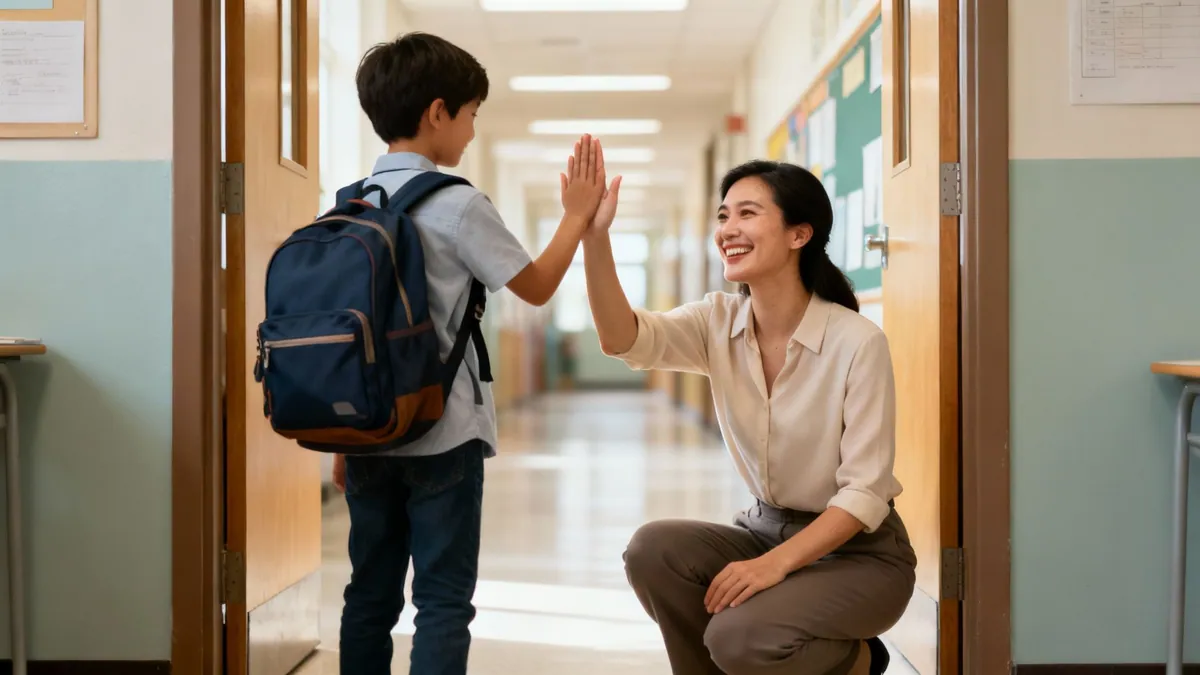
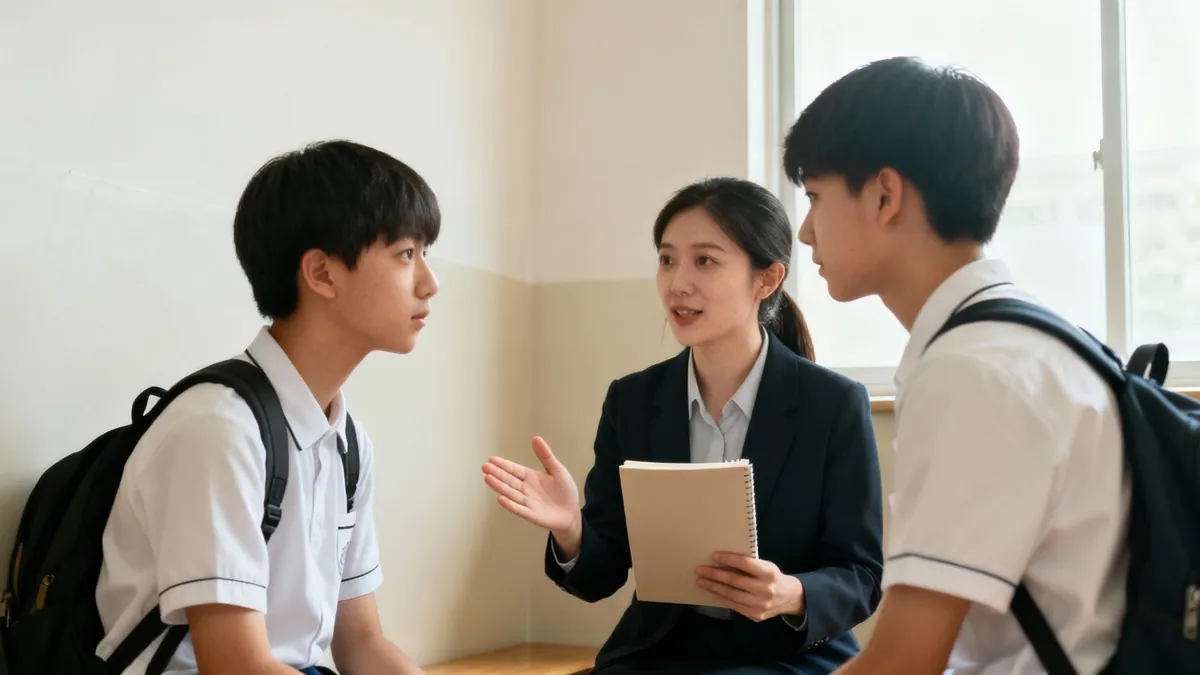
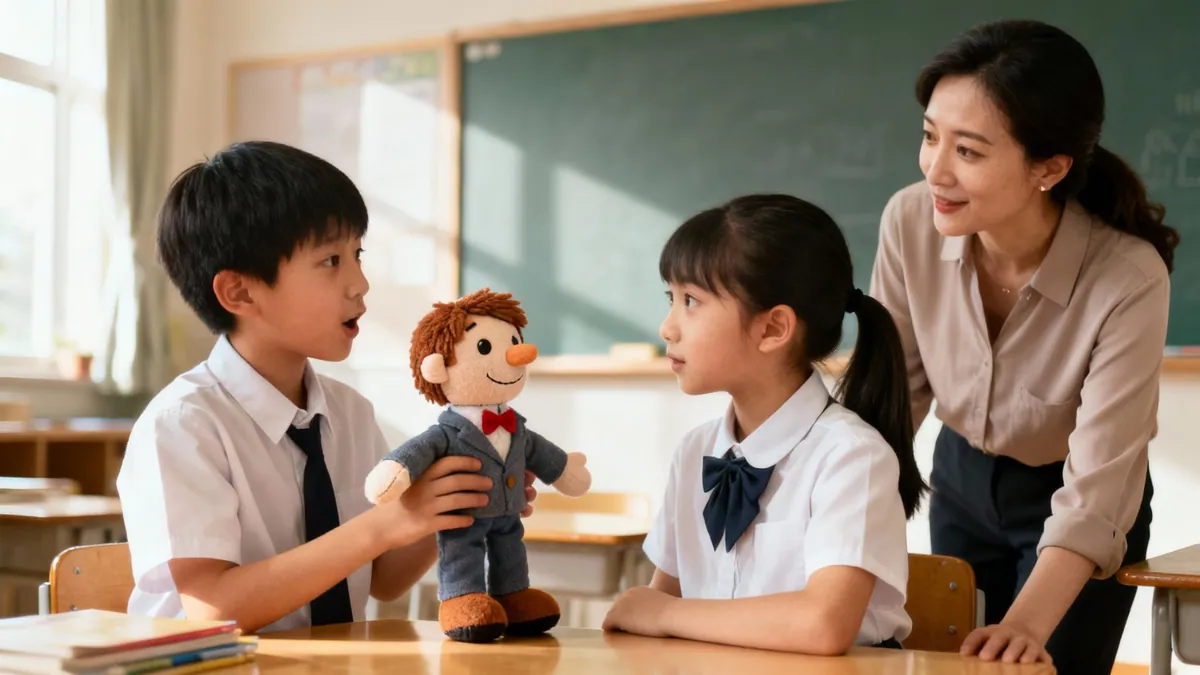
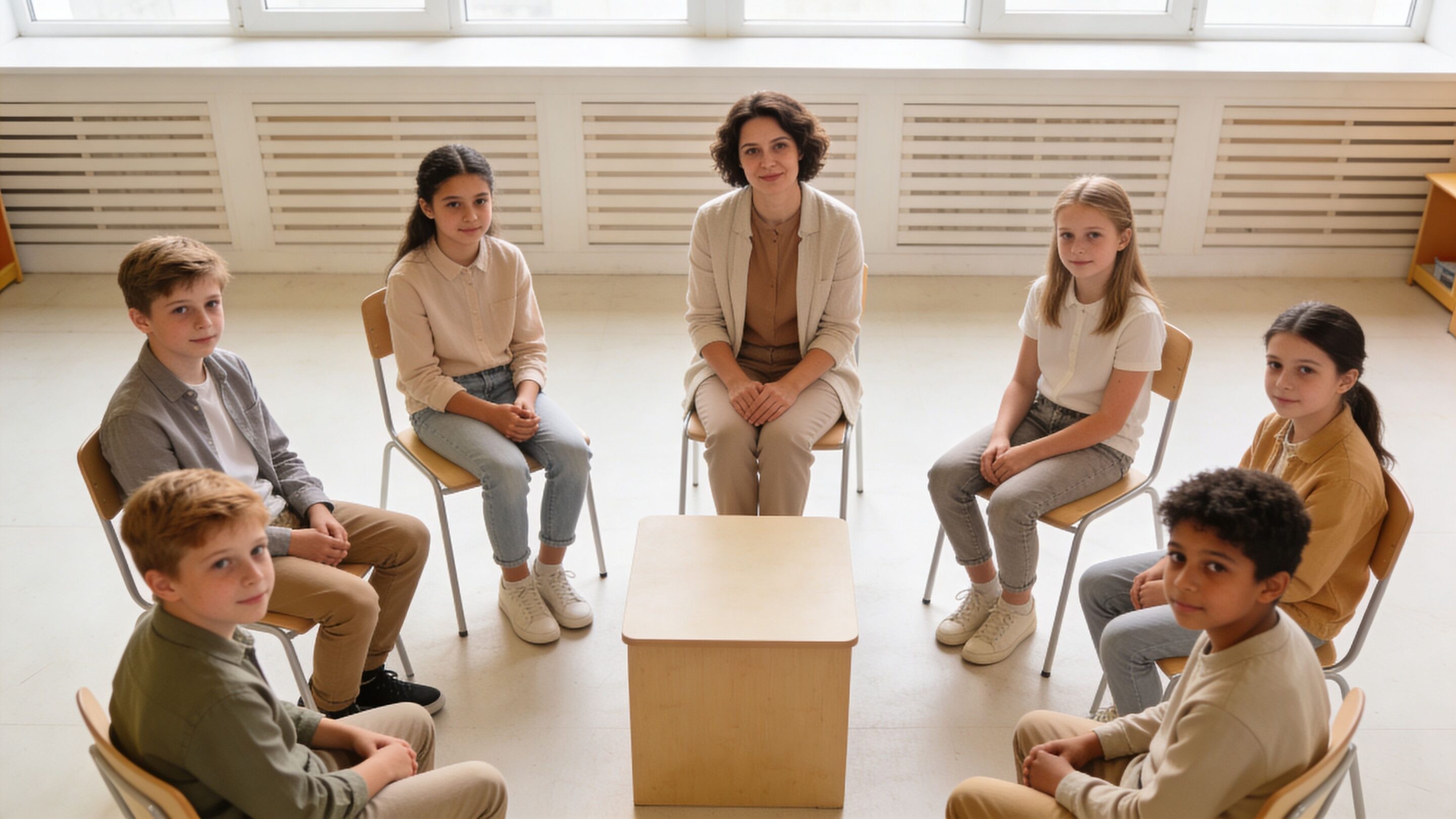
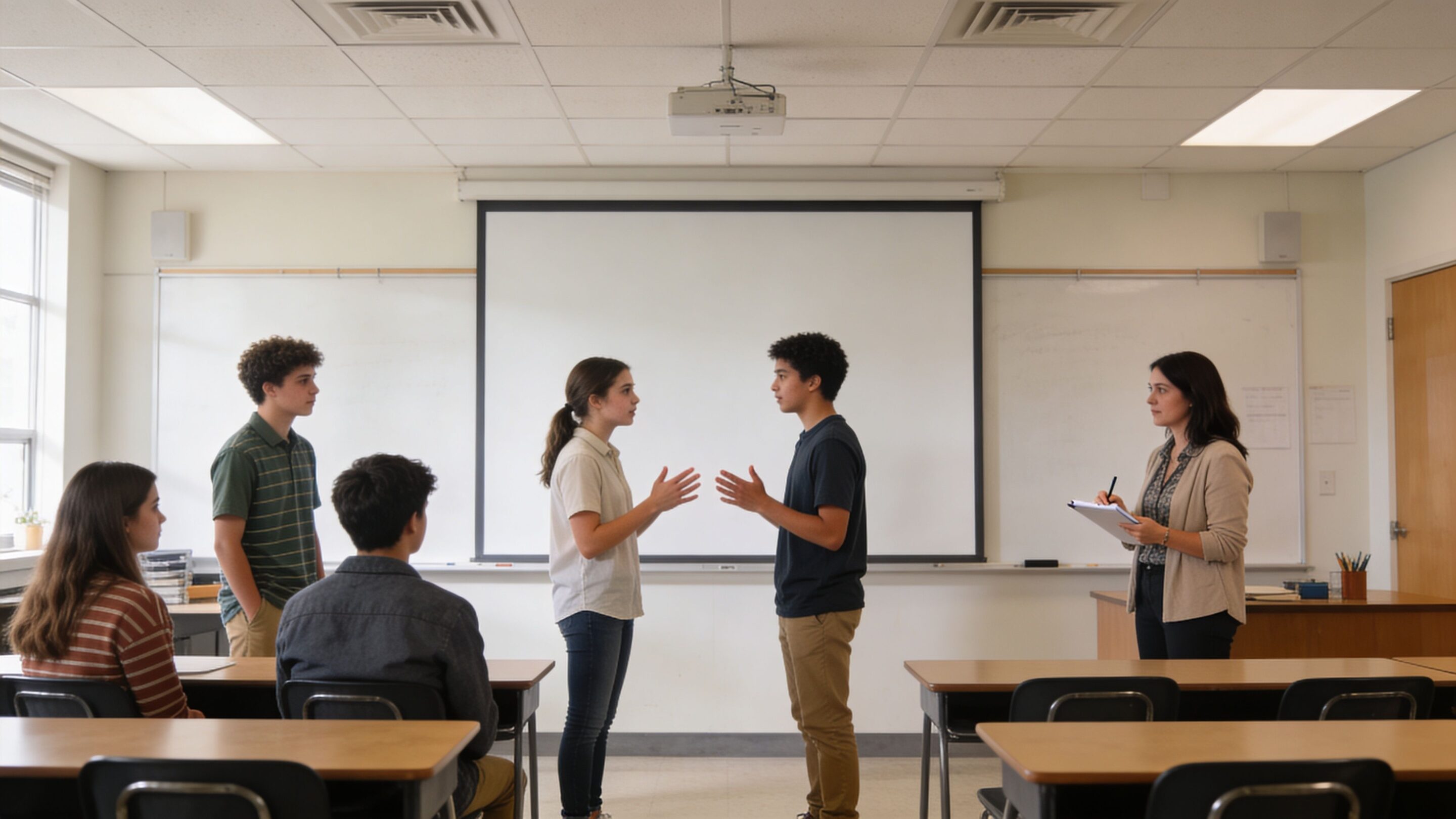
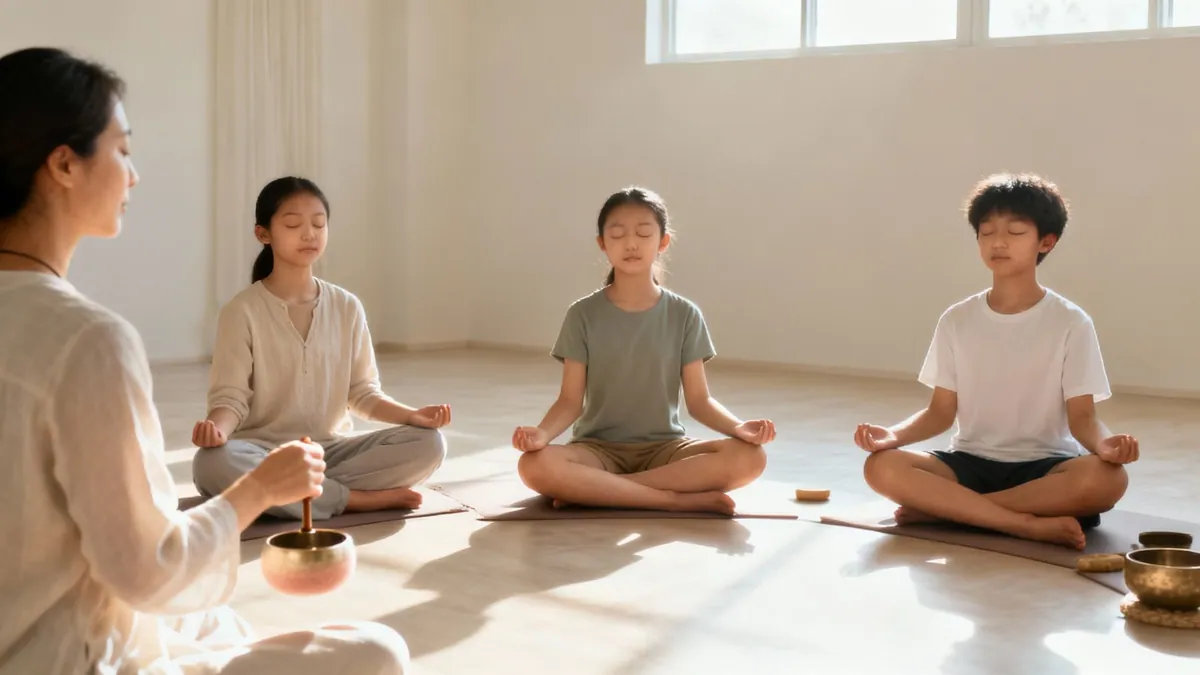



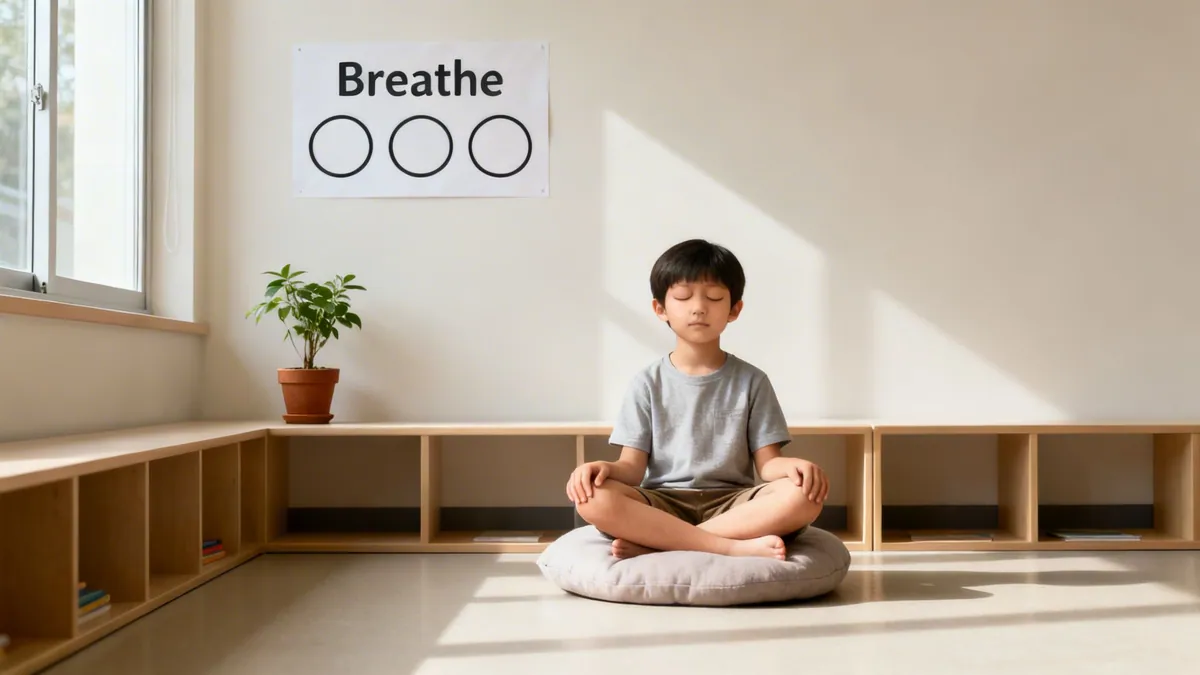

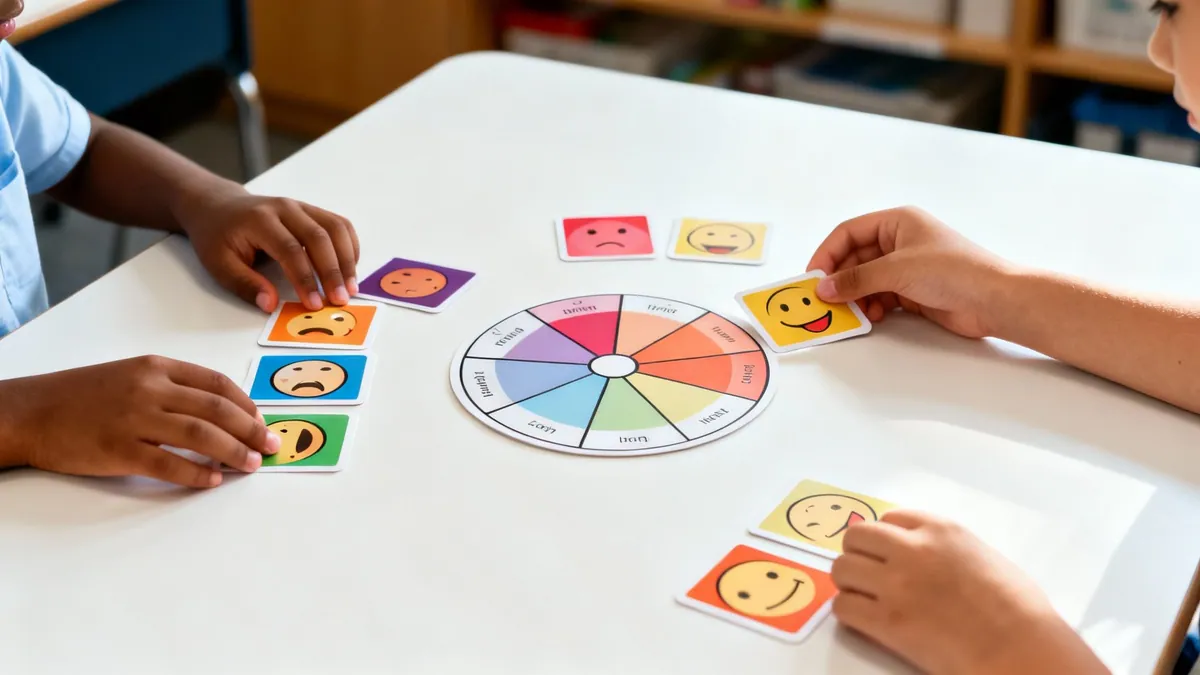
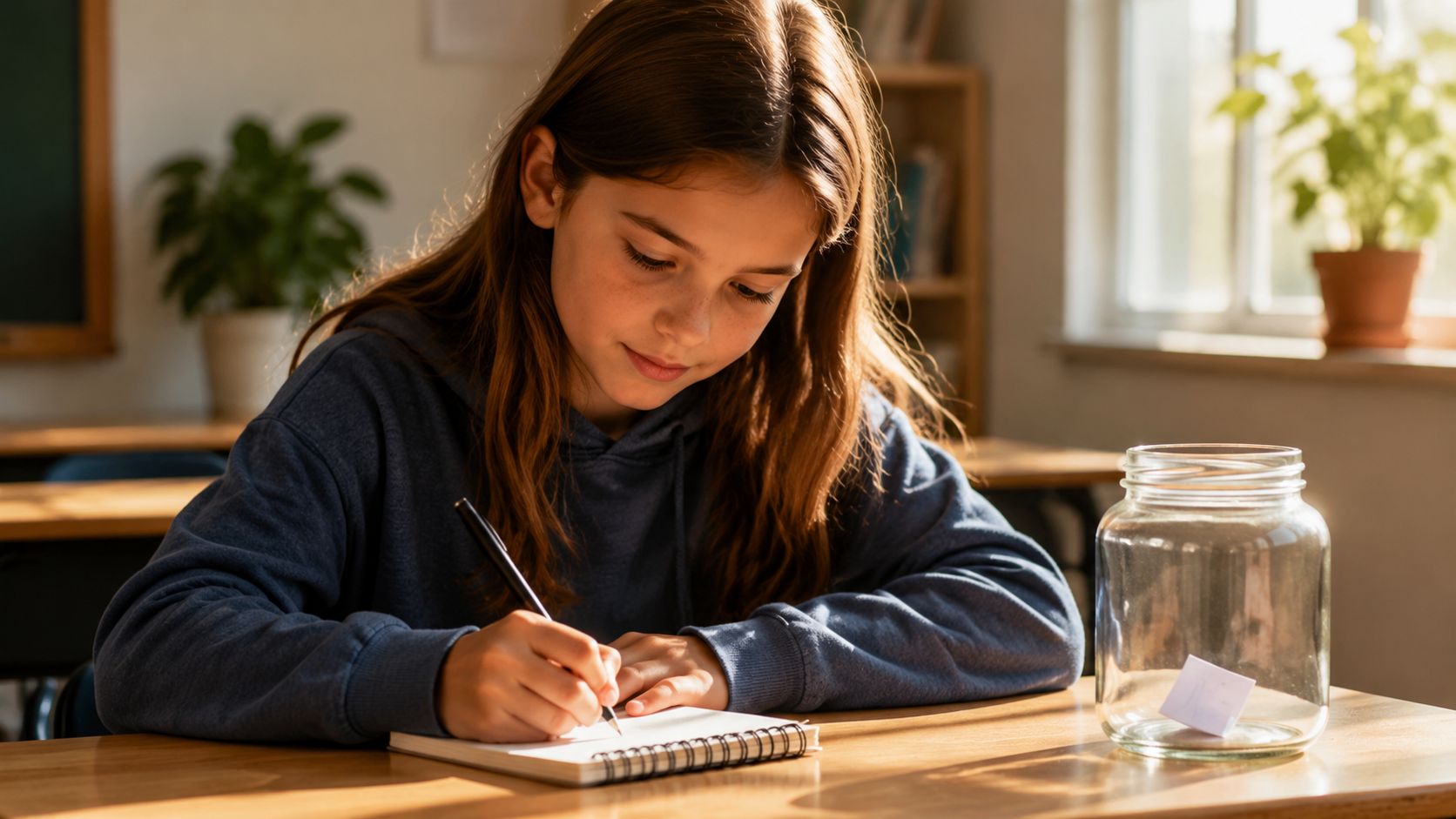
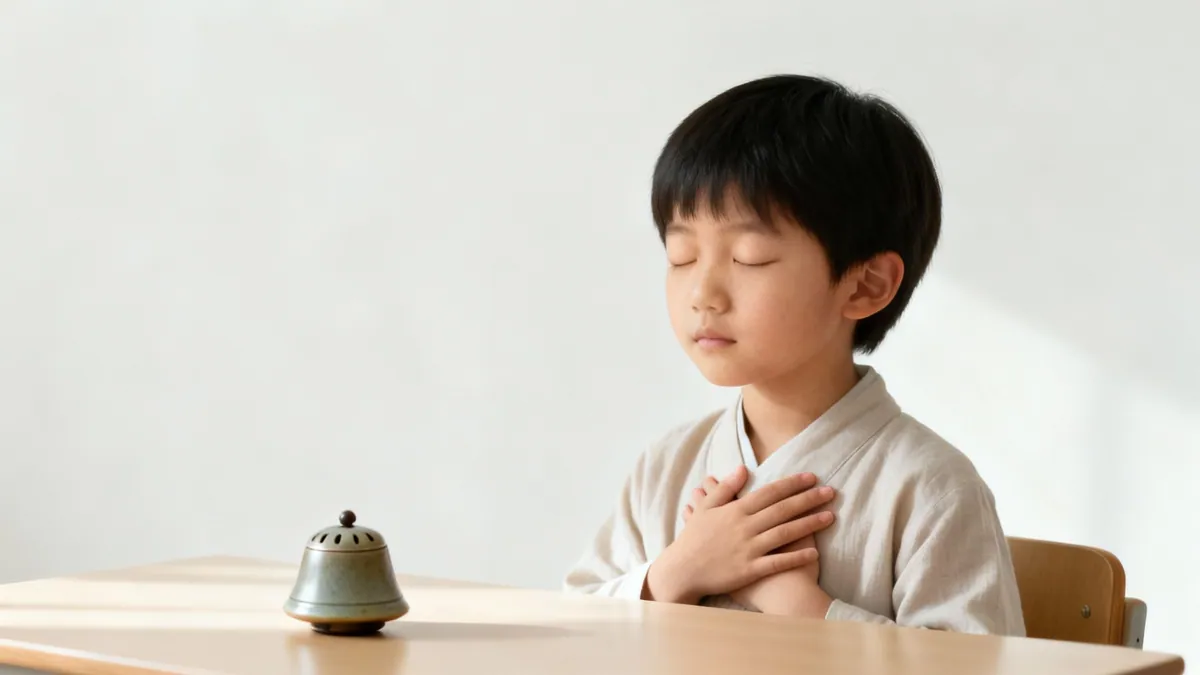

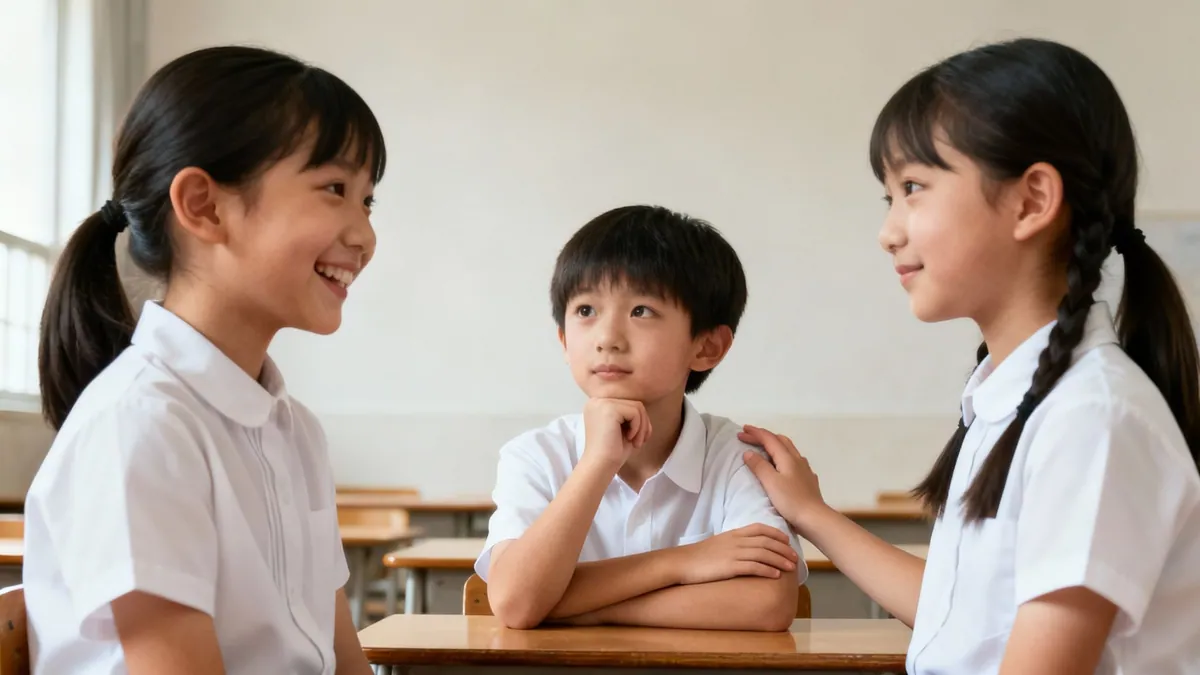
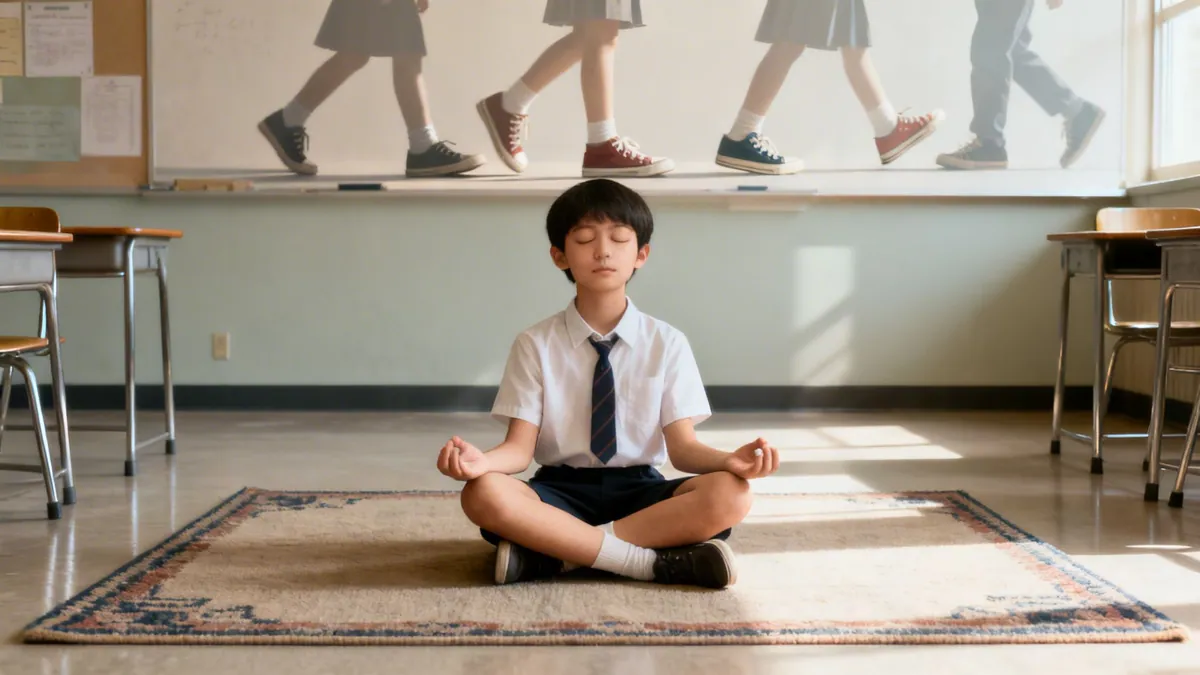
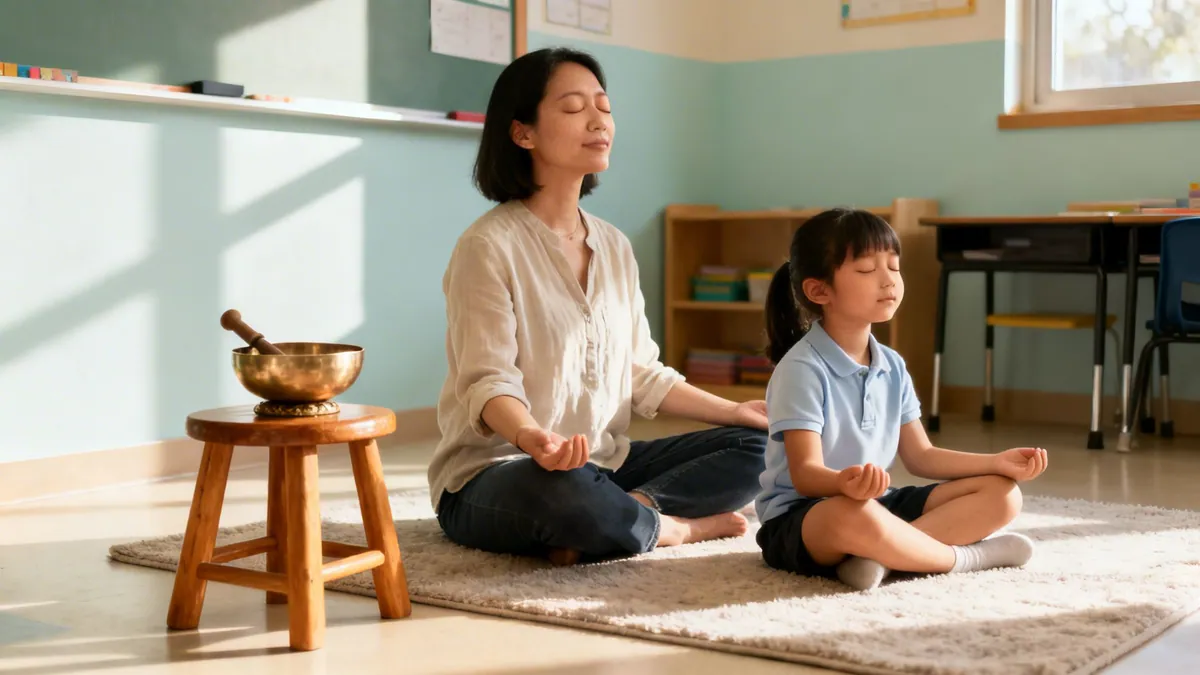
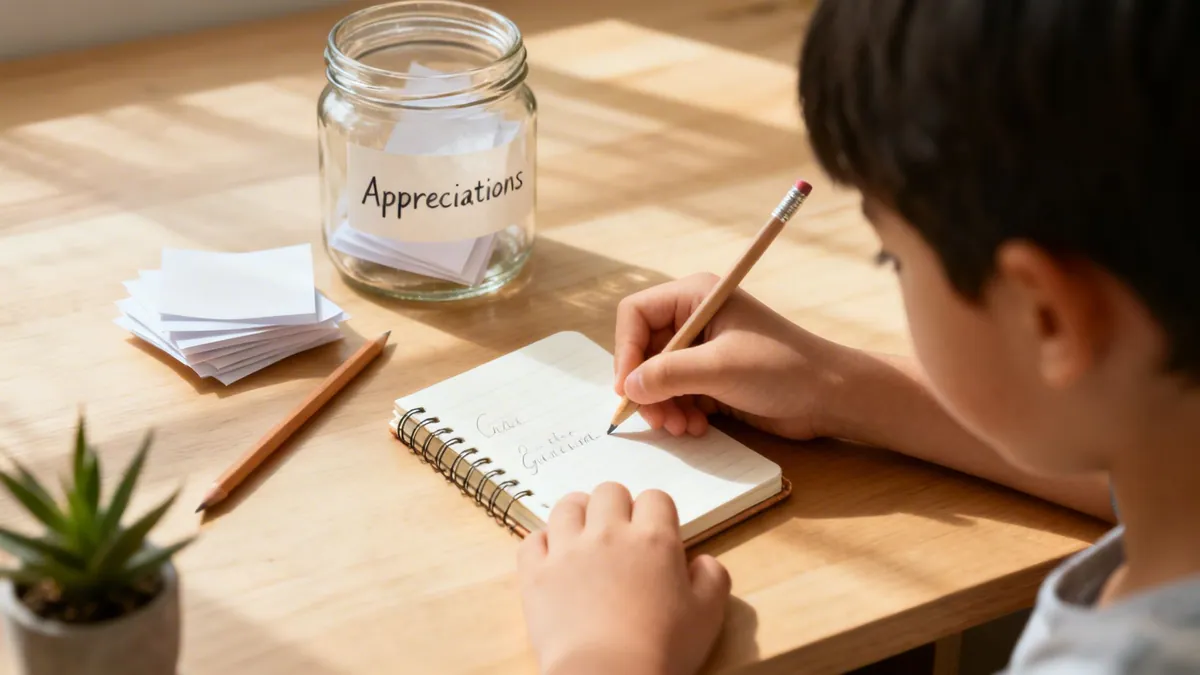
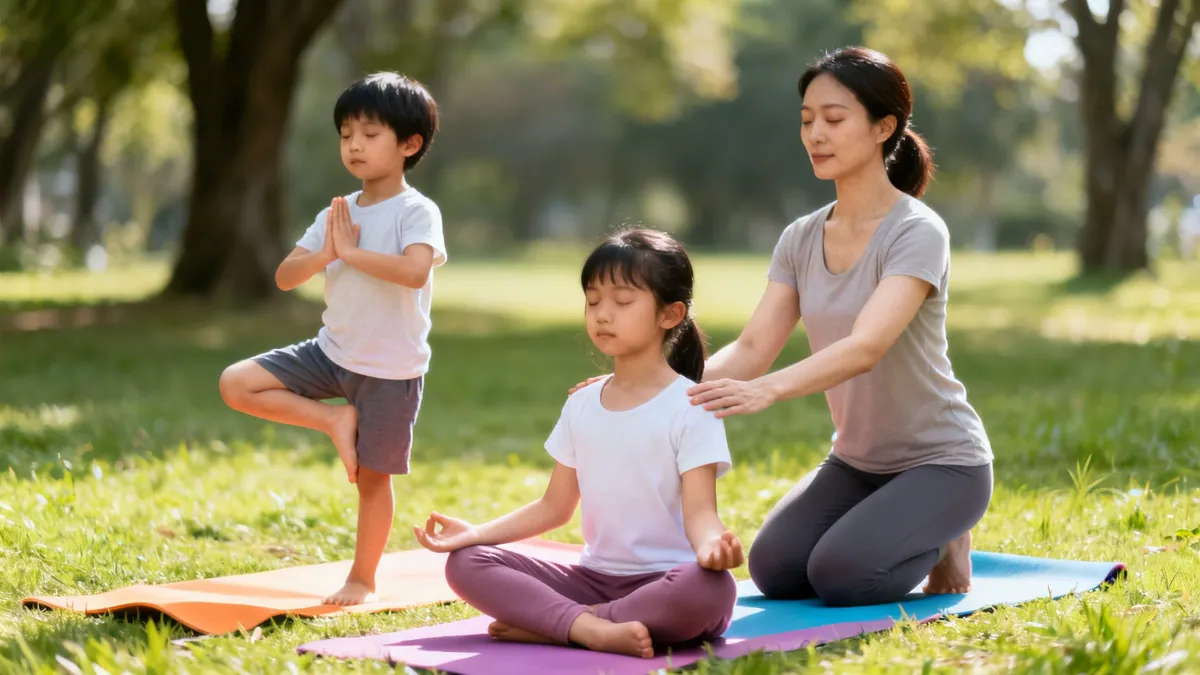

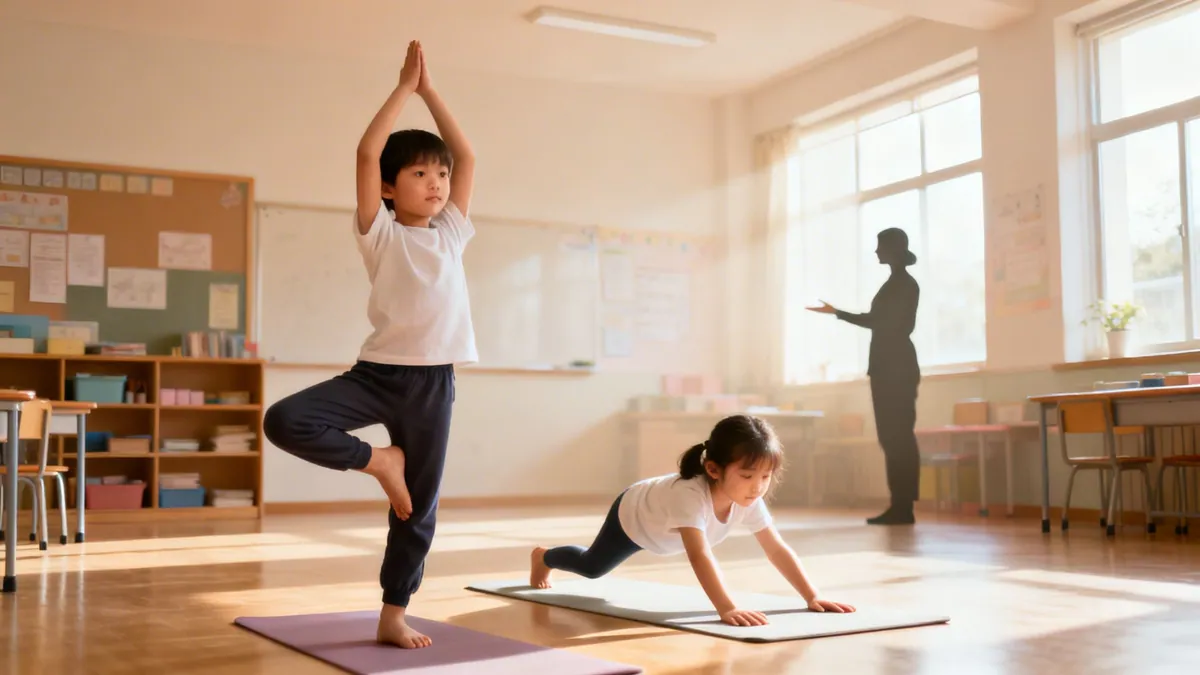
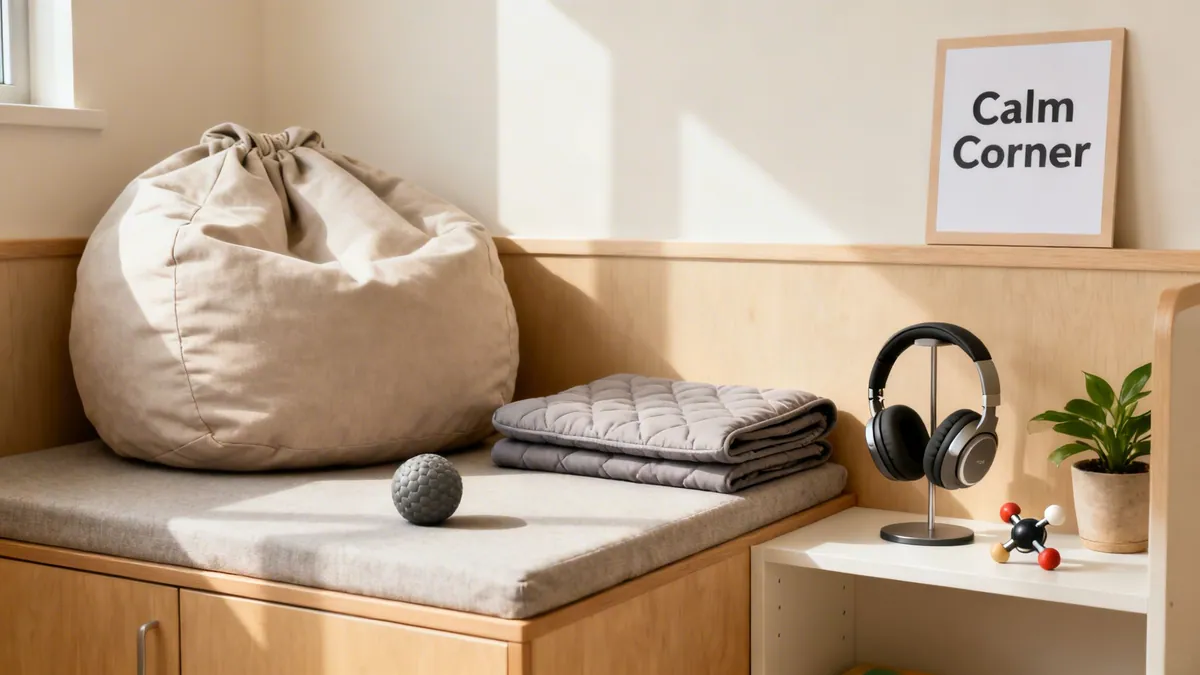
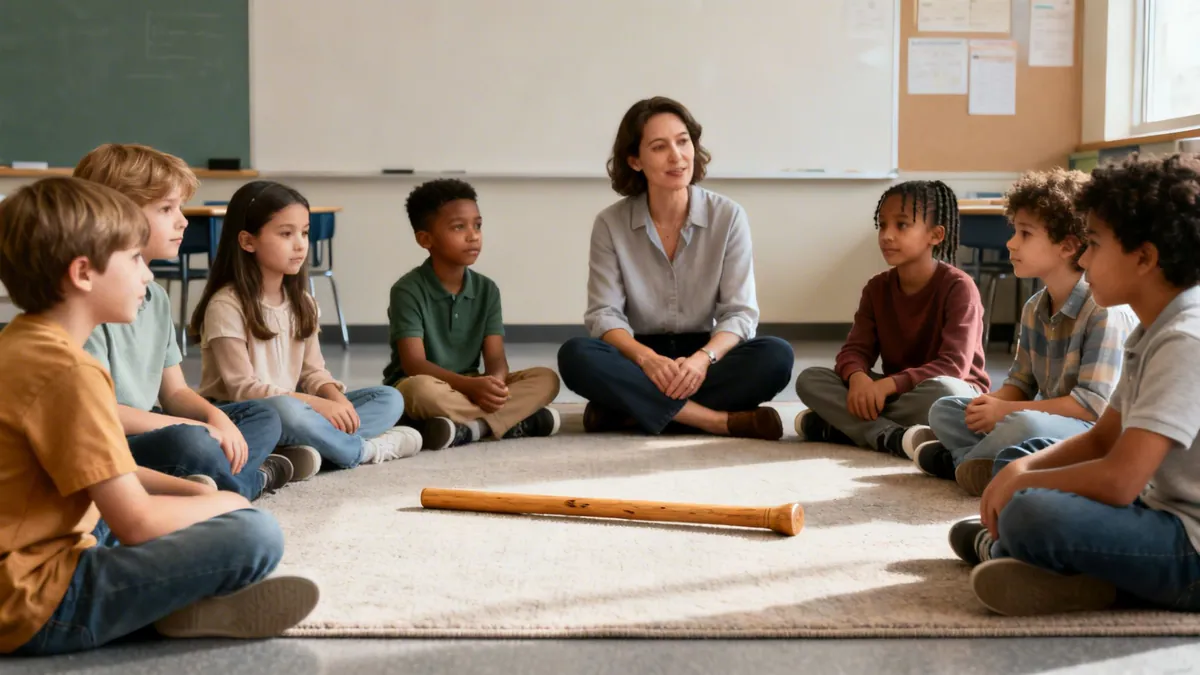

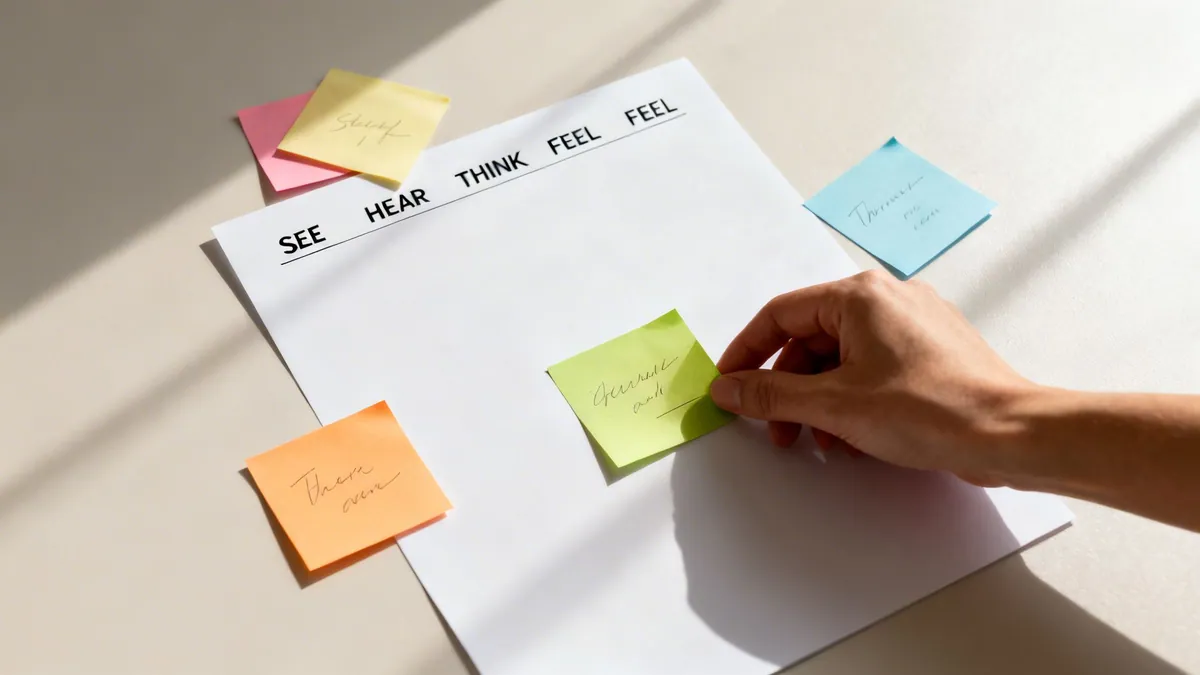


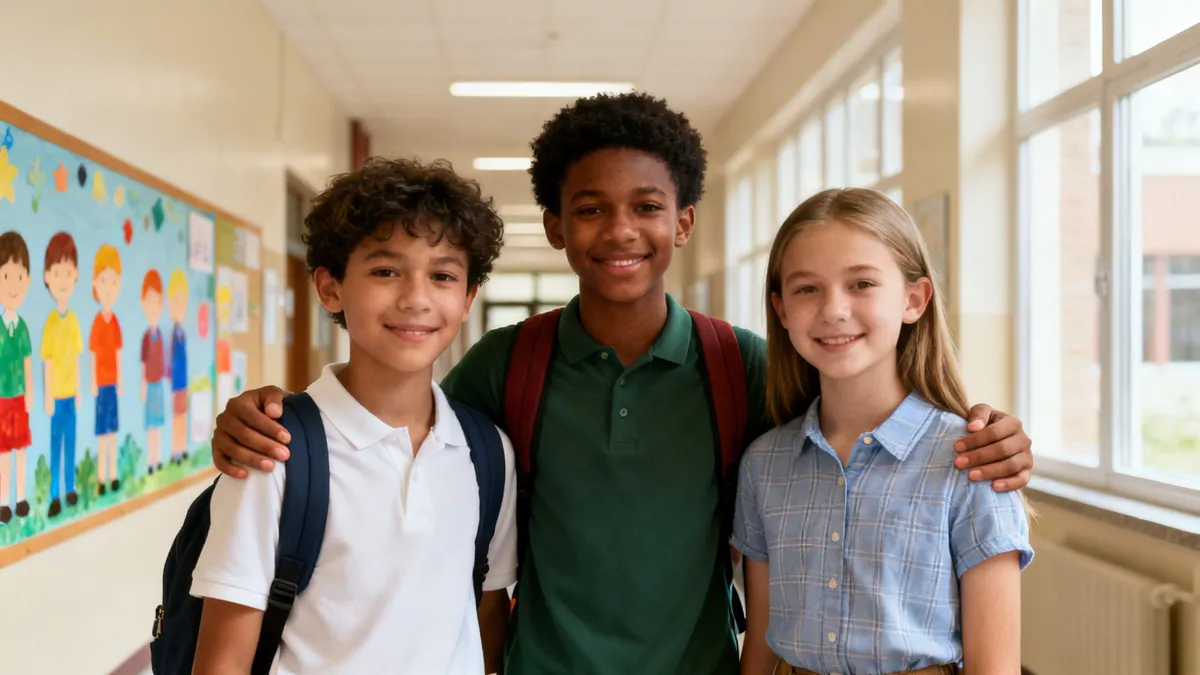
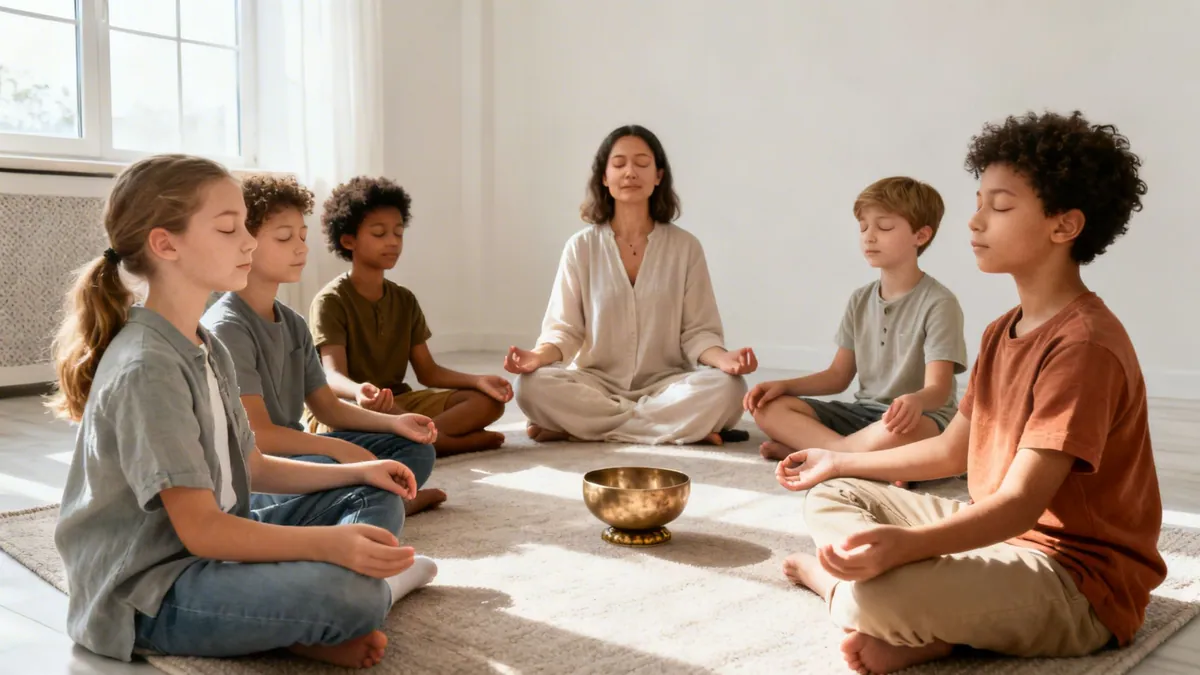
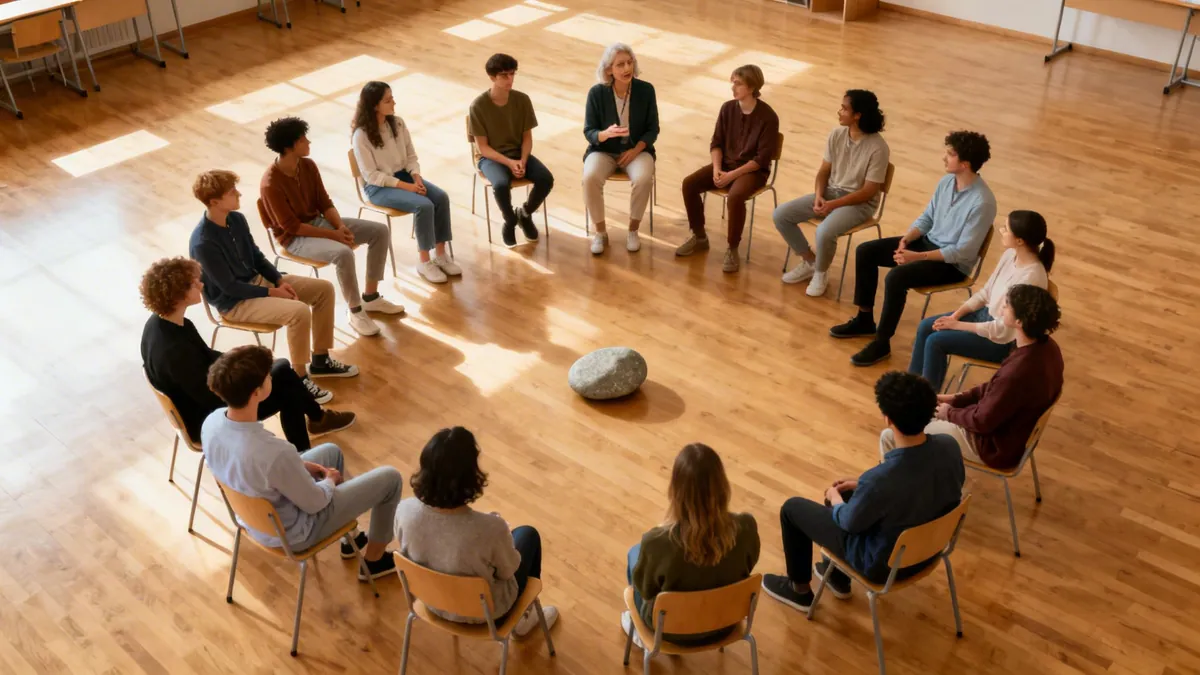

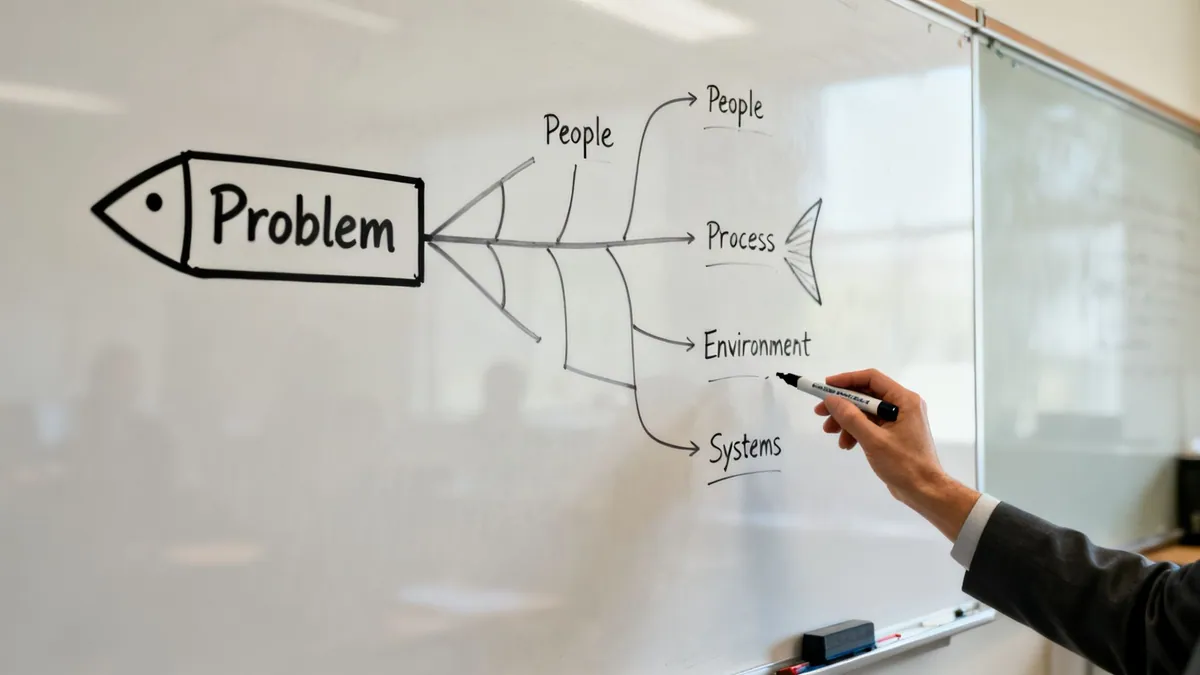
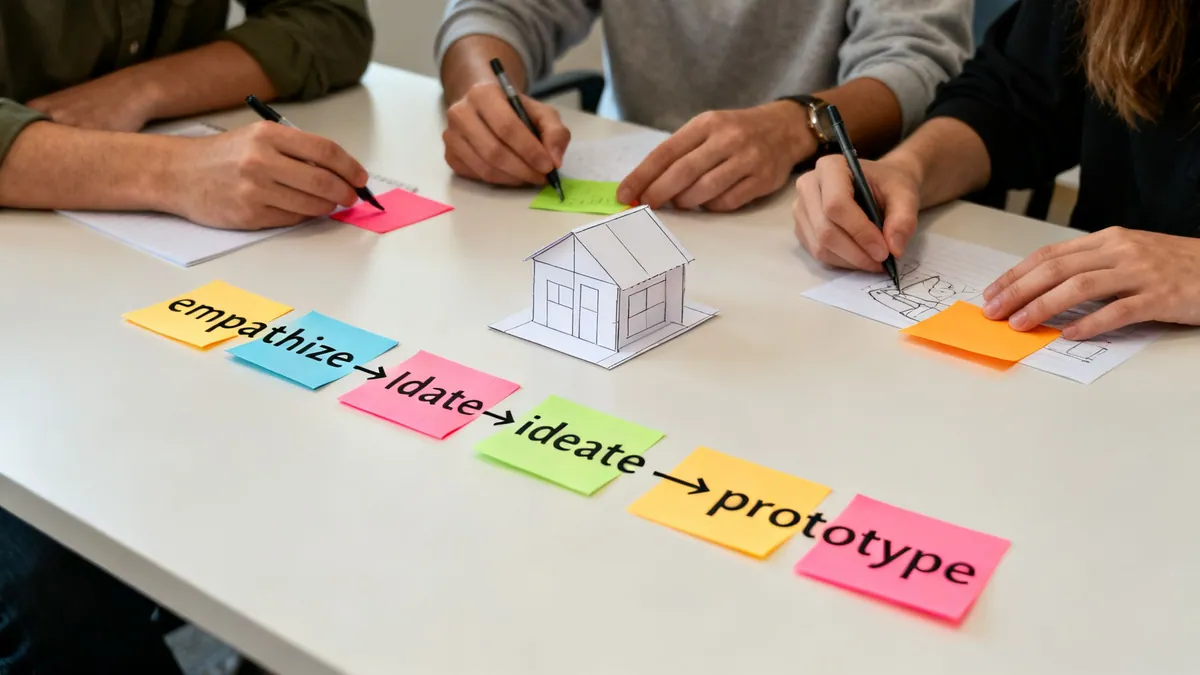


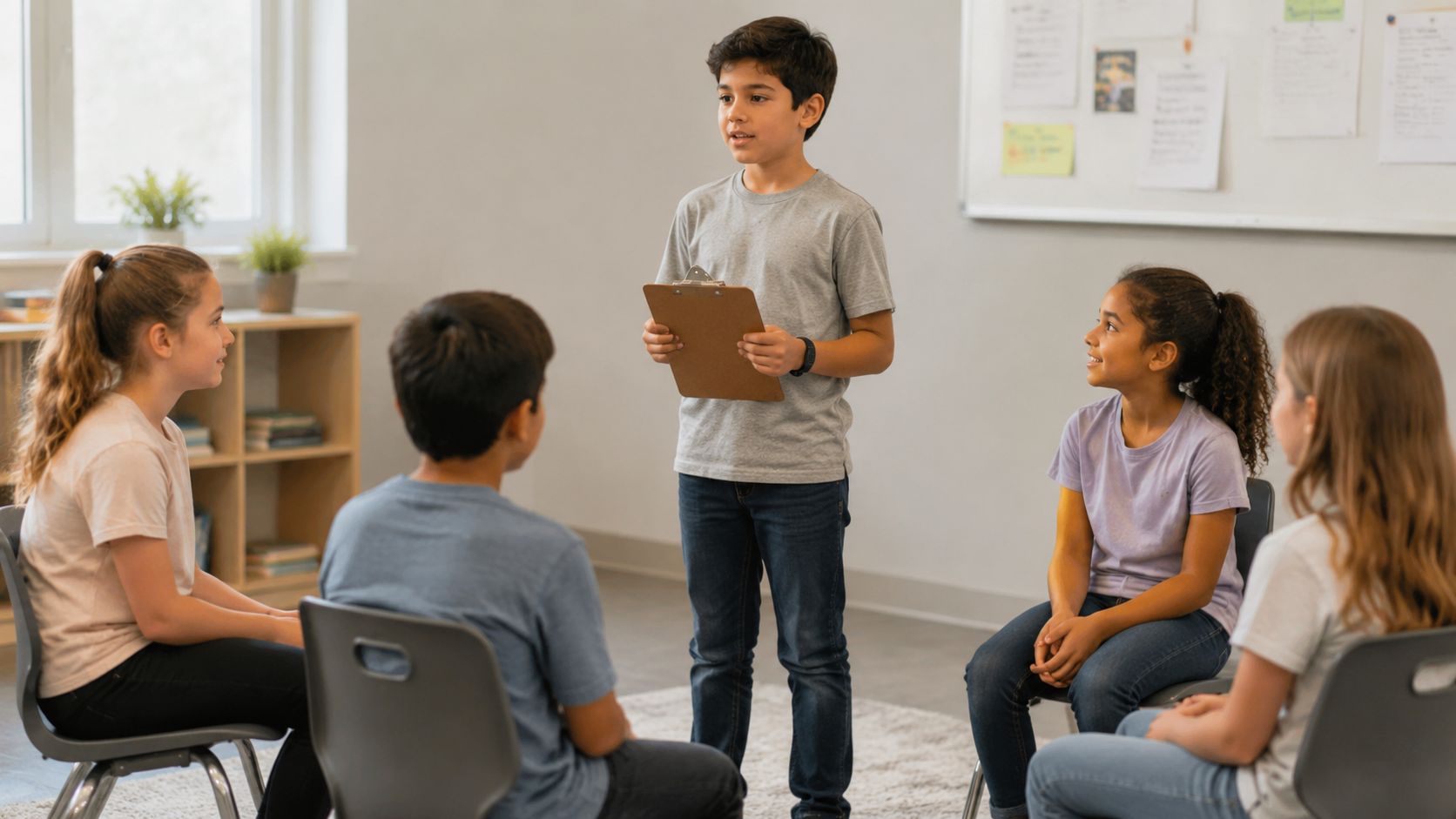

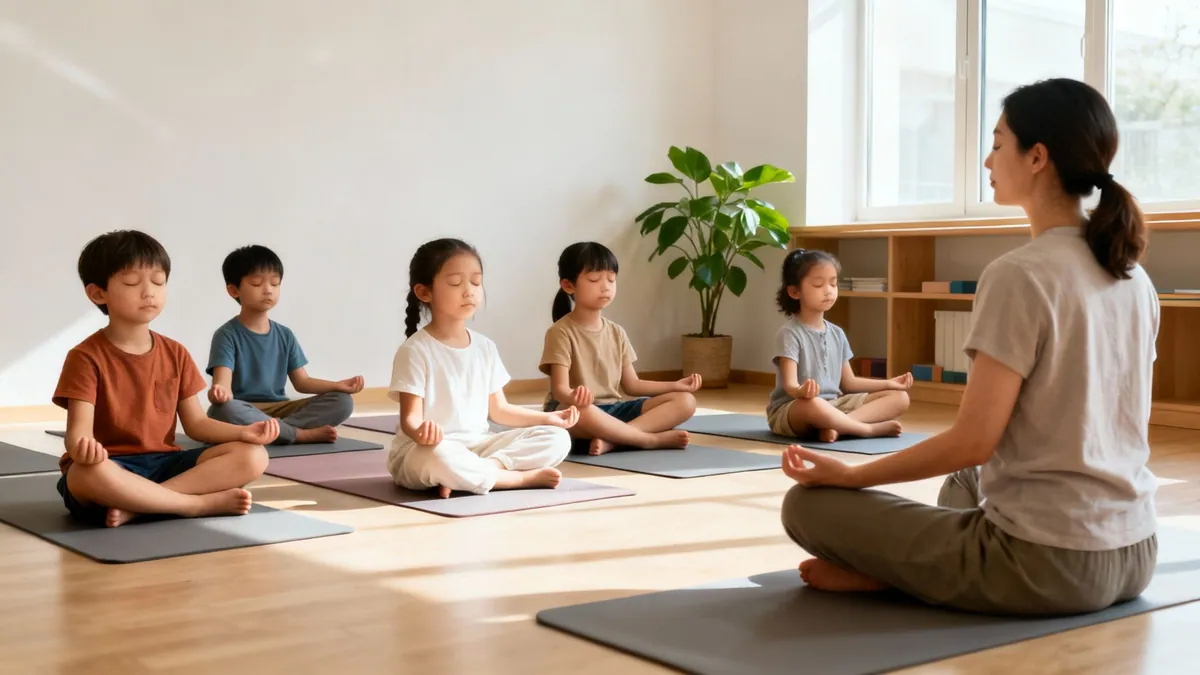
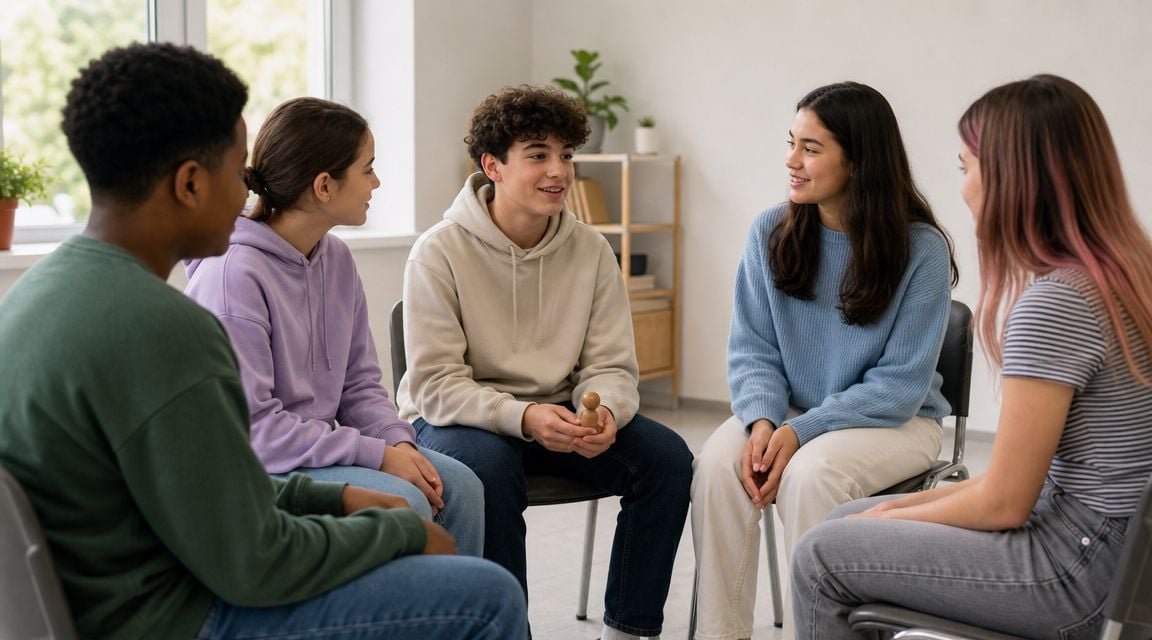
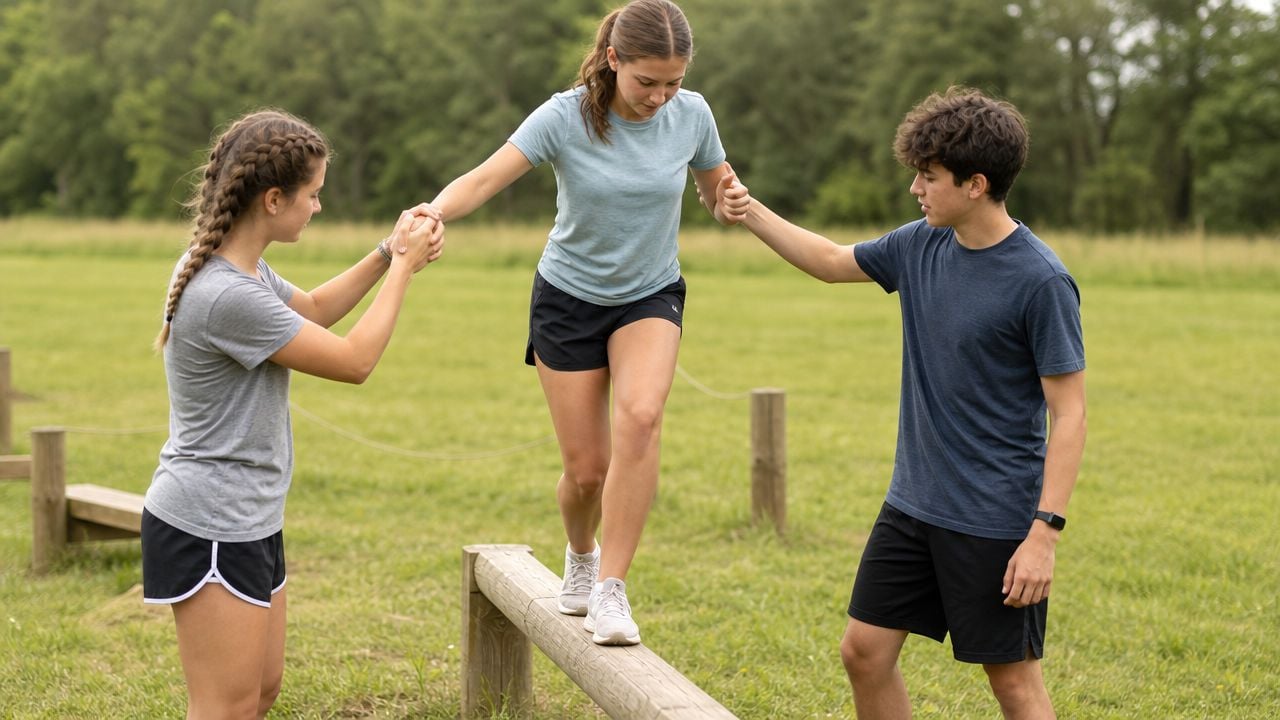
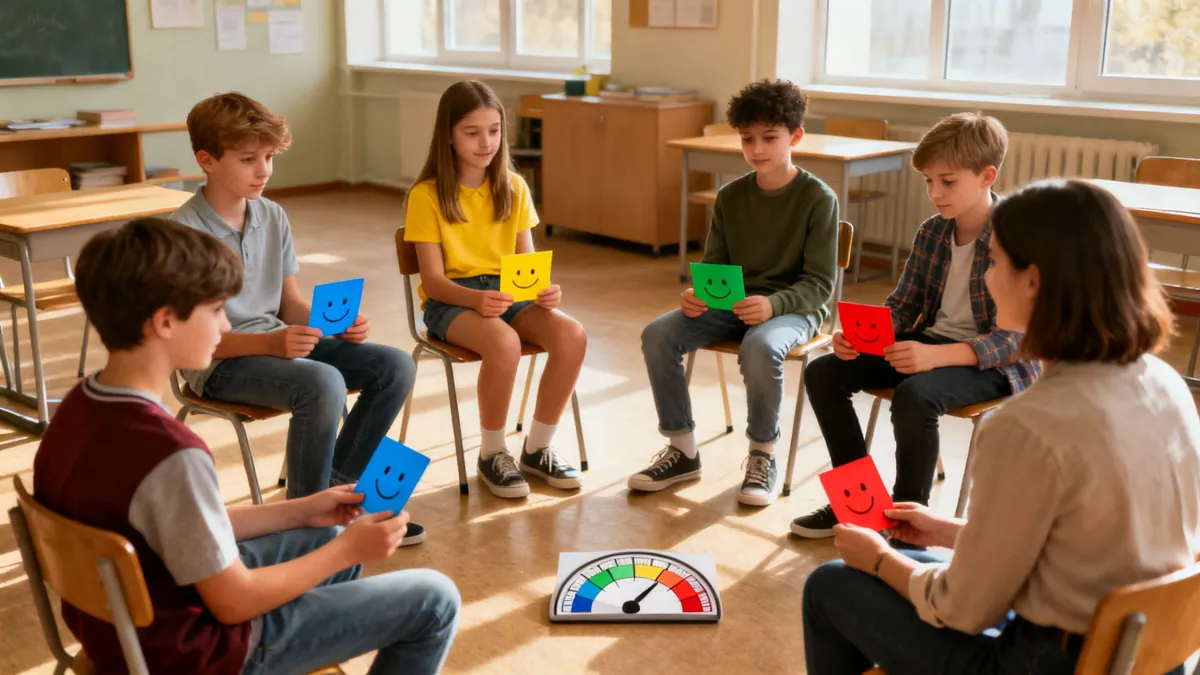







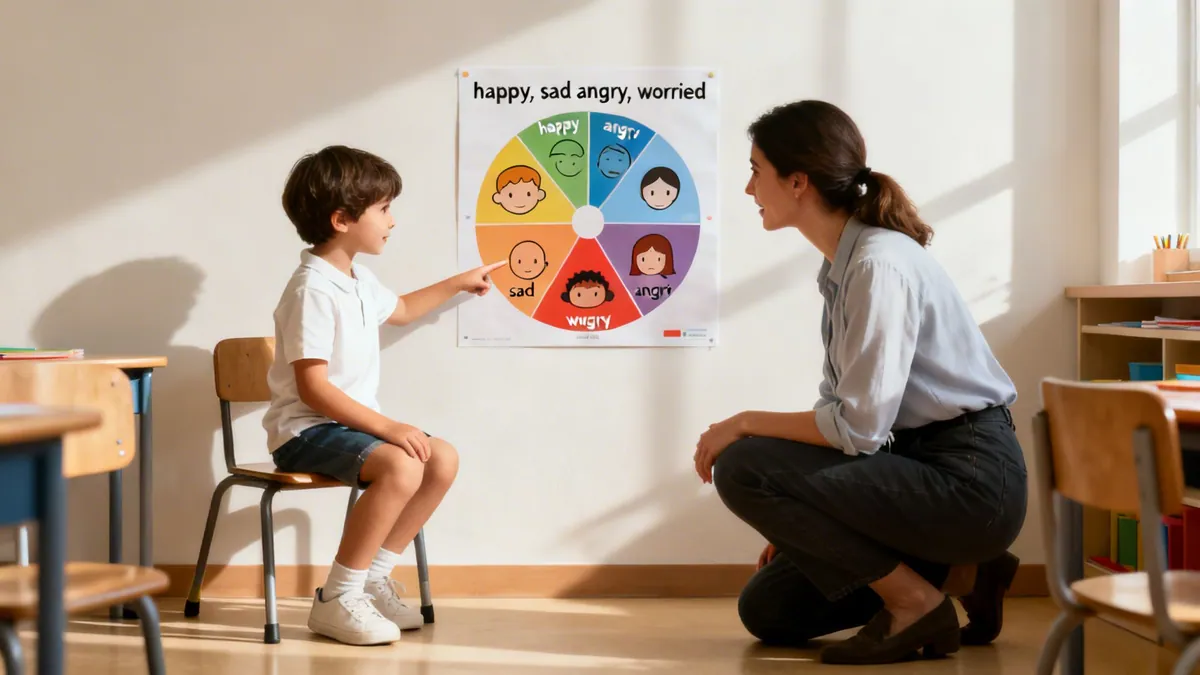


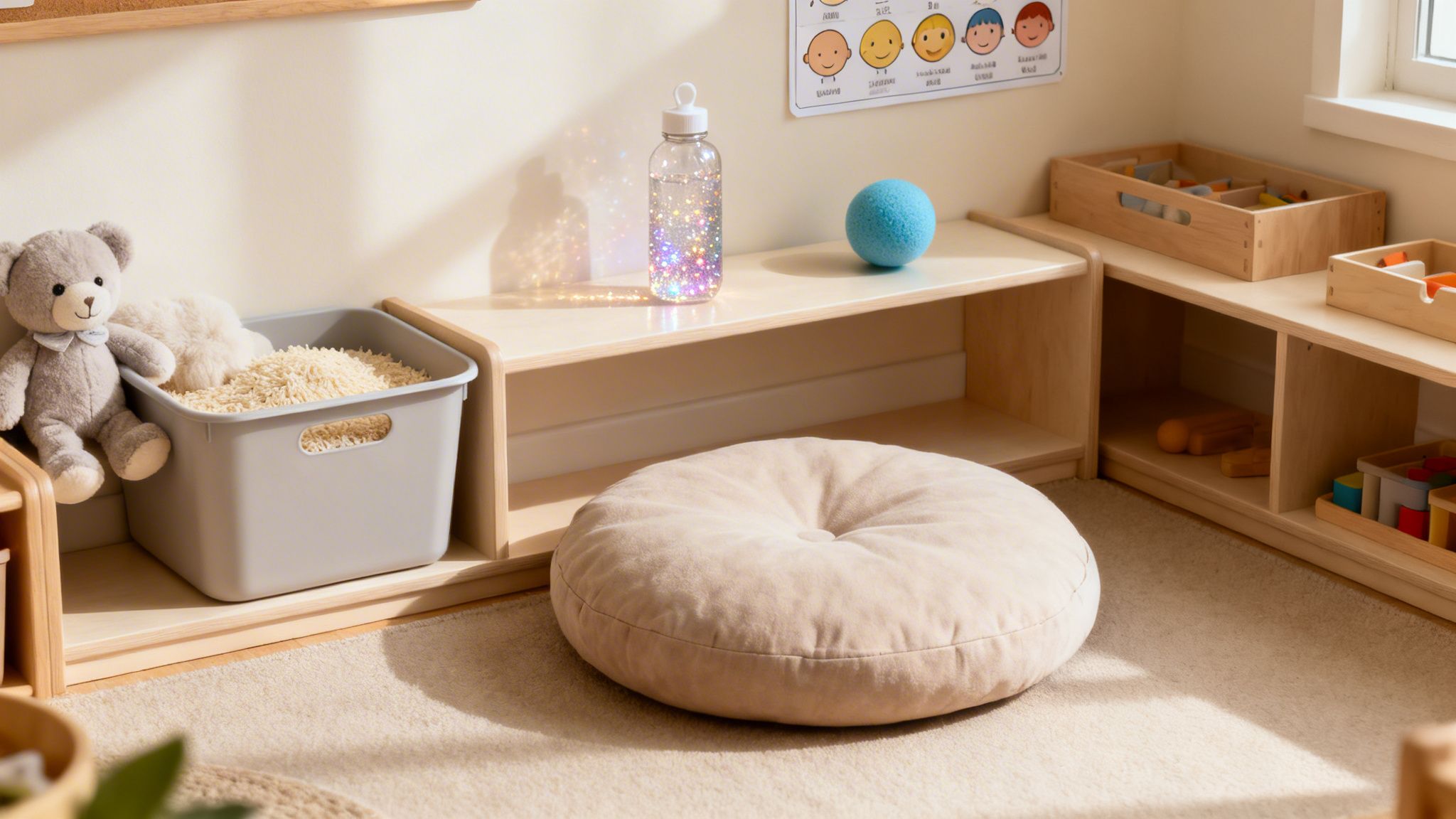



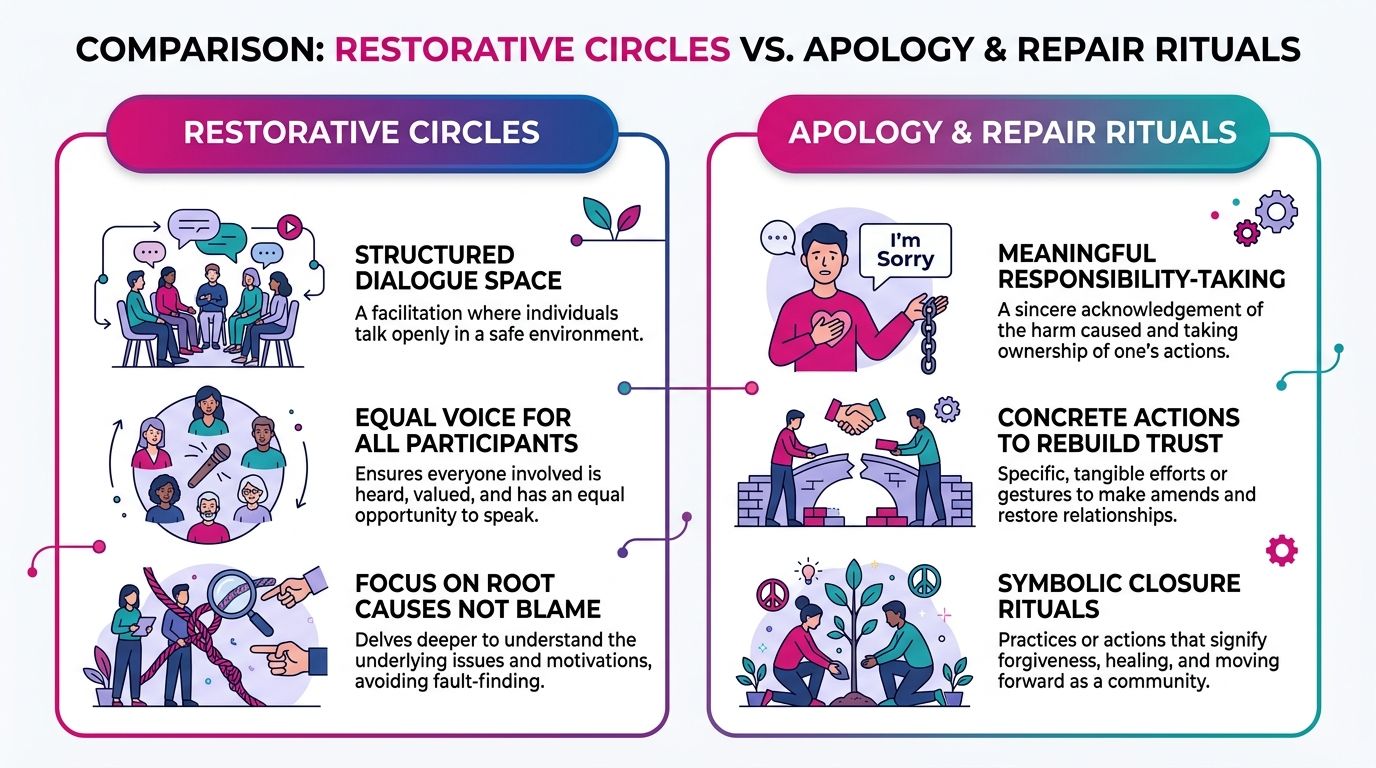
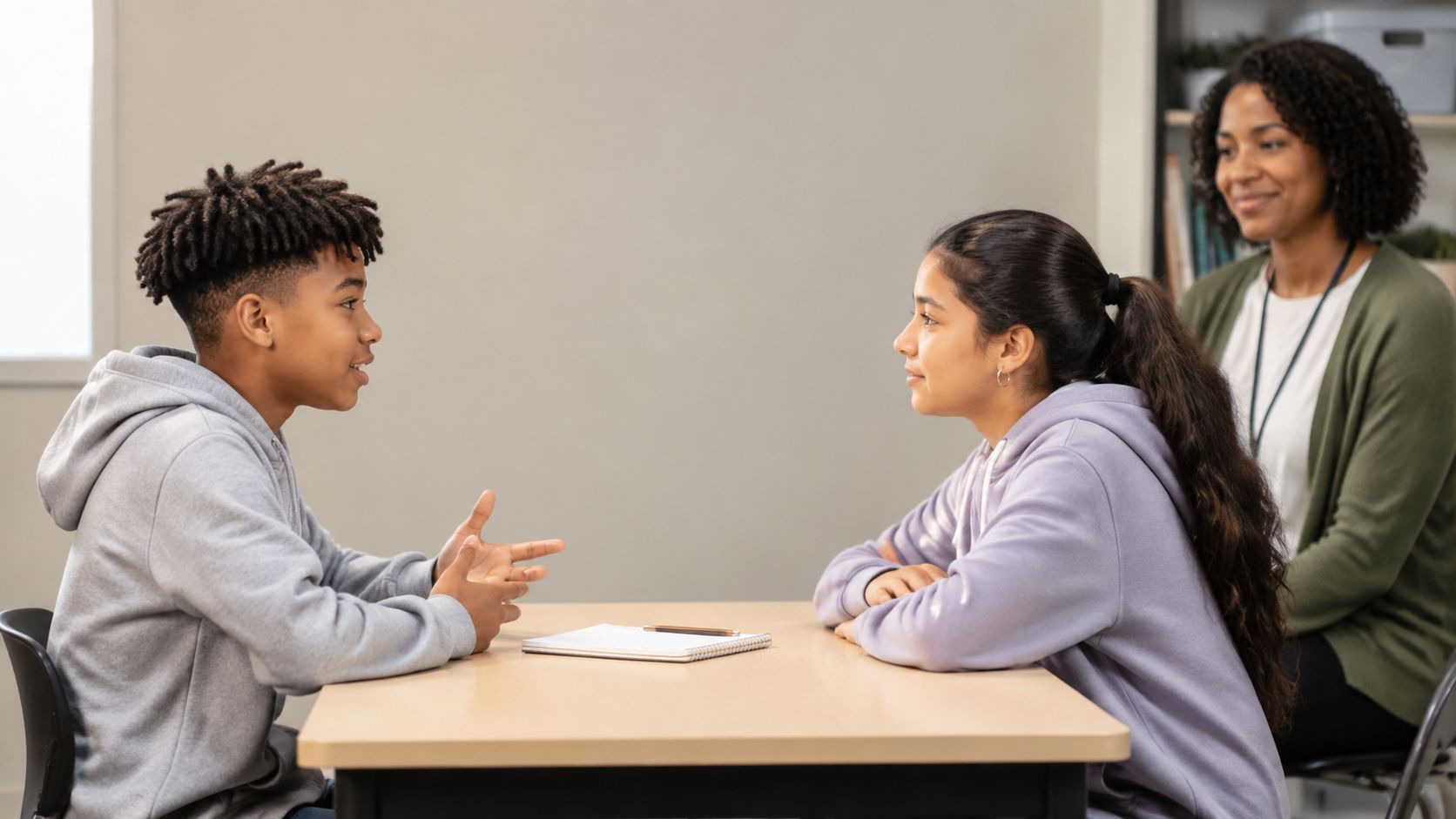


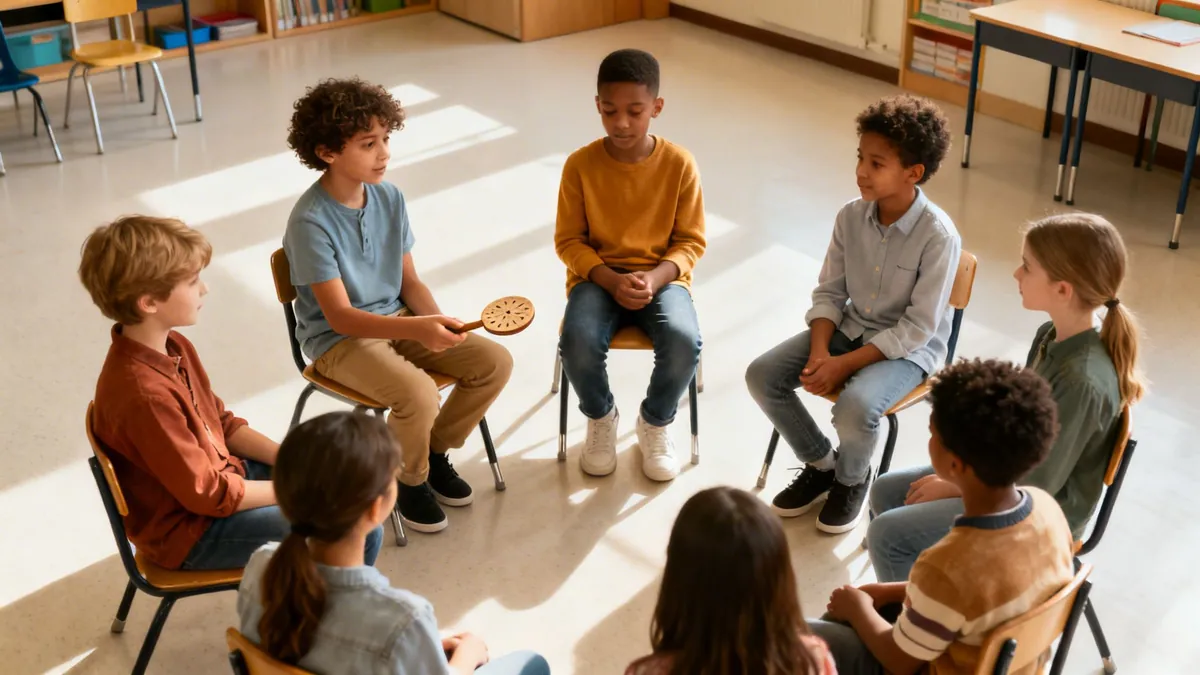
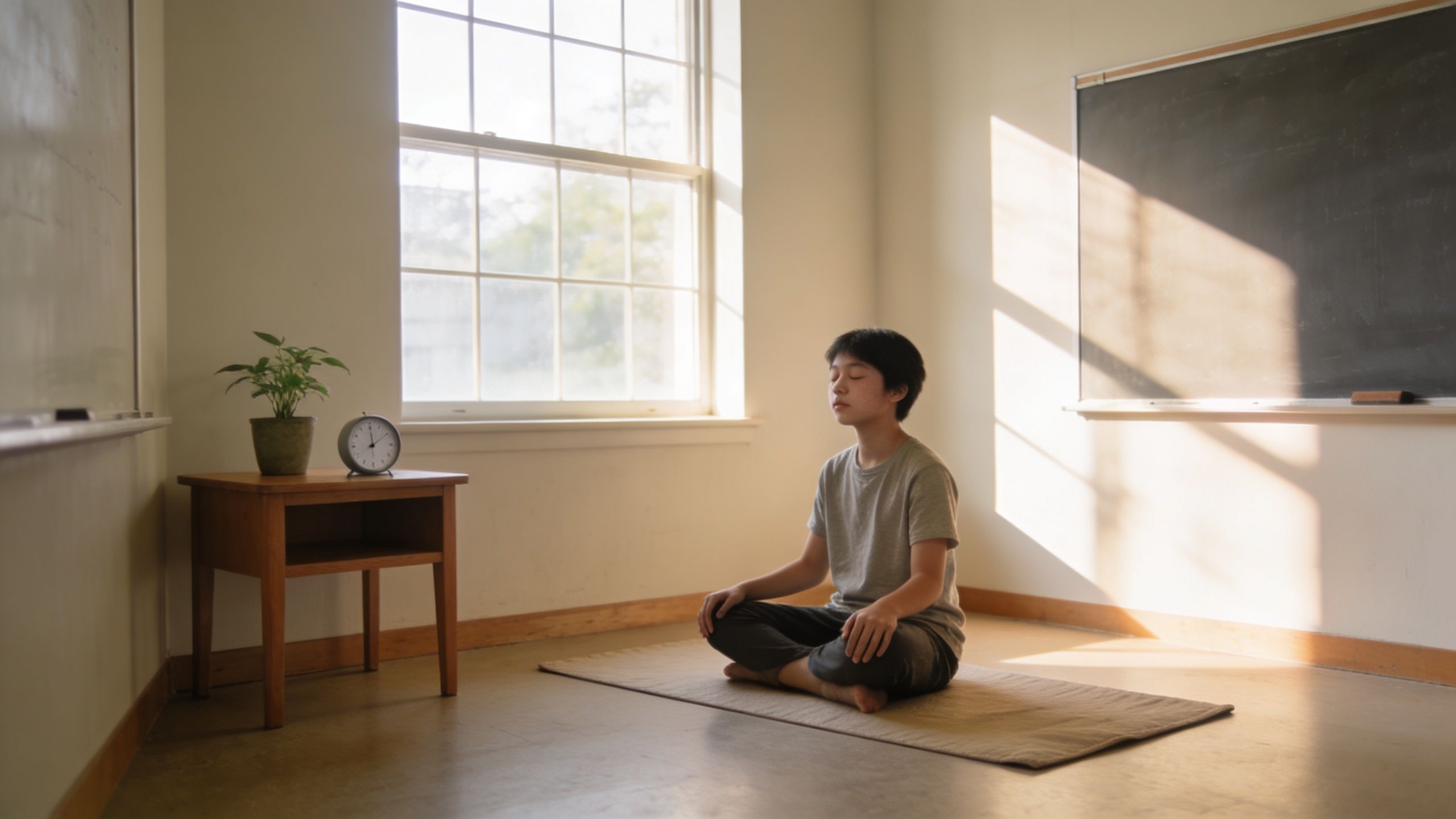

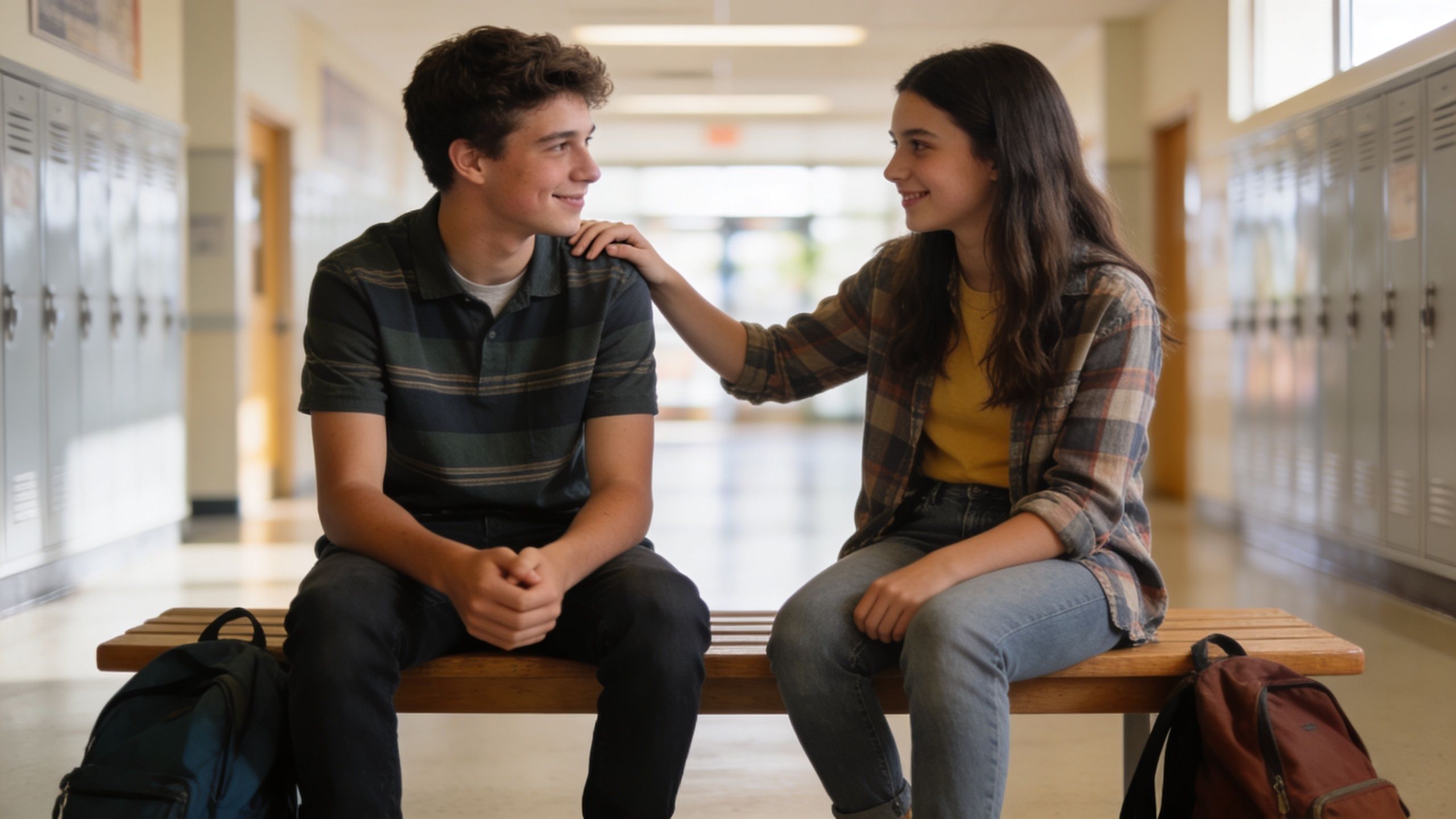
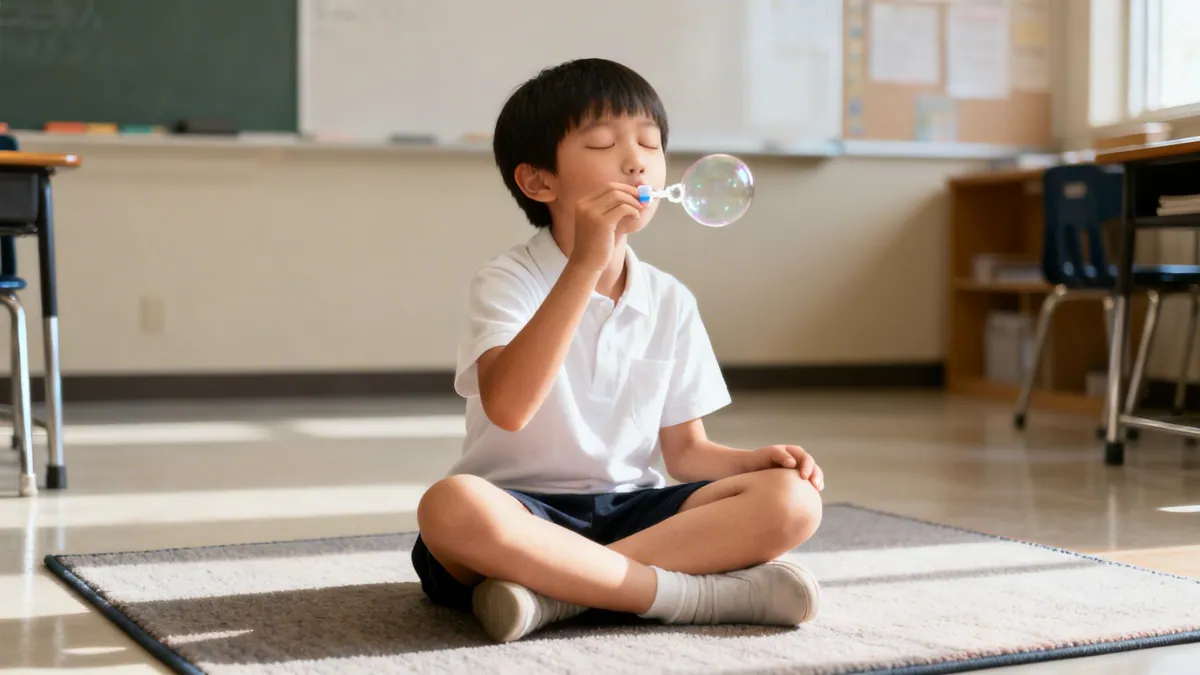
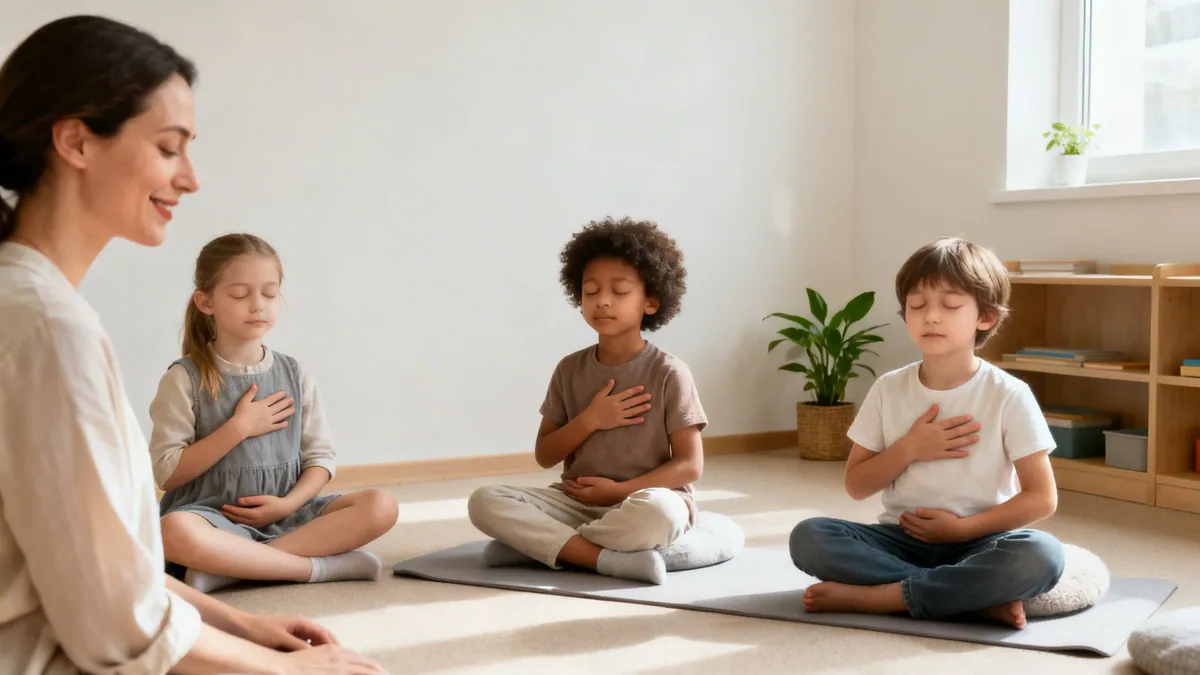
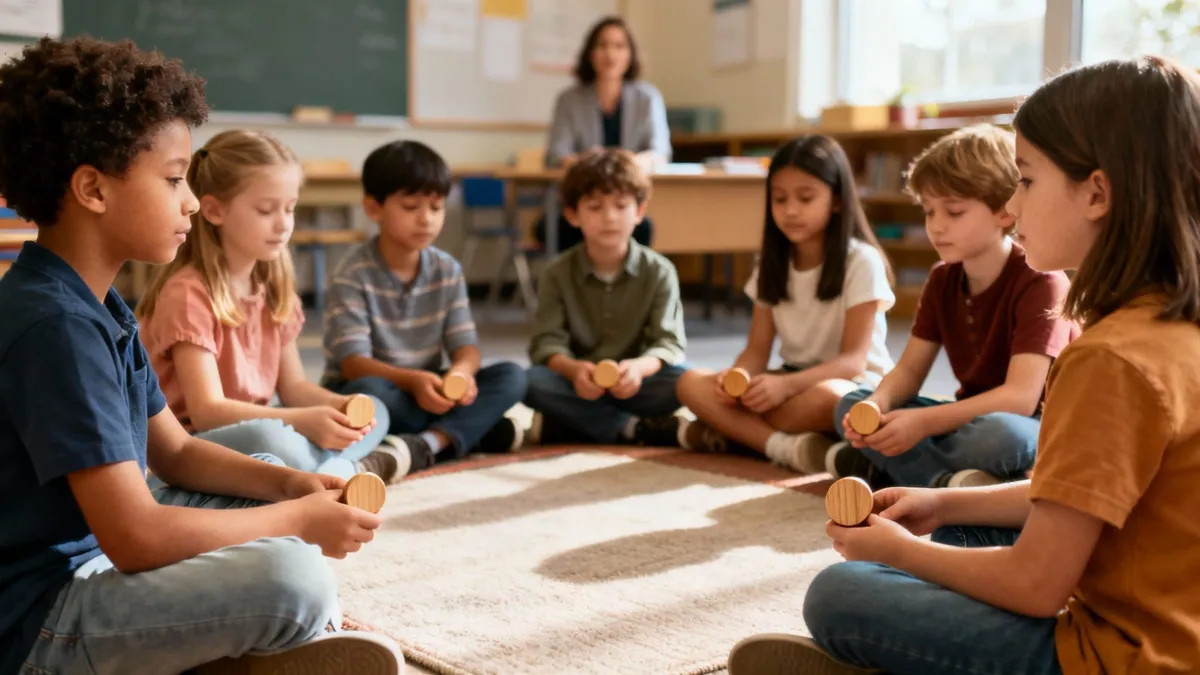
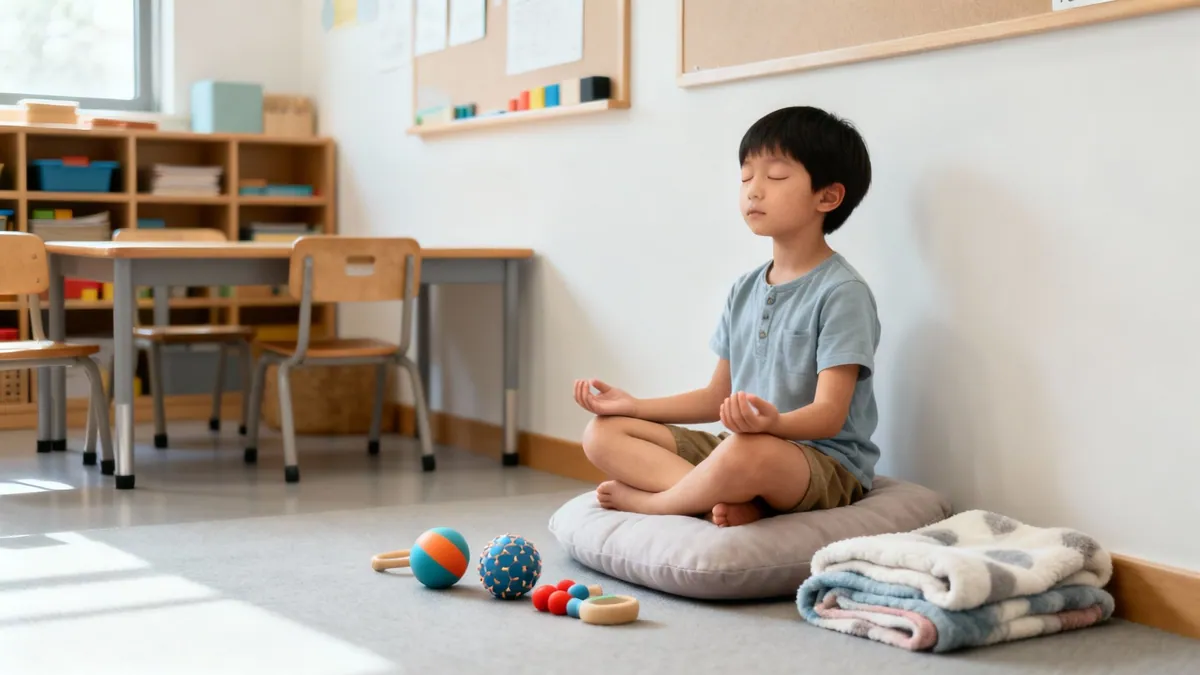


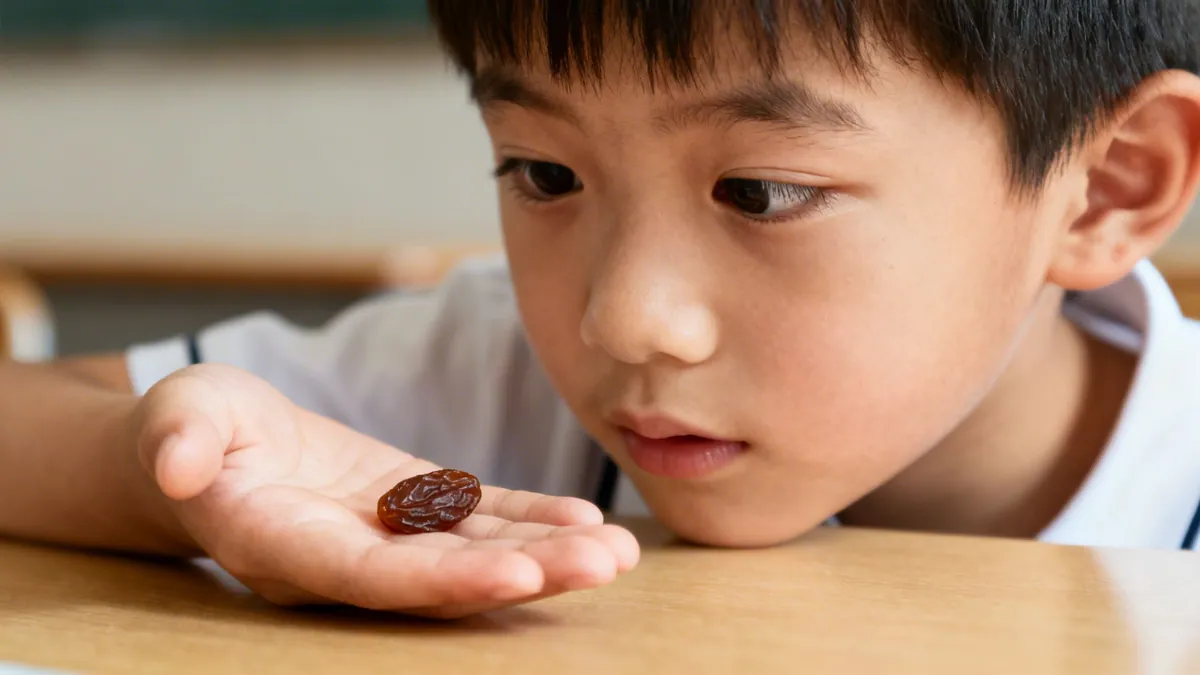
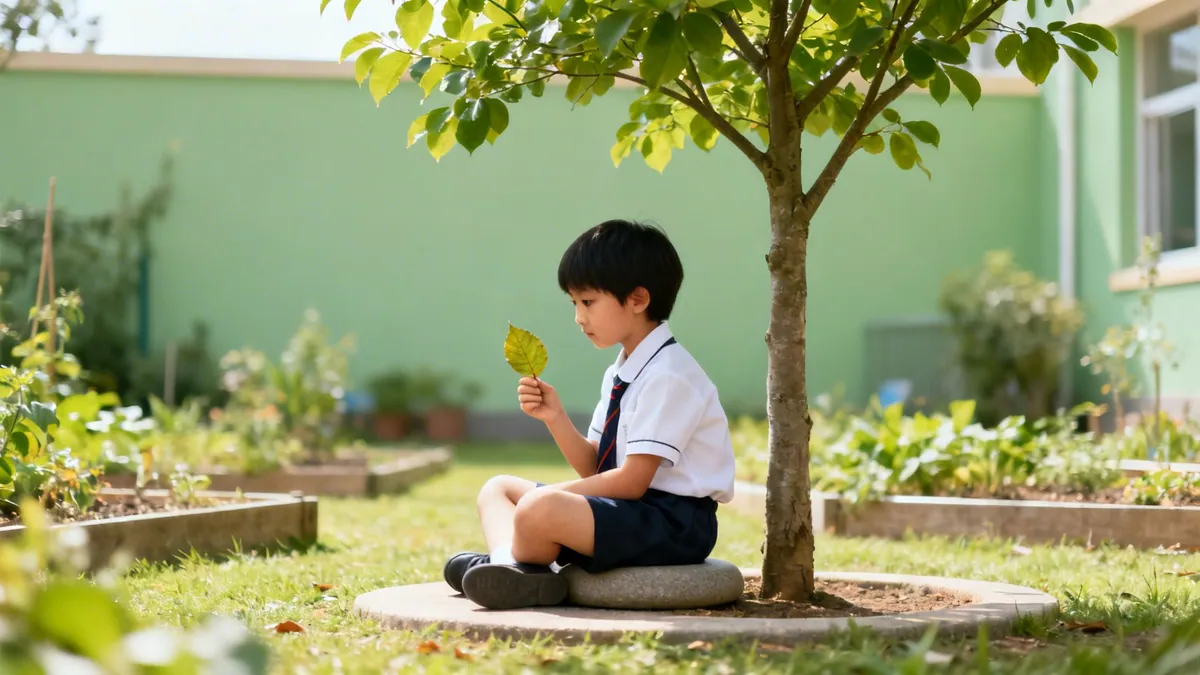
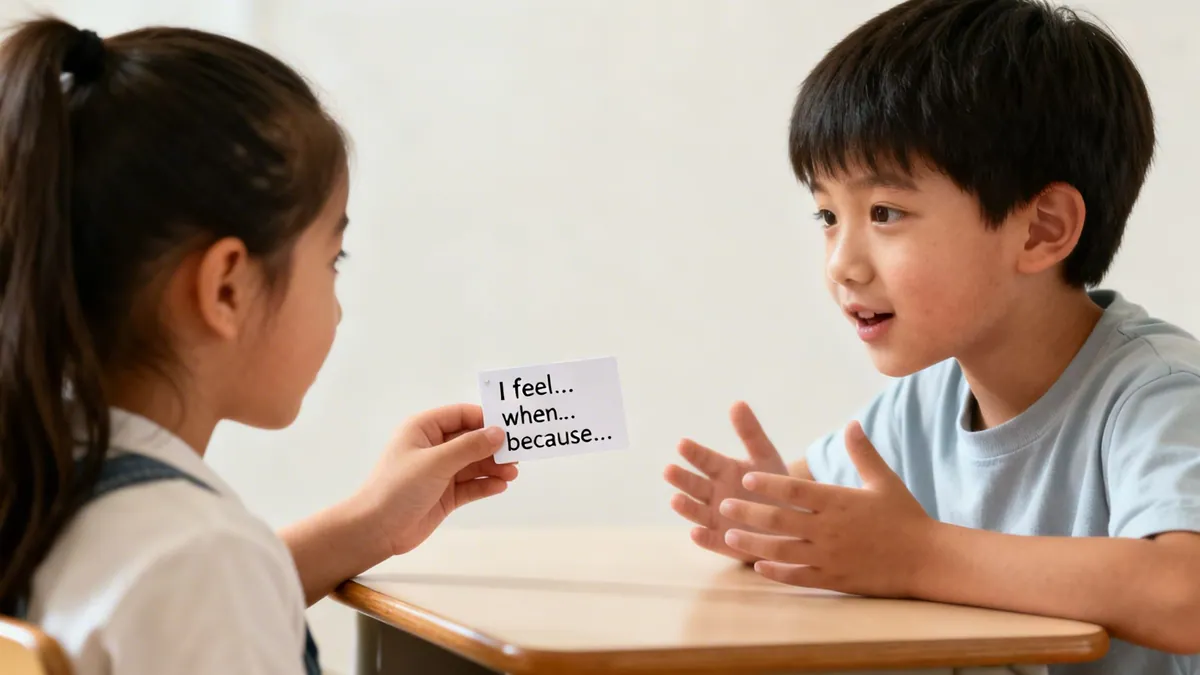
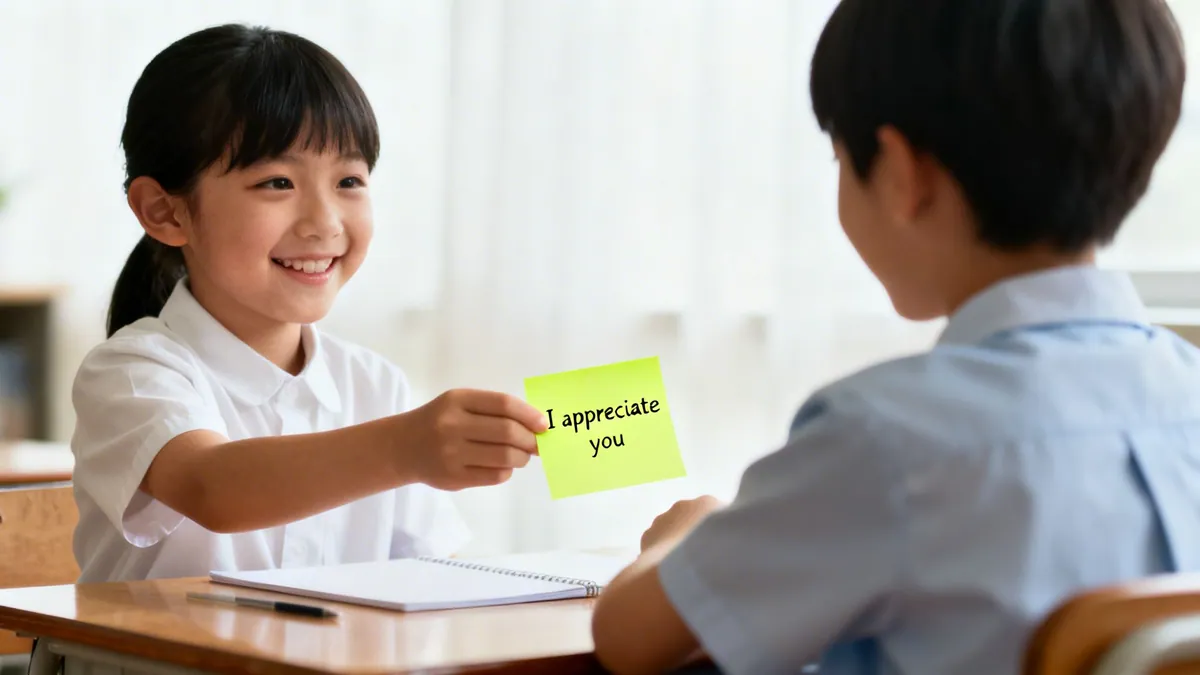
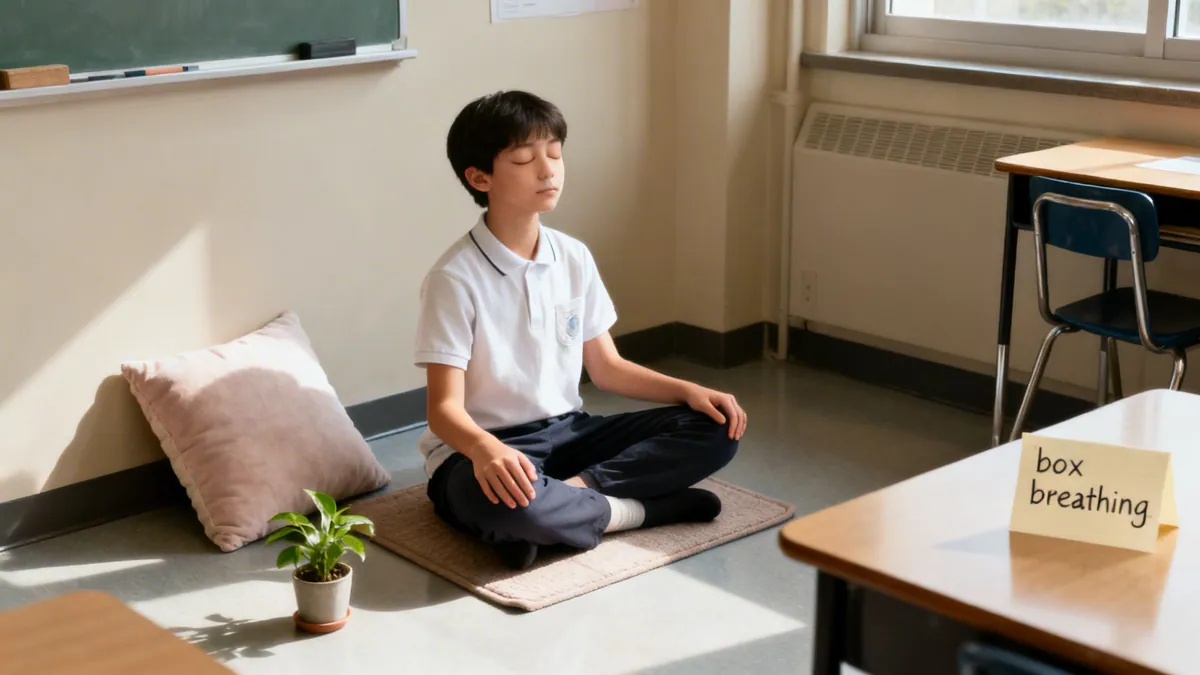
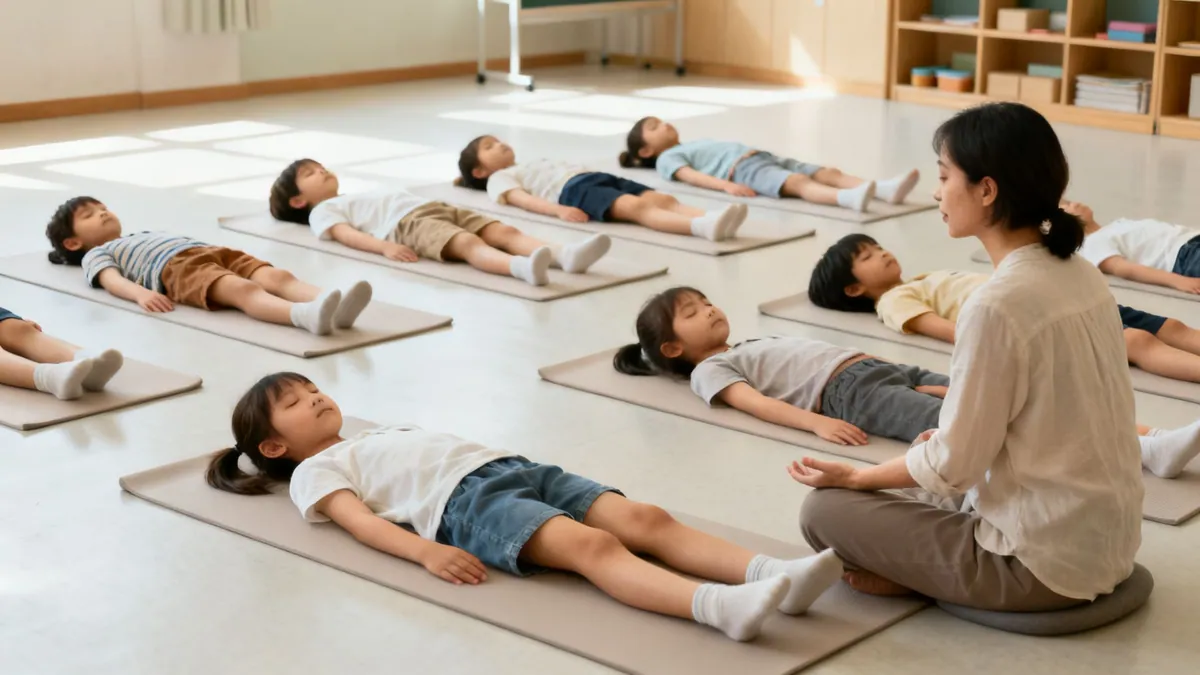
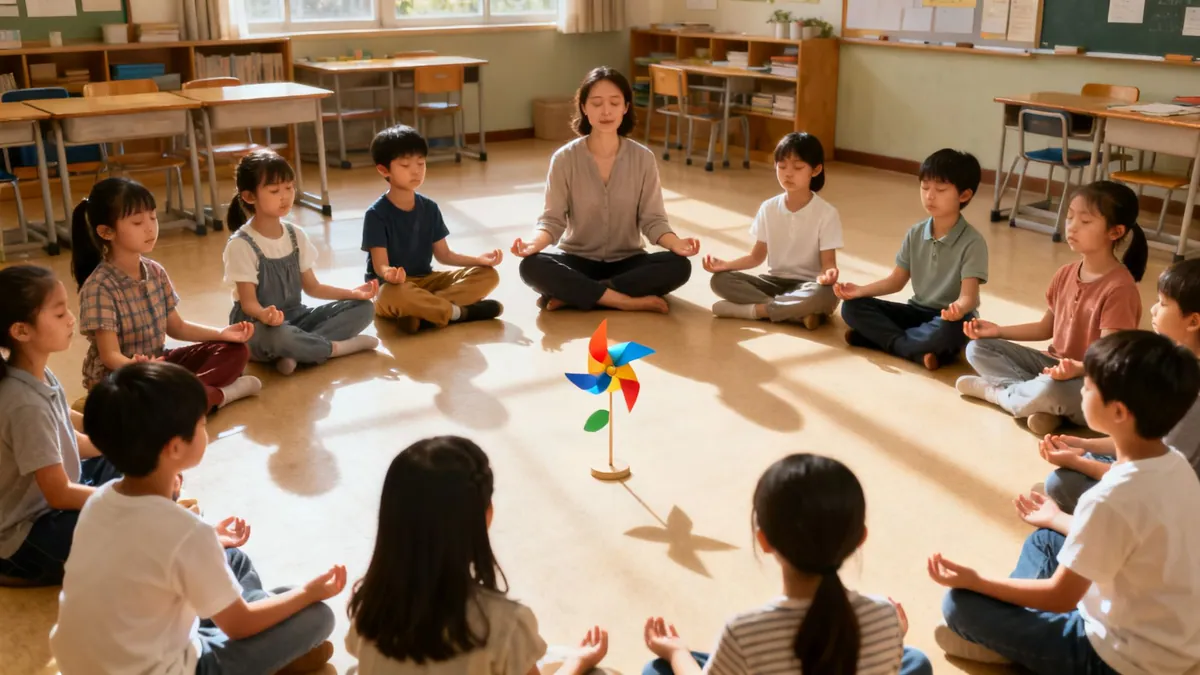










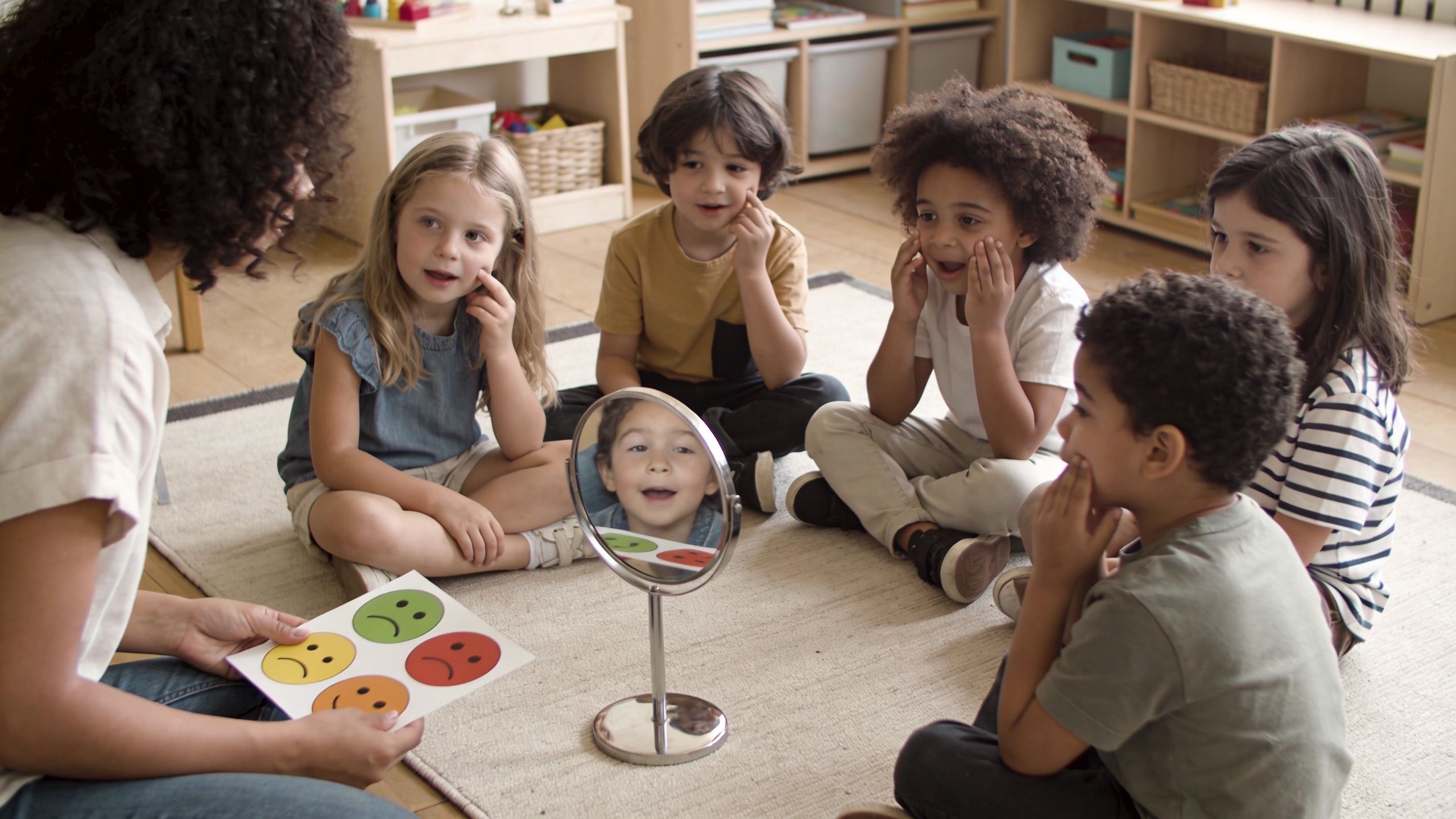
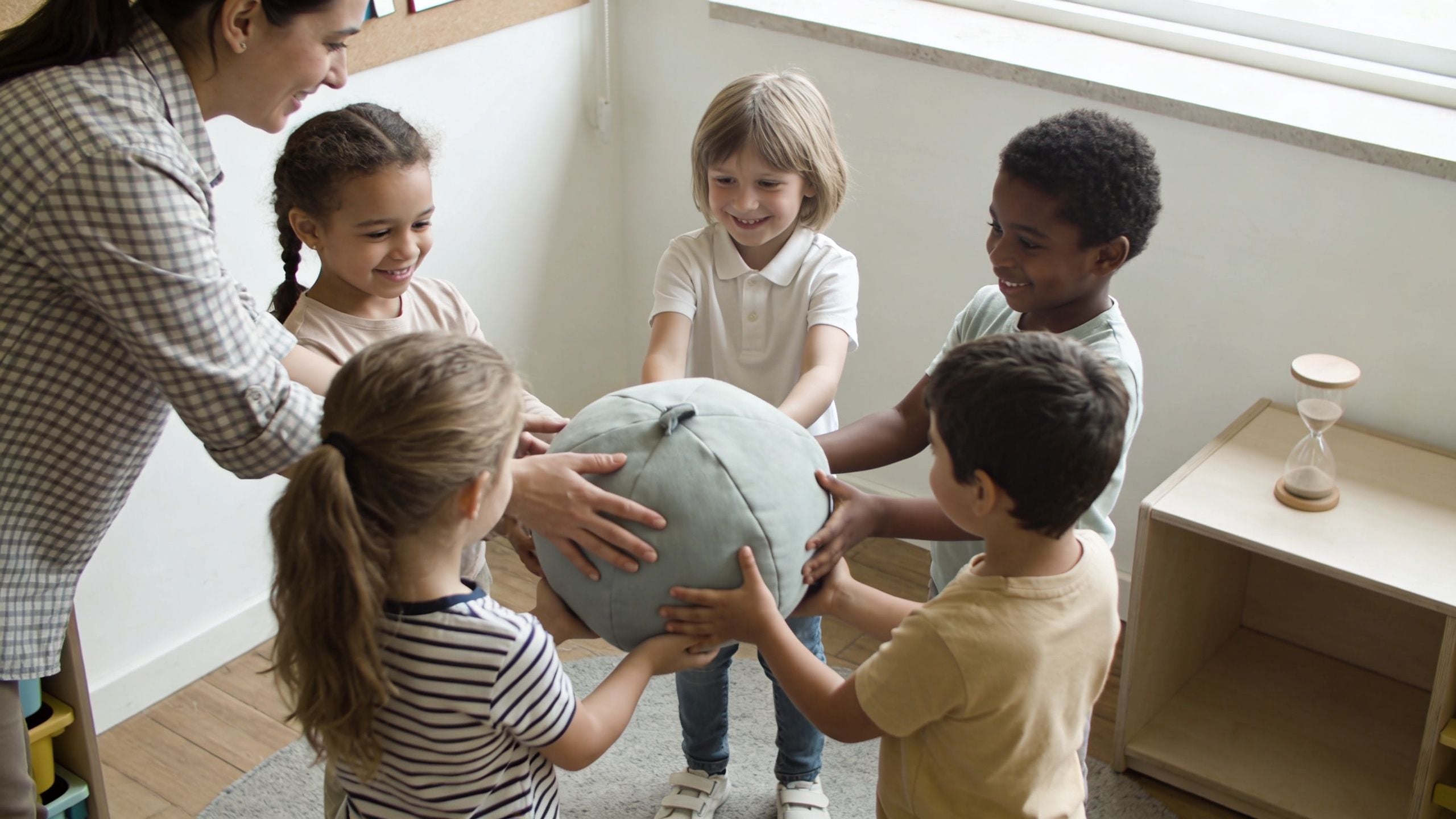
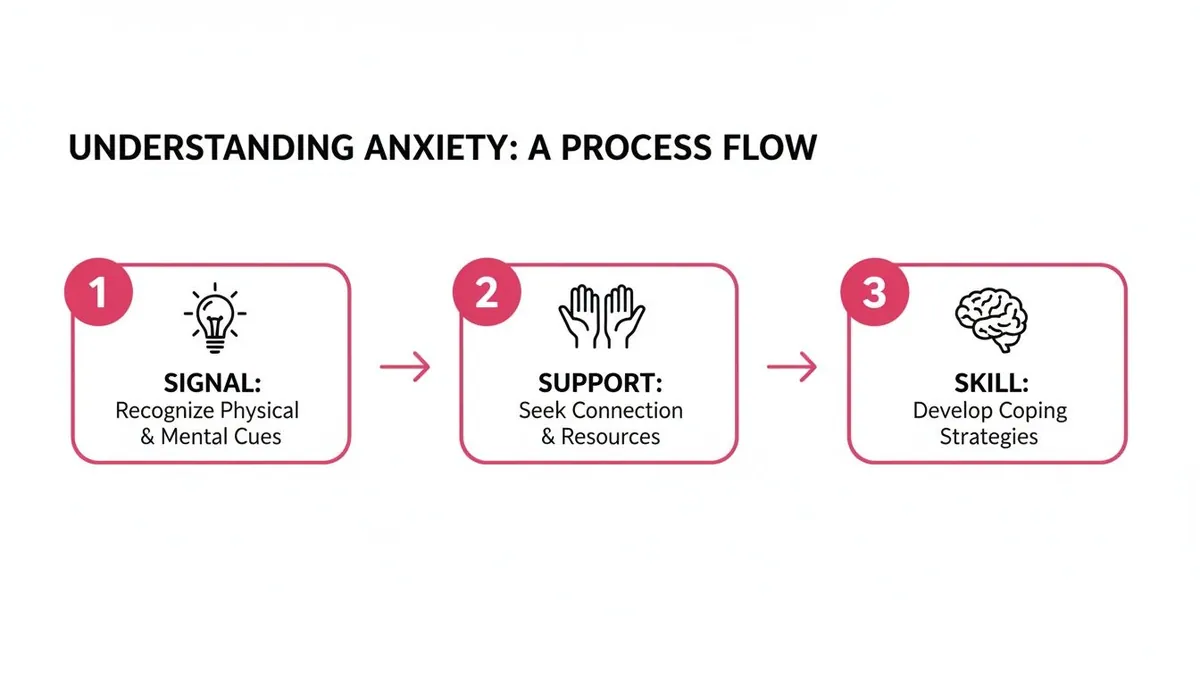
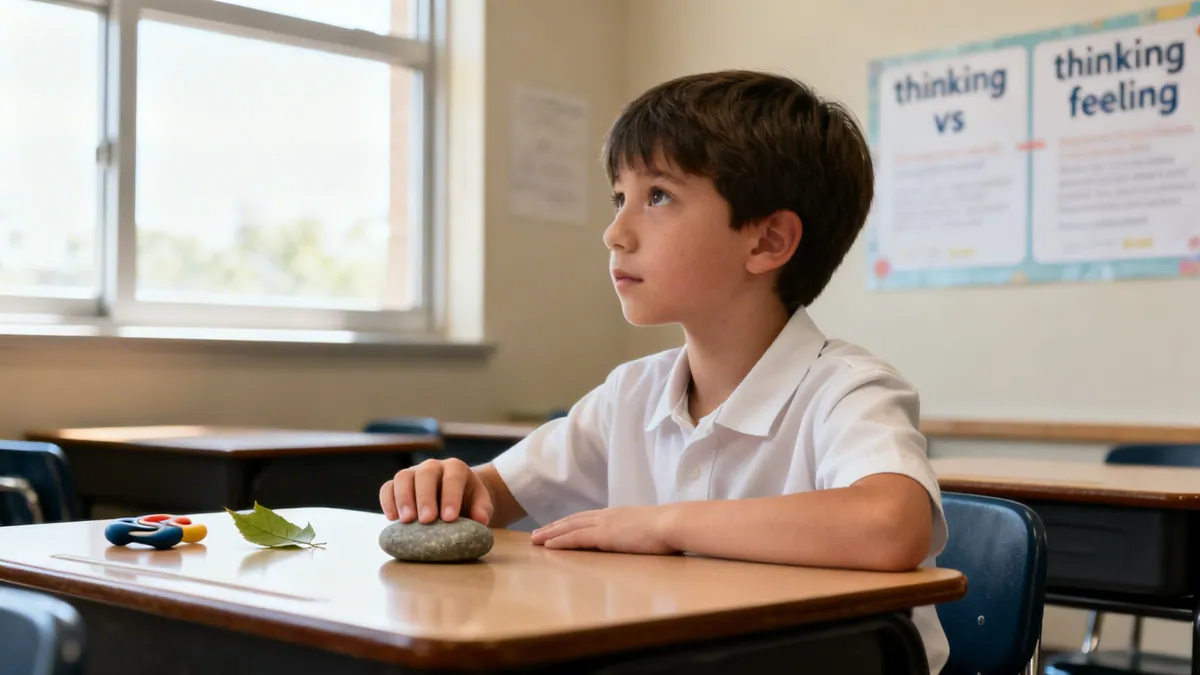
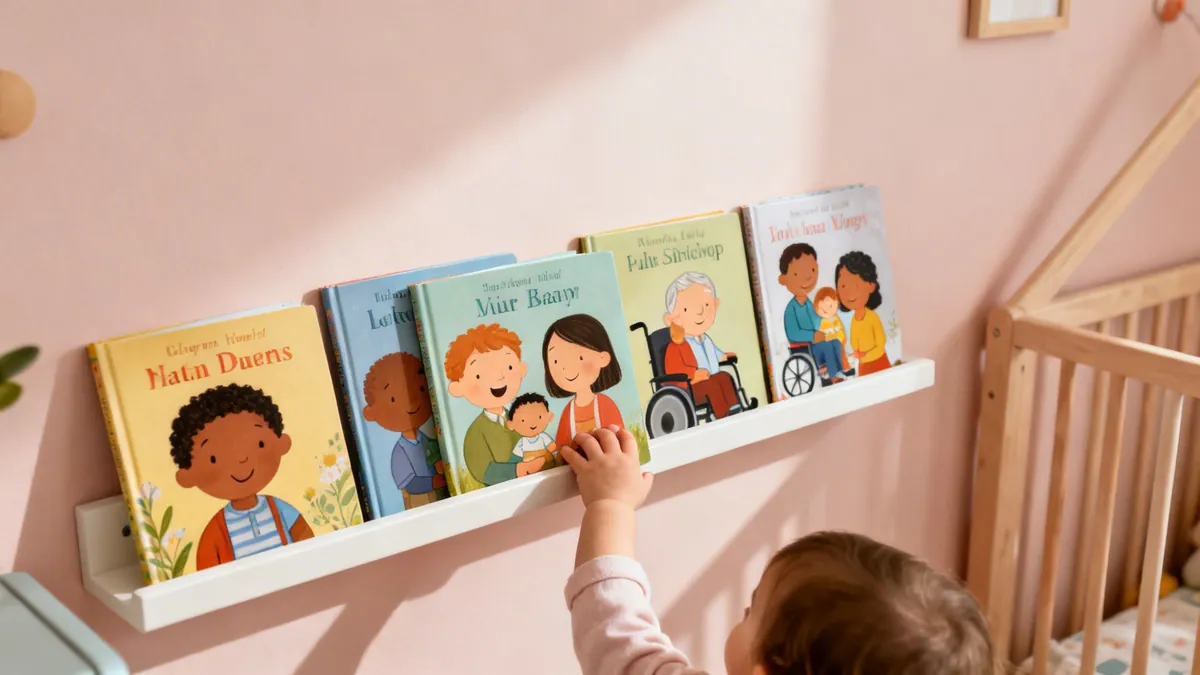
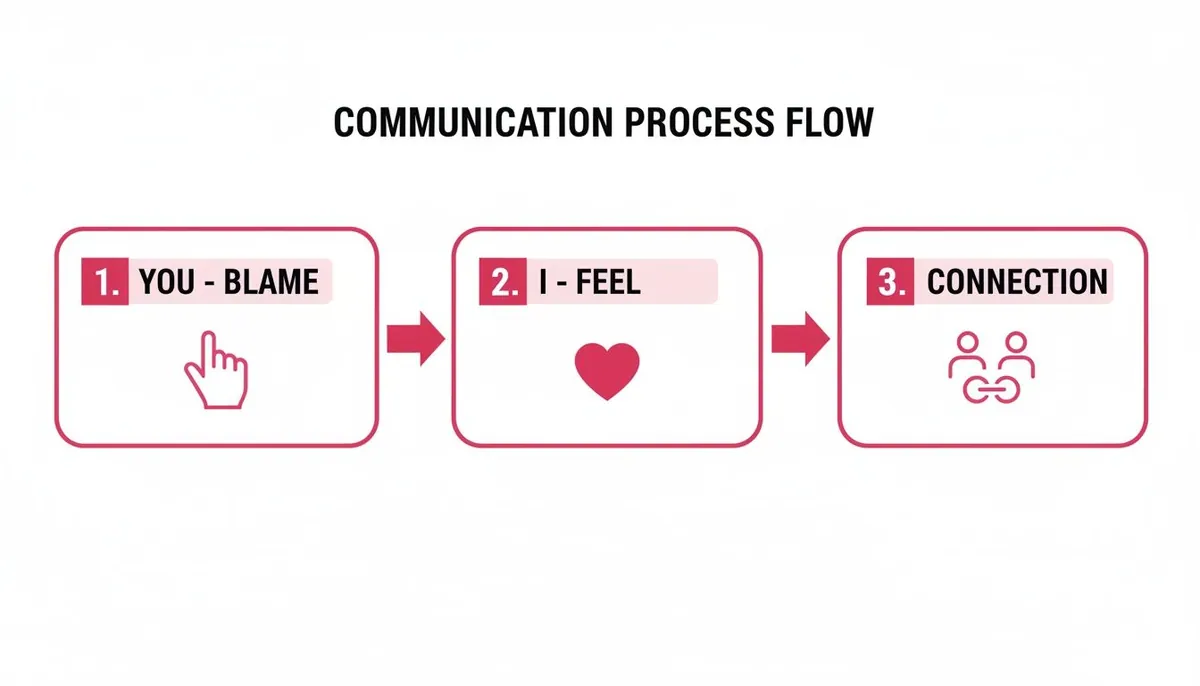
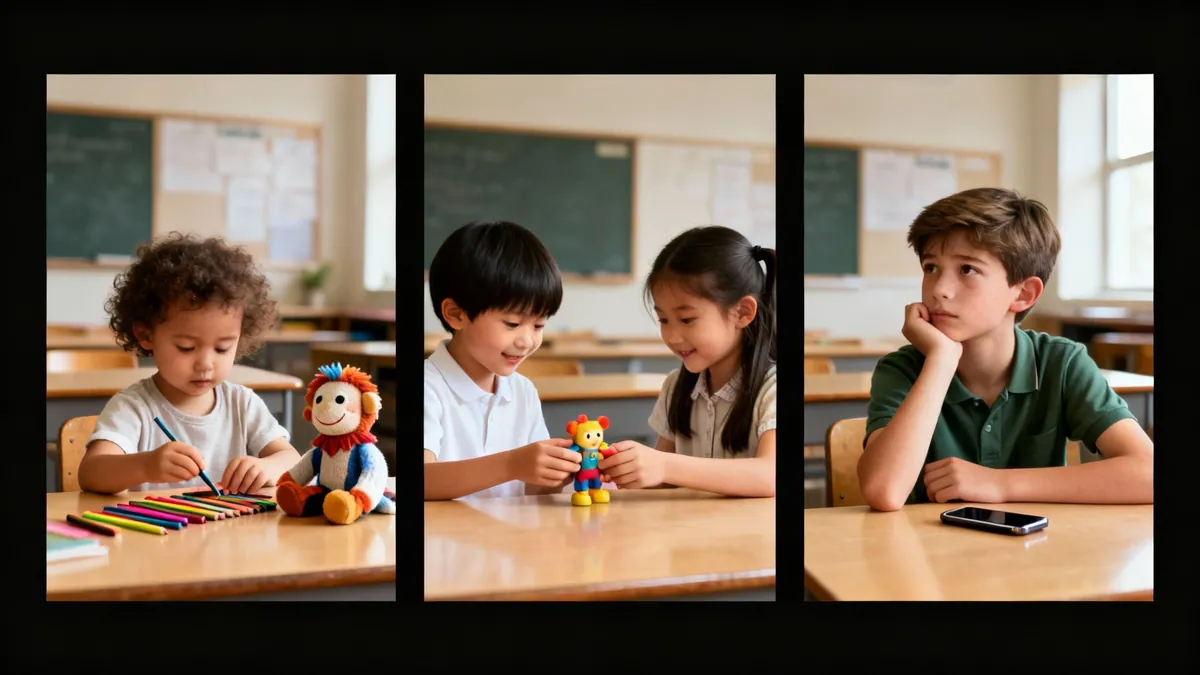
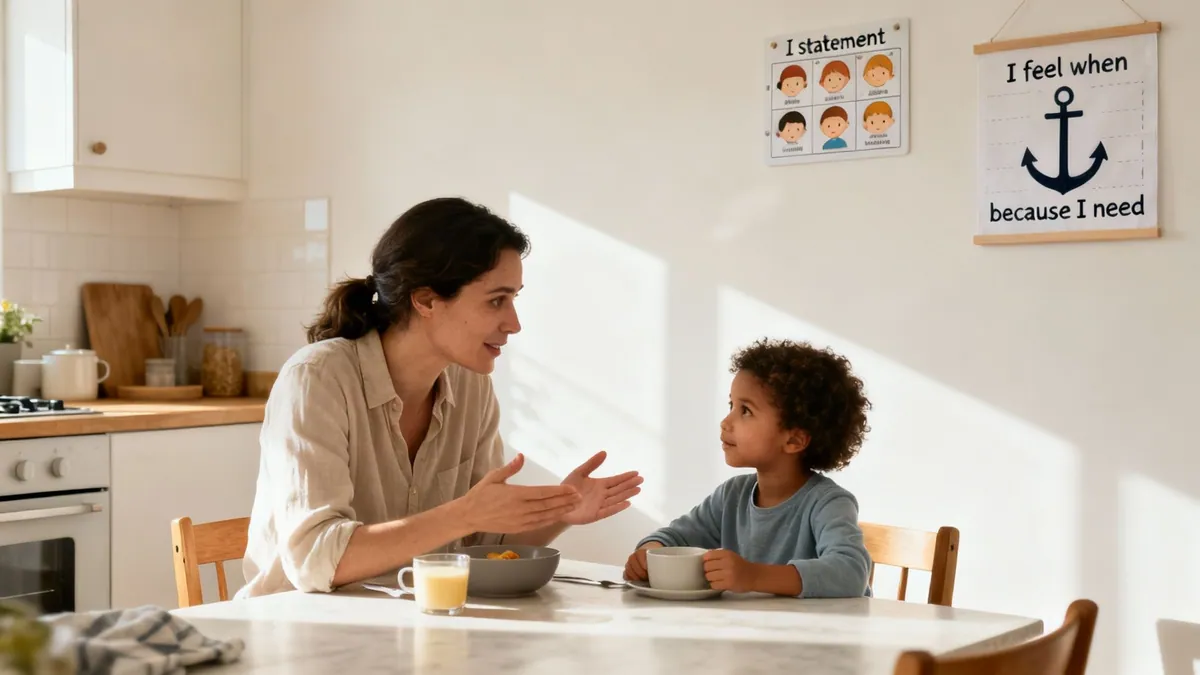
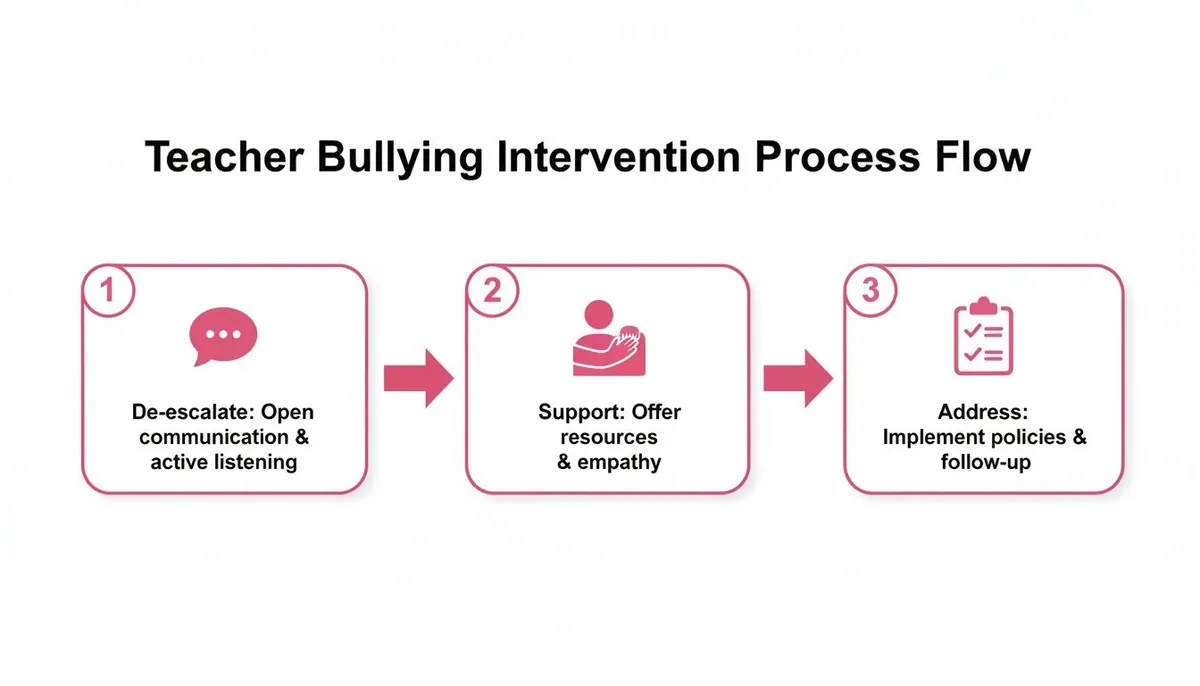
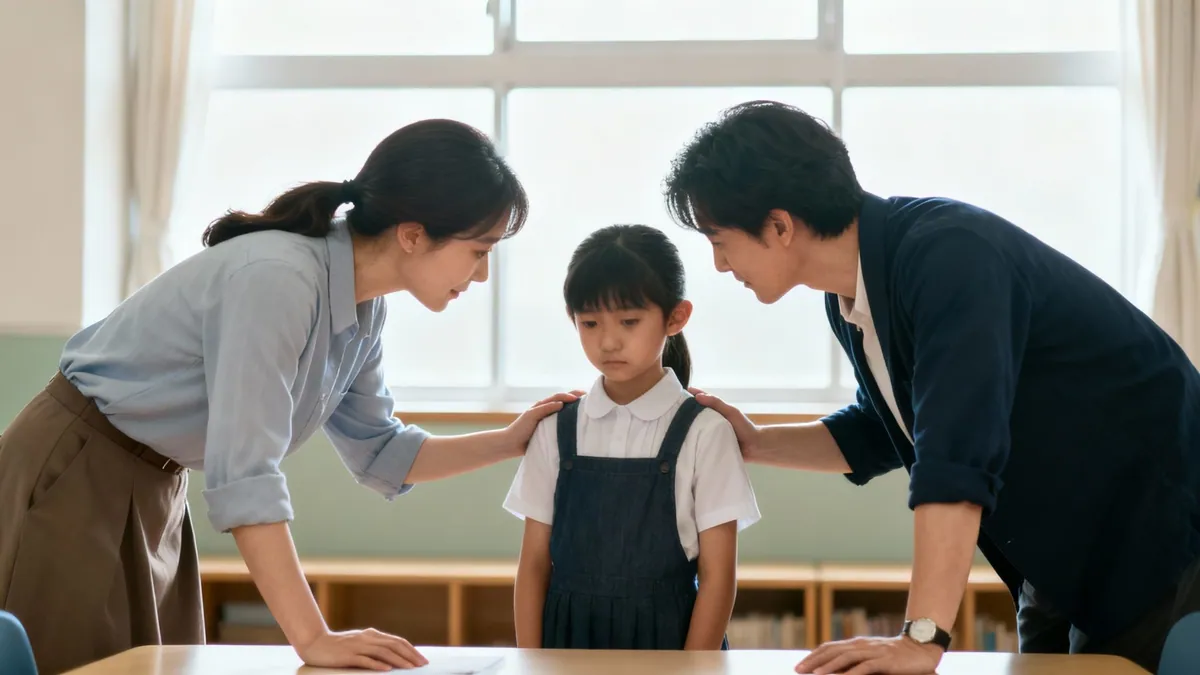


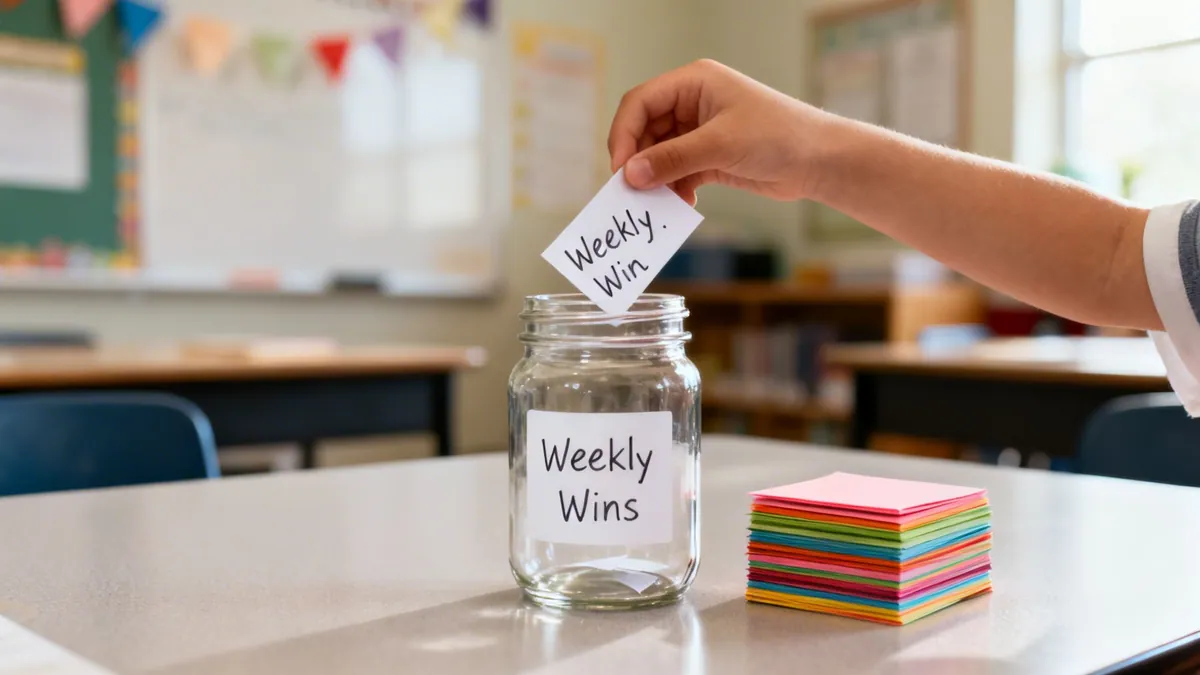
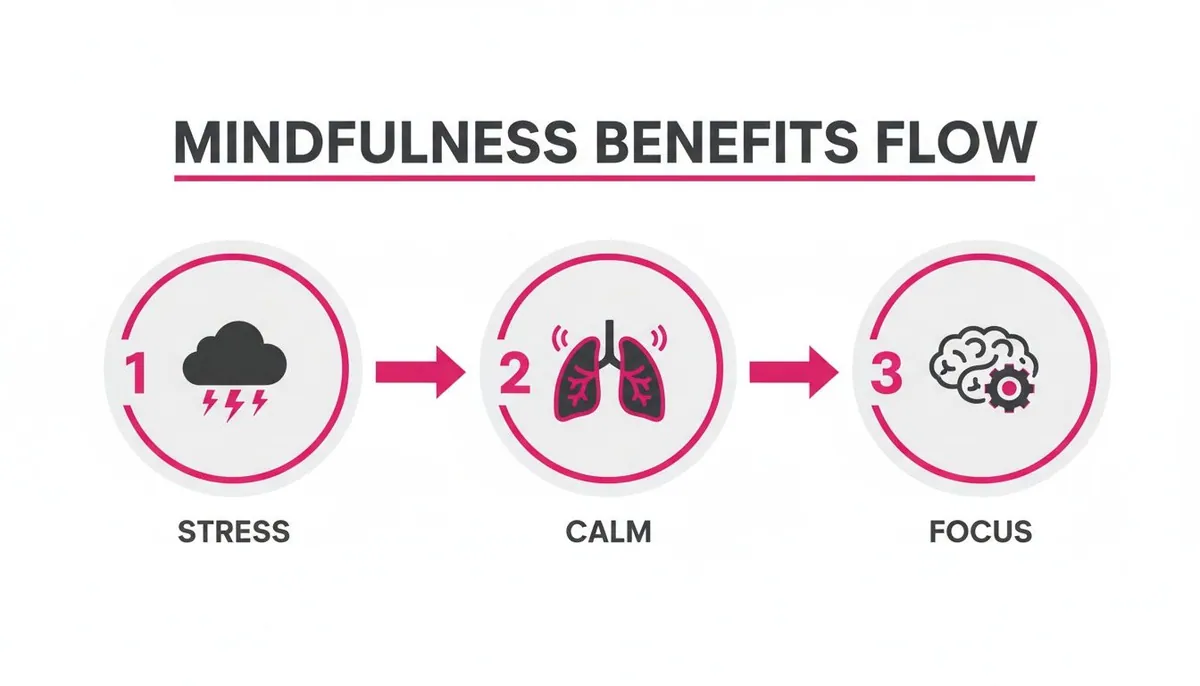
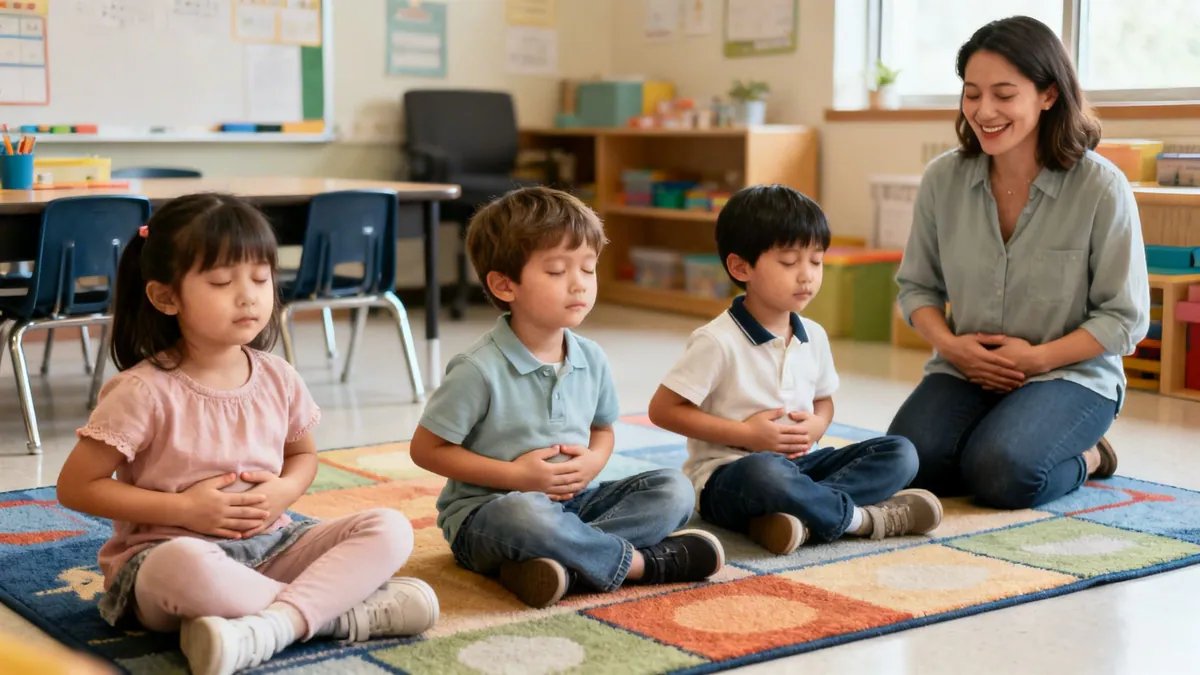


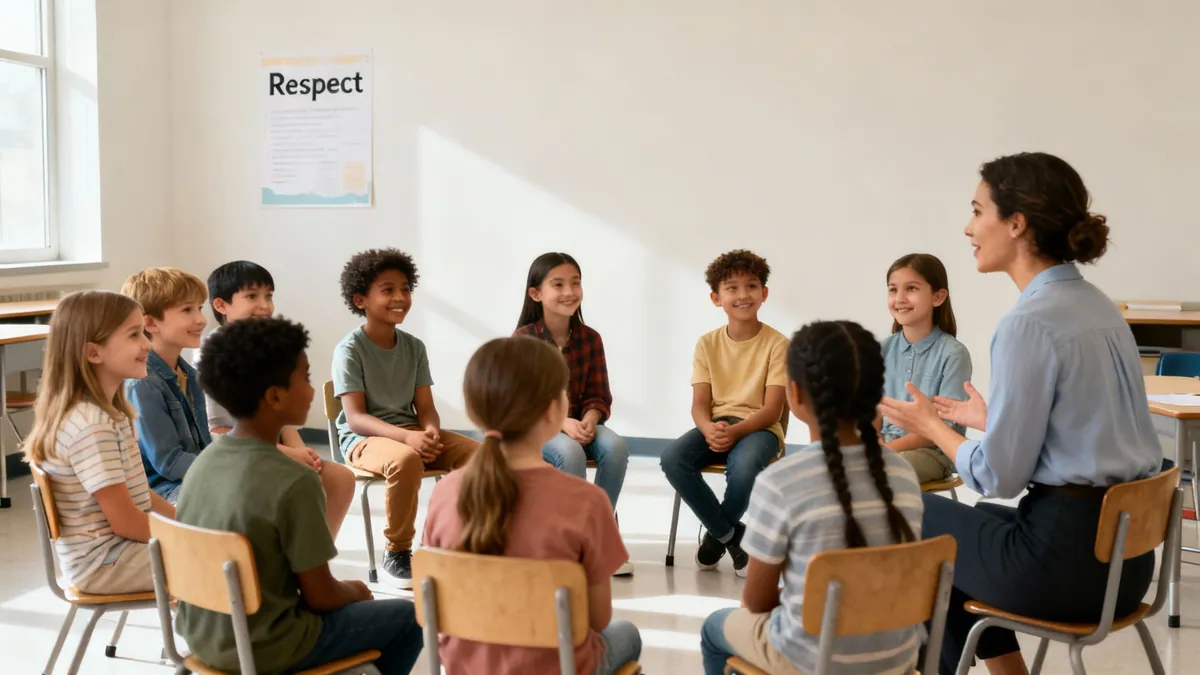
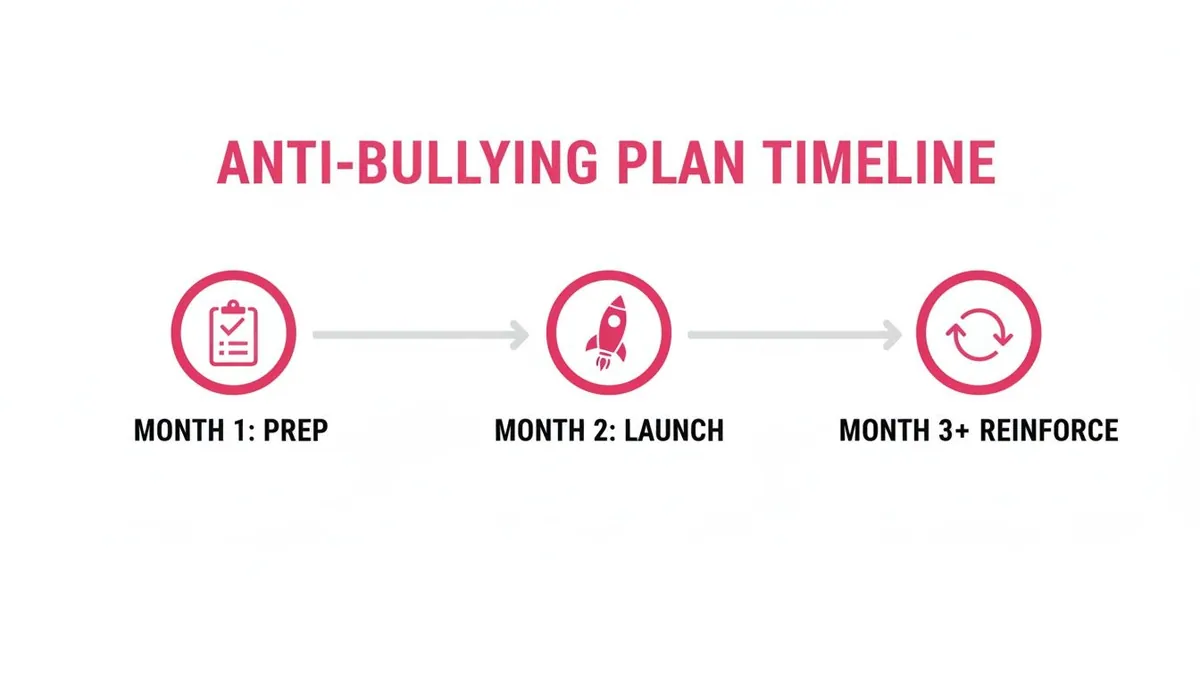
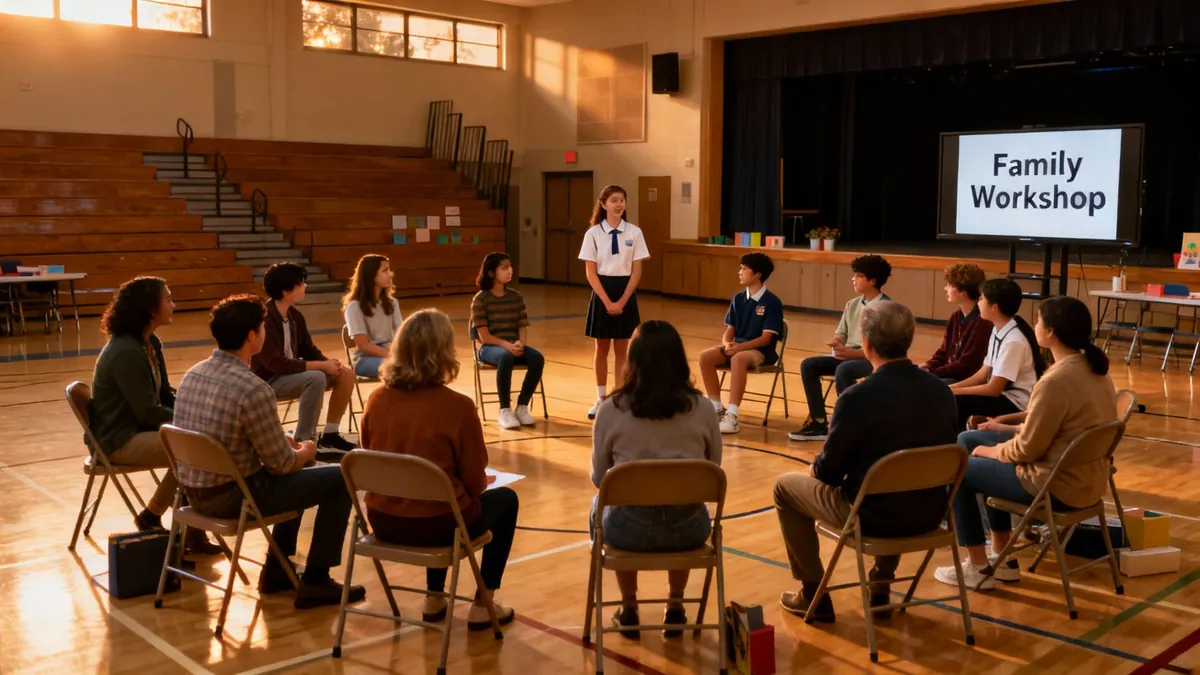

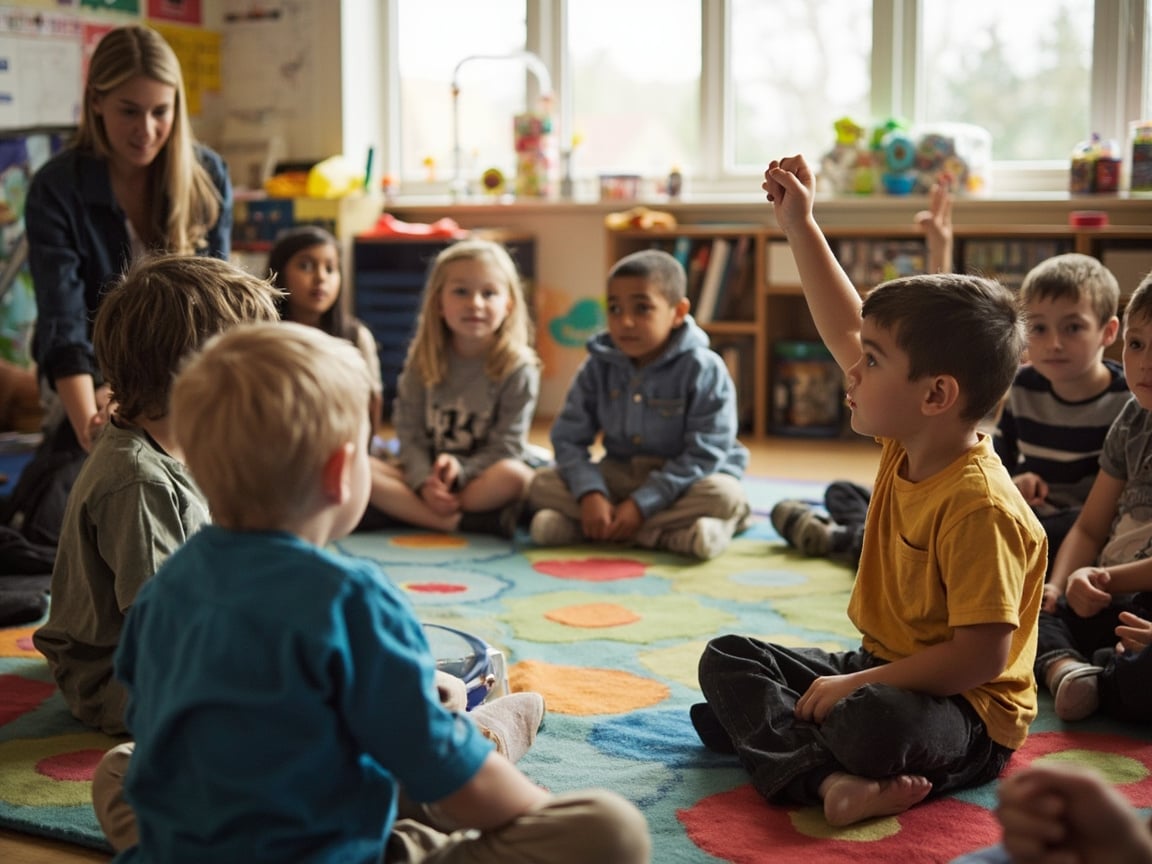



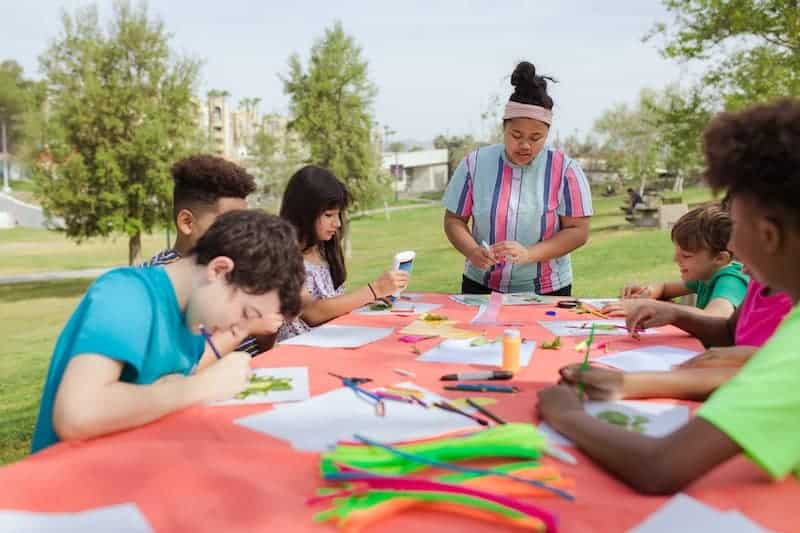






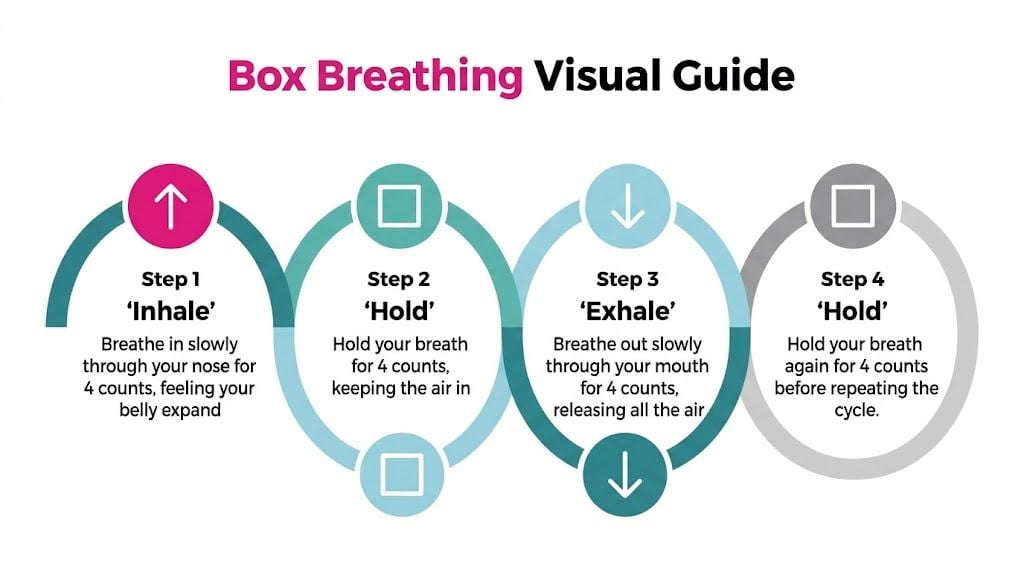
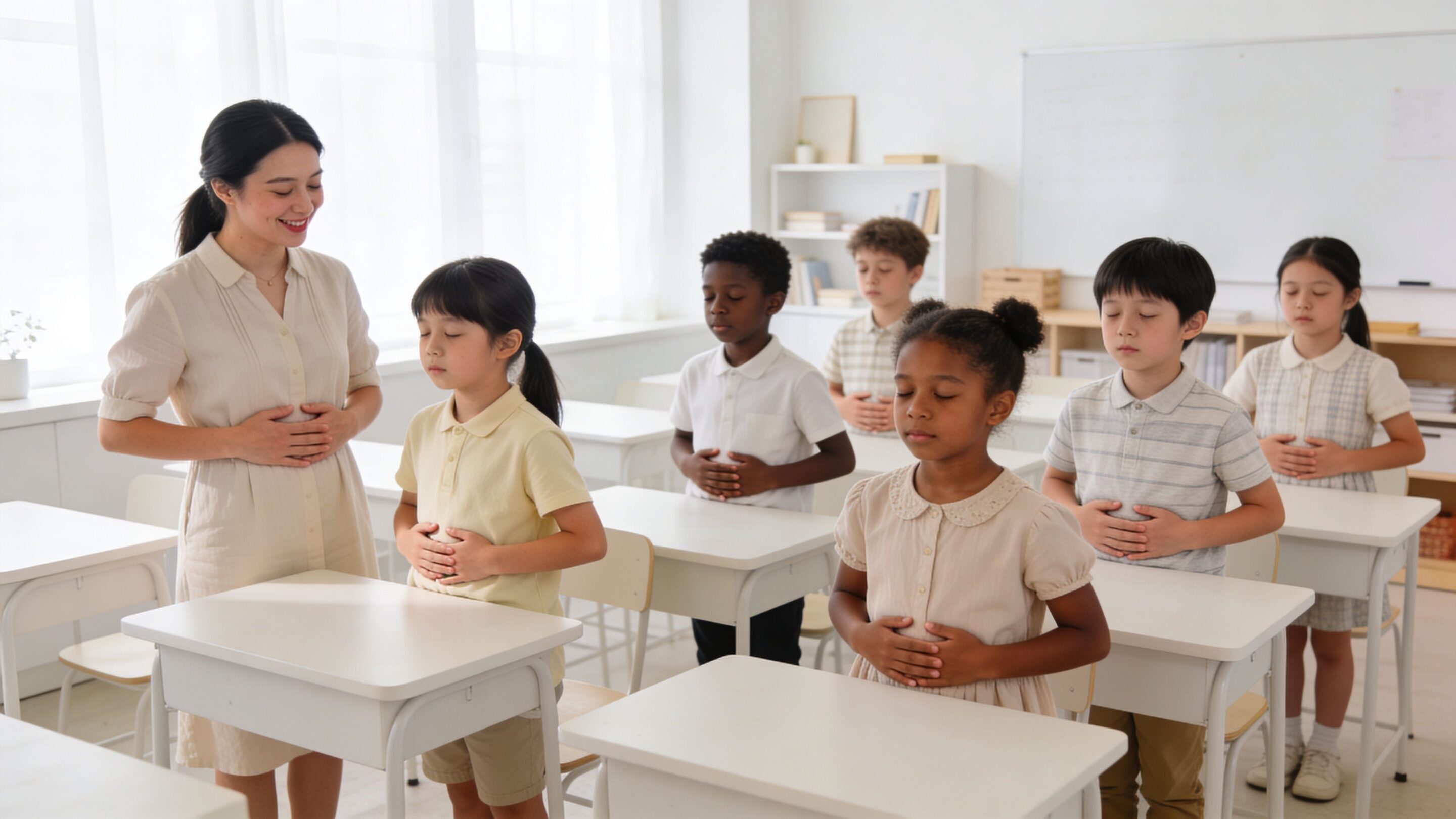






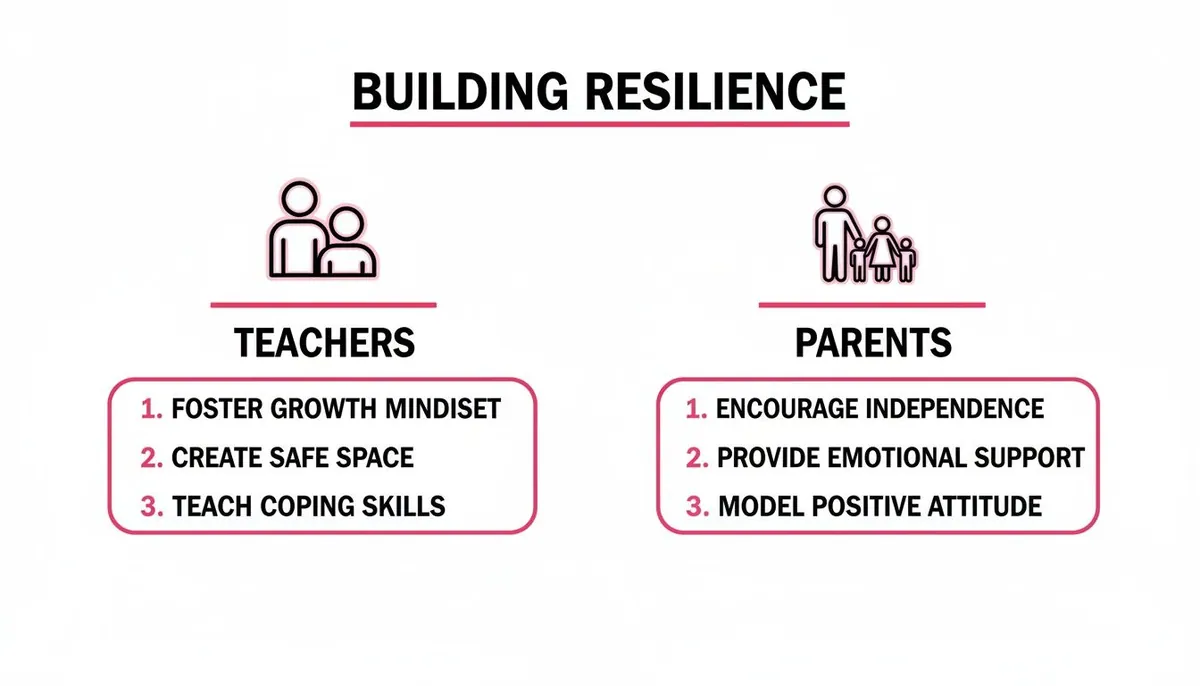
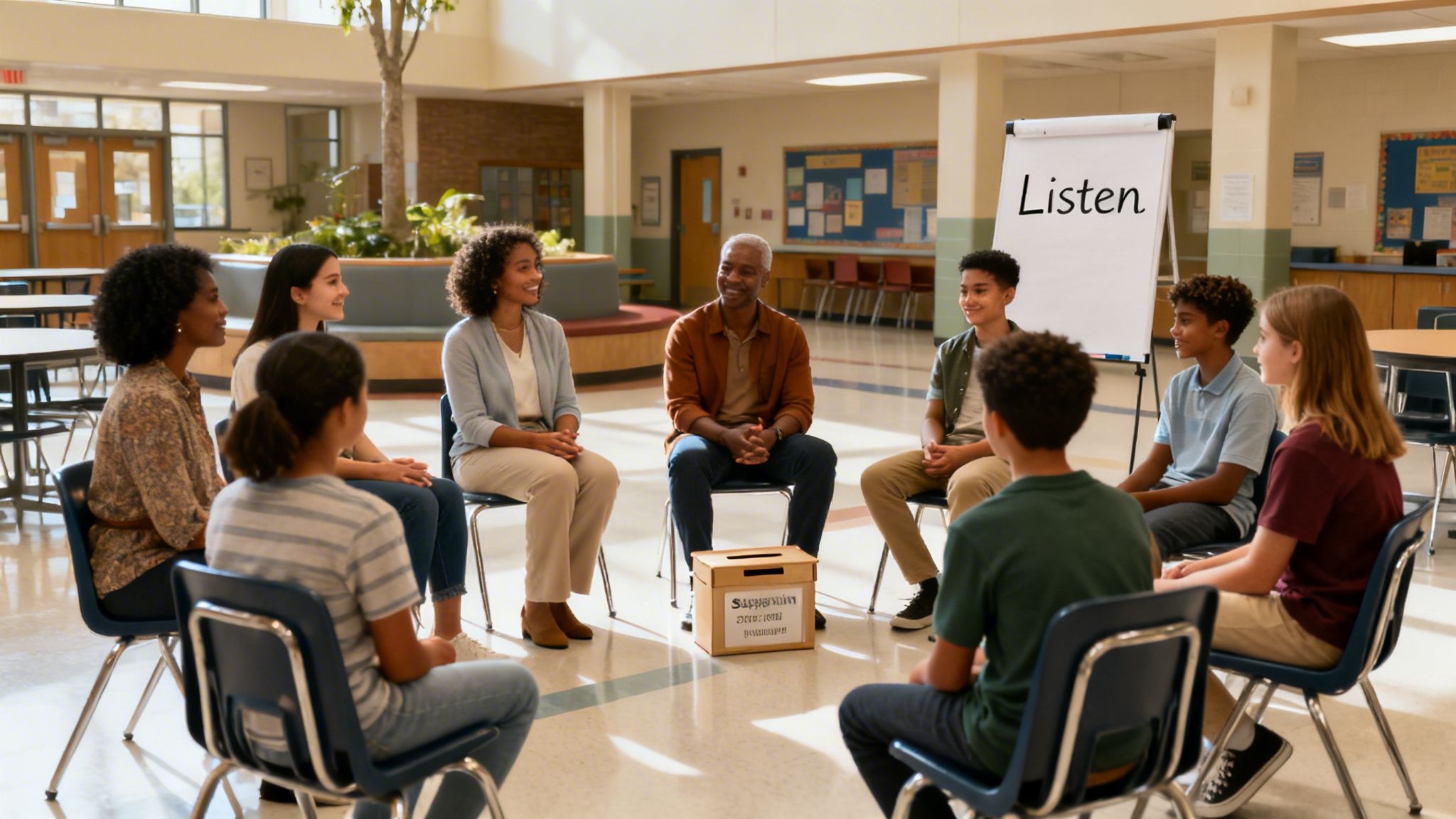
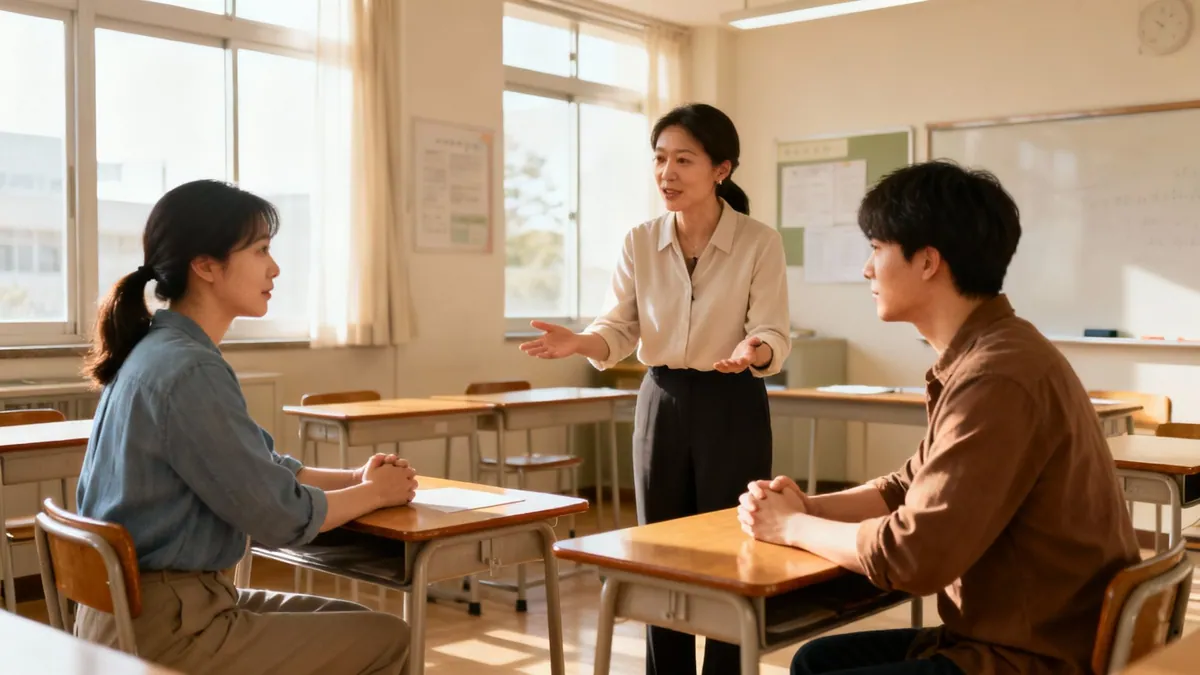


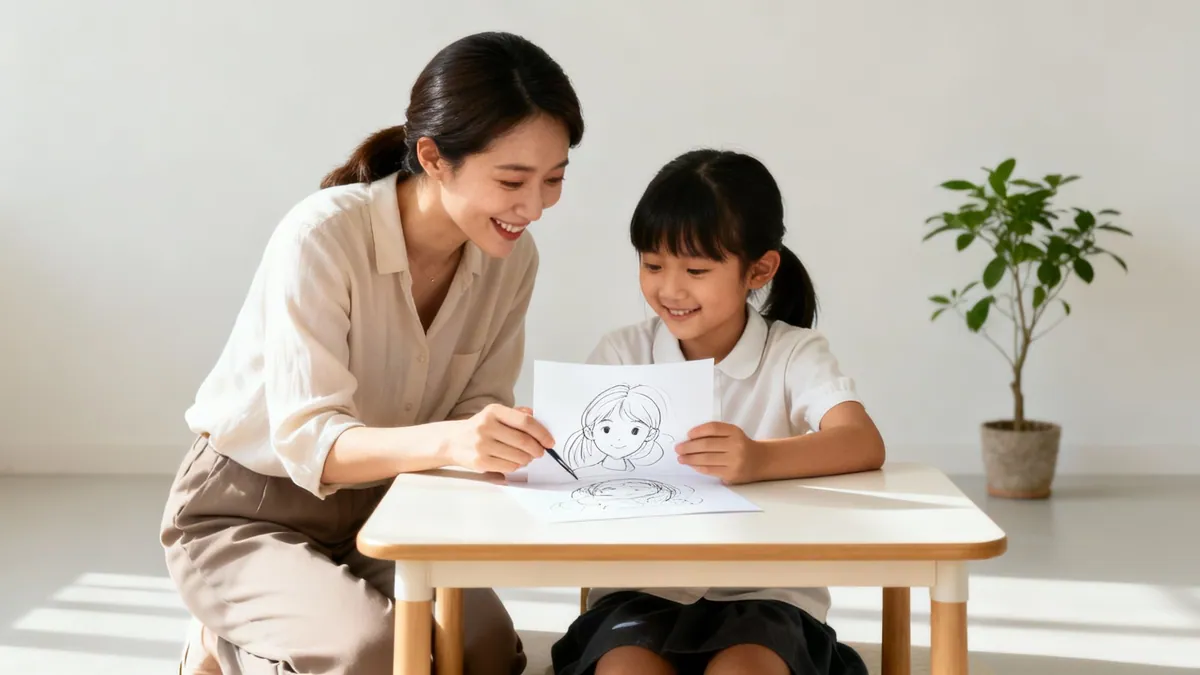
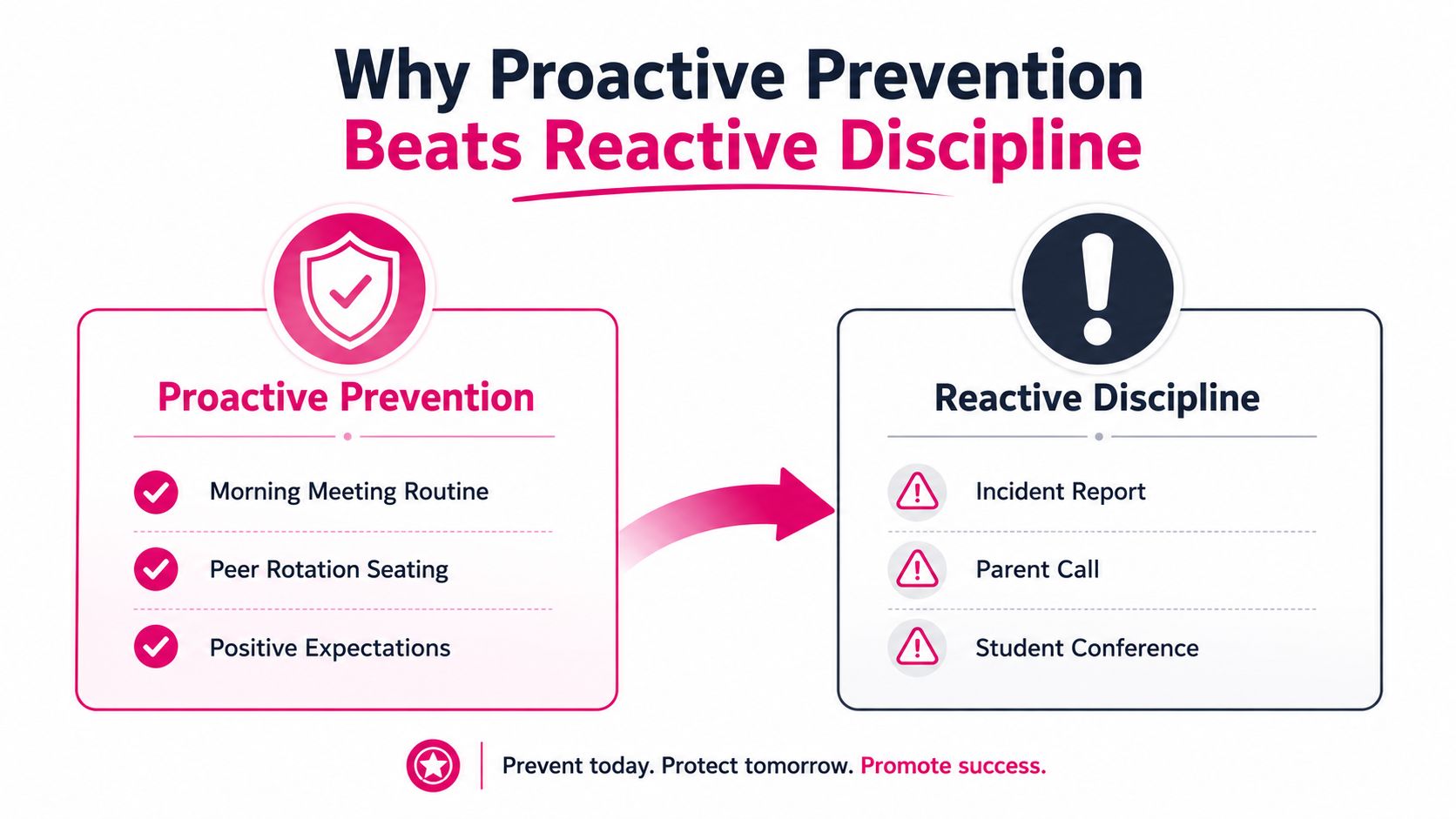
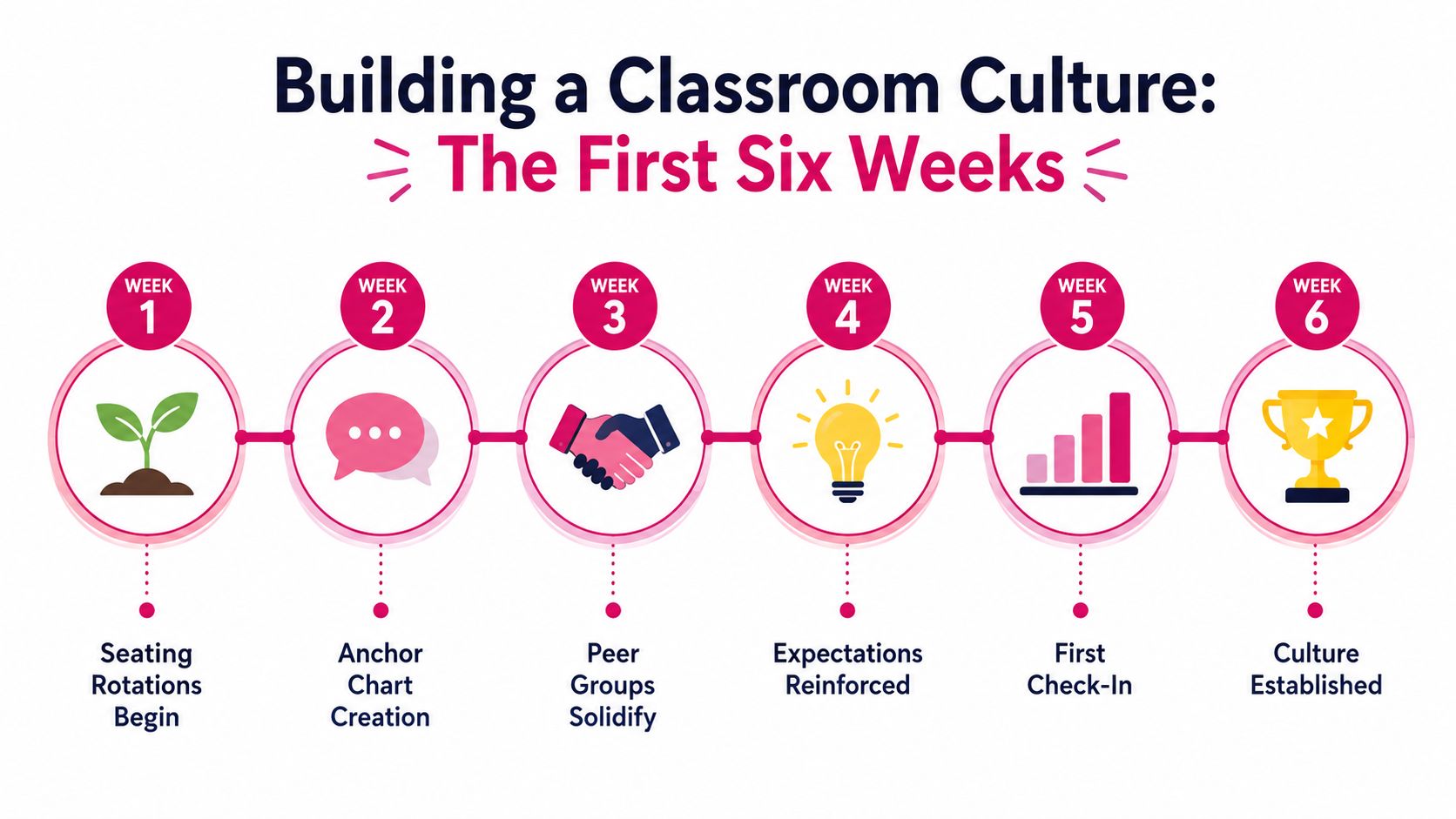





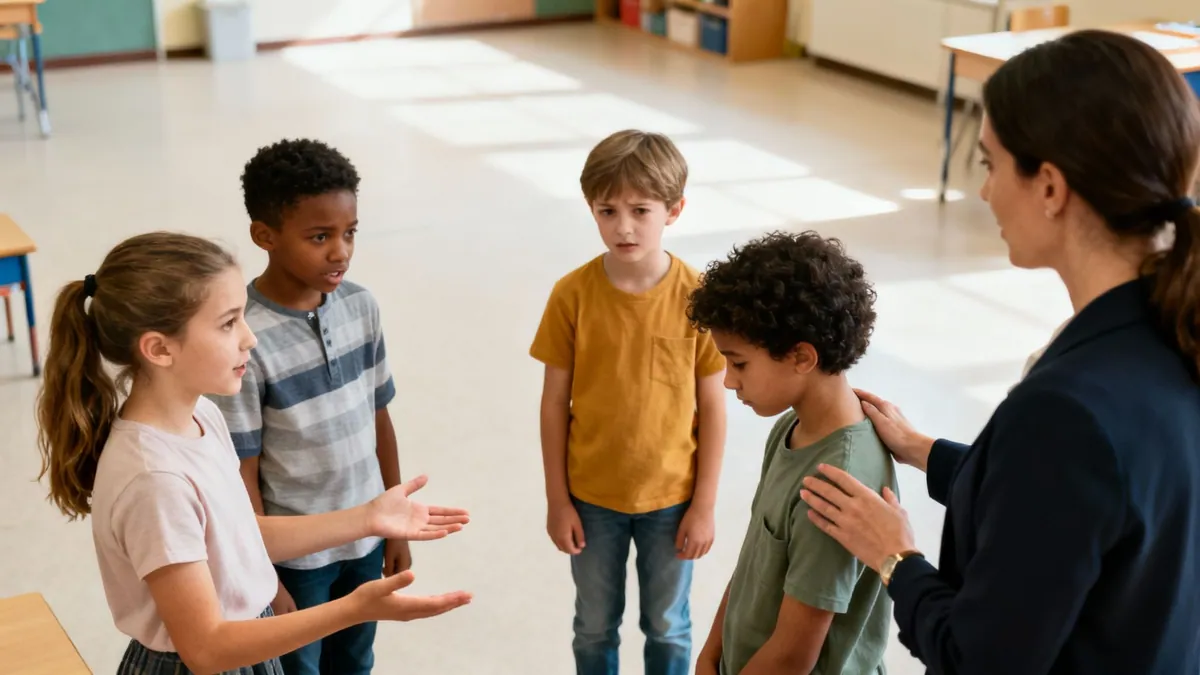
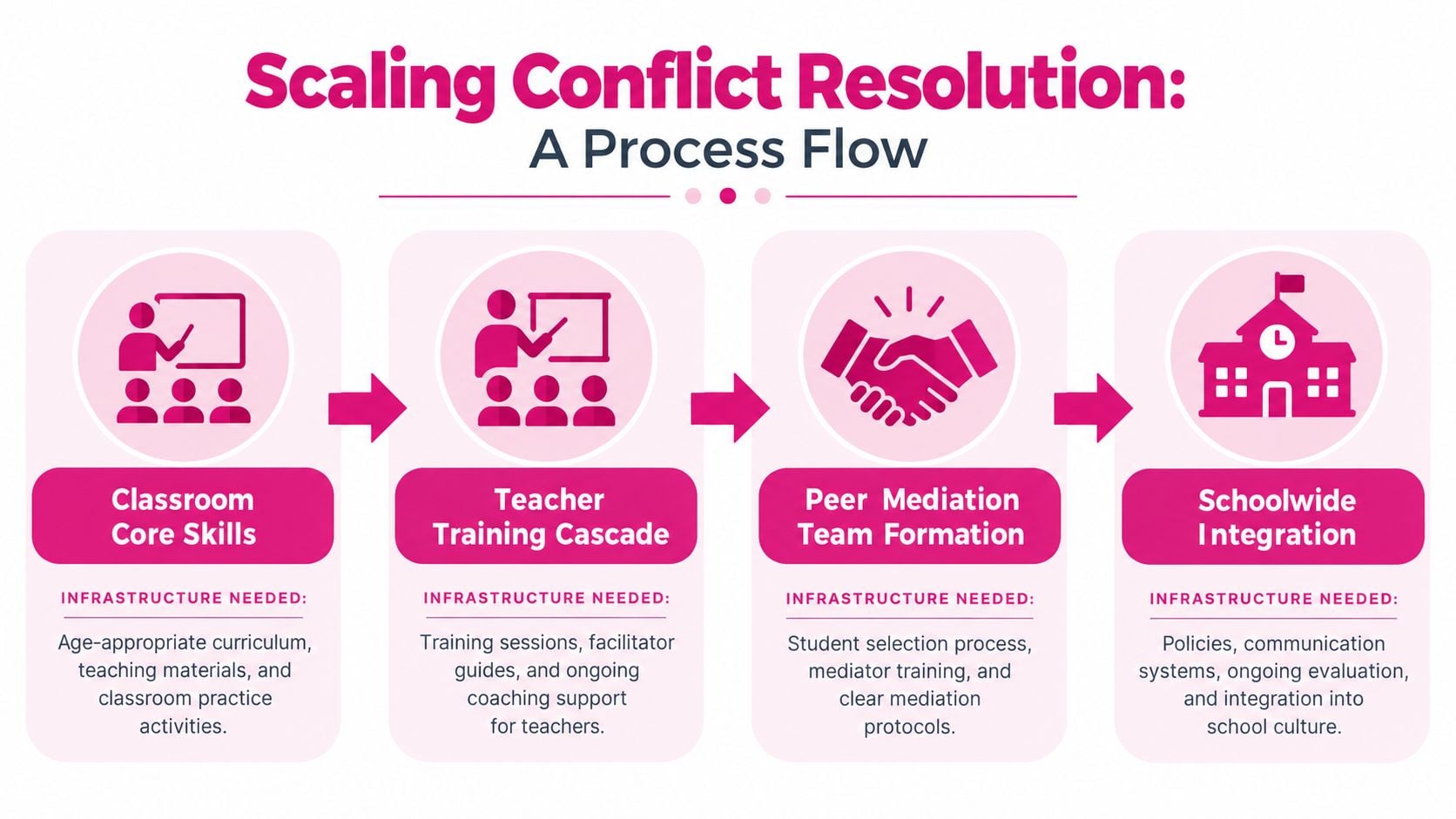
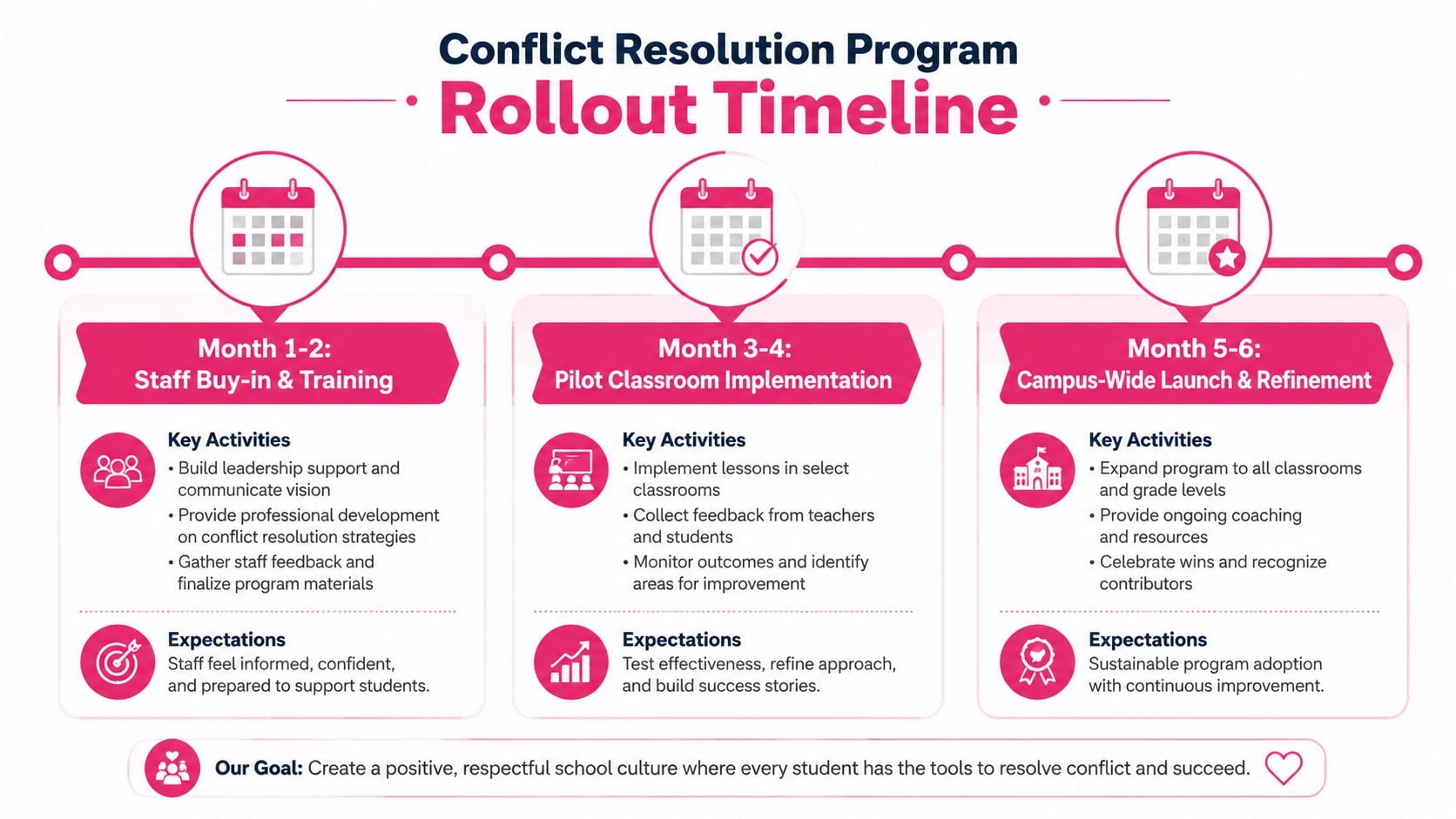


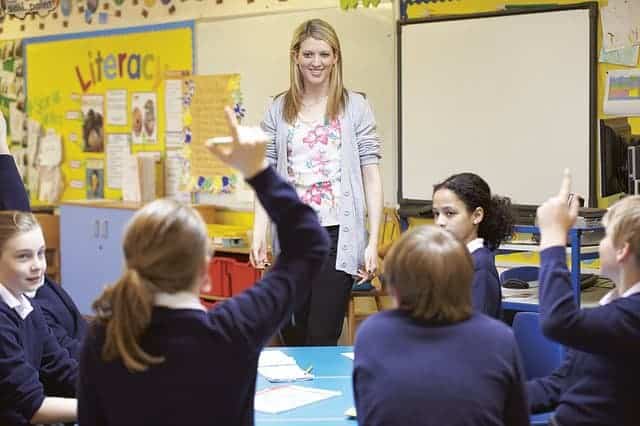
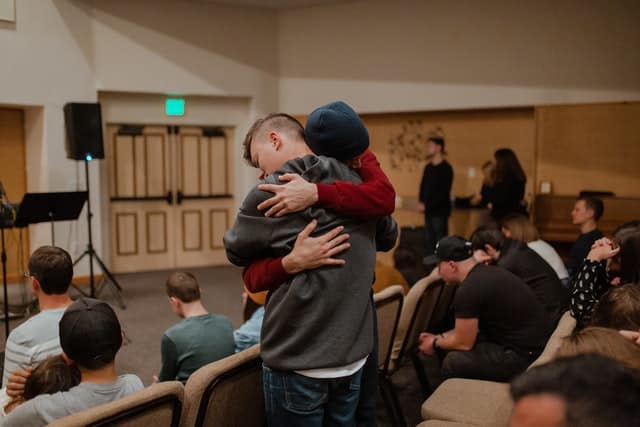


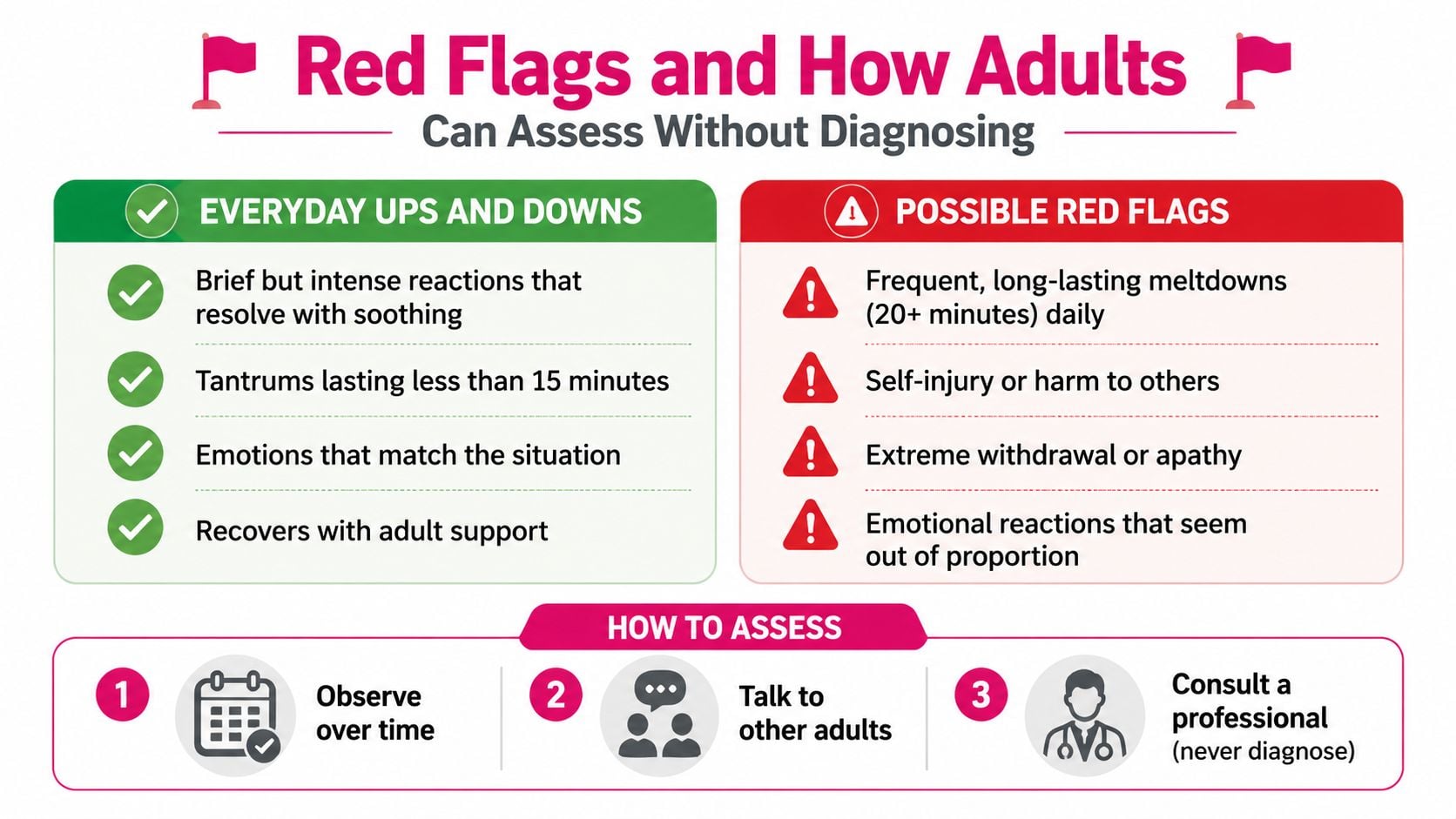
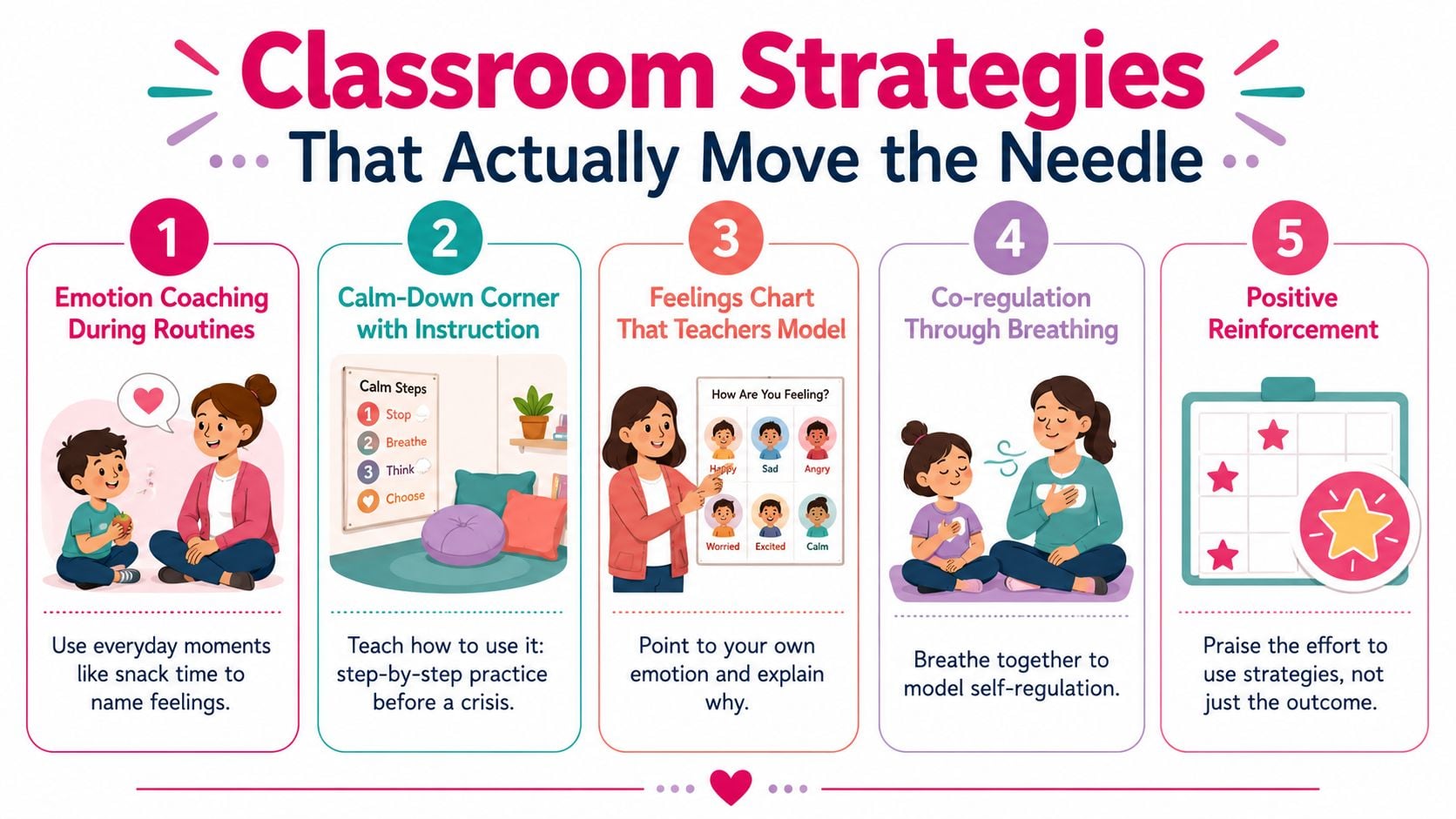


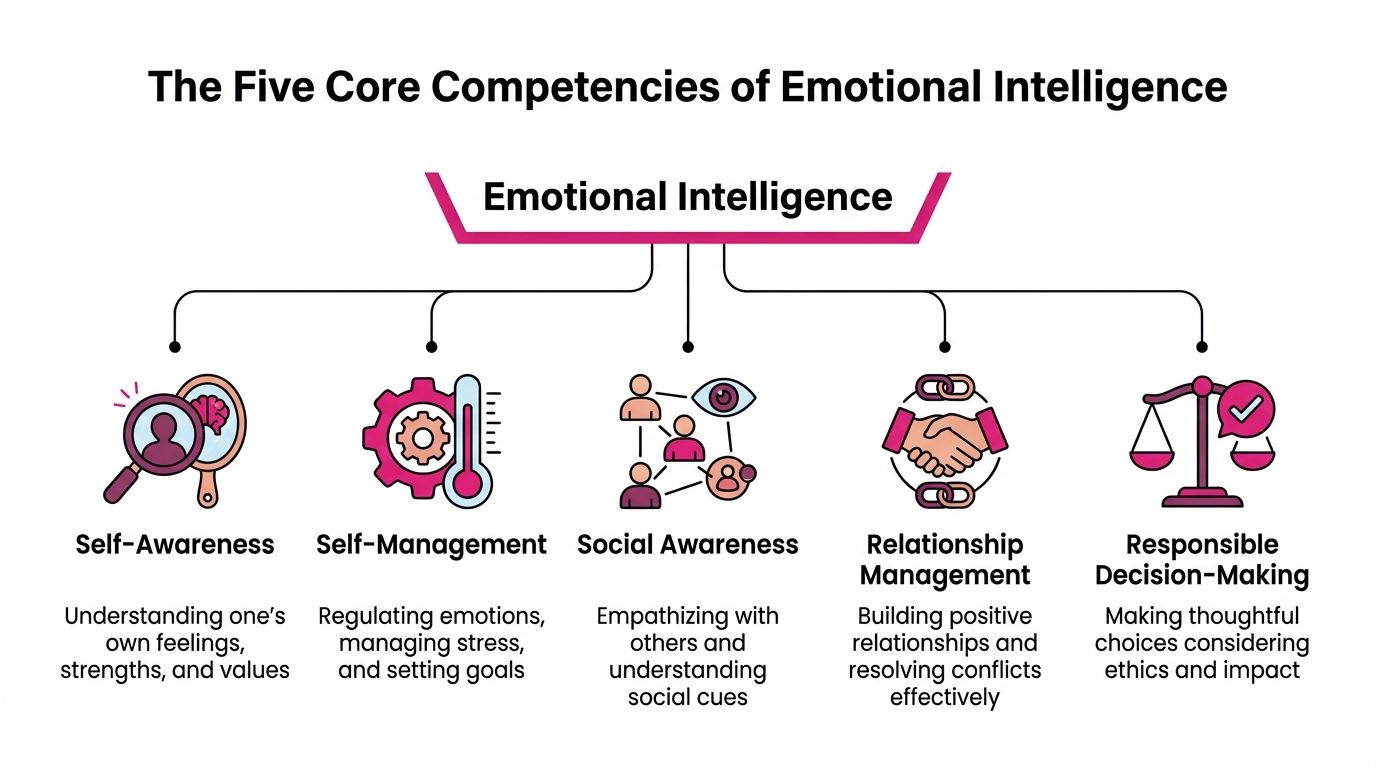
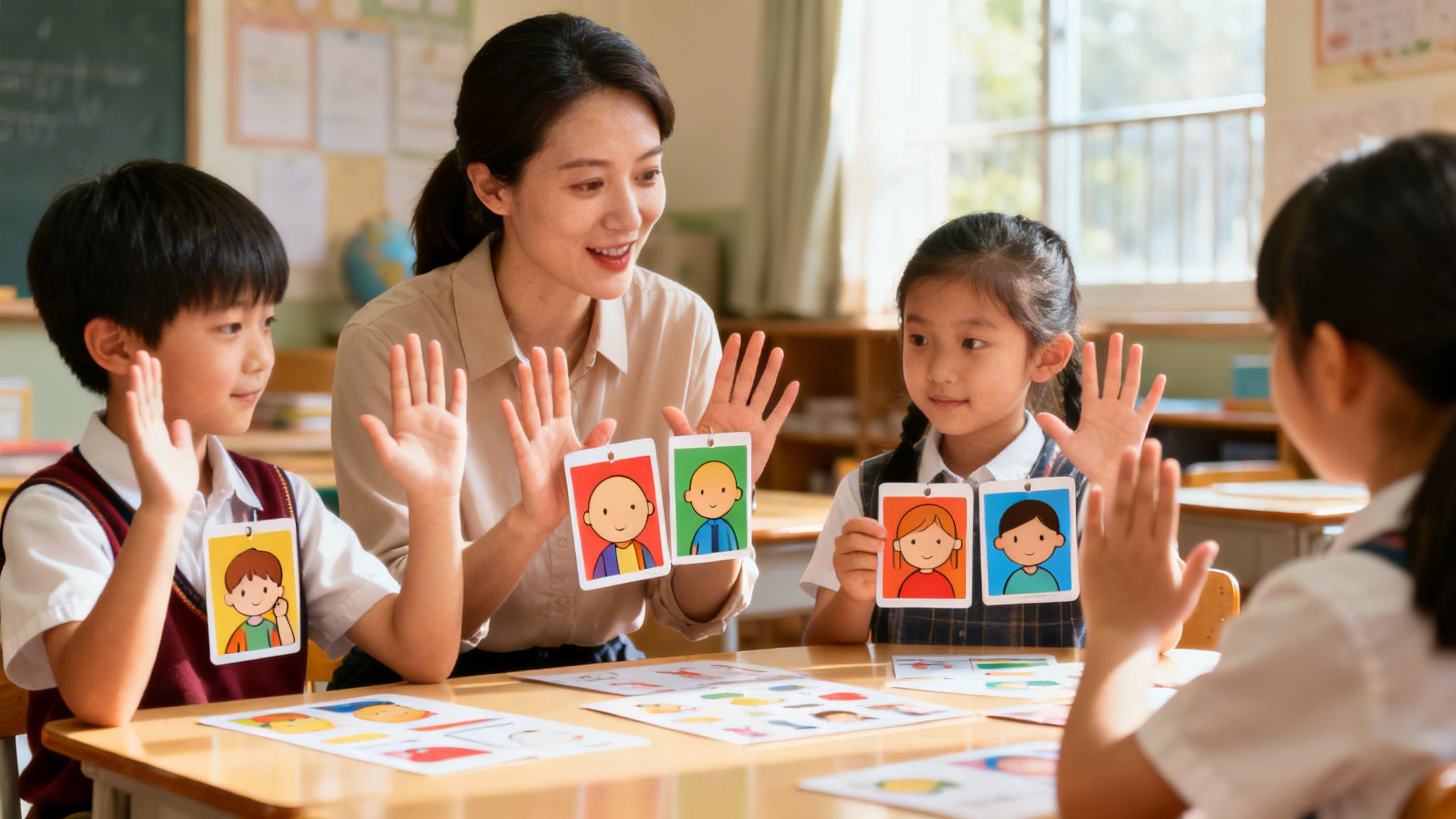


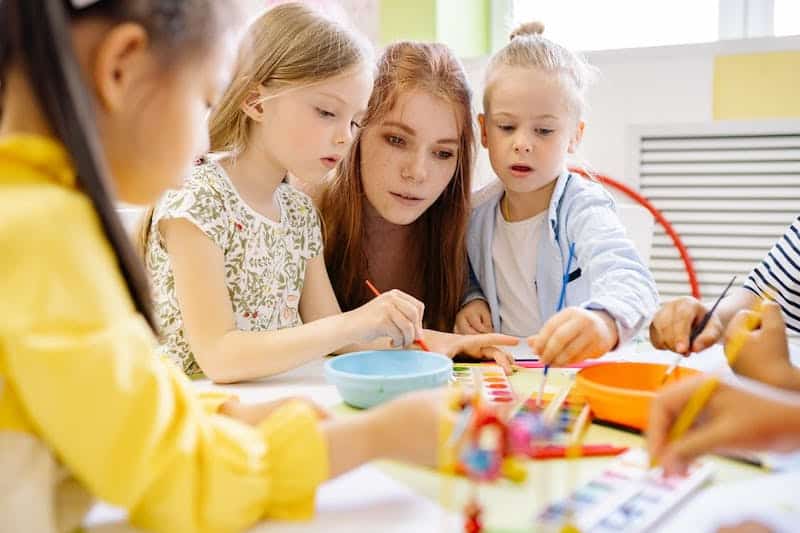
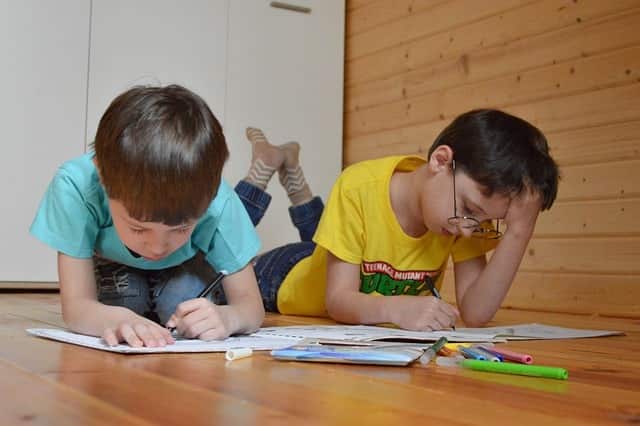


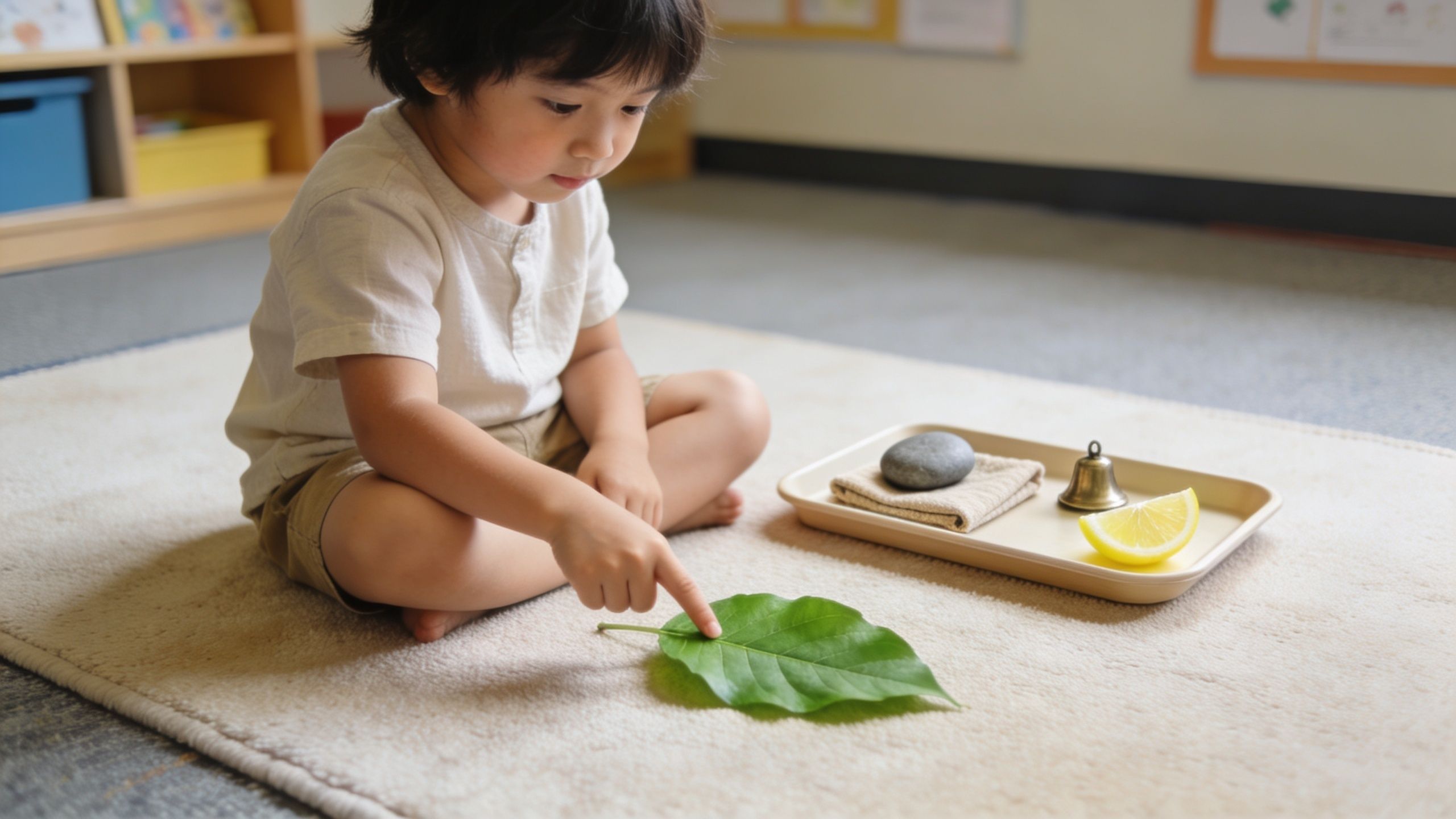
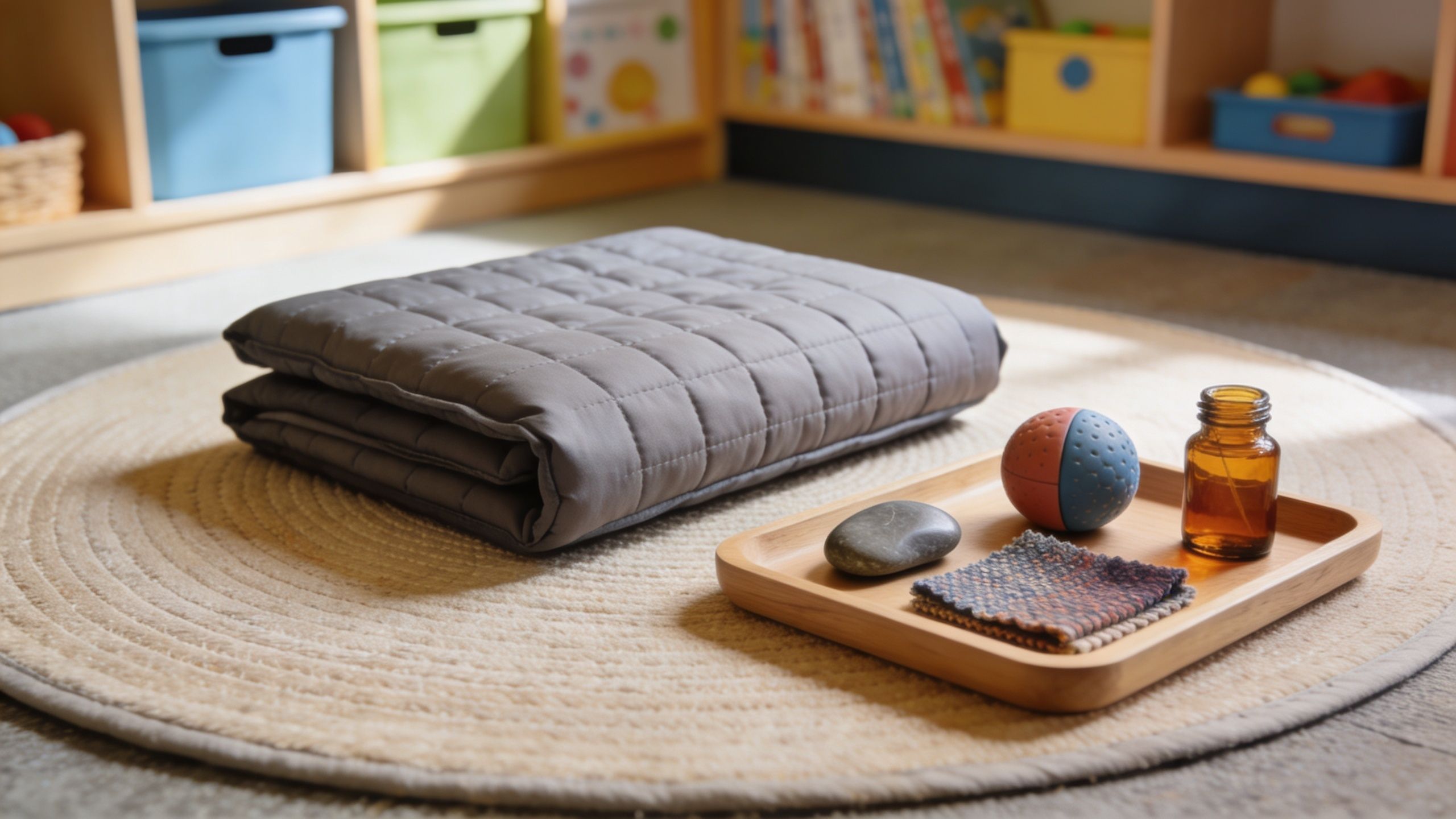


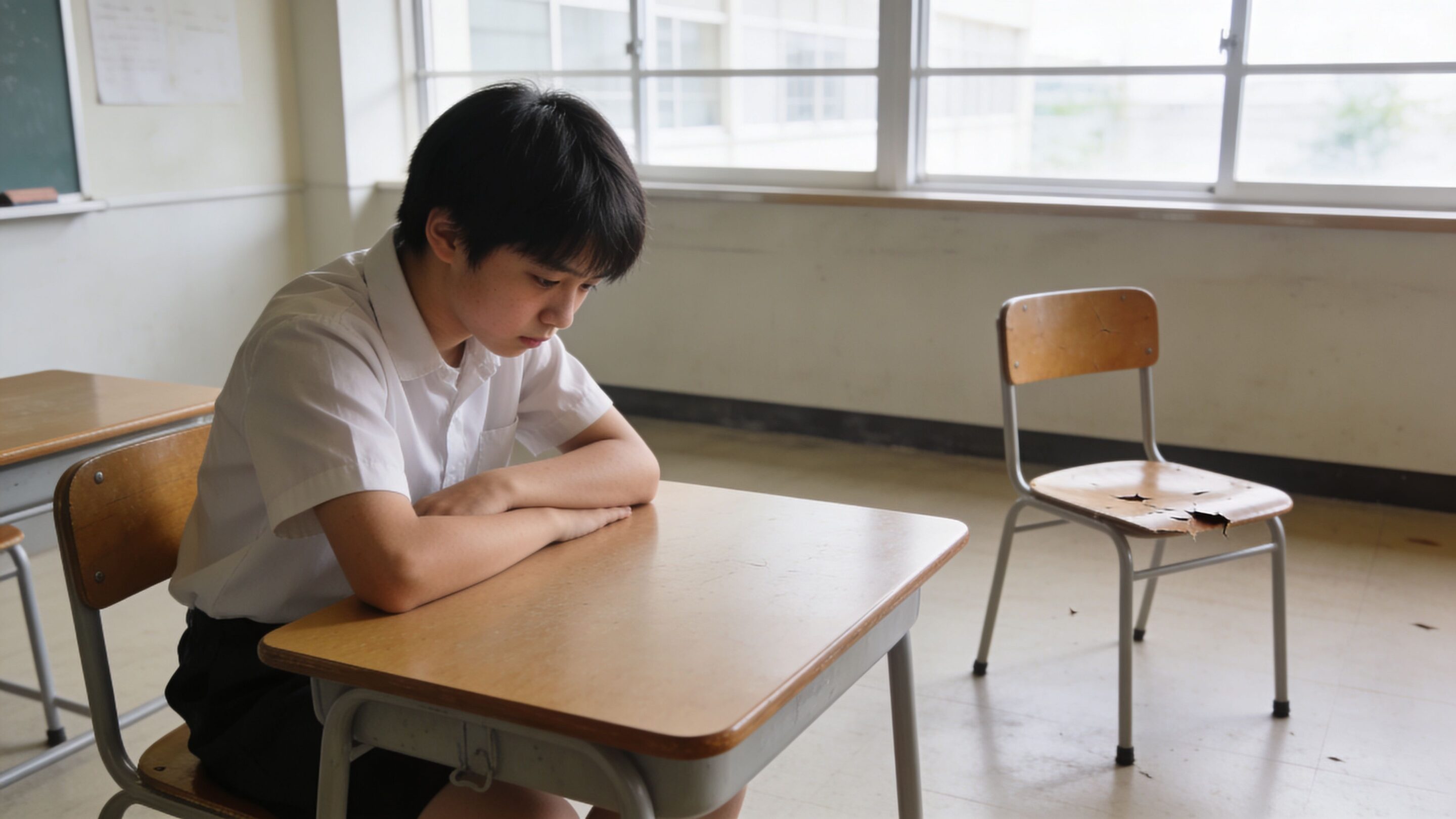
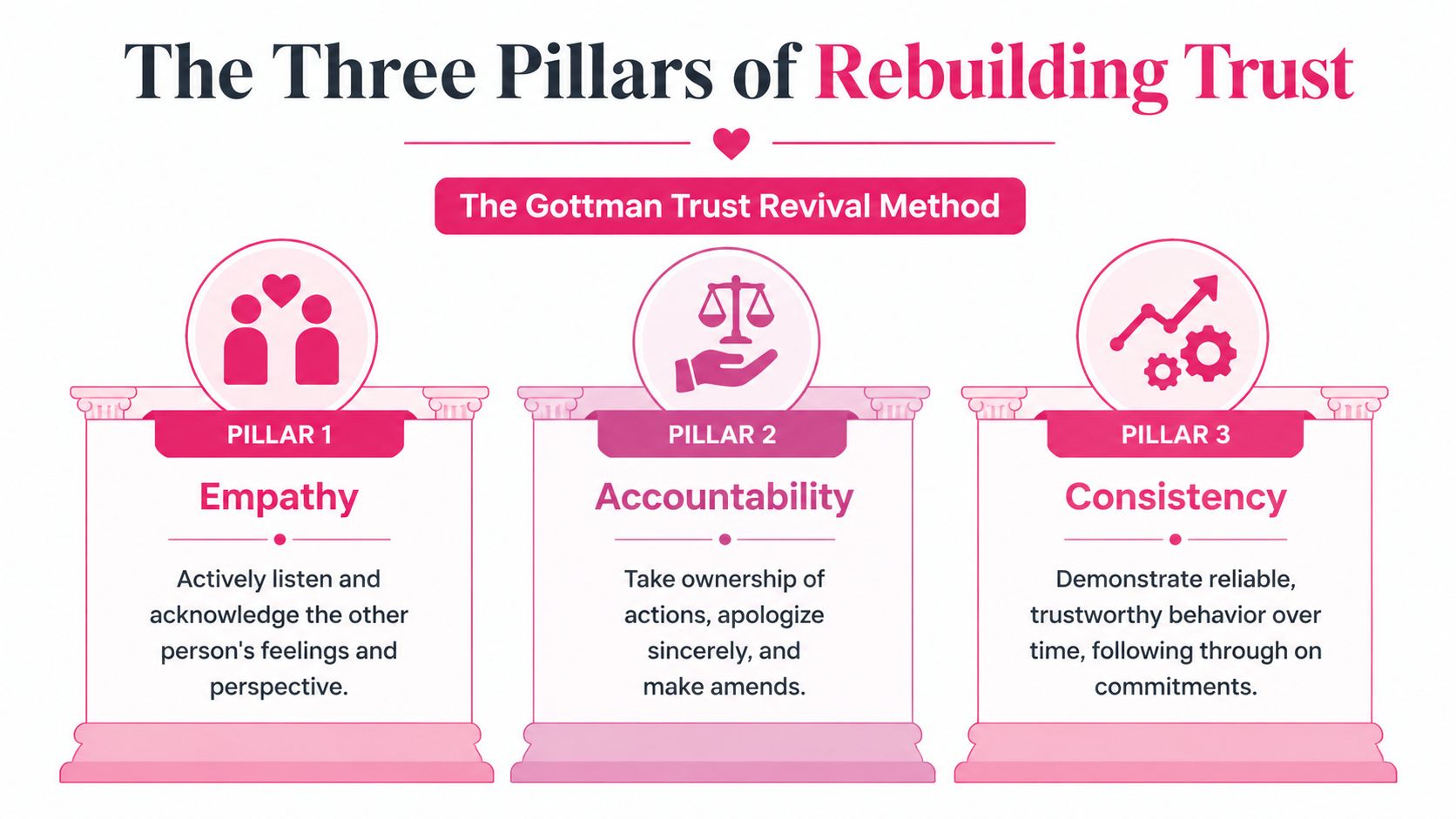
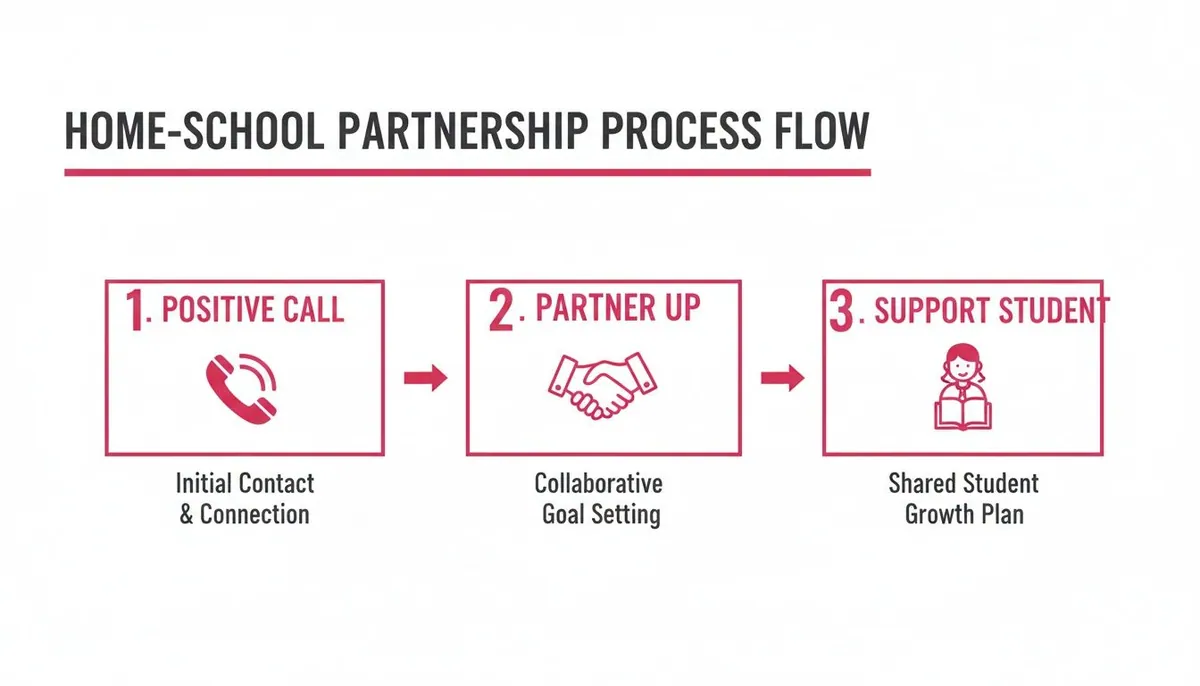


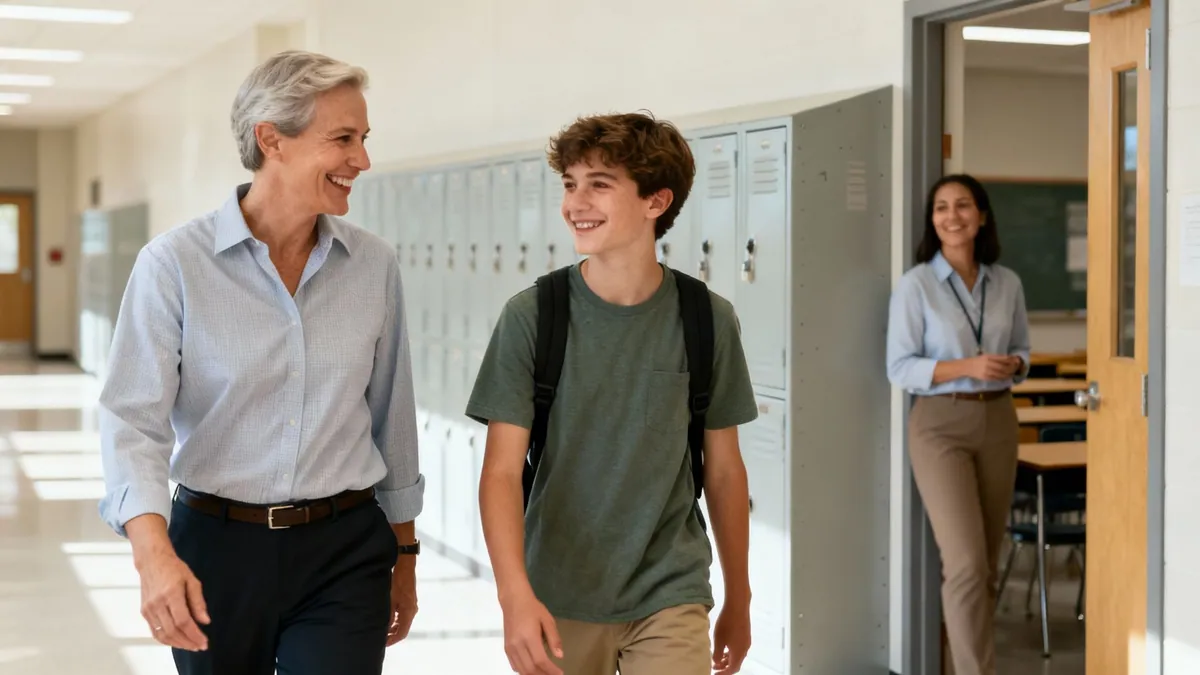
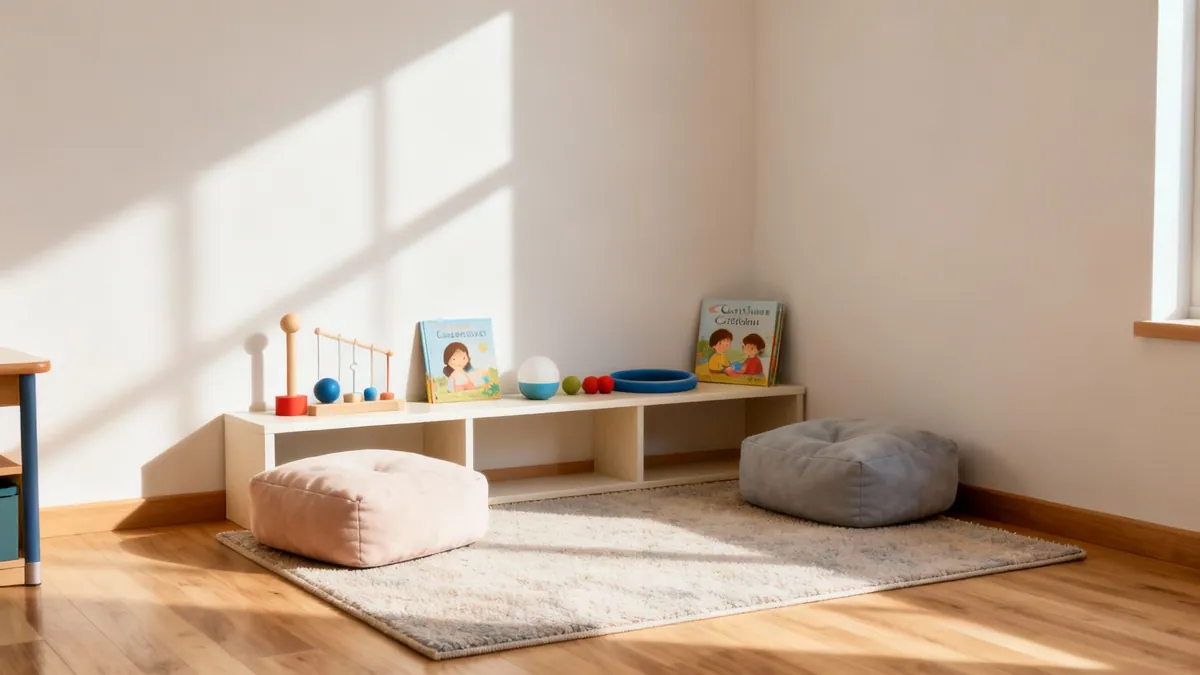


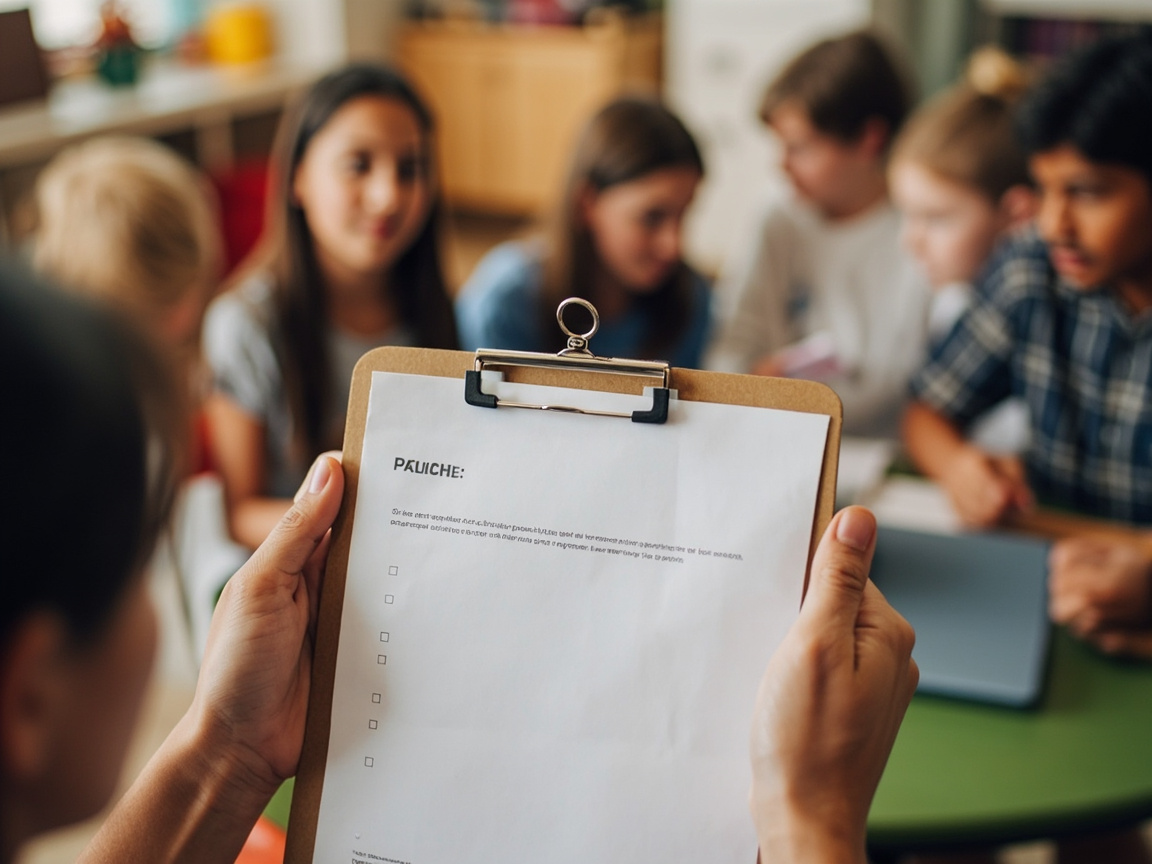
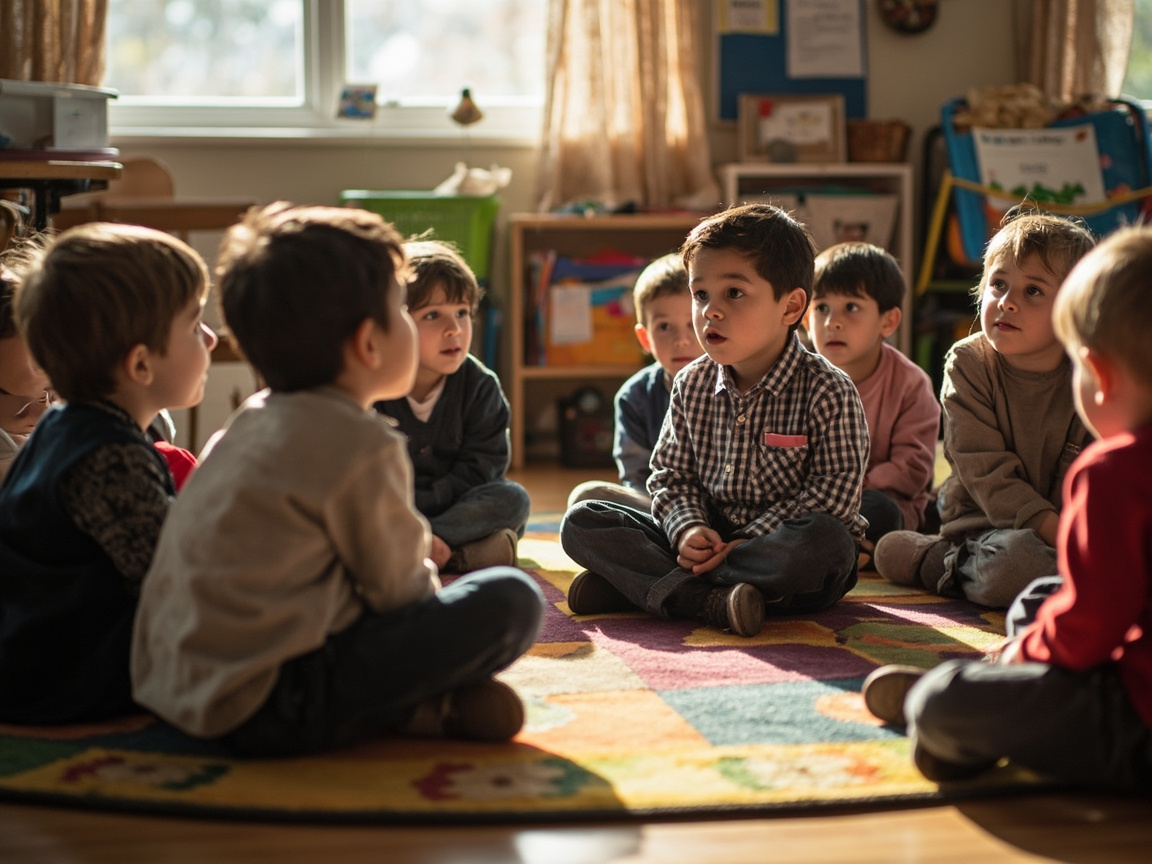
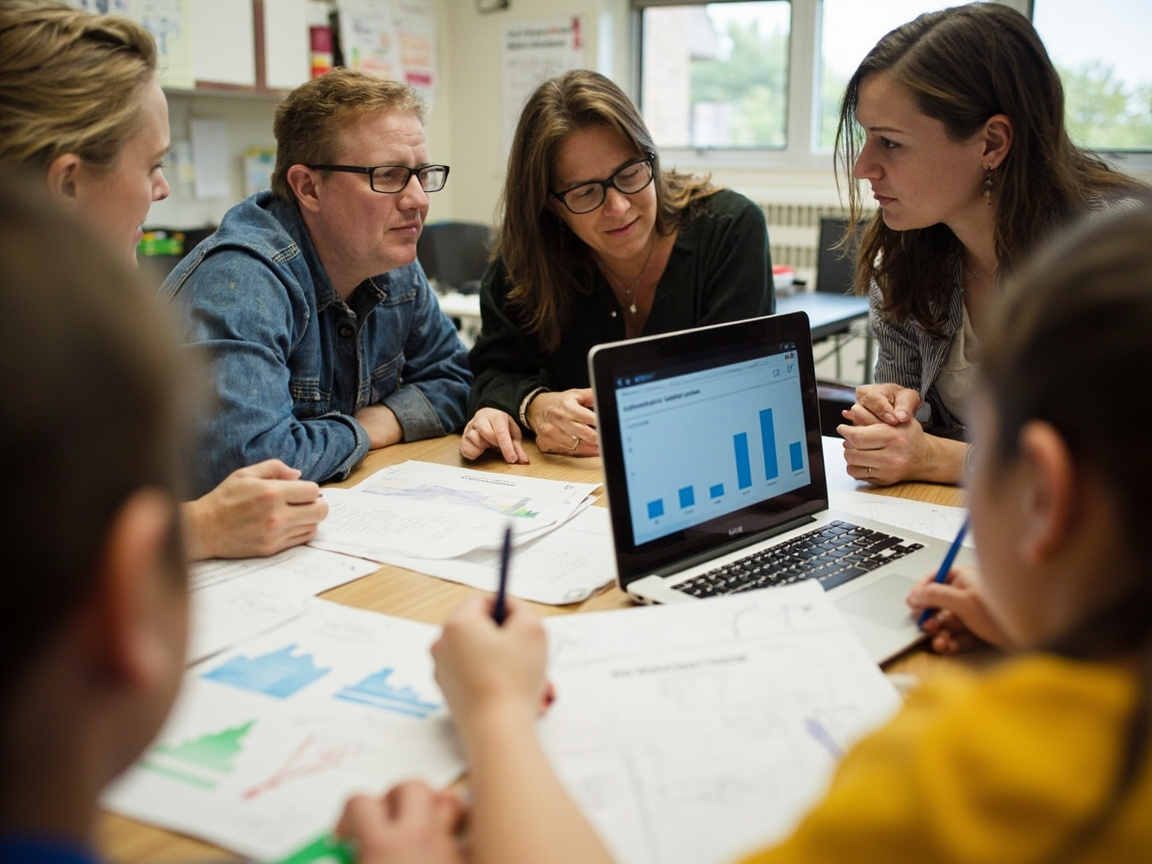
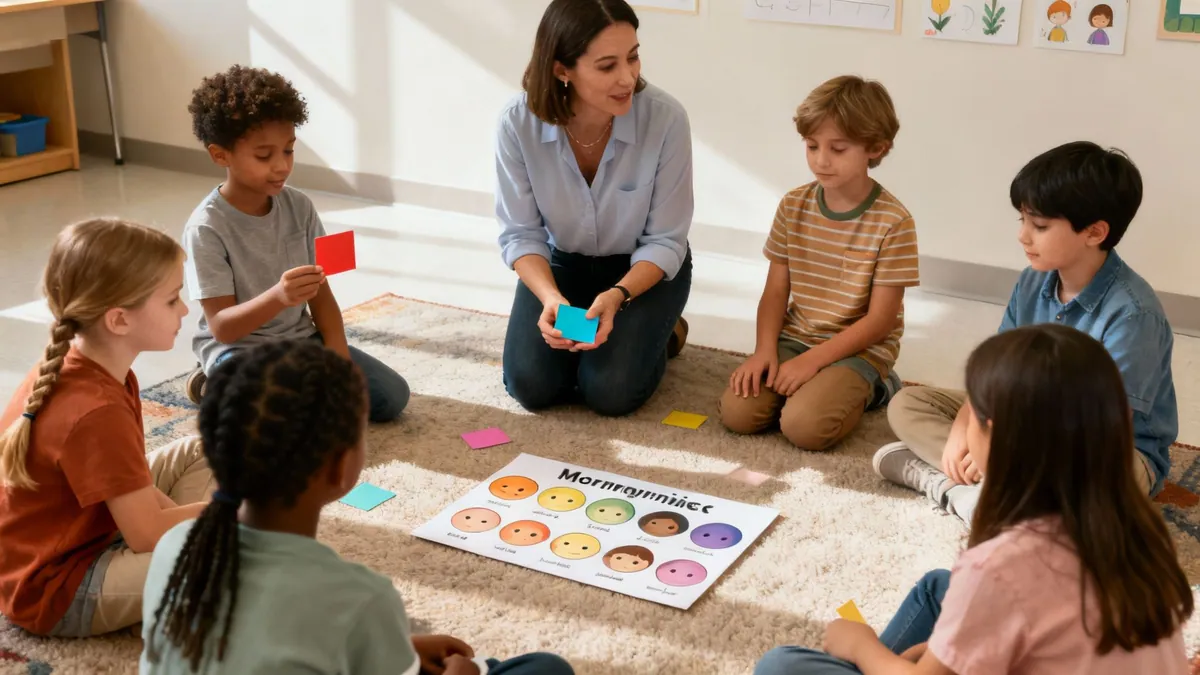
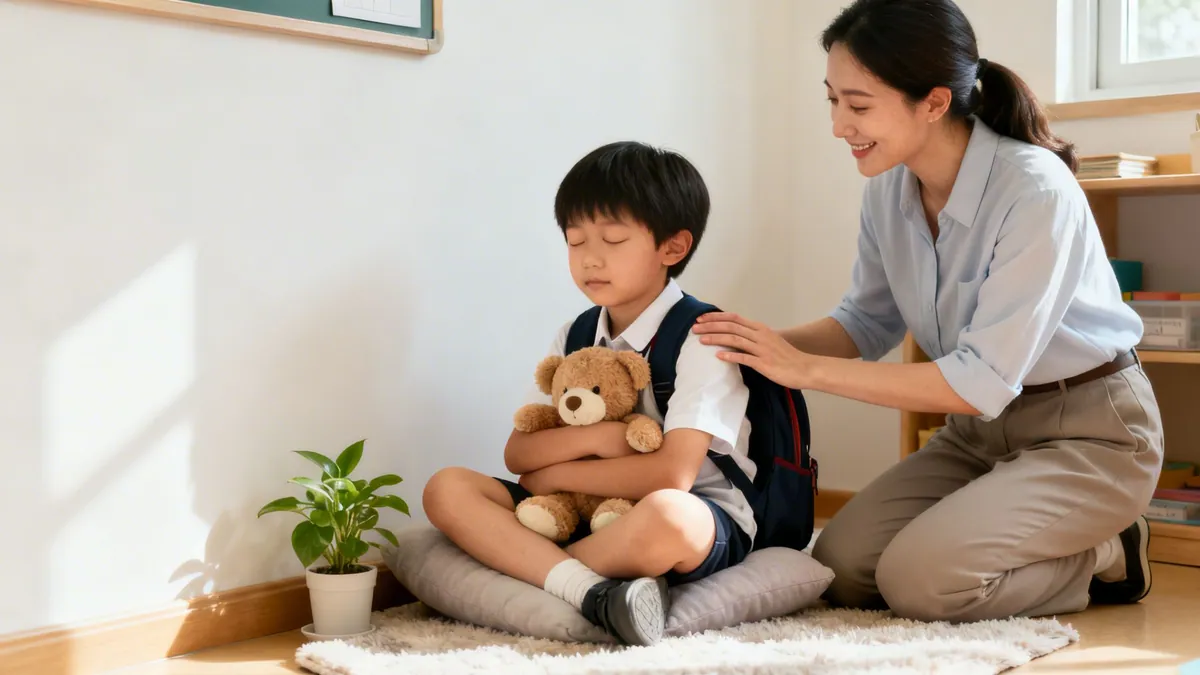


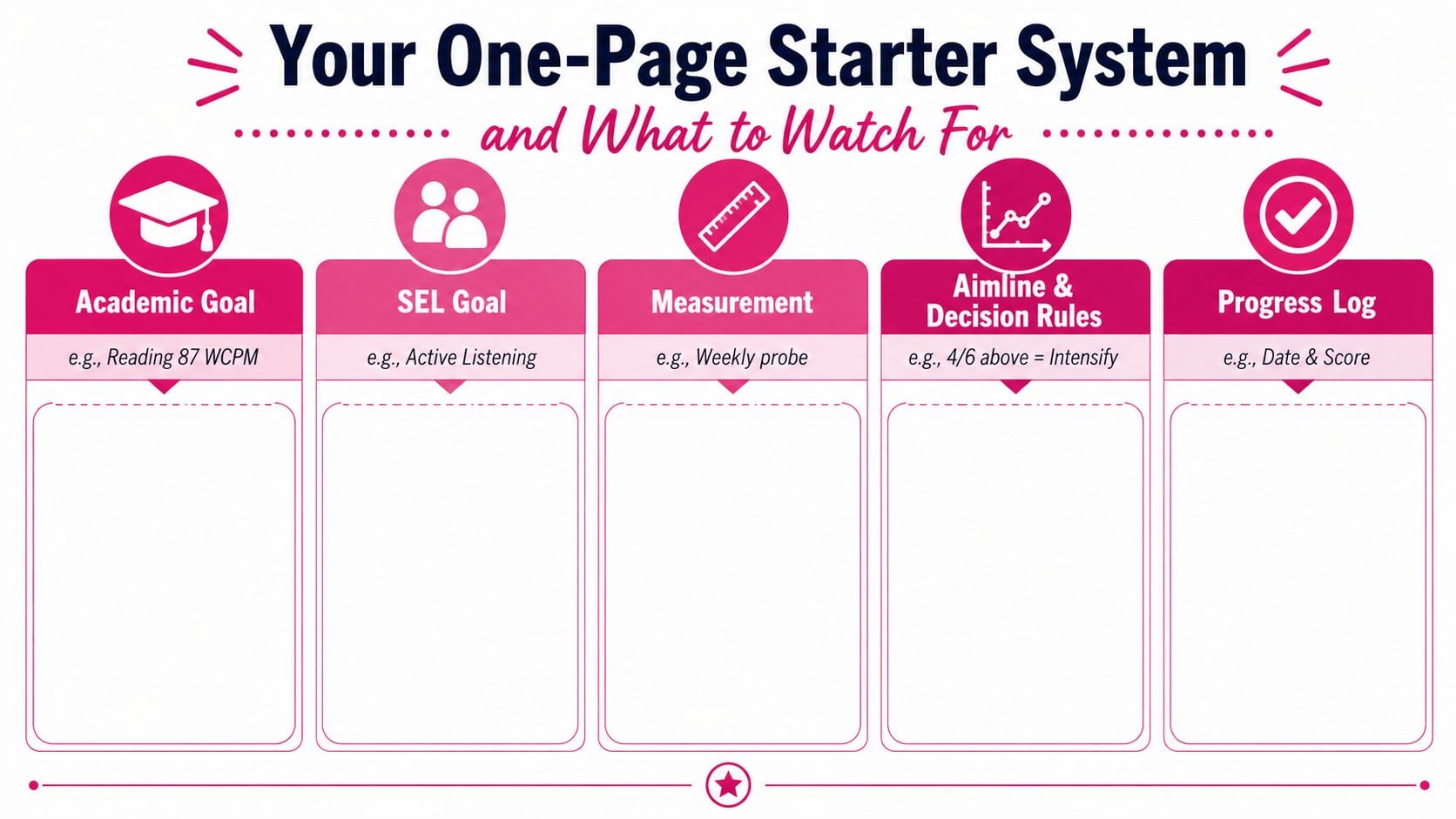

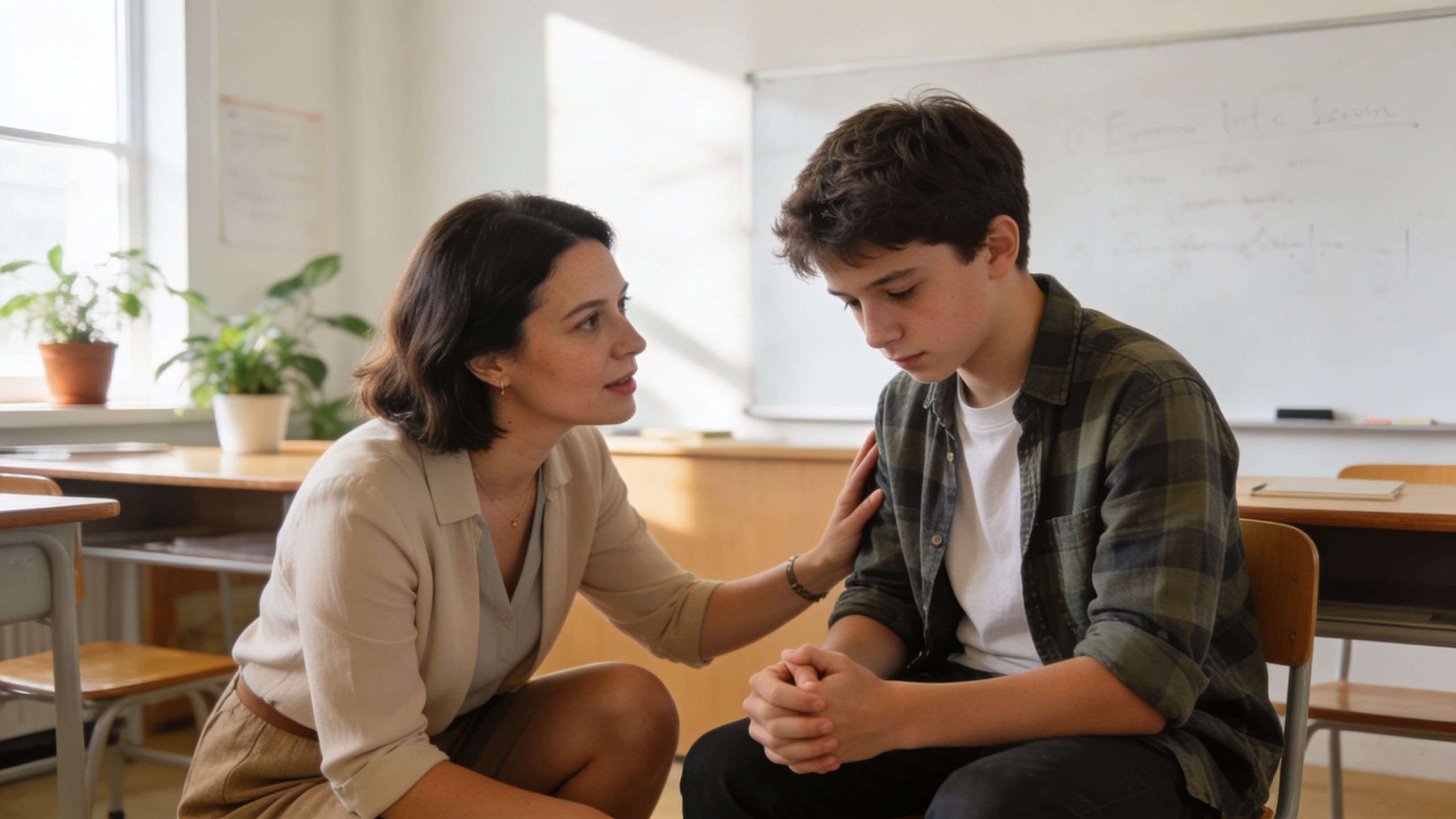
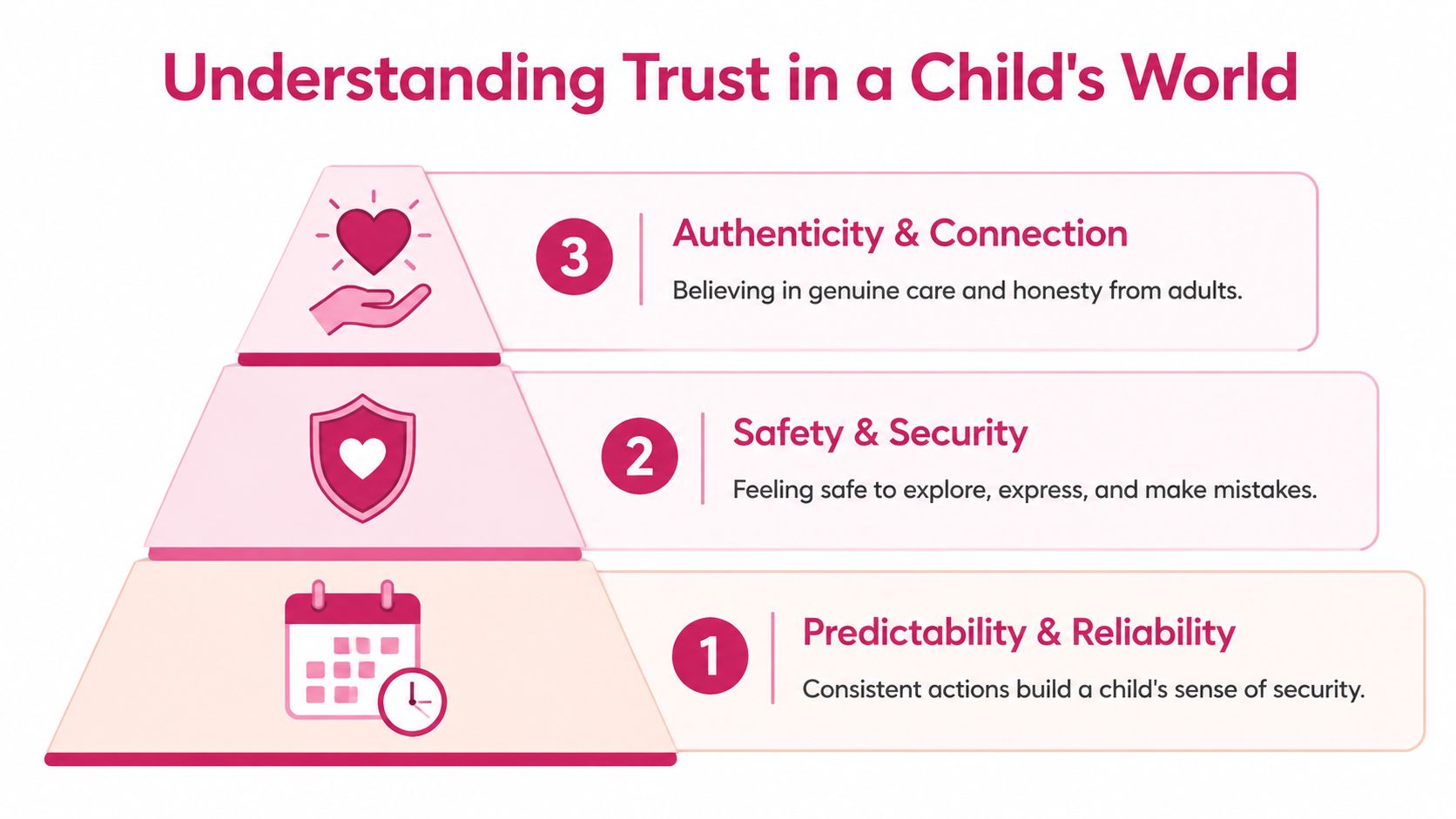
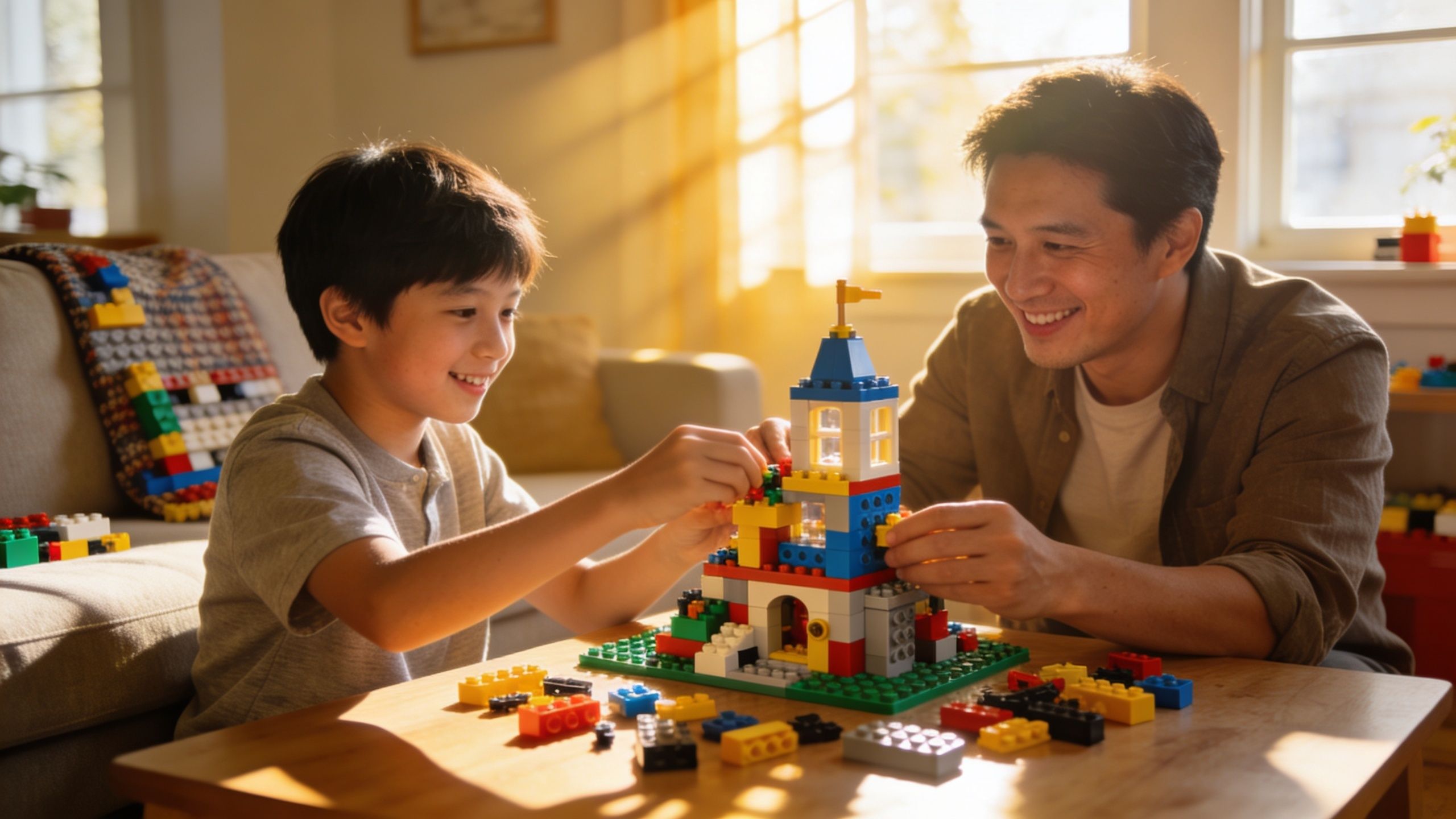
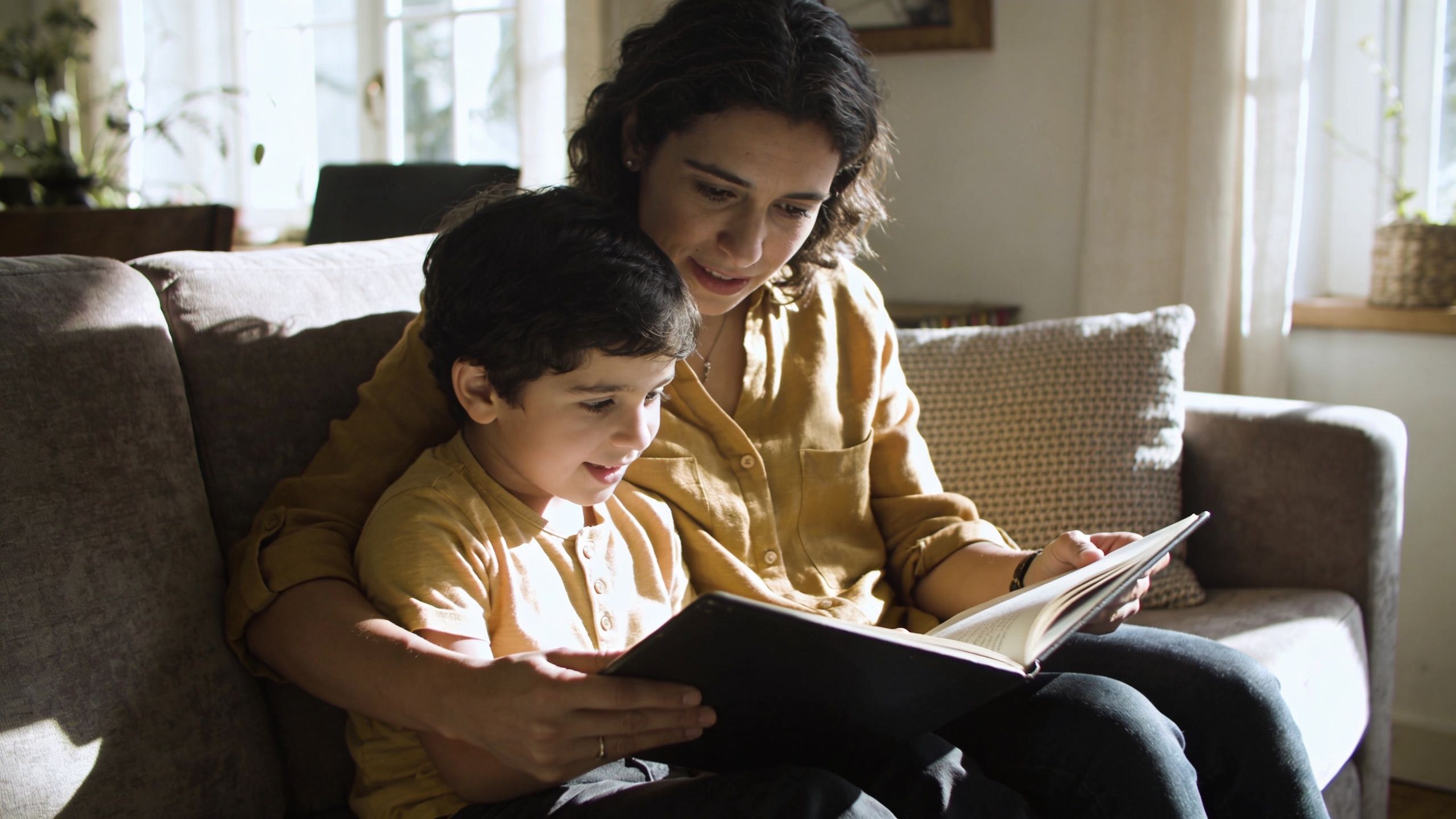


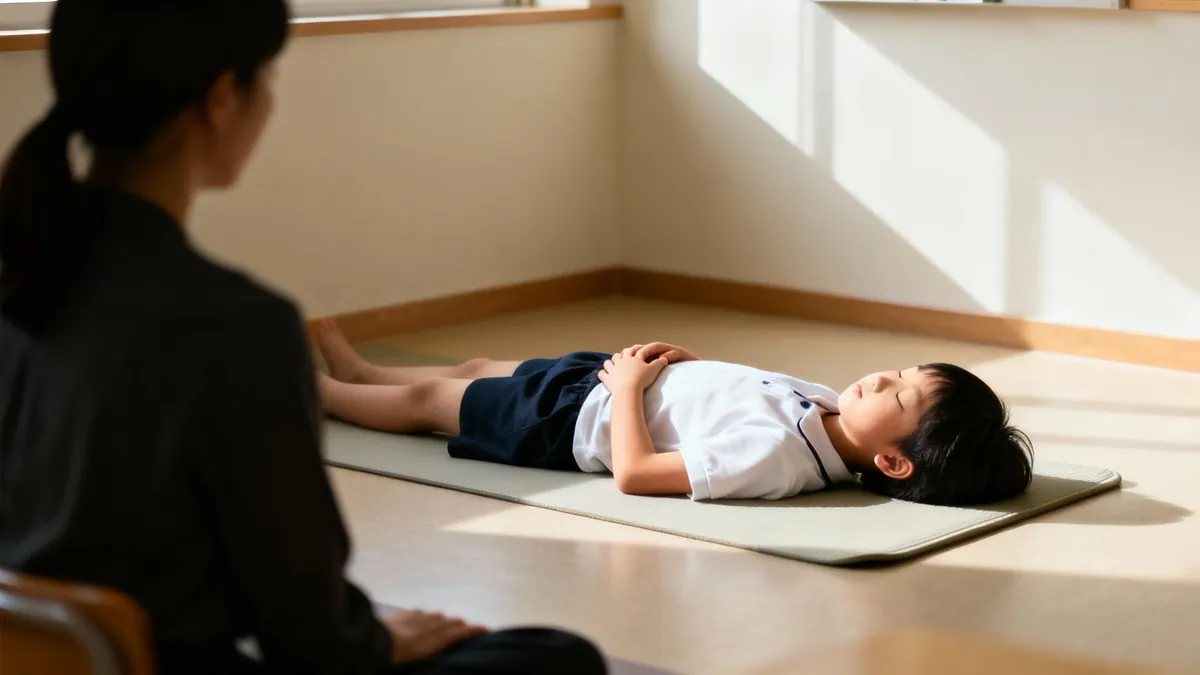
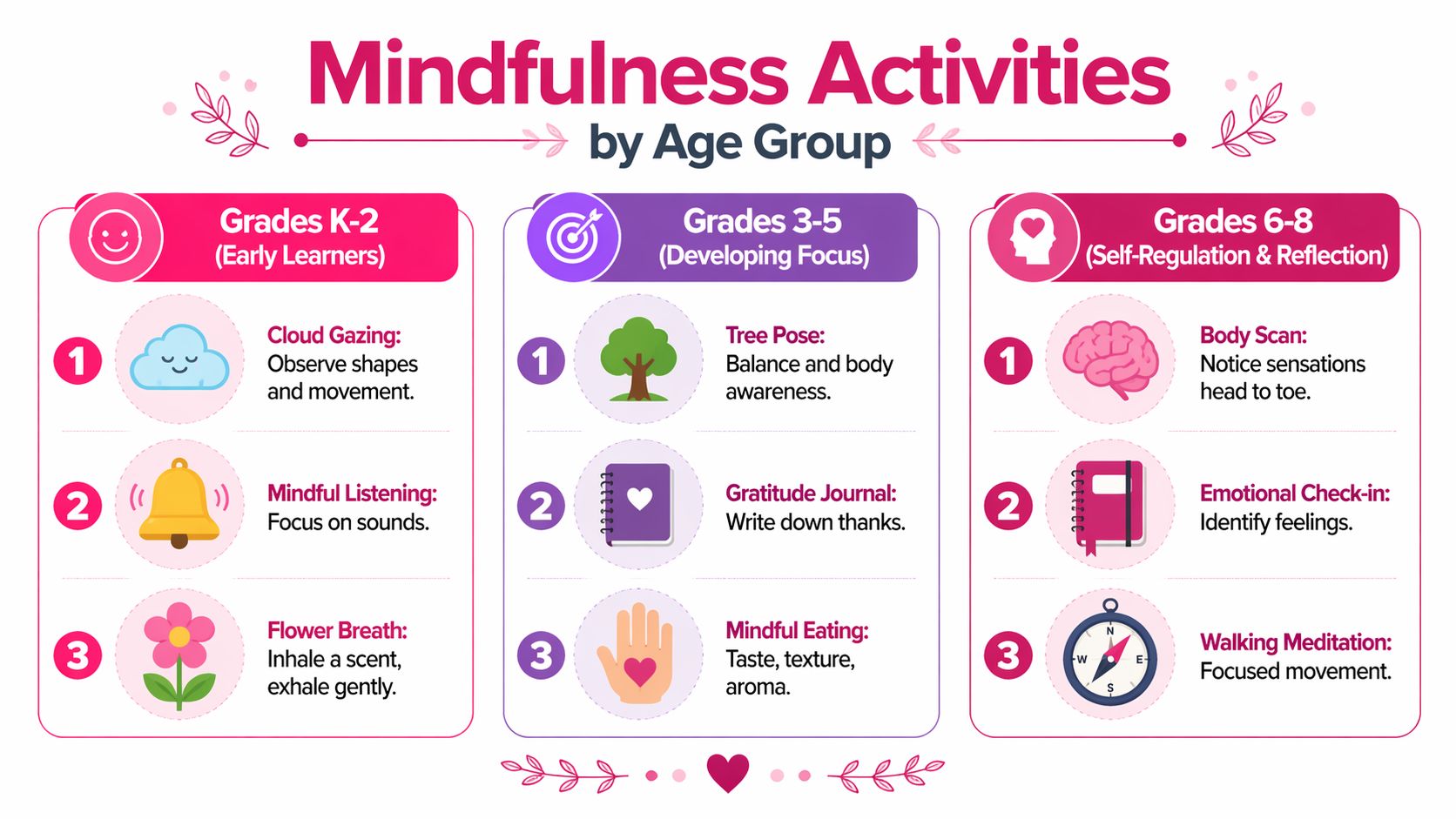

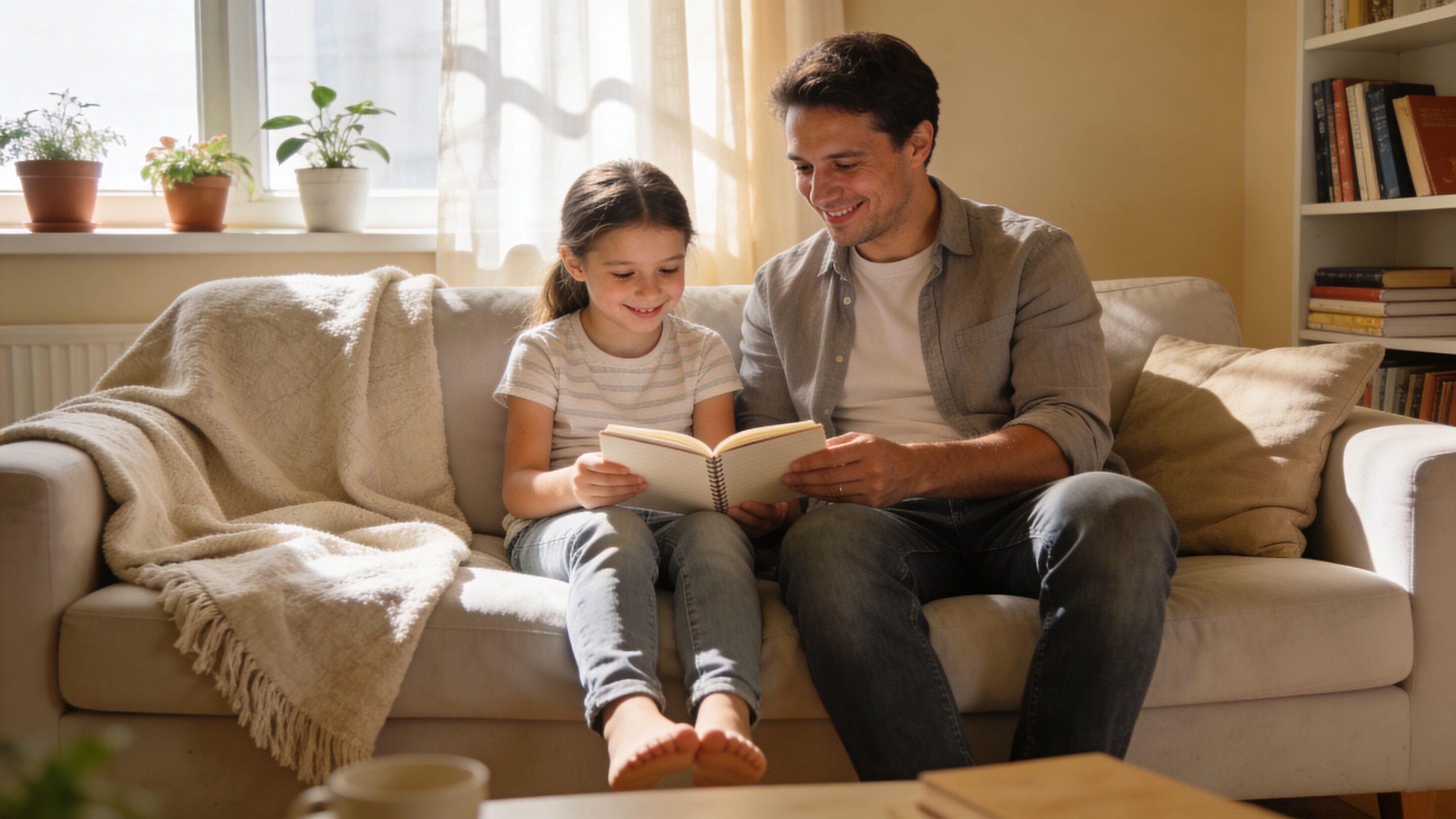


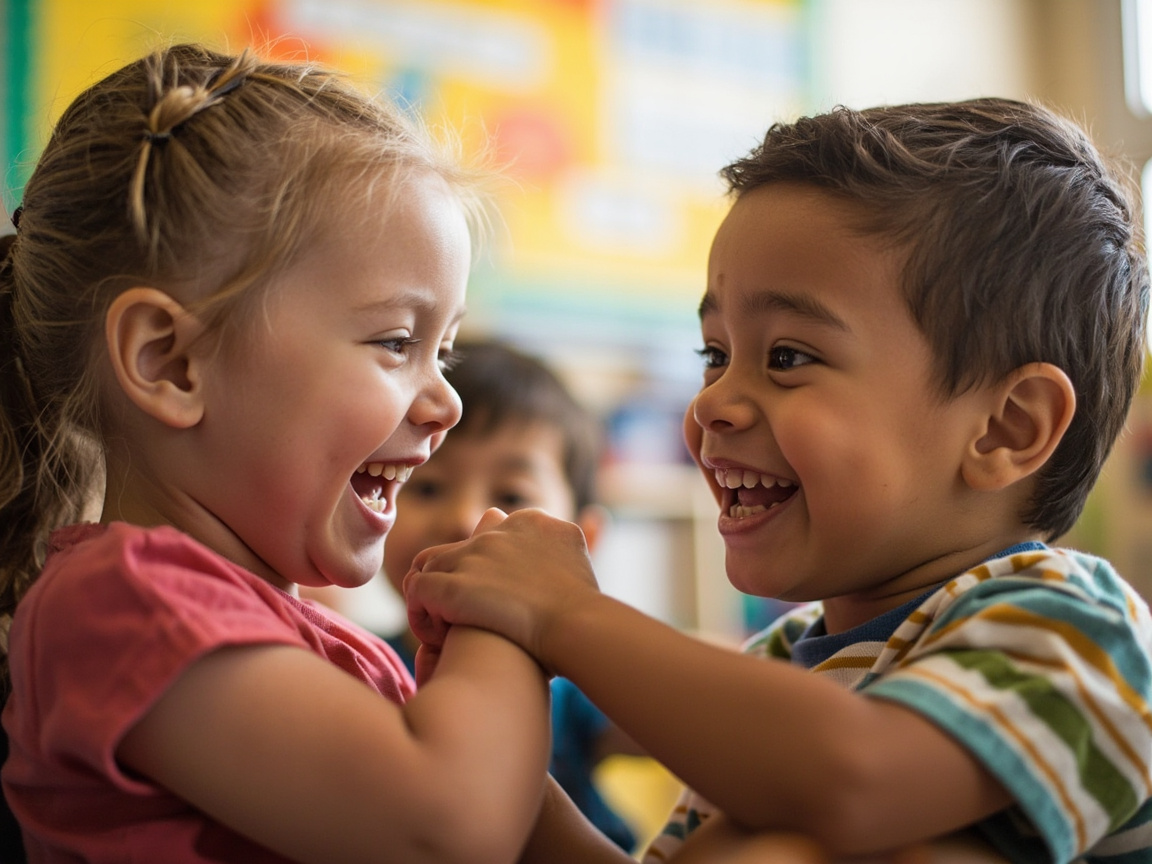
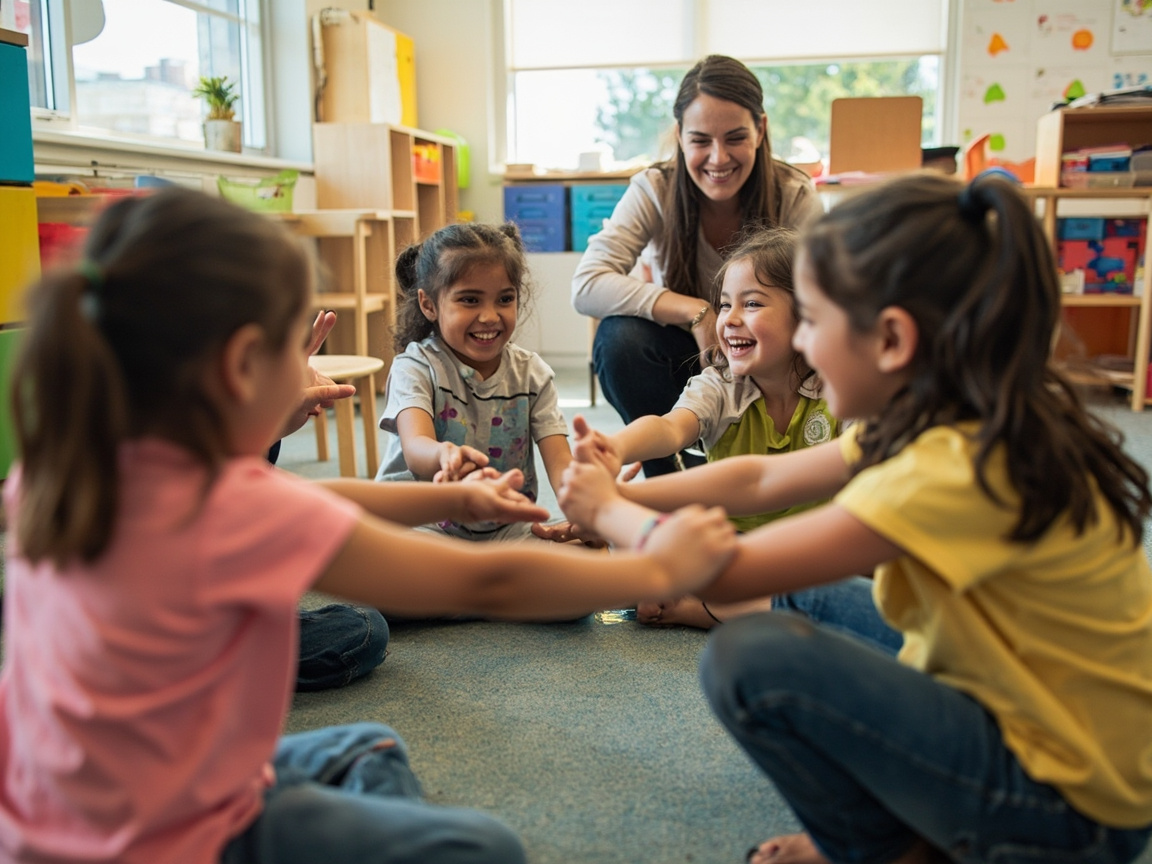


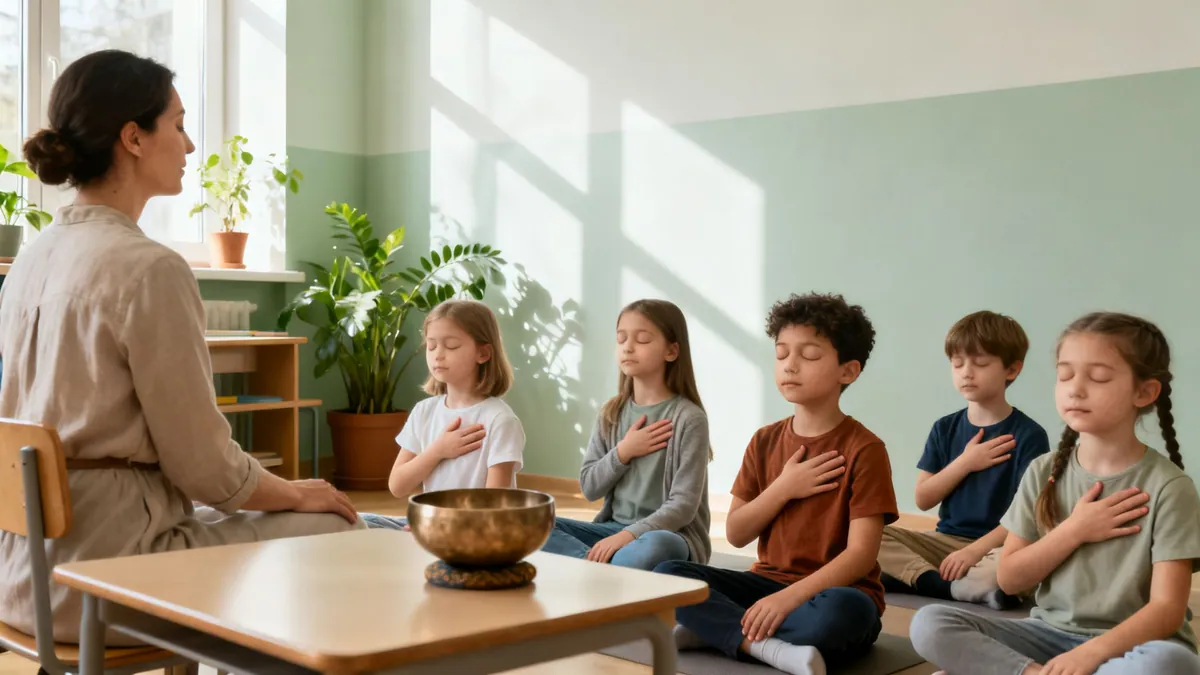
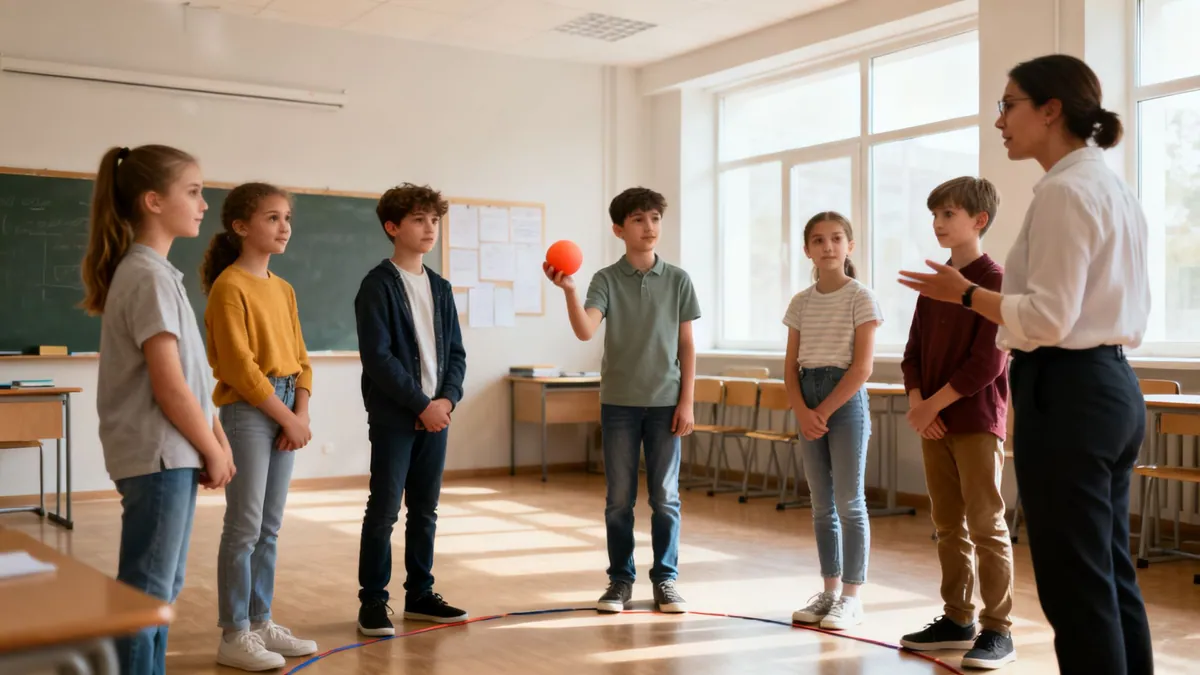
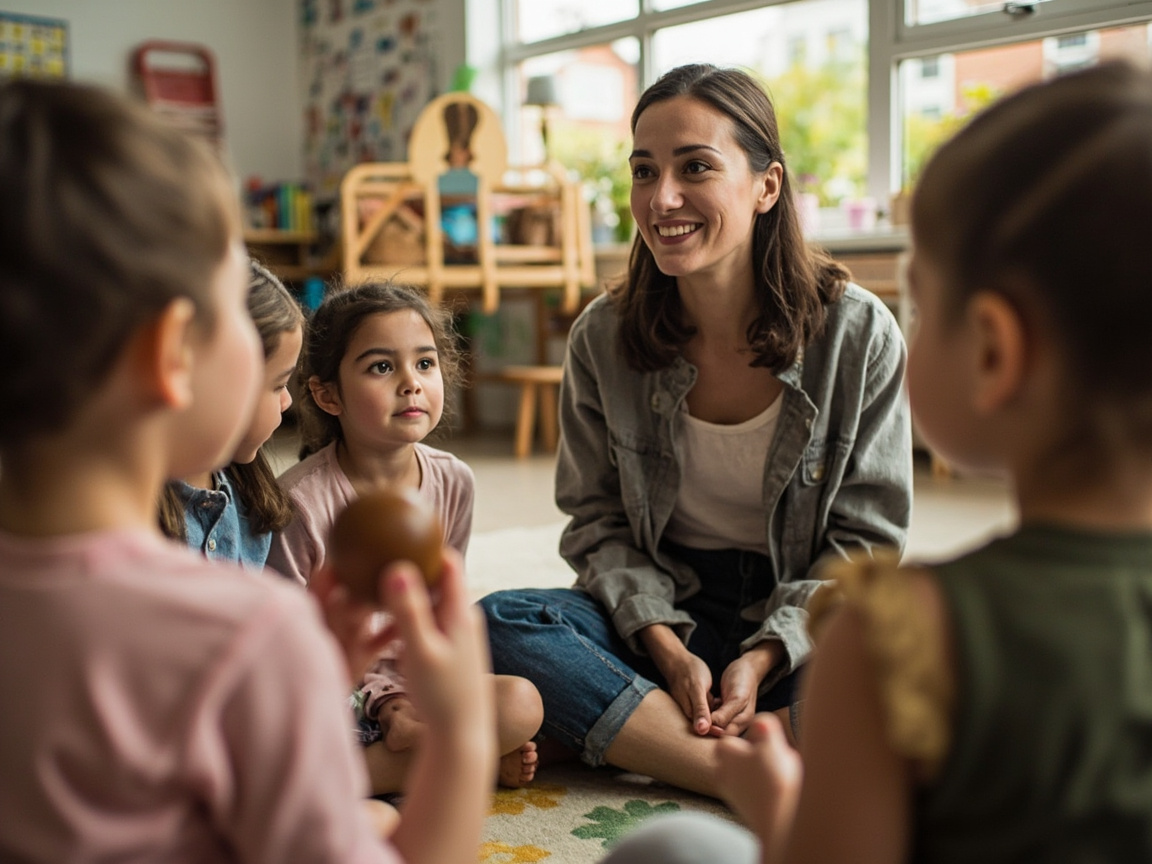
 Whether at home or in school, establishing routines starts with clarity and consistency. Here are some strategies to help you create a