

10 Practical Social Awareness Activities for Students to Foster Empathy (2026)
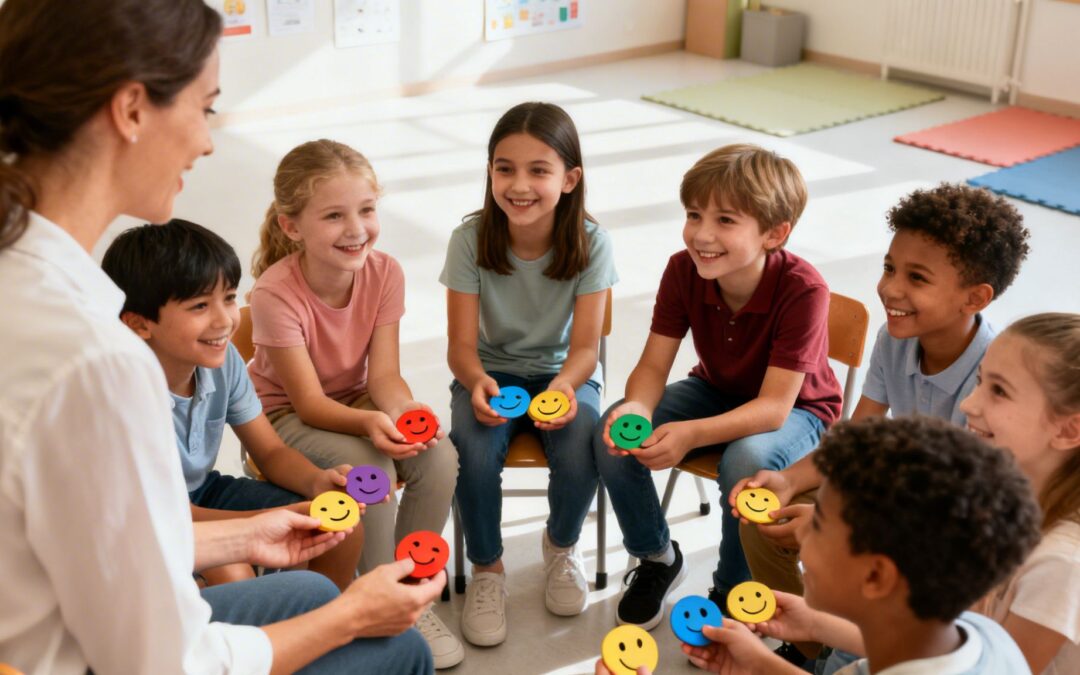
In an increasingly interconnected world, the ability to understand and empathize with others is not just a soft skill; it is a fundamental competency for academic and life success. Social awareness, a core component of Social-Emotional Learning (SEL), empowers students to recognize diverse perspectives, show empathy, and understand social norms. For educators and parents, fostering this skill is crucial for creating inclusive, safe, and collaborative learning environments where every child feels they belong.
This article moves beyond theory to provide a concrete collection of 10 effective, practical social awareness activities for students from kindergarten through middle school. Cultivating this awareness also builds other essential life competencies, including critical diplomacy skills for students that foster understanding and collaboration in group settings.
You will find a curated list designed for direct classroom or home implementation. We break down each activity into:
- Actionable, step-by-step instructions.
- Clear learning objectives and time estimates.
- Practical tips for differentiation and assessment.
- Remote-friendly variations to support all learning models.
These strategies, aligned with frameworks from organizations like CASEL, are designed to build a culture of connection. The goal is to turn classrooms into communities of emotionally intelligent, resilient, and compassionate individuals. Let's explore the activities that will help your students develop this essential superpower.
1. Empathy-Building Circle Discussions
Empathy-Building Circle Discussions are structured conversations where students sit in a circle to share experiences and listen to one another without judgment. This trauma-informed practice, rooted in restorative justice principles, creates a safe, equitable space where every student has an opportunity to speak and be heard. The format itself promotes connection and is a powerful tool for developing social awareness in students by exposing them to diverse viewpoints and personal stories from their peers.
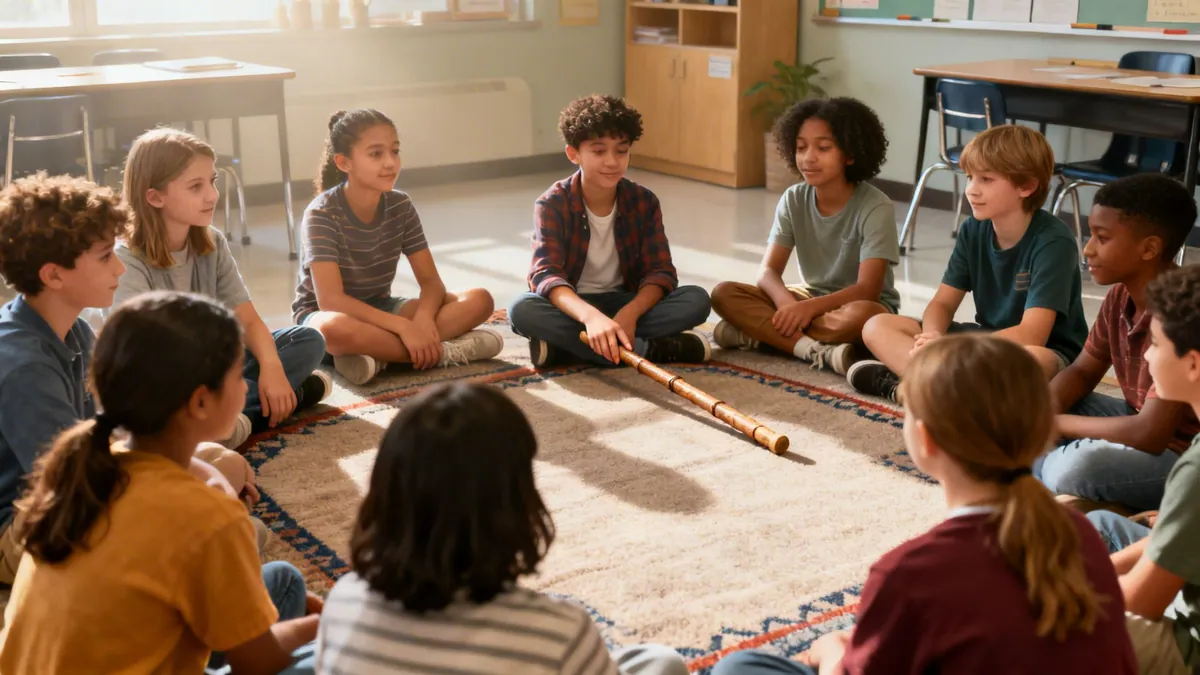
These discussions are more than just informal chats; they follow a specific structure to build community and resolve conflict. Organizations like Soul Shoppe have refined this into an experiential method for emotional literacy, while districts like Oakland Unified have used restorative circles to improve school climate.
How to Implement Circle Discussions
Establish Clear Agreements: Begin by co-creating guidelines with students. These often include rules like "Listen with respect," "Speak from the heart," "One person speaks at a time" (often using a talking piece), and "What's said in the circle stays in the circle." This step is critical for building trust.
- Practical Example: A teacher might say, "Let's agree on our circle rules. One rule is 'Listen with your eyes, ears, and heart.' What does that look like?" Students might add, "Don't interrupt," or "Look at the person who is talking."
Use a Talking Piece: Pass an object around the circle. Only the person holding the object may speak. This slows the conversation and encourages thoughtful responses rather than immediate reactions.
- Practical Example: Use a special stone, a small stuffed animal, or a colorful ball as the talking piece. The teacher can introduce it by saying, "This is our talking piece. It helps us remember to listen when it's not our turn to speak."
Start with a Prompt: Pose a focused question to the group.
- For K-2: "Share a time someone was kind to you."
- For 3-5: "Talk about a time you felt left out. What did that feel like?"
- For 6-8: "Describe a time you saw something unfair happen. What made it feel unfair?"
Practice Active Listening: Before tackling deep topics, run a mini-lesson on active listening. Ask students to practice restating what the person before them said before adding their own thoughts.
- Practical Example: For younger students, the teacher can model this: "I heard Maria say she felt happy when her friend shared a crayon. That reminds me of a time…" For older students, you can make it a rule: "Before you share, start by saying, 'What I heard [student's name] say was…'"
Circles are effective because they flatten classroom hierarchies. The physical act of sitting at the same level, with no desks as barriers, communicates that every person's voice and experience are equally important.
This practice is one of the most direct and effective social awareness activities for students, fostering genuine human connection and reducing feelings of isolation. To see how schools are using this method for everything from community building to conflict resolution, you can learn more about restorative circles in schools.
2. Empathy-Building Circle Discussions
Empathy-Building Circle Discussions are structured conversations where students sit in a circle to share experiences and listen to one another without judgment. This trauma-informed practice, rooted in restorative justice principles, creates a safe, equitable space where every student has an opportunity to speak and be heard. The format itself promotes connection and is a powerful tool for developing social awareness in students by exposing them to diverse viewpoints and personal stories from their peers.
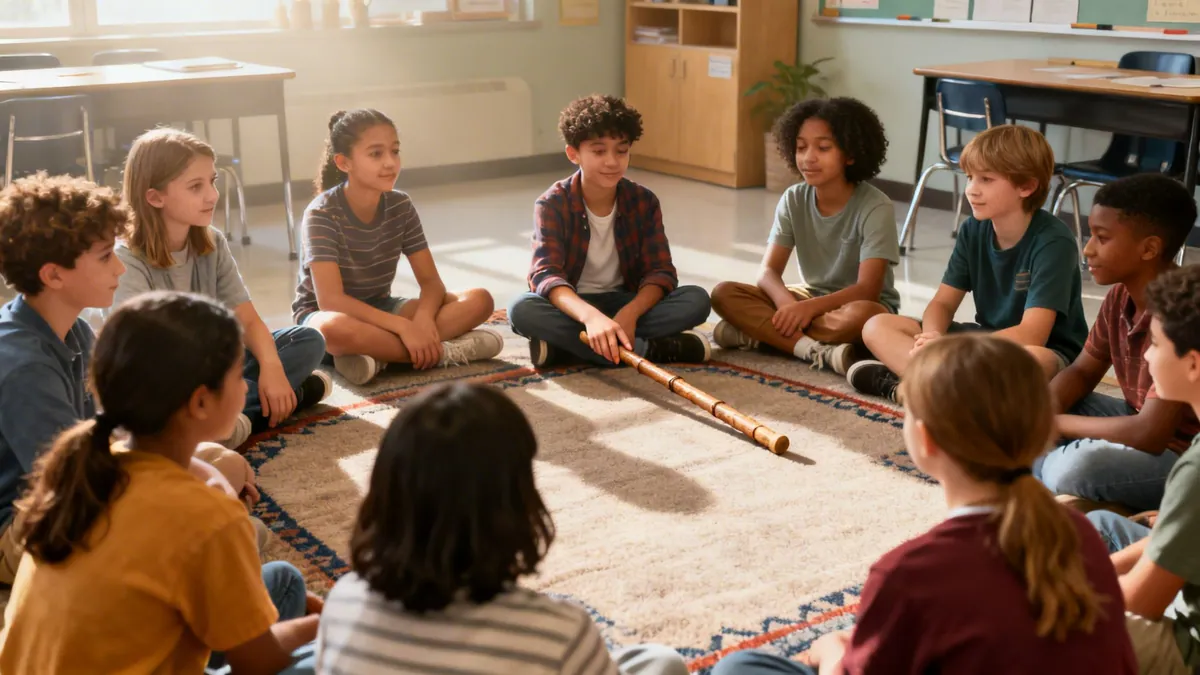
These discussions are more than just informal chats; they follow a specific structure to build community and resolve conflict. Organizations like Soul Shoppe have refined this into an experiential method for emotional literacy, while districts like Oakland Unified have used restorative circles to improve school climate.
How to Implement Circle Discussions
Establish Clear Agreements: Begin by co-creating guidelines with students. These often include rules like "Listen with respect," "Speak from the heart," "One person speaks at a time" (often using a talking piece), and "What's said in the circle stays in the circle." This step is critical for building trust.
- Practical Example: A teacher might say, "Let's agree on our circle rules. One rule is 'Listen with your eyes, ears, and heart.' What does that look like?" Students might add, "Don't interrupt," or "Look at the person who is talking."
Use a Talking Piece: Pass an object around the circle. Only the person holding the object may speak. This slows the conversation and encourages thoughtful responses rather than immediate reactions.
- Practical Example: Use a special stone, a small stuffed animal, or a colorful ball as the talking piece. The teacher can introduce it by saying, "This is our talking piece. It helps us remember to listen when it's not our turn to speak."
Start with a Prompt: Pose a focused question to the group.
- For K-2: "Share a time someone was kind to you."
- For 3-5: "Talk about a time you felt left out. What did that feel like?"
- For 6-8: "Describe a time you saw something unfair happen. What made it feel unfair?"
Practice Active Listening: Before tackling deep topics, run a mini-lesson on active listening. Ask students to practice restating what the person before them said before adding their own thoughts.
- Practical Example: For younger students, the teacher can model this: "I heard Maria say she felt happy when her friend shared a crayon. That reminds me of a time…" For older students, you can make it a rule: "Before you share, start by saying, 'What I heard [student's name] say was…'"
Circles are effective because they flatten classroom hierarchies. The physical act of sitting at the same level, with no desks as barriers, communicates that every person's voice and experience are equally important.
This practice is one of the most direct and effective social awareness activities for students, fostering genuine human connection and reducing feelings of isolation. To see how schools are using this method for everything from community building to conflict resolution, you can learn more about restorative circles in schools.
3. Community Service and Volunteer Projects
Community Service and Volunteer Projects offer students structured opportunities to contribute to meaningful causes, directly connecting them to the world beyond their classroom walls. These hands-on experiences, from working at food banks to participating in environmental cleanups, help students develop social responsibility, empathy, and a sense of self-efficacy. By engaging in service, students see firsthand how their actions can create positive change, building their understanding of interconnectedness and civic duty.
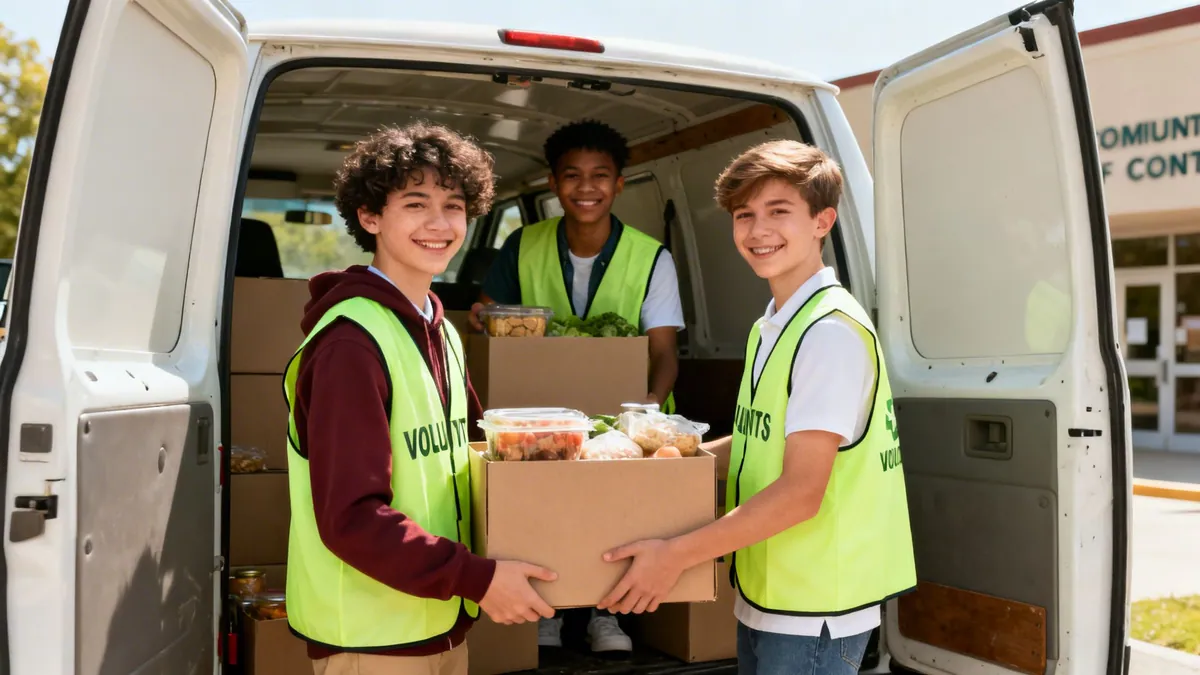
These projects move social awareness from a theoretical concept to a lived experience. Initiatives like the National Service-Learning Partnership and platforms such as Ashoka's Changemakers champion this model, integrating service with academic learning and reflection. Through community service, students can explore practical ways the community can help homeless families, understanding immediate needs and contributing to solutions.
How to Implement Service Projects
Connect to Curriculum: Align service projects with classroom learning.
- Practical Example: After a science unit on ecosystems, a third-grade class could organize a "Campus Cleanup Day" to pick up litter and sort recyclables. Or, after learning about local government, a middle school class could write letters to city council about the need for a new crosswalk near the school.
Offer Choice and Voice: Provide multiple volunteer options that cater to different interests and skills. Allow students to have a say in choosing or designing the project to foster a greater sense of ownership and motivation.
- Practical Example: A teacher could propose three project ideas: 1) a canned food drive, 2) making blankets for an animal shelter, or 3) writing thank-you cards to community helpers. The class then votes on which project they are most passionate about pursuing.
Start with a Guiding Question: Frame the project around an inquiry-based question to deepen its impact.
- For K-2: "How can we make our school playground a friendlier place for everyone?"
- For 3-5: "What does our local food bank need, and how can our class help fill that need?"
- For 6-8: "How do environmental issues affect our community, and what is one step we can take to address them?"
Incorporate Reflection: Schedule time for students to discuss their experiences after the service activity. Use journal prompts or circle discussions to guide them in thinking about what they did, why it mattered, and how it made them feel.
- Practical Example: Use prompts like, "What part of the project made you feel proud?" or "What was one challenge we faced, and how did we solve it together?" for a post-project class discussion.
Service learning is powerful because it answers the "Why do I need to learn this?" question with a tangible, real-world purpose. When students see their efforts make a difference, their engagement with both academics and their community grows.
This approach is one of the most effective social awareness activities for students because it builds character, reinforces academic concepts, and demonstrates the direct impact of empathy in action. To get started, consider partnering with established local nonprofits to ensure a well-structured and meaningful experience.
4. Anti-Bullying and Bystander Intervention Training
Anti-Bullying and Bystander Intervention Training provides students with the explicit skills to recognize bullying behavior and act as upstanders rather than passive bystanders. This approach reframes bullying prevention as a community responsibility, empowering students with concrete, safe strategies to intervene. It directly builds social awareness by teaching students to identify social injustice in real-time and understand their role in shaping a positive school climate.