

Classroom Management Strategies for Teachers: Practical Techniques
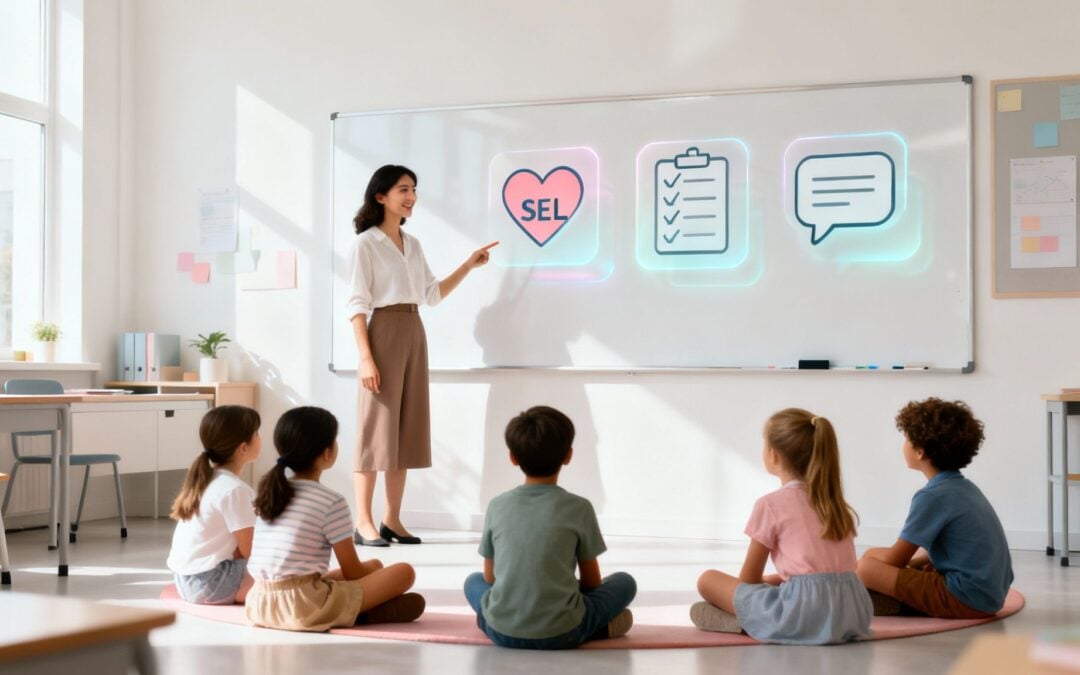
Welcome, educators and parents. We know that a peaceful, engaged classroom is the foundation of all learning, but achieving it often feels like an endless cycle of redirecting, reminding, and reacting. What if we shifted our focus from simply managing behavior to proactively building connection, resilience, and emotional intelligence? This guide offers powerful, research-informed classroom management strategies for teachers that do just that.
Rooted in social-emotional learning (SEL) principles, these aren’t just quick fixes. They are transformative approaches to creating a learning environment where every student feels safe, seen, and ready to thrive. Moving beyond traditional discipline, the strategies outlined here help cultivate a classroom ecosystem built on mutual respect, empathy, and collaboration. When students understand their emotions and can communicate their needs constructively, disruptions decrease and engagement naturally increases.
This article provides a curated collection of ten practical, actionable techniques designed for immediate implementation. For each strategy, you will find:
- A clear explanation of the concept and why it works.
- Step-by-step guidance for introducing it in your K-8 classroom.
- Classroom scripts and practical examples that you and parents can adapt.
- Troubleshooting tips for common challenges.
- Measurement ideas to help you track impact and progress.
Our goal is to equip you with a comprehensive toolkit to foster a more responsive and positive community, reducing the need for reactive discipline and creating more time for what matters most: teaching and learning. Let’s explore the strategies that can help you build that thriving classroom.
1. Restorative Practices and Circles
Restorative practices shift the focus of classroom management from punishment to community building and healing. Instead of asking “What rule was broken and who is to blame?”, this approach asks, “What happened, who has been affected, and what do we need to do to make things right?”. This powerful reframe transforms discipline into a learning opportunity, fostering empathy, accountability, and stronger relationships.
This strategy is highly effective because it addresses the root causes of behavior rather than just the symptoms. By giving every student a voice, it validates their experiences and teaches them to resolve conflicts constructively, making it one of the most impactful classroom management strategies for teachers aiming to build a truly inclusive and supportive learning environment.
How to Implement Restorative Circles
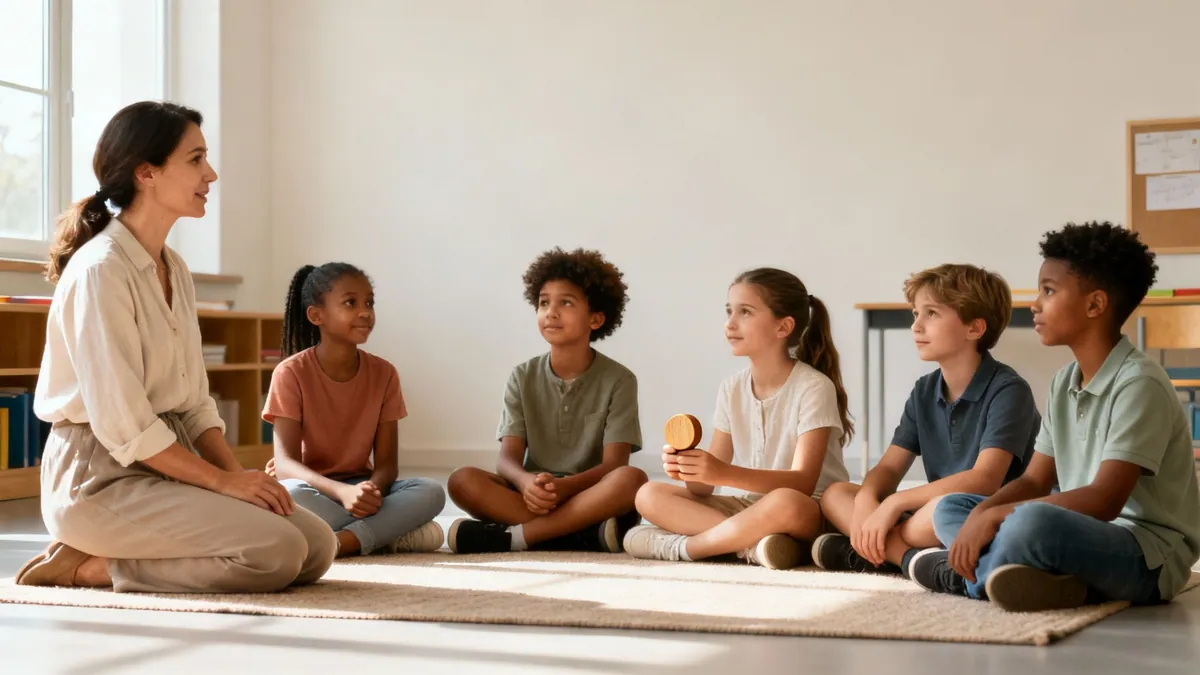
- Start Small with Community Building: Begin with low-stakes “check-in” circles. Use a talking piece (an object that gives the holder the exclusive right to speak) and go around the circle, asking students to share their name and answer a simple prompt.
- Practical Example: On Monday morning, say, “Let’s start with a check-in. Our prompt is: ‘Share one thing you’re looking forward to this week.’ I’ll start…”
- Establish Clear Norms: Co-create agreements with your students for how you will engage in circles. Norms often include: Respect the talking piece, Speak from the heart, and Listen with respect. Post these norms visually.
- Introduce Restorative Questions: Once community is established, you can use circles to address harm.
- Practical Example: Two students, Sam and Alex, argue over a shared tablet. Gather them and say, “Let’s have a restorative chat. Sam, what happened from your perspective?” After Sam speaks, turn to Alex: “Alex, what happened from your view?” Then ask both: “Who else was affected by this? How can we make this right so you can both continue learning?”
Troubleshooting and Measurement
Quick Tip: If students are reluctant to share, model vulnerability by answering the prompt first. Keep initial circles short and predictable to build safety and routine. If a conflict is too intense for a student-led circle, facilitate it yourself or with a counselor.
Track Your Impact: Monitor the frequency and nature of classroom conflicts over time. You can use a simple log to note incidents. Look for a decrease in repeated negative behaviors and an increase in students using “I-statements” and resolving minor issues independently.
5. Collaborative Problem-Solving and Empathy Building
This student-centered approach shifts classroom management from adult-imposed solutions to a collaborative process. Instead of simply enforcing rules, teachers guide students to understand different perspectives, listen deeply to one another, and work together to solve problems. The focus is on building empathy and finding mutually beneficial solutions to classroom challenges, from sharing resources to resolving peer conflicts.
This strategy is powerful because it equips students with essential social-emotional skills for life. It transforms discipline into an opportunity for growth, teaching students how to communicate their needs, consider others’ feelings, and take ownership of their community. Using collaborative problem-solving is one of the most effective classroom management strategies for teachers who want to develop compassionate, responsible, and independent thinkers.
How to Implement Collaborative Problem-Solving
- Teach and Model Active Listening: Explicitly teach skills like making eye contact, not interrupting, and paraphrasing.
- Practical Example: During a morning meeting, practice with a fun topic. Say, “Juan, please share your favorite part of the weekend. Maria, your job is to listen and then say, ‘What I hear you saying is…’ to show you were listening.”
- Use Sentence Stems: Provide students with language to express themselves constructively. Post stems like, “I felt ___ when ___ because I need ___.” or “I understand you feel ___ because ___.” This helps students separate the person from the behavior.
- Facilitate Problem-Solving Conferences: When a conflict arises, bring the involved students together.
- Practical Example: A ball is taken during recess. You gather the students. Step 1: “Maya, please share what happened.” Step 2: “Leo, please share your side.” Step 3: “It sounds like the problem is we only have one ball and you both want it. What are some ideas to solve this?” Step 4: Students might suggest taking turns with a timer. You help them agree on a plan.
Troubleshooting and Measurement
Quick Tip: If a conflict is emotionally charged, give students a cool-down period before bringing them together. For younger students, use puppets or drawings to help them explain their perspectives. Always validate all feelings, even if you don’t agree with the behavior that resulted from them.
Track Your Impact: Keep a simple log of conflicts that require your intervention. Over time, look for a decrease in the frequency of these incidents. You should also see an increase in students independently using sentence stems, “I-statements,” and attempting to solve minor disagreements on their own before seeking adult help.
8. Relationship Building, Family and Community Partnership
This foundational strategy centers on the idea that students learn best when they feel seen, valued, and connected to a supportive network. It involves intentionally building genuine relationships with students, fostering a positive peer culture, and creating strong partnerships with families and the wider community. Instead of viewing management as a system of control, this approach sees it as a result of mutual respect and trust.
This strategy is powerful because it addresses the fundamental human need for belonging. When students feel a genuine connection to their teacher and peers, they are more motivated to engage, cooperate, and take academic risks. Extending this network to families makes it one of the most holistic classroom management strategies for teachers, creating a consistent web of support that reinforces positive behavior and academic success both at school and at home.
How to Implement Relationship Building and Partnerships
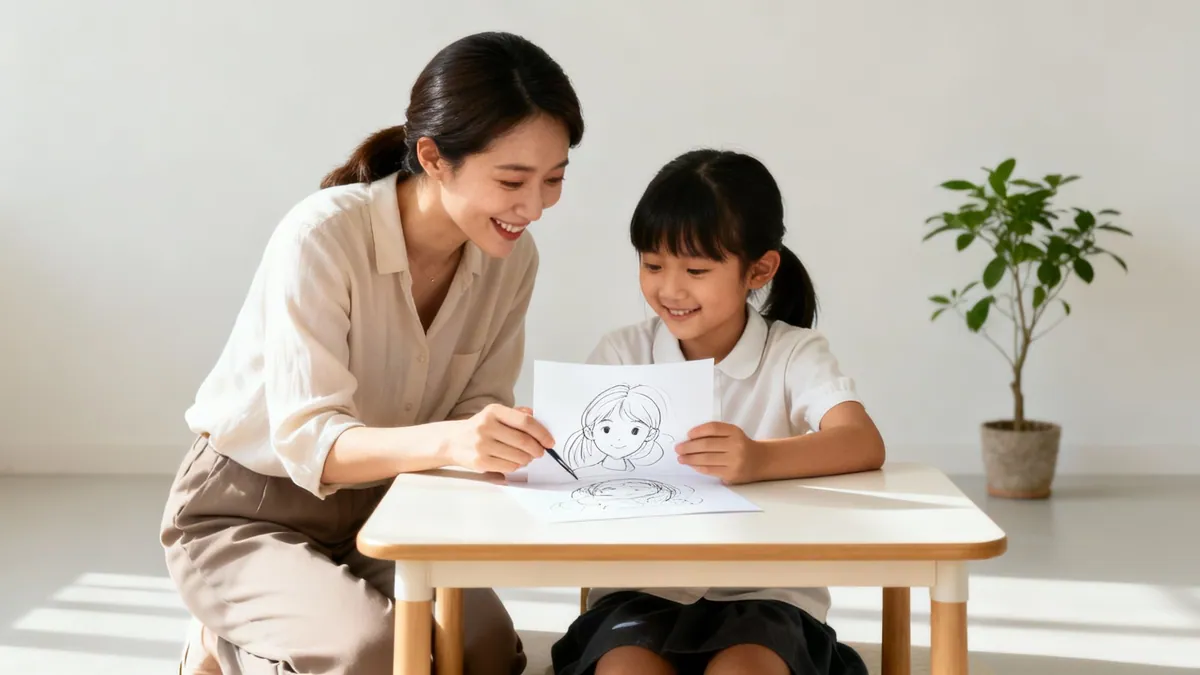
- Focus on Individual Connections: Make time for one-on-one interactions.
- Practical Example: Implement “2×10” strategy: Spend 2 minutes a day for 10 consecutive days talking with a student about anything other than schoolwork. Ask about their pets, hobbies, or favorite video games.
- Build a Classroom Community: Create shared experiences and rituals that foster a sense of “us.”
- Practical Example: Start a “Student of the Week” program where each student gets a special bulletin board to share photos and facts about themselves, and classmates write positive notes to them.
- Engage Families Proactively: Don’t wait for a problem to arise to contact home.
- Practical Example: Make it a goal to send two positive notes or emails home each day. “Dear Parent, I wanted to share that Maria was incredibly helpful to a new student today. You should be so proud!”
- Leverage Community Resources: Invite community members, like local artists, scientists, or elders, to share their expertise. Partner with local organizations to provide mentorship opportunities or support for students and families facing challenges.
Troubleshooting and Measurement
Quick Tip: With a student who seems withdrawn or resistant, start small. A simple, non-academic question like, “I noticed you like to draw; what’s your favorite thing to create?” can be an entry point. When communicating with families, always lead with a positive observation before discussing a concern.
Track Your Impact: Monitor qualitative and quantitative data. Keep anecdotal notes on student interactions and engagement levels. Track family attendance at conferences and school events. Survey students and families about their sense of belonging. Look for a decrease in office referrals and an increase in positive communication between home and school.