

Social emotional learning activities for elementary: 7 practical ideas
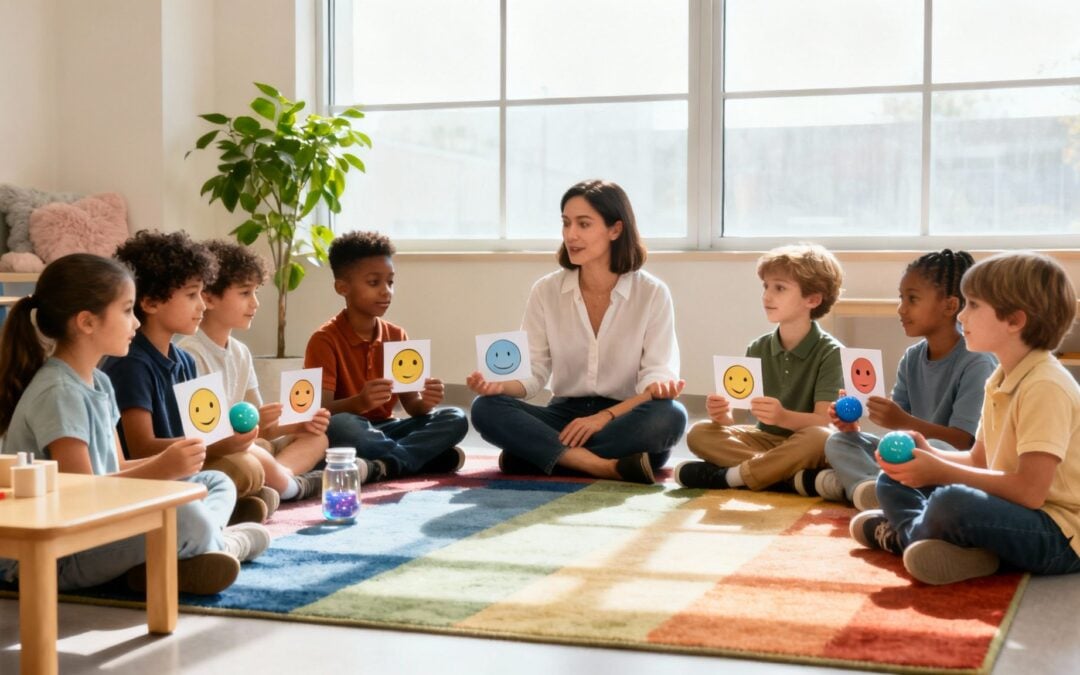
Beyond academics, a child’s ability to understand emotions, build healthy relationships, and make responsible choices is crucial for success in school and life. This is the core of social emotional learning (SEL). For elementary students, these skills are not just ‘nice-to-haves’; they are the building blocks of a safe, connected, and productive learning environment where every child can thrive.
Integrating SEL doesn’t require a complete curriculum overhaul. Many effective strategies can be woven into daily routines, complementing existing educational frameworks. For instance, philosophies like the Montessori method of teaching naturally emphasize student autonomy and self-management, which are key pillars of social emotional development. By intentionally incorporating SEL, educators and caregivers can cultivate classrooms where students feel seen, heard, and equipped to navigate social complexities.
This article provides a comprehensive roundup of 10 practical and research-backed social emotional learning activities for elementary students. Each activity is designed for immediate use by busy teachers, counselors, and parents, offering a clear structure to guide implementation. You will find:
- Step-by-step instructions and clear goals for each activity.
- SEL competency alignment (e.g., self-awareness, relationship skills).
- Practical adaptations for different grade levels, remote settings, and large classes.
From fostering self-awareness with simple mindfulness exercises to building community through cooperative games, these strategies will equip you to nurture emotionally intelligent and resilient learners. The goal is to provide actionable tools that turn abstract SEL concepts into tangible classroom experiences, strengthening the foundation for academic achievement and lifelong well-being.
1. Mindfulness and Breathing Exercises
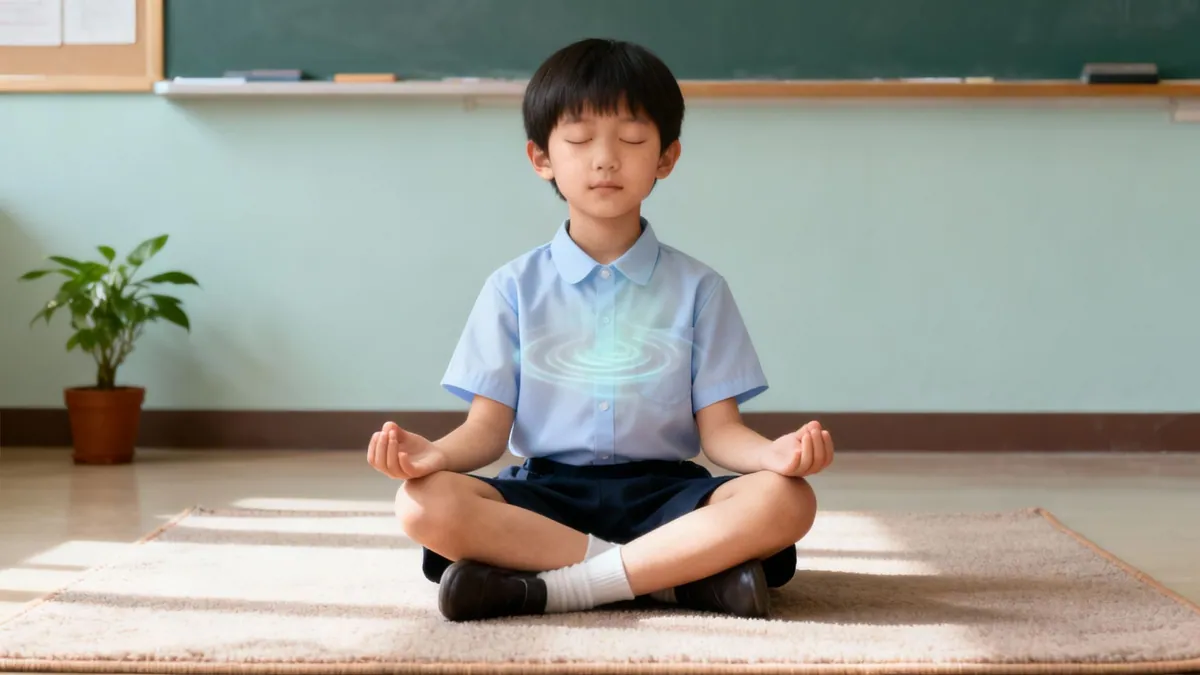
Mindfulness practices are foundational social emotional learning activities for elementary students, teaching them to pause, focus on the present moment, and observe their thoughts and feelings without judgment. By guiding children through simple breathing techniques, body scans, or sensory awareness exercises, you help them build a crucial gap between a triggering event and their reaction. This mental space is where self-regulation begins, allowing students to manage big emotions like anxiety, frustration, and over-excitement.
These exercises directly support the core SEL competencies of self-awareness (noticing internal states) and self-management (using a tool to regulate those states). The goal is not to eliminate difficult feelings but to equip children with the skills to navigate them constructively.
How to Implement Mindfulness and Breathing
Start by integrating short, simple practices into daily routines. For example, a “Mindful Morning” can begin with two minutes of “belly breathing,” where students place a hand on their stomach to feel it rise and fall. This tangible sensation helps younger learners stay focused. Before a challenging task like a math test, guide them through a “square breathing” exercise: inhale for four counts, hold for four, exhale for four, and pause for four, tracing a square in the air or on their desk.
Practical Example:
A second-grade teacher notices her class is overly energetic and unfocused after recess. She signals for a “Mindful Minute” by ringing a small chime. She guides them: “Place your feet flat on the floor and rest your hands on your desk. Let’s do ‘Volcano Breaths.’ Reach your arms up high as you breathe in deeply, then push the air out with a ‘whoosh’ sound as your arms come down.” She repeats this three times, and the class settles, ready for the next lesson.
Tips for Success
- Model First: Always demonstrate the breathing exercise yourself so students see and hear what is expected.
- Start Small: Begin with practices as short as 30 seconds to one minute, gradually increasing the duration as students build their focus “muscles.”
- Offer Choices: Allow students to sit at their desks, stand, or lie on a rug. Giving them agency over their body position increases comfort and participation.
- Use Consistent Cues: A specific chime, a hand signal, or a phrase like “Let’s find our calm” can signal the start of a mindfulness practice, making transitions smoother.
By consistently weaving these moments into the school day, you provide students with a powerful, portable tool for managing their emotional well-being. For more ideas on creating a peaceful classroom, you can find a variety of mindfulness strategies for a relaxed learning environment on soulshoppe.org.
2. Feelings Check-In and Emotion Identification
Feelings check-ins are structured daily activities where students learn to recognize, name, and express their emotions using specific vocabulary and visual aids. These simple routines build emotional literacy from the ground up, giving children the words to articulate their internal states. This practice is one of the most essential social emotional learning activities for elementary students because it normalizes conversations about feelings and creates a classroom culture of empathy and support.
This activity directly supports the core SEL competencies of self-awareness (identifying one’s own emotions) and social awareness (recognizing and understanding the emotions of others). By making emotional identification a regular part of the day, you teach students that all feelings are valid and manageable.
How to Implement Feelings Check-Ins
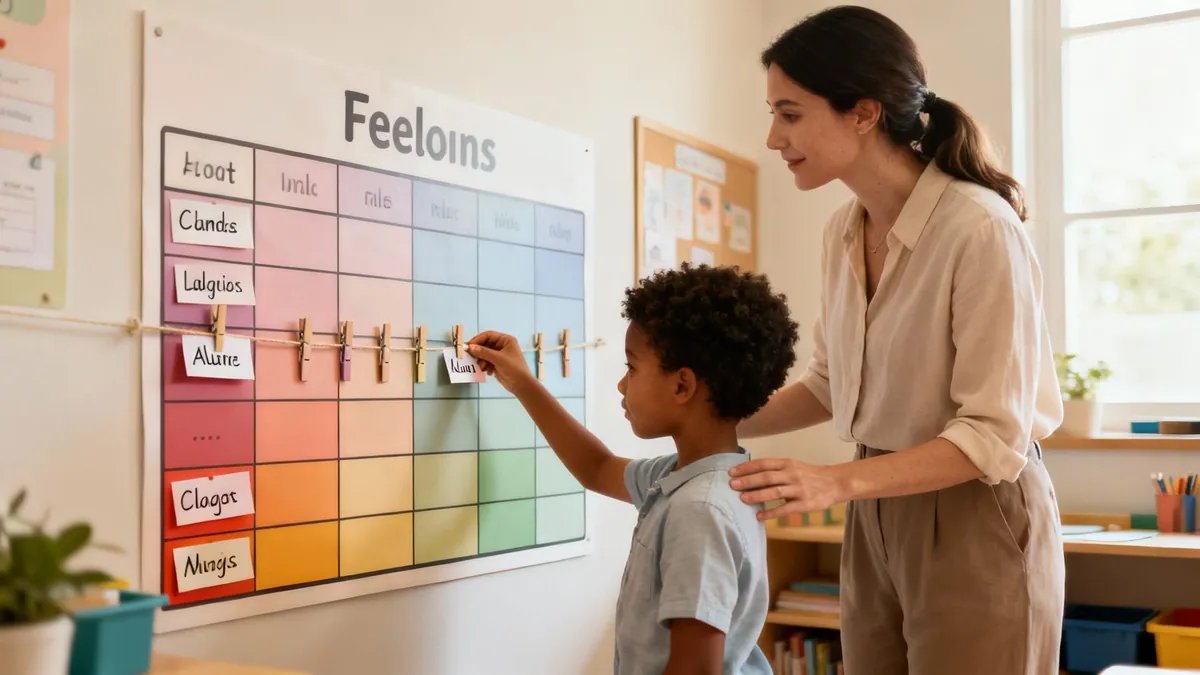
Integrate check-ins into predictable routines, like morning meetings or the transition after lunch. Use visual tools like a “Feelings Thermometer” or an “Emotion Wheel” where students can point to or place their name next to the feeling that best describes their current state. This non-verbal option is excellent for younger students or those who are hesitant to share aloud. As students become more comfortable, you can invite them to briefly share why they feel a certain way.
Practical Example:
A third-grade teacher starts each morning by having students move their personal clothespin to a section of a large color-coded chart. Red represents intense feelings like anger or excitement, yellow for mild feelings like worry or silliness, and blue for low-energy feelings like sadness or tiredness. She then asks, “I see a few friends in the yellow zone today. Would anyone like to share what’s on their mind?” This simple act validates their emotions and gives her valuable insight into her students’ readiness to learn.
Tips for Success
- Validate All Emotions: Respond with empathy and without judgment. Phrases like, “It’s okay to feel disappointed,” or “I understand why you might feel nervous,” create emotional safety.
- Expand Emotional Vocabulary: Move beyond “happy, sad, mad.” Introduce more nuanced words like “frustrated,” “proud,” “anxious,” and “content” to help students identify their feelings with greater precision.
- Offer Private Options: For students who are not comfortable sharing with the group, provide a journal or a private check-in slip they can hand to you.
- Connect Feelings to Needs: Ask follow-up questions like, “What do you need right now to help with that feeling?” This empowers students to practice self-advocacy and problem-solving.
Consistently using these check-ins helps students develop a deeper understanding of themselves and their peers. You can explore a variety of methods for these important routines and find more about using mood meters and other reflection tools on soulshoppe.org.
3. Cooperative Games and Team-Building Activities
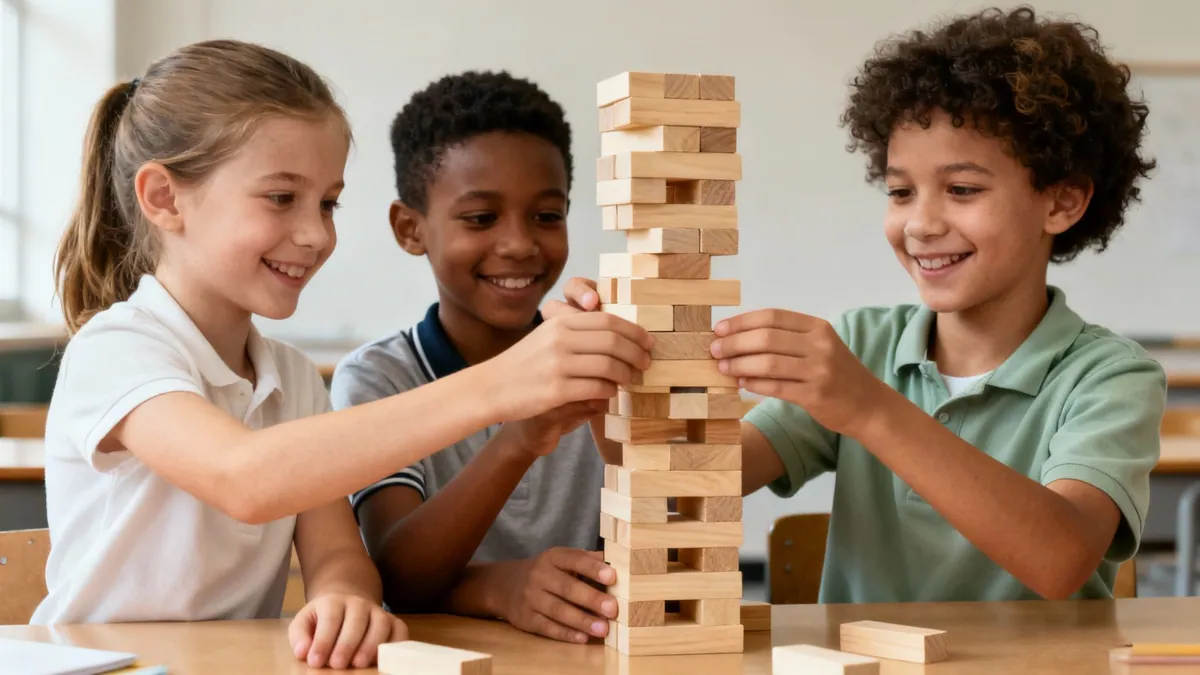
Cooperative games shift the focus from individual competition to collective success, making them powerful social emotional learning activities for elementary students. Instead of a “win-lose” dynamic, these activities create a “we all win or we all learn together” environment. By engaging in challenges that require communication, shared strategy, and mutual support, children learn to value collaboration and appreciate the unique strengths of their peers.
These activities are essential for developing relationship skills (communication, cooperation, conflict resolution) and social awareness (perspective-taking, empathy). They build a strong sense of classroom community and belonging, teaching students that relying on others and being reliable are equally important. The goal is to solve a problem together, strengthening interpersonal bonds in the process.
How to Implement Cooperative Games
Integrate team-building exercises during morning meetings, brain breaks, or dedicated community-building time. Start with low-stakes activities that have simple rules. For example, the “Human Knot” challenges a small group to untangle themselves from a jumble of interconnected arms without letting go. Another classic is “Build a Tower,” where teams use limited materials like spaghetti and marshmallows to construct the tallest possible freestanding structure.
Practical Example:
A fourth-grade teacher wants to improve how her students work in small groups. She introduces a challenge: “Cross the River.” She lays out a few small mats (“rafts”) on the floor and explains that the entire group must get from one side of the room to the other without touching the “water” (the floor). The team must pass the rafts to one another to move forward, requiring planning and clear communication. The activity generates laughter, a few failed attempts, and ultimately, a shared sense of accomplishment.
Tips for Success
- Focus on Process, Not Outcome: Emphasize how the group worked together, not whether they “won” the challenge. Use prompts like, “What was one helpful thing a teammate said?”
- Facilitate a Debrief: After the activity, guide a brief discussion. Ask students what went well, what was challenging, and what they might do differently next time.
- Offer Opt-in Participation: Create a psychologically safe environment where students feel comfortable participating. For activities involving touch, like the Human Knot, allow students to choose their level of involvement.
- Mix Up the Groups: Intentionally create different groupings for various activities. This helps break down social cliques and builds relationships across the entire classroom.
By incorporating cooperative games, you actively teach students the skills needed to navigate group dynamics, resolve conflicts, and build positive relationships, setting a foundation for successful collaboration inside and outside the classroom.
4. Conflict Resolution and Peer Mediation
Conflict resolution and peer mediation programs are powerful social emotional learning activities for elementary students that teach them to navigate disagreements constructively. Instead of relying on adult intervention for every problem, these structured processes empower children with the skills to listen, understand different perspectives, and find mutually agreeable solutions. This approach transforms conflict from a negative event into a valuable learning opportunity.
These activities directly build the core SEL competencies of social awareness (perspective-taking), relationship skills (communication and conflict resolution), and responsible decision-making (evaluating consequences and solving problems ethically). The ultimate goal is to create a safer, more respectful school climate where students feel capable of solving their own problems.