

Trauma-Informed Teaching Strategies for Elementary School: What Every Educator Needs to Know
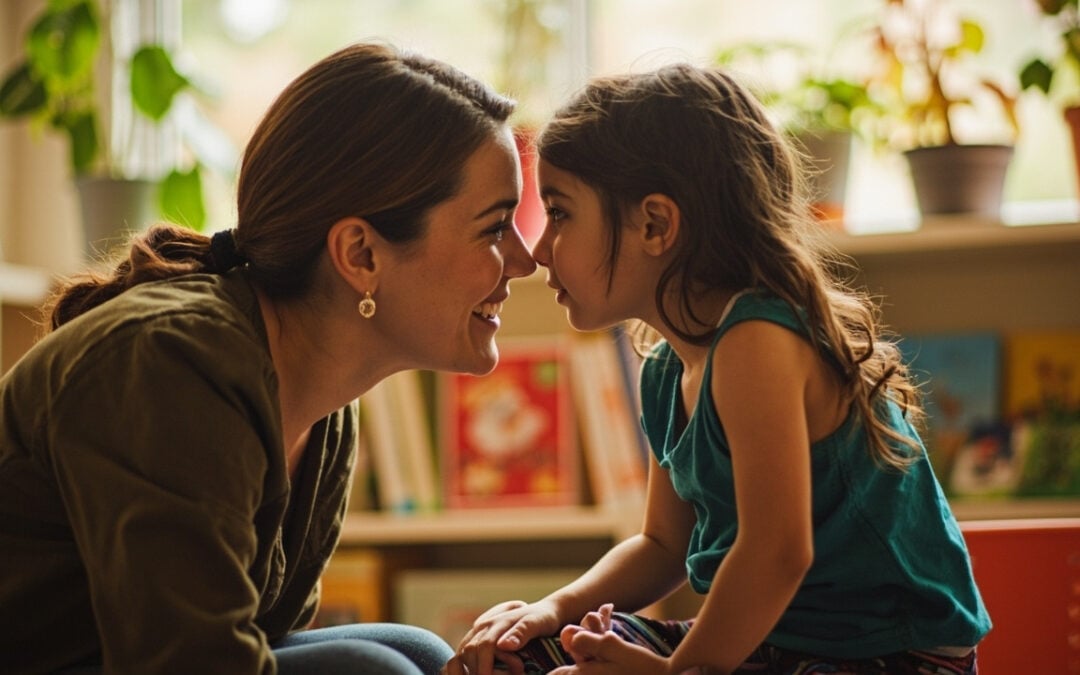
Many children walk into your classroom carrying experiences they have no words for — a chaotic morning at home, fear that never fully switches off, a nervous system wired by stress to stay on high alert even when nothing visibly threatening is happening. For elementary educators, understanding this reality isn’t just compassionate. It’s essential to effective teaching.
Trauma-informed teaching strategies for elementary school give you a framework for understanding behavior, responding to students with intention, and creating conditions where all children can learn, connect, and grow — not just those who show up already regulated.
This isn’t about becoming a therapist. It’s about becoming a teacher who understands what stress does to a developing brain and adjusts your practice accordingly.
What “Trauma-Informed” Actually Means in the Classroom
The phrase gets used a lot, so let’s ground it. A trauma-informed approach shifts the foundational question from “What is wrong with this child?” to “What might have happened to this child, and how can I respond in a way that helps?”
In practice, this means:
- Recognizing that challenging behavior is often a response to an experience, not a character flaw
- Understanding that a child’s nervous system can be dysregulated long before they walk into your room
- Designing your classroom, language, and routines to prioritize safety and connection above compliance
Adverse childhood experiences — things like family instability, loss, community violence, or neglect — are more prevalent than most people realize. They affect how children process information, regulate emotions, form relationships, and respond to authority figures. That means trauma-informed teaching isn’t a “special education” issue. It’s a classroom reality for nearly every educator.
Why Elementary School Is the Right Window
The elementary years are a critical developmental period. Children’s brains are still highly neuroplastic — adaptable, responsive to experience, and capable of being shaped by the relationships around them. Consistent, caring adult relationships during these years can genuinely shift a child’s developmental trajectory.
That puts elementary teachers in a uniquely powerful position. You may not be able to change what happened before a child arrived at your door. But you can be the reliable, safe presence that helps their nervous system learn a different story about what adults and schools are like.
That’s the foundation everything else builds on.

Trauma-Informed Teaching Strategies for Elementary School
1. Make Safety the Starting Point
Children cannot learn when their brains are scanning for threat. Before academic content can land, students need to feel — not just be told — that they are safe.
This means physical safety (clear, consistent expectations; no sudden changes without warning) and emotional safety (a classroom where mistakes aren’t met with humiliation, where asking for help is welcomed, and where every student is treated with dignity).
Simple ways to build this:
- Greet every student at the door, by name, every single day
- Post your daily schedule visually and walk through it each morning
- Give advance notice before transitions: “In five minutes, we’re moving to reading circles”
2. Prioritize Relationship Over Compliance
“Connection before correction” isn’t just a feel-good phrase — it’s neurologically grounded. When children feel connected to a trusted adult, they’re far more likely to respond to redirection. When they don’t, even reasonable requests can feel threatening.
Take the time to know your students as people. Notice what they’re into. Acknowledge effort, not just outcomes. A brief, genuine check-in — “Hey, how’s your morning going?” — can shift the entire tone of a student’s day more than any behavioral system can.
3. Co-Regulate Before Expecting Self-Regulation
Here’s something important: children don’t develop self-regulation in isolation. It’s a relational skill — kids build the capacity to calm themselves by first experiencing being calmed by a safe, regulated adult.
This means your calm is a teaching tool. When a student is escalating, your regulated presence — slow voice, open posture, steady breathing — models what calm looks and feels like. Over time, with repetition, children internalize this experience.
Whole-class regulation practices also matter here: breathing exercises, movement breaks, grounding check-ins at the start of the day. These aren’t “soft” extras. They’re preparation for learning.
4. Build Predictable Structure and Routines
Trauma often disrupts a child’s sense of what to expect from the world. Consistent, predictable structure is one of the most powerful antidotes available in a classroom.
This doesn’t mean rigid or punitive. It means:
- Visual schedules displayed prominently in the room
- Consistent language around expectations, so students aren’t constantly decoding a moving target
- Reliable routines for arrivals, transitions, and dismissal that feel the same every day
Predictability communicates: You are safe here. You know what’s coming. I’ve got you.
5. Rethink How You Respond to Challenging Behavior
Punitive consequences — exclusion, public correction, loss of recess — are often counterproductive for trauma-impacted students. They can reinforce existing beliefs that adults aren’t trustworthy, that school is a place of shame, and that connection is conditional on compliance.
Instead, try getting curious before getting reactive:
- What was happening right before this behavior?
- What might this child be trying to communicate?
- What does this child need right now to feel safe again?
This isn’t about having no expectations or limits. It’s about ensuring your response helps the student learn and reconnect — rather than simply punishing them into compliance.

6. Create a Sensory-Aware Classroom Environment
For children whose nervous systems are chronically activated, environmental factors matter more than most educators realize. Noise levels, lighting, clutter, and seating arrangements all affect how regulated students feel throughout the day.
Consider:
- A designated calm-down space — not a punishment corner, but a welcoming spot with tools like fidgets, breathing cards, or a visual chart of calming strategies
- Flexible seating options for students who need movement to stay regulated
- Sensory cues for transitions (a soft chime, a consistent signal) rather than abrupt shifts
7. Choose Your Words with Care
Language shapes experience. Trauma-informed teachers learn to notice the difference between words that separate behavior from identity and words that collapse them.
Compare:
- “You’re being disruptive” vs. “That behavior is making it hard for others to focus — let’s figure this out together.”
- “Calm down” vs. “I can see you’re having a hard time. Let’s take a breath together.”
The message is always the same: the behavior is the problem, not the child.
This Approach Benefits Every Student in the Room
One of the most reassuring things about trauma-informed teaching is that you don’t need to know which students have trauma histories and which don’t. These strategies aren’t targeted interventions for a subset of “difficult” children — they’re good teaching, full stop.
Predictable routines, relational warmth, co-regulation, and respectful language benefit every student in your room. And for those carrying the heaviest invisible loads, these practices can be genuinely transformative.

Don’t Forget About Yourself
Working alongside trauma-impacted students is meaningful — and it can be heavy. Secondary traumatic stress is real, and educators who pour themselves into this work without adequate support tend to burn out faster and ultimately serve their students less well.
Building your own regulation practices, staying connected with colleagues, and asking for help when you need it isn’t indulgent. It’s part of sustainable, effective teaching.
Start Where You Are
You don’t need to overhaul your entire practice overnight. Pick one strategy from this list — a warmer door greeting, a brief morning breathing practice, a more curious approach to redirection — and practice it consistently for a few weeks. Small, sustained shifts in classroom culture compound over time in ways that matter deeply to kids.
At Soul Shoppe, we believe every child deserves to feel safe, seen, and supported at school — and that teachers deserve the tools and community to make that possible. If you’re ready to go deeper on trauma-informed SEL practices, explore our programs and resources. We’d love to help you build the kind of classroom where every student can truly thrive.