

Social Emotional Learning Activities for High School Students: Strategies That Meet Teens Where They Are
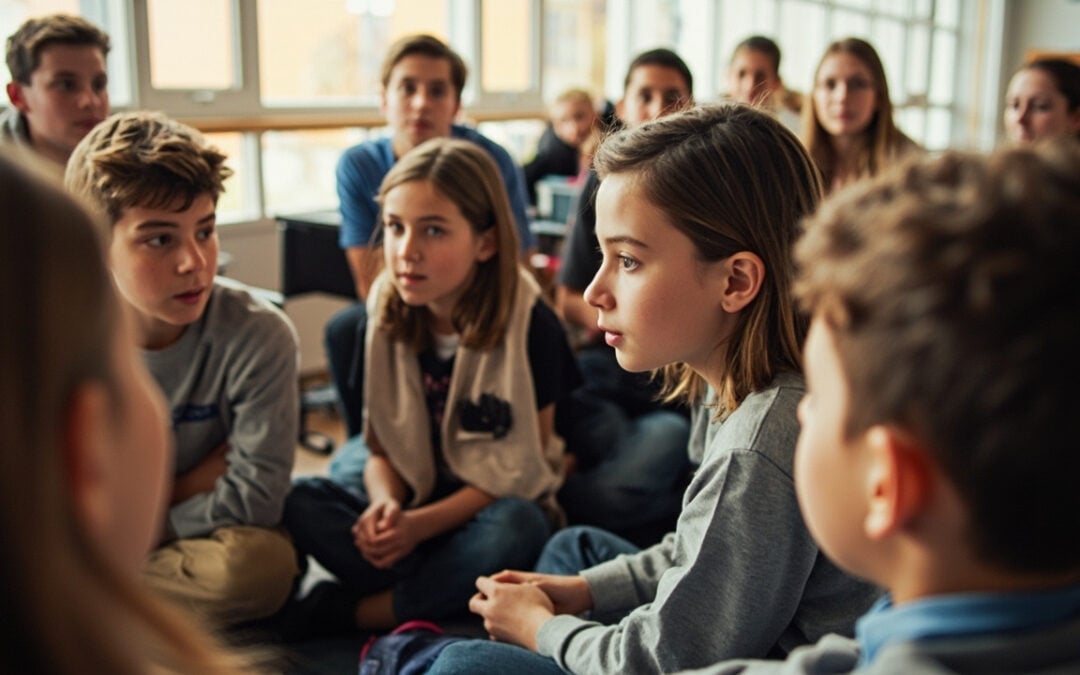
High school is often where SEL programs go quiet. Elementary schools get the feelings charts and morning circles. Middle schools are getting more attention. But by the time students hit 9th grade, social-emotional support can quietly disappear — right when the stakes feel highest and the stressors get real.
The good news: social emotional learning activities for high school students don’t have to feel childish or contrived. When they’re designed with teens in mind, they connect. They stick. And they help students build the skills that carry them through everything that comes next — college, careers, relationships, and the harder moments in between.
Here’s why SEL matters more than ever at the high school level, what makes activities land with older students, and a practical set of approaches you can start using now.
Why High Schoolers Need SEL — Maybe More Than We Think
The teenage years aren’t a pause on emotional development. They’re one of the most complex periods of identity formation, social pressure, and neurological change a person will ever experience.
High schoolers are navigating:
- Mounting academic pressure and future anxiety
- Shifting peer relationships and evolving social hierarchies
- Questions of identity, belonging, and self-worth
- Social media comparison and online conflict
- Real decisions with real consequences
Strong social-emotional skills in adolescence are linked to better mental health outcomes, higher graduation rates, stronger relationships, and more adaptive responses to adversity. Students who develop self-awareness, self-management, and empathy during these years aren’t just more engaged in class — they’re building resilience that will outlast high school.
What Makes SEL Activities Actually Work for Teens
The reason many SEL efforts fizzle in high school isn’t that teens don’t need them. It’s that the activities feel babyish, scripted, or irrelevant to their actual lives.
High school students respond to SEL when it:
- Treats them as capable people. Activities that ask for genuine reflection, not surface-level responses.
- Connects to things they care about. Identity, relationships, fairness, futures, autonomy.
- Doesn’t put them on the spot. Choice and low-stakes entry points matter — especially for students carrying unspoken stress.
- Builds skills, not just awareness. Naming an emotion matters, but students also need to practice what to do with it.
- Feels integrated, not tacked on. The most effective SEL for high school lives inside the fabric of the class, not in a separate 10-minute block everyone dreads.
Keep these principles in mind as you choose and adapt activities for your students.
Social Emotional Learning Activities for High School Students
The following activities are organized around the five CASEL competency areas. Most can be adapted across content areas and don’t require a dedicated SEL course to implement.
Self-Awareness: “Who Am I, Honestly?”
Values Mapping
Give students a list of values — or have them generate their own — and ask them to identify their top five, then rank them. Then pose the harder question: Which of these feel like your values vs. what you think you’re supposed to value? This single question opens surprisingly deep reflection and works well before journaling or class discussion.
Emotional Check-In with Nuance
Move past the smiley-face scale. Give students access to a broader emotional vocabulary (a feelings inventory or Plutchik’s wheel works well) and ask them to privately name what they’re actually carrying into class that day. No explanation required — just the naming itself shifts awareness.
Self-Management: Building the Pause
5-4-3-2-1 Grounding
When stress is running high — before a major exam, after a hard news cycle, on a Friday afternoon — walk students through this grounding practice: name 5 things you see, 4 you can touch, 3 you hear, 2 you smell, 1 you can taste. It takes under three minutes. Give it a name in your classroom so students can request it themselves.
Goal-Setting with Obstacles Built In
Most goal-setting activities skip the hard part. Have students set a realistic short-term goal, identify the specific obstacles likely to get in the way, and pre-plan their response. This “if-then” planning approach gives students an actual tool — not just optimism on a sticky note.
Social Awareness: Expanding the Lens
Perspective-Taking Scenarios
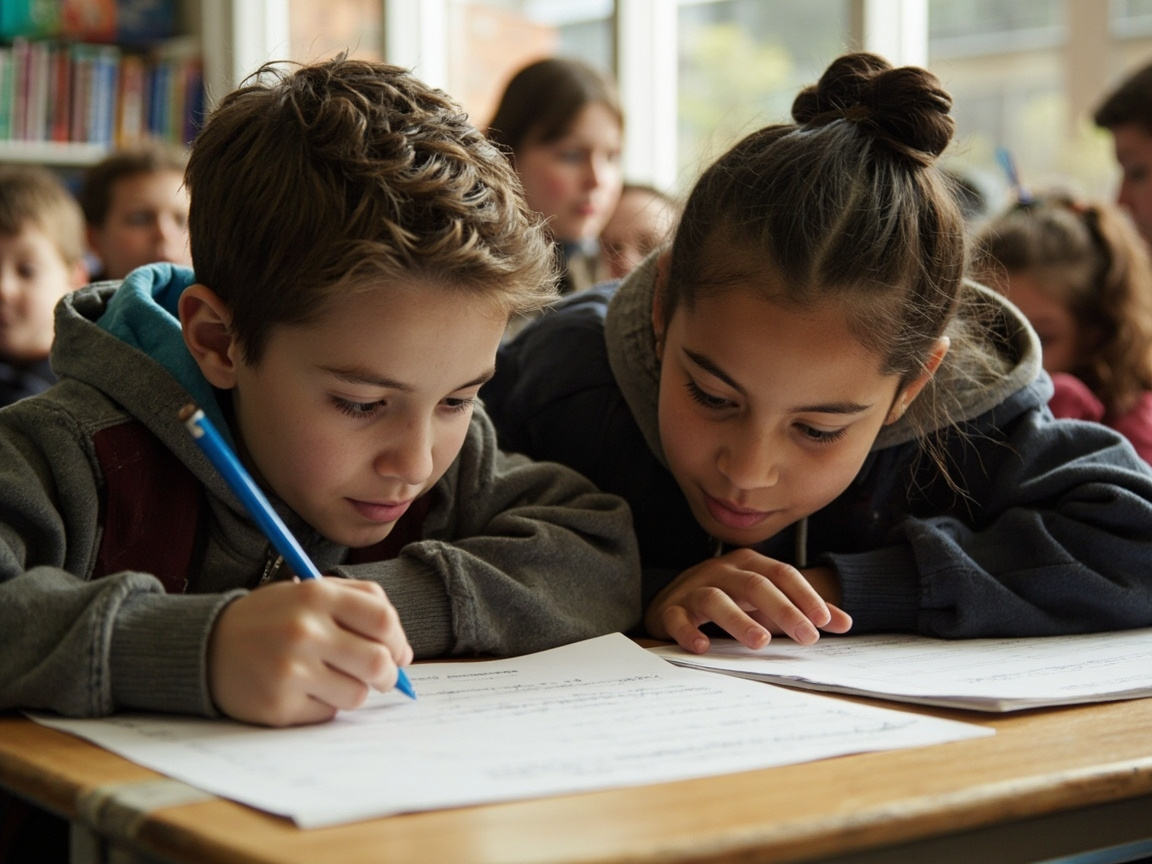
Present a realistic, low-stakes scenario — a conflict between two classmates, a misunderstanding on a group project, a moment of exclusion in the hallway — and ask students to write or discuss from multiple viewpoints. The key: choose ambiguous situations where there’s no obvious villain. That’s where the real perspective-taking happens.
Community Asset Mapping
Ask students to map their community — not just its problems, but its strengths. Who are the connectors? What resources exist that people don’t know about? This builds social awareness and challenges deficit-based thinking while connecting SEL to civic identity and a sense of local belonging.
Relationship Skills: Real Practice
Structured Academic Controversy
Assign students to argue one side of a complex issue, then switch sides, then work toward a synthesis together. It builds argumentation, active listening, and perspective-taking simultaneously — and it’s rigorous enough to use in any content area without sacrificing academic time.
Repair Practice
Explicitly teach and practice how to repair after conflict. Role-play low-stakes scenarios: you said something you regret; you let a friend down; you were left out and you’re not sure how to respond. Give students sentence stems and let them practice out loud. Repair is a skill — it doesn’t come naturally without modeling.
Responsible Decision-Making: Thinking It Through
Ethical Dilemma Discussions
Pull from scenarios that are genuinely relevant to teens: AI and academic integrity, social media privacy, peer pressure moments, resource-allocation dilemmas. Structure the discussion with clear norms and ask students to articulate the values behind their positions — not just their opinions.
Consequence Mapping
When students are working through a real or hypothetical decision, have them map the likely outcomes — for themselves and others, short-term and long-term. This slows down reactive thinking and builds the habit of considering impact before acting.
Fitting SEL Into Your High School Classroom — Without Losing Instructional Time
You don’t need a standalone SEL period to make this work (though one helps). The most durable SEL in high school is embedded in what already exists:
- Use the first five minutes for a brief check-in or grounding practice.
- Debrief content through an SEL lens — a history unit on civil rights is a natural home for empathy and social awareness work.
- Build in reflection time at the end of a project or unit, not just at the beginning.
- Use advisory periods for longer activities like values mapping or goal-setting conversations.
- Make it consistent, not occasional. Once a week, done well, beats a once-a-semester intensive every time.
The Most Important Thing: Make It a Practice, Not an Event
The biggest mistake schools make with high school SEL isn’t choosing the wrong activity. It’s treating SEL as an event instead of an ongoing practice.
Pick two or three of these approaches, introduce them with intention, and use them consistently enough that students can build on their skills over time. That repetition — and the trust it builds between students and educators — is what actually shapes school culture.
If you’re looking for a structured, research-grounded way to bring social emotional learning to your high school community, Soul Shoppe offers programs and professional development designed to help educators do exactly that.