

10 Powerful Building Self Esteem Activities for Kids (K-8) in 2026
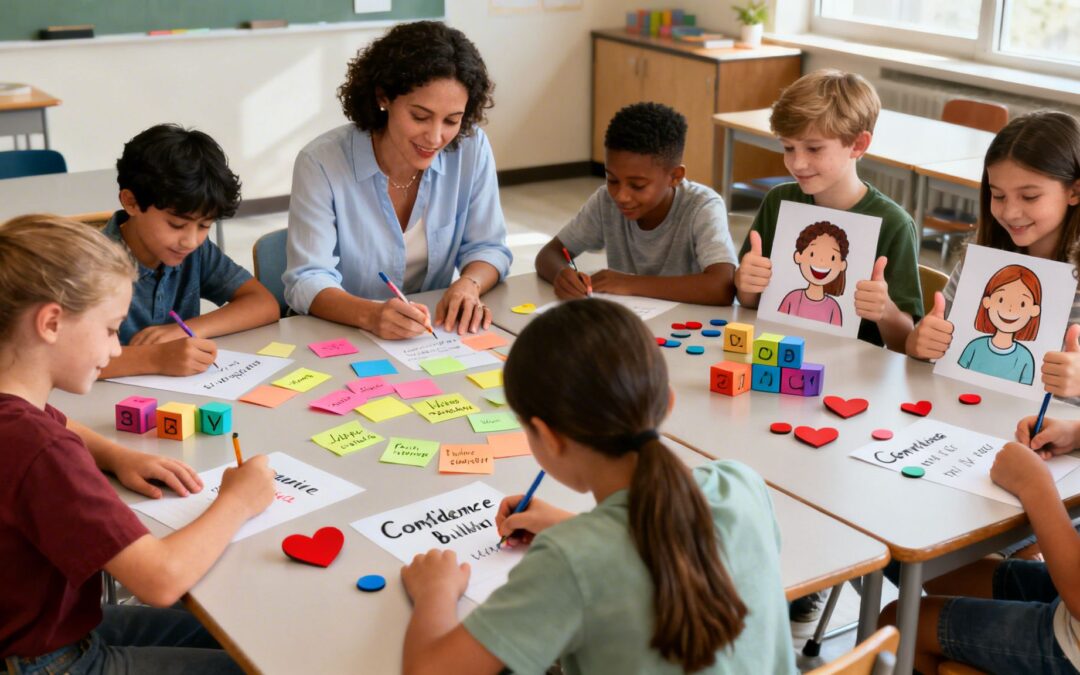
True self-esteem isn’t just about feeling good; it’s the foundation for resilience, academic risk-taking, and healthy peer relationships. In an increasingly complex world, students in kindergarten through eighth grade need more than just academic knowledge. They need a strong sense of self-worth to navigate challenges and thrive both in and out of the classroom. This article moves beyond generic praise to provide a comprehensive roundup of 10 practical, research-informed building self esteem activities that parents and teachers can implement immediately.
Drawing from key social-emotional learning (SEL) principles, we’ll explore structured exercises designed for school and home. Each item includes step-by-step instructions, materials lists, differentiation tips, and alignment to SEL competencies. This isn’t just a list; it’s a toolkit for creating environments where every child can build the confidence to succeed. For students embarking on new journeys, engaging in rewarding activities like choosing martial arts for beginners can significantly boost fitness, confidence, and self-defense skills, proving invaluable to their personal development.
From mindfulness practices and strengths identification to peer connection exercises and goal-setting frameworks, you will find actionable strategies tailored for K-8 students. Our goal is to equip educators and families with the tools to foster genuine confidence, one activity at a time. Let’s get started.
1. Mindfulness and Self-Regulation Practice
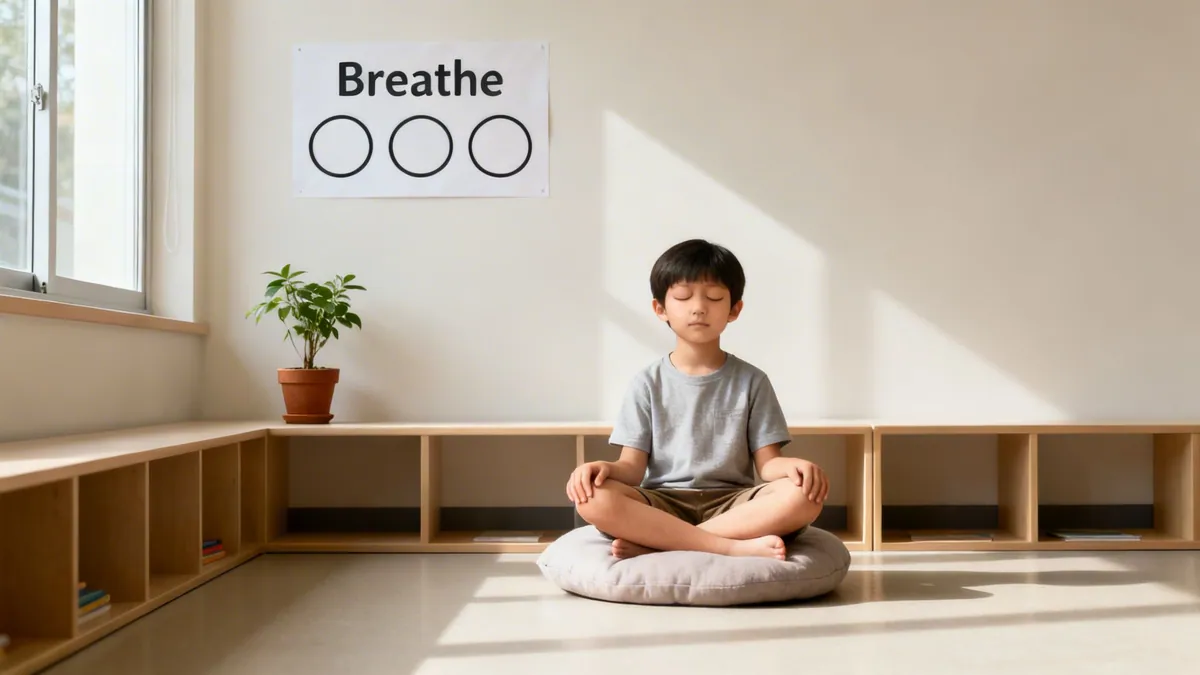
Structured mindfulness exercises offer a direct pathway to improved self-esteem by teaching students to observe their thoughts and emotions without judgment. This practice helps children and adolescents understand that feelings are temporary and do not define their worth. Through guided breathing, body scans, and focused attention, students learn to quiet external and internal noise, creating a sense of calm and control. This foundational ability to self-regulate is a critical component of building self esteem activities, as it gives students confidence in their capacity to handle stress and navigate challenges.
Implementation Examples
- School-Wide: A school assembly run by a group like Soul Shoppe can introduce core mindfulness concepts to the entire student body, creating a shared language and experience.
- Classroom Routine: A second-grade teacher can start each day with a 3-minute “breathing buddy” activity, where students place a small stuffed animal on their belly and watch it rise and fall with each breath. Before a test, a teacher can lead a 1-minute “squeeze and release” exercise, where students tense and relax their hands and feet to release anxiety.
- Small-Group Support: A school counselor can lead weekly sessions for students with anxiety, using body scan meditations to help them identify and release physical tension. For example, guiding them to notice the feeling of their feet on the floor, the chair supporting their back, and the air on their skin.
- Home Connection: A parent can create a “calm-down corner” with a comfy pillow and a jar of glitter. When a child feels overwhelmed, they can shake the glitter jar and watch the sparkles settle, mimicking how their busy thoughts can settle.
Actionable Tips for Success
To make mindfulness effective, consistency and a supportive environment are key. Start with very short sessions, especially for younger students (3-5 minutes is ideal), and gradually increase the duration. It is important for adults to model the practice themselves; teachers and parents who practice mindfulness can more authentically guide students. Create a designated calm space with minimal distractions and use consistent verbal cues.
For more detailed guidance, discover our complete guide to teaching mindfulness to children and its benefits. This practice directly supports the Self-Awareness and Self-Management competencies of Social-Emotional Learning (SEL).