

How to Start a Mindfulness Program for Elementary Schools (Without Overwhelming Your Staff)

Every elementary school has that moment — a classroom that won’t settle after lunch, a student melting down before a test, a teacher who’s running on fumes by Wednesday. More educators than ever are looking for something that addresses these patterns at the root. A structured mindfulness program for elementary schools is one of the most evidence-informed responses available.
But “mindfulness program” means different things to different people. This guide is for school leaders and educators who want to understand what a real program looks like, how to choose one that fits, and how to actually get it off the ground without burning out your staff in the process.
A Mindfulness Program vs. Mindfulness Activities: What’s the Difference?
This distinction matters. Mindfulness activities — a breathing exercise here, a body scan there — are valuable, but they’re interventions. A mindfulness program is a structured, school-wide (or classroom-wide) framework that builds practice over time.
A well-designed program includes:
- Sequential, age-appropriate curriculum so skills build on each other across grade levels
- Consistent daily or weekly practice embedded into the existing school day
- Professional development so teachers can lead sessions with confidence
- A shared language that students and staff use across the building
Think of the difference this way: a mindfulness activity is a tool. A mindfulness program is a toolbox that everyone in the building knows how to use — and uses regularly.
What the Research Supports About Mindfulness in Elementary Schools
Mindfulness-based programs in K–5 settings have been studied for their effects on attention, emotional regulation, stress, and academic readiness. The consistent finding across multiple peer-reviewed reviews: regular, structured mindfulness practice benefits students — particularly in reducing anxiety, improving focus, and building emotional resilience.
The key word is regular. One-off sessions don’t move the needle much. Programs that embed five to ten minutes of practice into the daily rhythm — morning meeting, transition times, before assessments — show the most meaningful results.
One more thing worth naming: mindfulness works best alongside, not instead of, broader social-emotional learning. When mindfulness is integrated into an SEL framework, students learn not just how to calm their nervous systems but also how to name emotions, navigate conflict, and build relationships.
The Core Components of an Effective Mindfulness Program for Elementary Schools
Not every program on the market is created equal. When evaluating options, look for these non-negotiables:
Age-Appropriate, Sequenced Content
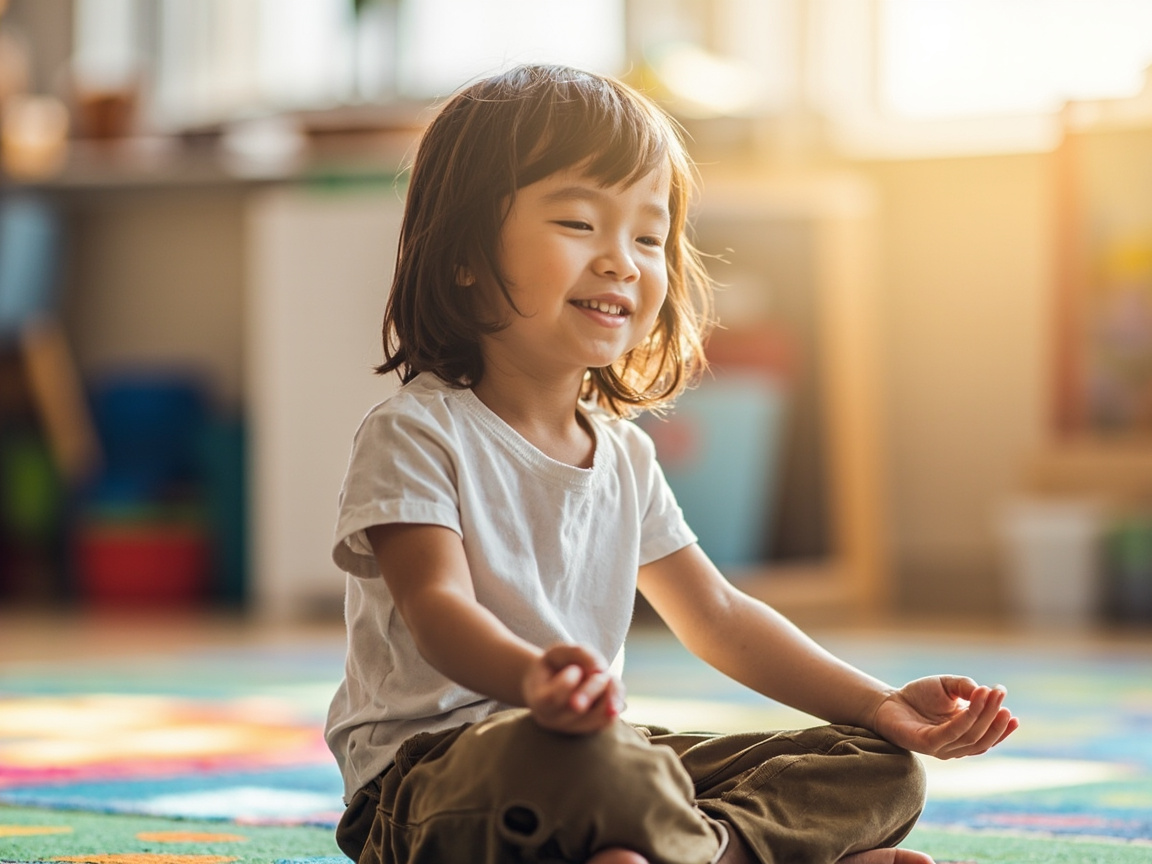
Kindergarteners need movement-based practices and simple breath awareness. Fourth graders can handle longer seated practices and begin to reflect on their inner states. A quality program sequences skills developmentally — breath fundamentals in early grades, body-awareness practices in the middle, reflective techniques as students mature.
Teacher Training and Ongoing Support
A mindfulness program is only as strong as the teachers delivering it. The best programs include real initial training (not a single 90-minute webinar), regular coaching or check-ins, and accessible resources teachers can return to. Teachers don’t need a personal meditation practice to teach mindfulness — but they do need sufficient, sustained preparation.
Classroom Integration, Not Add-On
If a program requires carving out a separate 45-minute block, it will disappear by November. Look for programs designed to integrate into transitions, morning routines, and existing SEL or community circle time. Five minutes of consistent daily practice beats a monthly deep-dive every time.
Shared Language and School-Wide Culture
The most powerful outcomes happen when mindfulness isn’t just a classroom thing — it’s a building thing. When the principal uses the same breathing technique the class practiced that morning, or a hallway aide uses familiar calm-down language, students experience coherence. That coherence is what makes the practice stick.
How to Build Staff Buy-In Before You Launch
This is where many school mindfulness initiatives stall. Teachers are already stretched thin, and anything that feels like “one more thing” will struggle to gain traction.
A few strategies that actually work:
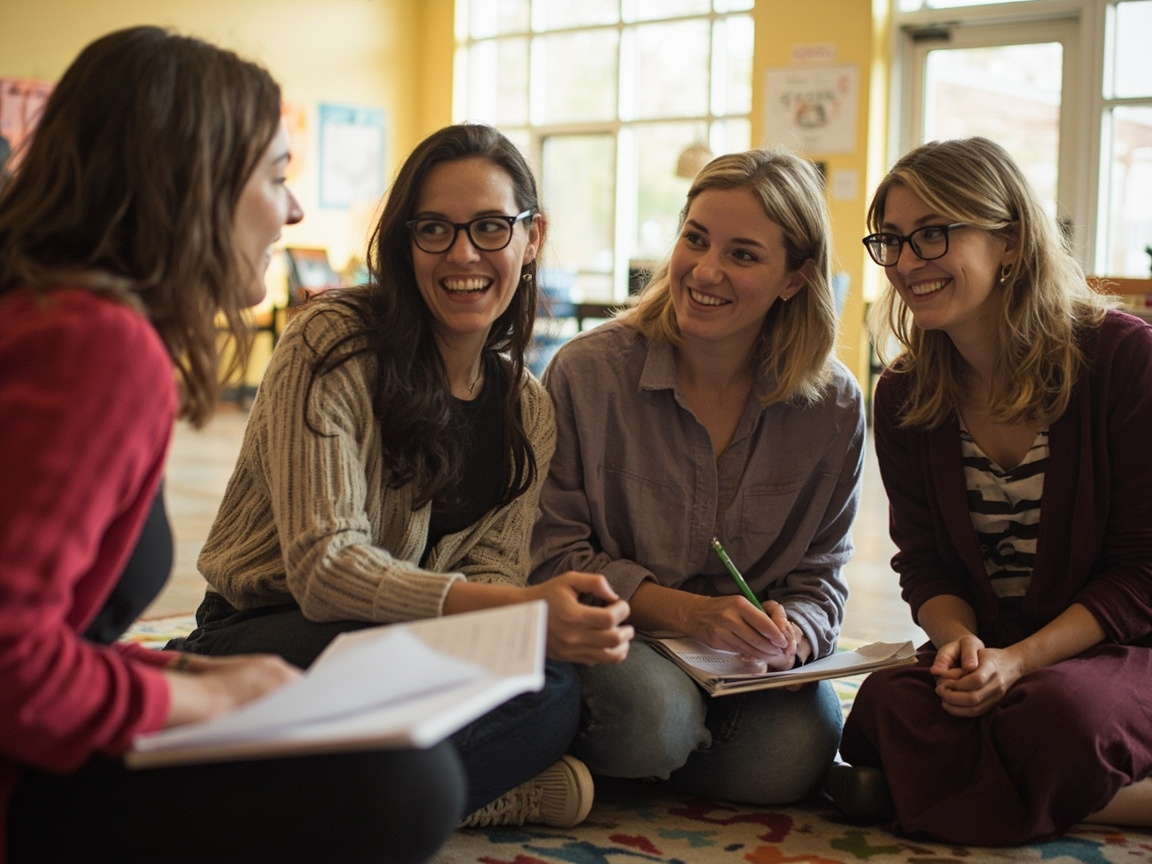
Start with a small pilot. Identify three to five teachers who are already curious or interested. Let them run the program for a semester. Their lived experience and honest feedback will be more persuasive to skeptical colleagues than any brochure.
Connect to problems teachers are already trying to solve. Don’t pitch mindfulness as a wellness initiative — pitch it as a classroom management support, a tool to help kids transition more smoothly, a strategy for students who arrive dysregulated. Meet teachers where their real pain points are.
Protect time and provide real training. If you ask teachers to implement something new without adequate preparation or dedicated time, you’re setting them up to fail. Budget for it. Schedule it. Take it seriously, and your staff will too.
What the First Year of Implementation Realistically Looks Like
Here’s a practical framework for rolling out a mindfulness program in an elementary school:
Months 1–2: Foundation
Select your program, train your pilot cohort, and introduce students to basic breath awareness and attention practices. Keep sessions short — five minutes — and keep them consistent.
Months 3–4: Deepen and Troubleshoot
Check in with pilot teachers. What’s landing? What’s awkward? Adjust. Introduce slightly longer or more nuanced practices as students build familiarity with the core skills.
Months 5–6: Expand
Invite other classrooms in. Share what the pilot cohort learned. Begin building school-wide language — integrate practices into morning announcements, hallway check-ins, or all-school gatherings.
Year 2 and Beyond
Mindfulness becomes part of school culture, not a program someone is “running.” New staff are trained. Students entering kindergarten already have some exposure because it’s woven into the environment.
Measuring Whether Your Mindfulness Program Is Working
You don’t need a full research team to assess impact. Useful informal measures include:
- Teacher surveys before and after the first semester (focus on classroom climate, transition times, and student self-regulation)
- Student reflection prompts — even simple ones like “What did you notice in your body today?”
- Behavioral data already being collected, such as office referrals or nurse visits
- Anecdotal documentation — the stories teachers share in staff meetings carry real weight
Formal assessments like validated SEL scales can add rigor if your district wants to track impact systematically, but informal data often tells the story just as clearly — and keeps the focus on what actually matters for kids.
What to Ask When Choosing a Mindfulness Program for Your School
Here are the questions worth putting to any program provider:
- Is there an evidence base? Look for programs with published research or independent evaluation — not just testimonials.
- What does teacher training look like? How long? Is there follow-up support or coaching built in?
- How does it integrate with our existing SEL curriculum? A good program enhances what you’re already doing, not competes with it.
- Is it culturally responsive? Mindfulness has roots in contemplative traditions. A quality school program is thoughtfully adapted for diverse, secular settings.
- What does ongoing support look like after the launch? Who do teachers call when they have questions in month four?
The Bottom Line
A mindfulness program for elementary schools isn’t a magic fix. It’s a long-term investment in the social-emotional infrastructure of your school — one that pays dividends in calmer classrooms, more regulated students, and staff who have a shared toolkit for hard moments.
The schools that see the most impact treat mindfulness as a practice, not an event. They build it in, train their people well, and stay consistent even when it feels imperfect.
If you’re exploring what a structured, school-wide mindfulness program might look like for your community, Soul Shoppe works with elementary schools to do exactly that — integrating evidence-informed practices into school culture in ways that are sustainable, teacher-friendly, and genuinely felt by kids. [Reach out to learn more about how we work with schools like yours.](#)