

8 Quotes for Mental Health & Student Wellbeing
A rough morning at school rarely announces itself in a big way. It often starts with a student going silent before a quiz, a child crying over a missing pencil, or a parent hearing “I’m fine” in a voice that clearly means something else. In those moments, adults usually do not need a perfect speech. They need a few steady words that help a child pause, breathe, name the feeling, and choose what to do next.
That is where mental health quotes can help. A short, clear sentence works like a handrail on a staircase. It does not carry a child up the steps, but it gives them something steady to hold onto while they regain balance. In a classroom or at home, the right quote can reduce shame, start a conversation, and give students language for feelings that still feel confusing or too big.
For educators and caregivers, the core question is not which quote sounds nicest. The better question is how to use a quote to build self-awareness, empathy, coping skills, and connection. That shift matters. A quote on a poster may be pleasant to read once. A quote used as an SEL tool can shape a morning meeting, support a calm-down routine, prompt reflection in a journal, or help a student repair after conflict.
This list is built with that purpose in mind. Each quote is treated as something practical for K-8 students, not just something inspiring for adults. You will see ways to turn wise words into classroom prompts, calm-corner language, discussion starters, and small routines that children can use. If your school is also working on building resilience and perseverance through growth mindset in the classroom, these quotes can support that work by giving students simple language for hard moments.
If you want to turn a favorite line into a poster or calm-corner card, this client-side quote maker tool can help you make it classroom-ready.
1. It is not the mountain we conquer, but ourselves. – Edmund Hillary
This quote works well with students who think success only counts if it looks big from the outside. Many children focus on the visible result. The grade. The goal. The performance. Hillary’s words shift attention inward, where a lot of real growth happens.
A student who uses belly breathing before a math test has done something important, even if they still feel nervous. A child who raises a hand to ask for help after sitting in confusion has made a real gain in self-awareness. Those are “conquer ourselves” moments.

How to use it with students
Put this quote into plain school language: “The hardest part is often managing what’s happening inside us.” Then ask students to name a recent inner challenge. Maybe it was frustration, fear, jealousy, or the urge to quit.
In a classroom meeting, try a prompt like, “What’s one thing you handled inside yourself this week?” You’ll often hear more meaningful answers than you would from asking about accomplishments alone.
Practical rule: Praise regulation, reflection, and repair, not just performance.
A teacher might say, “I noticed you wanted to shout when the game didn’t go your way, but you stopped and took a breath. That was a victory.” A parent might say, “You were upset about homework, but you came back after a break. That matters.”
A simple SEL routine
Use the quote during a Monday advisory, counseling session, or morning meeting with a three-part reflection:
- Name the mountain: “What felt hard?”
- Name the self-skill: “What did you do inside yourself?”
- Name the next step: “What will you try again next time?”
This pairs nicely with classroom conversations about perseverance and self-regulation. Schools already building these habits can connect the quote to a broader growth mindset in the classroom approach.
2. You are not alone. – Multiple sources
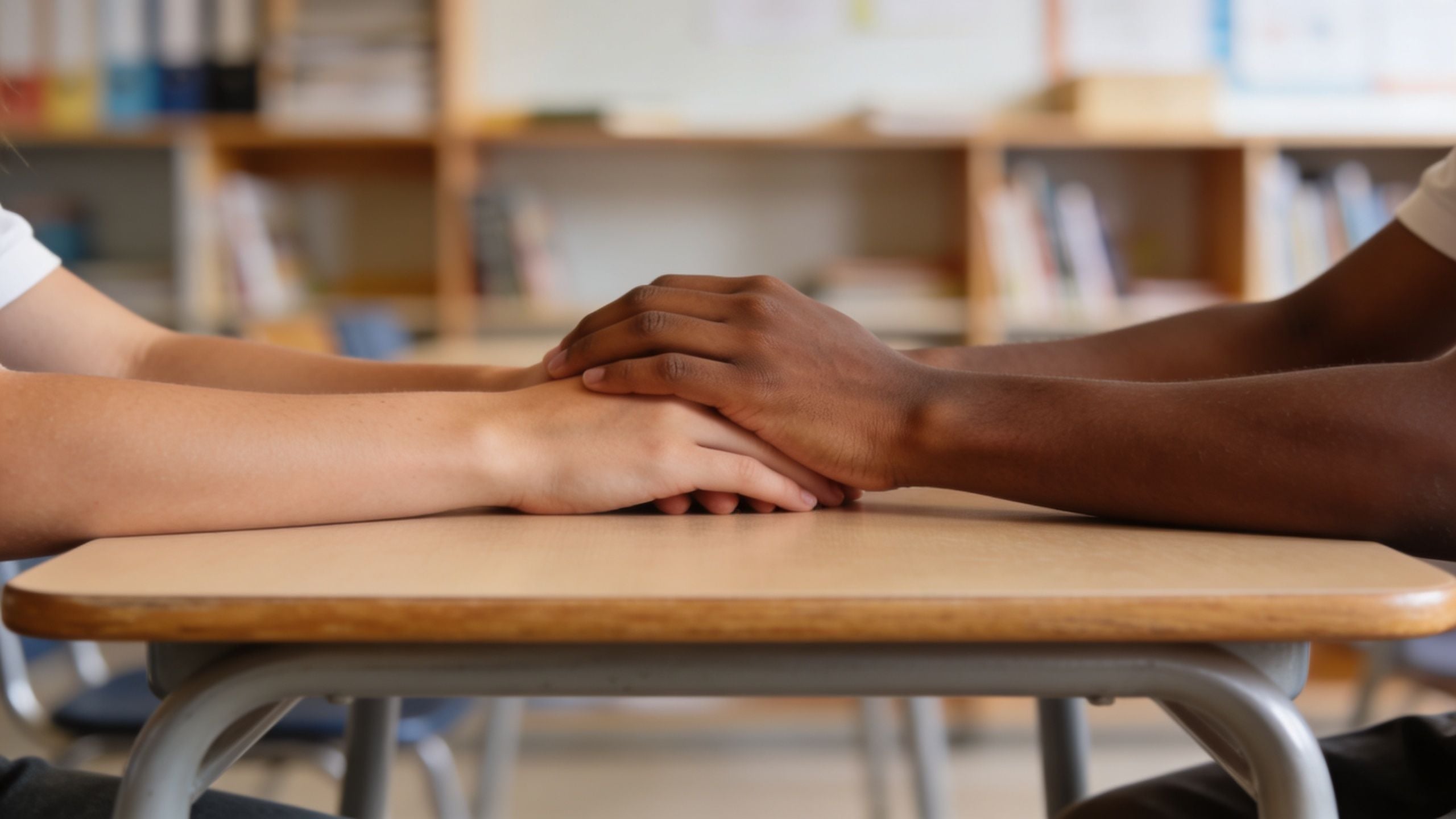
Few messages matter more to a struggling child than this one. Isolation makes problems feel bigger. A student may believe they’re the only one who feels left out, panicky, homesick, angry, or embarrassed. This quote interrupts that story.
That’s especially important in student settings where mental health needs are significant. Between 2020 and 2021, over 60% of college students met the criteria for one or more mental health issues, according to these student mental health statistics. K-8 students are younger, but school adults can still take the same lesson seriously. Students need language that reduces shame and invites support.
Make the message visible and real
A quote like this only helps if adults back it up with action. A poster that says “You are not alone” means very little if students don’t know whom they can talk to, where to go, or what happens when they ask for help.
Try a “Support Map” activity. Students write or draw trusted people at school, at home, and in the community. Younger children can use circles and simple labels like teacher, auntie, coach, counselor, or neighbor.
You are not alone should always be followed by “and here’s who can help.”
In class, a teacher might say, “Lots of people feel overwhelmed sometimes. If that happens to you, you can tell me, the counselor, or another trusted grownup.” At home, a parent can say, “You don’t have to solve every hard feeling by yourself.”
A community-building example
Create a bulletin board titled “We all need support sometimes.” Instead of asking students to share private struggles publicly, invite them to post anonymous notes finishing one sentence: “It helps me when…” Responses often build empathy fast. Children start to see that many classmates need comfort, quiet, movement, reassurance, or a friend.
3. Comparison is the thief of joy. – Theodore Roosevelt
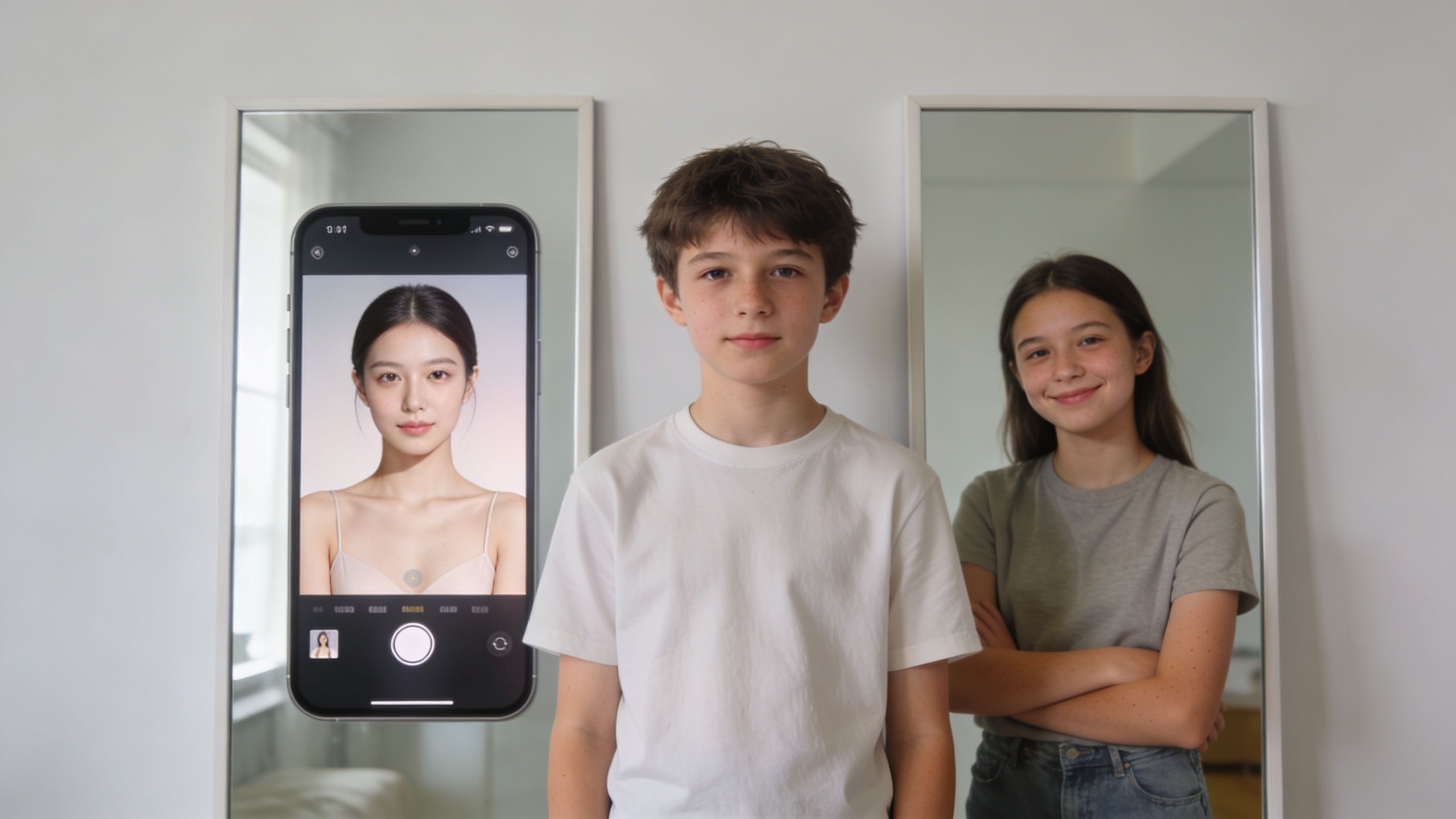
Children compare constantly. Who finished first. Who got invited. Who reads at a higher level. Who has more likes, better shoes, a newer lunchbox, a stronger team, a closer friend group. Comparison can shift normal school life into a running self-critique.
This quote gives adults a clean way to name the problem without shaming the child. It doesn’t say ambition is bad. It says that constant measuring against other people can steal satisfaction from our own growth.
What to say when comparison shows up
Suppose a student says, “Maya’s project is way better than mine.” Instead of offering empty reassurance, try: “Let’s compare your work to your last draft, not to someone else’s final product.” That redirects attention to progress and effort.
At home, if a child says, “Everyone else is better at soccer than me,” a parent can answer, “Who are you compared to last month?” That question teaches self-reference, which is a healthier habit than social ranking.
A useful classroom activity is “My one good thing.” Each student names one strength, interest, or improvement that belongs to them. Not the best in class. Just theirs.
Help students build self-esteem instead
Comparison shrinks when students have practice noticing their own strengths. That can happen through partner compliments, identity webs, portfolio reflections, or goal-setting tied to previous personal work.
For more hands-on ideas, educators can draw from these building self-esteem activities.
Later in the week, you can revisit the message with a media literacy conversation. Ask, “How do you feel after you scroll or watch people show only their best moments?” Even younger students understand that what we see isn’t always the whole story.
A short video can help launch that discussion: