

8 Practical Kids Anger Management Activities for School and Home in 2026
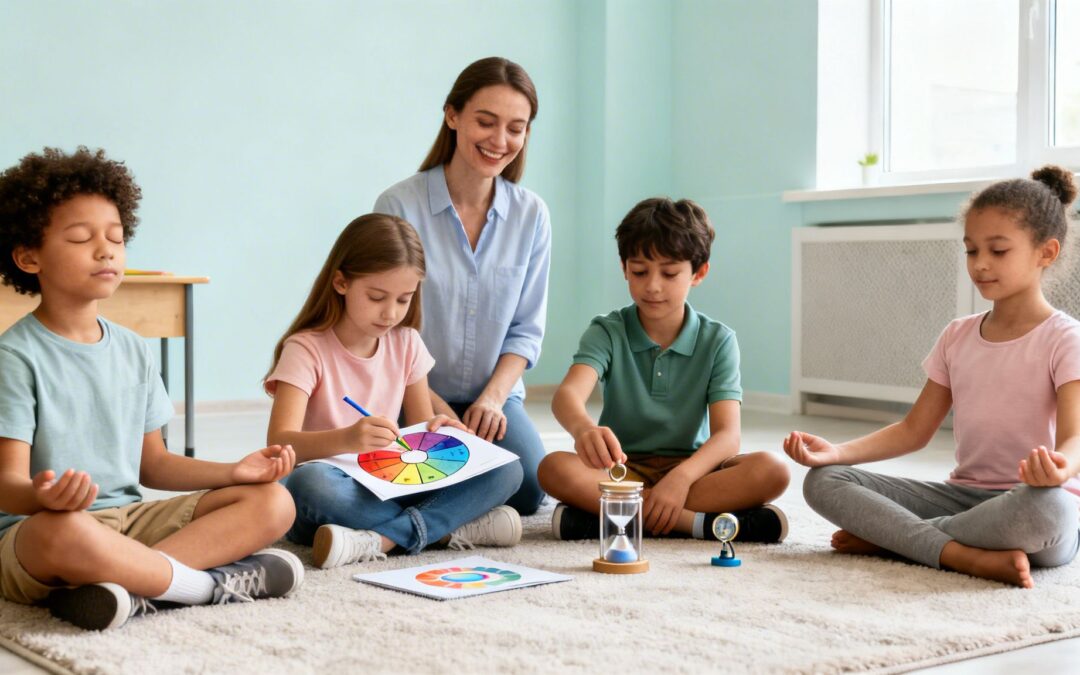
Anger is a normal, healthy emotion for children, but learning to manage it constructively is a critical life skill that forms the foundation of emotional intelligence. For parents and educators, navigating a child’s intense feelings can be challenging, often leaving us searching for effective strategies beyond traditional discipline. For children who may struggle with emotional regulation, especially those with ADHD, specific strategies are often needed; learn more about understanding and managing emotional outbursts. This guide moves past generic advice to provide a curated roundup of eight research-informed kids anger management activities.
Each activity is designed for K-8 students and comes with step-by-step instructions, practical examples for both home and classroom, and clear connections to social-emotional learning (SEL) principles. Whether you’re a teacher building a more supportive classroom climate or a parent fostering emotional intelligence at home, these actionable tools will help you equip children with the skills they need to understand their anger, calm their bodies, and solve problems peacefully. We’ll explore everything from mindfulness and movement to creative expression and conflict resolution, creating a comprehensive toolkit to help every child learn to navigate their big emotions and thrive.
1. Mindfulness and Deep Breathing Exercises
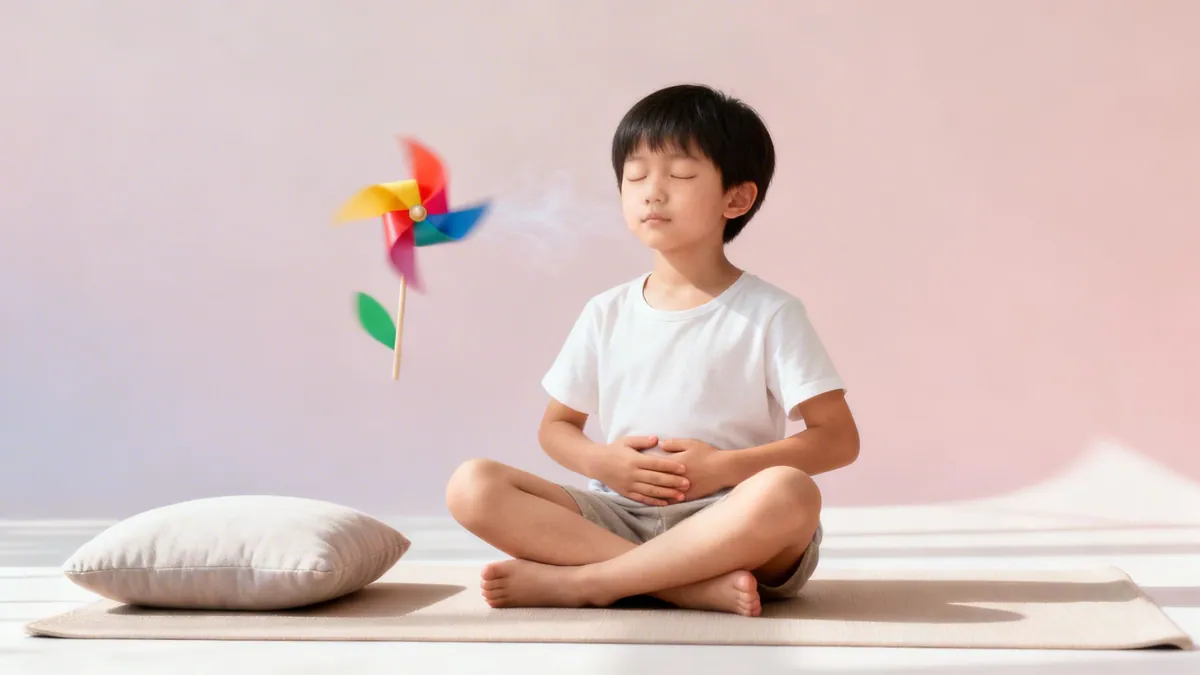
Mindfulness practices and deep breathing are foundational kids anger management activities that empower children to manage big feelings from the inside out. These techniques teach kids to observe their emotions without judgment and activate the body’s natural calming response. By focusing on the breath, children can interrupt the cycle of anger, creating a crucial pause between feeling a strong emotion and reacting impulsively. This skill is vital for building self-regulation and emotional intelligence.
Why It Works
Deep breathing, such as “belly breathing” or “box breathing,” directly stimulates the vagus nerve, activating the parasympathetic nervous system. This physiological shift lowers heart rate and blood pressure, signaling the brain to move from a “fight or flight” state to one of “rest and digest.” As pioneers like Jon Kabat-Zinn have shown, regular mindfulness practice helps children recognize anger triggers sooner, giving them a greater sense of control over their reactions.
How to Implement It
You can easily integrate these practices into daily routines at school or home.
- Belly Breathing (Diaphragmatic Breathing): Have the child lie down and place a small stuffed animal on their belly. Instruct them to breathe in slowly through their nose, making the toy rise, and then exhale slowly through their mouth, making it fall. This visual makes the abstract concept of deep breathing concrete.
- Practical Example (Parent): “I see your body is getting tight. Let’s find your favorite teddy bear and give him a little ride on your tummy. Watch him go up when you breathe in the calm, and see him go down when you blow out the mad.”
- Box Breathing: Use a visual aid or have kids trace a square in the air with their finger. Inhale for a count of four, hold for four, exhale for four, and hold for four. This rhythmic pattern is easy for children to remember during moments of stress.
- 5-4-3-2-1 Grounding: When a child feels overwhelmed, guide them to identify: 5 things they can see, 4 things they can touch, 3 things they can hear, 2 things they can smell, and 1 thing they can taste. This sensory-based technique pulls their focus away from the anger and back into the present moment.
- Practical Example (Teacher): “Leo, I see you’re frustrated with that math problem. Let’s pause. Can you look around and tell me five blue things you see in the classroom? Now, can you feel four things at your desk?”
For a deeper dive into these techniques, explore these mindfulness activities for kids.
Pro-Tips for Success
To make these practices stick, practice during calm moments first. This builds muscle memory so the skill is accessible when anger strikes. Start with short, 2-minute sessions and use fun props like pinwheels or bubbles to visualize the exhale. Frame it playfully, such as “smell the hot chocolate, then cool it down.” By incorporating these exercises into transition times, like before a test or after recess, you help children build a powerful, lifelong tool for emotional regulation.
2. Emotion Identification and Labeling Activities
Emotion identification and labeling is a powerful cognitive technique that teaches children to recognize and name their feelings with precision. Many angry outbursts occur because children lack the vocabulary to express what’s happening inside them. By moving beyond a simple word like “mad” to more nuanced terms such as “frustrated,” “disappointed,” or “annoyed,” kids gain crucial self-awareness. This skill allows them to communicate their internal state clearly, which is a cornerstone of effective kids anger management activities.
Why It Works
The act of naming an emotion helps to tame it. Neuropsychologist Dan Siegel calls this “name it to tame it,” explaining that labeling a feeling moves activity from the reactive, emotional parts of the brain to the thinking, logical prefrontal cortex. As influential figures like Marc Brackett of the Yale Center for Emotional Intelligence have demonstrated, building a rich emotional vocabulary is fundamental to self-regulation. When a child can say, “I feel betrayed because my friend shared my secret,” they are better equipped to solve the problem constructively rather than reacting with undirected anger.
How to Implement It
You can build emotional literacy through simple, consistent activities at school and home.
- Feelings Chart or Wheel: Use a visual tool like a “How Are You Feeling?” poster with various emotion faces. Make it a part of daily check-ins, asking children to point to the face that best represents their current feeling and explain why.
- Practical Example (Parent): During breakfast, ask, “Let’s check in on our feelings wheel. I’m pointing to ‘calm’ because I had a good sleep. Where are you on the wheel this morning?”
- Emotion Charades: Write different emotions (“jealous,” “embarrassed,” “excited”) on slips of paper. Have kids act out the feeling while others guess. This makes learning about complex emotions fun and interactive.
- Connect to Body Sensations: Help children link emotions to physical feelings. Ask questions like, “Where do you feel that anger in your body? Is it in your tight fists or your hot face?” This builds interoceptive awareness, a key SEL skill.
- Practical Example (Teacher): “It looked like you were getting really upset on the playground. I noticed your face was red and your hands were in fists. Is that what ‘frustrated’ feels like in your body?”
Discover more strategies for naming feelings and helping kids find the words they need.
Pro-Tips for Success
To make this practice effective, model emotional labeling yourself. Say things like, “I’m feeling frustrated because the traffic is making us late.” Use a diverse vocabulary and praise children when they accurately name their feelings. Practice during calm moments by discussing characters’ emotions in books or movies. When anger does arise, gently ask, “What’s the feeling underneath that anger?” This helps them see anger as a secondary emotion and identify the true source of their distress.
3. Physical Movement and Gross Motor Activities
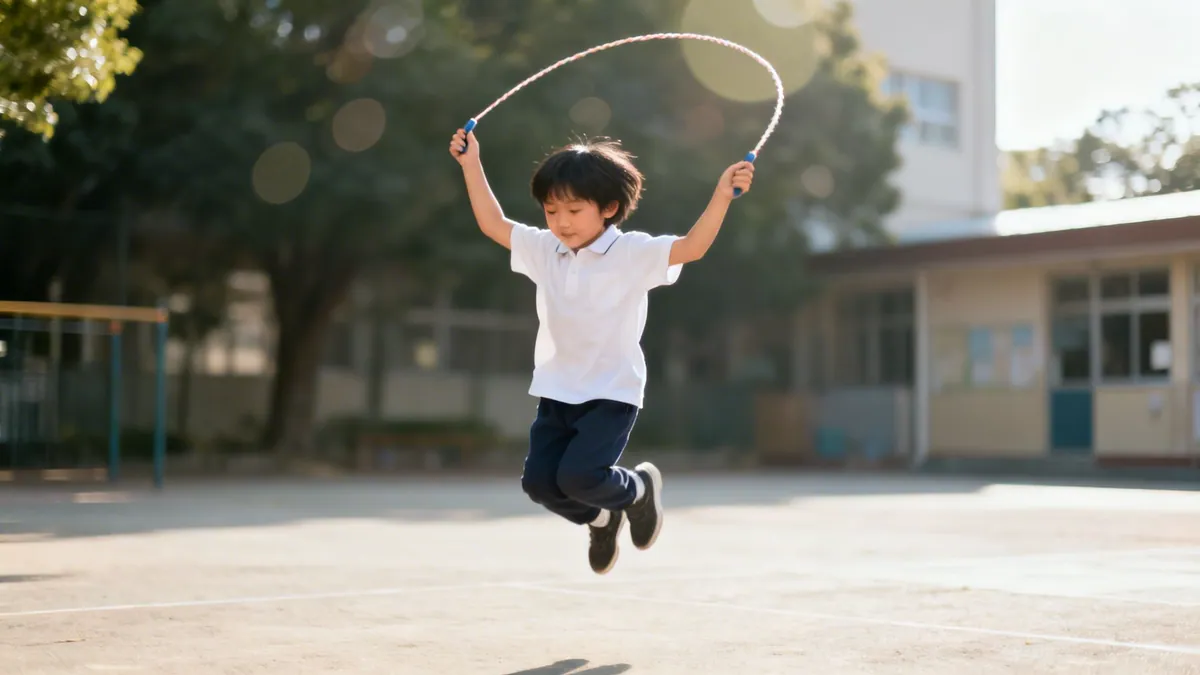
Structured physical activities provide a powerful and healthy outlet for children to release the pent-up energy that often fuels anger. Engaging in gross motor movements like running, jumping, or dancing helps kids channel intense feelings constructively instead of through destructive actions. These kids anger management activities teach children to use their bodies as a tool for emotional regulation, activating natural mood boosters and providing a physical release for stress and frustration. This approach is especially beneficial for kinesthetic learners and high-energy children.
Why It Works
Physical movement triggers the release of endorphins, the body’s natural “feel-good” chemicals, which act as a direct antidote to stress hormones like cortisol. This biochemical shift can quickly improve a child’s mood and reduce feelings of aggression. Programs like Yoga Calm and initiatives such as the Junior Giants program, which pairs sports with social-emotional learning, demonstrate that connecting physical exertion with emotional awareness helps children build discipline, focus, and a greater sense of control over their impulses.
How to Implement It
You can use both structured and unstructured movement to help kids manage anger.
- “Shake It Out”: When you notice a child getting frustrated, invite them to “shake out the anger.” Encourage them to shake their hands, arms, and whole body for 30-60 seconds. This simple act provides an immediate physical release.
- Practical Example (Teacher): “Class, I notice we’re all getting a little wiggly and frustrated with this long assignment. Let’s stand up and do a 30-second ‘Silly Shake’ to get the fidgets out before we try again.”
- Structured Brain Breaks: Incorporate short, 5-minute movement breaks into the school day or at home. Activities like jumping jacks, running in place, or dancing to an upbeat song can preemptively manage rising stress levels.
- Yoga and Stretching: Guide children through simple yoga poses like “Warrior Pose” or “Lion’s Breath” (sticking out the tongue and roaring on the exhale). These poses help release tension stored in the body while promoting mindfulness.
- Practical Example (Parent): “You seem so angry right now. Let’s do three big Lion’s Breaths together. Let me hear you roar out all that mad!”
Watch this video for a demonstration of a quick movement break: