

10 Self Esteem Worksheets for Teens (Printable & Digital)
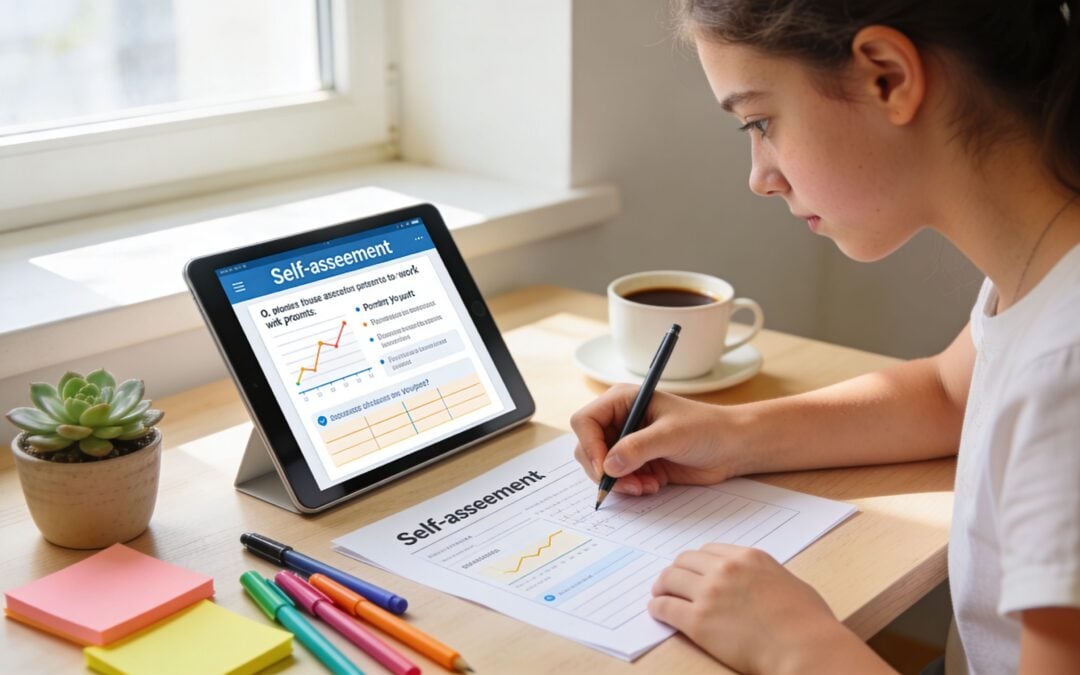
A teen slouches in their chair and stares at the desk when it’s time to share. Another shrugs off a compliment, then whispers to a classmate, “It’s probably dumb anyway.” In schools and at home, those moments add up. They tell you something important is happening beneath the surface.
Teens are managing academic pressure, social changes, identity questions, and constant comparison. According to the National Health Statistics Survey summary discussed by Total Life Counseling, 58.5% of teens feel somewhat undervalued and need social support. That’s exactly why self esteem worksheets for teens still matter. They give adults a concrete starting point when a teen doesn’t yet have the words.
The catch is that a worksheet by itself rarely changes much. A good worksheet helps a teen notice a pattern, name a strength, question a harsh belief, or practice a response. A significant shift happens when a teacher, counselor, or parent uses that page to create safety, reflection, and follow-through.
Some tools work best for one-on-one counseling. Others fit an advisory period, a lunch group, or a home routine. The strongest options also make it easier to connect self-esteem work to broader SEL goals like empathy, communication, peer support, and emotional regulation.
Below are 10 strong options, with the trade-offs that matter when you’re choosing something teens will use.
1. Tools Of The Heart Online Course

Tools Of The Heart Online Course isn’t a worksheet library in the narrow sense. It’s the option I’d put first when the problem isn’t only one teen’s negative self-talk, but the climate around them. If students are shutting down, excluding one another, or struggling to repair conflict, isolated worksheets won’t carry the whole load.
Soul Shoppe built this as a flexible digital SEL course for educators, staff, and families. The practical advantage is the shared language it creates around self-regulation, mindfulness, communication, conflict resolution, and peer support. That matters because self-esteem improves faster when teens don’t feel alone in the work.
Where it stands out
A lot of self esteem worksheets for teens focus on internal reflection only. That’s useful, but incomplete. The strongest self-esteem growth often happens when adults pair reflection with belonging, safe discussion, and repeated practice in real relationships.
This course supports that wider approach. It helps adults model what calm repair sounds like, how to name feelings without shame, and how to give students structured ways to support one another.
Practical rule: Use a worksheet to surface a thought. Use an SEL routine to change what happens next.
A middle school example looks like this. A student completes a self-talk page and writes, “Nobody wants me in their group.” Instead of stopping there, the adult can connect that reflection to class norms, partner structures, and repair language. The teen doesn’t just identify a belief. They experience a different social pattern.
Best fit and real trade-offs
This is the best fit for schools, youth programs, and families that want more than print-and-go pages. It works especially well when you want self-esteem tools to connect with bullying prevention, peer inclusion, and emotional safety. Soul Shoppe also offers a helpful read on self-esteem for kids that supports this broader mindset.
What works well:
- Shared language across adults: Teachers, counselors, and caregivers can reinforce the same SEL skills.
- Better group transfer: Teens practice confidence through communication and connection, not just solo reflection.
- Flexible delivery: It can support classroom use, staff development, after-school settings, and home follow-up.
What doesn’t work as well:
- Self-study has limits: If adults move through it without discussion or planning time, implementation can get thin.
- Schoolwide use takes coordination: The impact is stronger when multiple adults buy in, which isn’t always easy in a busy district.
If you need a few quick pages for tomorrow, this isn’t the fastest pick. If you want a system that helps worksheets stick, it’s one of the strongest options on the list.
2. Therapist Aid

Therapist Aid fits the moment when a teen will give you ten workable minutes, but not forty. In a counseling office, that often matters more than having the most detailed worksheet on the internet.
The materials are clean, familiar, and easy to put in front of adolescents without a long setup. For school counselors, social workers, and parents who want a structured starting point, that practicality is the main advantage. A teen can complete a strengths inventory, reflection page, or journal prompt without feeling like they were handed a textbook.
Why it works in real settings
Therapist Aid is strongest when the goal is to start a useful conversation fast. The instructions are usually clear, the design feels age-neutral, and the pages work across several formats, including individual sessions, small groups, and take-home follow-up.
Look for three things before handing a teen any self-esteem worksheet:
- Quick entry: The student can begin with little explanation.
- Credible tone: The page does not feel childish, preachy, or too clinical for the setting.
- Discussion value: The worksheet gives the adult something concrete to ask about next.
Therapist Aid usually delivers on those points.
A simple traits page often gets more honest responses than a broad identity exercise, especially with a teen who is guarded, sarcastic, or emotionally tired.
How to choose the right worksheet here
This resource is a better match for targeted support than for a full sequence of lessons. If the need is classroom-wide SEL instruction, these pages usually need extra framing and partner discussion to keep them from becoming isolated seatwork. If the need is counseling, check-in support, or a short skills group, they are much easier to use well.
A few practical pairings help:
- For individual counseling: Use a positive traits or self-talk worksheet, then ask, “Which answer felt true today, and which one felt hardest to write?”
- For a small group: Start with a strengths page, then invite each teen to name one strength they use at school and one they hide.
- For home use: Send one short reflection page with a caregiver prompt such as, “Tell me about one answer you want me to understand, not fix.”
Those prompts matter. The worksheet should open the door, not carry the whole intervention.
Best use cases and limitations
This is a strong option for school counseling offices, brief intervention groups, and students who need structure without too much emotional intensity at the start. It also works well for adults who want printable materials they can use tomorrow.
The trade-off is straightforward. Therapist Aid gives you solid standalone tools, not a built-out SEL progression. Many helpful resources are member-only, and even the free pages work best when an adult adds context, discussion, and repetition over time.
If you need a full semester plan, this will not do that by itself. If you need clear, usable worksheets that help a teen name strengths, challenge self-criticism, and start talking, it is one of the more dependable picks on the list.
3. Psychology Tools

Psychology Tools is the most clinical option on this list, and that’s both its strength and its limitation. If you’re working with a teen who gets stuck in harsh self-criticism, distorted thinking, or repetitive shame narratives, the structure here can be extremely useful.
The worksheets are typically one concept per page, with formats like fillable PDFs and editable files. That makes them easier to tailor for school groups, counseling sessions, or telehealth support.
When the extra depth helps
Some teens need more than “write three good things about yourself.” They need help tracking when self-critical thoughts show up, what triggers them, and how to answer them with something more balanced. That’s where this library stands out.
The design also works for adults who want a more explicit cognitive-behavioral frame. You can move from event, to thought, to feeling, to response in a way that’s easy to teach.
A useful school example: a student writes, “I got one question wrong, so I’m stupid.” On a Psychology Tools-style page, you can help them identify the thought, test the evidence, and build a replacement thought such as, “I missed one part, and I can still learn this.”
The trade-off in classrooms
This isn’t usually my first recommendation for a quick homeroom activity. The materials can feel too clinical for a broad classroom audience, especially if students are already resistant to SEL. In those settings, the pages work better when the adult simplifies the language and uses only one slice of the exercise.
- Best for: Counselors, psychologists, targeted small groups, and older teens who can tolerate reflection.
- Less ideal for: Fast classroom warm-ups or reluctant students who shut down when something feels like therapy.
- Helpful feature: Editable formats make it easier to adapt wording to your students.
If your setting allows depth, this is a strong library. If you need instant engagement, you’ll probably want a more visual or youth-forward tool.
4. PositivePsychology.com

PositivePsychology.com is a strong middle-ground option. It offers free self-esteem worksheets, practical prompts, and enough background explanation for adults who want to understand why an activity works before they use it.
That’s useful for teachers and parents who don’t want a heavily clinical tone but also don’t want fluff. The materials often center strengths, growth, reflection, and positive self-talk.
Where it fits best
This is the kind of resource I’d use when I need something for advisory, a short SEL block, or homework after a counseling session. The pages are usually straightforward enough to use quickly, and the broader articles help adults frame the conversation.
A practical classroom example: use a strengths worksheet at the end of the week, then ask students to write one example of when that strength showed up in class, at home, or with a friend. That extra step matters because teens often dismiss abstract strengths until they connect them to real behavior.
According to the same Mental Health Center Kids analysis, PositivePsychology.com benchmarks structured worksheets such as strengths and inner-critic activities against evidence-based protocols and notes self-esteem gains in short teen interventions. I’d still treat that as support for structured practice, not as a promise that any single printable will create a big change on its own.
Don’t ask teens to “be positive.” Ask them to get specific.
What to watch for
The free materials are a plus. The downside is that not every resource is clearly labeled for teens, so you’ll need to review tone and language before handing it out. Some pages work beautifully for adolescents, while others feel more adult-oriented.
This one is best for adults who are comfortable curating and adapting. If you want one platform that spoon-feeds a full teen sequence, another option may be easier.
5. Mylemarks
Mylemarks feels built by someone who understands the day-to-day rhythm of school counseling. The resources are practical, visually approachable, and easy to use in small groups, one-on-one sessions, or telehealth.
Its self-esteem materials, including journaling formats for teens, are useful when you want reflection that feels guided rather than rigid. That makes a difference for students who won’t engage with a dense workbook page.
Why it works with real students
Some self esteem worksheets for teens fail because they look too formal. Others fail because they’re so simplified that older students feel talked down to. Mylemarks usually lands in a better middle space.
A good example is how you might use a self-esteem journal prompt in a lunch group. Ask students to respond to one page privately, then invite them to share only one line they’re comfortable reading aloud. That lowers pressure while still creating connection.
Short activities also make follow-through easier. You can assign one page after a rough peer interaction, after a conflict with a teacher, or before a student-led conference where confidence matters.
Main strengths and weak spots
- Student-friendly visuals: Helpful for teens who shut down around text-heavy pages.
- Flexible delivery: Works in print, telehealth, and brief school-based sessions.
- Broad SEL catalog: Easier to build continuity if you also need tools for anxiety, coping, or friendships.
The trade-off is that many resources are sold individually, so you may end up piecing together your own sequence. Stock rotation can also be frustrating if you planned around a specific item and it’s temporarily unavailable.
For counselors who don’t mind curating, it’s a practical and usable library.
6. Centervention

Centervention is a smart choice if you want a mix of free printables and a broader SEL platform. It’s especially useful in schools that need to support both universal classroom instruction and targeted interventions.
The printables cover common self-esteem themes such as strengths, self-awareness, and perfectionism versus self-improvement. The platform side adds more structure for schools that want progress monitoring and a wider SEL framework.
Best school use
I’d consider this most useful for middle grades and early teens, especially when your staff wants something easy to launch. The pages are accessible, and they pair well with practical mini-lessons.
A classroom example: use a perfectionism worksheet after a student says, “If I can’t do it right, I’m not doing it.” Then run a quick board activity where students sort statements into “high standards” versus “all-or-nothing thinking.” That turns the worksheet into a shared learning moment.
What to know before choosing it
The free materials are helpful, but some may skew younger than a high school audience wants. If you work mostly with older teens, you’ll want to preview design and tone carefully.
This platform is strongest when you need scalability.
- Good fit: Tier 1 and Tier 2 school supports, middle school groups, advisory lessons.
- Less ideal: Older teens who want more mature design and language.
- Added value: Schools can move from a printable to a fuller SEL system without changing vendors.
If your school is trying to bridge classroom SEL and intervention support, Centervention deserves a look.
7. Between Sessions Resources

Between Sessions Resources does one thing well. It gives counselors directive, assignable worksheets that are easy to use between meetings. If you’re the kind of practitioner who wants a teen to leave with one concrete task, this style works.
The self-esteem content sits inside a broader therapy resource library, which helps when low self-esteem is tangled up with anxiety, anger, social stress, or family conflict.
Practical value for counseling rhythm
A lot of teen growth happens between sessions, not during them. This library leans into that. The worksheets are often direct enough that a counselor can say, “Do page two this week, circle the hardest prompt, and bring it back next time.”
That’s useful for school-based work where your actual face time may be short. A student might complete a self-belief worksheet at home, then use your next meeting to unpack one sentence they wrote rather than starting from scratch.
If a teen never finishes homework, assign fewer prompts and ask for one honest answer, not a full page.
The downside
The site can take patience to find one's way around because it mixes public and premium materials. The visual style also leans more clinical than trendy, which means some teens will connect with the substance but not the presentation.
Still, for counselors who care more about function than polish, it’s a solid option. It’s especially strong when self-esteem work needs to continue across multiple sessions in small, manageable steps.
8. Whole Person Associates The Teen Self-Esteem Workbook

The Teen Self-Esteem Workbook from Whole Person Associates is one of the more structured, reproducible options available. When you need a real sequence instead of random printables, this kind of workbook can save time.
The resource described by Whole Person Associates uses a step-by-step progression and includes five separate sections that guide participants toward learning more about themselves and understanding how self-esteem affects them. The sections include the Teen Self-Esteem Scale, Teen Self-Worth Scale, and Teen Self-Understanding Scale.
Why the structure matters
This is a good fit for small groups, pull-out support, or counseling programs that want a beginning, middle, and end. Teens often do better when they can see a progression instead of feeling like each week is a totally unrelated activity.
A practical school example: run a six-week group where week one focuses on self-assessment, week two on self-worth, week three on assertiveness, and later sessions on self-responsibility and daily application. That gives students a sense of movement.
The workbook approach also helps adults stay organized. You’re not scrambling each week for another printable that sort of matches the theme.
Real trade-offs
The downside is tone. Traditional workbook design can feel formal, and some teens prefer shorter, more visual pages. It also isn’t a free resource, so access may depend on your counseling budget.
This is one of the better choices when you need reproducibility and order. It’s less ideal if your students only tolerate short, highly visual activities.
9. Mental Health Center Kids

Mental Health Center Kids self-esteem bundle is a practical print-and-go choice for adults who want variety fast. The pages cover strengths, positive self-talk, coping trackers, accomplishments, and self-forgiveness in a format that feels approachable.
This is not the place I’d go for deep implementation guidance. It is a place I’d go when I need visually engaging materials I can sort through and use right away.
Strong for variety, weaker for sequencing
The big benefit is range. If you’re planning a short advisory series or building a counseling folder for a teen, it’s useful to have different page types available. Some students respond to trackers. Others respond to reflection prompts. Others need something creative and low-pressure.
A home example: a parent can choose one accomplishments page for Sunday evening and one positive self-talk page before a stressful school day. That kind of light routine often gets more cooperation than a thick packet.
The market overview connected to this brand also notes substantial demand for self-esteem themed educator resources and digital formats, but I’d still judge this specific bundle mainly on usability rather than on market claims. In practice, its value is that adults can quickly find pages that feel less dry than traditional worksheets.
Best fit
- Best for: Advisory, counseling homework, family check-ins, short-term SEL support.
- Watch for: Some bundles span wide age ranges, so older teen users may need a careful page selection.
- Bottom line: Great as a grab-and-go bank. Less strong as a full developmental sequence.
10. GoZen!

GoZen! printable packs are among the most visually engaging options for confidence, self-talk, perfectionism, and body confidence. If your students reject anything that looks like a standard worksheet, the comic-style design and youth-forward tone can help.
That design matters more than adults sometimes think. A teen who refuses a plain black-and-white handout may willingly complete a page that feels more like an activity pack.
Engagement first
GoZen! works well for targeted themes. If a small group is focused on body image, perfectionism, or negative inner talk, the deeper thematic packs can support a multi-session sequence without becoming repetitive.
A practical group example: use a self-talk page, then ask students to rewrite one inner-critic statement as if they were talking to a close friend. Follow that with a pair-share where each student offers one supportive phrase another student could use this week.
That move from page to spoken practice is important. Self-esteem work sticks better when teens hear and use language out loud.
Sometimes the “best” worksheet is simply the one a teen will actually touch, read, and finish.
Where it can be too much
The packs are large, which is helpful if you want depth but inefficient if you need only three pages. You’ll need to curate carefully so students don’t get overwhelmed and staff don’t lose the thread.
This is a strong choice when engagement is your first hurdle. It’s less efficient when you want a minimal, tightly focused handout.
10-Resource Comparison: Teen Self-Esteem Worksheets
| Product | Target audience | Key features | Unique selling points / value | Price & access |
|---|---|---|---|---|
| Tools Of The Heart Online Course (Soul Shoppe) | Educators, school staff, families, whole campuses | Research-based SEL modules; experiential, application-focused; self‑regulation, mindfulness, communication | 20+ years of school‑wide implementation; shared language; pairs with workshops, coaching & app for sustained change | Paid course / school licensing, contact Soul Shoppe for pricing |
| Therapist Aid (Self‑Esteem Worksheets) | School counselors, clinicians, small groups | Adolescent-specific worksheets; clear instructions; some fillable/customizable files | Clinician-created, easy to search by topic; trusted by professionals | Mostly free samples; many downloads require paid membership |
| Psychology Tools (Self‑Esteem & Self‑Criticism) | Clinicians, school counselors, individual therapy | Fillable PDFs & editable Word/PPT; one‑concept pages; organized clinical library | Strong clinical pedigree and evidence base; detailed clinician guidance | Membership required for full access; some free resources |
| PositivePsychology.com (Worksheets & Tools) | Teachers, counselors, parents | Free self‑esteem PDFs, journal prompts, educator guidance; strengths focus | Quick, research‑informed printables with teacher/parent summaries | Many free resources; premium toolkit & membership for full features |
| Mylemarks (Self‑Esteem & Positive Thinking) | School counselors, telehealth providers, classrooms | Teen journaling prompts, print‑and‑go activities; catalog across SEL topics | Student‑friendly visuals; affordable, counselor‑tested materials | À la carte purchases; generally low cost per item |
| Centervention (Free Worksheets + SEL Platform) | Middle schools; Tier 1/2 supports; districts | Free worksheets & lessons; game‑like online interventions; progress tracking | Scales from free classroom prints to district licensing with data tracking | Free printables; platform and full features via paid licenses (trial available) |
| Between Sessions Resources (Workbooks & Worksheets) | Therapists, school counselors | Large CBT‑informed catalog; reproducible teen workbooks; “between session” tools | Practical, directive worksheets for clinical homework and groups | Free samples + paid libraries/memberships |
| Whole Person Associates – Teen Self‑Esteem Workbook | Counselors, small groups, youth programs | Reproducible workbook with assessments, journaling, structured exercises; print/PDF/bundle | Time‑tested workbook design; reproducible for multi‑class use | Paid single‑title purchase (print/PDF bundles) |
| Mental Health Center Kids (Bundle) | Educators, counselors, advisory groups | Visually engaging printables: trackers, affirmations, reflection prompts | Immediate print‑and‑go handouts balanced between creative & CBT elements | Paid printable bundle (K–12 breadth; filter for teen content) |
| GoZen! (Printable Packs) | Tweens/teens, school lessons, counselors | Large themed packs (150–220+ pages); comic‑style worksheets, journals, posters | Highly engaging, youth‑forward design; deep thematic units (self‑talk, body confidence) | Paid packs or membership; free weekly printable & optional GoZen+ platform |
Putting Tools into Practice From Worksheet to Well-Being
A teacher passes out a self-esteem worksheet during advisory. One student finishes in two minutes and stares at the desk. Another jokes through every prompt. A third writes a page and then refuses to discuss it. The worksheet did not fail. The match, timing, or follow-up probably did.
Self esteem worksheets for teens work best when adults choose them for a specific purpose and plan what happens after the page is complete. In practice, that means deciding three things first. Where will this happen: classroom, counseling office, or home? What is the immediate goal: awareness, language, reframing, or connection? How much emotional risk can this teen handle today?
That last question matters. Adults often assign a highly personal reflection sheet before a teen trusts the setting. A guarded student usually does better with low-exposure tasks first: rating statements, identifying one believable strength, matching self-talk examples, or choosing a coping response from a list. Deeper writing fits better after the teen has some safety and success.
A simple selection framework helps.
For classrooms, choose short, concrete worksheets that lead to discussion without pressuring disclosure. Strength spotting, self-talk sorting, and quick confidence check-ins tend to work well because students can participate at different levels. For counseling, use worksheets that examine triggers, core beliefs, and replacement thoughts, since privacy and follow-up are built in. For home use, pick low-pressure formats that can fit into routines, such as one-page journals, trackers, or prompts a caregiver can revisit later in the week.
The follow-up questions matter as much as the worksheet itself. Use prompts that help teens get specific:
- After a strengths worksheet: “Which strength feels true on a good day? Which one is hardest to claim?”
- After a negative self-talk page: “What was the exact sentence in your head?”
- After a social conflict reflection: “What meaning did you attach to what happened?”
- After a journaling prompt: “What part would feel okay to say out loud?”
- After a praise or affirmation activity: “What makes that compliment hard to accept?”
Specific language helps teens separate events from identity. “I froze during the presentation” can be examined and improved. “I am awkward” sticks unless someone helps challenge it.
Implementation also needs a realistic view of trade-offs. A classroom worksheet should protect time, privacy, and group momentum, but that usually means less depth. A counseling worksheet can go further, but it reaches fewer students at once. Home activities can strengthen transfer and consistency, yet they depend on caregiver capacity and the teen’s willingness to engage outside school. The right choice is the one the adult can support well, not the one with the most impressive prompt.
Here is what that can look like in practice.
In advisory, a teacher might use a self-talk worksheet with two sentence stems on the board: “The thought I hear when I mess up is…” and “A more accurate thought is…” Students can write privately, share in pairs, or submit anonymous examples. That preserves choice while still building shared language.
In a counseling group, an individual reflection page can be paired with structured peer feedback. A prompt such as “One thing I assume other people notice about me is…” often opens the door to corrective experiences, especially when peers are coached to respond with concrete, respectful observations instead of vague reassurance.
At home, a caregiver can turn a strengths worksheet into a weekly habit. Ask the teen to name one strength they used that day and add a short example. Keep the bar low. “You kept going when homework got frustrating” is enough. Self-esteem grows faster when teens see evidence linked to real behavior.
Worksheets also work better when they sit inside a broader SEL routine. If a school uses common language for self-talk, emotional regulation, repair, and belonging, students hear the same message in more than one place. A teacher can reinforce it before a presentation. A counselor can revisit it during check-in. A caregiver can use similar wording after a rough evening. Soul Shoppe is one example of a broader SEL framework schools may use to build those consistent routines and conversations over time.
For adults deciding where to start, keep the plan narrow. Pick one concern, such as perfectionism, social withdrawal, harsh self-talk, or trouble accepting praise. Choose one worksheet that fits the setting. Then decide the follow-up before handing it out: What will the teen discuss, practice, or notice next?
That sequence turns a printable into actual skill-building. Over time, the worksheet becomes less important than the pattern around it: reflection, conversation, practice, and repetition.
Worksheets work best when the room already feels safe enough to be honest in. That is what our programs build. See our K–6 school programs, or browse the classroom resources in our shop — the You’re Amazing Poster and Tool Posters Bundle are the ones teachers reach for most.