

10 Practical Mindfulness Exercises for Kids: A 2026 Guide for Home & School
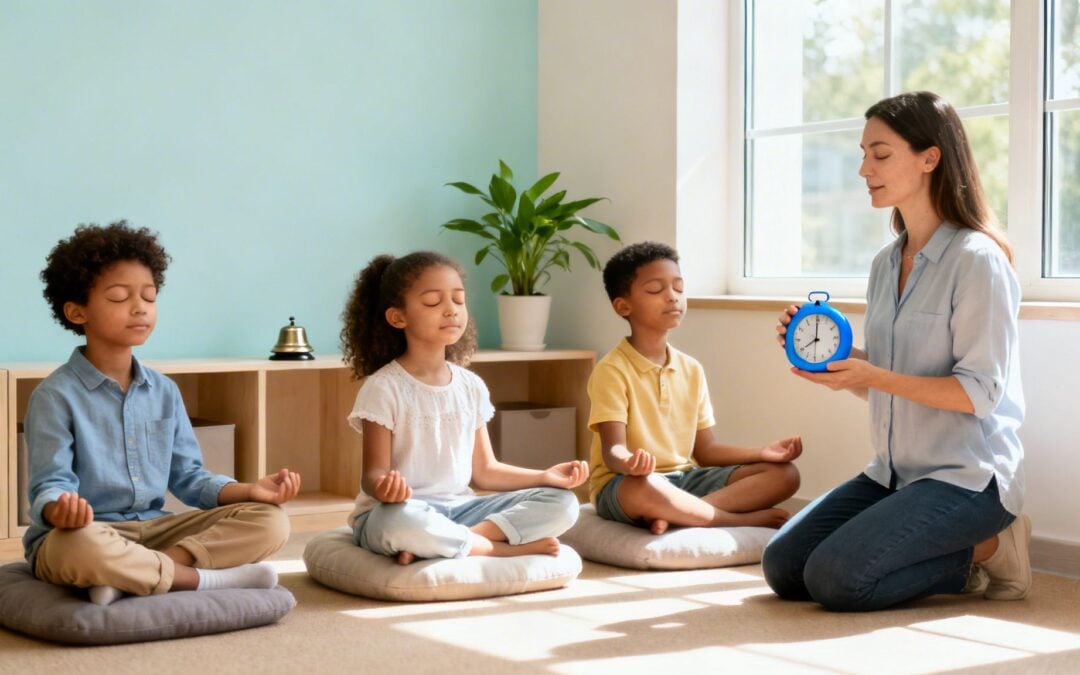
In today’s fast-paced world, children navigate a landscape of constant stimulation and high expectations. The ability to pause, breathe, and connect with the present moment isn’t just a nice-to-have; it’s a foundational skill for emotional regulation, focus, and resilience. This article moves beyond theory, offering a practical, evidence-informed toolkit of 10 mindfulness exercises for kids.
Designed for parents, teachers, and caregivers, each activity is broken down into simple, actionable steps, complete with age-appropriate adaptations and real-world examples. From calming anxious minds before a test to building empathy in the classroom, these exercises are more than just activities. They are building blocks for social-emotional learning (SEL) that equip children to thrive both academically and personally.
This comprehensive guide provides everything you need to introduce these powerful practices into your home or classroom. You will find step-by-step instructions, time guidance, and specific tips for adapting each exercise for different age groups and settings. For those looking to deepen their understanding and supplement these activities, exploring curated lists of books about social emotional learning can provide valuable narratives and frameworks to reinforce these concepts.
We will explore a variety of techniques, including:
- Belly Breathing to manage stress.
- Mindful Listening to improve focus.
- Gratitude Practices to foster a positive outlook.
- Body Scan Meditations to build self-awareness.
Each section is structured for quick reference and immediate implementation, helping you cultivate a more peaceful and attentive environment for the children in your care. By integrating these mindfulness exercises, you are giving kids a superpower: the ability to understand and manage their inner world with confidence.
1. Belly Breathing (Diaphragmatic Breathing)
Belly breathing, also known as diaphragmatic breathing, is a cornerstone of mindfulness exercises for kids. This foundational practice teaches children to take slow, deep breaths that originate from the diaphragm, causing the belly to rise and fall. This simple action directly engages the parasympathetic nervous system, our body’s natural relaxation response, helping to lower heart rate and reduce feelings of anxiety or stress.
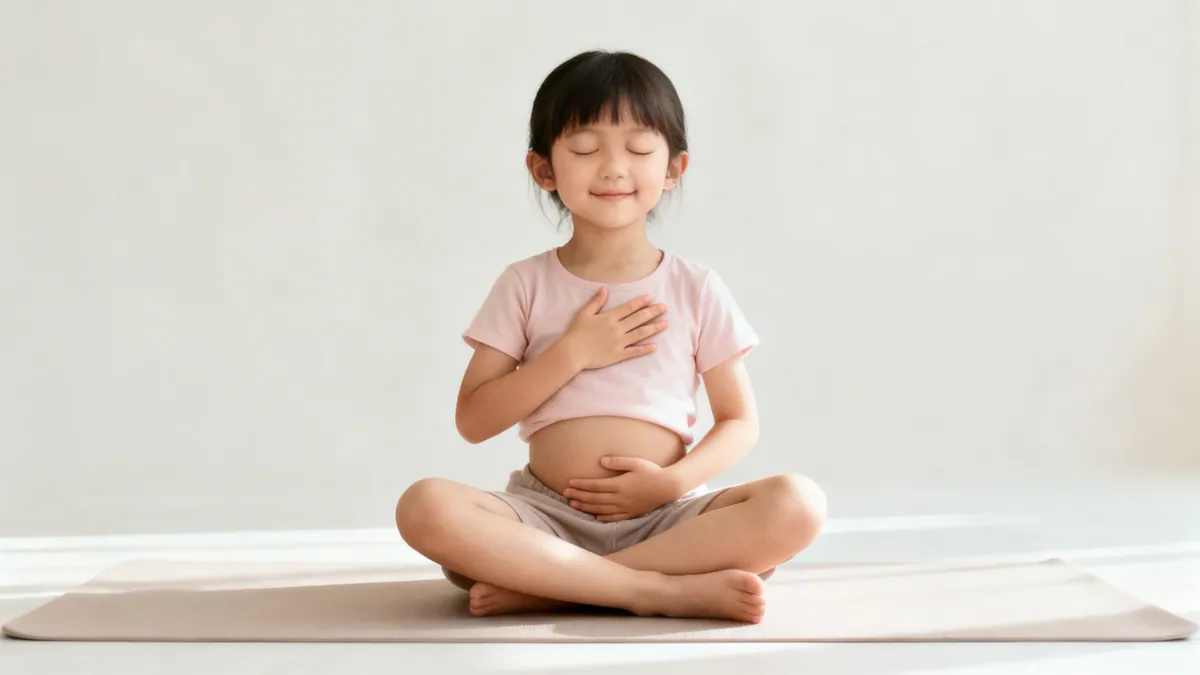
Unlike shallow chest breathing, which is common during stressful moments, belly breathing provides an immediate and tangible tool for self-regulation. It is one of the most accessible self-regulation strategies for students and can be used anywhere, anytime.
How to Guide Belly Breathing
To introduce this technique, have children lie down comfortably or sit with a straight spine. Instruct them to place one hand on their chest and the other on their belly. Cue them to breathe in slowly through their nose, feeling the hand on their belly rise like a balloon filling with air, while the hand on their chest stays relatively still. Then, they should exhale slowly through their mouth, feeling their belly deflate.
Key Cue: “Imagine you have a small balloon in your belly. When you breathe in, you are slowly filling it up with air. When you breathe out, the balloon gently deflates.”
Practical Implementation and Tips
- Make it Visual: Place a small stuffed animal or a “breathing buddy” on the child’s belly while they lie down. Their goal is to make the buddy gently rise and fall with each breath. For example, a child upset about a scraped knee can lie down with their favorite teddy bear on their tummy and focus on giving it a slow ride up and down.
- Use Counting: Guide children through a simple counting pattern, such as breathing in for four counts, holding for four counts, and exhaling for four counts. This adds a focal point for their attention.
- Integrate into Routines: A teacher might lead a two-minute belly breathing session after recess to help the class transition calmly to the next lesson. A parent can use it as part of a bedtime routine to promote restful sleep.
- Normalize the Practice: Introduce belly breathing when children are calm and regulated. For example, practice for one minute during a morning meeting at school. This ensures they build muscle memory for the skill, making it easier to access during moments of frustration, anger, or nervousness before a big game.
2. Body Scan Meditation
The Body Scan Meditation is a guided exercise that encourages children to bring gentle, nonjudgmental attention to different parts of their body, one at a time. This practice helps kids develop a stronger mind-body connection, teaching them to notice physical sensations like warmth, tingling, or tension without feeling the need to react to them. It is a powerful tool for building body awareness and helping children recognize how emotions can manifest physically.
Pioneered in modern mindfulness by Jon Kabat-Zinn, this technique is not about changing or fixing sensations, but simply noticing them. For children, this fosters an ability to sit with discomfort and understand the transient nature of physical feelings, which is a key component of emotional resilience. It’s one of the most effective mindfulness exercises for kids to connect with their inner world.
How to Guide a Body Scan Meditation
Have children lie down comfortably on their backs with their eyes closed or with a soft, downward gaze. In a calm voice, guide their attention sequentially through the body, starting from the toes and moving slowly up to the head. Invite them to notice any sensations in each part without judgment.
Key Cue: “Bring your attention to your toes. You don’t have to move them, just notice how they feel. Are they warm or cool? Tingly or still? Whatever you feel is perfectly okay.”
Practical Implementation and Tips
- Keep it Brief and Playful: For younger children, start with a 3-5 minute scan. You can call it a “Tingle Tour” or “Flashlight Focus,” imagining a gentle beam of light scanning their body. For example, a kindergarten teacher could say, “Let’s shine our magic flashlight onto our feet. What do you notice?”
- Allow for Movement: It’s natural for kids to fidget. Offer “wiggle breaks” between body parts. You might say, “Now let your feet have a little wiggle before we move our attention to our legs.”
- Use Inclusive Language: Frame invitations gently. For instance, “Notice your left hand… or if you prefer, just think about that space.” This is especially important for children with diverse physical abilities or sensitivities.
- Integrate into Daily Transitions: A guidance counselor might use a short body scan with an anxious student to help them ground themselves before returning to class. A parent can lead a calming scan as part of a bedtime routine to release the day’s tension and promote sleep. For example, a parent could say, “Let’s notice if our legs feel tired from all that running today. Now let’s see how our tummy feels.”
3. Mindful Movement & Brain Breaks (Yoga, Short Movement Breaks)
Mindful movement combines gentle physical activity with present-moment awareness, making it one of the most engaging mindfulness exercises for kids. Practices like children’s yoga or short, structured “brain breaks” bridge the mind-body connection, helping children release physical tension, improve focus, and regulate their energy levels. This approach is especially effective for kinesthetic learners who thrive when they can move their bodies.
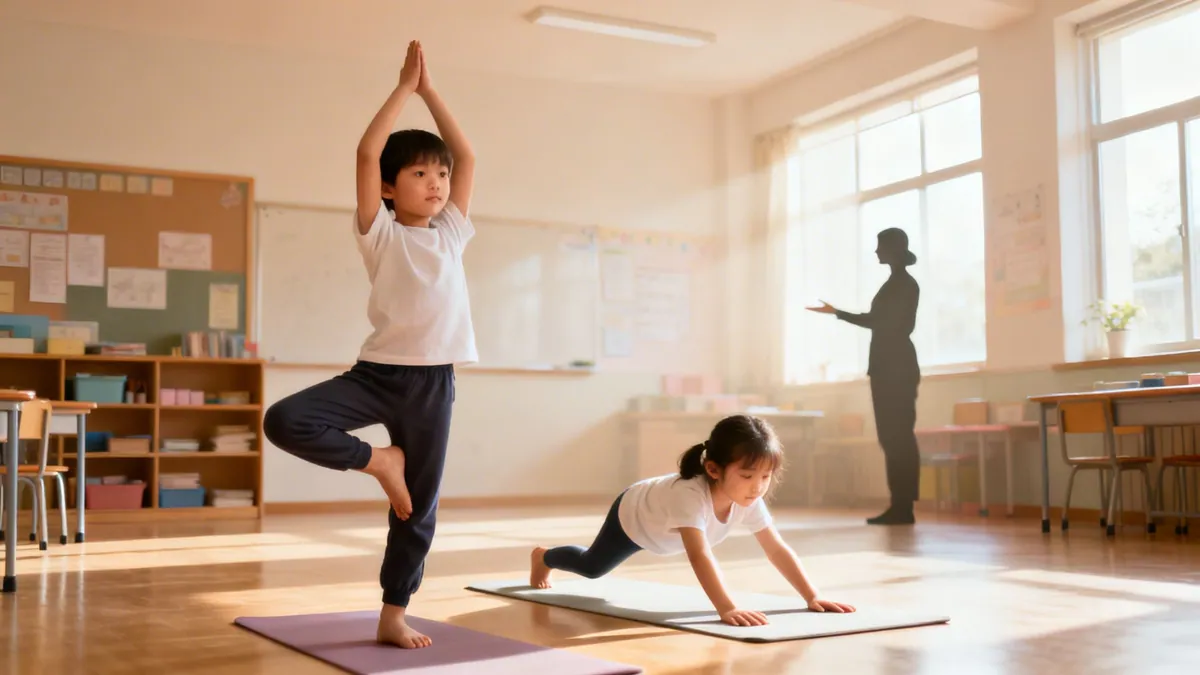
Unlike traditional exercise, the goal is not performance but awareness. Children learn to notice how their bodies feel during movement, connecting with their breath and physical sensations. These embodiment practices for kids empower them with tools to reset their attention and manage restlessness, both in the classroom and at home.
How to Guide Mindful Movement
Begin by creating a safe, non-competitive space. For yoga, use storytelling to guide poses, like becoming a tall, strong tree or a stretching cat. For a brain break, simply ask children to stand up and “shake out the wiggles” or “stretch toward the sky.” The key is guiding them to pay attention to the physical sensations as they move.
Key Cue: “As you stretch your arms up high, notice how your sides feel. Can you feel your muscles waking up? Now, as you shake your hands out, imagine you are shaking off any wiggly or tired feelings.”
Practical Implementation and Tips
- Use Storytelling: Frame movements within a narrative. For example, a librarian leading a yoga session could guide children through an imaginary journey to the jungle, having them become a hissing snake (Cobra Pose) or a roaring lion (Lion’s Breath).
- Schedule Brain Breaks: Integrate short (2-5 minute) movement breaks between academic subjects. A teacher might use a GoNoodle video or lead a quick “animal walks” session—like crab walking or frog hopping—to transition from math to reading.
- Focus on Feeling, Not Form: Emphasize that every child’s pose will look different. The goal is to notice what their own body feels like, not to achieve a perfect posture.
- Pair with Breathing: Connect breath to movement. For example, in a “Balloon Breath” break, a teacher can instruct students to breathe in while raising their arms overhead (filling the balloon) and breathe out while lowering them (letting the air out).