

Top 10 Ways to Use social emotional learning activities in K-8 Classrooms
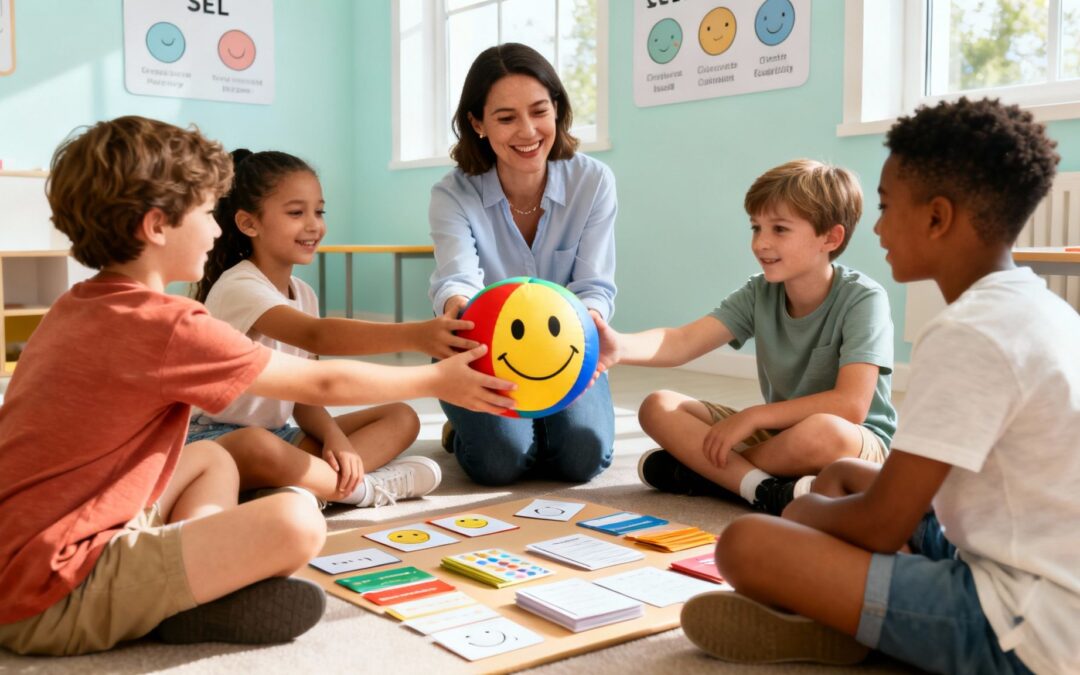
In today’s complex world, academic knowledge alone isn’t enough for students to succeed. The ability to understand emotions, build healthy relationships, and make responsible decisions, the core of social-emotional learning (SEL), is paramount. Yet, educators and parents often ask: What does this look like in practice? How do we move from theory to tangible, daily activities that build these critical skills?
To fully grasp the scope and benefits of these activities, it’s helpful to begin with a clear understanding of what is social emotional learning and its foundational principles. This guide provides a direct answer to the practical “how-to” by offering a comprehensive roundup of 10 research-backed social emotional learning activities designed for the modern K-8 classroom and adaptable for home use.
This is not a list of abstract ideas. Each activity is presented as a complete toolkit, offering:
- Clear, step-by-step instructions to ensure easy implementation.
- Practical examples and scenarios to bring concepts to life.
- Differentiation strategies to meet diverse student needs.
- Adaptations for both home and digital learning environments.
We will explore how these practices, aligned with the five core SEL competencies, can transform your classroom climate, reduce behavioral issues, and equip students with the tools they need to navigate their world with empathy and resilience. Let’s dive into the actionable strategies that create not just better students, but more connected and self-aware human beings.
1. Mindful Breathing & Body Scan Practice – Self-Awareness & Self-Regulation
This foundational practice combines two powerful mindfulness techniques: guided breathing and a systematic body scan. Students learn to use their breath as an anchor to the present moment and develop interoceptive awareness, the ability to notice internal body sensations. This combination is a cornerstone of effective social emotional learning activities, empowering students to recognize and manage their physiological responses to stress, anxiety, or excitement.
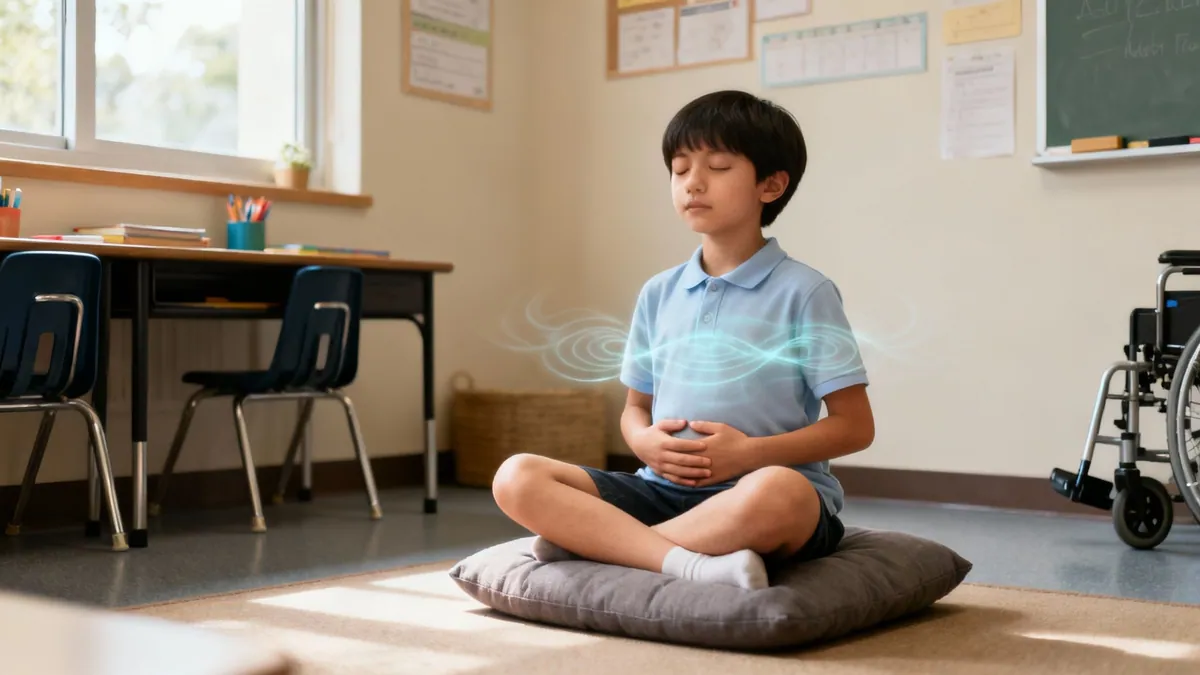
The goal is not to eliminate feelings but to observe them without judgment. By tuning into sensations like a tight jaw or a calm stomach, students gain crucial data about their emotional state, creating a moment of pause before they react. This practice directly builds skills in self-awareness and self-regulation.
How It Works: Implementation & Tips
Start by introducing a simple breathing exercise like box breathing (inhale for 4 counts, hold for 4, exhale for 4, hold for 4) or 4-7-8 breathing (inhale for 4, hold for 7, exhale for 8). Once students are comfortable, transition into a brief body scan.
- Practical Example: A 3rd-grade teacher initiates a 3-minute body scan after recess. “Notice your feet on the floor. Are they warm? Tingly? Just notice. Now, bring your attention to your legs… your stomach… your shoulders. If you notice any wiggles, that’s okay. Just notice them and come back to my voice.”
- Start Small: Begin with just 3-5 minutes, keeping eyes open if students prefer. Consistency is more important than duration.
- Model It: As the educator, practice with the class. Let them see you taking deep breaths and relaxing your shoulders. Students learn through imitation.
- Practice Proactively: Introduce these skills during calm moments. This builds the “muscle memory” needed to access the techniques during times of high stress or dysregulation.
Many schools report a significant increase in student focus after these brief mindfulness sessions. Teachers often use a one-minute breathing exercise before a test to reduce anxiety, while counselors find it an invaluable first-line intervention for escalated students. You can explore more ideas for creating a relaxed learning environment by reviewing additional calming activities for the classroom.