

10 Powerful Positive Affirmations for Kids to Use in 2026
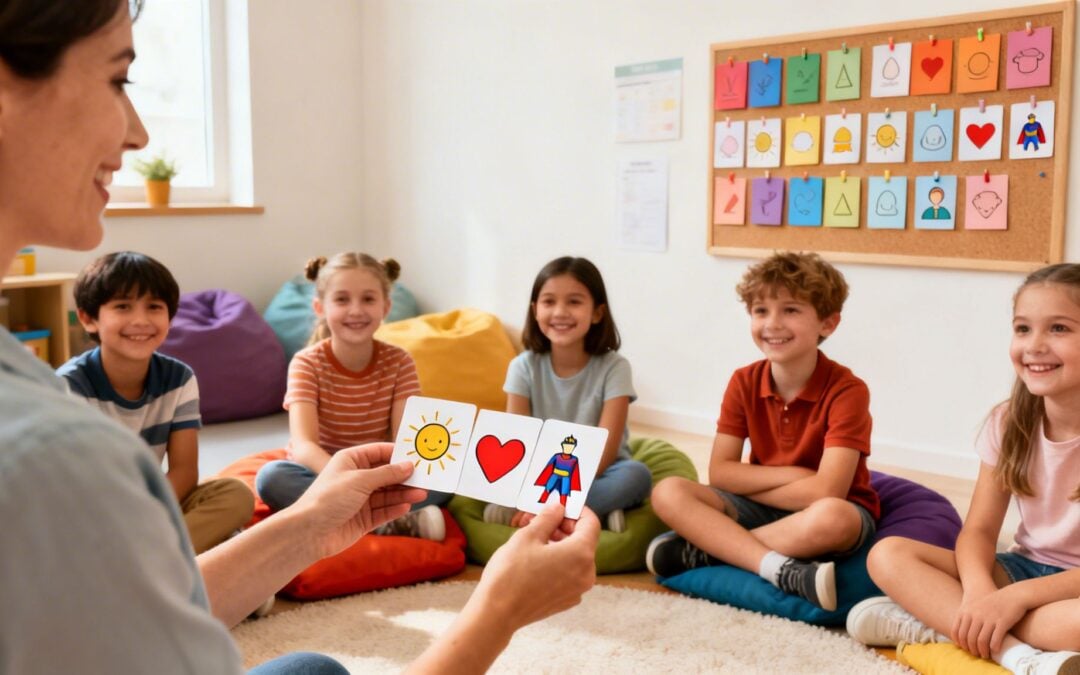
In a world filled with constant challenges, building a child’s inner strength and resilience is more critical than ever. Positive affirmations for kids are far more than just feel-good phrases; they are practical, science-backed tools for shaping a child’s brain, building self-esteem, and fostering a growth mindset. These simple, powerful “I am” or “I can” statements, when practiced consistently, help children internalize positive beliefs about themselves and their abilities. For a child struggling with a difficult math problem, repeating “I can solve hard problems” can shift their mindset from defeat to determination. Similarly, a child feeling anxious about making friends can find comfort in the statement, “I am a good friend and people want to be my friend.”
This guide moves beyond simple lists, offering educators, school counselors, and parents a deep dive into the ‘how’ and ‘why’ of using affirmations effectively. You will find a comprehensive collection of affirmations organized by age and theme, complete with actionable strategies for integrating them into daily life. We’ll provide specific examples for classroom morning meetings, calming corners, and at-home routines. Beyond the power of positive words, research also highlights the profound impact of practices like exploring the art therapy benefits for mental health, which can complement verbal affirmations by providing a creative outlet for expression. Prepare to unlock a simple yet profound way to nurture the emotional well-being of the children in your care, turning simple words into a foundation for lifelong confidence.
1. I Am Brave
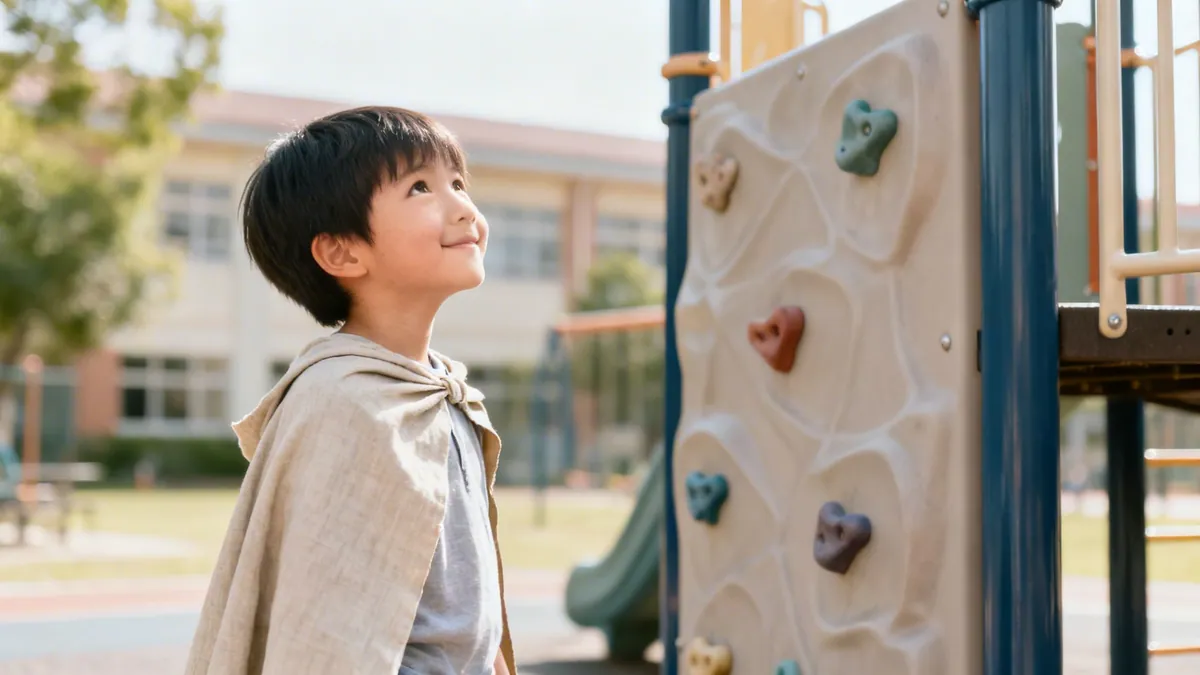
The affirmation “I Am Brave” is a foundational statement that helps children build courage and resilience. It’s not about eliminating fear but about acknowledging it and choosing to act anyway. This powerful phrase empowers kids to face a variety of challenges, from academic hurdles to complex social situations, fostering a belief in their own capability to handle difficulty.
For children, bravery can look like many different things: raising a hand in class when unsure of the answer, trying a new activity, or speaking up when they see something unfair. Reciting “I Am Brave” provides a mental anchor, helping them access their inner strength when they feel nervous or intimidated. This is one of the most effective positive affirmations for kids because it directly addresses the anxieties that can hinder learning and social growth.
Why It Works and When to Use It
This affirmation is particularly effective because it connects directly to Social-Emotional Learning (SEL) competencies like self-awareness and self-management. Organizations like Soul Shoppe integrate this concept into their research-based programs, recognizing that bravery is a skill that can be practiced and developed.
Use “I Am Brave” in moments that require social or emotional courage:
- Before Presentations: A student can quietly repeat the phrase before speaking in front of the class. For example, before a book report, a teacher can lead the class in saying, “I am brave enough to share my ideas.”
- During Conflict Resolution: It can be used as a grounding statement before peer-led mediations. A mediator might start by having both students say, “I am brave enough to listen and speak respectfully.”
- Anti-Bullying Initiatives: Empowering bystanders to act is a key part of bullying prevention. A practical example is teaching students to say to themselves, “I am brave enough to tell a teacher,” when they witness unkind behavior.
By repeating “I Am Brave,” children internalize the idea that courage isn’t the absence of fear, but the decision to move forward despite it. This mindset shifts them from a passive role to an active one in their own lives.
Practical Tips for Implementation
- Connect to Specific Actions: Pair the affirmation with a tangible goal. For example, “I am brave enough to ask the teacher for help” or “I am brave enough to join the game at recess.” For more ideas on developing this skill, explore these confidence-building activities for kids.
- Create Visual Reminders: Display brave role models or stories in the classroom. To further encourage this quality, an inspiring Be Brave Wall Sticker Quote can serve as a daily visual reminder.
- Start Small and Celebrate: Encourage practice in low-stakes situations first, like sharing an idea in a small group. Acknowledge and celebrate all acts of bravery, no matter how small, to reinforce the behavior. For example, a teacher could say, “David, I saw you were nervous to share your drawing, but you did it anyway. That was very brave.”
2. I Can Learn and Grow
The affirmation “I Can Learn and Grow” is deeply rooted in the concept of a growth mindset, popularized by Stanford researcher Carol Dweck. This powerful statement teaches children that their abilities are not fixed but can be developed through dedication and hard work. It reframes challenges and mistakes not as failures, but as essential opportunities for learning, which helps build academic and emotional resilience.
For a child, this mindset shift is critical. Instead of thinking “I’m bad at math,” they learn to think “I can improve at math with more practice.” This affirmation gives them the language to express this belief, turning moments of frustration into productive learning experiences. These are some of the most important positive affirmations for kids because they directly support the creation of psychologically safe classrooms where students feel comfortable taking risks.
Why It Works and When to Use It
This affirmation directly supports key Social-Emotional Learning (SEL) skills like self-efficacy and perseverance. It helps children understand that effort is the path to mastery. Soul Shoppe’s resilience-building workshops often center on this principle, teaching students that their brains are like muscles that get stronger with exercise.
Use “I Can Learn and Grow” to foster a positive approach to challenges:
- During Difficult Assignments: When a student feels stuck, a teacher can say, “This is a tricky problem. Let’s say together, ‘I can learn and grow from this challenge,’ and then try a new strategy.”
- After Receiving Feedback: It helps children see constructive criticism as a tool for improvement, not a judgment. A practical example is a student telling themselves, “The teacher’s note isn’t saying I’m bad at writing; it’s showing me how I can learn and grow as a writer.”
- In Reflection Journals: Students can use it as a prompt to track their progress. For instance, a journal entry could start with: “This week, I learned and grew in science by finally understanding how plants get their food.”
By internalizing “I Can Learn and Grow,” children move away from a fear of failure and toward a love of learning. It empowers them to embrace the process of improvement, which is a foundational skill for lifelong success.
Practical Tips for Implementation
- Model Growth Mindset Language: As an adult, openly share your own learning struggles. Say things like, “This is tricky for me, but I know I can learn and grow by trying a different way.”
- Use the Power of “Yet”: Actively replace “I can’t do it” with “I can’t do it yet” in classroom conversations. This small change reinforces the idea that ability is a journey, not a destination. To explore this concept further, you can find valuable strategies in this guide to developing a growth mindset for kids.
- Celebrate the Process, Not Just the Outcome: Praise students for their effort, the strategies they try, and their persistence. For example, say, “I saw how you kept working on that problem even when it was hard. Your brain is growing stronger!”
3. I Am Kind and Caring
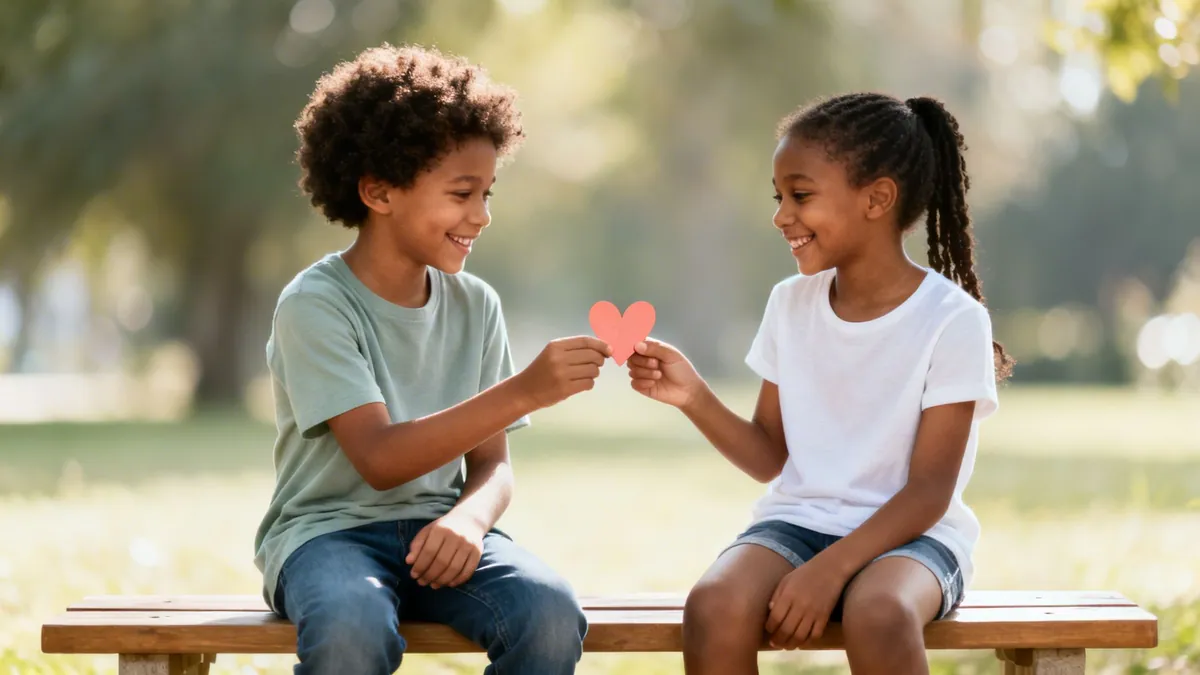
The affirmation “I Am Kind and Caring” helps children build empathy, compassion, and pro-social behaviors. This statement shifts kindness from being just an action to a core part of their identity. By regularly affirming this trait, kids learn to see themselves as people who naturally show concern for others, which positively influences their peer interactions, conflict resolution skills, and overall classroom community.
This affirmation is a cornerstone for creating a positive social environment. It encourages children to think beyond themselves and consider the feelings and perspectives of their peers. Reciting “I Am Kind and Caring” serves as a mental cue to act with compassion, whether that means including a classmate at recess, offering help to someone who is struggling, or simply listening with an open heart. These are some of the most important positive affirmations for kids as they directly foster the emotional intelligence needed for healthy relationships.
Why It Works and When to Use It
This affirmation powerfully supports Social-Emotional Learning (SEL) competencies such as social awareness and relationship skills. Programs like Soul Shoppe build their entire curriculum around these ideas, understanding that empathy is a teachable skill that prevents bullying and creates safer schools.
Use “I Am Kind and Caring” to promote a positive and inclusive climate:
- During Morning Meetings: Start the day with a group recitation to set a compassionate tone. For example: “Today, we will remember: I am kind and caring. Let’s look for ways to show that.”
- Before Collaborative Work: Remind students to be kind and caring partners before they begin group projects. A teacher could say, “As you work with your partner, remember to listen to their ideas, because you are a kind and caring teammate.”
- In Conflict Resolution Circles: Use it as a centering thought to encourage empathetic problem-solving. For instance, begin a mediation with, “Let’s remember we are all kind and caring people, and solve this problem from that place.”
When children identify as kind and caring, their actions naturally follow. This affirmation doesn’t just ask them to do kind things; it encourages them to be kind people.
Practical Tips for Implementation
- Create Kindness Anchor Charts: Brainstorm with students what being “kind and caring” looks and sounds like. Examples might include: “Looks like: Sharing a pencil.” “Sounds like: ‘Are you okay?'” Write their examples on a chart and display it in the classroom as a constant visual reminder.
- Pair with Specific Actions: Connect the affirmation to concrete behaviors. For example, “I am kind and caring, so I will invite someone new to play” or “I am kind and caring, so I will give a compliment.”
- Recognize and Celebrate: Create a “Kindness Spotting” routine where students can acknowledge the kind and caring acts they see from their peers. This reinforces the behavior and builds a positive community. For more strategies, explore these methods for teaching kindness in the classroom.
4. I Can Help Others
The affirmation “I Can Help Others” shifts a child’s focus from their own needs to their capacity to contribute positively to their community. It builds a sense of agency and social responsibility, framing children as capable helpers and supportive peers. This powerful statement encourages them to recognize their own strengths and use them to assist classmates, which reduces isolation and fosters healthy peer relationships.
For kids, helping can mean offering to explain a math problem, including someone in a game, or simply offering a kind word. When children repeat “I Can Help Others,” they begin to see themselves as active, valuable members of their social groups. This mindset is one of the most constructive positive affirmations for kids because it directly counters feelings of helplessness and is a cornerstone of anti-bullying work, turning bystanders into supportive upstanders.
Why It Works and When to Use It
This affirmation directly supports the Social-Emotional Learning (SEL) competency of relationship skills, specifically social awareness and responsible decision-making. Programs focused on peer support and empathy, like those offered by Soul Shoppe, are built on the principle that children have the capacity to support each other when given the right tools and encouragement.
Use “I Can Help Others” to build a supportive classroom or home environment:
- During Group Work: Encourage students to see themselves as resources for one another. A teacher might say, “If you finish early, remember ‘I can help others’ and see if a teammate needs support.”
- For New Students: Frame helping a new classmate as a leadership opportunity. For instance, “Leo, you are a great helper. Can you show our new student, Maya, where the cubbies are?”
- Bystander Intervention: Teach it as a precursor to action when a peer is being treated unfairly. A practical example is role-playing a scenario where a student tells themselves, “I can help by going to get Mr. Davis,” instead of just watching.
By internalizing “I Can Help Others,” children move from being passive observers to engaged participants in their social world. They learn that their actions, big or small, can make a meaningful difference to someone else.
Practical Tips for Implementation
- Teach Specific Helping Skills: Don’t just say “help”; teach what helping looks like. For example, “I can help by asking, ‘Do you want to play?'” or “I can help by showing you how I solved the first step.”
- Start with Low-Stakes Opportunities: Create classroom jobs or assign partners for a simple task. Acknowledge and praise these small acts specifically: “I saw you helping Alex put the blocks away. That was a great example of being a helper.”
- Establish Clear Protocols: When dealing with conflicts or bullying, provide clear steps for how to help safely, such as telling an adult or inviting the targeted peer to walk away with them. Ensure children know they have adult support.
- Celebrate Helping Actions: Create a “Helping Hands” bulletin board where students can post notes about how a classmate helped them. This makes prosocial behavior visible and valued by the entire community.
5. I Make Good Choices
The affirmation “I Make Good Choices” is a powerful tool for developing responsible decision-making and self-regulation. It empowers children by shifting their focus from external rules to their own internal capacity to choose their actions and responses. This phrase is foundational for building executive function and impulse control, which are critical skills for academic success and social harmony.
For kids, a “good choice” might be sharing a toy instead of grabbing it, taking a deep breath when frustrated, or choosing to start their homework. Reciting “I Make Good Choices” reinforces the idea that they are in control of their behavior. This is one of the most practical positive affirmations for kids because it directly supports positive classroom management and helps students learn constructive ways to handle conflict and difficult emotions.
Why It Works and When to Use It
This affirmation directly supports the Social-Emotional Learning (SEL) competency of responsible decision-making. It is a cornerstone of programs like Positive Behavioral Interventions and Supports (PBIS) and is frequently used by school counselors because it promotes self-awareness and accountability. Organizations like Soul Shoppe build their self-regulation training around this core concept, teaching students that they have the power to think before they act.
Use “I Make Good Choices” to guide behavior in key moments:
- During Transitions: Say it as a class before moving from a fun activity to a quiet one. For example: “Okay team, we are about to line up. Let’s remember, ‘I make good choices,’ and show me a quiet, safe line.”
- Before Independent Work: Use it to set the intention for staying on task and focused. A practical example: “Before you start your work, tell yourself, ‘I make good choices about how I use my time.'”
- Conflict Resolution: It serves as a reminder to choose words and actions that solve problems, not make them bigger. A teacher could guide students by asking, “What is a good choice you can make right now to solve this?”
By internalizing “I Make Good Choices,” children begin to see themselves as capable decision-makers. This mindset empowers them to pause, consider consequences, and act with intention rather than on impulse.
Practical Tips for Implementation
- Teach Decision Frameworks: Explicitly teach a simple model like “Stop, Think, Choose.” Then, connect the affirmation to this process. Say, “When we stop and think, we can make a good choice.”
- Role-Play Scenarios: Practice common classroom challenges, such as disagreements over supplies or what to do when feeling frustrated. Ask students, “What good choice could you make here?” For example, act out a scene where someone cuts in line and practice the good choice of using words instead of pushing.
- Reflect After Mistakes: After a poor choice, frame the conversation around the future. Ask, “What good choice will you make next time?” This turns errors into learning opportunities without shame. You can find more strategies for teaching self-regulation in our guide to mindfulness activities for kids.
6. I Belong Here
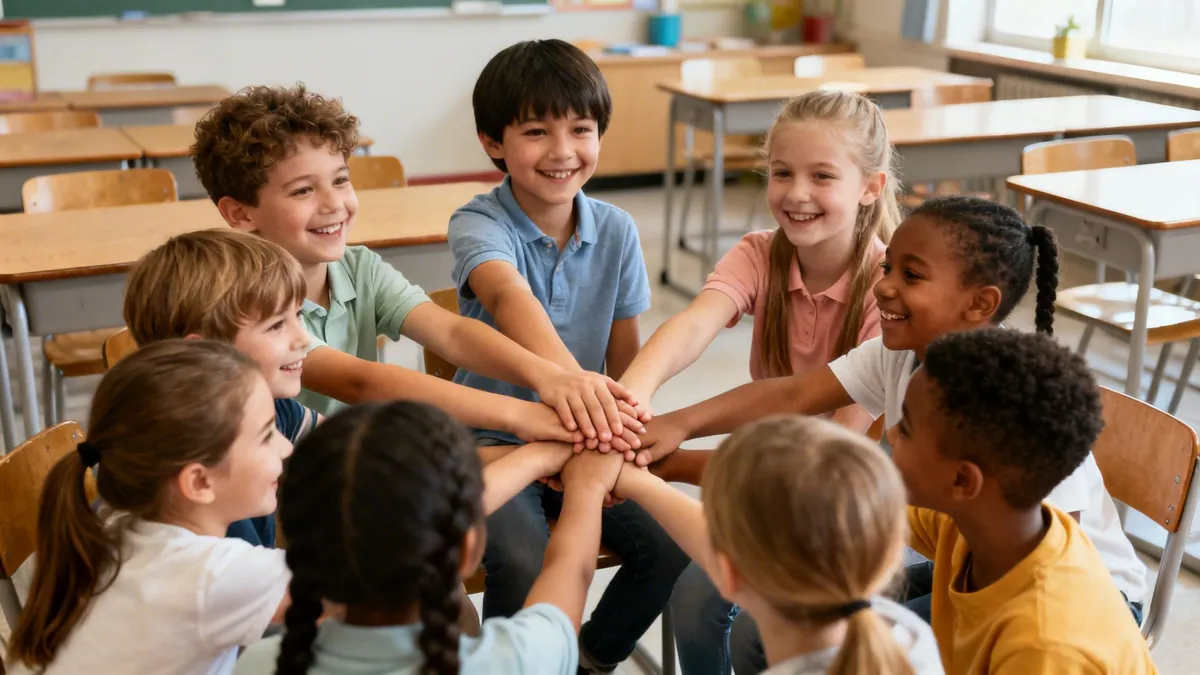
The affirmation “I Belong Here” addresses one of the most fundamental human needs: acceptance and connection. This statement directly counters feelings of isolation, loneliness, and social anxiety, which can often lead to exclusion and bullying. It fosters a sense of psychological safety, assuring children that their presence is valued within their community, whether that’s a classroom, a team, or their family.
For a child, feeling like they belong means they can be their authentic self without fear of judgment. It’s the difference between sitting alone at lunch and confidently joining a group. Reciting “I Belong Here” helps children internalize this sense of security and worth. This is one of the most important positive affirmations for kids because it lays the groundwork for healthy social development, active participation, and emotional well-being.
Why It Works and When to Use It
This affirmation is powerful because it reinforces a core component of Social-Emotional Learning (SEL): relationship skills and social awareness. Organizations like Soul Shoppe build their entire mission around creating cultures of belonging in schools, recognizing that a child’s ability to learn is directly tied to their feeling of safety and inclusion. This concept is also supported by belonging researchers like Brené Brown, who highlight its importance for courage and resilience.
Use “I Belong Here” to build a strong and inclusive community:
- During Morning Meetings: Start the day with a communal recitation to set a welcoming tone. A practical example: “Let’s look around at everyone in our classroom community and say together, ‘I belong here.'”
- Welcoming New Students: Pair a new student with a peer mentor and use this phrase as part of their introduction to the class. For instance, the whole class could say, “Welcome, Sarah! We are so glad you are here. You belong here.”
- In Anti-Bullying Initiatives: Explicitly teach that everyone belongs and empower students to reinforce this message with their peers.
- Before Collaborative Projects: Remind students that every member’s contribution is essential to the group’s success by saying, “Everyone in this group has an important role. You all belong here.”
By repeating “I Belong Here,” children develop a strong internal belief that they are an integral part of their community. This mindset shifts them from feeling like an outsider to an active, engaged, and valued participant.
Practical Tips for Implementation
- Pair with Inclusive Actions: The affirmation must be supported by genuine practices. For example, use it during community-building circles where every student has an opportunity to speak. Create a “Welcome Wall” with photos of all students.
- Create Specific Statements: Make it more personal by adding to the phrase, such as, “I belong in this classroom, and my voice matters,” or “I belong on this team, and my friends are happy I’m here.”
- Celebrate Diversity: Intentionally highlight and celebrate the different cultures, backgrounds, and abilities within the classroom to show that diversity is what makes the community strong. Address any act of exclusion immediately to maintain the authenticity of your message.
7. I Can Calm Myself Down
The affirmation “I Can Calm Myself Down” is a powerful tool for developing emotional self-regulation. It empowers children by teaching them they have internal control over their big feelings, shifting their perspective from being overwhelmed by emotions to being capable of managing them. This statement, when paired with concrete calming techniques, gives students the agency to navigate stress, frustration, and anxiety constructively.
Instead of simply reacting to emotional triggers, a child who uses this affirmation learns to pause and choose a more effective response. This skill is crucial for preventing behavioral issues and resolving social conflicts peacefully. By internalizing “I Can Calm Myself Down,” children build a foundation for lifelong emotional intelligence. It stands out as one of the most practical positive affirmations for kids because it directly addresses the need for self-management, a key to success in both school and life.