

Social Emotional Learning Programs for Schools: Elevate Campus Climate & Success
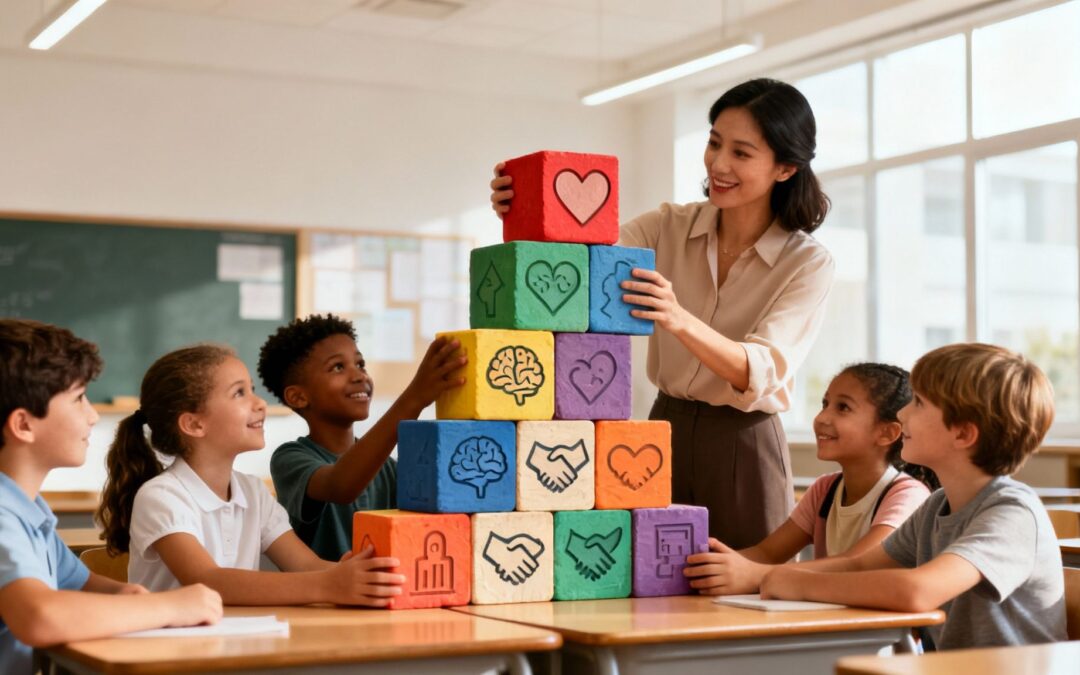
Think about the moments that truly define a school’s culture. It’s not just about test scores or academic achievements. It’s about how students navigate the playground, how they handle disagreements in group projects, and how they bounce back from frustration. This is where social emotional learning programs for schools come in.
These aren’t just another set of abstract theories. They are hands-on toolkits that give students practical, lifelong skills for managing their emotions, building healthy relationships, and making choices they can be proud of. A strong SEL program helps build the emotional foundation for a safer, more connected school climate—one where real learning can actually happen.
What Are Social Emotional Learning Programs for Schools
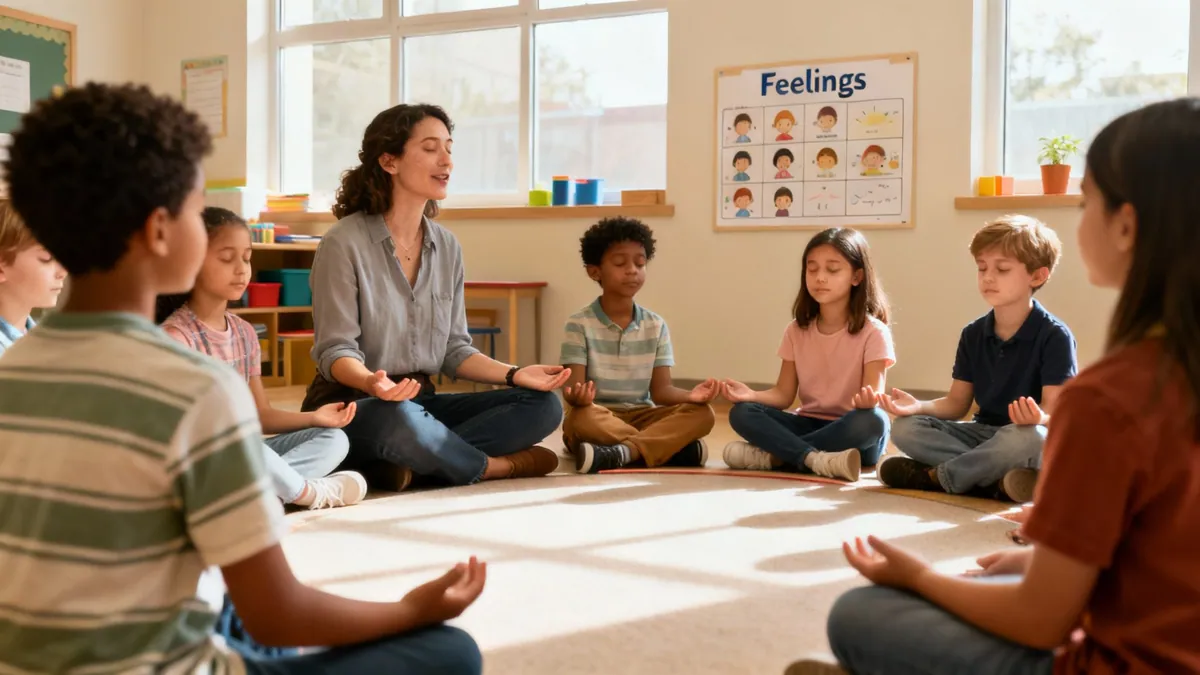
Picture a classroom where a student can name their frustration before an outburst, or a hallway where a conflict is resolved with thoughtful words instead of shoves. That’s the reality SEL programs work to create. They go beyond traditional academics to give students the internal skills they need to navigate life’s inevitable ups and downs. A practical example is teaching students the “Stop, Think, Act” model. Before reacting to a frustrating situation, they learn to pause, consider the consequences of different actions, and then choose the most constructive one.
The best programs provide a shared language and consistent strategies for the entire school community—from students and teachers to administrators and parents. Instead of feeling like an “add-on,” effective SEL is woven right into the fabric of the school day, from morning meetings to math class.
The Proven Value of Teaching Emotional Skills
The benefits of these programs are far from anecdotal. For over 20 years, a massive body of research has consistently shown just how powerful they are. Evidence-based SEL programs, often delivered by classroom teachers, lead to big wins in key areas: stronger social-emotional skills, more positive social behavior, fewer discipline issues, and less emotional distress among students. The data from research behind school-based SEL programs is clear and compelling.
This solid research confirms what educators have known for a long time: investing in a child’s emotional well-being pays huge dividends. When students feel safe, understood, and equipped to handle their feelings, they are simply better prepared to learn, engage, and grow.
The Five Core Competencies of SEL
At the heart of almost every quality SEL program, you’ll find five interconnected skills. Think of them as the foundation for a lifetime of well-being and success. Getting a handle on these five areas is the first step to seeing how SEL really comes to life in a school.
If you want to go deeper, our guide that explains the five core SEL competencies is a great resource for understanding their role in student development.
The table below breaks down these five pillars, showing how abstract concepts become concrete, everyday actions in a K-8 classroom.
The Five Core Competencies of Social Emotional Learning
| Core Competency | What It Means for Students | Example in Action |
|---|---|---|
| Self-Awareness | Recognizing one’s own emotions, values, strengths, and limitations. | A 3rd grader identifies feeling “frustrated” with a math problem and asks for a short break. |
| Self-Management | Regulating one’s emotions, thoughts, and behaviors in different situations. | A 7th grader takes three deep breaths to calm their nerves before giving a class presentation. |
| Social Awareness | Understanding the perspectives of and empathizing with others from diverse backgrounds. | A 5th grader listens to a classmate’s point of view during a group project, even if they disagree. |
| Relationship Skills | Establishing and maintaining healthy and rewarding relationships with diverse individuals. | A 4th grader uses an “I-statement” (e.g., “I feel upset when…”) to resolve a conflict. |
| Responsible Decision-Making | Making caring and constructive choices about personal behavior and social interactions. | A middle schooler weighs the consequences before deciding not to participate in online gossip. |
As you can see, these aren’t just “soft skills.” They are the essential building blocks that help children become capable, kind, and resilient individuals, both inside the classroom and out.
The Real-World Impact of SEL in Your School
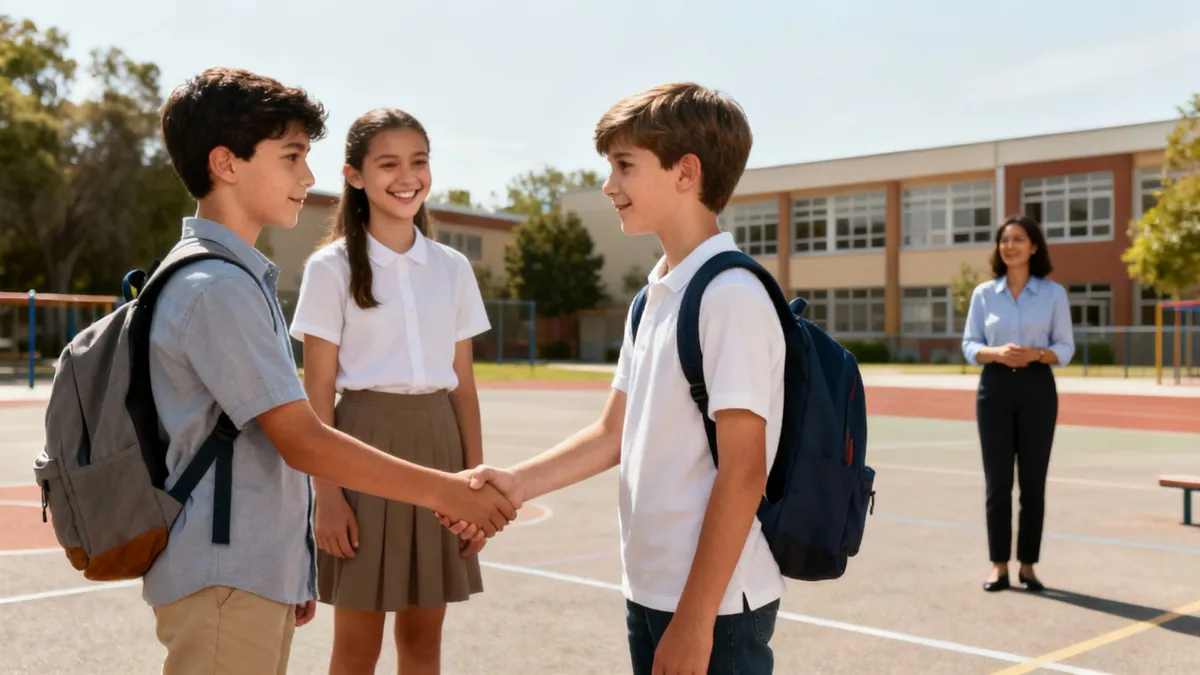
It’s one thing to understand the building blocks of SEL, but what really matters is seeing those skills come to life in your school community. The effects of well-implemented social emotional learning programs for schools aren’t just abstract concepts on a poster. They show up in the hallways, classrooms, and on the playground, every single day.
When you invest in these skills, you kickstart a positive ripple effect that touches everyone.
Imagine a school where students have real tools to manage big emotions. Instead of lashing out, a student feeling anxious before a test uses a mindfulness technique to calm down, allowing them to focus and actually show what they know. Picture a playground where kids use conflict-resolution skills—like taking turns speaking and actively listening to each other’s side of the story—to solve a disagreement over a game, freeing up teachers to focus on teaching instead of playing referee.
Boosting Academic Performance and Attendance
There’s a common myth that SEL takes valuable time away from core academics. But anyone who’s seen it in action knows the opposite is true. SEL creates the very conditions needed for kids to learn and thrive. When students feel safe, supported, and connected, their brains are primed and ready to engage.
This isn’t just a feel-good idea; the data backs it up. Study after study shows a direct link between strong SEL skills and better academic outcomes. Schools that make SEL a priority often see significant improvements in key areas like:
- Attendance Rates: Kids who feel like they belong and have friends actually want to come to school.
- Classroom Engagement: Skills like self-management and responsible decision-making help students stay on task and participate in a meaningful way.
- Overall Grades and Test Scores: When emotional distress goes down, focus and academic performance go up. It’s that simple.
The evidence is clear: nurturing SEL skills alongside academics leads to greater long-term success, including higher graduation rates. A 2023 synthesis of 424 studies found that strong SEL initiatives dramatically improve the entire school climate, resulting in better relationships, less bullying, and a greater sense of safety for everyone. You can discover more about these SEL research findings and what they mean for students.
Creating a Safer, More Positive School Climate
Beyond the test scores, the most powerful impact of SEL is on a school’s culture. It’s about systematically building a community grounded in empathy, respect, and mutual support. In real terms, this means fewer discipline issues and a feeling of safety that you can sense the moment you walk on campus.
When students learn to understand their own emotions and empathize with others, they are less likely to engage in bullying or disruptive behavior. This shift creates a positive feedback loop: a safer environment encourages more students to take social and academic risks, leading to deeper learning and stronger relationships.
This is where a dedicated program can truly make its mark. It’s amazing to see how Soul Shoppe’s impactful programs help schools create these very changes, building an environment where every single student feels seen, heard, and valued.
Ultimately, this foundation of psychological safety allows both students and educators to bring their best selves to school each day. It’s the difference between a school that’s constantly managing behavior and one that’s focused on nurturing growth—where every person in the community is truly ready to learn.
How to Choose the Right SEL Program
Walking into the world of social emotional learning programs for schools can feel a bit like navigating a packed stadium. Everyone is shouting, promising amazing results, and it’s hard to know where to look. So, how do you cut through the noise and find the program that will actually click with your students, your staff, and your school’s unique personality? It starts with looking past the glossy brochures and asking the right questions.
A good decision begins with getting really clear on what you need. Are you trying to cool down conflicts on the playground? Help students stay focused in class? Or maybe you’re aiming to build a genuine sense of belonging across the entire school. The right program won’t feel like just another thing to do; it will feel like a natural part of who you are.
Critical Questions to Ask Vendors
Before you sign on the dotted line, you need to play detective. A few direct questions can reveal whether a program is built to last and if the provider is ready to be a true partner in your journey.
A great way to get started is by seeing what’s out there. Exploring a variety of resources for schools implementing SEL can give you a solid feel for what a strong, supportive partnership really looks like.
Keep this checklist handy when you’re talking to potential providers:
- Is the program evidence-based? Ask for the research. A quality provider won’t just throw jargon at you; they’ll be able to clearly explain the principles behind their program and share real results from schools just like yours.
- Does it provide ongoing coaching and professional development? A one-and-done training day rarely sticks. You want a program that offers continuous support and coaching, giving your teachers the time and tools they need to feel confident.
- Can it be adapted to our school’s unique culture? SEL isn’t a cookie-cutter solution. The program has to be flexible enough to respect your school’s values, your community’s needs, and the specific challenges your students face.
- Does it include resources for parents and families? When the language of empathy and respect is spoken both at school and at home, that’s when the magic happens. Ask if they offer newsletters, workshops, or simple activities for families to do together. For example, do they provide take-home conversation starters like, “What was one kind thing you did for someone today?”
A principal in San Diego hit the nail on the head: “We chose a program with strong parent resources because we wanted our students to hear the same language about empathy and conflict resolution at the dinner table that they were hearing in the classroom. That consistency has been a game-changer for our community.”
Comparing Different SEL Program Models
The how is just as important as the what. As interest in SEL has exploded, so has the market. Industry experts estimate the global SEL market is floating around $3.47–$4.0 billion in 2024, with some projecting it could hit $27.73 billion by 2033. All that growth means you have more options than ever, from simple apps to campus-wide transformations. As you can learn more about SEL market trends, it’s vital to understand what these different models actually offer.
Each approach has its own vibe and is designed for different goals, budgets, and school cultures.
To help you sort through the options, here’s a quick look at the most common delivery models. Think of it as a guide to finding the right fit for your school’s needs right now.
Comparing Social Emotional Learning Program Models
| Program Model | Key Features | Best For… | Considerations |
|---|---|---|---|
| Digital Apps & Platforms | Game-based lessons, mood check-ins, and individual student progress tracking. | Schools seeking a supplemental tool or programs for older, independent learners. | May lack the in-person interaction needed to build deep relationship skills. |
| One-Off Assemblies & Workshops | High-energy, engaging events that introduce key SEL concepts to a large group. | Schools looking to generate initial excitement or address a specific, timely issue. | Impact may fade without ongoing reinforcement and classroom integration. |
| Curriculum-in-a-Box | Scripted, grade-specific lessons and materials for teachers to deliver. | Districts needing a standardized approach with clear, easy-to-follow lesson plans. | Can feel rigid and may not easily adapt to unique classroom needs or moments. |
| Whole-School Approach | A comprehensive model involving professional development, parent engagement, and school-wide integration. | Schools committed to deep, sustainable cultural change and embedding SEL into their identity. | Requires a significant investment of time, resources, and long-term staff buy-in. |
At the end of the day, picking the right program comes down to finding the perfect fit for your school’s story. By asking thoughtful questions and understanding the different ways SEL can come to life on your campus, you can choose a partner who will help you build a more connected, supportive, and successful community for everyone.