

8 Cooperative Games for Families You Should Know
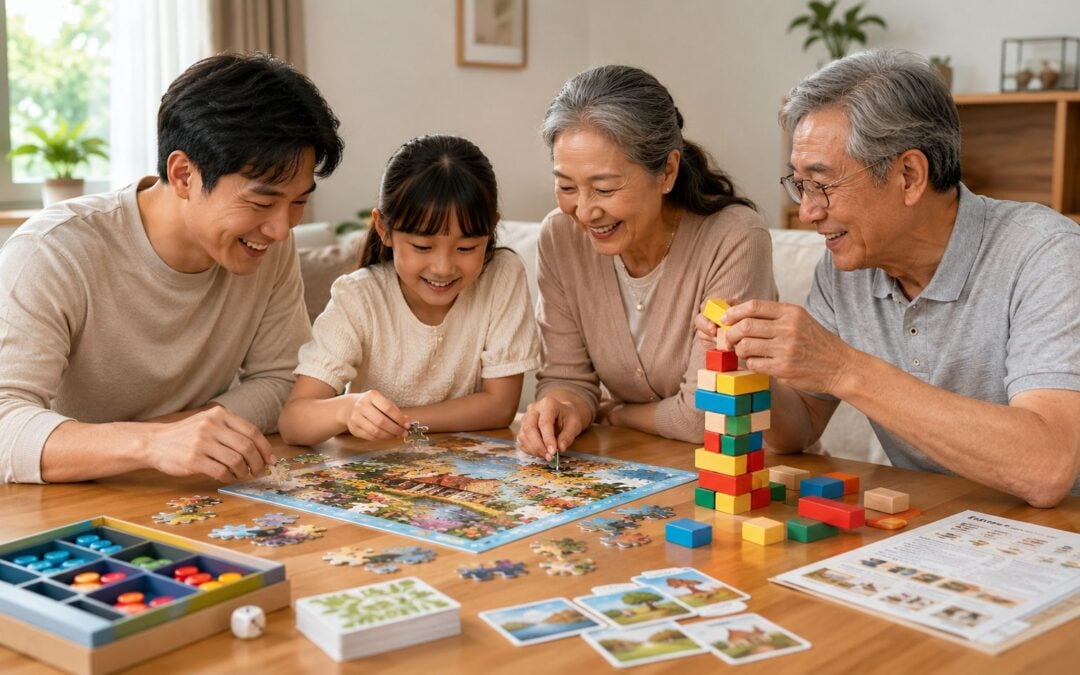
You're probably looking for something better than another family game night that ends with one child crying, one child gloating, and an adult saying, “Let's just clean up.” That's exactly where cooperative games for families can help. Instead of putting players against each other, they put everyone on the same side of the problem.
That simple shift changes the tone of play. Kids can practice taking turns, sharing ideas, and handling frustration without the pressure of beating a sibling. Adults can guide the experience without feeling like referees. For mixed-age groups, that matters even more, because a good co-op game gives younger children a real role instead of asking them to keep up with older players.
There's a broader reason these games keep showing up in homes, classrooms, and school counseling spaces. Historians widely describe The Landlord's Game as the first commercial cooperative board game, and in digital gaming, annual co-op releases on Steam rose from 647 in 2020 to 799 in 2023, a gain of 152 releases, or about 23.5 percent over three years, according to the historical overview summarized in this cooperative games history video. The format isn't a niche anymore. Families now have many more options across ages and skill levels.
The list below focuses on games that parents and educators can use. Each one includes practical examples, likely sticking points, and simple ways to keep all players involved.
1. Pandemic Board Game
Pandemic works well for families who want a true team challenge. Every player takes on a specialist role and the group tries to contain outbreaks and discover cures before the board spirals out of control. Because the game rewards planning out loud, it creates natural chances to practice listening, turn-taking, and shared decision-making.
In older elementary, middle school, or family groups with adults and tweens, this can become more than a board game. One child notices where the biggest threat is building, another tracks cards, and an adult helps the group think ahead without taking over. That division of attention gives each player a meaningful job.
For readers looking for simpler entry points before trying a strategy game like this, Soul Shoppe also shares cooperative games for kids that work well for younger groups.
Here's a quick look at the game in action: