Verbal bullying often flies under the radar, dismissed as 'just words' or 'joking.' However, its impact on a student's self-esteem, mental health, and ability to learn can be devastating. While a common childhood rhyme suggests words can't hurt, the reality is that the invisible wounds they leave can be deeply damaging. For parents and teachers, the first step in stopping this behavior is learning to recognize it in all its forms, from subtle sarcasm to overt threats. While its legal definition in professional settings is complex, as seen in this employer guide on verbal harassment law, its emotional toll in schools is clear.
This guide provides concrete verbal bullying examples categorized by type, offering a clear framework for understanding what this behavior sounds like in school hallways, on playgrounds, and online. Each section breaks down the specific tactic, its impact, and provides practical, script-based responses for adults and peers. By equipping ourselves with this knowledge, we can move from being passive bystanders to active allies, creating safer and more empathetic school communities where all students can thrive. We will explore eight distinct categories of verbal bullying, providing the tools you need to intervene effectively.
1. Appearance-Based Insults and Body Shaming
Appearance-based insults are a particularly damaging form of verbal bullying, where perpetrators target a person's physical characteristics, clothing, or body type. The goal is to induce feelings of shame, self-consciousness, and inferiority. These attacks are especially harmful during adolescence when young people are developing their sense of self and are often more vulnerable to body image concerns.
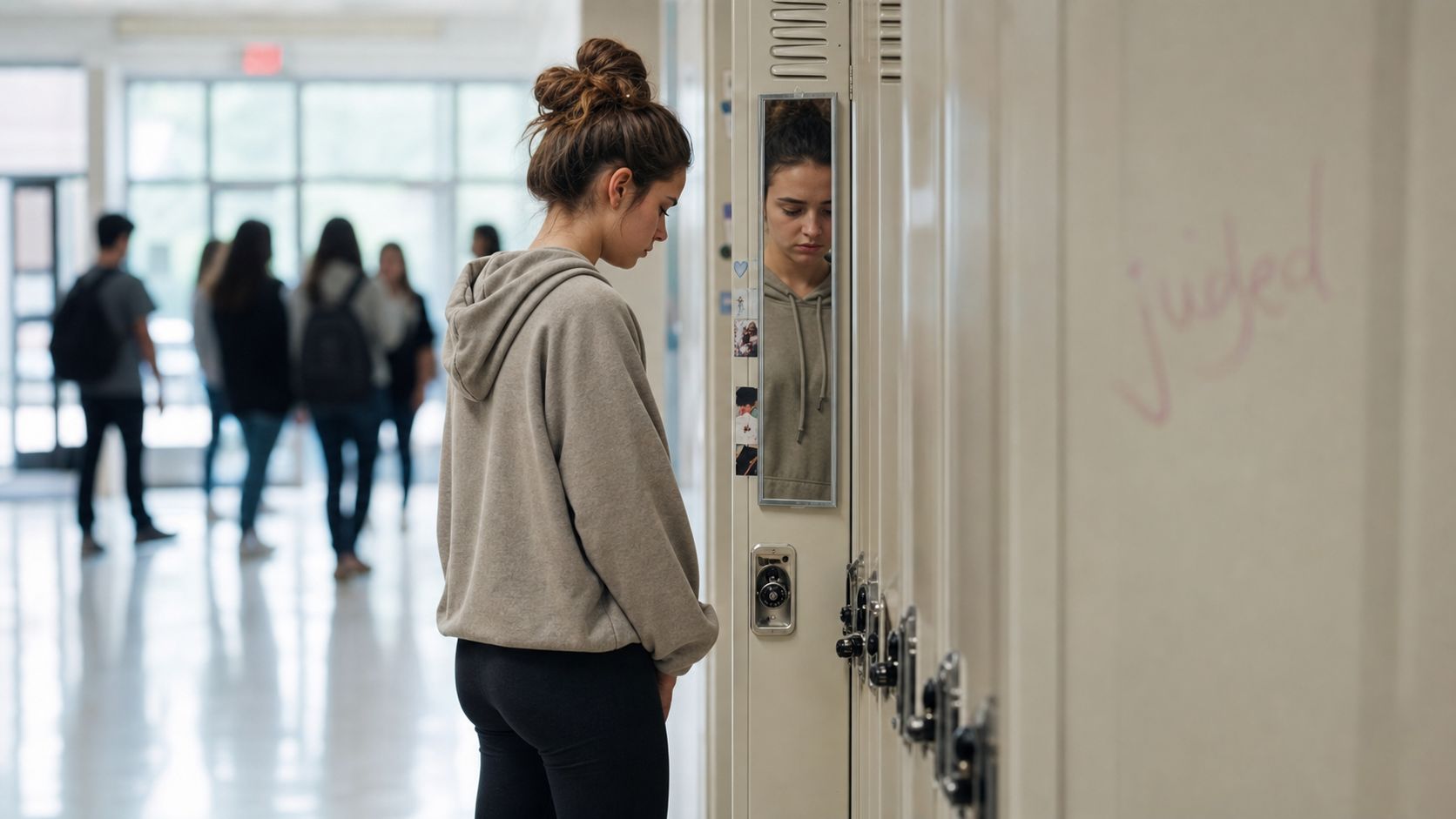
This type of bullying strips away a person's confidence by attacking attributes they often cannot easily change. For students struggling with the long-term impact of these comments, finding professional support can be a critical step toward healing.
Practical Examples & Impact
- About Weight & Size: "You're so fat, you need two chairs to sit down." or "Eat a burger, you're a walking skeleton." These comments tie a student's worth directly to their body size, creating intense anxiety around eating and physical development.
- About Clothing & Style: "Those clothes look terrible on you. Are you poor?" or "Only poor kids wear shoes like that." This links a student's appearance to their family's socioeconomic status, causing social embarrassment.
- About Physical Features: "Your nose is huge, it's the first thing everyone sees." or "Did you even wash your hair? It looks so greasy." These insults pinpoint specific features to make the target feel unattractive and flawed.
Actionable Strategies for Adults
Educators and parents can actively counter this behavior. One effective strategy is to normalize physical diversity by teaching that bodies come in all shapes and sizes, none of which are inherently "good" or "bad."
Educator Tip: Use media literacy lessons to discuss how advertisements and social media create unrealistic beauty standards. Facilitate conversations about how to be critical consumers of media and how to appreciate real, diverse bodies.
In the classroom or at home, establish a firm rule: we do not comment on other people’s bodies. This includes avoiding even seemingly positive comments, which can still reinforce the idea that it's acceptable to scrutinize appearances.
2. Name-Calling and Derogatory Labels
Name-calling is a direct and repetitive form of verbal bullying where aggressors use insulting names, slurs, or negative labels to demean another person. This tactic is often used to establish social hierarchies, making the target feel isolated, powerless, and inferior based on perceived intelligence, interests, or social standing.
This behavior aims to strip away a person's identity and replace it with a hurtful label. Over time, the target may internalize these labels, which can severely damage their self-worth. For those affected, focusing on building self-esteem can be an important part of the healing process.
Practical Examples & Impact
- About Intelligence & Interests: "You're so stupid. How did you even pass that test?" or "Look at the nerd reading again. You have no friends." These comments attack a student's academic abilities or personal passions, causing shame and discouraging them from participating in class.
- About Social Status: "You're such a loser. Nobody wants to sit with you." This directly attacks a child’s sense of belonging and can lead to severe social anxiety and withdrawal.
- About Emotional Expression: "Don't be such a wimp for crying." or "You're a baby if you get upset about that." These phrases punish emotional vulnerability, teaching children that showing feelings is a sign of weakness.
Actionable Strategies for Adults
Parents and educators can create environments where name-calling is not tolerated. A key first step is to establish clear classroom agreements about respectful language from the very beginning of the school year. Address the underlying reasons for the behavior, as bullying can be a way for a child to feel powerful or included.
Educator Tip: Use restorative practices where the student who used hurtful language has a structured opportunity to understand its impact on the other person and make amends. This teaches empathy and accountability rather than just punishing the behavior.
Coach the targeted student in assertive but simple responses, such as a firm "Stop talking to me that way" before walking away. This empowers the child by giving them a tool to reclaim their personal space and dignity.
3. Spreading Rumors and Social Exclusion Comments
Spreading rumors is a covert but powerful form of verbal bullying that attacks a person's reputation and sense of belonging. Perpetrators intentionally share false or private information to isolate a target from their peers. This tactic is often paired with direct comments designed to socially exclude the victim, making them feel worthless and alone.

This behavior, also known as relational aggression, manipulates social relationships to cause emotional harm. Because it often happens behind the target's back, it can be difficult to identify and address.
Practical Examples & Impact
- Spreading Lies: "Did you hear that Sarah cheated on the exam? I saw her do it." (when it's not true) This poisons the target's social standing with lies, turning peers against them.
- Direct Exclusion: "Nobody likes Alex. Let's all agree to just ignore them." This statement openly directs a group to ostracize an individual, causing immediate social pain.
- Forcing Peer Pressure: "If you're still friends with Maria, you can't sit with us at lunch anymore." This forces peers to choose sides, weaponizing friendship and creating intense social pressure.
Actionable Strategies for Adults
Creating a classroom culture where rumors cannot thrive is essential. Implement a clear and safe reporting system that allows students to alert an adult when they hear a rumor without fear of retaliation.
Educator Tip: Before students share information about a peer, coach them to ask three simple questions: "Is it true? Is it kind? Is it necessary?" This simple filter helps them distinguish between harmless gossip and damaging rumors.
Address the behavior directly by using restorative circles, where the student who spread the rumor can meet with the target and witnesses in a structured environment. This helps the perpetrator understand the real-world harm their words have caused and work toward repairing the damage.
4. Insults About Intelligence and Academic Performance
Attacks on a person's intelligence or academic abilities are a common form of verbal bullying designed to undermine their confidence and create a sense of intellectual inferiority. Bullies use these comments to make their targets feel stupid, slow, or incompetent, often causing them to withdraw from classroom participation and doubt their own capabilities. This can be especially damaging as it directly attacks the core purpose of school: learning and growth.
When a student’s effort is met with mockery, they may begin to associate learning with shame and anxiety. This can lead to a decline in academic performance and a reluctance to ask for help, creating a harmful cycle that reinforces the bully's insults.
Practical Examples & Impact
- Direct Insults: "You're so dumb. You're probably going to fail this class." or "You're in the 'slow' math group. That's so embarrassing." These comments directly label a student as intellectually inferior, causing public humiliation.
- Undermining Success: "You must have cheated. There's no way you're smart enough to get an A on that." This invalidates a student's genuine achievements and hard work.
- Targeting Learning Pace: "Are you done yet? You read so slow. We're all waiting for you." This creates pressure and anxiety around fundamental learning processes, making a student self-conscious about their individual learning style.
Actionable Strategies for Adults
Educators and parents can create environments where intellectual effort is valued over innate "smartness." A key strategy is teaching a growth mindset, which emphasizes that intelligence can be developed through dedication and hard work.
Educator Tip: Actively teach students about brain plasticity, explaining that the brain changes and grows with effort and practice. Frame mistakes as essential learning opportunities and celebrate academic progress and perseverance, not just final grades.
In the classroom, avoid public displays of academic grouping or rankings that can create a social hierarchy. Address learning differences in a positive and matter-of-fact way, reinforcing the idea that everyone learns differently. By fostering a culture where asking questions is encouraged and effort is praised, you can build a more resilient and supportive academic community.
5. Mocking and Ridiculing Interests, Hobbies, and Talents
Mocking someone’s interests is a form of verbal bullying designed to attack a person's identity and passions. The bully targets what someone loves-be it music, games, sports, or academic pursuits-to make them feel ashamed or strange for what brings them joy. This tactic aims to isolate the individual, suggesting their interests are not "cool" or socially acceptable, which can cause them to abandon hobbies and hide their authentic selves.
This type of bullying is particularly insidious because it discourages self-expression and exploration. When students feel judged for their passions, they may stop pursuing activities that build skills and confidence, which is a critical part of personal development.
Practical Examples & Impact
- Creative & Artistic Pursuits: "You're in the school band? That's so nerdy. Why don't you play a real sport?" or "Your drawings are weird." These comments devalue creative and athletic efforts, causing shame and a reluctance to perform or participate.
- Hobbies & Entertainment: "Nobody cool plays that video game anymore. It's for little kids." or "You actually like listening to that music? It's terrible." This creates social pressure to conform to mainstream tastes and abandon personal preferences.
- Academic Interests: "You're obsessed with reading books. Don't you have anything better to do? That's so boring." This type of ridicule discourages intellectual curiosity and can make a student feel ostracized for their academic engagement.
Actionable Strategies for Adults
Parents and educators can create an environment where diverse interests are not just tolerated but celebrated. Publicly acknowledge and praise a wide range of talents and hobbies in classrooms, school assemblies, and newsletters.
Educator Tip: Actively counter ridicule by reframing the conversation. When a student mocks another's interest, ask, "What makes you feel the need to put down something they enjoy?" This shifts the focus to the bully's behavior and insecurity.
Model this behavior by openly sharing your own hobbies, especially if they are less common. Establishing a variety of clubs and extracurricular activities also sends a clear message that all passions are valid. Coach students on respectful disagreement by teaching them to say, "That's not for me, but I'm glad you enjoy it."
6. Threats, Intimidation, and Fear-Based Language
Threats and intimidation are a severe form of verbal bullying where the perpetrator uses fear-based language to control, manipulate, or frighten someone. This tactic goes beyond simple name-calling by creating a direct and imminent sense of danger. The bully aims to establish power by threatening physical violence, social ruin, or property damage, leaving the target feeling unsafe and constantly anxious.
This type of bullying erodes a person's sense of security at school and in their social circles. The ongoing fear can force a target to comply with the bully's demands or change their behavior just to avoid harm, making it an incredibly effective tool for coercion and control.
Practical Examples & Impact
- Threats of Violence: "If you tell the teacher, I'll beat you up after school." or "Watch your back. You don't want to mess with me." These direct threats create immediate fear of physical harm.
- Social Blackmail: "If you don't do what I say, I'll tell everyone that secret you told me." This uses private information as leverage, threatening the target's reputation and friendships.
- Controlling Behavior: "You're not allowed to be friends with them anymore, or you're going to regret it." This is an attempt to isolate the target by dictating their social interactions, creating dependency and paranoia.
Actionable Strategies for Adults
Threats of any kind must be taken seriously and addressed immediately. Unlike other forms of verbal aggression, threats often signal a potential for physical escalation and require swift intervention from school administration and parents.
Parent & Guardian Tip: Teach your child that any threat is serious and needs to be reported to a trusted adult right away. Role-play scenarios where they practice saying "I need to tell someone about this" and then walking away to find a teacher, counselor, or you.
When a threat is reported, document everything: the exact words used, the date, time, location, and any witnesses. This information is crucial for administrators to conduct a thorough investigation and implement a safety plan. The immediate goal is always to restore the targeted student's sense of safety.
7. Sarcasm, 'Just Joking,' and Backhanded Compliments
This covert form of verbal bullying uses humor, sarcasm, or fake compliments as a disguise for hurtful intentions. Perpetrators deliver insults masked as jokes, which makes it difficult for the target to respond and for adults to intervene. This tactic leaves the victim feeling confused, hurt, and questioning their own perception, while the bully can easily deny any malicious intent by claiming, "I was just joking."
This type of aggression erodes trust and psychological safety, as the target is never sure if an interaction is genuine or a setup for humiliation. It's a subtle but powerful way to diminish someone's confidence and social standing.
Practical Examples & Impact
- Backhanded Compliments: "Oh wow, you actually did well on the test? I'm surprised." or "That's a nice shirt. It's much better than the ugly one you wore yesterday." This feigns praise while delivering an underlying insult, causing confusion and embarrassment.
- Sarcastic Praise: After a student presents a project, a bully says, "That was… a presentation. You definitely tried your best," in a mocking tone. This invalidates a person’s genuine effort and makes them feel foolish.
- Humor as a Weapon: "You run so funny! I'm just kidding, don't be so sensitive." This sets the target up for public laughter, then immediately dismisses their feelings if they get upset.
Actionable Strategies for Adults
It's important to focus on the impact of the words, not the bully's claimed intent. Adults can teach students the difference between laughing with someone and laughing at them. Creating a classroom culture where humor is never used to tear people down is fundamental.
Educator Tip: When you witness this, address it directly. Say, "Whether you meant it as a joke or not, the impact was hurtful. We don't use humor at others' expense here." This validates the target's feelings and sets a clear boundary.
Empower the target with strong response tools. Coaching them to use direct communication, like "I know you said you're joking, but it felt mean," helps them reclaim their power. For students learning to express their feelings constructively, reviewing some I-statement examples can provide a helpful script for these difficult moments.
8. Exclusion-Based Language and Belonging Attacks
Exclusion-based language is a subtle yet powerful form of verbal bullying that attacks a person's fundamental need to belong. Perpetrators use words to isolate a target from social groups, activities, or friendships, reinforcing the idea that they are unwanted. This form of bullying is insidious because it often flies under the radar, framed as an internal group dynamic rather than overt aggression.

These attacks prey on the universal human fear of rejection. By being told they "don't belong," a student's sense of social safety and self-worth is eroded, leading to profound loneliness and anxiety. Addressing these incidents is vital, as the long-term impact can be as severe as that from more direct verbal assaults.
Practical Examples & Impact
- Social & Group Exclusion: "You can't sit with us at lunch. This table is for our friends only." or "You don't belong in our group. You should go find other people to hang out with." These statements explicitly sever social ties and declare the target an outsider.
- Activity-Based Exclusion: "Why are you trying out for the team? You're not athletic like us, you won't make it." This gatekeeping tactic connects belonging to ability, discouraging participation and isolating the individual.
- Coded Language: "We're all going to the movies this weekend, but it's an inside thing, you wouldn't get it." This implies the target is not smart, cool, or important enough to be included, creating a painful sense of inadequacy.
Actionable Strategies for Adults
Adults can counter exclusionary tactics by fostering an environment where belonging is a right, not a privilege. Deliberately creating mixed peer groups for school projects or activities helps break down social cliques and builds new connections.
Educator Tip: Use restorative practices to address these incidents. Facilitate a conversation where the students who used exclusionary language must listen to how their words made the target feel. This helps them understand the real-world impact of their actions.
At home and in school, teach what true friendship looks like: it is inclusive, kind, and supportive. Create multiple entry points for peer connection through diverse clubs, after-school programs, and activities, ensuring every student has an opportunity to find their group.
Comparison of 8 Types of Verbal Bullying
| Behavior | Implementation complexity | Resource requirements | Expected outcomes | Ideal use cases | Key advantages |
|---|---|---|---|---|---|
| Appearance-Based Insults and Body Shaming | Moderate — requires sustained culture and family engagement | SEL lessons, counselor support, media-literacy resources | Reduced body-shaming; improved body image and self-esteem | Middle school, body-image/media literacy lessons | Prevents long-term body-image harm; teaches respect for diversity |
| Name-Calling and Derogatory Labels | Low–Moderate — clear rules and consistent enforcement effective | Classroom agreements, consequences, restorative practices | Fewer overt insults; clearer behavioral norms | Classroom management, early interventions | Actionable to address; can unite peers against bullying |
| Spreading Rumors and Social Exclusion Comments | High — covert, spreads quickly and is hard to prove | Reporting systems, monitoring, restorative circles, digital citizenship lessons | Repaired reputations; reduced relational aggression | Social networks, online interactions, peer-group conflicts | Protects belonging and reputation; addresses relational harm |
| Insults About Intelligence and Academic Performance | Moderate — requires shifting mindsets and adult modeling | Growth-mindset curriculum, teacher practices, counselor support | Increased participation; reduced fixed-mindset and anxiety | Academic settings, mixed-ability classrooms | Promotes growth mindset; supports academic confidence |
| Mocking Interests, Hobbies, and Talents | Moderate — cultural norms around "cool" must change | Clubs, celebrations of diversity, staff modeling | Greater self-expression; increased extracurricular participation | Arts, clubs, identity-development activities | Protects authenticity; broadens student engagement |
| Threats, Intimidation, and Fear-Based Language | High — safety risk and urgent, often intensive response needed | Documentation, admin/parent involvement, possible law enforcement, counseling | Improved safety, deterrence of escalation, accountability | Immediate safety incidents, serious bullying cases | Prevents escalation to physical harm; enforces safety standards |
| Sarcasm, "Just Joking," and Backhanded Compliments | Moderate — plausible deniability makes it tricky to address | Lessons on impact vs. intent, role-play, consistent norms | Clearer communication; fewer covert harms and confusion | Social skill lessons, adolescent peer dynamics | Teaches honest humor; reduces emotional ambiguity for targets |
| Exclusion-Based Language and Belonging Attacks | High — can be systemic and requires culture shift | Mixed-group strategies, restorative practices, school-wide programs | Increased inclusion and psychological safety | Lunchtime, group work, peer-group formations | Protects fundamental need to belong; fosters inclusive culture |
From Words to Action: Building a Culture of Empathy and Respect
Recognizing the specific phrases and tactics of verbal abuse is the essential first step, but real change begins when we move from awareness to action. Throughout this article, we’ve broken down numerous verbal bullying examples, from appearance-based insults to the subtle sting of backhanded compliments. The core lesson is clear: hurtful words are not just fleeting moments of meanness; they are strategic attacks on a person's identity, safety, and sense of belonging.
The power of dissecting these examples lies in understanding the intent behind the words. A comment like, "Why do you even try out? You're not good enough," isn't just an opinion; it's a calculated effort to crush a peer's confidence. Similarly, spreading a rumor that "no one wants to be partners with them" is a direct attack on a child's social standing. By equipping ourselves with scripts and response strategies, we give children the tools to defuse these situations in the moment.
Shifting from Reaction to Prevention
Mastering these concepts is crucial because it moves our focus from simply reacting to bullying incidents to proactively preventing them. The ultimate goal is to cultivate an environment, both at school and at home, where such language has no room to grow. This involves a sustained commitment to:
- Consistent Modeling: Adults must demonstrate respectful communication, active listening, and empathy in their own interactions. Children learn more from what we do than from what we say.
- Open Dialogue: Regularly discuss the impact of words. Use real-world scenarios or examples from this article to ask questions like, "How do you think that made them feel?" or "What's a better way to express your frustration?"
- Building Core Skills: Social-emotional learning isn't an add-on; it's fundamental. Teaching skills like conflict resolution, emotional regulation, and perspective-taking gives students the foundation needed to build positive relationships.
By committing to these principles, we empower students to not only stand up against verbal bullying but to become architects of an inclusive, kind, and supportive community where every individual feels seen, valued, and safe.
Ready to bring a structured, school-wide approach to bullying prevention and social-emotional learning to your campus? Soul Shoppe offers research-based programs that provide students and staff with a shared language and practical tools to build a culture of empathy and respect. Visit Soul Shoppe to see how their assemblies and curriculum can help you turn an understanding of verbal bullying examples into lasting, positive action.