

10 Activities for communication skills You Should Know
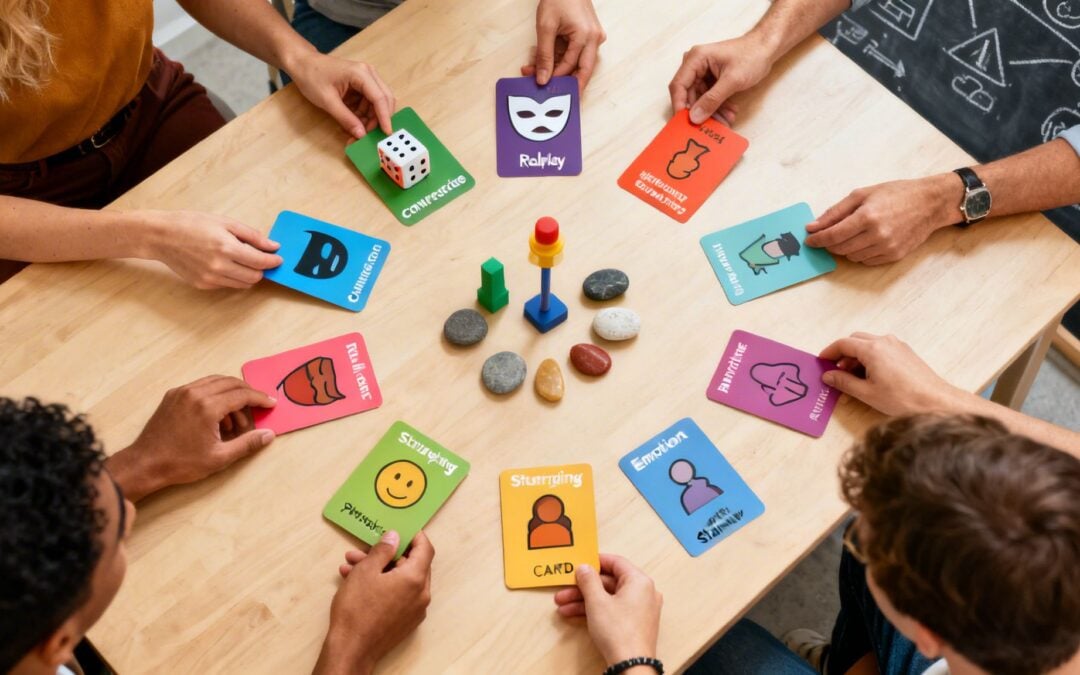
Effective communication is the cornerstone of social-emotional learning (SEL), academic success, and positive relationships. When students can express their thoughts clearly, listen actively, and understand different perspectives, they are better equipped to navigate their social worlds, collaborate with peers, and advocate for themselves. Developing these abilities requires more than just instruction; it demands consistent, hands-on practice. This resource provides a comprehensive roundup of research-based activities for communication skills designed to meet the diverse needs of students from kindergarten through eighth grade.
This is not a list of abstract theories. Instead, you will find ten actionable, SEL-centered activities that educators, counselors, and parents can implement immediately. Each entry is structured for practical application, offering a complete toolkit that includes:
- Clear Objectives: What students will learn and practice.
- Step-by-Step Instructions: A guide for facilitating the activity from start to finish.
- Practical Examples: Specific scenarios and scripts to use with students.
- Differentiation Strategies: Adaptations for various grade levels and learning needs.
- Assessment Guidance: Methods for observing and measuring skill development.
From structured role-playing scenarios that build empathy to interactive games that make active listening engaging, these activities provide a framework for fostering confident and compassionate communicators. Whether you are a principal aiming to integrate SEL school-wide, a teacher seeking dynamic classroom tools, or a parent supporting skill-building at home, this guide offers the specific details you need to get started. The goal is to move beyond simply telling students how to communicate and instead give them structured opportunities to practice and refine these essential life skills.
1. Role-Playing and Perspective-Taking Scenarios
Role-playing and perspective-taking scenarios are interactive exercises where participants act out real-world communication situations. This method moves beyond theoretical discussion, allowing individuals to practice expressing themselves, actively listening, and understanding different viewpoints in a controlled environment. By taking on various roles, participants can experience conflicts, conversations, and social interactions from multiple sides, building crucial empathy and emotional intelligence.
These experiential learning techniques, popularized by methodologies like Augusto Boal’s Theatre of the Oppressed, are exceptionally effective because they simulate the emotional and cognitive pressures of actual social challenges. This makes them one of the most powerful activities for communication skills development.
Implementation Examples
- Conflict Resolution: Two students who had a disagreement on the playground can role-play the situation, but this time they switch roles. For example, a teacher might say, “Okay, Sam, you’ll be playing Alex’s part, and Alex, you’ll be Sam. Sam, your goal is to explain why you felt left out. Alex, your goal is to explain why you needed space. Let’s start from when the argument began.” This helps each student articulate the other’s point of view before expressing their own.
- Family Communication: A parent and child can act out a common point of contention, like screen time limits. The parent plays the child, arguing for more time, while the child plays the parent, explaining the rules and reasoning. For instance, the child (playing the parent) might say, “I understand you want more screen time, but our rule is one hour on school nights because we need to prioritize homework and sleep.”
- Bullying Intervention: Soul Shoppe’s interactive workshops often use role-plays where students practice being an “upstander.” They act out scenarios where they witness bullying and test different strategies to safely intervene or support the person being targeted. A practical example involves one student playing the bully, another the target, and a third the upstander. The upstander might practice saying, “Hey, that’s not cool. Let’s not talk to people that way,” or “Do you want to come play with us instead?”
Actionable Tips for Success
To maximize the benefit of role-playing, it’s essential to create a supportive structure.
- Establish Psychological Safety: Begin by setting clear ground rules. Emphasize that this is a “no-shame” zone for practice, and all efforts are valued.
- Start Small: Begin with low-stakes scenarios, such as asking a friend to share a toy or joining a new group at recess, before moving to more emotionally charged topics.
- Mandatory Debrief: Always conclude with a reflection period. Use prompts like, “How did it feel to be in that person’s shoes?” or “What communication strategy worked well?”
- Offer Opt-Outs: Allow students to pass or participate as an observer. Forcing participation can create anxiety and hinder learning.
6. Peer Feedback and Fishbowl Coaching
Peer feedback and fishbowl coaching are structured exercises where participants give and receive feedback using specific, kind, and constructive protocols. This approach teaches individuals how to deliver actionable, respectful critiques and how to receive input with openness and a growth mindset. It transforms feedback from a source of anxiety into a valuable tool for improvement.
This method, supported by the principles of growth mindset pedagogy from Carol Dweck and formative assessment research, reframes communication as a skill that can be developed through practice and reflection. By making the feedback process transparent and collaborative, it becomes one of the most effective activities for communication skills for building self-awareness and interpersonal trust.
Implementation Examples
- Fishbowl Discussion: A small group of students sits in an inner circle (the “fishbowl”) to practice a communication skill, such as active listening or debating a topic. The outer circle observes and prepares to give structured feedback on what they saw and heard.
- Peer Coaching for Presentations: After students give a short presentation, they meet with a designated “peer coach” who uses a simple framework (e.g., “One thing that was really clear was…” and “One thing you could try next time is…”) to provide feedback. For example, a coach might say, “Your voice was really strong and confident. Next time, maybe you could try to make more eye contact with everyone in the audience.”
- “Two Stars and a Wish” Writing Review: In a writing workshop, students exchange papers. They are instructed to leave two positive comments (“stars”) and one suggestion for improvement (“a wish”) for their partner. A practical example of feedback could be: “Star 1: I love your descriptive words! Star 2: Your opening sentence is very engaging. Wish: I wish I knew more about how the character felt.”
Actionable Tips for Success
To ensure peer feedback is productive and positive, a clear framework is crucial.
- Teach Feedback Frameworks: Explicitly teach and model simple structures like “I notice…” and “I wonder…” to guide students. Provide sentence starters to help them formulate their thoughts constructively.
- Start with Positives: Always begin feedback rounds by focusing on strengths. This builds trust and makes participants more receptive to suggestions for growth.
- Frame Feedback as a Gift: Teach students to view feedback not as criticism, but as a gift that helps someone improve. This mindset shift is key to creating a supportive environment.
- Allow for Reflection: Give the recipient a moment to process the feedback and ask clarifying questions. The goal is dialogue, not a one-way critique.
10. Mindfulness-Based Communication and Emotional Awareness Practices
Mindfulness-based communication integrates present-moment awareness with the act of speaking and listening. Instead of focusing solely on external actions, this approach builds the internal foundation necessary for healthy interaction. Participants learn to notice their own thoughts, feelings, and bodily sensations before and during conversations, which helps them respond thoughtfully rather than react impulsively.
This method, rooted in practices popularized by Jon Kabat-Zinn and adapted for Social-Emotional Learning, empowers individuals to manage their internal state first. By cultivating self-awareness, participants can engage in dialogue with greater empathy, clarity, and control, making this one of the most transformative activities for communication skills. As part of developing mindful communication, understanding and enhancing your connection to your emotional regulation skills is incredibly beneficial.
Implementation Examples
- Mindful Listening Circles: Students sit in a circle and pass a “talking piece.” Only the person holding the object may speak, while others practice listening fully without planning their response. The focus is on receiving the speaker’s words and energy.
- Pause-and-Respond Practice: Before a potentially difficult conversation (like giving peer feedback), students are guided through a one-minute breathing exercise. A teacher could say: “Before we start, let’s all take a ‘tummy breath.’ Put your hand on your belly, breathe in and feel it rise, then breathe out slowly. This helps us speak from a calm place.”
- Family “Weather Report”: At home, family members can start a conversation by sharing their internal “weather.” For example, “I’m feeling sunny and calm today,” or “My mind feels a bit stormy and distracted.” This practice normalizes emotional awareness as part of communication.
Actionable Tips for Success
To effectively integrate mindfulness into communication practice, focus on consistency and accessibility.
- Start Small: Begin with very short practices, such as three conscious breaths before circle time or a one-minute body scan. Build duration as students become more comfortable.
- Normalize the Wandering Mind: Remind participants that it’s natural for their minds to wander. The goal isn’t an empty mind, but gently returning focus to the present moment without judgment.
- Frame it as a Tool: Connect mindfulness directly to communication goals. Explain, “We’re doing this breathing exercise to help our brains get ready for respectful listening.”
- Offer Multiple Entry Points: Not everyone connects with sitting still. Provide options like mindful walking, listening to a bell, or gentle stretching. You can find more calming activities for the classroom that support these practices.