

How to Build a Positive Classroom Community (and Make It Last All Year)
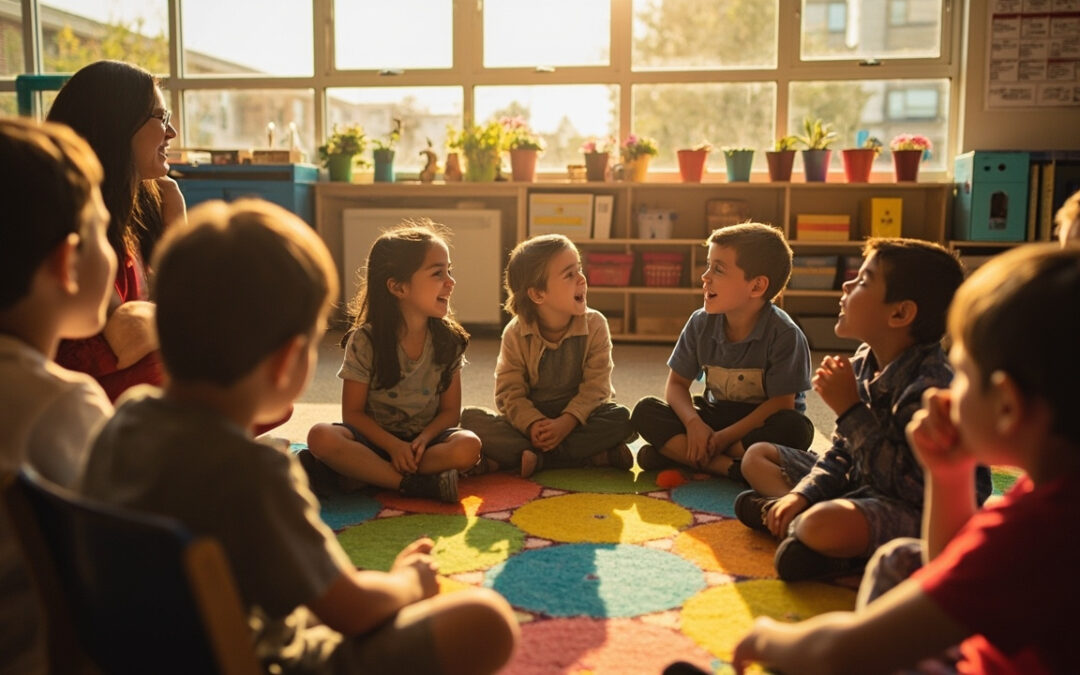
Every fall, teachers walk into a room full of individuals and ask the same unspoken question: Can I make this a community? The answer is yes — but not by accident. Building a positive classroom community is one of the highest-leverage investments an educator can make. When students feel like they genuinely belong, they learn more, take more risks, and develop stronger social-emotional skills. The strategies below are practical, sustainable, and designed for the real rhythms of an elementary school day.
Why Classroom Community Is the Foundation, Not the Frill
It can be tempting to treat community-building as the soft stuff you squeeze in before the “real” learning begins. But neuroscience and decades of classroom research say otherwise. When students feel psychologically safe — when they trust their teacher and their peers — their nervous systems settle enough to take in new information, make mistakes, and try again. That feeling of safety isn’t a nice-to-have. It’s a prerequisite.
This matters especially for students who’ve experienced adversity or instability. A regulated, connected classroom doesn’t just feel better — it literally changes how available students’ brains are for learning. For students who’ve never had a predictable, caring community before, a well-tended classroom can be genuinely transformative.
There’s also an equity dimension worth naming. Students who feel like outsiders — because of race, disability, family situation, or any number of other factors — disengage first and fall furthest behind. Intentional community-building is a way to interrupt that pattern before it takes hold.
Build a Shared Identity from Day One
The fastest way to build a positive classroom community is to give students something meaningful to belong to. That work starts in week one.
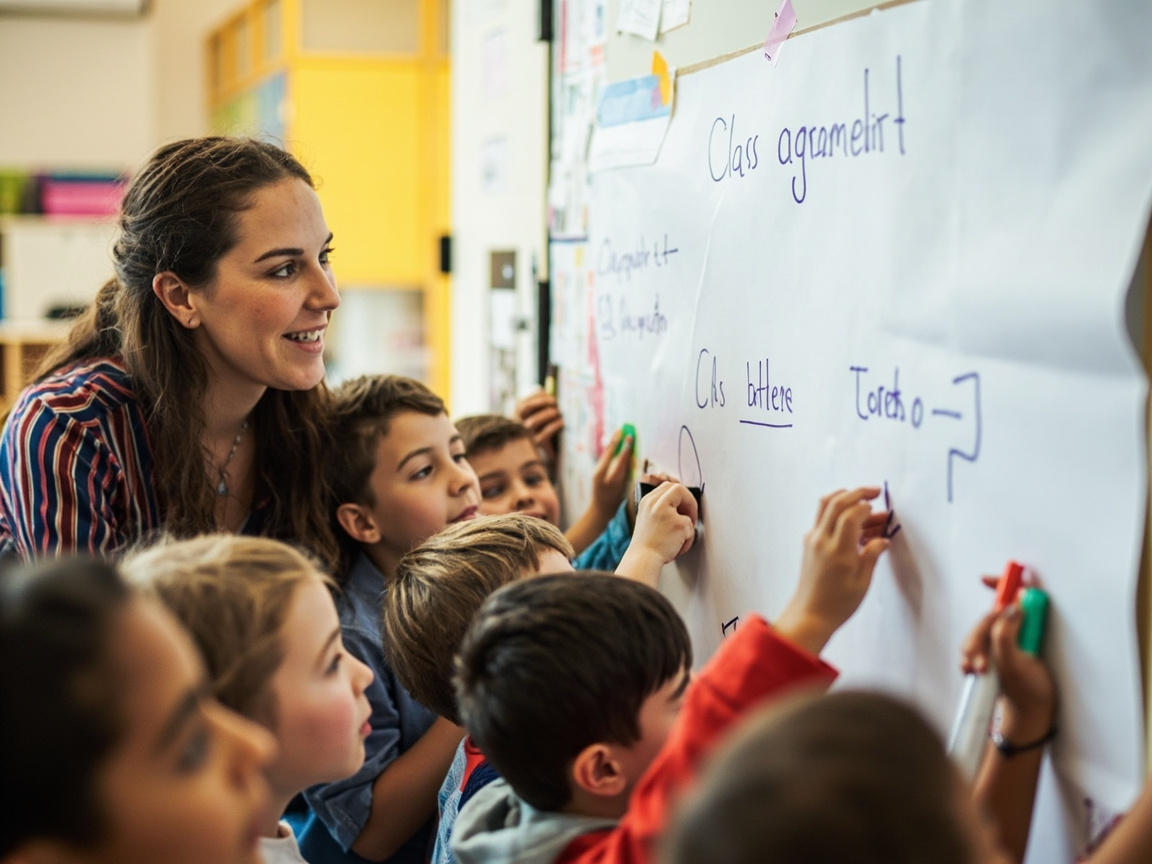
Co-create a class agreement. Rather than posting rules you wrote over the summer, invite students to identify what they need to feel safe and what they’re willing to offer one another. A class agreement built together carries real weight — students are far more likely to honor commitments they helped shape.
Name your community. A class name (“The Room 7 Changemakers” or “Ms. Torres’s Team”) creates an in-group identity. Lean into it with small, repeatable rituals: a class handshake, a closing cheer, a shared phrase. These micro-rituals signal we are a we in ways that accumulate quietly over time.
Design belonging into your space. Student photos, student-created work on the walls, a “wall of us” — visual cues that say you are seen here matter more than most teachers realize. When students see themselves reflected in the room, they feel safer contributing to it.
Make Connection a Daily Practice
Community needs daily tending. The good news is that the most effective community-building practices aren’t add-ons — they are instruction.
Morning meetings. A structured morning meeting (greeting, sharing, activity, morning message) is one of the most evidence-backed tools for building a positive classroom community. It teaches communication, listening, and empathy in real context. Students who start the day feeling connected tend to stay more engaged through the rest of it.
Check-ins before content. A brief emotional check-in before a lesson — even a one-word weather report (“I feel sunny / cloudy / stormy”) — invites students to show up as whole people rather than just learners. It also gives you real-time information about who might need a little extra support before the day unfolds.
Closing circles. End-of-day reflections that ask “What’s one thing you appreciated about someone today?” reinforce community values and give students a sense of shared narrative: We did something together. We are becoming something together.
Mindful transitions. Even the moments between activities can be community moments. A shared breath, a quick stretch, a 30-second grounding practice — these small rituals signal that your classroom is a place where the whole person matters, not just the student producing work.
Give Students Real Ownership
One of the most underused levers for building a positive classroom community is genuine student agency. When students have meaningful roles and real responsibility, they invest differently — because it’s actually theirs.
Classroom jobs with purpose. Go beyond pencil sharpener and line leader. Create roles like “community encourager,” “conflict resolver,” or “classroom historian” that reflect your SEL values. Rotate them regularly so every student gets a turn to lead.
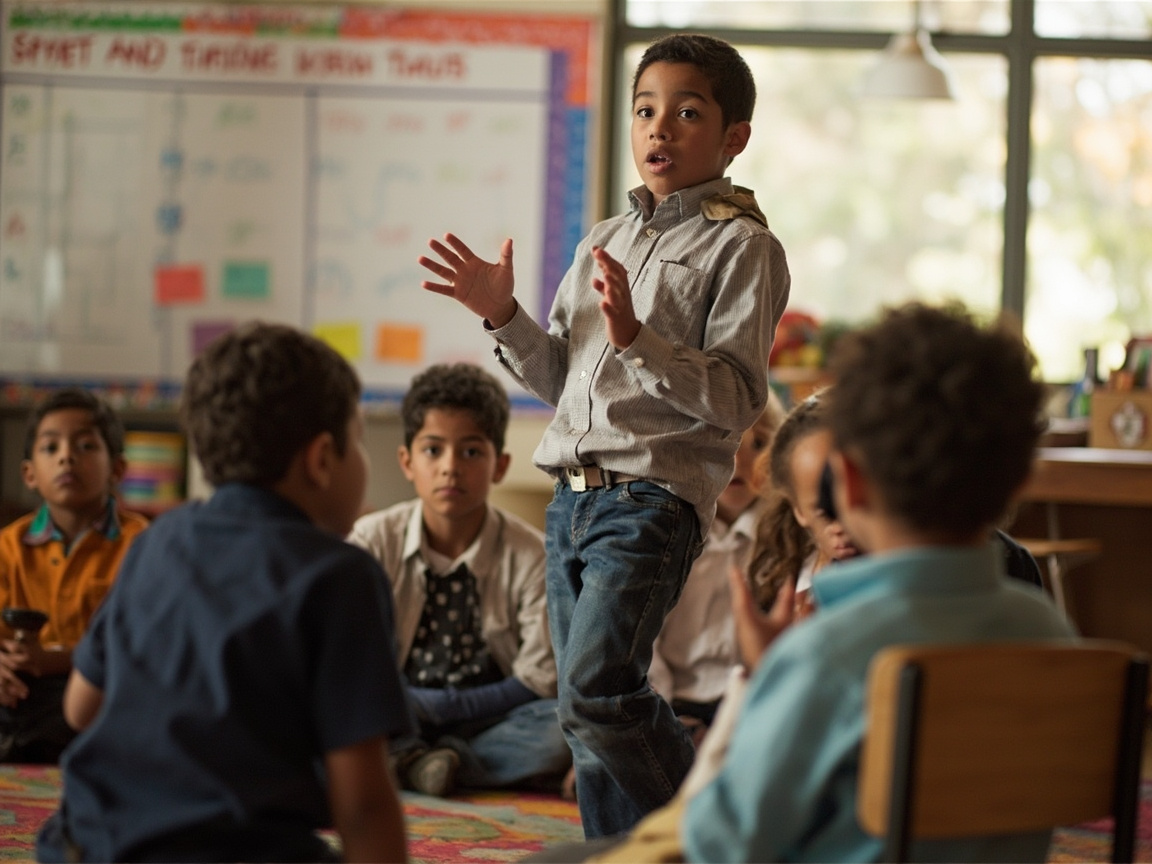
Student-led discussion. Even at the elementary level, students can facilitate parts of lessons, read-alouds, or problem-solving sessions. Leading is community-building: it says your voice shapes what happens here.
Input loops. Biweekly class meetings where students raise issues, celebrate wins, and propose solutions build civic muscles and deepen buy-in. When kids know their input actually changes things, they feel like members — not just occupants.
Address Conflict as a Community Skill
Every classroom will have conflict. What separates communities that grow stronger from groups that fracture is what happens afterward.
Teach conflict resolution explicitly and early — through role play, picture books, and low-stakes practice — so students have the vocabulary and the moves when things get real. Frameworks like “I statements” and structured problem-solving steps give students tools to navigate disagreement instead of avoiding or escalating it.
Frame conflict as a shared responsibility. Rather than always stepping in as referee, ask: What does our class agreement say? What would you want if you were the other person? This builds accountability to the community — not just to adult authority — and that’s a far more durable kind of accountability.
Weave SEL Into the Structure of Your Day
Building a positive classroom community and teaching social-emotional learning aren’t two separate projects. They’re the same project. Skills like empathy, self-awareness, emotional regulation, and responsible decision-making are the competencies your classroom community runs on.
The most effective approach isn’t a stand-alone SEL lesson once a week. It’s embedding SEL language and practices into what you’re already doing: morning meetings, partner work, transitions, read-alouds, and how you respond to challenging behavior. When students encounter the same values and vocabulary across the whole day, those skills genuinely take root.
A strong SEL curriculum can give teachers a consistent framework and ready-to-use tools — so community-building doesn’t have to be reinvented from scratch each year. Programs designed specifically for elementary students that are developmentally appropriate, culturally responsive, and easy to integrate into existing routines make a real and lasting difference.
What Keeps Community Strong Through the Hard Weeks
Even the best classroom communities hit rough patches — after a long break, a difficult school event, or a stretch of high-stakes testing. The teachers whose communities hold together through adversity share a few consistent habits:
- They return to agreements and rituals as anchors, not punishments.
- They repair relationships explicitly, using restorative language rather than just moving on.
- They model care and vulnerability — students take their emotional cues from the adults in the room.
- They stay consistent with routines, even when it’s tempting to skip the morning meeting “just this once.”
Community isn’t built once in September and done. It’s something you tend, repair, and recommit to — every week, all year.
The Takeaway
Building a positive classroom community is a daily practice that pays dividends in every corner of school life: academic engagement, behavior, resilience, and belonging. When students feel safe and genuinely connected to one another, everything else becomes possible.
If you’re looking for a structured framework to support that work, Soul Shoppe’s SEL programs give elementary educators the tools, language, and routines to build community with confidence — and sustain it through the hard days too. Explore our programs to find the right fit for your classroom and school.