

10 Practical Self Regulation Strategies for Kids (K-8) in 2026
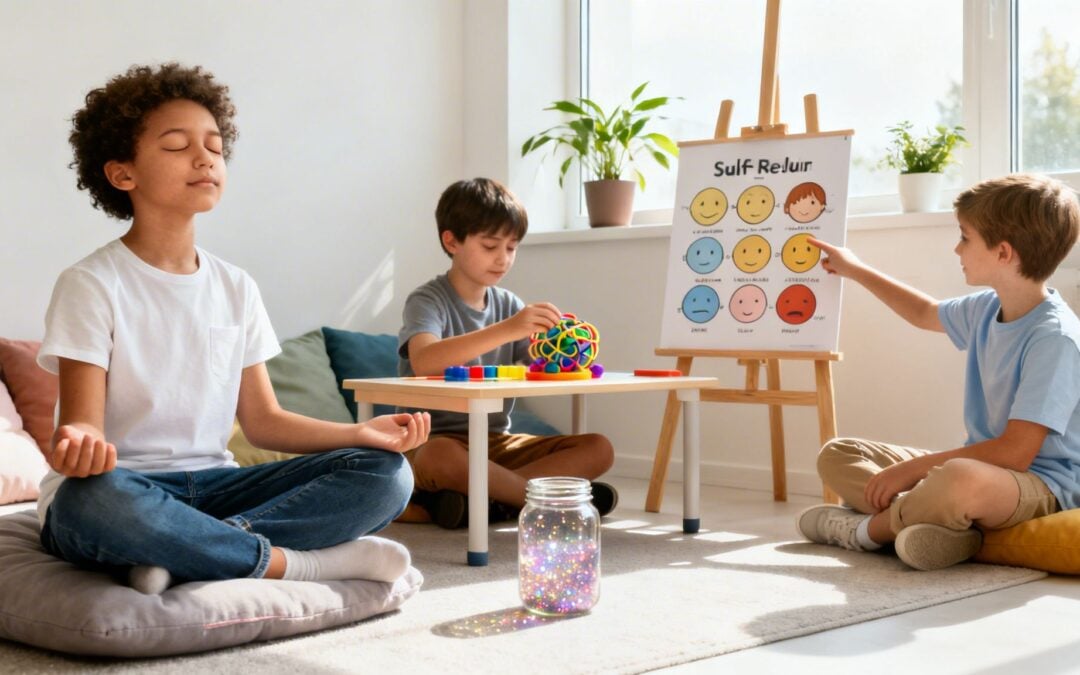
The ability for a child to manage their emotions, thoughts, and behaviors is a foundational skill for success. Self-regulation is not about suppressing feelings; it’s about navigating them effectively to achieve goals, build healthy relationships, and thrive academically. For parents and educators supporting students from kindergarten through 8th grade, finding practical, evidence-based self regulation strategies can feel overwhelming. This guide cuts through the noise and delivers a toolkit of proven methods.
We will explore ten powerful, actionable strategies you can implement immediately in the classroom and at home. This is more than just a list of ideas. It’s a direct roadmap designed for practical application.
Inside this guide, you will find:
- Step-by-step instructions for each strategy, from deep breathing to cognitive reframing.
- Real-world examples and sample scripts to show you what these techniques look like in action with K-8 students.
- Age-appropriate adaptations to help you adjust each tool for a second grader versus a seventh grader.
These tools are designed to create environments where children develop resilience, focus, and emotional intelligence. Forget abstract theories; this article provides concrete steps to help you foster self-regulation skills that will last a lifetime. Let’s get started.
1. Mindfulness and Deep Breathing
Mindfulness and deep breathing are foundational self-regulation strategies that empower students to connect with the present moment and manage their physiological stress response. Mindfulness is the practice of paying attention to the here and now without judgment, while deep breathing directly activates the body’s parasympathetic nervous system, creating a sense of calm. Together, they provide a powerful, accessible tool for children and adults to recognize rising emotions before they become overwhelming.
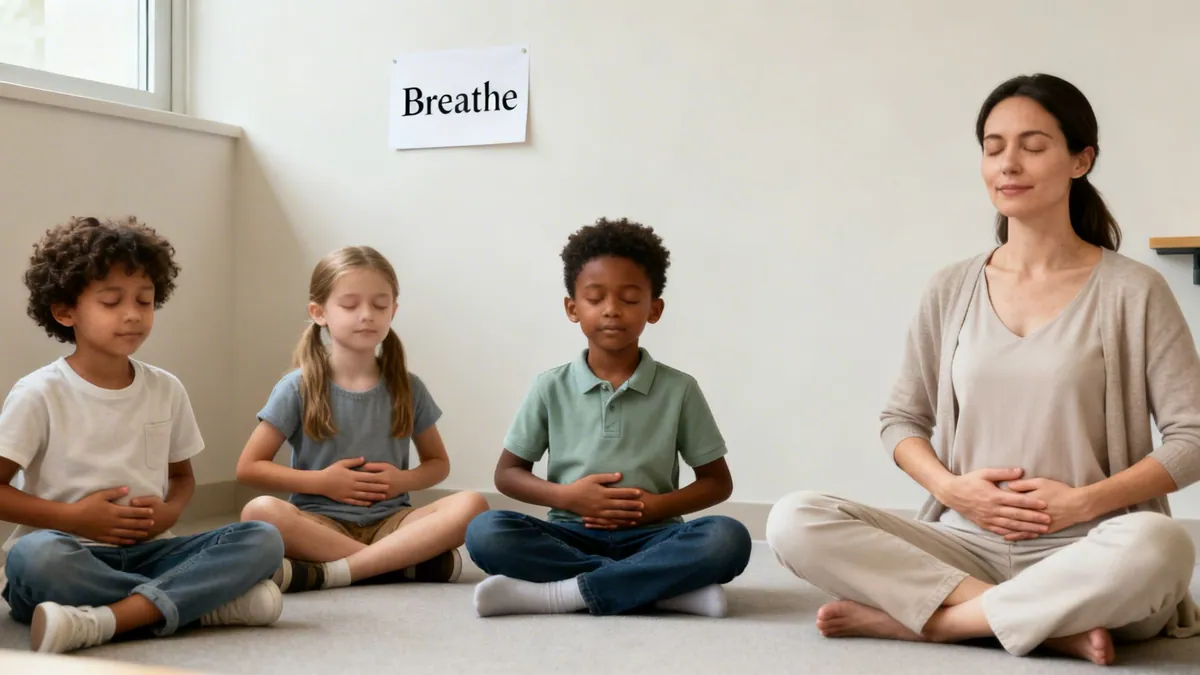
This approach works by interrupting the “fight, flight, or freeze” reaction. When a student feels anxious or angry, their breathing becomes shallow and their heart rate increases. Intentional deep breaths send a signal to the brain that the danger has passed, allowing the prefrontal cortex-the brain’s center for rational thinking-to come back online. This shift is crucial for problem-solving and learning. For a deeper look at specific, immediate relief techniques, explore these science-backed methods to calm down fast.
How to Implement Breathing and Mindfulness
For Younger Students (K-3):
- “Smell the Flowers, Blow Out the Candles”: Guide children to inhale deeply through their nose as if smelling a flower, then exhale slowly through their mouth as if blowing out birthday candles. Example: Before a challenging activity, say, “Let’s get our brains ready. Everyone pick a beautiful flower in your mind. Okay, let’s smell it… [breathe in]… now gently blow out the birthday candles… [breathe out].”
- “Belly Breathing”: Have students lie down and place a small stuffed animal on their belly. They can watch it rise and fall with each deep breath, providing a visual anchor. Example: During a calm-down moment, you can say, “Let’s give our ‘breathing buddies’ a ride. Lie on your back, put your buddy on your belly, and let’s see if you can rock it to sleep with your slow, deep breaths.”
For Older Students (4-8):
- Box Breathing: Students inhale for four counts, hold for four, exhale for four, and hold for four. Tracing a square in the air or on their desk can help them follow the rhythm. Example: Before a test, guide them: “Let’s calm our nerves with some box breathing. Silently, we’ll breathe in for four, hold for four, out for four, hold for four. You can trace the box on your desk as we go.”
- 4-7-8 Breathing: Inhale through the nose for four seconds, hold the breath for seven seconds, and exhale completely through the mouth for eight seconds. This is particularly effective for managing anxiety. Example: If a student is visibly upset, you can quietly say, “Let’s try that 4-7-8 breath we practiced. I’ll do it with you. In through your nose for four… hold it… and a long, slow whoosh out for eight.”
Pro Tip: Normalize taking a “breathing break.” Frame it as a smart, strong choice anyone can make to reset their brain, not as a punishment or sign of weakness. Consistent practice builds this skill into an automatic response over time. You can find more calming activities for the classroom to build a supportive environment.
2. Emotional Labeling and Naming
Emotional labeling is the practice of identifying and putting words to feelings as they arise. Popularized by neuroscientist Daniel Siegel’s concept to “name it to tame it,” this strategy helps students build a rich emotional vocabulary and is a cornerstone of emotional intelligence. The act of naming an emotion reduces activity in the amygdala (the brain’s alarm center) and engages the prefrontal cortex, allowing for more thoughtful responses instead of impulsive reactions. This foundational skill enables students to communicate their needs clearly and develop empathy for others.
This approach works by externalizing an internal state, creating a small but critical space between a feeling and a reaction. When a student can move from a general “I’m mad” to a more specific “I feel frustrated and left out,” they gain control over the experience. They are no longer consumed by the emotion but are observing it. This cognitive shift is one of the most effective self-regulation strategies because it empowers students to understand their internal world and make conscious choices about their behavior. For a deeper guide on this, explore these practical tips for naming feelings and helping kids find the words they need.
How to Implement Emotional Labeling
For Younger Students (K-3):
- Feelings Chart Check-in: Start the day by having students point to a picture on an emotion chart that shows how they are feeling and say the word aloud. Example: During morning circle, say, “Let’s check in with our hearts. Look at our feelings chart. Today, I’m pointing to ‘calm.’ Maria, which picture is closest to your feeling right now?”
- Storybook Emotions: While reading a story, pause and ask, “How do you think that character is feeling right now? What clues tell you that?” Example: While reading The Three Little Pigs, you might ask, “Look at the pig’s face when the wolf is at the door. He looks scared. How can you tell he is scared?”
For Older Students (4-8):
- Emotion Wheel: Use a more detailed emotion wheel to help students move from basic feelings (like “sad”) to more nuanced ones (like “disappointed,” “lonely,” or “grieving”). Example: If a student says they’re “mad” about a group project, you can pull out an emotion wheel and ask, “Let’s look closer. Is it angry-mad, frustrated-mad, or maybe even feeling disrespected?”
- “Feeling/Behavior” Sentence Frames: Teach students to separate feelings from actions with this script: “I feel [emotion] because [reason], and I am choosing to [calm-down strategy].” Example: “I feel annoyed because my pencil broke, and I am choosing to take three deep breaths before I ask for a new one.”
Pro Tip: Model this in your own life. Verbally narrate your own feelings in a calm way, such as, “I’m feeling a little overwhelmed by the noise in here, so I’m going to take three deep breaths.” This shows students that all emotions are normal and manageable.
3. The STOP Technique (Stop, Take a breath, Observe, Proceed)
The STOP technique is a simple yet effective four-step strategy designed to interrupt impulsive reactions and create space for a more thoughtful response. It serves as a mental “pause button,” allowing students to break free from an automatic emotional spiral. By guiding them through the sequence of Stopping, Taking a breath, Observing their thoughts and feelings, and then Proceeding with a choice, this tool helps students move from a reactive state to a responsive one. It directly supports social-emotional learning by building self-awareness and responsible decision-making skills.
This method works by creating a critical gap between a triggering event and a student’s reaction. When a student feels frustrated or angry, their immediate impulse might be to lash out. The STOP technique creates a moment for their prefrontal cortex to catch up with their emotional brain, the amygdala. This pause allows them to recognize their feelings, consider the consequences of their actions, and choose a more constructive path forward. The simplicity of the acronym makes it one of the most memorable and practical self-regulation strategies for in-the-moment support.
How to Implement the STOP Technique
For Younger Students (K-3):
- Physical STOP Sign: Use a visual cue, like holding up a hand like a stop sign, to initiate the first step. Guide them verbally: “Let’s STOP. Now let’s take a big dragon breath.” Example: When two students start arguing over a toy, you can say, “Freeze! Let’s both use our STOP power. First, we stop our bodies and our voices.”
- “Notice and Name”: During the “Observe” step, help them name their feeling. Ask, “What are you noticing in your body? Does your tummy feel tight? You might be feeling frustrated.” Example: “Okay, we’ve taken our breath. Now let’s observe. I see you’ve made fists with your hands. That’s a clue that you might be feeling angry. Is that right?”
For Older Students (4-8):
- Internal Monologue: Encourage them to run through the steps silently in their head. The goal is for the technique to become an internal, automatic process. Example: If you see a student getting frustrated with a math problem, you can quietly walk over and whisper, “Looks like a good time to use STOP in your head. Just pause and take that one good breath.”
- Scenario Role-Playing: Practice using STOP in hypothetical situations during a morning meeting, like what to do if someone cuts in line or takes their pencil without asking. Example: “Today’s scenario: someone posts an unkind comment online. What’s the first thing we do? Right, STOP. We don’t type back right away. What’s next? Take a breath. Good. Now, what are we observing…?”
Pro Tip: Model using STOP yourself. When you feel overwhelmed, say aloud, “Okay, I’m feeling a little flustered. I’m going to STOP, take a breath, observe what’s happening, and then decide how to proceed.” This authentic modeling shows students that self-regulation is a skill for everyone.
4. Movement and Physical Activity
Intentional movement and physical activity are powerful self regulation strategies that help students manage their emotions by releasing endorphins and providing essential sensory feedback. Whether through structured sports, stretching, or spontaneous dance, physical activity works as both a proactive tool to maintain an emotional baseline and a reactive one to shift out of a dysregulated state. It is particularly effective for kinesthetic learners who process information and emotions through their bodies.
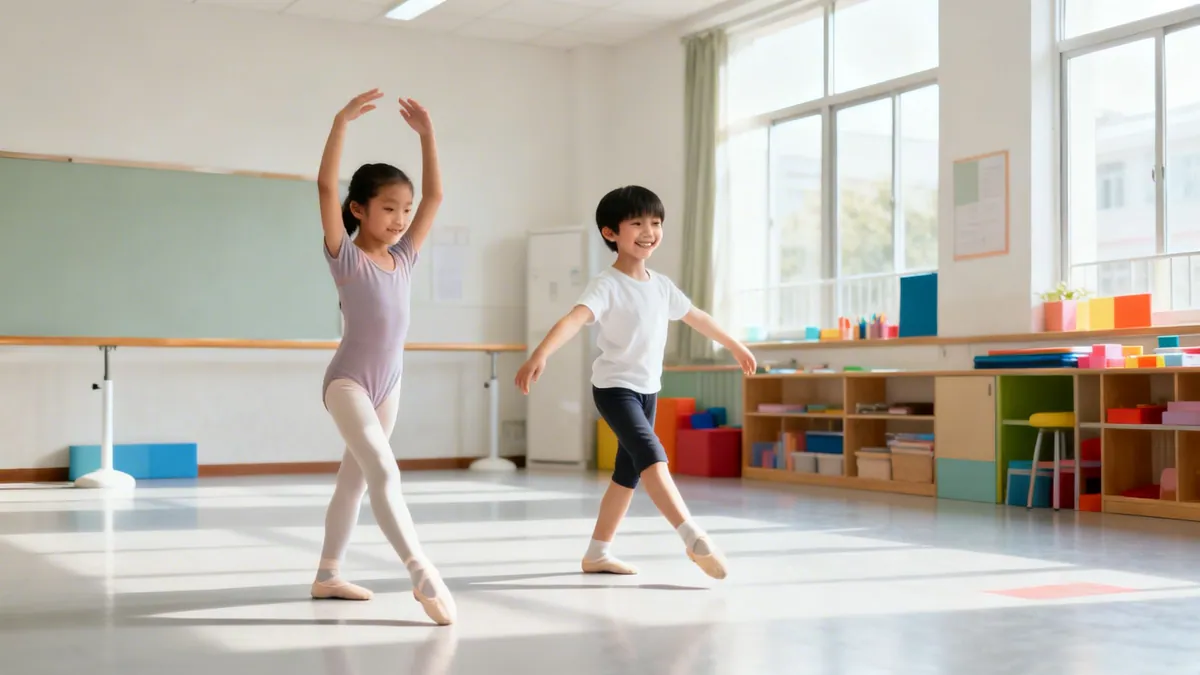
This approach helps complete the stress response cycle, allowing the body to physically discharge built-up tension and frustration. When a student feels agitated or unfocused, their body holds that energy. Movement provides a healthy outlet, improving blood flow to the brain and resetting the nervous system. This physical reset makes it easier for students to re-engage with learning and social situations constructively, a core principle found in programs like Soul Shoppe’s movement-based curriculum.
How to Implement Movement and Physical Activity
For Younger Students (K-3):
- Animal Walks: Have students move across the room like different animals, such as a bear (on hands and feet), a frog (jumping), or a crab (crawling backward). This provides great sensory input. Example: “I see a lot of wiggly energy! Let’s take a one-minute animal break. Everybody, crawl like a bear to the bookshelf and back to your spot.”
- Dance Breaks: Put on a short, energetic song and lead a quick “freeze dance” session. When the music stops, everyone freezes in place until it starts again. Example: Use this as a transition. “Okay, writers, pens down! Time for a 90-second dance party before we start math!”