A Practical Guide to Confronting Negative Peer Pressure
Negative peer pressure is that social tug-of-war that pushes kids to act against their own gut feelings, their family’s rules, or what they know is right. It’s often driven by a deep need to fit in and a powerful fear of being left out, which can lead to choices that are unsafe, unkind, or just plain unhealthy. This force is more than just a passing influence; it can quietly steer a child’s decisions on everything from small social moments to big life choices.
Understanding Negative Peer Pressure in Daily Life
Think of negative peer pressure as a strong social current. It can pull kids toward group behaviors, whether those are positive or not. It’s not always about dramatic dares or obviously risky stuff. More often, it shows up in small, everyday moments that slowly chip away at a child’s sense of who they are and where they belong.
For a younger kid, a practical example might be the sting of being excluded for not having the “right” light-up sneakers or the popular brand of backpack. A teacher might overhear a child say, “You can’t play with us unless you have a Sparkle Pony backpack.” By middle school, this pressure morphs into more complicated situations, like feeling forced to join in on gossip about a classmate just to stay on the right side of a friend group, or getting roped into a risky online challenge.
The Core Drivers of Peer Influence
At the heart of it all are two of our most basic human needs: the desire to belong and the fear of being left out. Kids are wired to seek connection and acceptance. When they’re stuck between sticking to their own values and getting approval from their friends, that social pull can feel impossible to resist. This makes them especially vulnerable to influence, particularly during those key developmental years when their identity is still taking shape.
Recent research shows just how widespread this is. A study from Indiana University’s Lilly Family School of Philanthropy, working with Harvard’s Center for Digital Thriving and Common Sense Media, found that a staggering 81% of American teenagers have felt negative pressure in at least one part of their lives. The study zeroed in on three main sources of this stress: pressure about future plans, academic performance, and physical appearance.
The image below breaks down these key areas where students often feel the heat from their peers.

Recognizing Negative Peer Pressure at Different Ages
The way negative peer pressure shows up changes as kids get older. What worries a first-grader is very different from what a seventh-grader faces. This table offers a quick look at some common signs and scenarios you might see in elementary and middle school.
| Type of Pressure | Example in Elementary School (K-5) | Example in Middle School (6-8) |
|---|---|---|
| Social Exclusion | Not letting a classmate play a game because they don’t have a specific toy or brand-name item. For instance, “Only kids with the latest trading cards can join our club.” | Intentionally leaving someone out of a group chat or social plans because they aren’t “cool” enough. A parent might see a text like, “Don’t invite Alex to the movies.” |
| Behavioral Pressure | Daring a friend to break a classroom rule, like talking out of turn or taking something that isn’t theirs. A child might say, “I dare you to write on the desk. The teacher won’t see.” | Pressuring a friend to try vaping, skip class, or post something inappropriate online. For example, “Come on, just one puff. No one will find out.” |
| Appearance & Conformity | Teasing a child for wearing clothes that are not in style or for having a different haircut. A common taunt could be, “Why are you wearing baby shoes?” | Making critical comments about a peer’s body, clothes, or acne, creating pressure to look a certain way. This might sound like, “You’d be prettier if you lost weight.” |
| Academic Pressure | Making fun of a student for getting a good grade (“teacher’s pet”) or for needing extra help. A child might be told, “Stop raising your hand so much, you’re making us all look bad.” | Encouraging a classmate to cheat on a test or sharing answers to avoid studying. A direct message might say, “Just send me your answers for the history homework.” |
Spotting these signs early helps adults step in with the right support, tailored to the child’s developmental stage.
Why Children Are Vulnerable to Peer Influence
It’s a question that baffles parents and teachers everywhere. Why would a smart kid who knows right from wrong suddenly make a terrible choice just to fit in with a group?
The answer isn’t a flaw in their character. It’s rooted in the fascinating, and sometimes frustrating, science of brain development. Understanding this helps us shift our focus from blame to supportive guidance.
Children, and especially pre-teens and teenagers, are not just small adults. Their brains are actively under construction, and the parts responsible for social connection and smart decision-making develop at very different speeds. This mismatch creates a perfect storm for negative peer pressure to take hold.

The Developing Brain on Social Autopilot
Think of an adolescent’s brain like a high-performance car with a super-sensitive gas pedal and brakes that are still being installed. The gas pedal is the limbic system—the brain’s emotional and social hub. It’s fired up during these years, making social rewards like acceptance, laughter, and belonging feel incredibly powerful and exciting.
The brakes, on the other hand, are the prefrontal cortex. This is the brain’s “CEO,” in charge of logic, impulse control, and thinking through long-term consequences. Here’s the catch: this part of the brain doesn’t fully mature until the mid-20s.
This developmental lag explains why the immediate thrill of fitting in can so easily overpower that quiet, logical voice warning against a bad idea. This biological reality is a key factor in a child’s emotional development, shaping how they navigate their social world.
Practical Examples of Brain Development in Action
This imbalance isn’t just a textbook theory; it shows up in everyday situations that parents and teachers see all the time. The intense need for social approval, driven by the brain’s reward centers, can lead to choices that seem completely out of character.
Let’s look at how this plays out:
- The Little Lie: A fifth-grader’s friends are all buzzing about a new PG-13 movie they saw over the weekend. Even though she wasn’t allowed to see it, she chimes in, “Oh yeah, I saw it! The ending was crazy.” In that moment, the immediate social reward of being part of the conversation completely outweighs the value of telling the truth.
- The Sudden Style Change: A middle schooler who has always loved bright colors suddenly insists on wearing only black, baggy outfits, just like a new group of friends. This isn’t just about fashion; it’s a powerful, non-verbal way of signaling, “I belong with them.” The drive for group identity is a potent force.
- The Classroom Disruption: A teacher sees a normally well-behaved student, Mark, laugh and encourage another student who is throwing paper wads. Mark knows it’s wrong, but the immediate reward of getting a laugh from his peers overrides his better judgment.
For a child, the fear of social rejection can feel as threatening as physical danger. Their brain actually processes social pain in the same regions that process physical pain, making the sting of being left out a very real and powerful motivator.
This deep-seated need to avoid social pain explains why a kid might participate in excluding another classmate, even if they feel awful about it later. The immediate benefit of securing their own spot in the group temporarily silences their empathy.
From Survival Instinct to Social Strategy
This all goes way back. Historically, being part of a group was essential for survival. Being cast out meant danger and a lack of resources. While the stakes are different in a middle school cafeteria, that ancient wiring remains. A child’s brain is still primed to prioritize group acceptance as a fundamental, non-negotiable need.
Understanding these developmental drivers is the first step toward helping them. When we see a child succumbing to negative peer pressure, we can recognize it not as defiance, but as a predictable developmental stage. This empathetic viewpoint allows us to teach them the skills they need to manage their powerful social instincts and make choices that align with their true selves.
It’s all about helping them strengthen their “brakes” to match their powerful “gas pedal.”
How to Spot the Warning Signs and Impacts
Negative peer pressure often works in whispers, not shouts. For parents and educators, recognizing it means tuning into the subtle shifts in a child’s world. The signs can be easy to dismiss as typical growing pains, but when they start to form a pattern, they often point to a deeper struggle.
These warning signs are like a quiet distress signal from a child who may not have the words to ask for help directly. They’re clues that the social currents around them are becoming too strong to navigate alone. Paying close attention is the first and most critical step in offering support.
A Checklist of Red Flags for Adults
Identifying negative peer pressure isn’t about spotting one single behavior but noticing a collection of changes. If a child begins to show several of these signs at once, it’s a strong indicator that they may be struggling to hold their own.
Here are some key warning signs to watch for:
- Sudden Academic or Behavioral Changes: A student who once enjoyed school now complains about going, their grades slip, or they suddenly get into trouble. Example: A child who used to love math now says the class is “boring” and fails a test, which could be a sign they are being teased for being smart.
- Shifting Friend Groups: It’s normal for friendships to evolve, but a sudden and complete change in friends can be a red flag—especially if the new group has very different values. This is often paired with the child pulling away from old, positive friendships. Example: Your son stops hanging out with his soccer teammates and now only spends time with a group of kids known for skipping school.
- Increased Secrecy and Defensiveness: Your child might become guarded with their phone, hide who they are talking to, or get unusually defensive about their day. This often comes from a fear of disapproval from the adults in their life. Example: When you ask, “Who were you texting?” your daughter quickly turns off her phone and replies, “Just a friend. It’s nothing.”
- Changes in Appearance and Interests: A sudden, dramatic change in clothing, music taste, or language that mirrors a new group shows a strong desire to conform. You might also see a child abruptly drop hobbies they once loved. Example: A middle schooler who loved playing the violin for years suddenly quits, saying it’s “not cool anymore.”
- Unexplained Mood Swings: While moodiness is part of growing up, persistent anxiety, sadness, irritability, or unusually low self-esteem can be symptoms of the stress caused by trying to fit in. Example: Your child is cheerful one moment but becomes withdrawn and sullen after receiving a notification on their phone.
The Immediate and Long-Term Consequences
When negative peer pressure goes unaddressed, its effects can ripple outward, impacting a child’s present and future. The consequences range from immediate emotional distress to long-term damage to their sense of self.
The link between social stress and mental health is undeniable. Research shows that peer pressure contributes to higher rates of depression, anxiety, and stress among young people. With nine out of ten teens reporting they have experienced peer pressure, understanding these impacts is crucial.
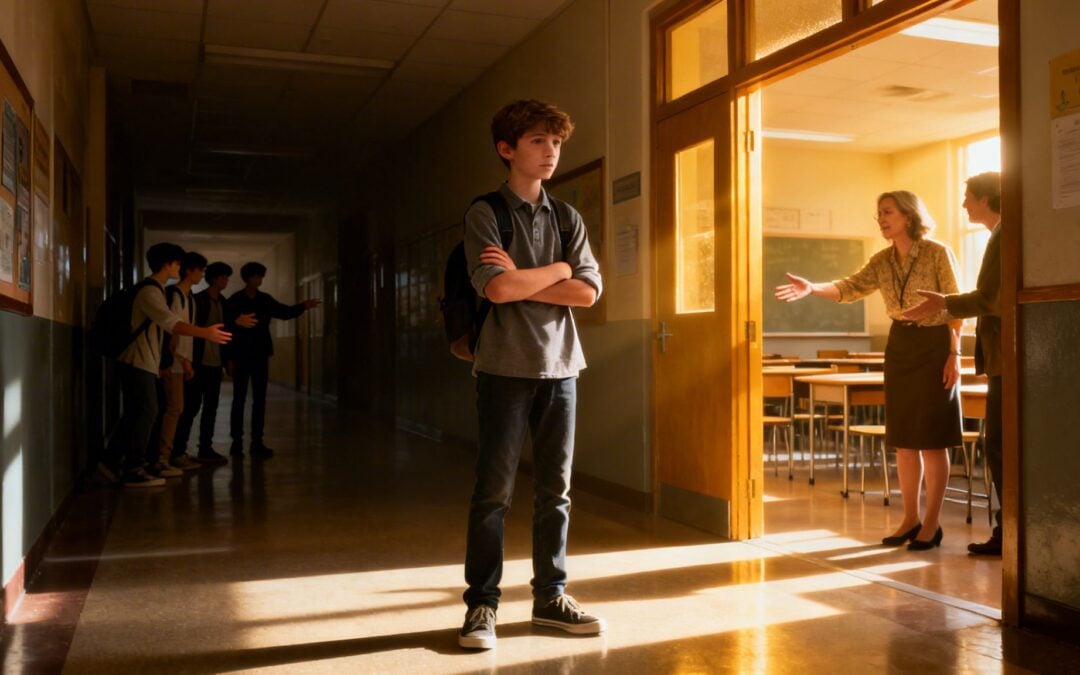
A Story from the Hallways: Liam, a bright seventh-grader, loved his robotics club. But when a new group of friends started making fun of it, he quietly quit. Soon, his parents noticed his grades dropping and he started faking sickness to miss school. It wasn’t until a counselor stepped in that they discovered Liam was terrified of this group labeling him a “nerd.” He was choosing to fail rather than face social rejection.
Liam’s story shows how quickly the impacts can escalate. The immediate consequences were anxiety and academic decline. Left unchecked, this could have led to more severe, long-term issues.
Understanding the Full Scope of Impact
The damage from negative peer pressure isn’t just about making a few bad choices. It can fundamentally alter how children see themselves and their place in the world.
Short-Term Impacts:
- Heightened Anxiety and Stress: The constant worry about fitting in or being judged is mentally exhausting.
- Academic Struggles: Social stress makes it tough to focus on schoolwork, leading to lower grades.
- Damaged Friendships: Kids may push away positive friends to gain acceptance from a more “desirable” but negative group.
- Risky Behaviors: This can include experimenting with substances, cheating, or participating in bullying to gain social status. For parents, this guide on recognizing signs of bullying provides key indicators that shouldn’t be ignored.
Long-Term Risks:
- Diminished Self-Worth: Constant pressure to be someone else can erode a child’s sense of identity and self-esteem.
- Mental Health Challenges: Chronic social stress is a significant contributor to long-term anxiety disorders and depression.
- Difficulty with Healthy Relationships: A history of negative peer dynamics can make it harder to form trusting, authentic relationships in adulthood.
Recognizing these signs isn’t about creating panic. It’s about empowering adults to step in early and effectively, providing the guidance kids need to find their footing again.
Actionable Classroom Strategies for Educators
Building a classroom that’s resilient to negative peer pressure isn’t about trying to get rid of social influence entirely. It’s about creating a strong, positive culture where every single student feels seen, valued, and safe.
When a deep sense of belonging is the foundation of your classroom, the fear of rejection—which is the main fuel for peer pressure—starts to lose its power. The goal is to give students more than just the words to say “no”; it’s to give them the unshakeable confidence that their “no” will be heard and respected.
The best strategies are the ones you weave into the daily fabric of your classroom life, not just the ones saved for a special lesson. By consistently reinforcing empathy, assertive communication, and community, you can create an environment where positive influence naturally wins out. Your classroom becomes a training ground for the real-world social challenges they’ll face.

Fostering Community and Belonging
A student who feels like a genuine member of the classroom community is far less likely to bend their values just to fit in. That sense of belonging acts as a powerful anchor against the pull of negative peer pressure. Creating this kind of environment takes intentional and consistent effort.
Start with simple, regular rituals that reinforce connection. Things like morning meetings, community circles, or even a simple “high-five line” at the door can set a positive tone for the entire day. These small acts build a shared identity and mutual respect.
Another fantastic strategy is to assign meaningful classroom jobs that require students to collaborate. When kids have to depend on each other to keep the classroom running, they start to see one another as capable, contributing members of a team. For example, a “Tech Team” of two students can be responsible for setting up the projector, or a “Librarian Duo” can manage the classroom library. This shifts the social dynamic from a hierarchy of “cool” to a network of shared responsibility. To dig deeper into creating this kind of supportive space, you might explore trauma-informed teaching strategies, which are all about creating psychological safety for every child.
Teaching Assertive Communication with I-Statements
One of the most practical skills you can teach is how to express feelings and needs without blaming or attacking someone else. Assertive communication is the perfect antidote to both passive compliance and aggressive reactions. At Soul Shoppe, we love teaching “I-Statements”—a simple but incredibly powerful tool for respectful self-expression.
An “I-Statement” follows a basic, four-part structure:
- I feel… (State the emotion)
- when you… (Describe the specific, observable behavior)
- because… (Explain how it impacts you)
- I need/would like… (State what you want to happen)
For example, instead of a student blurting out, “You’re so annoying! Stop copying my work!” they can learn to say, “I feel frustrated when you look at my paper because I worked really hard on these answers myself. I need you to do your own work.” This simple shift de-escalates conflict and teaches kids to take ownership of their feelings.
By framing a concern around their own feelings (“I feel…”) instead of an accusation (“You are…”), a student can set a clear boundary while keeping the relationship intact. It’s a skill that will serve them far beyond the classroom, helping them navigate complex social situations for the rest of their lives.
Using Role-Playing to Build Refusal Skills
Just telling a student to “say no” is rarely enough. They need to practice it. They need to feel the words in their mouth and build muscle memory for those high-stakes moments. Role-playing is an incredibly effective—and safe—way to make that happen.
Create realistic scenarios that your students might actually encounter. Make sure they’re age-appropriate and focused on common challenges they face. The goal is to help them practice saying “no” firmly, respectfully, and confidently.
Practical Role-Playing Scenarios for the Classroom:
- The Test Answer Scenario: One student tries to get answers to a test from a classmate, who must practice saying no.
- Student A: “Psst! What’s the answer to number 5? The teacher isn’t looking.”
- Student B (Practice Response): “I can’t share my answers. We can study together for the next one if you want.”
- The Exclusion Scenario: A group of students is talking about leaving someone out of a game at recess.
- Student A: “Let’s not ask Sarah to play. She’s too slow.”
- Student B (Practice Response): “I feel uncomfortable with that. I think everyone should be invited to play.”
- The Online Gossip Scenario: A friend wants to show another student a mean post about a classmate.
- Student A: “Look at this picture of Alex! Let’s share it in the group chat.”
- Student B (Practice Response): “No, I don’t want to be part of that. It feels unkind.”
After each role-play, lead a short debrief. Ask the students how it felt to say no. What made it hard? What made it easier? This reflection helps the learning stick and empowers students to use these skills when they face real negative peer pressure.
A Parent’s Guide to Building Resilience at Home
While teachers and administrators are hard at work building a resilient culture at school, the real training ground for a child’s inner strength is at home. The bond you share with your child is a powerful anchor, giving them the stability they need to navigate the sometimes-turbulent waters of social pressure.
When you create a home where your child feels safe, heard, and unconditionally loved, you’re giving them the most effective defense against the pull of negative peer pressure. It all starts with open, non-judgmental conversations where they feel comfortable sharing their struggles and their wins. That foundation of trust is what makes you the person they turn to when facing a tough choice.
2. Structured Partner and Small Group Dialogues
Structured partner and small group dialogues are facilitated conversations that use specific frameworks and prompts to guide interaction. This approach moves beyond unstructured “talk time” by implementing clear turn-taking protocols, active listening requirements, and guided reflection. By creating a predictable and safe format, participants can practice articulating their thoughts, validating others’ perspectives, and engaging in respectful discourse without fear of being interrupted or unheard.
This method, with roots in practices like Marshall Rosenberg’s Nonviolent Communication (NVC) and mindfulness-based dialogues, transforms conversation into a deliberate practice. The explicit structure helps de-escalate potential conflicts and ensures equitable participation, making it one of the most foundational activities for communication skills for building a respectful community.
Implementation Examples
- Partner Listening Exercises: In Soul Shoppe workshops, students are often paired up. One student (the speaker) shares for a set time (e.g., 60 seconds) about a specific prompt, while the other (the listener) listens without interrupting. The listener then reflects back what they heard. For example, after the speaker shares, the listener might say, “What I heard you say was that you felt really proud when you finished your art project because you worked hard on it.”
- Peer Mentoring Conversations: Older students can mentor younger ones using a structured protocol, such as asking questions like, “What is one thing that went well this week?” and “What is something you’re finding tricky?” A practical script for the mentor could be: “First, let’s talk about a success. Then, we can brainstorm one small step to help with the tricky part.”
- Dinner Table Question Cards: A family can use cards with prompts like, “Share a time today you felt proud,” to guide a more intentional and inclusive dinner conversation where everyone gets a turn to share and listen. For instance, a card could say: “Describe a moment today when someone was kind to you.” Each person answers while the others practice listening.
Actionable Tips for Success
To ensure these dialogues are effective, facilitators should focus on creating clarity and safety.
- Provide Written Prompts: Keep conversation prompts, sentence starters, or listening guidelines visible on a whiteboard or handout so participants can easily reference them.
- Model the Dialogue Format: Before asking students to practice independently, demonstrate a structured conversation with another adult or a student volunteer. Explicitly point out the turn-taking and listening steps.
- Start with Lighter Topics: Begin with low-stakes prompts, such as “What’s your favorite thing to do on a weekend?” before moving to more personal or sensitive discussions.
- Rotate Partners Regularly: Encourage students to practice with different peers. This builds their comfort and ability to communicate effectively with a wider range of personalities.
- Debrief as a Group: After the dialogues, facilitate a group reflection. Ask questions like, “What did it feel like to be listened to without interruption?” or “What made a conversation feel successful?”
6. Peer Feedback and Fishbowl Coaching
Peer feedback and fishbowl coaching are structured exercises where participants give and receive feedback using specific, kind, and constructive protocols. This approach teaches individuals how to deliver actionable, respectful critiques and how to receive input with openness and a growth mindset. It transforms feedback from a source of anxiety into a valuable tool for improvement.
This method, supported by the principles of growth mindset pedagogy from Carol Dweck and formative assessment research, reframes communication as a skill that can be developed through practice and reflection. By making the feedback process transparent and collaborative, it becomes one of the most effective activities for communication skills for building self-awareness and interpersonal trust.
Implementation Examples
- Fishbowl Discussion: A small group of students sits in an inner circle (the “fishbowl”) to practice a communication skill, such as active listening or debating a topic. The outer circle observes and prepares to give structured feedback on what they saw and heard.
- Peer Coaching for Presentations: After students give a short presentation, they meet with a designated “peer coach” who uses a simple framework (e.g., “One thing that was really clear was…” and “One thing you could try next time is…”) to provide feedback. For example, a coach might say, “Your voice was really strong and confident. Next time, maybe you could try to make more eye contact with everyone in the audience.”
- “Two Stars and a Wish” Writing Review: In a writing workshop, students exchange papers. They are instructed to leave two positive comments (“stars”) and one suggestion for improvement (“a wish”) for their partner. A practical example of feedback could be: “Star 1: I love your descriptive words! Star 2: Your opening sentence is very engaging. Wish: I wish I knew more about how the character felt.”
Actionable Tips for Success
To ensure peer feedback is productive and positive, a clear framework is crucial.
- Teach Feedback Frameworks: Explicitly teach and model simple structures like “I notice…” and “I wonder…” to guide students. Provide sentence starters to help them formulate their thoughts constructively.
- Start with Positives: Always begin feedback rounds by focusing on strengths. This builds trust and makes participants more receptive to suggestions for growth.
- Frame Feedback as a Gift: Teach students to view feedback not as criticism, but as a gift that helps someone improve. This mindset shift is key to creating a supportive environment.
- Allow for Reflection: Give the recipient a moment to process the feedback and ask clarifying questions. The goal is dialogue, not a one-way critique.
10. Mindfulness-Based Communication and Emotional Awareness Practices
Mindfulness-based communication integrates present-moment awareness with the act of speaking and listening. Instead of focusing solely on external actions, this approach builds the internal foundation necessary for healthy interaction. Participants learn to notice their own thoughts, feelings, and bodily sensations before and during conversations, which helps them respond thoughtfully rather than react impulsively.
This method, rooted in practices popularized by Jon Kabat-Zinn and adapted for Social-Emotional Learning, empowers individuals to manage their internal state first. By cultivating self-awareness, participants can engage in dialogue with greater empathy, clarity, and control, making this one of the most transformative activities for communication skills. As part of developing mindful communication, understanding and enhancing your connection to your emotional regulation skills is incredibly beneficial.
Implementation Examples
- Mindful Listening Circles: Students sit in a circle and pass a “talking piece.” Only the person holding the object may speak, while others practice listening fully without planning their response. The focus is on receiving the speaker’s words and energy.
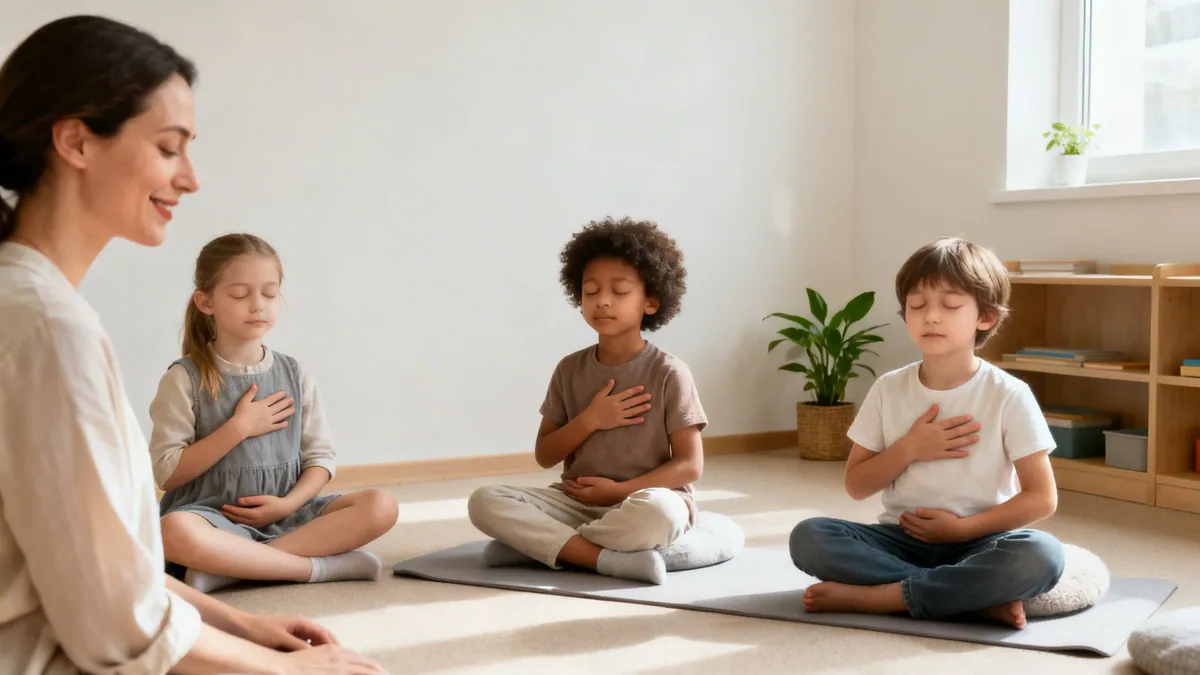
- Pause-and-Respond Practice: Before a potentially difficult conversation (like giving peer feedback), students are guided through a one-minute breathing exercise. A teacher could say: “Before we start, let’s all take a ‘tummy breath.’ Put your hand on your belly, breathe in and feel it rise, then breathe out slowly. This helps us speak from a calm place.”
- Family “Weather Report”: At home, family members can start a conversation by sharing their internal “weather.” For example, “I’m feeling sunny and calm today,” or “My mind feels a bit stormy and distracted.” This practice normalizes emotional awareness as part of communication.
Actionable Tips for Success
To effectively integrate mindfulness into communication practice, focus on consistency and accessibility.
- Start Small: Begin with very short practices, such as three conscious breaths before circle time or a one-minute body scan. Build duration as students become more comfortable.
- Normalize the Wandering Mind: Remind participants that it’s natural for their minds to wander. The goal isn’t an empty mind, but gently returning focus to the present moment without judgment.
- Frame it as a Tool: Connect mindfulness directly to communication goals. Explain, “We’re doing this breathing exercise to help our brains get ready for respectful listening.”
- Offer Multiple Entry Points: Not everyone connects with sitting still. Provide options like mindful walking, listening to a bell, or gentle stretching. You can find more calming activities for the classroom that support these practices.
This approach is grounded in somatic psychology, which recognizes that emotional stress is stored physically in the body. As Bessel van der Kolk’s work highlights, intentional movement can help process and release this tension. By guiding a child to move their body, you give them a direct tool to change how they feel from the inside out.
Why It Works for Anxiety
Anxiety often creates a feeling of disconnection from one’s own body, leading to physical symptoms like a racing heart, tense muscles, or shallow breathing. Somatic activities counter this by drawing a child’s attention back to their physical sensations in a positive context. This process helps them feel more grounded and in control, proving that they can influence their physical state through movement.
Practical Examples and Implementation
- Cosmic Kids Yoga: Programs like Cosmic Kids Yoga, popular in elementary classrooms, weave storytelling into yoga poses. For instance, children don’t just do “Cat-Cow Pose”; they pretend to be cats arching their backs in a spooky cave and then cows mooing at the moon. This makes the practice engaging and less intimidating.
- “Brain Break” Dance Videos: Many teachers use short, energetic dance videos (like GoNoodle) as a transition tool between academic subjects. This provides a quick, structured release of pent-up anxious energy. A three-minute “freeze dance” can reset the entire classroom’s energy.
- Progressive Muscle Relaxation (PMR): A school counselor can guide a child to systematically tense and then release different muscle groups. For instance, “Pretend you’re squeezing lemons in your hands as tight as you can for five seconds… now let them go and feel the softness. Now, scrunch up your toes like you’re trying to pick up a pencil with your feet… and relax.”
- Stomping and Shaking: For a child with a lot of jittery energy, say, “Let’s pretend we’re big elephants and stomp our feet ten times. Now, let’s shake out our arms like wet noodles for a count of ten.”
Actionable Tips for Adults
- Offer Choices: Let the child lead. Ask, “Would you rather stretch like a tall giraffe or shake out your wiggles like a puppy?” This empowers them and respects what their body needs.
- Start with Gentle Movements: For a highly anxious child, begin with slow, simple stretches or swaying to calm music rather than high-energy activities.
- Combine with Breathing: Encourage a child to exhale audibly during a big stretch (“Let out a big sigh as you reach for your toes”) or to breathe in time with the music. This deepens the calming effect of the movement.
- Focus on Feeling, Not Performance: Use prompts like, “Notice how your feet feel planted on the floor like tree roots,” or “What does that stretch feel like in your arms?” This shifts the focus from “doing it right” to internal awareness.
To discover more ways to connect movement and emotion, explore these embodiment practices for kids suitable for school and home.
4. Journaling and Expressive Writing
Journaling and expressive writing provide children with a private, reflective space to explore anxious thoughts and feelings without judgment or pressure. This activity helps externalize worries by moving them from the mind onto paper, making them feel more tangible and manageable. It fosters metacognitive awareness, allowing kids to observe their thought patterns and identify specific anxiety triggers over time.
This approach empowers children to process their emotions independently, turning abstract fears into concrete words they can examine and understand. The pioneering research of psychologist James Pennebaker demonstrated that expressive writing about emotions can lead to significant improvements in both mental and physical health, including reduced anxiety.
Why It Works for Anxiety
Anxious thoughts often swirl internally in a repetitive, overwhelming loop. The act of writing forces a child to structure these thoughts, which can slow down the mental spiral and reduce its intensity. By giving worries a name and a description, journaling makes them less powerful and provides a healthy outlet for feelings that might otherwise remain bottled up.
Practical Examples and Implementation
- Prompted Anxiety Journals: Use a dedicated notebook with simple prompts like, “Today my worry feels like a __ out of 10,” “One thing I am worried about is…,” or “A time I felt brave was when…” This guided structure is less intimidating than a blank page.
- Worry Notebooks: Many school counselors provide “worry notebooks” or a “worry box” where students can write down a concern on a slip of paper and “post” it in the box. This symbolic act helps them set the worry aside and focus on their day.
- Gratitude Journaling: Instead of focusing on worry, prompt the child to write or draw three things they are thankful for each day. This shifts their focus toward positive experiences. For example: “1. The sun was warm at recess. 2. My friend shared their snack. 3. I liked the book we read.”
- Creative and Art Journals: Combine writing with drawing or collage. Books like “Wreck This Journal” encourage messy, imperfect expression. A child can draw their anxiety monster, scribble out a frustrating feeling with a black crayon, or write down a brave thought in their favorite color.
Actionable Tips for Adults
- Start with Prompts: A blank page can be overwhelming. Offer simple sentence starters like, “I feel nervous when…” or “I feel calm when…” to get them started.
- Keep It Private: Reassure the child that their journal is their private space. They should only share entries if they choose to. This builds trust and encourages honesty.
- Model the Behavior: Let your child see you writing in your own journal. You can share, “I’m writing down something that’s on my mind so I can understand it better.”
- Focus on Effort, Not Perfection: Emphasize that spelling, grammar, and handwriting don’t matter. The goal is expression, not a perfect essay. Praise their willingness to explore their feelings.
For children who struggle to find the right words, you can learn more about how to express your feelings in words to provide better support and guidance.
5. Nature-Based Activities and Outdoor Time
Engaging with the natural world offers a powerful, restorative antidote to the internal-facing nature of anxiety. Nature-based activities shift a child’s focus outward, providing gentle sensory input that grounds them in the present moment and reduces stress. This approach leverages the environment as a co-regulator, lowering cortisol levels, improving mood, and restoring the capacity for attention without the pressure of structured performance.
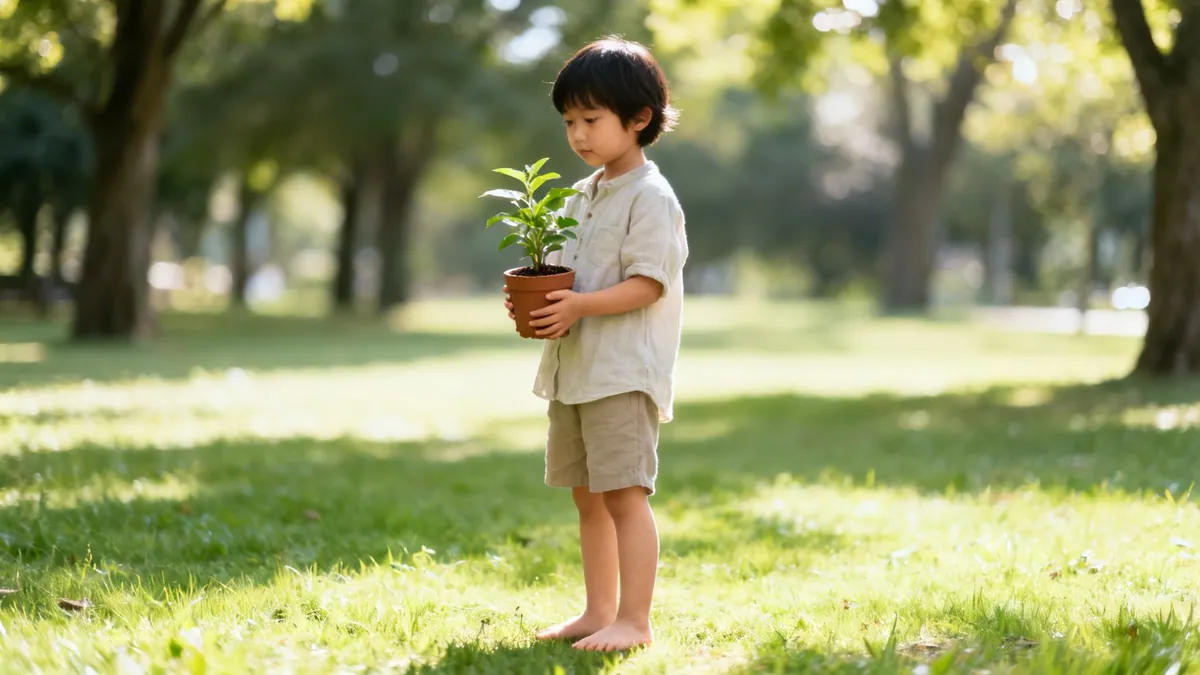
This method taps into the concept of “biophilia,” our innate tendency to connect with nature. Influential figures like Richard Louv, author of Last Child in the Woods, and the global Forest School movement have highlighted how outdoor time is essential for healthy child development, directly counteracting the overstimulation and worry that feed anxiety. Time spent outdoors provides a non-judgmental space for exploration and being.
Why It Works for Anxiety
Anxiety often traps children in a loop of worrisome thoughts. Nature interrupts this cycle by engaging all the senses: the feeling of grass underfoot, the sound of birds, the smell of rain, the sight of a leaf’s intricate patterns. This multisensory engagement is a form of natural mindfulness that requires no special training, effectively lowering heart rate and promoting a sense of calm and connection.
Practical Examples and Implementation
- 5-4-3-2-1 Grounding: This is a classic outdoor mindfulness exercise. Ask the child to name: 5 things they can see (a bird, a green leaf, a crack in the sidewalk), 4 things they can feel (the wind on their skin, a rough tree bark), 3 things they can hear (a car, a dog barking), 2 things they can smell (freshly cut grass), and 1 thing they can taste.
- School or Home Garden: The simple, repetitive tasks of watering plants, pulling weeds, and observing a seedling grow are rhythmic and grounding. Caring for another living thing can also build confidence and a sense of purpose.
- “Sit Spot” Practice: Designate a specific spot in a park, backyard, or schoolyard where the child can sit quietly for 5-10 minutes. Encourage them to simply observe what happens around them, noticing the insects, the clouds, and the movement of leaves without any goal or expectation.
- Nature Scavenger Hunt: Create a list of things to find, not just by sight but by other senses. For example: “Find something smooth,” “Find something that makes a crunching sound,” or “Find something that smells like pine.”
Actionable Tips for Adults
- Start Small: If a child is hesitant, begin with short, 10-minute exposures, like eating a snack on the porch or looking at the clouds from a window.
- Allow Unstructured Play: Resist the urge to direct every activity. Let the child lead the exploration, whether it’s digging in the dirt, collecting interesting rocks, or simply lying in the grass.
- Create a “Nature Box”: Keep a small box for collecting natural treasures like pinecones, feathers, or unique stones. This gives a purpose to walks and creates a tangible connection to the experience.
- Model Curiosity: Express your own wonder about the natural world. Say things like, “Wow, look at the intricate pattern on that leaf!” or “I wonder what kind of bird is making that sound.” Your enthusiasm is contagious.
6. Social-Emotional Learning Games and Role-Playing
Social-emotional learning (SEL) games and role-playing activities offer an engaging, non-threatening way for children to build crucial anxiety management skills. By embedding learning within a playful context, these activities reduce the pressure of practicing difficult social and emotional concepts. This approach transforms abstract skills like empathy, problem-solving, and emotional regulation into tangible, interactive experiences.
Role-playing, in particular, allows children to safely rehearse their responses to anxiety-provoking scenarios, building confidence and a sense of preparedness. Through experiential programs like those developed by Soul Shoppe, which use interactive workshops and games, children learn by doing. This active participation helps internalize coping strategies far more effectively than passive instruction.
Why It Works for Anxiety
Anxiety often stems from a fear of the unknown or a feeling of being unprepared for social situations. SEL games and role-playing directly address this by creating a safe “practice ground.” Children can try out different responses, make mistakes without real-world consequences, and learn scripts for navigating challenges like peer conflict or asking for help, making these some of the most effective activities for kids with anxiety.
Practical Examples and Implementation
- Emotion Charades: Write different emotions (e.g., worried, excited, frustrated, proud) on slips of paper. A child draws one and acts it out using only their face and body while others guess. This builds emotional vocabulary and the ability to recognize nonverbal cues.
- Problem-Solving Scenarios with Puppets: Use puppets to act out a common dilemma, such as “One puppet wants to join a game but is too scared to ask.” The children can give the puppet advice and then act out a positive outcome, lowering the personal stakes of the role-play.
- SEL Board Games: Use commercially available games like “The Emotion Game” or “Calm Down Time” to structure conversations about feelings. The game format provides clear rules and turn-taking, which can be comforting for an anxious child. A teacher might use these in a small group setting.
- “What If?” Brainstorm: Pose a common worry: “What if no one plays with you at recess?” Have the group brainstorm as many possible solutions as they can, from asking a specific person to play, to joining a game already in progress, to telling a teacher they feel lonely. This builds a mental library of options.
Actionable Tips for Adults
- Focus on Process, Not Perfection: Celebrate a child’s courage to participate rather than the “correctness” of their answer or performance. The goal is practice and effort, not winning.
- Debrief After Play: After a game or role-play, ask open-ended questions like, “How did that feel to ask for help?” or “When could you use that strategy at school?” This helps connect the playful activity to real-life application.
- Allow Observation First: For a hesitant or shy child, allow them to watch their peers play first. You can give them a job, like “timekeeper” or “idea writer,” to keep them involved before they feel ready to actively participate.
- Start with Low-Stakes Scenarios: Begin role-playing with simple, positive situations (e.g., how to give a friend a compliment) before moving on to more challenging scenarios like managing disagreements.
To build on these ideas, you can find a variety of other kids’ social skills activities that incorporate similar playful learning principles.
7. Pet Therapy and Animal-Assisted Interventions
Interacting with a calm, trained animal offers immediate, non-verbal comfort that can be profoundly grounding for a child experiencing anxiety. Animal-assisted interventions leverage the human-animal bond to reduce physiological stress responses, providing a safe and non-judgmental presence that anxious children often crave. The simple act of petting an animal can lower cortisol levels and blood pressure, creating a tangible calming effect.
This approach creates a bridge for connection and communication, as children often find it easier to express their feelings to an animal or about an animal. Organizations like Pet Partners have established standards and training programs that underscore the therapeutic benefits of these interactions, making them a trusted and evidence-based practice in many schools and clinical settings.
Why It Works for Anxiety
Anxiety can make a child feel isolated and misunderstood. An animal’s presence is simple, accepting, and unconditional. It doesn’t ask questions or place demands, which can disarm a child’s defensiveness and create an environment of pure comfort. This allows the child to shift their focus from internal worries to the external, sensory experience of touching, watching, or caring for the animal.
Practical Examples and Implementation
- Reading Programs: Many schools and libraries have “Reading to Dogs” programs where children practice reading aloud to a therapy dog. This lowers performance anxiety because the dog is a non-judgmental listener, helping the child build fluency and confidence.
- Counselor’s Office Companion: A trained therapy dog that resides in the school counselor’s office can help children feel more comfortable opening up. A counselor might start a session by saying, “Why don’t you tell Buddy about your morning while you give him a nice pet?”
- Equine-Assisted Therapy: In these programs, a child might be tasked with grooming a horse. The repetitive, rhythmic motion of brushing is calming, and successfully leading a large animal builds immense confidence and teaches non-verbal communication skills.
- Classroom Pet Responsibility: Caring for a small class pet like a guinea pig or hamster teaches routine and empathy. A specific, predictable task like feeding the pet each morning can be a grounding start to the day for an anxious child.
Actionable Tips for Adults
- Prioritize Safety and Certification: Only work with certified therapy animals and handlers from reputable organizations. Ensure you screen for student allergies or phobias beforehand.
- Teach Respectful Interaction: Model and explicitly teach children how to approach and touch an animal gently. Say, “We need to use soft hands and let him sniff us first to say hello. This helps him feel safe with us.”
- Let the Child Lead: Allow the child to approach the animal at their own pace. Never force an interaction. The goal is to build a sense of safety and control, not to create another source of pressure.
- Integrate Mindful Petting: Frame the interaction as a sensory activity. Guide them: “Notice how soft his fur feels under your fingers. Let’s try to match our breathing to his while we pet him slowly and quietly.” This combines the benefits of animal interaction with mindfulness.
8. Cognitive-Behavioral and Coping Strategy Tools
Cognitive-behavioral and coping strategy tools are structured activities that help children understand and change the relationship between their thoughts, feelings, and actions. These techniques, drawn from evidence-based Cognitive Behavioral Therapy (CBT), give kids a practical framework to identify anxious thoughts, question their validity, and replace them with more balanced and helpful ones. This empowers them with agency over their internal world, transforming abstract worries into manageable challenges.
This approach operationalizes anxiety management, making it a learnable skill rather than a mysterious force. The work of CBT pioneers like Aaron Beck and Albert Ellis established the core principle that our interpretations of events, not the events themselves, cause our emotional responses. By teaching children to become “thought detectives,” we equip them to reframe their experiences and build resilience.
Why It Works for Anxiety
Anxiety thrives on unexamined, catastrophic thoughts that often spiral out of control. CBT-based tools interrupt this cycle by introducing a critical pause. They teach children to externalize their worries by writing or drawing them, which creates psychological distance and makes the thoughts less powerful. By systematically evaluating and challenging these thoughts, kids learn that feelings aren’t always facts and that they can choose more effective ways to respond.
Practical Examples and Implementation
- Thought Detective Work (Thought Record): Create a simple worksheet with three columns: “Worry Thought” (e.g., “The teacher is going to be mad I forgot my homework”), “Clues Against It” (e.g., “She was understanding last time,” “I can tell her I’ll bring it tomorrow”), and “Helpful Thought” (e.g., “I made a mistake, and I can fix it. It’s not a disaster”).
- Coping Cards: On small index cards, help the child write or draw 3-5 simple, actionable strategies they can use when feeling anxious. Examples include “Take 5 balloon breaths,” “Think of my safe place (my bed with my cat),” or “Squeeze my stress ball 10 times.” They can keep these in a pocket or on their desk for quick reminders.
- Worry Time: Designate a specific 10-15 minute period each day as “Worry Time.” If a worry pops up outside this time, the child writes it down in a “Worry Journal” to be addressed during the designated period. This teaches them they can control when they engage with worries.
- Ladder of Bravery: For a specific fear (e.g., speaking in class), help the child break it down into small, manageable steps. Step 1 might be just thinking about raising their hand. Step 2 could be raising their hand without speaking. Step 3 could be answering a one-word question. They tackle one step at a time, building confidence as they climb the “ladder.”
Actionable Tips for Adults
- Introduce One Tool at a Time: Start with a single strategy, like identifying “worry thoughts,” and practice it consistently before adding another layer like “helpful thoughts.”
- Use Their Language: Frame concepts using relatable metaphors. Anxious thoughts can be “worry bugs” that need to be shooed away, “gremlins” telling lies, or “false alarms” from their brain.
- Practice When Calm: Introduce and role-play these strategies during calm, neutral moments. Trying to teach a new skill during a moment of high anxiety is rarely effective.
- Create Visuals: Make charts, posters, or personalized cards that remind the child of their coping strategies. Visual cues are powerful anchors during moments of distress.
- Target Specific Concerns: Tailor the tools to address a child’s unique fears. For instance, addressing specific concerns like how to help kids with separation anxiety requires focused strategies and tools that directly challenge thoughts about being away from a caregiver.
8-Point Comparison: Activities for Kids with Anxiety
| Item | Implementation complexity | Resource requirements | Expected outcomes | Ideal use cases | Key advantages |
|---|---|---|---|---|---|
| Mindfulness and Breathing Exercises | Low — simple to teach; needs routine | Minimal — no materials or special setup | Immediate calming; improved self-regulation over time | Classroom transitions, pre-test routines, at-home practice | Fast, evidence-based, zero cost, portable |
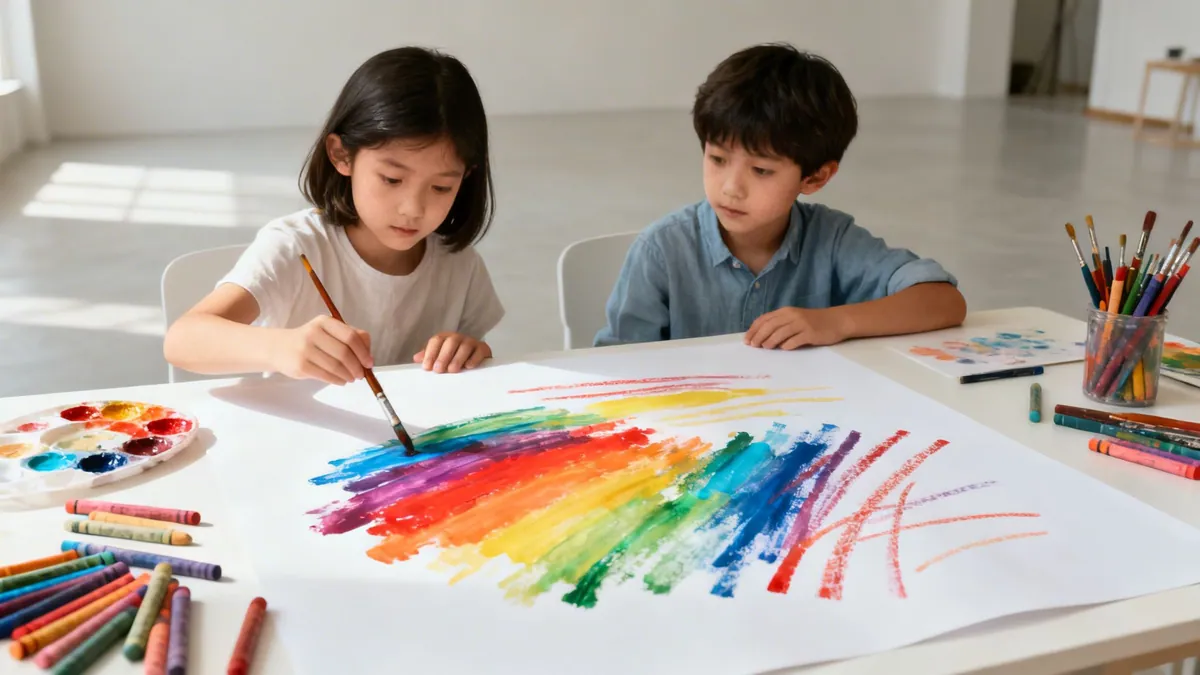
| Creative Arts and Expression (Drawing, Painting, Sculpting) | Low–Medium — setup and facilitation needed | Art supplies, space; optional art therapist for depth | Emotional processing, confidence, calming through creation | Counselor offices, art stations, family art nights | Non‑verbal processing, tangible outcomes, inclusive for low‑verbal kids |
| Movement and Somatic Activities (Yoga, Dance, Stretching) | Low–Medium — space and basic instruction recommended | Open space, optional instructor or video, music | Reduced physiological arousal; better sleep and body awareness | Brain breaks, after‑school clubs, transition activities | Engaging, releases tension, improves physical health |
| Journaling and Expressive Writing | Low — simple prompts and routine | Notebooks/pens; privacy for honest reflection | Greater self‑reflection; identification of triggers; long‑term regulation | Private reflection, homework, counselor use | Low cost, portable, builds metacognition and progress record |
| Nature-Based Activities and Outdoor Time | Medium — scheduling and access considerations | Outdoor space or transportation; minimal materials | Lower cortisol; attention restoration; sensory grounding | School gardens, outdoor classrooms, nature walks | Broad mental/physical benefits, low‑cost, grounding sensory input |
| Social-Emotional Learning Games and Role-Playing | Medium–High — skilled facilitation and time required | Games/materials, trained facilitator, group space | Improved social skills, practiced coping, reduced stigma | SEL lessons, group counseling, rehearsal of scenarios | Experiential, engaging, builds empathy and peer support |
| Pet Therapy and Animal-Assisted Interventions | High — strict protocols and coordination | Trained animals & handlers, liability and hygiene measures | Immediate calming; increased engagement and emotional connection | Counseling sessions, scheduled visits, therapeutic programs | Powerful calming effect, motivates participation, fosters trust |
| Cognitive-Behavioral and Coping Strategy Tools | Medium–High — teaching and guided practice required | Worksheets, trained staff, time for repeated practice | Reduced unhelpful thinking; concrete coping skills; measurable gains | Individual therapy, skill‑building groups, school interventions | Evidence‑based, concrete/actionable tools, promotes metacognition |
Putting It All Together: Building a Resilient Future
Supporting a child navigating the often-turbulent waters of anxiety is a journey, not a destination. It’s a process built on patience, consistent practice, and most importantly, a deep sense of connection. The comprehensive toolkit of activities for kids with anxiety explored in this article, from grounding mindfulness exercises to expressive art and somatic movement, are far more than simple distractions. They are the fundamental building blocks of emotional literacy and lifelong resilience.
Each strategy offers a unique pathway for a child to understand and manage their internal world. The immediate calm of a structured breathing exercise can anchor a child in a moment of panic. The expressive release of painting or sculpting can give voice to feelings that are too big for words. The empowering logic of a cognitive coping card can help a child challenge distorted thoughts and regain a sense of control. The goal is not to eliminate anxiety, an impossible and unhelpful task, but to equip children with the skills to recognize it, sit with it, and navigate through it without letting it take the lead.
Key Takeaways for Lasting Impact
The true power of these interventions lies in their consistent and thoughtful application. Moving forward, the most critical step is to shift from knowing these strategies to integrating them into the fabric of daily life.
- Consistency Over Intensity: A five-minute “5-4-3-2-1” grounding exercise every day before a challenging subject is more effective than a one-hour session once a month. Create predictable routines where these tools are a normal part of the day, not just a reaction to a crisis.
- Empowerment Through Choice: No single activity works for every child or every situation. Offer a “menu” of coping strategies. A child who feels overwhelmed might reject a quiet breathing exercise but enthusiastically engage in a vigorous “stomp and shake” movement activity to release physical tension.
- Model and Co-Regulate: Children learn emotional regulation by watching the adults around them. When you feel stressed, model taking a deep breath and naming your feeling. Say, “I’m feeling a little frustrated right now, so I’m going to take three slow belly breaths to help my body calm down.” This act of co-regulation is one of the most powerful teaching tools you have.
- Focus on the “Why”: Frame these activities not as a fix for something “wrong” but as powerful tools for building “brain muscles.” Explain that just like we exercise our bodies to get stronger, these activities help us build a stronger, more flexible mind that can handle big feelings.
Actionable Next Steps: From Plan to Practice
To make these strategies stick, begin with small, manageable steps. Choose one or two activities from the list that you believe will resonate most with your child or students. For example, you might create a “calm-down corner” in a classroom or a “peace place” at home, stocking it with drawing supplies, soft clay, and pre-written journaling prompts.
Next, identify a specific time to introduce and practice the new skill when the child is already calm and regulated. For instance, you could practice “Box Breathing” together after school as a way to decompress from the day. By weaving these activities for kids with anxiety into predictable routines, you normalize them and reduce the barrier to using them during moments of genuine distress. The ultimate goal is to empower children to become active, confident participants in their own emotional well-being, one small, brave, and supported step at a time.
Ready to bring a structured, school-wide approach to social-emotional learning? Soul Shoppe provides dynamic, experiential programs that teach children essential skills for emotional regulation, empathy, and conflict resolution, creating a culture of support that reinforces these vital activities. Learn how to transform your school community at Soul Shoppe.