What Is Social Emotional Development: A Practical Guide for Parents and Teachers
So, what exactly is social emotional development?
Think of it as the process of learning how to be human—how to understand our own big feelings, get along with other people, and make choices we can be proud of. It’s the essential toolkit kids build over time that helps them navigate the world successfully. This isn’t just about being “nice”; it’s the foundation for everything from acing a math test to bouncing back from a tough day.
Understanding Social Emotional Development
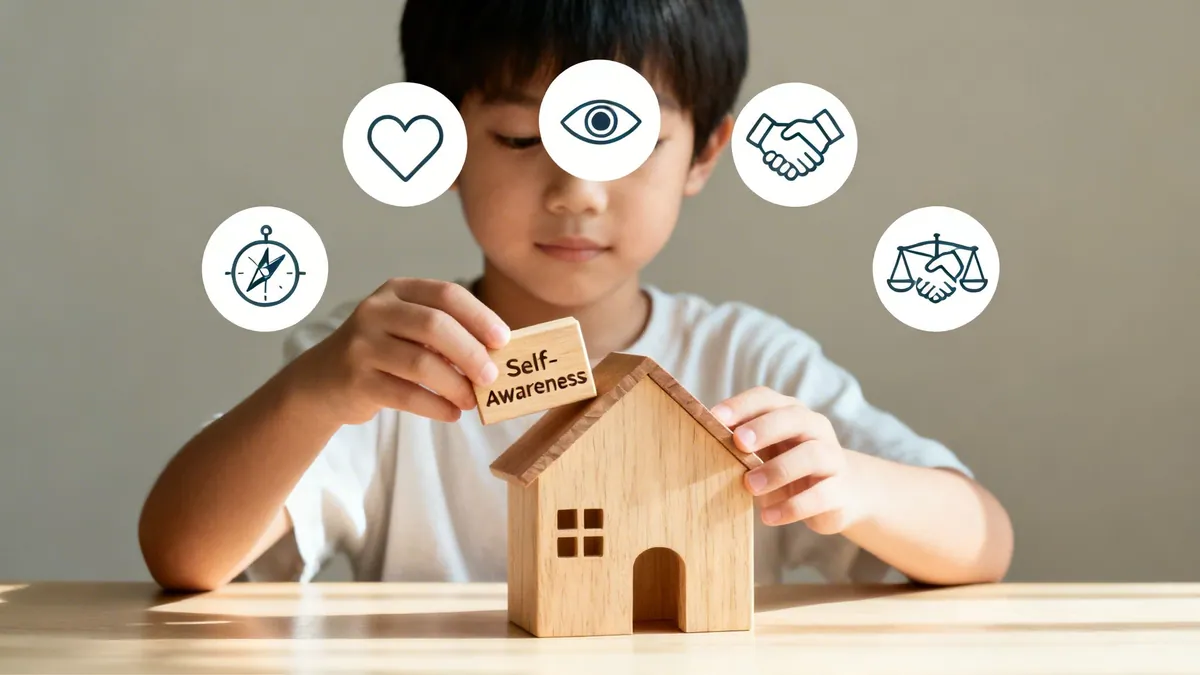
Imagine a child building a house. Their academic skills—like reading and math—are the blueprints and the raw materials. But their social-emotional skills? Those are the actual tools. Without a solid hammer, a level, and a tape measure, even the best blueprints won’t result in a sturdy, reliable structure.
This development is what’s happening beneath the surface. It’s the internal compass that guides a child through playground disagreements, the focus needed for a group project, and the empathy required to celebrate a friend’s victory instead of feeling jealous.
The Five Core Building Blocks
Social emotional development really boils down to five interconnected skills. These aren’t just abstract ideas; they are practical, everyday abilities that kids use constantly. Let’s break down what they actually look like.
A great way to visualize these skills is to think of them as the five essential pillars holding up a child’s well-being and success.
The Five Pillars of Social Emotional Development
| Core Skill | What It Looks Like in a Child |
|---|---|
| Self-Awareness | Recognizing, “I feel frustrated right now because this puzzle is hard.” |
| Self-Management | Taking three deep breaths when feeling angry instead of yelling or stomping. |
| Social Awareness | Noticing a classmate is sad and asking if they’re okay. |
| Relationship Skills | Listening to a friend’s idea and finding a way to work together. |
| Responsible Decision-Making | Choosing to tell a teacher about bullying instead of just watching. |
Each of these pillars supports the others, creating a strong, resilient, and well-rounded person.
It’s so important to remember that these skills aren’t something kids are just born with. They are learned and practiced, day in and day out, through interactions with parents, teachers, and friends—just like learning to read or ride a bike.
Ultimately, these five competencies work together to help a child not just succeed in school, but thrive in life. To see how these skills connect and build on one another, you can dive deeper into the five core SEL competencies explained in our detailed guide. If you’re interested in the science and theory behind this, you can explore psychology resources to get a broader academic perspective.
The Real-World Payoff of Strong Social Emotional Skills
So we understand the building blocks of social emotional development, but let’s get to the question every parent and teacher asks: Why does this actually matter?
The answer is simple. These aren’t just feel-good, abstract concepts. They have a massive, tangible impact on a child’s everyday life—at school, at home, and for years to come. Think of these skills less as “soft skills” and more as a direct investment in a child’s academic success, mental health, and their ability to be a good human being in a complex world.
Better Learning and Academic Performance
An emotionally regulated child is a child who is ready to learn. It’s really that straightforward.
Picture a student staring down a tough math problem. Without the right emotional tools, frustration can quickly boil over, leading to a total shutdown. That moment doesn’t just halt their own learning; it can disrupt the entire classroom.
Now, imagine a different student. They feel that same frustration bubbling up, but they have the skills to recognize it, take a deep breath, and ask for help instead of giving up. That single skill—self-regulation—is directly tied to better focus, stronger memory, and higher grades. When a child isn’t hijacked by their emotions, their brain is free to do its real job: absorbing new ideas and solving problems.
Key Takeaway: Emotional regulation isn’t separate from academics—it’s the foundation that makes deep learning possible. A calm, focused mind is a learning mind.
The research on this is overwhelming. One landmark meta-analysis looked at 424 different studies covering over 500,000 students. The conclusion was clear: students in social emotional learning programs consistently showed improved social skills, better attitudes about school, and stronger academic performance than their peers.
Safer Classrooms and Fewer Conflicts
At its heart, social emotional learning is the ultimate antidote to bullying and daily classroom drama. When kids develop empathy and social awareness, they learn to step into someone else’s shoes. That ability is an absolute game-changer on the playground.
Practical Examples:
- A child with empathy will be the one to spot a classmate sitting alone and invite them to play.
- A child with strong relationship skills can disagree about the rules of a game without it turning into a screaming match. For instance, they might say, “How about we try my way this time, and your way next time?”
- A child who can make responsible decisions will be more likely to stand up for a peer who is being treated unkindly by telling a trusted adult.
These skills transform a room full of individuals into a supportive, collaborative community where students feel safe enough to be themselves. And when conflicts inevitably pop up, kids have the tools to solve them peacefully. They learn to use “I feel” statements instead of fists or hurtful words. The importance of these skills is huge, because they create a positive school climate where everyone can actually thrive.
Building Lifelong Resilience and Mental Health
Maybe the most profound benefit of social emotional learning is its long-term impact on a child’s mental well-being. These skills are a child’s first line of defense against life’s inevitable curveballs, building a resilient mindset that will serve them long into adulthood.
Practical Examples:
- Managing Anxiety: A child who learns to identify and manage their anxiety is better equipped to handle the stress of a big test. They might use a calming technique like deep breathing or positive self-talk before the test begins.
- Navigating Peer Pressure: A teenager who has practiced responsible decision-making has a stronger compass for navigating social situations. They might have a pre-planned response for when a friend offers them a vape, like “No thanks, I’m not into that.”
By giving children a vocabulary for their feelings and practical strategies to cope with them, we’re essentially handing them a protective shield against future mental health struggles. This isn’t about trying to prevent kids from ever feeling sad, angry, or scared. It’s about teaching them how to move through those feelings constructively, building a quiet confidence and a strong sense of self along the way.
Social Emotional Milestones for K–8 Students
Just like kids learn to crawl before they walk and sound out letters before they read a whole book, their social and emotional skills grow in predictable stages. Understanding these developmental milestones helps us—whether we’re parents or teachers—give the right kind of support at the right time. It’s all about celebrating their progress and spotting where a child might need a little extra help.
Social emotional development isn’t a race. It’s a journey, and what we look for in a kindergartener is worlds away from what we expect from a middle schooler. A five-year-old who can simply name their feeling as “sad” is right on track, while an eighth-grader is learning to navigate much more complex social currents.
Each stage builds on the last, creating a foundation for the next level of emotional intelligence and social skill.
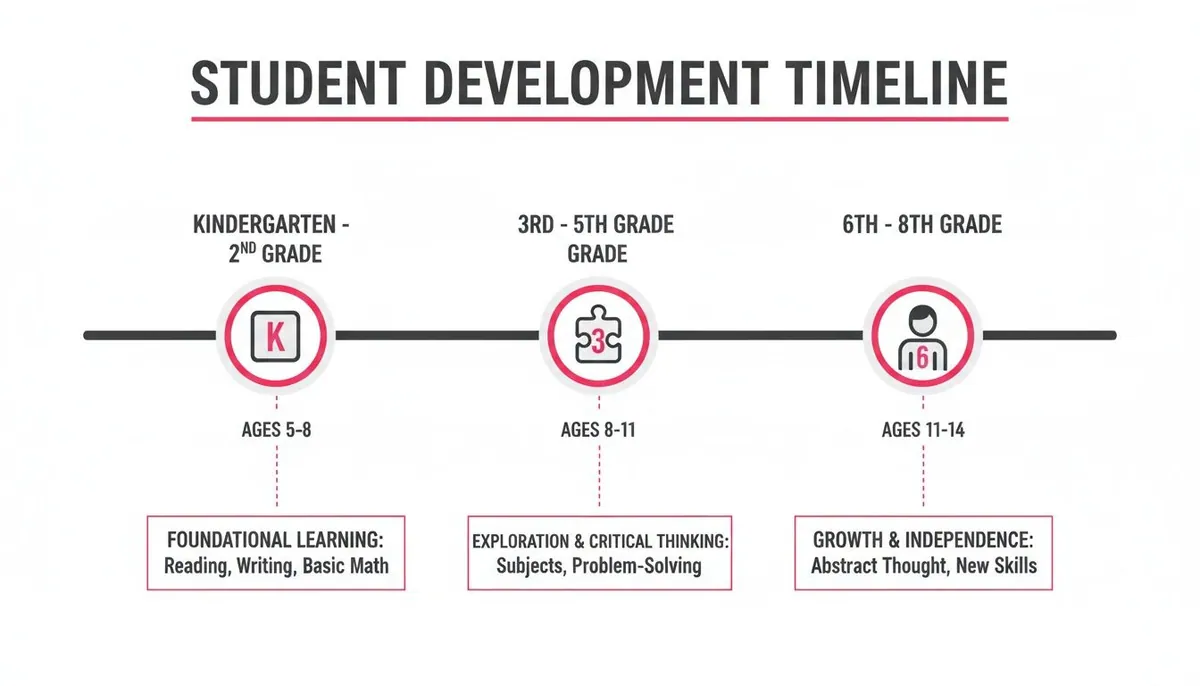
As you can see, the journey starts with very concrete skills and blossoms into the more abstract thinking needed to manage relationships and personal choices as kids get older.
A Parent’s Guide to Social Emotional Milestones
Watching a child grow socially and emotionally can feel like a mystery. What’s typical for a 7-year-old versus a 12-year-old? This table breaks down what you can generally expect to see at each stage, along with some gentle flags that a child might need a bit more guidance or support.
| Age Group | Typical Milestones to Look For | Signs a Child May Need Support |
|---|---|---|
| K–2nd Grade (Ages 5–7) | Can name basic emotions (happy, sad, mad). Begins to share and take turns. Shows simple empathy, like hugging a sad friend. Follows two-step directions in a game. | Frequently grabs toys or has trouble waiting for a turn. Can’t name any feelings or seems disconnected from them. Struggles to play with others without constant conflict. |
| 3rd–5th Grade (Ages 8–10) | Develops more complex friendships and can resolve minor disagreements. Understands others’ perspectives better. Can handle losing a game without a major meltdown. Starts working well in group projects. | Has difficulty keeping friends or is often in conflict. Regularly blames others for their problems. Seems unable to cope with small disappointments. Struggles to see things from another’s point of view. |
| 6th–8th Grade (Ages 11–14) | Navigates peer pressure and begins to make responsible choices. Develops a stronger sense of personal identity and values. Shows deeper empathy for others’ experiences. Can articulate their own needs and set boundaries. | Is easily swayed by peers or engages in risky behavior to fit in. Seems to have a very low sense of self-worth. Is consistently unkind or dismissive of others’ feelings. Has trouble managing online social interactions. |
Remember, every child develops at their own pace. This guide is here to offer context, not to create worry. It’s about being aware and ready to help them build the skills they need for the road ahead.
Early Elementary (Kindergarten – 2nd Grade)
This is where it all begins. In these early years, children are learning the absolute fundamentals of social life and emotional awareness. Their world is still very much centered around themselves, and the idea that other people have different thoughts and feelings is a brand-new concept.
The main job here is learning to identify feelings in simple terms and follow basic social rules. Things we take for granted, like sharing a coveted toy or waiting in line, are monumental tasks that require immense self-control for a six-year-old.
What to Look For (Practical Examples):
- Identifying Basic Feelings: They can say, “I’m sad because you took my toy,” or “I’m happy we’re playing.”
- Following Simple Rules: During a classroom game like “Simon Says,” they can follow two- or three-step directions.
- Taking Turns: A student can wait for their turn in a board game, even if they’re bursting with excitement.
- Showing Simple Empathy: They might try to comfort a crying friend by offering a hug or a favorite stuffed animal.
Upper Elementary (3rd – 5th Grade)
As kids hit the upper elementary grades, their social lives get a lot more complicated. Friendships aren’t just about who has the best toys anymore; they’re now built on loyalty, inside jokes, and learning how to work through disagreements.
At this stage, children are developing a much stronger capacity for empathy. They’re getting better at putting themselves in someone else’s shoes and learning to manage trickier emotions like frustration, disappointment, and jealousy.
What to Look For (Practical Examples):
- Navigating Complex Friendships: A child can work through an argument with a friend without needing an adult to step in every time. They might use a compromise, like “Let’s play your game for 10 minutes, then my game for 10 minutes.”
- Managing Disappointment: They can lose a game at recess and, while they might feel bummed, they can still shake hands with the other team.
- Developing Empathy: They might notice a classmate is being left out and go out of their way to invite them to join the group.
- Working Cooperatively: Students can actually collaborate on a group project, listening to others’ ideas and sharing their own.
Middle School (6th – 8th Grade)
Welcome to middle school, where everything shifts. The influence of friends often becomes the most powerful force in a child’s life, and the focus turns to fitting in and figuring out their own identity. It’s a messy, beautiful, and critical time.
This is when a stronger sense of self really starts to form. Kids are learning to make responsible choices on their own and handle the intense pressures of both online and real-world social dynamics. Because their brains can now think more abstractly, they’re able to consider the long-term consequences of their actions.
If you’re looking for ways to support this age group, exploring different social-emotional learning activities can provide some great, practical ideas.
What to Look For (Practical Examples):
- Handling Peer Influence: A student can say “no” when a friend is pressuring them to do something they know isn’t right, like skipping a class.
- Developing a Sense of Self: They can talk about their own values and interests, even if they’re different from what’s popular, like preferring to read a book instead of going to a party.
- Making Responsible Choices: A student finds a lost phone on the bus and decides to turn it in to the driver instead of keeping it.
- Showing Advanced Empathy: They can understand and show compassion for someone whose life is very different from their own, perhaps after reading a book or watching a documentary about another culture.
Actionable Ways to Nurture Social Emotional Growth
Knowing the milestones of social emotional development is one thing, but actively nurturing those skills is where the real work begins. This is where theory meets practice.
The good news for parents and teachers? Supporting this growth doesn’t require a special curriculum or expensive tools. It’s all about weaving intentional practices into the everyday moments you already share with children, turning daily routines into powerful learning opportunities.
These strategies are designed to be simple and effective, easy to slip into a busy classroom or a bustling home. By being active coaches in a child’s emotional journey, we can give them the scaffolding they need to build self-awareness, manage their feelings, and connect meaningfully with others.
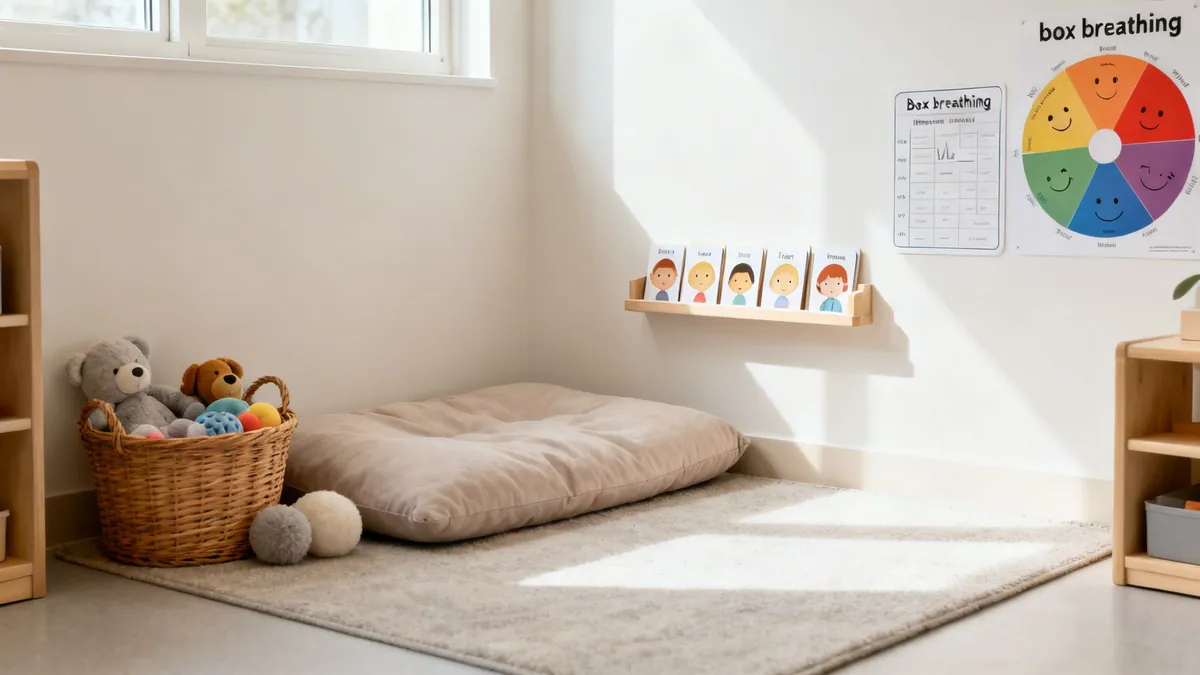
Fostering Self-Awareness: The Ability to See Within
Before a child can manage an emotion, they have to be able to recognize and name it. Think of self-awareness as the bedrock skill of what is social emotional development—it’s their internal compass. The goal is to give kids a rich vocabulary for their feelings that goes far beyond just “happy” or “mad.”
Practical Examples:
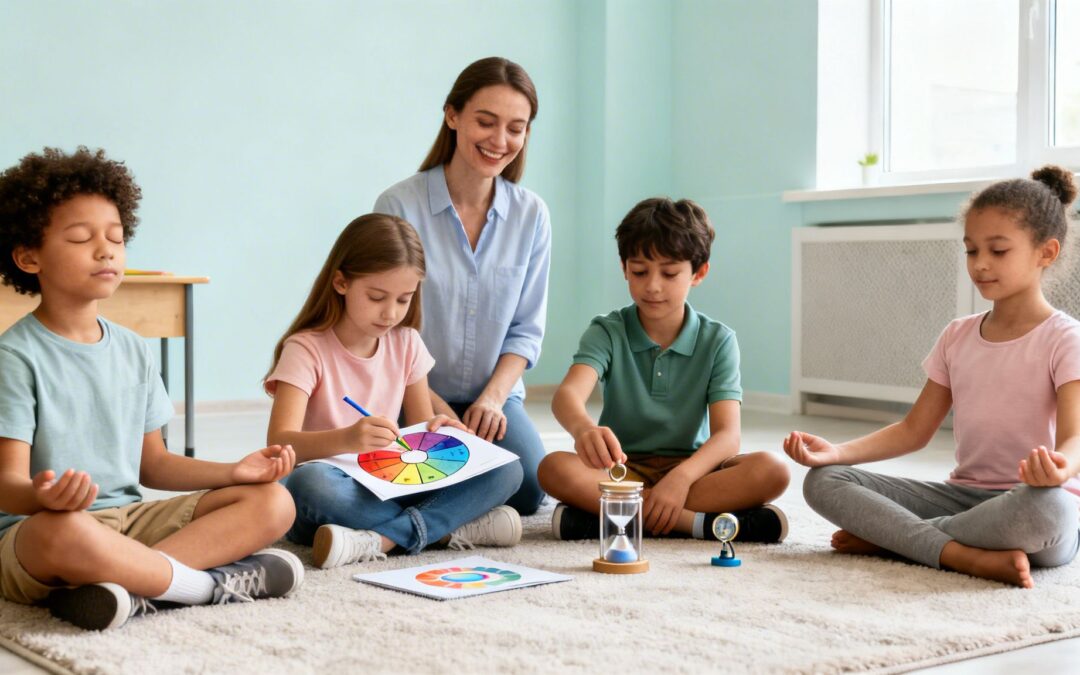
- Create a Feelings Wheel: In the classroom or at home, a simple chart with faces showing a range of emotions (proud, frustrated, worried, excited) works wonders. During a check-in, a child can just point to the face that matches how they feel. It’s a low-pressure way to communicate what’s going on inside.
- Start a Simple Journaling Practice: For older elementary or middle school students, a “one-sentence journal” can be a powerful tool. Each day, they write just one sentence about how they felt and why. This small habit builds the muscle of self-reflection over time.
- Narrate Emotions Out Loud: Model this for them. You might say, “I’m feeling a little frustrated because I can’t find my keys, and it’s making my shoulders feel tight.” This shows them that everyone has feelings and demonstrates how to connect an emotion to a physical sensation and a cause.
Building Self-Management: The Power to Regulate
Once a child can name their feeling, the next step is learning what to do with it. Self-management is all about developing the skills to handle stress, control impulses, and push through challenges. It’s the difference between a frustration-fueled meltdown and taking a moment to reset.
Key Insight: The goal isn’t to suppress or get rid of big feelings. It’s to teach children how to navigate them constructively without causing harm to themselves or others.
One of the most effective ways to do this is by creating a dedicated space and teaching specific calming techniques they can turn to.
Practical Examples:
- Design a Calm-Down Corner: This isn’t a “time-out” spot. It’s a safe, cozy space a child can choose to go to when they feel overwhelmed. Stock it with sensory items like a soft blanket, a squishy ball, or a coloring book. This empowers them to take charge of their own regulation.
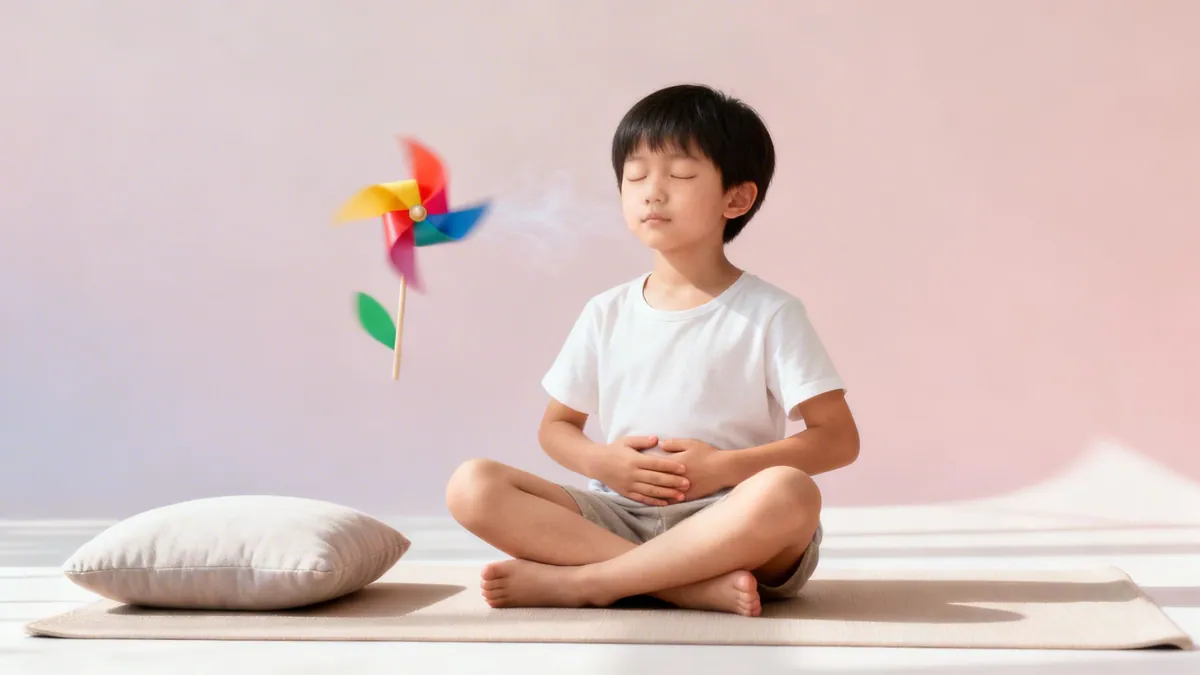
- Teach “Box Breathing”: For older students dealing with test anxiety or social stress, this simple technique is a game-changer. Guide them to breathe in for a count of four, hold for four, exhale for four, and pause for four, visualizing a box in their mind. It’s a discreet tool they can use anywhere.
- Use “If-Then” Plans: Help kids prepare for tough situations ahead of time. For example, “If I start to feel angry during the game, then I will go get a drink of water and do three box breaths.” This proactive approach gives them a clear action plan instead of leaving them to react in the heat of the moment.
Developing Strong Relationship Skills
Social emotional development really flourishes in our connections with others. Relationship skills cover everything from clear communication and active listening to cooperation and peaceful conflict resolution. These are the skills essential for making friends, working in groups, and just being part of a community.
A core piece of this is teaching children how to express their needs and feelings without blaming others. Learning to use “I feel” statements is a foundational communication skill that can stop countless conflicts from escalating.
Practical Examples:
- Role-Play Difficult Conversations: Practice really does help. Set up a scenario, like a friend who keeps cutting in line. Help the child practice saying, “I feel frustrated when you cut in front of me because it doesn’t feel fair. I need you to wait for your turn.” Role-playing in a calm moment builds the confidence they need for real-life situations.
- Practice Active Listening: In a conversation, challenge kids to repeat back what they heard the other person say before sharing their own opinion. Something as simple as, “So what I hear you saying is…” fosters genuine understanding and empathy.
- Assign Collaborative Projects: Give kids tasks that require teamwork, whether it’s building a LEGO tower at home or finishing a group report at school. Afterward, debrief with them: “What went well? What was hard about working together? What would you do differently next time?”
By focusing on these actionable strategies, you can transform your home or classroom into a space where children feel seen, understood, and equipped with the tools they need to thrive. For more ideas, check out these engaging emotional intelligence activities for kids that you can start using today.
Why Social Emotional Skills Are a Global Priority
The conversation around social-emotional development isn’t just happening in local school districts—it’s a worldwide educational movement. Countries all over the globe are waking up to a fundamental truth: if we want to prepare students for the future, we have to teach them how to be resilient, collaborative, and empathetic human beings.
This global shift is being driven by a clear-eyed look at what the future actually requires. Tomorrow’s workplaces and communities won’t be defined by academic knowledge alone. Success will hinge on the ability to communicate across differences, solve messy problems together, and adapt to constant change. These aren’t ‘soft skills’; they are essential survival skills for a deeply interconnected world.
A New Definition of School Readiness
For decades, the main yardstick for a school’s success was academic readiness. But today, global education leaders understand that a child’s ability to manage their emotions and work well with others is just as critical. This shift paints a much more complete picture of what it means to be an educated, well-rounded person.
Investing in social-emotional learning is now seen as a core part of a nation’s long-term health and success. And this isn’t just a K-12 thing; the ongoing development of these skills is crucial for lifelong learning. We see this in professional settings, like in various Community of Practice examples where people work together to sharpen their abilities through shared experiences. That collaborative spirit is exactly what we’re trying to build in our schools.
Responding to a Worldwide Need
International research confirms just how urgent this work is. The OECD’s Survey on Social and Emotional Skills (SSES) is the largest global effort to track these competencies, and its findings have been a wake-up call. The data shows that students’ social and emotional skills often take a nosedive as they hit adolescence.
Even more concerning, the survey reveals significant gaps between children from different socioeconomic backgrounds, highlighting a global inequity in who gets access to quality social-emotional support. You can discover more about the OECD’s global findings on social and emotional learning.
For school leaders, this global perspective makes a powerful case for investing in social-emotional programs. It’s not just about improving classroom behavior. It’s about aligning with international best practices and giving every single student the tools they need to thrive in a complex, globalized future.
Key Insight: Prioritizing social emotional development is a strategy for building stronger, kinder, and more innovative societies. It ensures students are prepared not just for a test, but for the test of life.
This global consensus sends a clear message. When we teach a child how to understand their feelings or resolve a conflict peacefully, we are doing so much more than just helping one student. We are contributing to a more compassionate and competent future generation—one that’s capable of tackling challenges we can’t yet even imagine.
How Soul Shoppe Programs Create Positive School Climates
The middle school years bring a whole new flavor of anxiety. Suddenly, the social world gets way more complicated, the academic stakes feel higher, and students are in the thick of figuring out who they are. For this age group, basic breathing exercises aren’t always enough. We need to introduce them to metacognition—the powerful ability to think about their own thinking.
As students navigate this tricky period, their capacity for self-awareness is actually growing. This is the perfect time to introduce more advanced strategies that empower them to become their own best advocates. We can guide them not just to manage their anxiety, but to understand it, question it, and communicate their needs effectively.
And the need for these skills is urgent. The ripple effects of the pandemic have revealed some troubling patterns in kids’ mental health. Researchers at Boston University found that childhood anxiety spiked in 2020 and hasn’t returned to pre-COVID levels. As one researcher noted, the core drivers of anxiety, like intolerance for uncertainty, just “haven’t come back down.” It’s a clear signal that we need to equip kids with robust coping tools.
Teaching the Fact vs. Feeling Check
A middle schooler’s brain can easily blur the line between an emotional reaction and what’s actually happening. A game-changing metacognitive tool is the “Fact vs. Feeling” check. It helps students step back from an intense emotion and analyze the situation like a detective, separating what they feel from what they know.
Let’s walk through a classic middle school scenario:
A student sees a group of friends whispering in the hallway and feels a surge of panic. You can guide them with these prompts:
- The Feeling: “Okay, what’s the feeling right now? Name it.” (They might say: “They’re talking about me. I must have done something wrong. They hate me.”)
- The Facts: “Got it. Now let’s be detectives. What are the facts we know for sure? What did you see with your eyes?” (They might say: “I saw my friends talking. I have no idea what they were saying. One of them smiled when she looked over. I don’t have any actual evidence that it’s about me.”)
- The Reframe: “So the feeling is ‘they hate me,’ but the fact is ‘I saw them talking.’ Can we hold both? The feeling is real, but it might not be true.”
By guiding them through this process, we’re teaching them to challenge their brain’s automatic negative thoughts. It’s not about invalidating their feelings; it’s about putting them in perspective. This technique builds a habit of critical thinking that can short-circuit an anxiety spiral before it really takes off.
The Mind-Body Connection in Middle School
Middle schoolers are finally old enough to grasp that their daily habits directly impact their mental state. This opens the door for some really powerful conversations about the link between physical health and emotional well-being.
Instead of just nagging them to “get more sleep,” we can frame it as a concrete strategy for managing anxiety.
- Sleep: Explain that when they’re tired, the “Guard Dog” part of their brain is way more reactive. Getting 8-10 hours of sleep helps the “Thinking Brain” stay in charge. Example: “I notice you seem more on edge on days after you stay up late gaming. Let’s try an experiment: for one week, we’ll shut down screens at 9 PM and see if you feel less anxious in the mornings.”
- Nutrition: Talk about how sugary foods can cause energy spikes and crashes that feel a lot like the physical symptoms of anxiety. Eating balanced meals helps keep both their blood sugar and their mood more stable. Example: “Let’s pack a snack with some protein, like cheese and crackers, for that mid-afternoon slump. It will give you more steady energy than a cookie and might help you feel less jittery before soccer practice.”
- Screen Time: Discuss how constant notifications and the social media comparison game can keep their nervous systems on high alert. Encourage designated “unplugged” times to give their brains a chance to rest and reset. Example: “Let’s all put our phones in this basket during dinner so we can actually connect. It gives our brains a break from all that buzzing.”
Teaching students that they have agency over their anxiety by making healthy choices is a massive step toward self-empowerment. It shifts their perspective from feeling helpless to feeling capable and in control of their own well-being.
Empowering Students with Sentence Starters
The final, crucial piece is self-advocacy—giving students the actual words to use when they need help. So many tweens feel anxious but have no idea how to ask for support without feeling awkward or embarrassed. Providing them with simple, respectful sentence starters can be a total game-changer.
This skill is all about teaching them how to be assertive, not aggressive. You can dive deeper into this important distinction in our guide on teaching assertiveness vs. aggressiveness.
Encourage them to practice these scripts so they roll off the tongue more naturally when needed:
- For Academic Confusion: “Can we review the instructions again? I’m feeling unsure about where to start.” (Practice this by role-playing with a confusing homework assignment at home.)
- When Feeling Overwhelmed: “I’m feeling a little overwhelmed by this assignment. Could I have a few minutes to take some deep breaths before I dive in?” (Suggest they write this on a sticky note and keep it in their binder.)
- For Social Situations: “When you said that, it made me feel anxious. Could you help me understand what you meant?” (Role-play a scenario with a friend who makes a joke that doesn’t land well.)
- When Needing a Break: “My brain feels really full right now. I’m going to use a coping skill for a minute and then I’ll be ready to focus.” (Identify a non-verbal signal they can give a teacher, like placing a specific colored card on their desk.)
Equipping middle schoolers with these advanced skills helps them build a strong foundation of self-awareness and self-advocacy that will support them long after they’ve left your classroom.
Creating a Supportive Environment at School and Home
Teaching kids individual anxiety coping skills is a huge step, but those skills truly take root when they’re practiced in a consistent and reassuring environment. A child is far more likely to remember deep breathing or grounding techniques when the adults in their life are modeling and encouraging them. Creating this kind of supportive ecosystem—at both school and home—is what transforms coping from an isolated activity into a shared cultural value.
The goal is to build a world where talking about feelings is normal and using a coping skill feels as natural as brushing their teeth. This consistency chips away at uncertainty, which is a major anxiety trigger, and gives children a predictable foundation to stand on when their inner world feels shaky. When school and home are in sync, kids get a clear, powerful message: your feelings are valid, and you have the tools to manage them.
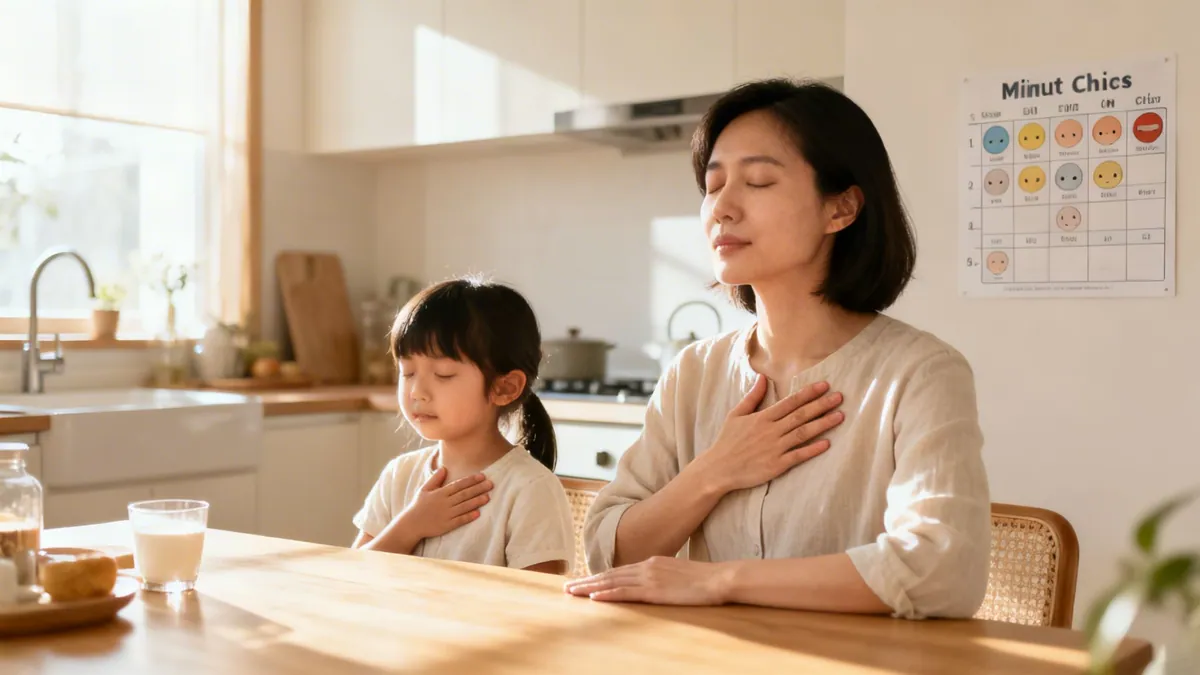
This alignment is crucial. It creates a seamless experience for a child, reinforcing that all the grown-ups in their life are a united team working for their well-being.
Integrating Coping Skills Into the School Day
For educators, the most effective approach is to weave coping skills right into the fabric of the classroom routine, rather than treating them as a separate lesson. This normalizes self-regulation and gives students frequent, low-stakes opportunities to practice. The key is to keep these moments brief, predictable, and positive.
Here are a few practical ways to embed these skills seamlessly:
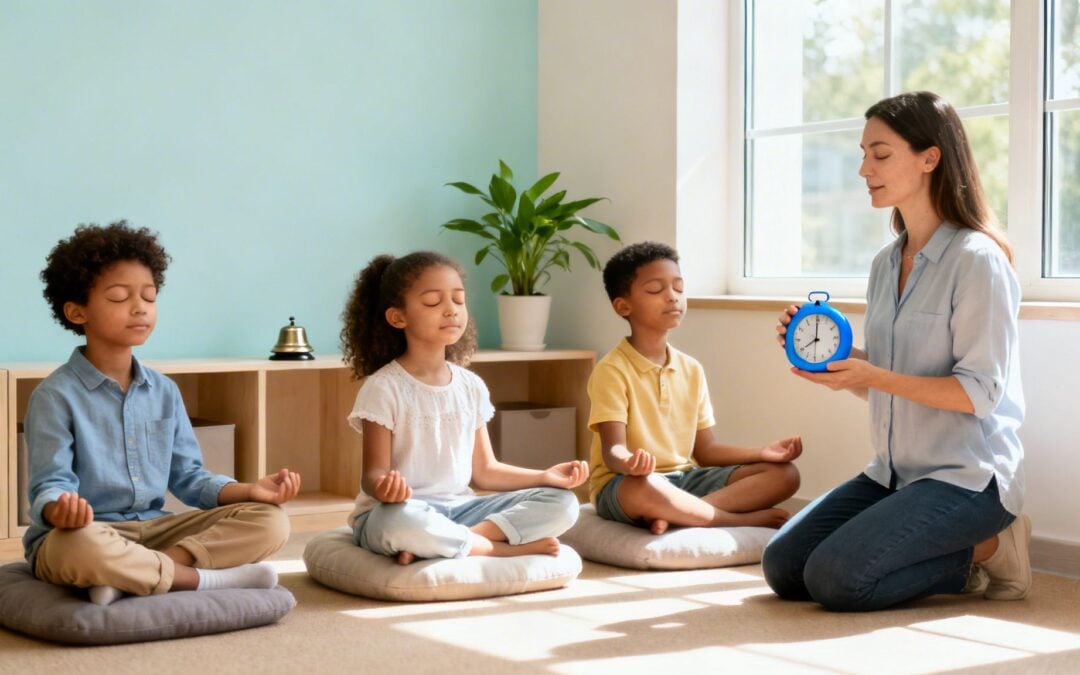
- Start with a Mindful Minute: Kick off the day or transition after recess with just 60 seconds of quiet. Example: “Okay class, before we start math, let’s have a Mindful Minute. Everyone put your hands on your desk, feel your feet on the floor, and let’s listen for any sounds outside our classroom. Go.”
- Use Emotion Check-Ins: During morning meetings, add a quick emotional check-in. Students can point to a “feelings wheel” or just hold up a number from 1 to 5 to show where they’re at emotionally. This builds emotional vocabulary and gives you a quick read on who might need extra support.
- Create Predictable Routines: Unpredictability can be a huge source of anxiety. Post a clear daily schedule and do your best to stick to it. If things have to change, give as much advance notice as possible to help students prepare mentally. Example: “Team, I just found out the assembly is moved to 10:00 AM today, which means we’ll do our reading block after lunch. I’ve updated it here on the board for us.”
Building a predictable classroom environment is one of the most effective, yet simple, strategies to reduce ambient anxiety. When students aren’t spending mental energy wondering what’s next, they have more capacity for learning and emotional regulation.
Modeling Healthy Coping at Home
At home, parents and caregivers are the primary role models for emotional regulation. The “do as I say, not as I do” approach just doesn’t work when it comes to anxiety. Kids learn how to handle stress by watching how you handle your own. This doesn’t mean being perfectly calm all the time—in fact, it’s more powerful when they see you navigate stress in a healthy, real way.
A huge part of this is verbalizing your own internal process. Instead of just quietly taking deep breaths when you’re stressed, you narrate the experience for them.
What This Looks Like in Real Life:
- Stuck in traffic: “Ugh, this traffic is making me feel really frustrated. I can feel my shoulders getting tight. I’m going to take three slow, deep ‘lion breaths’ to help my body relax. Want to do them with me? Big breath in… ROAR!”
- During a tricky task: “I’m having a tough time putting this shelf together, and I’m starting to feel angry. I think I’ll take a five-minute break to get a glass of water and come back to it with a clearer head.”
- Before a big event: “I’m feeling a little nervous about my big meeting tomorrow. I’m going to look over my notes one more time and then listen to some calming music to help me unwind.”
This kind of modeling does two critical things. First, it validates their own feelings by showing them that adults get frustrated, angry, and nervous, too. Second, it gives them a real-life script for how to connect a feeling to a constructive action.
By creating a shared family language around emotions and building predictable daily routines, you construct a safe harbor for your child. It becomes a place where they feel secure enough to name their worries and practice their new skills without fear of judgment.
Common Questions About Kids’ Anxiety Coping Skills
As you start putting these anxiety coping skills into practice, you’re bound to run into some real-world questions. It’s one thing to read about a technique, but it’s another thing entirely to use it when a child is feeling completely overwhelmed.
This section gets into the nitty-gritty, tackling the most common concerns we hear from parents and educators. Think of it as your field guide for navigating those tricky moments with a bit more confidence. Knowing what to expect makes all the difference.
When Is It Normal Worry vs. a Potential Disorder?
This is probably the biggest question on everyone’s mind. The short answer? All kids worry. It’s a healthy, normal part of growing up. The line gets crossed when that worry starts getting in the way of their day-to-day life.
The key things to look for are the intensity, duration, and impact of their anxiety.
- Normal Worry: A child is nervous before their first piano recital. They feel butterflies, but they still go on stage and perform. The feeling fades afterward.
- Potential Disorder: Weeks before a piano recital, a child has trouble sleeping, complains of stomachaches, and has meltdowns during practice. They might ultimately refuse to perform. The worry is disproportionate to the event and significantly impacts their functioning.
If a child’s anxiety is consistently keeping them from doing age-appropriate things—like going to school, making friends, or sleeping through the night—that’s a clear signal it’s time to seek some professional guidance.
A great rule of thumb is to consider the “Three Fs.” Is the anxiety impacting their Functioning (at school, home, or with activities), their Friendships, or their Family life? If you see a major negative shift in any of these areas, that’s your cue to talk with a school counselor, pediatrician, or another mental health professional.
What If My Child Resists Trying a Coping Skill?
This happens all the time. When a child is in the middle of a big, anxious moment, their logical “upstairs brain” is offline. Trying something new feels impossible. The most important thing to remember here is to lead with patience, connection, and choice.
First off, never try to force a skill when anxiety is high. It will only backfire. Instead, just model it yourself. You could say something like, “Wow, this is a really big feeling. I can see you’re having a hard time. I’m going to take a few slow breaths to help my own body calm down.” Your calm presence is the most powerful tool you have. Through co-regulation, you’re helping their nervous system sync up with yours.
Later, when things are calm, you can bring it up again. But frame it as a game and give them options.
Here’s what that might look like:
Instead of demanding, “You need to do your belly breathing,” try this later in the day: “Hey, remember those big feelings from earlier? Let’s practice for next time so we feel stronger. Do you want to give our teddy bear a ride on our belly, or should we draw our worries and feed them to the Worry Monster? You pick.”
Giving them that sense of control makes them so much more willing to try. The goal is low-pressure practice outside of the stressful moment.
How Can I Adapt These Skills for Neurodivergent Children?
This is such an important consideration. For neurodivergent kids, including those with autism or ADHD, the core principles of calming the nervous system are the same, but the approach often needs to be more concrete, sensory-based, and built around their unique needs.
Simply talking about “calming down” is often too abstract to be helpful. Many neurodivergent children are visual and sensory thinkers.
- Make it Visual: A visual timer can show them exactly how long a calming activity will last. A “choice board” with pictures of different coping skills lets them point to what they need when words are hard to find. Example: Create a laminated card with pictures of a weighted blanket, headphones, and a squishy toy. When they’re overwhelmed, you can show them the card and ask them to point to what their body needs.
- Lean into Sensory Needs: For a child who seeks out sensory input, a big, deep-pressure hug or a weighted blanket might be a game-changer—far more effective than deep breathing. For a child who gets easily overstimulated, noise-canceling headphones in a quiet corner might be the essential first step.
- Use Their Interests: Connect coping strategies to whatever they’re passionate about. If a child loves trains, you could call deep breathing “chugging like a train”—a slow “choo” on the inhale and a long, drawn-out “chooooo” on the exhale. If they love superheroes, you can call grounding “activating your spidey-senses” to notice things in the room.
The best strategy is to observe what already soothes them and build from there. Their self-soothing behaviors (often called “stims”) are their natural way of regulating. Instead of trying to stop them, see how you can incorporate them into a more structured coping strategy.
At Soul Shoppe, we believe every child deserves the tools to navigate their inner world with confidence. Our programs are designed to help schools and families build supportive environments where children can learn, practice, and master the social-emotional skills they need to thrive. Explore our K-8 programs to bring these vital tools to your community at soulshoppe.org.