Soul Shoppe's work is made possible by donors and partners who care deeply about the young people in their communities! We can't do this work without you. Support our work in classrooms and on playgrounds across the nation by donating here.
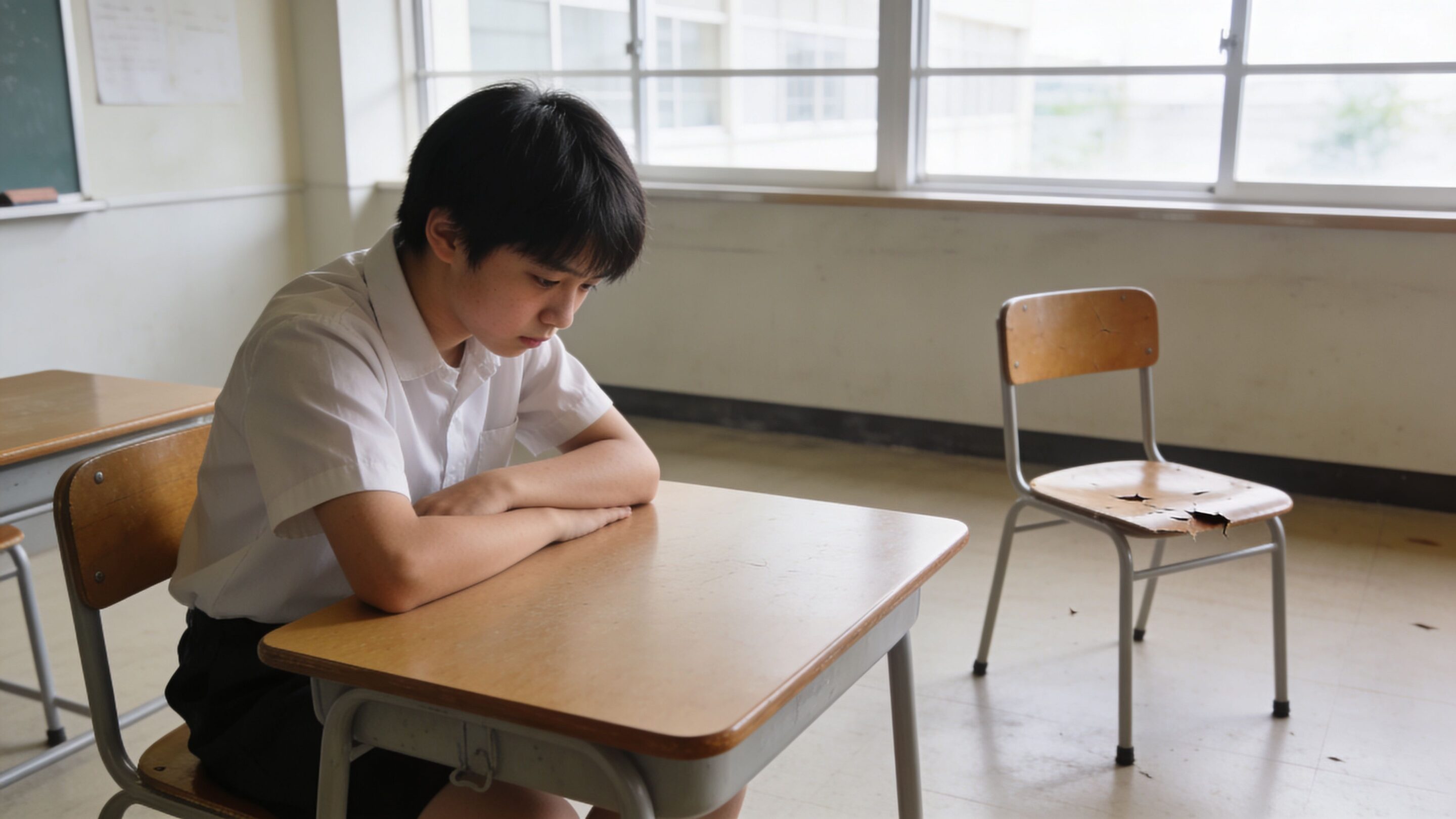
A student stops raising their hand after you called on them and then brushed off their answer. Your child nods when you ask if they’re fine, but the warmth is gone after you broke a promise you made twice. A staff member says “no problem” in the hallway, yet gives you only the minimum in meetings after a decision landed on them instead of with them.
That’s what broken trust often looks like. Not a dramatic confrontation. A pullback. Less openness. Less risk-taking. Less honesty.
If you’re trying to figure out how to earn trust back, start here: trust repair is not about one perfect apology. It’s about helping the other person feel safe enough to believe your words again because your actions keep matching them. In schools and homes, that matters even more. Children learn what trust feels like from repeated moments with adults. Staff do too.
Trust can be rebuilt. It usually takes longer than the person who caused the hurt wants. It also takes more specificity than is commonly expected. Vague regret rarely repairs much. Clear ownership, calm listening, and consistent follow-through do.
When Trust Is Broken The Path to Repair
In a classroom, trust often breaks in ordinary moments. A teacher promises to check in with a student and forgets. A principal says student voice matters, then rushes through concerns after an incident. A parent says, “You can tell me anything,” and then reacts with anger when the child finally does.
For children, trust is closely tied to psychological safety. They don’t separate relationship from learning the way adults try to. If an adult feels unpredictable, dismissive, or defensive, the child may protect themselves by withdrawing, acting out, or saying as little as possible. The same pattern shows up with staff. Once people start bracing, they stop bringing you the truth.
That’s why trust repair belongs inside SEL practice. It isn’t extra. It’s part of teaching self-awareness, responsible communication, and conflict repair. If you want a helpful outside perspective on relationship repair language, Securely Loved's trust recovery guide offers useful reminders about accountability and patience. For a school-centered lens, Soul Shoppe’s article on building trust in relationships is a strong companion.
What trust repair actually asks of you
Most adults want to jump to reassurance.
They say things like:
“You can trust me.” “I said I was sorry.” “I’m doing better now.”
The problem is that the hurt person doesn’t need your conclusion. They need your reliability.
A better starting point is:
Name the break clearly so the other person doesn’t have to prove it happened.
Acknowledge the impact instead of focusing on your intention.
Invite honest response without punishing it.
Show change in small visible ways long enough for the nervous system to catch up.
Practical rule: Trust usually returns quietly. You’ll notice it in renewed eye contact, more honest answers, and a greater willingness to ask for help.
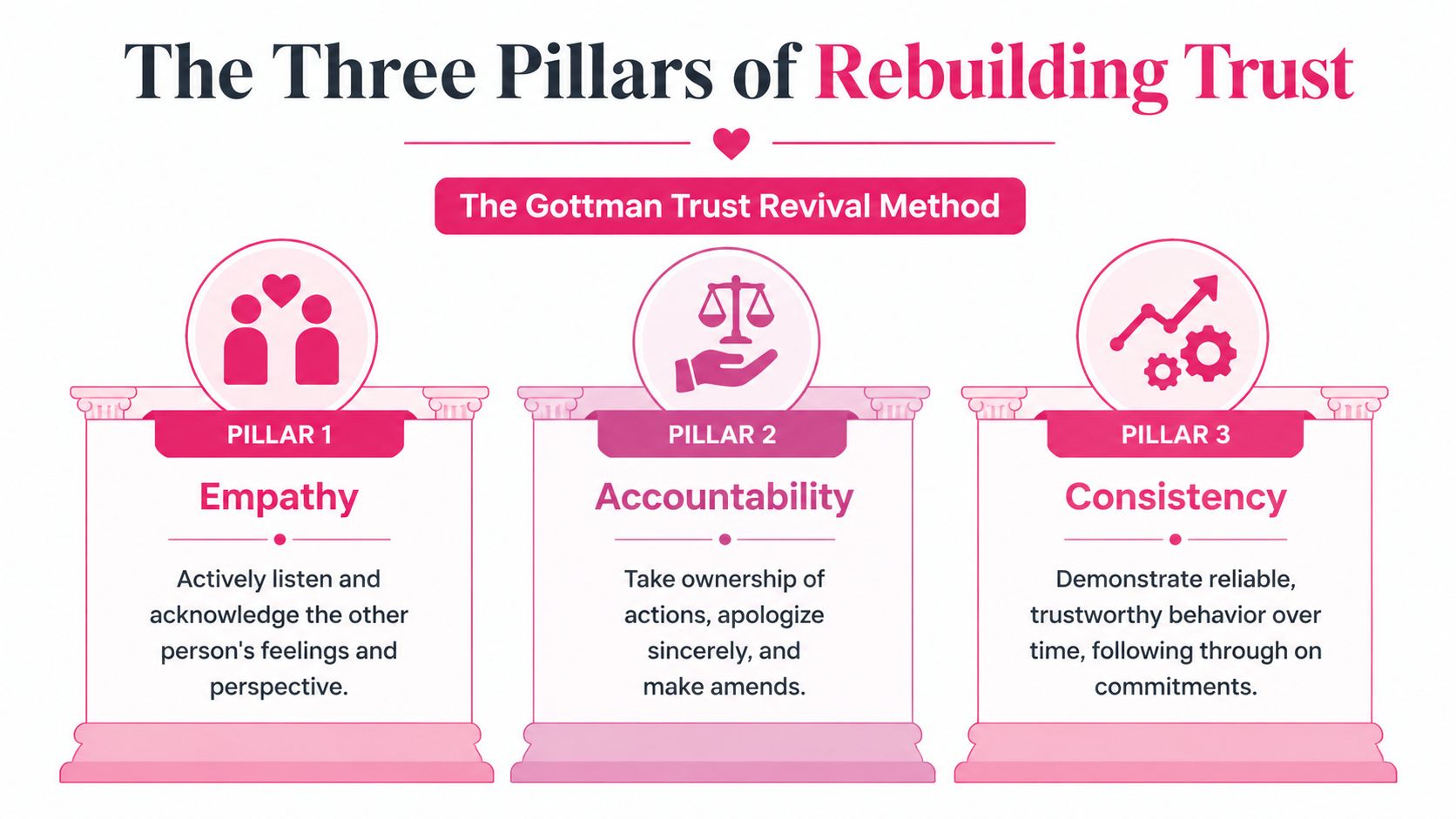
The Three Pillars of Rebuilding Trust
A useful framework comes from the Gottman Trust Revival Method: Atone, Attune, Attach. In work with families and schools, these three words are memorable because they match what children and adults both need after a breach. First, they need the adult to own it. Then they need to feel understood. Then they need new experiences that make the relationship feel safe again.
According to the Gottman Institute’s discussion of reviving trust after betrayal, couples who complete all three phases report a 70 to 85% success rate, and partial accountability fails in 80% of cases during the Atone phase because the trust-breaker needs to take 100% ownership (Gottman’s overview of Atone, Attune, and Attach).
Atone means full ownership
Atone is not self-criticism. It is precise responsibility.
If a teacher says, “I’m sorry you felt embarrassed,” that’s not ownership. If a principal says, “Communication could have been better,” that spreads responsibility into the air. If a parent says, “I was stressed,” before acknowledging the child’s experience, the child hears explanation before care.
Atone sounds more like this:
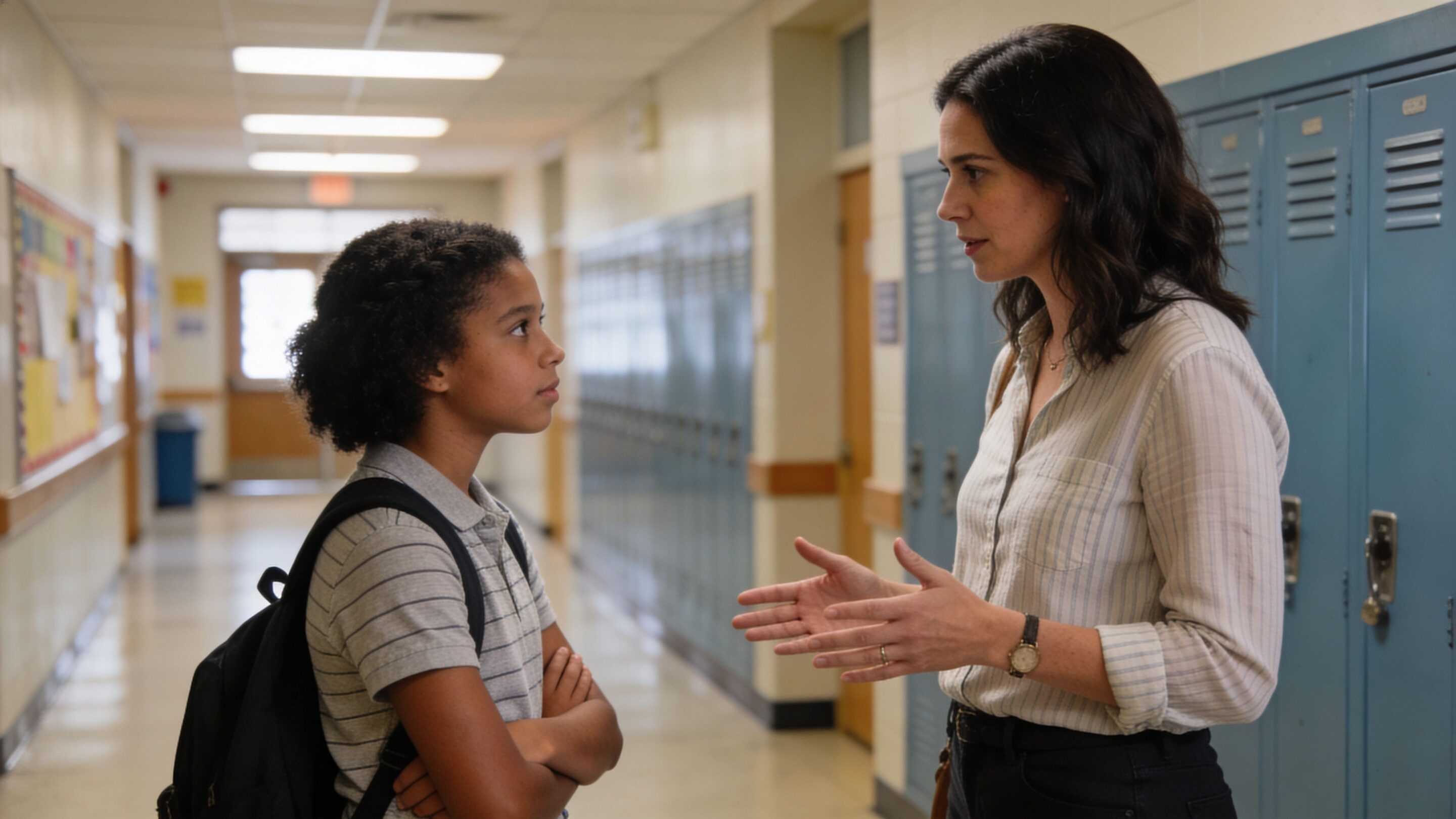
Teacher to student: “I called out your behavior in front of the class. That put you on the spot. I should have spoken with you privately.”
Parent to child: “I promised I’d come to your performance and I didn’t. You had a right to expect me there.”
Principal to staff: “I announced the schedule change before discussing it with the team most affected. That damaged trust.”
This phase matters because people can’t relax into repair if they still feel they have to convince you there was harm.
Attune means stay with the feelings
Once you’ve owned the action, the next job is harder for many adults. You have to hear the impact without defending yourself.
That means letting a child say, “You always say you’ll help and then you forget,” without correcting every word. It means letting a teacher say, “I didn’t feel respected,” without replying, “That wasn’t my intent.” Intent can matter later. In the repair moment, impact comes first.
A few attunement habits work well in schools and homes:
Reflect back what you heard: “You stopped asking for help because you expected me to dismiss you again.”
Validate the emotion: “That makes sense.”
Keep your body calm: lower your volume, slow your pace, don’t loom over a child.
Ask one more question: “What felt hardest about that?”
Soul Shoppe’s explanation of the five core SEL competencies fits here well because attunement depends on self-awareness, self-management, relationship skills, and social awareness all at once.
If the hurt person has to take care of your feelings while telling the truth, trust repair stalls.
Attach means build new proof
After a good apology and a real conversation, many adults assume trust should come back. Usually it doesn’t. Not yet.
Attach is the phase where you create repeated moments that feel different from the old pattern. You don’t argue someone back into trust. You give them enough lived evidence to update their expectations.
Here’s what that can look like:
Relationship
Old pattern
New proof
Teacher and student
Public correction
Private check-in before discussing behavior
Parent and child
Broken promises
One small promise kept daily or weekly
Principal and staff
Decisions announced late
Preview decisions early and invite feedback
The key trade-off is speed versus depth. Adults often want closure. Trust repair asks for patience. Rushing to “Are we good now?” usually serves the person who caused the hurt, not the person carrying it.
Actionable Scripts for Every Relationship
Specific language helps because it keeps adults from falling into the same old habits: explaining, minimizing, or pushing for quick forgiveness. In relationships affected by a significant trust breach, 86% of couples who commit to full vulnerability and detailed, honest discussions about the events succeed in rebuilding trust, while 32% of those who discuss it with very little detail regain very little trust according to this breakdown of trust rebuilding through detailed honesty. The setting in that research is intimate partnership, but the practical lesson carries into schools and homes. Detail matters.
Teacher to student after a letdown
A student usually knows when an adult is trying to smooth things over. They can hear the difference between a polished apology and a grounded one.
Use a script with four parts:
Name what happened
Name the likely impact
Take responsibility
Offer a concrete next step
“I told you I would check your project before the end of class, and I didn’t. You were left waiting and then had to turn it in without the support I promised. That’s on me. Tomorrow, I’m meeting with you first during work time, and if I ever can’t follow through, I’ll tell you directly instead of leaving you guessing.”
If the student is upset, don’t chase agreement.
Try:
“You don’t have to say it’s okay. I wanted to be honest about what happened and what I’m doing differently.”
That line lowers pressure. It also signals that the apology is about repair, not relief for the adult.
Parent to child after breaking a promise
Parents often rush to the explanation because the context feels important. Work ran late. Traffic was bad. A younger sibling melted down. Sometimes those things are true and relevant. They just can’t come first.
Start here:
“I said I’d be there, and I wasn’t. That hurt, and I understand why you’d be mad.”
Then add needed detail:
“You may have been looking for me and wondering if I forgot or if it didn’t matter to me. I did not want you to carry that feeling, but I created it anyway.”
Then make the repair visible:
Offer one do-over with structure: “I can’t redo the game, but I can protect Friday from start to finish and show up early.”
Invite the child’s input: “What would help you believe me next time?”
Accept a guarded response: “It makes sense if you don’t trust this right away.”
When children have ADHD, language processing differences, or impulsivity in conflict, clarity matters even more. Parents and educators who need help reducing crossed wires may find Sachs Center's ADHD communication solutions useful because repair conversations go better when instructions, expectations, and emotional language are more concrete.
Administrator to staff after a leadership misstep
Trust repair with staff has one extra layer. People are often evaluating not only your character, but also whether speaking truthfully is safe.
A principal might say:
“I moved ahead with the assembly plan without giving grade-level teams time to raise concerns. That decision affected your classrooms and your credibility with students. I own that. Today I want to hear what the impact was, and then I’ll share how we’ll change the process before the next schoolwide event.”
What not to add in the opening:
“We were under a lot of pressure.”
“Everyone had a part in this.”
“I hope we can move forward.”
Those statements may be discussable later. In the first repair moment, they dilute accountability.
Scripts that don’t work well
It helps to hear the contrast.
Common script
Why it fails
Better replacement
“I’m sorry you were upset.”
Focuses on reaction, not action
“I’m sorry I did that.”
“That wasn’t my intention.”
Prioritizes self-explanation
“The impact mattered, even though I didn’t intend it.”
“Can we move on now?”
Pressures for closure
“I know trust may take time to rebuild.”
“You need to tell me what to do.”
Pushes the labor back to the hurt person
“I’m starting with these changes, and I’m open to what would help.”
For adults who want more support with wording, Soul Shoppe’s examples of I-statements that reduce defensiveness can help shift a tense conversation into something more workable.
When the child says nothing
Silence is common after trust has been damaged. Don’t confuse it with indifference.
A student may stare at the floor. A child may shrug. A staff member may say, “It’s fine.” In many cases, that means the person doesn’t yet believe honesty will be handled safely.
Use low-pressure invitations:
“You don’t have to respond right now. I wanted to own my part.”
“If talking feels hard, you can write it, draw it, or tell me later.”
“I’ll check back tomorrow. I’m not dropping this because it matters.”
That last sentence is powerful because it separates persistence from pressure.
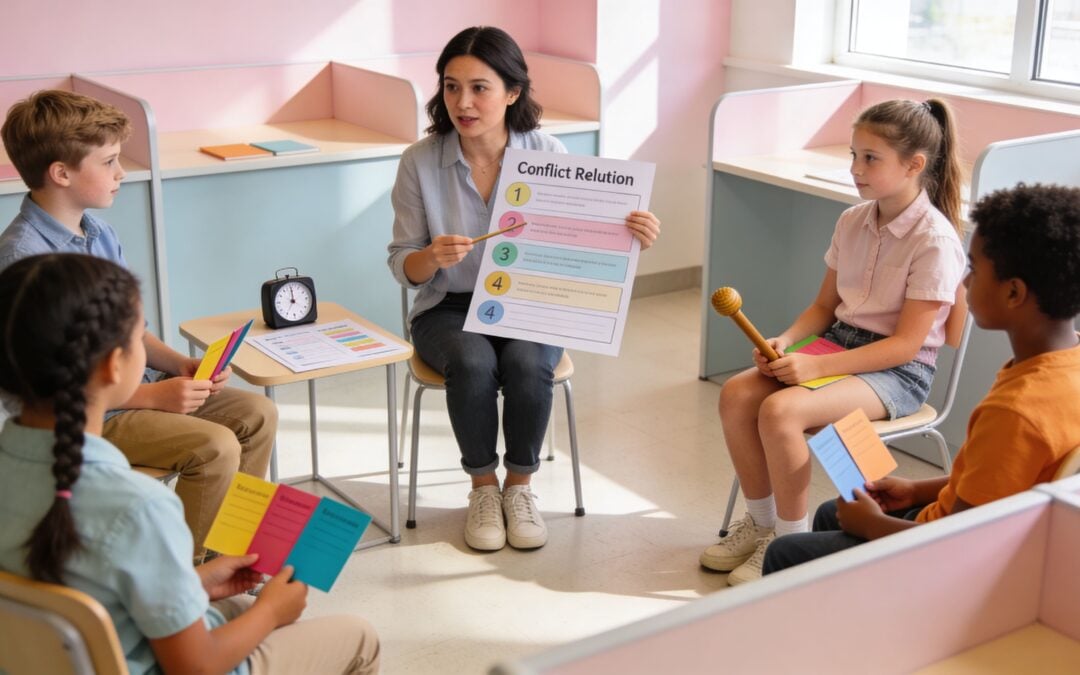
A short visual can help adults rehearse these moments before they happen:
A classroom example
A fifth-grade teacher promises students they’ll have circle time after lunch to process a conflict from recess. Testing runs long. Circle never happens. The next day, two students are colder with each other, and one says, “You always say we’ll talk and then we don’t.”
A weak repair would be, “Sorry, yesterday was busy.”
A stronger repair sounds like this:
“Yesterday I told you we’d have time to talk as a class, and I let the day end without making that happen. That left some of you carrying frustration and confusion into today. I understand why that makes my words feel less reliable. We are doing that circle at 10:15, and I’ve already moved the schedule so it doesn’t get dropped again.”
That is how to earn trust back. You don’t erase the miss. You turn it into a moment of accountable leadership.
SEL Activities to Heal and Reconnect
After the first repair conversation, people need something to do together that creates safety. In such situations, SEL routines matter. They turn trust from an abstract hope into a repeated practice.
A 2024 study on SEL implementation found that 68% of students report diminished trust after perceived hypocrisy from educators, and the same discussion points to structured protocols like trust circles as a way for adults to model vulnerability and follow through on new behaviors (Psychology Today’s discussion of trust repair and the need for structured vulnerability).
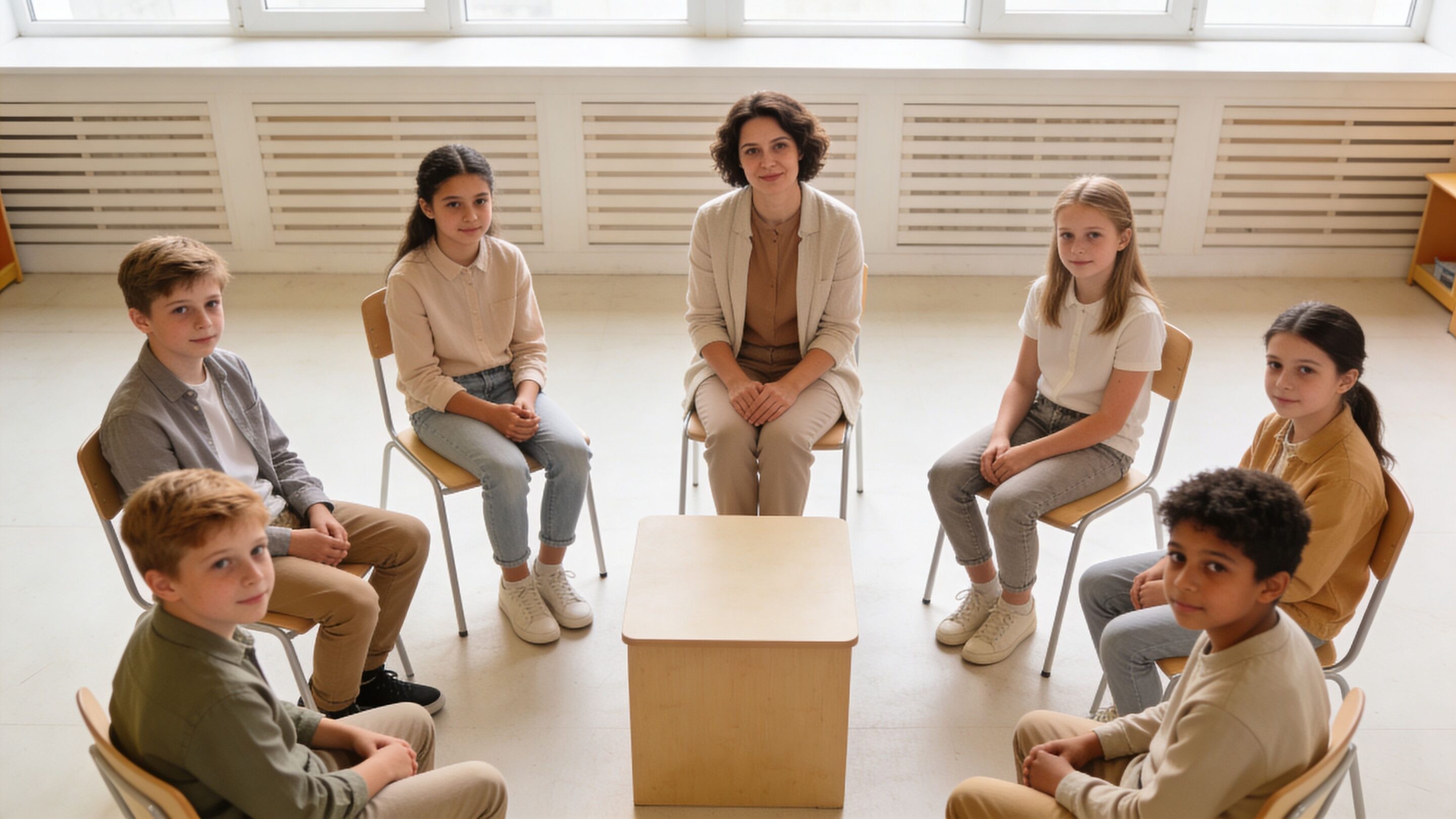
Trust circles
Trust circles work best when they are brief, regular, and predictable. They do not need to become a dramatic processing session every time.
Use this simple format:
Opening prompt: “What helps you feel respected when something goes wrong?”
Adult model: The teacher or parent shares first with one real example.
Student responses: Short turns, no fixing, no cross-talk.
Follow-through close: “Based on what I heard, here’s one thing I’m doing this week.”
That last step matters most. If the circle ends with insight but no behavioral shift, students can experience it as performative.
For schools already using community-building practices, Soul Shoppe’s post on restorative circles in schools offers language and structure that fit naturally with trust repair.
Empathy echo at home
This activity helps siblings or parent and child practice perspective-taking without debating facts.
How it works:
One person describes a frustrating moment in two or three sentences.
The other person must “echo” the feeling and need before sharing their side.
The first person confirms or corrects the reflection.
Only then does the second person respond with their own experience.
Example:
Child: “You helped my brother with his project but told me you were too busy. I felt like he mattered more.”
Parent echo: “You felt pushed aside, and you wanted equal attention, not just help with homework.”
Simple? Yes. Easy in a tense family moment? Not always. That’s why practice during calm times helps so much.
Reliability rituals
Children often trust routines before they trust intentions. If words feel shaky, use a ritual.
Try one of these:
Daily two-minute check-in: same time, same question, no multitasking.
Repair note card: an adult writes what happened, what they own, and what they’ll do next.
Promise board: keep only very small commitments on it so follow-through stays high.
Re-entry ritual after conflict: water, breathe, short statement of repair, then problem-solve.
Small repeated actions calm doubt better than one emotional speech.
Classroom partner rebuild
When peer trust is damaged and an adult needs to help, assign a short shared task that has structure and low stakes. Cleanup jobs, co-creating norms for a game, or reading directions together can work better than forcing a vulnerable conversation too soon.
The sequence matters:
Step
Adult role
Student task
Regulate
Lower intensity
Take a pause, reset body
Reflect
Name impact
Share one sentence each
Reconnect
Create success
Complete a short task together
Review
Mark progress
Notice one thing that went better
For educators and families who want one formal option, Soul Shoppe’s Clean-Up process can support repair by guiding children through recognizing harm, feeling its impact, and apologizing in a structured way. Used well, a process like that keeps adults from improvising during emotionally loaded moments.
How to Measure Progress and Maintain Trust
Trust grows back in behavior before it returns in language. That’s why asking, “Do you trust me now?” often creates pressure instead of clarity. A more reliable measure is watching what the person does when they have a choice.
A student who trusts you more may start asking questions again. A child may bring you a problem before it becomes a meltdown. A staff member may disagree with you in the meeting instead of in the parking lot after. Those are strong signs because they involve risk.
What to watch for
Use observable markers, not vague impressions.
In classrooms: Is the student more willing to participate, ask for help, or stay in conversation after a mistake?
At home: Does your child volunteer more detail about their day or accept comfort more easily?
With staff: Are concerns surfacing earlier, with less side-channel frustration?
These changes may arrive unevenly. A child can reconnect on Monday and shut down again on Thursday after a reminder of the original hurt. That doesn’t mean repair failed. It means trust is still becoming embodied.
The maintenance habits that matter
In schools, small acts of reliability are often more powerful than occasional big gestures. Gallup found that when managers consistently listen to work-related problems, employees are 4.2 times more likely to trust their leaders (Gallup’s research on listening and workplace trust). For principals and team leads, that means trust is built in repeated moments of attention, not only in speeches or strategy documents.
A practical maintenance system can be simple:
Keep promises visibly small: Don’t make broad commitments you can’t sustain.
State changes before people have to ask: “I said I’d send that update by Thursday. I’m delayed, and you’ll have it Friday at noon.”
Use check-in questions that invite honesty: “What still feels uncertain?” works better than “We’re good, right?”
Review your repeat pattern: What exactly caused the trust break, and what guardrail now prevents it?
Consistency is persuasive because people can test it for themselves.
Common ways adults lose ground
A lot of repair work gets undone the same way.
Pitfall
What it sounds like
Better move
Impatience
“I already apologized.”
Accept that safety may lag behind your effort
Defensiveness
“That’s not fair.”
Ask, “What part still feels unresolved?”
Overpromising
“I’ll never do that again.”
Commit to one clear, trackable behavior
Inconsistency
Strong repair talk, weak follow-through
Build reminders, routines, and accountability
If you want to know how to earn trust back over the long term, this is the heart of it: become easier to believe in small moments. The repair conversation opens the door. Daily reliability keeps it open.
Frequently Asked Questions About Rebuilding Trust
What if I hurt trust between siblings by showing favoritism
This happens more often than many parenting resources admit. According to the source material provided, 55% of K-8 parents report escalated sibling conflicts after a trust break like favoritism, and empathy modeling through shared activities rebuilds neural trust pathways twice as fast as verbal apologies alone according to Crisis Text Line’s discussion of rebuilding trust.
Start by naming the imbalance plainly to both children. Don’t ask the hurt child to “be understanding” first. Then create one shared activity where you model fairness in real time. Baking, building something, taking turns choosing music on a drive, or doing a cooperative art task can work because the repair is visible, not just verbal.
“I treated you differently in a way that felt unfair. I’m sorry. I’m changing how I handle help, praise, and consequences, and I want you to see that change, not just hear about it.”
What if a student shuts down and won’t talk
Don’t force eye contact, immediate processing, or public repair. A shut-down student usually needs predictability before dialogue.
Try three moves:
Offer choice: talk, write, draw, or wait.
Reduce audience: repair in private.
Return when you said you would: your reappearance matters.
The hidden test is often this: “Will you stay steady if I don’t make this easy for you?” Answer that with calm consistency.
How long does rebuilding trust take
There isn’t one timeline that fits every family, classroom, or team. Severity matters. Pattern matters. The age of the child matters. So does what happens after the apology.
A single broken promise may repair fairly quickly if the adult responds with clarity and dependable action. A longer pattern of dismissal, inconsistency, or public shame usually takes more time because the other person is not only healing from one event. They are revising an expectation.
Should I keep apologizing
Not in the same way, over and over. Repeated verbal apologies without changed behavior can start to sound like pressure for forgiveness.
Apologize clearly once. Revisit the harm when needed. Then put your energy into visible consistency. In schools and homes, children trust what they can predict.
What if I’m trying hard and the other person still doesn’t trust me
That can happen. Repair is an offer, not a demand. Your responsibility is to become safer, clearer, and more reliable. The other person’s responsibility is their own pace.
Keep doing the next trustworthy thing. Not the dramatic thing. The next one.
If your school or family wants more structured support for teaching repair, empathy, and conflict resolution, Soul Shoppe offers SEL programs, circles, and practical tools that help children and adults build shared language for trust, accountability, and connection.
The room is loud again. A class has just come back from recess, two students are still arguing about the kickball game, one child is under the table because math feels too hard, and everyone else is carrying that jangly, post-transition energy into the next lesson. At home, it can look different but feel the same. Homework tears, a slammed bedroom door, a child who says “I can’t” before they’ve even started.
In those moments, adults usually want something simple, fast, and realistic. Not a perfect mindfulness routine. Not another thing to prep. Just one tool that helps a child come back to center without turning the moment into a bigger struggle.
That’s where a box breathing visual earns its place. It gives kids something concrete to look at, trace, and follow when words aren’t landing. It also helps adults stay grounded enough to guide instead of react.
Your Guide to a Calmer Classroom and Home
A breathing strategy earns its keep when it still works in the middle of real life. A child is upset. A class is restless. A parent is trying to get through homework without another power struggle. In those moments, box breathing helps because the pattern is clear, repeatable, and easy to cue without a long explanation.
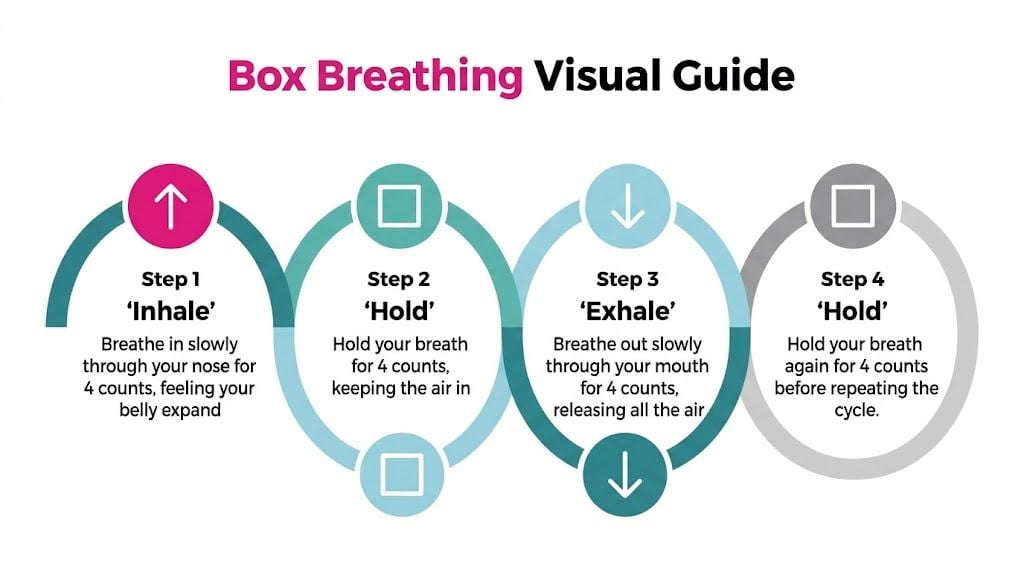
The basic rhythm is steady: inhale, hold, exhale, hold. Many adults know it as a four-count pattern, but with K-8 students, the exact number matters less than the pacing. Younger children often do better with shorter counts. Older students usually tolerate a longer hold and may respond well when the practice is framed as a focus skill, not just a calming tool. That distinction matters in school settings. A third grader may join because it feels like a game. A middle schooler is more likely to participate if it feels useful and age-respectful.
I have found that the visual is often what makes the routine stick. Children do not have to remember a script while they are already overloaded. They can follow the shape, keep their eyes on one spot, and borrow the adult’s calm until their body catches up.
When this helps most
A box breathing visual fits best into predictable stress points, especially before a child is fully overwhelmed. Common examples include:
At the start of the school day when students arrive dysregulated from the bus, a tough morning, or a rushed handoff
After transitions when the group needs a quick reset before instruction can begin
Before homework or reading practice when resistance shows up fast
Ahead of tests, presentations, or hard conversations when nerves are high
During repair conversations when everyone needs a pause before speaking clearly
The trade-off is simple. Box breathing is a strong regulation tool, but it is not magic. Some children will settle after one round. Others need movement first, a quieter space, or an adult to co-regulate beside them. The goal is not perfect calm. The goal is enough steadiness for the next workable step.
Language matters too. “Calm down” can feel like pressure. “Let’s do one square together” gives a child something concrete to do. In classrooms, that small shift reduces argument and preserves dignity. At home, it can lower the temperature before a routine goes off the rails.
The environment also supports the practice. A visible cue on the wall, a small card at a desk, or even calming decor can remind children what their body already knows how to do. For classrooms and family spaces that benefit from gentle visual reminders, a piece of South African designed artwork can reinforce that tone. If you want a few routines that pair well with breathing practice, these classroom mindfulness strategies are practical additions.
How to Use a Box Breathing Visual Step by Step
A box breathing visual works best when it stays simple. A square on paper, a poster on the wall, a card on a desk, or a screen-based guide can all work. The key is that the child can see the rhythm instead of trying to hold the pattern in their head.
A visual anchor isn’t just decorative. Research summarized in the Journal of Pharmaceutical Research International article reports that tracing a screen-based box improved focus retention by up to 95%, compared with 60% for mental-only counting. The same source describes significant improvements in lung function, including FVC and FEV1, after visually guided box breathing practice in healthy adults.
Set up the body first
Before the first breath, fix the posture. That one adjustment prevents many of the “this isn’t working” moments.
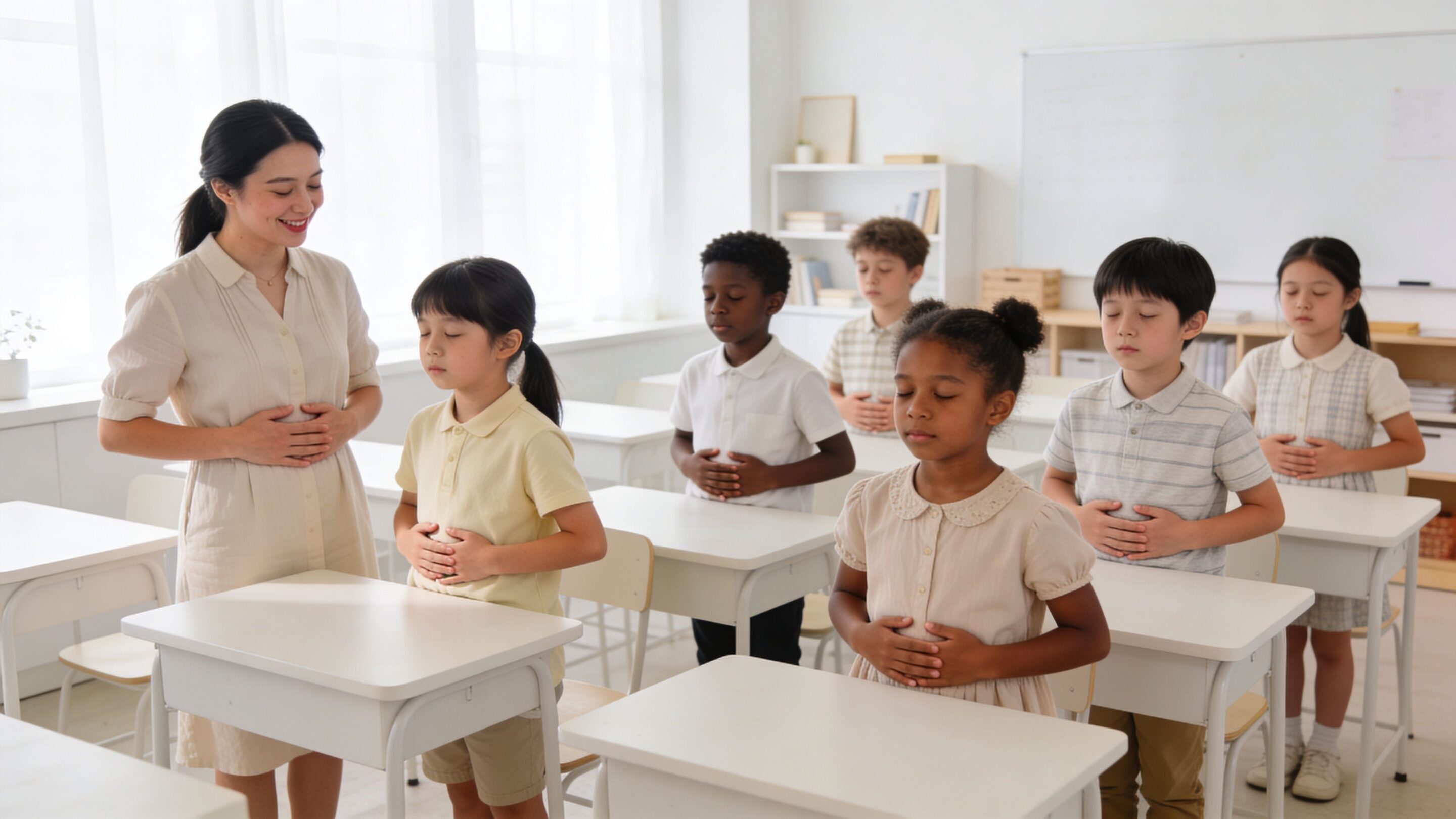
Ask the child to sit or stand tall, with shoulders soft rather than lifted. If they’re open to touch cues, have them place one hand on the belly. That gives immediate feedback about whether the breath is moving low and steady rather than staying high in the chest.
If you already teach belly breathing, this belly breathing technique guide pairs well with box breathing because the body mechanics are similar.
Follow the four sides of the square
The square gives each part of the breath a beginning and an end. That matters for children who get lost in open-ended directions.
Here’s a classroom-friendly way to lead it:
Inhale along the first side “Breathe in through your nose for four. Let your belly puff out a little.” A child may like “smell the flower” language. Older students often prefer direct language.
Hold on the second side “Keep the air in for four. Body still. Jaw soft.” The hold should feel gentle, not strained.
Exhale on the third side “Breathe out slowly for four, like you’re fogging a window or blowing through a straw.” This is often the part kids rush, so model it.
Pause on the fourth side “Rest before the next breath. Count four.” That final pause helps the rhythm feel complete.
Practical rule: If the count is making a child tense, slow the counting voice before changing the technique.
Use language that matches the age
The same box breathing visual can work across grade levels, but the script should change.
A younger child often responds to sensory cues:
Inhale: “Smell the soup.”
Hold: “Keep it safe.”
Exhale: “Cool it down.”
Hold: “Wait for the next bite.”
An upper elementary student may do better with performance language:
“Breathe in.”
“Hold steady.”
“Breathe out slow.”
“Reset.”
A middle school student usually wants brevity:
“In for four.”
“Hold four.”
“Out four.”
“Hold four.”
Keep the visual active
A lot of adults show the square and stop there. Kids usually need one more layer of engagement. Let them trace the box with a finger in the air, on a desk, on their leg, or on a laminated card. The movement gives the brain another anchor.
This is especially useful when a child says they “can’t focus.” They may not be resisting the practice. They may just need more sensory input.
A few practical options work well:
Setting
Visual method
Adult cue
Whole class
Poster at the front of the room
“Eyes on the square. Trace with me.”
Small group
Laminated table card
“Use one finger and go side by side.”
Home
Sticky note square on fridge or homework table
“Let’s do two boxes before we start.”
Hallway reset
Finger-traced square in the air
“You don’t need words. Just follow my hand.”
Start small and repeat
One or two cycles can help a child pause. A longer practice can help them settle more fully. In everyday school and home routines, short repetition works better than one long, forced session.
Try these examples:
Morning entry: two boxes before announcements
Homework launch: one box before opening the folder
Conflict repair: three boxes before either child speaks
Test prep: two quiet rounds at desks
If you want children to use box breathing when they’re upset, teach it when they’re calm.
That’s the part adults often skip. We introduce regulation tools during a meltdown, then decide the tool failed. Usually the timing failed.
Bringing Box Breathing into Your Classroom Routine
Teachers don’t need another complicated system. What works is a ritual that slides into moments you already have. A box breathing visual can become one of those rituals if students see it often, practice it when things are fine, and hear adults use the same language every time.
A 2021 study discussed here found that 30 days of box breathing led to significant improvements in lung function parameters tied to oxygenation and autonomic nervous system regulation. In practical school terms, that supports the bigger goal. Students need tools that help them return to learning, not just “behave better” in the moment.
Use it at predictable pressure points
The easiest way to build buy-in is to use box breathing before students are fully dysregulated. Think of it as a transition support, not an emergency-only intervention.
A few places where it fits naturally:
After recess “Feet on the floor. Eyes on the square. One breath in, hold, out, hold. We’re bringing our bodies back inside.”
Before a quiz or read-aloud “Give your brain one quiet minute. We’re not trying to be sleepy. We’re getting focused.”
During a hard task “If your body feels frustrated, pause and take one square breath before you ask for help.”
Before class meetings “Let’s arrive in our bodies before we use our words.”
Students use tools more often when the language is short and shared. The phrase matters. “Do your box” is easier to remember than a longer explanation.
You can also name it in a way that fits the age group:
Kindergarten and first grade: square breath, magic square, calm corners breath
Grades 2 to 5: box breathing, reset breath, focus square
A posted anchor chart helps. So does putting a small visual in the peace corner, on clipboards, or near the line-up spot by the door.
Show it, don’t overtalk it
Students learn this faster when the adult models instead of explaining for too long. If the class is escalated, fewer words work better.
A useful mini-script sounds like this:
“Watch my finger move around the square. Inhale. Hold. Exhale. Hold. Again.”
That script is brief enough to use in real time. It also keeps the adult regulated, which is half the intervention.
Here’s a quick video example you can use for staff modeling or for older students who like visual guidance.
What this can look like in a real day
Different moments call for different levels of support.
Time of day
What’s happening
How to use the box breathing visual
Arrival
Students carry energy from home
One whole-class round after unpacking
Transition to math
Anxiety rises
Teacher points to square and leads two silent cycles
Conflict after group work
Voices are sharp
Students pause, breathe separately, then rejoin conversation
End of day
The room feels scattered
One final round before dismissal directions
The big mistake is saving the tool only for the child who is “having a hard time.” When the whole class uses it, the practice feels normal rather than corrective.
Adapting Box Breathing for Different Ages and Needs
A strong box breathing visual for adults can still miss the mark with children. The issue usually isn’t the breath itself. It’s the mismatch between the child’s developmental stage and the way the tool is presented.
Research summarized in this video-based source on child adaptations points to an important adjustment. Shorter breath cycles of 2 to 3 seconds can improve attention in children with ADHD by 25% more than standard 4-second versions. That’s a useful reminder for anyone trying to teach the same pattern to every grade level.
Kindergarten through grade 2
Young children need brevity, movement, and imagery. Four counts can feel long, especially if they’re upset or impulsive. A 2 or 3 count square often works better.
Try language like:
“Smell the flower.”
“Freeze.”
“Blow the feather.”
“Freeze.”
Let them trace a square on the carpet, on their palm, or on a card with bright edges. Some teachers use finger puppets, small laminated “magic square” cards, or a square taped onto the floor for line-up time.
A practical example: A first-grade class comes in from lunch loud and bumping into each other. The teacher stands at the rug and says, “Show me your finger square.” Everyone traces one small box in the air while breathing together. No one has to close their eyes or sit perfectly still.
Grades 3 through 5
This age group can usually handle the classic 4 count pattern, but they still benefit from concrete context. Tie the skill to situations they already care about. Friendship tension, test nerves, getting picked for teams, frustration during writing.
A box breathing visual can sit in:
a calm corner
a take-a-break folder
a desk caddy
the top of a worksheet packet during longer tasks
Students this age also like ownership. Invite them to design a class square, choose colors, or create one for a buddy classroom.
A child is more likely to use a regulation tool they helped create.
Grades 6 through 8
Older students often resist anything that feels childish or performative. The language should be cleaner and more respectful. Focus, reset, steadiness, composure, and performance are usually better entry points than “calm down.”
Use it before:
speeches
band or choir performances
athletic competition
difficult peer conversations
tests
A middle school counselor might say, “One cycle before you walk in. In four, hold four, out four, hold four.” That works because it’s private, fast, and not loaded with extra explanation.
Neurodivergent students and flexible use
Some students need the visual but not the hold. Others need the tracing but not the counting. Some do best with a shorter pattern and repeated practice across the day.
Helpful adjustments include:
Shorter counts: Better for students who feel trapped by long holds
Silent tracing: Good for students who don’t want to stand out
Desk-based visuals: Useful when transitions are activating
Adult co-regulation: Child watches the adult breathe first, then joins if ready
The aim isn’t to make every child do the method the exact same way. The aim is to help each child find a version they can use.
What to Do When Box Breathing Gets Complicated
You introduce box breathing after lunch. One student starts huffing loudly. Two more start laughing. Another puts their head down and refuses. That kind of moment is common in K through 8 settings, and it does not mean the practice has failed. It means the adults in the room need a flexible plan.
Complications usually come from one of three places. The child feels exposed. The breathing pattern feels uncomfortable. The tool is being introduced too late, after the nervous system is already running hot.
Technique matters, but comfort matters too. A randomized controlled trial on box breathing for post-mastectomy pain syndrome noted that participants were taught diaphragmatic breathing as part of the practice, which supports the same coaching move many teachers and caregivers use with children: a hand on the belly can help shift breathing out of the chest and into a slower, steadier pattern (study details here). With students, I keep that cue simple. “Let your belly do the work.”
What if students get the giggles
The giggles usually mean the group is activated, self-conscious, or unsure what is being asked of them. Treat it as information.
Try these responses:
“We’re doing one quiet square together.”
“Watch my finger and match the pace.”
“You do not have to do it perfectly. Just stay with me for one round.”
If the whole group tips into silliness, shorten the practice and save the longer version for another time. In a classroom, protecting the tone matters more than squeezing in extra rounds.
What if a child says it’s not working
Take that seriously. “Not working” can mean the count is too long, the hold feels bad, the child is embarrassed, or they need a different regulation tool altogether.
Start with a quick adjustment:
Check body comfort: “Does the breath feel tight or forced?”
Shrink the square: Use a shorter count
Change the entry point: Trace the visual together instead of asking for closed eyes
Simplify the task: Keep only the exhale slow
Offer another tool: Pair breathing with grounding, movement, or co-regulation
That adjustment helps many younger students, anxious students, and neurodivergent students who feel trapped by breath holding. You can still use the square as a pacing visual. Breathe in for one side, out for the next, and keep the pattern going without the pauses.
Adults sometimes worry that changing the pattern means they are no longer doing “real” box breathing. In practice, a usable version is better than a perfect version that the child avoids.
The best version of the tool is the version the child can actually use.
What if adults only use it during crisis
Children notice that quickly. If box breathing shows up only when someone is upset, it starts to feel like a correction instead of a skill.
Teach it before the hard moment:
at arrival
before a quiz
after recess
before transitions
at bedtime or before homework at home
That proactive use is what makes the visual familiar enough to help later. By middle school, students are far more willing to use a quiet reset they already know than a new strategy introduced in the middle of embarrassment or conflict.
A quick troubleshooting guide
Challenge
What often happens
What works better
Child escalates quickly
Adult teaches the strategy for the first time in the moment
Practice earlier during neutral parts of the day
Child breathes high in the chest
Adult repeats the count louder
Add a hand-on-belly cue or model one slow breath
Group gets silly
Adult pushes through a long round
Do one short round and try again later
Student resists the hold
Adult insists on the full pattern
Remove the hold and keep the visual pacing
Older student shuts down
Adult uses language that feels childish
Use private, respectful cues like “reset” or “steady”
Patience matters here. Children are learning a body-based skill, and body-based skills rarely look polished at the start. In classrooms and homes, success usually looks ordinary: one quieter transition, one less power struggle, one child who remembers to use the square before things fall apart.
Frequently Asked Questions About Box Breathing
Is box breathing the best breathing method for every situation
No. It’s a strong choice for focus, composure, and steadying the body, but it isn’t the only useful breathing pattern. A source discussing a 2023 study notes that cyclic sighing, which emphasizes a longer exhale, was more effective than box breathing for improving mood and reducing respiratory rate, according to this comparison of breathing approaches. That’s why tool-matching matters.
A simple rule of thumb helps:
Use box breathing when a child needs structure and focus
Use a longer-exhale pattern when a child needs deeper downshifting
How long should a child practice
Keep it realistic. In a classroom, one to three rounds may be enough for a reset before instruction. At home, a child might use a few rounds before homework, bedtime, or a difficult conversation.
For longer-term skill building, consistency matters more than intensity. A short daily practice usually works better than saving the tool for major meltdowns.
Can kids use a box breathing visual during a panic moment
Sometimes, yes, but with care. If a child can still follow simple cues, a visual can help them orient and slow down. If they’re too overwhelmed to count or hold, simplify. Trace the shape together. Focus only on a slower exhale. Sit nearby and co-regulate first.
If a child experiences repeated panic symptoms, severe anxiety, or distress that doesn’t ease with support, breathing tools should be part of a larger plan that includes professional guidance.
Should children close their eyes
Usually not in group settings. Many children regulate better with eyes open and focused on the square. Closing the eyes can feel too vulnerable, too hard, or too activating.
What if my child refuses because it feels babyish
Change the framing. Call it a reset cycle, performance breathing, or tactical breathing. Give older kids privacy and choice. A strategy doesn’t need to look cute to be effective.
Building a Culture of Calm and Connection
A box breathing visual is small. That’s part of its power. You can tape it to a desk, post it by the classroom door, slide it into a homework folder, or keep it in a counseling office. It doesn’t require a special room or a long lesson. It asks for something more important. Consistent use, calm modeling, and language that respects children.
When adults use the tool as a shared practice instead of a correction, children learn something bigger than one breathing pattern. They learn that strong feelings can be noticed without panic. They learn that a pause is available before a reaction. They learn that classrooms and homes can become places where regulation is taught, not demanded.
That culture grows through repetition. A teacher points to the square after recess. A parent traces one before homework. A counselor uses the same rhythm before a hard conversation. Over time, the cue becomes familiar. Then usable. Then internal.
Start small:
post one child-friendly square where kids can see it
teach it when the room is already calm
use the same brief script each time
adapt the count for the child in front of you
treat practice as skill-building, not compliance
A calmer classroom and a calmer home rarely come from one dramatic intervention. They come from ordinary moments handled with steadiness, over and over again.
If you want support building that kind of steady, connected school culture, Soul Shoppe offers practical SEL programs, workshops, and resources that help students and adults develop shared language for self-regulation, empathy, and healthy relationships.
A disagreement over a shared toy. Hurt feelings after a comment at recess. A group project that falls apart because no one feels heard. If you work with kids, you’ve seen how fast small moments can turn into tears, silence, blame, or pushing.
Conflict is part of school life. That won’t change. What can change is how students move through it. With practice, a tense moment can become a lesson in listening, problem-solving, empathy, and repair. That’s why conflict resolution activities for students matter so much. They don’t just calm a classroom in the moment. They help children build habits they’ll use in friendships, family life, and future work.
The good news is that you don’t need to wait for a big behavior issue to start. You can teach these skills in morning meeting, partner work, read-aloud discussions, recess support, advisory, and family conversations at home. Many educators also build on essential conflict resolution techniques to create shared language across classrooms.
At Soul Shoppe, we’ve spent more than 20 years helping schools build connected, safe communities through experiential social-emotional learning. One thing we’ve seen again and again is simple: kids rise when adults give them tools, scripts, and steady practice. The ten strategies below aren’t just one-off activities. They’re practical mini-systems you can use from kindergarten through middle school to help students handle conflict with more confidence and care.
1. Peer Mediation Programs
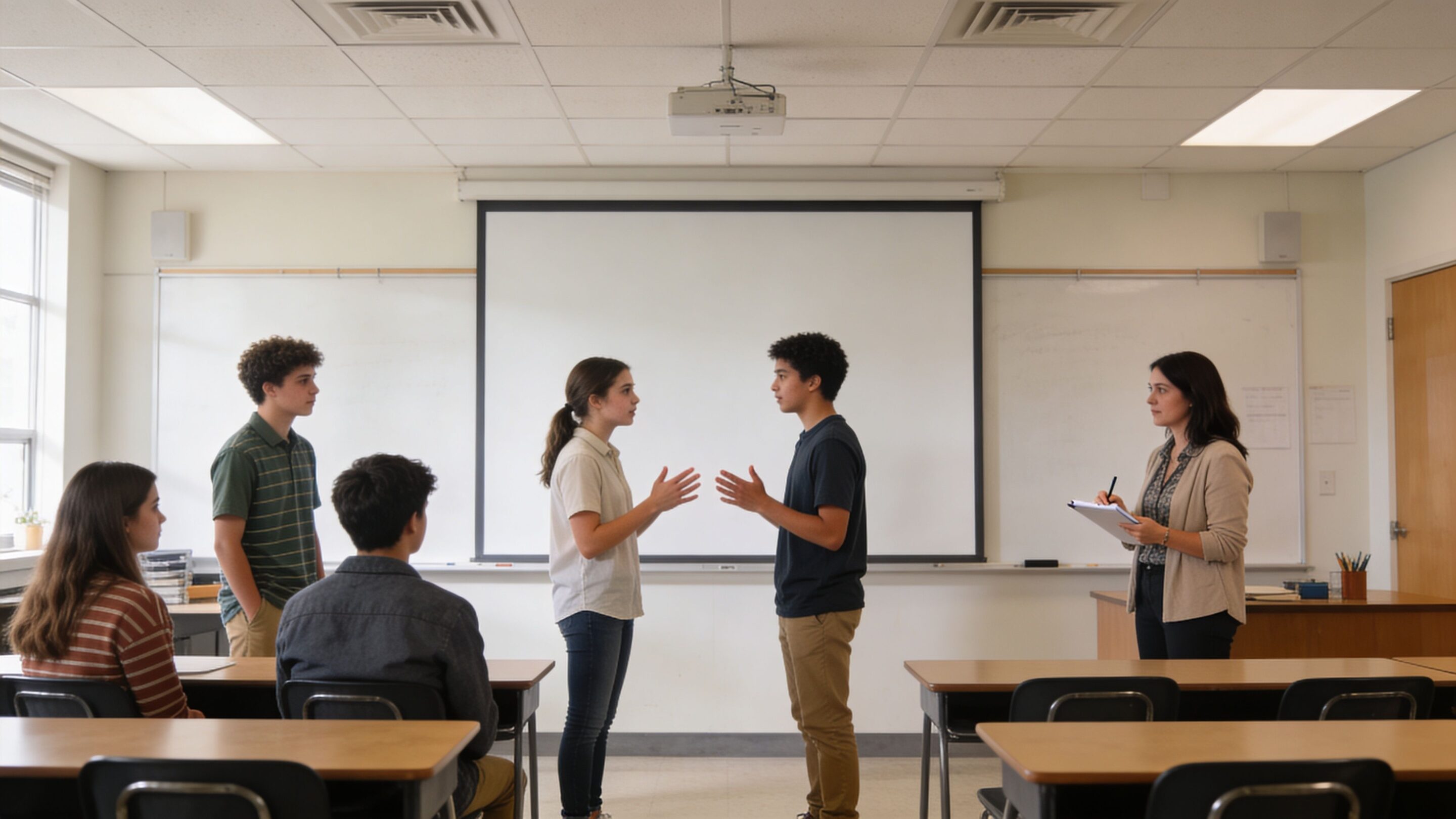
Two students storm in from recess, each talking over the other, each sure they were wronged. The teacher has twenty other children waiting, a lesson to start, and about thirty seconds to decide what happens next. Peer mediation gives schools a middle path between ignoring the conflict and turning every disagreement into an adult-run event.
At its best, peer mediation works like a student version of a good traffic signal. It slows the moment down, creates turns, and helps everyone move more safely. Trained student mediators do not hand out punishments or decide who is telling the truth. They guide a process so classmates can listen, name what happened, and agree on a repair step they can both carry out.
This approach is especially useful for recurring peer conflicts such as exclusion at recess, arguments over shared materials, teasing, friendship strain, and misunderstandings that grow because no one pauses to check the facts. In Soul Shoppe’s 20-plus years of working with schools, we’ve seen that students often accept peer support more readily when the process is clear, supervised, and practiced. It sends a powerful message. Problem-solving belongs to the whole community.
How it looks in practice
A fourth grader and a fifth grader are stuck in a kickball argument. Both want an adult to declare a winner. A trained mediator brings them to a quiet spot and starts with one simple norm:
“One person talks at a time. First, tell what happened from your point of view. Then your classmate gets a turn.”
From there, the mediator might ask, “What part felt unfair?” “What did you want to happen instead?” and “What is one step that would help fix this today?” Those questions shift the conversation from proving a case to solving a problem. For many students, that is the moment the temperature drops.
Peer mediation works best as part of a larger school system. Students need to know which conflicts fit mediation, how to request it, when an adult steps in, and what happens after an agreement is made. Schools often pair mediation with class agreements and follow-up reflection. If you want the repair side of this work to feel stronger, Soul Shoppe shares related practices in its guide to restorative circles in schools and in its guide to conflict resolution for schools.
K-8 differentiation
K-2: Keep it short and adult-supported. Use picture cards for feelings, sentence frames such as “I felt ___ when ___,” and one concrete repair choice.
3-5: Train student mediators to paraphrase, check for understanding, and help peers agree on one next step they can do the same day.
6-8: Add confidentiality guidelines, note-taking, and practice with more layered conflicts such as rumors, shifting friend groups, and online issues that spill into school.
A simple SEL script for training mediators
Start with language students can remember:
“Tell me what happened from your side.”
“What were you feeling at the time?”
“What did you need or want?”
“Now let’s hear the other person.”
“What is one fair step you both agree to next?”
For younger students, shorten it even more. For older students, add, “Can you repeat what you heard before you respond?” That one move often prevents the conversation from sliding back into debate.
Reflection prompts for staff and student mediators
Which conflicts should go to mediation, and which need immediate adult support?
Do students see mediation as fair, private, and helpful?
Are agreements specific enough to follow through on?
What support do mediators need after a tough case?
Peer mediation is one strategy in this larger toolkit. It builds student voice, shared responsibility, and everyday repair skills that support a more peaceful school culture.
2. Restorative Practices, Circles, Community Conferences, and Classroom Practices
It is 10:15 on a Tuesday. Two students are glaring at each other after a recess argument, the rest of the class is watching, and instruction has stalled. In that moment, a consequence alone rarely repairs the room. Students also need a process that helps them name impact, hear one another, and make a clear plan to put things right.
That is the role of restorative practices. They give schools a repeatable way to handle conflict before it grows, during the hard moment, and after harm has happened. A weekly circle, a short partner check-in, and a formal community conference are all part of the same system. The goal is not only to respond to problems. The goal is to teach students how a healthy community repairs strain.
Restorative work shifts the questions adults ask. Instead of focusing only on rule-breaking, teachers guide students to consider who was affected, what each person experienced, and what repair now looks like. That change matters because accountability becomes concrete. Students are not just receiving a consequence. They are practicing responsibility.
A classroom circle works like a homeroom meeting with more structure and more intention. The format is simple, but the routine does a lot of heavy lifting over time. It builds listening stamina, emotional vocabulary, and trust before students need those skills in a tense conversation. Soul Shoppe shares practical examples of restorative circles in schools that teachers can adapt across grade levels.
A simple classroom circle
Try this in a grade 2 classroom after repeated line-cutting conflicts:
Opening prompt: “What helps you feel respected in a line?”
Middle prompt: “What happens in your body when someone cuts in front of you?”
Repair prompt: “What can our class agree to do next time?”
For older students, the structure can widen into a community conference. That might include the student who caused harm, the student affected, a staff member, and a caregiver. The adult’s job is to keep the conversation steady and specific so it stays on impact, responsibility, and repair rather than blame or debate.
Start with low-stakes circles first. Students need practice with turn-taking and honest sharing before they can use circles well during conflict.
A helpful way to picture the progression is this: circles build the classroom soil, and conferences address the specific damage. If the soil is dry, the repair conversation has very little to grow in. That is why schools with strong restorative practice do not treat circles as a one-time activity. They use them as a routine that supports safety, belonging, and honest problem-solving.
Research and practice summaries from the International Institute for Restorative Practices describe stronger relationships and healthier school climate as common outcomes of well-implemented restorative approaches. In Soul Shoppe’s work with schools over more than 20 years, the pattern is familiar. Students are more willing to repair harm when adults have already taught the structure, modeled calm language, and protected everyone’s dignity during the process.
3. Role-Playing and Perspective-Taking Scenarios
Students need rehearsal before real-life conflict shows up. Role-play gives them that rehearsal. It lets them try language, make mistakes, and build confidence while the stakes are low.
A useful role-play isn’t dramatic for drama’s sake. It’s familiar. Two students want the same marker set. One student feels left out of a game. A lab partner takes over the whole assignment. Those are the conflicts kids recognize.
A role-play format that works
Use three roles:
Student A
Student B
Coach or observer
Give the observer a job. They listen for one thing, such as interrupting, blaming language, or whether each student offered a solution. That makes the debrief much sharper.
Try these sentence starters:
“When that happened, I felt…”
“What I needed was…”
“Next time, could we…?”
“Let me say back what I heard.”
In primary grades, use puppets, stuffed animals, or character cards. In upper elementary and middle school, ask students to switch roles halfway through so they must argue the other person’s side. That’s where empathy often clicks.
Here’s a classroom video you can use as a discussion starter before students practice.
Reflection prompts
After each role-play, ask:
What words helped lower the heat?
Where did the conflict get worse?
What would you try differently in a real situation?
This kind of practice is especially promising in digital and gamified environments too. Analysis of 16,597 players in the FLIGBY serious game found improvements in conflict recognition, decision-making, and self-awareness through simulated scenarios.
4. Social Emotional Learning Curriculum Integration
A familiar classroom moment. Two students argue over materials during science. The teacher helps them settle it, but by lunch the same pattern shows up again with different students, different words, same stuck cycle.
That is why conflict resolution grows faster when it lives inside the school day instead of sitting in a once-a-month lesson. Students need repeated practice, in real contexts, with the same language showing up across classrooms, recess, advisory, and family communication. Over time, those skills start to work like a shared map. Children know where to go when feelings rise.
Integrated SEL gives students more than a reminder to “be nice” or “use your words.” It teaches the building blocks underneath conflict. Naming feelings. Noticing body signals. Listening for the other person’s perspective. Asking for what you need without blame. Repairing harm after a hard moment.
What integration can look like across the day
In kindergarten, that might mean using picture cards for words like “frustrated,” “left out,” and “proud” during morning meeting, then returning to those same words during play-based conflicts.
In grades 3 to 5, a teacher might pause a group project and ask, “What skill would help this group right now. Taking turns, listening, compromise, or repair?” Students begin to connect the lesson to the moment, which is where transfer happens.
In middle school, advisory can become a steady practice space for friendship conflict, digital communication, boundary setting, and problem-solving scripts. The key is repetition with adult modeling, not a single polished lesson.
Programs such as Second Step, PATHS, and Responsive Classroom are often used this way. What matters most is that the adults share language, protect time for practice, and reinforce the same skills outside the SEL block. Soul Shoppe has seen this pattern across more than 20 years of building connected and safe school communities. Students use conflict tools more consistently when the whole campus treats SEL as part of how school works, not an extra program on the side.
Practical rule: If adults are not using the same phrases students are learning, students usually stop using them under stress.
A simple planning test can help. Ask, “Where will students learn this skill, where will they practice it, and where will they use it during a real problem?” If a school can answer all three, integration is taking root.
For schools comparing approaches, Soul Shoppe shares helpful implementation questions in its guide to social-emotional learning programs for schools. Research summarized by CASEL on schoolwide SEL points to stronger student relationships, better emotion management, and improved academic engagement when these skills are taught intentionally and reinforced across the school environment.
5. Conflict Resolution Think-Pair-Share and Discussion Protocols
Not every student is ready to process conflict out loud in front of a class. Think-pair-share gives them time to collect their thoughts first. That pause alone can prevent shutdown or escalation.
This strategy is simple. Students think privately, talk with one partner, then share with a larger group if they’re ready. Because the first step is quiet reflection, more students can participate thoughtfully.
Try this with a real conflict theme
Prompt: “Two students both think the other one was rude during partner work. What could each student say to start repairing the problem?”
Give students one minute to write or draw. Then ask them to turn to a partner and compare ideas. Finally, invite a few responses to the group and chart the language that sounds respectful and clear.
Useful protocols include:
Talking piece circles for equal turns
Fishbowl discussions where one group models while another observes
Dialogue rounds with one question and no interruptions
This works well after recess incidents, before group projects, or after reading a story with a conflict scene. It also helps multilingual learners and quieter students because they get rehearsal time.
Helpful prompts by age
K-2: “What can you say if someone grabs your crayon?”
3-5: “How can you disagree without being mean?”
6-8: “What’s the difference between honesty and public embarrassment?”
The teacher’s role is to model curiosity instead of rushing to a verdict. If a child says, “I’d tell them they’re selfish,” you can ask, “What message do you want them to hear, and what wording would make that more likely?”
6. Cooperative Learning and Team-Building Activities
A group project starts. One student grabs the markers, another goes quiet, a third complains that they always do all the work, and the fourth checks out before the task really begins. By the time the disagreement shows up out loud, the conflict has usually been building for several minutes. Sometimes for several weeks.
That is why cooperative learning matters in a conflict resolution toolkit. It gives students practice with shared responsibility, turn-taking, and repair during low-stakes tasks, so they have something to stand on when real tension shows up. In Soul Shoppe’s 20+ years of work with schools, we have seen this pattern again and again. Students handle conflict better when adults teach collaboration as a skill, not as a hope.
A team task works like a practice field. If the structure is loose, stronger personalities can take over and quieter students can disappear. If the structure is clear, students get repeated chances to use conflict resolution moves in real time.
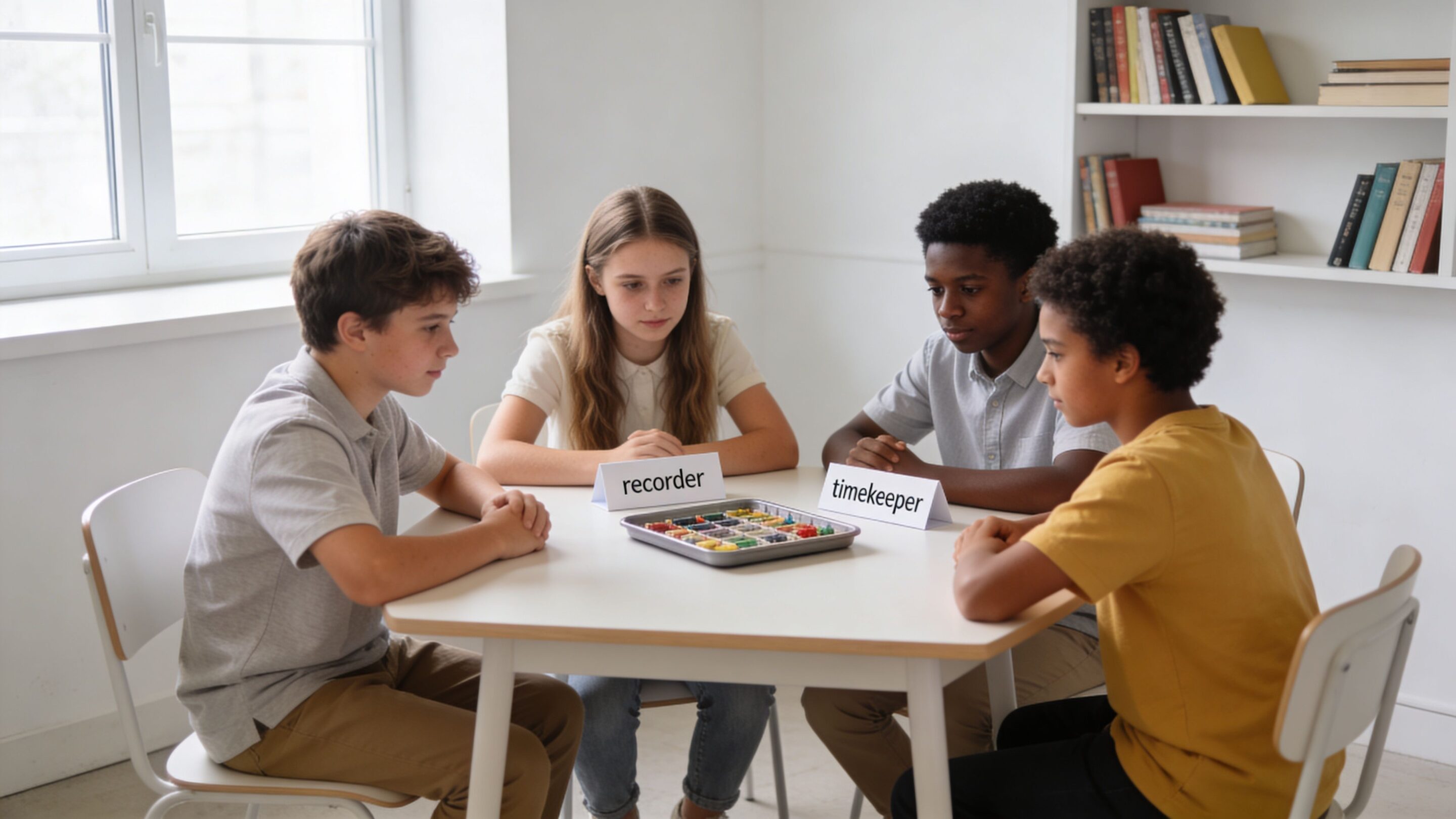
Start with roles that rotate:
facilitator
recorder
materials manager
timekeeper
inclusion checker
That last role often makes the biggest difference. The inclusion checker watches for who has spoken, who has been interrupted, and whether the group is making room for every voice.
Try a shared-challenge task
In a fourth grade classroom, give each team a building challenge with limited supplies. One student handles tape. One reads directions. One tracks time. One notices whether every idea gets heard before the group chooses a plan.
Then debrief the process, not just the product. That is where students learn how cooperation works.
Ask:
Who helped the group stay focused when opinions were different?
What did your team do when two ideas competed?
When did someone feel left out or unheard?
What sentence helped your group get back on track?
K-8 differentiation
K-2: Use short partner tasks with clear visuals and one shared material, such as one box of crayons for two students. Teach simple lines like, “My turn next, please,” and, “Let’s do it together.”
3-5: Add rotating jobs and a quick reflection sheet. Students at this age can start noticing patterns like interrupting, blaming, or deciding too fast.
6-8: Use longer group challenges with checkpoints. Older students benefit from naming group dynamics directly, such as social exclusion, sarcasm, unequal effort, or leadership struggles.
SEL script educators can use
Try a brief coaching script during group work:
“I’m noticing two strong ideas. Pause first. Let’s hear each one all the way through, then choose a plan together.”
If one student dominates, try: “Your ideas matter. Your job now is to make space for someone else’s idea too.”
If a student withdraws, try: “I want to make sure your voice is in the group. Do you want to share with a partner first, then bring your idea to the team?”
These prompts help students experience conflict as something they can handle, not something adults always have to fix for them.
Research on cooperative learning has found that well-structured group work can support stronger peer relationships and more positive academic and social outcomes, especially when students depend on one another to succeed. A helpful summary appears through the Education Endowment Foundation’s guidance on collaborative learning approaches. For playful practice beyond the classroom, some families and educators also use cooperative board games.
A simple reflection closes the loop: “How did we treat each other while we worked?” That question turns one activity into a repeatable strategy, which is exactly what helps a classroom grow from isolated conflict lessons into a steady culture of peace.
7. Mindfulness and Self-Regulation Practices
Some students know exactly what they should say in a conflict, but they can’t access that skill when they’re flooded. Their heart is racing, their jaw is tight, and their brain is locked on defense. Self-regulation practices help bridge that gap.
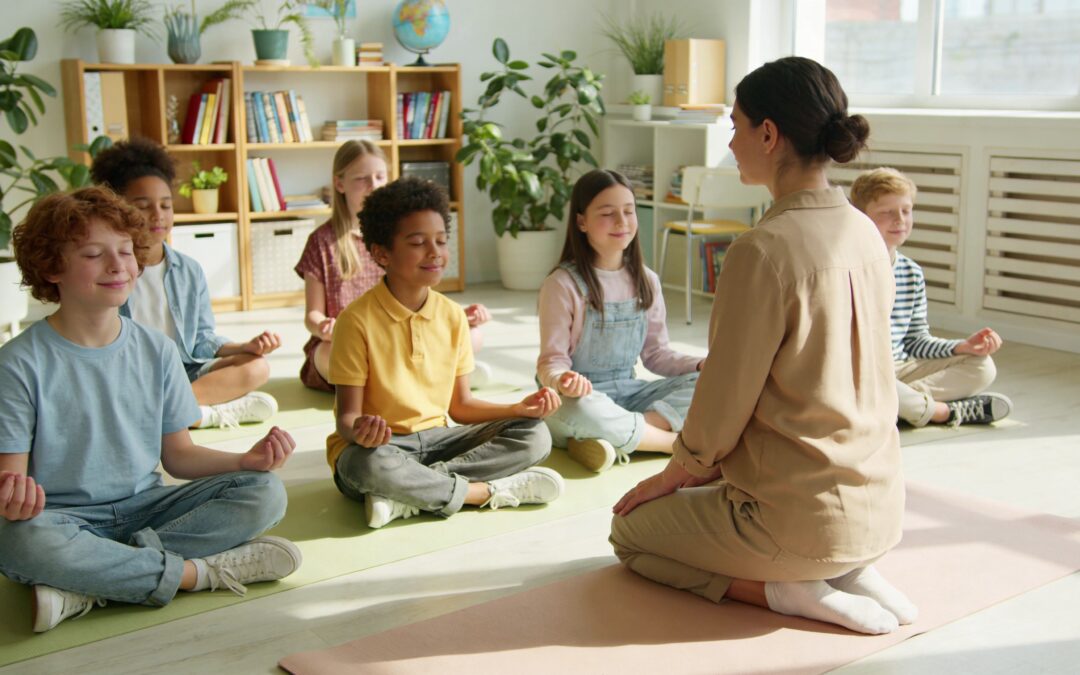
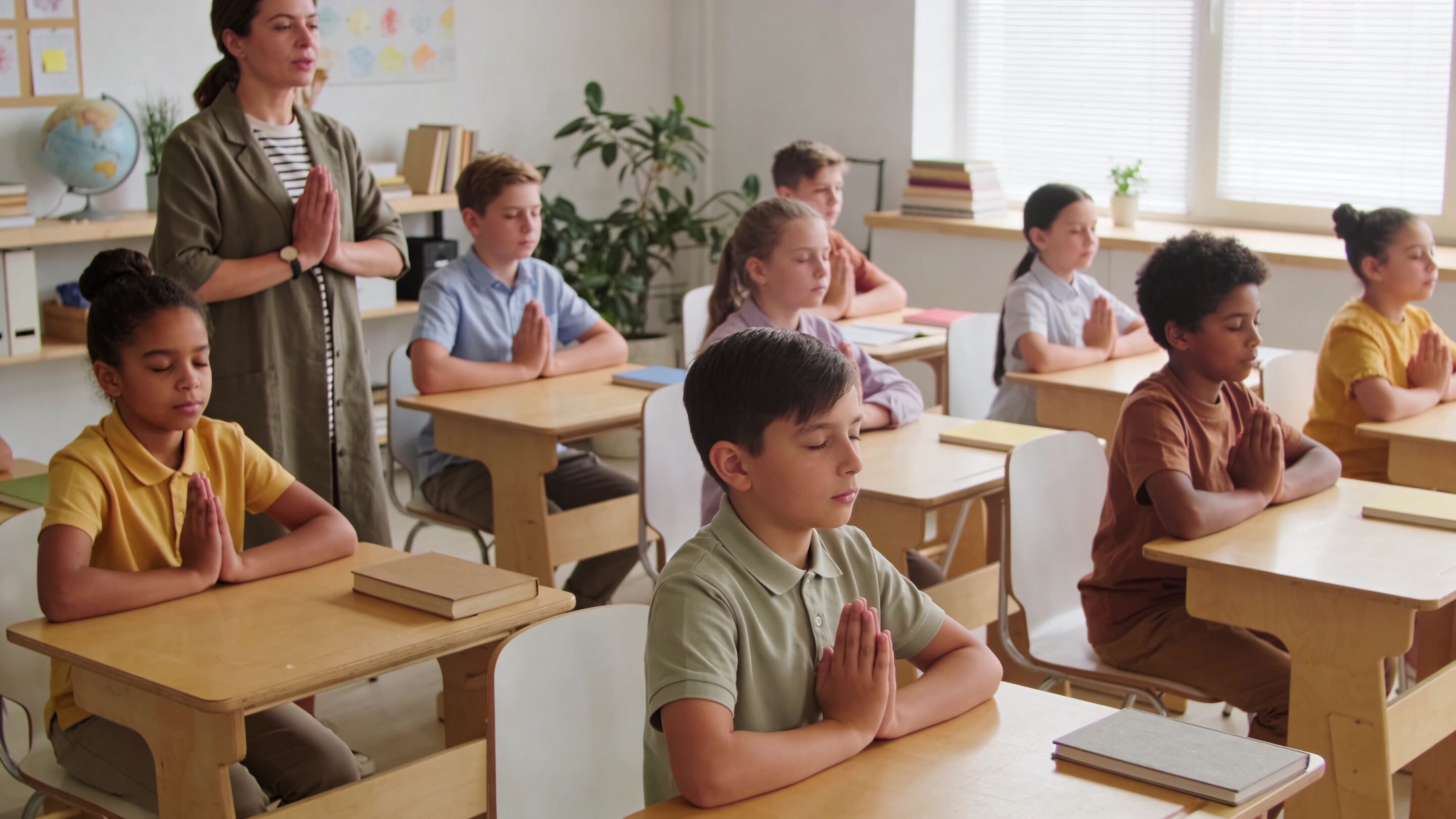
Mindfulness in schools doesn’t have to mean long silent meditation. It can be brief, concrete, and child-friendly. A breathing pattern. A body check. A hand on the heart. A “notice five things” reset before a hard conversation.
Use it before, during, and after conflict
Try this sequence:
Before conflict practice: “Take one slow breath and relax your shoulders.”
During conflict: “Pause. Name what you’re feeling before you answer.”
After conflict: “What is your body telling you now?”
For younger students, use visuals like “smell the flower, blow out the candle.” For older students, teach a private reset they can use without drawing attention to themselves, such as pressing their feet into the floor and counting breaths.
A child who can pause has a much better chance of listening.
Ask students, “What’s your early warning sign that you need a reset?” Common answers include hot cheeks, clenched fists, fast talking, or wanting to walk away. That awareness is a conflict resolution skill.
8. Nonviolent Communication and Feelings and Needs Vocabulary
Many students are fluent in blame. “You’re rude.” “You never let me play.” “He did it on purpose.” They need help turning those reactions into language another person can hear.
Nonviolent Communication offers a useful frame. Students learn to separate what happened from the story they’re telling about it. Then they identify a feeling, connect it to a need, and make a clear request.
A student-friendly formula
Try:
When…
I felt…
Because I needed…
Next time, I’d like…
Example: “When you laughed while I was reading, I felt embarrassed because I needed respect. Next time, I’d like you to wait until I finish.”
That’s very different from, “You always make fun of me.”
For younger children, shorten it: “When you took my block, I felt mad. I want a turn.”
Post a feelings chart, but don’t stop there. Students also need needs words: fairness, space, help, inclusion, calm, choice, respect, clarity. Once kids can name what they need, they’re more likely to problem-solve instead of attack.
A helpful routine is to model this language as adults:
“I’m feeling scattered. I need everyone’s eyes for one minute.”
“I felt concerned when voices got louder. We need a reset so everyone feels safe.”
When adults use the script naturally, students trust it more.
9. Empathy-Building Activities and Perspective-Taking Exercises
Students don’t resolve conflict well if they can’t imagine another person’s inner world. Empathy-building activities help them move past “I’m right” and toward “I can see how that felt for you.”
This can start with literature, art, and storytelling. You don’t always need to begin with a live conflict. Sometimes the safest entry point is a character in a book, a historical figure, or a classroom scenario that feels one step removed.
Strong empathy practices
Try these:
Character hot seat: One student speaks as a book character and answers classmates’ questions about motives and feelings.
Identity circles: Students reflect on parts of who they are, such as family role, language, hobbies, or traditions, and discuss what helps them feel respected.
Two-side journaling: Students write one paragraph from each person’s point of view in a conflict.
A third grader might read a story about exclusion and discuss how each character felt. A seventh grader might examine a rumor scenario and write from the perspective of the person who spread it, the person harmed, and the bystander.
The most important safeguard is choice. Students should never be pushed to disclose something personal in the name of empathy work.
“Use stories first, then invite personal connection if students want it.”
Reflection prompts
Ask:
What might this person have needed?
What did they possibly misunderstand?
What would help them feel dignity in the repair?
These questions train students to look below surface behavior, which often softens conflict before it hardens.
10. Problem-Solving and Decision-Making Frameworks
Two students are stuck. One says, “That was my idea.” The other says, “You never listen to me.” At that moment, they usually do not need a lecture. They need a process they can hold onto.
That is what a problem-solving framework gives them. It works like a trail map in the woods. Students may still feel upset, but they can see the next step instead of getting lost in the feeling.
Across Soul Shoppe’s 20+ years of helping schools build safer, more connected communities, one pattern shows up again and again. Students are more likely to use peaceful conflict skills when the adults teach one shared process, practice it often, and use it consistently across settings.
A school-friendly framework students can remember
The letters matter less than the routine. Your school might use STOP, PAUSE, or a teacher-created chart. What matters is that students hear the same sequence in the classroom, on the playground, and during problem-solving conversations.
A practical five-step model is:
Name the problem
Identify what each person needs
Brainstorm several possible solutions
Choose one solution and try it
Check back and adjust if needed
This approach adds something distinct to your conflict resolution toolkit. Peer mediation supports student-led repair. Restorative practices rebuild community after harm. Perspective-taking helps students understand each other. A decision-making framework teaches what to do next, especially in the small, everyday moments when students are upset, rushed, or unsure.
How to teach it so students actually use it
Start small. Teach the process during a calm part of the day, not in the middle of a conflict.
For younger students, use pictures, gestures, and repeated sentence frames. A first grade teacher might say, “First, tell me what happened. Next, tell me what you need. Now let’s think of two ways to fix it.” For older students, add written reflection or a quick problem-solving form they complete before a conversation.
Here are sample prompts you can use:
Name the problem: “What is the problem, in one sentence?”
Identify needs: “What do you need right now? What might the other person need?”
Brainstorm solutions: “What are three choices, even if one is not your favorite?”
Choose and try: “Which choice is fair, safe, and realistic?”
Check back: “Did that solution work for both people? If not, what needs to change?”
Students often rush past brainstorming and grab the first idea that feels good to them. That is a common sticking point. Slow them down there. The goal is not just agreement. The goal is a solution that is safe, workable, and respectful.
K-8 differentiation
K-2: Use visuals, puppets, and short oral prompts. Keep choices concrete. “Take turns,” “get a new marker,” or “ask for space.”
3-5: Add simple partner reflection sheets. Ask students to separate facts from feelings. That helps reduce “He always” and “She never” language.
6-8: Introduce trade-offs and consequences. Middle school students can compare options by asking, “What solves the problem now?” and “What prevents the same problem tomorrow?”
A lab dispute, group project disagreement, or recess argument can all use the same structure. That consistency helps the framework stick.
Make the framework part of daily classroom life
Students use what they can see and what adults repeat.
Post it: Keep the steps visible at student eye level.
Practice it: Use low-stakes examples before real conflict happens.
Model it aloud: Let students hear adults solve classroom problems with the same language.
Use portable tools: Desk cards, notebooks, and small cue cards help students remember the steps independently.
Reflect after use: Ask, “Which step helped most?” or “Which step was hardest?”
A good framework does not remove conflict. It gives students a repeatable way to handle it with more clarity, more responsibility, and more chance of repair.
Reflection prompts
Use questions like these after students try the process:
Which step felt easiest for you?
Where did you get stuck?
Did your solution meet both people’s needs, or only one person’s wants?
What would you do differently next time?
That is how a single activity grows into a schoolwide habit. Students stop relying only on impulse, and start building judgment.
Concrete step-by-step tool students can apply independently
From Activities to a Culture of Resolution
The class has just come in from recess. Two students are still upset about a kickball argument. One is talking over you. The other has shut down completely. A few classmates are watching to see what happens next. In that moment, conflict resolution is not a single activity you pull off the shelf. It is the set of routines, language, and shared expectations that tell students, "We know what to do with hard moments here."
That is the shift from activities to culture.
A strong conflict resolution approach works like a woven fabric. Each thread matters on its own, but its true strength comes from how the threads hold together. Peer mediation gives students leadership roles. Restorative practices create ways to repair harm and rebuild trust. Role-play lets students rehearse before the actual moment arrives. SEL lessons keep skills in daily use instead of limiting them to one advisory block. Discussion protocols, team tasks, regulation tools, feelings-and-needs language, empathy practice, and problem-solving steps all support the same goal. Students learn that conflict is a normal part of community life, and that there are clear, respectful ways to handle it.
That broader view is the unique value of this guide. These ten entries are not random ideas to try once and forget. They are ten connected strategies that reach from individual skill-building to schoolwide systems. Each one can become a mini playbook for your staff, with K-8 adjustments, simple SEL scripts, and reflection prompts that help students practice, reflect, and try again.
Start small, but start on purpose.
If students tend to react quickly, begin with self-regulation and a few shared sentence stems. If classroom tension grows during partner or group work, focus on cooperative structures and brief repair routines. If your school is ready to build stronger systems, peer mediation or restorative circles can give students and adults a common process across settings. In our experience at Soul Shoppe, schools make the most lasting progress when adults choose a manageable starting point and repeat it often enough that students can use the skill under stress, not only during a calm lesson.
This work supports more than behavior. Research summarized by the Collaborative for Academic, Social, and Emotional Learning (CASEL) connects SEL implementation with stronger relationships, more positive school experiences, and better conditions for learning. You can review that body of work through CASEL’s research overview. For educators, the practical takeaway is simple. When students have tools for handling conflict, classrooms spend less time stuck in repeated social injuries and more time returning to learning.
School culture changes when adults use the same habits in small, ordinary moments. A teacher prompts a student to restate a concern respectfully. A recess aide guides a quick repair conversation instead of handing out blame. A principal opens a meeting with a check-in circle so staff experience the same kind of belonging they want students to feel. These moments may look small, but together they set the norm. Conflict has a process. Repair is expected. Relationships matter here.
Students need visible supports for that process. Post sentence stems. Keep reflection questions short enough to use in real time. Model what an apology sounds like when it includes both accountability and a plan. Notice the student who takes a breath before responding, the pair that solves a disagreement with words, or the group that pauses to include a classmate who feels left out. Those are signs that a culture is taking root.
At Soul Shoppe, we have seen for more than 20 years that schools feel different when students and adults share practical tools for self-regulation, communication, empathy, and repair. Hallways grow calmer. Recess becomes more inclusive. Teachers recover instructional time because fewer conflicts spiral into long cycles. Soul Shoppe is one option schools use when they want experiential support through workshops, assemblies, coaching, and related SEL resources.
The deeper goal is not perfect behavior. It is helping children build confidence, belonging, and the ability to repair relationships after something goes wrong. Conflict is a little like friction in a classroom community. Left alone, it can create heat and damage. Guided well, it can become the pressure that helps students build social strength. That is the heart of conflict resolution strategies. It is also the heart of a school community where people feel safe enough to learn and brave enough to make things right.
If you want support bringing these practices to life across classrooms, recess spaces, and family partnerships, explore Soul Shoppe. Their programs and resources focus on helping school communities build connection, safety, empathy, and practical conflict resolution skills that students can apply.
By the time many students walk into class, their nervous systems are already busy. One child is still upset about the rushed morning at home. Another is replaying a conflict from recess. A third looks calm on the outside but can’t settle enough to start independent work. Teachers and parents feel this too. You can see it in the fidgeting, the blurting, the shutdowns, and the tears that seem to come out of nowhere.
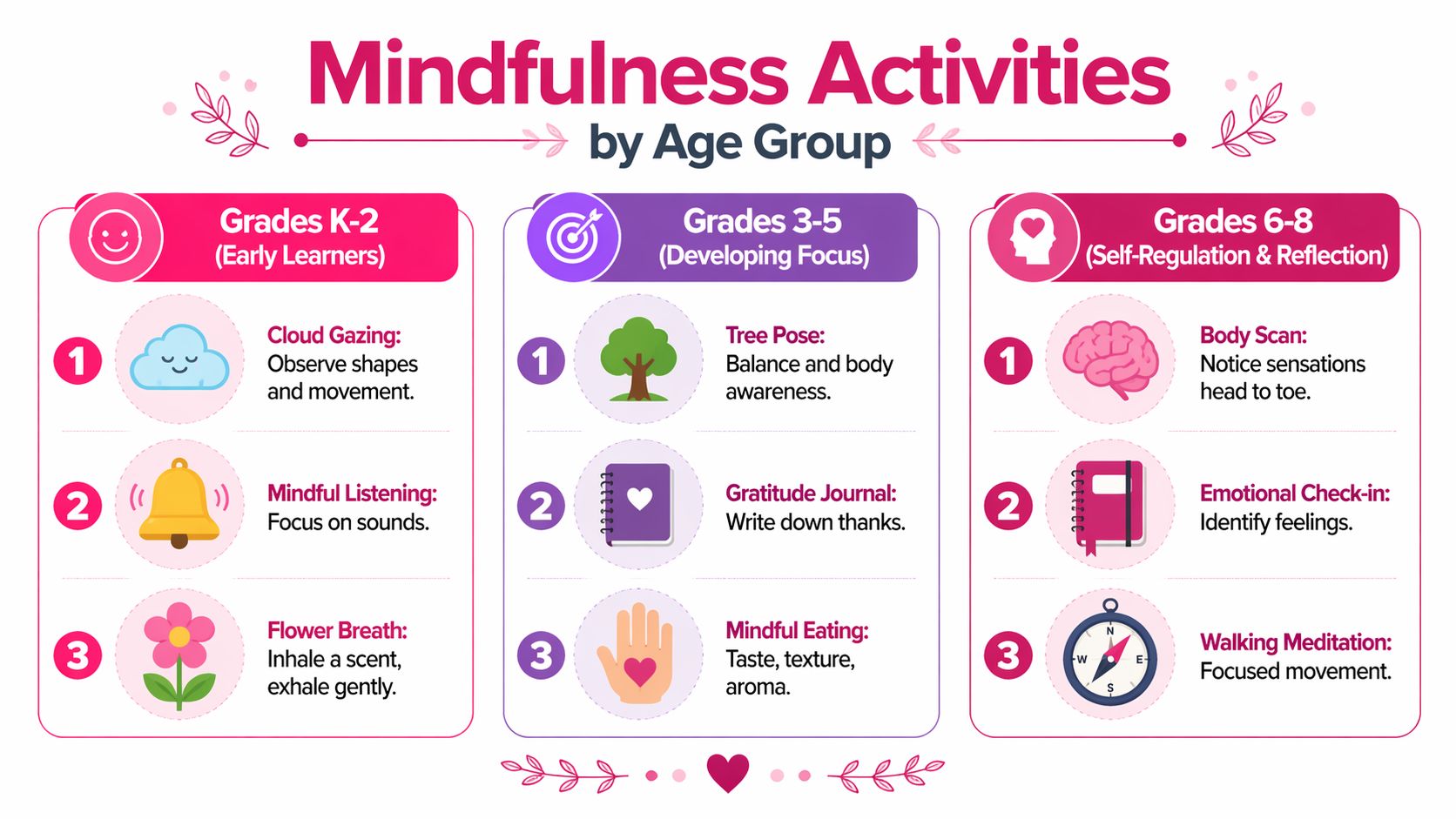
That’s why mindfulness for students matters so much right now. In K-8 settings, mindfulness isn’t about making kids sit perfectly still or turning school into a silent retreat. It’s about teaching children how to notice what’s happening inside them, slow down enough to choose a response, and return to the moment in front of them.
When adults use the same language and simple routines at school and at home, kids learn faster. They stop hearing self-regulation as one more rule and start experiencing it as a tool they can use.
Why Mindfulness Is Essential for Today's K-8 Students
A student snaps when a classmate bumps their chair. Another stares at the math page and says, “I can’t do this,” before trying. These moments are easy to label as behavior problems or lack of effort. Often, they’re signs that a child’s stress response is running the show.
Mindfulness gives students a way back. It helps them notice, “My body feels tight,” or “My thoughts are racing,” before those feelings spill into the room. That pause matters in every grade level. A kindergartener may need it before circle time. A fifth grader may need it before a quiz. A seventh grader may need it after a text message from a friend changes their whole mood.
What mindfulness looks like in real school life
In plain language, mindfulness means paying attention on purpose to what’s happening right now. For students, that can be as simple as:
Noticing the breath before answering when frustrated
Feeling both feet on the floor during transitions
Listening for one sound at a time to settle a busy mind
Naming an emotion instead of acting it out
These aren’t extras. They support the basic conditions children need in order to learn. When students can settle their bodies and identify their feelings, they’re more available for instruction, peer interaction, and problem-solving.
A useful classroom mindset is this: behavior is communication, and mindfulness helps students read the message before it gets louder.
What the research tells us
A landmark MIT study of sixth-graders found that an eight-week mindfulness program reduced students’ self-reported stress and decreased activation in the amygdala, a brain region involved in fear and emotional processing. The same body of work also linked higher mindfulness with better grades, fewer absences, and reduced suspensions in students, as described in the MIT McGovern Institute summary of mindfulness benefits for middle school students.
That matters because schools don’t need one more trend. They need practices that help children feel safe enough to learn, connect, and recover after hard moments.
Practical rule: If a strategy helps a student get calm, focused, and connected in under two minutes, it belongs in your daily toolkit.
Many educators already use pieces of mindfulness without calling it that. A quiet breathing reset before a lesson. A check-in circle after recess. A pause before conflict repair. If you want more examples of how this fits naturally into teaching, this piece on mindfulness in the classroom offers a helpful starting point.
Creating a Mindful Classroom Culture with Daily Routines
Mindfulness works best when it’s ordinary. Not rare. Not saved for a rough day. Not pulled out only after the room has already tipped into chaos.
Kids regulate better when the rhythm is predictable. A short routine at the start of the day, another during transitions, and a third before a demanding task can change the feel of a classroom without taking much time.
Why short routines matter more than long lessons
A common misunderstanding is that mindfulness has to be long to be effective. In schools, consistency matters more. Neurobiological research summarized by MIT shows that sustained mindfulness practice, even for a few minutes daily over eight weeks, can reduce amygdala reactivity to stressful stimuli, supporting better well-being and lower stress in students, as explained in this MIT News overview of student mindfulness and brain function.
That’s why I encourage teachers to think in micro-habits. One minute done daily teaches more than ten minutes done occasionally.
If you’re already using cooperative rituals and connection games, mindfulness can sit right beside them. Many teachers pair these practices with classroom community building activities so regulation and belonging grow together.
Routine one, the Mindful Morning Minute
This works well as students arrive or right after attendance.
Teacher script
“Put both feet on the floor.”
“Let your hands rest on your desk or in your lap.”
“Take one slow breath in.”
“Breathe out even slower.”
“Notice one sound you can hear.”
“Notice how your body feels right now.”
“Choose one word for how you’re arriving today.”
Why it helps
Students begin the day by locating themselves in their bodies, not just in the schedule. It gives the class a shared starting place. You’ll often notice fewer scattered starts and fewer emotional surprises in the first lesson.
Variation for younger students
Use visual prompts: “Feel your shoes. Notice your belly. Listen for the farthest sound.”
Routine two, Belly Breathing Transitions
This routine is useful after recess, before tests, and anytime energy is jagged.
Tell students to place one hand on the belly and one on the chest. Ask them to breathe in so the belly hand moves first, then breathe out slowly like they’re fogging a window.
Try this script:
Breath one: “We’re leaving the last activity.”
Breath two: “We’re arriving here.”
Breath three: “Our brains and bodies are getting ready.”
This can take less than a minute. What matters is the cue. Over time, students begin to associate the breathing pattern with shifting gears.
For children who don’t like hands on their bodies, offer options. They can watch a paper square rise and fall on the desk, trace a finger up and down the other hand, or count the breaths to themselves.
Routine three, Silent 60
Older students often resist anything that feels babyish. They usually respond better to a straightforward challenge.
Invite the class to try sixty seconds of stillness. No one has to close their eyes. They sit, soften their gaze, and notice what comes up without talking.
You can say:
“Your job isn’t to have an empty mind. Your job is to notice when your mind wanders and come back.”
Afterward, ask two brief reflection questions:
What helped you stay present?
What distracted you?
This builds self-awareness without turning the moment into a lecture.
A short guided practice can help introduce the routine before students try it independently:
How to make routines stick
A mindfulness routine fails when it feels optional, random, or disconnected from the day. It succeeds when students know exactly when it will happen and what it sounds like.
Use this quick implementation checklist:
Routine element
What it looks like in practice
Predictable timing
Same moment each day, such as arrival, post-recess, or pre-writing
A Practical Toolkit of Age-Specific Mindfulness Activities
The best mindfulness activities match children’s development. A first grader usually needs movement, images, and sensory anchors. A fourth grader can handle reflection if it stays concrete. A middle schooler wants privacy, relevance, and choice.
Grades K-2 and playful sensory practice
Young children learn mindfulness best when it feels like noticing, pretending, and moving.
Listen to the bell
Materials: A chime, bell, or soft tone on a device.
How to do it
Ring the bell once.
Ask students to raise a quiet hand when they can’t hear it anymore.
After the sound ends, invite them to notice one other sound in the room.
Teacher script
“Let your ears do the work. We’re listening all the way until the sound disappears.”
Expected outcome
This activity strengthens attention and helps children practice waiting without rushing. It’s especially useful before read-aloud or whole-group instruction.
Flower breath and candle breath
This classic works because it gives breathing a story.
How to do it
Hold one hand like a flower.
Pretend to smell the flower with a slow inhale.
Hold up one finger like a candle.
Blow out the candle with a long gentle exhale.
Teacher script
“Smell the flower. Blow out the candle. Slow and soft.”
Expected outcome
Children begin to lengthen the exhale without needing a technical explanation. That longer exhale often helps the body settle.
Spider-Man senses
You can rename this for any classroom theme, but students love the idea of using “super senses.”
Ask them to notice:
5 things they can see
4 things they can feel
3 things they can hear
2 things they can smell
1 thing they can taste
Use fewer steps for kindergarten if needed.
“When a child is flooded, don’t start with a long conversation. Start with the senses.”
This is one of my favorite reset tools after noisy transitions because it grounds children in the immediate environment.
Grades 3-5 and naming what’s happening inside
Upper elementary students are ready for a little more language. They can connect body cues, emotions, and choices if the activity stays concrete.
The weather report
Students describe their inner world like weather. This gives distance from the feeling without denying it.
How to do it
Ask, “What’s your weather inside right now?”
Let students respond with words like sunny, foggy, stormy, windy, or mixed.
Ask, “What do you need for today’s weather?”
Teacher script
“You are not the weather. You are the sky noticing the weather.”
Some students will say, “I’m stormy because I argued with my friend.” Another might say, “I’m foggy because I’m tired.” Once they name it, they can choose support.
Expected outcome
Students build emotional vocabulary and self-awareness. Teachers also get quick data without asking students to disclose more than they want to.
Heartbeat check
This works well after movement or before returning to seats.
How to do it
Have students put a hand on the chest or wrist.
Ask them to notice their heartbeat for a few moments.
Then invite three slow breaths.
Ask, “Did anything change?”
Teacher script
“Your body gives you information all day. Right now we’re listening.”
Expected outcome
Students learn that feelings and energy shifts show up physically. That awareness supports self-regulation later in conflict or frustration.
Mindful eating
Use a raisin, cracker, orange slice, or any simple snack allowed in your setting.
How to do it
Look at the food before eating it.
Notice texture, color, and smell.
Take one small bite.
Chew slowly and pay attention to taste and texture.
Teacher script
“We’re not eating fast. We’re investigating with our senses.”
This activity is memorable because it makes attention visible. It also helps students understand that mindfulness isn’t limited to breathing.
If you want a larger bank of ideas for this age group, this collection of mindfulness activities for kids can support planning across settings.
Grades 6-8 and reflection with choice
Middle school students need practices that respect their growing independence. They’ll engage more if you normalize wandering minds, offer options, and avoid forced sharing.
Thought traffic
Students notice thoughts like cars passing by. They don’t chase each one.
How to do it
Ask students to sit comfortably and look at a spot on the floor or desk.
Invite them to notice each thought that pops up.
Instead of judging it, they mentally label it: planning, worry, memory, annoyance, random.
After a minute or two, they return attention to the breath or the feeling of their feet on the floor.
Teacher script
“You don’t have to stop the traffic. Just notice what kind of thought is passing.”
Expected outcome
Students learn that thoughts are events in the mind, not commands. This is powerful for anxiety, social stress, and test pressure.
Mindful walking
This is ideal for students who resist seated practices.
How to do it
Clear a simple path in the room or hallway.
Ask students to walk slowly.
They notice heel, foot, toe.
Then they notice the shift of weight.
Then they notice the urge to speed up.
Teacher script
“Walk like your feet are teaching your brain how to slow down.”
Expected outcome
Students practice attention through movement. It’s often effective after lunch or before advisory conversations.
Two-line journal check-in
Some students will write more, but keep the baseline small.
Prompts:
“Right now my mind is…”
“One thing I need today is…”
Or:
“A thought I keep having is…”
“One way I can support myself is…”
Teacher script
“This isn’t graded. It’s a private reset.”
Expected outcome
Students organize internal noise into language. That alone can reduce escalation and increase readiness to participate.
A quick age-level comparison
Age group
Best entry point
What to avoid
Strong fit
K-2
Senses, pretend play, movement
Long lectures
Bell listening, flower breath
3-5
Concrete reflection, body cues
Abstract language without examples
Weather report, mindful eating
6-8
Choice, privacy, relevance
Forced vulnerability
Thought traffic, journaling, walking
One note matters across all ages. Some children don’t want to close their eyes, sit still, or focus inward for long. That’s okay. Offer soft eyes, drawing, standing, or object focus instead. Mindfulness should feel supportive, not controlling.
Designing a Mindfulness Lesson Plan and Pacing Guide
A strong mindfulness program has sequence. Students do better when the skills build in an order that makes sense. First they notice the body. Then they notice the breath. Then they notice feelings, thoughts, and choices in relationships.
A helpful principle from the research is fidelity. A systematic review of 77 school-based mindfulness interventions found the strongest evidence in programs with better implementation conditions, including longer duration, trained facilitators, and strong attendance. The same review noted that after a 5-week program, teachers rated significant improvements in attention span and self-control, as summarized in this review of school-based mindfulness interventions in PMC.
A sample four-week pacing guide
This shorter pacing guide can work as a launch plan. If your school continues beyond four weeks, repeat and deepen each layer rather than racing ahead.
Week
Focus
Sample activities
Student goal
Week 1
Body awareness
Feet on floor, posture check, bell listening
Notice physical cues
Week 2
Breath and settling
Flower breath, belly breathing, Silent 60
Use breath to reset
Week 3
Feelings and naming
Weather report, emotion check-in, journal prompts
Name internal experience
Week 4
Relationships and response
Mindful listening pairs, pause before speaking, repair reflection
Choose a response with awareness
What each lesson needs
Teachers often over-plan mindfulness. Keep the structure lean.
A reliable lesson can have four parts:
Arrival practice Thirty seconds to two minutes. Students settle into the space.
Mini-teaching One simple idea, such as “Feelings show up in the body” or “A pause helps the brain make choices.”
Active practice One guided activity with teacher modeling.
Reflection A quick share, drawing, or sentence stem.
That same frame works in classrooms, counseling groups, after-school programs, and family workshops.
Keep it teachable: If students can explain the practice in one sentence, you’ve probably hit the right level.
Pacing decisions that help, and those that hurt
Mindfulness lessons go off track when adults pack in too many concepts at once or treat the practice like a reward after “real learning.” Students read that message quickly.
What helps instead:
Start small so success comes early
Repeat core practices until students recognize them
Use shared language across adults in the building
Plan for choice for students who need alternatives
Reflect briefly so the routine stays doable
If you want support with the nuts and bolts of making a lesson plan, that resource can help you think through objectives, flow, and pacing in a practical way.
A final note from experience. If your school wants measurable change, don’t hand mindfulness to unprepared staff and hope for the best. Adults need modeling, common language, and time to practice too. Students can tell when a routine is grounded and when it’s performative.
Bridging the Gap Between School and Home
A child who learns to breathe through frustration at school still needs help remembering that skill at home. That’s where many good efforts fall apart. Students hear one set of words in the classroom and another at home, so the tool never becomes part of daily life.
Research points to this gap clearly. A Berkeley Greater Good in Education summary notes that while school-based mindfulness shows promise, families are rarely given specific strategies. It also reports that 93.2% of students are open to continuing mindfulness at home, which makes the lack of parent guidance a real missed opportunity, as described in this Greater Good in Education overview of mindfulness for students.
What parents actually need
Parents usually don’t need a long explanation of the nervous system at 7:15 in the morning. They need a short practice that fits between breakfast, backpacks, and finding one missing shoe.
The most useful home routines are:
Brief
Predictable
Easy to repeat
Shared by adults and children
That’s why I encourage families to attach mindfulness to moments that already happen.
Four low-effort family practices
The one-breath doorway pause
Choose one doorway in the home. Every time family members pass through it during a certain part of the day, they pause for one slow breath.
Examples:
Bedroom door before homework
Front door after school
Bathroom mirror before bedtime
This helps children shift from one environment to another without needing a lecture.
The dinner table mindful bite
Once during dinner, everyone takes one bite in silence and notices taste, texture, and smell. That’s it. No one has to make it fancy.
You can ask:
What did you notice that you usually miss?
Was it crunchy, soft, warm, or cool?
This creates a calm shared moment that doesn’t feel like an assignment.
Gratitude jar
Keep slips of paper and a jar in a visible spot. Family members add one short note whenever they want. At the end of the week, read a few aloud.
Children often write simple things:
“My brother shared with me.”
“I liked when grandma called.”
“I finished something hard.”
The practice builds attention toward connection and positive moments.
Bedtime body scan
At lights-out, guide your child through a brief body check.
Try: “Notice your forehead. Let it soften.” “Notice your shoulders.” “Notice your hands.” “Notice your feet.” “Take one slow breath and let the bed hold you.”
This works especially well for children whose thoughts speed up at night.
One shared language between adults helps
When teachers say, “Take a belly breath,” and parents say the same thing, children learn faster. When school uses “name the feeling” and home uses that same phrase, the child doesn’t have to translate.
For families who want a little more support, one option is Soul Shoppe, which offers school and family-facing SEL resources, including an app, workshops, and written guidance focused on self-regulation, mindfulness, communication, and connection. Parents may also find practical ideas in this article on teaching mindfulness to children.
Home practice doesn’t need to look impressive. It needs to be repeatable.
That’s the bridge. Not perfection. Repetition.
Assessing Impact and Building a Sustainable Program
If mindfulness is going to last in a school, adults need to see what’s changing. Not just in a vague sense, but in observable ways. The good news is that you don’t need a complicated evaluation system to begin.
A 2024 meta-analysis found a statistically significant correlation between mindfulness and academic achievement in students (r = 0.594). The same research summary also points to related school outcomes, including improved attention in grades 1-3 and reduced absenteeism and rule infractions in high school students, as reported in this PMC meta-analysis on mindfulness and academic achievement.
What to track in classrooms and schools
Start with two kinds of data: what adults notice and what the school already measures.
Qualitative indicators
Use a simple observation log once or twice a week. Teachers can note:
Settling time after transitions
Student language during frustration
Conflict recovery after peer issues
Willingness to re-engage after mistakes
A counselor or SEL lead can also collect short staff reflections such as, “Students needed fewer reminders before independent work,” or “More students used the calm corner without prompting.”
Quantitative indicators
Look at measures your school already values.
A practical tracking set might include:
Indicator
What to watch for
Attendance
Are students missing less instructional time?
Behavior referrals
Are repeated incidents shifting over time?
Classroom disruptions
Do transitions become smoother?
Work completion
Are students able to return to tasks more consistently?
If your team wants a more organized way to track student progress, a simple data tool can help centralize notes, attendance patterns, and academic markers without creating extra paperwork.
What makes a program sustainable
Schools lose momentum when mindfulness depends on one enthusiastic adult. It lasts when the practice is woven into the culture.
That usually means:
Shared routines across classrooms
Staff modeling so adults use the tools too
Common language for emotions and regulation
Ongoing reflection instead of one-time training
Connection to SEL goals the school already values
Mindfulness shouldn’t sit in isolation. It belongs inside a broader approach to safety, empathy, communication, and belonging. When schools treat it that way, students don’t experience mindfulness as one more program. They experience it as part of how their community works.
If your school or family wants support building a more connected, emotionally safe culture, Soul Shoppe offers research-based SEL programs, workshops, and practical tools that help students and adults practice mindfulness, communication, and self-regulation together.
A lot of adults are looking at the same scene right now. A teen has homework open, a phone buzzing, three school deadlines in the same week, and a level of stress that shows up as irritability, shutdown, or “I’ll do it later.” From the outside, it can look like laziness or poor follow-through. From the inside, it often feels like overload.
That’s why time management for teenager issues need to be treated as more than an organization problem. For parents, teachers, and counselors, this is often a self-regulation problem first. When a young person learns how to notice pressure, make choices, and use a plan without getting trapped in perfectionism, they gain something bigger than productivity. They gain a sense of agency.
Why Time Management Is an Essential Skill for Teenagers
A teenager can be busy all day and still feel like nothing important got done. That’s common when attention is constantly being pulled in different directions. School asks for sustained focus. Friends expect quick replies. Devices make every moment interruptible.
The pressure is real. U.S. teenagers are experiencing a dramatic surge in screen time, with the average teen spending 4.8 hours per day on social media platforms, and 35% describe their social media use as “almost constant” according to the CDC data brief on teen screen time and social media use. That time competes with homework, sleep, and face-to-face connection.
Time management is really self-management
For teens, calendars and checklists matter. But the deeper skill is learning how to manage energy, emotions, distractions, and competing priorities. That’s why this belongs in the same conversation as self-awareness and regulation. Adults who want a fuller framework can connect this work to self-management skills for children and students.
When teens feel behind, they often tell themselves one of two stories:
“I’m bad at this.” They see missed work as proof they’re irresponsible.
“I work better under pressure.” They normalize last-minute stress because it feels familiar.
Neither story helps. A better message is that time management is a learnable life skill.
What adults often miss
Time management isn’t about turning teens into tiny adults who optimize every hour. It’s about helping them feel less scattered and more steady.
Practical rule: If a strategy improves completion but increases panic, it isn’t sustainable.
In schools and homes, the strongest time habits usually grow when adults teach three things together:
What teens need
What it looks like in practice
Awareness
noticing where time and attention are going
Planning
deciding what matters most before the day gets hectic
Emotional regulation
staying engaged when a task feels boring, hard, or scary
A teen who can pause before reaching for the phone, start homework without spiraling, and recover after a rough day is building a foundation that supports both wellness and learning. That’s why this skill matters so much.
Connect Before You Correct Understanding Teen Motivation
When adults see procrastination, the instinct is often correction. “Use your planner.” “Start earlier.” “Put your phone away.” Sometimes that helps. Often it doesn’t, because the visible behavior isn’t the whole problem.
A more useful starting point is this: teens often struggle with time management because of “low motivation, lack of time, perfectionist tendencies, or lack of rest,” and effective support reframes time management as a beneficial skill to manage pressure as described in this mental health resource on teen time management.
What procrastination may actually mean
A student says they forgot to start a project. That can mean several different things.
Fear of failure: “If I try and it’s not good, everyone will know.”
Perfectionism: “If I can’t do it really well, I don’t want to begin.”
Mental fatigue: “I’m too drained to organize my thoughts.”
Low confidence: “I don’t know how to start, so I avoid it.”
Schedule overload: “There wasn’t a realistic place to put this.”
If adults skip that layer and jump straight to control, teens often hear criticism instead of support.
Conversation starters that lower defensiveness
The goal isn’t to interrogate. It’s to help a teen name what’s happening. That naming alone reduces shame.
Try language like this:
“What feels hardest about starting this?” This gets past “I don’t know” faster than “Why didn’t you do it?”
“Does this feel confusing, boring, stressful, or like too much?” Some teens need choices before they can identify emotions.
“Do you want help making a plan, or do you want me to just sit with you while you begin?” This preserves dignity and gives them agency.
“Are you avoiding the task, or are you avoiding the feeling the task brings up?” Older teens often respond well to this because it respects their inner experience.
You don’t want to introduce time management as one more mountain a teen has to climb. It works better when they experience it as relief.
What connection looks like at home and at school
Parents can use a short evening check-in instead of repeated reminders. A teacher can pull a student aside and ask what part of an assignment feels sticky. A counselor can help a teen notice patterns, such as freezing whenever a task involves public evaluation or long writing.
A simple response pattern works well:
Validate the feeling “That sounds overwhelming.”
Reduce the size of the task “Let’s figure out the first tiny move.”
Return control “Which step do you want to do first?”
Trust holds significant importance. Teens are more likely to use planners, timers, and routines when they don’t feel those tools are being used against them. They need support that says, “You’re capable, and we can build this together.”
Building Sustainable Routines Not Rigid Schedules
Rigid schedules often fail because teen life isn’t tidy. Buses run late. Practice gets extended. Energy changes across the week. A plan that only works on a perfect day usually collapses by Tuesday.
A better approach is a routine with anchors. The anchors are the essential elements that protect health and learning. According to this adolescent time-use and wellness summary, the CDC recommends 8 to 10 hours of sleep for teens, while homework and screen-heavy leisure compete for that time. When sleep is protected, teens tend to function with better focus, memory, and motivation.
Start with the big rocks
Ask a teen to build the week in this order:
Sleep first Bedtime and wake time don’t need to be identical every day, but they should be stable enough that the body can predict rest.
School obligations next Class time, commute, practices, tutoring, and fixed family responsibilities go in before anything optional.
Homework blocks after that Not “do homework all evening.” Use a clear start time and a realistic stopping point.
Downtime on purpose Teens need unstructured space. If rest only happens by accident, it gets crowded out.
Many teens say they “have too much to do,” but what they really have is too much to hold in working memory. A brain dump helps.
Have the teen write everything down on paper or in a notes app:
math worksheet
text coach back
finish slides
shower
study vocab
birthday gift for friend
email teacher
laundry
chemistry quiz Friday
Don’t sort it at first. Just empty the mind. Then group items into school, personal, family, and follow-up.
A routine should feel supportive, not suffocating. If a plan leaves no room for being human, it won’t last.
A weekly rhythm teens can actually use
Here’s a simple pattern that works better than minute-by-minute control:
Time of week
Focus
Sunday evening
look at the week, list deadlines, choose priority tasks
After school
short reset, snack, short break before homework
Early evening
focused schoolwork block
Later evening
lighter tasks, prep for tomorrow, wind-down
Friday or Saturday
catch-up block if needed, then true downtime
Teachers can reinforce this by posting major due dates clearly and encouraging backward planning. Parents can reinforce it by asking, “What does your week look like?” instead of “Do you have homework?” The first question invites strategy. The second often gets a defensive answer.
Helping Teens Prioritize What Truly Matters
A teen sits down to work with a history test coming up, a group chat buzzing, laundry half-finished, and a friend sending messages about social drama. Everything feels urgent. That’s the moment when prioritizing matters most.
A teen version of the Eisenhower Matrix
The easiest way to teach prioritizing is to sort tasks by urgent and important.
Category
Teen example
Best response
Urgent and important
assignment due tomorrow, forgot instrument for concert
do it now
Important but not urgent
studying for next week’s exam, drafting scholarship essay
schedule it
Urgent but not important
pressure to reply instantly to nonessential messages
limit it
Neither urgent nor important
scrolling without purpose
cut it back
This model works because it turns a vague sense of pressure into a concrete choice.
What this looks like in real life
Take Maya, a student with a science quiz on Friday. On Wednesday night she plans to “study later,” but her phone keeps lighting up. A friend wants immediate advice about an argument. Another group chat is active. She starts toggling between messages, a study guide, and a video. An hour passes. She feels busy and gets very little done.
That’s where adults can coach without taking over. Ask, “Which of these affects tomorrow or next week in a meaningful way?” The science quiz belongs in important but not urgent until the night before. That means it deserves protected time now, before it becomes a crisis.
A useful script for teens is:
Write down every current demand.
Circle the items that affect grades, commitments, health, or relationships in a lasting way.
Pick one task to do first.
Silence or move the rest out of reach for the block of time.
The 80/20 rule helps teens stop treating everything as equal
The ASU Prep Digital article on time management for teens describes the Pareto Principle, or 80/20 rule, as the idea that 80% of results can come from 20% of high-impact activities. It also notes research cited there showing multitasking increases errors by 50% and can double the time it takes to complete tasks because of task-switching costs.
That matters for teens because they often spread effort thinly across too many small actions. They check five apps, rearrange notes, answer messages, and tell themselves they’re working. In practice, their best results usually come from a few high-impact actions.
For a student, those high-impact actions might be:
Reviewing the study guide for tomorrow’s quiz
Starting the first paragraph of the essay
Emailing the teacher about a missing assignment
Sleeping on time before a demanding day
Everything else may still matter, just not first.
When a teen says, “I have too much to do,” the next question is, “Which task will make the biggest difference if it gets done today?”
If you’re teaching this at school or at home, pair it with a simple reflection question from goal-setting practices for kids and students: What is the one action that moves this forward most? That keeps teens from confusing motion with progress.
From Planning Tools to Practical Application
A planning tool won’t rescue a teen by itself. A beautifully color-coded planner can still sit unopened in a backpack. A calendar app can become one more ignored notification. The tool matters less than whether the teen will follow through with its use.
That said, structured planning does make a difference. A study of university students learning time management through workshops found that teaching goal setting, prioritization, and time blocking reduced academic failure rates by 71% in the experimental group compared with the control group. The age group is older than middle or high school students, but the takeaway is still useful: clear planning habits are teachable, and they help.
Analog versus digital tools
Some teens think best with paper. Others need reminders that travel with them.
Tool type
Works well for teens who
Common drawback
Paper planner
like writing by hand, want fewer distractions
may forget to check it
Whiteboard
benefit from seeing the week at a glance
not portable
Google Calendar
need reminders and repeating events
can become cluttered
Todoist or similar app
like checking off tasks and sorting lists
may overbuild the system
Notebook plus phone reminders
want simple and flexible
information gets split across places
For long deadlines, visual countdowns can help a lot. If a teen struggles to grasp how close a due date really is, a tool like this Google Calendar countdown guide can make upcoming projects more concrete.
A practical example with a school project
Say a student has a social studies presentation due in two weeks. Many teens write “work on project” in their planner, which is too vague to act on.
A usable plan is more specific:
Day one Read the rubric. Choose topic. Write down what “done” means.
Day two Gather sources and save them in one folder.
Day three Create a rough outline with intro, main points, and conclusion.
Next work block Make slides or draft note cards.
Later in the week Practice aloud once, revise weak spots, check required materials.
Time blocking offers a solution. Instead of waiting for motivation, the teen assigns each step to a specific block of time. “Wednesday, 7:00 to 7:30, find sources.” “Thursday, after dinner, outline.” Small assignments to time reduce the mental friction of starting.
How adults can support without hovering
The best support sounds like coaching, not surveillance.
Ask to see the breakdown, not just the final due date.
Help estimate how long one step might take.
Prompt a weekly review on the same day each week.
Let the teen choose the tool when possible.
If a student consistently forgets digital alerts, paper may be better. If they lose papers, an app may be the smarter fit. The goal isn’t the perfect system. The goal is a repeatable one.
Overcoming Procrastination with Self-Compassion
Procrastination usually looks like avoidance. Underneath, it’s often protection. A teen protects themselves from boredom, confusion, fear of doing poorly, or the discomfort of not knowing where to begin.
That’s why shame rarely fixes it. Harsh self-talk can create a short burst of panic, but panic isn’t the same as steady follow-through. Teens need strategies that lower the barrier to starting.
Use small-entry strategies
Two tools work especially well because they reduce pressure.
The 5-minute rule Tell yourself you only have to work for five minutes. Starting is the win. Once momentum begins, continuing gets easier.
Pomodoro-style work blocks Use a short focused interval, then take a brief break. For teens, shorter rounds are often more realistic than demanding long stretches of concentration.
If attention is especially hard to hold, these practical steps to improve focus can give parents and educators extra ideas for reducing distractions and making task initiation easier.
Replace the inner critic
Listen for the difference between these two voices.
Self-criticism
Self-compassion
“I’m so lazy.”
“I’m having trouble starting, and I can begin small.”
“I always do this.”
“This is a pattern, not my identity.”
“I ruined the whole night.”
“I can still make one good choice now.”
The most helpful response to procrastination is often, “What is the kindest next step that still moves this forward?”
That may mean opening the document, finding the worksheet, or setting a timer and sitting near a supportive adult. Not every rescue move has to be dramatic.
Reset the nervous system first
Some teens can’t plan their way out of overload until their bodies calm down. A short breathing exercise, a stretch break, or a minute of quiet can create enough space to re-engage. Teachers and caregivers who want simple regulation tools can draw from these mindfulness activities for students.
One practical routine works well in the moment:
Name the feeling.
Shrink the task.
Set a short timer.
Begin without aiming for perfect.
That sequence teaches a powerful lesson. Action doesn’t require feeling fully ready first. Sometimes readiness grows after starting.
Conclusion Fostering Agency and Systemic Well-Being
When adults approach time management as an SEL skill, teens gain more than better homework habits. They learn how to notice overwhelm, make thoughtful choices, recover from avoidance, and build confidence through follow-through. That is real emotional growth.
Adults also need to be honest about the systems around them. As noted in this ASCD article on teen downtime and support, many teens are carrying schedules so overloaded with academics, activities, and family responsibilities that it becomes mathematically impossible to protect enough sleep and daily free time. In those cases, the answer isn’t “manage your time better.” The answer is to reduce the load.
Healthy time management for teenager success happens when teens have both skills and breathing room. Families, schools, and youth programs all play a role in creating that balance.
Soul Shoppe helps schools, families, and communities build the kind of emotional foundation that makes skills like time management stick. Explore Soul Shoppe for practical SEL programs, workshops, and resources that support self-regulation, connection, and confidence in everyday school and home life.
A teen slouches in their chair and stares at the desk when it’s time to share. Another shrugs off a compliment, then whispers to a classmate, “It’s probably dumb anyway.” In schools and at home, those moments add up. They tell you something important is happening beneath the surface.
Teens are managing academic pressure, social changes, identity questions, and constant comparison. According to the National Health Statistics Survey summary discussed by Total Life Counseling, 58.5% of teens feel somewhat undervalued and need social support. That’s exactly why self esteem worksheets for teens still matter. They give adults a concrete starting point when a teen doesn’t yet have the words.
The catch is that a worksheet by itself rarely changes much. A good worksheet helps a teen notice a pattern, name a strength, question a harsh belief, or practice a response. A significant shift happens when a teacher, counselor, or parent uses that page to create safety, reflection, and follow-through.
Some tools work best for one-on-one counseling. Others fit an advisory period, a lunch group, or a home routine. The strongest options also make it easier to connect self-esteem work to broader SEL goals like empathy, communication, peer support, and emotional regulation.
Below are 10 strong options, with the trade-offs that matter when you’re choosing something teens will use.
1. Tools Of The Heart Online Course
Tools Of The Heart Online Course isn’t a worksheet library in the narrow sense. It’s the option I’d put first when the problem isn’t only one teen’s negative self-talk, but the climate around them. If students are shutting down, excluding one another, or struggling to repair conflict, isolated worksheets won’t carry the whole load.
Soul Shoppe built this as a flexible digital SEL course for educators, staff, and families. The practical advantage is the shared language it creates around self-regulation, mindfulness, communication, conflict resolution, and peer support. That matters because self-esteem improves faster when teens don’t feel alone in the work.
Where it stands out
A lot of self esteem worksheets for teens focus on internal reflection only. That’s useful, but incomplete. The strongest self-esteem growth often happens when adults pair reflection with belonging, safe discussion, and repeated practice in real relationships.
This course supports that wider approach. It helps adults model what calm repair sounds like, how to name feelings without shame, and how to give students structured ways to support one another.
Practical rule: Use a worksheet to surface a thought. Use an SEL routine to change what happens next.
A middle school example looks like this. A student completes a self-talk page and writes, “Nobody wants me in their group.” Instead of stopping there, the adult can connect that reflection to class norms, partner structures, and repair language. The teen doesn’t just identify a belief. They experience a different social pattern.
Best fit and real trade-offs
This is the best fit for schools, youth programs, and families that want more than print-and-go pages. It works especially well when you want self-esteem tools to connect with bullying prevention, peer inclusion, and emotional safety. Soul Shoppe also offers a helpful read on self-esteem for kids that supports this broader mindset.
What works well:
Shared language across adults: Teachers, counselors, and caregivers can reinforce the same SEL skills.
Better group transfer: Teens practice confidence through communication and connection, not just solo reflection.
Flexible delivery: It can support classroom use, staff development, after-school settings, and home follow-up.
What doesn’t work as well:
Self-study has limits: If adults move through it without discussion or planning time, implementation can get thin.
Schoolwide use takes coordination: The impact is stronger when multiple adults buy in, which isn’t always easy in a busy district.
If you need a few quick pages for tomorrow, this isn’t the fastest pick. If you want a system that helps worksheets stick, it’s one of the strongest options on the list.
2. Therapist Aid
Therapist Aid fits the moment when a teen will give you ten workable minutes, but not forty. In a counseling office, that often matters more than having the most detailed worksheet on the internet.
The materials are clean, familiar, and easy to put in front of adolescents without a long setup. For school counselors, social workers, and parents who want a structured starting point, that practicality is the main advantage. A teen can complete a strengths inventory, reflection page, or journal prompt without feeling like they were handed a textbook.
Why it works in real settings
Therapist Aid is strongest when the goal is to start a useful conversation fast. The instructions are usually clear, the design feels age-neutral, and the pages work across several formats, including individual sessions, small groups, and take-home follow-up.
I usually look for three things before handing a teen any self-esteem worksheet:
Quick entry: The student can begin with little explanation.
Credible tone: The page does not feel childish, preachy, or too clinical for the setting.
Discussion value: The worksheet gives the adult something concrete to ask about next.
Therapist Aid usually delivers on those points.
A simple traits page often gets more honest responses than a broad identity exercise, especially with a teen who is guarded, sarcastic, or emotionally tired.
How to choose the right worksheet here
This resource is a better match for targeted support than for a full sequence of lessons. If the need is classroom-wide SEL instruction, these pages usually need extra framing and partner discussion to keep them from becoming isolated seatwork. If the need is counseling, check-in support, or a short skills group, they are much easier to use well.
A few practical pairings help:
For individual counseling: Use a positive traits or self-talk worksheet, then ask, “Which answer felt true today, and which one felt hardest to write?”
For a small group: Start with a strengths page, then invite each teen to name one strength they use at school and one they hide.
For home use: Send one short reflection page with a caregiver prompt such as, “Tell me about one answer you want me to understand, not fix.”
Those prompts matter. The worksheet should open the door, not carry the whole intervention.
Best use cases and limitations
This is a strong option for school counseling offices, brief intervention groups, and students who need structure without too much emotional intensity at the start. It also works well for adults who want printable materials they can use tomorrow.
The trade-off is straightforward. Therapist Aid gives you solid standalone tools, not a built-out SEL progression. Many helpful resources are member-only, and even the free pages work best when an adult adds context, discussion, and repetition over time.
If you need a full semester plan, this will not do that by itself. If you need clear, usable worksheets that help a teen name strengths, challenge self-criticism, and start talking, it is one of the more dependable picks on the list.
3. Psychology Tools
Psychology Tools is the most clinical option on this list, and that’s both its strength and its limitation. If you’re working with a teen who gets stuck in harsh self-criticism, distorted thinking, or repetitive shame narratives, the structure here can be extremely useful.
The worksheets are typically one concept per page, with formats like fillable PDFs and editable files. That makes them easier to tailor for school groups, counseling sessions, or telehealth support.
When the extra depth helps
Some teens need more than “write three good things about yourself.” They need help tracking when self-critical thoughts show up, what triggers them, and how to answer them with something more balanced. That’s where this library stands out.
The design also works for adults who want a more explicit cognitive-behavioral frame. You can move from event, to thought, to feeling, to response in a way that’s easy to teach.
A useful school example: a student writes, “I got one question wrong, so I’m stupid.” On a Psychology Tools-style page, you can help them identify the thought, test the evidence, and build a replacement thought such as, “I missed one part, and I can still learn this.”
The trade-off in classrooms
This isn’t usually my first recommendation for a quick homeroom activity. The materials can feel too clinical for a broad classroom audience, especially if students are already resistant to SEL. In those settings, the pages work better when the adult simplifies the language and uses only one slice of the exercise.
Best for: Counselors, psychologists, targeted small groups, and older teens who can tolerate reflection.
Less ideal for: Fast classroom warm-ups or reluctant students who shut down when something feels like therapy.
Helpful feature: Editable formats make it easier to adapt wording to your students.
If your setting allows depth, this is a strong library. If you need instant engagement, you’ll probably want a more visual or youth-forward tool.
4. PositivePsychology.com
PositivePsychology.com is a strong middle-ground option. It offers free self-esteem worksheets, practical prompts, and enough background explanation for adults who want to understand why an activity works before they use it.
That’s useful for teachers and parents who don’t want a heavily clinical tone but also don’t want fluff. The materials often center strengths, growth, reflection, and positive self-talk.
Where it fits best
This is the kind of resource I’d use when I need something for advisory, a short SEL block, or homework after a counseling session. The pages are usually straightforward enough to use quickly, and the broader articles help adults frame the conversation.
A practical classroom example: use a strengths worksheet at the end of the week, then ask students to write one example of when that strength showed up in class, at home, or with a friend. That extra step matters because teens often dismiss abstract strengths until they connect them to real behavior.
According to the same Mental Health Center Kids analysis, PositivePsychology.com benchmarks structured worksheets such as strengths and inner-critic activities against evidence-based protocols and notes self-esteem gains in short teen interventions. I’d still treat that as support for structured practice, not as a promise that any single printable will create a big change on its own.
Don’t ask teens to “be positive.” Ask them to get specific.
What to watch for
The free materials are a plus. The downside is that not every resource is clearly labeled for teens, so you’ll need to review tone and language before handing it out. Some pages work beautifully for adolescents, while others feel more adult-oriented.
This one is best for adults who are comfortable curating and adapting. If you want one platform that spoon-feeds a full teen sequence, another option may be easier.
5. Mylemarks
Mylemarks feels built by someone who understands the day-to-day rhythm of school counseling. The resources are practical, visually approachable, and easy to use in small groups, one-on-one sessions, or telehealth.
Its self-esteem materials, including journaling formats for teens, are useful when you want reflection that feels guided rather than rigid. That makes a difference for students who won’t engage with a dense workbook page.
Why it works with real students
Some self esteem worksheets for teens fail because they look too formal. Others fail because they’re so simplified that older students feel talked down to. Mylemarks usually lands in a better middle space.
A good example is how you might use a self-esteem journal prompt in a lunch group. Ask students to respond to one page privately, then invite them to share only one line they’re comfortable reading aloud. That lowers pressure while still creating connection.
Short activities also make follow-through easier. You can assign one page after a rough peer interaction, after a conflict with a teacher, or before a student-led conference where confidence matters.
Main strengths and weak spots
Student-friendly visuals: Helpful for teens who shut down around text-heavy pages.
Flexible delivery: Works in print, telehealth, and brief school-based sessions.
Broad SEL catalog: Easier to build continuity if you also need tools for anxiety, coping, or friendships.
The trade-off is that many resources are sold individually, so you may end up piecing together your own sequence. Stock rotation can also be frustrating if you planned around a specific item and it’s temporarily unavailable.
For counselors who don’t mind curating, it’s a practical and usable library.
6. Centervention
Centervention is a smart choice if you want a mix of free printables and a broader SEL platform. It’s especially useful in schools that need to support both universal classroom instruction and targeted interventions.
The printables cover common self-esteem themes such as strengths, self-awareness, and perfectionism versus self-improvement. The platform side adds more structure for schools that want progress monitoring and a wider SEL framework.
Best school use
I’d consider this most useful for middle grades and early teens, especially when your staff wants something easy to launch. The pages are accessible, and they pair well with practical mini-lessons.
A classroom example: use a perfectionism worksheet after a student says, “If I can’t do it right, I’m not doing it.” Then run a quick board activity where students sort statements into “high standards” versus “all-or-nothing thinking.” That turns the worksheet into a shared learning moment.
What to know before choosing it
The free materials are helpful, but some may skew younger than a high school audience wants. If you work mostly with older teens, you’ll want to preview design and tone carefully.
This platform is strongest when you need scalability.
Good fit: Tier 1 and Tier 2 school supports, middle school groups, advisory lessons.
Less ideal: Older teens who want more mature design and language.
Added value: Schools can move from a printable to a fuller SEL system without changing vendors.
If your school is trying to bridge classroom SEL and intervention support, Centervention deserves a look.
7. Between Sessions Resources
Between Sessions Resources does one thing well. It gives counselors directive, assignable worksheets that are easy to use between meetings. If you’re the kind of practitioner who wants a teen to leave with one concrete task, this style works.
The self-esteem content sits inside a broader therapy resource library, which helps when low self-esteem is tangled up with anxiety, anger, social stress, or family conflict.
Practical value for counseling rhythm
A lot of teen growth happens between sessions, not during them. This library leans into that. The worksheets are often direct enough that a counselor can say, “Do page two this week, circle the hardest prompt, and bring it back next time.”
That’s useful for school-based work where your actual face time may be short. A student might complete a self-belief worksheet at home, then use your next meeting to unpack one sentence they wrote rather than starting from scratch.
If a teen never finishes homework, assign fewer prompts and ask for one honest answer, not a full page.
The downside
The site can take patience to find one's way around because it mixes public and premium materials. The visual style also leans more clinical than trendy, which means some teens will connect with the substance but not the presentation.
Still, for counselors who care more about function than polish, it’s a solid option. It’s especially strong when self-esteem work needs to continue across multiple sessions in small, manageable steps.
8. Whole Person Associates The Teen Self-Esteem Workbook
The resource described by Whole Person Associates uses a step-by-step progression and includes five separate sections that guide participants toward learning more about themselves and understanding how self-esteem affects them. The sections include the Teen Self-Esteem Scale, Teen Self-Worth Scale, and Teen Self-Understanding Scale.
Why the structure matters
This is a good fit for small groups, pull-out support, or counseling programs that want a beginning, middle, and end. Teens often do better when they can see a progression instead of feeling like each week is a totally unrelated activity.
A practical school example: run a six-week group where week one focuses on self-assessment, week two on self-worth, week three on assertiveness, and later sessions on self-responsibility and daily application. That gives students a sense of movement.
The workbook approach also helps adults stay organized. You’re not scrambling each week for another printable that sort of matches the theme.
Real trade-offs
The downside is tone. Traditional workbook design can feel formal, and some teens prefer shorter, more visual pages. It also isn’t a free resource, so access may depend on your counseling budget.
This is one of the better choices when you need reproducibility and order. It’s less ideal if your students only tolerate short, highly visual activities.
9. Mental Health Center Kids
Mental Health Center Kids self-esteem bundle is a practical print-and-go choice for adults who want variety fast. The pages cover strengths, positive self-talk, coping trackers, accomplishments, and self-forgiveness in a format that feels approachable.
This is not the place I’d go for deep implementation guidance. It is a place I’d go when I need visually engaging materials I can sort through and use right away.
Strong for variety, weaker for sequencing
The big benefit is range. If you’re planning a short advisory series or building a counseling folder for a teen, it’s useful to have different page types available. Some students respond to trackers. Others respond to reflection prompts. Others need something creative and low-pressure.
A home example: a parent can choose one accomplishments page for Sunday evening and one positive self-talk page before a stressful school day. That kind of light routine often gets more cooperation than a thick packet.
The market overview connected to this brand also notes substantial demand for self-esteem themed educator resources and digital formats, but I’d still judge this specific bundle mainly on usability rather than on market claims. In practice, its value is that adults can quickly find pages that feel less dry than traditional worksheets.
Best fit
Best for: Advisory, counseling homework, family check-ins, short-term SEL support.
Watch for: Some bundles span wide age ranges, so older teen users may need a careful page selection.
Bottom line: Great as a grab-and-go bank. Less strong as a full developmental sequence.
10. GoZen!
GoZen! printable packs are among the most visually engaging options for confidence, self-talk, perfectionism, and body confidence. If your students reject anything that looks like a standard worksheet, the comic-style design and youth-forward tone can help.
That design matters more than adults sometimes think. A teen who refuses a plain black-and-white handout may willingly complete a page that feels more like an activity pack.
Engagement first
GoZen! works well for targeted themes. If a small group is focused on body image, perfectionism, or negative inner talk, the deeper thematic packs can support a multi-session sequence without becoming repetitive.
A practical group example: use a self-talk page, then ask students to rewrite one inner-critic statement as if they were talking to a close friend. Follow that with a pair-share where each student offers one supportive phrase another student could use this week.
That move from page to spoken practice is important. Self-esteem work sticks better when teens hear and use language out loud.
Sometimes the “best” worksheet is simply the one a teen will actually touch, read, and finish.
Where it can be too much
The packs are large, which is helpful if you want depth but inefficient if you need only three pages. You’ll need to curate carefully so students don’t get overwhelmed and staff don’t lose the thread.
This is a strong choice when engagement is your first hurdle. It’s less efficient when you want a minimal, tightly focused handout.
10-Resource Comparison: Teen Self-Esteem Worksheets
Product
Target audience
Key features
Unique selling points / value
Price & access
Tools Of The Heart Online Course (Soul Shoppe)
Educators, school staff, families, whole campuses
Research-based SEL modules; experiential, application-focused; self‑regulation, mindfulness, communication
20+ years of school‑wide implementation; shared language; pairs with workshops, coaching & app for sustained change
Paid course / school licensing, contact Soul Shoppe for pricing
Therapist Aid (Self‑Esteem Worksheets)
School counselors, clinicians, small groups
Adolescent-specific worksheets; clear instructions; some fillable/customizable files
Clinician-created, easy to search by topic; trusted by professionals
Mostly free samples; many downloads require paid membership
Putting Tools into Practice From Worksheet to Well-Being
A teacher passes out a self-esteem worksheet during advisory. One student finishes in two minutes and stares at the desk. Another jokes through every prompt. A third writes a page and then refuses to discuss it. The worksheet did not fail. The match, timing, or follow-up probably did.
Self esteem worksheets for teens work best when adults choose them for a specific purpose and plan what happens after the page is complete. In practice, that means deciding three things first. Where will this happen: classroom, counseling office, or home? What is the immediate goal: awareness, language, reframing, or connection? How much emotional risk can this teen handle today?
That last question matters. Adults often assign a highly personal reflection sheet before a teen trusts the setting. A guarded student usually does better with low-exposure tasks first: rating statements, identifying one believable strength, matching self-talk examples, or choosing a coping response from a list. Deeper writing fits better after the teen has some safety and success.
A simple selection framework helps.
For classrooms, choose short, concrete worksheets that lead to discussion without pressuring disclosure. Strength spotting, self-talk sorting, and quick confidence check-ins tend to work well because students can participate at different levels. For counseling, use worksheets that examine triggers, core beliefs, and replacement thoughts, since privacy and follow-up are built in. For home use, pick low-pressure formats that can fit into routines, such as one-page journals, trackers, or prompts a caregiver can revisit later in the week.
The follow-up questions matter as much as the worksheet itself. Use prompts that help teens get specific:
After a strengths worksheet: “Which strength feels true on a good day? Which one is hardest to claim?”
After a negative self-talk page: “What was the exact sentence in your head?”
After a social conflict reflection: “What meaning did you attach to what happened?”
After a journaling prompt: “What part would feel okay to say out loud?”
After a praise or affirmation activity: “What makes that compliment hard to accept?”
Specific language helps teens separate events from identity. “I froze during the presentation” can be examined and improved. “I am awkward” sticks unless someone helps challenge it.
Implementation also needs a realistic view of trade-offs. A classroom worksheet should protect time, privacy, and group momentum, but that usually means less depth. A counseling worksheet can go further, but it reaches fewer students at once. Home activities can strengthen transfer and consistency, yet they depend on caregiver capacity and the teen’s willingness to engage outside school. The right choice is the one the adult can support well, not the one with the most impressive prompt.
Here is what that can look like in practice.
In advisory, a teacher might use a self-talk worksheet with two sentence stems on the board: “The thought I hear when I mess up is…” and “A more accurate thought is…” Students can write privately, share in pairs, or submit anonymous examples. That preserves choice while still building shared language.
In a counseling group, an individual reflection page can be paired with structured peer feedback. A prompt such as “One thing I assume other people notice about me is…” often opens the door to corrective experiences, especially when peers are coached to respond with concrete, respectful observations instead of vague reassurance.
At home, a caregiver can turn a strengths worksheet into a weekly habit. Ask the teen to name one strength they used that day and add a short example. Keep the bar low. “You kept going when homework got frustrating” is enough. Self-esteem grows faster when teens see evidence linked to real behavior.
Worksheets also work better when they sit inside a broader SEL routine. If a school uses common language for self-talk, emotional regulation, repair, and belonging, students hear the same message in more than one place. A teacher can reinforce it before a presentation. A counselor can revisit it during check-in. A caregiver can use similar wording after a rough evening. Soul Shoppe is one example of a broader SEL framework schools may use to build those consistent routines and conversations over time.
For adults deciding where to start, keep the plan narrow. Pick one concern, such as perfectionism, social withdrawal, harsh self-talk, or trouble accepting praise. Choose one worksheet that fits the setting. Then decide the follow-up before handing it out: What will the teen discuss, practice, or notice next?
That sequence turns a printable into actual skill-building. Over time, the worksheet becomes less important than the pattern around it: reflection, conversation, practice, and repetition.