What Is Collaborative Problem Solving: what is collaborative problem solving
Collaborative problem solving is what happens when a group works together to get past a shared challenge. It’s a powerful blend of social skills, like communication and empathy, mixed with thinking skills, like planning and troubleshooting. It’s all about working toward one common goal.
Think of it as the magic ingredient that turns a chaotic group project into a creative, effective success.
Defining Collaborative Problem Solving
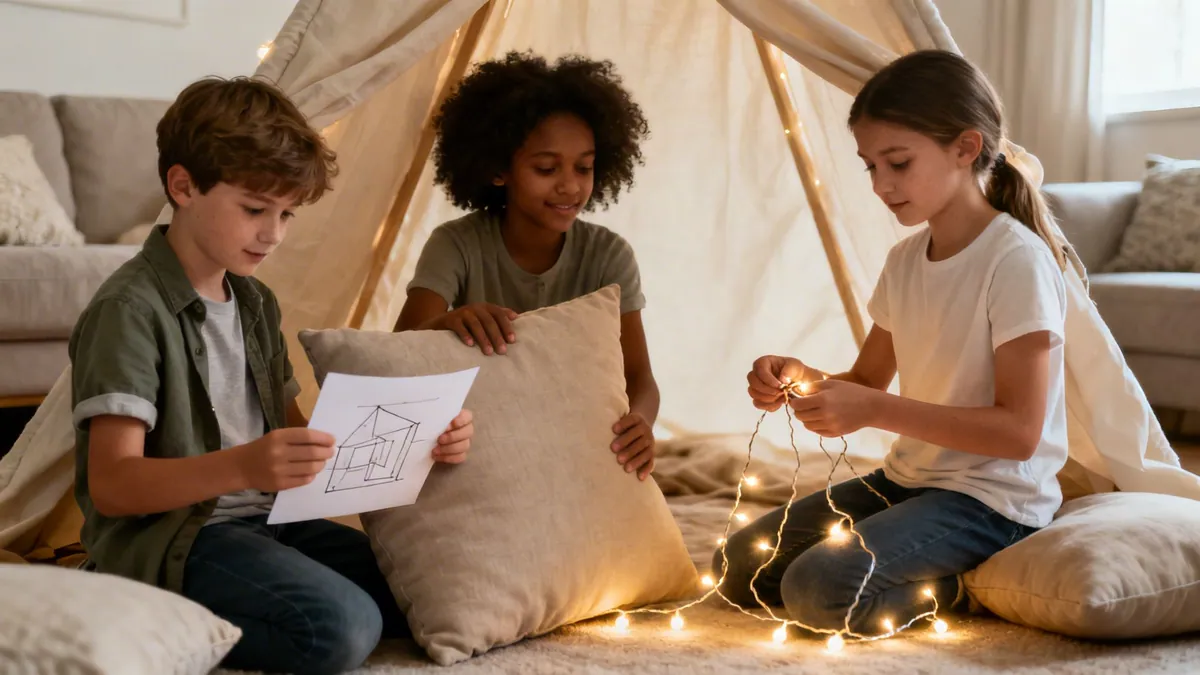
Picture a group of kids determined to build the ultimate pillow fort. They don’t just start grabbing cushions and hoping for the best. That would end in a heap on the floor.
Instead, they talk it out. They make a plan. They work together to figure out how to keep the walls from collapsing. One child might suggest using the heavy couch cushions for the base, while another has a great idea for draping a blanket to make the roof. That is collaborative problem solving (CPS) in a nutshell.
It’s the amazing thing that happens when we combine our brainpower and our social skills to tackle something tricky together. This is totally different from a lot of group work, which often turns into a “divide and conquer” mission where everyone just does their own separate part.
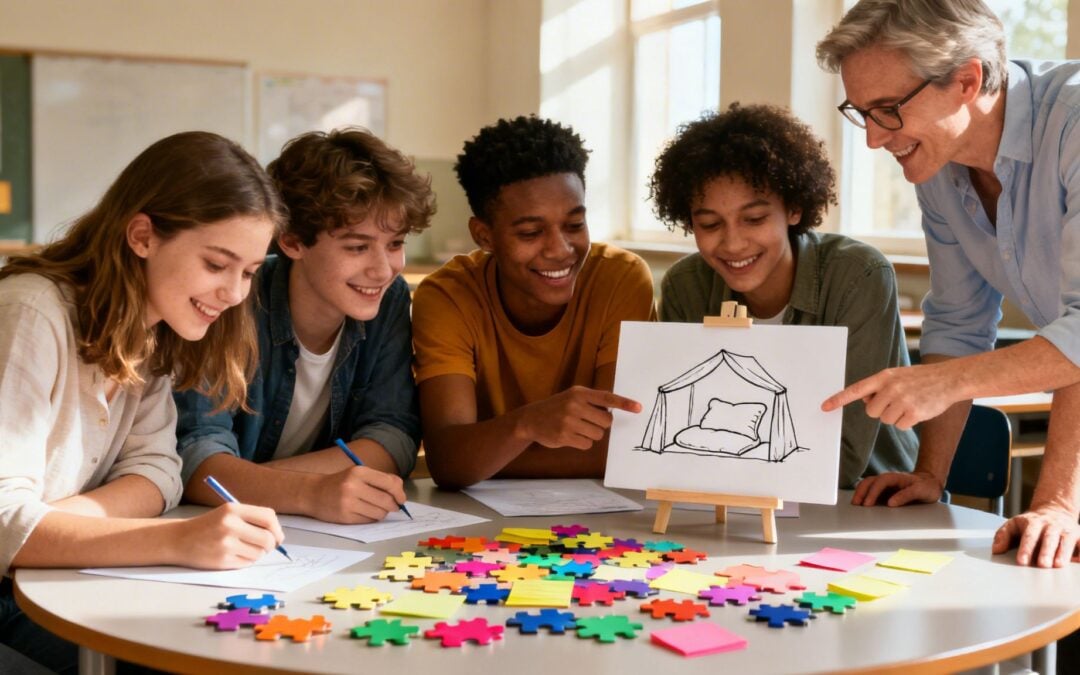
In collaborative problem solving, the process is just as important as the final product. The real goal is to build a shared understanding, handle disagreements in a positive way, and co-create a solution that no single person could have come up with on their own.
This approach takes more than just giving everyone a job to do. It means kids have to practice active listening, see things from another person’s point of view, and learn how to blend different ideas into one solid plan.
Beyond a Simple Definition
At its heart, collaborative problem solving is where thinking meets relating. It's a method that helps kids not only solve the problem in front of them but also build stronger relationships and communication skills along the way.
To really get good at it, kids need to develop skills in a few key areas. Think of them as the four pillars holding up any successful team effort.
The Four Pillars of Collaborative Problem Solving
This table breaks down the core skills students need to become effective collaborative problem solvers, with examples for parents and teachers.
| Pillar | What It Looks Like in Action | Practical Example |
|---|---|---|
| Building a Shared Understanding | The group works together to define the problem. Everyone agrees on what the final goal is. | At home: Planning a family movie night. Everyone agrees the goal is to pick a movie and a snack that everyone can enjoy. |
| Exploring and Planning | Kids brainstorm different ideas and weigh the pros and cons. They create a step-by-step plan together. | In class: Students plan a party. They list all tasks on the board (decorations, music, games) before deciding who does what. |
| Communicating and Cooperating | Everyone listens to each other's ideas, shares their own thoughts clearly, and works to build consensus. | At home: Siblings decide how to share a new toy. They listen to each other's ideas for a schedule instead of grabbing. |
| Reflecting and Adapting | The group checks in on their progress. If something isn’t working, they adjust the plan as a team. | In class: A group project isn't working. They pause and ask, "What's not working? What's one thing we can change right now?" |
When kids practice these skills, they're not just learning to be better teammates. They're developing a dynamic combination of abilities that are essential for success, both in the classroom and in the real world. In fact, this is the very foundation of how many professional fields, like design and creative services, operate.
This process directly nurtures key parts of a child's growth. You can see just how deeply these skills connect by reading our guide on what is social emotional development.
Ultimately, CPS teaches a powerful lesson: our collective brainpower is almost always stronger than our individual knowledge. It’s what transforms a simple group of kids into a true, unstoppable team.
The Three Essential Ingredients for Team Success
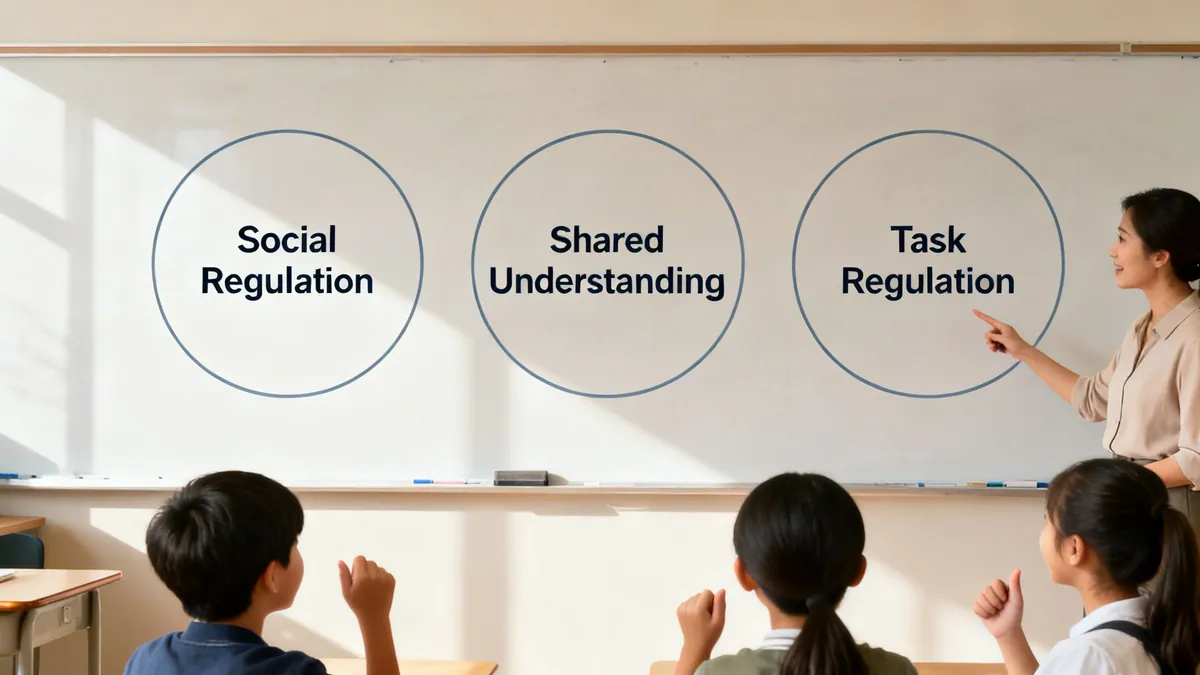
True collaborative problem solving isn’t something that just happens when you put kids in a group. It’s built on a specific set of skills they need to learn and practice together. When you see a group truly clicking, you'll notice three key ingredients at work.
Learning to blend these components is what turns chaotic group work into a powerful and productive learning experience. Once you can spot these three parts, you really understand what collaborative problem solving is all about.
Social Regulation: The Emotional Glue
The first ingredient is social regulation, which is really about managing emotions and navigating interactions when things get a little tense. It’s the ability to stay focused and respectful, even when people disagree. Think of it as the emotional glue that holds a team together during a challenge.
For any team to find success, its members have to be able to handle frustration, genuinely listen to different points of view, and share their own feelings without causing a fight. Without social regulation, a simple conflict can derail the whole project before a solution is even close.
Practical Example for Parents and Teachers:
Imagine a group of students is trying to decide on a theme for a class project. A disagreement starts. One child slams their pencil down, clearly frustrated. A teacher can step in and say, "I see this is getting frustrating. Let's all take a deep breath. Can we try using 'I-statements' to share our feelings? For example, instead of 'That's a bad idea,' try, 'I feel worried that idea won't work because…'" This small script gives them a tool to manage the tension productively.
Shared Understanding: The Team’s Compass
Next up is shared understanding. This is all about getting everyone on the same page about what the problem is and what the end goal looks like. It acts like a team’s compass, making sure everyone is moving in the same direction.
This goes beyond just reading the instructions. It’s about creating a collective mental picture of what success will be. When every single team member understands the objective, they can all contribute in a much more meaningful way.
A team that lacks a shared understanding is like a boat with people rowing in different directions. They might all be working hard, but they won't get anywhere meaningful.
Practical Example for Parents and Teachers:
A family is trying to plan a Saturday outing. To build a shared understanding, a parent can grab a piece of paper and say, "Okay, let's make sure we all agree on our goal. Are we trying to find something fun and free, or is it okay if it costs a little money? Do we want to be outdoors or indoors?" By writing down the agreed-upon criteria ("free," "outdoors," "less than 20 minutes away"), the family creates a shared filter to evaluate all their ideas.
Task Regulation: The Action Plan
Finally, there's task regulation. This is the "how" of the project—it’s all about planning the work and then working the plan. This means organizing the process, keeping an eye on progress, and being willing to make adjustments along the way. It’s the team's action plan for turning ideas into reality.
This skill helps a group take a big, intimidating problem and break it down into smaller, more manageable steps. It also involves figuring out who is doing what so that everyone knows their role in reaching the finish line.
Practical Example for Parents and Teachers:
A group of students needs to create a presentation. To practice task regulation, they can create a simple checklist on a shared document or whiteboard.
- Task 1: Research Topic A (Assigned to: Sam and Chloe) – Due Tuesday
- Task 2: Find images and videos (Assigned to: Maria) – Due Wednesday
- Task 3: Create the presentation slides (Assigned to: Leo) – Due Thursday
- Task 4: Practice the presentation together (Assigned to: All) – Friday morning
By creating this visible plan with roles and deadlines, the students aren't just dividing the work; they're co-creating a strategy for success and holding each other accountable.
Bringing Collaborative Problem Solving Into the Classroom
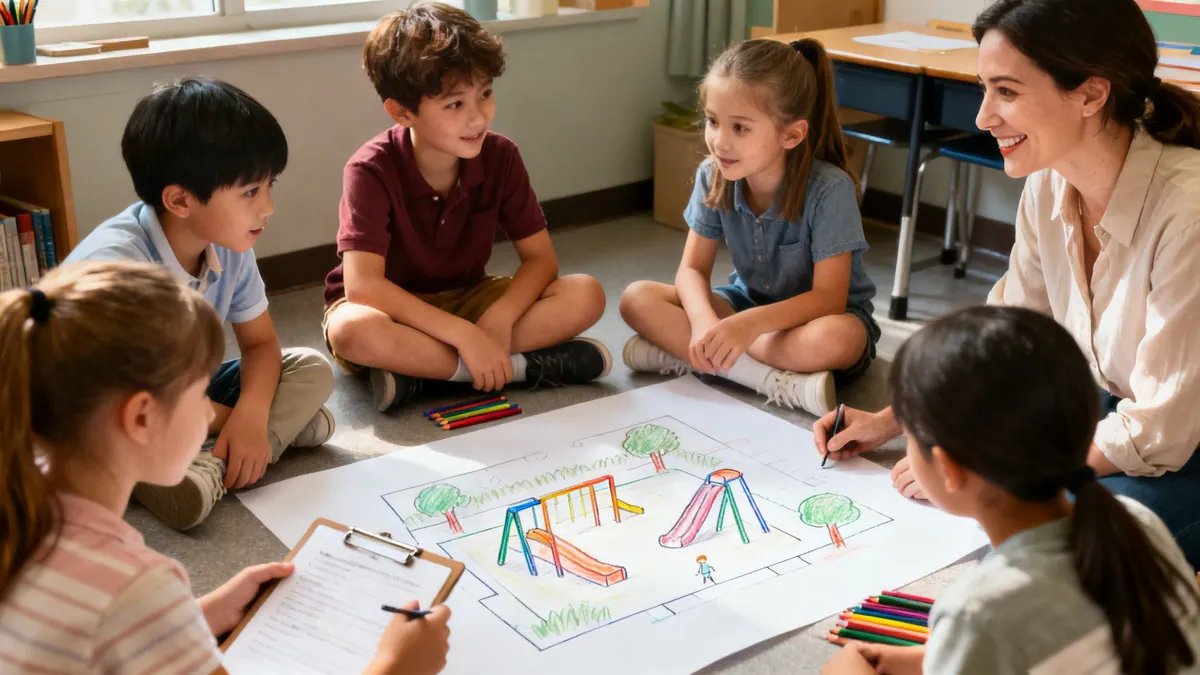
Theory is one thing, but seeing collaborative problem solving come to life in a bustling classroom is where the magic really happens. Moving from concept to practice means creating intentional, structured opportunities for students to build these skills brick by brick. The secret is to design challenges that feel real, engaging, and perfectly suited to their age.
Across all grades, the teacher’s role shifts from being the "sage on the stage" to the "guide on the side." You’re not there to hand out answers. Your job is to facilitate, ask probing questions, and help students work through the inevitable disagreements that pop up. This is how they build real capacity for teamwork and critical thinking.
Early Grades (K-2): The Classroom Tidy-Up Team
Our youngest learners do best with goals that are concrete and immediate. A simple “Classroom Tidy-Up Team” challenge can transform a mundane chore into a powerful lesson in collaborative problem solving. The mission is simple: figure out the best way to organize a messy reading nook or a chaotic art station together.
Instead of just telling them what to do, frame it as a puzzle they need to solve as a team. This prompts them to talk, plan, and delegate. You’ll see it right away—leaders emerge, organizers start sorting, and the little negotiators find ways to make things fair.
Teacher Prompts to Guide the Process:
- "What should our plan be? Do we sort the books first, or should we put away the crayons?"
- "I see two friends both want to stack the blocks. How can we figure this out so it feels fair for everyone?"
- "What's the fastest way to get our space clean? Let's listen to everyone's idea before we start."
This small-scale activity teaches those foundational skills like taking turns, listening to others, and working toward a goal they can all see and celebrate. It’s the perfect first step into teamwork.
Elementary Grades (3-5): The Build a Better Recess Project
By upper elementary, students are ready for more ownership. A "Build a Better Recess" project empowers them to actively improve their own school environment. Working in small groups, students must brainstorm, develop, and propose a new recess game or activity.
This task moves beyond just sharing ideas. To succeed, groups have to interview their peers to see what’s popular, negotiate which ideas are actually doable, and then create a clear, compelling plan to present. This forces them to manage differing opinions and find a compromise everyone can get behind.
The real learning happens when students realize they can’t just push for their own idea. They have to listen, find common ground, and combine concepts to create something the whole group supports.
Teacher Prompts to Guide the Process:
- "Your group has three great game ideas. How can you decide together which one to focus on for your proposal?"
- "Maria's interviews show kids want more running games, but Ben's show they want something calmer. Is there a way your plan could include both?"
- "What are the most important steps to explain in your presentation so your idea is easy for me to understand?"
If you're looking for more group activity ideas, you might find inspiration in these other engaging problem-solving activities for kids. Projects like these teach a vital lesson: the best solutions often come from blending different perspectives.
Middle School (6-8): The Solve a School Problem Initiative
Middle schoolers are itching to tackle more complex, real-world issues. A "Solve a School Problem" initiative channels their growing desire for justice and autonomy into something incredibly constructive. Groups can choose a genuine issue they care about, like long lunch lines, crowded hallways, or a lack of recycling bins on campus.
This project introduces more advanced problem-solving skills. Students will need to:
- Gather Data: This isn't just about opinions. They might need to survey students, time the lunch line with a stopwatch, or count foot traffic in the hallways.
- Develop a Solution: Using their data as evidence, they must create a practical, detailed proposal that goes beyond a simple complaint.
- Pitch Their Idea: The final step is presenting their solution to school staff or administration, which requires clear communication, persuasive arguments, and a bit of courage!
Teacher Prompts to Guide the Process:
- "Your data shows the hallway is most crowded at 10:15 a.m. What does that tell you about what might be causing the problem?"
- "That's a fantastic solution! Now, let's think about what challenges or costs the school might face if they tried to make it happen."
- "How can you present your findings to the principal in a way that convinces them your plan is worth trying?"
This kind of initiative helps students see themselves as capable agents of change. They learn to turn frustration into action and, in the process, develop skills they will carry with them for a lifetime.
How to Practice Collaborative Problem Solving at Home
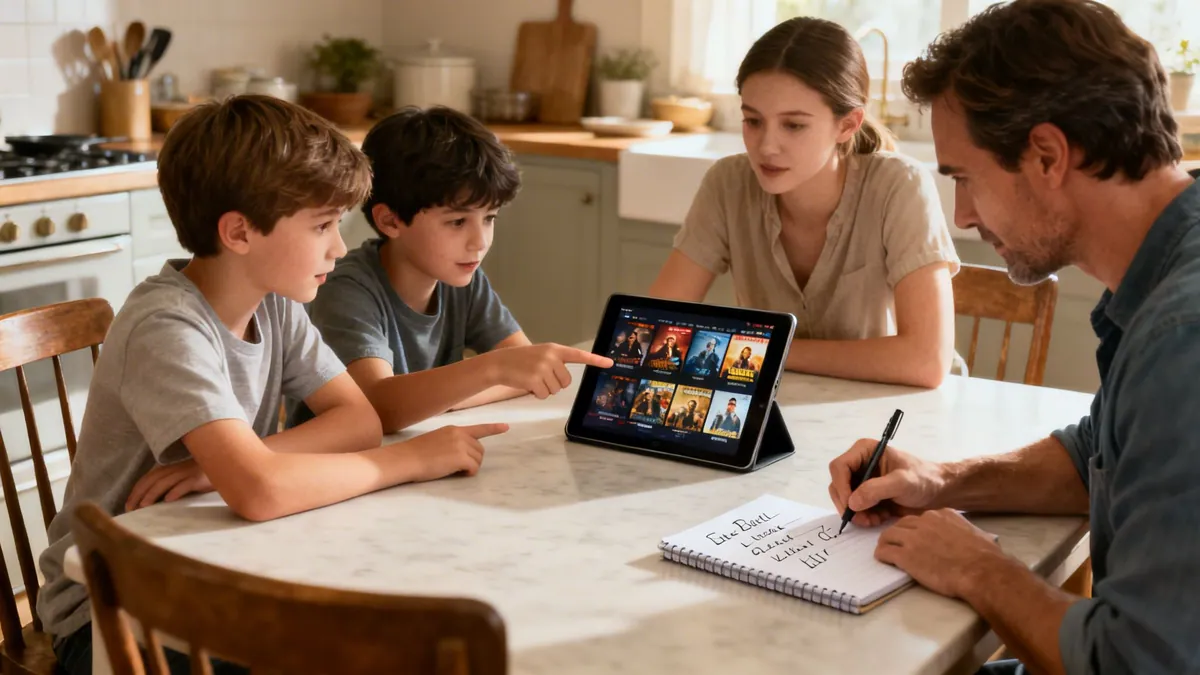
While the classroom is a great, structured place to learn, home is where these skills truly come to life. Family life is brimming with little challenges and decisions—perfect, low-stakes moments to practice working together.
By reframing everyday situations as teamwork, you help your kids build stronger communication and empathy without it ever feeling like a lesson. The secret is shifting from giving orders to inviting collaboration. Instead of just assigning chores, think of it as a family mission. This simple change moves the dynamic from a top-down instruction to a team huddle, where everyone is working toward the same goal.
Turn Chores Into Challenges
That messy living room or chaotic playroom might make you want to sigh, but it's actually a golden opportunity. Try framing it as a fun challenge, like a “Weekend Reset Mission,” where the whole family teams up to conquer a space.
Instead of telling everyone what to do, get the ball rolling with questions that get them thinking like a team.
- “Okay, team, take a look at this room. What's our game plan to get it looking great again?”
- “Where should we start? Sorting toys, wiping down tables, or putting all the books back on the shelf?”
- “What job does each person want to take on so we can get this done quickly?”
This approach gives kids ownership. When they have a say in the plan, they're far more invested in the result. They're not just following orders; they’re learning to plan, divide tasks, and see how their part contributes to the whole family's success.
Plan Family Fun Together
Even something as simple as a movie night can be a fantastic exercise in collaborative problem solving. The goal isn't just to pick a movie; it's about planning the entire experience together.
Let the kids be part of the whole process. They can help choose the film, decide on snacks that work with a set budget, and figure out how to make the living room extra cozy for everyone. For even more ways to build these skills while having a blast, check out these family game night ideas.
When siblings disagree—and they will—it’s a perfect coaching moment. Your role isn't to be the judge who declares a winner, but the facilitator who helps them find a middle ground.
Simple scripts can guide them toward a solution. For instance, if one child wants to watch a comedy and the other wants an adventure movie, you can say, “I’m hearing two really fun ideas. How can we make a choice that feels fair to both of you? Could we watch one tonight and the other next week? Or maybe find a movie that's an action-comedy?" This question steers them away from just their own wants and toward a group-focused mindset. Learning to handle these small disagreements is the foundation of empathy, a skill we explore more in our guide on how to teach empathy.
Why This Skill Matters More Than Ever
In a world that’s constantly changing, the ability to solve problems with others isn't just a nice-to-have skill for a resume. It’s becoming one of the most essential tools for a successful life. And the research backs this up in a big way.
A few years ago, researchers conducted the first-ever global assessment of collaborative problem solving, and the results were a major wake-up call for parents and educators.
The 2015 PISA study looked at the abilities of 15-year-old students across 52 different countries. What they found was startling: a tiny 8% of students could be considered highly skilled at working together to solve problems. This points to a huge gap between the skills kids are learning and the skills they actually need. You can find the full results of this historic study on the National Center for Biotechnology Information website.
Connection Is the Secret Sauce
But here’s where it gets really interesting. The study dug into what separated the successful collaborators from the rest. It turns out that just telling kids to “work as a team” didn't help. In fact, it sometimes made things worse.
The real key wasn't forcing teamwork—it was nurturing a genuine sense of connection between the students.
The study showed that students who valued interpersonal relationships performed significantly better at collaborative problem solving. In contrast, those who focused only on teamwork as a task showed worse results.
This is powerful evidence that social-emotional skills like kindness, empathy, and perspective-taking aren't just fluffy add-ons. They are the bedrock of what makes a child an effective problem-solver and a successful student.
More Than an Academic Skill
This link between social connection and problem-solving ability gets to the heart of why this matters so much. When we intentionally teach kids how to listen, how to appreciate different viewpoints, and how to navigate disagreements with respect, we're handing them the toolkit for tackling tough challenges as a team.
These are the exact abilities that fuel all of the benefits of social-emotional learning.
The takeaway is simple. When we teach kids how to connect with each other, we are teaching them a critical life skill. It’s the foundation that allows them to build the strong, empathetic, and creative teams that will define their success—in school, in their careers, and in life.
Your Step-By-Step Guide to a CPS Activity
Ready to lead your first collaborative challenge? Knowing what collaborative problem solving is and actually doing it are two very different things. This simple guide is designed to give parents and teachers the confidence to jump in, guiding a group from a shared goal all the way to a successful outcome.
Think of this less as a rigid script and more as a flexible game plan. You can adapt it for a big classroom project, a small family decision, or even a simple weekend chore. The real magic happens when you shift your role from director to facilitator, empowering kids to find their own way forward, together.
1. Frame the Challenge
First things first: set a clear and exciting goal. A vague task just leads to confusion, but a compelling mission is what really sparks creativity. The goal should be simple enough for everyone to grasp, but open-ended enough to invite all kinds of different solutions.
Practical Examples:
- At Home: “Our family mission is to design a brand-new board game we can all play on Friday nights. What could it be about?”
- In the Classroom: “Our challenge is to create a welcome kit for a new student. What would make someone feel included and happy on their very first day?”
2. Set the Ground Rules
Before anyone starts brainstorming, lay down a few simple norms for how the team will work together. This is all about creating psychological safety, making it a space where everyone feels comfortable sharing ideas without worrying about being judged. These rules are the true foundation of respectful teamwork.
The most important ground rule is that collaboration isn't a competition. The goal is to build the best idea together, not to prove whose idea was best from the start.
Post these rules where everyone can see them. A few simple but powerful examples include:
- Listen to understand, not just to reply.
- All ideas are good ideas to start.
- We help each other when someone is stuck.
3. Kickstart Brainstorming
Now it's time to get those ideas flowing. Your main job here is to ask open-ended questions that encourage a wide range of thoughts. Steer clear of any question that can be answered with a simple "yes" or "no," as those can shut a conversation down before it even starts.
Practical Example: Instead of asking, "Do you want to make a poster?" ask, "In what different ways could we share our idea with the class?" This opens the door to ideas like making a video, performing a skit, or building a model.
4. Be the Guide on the Side
As the group gets to work, you're going to feel the urge to jump in with answers or solve their problems for them. Resist it. Your real power is in asking questions that nudge them to think more deeply and connect their ideas. You are the guide, not the hero of the story.
Helpful Guiding Questions:
- "That's an interesting idea. What do you all think would happen if we tried that?"
- "How could we combine Sarah's idea for the game board with Leo's idea for the characters?"
- "What's one small step we could take right now to test out that idea?"
5. Navigate the 'Stuck' Points
Conflict is a totally natural—and necessary—part of collaborative problem solving. When disagreements pop up or the team hits a wall, don't rush in to fix it. This is a huge learning moment. Instead, help students find the words to express how they're feeling and work through the issue themselves.
Practical Example: If two students disagree on a plan, a teacher can mediate by saying, "It sounds like we have two different ideas here. Can each of you share one thing you like about the other person's idea? Let's see where we agree." This helps them find common ground.
6. Reflect on the Process
Finally, once the task is done, the learning isn’t over. The real magic happens in the reflection, where students get to internalize the skills they just practiced. Ask questions that help them think about how they worked together, not just what they made.
Reflection Prompts:
- "What was the hardest part of working as a team today?"
- "What was one thing someone did that really helped our group move forward?"
- "What did we learn today that will make us an even better team next time?"
Common Questions About Collaborative Problem Solving
Diving into collaborative problem solving for the first time always brings up some great questions. It’s a shift in thinking, for sure. Here are a few of the most common ones we hear from teachers and parents, along with some straightforward answers.
What if One Child Dominates the Conversation?
This is such a common scenario, and it's actually a perfect coaching moment. The goal is to gently balance the scales without making anyone feel called out.
For the child who loves to lead, you can validate their enthusiasm while creating an opening for others. Try something like, "That's a fantastic idea to get us started! Let's pause for a moment and make sure everyone has a chance to share their thoughts before we move forward."
For a quieter child, a gentle, direct invitation can work wonders. "Sarah, I'd love to hear what you're thinking about that idea." You can also use a simple structure, like giving each child three “talking chips.” Once their chips are used, they have to listen. It’s a concrete way to teach the group that every voice has value.
How Is This Different from a Regular Group Project?
This is a big one. The main difference comes down to focus.
A traditional group project is almost always about the final product. This often encourages students to just "divide and conquer" the work. They might each do their part separately and staple it together at the end, without ever truly collaborating.
Collaborative problem solving, on the other hand, puts the spotlight on the process. The real goal is to explicitly teach lifelong skills like communication, taking another's perspective, and resolving disagreements. The final outcome is still part of the equation, but the rich learning that happens as the team figures out how to work together is the real prize.
A note on grading: It's best to assess collaboration based on growth, not just performance. Instead of a single grade, try a simple checklist to note behaviors like, “Shared a helpful idea” or “Helped the group solve a disagreement.” This keeps the focus on building skills, not just getting an A.
At Soul Shoppe, we believe that building these skills is the foundation for creating safer, more connected school communities. We provide schools and families with practical, research-based programs that equip students with the tools they need for empathy, effective communication, and peaceful conflict resolution.
Ready to bring more connection and less conflict to your campus? Learn more about our programs and how they can help.