

Growth Mindset Activities for Kids That Truly Stick
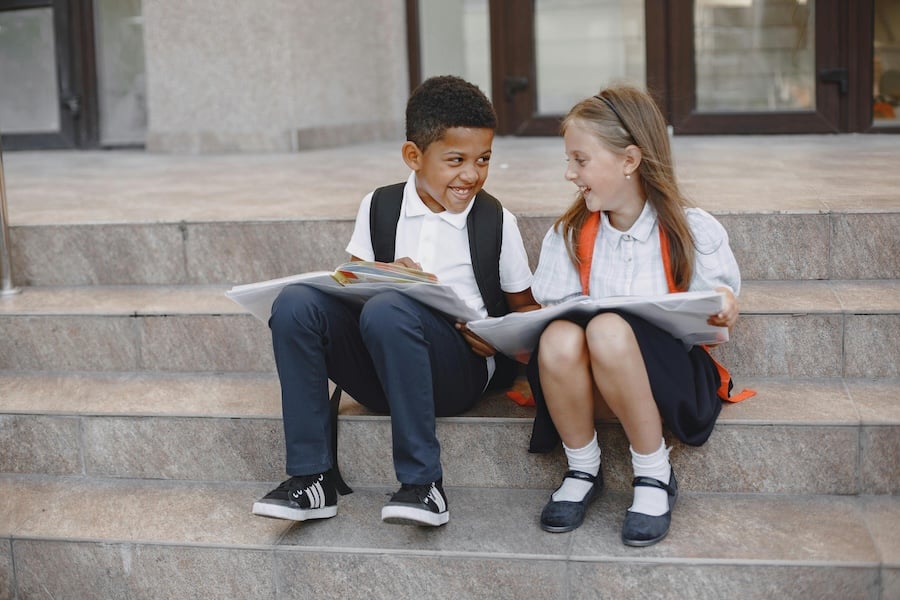
Growth Mindset Lessons That Stick
In today’s classrooms, one of the most powerful tools we can offer children is the ability to believe in their own potential. That’s the heart of a growth mindset—the belief that abilities and intelligence can be developed through effort, reflection, and resilience.
By integrating simple, consistent growth mindset activities for kids, educators help students take on challenges, learn from mistakes, and develop the inner tools they need to thrive—not just in academics, but in life.
What Is a Growth Mindset activities for kids, and Why Does It Matter?
Coined by psychologist Carol Dweck, a growth mindset contrasts with a fixed mindset. While a fixed mindset assumes our intelligence and talents are static, a growth mindset empowers students to see their learning as a work in progress: “I’m not there yet, but I can get there.”
Helping children develop a mindset for learning builds motivation, engagement, and emotional stamina. It teaches them that effort counts, challenges are welcome, and failure is simply part of growing.
It also aligns directly with social emotional learning, which emphasizes emotional awareness, resilience, and strong interpersonal skills—all crucial for navigating school and life.
Growth Mindset in the Classroom: The Role of SEL
A growth mindset doesn’t happen by accident. It’s cultivated through culture, language, and intentional teaching practices.
That’s where Social Emotional Learning (SEL) comes in. SEL lays the foundation for students to navigate frustration, reflect on effort, and recognize that mistakes aren’t personal—they’re growth opportunities.
Soul Shoppe’s Tools of the Heart curriculum helps educators equip students with these skills every day. When we allow kids to name their emotions, build relationships, and set goals, we’re also building their capacity to believe in their own growth.
Classroom Activities That Build Growth Mindset
Here are a few proven growth mindset activities for kids that help students internalize this powerful belief system:
1. The Power of “Yet”
Teach students to reframe defeatist thoughts with a single word: yet.
- “I can’t do long division” becomes “I can’t do long division yet.”
- Celebrate attempts, not just successes.
- Post “Power of Yet” reminders around the room.
This reframing helps students build positive self-talk and stay motivated even when learning is hard.
2. Mistake Celebrations
Normalize error-making as a valuable part of learning:
- Host “mistake of the week” moments where students can share something they learned from.
- Use class discussions to reflect on growth after challenges.
- As the teacher, model your own mistake recovery with openness and humor.
In SEL terms, this helps reduce shame and builds resilience.
3. Growth Journals
Reflection is key to growth mindset development. Create simple weekly journaling routines using prompts like:
- “One thing I struggled with and kept trying…”
- “What did I learn from a mistake this week?”
- “Something I can do now that I couldn’t do last month…”
Pair this with Tools of the Heart exercises that encourage emotional awareness and perseverance.
4. Fixed vs. Growth Mindset Sorting
Playfully help students learn the difference between fixed and growth statements:
- Fixed: “I’m just not good at this.”
- Growth: “I can keep improving with practice.”
Make this a small-group game, or turn it into an anchor chart students can revisit during tough moments.
5. Growth Mindset Affirmations
Create morning rituals with daily affirmations:
- “I grow through effort.”
- “I can do hard things.”
- “Every mistake helps me learn.”
This pairs beautifully with Soul Shoppe’s Elementary SEL Curriculum, which supports students in building both confidence and compassion.
Book-Based Mindset Lessons
Books offer a powerful way to model growth mindset for students. Try these titles to spark reflection and discussion:
- The Most Magnificent Thing by Ashley Spires
- The Dot by Peter H. Reynolds
- Giraffes Can’t Dance by Giles Andreae
After reading, prompt students with:
- What challenge did the character face?
- What mindset helped them?
- Have you ever felt the same?
Building a Culture of Perseverance
To truly teach a growth mindset, we have to model it ourselves and build systems that reward effort, not perfection. Try:
- Praising process, not just product: “I see how hard you worked on that!”
- Encouraging self-reflection after mistakes, not shame.
- Giving space for do-overs and revision.
Soul Shoppe’s approach to Social Emotional Learning blends seamlessly with these efforts, giving kids a safe place to try again, speak their truth, and bounce back with support.
Quick Growth Mindset Wins for the Classroom
- Post quotes from athletes, artists, or scientists about how they learned from failure.
- Use “Failure Fridays” to share something that didn’t go right—and what came next.
- Introduce a “What did you try today?” wall where effort gets recognized.
- Pair growth mindset lessons with Planet Responsibility, helping students take ownership of their choices and progress.
Growth Mindset Grows Community
When students understand that learning is a journey, not a destination, they become more willing to collaborate, more compassionate toward themselves and others, and more invested in their own progress.
By weaving together growth mindset, SEL, and simple, developmentally appropriate strategies, we help kids believe in their power to change, grow, and thrive—no matter what challenges come their way.
Let’s create classrooms where perseverance, mistakes, and hope are all part of the plan.