

10 Practical Examples of Prosocial Behavior for School and Home in 2026
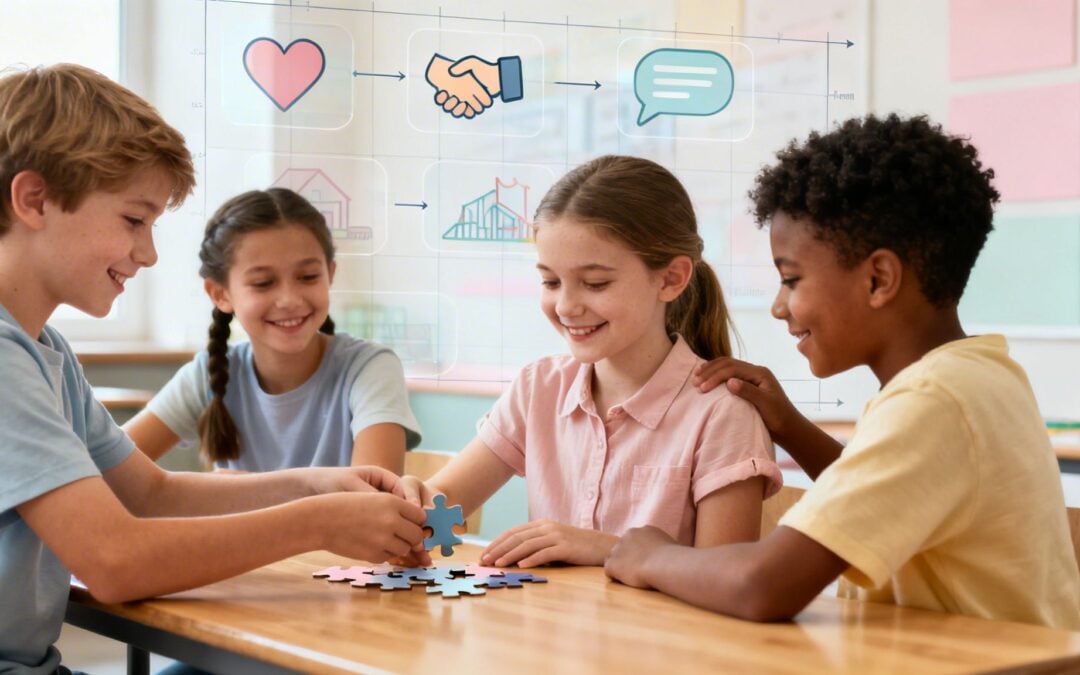
Prosocial behavior, which consists of actions intended to help others, is the bedrock of a kind, safe, and collaborative community. For parents and educators, fostering these skills is more critical than ever. It is about moving beyond simply telling children to 'be nice' and instead giving them a concrete toolkit for empathy, cooperation, and support. To begin cultivating a prosocial mindset, it is essential to understand the core principles of social responsibility and how individual actions contribute to the well-being of the group.
This guide provides a detailed look at ten powerful examples of prosocial behavior, offering practical, grade-appropriate strategies for K-8 students. We will break down not just what these behaviors are, but exactly how to teach, model, and reinforce them in various settings. You will find actionable takeaways for implementing peer support, conflict resolution, kindness campaigns, and more. The goal is to provide a clear roadmap for building connected, empathetic school cultures where children are equipped with the skills they need to thrive both socially and academically. From the classroom to the playground and into the community, these strategies are the building blocks for creating a more supportive environment for every child.
1. Active Listening and Empathetic Responding
Active listening is a foundational prosocial behavior where a person focuses entirely on what someone else is saying, rather than just waiting for their turn to speak. This practice involves paying attention to verbal and non-verbal cues, reflecting back what was heard to confirm understanding, and responding with empathy. It requires suspending judgment and validating the other person's feelings before offering solutions, creating a sense of psychological safety and belonging.
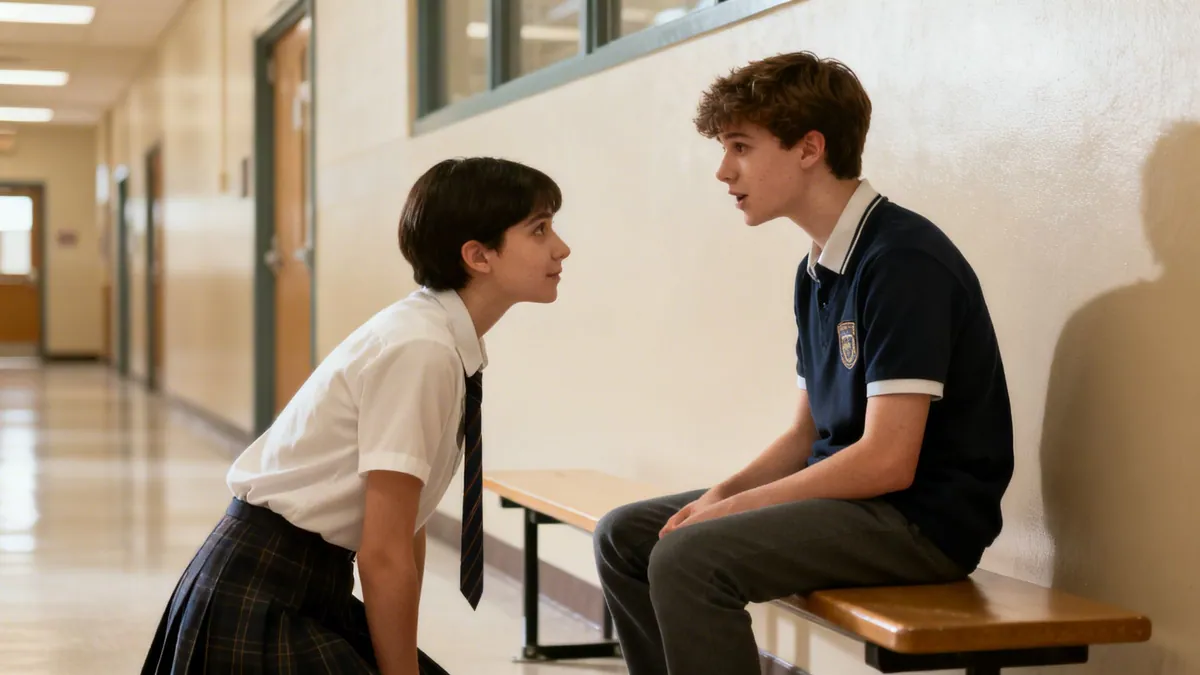
This skill is a cornerstone of positive social interaction and a powerful tool against isolation and conflict. When students learn to truly listen, they build stronger, more meaningful connections with their peers. This is one of the most powerful examples of prosocial behavior because it directly builds empathy and community.
Practical Applications and Tips
To put active listening into practice, educators and parents can model it and provide structured opportunities for children to learn.
- Model the Behavior: During classroom discussions or family meetings, adults should demonstrate active listening by making eye contact, nodding, and paraphrasing what a child says. For example: "It sounds like you felt frustrated when your tower fell. Is that right?"
- Use Sentence Starters: Provide scaffolding with phrases like, "What I hear you saying is…" or "It seems like you're feeling…" to help children structure their empathetic responses. For instance, have students practice this after a partner shares something about their weekend.
- Practice with Role-Play: Use role-playing scenarios to give students a safe space to practice. A teacher can set up a scenario where one student pretends they lost their favorite pencil and the other student practices listening and responding with empathy. For a hands-on guide, check out this simple and effective active listening activity.
2. Peer Support and Buddy Systems
Structured peer support programs intentionally pair students to offer academic help, emotional encouragement, and social companionship. These buddy systems are a powerful way to connect isolated or struggling students with empathetic peers who can model positive behaviors and provide informal mentorship. This approach reduces student isolation, fosters a sense of belonging, and uses the strong influence of peer relationships for positive growth.
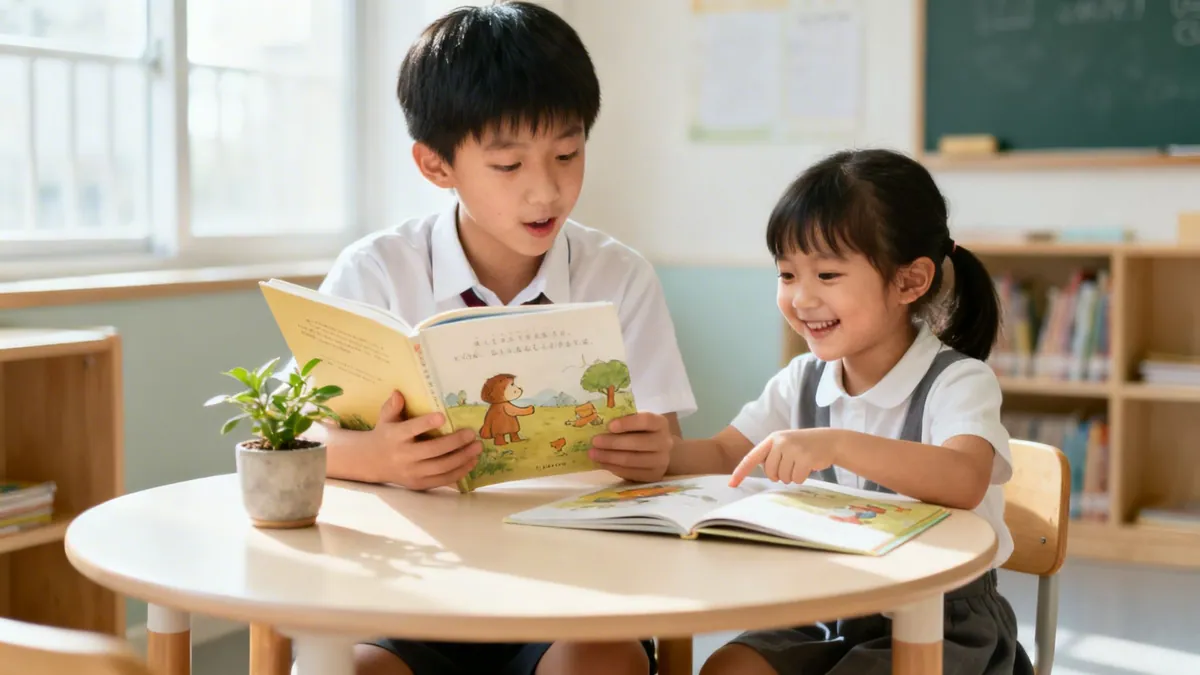
These programs formalize the act of helping one another, transforming it into a reliable school resource. By creating structured opportunities for students to connect, schools can build a more inclusive and supportive community. This is one of the most effective examples of prosocial behavior because it systematically builds social skills and a network of support for all students involved.
Practical Applications and Tips
To implement a successful buddy system, clear structure and training are essential for both students and supervising adults.
- Define Clear Roles: Provide written guidelines that outline the purpose and expectations for all participants. For example, a "New Student Buddy" might be tasked with showing a new classmate around, sitting with them at lunch for the first week, and explaining classroom routines.
- Train Your Buddies: Equip student volunteers with the necessary skills. Training should cover active listening, maintaining role boundaries, and knowing when to seek help from a trusted adult. For example, role-play a scenario where a buddy doesn't know the answer to a question and needs to ask a teacher for help.
- Match for Success: Pair students based on compatible personalities and shared interests, not just academic standing. A good character fit is often more important for building a genuine connection than matching high-achievers with struggling students.
- Schedule Regular Check-ins: A teacher can hold a 5-minute meeting with the buddy pair once a week to ask, "What's one good thing that happened this week?" and "Is there anything you need help with?" This helps address any challenges and reinforces the program's value.
3. Cooperative Learning and Collaborative Projects
Cooperative learning moves beyond simple group work by structuring activities so students must rely on one another to succeed. This approach requires interdependence to achieve shared academic and social goals. By working together, students naturally develop empathy, perspective-taking, and mutual support as they navigate group dynamics, assign tasks based on strengths, and solve problems as a team.
This method is one of the most effective examples of prosocial behavior because it integrates social skill development directly into academic learning. When students see that their individual success is tied to the group's success, they become more motivated to help, listen to, and encourage their peers. This builds a classroom culture where collaboration is valued over competition.
Practical Applications and Tips
To successfully integrate cooperative projects, educators should intentionally teach and reinforce the necessary social skills alongside the academic content.
- Assign and Rotate Roles: Structure group projects with specific roles like "Researcher," "Recorder," "Presenter," and "Materials Manager." For a history project, one student researches dates, another writes down the group's findings, a third manages the art supplies, and a fourth presents the final poster. Rotating these roles ensures every student develops different skills.
- Use Structured Protocols: Implement strategies like "Jigsaw," where each student becomes an expert on one piece of information and then teaches it to their home group. For a science unit on planets, each student in a group could learn about a different planet and then teach the others, ensuring equal participation and individual accountability.
- Build in Reflection Time: After a project, guide groups to discuss their collaborative process. A parent can do this at home after a family chore by asking, "What went well when we cleaned the kitchen together?" and "What could we do differently next time?"
- Practice at Home: For students learning to work together, engaging in activities like playing the best cooperative board games or building a large LEGO creation together can be an excellent way to practice teamwork in a low-stakes, fun environment.
4. Kindness Campaigns and Recognition Programs
Kindness campaigns are organized school-wide initiatives that encourage, track, and celebrate acts of kindness. These programs use positive reinforcement and peer recognition to make prosocial behavior a visible and valued part of the school culture. By creating a system to highlight helpfulness, schools show students that these actions are both expected and appreciated.
These programs make empathy and care tangible and public. Initiatives like a "kindness chain," where each link represents a kind act, or a gratitude wall for thank-you notes, provide visual proof of a caring community. These are powerful examples of prosocial behavior because they shift the school's focus toward positive actions, building a culture of mutual support and belonging.
Practical Applications and Tips
To implement a successful kindness campaign, the focus should be on accessibility, inclusion, and extending the practice beyond the school walls.
- Define Kindness Broadly: Encourage students to notice quiet acts, not just grand gestures. For example, a student might be recognized for inviting someone to play at recess, offering help with a difficult math problem, or giving a genuine compliment.
- Create Simple Systems: Use low-barrier methods for recognition. A classroom "kindness jar" where students drop notes describing a kind act they witnessed is a great example. A "Kindness Rocks" project, where students paint positive messages on rocks and hide them around the playground for others to find, is another easy and engaging activity.
- Connect to SEL: Tie the campaign directly to social-emotional learning competencies. For example, during a unit on social awareness, challenge students to notice and report acts of kindness they observe. At home, a parent could start a "Caught Being Kind" chart on the fridge.
5. Conflict Resolution and Restorative Practices
Conflict resolution and restorative practices shift the focus from punishment to accountability and healing. Instead of simply penalizing a student who caused harm, this approach brings together all affected parties to discuss the impact of the actions and collaboratively decide on a path to repair relationships. This structured method teaches students to understand the consequences of their behavior, take responsibility, and work together toward a positive resolution.