

A Practical Guide to Relationship Conflict Resolution in Schools
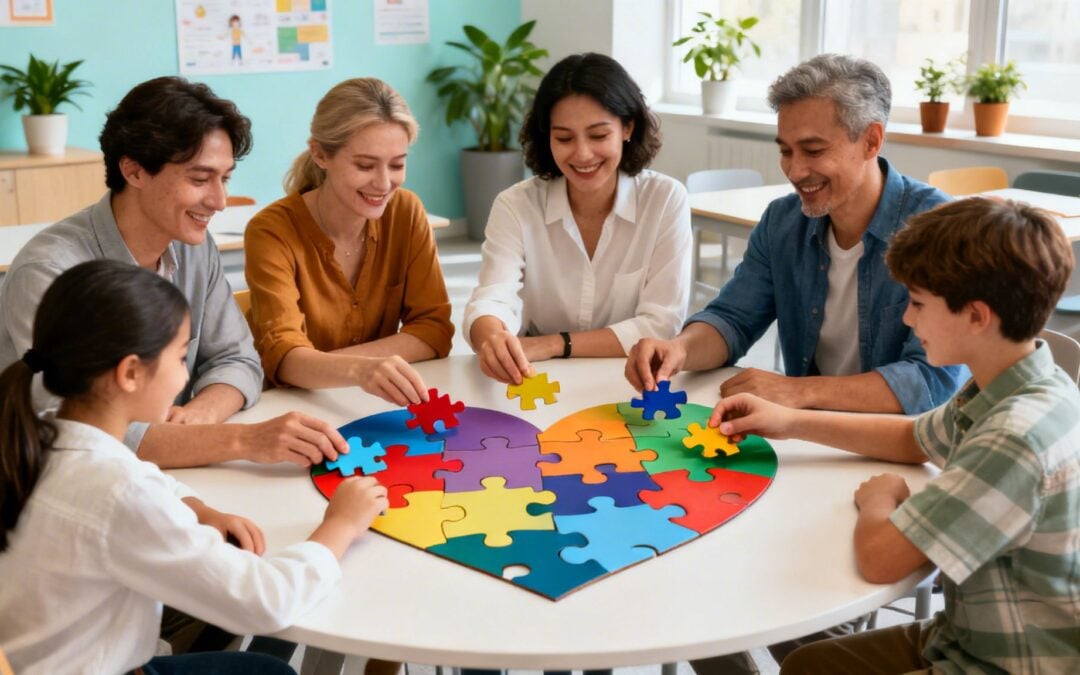
Relationship conflict resolution isn’t about stopping fights. It’s about using those tricky moments to teach kids how to build stronger, more resilient connections with each other. It turns a frustrating disagreement into a real-life lesson in empathy, communication, and bouncing back from challenges—skills they’ll need for the rest of their lives.
Shifting from Conflict to Connection in the Classroom
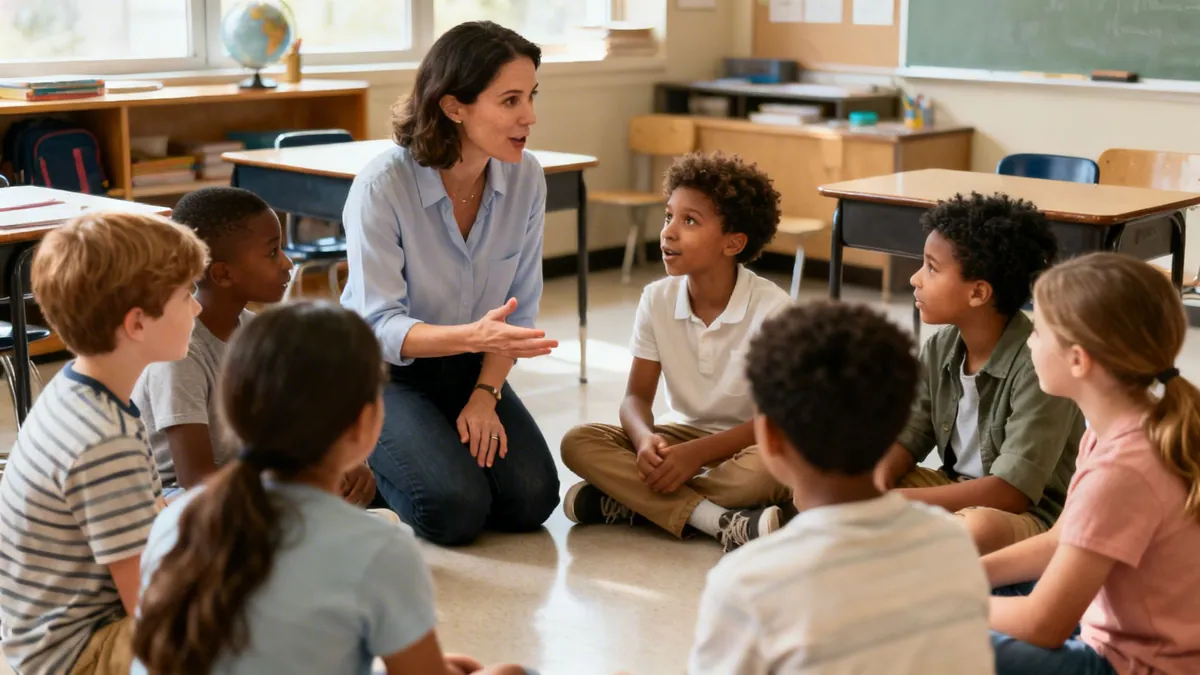
What if we saw every classroom disagreement not as a disruption, but as a chance for kids to grow? This one shift in perspective moves conflict resolution from something we try to stamp out to a vital part of social-emotional learning (SEL). When students learn to work through their disputes, they aren’t just solving a problem; they’re building a toolkit for life.
Think of unresolved tension in the classroom like a leaky faucet. It’s a constant, low-grade annoyance that disrupts the flow of learning and makes the room feel less safe. But a structured approach to conflict is more like a fire drill. It gives everyone a clear plan, so when a real flare-up happens, they can respond calmly and effectively, strengthening their bonds instead of breaking them.
A New Approach to Disagreements
This framework empowers adults—both teachers and parents—to see arguments as teachable moments. Instead of stepping in as a judge to decide who’s right and who’s wrong, we can act as guides, helping children find their own way to mutual understanding. This process builds the psychological safety students need to share their feelings without worrying about being punished.
For example, when two students are arguing over a shared set of markers, the goal isn’t just to end the argument. It’s to help them see each other’s point of view and find a solution they can both live with. A teacher might gently say, “It looks like you both really want to use the markers. Can you each tell me what you were hoping to draw?” That simple question opens the door to real listening and problem-solving, perhaps leading them to decide to share the colors or work on a picture together.
By reframing disagreements as a tool for connection, we show kids that conflict is a normal part of life—and that working through it with respect can actually make their friendships stronger.
The Lifelong Benefits of Early Skills
The skills students pick up in these moments go far beyond the classroom. A child who learns how to navigate a disagreement with a classmate is better prepared to handle arguments with family, friends, and, one day, their own coworkers. This foundation is crucial for creating more peaceful and inclusive communities everywhere. You can see how these ideas play out by exploring what restorative practices in education look like.
Teaching conflict resolution helps build:
- Empathy: The ability to imagine what someone else is feeling. For example, a student learns that when they bragged about their score, their friend felt sad not because they lost, but because they felt left out of the celebration.
- Resilience: The skill of bouncing back when things get tough. Students discover that a disagreement over game rules doesn’t have to mean the end of a friendship.
- Effective Communication: The art of speaking your truth clearly and listening with an open heart. Kids practice using “I-Statements” to explain their feelings without blaming others.
Ultimately, making these practices a part of your school culture creates a place where every child feels seen, heard, and valued. It turns everyday conflicts into some of the most profound opportunities for connection and growth.
The Hidden Costs of Unresolved School Conflict
What’s the real price of unchecked conflict in a school? When disagreements between students and staff are brushed aside, the fallout is much more than just hurt feelings. These unresolved issues create real, system-wide problems that affect everyone, from the quietest kid in the back row to the most dedicated teacher.
Think of persistent conflict as a hidden tax on your school’s resources. It’s a direct drain on instructional time, leading to more disciplinary referrals, sinking academic engagement, and faster teacher burnout.
Instead of teaching math or history, educators find themselves spending countless hours mediating disputes, documenting incidents, and managing disruptions. For students, the emotional toll is huge. It can lead to anxiety, isolation, and a feeling that school just isn’t a safe place to be.
The Ripple Effect on Learning and Well-Being
Conflict rarely stays between just two people. It sends ripples across the entire school community. A single argument on the playground can easily escalate, pulling in other students and creating a cloud of tension that follows them right back into the classroom.
When kids feel on edge or unsafe, their brains simply aren’t primed for learning.
Here’s what that looks like in practice:
- Lowered Academic Performance: A student preoccupied with a social conflict can’t focus on their lessons. For example, a student who had a fight with their best friend that morning may spend math class worrying about who they’ll sit with at lunch instead of engaging with the curriculum.
- Increased Absenteeism: For some kids, especially those who feel targeted or left out, avoiding school can feel like the only way to cope. This leads to missed instruction and a growing academic gap.
- Erosion of School Climate: When conflict becomes the norm, trust disappears. Students are less likely to collaborate, and teachers feel unsupported. This can poison the entire school environment. For more on this, check out our guide on how to improve school culture.
A teacher might notice a once-enthusiastic student has become withdrawn and quiet. The cause isn’t a sudden inability to learn, but a lingering argument with a friend that has left them feeling ostracized. This is the unseen cost of unmanaged conflict.
Quantifying the Impact on Time and Resources
The time drain from unresolved conflict is a real, measurable problem. Just think about the hours spent each week addressing student disagreements, calling parents, and handling disciplinary paperwork. This is precious time that could be spent on lesson planning, one-on-one student support, or professional development.
Investing in relationship conflict resolution isn’t a luxury; it’s a strategic imperative. It’s about reclaiming lost instructional time, boosting student achievement, and creating a positive school climate where everyone can thrive.
This problem doesn’t just exist on the playground. Research shows that in the workplace, disputes and personality clashes eat up about 2.8 hours per employee every week. That lost productivity costs U.S. companies an estimated $359 billion a year.
By teaching students these skills now, we’re making a direct investment in their futures. We’re giving them tools that will save them—and their future employers—immeasurable time, money, and emotional strain. When we tackle conflict head-on, we can transform a major liability into a powerful opportunity for student growth and community well-being.
Core Skills for Healthy Conflict Resolution
Handling disagreements well isn’t magic—it’s a set of practical skills we can teach. Think of it like a toolbox. When conflicts pop up, as they always do, we want kids to have the right tools ready to go. This turns an abstract idea like “peace” into concrete actions they can actually use.
The most essential tools in this box are active listening, emotional regulation, and perspective-taking. When used together, they help a child turn a moment of pure frustration into a chance to connect and understand someone else a little better.
When we don’t give kids these tools, small disagreements can spiral. A single unresolved conflict creates ripples of disruption that can lead to frustration and burnout for students and staff alike.
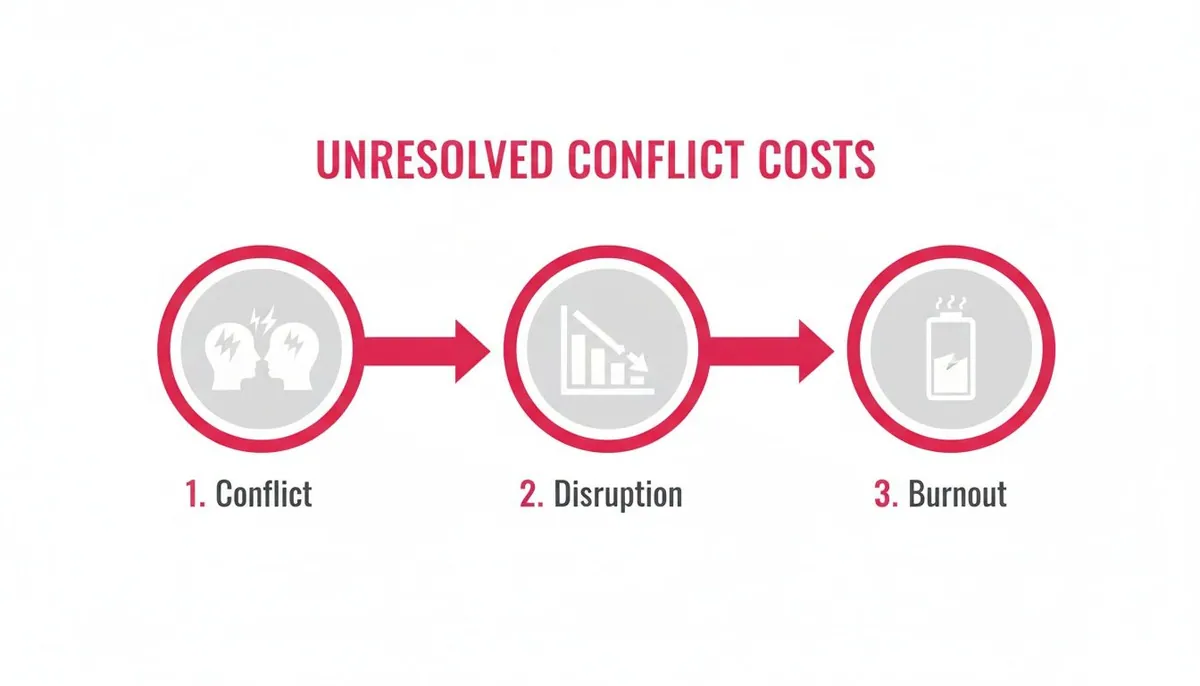
This cycle drains a school’s emotional and academic energy, showing just how important it is to address conflict at the source.
Mastering I-Statements to Express Feelings
One of the most powerful tools you can give a child is the “I-Statement.” It’s a simple shift in language that helps them share their feelings without blaming or accusing anyone. This one change can immediately lower defenses and open the door for a real conversation.
For instance, a child’s first instinct might be to shout, “You always ruin the game!” That’s an attack, and it almost guarantees a defensive or angry response.
With a little guidance, we can help them rephrase it: “I feel frustrated when the rules change mid-game because I don’t know how to play anymore.” This version isn’t an attack. It’s an honest look into their feelings and why they’re there, making it so much easier for the other person to actually hear them.
An “I-Statement” acts like a bridge, not a wall. It invites the other person into your experience instead of pushing them away with blame.
A Simple Model for Peaceful Problem-Solving
Once kids can share their feelings without starting a bigger fight, they need a map to find a solution. A simple, four-step model gives them the structure to work through problems together, guiding them from that first emotional spark to a shared agreement.
The table below breaks down a simple framework you can use to walk students through this process.
| Step | What It Means | Example Teacher/Parent Prompt |
|---|---|---|
| 1. Stop and Cool Off | Taking a moment to breathe and regulate big emotions before talking. | “It looks like you’re both upset. Let’s take three deep breaths before we talk.” |
| 2. Use I-Statements | Each person shares their feelings and perspective without blame. | “Can you tell me how you felt when that happened? Start with ‘I felt…'” |
| 3. Listen and Restate | Each person repeats what they heard the other say to ensure they understand. | “Okay, now can you tell me what you heard your friend say they were feeling?” |
| 4. Brainstorm Solutions | Both people suggest ideas to solve the problem and agree on one to try. | “What’s one thing you could both do differently next time? Let’s think of some ideas.” |
This four-step process gives students a reliable method they can turn to again and again. Of course, effective communication is key, and if you’re looking for ways to restore family bonds after a lack of communication, these foundational skills are a great place to start.
A huge part of this process is truly hearing what the other person is saying. To help your students build this crucial skill, check out our guide with an active listening activity for your classroom.
By teaching these fundamental skills, we give kids the confidence to manage their relationships with peace and respect. These aren’t just “nice-to-have” social graces; they are essential life skills that build resilience, foster empathy, and create a more positive learning environment for everyone.
Practical Strategies for Teachers and Counselors
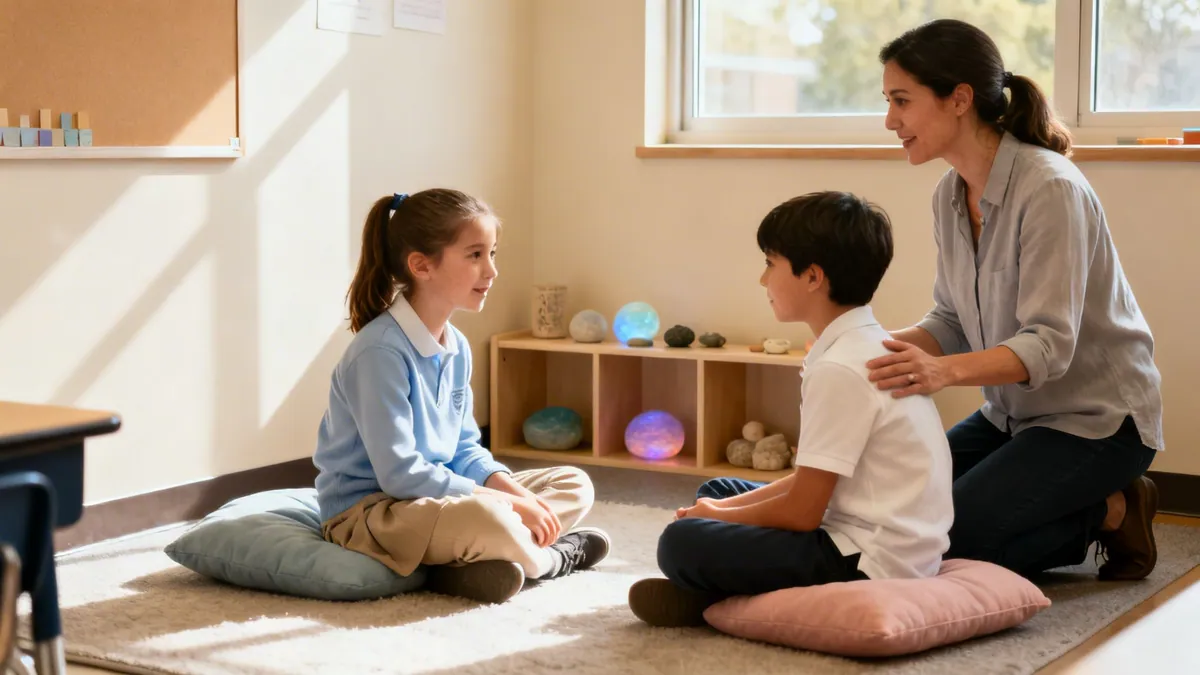
Knowing the theory is one thing, but putting it into practice in a busy classroom is where the real magic happens. As a teacher or counselor, you’re not a judge meant to declare a winner and a loser. You’re a guide, helping students find their own way to a solution.
This shift in your role is huge. It builds their confidence and ensures the lessons actually stick. Your goal is to create a safe, structured space where kids feel comfortable enough to be honest, share what’s really going on, and work toward understanding each other. These strategies are designed to be used tomorrow, helping you build a more peaceful classroom right away.
Facilitate Role-Playing for Common Scenarios
Role-playing is one of my favorite tools because it gives students a safe place to practice before the pressure is on. It’s like a scrimmage before the big game. They can try out new ways of communicating without the weight of big, real-time emotions, building muscle memory for peaceful responses.
Start with simple, everyday situations they’ll instantly get.
- Scenario 1: The Playground Dispute. Two kids want the same swing. One has been on it forever, and the other is getting frustrated. It’s about to turn into a shouting match.
- Scenario 2: The Group Project Problem. In a group, one student feels like they’re doing all the work, while another feels like they’re being bossed around and ignored.
- Scenario 3: The Misunderstanding. A student tells a joke, but it accidentally hurts another’s feelings, and now they aren’t speaking.
As they act it out, hit the “pause” button. Ask questions like, “What’s another way you could say that?” or “How do you think your friend is feeling right now?” For more great scenarios, you can find a ton of ideas in our guide on conflict resolution activities for kids.
Provide Ready-to-Use Scripts and Starters
When emotions are running high, it’s hard for anyone—kids and adults alike—to find the right words. Giving students a few go-to phrases can instantly lower the tension and open the door for a real conversation. These scripts are like training wheels for using their own “I-Statements.”
Educator’s Script: “It sounds like you both have strong feelings about this. Let’s take a turn sharing your side using an I-Statement. Remember to start with ‘I feel…'”
This simple prompt does so much. It validates their feelings, gives them a clear turn-taking structure, and reinforces a core communication skill.
Here are a few more conversation starters to keep in your back pocket:
- “Help me understand what happened from your point of view.”
- “It looks like we have different ideas. What’s one thing we can agree on?”
- “What do you need to feel better about this situation?”
These questions gently shift the focus from blaming each other to finding a solution together.
Establish a Peace Corner
A “Peace Corner” is a specific spot in your classroom where students can go to cool down before they try to solve their problem. It’s not a punishment or a time-out chair. It’s a resource they can choose to use to regulate their emotions.
Stocking this space with the right tools empowers kids to take charge of their feelings.
Your Peace Corner might include:
- A Feeling Faces Chart: A visual guide to help students put a name to their emotion.
- Calming Tools: Things like stress balls, glitter jars, or a soft pillow.
- Problem-Solving Steps: A simple, illustrated chart reminding them of the process.
- “I-Statement” Prompt Cards: Sentence stems printed out to guide their words.
When a disagreement pops up, you can say, “It seems like you both need a minute. Why don’t you head to the Peace Corner, and when you’re ready, you can use the talking stick to share your feelings?” This teaches them to take ownership of the process.
How Parents Can Foster Resolution Skills at Home
The school bell doesn’t signal the end of learning for the day. A child’s first—and most important—classroom is the home, and parents are their most influential teachers. When you reinforce the same conflict resolution skills at home that your kids are learning at school, you create a powerful, consistent environment where these habits can truly stick.
This consistency is everything. When kids hear the same language, like “I-Statements,” and practice the same problem-solving steps in the living room and the classroom, the lessons become deeply ingrained. You’re building a bridge between school and home that gives your child a social-emotional foundation to last a lifetime.
Turn Sibling Squabbles into Teachable Moments
Sibling disagreements might feel like a headache, but they are the perfect low-stakes training ground for relationship conflict resolution. The next time a fight breaks out, try shifting your role from judge to coach. The goal isn’t just to stop the fighting, but to guide your children toward finding their own solution.
Think about the classic argument over the TV remote. Your first instinct might be to just take it away. Instead, what if you coached them through it?
Parent as a Coach Example:
- Acknowledge Feelings: Start by simply noticing the emotions without placing blame. “Wow, it looks like you are both really frustrated about this remote.”
- Guide I-Statements: Prompt each child to use the “I feel…” structure they’re learning. You could say, “Can you tell your sister how you feel when she grabs the remote? Try starting with, ‘I feel…'”
- Encourage Listening: Make sure the other child is hearing them. “What did you hear your brother say? Can you tell me what he’s feeling right now?”
- Brainstorm Solutions: Put the problem back in their hands. “Okay, this is our problem to solve together. What are a few fair ways we can decide who gets the remote next? Maybe you can use a timer, or each pick a show to watch.”
This approach gives them the power to fix their own problems. It turns a moment of frustration into a real-world lesson in empathy, communication, and collaboration.
Model Healthy Disagreements
Your kids are always watching. One of the most powerful ways to teach healthy conflict resolution is to simply let them see it in action in your own relationships. When you and your partner or another adult have a disagreement, it’s a chance to show them that conflict is normal and can be handled with respect.
You don’t need to be perfect; you just need to be real. Letting your kids see you work through a disagreement and come back together teaches them that conflict doesn’t have to break a connection—it can even make it stronger.
For example, let’s say you and your partner disagree on weekend plans. You can show them what a respectful conversation looks like. Instead of, “You never want to do what I want,” you could try, “I feel a little disappointed because I was really looking forward to the park. Can we talk about a plan that works for both of us?” This shows them how to share needs without blame.
Even seeing you apologize and reconnect after things get a little tense is a huge lesson in how to repair a relationship. You might say in front of them, “I’m sorry I got frustrated earlier. Let’s try talking about our plans again calmly.”