

10 Practical Mindfulness Activities for Kids (K-8 Guide for 2026)
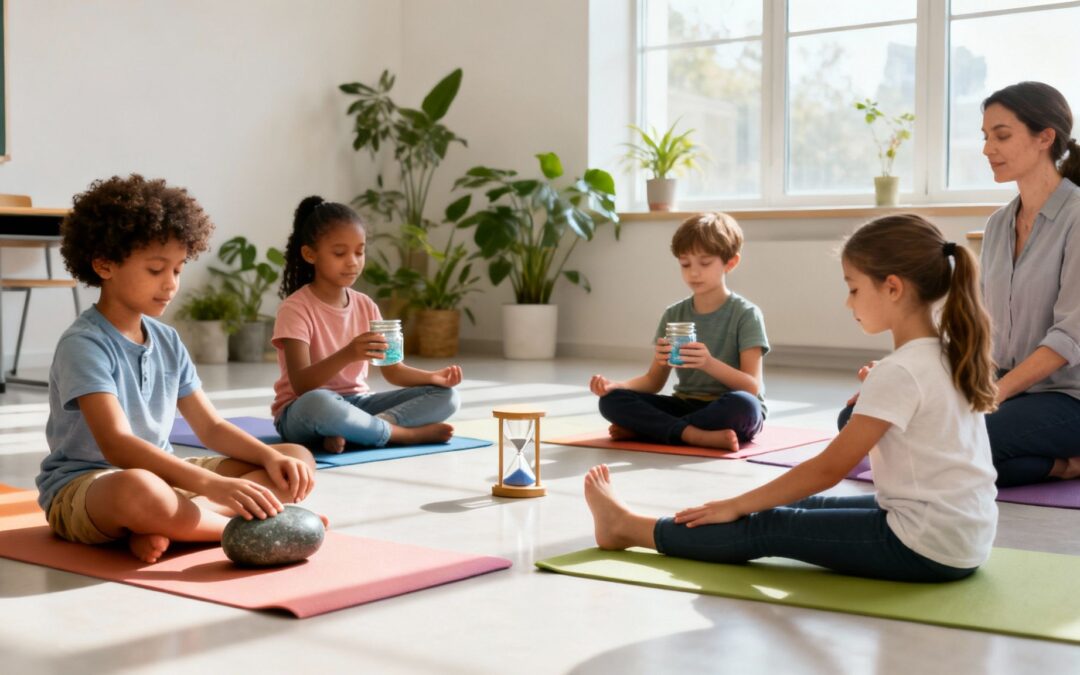
In a world buzzing with distractions, equipping children with tools to navigate their inner landscape is more essential than ever. Mindfulness isn’t about emptying the mind or sitting perfectly still for hours. It’s about paying attention to the present moment, on purpose, with curiosity and without judgment. This skill helps kids understand their big feelings, manage stress, and improve their ability to focus, whether in a bustling classroom or a busy home. By introducing simple, engaging mindfulness activities for kids, we provide them with a practical toolkit for life.
This guide moves beyond generic advice to offer a comprehensive roundup of 10 practical, evidence-based mindfulness activities designed for students in grades K-8. Each activity is presented as a valuable, standalone tool for building self-awareness and emotional regulation. For every item on our list, you will find:
- Step-by-step instructions for easy implementation.
- Age-specific adaptations for younger and older children.
- Practical tips for both classroom and home settings.
- Key social-emotional learning (SEL) targets for skill-building.
These aren’t just calming techniques; they are foundational practices for developing resilience, empathy, and self-control. They empower children to respond to challenges thoughtfully rather than reactively, aligning with Soul Shoppe’s mission to create safe, connected school communities. As children learn these vital skills, it’s also valuable to understand broader effective relaxation techniques for stress relief that promote calm and well-being at any age. Let’s explore how these simple yet powerful practices can transform your classroom or home, one mindful moment at a time.
1. Belly Breathing (Diaphragmatic Breathing)
Belly Breathing, also known as diaphragmatic breathing, is a foundational mindfulness activity for kids that serves as a powerful anchor for self-regulation. It involves taking slow, deep breaths that originate from the diaphragm, causing the belly to rise and fall. This simple action directly activates the body’s parasympathetic nervous system, which is responsible for the “rest and digest” response, effectively countering the “fight or flight” stress reaction.
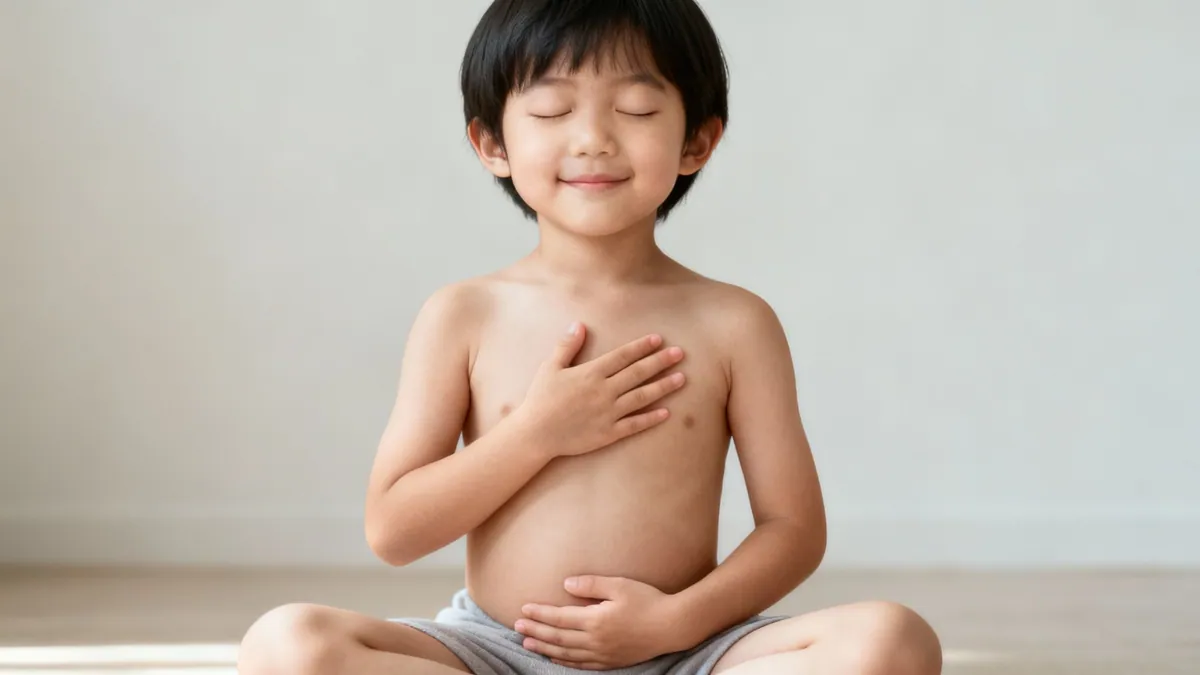
This technique is remarkably accessible for all ages, making it a go-to tool for educators and parents. Its power lies in its simplicity and immediate physical feedback, as children can feel their belly move, which helps them focus on their breath and body.
How to Implement Belly Breathing
The core instruction is to have a child place one hand on their chest and the other on their belly. Guide them to breathe in slowly through their nose, focusing on making the hand on their belly rise while the hand on their chest stays relatively still. Then, they exhale slowly through their mouth, feeling their belly fall.
- For Younger Kids (K-2): Use playful imagery. Ask them to pretend their belly is a balloon they are slowly inflating and deflating. Or, have them lie on their backs with a small stuffed animal on their belly and watch it rise and fall with each breath.
- For Older Kids (3-8): Introduce simple counting patterns. A “5-4-3-2-1” method works well: inhale for 5 seconds, hold for 4, exhale for 3, hold for 2, and repeat. This structure provides a concrete focus for a wandering mind.
Practical Classroom and Home Examples
Belly Breathing can be seamlessly integrated into daily routines to build emotional resilience.
Classroom Scenario: A second-grade teacher notices her class is restless and unfocused after recess. She initiates “Bubble Breaths,” guiding students to inhale deeply and then exhale slowly as if blowing a giant, delicate bubble they don’t want to pop. This 60-second reset helps the class transition calmly back to learning.
Home Scenario: A parent helps their anxious 10-year-old prepare for a big test. They sit together and practice “box breathing” (inhale for 4, hold for 4, exhale for 4, hold for 4) for a few minutes. This empowers the child with a tangible tool to use if they feel overwhelmed during the exam.
By practicing during calm moments, children build the muscle memory needed to deploy this skill effectively when they feel stressed, anxious, or angry. For more ideas on creating a peaceful learning space, explore these calming activities for the classroom.
2. Body Scan Meditation
Body Scan Meditation is a progressive relaxation technique that guides children on an internal tour of their own bodies. The practice involves bringing gentle, non-judgmental awareness to different body parts one by one, simply noticing any sensations like warmth, tingling, or tightness. This activity is a cornerstone for developing interoception, the sense of the internal state of the body, which is crucial for emotional regulation.
This technique teaches children to tune into their physical stress signals, such as a tight jaw or clenched fists, and consciously release that tension. It fosters a deeper mind-body connection, helping kids understand how their emotions manifest physically. Its quiet, introspective nature makes it an excellent calming tool for individuals or groups.
How to Implement a Body Scan Meditation
The core instruction is to have a child lie down comfortably with their eyes closed or with a soft gaze. Guide them to bring their attention to their toes, then slowly move their focus up through their feet, legs, belly, arms, and all the way to the top of their head, noticing sensations in each part without needing to change anything.
- For Younger Kids (K-2): Use tangible and playful language. Ask them to imagine a warm, sleepy flashlight shining on each body part, or pretend to be a melting snowman, slowly softening each part of their body from their toes to their head. Keep sessions short, around 3-5 minutes.
- For Older Kids (3-8): Introduce more nuanced concepts. Encourage them to notice the difference between tension and relaxation by first tensing a muscle group (like squeezing their hands into fists) and then releasing it completely. This “tense and release” method provides clear physical feedback.
Practical Classroom and Home Examples
A Body Scan can be used as a transition activity to help children settle their bodies and minds.
Classroom Scenario: A middle school teacher plays a 5-minute guided body scan recording for their students during the last few minutes of class. This provides a structured moment of calm before the bell rings, helping students decompress from academic pressure before transitioning to their next period or home.
Home Scenario: A parent guides their energetic 7-year-old through a short body scan before bedtime. Lying in bed, the parent softly says, “Notice your feet. Are they warm or cool? Now let’s say goodnight to your knees.” This routine helps the child wind down, release physical energy, and prepare for restful sleep.
Practicing this meditation helps children build body awareness, a key component of self-awareness. To explore this further, check out these powerful emotional intelligence activities for kids.
3. Mindful Walking
Mindful Walking is a dynamic meditation that bridges the gap between movement and awareness, making it one of the most accessible mindfulness activities for kids, especially for kinesthetic learners. This practice involves walking slowly and deliberately while paying close attention to sensory experiences: the feeling of feet on the ground, the sounds in the environment, and the sights along the path. It transforms a simple, everyday action into a powerful tool for grounding and presence.
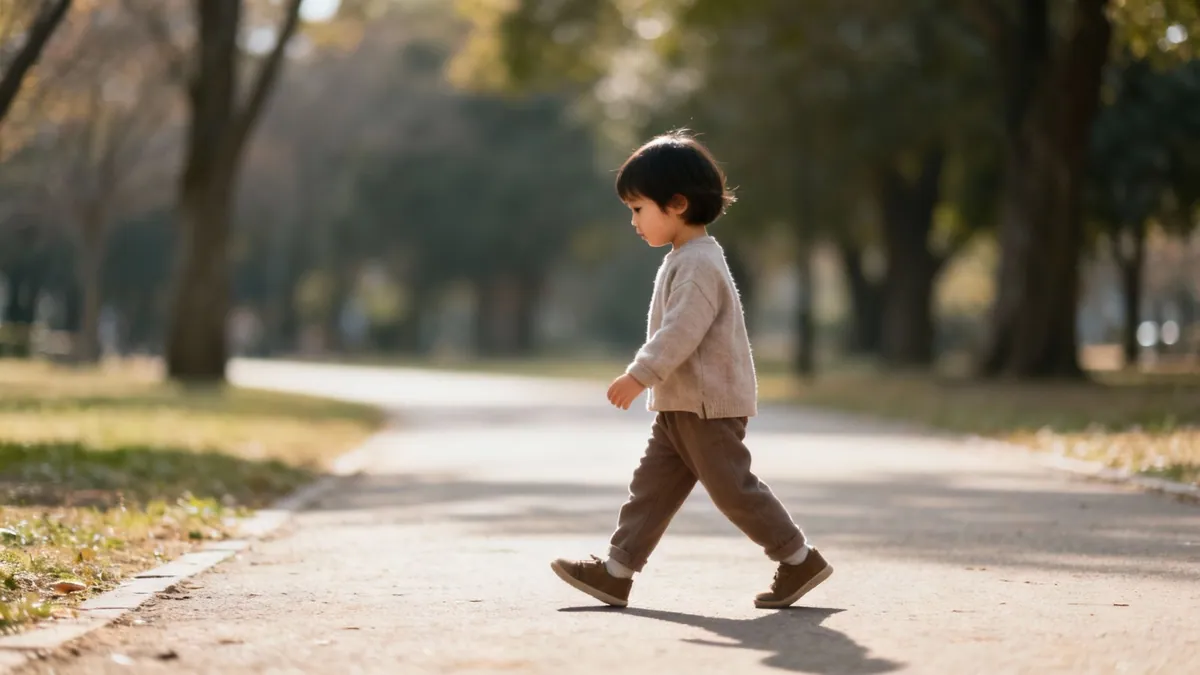
This technique is highly effective for children who struggle with the stillness of traditional meditation. By engaging the body, it provides a physical anchor for the mind, helping to channel restless energy into focused attention and self-awareness.
How to Implement Mindful Walking
The goal is to shift focus from the destination to the journey of each step. Guide children to walk at a slower-than-usual pace, encouraging them to notice the sensations of lifting one foot, moving it through the air, and placing it back down on the ground.
- For Younger Kids (K-2): Turn it into a game of observation. Ask them to be “Nature Detectives” or “Sound Spies,” walking as quietly as possible to notice things they might usually miss. Use prompts like, “Let’s walk like we’re sneaking up on a butterfly.”
- For Older Kids (3-8): Introduce more structured sensory awareness. Create a “Sensory Scavenger Hunt” where they must find five different things they can see, four sounds they can hear, three textures they can feel, and two scents they can smell during their walk.
Practical Classroom and Home Examples
Mindful Walking can be used as a transition activity, a brain break, or a way to reconnect with the environment.
Classroom Scenario: A PE teacher begins class with a “Snail’s Pace Lap” around the gym or field. Students are instructed to walk as slowly as possible for two minutes, focusing only on the feeling of their shoes touching the floor. This serves as a calming warmup that brings the group’s energy together before more active games.
Home Scenario: A parent notices their child is feeling agitated after a long day of screen time. They initiate a five-minute “Awareness Walk” around the backyard. The parent prompts, “What do you notice with each step? Can you feel the grass under your shoes? What’s the farthest sound you can hear?” This short, active reset helps the child decompress and reconnect with their physical surroundings.
Practicing Mindful Walking helps children develop a greater appreciation for their environment and teaches them that mindfulness can be incorporated into any activity, not just sitting still.
4. Loving-Kindness Meditation (Metta)
Loving-Kindness Meditation, also known as Metta, is a heartfelt practice where children silently repeat phrases of goodwill and compassion. This powerful mindfulness activity intentionally directs kind thoughts toward oneself and then gradually outward to others, including loved ones, neutral people, and even those with whom they have difficulty. It directly cultivates empathy, quiets negative self-talk, and builds the neurological pathways for kindness and connection.
This practice is particularly effective for fostering a sense of belonging and reducing bullying behaviors. It shifts a child’s internal focus from judgment to compassion, providing a framework for understanding that everyone, including themselves, desires happiness and safety. Its structured nature makes it an accessible tool for nurturing social-emotional intelligence.
How to Implement Loving-Kindness Meditation
The core of the practice is guiding children to repeat simple, positive phrases. A common starting point is having them place a hand on their heart to create a physical connection to the feelings of warmth and kindness they are generating.
- For Younger Kids (K-2): Use very simple, concrete phrases. Guide them to think of someone they love and silently wish them well: “May you be happy. May you be safe. May you be healthy.” Create a “kindness circle” where children imagine sending these kind thoughts out to their friends and family.
- For Older Kids (3-8): Introduce a more structured sequence. Start with self-compassion, which is often the most challenging step. Then, extend the phrases to a loved one, a neutral person (like a school custodian), a difficult person, and finally to all living beings. The phrases can be adapted, such as: “May I be peaceful. May I be strong.”
Practical Classroom and Home Examples
Loving-Kindness Meditation can be a cornerstone for building a positive and inclusive community culture.
Classroom Scenario: After a conflict on the playground, a fourth-grade teacher uses Metta as a restorative practice. She guides the students to send kind thoughts first to themselves (“May I be calm”), then to a friend (“May you be happy”), and finally, when they are ready, to the person they disagreed with (“May you be peaceful”). This helps de-escalate lingering resentment.
Home Scenario: A parent incorporates a brief loving-kindness practice into their child’s bedtime routine. They sit together and silently send kind wishes to family members and friends. This ends the day on a positive, connected note and helps ease worries or anxieties about school relationships.
By regularly practicing Metta, children develop a “kindness muscle” that strengthens their capacity for empathy and forgiveness. To discover more strategies for nurturing this essential skill, explore these insights on how to teach empathy to students.
5. Five Senses Grounding (5-4-3-2-1 Technique)
The Five Senses Grounding technique, often called the 5-4-3-2-1 method, is a powerful mindfulness activity for kids that pulls their attention out of overwhelming thoughts and anchors them firmly in the present moment. This sensory-based exercise interrupts anxiety or worry spirals by systematically engaging each of the five senses to notice the immediate environment. It is a concrete, interactive tool that requires no materials and can be done anywhere.
This technique is especially effective for emotional dysregulation because it shifts focus from internal distress to external, neutral observations. By asking the brain to perform a specific, sequential task (find 5 things you see, 4 you can touch, etc.), it redirects cognitive resources away from the source of stress, providing immediate relief and a sense of control.
How to Implement Five Senses Grounding
The process is a simple countdown that guides a child through their senses. Verbally prompt them to silently or aloud identify:
- 5 things they can see.
- 4 things they can feel or touch.
- 3 things they can hear.
- 2 things they can smell.
- 1 thing they can taste.
- For Younger Kids (K-2): Turn it into a game like “I Spy” or “Sensory Detective.” You can say, “Let’s use our detective eyes! Can you spot five blue things?” Simplify the prompts and offer gentle guidance if they get stuck.
- For Older Kids (3-8): Encourage them to be specific and detailed. Instead of just “a chair,” they might notice “the smooth, cool metal of the chair leg.” Create a small, laminated card with the 5-4-3-2-1 prompts that they can keep in their desk or pocket as a discreet tool.
Practical Classroom and Home Examples
The 5-4-3-2-1 method is a versatile tool for managing moments of high stress.
Classroom Scenario: A school counselor is working with a fourth-grader who experiences panic before presentations. The counselor teaches the student the 5-4-3-2-1 technique to use while waiting for their turn. The student focuses on seeing the posters on the wall, feeling the texture of their jeans, hearing the hum of the projector, smelling their pencil, and tasting the mint they were given. This sensory input grounds them, reducing their anxiety.
Home Scenario: A parent notices their child becoming agitated and overwhelmed after a frustrating homework session. The parent gently says, “Let’s take a break and use our senses.” They guide the child through the 5-4-3-2-1 steps, bringing immediate awareness to the present and breaking the cycle of frustration before it escalates.
Teaching this technique during calm moments first allows children to practice and internalize the steps, making it easier to recall and use effectively when they feel overwhelmed.
6. Mindful Eating
Mindful Eating is a powerful practice that transforms a routine activity, like snack or mealtime, into an opportunity for deep, sensory awareness. It involves slowing down to engage all five senses: noticing the food’s colors and textures, inhaling its aroma, hearing its sounds, and savoring each flavor. This simple shift from automatic to intentional eating helps children develop present-moment focus, fosters a healthier relationship with food, and teaches gratitude.
This technique, often introduced with Jon Kabat-Zinn’s classic “raisin exercise,” is incredibly effective because it uses a familiar, tangible object. It teaches kids to appreciate their food and the journey it took to reach them, anchoring mindfulness in an everyday experience.
How to Implement Mindful Eating
The goal is to guide children through a sensory exploration of their food before and during consumption. Create a calm, distraction-free environment and encourage them to slow down and notice every detail of the experience.
- For Younger Kids (K-2): Use simple, appealing foods like a single strawberry or a slice of orange. Guide them with questions like, “What does it look like? Is it bumpy or smooth? What does it smell like? What sound does it make when you bite it?”
- For Older Kids (3-8): Introduce the concept of gratitude. Before eating, prompt them to think about where the food came from: the farmer, the sun, the rain. Have them write down or share one thing they notice about the taste or texture that they’ve never noticed before.
Practical Classroom and Home Examples
Mindful Eating can be easily incorporated into scheduled meal times to create moments of calm and connection.
Classroom Scenario: A first-grade teacher starts each day’s snack time with a “Mindful Minute.” Before the students eat their crackers, she asks them to hold one, look at its shape, feel its texture, and then take one slow bite, listening for the crunch. This brief ritual helps settle the class and fosters a calm transition.
Home Scenario: A family decides to have a “no-screens” dinner one night a week. The parent leads a short mindful eating exercise with a piece of broccoli, asking everyone to describe its taste and feel. This simple practice opens up conversations about food and encourages everyone to slow down and savor their meal together.
By practicing mindful eating, children learn to pay attention on purpose, improve self-regulation, and cultivate a deeper sense of appreciation for the simple things in life.
7. Guided Visualization/Imagery
Guided Visualization, also known as guided imagery, is a mindfulness activity that uses the power of imagination to transport a child to a calm and peaceful mental state. It involves listening to a descriptive narrative that helps them create a detailed, positive scene in their mind, such as a tranquil forest, a warm beach, or a personal “safe space.” This practice engages the senses and activates the parasympathetic nervous system, effectively reducing anxiety and stress hormones.
This technique is especially potent for visual learners, as it provides a rich, internal world they can access for comfort and self-soothing. By creating these mental sanctuaries, children learn they possess a powerful tool within their own minds to manage overwhelming feelings, accessible anytime and anywhere.
How to Implement Guided Visualization
The goal is to guide the child using calm, descriptive language that appeals to multiple senses. You can use pre-recorded scripts from apps like Calm or Headspace, read from a book, or create your own based on the child’s interests. Start by having the child get into a comfortable position, either sitting or lying down, and inviting them to close their eyes if they wish.
- For Younger Kids (K-2): Keep visualizations short, simple, and magical. Guide them to imagine they are a fluffy cloud floating gently across a blue sky, or a tiny ladybug exploring a soft, green leaf. Use very concrete sensory details, like “feel the warm sun on your back” or “smell the sweet flowers.”
- For Older Kids (3-8): Introduce more complex and empowering narratives. Guide them through building their own private treehouse or a secret garden. You can also use visualization to prepare for challenges, like imagining themselves successfully giving a presentation or scoring a goal in a soccer game.
Practical Classroom and Home Examples
Guided Visualization is a versatile tool for transitions, test preparation, and emotional regulation.
Classroom Scenario: A fourth-grade teacher plays a five-minute guided imagery audio track of a “walk through a peaceful forest” after lunch. Students listen with their heads on their desks. This quiet time helps them reset their energy, reduces post-recess chatter, and prepares their minds for an afternoon of focused learning.
Home Scenario: A parent helps their 8-year-old who is afraid of the dark. Each night, they do a “special star” visualization. The parent guides the child to imagine a warm, glowing star in their belly that fills their whole body with protective light, making them feel safe and brave as they fall asleep.
Practicing these mental journeys regularly helps children build a library of calming images they can call upon independently when they need to find their inner peace.
8. Mindful Coloring/Art
Mindful Coloring/Art is a creative practice that combines artistic expression with present-moment awareness. Instead of focusing on creating a perfect masterpiece, children engage in coloring, drawing, or painting while paying close attention to the sensory experience: the feel of the crayon on paper, the vibrant colors flowing from a marker, and the gentle movements of their hand. This approach makes mindfulness accessible to kids who may find traditional seated meditation challenging.
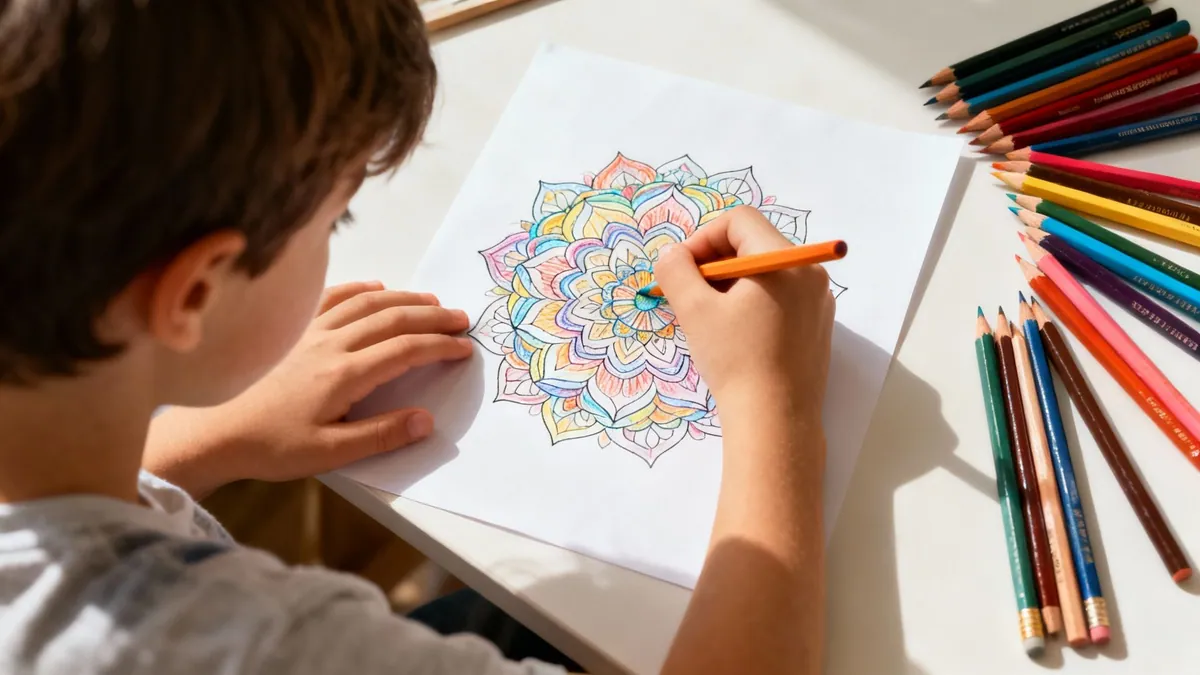
This activity helps children anchor their attention in a gentle, engaging way, calming a busy mind and reducing feelings of stress or anxiety. It beautifully shifts the focus from the final product to the process itself, encouraging non-judgment and self-acceptance.
How to Implement Mindful Coloring/Art
The goal is to guide a child’s awareness to the physical and sensory aspects of creating art. Frame the activity with the idea that there is “no wrong way” to do it. Encourage them to move slowly and intentionally, noticing what they see, feel, and hear.
- For Younger Kids (K-2): Use simple, large designs like mandalas or nature scenes. Prompt them with sensory questions like, “What does the blue feel like? Is it calm like the ocean or bright like the sky?” and “Listen to the sound the marker makes on the paper.”
- For Older Kids (3-8): Introduce more complex patterns or free-drawing prompts. Ask them to “draw their feelings” using colors and shapes that represent their current emotional state. Encourage them to notice how their body feels as they create, such as the tension in their hand or the rhythm of their breathing.
Practical Classroom and Home Examples
Mindful Coloring can be used as a calming transition, a brain break, or a quiet-time activity.
Classroom Scenario: A fourth-grade teacher provides mandala coloring pages as a “soft start” to the day. As students enter, they can choose a page and color quietly while soft instrumental music plays. The teacher circulates, asking gentle questions like, “What colors are you choosing today?” This sets a calm, focused tone for learning.
Home Scenario: A 7-year-old is feeling frustrated and overwhelmed after a difficult day at school. Their parent sets up a “mindful art station” with paper and watercolors, inviting the child to simply play with the colors on the page. The parent says, “Let’s just watch how the red and yellow mix together.” This provides a non-verbal outlet for difficult emotions.
By emphasizing the process over the outcome, this activity teaches children that their effort and presence are what truly matter, making it one of the most effective mindfulness activities for kids who express themselves visually.
9. Mindful Movement/Yoga
Mindful Movement, often expressed through kid-friendly yoga, is a dynamic mindfulness activity that combines physical postures, focused breathing, and present-moment awareness. It encourages children to connect with their bodies by moving through gentle poses while noticing physical sensations. This practice is exceptionally beneficial for kinesthetic learners, as it provides a physical outlet to release stored tension, improve body awareness, and calm the nervous system.