

10 Transformative Classroom Community Building Activities for 2025
In today’s educational landscape, academic achievement is deeply intertwined with emotional well-being. A strong classroom community isn’t just a ‘nice-to-have’; it’s the foundation upon which resilient, engaged, and successful learners are built. When students feel seen, safe, and connected, they are better equipped to take academic risks, collaborate effectively, and navigate social challenges with confidence.
This article moves beyond generic advice to provide a curated roundup of 10 powerful, research-aligned classroom community building activities. Each entry is designed for practical implementation, offering step-by-step guidance, adaptations for different grade levels (K-8), and specific examples that both teachers and parents can use to foster a thriving, supportive learning environment. For instance, you’ll find structured check-in prompts for a first-grade classroom and complex restorative circle scripts suitable for middle schoolers.
Creating this supportive atmosphere is a critical component of a well-managed learning space. Before diving into specific activities, it’s helpful to establish a baseline of respect and order. You can explore powerful classroom management strategies that transform your space into a vibrant community where every student feels seen and empowered.
Drawing from over 20 years of experience at Soul Shoppe, we know that these strategies are essential for cultivating the connection, safety, and empathy every child needs to thrive. This guide provides actionable steps to intentionally build a classroom where every student feels they belong, setting the stage for deeper learning and social-emotional growth. Let’s explore the activities that will make this a reality in your classroom.
1. Circle Time/Talking Circles
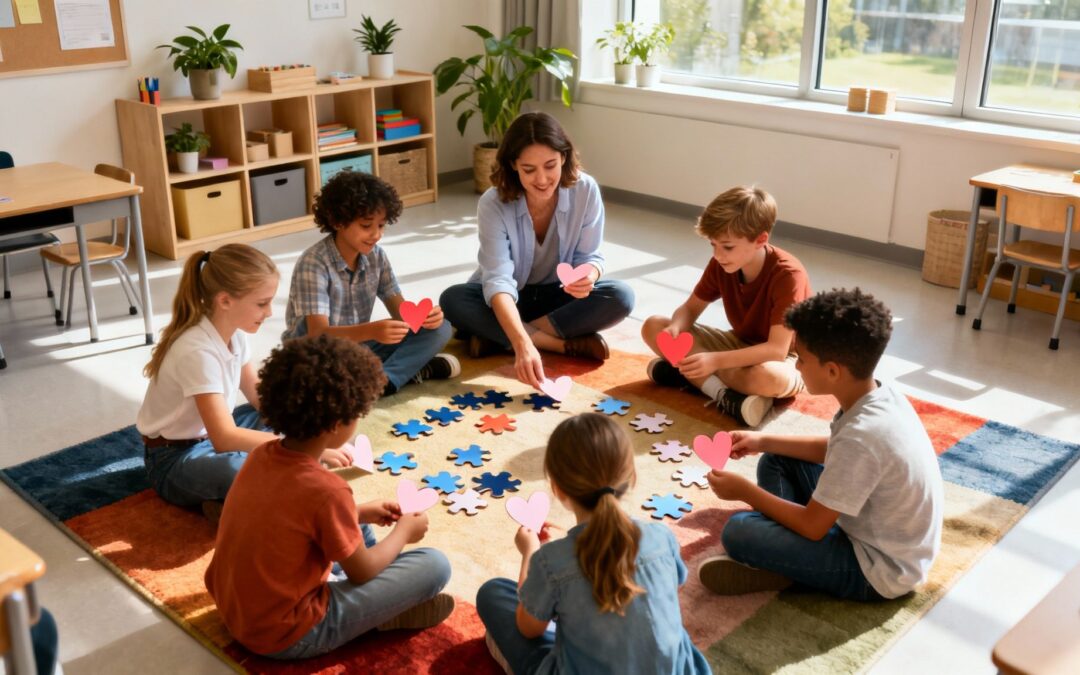
Circle Time, often called Talking Circles, is a foundational practice for fostering psychological safety and a strong sense of belonging in the classroom. This structured activity involves students gathering in a circle to share thoughts, feelings, and experiences. By giving every student an equal opportunity to speak and be heard without interruption, it reinforces that each voice has value. This practice is rooted in indigenous traditions and is a cornerstone of early childhood education and restorative justice models.
Practical Implementation and Examples
The power of Circle Time lies in its consistency and structure. For example, a first-grade teacher might start each morning by asking students to share “one happy or one crummy” thing from their evening. A middle school advisory could use a weekly circle with a prompt like, “Share a time this week you felt proud of your effort.” These routines create a predictable space for sharing.
Actionable Tips for Success
To make circles effective, focus on creating a safe and predictable environment.
- Establish Clear Agreements: Work with students to co-create community agreements before each circle to reinforce expectations like respectful listening and confidentiality.
- Use a Talking Piece: Introduce a special object (a smooth stone, a small toy, or a decorated stick) as a “talking piece.” Only the person holding the object may speak. This simple tool prevents interruptions and encourages mindful participation.
- Start Small: Begin with brief circles (10-15 minutes) and low-pressure prompts. As students become more comfortable, you can gradually extend the time and introduce more reflective or emotional topics.
- Model Vulnerability: As the facilitator, your participation is crucial. Share your own appropriate thoughts and feelings to model the type of open, honest communication you want to cultivate.
Key Insight: The physical act of sitting in a circle, with no front or back, is a powerful nonverbal cue that dismantles traditional classroom hierarchies and positions everyone as an equal member of the community.
Circles are one of the most versatile classroom community building activities because they can be adapted for any grade level and serve multiple purposes, from daily check-ins to resolving conflicts. This approach directly aligns with Soul Shoppe’s core belief that connection and emotional safety are prerequisites for academic and social success. By creating a predictable and safe space for sharing, you lay the groundwork for a truly empathetic and supportive classroom culture.
2. Peer Buddy Systems and Mentorship Programs
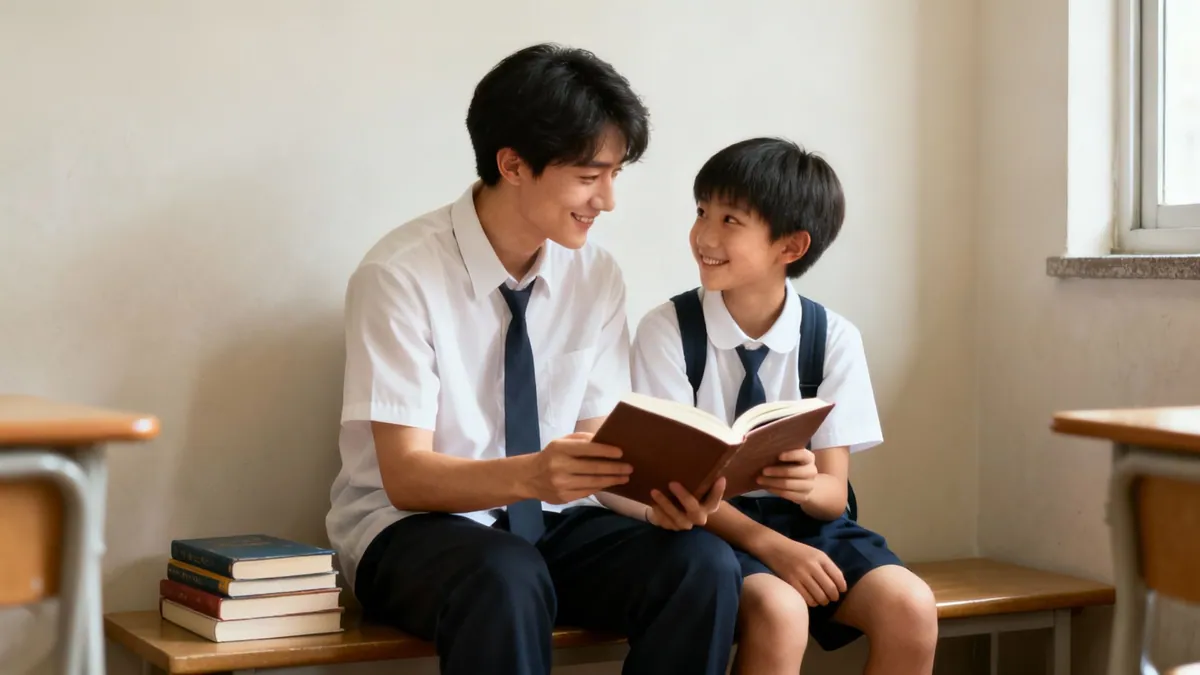
Peer Buddy Systems and Mentorship Programs are structured partnerships that pair students for mutual academic, social, and emotional support. These programs deliberately create one-on-one connections, often matching older students with younger ones, to foster a culture of care and responsibility. By building these direct links, schools can reduce feelings of isolation, enhance empathy, and empower students to become leaders. This approach is rooted in models like Big Brothers Big Sisters and has become a powerful tool in modern anti-bullying and social-emotional learning initiatives.
Practical Implementation and Examples
This strategy thrives on intentional structure. A common example is pairing fifth graders with kindergarteners for a weekly “Reading Buddies” session, where the older student helps the younger one with literacy skills while building a positive relationship. Another powerful application is in middle school, where eighth-grade mentors can support sixth graders navigating the difficult transition, offering guidance and a friendly face in the hallway. For instance, mentors could help new students learn how to open their lockers or find their way to different classrooms during the first week of school.
Actionable Tips for Success
To ensure these partnerships are meaningful and effective, careful planning is essential. A well-designed program goes beyond simply matching names on a list.
- Use Matching Surveys: Create simple surveys to pair students based on shared interests, hobbies, or even identified social needs. This intentional matching increases the likelihood of a genuine connection.
- Provide Structure and Prompts: Don’t leave interactions to chance. Offer structured activities like shared reading, a specific craft, or conversation starter cards to guide their time together, especially in the beginning.
- Train Your Mentors: Explicitly teach older students essential skills like active listening, asking open-ended questions, and how to offer encouragement. This training transforms them from just a “buddy” into a true mentor.
- Schedule Regular Check-ins: Meet with mentors as a group to troubleshoot challenges and share successes. Check in with younger buddies to ensure they feel safe and supported in the partnership.
Key Insight: Peer mentorship transforms the school environment from a collection of individual classrooms into an interconnected ecosystem where students are actively responsible for one another’s well-being and success.
These types of classroom community building activities are invaluable for creating a protective and inclusive school climate. They give older students a profound sense of purpose and provide younger students with a trusted ally, directly addressing the need for belonging that is central to Soul Shoppe’s mission. By empowering students to support each other, you build a community that is resilient, empathetic, and truly student-led.
3. Collaborative Learning Projects and Cooperative Learning Structures
Collaborative Learning Projects and Cooperative Learning Structures embed community building directly into academic instruction. Instead of treating social skills and coursework as separate, this approach intentionally designs tasks where students must work together toward a shared goal. By making students mutually dependent on one another for success, these activities teach vital communication, problem-solving, and conflict resolution skills in an authentic context. This method transforms academic work into a powerful vehicle for building interdependence and mutual respect.
For example, a science investigation can assign designated roles like “Materials Manager,” “Recorder,” and “Speaker,” ensuring each student has a crucial part to play. Similarly, literature circles give students specific jobs like “Discussion Director” or “Word Wizard,” fostering student-led discussions that build strong communication habits. For a history project, one student might be the “Researcher,” another the “Map Maker,” and a third the “Presenter,” making each person’s contribution essential to the final grade.
How to Implement Collaborative Learning Effectively:
- Explicitly Teach Collaboration Skills: Before starting a project, hold mini-lessons on skills like active listening, giving constructive feedback, and reaching a consensus. Don’t assume students know how to collaborate effectively.
- Use Role Cards: Provide groups with cards that clearly define each member’s responsibilities. This clarifies expectations, prevents one or two students from dominating the work, and ensures everyone contributes.
- Vary Groupings Intentionally: Mix up student groups regularly. This prevents cliques from forming and gives every student a chance to work with and learn from all of their peers, building relationships across the entire classroom.
- Incorporate Group Reflection: After a project, guide students to reflect on their process. Ask questions like, “What was one challenge our group faced, and how did we handle it?” or “How well did we listen to everyone’s ideas?” This metacognitive step is crucial for growth.
Key Insight: Structuring academic tasks for interdependence shifts the classroom dynamic from individual competition to collective achievement. Students learn that their personal success is directly linked to the success of their peers, fostering a powerful sense of “we.”
Integrating these projects is one of the most effective classroom community building activities because it shows students the value of community in a tangible, academic context. This approach aligns with Soul Shoppe’s philosophy of teaching practical relationship tools, turning every lesson into an opportunity to build a more resilient and supportive classroom culture where students learn to rely on and respect one another.
4. Gratitude and Appreciation Practices
Integrating Gratitude and Appreciation Practices into the daily classroom routine is a powerful strategy for building a positive, supportive, and empathetic community. This approach involves creating intentional opportunities for students to recognize and express thankfulness for their peers, teachers, and school environment. By consistently shifting the focus toward strengths and positive contributions, these practices actively reduce conflict, foster a sense of being seen and valued, and reinforce the core principles of psychological safety and connection.
How to Implement Gratitude Practices
Successful implementation relies on making appreciation a regular and authentic habit rather than a one-time event. You can embed these moments throughout the school day in various engaging ways. For example, start a “Gratitude Jar” where students can write anonymous notes of thanks to classmates, which are read aloud at the end of the week. Another popular method is dedicating a few minutes during morning meetings for “Appreciation Shout-Outs,” where students can publicly acknowledge a kind act or helpful behavior from a peer.
For a more tangible approach, teachers can provide students with opportunities to create and share messages of appreciation, such as personalized notes or customizable thank you cards for special occasions. These small but meaningful gestures help solidify the habit of showing gratitude.
Tips for Effective Facilitation
- Model Specificity: Go beyond generic praise. Instead of saying, “Thanks for being a good friend,” model specific appreciation like, “I want to thank Maya for helping me pick up my crayons when I dropped them. It made me feel supported.”
- Teach the ‘Why’: Explain to students how receiving specific appreciation makes someone feel. Connect their kind actions to the positive impact they have on others to build empathy.
- Ensure Equity: Use a system, like drawing names from a jar or having a student of the day, to ensure that every child, especially quieter ones, regularly receives recognition from their peers.
- Create a Visual Focus: Designate a “Gratitude Wall” or a bulletin board where students can post thank-you notes. This creates a powerful and constant visual reminder of the community’s positive interactions.
Key Insight: A culture of appreciation changes the classroom’s default setting from identifying problems to recognizing strengths. This shift empowers students to see the good in one another, which is a foundational skill for resolving conflicts and building lasting friendships.
Gratitude and Appreciation Practices are some of the most impactful classroom community building activities because they require minimal resources but yield significant emotional returns. These exercises directly support Soul Shoppe’s mission by teaching students to actively look for and acknowledge the best in each other, creating a classroom where everyone feels a deep sense of belonging. Learn more about gratitude activities for kids and how they can transform your classroom environment.
5. Restorative Practices and Peace Circles
Restorative Practices and Peace Circles offer a powerful framework for addressing harm, resolving conflict, and strengthening relationships within the classroom. Moving beyond traditional punitive discipline, this approach brings together those affected by an incident to collaboratively understand its impact, repair the harm done, and rebuild community trust. It is a proactive and responsive strategy that empowers students to take accountability and learn from their mistakes in a supportive environment.