

10 Activities for communication skills You Should Know
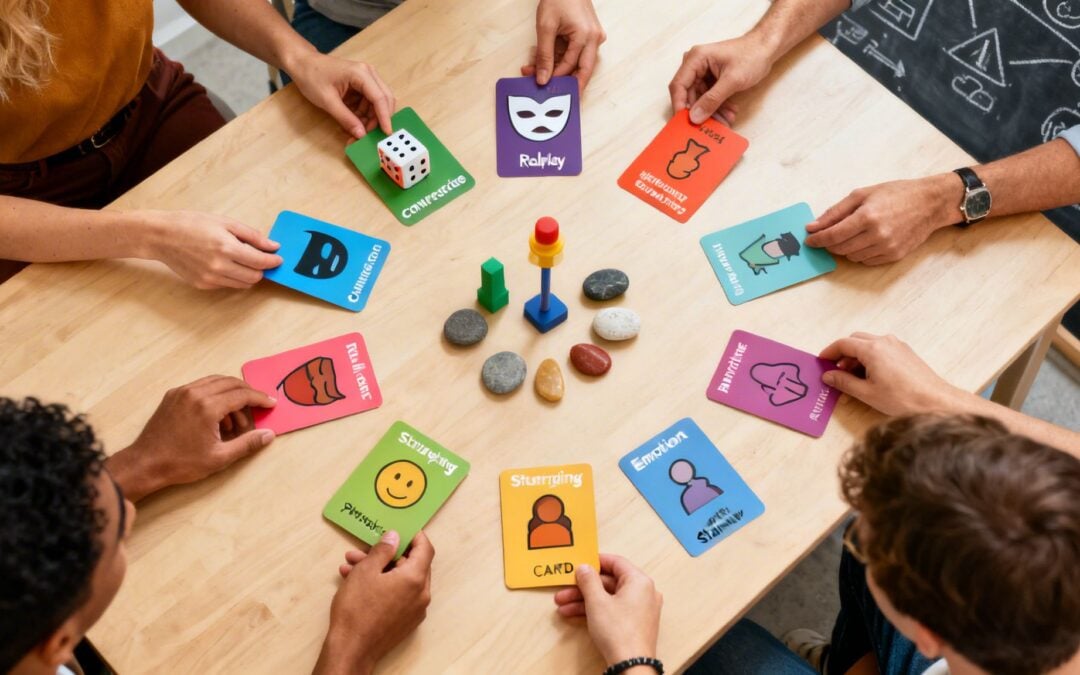
Effective communication is the cornerstone of social-emotional learning (SEL), academic success, and positive relationships. When students can express their thoughts clearly, listen actively, and understand different perspectives, they are better equipped to navigate their social worlds, collaborate with peers, and advocate for themselves. Developing these abilities requires more than just instruction; it demands consistent, hands-on practice. This resource provides a comprehensive roundup of research-based activities for communication skills designed to meet the diverse needs of students from kindergarten through eighth grade.
This is not a list of abstract theories. Instead, you will find ten actionable, SEL-centered activities that educators, counselors, and parents can implement immediately. Each entry is structured for practical application, offering a complete toolkit that includes:
- Clear Objectives: What students will learn and practice.
- Step-by-Step Instructions: A guide for facilitating the activity from start to finish.
- Practical Examples: Specific scenarios and scripts to use with students.
- Differentiation Strategies: Adaptations for various grade levels and learning needs.
- Assessment Guidance: Methods for observing and measuring skill development.
From structured role-playing scenarios that build empathy to interactive games that make active listening engaging, these activities provide a framework for fostering confident and compassionate communicators. Whether you are a principal aiming to integrate SEL school-wide, a teacher seeking dynamic classroom tools, or a parent supporting skill-building at home, this guide offers the specific details you need to get started. The goal is to move beyond simply telling students how to communicate and instead give them structured opportunities to practice and refine these essential life skills.
1. Role-Playing and Perspective-Taking Scenarios
Role-playing and perspective-taking scenarios are interactive exercises where participants act out real-world communication situations. This method moves beyond theoretical discussion, allowing individuals to practice expressing themselves, actively listening, and understanding different viewpoints in a controlled environment. By taking on various roles, participants can experience conflicts, conversations, and social interactions from multiple sides, building crucial empathy and emotional intelligence.
These experiential learning techniques, popularized by methodologies like Augusto Boal’s Theatre of the Oppressed, are exceptionally effective because they simulate the emotional and cognitive pressures of actual social challenges. This makes them one of the most powerful activities for communication skills development.
Implementation Examples
- Conflict Resolution: Two students who had a disagreement on the playground can role-play the situation, but this time they switch roles. For example, a teacher might say, “Okay, Sam, you’ll be playing Alex’s part, and Alex, you’ll be Sam. Sam, your goal is to explain why you felt left out. Alex, your goal is to explain why you needed space. Let’s start from when the argument began.” This helps each student articulate the other’s point of view before expressing their own.
- Family Communication: A parent and child can act out a common point of contention, like screen time limits. The parent plays the child, arguing for more time, while the child plays the parent, explaining the rules and reasoning. For instance, the child (playing the parent) might say, “I understand you want more screen time, but our rule is one hour on school nights because we need to prioritize homework and sleep.”
- Bullying Intervention: Soul Shoppe’s interactive workshops often use role-plays where students practice being an “upstander.” They act out scenarios where they witness bullying and test different strategies to safely intervene or support the person being targeted. A practical example involves one student playing the bully, another the target, and a third the upstander. The upstander might practice saying, “Hey, that’s not cool. Let’s not talk to people that way,” or “Do you want to come play with us instead?”
Actionable Tips for Success
To maximize the benefit of role-playing, it’s essential to create a supportive structure.
- Establish Psychological Safety: Begin by setting clear ground rules. Emphasize that this is a “no-shame” zone for practice, and all efforts are valued.
- Start Small: Begin with low-stakes scenarios, such as asking a friend to share a toy or joining a new group at recess, before moving to more emotionally charged topics.
- Mandatory Debrief: Always conclude with a reflection period. Use prompts like, “How did it feel to be in that person’s shoes?” or “What communication strategy worked well?”
- Offer Opt-Outs: Allow students to pass or participate as an observer. Forcing participation can create anxiety and hinder learning.
2. Structured Partner and Small Group Dialogues
Structured partner and small group dialogues are facilitated conversations that use specific frameworks and prompts to guide interaction. This approach moves beyond unstructured “talk time” by implementing clear turn-taking protocols, active listening requirements, and guided reflection. By creating a predictable and safe format, participants can practice articulating their thoughts, validating others’ perspectives, and engaging in respectful discourse without fear of being interrupted or unheard.
This method, with roots in practices like Marshall Rosenberg’s Nonviolent Communication (NVC) and mindfulness-based dialogues, transforms conversation into a deliberate practice. The explicit structure helps de-escalate potential conflicts and ensures equitable participation, making it one of the most foundational activities for communication skills for building a respectful community.
Implementation Examples
- Partner Listening Exercises: In Soul Shoppe workshops, students are often paired up. One student (the speaker) shares for a set time (e.g., 60 seconds) about a specific prompt, while the other (the listener) listens without interrupting. The listener then reflects back what they heard. For example, after the speaker shares, the listener might say, “What I heard you say was that you felt really proud when you finished your art project because you worked hard on it.”
- Peer Mentoring Conversations: Older students can mentor younger ones using a structured protocol, such as asking questions like, “What is one thing that went well this week?” and “What is something you’re finding tricky?” A practical script for the mentor could be: “First, let’s talk about a success. Then, we can brainstorm one small step to help with the tricky part.”
- Dinner Table Question Cards: A family can use cards with prompts like, “Share a time today you felt proud,” to guide a more intentional and inclusive dinner conversation where everyone gets a turn to share and listen. For instance, a card could say: “Describe a moment today when someone was kind to you.” Each person answers while the others practice listening.
Actionable Tips for Success
To ensure these dialogues are effective, facilitators should focus on creating clarity and safety.
- Provide Written Prompts: Keep conversation prompts, sentence starters, or listening guidelines visible on a whiteboard or handout so participants can easily reference them.
- Model the Dialogue Format: Before asking students to practice independently, demonstrate a structured conversation with another adult or a student volunteer. Explicitly point out the turn-taking and listening steps.
- Start with Lighter Topics: Begin with low-stakes prompts, such as “What’s your favorite thing to do on a weekend?” before moving to more personal or sensitive discussions.
- Rotate Partners Regularly: Encourage students to practice with different peers. This builds their comfort and ability to communicate effectively with a wider range of personalities.
- Debrief as a Group: After the dialogues, facilitate a group reflection. Ask questions like, “What did it feel like to be listened to without interruption?” or “What made a conversation feel successful?”
3. Fishbowl Observation and Discussion
The fishbowl method is a structured discussion technique where a small “inner circle” of participants engages in a conversation, while a larger “outer circle” observes their interactions. This format allows observers to analyze communication dynamics, body language, and verbal strategies in real time without the pressure of participating. Afterward, the groups debrief together, providing a powerful, multi-layered learning experience.
Derived from cooperative learning and restorative practices, the fishbowl is one of the most effective activities for communication skills because it separates the acts of speaking and listening. Observers are tasked with focused listening, helping them identify effective communication patterns they can later emulate.
Implementation Examples
- Student Leadership Panels: A small group of student leaders discusses a school-wide issue, like social media use, in the inner circle. The rest of the class observes, taking notes on how students state opinions respectfully and build on each other’s ideas. For example, an observer might note: “Maria disagreed with John, but she started by saying, ‘I see your point about privacy, but I also think…'”
- Parent-Teacher Forums: At a PTA meeting, a fishbowl can be used to discuss home-school communication challenges. A few parents and teachers form the inner circle to share perspectives, while the larger audience observes to gain a deeper understanding of both sides.
- Conflict Resolution Circles: After a group conflict, several students involved can sit in the fishbowl to discuss the incident with a mediator. Their peers observe the restorative conversation, learning how to navigate disagreements constructively. Practically, the observers would listen to each person share their side and then watch the mediator guide them toward a solution, seeing the process in action.
Actionable Tips for Success
Careful facilitation is key to a productive fishbowl discussion.
- Provide Observation Guides: Give the outer circle a checklist or specific questions to guide their observation. For example, “Tally how many times a participant used an ‘I feel’ statement” or “Note one example of active listening.”
- Brief the Inner Circle: Prepare the participants in the “fishbowl” beforehand. Briefly review the topic and discussion goals to reduce anxiety and ensure a focused conversation.
- Facilitate Role Rotation: After a set time, invite members from the outer circle to swap places with those in the inner circle. This allows more individuals to experience both active participation and structured observation.
- Structure the Debrief: Use a think-pair-share protocol for the debrief. Observers first reflect on their notes individually, then discuss with a partner, and finally share key insights with the entire group.
4. Interactive Games and Communication Simulations
Interactive games and simulations are structured play-based exercises that create dynamic, low-stakes environments for communication practice. These activities transform skill-building into an engaging and fun experience, allowing participants to work on negotiation, active listening, collaboration, and problem-solving without the pressure of real-world consequences. Games provide immediate feedback and natural outcomes that reinforce learning organically.
Popularized by experiential education practitioners and social-emotional learning designers, this approach leverages the power of play to make learning stick. By framing practice as a game, these activities for communication skills lower inhibitions and encourage experimentation with different communication strategies.
Implementation Examples
- Communication Relay: A group is split into teams. The first person in each line is shown a complex image or a short sentence. They must whisper the message to the next person, and so on, down the line. The last person draws the image or writes the sentence, highlighting how messages can get distorted. For a practical twist, use a sentence like, “The silly silver snail slowly slid sideways.” The humorous outcome of the final sentence (e.g., “The smelly sock slid sideways”) provides a fun lesson on clear communication.
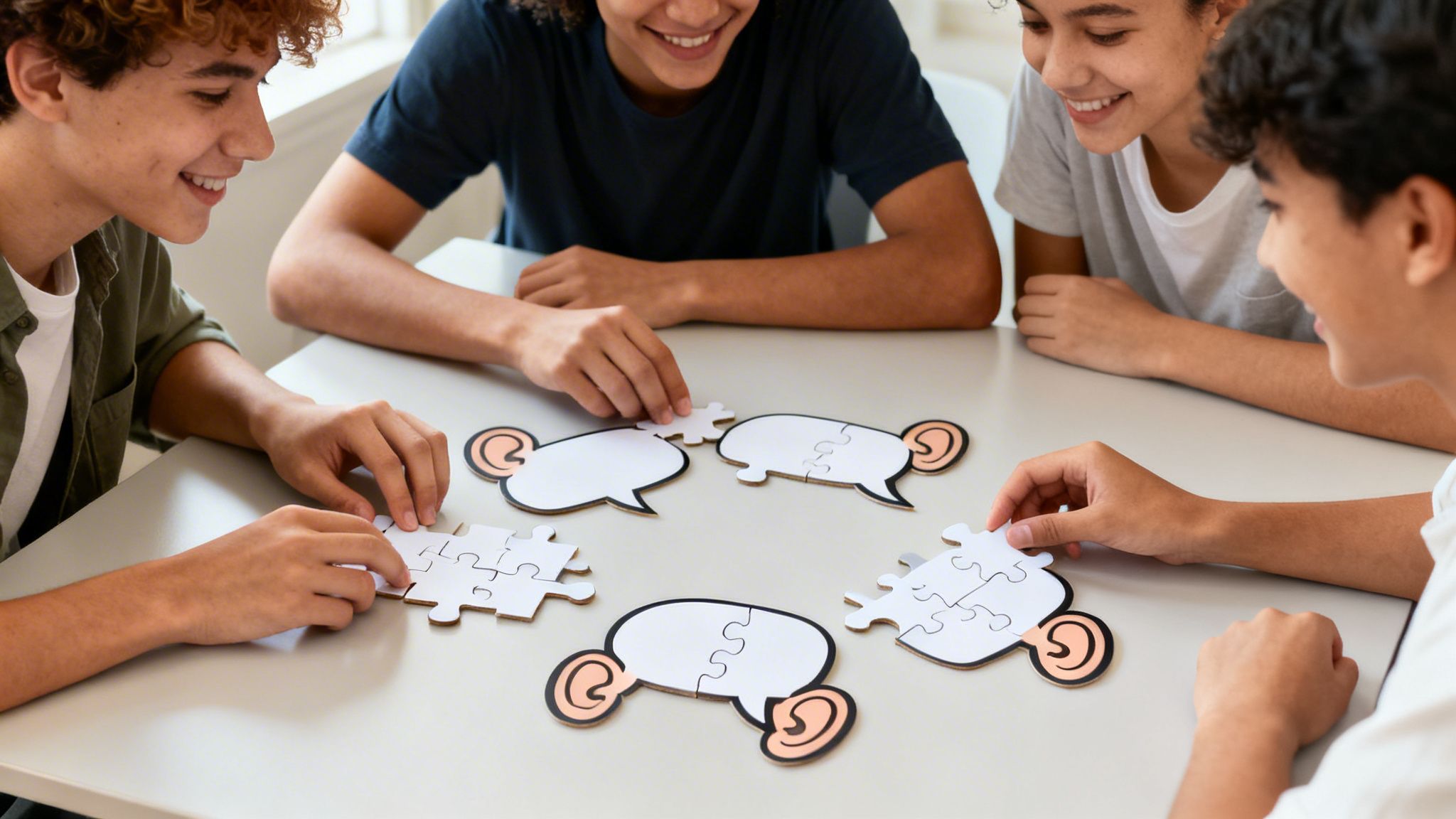
- Collaborative Puzzle Challenge: Teams are given a complex puzzle to solve but with a twist: some team members are designated as “planners” who can’t touch the pieces, while others are “builders” who can’t speak. This forces them to develop clear non-verbal cues and precise verbal instructions.
- Empathy-Building Shares: In a game of “Two Truths and a Lie,” participants share two true personal facts and one lie. The group then discusses which one they believe is the lie and why, fostering deeper listening and understanding of peers. For example, a student might share: “1. I have a pet lizard. 2. I have traveled to Canada. 3. My favorite food is broccoli.” This leads to a fun, low-stakes discussion about each other.
Actionable Tips for Success
To ensure games are productive learning tools, thoughtful facilitation is key.
- Establish Clear Norms: Before starting, co-create rules around sportsmanship, turn-taking, and respectful listening to ensure a positive and inclusive atmosphere.
- Prioritize Cooperation: Choose cooperative game structures where the team works toward a common goal. This reduces performance anxiety and competition-related stress.
- Focus the Debrief: After the game, lead a reflection with questions like, “What communication strategy helped your team succeed?” or “When did your group struggle to communicate, and why?”
- Repeat the Game: Play games multiple times. Once students understand the rules, they can focus less on the mechanics and more on refining their communication skills.
5. Circle Processes and Community Meetings
Circle processes and community meetings are structured, restorative practices where participants sit in a circle to share experiences and address concerns. This format uses established protocols, such as a talking piece, to ensure every individual has an opportunity to speak and be heard without interruption. This intentional structure flattens hierarchies and fosters an environment of mutual respect, active listening, and collective problem-solving.
Rooted in Indigenous traditions and popularized by the restorative justice movement, circle processes are powerful activities for communication skills because they build trust and psychological safety. Soul Shoppe utilizes this trauma-informed approach to help students develop the capacity for empathy, vulnerability, and authentic connection within a safe, structured container.
Implementation Examples
- Morning Meetings: A classroom teacher starts each day with a “check-in” circle. Using a small stuffed animal as a talking piece, each student shares one word describing how they feel that morning. For instance, as the talking piece is passed, students might say “tired,” “excited,” “okay,” or “nervous.” This simple ritual builds a habit of emotional awareness and sharing.
- Conflict Resolution: After a disagreement at recess, two students and a facilitator use a restorative circle. Each student gets to share their perspective and feelings about the incident, leading to a mutually agreed-upon solution. A practical script for the facilitator might be: “First, each of you will have a chance to say what happened from your perspective and how it made you feel, without any interruptions.”
- Community Building: A middle school class holds a weekly circle to discuss “highs and lows.” This provides a regular opportunity for students to celebrate successes and support each other through challenges. Explore more ideas for building a strong classroom environment with these classroom community-building activities.
Actionable Tips for Success
To facilitate an effective circle, focus on creating a predictable and safe environment.
- Establish Clear Agreements: Begin by co-creating guidelines with the group. These often include respecting the talking piece, speaking from the heart, and listening with compassion.
- Use Consistent Rituals: Start and end each circle in the same way, such as with a mindful moment or a celebratory cheer. This creates a sense of safety and continuity.
- Start with Low Stakes: Build familiarity with the process through community-building circles before using the format to address serious conflicts or sensitive topics.
- Allow for Silence: Do not force anyone to speak. The talking piece can be passed in silence, which respects individual readiness and often encourages deeper reflection.
6. Peer Feedback and Fishbowl Coaching
Peer feedback and fishbowl coaching are structured exercises where participants give and receive feedback using specific, kind, and constructive protocols. This approach teaches individuals how to deliver actionable, respectful critiques and how to receive input with openness and a growth mindset. It transforms feedback from a source of anxiety into a valuable tool for improvement.
This method, supported by the principles of growth mindset pedagogy from Carol Dweck and formative assessment research, reframes communication as a skill that can be developed through practice and reflection. By making the feedback process transparent and collaborative, it becomes one of the most effective activities for communication skills for building self-awareness and interpersonal trust.
Implementation Examples
- Fishbowl Discussion: A small group of students sits in an inner circle (the “fishbowl”) to practice a communication skill, such as active listening or debating a topic. The outer circle observes and prepares to give structured feedback on what they saw and heard.
- Peer Coaching for Presentations: After students give a short presentation, they meet with a designated “peer coach” who uses a simple framework (e.g., “One thing that was really clear was…” and “One thing you could try next time is…”) to provide feedback. For example, a coach might say, “Your voice was really strong and confident. Next time, maybe you could try to make more eye contact with everyone in the audience.”
- “Two Stars and a Wish” Writing Review: In a writing workshop, students exchange papers. They are instructed to leave two positive comments (“stars”) and one suggestion for improvement (“a wish”) for their partner. A practical example of feedback could be: “Star 1: I love your descriptive words! Star 2: Your opening sentence is very engaging. Wish: I wish I knew more about how the character felt.”
Actionable Tips for Success
To ensure peer feedback is productive and positive, a clear framework is crucial.
- Teach Feedback Frameworks: Explicitly teach and model simple structures like “I notice…” and “I wonder…” to guide students. Provide sentence starters to help them formulate their thoughts constructively.
- Start with Positives: Always begin feedback rounds by focusing on strengths. This builds trust and makes participants more receptive to suggestions for growth.
- Frame Feedback as a Gift: Teach students to view feedback not as criticism, but as a gift that helps someone improve. This mindset shift is key to creating a supportive environment.
- Allow for Reflection: Give the recipient a moment to process the feedback and ask clarifying questions. The goal is dialogue, not a one-way critique.
7. Active Listening Practice with Structured Reflection
Active listening with structured reflection involves focused exercises where participants practice hearing another person without interrupting, judging, or immediately trying to solve their problem. This approach uses tools like paraphrasing, reflection questions, and listening logs to build the foundational skill of truly understanding what someone else is communicating, both verbally and non-verbally. Participants learn to notice emotions and reflect back their understanding rather than just waiting for their turn to speak.
Popularized by practices like Marshall Rosenberg’s Nonviolent Communication and mindfulness-based communication, these methods are crucial activities for communication skills because they address the most common barrier to connection: the failure to truly listen. This practice trains the brain to stay present and empathetic, which is essential for de-escalating conflict and building trust.
Implementation Examples
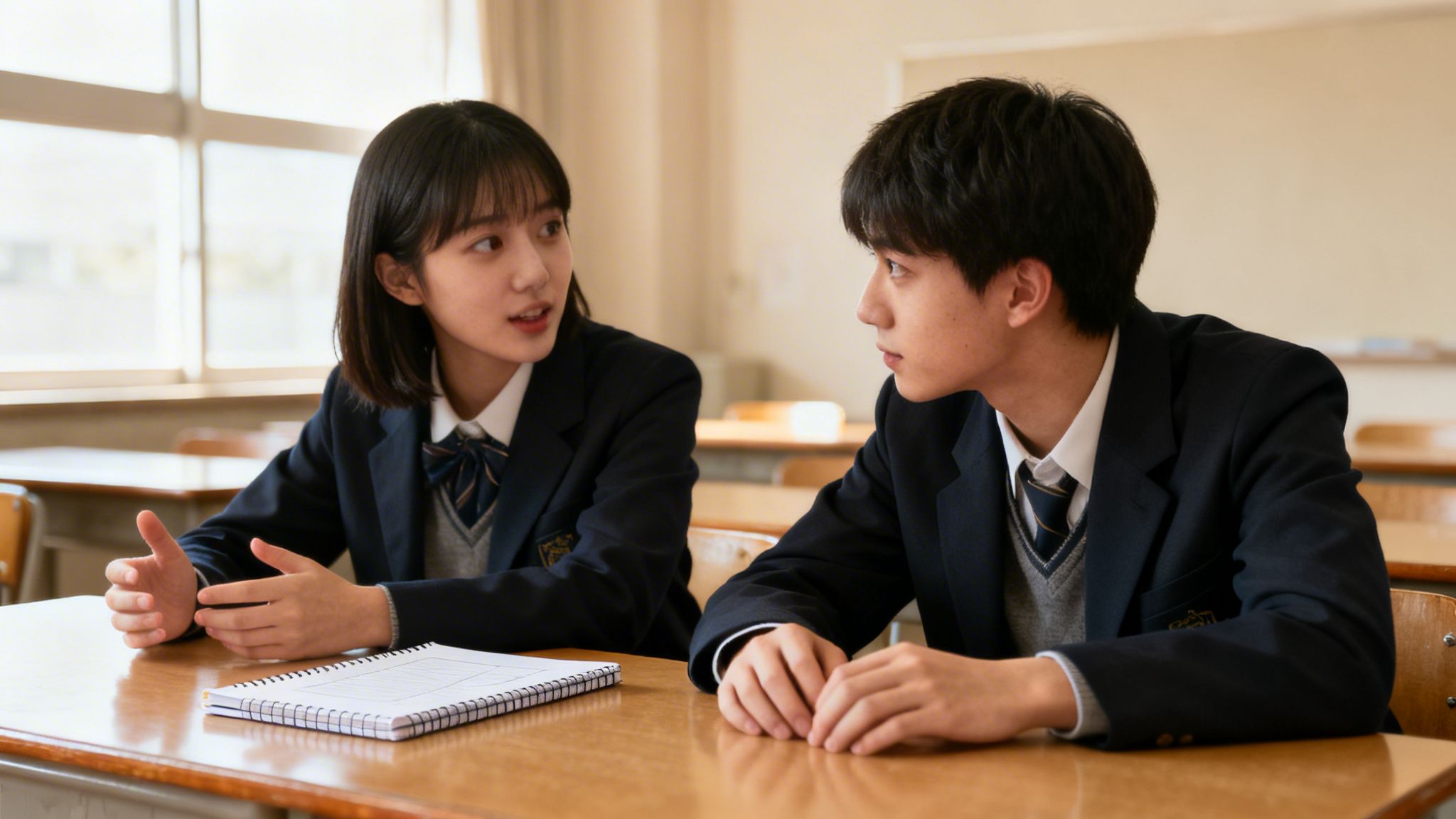
- Peer Listening Partnerships: In a classroom, students are paired up. One student (the speaker) shares for two minutes about a specific topic, like a challenge they faced that week. The other student (the listener) can only listen, not speak. Afterward, the listener paraphrases what they heard and asks one clarifying question. For instance, the listener might say, “It sounds like you were frustrated with the math homework because the instructions were confusing. Is that right?”
- Family Listening Circles: During a family meeting, each member gets three minutes to share their “highs and lows” of the day without interruption. After each person shares, another family member reflects back one thing they heard that stood out to them. A practical example: After a child shares their day, a parent might say, “I heard that the best part of your day was playing with your friend at recess, and the hardest part was the pop quiz.”
- Soul Shoppe Workshops: Facilitators model active listening by getting down on a student’s level, making eye contact, and repeating back the feelings and needs they hear. For example, “It sounds like you felt really frustrated when they took the ball without asking.”
Actionable Tips for Success
To cultivate a genuine culture of listening, it’s important to make the practice structured and intentional.
- Start with Short Intervals: Begin with just 2-3 minute listening periods to help participants build focus. You can gradually increase the duration as skills develop.
- Provide Listening Prompts: Give listeners a specific focus, such as, “Listen for the feeling behind the words,” or “What is one thing this person cares about?”
- Model Extensively: Adults must consistently model active listening. Before asking students to do it, demonstrate the process with a co-teacher or a volunteer student.
- Use Listening Logs: Create simple worksheets where students can jot down what they heard, the feelings they noticed, and the main point. This makes the invisible skill of listening more tangible and trackable.
8. Empathy Mapping and Perspective Drawing
Empathy mapping is a visual exercise where participants chart out another person’s thoughts, feelings, needs, and actions. This creative tool transforms abstract empathy into a concrete diagram, helping individuals step outside their own experience to genuinely consider someone else’s. By mapping what a person says, thinks, feels, and does, participants build a holistic understanding of different viewpoints, a foundational component of effective communication.
Derived from design thinking and adapted for social-emotional learning, this method makes perspective-taking a tangible process. It is one of the most powerful visual activities for communication skills because it encourages students to move beyond simple sympathy and toward a deeper, more actionable understanding of others.
Implementation Examples
- Understanding Bullying: Students can create an empathy map for a character in a book who is being bullied. They would fill out what the character might be thinking but not saying, or feeling while trying to appear brave. For example, under “Thinks,” a student might write, “I wish someone would help me,” and under “Feels,” they could write “scared and lonely.”
- Family Conflicts: A family can map the perspective of two siblings arguing over a shared space. One map would show the older sibling’s perspective (e.g., “Feels: frustrated,” “Thinks: I need my own quiet space”) while another shows the younger sibling’s view (e.g., “Feels: left out,” “Thinks: I just want to be included”).
- Literature Analysis: When reading a story, a class can create an empathy map for the antagonist. This helps students understand the character’s motivations beyond simply labeling them as “bad,” fostering more nuanced communication about conflict and human behavior. For the ‘wolf’ in The Three Little Pigs, the ‘Feels’ quadrant might include ‘hangry’ and ‘misunderstood’.
Actionable Tips for Success
To make empathy mapping a meaningful exercise, provide clear guidance and connection to real-world actions.
- Provide a Template: Start with a pre-made four-quadrant template (Says, Thinks, Feels, Does) to reduce cognitive load and help students organize their thoughts.
- Encourage Creative Expression: Allow students to use drawings, symbols, words, or even digital tools to complete their maps. Choice increases engagement and ownership.
- Pair and Share: Have students share their completed maps with a partner or small group. This verbal processing helps solidify their insights and allows them to see how others interpreted the same perspective. If you want to dive deeper into this topic, explore these additional strategies on how to teach empathy.
- Connect to Action: Conclude by asking, “Now that we understand this perspective better, what could we do differently?” This crucial step links empathy to positive behavior change.
9. Communication Problem-Solving and Conflict Resolution Simulations
Communication problem-solving and conflict resolution simulations are structured exercises where participants apply specific communication frameworks to navigate realistic disputes. Unlike open-ended role-playing, these simulations guide participants through predefined steps, such as win-win problem-solving or restorative circles, to de-escalate tension and find mutually agreeable solutions. This methodical approach helps demystify conflict, transforming it from a source of anxiety into a manageable challenge.
Popularized by peer mediation programs and restorative justice practices, these simulations are highly effective activities for communication skills because they build procedural memory. By repeatedly practicing a structured process, students internalize the steps needed to communicate effectively under pressure, making them more likely to use these skills in real-life conflicts.
Implementation Examples
- Peer Mediation Training: Students practice mediating a simulated conflict between two peers over a misunderstood social media post. They follow specific steps: setting ground rules, allowing each person to speak uninterrupted, identifying feelings, and brainstorming solutions.
- Classroom Conflict Center: A designated area in the classroom contains scenario cards describing common problems (e.g., “Someone keeps using your crayons without asking”). Students can take a card and use a provided “Peace Path” or problem-solving mat to walk through the steps of resolving the issue. For example, Step 1 might be “Say how you feel using an ‘I-statement’,” and Step 2 is “Listen to the other person’s side.”
- Family Problem-Solving: A family practices a conflict resolution model to decide on a fair system for household chores. They use “I-statements” to express their needs and work together to create a schedule that everyone agrees on. A practical script could be a parent saying, “Let’s use our problem-solving steps. Step 1: Define the problem. Step 2: Brainstorm solutions. Step 3: Choose one to try this week.”
Actionable Tips for Success
To ensure simulations build real-world capabilities, focus on structure and authenticity.
- Teach a Framework Explicitly: Before any simulation, teach a specific conflict resolution model step-by-step. Ensure everyone understands the language and goals of the process. You can learn more about these powerful conflict resolution strategies for students.
- Ground Scenarios in Reality: Use anonymous, real-life conflicts that have occurred in the school or classroom. This makes the practice relevant and immediately applicable.
- Use Peer Facilitators: Training older students to act as peer mediators in simulations provides authentic practice for everyone involved and builds leadership skills.
- Debrief Communication Choices: After each simulation, discuss what worked and what didn’t. Ask questions like, “Which I-statement was most effective and why?” or “At what point did the conversation turn toward a solution?”
10. Mindfulness-Based Communication and Emotional Awareness Practices
Mindfulness-based communication integrates present-moment awareness with the act of speaking and listening. Instead of focusing solely on external actions, this approach builds the internal foundation necessary for healthy interaction. Participants learn to notice their own thoughts, feelings, and bodily sensations before and during conversations, which helps them respond thoughtfully rather than react impulsively.
This method, rooted in practices popularized by Jon Kabat-Zinn and adapted for Social-Emotional Learning, empowers individuals to manage their internal state first. By cultivating self-awareness, participants can engage in dialogue with greater empathy, clarity, and control, making this one of the most transformative activities for communication skills. As part of developing mindful communication, understanding and enhancing your connection to your emotional regulation skills is incredibly beneficial.
Implementation Examples
- Mindful Listening Circles: Students sit in a circle and pass a “talking piece.” Only the person holding the object may speak, while others practice listening fully without planning their response. The focus is on receiving the speaker’s words and energy.
- Pause-and-Respond Practice: Before a potentially difficult conversation (like giving peer feedback), students are guided through a one-minute breathing exercise. A teacher could say: “Before we start, let’s all take a ‘tummy breath.’ Put your hand on your belly, breathe in and feel it rise, then breathe out slowly. This helps us speak from a calm place.”
- Family “Weather Report”: At home, family members can start a conversation by sharing their internal “weather.” For example, “I’m feeling sunny and calm today,” or “My mind feels a bit stormy and distracted.” This practice normalizes emotional awareness as part of communication.
Actionable Tips for Success
To effectively integrate mindfulness into communication practice, focus on consistency and accessibility.
- Start Small: Begin with very short practices, such as three conscious breaths before circle time or a one-minute body scan. Build duration as students become more comfortable.
- Normalize the Wandering Mind: Remind participants that it’s natural for their minds to wander. The goal isn’t an empty mind, but gently returning focus to the present moment without judgment.
- Frame it as a Tool: Connect mindfulness directly to communication goals. Explain, “We’re doing this breathing exercise to help our brains get ready for respectful listening.”
- Offer Multiple Entry Points: Not everyone connects with sitting still. Provide options like mindful walking, listening to a bell, or gentle stretching. You can find more calming activities for the classroom that support these practices.
10-Item Comparison of Communication Activities
| Method | Implementation complexity | Resource requirements | Expected outcomes | Ideal use cases | Key advantages |
|---|---|---|---|---|---|
| Role-Playing and Perspective-Taking Scenarios | Medium–High (skilled facilitation, scenario design) | Moderate (space, time, facilitator; optional props) | Greater empathy, improved verbal & nonverbal skills, realistic practice | K–8 conflict resolution, family workshops, empathy-building | Engaging, memorable; promotes perspective-taking and adaptability |
| Structured Partner and Small Group Dialogues | Low–Medium (structured prompts & pairing) | Low (printed prompts, minimal facilitation) | Stronger active listening, validation, clearer expression | Teaching listening fundamentals, peer relationship building, small-group practice | Accessible, low-pressure, easy to adapt |
| Fishbowl Observation and Discussion | Medium (logistics for inner/outer circles) | Low–Moderate (space, observation guides, facilitator) | Modeled discussion skills, shared language, lower performance pressure | Large-group skill modeling, normalizing sensitive topics | Allows safe observation; models healthy communication for many |
| Interactive Games and Communication Simulations | Low–Medium (game rules + debrief) | Moderate (materials, facilitator time; possible props) | Increased engagement, practice in negotiation, collaboration | Engaging resistant students, team-building, trust exercises | Fun and motivating; provides immediate feedback through play |
| Circle Processes and Community Meetings | High (skilled facilitation, ongoing commitment) | Moderate–High (time, trained facilitators, consistent practice) | Deep belonging, shared responsibility, cultural change | Resolving conflicts, building inclusive school communities | Equitable voice for all; supports long-term culture shift |
| Peer Feedback and Fishbowl Coaching | Medium (training in feedback protocols) | Low–Moderate (feedback templates, facilitator modeling) | Improved metacognition, leadership, growth-oriented culture | Peer-led improvement, presentations, collaborative projects | Peer-delivered feedback often more accepted; builds continuous improvement |
| Active Listening Practice with Structured Reflection | Low (simple routines; progressive practice) | Low (listening logs, prompts, brief facilitator input) | Better listening, reduced conflicts, increased empathy | Foundational skill-building, one-on-one support, classroom routines | Foundational and widely applicable; easy to integrate regularly |
| Empathy Mapping and Perspective Drawing | Low–Medium (templates and guided reflection) | Low (paper/templates, optional art supplies) | Concrete perspective-taking, visible records of understanding | Visual learners, bullying prevention, literature/character studies | Makes empathy tangible; engages creative and nonverbal learners |
| Communication Problem-Solving & Conflict Resolution Simulations | Medium–High (scaffolded scenarios & coaching) | Moderate (scenario cards, facilitator coaching, time) | Applied conflict-resolution skills, greater confidence in real conflicts | Peer mediation training, reducing bullying, complex social dynamics | Direct real-world application; integrates problem-solving with communication |
| Mindfulness-Based Communication & Emotional Awareness | Medium (skilled facilitation; regular practice) | Low–Moderate (quiet space, scripts/apps, brief time) | Improved self-regulation, reduced reactivity, better focus & listening | Students with anxiety/trauma; prep for other communication interventions | Addresses root causes; enhances emotional regulation and attention |
Final Thoughts
As we conclude this comprehensive guide, it’s clear that fostering strong communication is not a passive process but an active, intentional journey. The ten diverse activities for communication skills we’ve explored, from Role-Playing Scenarios to Mindfulness-Based Practices, are more than just classroom or at-home exercises. They are foundational tools for building a more empathetic, collaborative, and understanding world, one interaction at a time. By engaging students in these dynamic experiences, we move beyond simply telling them how to communicate and instead show them, allowing them to practice, reflect, and internalize these crucial life skills.
The true power of these activities lies in their adaptability and their focus on social-emotional learning (SEL). Communication isn’t just about the words we choose; it’s about understanding the emotions behind them, recognizing non-verbal cues, and navigating complex social landscapes with confidence and compassion. Each activity serves as a building block, creating a robust framework that supports academic achievement, positive peer relationships, and effective conflict resolution.
Key Takeaways and Your Next Steps
Reflecting on the strategies shared, several core principles emerge as vital for success. To translate these ideas into sustained growth, consider these actionable takeaways:
- Consistency is Crucial: Effective communication is a muscle that needs regular exercise. A single “Fishbowl Observation” session is beneficial, but incorporating weekly “Circle Processes” or bi-weekly “Peer Feedback” sessions creates a cumulative impact. Schedule these activities into your lesson plans or home routines just as you would for any other core subject.
- Scaffold with Intention: Just as you wouldn’t ask a student to write an essay without first teaching them sentence structure, we must scaffold communication skills. Start with simpler activities like “Structured Partner Dialogues” to build foundational confidence before moving to more complex “Conflict Resolution Simulations.” This gradual approach ensures students feel successful and motivated.
- Reflection Solidifies Learning: The “doing” is only half the battle. The real learning happens during the reflection phase. Always build in time for debriefing. Use prompts like, “What felt challenging about that conversation?” or “What did you notice about your partner’s body language when you shared your perspective?” This metacognitive step is what transforms a fun game into a lasting skill.
A Practical Example: Imagine a teacher, Ms. Albright, notices her third-grade students frequently interrupt each other during group work. Instead of just reminding them to “take turns,” she implements the “Active Listening Practice with Structured Reflection” activity. She pairs students up, gives one a simple topic (like their favorite animal), and instructs the other to listen for one minute without interrupting. Afterward, the listener must summarize what they heard before sharing their own thoughts. Ms. Albright then leads a brief whole-group reflection on how it felt to be truly heard. By consistently practicing this small, structured activity, she is actively rewiring how her students approach dialogue.
The Lasting Impact of Strong Communication
Ultimately, the goal of these activities for communication skills extends far beyond the classroom walls or the family dinner table. We are equipping the next generation with the tools to build bridges, not walls. We are teaching them how to disagree respectfully, how to advocate for themselves and others, and how to connect with people from different backgrounds. These are the skills that foster inclusive communities, innovative workplaces, and a more peaceful society. By prioritizing these practices, you are not just teaching a subject; you are nurturing compassionate, capable, and connected human beings.
Ready to take the next step in creating a socially and emotionally intelligent school community? Soul Shoppe provides dynamic, evidence-based programs and assemblies that bring these communication and conflict resolution strategies to life. Explore how Soul Shoppe can help your students build the essential skills they need to thrive.