

Emotional Intelligence Activities for Middle School Students: Strategies That Actually Stick
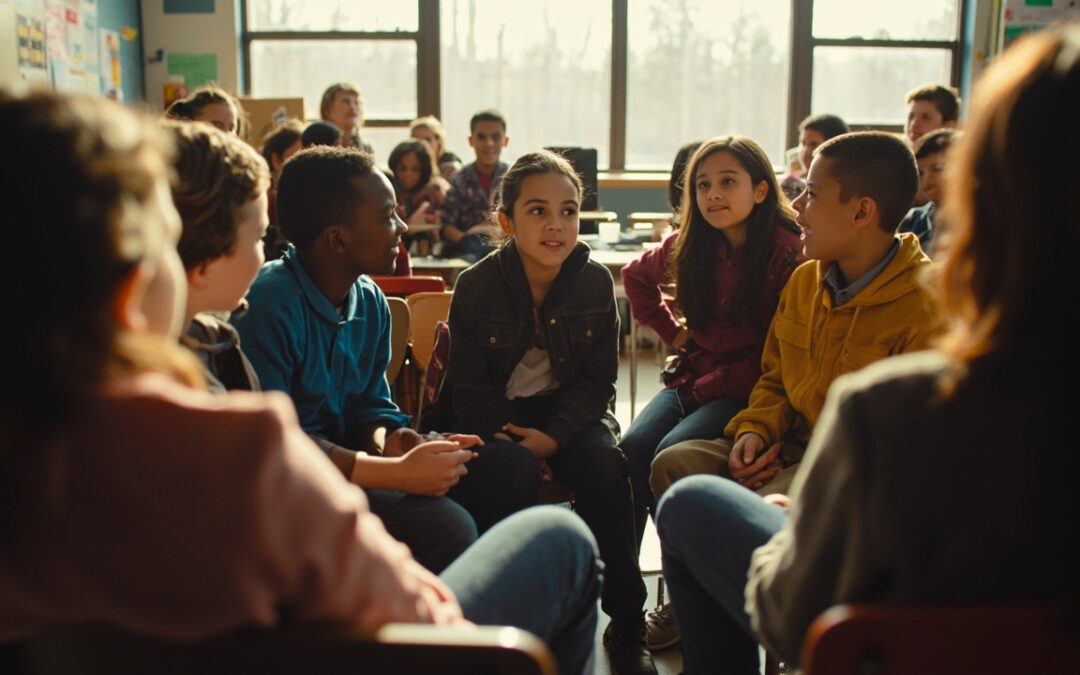
Middle school is arguably the most emotionally turbulent stretch of a young person’s life. The social stakes are high, the brain is mid-rewire, and the pressure to perform — academically, socially, and athletically — is relentless. It’s also, not coincidentally, one of the best windows educators have for building lasting emotional intelligence.
The key word there is build. Emotional intelligence (EI) isn’t something students either have or don’t — it’s a set of learnable skills. And with the right emotional intelligence activities for middle school students, you can help them develop self-awareness, manage big emotions, and navigate relationships more effectively, all before those patterns calcify in high school and beyond.
Here’s what works — and how to make it stick.
—
Why Middle School Is the Right Time for EI Skill-Building
The middle school years (roughly grades 6–8) coincide with a major period of brain development, particularly in the prefrontal cortex — the area responsible for impulse control, planning, and emotional regulation. That’s exactly why this age can feel so chaotic: the emotional gas pedal is floored while the brakes are still being installed.
Rather than waiting for the storm to pass, EI instruction during this window gives students concrete tools when they need them most. Social-emotional skill development in early adolescence is consistently linked to better academic outcomes, reduced anxiety and depression, and stronger relationships — not just in school, but throughout life.
This isn’t a nice-to-have. For middle schoolers, it’s exactly the right time.
—
What Emotional Intelligence Actually Looks Like at This Age
Before jumping to activities, it helps to know what you’re building toward. Emotional intelligence generally involves five core skills:
- Self-awareness — recognizing your own emotions and how they affect your behavior
- Self-regulation — managing emotional responses, especially under stress
- Motivation — maintaining effort and resilience in the face of setbacks
- Empathy — understanding and sharing the feelings of others
- Social skills — navigating relationships, conflict, and communication effectively
With middle schoolers, self-awareness and empathy tend to be the most fertile ground. They’re developmentally primed to think about identity and belonging — you’re just giving that energy a more useful direction.
—
Emotional Intelligence Activities for Middle School Students
1. Daily Emotion Check-Ins (5 Minutes, High Impact)
A structured daily check-in is one of the most effective EI tools available — and it requires zero budget. Ask students to rate their current emotional state using a simple scale (a weather metaphor, a numbered scale, or an emoji chart works well with this age group) and share one word that describes how they’re feeling.
What makes this powerful isn’t the format — it’s the consistency. When check-ins happen every day, students build the habit of emotional self-monitoring. They also receive the message that their inner life is worth paying attention to.
Try this: Post a physical mood meter at the front of the room or use a short digital form in a 1:1 classroom. Have students track their emotional patterns over a week, then reflect on what they notice about themselves.
2. The Emotion–Thought–Action Triangle
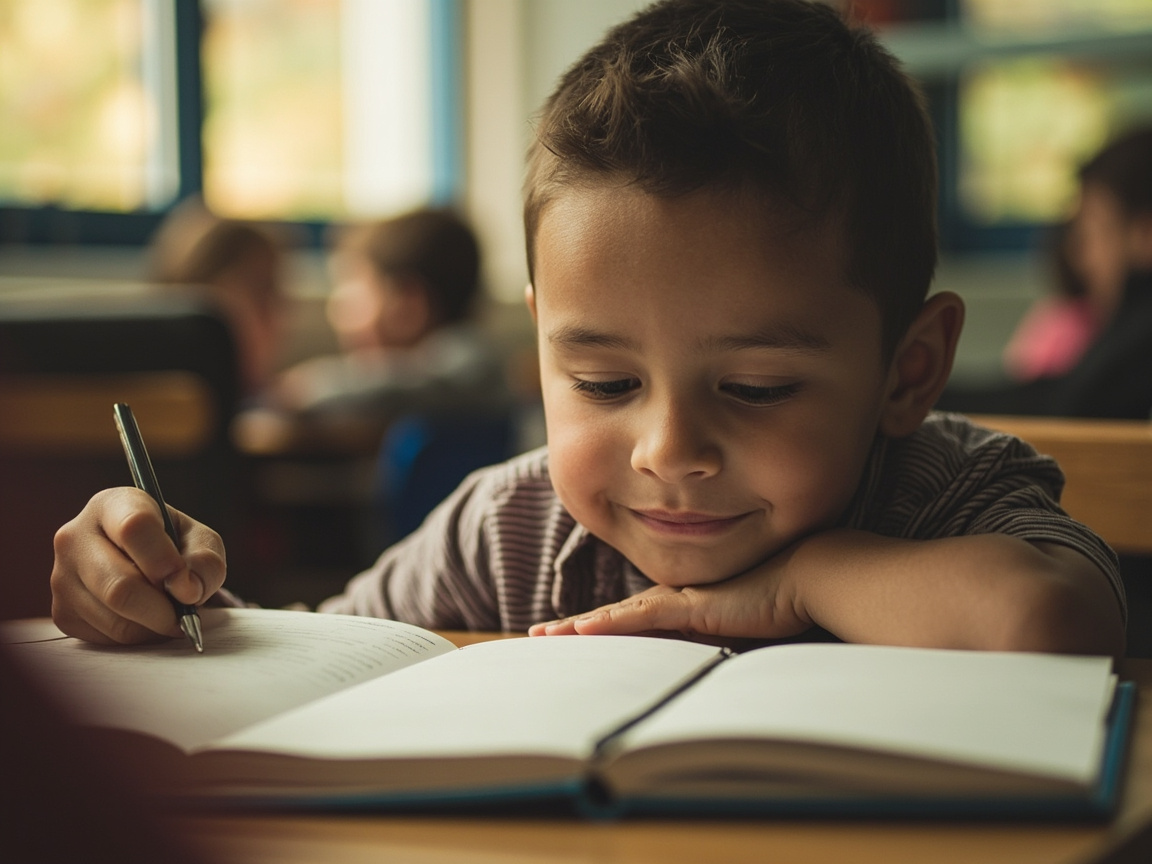
This activity helps students understand the connection between emotions, thoughts, and behaviors — a foundational insight for self-regulation.
Present a scenario relevant to their lives (a friend ignores them in the hallway; they bomb a test they studied hard for) and ask students to map out:
- What emotion might come up?
- What thought might follow that emotion?
- What action might result from that thought?
Then flip it: what’s a different thought that could lead to a different action? This teaches students that while they can’t always control their emotions, they have more agency over their responses than they might realize. It works equally well as a small-group activity, a journal prompt, or a whole-class discussion.
3. Perspective-Taking Challenges
Empathy doesn’t develop from being told to “be kind” — it develops through practice. Perspective-taking activities give students structured opportunities to inhabit another point of view.
A few formats that land well with middle schoolers:
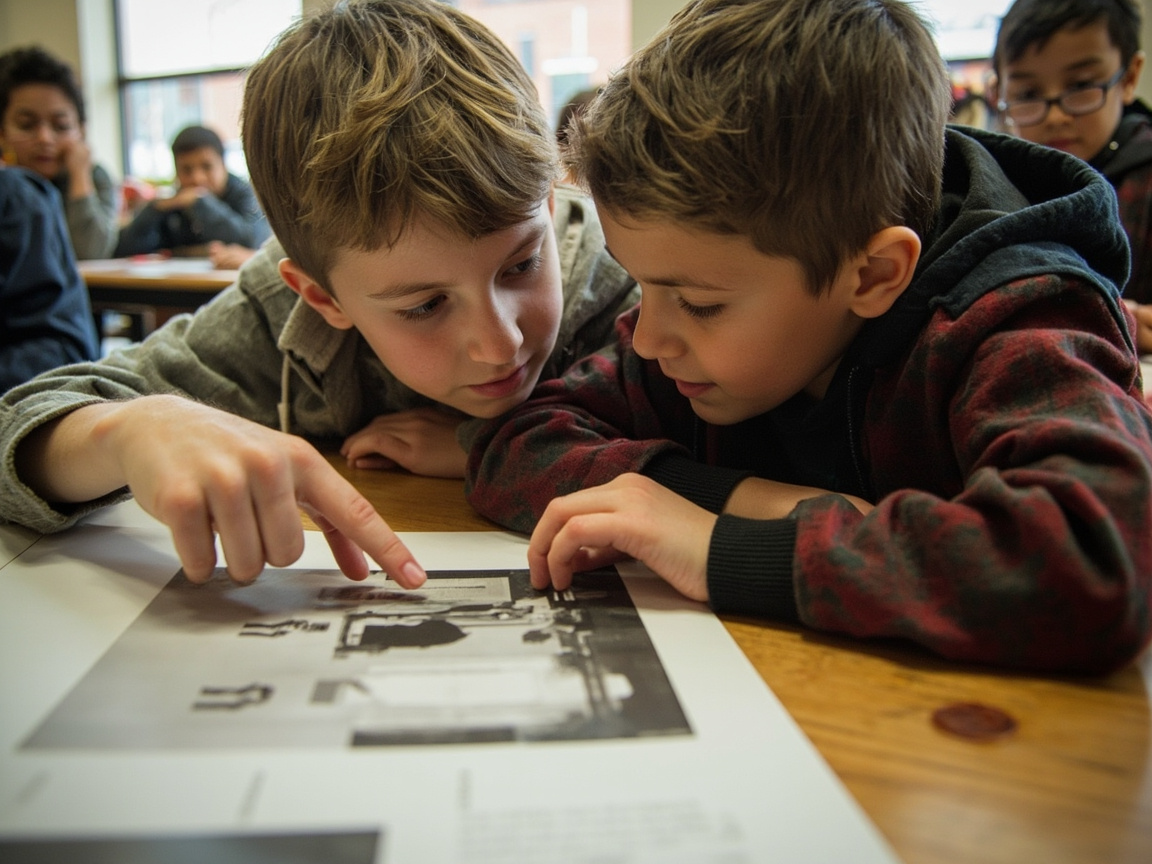
- Photo journals: Show a compelling photograph of a person or situation and ask students to write a short entry from that person’s perspective.
- Two-sides discussion: Present a conflict scenario and assign students to argue a position they don’t personally hold.
- Character mapping: Using a novel or film the class is already engaging with, map out a character’s emotions at key story moments and discuss why they might feel that way.
The goal isn’t agreement — it’s expanded awareness of the fact that other people have full inner lives, too.
4. Personal Emotional Regulation Toolkits
Ask each student to build their own “regulation toolkit” — a curated list of strategies they can actually use when they feel overwhelmed, anxious, or angry. The toolkit should include strategies across three categories:
- Body-based: Deep breathing, movement breaks, cold water on the wrists
- Cognitive: Reframing a situation, talking to yourself the way you’d talk to a friend, counting backward from ten
- Environmental: Stepping outside, listening to music, finding a quieter space
Then practice using them. Role-play a stressful scenario and have students choose and apply a strategy in real time. This bridges the gap between knowing what to do and being able to do it when emotions are actually running high.
5. Restorative Circles
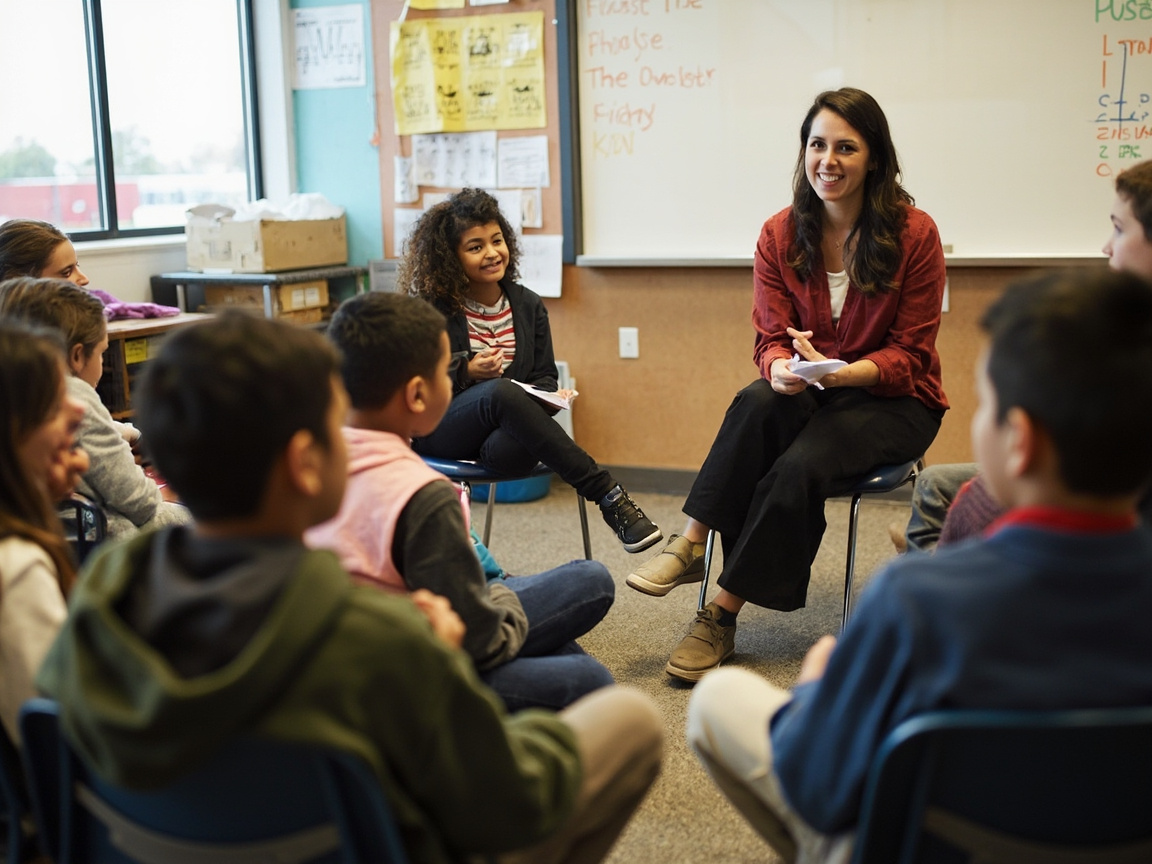
Adapted from restorative justice practices, classroom circles give students a structured space to speak and listen in turn. They can serve many purposes:
- Community building: Sharing gratitude, weekend highlights, or low-key worries
- Conflict resolution: Processing what happened and who was affected
- Shared reflection: Talking through a difficult assignment, a news event, or a class disruption
Circles build trust, model active listening, and give students regular practice in honest, respectful communication — all core social skills. They also reinforce the message that the classroom is a community, not just a collection of individuals working in parallel.
—
Tips for Keeping EI Activities From Feeling “Babyish”
Middle schoolers have a finely tuned radar for anything that feels condescending. A few ways to keep activities feeling relevant and worth their time:
- Frame EI as performance-enhancing, not touchy-feely. Athletes, musicians, and leaders at every level use these skills. So do middle schoolers navigating friend groups, tryout anxiety, and social media conflict.
- Let them lead. Giving students some agency over how activities are structured — choice boards, student-facilitated circles, co-created norms — increases buy-in dramatically.
- Anchor to real scenarios. Connect activities to situations students actually face, not hypothetical strangers in a textbook.
- Normalize your own struggle. When you share your own moments of emotional difficulty (appropriately and briefly), students feel less alone and more willing to engage.
—
Making EI Practice a Consistent Habit
The biggest mistake educators make with emotional intelligence activities is treating them as one-offs. A single empathy lesson won’t shift how a student handles conflict. But fifteen minutes of intentional practice three or four times a week — woven into advisory, homeroom, or the start of class — absolutely can.
The goal is to build a classroom culture where emotional vocabulary is normal, self-reflection is expected, and students feel safe enough to be honest about what they’re experiencing. That culture doesn’t come from any single lesson plan. It comes from showing up consistently, with activities that take students’ emotional lives seriously.
—
If you’re looking for a structured program to anchor your EI work — one that gives staff a clear framework and students a common language — explore how Soul Shoppe works with schools to make social-emotional learning a sustainable, school-wide practice rather than a collection of standalone activities.