

Teaching Empathy to Elementary School Students: What Works — and How to Make It Stick
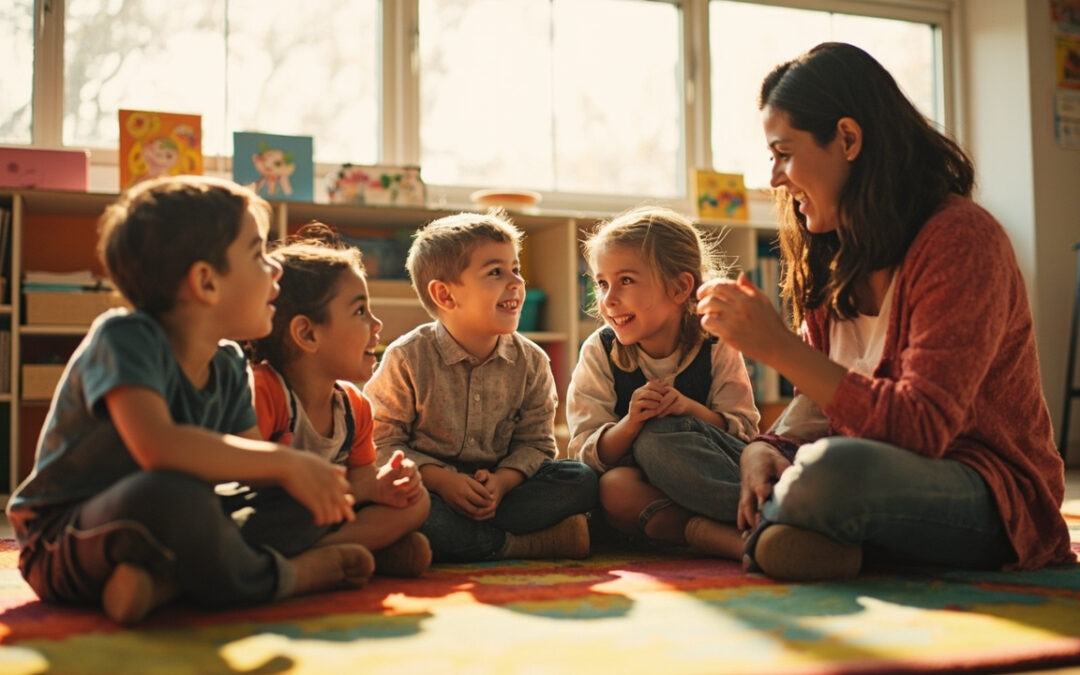
Empathy doesn’t show up on a standardized test, but it shapes everything that happens in a classroom — how students resolve conflicts, include peers who feel left out, and treat each other on the hardest days. Teaching empathy to elementary school students isn’t a soft add-on to the curriculum. It’s foundational work that makes everything else possible.
The good news: empathy is a learnable skill. Developmental research consistently shows that children as young as kindergarten can build empathy through intentional practice. But it requires more than posters on the wall or a one-time kindness lesson. It means embedding empathy-building into the everyday rhythms of school life.
Here’s what you need to know — what empathy actually looks like at this age, which strategies work, and how to make the practice sustainable rather than a unit you teach once in October and move on from.
What Empathy Actually Looks Like in Elementary School
Before jumping into activities, it helps to understand the developmental reality. Empathy has two main components:
- Affective empathy — feeling what another person feels (emotional resonance)
- Cognitive empathy — understanding why another person feels that way (perspective-taking)
Young children often show strong affective empathy — they cry when a classmate cries — but cognitive empathy is still actively developing throughout elementary school. A kindergartner might feel genuinely sad for a friend who lost a toy, but struggle to understand why a classmate is upset about something that doesn’t bother them at all.
This distinction matters for instruction. Teaching empathy to elementary students means working on both dimensions: helping kids tune into their own emotions and stretching their capacity to step into someone else’s experience. One without the other isn’t enough.
Why This Developmental Window Is So Important
Elementary school is a critical period for empathy growth. Peer relationships become increasingly central between ages 5 and 11, social hierarchies begin forming, and children are actively constructing their sense of who they are in relation to others. The habits they build here tend to travel with them.
Children who develop stronger empathy skills during elementary school tend to demonstrate better peer relationships, fewer behavioral conflicts, and stronger engagement with learning — because connected, emotionally safe students learn better. Schools that invest in empathy instruction during these years aren’t just building kind kids. They’re building the foundation for a healthier school community across every grade level.
Classroom Strategies for Teaching Empathy That Actually Work
Build Emotion Vocabulary First
You can’t empathize with a feeling you don’t have words for. One of the most effective starting points for teaching empathy to elementary students is simply expanding their emotional vocabulary beyond “happy,” “sad,” and “mad.”
Try a feelings check-in at the start of each morning meeting, using an emotion chart or wheel. Ask students not just how they feel, but why — and model this yourself. (“I’m feeling a little overwhelmed today because I have a lot to prepare before lunch.”) This normalizes emotional honesty and builds the vocabulary kids need for real empathy conversations.
Use Literature as a Perspective-Taking Lab
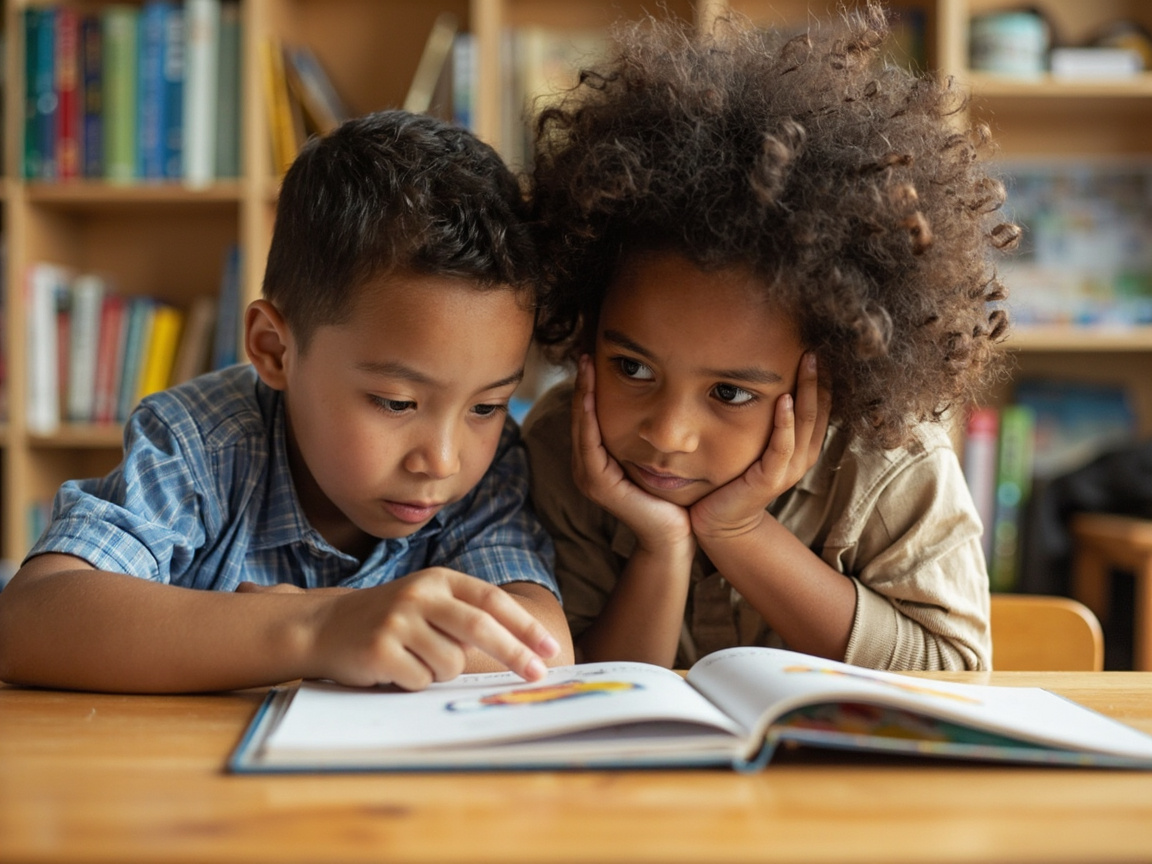
Picture books and read-alouds are among the most powerful tools available for teaching empathy in the classroom — and they fit naturally into existing literacy blocks. Choose books that feature characters navigating genuine emotional complexity: exclusion, loss, fear, belonging, cultural difference.
After reading, go beyond comprehension questions. Ask:
- “How do you think [character] felt when ___?”
- “Has anything like that ever happened to you?”
- “What could someone have done differently to help?”
This guided discussion does the cognitive work of empathy in a low-stakes, narrative context — students practice perspective-taking without the pressure of a real social conflict.
A few strong choices by grade band:
- K–1: Each Kindness by Jacqueline Woodson, The Invisible String by Patrice Karst
- 2–3: Strictly No Elephants by Lisa Mantchev, Enemy Pie by Derek Munson
- 4–5: Front Desk by Kelly Yang, Inside Out & Back Again by Thanhha Lai
Try Structured Role-Play and Perspective Scenarios
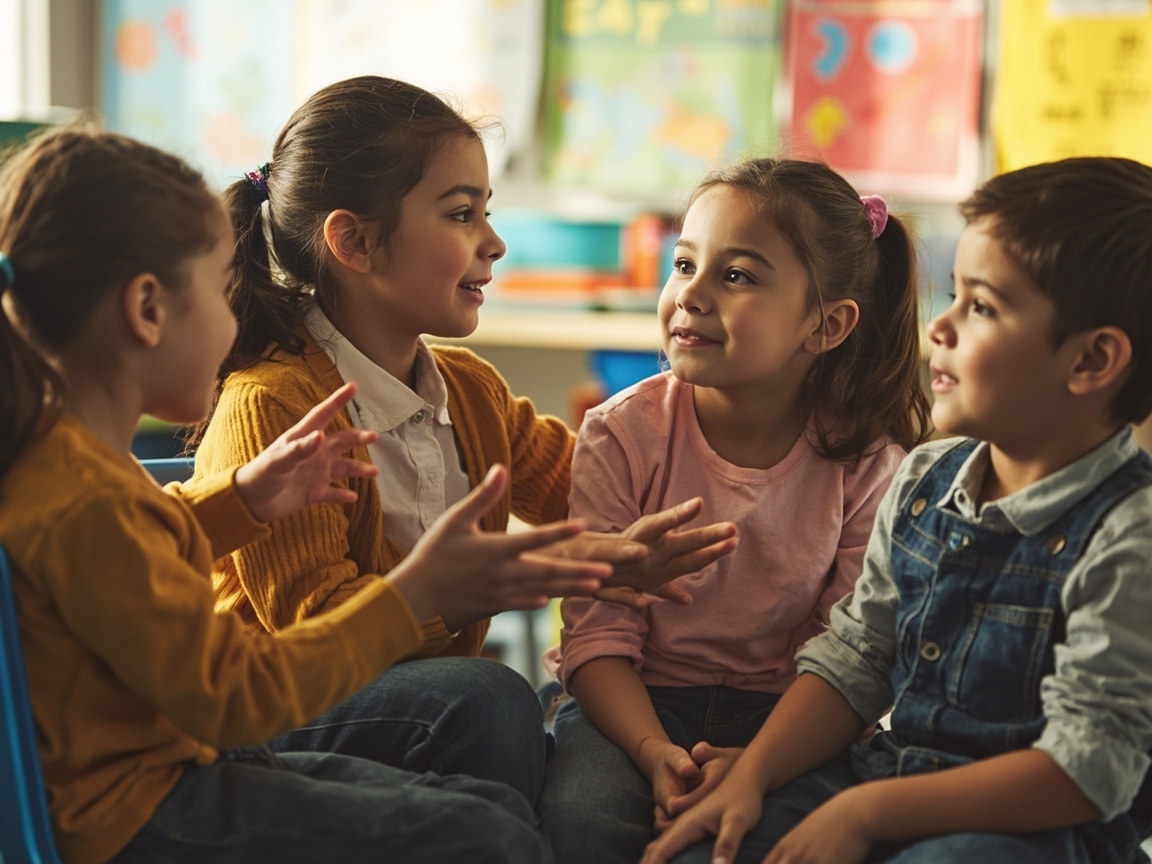
Role-play can feel awkward to set up, but structured scenarios are surprisingly effective. Present a brief situation — someone is left out at lunch, a new student doesn’t speak English yet, a classmate made a mistake and is being teased — and ask small groups to:
1. Name what each person in the scenario might be feeling
2. Discuss why they might feel that way
3. Brainstorm one thing someone could say or do
The debrief is where the real learning happens. Ask: “Whose perspective felt hardest to understand? Why do you think that is?” That question alone opens doors most lessons never reach.
Use “Empathy Interviews” for Peer Connection
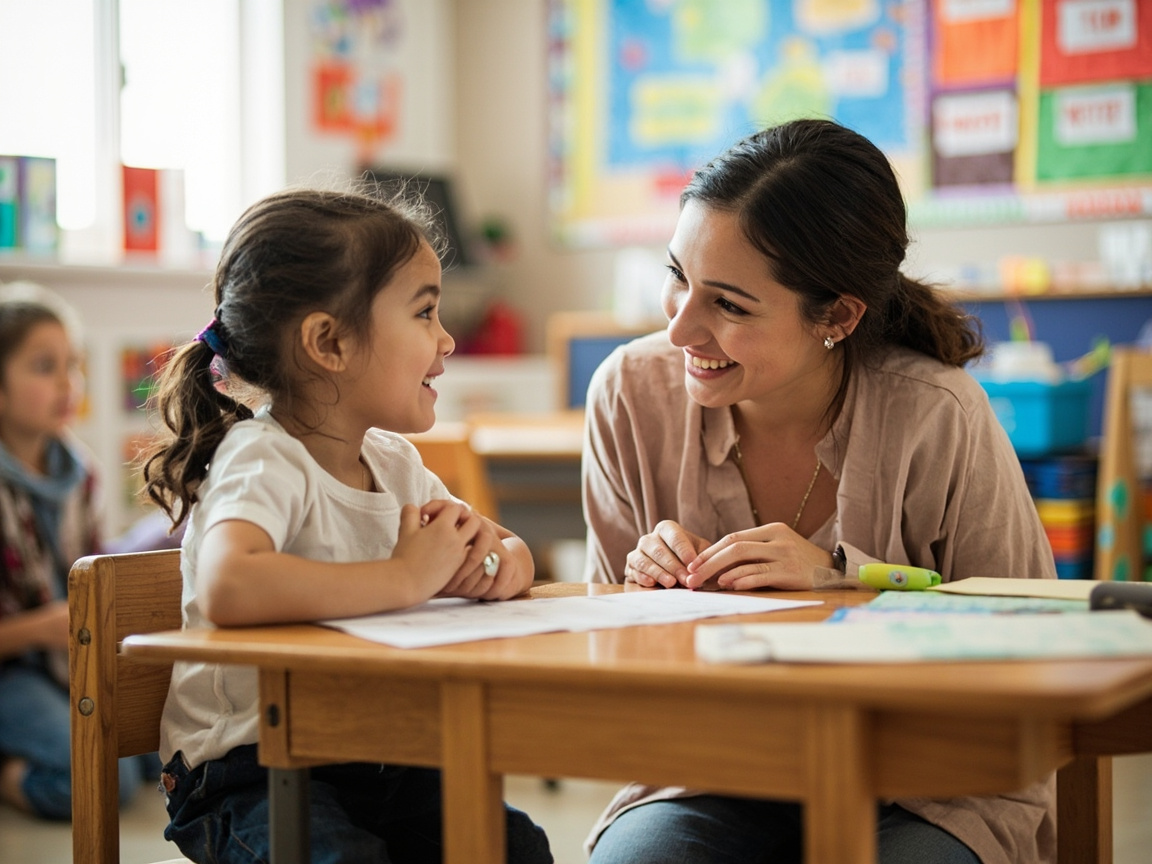
Pair students for short, structured interviews — five to seven minutes — where they ask each other about a time they felt left out, nervous, or really proud. The listener’s only job is to listen without talking, then reflect back what they heard: “It sounds like you felt ___.”
This is simple, but it puts empathy into direct, lived practice — not as an abstract concept but as a skill used with a real person sitting right across from them.
How to Weave Empathy into the Daily Rhythm
One-off lessons build awareness. Daily practice builds skill. Here’s how to integrate empathy into the school day without adding a separate subject to your plate:
Morning Meeting: Start with a feelings check-in and one brief connection activity. Even five minutes of intentional community-building changes the tone of the whole day.
Conflict Resolution Moments: When conflicts arise, resist going straight to consequences. Ask each student to describe what the other person might have been feeling. This isn’t softness — it’s doing the hard cognitive work of empathy in real time.
Closing Circle: End the day with a “shout-out” practice where students name something kind or helpful they noticed a classmate doing. This trains students to pay active attention to each other’s experiences — the foundation of empathetic attention.
Classroom Roles: Structured programs often use roles like “conflict helper” or “friendship ambassador” to give students authentic opportunities to practice care and attentiveness as part of their regular classroom responsibilities.
What Doesn’t Work (So You Can Skip It)
A few common approaches that tend to fall flat:
- Telling kids to “be empathetic” without giving them tools or practice. Empathy is a skill, not an instruction you can deliver once.
- Punitive apologies — forcing kids to say sorry without helping them understand how the other person actually felt. That teaches performance, not connection.
- One-time units without follow-up. Sustained, embedded practice consistently outperforms stand-alone lessons. This work lives in the daily fabric of the classroom, not a single week on the schedule.
The Bottom Line
Teaching empathy to elementary school students is some of the most consequential work happening in schools right now. It builds the social fabric that makes classrooms safe and welcoming — places where every student can actually show up and learn. It reduces conflict, builds resilience, and equips kids with emotional intelligence they’ll draw on for the rest of their lives.
You don’t need a perfect curriculum or an extra hour in your day. You need intentionality, a few reliable practices, and genuine belief that this work matters — because it does.
—
Soul Shoppe offers programs and professional development designed to bring exactly this kind of empathy-centered learning into your school community. [Explore how we support elementary schools →]