

SEL Curriculum for Kindergarten: What to Look for (and How to Make It Stick)
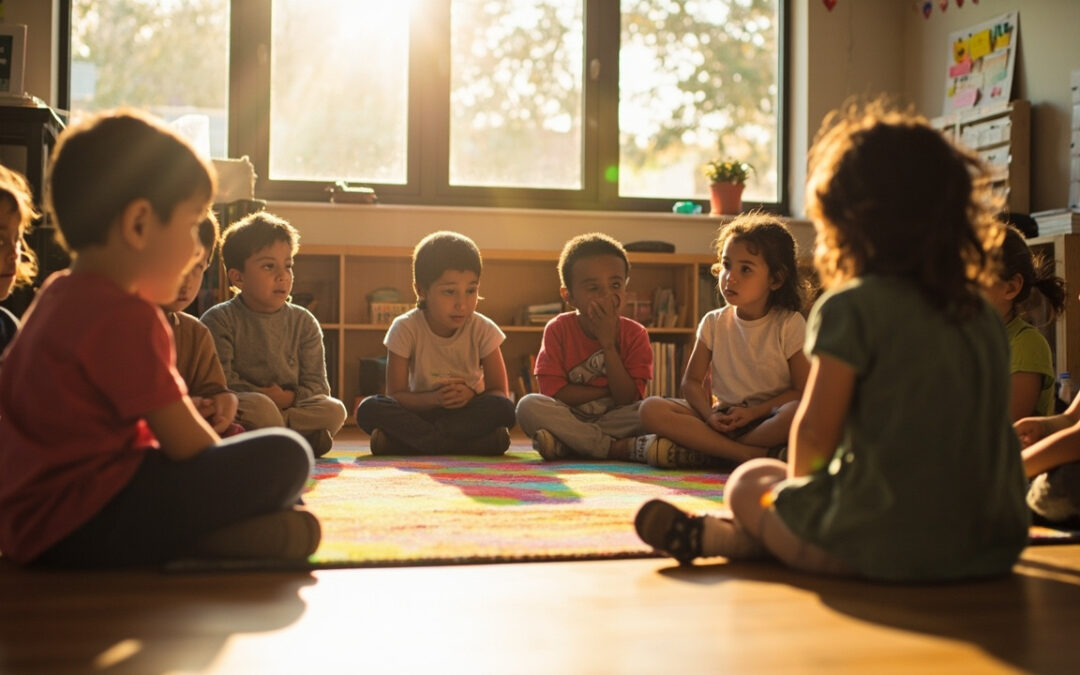
Kindergarten teachers already know: those first weeks of school aren’t really about letters and numbers. They’re about whether Maya will stop crying when her mom leaves. Whether Marcus will keep his hands to himself at the rug. Whether the class can take turns, listen to a friend, or notice when someone is having a hard day. That’s social emotional learning — and it’s happening in your classroom whether or not you have a formal curriculum for it.
The question isn’t if SEL belongs in kindergarten. It’s how to do it well. With the right SEL curriculum for kindergarten, those invisible skills — managing big feelings, building friendships, understanding yourself — become something you can actually teach, practice, and celebrate. Here’s what to look for and how to make it work.
Why Kindergarten Is the Perfect Starting Point for SEL
The kindergarten year sits at a remarkable developmental window. Children are moving from primarily home-based relationships into a social world that demands a whole new skill set: sharing, waiting, reading social cues, and regulating emotions in public. The brain’s prefrontal cortex — responsible for impulse control and decision-making — is still actively developing, which means kindergarteners are simultaneously the students who need SEL the most and the ones most capable of absorbing it.
Children who develop foundational emotional literacy in their earliest school years tend to show stronger academic engagement, fewer behavioral disruptions, and better relationship skills throughout elementary school and beyond. Kindergarten SEL isn’t a “nice to have.” It’s infrastructure.
What a Strong SEL Curriculum for Kindergarten Actually Looks Like
Not every SEL program is built for five-year-olds. Here’s what separates a genuinely effective kindergarten SEL curriculum from one that looks good in a catalog.
It’s Developmentally Appropriate
Kindergarteners think concretely. Abstract concepts like “empathy” or “self-regulation” need to be anchored in stories, images, movement, and play. A strong curriculum uses picture books, puppets, role-play scenarios, and simple breathing exercises — not worksheets or lectures. If a program leans heavily on independent written reflection, it wasn’t designed for this age group.
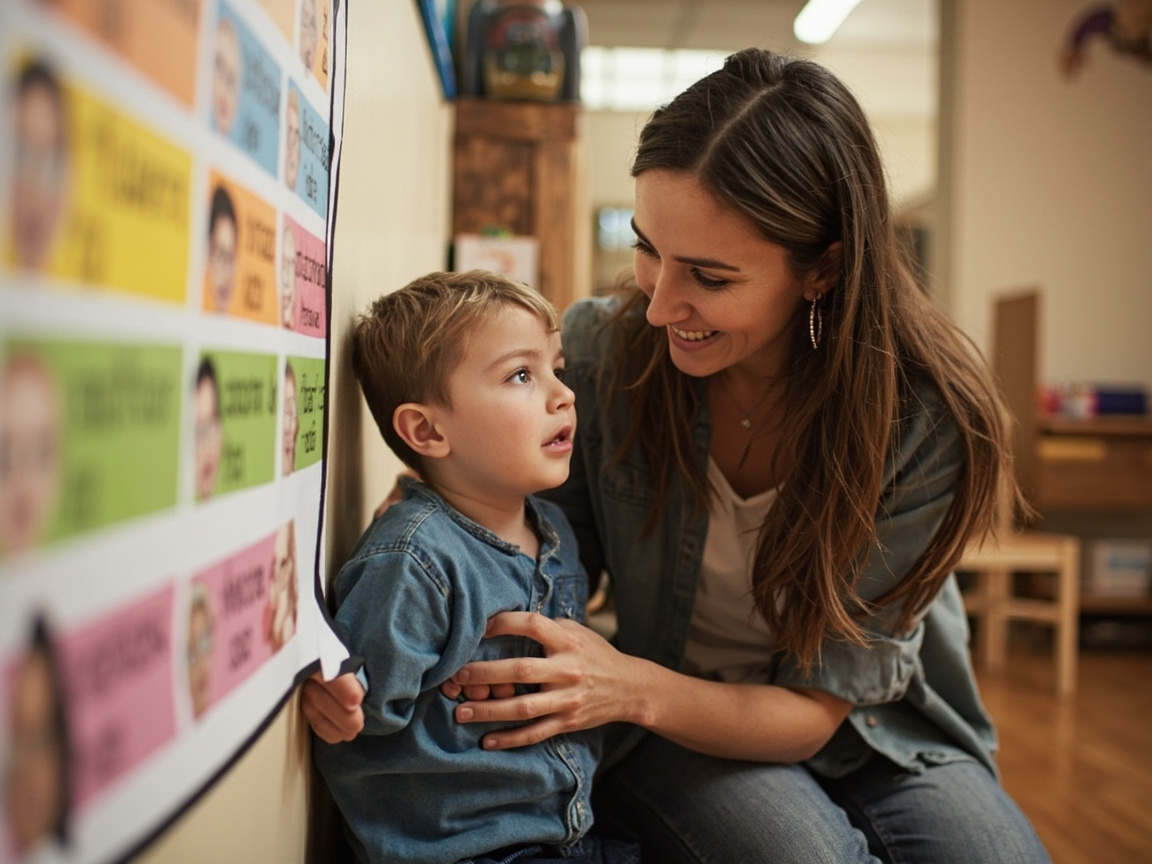
Look for curricula that build vocabulary first. Children need words for their feelings before they can manage them. Programs that introduce a feelings vocabulary through consistent visual tools — like an emotion chart or a feelings wheel — give kindergarteners the language they need to ask for help, solve conflicts, and understand each other.
It’s CASEL-Aligned
The Collaborative for Academic, Social, and Emotional Learning (CASEL) provides the field’s most widely used framework for SEL, organized around five core competencies: self-awareness, self-management, social awareness, relationship skills, and responsible decision-making. A kindergarten curriculum aligned to this framework ensures you’re building skills systematically — not just reacting to behavior in the moment.
When evaluating programs, ask whether the curriculum maps its lessons to CASEL competencies. That alignment tells you the program was developed with intention, and it makes it easier to communicate what you’re teaching to parents and administrators.
It’s Teacher-Friendly
The most perfectly designed curriculum will collect dust if it’s not usable. For kindergarten teachers already managing a hundred moving pieces, an SEL curriculum needs to fit naturally into the existing day — morning meeting, transition times, read-aloud, and play-based learning blocks.
The best programs offer short, self-contained lessons (think 10–15 minutes) with clear scripts or facilitation guides so teachers don’t have to improvise on the spot. They also build in practice beyond the lesson itself — quick check-ins, visual reminders posted in the classroom, and language teachers can use in the moment when a conflict erupts on the playground.
The Core SEL Skills Kindergarteners Are Ready to Learn
Every age group needs a slightly different SEL focus. For kindergarteners, these are the skills that matter most:
- Naming emotions: “I feel frustrated” is a huge leap from “AAAHH.” Building feeling vocabulary is foundational to everything else.
- Calming strategies: Belly breathing, counting, squeezing a fidget — simple tools that give children something to do with big feelings.
- Taking turns and sharing: These require impulse control and the ability to hold another person’s perspective in mind — both developmentally appropriate challenges for this age.
- Asking for help: Knowing when and how to seek support from a trusted adult is a genuine SEL skill, not just a behavioral expectation.
- Recognizing feelings in others: The beginning of empathy — noticing that a classmate looks sad and maybe asking why.
- Basic conflict resolution: “Use your words” is a start, but kindergarteners benefit from scripted language: “I feel ___ when you ___. I need ___.”
A curriculum that explicitly teaches and practices these skills — rather than assuming they’ll develop on their own — is doing the real work of SEL.
Weaving SEL Into the Kindergarten Day (Without Adding More to Your Plate)
The best SEL programs for kindergarten don’t ask teachers to carve out a separate “SEL period.” They’re designed to integrate with what you’re already doing.
Morning meeting is a natural home for SEL. A daily feelings check-in — even just “thumbs up, thumbs sideways, thumbs down” — builds self-awareness and gives teachers early information about who might need extra support that day.
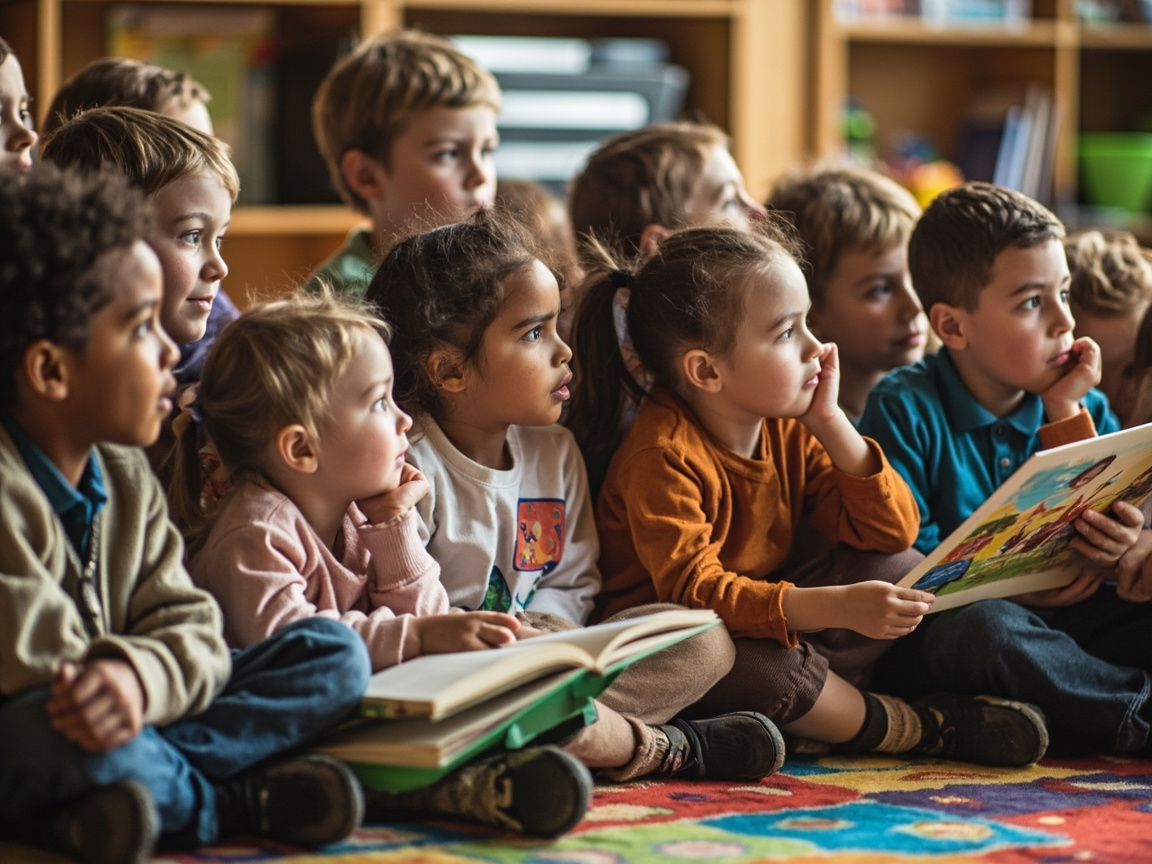
Picture books are one of the most powerful SEL tools available. Pausing during a read-aloud to ask “How do you think she’s feeling? What could she do?” turns a literacy activity into an SEL lesson without any additional prep.
Transitions — lining up, moving to centers, getting ready for lunch — are where behavior most often breaks down, and where SEL skills are most needed. A curriculum that equips teachers with consistent language and simple routines for these moments can dramatically shift the tone of the day.
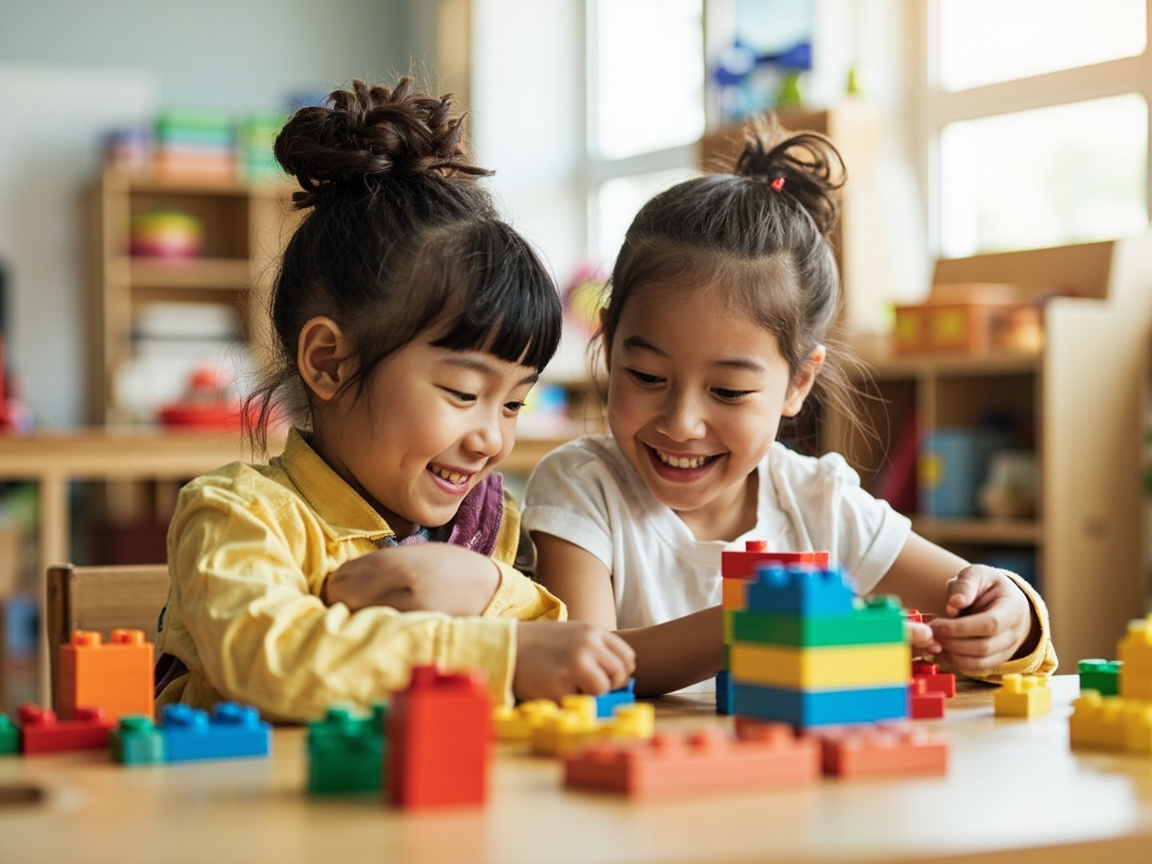
Play-based learning is already built into most kindergarten classrooms, and play is where children practice nearly every SEL skill there is. A good curriculum helps teachers observe and facilitate play in ways that scaffold social and emotional development — rather than simply managing behavior after problems arise.
Red Flags to Watch for When Evaluating SEL Programs
Not everything marketed as “SEL” is the real thing. Watch out for:
- Programs that focus only on behavior management. Reducing problem behaviors is a side effect of good SEL — not the goal. Curricula that are fundamentally about compliance aren’t building the inner skills students need.
- One-and-done lessons with no practice. SEL skills are built through repetition, not a single assembly or unit. Look for programs that build in consistent, recurring practice throughout the year.
- No family connection component. SEL is most effective when the same language and strategies are reinforced at home. Programs that include family communication resources — even simple ones — tend to show better outcomes.
- Lack of cultural responsiveness. Kindergarteners come from diverse emotional cultures, and a curriculum should acknowledge that different families express and talk about emotions in different ways. Rigid, single-perspective frameworks can alienate students and undermine the work.
Finding the Right Fit for Your Kindergarten Classroom
The SEL curriculum that works best for your kindergarteners is the one that fits your school’s culture, your teachers’ capacity, and your community’s needs. There’s no universal “best program” — but there are quality markers that separate effective, evidence-informed curricula from programs that are more marketing than substance.
Start by auditing what you’re already doing. Many kindergarten teachers are embedding SEL naturally, without a formal program. A structured curriculum can build on those instincts and make the learning more consistent and intentional.
If your school is ready to invest in a more comprehensive approach to kindergarten SEL — or to build it into a whole-school framework that grows with students from K through fifth grade — Soul Shoppe’s programs are designed with exactly that continuity in mind. We’d love to talk about what that could look like for your community.