

How to Teach Self-Regulation Skills in the Classroom: Practical Strategies for Every Educator
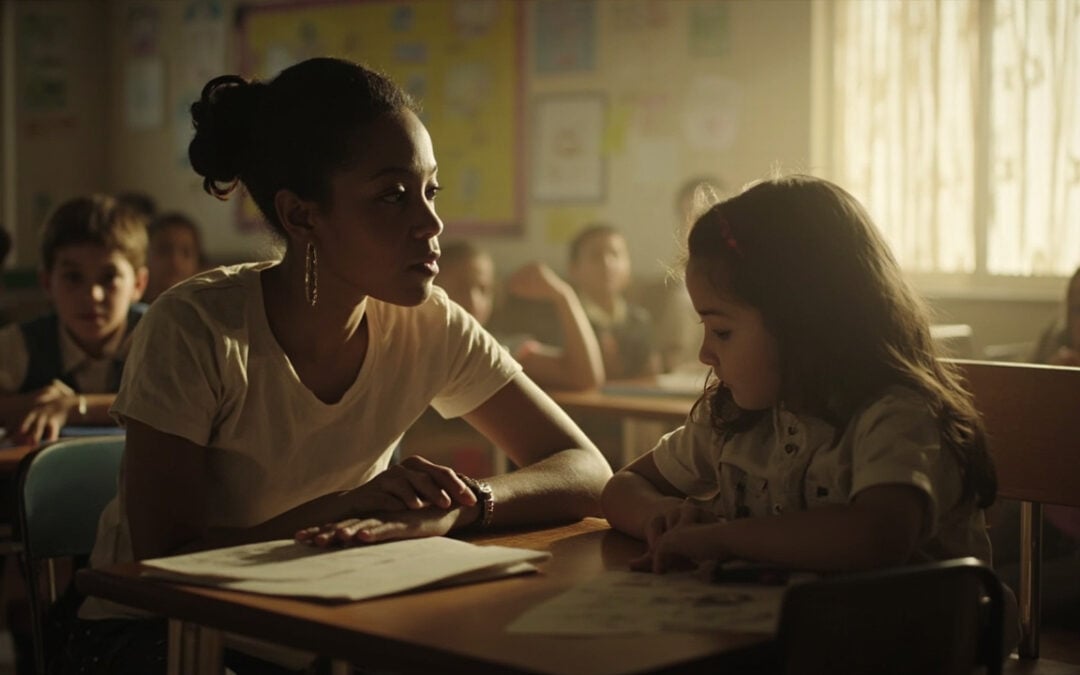
If you’ve ever watched a student shut down mid-lesson, melt down over a lost pencil, or explode at a peer over something small — you already know how much self-regulation matters. When kids can’t manage their emotions and impulses, learning stops. For everyone. Teaching self-regulation skills in the classroom is one of the most high-leverage things an educator can do — and the good news is that it’s entirely teachable.
Self-regulation isn’t a personality trait kids either have or don’t. It’s a skill that develops with intentional instruction, consistent practice, and the right environment. This guide breaks down what self-regulation really is, why explicit teaching matters, and what it actually looks like across the school day.
—
What Self-Regulation Actually Means (and What It Doesn’t)
Self-regulation is the ability to manage thoughts, emotions, and behaviors in response to a situation. It’s the internal thermostat that helps a child settle after an exciting recess, push through frustration during a hard assignment, or handle disappointment without falling apart.
It’s also worth clarifying what self-regulation is not: compliance, suppression, or just being quiet. A student who stuffs their feelings to avoid punishment isn’t self-regulating — they’re self-suppressing. True self-regulation gives kids awareness of their inner state and concrete strategies to respond constructively.
Neuroscience is helpful here. The prefrontal cortex — the brain’s “thinking brain” and the seat of self-regulation — isn’t fully developed until the mid-twenties. So when kids struggle, they’re not being difficult. They’re being developmentally human. That context changes everything about how we teach.
—
Why Explicit Instruction Changes the Game
Many teachers assume students will eventually figure out how to manage themselves. Some do. Many don’t — particularly students who have grown up in unpredictable or stressful environments where survival mode became the default setting.
Explicit instruction matters because:
- It names what’s invisible. Emotions and body sensations feel overwhelming when kids can’t identify or describe them. Naming gives them power.
- It provides a roadmap. Without a strategy, a dysregulated student has nowhere to go. With one, they have a path.
- It normalizes struggle. When self-regulation is taught like any other skill — introduced, practiced, revisited, celebrated — it removes shame from the equation.
Think of it this way: you wouldn’t expect a student to solve fractions without instruction. Emotions deserve the same intentional, patient teaching.
—
How to Teach Self-Regulation Skills in the Classroom — Core Strategies
These strategies work across grade levels but are especially effective in elementary classrooms.
1. Teach the “Window of Tolerance”
Help students understand that everyone has a zone where they feel calm and ready to learn — and zones outside it where they’re either revved up (anxious, agitated, impulsive) or shut down (withdrawn, foggy, numb). Use concrete, visual language. Once students can identify where they are in any given moment, they have the first ingredient for change: awareness.
2. Build a Feelings Vocabulary
You can’t regulate what you can’t name. Teach emotion words intentionally — not just “happy” and “sad,” but nuanced vocabulary like frustrated, overwhelmed, nervous, disappointed, and proud. Morning meetings, read-alouds, and class discussions are natural entry points. A feelings wheel or emotion chart posted in the classroom gives students a reference they can use all day long.

3. Practice Co-Regulation First
Before students can self-regulate, they need to experience co-regulation — the steadying presence of a calm, connected adult. This is one of the most important and least talked-about aspects of teaching self-regulation in the classroom. When you model slow breathing, use a grounded voice during conflict, and stay regulated when a student is escalating, you give their nervous system something to sync with.
That means your own regulation is part of the lesson. “I’m feeling a little frustrated right now too, so I’m going to take a breath” is incredibly powerful modeling — and it’s honest.
4. Teach Specific Calming Strategies
Don’t just tell students to calm down. Teach them how. Some strategies that land well with elementary-age kids:
- Box breathing — inhale for 4 counts, hold for 4, exhale for 4, hold for 4
- 5-4-3-2-1 grounding — name 5 things you see, 4 you hear, 3 you can touch, and so on
- Movement breaks — stretching, shaking out the hands, or a brief walk down the hall
- Squeeze and release — tense and relax muscle groups progressively
- Bilateral tapping — alternating taps on the knees, helpful for anxiety
The key: practice these strategies when the room is calm, not in the middle of a meltdown. Regular rehearsal builds the neural pathways students need to access these tools under real stress.
5. Create a Calm-Down Corner — With Intention
A calm-down corner (sometimes called a peace corner or regulation station) gives students a designated space to practice their strategies when they’re dysregulated. Stock it with breathing cards, fidgets, a glitter calm bottle, and an emotion check-in chart. Then explicitly teach how and when to use it — before anyone needs it. This is not a punishment space. It’s a skill-building space, and that distinction needs to be crystal clear to students and families alike.

—
Weaving Self-Regulation Into Your Daily Routine
One-off lessons don’t build lasting skills. Consistency does. Here’s how to embed self-regulation throughout your day without bolting on a separate program:
- Morning check-ins: Start with a quick emotional temperature check — a thumbs scale, a mood meter, or a simple “how are you feeling in your body right now?” This builds self-awareness and alerts you early to students who may need extra support before the day gets going.
- Transition rituals: Use brief breathing or movement exercises at natural transition points — after lunch, before a test, at the end of the day. Predictability itself is regulating.
- Reflection moments: After a conflict or a hard moment, circle back with the student when things are settled. “What was happening in your body? What helped?” builds metacognitive awareness over time.
- Celebrate the wins: When you see a student use a strategy, name it. “I noticed you took some deep breaths before you came to ask for help. That took real strength.” Recognition reinforces the behavior.
—
A Note on Trauma-Sensitive Practice
Some students arrive in your classroom carrying chronic stress, adverse experiences, or trauma. For these kids, the baseline capacity for self-regulation is already taxed before the school day begins. Their nervous systems may be wired for hypervigilance or shutdown, and regulation strategies may take longer to take hold.
This doesn’t mean your tools won’t work. It means they need more repetition, more co-regulation, and more patient relationship. The most powerful thing you can offer a student with a history of trauma isn’t a perfect lesson plan — it’s a consistent, safe connection with you.
—
Building a Whole-Classroom Culture of Regulation
Teaching self-regulation skills works best when it becomes part of the classroom’s shared identity — not an isolated intervention. Peer-to-peer modeling, consistent shared language, and class agreements rooted in mutual respect create an environment where regulation becomes the norm, not the exception.
Consider looping in families too. When parents and caregivers use the same vocabulary and strategies at home, children get reinforcement around the clock — and the skills build far faster.

—
A Sustainable Starting Point
Teaching self-regulation skills in the classroom is one of the most meaningful investments you can make — in your students’ long-term wellbeing and in the daily quality of your learning environment. It’s not a quick fix, and it’s not a “nice to have.” It’s foundational to everything else you’re trying to do.
Start small. Pick one strategy. Practice it together when the room is calm. Build from there. Over time, you’ll see students who once dissolved into meltdowns start to catch themselves, breathe, and try again. That’s not just better classroom management. That’s a child learning to live in their own skin.
At Soul Shoppe, we design whole-school SEL programs that help educators make this kind of skills-first, relationship-centered learning a daily reality — not just a once-a-week lesson. If you’re ready for a structured approach that fits the rhythm of your school, we’d love to talk.