

Mindfulness Activities for Elementary Students: Simple Practices That Calm, Focus, and Connect
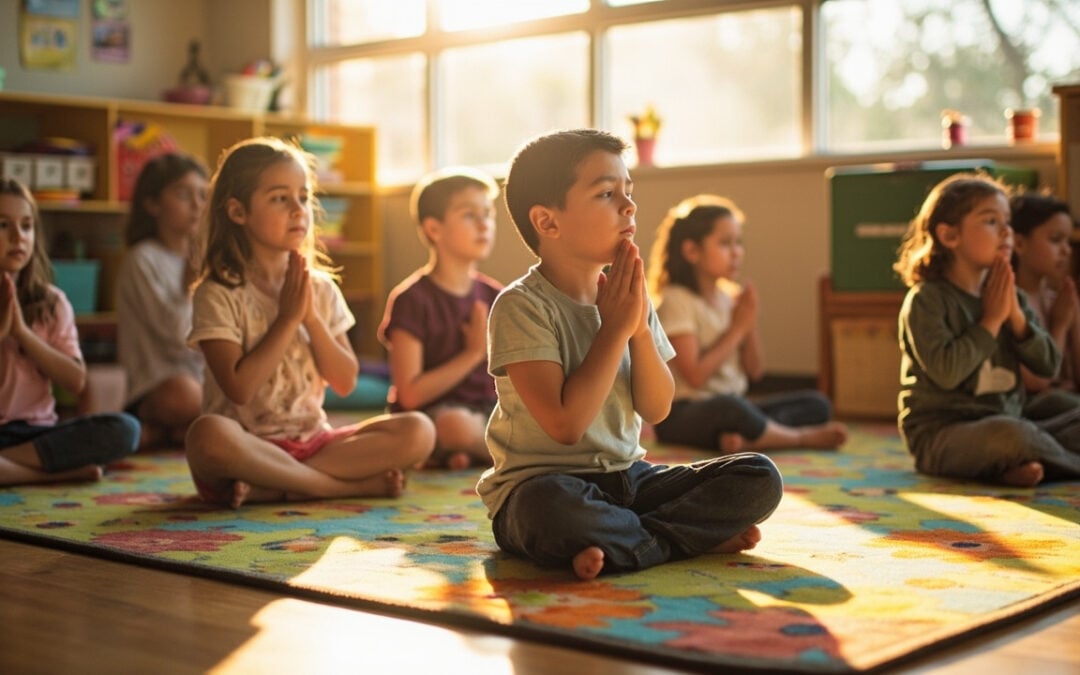
Walk into any elementary school around 1 p.m. on a Tuesday and the scene is familiar: a table of second graders who can’t stop talking, a first grader crying quietly near the door, and a teacher doing their absolute best to hold it all together while also, somehow, teaching fractions. Kids aren’t being difficult — they’re overwhelmed, understimulated, or caught somewhere in between. Elementary-age children are navigating a world of big emotions with very few tools for handling them.
Mindfulness activities for elementary students offer something genuinely useful: a set of simple, research-backed practices that help kids regulate their emotions, sharpen their attention, and build the self-awareness they need to handle whatever the school day throws at them. Best of all, most of these take under five minutes and require no special training, expensive materials, or lesson plan overhauls. They work in real classrooms, with real kids, on ordinary days.
What Makes Mindfulness Work for Young Learners
A common misconception stops many teachers before they begin: mindfulness means emptying the mind. It doesn’t — especially not for children. For elementary students, mindfulness is simply about noticing. Noticing a breath. Noticing how a belly feels when it’s tight. Noticing that a wave of frustration is rising before it crashes.
Young children are naturally curious and sensory-driven, which makes them surprisingly receptive to mindfulness when it’s taught in age-appropriate ways. The key is keeping activities concrete, brief, and — whenever possible — a little playful. A kindergartner won’t sit in silent meditation for ten minutes, but they will pretend to blow out birthday candles to calm down. And that slow, intentional exhale works just as well neurologically as any formal breathing technique.
7 Mindfulness Activities for Elementary Students
These practices work across grade levels, from kindergarten through fifth grade. Most can be dropped into transition times, morning meetings, or any moment when the class needs a reset.
1. Belly Breathing (K–2)
Students place one hand on their belly and one on their chest. They breathe in slowly until the belly hand rises — not the chest — hold for two counts, then exhale slowly. Three to five rounds is enough. Diaphragmatic breathing activates the parasympathetic nervous system, the body’s built-in calm-down response, and kids feel the shift quickly. That immediate, physical payoff is what builds the habit.
2. The 5-4-3-2-1 Grounding Exercise (Grades 2–5)
Guide students to identify:
- 5 things they can see
- 4 things they can feel or touch right now
- 3 things they can hear
- 2 things they can smell
- 1 thing they can taste
This sensory inventory anchors kids in the present moment and is especially effective for students experiencing anxiety or coming down from a heightened emotional state. It requires nothing but awareness — and it’s easily repeatable throughout the day.
3. Mindful Listening
Ring a singing bowl, a chime, or a classroom triangle. Ask students to raise their hand the moment they can no longer hear the sound. The exercise demands genuine, sustained attention, and the quiet that follows tends to land with students in a way that’s hard to manufacture any other way. Variation: play a 30-second clip of nature sounds and ask students to count every distinct sound they can identify.
4. Balloon Breathing (K–3)
Students imagine they’re balloons. As they inhale, arms lift wide and bodies “inflate.” As they exhale, they release a slow sssss sound while arms drop and bodies soften. Two or three rounds is plenty. The physical movement makes the breath visible and tangible, and the playfulness keeps younger students engaged without self-consciousness getting in the way.

5. Body Check-In (Grades 2–5)
Guide students through a brief body scan:
“Starting at the top of your head, slowly notice how each part of your body feels. Your forehead. Your jaw. Your shoulders. Your hands. Your belly. You don’t have to fix anything — just notice what’s there.”
This practice helps students connect physical sensations to emotional states, a foundational skill for self-regulation. It works especially well at the start of class to help students truly “arrive,” or after recess when bodies are still buzzing and brains aren’t quite ready to learn.
6. Mindful Journaling or Drawing (Grades 3–5)
Give students three minutes and one of these prompts:
- What does calm feel like in your body?
- Draw a place where you feel completely safe.
- What’s one thing you noticed today that you’ve never really paid attention to before?
These prompts invite genuine reflection without demanding vulnerability. Over time, they build the emotional vocabulary and self-awareness that help kids navigate challenges inside and outside the classroom.

7. Weather Report Check-In (K–5)
Ask students to describe their emotional state as weather. Sunny? Stormy? Foggy? Partly cloudy with a chance of irritation? The metaphor gives children — especially those still developing emotional vocabulary — a creative, low-stakes way to identify and name what they’re feeling. You can do this verbally, with a simple hand signal, or by having students choose a weather icon card at their seats at the start of the day.
Building a Consistent Mindfulness Practice
These activities deliver the most benefit when they show up regularly — not just on hard days or as a crisis intervention. Consistency matters more than duration. A two-minute mindfulness practice that happens every single day builds far more than an occasional 20-minute session. A few things that help make it stick:
- Start with two minutes. Resistance drops when the time commitment is small. One breathing exercise before morning meeting builds the habit without adding pressure to an already full day.
- Model it yourself. When students watch you pause, breathe, and reset before responding to a chaotic moment, you’re teaching something no curriculum can replicate: that emotional regulation is a skill grown-ups practice too.
- Name the why. “We’re doing this because it helps our brains focus and our bodies calm down” gives students a reason to engage — and a tool they can reach for when they actually need it.
- Anchor it to transitions. After lunch, before a test, when the class returns from specials — pairing mindfulness with existing routines means it happens reliably without requiring extra planning.
- Invite, don’t require. Give students the option to sit quietly if they’d rather not participate. Removing the power struggle almost always increases genuine engagement over time.

Mindfulness as a Foundation for the Whole Child
Mindfulness activities for elementary students aren’t just a strategy for calming a rowdy classroom. They’re the beginning of something much larger: the self-awareness and emotional regulation skills that underpin everything we mean by social-emotional learning. When kids learn to pause before reacting, name what they’re feeling without shame, and meet their inner experience with curiosity, the ripple effects show up everywhere — in how they handle conflict, how they relate to peers, and how they approach hard moments in learning.
Teachers who build even a small, consistent mindfulness practice into their day often notice something meaningful: fewer behavioral disruptions, stronger classroom community, and students who are more capable of communicating what they need. That’s not a coincidence. It’s what happens when children are given tools that actually match the emotional lives they’re living.
Ready to go deeper? Soul Shoppe’s elementary SEL programs weave mindfulness into a comprehensive, evidence-informed approach built specifically for school communities. If you’re ready to bring these skills to your whole school, we’d love to connect.